Where to Buy a Jet in 2026: Global Market, Options & Expert Support

Jay Franco Ser
September 5, 2026

Where to Buy a Jet in 2026: Global Market, Options & Expert Support
Buying a private jet in 2026 means navigating a market with tighter inventory, shifting prices, and multiple acquisition channels. This guide breaks down the main ways to source an aircraft, how to match your mission to the right jet category, and where an experienced brokerage partner fits into the process.

Key Takeaways

There are approximately 24,270 private jets in operation worldwide, and only a fraction are available for sale at any given time. Buyers who understand the landscape before committing capital avoid costly missteps.

  • The main ways to buy a private jet in 2026 include working through an aircraft broker like BusinessJets.com, purchasing direct from an owner, ordering factory-new from OEMs, and sourcing off-market deals through relationships. Each channel carries different timelines, risk profiles, and pricing dynamics.

  • A well-executed search for jets typically runs 60 to 120 days from accepted offer to delivery. Pre-owned inventory spans very light jets, light jets, midsize, and large jets, with the average price of private jets listed at $6,671,944.

  • Most corporate buyers and private jet owners benefit from working with an experienced brokerage and appraisal partner to avoid overpaying, misjudging operating costs, or acquiring the wrong aircraft for their route profile.

  • BusinessJets.com is a discreet B2B brokerage and consulting firm that helps buyers source on-market and off-market aircraft, value options, structure deals, and manage pre-buy inspections. The firm has completed over 1,500 transactions.

How to Decide Where to Buy a Private Jet (Start Here)

The answer to "where should I buy a private jet in 2026?" depends on your mission profile, budget, timeline, and tolerance for complexity. The buying channels break into five categories: brokered pre-owned sales, direct owner-to-buyer purchases, OEM factory orders, fractional ownership programs, and off-market sourcing through networks.

Buyer Profiles

Purchasing a private jet requires evaluating travel range and operating costs before choosing a channel. Buyers fall into distinct profiles:

  • First-time private jet owners exploring the very light jet category or light jets for regional flying, especially owners transitioning with professional pilots or planning training support

  • Corporations and fleet managers replacing or expanding business jets fleets

  • Experienced owners upgrading from midsize to large jets or switching OEM families

  • Operators seeking fleet additions to meet growing demand

Filtering Your Options

Before selecting where to buy, filter your options by mission profile (typical routes, range, passenger count), budget (purchase price plus annual operating costs), preferred category, and timeline. If you need an aircraft within 90 days, pre-owned through a broker is the most realistic path. If you can wait 12 to 24 months, a factory order may suit better.

Timeline Considerations

The timeline for acquiring a jet depends on the channel you choose. Pre-owned purchases can often be completed within 60 to 120 days, while factory-new orders may require a 12 to 24-month wait. Off-market deals and direct-from-owner purchases can vary, depending on negotiation and inspection requirements.

Understanding Private Jet Categories Before You Buy

The right jet category determines your cost, airport access, and the pool of aircraft available to you. Private jets can access around 10 times more airports than scheduled airlines, but range and runway requirements vary by class. Private jets range from $1 million to $80 million depending on category and age.

Very Light Jets

  • 4 to 6 seats, 900 to 1,200 nm range.

  • Examples include the Cirrus Vision Jet (the 2023 Cirrus SF50 VisionJet costs $3.5 million) and the Eclipse 500.

  • Demand for very light jets is increasing due to efficiency and the ability to access smaller airports with shorter runways.

Light Jets

  • 6 to 8 seats, 1,500 to 2,000+ nm range.

  • The Cessna Citation M2 and Citation CJ3 are common in this segment.

  • These aircraft balance acquisition cost with cabin comfort for personal and business use.

Midsize and Super-Midsize Jets

  • 8 to 10 seats, 2,500 to 4,000 nm range.

  • The Challenger 350 and Gulfstream G280 serve transcontinental routes with stand-up cabins.

Large Jets

  • 12 to 17+ passengers, 4,000+ nm range.

  • The Dassault Falcon 7X, Gulfstream G550, Airbus ACJ319, and Bombardier Global 6000 handle intercontinental missions.

  • The 2024 Gulfstream G700 costs $80 million at the top end. These aircraft dominate demand in today's market for private aviation buyers flying worldwide.

Category choice affects where jets most commonly transact. North America holds roughly two-thirds of global pre-owned inventory, with Europe and the Middle East offering strong Dassault Falcon and Bombardier supply.

Where to Buy: On-Market Listings and Brokered Aircraft

The global on-market environment in 2026 gives buyers access to hundreds of Cessna Citation, Gulfstream, Dassault Falcon, and Bombardier models publicly advertised at any time. Dedicated global marketplaces list new and pre-owned business jets, and online marketplaces facilitate access to aircraft listings and specifications. As one reference point, GlobalAir.com lists 587 private jets for sale on its platform alone.

"On-market" means aircraft listed with details such as price, year, total time, maintenance program enrollment (e.g., ESP Gold, MSP Gold, RRCC APU enrolled), engines status, damage history, and number of owners. Reputable marketplaces provide transparent pricing and aircraft specifications, though public marketplaces can vary in inventory quality and seller verification. Buyers should filter listings carefully.

Key advantages of using a professional aircraft broker to navigate aircraft for sale on the open market:

  • Filtering by mission and budget to eliminate aircraft that don't fit

  • Verifying listing accuracy against maintenance records and logbooks

  • Comparing options across platforms and regions

  • Negotiating price and terms with the seller's representative

BusinessJets.com typically works with buyers through a structured process: initial mission and budget review, a longlist of aircraft worldwide, a shortlist with valuation analysis, then coordinated offers and pre-buy inspections. Many serious buyers prefer brokered transactions even for publicly listed aircraft because brokers help navigate logistics, inspections, and closing throughout the acquisition.

Off-Market and Discreet Private Jet Opportunities

Off-market aircraft are jets not advertised on public listing sites but available for sale through relationships with owners, operators, and corporate flight departments. These opportunities exist because high-net-worth individuals and corporations sometimes prefer confidentiality, fleet strategy privacy, or avoiding public price signaling for assets like a Dassault Falcon 7X, Gulfstream G450, or Bombardier Global 6000.

For buyers, working with BusinessJets.com on off-market sourcing provides access to aircraft competitors never see, better context on ownership history (including whether an aircraft is one owner, damage history clean, and well-maintained), and the ability to negotiate quietly. Industry consultants facilitate due diligence in these transactions, confirming records and condition before a buyer commits.

Typical off-market scenarios in 2025 to 2026 include a 2017 Challenger 350 in Europe where the corporate owner is upgrading to a large cabin, or a 2019 Gulfstream G550 in the U.S. being quietly replaced by a G700 order. Timing and relationships drive these deals. Off-market sourcing is particularly valuable for hard-to-find models: late-model large jets, low-time light jets, or heavily optioned aircraft where on-market inventory is thin.
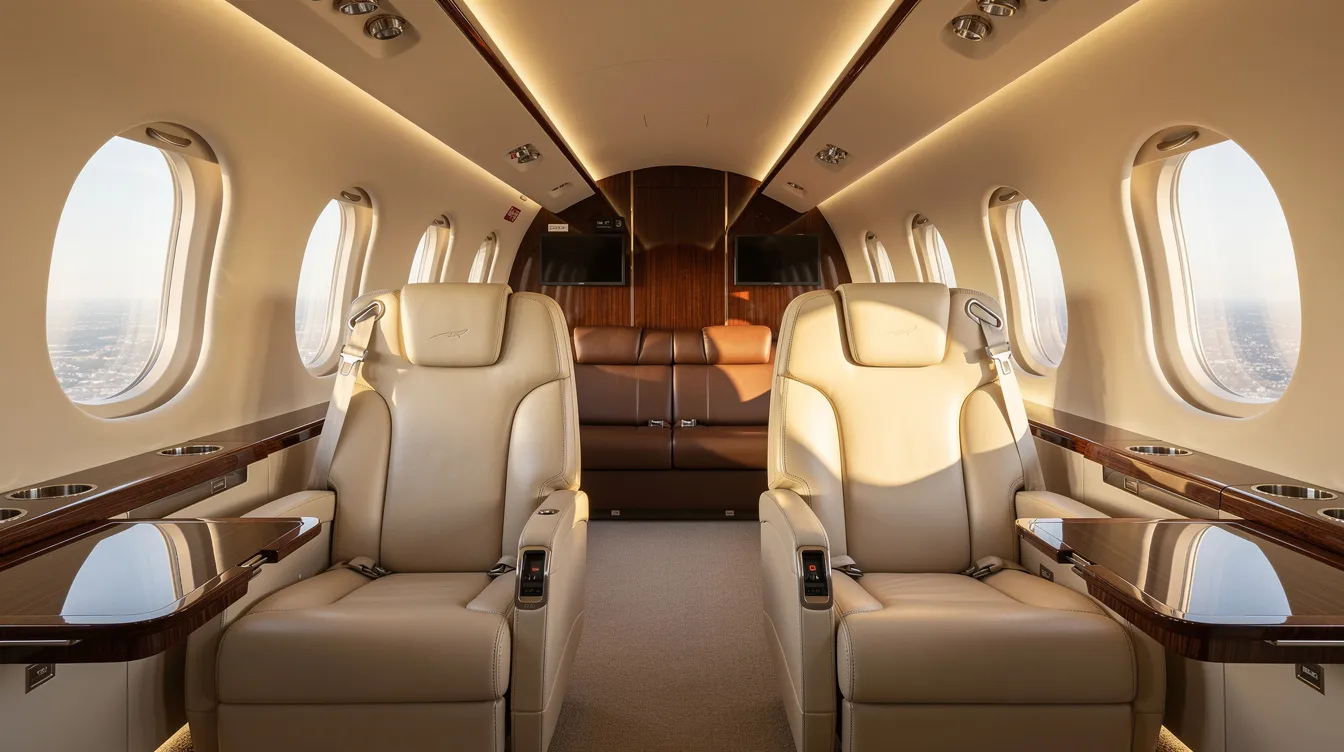
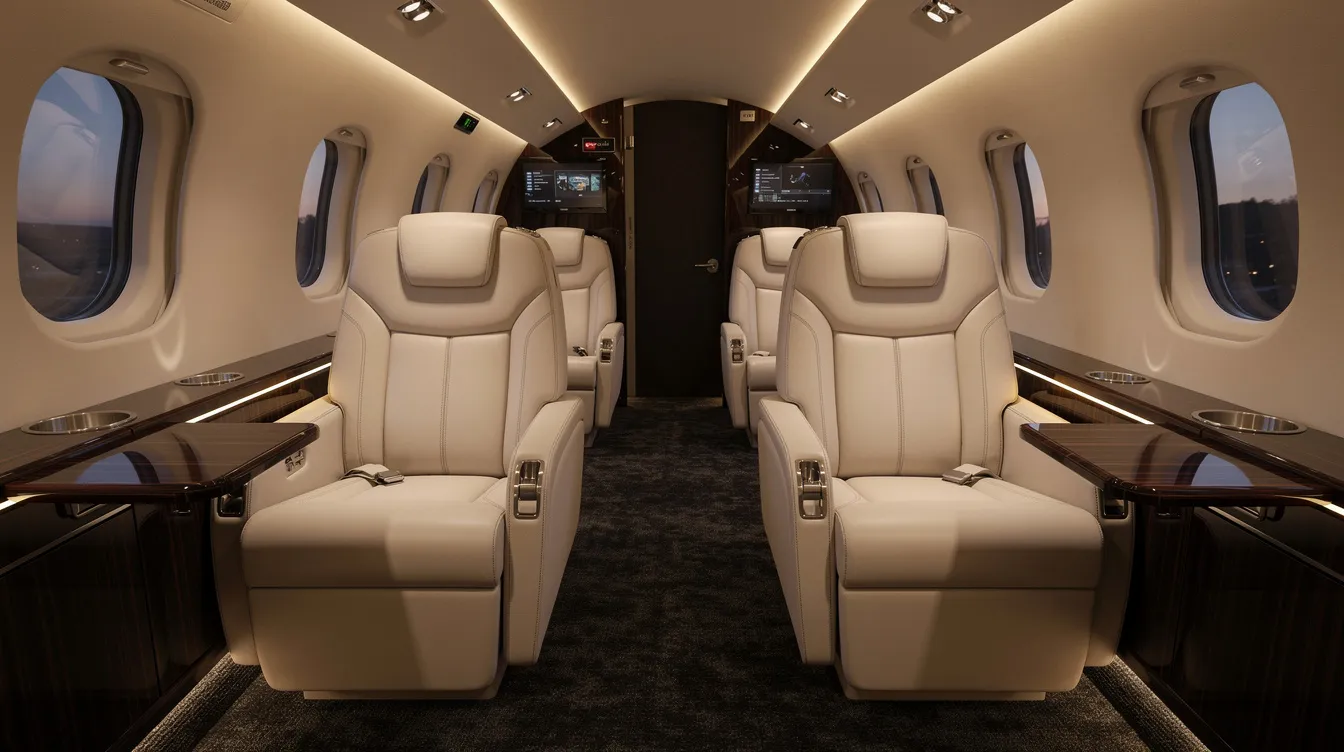
The image depicts the interior of a spacious business jet, featuring plush leather seating and abundant natural light streaming in through oval windows. This luxurious private jet offers a comfortable environment for travelers, highlighting the key advantages of private aviation over scheduled airlines.

Buying Direct from Manufacturers vs. Pre-Owned Market

Factory-New Jets from OEMs

Factory-new jets from OEMs like Gulfstream, Dassault Falcon, Bombardier, Embraer, and Textron Aviation offer customized specification, full warranties, the latest avionics and connectivity, and predictable maintenance in the first several years of ownership. New jets come with custom choices and manufacturer warranties. Acquisition type affects upfront costs and technology access.

However, OEM delivery queues are stretched. Bombardier and Gulfstream each carry backlogs in the $20 to 25 billion range, with book-to-bill ratios around 1.5x. Buyers waiting for a factory slot may face 12 to 24 months before delivery.

Pre-Owned Jets

Pre-owned jets offer lower capital outlay, avoided early depreciation, proven dispatch reliability, and faster timelines. But pre-owned jets may require higher maintenance and inspections. Aircraft age affects maintenance costs and depreciation rates, and thorough pre-purchase inspections are critical when buying a used aircraft. Pre-owned private jet prices have doubled in recent years in some segments, reflecting tighter supply. Many sophisticated buyers target nearly-new 1 to 3 year old aircraft as a middle ground. BusinessJets.com advises clients on this decision using appraisal data, total cost of ownership modeling, and market trend analysis.

Alternative Ways to Access Jets: Fractional Ownership, Jet Cards & Charter

Not every buyer searching for where to buy a private plane needs full ownership. Typical flight hours determine whether ownership or chartering is more economical. Below roughly 200 annual hours, alternatives may make more financial sense.

  • Fractional ownership means buying a share (1/4, 1/8) of a specific aircraft type with guaranteed access hours, relevant for travelers flying 50 to 250 hours per year. Fractional programs account for roughly 18 to 20% of new deliveries in 2026.

  • Jet cards are pre-purchased blocks of flight time on a fleet, often in light jets or large jets, with fixed hourly rates. They complement or precede outright ownership for buyers testing private aviation.

  • On-demand charter remains a flexible option for occasional users or for supplementing owned fleets during maintenance events or peak demand.

BusinessJets.com does not sell jet cards or fractional shares directly but helps corporate clients and owners model when full acquisition, fractional, or charter is the most efficient approach for their operation worldwide.

What Drives Operating Costs and Why It Affects Where You Buy

Evaluating total operating costs is crucial in private jet acquisitions. The purchase price is only the entry point; the annual budget to operate determines long-term viability.

Cost factors include:

  • Maintenance

  • Crew salaries

  • Insurance

  • Fuel

  • Hangar storage

  • Navigation fees

  • Training

Total ownership cost includes fixed and variable components. Annual fixed costs for midsize jets range from $800,000 to $1.2 million before flight-variable expenses.

Operating cost benchmarks by category:

Category

Hourly Direct Cost

Example Aircraft

Very light jets

$1,500 to $2,500

Cirrus Vision Jet

Light jets

$1,800 to $3,800

Cessna Citation CJ3

Large jets

$5,000 to $9,500

Gulfstream G550, Dassault Falcon 7X

Regional differences matter. Europe runs 15 to 25% higher than the U.S. in fuel and operating costs, and popular hubs such as Paris for private jet travel concentrate demand for larger cabin and VIP-configured aircraft. Airport selection, insurance premiums, and where you base the aircraft all affect the budget. BusinessJets.com builds operating cost projections into its acquisition consulting so buyers do not end up with an aircraft whose annual budget far exceeds expectations.
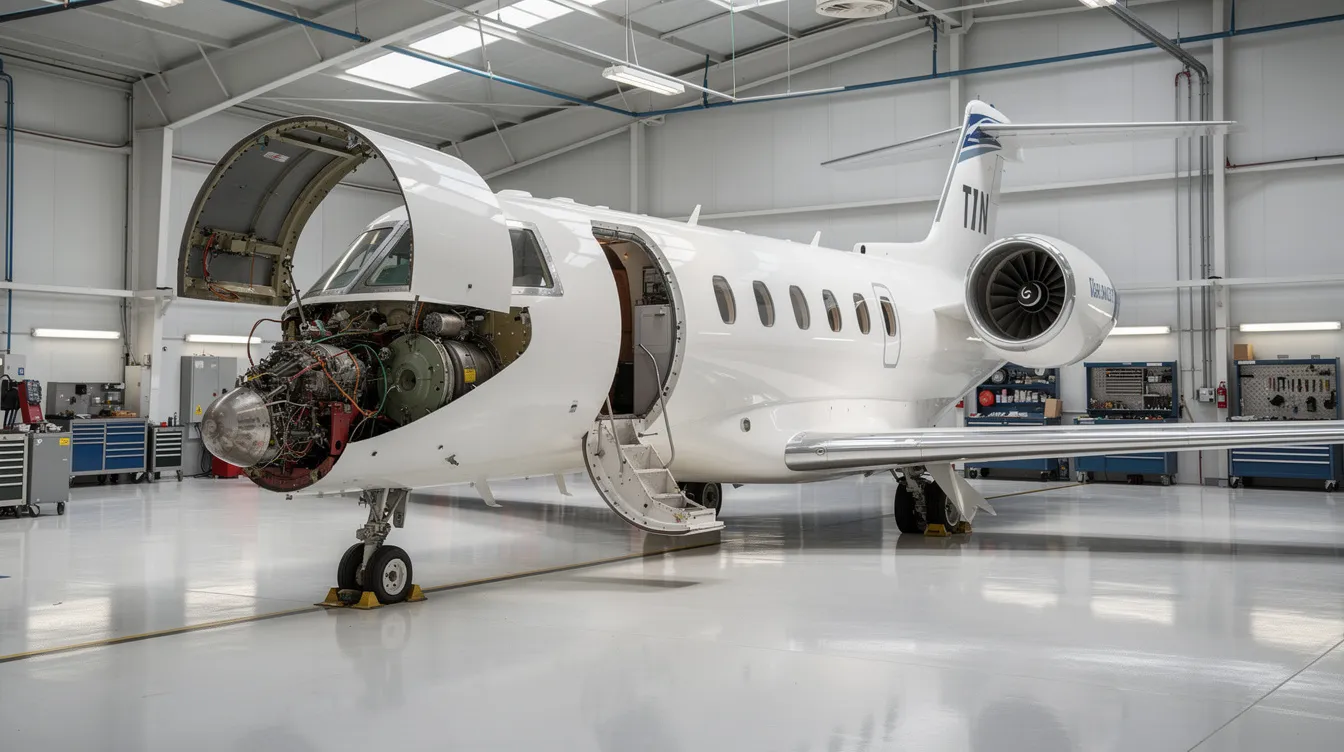
The image depicts a private jet inside a well-lit maintenance hangar, with its engine cowlings open, showcasing the aircraft's engines and interior features. This setting highlights the importance of maintenance in private aviation, particularly for private jet owners who seek to ensure their light jets operate efficiently.

The image depicts a private jet inside a well-lit maintenance hangar, with its engine cowlings open, showcasing the aircraft's engines and interior features. This setting highlights the importance of maintenance in private aviation, particularly for private jet owners who seek to ensure their light jets operate efficiently.

Valuation, Appraisals and How Many Private Jets Are on the Market

Accurate valuation and independent appraisal protect buyers from overpaying in a market where inventory levels and asking prices shift quarterly. How many private jets are in the market today? Approximately 24,270 private jets are in operation worldwide, spanning very light jets through ultra-long-range models. Only about 6.1% of the active fleet is listed for sale at any given time, well below the historical balanced range of 10 to 12%.

Comprehensive databases track aircraft inventories and historical data, and key factors influencing value include production status, fleet size, OEM support, maintenance tracking, program enrollment, avionics upgrades, and interior condition. The Gulfstream G550 consistently commands premium residuals in the market, while older jets and less popular types can depreciate to below $2 million after several years of operation. Pre-owned jets can depreciate to below $2 million depending on age, condition, and market demand for the type.

BusinessJets.com's appraisal and valuation services draw on standardized methodologies and transaction data from 1,500+ completed deals. An appraisal supports not only negotiation strategy but also financing, insurance, and internal capital allocation decisions for corporate flight departments.

Regional Considerations: Where in the World to Source Your Jet

Geography shapes pricing, regulatory complexity, and maintenance culture. The U.S. holds roughly 63% of the global business jet fleet, making it the deepest market for pre-owned Cessna Citation, Gulfstream, and Challenger models. Europe offers strong Dassault Falcon and Bombardier inventory. Growing markets in the Middle East and Asia include larger cabin and VIP-configured aircraft.

U.S. Market

  • Holds about 63% of the global business jet fleet

  • Deepest market for pre-owned Cessna Citation, Gulfstream, and Challenger models

  • Generally lower operating costs and easier regulatory environment

Europe and Middle East

  • Europe offers strong Dassault Falcon and Bombardier inventory

  • Middle East and Asia are growing markets, especially for larger cabin and VIP-configured aircraft

  • Europe typically has 15-25% higher fuel and operating costs than the U.S.

Cross-Border Acquisition Considerations

Practical considerations for cross-border acquisitions include:

  • EASA vs. FAA certification requirements and re-registration timelines

  • Prior commercial vs. private usage history and its impact on value

  • Corrosion risk in coastal or humid environments (Latin America's fleet averages 24.5 years old, compared to the global average of 18.1 years)

  • Proximity to OEM service centers for ongoing maintenance access

Regional Comparison Table

Region

Pricing & Inventory

Regulatory Complexity

Operating Costs

U.S.

Largest inventory, competitive prices

Lower (FAA)

Lower

Europe

Strong Falcon/Bombardier supply

Higher (EASA)

15-25% higher than U.S.

Middle East

Growing, focus on large/VIP jets

Varies

Varies

BusinessJets.com helps clients weigh buying locally versus importing, factoring in ferry flights, inspections, taxes, and re-registration. A European buyer considering a U.S.-based 2007 Gulfstream G450, for example, needs to account for EASA conformity work, import VAT, and secure local hangar and crew arrangements before closing.

How BusinessJets.com Supports Buyers Through the Entire Acquisition

BusinessJets.com is a B2B aircraft brokerage and consulting partner with 1,500+ completed transactions and more than 5,000 satisfied clients worldwide. Consulting services facilitate buying and selling of private jets across all categories and regions. The International Aircraft Dealers Association lists reputable aircraft dealers, and major aircraft brokerages like BusinessJets.com provide market evaluations and negotiation support.

Core services for buyers:

  • Mission analysis and aircraft search across on-market and off-market inventory

  • Aircraft appraisals and comparative valuation using transaction data

  • Offer strategy, contract negotiation, and managing pre-buy inspections

  • Aviation consulting that includes operational advice for aircraft transactions and helps consultants optimize aircraft assets for operators

BusinessJets.com works with all major categories, from very light jets and light jets to large cabin aircraft like Gulfstream, Bombardier, Dassault Falcon, and similar types. For fleet managers, the firm provides fleet renewal strategy, sell-to-buy upgrade paths, and operating cost optimization across multiple assets. Aviation consulting supports operators with strategic guidance throughout the ownership lifecycle.

Ready to move forward? Request a confidential aircraft appraisal, explore comprehensive aviation services, or contact BusinessJets.com to discuss your acquisition or make offer on a listed aircraft.

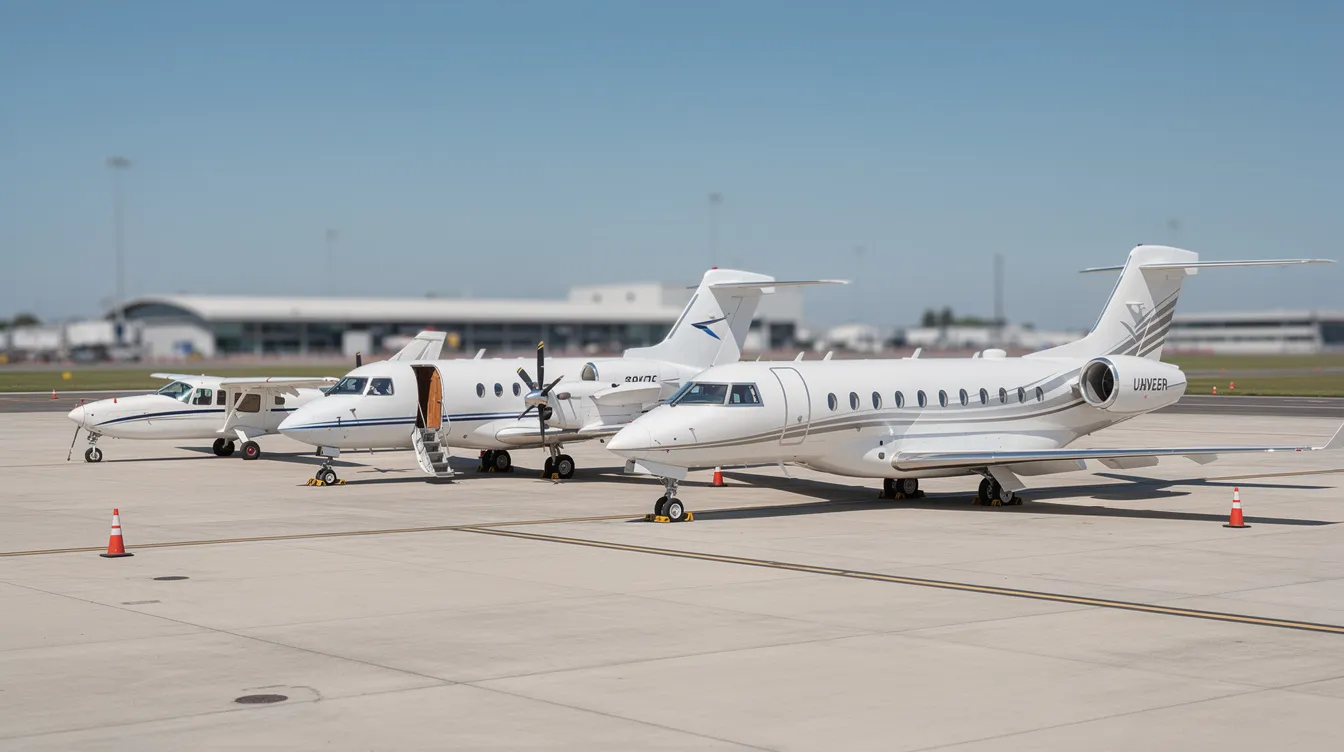
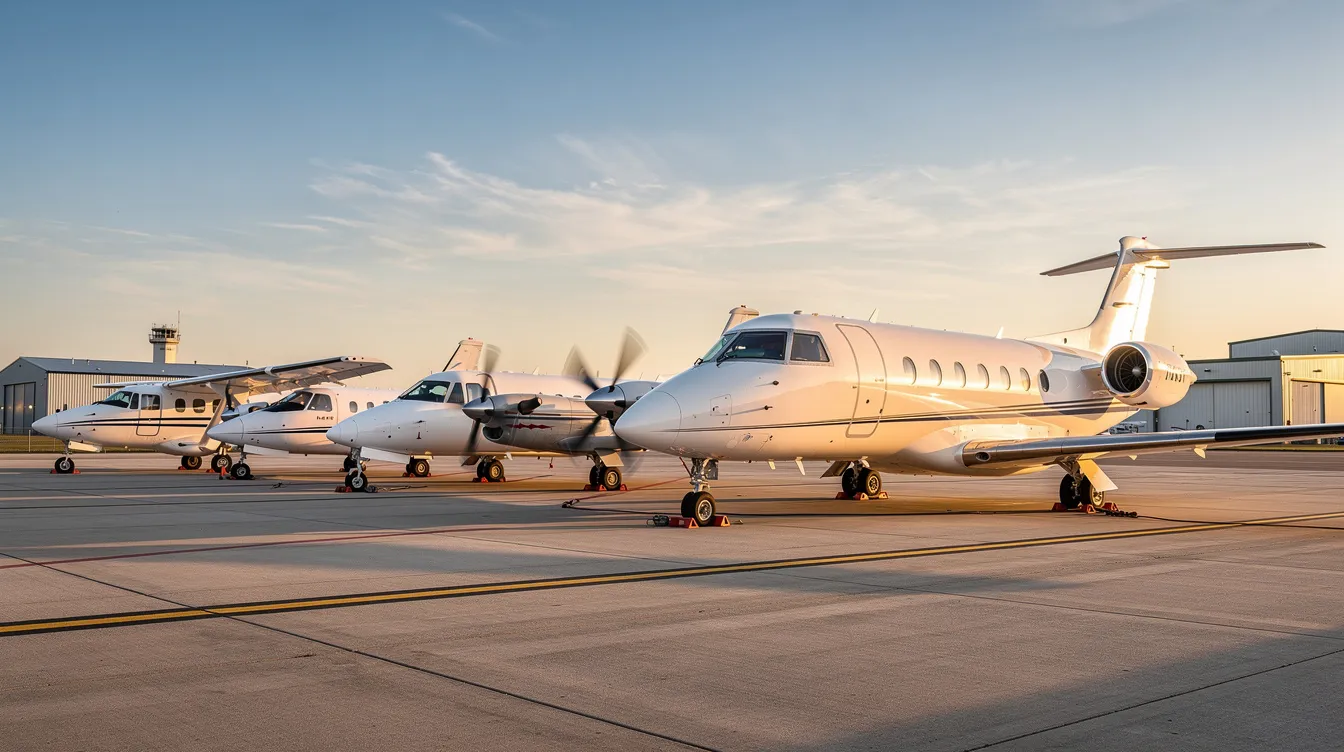
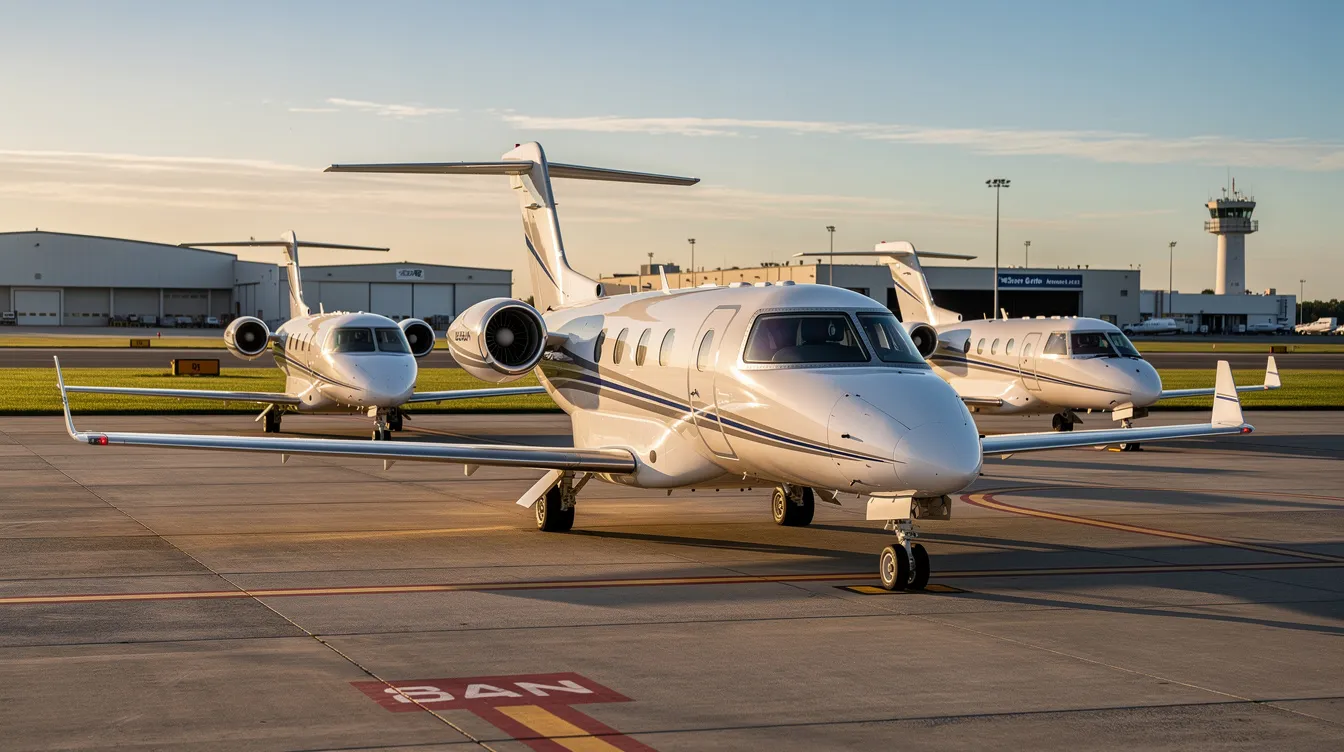
An aerial view showcases a private aviation terminal bustling with several business jets, including very light jets and larger models, parked on the ramp. This scene highlights the luxury and efficiency of private aviation, offering private jet owners access to smaller airports and a range of destinations worldwide.

Frequently Asked Questions

These FAQs address common questions about timelines, structure, financing, and preparation that go beyond the main sections above.

How long does it typically take to buy a private jet?

Most standard pre-owned transactions take around 60 to 120 days from accepted offer to closing. The main phases include requirements definition, aircraft search and shortlisting, offers and negotiation, pre-buy inspection (typically the longest phase at 2 to 6 weeks), remedial work if needed, and final closing with entry into service.

Cross-border acquisitions, large jets with complex cabin systems, or aircraft requiring heavy maintenance can extend timelines. Straightforward domestic deals for light jets or very light jets may close faster. BusinessJets.com helps compress timelines by pre-screening candidates, preparing documentation early, and coordinating inspections with trusted maintenance facilities.

Should I buy a jet personally or through a company or trust?

Many buyers use corporate entities, LLCs, or trusts for liability management, tax planning, and privacy. Ownership structure impacts insurance and tax implications, and aircraft ownership can offer tax benefits under specific requirements. The optimal structure depends on jurisdiction and whether the aircraft will serve business or personal flying.

For corporate flight departments, aligning the ownership entity with internal governance is essential. BusinessJets.com works alongside clients' legal and tax advisors, supplying accurate valuation and projected operating costs to support structural decisions, but does not provide legal or tax advice.

Can I finance a private jet purchase, and how does that affect where I buy?

Buyers commonly use financing, leases, or sale-leaseback structures for larger jets and corporate fleets. Lender requirements can influence which aircraft and jurisdictions are feasible. Lenders evaluate aircraft age and type (older very light jets and niche models are harder to finance), maintenance status, usage profile, and registration jurisdiction.

Financing favors buying in markets with clear title, strong maintenance documentation, and predictable residual values, such as mainstream Cessna Citation, Challenger, Gulfstream, and Dassault Falcon models. BusinessJets.com assists clients in preparing the technical and valuation documentation lenders request.

I'm a first-time buyer. What should I prepare before speaking to a broker?

Buying a jet entails assessing mission profile and passenger capacity before initial discussions. Define a realistic annual flight hours estimate, typical routes, average passengers, and desired cabin features (connectivity, galley, sleeping configuration). Set a preliminary budget that covers both acquisition and annual operating cost tolerance, and if you are a first-time buyer, be clear on whether you will rely on professional pilots or need training support, as this determines whether very light jets, light jets, midsize, or large jets are appropriate.

If the jet will be held in a business or family office structure, gather information on corporate policies, board approvals, and financing preferences. With this data, BusinessJets.com can quickly filter the global market and provide early valuation and operating cost scenarios.

How often do market conditions change, and when is the "right time" to buy?

Business jet markets are cyclical. Inventory levels, pricing, and days-on-market shift based on economic conditions, interest rates, and new aircraft deliveries. From 2024 to 2026, the market has seen periods of tight supply in certain large jets and premium light jets, while other segments have normalized with more negotiable pricing. The "right time" to buy is when a suitable aircraft is available at a value-aligned price and the buyer's operational need is clear, rather than trying to time the market. BusinessJets.com provides ongoing market intelligence so clients can see whether they are entering a seller's or buyer's market in their chosen category before committing.

Conclusion: Navigating the Private Jet Market with Expertise

Buying a private jet in 2026 involves careful consideration of market dynamics, aircraft categories, and acquisition channels. Whether opting for a factory-new jet, a brokered pre-owned aircraft, or an off-market opportunity, aligning your purchase with your mission profile and budget is essential. Working with an experienced brokerage and consulting partner like BusinessJets.com ensures access to comprehensive market intelligence, expert valuation, and seamless transaction management.

With over 1,500 successful transactions, BusinessJets.com provides discreet, authoritative support throughout the acquisition process, helping buyers avoid costly pitfalls and secure the right aircraft at the right value. For private jet owners, corporations, and fleet managers, leveraging expert guidance is the most effective way to navigate the complexities of the global private jet market and achieve long-term operational success.

Ready to explore your options? Contact BusinessJets.com today to request a confidential aircraft appraisal, list your aircraft for sale, or engage expert consulting for your next acquisition.

Where to Buy a Jet in 2026: Global Market, Options & Expert Support

Jay Franco Ser

Where to Buy a Jet in 2026: Global Market, Options & Expert Support

Buying a private jet in 2026 means navigating a market with tighter inventory, shifting prices, and multiple acquisition channels. This guide breaks down the main ways to source an aircraft, how to match your mission to the right jet category, and where an experienced brokerage partner fits into the process.

Key Takeaways

There are approximately 24,270 private jets in operation worldwide, and only a fraction are available for sale at any given time. Buyers who understand the landscape before committing capital avoid costly missteps.

  • The main ways to buy a private jet in 2026 include working through an aircraft broker like BusinessJets.com, purchasing direct from an owner, ordering factory-new from OEMs, and sourcing off-market deals through relationships. Each channel carries different timelines, risk profiles, and pricing dynamics.

  • A well-executed search for jets typically runs 60 to 120 days from accepted offer to delivery. Pre-owned inventory spans very light jets, light jets, midsize, and large jets, with the average price of private jets listed at $6,671,944.

  • Most corporate buyers and private jet owners benefit from working with an experienced brokerage and appraisal partner to avoid overpaying, misjudging operating costs, or acquiring the wrong aircraft for their route profile.

  • BusinessJets.com is a discreet B2B brokerage and consulting firm that helps buyers source on-market and off-market aircraft, value options, structure deals, and manage pre-buy inspections. The firm has completed over 1,500 transactions.

How to Decide Where to Buy a Private Jet (Start Here)

The answer to "where should I buy a private jet in 2026?" depends on your mission profile, budget, timeline, and tolerance for complexity. The buying channels break into five categories: brokered pre-owned sales, direct owner-to-buyer purchases, OEM factory orders, fractional ownership programs, and off-market sourcing through networks.

Buyer Profiles

Purchasing a private jet requires evaluating travel range and operating costs before choosing a channel. Buyers fall into distinct profiles:

  • First-time private jet owners exploring the very light jet category or light jets for regional flying, especially owners transitioning with professional pilots or planning training support

  • Corporations and fleet managers replacing or expanding business jets fleets

  • Experienced owners upgrading from midsize to large jets or switching OEM families

  • Operators seeking fleet additions to meet growing demand

Filtering Your Options

Before selecting where to buy, filter your options by mission profile (typical routes, range, passenger count), budget (purchase price plus annual operating costs), preferred category, and timeline. If you need an aircraft within 90 days, pre-owned through a broker is the most realistic path. If you can wait 12 to 24 months, a factory order may suit better.

Timeline Considerations

The timeline for acquiring a jet depends on the channel you choose. Pre-owned purchases can often be completed within 60 to 120 days, while factory-new orders may require a 12 to 24-month wait. Off-market deals and direct-from-owner purchases can vary, depending on negotiation and inspection requirements.

Understanding Private Jet Categories Before You Buy

The right jet category determines your cost, airport access, and the pool of aircraft available to you. Private jets can access around 10 times more airports than scheduled airlines, but range and runway requirements vary by class. Private jets range from $1 million to $80 million depending on category and age.

Very Light Jets

  • 4 to 6 seats, 900 to 1,200 nm range.

  • Examples include the Cirrus Vision Jet (the 2023 Cirrus SF50 VisionJet costs $3.5 million) and the Eclipse 500.

  • Demand for very light jets is increasing due to efficiency and the ability to access smaller airports with shorter runways.

Light Jets

  • 6 to 8 seats, 1,500 to 2,000+ nm range.

  • The Cessna Citation M2 and Citation CJ3 are common in this segment.

  • These aircraft balance acquisition cost with cabin comfort for personal and business use.

Midsize and Super-Midsize Jets

  • 8 to 10 seats, 2,500 to 4,000 nm range.

  • The Challenger 350 and Gulfstream G280 serve transcontinental routes with stand-up cabins.

Large Jets

  • 12 to 17+ passengers, 4,000+ nm range.

  • The Dassault Falcon 7X, Gulfstream G550, Airbus ACJ319, and Bombardier Global 6000 handle intercontinental missions.

  • The 2024 Gulfstream G700 costs $80 million at the top end. These aircraft dominate demand in today's market for private aviation buyers flying worldwide.

Category choice affects where jets most commonly transact. North America holds roughly two-thirds of global pre-owned inventory, with Europe and the Middle East offering strong Dassault Falcon and Bombardier supply.

Where to Buy: On-Market Listings and Brokered Aircraft

The global on-market environment in 2026 gives buyers access to hundreds of Cessna Citation, Gulfstream, Dassault Falcon, and Bombardier models publicly advertised at any time. Dedicated global marketplaces list new and pre-owned business jets, and online marketplaces facilitate access to aircraft listings and specifications. As one reference point, GlobalAir.com lists 587 private jets for sale on its platform alone.

"On-market" means aircraft listed with details such as price, year, total time, maintenance program enrollment (e.g., ESP Gold, MSP Gold, RRCC APU enrolled), engines status, damage history, and number of owners. Reputable marketplaces provide transparent pricing and aircraft specifications, though public marketplaces can vary in inventory quality and seller verification. Buyers should filter listings carefully.

Key advantages of using a professional aircraft broker to navigate aircraft for sale on the open market:

  • Filtering by mission and budget to eliminate aircraft that don't fit

  • Verifying listing accuracy against maintenance records and logbooks

  • Comparing options across platforms and regions

  • Negotiating price and terms with the seller's representative

BusinessJets.com typically works with buyers through a structured process: initial mission and budget review, a longlist of aircraft worldwide, a shortlist with valuation analysis, then coordinated offers and pre-buy inspections. Many serious buyers prefer brokered transactions even for publicly listed aircraft because brokers help navigate logistics, inspections, and closing throughout the acquisition.

Off-Market and Discreet Private Jet Opportunities

Off-market aircraft are jets not advertised on public listing sites but available for sale through relationships with owners, operators, and corporate flight departments. These opportunities exist because high-net-worth individuals and corporations sometimes prefer confidentiality, fleet strategy privacy, or avoiding public price signaling for assets like a Dassault Falcon 7X, Gulfstream G450, or Bombardier Global 6000.

For buyers, working with BusinessJets.com on off-market sourcing provides access to aircraft competitors never see, better context on ownership history (including whether an aircraft is one owner, damage history clean, and well-maintained), and the ability to negotiate quietly. Industry consultants facilitate due diligence in these transactions, confirming records and condition before a buyer commits.

Typical off-market scenarios in 2025 to 2026 include a 2017 Challenger 350 in Europe where the corporate owner is upgrading to a large cabin, or a 2019 Gulfstream G550 in the U.S. being quietly replaced by a G700 order. Timing and relationships drive these deals. Off-market sourcing is particularly valuable for hard-to-find models: late-model large jets, low-time light jets, or heavily optioned aircraft where on-market inventory is thin.

The image depicts the interior of a spacious business jet, featuring plush leather seating and abundant natural light streaming in through oval windows. This luxurious private jet offers a comfortable environment for travelers, highlighting the key advantages of private aviation over scheduled airlines.

Buying Direct from Manufacturers vs. Pre-Owned Market

Factory-New Jets from OEMs

Factory-new jets from OEMs like Gulfstream, Dassault Falcon, Bombardier, Embraer, and Textron Aviation offer customized specification, full warranties, the latest avionics and connectivity, and predictable maintenance in the first several years of ownership. New jets come with custom choices and manufacturer warranties. Acquisition type affects upfront costs and technology access.

However, OEM delivery queues are stretched. Bombardier and Gulfstream each carry backlogs in the $20 to 25 billion range, with book-to-bill ratios around 1.5x. Buyers waiting for a factory slot may face 12 to 24 months before delivery.

Pre-Owned Jets

Pre-owned jets offer lower capital outlay, avoided early depreciation, proven dispatch reliability, and faster timelines. But pre-owned jets may require higher maintenance and inspections. Aircraft age affects maintenance costs and depreciation rates, and thorough pre-purchase inspections are critical when buying a used aircraft. Pre-owned private jet prices have doubled in recent years in some segments, reflecting tighter supply. Many sophisticated buyers target nearly-new 1 to 3 year old aircraft as a middle ground. BusinessJets.com advises clients on this decision using appraisal data, total cost of ownership modeling, and market trend analysis.

Alternative Ways to Access Jets: Fractional Ownership, Jet Cards & Charter

Not every buyer searching for where to buy a private plane needs full ownership. Typical flight hours determine whether ownership or chartering is more economical. Below roughly 200 annual hours, alternatives may make more financial sense.

  • Fractional ownership means buying a share (1/4, 1/8) of a specific aircraft type with guaranteed access hours, relevant for travelers flying 50 to 250 hours per year. Fractional programs account for roughly 18 to 20% of new deliveries in 2026.

  • Jet cards are pre-purchased blocks of flight time on a fleet, often in light jets or large jets, with fixed hourly rates. They complement or precede outright ownership for buyers testing private aviation.

  • On-demand charter remains a flexible option for occasional users or for supplementing owned fleets during maintenance events or peak demand.

BusinessJets.com does not sell jet cards or fractional shares directly but helps corporate clients and owners model when full acquisition, fractional, or charter is the most efficient approach for their operation worldwide.

What Drives Operating Costs and Why It Affects Where You Buy

Evaluating total operating costs is crucial in private jet acquisitions. The purchase price is only the entry point; the annual budget to operate determines long-term viability.

Cost factors include:

  • Maintenance

  • Crew salaries

  • Insurance

  • Fuel

  • Hangar storage

  • Navigation fees

  • Training

Total ownership cost includes fixed and variable components. Annual fixed costs for midsize jets range from $800,000 to $1.2 million before flight-variable expenses.

Operating cost benchmarks by category:

Category

Hourly Direct Cost

Example Aircraft

Very light jets

$1,500 to $2,500

Cirrus Vision Jet

Light jets

$1,800 to $3,800

Cessna Citation CJ3

Large jets

$5,000 to $9,500

Gulfstream G550, Dassault Falcon 7X

Regional differences matter. Europe runs 15 to 25% higher than the U.S. in fuel and operating costs, and popular hubs such as Paris for private jet travel concentrate demand for larger cabin and VIP-configured aircraft. Airport selection, insurance premiums, and where you base the aircraft all affect the budget. BusinessJets.com builds operating cost projections into its acquisition consulting so buyers do not end up with an aircraft whose annual budget far exceeds expectations.

The image depicts a private jet inside a well-lit maintenance hangar, with its engine cowlings open, showcasing the aircraft's engines and interior features. This setting highlights the importance of maintenance in private aviation, particularly for private jet owners who seek to ensure their light jets operate efficiently.

The image depicts a private jet inside a well-lit maintenance hangar, with its engine cowlings open, showcasing the aircraft's engines and interior features. This setting highlights the importance of maintenance in private aviation, particularly for private jet owners who seek to ensure their light jets operate efficiently.

Valuation, Appraisals and How Many Private Jets Are on the Market

Accurate valuation and independent appraisal protect buyers from overpaying in a market where inventory levels and asking prices shift quarterly. How many private jets are in the market today? Approximately 24,270 private jets are in operation worldwide, spanning very light jets through ultra-long-range models. Only about 6.1% of the active fleet is listed for sale at any given time, well below the historical balanced range of 10 to 12%.

Comprehensive databases track aircraft inventories and historical data, and key factors influencing value include production status, fleet size, OEM support, maintenance tracking, program enrollment, avionics upgrades, and interior condition. The Gulfstream G550 consistently commands premium residuals in the market, while older jets and less popular types can depreciate to below $2 million after several years of operation. Pre-owned jets can depreciate to below $2 million depending on age, condition, and market demand for the type.

BusinessJets.com's appraisal and valuation services draw on standardized methodologies and transaction data from 1,500+ completed deals. An appraisal supports not only negotiation strategy but also financing, insurance, and internal capital allocation decisions for corporate flight departments.

Regional Considerations: Where in the World to Source Your Jet

Geography shapes pricing, regulatory complexity, and maintenance culture. The U.S. holds roughly 63% of the global business jet fleet, making it the deepest market for pre-owned Cessna Citation, Gulfstream, and Challenger models. Europe offers strong Dassault Falcon and Bombardier inventory. Growing markets in the Middle East and Asia include larger cabin and VIP-configured aircraft.

U.S. Market

  • Holds about 63% of the global business jet fleet

  • Deepest market for pre-owned Cessna Citation, Gulfstream, and Challenger models

  • Generally lower operating costs and easier regulatory environment

Europe and Middle East

  • Europe offers strong Dassault Falcon and Bombardier inventory

  • Middle East and Asia are growing markets, especially for larger cabin and VIP-configured aircraft

  • Europe typically has 15-25% higher fuel and operating costs than the U.S.

Cross-Border Acquisition Considerations

Practical considerations for cross-border acquisitions include:

  • EASA vs. FAA certification requirements and re-registration timelines

  • Prior commercial vs. private usage history and its impact on value

  • Corrosion risk in coastal or humid environments (Latin America's fleet averages 24.5 years old, compared to the global average of 18.1 years)

  • Proximity to OEM service centers for ongoing maintenance access

Regional Comparison Table

Region

Pricing & Inventory

Regulatory Complexity

Operating Costs

U.S.

Largest inventory, competitive prices

Lower (FAA)

Lower

Europe

Strong Falcon/Bombardier supply

Higher (EASA)

15-25% higher than U.S.

Middle East

Growing, focus on large/VIP jets

Varies

Varies

BusinessJets.com helps clients weigh buying locally versus importing, factoring in ferry flights, inspections, taxes, and re-registration. A European buyer considering a U.S.-based 2007 Gulfstream G450, for example, needs to account for EASA conformity work, import VAT, and secure local hangar and crew arrangements before closing.

How BusinessJets.com Supports Buyers Through the Entire Acquisition

BusinessJets.com is a B2B aircraft brokerage and consulting partner with 1,500+ completed transactions and more than 5,000 satisfied clients worldwide. Consulting services facilitate buying and selling of private jets across all categories and regions. The International Aircraft Dealers Association lists reputable aircraft dealers, and major aircraft brokerages like BusinessJets.com provide market evaluations and negotiation support.

Core services for buyers:

  • Mission analysis and aircraft search across on-market and off-market inventory

  • Aircraft appraisals and comparative valuation using transaction data

  • Offer strategy, contract negotiation, and managing pre-buy inspections

  • Aviation consulting that includes operational advice for aircraft transactions and helps consultants optimize aircraft assets for operators

BusinessJets.com works with all major categories, from very light jets and light jets to large cabin aircraft like Gulfstream, Bombardier, Dassault Falcon, and similar types. For fleet managers, the firm provides fleet renewal strategy, sell-to-buy upgrade paths, and operating cost optimization across multiple assets. Aviation consulting supports operators with strategic guidance throughout the ownership lifecycle.

Ready to move forward? Request a confidential aircraft appraisal, explore comprehensive aviation services, or contact BusinessJets.com to discuss your acquisition or make offer on a listed aircraft.

An aerial view showcases a private aviation terminal bustling with several business jets, including very light jets and larger models, parked on the ramp. This scene highlights the luxury and efficiency of private aviation, offering private jet owners access to smaller airports and a range of destinations worldwide.

Frequently Asked Questions

These FAQs address common questions about timelines, structure, financing, and preparation that go beyond the main sections above.

How long does it typically take to buy a private jet?

Most standard pre-owned transactions take around 60 to 120 days from accepted offer to closing. The main phases include requirements definition, aircraft search and shortlisting, offers and negotiation, pre-buy inspection (typically the longest phase at 2 to 6 weeks), remedial work if needed, and final closing with entry into service.

Cross-border acquisitions, large jets with complex cabin systems, or aircraft requiring heavy maintenance can extend timelines. Straightforward domestic deals for light jets or very light jets may close faster. BusinessJets.com helps compress timelines by pre-screening candidates, preparing documentation early, and coordinating inspections with trusted maintenance facilities.

Should I buy a jet personally or through a company or trust?

Many buyers use corporate entities, LLCs, or trusts for liability management, tax planning, and privacy. Ownership structure impacts insurance and tax implications, and aircraft ownership can offer tax benefits under specific requirements. The optimal structure depends on jurisdiction and whether the aircraft will serve business or personal flying.

For corporate flight departments, aligning the ownership entity with internal governance is essential. BusinessJets.com works alongside clients' legal and tax advisors, supplying accurate valuation and projected operating costs to support structural decisions, but does not provide legal or tax advice.

Can I finance a private jet purchase, and how does that affect where I buy?

Buyers commonly use financing, leases, or sale-leaseback structures for larger jets and corporate fleets. Lender requirements can influence which aircraft and jurisdictions are feasible. Lenders evaluate aircraft age and type (older very light jets and niche models are harder to finance), maintenance status, usage profile, and registration jurisdiction.

Financing favors buying in markets with clear title, strong maintenance documentation, and predictable residual values, such as mainstream Cessna Citation, Challenger, Gulfstream, and Dassault Falcon models. BusinessJets.com assists clients in preparing the technical and valuation documentation lenders request.

I'm a first-time buyer. What should I prepare before speaking to a broker?

Buying a jet entails assessing mission profile and passenger capacity before initial discussions. Define a realistic annual flight hours estimate, typical routes, average passengers, and desired cabin features (connectivity, galley, sleeping configuration). Set a preliminary budget that covers both acquisition and annual operating cost tolerance, and if you are a first-time buyer, be clear on whether you will rely on professional pilots or need training support, as this determines whether very light jets, light jets, midsize, or large jets are appropriate.

If the jet will be held in a business or family office structure, gather information on corporate policies, board approvals, and financing preferences. With this data, BusinessJets.com can quickly filter the global market and provide early valuation and operating cost scenarios.

How often do market conditions change, and when is the "right time" to buy?

Business jet markets are cyclical. Inventory levels, pricing, and days-on-market shift based on economic conditions, interest rates, and new aircraft deliveries. From 2024 to 2026, the market has seen periods of tight supply in certain large jets and premium light jets, while other segments have normalized with more negotiable pricing. The "right time" to buy is when a suitable aircraft is available at a value-aligned price and the buyer's operational need is clear, rather than trying to time the market. BusinessJets.com provides ongoing market intelligence so clients can see whether they are entering a seller's or buyer's market in their chosen category before committing.

Conclusion: Navigating the Private Jet Market with Expertise

Buying a private jet in 2026 involves careful consideration of market dynamics, aircraft categories, and acquisition channels. Whether opting for a factory-new jet, a brokered pre-owned aircraft, or an off-market opportunity, aligning your purchase with your mission profile and budget is essential. Working with an experienced brokerage and consulting partner like BusinessJets.com ensures access to comprehensive market intelligence, expert valuation, and seamless transaction management.

With over 1,500 successful transactions, BusinessJets.com provides discreet, authoritative support throughout the acquisition process, helping buyers avoid costly pitfalls and secure the right aircraft at the right value. For private jet owners, corporations, and fleet managers, leveraging expert guidance is the most effective way to navigate the complexities of the global private jet market and achieve long-term operational success.

Ready to explore your options? Contact BusinessJets.com today to request a confidential aircraft appraisal, list your aircraft for sale, or engage expert consulting for your next acquisition.

Related Posts