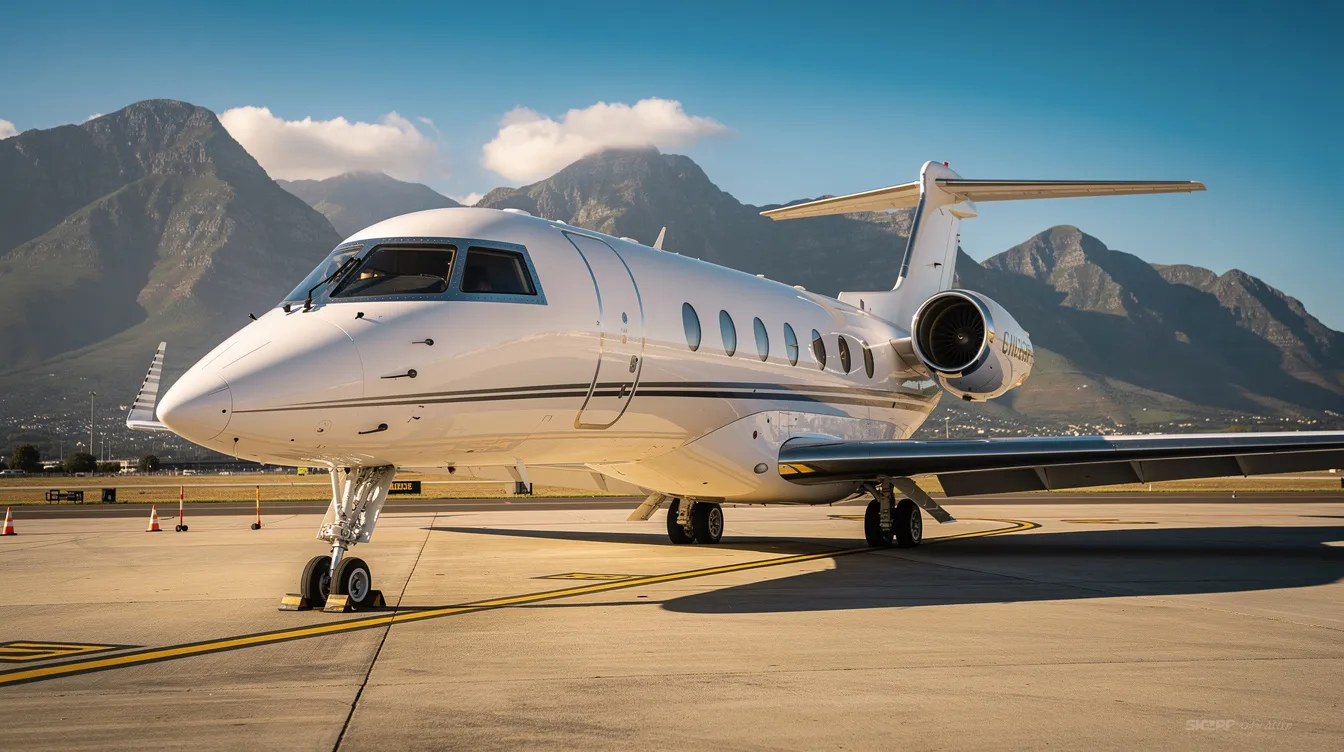
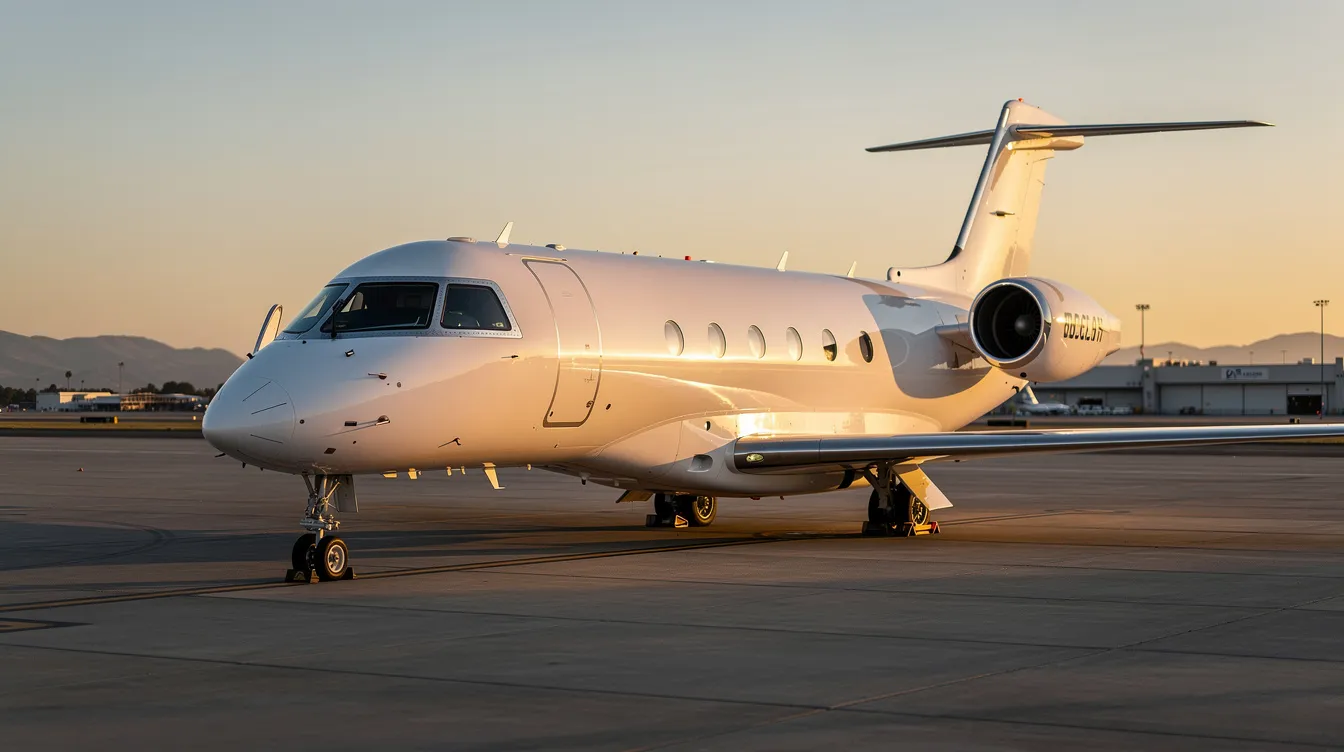
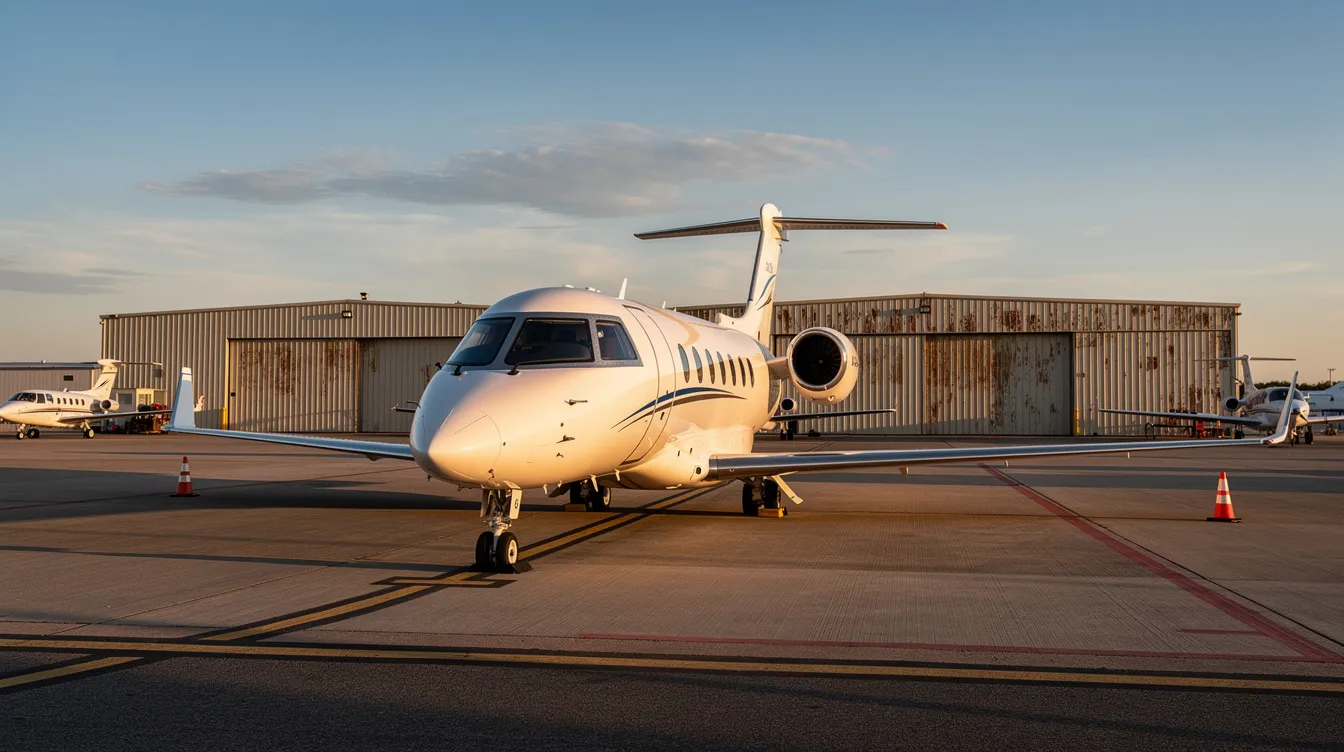
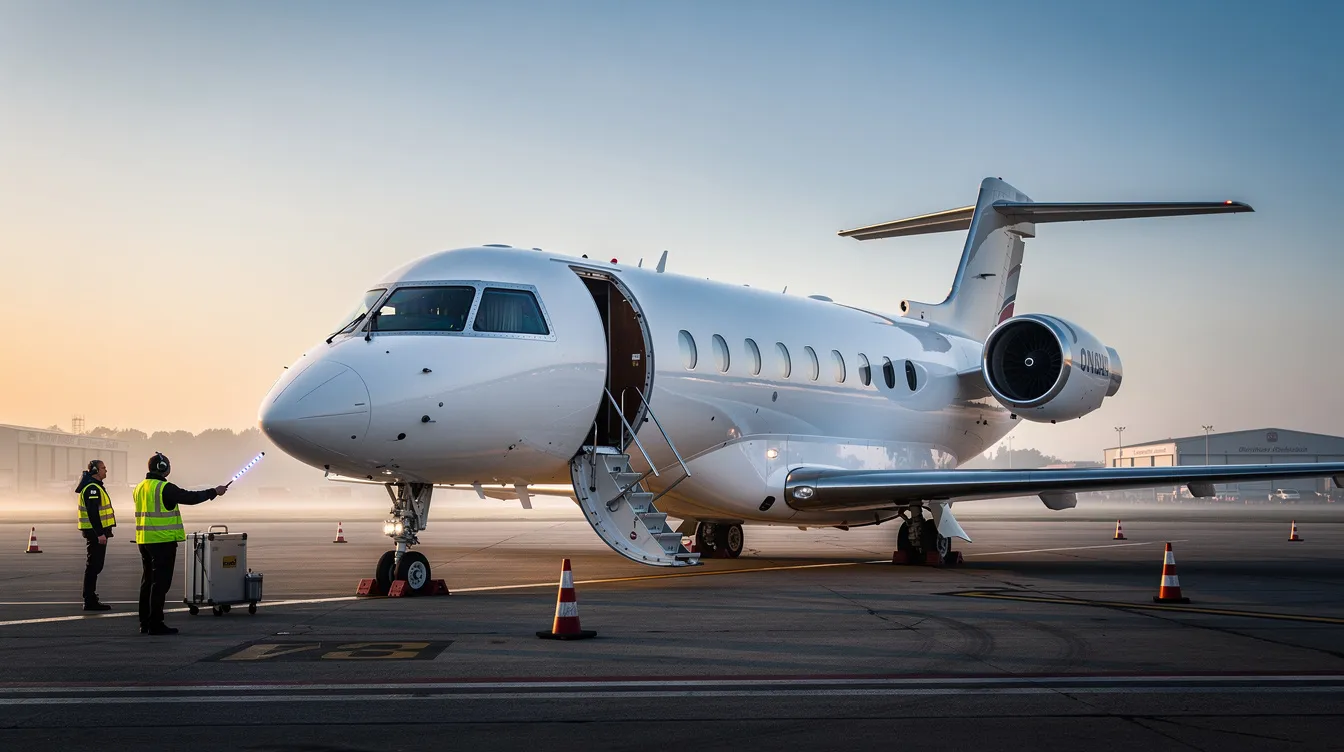
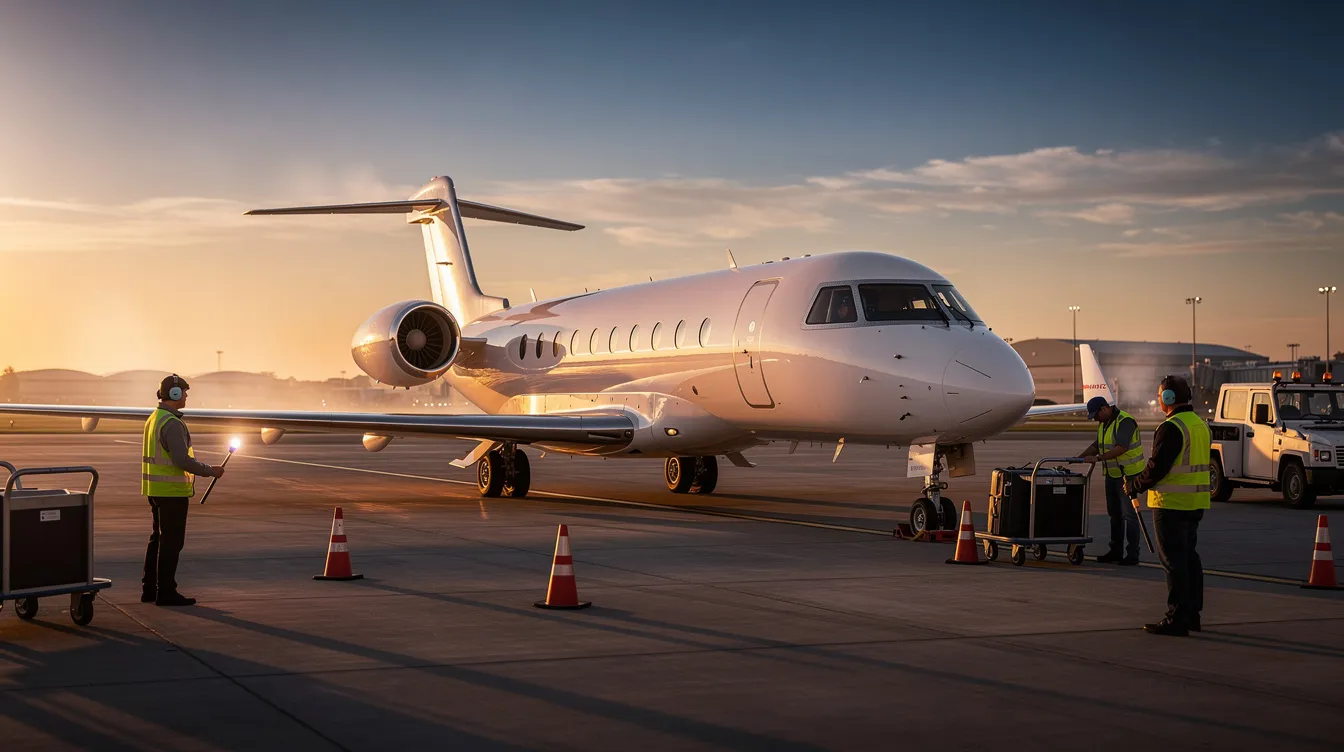
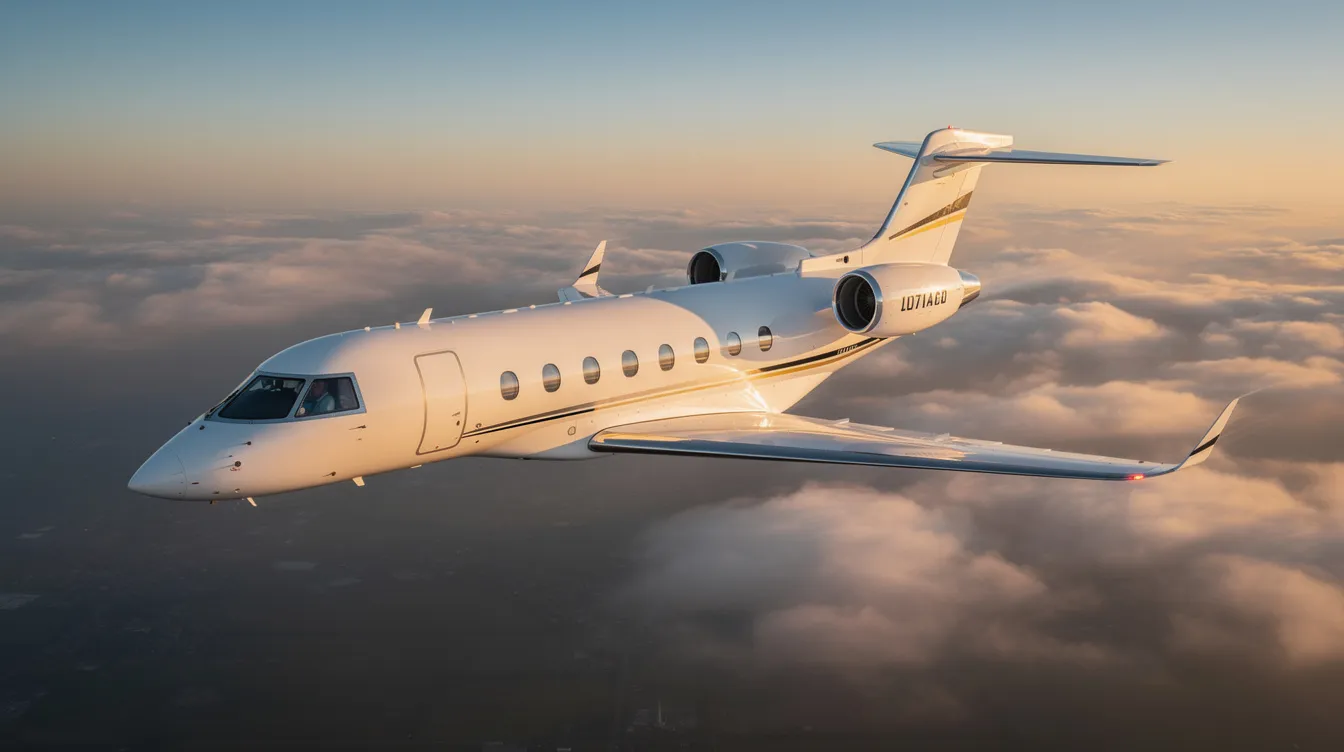
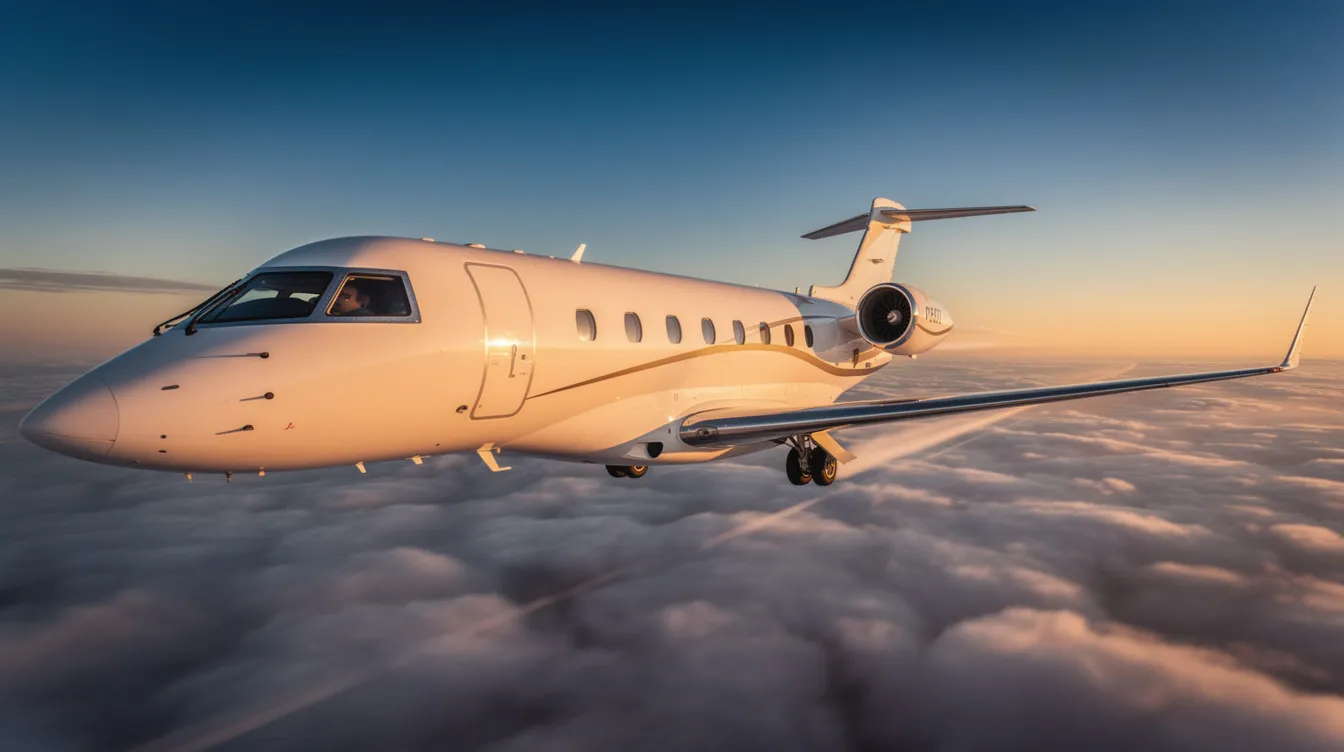
Order Private Jet: How to Book the Right Aircraft with BusinessJets.com
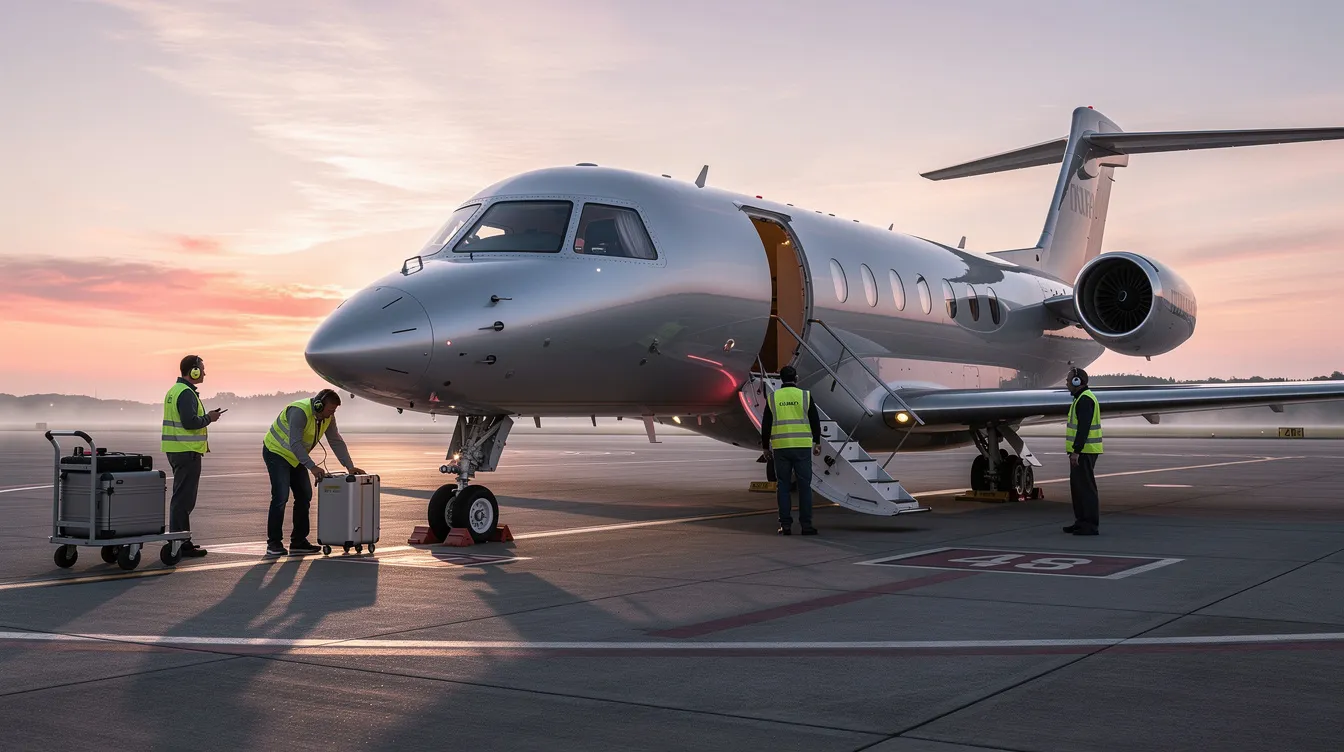
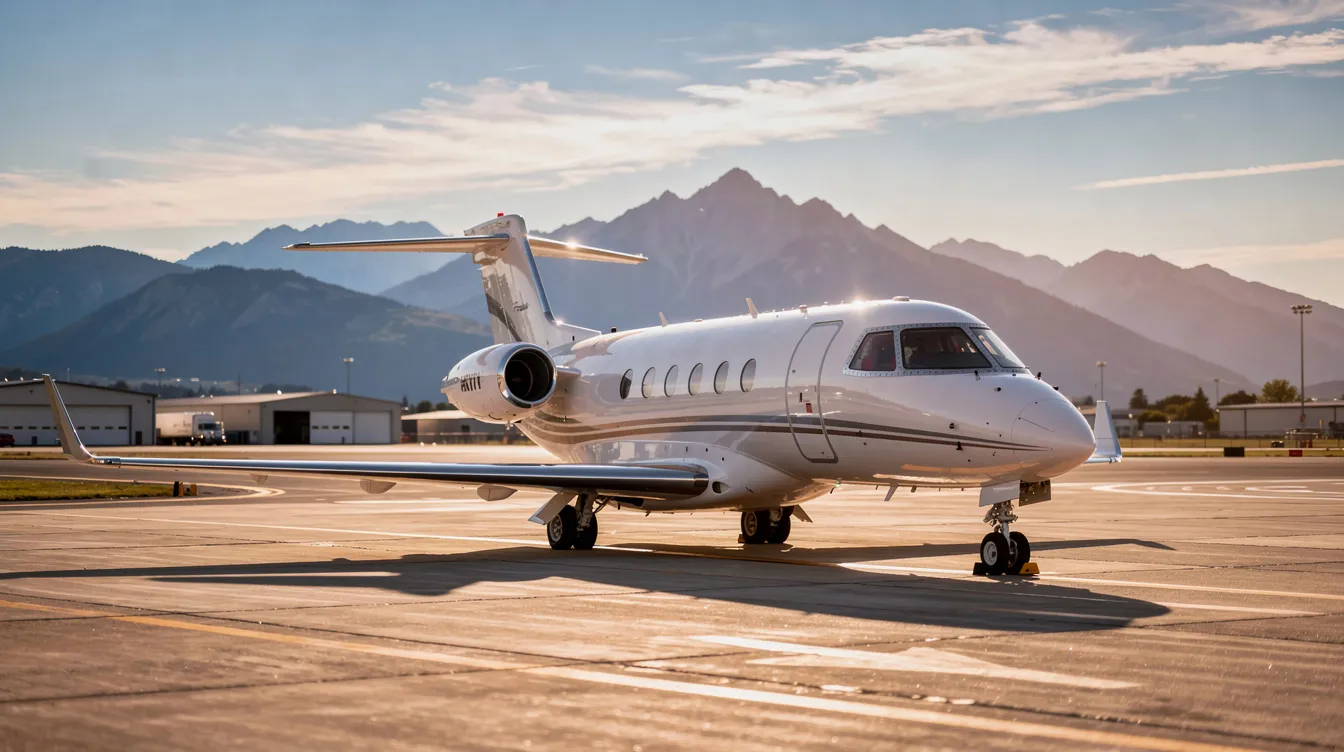
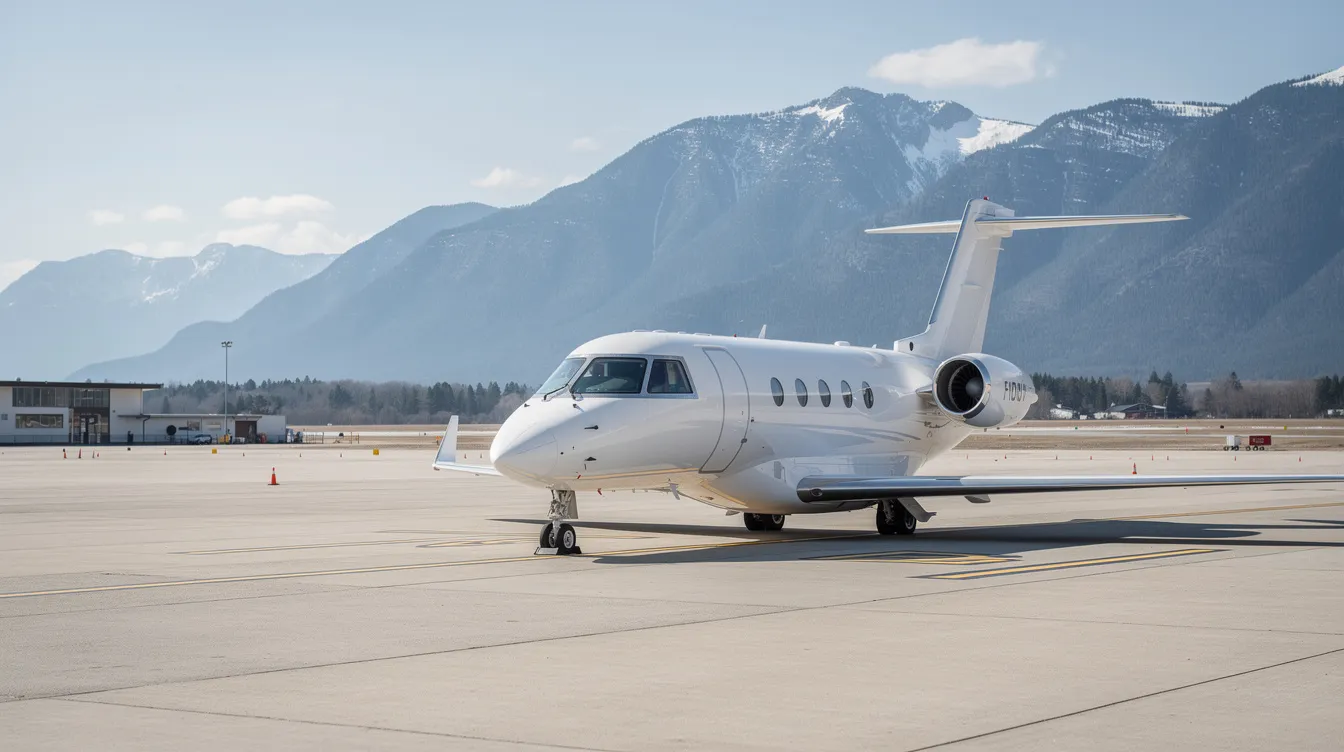
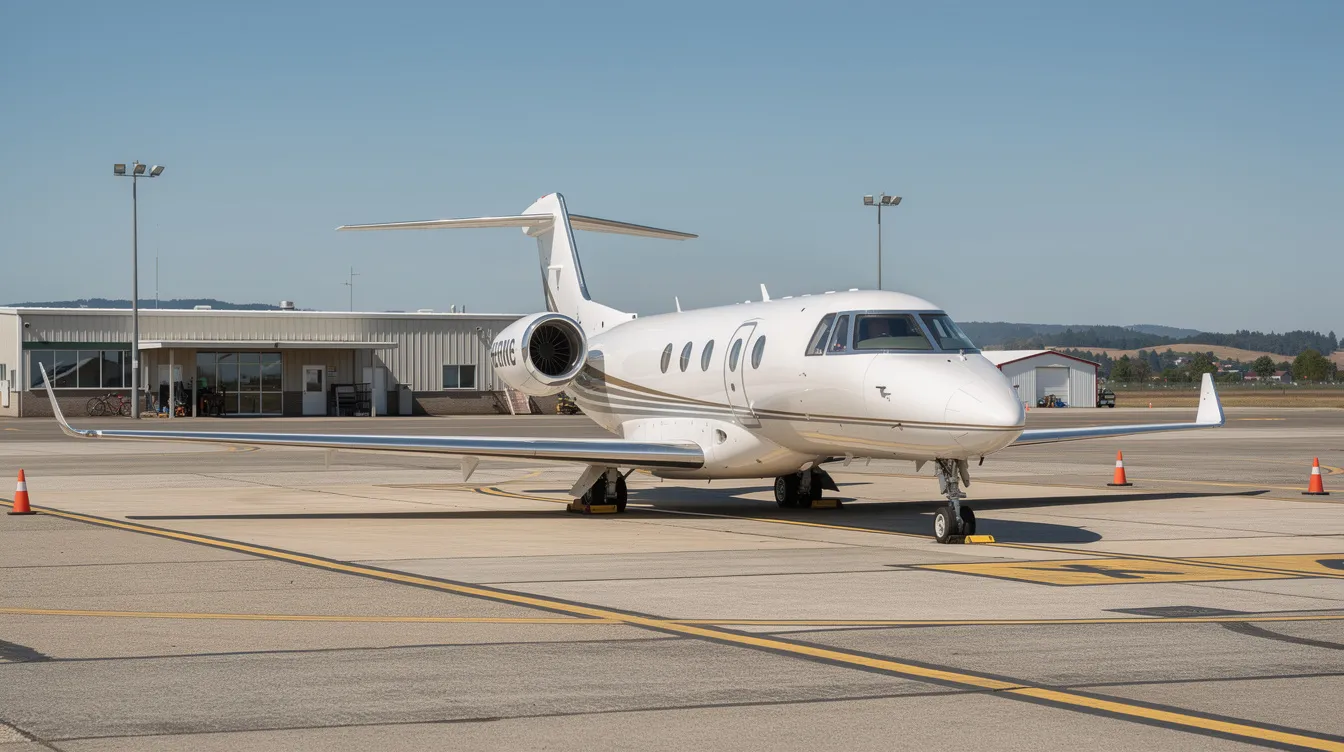
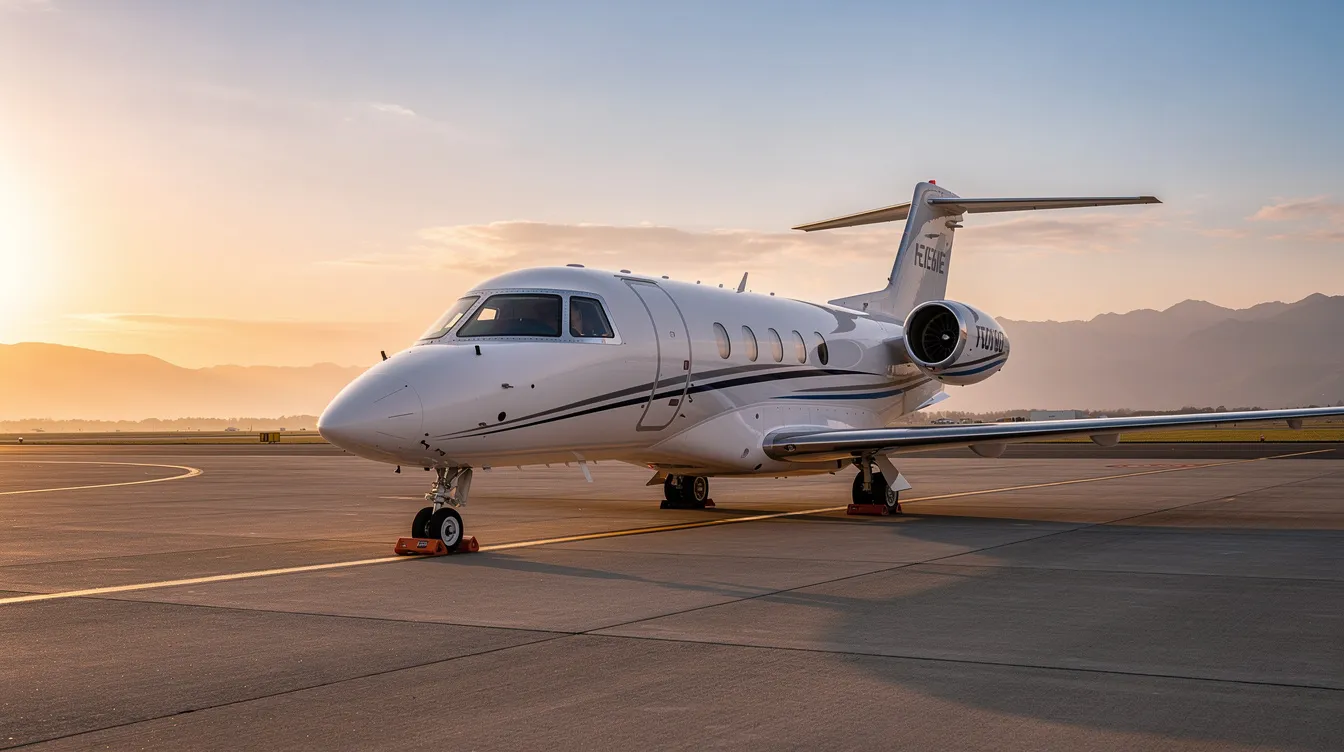
When people search to order a private jet, they usually mean one of two things: booking a private jet charter flight for an upcoming trip or acquiring a private aircraft as an asset. Those are fundamentally different decisions, with different cost structures, timelines, and risk profiles. Ordering a private jet starts with defining your trip requirements and choosing the right aircraft, but the process diverges quickly depending on whether you need transportation for next Tuesday or a long-term aviation strategy.
Choosing between a private jet and a commercial airline depends on cost, time savings, and privacy needs. Private jets save an average of 2 hours per flight compared to commercial airlines by enabling faster boarding, minimal waiting, and access to over 5,000 U.S. airports versus only about 500 served by commercial carriers. This flexibility in scheduling and travel arrangements, including last-minute bookings, allows travelers to avoid long lines and airport crowds, providing a more comfortable and exclusive travel experience. Additionally, private jets offer secure environments ideal for confidential meetings or leisure activities, enhancing privacy and personalized service.
BusinessJets.com is a B2B aircraft brokerage and consulting firm, not a typical charter broker, and this guidance is written for private jet owners, high-net-worth individuals, corporations, and fleet managers weighing charter, acquisition, sale, valuation, or broader aviation strategy. This article explains how to book a private jet charter, when ownership starts to make financial sense, how to acquire, appraise, or sell a business aircraft, and how market trends and expert consulting shape a long-term private aviation plan.
Key Takeaways
Start with your mission: route, dates (e.g., New York – Miami on October 15, 2026), passenger count, and timing constraints; this drives aircraft selection and pricing.
Ordering a private jet for a one-off trip is very different from acquiring or selling an aircraft; BusinessJets.com specializes in brokerage, appraisals, and consulting rather than retail charter.
For frequent private jet travelers, it can be more cost-effective to evaluate ownership or co-ownership versus relying solely on private jet charter services.
Accurate aircraft valuation and market insight are critical before you commit capital to buying a private jet; an independent appraisal reduces the risk of overpaying.
Use BusinessJets.com as a strategic partner: request an appraisal, list an aircraft for sale, or engage aviation consulting to design a long-term private aviation solution that fits your usage.
How to Order a Private Jet Charter for Your Next Trip
Booking a private jet charter is more straightforward than most first-time flyers expect. Charter services can accommodate flights within 3 to 6 hours of booking in many cases, depending on aircraft availability and crew scheduling.
Here is how the process typically works:
Define your trip details. Provide passenger names and preferred airports. An instant quote requires specific travel details for accuracy: departure and arrival cities, date, time, number of passengers, luggage volume, and any special needs such as pets or oversized equipment.
Request and compare quotes. The broker or operator evaluates aircraft based on flight distance, runway length, and passenger capacity. Over 20,000 unique aircraft are available worldwide, from turboprops like the Beechcraft King Air C90B (seating five passengers) to airliners accommodating 18 to 200 passengers. Charter rates vary widely: turboprops range from $1,200 to $3,000 per hour; light jets start at $6,000 per hour; midsize jets start at around $7,000 per hour; large cabin jets begin at $10,000 per hour; ultra-long-range jets can cost $12,000 or more per hour; and chartering a Boeing 747 can cost $25,000 to $40,000 per hour.
Review aircraft and schedule. Private jets provide flexibility in scheduling and routing that no commercial airline can match. Same-day flights depend on aircraft and crew availability, but booking 24 to 72 hours in advance offers better pricing and wider aircraft selection.
Confirm and pay. Booking a private jet typically requires upfront payment and signing a charter agreement, which outlines cancellation terms, liability, and additional fees. Payment must be secured promptly after booking confirmation, and providing complete passenger details expedites the process.
What to watch for on pricing:
Private jet pricing typically includes flight hours, landing fees, and crew costs, but quotes may not include additional fees like fuel surcharges or repositioning fees.
Hidden costs can increase total invoices by 20% to 40%. Always request an all-in quote that covers landing fees, crew overnight costs, de-icing, and international handling charges.
Safety certifications such as ARGUS or WYVERN ratings ensure operators meet high industry standards. For example, Airshare holds IS-BAO Stage 3 and ARGUS Platinum designations and is an FAA Part 145 Repair Station. NetJets operated over 792 aircraft for more than 50 years without a passenger fatality. Priority One Jets only selects ARGUS- or WYVERN-rated aircraft and crew. Paramount Business Jets requires every flight to meet ARGUS Gold standards.
Charter vs. Ownership: When Ordering a Jet Becomes an Investment Decision
At a certain volume of flying private, the economics shift. The decision to fly private often relies on high-value trips or complex itineraries needing direct access to destinations. But when those trips happen consistently—typically 150 to 300 flight hours per year—the conversation moves from "which charter do I book?" to "should I own or co-own an aircraft?"
According to industry data, operating as an owner yields variable cost per flight hour that is 40% to 60% lower than charter hour rates. However, fixed annual costs for a midsize to heavy jet—insurance, hangar, crew salaries, scheduled maintenance—run from $300,000 to over $1.5 million per year. The break-even point where ownership becomes more economical typically falls between 150 and 400 hours per year, depending on aircraft type and mission length.
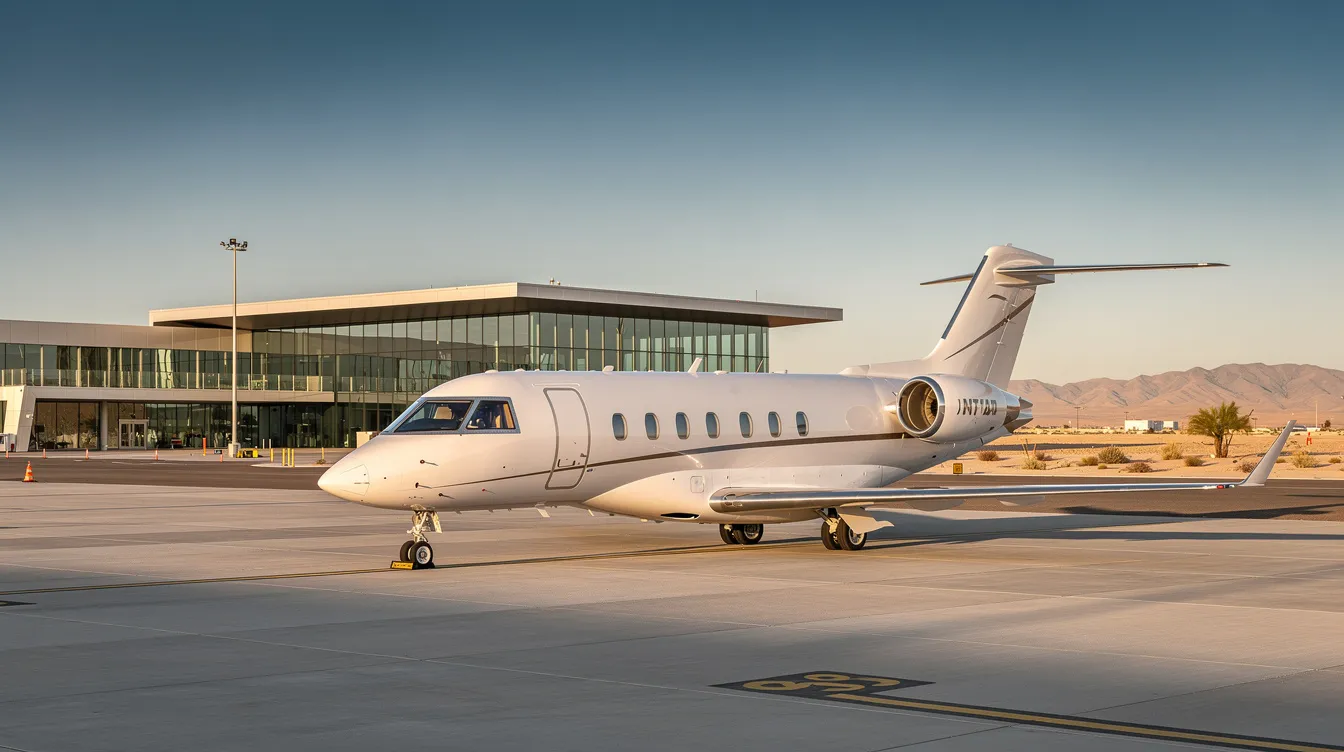
Scenario: A company flying 200 hours per year between Los Angeles, Dallas, and New York is spending roughly $1.2 million annually on midsize private charter at an average rate of $6,000 per hour. Acquiring a pre-owned super-midsize jet (such as a Challenger 350) could bring total annual operating costs to $800,000–$1.2 million, including depreciation—making the economics competitive while gaining full control over schedule and crew.
Key trade-offs to evaluate:
Capital outlay vs. flexibility: Ownership locks capital; charter preserves liquidity. Private jet access options include jet cards and fractional shares as intermediate steps.
Utilization risk: If flight hours drop, ownership cost per hour climbs rapidly.
Control: Owners choose crew, maintenance providers, cabin configuration, and schedule without competing for aircraft availability.
Residual value: Aircraft depreciate. Market conditions at resale directly affect the total cost of ownership.
BusinessJets.com helps clients assess whether their current charter spending justifies moving to ownership, co-ownership, or a hybrid model.
Defining Your Mission Profile Before You Order a Jet
Before committing capital or selecting an aircraft category, a clear mission profile is essential. This foundation guides every private aviation decision.
A mission profile captures:
Typical stage length: How far do you fly most often? Sub-500 nautical miles, regional, or intercontinental?
Passenger count and luggage: Aircraft size should match the passenger count and trip distance to avoid overpaying.
Route patterns: Are you flying the same city pairs repeatedly, or does your schedule span diverse destinations?
Frequency: Monthly, weekly, seasonal? This determines whether you need guaranteed access or can tolerate ad hoc booking.
How profiles drive solutions:
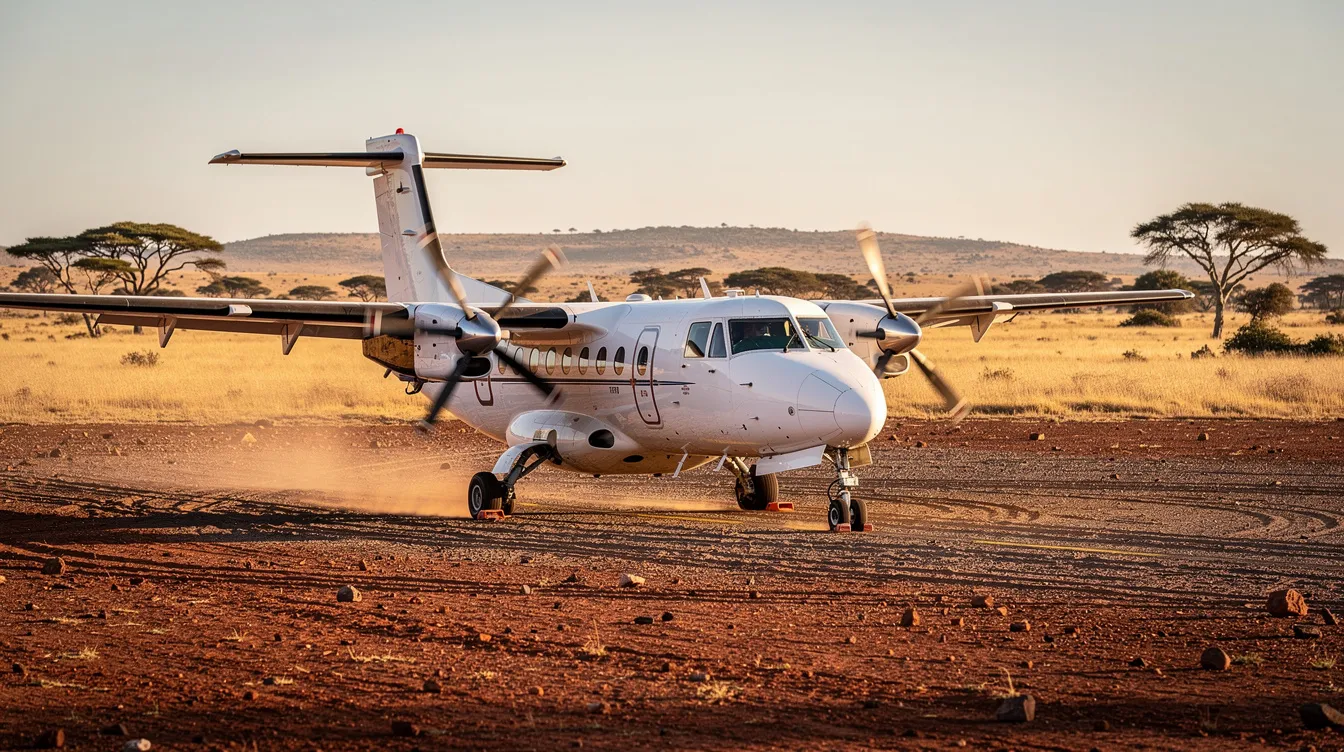
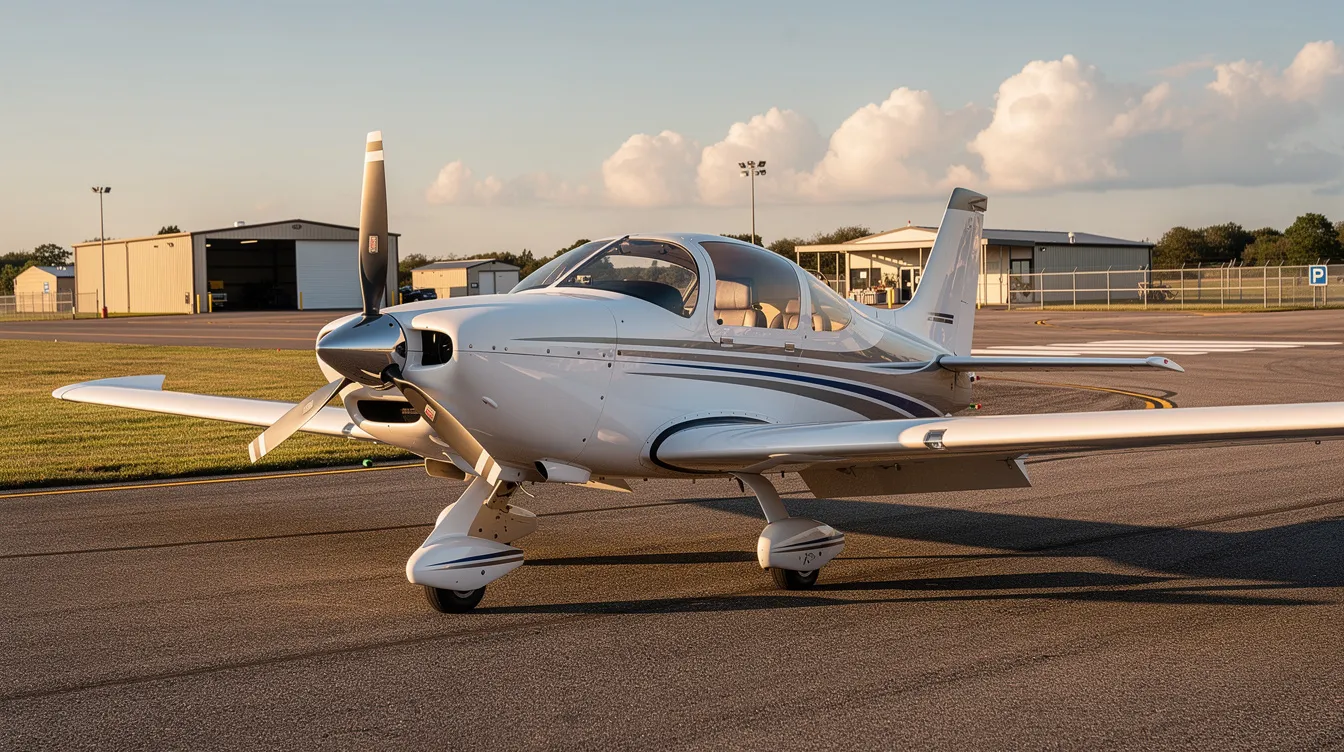
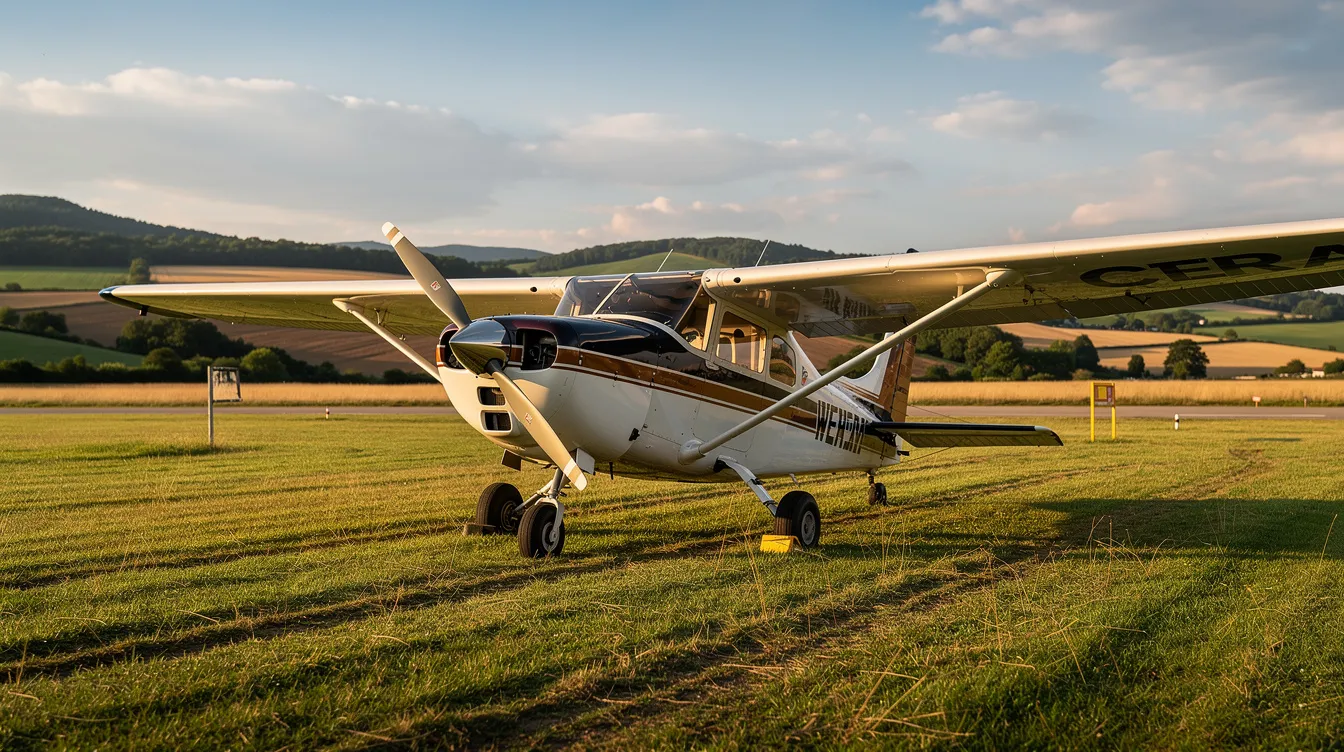
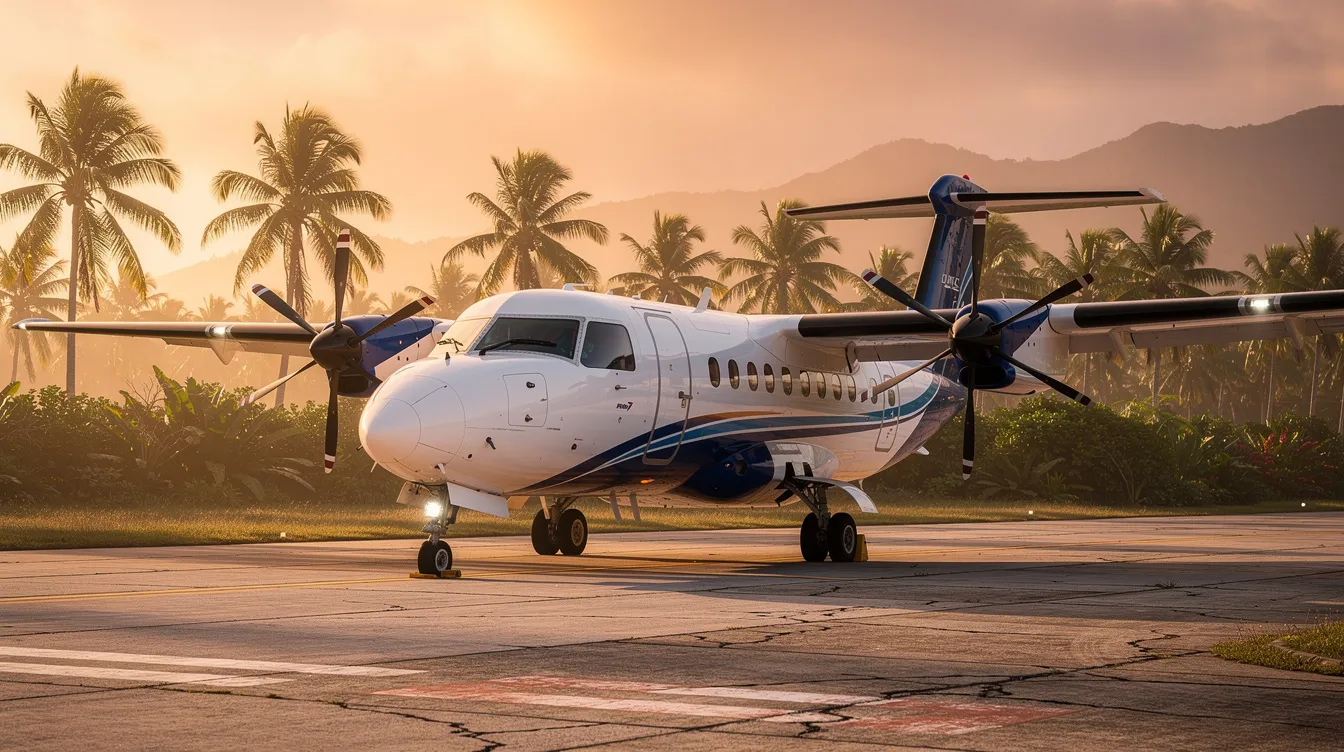
Short sectors under 500 nm suit turboprops or very light jets. For example, the Piper PA-31 Navajo accommodates 6 to 10 passengers and is ideal for regional hops.
New York–London transatlantic flights require heavy or ultra-long-range jets like the Gulfstream G-V, which has a range of 7,480 miles.
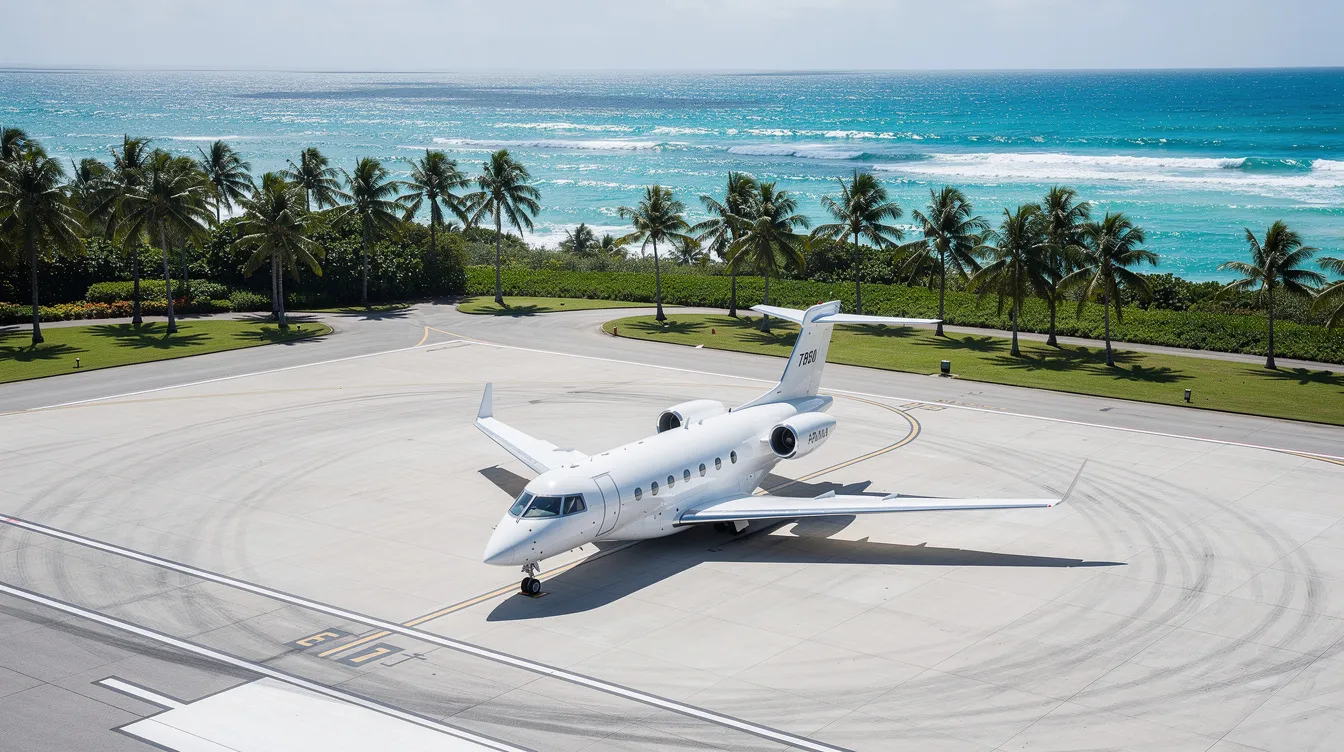
Caribbean and island destinations demand aircraft with short-runway capability and range flexibility, often served by midsize or light jets, just as European city-pair missions to hubs like Paris by private jet charter call for careful matching of aircraft range and performance.
Private jets can access over 5,000 U.S. airports compared to only about 500 served by commercial flights. Globally, private jets offer access to over 20,000 unique aircraft, enabling direct flights to destinations without commercial service. This access reduces travel time significantly compared to commercial flights, particularly by eliminating layovers and ground transfers.
For some clients, a mix of ownership and charter is optimal: own a midsize jet for routine routes and rent an ultra-long-range aircraft 8–10 times a year for intercontinental travel.
Choosing the Right Private Jet Category for Your Needs
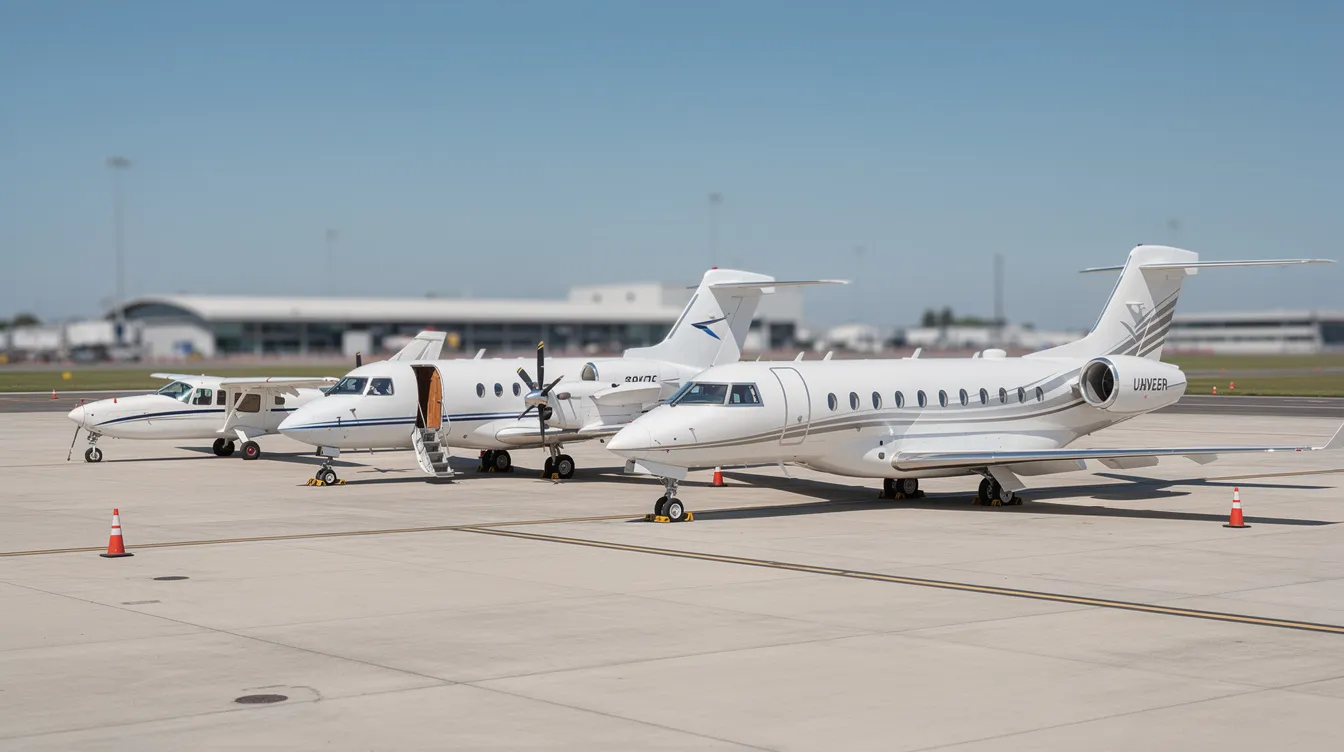
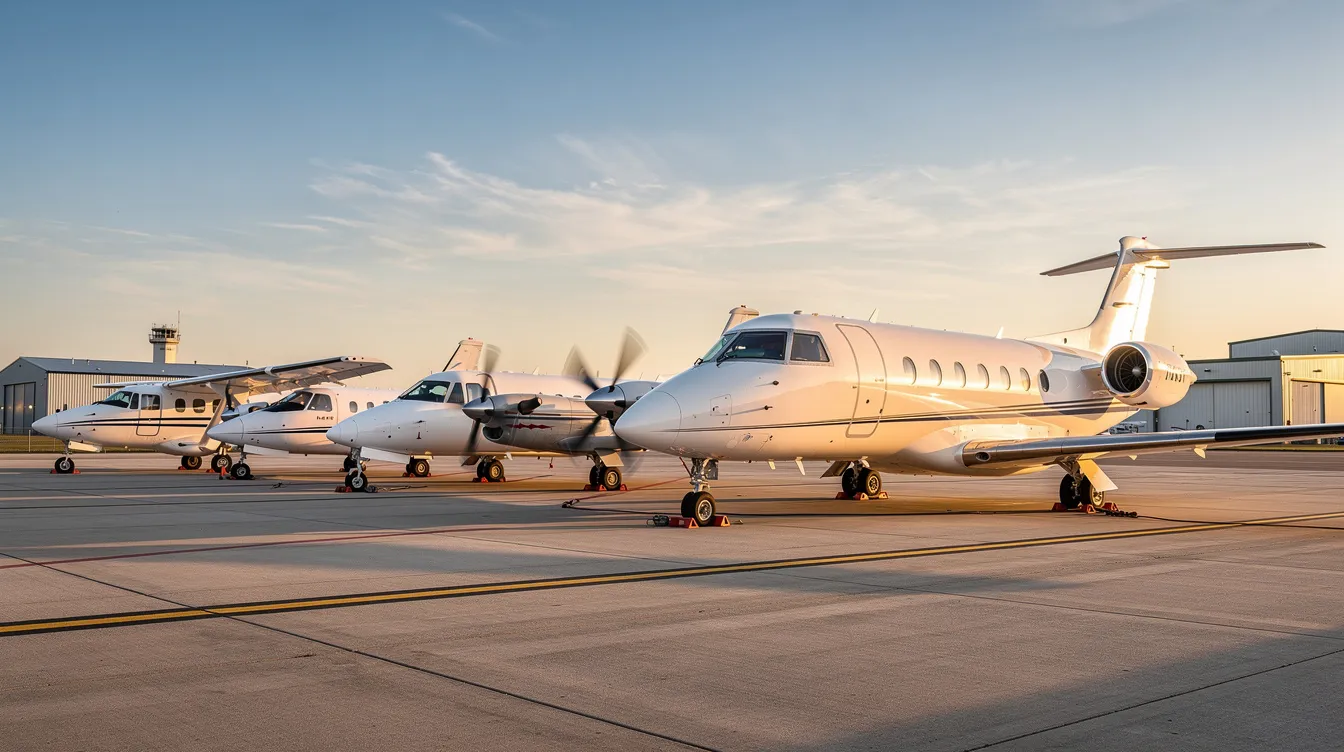
Matching the right plane to your mission prevents overspending and underperformance. Categories include:
Turboprops
Seats: 5–9 passengers.
Charter rates: $1,200 to $3,000 per hour.
Best for: Short runways, regional routes, cost-efficient shuttle operations.
Very Light Jets (VLJs)
Seats: 4–6.
Range: 1,200–1,500 nm.
Best for: Short regional hops with minimal luggage.
Light Jets
Seats: 6–8.
Charter rates start at $6,000 per hour.
Examples: Citation CJ3, Phenom 300.
Midsize Jets
Seats: 7–9.
Charter rates around $7,000 per hour.
Examples: Hawker 900XP, Citation Latitude.
Super-Midsize Jets
Seats: 8–10.
Charter rates starting at $8,000 per hour.
Examples: Challenger 350, Citation X.
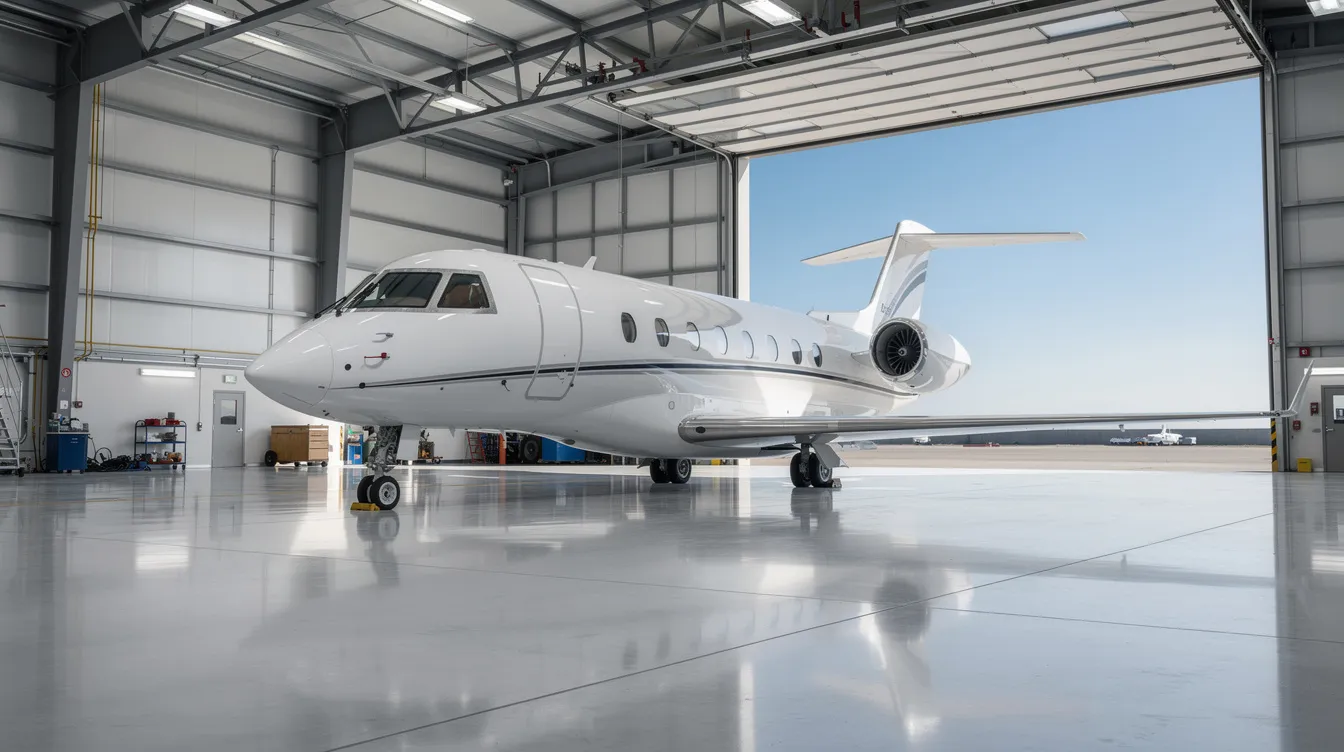
Large-Cabin and Ultra-Long-Range Jets
Seats: 10–19.
Charter rates start at $10,000 per hour for large cabins and $12,000 or more for ultra-long-range.
Examples: Gulfstream G650ER, Bombardier Global 7500.
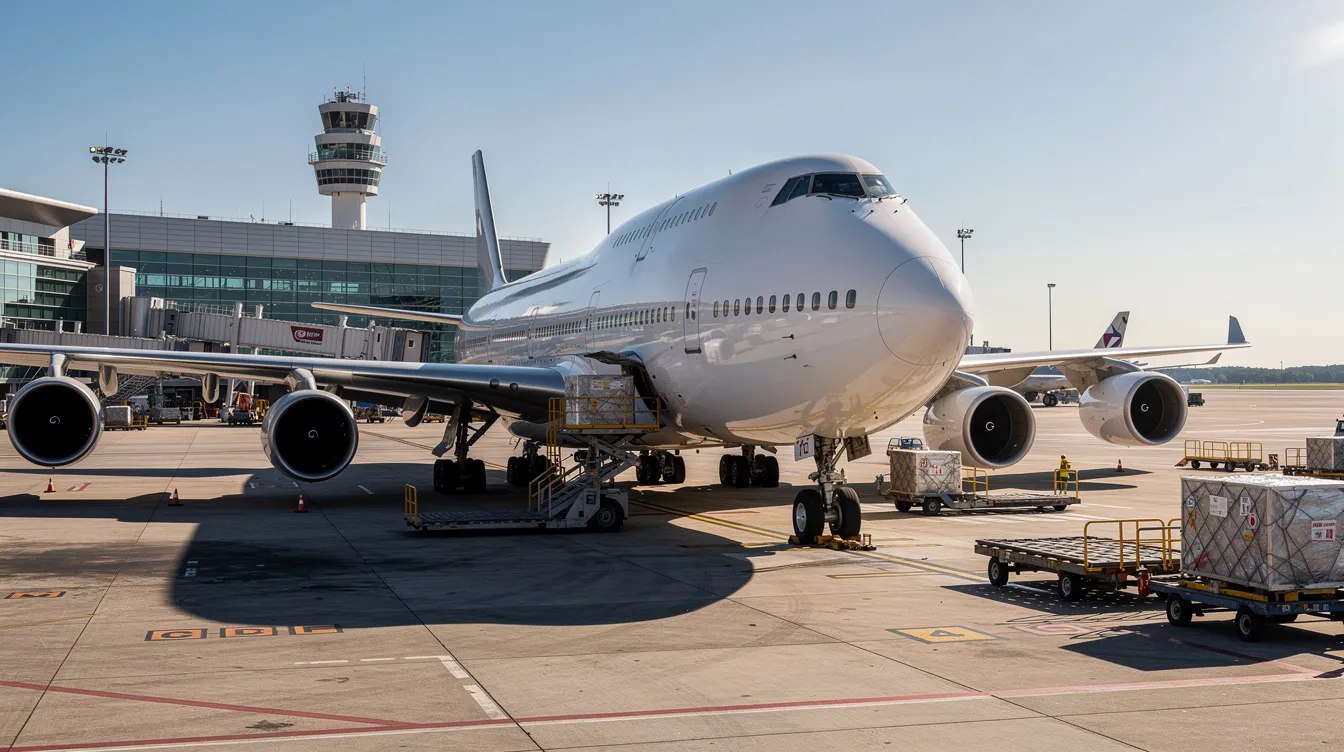
Airliners can accommodate 18 to 200 passengers, with options such as the Airbus ACJ319 private jet and Boeing 747 charters costing $25,000 to $40,000 per hour.
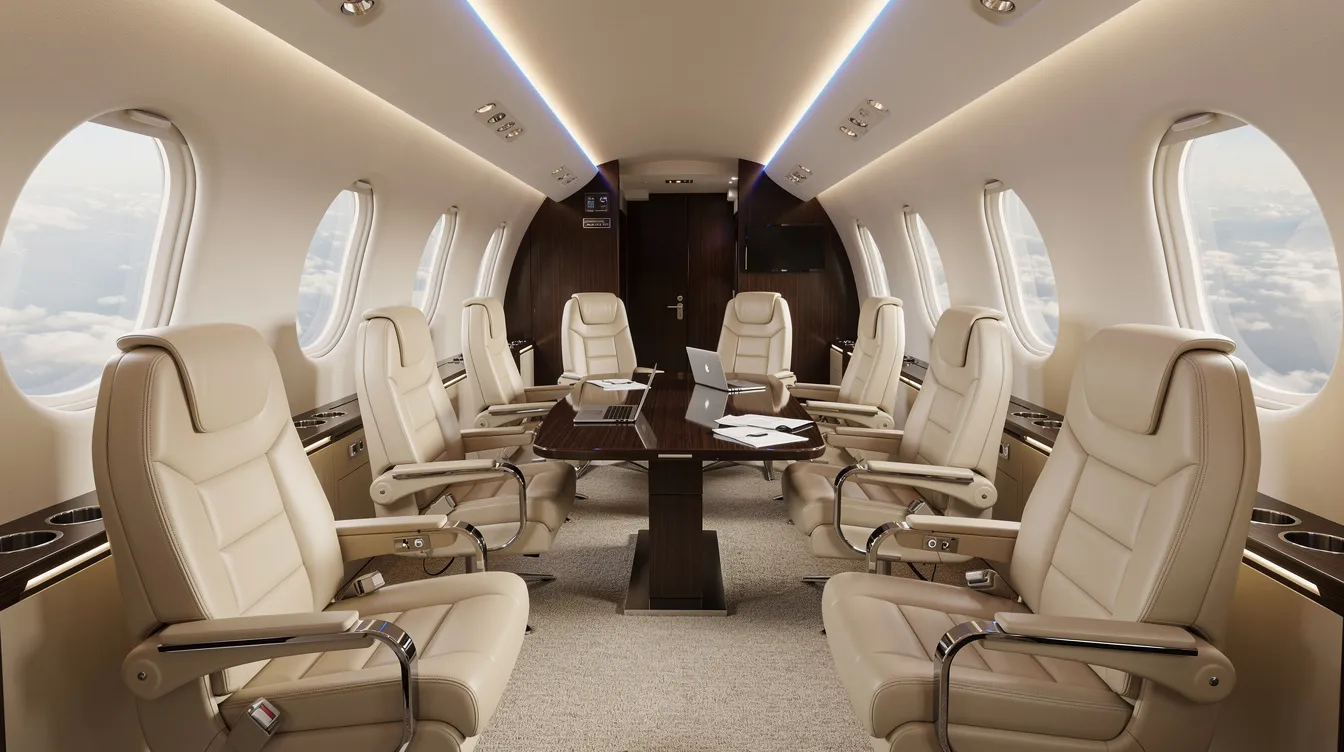
BusinessJets.com advises buyers to match aircraft type to their long-term flying profile rather than a single trip, ensuring consistent mission needs drive the selection.
Private Jet Charter Services vs. Long-Term Private Aviation Solutions
Booking a private plane for a single trip with no ongoing commitment differs greatly from structured private aviation solutions like ownership, fleet strategy, or managed charter programs.
Most corporations begin with ad hoc charter, offering low commitment and no capital risk. However, as travel patterns solidify, chartering becomes inefficient. Jet cards offer prepaid access without ownership but still carry higher per-hour costs than ownership at sufficient utilization. Some clients require full aircraft access rather than shared or prepaid models.
Example: A mid-cap European company spending €1.8 million annually on irregular charter across 12 city pairs reduced costs by 25% after acquiring two pre-owned midsize jets and supplementing with charter for peak demand.
BusinessJets.com analyzes charter invoices, travel patterns, and growth plans to recommend optimal fleet and access models, supporting efficient, reliable air transportation aligned with client needs.
Step-by-Step: How BusinessJets.com Helps You Acquire a Private Jet
Needs assessment: Define mission, budget, and financing preferences.
Market scan and shortlisting: Compare aircraft by age, hours, maintenance, and price.
Technical review: Examine maintenance records, logbooks, and compliance.
Pre-purchase inspection (PPI): Conducted at independent facilities; costs vary by aircraft size.
Negotiation and closing: Manage title searches, liens, and registration transfers.
With over 1,500 aircraft transactions and 5,000+ satisfied customers, BusinessJets.com delivers trusted execution.
Aircraft Valuation and Private Jet Appraisals: Getting the Numbers Right
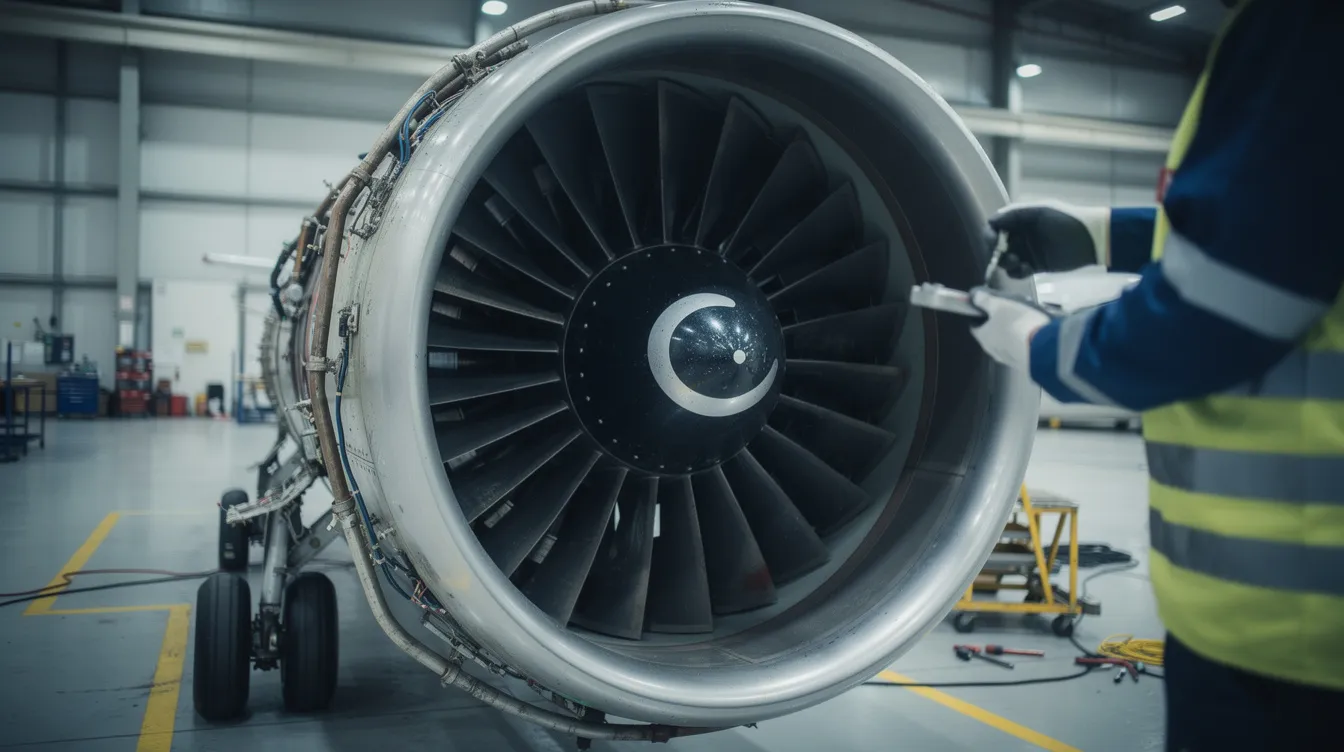
Accurate valuation is critical when ordering a private jet—overpaying by even 5% on a $15 million aircraft can cost $750,000.
Key valuation factors:
Year of manufacture and total airframe time.
Engine cycles and hours to overhaul.
Maintenance status and compliance.
Avionics upgrades and cabin condition.
Damage or accident history.
BusinessJets.com uses market data and transaction trends to provide precise appraisals, helping buyers negotiate and sellers price realistically.
Selling a Private Jet: From Listing Strategy to Closing
Selling requires preparation, pricing, marketing, and negotiation to maximize proceeds and minimize time on market.
Preparation includes logbooks, maintenance highlights, photography, and specs.
Pricing reflects current market conditions; realistic pricing accelerates sales.
Marketing targets qualified buyers discreetly.
Negotiation benefits from accurate valuation and market insight.
Advisory for Operators and Fleet Managers
BusinessJets.com's consulting supports fleet renewal, right-sizing, market intelligence, and route optimization, helping COOs and CFOs treat aviation as an operational asset.
Comparing Private Jet Charter, Jet Cards, Fractional, and Ownership
Consider operator quality, safety standards, and pricing clarity:
On-demand private charter: Zero fixed cost, highest per-hour cost, ideal under 50 hours/year.
Jet cards: Prepaid hours, some guaranteed availability, 50–150 hours/year.
Fractional ownership: Shared fixed costs, equity stake, 150–300 hours/year.
Whole ownership: Highest fixed cost, full control, 300+ hours/year.
Privacy, personalized service, and secure environments are benefits across all models.
Safety, Compliance, and Due Diligence When You Order a Jet
Safety is paramount for both buyers and charter users.
Buyers must verify airworthiness directives, maintenance, inspections, and avionics compliance.
Charter users should select operators with ARGUS or WYVERN certifications. Examples include Airshare (IS-BAO Stage 3, ARGUS Platinum, FAA Part 145 Repair Station), NetJets (longstanding safety record), Priority One Jets (ARGUS/WYVERN rated), and Paramount Business Jets (ARGUS Gold minimum).
Private jet travel has higher carbon emissions per passenger than commercial flights; newer, fuel-efficient aircraft and sustainable aviation fuels can help mitigate environmental impact.
Understanding Market Timing and Aircraft Availability
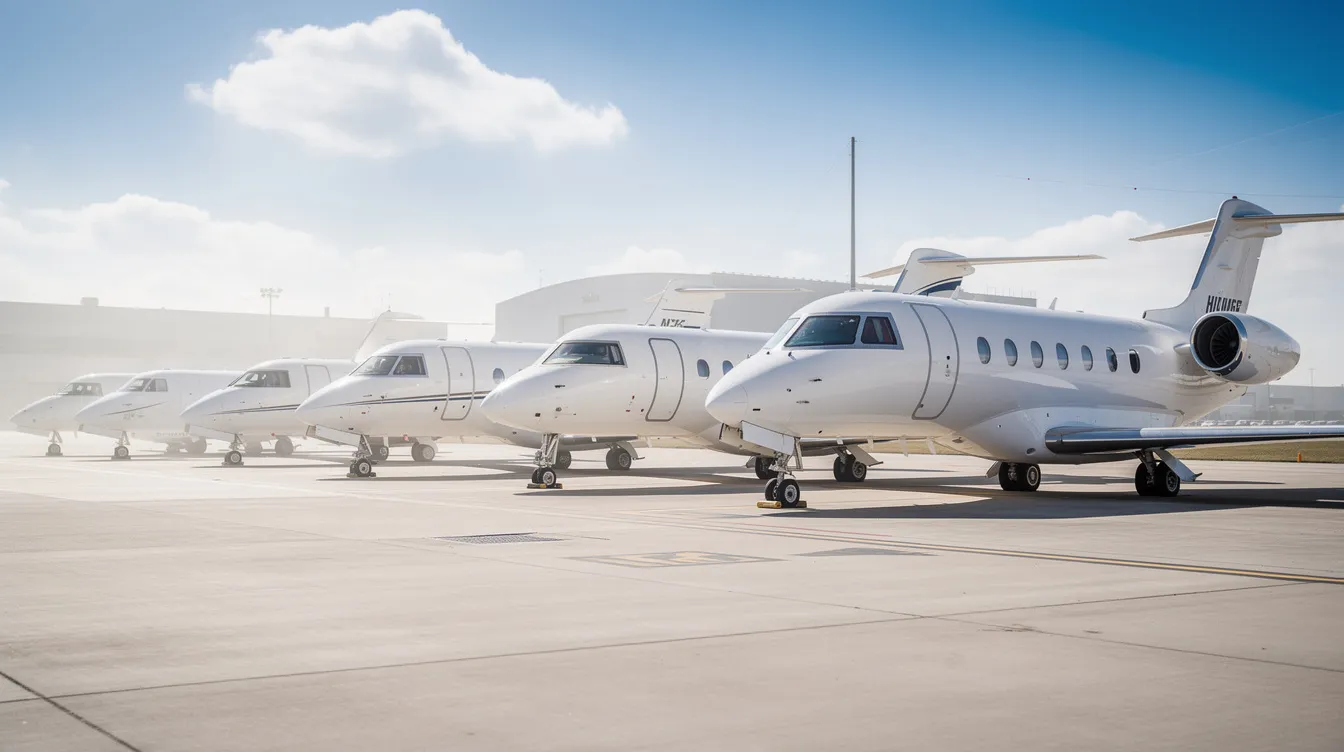
Market cycles affect costs, inventory, and negotiation leverage.
Post-2020 demand surge normalized by 2025–2026.
Light and midsize jet inventory rising; large-cabin supply tightening with softer pricing.
OEM backlogs maintain pre-owned values.
BusinessJets.com monitors trends to advise clients on timing.
Creating a Long-Term Private Aviation Strategy
A 3–5-year plan may include:
Year 1: Analyze charter use, conduct appraisal, hire crew or management.
Years 2–3: Acquire aircraft, establish operations, supplement with charter as needed.
Years 4–5: Evaluate fleet, consider upgrades or disposals.
BusinessJets.com coordinates with legal and accounting teams to ensure sound structuring.
How BusinessJets.com Supports Buyers, Sellers, and Operators
Our core services:
Aircraft brokerage.
Private jet appraisals and valuations.
Aviation consulting for acquisition, disposal, and fleet optimization.
With a global reach and no fleet ownership, our recommendations focus solely on client interests.
When to Contact BusinessJets.com: Next Steps
Contact us if:
Annual charter spend exceeds $500,000.
Planning fleet renewal or aircraft sale.
Need an independent appraisal.
Seeking strategic corporate aviation review.
Prepare recent flight activity, invoices, aircraft details, and budget parameters.
Take action today:
Explore acquisition support.
Engage consulting for fleet strategy.
Early engagement (6–12 months ahead) enables market study and protects investment.
FAQ: Ordering and Owning a Private Jet
How much flying justifies moving from charter to owning a private jet?
Typically, 150 to 300 flight hours per year, but factors like route patterns, aircraft type, and corporate goals also influence this decision.
How long does it typically take to acquire a pre-owned private jet?
Expect 60 to 180 days, depending on aircraft category, inspections, financing, and registration.
Can BusinessJets.com help if we already have a preferred charter provider?
Yes, we complement existing providers by focusing on aircraft transactions, valuation, and strategic planning.
What information do you need to perform an aircraft appraisal?
Make, model, serial number, year, airframe and engine hours, maintenance history, registration, damage records, and photos if available.
Do you also advise on tax and legal structures for aircraft ownership?
We provide market and technical guidance and coordinate with your legal and accounting advisors for tax and ownership structuring.
Conclusion: Partnering with BusinessJets.com for Your Private Jet Needs
Ordering a private jet involves more than just booking a flight; it requires a comprehensive understanding of mission requirements, aircraft options, pricing structures, and long-term strategy. Whether you seek a one-time private jet charter or are considering ownership, co-ownership, or fleet optimization, BusinessJets.com offers expert guidance grounded in extensive market experience. Our commitment to safety, transparency, and client-focused service ensures you make informed decisions that align with your travel needs and financial goals. Engage with BusinessJets.com to leverage our brokerage, appraisal, and consulting expertise—empowering you to navigate the complexities of private aviation with confidence and discretion. Reach out today to start your journey toward efficient, flexible, and personalized private jet travel.