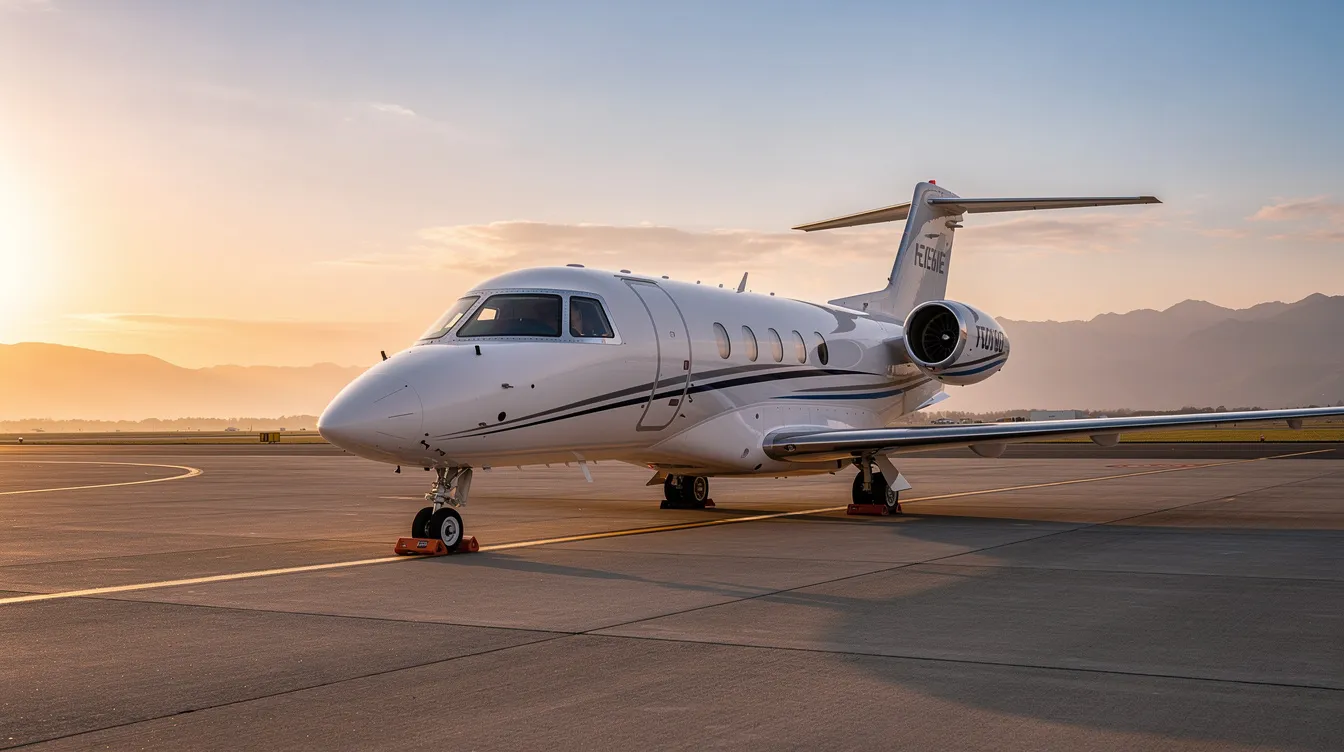
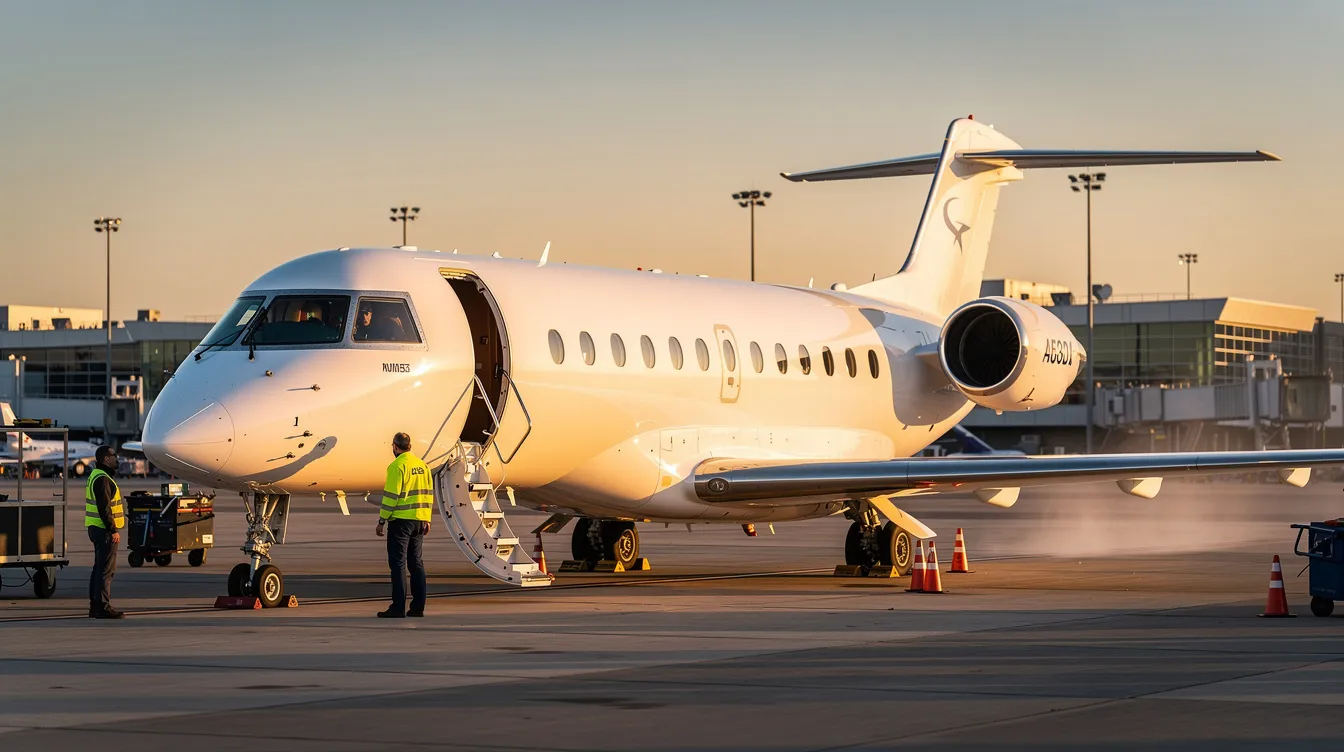
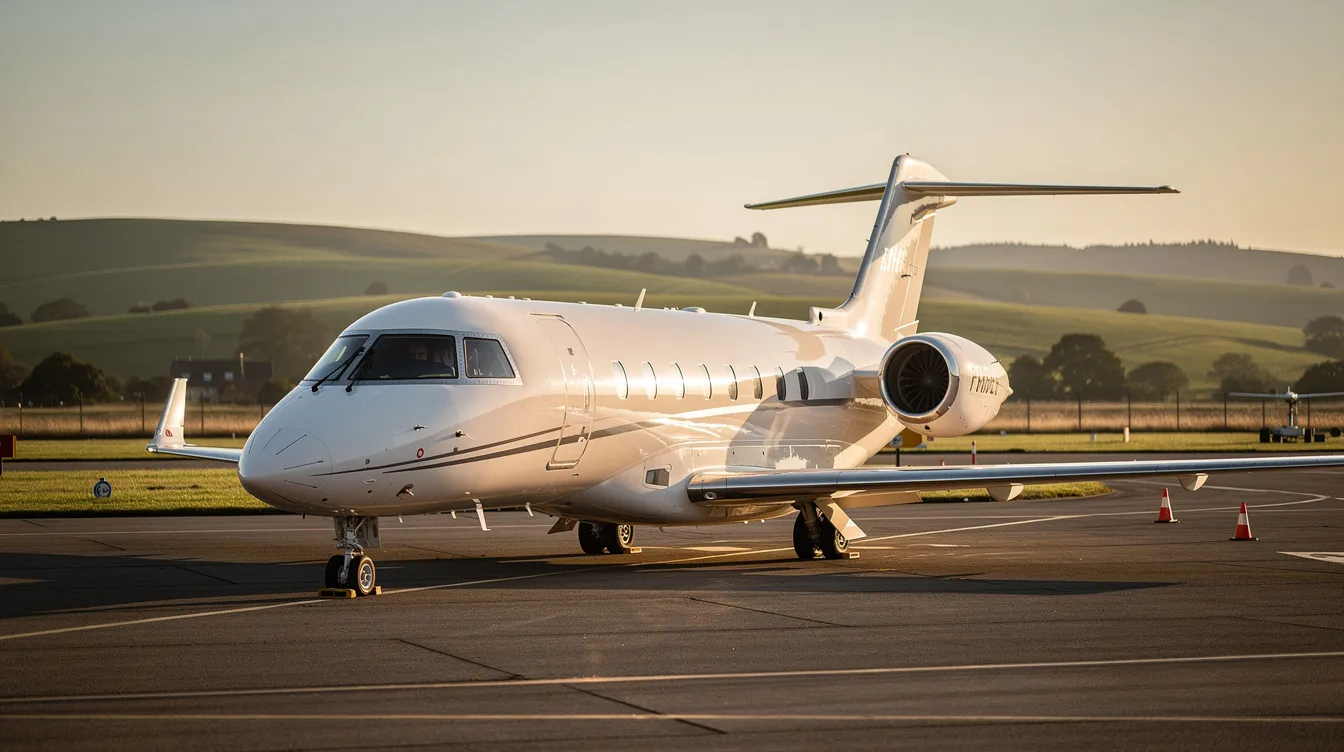
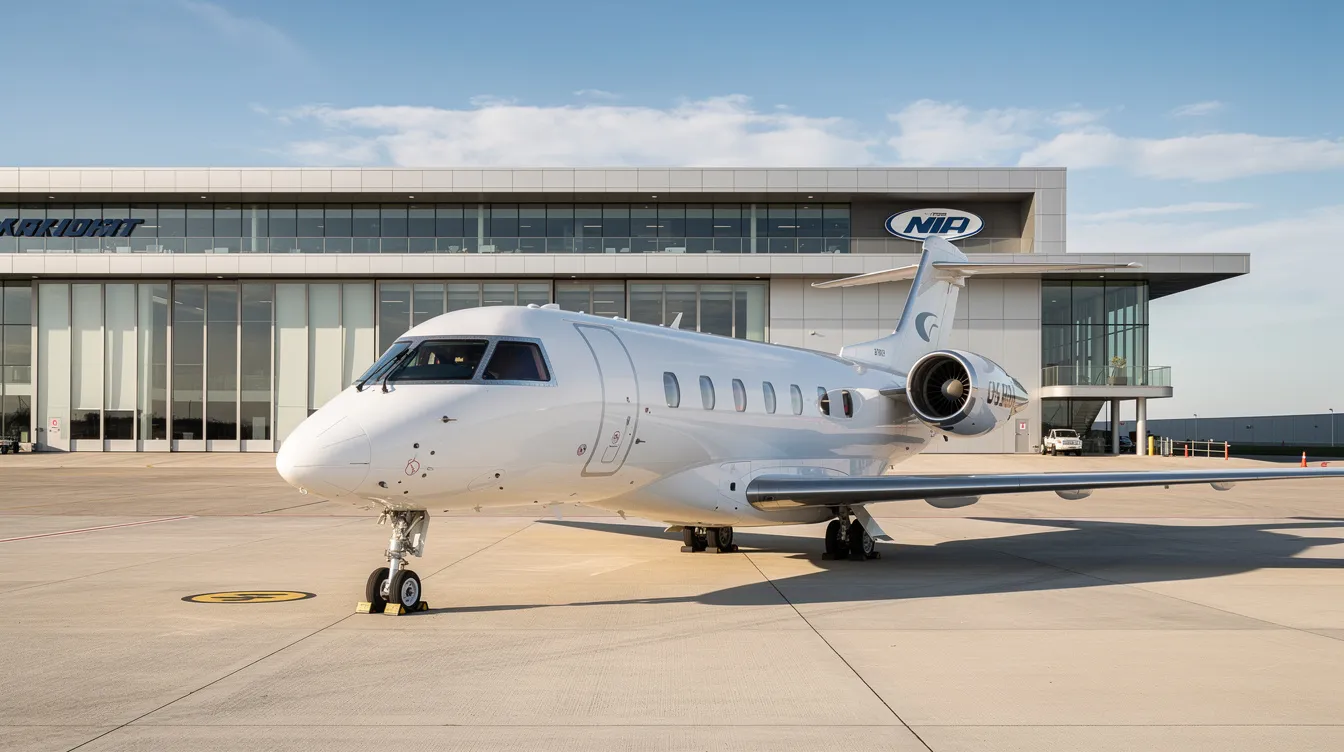
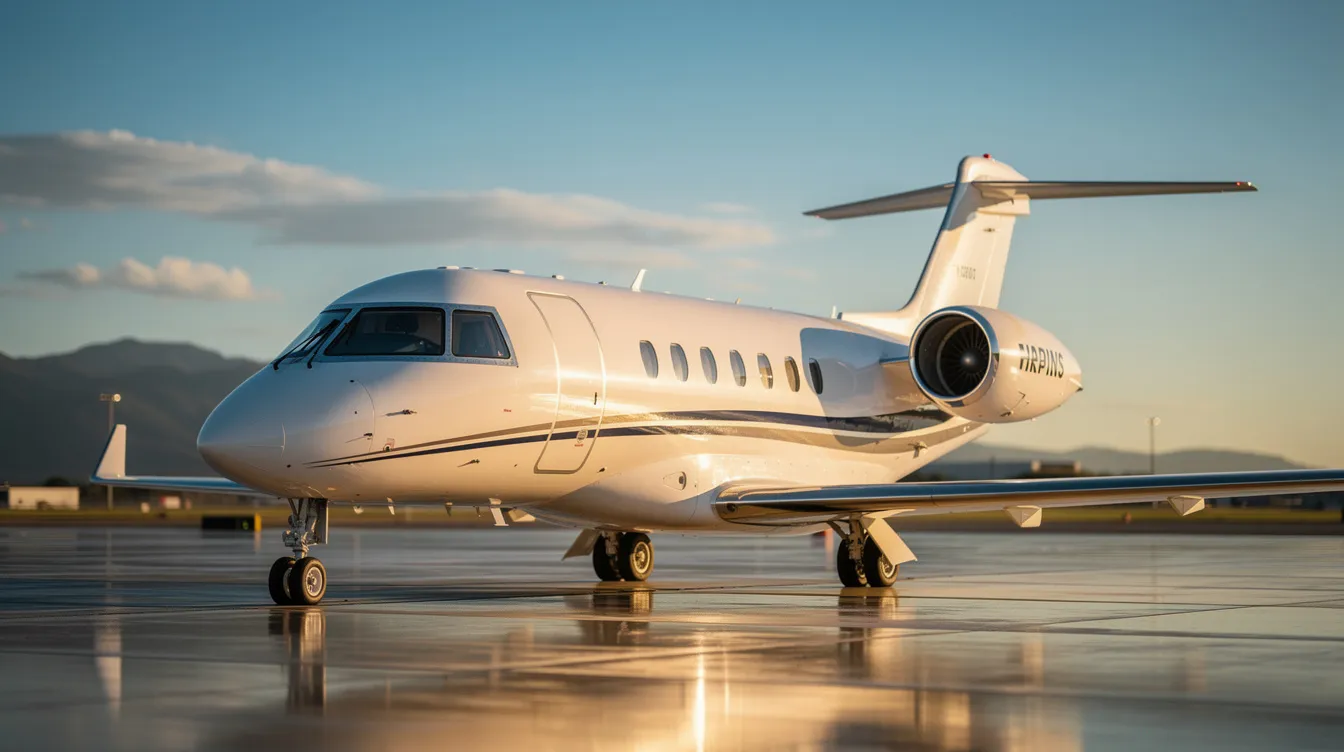
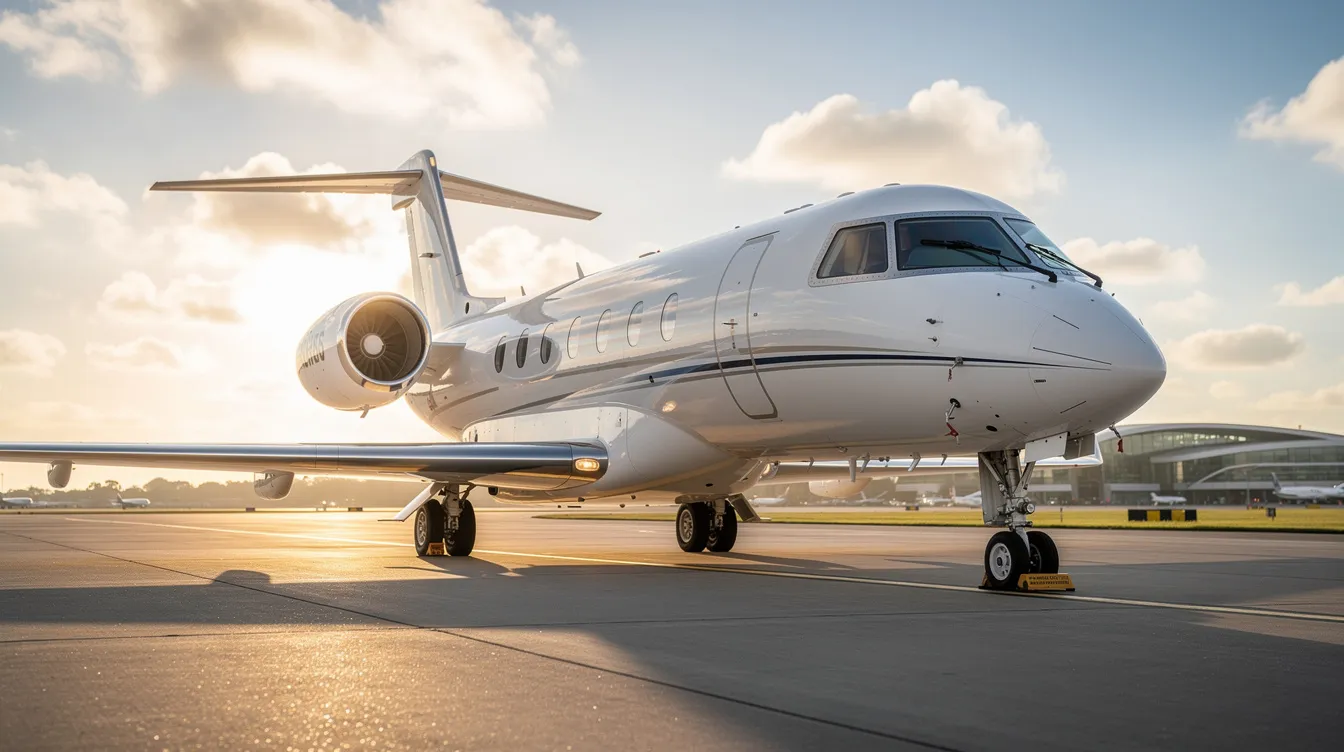
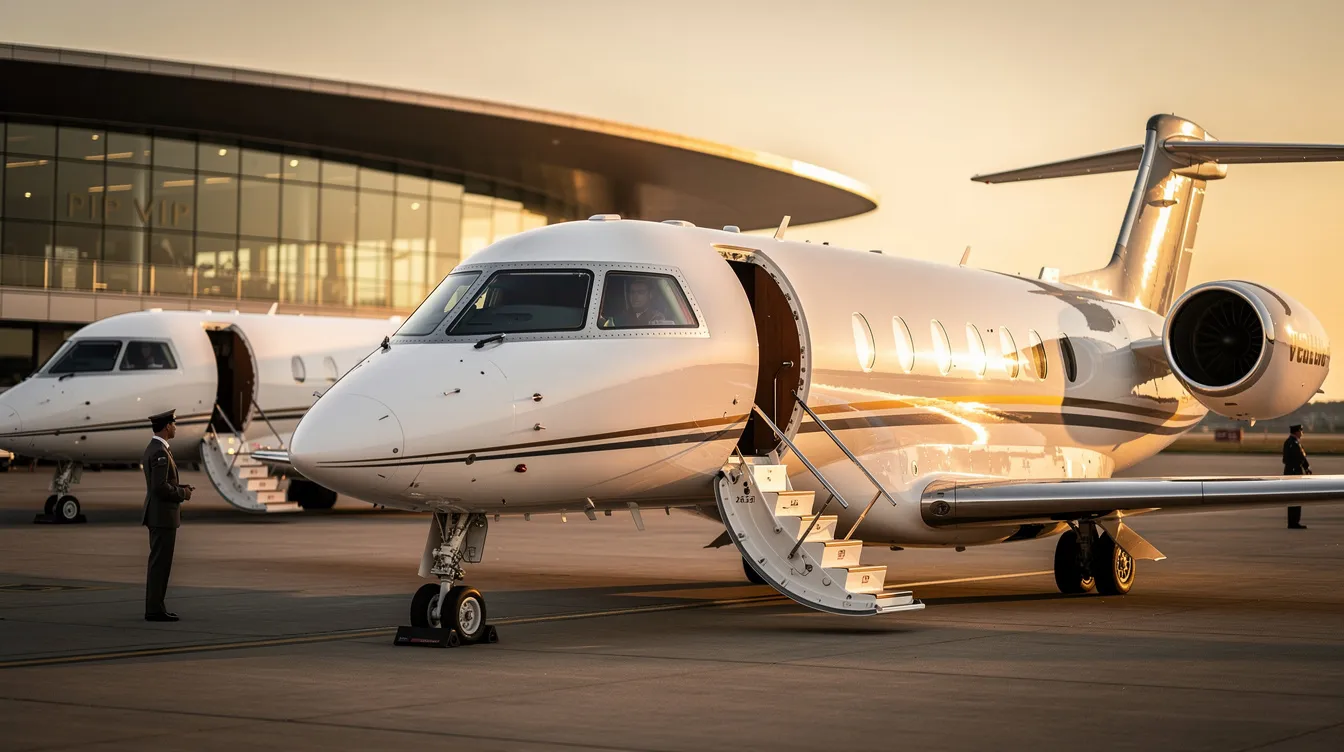
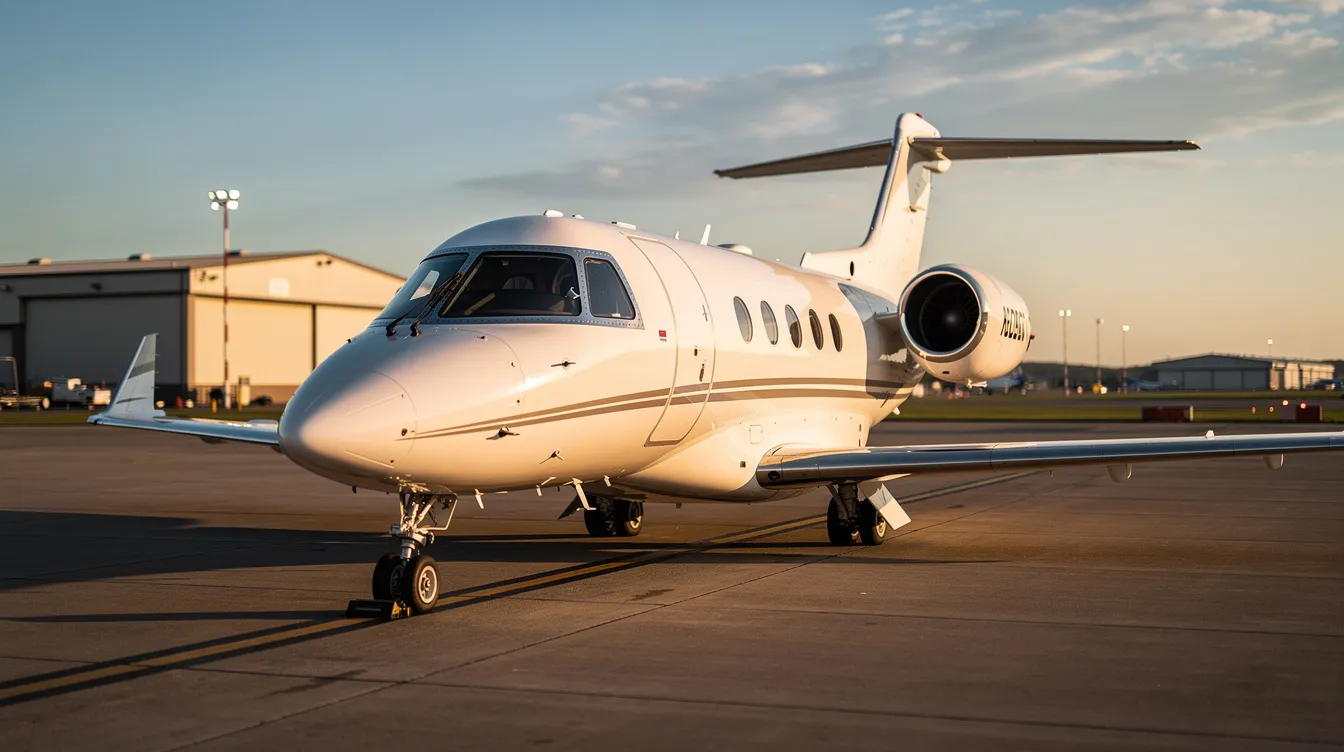
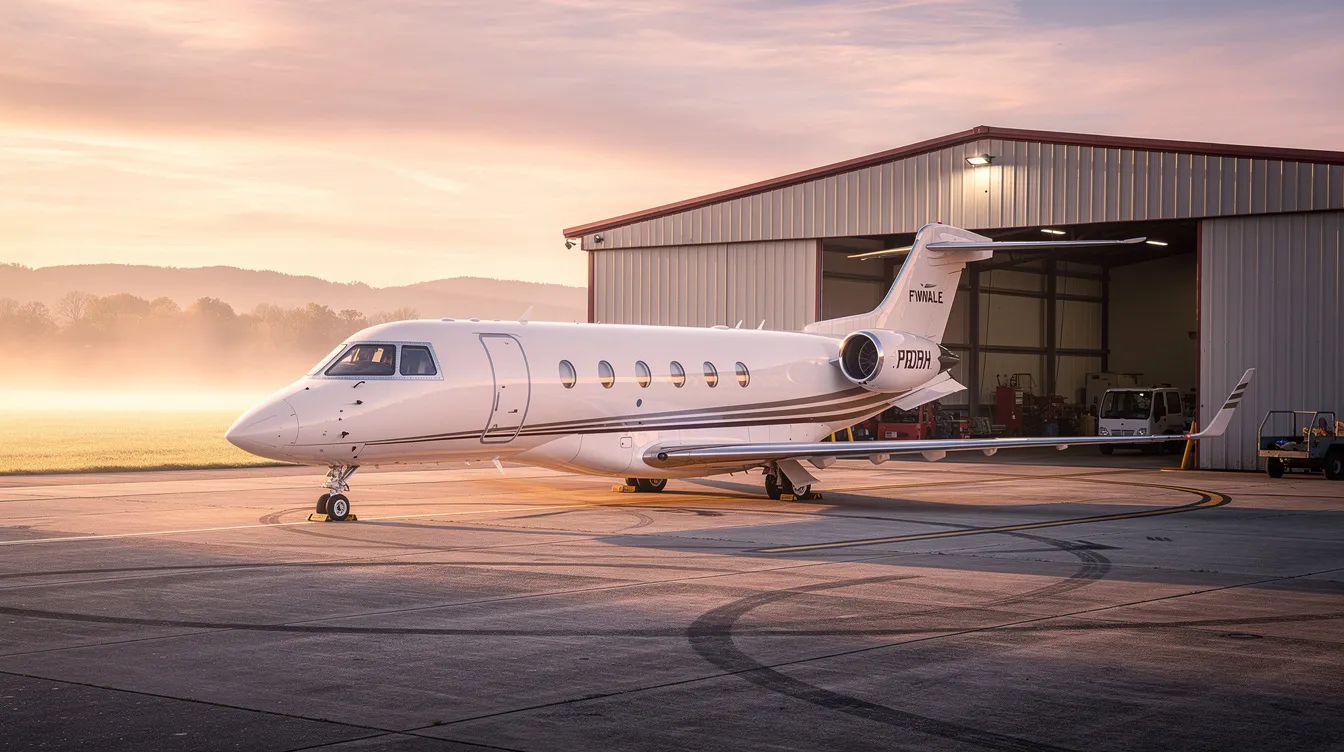
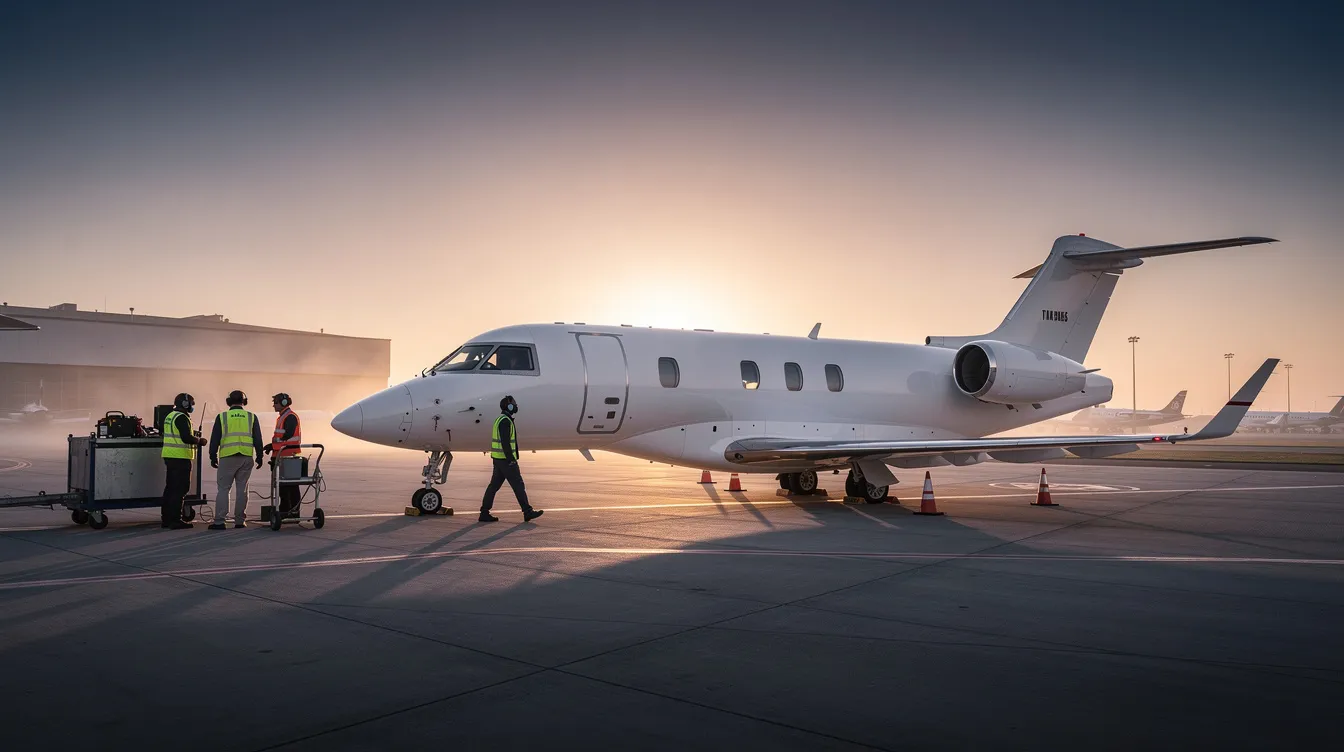
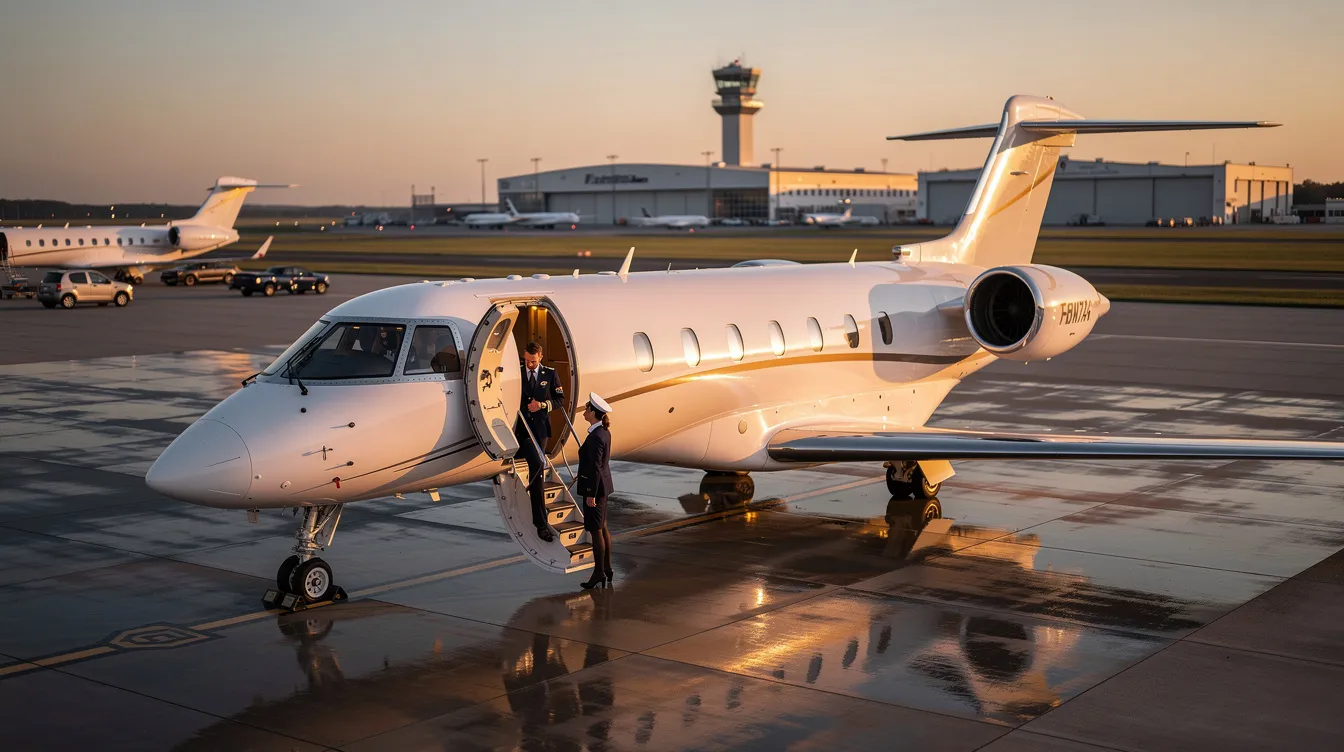
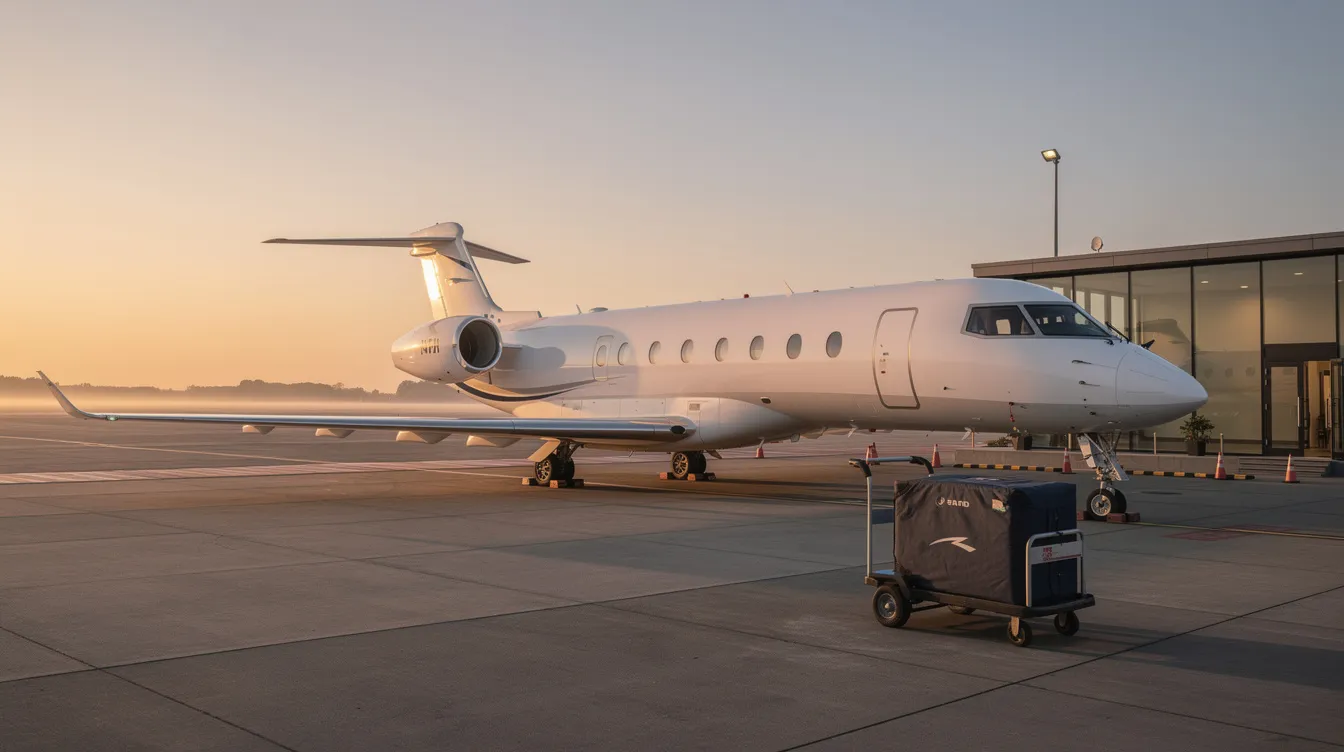
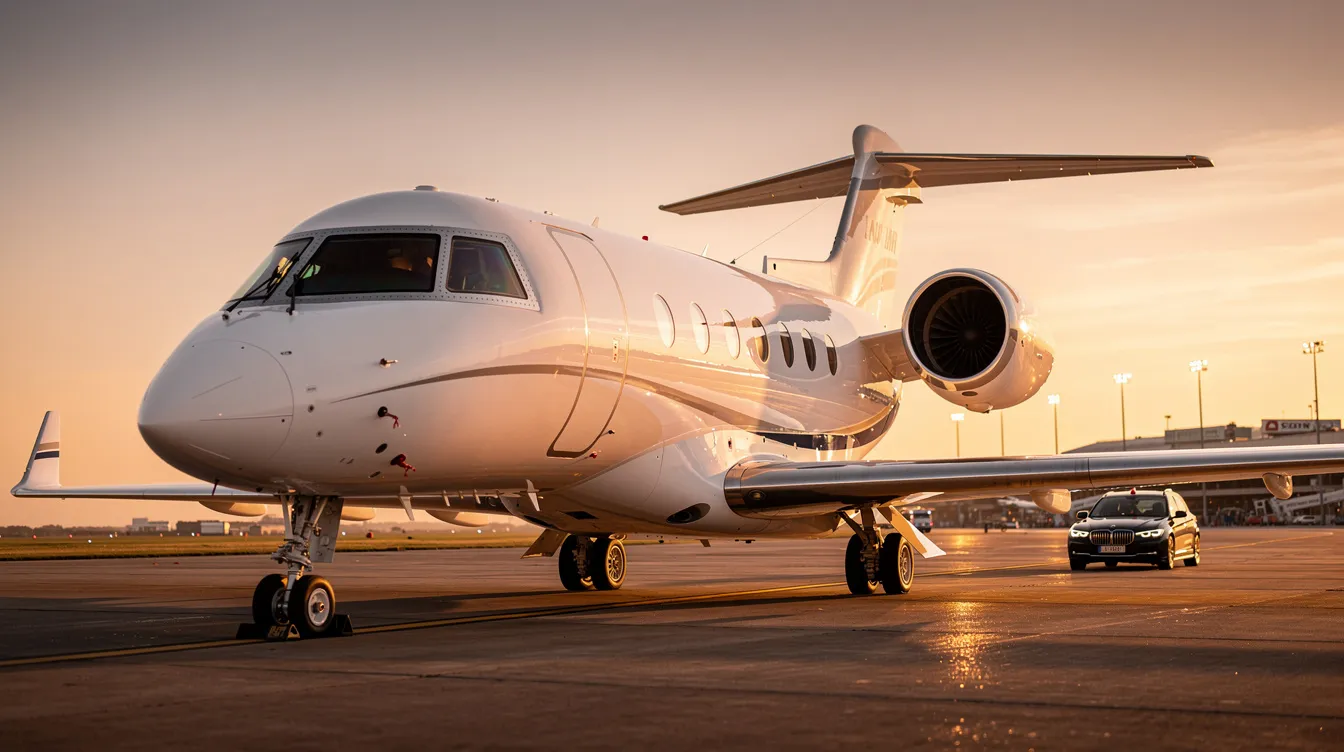
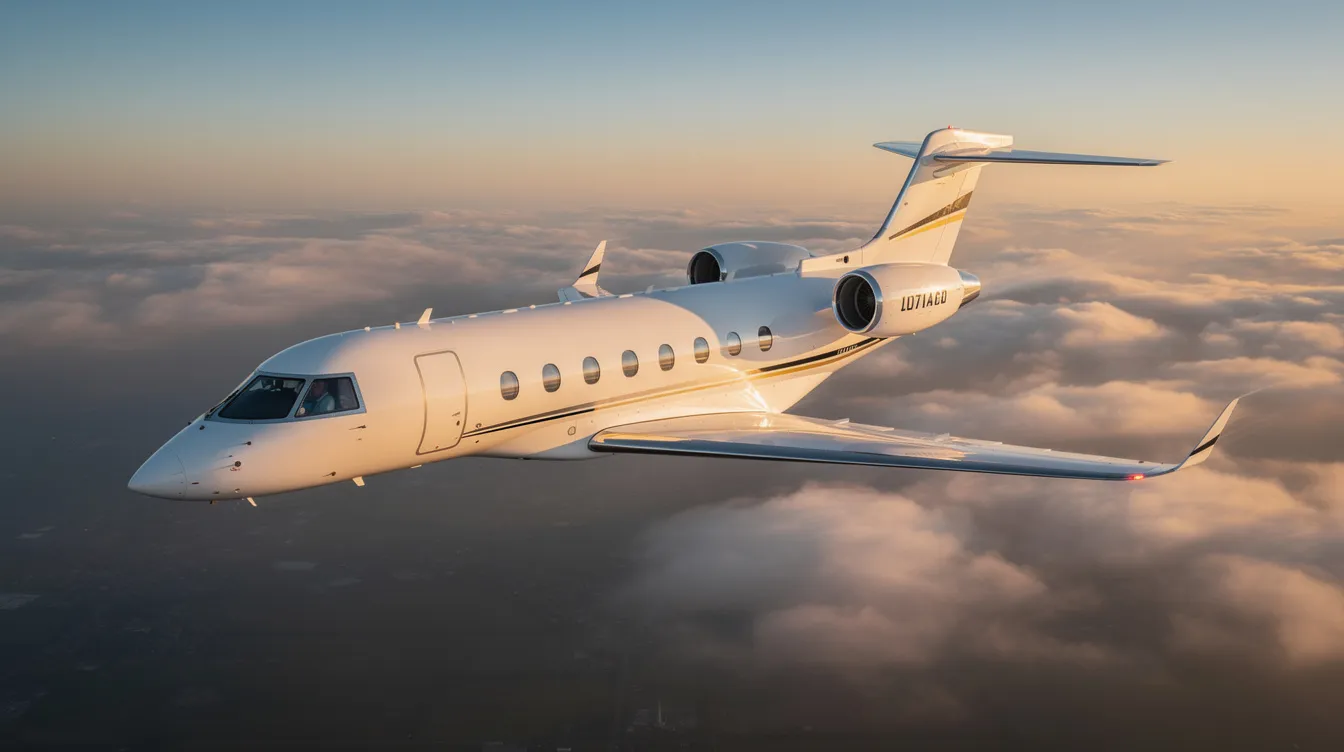
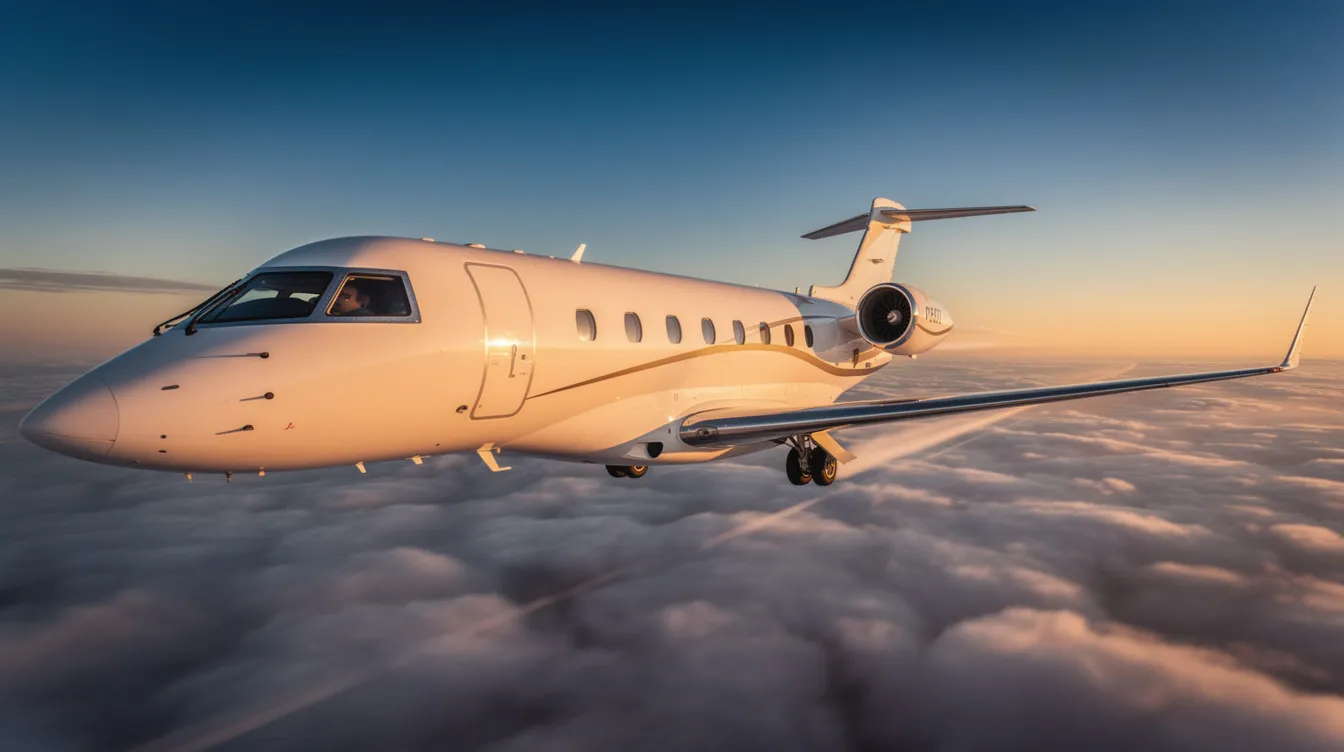
Small Jet Plane: Expert Guide To Light Jets, Costs, And Ownership Strategy

A small jet plane can be a practical business tool when the mission, cost structure, and market timing are aligned. For private jet owners, corporate buyers, owner operators, and fleet managers, the decision is rarely about finding the lowest purchase price alone; it is about matching aircraft capability to real travel demand, operating costs, safety, and resale value.
Key Takeways
A small jet plane generally refers to a very light jet or light jet seating 4 to 8 passengers comfortably, flying roughly 800–1,800 nautical miles, and operating with one or two pilots.
Models such as the Cirrus Vision Jet, HondaJet, Citation Mustang, and Phenom 100EV can be among the cheapest private jet options that remain practical for regular business use.
Total cost of ownership matters more than acquisition cost: fuel efficiency, maintenance, crew, insurance, hangar fees, fixed costs, and depreciation shape the real economics.
BusinessJets.com supports aircraft ownership decisions across the light jet market with brokerage, aircraft appraisals, aviation consulting, and a proven track record of 1,500+ aircraft transactions.
The right aircraft depends on mission data: passenger count, runway access, flight hours, range, cabin space, and whether the aircraft will be owner-flown or professionally crewed.
What Counts As A “Small Jet Plane” In Business Aviation?
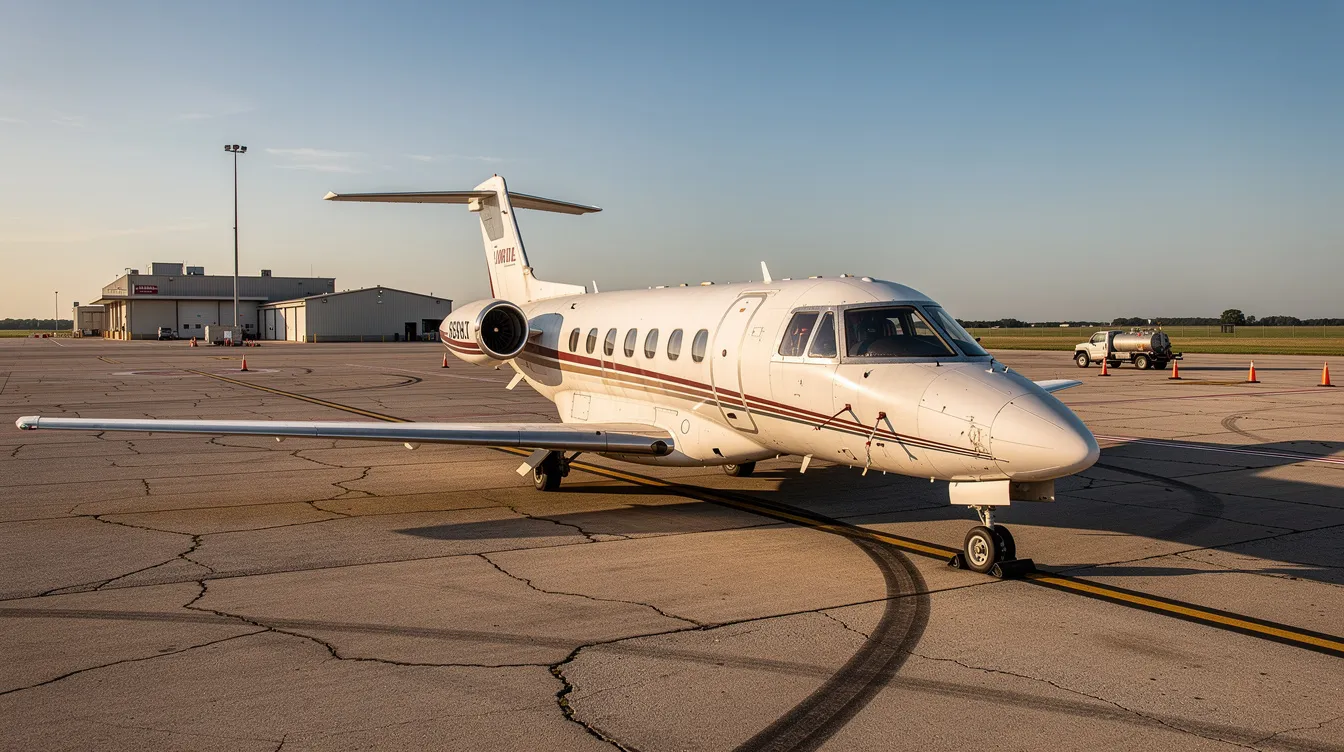
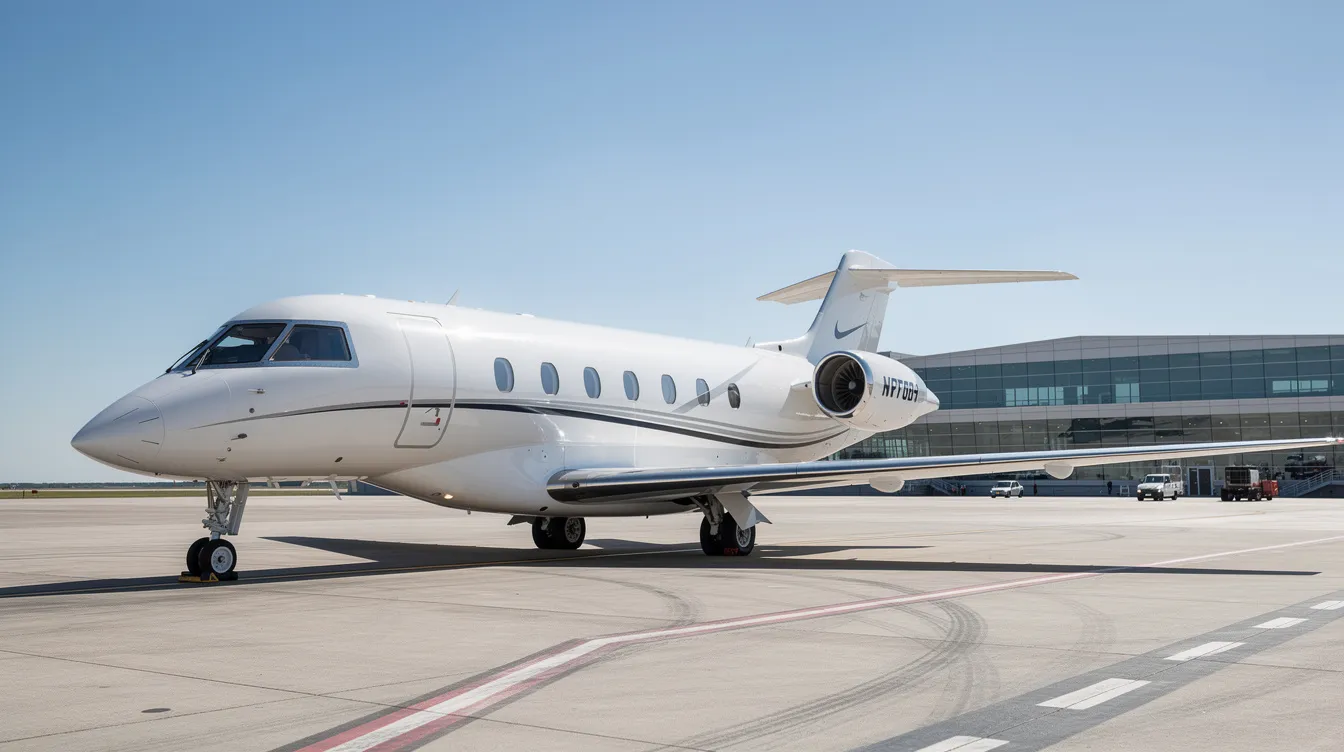
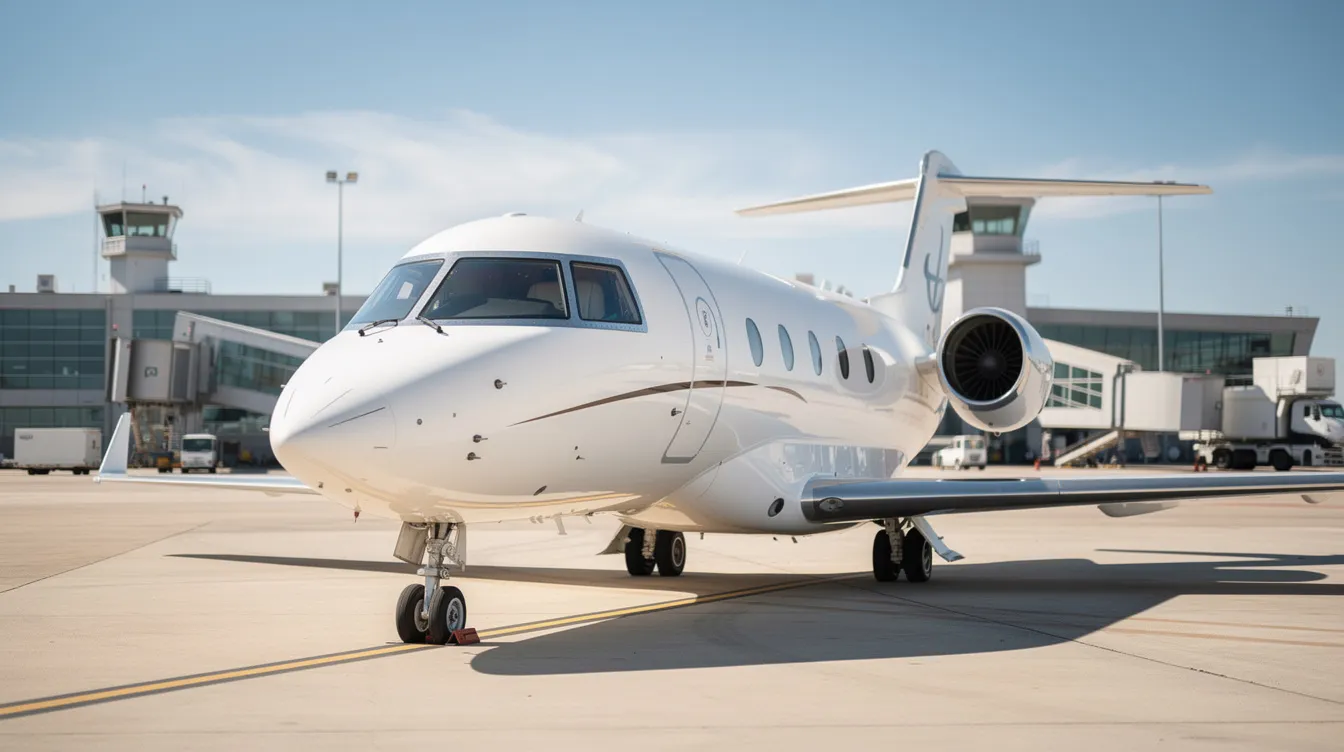
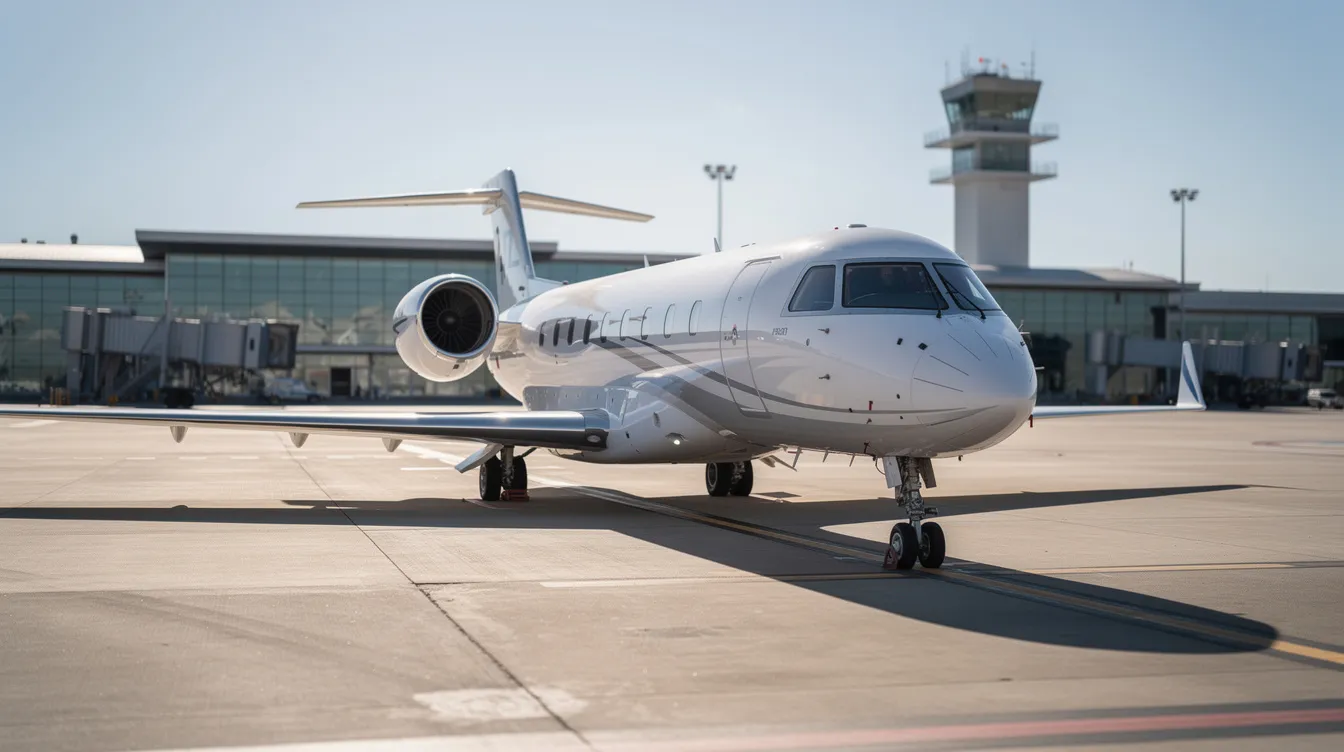
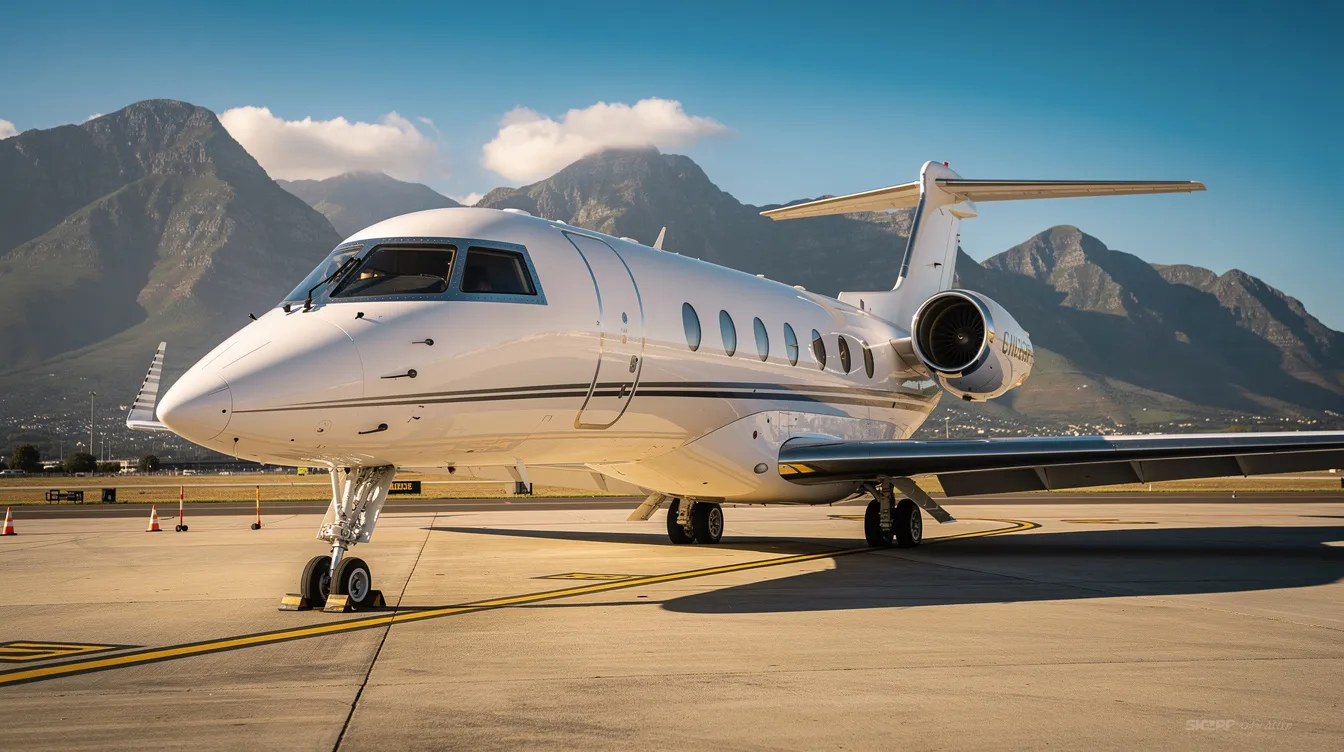
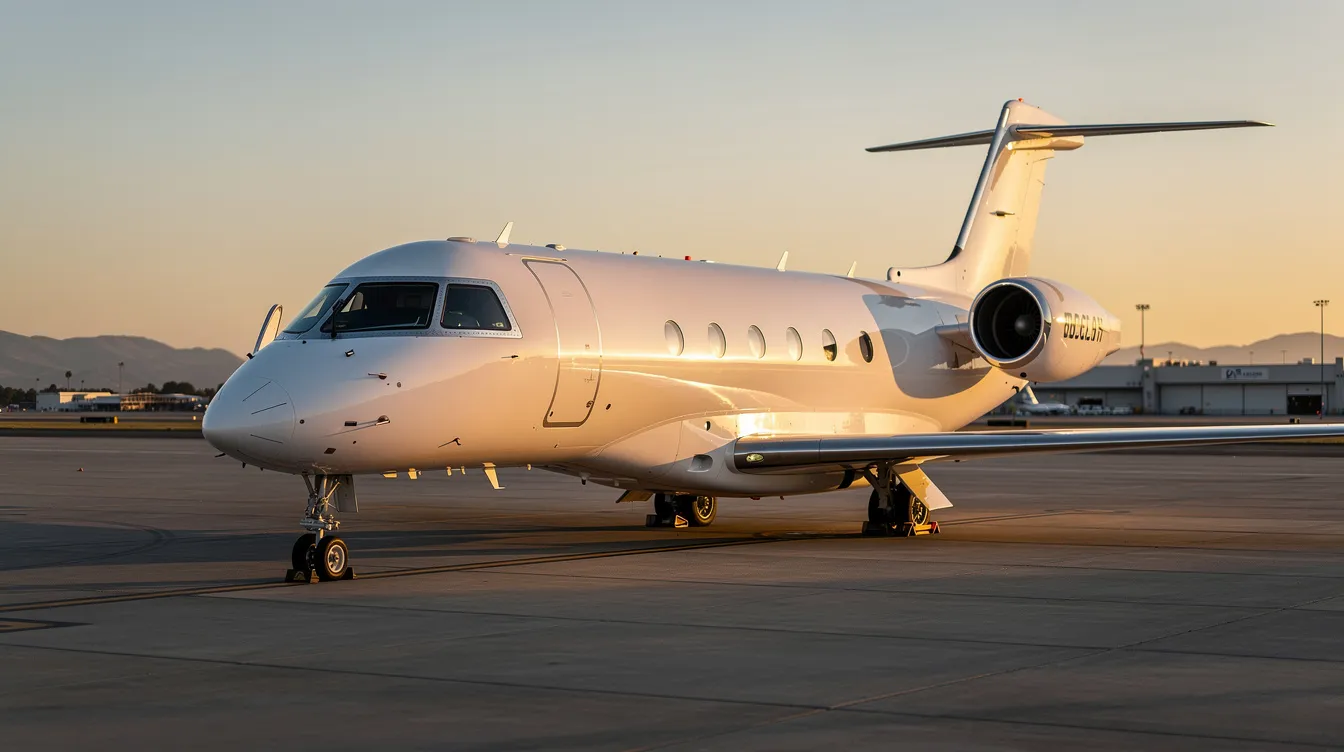
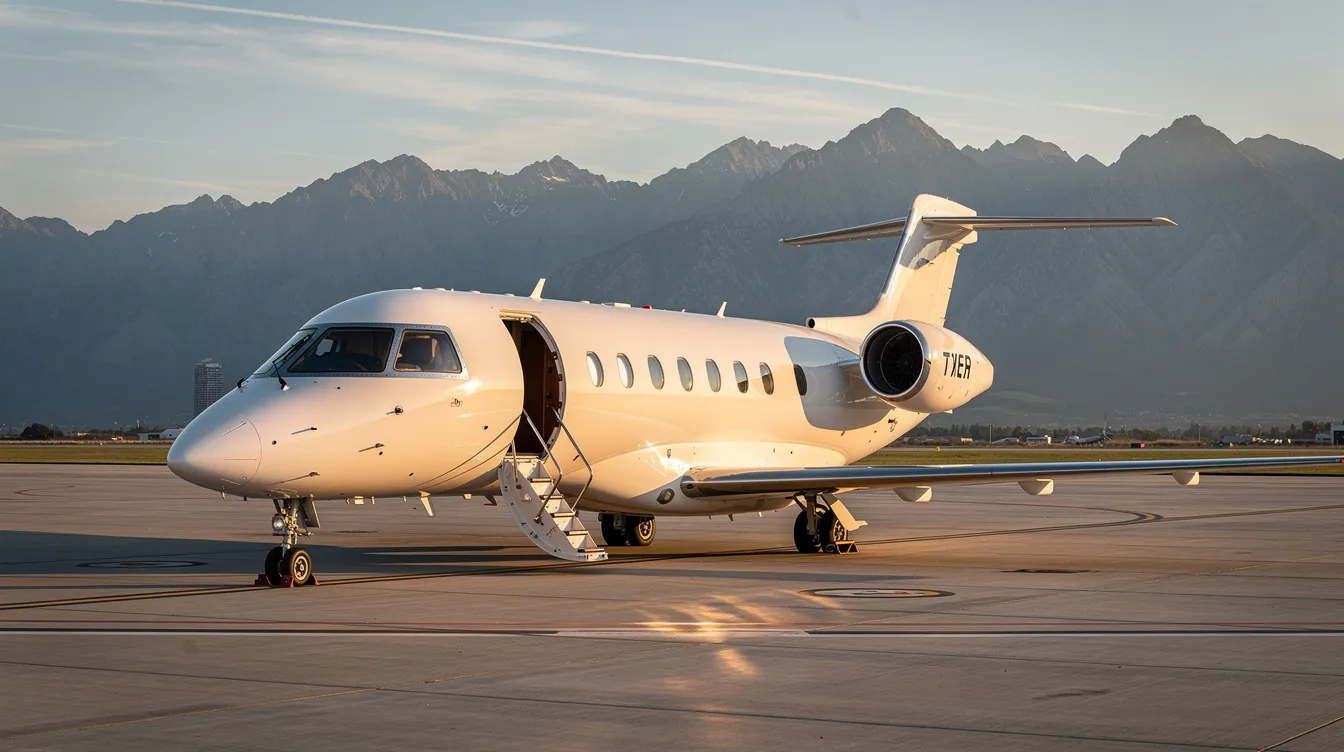
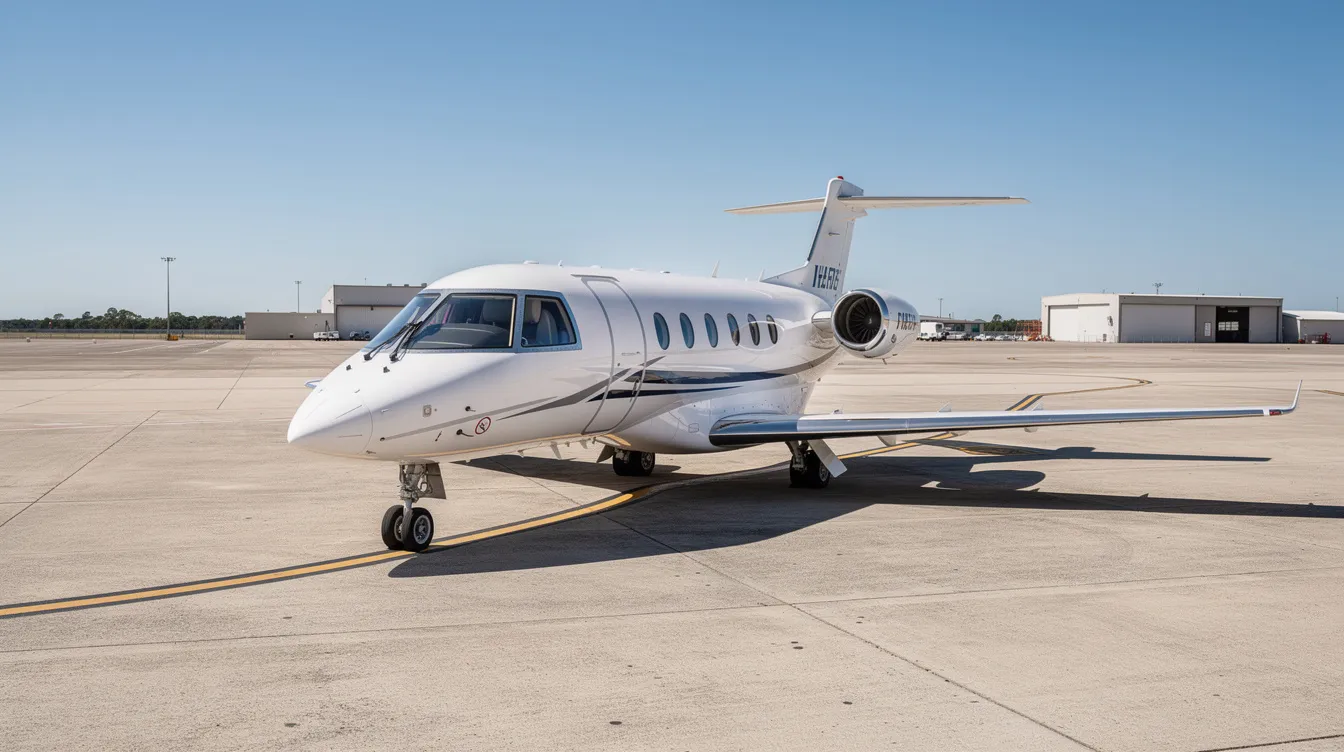
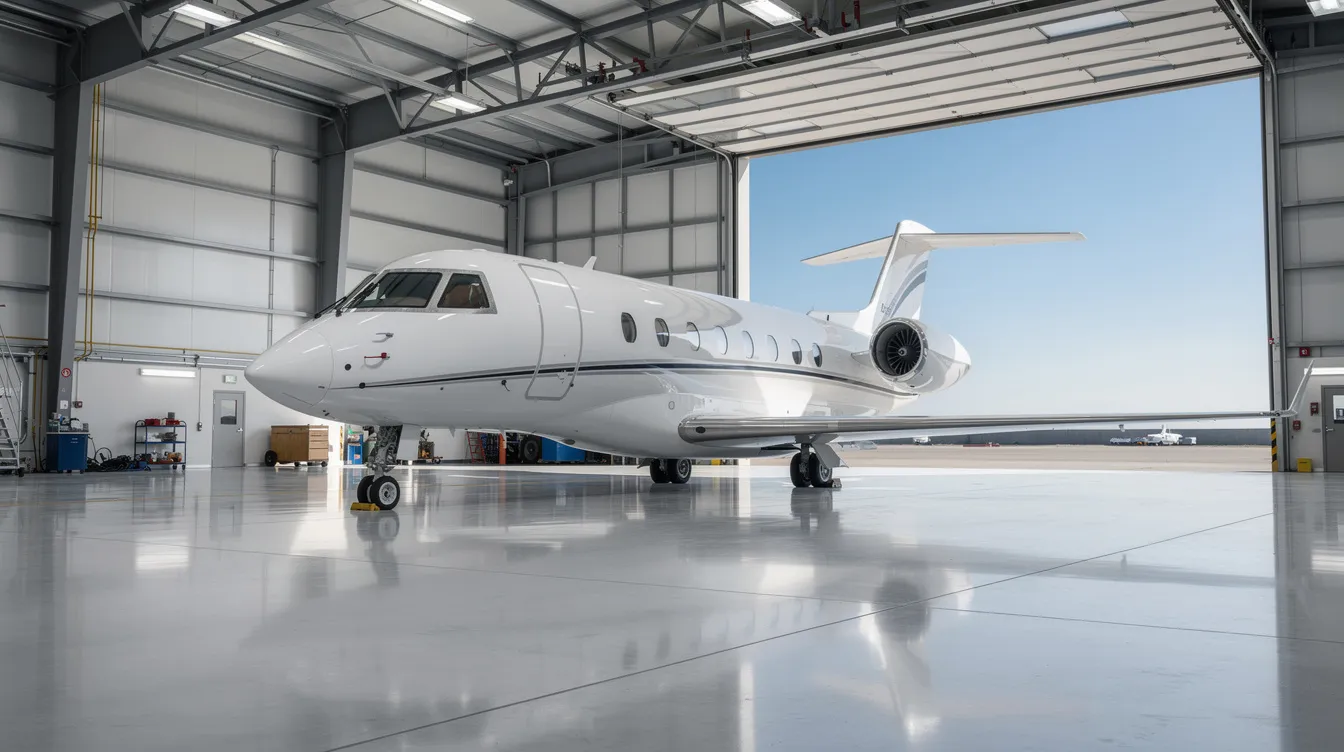
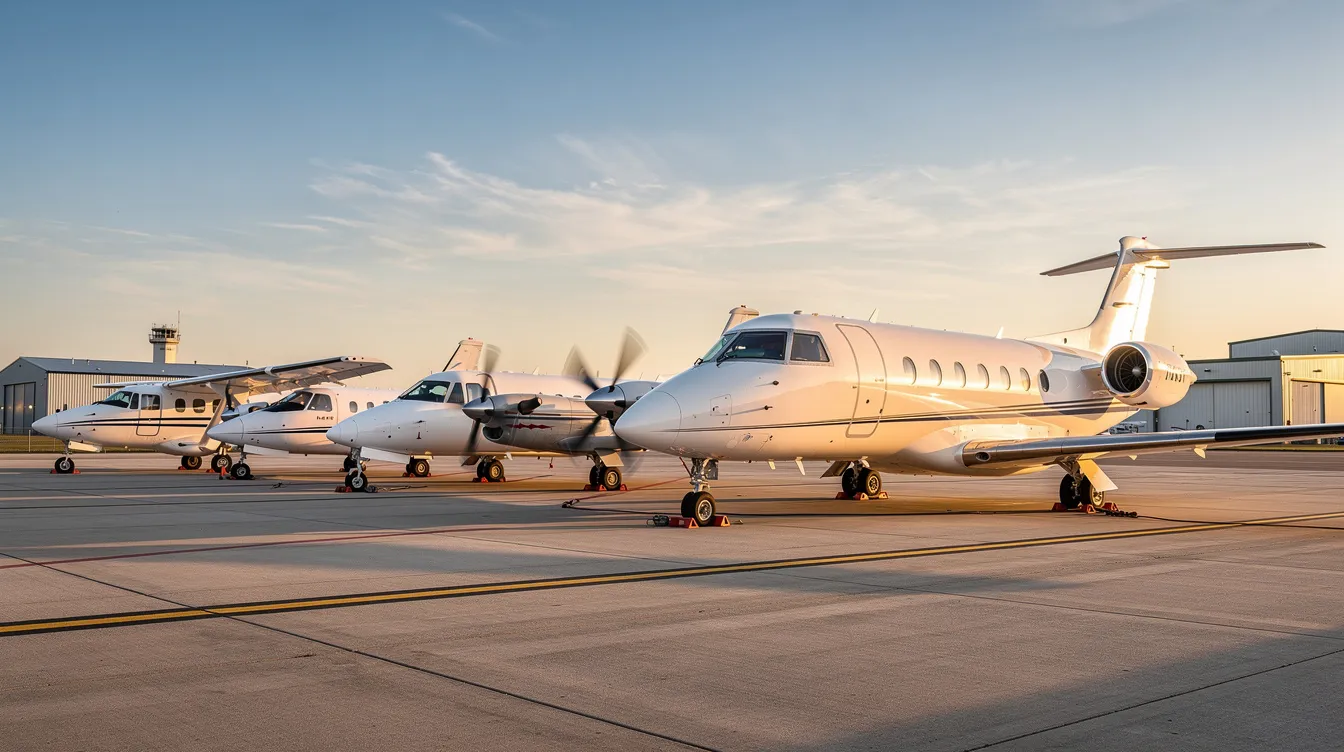
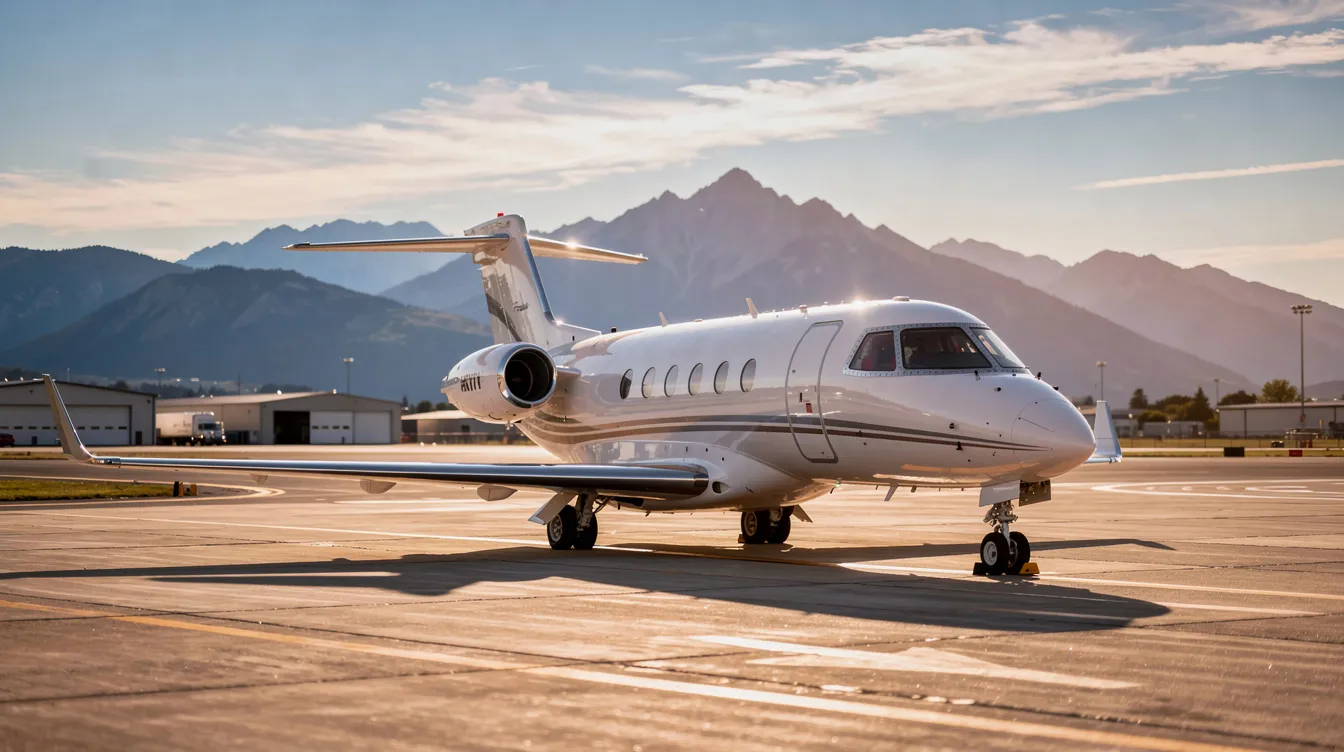
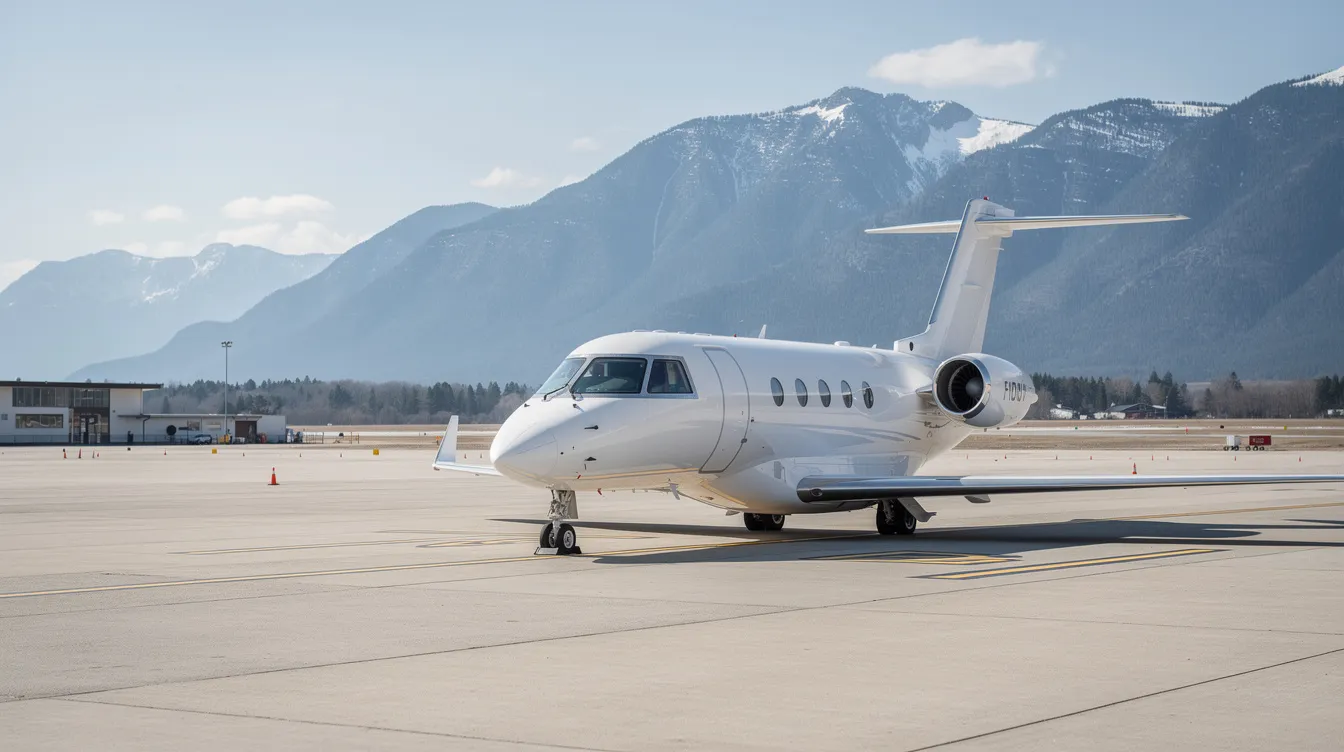
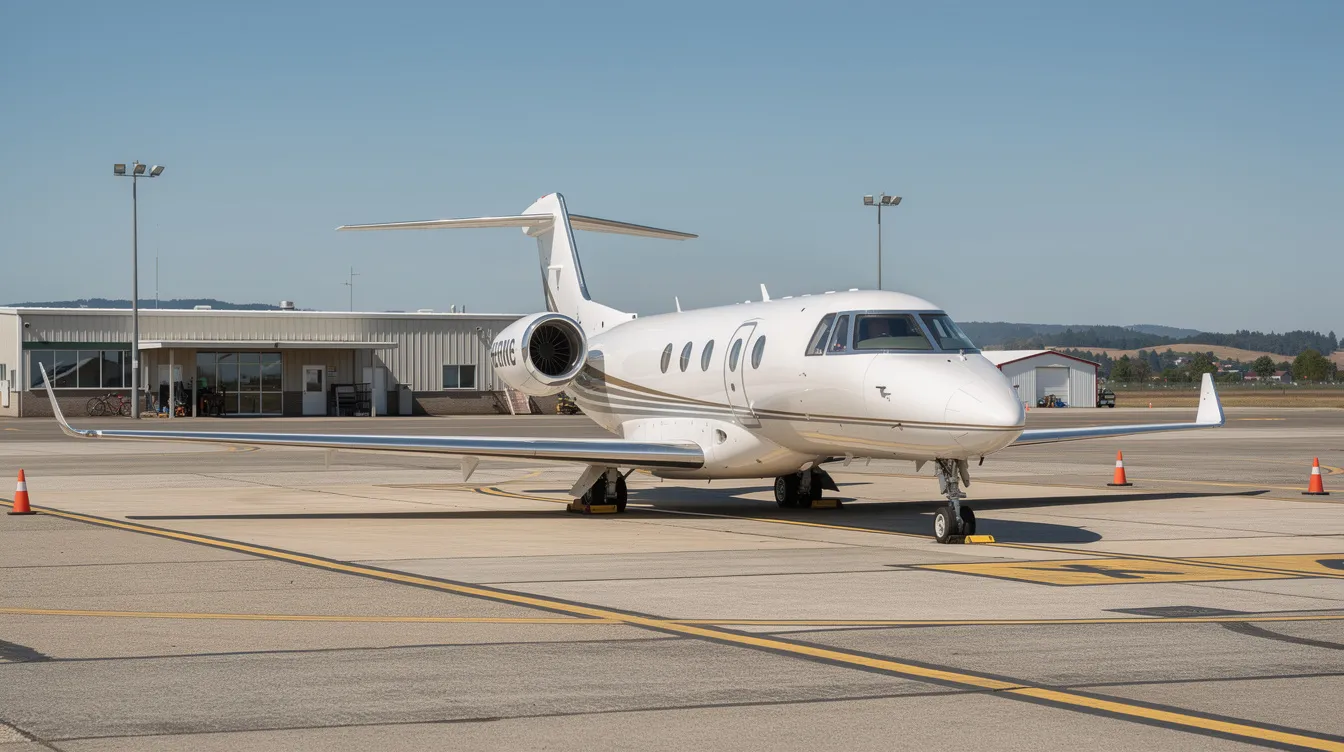
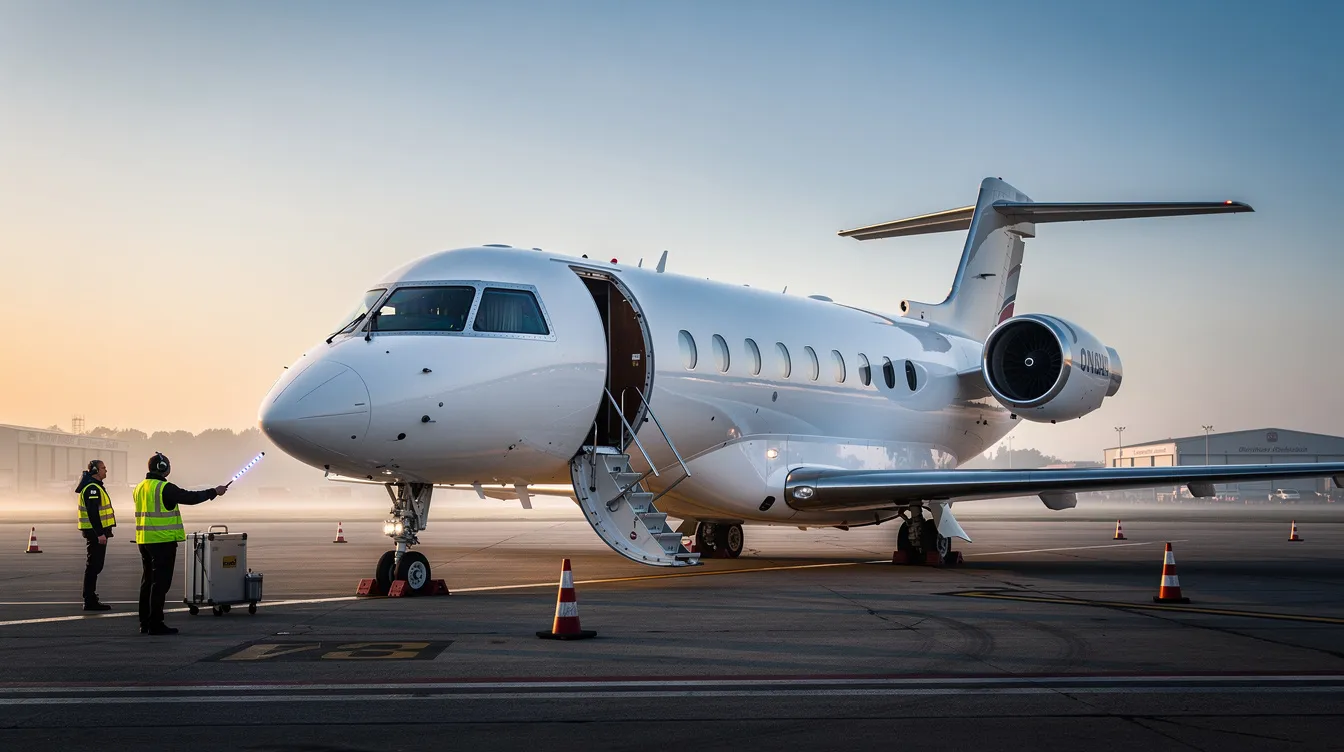
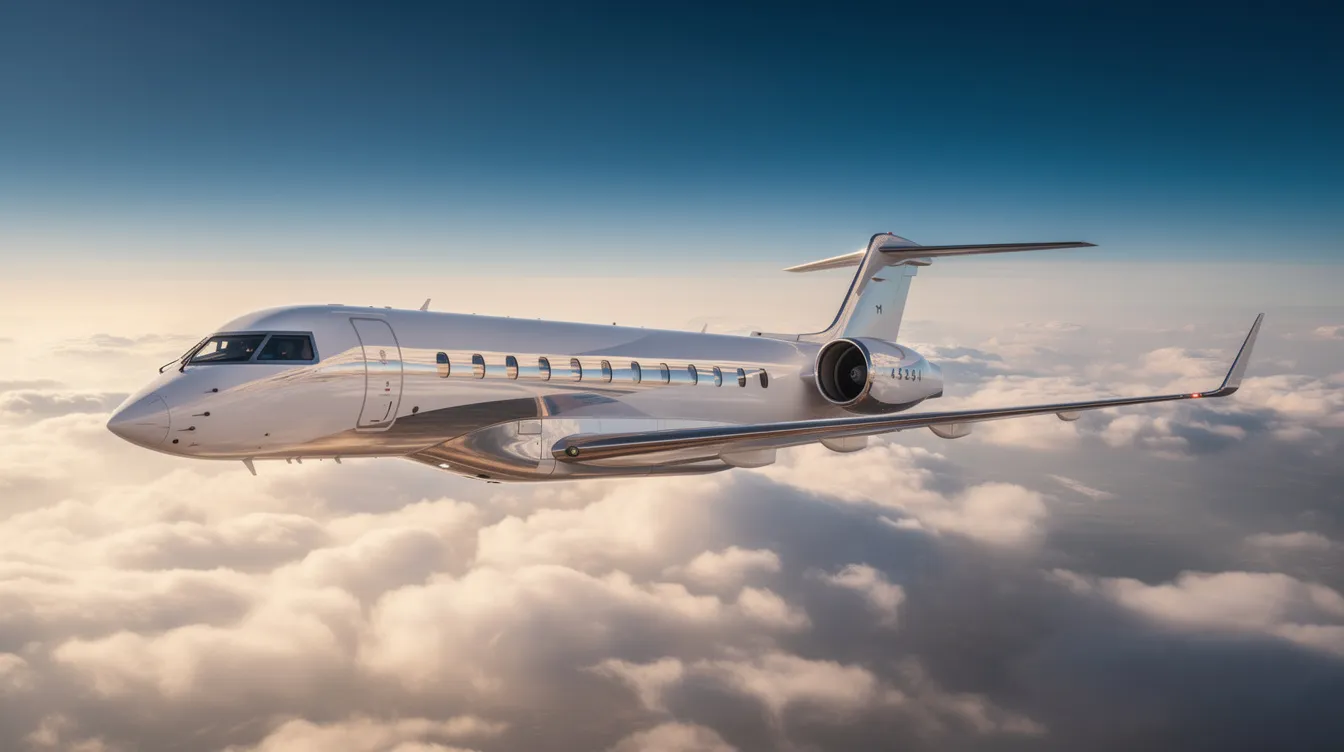
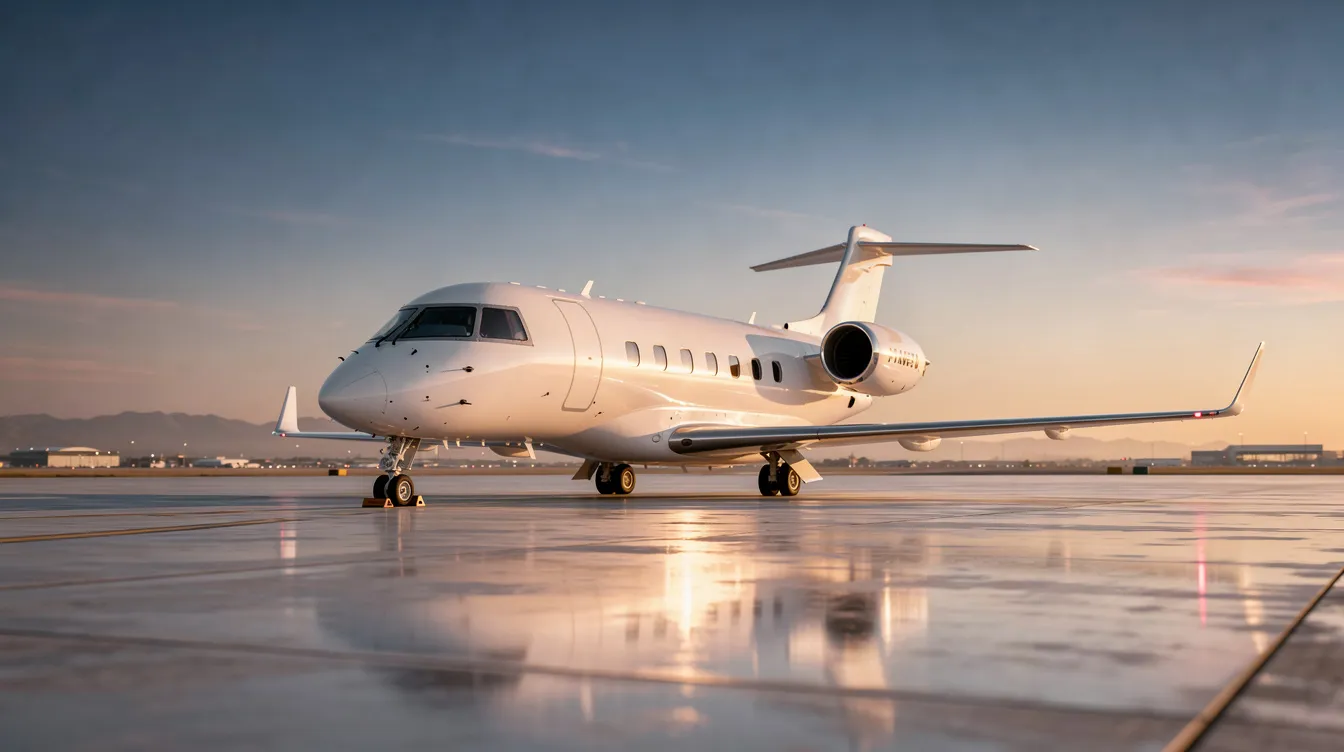
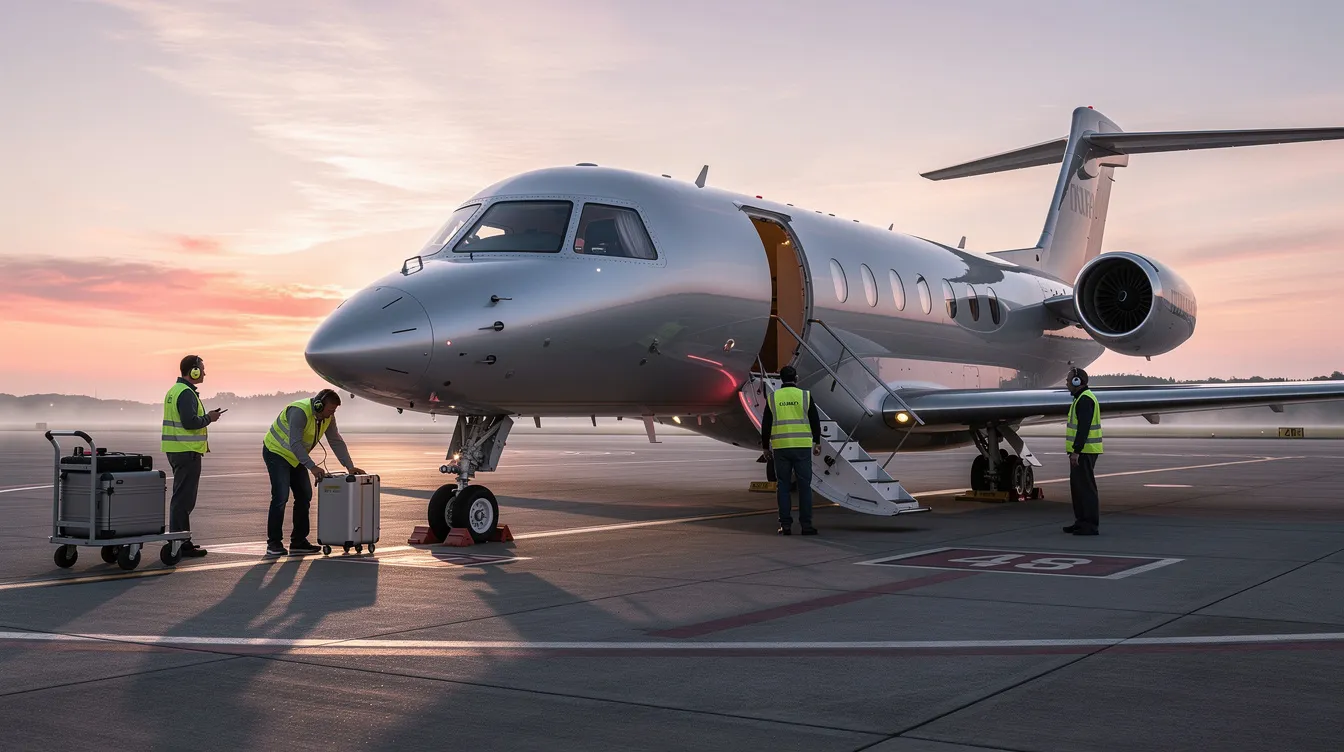
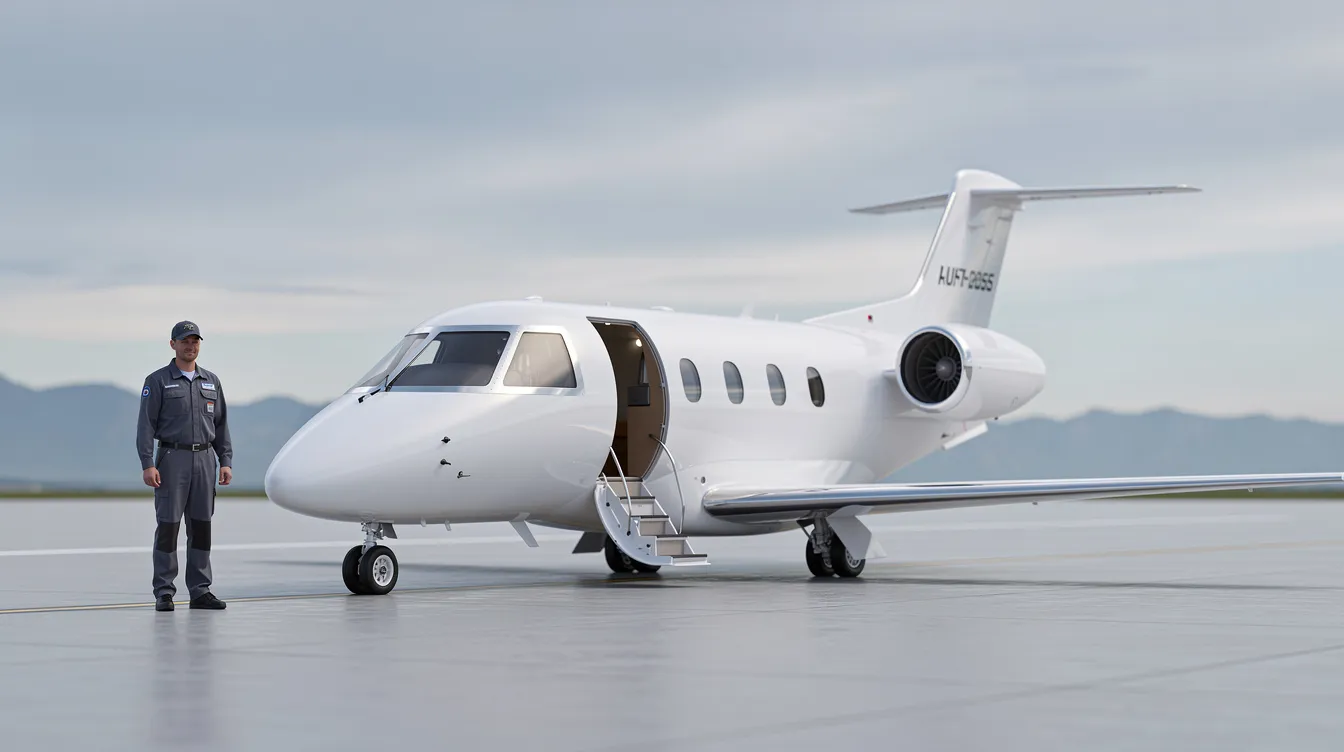
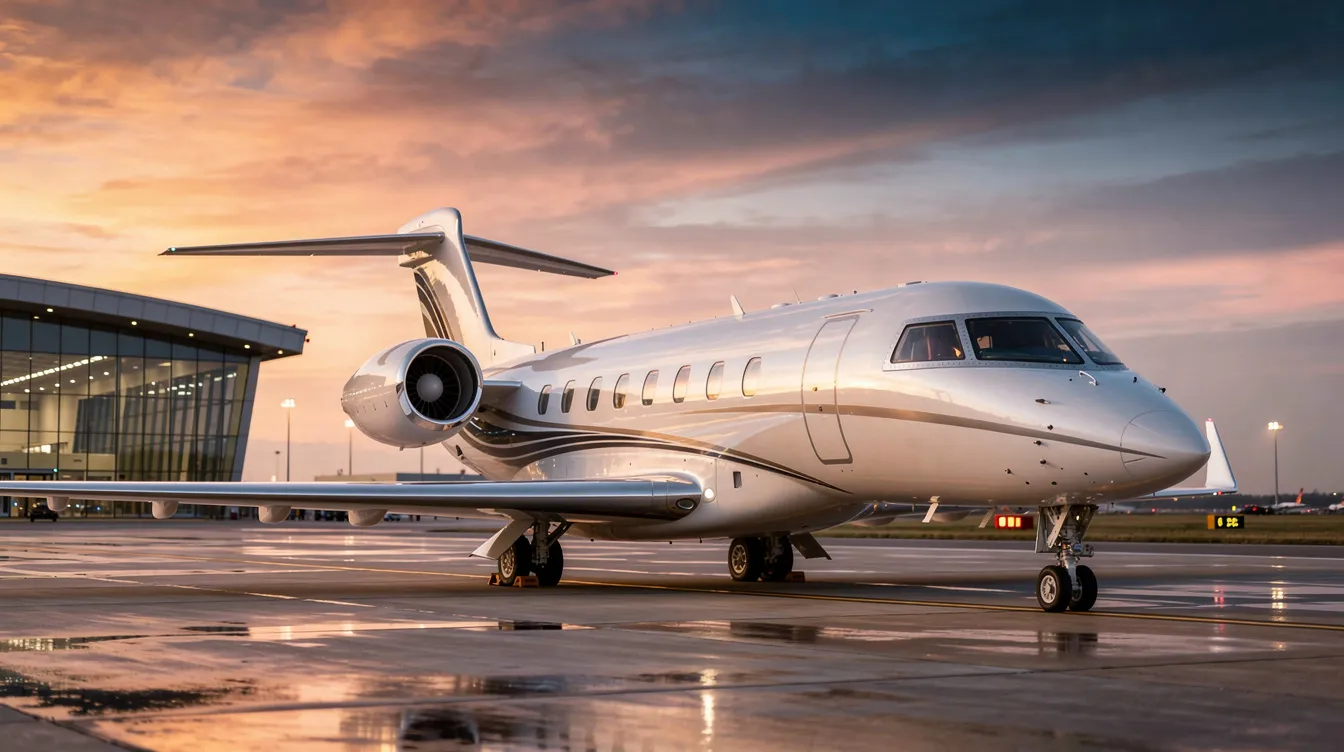
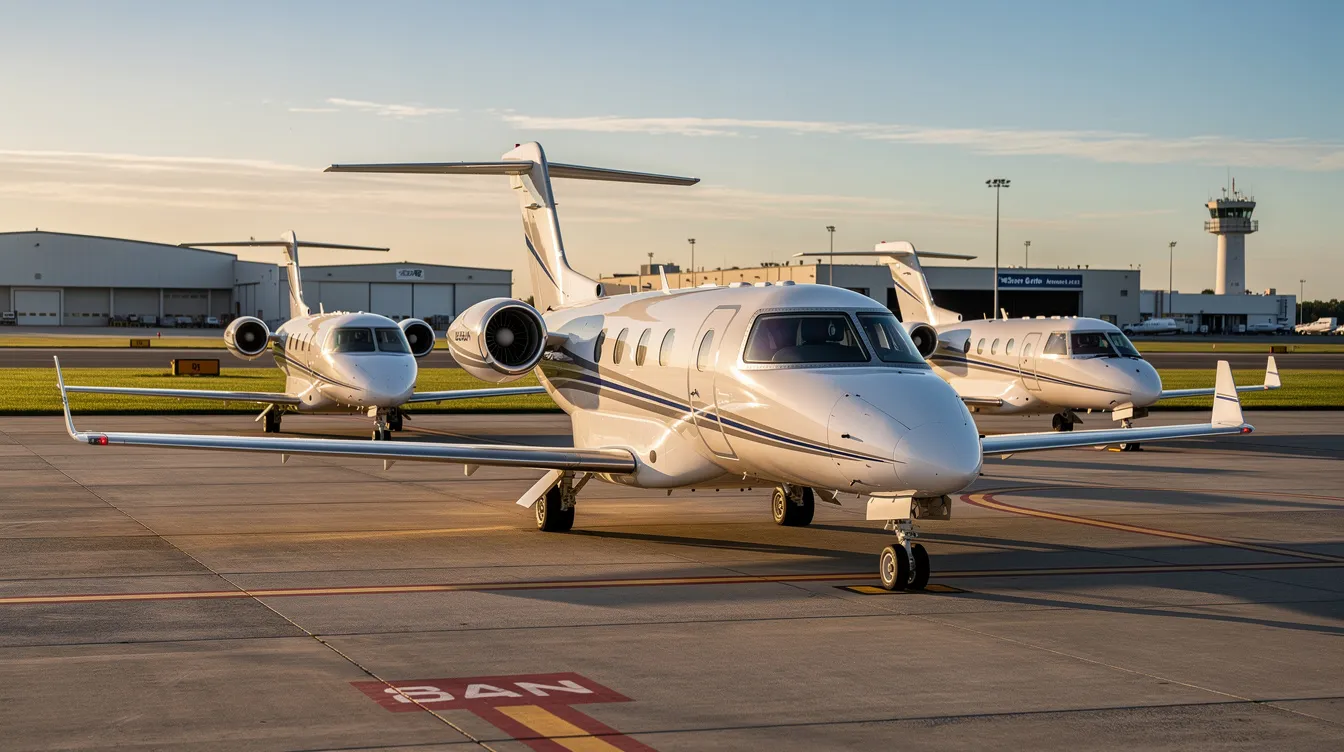
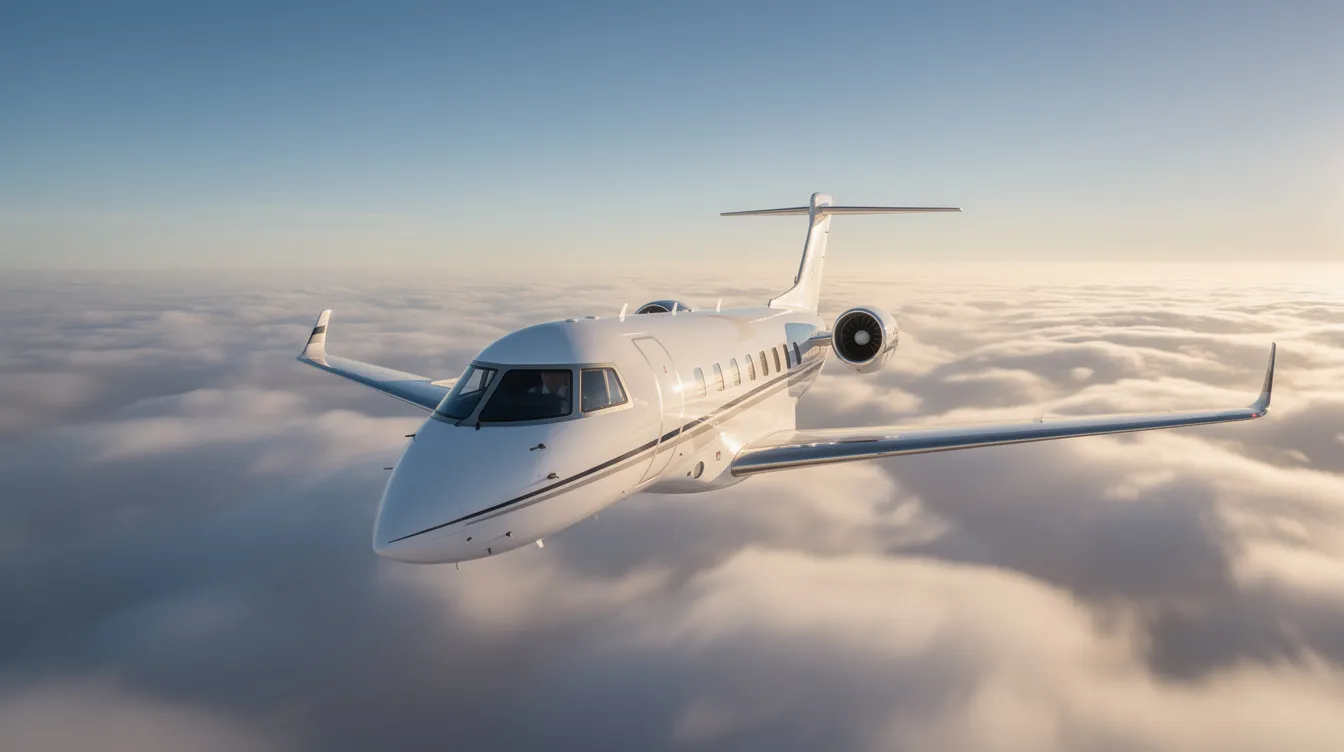
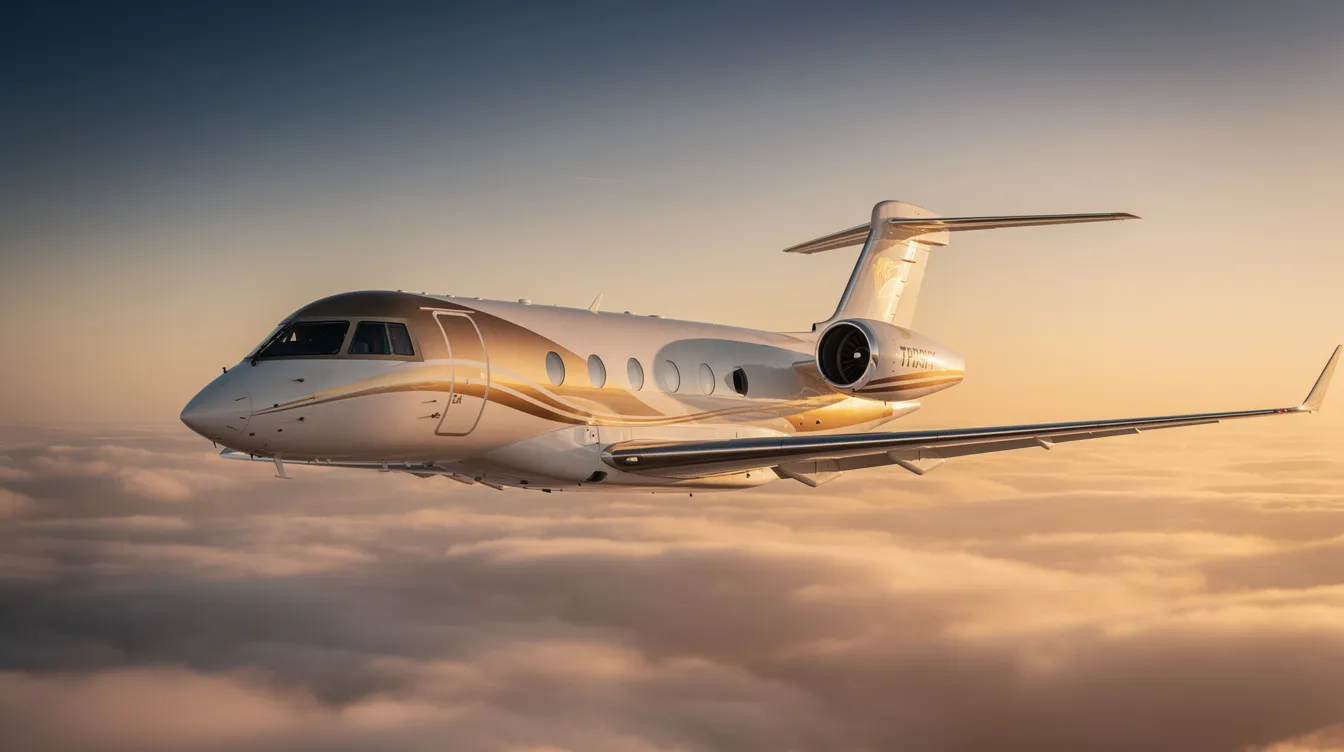
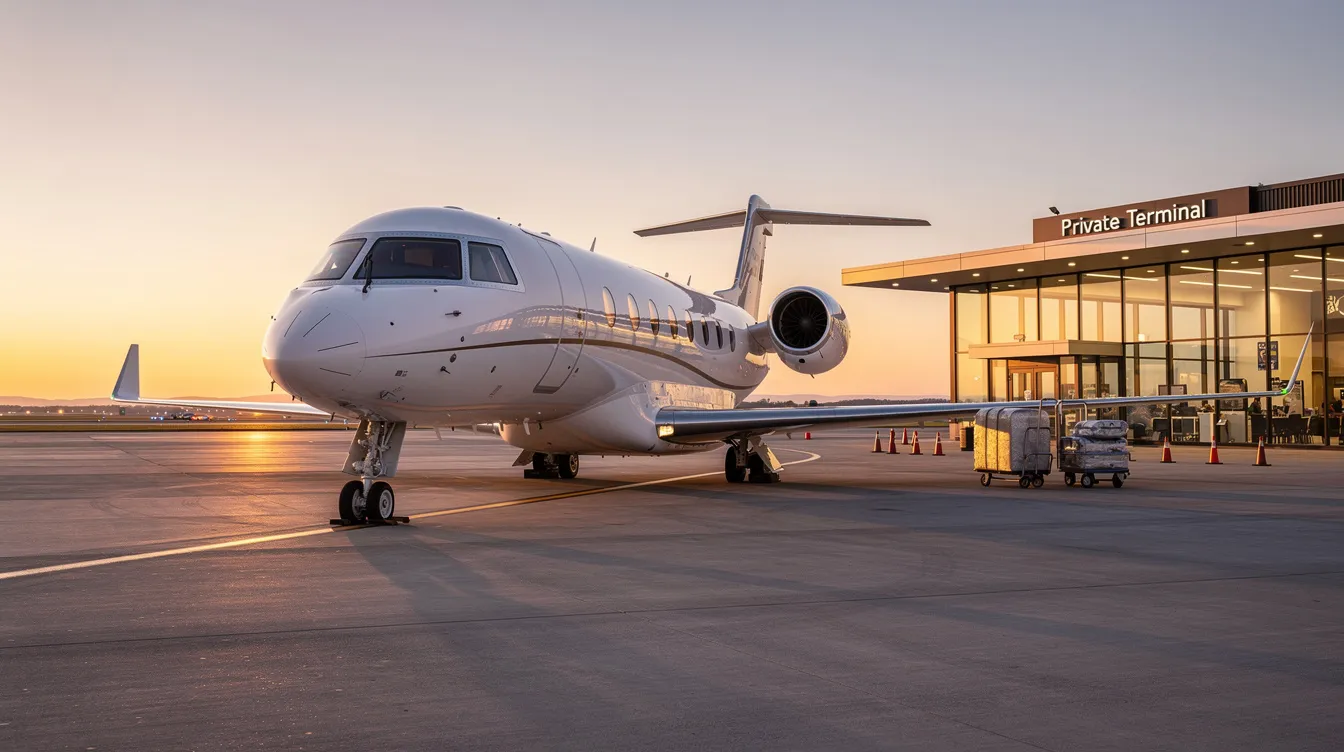
In business aviation, small jet planes are commonly known as business jets or private jets and are categorized by weight, cabin size, and flight range. They are typically powered by gas-turbine turbojet or turbofan engines rather than spinning propellers, which separates them from piston aircraft and most turboprops.
A very light jet usually seats 4–6 passengers, offers about 1,100–1,300 nautical miles of range, and is often certified for single pilot operation. Examples include the Cirrus Vision Jet, Citation Mustang, Embraer Phenom 100/100EV, and HondaJet. Very Light Jets (VLJs) typically seat between 4 and 6 passengers and offer ranges up to 1,200 miles, making them suitable for regional trips while maintaining flexibility in private aviation.
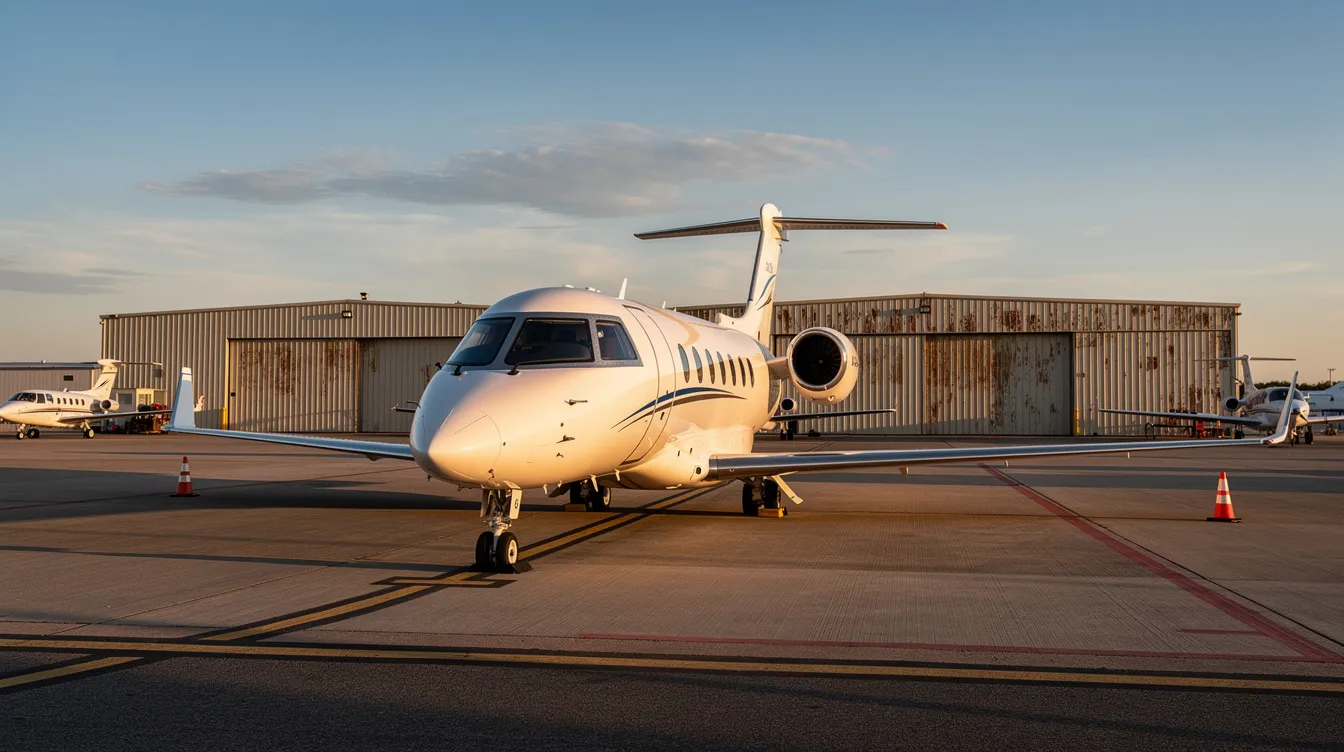
Light jets step up to 6–9 seats, higher cruise speed, and range around 1,500–2,000 nautical miles. Examples include the Citation M2 Gen2, CJ2/CJ3/CJ4 family, Hawker 400XP, and Phenom 300. These small jets can fly at higher altitudes, often up to 45,000 feet, helping them get above weather systems and turbulence.
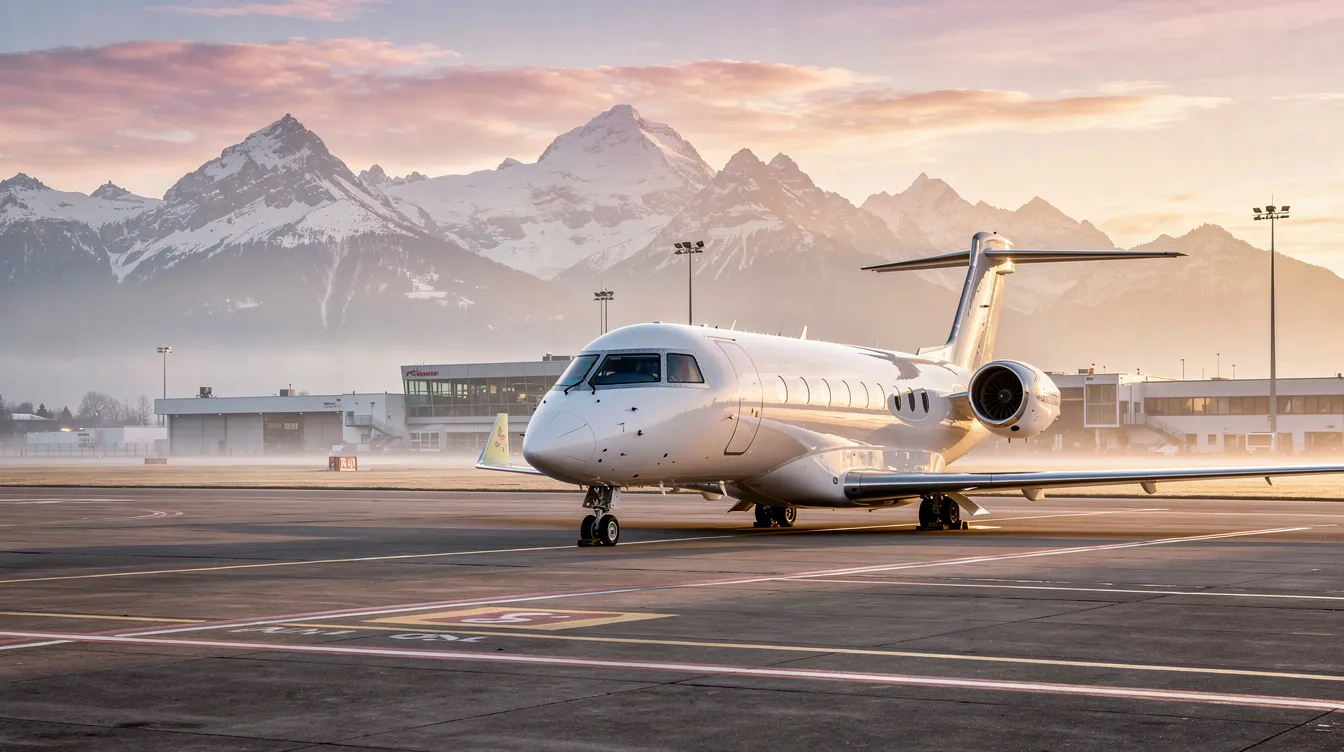
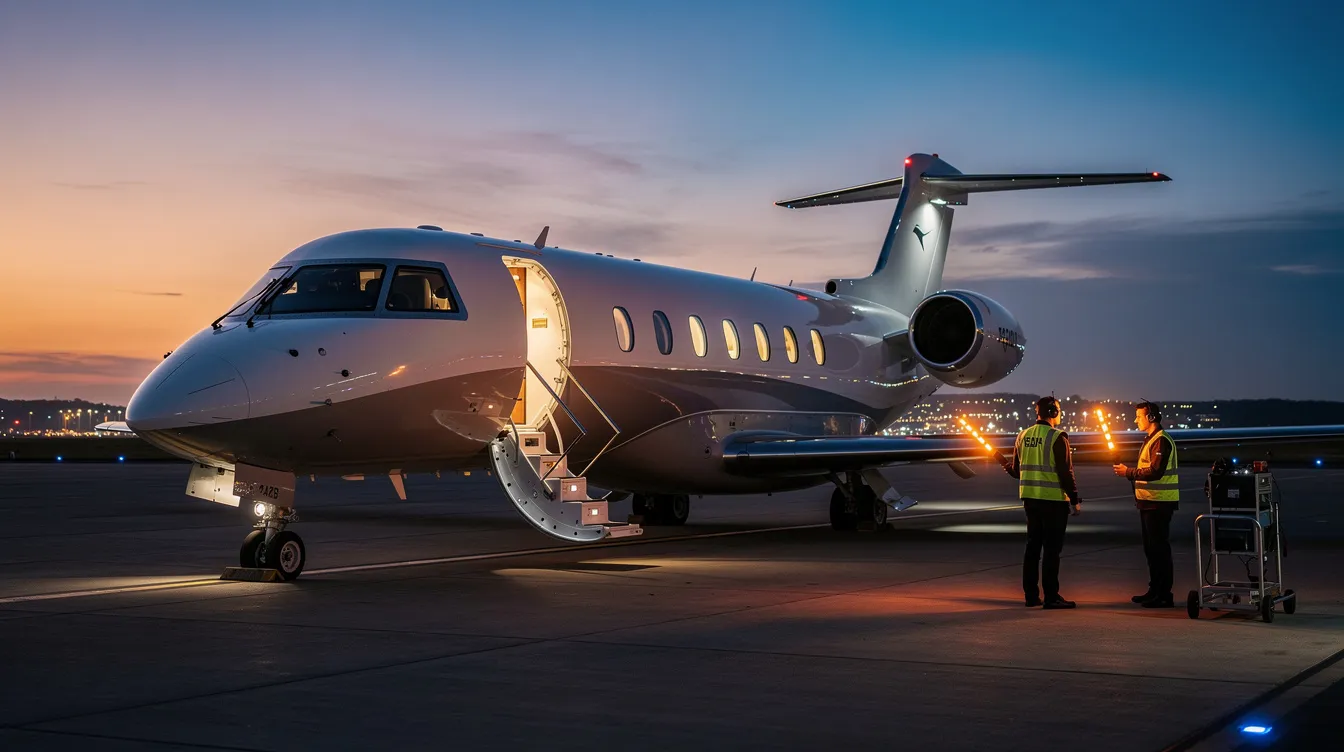
Small jets are designed for short-haul business travel, weekend getaways, air taxi services, and medical evacuations. They can operate in and out of tight, remote airfields while costing significantly less per flight hour than large jets. This operational flexibility allows owners and operators to access thousands of smaller airports that larger aircraft cannot, providing a distinct advantage in time savings and convenience.
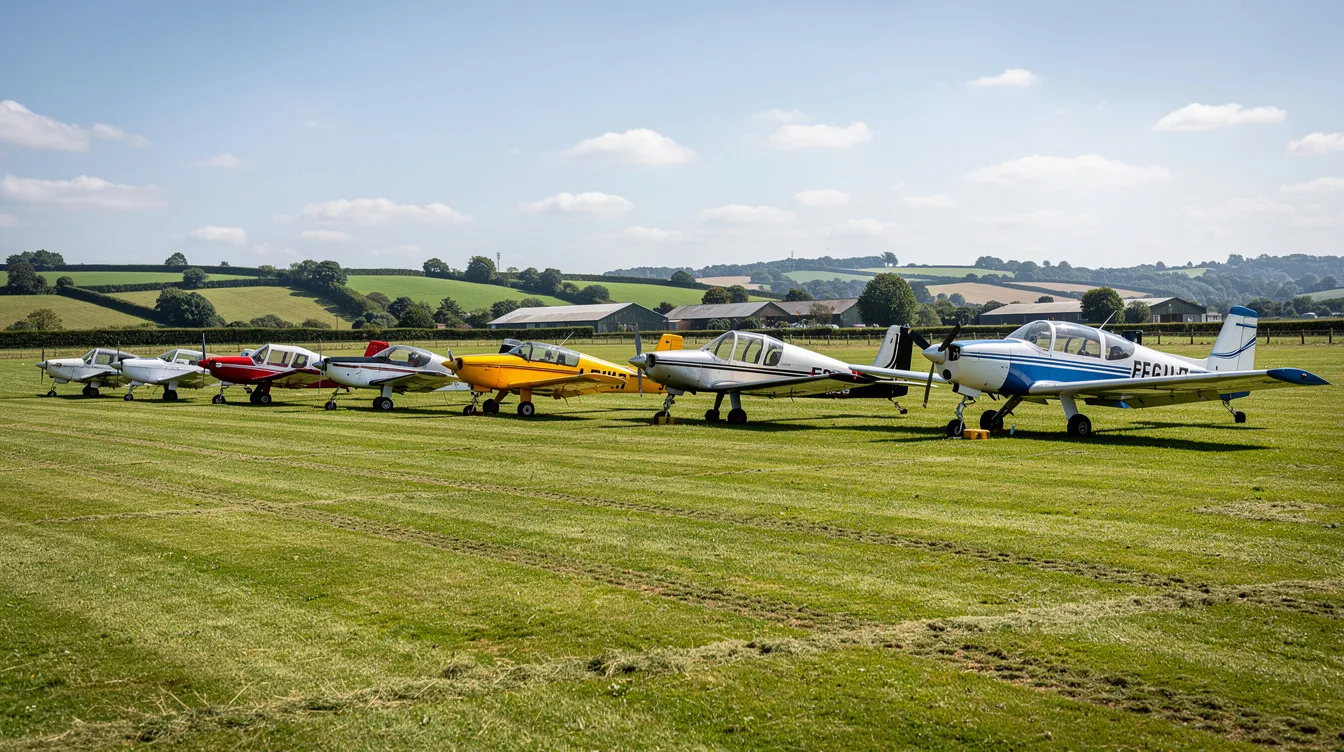
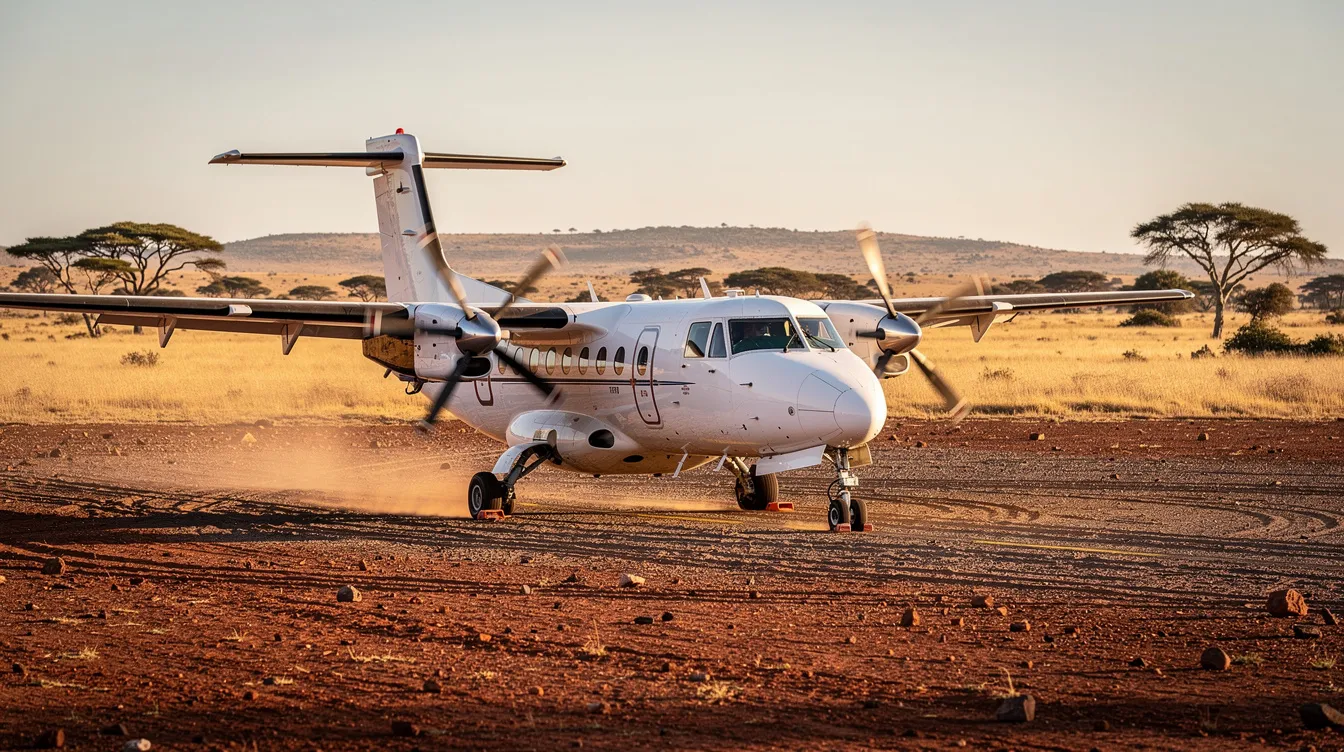
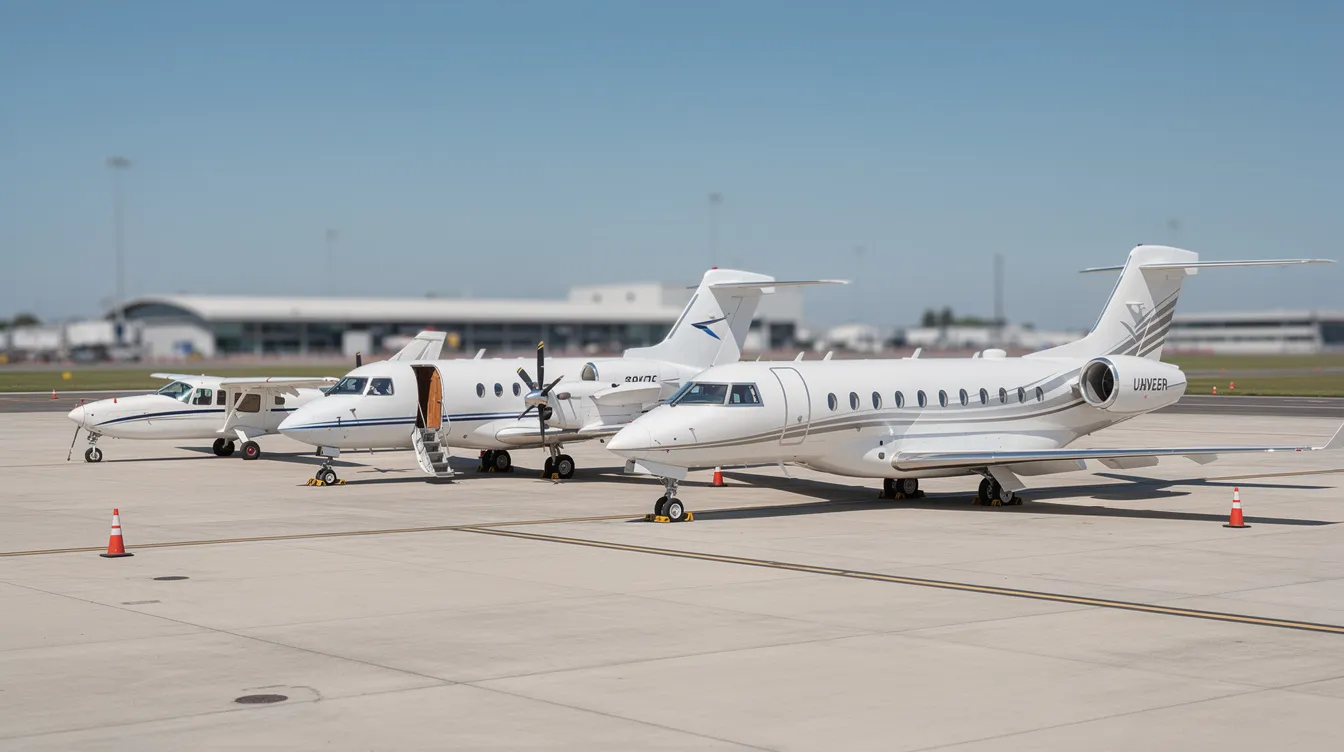
This article focuses on jet-only private aircraft, while recognizing that small private aircraft can also include pistons and turboprops. Borderline options such as the Pilatus PC-12 turboprop and PC-24 are relevant when clients need shorter runways, rough-field capability, or access to smaller airports.
Common use cases include short-haul business travel, weekend getaways, air taxi services, medical evacuations, regional executive travel, family travel, and charter operations where the objective is to bypass commercial airlines and fly closer to the nearest suitable airport.
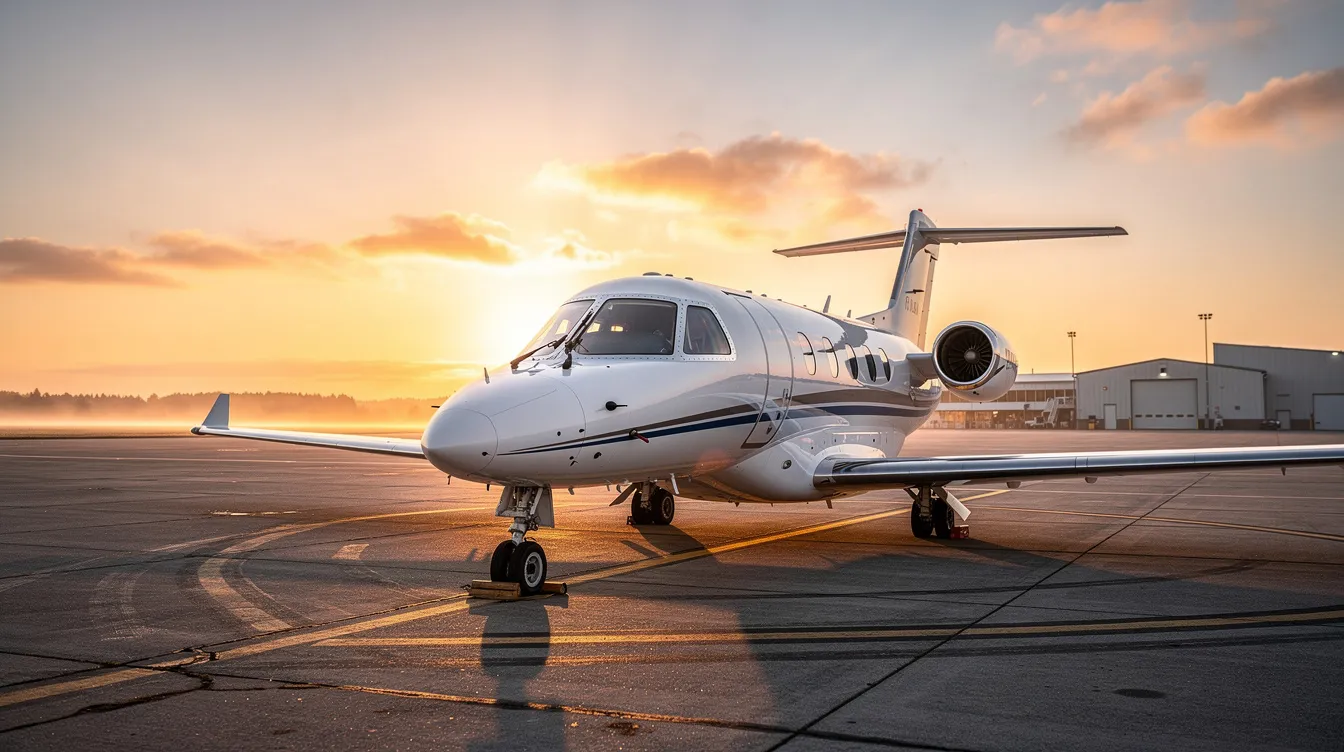
Why Small Jet Planes Are A Strategic Upgrade Over Commercial Airlines
On a 500–800 nm business route, a commercial aviation itinerary can easily consume 5–7 hours door-to-door after ground transfers, security, boarding, delays, and hub connections. A small private jet departing from a closer regional airport may complete the same trip in 2–3 hours door-to-door, especially when travelers avoid major terminal congestion.
The strategic advantages are straightforward:
Access to thousands of secondary airports that larger commercial airliners or heavy jets cannot use
Flexible departure times and same-day return capability
The ability to visit multiple cities in one day
Reduced ground transit time by using the nearest suitable airport
More operational control over schedule, routing, and passenger privacy
Small jets offer flexibility and the experience private aviation buyers expect, but at a lower cost to operate, fuel, and maintain than mid-size or heavy private jets. Compared with commercial airlines, turboprops, and piston light aircraft, small jet planes offer superior speed, higher cruising altitudes, and point-to-point flexibility.
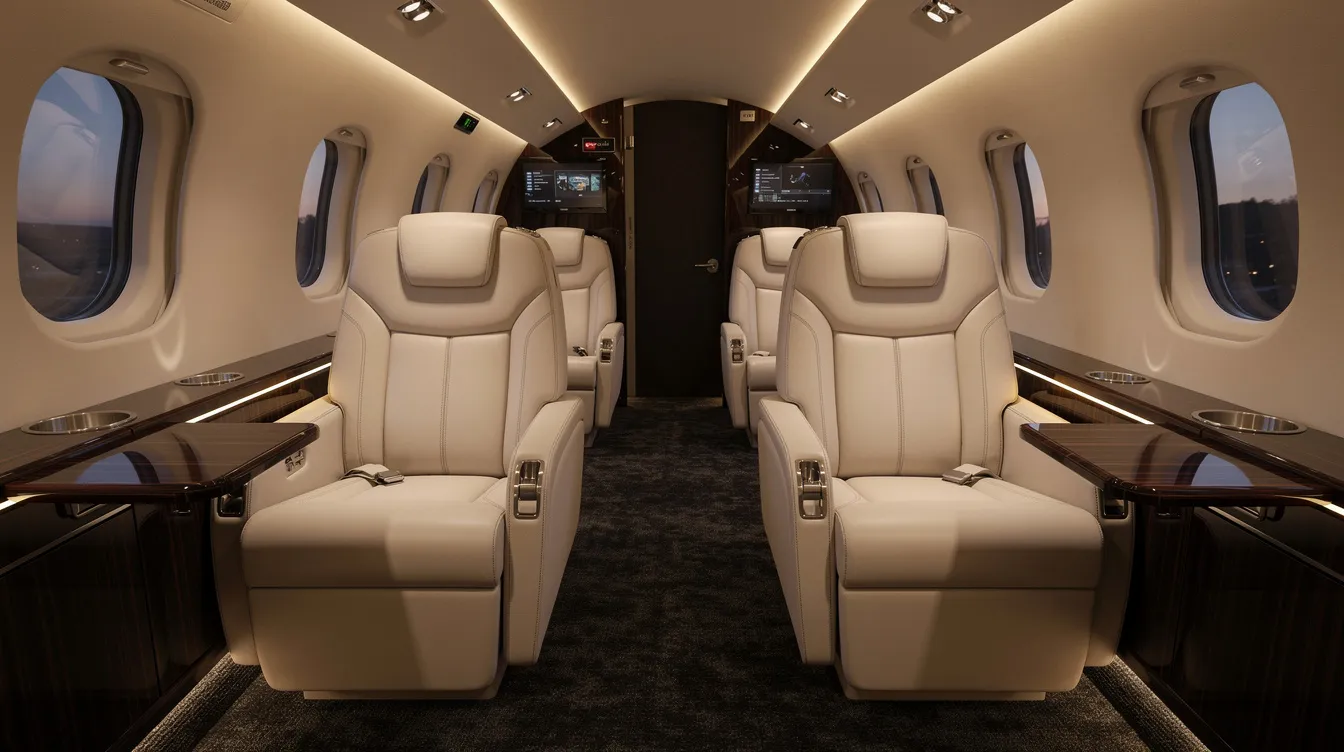
For business travelers, the cabin is also part of the value equation. Quiet cabins, Wi-Fi, entertainment systems, and privacy can turn travel time into meeting time. Modern small jets also offer advanced safety features and dispatch reliability that can rival airline standards when operated by professional crews under strong maintenance and training programs.
Key Categories Of Small Jet Planes: VLJs vs. Light Jets
The light jet market divides into two practical categories: VLJs and light jets. A light jet's overview should begin with the mission. VLJs suit 300–800 nm regional trips with 2–4 passengers, while larger light jets are better for 800–1,500+ nm missions, higher passenger loads, and more cabin comfort.
VLJs are often the entry-level jet category for new private jet owners. VLJs are designed for single-pilot operation, which simplifies logistics for owners and lowers overall operating costs compared to larger jets that require a crew. This is why VLJs are increasingly popular due to their efficiency and lower operating costs, making them a preferred choice for new private jet owners and those seeking cost-effective travel solutions.
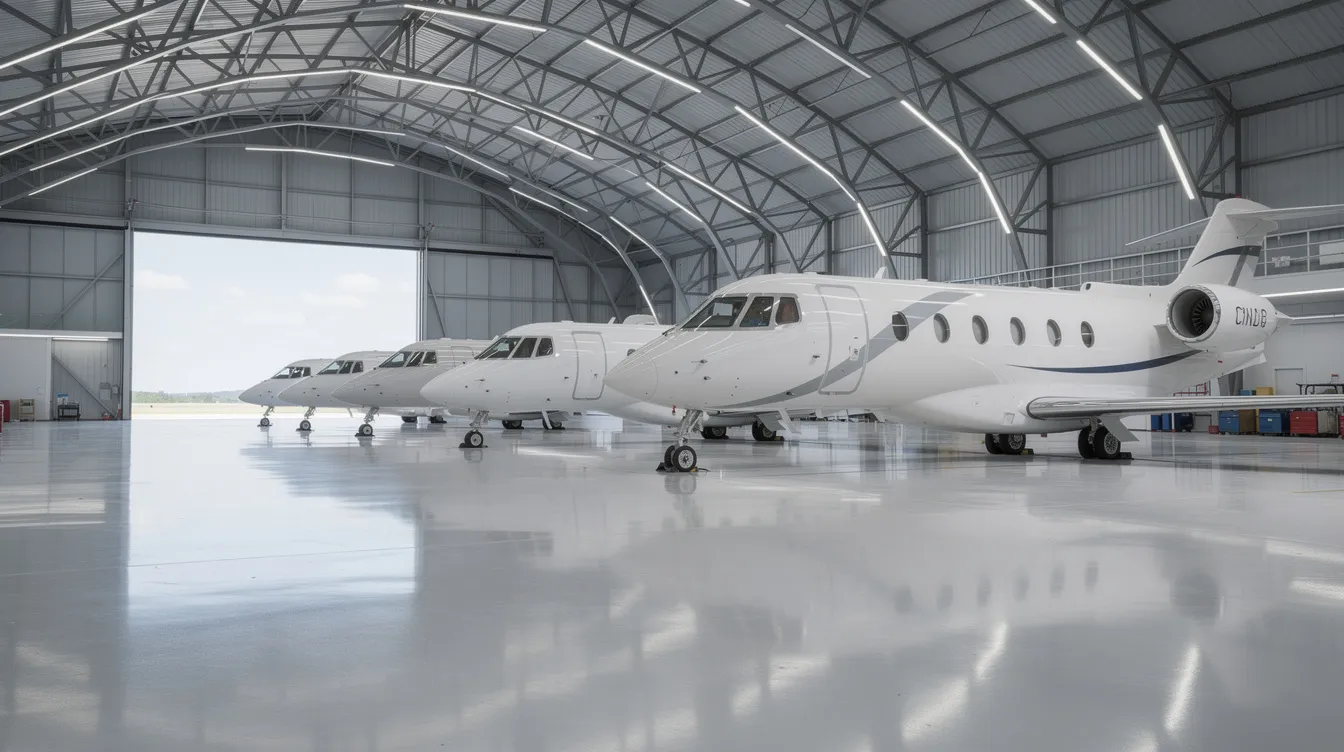
Light jets provide more cabin space, better payload flexibility, higher cruise speed, and greater range. BusinessJets.com routinely helps clients compare these categories based on runway constraints, owner-flown versus crewed operations, flying habits, and the broader aircraft acquisition strategy.
Very Light Jets (VLJs): Cirrus Vision Jet, Phenom 100, Citation Mustang, HondaJet
VLJs are typically among the most affordable private jets practical for recurring business use, and this light jets overview focuses on the entry-level end of the category, where size, efficiency, 4–6 passenger capacity, and short regional missions matter most. The cost to acquire a Very Light Jet typically ranges from $1.5 million to $3.5 million, depending on age, amenities, maintenance status, and avionics.
The Cirrus Vision Jet stands out as a personal jet and one of the most affordable private jets, with a new price of around $3 million. The Cirrus Vision Jet is notable for pioneering safety features, including the Cirrus Airframe Parachute System, an airframe parachute system designed to safely lower the entire aircraft in emergencies, and an autoland system that can autonomously land the plane if the pilot is incapacitated. The Vision Jet typically cruises around 300 KTAS, offers approximately 1,200 nautical miles of range, and seats 4–5 adults.
The HondaJet, developed by Honda Aircraft Company, is known for its over-the-wing engine mount design. The HondaJet Elite II reduces cabin noise, improves aerodynamics, and is one of the fastest small private jets available today, with a cruise speed of approximately 422 KTAS and a range of around 1,400–1,500 nm.
The Embraer Phenom 100EV is an entry-level business jet that offers a maximum range of 1,200 nm and is optimized for single-pilot operations, making it a popular choice for corporate users. It can carry up to six passengers, depending on configuration, and is valued for modern avionics, efficient performance, and strong OEM support.
The Citation Mustang remains an affordable aircraft in the pre-owned market. Light jets, such as the Cessna Citation Mustang and Embraer Phenom 100, provide a balance of luxury, comfort, and affordability, making them ideal for business trips or family travel.
Light Jets: Citation CJ Series, Phenom 300, Hawker 400XP, Pilatus PC-24
Light jets form the core of small jet plane usage for corporate fleets, charter operators, and frequent flyers. They typically seat seven passengers or more, cruise above 400 KTAS, and offer meaningful productivity gains on longer regional and cross-country flights.
Representative models include:
Aircraft | Typical role | Market notes |
|---|---|---|
Citation CJ series | Efficient corporate transport | CJ3+ examples offer about 1,875 nm range and roughly 416 KTAS cruise |
Phenom 300/300E | Premium light jet | Around 2,000 nm range and about 450 KTAS cruise |
Hawker 400XP | Value-oriented pre-owned jet | Wide cabin, but avionics and engine programs need close review |
Pilatus PC-24 | Versatile upper-light jet | Short-field and rough-field capability with executive interiors |
Legacy light jets can offer attractive pricing, but they require disciplined due diligence. Buyers comparing specific aircraft for sale across manufacturers should closely evaluate how older airframes may need avionics upgrades, engine program review, and cabin refurbishment before they are truly cost-effective.
Pricing: From Cheapest Private Jets To Premium Light Jets
The phrase cheapest private jet can be misleading. A low acquisition price may conceal deferred maintenance, expiring engine coverage, outdated avionics, incomplete logbooks, or limited resale liquidity. BusinessJets.com evaluates these items before assigning value in aircraft sales or appraisals.
As of 2024–2026 market conditions, broad tiers are:
Older VLJs and small light jets: about $1.5M–$3M
Mid-life light jets: about $3M–$7M
Late-model, high-spec light jets: about $7M–$14M+
The Cirrus Vision Jet remains one of the most affordable modern small jets in production, often transacting around $2.5M–$3.5M depending on generation, total time, and equipment. The Cirrus Vision Jet is also recognized for integrating advanced technology into an owner-pilot platform.
The better question is not “What is the cheapest private jet?” but “Which small jet plane has the best 5–10 year economics for this mission?” A more efficient aircraft with stronger residual value can outperform a cheaper aircraft with higher ongoing costs.
For comparison, high-performance piston aircraft typically incur annual costs ranging from $30,000 to $80,000, while new turboprop aircraft can cost between $150,000 and $250,000 annually to operate. Jets are more expensive, but they deliver speed, altitude, and point-to-point utility that other aircraft cannot always provide, making accurate aircraft appraisal services essential when weighing ownership decisions.
Total Cost Of Ownership For Small Jet Planes
The total cost of ownership for private jets includes not only the purchase price but also ongoing expenses such as fuel, maintenance, crew salaries, hangar fees, insurance, training, subscriptions, inspections, and capital costs. Annual operating costs for new light jet aircraft can exceed $500,000 for active owners.
Utilization changes the economics:
100 flight hours per year: Ownership is often expensive on a per-hour basis because fixed costs do not scale down
250 flight hours per year: Ownership may become competitive if routes are consistent
400 flight hours per year: aircraft ownership can make stronger financial and operational sense
For those flying fewer than 100 hours annually, chartering is often more economical than owning a jet, as ownership entails fixed costs that do not scale down with reduced flying.
Jet Cards offer guaranteed availability and fixed or capped hourly rates, eliminating pricing uncertainty and providing a more predictable cost structure compared to ad-hoc chartering.
A hybrid approach—modest personal aircraft ownership plus premium charter access for demanding trips—often delivers the highest flexibility and safety margin without overextending capital expenditure.
Fuel Efficiency And Maintenance Programs
Fuel efficiency differences between VLJs, light jets, and turboprops can create thousands of dollars in annual variance across similar routes. Low operating costs may come from lower fuel burn, simpler systems, single-pilot capability, or strong maintenance program coverage.
Engine and airframe programs such as Williams TAP, Pratt & Whitney ESP, JSSI, and ProParts can smooth cash flow and support resale value. Aircraft enrolled in reputable programs are often easier to finance and more attractive during aircraft valuation.
The trade-off is clear: an off-program jet may have a lower purchase price, but an on-program aircraft may offer more predictable operational costs and stronger marketability. Digital maintenance tracking through systems such as CAMP or Traxxall also supports audits, appraisals, and future sale preparation.
Safety And Technology In Modern Small Jet Planes
Safety in small jets depends on design, maintenance, avionics, training, and operational culture. Many modern small jets and turboprops are equipped with advanced safety systems that rival airline standards, including autopilot integration, envelope protection, and in some cases, whole-airframe parachutes.
Leading systems include synthetic vision, terrain awareness, traffic alerting, autothrottle, envelope protection, autoland, advanced avionics, and integrated autopilot logic. These systems help reduce pilot workload and support safer decision-making in complex airspace.
The Cirrus Vision Jet is recognized as one of the most affordable VLJs, combining advanced safety features like an airframe parachute system with a range of approximately 1,200 nautical miles. The parachute system is a distinctive feature in aviation history because it is designed for the whole aircraft, not merely pilot escape.
Small jets are not inherently less safe than large jets. A professionally maintained and well-operated small private jet can deliver a strong safety profile, particularly when pilots complete recurrent training, and operators follow third-party standards such as ARGUS, Wyvern, or IS-BAO.
Avionics, Autopilot, and Flight Planning Capabilities
Integrated avionics suites such as Garmin G3000/5000, Prodigy Touch, and Pro Line simplify flight plan creation, performance calculations, routing, and weather management. These tools help crews fly more efficient climb, cruise, and descent profiles.
Connectivity features such as cabin Wi-Fi, data link weather, and real-time traffic also improve operational decisions and passenger productivity, particularly on longer-range large-cabin aircraft like the Airbus ACJ319 private jet. For a single pilot, modern automation can reduce pilot workload materially, especially in busy terminal environments.
Keeping avionics current matters for safety, compliance, and resale. WAAS/LPV, ADS-B Out, synthetic vision, and software currency can influence both valuation and buyer confidence. BusinessJets.com frequently advises clients on whether to upgrade an aircraft or acquire one with the preferred suite already installed.

Choosing The Right Small Jet Plane For Your Mission
The right small private jet should be selected by mission profile, not brand preference. Start with average stage length, maximum stage length, passenger count, baggage, runway length, climate, altitude, budget, and crew model.
A practical framework:
300–800 nm with 2–4 passengers: VLJ or efficient turboprop
800–1,500+ nm with 4–8 passengers: CJ3+, Phenom 300, PC-24, or comparable light jets
Remote fields or short unimproved runways: PC-12 or PC-24 may outperform traditional small jets
Occasional large-group missions: own a small jet and charter large jets only when needed
Small private jets cross many regional missions efficiently, but most are not built for nonstop oceanic routes. Matching aircraft to 12–24 months of actual travel data is the most reliable way to avoid overbuying or underbuying capability.
Sample Mission Scenarios For Small Jet Planes
New York–Chicago, 600–700 nm: A Cirrus Vision Jet may suit 2–3 travelers prioritizing low cost. A Phenom 100EV adds more speed and twin-engine capability. A Citation CJ3+ improves cabin comfort and schedule flexibility for 3–5 executives.
London–Barcelona or Paris–Prague, 600–800 nm: VLJs and light jets can avoid primary-hub congestion and reduce ground transfers versus commercial airlines.
Dallas–Houston–Austin–Midland: A multi-city investor day can be completed in one aircraft with tailored departure times, something scheduled airlines rarely support.
Fleet planning: BusinessJets.com uses scenarios like these when matching aircraft to corporate travel patterns, backup lift, and hold/sell timing.
Ownership vs. Charter vs. Jet Card: Which Access Model Fits?
Not every individual or company should own a small jet plane. Charter and Jet Card programs provide the benefits of private aviation-time savings, schedule control, and access to remote destinations-without the complexities of ownership.
General breakpoints:
Under 50 hours/year: ad-hoc charter often fits best
50–150 hours/year: Jet Cards or membership programs may provide structure
200–300+ hours/year: full or shared ownership may be justified
For those flying fewer than 100 hours annually, chartering is often more economical than owning a jet, as ownership entails fixed costs that do not scale down with reduced flying.
Ownership makes sense when utilization is high, routes are consistent, and the owner values maximum control over cabin configuration and scheduling.
Jet Cards offer guaranteed availability and fixed or capped hourly rates, eliminating pricing uncertainty and providing a more predictable cost structure compared to ad-hoc chartering.
A hybrid approach—modest personal aircraft ownership plus premium charter access for demanding trips—often delivers the highest flexibility and safety margin without overextending capital expenditure.
Frequently Asked Questions (FAQs)
What is the typical passenger capacity of a small jet plane?
Small jet planes generally seat between 4 and 8 passengers comfortably, depending on the model and cabin configuration. Very Light Jets (VLJs) typically accommodate 4 to 6 passengers, while light jets can seat up to 9.
How do small jets compare to commercial airlines in terms of airport access?
Small jets can access thousands of smaller regional and remote airports that commercial airlines and larger jets cannot use. This access significantly reduces ground transit time and allows more direct point-to-point travel.
What are the main cost considerations when owning a small jet plane?
Beyond the purchase price, owners should consider fuel, maintenance, crew salaries, insurance, hangar fees, training, and depreciation. Annual operating costs for new light jets can exceed $500,000, making the total cost of ownership a critical factor.
Are small jet planes safe compared to larger jets or commercial flights?
When properly maintained and operated by experienced crews under certified operators, small jets offer safety standards that rival commercial airlines. Advanced avionics, autopilot, autoland systems, and, in some cases, whole-airframe parachutes enhance safety.
When does owning a small jet make more sense than chartering or using a Jet Card?
Ownership typically becomes financially justifiable for users flying more than 200 to 300 hours per year with consistent routes and schedules. Below 100 hours annually, chartering or Jet Card programs are usually more economical.
Can small jet planes be operated by a single pilot?
Many Very Light Jets and some light jets are certified for single-pilot operation, simplifying logistics and reducing operating costs. However, larger light jets usually require a two-pilot crew for regulatory and safety reasons.
How far can small jet planes typically fly?
Range varies by model: VLJs usually offer 1,100 to 1,300 nautical miles, suitable for regional trips, while light jets can fly 1,500 to 2,000+ nautical miles, enabling longer cross-country missions.
Are small jets suitable for international or transatlantic flights?
Most small jets, especially VLJs, lack the range for nonstop transatlantic flights. Larger light jets or midsize jets are better suited for such missions. For occasional international trips, supplementing ownership with charter access to more luxurious aircraft is common.
Conclusion
Choosing the right small jet plane is a strategic decision that goes beyond purchase price. It requires careful evaluation of mission requirements, operating costs, safety features, and access needs. Very Light Jets offer an efficient entry point to private aviation with manageable costs and operational simplicity, while light jets provide enhanced cabin comfort, speed, and range for more demanding missions.
BusinessJets.com stands as a trusted partner in navigating this complex landscape. With over 1,500 aircraft transactions and 5,000 satisfied clients, BusinessJets.com delivers expert brokerage, precise aircraft appraisals, and comprehensive aviation consulting. Their discreet, world-class service ensures clients make informed decisions tailored to their unique travel profiles and financial goals.
Whether you seek to buy, sell, or optimize your small jet plane ownership, engaging BusinessJets.com provides access to market intelligence, strategic guidance, and a seamless transaction experience. Reach out today to request an appraisal, explore aircraft listings, or discuss your acquisition strategy with seasoned professionals dedicated to elevating your private aviation journey.