How Much Does It Cost to Own a Private Jet? (2026 Guide for Owners and Corporate Buyers)

Private aviation decisions should start with numbers, not assumptions. This guide is designed for prospective private jet owners and corporate buyers who want a comprehensive understanding of all costs involved, helping you make informed decisions and avoid costly surprises. This guide explains how much it costs to own a private jet in 2026, including acquisition, fixed costs, variable costs, depreciation, and alternatives to full ownership. Understanding the true cost of ownership is crucial for anyone considering private aviation, as it enables you to make informed financial decisions and avoid unexpected expenses that can arise from underestimating the complexities of jet ownership.
Key Takeaways
All figures below are 2025–2026 ballparks for North America and comparable aviation markets. The cost of a private jet varies widely by aircraft type, age, region, flight hours, engine cycles, maintenance status, and whether the aircraft is used only privately or also for charter.
Typical full ownership of a light-to-midsize business jet flown 200–300 flight hours per year runs about $1M–$3M in annual operating costs, excluding the aircraft purchase price.
Acquisition ranges are generally $3.5M–$10M for light jets, $8M–$30M for midsize jets, and $25M–$80M+ for large jets, while pre-owned aircraft often trade 20–50% below new.
Expenses for owning a private jet are categorized into upfront capital costs, annual fixed costs, and hourly variable costs.
Fixed costs such as crew salaries, hangar fees, private jet insurance, and management are due whether you fly or not; fuel costs, maintenance costs, landing fees, and FBO costs scale per flight hour.
Private jet ownership typically becomes cost-effective at 200–400 annual flight hours; below 150 hours annually, charter or fractional ownership programs often provide better economics.
How Much Does It Really Cost to Own a Private Jet?
Total cost of ownership means aircraft purchase, annual fixed costs, variable costs per flight hour, depreciation, financing or opportunity cost, taxes, and exit value. The true cost also includes ongoing expenses such as routine maintenance, aircraft cleaning, ground transportation, registration fees, warranty coverage gaps, and unexpected costs.
For 200 flight hours annually, typical annual costs are:
Very light/light jet: about $600k–$1.2M
Midsize jet: about $900k–$1.8M
Large cabin / ultra long range jets: about $1.8M–$4M+
Total annual operational costs for owning a private jet usually range from $700,000 to $4,000,000+, representing four to five times the initial acquisition price over the aircraft’s lifetime. The total cost of owning a private jet ranges from $2 million to over $100 million for purchase, combined with $500,000 to $4 million in annual operational and maintenance expenses. BusinessJets.com helps prospective owners model 5–10 year private jet ownership scenarios before committing capital and identify suitable options from its curated selection of premium aircraft for sale.
Aircraft Purchase Price: New vs Pre-Owned Business Jets
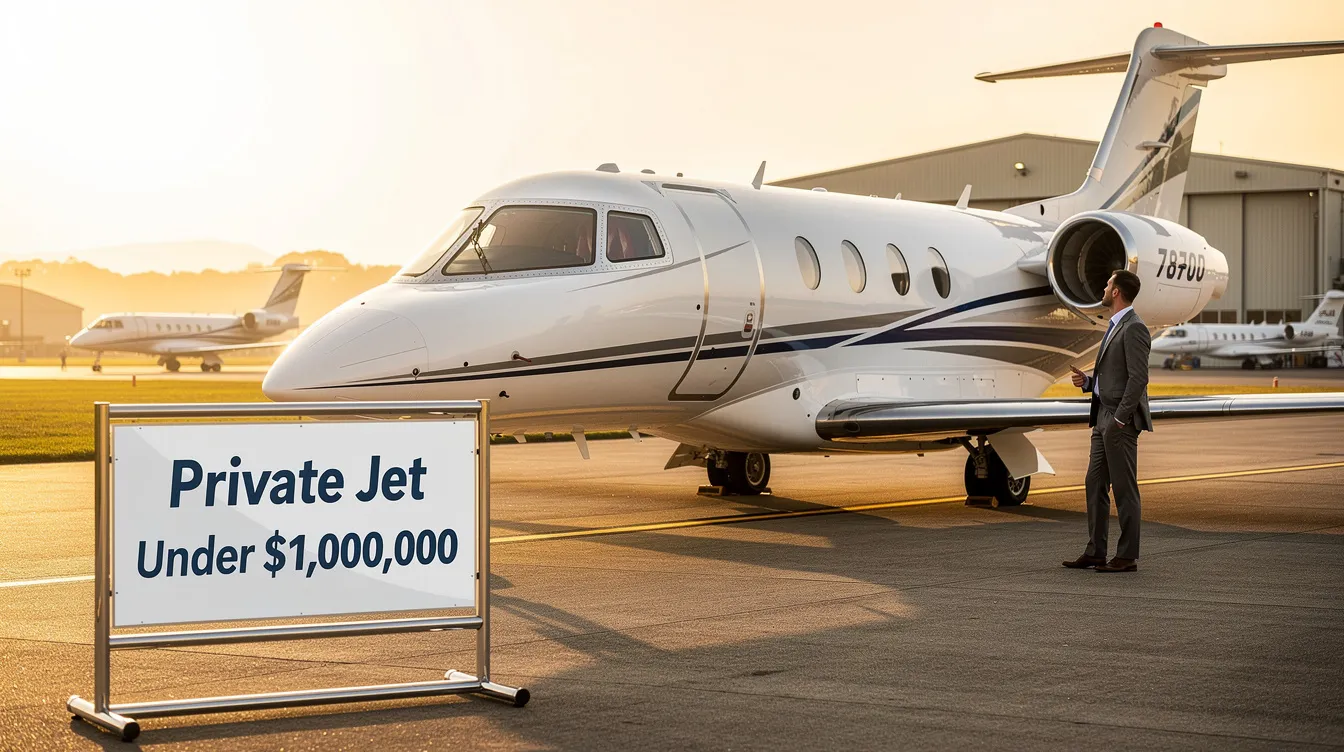
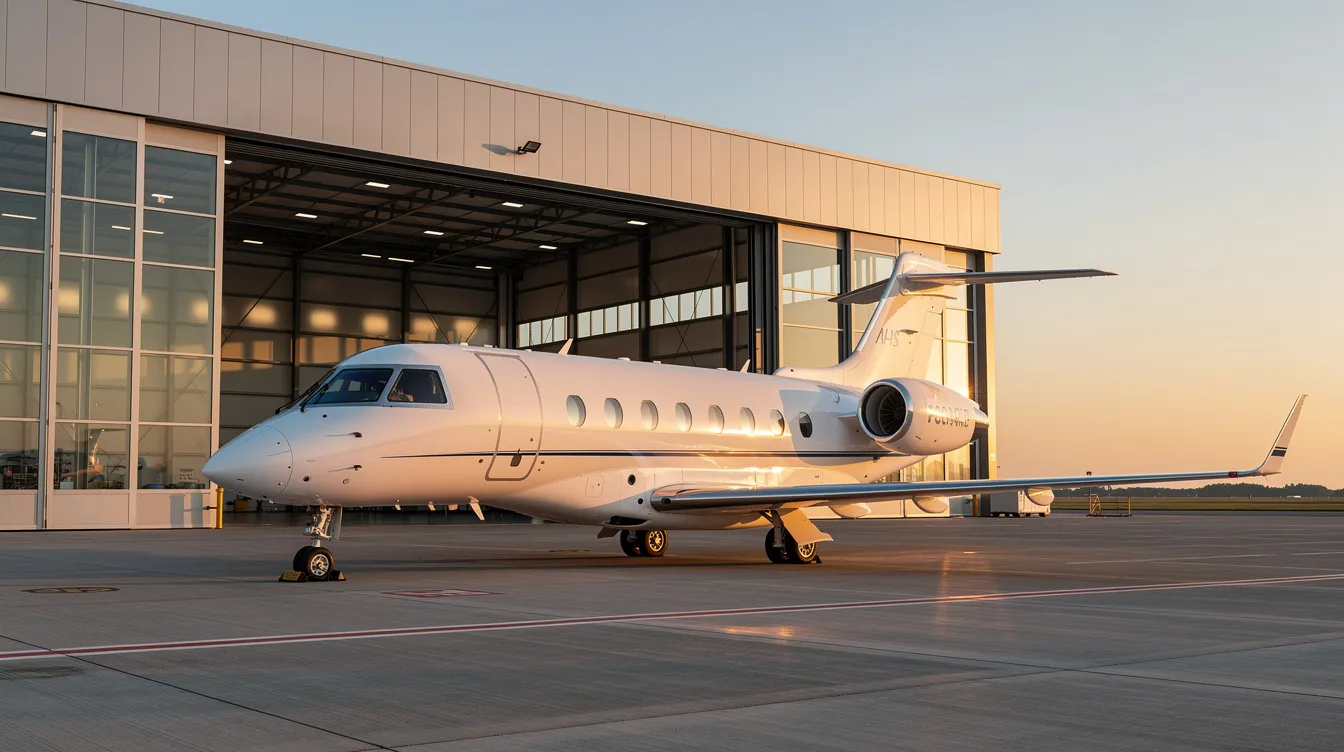
Aircraft purchase is the single largest line item. The purchase price drives depreciation, insurance costs, financing, and many ongoing costs. The purchase price of a private jet can vary widely, ranging from $2 million to over $100 million, depending on the model and whether it is new or pre-owned.
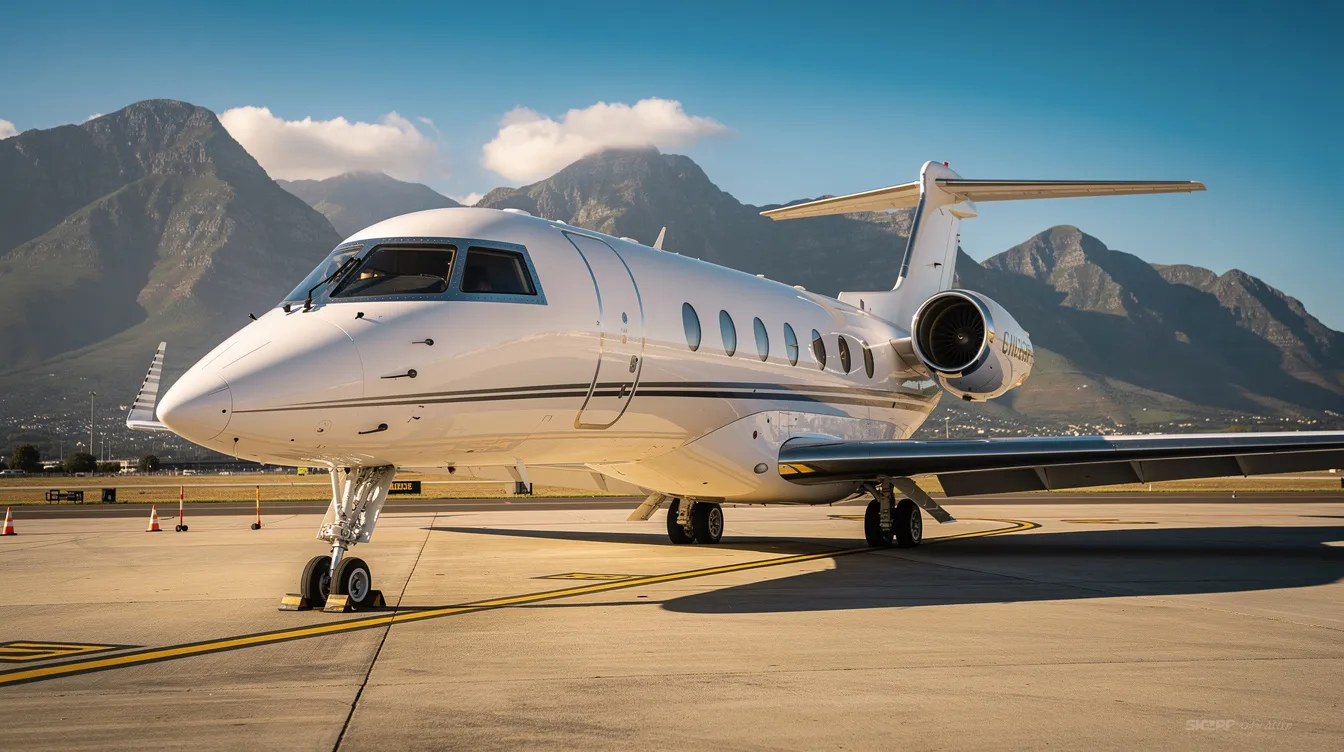
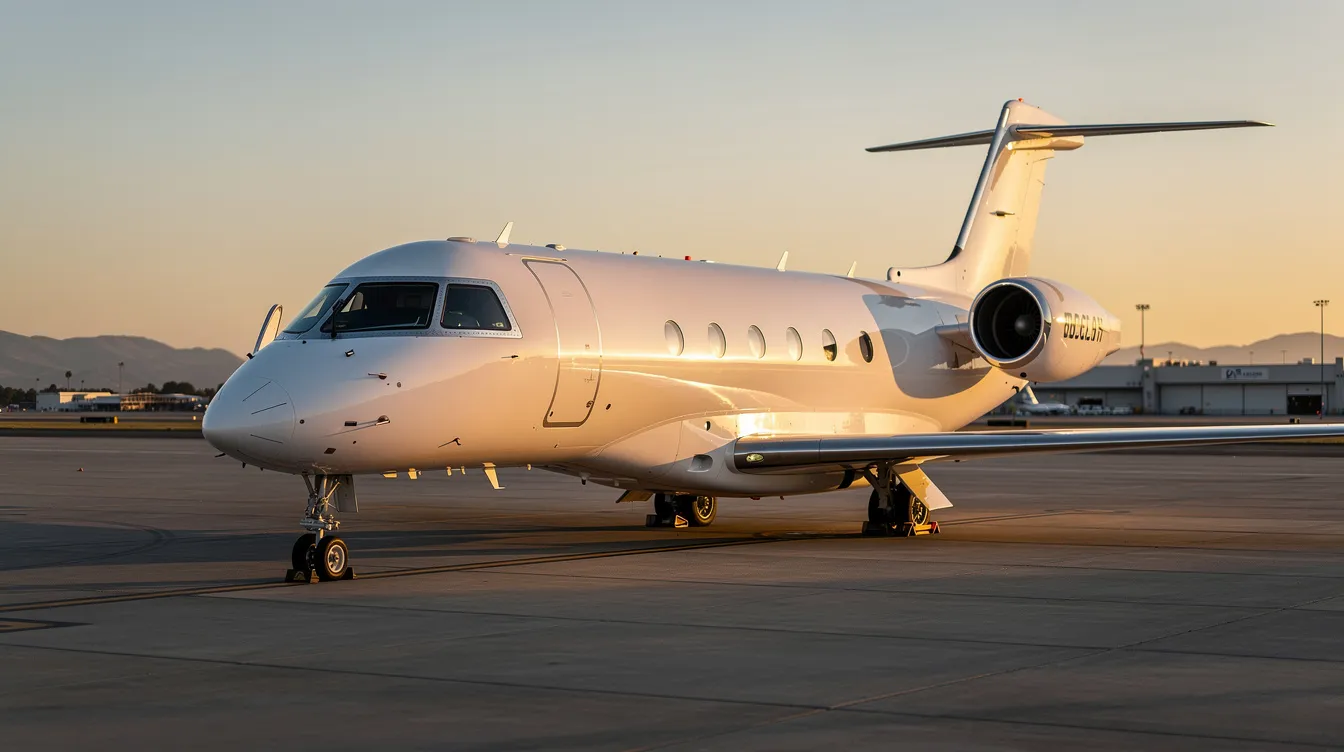
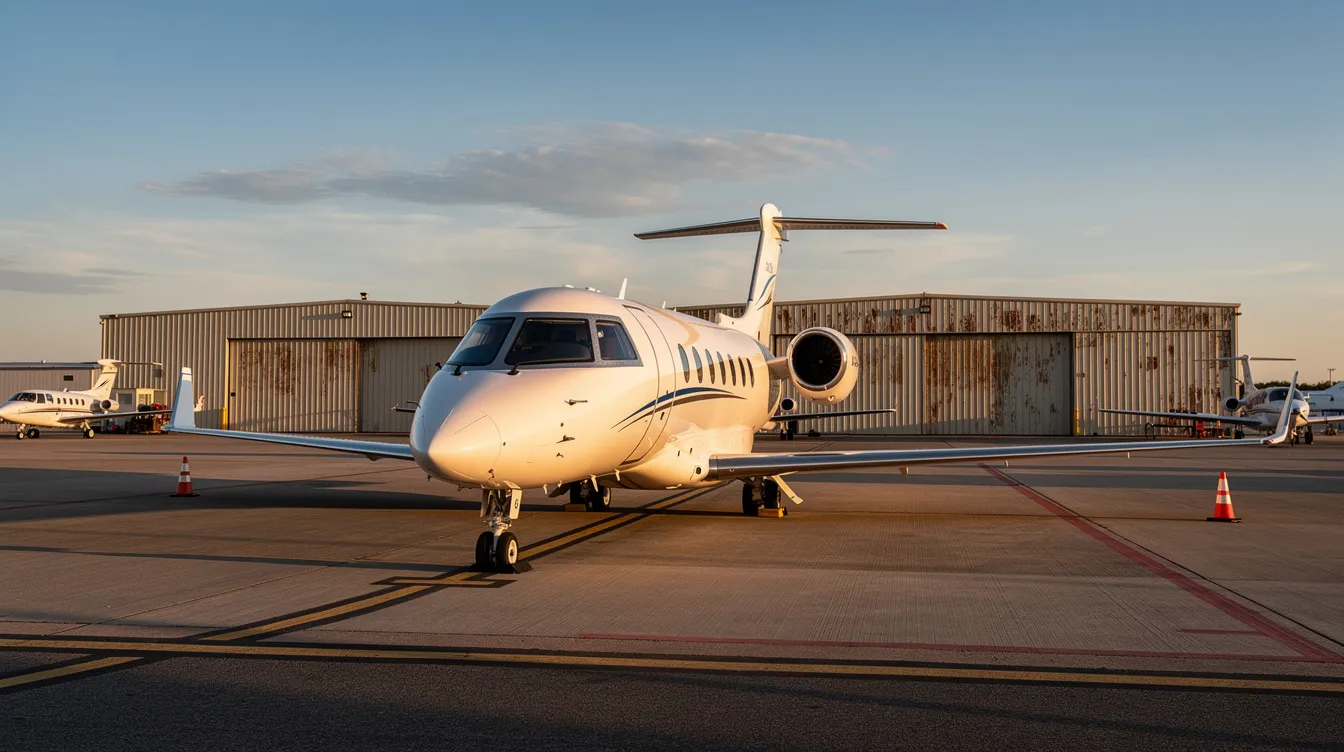
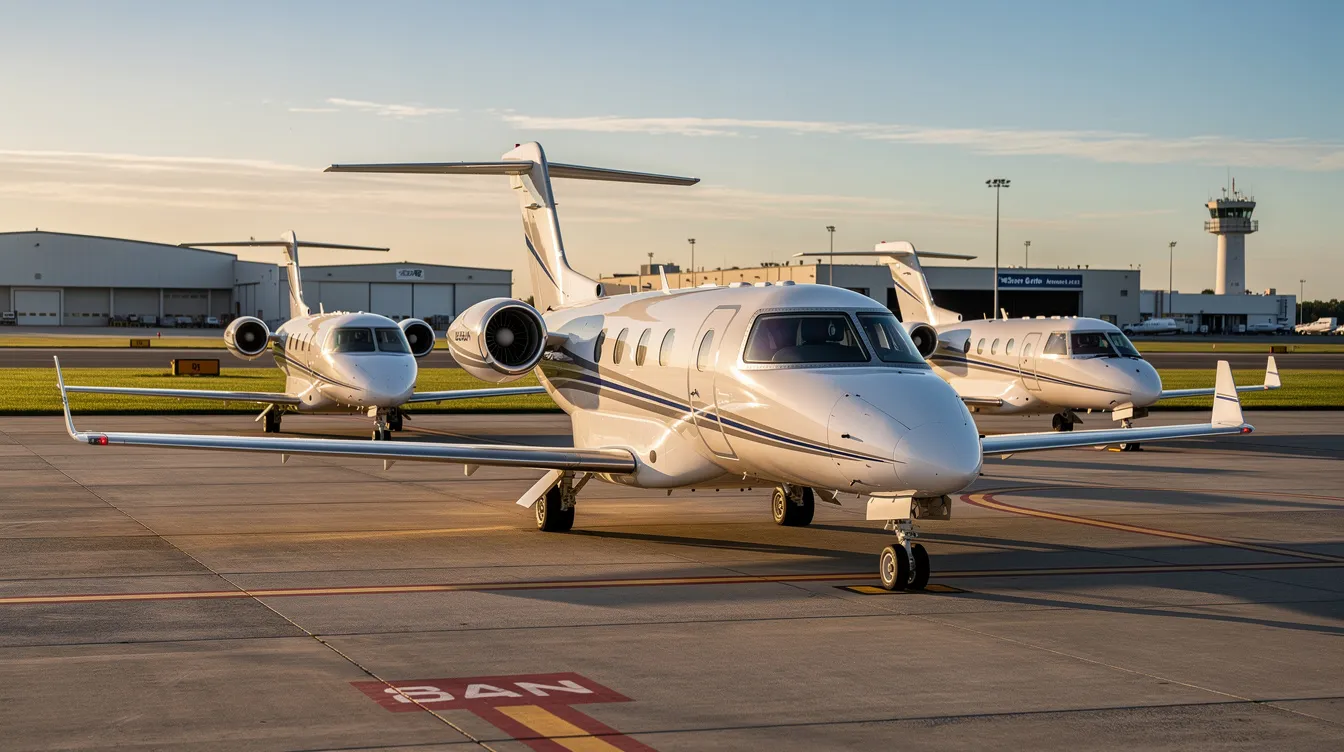
Specific 2025–2026 price bands: new very light/light jets are approx. $3.5M–$11M, including aircraft such as Citation CJ4 Gen2 and Embraer Phenom 300E. Small, very light jets typically cost between $3.5 million and $5.7 million when new, while light jets range from $3 million to $9 million; VLJs typically cost $2 million to $5 million, Light Jets range from $6 million to $11 million, and Midsize & Super-Midsize Jets are priced from $12 million to $28 million. New midsize / super-midsize jets are approx. $9M–$30M, including Praetor 500/600 and Citation Longitude. Midsize jets generally cost between $9 million and $25 million, while large jets can range from $25 million to $75 million or more. New large cabin / ultra-long-range jets are approx. $45M–$80M+, including Bombardier Global 7500, Gulfstream G700, and Falcon 10X. Typical pre-owned discounts: 20–50% below new, depending on age, total flight hours, and maintenance status; pre-owned aircraft can lower initial capital output by approximately 30% to 70%, but significantly increase near-term maintenance costs.
A 2015–2018 Challenger 350 may trade around $13M–$20M, depending on records, engines, cabin condition, and avionics upgrades. Pre-owned jets can be attractive, but pre-buy inspection, logbook review, paint, interior, and avionics work may add $500k–$3M. BusinessJets.com uses data from 1,500+ completed aircraft sales to benchmark fair value against the original aircraft price and current market demand and supports this analysis with independent aircraft appraisal services.
Fixed Annual Ownership Costs
Fixed costs are expenses that must be paid every year, regardless of whether the aircraft flies. They can total $500,000–$1,000,000 annually for many private aircraft, depending on aircraft type and usage, and high fixed costs raise the effective cost per flight hour at low utilization.
Main fixed cost categories include crew costs, crew salaries, and training for two pilots and sometimes cabin crew, typically $250k–$600k+ annually. Crew salaries for private jets can range from $85,000 to $300,000 per pilot annually, with larger aircraft often requiring two pilots and additional cabin crew; pilot salaries vary by experience and market. Hangar fees range from about $30k at smaller airports to $150k+ at constrained hubs, and hangar fees for private jets can vary widely, typically ranging from $30,000 to over $200,000 annually. Insurance is commonly 1–3% of hull value; annual insurance costs for private jets typically range from $15,000 to over $85,000, while insurance costs for private jets typically range from $20,000 to $200,000+ annually, influenced by aircraft value and pilot experience. Management fees often run $80k–$200k, although professional management companies can provide volume purchasing discounts for fuel, insurance, and maintenance services, potentially offsetting management fees through negotiated rates. Other items such as charts, software, accounting, legal, and training can add tens of thousands ofthousands of dollars annually.
Typical fixed totals: light jet $450k–$800k, midsize $800k–$1.5M, large cabin $1.5M–$3M+. BusinessJets.com can review current private jet owners’ cost structures and identify savings in hangar, insurance, fuel, and management contracts.
Variable Operating Costs Per Flight Hour
Variable costs are directly tied to the number of hours the aircraft is in the air; a typical private jet flies 200 to 400 hours per year. Fuel is the single largest variable cost, representing 25–35% of total operating costs, with consumption varying from 120 gallons per hour for light jets to 500+ gallons per hour for heavy jets. Fuel costs often represent 25–40% of total operating cost: light jets about $900–$1,400 per flight hour, midsize $1,800–$3,000, and large cabin $3,500–$6,000+, depending on fuel prices and jet fuel prices of roughly $4–$7 per gallon. Fuel management represents the most immediate opportunity for cost savings, as fuel accounts for 25–35% of total operating costs, and strategic planning can achieve 10–15% savings.
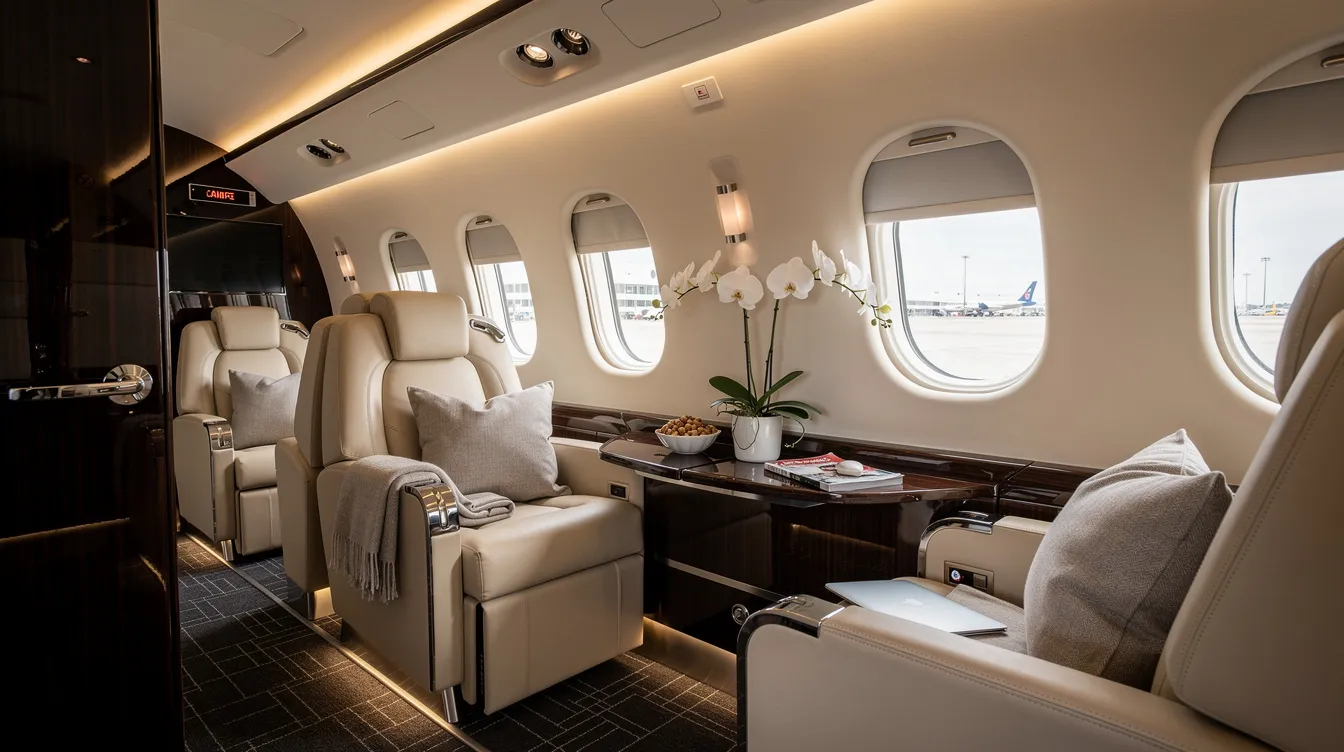
Maintenance costs for private jets can represent 5–10% of the aircraft’s value annually, with unexpected repairs potentially adding significant expenses. Scheduled inspections for aircraft must occur based on calendar and hourly intervals, with C or D checks costing between $100,000 and $1,000,000+ and grounding the aircraft for several weeks. Routine inspections, maintenance reserves, engine reserves, unplanned maintenance events, and engine overhauls can cost hundreds of thousands or several million dollars over time. Private jet operating costs typically range from $661 per hour for very light jets to over $7,600 per hour for ultra-long-range aircraft, with most owners spending $500,000–$1.2 million annually. Landing, handling, and navigation fees may run $200–$1,000+ per leg; discretionary costs include catering, de-icing, crew hotels, passenger logistics, and aircraft cleaning.
Example: a 2-hour trip on a light jet may run $8k–$10k in variable outlay. The same trip on a larger aircraft may run $20k–$22k due to higher fuel costs, maintenance, fees, and crew. BusinessJets.com uses operator data to model operational costs by route and mission.
Cost Benchmarks by Aircraft Size and Flight Hours
The case for full ownership depends on cabin needs, route structure, defined usage hours, and more flight hours to spread fixed overhead. Very light and light jets often make sense around 200–300 flight hours per year. Midsize jets often break even around 250–350 hours. Large cabin and ultra-long-range aircraft usually need 300–450+ hours, especially for long-haul flights.
At 150 hours per year on a midsize jet, charter access, jet cards, or fractional ownership may be cheaper because fixed costs are poorly diluted. At 350 hours, the same aircraft spreads fixed overhead more efficiently, making owning a private jet more competitive against charter. BusinessJets.com runs multi-year scenarios for owners, operators, and flight departments, including resale timing and fleet mix.
Typical Cost Breakdown by Aircraft Category and Flight Hours
Aircraft Category | Purchase Price Range (Million $) | Annual Fixed Costs ($) | Variable Cost per Flight Hour ($) | Typical Annual Flight Hours | Estimated Annual Operating Cost ($) |
|---|---|---|---|---|---|
Very Light / Light Jet | 3.5 – 11 | 450,000 – 800,000 | 900 – 1,400 | 200 – 300 | 600,000 – 1,200,000 |
Midsize Jet | 9 – 30 | 800,000 – 1,500,000 | 1,800 – 3,000 | 200 – 350 | 900,000 – 1,800,000 |
Large Cabin / Ultra Long Range | 25 – 80+ | 1,500,000 – 3,000,000 | 3,500 – 6,000+ | 300 – 450 | 1,800,000 – 4,000,000+ |
This table summarizes typical purchase price ranges, fixed annual costs, variable per-hour costs, and estimated total annual operating costs based on common flight hour usage for different private jet categories. Costs vary by model, age, region, and operational profile.
Fractional Ownership, Jet Cards, and Leasing as Alternatives
Not every client benefits from full ownership. Chartering provides all the benefits of private aviation-comfort, privacy, and direct flights-without the commitments of ownership or leasing, making it a flexible alternative for those flying fewer hours.
Fractional ownership allows individuals to own a share of a private jet, typically ranging from 1/16 to 1/2 of the aircraft, providing lower upfront costs and managed logistics compared to full ownership. It usually includes initial buy-in, monthly management fees, and per-flight-hour usage charges, and can be cost-effective for 50–200 hours annually. Jet cards are prepaid blocks of private jet travel at fixed rates, while on-demand charter supports flying private with no aircraft ownership. Leasing may be a dry lease, aircraft only, or a wet lease, aircraft plus crew and sometimes maintenance, and can suit corporate users needing 3–7 years of capacity, including those planning frequent corporate travel to major hubs such as Paris by private jet charter. BusinessJets.com does not sell fractional shares or jet cards, but can objectively compare these models.
Additional Costs Many First-Time Owners Overlook
Headline items are only part of the picture. Additional costs can add six figures annually, especially after a first aircraft purchase.
Cabin refurbishment and cosmetic work every 5–10 years can run $500k–$3M. Cabin interiors and electronics of a private jet require upgrades every 5 to 7 years to maintain value, which can cost between $200,000 and $2,000,000. Connectivity and entertainment may cost $50k–$250k upfront and thousands monthly, especially on larger VIP-configured aircraft like an Airbus ACJ319 private jet. Regulatory upgrades such as ADS-B Out, FANS/CPDLC, or avionics mandates can cost hundreds of thousands on older airframes. Taxes, VAT, use tax, legal work, and registration fees vary by jurisdiction. Charter revenue generation allows owners to offset costs through third-party use of their aircraft, although it introduces regulatory complexity and insurance considerations that require careful evaluation. BusinessJets.com builds these additional costs into 5–10 year budgets.
Resale Value, Depreciation, and Exit Strategy
Depreciation is a major ownership cost. Aircraft value depreciation is heavily influenced by flight hours, general market conditions, and engine cycles, resulting in significant financial implications for owners. Private jets lose 5% to 12% of their value annually due to asset depreciation, although popular business jets may lose about 15–25% over the first five years in normal markets.
Depreciation often slows later, but it can accelerate when a model is superseded, when improved fuel efficiency becomes market standard, or when avionics mandates arrive. Aircraft on reputable engine programs, with complete records, clean maintenance history, and strong routine maintenance, usually hold value better. For a 2026 buyer acquiring a 10-year-old midsize jet, flying 250 hours per year, and planning a five-year hold, BusinessJets.com would estimate residual value, possible refurbishment, scheduled checks, and the best time to sell or trade.
How BusinessJets.com Helps You Build a Cost-Effective Ownership Strategy
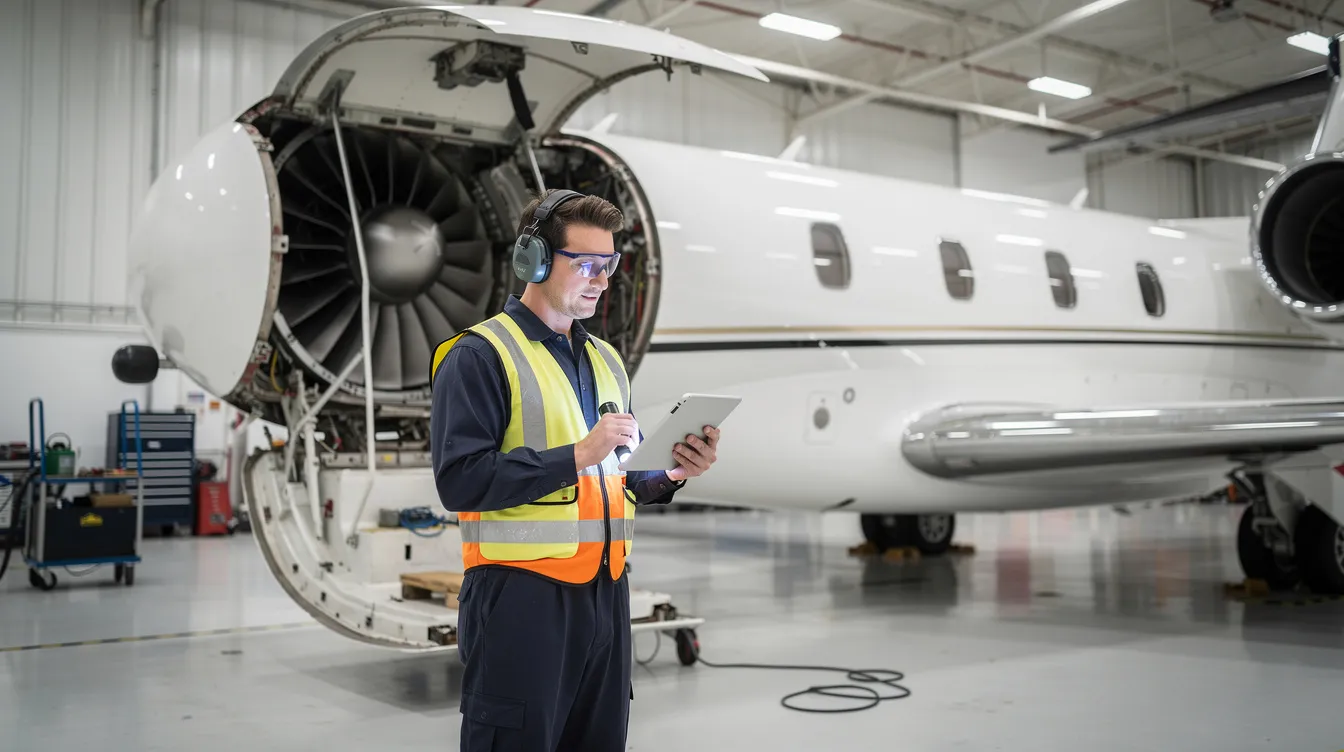
A typical engagement begins with mission profiling: passengers, routes, range, baggage, schedule sensitivity, and annual flight hours. From there, BusinessJets.com evaluates whether a new light jet, pre-owned aircraft, midsize, large cabin, or alternative access model fits the budget.
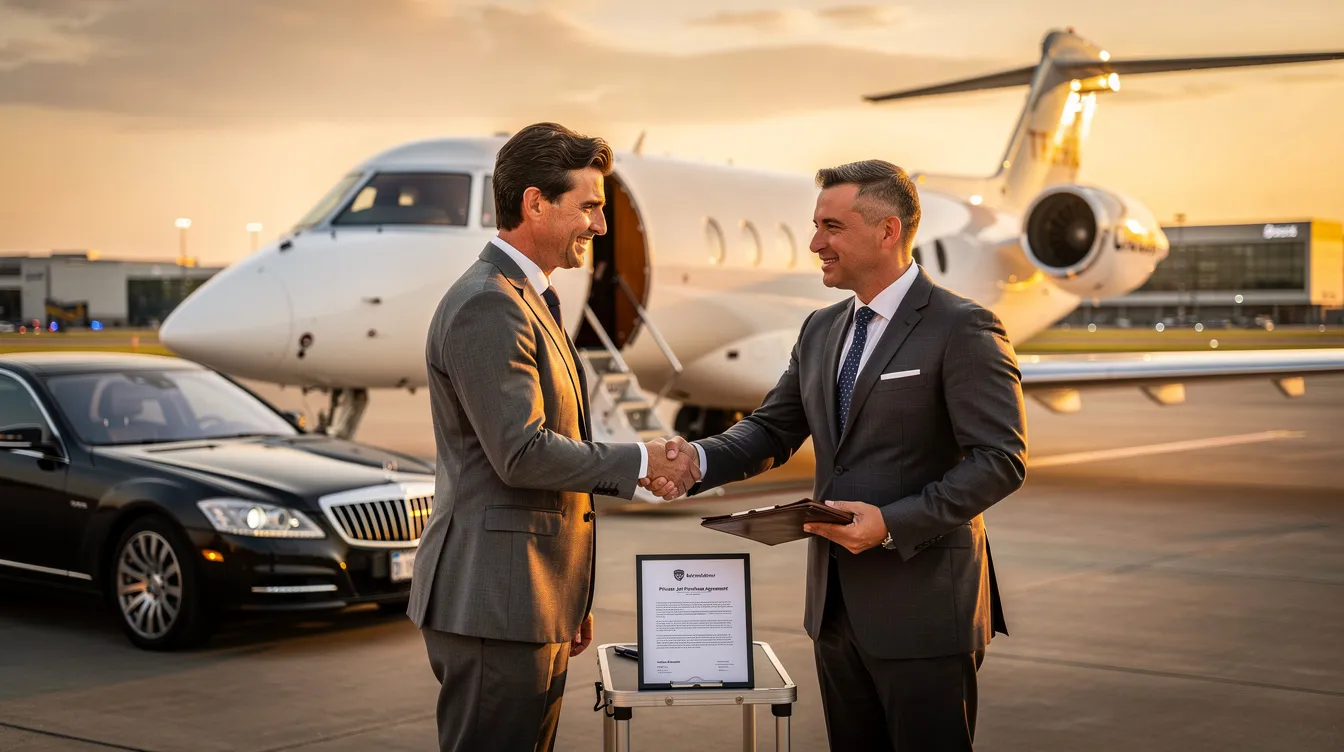
Core services include independent aircraft appraisal and valuation using market comparables and recent transaction data; strategic consulting to select the right aircraft category; ownership cost modeling for fixed and variable costs, depreciation, and likely resale proceeds; transaction support for aircraft purchase, negotiation, pre-buy inspection, and closing documentation; and advisory for operators on fleet renewal, right-sizing, and disposal.
With 1,500+ aircraft transactions and over 5,000 clients globally, BusinessJets.com helps clients benchmark plan versus reality. Request an aircraft appraisal, list an aircraft for sale, or engage BusinessJets.com for aviation consulting before buying, selling, or restructuring your private aviation strategy.
Frequently Asked Questions
At what point does full private jet ownership make more financial sense than chartering?
Usually around 200–400 flight hours per year, depending on aircraft category, regional charter rates, repositioning, and schedule complexity. Heavy users with last-minute trips may justify full ownership earlier because control and availability matter.
Can I offset my ownership costs by chartering my aircraft when I am not using it?
Yes. Many owners place an aircraft on a charter certificate through a management company to offset crew, hangar, and insurance expenses. However, extra hours increase wear, maintenance exposure, and insurance requirements, so net savings need careful modeling.
How do engine and maintenance programs affect long-term ownership costs?
Engine and maintenance programs convert large irregular expenses, including engine overhauls, into predictable hourly charges. They can improve resale, but owners should compare program fees against projected utilization and maintenance reserves.
What are the main cost differences between owning a light jet and a large cabin jet?
Large cabin aircraft often cost 3–5 times more to buy and 2–4 times more per flight hour to operate than a light jet. They add range and cabin capability, but buyers should avoid over-buying capacity.
How far in advance should I plan before buying my first private jet?
Allow 3–9 months for needs analysis, aircraft search, due diligence, pre-buy inspection, closing, registration, and entry into service. New aircraft delivery slots may take longer, while complex refurbishment can extend timelines. First-time buyers should also understand that private aviation safety oversight differs from commercial aviation.
Conclusion
Owning a private jet is a substantial financial commitment that extends well beyond the initial purchase price. Understanding the full scope of costs—including acquisition, fixed annual expenses, variable operating costs, depreciation, and unexpected charges—is essential for making informed decisions that align with your travel needs and financial goals. Private jet ownership becomes economically viable primarily for those flying 200 to 400 hours per year, while alternatives like chartering, fractional ownership, or leasing may better suit lower utilization profiles.
BusinessJets.com offers expert guidance throughout the entire ownership lifecycle, leveraging its extensive experience with over 1,500 aircraft transactions and 5,000 satisfied clients worldwide. Whether you are acquiring, selling, or optimizing your private jet, BusinessJets.com provides independent aircraft appraisals, strategic consulting, and transaction support to help you navigate the complexities of private aviation with confidence and clarity.
For prospective owners and corporate buyers seeking a trusted partner to model ownership costs, identify suitable aircraft, and manage transactions discreetly and efficiently, BusinessJets.com remains the authoritative resource. Engage with BusinessJets.com today to ensure your private aviation investment delivers maximum value, operational efficiency, and peace of mind.