Smallest Jet Plane for Sale: Best Top 5 Very Light Jets for 2026
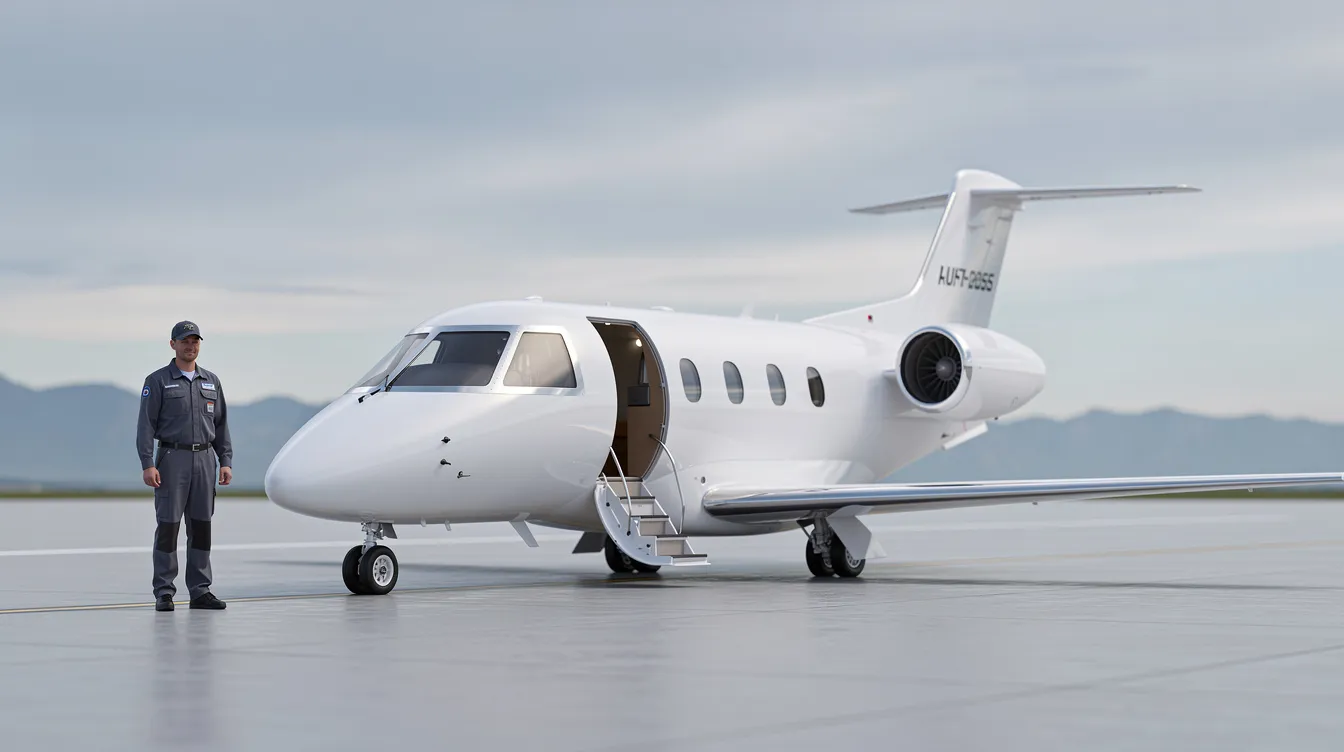
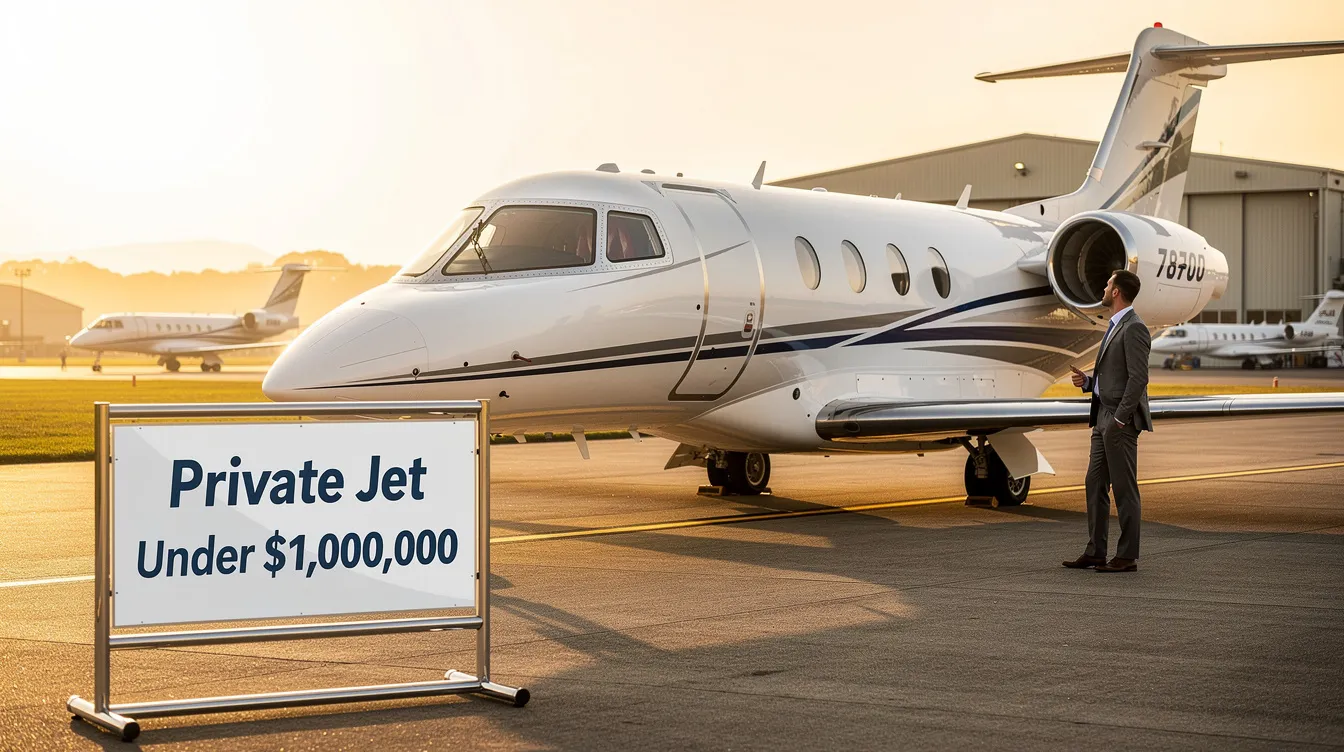
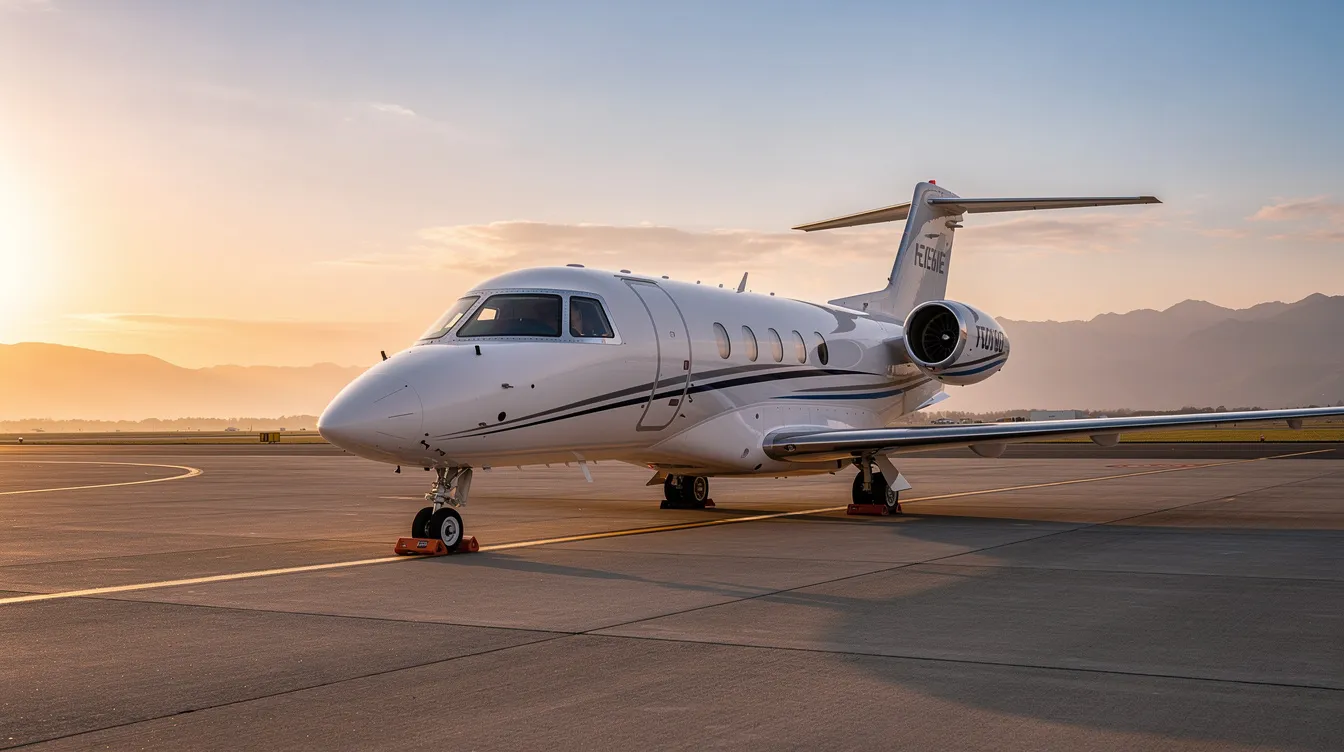
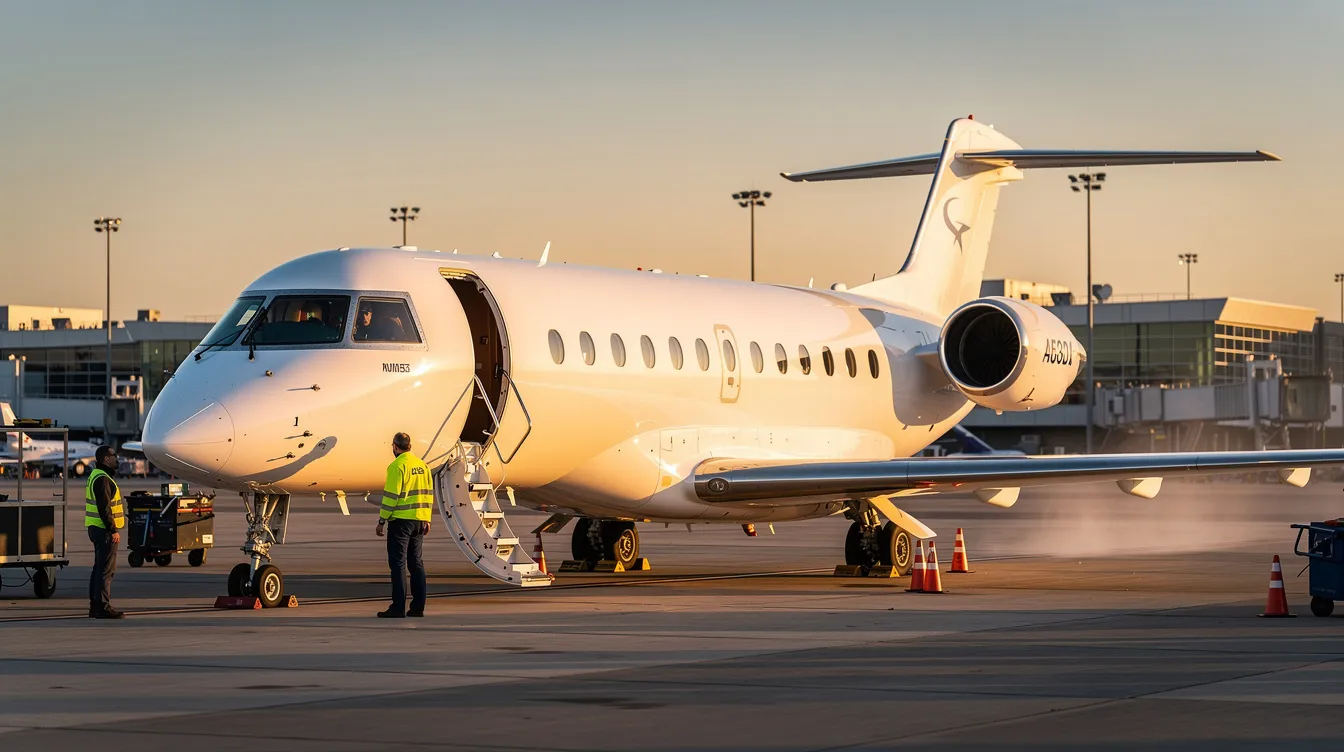
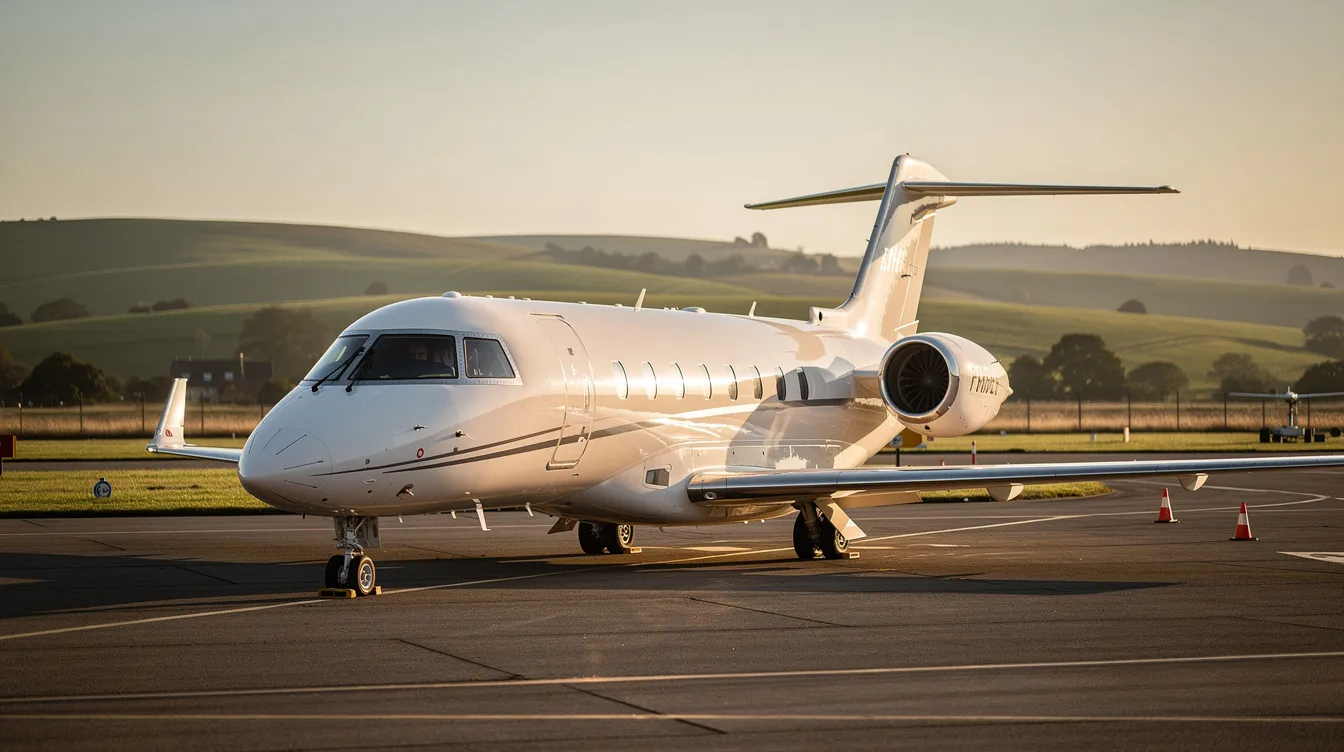
The search for the smallest jet plane for sale is really a search for the most practical very light jet: compact enough for efficiency, capable enough for business travel, and supportable enough to own with confidence. This guide is designed for private jet buyers, owner-operators, and aviation enthusiasts seeking the most efficient and practical options in the very light jet category. Understanding the smallest jet planes for sale is crucial for those prioritizing cost savings, operational efficiency, and ease of ownership in private aviation. The smallest private jet planes belong to the Very Light Jet (VLJ) and microjet categories, designed for cost-efficiency, short runway performance, and single-pilot operations.
Very Light Jets (VLJs) represent the smallest category of functional jet aircraft built for personal and business travel. While the Bede BD-5J is noted as the smallest jet by dimension, it is primarily a novelty aircraft and not practical for regular use, highlighting the distinction between size and functionality in private jets.
For 2026, the best choices are not simply the smallest by wingspan or cabin volume. They are the jets with credible certification, useful range, maintenance support, resale activity, and real-world availability. BusinessJets.com evaluates these factors through transaction experience across aircraft sales, acquisitions, appraisals, and consulting, supported by more than 1,500 aircraft transactions worldwide.
How We Chose the Best Small Jets
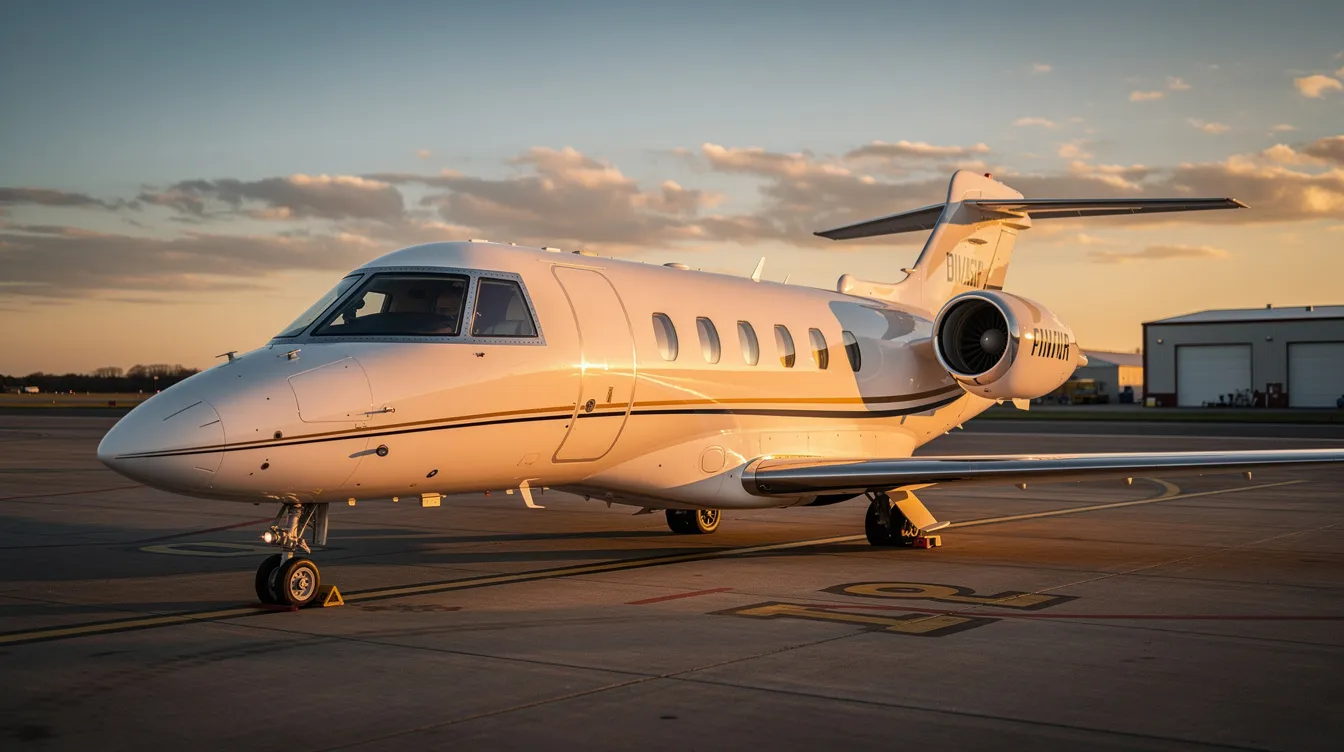
We evaluated each aircraft by size, weight, cabin dimensions, certification status, market availability, and suitability for private aviation use. A small private jet should offer practical access to shorter runways, manageable hangar space, and enough performance to serve regional business missions without compromising performance.
Key criteria included:
Purchase price and expected resale value
Operating costs, including fuel, maintenance, insurance, and training
Range, maximum range, and realistic payload capability
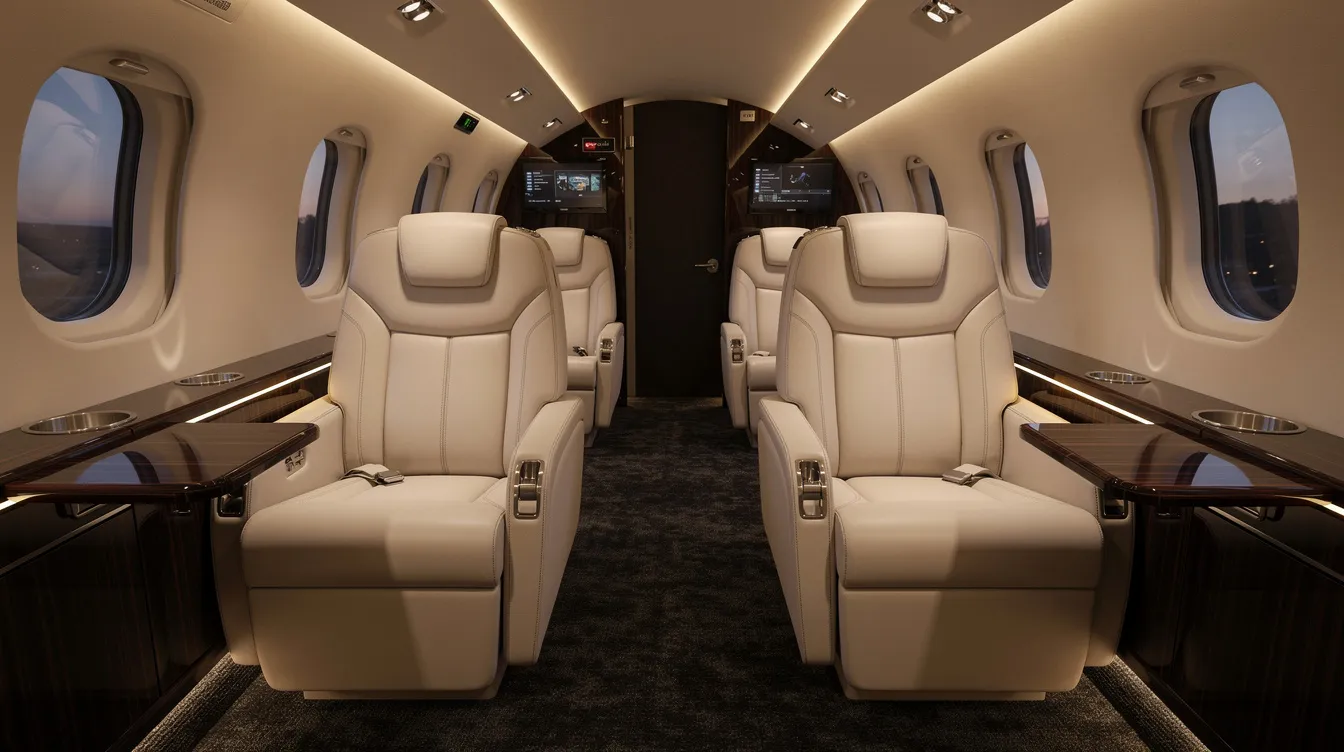
Passenger capacity, seat layout, baggage space, and cabin comfort
Single-pilot operation capability and training requirements
Maintenance support, parts access, and manufacturer stability
Very Light Jets (VLJs) typically seat between 4 and 6 passengers and offer ranges up to 1,200 miles, making them suitable for regional trips while providing flexibility in private aviation. VLJs are designed for single-pilot operation, which simplifies logistics for owners and lowers overall operating costs.
The demand for Very Light Jets is growing due to their efficiency and lower operating costs, making them a popular choice for new private jet owners. Still, the right aircraft depends on usage. Frequent flyers may justify ownership, while chartering a private jet can be more economical for those flying fewer than 100 hours per year, as it eliminates the costs associated with ownership, such as maintenance, insurance, and hangar fees.
Top 5 Smallest Jet Planes for Sale
1. Cirrus Vision Jet SF50
The Cirrus Vision Jet SF50 is often the first model buyers consider when searching for the smallest jet plane for sale. The Cirrus Vision Jet, also known as the SF50, is recognized as the world’s first single-engine private jet, featuring a unique V-tail design and a maximum range of approximately 1,150 miles.
According to AOPA’s coverage of the Vision Jet G3, the program reached its first flight before later production refinements, and the latest model adds cabin, avionics, and operational updates. New pricing is roughly in the $3 million to $4 million range, while pre-owned examples can vary materially by year, avionics, and hours.
Why It Stands Out
The Cirrus Vision Jet is the defining single-engine entry-level jet. The Vision Jet is notable for its pioneering safety features, including the first airframe parachute system designed to safely lower the entire aircraft in emergencies.
The autoland system in the Cirrus Vision Jet can autonomously land the plane at the nearest suitable airport if the pilot is incapacitated, enhancing passenger safety during flights.
Best For
The Cirrus Vision is best for owner operators, personal use, small business trips, and piston or turboprop pilots stepping into jets. It is also a practical choice for buyers who want simplified flying, modern avionics, and cost savings compared with many twin-engine models.
Key Strengths
Certified for single-pilot use
Strong safety profile, including parachute and autoland capability
Lower acquisition cost than many new VLJs
Good runway performance for regional airports
Efficient cabin for up to six passengers in certain layouts
Possible Limitations
The aircraft has a modest cabin and limited payload flexibility when carrying full fuel. Some operators also prefer two engines for redundancy, especially for overwater routes or company risk policies.
2. Eclipse 550
The Eclipse 550 is a compact twin-engine very light jet based on the Eclipse 500 family. It was designed to be an affordable aircraft for regional business travel, owner-pilots, and selected charter or training roles.
Why It Stands Out
The Eclipse 550 stands out for fuel efficiency and low operating costs among twin-engine smaller jets. For buyers who want twin engines in the smallest possible package, it remains a viable option.
Best For
It suits cost-conscious operators, training organizations, and charter providers that understand the support history and can manage maintenance planning carefully. For certain missions, chartering offers lower risk than ownership if annual utilization is limited, especially for long-haul routes or premium destinations such as private jet charter to Paris with large-cabin options.
Key Strengths
Twin-engine redundancy
Efficient fuel burn for a twin-engine jet
Single-pilotSingle-pilot operation capability
Compact footprint and manageable airport access
Possible Limitations
Cabin space and baggage capacity are limited. Production history and support continuity require detailed diligence, including logbook review, life-limitCessna Citation Mustang parts, avionics status, and maintenance program availability.
3. Cessna Citation Mustang
The Cessna Citation Mustang is one of the most established names in the VLJ market. Produced from 2006 to 2017, the Mustang remains a widely recognized entry-level Citation model with strong parts support from Cessna and Textron channels.
Why It Stands Out
The Mustang benefits from Citation brand heritage, broad service familiarity, and a large pre-owned fleet. For many buyers, the Cessna Citation name provides confidence in reliability, maintenance access, and market acceptance.
Best For
The Mustang is well-suited to owners seeking proven reliability, predictable resale value, and support depth rather than the newest cockpit or cabin design.
Key Strengths
Strong global support network
Single-pilot operation capability
Proven performance in the light jet category
Stable pre-owned market
Practical regional range of about 1,000 nautical miles
Possible Limitations
The aircraft is no longer in production, so every purchase depends on condition, maintenance history, engine time, avionics upgrades, and damage history. Compared with newer models, costs may rise as airframes age.
4. Embraer Phenom 100EV
The Embraer Phenom 100EV is Embraer’s refined entry-level very light jet segment. The Phenom 100 is an entry-level twin-engine jet tailored for owner-pilots, known for its efficiency and luxury cabin.
Why It Stands Out
The Phenom 100EV offers one of the most spacious cabin experiences in the VLJ class, with modern Garmin G3000 avionics and strong handling characteristics. AOPA lists the Phenom 100EV around the higher end of new VLJ pricing.
Best For
It is best for operators prioritizing passenger comfort, cabin height, baggage capacity, and a more refined business aircraft experience.
Key Strengths
Spacious cabin relative to aircraft size
Strong manufacturer support
Modern cockpit and efficient systems
Good performance for regional and selected cross-country flights
Possible Limitations
The purchase price is higher than that of many smaller jets, and twin-engine systems can increase maintenance complexity. It may also require more hangar space than the most compact VLJs.
5. HondaJet Elite S
The HondaJet Elite S, developed by Honda Aircraft Company, is one of the most technically distinctive aircraft in the small jet market. Its design places the engines above the wings rather than on the rear fuselage, a layout that helps owners fly private with more cabin room than a conventional rear-engine VLJ design.
Why It Stands Out
The HondaJet features an over-the-wing engine mount design that maximizes cabin space and fuel efficiency. Honda describes the HondaJet Elite S as offering high performance, a maximum cruise speed of 422 knots, and an NBAA IFR range of around 1,547 nautical miles.
Best For
The HondaJet is suited to technology-focused buyers, corporate users, and owners who want speed, efficiency, and a quiet cabin environment.
Key Strengths
Innovative over-wing engine mount design
Strong range and speed for a VLJ
Quiet cabin and modern cockpit
Efficient aerodynamics and advanced systems
Possible Limitations
It carries a higher price point, and while support continues to expand, the service network is newer than long-established Cessna or Embraer channels. Buyers should confirm maintenance access near their operating base.
Quick Comparison of the Best Small Jets
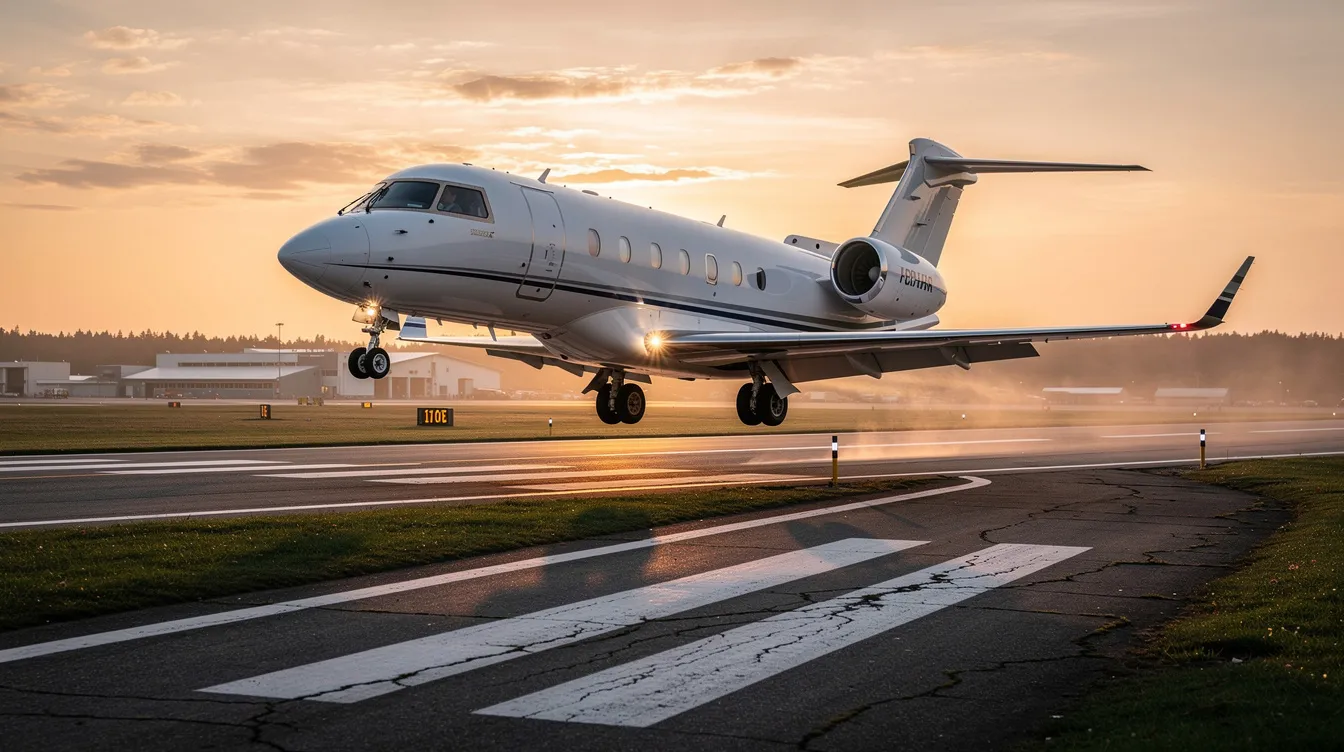
Each model offers different benefits depending on travel needs, budget, and operating profile.
Aircraft | Primary advantage | Best fit |
|---|---|---|
Cirrus Vision Jet SF50 | Safety technology and single-engine simplicity | Owner-pilots and personal use |
Eclipse 550 | Low twin-engine operating economics | Cost-focused operators |
Cessna Citation Mustang | Proven reliability and support | Pre-owned buyers |
Embraer Phenom 100EV | Cabin comfort and capability | Passenger-focused business users |
HondaJet Elite S | Technology, speed, and efficiency | Buyers prioritizing innovation |
Many new Very Light Jets (VLJs) offer enhanced safety features compared to legacy light jets, including improved avionics and simplified handling, which contribute to a better safety profile.
The cheapest private jet is not always the lowest-risk acquisition. The cost of owning a small private jet can vary significantly, with prices for very light jets (VLJs) starting around $2 million, such as the Cirrus Vision Jet, which is often cited as one of the most affordable options; buyers should also review current premium aircraft for sale listings to understand how VLJs compare with larger jets on price and capability.
How to Choose the Right Small Jet
Choose Based on Mission Requirements
Start with how the aircraft will actually be used. A buyer flying 300 to 600 nautical mile business routes with three passengers has different needs than a company moving more people on longer routes.
Very Light Jets (VLJs) typically seat between 4 and 6 passengers and offer ranges up to 1,200 miles, making them suitable for regional trips while maintaining flexibility in private aviation. If your routes regularly approach the upper end of the range envelope, consider payload, reserves, weather, and alternate airport requirements before selecting a model.
A VLJ can be a cost-effective alternative to a mid-size jet or large jets when passenger loads are modest. However, if you regularly need more people, more baggage, full wi fi productivity, or nonstop coast-to-coast capability, a larger light jet or corporate-class aircraft, such as an Airbus ACJ319 private jet, may be the right aircraft.
Choose Based on Operating Budget Size
Operational costs for owning a small private jet can range from $1,000 to $1,500 per hour, depending on the model and usage, which includes expenses like fuel, maintenance, and insurance.
Fixed costs also matter: crew training, hangar fees, subscriptions, inspections, and scheduled maintenance. A lower purchase price can be offset by deferred maintenance, aging avionics, or weak parts availability. That is why aircraft valuation should include condition, engine status, logbooks, ownership history, and market demand, ideally supported by a professional aircraft appraisal service.
Choose Based on Pilot Requirements
Most VLJs were designed around single-pilot operation, but the training burden differs by aircraft. A pilot transitioning from turboprops may favor the Vision Jet, while a professional flight department may prefer the systems redundancy of twin-engine jets.
Consider cockpit workload, type rating requirements, insurance approval, recurrent training, and whether the aircraft will operate privately, for business, or under charter rules. Different types of ownership structures can also affect costs and compliance obligations.
Which Small Jet Is Best for You?
Choose the Cirrus Vision Jet if safety innovation, simplified operation, and owner-pilot usability are priorities. It is one of the clearest answers to the smallest jet plane for sale question for buyers who want modern technology and lower operating costs.
Choose the Eclipse 550 if the mission requires a compact twin and the acquisition team is prepared to evaluate support, maintenance, and resale risk carefully.
Choose the Cessna Citation Mustang if brand confidence, parts availability, and pre-owned market stability are central to the decision.
Choose the Embraer Phenom 100EV if cabin comfort, baggage space, and polished business travel are more important than the lowest acquisition cost.
Choose the HondaJet Elite S if speed, engineering innovation, and fuel efficiency are key requirements.
If your travel needs are uncertain, compare ownership with charter before buying. For some owners, the benefits of ownership are control and access; for others, charter is more efficient until utilization justifies acquisition.
Frequently Asked Questions (FAQs)
What is the smallest jet plane for sale that is practical for regular use?
The smallest practical jet planes for regular use fall into the Very Light Jet (VLJ) category. Models like the Cirrus Vision Jet SF50 and Embraer Phenom 100EV offer the best balance of size, performance, and support for owner-pilots and small business travel.
Are Very Light Jets (VLJs) suitable for single-pilot operation?
Yes, VLJs are specifically designed for single-pilot operation, which simplifies logistics, reduces operating costs, and makes them ideal for owner-operators and small flight departments.
How much does it typically cost to own the smallest private jet?
Ownership costs for VLJs generally range from $1,000 to $1,500 per flight hour, including fuel, maintenance, insurance, and training. Purchase prices for these jets start around $2 million for models like the Cirrus Vision Jet.
What are the main safety features of the smallest private jets?
Many VLJs, including the Cirrus Vision Jet, feature advanced safety systems such as airframe parachutes and autoland capabilities. Newer models also benefit from enhanced avionics and simplified handling to improve overall safety.
Should I buy or charter a very light jet?
If you fly fewer than 100 hours per year, chartering can be more cost-effective by eliminating ownership expenses like maintenance and hangar fees. Ownership becomes more practical for frequent flyers who want control and availability.
Final Thoughts
The smallest jet plane for sale in 2026 is not defined by dimensions alone. It is the aircraft that fits the mission, budget, pilot profile, and long-term ownership strategy.
The VLJ segment continues to matter because it gives private aviation buyers access to efficient, capable jets without moving immediately into larger aircraft categories. Still, every transaction should be grounded in accurate valuation, maintenance diligence, and a clear operating plan.
BusinessJets.com supports buyers, sellers, owners, and fleet managers with aircraft acquisition, private jet appraisals, listing strategy, and aviation consulting. With 1,500+ aircraft transactions and more than 5,000 satisfied customers, our team can help you evaluate the market, identify the right aircraft, or prepare your jet for sale.
Request an aircraft appraisal, list an aircraft for sale, or engage BusinessJets.com for acquisition consulting before making your next move in the aviation industry.