Private Plane Search in 2026: From Real-Time Flight Tracking to Strategic Aircraft Acquisition

Jay Franco Ser
July 10, 2026

The phrase "private plane search" now covers far more ground than it did even three years ago. Whether you are tracking a specific aircraft mid-flight, sourcing a charter for next Tuesday, or evaluating a fleet of private jets for sale across three continents, the tools, data, and stakes involved have changed significantly. This guide breaks down what a disciplined private plane search looks like in 2026—from real-time flight tracking and charter sourcing to full-scale aircraft acquisition—and explains how owners, buyers, and operators can use data, process, and expert representation to make better decisions.

Key Takeaways

  • A private plane search in 2026 serves three distinct needs: tracking a specific private flight in real time, finding charter capacity for on-demand private flights, and identifying private jets for sale that match a buyer's mission, budget, and operating requirements.

  • BusinessJets.com focuses on ownership-side services—aircraft brokerage, appraisals, valuations, and aviation consulting—rather than retail charter bookings and draws on global flight data and market intelligence across 1,500+ completed transactions.

  • Effective search in 2026 combines modern flight tracking tools built on ADS-B data, curated charter and operator databases, and detailed aircraft market research filtered by type, age, maintenance history, and total cost of ownership.

  • Sophisticated buyers and fleet managers use search data to benchmark private jet pricing, verify aircraft utilization patterns, and time acquisitions or disposals strategically in a market where inventory remains historically tight.

  • If you are preparing to buy, sell, or restructure a fleet in 2026, request an aircraft appraisal or transaction strategy review with BusinessJets.com to align your search with current conditions.

Why Private Plane Search Matters for Owners and Buyers in 2026

Private aviation offers more flexible scheduling compared to commercial flights, saving travelers 2 to 3 hours per trip. Private jets provide direct access to over 5,000 airports worldwide and more cities than commercial airlines, allowing passengers to arrive just 15 to 30 minutes before departure. However, choosing the right aircraft—or deciding whether to charter, own, or blend both—requires much more than browsing a listing site. What used to be a simple charter lookup has become a strategic data exercise for owners, buyers, and operators navigating a dynamic private aviation market.

The 2023–2025 business aviation cycle illustrates why. A post-pandemic demand spike drove supply constraints and production backlogs through 2023, and while normalization has arrived in 2025–2026, inventory for both turboprop and light-to-large-cabin jets remains constrained. In Q1 2026, closed business aircraft deals rose to 333, up from 316 in Q1 2025. Aviation consulting includes market intelligence for aircraft acquisitions, and disciplined search paired with accurate valuation has become essential in this environment.

Consider a concrete comparison:

  • A 2012 Gulfstream G450 with high hours may need an avionics refresh, engines nearing time limits, and elevated inspection reserves.

  • A 2017 Bombardier Challenger 350 typically carries lower cycle wear but could require interior updates.

  • A 2021 Embraer Praetor 600 likely needs little refurbishment but comes at a premium acquisition price with potentially lower hourly operating costs.

Deeper search—reviewing hours, cycles, avionics status, and maintenance schedules—can reveal differences in total cost of ownership of 5–15% or more. Properly executed private plane search can reduce acquisition timelines by several weeks and prevent costly surprises like upcoming heavy checks or cabin refurbishments. BusinessJets.com uses both public and proprietary flight and market data to advise on when to list an aircraft, what to target next, and how to structure offers.

Defining Your Private Plane Search: Track, Charter, or Acquire?

People who search for "private plane search" in 2026 typically have one of three distinct goals. Understanding which category you fall into will determine the tools, data, and partners you need.

  • Private flight tracking means monitoring a specific aircraft or its tail number in real time. Flight tracking platforms utilize ADS-B data for live updates, although some private jets may have their ADS-B transponders turned off for privacy. Popular services like FlightAware and Flightradar24 provide real-time flight tracking using aircraft tail numbers, offering automatic updates on flight status. This is common for family offices, corporate security teams, or fleet managers who need operational visibility—coordinating ground transport connections, verifying aircraft usage, or benchmarking utilization.

  • Charter search involves sourcing on-demand private flights through brokers or charter platforms. Over 20,000 unique aircraft are available worldwide for private jet booking, with brokers comparing options from various operators and assisting with logistics. Charter rates typically range from $1,800 to over $15,000 per hour depending on aircraft class, with hourly rates for small planes starting at $300 and exceeding $4,000. Larger aircraft like a Boeing 737 cost between $15,000 and $30,000+ per hour. Empty leg flights can reduce costs by 50–90%. Booking private jet charters can be done through direct operators or specialized brokers, with cancellation policies varying widely and requiring review before booking. Charter platforms often provide access to empty-leg flights for savings, and booking a private jet can be completed within 3–6 hours for same-day flights.

  • Aircraft acquisition search is the process of identifying specific private planes for sale worldwide by aircraft type, age, range, budget, and mission profile. This is the core focus of BusinessJets.com's comprehensive aviation services.

Decision Guide

  • If you need to track a current flight, skip to the flight tracking section below.

  • If you are comparing charter options without plans to buy, keep your focus on charter and cost sections.

  • If you are evaluating ownership or fleet strategy, the acquisition, valuation, and cost sections will be most relevant.

Setting Up an Effective Private Plane Search Strategy

Whether you represent a corporation, a high-net-worth individual, or an operator planning a transaction within the next 6–18 months, a structured approach saves time and money.

Mission Profile

  • Define core mission profiles: primary routes (e.g., New York–Los Angeles, London–Dubai, São Paulo–Miami), typical passenger loads, desired cabin configuration, and baggage needs.

  • Confirm the aircraft's baggage capacity early, as private jets often have stricter limits than commercial airlines.

  • Aircraft size should match the number of passengers and luggage requirements. Light jets typically seat 4 to 8 passengers, midsize jets accommodate 6 to 9, heavy jets carry 10 to 19, turboprops seat 6 to 10, ultra-long-range jets can fly over 6,000 nautical miles, and airliners accommodate 18 to 200 passengers.

Timeframes

  • Fix target timeframes—for example, divest a current aircraft by Q4 2026, bring a replacement into service before Q2 2027—to align with maintenance cycles and seasonal pricing patterns.

Budget Planning

  • Set budget bands not only for acquisition price but also for 5-year operating cost. This includes fuel consumption, crew salaries, hangar fees, and periodic inspections unique to each aircraft type.

  • Annual operating costs for private jets can reach $500,000 to $2 million.

  • Factor in flight duration requirements for your most common departure and arrival airports.

Requirements Workshop

  • BusinessJets.com typically begins engagements with a structured requirements workshop, converting this information into a documented search brief used to screen the global market.

Searching by Route, Aircraft Type, and Mission Profile

Your search approach will differ depending on whether you start with a route, a specific aircraft type, or a mission requirement.

Route-Based Search

  • Using common routes (e.g., Teterboro TEB to Van Nuys VNY, or London Luton LTN to Dubai DXB) helps determine the minimum range and performance requirements before shortlisting models.

  • Private charters can access smaller secondary airports closer to destinations, and operators can access over 5,000 airports with private planes—far more than commercial airlines serve.

  • Private aviation offers tailored schedules and direct nonstop options that eliminate connections entirely.

Aircraft-Type-Based Search

  • Buyers often approach BusinessJets.com with a shortlist—say, 2018+ Gulfstream G500, Dassault Falcon 8X, or Bombardier Global 6500—and need comparative data on availability, pricing, and support networks in 2026.

Mission-Based Search

  • Corporate fleet managers often segment missions into sub-2-hour regional, transcontinental, and intercontinental categories, and may need different aircraft or a blended fleet to optimize cost and utilization.

  • Airport access requirements and runway lengths further narrow options.

Example: A European family flying Geneva–Ibiza short hops plus twice-yearly Geneva–New York trips might weigh a single ultra long range aircraft against owning a light jet for regional legs and chartering long-haul private flights. The trade-offs include higher fixed costs and premium acquisition pricing for the ultra long range jet versus repositioning inefficiency and higher per-trip charter costs.

Using Flight Data and Private Flight Trackers in Your Search

Flight data does more than show where an aircraft is right now. For buyers and operators, historical flight details contribute directly to smarter ownership decisions.

  • ADS-B and Mode S data, accessible through private flight tracker platforms, reveal how a specific aircraft has been used—average flight length, airport types, and utilization intensity across 2019–2026. These are core sources when you need to track private flights or verify usage claims.

  • BusinessJets.com incorporates historical flight data and maintenance records to flag aircraft that have spent significant time in harsh environments, on short sectors, or at airports with challenging runways. This goes beyond what public FAA SWIM data feeds alone can reveal.

  • Buyers can use publicly available tracking tools to confirm that an aircraft is actively flying, not stored, and to cross-check logbook utilization claims before deeper due diligence. Looking at all the flight details—including flight status and real-time status updates—provides a useful first filter.

Example: Validating that a 2016 Citation CJ3+ advertised with 2,100 hours has flown mostly US domestic legs between Dallas, Houston, and Denver is a very different risk profile than a similar jet heavily used for high-cycle short hops in the Caribbean. The latter accumulates cycles faster and faces accelerated corrosion exposure—factors that affect maintenance cost projections.

The image showcases the cockpit of a modern business jet, featuring advanced avionics displays and various instruments that provide flight data and real-time status updates. This high-tech environment is essential for private jet travel, ensuring efficient navigation and communication for private flights.

Real-Time Private Flight Tracking: Tools, Limits, and Privacy

Real-time flight tracking serves operational coordination, not marketing. Here's what works and where the limits are in 2026.

  • Popular flight tracker platforms like FlightAware, Flightradar24, and ADS-B Exchange compile global flight data from ground receivers, ADS-B transponders turned on in-flight, and satellite feeds to show live private flight positions by tail number.

  • Typical latency runs up to 15 minutes. Coverage outside North America and Europe is patchy. In the U.S., the FAA's LADD and PIA programs allow owners to block or anonymize their aircraft's public display, and EU privacy rules introduce additional constraints. Radio communications data is generally not accessible through these platforms.

  • Common use cases for BusinessJets.com clients include family offices following principals' flights, corporate security teams coordinating ground transport, and operators monitoring fleet utilization in real time.

  • While flight tracking is a powerful tool, final transaction decisions must rely on formal records—maintenance logs, inspection reports, and official flight logs—rather than public tracker data alone.

Evaluating Aircraft Types for Your Private Aviation Needs

Business aviation spans a wide range of cabin classes and performance envelopes. Matching the right aircraft to your mission prevents overspending and underperformance.

Aircraft Category

Typical Seats

Range (nm)

Example Models

Charter Rate (per hour)

Notes

Light jets & very light jets

4–8

1,000–1,500

Citation CJ3+, Phenom 300E

$1,800–$4,000

Ideal for regional trips; amenities vary

Midsize & super-midsize jets

6–9

2,000–3,500

Citation XLS+, Challenger 350, Praetor 600

$4,000–$8,000

Suited for longer domestic/international

Heavy jets

10–19

4,000+

Gulfstream G450, Bombardier Global 6000

$8,000–$15,000

Long-range, luxury cabins

Ultra-long-range jets

10–19+

6,000+

Gulfstream G650ER, Global 7500

$12,000–$20,000+

Intercontinental/global travel

Turboprops

6–10

1,000–1,800

King Air 350i, Pilatus PC-12

$1,200–$3,000

Short runways, regional ops

Corporate airliners

18–200

3,000–7,000+

BBJ, ACJ330, Boeing 737

$15,000–$30,000+

Large delegations, government, VIP shuttle

BusinessJets.com guides clients from a broad category (e.g., "super-midsize") to 2–3 specific aircraft types based on runway requirements, cabin layout, and planned utilization in 2026–2030. Browse popular aircraft and top private jets to see current featured models.

Cost Factors Behind Private Plane Search and Selection

Cost drives most search decisions. Understanding the full economic picture—not just sticker price—separates disciplined buyers from reactive ones.

Acquisition Price

  • Private jet prices range from $2 million to over $100 million, with values differing significantly between models and market conditions.

  • Private jet values can depreciate by 10–15% annually.

  • Owning an aircraft typically incurs costs of 15–25% of its value annually.

Operating Cost

  • Annual operating costs for private jets range from $500,000 to $2 million and can exceed $2 million for large-cabin, high-utilization aircraft.

  • Variable costs include fuel burn, hourly maintenance reserves, trip-related expenses, and additional fees like catering, landing, and overnight charges.

  • Private jet quotes may include additional hidden fees beyond the base rate—always request a complete pricing structure.

  • Crew salaries alone can run $200,000–$500,000 per year for a two-pilot operation.

Charter vs. Ownership Economics

  • Charter rates range from $1,800 to over $15,000 per hour depending on aircraft class and route.

  • Chartering a private jet is often more economical for those flying under 200 hours annually.

  • Empty leg flights offer discounts of 50–90% off standard charter prices and can substantially reduce costs.

Access Programs

  • Frequent flyers benefit from jet cards or memberships offering fixed pricing.

  • Jet card programs and fractional shares require significant upfront capital and monthly fees.

  • Frequent flyers benefit from jet cards or memberships for fixed, competitive pricing.

Maintenance and Inspection Calendar

  • Upcoming C-checks, 96- or 144-month inspections, engine overhauls, and cabin refurbishments can shift the true cost of an aircraft by several million dollars across a 5-year horizon.

Financing and Depreciation

  • Corporate buyers often integrate private plane search with tax planning and depreciation schedules, coordinating with finance and tax advisors before committing.

BusinessJets.com includes a multi-year cost and value projection in acquisition consulting, allowing clients to compare candidate aircraft on total economic impact rather than sticker price alone.

The image shows a business jet in a maintenance hangar with its panels open, while technicians are working on the aircraft. This scene highlights the essential maintenance process for private jets, ensuring their readiness for private flights and charter services.

From Online Listings to Qualified Opportunities

Moving from a broad online search to a credible shortlist requires filters and structured due diligence.

  • Buyers typically begin with global online listings filtered by aircraft type, year of manufacture, time on engines, and region (North America, Europe, Middle East) to build a long list. Booking through digital marketplaces allows users to compare quotes easily across operators and sellers. For example, a charter finder can connect clients with 3,992 verified charter operators.

  • The next screening step eliminates aircraft with incomplete logbooks, non-standard modifications, unusual incident histories, or storage periods visible in flight data. This is where a digital platform for listings becomes a starting point, not the endpoint.

  • Validating serial numbers, registration changes, and operator history against official registries and flight records confirms that the aircraft being presented matches its documentation. Buyers who book flights or book private jets without this step risk costly post-purchase discoveries.

  • BusinessJets.com leverages its transaction history across 1,500+ aircraft sales to identify patterns—models that historically resell well or carry recurrent maintenance issues—when helping clients narrow the search. Flight offers that seem too good to be true often are.

Integrating Aircraft Valuation and Appraisals into Your Search

Valuation accuracy determines whether you overpay, underprice, or structure a deal that holds up under scrutiny.

  • A broker's price opinion is a starting point. An independent appraisal report goes deeper. A full market valuation study includes comparable sales and fleet-wide trends from 2022–2026. Aircraft valuation considers acquisition, fixed, and variable costs holistically. Aviation consulting provides valuation services for aircraft transactions at every level of complexity.

  • Private jet appraisals typically cost between $2,000 and $5,000. Factors influencing private jet valuation include age, condition, and market demand. Appraisals are essential for determining fair market value before selling. The appraisal process involves inspecting the aircraft and reviewing maintenance records in detail.

  • Formal appraisals are critical for financing or leasing arrangements, internal corporate approvals, shareholder reporting, or cross-border transactions involving tax authorities. Transparent pricing in appraisals helps all parties establish a defensible value.

  • BusinessJets.com uses market-adjusted data—recent closed transactions, not only advertised asking prices—to develop valuation ranges that reflect actual liquidity in the current quarter.

  • Serious buyers should request an appraisal before issuing a Letter of Intent, particularly for aircraft above USD 10–15 million.

Leveraging BusinessJets.com Expertise in Private Plane Search

BusinessJets.com operates as a consultative partner, not a listing aggregator. Here's how the firm supports buyers, sellers, and operators throughout the search and transaction lifecycle.

  • Core services include aircraft acquisition support, sale and marketing of client aircraft, private jet appraisals, portfolio and fleet strategy advisory, and transaction project management from first search to closing. Aviation consulting supports operators with strategic guidance for transactions. Consultants facilitate buying and selling of private jets globally.

  • The firm's track record—1,500+ completed aircraft transactions and more than 5,000 clients advised globally—provides evidence that BusinessJets.com understands both common and edge-case transaction scenarios. The team connects clients directly with opportunities that match their requirements.

  • The typical engagement process includes initial consultation and requirements definition, confidential market scan, target list creation, comparative analysis, on-site inspections, negotiation, and closing oversight. Clients benefit from direct access and guaranteed availability of advisory support throughout.

  • If you are considering a sale or purchase in 2026–2027, request a confidential appraisal or strategy discussion to align your private plane search with current market conditions.

Operators, Fleet Managers, and Data-Driven Business Aviation Decisions

For B2B readers—operators, corporate flight departments, and fleet managers—search data is a fleet management tool, not just a shopping exercise.

  • Analyzing flight data from 2022–2025 (average stage length, load factor, airport mix) helps determine whether to upsize, downsize, or diversify aircraft types. Consulting services help optimize aircraft assets for operators by surfacing utilization patterns that are otherwise invisible. Significant time savings come from consolidating or right-sizing fleets based on actual data rather than assumptions.

  • Private flight tracking and utilization reports can identify underused aircraft for potential sale, or gaps in capacity that justify acquisitions or changes in charter strategy. Significant advantages accrue to operators who treat every fleet change as a data-backed investment decision.

  • BusinessJets.com offers operator advisory services, helping companies decide whether to own, lease, or rely on charter for specific mission sets, supported by comparative cost and utilization modeling. For frequent flyers within a flight department, the charter-versus-own analysis is especially valuable.

  • In a volatile fuel and interest rate environment, every fleet decision should be modeled against multiple scenarios—not treated as a one-off aircraft purchase.

Risk Management, Compliance, and Safety in Private Aviation Searches

Risk awareness separates professional transactions from expensive mistakes.

  • Buyers must verify that past and current operators have maintained regulatory compliance across FAA, EASA, and local civil aviation authority requirements—including airworthiness directives and mandatory service bulletins. Private jet operators must hold a valid FAA Part 135 certificate for legal operations in the U.S.

  • Safety ratings such as ARGUS Platinum and Wyvern Wingman are central to charter selection. Verification of safety compliance includes checking these third-party safety ratings. Even for ownership transactions, reviewing an aircraft's operating history and prior operator standards matters for insurance risk and resale value. NetJets operated over 792 aircraft without a passenger fatality for 50 years, exemplifying rigorous safety standards.

  • Safety is prioritized by verifying charter operators' qualifications. Operators' cancellation policies can vary widely and should be reviewed before booking charter flights.

  • Sanctions and export-control checks are increasingly important in 2026 when evaluating aircraft previously operated in or registered to certain jurisdictions. Legal teams must verify export permissions and potential restrictions.

  • BusinessJets.com coordinates with legal and technical partners to ensure that private plane search results pass not only commercial but also compliance and reputational screening. Unlike commercial flights on traditional airlines, private aviation transactions carry unique due diligence burdens.

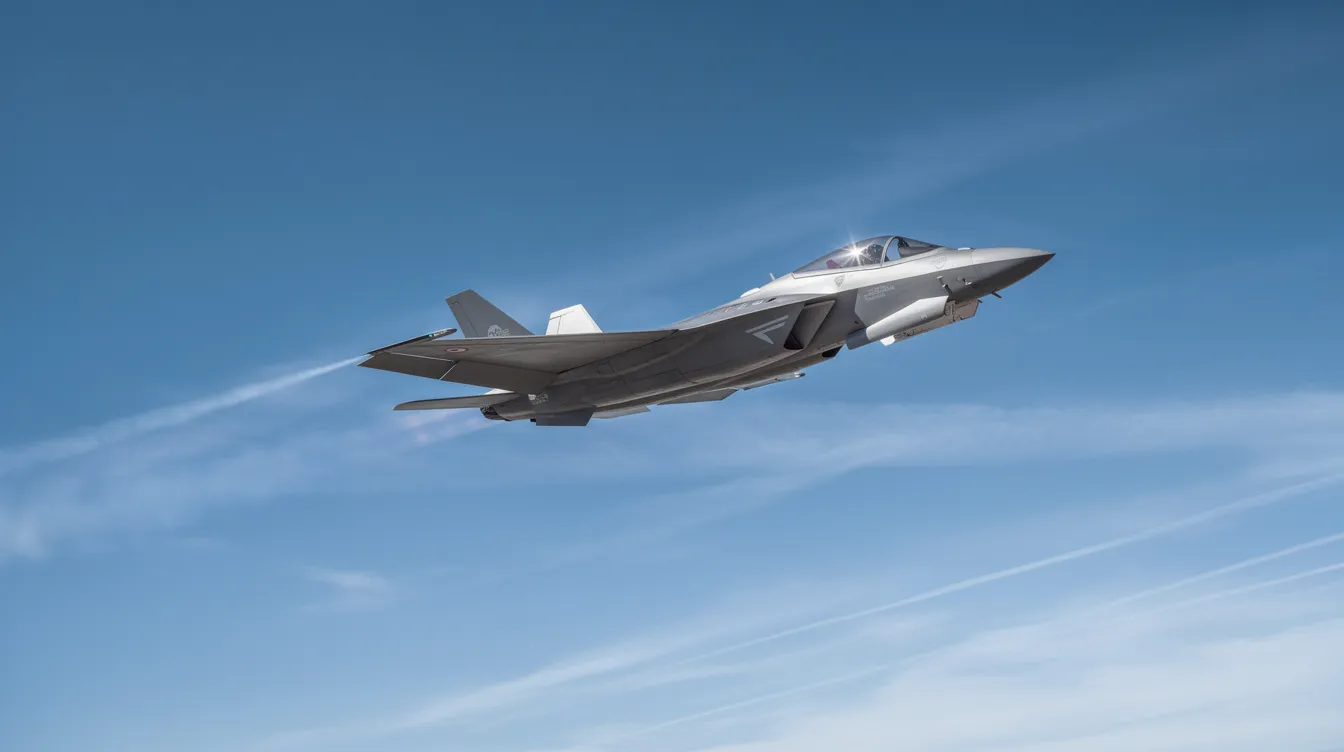
A sleek modern private jet soars through a clear blue sky, showcasing the luxury of private aviation and the convenience of private jet travel. The aircraft's tail number is visible, emphasizing its status in the world of private flights and charter services.

Sustainability Considerations in Private Aviation Decisions

Environmental concerns are increasingly part of the search criteria, and addressing them practically—without clichés—is what matters to buyers in 2026.

  • Newer-generation aircraft types (Global 7500, Gulfstream G700, Praetor 600) typically offer lower fuel burn per seat-mile than older models from the early 2000s, which influences search criteria for cost-conscious and ESG-aware clients. Private aviation emissions account for about 1.7–1.8% of civil aviation emissions overall.

  • Sustainable Aviation Fuel (SAF) availability at key hubs (Los Angeles, Amsterdam, London, Dubai) is expanding, and buyers increasingly ask whether their preferred aircraft and operators are SAF-ready. This consideration affects luxury air travel decisions and broader air travel strategy alike.

  • Emissions reporting and ESG frameworks are leading some corporate flight departments to rationalize fleets, consolidate aircraft types, or blend ownership with charter to reduce environmental footprint while maintaining transport connections.

  • Private aviation faces scrutiny for its environmental impact and safety practices. BusinessJets.com incorporates sustainability preferences—such as favoring modern, fuel-efficient aircraft types—into acquisition and fleet planning assignments.

How BusinessJets.com Supports Sellers in a Data-Driven Market

Intelligent private plane search on the buy-side pairs with disciplined sale strategy on the sell-side. If you are an aircraft owner looking to exit or upgrade, here's what matters.

  • A detailed appraisal and market positioning study determines realistic asking price ranges and expected days on market. In Q1 2026, many aircraft sold in approximately 150 days—29% faster than the historical average of around 212 days.

  • BusinessJets.com analyzes recent comparable sales, current inventory counts, and buyer search activity by aircraft category to advise on timing—whether to bring an aircraft to market now or prepare for a targeted sale window. Empty leg flights and significant discounts on last-minute bookings may increase charter demand for certain aircraft categories, but selling requires a different calculus.

  • Presentation matters: up-to-date records, recent inspections, neutral modern interiors, and high-quality photography and technical summaries align with what serious buyers look for in search results. Allowing travelers or occasional flyers to view well-presented listings creates better first impressions.

  • Engage early—at least 3–6 months before an intended sale—to allow time for pre-sale inspections, minor cosmetic work, and strategic marketing planning.

Bringing It All Together: A Structured Approach to Private Plane Search

Effective private plane search in 2026 follows a logical sequence:

  1. Define mission and budget.

  2. Determine preferred aircraft categories.

  3. Review global availability.

  4. Use flight data and tracking to validate history.

  5. Obtain an independent valuation.

  6. Conduct detailed inspections.

  7. Finalize transaction terms.

This process depends on reliable data, disciplined execution, and experienced representation more than on any single platform, price list, or listing site. The unparalleled convenience of private aviation only materializes when the search behind it is rigorous.

Whether you are starting your first aircraft search, restructuring a multi-aircraft fleet, or planning to sell in the next 12–18 months, contact BusinessJets.com for a confidential discussion. A well-informed search is the foundation of every sound aviation decision.

FAQ

How long does a typical private plane acquisition search take in 2026?

For well-defined missions and popular aircraft types, BusinessJets.com often completes searches in 3–6 months from brief to closing. Highly specific or rare aircraft—such as late-model ultra long range jets with particular cabin configurations—may require 6–12 months depending on global inventory and seller timing. The global fleet is projected to exceed 35,730 aircraft in 2026, but many desirable models remain scarce on the pre-owned market.

Can I use public private flight trackers to verify an aircraft's history before I buy it?

Public trackers like FlightAware and Flightradar24 are useful for a high-level view of recent activity and can help aviation enthusiasts or buyers confirm an aircraft is flying regularly. However, they are not substitutes for official logbooks, maintenance records, and registry data. BusinessJets.com treats tracker information as a supplementary cross-check, not a primary due diligence source. Guaranteed access to complete records comes only through formal document review during the transaction process.

What is the minimum budget where ownership makes more sense than charter?

There is no rigid threshold. The tipping point depends on annual flight hours (often around 200–300 hours per year), aircraft type, and financial priorities. Flying private through ownership yields better economics at higher utilization, while chartering offers flexibility for those with fewer than 200 annual hours. BusinessJets.com can run a charter-versus-ownership analysis using your actual flying profile, including cost modeling for family members and regular travel companions.

Can BusinessJets.com help if my aircraft is based outside the United States or Europe?

Yes. BusinessJets.com supports cross-border transactions and has handled aircraft located in the Middle East, Latin America, and Asia-Pacific. The firm coordinates local technical support, regulatory checks, and export procedures as part of the search and sale process. Whether you need to import an aircraft into a new jurisdiction or sell one currently based abroad, the team manages the logistics and compliance requirements.

Do I need a formal appraisal if I am selling my aircraft to a related company or family entity?

While not always legally required, a professional appraisal is strongly advisable for related-party transactions. It documents fair market value for tax, audit, and governance purposes, protecting both parties in the event of regulatory scrutiny. BusinessJets.com regularly prepares such appraisals for corporate and family office clients, ensuring the transaction is defensible and properly recorded.

Conclusion: Navigating Private Plane Search with Expertise and Precision

In 2026, private plane search has evolved into a sophisticated, data-driven process that extends far beyond basic flight lookup. Whether tracking flights in real time, sourcing charter options, or conducting comprehensive aircraft acquisition, success depends on leveraging accurate market intelligence, reliable flight data, and expert advisory support. BusinessJets.com stands as a trusted partner for owners, buyers, and operators seeking to optimize their private aviation decisions—offering tailored aircraft brokerage, valuation, and consulting services grounded in a proven track record of over 1,500 transactions.

By integrating operational insights with strategic market analysis, clients can mitigate risk, maximize value, and align their fleet strategies with evolving mission needs and sustainability goals. Engaging experienced professionals early in the search process ensures access to qualified opportunities, transparent pricing, and seamless transaction execution. For those ready to navigate the complexities of private aviation in 2026 and beyond, BusinessJets.com invites you to request an appraisal, explore acquisition support, or initiate a confidential consultation to chart your course with confidence and clarity.

Private Plane Search in 2026: From Real-Time Flight Tracking to Strategic Aircraft Acquisition

Jay Franco Ser

The phrase "private plane search" now covers far more ground than it did even three years ago. Whether you are tracking a specific aircraft mid-flight, sourcing a charter for next Tuesday, or evaluating a fleet of private jets for sale across three continents, the tools, data, and stakes involved have changed significantly. This guide breaks down what a disciplined private plane search looks like in 2026—from real-time flight tracking and charter sourcing to full-scale aircraft acquisition—and explains how owners, buyers, and operators can use data, process, and expert representation to make better decisions.

Key Takeaways

  • A private plane search in 2026 serves three distinct needs: tracking a specific private flight in real time, finding charter capacity for on-demand private flights, and identifying private jets for sale that match a buyer's mission, budget, and operating requirements.

  • BusinessJets.com focuses on ownership-side services—aircraft brokerage, appraisals, valuations, and aviation consulting—rather than retail charter bookings and draws on global flight data and market intelligence across 1,500+ completed transactions.

  • Effective search in 2026 combines modern flight tracking tools built on ADS-B data, curated charter and operator databases, and detailed aircraft market research filtered by type, age, maintenance history, and total cost of ownership.

  • Sophisticated buyers and fleet managers use search data to benchmark private jet pricing, verify aircraft utilization patterns, and time acquisitions or disposals strategically in a market where inventory remains historically tight.

  • If you are preparing to buy, sell, or restructure a fleet in 2026, request an aircraft appraisal or transaction strategy review with BusinessJets.com to align your search with current conditions.

Why Private Plane Search Matters for Owners and Buyers in 2026

Private aviation offers more flexible scheduling compared to commercial flights, saving travelers 2 to 3 hours per trip. Private jets provide direct access to over 5,000 airports worldwide and more cities than commercial airlines, allowing passengers to arrive just 15 to 30 minutes before departure. However, choosing the right aircraft—or deciding whether to charter, own, or blend both—requires much more than browsing a listing site. What used to be a simple charter lookup has become a strategic data exercise for owners, buyers, and operators navigating a dynamic private aviation market.

The 2023–2025 business aviation cycle illustrates why. A post-pandemic demand spike drove supply constraints and production backlogs through 2023, and while normalization has arrived in 2025–2026, inventory for both turboprop and light-to-large-cabin jets remains constrained. In Q1 2026, closed business aircraft deals rose to 333, up from 316 in Q1 2025. Aviation consulting includes market intelligence for aircraft acquisitions, and disciplined search paired with accurate valuation has become essential in this environment.

Consider a concrete comparison:

  • A 2012 Gulfstream G450 with high hours may need an avionics refresh, engines nearing time limits, and elevated inspection reserves.

  • A 2017 Bombardier Challenger 350 typically carries lower cycle wear but could require interior updates.

  • A 2021 Embraer Praetor 600 likely needs little refurbishment but comes at a premium acquisition price with potentially lower hourly operating costs.

Deeper search—reviewing hours, cycles, avionics status, and maintenance schedules—can reveal differences in total cost of ownership of 5–15% or more. Properly executed private plane search can reduce acquisition timelines by several weeks and prevent costly surprises like upcoming heavy checks or cabin refurbishments. BusinessJets.com uses both public and proprietary flight and market data to advise on when to list an aircraft, what to target next, and how to structure offers.

Defining Your Private Plane Search: Track, Charter, or Acquire?

People who search for "private plane search" in 2026 typically have one of three distinct goals. Understanding which category you fall into will determine the tools, data, and partners you need.

  • Private flight tracking means monitoring a specific aircraft or its tail number in real time. Flight tracking platforms utilize ADS-B data for live updates, although some private jets may have their ADS-B transponders turned off for privacy. Popular services like FlightAware and Flightradar24 provide real-time flight tracking using aircraft tail numbers, offering automatic updates on flight status. This is common for family offices, corporate security teams, or fleet managers who need operational visibility—coordinating ground transport connections, verifying aircraft usage, or benchmarking utilization.

  • Charter search involves sourcing on-demand private flights through brokers or charter platforms. Over 20,000 unique aircraft are available worldwide for private jet booking, with brokers comparing options from various operators and assisting with logistics. Charter rates typically range from $1,800 to over $15,000 per hour depending on aircraft class, with hourly rates for small planes starting at $300 and exceeding $4,000. Larger aircraft like a Boeing 737 cost between $15,000 and $30,000+ per hour. Empty leg flights can reduce costs by 50–90%. Booking private jet charters can be done through direct operators or specialized brokers, with cancellation policies varying widely and requiring review before booking. Charter platforms often provide access to empty-leg flights for savings, and booking a private jet can be completed within 3–6 hours for same-day flights.

  • Aircraft acquisition search is the process of identifying specific private planes for sale worldwide by aircraft type, age, range, budget, and mission profile. This is the core focus of BusinessJets.com's comprehensive aviation services.

Decision Guide

  • If you need to track a current flight, skip to the flight tracking section below.

  • If you are comparing charter options without plans to buy, keep your focus on charter and cost sections.

  • If you are evaluating ownership or fleet strategy, the acquisition, valuation, and cost sections will be most relevant.

Setting Up an Effective Private Plane Search Strategy

Whether you represent a corporation, a high-net-worth individual, or an operator planning a transaction within the next 6–18 months, a structured approach saves time and money.

Mission Profile

  • Define core mission profiles: primary routes (e.g., New York–Los Angeles, London–Dubai, São Paulo–Miami), typical passenger loads, desired cabin configuration, and baggage needs.

  • Confirm the aircraft's baggage capacity early, as private jets often have stricter limits than commercial airlines.

  • Aircraft size should match the number of passengers and luggage requirements. Light jets typically seat 4 to 8 passengers, midsize jets accommodate 6 to 9, heavy jets carry 10 to 19, turboprops seat 6 to 10, ultra-long-range jets can fly over 6,000 nautical miles, and airliners accommodate 18 to 200 passengers.

Timeframes

  • Fix target timeframes—for example, divest a current aircraft by Q4 2026, bring a replacement into service before Q2 2027—to align with maintenance cycles and seasonal pricing patterns.

Budget Planning

  • Set budget bands not only for acquisition price but also for 5-year operating cost. This includes fuel consumption, crew salaries, hangar fees, and periodic inspections unique to each aircraft type.

  • Annual operating costs for private jets can reach $500,000 to $2 million.

  • Factor in flight duration requirements for your most common departure and arrival airports.

Requirements Workshop

  • BusinessJets.com typically begins engagements with a structured requirements workshop, converting this information into a documented search brief used to screen the global market.

Searching by Route, Aircraft Type, and Mission Profile

Your search approach will differ depending on whether you start with a route, a specific aircraft type, or a mission requirement.

Route-Based Search

  • Using common routes (e.g., Teterboro TEB to Van Nuys VNY, or London Luton LTN to Dubai DXB) helps determine the minimum range and performance requirements before shortlisting models.

  • Private charters can access smaller secondary airports closer to destinations, and operators can access over 5,000 airports with private planes—far more than commercial airlines serve.

  • Private aviation offers tailored schedules and direct nonstop options that eliminate connections entirely.

Aircraft-Type-Based Search

  • Buyers often approach BusinessJets.com with a shortlist—say, 2018+ Gulfstream G500, Dassault Falcon 8X, or Bombardier Global 6500—and need comparative data on availability, pricing, and support networks in 2026.

Mission-Based Search

  • Corporate fleet managers often segment missions into sub-2-hour regional, transcontinental, and intercontinental categories, and may need different aircraft or a blended fleet to optimize cost and utilization.

  • Airport access requirements and runway lengths further narrow options.

Example: A European family flying Geneva–Ibiza short hops plus twice-yearly Geneva–New York trips might weigh a single ultra long range aircraft against owning a light jet for regional legs and chartering long-haul private flights. The trade-offs include higher fixed costs and premium acquisition pricing for the ultra long range jet versus repositioning inefficiency and higher per-trip charter costs.

Using Flight Data and Private Flight Trackers in Your Search

Flight data does more than show where an aircraft is right now. For buyers and operators, historical flight details contribute directly to smarter ownership decisions.

  • ADS-B and Mode S data, accessible through private flight tracker platforms, reveal how a specific aircraft has been used—average flight length, airport types, and utilization intensity across 2019–2026. These are core sources when you need to track private flights or verify usage claims.

  • BusinessJets.com incorporates historical flight data and maintenance records to flag aircraft that have spent significant time in harsh environments, on short sectors, or at airports with challenging runways. This goes beyond what public FAA SWIM data feeds alone can reveal.

  • Buyers can use publicly available tracking tools to confirm that an aircraft is actively flying, not stored, and to cross-check logbook utilization claims before deeper due diligence. Looking at all the flight details—including flight status and real-time status updates—provides a useful first filter.

Example: Validating that a 2016 Citation CJ3+ advertised with 2,100 hours has flown mostly US domestic legs between Dallas, Houston, and Denver is a very different risk profile than a similar jet heavily used for high-cycle short hops in the Caribbean. The latter accumulates cycles faster and faces accelerated corrosion exposure—factors that affect maintenance cost projections.

The image showcases the cockpit of a modern business jet, featuring advanced avionics displays and various instruments that provide flight data and real-time status updates. This high-tech environment is essential for private jet travel, ensuring efficient navigation and communication for private flights.

Real-Time Private Flight Tracking: Tools, Limits, and Privacy

Real-time flight tracking serves operational coordination, not marketing. Here's what works and where the limits are in 2026.

  • Popular flight tracker platforms like FlightAware, Flightradar24, and ADS-B Exchange compile global flight data from ground receivers, ADS-B transponders turned on in-flight, and satellite feeds to show live private flight positions by tail number.

  • Typical latency runs up to 15 minutes. Coverage outside North America and Europe is patchy. In the U.S., the FAA's LADD and PIA programs allow owners to block or anonymize their aircraft's public display, and EU privacy rules introduce additional constraints. Radio communications data is generally not accessible through these platforms.

  • Common use cases for BusinessJets.com clients include family offices following principals' flights, corporate security teams coordinating ground transport, and operators monitoring fleet utilization in real time.

  • While flight tracking is a powerful tool, final transaction decisions must rely on formal records—maintenance logs, inspection reports, and official flight logs—rather than public tracker data alone.

Evaluating Aircraft Types for Your Private Aviation Needs

Business aviation spans a wide range of cabin classes and performance envelopes. Matching the right aircraft to your mission prevents overspending and underperformance.

Aircraft Category

Typical Seats

Range (nm)

Example Models

Charter Rate (per hour)

Notes

Light jets & very light jets

4–8

1,000–1,500

Citation CJ3+, Phenom 300E

$1,800–$4,000

Ideal for regional trips; amenities vary

Midsize & super-midsize jets

6–9

2,000–3,500

Citation XLS+, Challenger 350, Praetor 600

$4,000–$8,000

Suited for longer domestic/international

Heavy jets

10–19

4,000+

Gulfstream G450, Bombardier Global 6000

$8,000–$15,000

Long-range, luxury cabins

Ultra-long-range jets

10–19+

6,000+

Gulfstream G650ER, Global 7500

$12,000–$20,000+

Intercontinental/global travel

Turboprops

6–10

1,000–1,800

King Air 350i, Pilatus PC-12

$1,200–$3,000

Short runways, regional ops

Corporate airliners

18–200

3,000–7,000+

BBJ, ACJ330, Boeing 737

$15,000–$30,000+

Large delegations, government, VIP shuttle

BusinessJets.com guides clients from a broad category (e.g., "super-midsize") to 2–3 specific aircraft types based on runway requirements, cabin layout, and planned utilization in 2026–2030. Browse popular aircraft and top private jets to see current featured models.

Cost Factors Behind Private Plane Search and Selection

Cost drives most search decisions. Understanding the full economic picture—not just sticker price—separates disciplined buyers from reactive ones.

Acquisition Price

  • Private jet prices range from $2 million to over $100 million, with values differing significantly between models and market conditions.

  • Private jet values can depreciate by 10–15% annually.

  • Owning an aircraft typically incurs costs of 15–25% of its value annually.

Operating Cost

  • Annual operating costs for private jets range from $500,000 to $2 million and can exceed $2 million for large-cabin, high-utilization aircraft.

  • Variable costs include fuel burn, hourly maintenance reserves, trip-related expenses, and additional fees like catering, landing, and overnight charges.

  • Private jet quotes may include additional hidden fees beyond the base rate—always request a complete pricing structure.

  • Crew salaries alone can run $200,000–$500,000 per year for a two-pilot operation.

Charter vs. Ownership Economics

  • Charter rates range from $1,800 to over $15,000 per hour depending on aircraft class and route.

  • Chartering a private jet is often more economical for those flying under 200 hours annually.

  • Empty leg flights offer discounts of 50–90% off standard charter prices and can substantially reduce costs.

Access Programs

  • Frequent flyers benefit from jet cards or memberships offering fixed pricing.

  • Jet card programs and fractional shares require significant upfront capital and monthly fees.

  • Frequent flyers benefit from jet cards or memberships for fixed, competitive pricing.

Maintenance and Inspection Calendar

  • Upcoming C-checks, 96- or 144-month inspections, engine overhauls, and cabin refurbishments can shift the true cost of an aircraft by several million dollars across a 5-year horizon.

Financing and Depreciation

  • Corporate buyers often integrate private plane search with tax planning and depreciation schedules, coordinating with finance and tax advisors before committing.

BusinessJets.com includes a multi-year cost and value projection in acquisition consulting, allowing clients to compare candidate aircraft on total economic impact rather than sticker price alone.

The image shows a business jet in a maintenance hangar with its panels open, while technicians are working on the aircraft. This scene highlights the essential maintenance process for private jets, ensuring their readiness for private flights and charter services.

From Online Listings to Qualified Opportunities

Moving from a broad online search to a credible shortlist requires filters and structured due diligence.

  • Buyers typically begin with global online listings filtered by aircraft type, year of manufacture, time on engines, and region (North America, Europe, Middle East) to build a long list. Booking through digital marketplaces allows users to compare quotes easily across operators and sellers. For example, a charter finder can connect clients with 3,992 verified charter operators.

  • The next screening step eliminates aircraft with incomplete logbooks, non-standard modifications, unusual incident histories, or storage periods visible in flight data. This is where a digital platform for listings becomes a starting point, not the endpoint.

  • Validating serial numbers, registration changes, and operator history against official registries and flight records confirms that the aircraft being presented matches its documentation. Buyers who book flights or book private jets without this step risk costly post-purchase discoveries.

  • BusinessJets.com leverages its transaction history across 1,500+ aircraft sales to identify patterns—models that historically resell well or carry recurrent maintenance issues—when helping clients narrow the search. Flight offers that seem too good to be true often are.

Integrating Aircraft Valuation and Appraisals into Your Search

Valuation accuracy determines whether you overpay, underprice, or structure a deal that holds up under scrutiny.

  • A broker's price opinion is a starting point. An independent appraisal report goes deeper. A full market valuation study includes comparable sales and fleet-wide trends from 2022–2026. Aircraft valuation considers acquisition, fixed, and variable costs holistically. Aviation consulting provides valuation services for aircraft transactions at every level of complexity.

  • Private jet appraisals typically cost between $2,000 and $5,000. Factors influencing private jet valuation include age, condition, and market demand. Appraisals are essential for determining fair market value before selling. The appraisal process involves inspecting the aircraft and reviewing maintenance records in detail.

  • Formal appraisals are critical for financing or leasing arrangements, internal corporate approvals, shareholder reporting, or cross-border transactions involving tax authorities. Transparent pricing in appraisals helps all parties establish a defensible value.

  • BusinessJets.com uses market-adjusted data—recent closed transactions, not only advertised asking prices—to develop valuation ranges that reflect actual liquidity in the current quarter.

  • Serious buyers should request an appraisal before issuing a Letter of Intent, particularly for aircraft above USD 10–15 million.

Leveraging BusinessJets.com Expertise in Private Plane Search

BusinessJets.com operates as a consultative partner, not a listing aggregator. Here's how the firm supports buyers, sellers, and operators throughout the search and transaction lifecycle.

  • Core services include aircraft acquisition support, sale and marketing of client aircraft, private jet appraisals, portfolio and fleet strategy advisory, and transaction project management from first search to closing. Aviation consulting supports operators with strategic guidance for transactions. Consultants facilitate buying and selling of private jets globally.

  • The firm's track record—1,500+ completed aircraft transactions and more than 5,000 clients advised globally—provides evidence that BusinessJets.com understands both common and edge-case transaction scenarios. The team connects clients directly with opportunities that match their requirements.

  • The typical engagement process includes initial consultation and requirements definition, confidential market scan, target list creation, comparative analysis, on-site inspections, negotiation, and closing oversight. Clients benefit from direct access and guaranteed availability of advisory support throughout.

  • If you are considering a sale or purchase in 2026–2027, request a confidential appraisal or strategy discussion to align your private plane search with current market conditions.

Operators, Fleet Managers, and Data-Driven Business Aviation Decisions

For B2B readers—operators, corporate flight departments, and fleet managers—search data is a fleet management tool, not just a shopping exercise.

  • Analyzing flight data from 2022–2025 (average stage length, load factor, airport mix) helps determine whether to upsize, downsize, or diversify aircraft types. Consulting services help optimize aircraft assets for operators by surfacing utilization patterns that are otherwise invisible. Significant time savings come from consolidating or right-sizing fleets based on actual data rather than assumptions.

  • Private flight tracking and utilization reports can identify underused aircraft for potential sale, or gaps in capacity that justify acquisitions or changes in charter strategy. Significant advantages accrue to operators who treat every fleet change as a data-backed investment decision.

  • BusinessJets.com offers operator advisory services, helping companies decide whether to own, lease, or rely on charter for specific mission sets, supported by comparative cost and utilization modeling. For frequent flyers within a flight department, the charter-versus-own analysis is especially valuable.

  • In a volatile fuel and interest rate environment, every fleet decision should be modeled against multiple scenarios—not treated as a one-off aircraft purchase.

Risk Management, Compliance, and Safety in Private Aviation Searches

Risk awareness separates professional transactions from expensive mistakes.

  • Buyers must verify that past and current operators have maintained regulatory compliance across FAA, EASA, and local civil aviation authority requirements—including airworthiness directives and mandatory service bulletins. Private jet operators must hold a valid FAA Part 135 certificate for legal operations in the U.S.

  • Safety ratings such as ARGUS Platinum and Wyvern Wingman are central to charter selection. Verification of safety compliance includes checking these third-party safety ratings. Even for ownership transactions, reviewing an aircraft's operating history and prior operator standards matters for insurance risk and resale value. NetJets operated over 792 aircraft without a passenger fatality for 50 years, exemplifying rigorous safety standards.

  • Safety is prioritized by verifying charter operators' qualifications. Operators' cancellation policies can vary widely and should be reviewed before booking charter flights.

  • Sanctions and export-control checks are increasingly important in 2026 when evaluating aircraft previously operated in or registered to certain jurisdictions. Legal teams must verify export permissions and potential restrictions.

  • BusinessJets.com coordinates with legal and technical partners to ensure that private plane search results pass not only commercial but also compliance and reputational screening. Unlike commercial flights on traditional airlines, private aviation transactions carry unique due diligence burdens.

A sleek modern private jet soars through a clear blue sky, showcasing the luxury of private aviation and the convenience of private jet travel. The aircraft's tail number is visible, emphasizing its status in the world of private flights and charter services.

Sustainability Considerations in Private Aviation Decisions

Environmental concerns are increasingly part of the search criteria, and addressing them practically—without clichés—is what matters to buyers in 2026.

  • Newer-generation aircraft types (Global 7500, Gulfstream G700, Praetor 600) typically offer lower fuel burn per seat-mile than older models from the early 2000s, which influences search criteria for cost-conscious and ESG-aware clients. Private aviation emissions account for about 1.7–1.8% of civil aviation emissions overall.

  • Sustainable Aviation Fuel (SAF) availability at key hubs (Los Angeles, Amsterdam, London, Dubai) is expanding, and buyers increasingly ask whether their preferred aircraft and operators are SAF-ready. This consideration affects luxury air travel decisions and broader air travel strategy alike.

  • Emissions reporting and ESG frameworks are leading some corporate flight departments to rationalize fleets, consolidate aircraft types, or blend ownership with charter to reduce environmental footprint while maintaining transport connections.

  • Private aviation faces scrutiny for its environmental impact and safety practices. BusinessJets.com incorporates sustainability preferences—such as favoring modern, fuel-efficient aircraft types—into acquisition and fleet planning assignments.

How BusinessJets.com Supports Sellers in a Data-Driven Market

Intelligent private plane search on the buy-side pairs with disciplined sale strategy on the sell-side. If you are an aircraft owner looking to exit or upgrade, here's what matters.

  • A detailed appraisal and market positioning study determines realistic asking price ranges and expected days on market. In Q1 2026, many aircraft sold in approximately 150 days—29% faster than the historical average of around 212 days.

  • BusinessJets.com analyzes recent comparable sales, current inventory counts, and buyer search activity by aircraft category to advise on timing—whether to bring an aircraft to market now or prepare for a targeted sale window. Empty leg flights and significant discounts on last-minute bookings may increase charter demand for certain aircraft categories, but selling requires a different calculus.

  • Presentation matters: up-to-date records, recent inspections, neutral modern interiors, and high-quality photography and technical summaries align with what serious buyers look for in search results. Allowing travelers or occasional flyers to view well-presented listings creates better first impressions.

  • Engage early—at least 3–6 months before an intended sale—to allow time for pre-sale inspections, minor cosmetic work, and strategic marketing planning.

Bringing It All Together: A Structured Approach to Private Plane Search

Effective private plane search in 2026 follows a logical sequence:

  1. Define mission and budget.

  2. Determine preferred aircraft categories.

  3. Review global availability.

  4. Use flight data and tracking to validate history.

  5. Obtain an independent valuation.

  6. Conduct detailed inspections.

  7. Finalize transaction terms.

This process depends on reliable data, disciplined execution, and experienced representation more than on any single platform, price list, or listing site. The unparalleled convenience of private aviation only materializes when the search behind it is rigorous.

Whether you are starting your first aircraft search, restructuring a multi-aircraft fleet, or planning to sell in the next 12–18 months, contact BusinessJets.com for a confidential discussion. A well-informed search is the foundation of every sound aviation decision.

FAQ

How long does a typical private plane acquisition search take in 2026?

For well-defined missions and popular aircraft types, BusinessJets.com often completes searches in 3–6 months from brief to closing. Highly specific or rare aircraft—such as late-model ultra long range jets with particular cabin configurations—may require 6–12 months depending on global inventory and seller timing. The global fleet is projected to exceed 35,730 aircraft in 2026, but many desirable models remain scarce on the pre-owned market.

Can I use public private flight trackers to verify an aircraft's history before I buy it?

Public trackers like FlightAware and Flightradar24 are useful for a high-level view of recent activity and can help aviation enthusiasts or buyers confirm an aircraft is flying regularly. However, they are not substitutes for official logbooks, maintenance records, and registry data. BusinessJets.com treats tracker information as a supplementary cross-check, not a primary due diligence source. Guaranteed access to complete records comes only through formal document review during the transaction process.

What is the minimum budget where ownership makes more sense than charter?

There is no rigid threshold. The tipping point depends on annual flight hours (often around 200–300 hours per year), aircraft type, and financial priorities. Flying private through ownership yields better economics at higher utilization, while chartering offers flexibility for those with fewer than 200 annual hours. BusinessJets.com can run a charter-versus-ownership analysis using your actual flying profile, including cost modeling for family members and regular travel companions.

Can BusinessJets.com help if my aircraft is based outside the United States or Europe?

Yes. BusinessJets.com supports cross-border transactions and has handled aircraft located in the Middle East, Latin America, and Asia-Pacific. The firm coordinates local technical support, regulatory checks, and export procedures as part of the search and sale process. Whether you need to import an aircraft into a new jurisdiction or sell one currently based abroad, the team manages the logistics and compliance requirements.

Do I need a formal appraisal if I am selling my aircraft to a related company or family entity?

While not always legally required, a professional appraisal is strongly advisable for related-party transactions. It documents fair market value for tax, audit, and governance purposes, protecting both parties in the event of regulatory scrutiny. BusinessJets.com regularly prepares such appraisals for corporate and family office clients, ensuring the transaction is defensible and properly recorded.

Conclusion: Navigating Private Plane Search with Expertise and Precision

In 2026, private plane search has evolved into a sophisticated, data-driven process that extends far beyond basic flight lookup. Whether tracking flights in real time, sourcing charter options, or conducting comprehensive aircraft acquisition, success depends on leveraging accurate market intelligence, reliable flight data, and expert advisory support. BusinessJets.com stands as a trusted partner for owners, buyers, and operators seeking to optimize their private aviation decisions—offering tailored aircraft brokerage, valuation, and consulting services grounded in a proven track record of over 1,500 transactions.

By integrating operational insights with strategic market analysis, clients can mitigate risk, maximize value, and align their fleet strategies with evolving mission needs and sustainability goals. Engaging experienced professionals early in the search process ensures access to qualified opportunities, transparent pricing, and seamless transaction execution. For those ready to navigate the complexities of private aviation in 2026 and beyond, BusinessJets.com invites you to request an appraisal, explore acquisition support, or initiate a confidential consultation to chart your course with confidence and clarity.


Related Posts