Purchasing a Private Jet: A Strategic Guide for Business and Private Owners

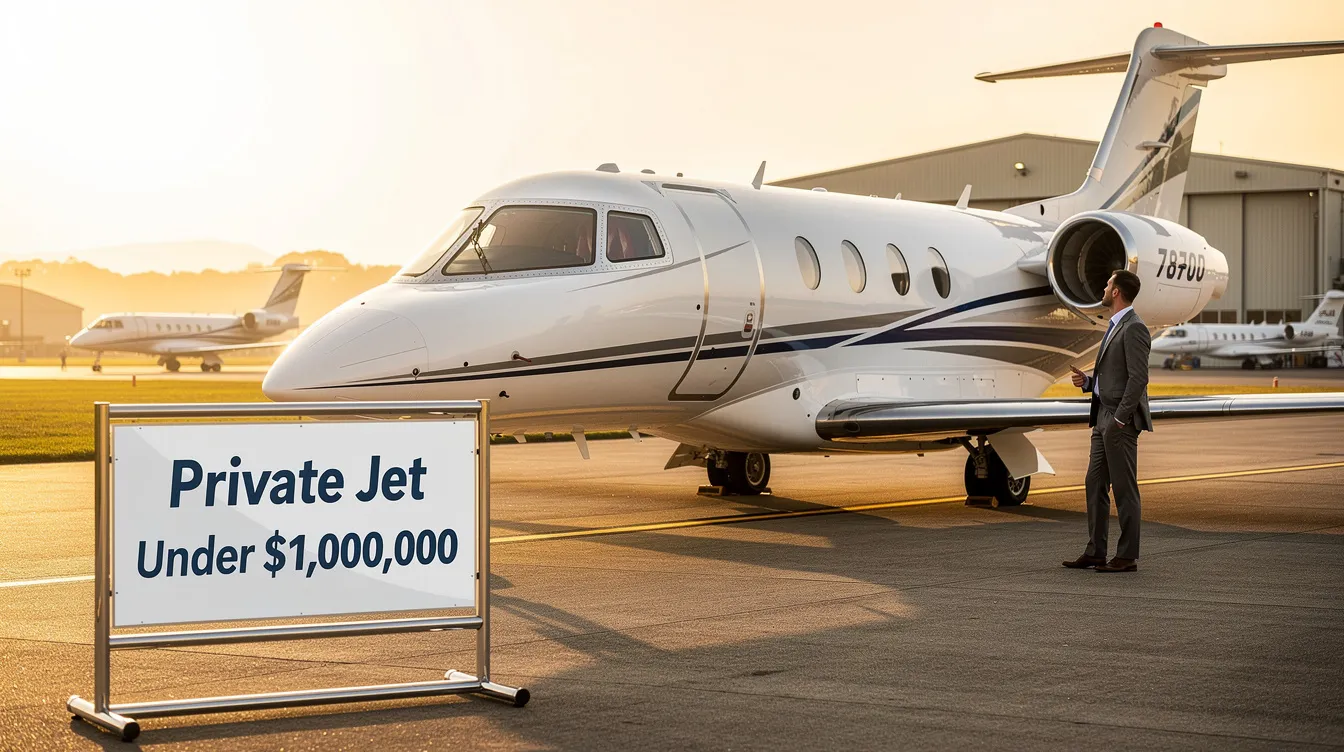
Purchasing a private jet is a major financial and strategic decision for business leaders and private individuals. This guide explains the key steps, costs, and considerations involved in buying a private jet, helping you make an informed choice and avoid common pitfalls. Whether you are a frequent flyer or exploring private aviation for the first time, understanding the process and options is essential for a successful purchase.
Key Takeaways
Buying a private jet can range from about $3 million for a very light or light pre-owned jet to $70+ million for a large, long-range business jet; annual operating costs often equal 5–10% of aircraft value.
Full private jet ownership usually becomes compelling around 150–200 flight hours per year; below that, fractional ownership, jet cards, or charter may be more cost-effective.
Aircraft type, legal structure, financing, tax treatment, and due diligence matter as much as the purchase price.
BusinessJets.com supports private jet buying with appraisals, acquisition consulting, transaction management, and long-term ownership advice.
Purchasing a private jet is a significant investment, not simply a lifestyle decision. The right aircraft can improve productivity, privacy, and access, while the wrong one can create unnecessary costs, downtime, and resale risk. Understanding the purchasing process, from initial mission analysis to final delivery, is crucial for protecting your investment.
Why Buyers Choose to Own a Private Jet
Private jet ownership appeals to business leaders, family offices, and operators because it gives them control over time, access, and confidentiality.
Owning a private jet provides unparalleled convenience: owners travel on their own schedule, avoid hub connections, and use smaller, less congested airports. A Houston–New York–Chicago day can be practical by private aircraft, while commercial travel may require connections or an overnight stay.
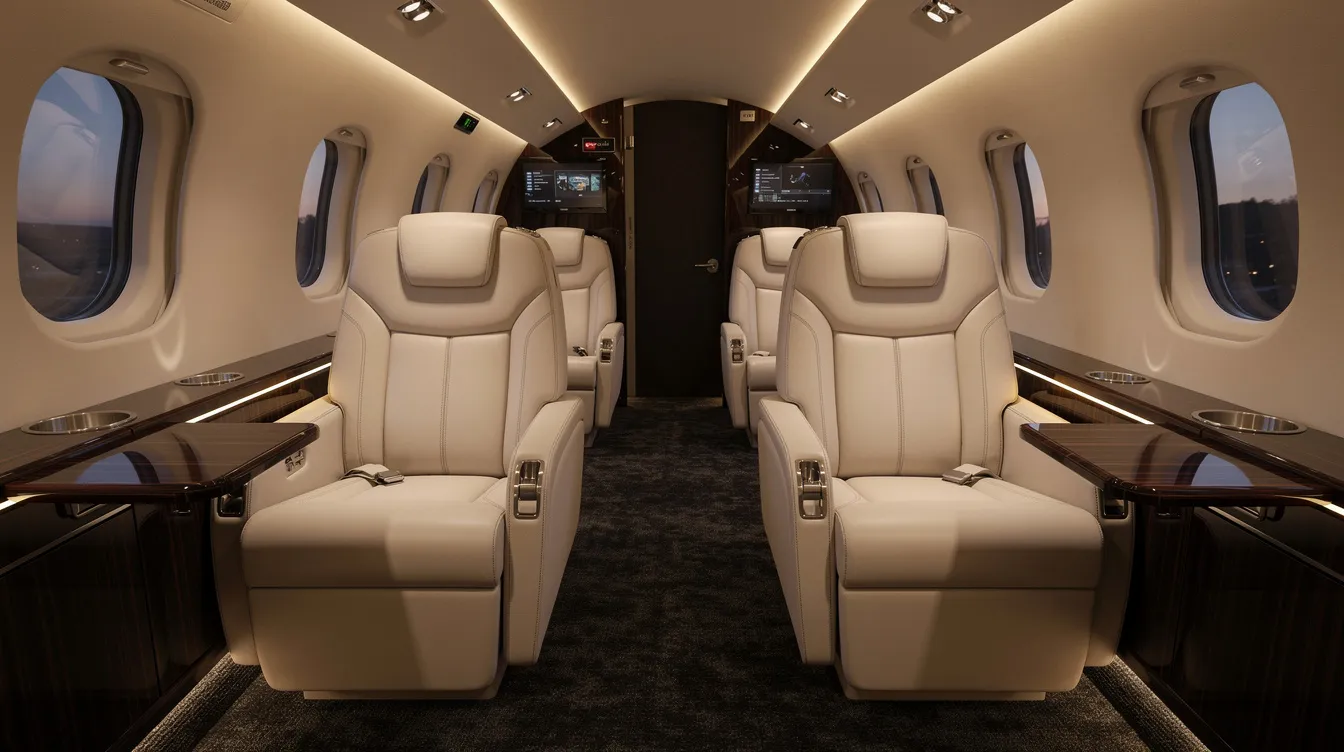
A private jet also enhances privacy and security. Owners control who boards their aircraft, creating a safe environment for sensitive board-level discussions. Comfort is another driver: a private jet offers a luxurious and customizable travel experience, with bespoke interiors, lie-flat seating, Wi-Fi, gourmet meals, and advanced communication systems.
Private jets provide access to remote locations that may be difficult to reach via commercial flights, including airports closer to ski resorts, manufacturing plants, or private facilities, or major destinations such as Paris by private jet charter.
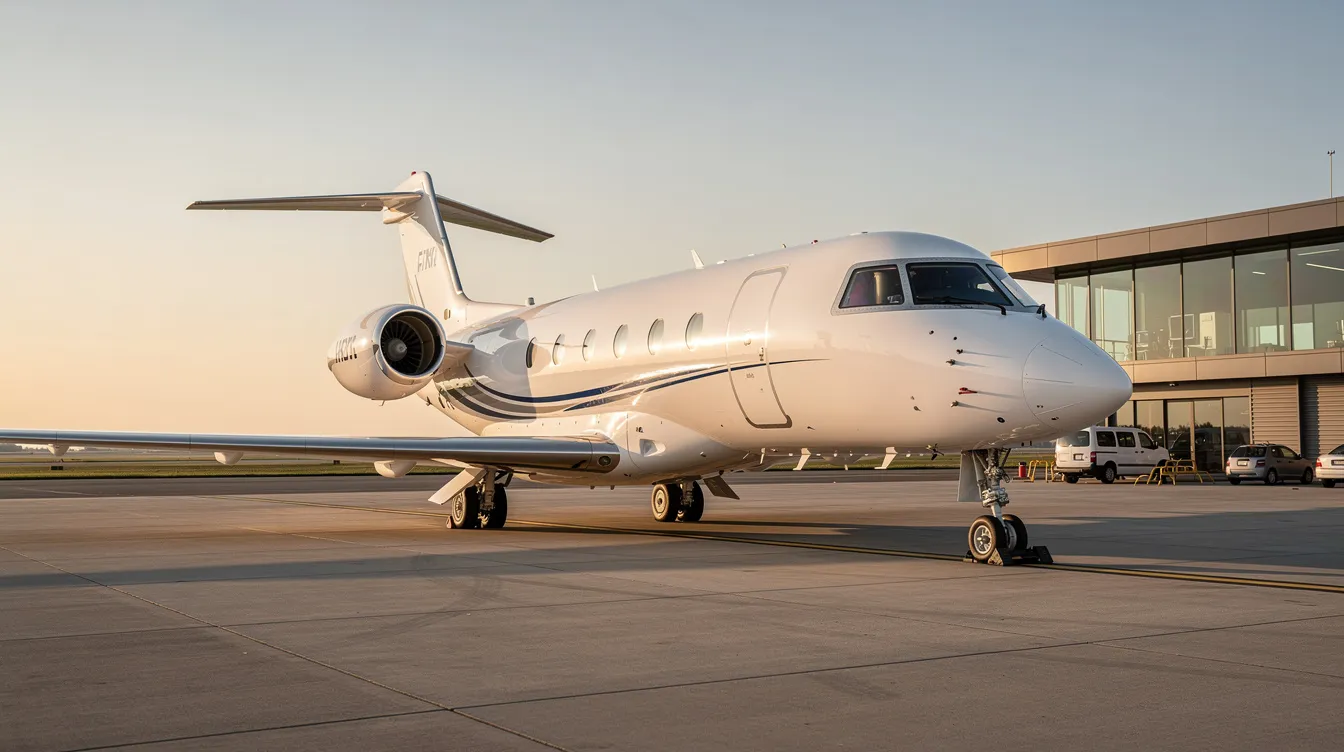
Is It the Right Time to Buy a Private Jet?
Timing depends on utilization, travel needs, market availability, and your financial situation.
Under roughly 150 flight hours per year, on-demand charter or jet cards may be more efficient.
Around 150–200 hours, fractional ownership or co-ownership may make sense.
Above 200–250 hours, full ownership or sole ownership often becomes more attractive.
Fractional ownership allows multiple owners to share the costs and usage of an aircraft, typically involving a share ranging from 1/16th to 1/4th of the jet. For those who fly occasionally, options such as jet cards or on-demand charters offer private travel without the responsibilities of ownership, providing greater flexibility and cost efficiency.
Before you buy a private jet, review two to three years of travel schedule data: routes, trip length, passenger loads, and destinations. Then project the next 3–5 years. Current 2024–2026 market conditions include tight late-model inventory and strong demand for midsize and super-midsize aircraft, affecting pricing and availability.
Understanding the True Cost of Private Jet Ownership
The initial purchase price is only one part of aircraft ownership, and before purchasing a private jet, buyers should account for ongoing expenses as well. The upfront purchase price of an aircraft depends on its age, condition, and class.
Very Light Jets can start near $2–3 million pre-owned; the initial purchase price of a private jet can range from $3 million for a very light jet to over $70 million for a large, long-range aircraft.
Pre-owned jets generally range from $2 million to $20 million, while brand new jets range from $5 million to over $100 million.
Pre-owned business jets typically range from $3 million to over $90 million in acquisition cost, with depreciation rates between 3% and 8.5% annually.
Annual operating expenses for a private jet can reach 5-10% of the aircraft’s value, and some owners may spend 10% to 20% of the jet’s purchase price annually on operational costs, depending on the aircraft and utilization, including crew salaries, hangar fees, insurance, maintenance, and fuel.
Variable costs associated with jet operations may vary from $2,000 to $10,000+ per flight hour, including fuel costs and landing fees.
Annual operating budgets should account for both fixed and variable costs. Fixed costs include pilot salaries, crew expenses, insurance, hangar fees, training, and mandated inspections. Variable costs include fuel, landing fees, catering, handling, and other expenses. Ongoing operational expenses for private jet ownership include maintenance, crew salaries, insurance, and hangar fees, which are often overlooked but materially affect long-term ownership.
Major maintenance costs, engine overhauls, landing gear work, and APU events can easily cost a million dollars or several million dollars on larger aircraft. Programs such as JSSI, MSP, TAP, and being APU-enrolled can help smooth long-term maintenance exposure.
Typical Cost Ranges for Private Jet Purchase and Ownership
Aircraft Category | Purchase Price Range (USD) | Typical Annual Operating Costs (% of Value) | Typical Variable Cost per Flight Hour (USD) | Passenger Capacity | Typical Range (Miles) |
|---|---|---|---|---|---|
Very Light Jet (VLJ) | $2 million – $5 million | 8% – 12% | $2,000 – $3,500 | 4–5 | Up to 1,200 |
Light Jet | $3 million – $9 million | 8% – 12% | $3,000 – $4,500 | 6–8 | Up to 2,000 |
Midsize Jet | $7 million – $16 million | 10% – 15% | $4,000 – $6,000 | 7–9 | Up to 3,000 |
Super-Midsize Jet | $13 million – $25 million | 10% – 15% | $5,000 – $7,000 | 8–10 | 3,200 – 3,600 |
Large / Heavy Jet | $20 million – $70+ million | 12% – 20% | $7,000 – $10,000+ | 10–19 | 4,000 – 7,500+ |
Selecting the Right Private Aircraft for Your Mission
Choosing the right aircraft size depends on typical flight profiles and passenger requirements. When choosing a private jet, consider the range and typical routes you travel, as this will determine the type of aircraft that best suits your needs.
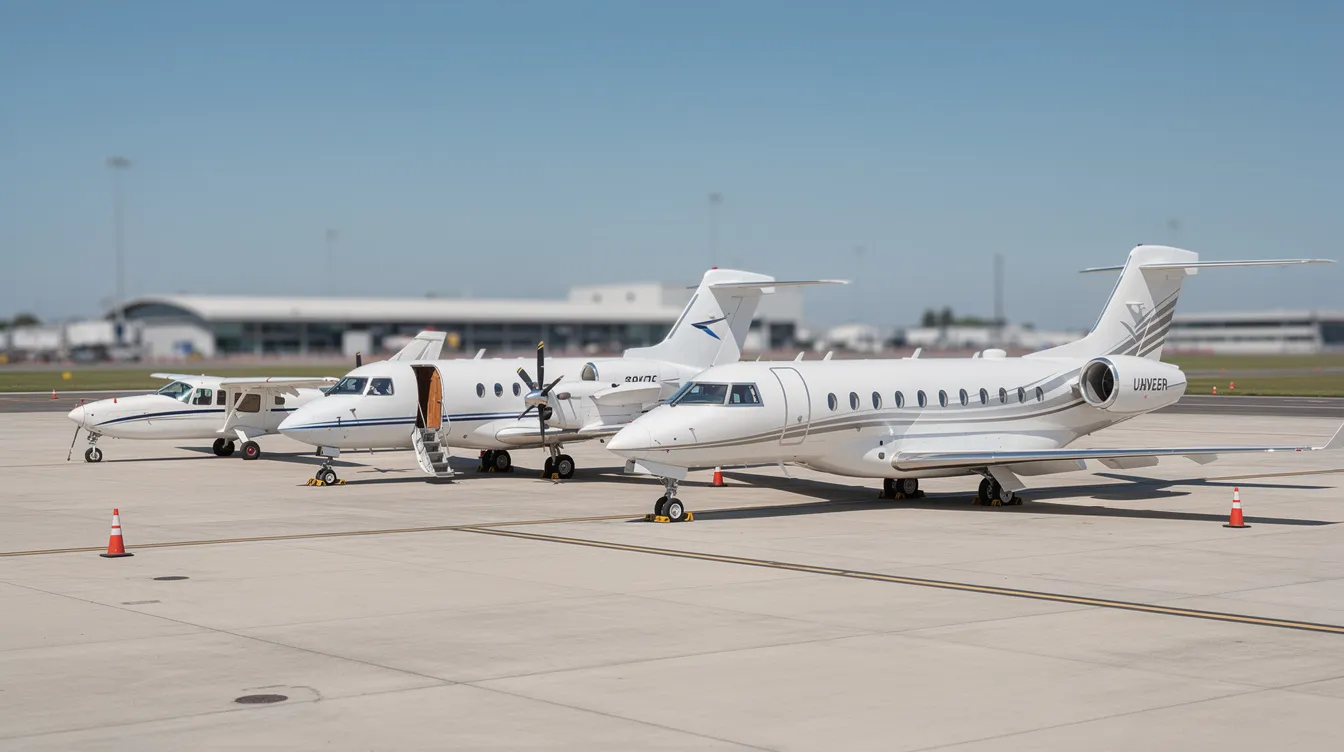
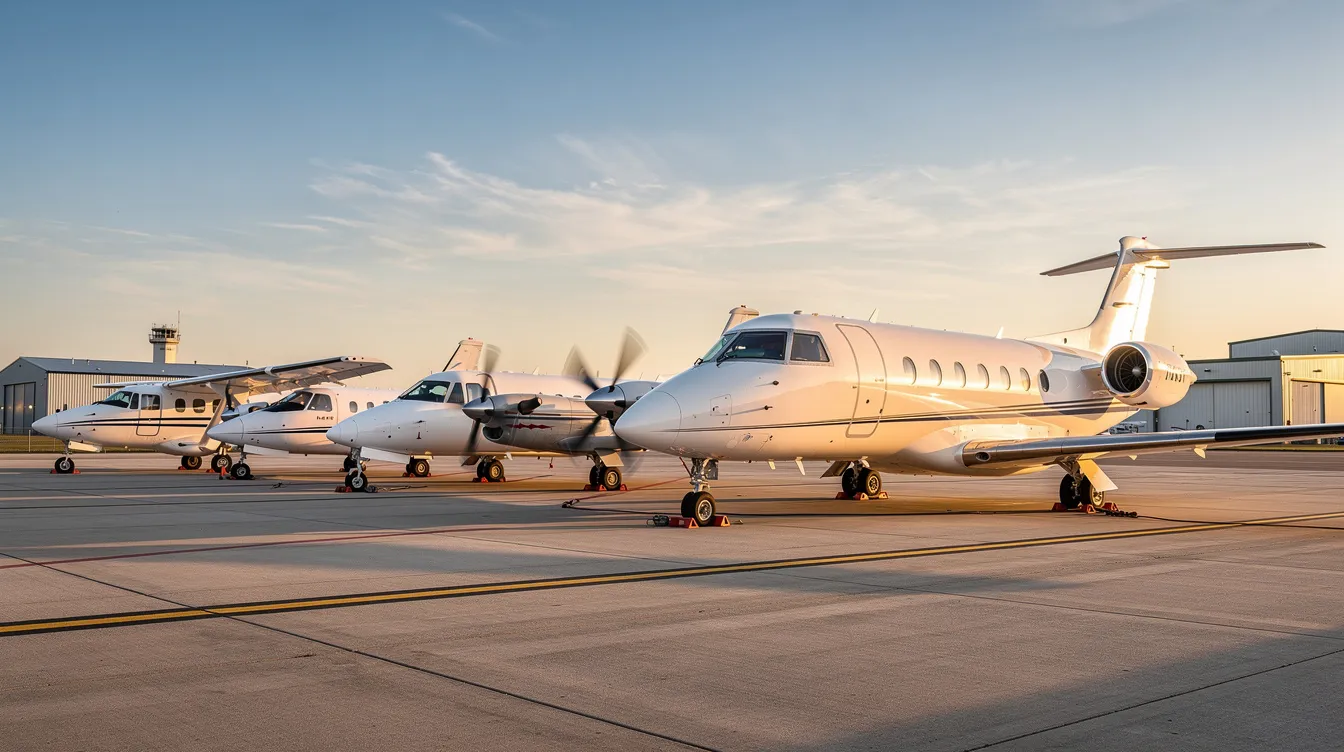
Very Light Jets (VLJ) typically accommodate 4–5 passengers and have a range up to 1,200 miles, ideal for short regional trips.
Light Jets accommodate 6–8 passengers with a range up to 2,000 miles, suitable for cross-country trips with one stop.
Midsize Jets allow for 7–9 passengers and can travel up to 3,000 miles, covering coast-to-coast journeys without stops.
Large / Heavy Jets can carry 10–19 passengers and have ranges exceeding 7,000 miles, designed for intercontinental travel with luxury amenities.
The number of passengers you typically fly with is a crucial factor in selecting the right private jet, as different aircraft sizes accommodate varying passenger capacities. Preferred amenities, such as in-flight comforts and conveniences, should be considered when choosing a private jet, as different models offer varying levels of luxury and functionality.
Airfield performance limits must be considered, as larger jets may not be able to land at airports with shorter runways. A light jet may reach 4,000 ft runways; a heavy jet is better for long-haul flights but less flexible at small airports. Common options include Cessna Citation Mustang and Citation M2 for shorter distances, Citation XLS/XLS+ for domestic business, and Airbus ACJ319 private jets or Gulfstream or Global aircraft for intercontinental missions.
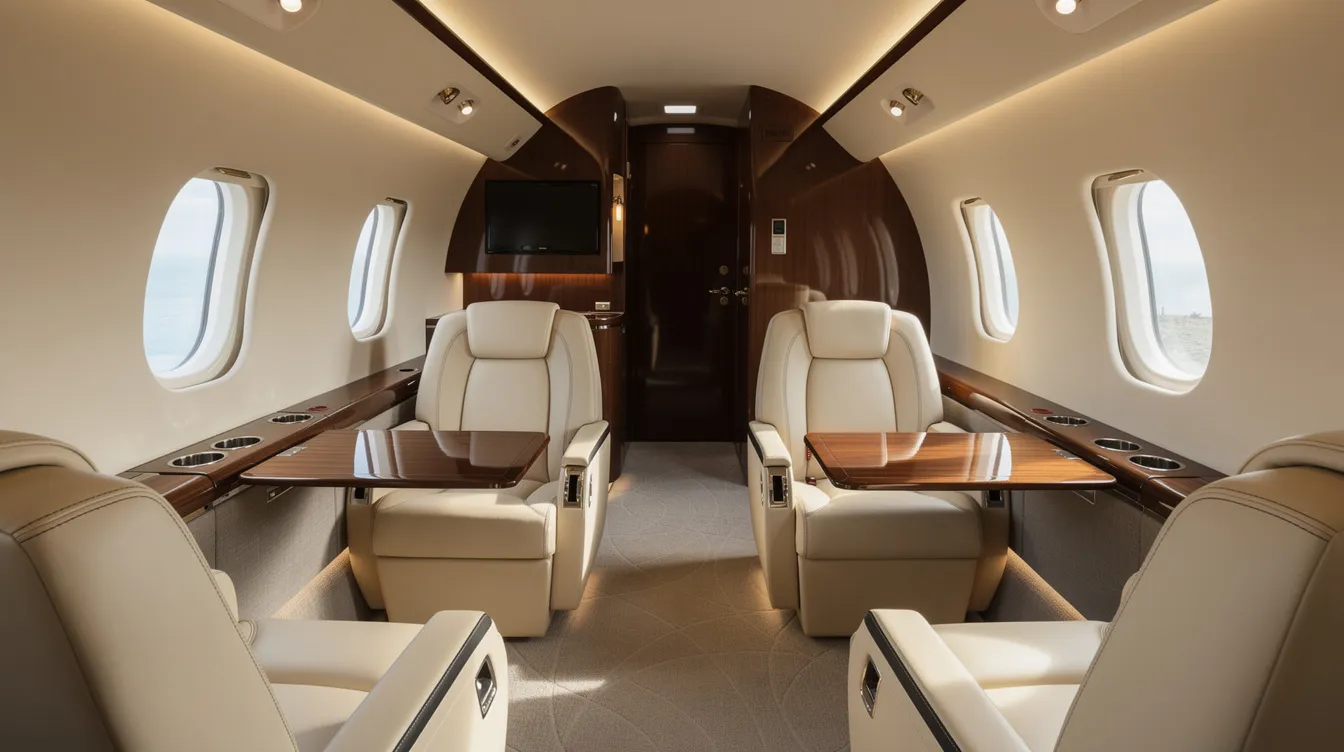
New vs Pre-Owned: Which Path to Jet Ownership?
A factory-new business jet offers the latest avionics, safety features, connectivity, warranty coverage, and custom finishes. The tradeoff is higher private jet purchase prices, delivery lead times of 12–24 months or more, and early depreciation.
Preowned jets offer faster access, a lower purchase price, and potential upgrades funded by previous owners. However, an older jet may bring higher maintenance risk, incomplete records, or required upgrades such as ADS-B, RVSM, or FANS.
Use Net Present Value and total cost of ownership analysis over 5–10 years to compare new and used planes. BusinessJets.com helps determine whether each aircraft fits the mission, budget, and resale strategy.
Ownership Models: Full, Fractional, and Beyond
Full ownership means you own jet assets outright and receive complete control, branding, scheduling priority, and availability. Full ownership of a private jet grants complete control and availability, making it the preferred choice for frequent travelers who prioritize flexibility. It also means accepting all ownership costs, fixed costs, ongoing costs, maintenance, and operating responsibility.
Fractional ownership lowers capital requirements but shares fleet access. Charter and jet cards remain useful for occasional flying or as a bridge before owning. Hybrid strategies can also work: owning a midsize private plane for core routes and using charter for overflow or international missions.
Due Diligence: Technical, Legal, and Regulatory Checks
Robust due diligence protects capital, safety, and resale value. Thorough inspection by a technical team is essential before finalizing a private jet purchase.
Key checks include:
Airframe, engines, avionics, cabin systems, interior, corrosion, and damage history.
Logbooks, Airworthiness Directives, Service Bulletins, engine status, and inspection position.
FAA, EASA, ADS-B, RVSM, FANS, noise, and safety standards compliance.
LLC ownership, sales/use tax, import/export planning, and registration.
Negotiating the Aircraft Purchase Agreement (APA) is a critical step after the inspection is satisfactory. Engaging a trusted private aviation consultant is critical to navigate the complexities of aircraft transactions, ensuring compliance with regulations and optimizing the purchase process.
The Role of an Experienced Aircraft Broker and Consultant
Working with a buyer's broker is vital for a smooth aircraft purchase, as they can help protect your investment and assist with critical details throughout the process.
Brokers conduct market research to find aircraft models that meet your specific criteria, ensuring you make an informed decision based on your needs and preferences. BusinessJets.com evaluates private aircraft offers, compares various models, verifies valuation, and manages negotiations, escrow, documentation, test flights, and closing.
With more than 1,500 successful transactions and over 5,000 satisfied clients, BusinessJets.com brings market data, discretion, and execution discipline to private aviation transactions.
Transitioning from Acquisition to Ongoing Jet Ownership
Closing is only the beginning of jet ownership. Hiring experienced pilots or contracting an aircraft management company is necessary for ongoing operations post-purchase.
Owners must decide whether to build a flight department or use management for pilots, dispatch, training, maintenance control, and safety oversight. They also need a home base, hangar plan, upgrade roadmap, and realistic expectations if placing the aircraft on charter to offset expenses.

How BusinessJets.com Supports Your Private Jet Purchase
BusinessJets.com works with buyers from the first conversation through years of ownership. The process starts with mission analysis, budget review, how many passengers typically fly, and which aircraft category best supports the business case.
From there, BusinessJets.com searches global aircraft for sale, prepares preliminary appraisals, negotiates terms, coordinates inspection teams, supports legal and tax advisors, and assists through delivery. After closing, the firm provides aircraft appraisals, market updates, consulting, and advice on when to sell, upgrade, or right-size the fleet.
To begin, request an aircraft appraisal, list an aircraft for sale, or engage BusinessJets.com for acquisition and aviation consulting support.
Frequently Asked Questions About Buying a Private Jet
These FAQs address practical questions not fully covered above.
How much capital do I need to buy a private jet?
Entry-level pre-owned very light and light jets can start around $2–4 million. Mid and super-midsize jets often range from $6–20 million, while large, long-range business jets can exceed $70 million.
Conclusion: Partnering with BusinessJets.com for Your Private Jet Purchase
Purchasing a private jet is a complex, high-stakes endeavor that requires expert guidance, thorough planning, and strategic decision-making. From evaluating your mission requirements and financial considerations to selecting the right aircraft and managing ongoing operations, each step impacts your investment’s value and your ownership experience.
BusinessJets.com stands as a trusted partner throughout this journey. With a proven track record of over 1,500 successful transactions and more than 5,000 satisfied clients worldwide, the firm offers comprehensive aircraft brokerage, valuation, and consulting services tailored to your unique needs. Leveraging deep market insights, rigorous due diligence, and discreet, professional representation, BusinessJets.com helps you navigate the private jet market confidently and efficiently.
Whether you are buying your first private jet, upgrading your fleet, or seeking expert advice on ownership strategies, BusinessJets.com provides the expertise and personalized service essential to optimizing your aircraft investment. Begin your private aviation journey with a trusted advisor—explore BusinessJets.com today to request an appraisal, list an aircraft for sale, or engage consulting support.