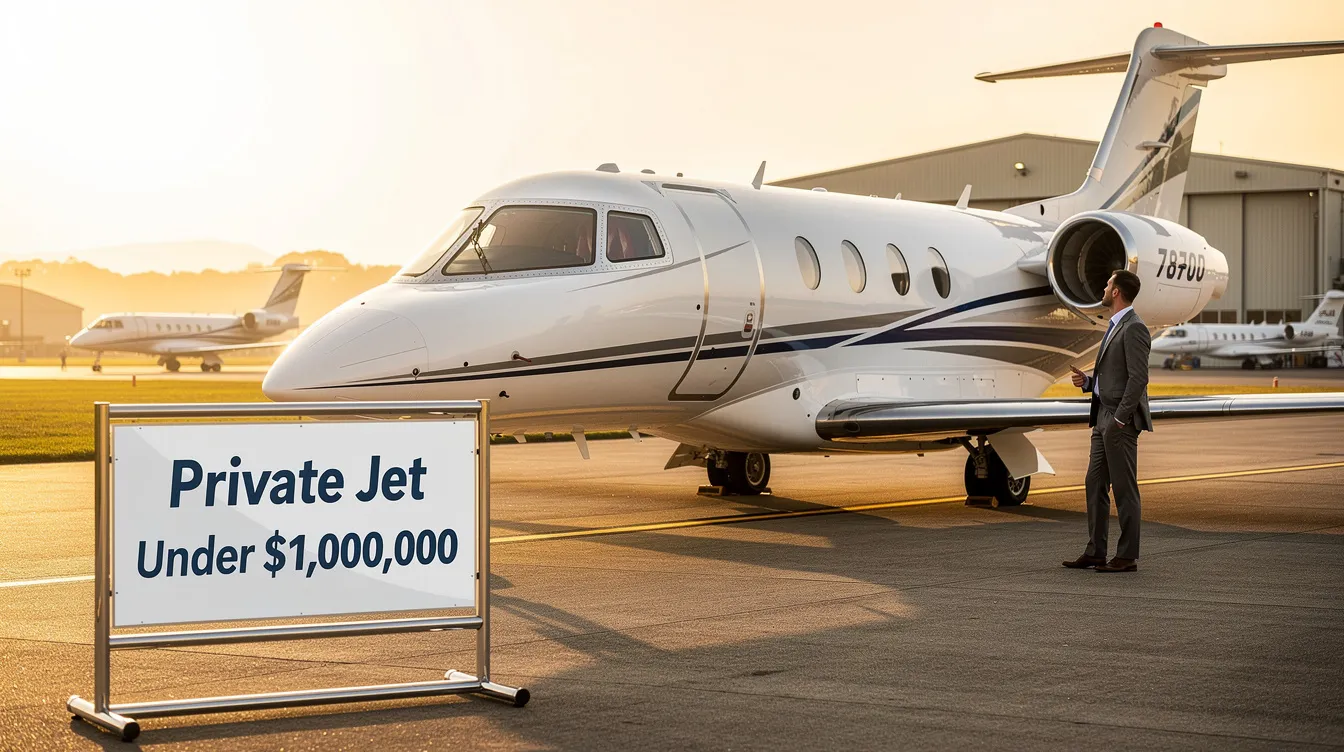
Private Jet Cost Buy: What You’ll Really Spend on Ownership in 2026
Buying a private jet is not a single-number decision. This guide is for prospective private jet buyers and business aviation decision-makers who want a clear understanding of all costs involved in private jet ownership. Understanding the full cost of ownership is crucial for making informed decisions, budgeting accurately, and avoiding unexpected financial surprises. The real private jet cost buy calculation includes the purchase price, taxes and closing expenses, annual fixed costs, variable operating costs, depreciation, and the cost of keeping the aircraft compliant, crewed, insured, and ready.
As of May 2026, aircraft values remain elevated versus pre-2020 norms. Inventory is still tight in several business aviation segments, while fuel prices, labor, parts, and maintenance costs continue to influence the total cost of private jet ownership.
Key Takeaways
The total cost of buying and operating a private jet includes an initial acquisition price, annual fixed costs, and variable operating costs. “Private jet cost to buy” means more than the aircraft’s advertised price. The total cost of buying and operating a private jet includes an initial acquisition price, annual fixed costs, and variable operating costs.
Private jets generally range from $2 million to $100 million in purchase price, with annual operating costs between $500,000 and $4 million. Overall, the purchase price for a private jet can span from $2 million to over $110 million, depending on the aircraft's size, model, and features.
Typical 2026 purchase ranges include very light jets from about $2M, a light jet like a pre-owned Cessna Citation CJ3+ around $5–8M in some markets, and $7–10M for newer examples, new midsize jets from $12–25M, and large-cabin or ultra-long-range jets from $35M to $80M+.
Annual fixed and variable operating costs commonly run $700,000–$1.5M+ for light and midsize jets and $2M–$4M+ for large jets at 200–400 flight hours per year.
Full private jet ownership usually makes economic sense above roughly 200–250 flight hours per year for light and midsize aircraft; full ownership of a private jet only makes financial sense if you plan to fly at least 200 to 400 hours per year.
BusinessJets.com can model total ownership cost, provide an impartial aircraft appraisal, and source suitable private aircraft worldwide.
How Much Does It Cost to Buy a Private Jet in 2026?
The upfront purchase price of a private jet varies dramatically by the size, range, and age of the aircraft. A smaller aircraft may trade below $3M, while a new jet with VIP customization can exceed $660M in the case of large airliner conversions.
For most buyers, the practical 2026 market looks like this: many used aircraft, especially older jets, can still cost several million dollars depending on category, condition, and equipment.
Very Light Jets
Aircraft type | 2026 market guidance | Example |
|---|---|---|
Very light jets | Used under $1M to new $2.4M–$5.7M | Cirrus Vision Jet SF50, Eclipse 500 |
Light Jets
Aircraft type | 2026 market guidance | Example |
|---|---|---|
Light jets | New $3M–$9M; pre-owned often $1.8M–$10M | Citation Mustang, CJ3+, HondaJet Elite |
Midsize Jet
Aircraft type | 2026 market guidance | Example |
|---|---|---|
Midsize jet | $5M–$30M, depending on age and model | Citation XLS+, Latitude, Praetor 500 |
Super Midsize
Aircraft type | 2026 market guidance | Example |
|---|---|---|
Super midsize | $17M–$30M+ | Praetor 600, Challenger 3500 |
Large Jets
Aircraft type | 2026 market guidance | Example |
|---|---|---|
Large jets | $25M–$100M | Gulfstream G450, G500, Global 6000 |
VIP Airliners
Aircraft type | 2026 market guidance | Example |
|---|---|---|
VIP airliners | $100M to $660M+ | BBJ or ACJ conversions |
At closing, jet cost typically includes the aircraft purchase price plus legal fees, escrow, pre-purchase inspection, ferry expenses, title and registration, and sales or use tax where applicable. BusinessJets.com tracks current market trends and comparable transactions to guide offer strategy and negotiation.
Private Jet Price Ranges by Category
Private jets are grouped by aircraft size, range, cabin, runway performance, and mission profile. A buyer flying 100 flight hours a year between regional airports may need a different private plane than a corporation flying 300 flight hours across continents.
Very Light Jets (VLJs)
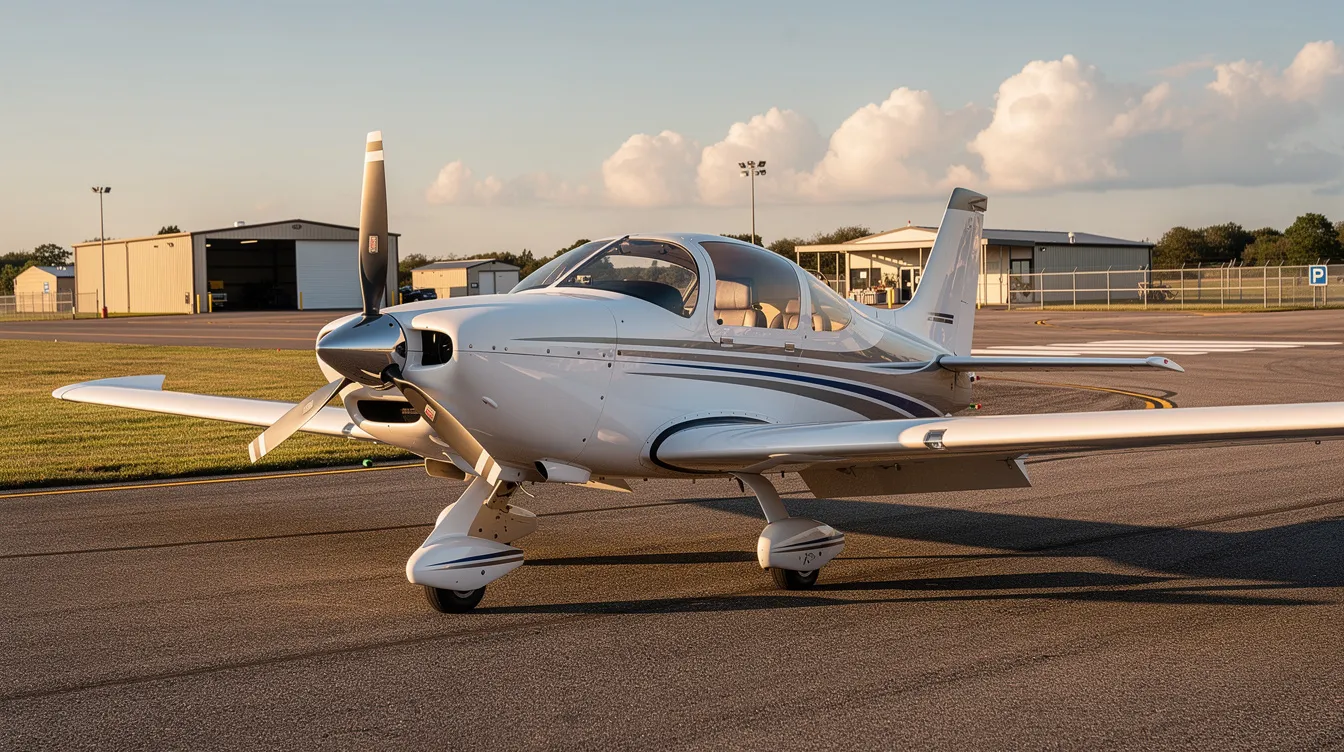
Very light jets are often the most affordable entry point into private jet ownership. VLJs are typically used for short private jet flights under 800–1,000 nautical miles, often with 3–4 passengers and limited baggage, and they are among the cheapest private jets to own, especially on the pre-owned market.
New VLJs like the Cirrus Vision Jet SF50 are often around $2.4M–$2.7M, although very light jets are the most affordable entry point into private jet ownership, with prices ranging from $3.5 million to $5.7 million for new models and less than $1 million for used ones. Pre-owned Vision Jets from 2017–2020 often trade around $1.7M–$2.2M, while older Eclipse 500s may be $0.7M–$1.0M, depending on avionics and upgrades.
Indicative operating cost is roughly $800–$1,200 per hour, with annual fixed costs of $300,000–$500,000 at 150–200 hours. For cost-sensitive regional missions, BusinessJets.com may also compare VLJs with high-performance turboprops.
Light Jets
Light jets are a common step up for private jet owners who need more speed, seating, and range. Light jets typically cost between $3 million and $9 million for new models, and they can carry up to seven passengers with a range of approximately 1,500 to 2,000 miles.
In 2026, a pre-owned Cessna Citation Mustang from 2010–2013 may trade around $1.8M–$2.4M. A Citation CJ3+ from 2015–2019 may be $7M–$10M, while a HondaJet Elite from 2019–2022 may be $4.5M–$6.0M. A buyer comparing a new light jet should also consider depreciation and delivery slots.
Operating costs typically run $1,500–$2,500 per flight hour, with annual costs often $600,000–$1M if flown 200–250 hours. BusinessJets.com routinely appraises and brokers light jets, including Citation and Embraer Phenom series, and can advise on residual value, time-on-market, and a realistic lower price point.
Midsize & Super Midsize Jets
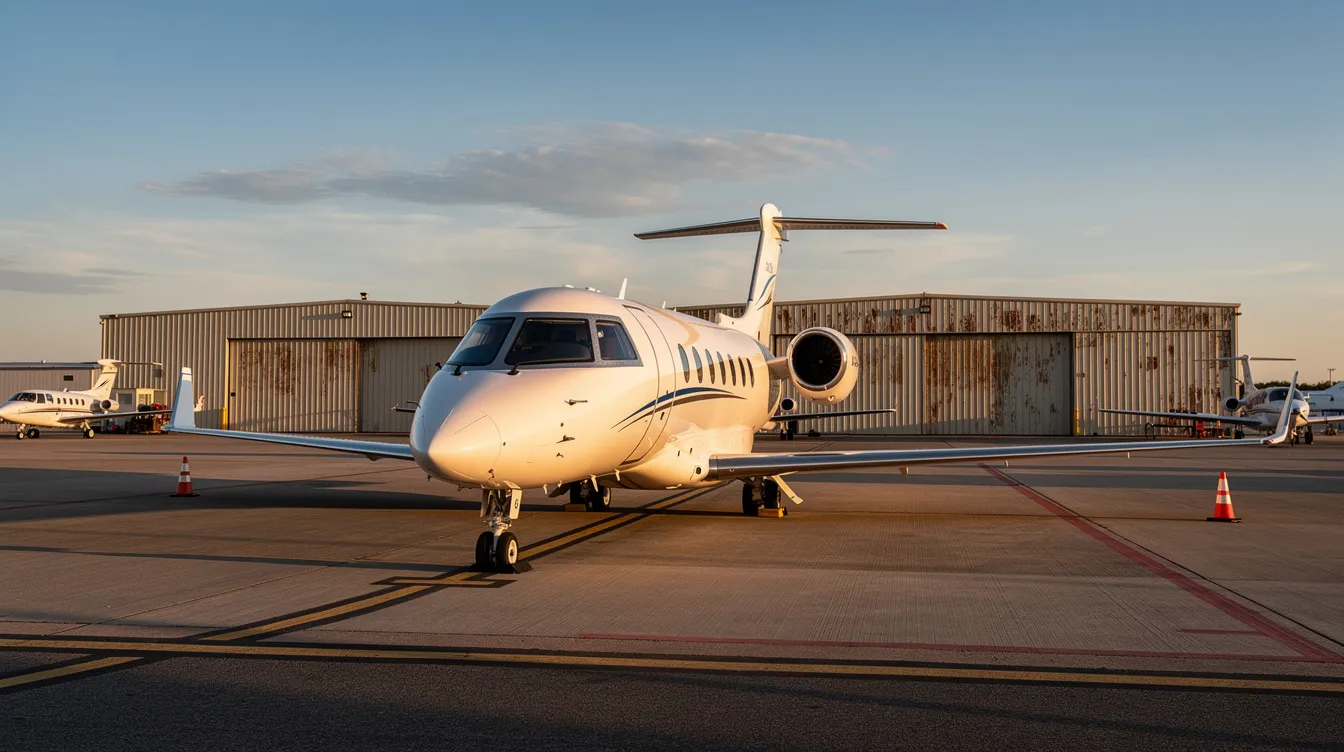
Midsize and super midsize aircraft offer greater range, cabin comfort, and mission flexibility. Midsize jets range in price from $5 million to $30 million, offering capacity for about 8 to 10 passengers and a range of approximately 2,000 to 3,500 miles.
In 2026, a 2016–2020 Embraer Praetor 500 may trade around $17M–$22M. A Citation Latitude from 2016–2019 may be approximately $14M–$18M, while an older Citation XLS+ from 2013–2016 may be $9M–$13M. Buyers sometimes search phrases like Cessna Citation to compare cabin size, runway capability, and resale strength.
Operating costs are commonly $2,500–$4,500 per hour, with annual costs around $1.2M–$2.0M at 300 flight hours. Annual maintenance costs for a midsize private jet typically range from $1.25 million to $1.5 million, and owners should budget a minimum of $500,000 annually for maintenance reserves.
Large-Cabin & Ultra-Long-Range Jets
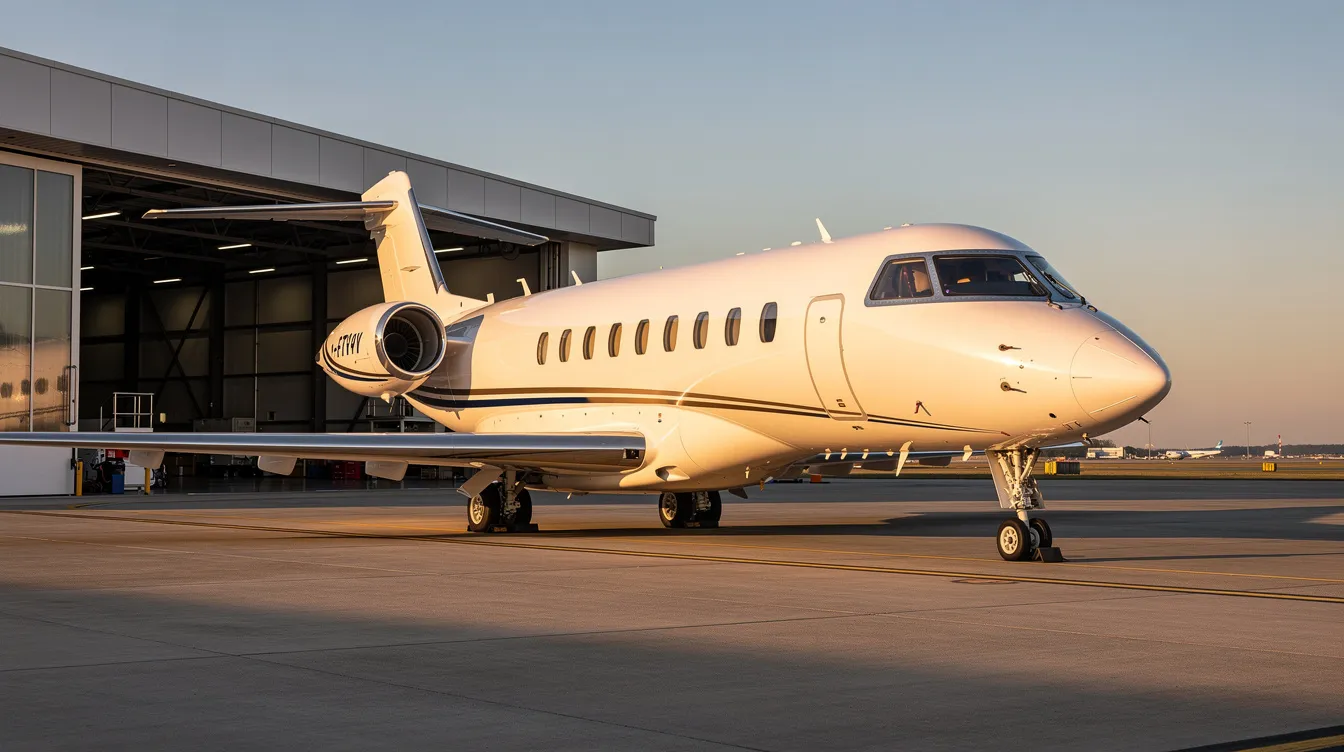
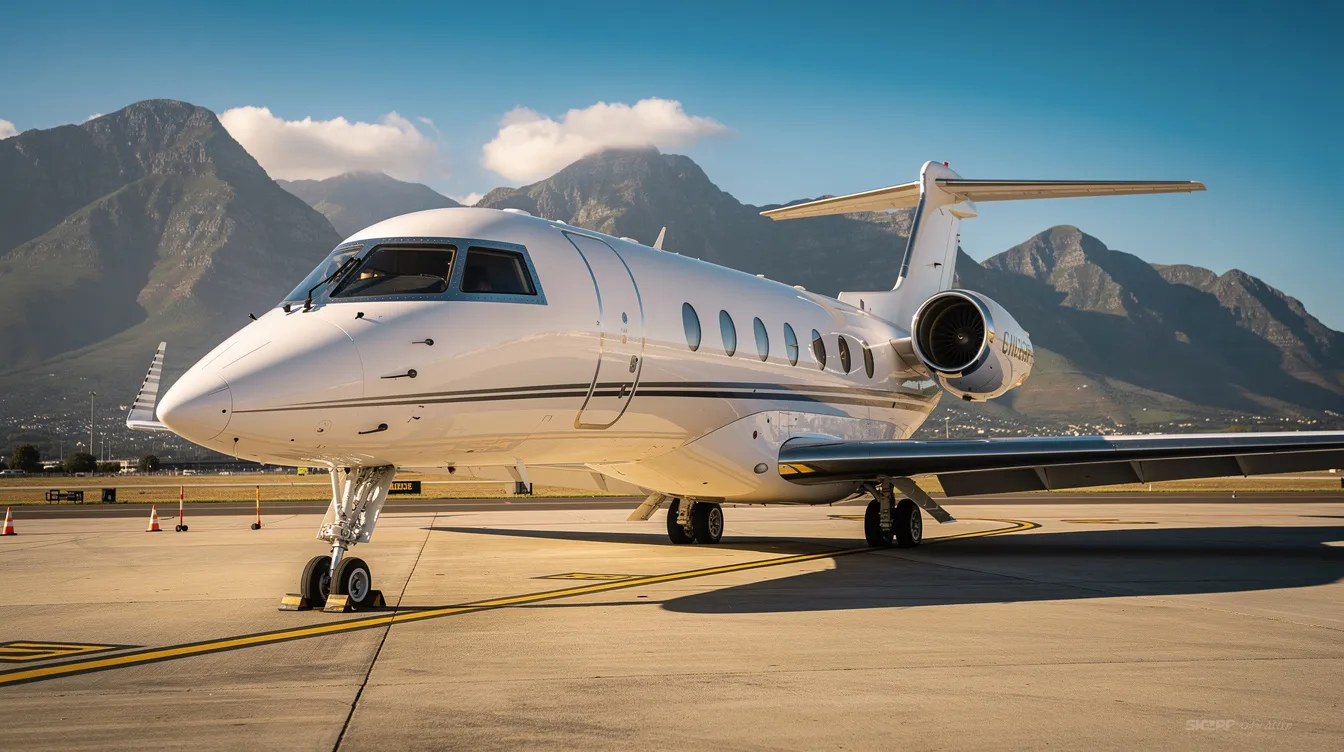
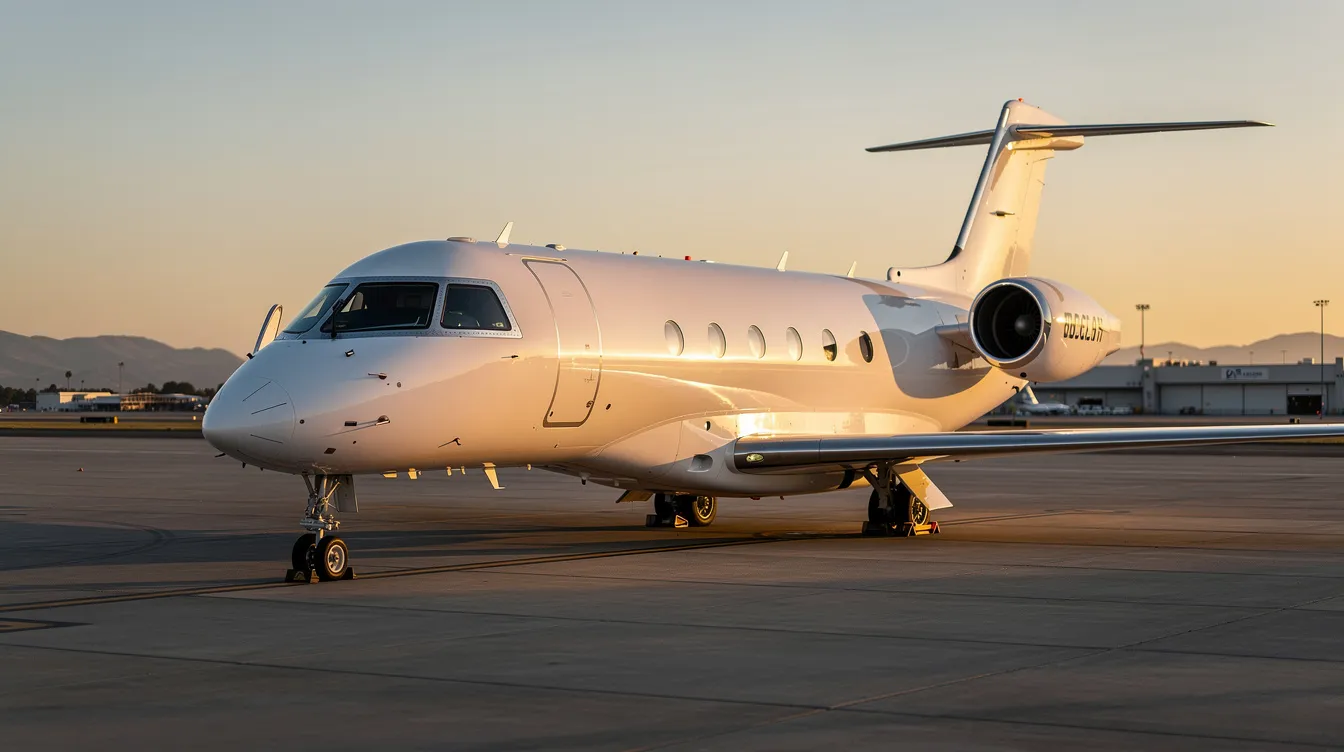
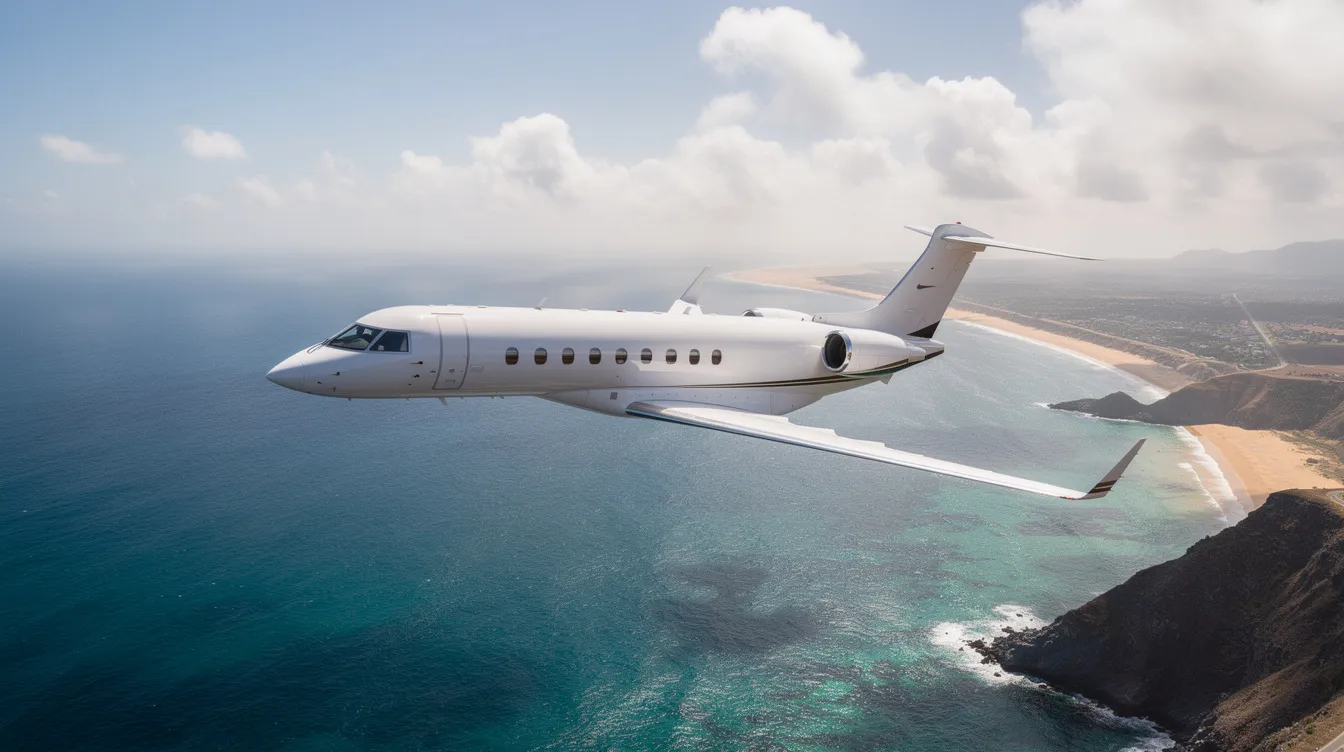
Large-cabin and ultra-long-range business jets are designed for long-range corporate and international travel, 10–16 passengers, and missions where passengers need a spacious cabin and the ability to fly longer distances. Large cabin jets, which can accommodate 10 to 16 passengers, typically cost between $25 million and $100 million, with ranges extending from 6,000 to over 7,500 miles.
In 2026, a 2014–2016 Gulfstream G450 may trade around $17M–$24M. A 2018 Gulfstream G500 may be $42M–$52M, while a 2019 Bombardier Global 6000 may be near $45M–$55M, depending on total time and maintenance programs.
Ultra-long-range heavy jets can cost between $20 million and $65 million for new models, designed to hold up to 17 passengers and travel distances of up to 6,500 miles. At this level, depreciation and residual value are critical. BusinessJets.com’s experience across 1,500+ transactions supports accurate valuation and exit-strategy planning from day one.
Beyond the Purchase Price: Core Operating Costs
Owning a jet involves steep financial realities that charter passengers may not account for. Owning a private aircraft involves steep financial realities and substantial ongoing costs beyond the purchase price that charter passengers may not account for. Operating costs often surpass the one-time purchase price over a 10–15 year holding period.
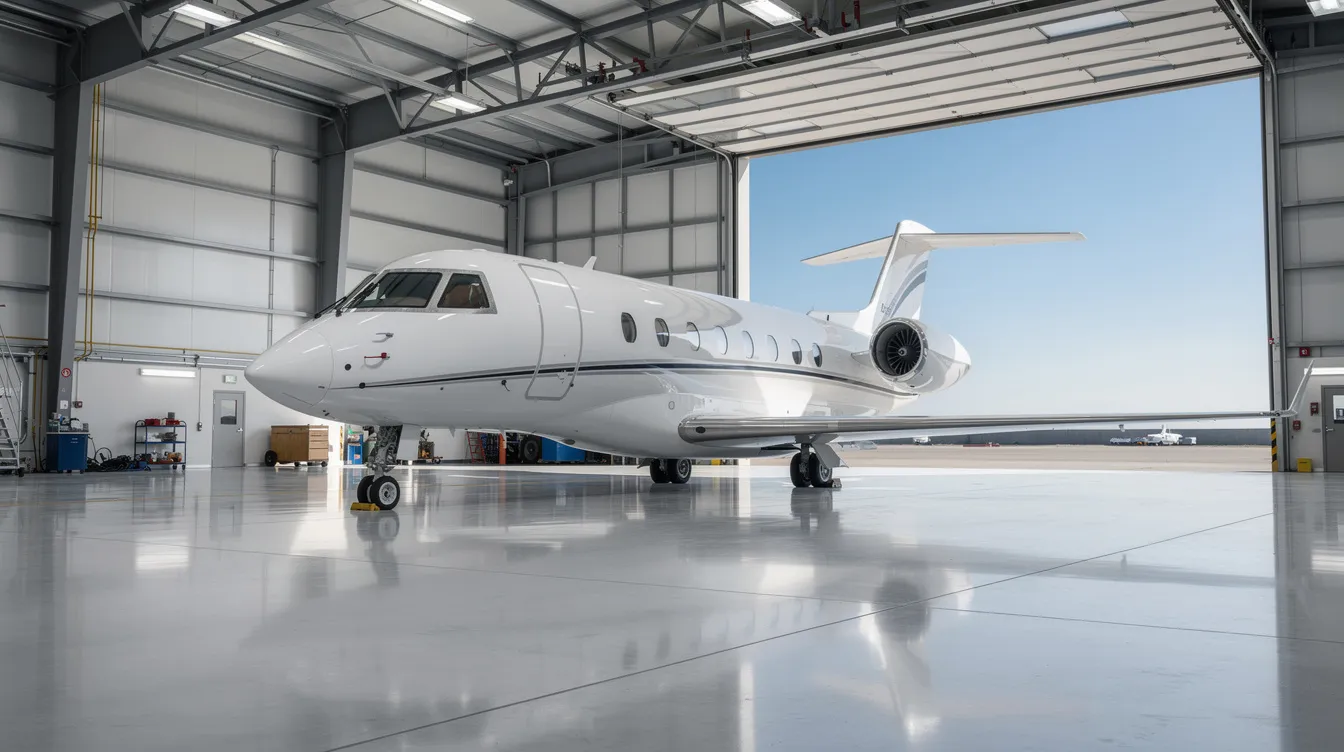
Mandatory expenses to keep an aircraft legally compliant include hangar fees, crew salaries, insurance, and maintenance. Most single-aircraft owners outsource operations to an Aircraft Management Company to handle crew hiring and maintenance compliance.
Fixed Annual Costs
Fixed costs are incurred whether the aircraft flies or not. Fixed annual ownership costs for a private jet can include hangar rental fees ranging from $30,000 to $100,000, insurance costs between $20,000 and $300,000, and crew salaries that can reach $200,000 to $500,000 annually.
Typical 2026 ranges include:
Captain salaries of $130,000–$220,000 for many light and midsize jets, with higher crew costs for larger aircraft
Hangar fees of $30,000–$120,000 per year, depending on airport, aircraft size, and availability
Private jet insurance of $25,000–$70,000 annually for many light jets and $150,000–$300,000+ for large-cabin aircraft
Management fees of $80,000–$250,000 annually, sometimes offset by charter revenue
Subscription services, navigation databases, training, and compliance support that can add tens of thousands per year
A single crew member's cost is not the whole picture; backup pilots, recurrent training, benefits, and travel expenses can materially change annual costs.
Variable Costs per Flight Hour
Variable costs scale with flight time. Aviation fuel is usually the highest variable cost, fluctuating based on fuel prices and burn rate. Fuel is the single largest variable cost for private jet owners, with annual fuel costs potentially reaching into the millions of dollars depending on flight hours and fuel prices.
Variable costs include:
Fuel consumption, which can range from $600 to $2,500 or more per hour, depending on the jet size. In 2026 budgeting, fuel may run $900–$1,600 per hour for light jets, $2,000–$3,000 for midsize aircraft, and $3,500–$6,000+ for larger aircraft.
Maintenance reserves and engine programs, which may add $500–$1,500+ per hour.
Routine maintenance typically amounts to about 2% of the original aircraft price annually for pre-owned jets.
Unplanned maintenance events, which can add several thousand dollars annually.
Landing fees, catering, crew travel, fixed base operators, ground handling, and aircraft positioning.
Owners should also plan for landing fees, catering, crew travel, fixed base operators, ground handling, and aircraft positioning, even though private aircraft can use smaller airports closer to the destination than commercial airlines typically serve.
Shorter flights generally cost less than longer ones, as the cost of a private jet is determined by flight distance due to increased fuel consumption. This means that flight planning and mission profile have a direct impact on operating costs, which buyers should consider when evaluating aircraft suitability and budgeting.
Taxes, Fees, and Regulatory Considerations
Taxes can materially affect private jet costs. Buyers should distinguish between taxes at purchase and taxes tied to each private jet flight.
Types of taxes and fees include:
costs, sales, or use tax at purchase
Depreciation (affecting value and tax deductions)
Federal excise tax on charter use
Segment fees per passenger per domestic leg
International head taxes, customs, navigation, overflight, and government charges
Sales/Use Tax and Depreciation
U.S. sales or use tax can add 4–10% to the purchase price, depending on the state, closing structure, and use. Some buyers may qualify for resale, interstate-use, or fly-away provisions, but only under professional tax guidance.
Depreciation also matters. Jets typically lose 10% to 20% of their value in the first year and roughly 5% each subsequent year due to depreciation. Accelerated depreciation may apply to qualifying business aircraft, and rules should be reviewed for the 2026 tax year using aviation-savvy tax counsel and IRS guidance, such as Publication 946.
An accurate aircraft valuation from BusinessJets.com can support financing, tax, and insurance documentation.
Federal Excise Tax and Segment Fees on Charter Use
When an aircraft operates as a private jet charter under Part 135 for a charter flight, the federal excise tax of 7.5% generally applies to amounts paid for air transportation. Segment fees of roughly $4–$5 per passenger per domestic leg also apply in 2026.
Owners using charter access should understand how federal excise tax, segment fees, operator markups, and owner-use priority appear on statements. Aircraft positioning fees apply when a jet must travel empty to reach the departure airport, which can significantly affect the total cost of a charter flight. For travelers with flexible schedules, empty leg flights are discounted repositioning or leg flights that can reduce overall charter spend. Some operators also add short-leg fees when a flight falls below a minimum billable time. Together, these variables help explain why the cost of flying private by charter can vary meaningfully by trip. International flights may also add head taxes, customs, navigation, overflight, and government charges of hundreds to several thousand dollars per trip.
Case Study: Light Jet vs. Midsize Jet – Total Cost Comparison
Within private aviation, full ownership is just one path for buyers weighing whether to purchase an aircraft or use other access models. Fractional ownership can reduce the upfront commitment for travelers who want regular access without taking on all the responsibilities of owning the whole aircraft. Jet cards can also appeal to frequent flyers who want predictable access and a fixed hourly structure without buying an aircraft.
Some travelers who want to fly privately only occasionally may also compare ownership costs with charter pricing before deciding.
Cost Comparison Table
Cost factor | Light jet example | Midsize jet example |
|---|---|---|
Acquisition price | $7M–$10M | $14M–$18M |
Annual fixed costs | $600K–$1M | $900K–$1.5M |
Variable cost per hour | $1,800–$2,500 | $3,000–$4,500 |
Five-year depreciation | Lower capital loss | Higher dollar exposure |
The light jet usually offers lower operational costs and stronger cost savings for shorter missions. The midsize jet may justify its higher price as a private jet
Frequently Asked Questions (FAQs)
What factors influence the total cost of buying a private jet?
The total cost includes the purchase price, taxes, closing fees, annual fixed costs such as hangar, insurance, and crew salaries, as well as variable operating expenses like fuel, maintenance, and landing fees. Depreciation and regulatory fees also impact overall ownership costs.
How much does it cost to operate a midsize private jet annually?
Annual fixed and variable costs for midsize jets typically range from $1.2 million to $2 million at around 300 flight hours per year. This includes maintenance reserves, fuel, crew salaries, insurance, and hangar fees.
Are pre-owned aircraft a cost-effective option?
Yes, pre-owned aircraft can be 20–50% less expensive than new jets depending on age, condition, and upgrades. However, thorough pre-purchase inspections and maintenance history reviews are essential to avoid unexpected expenses.
When does full private jet ownership make financial sense?
Full ownership is generally economical for those flying at least 200 to 400 hours annually. Below this threshold, alternatives like private jet charter or fractional ownership may offer better value.
How can BusinessJets.com assist in private jet acquisition?
BusinessJets.com provides impartial appraisals, market insights, and acquisition support. They help clients navigate negotiations, identify suitable aircraft, and optimize investment decisions based on current market trends.
Conclusion: Navigating Private Jet Ownership with BusinessJets.com
Purchasing a private jet is a significant investment that extends well beyond the initial acquisition price. Prospective owners must consider a comprehensive range of costs, including fixed annual expenses, variable operating costs, taxes, and regulatory fees. Understanding these factors is essential to making informed decisions that align with your travel needs, budget, and long-term goals.
BusinessJets.com stands as a trusted partner for private jet buyers and operators seeking expert guidance throughout the entire ownership lifecycle. With over 1,500 aircraft transactions and more than 5,000 satisfied clients worldwide, BusinessJets.com offers impartial aircraft appraisals, market insights, and tailored acquisition strategies. Their consultative approach ensures that clients receive accurate valuations, access to a broad inventory of private jets for sale, and support in navigating complex negotiations and closing processes.
Whether you are considering a very light jet for regional travel or a large-cabin ultra-long-range aircraft for international missions, BusinessJets.com provides the expertise and resources to optimize your investment. Engage with BusinessJets.com to explore aircraft acquisition support, request a detailed appraisal, or list your aircraft for sale with confidence. Their commitment to discretion, professionalism, and market knowledge makes them an ideal partner for high-net-worth individuals, corporations, and fleet managers aiming to maximize the value and utility of their private aviation assets.
For a comprehensive evaluation of private jet cost buy and personalized consulting, visit BusinessJets.com and take the next step toward strategic, efficient private jet ownership.