Private Plane to Buy: How to Choose the Right Aircraft in 2026
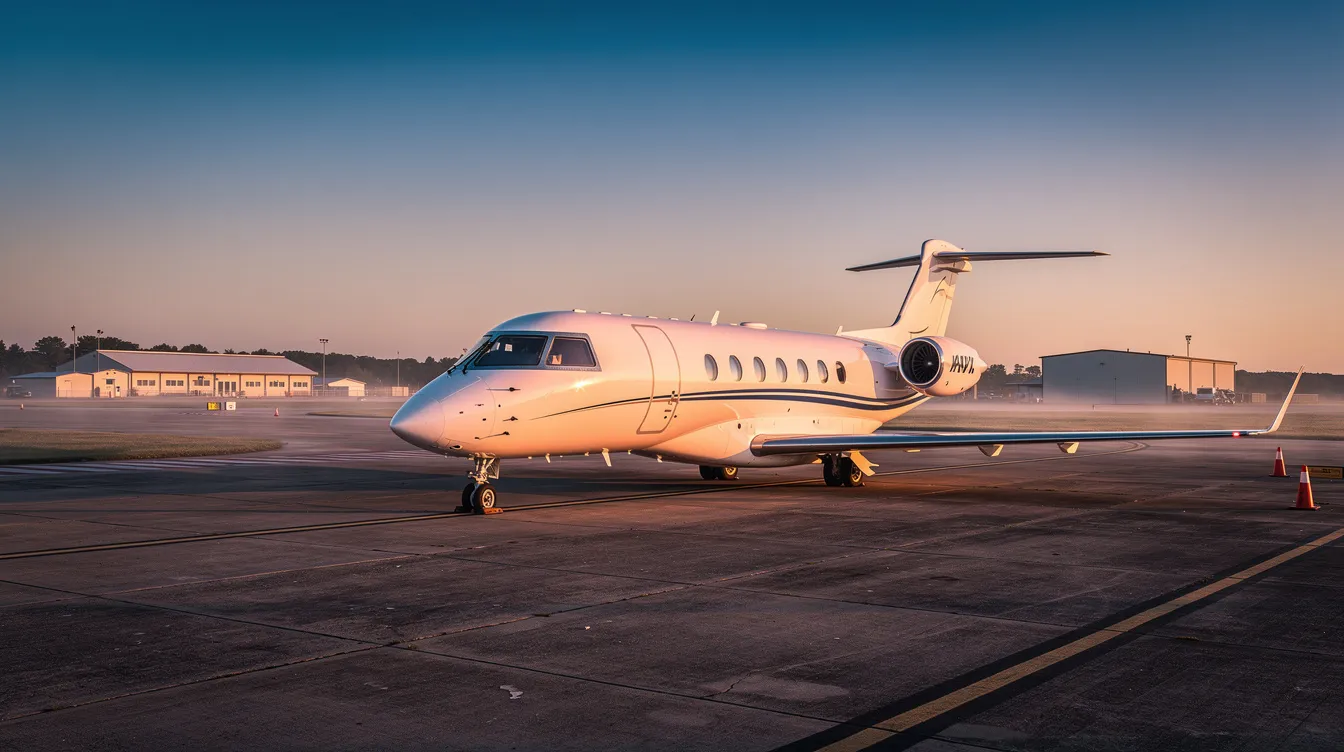
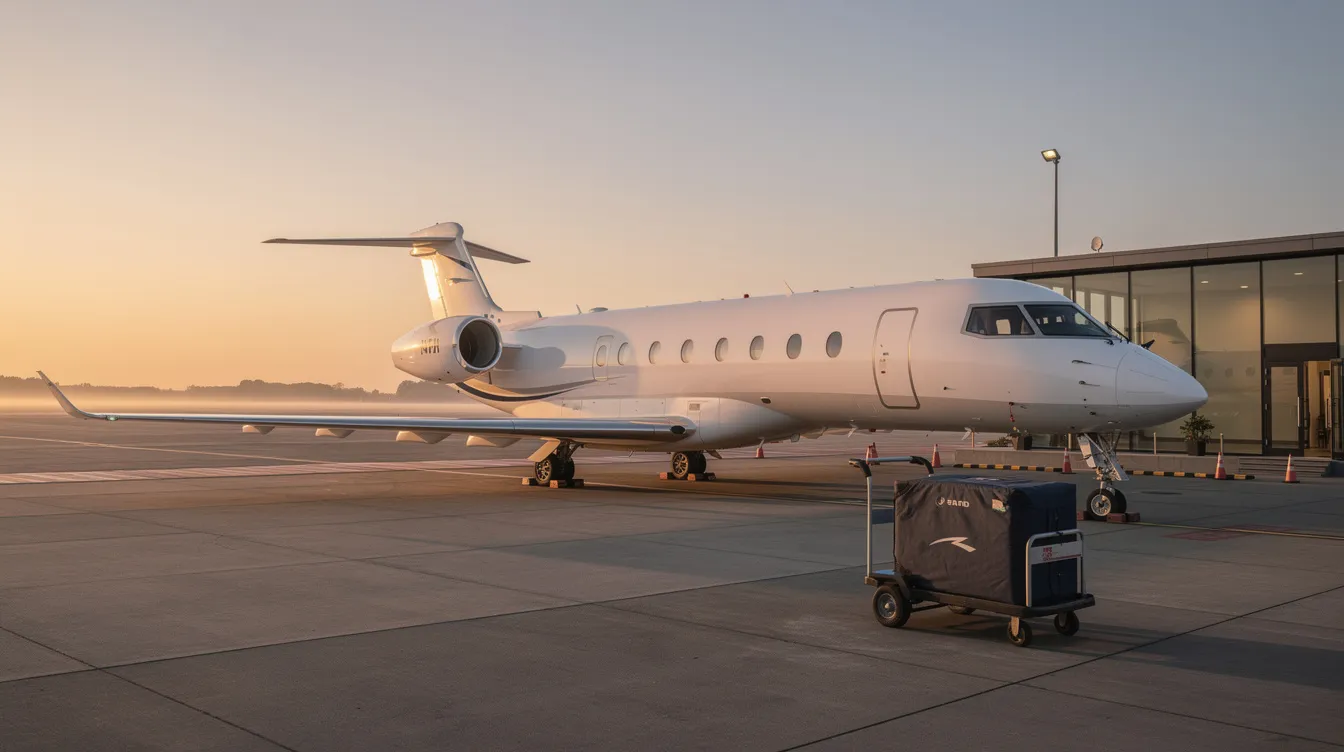
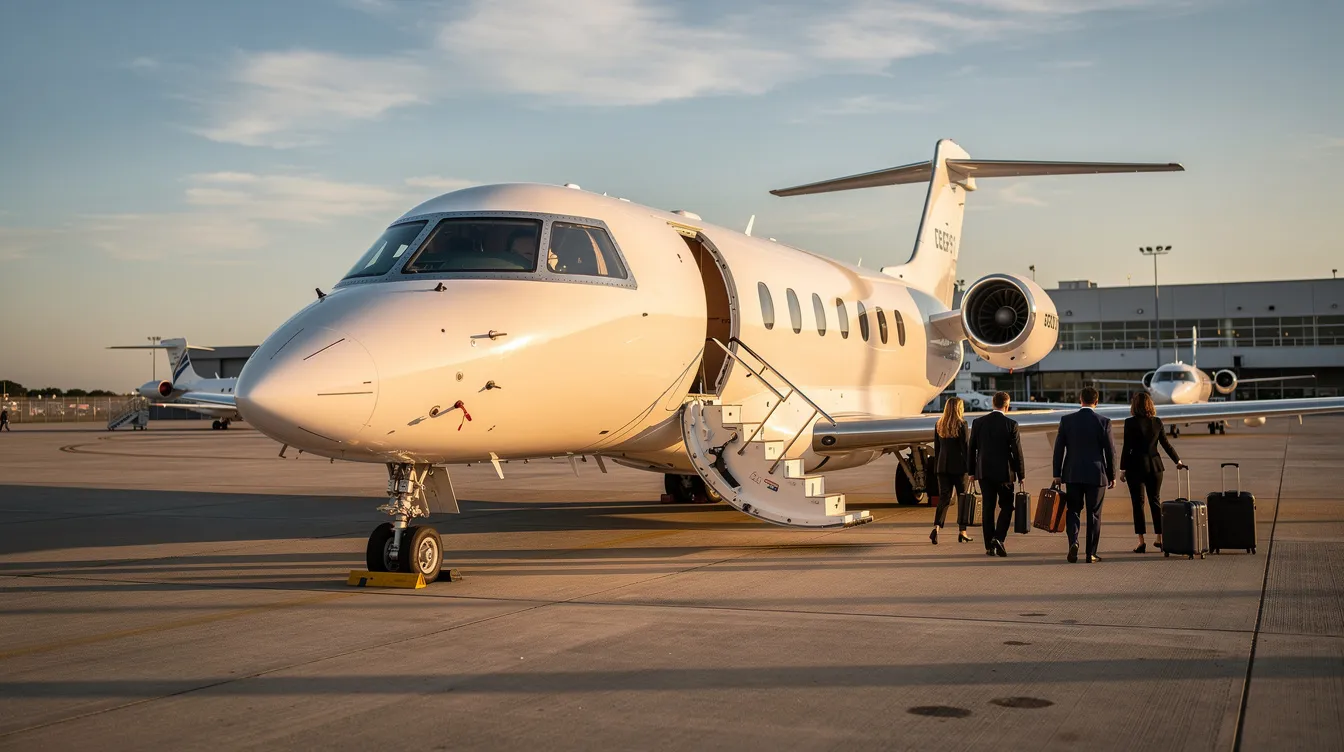
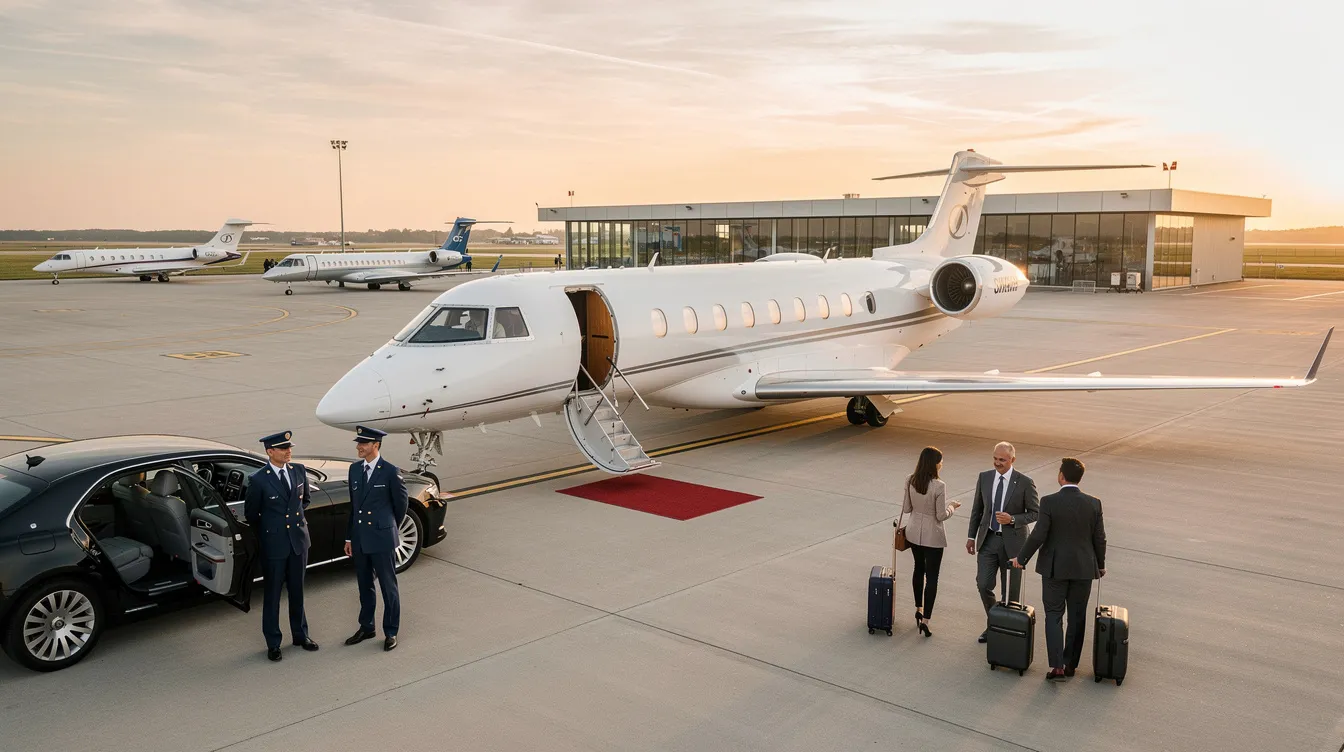
Purchasing a private plane is a significant decision that blends lifestyle, business needs, and financial considerations. In 2026, the private aviation market offers an unprecedented range of aircraft options—from very light jets to ultra-long-range large jets—each tailored to distinct mission profiles and budgets.
Whether you are a first-time buyer or an experienced owner looking to upgrade, understanding the nuances of aircraft types, ownership costs, and operational demands is critical to making an informed choice. This guide provides practical insights to assist you in selecting the right private plane to buy, helping you maximize value, efficiency, and flexibility while avoiding common pitfalls in today’s complex market. BusinessJets.com stands ready to assist with expert appraisal, brokerage, and consulting services throughout your acquisition journey.
Key Takeaways
Start with mission profile, annual flight hours, passenger load, runway performance, range, and total budget before choosing a private aircraft.
In 2026, many first-time private jet ownership buyers compare very light jets such as the Cirrus Vision Jet with light jets such as the Cessna Citation Mustang and Embraer Phenom 100.
True annual operating costs, including fuel, crew salaries, hangar fees, maintenance, insurance, and training, often range from $500,000 to $1,000,000+ for jets.
If flying is under roughly 200 hours per year, charter, jet cards, or fractional jet ownership may be the more efficient structure.
BusinessJets.com provides aircraft appraisals, acquisition support, and consulting to help clients compare jets for sale and avoid costly mistakes.
How to Decide if a Private Plane Is the Right Choice for You
Corporate flight departments, entrepreneurs, family offices, and owner operators usually evaluate the key advantages of a private plane to buy around control, privacy, productivity, and access, not simply luxury. Private jets can access around 10 times more airports in the US compared to scheduled airlines, which can significantly improve destination flexibility versus commercial airlines.
Review the past 24 months of travel data and calculate occupied flight hours, repositioning, typical flight distance, average passenger count, and business versus personal use, while checking frequent routes against range so the aircraft can complete them without refueling. Owning a private plane typically makes sense if usage exceeds 200 hours per year; otherwise, chartering or fractional ownership may be more economical. Many buyers use 200–400 hours as the range where whole ownership becomes worth serious analysis.
Mission profile drives the perfect aircraft:
Domestic routes: Very light jets or light jets may be enough.
Intercontinental range: midsize, large jets, or ultra-long-range models may be required.
Passengers and baggage: average passenger count should match cabin size to typical passenger load, while payload capacity should calculate weight limits for passengers, fuel, and baggage combined.
Airports: runway performance must verify that the aircraft can land at local airports.
Winter ops: de-icing, avionics, and maintenance support matter.
Personal trips may suit an entry-level jet. Executive shuttles often require light jets or midsize cabins. Client visits may justify greater flexibility, speed, and comfort. BusinessJets.com can model ownership, charter, and fractional ownership scenarios using 2026 cost assumptions, which matters in today's market when buyers are weighing those options and reviewing curated aircraft for sale from leading manufacturers.

Types of Private Aircraft to Consider in 2026
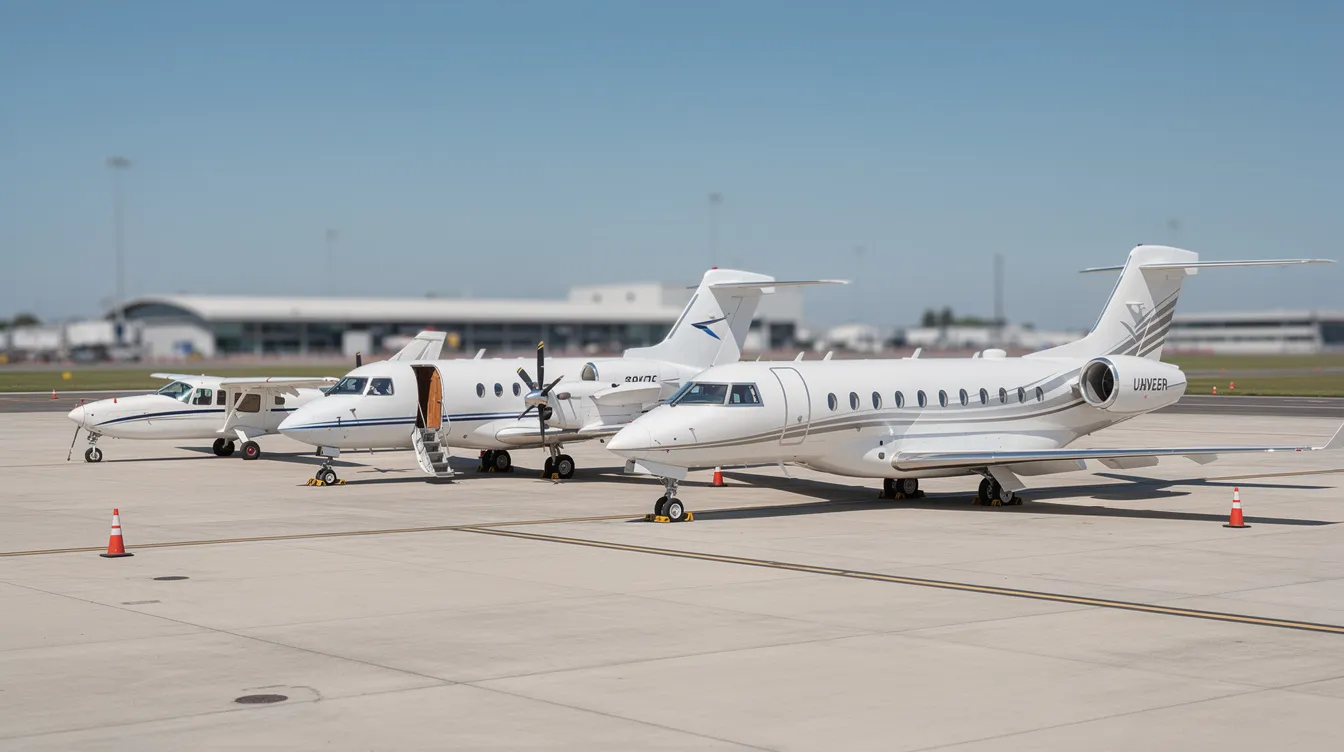
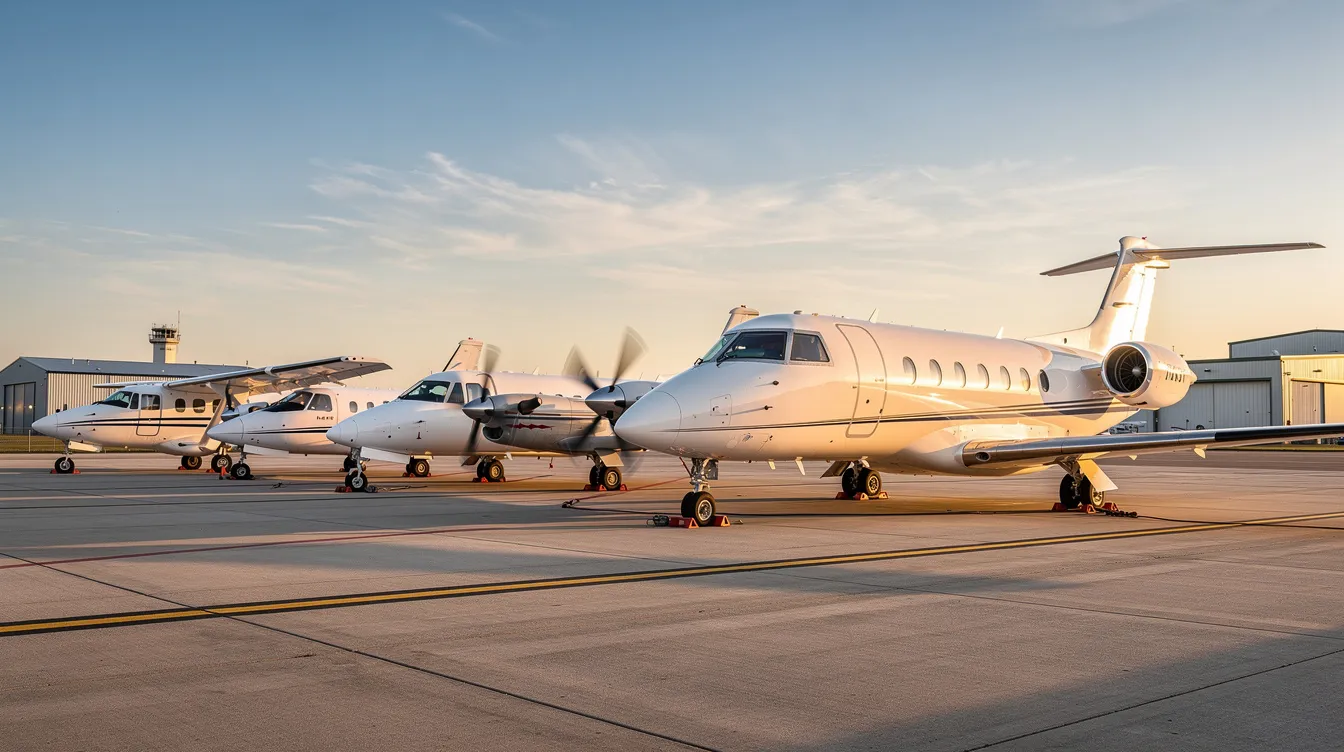
The right private plane to buy depends on travel needs, not brand prestige. Key factors to consider when buying a private plane include mission profile, total cost of ownership, maintenance requirements, typical flight distance to ensure the aircraft can handle frequent routes without refueling, and choice between new versus pre-owned aircraft in today's market, where buyers have options across multiple classes.
Very Light Jets
Very Light Jets represent the most cost-effective entry point into jet ownership, engineered for shorter trips while delivering impressive performance at a lower price.The very light jet category includes the Cirrus Vision Jet and Eclipse 500, often seating 3–5 passengers. Used or new examples may range from about $1M–$2.5M, though higher-spec models cost more. These very light jets suit regional flying, owner operators, and private use.
Light Jets
Light jets, including models like the Cessna Citation Mustang and Embraer Phenom 100, offer a blend of luxury, comfort, and affordability, making them well-suited for business travel and family trips. Used pricing is often around $1.5M–$4M, with 4–6 passengers and roughly 1,000–1,500 nm range.
Midsize and Super-Midsize Jets
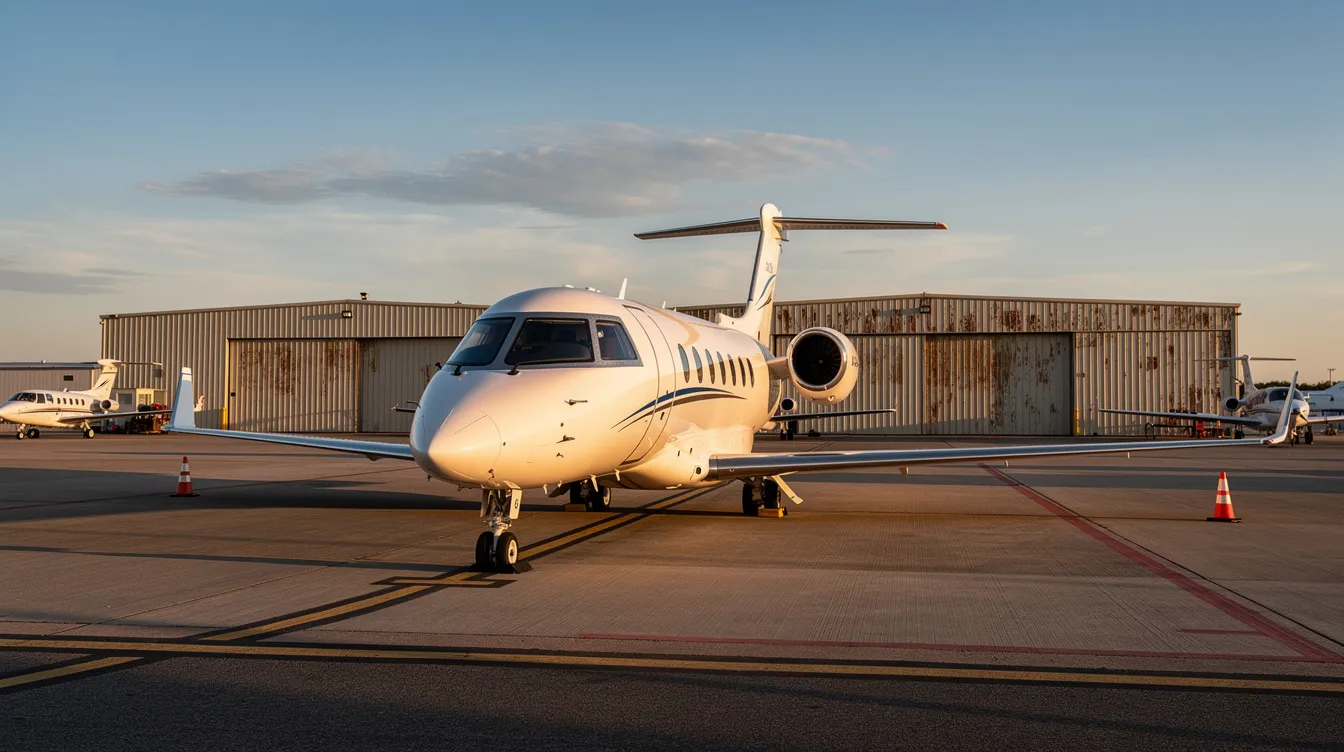
Midsize and super-midsize business jets, including Citation Latitude, Learjet 45XR, and Gulfstream G200, commonly carry 7–9 passengers over 2,000–3,400 nm, with better baggage, cabin height, and onboard resources.
Large Jets
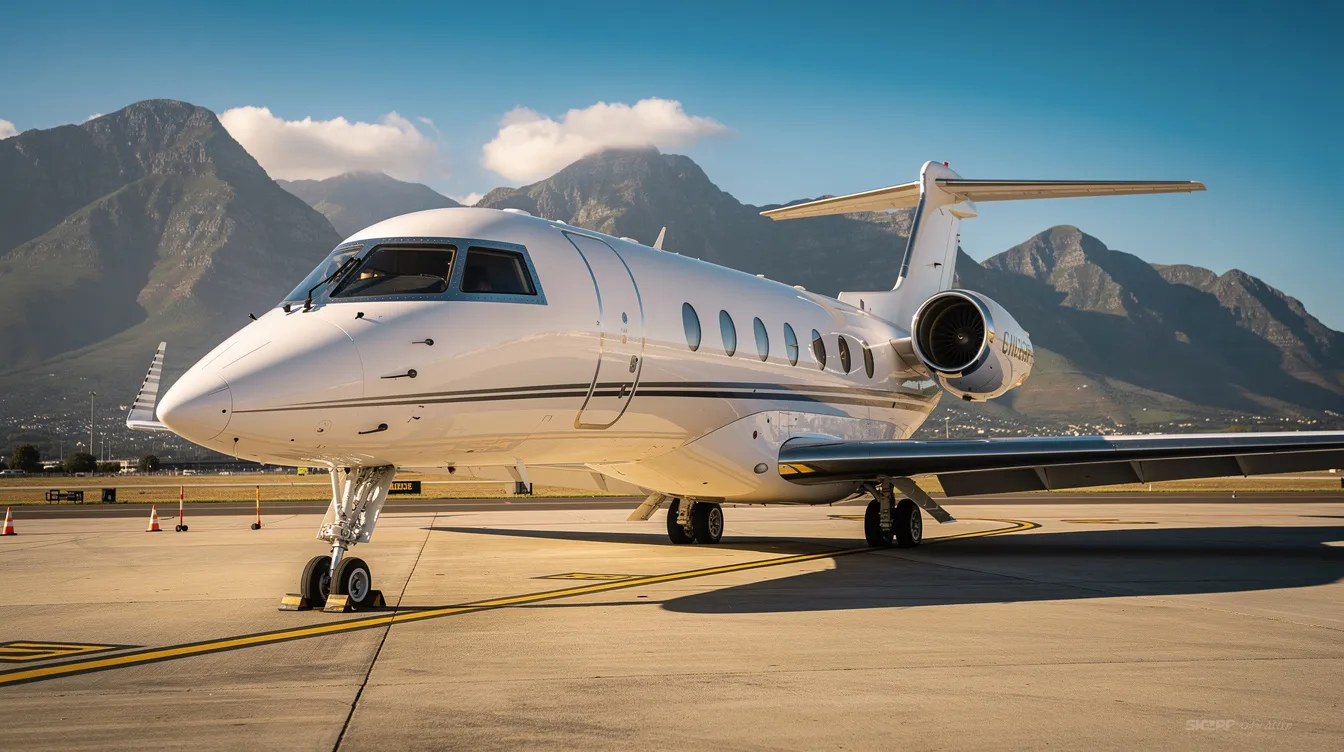
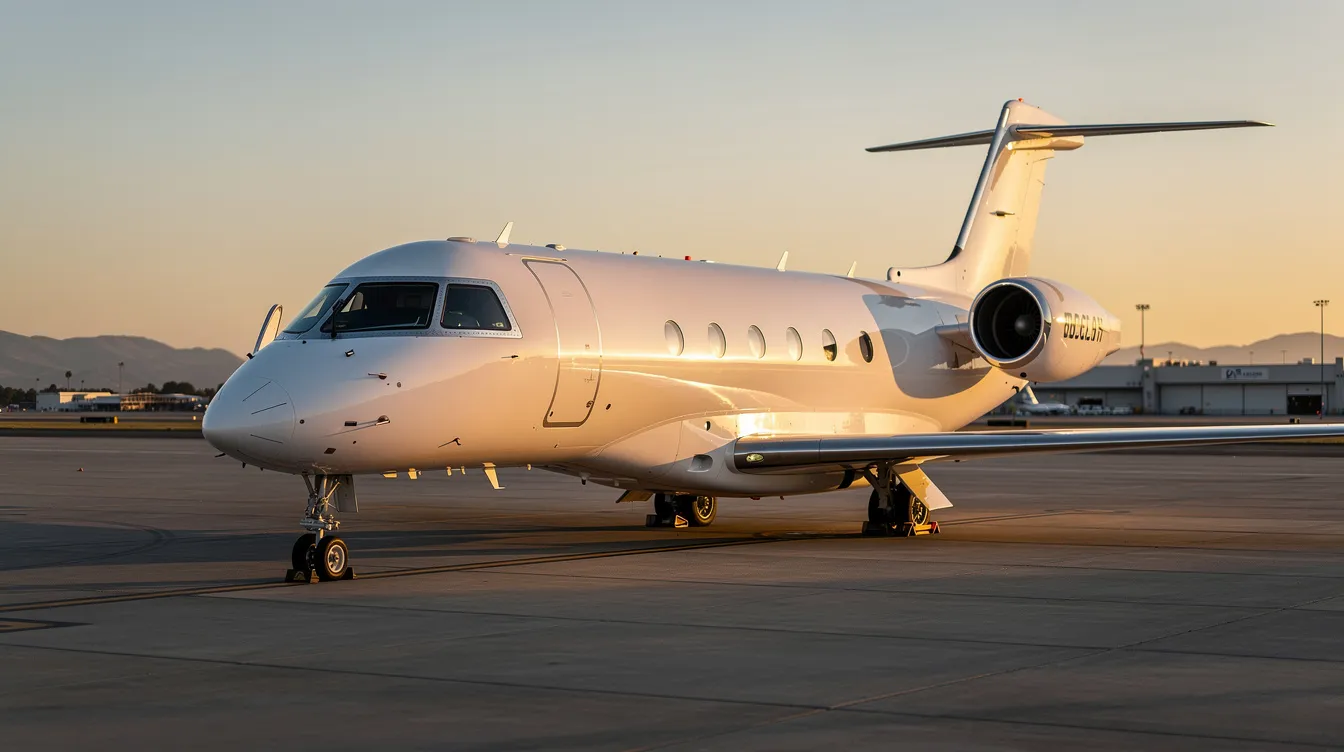
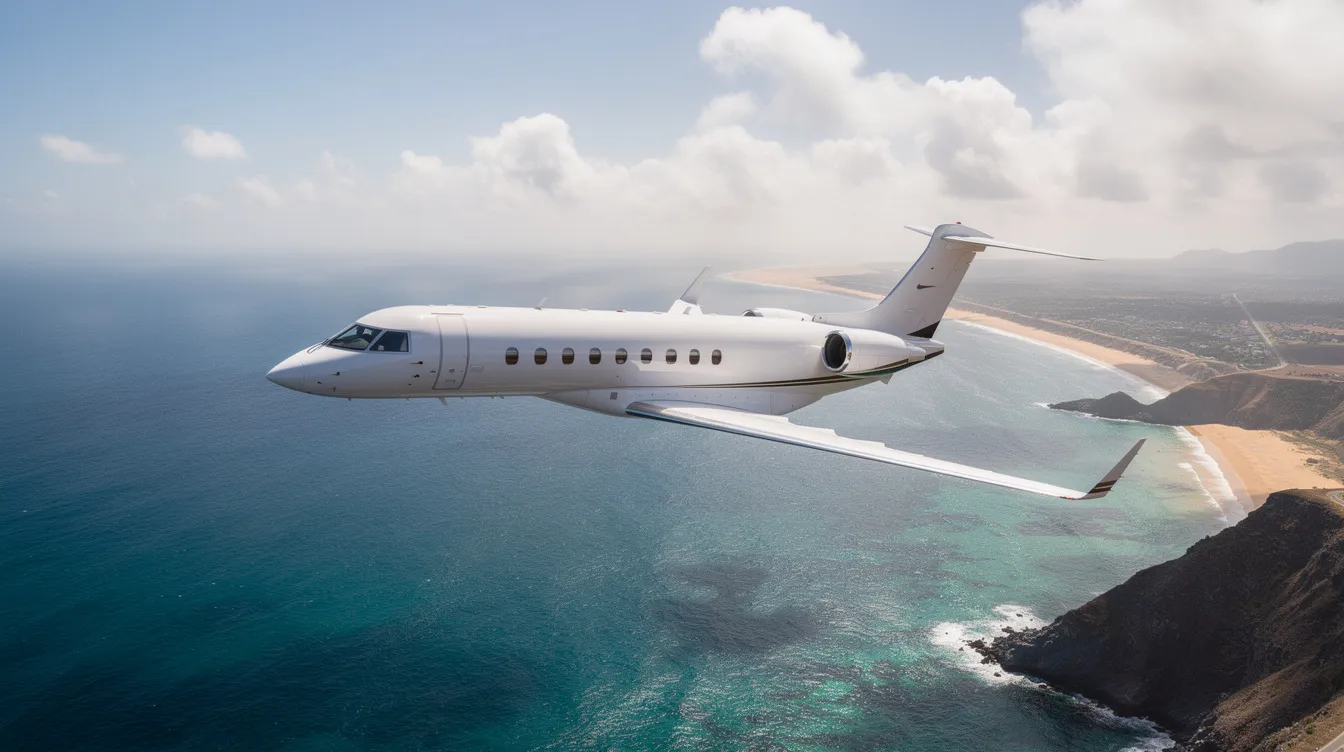
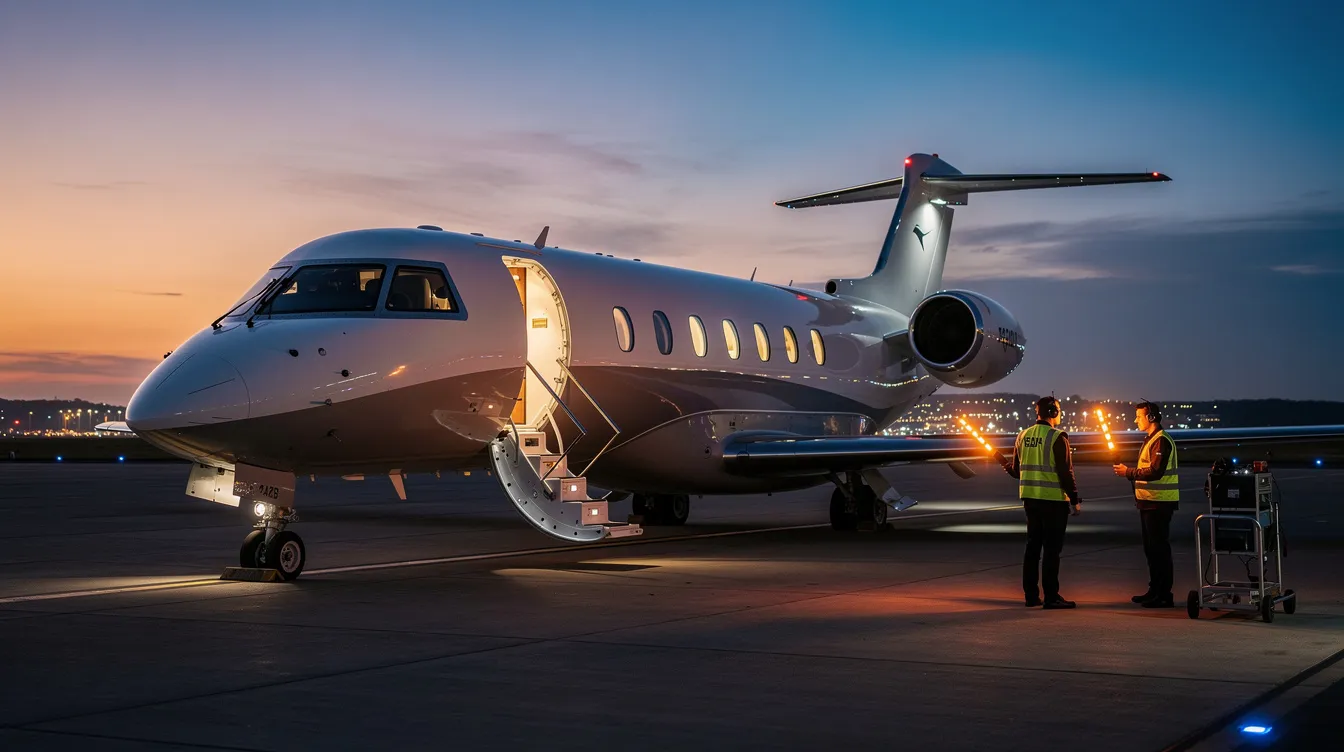
Large jets, including models like the Dassault Falcon and Gulfstream G200, offer unparalleled luxury and performance, suitable for intercontinental travel with advanced technology and spacious cabins. Dassault Falcon 2000LXS, Falcon 50EX, Global 5000/6000, Gulfstream G450/G550/G650 aircraft support operation worldwide for buyers needing access across the world, but they carry high purchase and operating costs.
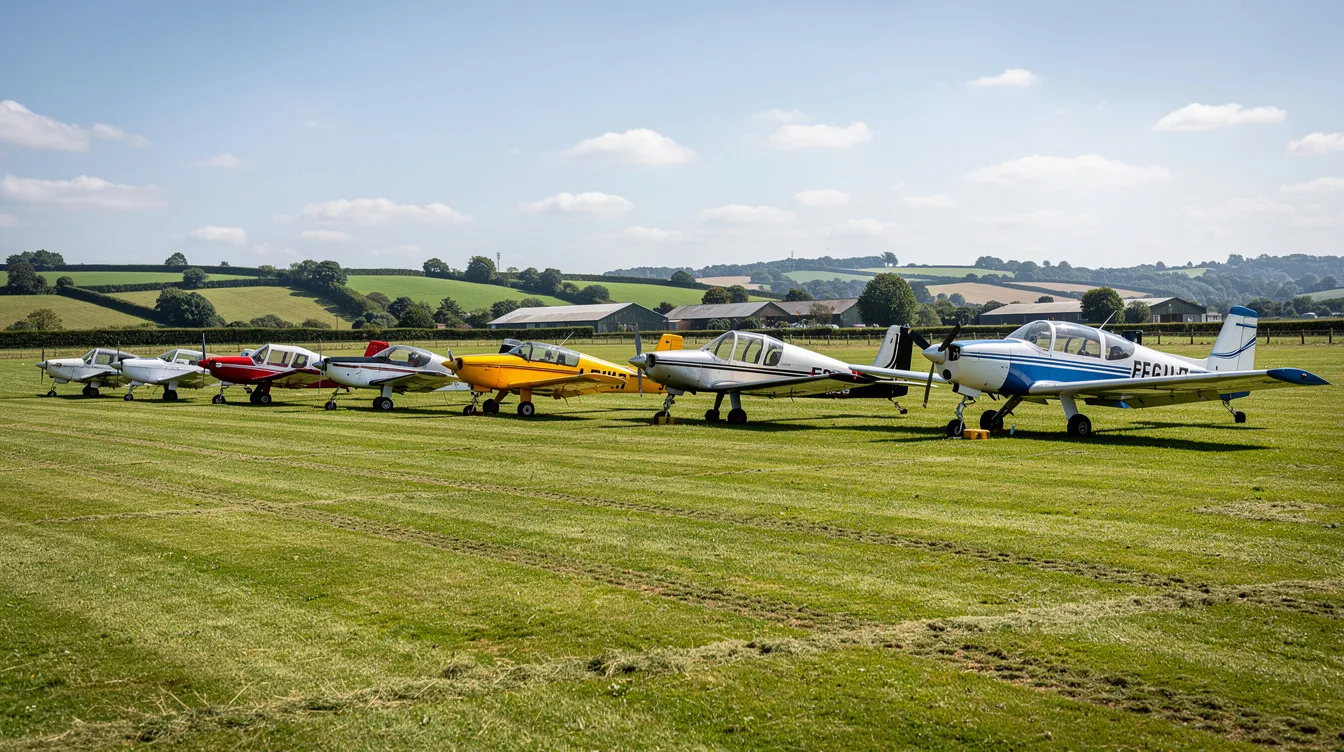
Turboprops and Pistons
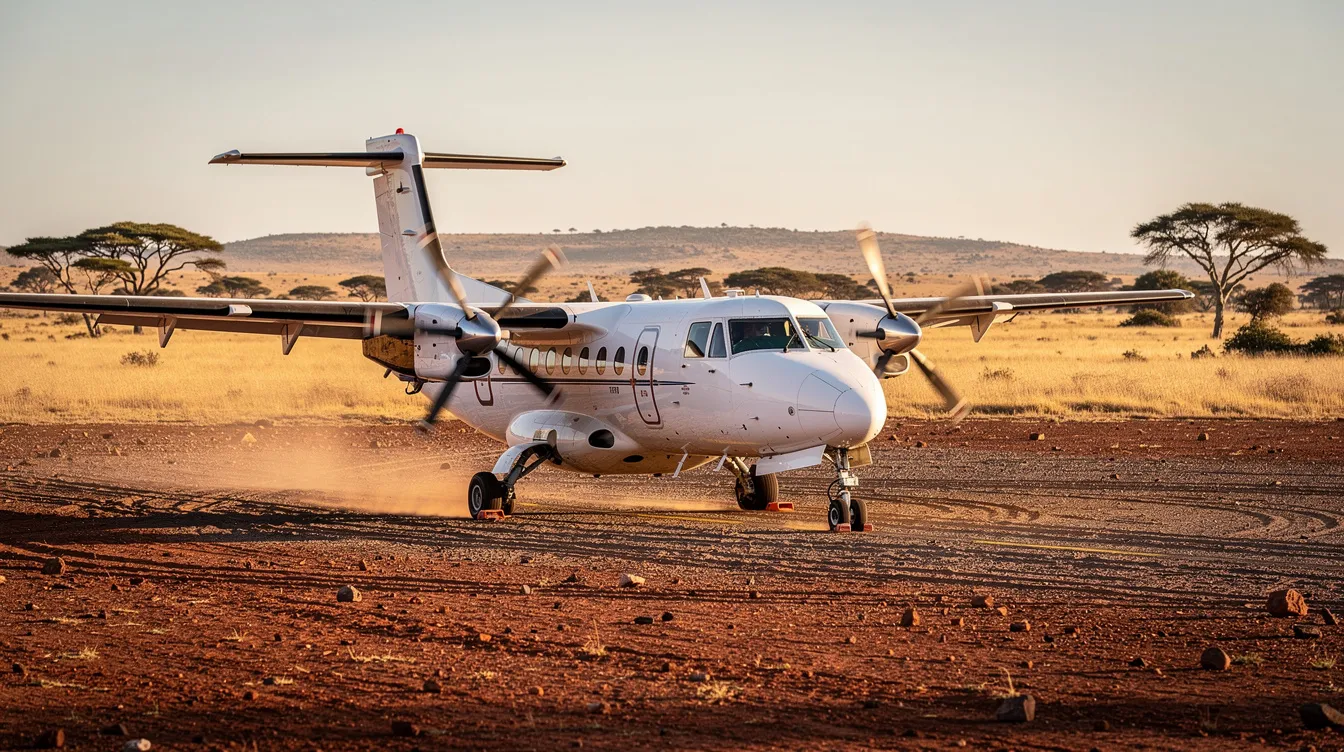
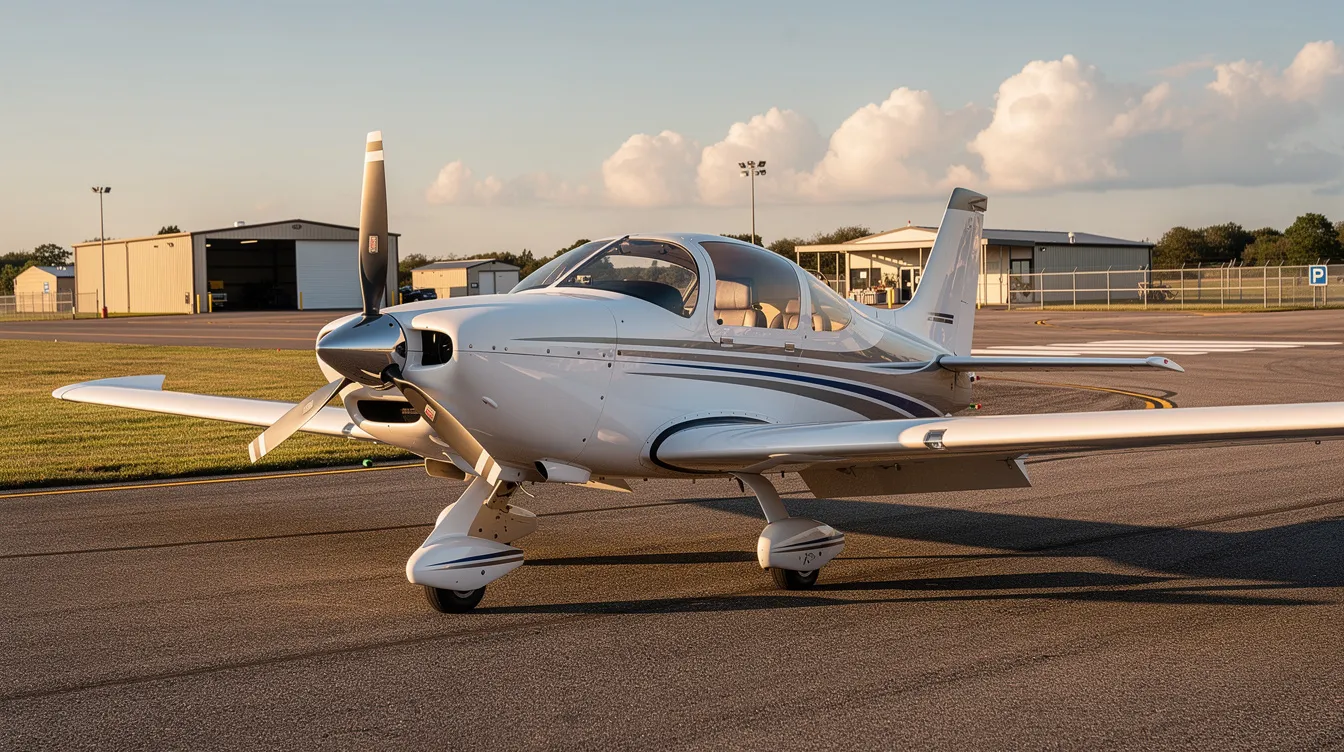
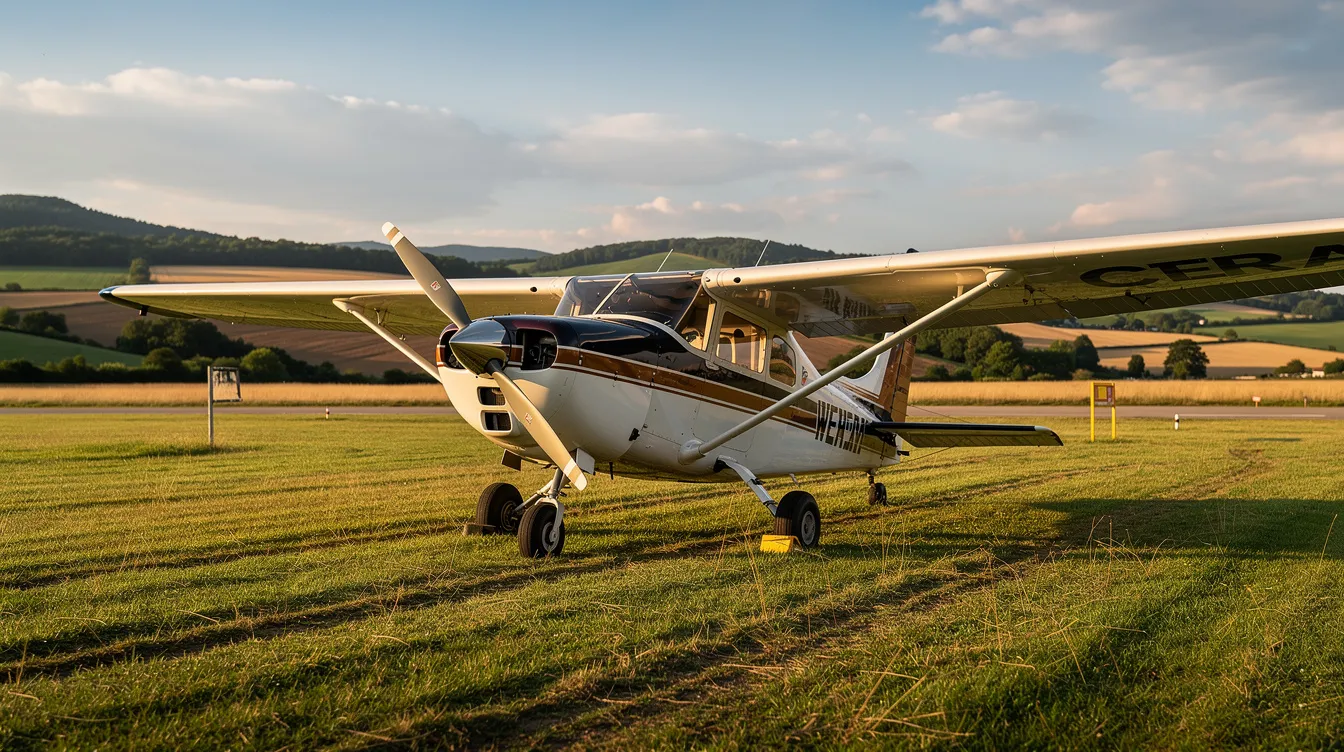
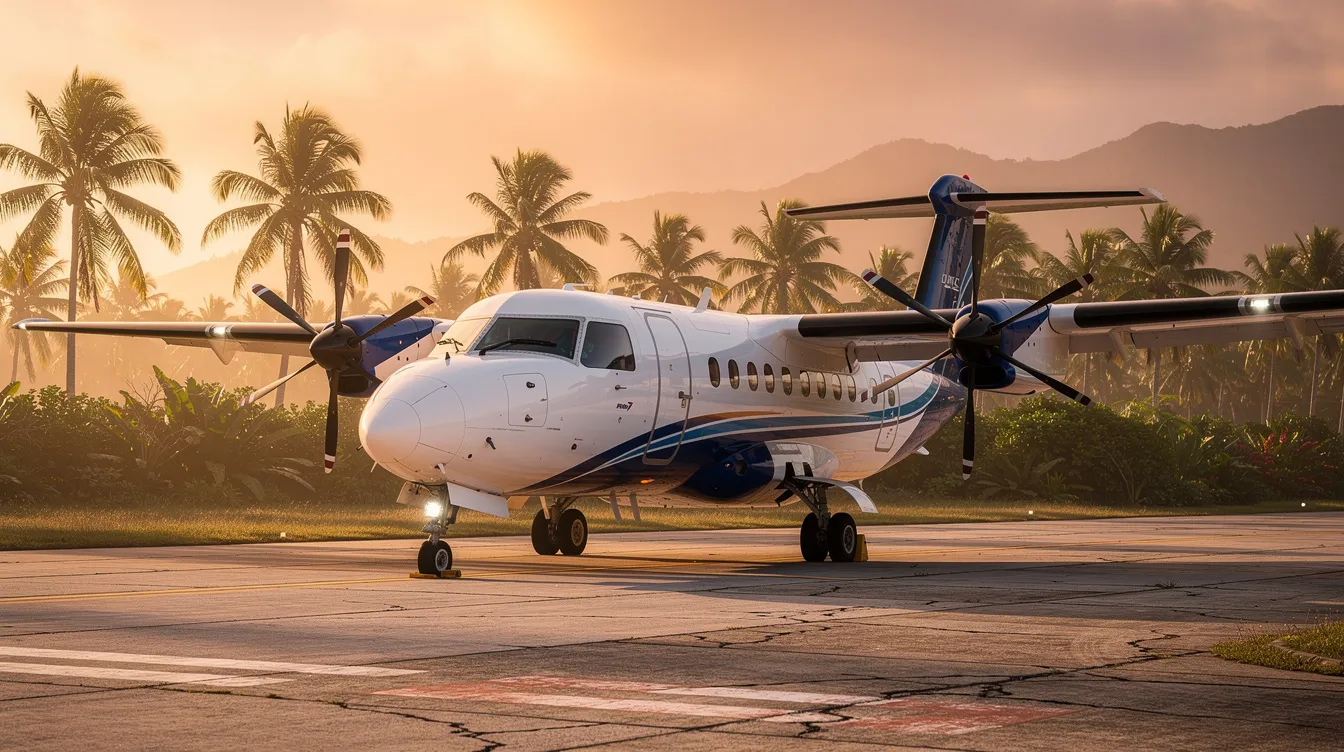
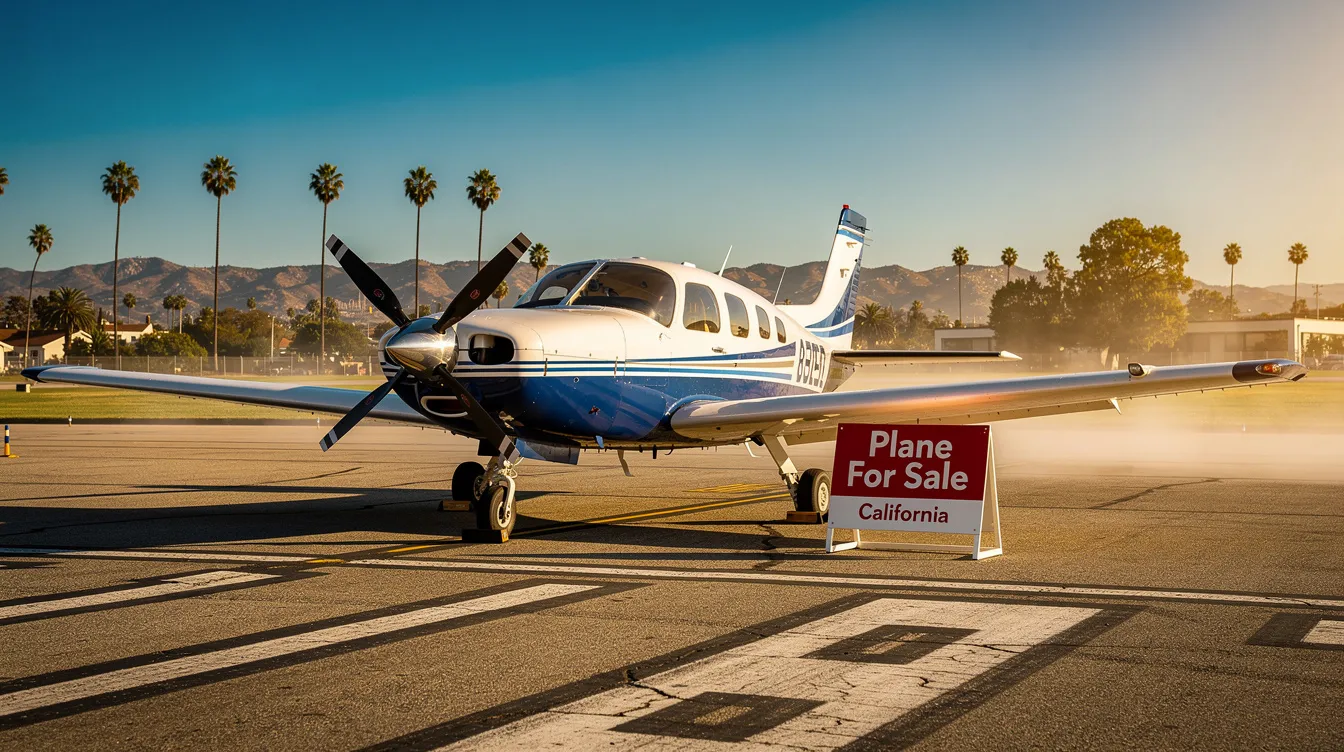
Turboprops and pistons still make sense for short missions. King Air 100 aircraft, Piper Cherokee planes, and Cessna 150/152 aircraft can reduce cost where speed, range, and cabin perception are less critical.
Popular Private Planes to Buy: Concrete Examples
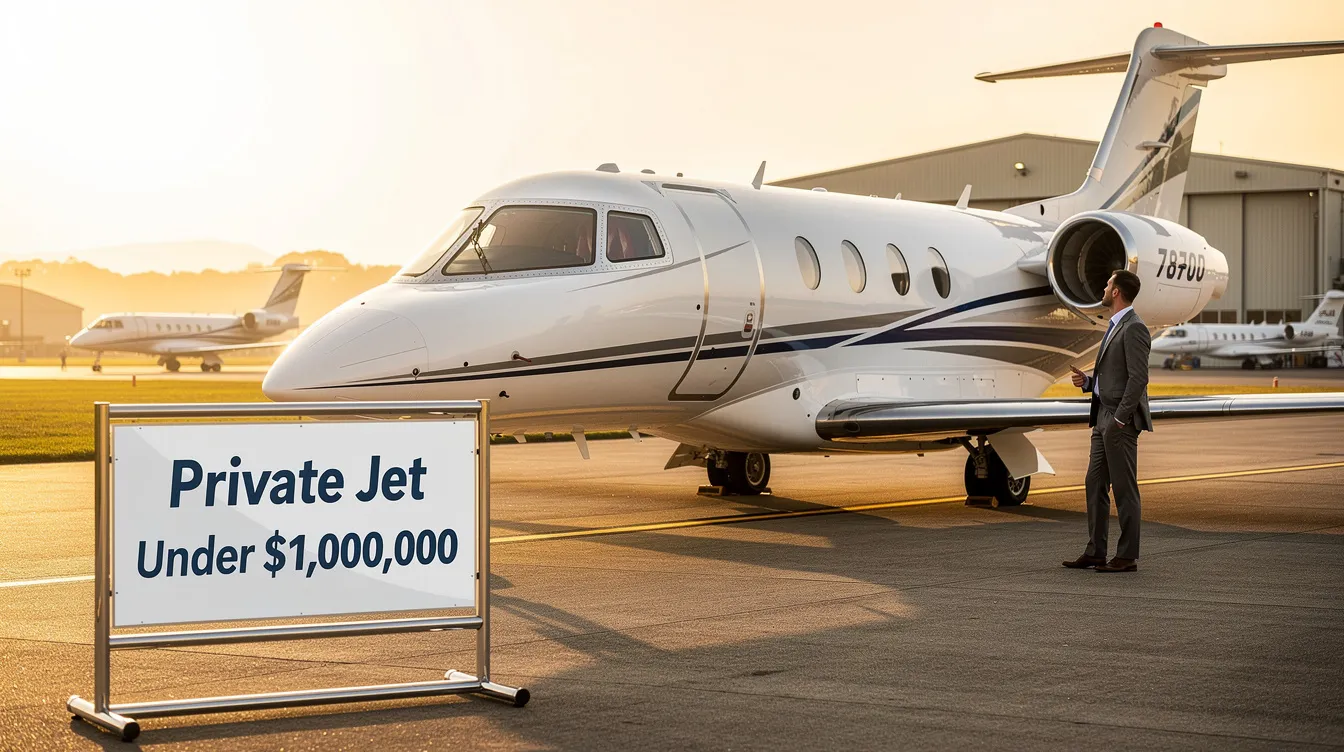
Market examples help show what private jet owners can realistically buy at different budgets and how budget and mission shape the purchase. The purchase price for a new private jet typically ranges from $2 million for entry-level models to over $80 million for high-end jets, with used jets often available for significantly less, sometimes under $1 million after several years of depreciation.
Aircraft Model | Category | Typical New Price (USD) | Typical Used Price (USD) | Passenger Capacity | Range (nm) | Notes |
|---|---|---|---|---|---|---|
Cirrus Vision Jet SF50 | Very Light Jet | $3.6 million | $1.8M–$2M | 3–5 | ~1,200 | Single-engine, whole-aircraft parachute, personal use |
Cessna Citation Mustang | Light Jet | $3 million | $1.5M–$2.5M | 4 | ~1,150 | Low operating costs, popular entry-level jet |
Embraer Phenom 100 | Light Jet | $4.5 million | $2M–$3.5M | 4–6 | ~1,178 | Modern avionics, efficient operation |
Citation Latitude | Midsize Jet | ~$17 million | $6M–$10M | 7–9 | ~2,700 | Spacious cabin, popular for business use |
Dassault Falcon 50EX | Large Jet | N/A (older model) | ~$1M | 8–9 | ~3,000+ | Tri-jet, good short-field performance |
Gulfstream G650 | Ultra-Long-Range | $65+ million | $35M–$60M+ | 12–16 | ~7,000 | High-end luxury, international range |
The Cirrus Vision Jet SF50 is an entry-level jet and is often discussed as the cheapest private jet in its class. Newer G3 pricing is closer to $3.6M than $2M, while older aircraft have traded near $1.8M–$2M. It offers a single engine, whole-aircraft parachute, approximately 1,200 nm range, Safe Return options, electronic charts, and a strong appeal for personal use and light business missions.
A 2010–2014 Cessna Citation Mustang typically trades around $1.5M–$2.5M, carries about 4 passengers, offers roughly 1,150 nm range, and may show estimated direct operating costs near $1,000–$1,200 per flight hour, before fixed costs.
The purchase price for a new Embraer Phenom 100 is around $4.5 million, reflecting its position as a premium yet accessible option in the Very Light Jet category. The Phenom 100 and HondaJet HA-420 appeal to owner operators and small teams seeking efficient speed, cabin comfort, and modern avionics.
Older jets can look inexpensive. Pre-owned prices for older jets can depreciate to below $2 million, and even less than $1 million after several years, making them a viable option for budget-conscious buyers. A mid-1990s Dassault Falcon 50 or early Falcon 2000 may dip near $1M–$3M, but maintenance, fuel, inspection, and upgrade costs remain closer to large jets than light jets.
At the top end, Gulfstream G650/G650ER aircraft may trade from roughly $35M to $60M+ in today’s market, while wide-cabin options such as the Airbus ACJ319 private jet or a 2019 Global 6000 suit global corporates and UHNWIs needing nonstop international access around the world.
Understanding Purchase Price vs Operating Costs
Many buyers focus on acquisition capital, which includes the initial purchase price and closing fees, but underestimate lifecycle cost. Buying new aircraft offers the latest technology and customization options but at a higher price, while buying pre-owned often has lower initial costs but may incur future repair costs. Depreciation rate is the anticipated loss in value of the aircraft over time.
Major Cost Components
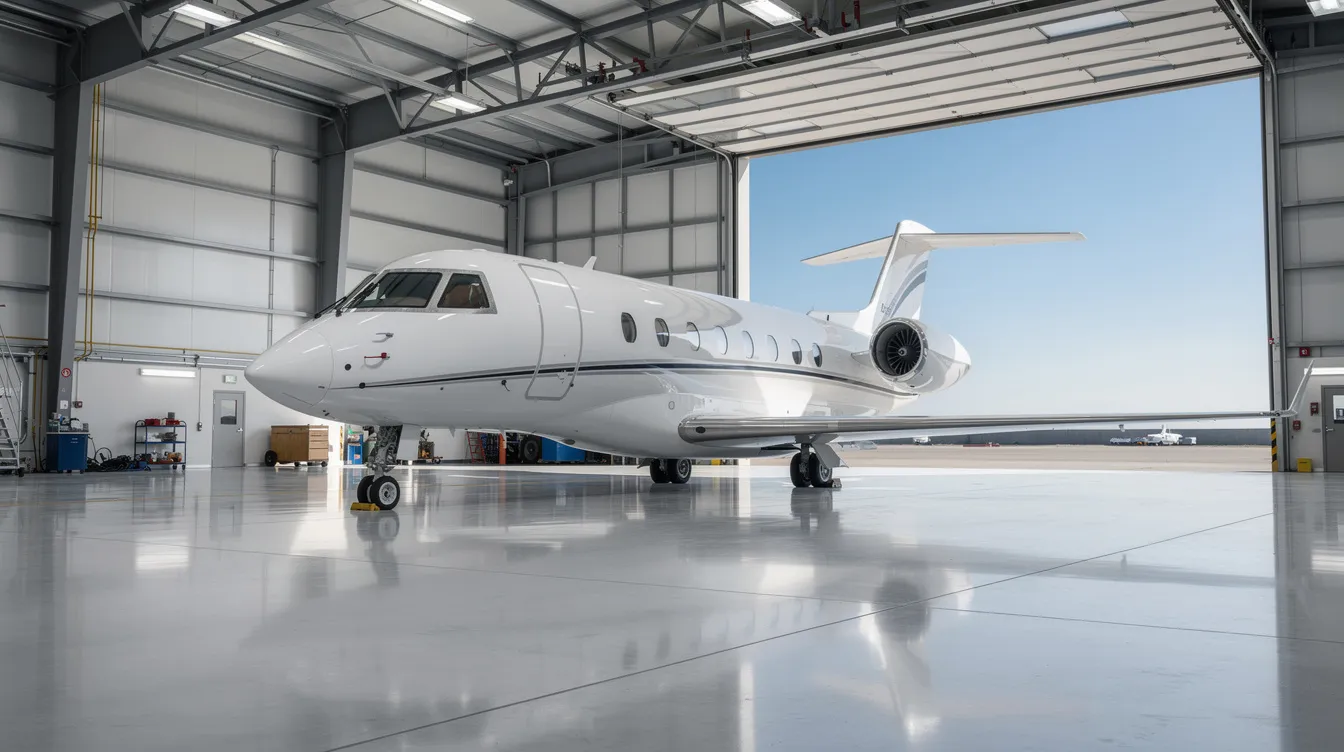
Major costs include hourly variable costs—fuel burn, engine reserves, and landing fees—plus maintenance and inspections, engine/APU programs, crew salaries and training, hangar rental, insurance, navigation, and handling fees.
Fixed Annual Costs
Annual fixed costs for owning an aircraft encompass expenses such as hangar rental, crew salaries, and insurance. Fixed costs for aircraft ownership include expenses like insurance, crew salaries, and hangar fees, which recur regardless of flight time.
Operating Cost Ranges
Ongoing costs for owning a private jet can range from $500,000 to $1 million annually, which includes expenses such as maintenance, insurance, fuel, and crew salaries. Light jets may run $500,000–$700,000 per year at 300–400 hours. Large jets often exceed $1M annually. Annual operating costs for a mid-size jet can total hundreds of thousands of dollars, with specific expenses like maintenance estimated between $50,000 and $200,000 per year, and hangar fees ranging from $1,000 to $3,000 per month.
Maintenance and Inspection Programs
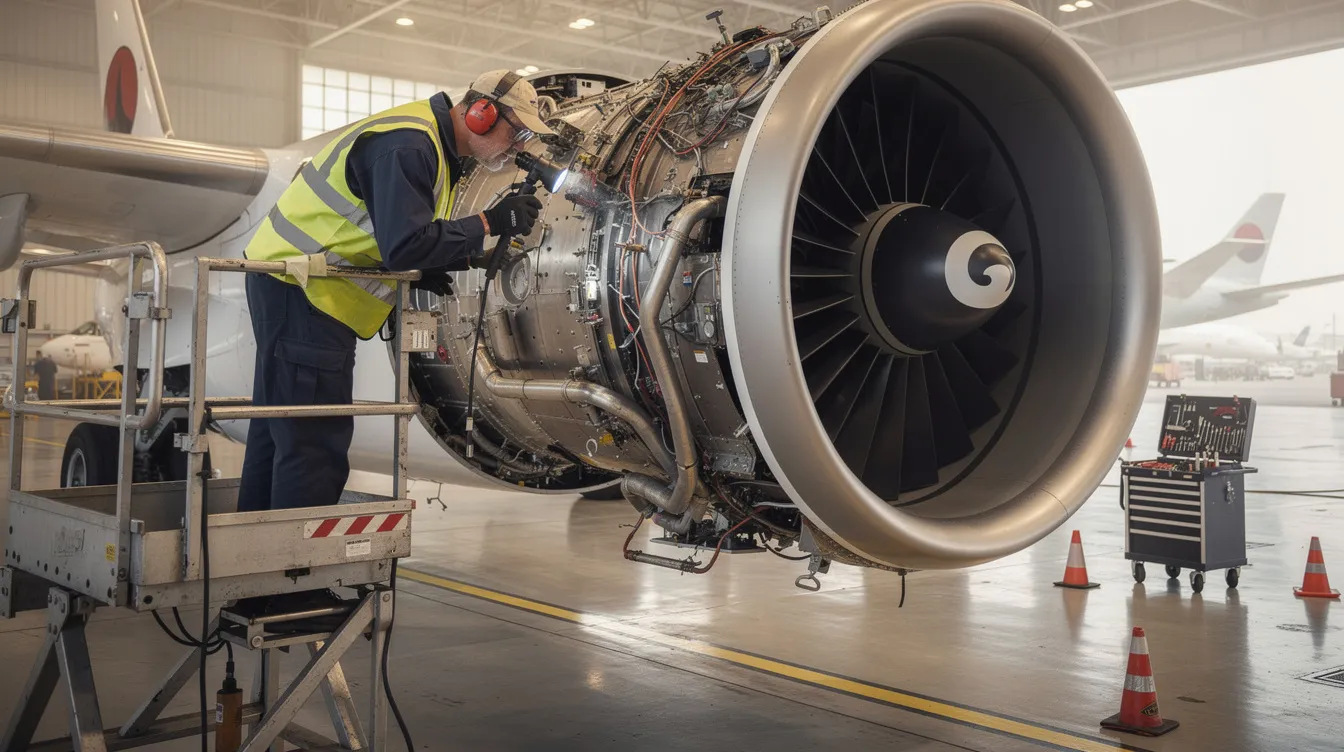
Engine overhaul programs can stabilize maintenance costs through hourly maintenance programs. Engine/APU programs can help stabilize hourly maintenance costs for aircraft, and buyers often pay more for aircraft that are engine-enrolled or APU-enrolled. Inspection schedules need to budget for mandatory airframe inspections based on calendar and hourly use.
Aging aircraft can require heavy checks, avionics upgrades, new paint, cabin refurbishment, and corrosion repair.
BusinessJets.com can prepare total cost of ownership models and provide a professional aircraft appraisal from industry experts before you commit to a model.
Ownership Structures: Outright, Fractional, and Alternatives
Structuring ownership is as important as selecting aircraft.
Whole Ownership
Whole ownership means owning the entire aircraft and managing all operations. ("Whole ownership means you own the entire aircraft and are responsible for all operations, costs, and regulatory compliance." [1]) It delivers maximum control and your own schedule, but the owner carries all ongoing costs, depreciation, staffing, and regulatory responsibility.
Fractional Ownership
Fractional ownership involves buying a share of a plane through a provider. ("Fractional ownership involves buying a share of a plane through a provider, similar to a real estate timeshare, where you purchase a fraction (e.g., 1/16th or 1/8th) and receive a set number of flight hours per year." [2]) Fractional jet ownership works similarly to a real estate timeshare: a 1/16th share may provide about 50 hours per year, while a 1/8th share may provide 100+ hours, often under 3–5 year contracts.
Alternatives to Ownership
Alternatives include on-demand charter, jet cards, flight clubs, and corporate shuttle arrangements. Chartering a private jet can eliminate the congestion and delays associated with commercial flight terminals, providing a more efficient travel experience. Chartering offers access to a variety of aircraft types without the upfront purchase cost, allowing travelers to choose the best option for their needs, whether that’s a short-hop turboprop or a long-range jet to major destinations such as Paris by private jet charter. Chartering costs typically range from $1,200 to more than $10,000 per flight hour, depending on the aircraft type and other factors. Jet card programs provide prepaid blocks of flight hours on a specific type of aircraft at fixed hourly rates, offering flexibility for frequent flyers.
Purchasing Strategies
Purchasing strategies may involve placing the aircraft in a Trust or LLC for anonymity and legal protection. Tax, depreciation, Part 91 versus Part 135 use, and personal use versus business use should be reviewed with advisors. Charter management allows hiring a management company to rent out the plane when idle, though revenue should not be assumed to cover most costs.
How to Evaluate Jets for Sale and Avoid Common Pitfalls
Due diligence on jets for sale affects safety, reliability, valuation, and resale. Buying an aircraft is a complex financial and legal transaction that benefits from working with accredited dealers for ethical transparency.
Documentation and Compliance
Review complete logbooks, CAMP or similar tracking, damage history, airworthiness directives, service bulletins, regulatory compliance, and title. Regulatory compliance ensures the aircraft meets aviation authority standards. IADA-certified broker listings safeguard deposits and ensure clear title tracking in public classified sites. AircraftExchange is the official marketplace of the International Aircraft Dealers Association, ensuring all listings are from accredited brokers.
Pre-Purchase Inspections
Pre-purchase inspections of aircraft should be conducted by independent MRO centers to avoid conflicts of interest. A PPI should include engine borescopes, structural checks, corrosion review, records audit, avionics testing, and inspection forecast. Avionics such as ADS-B Out, WAAS/LPV, FANS, Gogo or Starlink connectivity, and cabin refurbishment dates influence valuation.
Common Pitfalls to Avoid
Common traps include underestimating major inspections, assuming charter revenue will offset most costs, buying older jets without upgrade reserves, or overpaying for pre-owned jets based on asking price rather than transaction data. BusinessJets.com has supported 1,500+ closed transactions and 5,000+ clients with brokerage, appraisal, and acquisition services.
Working with an Aircraft Broker and Aviation Consultant
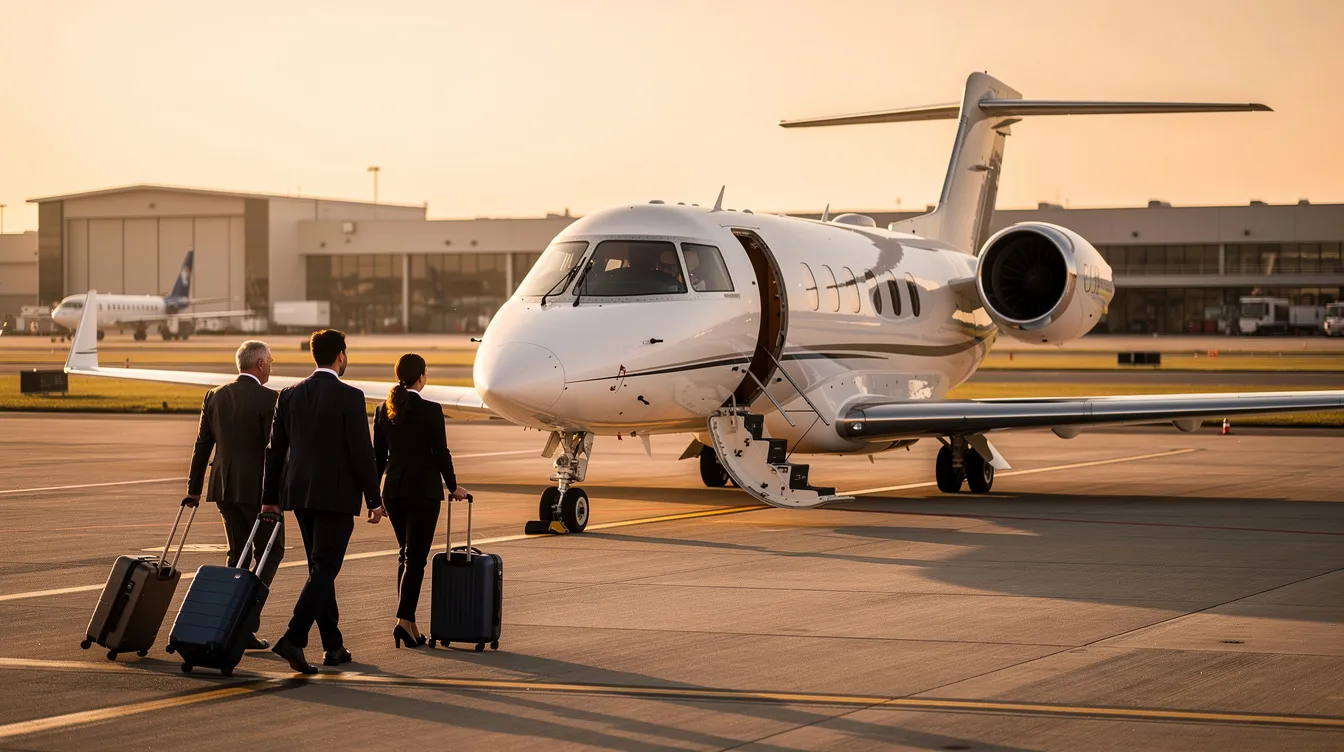
Sophisticated buyers rarely buy directly without representation. A broker helps source on-market and off-market aircraft, benchmark prices, coordinate inspections, negotiate purchase agreements, and manage closing logistics.
A consultant helps with private aviation strategy: independent aircraft valuation, mission analysis, operating cost modeling, fleet planning, and decisions to hold, upgrade, or list an aircraft for sale. Flying on a private jet allows for a higher level of privacy, enabling passengers to travel with known colleagues, friends, and family without the crowds and queues associated with commercial flights. Two-thirds of passengers on business jets report being more productive in the air than in a traditional office setting, highlighting the efficiency and convenience of private aviation.
BusinessJets.com provides integrated brokerage, appraisal, and consulting, from listing aircraft for sale to guiding first-time buyers through 90–120 day acquisitions. Request an aircraft appraisal if you own a jet, or engage acquisition support before shortlisting specific models.
Frequently Asked Questions (FAQs)
This FAQ section answers additional practical questions about timelines, financing, and 2026 market conditions.
How long does it typically take to buy a private jet from first call to closing?
A pre-owned business jet purchase usually takes 60–120 days, including aircraft selection, letter of intent, pre-purchase inspection, contract negotiation, financing, and closing. Large jets or cross-border deals can extend beyond 120 days due to regulatory, tax, or financing approvals.
Can I finance a private jet purchase, and what are the typical terms in 2026?
Banks and specialized aviation lenders may finance 70–90% of appraised value, depending on aircraft age, condition, engine program status, and borrower credit. Terms commonly range from 5 to 10 years, with rates and residual assumptions varying by aircraft type.
Is buying an older large jet actually cheaper than a newer light jet?
The sticker price of a 1990s Falcon or Challenger may be similar to, or below, that of a newer light jet. However, annual operating costs, downtime, heavy inspections, avionics upgrades, and fuel burn can be significantly higher. Compare total cost over 5–10 years.
What is the cheapest private jet I can reasonably buy today and still operate safely?
In 2026, well-maintained used very light jets such as the Eclipse 500 or early Citation Mustang models can sometimes be acquired for around $1M–$1.5M. Safe operation depends on proper maintenance, pilot training, and manufacturer and regulatory compliance, not just low purchase price.
How often should I re-evaluate whether to keep, upgrade, or sell my aircraft?
Review fleet strategy every 2–4 years, or before major inspections, avionics mandates, or mission changes such as new international offices. BusinessJets.com can provide periodic market valuations and strategic consulting to determine the right timing for sale or upgrade.
Conclusion: Choosing the Right Private Plane to Buy
The best private plane to buy in 2026 depends on mission needs, annual usage, budget, ownership structure, residual value, and the key advantages a buyer wants to prioritize. Buyers should weigh purchase price, operating costs, maintenance exposure, flexibility, privacy, and cost savings against corporate or personal travel objectives.
From entry-level VLJs to large Dassault Falcon and Global series jets, careful aircraft evaluation helps avoid overbuying or under-specifying capability. Contact BusinessJets.com to discuss aircraft for sale, request a professional appraisal, or engage in aviation consulting before committing to a purchase.