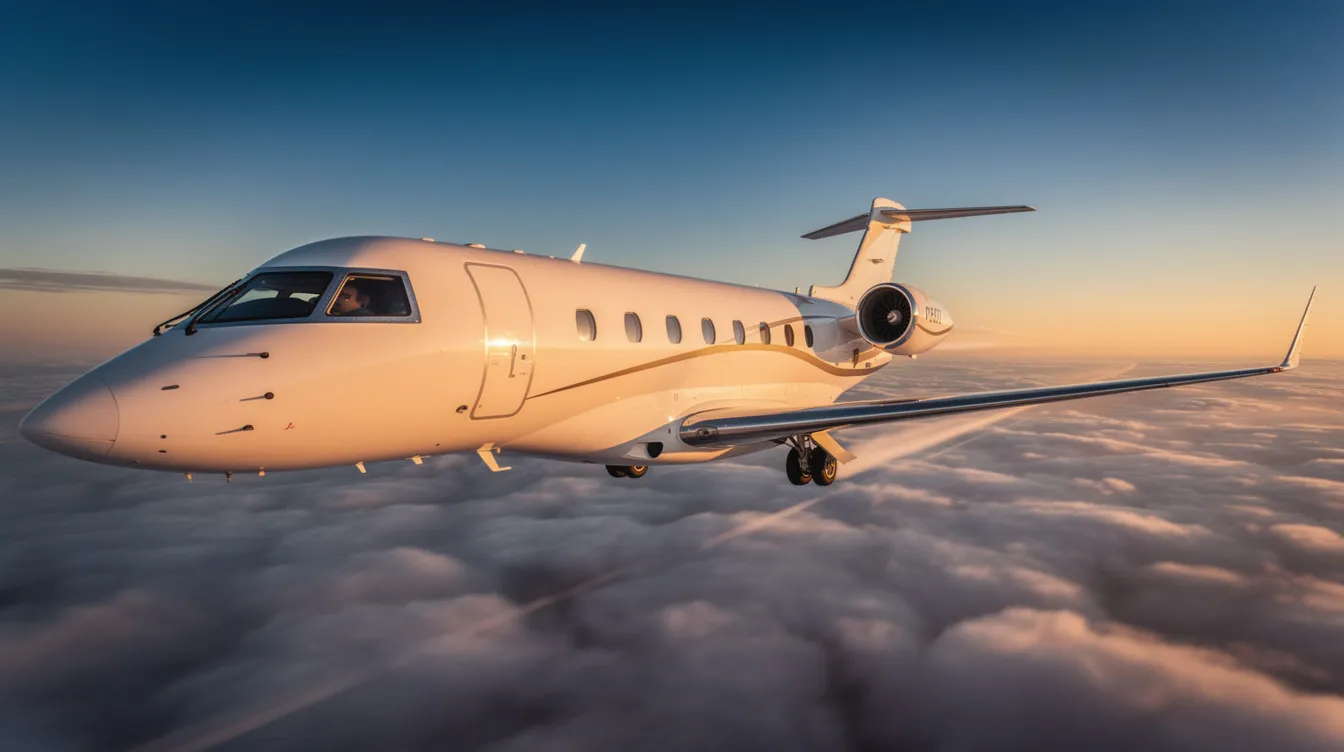
World’s Best Private Jet: 2026 Buyer’s Guide for Ultra‑Long‑Range Luxury
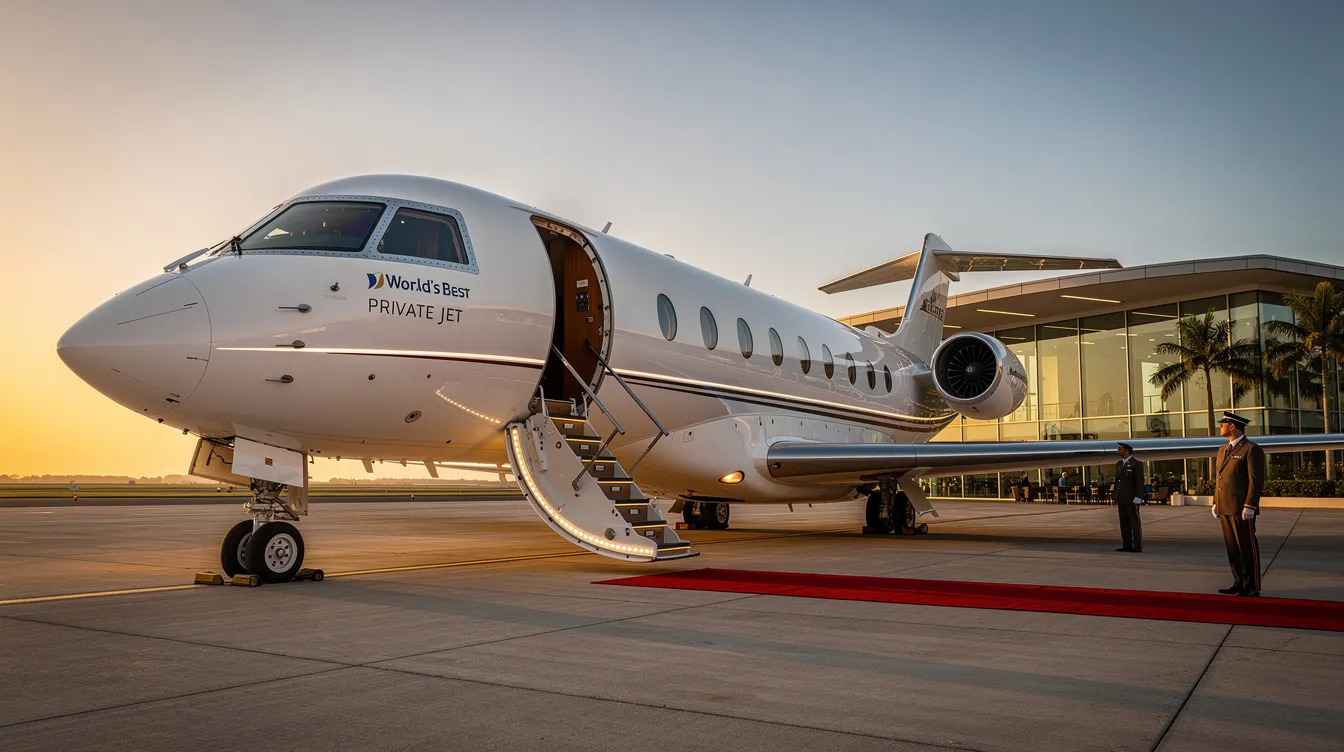
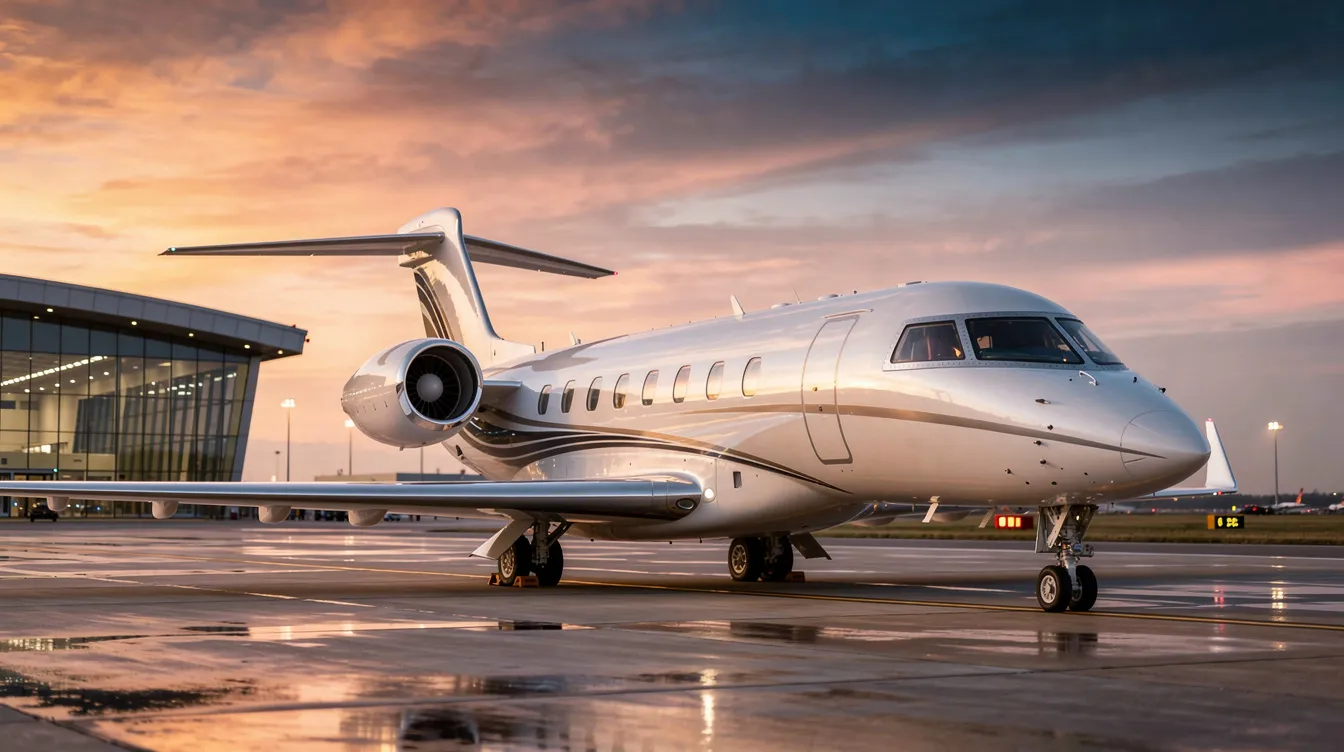
No single aircraft universally owns the title of world’s best private jet. The best private jet for a head of state may be a flying palace based on a commercial aircraft, while the best choice for a corporate board may be a purpose-built business jet that can fly nonstop between financial centers with minimal downtime.
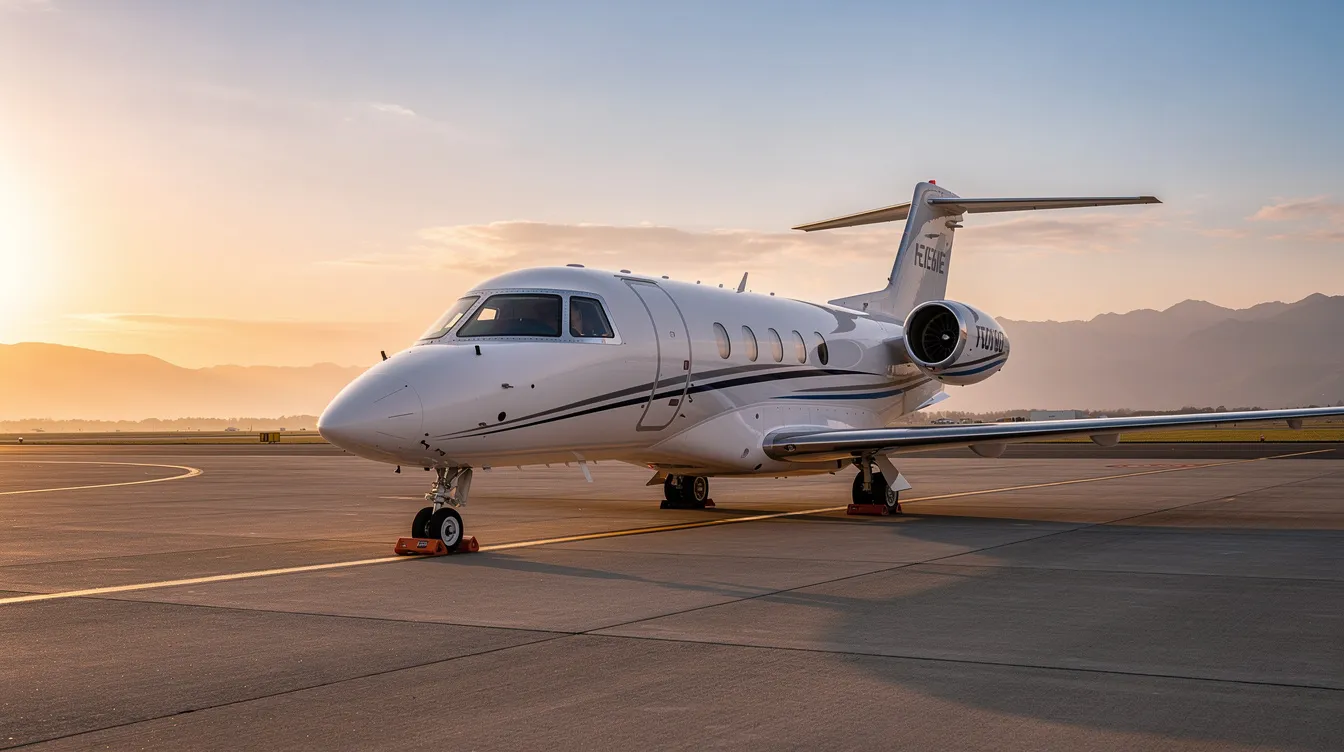
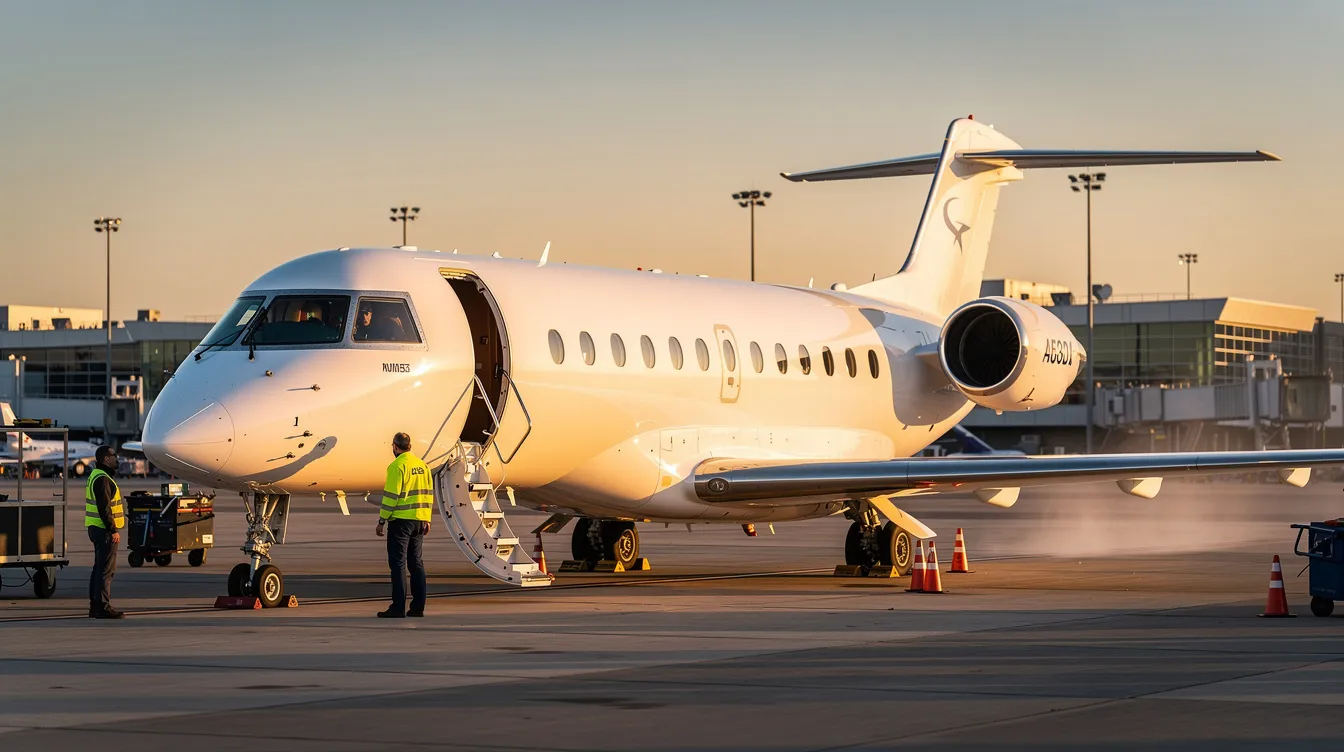
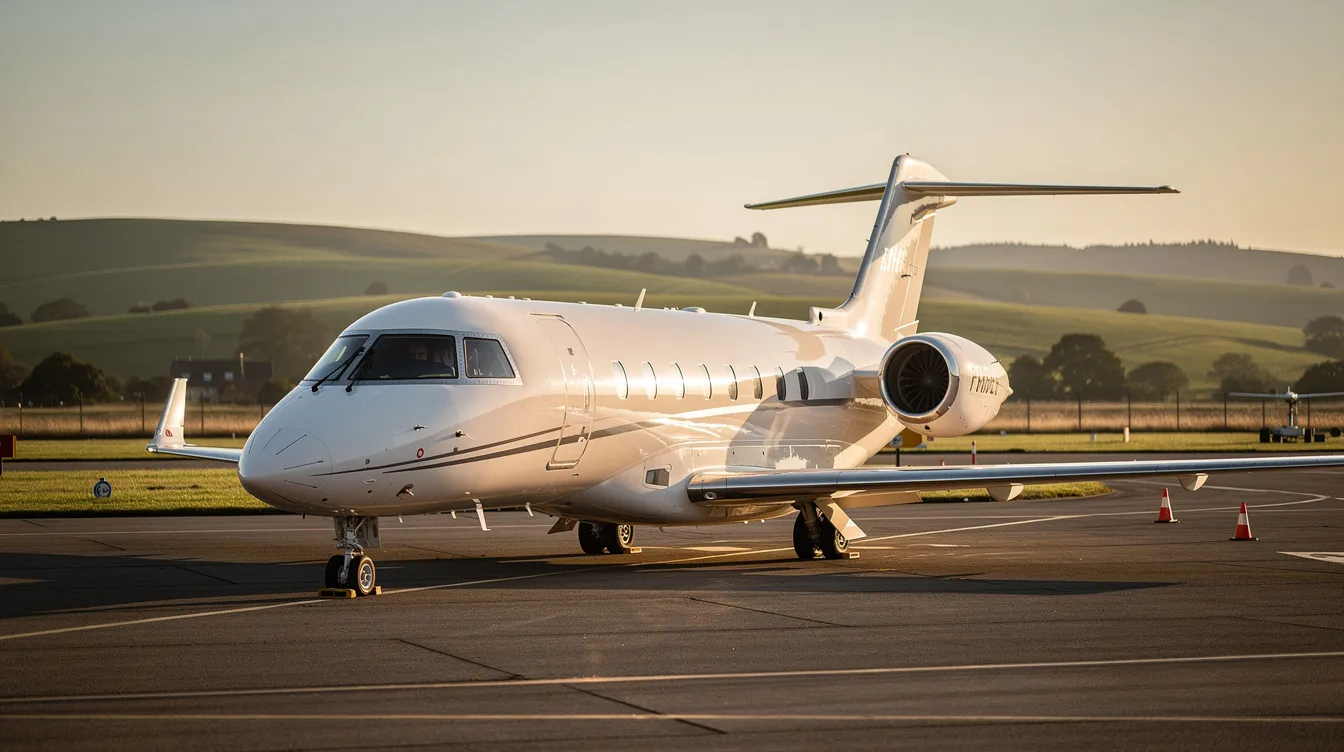
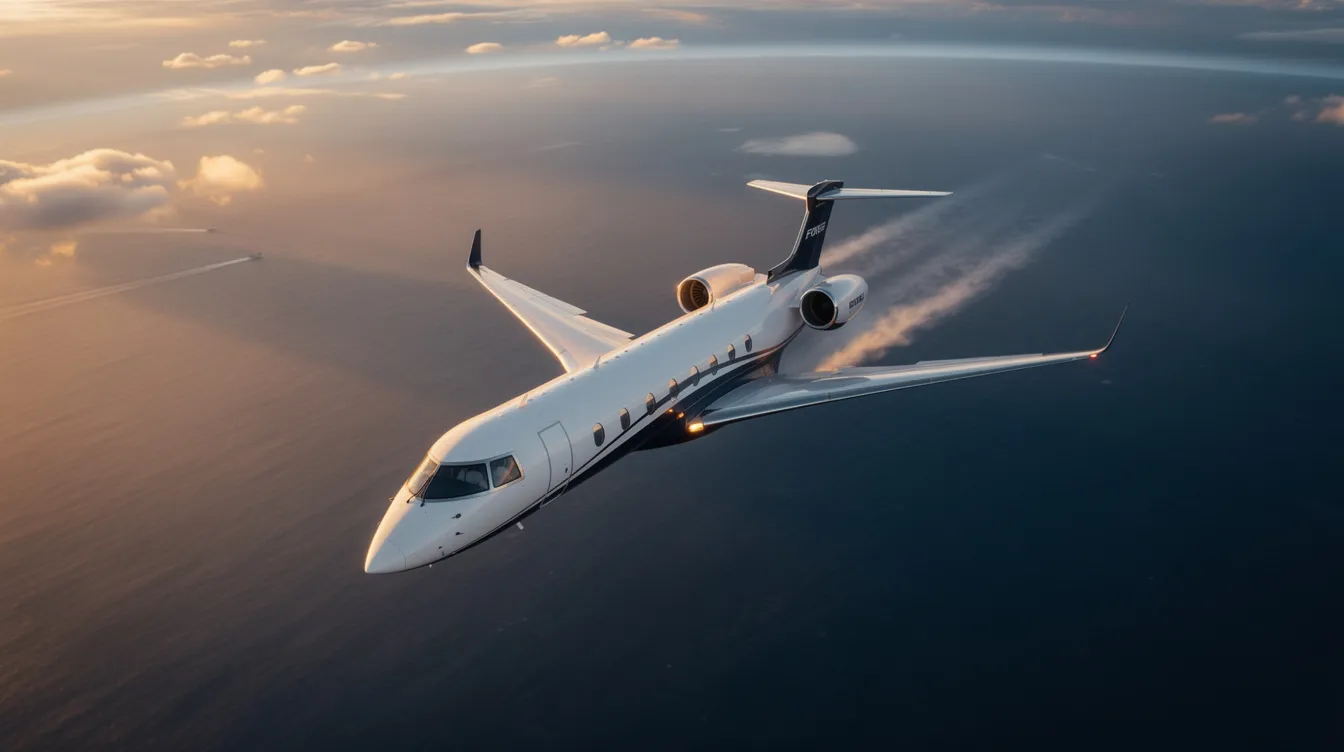
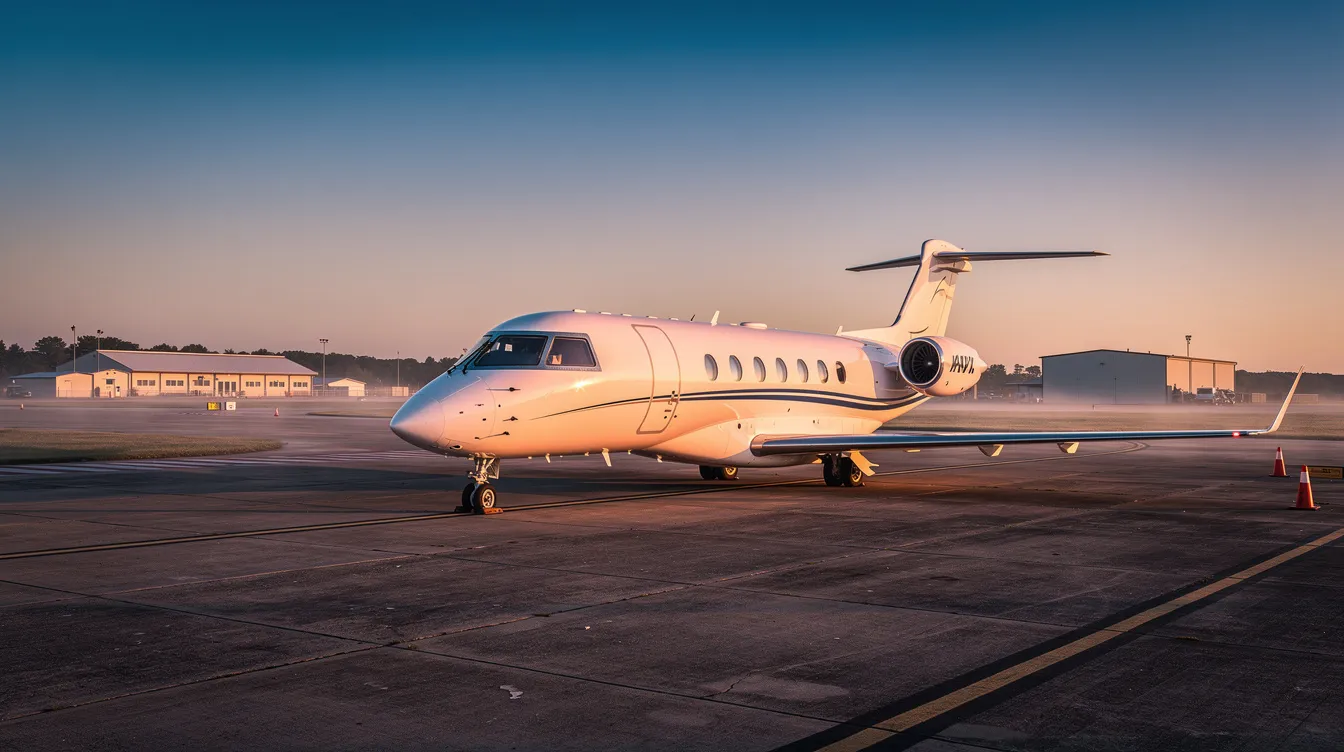
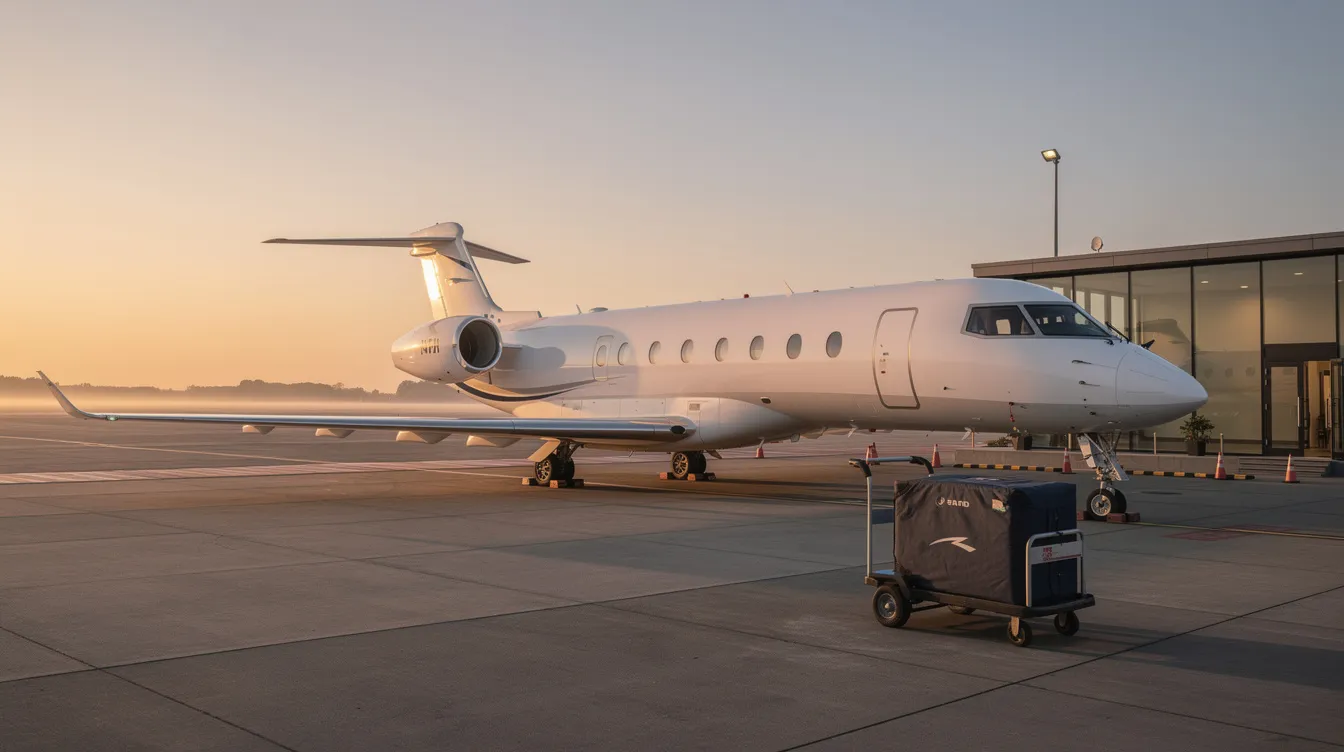
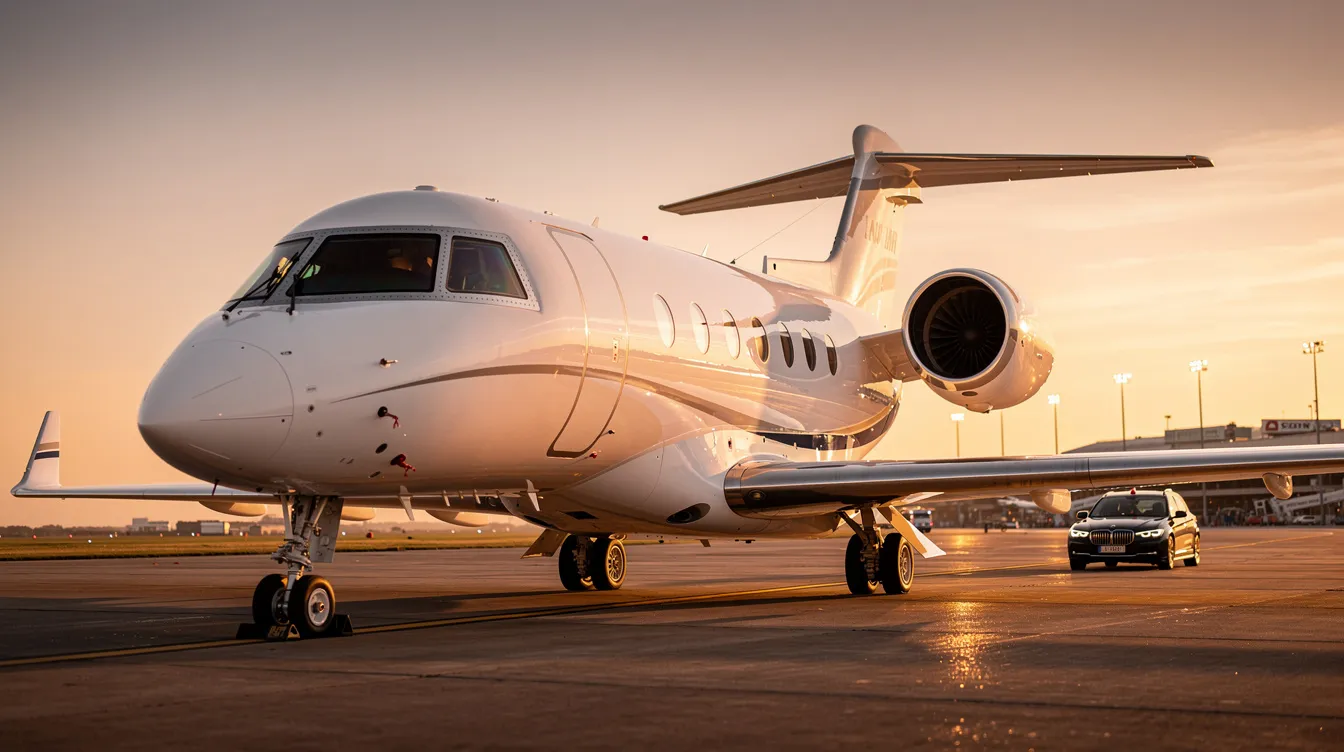
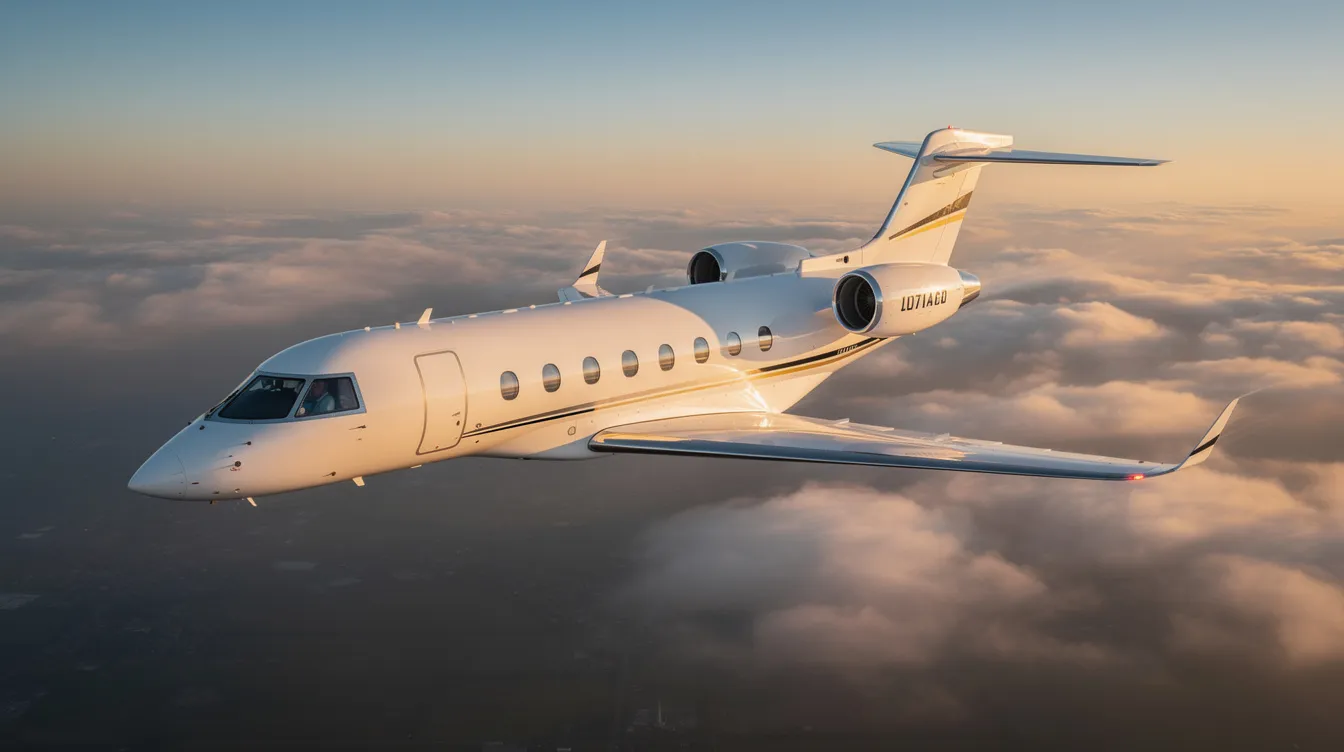
In 2026, most business aviation professionals would shortlist the Bombardier Global 7500, Bombardier Global 8000, Gulfstream G700, Gulfstream G800, Dassault Falcon 10X, and Boeing Business Jet 787. The best private jets are defined by their ability to conquer distance, time, and cabin environment simultaneously.
Key Takeaways
The Bombardier Global 7500 and Global 8000, Gulfstream G700/G800, and Boeing Business Jet family define the world’s best private jet category depending on range, cabin space, airport access, and corporate image.
For many private jet owners and corporate flight departments in 2026, the Bombardier Global 7500 remains the benchmark balance of ultra-long range, fuel efficiency, cabin comfort, and proven reliability.
“Best” is mission-dependent: some buyers need airliner-sized Airbus Corporate Jets or Boeing Business Jets, while others need flexible ultra long range private aircraft for 10–16 passengers.
BusinessJets.com helps clients choose, appraise, buy, or sell flagship private jets using market data, valuation discipline, and experience from 1,500+ completed aircraft transactions.
This guide covers specific models, performance specs, ownership costs, private jet price considerations, and how to approach private jet ownership or fleet upgrades strategically.
What Is the “World’s Best Private Jet” in 2026?
At BusinessJets.com, we evaluate “best” through both technical specifications and ownership realities: resale value, maintenance support, crew availability, condition, liquidity in the private jet market, and how the aircraft fits the buyer’s actual private flight profile.
Key evaluation factors include:
Ultra long range capability above 7,500 nautical miles, with top flagships exceeding 7,500 to 8,000 nautical miles and allowing non-stop flights between distant global hubs.
Fuel efficiency per seat, sustainable aviation fuel (SAF) compatibility, and practical operating cost, reflecting the growing mainstream adoption of sustainability practices such as carbon offset programs in private aviation.
Cabin altitude, air quality, cabin space, and whether the aircraft offers a spacious and luxurious cabin for long-haul flights are supported by advanced technologies like low cabin altitude systems and active noise reduction that improve passenger comfort and reduce fatigue.
Dispatch reliability, OEM support, runway performance, luggage space, passenger capacity, and acquisition and operational costs.
Advanced cabin management systems allow seamless control of lighting, temperature, and entertainment via smartphone apps or integrated controls, enhancing the onboard experience.
Modern business aviation is driven by innovation across safety, sustainability, and technology, with advancements such as AI-assisted flight systems improving operational efficiency and safety.
Defining Excellence: How We Rank the World’s Best Private Jets
BusinessJets.com ranks flagship private aircraft by mission performance and long-term asset value, not simply by listing the most expensive private jets. From an ownership perspective, the best aircraft minimizes lifecycle cost per productive flight hour while meeting the owner’s route structure, passenger count, and schedule requirements.
Range: Ultra-long-range jets can fly over 7,500 nautical miles, while short-hop jets cover up to 2,000 nautical miles. Private jets designed for long-range travel can connect city pairs without refueling stops, with aircraft exceeding 7,500 nautical miles capable of completing most intercontinental routes nonstop.
Speed: Premier private jets operate at high-cruise speeds, typically between Mach 0.90 and Mach 0.94.
Cabin design: Multi-zone living spaces in top aircraft can accommodate up to 19 passengers and are physically split into 3 to 5 dedicated zones.
Wellness: Leading private jets feature advanced cabin wellness systems, including low-altitude cabin pressurization and 100% fresh air replenishment systems, which help reduce jet lag and dehydration. Many luxury private jets are equipped with advanced noise reduction technologies to create a quiet cabin environment, further enhancing passenger comfort on long flights.
Technology: Modern private jets are increasingly equipped with redundant avionics systems, enhanced vision technology, autoland capabilities, AI-assisted flight systems, and active noise reduction, ensuring compliance with rigorous safety protocols while improving operational efficiency.
Economics: Choosing a private jet requires balancing mission requirements, operational costs, and cabin comfort, depending on typical flight distance, passenger count, and budget. For those flying more than 150 annual hours, whole ownership or fractional ownership often becomes more economical compared to charter alternatives.
Valuation: The process of appraising a private jet involves comprehensive physical inspections, market data analysis, and comparisons with similar aircraft to determine fair market value. Valuation services are essential for owners selling aircraft, buyers assessing potential acquisitions, and financial institutions evaluating collateral.
The Leading Contenders: Ultra Long Range Flagships
The competition for the world’s best private jet is most intense among ultra-long-range jets capable of 7,500–8,000+ nautical miles. These long-range private jets are built for owners who value schedule control, fewer fuel stops, and a quiet cabin where executives can work, rest, and arrive prepared.
Aircraft | Approx. maximum range | Typical passenger focus | Cabin structure |
|---|---|---|---|
Bombardier Global 7500 | 7,700 nautical miles | Up to 19 | Four-zone cabin |
Bombardier Global 8000 | Nearly 8,000 nautical miles | Up to 19 | Four zones |
Gulfstream G700 | 7,500 nautical miles | Up to 19 | Up to five zones |
Gulfstream G800 | Around 8,000+ nautical miles | Up to 19 | Up to four zones |
Dassault Falcon 10X | Around 7,500 nautical miles | Flexible VIP layouts | Large multi-zone cabin |
Dassault Falcon 8X | Approximately 6,450 nautical miles | Versatile, efficient | Multi-zone cabin |
Bombardier Global 7500: The Current All‑Round Benchmark
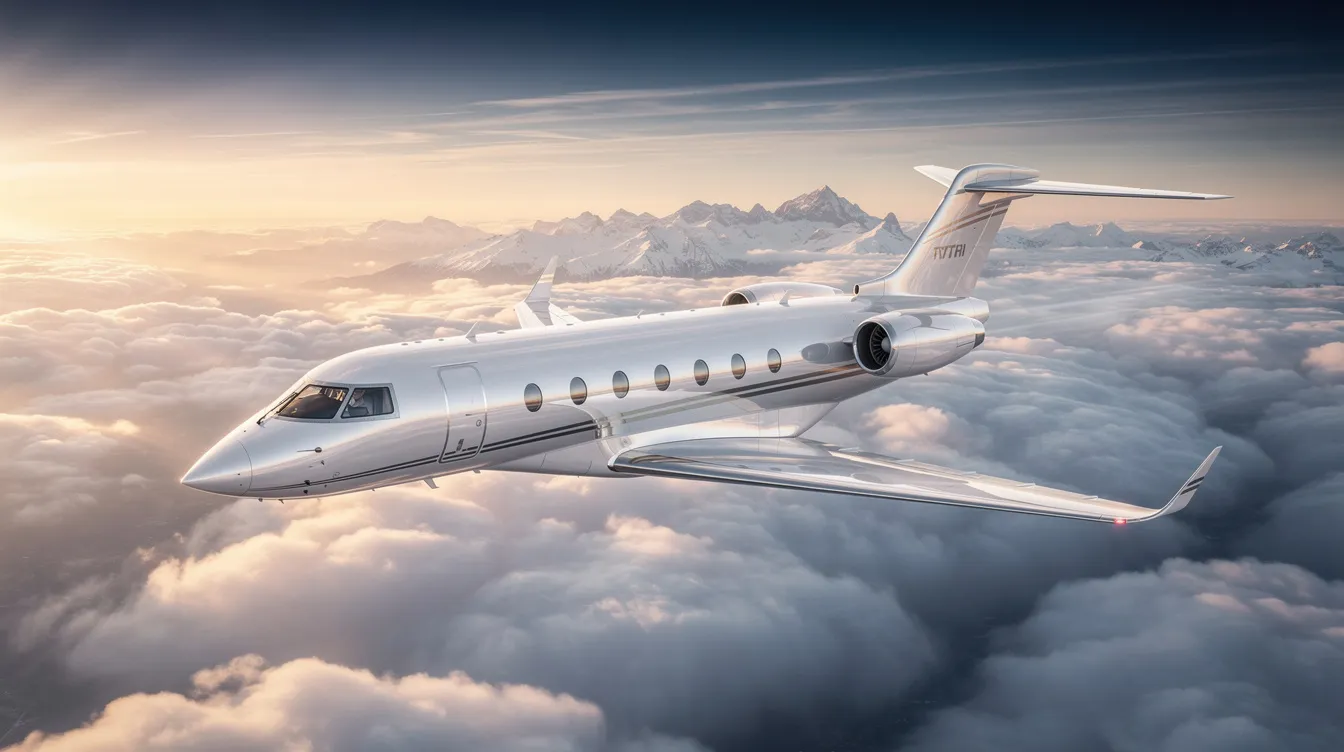
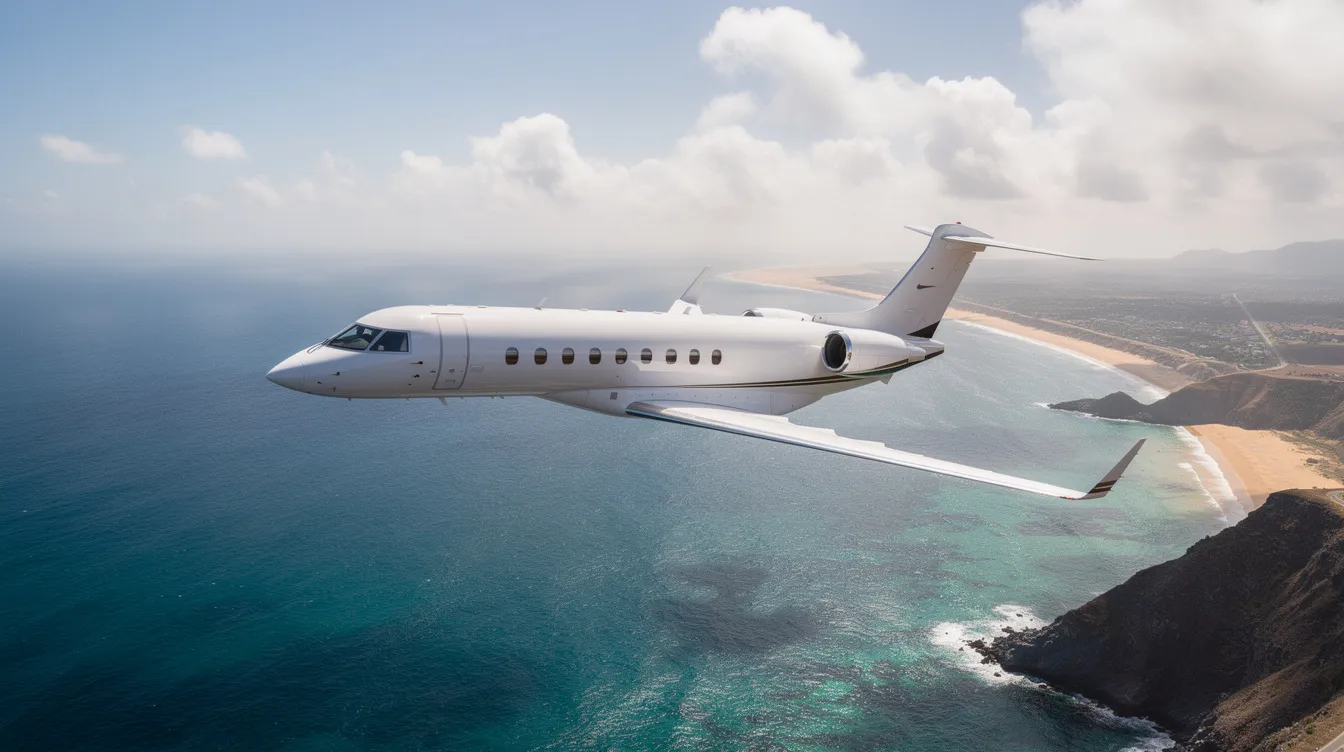
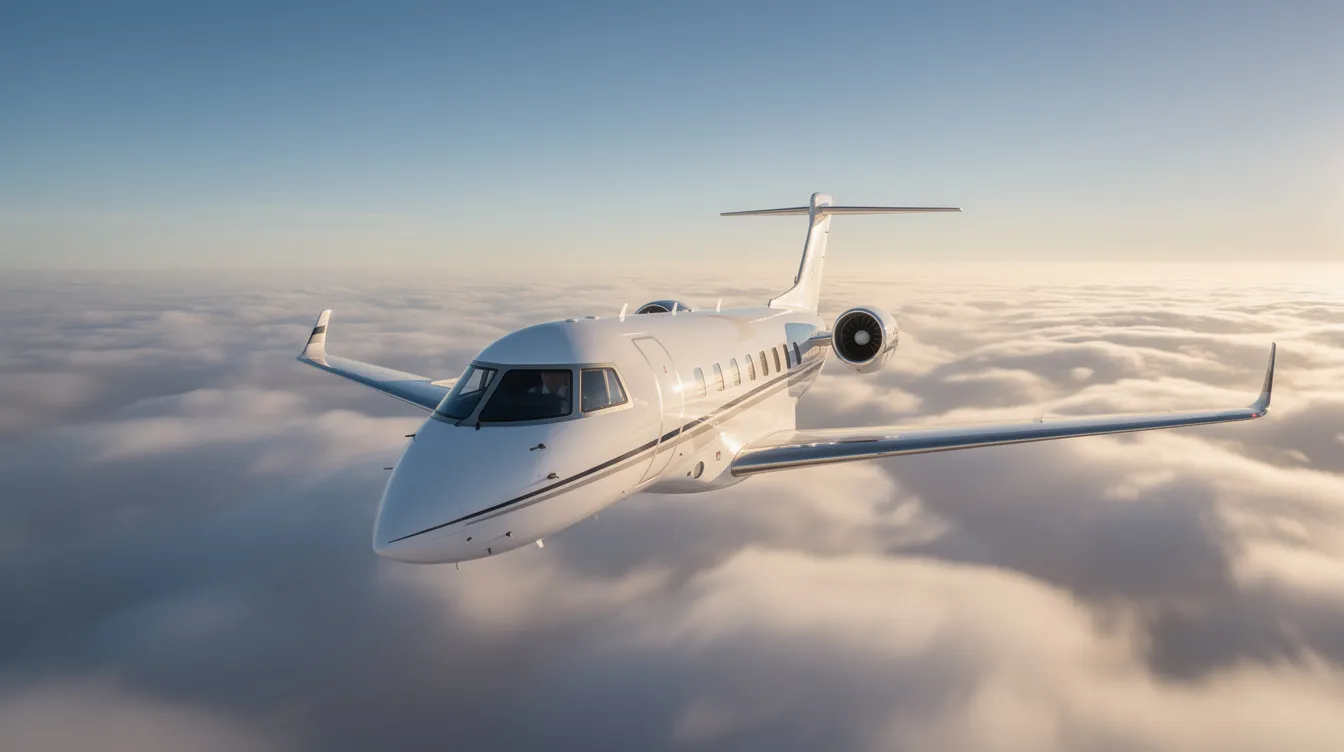
The Bombardier Global 7500 has been in service since late 2018 and remains the reference large cabin jet for many long-haul private jet buyers. Bombardier publishes a maximum range of about 7,700 nautical miles, enabling nonstop flights from cities like New York to Hong Kong, with a top speed of Mach 0.925. It is recognized for luxurious comfort and an unmatched range, making it ideal for long-haul journeys.
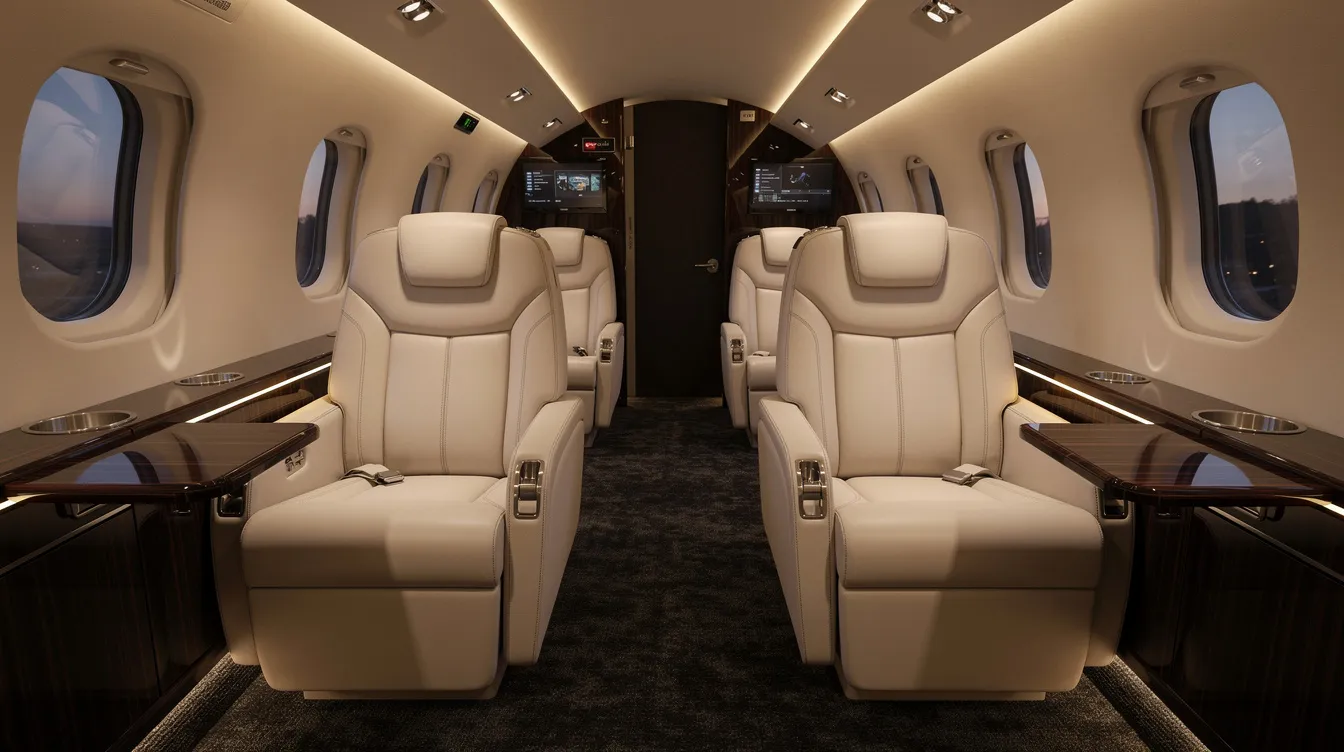
The aircraft can seat up to 19 passengers and offers a four-zone cabin plus a dedicated crew rest. Its 54-foot cabin, Nuage seating, conference room, entertainment area, private suites, and optional private master bedroom make it practical for business and leisure travelers. The remarkably low cabin altitude of about 2,900 feet at FL410, advanced circadian lighting, and whisper-quiet cabin help combat jet lag on 12–16-hour sectors.
For many owners, the Global 7500 is the best private jet today because it balances impressive range, proven reliability, resale demand, long-range capabilities, and exceptional fuel efficiency for its category. From an appraisal standpoint, however, completion quality matters. Luxurious interiors, maintenance status, connectivity upgrades, and cabin configuration can move value significantly, so a professional valuation is essential before buying or selling.
Bombardier Global 8000: Range and Speed at the Edge of the Envelope
The Bombardier Global 8000 is Bombardier’s next-generation ultra-long-range aircraft. It has entered the 2026 market with certifications from major regulators and first deliveries beginning in late 2025. The Bombardier Global 8000 is recognized as the world's longest-range private jet, with a range of 14,631 kilometers, allowing for faster connections and fewer stopovers.
It is also the fastest business jet in the world, capable of reaching speeds of approximately Mach 0.94, with a range of nearly 8,000 nautical miles, redefining long-haul travel. In some operating references, its top speed is cited around Mach 0.95, positioning it as the fastest private jet in practical flagship service.
The Global 8000 suits owners flying frequent ultra-long range missions where 300–400 additional nautical miles and higher cruise speed materially affect schedules, such as Singapore–New York or Dubai–Los Angeles. BusinessJets.com helps buyers weigh the advantages of early access against new-type risks, including support ramp-up, residual value uncertainty, and first-generation maintenance patterns.
Gulfstream G700 and G800: Speed, Cabin Volume, and Brand Cachet
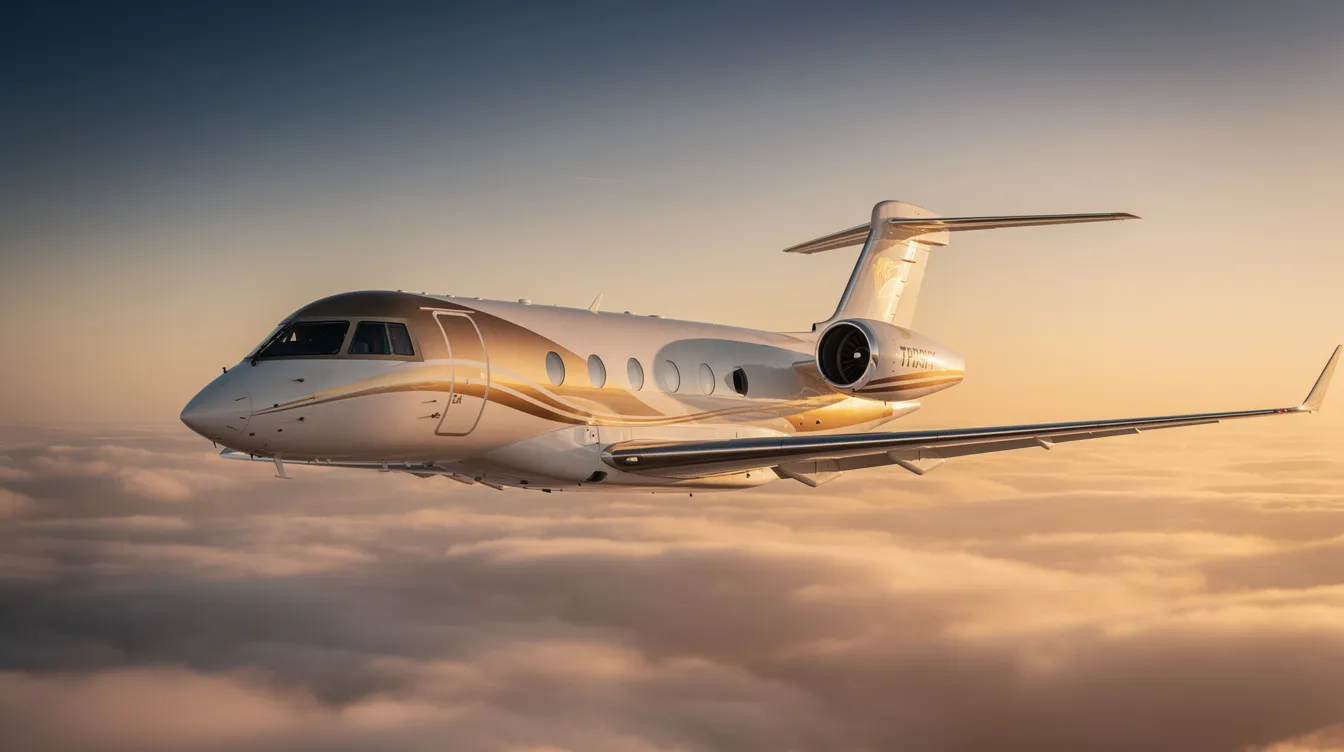
The Gulfstream G700 and G800 are Gulfstream’s current flagships. The G700 offers a maximum range of about 7,500 nautical miles and a top speed of Mach 0.935, making it the fastest Gulfstream jet with a spacious cabin designed for comfort and productivity. The G800, certified by FAA and EASA in 2025, extends the range profile to roughly 8,000+ nautical miles depending on mission assumptions.
Gulfstream buyers often prioritize large oval windows, a quiet cabin, advanced flight deck architecture, and a strong global support network. The G700 and G800 also offer lower cabin altitude, large living areas, high-speed Wi-Fi, advanced entertainment systems, and flexible dining room or work layouts.
For comparison, the Gulfstream G650ER has a range of approximately 13,987 kilometers, making it one of the most prestigious private jets available for long-haul flights. BusinessJets.com can model typical 6,000–7,000 nautical mile legs to determine whether a G700, G800, Global 7500, or Global 8000 delivers the best operational value.
Dassault Falcon 10X: Space and Design, With Entry on the Horizon
The Dassault Falcon 10X, from Dassault Aviation, is expected to enter service around 2027 but is already relevant to 2026 fleet planning. It targets roughly 7,500 nautical miles of range and offers one of the widest cabin cross-sections in business aviation at approximately 2.77 meters.
The Falcon 10X appeals to buyers who value cabin width, short-field performance, advanced fly-by-wire controls, and a highly customizable, luxurious cabin. It may suit owners who want a spacious cabin with dedicated workspaces, sleeping quarters, a stand-up shower, a fully equipped galley, and refined French design.
The trade-off is timing. Buyers committing capital before entry into service should manage delivery-slot risk, completion risk, and interim lift. BusinessJets.com can compare pre-owned interim solutions, charter flights, and delivery strategies so buyers are not exposed to unnecessary schedule or residual-value risk.
Dassault Falcon 8X: Efficiency and Versatility
The Dassault Falcon 8X is noted for its efficiency and versatility, with a range of approximately 6,450 nautical miles and the ability to access shorter runways. Its tri-jet configuration and advanced aerodynamics allow it to operate in airports with challenging approaches, expanding travel possibilities while maintaining fuel efficiency.
Flying Palaces: Boeing Business Jets and Airbus Corporate Jets
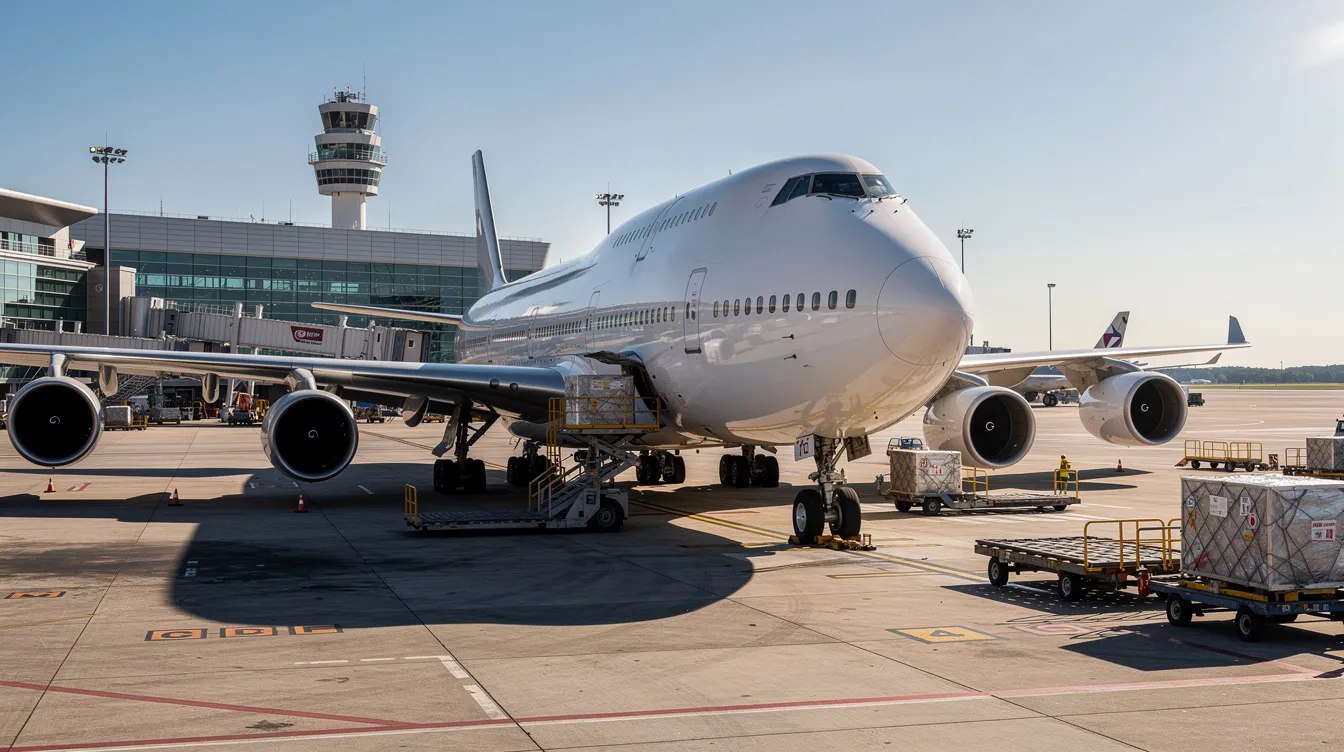
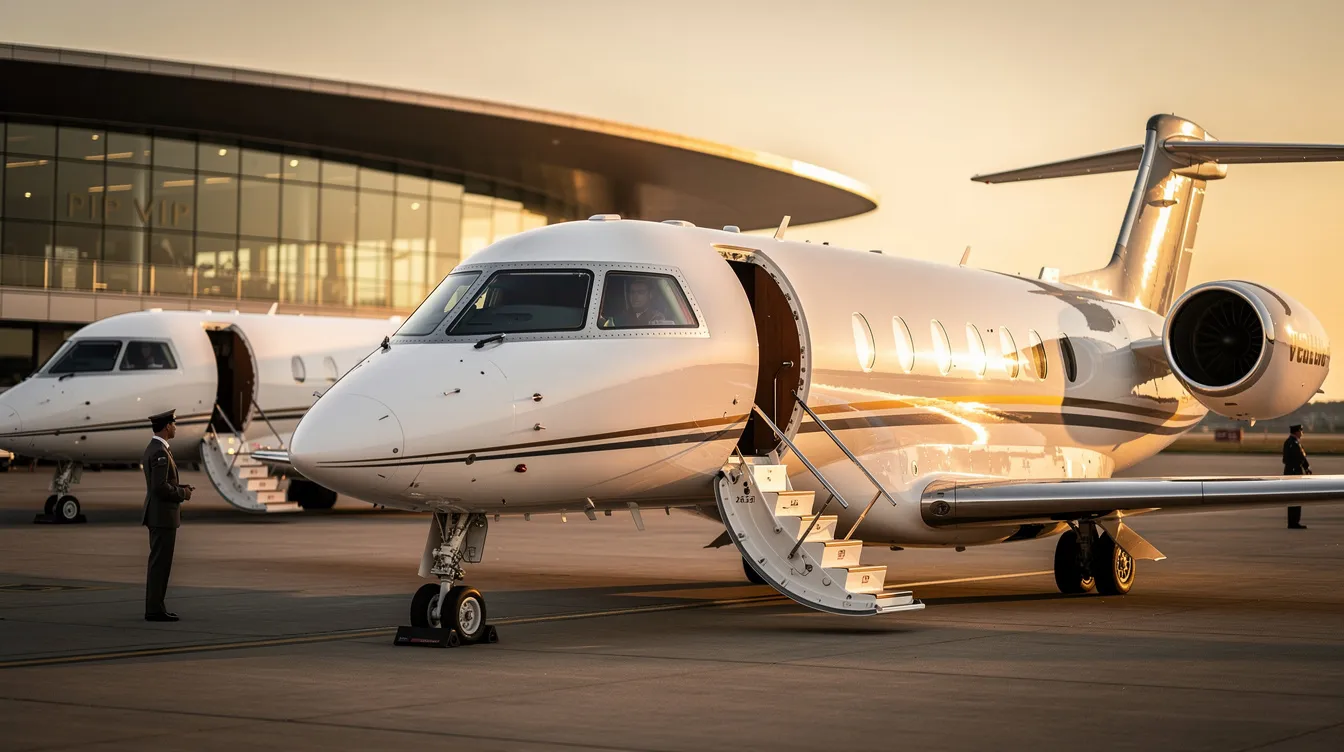
Boeing Business Jets and Airbus Corporate Jets are among the largest private jets and some of the largest private jets in the world. They are often selected by heads of state, sovereign wealth funds, large corporations, and ultra-high-net-worth buyers who need cabin volume rather than maximum operating efficiency.
These luxurious aircraft can include multiple bedrooms, boardrooms, lounges, formal dining areas, full-size galleys, and crew facilities. They are also complex capital projects, with long completion cycles, specialized crews, commercial aviation maintenance requirements, and substantial annual budgets.
Boeing Business Jets: Corporate Residences in the Sky
A BBJ 787 can be considered the world’s best private jet for state or corporate use because it combines intercontinental range with widebody cabin volume. The Boeing Business Jet 787 has a range of approximately 9,945 nautical miles, making it ideal for heads of state and ultra-high-net-worth individuals requiring intercontinental travel.
In VIP layouts, a BBJ 787 may carry 40–50 passengers with private suites, boardrooms, lounges, crew rest, and a fully equipped galley. Green aircraft pricing can exceed $250–300 million, while interior completion can add tens of millions more. Annual operating costs can surpass $10–15 million depending on utilization, maintenance planning, crew structure, and global deployment.
For resale, configuration quality, avionics modernization, cabin technology, and maintenance condition strongly influence value. BusinessJets.com would typically recommend a detailed on-site appraisal before acquisition, sale, or major refurbishment.
Airbus Corporate Jets: ACJ320neo and ACJ TwoTwenty
Airbus Corporate Jets occupy a similar airliner-class segment, with the ACJ320neo family offering roughly 6,000–6,750 nautical miles depending on configuration, and platforms such as the Airbus ACJ319 private jet illustrating how these airliner-based cabins can be configured for VIP use. The ACJ TwoTwenty, based on the Airbus A220-100, is marketed as an extra-large bizjet with about 785 square feet of cabin space and approximately 5,600 nautical miles of range.
Compared with some BBJ equivalents, ACJ platforms may offer attractive cabin width, fuel efficiency, and maintenance network advantages for buyers carrying 25–50 VIP passengers. They are especially relevant for governments and corporations that need full-flat seating, work zones, relaxation areas, and higher passenger counts, particularly on trunk routes to global hubs such as Paris by private jet.
BusinessJets.com can compare BBJ and ACJ economics, residual trends, current inventory, and completion strategy for buyers exploring luxury private or corporate fleet additions.
Not Just Size: Cabin Experience, Technology, and Wellness
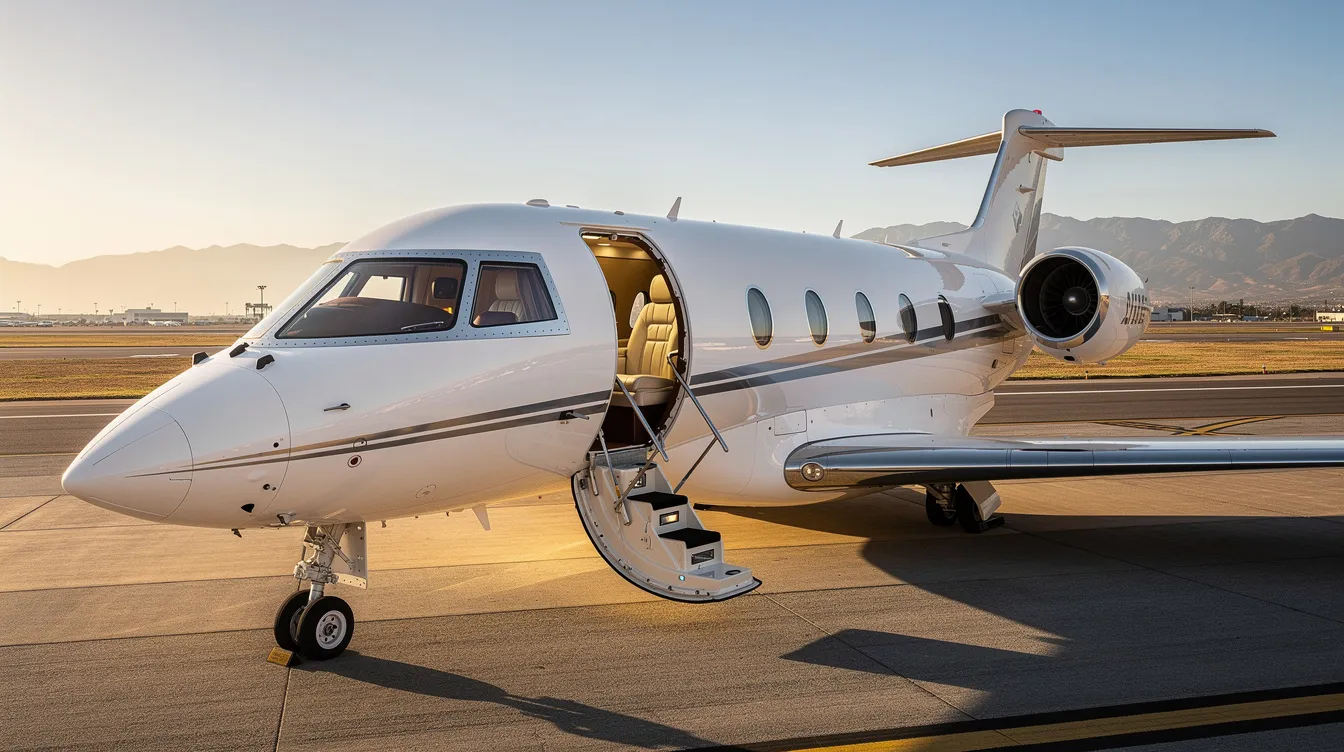
Among luxury private jets, differentiation comes from cabin altitude, air quality, noise levels, lighting, connectivity, and usable layout—not only square footage. The best private jets combine ultra-long range, high speeds, and customizable cabins, often featuring advanced amenities like high-speed Wi-Fi and full-service galleys.
Cabin pressure: A lower cabin altitude helps passengers recover faster after long-haul flights. Technological advancements in private jets include low cabin altitude systems, active noise reduction, and circadian lighting, which improve passenger comfort and operational efficiency during flights.
Air and wellness: 100% fresh air replenishment systems and advanced filtration support private jet travelers who need to arrive ready for meetings.
Lighting: Circadian lighting systems in luxury jets help combat jet lag by adjusting cabin lighting to match the destination's time zone, enhancing passenger well-being during long flights.
Noise: Many luxury private jets are equipped with advanced noise reduction technologies to create a quiet cabin environment, enhancing passenger comfort and reducing fatigue during long flights.
Cabin control: Advanced technology in luxury jets includes state-of-the-art cabin management systems that allow passengers to control lighting, temperature, and entertainment seamlessly, often via smartphone apps.
Dining and layout: Luxury jets often include fully equipped galleys capable of preparing restaurant-quality meals at altitude, along with dining areas designed for formal meals. Luxury private jets often feature spacious cabins that can be customized to suit each passenger's taste and requirements, including multiple living zones, dedicated workspaces, and sleeping quarters.
Smooth-Ride Wing Technology in advanced jets helps manage turbulence, providing a smoother flight experience in rough weather. These features matter because productivity and recovery are often the real economic justification for private jet travel.
Fuel Efficiency, Sustainability, and Operating Economics
In 2026, fuel efficiency and sustainability are central to any discussion of the world’s best private jet, especially for corporate ESG reporting. Newer aircraft such as the Global 7500, Global 8000, G700, G800, Falcon 10X, ACJ320neo, and BBJ MAX use new-generation engines, aerodynamic refinements, and advanced systems to improve fuel burn versus older platforms.
Sustainable Aviation Fuel (SAF) is becoming mainstream in private aviation, with many manufacturers adopting it to reduce carbon emissions and enhance environmental responsibility. Sustainability practices, including carbon offset programs and the adoption of SAF, are increasingly integrated into private aviation operations, aligning luxury travel with environmental stewardship.
Operating economics include more than fuel. Crew, maintenance programs, hangarage, insurance, engine reserves, avionics subscriptions, and refurbishment cycles all scale sharply with aircraft size. This is why expensive private jets and the most expensive private jets are not always poor decisions—but they must be matched to utilization, passenger load, runway requirements, and strategic value.
The private aviation industry is also seeing a trend towards urban air mobility with the development of electric vertical take-off and landing (eVTOL) aircraft, promising to revolutionize short-haul travel and expand access to urban centers. As demand for efficiency and flexibility continues to rise, business aviation remains an indispensable tool for both corporate and leisure travelers, with ongoing innovations in sustainability and expanded safety protocols across the industry.
Ownership vs. Charter: When Does a “World’s Best” Jet Make Sense?
Access strategy is as important as aircraft type. Not every client who can afford a Global 7500, G700, BBJ, or ACJ should own one outright.
Chartering a private jet is ideal for those who fly less than 200 hours per year, as it offers flexibility and access to a variety of aircraft without the responsibilities of ownership. If flying fewer than 50-100 hours a year, on-demand chartering or jet cards are typically more cost-effective than ownership. For 150+ annual flight hours, whole ownership or fractional ownership of a private jet is often considered more economical. Owning a private jet typically makes financial sense for individuals or companies that fly more than 400-500 hours annually, as it provides total control and customization.
Many elite individuals adopt a hybrid approach, owning one aircraft for regular use while chartering others as needed, balancing convenience with flexibility. For example:
A regional family office may own a midsize or super-midsize aircraft and use private jet charter for occasional ultra-long-range trips.
A global public company may justify a Global 7500 or G800 if senior executives fly several intercontinental sectors each month.
A buyer comparing light jets, light private jets, or even a King Air turboprop against long-range private jets should model actual passenger loads, runway needs, luggage, and long-term cost.
Market Trends in 2025–2026: Availability, Lead Times, and Resale
The 2025–2026 private jet market remains tight for young large-cabin and ultra-long-range aircraft, with high demand in North America, Europe, and the Middle East. Backlogs for Global, Gulfstream, and forthcoming Falcon models influence pre-owned pricing, and buyers often consider younger used aircraft to avoid multi-year waits.
Macroeconomic conditions, interest rates, corporate travel policy, and ESG scrutiny all affect residual values. Modern jets with strong maintenance records, updated connectivity, neutral interiors, and OEM support tend to remain more liquid than older aircraft that cannot match current range, cabin altitude, or operating efficiency.
BusinessJets.com uses transaction data from 1,500+ completed deals to benchmark fair value in thin markets, including rare BBJ 787s, ACJ320neo VIP completions, and popular private jets such as Global and Gulfstream flagships, alongside a continually updated portfolio of premium aircraft for sale. Owners planning a sale or upgrade in 2026 should obtain a formal aircraft appraisal and market analysis before entering negotiations.
How BusinessJets.com Helps You Choose and Acquire the Right Flagship
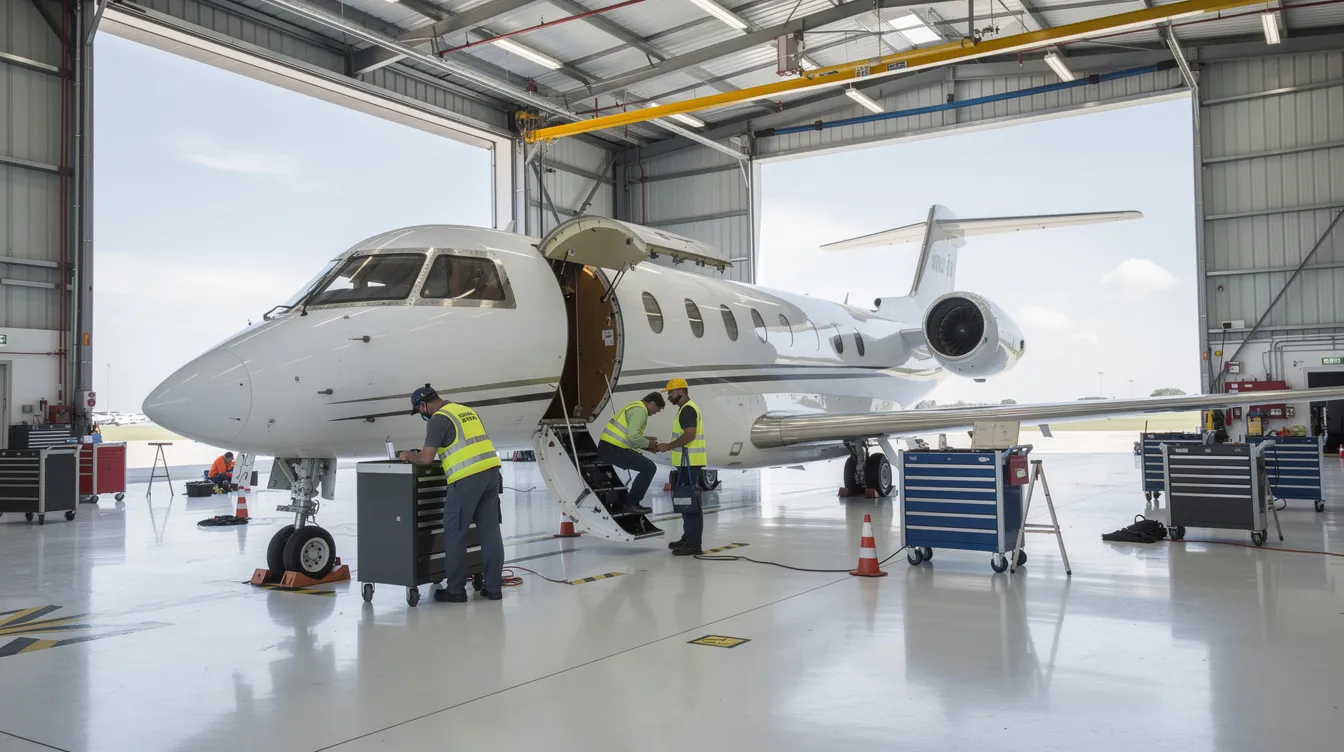
BusinessJets.com supports clients across the aircraft lifecycle, from first model comparison to aircraft valuation, acquisition, listing, negotiation, and closing. Our work covers private jets for sale across categories, from light jets through ultra-long-range and airliner-class aircraft.
For buyers, we provide mission analysis, model shortlisting, private jet appraisals, pre-purchase inspection coordination, operating cost modeling, negotiation support, and transaction management worldwide. For sellers, we help determine timing, valuation accuracy, market positioning, documentation readiness, and listing strategy.
Independent appraisals protect buyers and sellers from mispricing in a segment where interior completion, maintenance history, avionics status, and market timing can shift value by millions—or tens of millions—of dollars, and specialized aircraft appraisal services ensure these variables are evaluated objectively.
If you are evaluating an acquisition, upgrade, or sale, BusinessJets.com can help you experience private aviation with a more disciplined process: request an aircraft appraisal, discuss listing an aircraft for sale, or schedule aviation consulting for your next fleet decision.
FAQ: World’s Best Private Jet, Ownership, and Market Decisions
Is the Bombardier Global 7500 still the best private jet if I fly fewer than 300 hours per year?
It may be the best aircraft technically, but not always the best ownership decision. Below 300 annual hours, the fixed costs of crew, hangarage, insurance, maintenance programs, and depreciation can outweigh the benefits of full ownership.
A hybrid model—owning a smaller aircraft and chartering a Global 7500, G700, or BBJ for specific missions—can provide better economics.
How do interior upgrades affect aircraft value?
Interior condition is a major valuation factor in large private aircraft. Neutral, high-quality, well-maintained cabins usually support stronger resale than highly personalized or dated layouts.
Strategic upgrades such as connectivity, soft goods, cabin management systems, and avionics modernization often provide better value than a full rebuild late in the aircraft lifecycle.
When should an owner move from a midsize aircraft to an ultra-long-range jet?
The trigger is usually sustained intercontinental travel, larger passenger loads, or needing better access to remote destinations without compromising range, or the need to fly nonstop between city pairs where fuel stops create material schedule risk.
A structured fleet review should compare recent missions, forecast demand, passenger count, runway performance, and total cost over a 5–10-year horizon.
How long are new ultra-long-range jet lead times in 2026?
Lead times can range from roughly 18 months to several years, depending on model, production slots, and completion complexity. Nearly new pre-owned aircraft, interim charter, or fractional access may bridge the gap.
BusinessJets.com monitors inventory and market data to help clients compare a new-build order with available private aircraft in the current market.
What is the best first step if I am considering a BBJ or ACJ acquisition?
Start with a confidential consultation covering mission profile, a comparison of leading private jet manufacturers, whether the requirement is for eight passengers or a much larger VIP group, governance requirements, budget, operating base, and resale horizon.
The next step is a comparative model shortlist, preliminary operating cost review, and appraisal of any trade-in aircraft, with cabin expectations such as luxurious amenities defined before negotiations begin.
Conclusion: Partner with BusinessJets.com for Your Private Jet Journey
Selecting the world’s best private jet involves a careful balance of technical excellence, operational efficiency, and ownership strategy. Whether you seek the unmatched range and comfort of the Bombardier Global 7500, the speed and innovation of the Gulfstream G700/G800, or the expansive luxury of a Boeing Business Jet, the right choice depends on your unique mission profile and long-term goals.
BusinessJets.com stands ready to guide you through every step of this complex process. With over 1,500 successful aircraft transactions and a deep understanding of market dynamics, we provide expert aircraft appraisals, acquisition support, and strategic consulting tailored to high-net-worth individuals, corporate flight departments, and operators worldwide.
Our discreet, data-driven approach ensures you receive objective advice rooted in real-world experience, helping you maximize value and minimize risk in the private jet market. Whether buying, selling, or upgrading your fleet, BusinessJets.com is your trusted partner in navigating the evolving landscape of ultra-long-range luxury aviation.
Explore our services and discover how we can elevate your private jet ownership experience at BusinessJets.com.