Luxury Private Plane: Models, Ownership, and Strategic Considerations
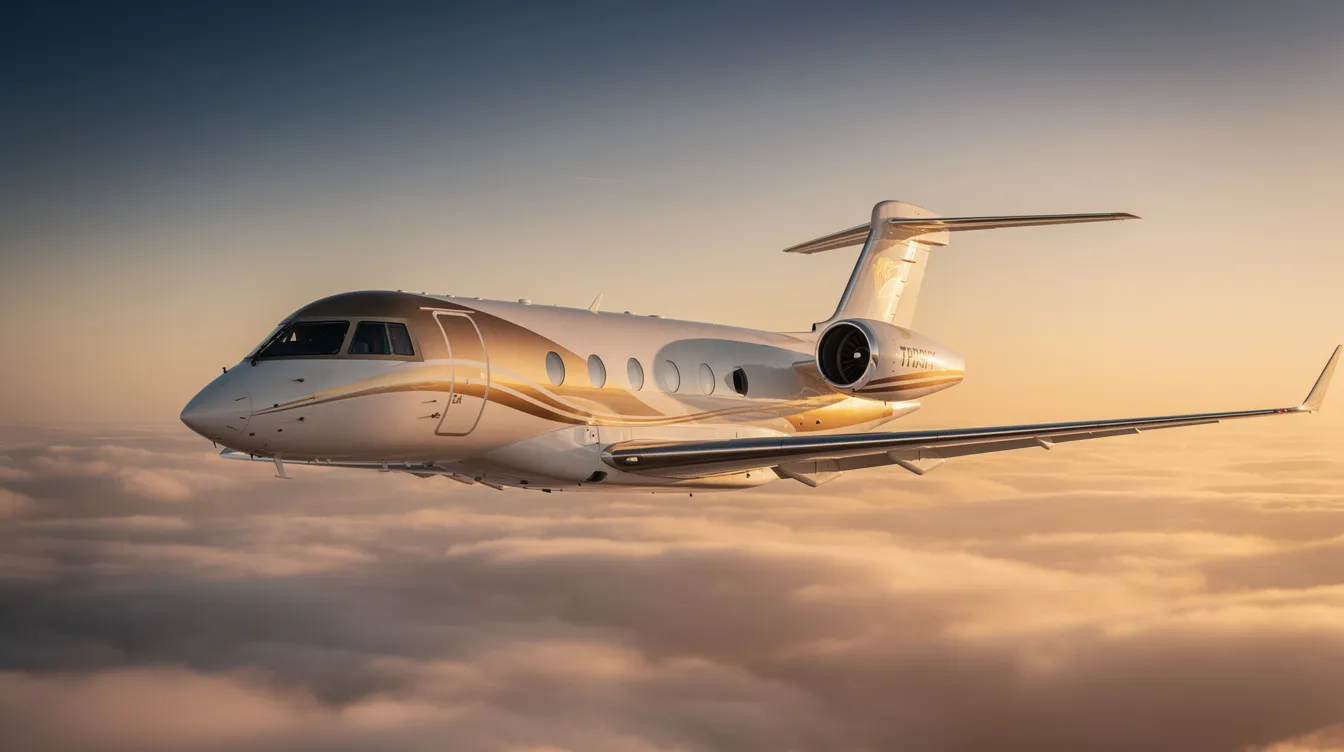
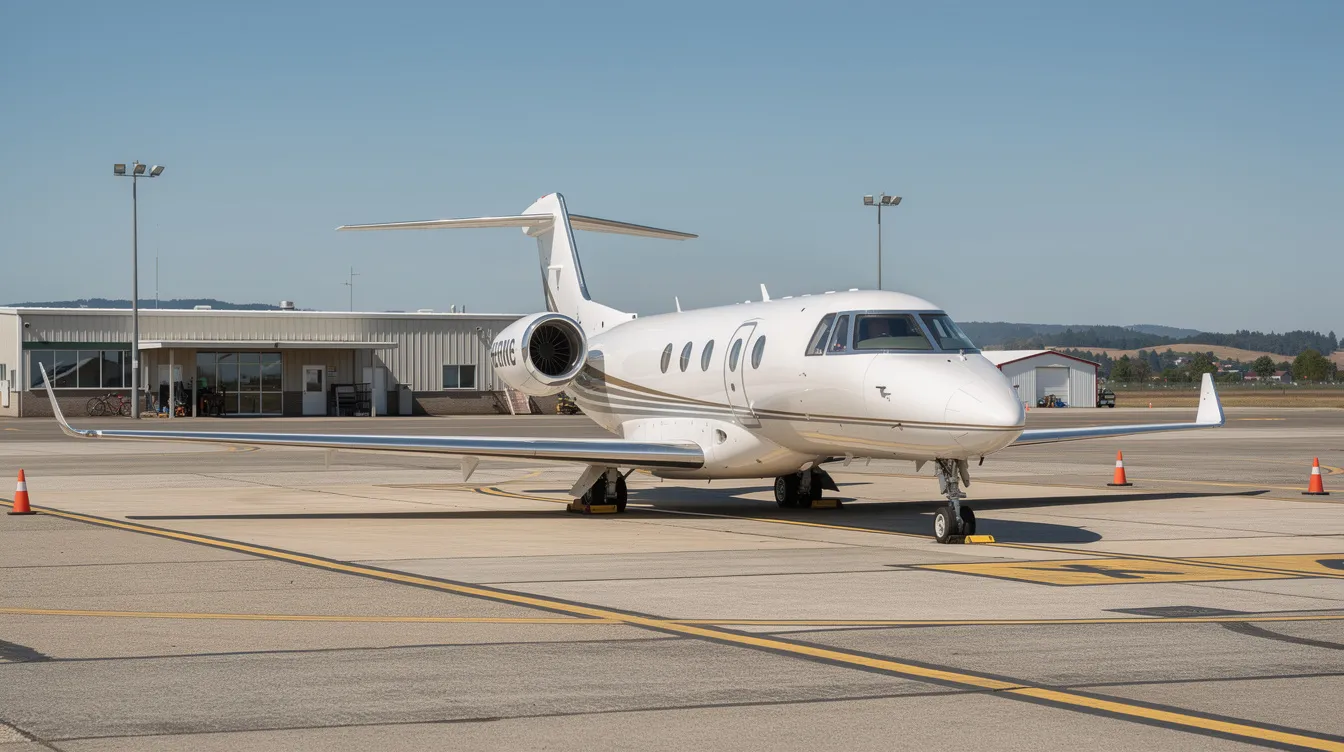
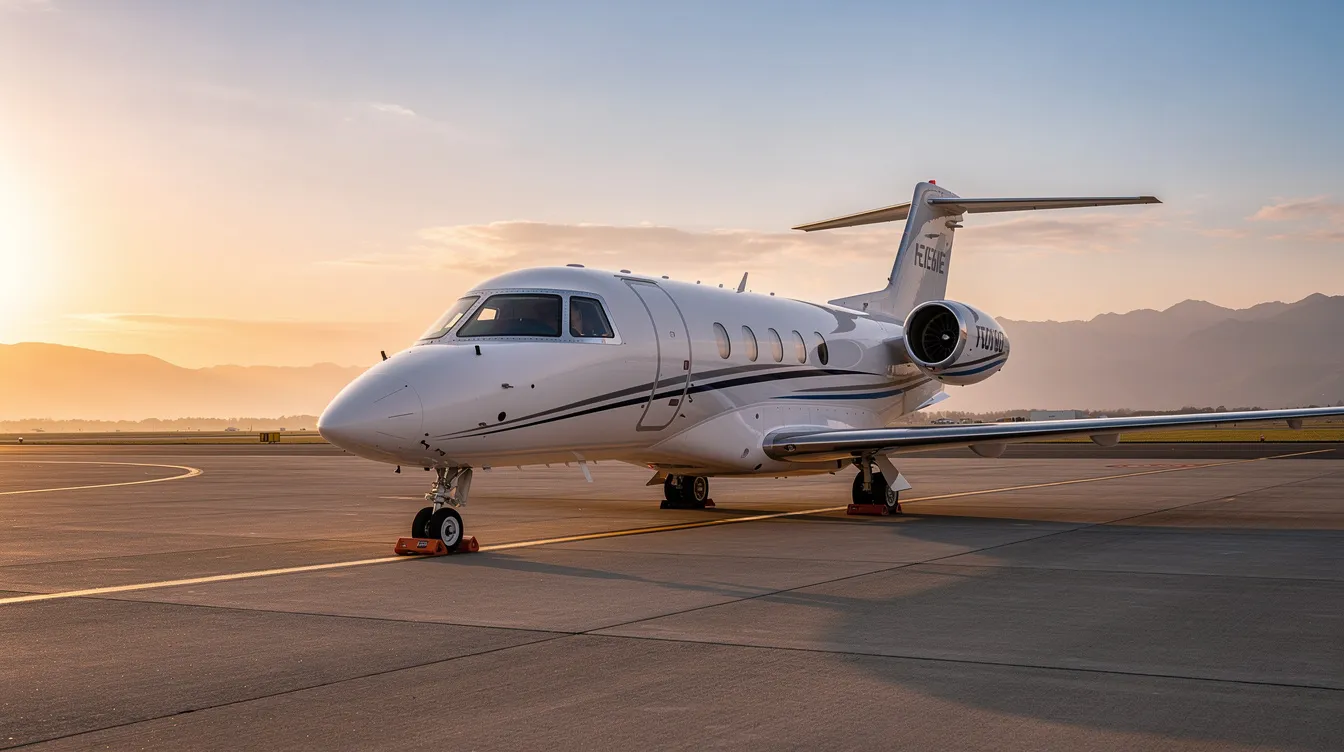
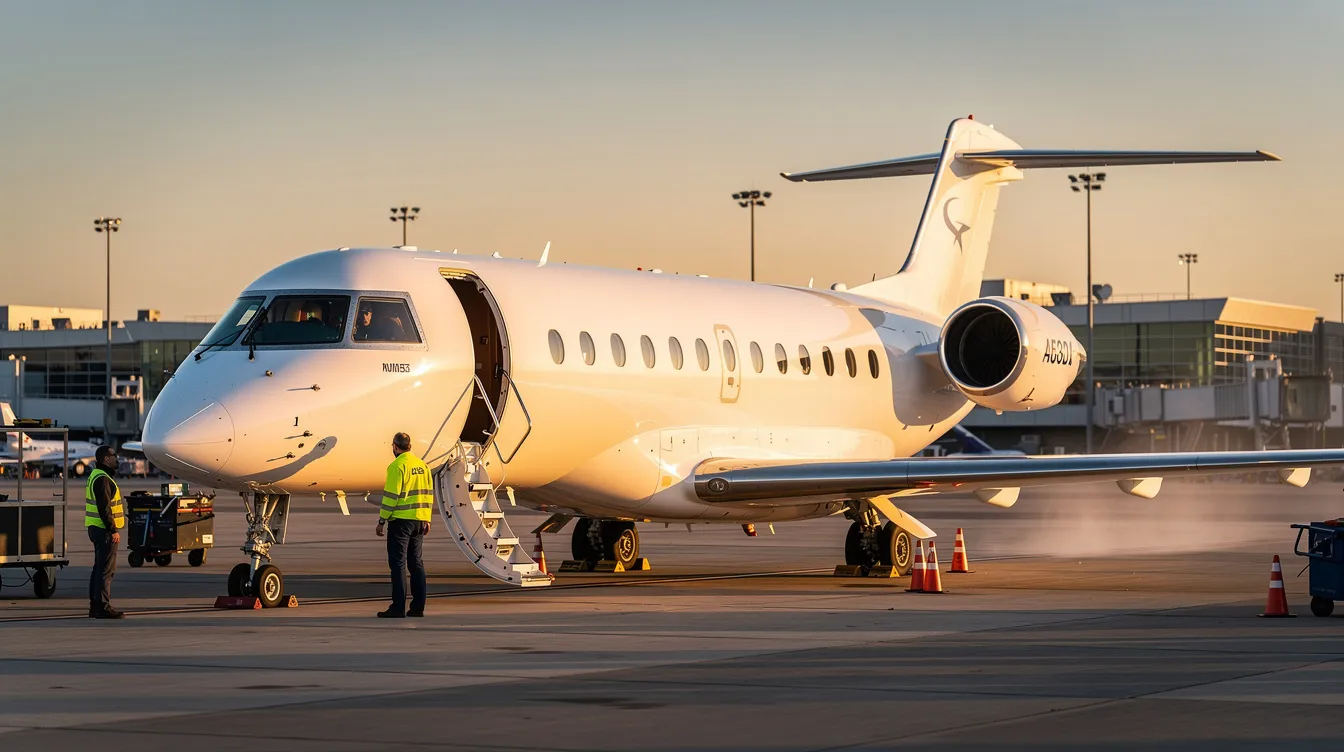
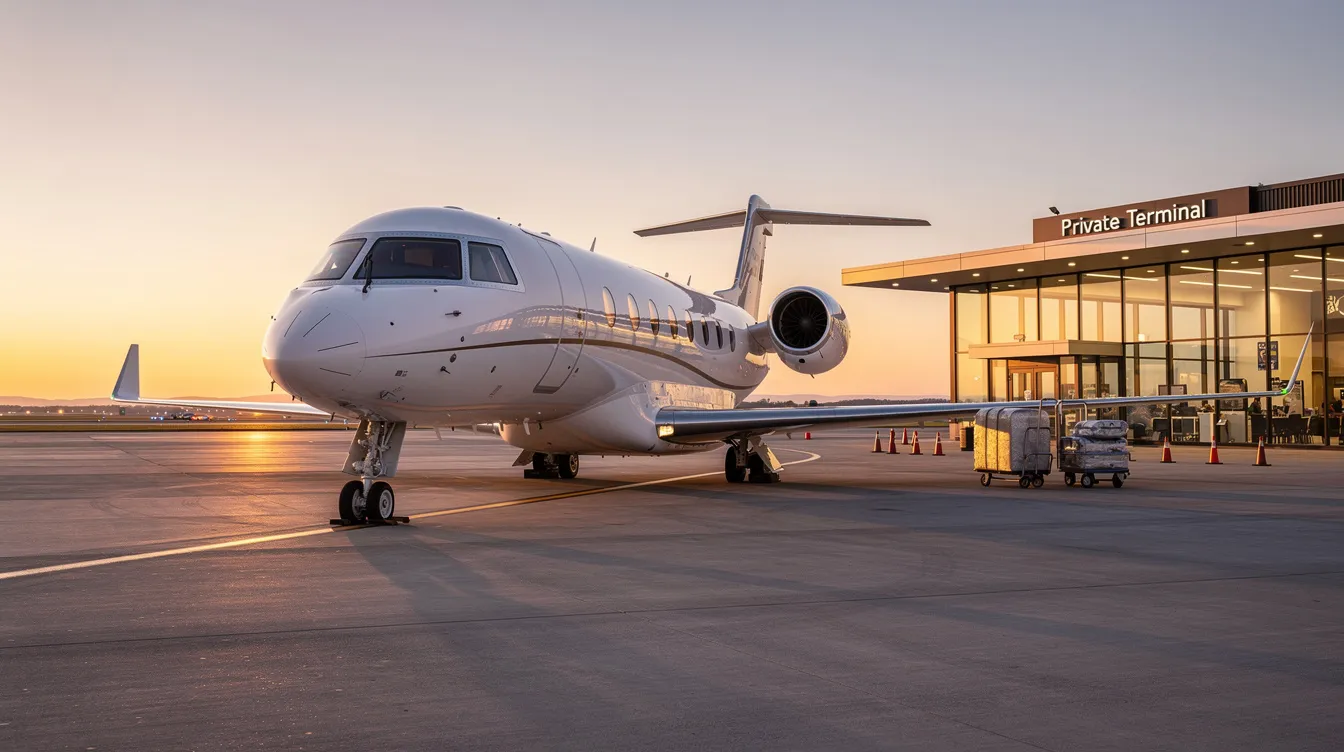
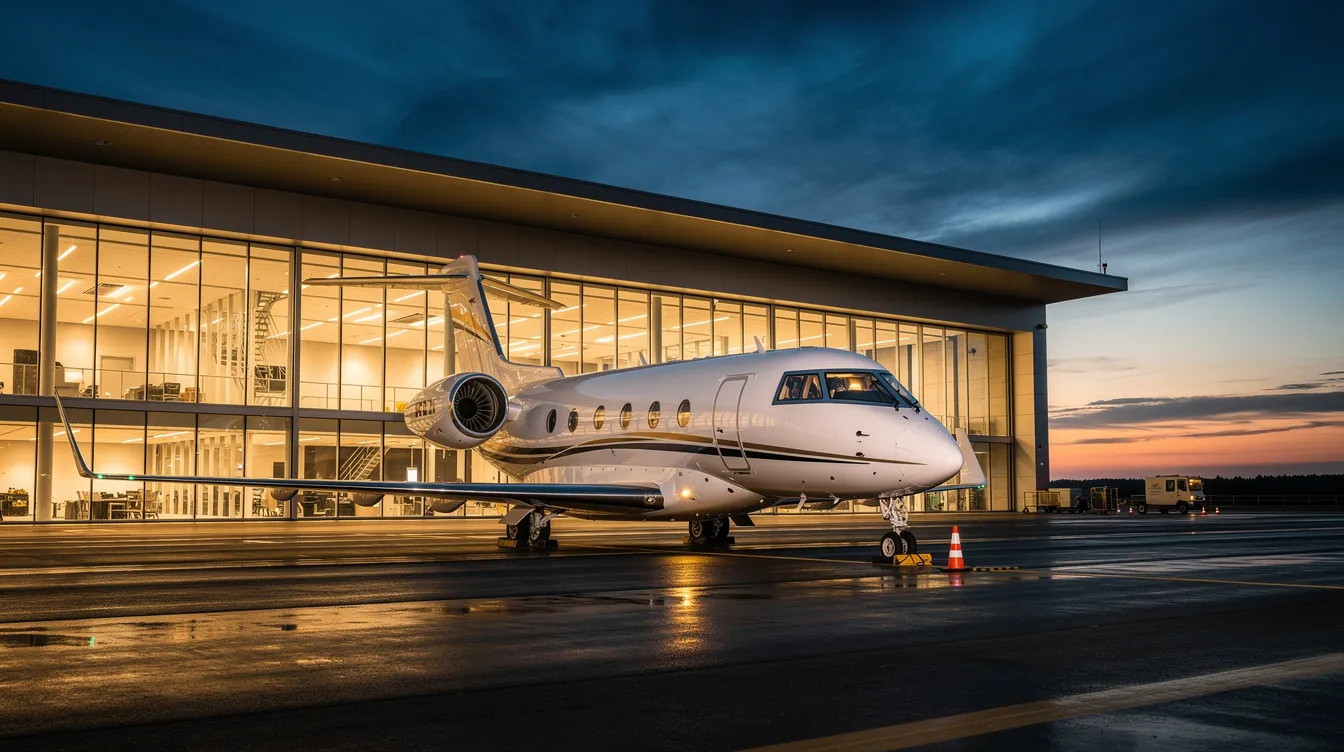
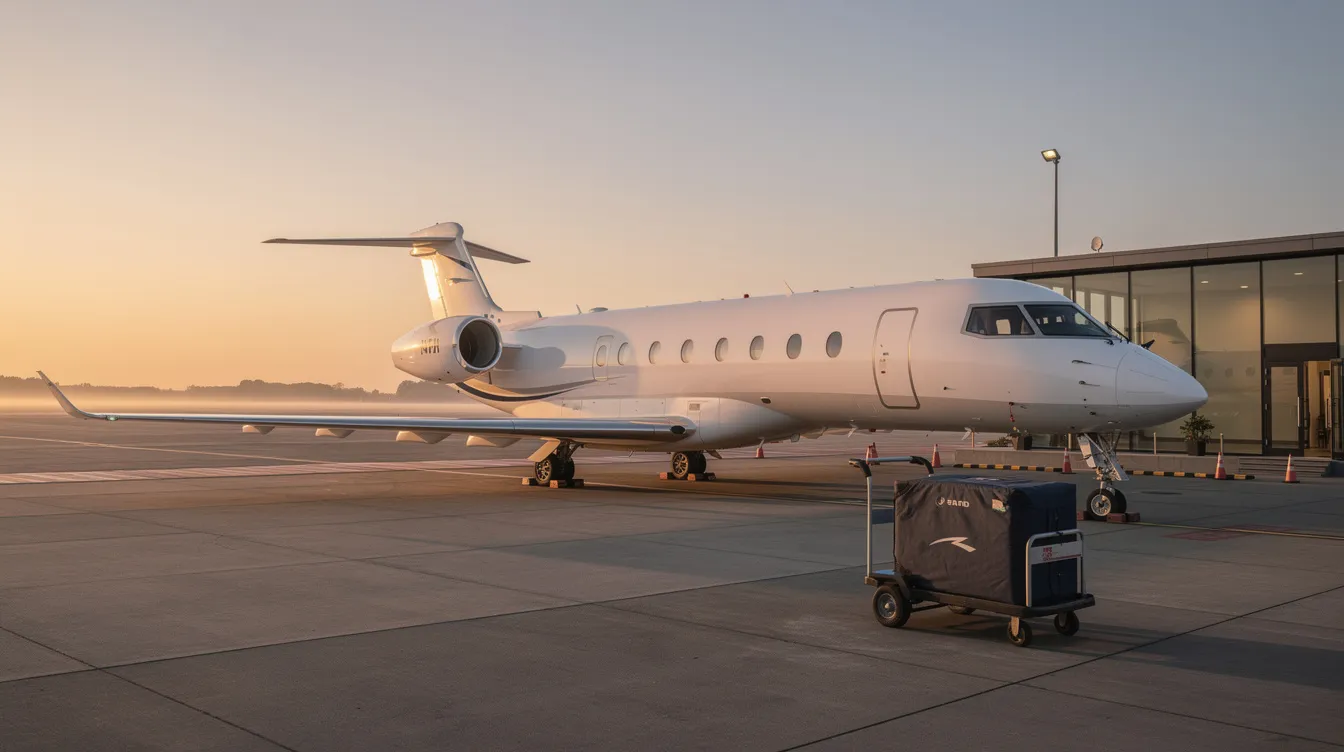
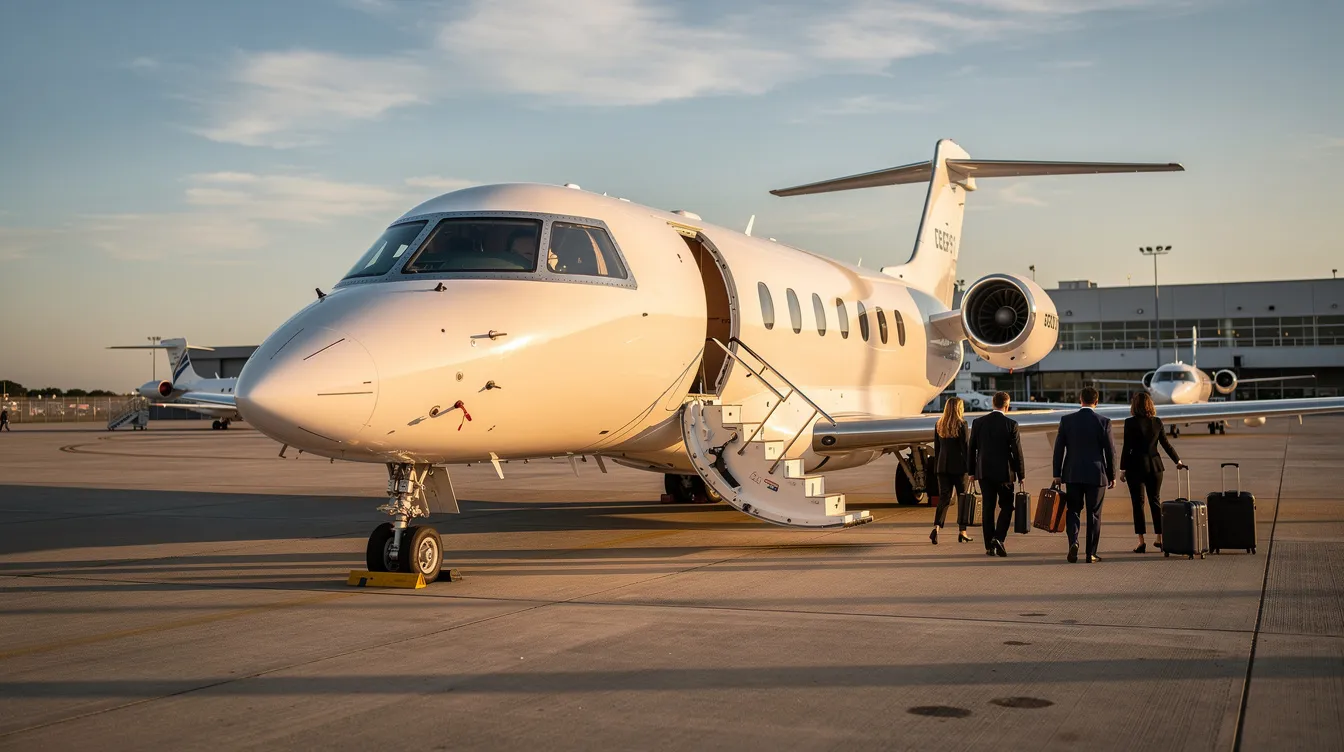
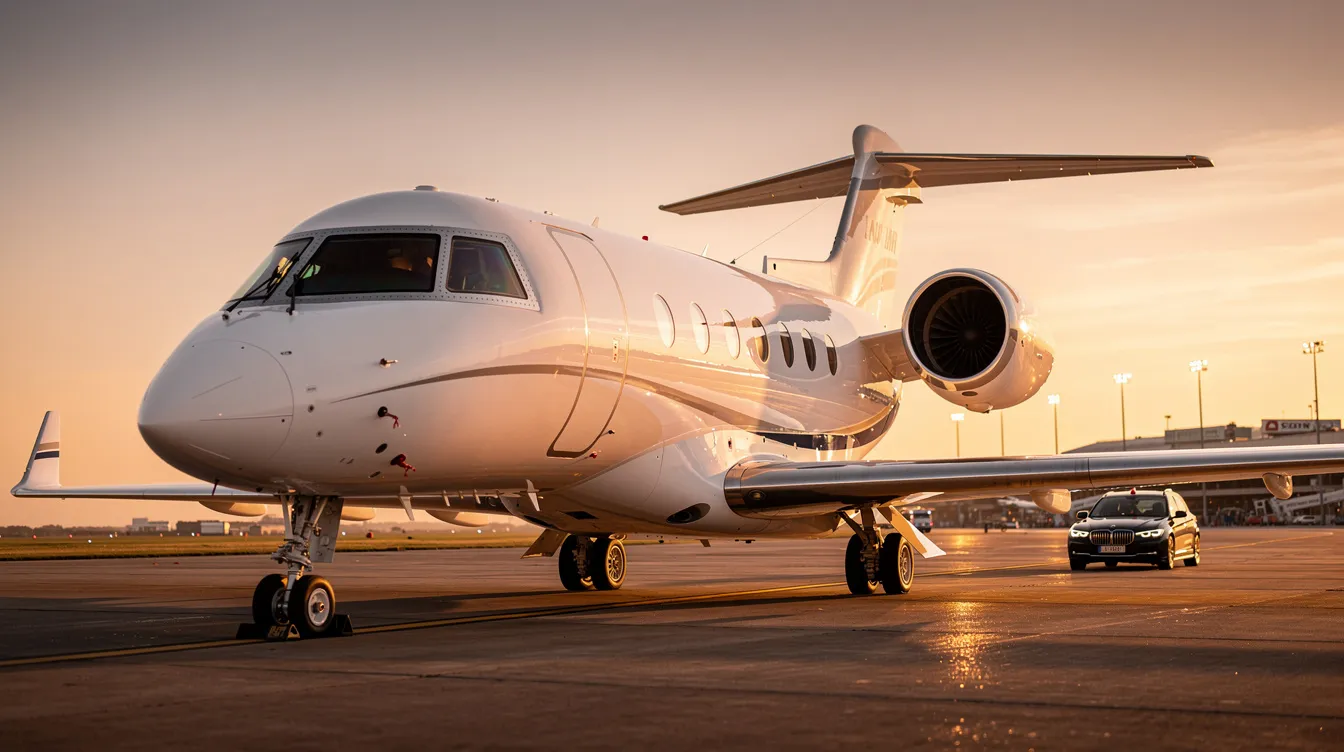
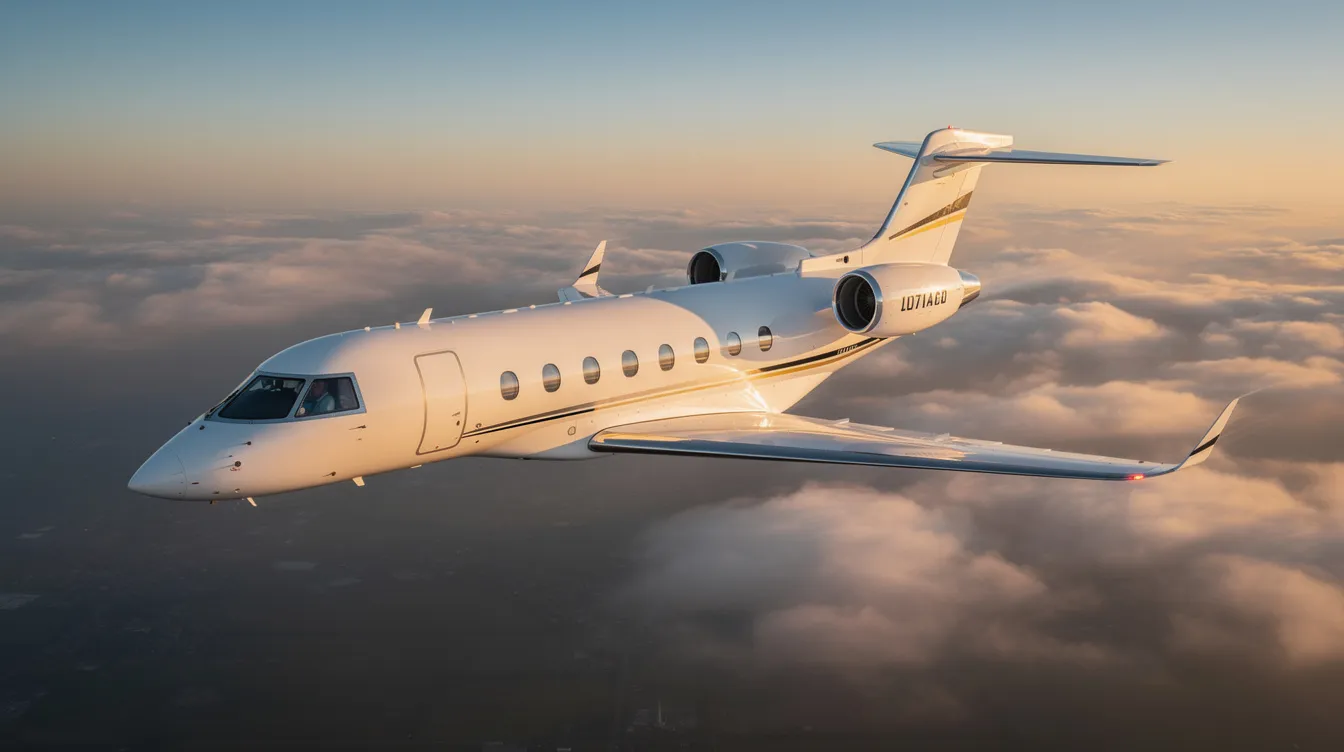
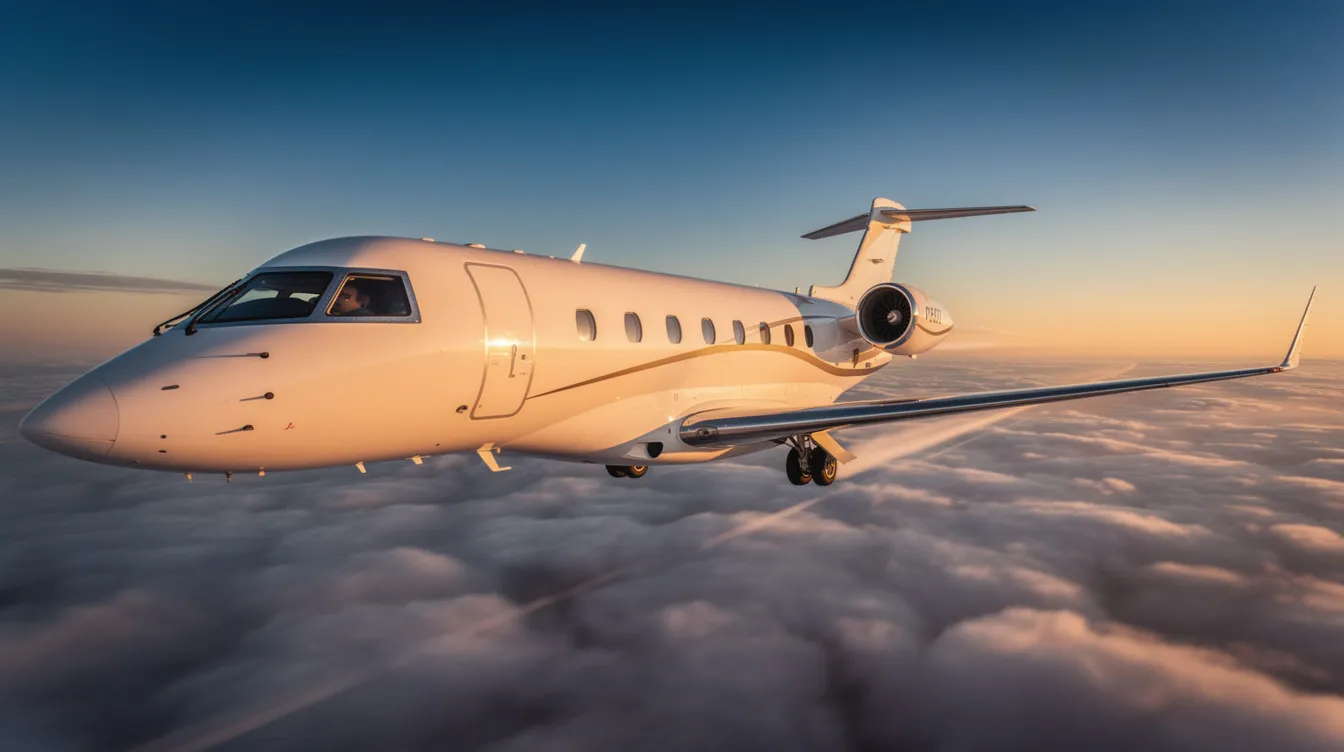
In the world of private aviation, a luxury private plane represents the pinnacle of personalized travel, combining exceptional comfort, cutting-edge technology, and unparalleled flexibility. These aircraft are not merely modes of transportation but flying sanctuaries designed to meet the exacting standards of high-net-worth individuals, corporate leaders, and discerning travelers worldwide. Understanding the nuances of luxury private jets—from their defining features and market categories to ownership strategies and operational considerations—is essential for making informed decisions in this exclusive sector.
This comprehensive guide offers insights into the luxury private plane market, highlighting key models, cabin amenities, and the strategic factors that influence acquisition and use. Whether you are considering purchasing, chartering, or managing a private jet, this resource provides a practical overview to help you navigate the complexities of luxury aviation with confidence and clarity.
Key Takeaways
A luxury private plane is not defined by interior finish alone. In modern business aviation, luxury private jets are tools for time control, privacy, productivity, and global access.
This guide is designed for prospective buyers, current owners, and charter clients seeking to understand the landscape of luxury private planes. We cover leading models, ownership strategies, cost considerations, and the unique features that set luxury private jets apart in today’s market. This page explores what defines a luxury private plane, the top models, ownership strategies, and key considerations for buyers and charter clients.
Since 2020, private aviation has experienced record growth, driven by increased demand for contactless travel and the expansion of business aviation in emerging markets.
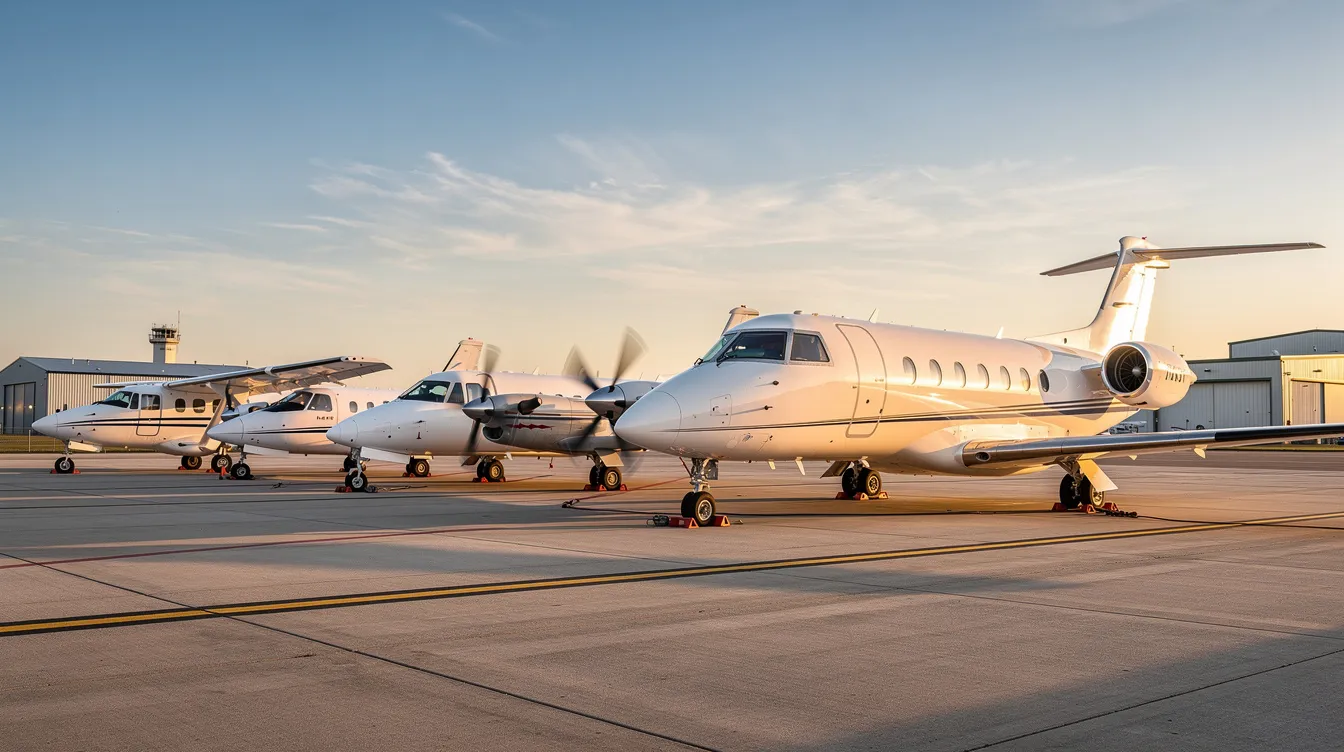
“Luxury private plane” spans light jets such as the Embraer Phenom 300 to executive airliners such as the Embraer Lineage 1000E and Boeing Business Jet.
Purchase price is only part of the equation; aircraft valuation, maintenance status, operating cost, and exit strategy matter just as much.
Private jet ownership, private jet charter, Jet Card plans, fractional ownership, and hybrid use all serve different travel profiles.
BusinessJets.com supports appraisals, acquisitions, aircraft sales, and consulting across the full private jet lifecycle.
Understanding Luxury Private Jets in Today’s Market
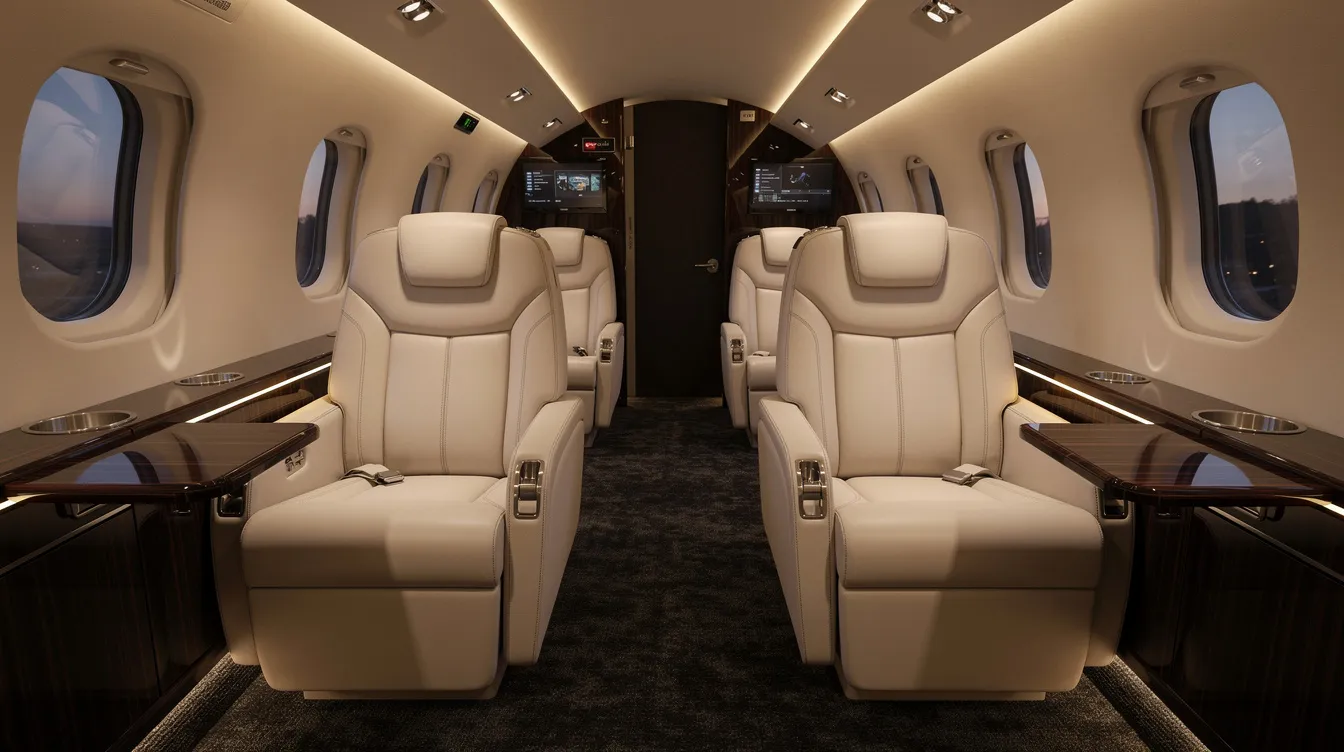
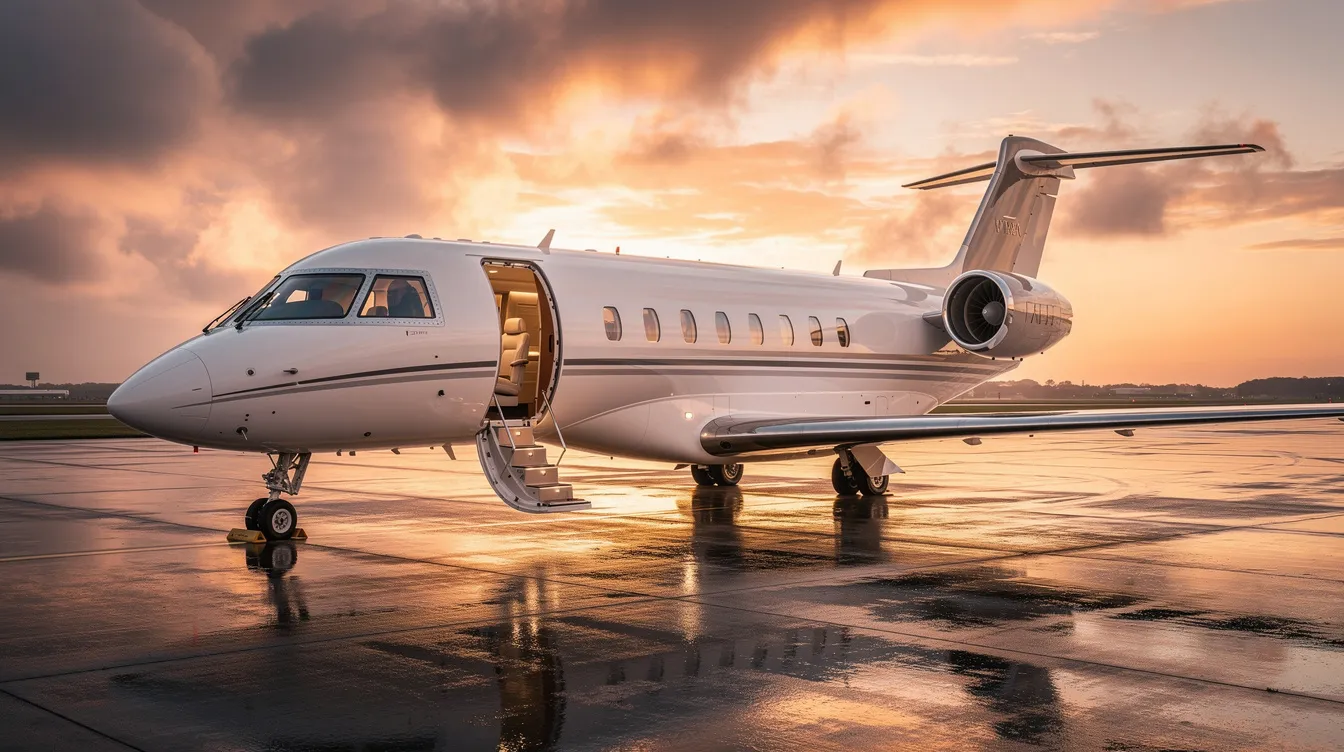
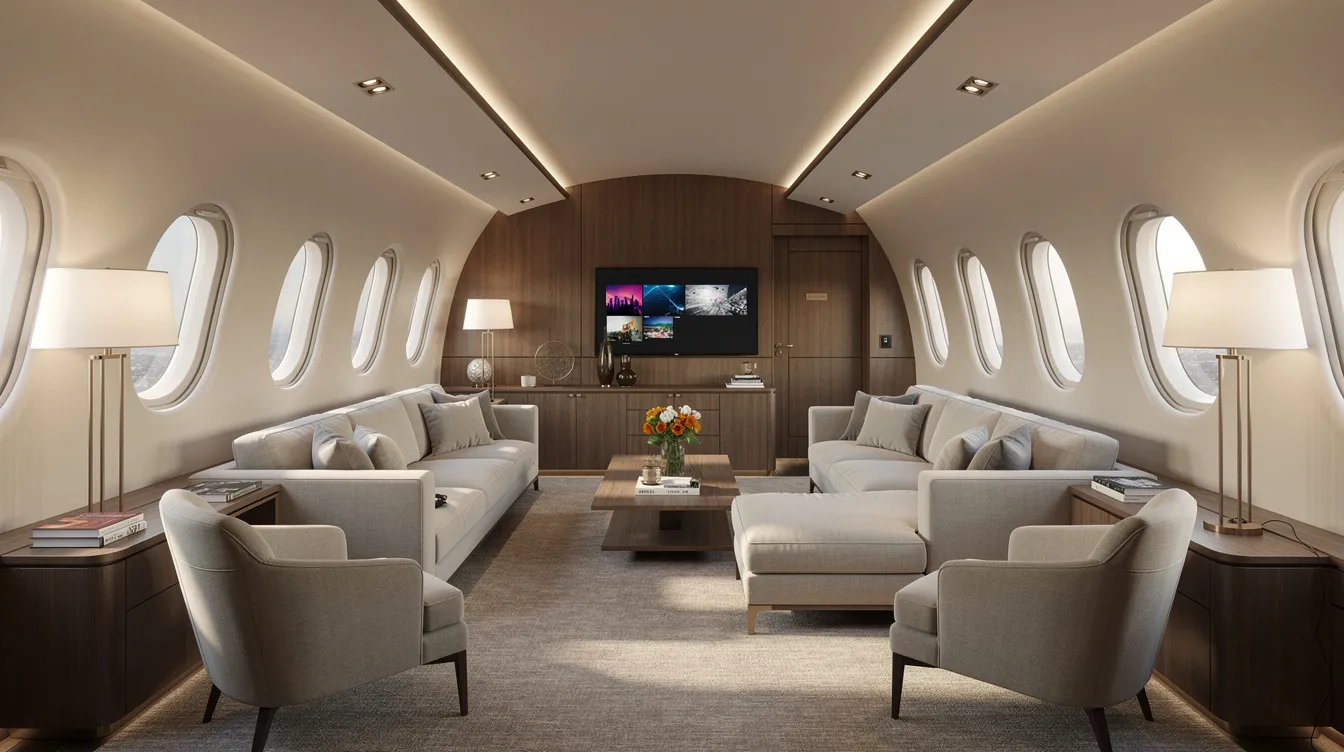
A luxury private plane is characterized by customizable cabin options, designated living spaces such as full-sized master bedrooms, separate guest bedrooms, dining rooms, and entertainment areas, transforming the cabin into a luxury hotel experience. The interiors of high-end private jets can include lavish amenities such as full-service bars, gourmet kitchens, and even gyms, catering to the desires of their owners. Many luxury private jets are equipped with advanced technology, including high-speed internet, touchscreen cabin controls, and sophisticated entertainment systems, enhancing the passenger experience. This level of customization and comfort distinguishes luxury private planes from standard private jets, which may offer premium seating and amenities but lack the extensive personalization, residential-style layouts, and advanced onboard technology found in true luxury models.
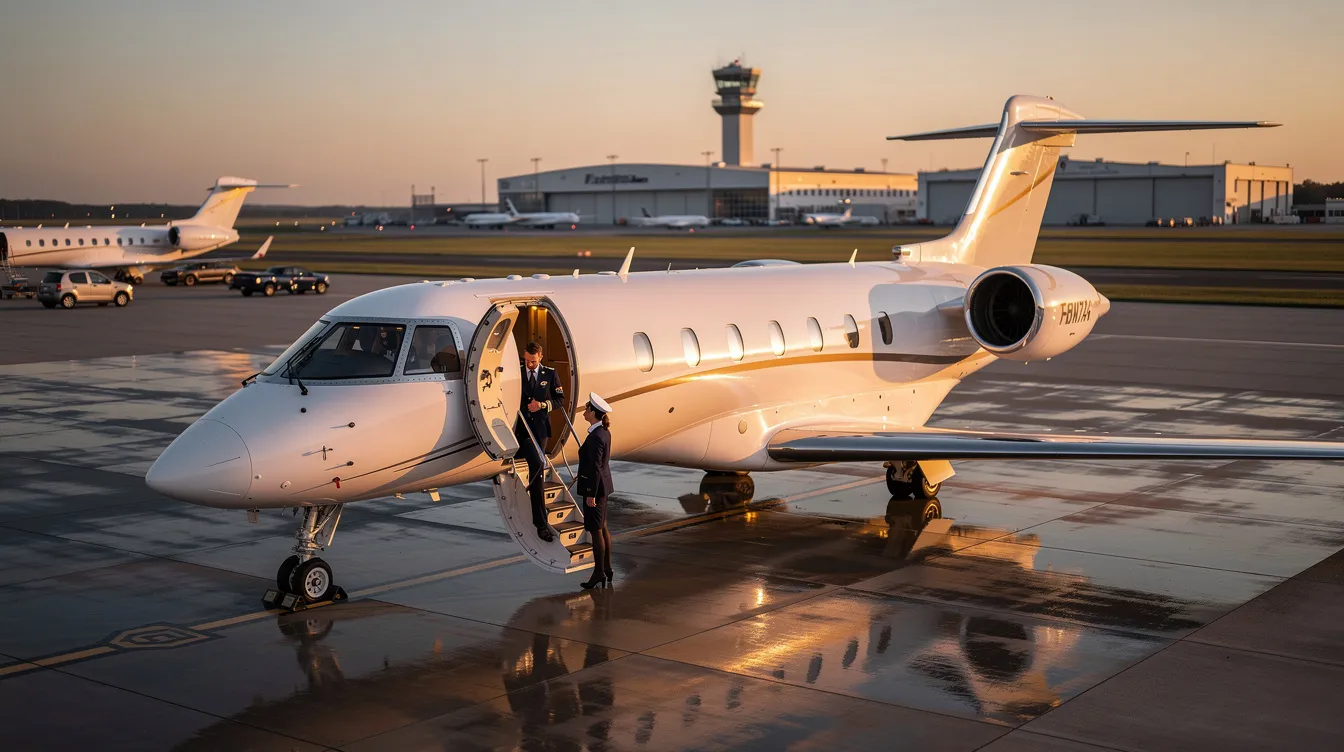
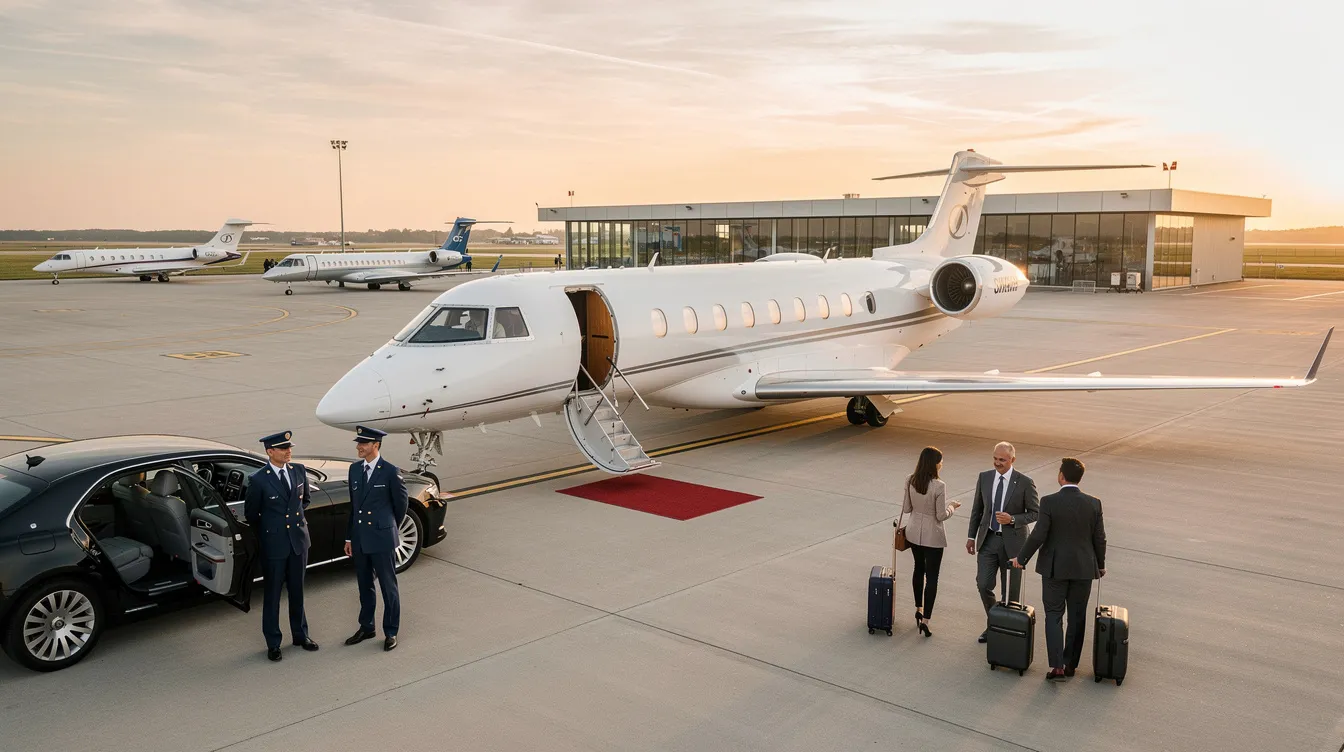
Private jets allow passengers to arrive just minutes before departure, bypassing long check-in and security lines at major airports. They also allow passengers to dictate the departure time, and can even change destinations mid-flight if necessary.
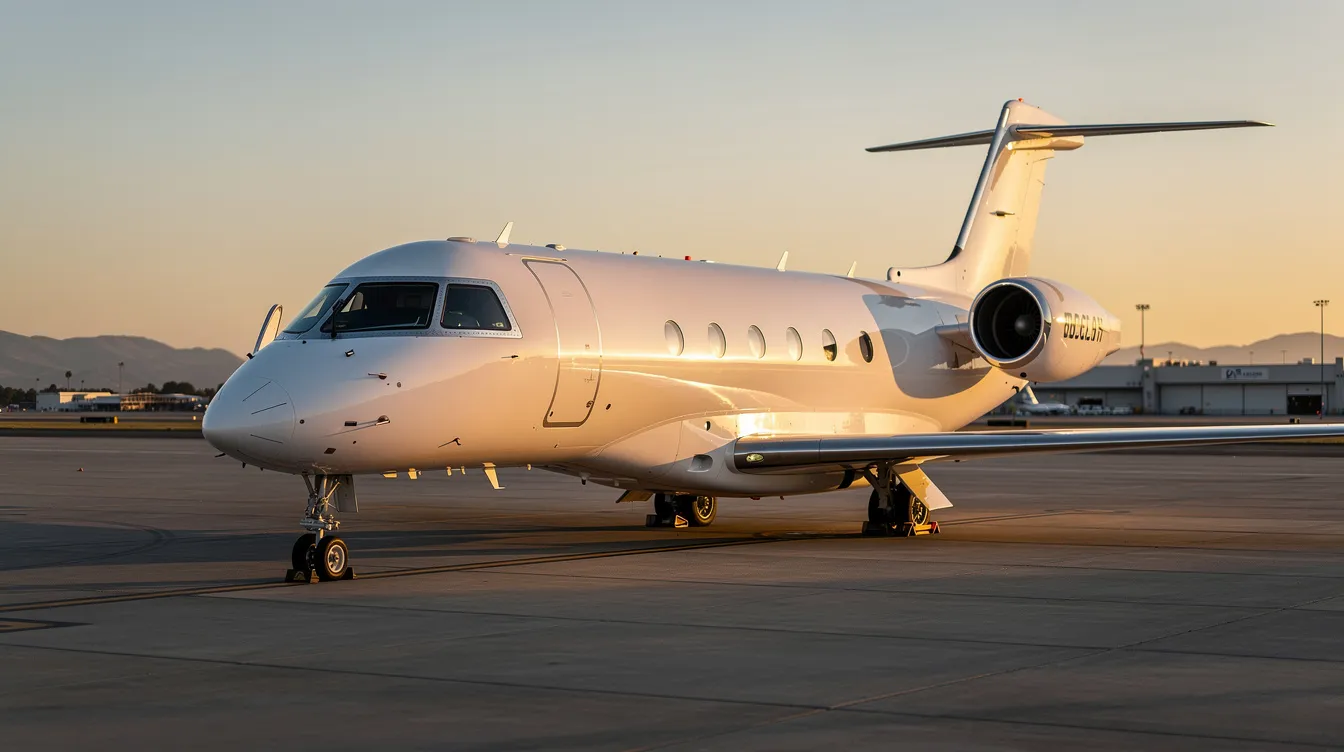
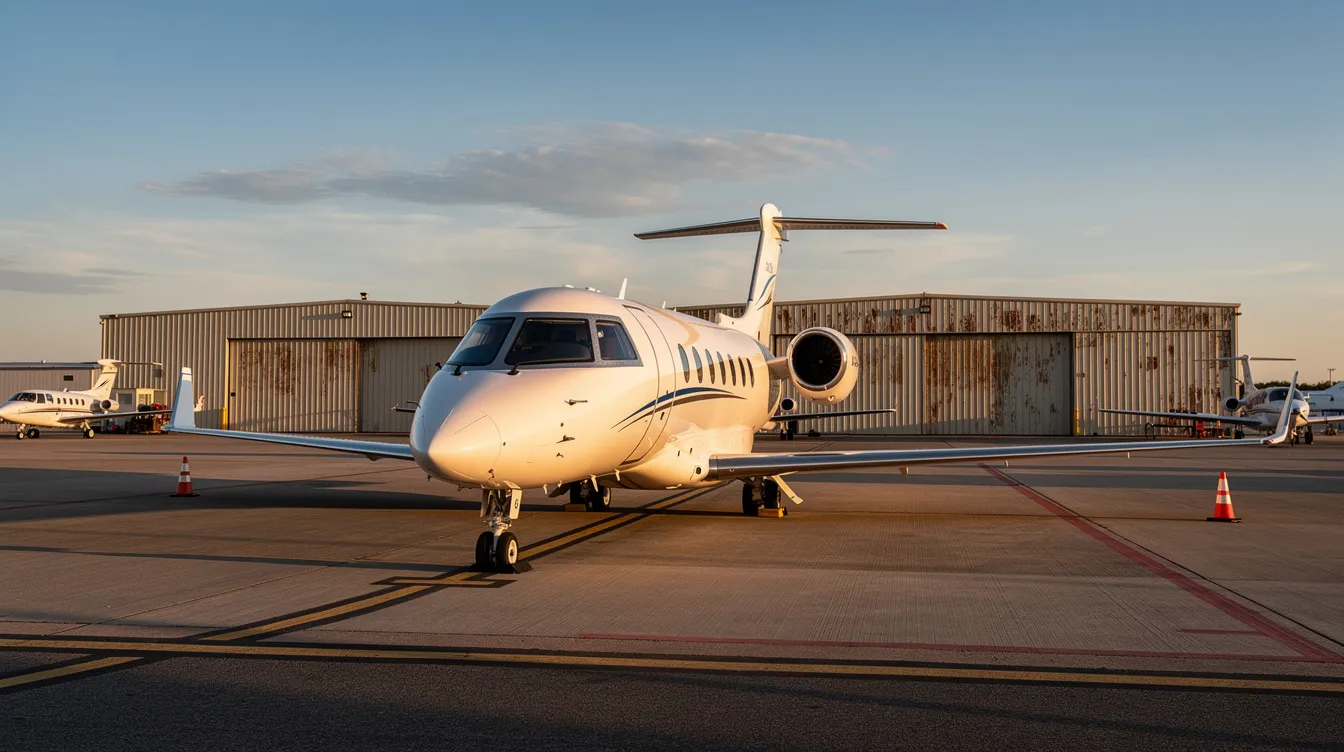
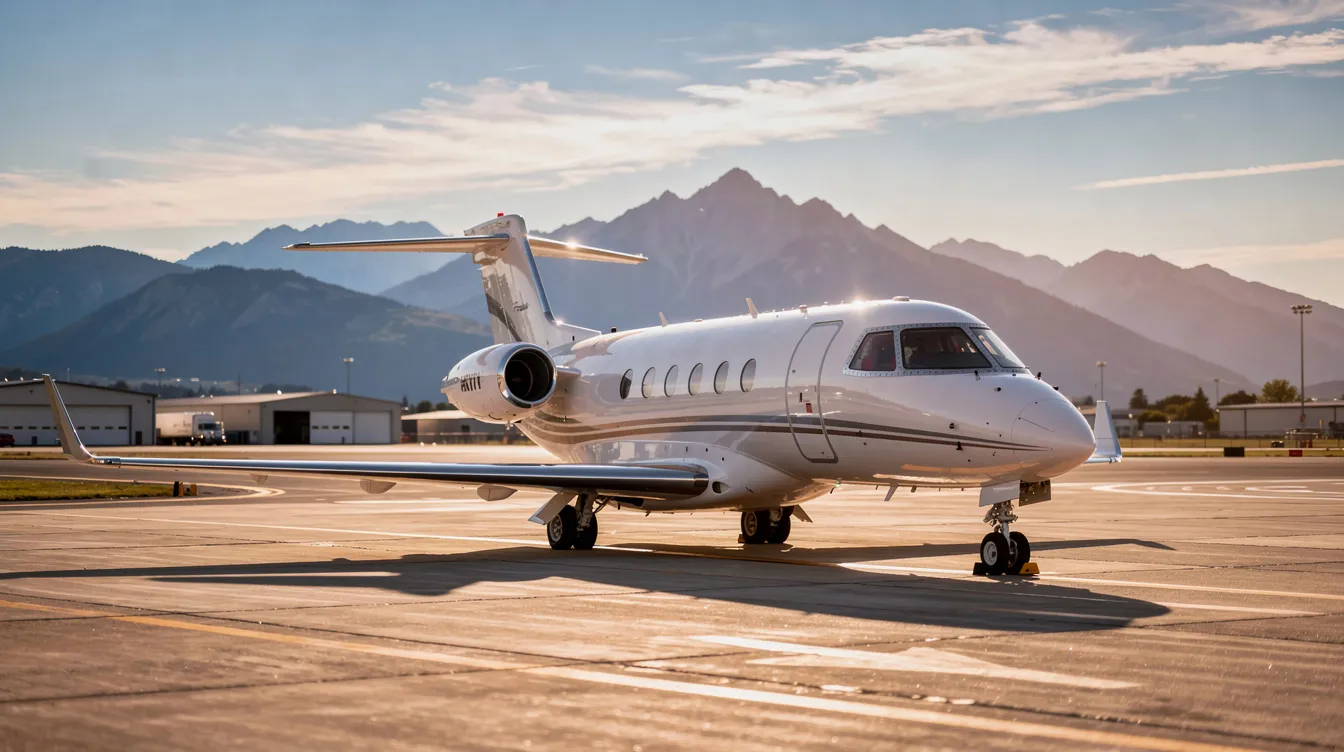
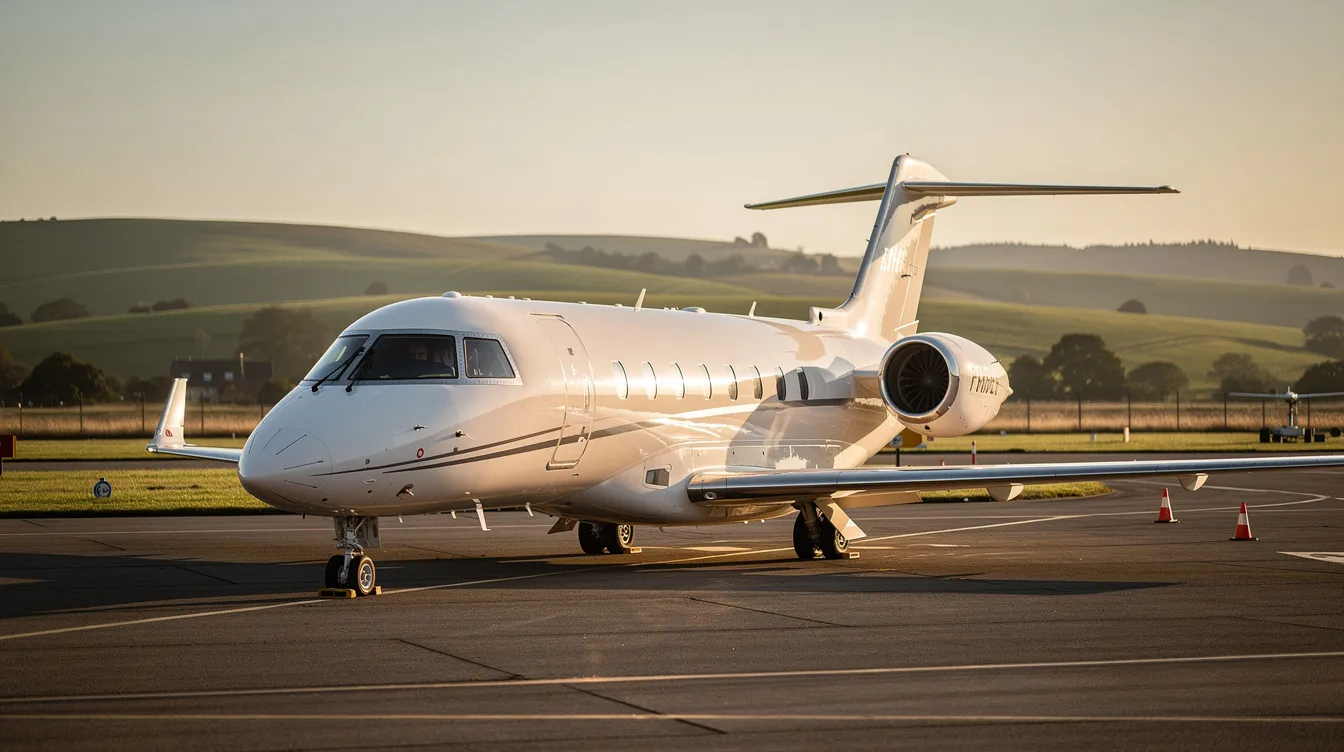
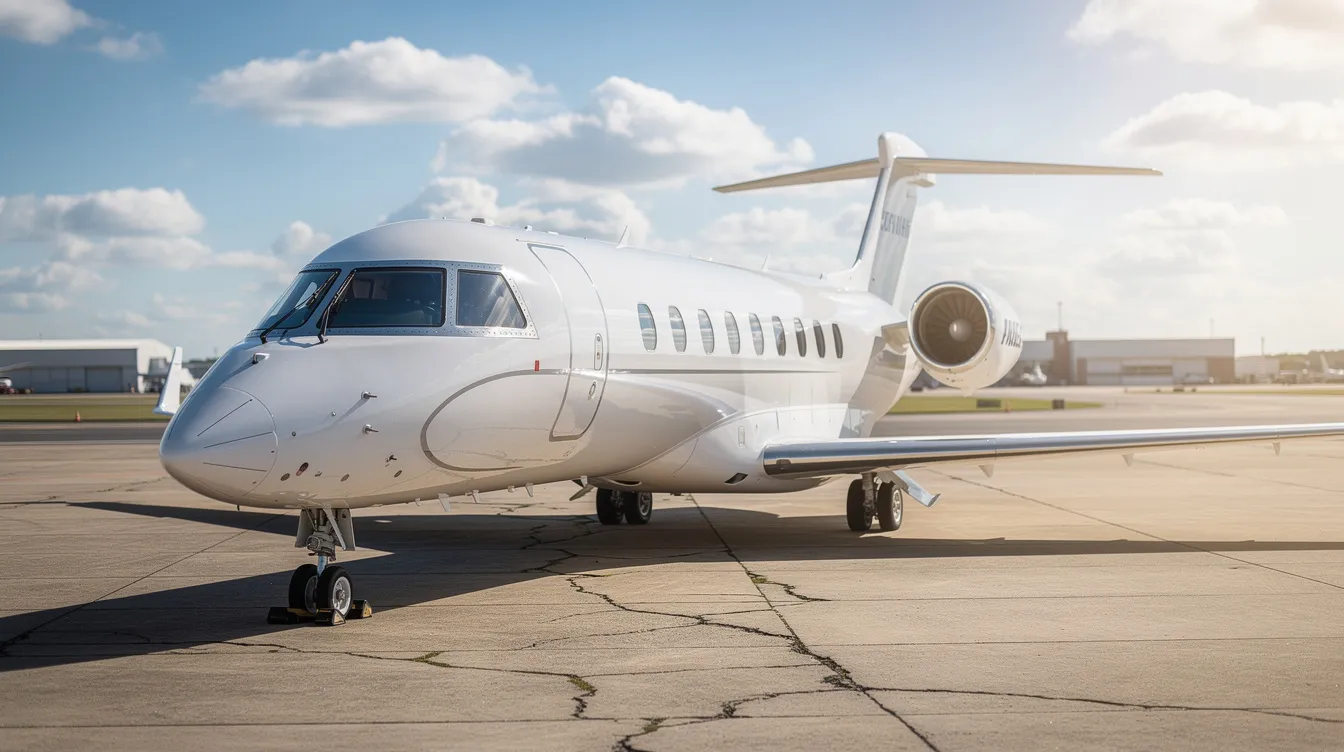
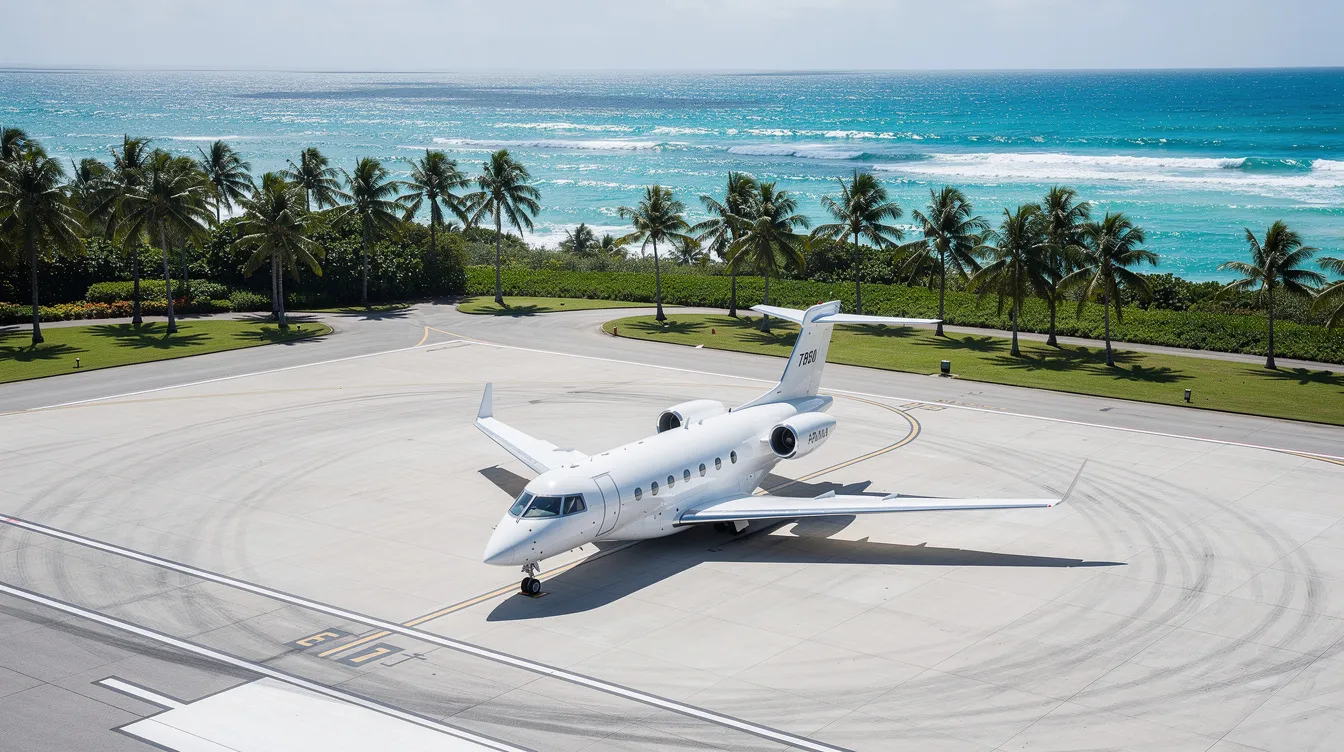
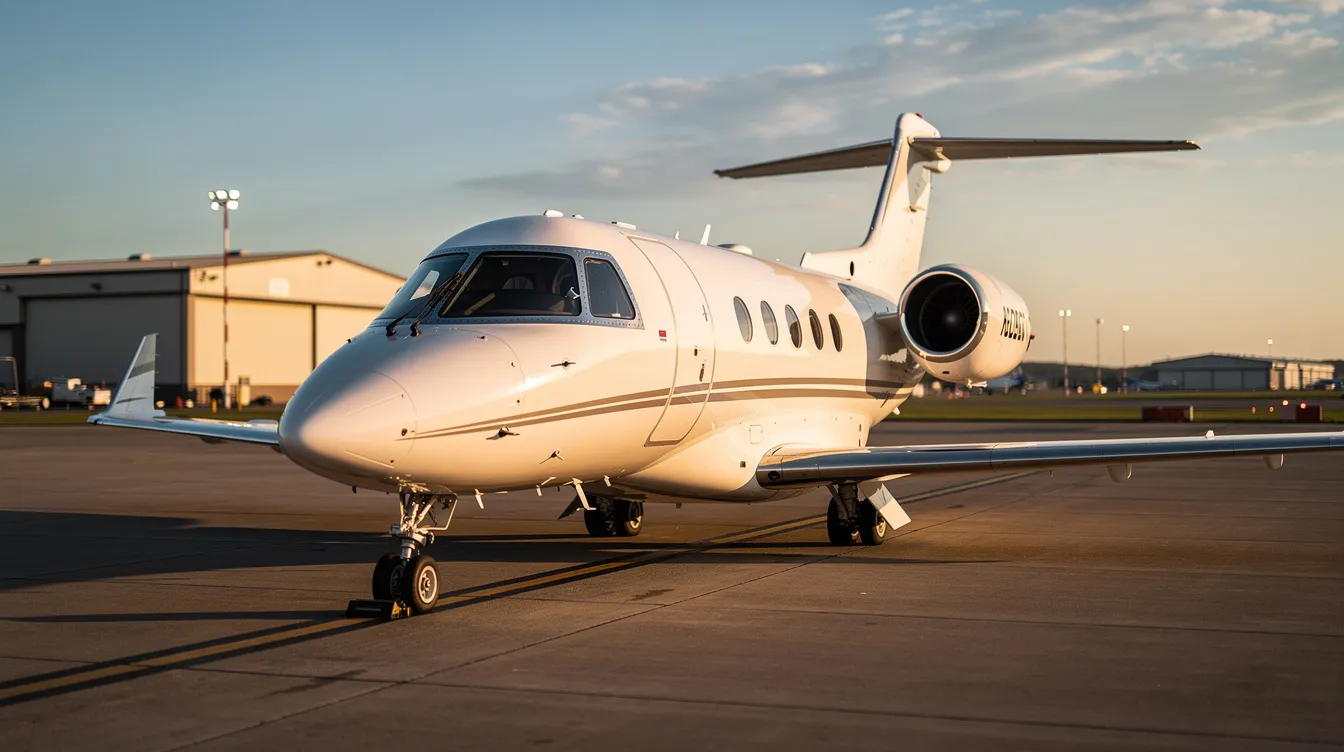
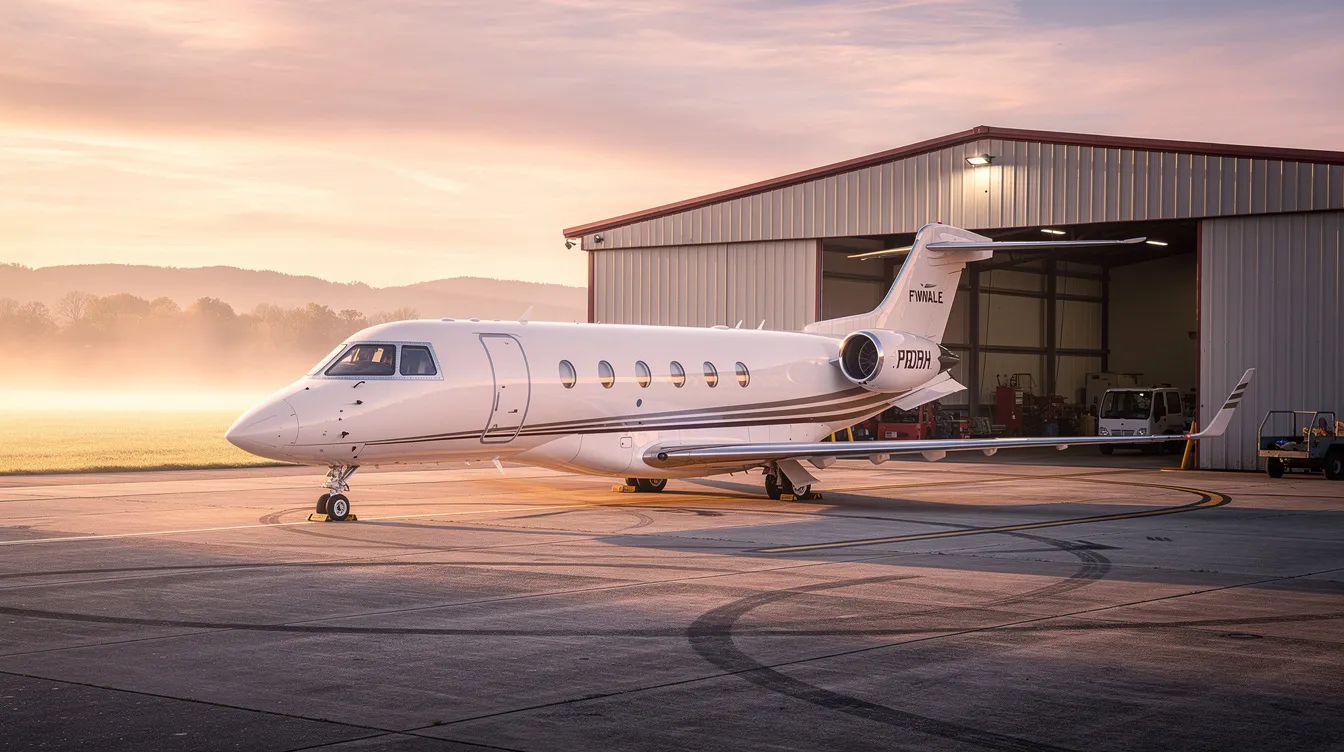
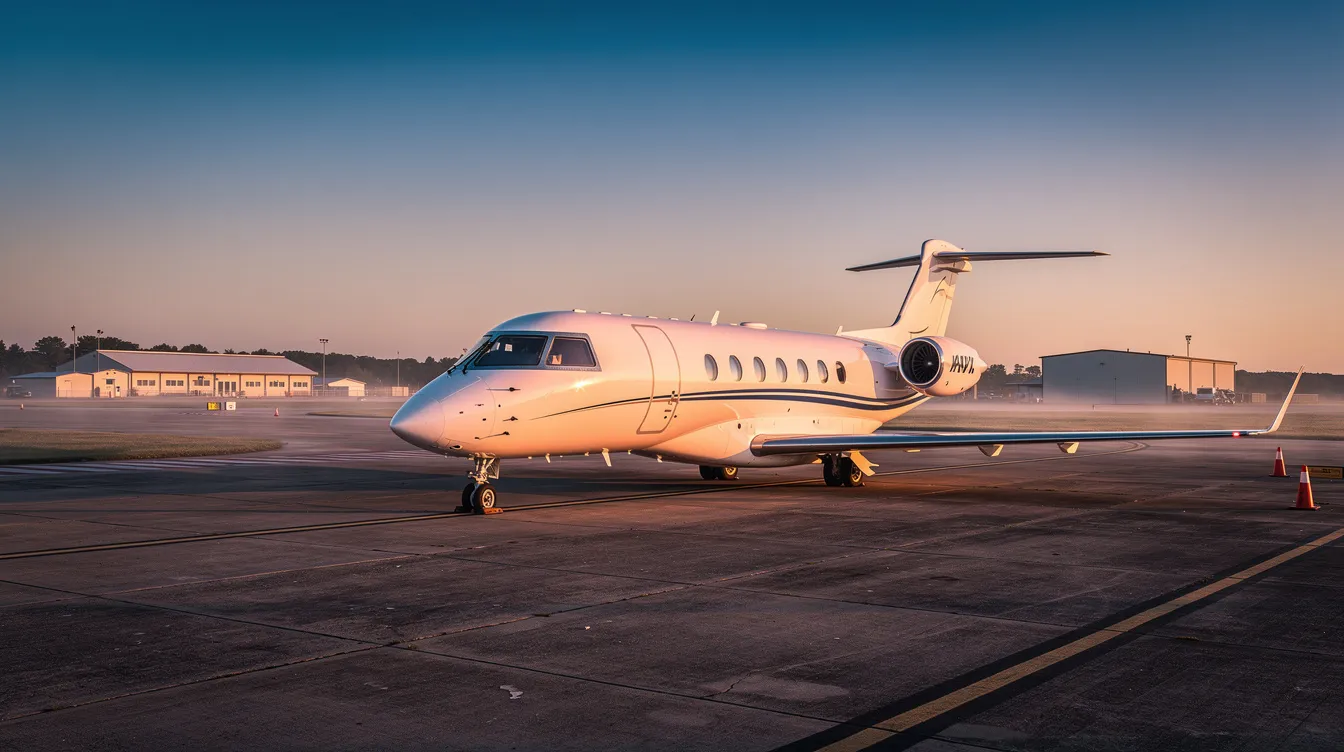
Luxury private jets combine range, speed, advanced avionics, quiet cabin design, high-speed internet, refined seating, and customized amenities. The aircraft type determines the experience: smaller aircraft emphasize efficiency, while large-cabin jets and VVIP airliners provide space, longer range, and maximum comfort.
Private aviation provides access to roughly 5,000 airports in the U.S., compared to around 500 served by commercial airlines. That access can materially change total trip time.
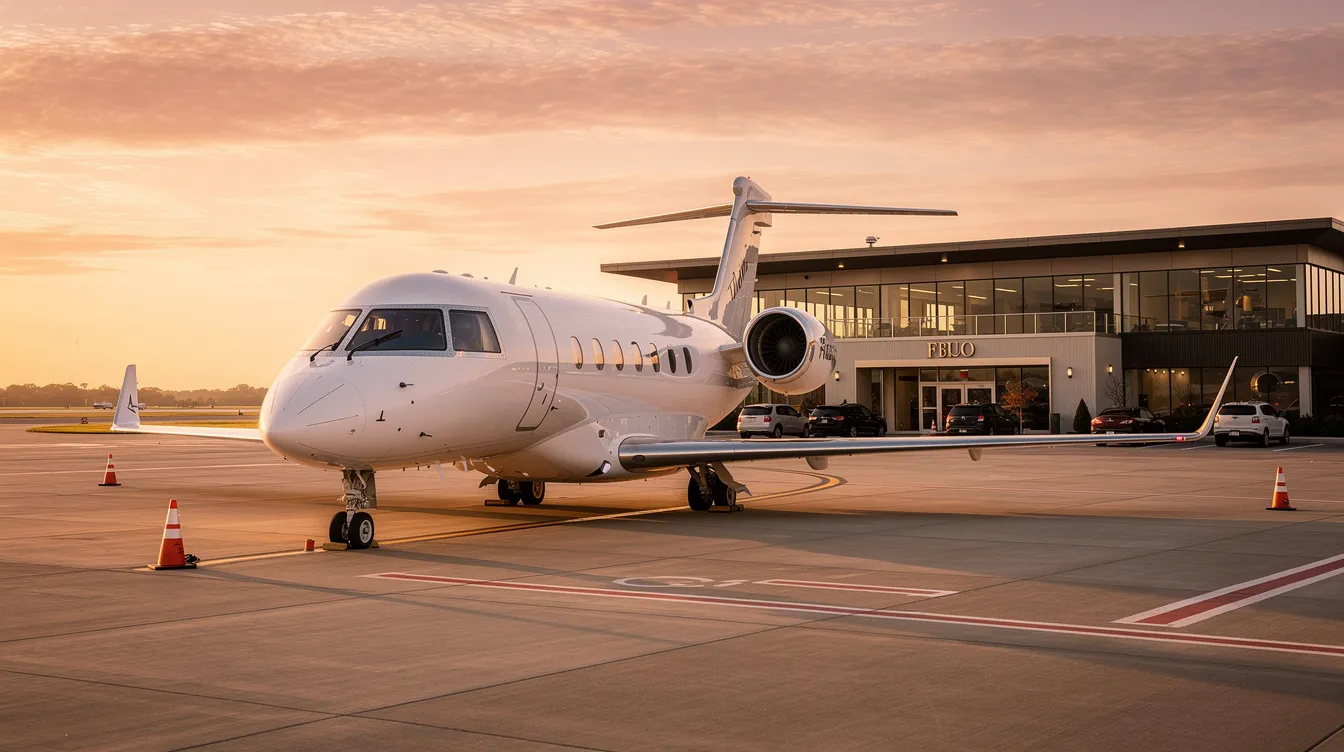
Popular models include the Gulfstream G650ER, Bombardier Global 7500, Cessna Citation Longitude, and Embraer Lineage. BusinessJets.com helps owners and buyers evaluate these models by mission, market demand, and resale strategy, and offers a broad inventory of premium aircraft for sale from major manufacturers.
Luxury Private Jet Categories and Popular Models
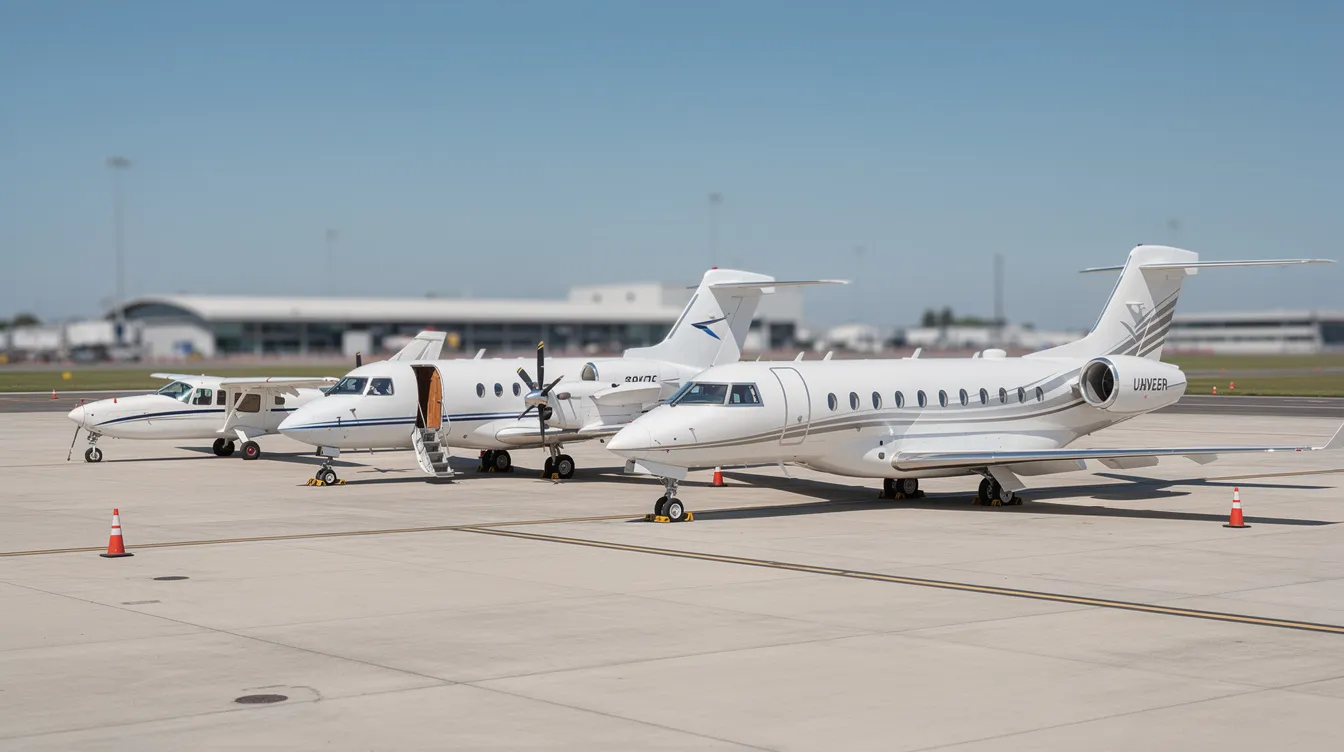
Different aircraft serve different plans: regional trips, transcontinental business, leisure routes, or global operations. Model choice affects acquisition cost, residual value, charter potential, fleet fit, and operating budget.
BusinessJets.com has completed 1,500+ aircraft transactions and uses that market detail to guide clients toward right-size aircraft decisions.
Category | Typical Passenger Capacity | Range (nautical miles) | Hourly Operating Cost (USD) | Notable Models | Key Features |
|---|---|---|---|---|---|
Very Light Jets | 4 to 6 | 1,200 – 2,000 | $2,000 – $3,500 | HondaJet, Citation M2 | Efficient, quiet cabins, regional travel |
Light Jets | 4 to 8 | 2,000 – 3,500 | $3,000 – $5,000 | Embraer Phenom 300, Citation CJ4 | Quick turnarounds, refined interiors |
Mid-Size & Super Mid-Size Jets | 6 to 12 | 3,000 – 4,000 | $4,500 – $10,000 | Citation Longitude, Gulfstream G280 | Balanced range and cabin space |
Large-Cabin Heavy Jets | 10 to 16 | 4,000 – 6,000 | $8,000 – $15,000 | Gulfstream G650ER, Bombardier Global 7500 | Long-range, spacious cabins, advanced tech |
Ultra-Long-Range & VVIP Jets | 14 to 20+ | 6,000 – 8,000+ | $12,000 – $30,000+ | Boeing 747-8 VIP, Airbus ACJ, Embraer Lineage 1000E | Multi-room luxury, full-service galleys, bespoke interiors |
Light Jets and Very Light Jets
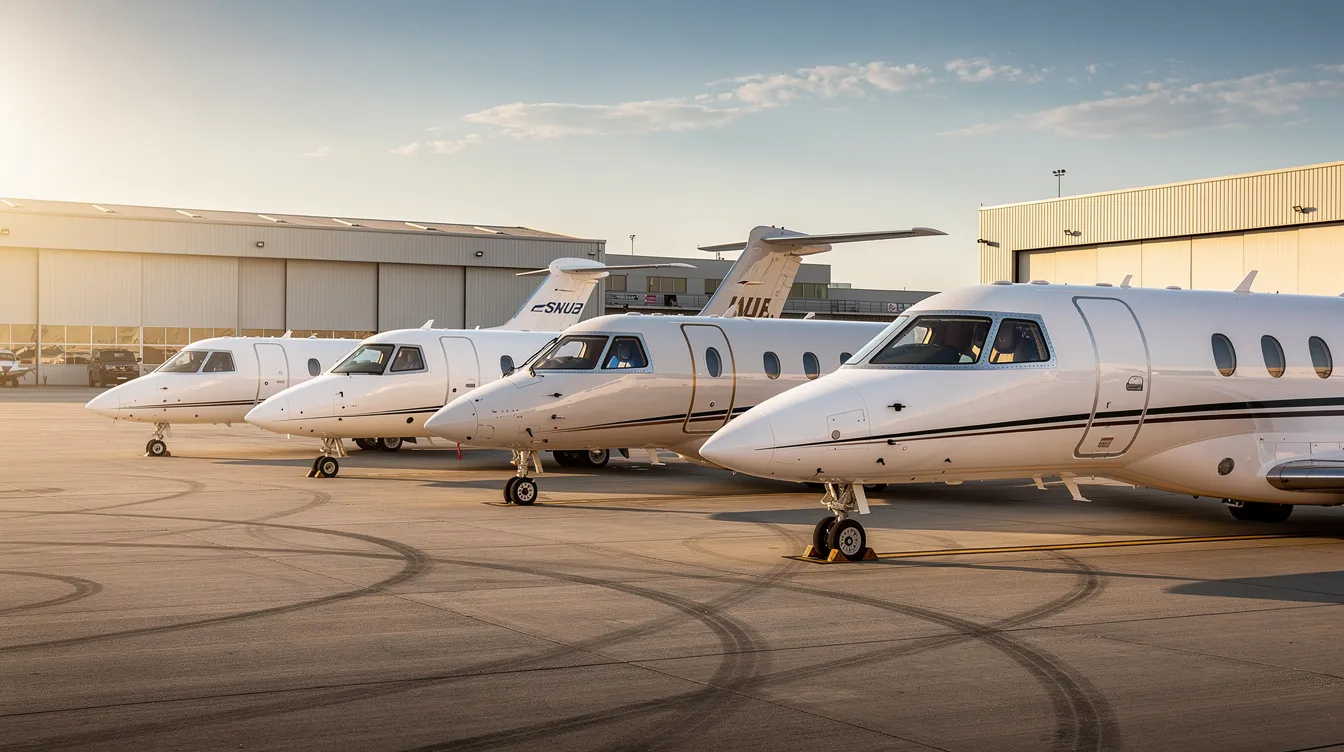
Light jets, such as the Embraer Phenom 300, are designed for short hops and mid-range business trips, seating 4 to 8 passengers with a range of approximately 2,000 to 3,500 nautical miles.
Very light jets, such as the HondaJet, are recognized for their efficiency and quiet cabins, making them popular choices for short-distance travel. Examples include the HondaJet HA-420, Phenom 300, and Citation CJ4.
Luxury in this class is less about a flying palace and more about quiet cabins, efficient avionics, high-speed internet, refined interior materials, and fast airport turns. They suit families or companies that usually fly regional routes with limited passengers.
Mid-Size and Super Mid-Size Jets
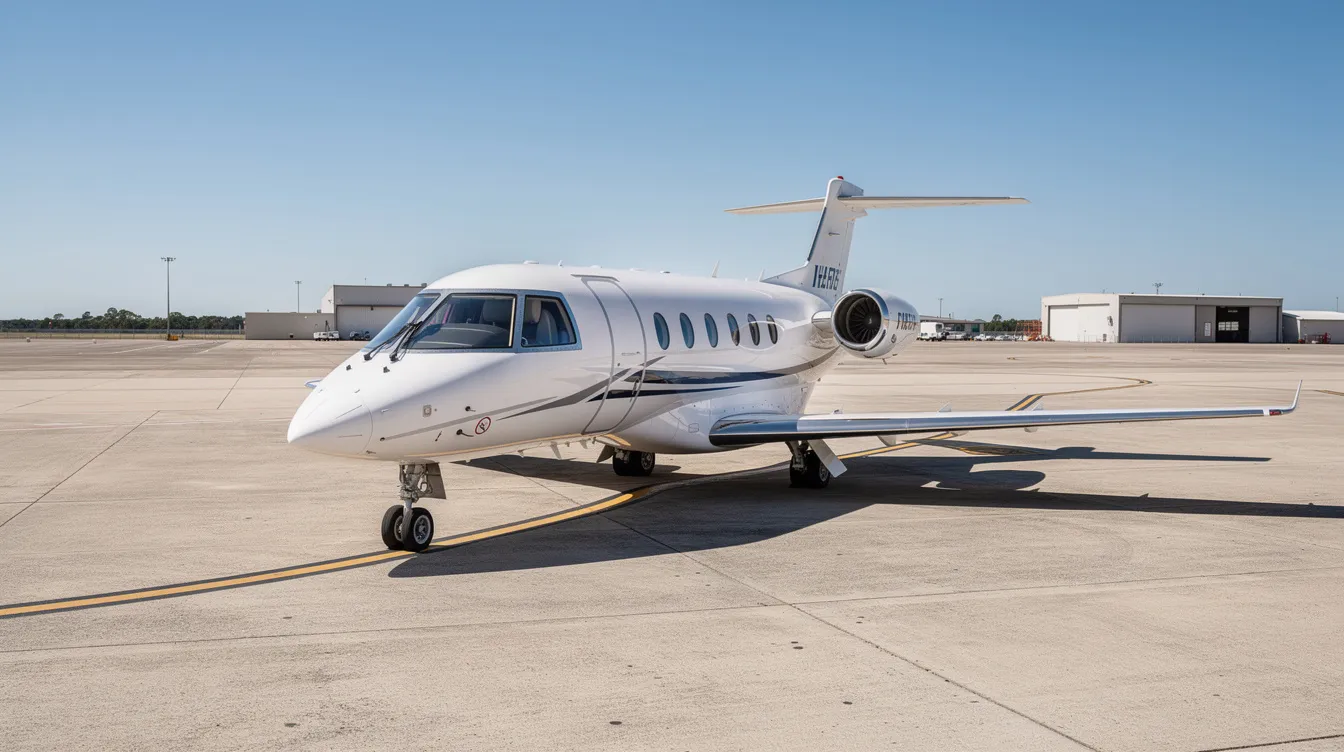
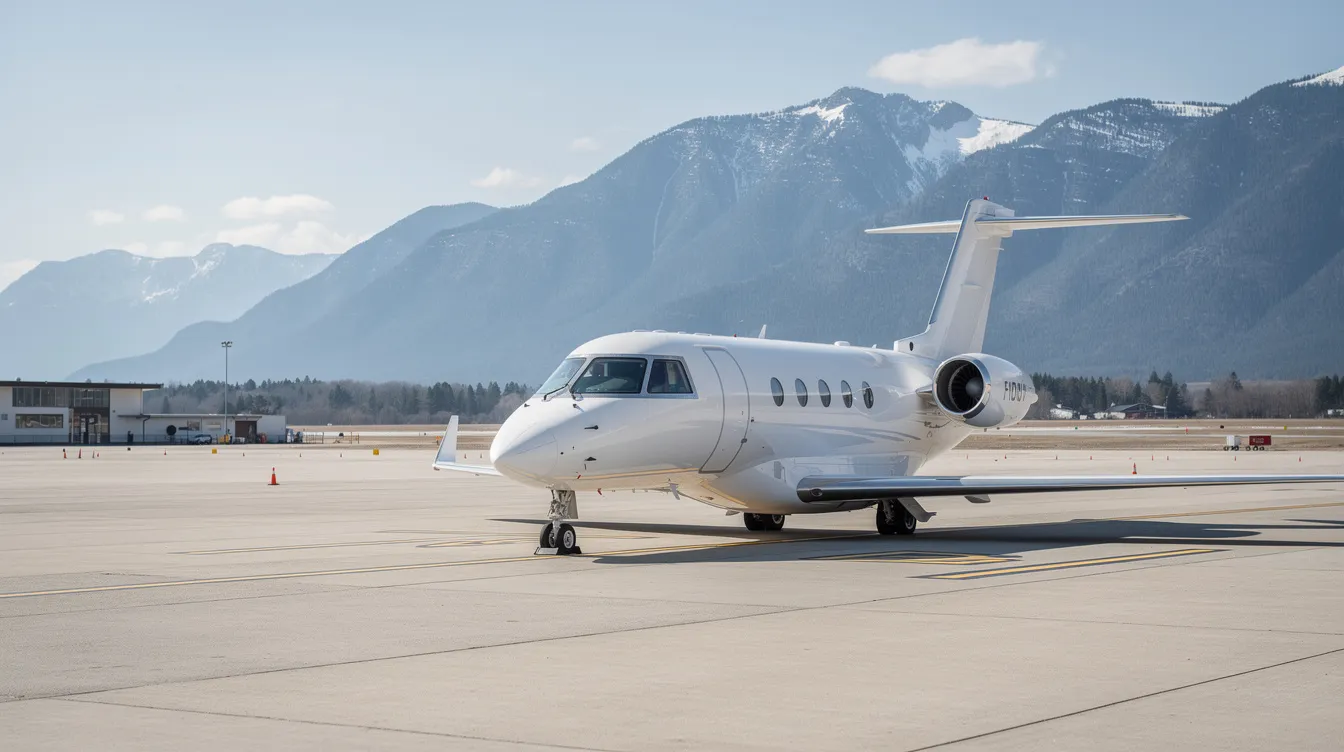
Midsize to Super-Midsize Jets typically hold 6 to 10 passengers and cost between $4,500 to $10,000 per flying hour. A super mid-size jet such as the Cessna Citation Longitude, Challenger 3500, or Gulfstream G280 balances range, cabin space, and predictable cost.
The Citation Longitude offers about 3,500 nm of range, seating for up to 12 passengers, a quiet cabin, efficient performance, a full galley, club seating, conference space, and an enclosed bathroom.
This category works well for Los Angeles–New York, Paris–Dubai, or regular corporate routes where travelers need comfort without stepping into ultra-long-range ownership economics, particularly for executives who value efficient private jet charter options serving Paris.
Large-Cabin and Ultra-Long-Range Luxury Jets
Heavy Jets can carry 10 to 16 passengers for costs ranging from $8,000 to $15,000 per flying hour. Ultra-Long-Range Jets and VIP Airliners provide the highest luxury experience, carrying 14 to 20+ passengers and costing upwards of $12,000 to $30,000+ per hour.
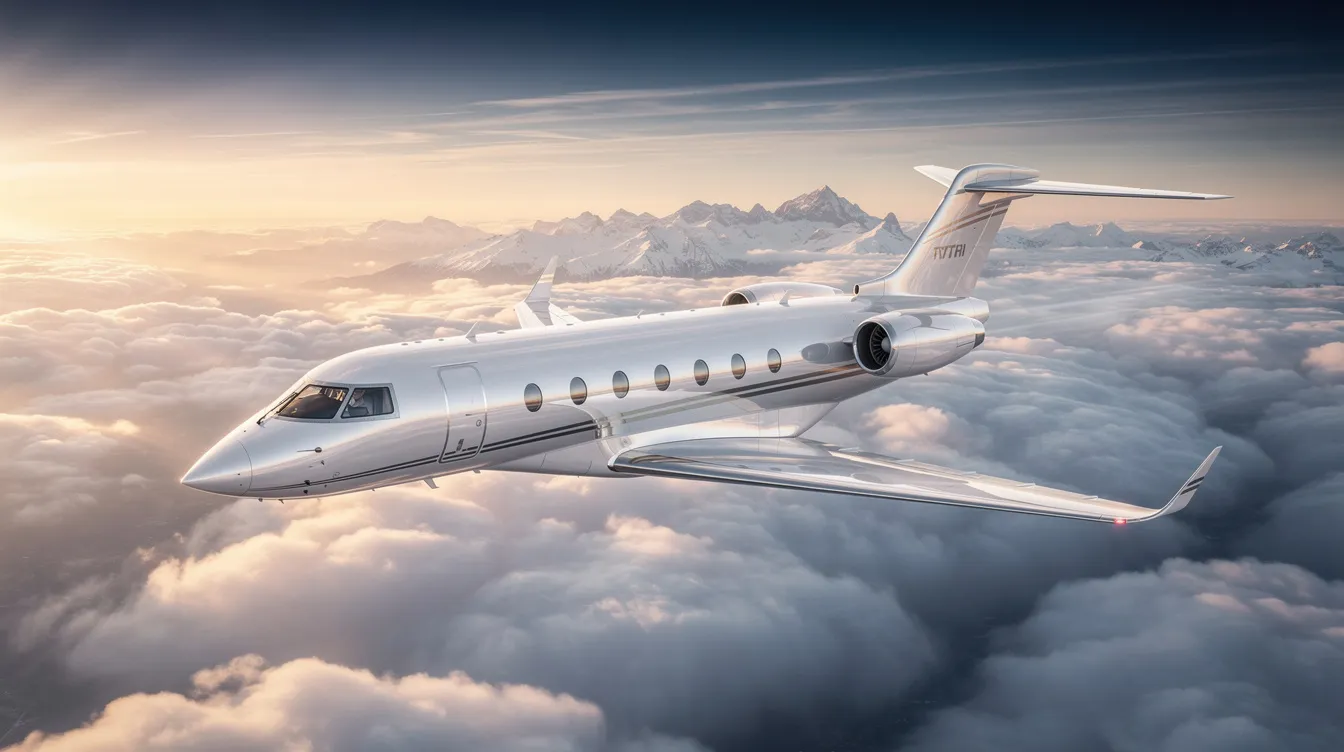
Ultra-long range jets, like the Bombardier Global 7500, can fly over 7,700 nautical miles nonstop, supporting many hours of flying without refueling. The Gulfstream G700 is noted for its advanced technology and spacious cabin, capable of flying nonstop between major business centers with a maximum speed of Mach 0.935. The Dassault Falcon 8X features a maximum speed of Mach 0.90 and a range of 6,450 nautical miles.
Many modern private jets fly at higher altitudes to avoid turbulence and maintain a lower cabin altitude, which reduces jet lag and improves breathing. The cabin environment on larger jets is designed to reduce jet lag, supporting work and rest over 10–15-hour flight segments.
Executive Airliners and VVIP Aircraft
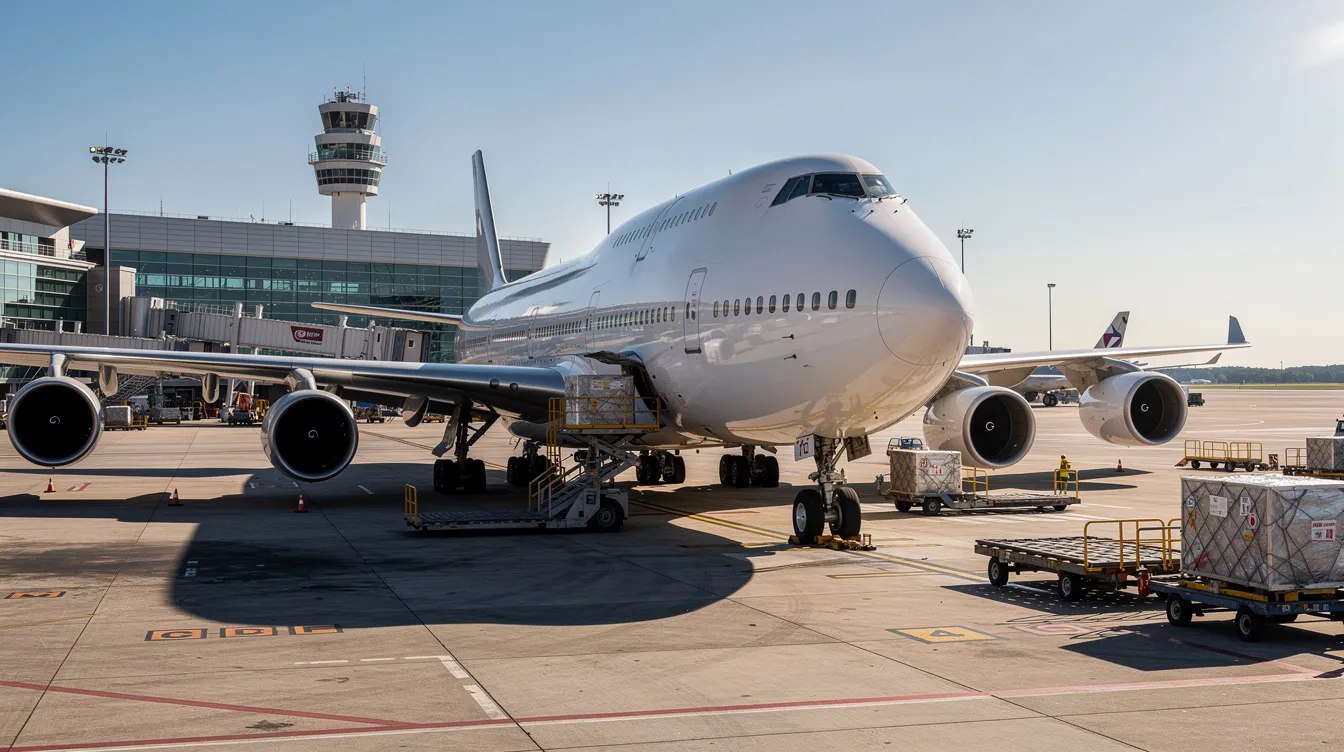
Executive airliners include the Boeing Business Jet family, Airbus ACJ series, Boeing 747-8 VIP, and Embraer Lineage 1000E, as well as specialized types like the Airbus ACJ319 private jet. The Embraer Lineage 1000E offers about 4,600 nm of range and five configurable cabin zones.
The Boeing 747-8 VIP, known as a flying mansion, offers multi-room luxury, full-service galleys, and opulent lounges, showcasing the extreme customization available in private jet interiors.
These aircraft are acquired by heads of state, ultra-high-net-worth families, and corporations needing airborne boardrooms, security space, offices, staff areas, and global presentation capability.
Inside a Luxury Private Plane: Cabin Design and Amenities
The entire cabin of a private jet is exclusively for the passengers, making it suitable for confidential business meetings or private relaxation. The true luxury of a private charter lies in the ability to personalize every detail of the flight experience, including catering and entertainment.
Flying private allows for bespoke catering and personalized entertainment options. It also supports special requests, secure discussions, and uninterrupted work between destination cities.
Cabin Layout and Functional Zones
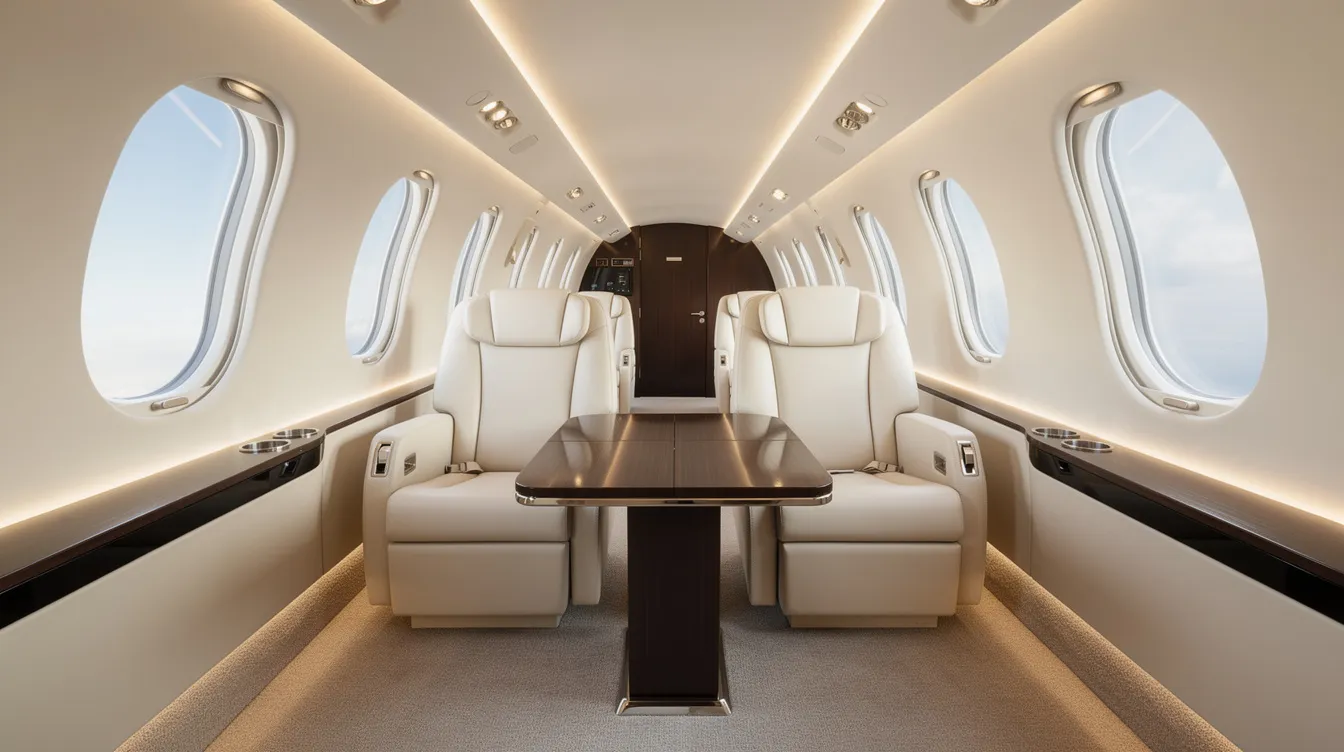
Common zones include forward club seating, a conference or dining area, aft lounge, private suite, crew rest, and galley. On a super mid-size jet, space is tightly planned. On an executive airliner, the interior can include dedicated offices, dining rooms, a full-sized master bedroom, and security quarters.
Luxury private jets often feature designated living spaces, including separate guest bedrooms, dining rooms, and entertainment areas, transforming the interior from an aircraft cabin into a luxury hotel experience. These layouts are also highly customizable, with owners tailoring cabin configurations and integrated features to their needs.
Materials, Finishes, and Interior Concepts
The interiors of high-end private jets are often adorned with luxurious materials such as gold, crystal, and cashmere, providing an opulent experience that rivals five-star hotels.
That said, owners should balance luxury with resale. Subtle palettes, residential-style finishes, and restrained corporate branding often age better than highly personal themes.
Technology, Connectivity, and Workspaces
As technology advances, the private aviation industry is seeing innovations such as advanced avionics, customizable cabin options, and enhanced safety features, which are becoming standard in modern jets.
Modern cabins may include Ka-band connectivity, secure communications, integrated cabin control, touchscreen cabin controls, entertainment systems, and office-ready conference tables. Passengers can expect high-speed internet and sophisticated onboard tech that supports both work and relaxation. Cybersecurity and data privacy are increasingly important for business, government, and family office users.
Comfort Features: Bedrooms, Showers, and Quiet Cabins
Many luxury private jets come equipped with full-size lavatories that resemble boutique hotel bathrooms, featuring floor-to-ceiling mirrors, showers, and ample space for personal care.
Luxury private jets often include surprising amenities such as full-service bars, gourmet kitchens, and even gyms, tailored to the desires of their owners. Large aircraft boast lie-flat suites, the widest cabin in class, private lounge areas, and unmatched comfort for long flight profiles. Some interiors are designed for accommodating overnight travel or larger groups in comfort.
Luxury Private Jet Ownership: Costs, Valuation, and Strategy
The size of a private jet dictates its capacity, range, and hourly cost. Full ownership offers control, but private jet ownership requires disciplined budgeting.
Ongoing operational costs for private jet ownership can include expenses for maintenance, storage, insurance, and staffing, which can add up to millions annually depending on the size and complexity of the aircraft.
Acquisition Costs and Depreciation
The purchase price of a luxury private jet can vary significantly, with estimates for high-end models like the Boeing 747-8 reaching around $400 million, while smaller jets like the Gulfstream G650ER can cost approximately $150 million after customization.
Build year, total time, engine programs, avionics, cabin condition, ceiling, paint, pedigree, and maintenance history affect bankability and aircraft valuation. A professional aircraft appraisal by industry experts before purchase helps avoid overpaying.
Operating Costs and Budget Planning
Private aviation is priced by the hour, with rates varying by aircraft class. For a very light jet like the HondaJet, operational costs typically cover two pilots and possibly one flight attendant, while larger jets may require a full service team, including chefs and additional crew members, significantly increasing costs.
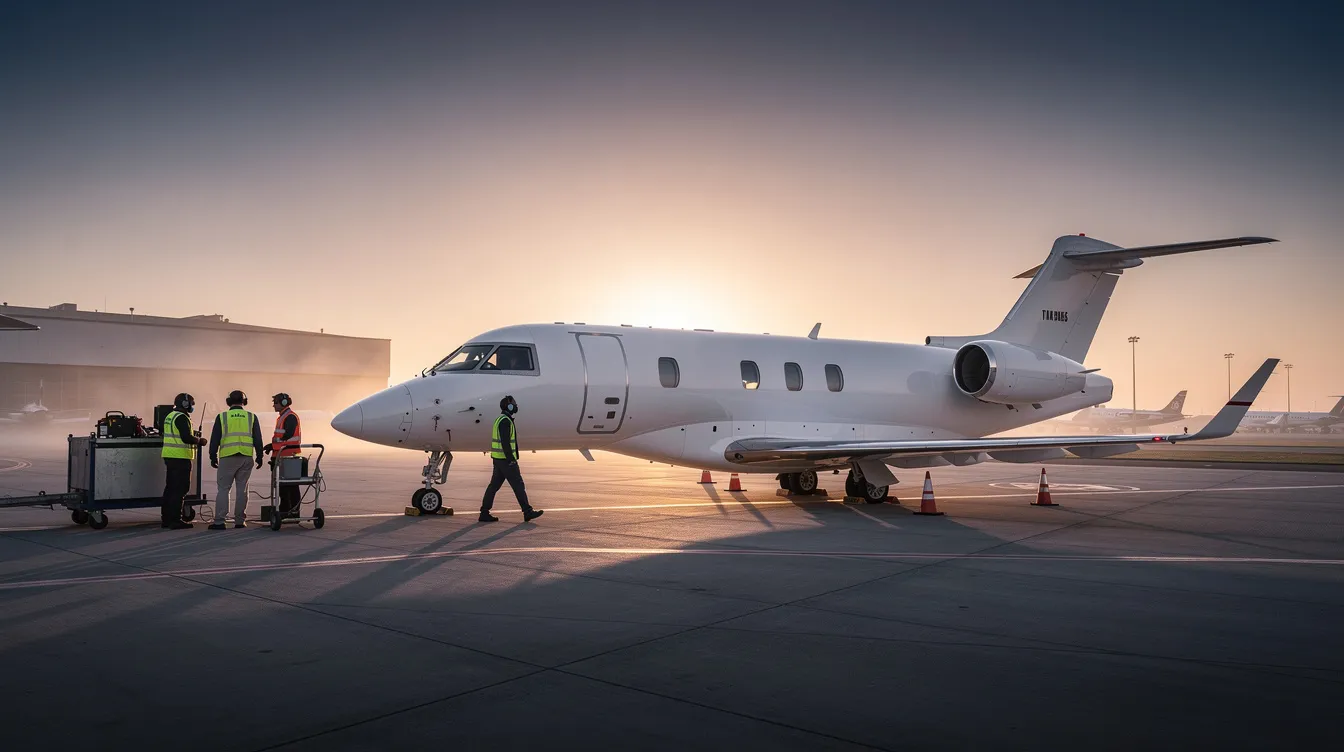
Budgeting should include fuel, crew, training, insurance, hangarage, navigation, handling, management, and scheduled maintenance.
Charter, Fractional, and Hybrid Ownership Strategies
The private jet market is evolving with the introduction of Jet Card and fractional ownership programs, making private aviation more accessible to a broader audience.
Total costs for private jet charters will typically include federal excise taxes, fuel surcharges, landing fees, and crew overnight expenses if applicable. Owners may also place aircraft on charter to offset some cost, but utilization, wear, tax treatment, and operator standards must be reviewed.
Risk Management, Compliance, and Governance
Due diligence should cover registration, operational control, Part 91 vs. Part 135 use, insurance, safety systems, prior ownership, incident history, and logbooks. BusinessJets.com can coordinate technical inspections, legal support, and transaction strategy.
The aviation industry is investing heavily in sustainable aviation fuel (SAF), carbon offsets, and fuel-efficient aircraft design. Many private aviation operators are now offering carbon offset programs to mitigate the environmental impact of their flights. Innovations like electric and hybrid-electric propulsion are being explored in the private aviation sector to further reduce environmental impact.
Selecting the Right Aircraft Type for Your Missions
The “best” model depends on routes, passengers, payload, airport access, and corporate objectives. BusinessJets.com uses real flight histories, not brochures alone, to shortlist capable aircraft.
Regional and Intra-Continental Travel
Regional executives often benefit from light jets or efficient midsize models. Short-field performance can save time by using secondary airport access closer to the final destination.
Transcontinental and Intercontinental Business Missions
Super mid-size jets support transcontinental routes efficiently. Large-cabin and ultra-long-range jets serve nonstop intercontinental missions where rest, productivity, and schedule control justify higher ownership costs.
Global Mobility, Head-of-State, and VVIP Operations
VVIP operations require secure communications, advisors, family, staff, and simultaneous private and official functions. Executive airliners are specifically designed or completed for these complex profiles, often over multi-year timelines.
How BusinessJets.com Supports Luxury Private Jet Buyers and Owners
BusinessJets.com is a B2B aircraft brokerage and aviation consulting firm, not a charter operator. With 1,500+ transactions and 5,000+ satisfied clients, the firm supports aircraft acquisition, sale, valuation, and fleet strategy worldwide.
Aircraft Brokerage: Buying and Selling Luxury Private Jets
BusinessJets.com represents buyers and sellers across light jets, large-cabin aircraft, and executive airliners. Our brokerage team compares aircraft from leading manufacturers when sourcing options for buyers. The process includes market analysis, sourcing, offer strategy, and aircraft positioning, including how certain flagship models shaped demand at launch; for example, model comparisons may guide whether a buyer targets a newer entrant or a more established option.
Frequently Asked Questions (FAQs)
What defines a luxury private plane compared to a standard private jet?
A luxury private plane is distinguished by extensive customization, including designated living spaces such as master bedrooms, guest rooms, dining areas, and entertainment zones. It features advanced technology like high-speed internet, touchscreen cabin controls, and sophisticated entertainment systems, along with lavish amenities such as full-service bars, gourmet kitchens, and gyms. These elements go beyond premium seating and comfort found in standard private jets.
How do operational costs vary across different luxury private jet categories?
Operational costs depend on aircraft size, complexity, and staffing requirements. Very light jets like the HondaJet typically require two pilots and possibly one flight attendant, resulting in lower costs. Larger jets and executive airliners demand full service crews, including chefs and additional staff, increasing expenses. Maintenance, storage, insurance, fuel, and crew training also contribute significantly to ongoing costs.
Can I charter a luxury private plane instead of owning one?
Yes. Chartering offers flexibility without the responsibilities of ownership. Luxury private jets are available for charter across various categories, allowing clients to access high-end aircraft tailored to specific missions. Jet Card programs and fractional ownership provide additional options for those seeking predictable pricing and partial ownership benefits.
How does BusinessJets.com assist in purchasing or selling luxury private planes?
BusinessJets.com provides expert brokerage services, leveraging market analysis and transaction experience to guide buyers and sellers. The firm supports aircraft sourcing, valuation, offer strategy, and transaction management. With over 1,500 transactions completed, BusinessJets.com offers discreet, knowledgeable advisory tailored to client objectives and market conditions.
What sustainability initiatives are present in luxury private aviation?
The industry is actively investing in sustainable aviation fuel (SAF), carbon offset programs, and fuel-efficient aircraft designs to reduce environmental impact. Innovations in electric and hybrid-electric propulsion are also being explored. Many operators now offer carbon offset options to clients, aligning luxury travel with responsible environmental practices.
Conclusion: Partnering with BusinessJets.com for Your Luxury Private Plane Needs
Navigating the luxury private plane market requires expert insight, strategic planning, and a trusted partner who understands the complexities of aircraft acquisition, ownership, and disposition. BusinessJets.com offers unparalleled expertise with over 1,500 aircraft transactions and more than 5,000 satisfied clients worldwide. Whether you are buying, selling, or seeking tailored aviation consulting, BusinessJets.com provides comprehensive support to optimize your investment and enhance your private aviation experience.
From detailed aircraft appraisals and market analysis to transaction management and fleet strategy, BusinessJets.com serves as a discreet and knowledgeable advisor throughout your luxury private jet journey. Engage with BusinessJets.com to explore premium aircraft for sale, request professional valuations, or receive expert guidance on your next acquisition. With a focus on practical insights, market trends, and operational considerations, BusinessJets.com is your strategic partner in achieving peace of mind and control in the sky.
Discover how BusinessJets.com can support your luxury private plane objectives today by visiting www.businessjets.com.