Private Plane Cost Guide 2026: Charter, Ownership & What Drives the Numbers
Understanding the true cost of a private jet is essential for companies and owners considering private aviation in 2026. Whether arranging a one-time charter, renting jets frequently, or owning an aircraft outright, the financial commitments vary widely. This guide from BusinessJets.com provides a clear, expert overview of what drives private jet costs today, including hourly charter rates, taxes, fees, and ownership expenses. It aims to equip buyers, sellers, operators, and fleet managers with practical insights to make informed decisions that align with their travel needs and budget constraints.
Key Takeaways
A private jet cost can mean three different things: arranging a private jet charter, using private jet rental frequently, or owning the entire aircraft. This guide explains all three from BusinessJets.com’s advisory perspective.
In 2026, private jet charters typically range from about $2,000–$20,000+ per flight hour, depending on jet category, aircraft size, aircraft age, flight range, and aircraft availability.
The total cost of private jet travel includes the hourly charter cost plus taxes, airport fees, landing fees, fixed base operators' handling charges, fuel surcharges, short leg fees, deicing fees, and other hidden fees.
Ownership has a different cost profile: acquisition can range from $2 million to over $100 million, with fixed costs and annual operating costs that can exceed $1 million per aircraft.
BusinessJets.com supports buyers, sellers, aircraft operators, and corporate flight departments with aircraft appraisals, brokerage, and aviation consulting, drawing on 1,500+ completed aircraft transactions and more than 5,000 satisfied clients.
Private aviation is rarely priced by one simple number. The right answer to “how much does it cost” depends on whether you want to charter a private jet for a single trip, rent a private jet several times per year, compare jet cards, or acquire a private plane for corporate use.
The cost of renting a private jet is influenced by several factors, including aircraft size, distance, and real-time logistics. BusinessJets.com helps clients interpret those variables before they commit capital, sign a charter agreement, or enter the market to buy or sell business jets.
How Much Does It Cost to Charter a Private Jet in 2026?
Private jet charter flights are usually priced per billable flight hour. A billable flight hour is the chargeable flying time used by the charter company, often based on brake-release to brake-set time, with minimums applied on short sectors.
Private jet charter hourly rates generally fall between $2,000 and $14,000 or more per billable hour, varying according to the aircraft’s type and size. For the upper end of private jet service, ultra-long-range jets can exceed $20,000 per hour when demand, route complexity, aircraft positioning, and international handling are considered.
Aircraft category: Typically | Typical 2026 private jet charter rates | Typical use case |
|---|---|---|
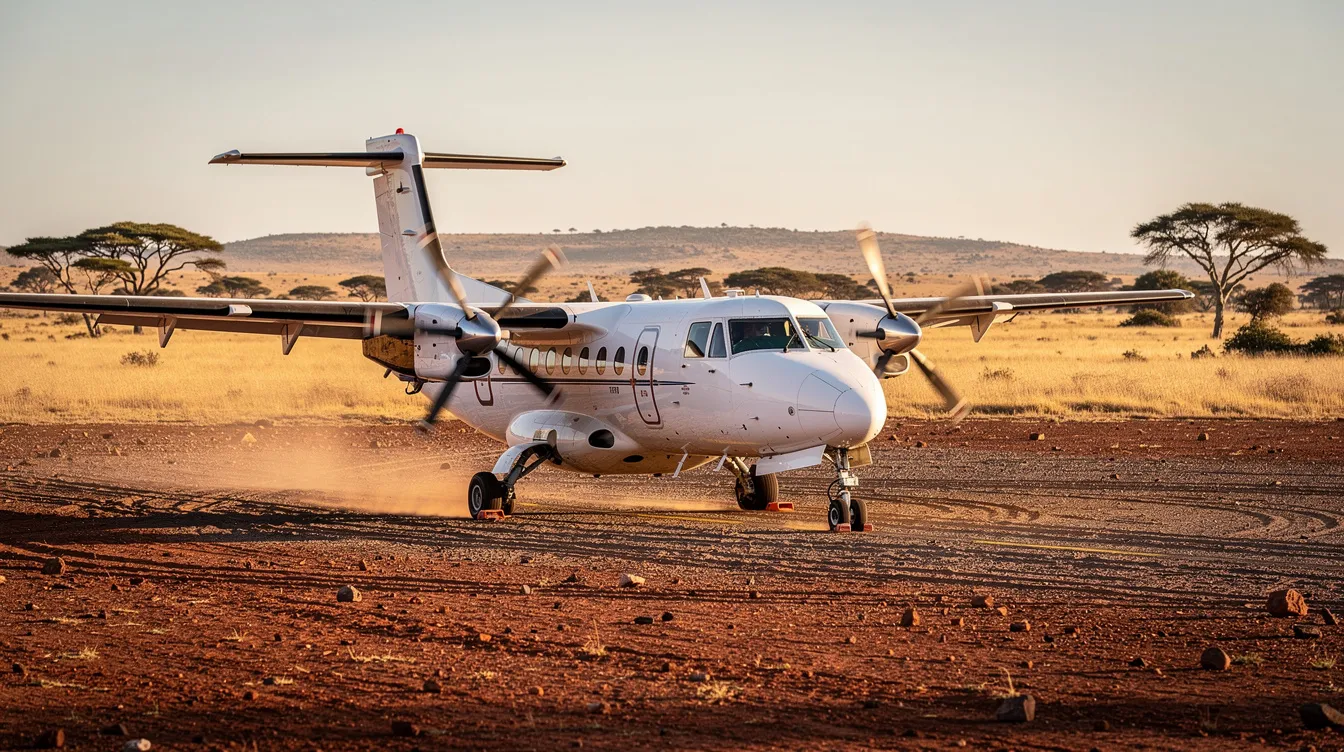
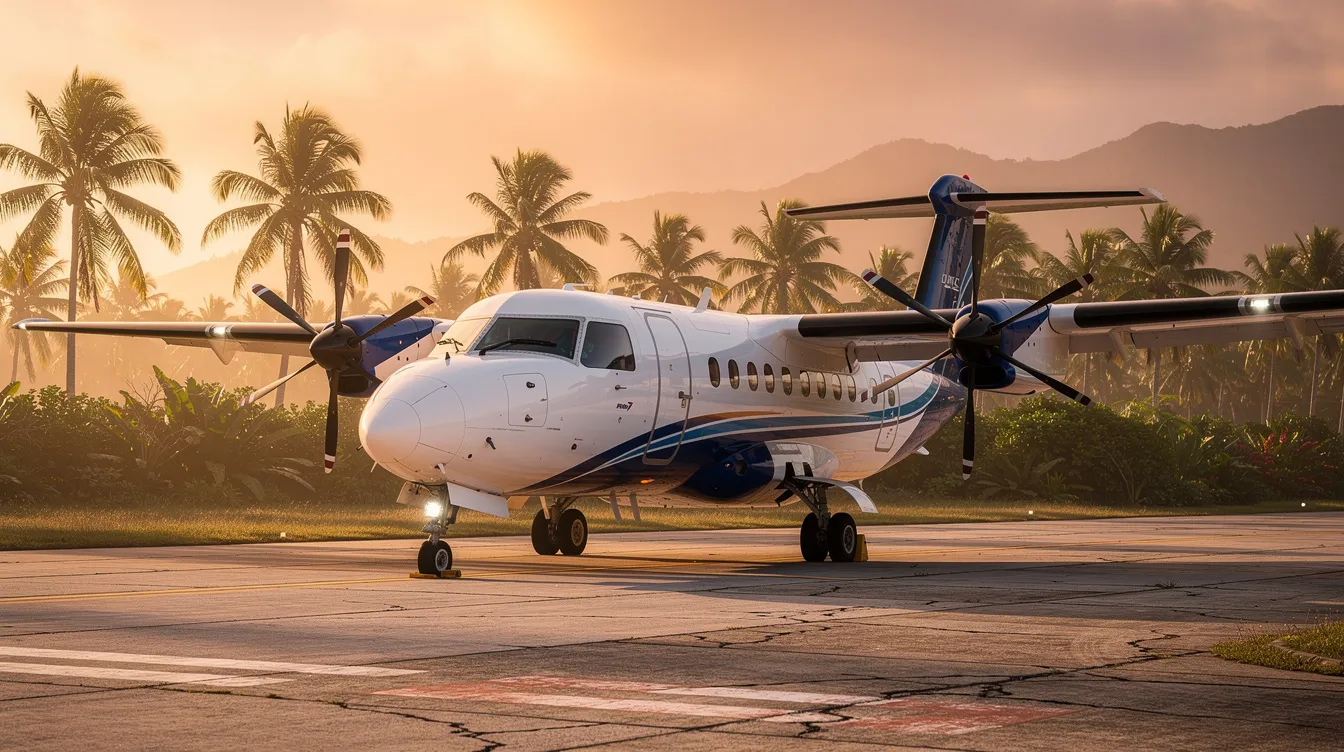
Turboprop | $2,000–$3,000/hr | Short regional flights, smaller airports |
Very light jets | $2,000–$3,000/hr | 2–4 passengers, short regional flights |
Light jets | $2,500–$5,000/hr | 4–7 passengers, regional business routes |
Midsize jets | $4,000–$7,000/hr | 6–8 passengers, longer domestic sectors |
Super midsize / super light jet | $6,000–$11,000/hr | Coast-to-coast or high-payload missions |
Heavy jet | $8,000–$14,000/hr | Larger groups, transcontinental trips |
Ultra-long-range jets | $11,000–$20,000+/hr | Intercontinental and ultra-long range missions |
Very Light Jets (VLJs) are among the most budget-friendly options for private jet travel, typically designed for short regional flights and offering lower operating costs. Very Light Jets typically cost between $700 to $1,100 per flight hour on a direct operating cost basis, while Very Light Jets (VLJs) generally cost between $2,000 and $3,000 per hour in charter pricing because the charter rate includes operator overhead, crew, insurance, maintenance reserves, positioning risk, and margin
Light Jets range from $2,500 to $4,000 per hour in many markets, while a light jet used on constrained or peak-demand routes may price higher. Midsize Jets typically charge between $4,000 and $6,000 per hour, while Heavy Jets can cost between $8,000 and $14,000 per hour.
Approximate 2026 charter examples:
New York to Miami on a light jet: often $14,000–$22,000 all-in, depending on airport selection, taxes, and aircraft positioning.
Los Angeles to Aspen on a light jet or midsize jet: often $12,000–$18,000, with mountain airport access and weather planning affecting private jet pricing.
New York to London on a heavy jet or ultra-long-range aircraft: often $90,000–$150,000+ one way, with international flights adding handling, permits, crew planning, and potential fuel stops depending on payload.
Shorter flights generally cost less than longer ones because they consume less fuel, making flight distance a key factor in determining overall costs. However, very short domestic flight legs may not be as inexpensive as expected because of minimum billable flight time and short leg fees.
Private jet rental prices should also be compared with last-minute business or first-class commercial airline pricing. A single commercial flight seat will usually cost less, but a group of 6–10 passengers may narrow the gap when the private jet eliminates hotel nights, saves executive time, and allows the team to fly on its own schedule.
Core Drivers of Private Jet Charter Cost
The base hourly rate is only one part of the private jet cost. Operational factors can move a quote by thousands, and on complex itineraries, by tens of thousands.
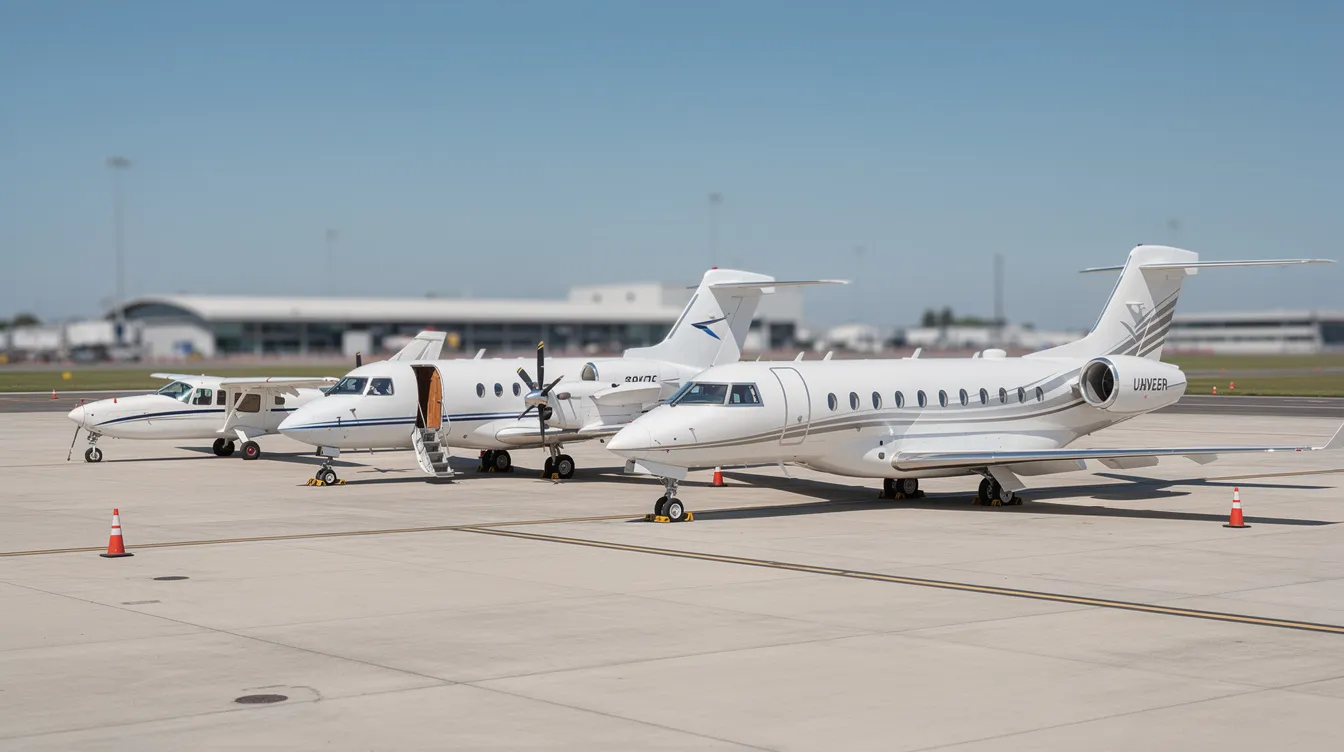
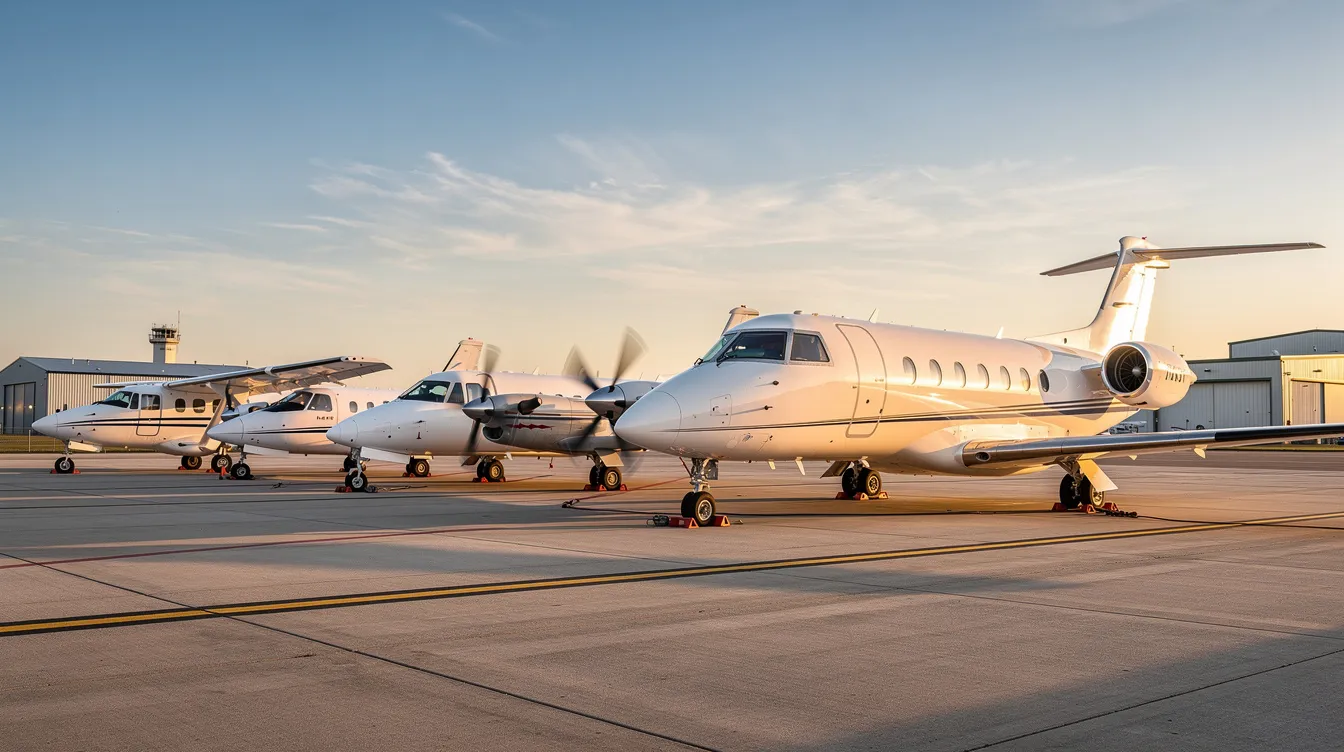
The largest driver is the aircraft category. A turboprop, a very light jet category aircraft, a light jet, a midsize jet, a heavy jet, and ultra-long-range jets have different fuel burn, crew requirements, flight range, cabin capability, and access to regional airports.
Key drivers include:
Aircraft size
Larger aircraft usually carry more passengers, more fuel, and more crew. Large jets and ultra-long-range aircraft also have higher maintenance reserves and higher airport handling charges.Flight distance and flight duration
Longer sectors create more flight hours and higher fuel use. Shorter flights consume less total fuel, but short regional flights may trigger daily minimums or short-leg fees.Airport selection
Major business aviation airports often carry higher airport fees. Regional airports may reduce congestion, handling time, and, in some cases, landing fees.Aircraft positioning
If the aircraft must fly empty to pick up passengers or return to base, aircraft positioning can add extra billable flight time. These empty repositioning leg flights are a major reason one-way charter flight pricing varies.Schedule pattern
Same-day returns may be efficient. Multi-day trips can require crew hotels, per diems, long ground waits, and extra handling.
Aircraft availability also matters. A charter company with a suitable aircraft already near the departure airport can often quote more efficiently than one that must reposition a jet from another region.
Taxes, Airport Charges, and “Hidden” Fees in Private Jet Travel
Many first-time private aviation users focus on the advertised hourly rate. The final invoice may include additional costs that materially change the total private jet price.
The Federal Excise Tax (FET) of 7.5% is applied to all domestic flights within the United States, contributing to the overall cost of private jet travel. In practical terms, the federal excise tax generally applies to the air transportation portion of a U.S. private jet charter invoice, with additional segment fees for passengers on many us domestic flight legs and domestic flight legs.
Airport and handling costs vary by location.Landing fees for private jets vary significantly between airports, typically ranging from $100 to $1,500 per flight, depending on the aircraft's size and weight. More specifically, these fees commonly fall between $150 and $500 but can fluctuate based on the airport and aircraft characteristics.
Fixed base operators may also charge ramp, handling, security, and passenger service fees. At airports such as Teterboro, Van Nuys, and Palm Beach, the airport authority, local demand, parking constraints, and aircraft weight can all influence the final airport fees.
Other common hidden fees include:
Hangar fees are especially high in winter or during severe weather.
Deicing fees, which can range from $1,500 to $15,000, depending on the size of the aircraft and the severity of the weather conditions.
International handling, customs, immigration, and overflight permit fees.
Fuel surcharges when fuel prices move quickly.
In-flight catering, Wi-Fi data, special cleaning, and customized ground transportation.
Flight attendant charges when a larger aircraft or service profile requires cabin crew.
Fuel accounts for 25%–35% of the operational budget and is the largest single variable expense. That is why fuel prices and route planning have a direct effect on jet charter costs.
Before you book, request an itemized estimate showing the hourly rate, estimated billable flight time, taxes, landing fees, handling, crew expenses, fuel surcharges, short leg fees, catering, deicing fees, and any optional services.
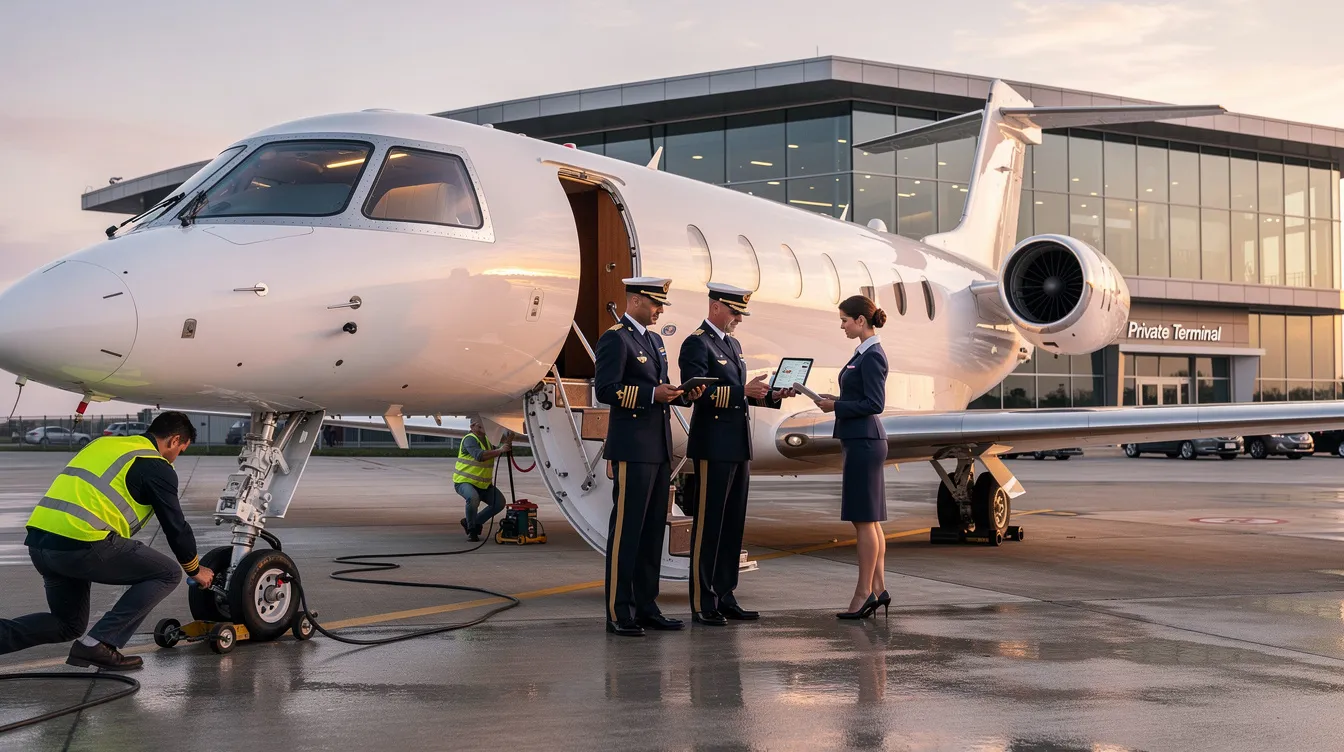
Private Jet Travel vs. Commercial Flight: Cost and Value
Private jet travel usually carries a higher headline cost than a commercial flight. The business case depends on time, productivity, privacy, and flexibility.
Consider a team of 6–8 executives flying a same-day out-and-back trip from New York to Boston or Washington, D.C. Commercial airlines may offer business-class seats for a lower cash fare, but the team may lose time traveling through large terminals, waiting for scheduled departures, and potentially adding hotel nights if meeting timing does not align.
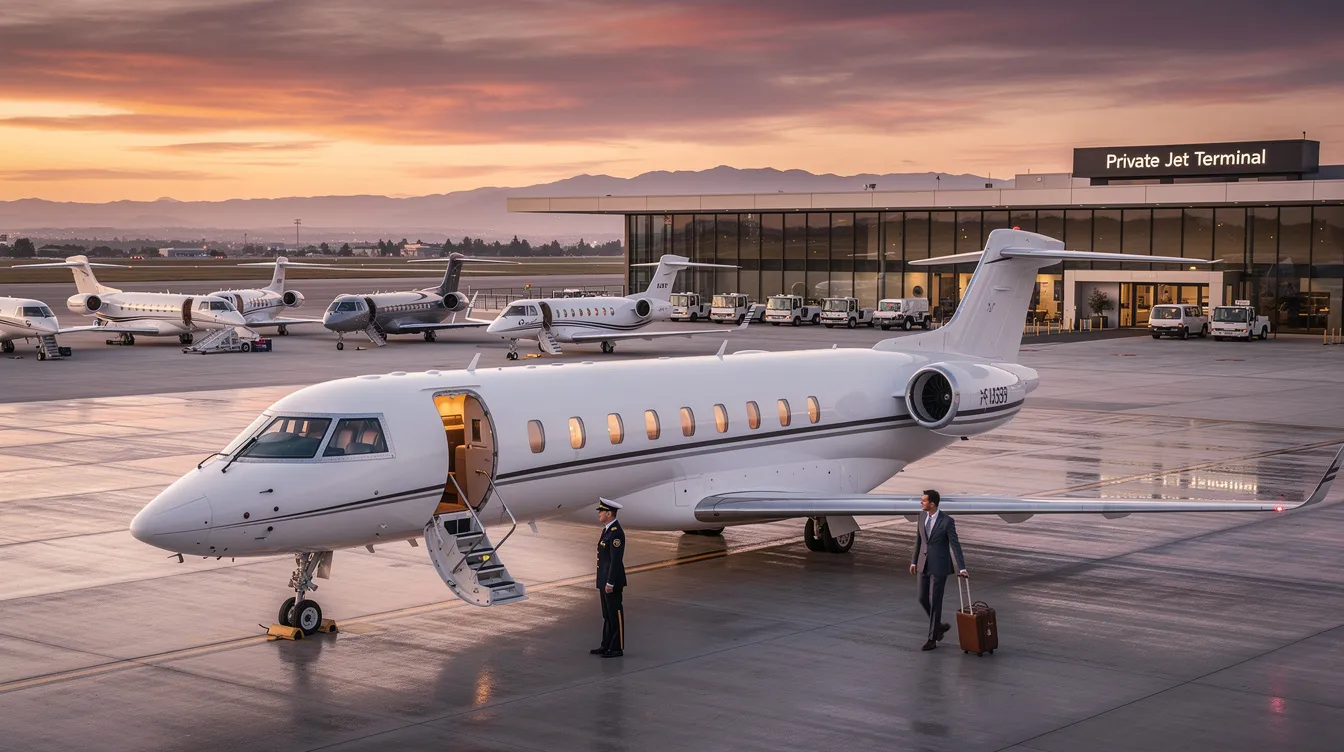
By contrast, a private jet may allow the same group to depart from a private terminal, land closer to the meeting location, hold confidential discussions on board, and return the same day. Sharing a private jet with other passengers can significantly reduce the cost per person, making private travel more affordable compared to booking an entire aircraft.
For ultra-long range trips, the comparison changes again. New York to Tokyo or Los Angeles to Dubai can cost well into six figures per leg on ultra-long-range jets, but nonstop routing, fewer disruptions, secure communications, and direct access to secondary airports may justify the spend for certain corporate missions, such as flying directly into major international hubs like Paris on long-range private jets.
A disciplined travel department should treat private jet cost as part of a wider productivity and risk-management calculation, not simply as a transportation expense.
What Does It Cost to Own a Private Jet?
Occasional private jet rental is very different from ownership. Chartering provides flexibility in aircraft selection, allowing travelers to choose the best aircraft for each trip without the long-term financial commitment of ownership.
The upfront cost of a private jet ranges from $2 million to over $100 million, depending on various factors. In 2026, used very light jets may start under $2 million, popular light and midsize aircraft often trade in the $3 million–$15 million range, and large-cabin or ultra-long-range aircraft commonly trade from $20 million to $70 million+, with current premium aircraft for sale illustrating the range of available options.
Operational costs are divided into fixed costs and variable costs. Fixed costs are paid regardless of whether the plane flies, while variable costs accumulate with every hour the aircraft is in the air and typically range from $1,500 to over $8,500+ per flight hour.
Typical fixed ownership costs include:
Pilot and crew salaries
Crew salaries and recurrent training
Insurance
Hangar fees
Aircraft management
Subscriptions, charts, software, and compliance
Scheduled calendar-based maintenance
Private jet ownership comes with high ongoing costs, including maintenance, fuel, insurance, and crew salaries, which can make chartering a more appealing option for infrequent travelers. Maintenance costs, such as routine checks and unexpected issues, typically account for 5% to 10% of the aircraft's value annually.
Whole aircraft ownership rarely makes financial sense unless you plan to fly at least 200 to 400 hours per year. Chartering a private jet is often more cost-effective than owning one, especially for those who fly less than 200 hours per year, as ownership can incur over $1 million in annual fixed costs.
Private jets experience significant depreciation, affecting their resale value over time. A five-year-old midsize jet typically retains roughly 60% to 65% of its original value due to depreciation, though model demand, maintenance status, and market timing can shift that result.
BusinessJets.com provides independent private jet appraisal and aircraft valuation services for buyers evaluating aircraft such as the Gulfstream G450, Bombardier Global 6000, Dassault Falcon 2000LXS, and Cessna Citation Latitude. The objective is not only to confirm the asking price, but also to test whether projected annual operating costs align with current market data.
Key Cost Factors When Buying or Selling a Jet
In a transaction context, the private jet cost means more than the purchase price. It includes lifecycle economics tied to aircraft age, maintenance status, configuration, market demand, and exit value.
Accurate aircraft valuation should consider:
Total airframe time and cycles
Engine and APU program enrollment, including Rolls-Royce CorporateCare, Honeywell MSP, ESP Gold, TAP Blue, and ProParts
Upcoming inspections and major maintenance events
Avionics upgrades and regulatory compliance
Cabin refurbishment dates
Paint condition
Damage history and records quality
Charter history versus a lightly used corporate operation
Customization and upgrades, such as high-speed internet, can substantially increase the cost of a private jet. They can also improve resale appeal when buyers value connectivity, cabin condition, and avionics currency, particularly on large VIP airliner-type aircraft such as an Airbus ACJ319 private jet.
Market conditions in 2025–2026 remain model-specific. Demand for aircraft such as the Gulfstream G650/G650ER, Bombardier Global 5000/6000, Challenger 605, Falcon 2000LXS, Citation CJ3+/CJ4, Learjet 45XR, and Hawker 800XP depends on inventory, maintenance pedigree, pricing expectations, and buyer confidence in the private aviation market.
Transaction risks can change the true total cost. A pre-purchase inspection may uncover corrosion, undocumented repairs, engine findings, avionics issues, or compliance gaps. Aircraft managed for Part 135 charter may have different utilization patterns than a low-time corporate aircraft, and buyers should price that difference carefully.
BusinessJets.com guides clients through aircraft selection, market positioning, price negotiation, pre-buy inspections, and closing. With more than 1,500 completed transactions worldwide, the firm can benchmark realistic market value before a seller lists or a buyer submits an offer.
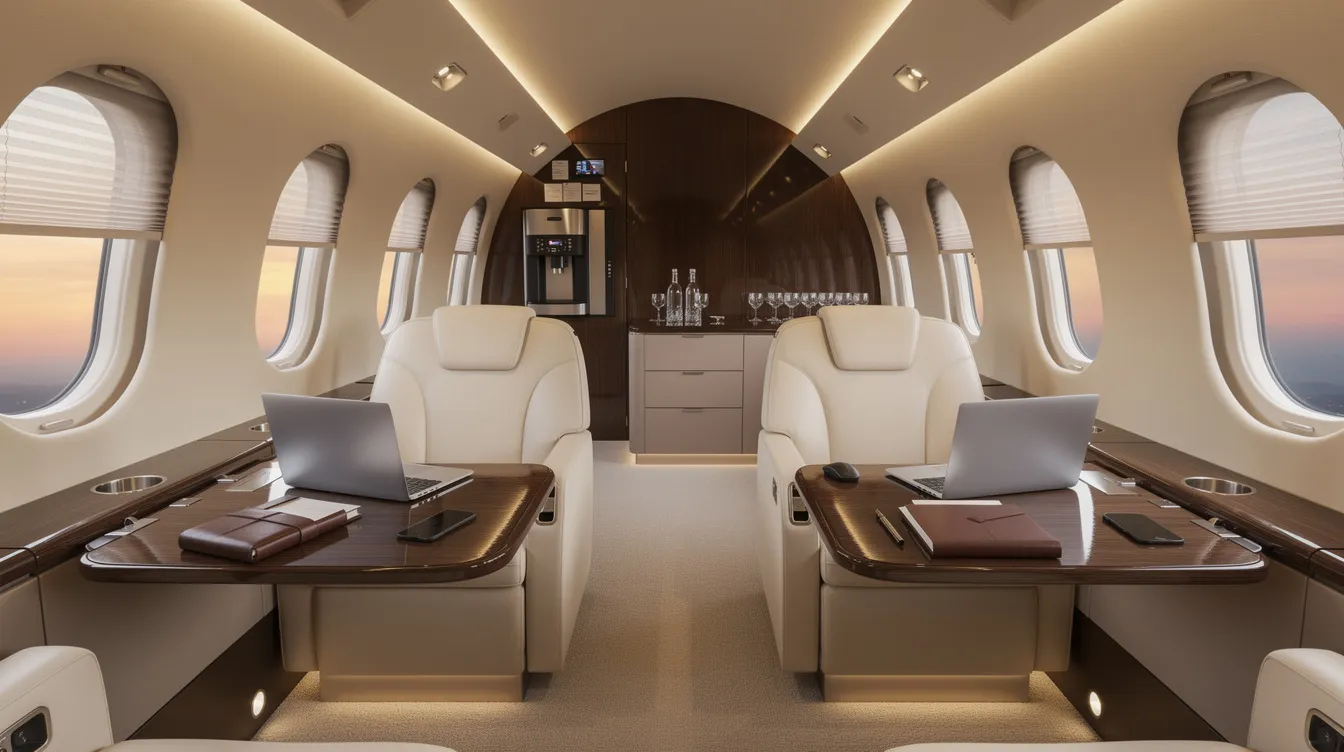
Strategies to Control and Optimize Private Jet Cost
Whether you charter frequently, evaluate a jet card, or own an aircraft, there are practical ways to manage private aviation spend without compromising safety.
For charter users:
Use secondary or regional airports where practical.
Consolidate multi-city trips into efficient sequences.
Avoid unnecessary short legs that trigger short leg fees.
Stay flexible on departure time to improve aircraft positioning.
Compare private jet charter costs across suitable aircraft categories, not just one model.
Ask whether private jet rental costs include taxes, handling, catering, crew expenses, and deicing fees.
Empty leg flights are one of the most visible savings opportunities. Empty leg flights, which are repositioning flights operated without passengers, can provide discounts of up to 75% off standard charter rates, making them an economical choice for travelers with flexible schedules. The trade-off is that the route and timing are usually fixed, and the trip can change if the original aircraft schedule changes.
For frequent travelers, memberships, jet cards, and fractional structures can stabilize private jet charter rates and improve access during peak periods. These tools may also reduce exposure to fuel surcharges, but the best fit depends on forecast flight hours, route profile, passenger count, and required cabin class.
For owners and operators:
Place the aircraft on a reputable charter certificate when appropriate to offset some fixed costs.
Review maintenance program enrollment before major inspections.
Reassess whether the current aircraft size still fits the mission.
Consider downsizing from a heavy jet to a midsize jet if most missions are regional.
Review annual operating costs against actual utilization every year.
Some clients looking for affordable private jets focus only on the acquisition price. A better approach is to identify the most affordable private jets for the mission after considering maintenance, fuel, crew, resale liquidity, and market demand.
BusinessJets.com provides aviation consulting for fleet strategy, cost benchmarking, acquisition planning, and decisions to upsize, downsize, or dispose of under-utilized aircraft.
How BusinessJets.com Helps You Navigate Private Jet Costs
BusinessJets.com is a B2B-focused aircraft brokerage and aviation consulting partner serving private owners, corporations, aircraft operators, and fleet managers globally.
The firm supports clients across the aircraft lifecycle: initial aircraft acquisition analysis, model selection, aircraft for sale market scans, transaction execution, periodic revaluation, and eventual sale.
That matters because private jet pricing is not static. Aircraft condition, maintenance history, aircraft age, inspection timing, and buyer demand can change value materially within the same model family.
BusinessJets.com’s work includes:
Independent private jet appraisals
Aircraft valuation reports for lenders, finance teams, and owners
Aircraft brokerage for sellers
Acquisition support for buyers
Operator advisory and consulting
Fleet strategy and utilization reviews
Market analysis by model and region
With 1,500+ closed aircraft transactions and over 5,000 satisfied clients, BusinessJets.com brings transaction data, appraisal discipline, and practical advisory experience to each engagement.
If you are evaluating whether to fly private through charter, fractional access, or ownership, BusinessJets
Frequently Asked Questions About Private Jet Costs
What factors most influence the cost of chartering a private jet?
The primary factors include the aircraft size and category, flight distance and duration, airport fees, aircraft positioning requirements, and additional services such as catering or in-flight connectivity. Seasonal demand and aircraft availability also impact pricing.
How do ownership costs compare to chartering a private jet?
Ownership involves high fixed costs such as crew salaries, maintenance, insurance, and hangar fees, which are incurred regardless of flight hours. Variable costs add up per flight hour. Chartering avoids these fixed expenses and is generally more cost-effective for those flying fewer than 200 hours annually.
Are there hidden fees I should be aware of when renting a private jet?
Yes. Beyond the hourly rate, expect fees for landing, handling, fuel surcharges, crew overnight expenses, catering, Wi-Fi, cleaning, deicing (which can range from $1,500 to $15,000), and international permits or taxes. Always request a detailed, itemized quote.
What is an empty leg flight, and how much can it save me?
An empty leg flight is a repositioning flight without passengers, often offered at discounts up to 75% off standard charter rates. While cost-effective, these flights have fixed schedules and limited flexibility.
How can BusinessJets.com assist with managing private jet costs?
BusinessJets.com offers expert appraisals, aircraft brokerage, acquisition support, and aviation consulting to help clients optimize aircraft selection, negotiate pricing, and manage operating costs effectively throughout the ownership or charter lifecycle.
Conclusion: Navigating Private Jet Costs with Expertise
Understanding the full scope of private jet costs is crucial for companies and owners seeking to optimize their travel budgets and operational efficiency in 2026. Whether chartering flights on demand, considering jet card memberships, or investing in aircraft ownership, the financial landscape involves multiple variables—from hourly rates and taxes to fixed ownership expenses and market-driven depreciation.
BusinessJets.com stands as a trusted partner in this complex environment, offering more than 1,500 completed aircraft transactions and over 5,000 satisfied clients worldwide. With expert aircraft appraisals, brokerage services, and aviation consulting, BusinessJets.com delivers tailored guidance to help buyers, sellers, operators, and fleet managers make informed decisions that balance cost, mission requirements, and long-term value.
By leveraging BusinessJets.com’s industry insights and comprehensive support, private aviation stakeholders can navigate the nuances of private jet costs with confidence and clarity. Whether you are exploring charter options, evaluating ownership, or managing a corporate fleet, engaging with BusinessJets.com ensures expert-led, discreet, and practical solutions aligned with your strategic goals.
Explore how BusinessJets.com can assist you in optimizing private jet costs and enhancing your aviation experience at www.businessjets.com.