The Real Cost of Private Planes: Ownership, Rental, and Strategic Options in 2026
Understanding the true cost of private planes in 2026 requires a comprehensive view that goes beyond the initial purchase price. Whether considering ownership, rental, or fractional access, the financial commitment involves acquisition costs, ongoing operational expenses, taxes, maintenance, crew salaries, and potential resale value. This introduction provides an overview of these key factors, setting the stage for a detailed exploration of how private jet costs vary by aircraft type, usage, and access model. BusinessJets.com leverages extensive market experience to guide clients through these complexities, helping them make informed decisions aligned with their travel needs and financial goals.
Key Takeaways
The cost of private planes in 2026 depends on three practical variables: aircraft type, flight hours, and whether you own, charter, lease, or use a shared-access model. A headline private jet price is only one part of the analysis; the total cost includes acquisition, operating costs, taxes, maintenance, crew, aircraft availability, and eventual resale value.
For buyers, sellers, operators, and corporate flight departments, the right decision is usually not “the cheapest aircraft.” It is the aircraft or access model that fits the mission with the least financial waste.
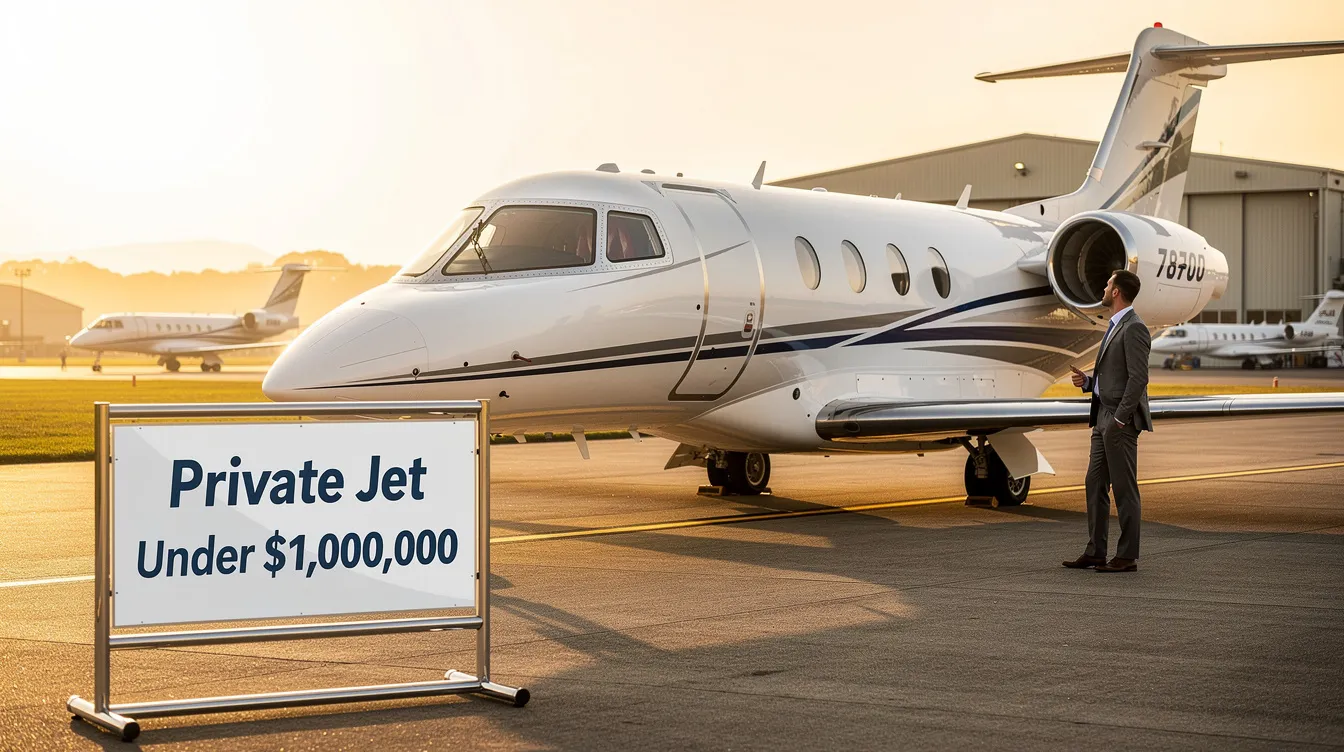
Purchasing a private jet can range from under $2 million for older light jets to $75 million+ for new ultra-long-range aircraft, while typical operating costs often exceed $1 million per year for active owners.
Private jet rental and on-demand private jet charters usually cost $2,000–$14,000+ per flight hour, with a light jet at the lower end and large/ultra long-range jets at the top.
Fixed costs such as crew salaries, hangar, insurance, training, and maintenance mean full private jet ownership often becomes more economical only around 200–300 flight hours per year.
Hidden fees, including landing fees, aircraft positioning, fuel surcharges, crew overnights, and federal excise tax, can materially change the total flight cost.
Sharing the cost of a private jet by purchasing a seat on a shared charter or through a jet card program can significantly lower the overall cost of private jet travel.
BusinessJets.com helps clients compare acquisition, charter, fractional ownership, and fleet options through aircraft appraisals, market intelligence, and transaction support.
How Much Does a Private Plane Really Cost in 2026?
How much does it cost to own a private plane in 2026? A practical answer is: private jet charter costs typically range from $2,000 to $14,000+ per hour, depending on factors such as aircraft size and distance. Buying an aircraft is much broader: initial purchase prices for private aircraft can range from $30,000 to over $100 million, depending on size and type.
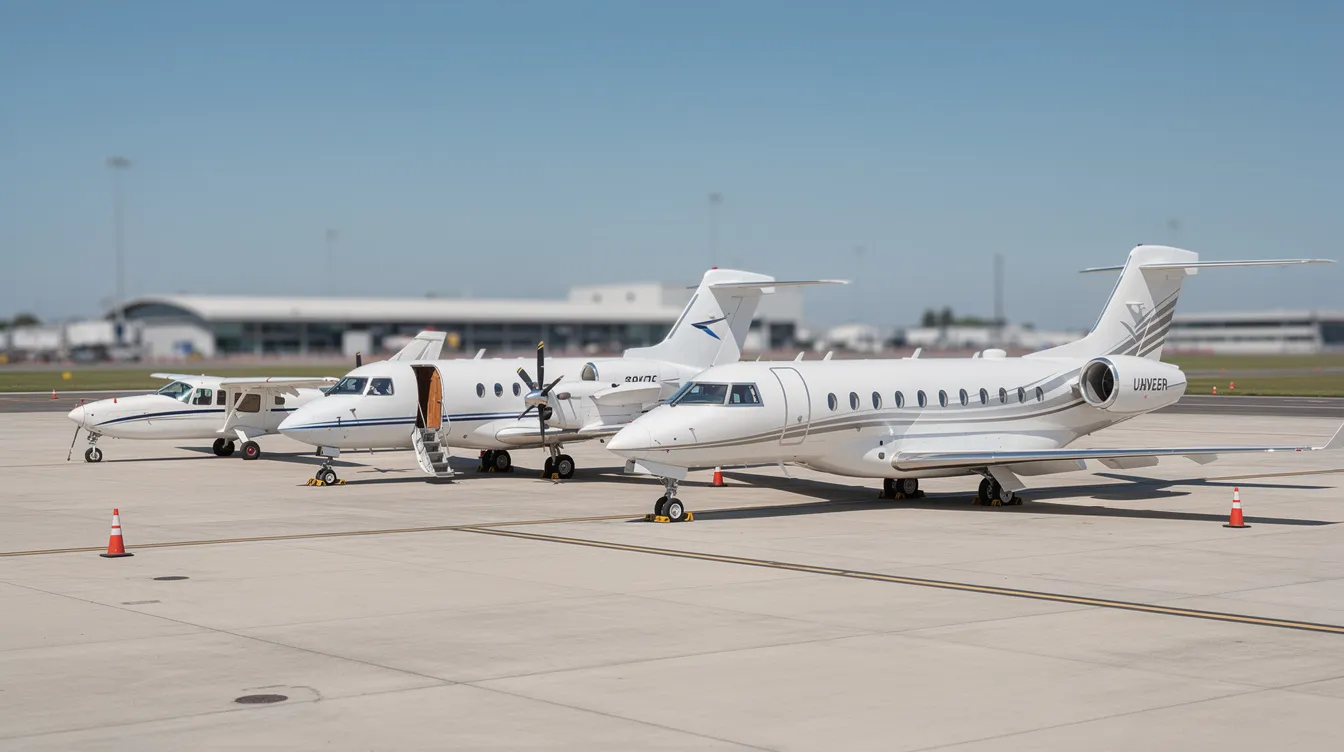
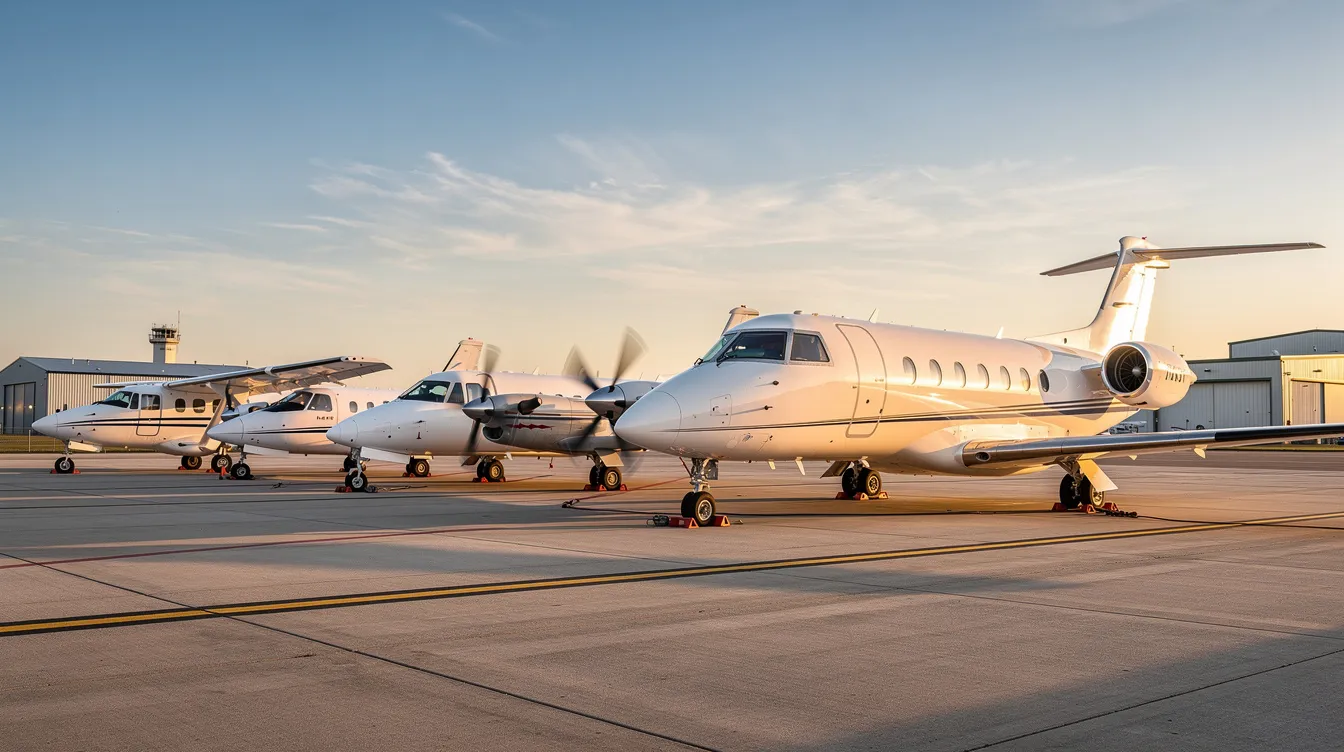
That wide range exists because a small piston aircraft, a turboprop, a midsize jet, a Boeing business jet, and a new ultra-long-range business jet are fundamentally different assets. Private jet costs also change with flight duration, passenger capacity, cabin space, fuel prices, maintenance programs, geography, and regulatory structure.
This article focuses on the full economics of private jet ownership and chartering a private jet: acquisition price, fixed costs, variable costs, crew salaries, taxes, including federal excise tax on charters, maintenance costs, and resale value. BusinessJets.com has supported more than 1,500 aircraft transactions and over 5,000 satisfied customers, advising owners, corporations, operators, and fleet managers on whether to buy, sell, charter, or restructure an aviation strategy.
Purchase Price: What Different Private Planes Cost to Buy
Acquisition cost is only the starting point, but buyers still anchor early decisions on the initial purchase price. Aircraft prices significantly depend on the aircraft's size, age, range, and customization. The acquisition price of an aircraft is influenced by its size, age, range, and engine type.
Typical 2024–2026 new aircraft market ranges are:
Aircraft category | Typical new purchase price | Common mission profile |
|---|---|---|
Very light jets | $3M–$6M | Short regional flights, 3–5 passengers |
Light jets | $8M–$15M | 2–3 hour domestic flights, 4–7 passengers |
Midsize jets | $15M–$25M | Longer domestic flights, more cabin space |
Super midsize jets | $25M–$40M | Coast-to-coast missions, larger cabins |
Large cabin aircraft | $40M–$70M | Long-range corporate travel |
Ultra-long-range jets | $65M–$80M+ | Nonstop international flights |
These ranges are consistent with published private jet type guides and current market commentary on aircraft category pricing
Pre-owned values can be substantially lower, but they require careful diligence. A curated marketplace of aircraft for sale, including pre-owned light and large jets, can help buyers benchmark realistic asking prices and configurations. A 10–15-year-old light jet, such as a Citation CJ2 or Citation CJ3, may trade around $3M–$5M, depending on hours, avionics, maintenance status, and records. A 20-year-old Gulfstream G550 may sit in the mid-teens to low-twenties million range depending on engine programs, cabin condition, and inspection history.
The size and type of aircraft significantly influence private jet prices, with larger jets generally commanding higher costs due to increased fuel consumption and operational expenses. Newer jets typically cost more upfront, but the age and condition of the aircraft can affect both the purchase price and ongoing maintenance costs, with newer jets typically being more expensive but offering better fuel efficiency and lower maintenance needs.
Depreciation is another major factor in the total private jet price. New business jets often lose value fastest in the first 5–8 years, then depreciation generally moderates. Avionics upgrades, cabin refurbishments, engine programs, paint quality, and maintenance history all influence resale value. This is why BusinessJets.com uses current market comparables, detailed aircraft valuation models, and technical review when preparing independent aircraft appraisals for buyers and sellers considering listing an aircraft for sale.
Operating Costs: What It Takes to Keep a Private Jet Flying
Purchasing and operating a private aircraft involves upfront acquisition prices, annual fixed costs, and hourly variable operational expenses. Ongoing operating costs for private aircraft can add up to $500,000 to over $3 million annually, depending on the aircraft. Annual operating expenses for private aircraft can run from $16,000 to over $2 million when smaller aircraft and complex jet operations are considered across the market.
Fixed costs for aircraft ownership include expenses required to keep the aircraft safe, legal, and stored. Annual fixed costs of owning a private jet can exceed $1 million, which includes maintenance, crew salaries, insurance, and hangar fees. Typical fixed costs include:
Hangar fees for storing a private jet can vary from $1,000 to $3,000 per month, depending on the location and amenities of the storage facility; at major metro airports, hangar or parking can also reach $1,500–$5,000 per month or more.
Insurance for small piston planes costs between $1,200 to $3,000 annually, while corporate jet insurance costs $10,000 to over $85,000 per year; large-cabin aircraft can exceed those levels depending on hull value and use.
Crew salaries for private jets can range from $60,000 to $200,000 per year, depending on the size of the crew and the aircraft.
Pilot and crew salaries, recurrent training, accounting, dispatch support, management oversight, and regulatory compliance can add materially to the annual budget.
Flight attendants and other crew members may be required or expected on larger aircraft and international flights.
Variable costs include fuel, maintenance, and landing fees, which fluctuate based on flight hours. Variable expenses for operating a private aircraft are directly tied to flight hours. Fuel is the largest variable expense in operating an aircraft, costing $70 per hour for small planes and $500 to over $2,500 per flight hour for private jets. Ongoing costs of private jet ownership can include fuel expenses, which typically range from $300 to $700 per flight hour, depending on the aircraft size and efficiency, though larger aircraft often exceed that range.
Routine maintenance reserves scale from $20 to $50 per hour for small planes to $500 to $1,000 per hour for corporate jets. Maintenance costs for private jets can range from $50,000 to $200,000 annually, depending on the aircraft's age and usage. Mandatory annual inspections for light single-engine planes cost around $1,000 to $4,000, while complex jets cost at least $100,000 to $200,000 annually.
A simple utilization example shows why flight hours matter:
Scenario | Light jet at 200 hours/year | Same light jet at 400 hours/year |
|---|---|---|
Fixed costs | $500K–$700K | $500K–$700K |
Variable operating costs | $400K–$700K | $800K–$1.4M |
Estimated total cost | $900K–$1.4M | $1.3M–$2.1M |
Cost per hour | Higher | Lower, because fixed costs are spread further |
BusinessJets.com often reviews full operating cost profiles, maintenance fees, maintenance programs, aircraft remains in service forecasts, and historical invoices when advising whether an owner should retain, upgrade, or sell.
Cost by Category: Turboprops, Light Jets, Midsize, and Ultra Long Range
The economics of private aviation change sharply by aircraft size. Flight distance is a key factor in determining private jet costs, as longer flights require more fuel and incur higher operational expenses.
Category | Examples | Private jet rental prices | Ownership considerations |
|---|---|---|---|
Turboprops | King Air 250, PC-12 | $1,800–$3,000/hr | Efficient for regional airports and short sectors |
Light jets | Citation CJ3+, Phenom 300 | $3,500–$6,000/hr | Strong fit for 2–3 hour domestic flights |
Midsize / super midsize | Citation XLS+, Praetor 500, Challenger 3500 | $5,000–$9,000/hr | More cabin space, longer range, 6–9 passengers |
Large/ultra long range | Gulfstream G650ER, Global 6500 | $9,000–$15,000+/hr | Nonstop international segments, higher fixed costs |
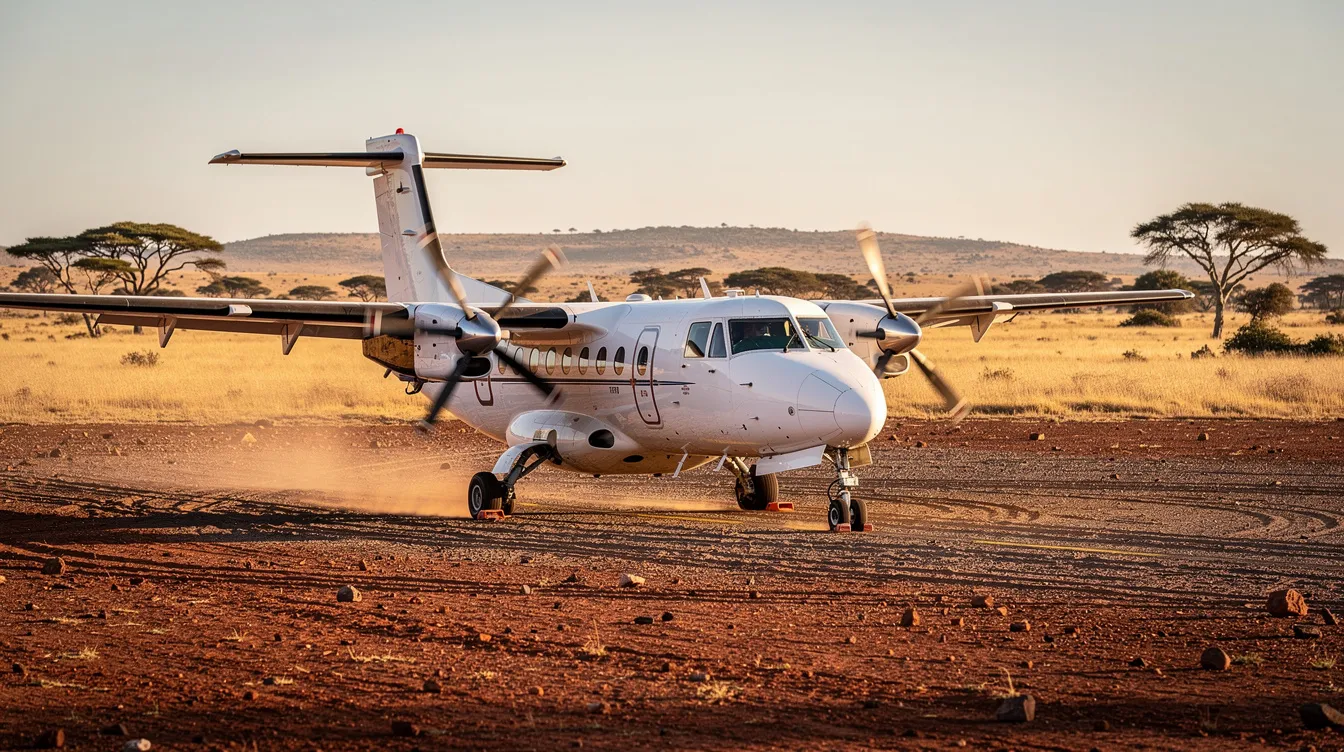
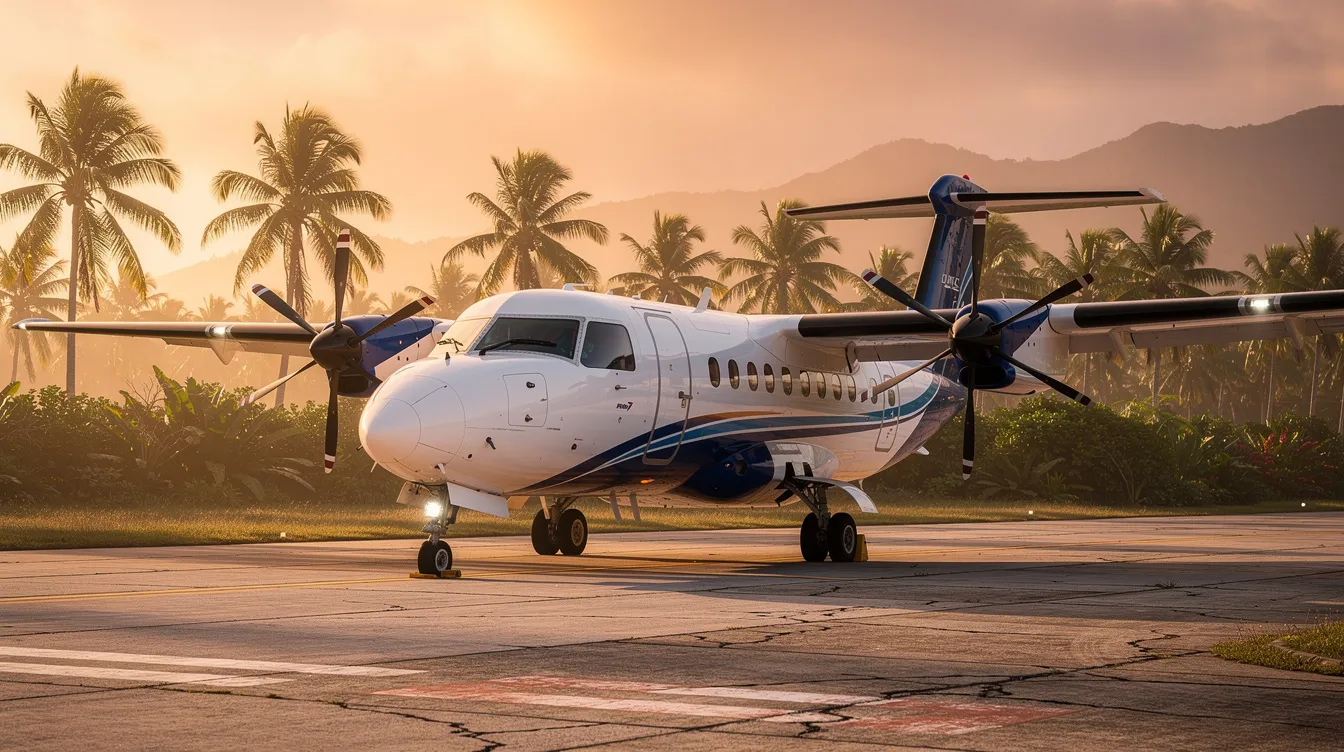
Turboprops are often cost-effective for short regional flights, especially where regional airports are closer to the final destination than major hubs. Their lower fuel burn and ability to use shorter runways can reduce total trip time
Light jets are popular for private jet travel involving 4–7 passengers, shorter domestic flights, and executive day trips. They generally offer lower charter costs than larger jets, though cabin space and baggage capacity are more limited.
A midsize jet or super midsize aircraft is often selected when passenger comfort, range, and baggage volume matter. These aircraft can make many coast-to-coast U.S. or intra-Europe missions more practical than smaller aircraft.
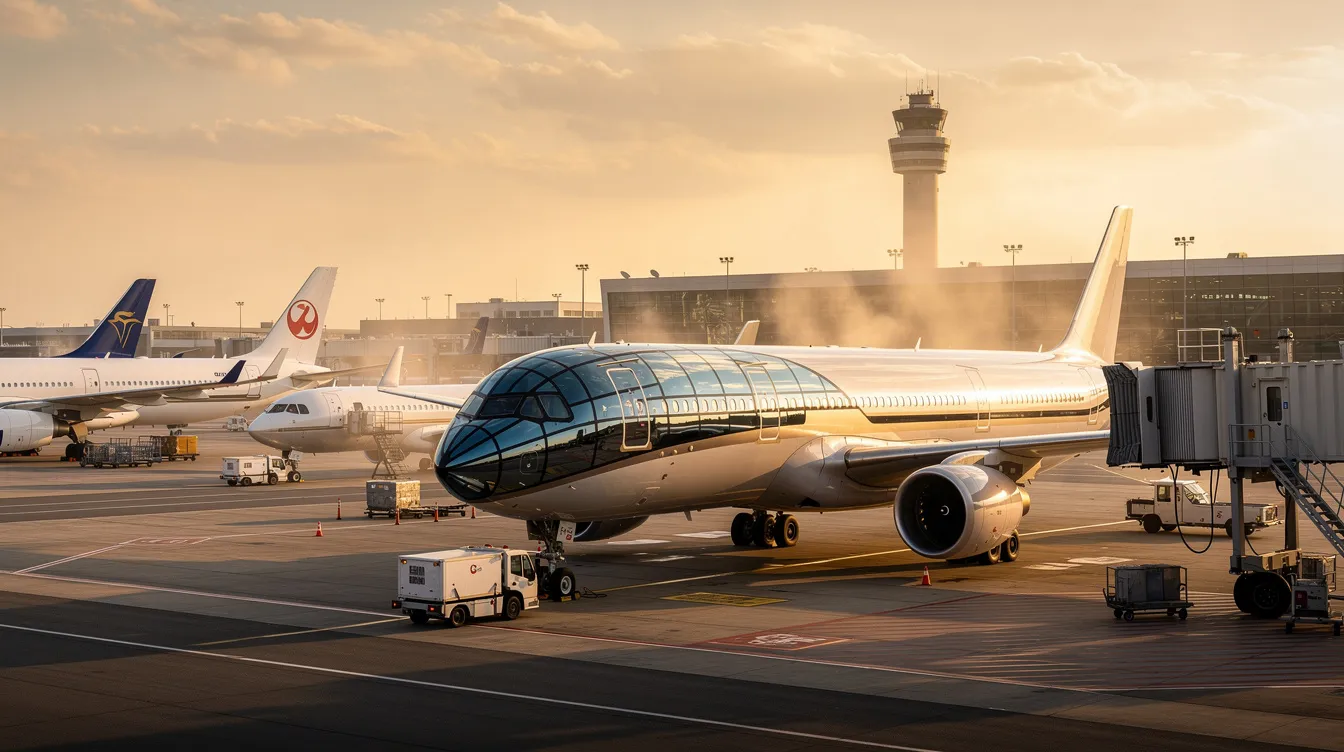
Large cabin aircraft and ultra-long range jets are built for nonstop intercontinental missions such as New York–London or Los Angeles–Tokyo. The tradeoff is higher fuel burn, crew costs, maintenance complexity, and airport authority fees in some locations, but they can also offer widebody-style comfort similar to an Airbus ACJ319 private jet configuration.
BusinessJets.com helps clients match route structure, runway limits, passenger capacity, aircraft availability, and operating costs to the right category before capital is committed.
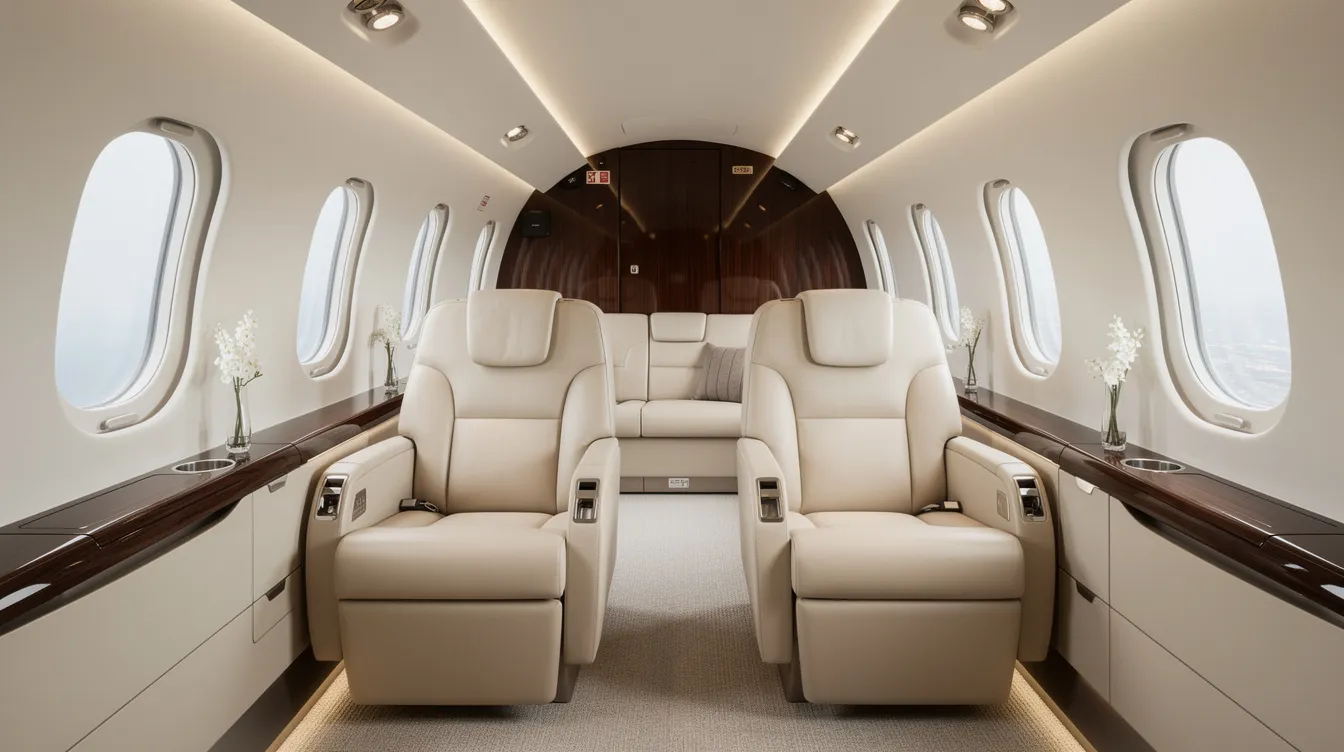
Chartering a Private Jet vs. Owning: When Does Each Make Sense?
Private jet cost decisions often start with “own vs. charter.” The answer depends on annual flight hours, capital strategy, tax treatment, control, and how predictable the travel schedule is.
For on-demand charter, hourly rates for private jet charters can vary significantly, with turboprop charters starting around $2,000 and heavy jets costing closer to $10,000 per hour. A private jet charter cost usually includes the aircraft, standard crew, and basic insurance, but the quoted rate may not include taxes, positioning, catering, or international handling.
In addition to hourly rates, private jet charter costs can include various additional fees such as landing fees, ramp fees, and federal excise taxes, which can significantly impact the total price. In the U.S., the federal excise tax is generally 7.5% on taxable domestic air transportation, plus applicable segment fees, as explained in IRS transportation tax guidance. Ownership under Part 91 is structured differently and does not apply the same way as a commercial charter flight.
A useful rule of thumb:
Below roughly 150–250 flight hours per year, private jet rental, jet cards, or jet card programs often remain more economical.
Above roughly 200–300 flight hours per year, private jet ownership can become defensible, especially for corporations with predictable schedules.
Frequent flyers who need guaranteed control, privacy, and aircraft consistency may still choose ownership even when pure spreadsheet economics are close.
Fractional ownership allows multiple owners to share the costs and responsibilities of owning an aircraft, making private aviation more accessible. In fractional ownership, individuals typically purchase a share of a private jet, which corresponds to a certain number of flight hours per year, thus reducing the financial burden of full ownership. Fractional ownership programs often manage the aircraft on behalf of the owners, handling maintenance, staffing, and scheduling, which allows owners to enjoy the benefits of private jet travel without daily management responsibilities. The cost of fractional ownership is significantly lower than full ownership, as expenses are divided among multiple owners, but it may come with limitations such as reduced scheduling flexibility.
Jet cards can also help. Utilizing a jet card program can provide predictable pricing and access to private jets without the long-term commitment of ownership, making it a more economical choice for frequent travelers. Sharing the cost of a private jet by purchasing a seat on a shared charter or through a jet card program can significantly lower the overall cost of private jet travel.
BusinessJets.com builds side-by-side cost models that compare charter spend, fractional programs, jet cards, long-term leases, and ownership, including residual value and potential resale timing.
Hidden and Ancillary Costs: Fees That Influence Total Private Jet Cost
Many buyers and charter clients underestimate ancillary costs that change the total cost of private planes, especially on international flights, winter operations, and one-way itineraries.
Common charter-specific extras include:
Aircraft positioning fees when a charter company must move the jet to your departure airport.
Empty leg and return leg flights, when the aircraft has to reposition without passengers.
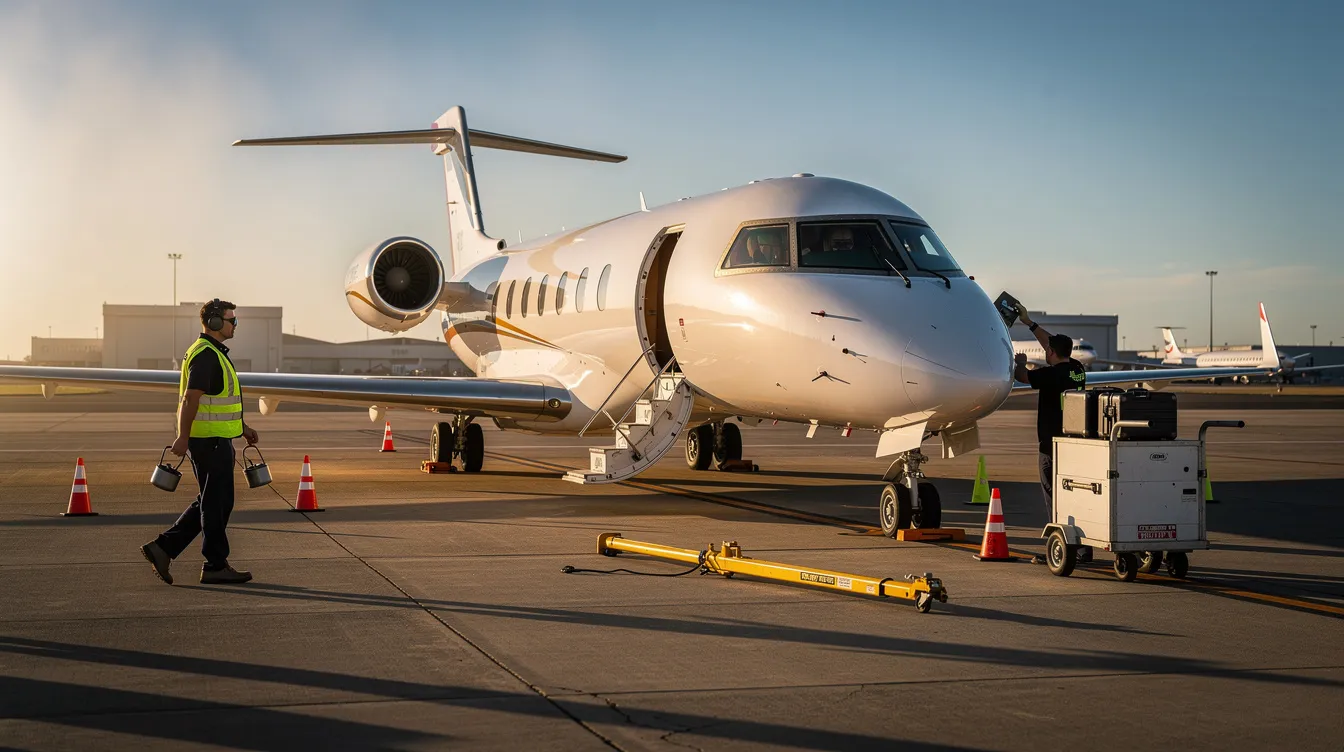
Crew overnight expenses, hotels, per diems, and minimum daily flight hour requirements.
Additional costs such as catering, ground transportation, and in-flight entertainment can also impact the overall cost of chartering a private jet.
Empty leg flights, which are return trips or repositioning legs flown without passengers, can be sold at a steep discount, often up to 75% off standard charter rates, making them a cost-effective option for travelers with flexible schedules. These discounted charters are particularly attractive on popular city pairs such as private jet flights to and from Paris, where demand for premium aircraft is consistently high. An empty leg can be attractive, but flexibility is essential because timing and routing follow the operator’s aircraft positioning requirement, not the passenger’s ideal schedule.
Owners and private jet rental clients should also consider:
Landing fees, ramp and handling charges, and airport authority fees.
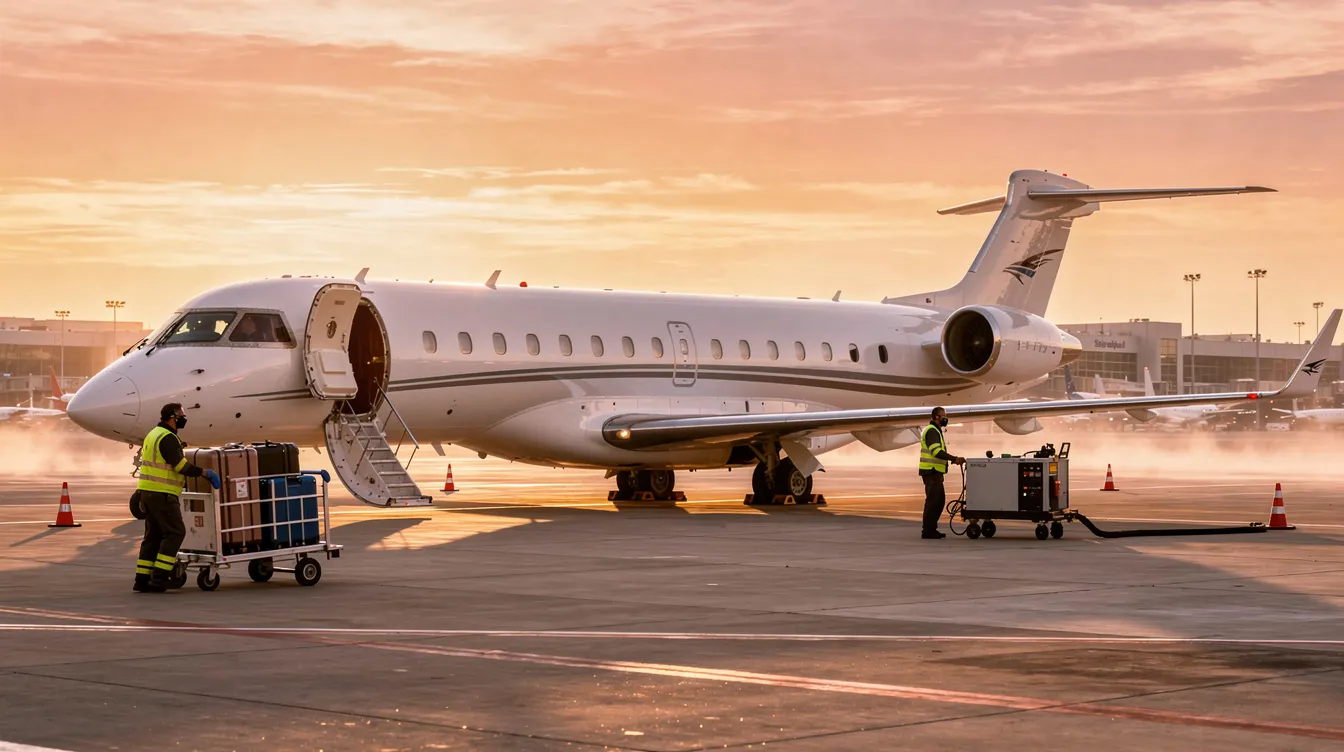
Hangar, deicing, cleaning, and premium Wi-Fi charges.
Fuel surcharges when fuel prices move sharply.
Overflight permits, customs, immigration, navigation charges, and international handling fees.
Hidden fees in charter contracts, including cancellation penalties or special airport charges.
Private jet rental costs and the final total flight cost can therefore differ from the initial hourly estimate. BusinessJets.com reviews historical invoices, maintenance records, and operating agreements when appraising an aircraft or advising before a purchase, sale, or management arrangement.
Strategic Considerations for Buyers, Owners, and Operators
Beyond raw numbers, the cost of private planes is a strategic asset question. Capital allocation, market demand, tax treatment, operational risk, and fleet flexibility all matter.
Start with mission planning. How many passengers fly most often? What is the average flight distance? Are the routes mainly domestic flights or international flights? Is a single private jet flight usually point-to-point, or do executives need multi-city travel in one day? The answers determine whether a light jet, midsize jet, large cabin aircraft, or ultra-long-range platform is appropriate.
Market timing and aircraft availability can influence acquisition costs and resale value. Buyers should consider current market conditions, depreciation trends, and the potential for improved fuel efficiency in newer models, which can lower operating expenses over time.
Tax implications vary depending on ownership structure and jurisdiction. Some buyers leverage tax incentives or accelerated depreciation to optimize financial outcomes. Consulting with aviation tax specialists is advisable to navigate complex regulations.
Operational risk management includes evaluating maintenance history, crew qualifications, and compliance with regulatory requirements, such as holding an air carrier certificate if operating commercially. Ensuring rigorous oversight mitigates unexpected costs and safety issues.
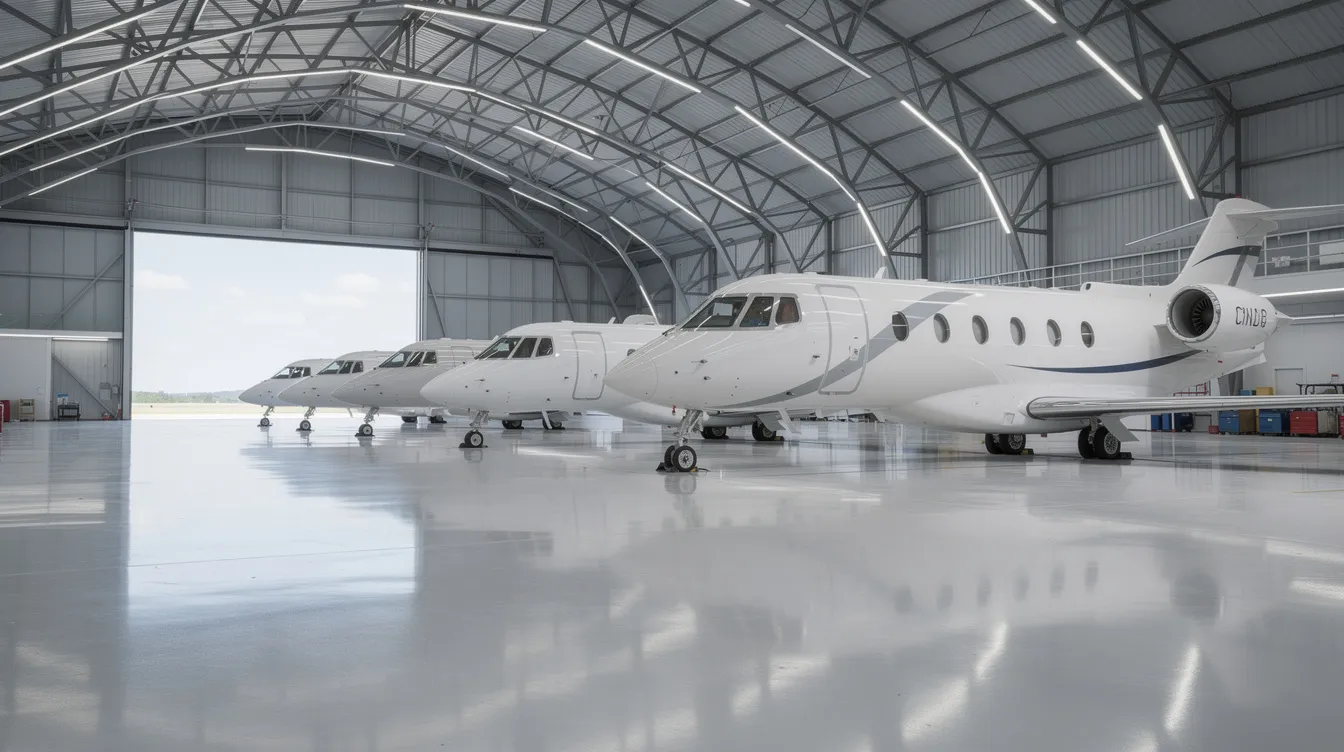
Fleet flexibility is essential for corporate operators managing multiple aircraft. Options like fractional ownership, leasing, or engaging private jet service providers can offer scalable solutions without full capital commitment. These models also facilitate access to the entire aircraft without the responsibilities of ownership.
In sum, the cost of private planes extends beyond purchase price and hourly rates. BusinessJets.com emphasizes a holistic approach, integrating mission requirements, market insight, regulatory compliance, and operational strategy to optimize investment and usage.
Frequently Asked Questions (FAQs)
What factors most influence the cost of private planes?
The cost is primarily influenced by aircraft size, age, range, customization, flight hours, and operational expenses such as fuel, maintenance, crew salaries, and hangar fees. Location and tax regulations also play a role.
How much does it typically cost to charter a private jet?
Private jet charter costs range from approximately $2,000 to over $14,000 per flight hour, depending on the aircraft category, distance, and additional fees like landing charges and federal excise tax.
When does owning a private jet become more economical than chartering?
Ownership generally becomes financially justifiable at about 200 to 300 flight hours annually, as fixed costs are spread over more hours, reducing the cost per flight compared to chartering.
What is fractional ownership, and how does it affect costs?
Fractional ownership allows multiple owners to share an aircraft’s acquisition and operating costs based on their share size, offering cost savings over full ownership but with some scheduling limitations.
Are there hidden fees associated with private jet travel?
Yes, fees such as aircraft positioning, crew overnight expenses, fuel surcharges, landing and handling fees, and international taxes can significantly affect total costs and should be considered when budgeting.
How can BusinessJets.com assist with private plane costs?
BusinessJets.com provides expert aircraft appraisals, market insights, and transaction support, helping clients compare ownership, charter, and fractional options to find the most cost-effective solution for their needs.
Conclusion: Navigating the Cost of Private Planes with Expertise
Understanding the comprehensive cost of private planes in 2026 is essential for making informed decisions about ownership, chartering, or fractional access. The financial commitment extends far beyond the purchase price to include ongoing operating expenses, taxes, maintenance, crew, and ancillary fees. BusinessJets.com stands as a trusted partner in this complex landscape, leveraging decades of experience and a track record of over 1,500 aircraft transactions to provide authoritative guidance tailored to each client’s unique mission and financial goals.
Whether you are a private jet owner considering an upgrade, a corporation evaluating fleet strategy, or a high-net-worth individual exploring private aviation options, BusinessJets.com offers expert aircraft appraisals, market intelligence, and aviation consulting services. Their consultative approach ensures clients optimize their investment, minimize financial waste, and achieve operational efficiency.
Engage with BusinessJets.com to access comprehensive support in aircraft acquisition, selling, chartering, and strategic planning. With their discreet, expert-led service, you can confidently navigate the true cost of private planes and select the solution that best aligns with your travel needs and business objectives.