Private Jet Purchase: A Practical Guide for Serious Buyers
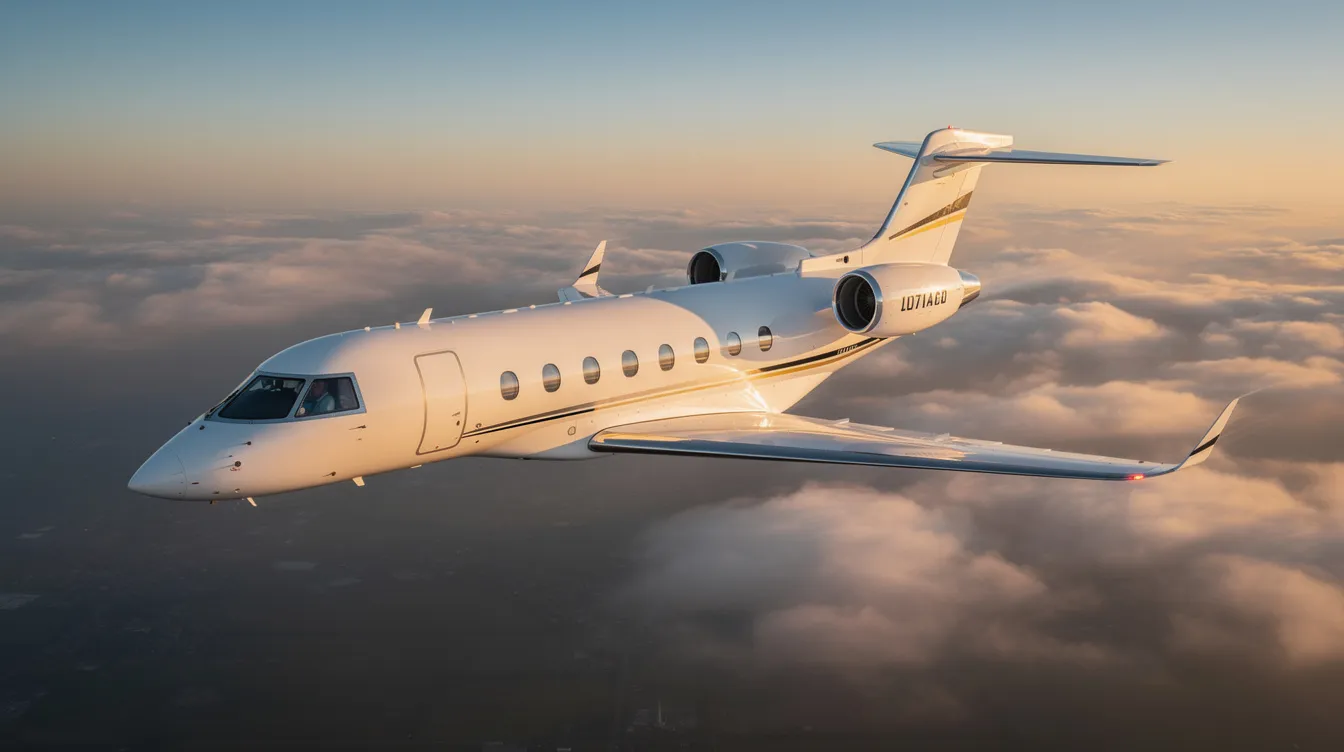
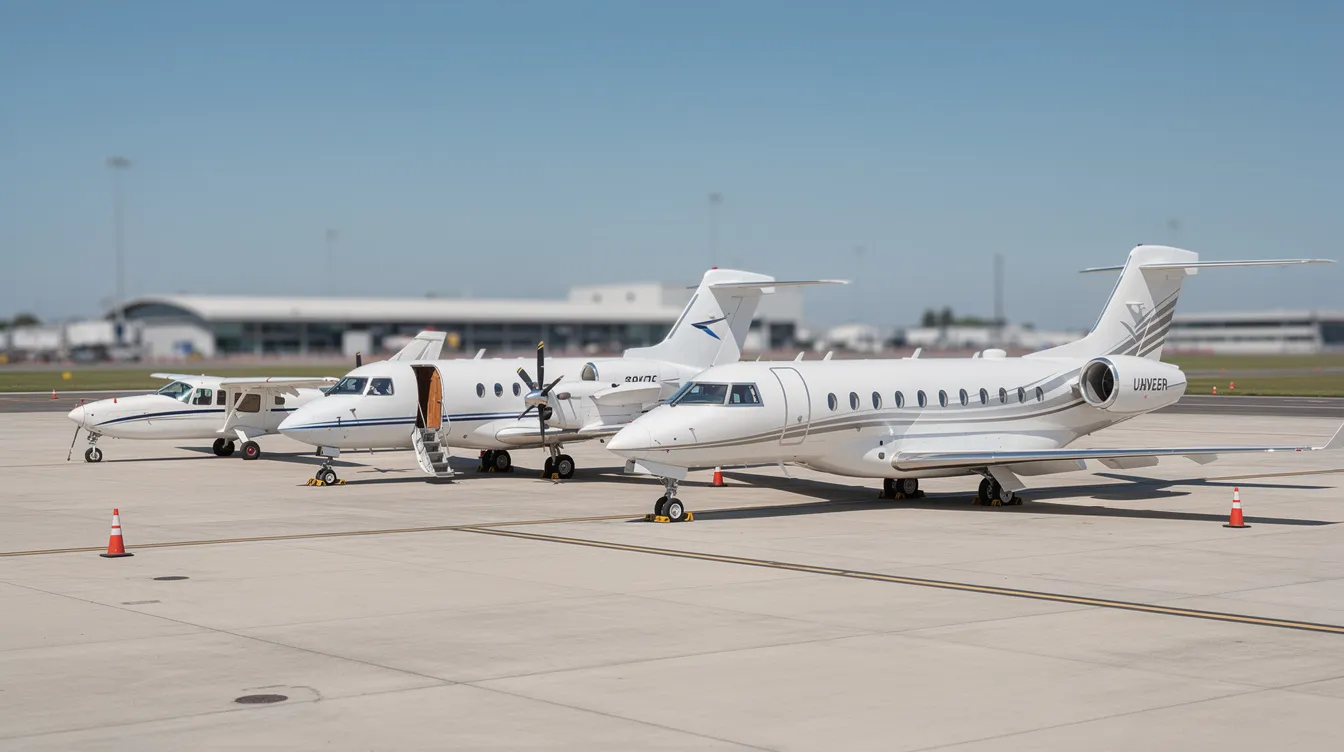
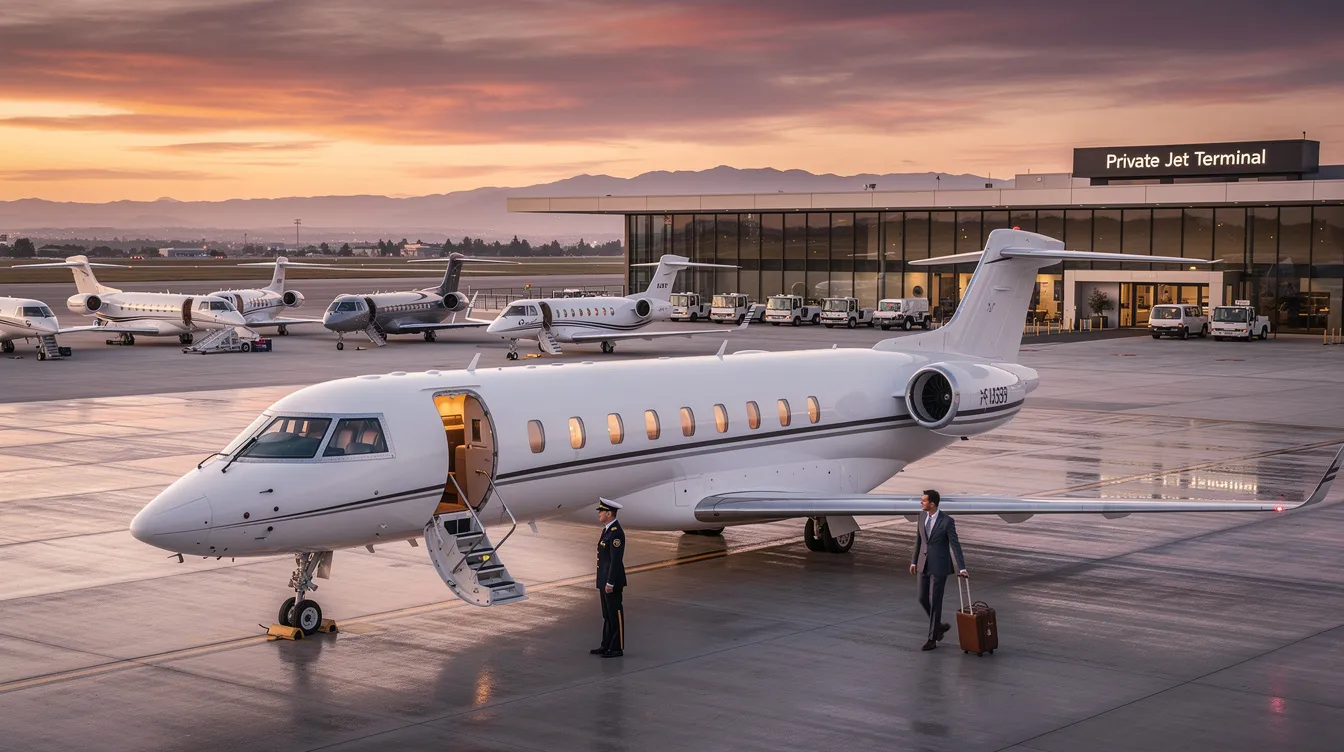
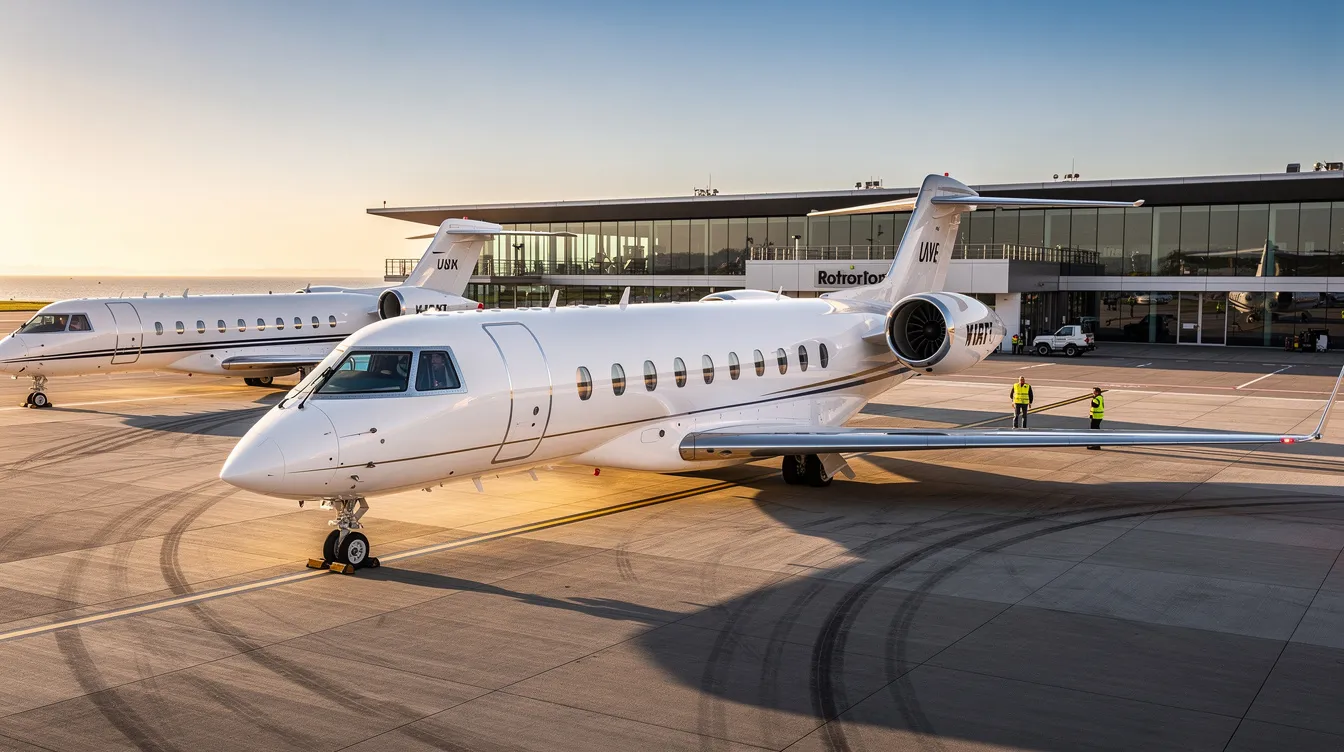
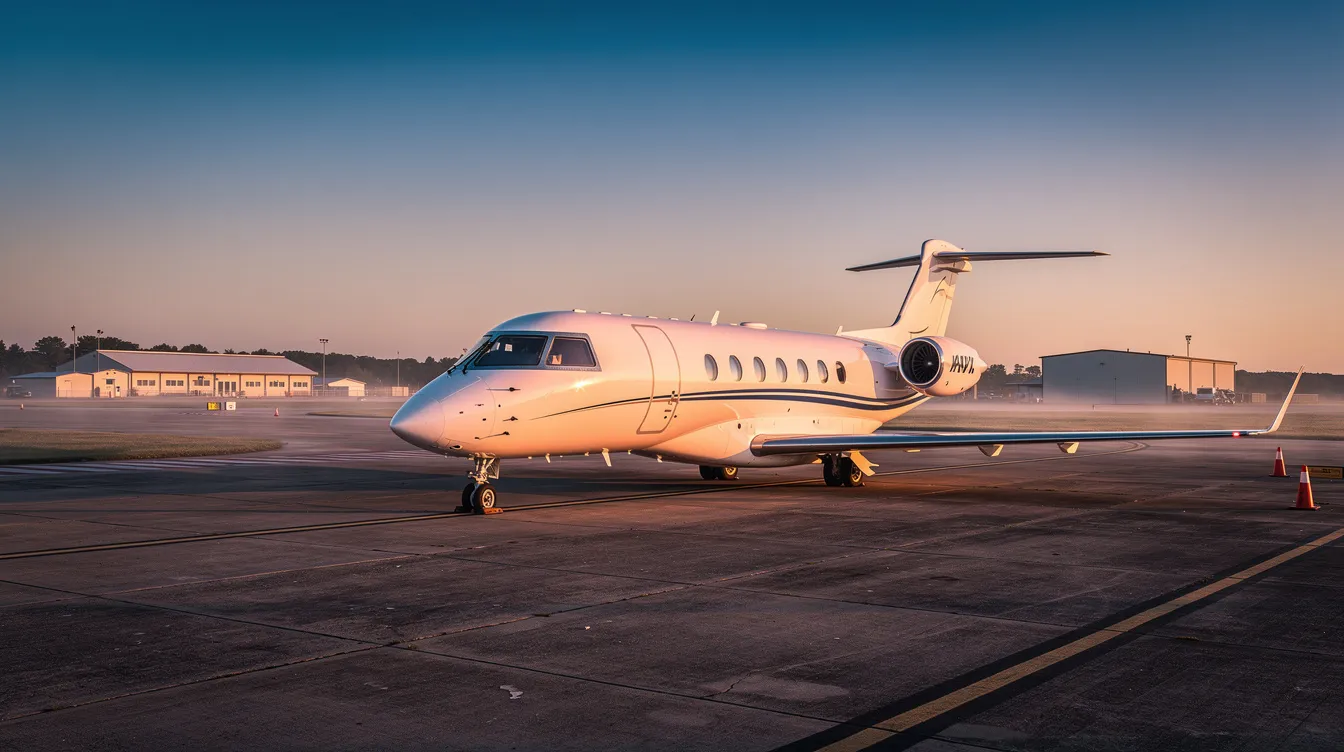
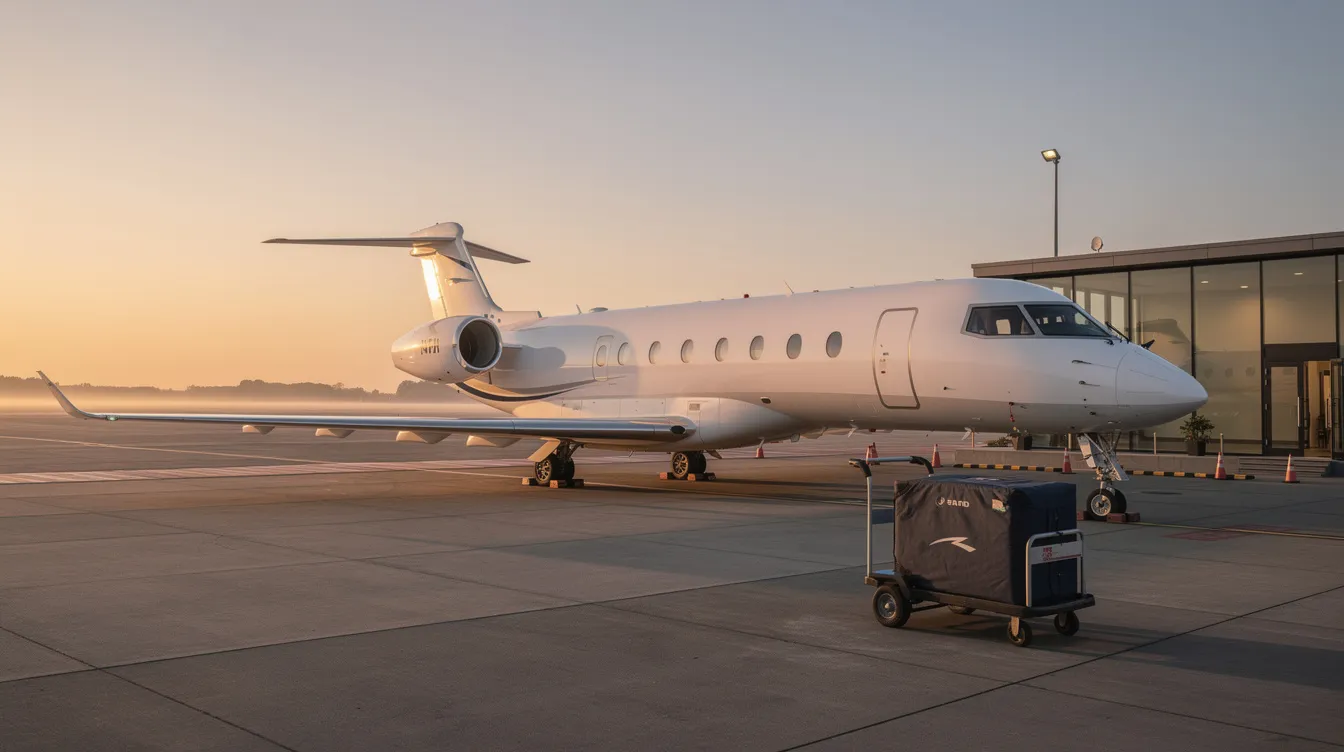
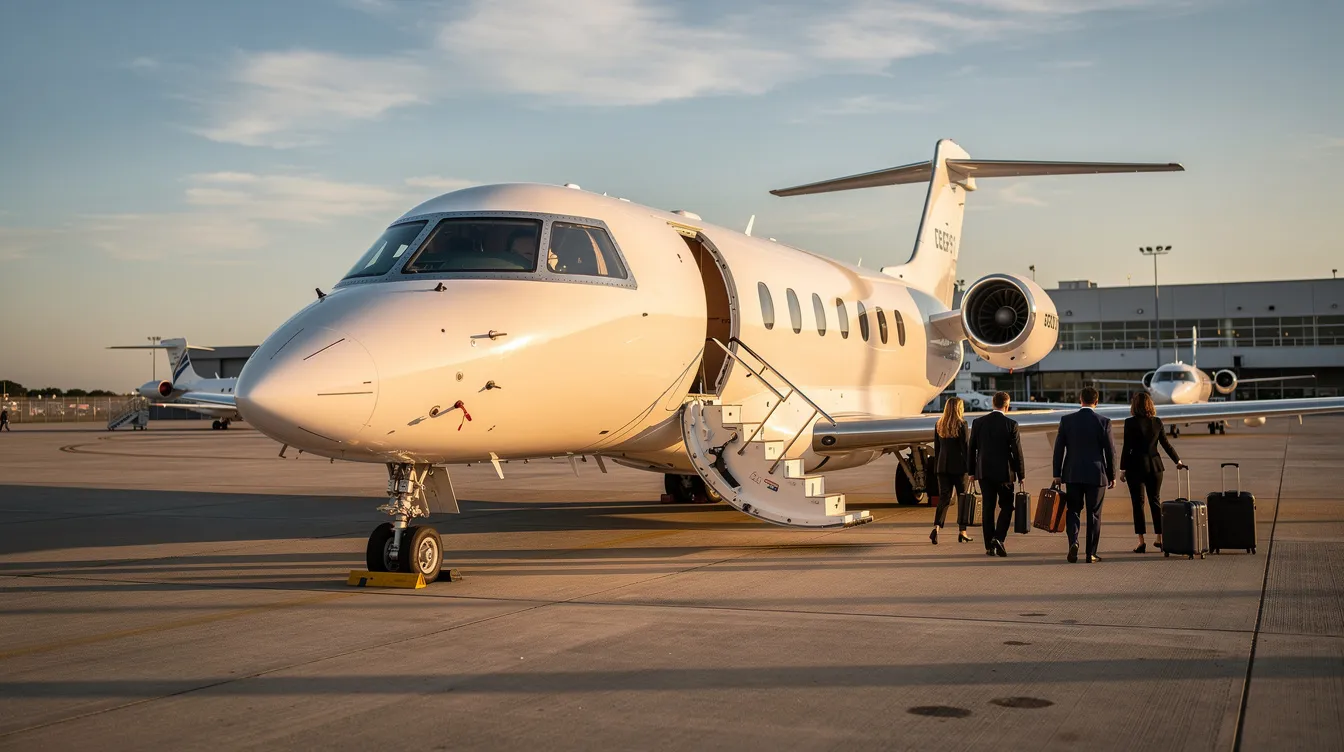
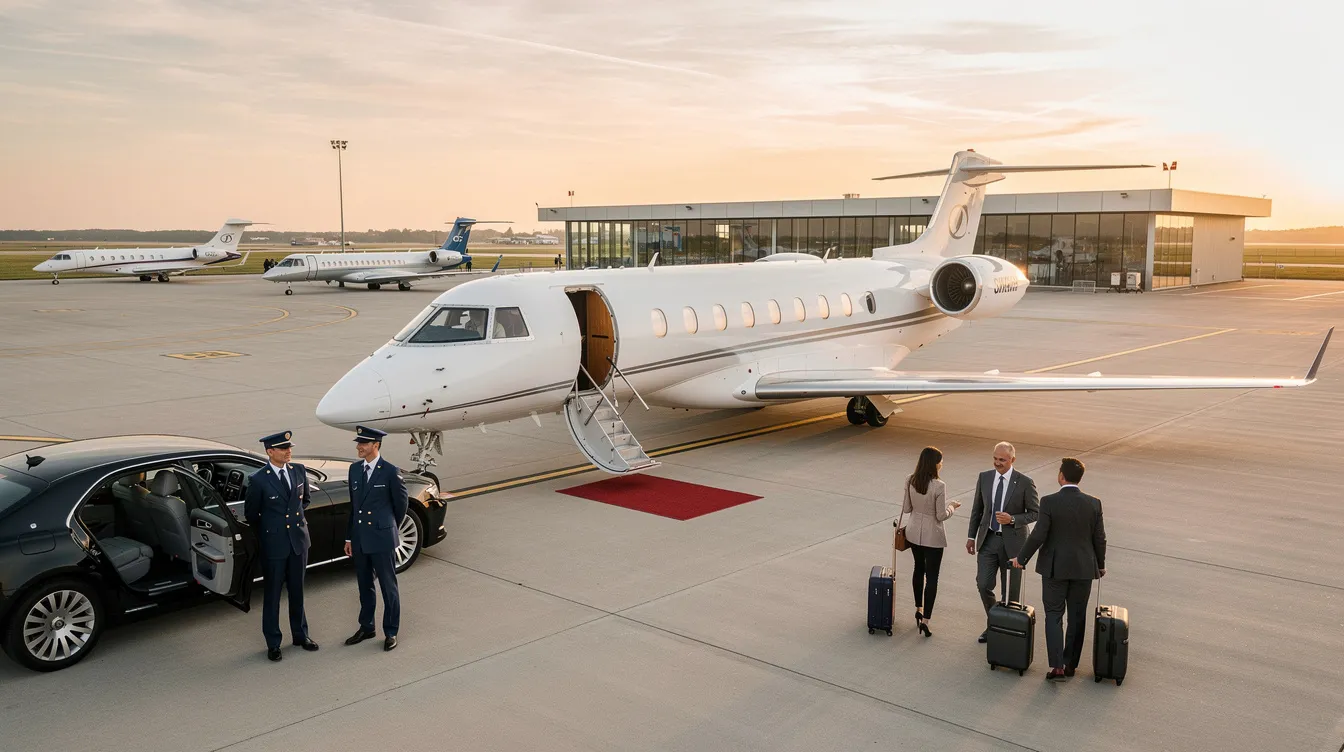
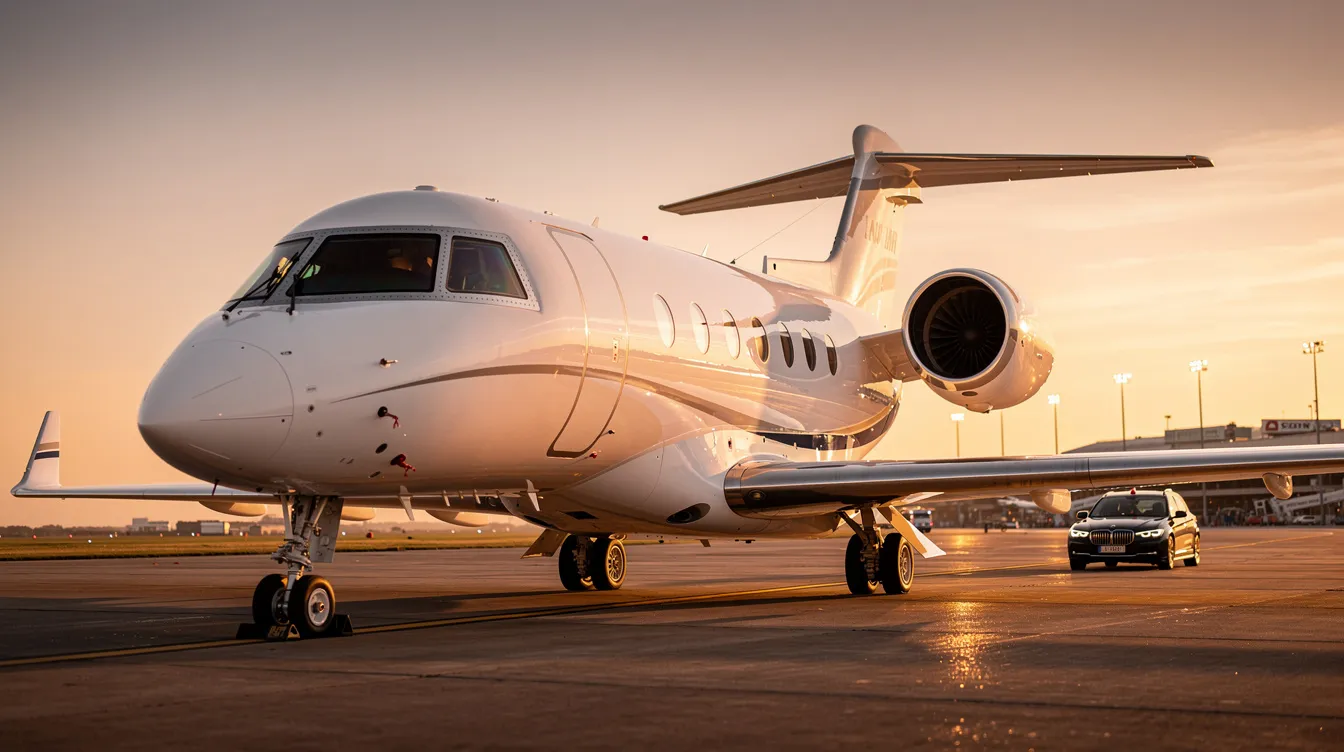
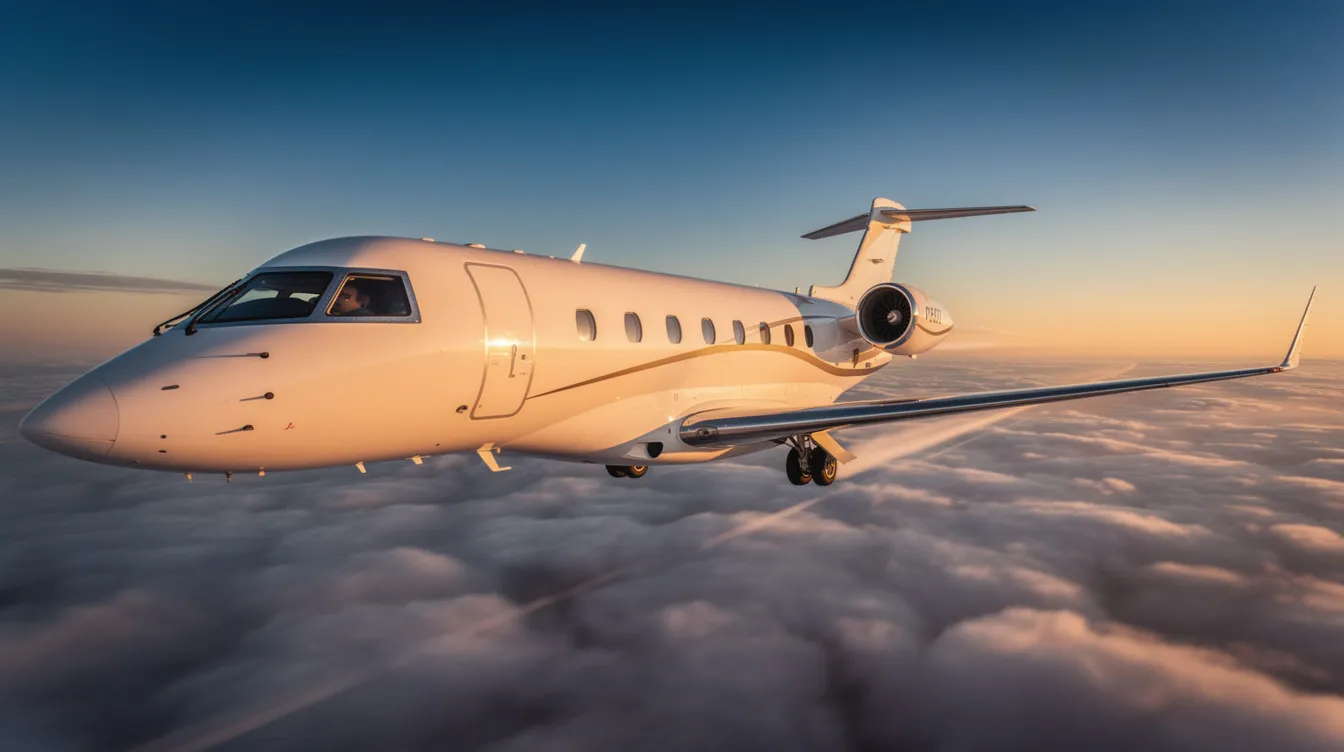
Companies, family offices, owner operators, and high-net-worth individuals are considering private jet ownership for practical reasons: schedule control, multi-city business travel, secondary-airport access, privacy, and reduced exposure to commercial airlines.
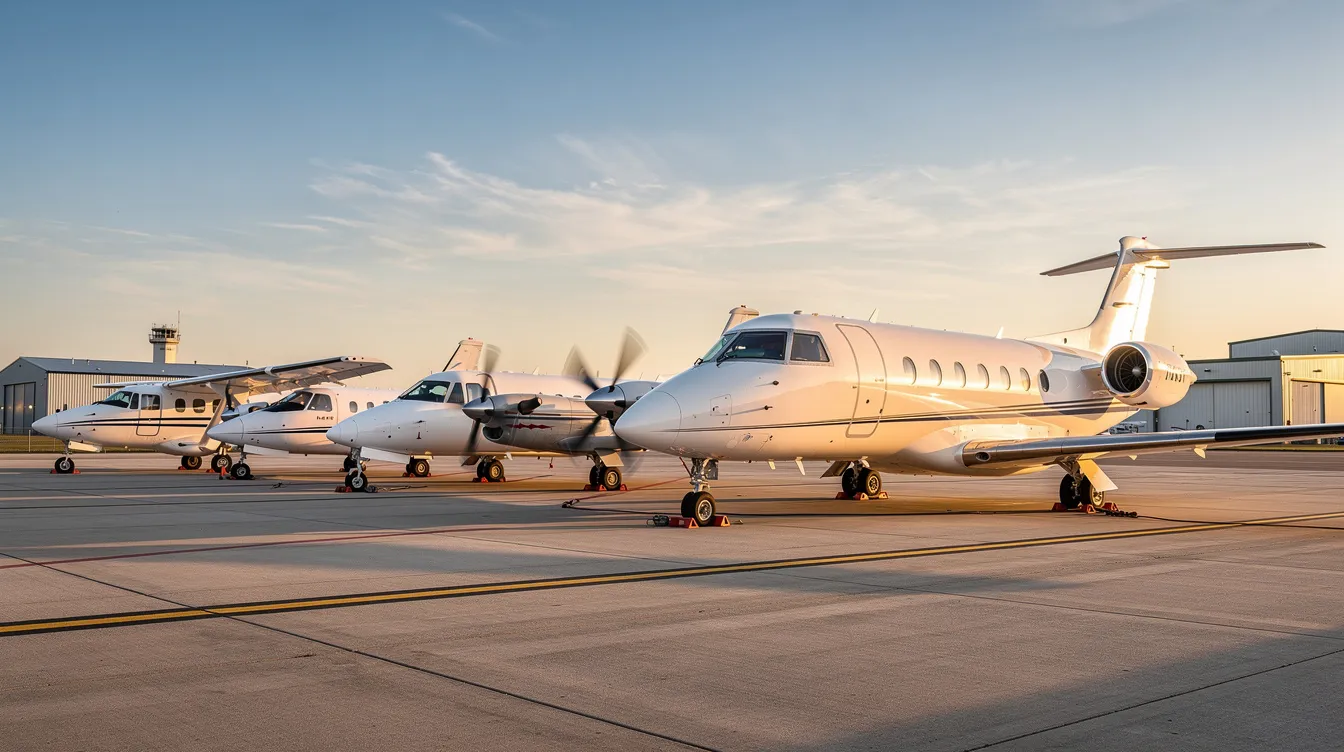
As of July 2024, approximately 24,270 private jets were in operation worldwide, highlighting the increasing accessibility and popularity of private aviation. Demand remains active in 2024–2026, while buyers can review new deliveries and pre-owned aircraft for sale worldwide across a variety of sizes, age profiles, and price points.
This guide is for CFOs, owners, fleet managers, and qualified buyers evaluating a first private plane purchase or an upgrade. BusinessJets.com is a brokerage, appraisal, and aviation consulting firm, not a charter operator, focused on transaction execution, valuation accuracy, and long-term asset strategy.
Table of Contents
Key Takeaways
A private jet purchase should begin with mission analysis, not aircraft shopping: routes, passengers, runway limits, budget, and operating plan define the best aircraft.
Outright ownership generally becomes efficient at roughly 200–300+ flight hours per year; below that, charter, jet cards, private flight club memberships, or fractional ownership may produce better cost savings.
Entry-level options such as the Cirrus Vision Jet and older light jets may start below $2–3 million, while large-cabin aircraft can exceed $20–50 million, and new flagships can pass $100 million.
Accurate valuation, maintenance log review, and pre-buy inspection are non-negotiable; missed engine, APU, avionics, or inspection issues can become seven-figure expenses.
BusinessJets.com has completed 1,500+ aircraft transactions worldwide and assists clients with appraisals, acquisitions, consulting, and aircraft sale strategy.
Is Private Jet Ownership Right for You?
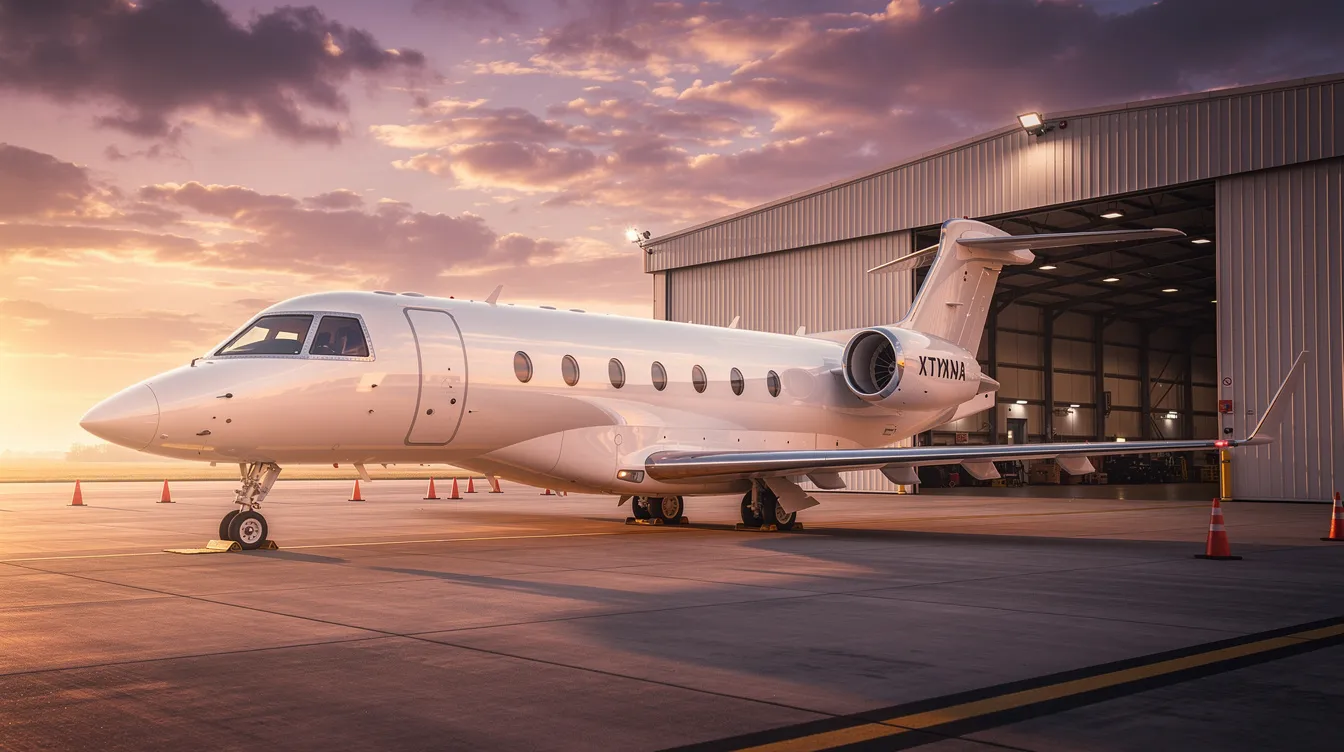
Ownership is a strategic asset decision, not a lifestyle impulse. Start with usage:
Under 200 annual flight hours: chartering a flight is a great option for travelers who do not want to fly commercially but also do not want the commitment of ownership, with costs typically ranging from $1,200 to more than $10,000 per flight hour.
Around 200–300 flight hours: compare ownership, fractional ownership, and jet cards.
300–500+ flight hours: full ownership or fleet ownership may be justified.
Fractional ownership is similar to a timeshare in real estate, allowing multiple owners to share the costs and usage of a private jet, making it a more affordable option for those who fly less frequently. Private flight club memberships allow access to a variety of jets at set hourly rates, providing a custom travel experience without the complexities and costs of full jet ownership.
Analyze your typical flight routes, passenger loads, and runway requirements to define the mission profile for a private jet. Determine your typical flight distance to choose between light, midsize, or heavy jets. Count your average number of passengers to ensure adequate cabin seating and baggage space. Check if your target airports have short runways that restrict certain aircraft sizes.
The benefits include saved executive time, same-day site visits, security, privacy, and greater freedom in flying schedules. BusinessJets.com can assist with consulting models that compare ownership, charter, and hybrid use, particularly for executives building regular travel patterns to hubs like Paris by private jet charter.
Defining Mission and Requirements Before You Shop
Before looking at specific jets, create a requirements matrix:
Factor | Description |
|---|---|
Range | Typical and maximum nautical miles required for your missions. |
Payload | Passengers, baggage, equipment, and catering needs. |
Airports | Runway length, mountain operations, hot-and-high performance requirements. |
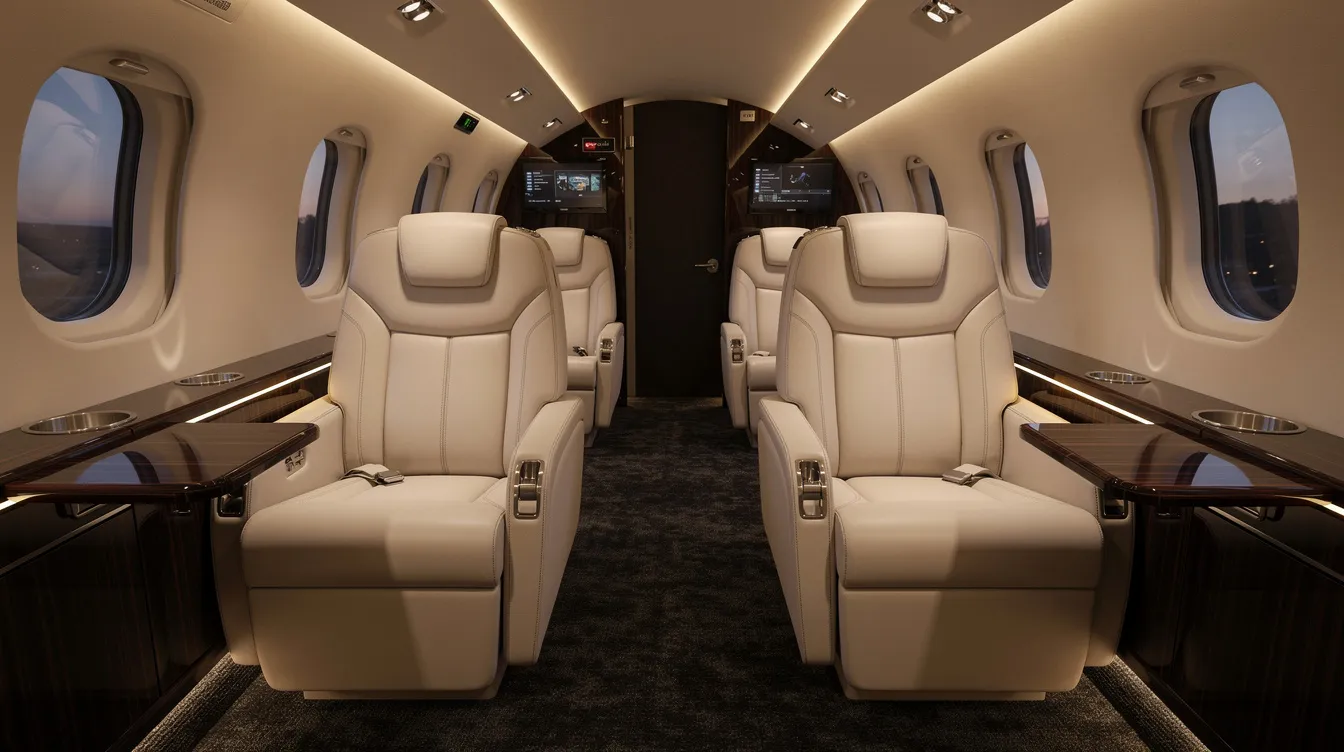
Cabin | Stand-up height, work/rest layout, noise levels, lavatory, and galley preferences. |
Connectivity | Gogo Avance L5, Starlink, Ka-Band, satcom, and other in-flight connectivity needs. |
Operations | Part 91 business use, Part 135 charter, ETOPS, oceanic capability, international air clearances. |
Budget | Acquisition cost, operating costs, accounting treatment, tax planning, and future resale value. |
This helps buyers select the best aircraft for actual travel needs rather than relying on a Google search, a bot-generated page, or an internet listing with incomplete data displayed on a seller's website.
New vs. Pre-Owned Private Jets
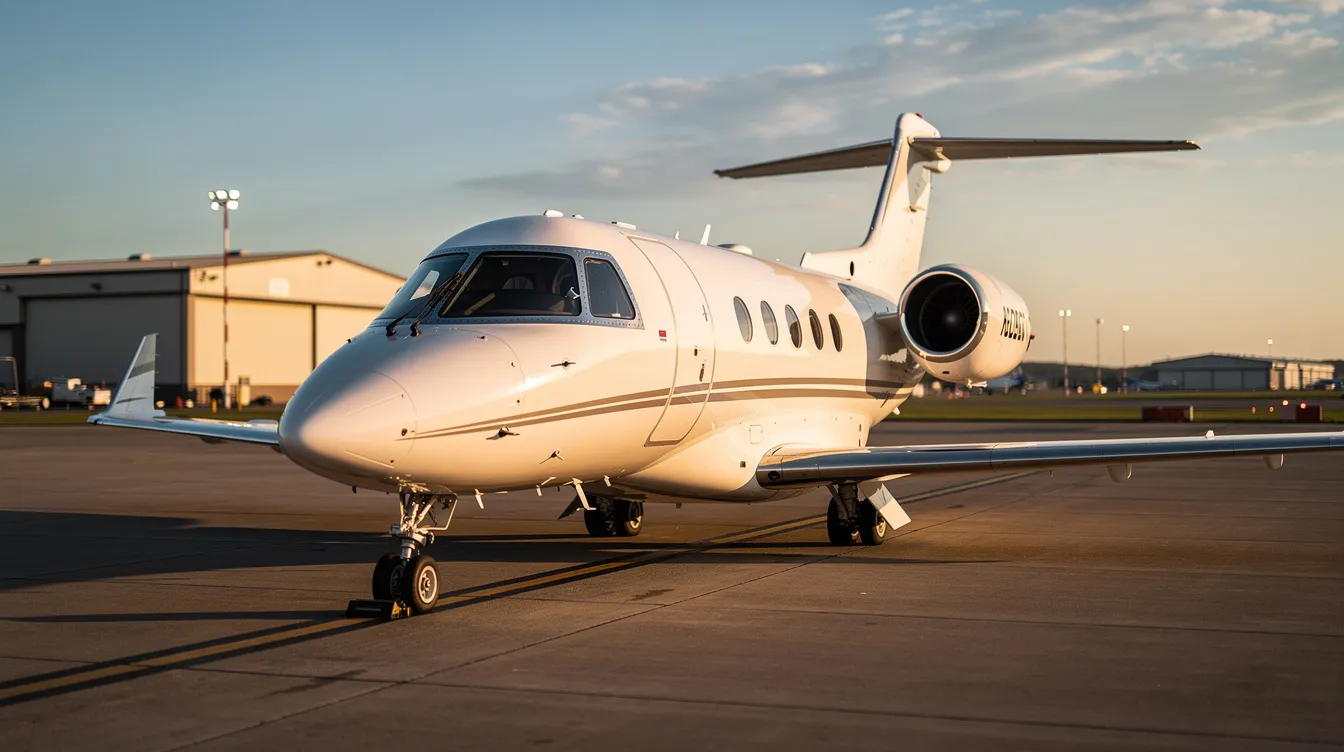
New jets offer warranty coverage, current avionics, modern connectivity, custom interiors, and predictable early maintenance. The tradeoff is a higher price, waiting time, and depreciation.
Pre-owned private jets offer faster access and lower acquisition costs. Used private jets can be a more affordable option, with prices ranging from as low as $250,000 to as much as $17 million, depending on age, model, and condition. Pre-owned prices for older jets can depreciate to below $2 million, and even less than $1 million after several years, making them viable for budget-conscious buyers.
Budget for the upfront purchase of a private jet, which ranges from $3 million to over $100 million. The total cost of a private aircraft can range from $2 million to over $110 million. Research the historical depreciation of the specific make and model when considering resale value, and anticipate the asset’s loss of value over time, which impacts future resale.
Older aircraft may need 48/96-month or 144-month inspections, avionics upgrades, new paint, interior work, or noise/emissions compliance. Ensure the manufacturer actively supports the model with readily available spare parts.
Aircraft Categories and Example Models
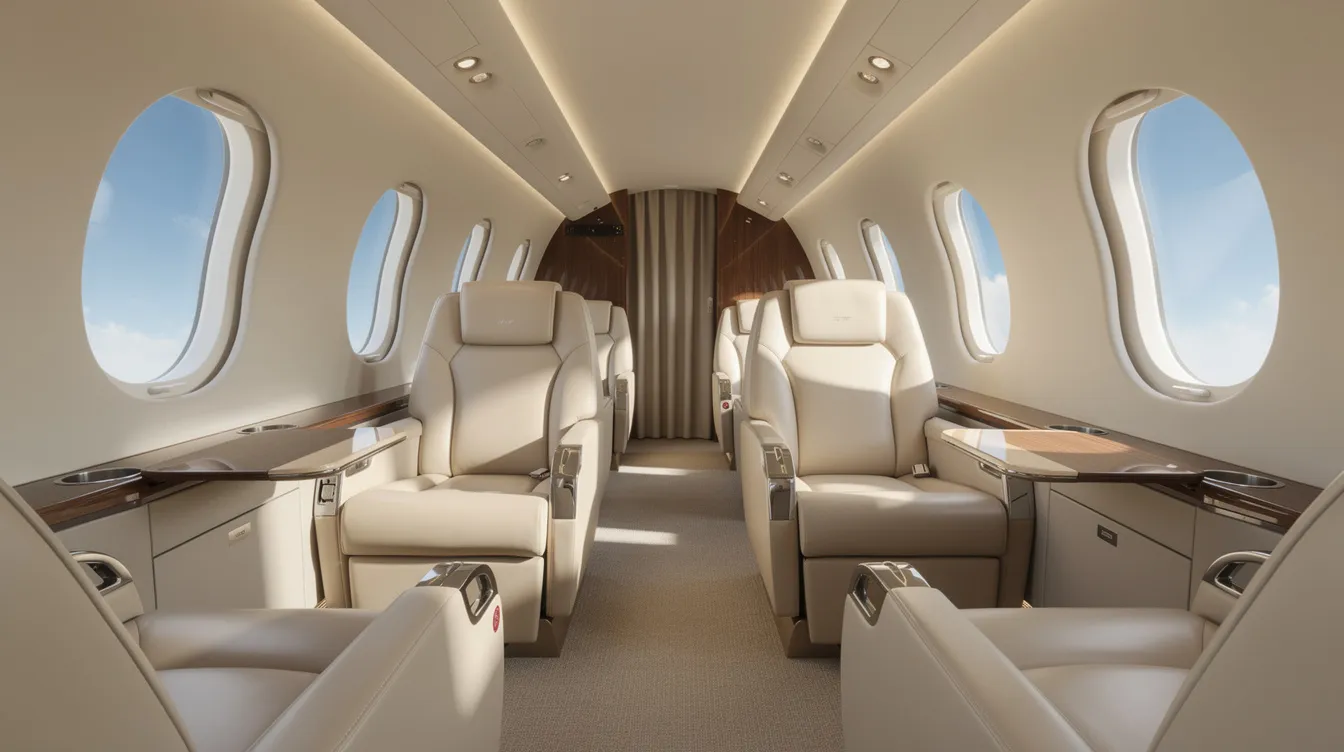
Example Aircraft Categories
Category | Example Models | Typical Price Range | Key Features |
|---|---|---|---|
Very Light Jets (VLJs) | Cirrus Vision Jet SF50, Eclipse 500 | $1M–$3M (new/late model) | Most affordable entry, short-haul flights, advanced tech, efficient, 4–5 seats |
Light Jets | Cessna Citation Mustang, Embraer Phenom 100 | $2M–$8M | 4–8 passengers, under 1,500 nm, balance of luxury and affordability, ideal for business/family |
Midsize/Super-Midsize | Hawker 800XP, Citation Latitude, Gulfstream G280 | $4M–$18M | Greater range, 6–10 passengers, more cabin space, 2,000–3,500 nm missions |
Large Jets | Dassault Falcon, Gulfstream G200, Challenger 604/605, Gulfstream G450/G600, Falcon 900EX, Global 6000, Boeing Business Jet | $10M–$60M+ | Intercontinental range, spacious cabins, advanced tech, luxury, 10–19 passengers |
Ultra-Large/Flagship | Airbus ACJ319, Boeing Business Jet | $50M–$100M+ | Ultimate luxury, custom interiors, long-range, VIP configuration, corporate or group travel |
Entry-Level and the “Cheapest Private Jet” Question
The Cirrus Vision Jet is recognized as one of the cheapest private jets available, with a new price around $2 million, making it an attractive option for first-time jet owners. At the other end of the spectrum, buyers may evaluate ultra-large options such as an Airbus ACJ319 private jet. The cheapest private jet advertised is not always the lowest-cost aircraft to own.
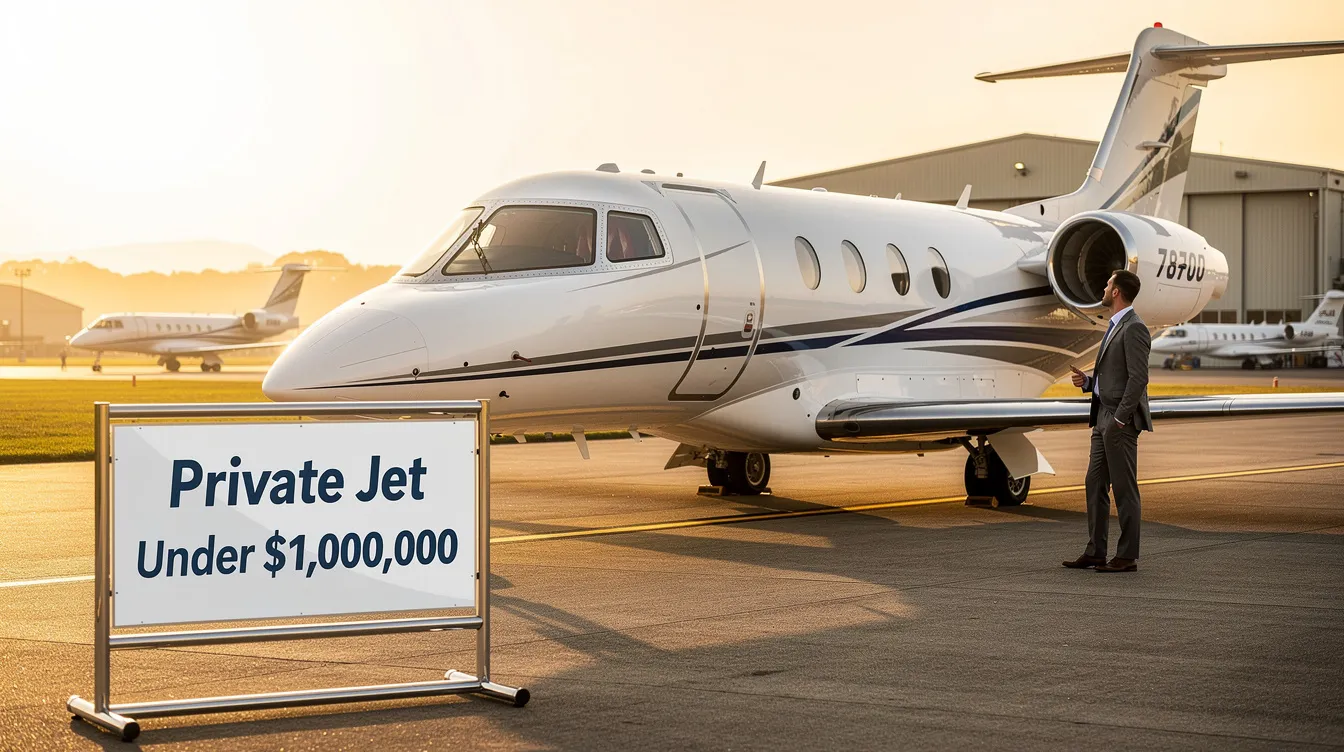
An entry-level jet below $1 million may carry outdated avionics, upcoming heavy maintenance, engine exposure, limited support, or poor log history. BusinessJets.com helps buyers understand whether a low purchase price translates into low total cost over a 5–10 year hold.
Understanding Private Jet Operating Costs and Ongoing Costs
Fixed and Variable Costs
Total cost of ownership includes recurring fixed costs and variable costs associated with operating a private jet. Ongoing costs associated with private jet ownership include maintenance, repairs, fuel, storage, and crew salaries, which can add significantly to the total cost of ownership.
Typical Hourly and Annual Costs
Typical direct operating costs:
Category | Approximate hourly cost |
|---|---|
VLJ/light | $1,000–$2,000 |
Midsize | $2,000–$3,000 |
Large-cabin | $4,000–$7,000+ |
Fuel costs for operating a jet can range from $300 to $700 per hour, depending on the aircraft type and usage. Factor in dynamic expenses, including fuel, catering, and landing fees, in the operational costs of a private jet.
Plan for annual expenses like insurance, hangar storage, and crew salaries when acquiring a private jet. Storage costs for an aircraft can range from $50 to $100 per month for outside storage to $100 to $500 for a hangar at some smaller airports. Ownership of a private jet typically incurs operating costs ranging from $500,000 to $1 million annually, varying based on the aircraft's size and usage. The ongoing costs of jet ownership, including maintenance, repairs, fuel, storage, and crew salaries, can range from $500,000 to $1 million annually, making ownership a significant financial commitment.
Annual operating costs for a mid-size jet can total hundreds of thousands of dollars, making it essential to budget carefully for long-term ownership.
Maintenance and Protection Programs
Maintenance programs can protect against unexpected major repair bills when purchasing aircraft; JSSI, MSP, CorporateCare, engine coverage, and whether the APU enrolled status is current affect valuation.
The Private Jet Purchase Process Step by Step
Buying a private jet is a highly structured corporate transaction that requires a specialized team of legal, aviation, and financial experts. Acquiring a whole aircraft typically takes anywhere from a few weeks to several months.
Needs analysis and budget: Align mission, spend, financing, lease options, and fleet strategy.
Market scan: Aircraft brokers review public listings, off-market opportunities, aircraft for sale worldwide, maintenance history, ownership chain, and demand.
LOI and offer: Define deposit, conditions, inspection scope, price adjustment rights, and timing.
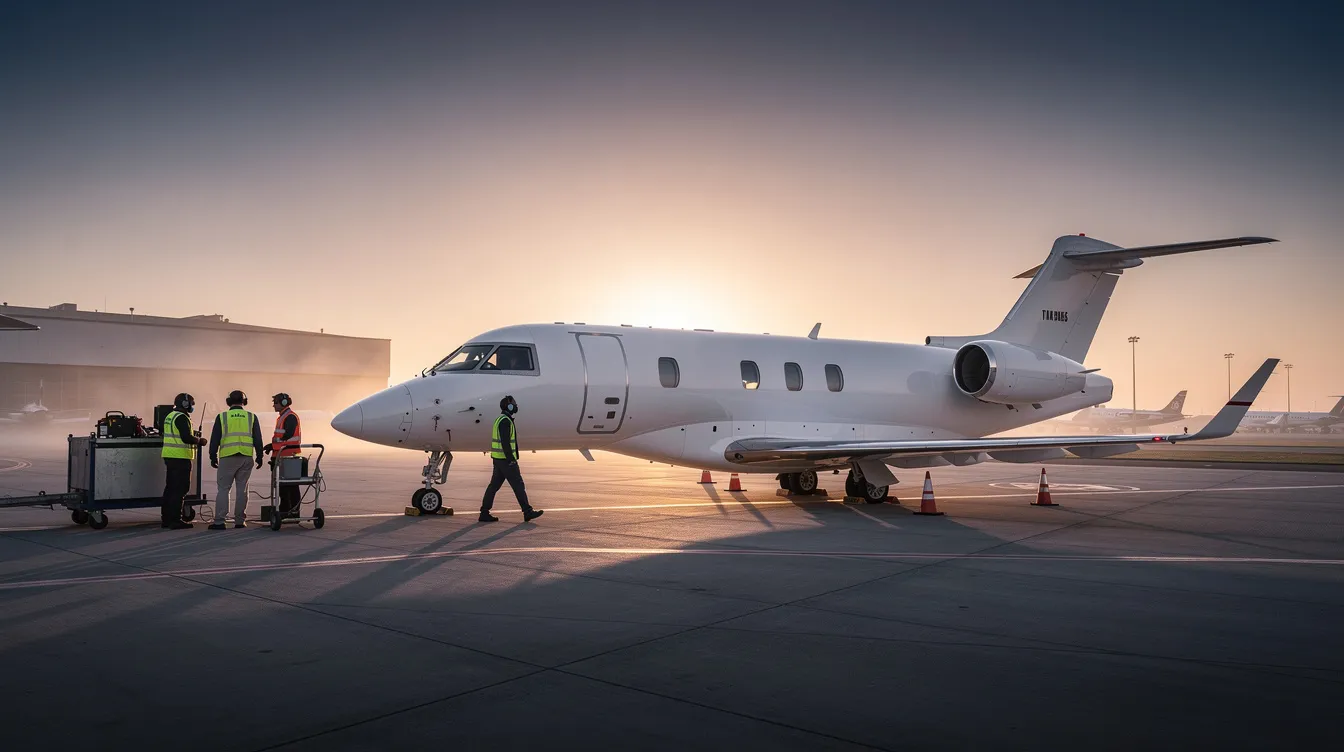
Pre-purchase inspection: Review the aircraft's upcoming required maintenance intervals and historical logs as part of the inspection process.
Closing: Use aviation counsel, escrow, title search, tax planning, registration, insurance, pilots, delivery, and entry into service.
Decide on a third-party company to handle staffing, maintenance, and FAA compliance for the aircraft if internal flight department resources are not in place.
Due Diligence, Appraisals, and Valuation Accuracy
A professional appraisal considers comparable sale data, airframe time, engines, apu status, avionics, interior, paint, damage history, ownership records, maintenance programs, and current market trends. Red flags include incomplete log records, undocumented repairs, corrosion, hard landings, unsupported avionics, or major inspections due soon.
BusinessJets.com uses experience from 1,500+ completed transactions and sale-price intelligence to represent buyers and sellers with realistic pricing. If a deal stretches 60–90 days, refresh the analysis; the market can move.
Financing, Tax, and Ownership Structures
Most buyers opt for structured financing rather than tying up liquid corporate capital when purchasing a private jet. The typical down payment for a private jet ranges from 15% to 20%. Aircraft loans are often structured through specialized aviation lenders or commercial banks.
Loans and leases for private jets are structured to account for the aircraft’s rapid depreciation. Buyers can enter an operating lease or synthetic lease when acquiring a private jet. Financing may offer 70–85% loan-to-value on newer aircraft, with lower leverage for older airframes.
Common structures include single-purpose LLCs, corporate ownership, and managed ownership. Choose the optimal country of registration based on tax laws and operational freedom. Assemble an advisory team including an aviation broker, specialized aviation tax counsel, and an aircraft management company.
Working with a Professional Aircraft Broker and Consultant
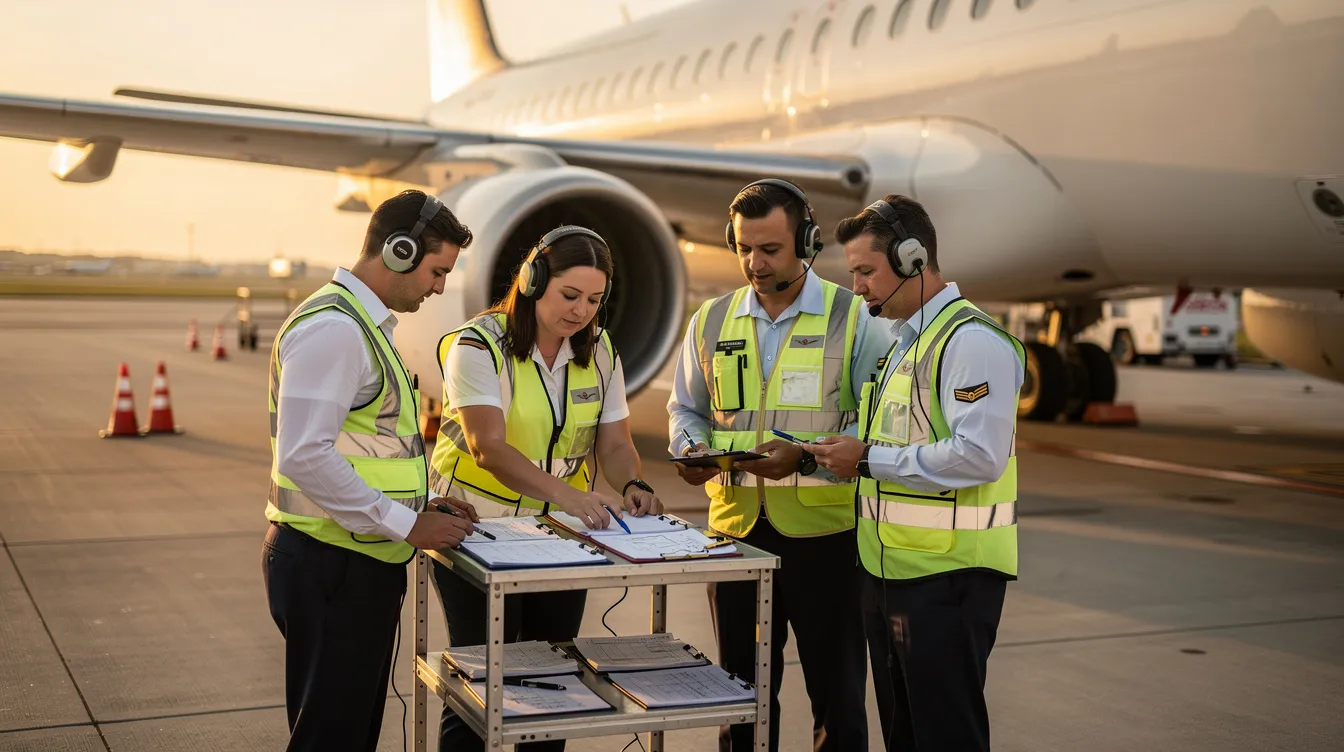
Sophisticated buyers rarely manage a private jet purchase alone. The investment is large, the records are technical, and cross-border transactions require precision.
BusinessJets.com provides market intelligence, valuation, acquisition support, aircraft sale advisory, operator consulting, and fleet planning. With 1,500+ aircraft transactions and over 5,000 satisfied customers, the firm helps clients buy, sell, appraise, and optimize aircraft assets across light, midsize, and large-cabin segments.
To move forward, request an aircraft appraisal, discuss listing an aircraft for sale, or schedule an acquisition strategy consultation with BusinessJets.com.
FAQ: Private Jet Purchase Questions
How long does a private jet purchase usually take from decision to delivery?
A straightforward domestic pre-owned jet purchase typically closes within 30 to 60 days. More complex transactions—such as international deals, financing arrangements, aircraft refurbishment, registration changes, or new aircraft deliveries—can extend the timeline to 60 to 120 days or longer.
Can I charter my private jet to help offset ownership costs?
Yes. Many owners charter their jets when not in use to offset significant ongoing expenses like maintenance, crew salaries, insurance, and hangar fees. To do so, the aircraft must comply with regulatory requirements, including holding the appropriate operating certificates under Part 135 or equivalent charter regulations.
Before chartering, assess your aircraft’s suitability for the charter market, regional demand, and potential impacts on your scheduling flexibility. Working with a professional aircraft management company can simplify charter operations, manage bookings, and ensure regulatory compliance. BusinessJets.com offers consulting to evaluate charter opportunities and assist in structuring operations to maximize asset utilization and financial returns.
What factors should I consider when choosing between a new or pre-owned private jet?
New jets offer the latest technology, warranty coverage, and customization options but come with higher prices and longer delivery times. Pre-owned jets provide quicker availability and lower acquisition costs but may require more maintenance and updates. Consider your budget, timing, mission requirements, and total cost of ownership when deciding.
How do operating costs vary by aircraft size?
Operating costs depend largely on aircraft size and usage. Very Light Jets (VLJs) and light jets generally have lower hourly operating costs ($1,000–$2,000 per hour), while midsize jets range from $2,000 to $3,000 per hour. Large-cabin jets can cost $4,000 to $7,000 per hour. These costs include fuel, maintenance, crew salaries, insurance, and hangar fees.
What financing options are available for purchasing a private jet?
Most buyers use structured financing through specialized aviation lenders or commercial banks, typically requiring a down payment of 15% to 20%. Financing terms account for the aircraft’s depreciation. Leasing options, including operating and synthetic leases, are also available depending on your financial strategy.
How important is a pre-purchase inspection?
A thorough pre-purchase inspection is critical. It verifies the aircraft’s condition, maintenance history, and compliance with regulatory requirements. Inspections help identify potential costly repairs or upcoming maintenance events that could affect valuation and ownership costs.
Can BusinessJets.com assist with the entire purchase process?
Yes. BusinessJets.com provides comprehensive support, including market analysis, aircraft valuation, transaction management, legal and tax advisory coordination, and post-purchase consulting. With over 1,500 completed transactions, the firm offers expert guidance tailored to your specific needs.
Conclusion: Making an Informed Private Jet Purchase
Purchasing a private jet is a complex, high-value decision that demands thorough analysis, expert guidance, and strategic planning. From defining your mission profile and understanding operating costs to navigating financing options and regulatory compliance, each step impacts the long-term value and utility of your aircraft.
BusinessJets.com leverages extensive market experience across 1,500+ transactions to provide discreet, practical advice tailored to your unique needs. Whether you are acquiring your first jet, upgrading your fleet, or exploring charter opportunities, our team supports you with accurate valuations, comprehensive market insights, and dedicated transaction management.
By partnering with trusted aviation professionals, you can confidently navigate the private jet purchase process, optimize your investment, and enjoy the unparalleled flexibility and convenience that private aviation offers. To begin, request an aircraft appraisal, explore aircraft listings, or schedule a consultation with BusinessJets.com today.