Private Airplanes Cost: What Businesses Really Pay for Jets, Charters, and Ownership
Understanding the true cost of private airplanes is essential for businesses and high-net-worth individuals considering private aviation. The expenses involved extend beyond the purchase price or charter hourly rate, encompassing operational costs, maintenance, taxes, fees, and strategic decisions around ownership or chartering. This comprehensive guide provides a clear overview of private jet costs in 2026, covering charter pricing, ownership expenses, and factors influencing the total cost of flying privately. With insights grounded in market data and industry expertise, BusinessJets.com offers practical guidance to help you make informed decisions about private jet acquisition, charter, and ownership strategies.
Key Takeaways
Private airplanes cost different amounts depending on jet category, aircraft size, mission profile, and whether you charter, use fractional access, lease, or own. For most businesses, the right answer depends less on the headline hourly rate and more on annual flight hours, flight distance, passenger load, and scheduling control.
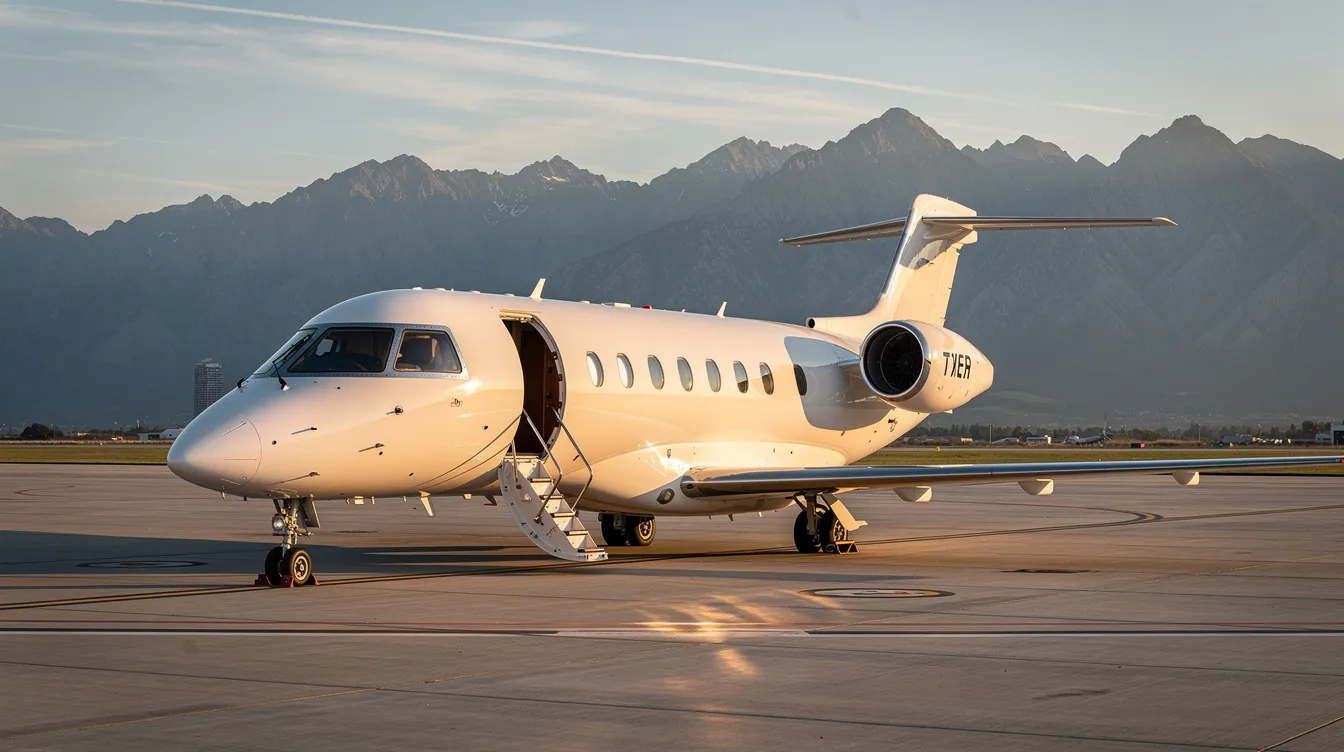
In 2026, private jet charter rates generally run from about $2,000–$3,000 per flight hour for turboprops and very light jets to $15,000–$20,000+ per hour for ultra-long range jets such as a Gulfstream G650ER.
Full ownership usually becomes cost-effective beyond roughly 200–250 flight hours per year for a light jet or midsize jet; larger aircraft and ultra-long range aircraft often require 300+ annual hours.
U.S. charter trips typically include a 7.5% federal excise tax, segment fees, and, for some routes, international head taxes. Short leg fees, aircraft positioning, fuel surcharges, and overnight expenses can materially change the final cost.
BusinessJets.com helps private jet owners, corporate buyers, and aircraft operators compare charter, acquisition, and ownership scenarios using market data from 1,500+ completed transactions and 5,000+ satisfied customers.
How Much Does It Cost to Fly on a Private Jet Today?
In 2026, the cost to rent a private jet in the U.S. commonly starts around $2,000 per billable flight hour for turboprops and rises to $14,000–$20,000+ for premium heavy jet and ultra long range categories. Private jet rental prices typically range from $2,000 to $14,000+ per billable hour, depending on factors such as aircraft size and distance.
As a broader market reference, private jet charter costs can range from $1,200 to $10,000 per billable flight hour, influenced by the aircraft type and additional factors such as flight distance and duration. The cost of chartering a private jet can vary significantly based on the type of aircraft, with turboprop charters starting around $2,000 per hour and heavy jets costing closer to $10,000 per hour.
Typical 2026 base hourly rate bands:
Jet Category | Typical Hourly Charter Rate (USD) | Passenger Capacity | Range (nautical miles) |
|---|---|---|---|
Turboprops | $2,000–$3,000 | 4–8 | Up to 1,200 |
Very Light Jets | $2,500–$3,500 | 4–6 | Short regional hops |
Light Jets | $3,000–$5,500 | 6–8 | 1,500–2,200 |
Midsize Jets | $5,000–$8,000 | 7–9 | Medium range |
Super Midsize Jets | $7,000–$11,000 | 8–10 | Long range |
Heavy Jets | $8,000–$14,000 | 8–12 | Long-haul/international |
Ultra Long Range Jets | $14,000–$20,000+ | 10–18 | Global nonstop |
A New York–Miami trip on a light jet may take about 2.5 flight hours and cost roughly $15,000–$25,000 all-in after taxes, landing fees, handling, and other additional costs. Similarly, a New York–London trip on an ultra-long-range aircraft may require about seven hours of billable flight time and can easily reach $100,000–$150,000+, depending on aircraft availability, routing, and international fees.
These figures apply to on-demand private jet charters, not shared seats or jet cards. Actual charter cost varies by operator, aircraft age, seasonality, airport, and whether the charter company must reposition the aircraft.
Jet Categories and Typical Private Jet Hourly Rate Ranges
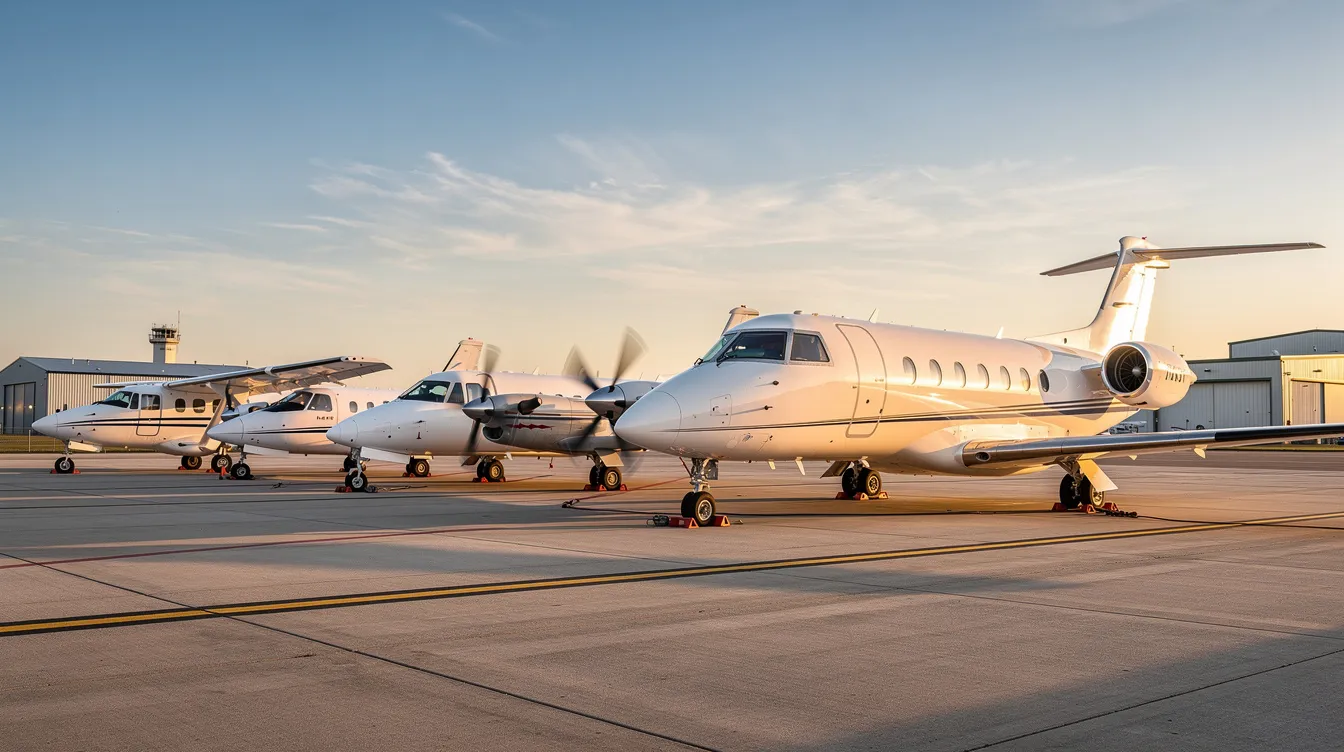
The jet category is one of the strongest drivers of private jet cost because cabin size, flight range, fuel burn, crew requirements, and maintenance reserves all scale with aircraft type. Private jets are categorized into different classes based on their size and capabilities, including Very Light Jets, Light Jets, Midsize Jets, Super Midsize Jets, Heavy Jets, Ultra Long Range Jets, and VIP Airliners.
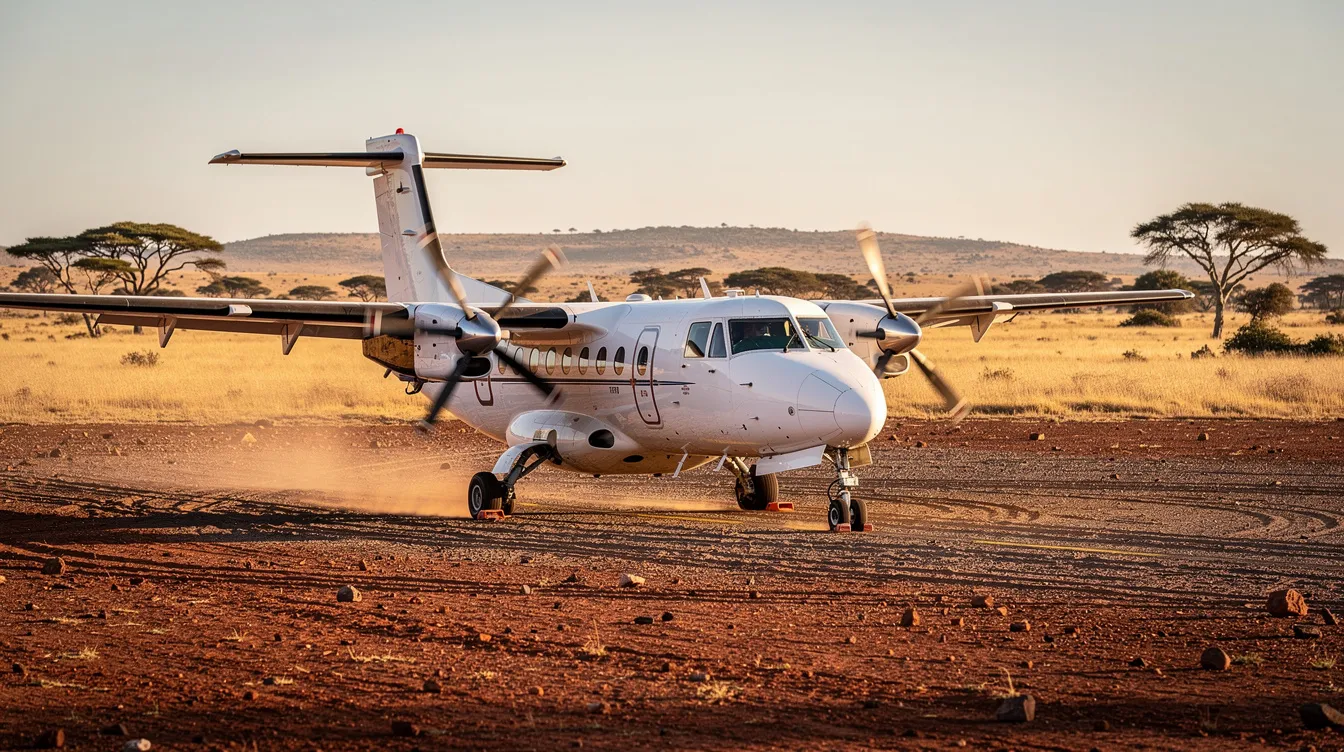
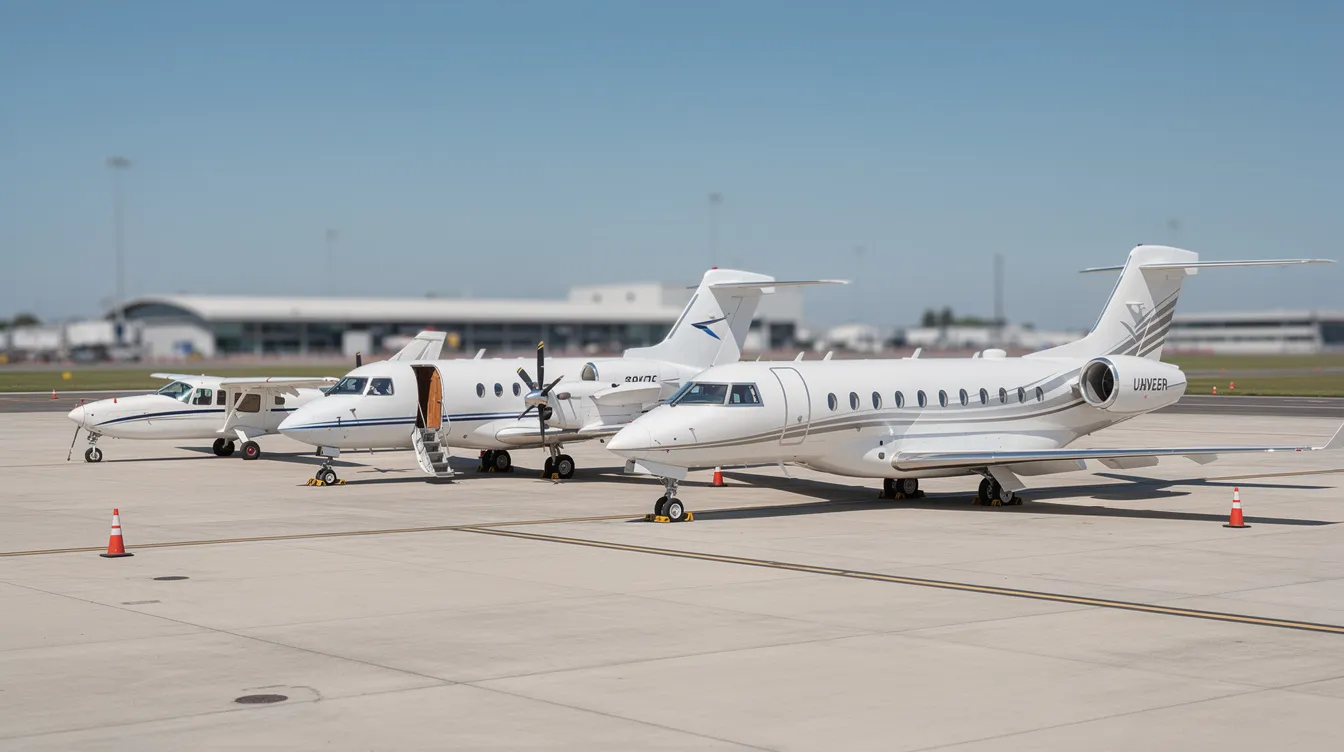
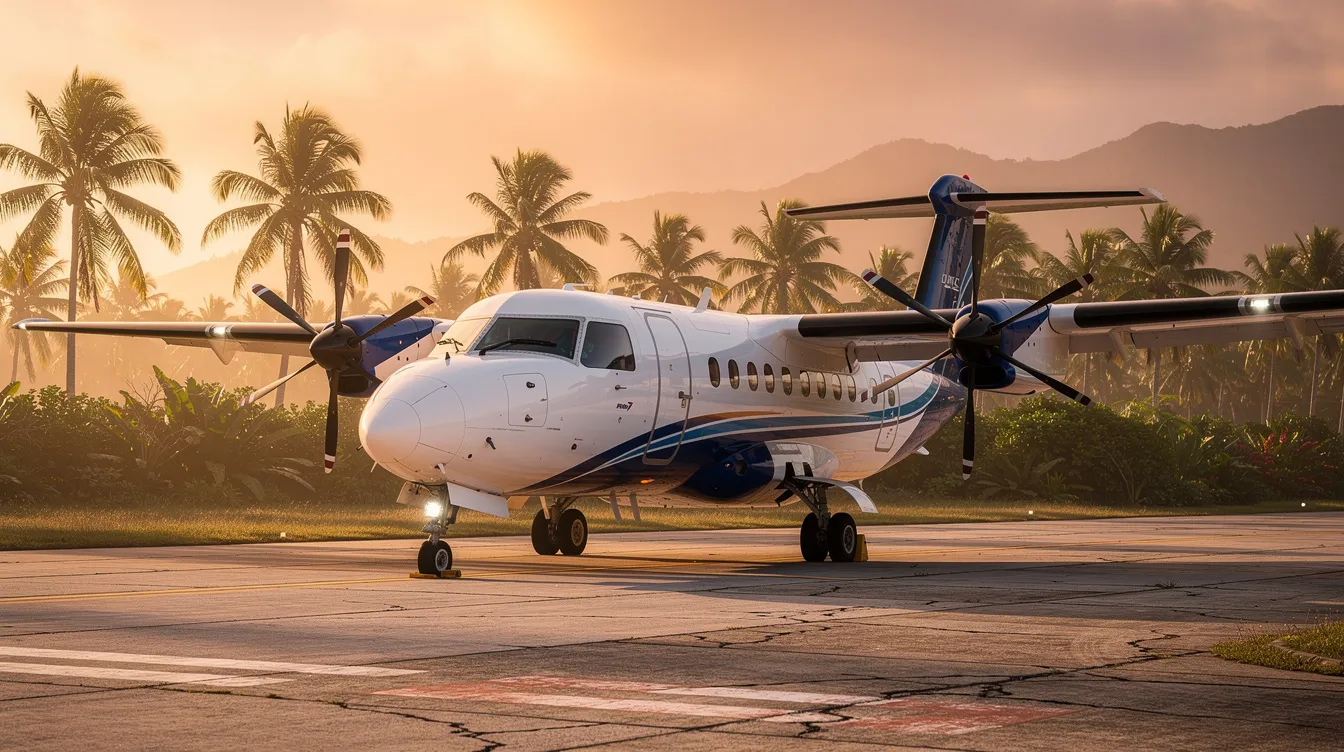
Turboprops typically seat 4–8 passengers, fly up to about 1,000–1,200 nautical miles, and cost about $2,000–$3,500 per hour. Models include the Pilatus PC-12 and King Air 350. Turboprops are commonly the most economical private aircraft option available for short trips, providing a cost-effective solution for regional travel.
Very Light Jets seat about 4–6 passengers, are ideal for short hops, and usually offer lower operational costs. Very Light Jets (VLJs) are suitable for regional travel, with models such as the Citation M2, HondaJet, and Phenom 100, and indicative rates around $2,500–$3,500/hr.
Light Jets seat roughly 6–8 passengers, fly about 1,500–2,200 nautical miles, and often cost $3,000–$5,500/hr. A Phenom 300, Citation CJ3+, Citation CJ4, or new light jet can be efficient for domestic business trips.
Midsize Jets typically seat 7–9 passengers, offer more baggage capacity and cabin comfort, and cost roughly $5,000–$8,000/hr. Examples include the Citation Latitude, Hawker 800XP, and Learjet 60.
Super Midsize Jets seat 8–10 passengers, provide longer range, and usually cost about $7,000–$11,000/hr. Common models include the Challenger 350, Citation Sovereign, and Gulfstream G280.
Heavy Jets are designed for long-haul or international flights and typically accommodate 8–12 passengers, offering more space and amenities compared to smaller jets. Large jets such as the Gulfstream G450, Global 6000, and Falcon 900 usually cost $8,000–$14,000/hr.
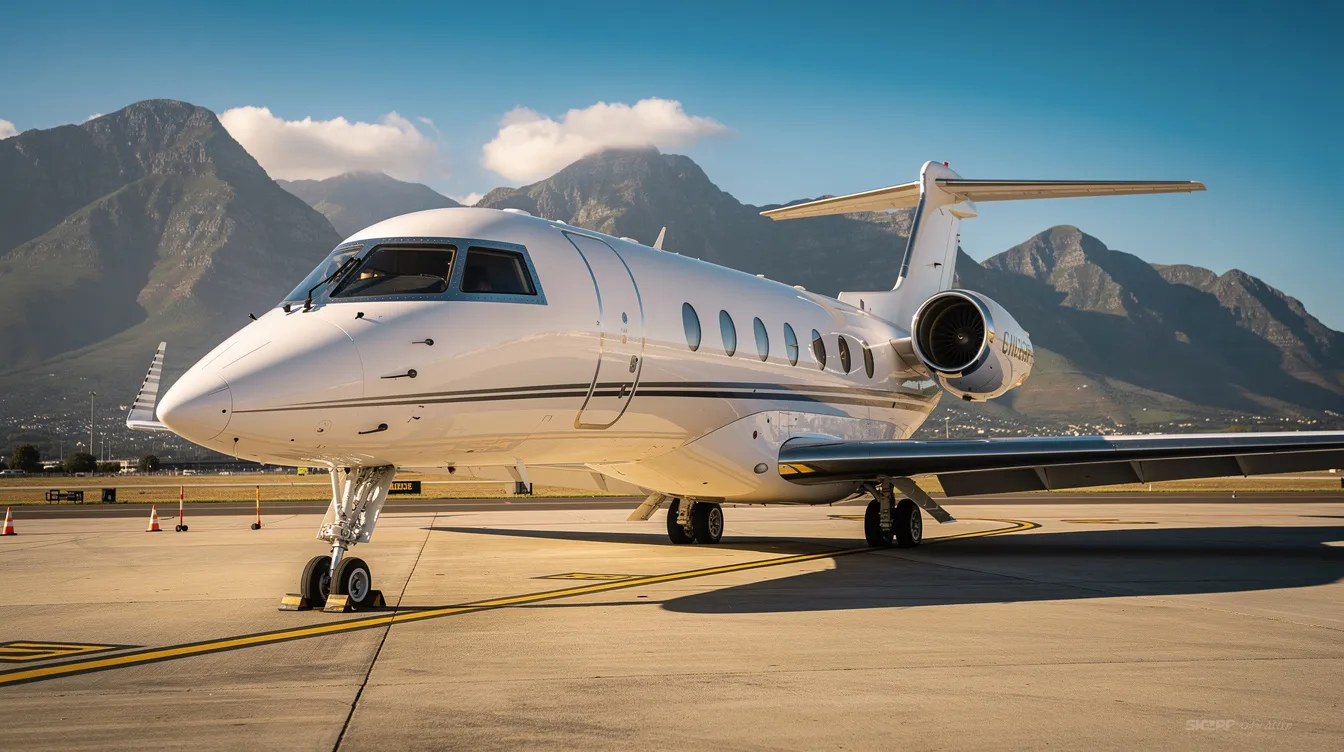
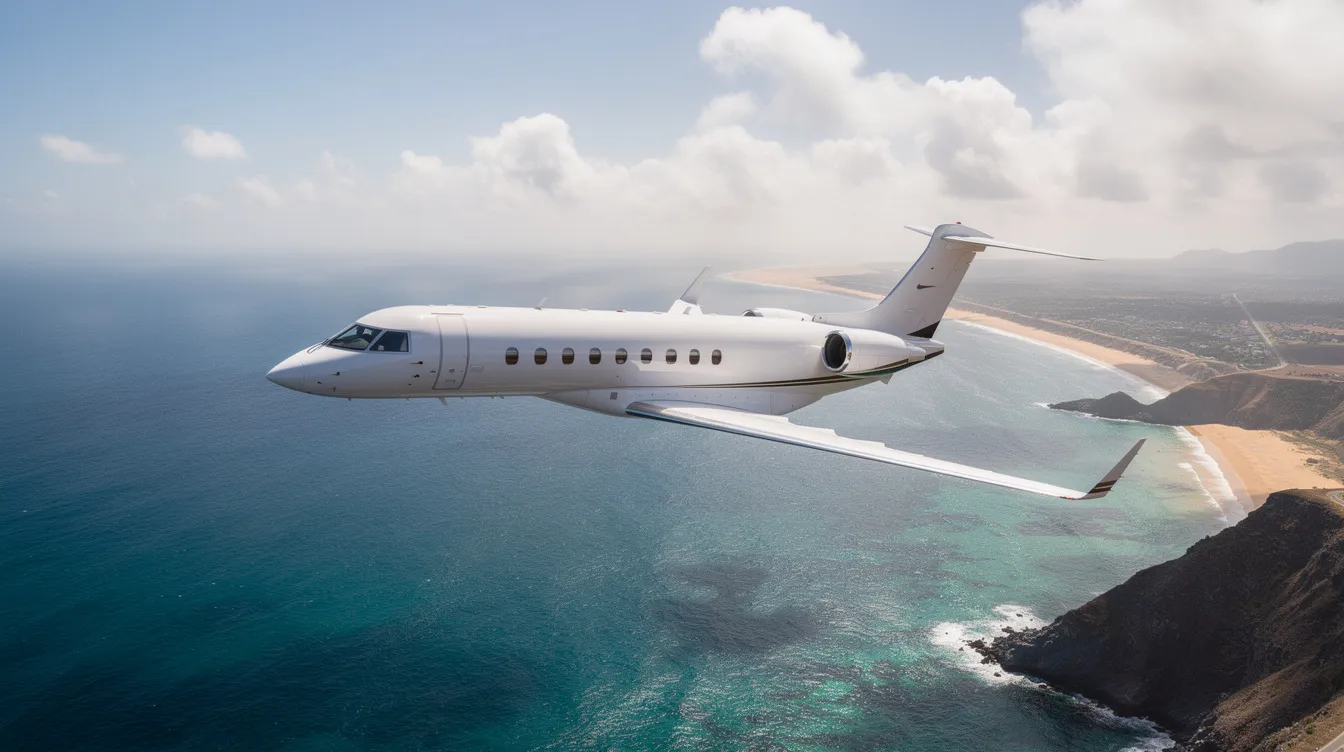
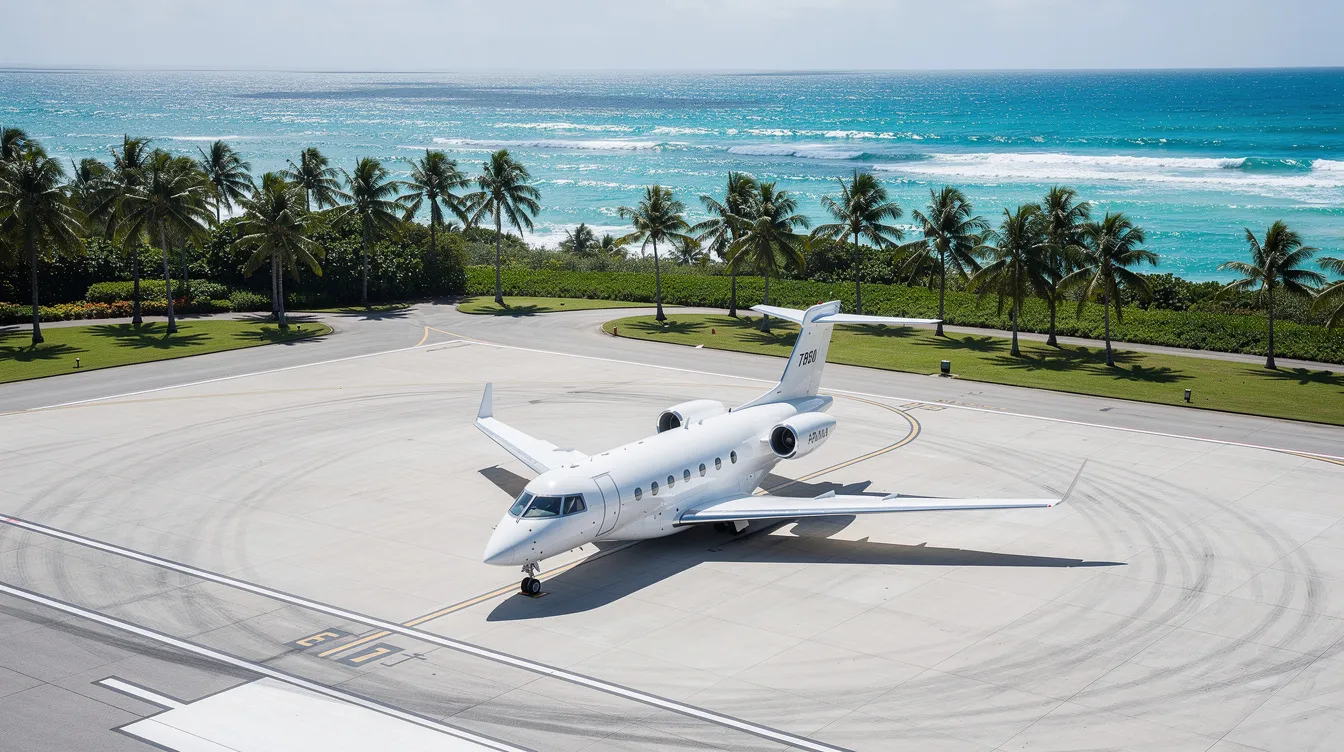
Ultra Long Range Jets can connect virtually any two destinations around the world due to their extensive flight range, making them the highest cost bracket in private aviation. Aircraft such as the Gulfstream G650ER, Gulfstream G700, Global 7500, and Falcon 8X, along with VIP airliners like the Airbus ACJ319, can support nonstop missions such as London–Los Angeles or New York–Tokyo, often reducing total travel time and overnight costs.
BusinessJets.com routinely values and trades business jets across these categories, using current market comparables and a curated selection of premium aircraft for sale to guide buyers and sellers.
What Drives the Cost of Private Jet Travel?
Beyond the published hourly rate, the total private jet price is shaped by flight time, airport choice, logistics, passenger requirements, and real-time supply. A private jet service quote usually combines flight hour charges with airport, government, and vendor pass-throughs.
Key cost drivers include:
Flight time and distance
Aircraft type, age, and jet category
Peak demand, seasonality, and availability
Airport selection, aircraft positioning, and short-leg fees
Optional services such as in-flight catering, Wi-Fi, and ground transportation
Understanding these factors helps corporate flight departments and high-net-worth individuals compare private jet travel against a commercial flight or structured ownership plan.
Flight Time, Distance, and Mission Profile
Total billable flight hours usually represent the largest single component of private jet pricing. Variable costs accumulate for every hour the aircraft is actively flown, and fuel is the largest variable expense, so rising fuel surcharges can increase the hourly cost.
A 1.5-hour Los Angeles–Las Vegas leg in a light jet may be efficient, but shorter flights can still trigger minimums. A New York–Los Angeles trip of about 5.5 hours in a midsize jet or super midsize aircraft increases fuel burn, crew time, maintenance reserves, and total cost, and longer flights generally raise total pricing because of higher fuel consumption and possible crew changes.
Many aircraft operators apply daily minimums, often around two flight hours per day. Short leg fees may apply to segments under 60–90 minutes, or around 250–300 nautical miles, because takeoffs and landings create a higher maintenance impact than cruise time.
For ultra-long range missions, such as London–Singapore, one nonstop flight on a larger aircraft may be more efficient than multiple leg flights on a smaller private plane with extra landings, crew fees, and duty-day limitations.
Aircraft Type, Age, and Jet Category
Newer aircraft with advanced avionics, improved fuel efficiency, and modern cabins often command higher hourly costs or acquisition costs, but they may reduce maintenance risk and downtime.
For example, a pre-owned Citation Excel may cost less to charter or acquire than a newer Citation Latitude, while a legacy Gulfstream IVSP may have a lower purchase price than a Gulfstream G450 or G550 but may require higher maintenance reserves. Older jets can be attractive if priced correctly, but aircraft age must be evaluated against inspections, engine status, avionics mandates, and market demand.
The primary driver of the purchase price is the aircraft's size, engine type, age, and range capability. Cabin size, payload, and flight range directly affect private jet cost because larger cabins and longer range require more powerful engines and more fuel.
BusinessJets.com aircraft appraisals factor in airframe age, total flight hours, maintenance program enrollment, avionics status, and comparable pre-owned jets to estimate realistic market value and operating exposure.
Demand Peaks, Seasonality, and Availability
Peak periods such as U.S. Thanksgiving week, Christmas–New Year, the Super Bowl, and major international events can tighten aircraft availability. In these windows, private jet rental costs may rise through premium hourly rates, higher daily minimums, or limited aircraft choice.
Flexible departure times, midweek travel, or the use of alternate regional airports can help moderate cost. Travelers with flexible schedules may also find empty leg flights, which can lower pricing but are usually one-way and dependent on repositioning timing. During constrained periods, smaller regional airports with strong private aviation infrastructure may also reduce congestion.
BusinessJets.com monitors the private aviation market to help owners assess when to charter out, sell, or upgrade based on utilization, demand, and rate trends, whether they are planning regular business shuttles or private jet charters to destinations like Paris.
Airport Selection, Positioning, and Short Leg Fees
Airport selection directly affects landing and handling charges. Busy hubs such as JFK or LAX can cost more than business aviation airports such as Teterboro, Van Nuys, or other regional airports.
Aircraft positioning occurs when an aircraft must fly empty to reach the departure point or return to base after drop-off. Those repositioning hours are often included in billable flight time, which can materially affect private jet rental prices.
Airport fees, including landing and handling charges, vary by location and can add significantly to the overall cost of a private jet rental, typically ranging from $150 to $500 or more. Airport landing fees can vary widely, typically ranging from $100 to $1,500 per flight, depending on the airport and the size of the aircraft.
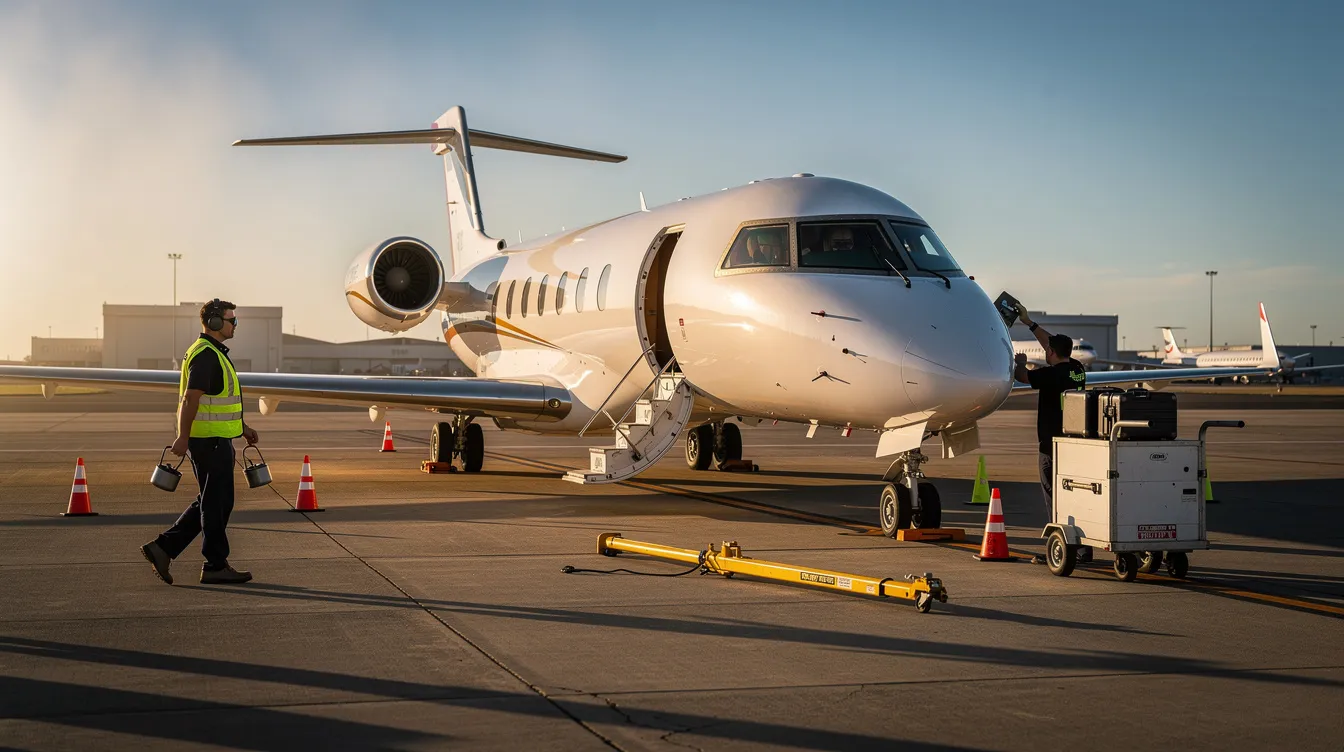
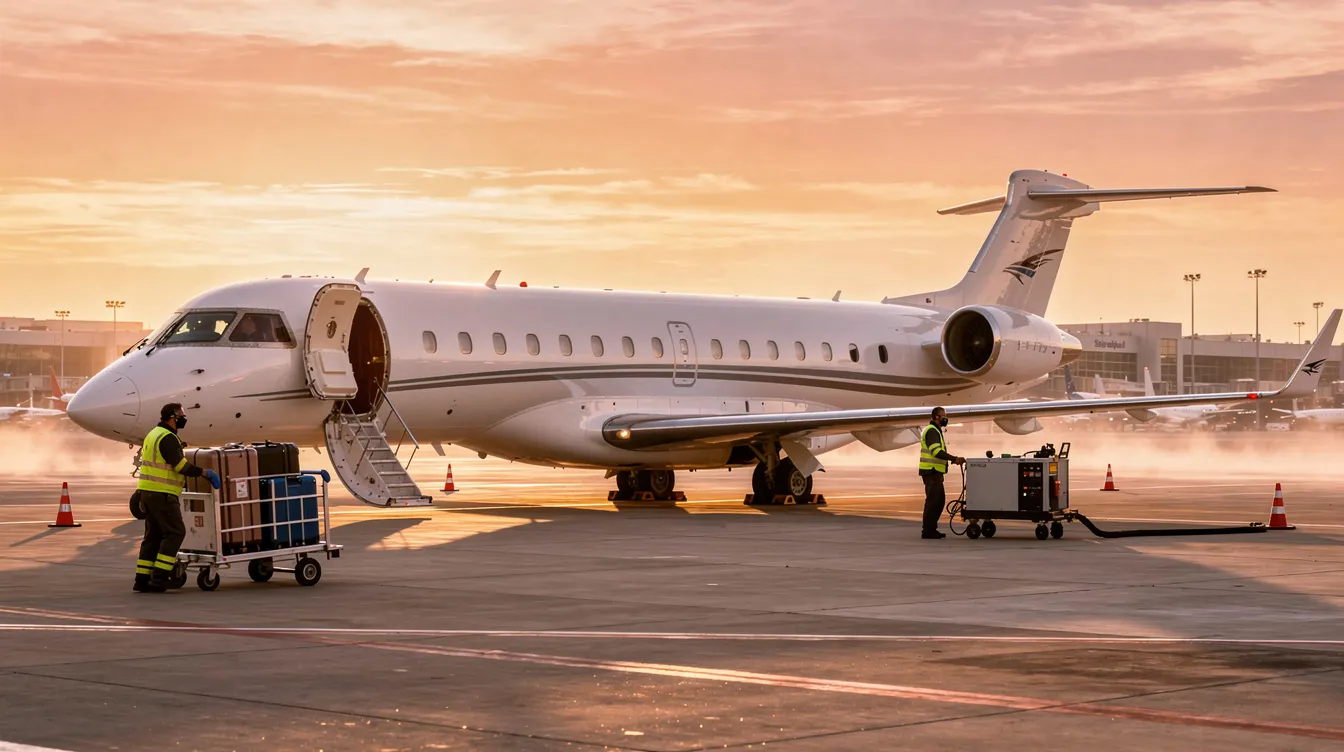
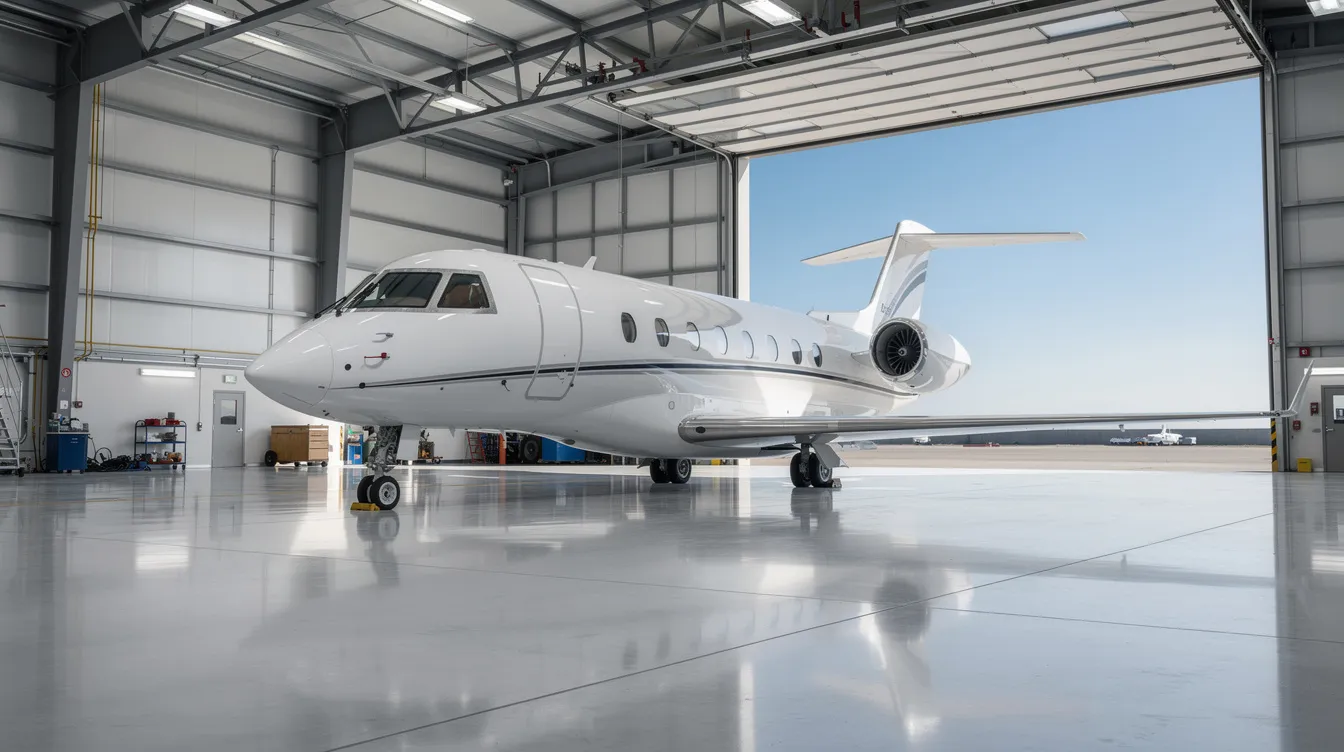
Fixed base operators provide ramp, fueling, passenger handling, crew support, and hangar services. In some cases, the airport authority also adds separate charges.
Optional Services and Onboard Experience
Optional services can increase the private jet cost. Common line items include premium catering, international Wi-Fi, a flight attendant on smaller aircraft, bespoke ground transportation, pet handling, and cleaning fees.
Custom catering can range from a few hundred dollars to several thousand dollars per leg. Wi-Fi may be included domestically, billed per flight, or charged by data use on international routes. Chauffeured ground transportation can range from about $200 to $1,000+ per transfer.
Many corporate travelers prioritize schedule reliability and connectivity over luxury extras. In BusinessJets.com consulting engagements, these recurring trip-level costs are modeled alongside flight duration, route structure, and charter history.
Taxes, Fees, and “Hidden” Charges in Private Jet Pricing
Beyond the base private jet cost, U.S. domestic and international flights incur taxes and airport fees that can change the final invoice. A transparent quote should itemize federal excise tax, segment fees, head taxes, landing fees, ramp fees, handling, deicing, hangar fees, and expected overnight expenses.
For owners, many of these charges appear through monthly operator invoices or management company pass-throughs, so they should be included in annual budget planning.
Federal Excise Tax, Segment Fees, and Head Taxes
U.S. domestic private aviation charter usually attracts a 7.5% federal excise tax on the base charter amount, plus a per-passenger segment fee on each leg. According to the FAA’s current aviation excise tax structure, 2026 segment fees are indexed and are roughly $11.70 per passenger per domestic segment.
Mandatory government taxes and fees can significantly increase the total cost of renting a private jet, including a 7.5% Federal Excise Tax and various international head taxes that can range from $19.70 to $23.40 per passenger. Flights arriving in or departing the United States may also trigger international head taxes, while Alaska and Hawaii routes may have separate head tax treatment.
These are government charges, not operator markups, and they apply whether the passenger flies on very light jets or ultra-long-range aircraft. Corporate flight departments should track these separately for budgeting and tax planning.
Landing, Ramp, Handling, and Overnight Fees
Landing fees commonly range from about $100 to $1,500+, depending on aircraft weight and airport. Larger aircraft at high-density airports usually sit near the upper end.
Ramp and handling fees from fixed base operators often run around $100–$500 per visit and may be reduced with minimum fuel purchases. Overnight parking, hangar use, and security can add more.
Cold-weather hangar use may cost $500–$1,500 per night, but it can avoid repeated deicing events. Additional fees for private jet rentals can include overnight accommodation for crew members, which typically ranges from $200 to $600 per crew member per night.
Deicing, Weather-Related, and International Charges
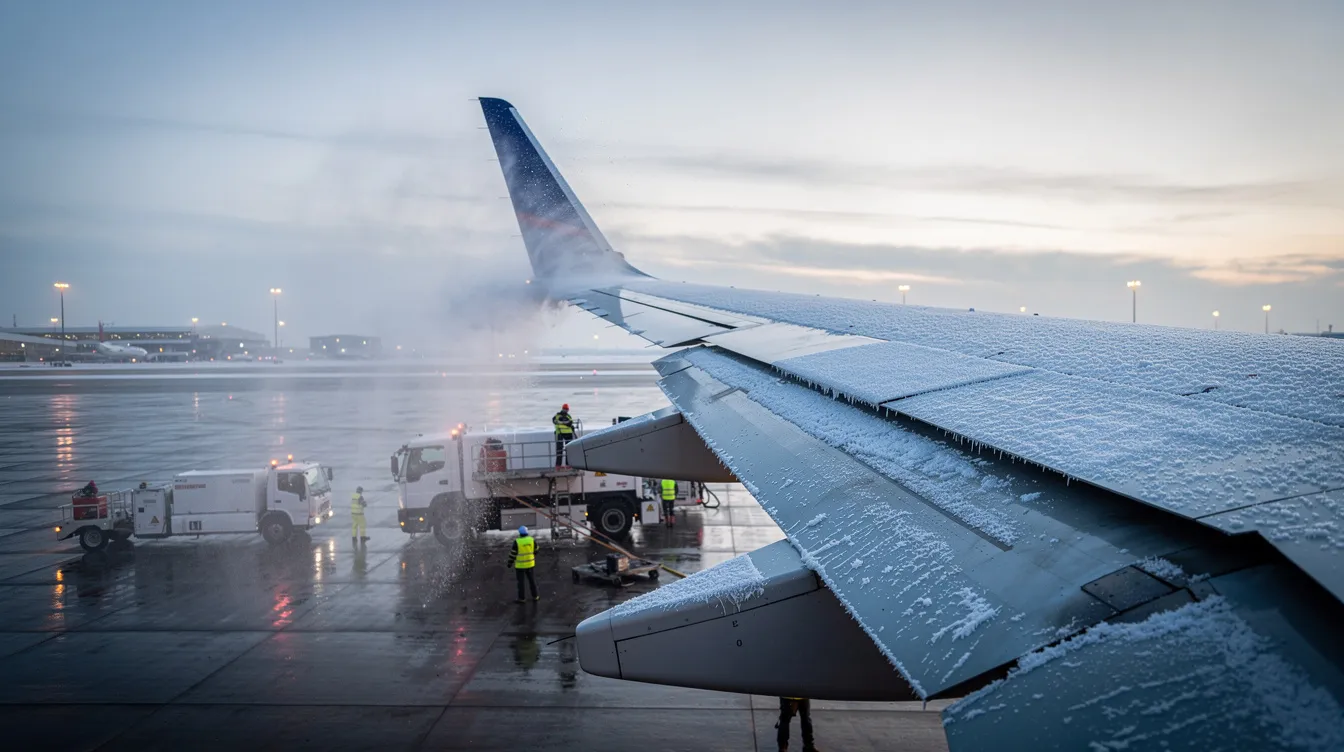
Deicing in winter conditions is a safety requirement and can be a major line item. Deicing fees in colder climates can add high costs to private jet rentals, ranging from $1,500 to $15,000, depending on the size of the aircraft and the extent of deicing required.
International private jet travel brings overflight charges, landing permits, customs, immigration, and security handling. These can total $500–$5,000+ per international leg.
Fuel surcharges may apply when fuel prices rise, typically starting at around $300 per hour, which can significantly impact the overall cost of a private jet rental. This is especially relevant for fuel-intensive heavy jets and ultra-long-range jets.
What Does It Cost to Own a Private Jet vs Charter One?
Private jet costs fall into two frameworks: pay-per-trip private jet charter and fixed-plus-variable full ownership. Owning a private aircraft involves significant expenses divided into fixed costs and variable costs.
Full ownership often becomes economically compelling when annual utilization exceeds about 200–250 flight hours for light and midsize jets, and 300+ hours for large cabin or ultra-long range aircraft. Below those levels, private jet rentals, fractional access, or jet cards are often more economical.
Acquisition Costs by Jet Category (New and Pre-Owned)
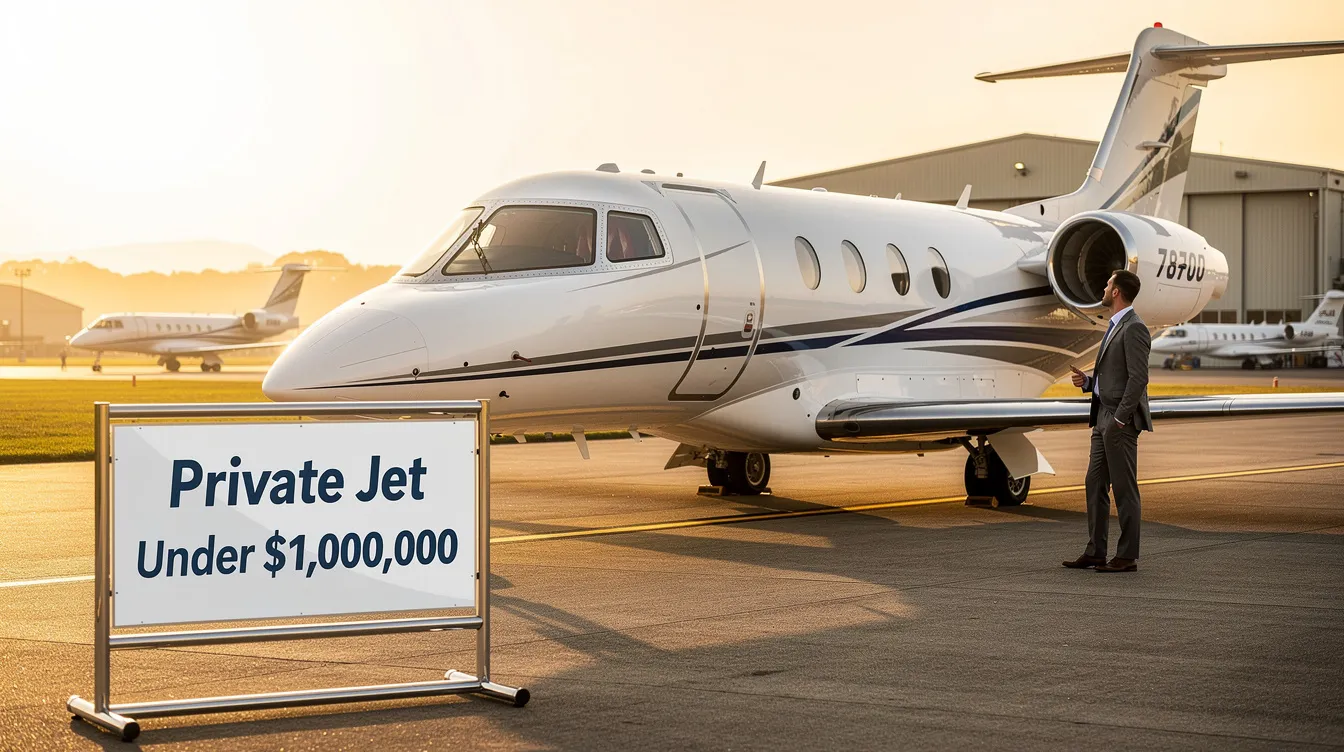
Private jets have purchase prices ranging from $1.5 million to over $100 million, with annual maintenance and operational costs of $500,000 to $2 million. Private jets start around $2 million to $5 million for older, pre-owned models, while new, large-cabin ultra-long-range jets can cost $50 million to $75 million.
In 2026, very light and light jets often range from about $3 million to $10 million new. Midsize and super midsize jets may cost $10 million to $30 million. Large cabin and ultra-long range aircraft may range from $25 million to $75 million, to $100 million+ for flagship models.
Pre-owned jets are often 20–50% less expensive than comparable new aircraft, depending on total flight hours, maintenance status, engine program enrollment, and avionics. A 5–10-year-old Phenom 300 or Citation CJ4 may trade in the mid-single-digit millions; a Challenger 605 or Gulfstream G450 may fall in the high single-digit to low-teen millions.
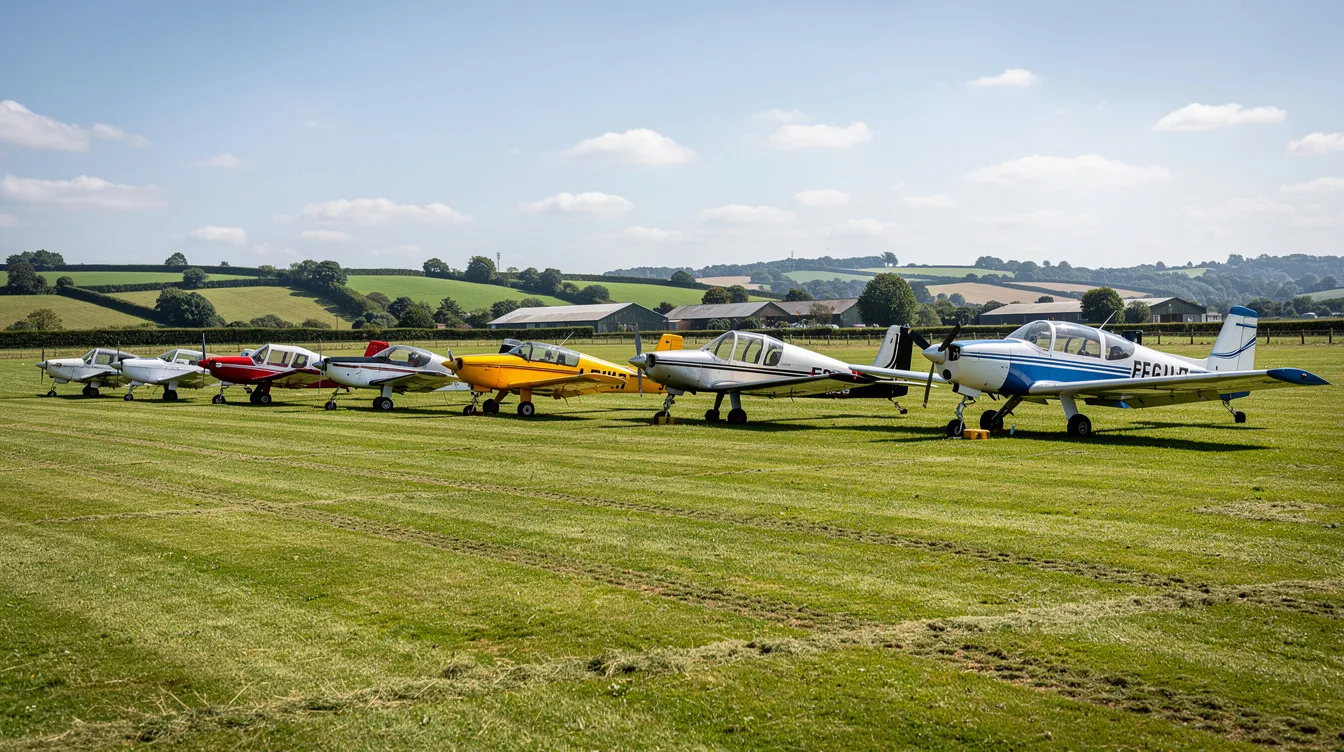
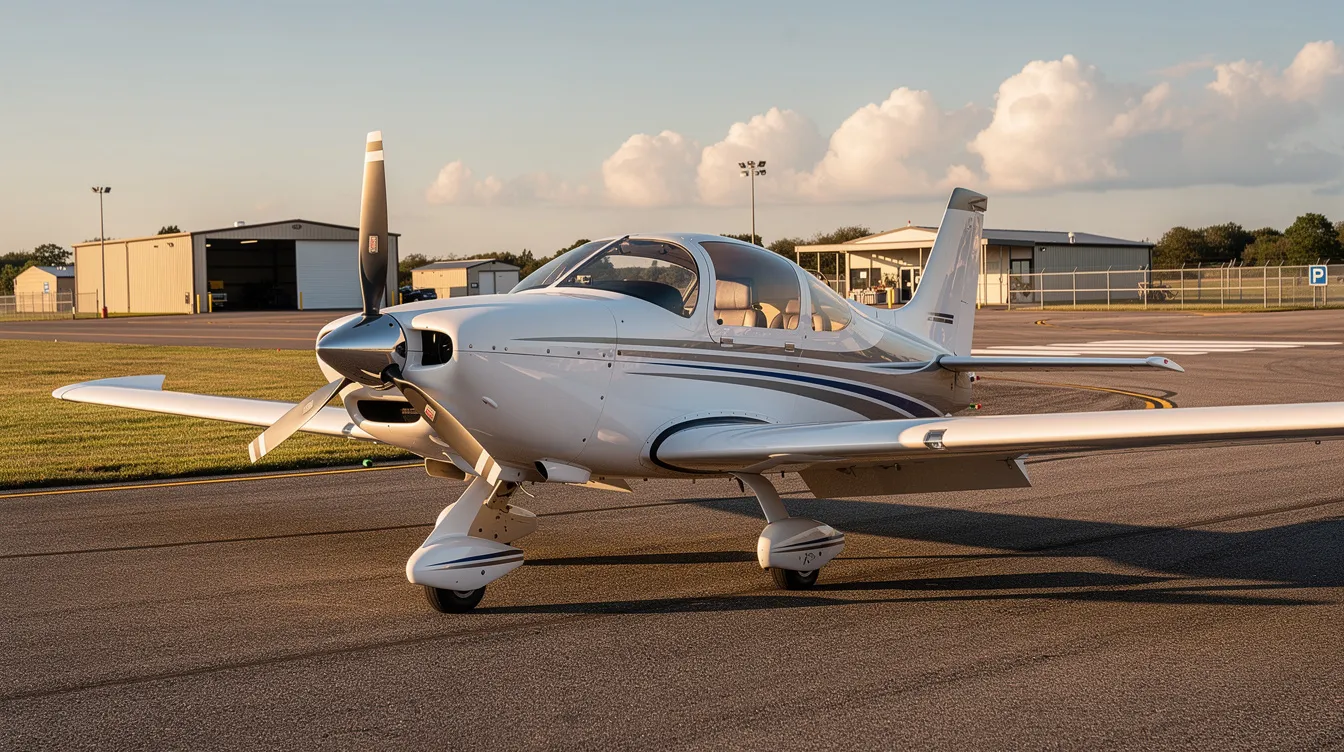
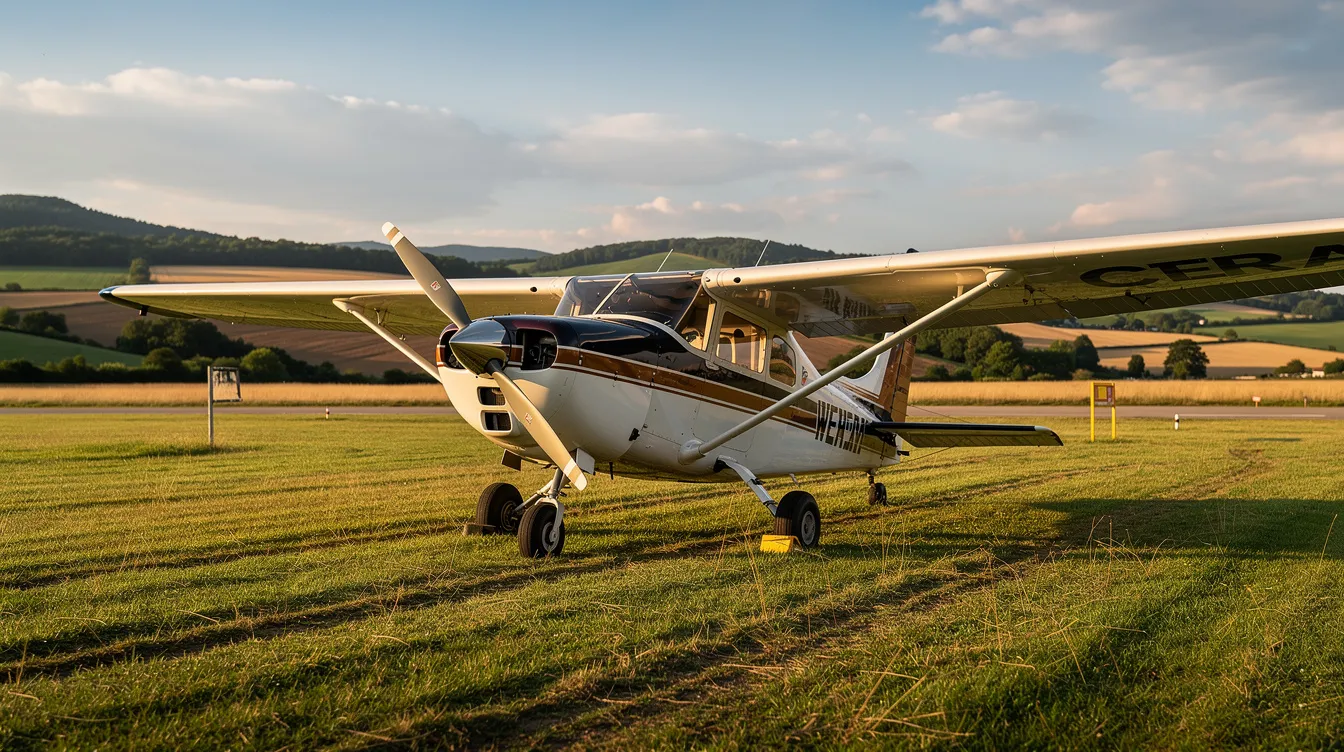
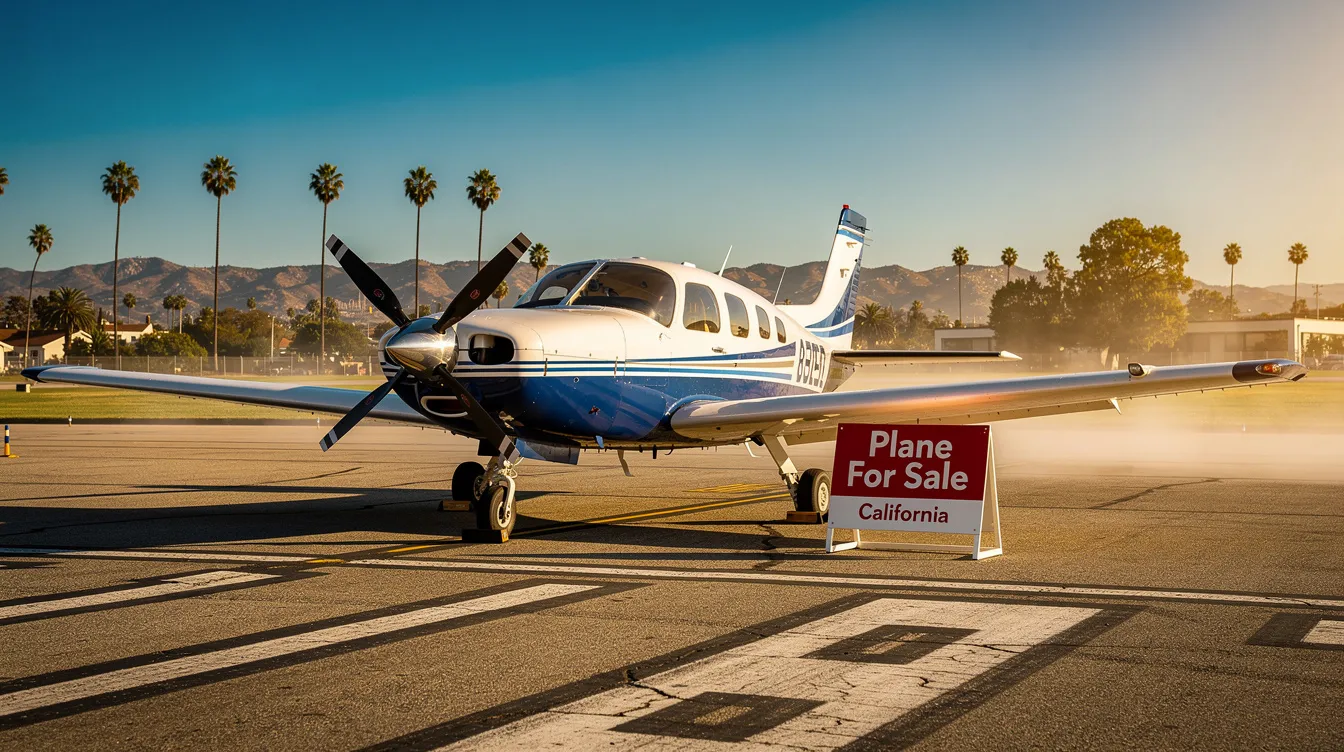
For context, small piston planes have upfront purchase prices ranging from $15,000 to $300,000 and annual maintenance costs of $8,000 to $12,000. Initial purchase prices for light sport or used single-engine piston aircraft range between $30,000 and $100,000.
The total cost of purchasing and maintaining a private airplane varies depending on the type of aircraft. Airplanes are depreciating assets, with owners typically losing 20% to 30% of the aircraft's value over the first 5 years of ownership.
Annual Fixed Costs of Ownership
Fixed costs must be paid annually to ensure airworthiness, even if the plane never leaves the ground. These include hangar or parking, hull and liability insurance, crew salaries, recurrent training, management fees, subscriptions, inspections, and regulatory compliance.
Annual expenses for private jets generally range from $500,000 to well over $4 million, while small personal prop planes cost roughly $10,000 to $30,000 a year to operate. Hangar costs may range from $30,000 to $100,000+ per year, depending on location and aircraft size.
Insurance premiums for small piston planes typically range from $1,000 to $2,800 per year, while private jets usually fall between $30,000 and $100,000. Crew expenses may start around $200,000 for smaller operations and exceed $500,000 for dual-crew large cabin aircraft.
Many owners use third-party management firms, which may charge $100,000–$250,000+ per year for management, accounting, and operational oversight.
Variable Operating Costs per Flight Hour
Variable costs for operation include fuel, maintenance, and landing fees, which scale directly with how often the aircraft is flown. Variable operating costs include fuel, engine and airframe reserves, consumables, crew overtime, handling, deicing, catering, and trip-specific vendor charges.
Fuel is the largest hourly expense for operating aircraft, making fuel efficiency and consumption critical considerations in cost management.
Light jets may run about $1,000–$1,500 per flight hour in direct operating costs. Midsize and super midsize jets may run about $2,000–$3,500 per hour. Large cabin and ultra-long range jets may run $3,000–$5,500+ per hour before fixed cost allocation.
Routine maintenance includes both predictable inspections and unexpected repairs, which can significantly impact costs. Routine maintenance for jets can cost between $200,000 and $1.5 million annually, depending on the aircraft's needs.
Major engine overhauls can cost millions on larger aircraft, which is why engine programs are important for budgeting and resale value. BusinessJets.com uses manufacturer data, operator benchmarks, and real-world maintenance histories to refine ownership models.
Summary Table: Typical Annual Costs of Private Jet Ownership by Category
Jet Category | Purchase Price Range (USD) | Annual Fixed Costs (USD) | Variable Operating Costs per Flight Hour (USD) | Typical Flight Hours per Year | Estimated Total Annual Cost (USD) |
|---|---|---|---|---|---|
Very Light Jets | $3M – $6M | $500,000 – $800,000 | $1,000 – $1,500 | 200 – 300 | $700,000 – $1.25M |
Light Jets | $4M – $10M | $700,000 – $1.2M | $1,200 – $1,800 | 200 – 300 | $940,000 – $1.74M |
Midsize Jets | $8M – $15M | $1M – $1.5M | $2,000 – $3,000 | 250 – 350 | $1.5M – $2.55M |
Super Midsize Jets | $12M – $25M | $1.2M – $2M | $2,500 – $3,500 | 250 – 350 | $1.8M – $3.3M |
Heavy Jets | $15M – $50M | $1.5M – $3M | $3,000 – $5,000 | 300 – 400 | $2.4M – $5M |
Ultra Long Range Jets | $50M – $75M+ | $2M – $4M | $4,000 – $6,000 | 300 – 400 | $3.4M – $6.4M |
Strategic Choices: Charter, Fractional, Lease, or Own?
There is no single right structure for private jet costs. The best answer depends on annual flight hours, route pattern, balance sheet preferences, tax profile, and control requirements.
The main options are on-demand charter, jet cards, fractional ownership, dry leasing, and full ownership. Many BusinessJets.com clients begin with charter data to validate passenger count, route needs, aircraft type, and schedule constraints before committing capital.
On-Demand Private Jet Charters and Jet Cards
On-demand private jet charters are pay-per-trip solutions with no long-term commitment. They often work best for clients flying under roughly 150–200 hours per year or for those with irregular routes.
Under charter, private jet charter cost is driven by route, aircraft size or type, distance, positioning, fuel, airport fees, and other trip-specific charges. Overnight accommodation and short leg charges can also affect pricing on some itineraries.
Jet cards and memberships offer pre-purchased block hours at fixed or capped rates. They can improve predictability and availability but may include annual fees, blackout dates, and usage minimums.
Fractional Ownership, Leasing, and Full Ownership
Fractional ownership means buying a share of an aircraft, such as 1/16th or 1/8th, with access to a defined number of hours per year plus monthly management and occupied hourly charges. It can be appropriate for consistent usage that does not justify full ownership.
Dry leasing is a way to access an aircraft without purchasing the entire asset outright. It may be used for medium-term projects, corporate travel programs, or as a bridge while evaluating a permanent acquisition.
Full ownership provides the greatest control but also concentrates capital cost, fixed costs, operational responsibility, and residual value risk. BusinessJets.com helps clients compare these structures using market comparables, aircraft valuation work, and ownership modeling.
Frequently Asked Questions About Private Airplane Costs
How much does it cost per year to operate a light jet for business travel?
A professionally managed light jet such as a Citation CJ3+ or Phenom 300 may cost about $500,000–$1 million+ per year at 200–300 flight hours, depending on crew structure, hangar location, insurance, maintenance programs, and fuel prices.
At what point is buying a private jet more economical than chartering?
For many business users, the break-even range is roughly 200–250 annual flight hours for light and midsize jets. Large cabin and ultra-long range jets often require 300+ annual hours before full ownership, which compares favorably with private jet charter or fractional alternatives.
Can private jet costs be tax-deductible for companies?
In many jurisdictions, legitimate business use of a private aircraft may be deductible or depreciable. However, rules involving personal use, entertainment travel, depreciation, and related-party structures are complex, so companies should use aviation-focused tax advisors.
How do I choose the right jet category for my routes and budget?
Map your most common routes, passenger count, luggage needs, schedule requirements, and runway limitations. Light and midsize jets often serve regional and domestic missions efficiently, while ultra-long-range jets are best reserved for nonstop intercontinental travel.
What is the first step if I am considering buying a private jet in 2026?
Begin with a needs assessment, ownership budget, and independent valuation framework before selecting the target aircraft. BusinessJets.com can support that process through private jet appraisals, acquisition consulting, and market-based transaction strategy.
Conclusion
Private airplanes cost more than the hourly rate in a charter quote or the asking price on an aircraft listing. The true total cost depends on aircraft type, mission profile, fixed and variable costs, taxes, airport charges, maintenance exposure, and resale value.
If you are evaluating whether to charter, lease, or acquire an aircraft, start with a neutral cost model and a realistic aircraft appraisal. BusinessJets.com can help you request an aircraft appraisal, list an aircraft for sale, explore acquisition support, or engage in aviation consulting for fleet and ownership strategy.