Private Jet Hours for Sale: 2024–2026 Buyer's Guide from BusinessJets.com

Jay Franco Ser
July 10, 2026

When executives and aircraft owners search for private jet hours for sale, they're rarely looking at a single product. They're weighing fundamentally different access models, each with distinct capital requirements, contractual obligations, and risk profiles. This guide breaks down the structures, costs, and decision criteria that matter most in the current market, and explains how BusinessJets.com helps clients make informed commitments.

Key Takeaways

  • Private jet hours for sale typically come in three models: jet cards, fractional ownership, and on-demand charter. Each involves different cost structures, equity exposure, and flexibility.

  • Buying private jet hours is generally cost-effective for travelers flying between 50 to 250 hours per year. Below 50 hours, on-demand charter usually wins. Above 250–400 hours, full aircraft ownership merits serious evaluation.

  • 2024–2026 hourly rate benchmarks range from approximately $2,000–$3,500 for light jets to $8,000–$15,000+ for long range jets, depending on program type and surcharges.

  • Common fractional share sizes grant approximately 50, 100, or 200 flight hours per year, with initial acquisition costs ranging from $275,000 to over $1.2 million.

  • Private jet travel can significantly reduce total travel time compared to commercial flights, thanks to access to more airports and streamlined scheduling, but the financial advantage depends on matching hours purchased to actual usage patterns.

  • Operational overhead responsibilities such as maintenance, insurance, and pilot staffing are eliminated with jet card and fractional hour programs, transferring these burdens away from the user.

  • Jet card programs typically require upfront purchase for blocks of 25 to 100 hours, often involving six-figure payments, and feature fixed hourly rates that protect users from market price spikes.

  • Typical jet card programs charge by occupied flight time, excluding empty segment charges, and often guarantee aircraft availability during peak travel periods.

  • Fractional ownership offers guaranteed access with 4–6 hours' notice, reduces operational costs by sharing expenses among owners, and provides access to a diverse fleet of aircraft types.

  • Jet cards and fractional ownership are best suited for travelers flying between 50 and 250 hours annually, while on-demand charter is more cost-effective for those flying under 50 hours per year.

BusinessJets.com provides independent brokerage, appraisals, and consulting, helping clients compare jet card programs, fractional jet ownership, and outright aircraft ownership without selling hours directly.

Ready to evaluate whether buying hours or buying an aircraft makes more sense for your operation? Request an appraisal or schedule a consulting engagement with BusinessJets.com.

What "Private Jet Hours for Sale" Actually Means in 2024–2026

Main Access Structures

When providers advertise private jet hours for sale, they are offering contractual access to a set number of flight hours on specific aircraft types or fleets. You are purchasing a service, not an asset.

The three main structures are:

  • Fractional jet ownership: Purchasing an equity share (e.g., 1/16 or 1/8) in a specific aircraft or fleet type. Fractional ownership offers 50–200 flight hours annually, depending on share size.

  • Jet card programs: Prepaid access to flight hours without equity. Jet cards provide 25–100 hour blocks of prepaid flight time at fixed hourly rates, protecting users from market price spikes.

  • On-demand charter and block charter: On-demand charters allow booking flights without pre-purchased hours. Block charters pre-negotiate volume pricing with a single operator.

What Is Included in a "Jet Hour"?

A standard "hour" typically includes aircraft, crew, standard in-flight catering, and basic handling. Items usually billed separately include fuel surcharges, de-icing, international permits, landing fees, and certain peak-day premiums.

Operational Overhead and Advisory Role

  • Operational overhead responsibilities are zero with jet card or fractional hour programs.

  • Aircraft owning responsibilities such as maintenance, insurance, and pilot staffing are eliminated for the buyer.

  • BusinessJets.com does not sell jet cards or fractional shares directly but acts as an independent advisor, helping clients evaluate hour-based contracts versus full ownership or simple on-demand charter.

Fractional Jet Ownership: Buying Equity and Hours Together

Private jet fractional ownership means purchasing an equity share in a private aircraft in exchange for a guaranteed number of annual hours. These arrangements are often structured as fractional programs. A 1/16 share provides approximately 50 flight hours annually, a 1/8 share approximately 100 hours, and a 1/4 share approximately 200 hours, offering lower upfront costs than buying an entire aircraft outright.

Typical Contract Terms

Typical 2024–2026 contract terms:

Element

Range

Contract duration

3–5 years (fractional ownership requires a minimum 3–5 year commitment)

Initial acquisition cost

$275,000–$1.2 million+ depending on aircraft type and share size

Monthly management fees

$8,000–$15,000+

Hourly occupied flight fees

$1,800–$8,000+ depending on cabin class

These terms can still mean higher ownership costs and a larger capital investment than jet cards or on-demand charter. Fractional ownership reduces operational costs by sharing expenses among owners. Fractional owners typically receive guaranteed access with 4–6 hours' notice, and many fractional ownership programs allow fleet interchange so owners can access a diverse fleet of aircraft types across different cabin classes.

Key Risks and Constraints

  • Capital tied up in a fractional share with residual value exposure to market demand

  • Blackout or peak-day rules may limit guaranteed availability on high-demand dates

  • Penalties for under- or over-utilization of contracted hours

  • Resale of fractional shares can be complex and timing-dependent

Who Should Consider Fractional Ownership?

BusinessJets.com typically recommends fractional ownership for corporate or family flyers consistently using 100–250 hours per year with stable mission profiles. For those flying fewer hours, jet cards may deliver better economics.

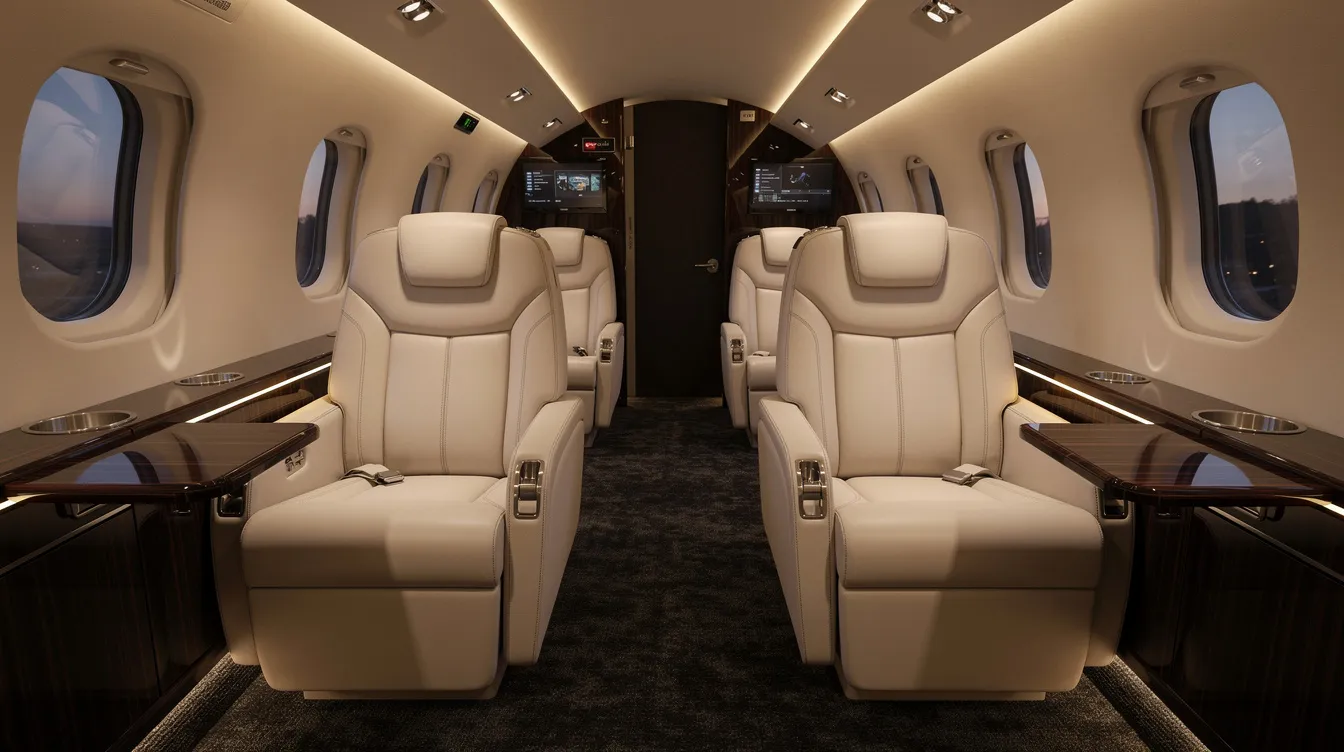
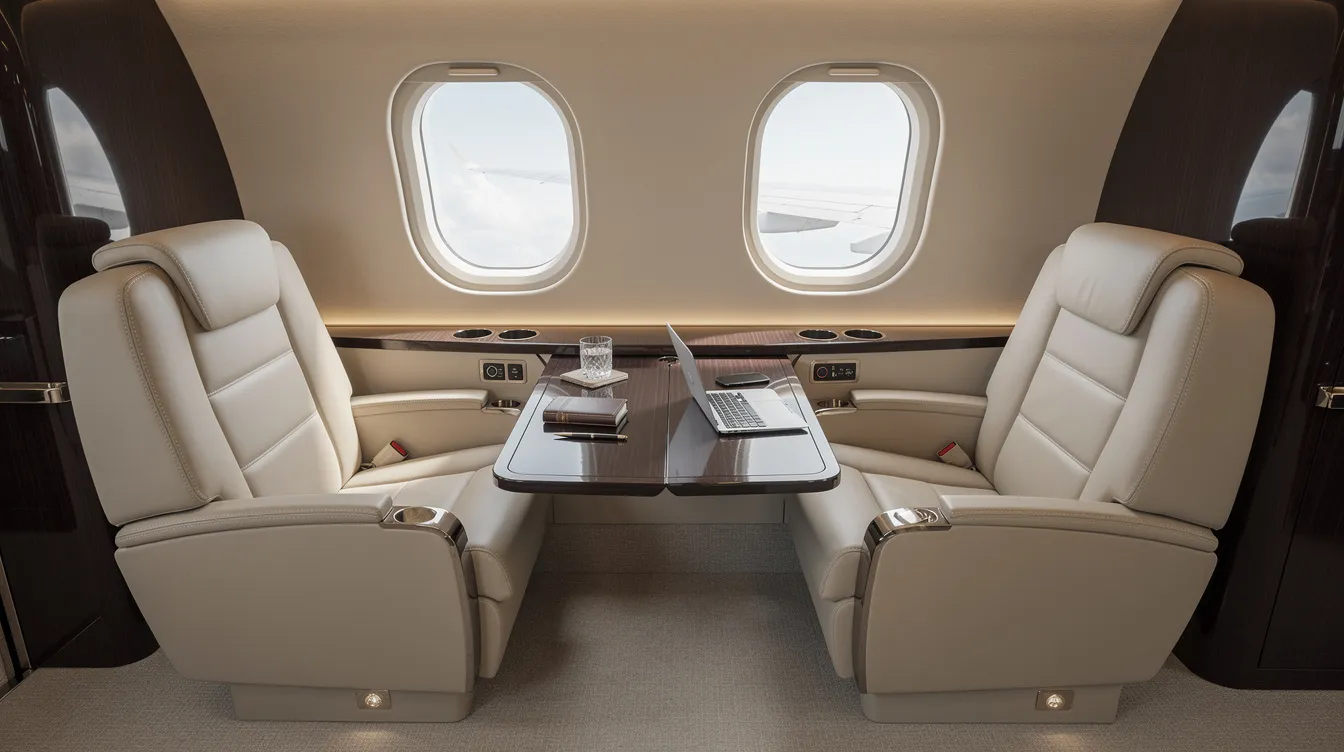
The image depicts the interior of a midsize business jet cabin, featuring plush leather seats arranged around a central work table, ideal for private jet travel. This luxurious setting highlights the comfort and functionality that fractional jet ownership offers to frequent flyers seeking guaranteed aircraft availability.

Jet Card Programs and Fixed Hourly Rates

Jet cards are non-equity, prepaid access programs. They require no long term commitments or asset purchase and are sold in blocks of 25 to 100 hours per aircraft category, with fixed hourly rates typically locked for 12–24 months.

2024–2026 Pricing Bands

Aircraft Category

Jet Card Hourly Rate (Typical)

25-Hour Block Cost

Light jets

$6,000–$8,500

$150,000–$212,500

Midsize jets

$7,500–$11,000

$187,500–$275,000

Super-midsize

$9,000–$13,000

$225,000–$325,000

Large-cabin / long-range

$12,000–$18,000+

$300,000+

Jet card programs often require six-figure upfront payments. However, fixed hourly rates in jet card programs protect users from market price spikes, and jet card hours typically do not expire within 12–24 months. Typical jet card programs charge by occupied flight time, not including empty segment charges, and often guarantee aircraft availability with no blackout dates, making guaranteed availability a critical factor during peak travel periods.

Flexibility and Suitability

  • Jet cards provide flexibility to try different jet sizes, which is useful for clients whose passenger count or mission distance varies.

  • Jet cards are generally best suited for executives or families flying 25–100 hours per year who want predictable costs and transparent pricing without the complexity of aircraft ownership or fractional share resale.

  • BusinessJets.com can benchmark jet card offers against real charter market pricing and against the cost of acquiring a pre-owned aircraft for clients approaching higher annual utilization.

On-Demand and Block Charter Hours vs. Ownership Models

On-demand charter means trip-by-trip contracting with no long term commitments. Block charter programs pre-negotiate hour packages (typically 25–100 hours) with a single operator at preferential hourly rates. On-demand charter rates for turboprops run $1,500 to $2,500 per hour, with light jet and midsize rates scaling upward.

Structured charter blocks can start to resemble jet card programs in practice: fixed hourly rates, some scheduling priority. However, they typically do not involve equity or fractional shares and may carry more limited availability guarantees.

Comparison across access models:

Factor

On-Demand Charter

Block Charter

Jet Cards

Fractional Ownership

Commitment

None

Volume agreement

12–24 months

3–5 years

Equity

No

No

No

Yes

Fixed hourly rate

No

Sometimes

Yes

Yes (occupied rate)

Guaranteed aircraft availability

Limited

Partial

Strong

Strong

Peak-day exposure

High

Moderate

Low–Moderate

Low

Travelers flying under 50 hours annually benefit from on-demand charter. Jet cards and fractional ownership often guarantee aircraft availability during peak travel days, which pure demand charter cannot match. For many BusinessJets.com clients flying fewer than 150–200 hours annually, a mix of on-demand charter and limited-hour blocks can be more efficient than committing to large fractional or jet card positions

Real-World Cost Ranges: What Private Jet Hours Sell For

Effective hourly rate depends on aircraft category, contract type, region, and consistency of usage over a 12–36 month period. Below are 2024–2026 benchmarks before taxes and surcharges.

Category

Base Hourly Rate

Jet Card / Fractional Range

Turboprop

$1,500–$2,500

$2,500–$4,000

Light jets

$2,000–$3,500

$6,000–$8,500 (jet card)

Midsize jets

$4,000–$7,000

$7,500–$11,000 (jet card)

Super-midsize

$5,500–$9,000

$9,000–$13,000

Long-range jets

$8,000–$15,000+

$12,000–$18,000+

Approximate annual spend examples:

  • 50-hour light jet card: $300,000–$425,000 all-in

  • 100-hour midsize jet fractional share: $600,000–$700,000/year ongoing (after initial acquisition cost)

  • 150-hour large-cabin program for transatlantic flights: $1.5M–$2.5M+ annually

Hidden costs in private jet hourly programs can include fuel surcharges, landing fees, and crew expenses. The main cost components behind hourly rates include aircraft capital and depreciation, maintenance and engine programs, crew salaries, insurance, fuel prices, and hangar fees.

BusinessJets.com uses aircraft valuation data, market intelligence, and knowledge of current hourly rate trends to help clients negotiate or benchmark hour-based proposals against real operational costs.

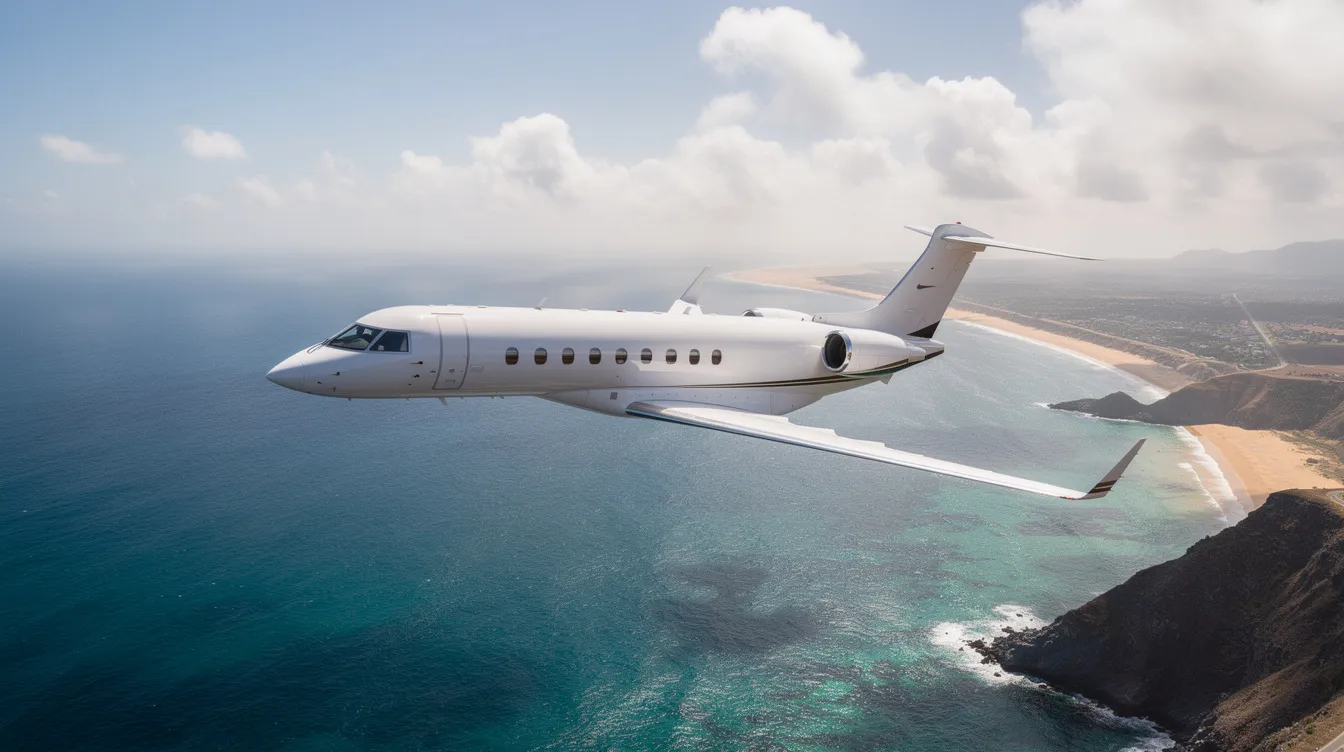
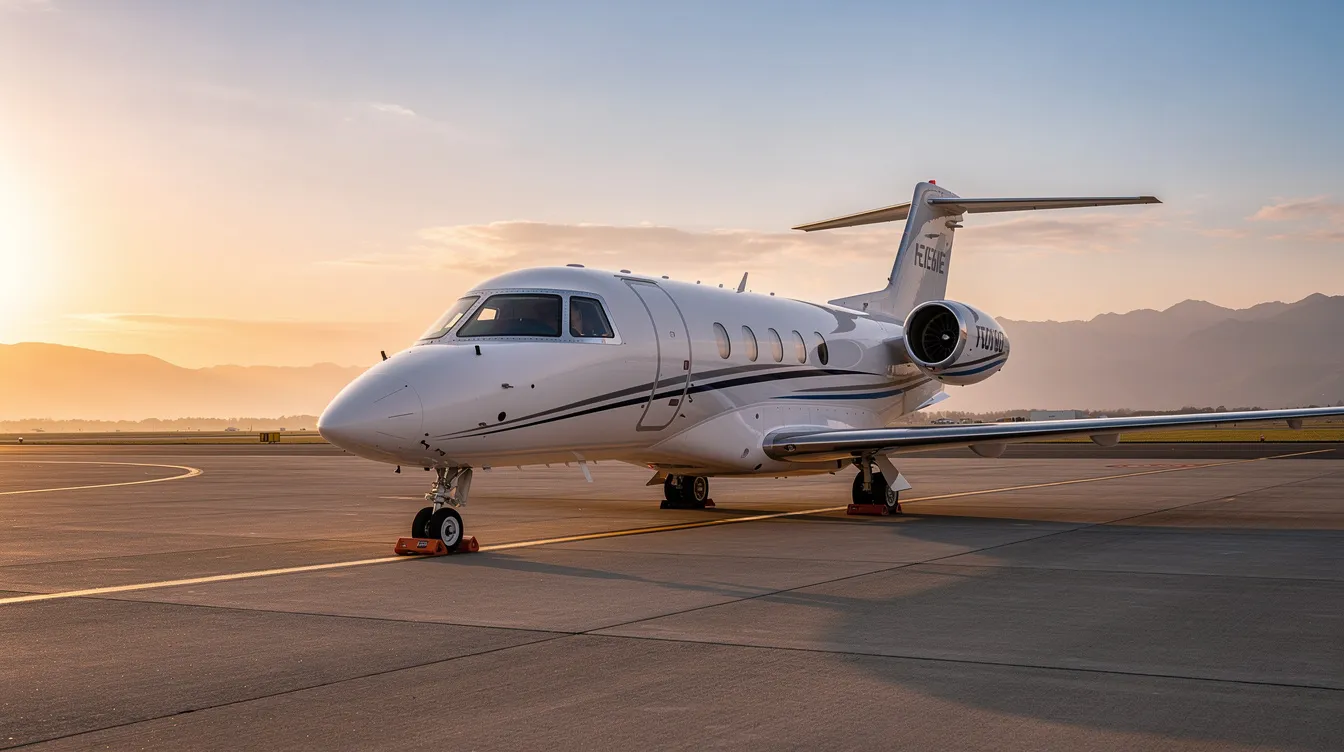
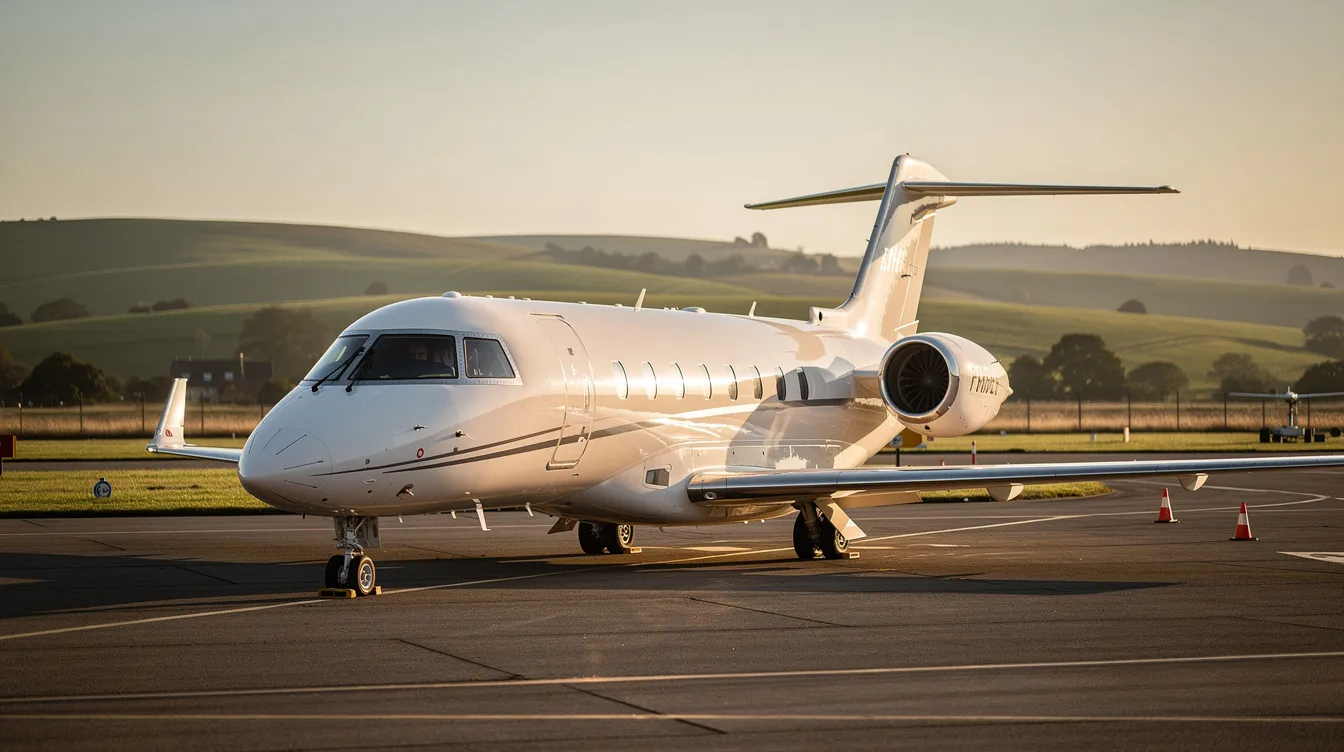
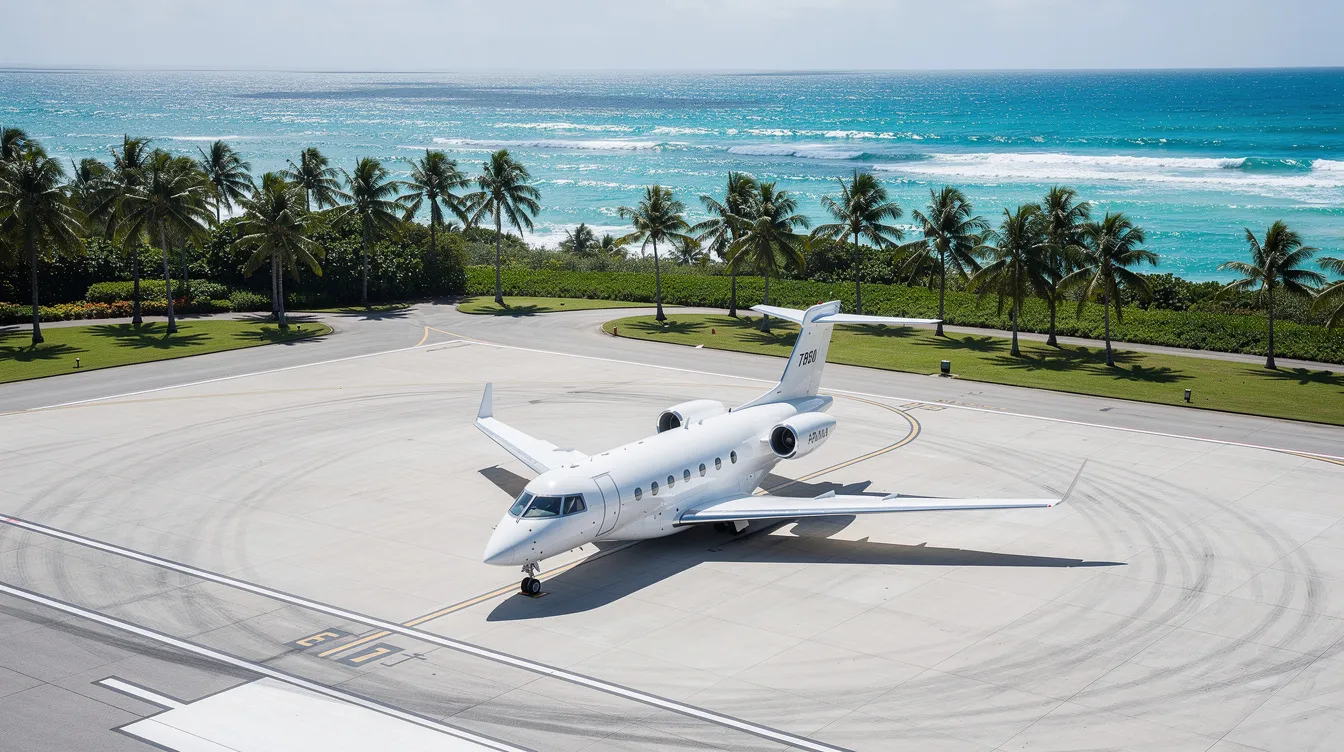
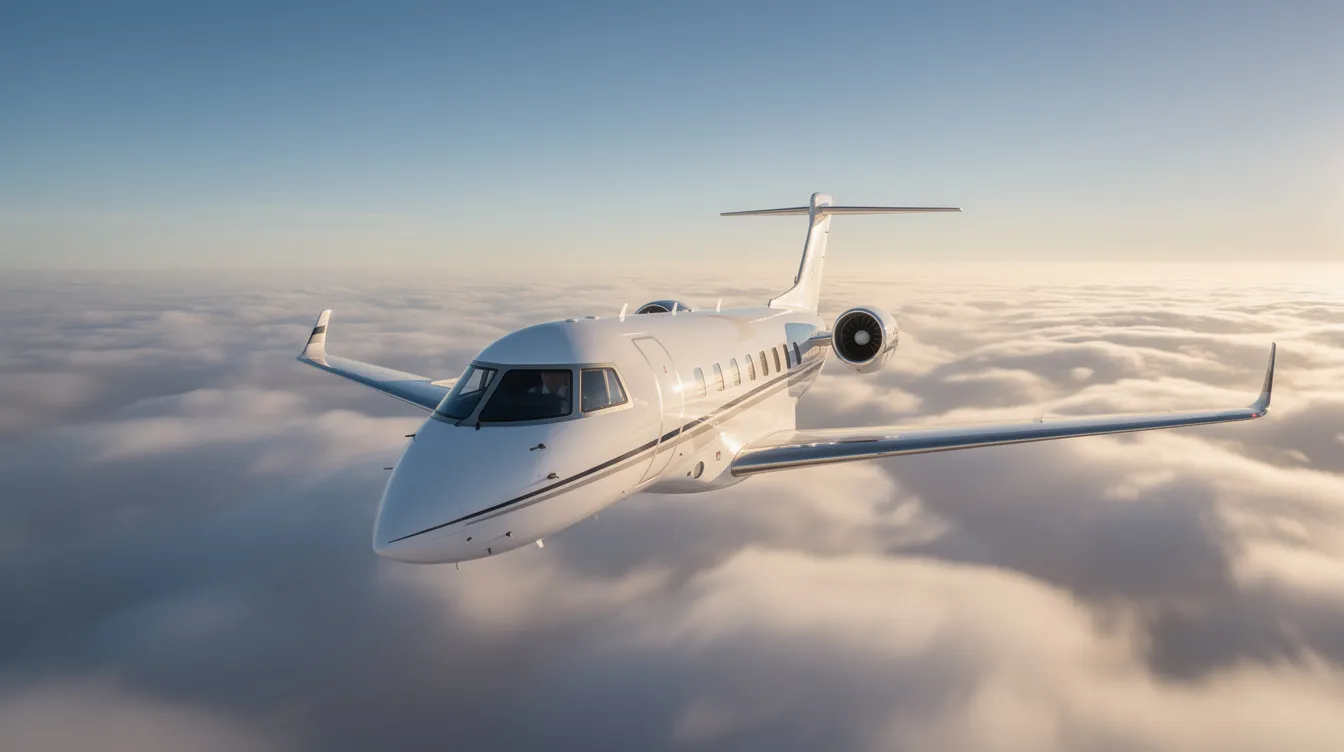
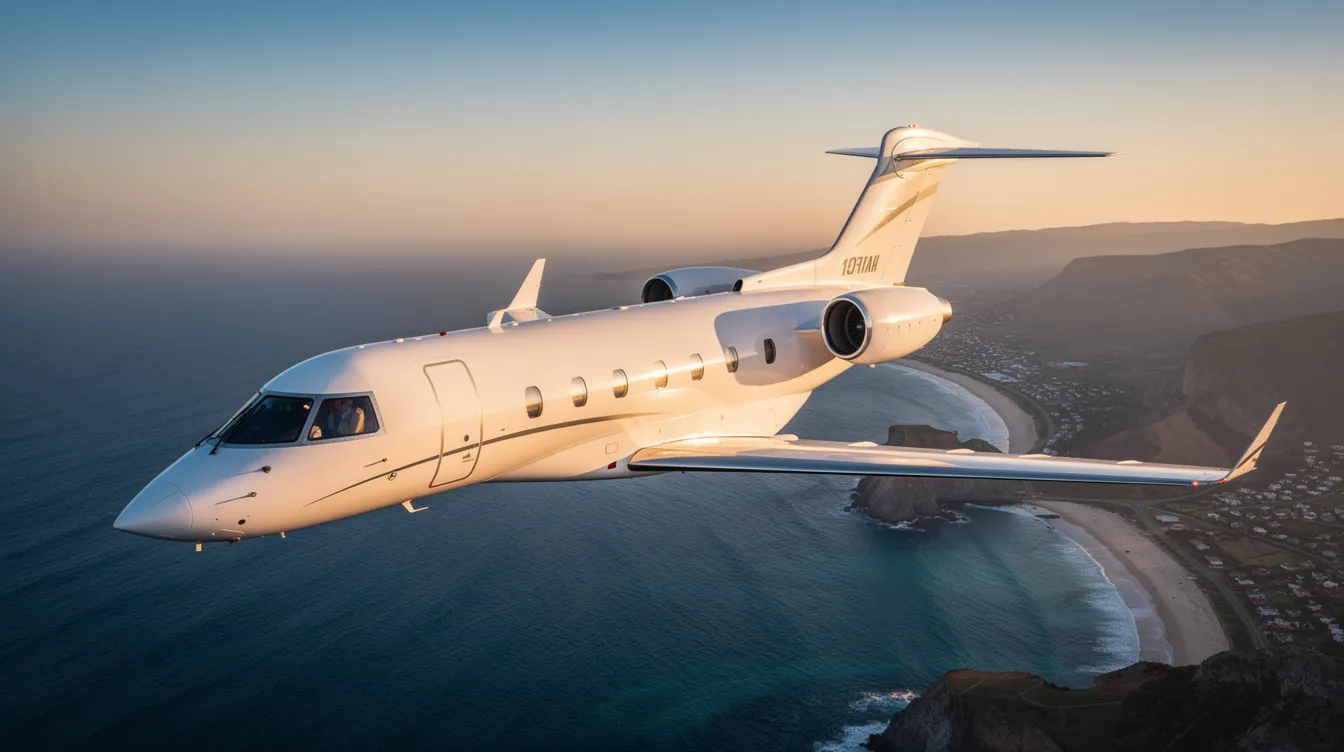
A private business jet soars above a picturesque coastal landscape, showcasing the elegance of private aviation. This image highlights the freedom and luxury of private jet travel, ideal for fractional ownership programs or on-demand charters.

Matching Aircraft Types and Missions to Purchased Hours

Choosing the right aircraft type is as important as choosing the right hourly contract structure. A mismatch between aircraft category and mission profile can quickly erode the value of "attractive" hourly rates through repositioning charges, ground transportation costs to reach final destinations, or the need to supplement with additional charter flights.

Mission-to-aircraft matching:

  • Short regional hops (under 2 hours): Turboprops or light jets (e.g., Citation CJ series, Phenom 300) typically seat 6–7 passengers. Business aviation allows access to more airports than commercial airlines, enhancing travel flexibility and reducing ground transportation time to final destinations.

  • U.S. coast-to-coast (3–5 hours): Midsize or super-midsize jets (e.g., Citation XLS, Challenger 350, Gulfstream G280) accommodate 7–8 passengers and balance speed, cabin comfort, and cost.

  • International trips and transatlantic flights: Large-cabin, long-range jets (e.g., Gulfstream G550/G650, Bombardier Global series, Airbus ACJ319 configured for VIP travel) are required for international flights and multi-stop tours. Ultra-long-range jets can fly nonstop from New York to Hong Kong.

Assess typical routes to match aircraft type with travel needs. Passenger count influences aircraft choice and ownership model: a team of eight on regular ski trips to mountain airports requires different cabin and runway performance than a two-person executive shuttle.

BusinessJets.com advises on specific models when clients are deciding between buying 100–200 hours or acquiring a pre-owned private aircraft of the same type. An 80-hour/year regional corporate shuttle has different optimal economics than a 150-hour/year transatlantic executive schedule.

Private Jet Hours vs. Full Aircraft Ownership

The fundamental contrast: hour-based access is an operating expense with no residual value, while whole aircraft ownership is a capital asset with depreciation, resale potential, and exposure to market cycles.

Estimating your travel pattern is essential in assessing the value of private jet hours versus full ownership. Metrics to determine the right private jet model include annual flight volume and required reliability. Frequent flyers may need 100–200 hours annually, but whole aircraft ownership typically becomes worth evaluating at 250–400+ flight hours per year, depending on aircraft size and mission mix.

Full ownership cost layers (2024–2026 approximate):

  • Acquisition: $4M–$8M (late-model light), $10M–$25M (midsize), $30M–$65M+ (large-cabin)

  • Annual fixed costs: crew salaries, insurance, hangar fees, maintenance reserves ($500K–$2M+)

  • Variable costs: fuel, landing fees, ongoing expenses per flight hour

Fractional ownership offers a bridge: it allows clients to validate true flight-hour demand before committing to a single aircraft. Jet cards serve a similar interim function for lower-utilization flyers. Hour-based solutions let clients confirm their patterns without the financial burden compared to whole-aircraft acquisition.

BusinessJets.com specializes in aircraft appraisals, valuations, and brokerage, helping clients determine when it is financially rational to transition from buying hours to acquiring an aircraft.

How BusinessJets.com Evaluates Whether You Should Buy Hours or Buy an Aircraft

BusinessJets.com's consultative approach begins with analyzing 12–36 months of travel data: routes, passenger counts, schedule patterns, and seasonal clustering. This data is used to estimate true annual flight hours per year and identify which access models align with actual behavior, not aspirational plans.

Mission analysis is combined with aircraft market data-inventory levels, price trends, depreciation curves-to model scenarios across continued charter, jet card, fractional share, or full aircraft ownership. BusinessJets.com's experience across 1,500+ completed aircraft transactions and 5,000+ clients provides realistic benchmarks for ongoing costs and resale values.

Typical consulting outputs include:

  • Recommended access model and aircraft types

  • Indicative hourly rate targets and total cost projections

  • Timing suggestions for entering or exiting the market based on market availability and demand

Hour-based buying decisions should be viewed as part of a broader fleet and capital allocation strategy, especially for corporate flight departments and family offices. Explore BusinessJets.com's comprehensive aviation services to see how this analysis works in practice.

Using Appraisals and Valuations to Inform Hour-Based Decisions

Understanding current aircraft values and market trends is critical when comparing the economics of buying hours versus acquiring a private aircraft. Accurate aircraft appraisals help clients quantify depreciation and opportunity cost, which can then be compared to the effective hourly rate of fractional ownership or jet card programs.

BusinessJets.com's appraisal and valuation services use recent comparable sales, maintenance status, engine program enrollment, avionics upgrades, and input from maintenance providers to determine realistic market value. Proprietary internal audits of maintenance records and market comparables differentiate these valuations from generic online estimates.

Example: A client considering 200+ hours/year weighs a pre-owned midsize jet purchase at $14M against a multi-year fractional commitment totaling $650K/year ongoing plus a $1.2M initial acquisition cost. Appraisal data reveal the jet's projected residual value after five years, making the ownership case clearer or weaker depending on depreciation assumptions.

Before signing any long-term, high-hour contract that could overlap with potential ownership economics, request an aircraft appraisal from BusinessJets.com.

Risk, Contract, and Operational Considerations When Buying Hours

Every hour-based contract—fractional share, jet card, or block charter—carries operational and legal terms that can materially affect effective jet card cost and flexibility.

Critical clauses to review:

  • Peak-day restrictions and blackout dates

  • Hour expiration rules and unused hours rollover policies

  • Rate escalation provisions and fuel surcharges at renewal

  • Repositioning and deadhead charges

  • International flight limitations and permit fees

  • Minimum flight times per leg

Operator safety standards matter. Evaluate FAA Part 135/91 compliance, IS-BAO certification, and third-party ratings when comparing programs. Lower hourly rates from operators with weak dispatch reliability or older fleets can produce higher real costs through delays and service failures.

BusinessJets.com can assist in reviewing and benchmarking proposed contracts, flagging provisions that may conflict with a client's actual travel profile or long-term fleet strategy. Corporate buyers and family offices should involve legal, tax, and risk-management advisors in parallel with aviation consultants to align aircraft purchases with broader governance and compliance requirements.

How to Get Started with BusinessJets.com

The process is straightforward:

  1. Discovery call: Review recent and projected travel patterns, preferences around aircraft types, and appetite for ownership versus prepaid access.

  2. Analysis: BusinessJets.com models scenarios based on your actual data, including private travel requirements and international trips.

  3. Recommendation: For some clients, the best outcome is optimizing charter and jet card usage. For others, it's fractional ownership. For high-utilization flyers, it may be acquiring or upgrading a jet through BusinessJets.com as a broker.

BusinessJets.com supports global clients, including those planning significant international flights such as private jet travel to and from Paris, and can coordinate with existing flight departments or management companies. Whether you need to avoid long security lines at commercial terminals or require guaranteed access for time-sensitive business travel, the recommendation is grounded in data, not assumptions.

Explore the Aviation Blog for ongoing market analysis, or contact BusinessJets.com directly to request an aircraft appraisal, list a current aircraft for sale, or begin a structured consulting engagement focused on private jet hours versus ownership strategy.

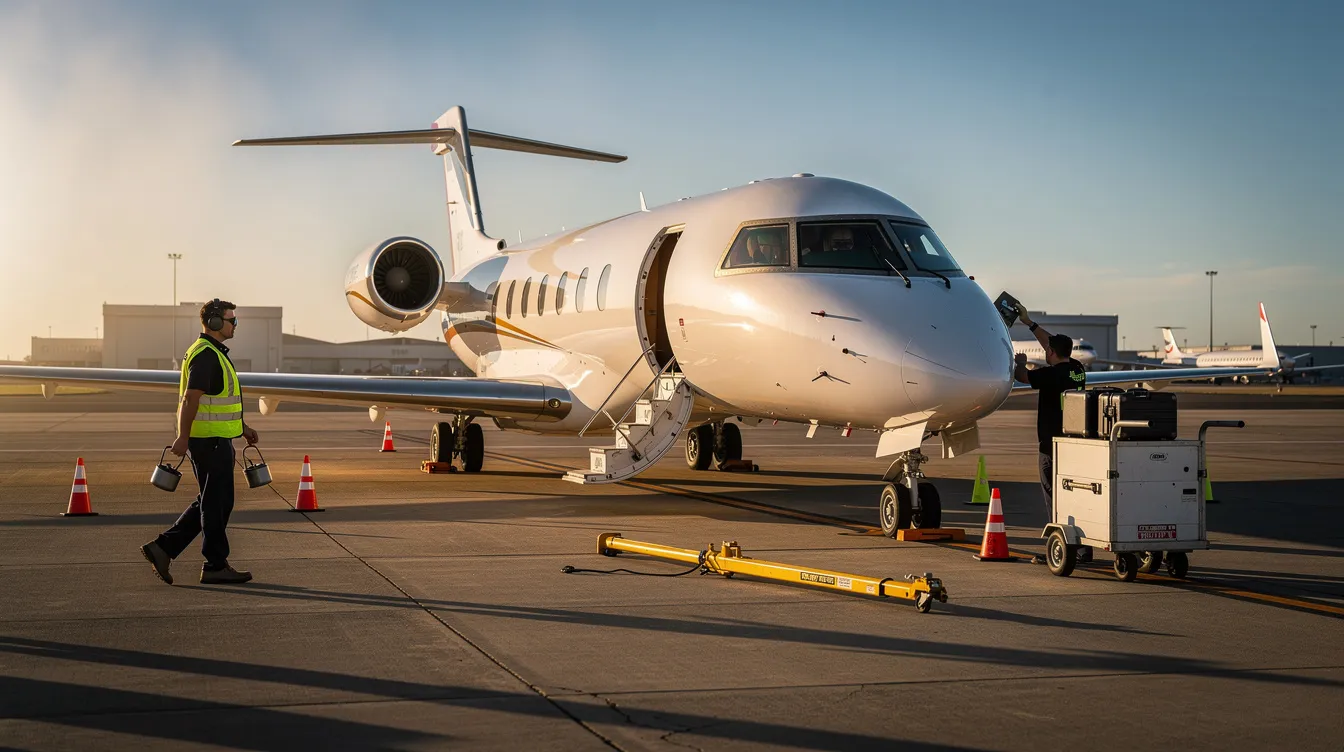
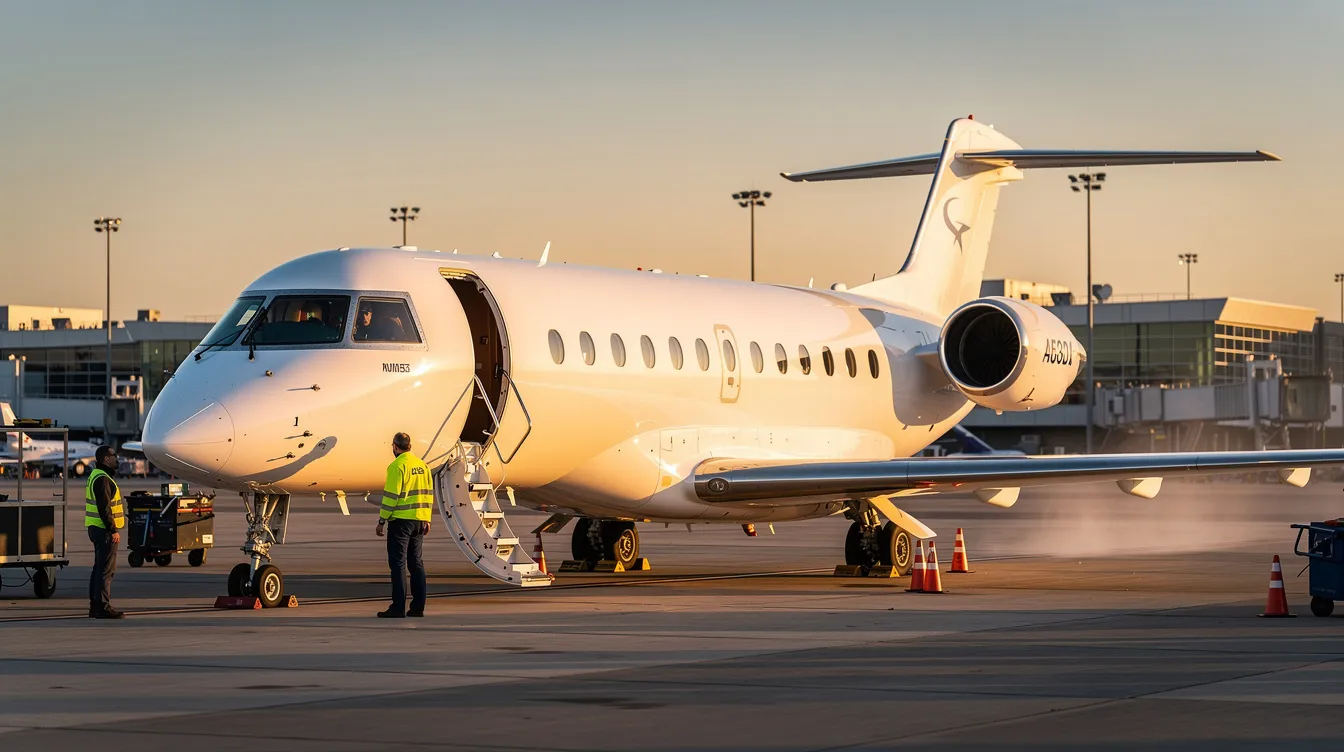
Two business professionals are shaking hands near a private aircraft on a ramp, symbolizing a successful partnership in private aviation. This scene highlights the benefits of fractional ownership and private jet travel, emphasizing the ease and efficiency of accessing aircraft for business and leisure.

FAQ: Private Jet Hours, Ownership, and Strategy

How many private jet hours per year justify moving from jet cards to fractional or full ownership?

Under roughly 50 hours per year, on-demand charter typically remains most efficient. Between approximately 75–200 hours per year, jet cards or fractional ownership programs can make sense depending on mission consistency. Above roughly 250–400 hours per year, full aircraft ownership becomes worth evaluating. BusinessJets.com uses actual travel data and current market conditions to refine these thresholds rather than relying on generic rules.

Can I use purchased private jet hours for international flights?

Many fractional ownership and jet card programs include international flights on popular routes. However, fuel surcharges, permit fees, and handling charges are common additions. Confirm geographic coverage, overflight permissions, and ground transportation arrangements with each provider. BusinessJets.com can assess whether a dedicated long-range aircraft is more appropriate for frequent overseas trips.

What happens if I don't use all my contracted hours?

Policies differ significantly. Some jet cards allow limited rollover; others expire unused hours after 12–24 months. Fractional contracts may offer sell-back options or limited carry-forward within the term, sometimes with fees. Model both underuse and overuse scenarios before signing. BusinessJets.com can stress-test these scenarios against realistic travel plans.

Are private jet hourly programs transferable if my company is acquired or restructured?

Some fractional ownership and jet card agreements allow assignment to a new corporate entity with provider approval, while others restrict transfer or impose additional fees. Corporate buyers should clarify change-of-control and assignment clauses up front, and consider involving BusinessJets.com and legal counsel in negotiating more flexible terms where material capital is committed.

How do I compare different providers' hourly rates on a fair basis?

Normalize quotes by including all mandatory fees—fuel, repositioning, de-icing, international handling, and taxes—into a single effective hourly rate for comparable missions. BusinessJets.com routinely performs this analysis using real route examples, preferred aircraft types, and utilization forecasts to identify the most economically sound structure among competing offers. Both cost and service quality should factor into the comparison.

Conclusion: Making the Right Choice for Private Jet Hours

Selecting the appropriate private jet hours program requires a clear understanding of your travel patterns, budget, and operational preferences. Whether opting for Whether choosing fractional ownership, jet cards, or on-demand charter, each option presents unique benefits and compromises regarding cost, flexibility, and commitment., each model offers distinct advantages and trade-offs in terms of cost, flexibility, and commitment. Fractional ownership suits frequent flyers seeking guaranteed access and equity participation, while jet cards provide fixed rates and simpler contracts for moderate use. On-demand charter remains the most flexible and cost-effective choice for occasional travelers.

BusinessJets.com leverages extensive market expertise and transaction experience to guide clients through this complex decision-making process. By analyzing your specific requirements and comparing available options, we help ensure your private aviation solution aligns with your business or personal travel goals. For tailored advice, aircraft appraisals, or brokerage services, contact BusinessJets.com to start optimizing your private jet travel strategy with confidence.

Private Jet Hours for Sale: 2024–2026 Buyer's Guide from BusinessJets.com

Jay Franco Ser

When executives and aircraft owners search for private jet hours for sale, they're rarely looking at a single product. They're weighing fundamentally different access models, each with distinct capital requirements, contractual obligations, and risk profiles. This guide breaks down the structures, costs, and decision criteria that matter most in the current market, and explains how BusinessJets.com helps clients make informed commitments.

Key Takeaways

  • Private jet hours for sale typically come in three models: jet cards, fractional ownership, and on-demand charter. Each involves different cost structures, equity exposure, and flexibility.

  • Buying private jet hours is generally cost-effective for travelers flying between 50 to 250 hours per year. Below 50 hours, on-demand charter usually wins. Above 250–400 hours, full aircraft ownership merits serious evaluation.

  • 2024–2026 hourly rate benchmarks range from approximately $2,000–$3,500 for light jets to $8,000–$15,000+ for long range jets, depending on program type and surcharges.

  • Common fractional share sizes grant approximately 50, 100, or 200 flight hours per year, with initial acquisition costs ranging from $275,000 to over $1.2 million.

  • Private jet travel can significantly reduce total travel time compared to commercial flights, thanks to access to more airports and streamlined scheduling, but the financial advantage depends on matching hours purchased to actual usage patterns.

  • Operational overhead responsibilities such as maintenance, insurance, and pilot staffing are eliminated with jet card and fractional hour programs, transferring these burdens away from the user.

  • Jet card programs typically require upfront purchase for blocks of 25 to 100 hours, often involving six-figure payments, and feature fixed hourly rates that protect users from market price spikes.

  • Typical jet card programs charge by occupied flight time, excluding empty segment charges, and often guarantee aircraft availability during peak travel periods.

  • Fractional ownership offers guaranteed access with 4–6 hours' notice, reduces operational costs by sharing expenses among owners, and provides access to a diverse fleet of aircraft types.

  • Jet cards and fractional ownership are best suited for travelers flying between 50 and 250 hours annually, while on-demand charter is more cost-effective for those flying under 50 hours per year.

BusinessJets.com provides independent brokerage, appraisals, and consulting, helping clients compare jet card programs, fractional jet ownership, and outright aircraft ownership without selling hours directly.

Ready to evaluate whether buying hours or buying an aircraft makes more sense for your operation? Request an appraisal or schedule a consulting engagement with BusinessJets.com.

What "Private Jet Hours for Sale" Actually Means in 2024–2026

Main Access Structures

When providers advertise private jet hours for sale, they are offering contractual access to a set number of flight hours on specific aircraft types or fleets. You are purchasing a service, not an asset.

The three main structures are:

  • Fractional jet ownership: Purchasing an equity share (e.g., 1/16 or 1/8) in a specific aircraft or fleet type. Fractional ownership offers 50–200 flight hours annually, depending on share size.

  • Jet card programs: Prepaid access to flight hours without equity. Jet cards provide 25–100 hour blocks of prepaid flight time at fixed hourly rates, protecting users from market price spikes.

  • On-demand charter and block charter: On-demand charters allow booking flights without pre-purchased hours. Block charters pre-negotiate volume pricing with a single operator.

What Is Included in a "Jet Hour"?

A standard "hour" typically includes aircraft, crew, standard in-flight catering, and basic handling. Items usually billed separately include fuel surcharges, de-icing, international permits, landing fees, and certain peak-day premiums.

Operational Overhead and Advisory Role

  • Operational overhead responsibilities are zero with jet card or fractional hour programs.

  • Aircraft owning responsibilities such as maintenance, insurance, and pilot staffing are eliminated for the buyer.

  • BusinessJets.com does not sell jet cards or fractional shares directly but acts as an independent advisor, helping clients evaluate hour-based contracts versus full ownership or simple on-demand charter.

Fractional Jet Ownership: Buying Equity and Hours Together

Private jet fractional ownership means purchasing an equity share in a private aircraft in exchange for a guaranteed number of annual hours. These arrangements are often structured as fractional programs. A 1/16 share provides approximately 50 flight hours annually, a 1/8 share approximately 100 hours, and a 1/4 share approximately 200 hours, offering lower upfront costs than buying an entire aircraft outright.

Typical Contract Terms

Typical 2024–2026 contract terms:

Element

Range

Contract duration

3–5 years (fractional ownership requires a minimum 3–5 year commitment)

Initial acquisition cost

$275,000–$1.2 million+ depending on aircraft type and share size

Monthly management fees

$8,000–$15,000+

Hourly occupied flight fees

$1,800–$8,000+ depending on cabin class

These terms can still mean higher ownership costs and a larger capital investment than jet cards or on-demand charter. Fractional ownership reduces operational costs by sharing expenses among owners. Fractional owners typically receive guaranteed access with 4–6 hours' notice, and many fractional ownership programs allow fleet interchange so owners can access a diverse fleet of aircraft types across different cabin classes.

Key Risks and Constraints

  • Capital tied up in a fractional share with residual value exposure to market demand

  • Blackout or peak-day rules may limit guaranteed availability on high-demand dates

  • Penalties for under- or over-utilization of contracted hours

  • Resale of fractional shares can be complex and timing-dependent

Who Should Consider Fractional Ownership?

BusinessJets.com typically recommends fractional ownership for corporate or family flyers consistently using 100–250 hours per year with stable mission profiles. For those flying fewer hours, jet cards may deliver better economics.
The image depicts the interior of a midsize business jet cabin, featuring plush leather seats arranged around a central work table, ideal for private jet travel. This luxurious setting highlights the comfort and functionality that fractional jet ownership offers to frequent flyers seeking guaranteed aircraft availability.

Jet Card Programs and Fixed Hourly Rates

Jet cards are non-equity, prepaid access programs. They require no long term commitments or asset purchase and are sold in blocks of 25 to 100 hours per aircraft category, with fixed hourly rates typically locked for 12–24 months.

2024–2026 Pricing Bands

Aircraft Category

Jet Card Hourly Rate (Typical)

25-Hour Block Cost

Light jets

$6,000–$8,500

$150,000–$212,500

Midsize jets

$7,500–$11,000

$187,500–$275,000

Super-midsize

$9,000–$13,000

$225,000–$325,000

Large-cabin / long-range

$12,000–$18,000+

$300,000+

Jet card programs often require six-figure upfront payments. However, fixed hourly rates in jet card programs protect users from market price spikes, and jet card hours typically do not expire within 12–24 months. Typical jet card programs charge by occupied flight time, not including empty segment charges, and often guarantee aircraft availability with no blackout dates, making guaranteed availability a critical factor during peak travel periods.

Flexibility and Suitability

  • Jet cards provide flexibility to try different jet sizes, which is useful for clients whose passenger count or mission distance varies.

  • Jet cards are generally best suited for executives or families flying 25–100 hours per year who want predictable costs and transparent pricing without the complexity of aircraft ownership or fractional share resale.

  • BusinessJets.com can benchmark jet card offers against real charter market pricing and against the cost of acquiring a pre-owned aircraft for clients approaching higher annual utilization.

On-Demand and Block Charter Hours vs. Ownership Models

On-demand charter means trip-by-trip contracting with no long term commitments. Block charter programs pre-negotiate hour packages (typically 25–100 hours) with a single operator at preferential hourly rates. On-demand charter rates for turboprops run $1,500 to $2,500 per hour, with light jet and midsize rates scaling upward.

Structured charter blocks can start to resemble jet card programs in practice: fixed hourly rates, some scheduling priority. However, they typically do not involve equity or fractional shares and may carry more limited availability guarantees.

Comparison across access models:

Factor

On-Demand Charter

Block Charter

Jet Cards

Fractional Ownership

Commitment

None

Volume agreement

12–24 months

3–5 years

Equity

No

No

No

Yes

Fixed hourly rate

No

Sometimes

Yes

Yes (occupied rate)

Guaranteed aircraft availability

Limited

Partial

Strong

Strong

Peak-day exposure

High

Moderate

Low–Moderate

Low

Travelers flying under 50 hours annually benefit from on-demand charter. Jet cards and fractional ownership often guarantee aircraft availability during peak travel days, which pure demand charter cannot match. For many BusinessJets.com clients flying fewer than 150–200 hours annually, a mix of on-demand charter and limited-hour blocks can be more efficient than committing to large fractional or jet card positions

Real-World Cost Ranges: What Private Jet Hours Sell For

Effective hourly rate depends on aircraft category, contract type, region, and consistency of usage over a 12–36 month period. Below are 2024–2026 benchmarks before taxes and surcharges.

Category

Base Hourly Rate

Jet Card / Fractional Range

Turboprop

$1,500–$2,500

$2,500–$4,000

Light jets

$2,000–$3,500

$6,000–$8,500 (jet card)

Midsize jets

$4,000–$7,000

$7,500–$11,000 (jet card)

Super-midsize

$5,500–$9,000

$9,000–$13,000

Long-range jets

$8,000–$15,000+

$12,000–$18,000+

Approximate annual spend examples:

  • 50-hour light jet card: $300,000–$425,000 all-in

  • 100-hour midsize jet fractional share: $600,000–$700,000/year ongoing (after initial acquisition cost)

  • 150-hour large-cabin program for transatlantic flights: $1.5M–$2.5M+ annually

Hidden costs in private jet hourly programs can include fuel surcharges, landing fees, and crew expenses. The main cost components behind hourly rates include aircraft capital and depreciation, maintenance and engine programs, crew salaries, insurance, fuel prices, and hangar fees.

BusinessJets.com uses aircraft valuation data, market intelligence, and knowledge of current hourly rate trends to help clients negotiate or benchmark hour-based proposals against real operational costs.
A private business jet soars above a picturesque coastal landscape, showcasing the elegance of private aviation. This image highlights the freedom and luxury of private jet travel, ideal for fractional ownership programs or on-demand charters.

Matching Aircraft Types and Missions to Purchased Hours

Choosing the right aircraft type is as important as choosing the right hourly contract structure. A mismatch between aircraft category and mission profile can quickly erode the value of "attractive" hourly rates through repositioning charges, ground transportation costs to reach final destinations, or the need to supplement with additional charter flights.

Mission-to-aircraft matching:

  • Short regional hops (under 2 hours): Turboprops or light jets (e.g., Citation CJ series, Phenom 300) typically seat 6–7 passengers. Business aviation allows access to more airports than commercial airlines, enhancing travel flexibility and reducing ground transportation time to final destinations.

  • U.S. coast-to-coast (3–5 hours): Midsize or super-midsize jets (e.g., Citation XLS, Challenger 350, Gulfstream G280) accommodate 7–8 passengers and balance speed, cabin comfort, and cost.

  • International trips and transatlantic flights: Large-cabin, long-range jets (e.g., Gulfstream G550/G650, Bombardier Global series, Airbus ACJ319 configured for VIP travel) are required for international flights and multi-stop tours. Ultra-long-range jets can fly nonstop from New York to Hong Kong.

Assess typical routes to match aircraft type with travel needs. Passenger count influences aircraft choice and ownership model: a team of eight on regular ski trips to mountain airports requires different cabin and runway performance than a two-person executive shuttle.

BusinessJets.com advises on specific models when clients are deciding between buying 100–200 hours or acquiring a pre-owned private aircraft of the same type. An 80-hour/year regional corporate shuttle has different optimal economics than a 150-hour/year transatlantic executive schedule.

Private Jet Hours vs. Full Aircraft Ownership

The fundamental contrast: hour-based access is an operating expense with no residual value, while whole aircraft ownership is a capital asset with depreciation, resale potential, and exposure to market cycles.

Estimating your travel pattern is essential in assessing the value of private jet hours versus full ownership. Metrics to determine the right private jet model include annual flight volume and required reliability. Frequent flyers may need 100–200 hours annually, but whole aircraft ownership typically becomes worth evaluating at 250–400+ flight hours per year, depending on aircraft size and mission mix.

Full ownership cost layers (2024–2026 approximate):

  • Acquisition: $4M–$8M (late-model light), $10M–$25M (midsize), $30M–$65M+ (large-cabin)

  • Annual fixed costs: crew salaries, insurance, hangar fees, maintenance reserves ($500K–$2M+)

  • Variable costs: fuel, landing fees, ongoing expenses per flight hour

Fractional ownership offers a bridge: it allows clients to validate true flight-hour demand before committing to a single aircraft. Jet cards serve a similar interim function for lower-utilization flyers. Hour-based solutions let clients confirm their patterns without the financial burden compared to whole-aircraft acquisition.

BusinessJets.com specializes in aircraft appraisals, valuations, and brokerage, helping clients determine when it is financially rational to transition from buying hours to acquiring an aircraft.

How BusinessJets.com Evaluates Whether You Should Buy Hours or Buy an Aircraft

BusinessJets.com's consultative approach begins with analyzing 12–36 months of travel data: routes, passenger counts, schedule patterns, and seasonal clustering. This data is used to estimate true annual flight hours per year and identify which access models align with actual behavior, not aspirational plans.

Mission analysis is combined with aircraft market data-inventory levels, price trends, depreciation curves-to model scenarios across continued charter, jet card, fractional share, or full aircraft ownership. BusinessJets.com's experience across 1,500+ completed aircraft transactions and 5,000+ clients provides realistic benchmarks for ongoing costs and resale values.

Typical consulting outputs include:

  • Recommended access model and aircraft types

  • Indicative hourly rate targets and total cost projections

  • Timing suggestions for entering or exiting the market based on market availability and demand

Hour-based buying decisions should be viewed as part of a broader fleet and capital allocation strategy, especially for corporate flight departments and family offices. Explore BusinessJets.com's comprehensive aviation services to see how this analysis works in practice.

Using Appraisals and Valuations to Inform Hour-Based Decisions

Understanding current aircraft values and market trends is critical when comparing the economics of buying hours versus acquiring a private aircraft. Accurate aircraft appraisals help clients quantify depreciation and opportunity cost, which can then be compared to the effective hourly rate of fractional ownership or jet card programs.

BusinessJets.com's appraisal and valuation services use recent comparable sales, maintenance status, engine program enrollment, avionics upgrades, and input from maintenance providers to determine realistic market value. Proprietary internal audits of maintenance records and market comparables differentiate these valuations from generic online estimates.

Example: A client considering 200+ hours/year weighs a pre-owned midsize jet purchase at $14M against a multi-year fractional commitment totaling $650K/year ongoing plus a $1.2M initial acquisition cost. Appraisal data reveal the jet's projected residual value after five years, making the ownership case clearer or weaker depending on depreciation assumptions.

Before signing any long-term, high-hour contract that could overlap with potential ownership economics, request an aircraft appraisal from BusinessJets.com.

Risk, Contract, and Operational Considerations When Buying Hours

Every hour-based contract—fractional share, jet card, or block charter—carries operational and legal terms that can materially affect effective jet card cost and flexibility.

Critical clauses to review:

  • Peak-day restrictions and blackout dates

  • Hour expiration rules and unused hours rollover policies

  • Rate escalation provisions and fuel surcharges at renewal

  • Repositioning and deadhead charges

  • International flight limitations and permit fees

  • Minimum flight times per leg

Operator safety standards matter. Evaluate FAA Part 135/91 compliance, IS-BAO certification, and third-party ratings when comparing programs. Lower hourly rates from operators with weak dispatch reliability or older fleets can produce higher real costs through delays and service failures.

BusinessJets.com can assist in reviewing and benchmarking proposed contracts, flagging provisions that may conflict with a client's actual travel profile or long-term fleet strategy. Corporate buyers and family offices should involve legal, tax, and risk-management advisors in parallel with aviation consultants to align aircraft purchases with broader governance and compliance requirements.

How to Get Started with BusinessJets.com

The process is straightforward:

  1. Discovery call: Review recent and projected travel patterns, preferences around aircraft types, and appetite for ownership versus prepaid access.

  2. Analysis: BusinessJets.com models scenarios based on your actual data, including private travel requirements and international trips.

  3. Recommendation: For some clients, the best outcome is optimizing charter and jet card usage. For others, it's fractional ownership. For high-utilization flyers, it may be acquiring or upgrading a jet through BusinessJets.com as a broker.

BusinessJets.com supports global clients, including those planning significant international flights such as private jet travel to and from Paris, and can coordinate with existing flight departments or management companies. Whether you need to avoid long security lines at commercial terminals or require guaranteed access for time-sensitive business travel, the recommendation is grounded in data, not assumptions.

Explore the Aviation Blog for ongoing market analysis, or contact BusinessJets.com directly to request an aircraft appraisal, list a current aircraft for sale, or begin a structured consulting engagement focused on private jet hours versus ownership strategy.

Two business professionals are shaking hands near a private aircraft on a ramp, symbolizing a successful partnership in private aviation. This scene highlights the benefits of fractional ownership and private jet travel, emphasizing the ease and efficiency of accessing aircraft for business and leisure.

FAQ: Private Jet Hours, Ownership, and Strategy

How many private jet hours per year justify moving from jet cards to fractional or full ownership?

Under roughly 50 hours per year, on-demand charter typically remains most efficient. Between approximately 75–200 hours per year, jet cards or fractional ownership programs can make sense depending on mission consistency. Above roughly 250–400 hours per year, full aircraft ownership becomes worth evaluating. BusinessJets.com uses actual travel data and current market conditions to refine these thresholds rather than relying on generic rules.

Can I use purchased private jet hours for international flights?

Many fractional ownership and jet card programs include international flights on popular routes. However, fuel surcharges, permit fees, and handling charges are common additions. Confirm geographic coverage, overflight permissions, and ground transportation arrangements with each provider. BusinessJets.com can assess whether a dedicated long-range aircraft is more appropriate for frequent overseas trips.

What happens if I don't use all my contracted hours?

Policies differ significantly. Some jet cards allow limited rollover; others expire unused hours after 12–24 months. Fractional contracts may offer sell-back options or limited carry-forward within the term, sometimes with fees. Model both underuse and overuse scenarios before signing. BusinessJets.com can stress-test these scenarios against realistic travel plans.

Are private jet hourly programs transferable if my company is acquired or restructured?

Some fractional ownership and jet card agreements allow assignment to a new corporate entity with provider approval, while others restrict transfer or impose additional fees. Corporate buyers should clarify change-of-control and assignment clauses up front, and consider involving BusinessJets.com and legal counsel in negotiating more flexible terms where material capital is committed.

How do I compare different providers' hourly rates on a fair basis?

Normalize quotes by including all mandatory fees—fuel, repositioning, de-icing, international handling, and taxes—into a single effective hourly rate for comparable missions. BusinessJets.com routinely performs this analysis using real route examples, preferred aircraft types, and utilization forecasts to identify the most economically sound structure among competing offers. Both cost and service quality should factor into the comparison.

Conclusion: Making the Right Choice for Private Jet Hours

Selecting the appropriate private jet hours program requires a clear understanding of your travel patterns, budget, and operational preferences. Whether opting for Whether choosing fractional ownership, jet cards, or on-demand charter, each option presents unique benefits and compromises regarding cost, flexibility, and commitment., each model offers distinct advantages and trade-offs in terms of cost, flexibility, and commitment. Fractional ownership suits frequent flyers seeking guaranteed access and equity participation, while jet cards provide fixed rates and simpler contracts for moderate use. On-demand charter remains the most flexible and cost-effective choice for occasional travelers.

BusinessJets.com leverages extensive market expertise and transaction experience to guide clients through this complex decision-making process. By analyzing your specific requirements and comparing available options, we help ensure your private aviation solution aligns with your business or personal travel goals. For tailored advice, aircraft appraisals, or brokerage services, contact BusinessJets.com to start optimizing your private jet travel strategy with confidence.

Related Posts