Types of Jet Airplanes: From Private Jets to Commercial and Military Aircraft

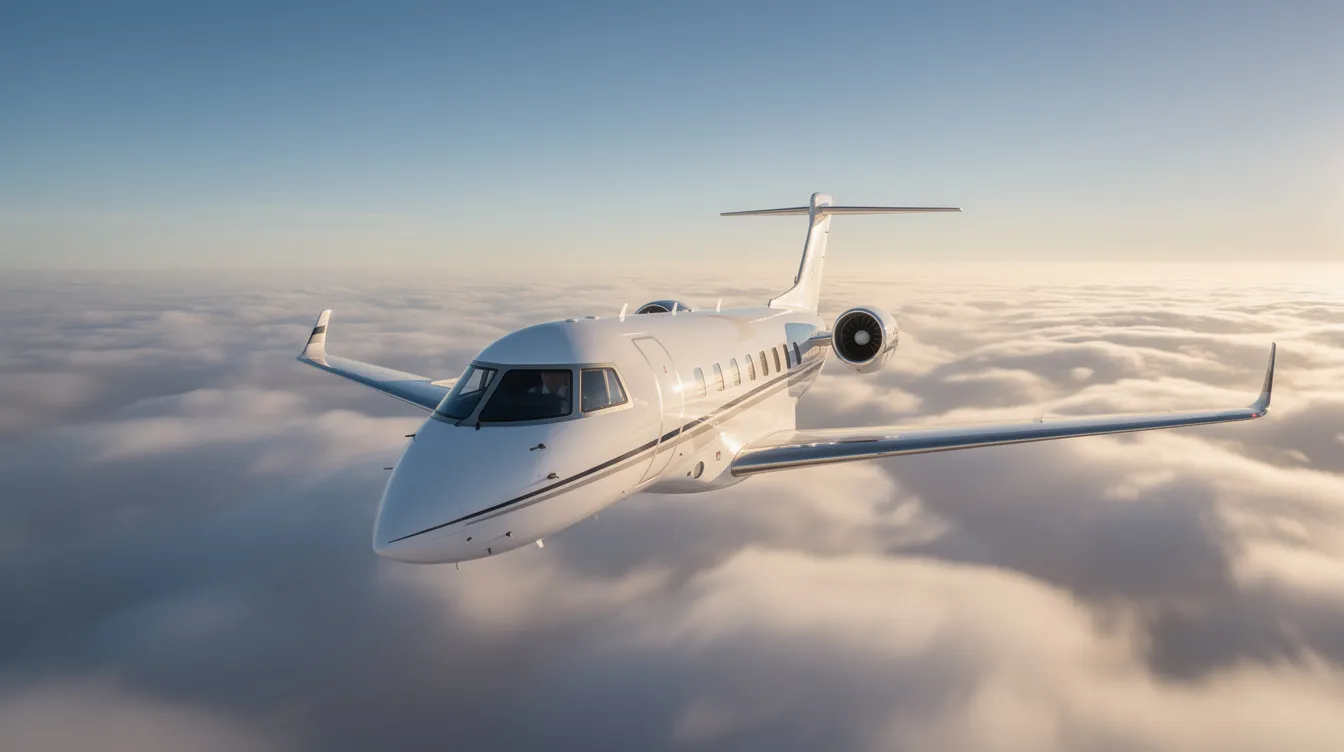
A jet aircraft is a fixed-wing airplane powered primarily by gas-turbine engines such as turbojets or turbofans. Compared to piston or propeller-driven aircraft, jets typically operate at higher altitudes, speeds, and longer ranges, making them ideal for business travel, airline service, and specialized government or defense missions.
This article concentrates on fixed-wing jet airplanes, especially private and business jets, while providing an overview of commercial and military jets. Helicopters, turboprops, and other general aviation aircraft are relevant but beyond this article's scope.
Jet aviation history advanced rapidly: the Messerschmitt Me 262 became the first operational jet fighter in 1944, and the de Havilland Comet began commercial jet service in 1952, per Guinness World Records. Today, jet airplanes are categorized by their intended use, size, and flight capabilities.
For BusinessJets.com clients, understanding aircraft types is practical, impacting acquisition strategy, valuation, operating costs, cabin suitability, airport access, and resale timing. With over 1,500 transactions and 5,000 satisfied customers, BusinessJets.com provides market-driven guidance to aircraft owners and buyers.
Key Takeaways
Jet aircraft encompass private jets, commercial airliners, and military aircraft, each optimized for specific missions, passenger capacities, ranges, and operating environments.
Within private aviation, categories include very light jets, light jets, mid-size jets, super mid-size jets, heavy jets, and ultra-long-range jets, each tailored to different budgets, cabin requirements, and flight profiles.
Commercial aircraft focus on efficient passenger and cargo transport, while military jets prioritize air superiority, strike, transport, reconnaissance, and support missions.
Understanding jet airplane types assists owners, corporate buyers, and operators in making informed acquisition, valuation, resale, and fleet planning decisions.
BusinessJets.com offers expertise in private jet appraisals, aircraft listings, acquisition consulting, and fleet advisory across most business jet categories.
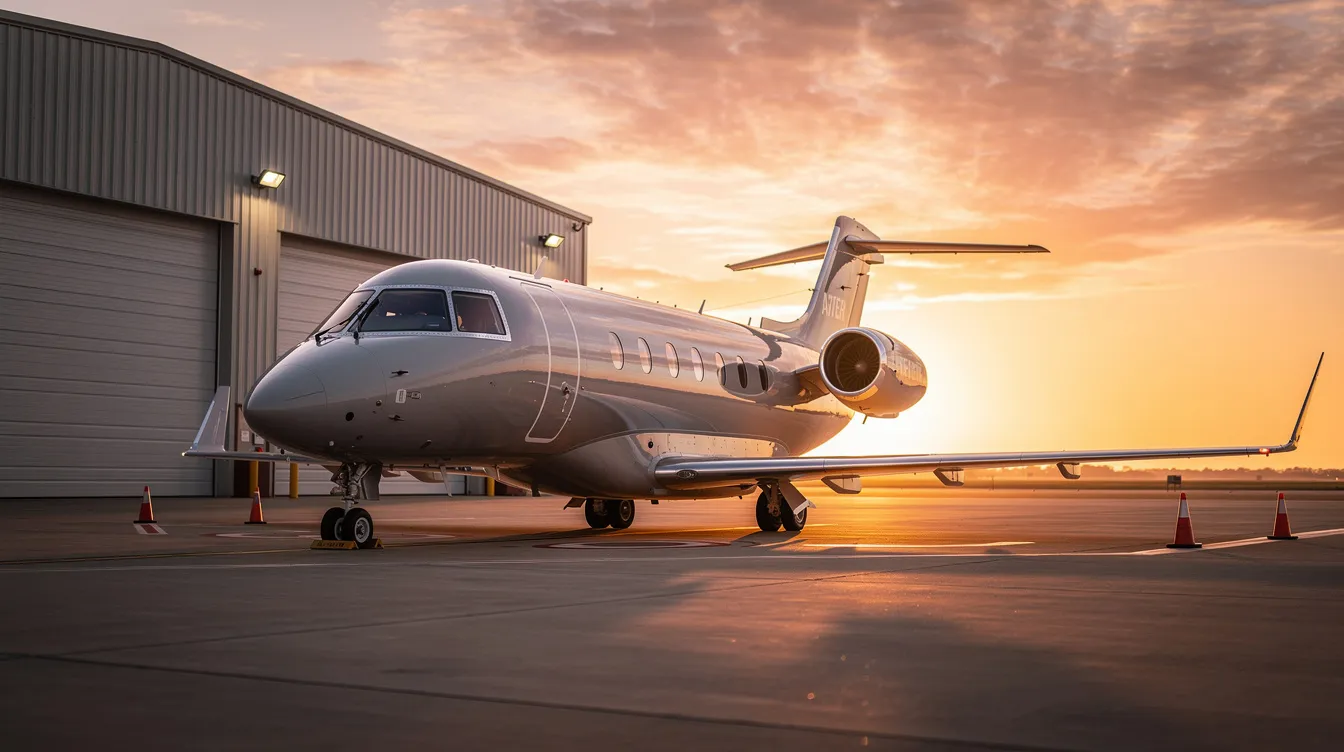
Overview of Major Jet Aircraft Types
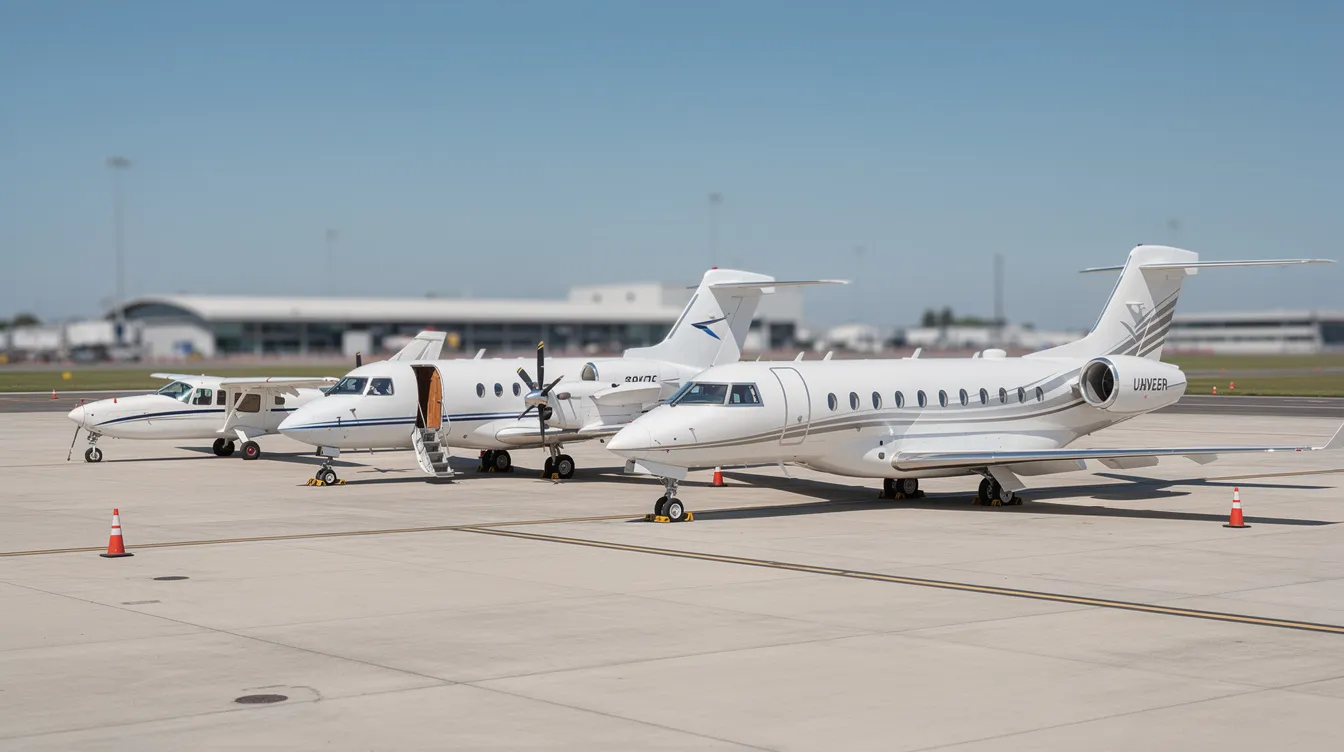
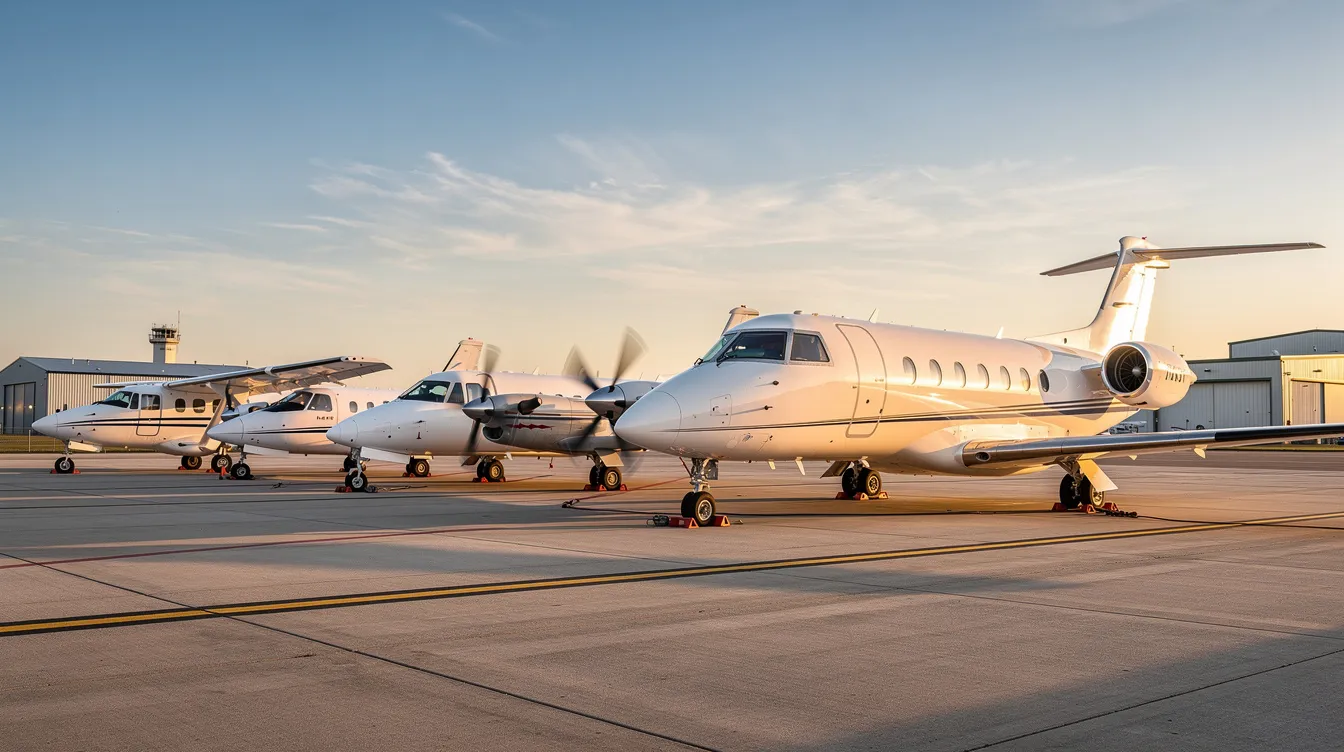
Jet aircraft fall into three broad categories: private/business jets, commercial jetliners, and military jet aircraft.
Common use cases include:
Corporate and private travel
Charter operations
Scheduled airline passenger service
Cargo transport and freighters
Military missions, including air superiority, strike, surveillance, and transport
Within each category, aircraft vary by range, passenger capacity, cabin size, baggage capacity, maximum speed, runway performance, and mission profile. BusinessJets.com primarily advises in private and business aviation, while trends in commercial aviation influence market values and buyer expectations.
Types of Private Jets and Business Jets
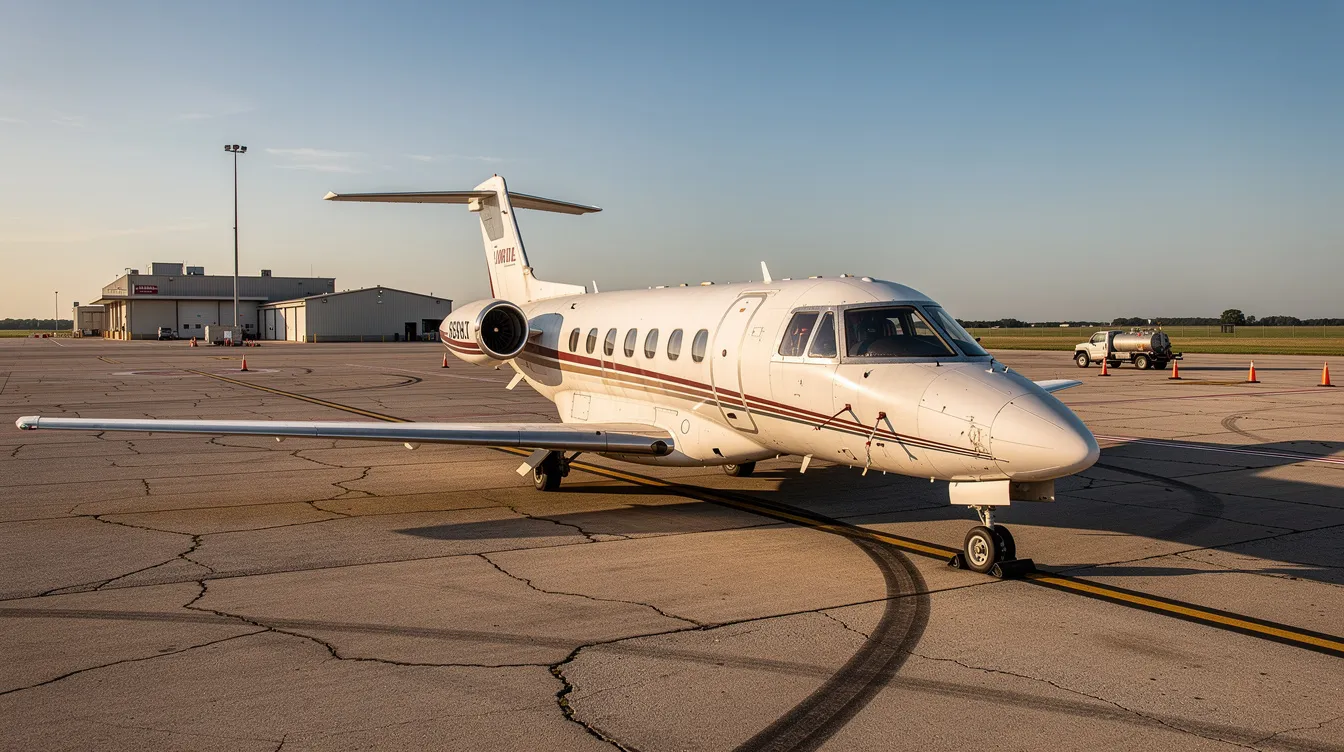
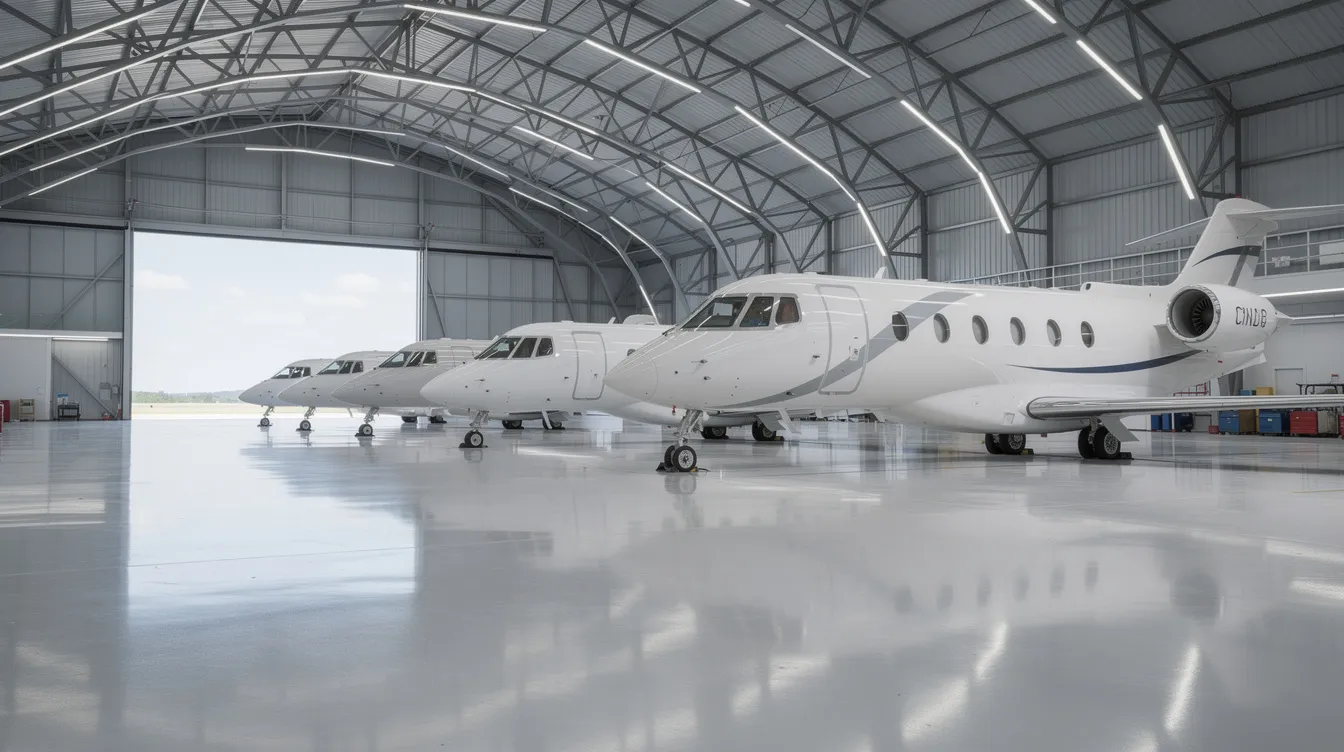
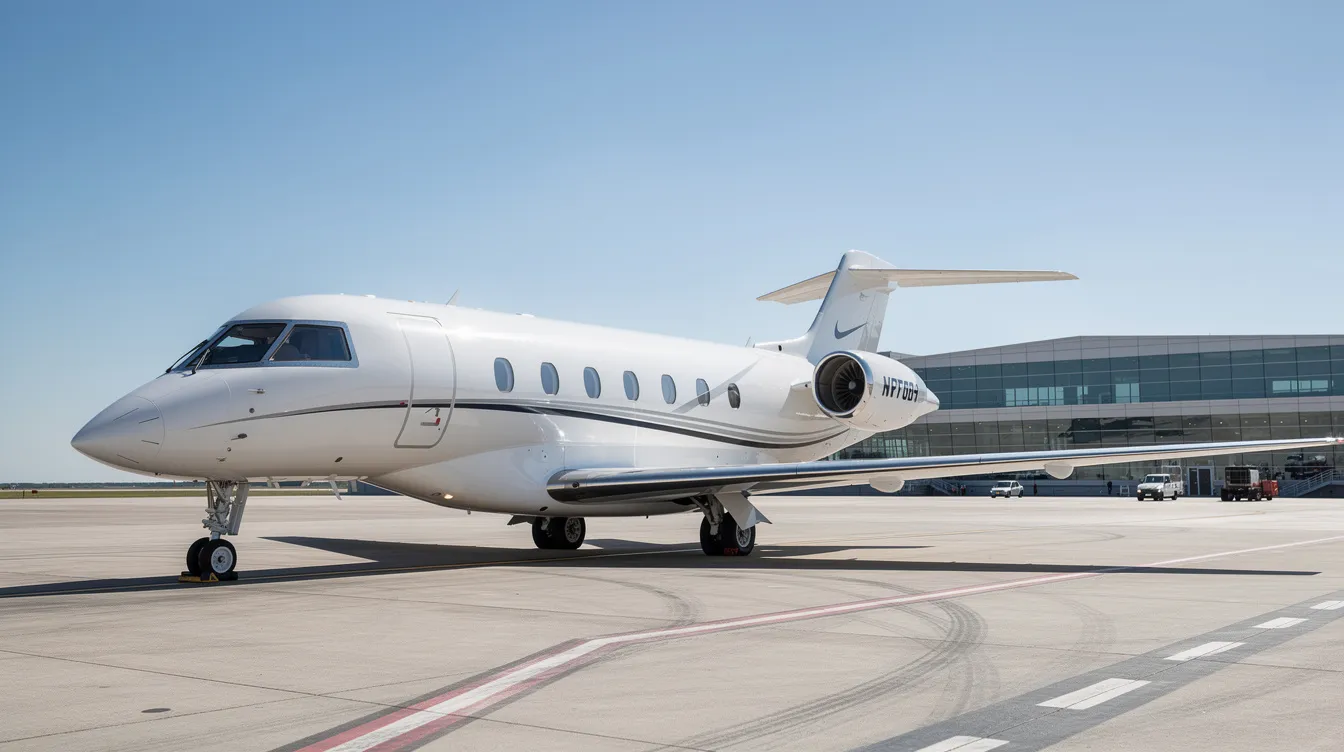
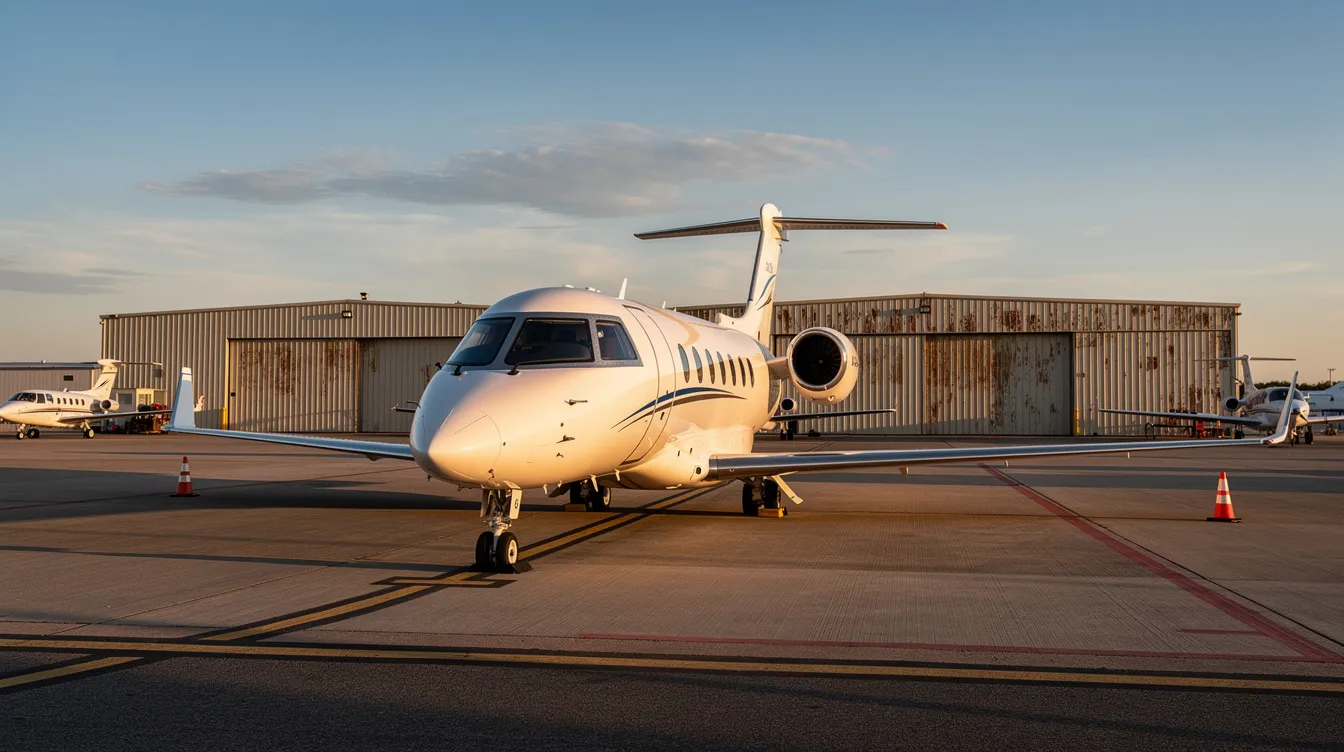
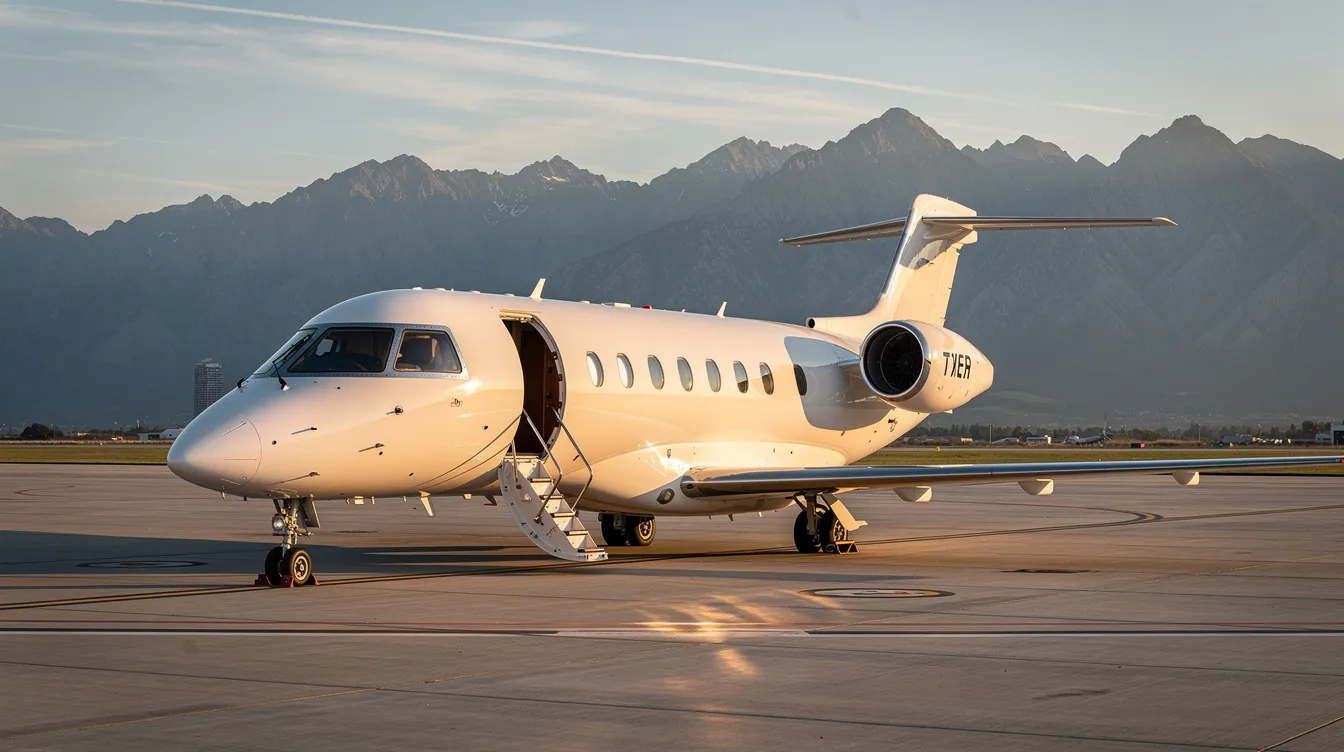
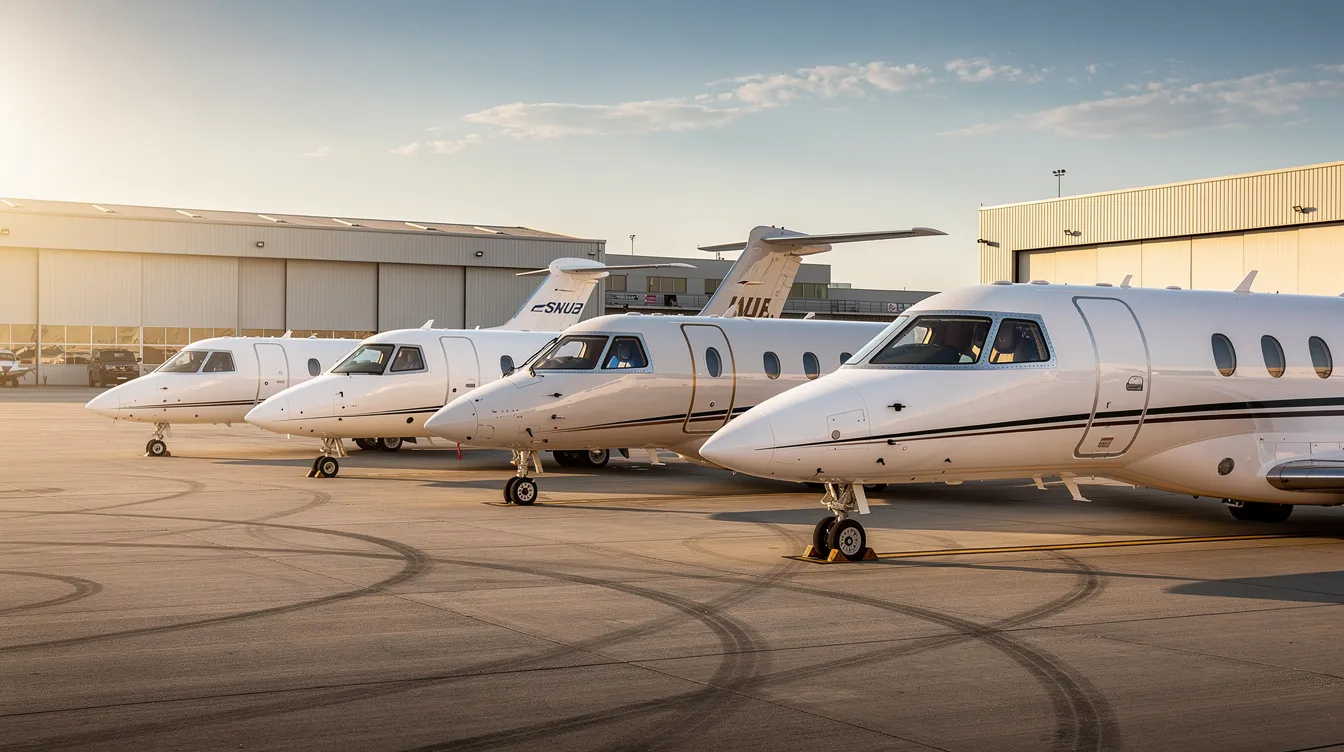
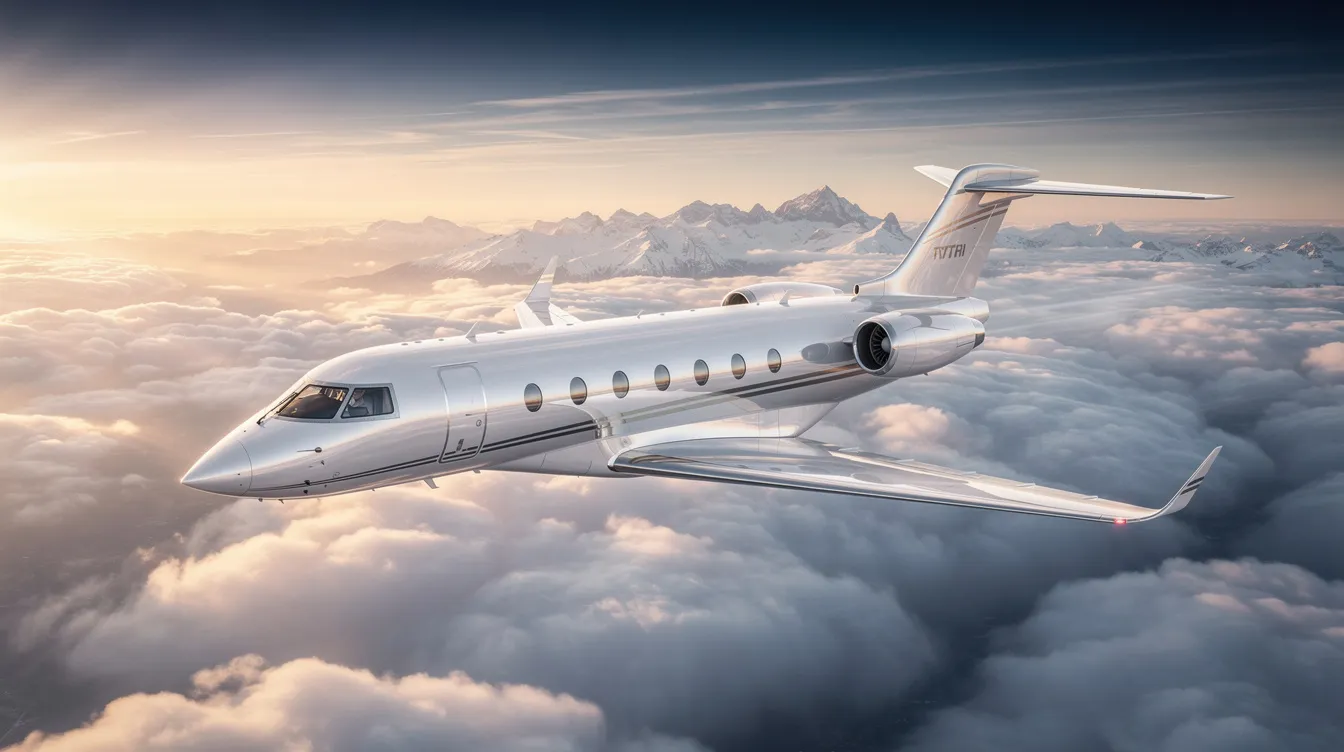
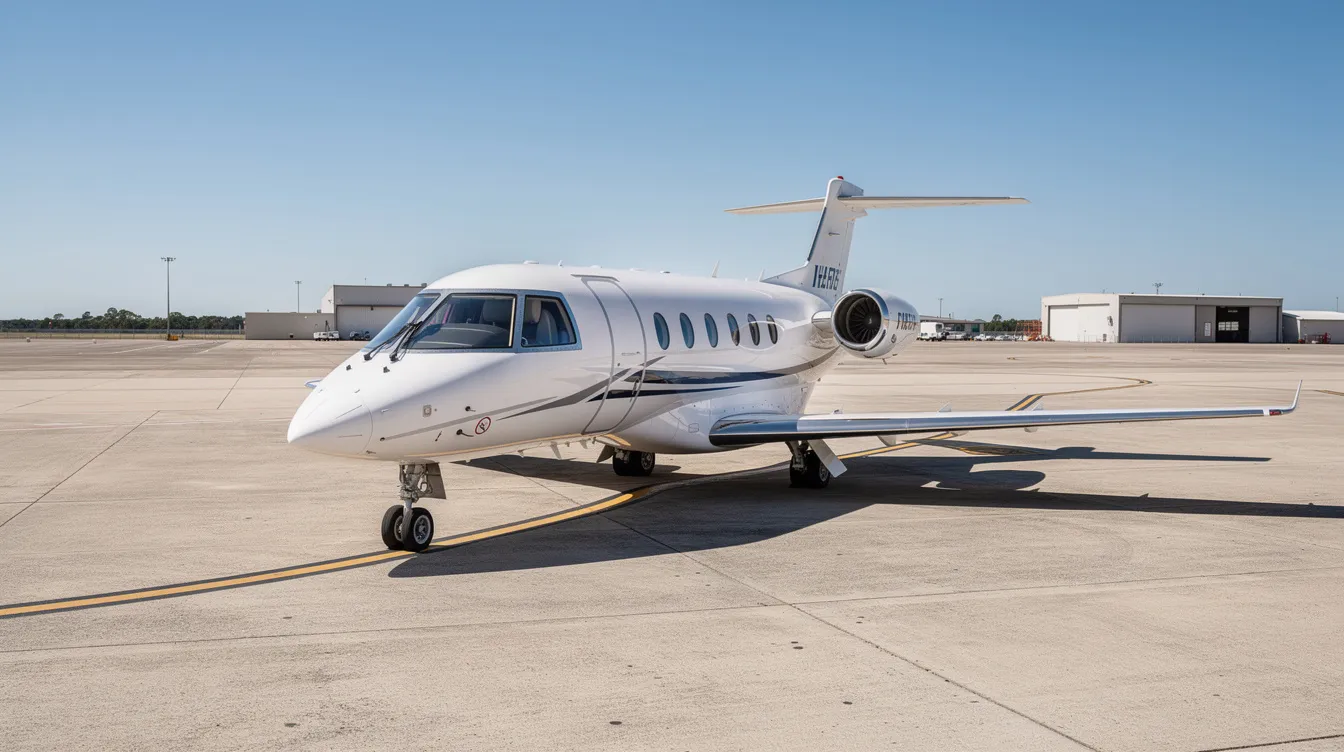
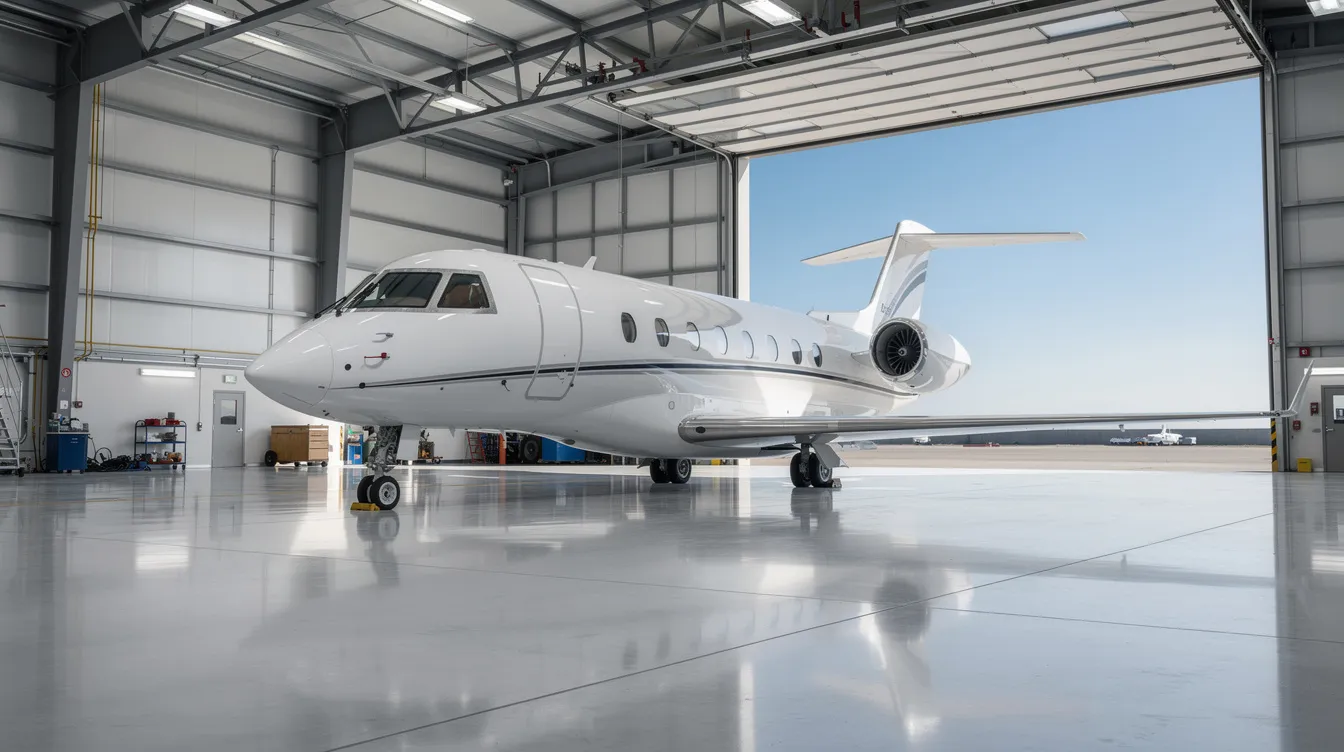
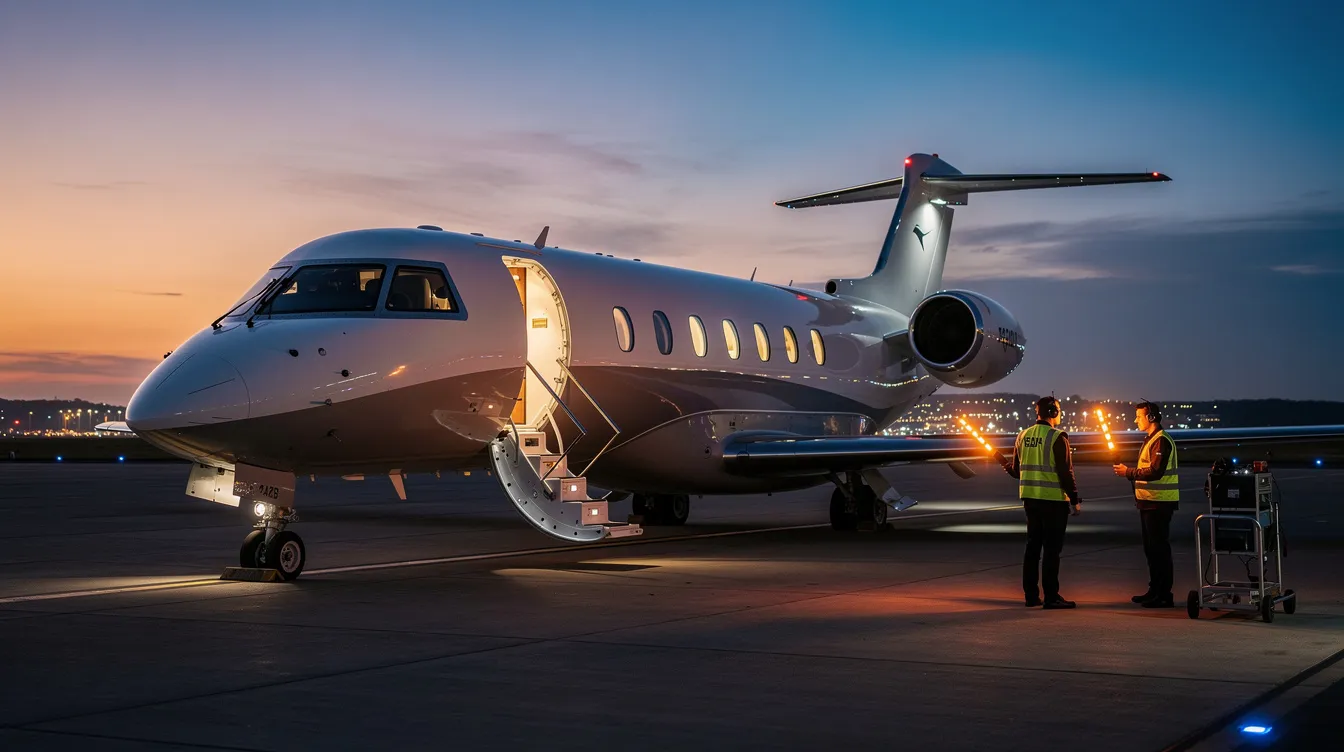
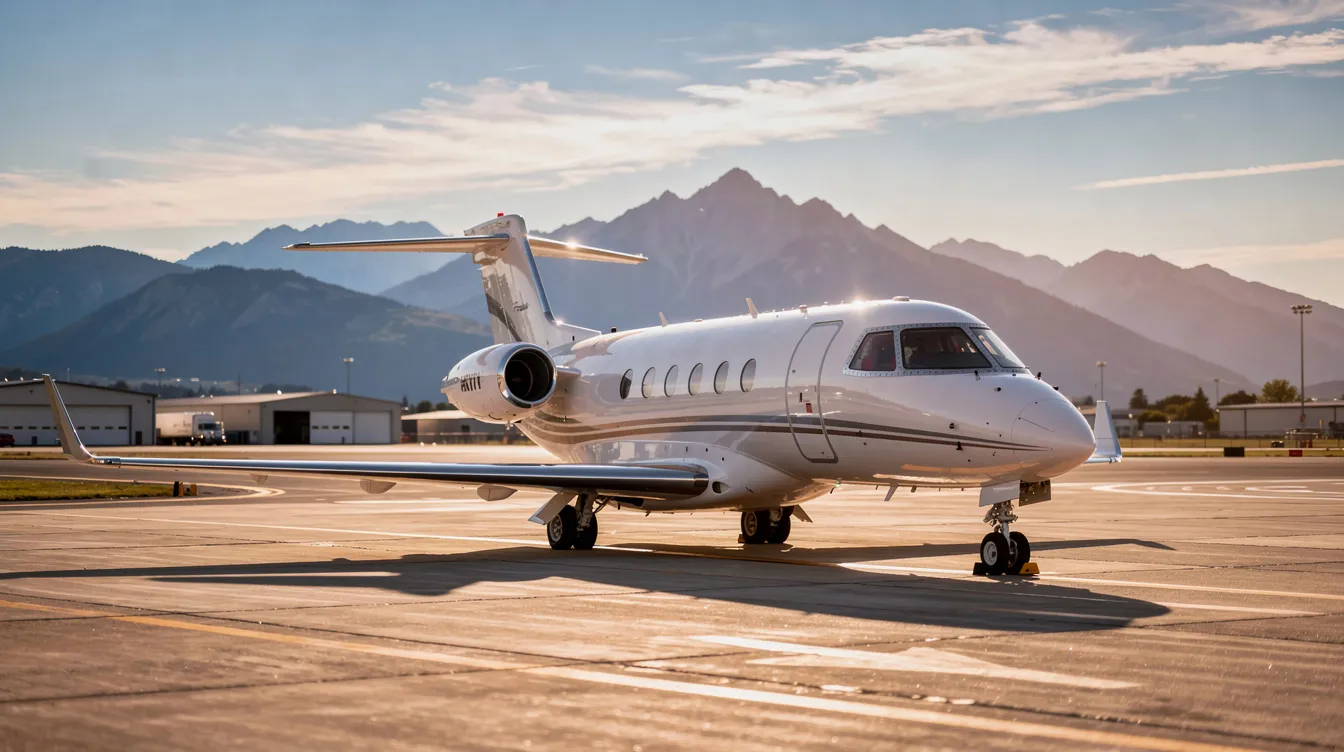
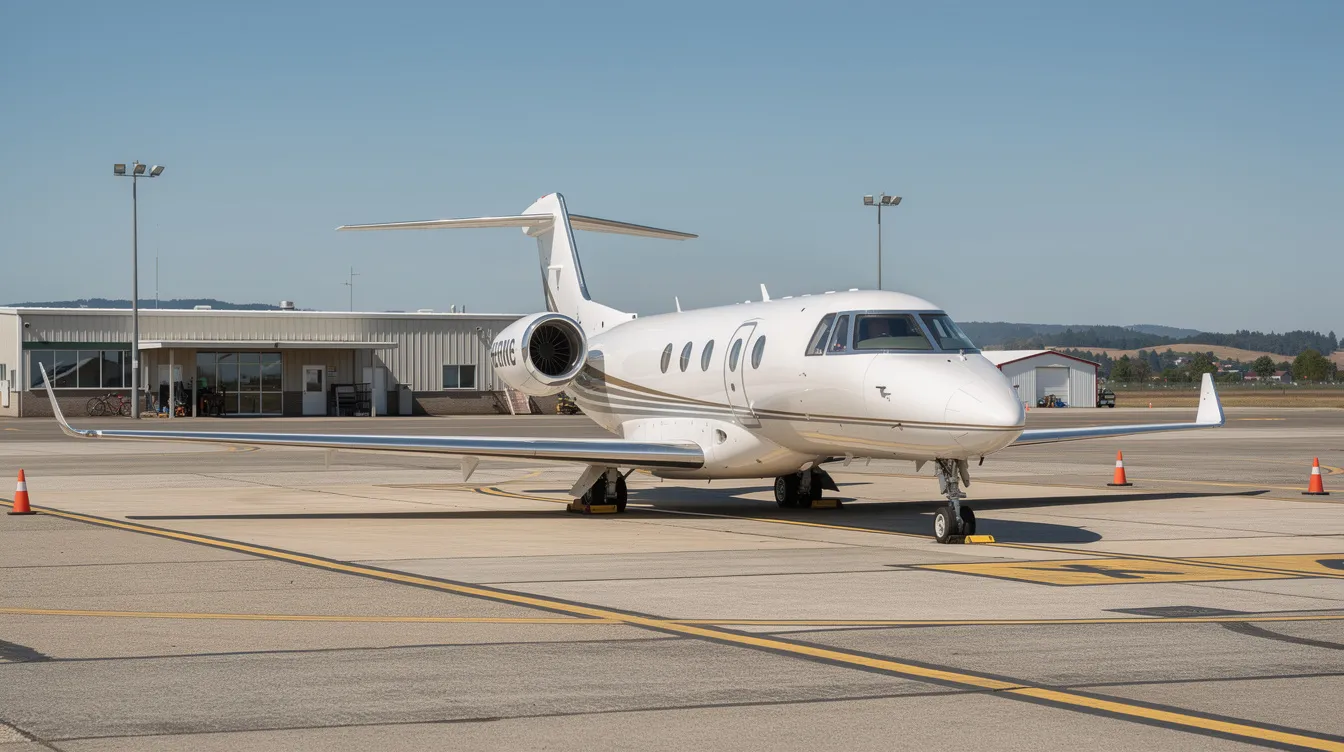
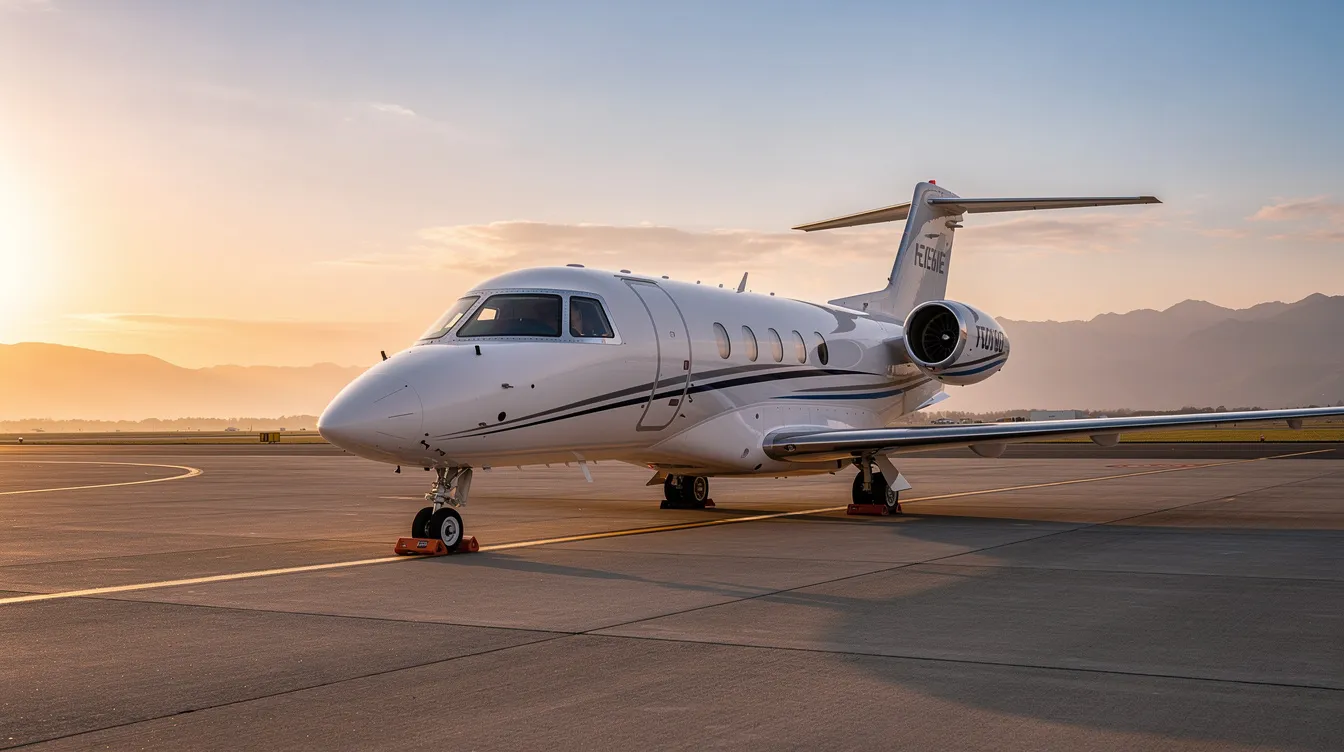
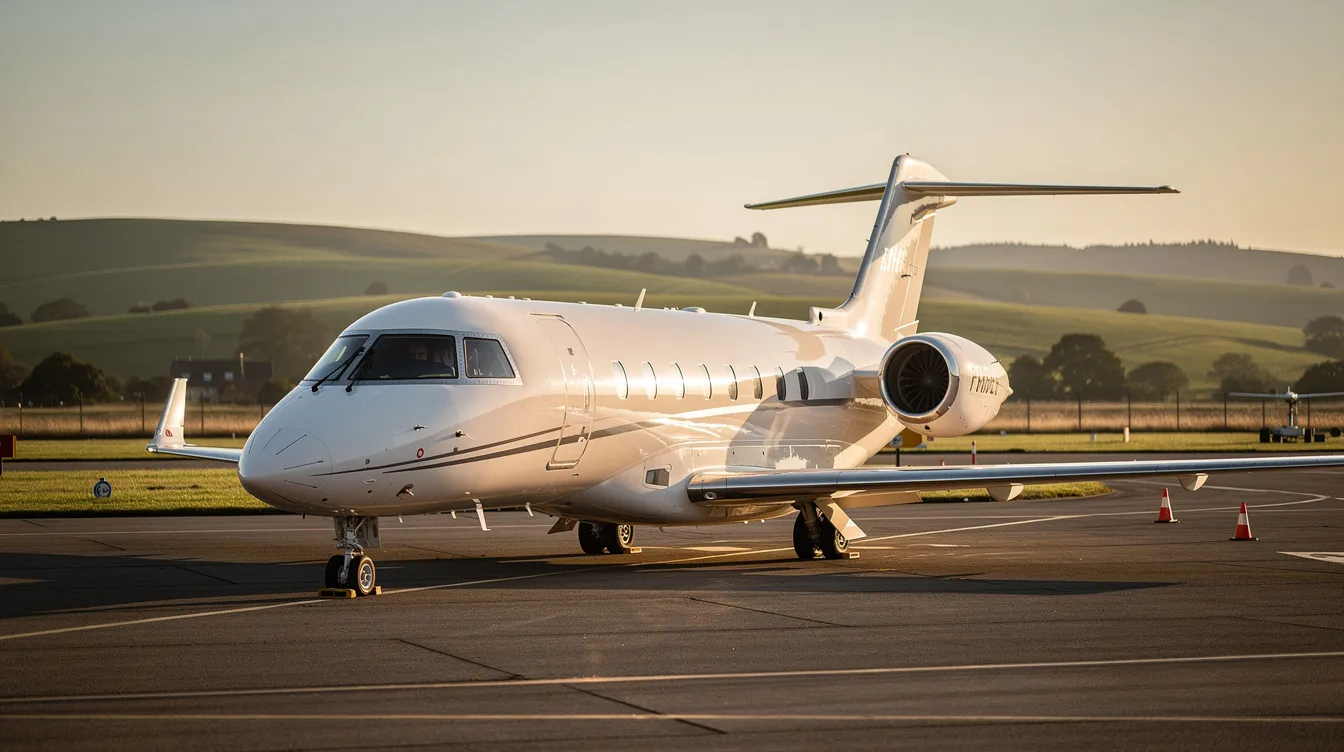
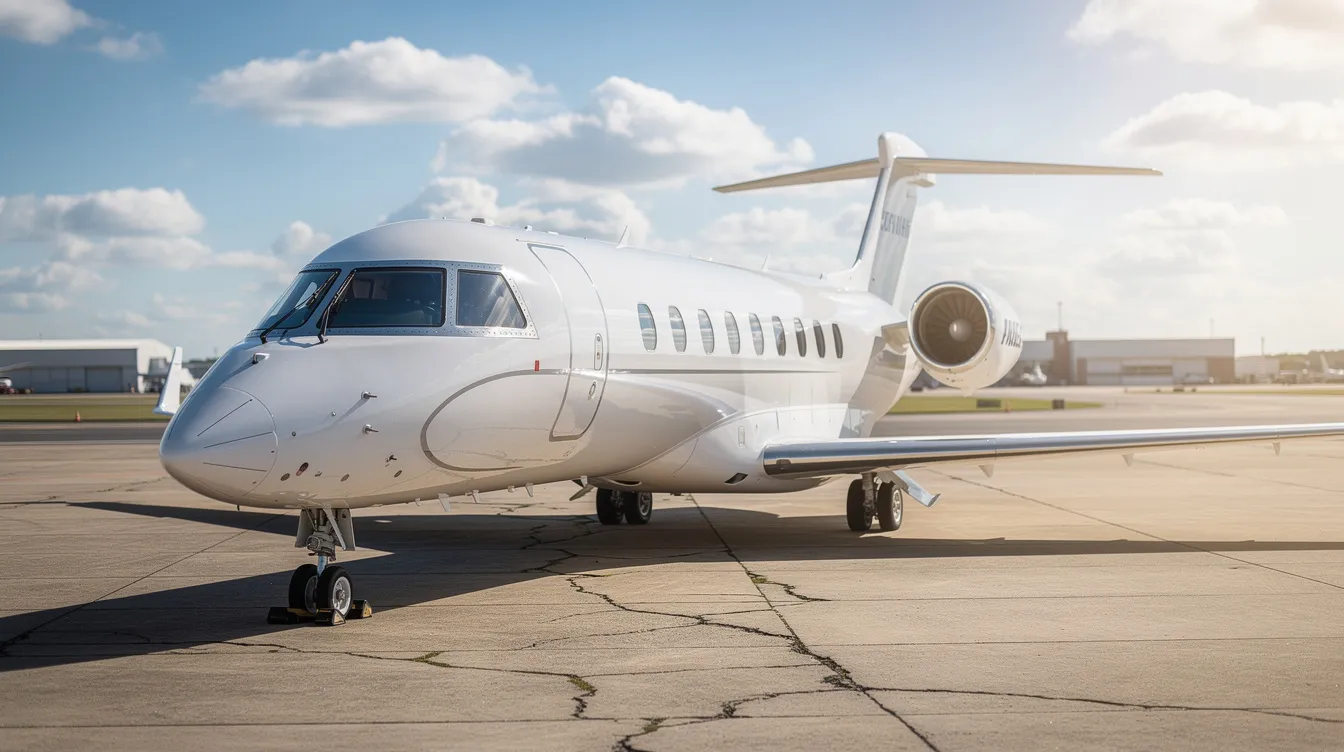
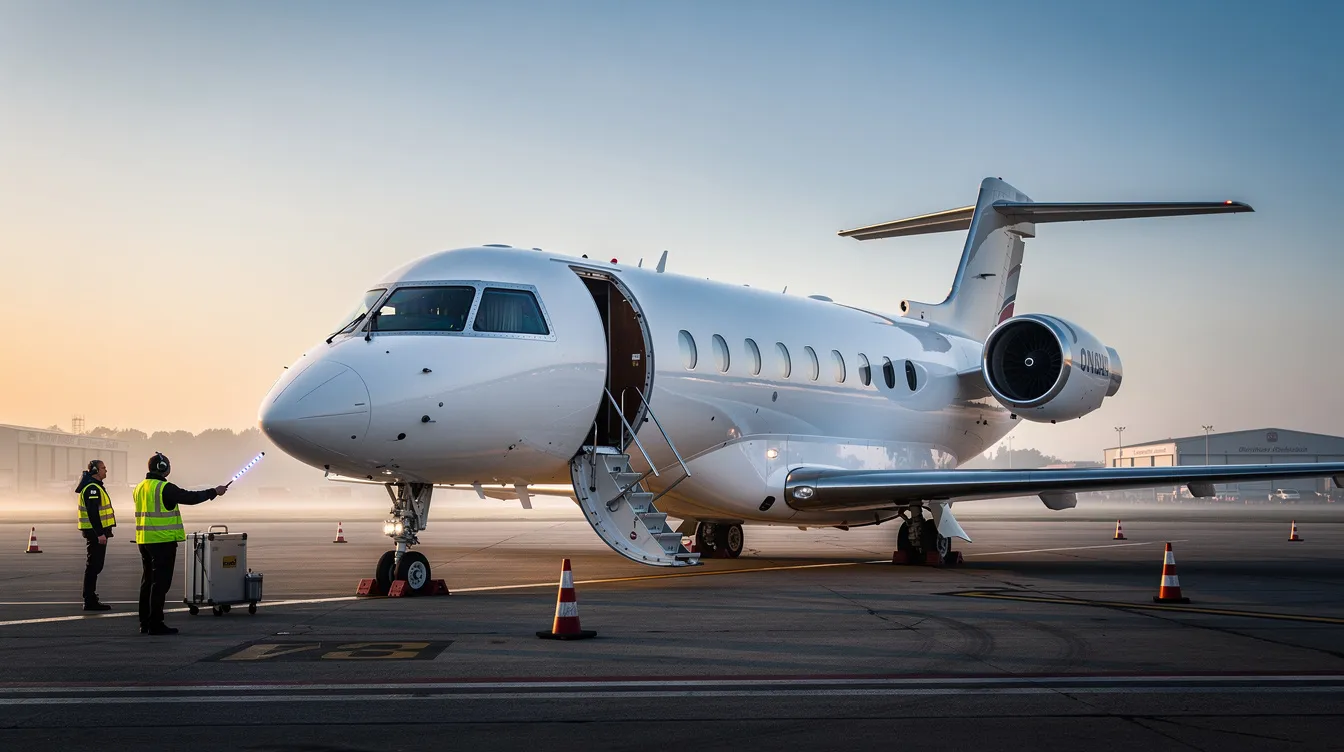
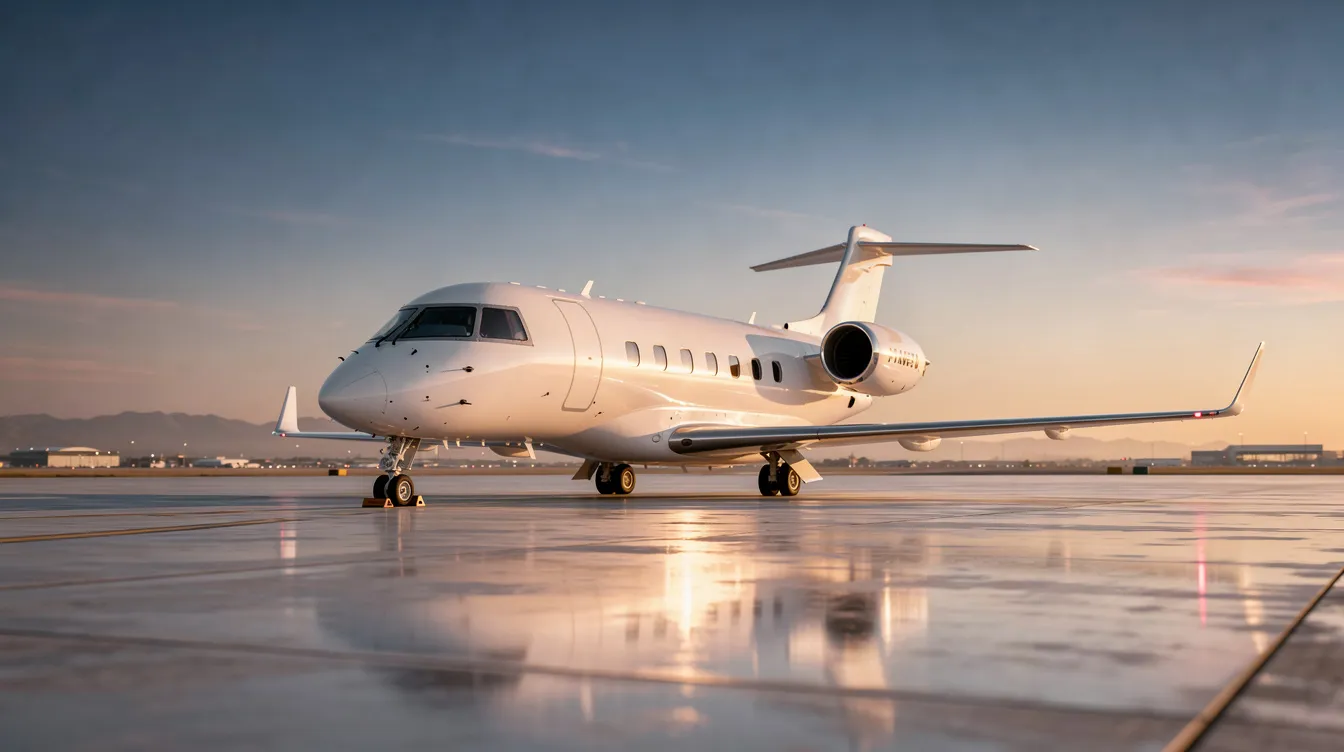
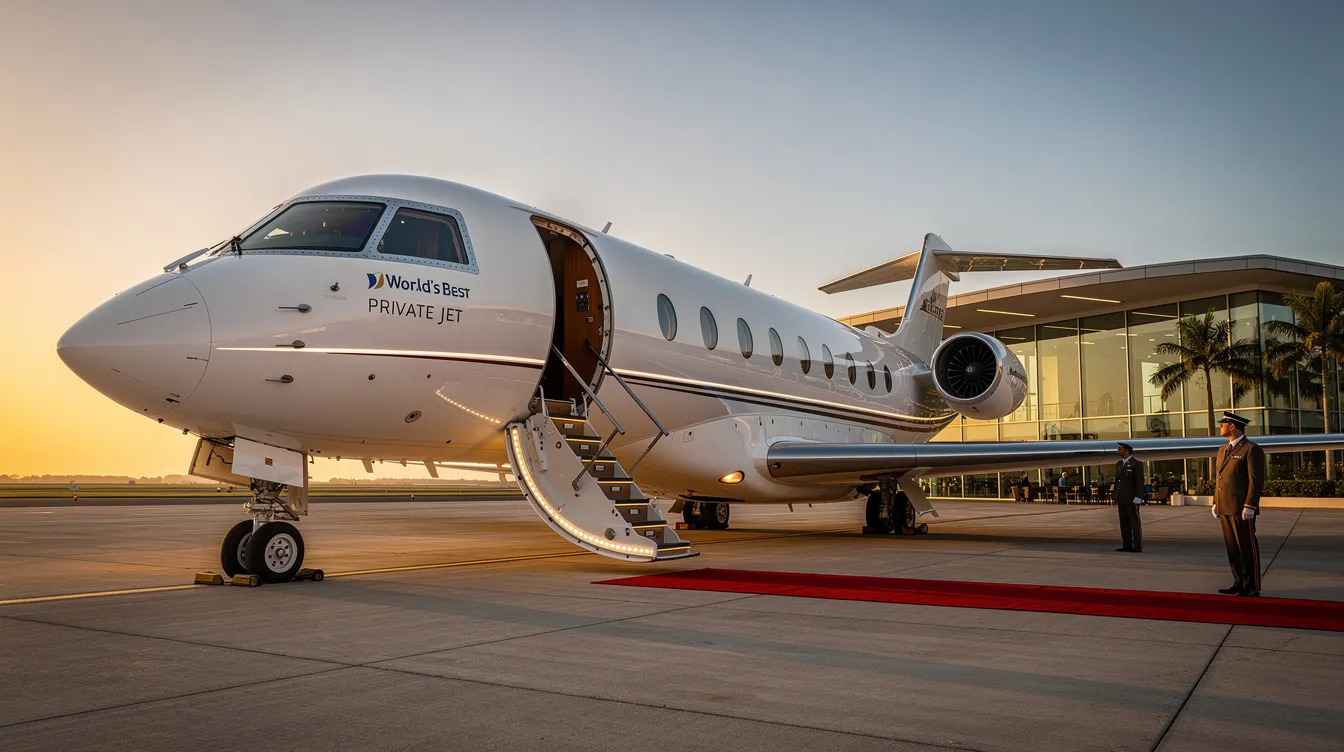
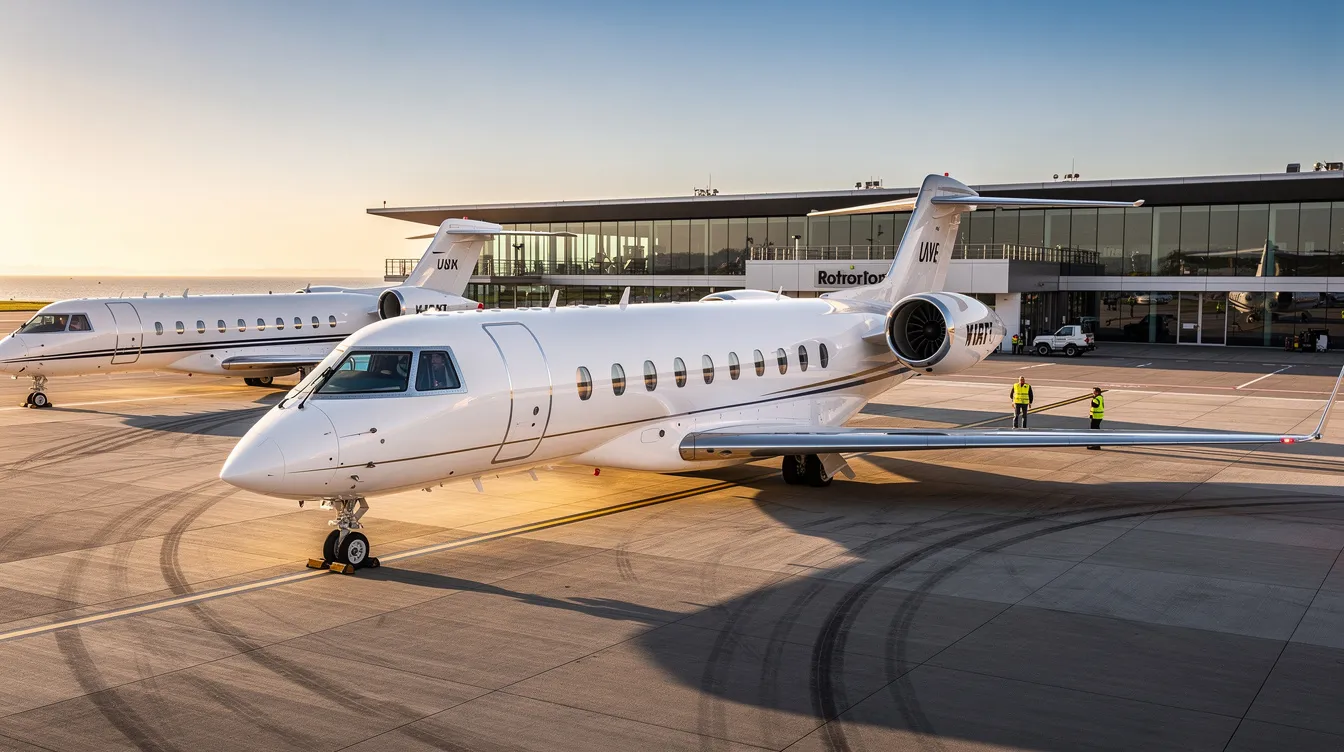
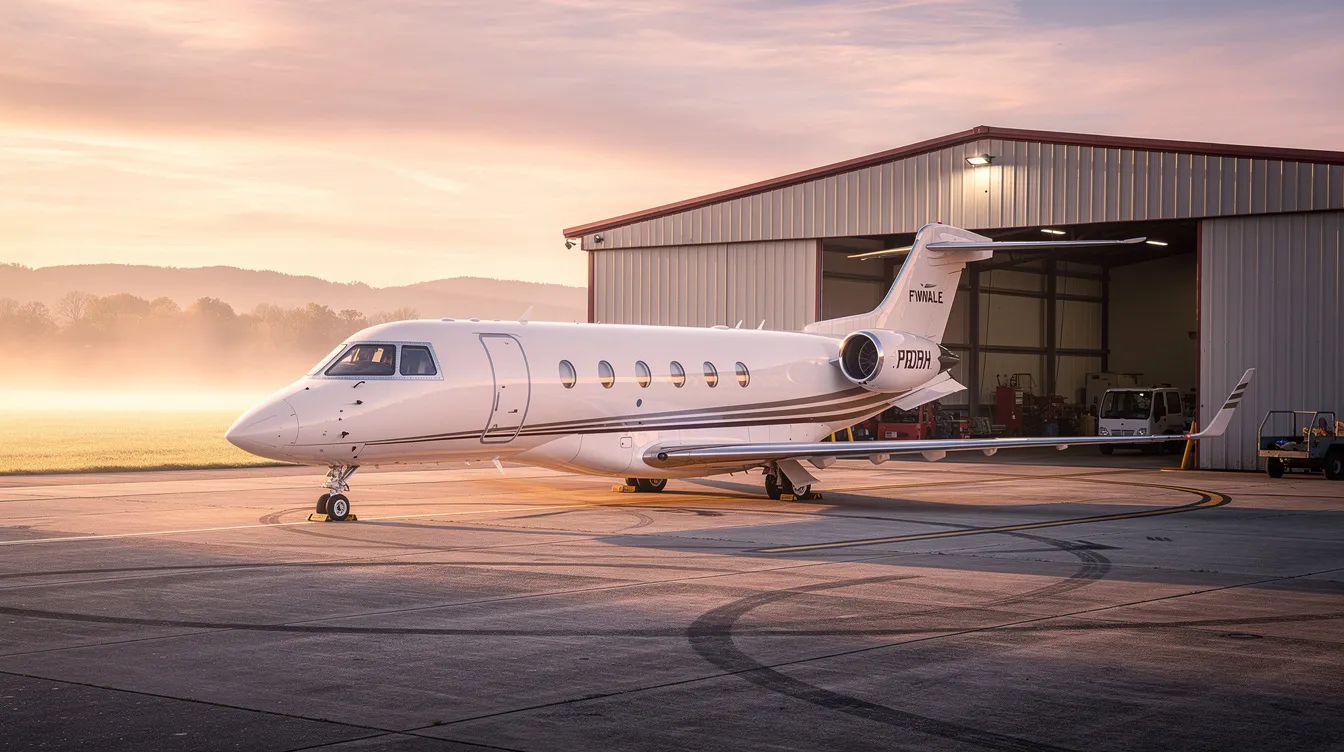
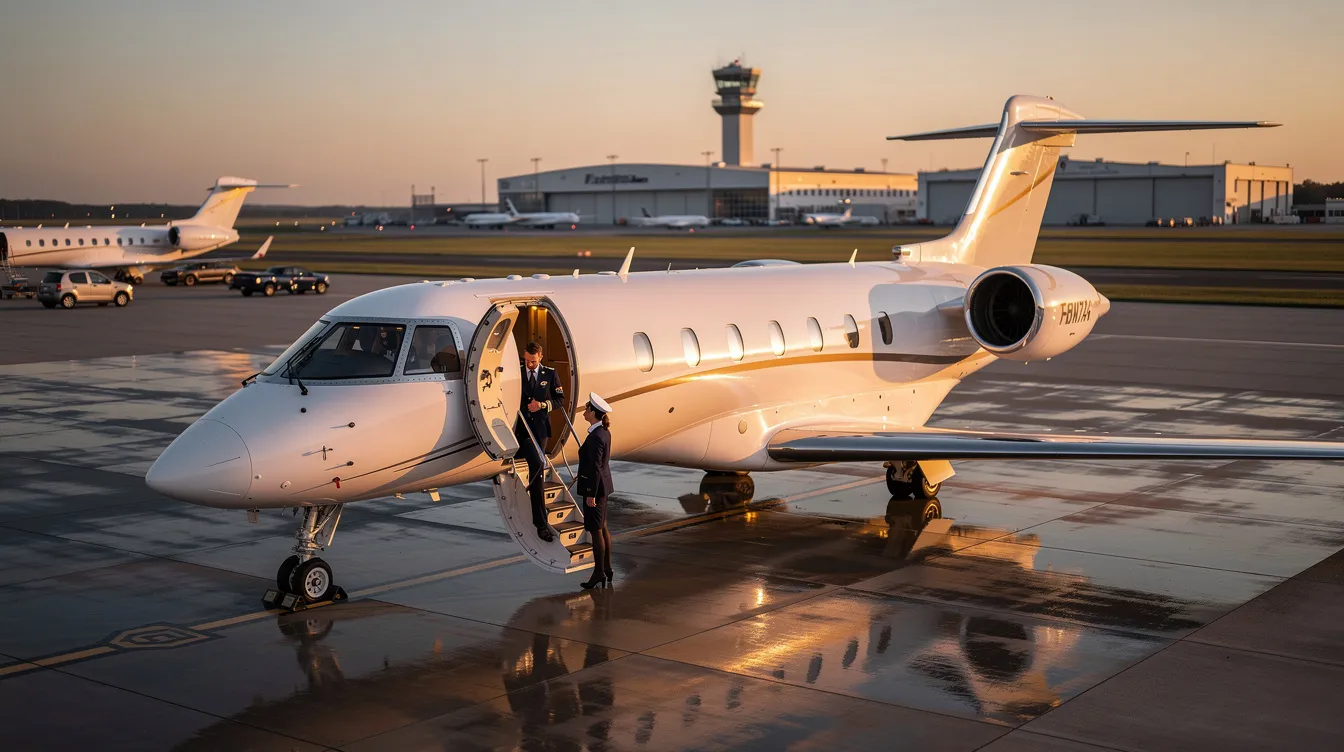
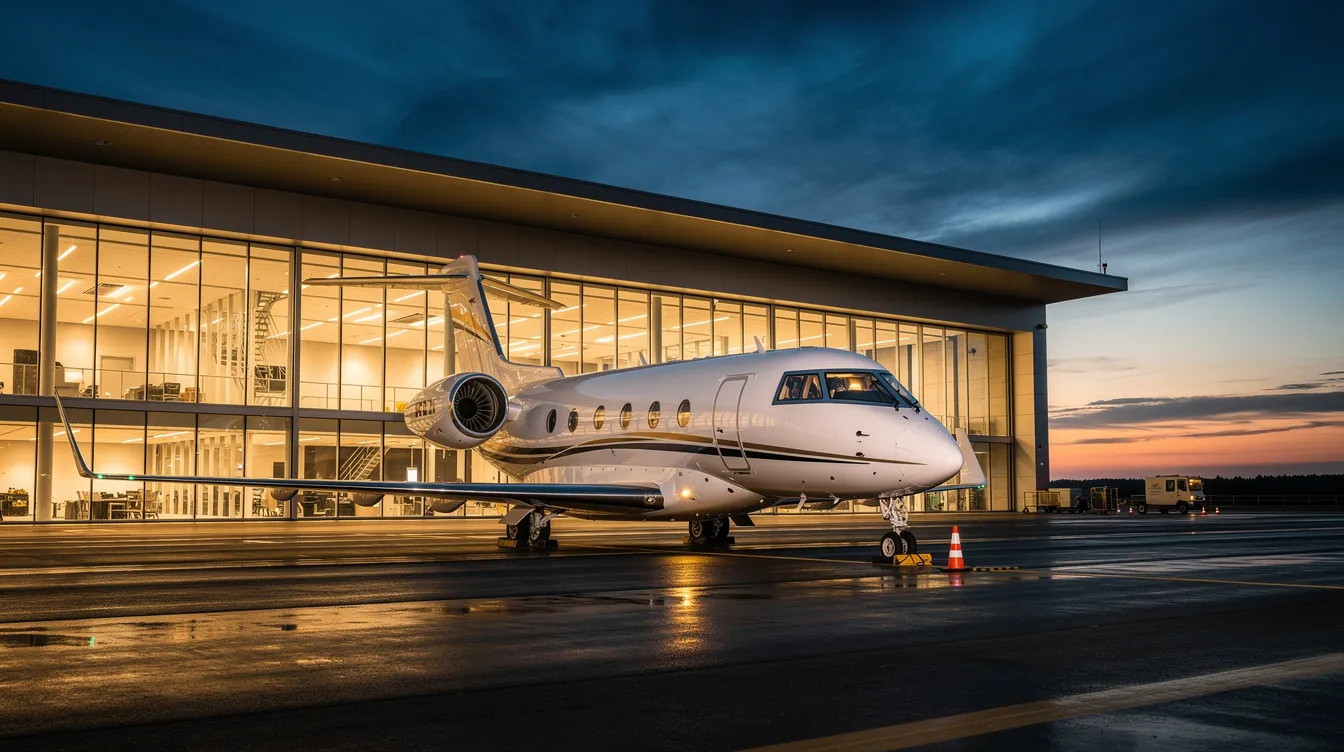
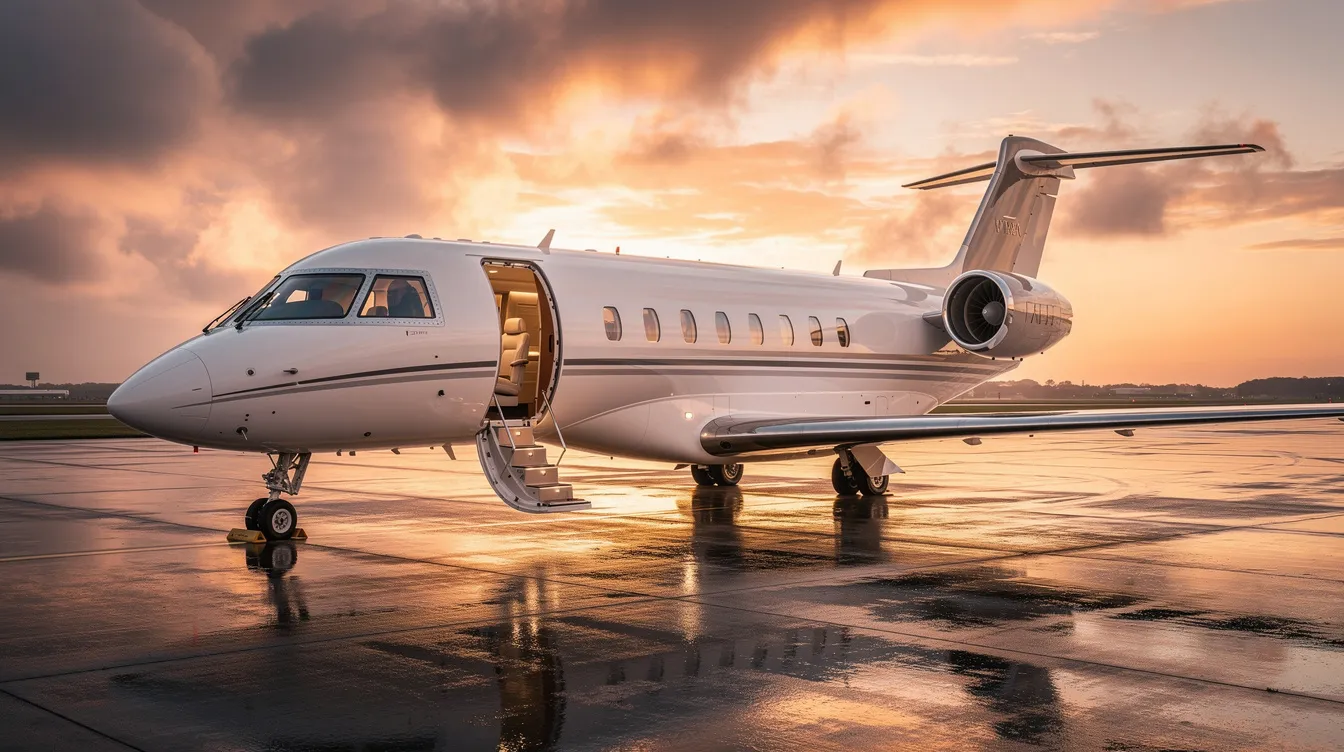
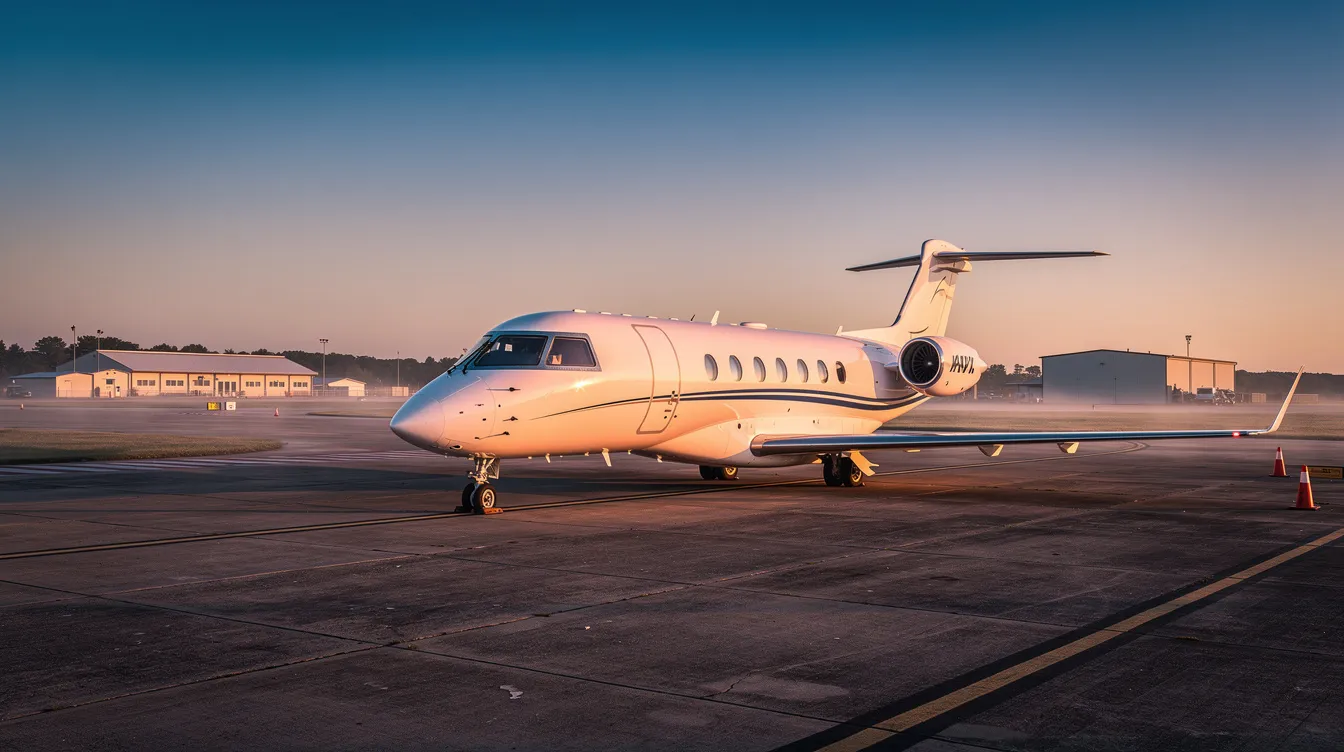
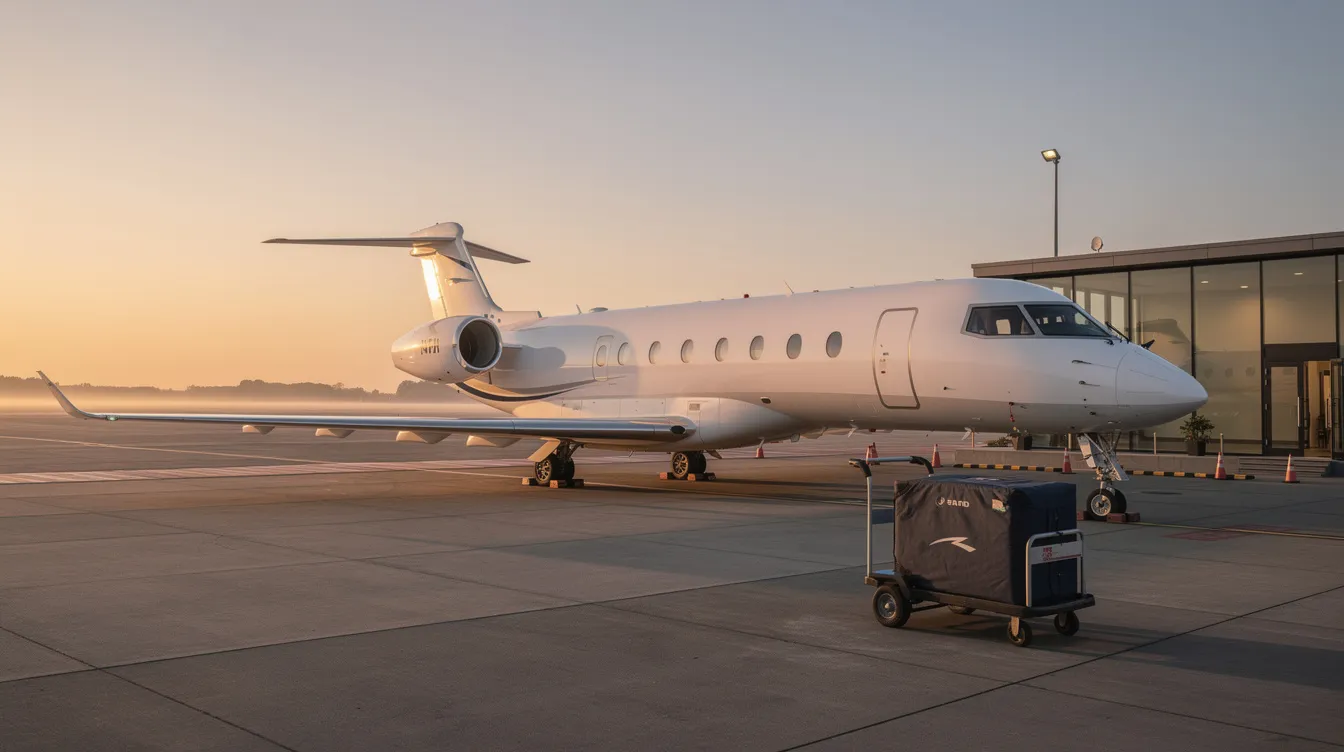
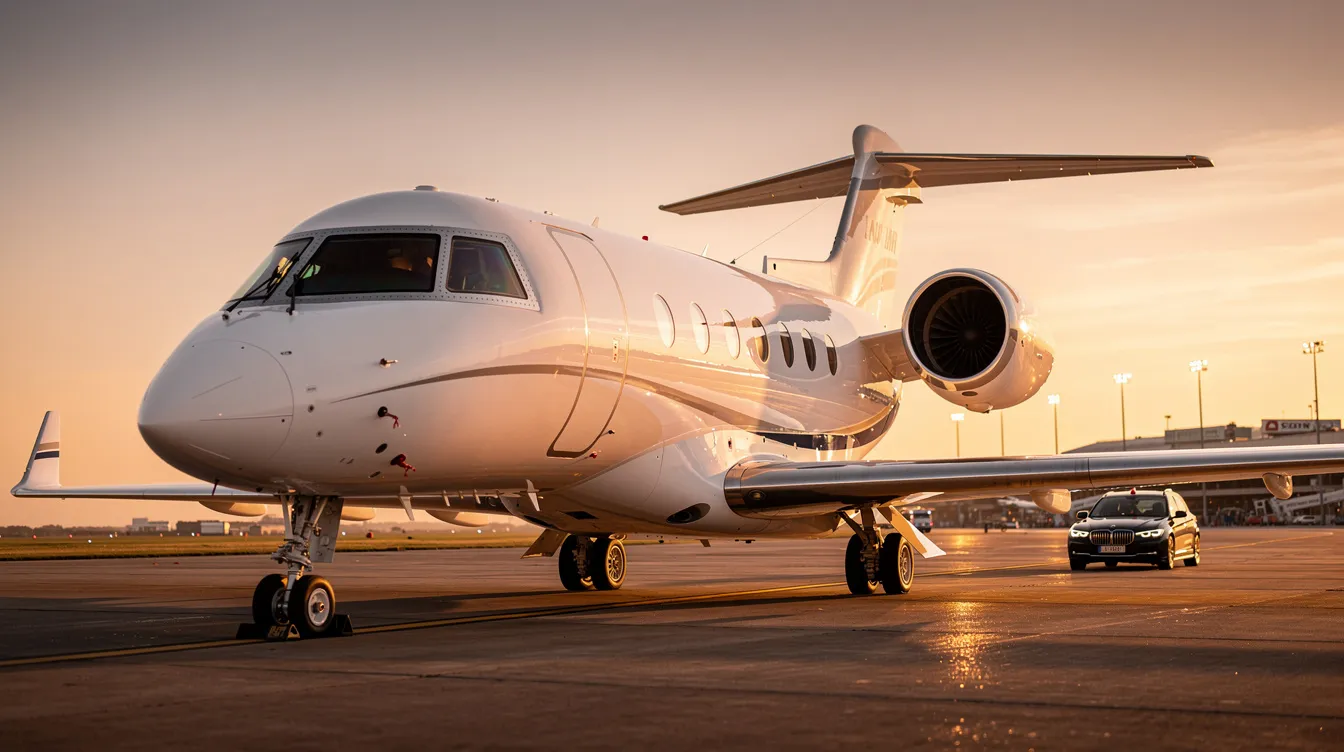
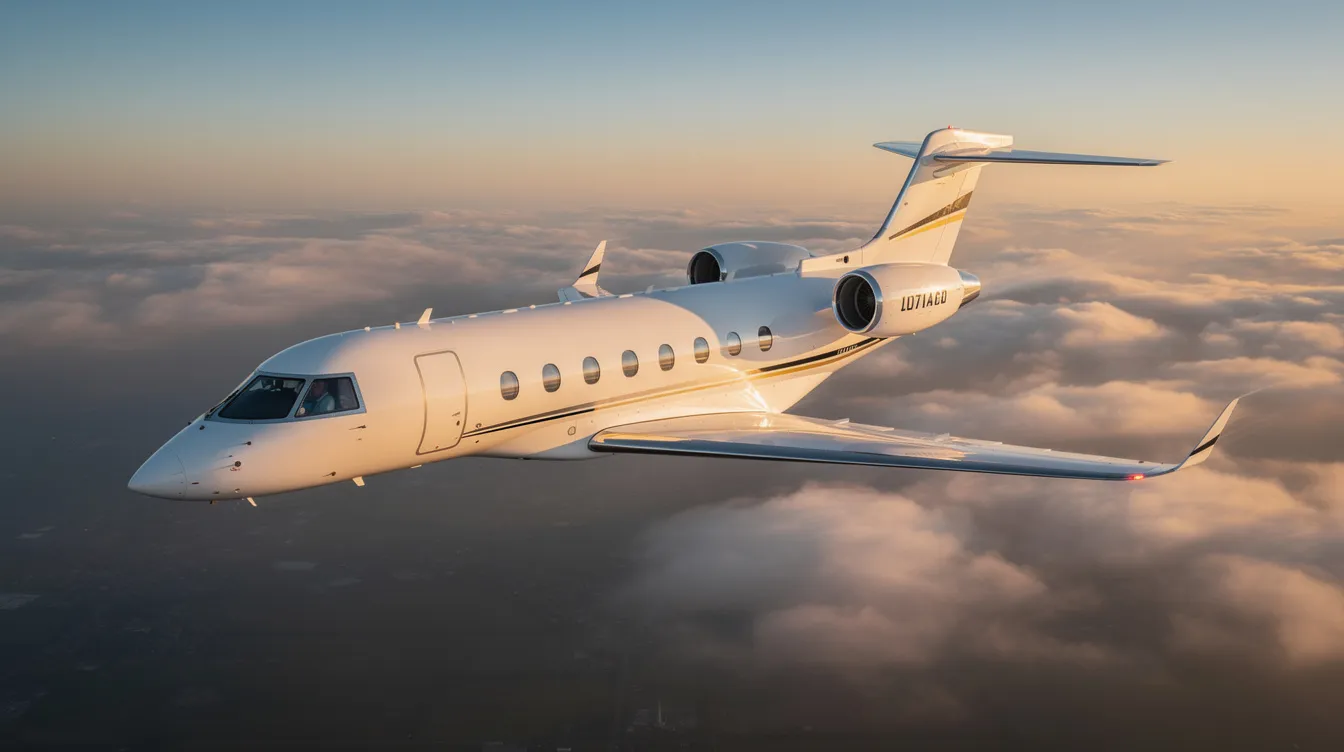
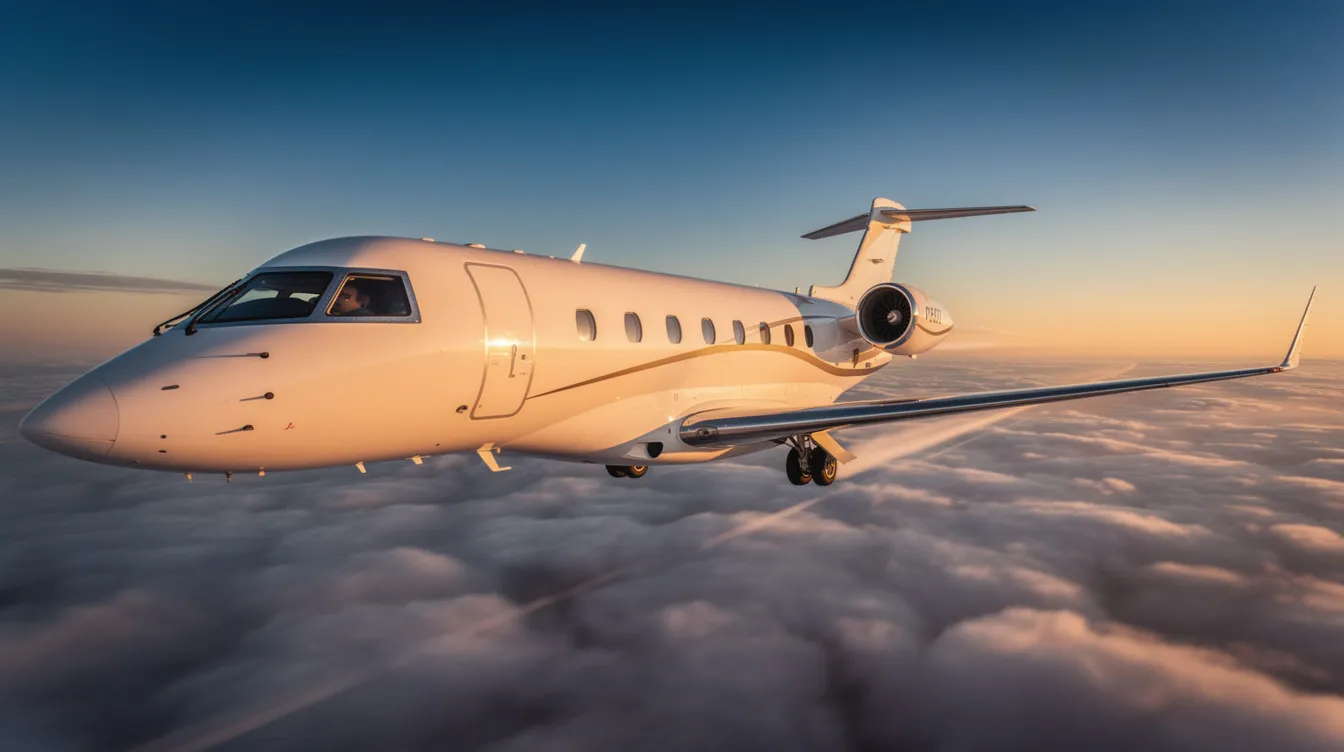
Business jets are designed for on-demand corporate and private travel, featuring luxury optimizations for passenger comfort. Main private jet categories include very light jets, light jets, super light jets, mid-size jets, super mid-size jets, heavy jets, ultra-long-range jets, and bizliners.
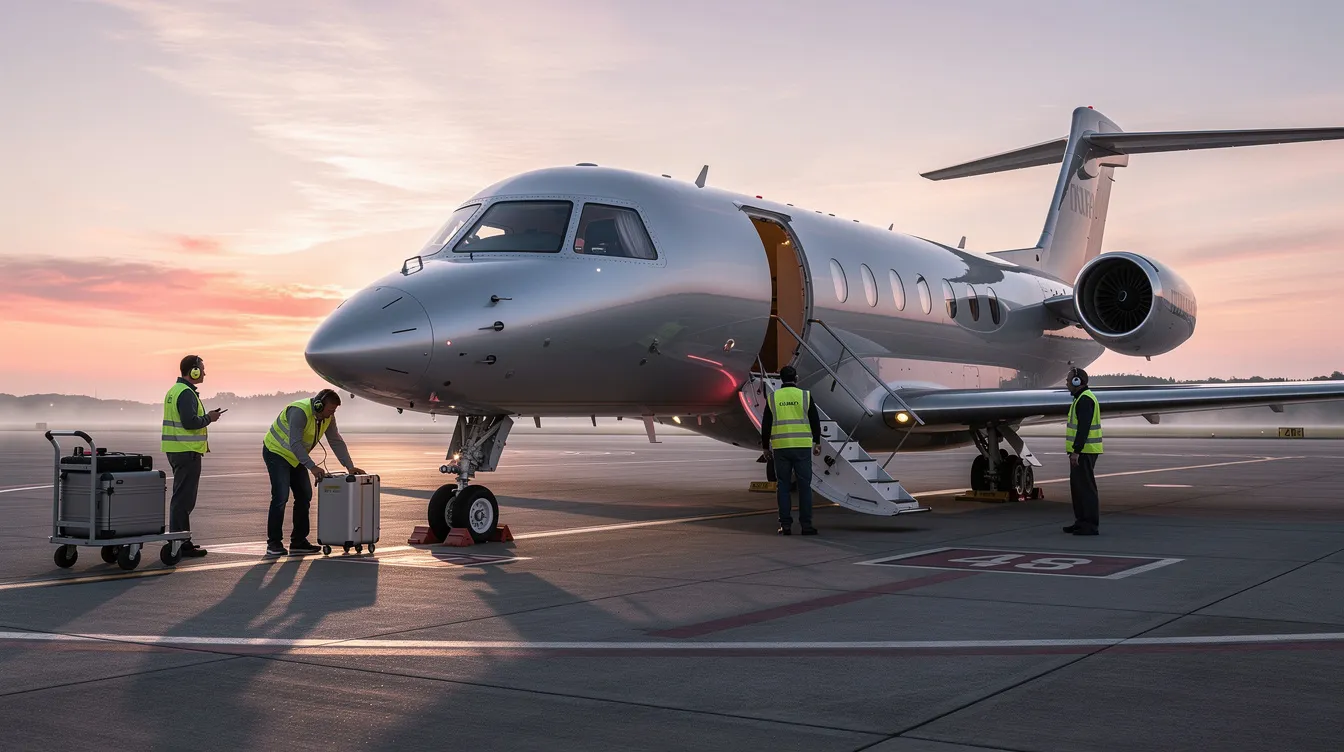
Private jets help travelers save time by avoiding long security lines and boarding processes typical of commercial flights, while also allowing access to smaller airports closer to final destinations. Enhanced privacy and flexible scheduling are key advantages. However, these benefits come with high operational costs, including maintenance, fuel, and crew salaries.
Very Light Jets (VLJs)
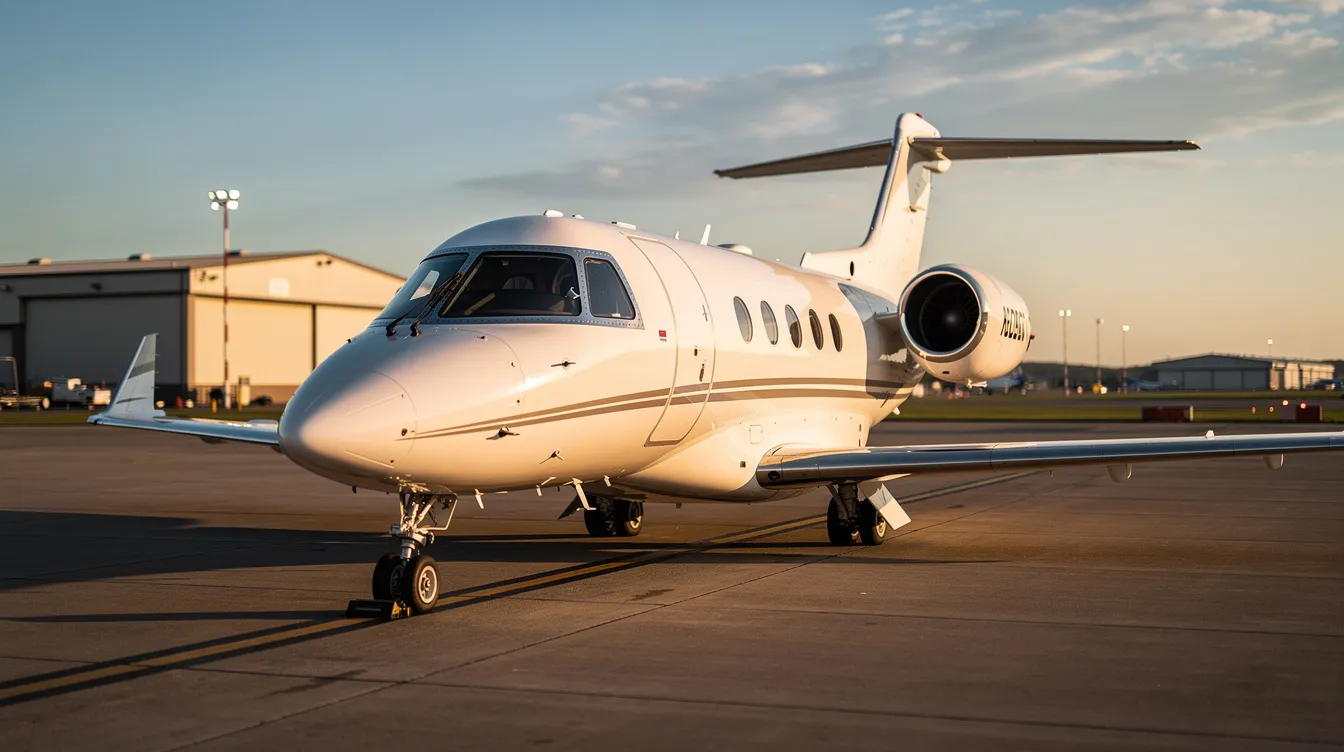
Very Light Jets (VLJs) are the smallest private jets, accommodating four to seven passengers and offering a cost effective option for short-haul travel. VLJs have a maximum takeoff weight under 12,500 pounds and a range around 1,000 nautical miles, with typical flight time up to about three hours.
Examples include the Embraer Phenom 100EV, Cessna Citation M2, Eclipse 500/550, and HondaJet HA-420. VLJs can access small airports and short runways, which helps travelers avoid busier airports, and may be certified for single-pilot operation. Limitations include restricted baggage, no stand-up cabins, and sensitivity to payload and varying weather conditions.
Light Jets
Light jets can comfortably seat up to eight passengers and offer ranges between 1,400 and 2,500 nautical miles, suitable for two- to three-hour flights. This size and range combination makes them practical for two- to three-hour flights.
Examples include the Cessna Citation CJ3+/CJ4, Beechcraft Premier I, Learjet 40/45, and Citation II/Bravo. These jets are well-suited for short-haul regional business trips and multi-leg travel. Buyers should assess avionics, maintenance history, engine programs, and airport access capabilities. These aircraft are often chosen by operators and private travelers who want smaller aircraft with useful regional range.
Super Light Jets
Super light jets bridge the gap between light and mid-size jets, offering ranges around 1,800 to 2,200 nautical miles, increased cabin volume, better baggage capacity, comfortable seating, and often an enclosed lavatory.
Prominent examples include the Embraer Phenom 300/300E, Citation XLS/XLS+, and Pilatus PC-24.This class suits charter operators and corporate users needing additional space without the higher costs of larger jets.
Mid-Size Jets
Mid-size jets often offer standing capacity, improved luggage space, a service galley, and enhanced comfort for longer flights. Many aircraft in this category also have room for a dedicated flight attendant on longer trips. They can comfortably seat five to ten passengers and have an average range of 2,200 nautical miles, enabling around five hours of nonstop travel.
Popular aircraft include Citation Latitude, Hawker 800XP/900XP, Learjet 60XR, and Gulfstream G150. These jets typically require two pilots and structured maintenance. BusinessJets.com assists clients balancing range, budget, and residual value between mid-size and super mid-size jets.
Super Mid-Size Jets
Super mid-size jets fly up to seven hours, covering about 3,500 miles, with spacious interiors and advanced avionics for quieter operation. They support routes like New York–Los Angeles, London–Riyadh, or Singapore–Tokyo.
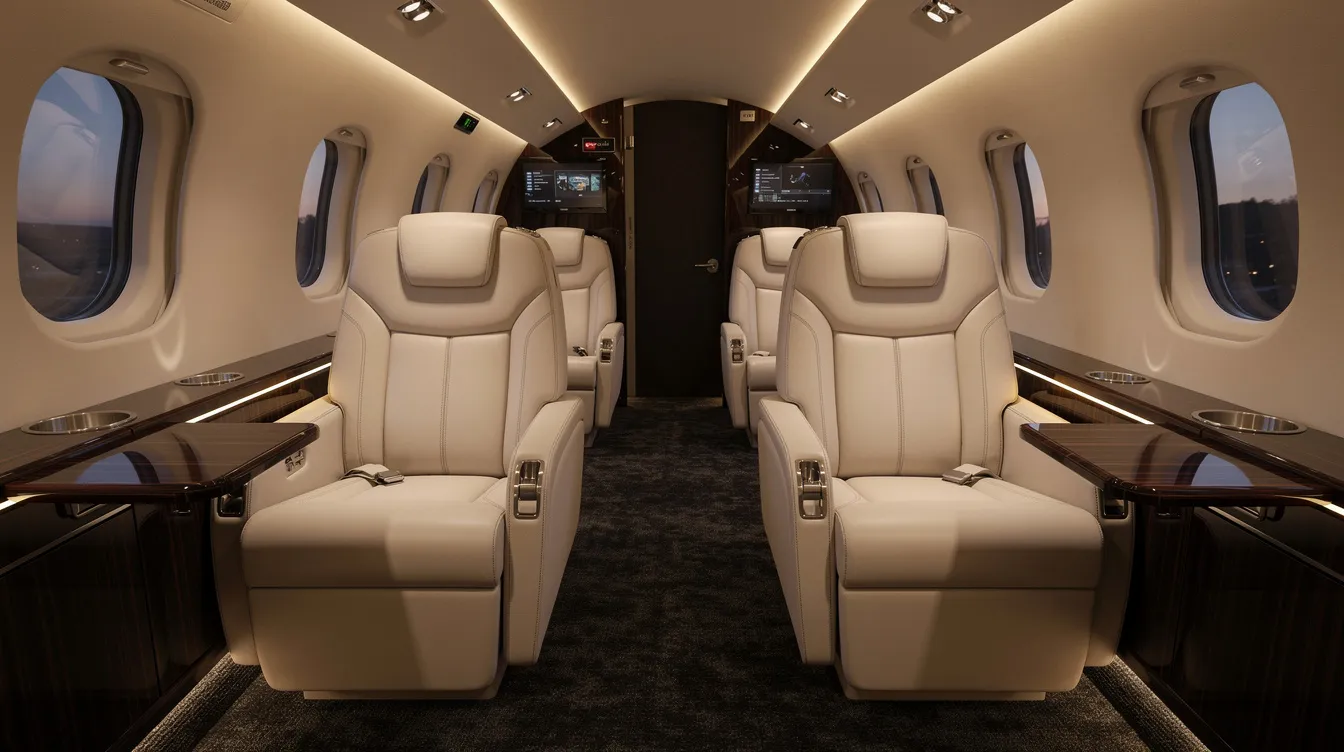
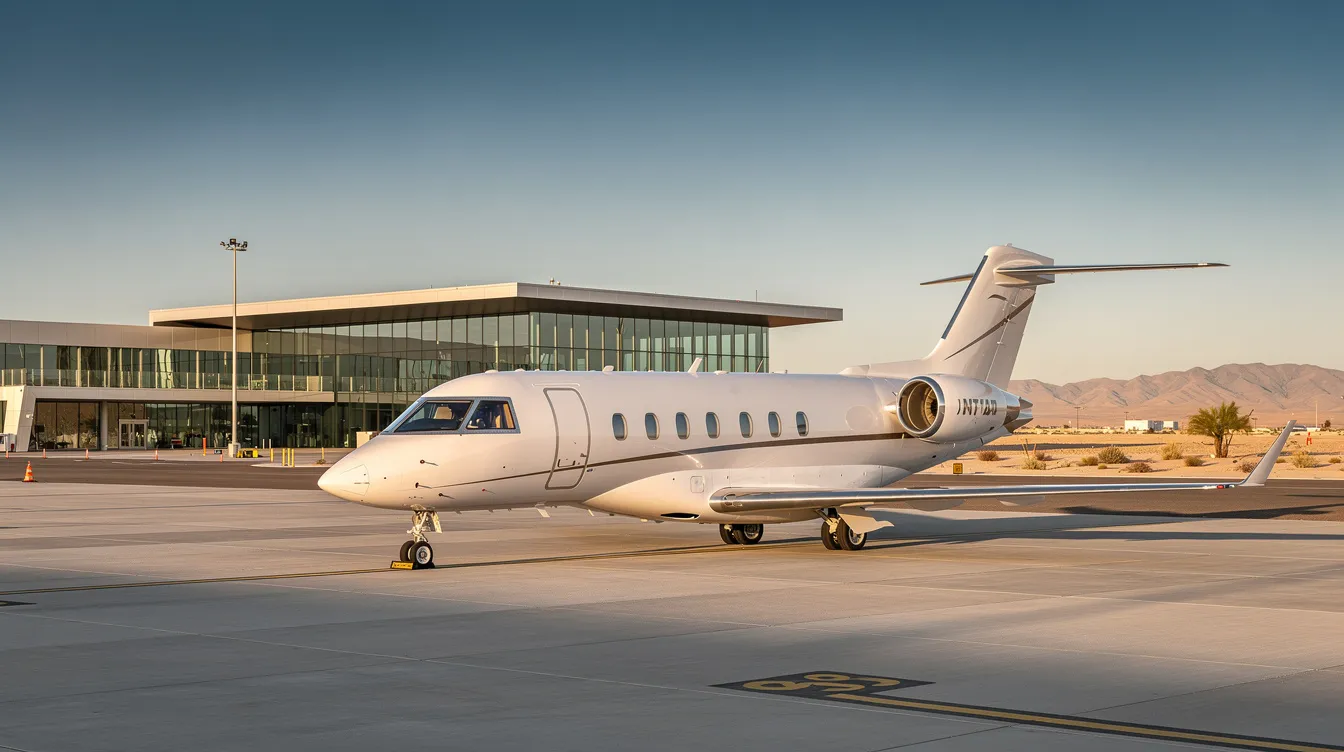
Examples include Bombardier Challenger 350/3500, Gulfstream G280, Citation Sovereign+, and Citation Longitude. They offer full stand-up cabins, generous baggage space, flat floors, divans, and conference-style seating, ideal for corporations and family offices seeking long-range with moderate operating costs.
Heavy Jets
Heavy jets accommodate ten or more passengers with large cabins, in-flight catering, entertainment systems, and can fly nonstop for up to nine hours, with typical ranges of 3,500–4,500 nautical miles.
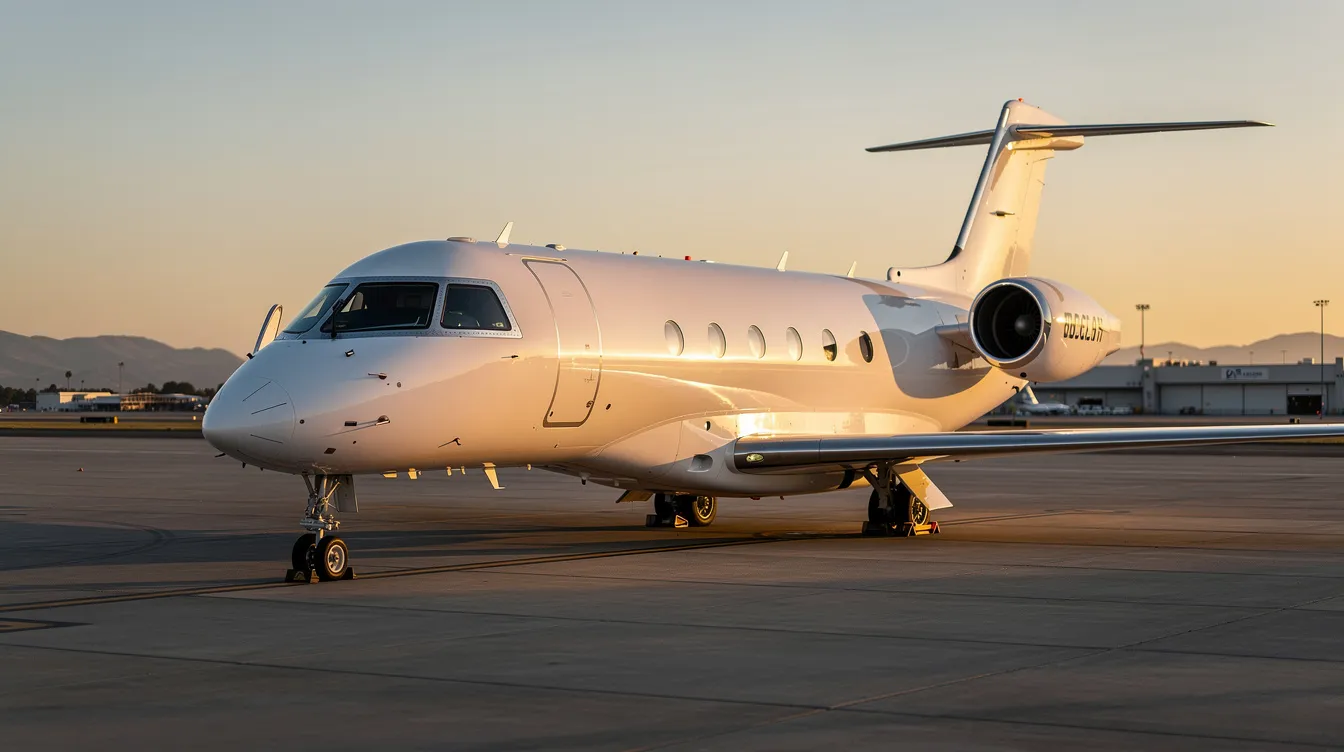
Examples include Bombardier Challenger 605/650, Gulfstream G450/G400, and Dassault Falcon 900 series. Cabins may have multiple zones, enclosed lavatories, full-service galleys, lie-flat beds, flight attendants, and work-friendly seating. Heavy jets serve multinational businesses, governments, and owners needing long-range capabilities.
Ultra Long-Range and Large-Cabin Jets
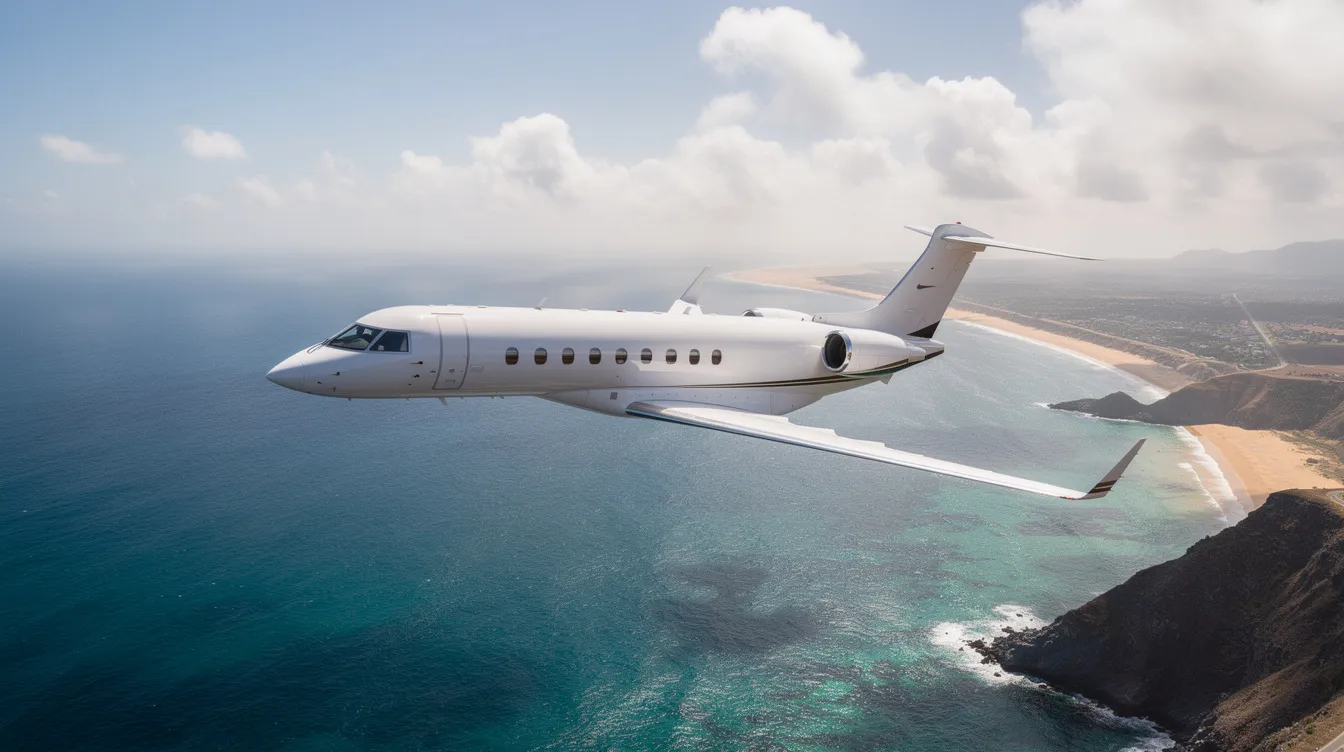
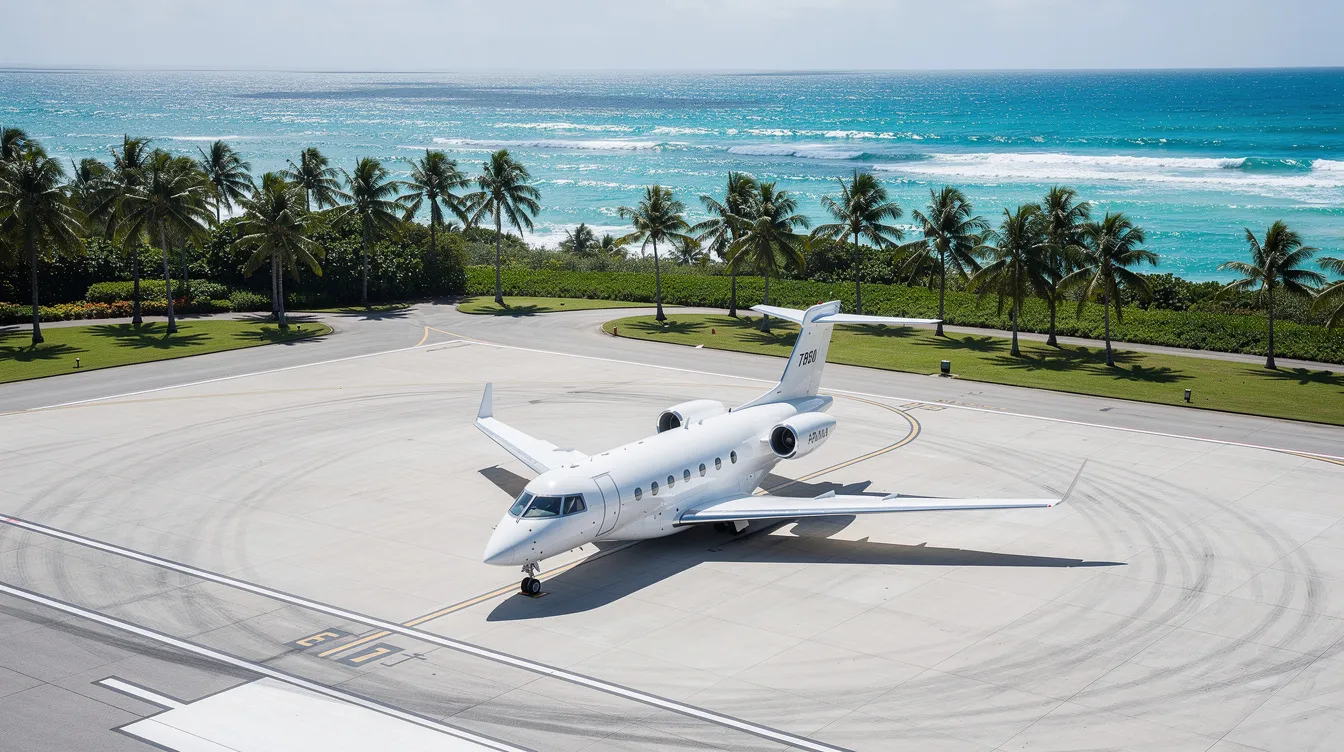
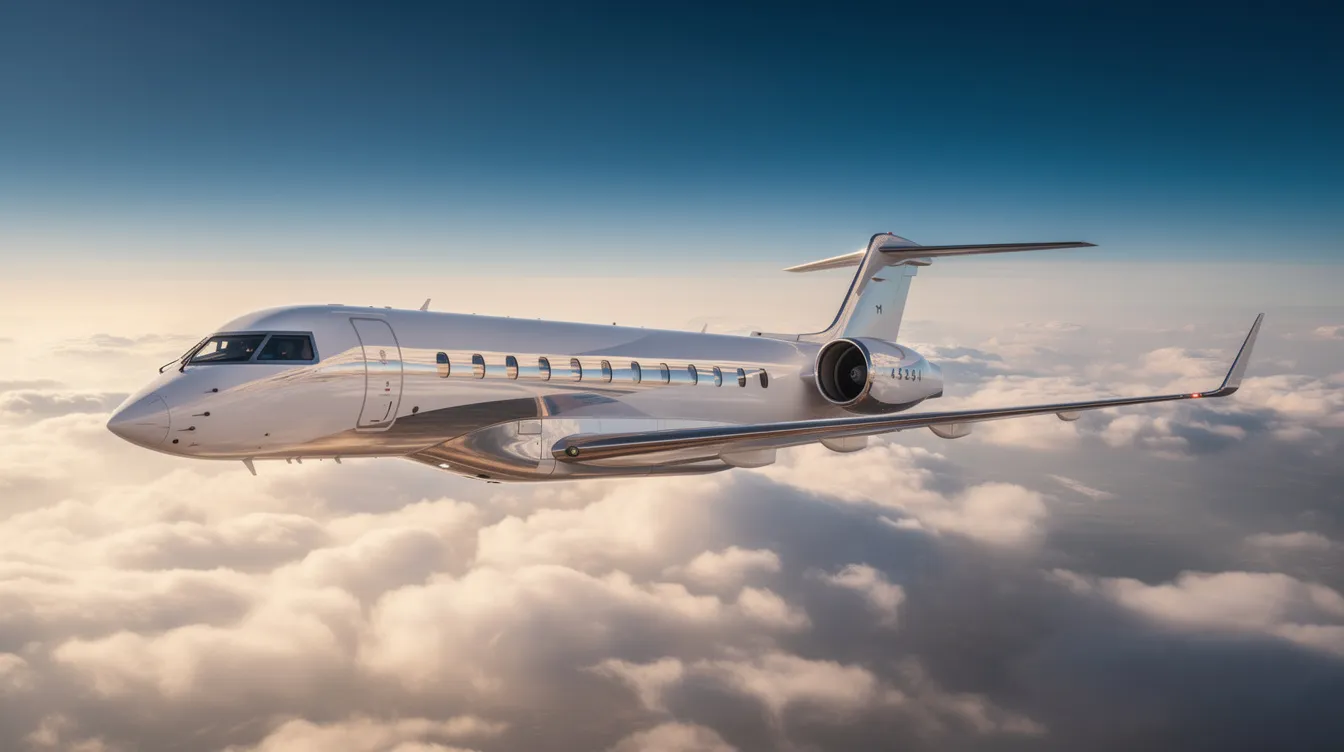
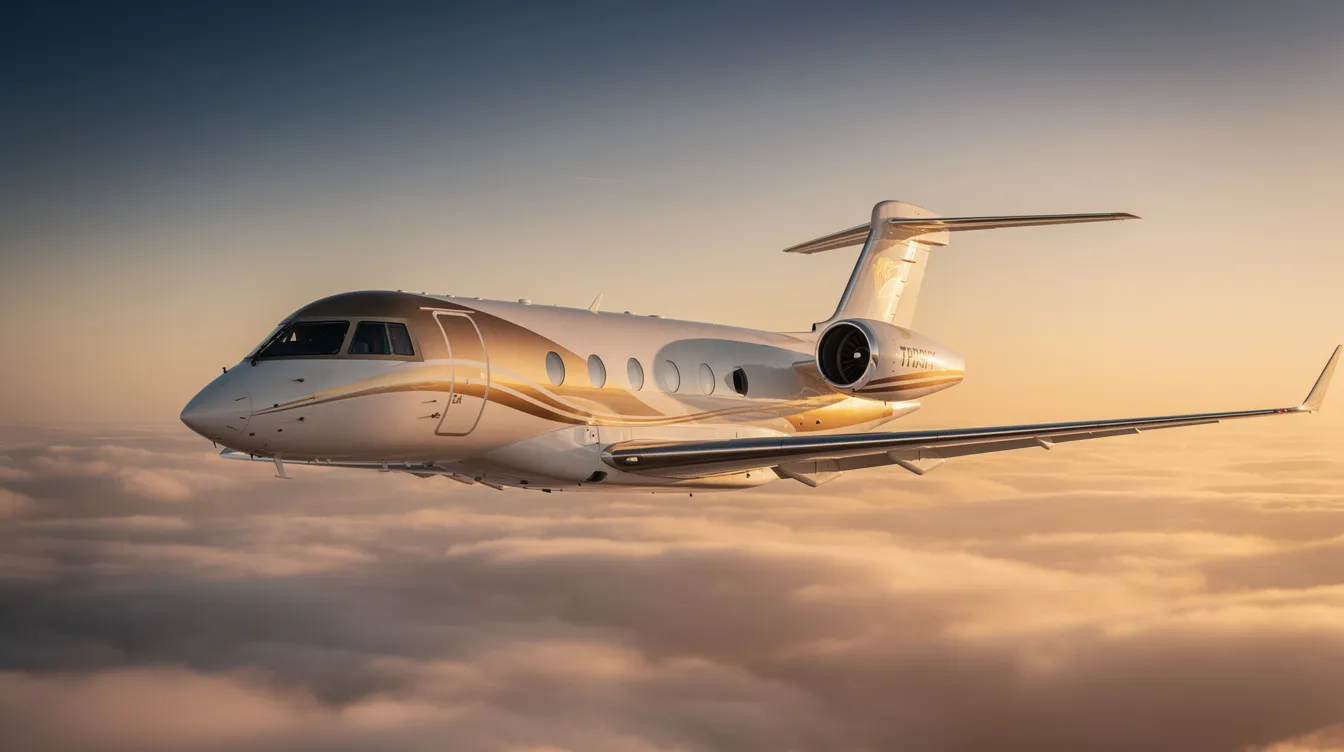
Ultra-long-range heavy jets provide the highest levels of comfort and can fly 6,000 to 6,500 miles, accommodating 14 to 17 passengers with luxurious amenities. Examples include Gulfstream G650ER/G700, Bombardier Global 6000/7500, and Dassault Falcon 7X/8X.
These jets are designed for intercontinental flights with reduced fuel stops that help save time on long missions, higher altitudes, quiet cabins, and advanced connectivity, enabling nonstop travel between distant city pairs. They also perform well in most weather conditions at high altitudes. Some models can use shorter runways than expected for their size.
Executive Airliners and Bizliners
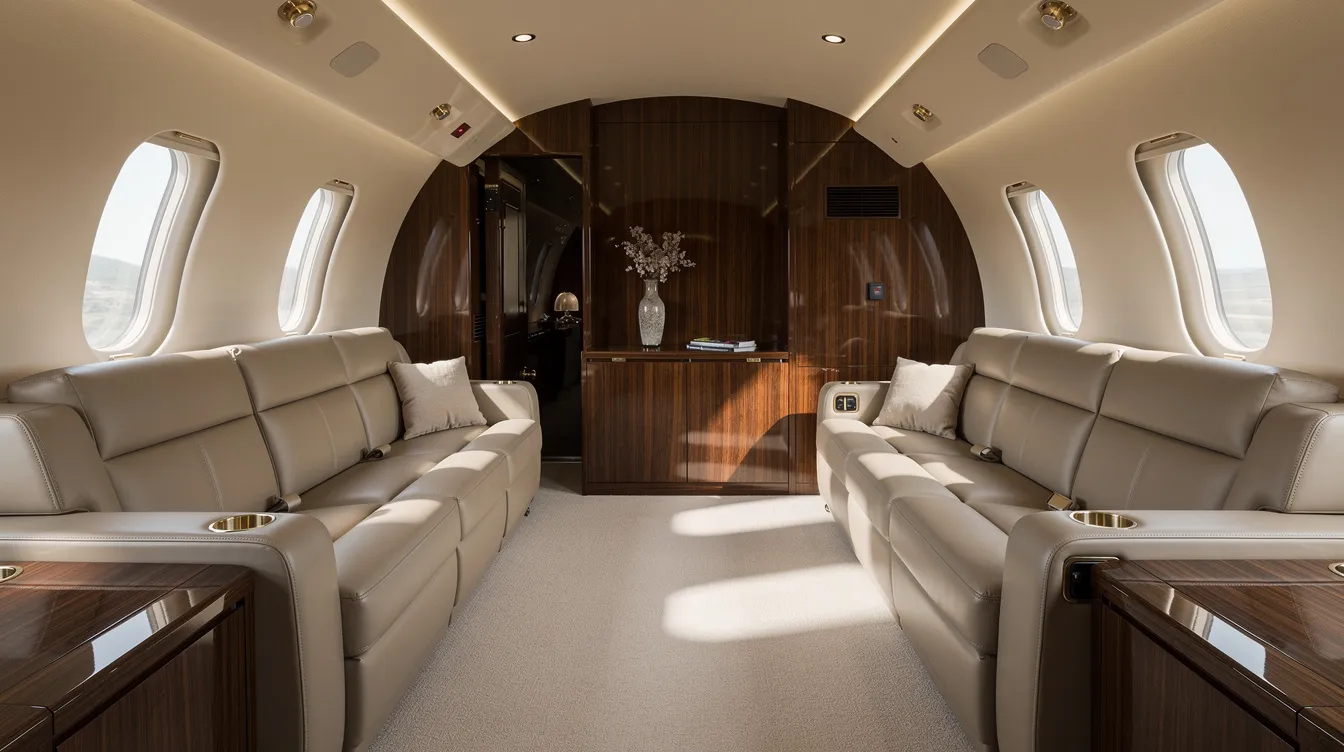
Executive liners, or bizliners, are an aircraft class within private aviation, often based on commercial aircraft and extensively customized for private use, seating 19 to 48 passengers. Examples include Boeing Business Jets and Airbus ACJ platforms like the ACJ319.
Interiors often feature bedrooms, showers, formal dining, staff seating, and conference rooms. Their size benefits governments, royal families, large corporate groups, and specialized charters, especially on high-demand routes to hubs such as Paris served by large-cabin private jets. Valuation depends on cabin configuration, maintenance, refurbishment quality, and buyer demand.
Summary Table: Private Jet Categories
Category | Passenger Capacity | Typical Range (nm) | Flight Duration | Key Features | Typical Use Case |
|---|---|---|---|---|---|
Very Light Jets (VLJs) | 4-7 | ~1,000 | Up to 3 hours | Smallest jets, single-pilot cert., access to short runways | Short-haul, cost-effective travel |
Light Jets | Up to 8 | 1,400-2,500 | 2-3 hours | Regional range, more cabin space | Short-haul regional business trips |
Super Light Jets | 6-9 | 1,800-2,200 | 3-4 hours | Increased cabin volume, lavatory | Charter, corporate users |
Mid-Size Jets | 5-10 | ~2,200 | ~5 hours | Standing cabin, galley, flight attendant | Longer regional flights |
Super Mid-Size Jets | 8-12 | ~3,500 | Up to 7 hours | Spacious cabin, advanced avionics | Transcontinental, corporate travel |
Heavy Jets | 10+ | 3,500-4,500 | Up to 9 hours | Large cabin, full amenities | Long-range business, government |
Ultra Long-Range Jets | 14-17 | 6,000-6,500 | 10+ hours | Luxurious, intercontinental range | Global intercontinental travel |
Executive Airliners | 19-48 | Varies | 10+ hours | Highly customized, multiple zones | Large groups, VIP, government |
Commercial Jet Aircraft Types
Commercial aircraft are jetliners designed for passenger and cargo service, the types operated by airlines, prioritizing reliability, seat-mile economics, and aerodynamic efficiency. Jet transport aircraft prioritize aerodynamic efficiency to maximize fuel economy during high-altitude cruising.
According to IATA, narrow-body jets represent nearly 60% of the active commercial fleet, while wide-bodies contribute a larger share of long-haul capacity.
Regional Jets
Regional jets are smaller single-aisle aircraft seating fewer than 100 passengers, designed to connect smaller airports to major hubs. Examples include Embraer E170/E175/E190, CRJ700/900, and Embraer E2 series.
They serve frequent short-to-medium routes, airport connectivity, and hub feed rather than intercontinental flights. Some also serve as corporate shuttles or special-mission aircraft.
Single-Aisle Narrow-Body Jets
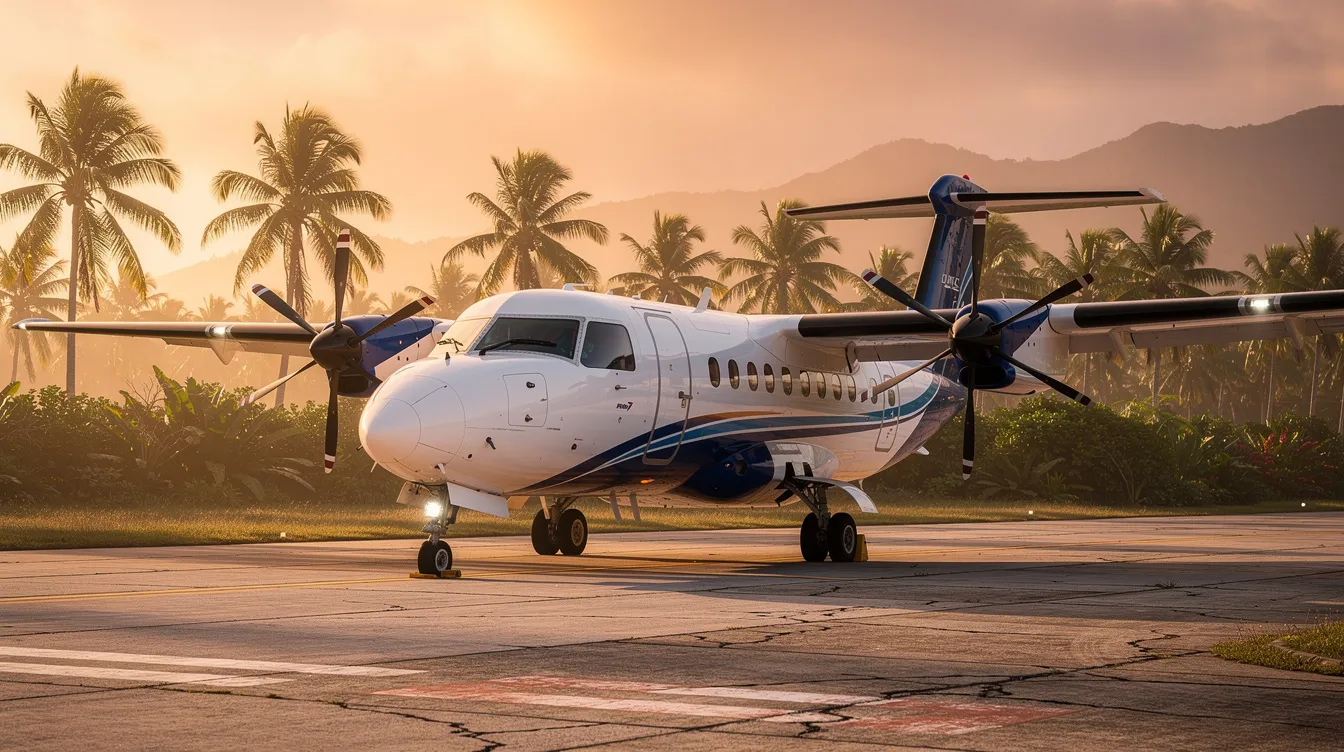
Narrow-body jets are single-aisle aircraft with 2 to 6 seats per row and are used for short-to-medium distances. Boeing 737 and Airbus A320 families dominate this class, with newer variants offering improved fuel efficiency and range.
These aircraft typically carry 120–230 passengers. Advanced versions like the A321XLR extend narrow-body range for longer routes. Technologies from these jets often migrate into business aircraft.
Wide-Body and Long-Range Commercial Jets
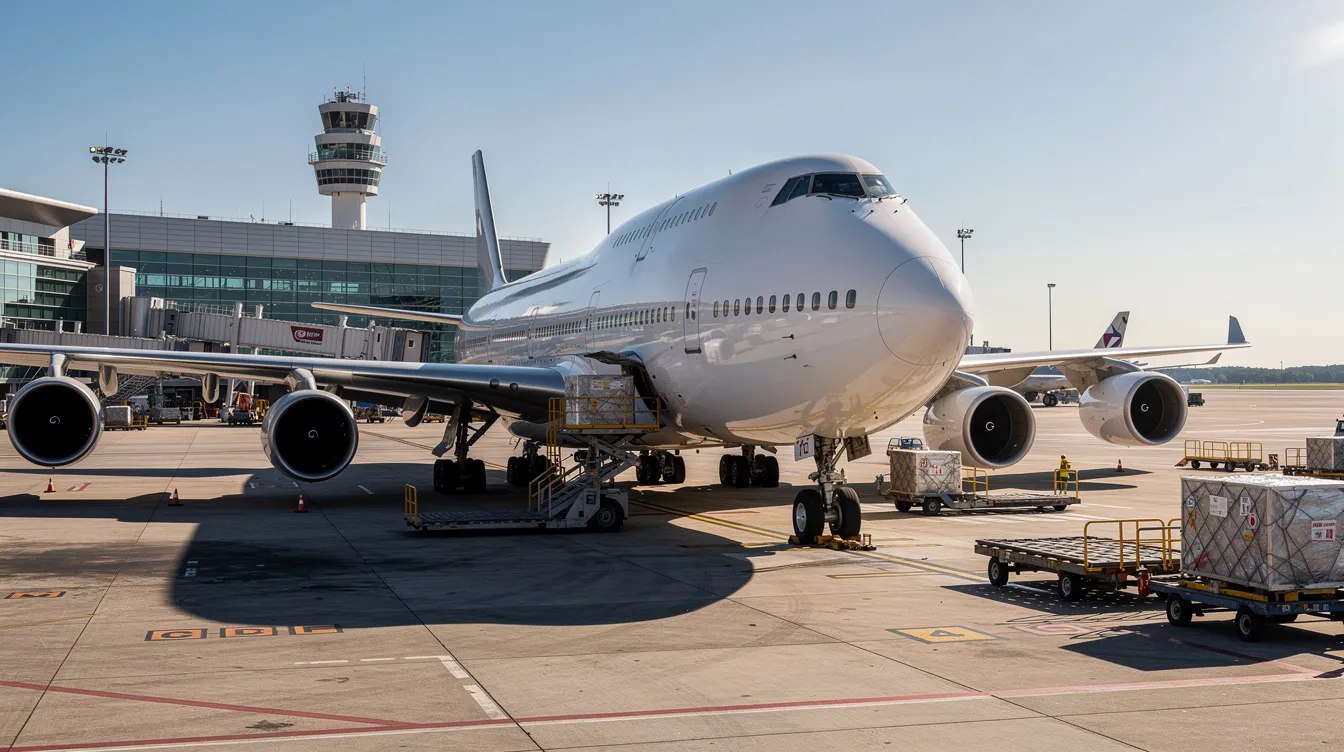
Wide-body jets are twin-aisle aircraft that feature larger wingspans and multiple fuel tanks for long-haul flights. Examples include Boeing 767, 777, 787, and Airbus A330, A350, and A380.
They operate routes such as London–New York and Doha–Auckland, with a 6,000–8,500 nm range. Some wide-bodies are converted for VIP or head-of-state use, overlapping with bizliners.
Freighters, or cargo jets, are designed with large main-deck cargo doors and are stripped of passenger seating and windows. Cargo aircraft based on commercial airliners are designed to carry large payloads, unlike propeller aircraft typically used on shorter routes. Freighters have large main-deck cargo doors and lack passenger seating and windows.
Military Jet Aircraft and Air Superiority Roles
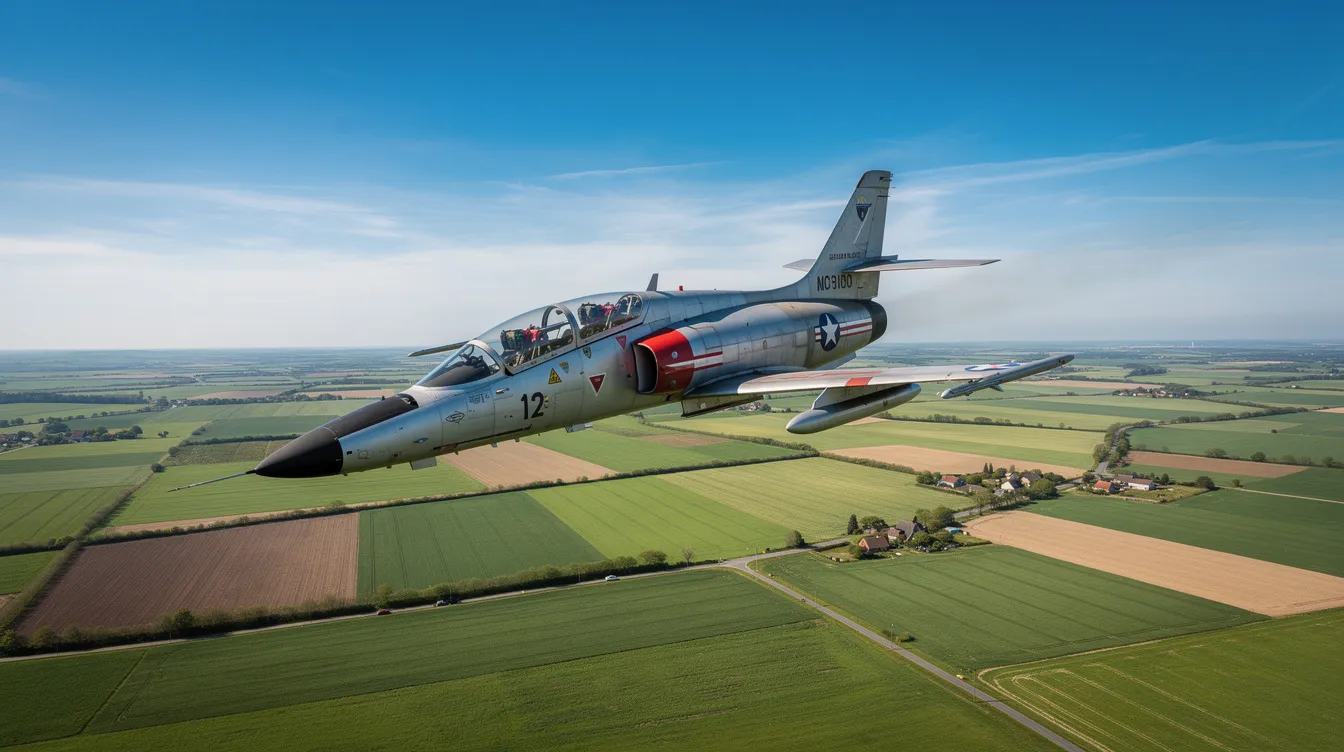
Military jets, including those operated by the air force, prioritize speed, agility, and stealth for combat effectiveness. Many technologies in private jets derive from military developments.
Air Superiority and Multirole Fighters
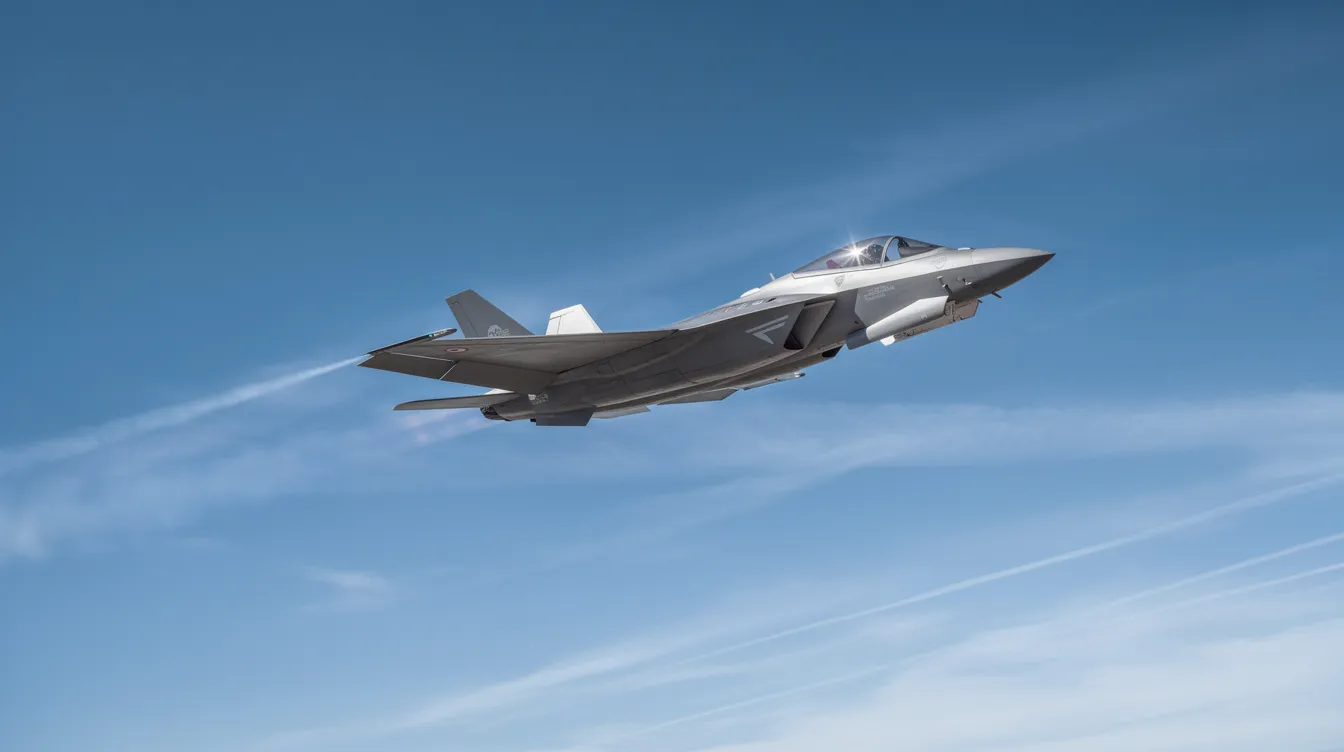
Fighter jets are small, highly maneuverable aircraft built for air-to-air combat. Air superiority fighters like the F-15 Eagle, Su-27, Eurofighter Typhoon, F-22, and F-35 control the airspace and support military operations.
Modern fighters are multirole, combining air combat, strike, reconnaissance, and electronic warfare capabilities, optimized for speed, agility, stealth, and sensor integration.
Strike, Bomber, and Support Aircraft
Bombers are large, heavy aircraft designed to carry massive payloads over long distances. Examples include B-1B and B-2 bombers. Strike aircraft like the F-15E focus on precision attack missions.
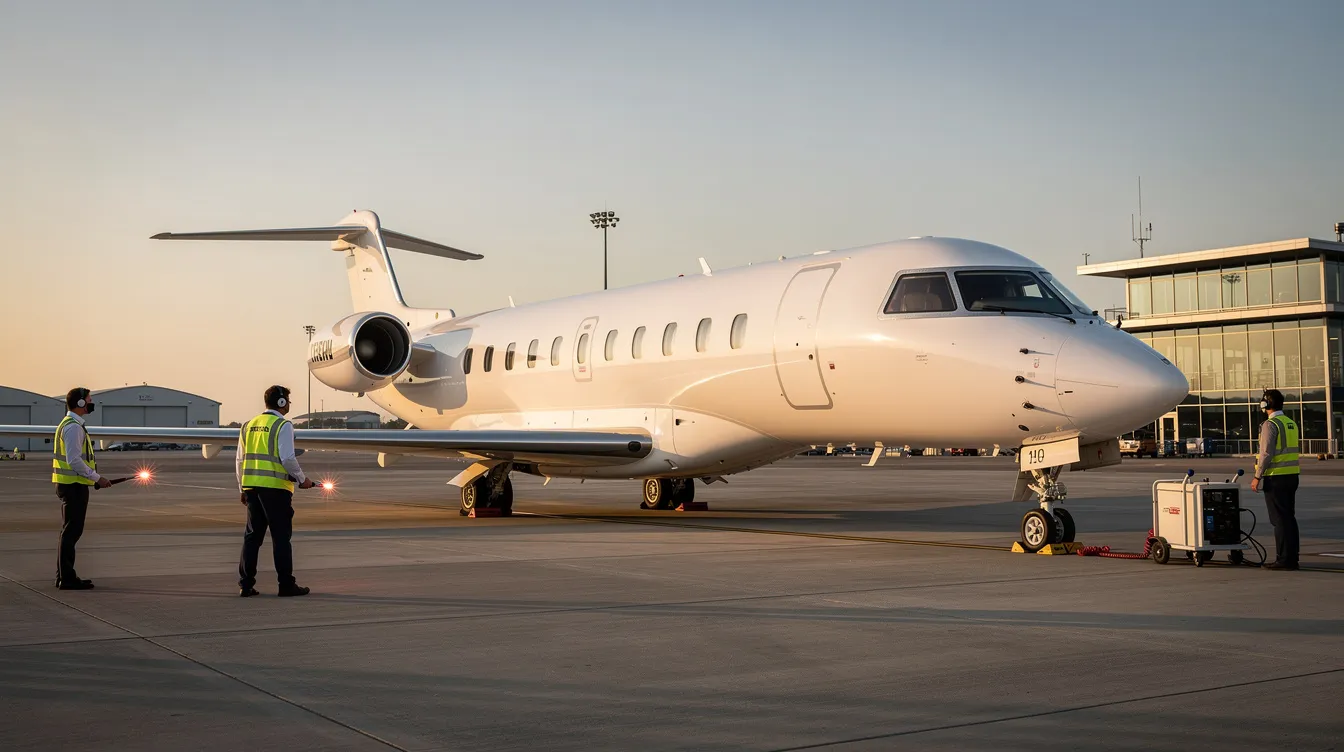
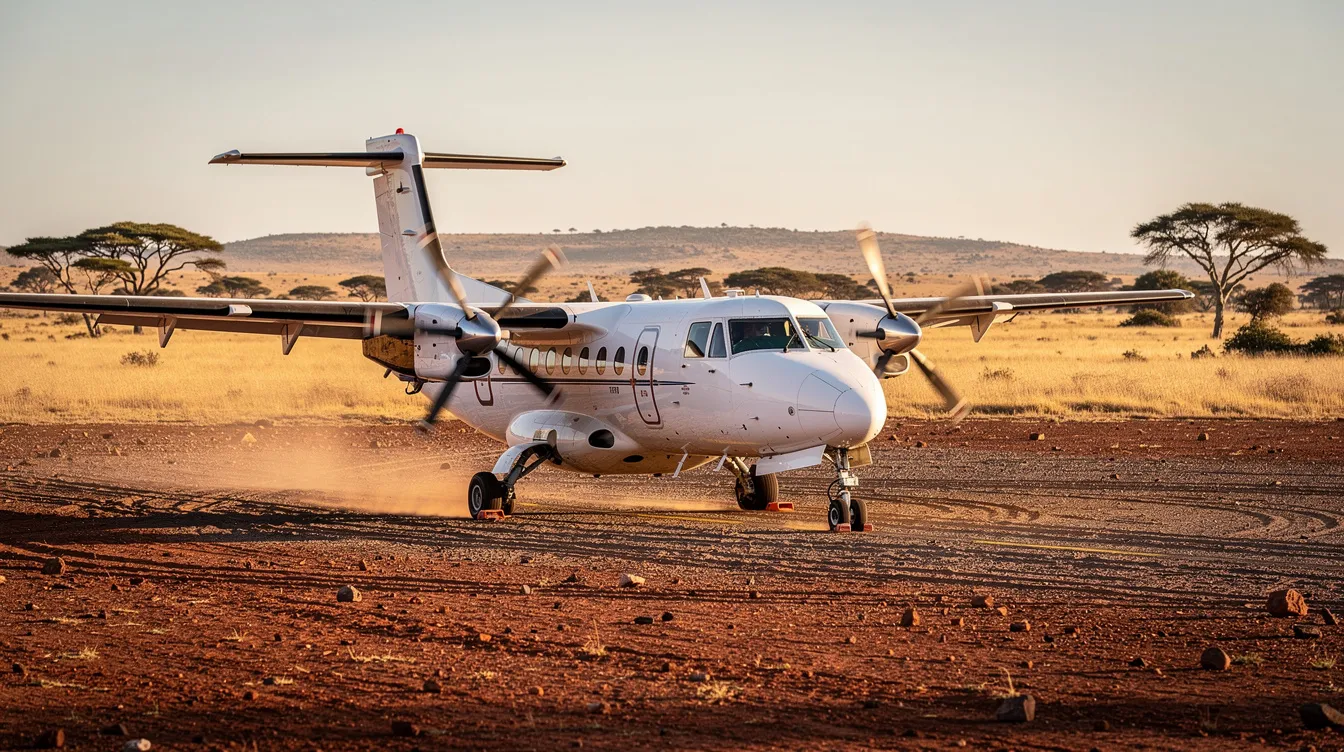
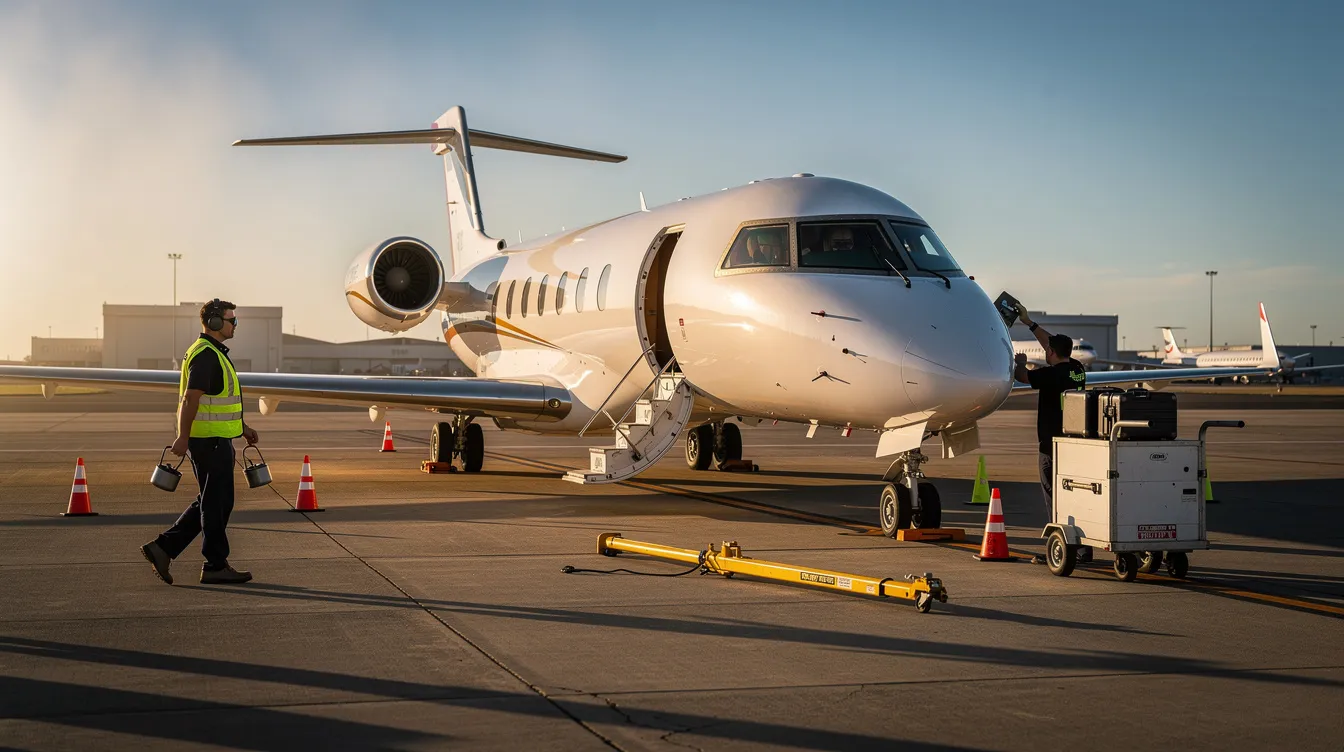
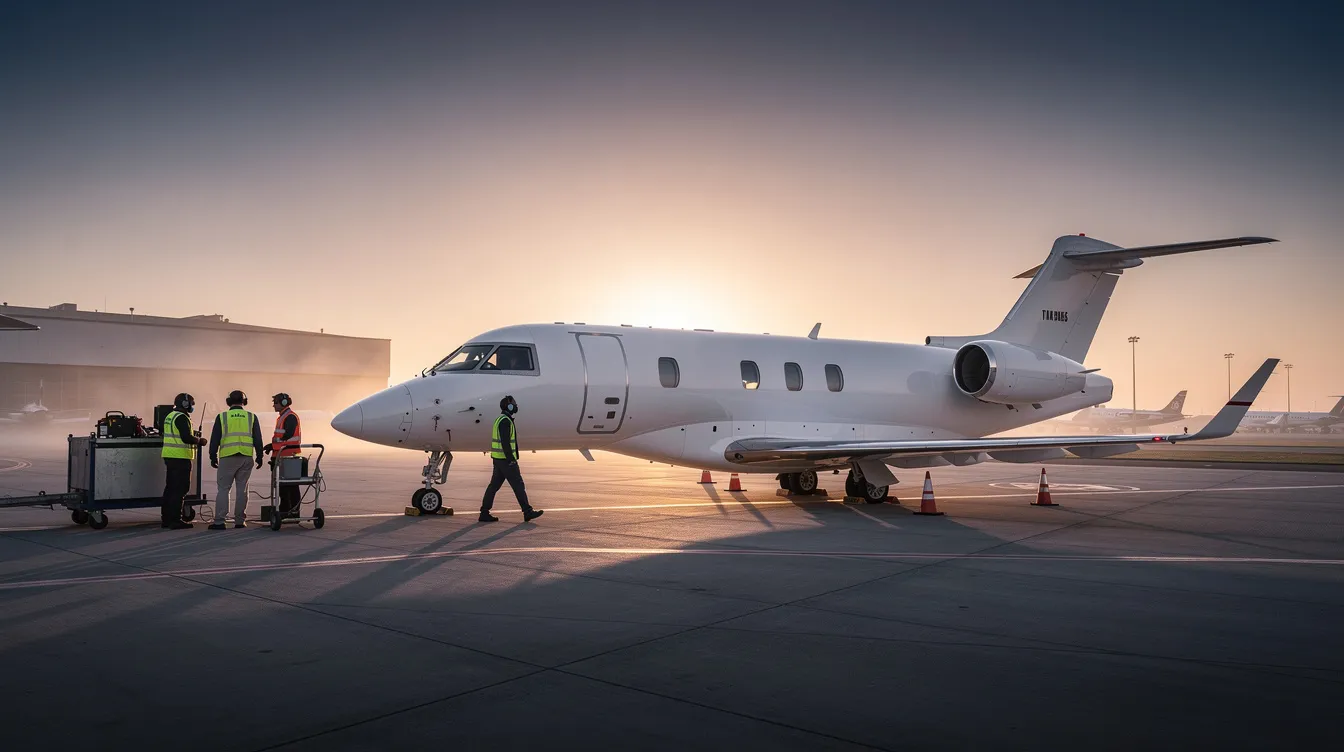
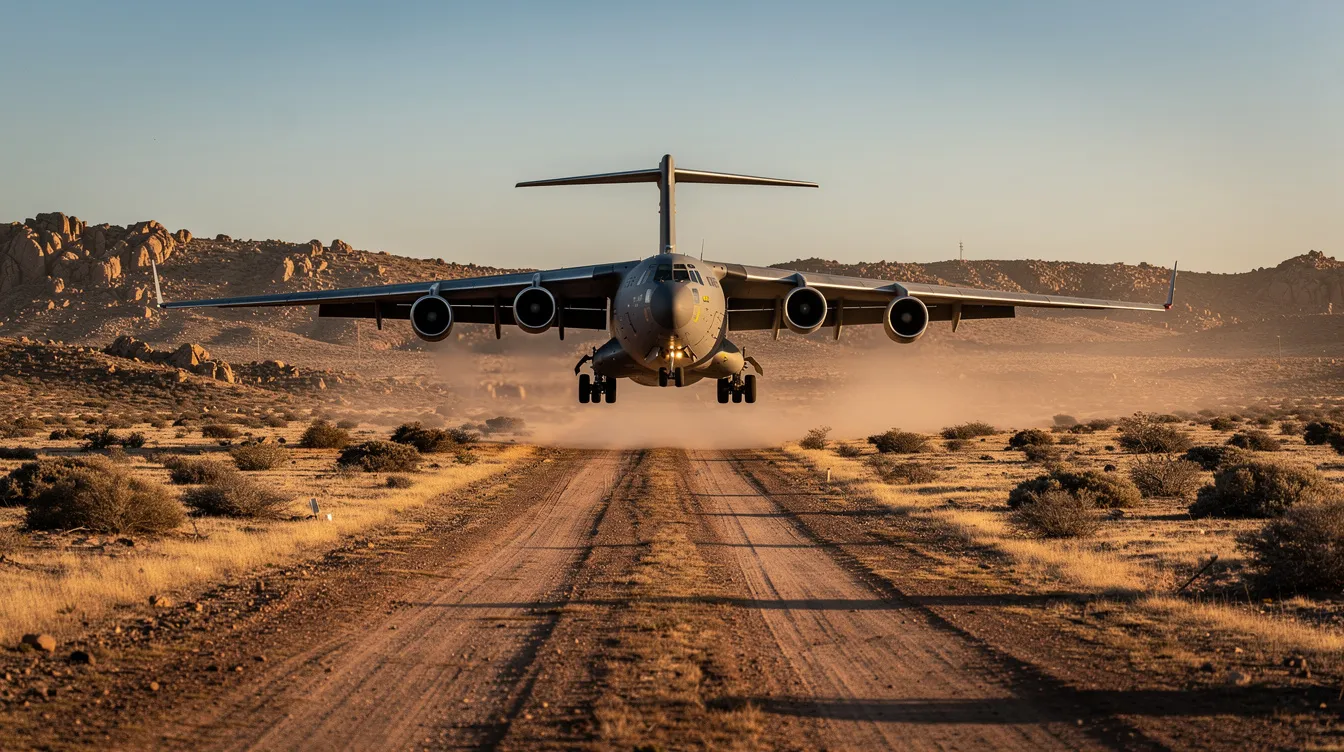
Support jets include AWACS, electronic warfare platforms, and aerial refueling tankers. Military transports are cargo jets designed for high-wing configurations to facilitate loading and unloading, and they can operate from short, unpaved, or improvised runways with ground crews and handling helping keep them mission-ready.
Performance, Range, and Mission Matching Across Aircraft Types
Selecting an aircraft involves balancing range, payload, runway performance, cabin needs, speed, and operating cost. Published range figures assume specific passengers, fuel, and conditions; additional passengers, baggage, or adverse weather can reduce effective range or necessitate fuel stops.
Private buyers should list key city pairs, passenger counts, baggage needs, flight frequency, and airport preferences. A super mid-size jet may suffice for most business travel, while heavy or ultra-long-range jets may be necessary for regular transatlantic or intercontinental flights.
How BusinessJets.com Helps You Navigate Jet Aircraft Types
BusinessJets.com serves as a brokerage and aviation consulting partner for owners, buyers, operators, and fleet managers. Services include aircraft sale representation featuring premium aircraft for sale from leading manufacturers, acquisition consulting, private jet appraisals, and fleet strategy.
Accurate valuation considers aircraft type, age, total time, maintenance history, avionics, engine programs, cabin condition, market demand, and comparable sales, making professional aircraft appraisal services essential for informed decisions. Whether buying, selling, upgrading, or managing a fleet, BusinessJets.com provides clear market insights and expert guidance.
Frequently Asked Questions
How do I decide between a super mid-size jet and a heavy jet?
The choice depends on flight distance, passenger numbers, and budget. Six to eight passengers flying mostly within North America may prefer a super mid-size jet; frequent New York–London trips with 10 passengers might justify a heavy jet.
Does aircraft type significantly affect operating costs?
Yes. Operating costs increase from light jets to mid-size, super mid-size, heavy, and ultra-long-range jets, including fuel, crew, maintenance, insurance, and capital costs. Newer aircraft may be more efficient, so technology and age also matter.
How does aircraft type impact resale value and liquidity?
Aircraft with large fleets and strong demand across the global fleet offer better liquidity. Niche or out-of-production models may be cheaper but harder to sell, especially if upgrades or maintenance are needed.
Can one aircraft type serve both business and family travel?
Yes, many owners use one jet for business and personal travel. Suitability depends on cabin layout, sleeping arrangements, luggage capacity, range, privacy, and airport accessibility.
When should I upgrade aircraft type rather than refurbish?
Refurbishment suits aircraft that remain mission-capable and marketable. Upgrading makes sense when range, passenger needs, avionics mandates, or refurbishment costs exceed the value of retaining the current jet. BusinessJets.com can assist with appraisal and consulting.
Conclusion
Understanding jet airplane types is essential for private jet owners, corporate buyers, and fleet managers to make informed decisions on acquisition, operation, and resale. Each category—from very light jets to ultra-long-range heavy jets and executive airliners—offers distinct advantages and trade-offs in range, comfort, operating costs, and mission fit. BusinessJets.com leverages extensive market knowledge and transaction experience to guide clients through these complexities.
Whether purchasing a first private jet, upgrading a fleet, or seeking expert valuation and consulting, partnering with a trusted aviation advisor ensures alignment with operational needs and investment goals. Contact BusinessJets.com to explore appraisal services, aircraft listings, and tailored acquisition support to navigate the dynamic business aviation market confidently.