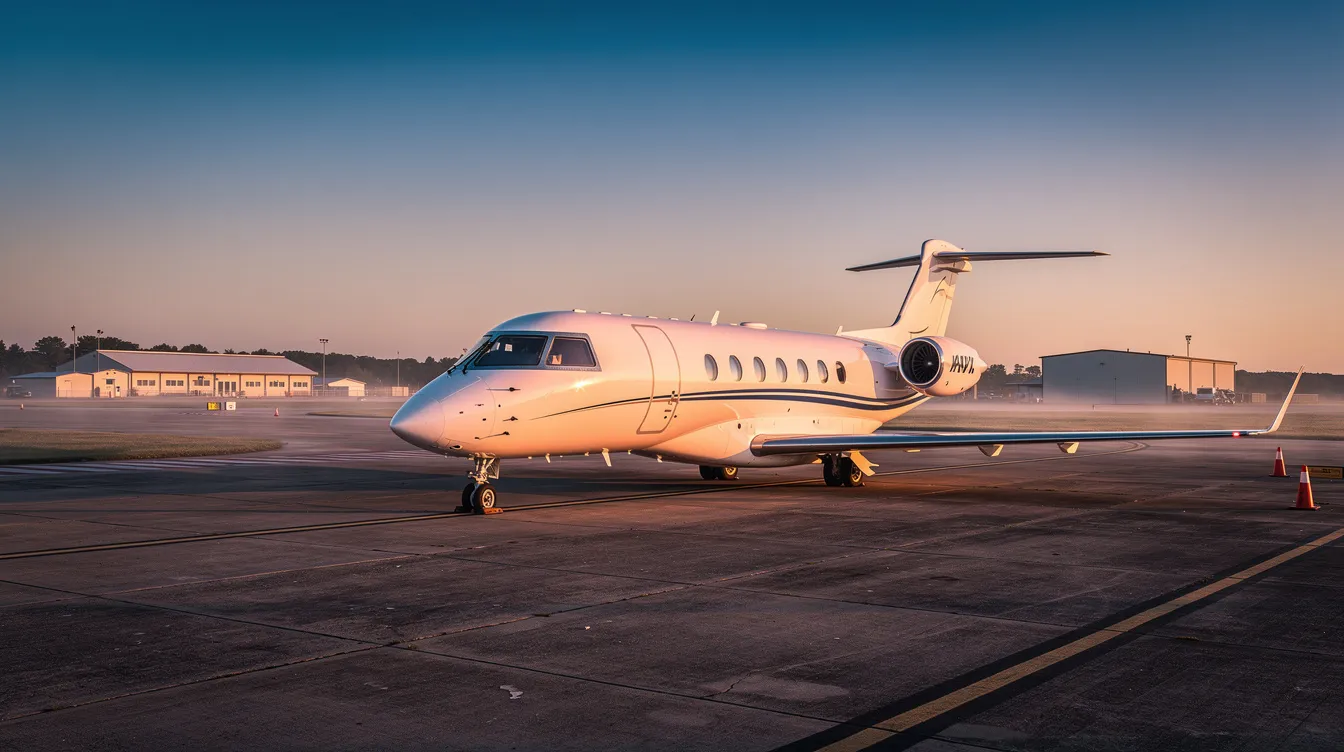
Flying Private with BusinessJets.com: A Practical Guide to Plane Private Travel and Ownership

This guide covers the essentials of private plane travel and ownership, providing practical advice for owners, corporations, operators, fleet managers, and anyone considering entering the world of private aviation. Understanding these aspects is crucial for making informed decisions about travel flexibility, asset value, and operational efficiency.
Flying private in 2026—sometimes called "plane private" travel—is less about status and more about control: control over schedule, routing, aircraft selection, privacy, passengers, pets, and the productive use of flight time. For owners, corporations, operators, and fleet managers, “plane private” decisions should be made with the same discipline used for any major capital asset.
BusinessJets.com supports clients across the aircraft lifecycle, not through charter membership or jet card programs, but through aircraft brokerage, private jet appraisals, acquisition support, aircraft valuation, and aviation consulting. The firm has managed 1,500+ aircraft transactions and advised 5,000+ clients worldwide.
Key Takeways
Private aviation access generally falls into three models: on-demand charter, fractional ownership, and full aircraft ownership.
Selecting the right aircraft types depends on several factors, including range, cabin needs, passengers, crew, airport access, annual utilization, and resale demand.
Expert valuation, timing, and transaction strategy are critical when buying or selling business jets.
Request an aircraft appraisal from BusinessJets.com, browse current aircraft for sale, or explore acquisition and fleet consulting with BusinessJets.com before committing capital.
What “Plane Private” Really Means in 2026
“Plane private” means arranging private air travel around the traveler’s mission rather than around airline schedules. Compared with commercial aviation, commercial flights, and even premium cabins on airlines, private flights give clients more control over departure time, routing, airport choice, cabin environment, and ground transportation.
The private aviation market is projected to grow significantly, with the industry valued at over $426 billion in 2024 and expected to exceed $600 billion by 2034, driven by increasing demand for business travel and personalized services. This growth reflects a rising preference for tailored travel experiences among C-level executives, family offices, high-net-worth travelers, sports teams, remote project teams, and operators managing corporate or charter fleets. Projections indicate the market will expand at over 5% annually through 2030, fueled by rising disposable incomes and evolving client expectations.
Typical use cases include same-day out-and-back business meetings, multi-city roadshows, remote site visits, leisure trips with friends, and long-range intercontinental travel. A New York–Dallas trip in a light jet can reduce total journey time by avoiding hub congestion and long terminal processes. A London–Dubai flight in a heavy jet can preserve schedule control and remove connection risk.
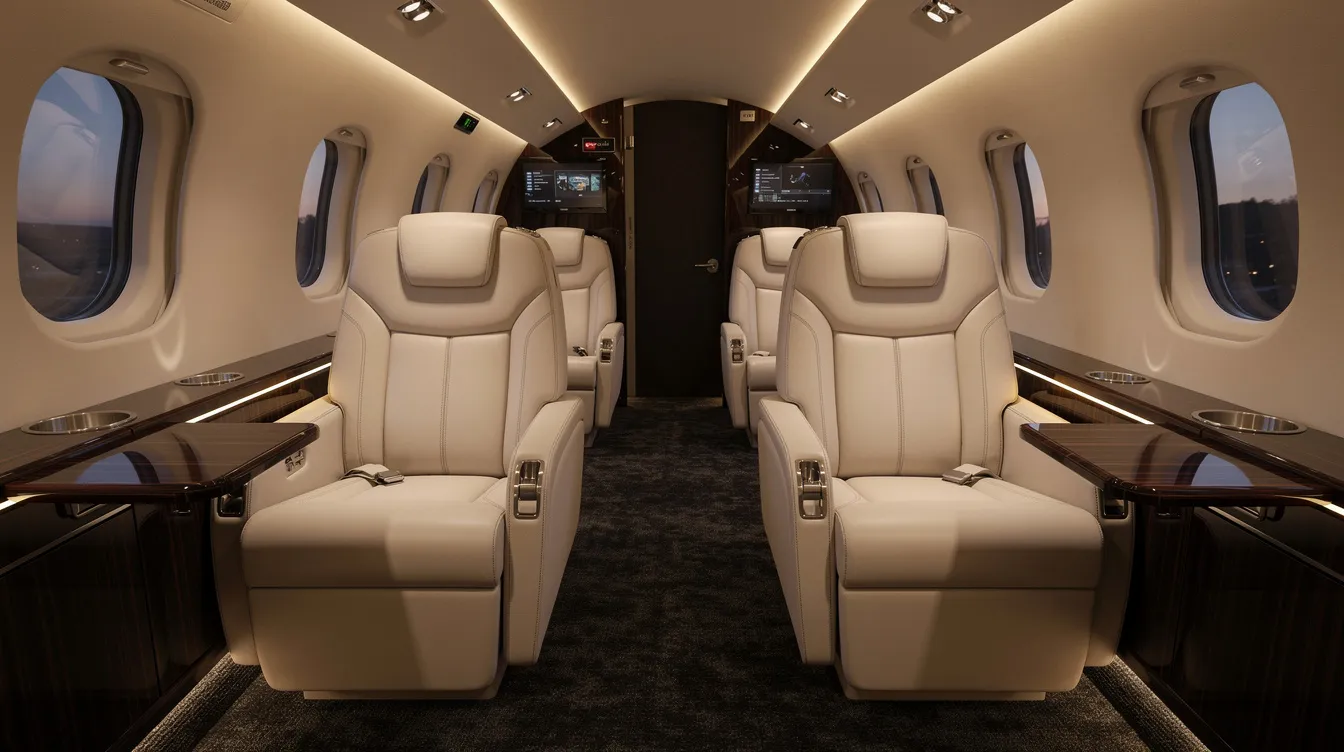
Private planes offer flexibility, time savings, and comfort compared to commercial airlines. Private planes provide a secluded environment suitable for confidential meetings or relaxation, featuring high-end amenities. The travel experience on private planes is more comfortable and productive than that on commercial airlines, particularly when the cabin can function as one of several airborne conference rooms. Private jets allow pets to travel in the cabin with passengers, which can matter for family offices and long-stay relocations.
BusinessJets.com works on the ownership and asset side of private aviation: buying, selling, valuing, and optimizing aircraft. The firm may advise on access models, but it does not position itself as a retail private jet charter platform or a membership seller.

Key Types of Business Jets: From Very Light Jets to Heavy
Understanding aircraft categories and classes is crucial for aviation safety, pilots and pilot certification, and informed travel choices, particularly in private jet chartering, which directly impacts aircraft valuation. Private planes for hire are categorized by size, range, and capacity, and those same categories influence purchase price, operating costs, and resale liquidity.
Jet class | Typical maximum range | Typical seats | Example routes |
|---|---|---|---|
very light jets / light jets | 1,000–1,500 nm | 4–7 | Boston–Toronto, Los Angeles–Phoenix |
mid-size jets / super-midsize | 2,000–3,500 nm | 7–10 | Chicago–San Francisco, Paris–Riyadh |
heavy jets / ultra long range | 4,000–7,500+ nm | 10–16+ | London–Singapore, New York–Tokyo |
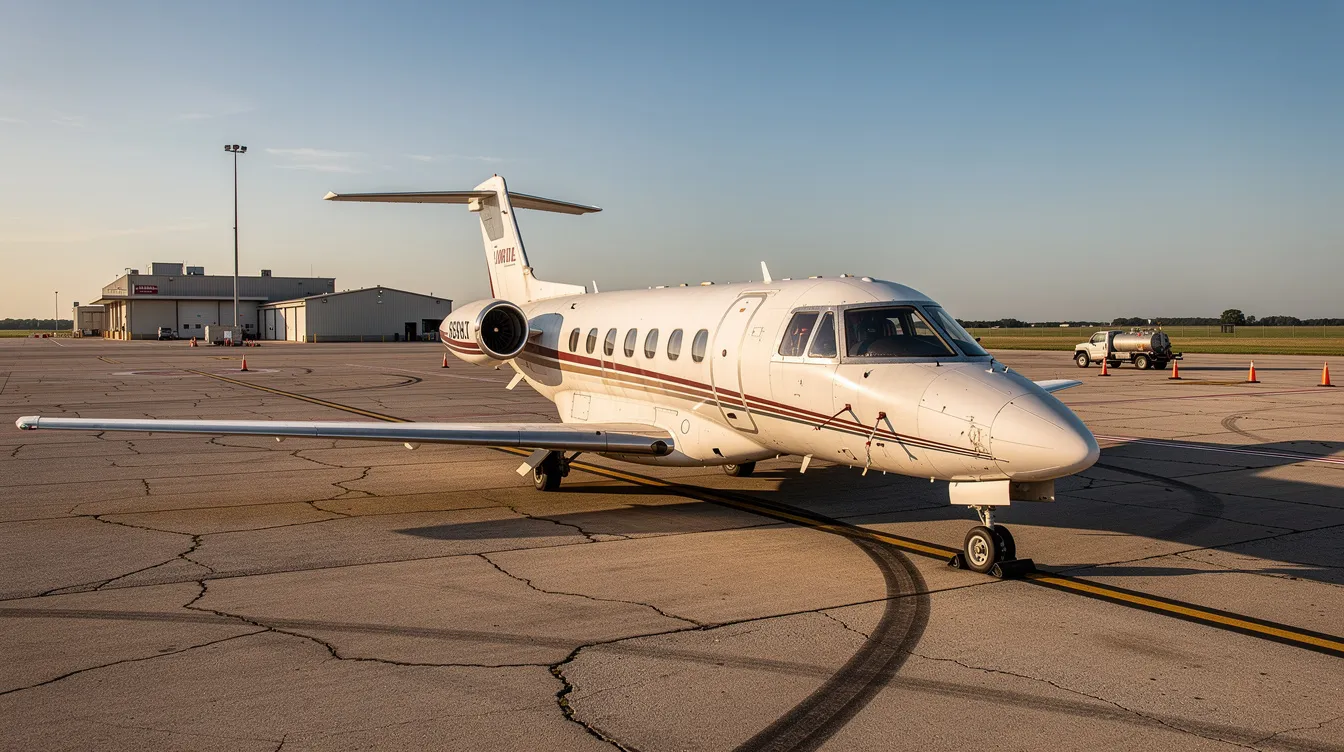
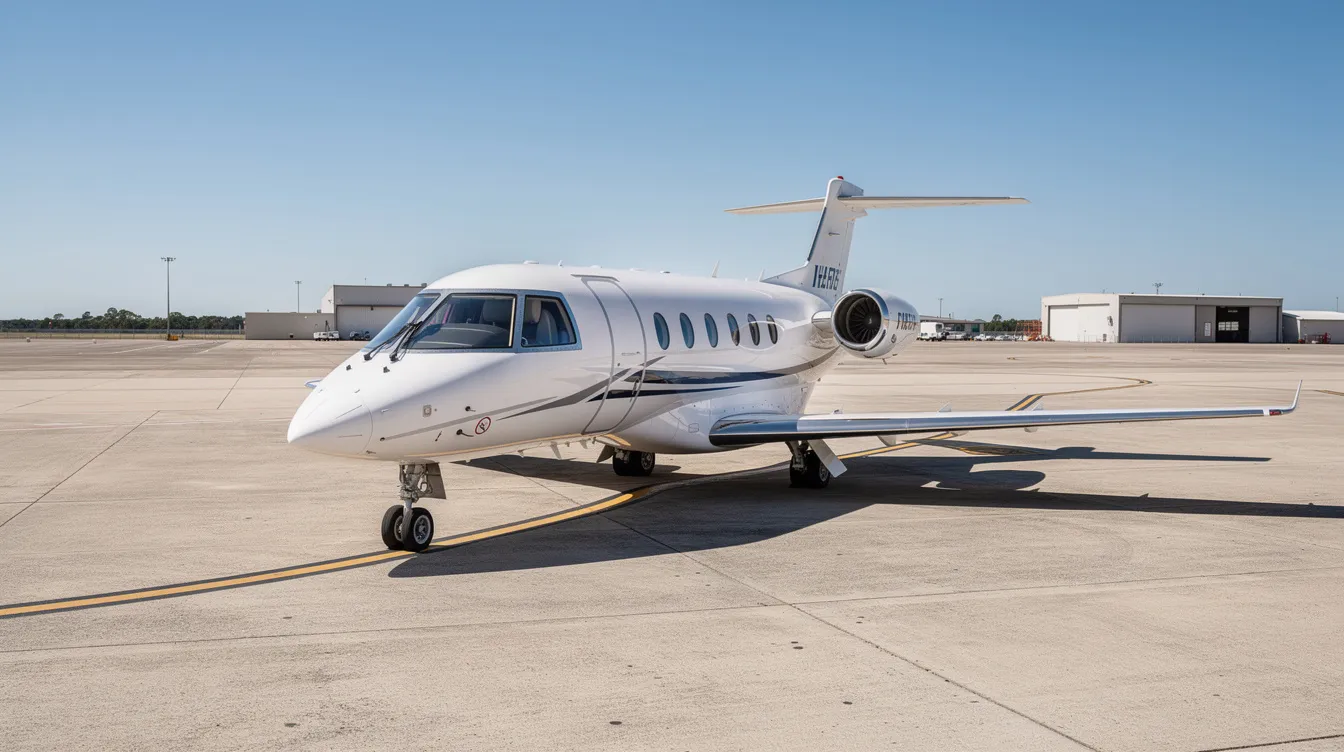
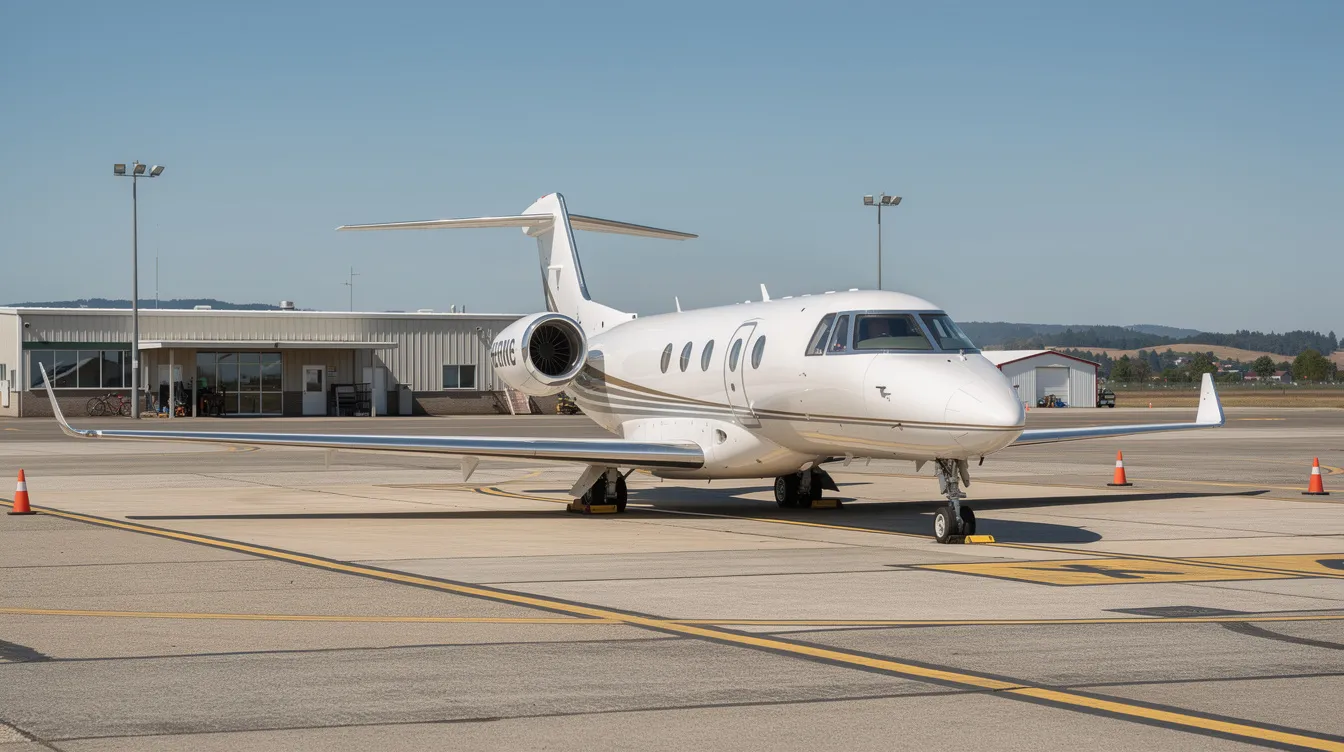
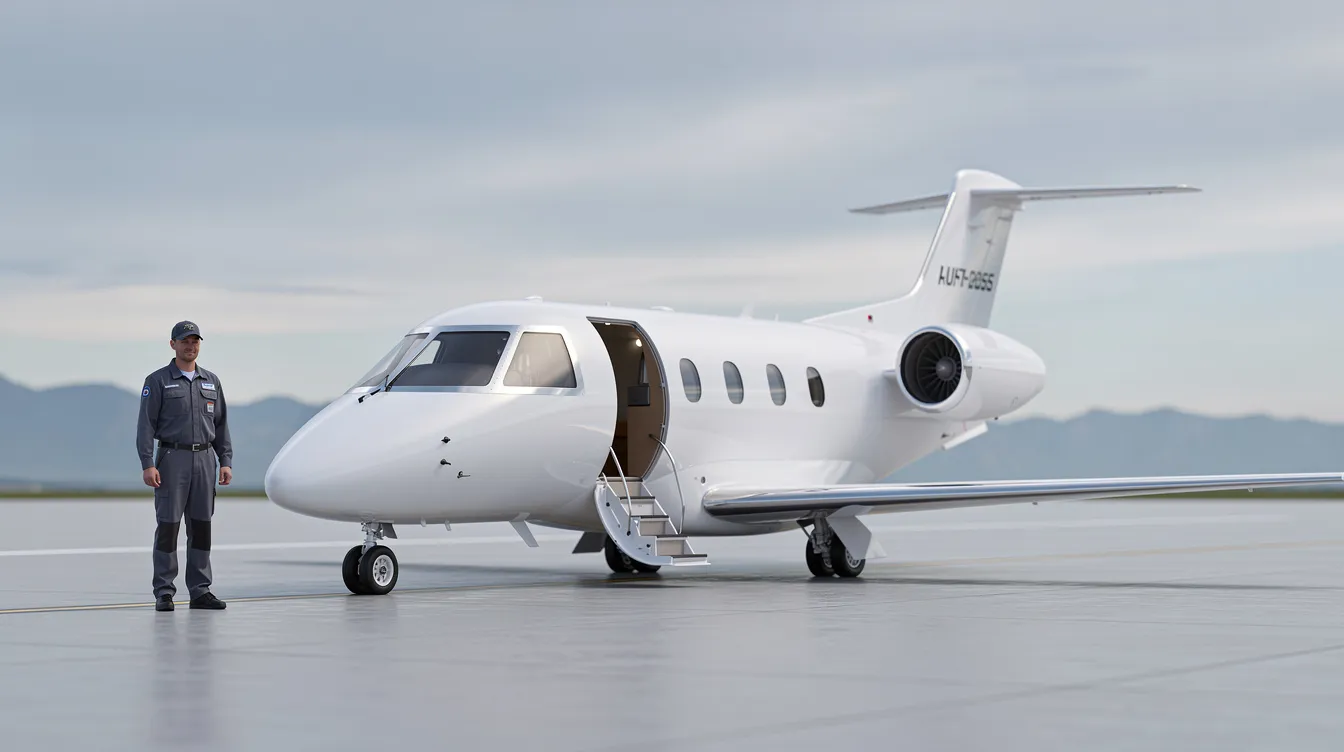
Light jets and very light jets, such as the Cessna Citation CJ2, Citation CJ4, and Embraer Phenom 300E, often make sense for regional private jet flights where speed, smaller airports, and lower operating costs matter more than cabin size.
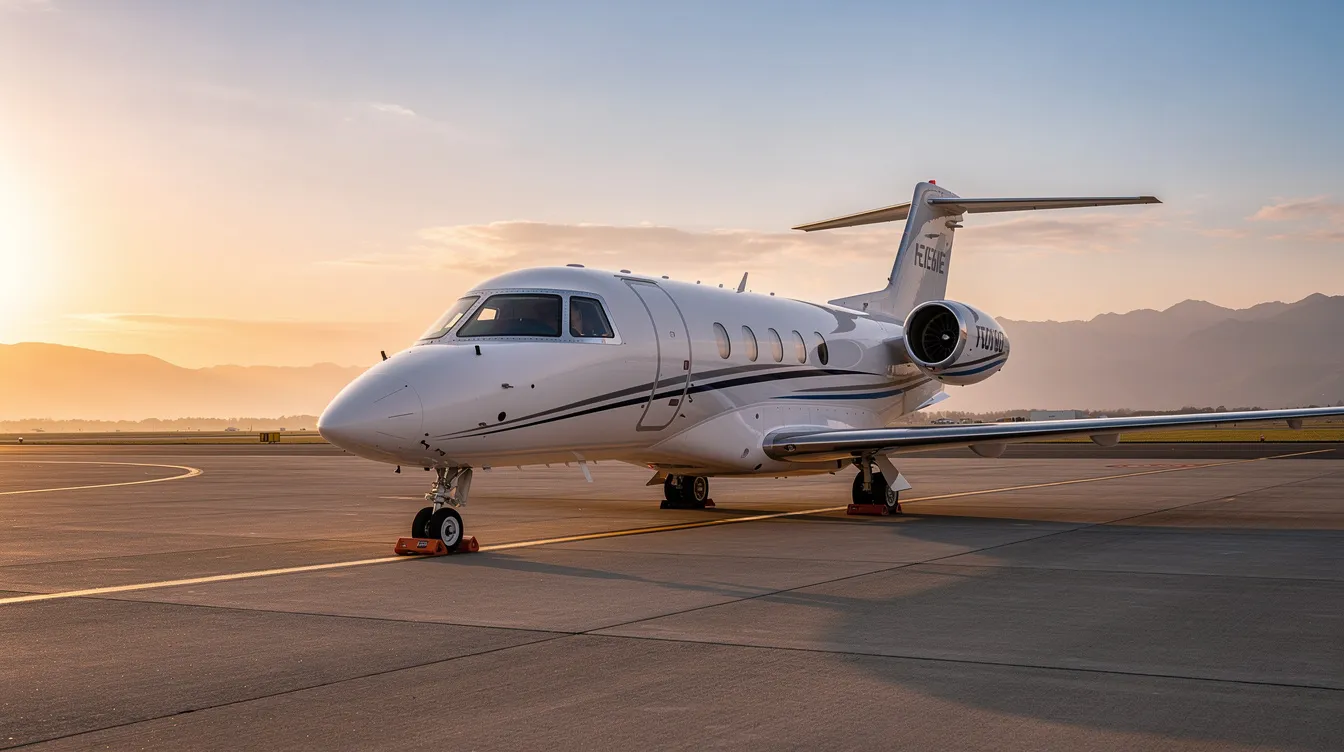
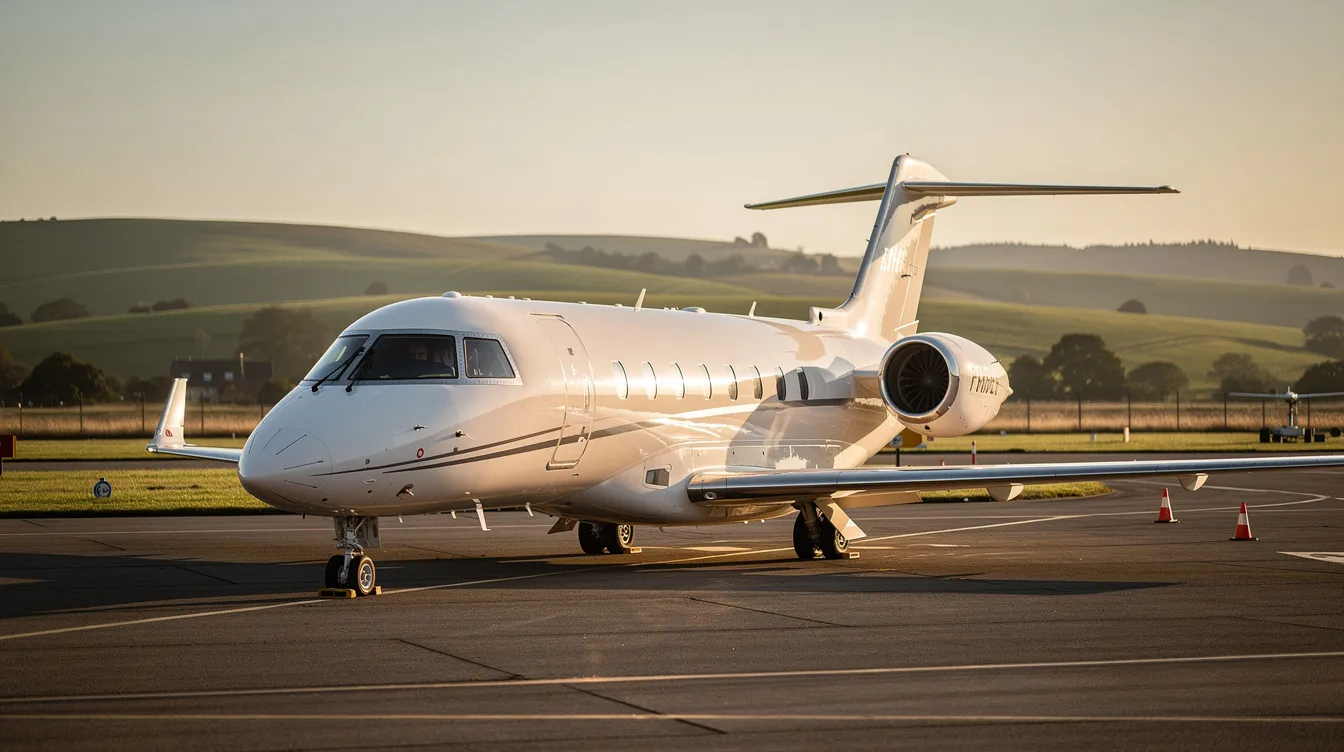
Mid-size jets and super-midsize jets, including the Citation Sovereign, Praetor 500, and Bombardier Challenger 3500, are suited to longer domestic and near-intercontinental missions. Search demand and resale activity around Bombardier Challenger aircraft remain strong because many buyers value their mix of cabin size, reliability, and operating economics.
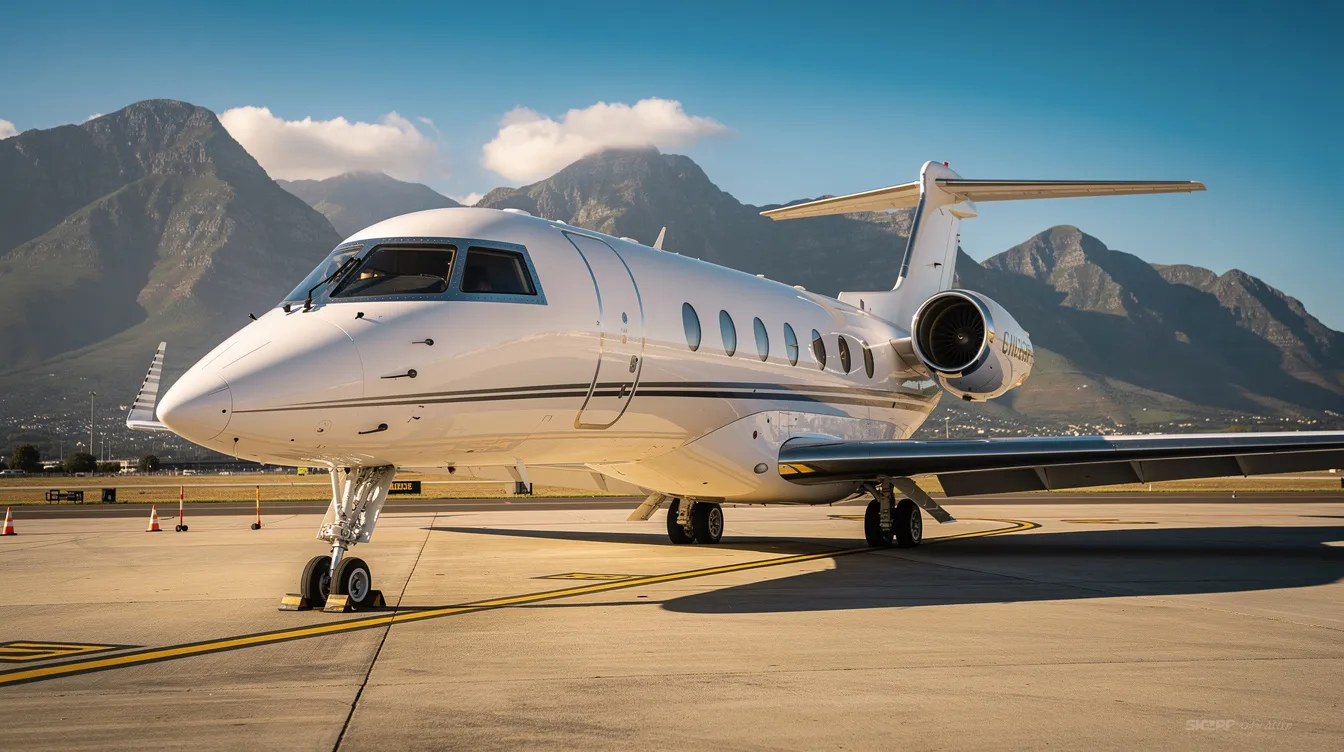
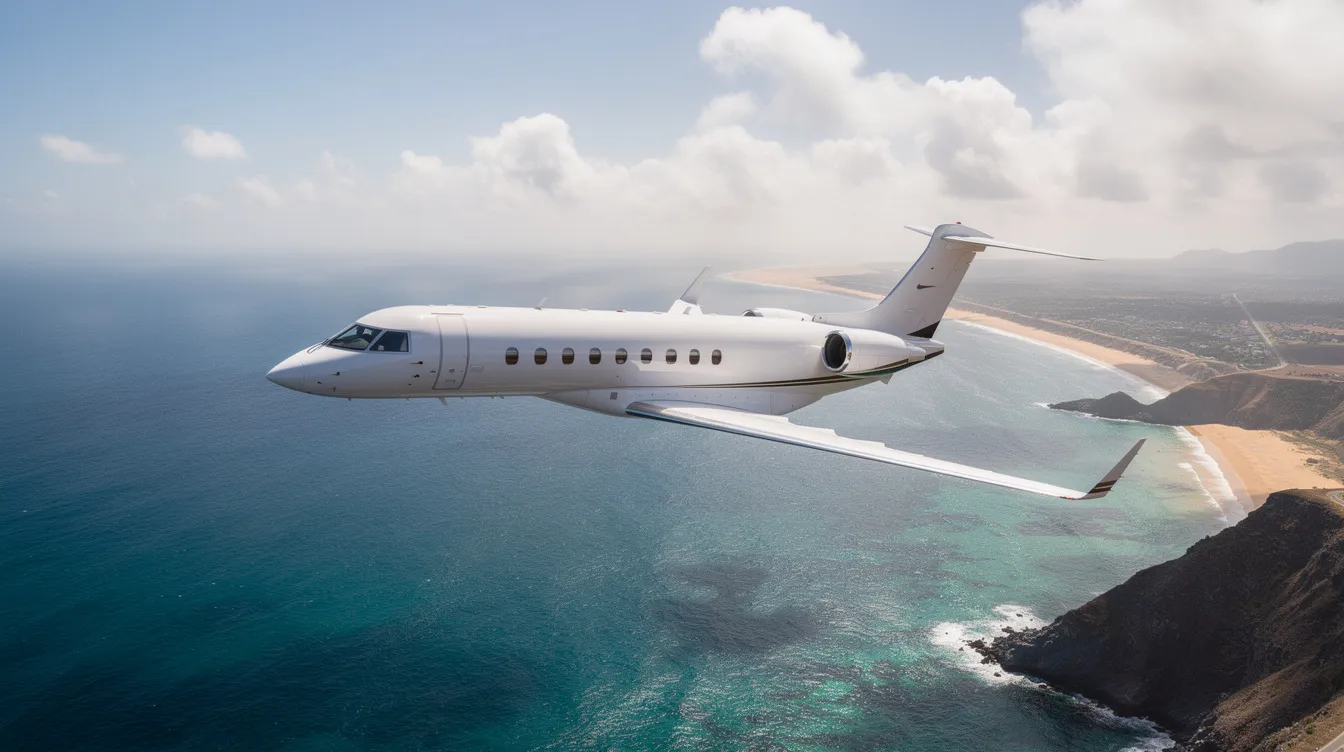
Heavy jets and ultra-long-range business jets, such as the Gulfstream G600, Bombardier Global 6500, Global 6000/6500 series, Boeing Business Jets, and VIP airliner options from Airbus, including Airbus ACJ319 private jets, are built for nonstop intercontinental missions and larger groups. These aircraft can carry more passengers, offer multiple cabin zones, and support crew rest on long international operations.
BusinessJets.com advises clients by reviewing mission profile, budget, crew requirements, expected annual utilization, and resale strategy before recommending a primary aircraft type or mixed fleet.
How Flying Private Works: Private Jet Charter, Fractional Ownership, and Full Ownership
There are three primary ways to access private aviation:
Charter: Hiring a private jet for a specific trip without ownership.
Fractional ownership: Purchasing a share of a jet, entitling the owner to a set number of flight hours per year.
Whole aircraft ownership: Full ownership and control of a private jet.
Each model has different costs, control levels, and capital exposure.
With a private charter, clients pay for trips rather than owning the asset. Costs to hire private planes vary significantly based on the aircraft category and flight duration. Chartering a private jet can range from $2,000 per hour for turboprops to over $23,000 for VIP airliners, depending on the aircraft type and distance. In 2026, light jets often cost around $3,000–$5,500 per flight hour, midsize aircraft around $4,500–$7,500, and large-cabin aircraft around $12,000–$20,000+, depending on route and availability.
Occupied flight time is charged for the time the aircraft is in motion with passengers. Repositioning fees may apply if a plane has to fly from a different airport to pick up passengers. Taxes, handling, crew expenses, and international fees may also apply. The private jet market includes over 23,000 aircraft available for charter, providing a wide range of options for travelers, and private jet charter services often allow for instant pricing and booking, making it easier for customers to access a variety of aircraft without long-term commitments.
Charter is often cost-effective below roughly 50–100 hours per year. Fractional ownership may suit clients who fly more regularly, often buying a 1/16 or 1/8 share that translates into a defined number of annual hours, plus monthly management fees and occupied hourly charges. The benefits are predictable access and service; the tradeoffs include capital commitment, peak-day rules, lead times, minimums, depreciation, and exit complexity.
Whole ownership provides maximum control, but fixed costs continue whether the aircraft flies or not. The total ownership costs of private jets can reach $500,000 to $1.2 million annually, including fixed and variable expenses such as crew salaries, hangar fees, insurance, maintenance, subscriptions, training, and compliance. Acquisition costs can run from single-digit millions for older light aircraft to tens of thousands per hour in operating exposure for some heavy international missions, and tens of millions in purchase price for new midsize and large-cabin jets.
Private jet acquisition can involve various financing options, including outright purchase, fractional ownership, and leasing, each catering to different usage patterns and financial commitments. BusinessJets.com helps clients compare those models through independent appraisals, purchase and sale brokerage, and consulting rather than promoting one access structure.
Planning an Entire Flight: From Airport Choice to Empty Legs
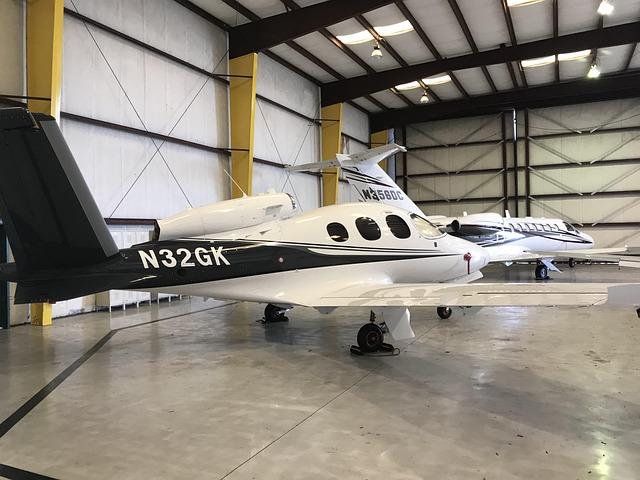
True efficiency comes from providing access to planning the entire flight, not just selecting a jet. Airport choice, slot availability, crew duty limits, weather, customs, and ground handling can affect the result as much as aircraft speed.
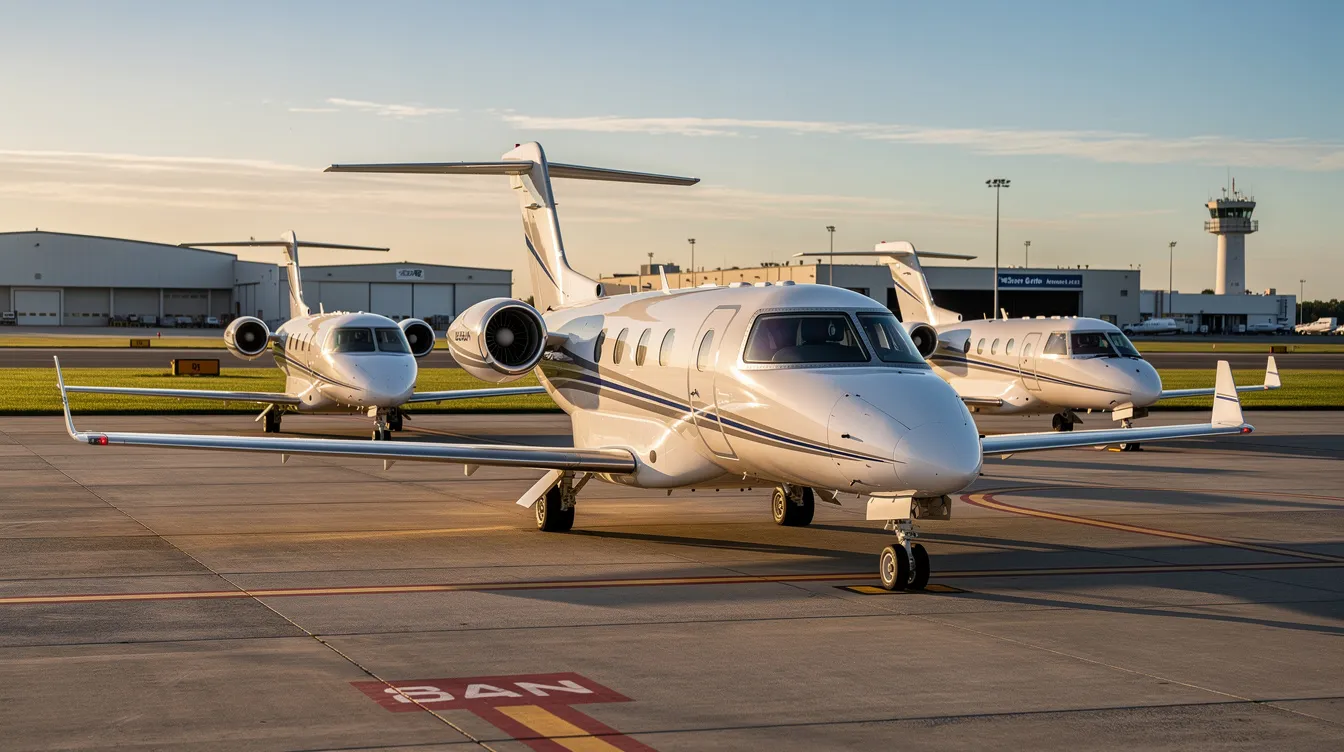
Using general aviation airports and FBOs can reduce ground time and improve privacy. Teterboro instead of JFK, or Van Nuys instead of LAX, may shorten the door-to-door journey and provide better access to smaller airports closer to the final destinations.
Long-range routing requires more than checking the published maximum range. Operators must consider fuel reserves, landing alternates, crew duty rules, overflight permits, high-demand airport slots, and event congestion. The demand for private aviation is expected to surge during major events, such as the 2026 FIFA World Cup, with projections indicating a significant increase in private jet travel as fans and corporations seek flexible travel options. The private jet market has seen a significant increase in demand, particularly during peak travel seasons, leading to higher prices and competition among sellers. For example, the Super Bowl has experienced a surge of over 1,100% in private jet travel during the event, underscoring the importance of timely bookings for sellers.
Approximately 30% of private jet flights are repositioning flights, which occur without passengers, indicating a potential opportunity for cost-effective travel through last-minute bookings. These empty legs can be useful when the schedule matches, although they are less reliable than a dedicated charter or owned aircraft plan.
Corporate fleet managers often combine owned aircraft, supplemental charter, and empty legs to improve access without overbuying capacity. BusinessJets.com can review historical trips, preferred airports, seasonal demand, and global network requirements to refine fleet composition and supplemental lift strategy.
Choosing the Right Aircraft: Practical Scenarios and Jet Examples
A practical aircraft recommendation starts with how the client actually travels. BusinessJets.com typically evaluates the top 15–20 city pairs, passenger loads, baggage needs, runway constraints, cabin preferences, and operating budget before recommending a purchase or fleet strategy.
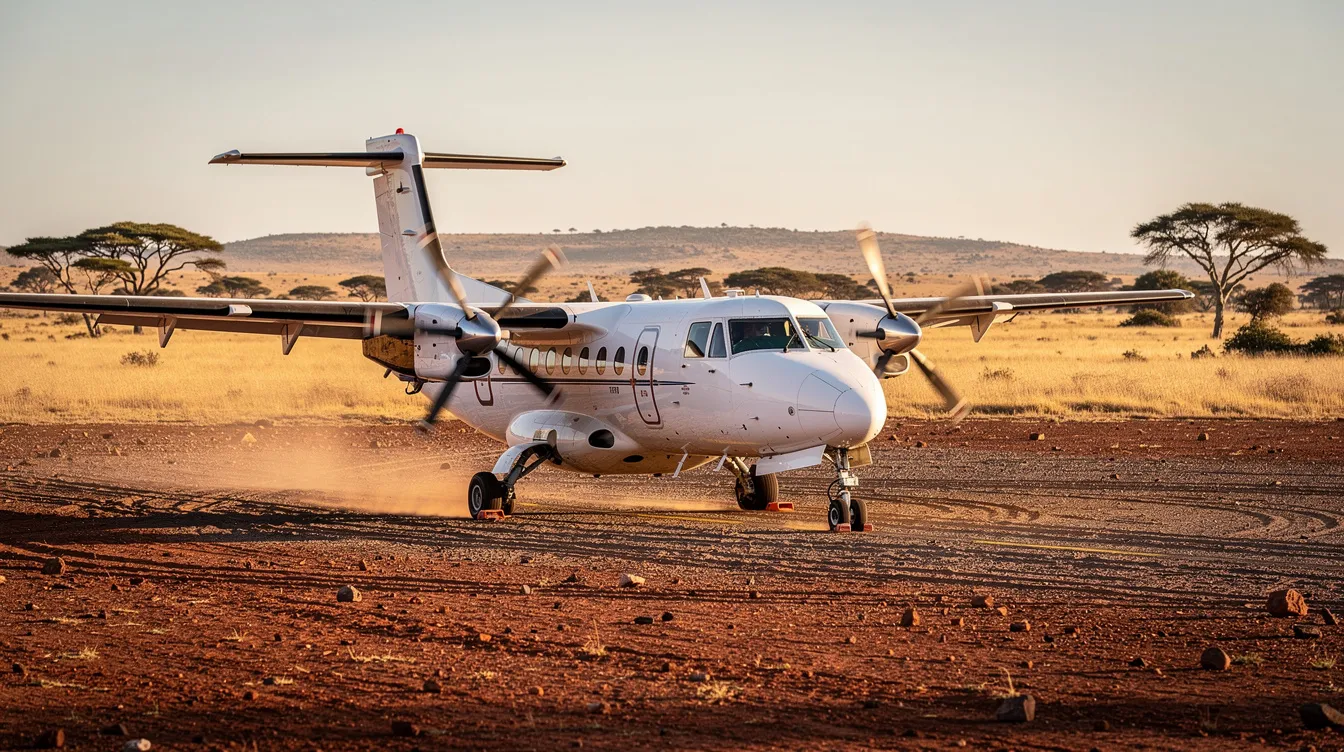
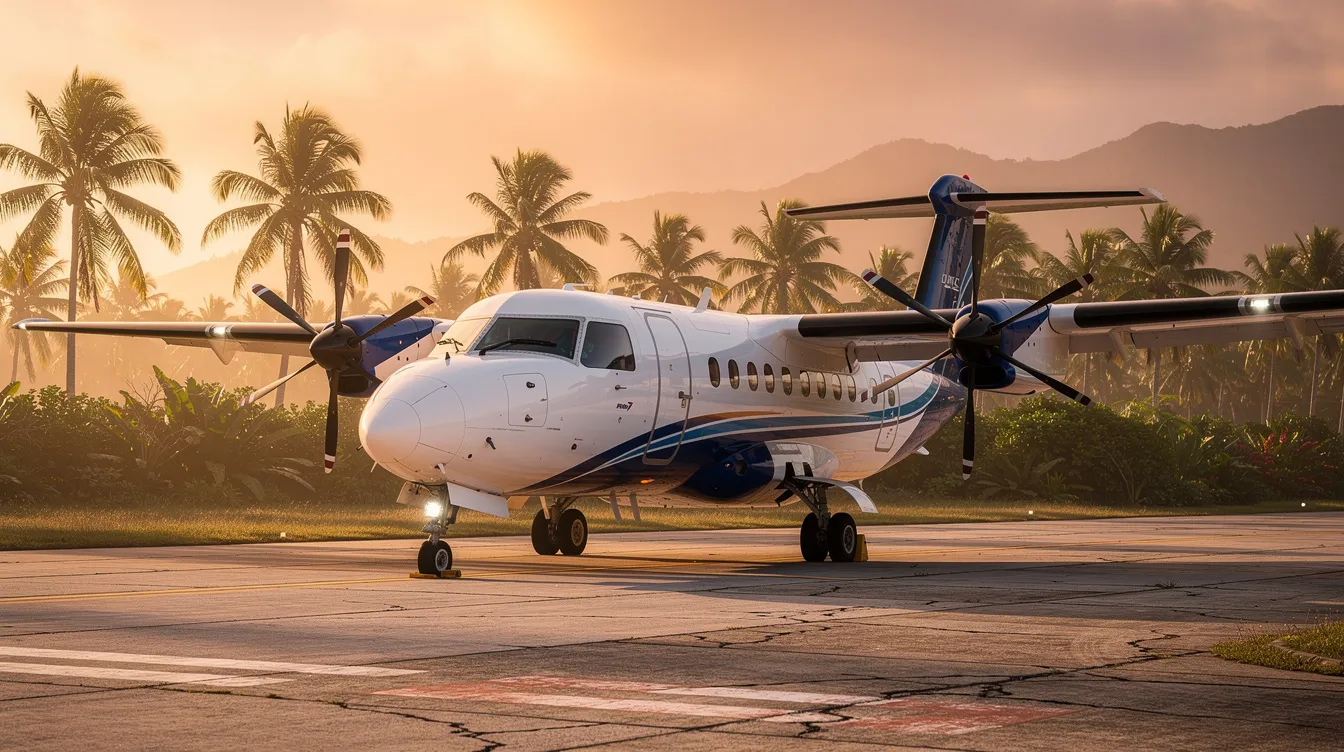
For regional business travel, two or three executives flying 400–700 nm between Frankfurt–Milan or Boston–Toronto may be best served by light jets or select turboprops. Short sectors reward efficient climb performance, airport flexibility, and lower cycle-related costs.
For mid-continent and coast-to-coast trips, such as New York–Los Angeles or Dubai–London, or even premium routes into major hubs like Paris by private jet, mid-size jets and super-midsize jets can provide a stronger balance of speed, comfort, and cost. The Bombardier Challenger 300/350 series, for example, remains relevant because buyers often value cabin comfort, dispatch reliability, and resale demand.
For intercontinental travel, such as Houston–Tokyo or London–Johannesburg, heavy jets and ultra-long-range aircraft become the realistic choice. Gulfstream G650 aircraft, Bombardier Global 6500 aircraft, Global 6000/6500 aircraft, and Boeing Business Jets may support multiple cabin zones, sleeping layouts, enhanced galley space, and better productivity during long sectors.
The right answer may be a mixed fleet rather than one aircraft. A corporate operator might use a large-cabin jet for international business aviation, a midsize aircraft for regional trips, and a charter for overflow missions.
Valuation, Appraisals, and Market Timing in Private Aviation
Aircraft are depreciating assets, but value does not move in a straight line. The valuation of private jets is influenced by several factors, including market demand, aircraft age, maintenance history, and overall condition, which are critical for accurate appraisals. Factors influencing the valuation of private jets include the aircraft's make and model, total flight hours, maintenance history, and any modifications or upgrades made.
The appraisal of private jets is essential for determining their market value, which can fluctuate based on factors such as age, condition, and market demand. Professional appraisals are often conducted by certified appraisers who utilize industry standards and market data to provide accurate valuations for private jets. A formal review should include logbooks, maintenance tracking, engine programs, life-limited parts, avionics such as ADS-B and FANS, cabin upgrades, regulatory compliance, and comparable sales.
Market timing also matters. The 2020–2022 demand spike tightened supply and pushed values up. From 2023–2025, the market normalized, while pre-owned activity remained active; AMSTAT reported higher full-year pre-owned transaction volume in 2025 versus 2024, and NAFA market commentary noted business jet inventory remained below longer-term averages in late 2025.
The aircraft manufacturing industry is valued at over $426 billion in 2024 and is projected to exceed $600 billion by 2034, indicating a significant growth trend that influences aircraft valuation. New-aircraft backlogs, pre-owned supply, financing costs, and fuel prices all affect whether a buyer should move quickly or wait.
Selling a private jet typically involves understanding market conditions, including demand fluctuations and pricing trends, which can significantly impact the sale process. Underpricing leaves capital on the table; overpricing extends time on market and increases carrying costs. BusinessJets.com provides independent appraisals for owners, lenders, and operators, drawing on 1,500+ completed transactions to benchmark realistic value and positioning.
Buying or Selling a Private Jet with BusinessJets.com
BusinessJets.com is a discreet, transaction-focused advisor for private owners, corporations, and operators managing aircraft across multiple regions. Private jet owners looking to sell their aircraft should consider the benefits of using a brokerage service, which can provide expertise in pricing, marketing, and negotiating sales.
The process of acquiring a private jet typically includes assessing needs, selecting the right aircraft type, negotiating purchase agreements, and completing inspections and documentation. BusinessJets.com supports aircraft acquisition by defining the mission, searching across a global fleet and global network, reviewing records, coordinating pre-buy inspections, negotiating terms, and supporting entry into service.
Understanding the regulatory environment, such as FAA regulations for private jet operations, is crucial for successful aircraft acquisition and ownership. Cross-border transactions may also involve export and import requirements, registration changes, customs, VAT or sales tax, currency exposure, and operating approvals across North America, Europe, the Middle East, and Asia. The FAA’s aircraft registration resources are one example of the regulatory framework owners must account for.
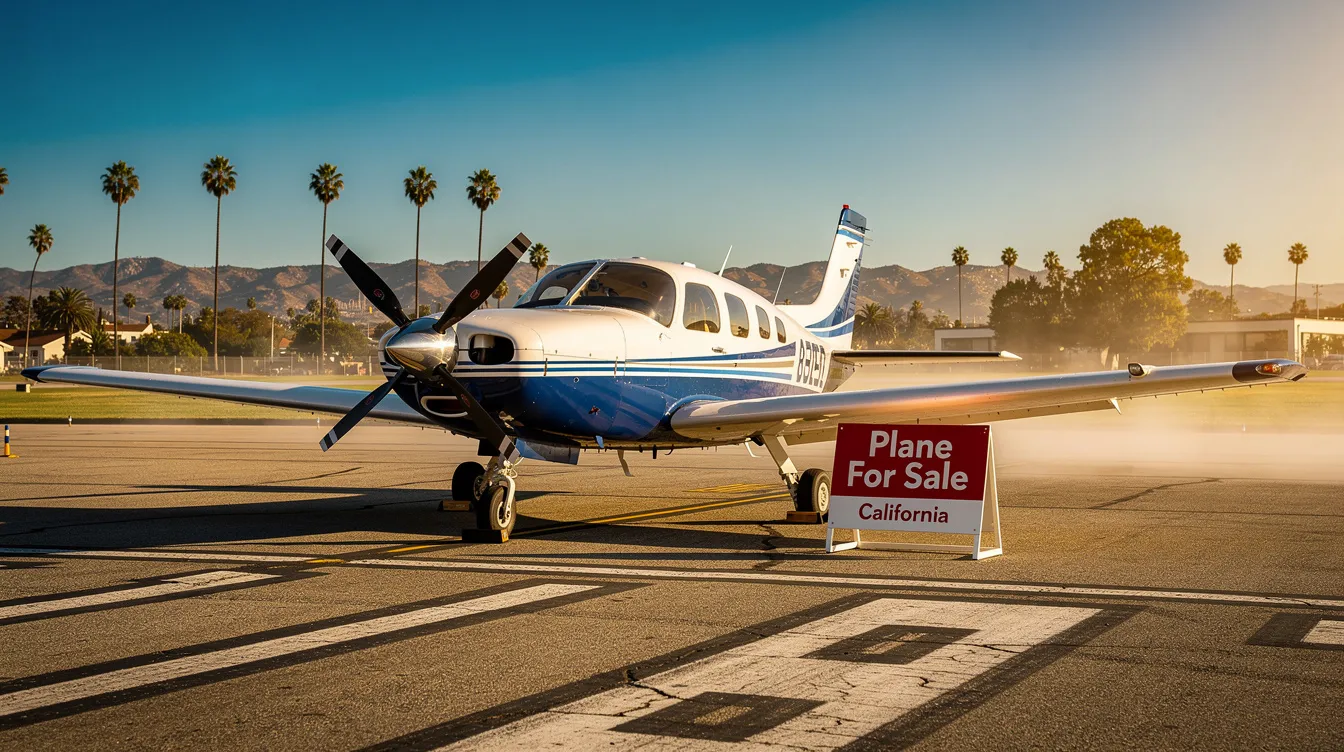
For sellers, preparation is a value driver. BusinessJets.com helps compile technical records, review maintenance status, address cosmetic presentation, coordinate photography, set pricing, manage qualified inquiries, and oversee inspections or demo flights. The goal is not simply to list the aircraft, but to position it accurately for the right buyers.
Aviation consulting services play a crucial role in assisting private jet owners and operators with strategic advice for aircraft transactions, ensuring informed decision-making throughout the acquisition or disposal process. Consultants in the aviation industry often provide market intelligence and analysis, helping clients understand trends and make strategic decisions regarding their aircraft assets.
Effective aviation consulting includes evaluating operational efficiencies and cost management strategies, which are essential for optimizing the performance of private jet operations. Operators in the private aviation sector are increasingly seeking strategic consulting services to enhance operational efficiency and optimize aircraft utilization. The demand for advisory services in private aviation is driven by the need for operators to adapt to changing market conditions and regulatory requirements.
The aviation consulting sector is increasingly focused on sustainability, with aviation experts advising on the adoption of sustainable aviation fuels (SAF) and other eco-friendly practices to reduce the environmental impact of private aviation. For owners and operators, sustainability planning is increasingly part of asset strategy, not a separate conversation.
Frequently Asked Questions
How many hours per year justify owning a private jet instead of chartering?
As a general guide, under roughly 50 hours per year often favors charter, 50–150 hours may justify fractional ownership, and 150+ hours can support whole aircraft ownership depending on jet size, mission profile, purchase price, and resale outlook. For larger jets, the ownership threshold may be higher because fixed annual costs are greater.
BusinessJets.com can model utilization, costs, and aircraft options based on a company’s or family’s actual flight history.
What is the typical lifespan of a business jet in private aviation?
Many business jets remain commercially viable for 25–30+ years if properly maintained, and many also remain active in general aviation with qualified private pilots. Major value inflection points usually occur around heavy inspections, engine overhauls, landing gear events, avionics upgrades, and cabin refurbishment cycles.
BusinessJets.com considers remaining economic life and upcoming capital events when advising whether to buy, sell, upgrade, or continue operating an aircraft.
Can I use my private jet for both personal and business flights?
Yes. Many owners use one aircraft for business, leisure, family travel, and trips with friends. Usage must be tracked carefully for tax, accounting, insurance, and operational compliance.
Owners should work with tax and legal advisors, while BusinessJets.com focuses on operational and asset implications such as scheduling, crew contracts, ownership structure, and whether chartering out excess capacity is appropriate.
How liquid is the market if I need to sell a jet quickly?
Liquidity depends on aircraft type, age, maintenance status, documentation quality, configuration, and global market conditions. Popular light and mid-size jets may move faster than unusual, older, or highly customized aircraft.
BusinessJets.com can provide an estimated time-on-market and recommended pricing strategy based on recent transactions, current demand, and comparable aircraft for sale.
Does BusinessJets.com arrange charter flights, or only sales and consulting?
BusinessJets.com’s core services are aircraft brokerage, appraisals, and aviation consulting. The firm may coordinate with operators and charter providers as part of a broader fleet or ownership strategy, but it does not operate as a retail charter platform.
If your main need is long-term aircraft access rather than immediate ownership, BusinessJets.com can review your travel profile and advise whether charter, fractional ownership, leasing, or purchase is the most suitable path.
Conclusion
Flying private is most effective when it is approached as a strategic aviation decision, not just a way to book a flight. Aircraft selection, valuation, ownership model, market timing, and operational planning all affect cost, flexibility, and long-term asset value.
If you are considering a purchase, preparing to sell, reviewing fleet performance, or uncertain about the value of an aircraft, contact BusinessJets.com to request an aircraft appraisal, list an aircraft for sale, or begin an acquisition or aviation consulting engagement.