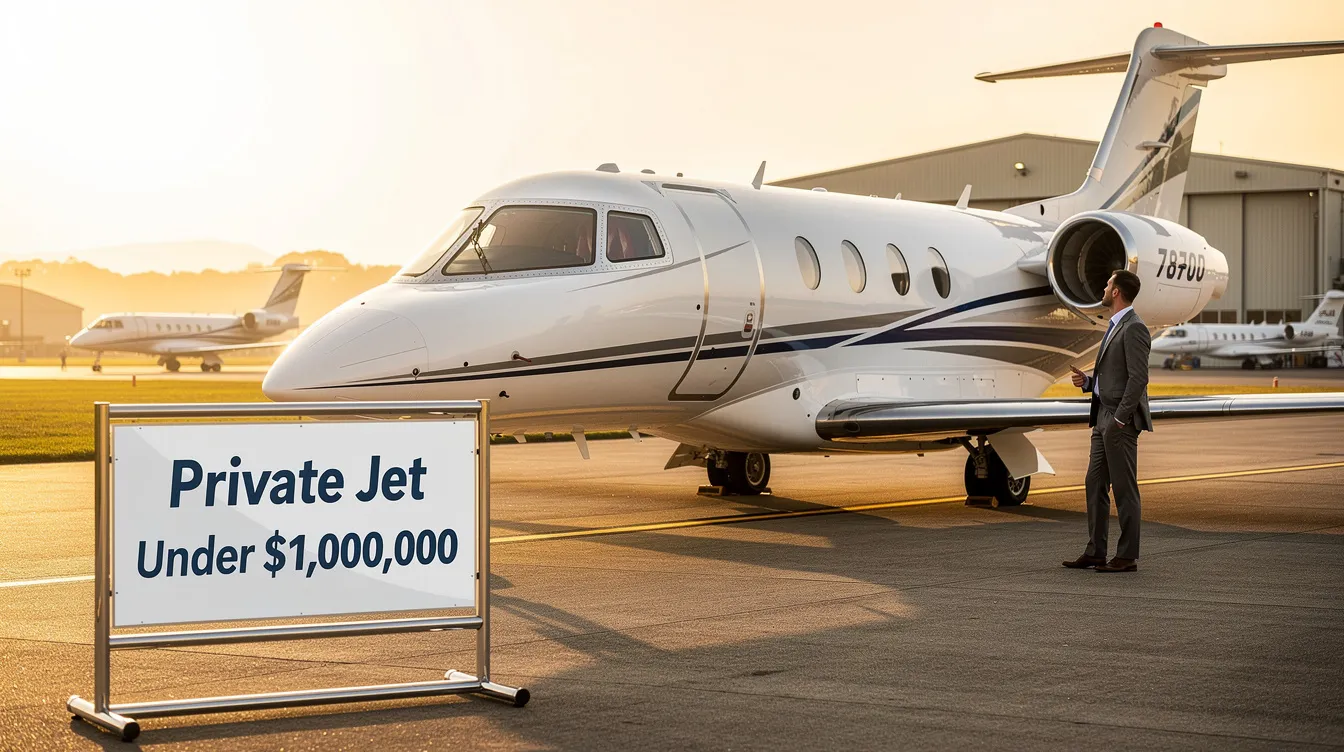
Very Light Jet Cost: What Buyers Really Pay in 2026
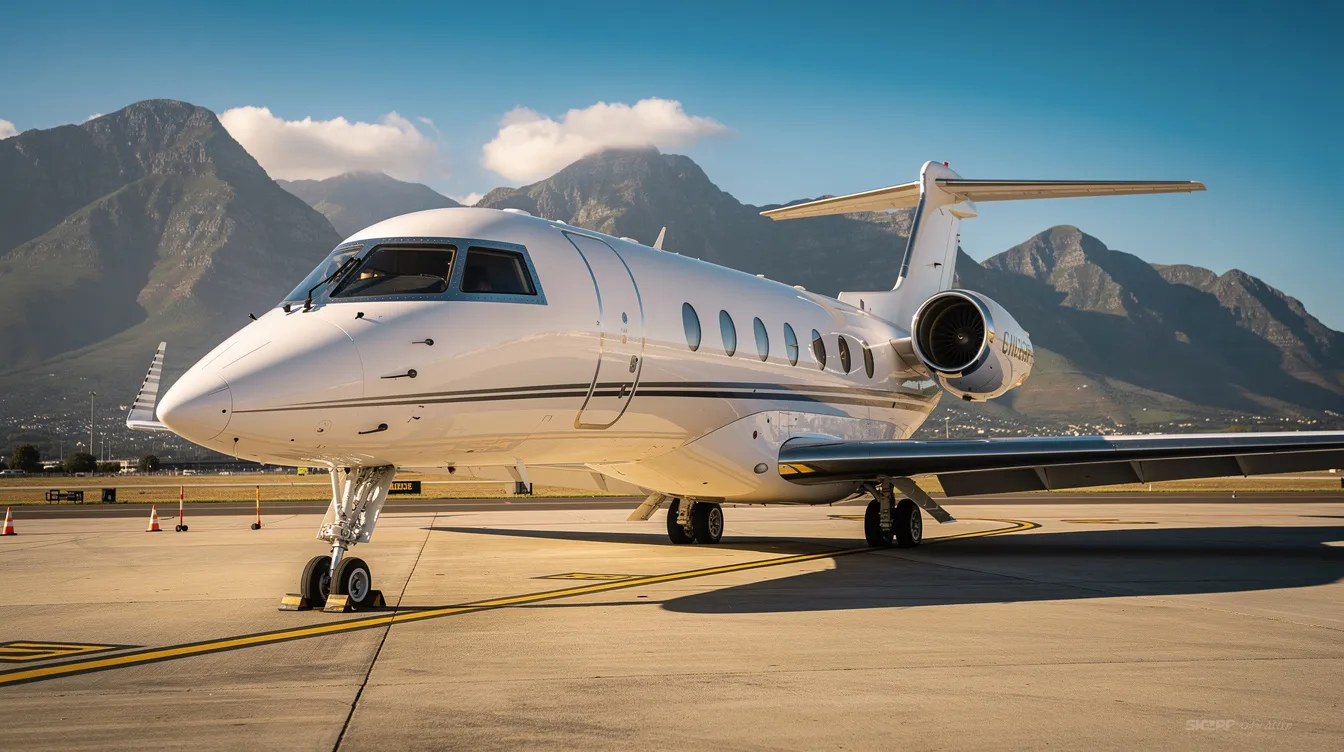
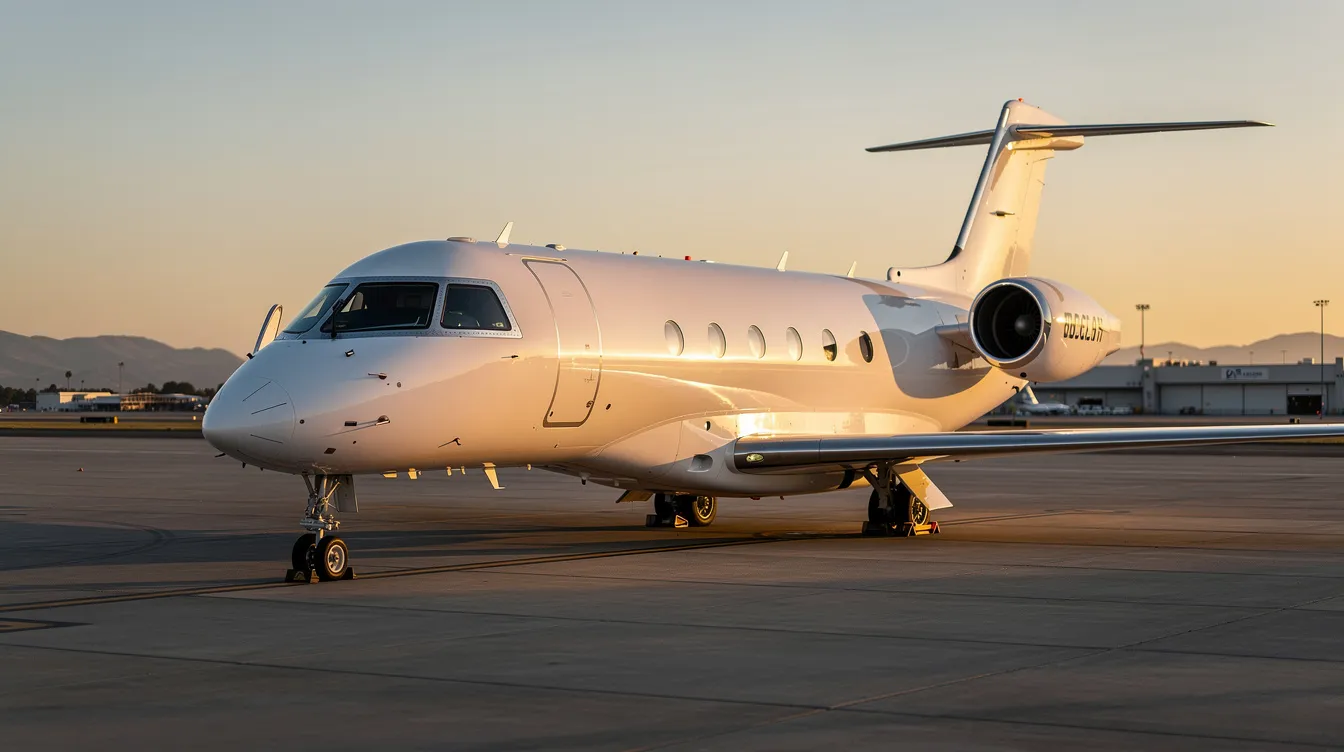
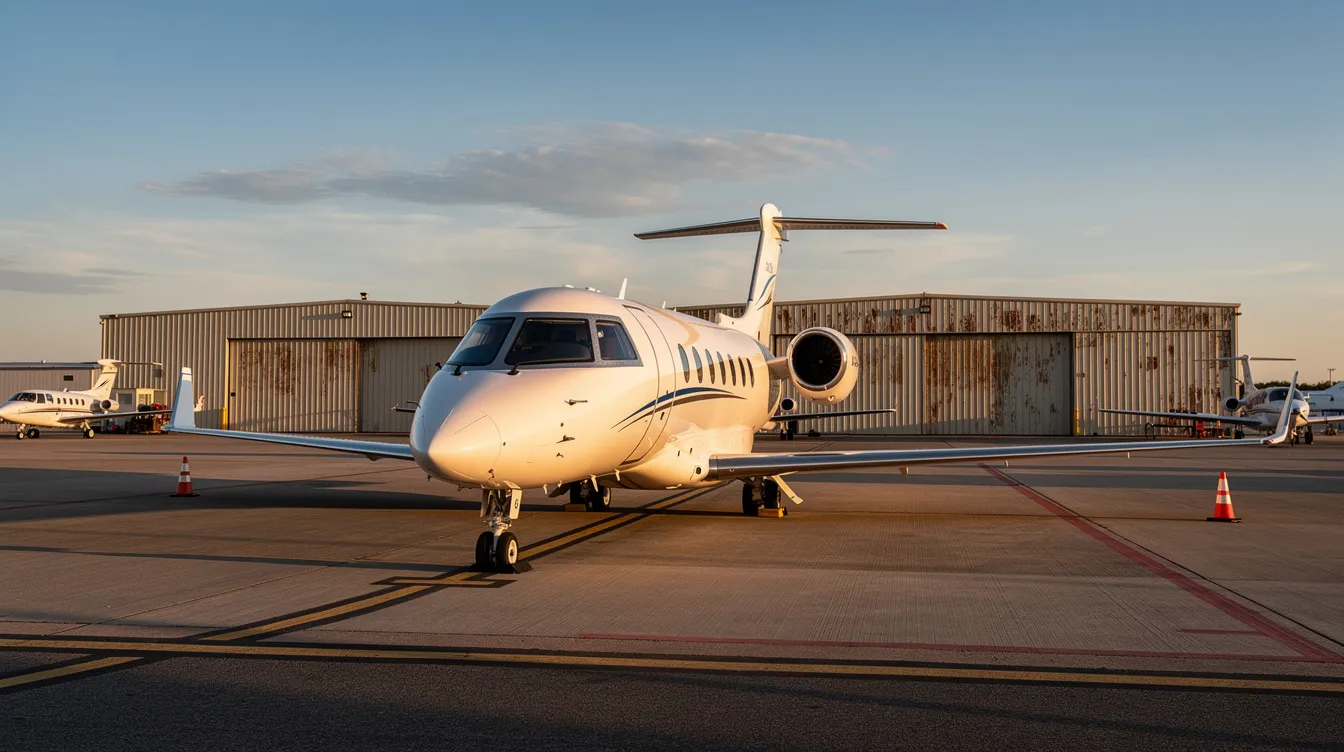
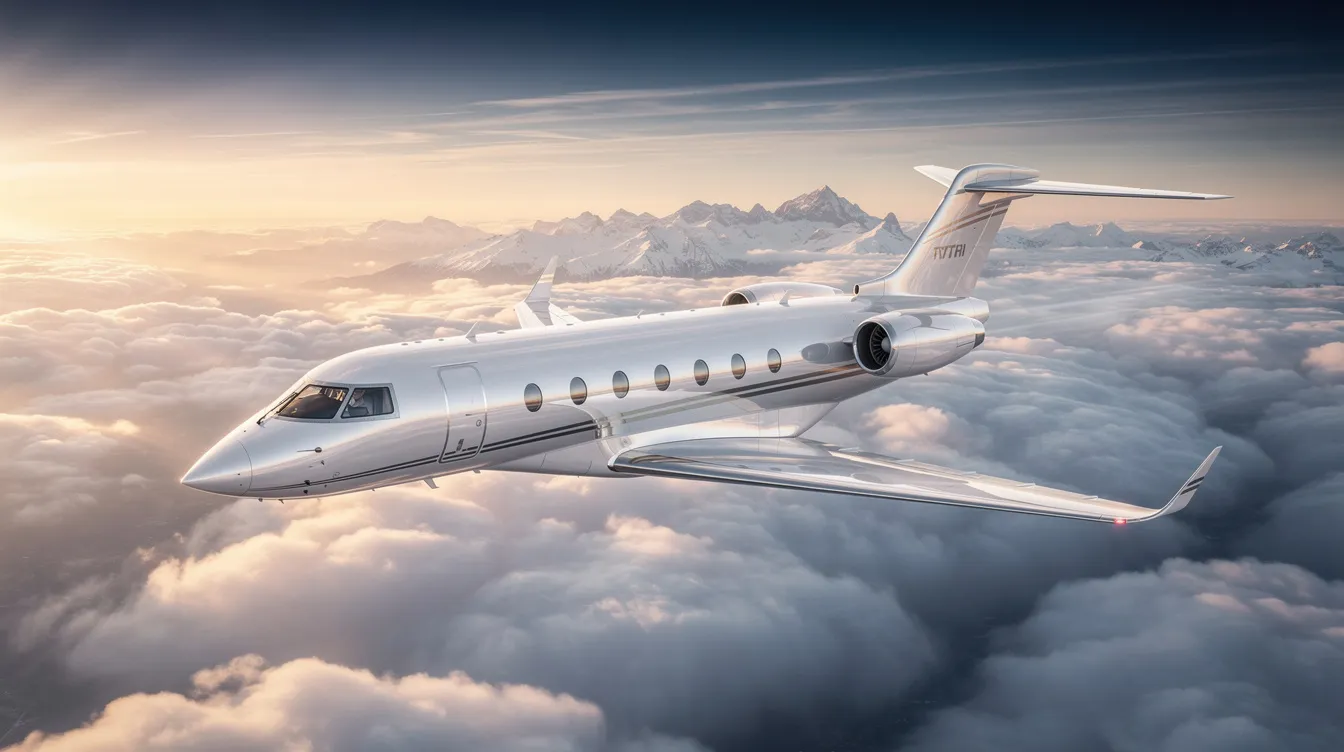
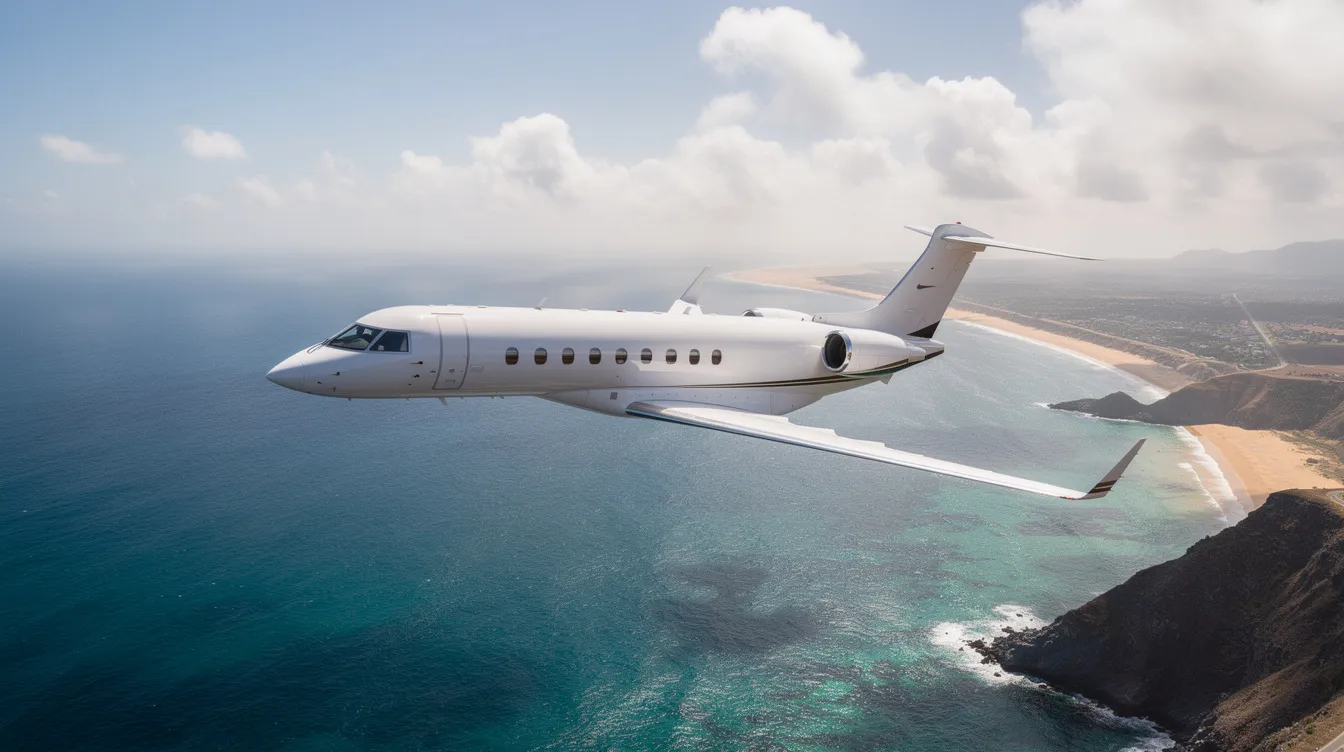
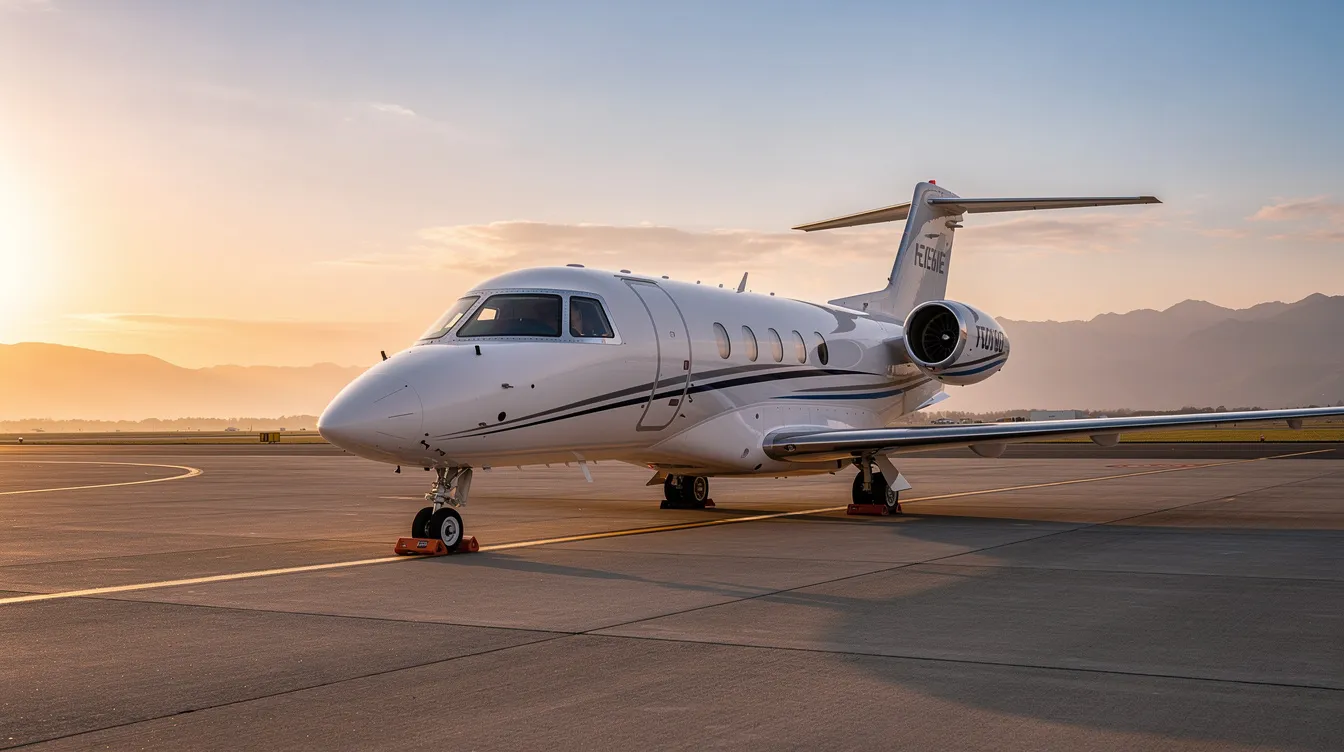
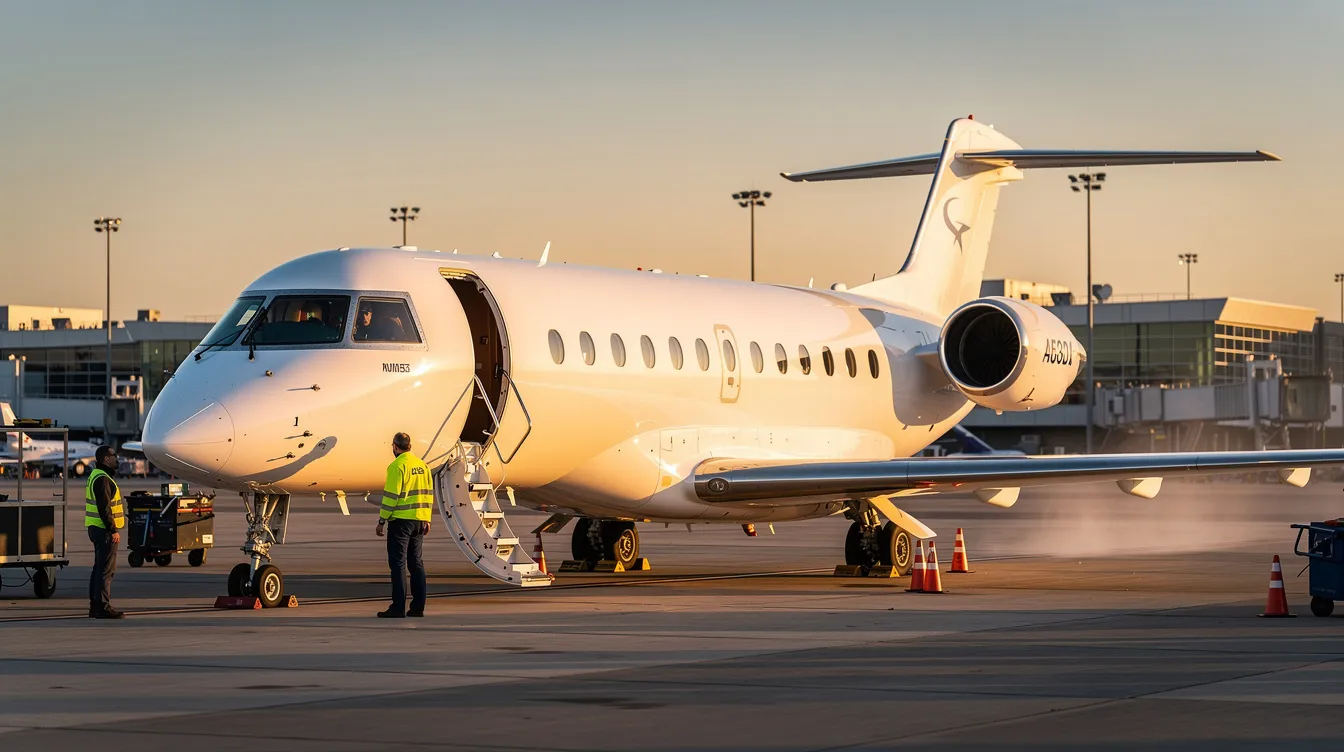
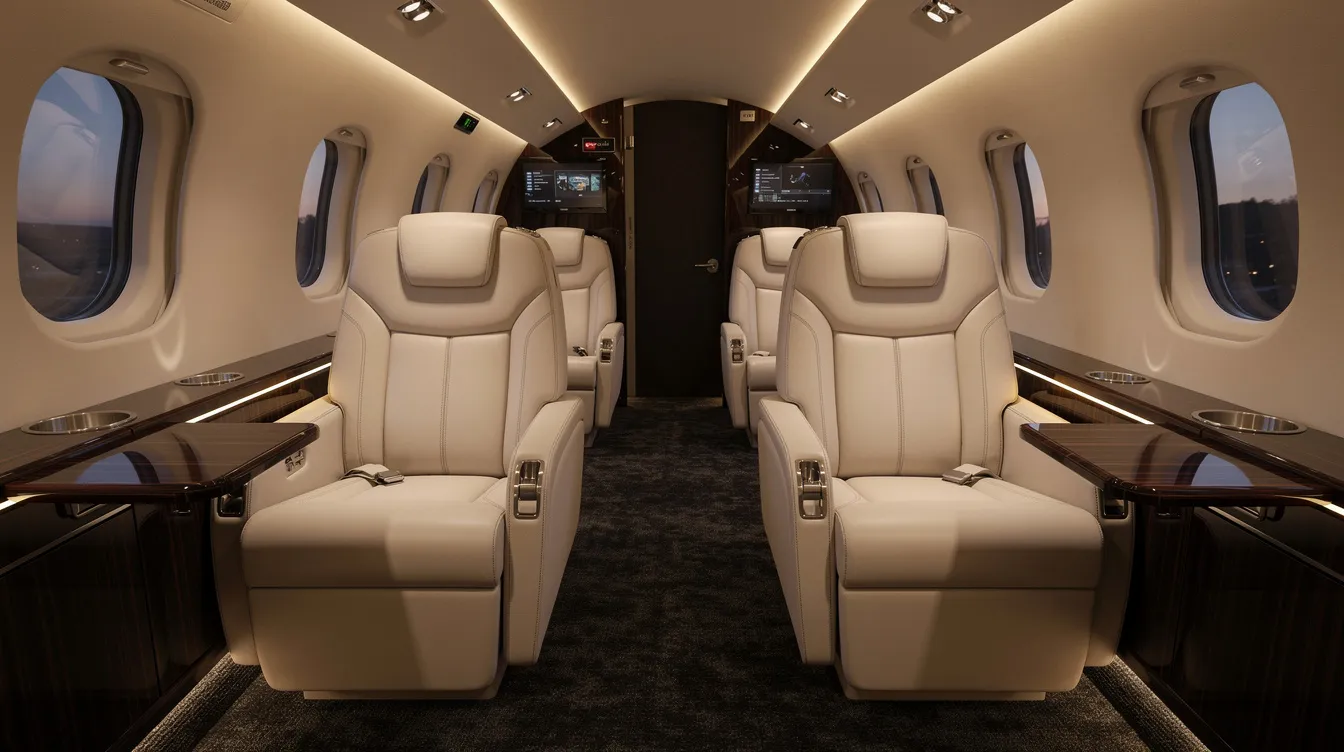
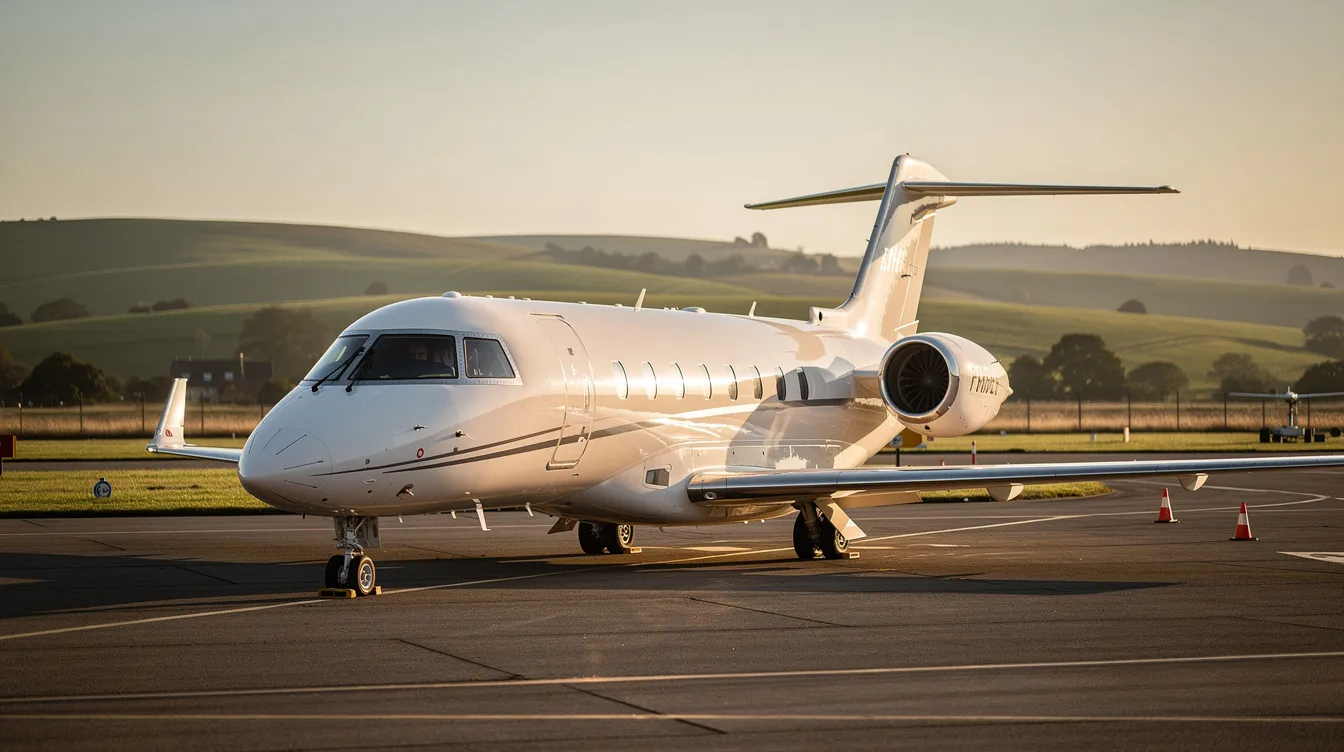
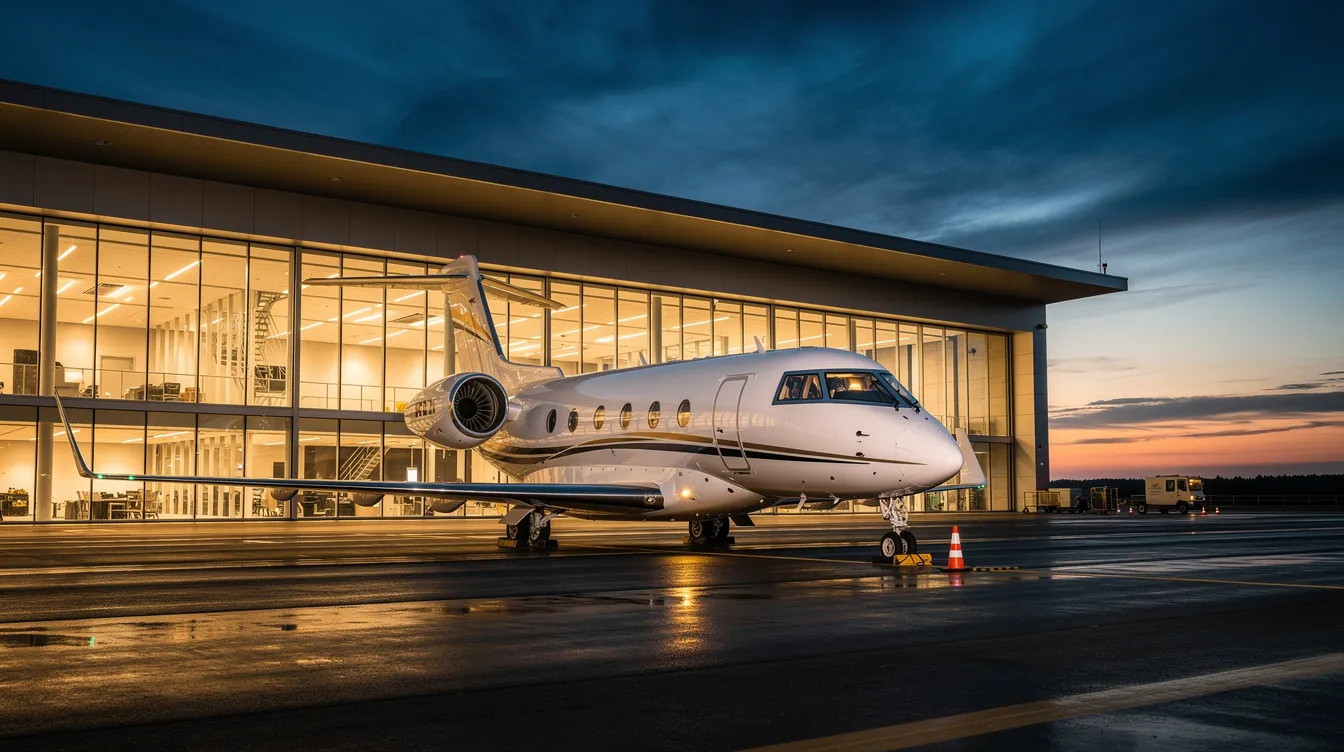
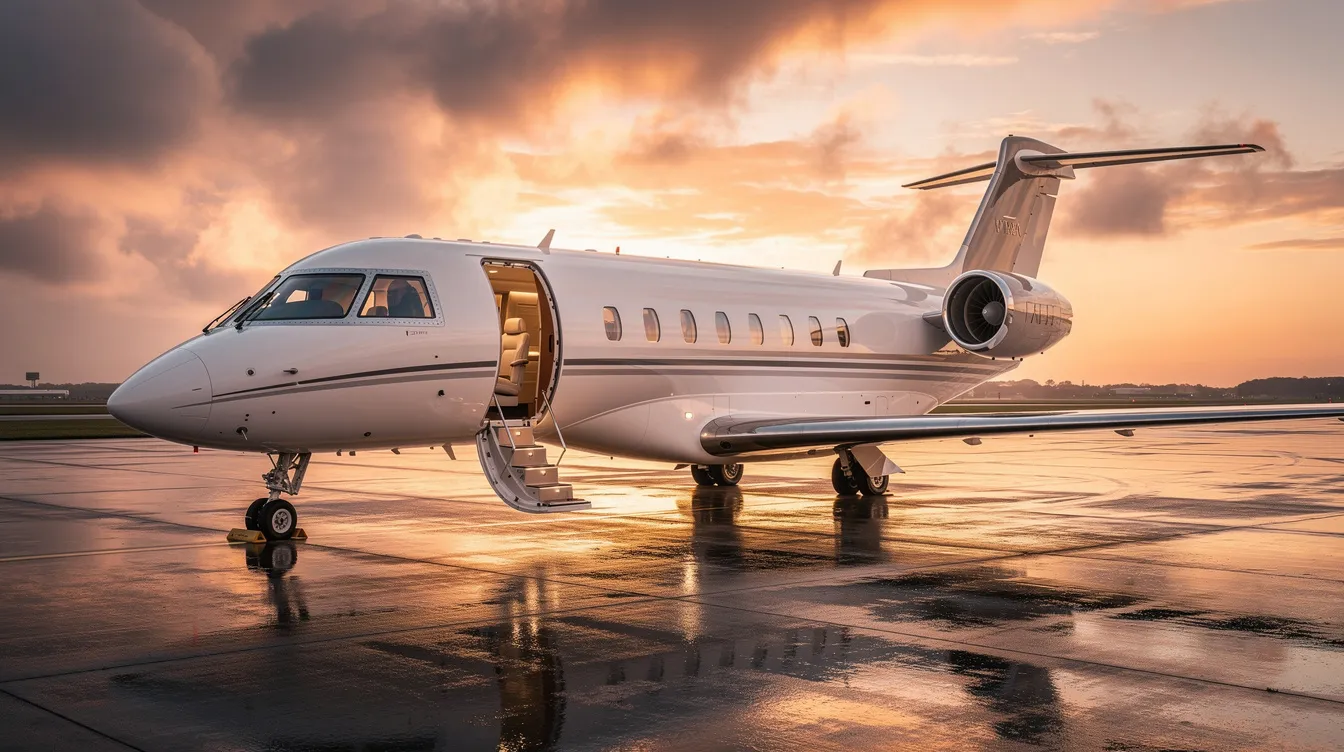
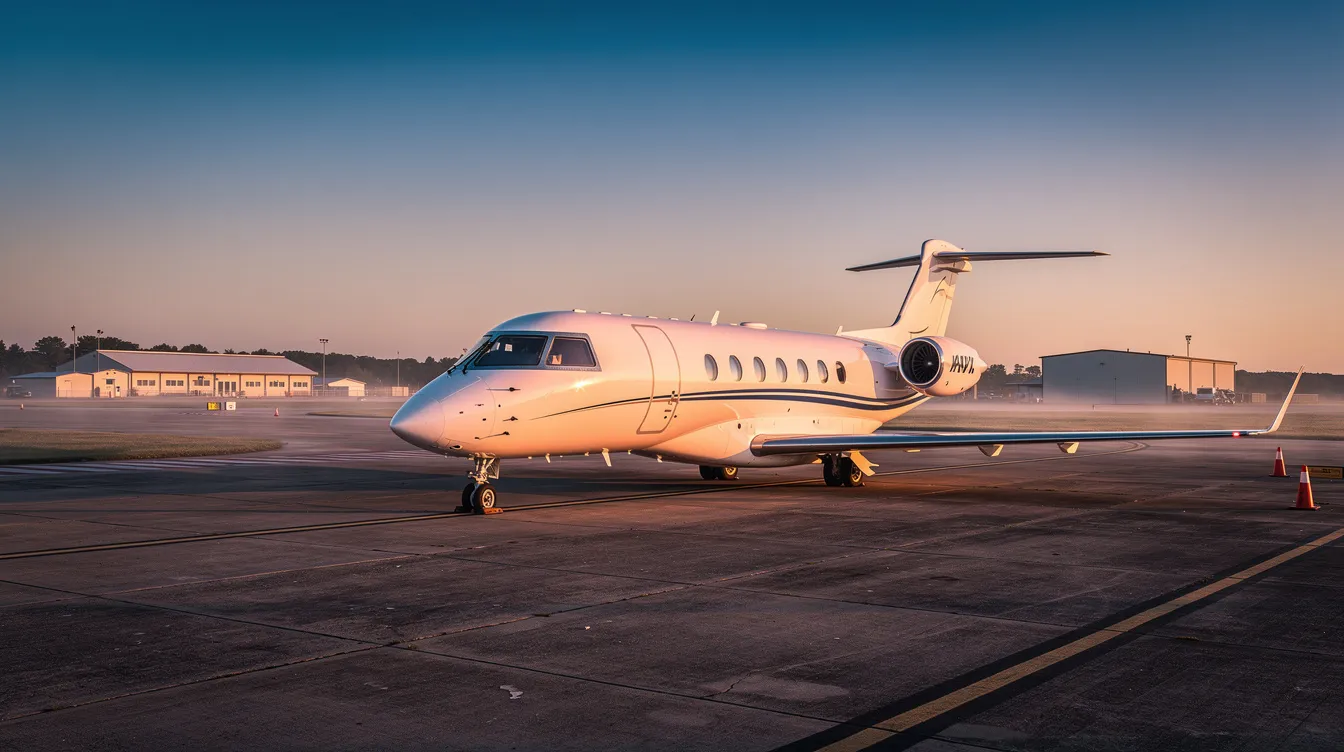
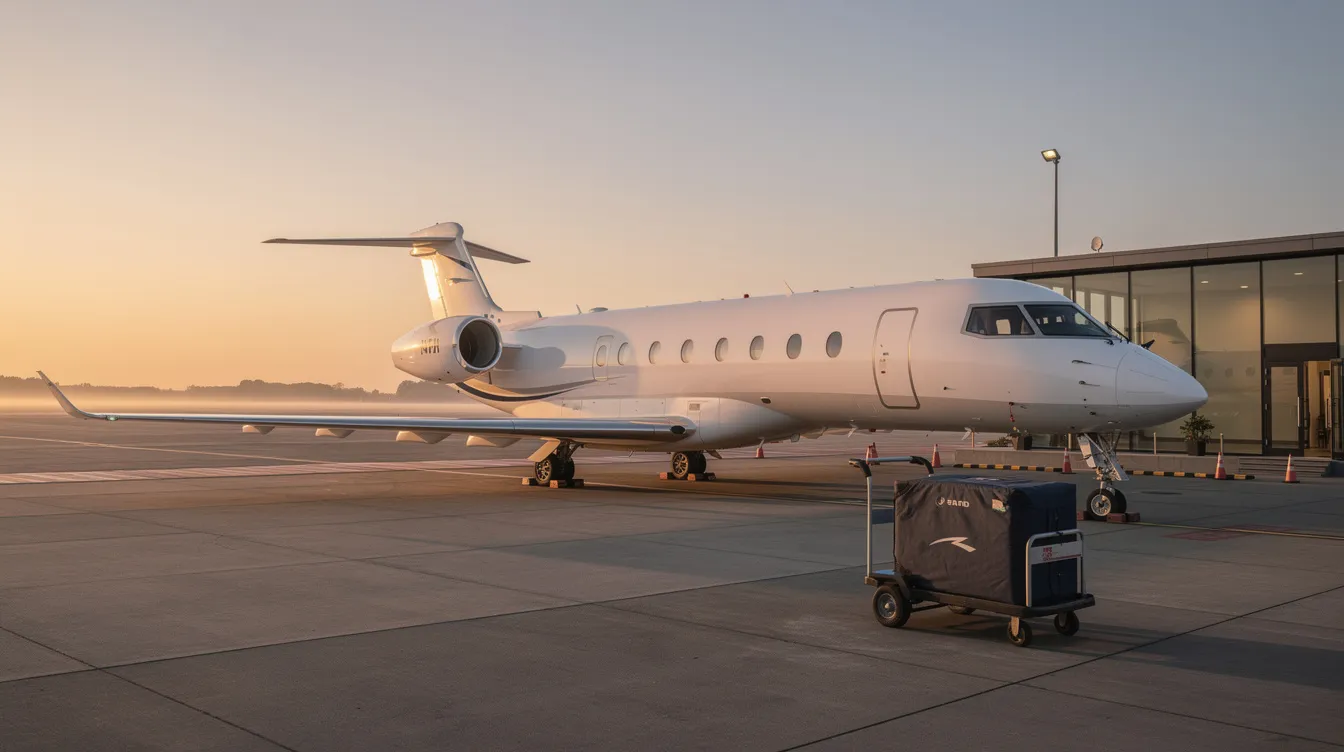
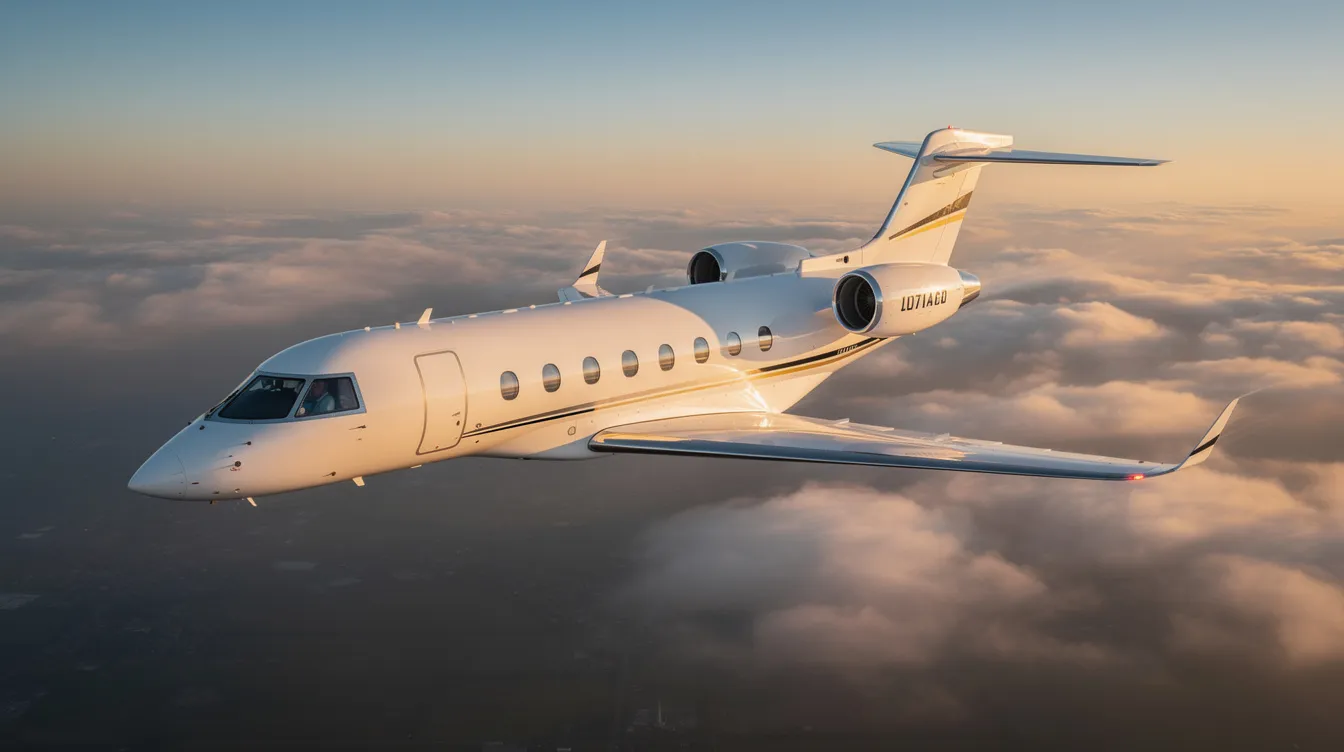
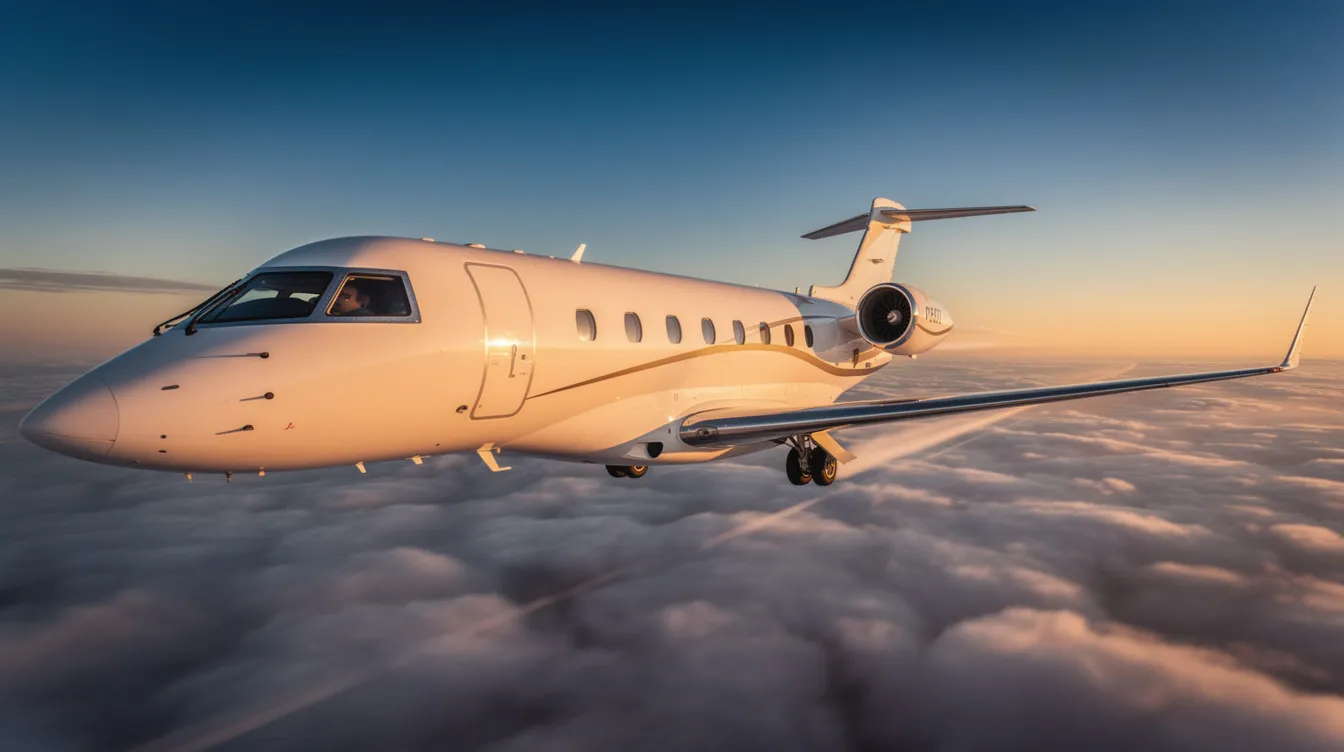
A very light jet is an entry-level private jet generally seating between four and six passengers, with a maximum range often around 1,000–1,400 nautical miles. Very Light Jets typically seat between 4 and 6 passengers, providing a compact and efficient travel solution for small groups or families. In 2026, very light jet cost matters because many first-time buyers see VLJs as the bridge between high-performance light aircraft, turboprops, and larger aircraft.
This guide focuses on 2026 realities for the Cirrus Vision Jet, Cessna Citation Mustang, Embraer Phenom 100, HondaJet, and Eclipse 500. BusinessJets.com writes from the perspective of an aircraft brokerage and aviation consulting firm with 1,500+ completed transactions and 5,000+ satisfied customers, advising business aviation clients on acquisition, valuation, and operating cost exposure before capital is committed.
Key Takeaways
Very light jet cost in 2026 is usually $1.5M–$4M to acquire and about $650–$1,200 per flight hour to operate, with models such as the Cirrus Vision Jet, Cessna Citation Mustang, Phenom 100, HondaJet, and Eclipse 500 defining the market.
Total very light jet cost includes purchase price, refurbishment, financing, insurance, crew, hangar fees, management fees, maintenance, landing fees, fuel surcharges, and regulatory compliance, not just fuel.
Pre-owned models from roughly 2007–2016 are often the most cost-effective entry point for budget-conscious buyers, especially when logbooks, inspections, and engine programs are strong.
Private jet charter, fractional programs, jet cards, empty leg flights, and empty legs may be more economical than full private jet ownership below about 150–200 hours of annual flight time.
BusinessJets.com supports aircraft selection, aircraft valuation, appraisals, acquisition strategy, and exit planning across the full jet ownership lifecycle.
What Counts as a Very Light Jet? (And Why It’s the Cheapest Private Jet Category)
Across jet categories, the very light jet category sits below the light jet category, midsize jet, super-midsize, heavy jet, and ultra-long-range aircraft. A light jet may offer more cabin space and carry up to nine passengers, while a heavy jet is better suited to long-haul flights, larger groups, and more cabin amenities.
VLJs are typically certified for single-pilot operation, have maximum takeoff weights near 10,000–12,500 lbs, and are designed for short regional flights and short-haul flights under about 1,200 nautical miles. Very Light Jets are designed for single-pilot operations, making them accessible for owner-pilots and ideal for personal and business travel. The typical range for Very Light Jets is between 1,150 and 1,300 nautical miles, making them suitable for short-haul flights.
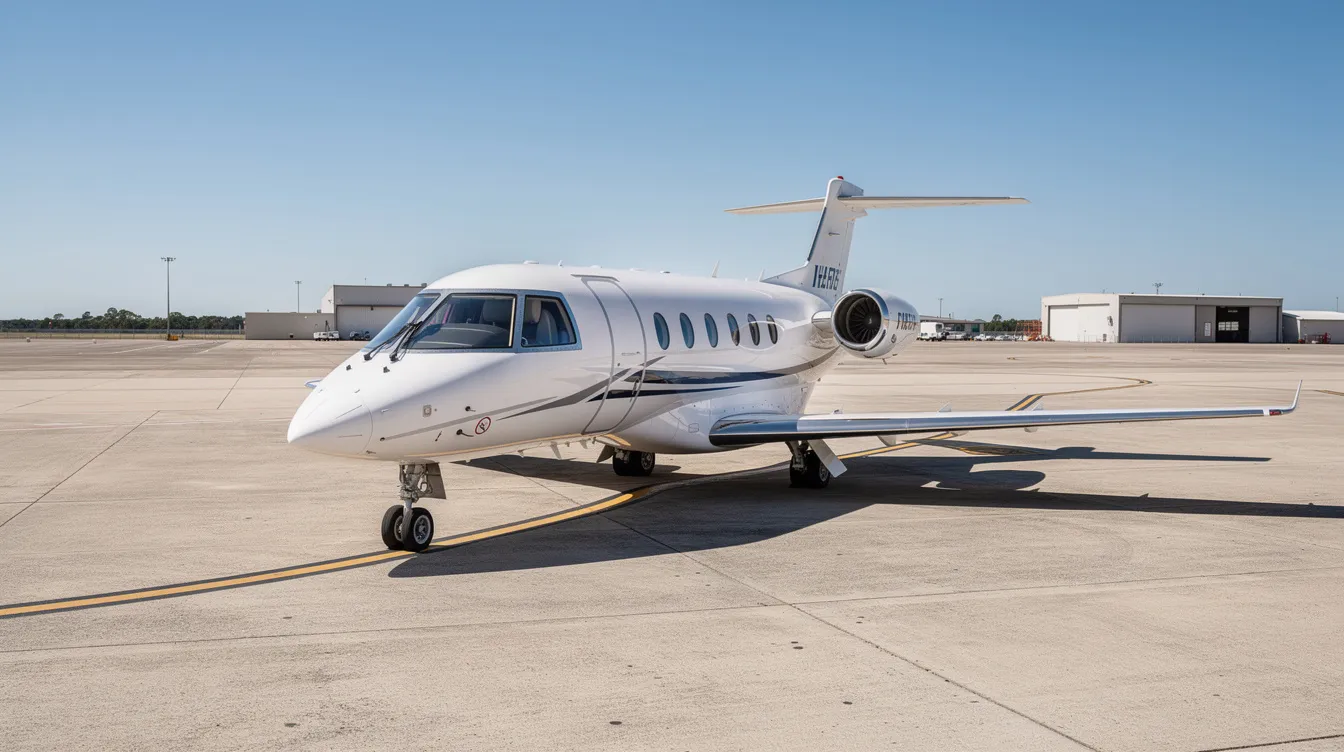
Common examples include the Cirrus Vision Jet SF50 from Cirrus Aircraft, Cessna Citation Mustang, Embraer Phenom 100/100E, HondaJet HA-420, and Eclipse 500/550. These aircraft anchor the cheapest private jet discussion because Very Light Jets are known for excellent fuel efficiency and lower operating costs compared to larger jets, making them an economical choice for private aviation.
Acquisition Cost: What You’ll Pay to Buy a Very Light Jet in 2026
Acquisition cost varies by aircraft type, year, total time, avionics, inspection status, engine program, interior, and included amenities. The typical cost of purchasing a Very Light Jet ranges from $1 million to $3 million for a pre-owned model and $3 million to $7 million for a brand-new aircraft. More commonly, the price to acquire a Very Light Jet typically ranges from $1.5 million to $3.5 million, depending on factors such as age and included amenities. New Very Light Jets can cost between $3.5 million and $5.5 million, while pre-owned models can be found for as low as $700,000.
Typical 2026 price range:
Model | 2026 acquisition guidance |
|---|---|
Cirrus Vision Jet G2+ SF50 | About $3.2M–$3.6M new, depending on options |
HondaJet Elite II | Generally $6M+ new, at the upper VLJ edge; first flight was in 2015 |
Cirrus Vision Jet 2017–2020 | About $2.1M–$2,8M, depending on hours and advanced avionics |
Cessna Citation Mustang 2007–2017 | About $1.3M–$2.2M; early 2026 Europe and North America listings have closed in this band |
Embraer Phenom 100 / 100E 2009–2016 | About $2.0M–$3.3M, with premiums for later 100E aircraft |
HondaJet early HA-420 | Usually $3.5M–$4.5M pre-owned, depending on upgrades |
Eclipse 500/550 | Often $0.8M–$1.6M, though parts availability can offset the low upfront cost |
Well-equipped, low-time aircraft with Garmin G1000/G3000-class avionics, fresh inspections, Wi-Fi, USB charging points, and engine program coverage can command a 10–20% premium. Aircraft with high total flight hours or those approaching costly engine overhauls are valued significantly lower than planes with low hours. The market value of a pre-owned jet drops steeply if it has logged significantly more than 400 flight hours per year. BusinessJets.com uses formal aircraft appraisals and current used market data to narrow valuation bands before a client makes an offer on the entire aircraft.
Typical Operating Costs: Hourly and Annual Figures for Very Light Jets
Fixed costs are paid whether the aircraft flies or not; variable costs rise with flight duration, departure airport, flight planning complexity, and flight time. Operational costs for Very Light Jets generally range from $650 to $1,200 per hour, depending on the specific model and its operational efficiency. Fuel burn rates for VLJs typically range between 90 and 150 gallons of jet fuel per hour, and fuel costs for operating very light jets can vary significantly depending on flight time and aircraft type, impacting overall operational expenses.
Cost item | 2026 planning range |
|---|---|
Cirrus Vision Jet | About $650–$800 per hour |
Cessna Citation Mustang | About $950–$1,200 per hour |
Embraer Phenom 100 | About $1,100–$1,350 per hour |
HondaJet | About $1,100–$1,400 per hour |
Eclipse 500 | About $700–$900 per hour, with parts risk |
For a personally operated or small corporate VLJ flying 200 hours annually, hangar or tie-down may run $30,000–$60,000; insurance may run $25,000–$60,000; scheduled inspections and reserves may run $70,000–$150,000; and crew costs, if a professional pilot or co-pilot is used, may run $100,000–$180,000 per pilot. Fixed costs for a standard VLJ include crew salaries, hangar storage, insurance, and management fees, ranging from $230,000 to $350,000 annually. Annual fixed costs associated with owning a Very Light Jet can total $300,000 to $700,000 and cover aviation insurance, pilot training, and hangar storage.
Purchasing a VLJ involves both upfront acquisition costs and ongoing annual fixed costs totaling $500,000 to $600,000 or more. Variable costs for operating a VLJ typically account for 25% to 35% of total operating costs and include fuel, maintenance reserves, and trip expenses. Variable operating costs for VLJs are directly tied to the number of hours the aircraft is in the air, typically totaling between $220,000 and $420,000 annually for a 200-hour flight schedule. That still leaves VLJs materially less expensive than many popular light jets and most midsize jet options, which are represented among the premium aircraft for sale that many buyers consider as alternatives.
Model-by-Model Cost Snapshot: Cirrus Vision Jet, Cessna Citation Mustang & Peers
The Cirrus Vision Jet is often cited as the cheapest private jet available new and is a distinctive single-engine private jet. The Cirrus Vision Jet is known as the world’s first single-engine private jet, featuring a unique V-tail design and a maximum range of approximately 1,275 nautical miles. The typical operational cost for a Cirrus Vision Jet is estimated to be around $650 to $750 per hour, making it one of the most affordable options in the very light jet category. The Cirrus Vision Jet, a prominent model in the VLJ category, includes advanced safety systems such as an emergency autoland system and a parachute system for added security, making the Vision Jet attractive to owner pilots seeking a personal jet.
The Cessna Citation Mustang remains one of the most liquid VLJs. The Cessna Citation Mustang is the best-selling Very Light Jet model in the broader aviation industry, with 479 units sold between 2006 and 2017 according to JETNET data. The Cessna Citation Mustang has an estimated operational cost of about $1,000 per hour, which is supported by its widely available parts and maintenance services. Many 2007–2010 examples have traded around $1.3M–$1.9M as of early 2026.
The Embraer Phenom 100 sits slightly above the Mustang in purchase price and operating cost, but offers a spacious cabin, stronger performance, and good support. The Embraer Phenom 100 is a popular Very Light Jet that can accommodate up to 7 passengers and has a range of approximately 1,300 nautical miles, making it a versatile option for small groups. Operational costs for the Embraer Phenom 100 are typically around $1,200 per hour, benefiting from strong support from the manufacturer, Embraer.
HondaJet typically sits at the upper end of very light jet cost, offering advanced technology, strong maximum cruise speed, modern systems, and manufacturer support, similar in concept to larger VIP airliners such as the Airbus ACJ319 private jet that prioritize comfort and range at a higher price point. Eclipse 500/550 can be one of the most affordable aircraft to buy, and in some cases, the most affordable aircraft on headline price, but the Eclipse 500 has an operational cost ranging from $700 to $900 per hour, although maintenance can be challenging due to limited parts availability. BusinessJets.com benchmarks these other models against route structure, business meetings, cabin space needs, and budget before recommending a candidate.
Hidden Costs of Very Light Jet Ownership
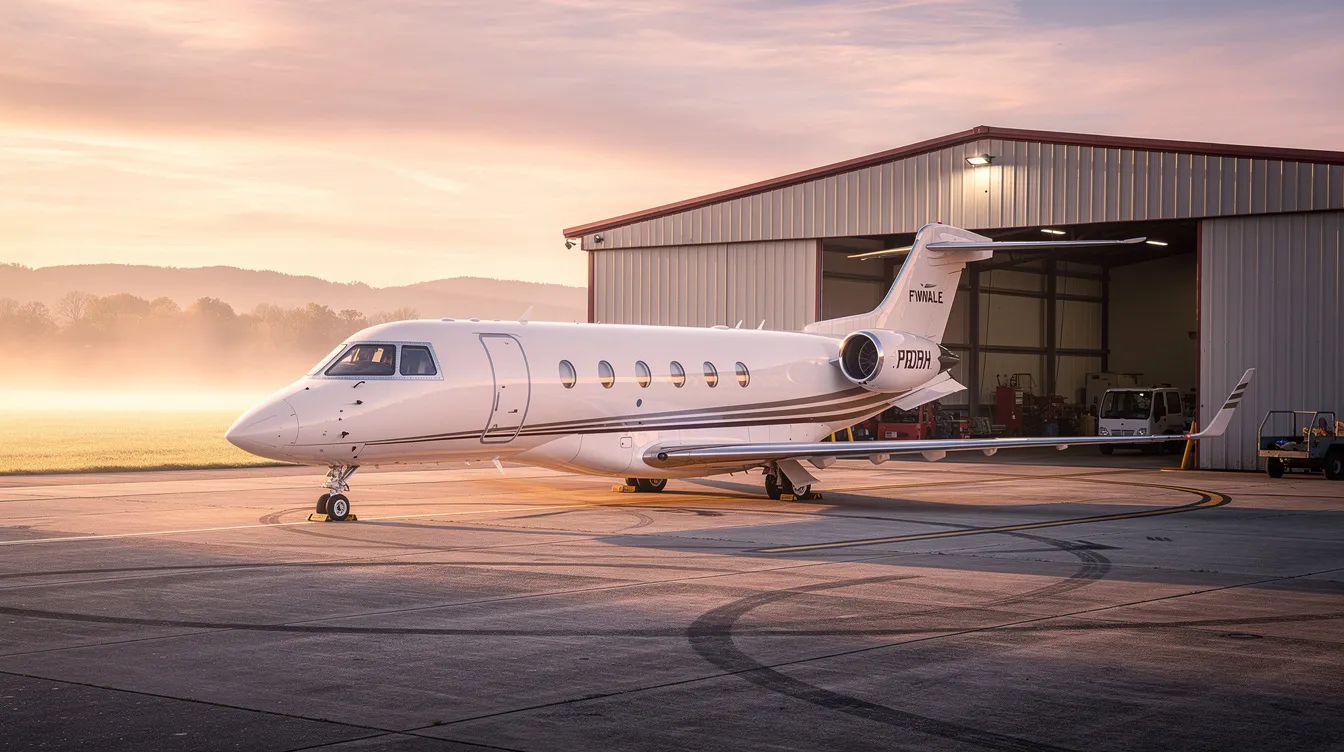
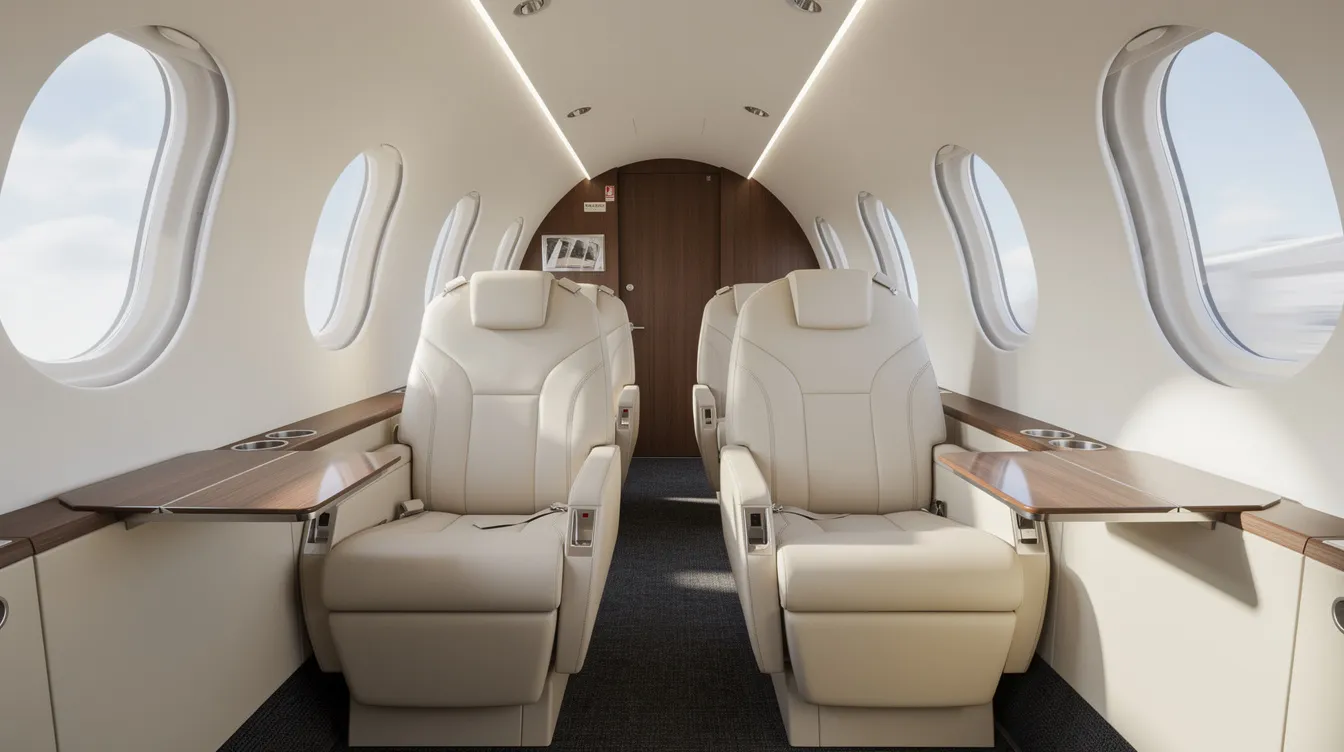
The headline price of the cheapest private jet rarely reflects the true cost over five to ten years. Pre-buy inspections and logbook research can run tens of thousands of dollars, but they protect buyers from damage history, corrosion, missing records, and deferred maintenance. Cabin refurbishment, paint, avionics upgrades, connectivity, or G1000NXi-type work can add $200,000–$500,000 to the total investment.
Regulatory compliance also matters. Aviation authorities mandate calendar-based and hour-based structural inspections for aircraft. ADS-B, navigation, noise, and regional certification requirements can affect resale and dispatch reliability; the FAA summarizes U.S. ADS-B requirements on its NextGen ADS-B guidance. Maintenance programs, such as manufacturer-backed hourly maintenance programs, help maintain higher resale values for jets by protecting buyers from unpredictable repair costs. BusinessJets.com’s consulting work usually includes sensitivity analysis for hidden costs, unscheduled maintenance, and exit value.
Ownership vs Charter vs Empty Legs: When Does Buying a VLJ Make Sense?
Not every client who wants to fly private or fly privately should buy a jet. Private jet charter for VLJs and comparable light jet aircraft often runs about $2,500–$4,000 per hour in 2026, with light jets, midsize jets, and heavy jets progressively higher. Charter may be better below 100–150 annual hours, while ownership becomes more compelling around 150–250+ predictable hours.
Empty leg flights are repositioning leg flights that would otherwise operate without passengers. Empty legs can offer 40–75% discounts versus standard charter pricing, creating significant savings for flexible travelers, but routes and timing are fixed. For mission-critical travel, especially from smaller airports or for recurring business meetings, ownership, fractional access, or jet cards may provide better control, while high-demand city pairs, such as private jet charter to Paris, can illustrate how premium charter solutions address both comfort and schedule certainty.
Financing, Depreciation, and Exit Strategy for Very Light Jets
Very light jet cost is not only the sticker price. Traditional aviation loans often use 5–10 year terms with 15–30% down; leasing may suit corporate users seeking balance sheet flexibility; cash can improve speed and negotiating position.
New VLJs often depreciate fastest in the first 5–7 years, then stabilize if maintenance, records, and avionics remain current. Models with broad demand, such as the Cirrus Vision Jet and Cessna Citation Mustang, may hold residual values better than niche types. Incomplete logbooks, deferred inspections, non-standard modifications, or weak manufacturer support can materially reduce resale value. BusinessJets.com advises clients on acquisition timing, hold period, and sale strategy to align private jet ownership with market cycles.
How BusinessJets.com Helps You Control Very Light Jet Cost
BusinessJets.com acts as a neutral advisor for buyers, sellers, operators, and fleet managers rather than representing one manufacturer. Our services include independent aircraft appraisals, brokerage for buying and selling very light jets, negotiation support, and aviation consulting for comparing VLJs
Frequently Asked Questions About Very Light Jet Cost
What is the typical purchase price range for a very light jet in 2026?
Very Light Jets typically cost between $1 million and $3 million for pre-owned models, while new aircraft range from $3 million to $7 million, depending on make, model, and options.
What are the main ongoing costs of owning a very light jet?
Ongoing costs include fixed expenses such as crew salaries, insurance, hangar fees, and maintenance reserves, which can total $300,000 to $700,000 annually, plus variable costs like fuel and trip expenses that depend on flight hours.
How do very light jets compare in operating costs?
Operational costs vary by model but generally range from $650 to $1,200 per flight hour. For example, the Cirrus Vision Jet operates at about $650–$750 per hour, while the Embraer Phenom 100 may cost around $1,200 per hour.
Are very light jets suitable for owner-pilots?
Yes, VLJs are designed for single-pilot operation, making them accessible to owner-pilots who want to fly themselves on short regional trips.
When does it make sense to buy versus charter a very light jet?
Ownership typically becomes cost-effective for users flying more than 150–200 hours annually. Below this, charter or empty leg flights may offer better financial flexibility.
Conclusion: Navigating Very Light Jet Cost with Expertise
Understanding the full scope of very light jet cost is essential for making informed decisions in 2026’s dynamic private aviation market. Acquisition price, operating expenses, maintenance, and regulatory compliance all factor into the true cost of ownership. Very Light Jets offer a compelling entry point for owner-pilots and businesses seeking efficient, cost-effective private air travel with the convenience of single-pilot operation and advanced safety features.
BusinessJets.com stands ready to assist buyers, sellers, and operators in navigating this complex landscape. With a proven track record of over 1,500 aircraft transactions and 5,000 satisfied clients worldwide, our expert brokerage and aviation consulting services provide impartial aircraft appraisals, acquisition strategy, and market insights tailored to your unique needs. Whether you are considering your first Very Light Jet purchase, evaluating operating costs, or planning your exit strategy, BusinessJets.com offers discreet, practical guidance to optimize your investment and flight experience.
Explore our comprehensive resources and connect with experienced advisors at BusinessJets.com to take the next step confidently in your private aviation journey.