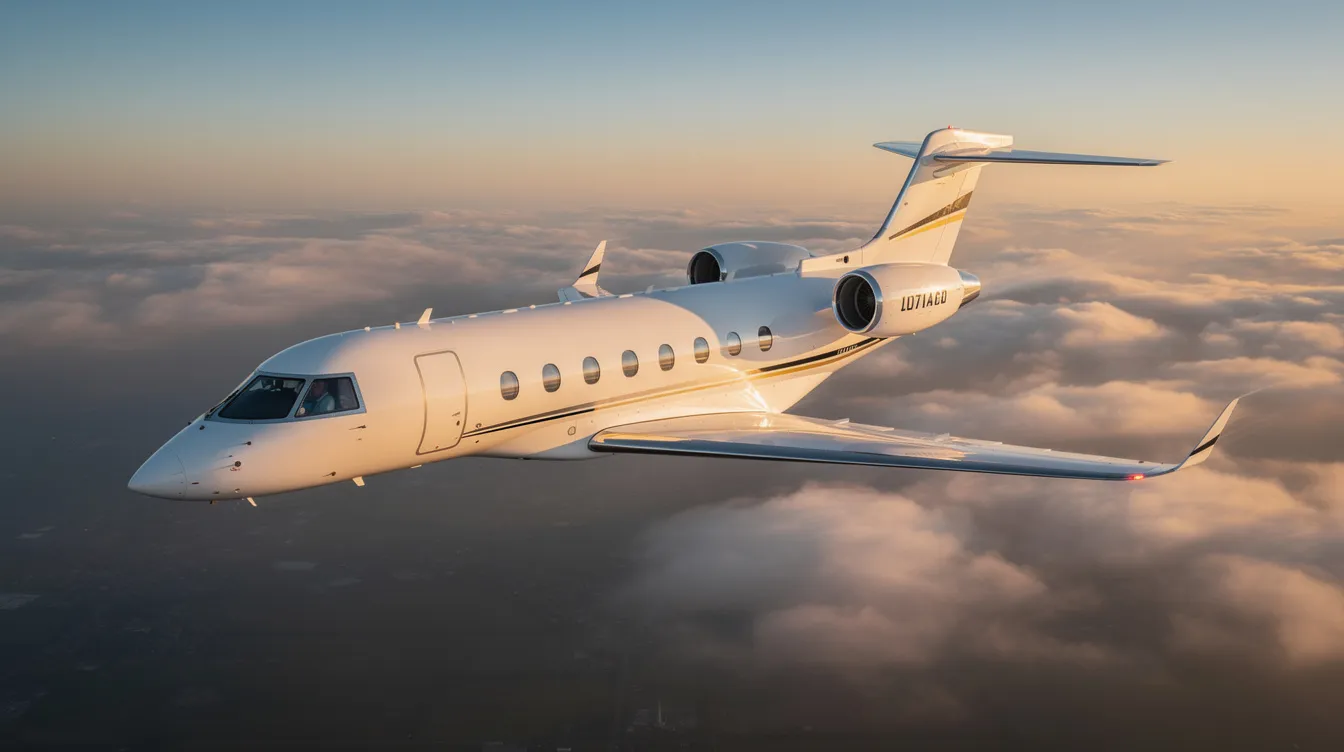
Newest Private Jet: Bombardier Global 8000 and the Next Era of Business Aviation

The phrase “newest private jet” usually refers to a clean-sheet design or major upgrade entering service in the 2024–2026 period, not a routine interior refresh or avionics update. The latest generation of private jets is defined by ultra-long ranges, near-supersonic speeds, customized cabins, emergency autoland safety technology, ultra-low cabin altitudes, and high-speed satellite connectivity.
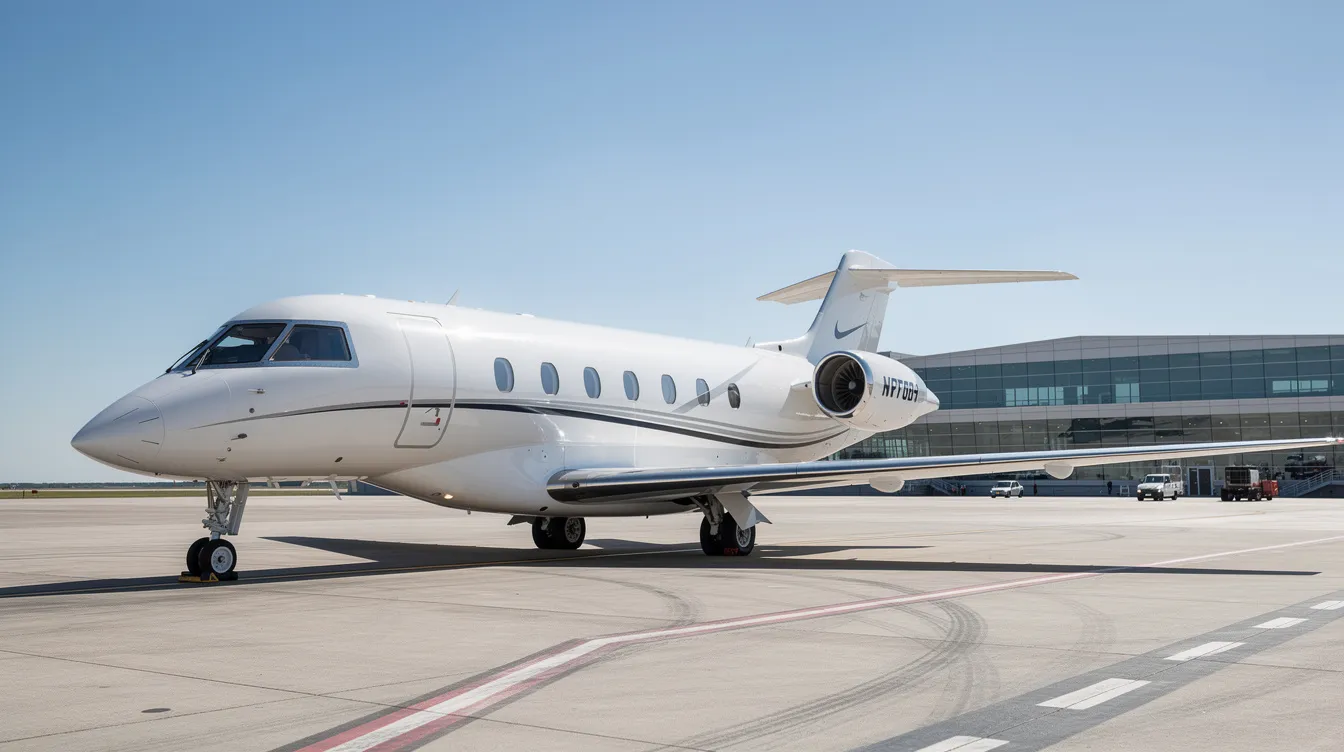
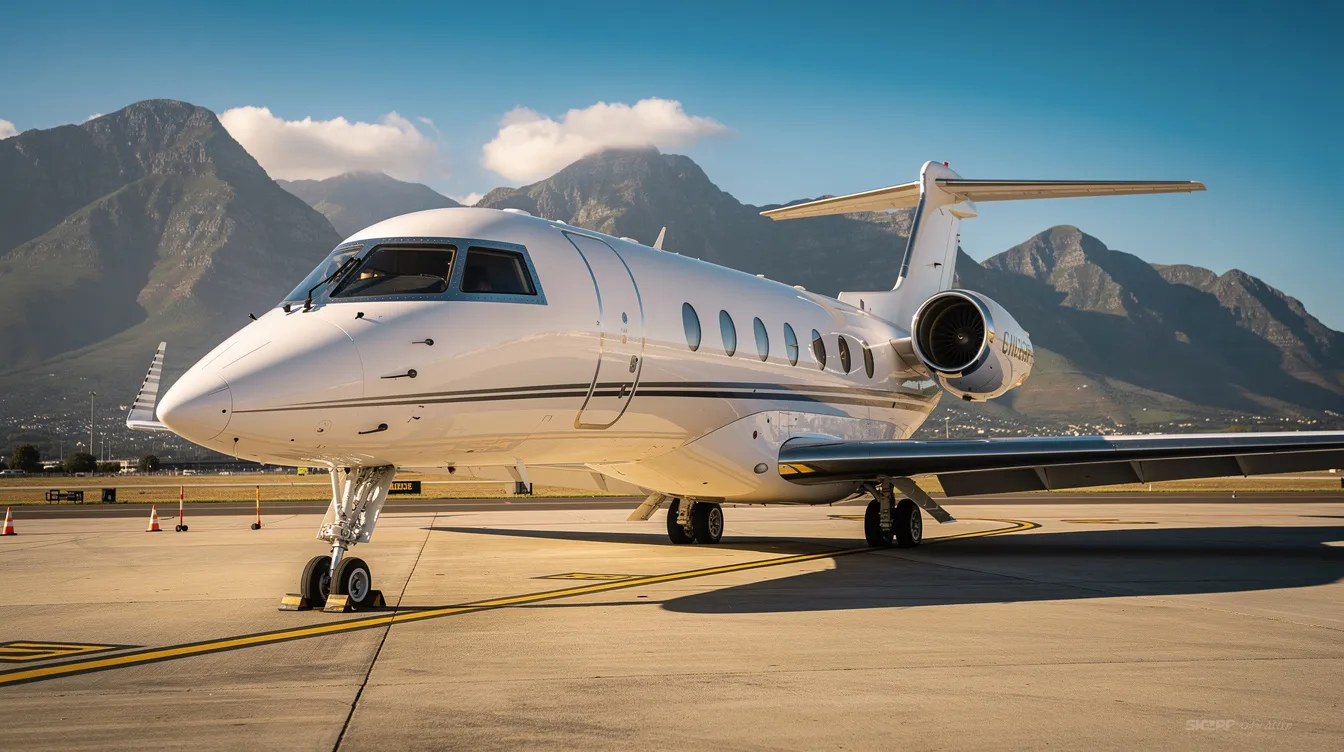
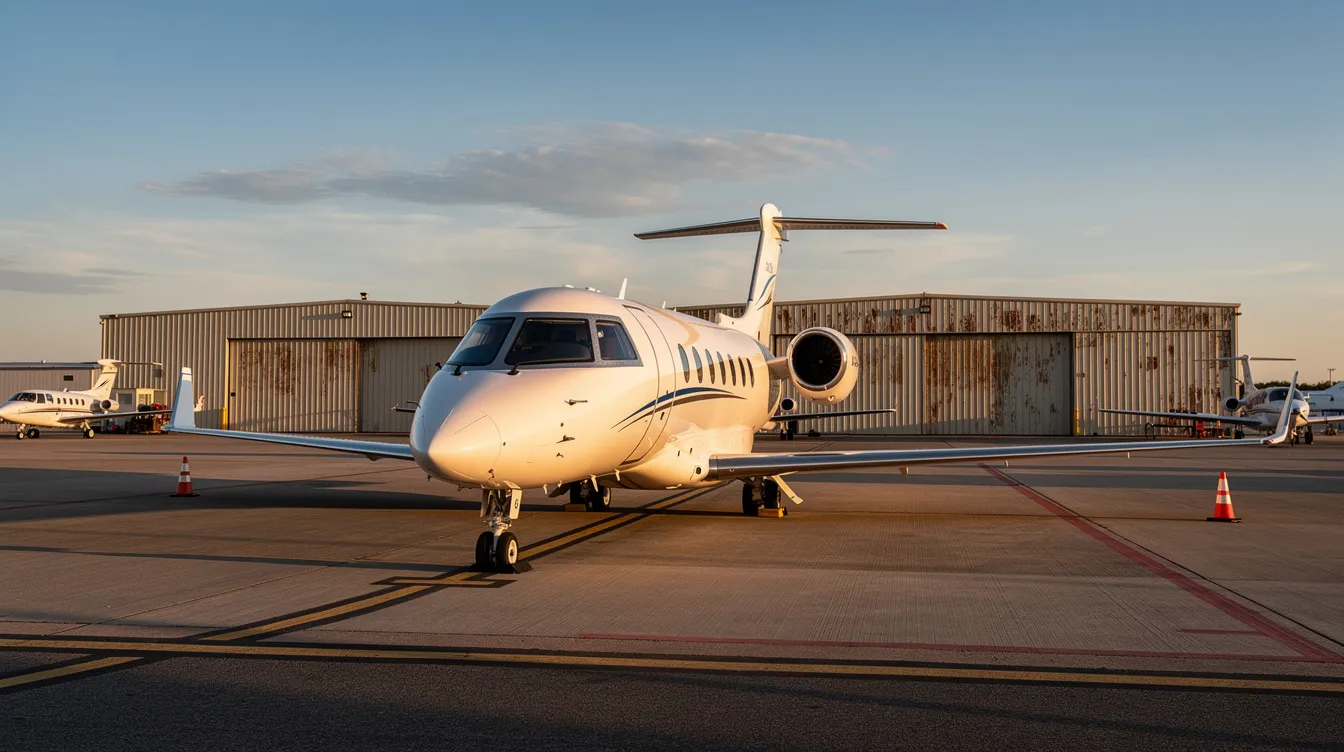
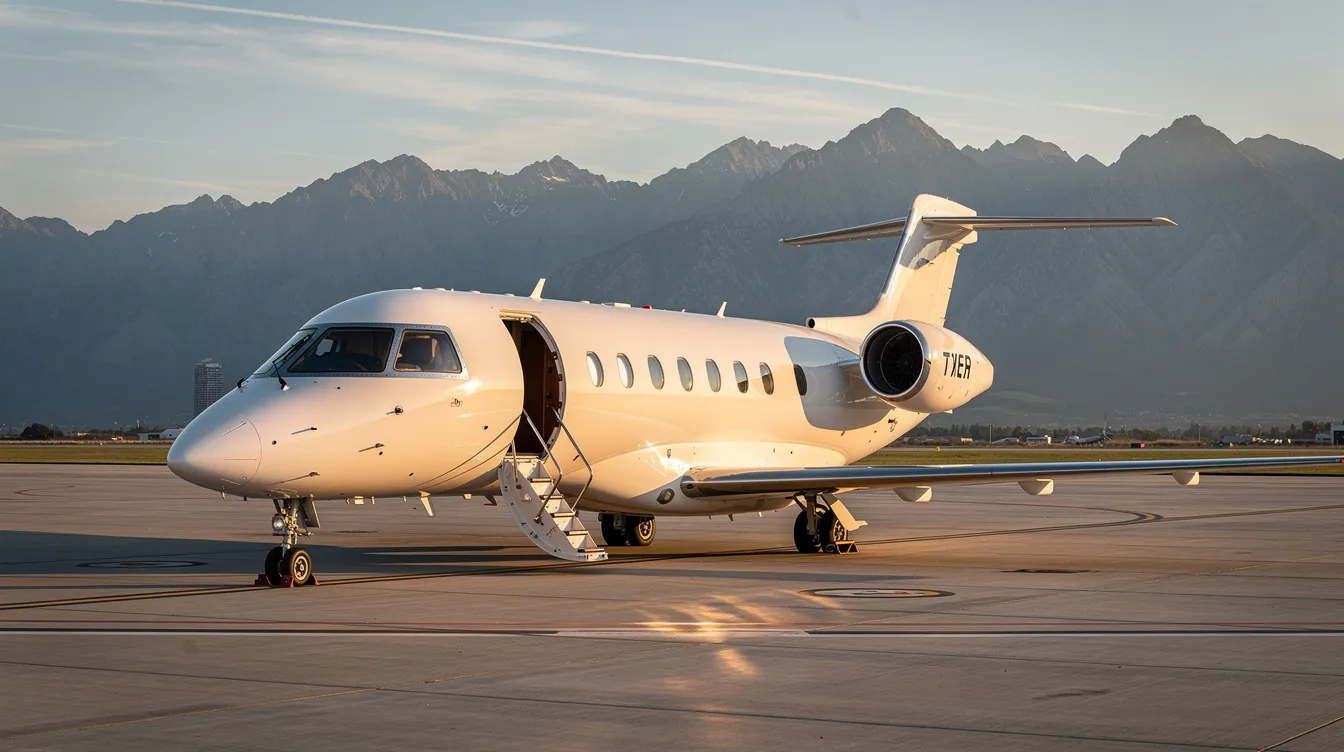
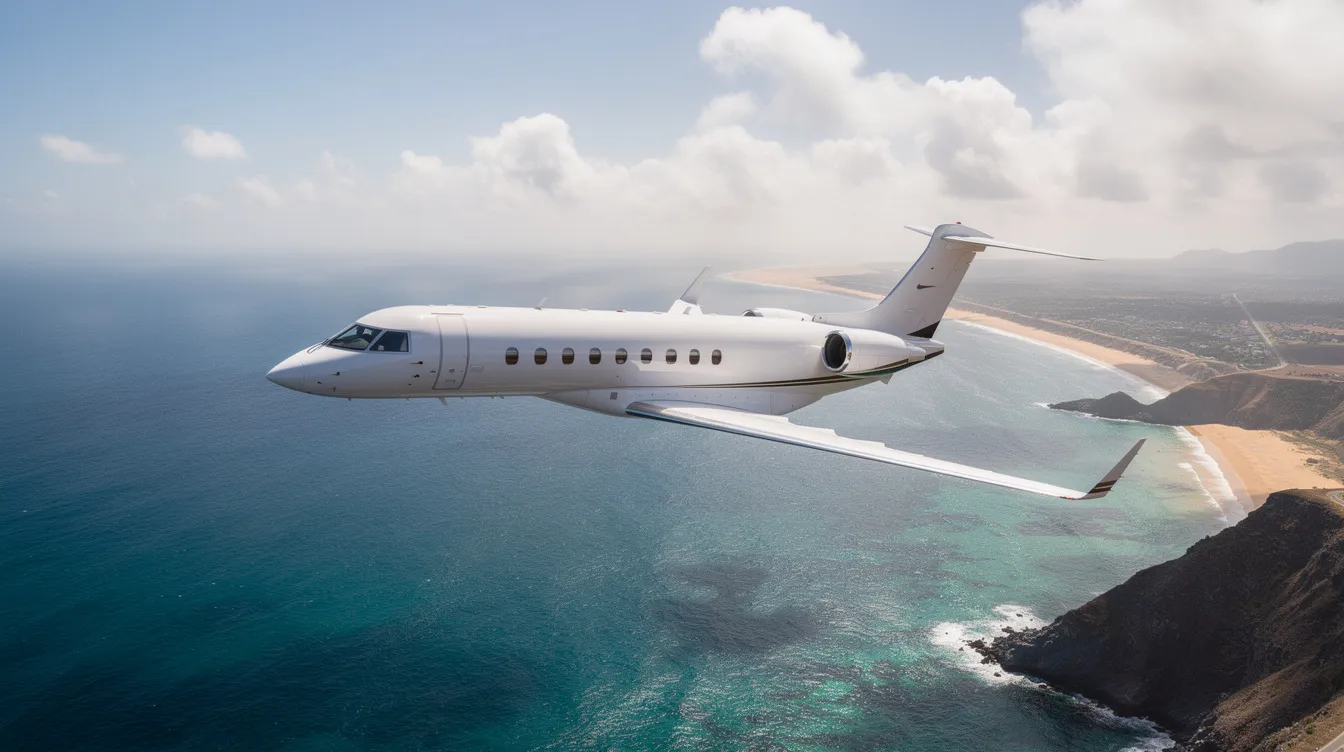
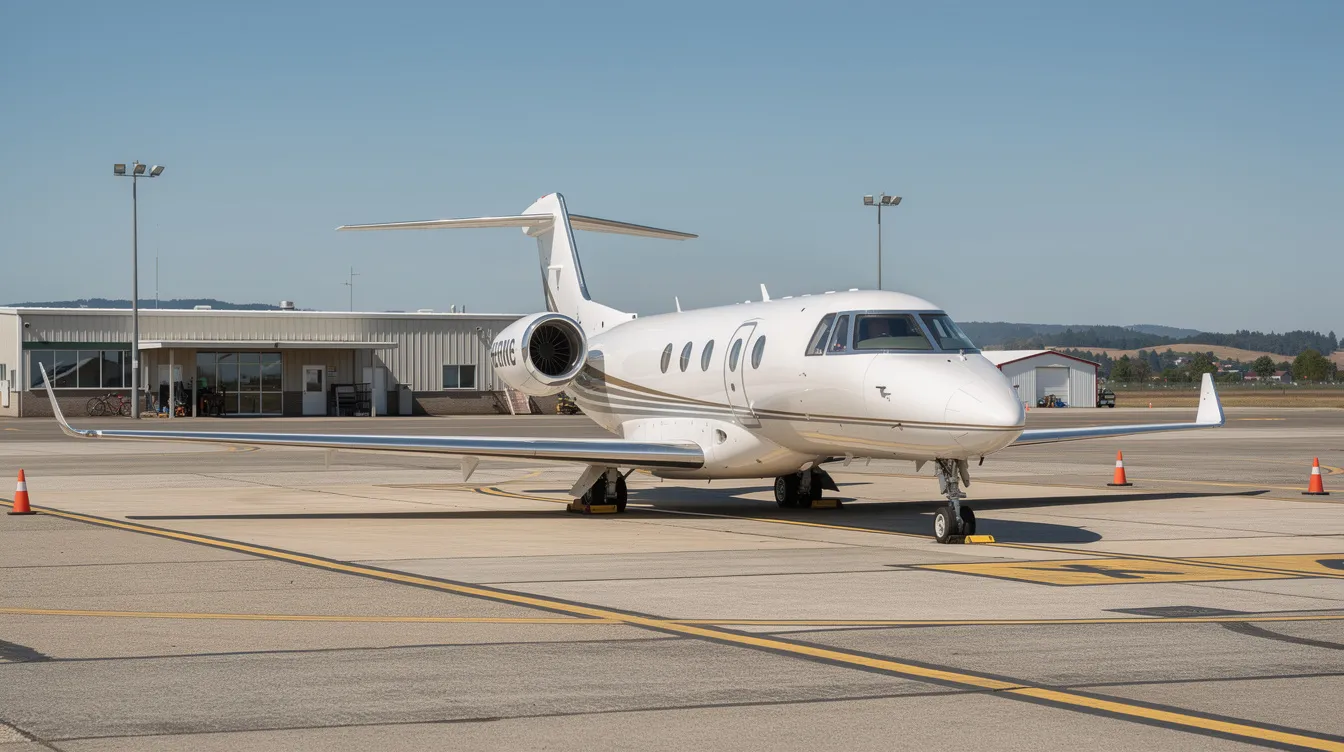
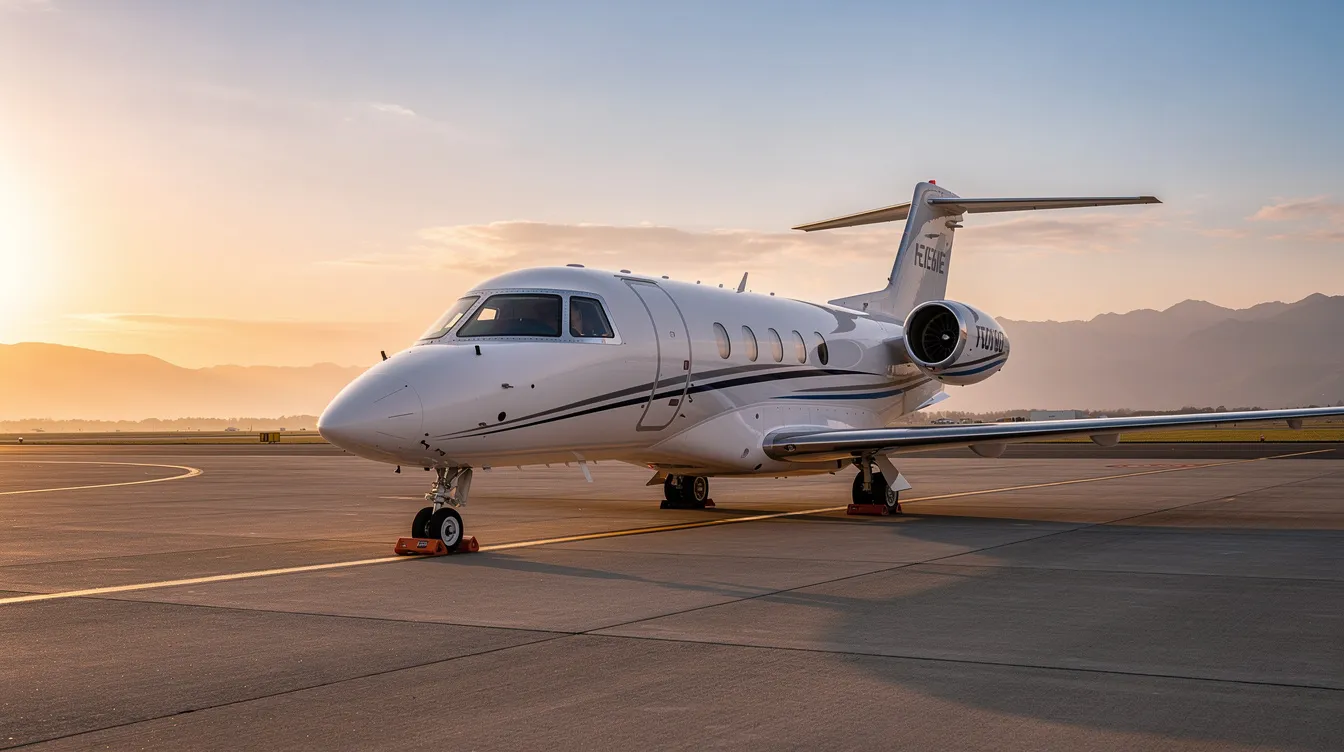
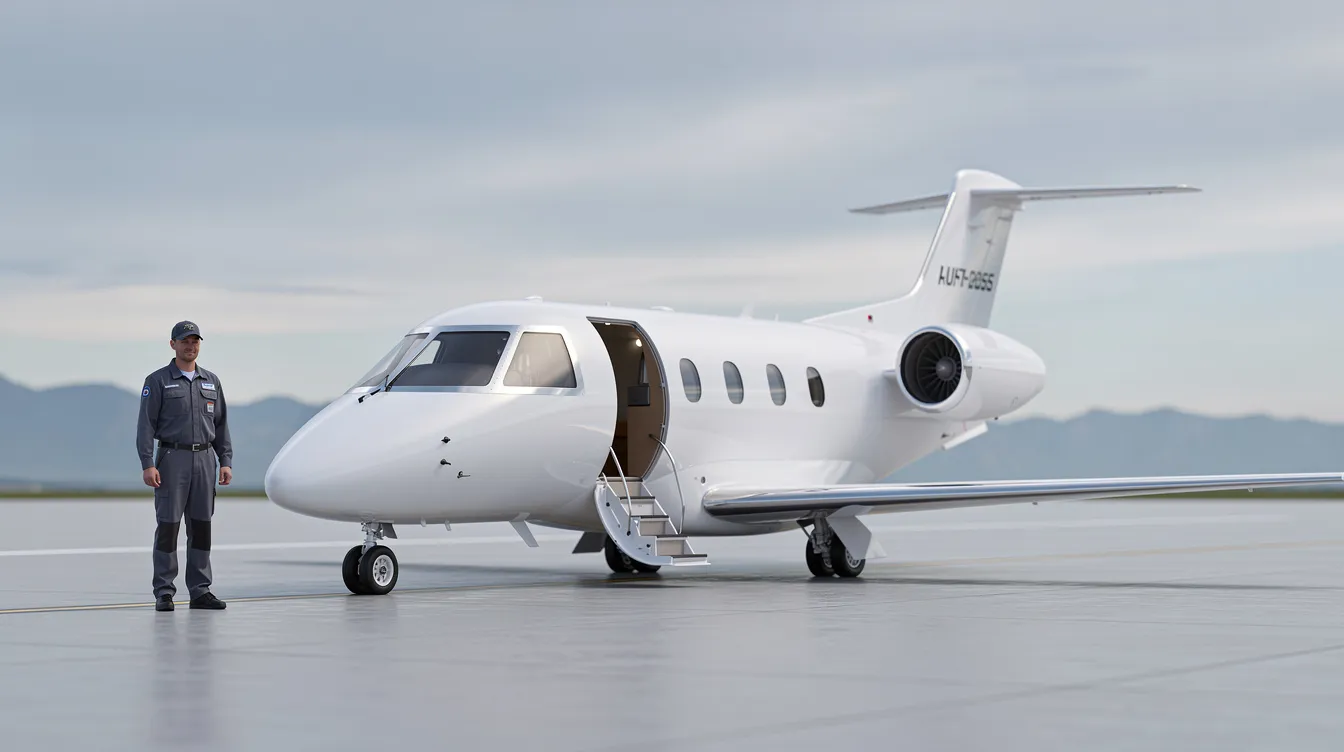
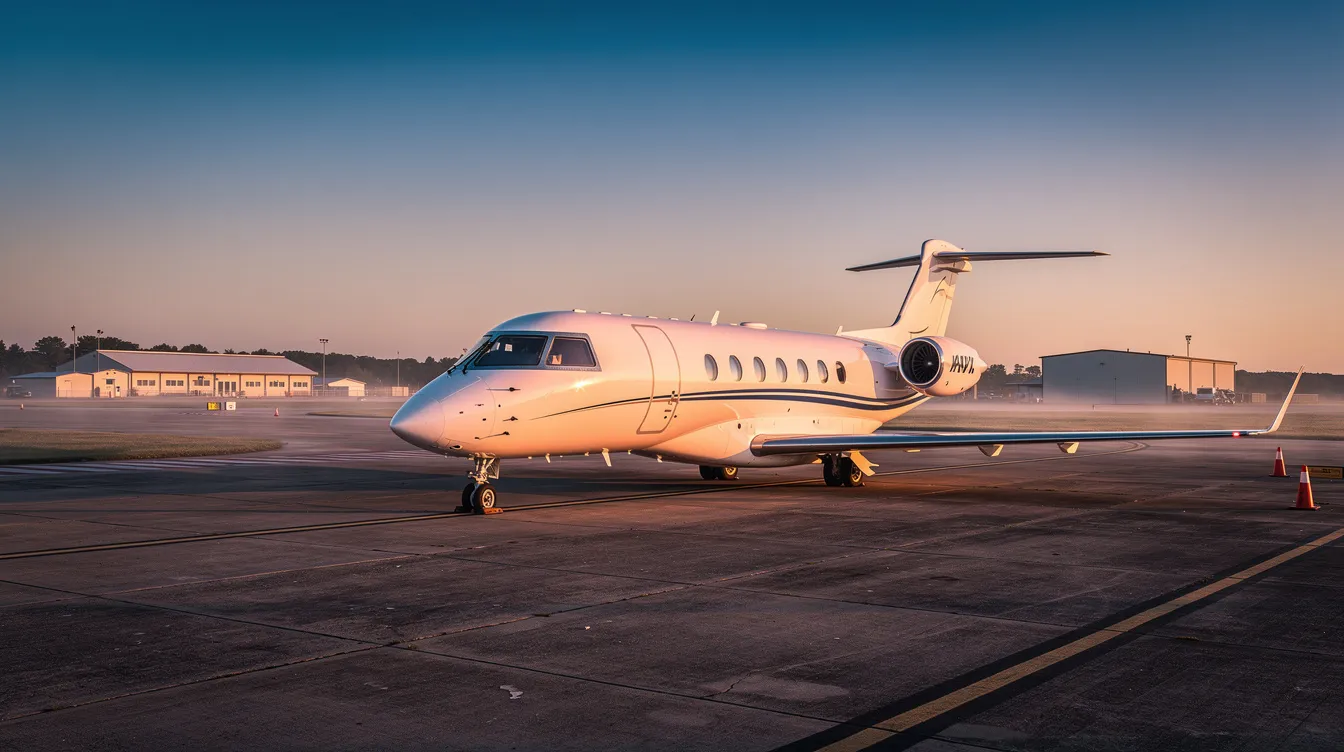
In the ultra-long range segment, the Bombardier Global 8000 is the headline new aircraft. According to Bombardier’s Global 8000 specifications, the aircraft combines 8,000 nm range, Mach 0.95 speed, advanced fly-by-wire flight controls, and a four-zone cabin.
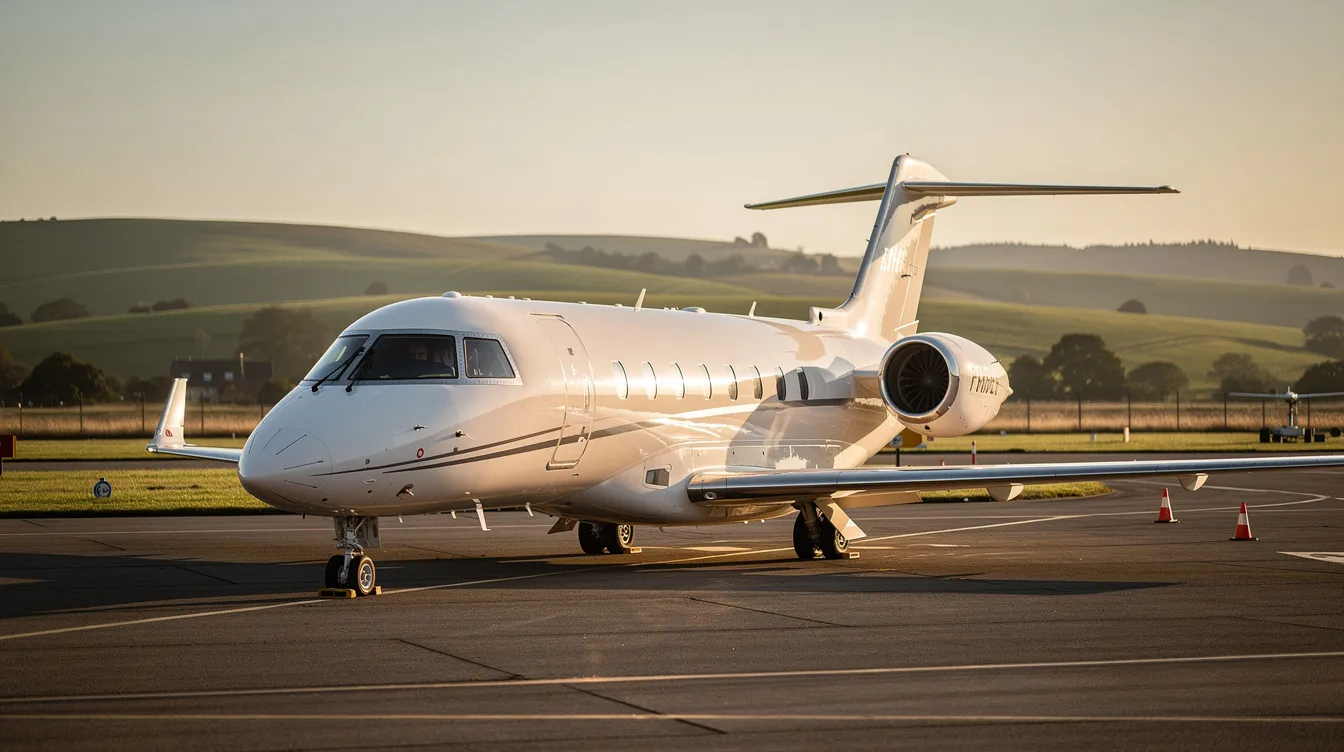
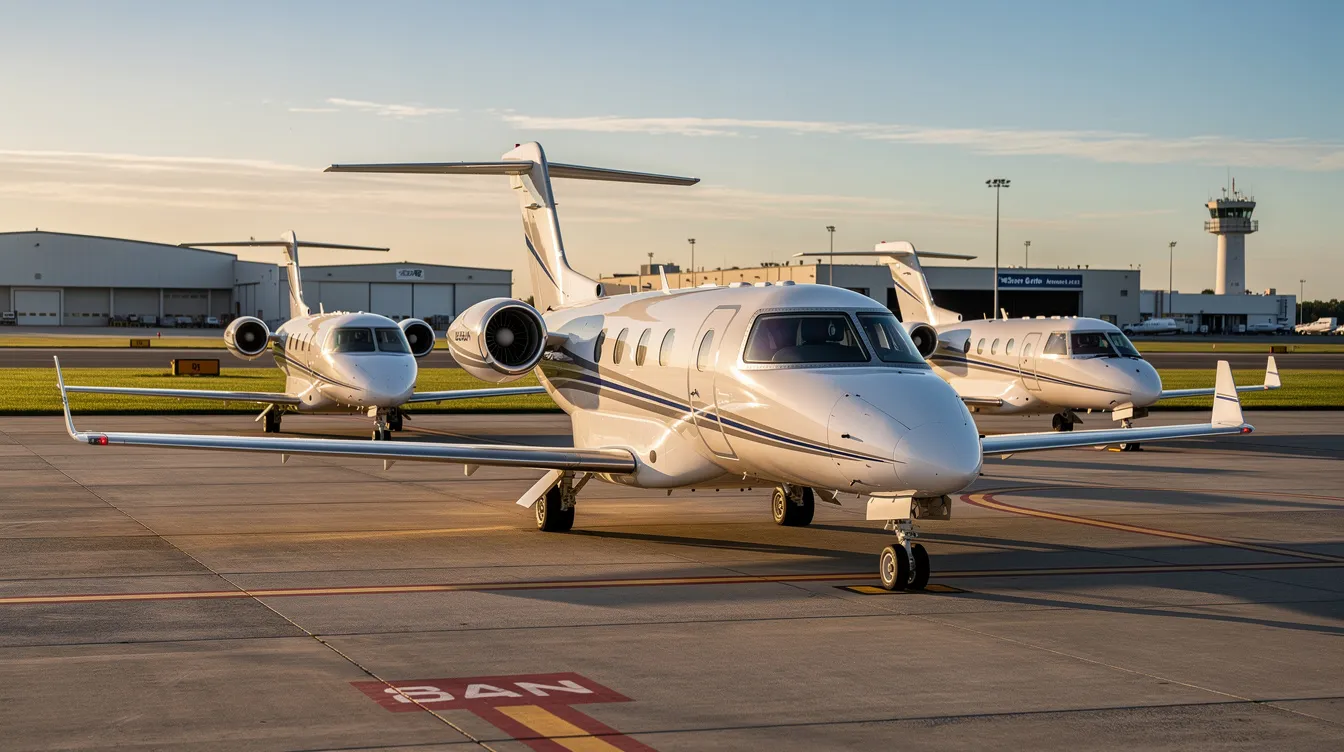
Other jets, including the Gulfstream G700, Dassault Falcon 10X, Cessna Citation Longitude from Textron Aviation, and newer HondaJet models, also shape the current market. However, the Global 8000 currently defines the frontier of speed and range in business aviation.
This article focuses on the Global 8000, compares it with the Global 7500 and key peers, and gives practical guidance for buyers, sellers, fleet managers, and operators evaluating premium private jets for sale or strategic fleet changes.
This article is intended for business aviation professionals, corporate flight departments, and high-net-worth individuals evaluating the latest private jet options.
Key Takeaways
The Bombardier Global 8000 is the newest private jet benchmark in the ultra-long range class, set to enter service in 2025 and positioned as the world’s fastest business jet.
The Global 8000 offers an 8,000 nautical mile maximum range, Mach 0.95 top speed, and four spacious living areas, setting a new standard for long-range business aviation.
Newest private jets focus on features such as emergency autoland systems that can navigate and land the aircraft safely if pilots become incapacitated, enhancing safety.
BusinessJets.com supports buyers, sellers, and operators with aircraft acquisition, brokerage, private jet appraisals, and consulting around new aircraft such as the Global 8000 and late-model Global 7500.
Choosing between the Global 7500 and Global 8000 requires analysis of mission profile, delivery timing, fractional ownership options, operating rules, and long-term asset strategy.
Accurate aircraft valuation, market timing, and expert representation are essential when upgrading to the newest private jets.

Bombardier Global 8000: The Newest Flagship in Business Jets
The Bombardier Global 8000 builds on the Global 7500 platform and became Bombardier’s newest flagship business jet. It is part of the Bombardier global family that traces its lineage back through aircraft such as the Global Express, while moving the class into a faster and longer-range era.
Headline aircraft features include:
8,000 nm maximum range under NBAA IFR reserves, ISA conditions, with eight passengers and crew
Mach 0.95 top speed, making it the fastest business jet currently marketed
Four true living spaces and seating for up to 19 passengers in high-density configuration
GE Passport engines, advanced avionics, and full fly-by-wire flight controls
A cabin altitude of approximately 2,691 feet when cruising at 41,000 feet, supporting passenger wellness by mimicking a low-altitude environment
Emergency autoland systems that can take control and land the aircraft safely if needed
The Bombardier Global 8000 is the world’s fastest business jet, with a top speed of Mach 0.95 and a range of 8,000 nautical miles, allowing it to access 30% more airports than its closest competitor. For owners, that means more direct city-pair planning, fewer fuel stops, and stronger mission flexibility.
Supersonic Pedigree and Performance Envelope
The Global 8000 evolved from the Global 7500 platform and its FAA type certification basis, with optimized engine software, weight management, and aerodynamic refinements. Bombardier used a test aircraft during development, and its first flight program supported validation of the higher-speed envelope. It is expected to enter service in 2025.
New private jets aim for near-supersonic performance with top speeds around Mach 0.94 and ranges up to 8,000 nautical miles without refueling. The Global 8000 moves that benchmark slightly higher, reaching Mach 0.95 while still offering exceptional range.
In practice, operators rarely fly every mission at maximum speed. Long-range jets are usually planned around Mach 0.85–0.90 for efficient cruise, with higher speed reserved for time-critical flight sectors, senior executive schedules, or long hauls where a shorter trip materially changes the business outcome.
Runway performance also matters. The Global 8000’s wing, high-speed wing refinement, and Smooth Flĕx Wing design help support lift, ride quality, and access to a broad airport network, subject to maximum takeoff weight, weather, runway length, and field elevation.
Cabin Architecture: Four True Living Spaces
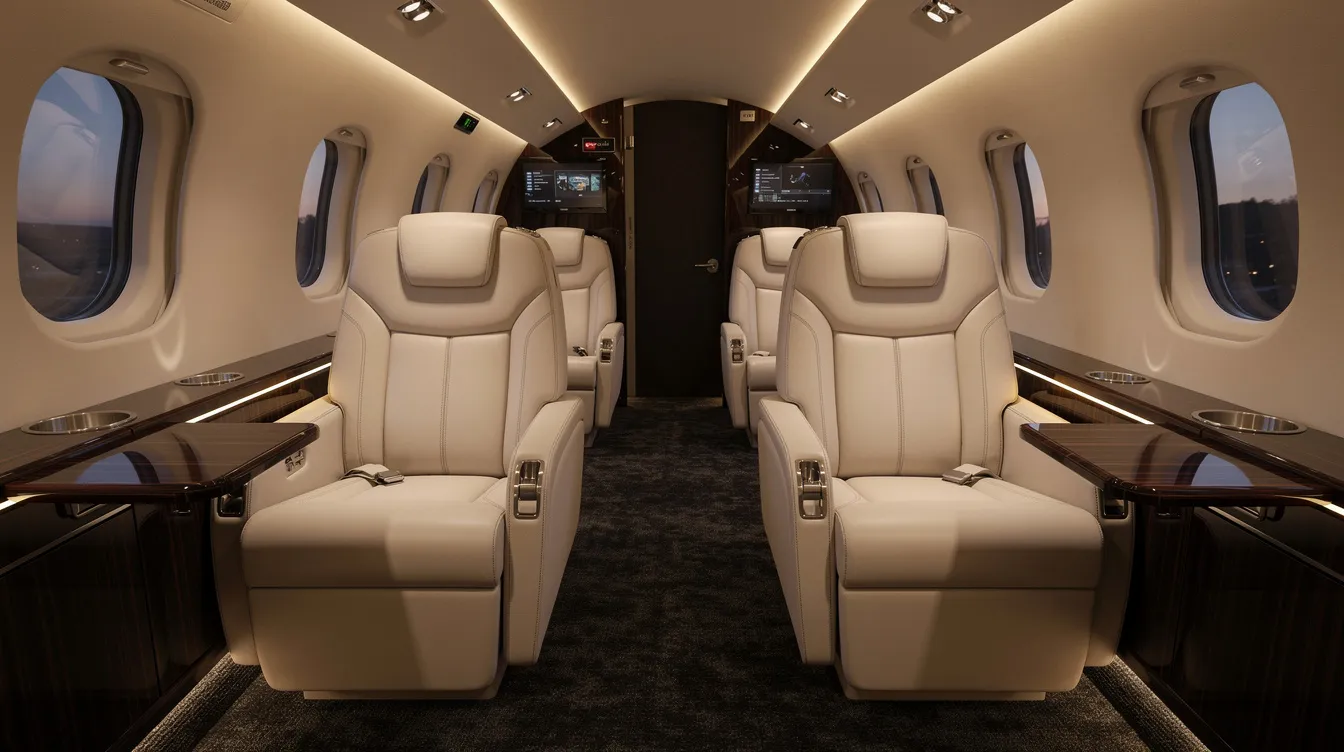
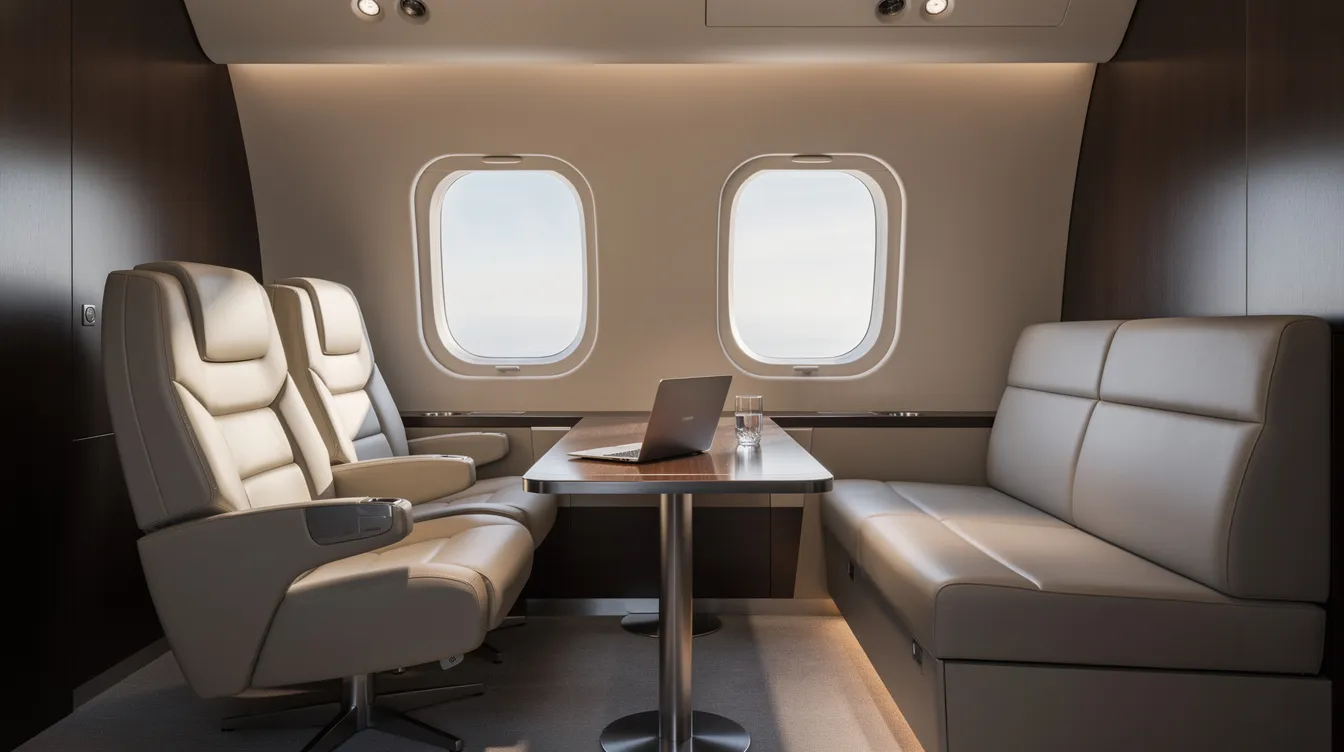
The Global 8000 cabin is designed around four true living spaces rather than a single open tube. The Bombardier Global 8000 features four spacious living areas, giving it one of the widest cabin experiences in its competitive set and making it unique among business jets for its cabin layout.
Typical configurations include:
A forward galley for full meal preparation and discreet service
A crew or guest rest area
A main lounge for work or informal meetings
A conference room or dining room zone
An aft fuselage principal area with an optional grand suite
The grand suite can include a full-size bed and an en-suite lavatory with a shower. This layout matters because cabin space on 12–16-hour missions must support work, rest, dining, secure conversations, and recovery across time zones.
Cabin environments are considered dynamic wellness spaces rather than static areas for seating. New jets feature smart circadian lighting systems that simulate natural light patterns to reduce jet lag effects, while ultra-low cabin altitudes help prevent fatigue and standard jet lag by mimicking an altitude of under 3,000 feet.
Connectivity, Avionics, and Flight Deck
The Bombardier Vision flight deck uses advanced avionics systems, fly-by-wire controls, and predictive safety features. The private aviation industry is characterized by ultra-long-range models and advanced fly-by-wire flight decks.
Modern cockpits utilize extreme automation to reduce pilot workload and human error. Enhanced Vision Systems and Head-Up Displays allow pilots to land safely in low-visibility conditions, while weather radar, synthetic vision, and a dual head-up display configuration can improve situational awareness.
The newest private jets focus on emergency autoland safety technology, near-sonic cruise speeds, ultra-low cabin altitudes, and high-speed satellite connectivity. Emergency autoland systems can take over navigation and landing if pilots become incapacitated.
For buyers, avionics commonality can reduce training complexity, improve dispatch reliability, and support fleet planning. Connectivity options, power outlets, secure VPN access, and cabin entertainment systems are now valuation factors, not afterthoughts.
How the Global 8000 Compares: Global 7500 and Other New Long-Range Jets
The Global 8000, Global 7500, Gulfstream G700, and Dassault Falcon 10X represent the leading newest private jet options in the ultra-long range class.
Buyers are often deciding whether to upgrade a Global 7500 position, acquire a Global 8000 allocation, or compare other long-range aircraft based on range, cabin, delivery timing, and residual value.
BusinessJets.com assists clients with structured aircraft acquisition analysis, including mission profile, projected utilization, market demand, and total cost of ownership.
Subtle differences in cabin width, payload-range performance, maintenance exposure, and delivery availability can materially affect fleet strategy.
The go-to choice is not always the newest aircraft; it is the aircraft that best fits real missions, passenger loads, airport pairs, and capital strategy.
Comparison Table: Newest Ultra-Long-Range Private Jets
Feature | Bombardier Global 8000 | Bombardier Global 7500 | Gulfstream G700 | Dassault Falcon 10X |
|---|---|---|---|---|
Entry into Service | 2025 | 2018 | 2022 | Expected 2025/2026 |
Maximum Range (nm) | 8,000 | 7,700 | 7,500 | 7,500 |
Top Speed (Mach) | 0.95 | 0.925 | 0.925 | 0.85 |
Cabin Zones | 4 | 4 | Up to 5 | 3 |
Passenger Capacity | Up to 19 (high density) | Up to 19 | Up to 19 | 12–18 |
Cabin Altitude (ft) | ~2,691 | ~2,900 | ~3,000 | ~3,000 |
Engines | GE Passport | GE Passport | Rolls-Royce Pearl 700 | Rolls-Royce Pearl |
Fly-by-Wire Controls | Yes | Yes | Yes | Yes |
Key Features | Fastest business jet, 30% more airport access | Large cabin, advanced Nuage seats | Multiple living zones, Grand Suite option; often marketed as having the widest cabin in its class | Largest cabin cross-section, SAF capable |
Price Range (approx.) | $75 million | $73 million | $75 million | $75 million |
Cabin Comfort, Cabin Altitude, and Passenger Well-Being
Cabin altitude, noise, lighting, and air quality now influence aircraft value because they affect how passengers perform after arrival. This is especially important for overnight east-west and west-east long hauls.
Luxury private jets often include advanced cabin technologies that enhance connectivity and productivity, such as high-speed internet and customizable entertainment systems. Yet the strongest cabins are practical business tools: they allow executives to work, rest, negotiate, and arrive prepared.
Cabin Altitude and Environmental Systems
Cabin altitude is the effective altitude passengers experience while the aircraft is cruising far above the weather. Lower cabin altitude can help maintain oxygen saturation and reduce fatigue.
The Global 8000 targets one of the lowest cabin altitude figures in production business aviation, approximately 2,691 feet at 41,000 feet. For frequent travelers, that can mean fewer recovery days after long-range missions.
Advanced filtration, air exchange, and lighting systems also support corporate health policies. Technological advancements in private jets include the integration of advanced avionics systems, fly-by-wire controls, and improved engine designs that enhance fuel efficiency and reduce emissions.
Layout Options: Forward Galley, Grand Suite, and Living Zones
A typical ultra-long-range layout includes a forward galley, crew rest area, main lounge, conference room or dining room, and aft grand suite. For resale, neutral and functional configurations often appeal to the broadest buyer pool.
Most corporate buyers still optimize for 10–14 passengers rather than maximum seating. They want private rest space, work areas, and service separation, not simply more seats.
Galley placement matters because forward service keeps noise away from the principal suite. The interior specification, seating certification, connectivity package, and lavatory or shower selection can all influence aircraft valuation.
Where the Newest Private Jets Fit Across Business Aviation Segments
The Global 8000 sits at the top of the business aviation spectrum, above light jets, mid-size jets, super mid-size jets, large cabin aircraft, and most other long-range jets.
Broadly:
Light jets typically carry 5–8 passengers on shorter regional missions.
Super mid-size jets provide transcontinental range with lower operating costs.
Large cabin, long-range aircraft serve intercontinental routes with more space.
Ultra-long range flagships such as the Global 7500 and Global 8000 are built for the longest nonstop missions.
The demand for long-range aircraft is increasing as business aviation continues to be an essential tool for corporate and leisure travelers, driven by a need for efficiency and flexibility.
Light Jets and Super-Mid Jets vs Ultra-Long-Range Flagships
Light jets and super mid-size jets can be more efficient for regional missions than deploying a Global 8000. The average purchase price of a light jet is around $9.6 million, while super mid-size jets average about $22.2 million, and large jets can cost upwards of $61.2 million.
For many owners, the optimal fleet includes a flagship for intercontinental travel and smaller aircraft or charter access for shorter trips. A Global 8000 may not be the right tool for London City operations, certain short runways, or missions where single-pilot operation in smaller aircraft is more economical.
BusinessJets.com helps model mixed fleet decisions, including utilization, maintenance cycles, charter potential, and whether a new wing aircraft program changes long-term operating assumptions.
Ownership Models for the Newest Private Jets
Ownership models for private jets include full ownership, fractional ownership, and jet card programs, each offering different levels of access and cost structures.
Full ownership of a private jet involves the buyer covering all costs associated with the aircraft, including maintenance, crew, and operational expenses, which can be substantial. Operational costs for private jet ownership can include expenses such as fuel, maintenance, insurance, and staffing, which can significantly increase the total cost of ownership beyond the initial purchase price.
Fractional ownership allows individuals or corporations to purchase an equity share in a private jet, sharing costs such as maintenance and crew among multiple owners. Jet card programs, by contrast, usually provide prepaid access without equity ownership.
Fractional Ownership and Access to New Types
Fractional ownership allows multiple parties to share the costs of a private jet, which can include upfront equity shares and ongoing fees for management and operational expenses, making it a more affordable option for some users.
In fractional ownership, if four parties are involved, each partner pays a quarter of the aircraft price and is entitled to a certain number of flight hours on that aircraft or others in the fleet.
For ultra-long-range types, fractional access often trails direct ownership because providers need aircraft, crews, parts, and support systems in place. The trade-off is less customization and less direct residual value control.
Full Ownership, Charter, and Fleet Strategy
Full ownership provides maximum control over schedule, cabin, crew, operating rules, and aircraft presentation. It also concentrates all costs and residual risk with one owner.
Some owners place aircraft with charter operators to offset fixed costs. This can support cash flow, but charter use increases cycles, wear, and maintenance exposure, all of which must be considered in future aircraft valuation.
Early-production aircraft may command strong charter interest, but they can also face service ramp-up issues. Warranty terms, OEM support, and inspection planning are important risk controls.
BusinessJets.com advises clients on balancing control and cost, analyzing ownership models to align with mission requirements, utilization patterns, and financial objectives. Whether full ownership or fractional arrangements, expert guidance ensures optimized fleet strategy and asset protection.
Valuation, Appraisals, and Market Timing for Newest Private Jets
Accurate aircraft valuation is especially important for new aircraft types because comparable resale data may be limited. Early delivery positions can command premiums when factory slots are scarce, but those premiums can shift quickly.
BusinessJets.com has supported more than 1,500 aircraft transactions and 5,000+ satisfied customers. That experience helps clients evaluate private jets, compare acquisition timing, and avoid mispricing when entering or exiting the market.

How BusinessJets.com Approaches New-Type Appraisals
For a Global 8000 or late-model Global 7500 appraisal, BusinessJets.com reviews:
OEM pricing and option selections
Cabin configuration, including grand suite, forward galley, and connectivity
Maintenance program enrollment
Warranty remaining
Service bulletin and airworthiness directive status
Flight hours, cycles, and technical records
Comparable market activity across similar jets
Appraisals support financing, insurance, internal capital allocation, and fleet renewal decisions. They are also critical before listing an aircraft for sale or pursuing an acquisition.
Market Trends and Timing Entry into New Aircraft Programs
Interest rates, supply chain constraints, fuel pricing, corporate travel demand, and geopolitical conditions all influence the aircraft market. Slot availability for the newest private jets can be tight in early production years.
Owners upgrading from a Global 7500 to a Global 8000, or from another flagship model, should coordinate exit timing carefully. A strong sale depends on maintenance status, specification, remaining warranty, and current buyer demand.
BusinessJets.com monitors order backlogs, used-market inventory, and delivery trends to help clients decide when to buy, hold, list, or trade.
How BusinessJets.com Supports Buyers and Operators of the Newest Private Jets
BusinessJets.com is a B2B aircraft brokerage and aviation consulting firm supporting aircraft sales, acquisitions, appraisals, and operator advisory worldwide.
For clients evaluating the Global 8000, Global 7500, or comparable new aircraft, support may include:
Aircraft acquisition strategy
Market intelligence and valuation guidance
OEM liaison and delivery position analysis
Contract negotiation support
Pre-purchase inspection coordination
Listing strategy for an existing aircraft
Fleet optimization and resale planning
The objective is straightforward: help owners and operators make informed decisions, protect asset value, and align the aircraft with actual business requirements.
To discuss a transaction, request an aircraft appraisal, list an aircraft for sale, or engage BusinessJets.com for acquisition consulting on the newest private jets.
Frequently Asked Questions
When will the Bombardier Global 8000 realistically be available for private and corporate operators?
The Global 8000 entered service in 2025, and early aircraft began to enter service with launch customers first, generally favoring existing order holders and fleet operators. Broader pre-owned market availability will likely lag because early owners often hold scarce delivery positions.
Buyers who need near-term access may consider a late-model Global 7500 as a bridge solution. BusinessJets.com can help identify available aircraft, delivery positions, and suitable alternatives based on timeline and budget.
How much more expensive is operating a Global 8000 compared with smaller business jets?
Ultra-long-range aircraft have significantly higher fixed and variable costs than light jets or super mid-size jets. Crew, fuel, insurance, hangarage, training, connectivity, and maintenance reserves all increase total cost.
However, on long missions with more passengers, the cost per seat-mile can be efficient compared with multiple stops or multiple aircraft. A proper ownership model should compare annual utilization, route length, passenger count, and residual value.
Can an existing Global 7500 be upgraded or converted to Global 8000 standards?
Bombardier has discussed performance enhancements derived from the Global 8000 program, but any upgrade path depends on OEM programs, airframe eligibility, regulatory approval, and FAA type certification parameters for the model. Certain software, avionics, or cabin updates may be practical.
A full conversion to Global 8000 performance, including 8,000 nm range or Mach 0.95 capability, may not be available for every aircraft. Owners should consult Bombardier and an independent advisor before investing in upgrades.
Is fractional ownership a realistic way to access aircraft like the Global 8000?
Fractional ownership can be realistic, but access to new flagship types often comes after entry into service and fleet ramp-up. Providers need crews, training, maintenance support, and enough aircraft to meet availability commitments.
Fractional access may suit users flying a few hundred hours per year who do not require full customization. BusinessJets.com can compare fractional economics with full ownership, charter, and jet card programs.
How should a corporate flight department decide between a Global 8000, G700, and Falcon 10X?
The decision should be based on mission analysis, not headline speed alone. Range, payload, airports used, cabin requirements, support network, avionics philosophy, and residual value expectations all matter.
The Global 8000 leads on advertised speed and range, the Falcon 10X emphasizes the widest cabin among these competitors, and the G700 offers a large cabin with multiple living zones. BusinessJets.com can support structured comparisons, appraisals, and total-cost-of-ownership modeling for corporate and government operators.
Full ownership provides maximum control over the schedule, cabin configuration, crew selection, operating rules, and overall aircraft presentation. This model concentrates all costs and residual value risks with a single owner, who assumes responsibility for maintenance, insurance, staffing, and operational expenses. While full ownership offers unmatched flexibility and customization, it also requires significant capital investment and ongoing financial commitment.
Owners may choose to offset some fixed costs by placing the aircraft with charter operators when not in use. However, this approach increases aircraft utilization, wear, and maintenance exposure, which can impact long-term asset value. Early-production aircraft often attract strong charter interest but may face service ramp-up challenges, making warranty terms, OEM support, and thorough inspection planning critical risk management factors.
BusinessJets.com advises clients on balancing control and cost, analyzing ownership models to align with mission requirements, utilization patterns, and financial objectives. Whether full ownership or fractional arrangements, expert guidance ensures optimized fleet strategy and asset protection.
Conclusion: Partnering with BusinessJets.com for Your Newest Private Jet Needs
Selecting the newest private jet, such as the Bombardier Global 8000 or its peers, requires careful consideration of mission requirements, operational costs, market timing, and ownership models. BusinessJets.com stands as an experienced partner for private jet owners, corporate buyers, operators, and fleet managers navigating these complex decisions. With a proven track record of over 1,500 aircraft transactions and more than 5,000 satisfied customers, BusinessJets.com offers expert aircraft brokerage, valuation, and aviation consulting services tailored to the unique demands of ultra-long-range business jets.
Whether you are acquiring a new flagship, upgrading your fleet, or seeking strategic advisory on aircraft valuation and market trends, BusinessJets.com provides discreet, authoritative guidance to protect your investment and optimize your aviation assets. Engage with BusinessJets.com to request an aircraft appraisal, list your jet for sale, or explore acquisition support for the newest private jets. Their consultative approach ensures your aircraft aligns with your operational goals and delivers long-term value in the evolving business aviation landscape.
Visit BusinessJets.com to learn more about how their expert team can assist you in making informed, strategic decisions around the newest private jets and beyond.