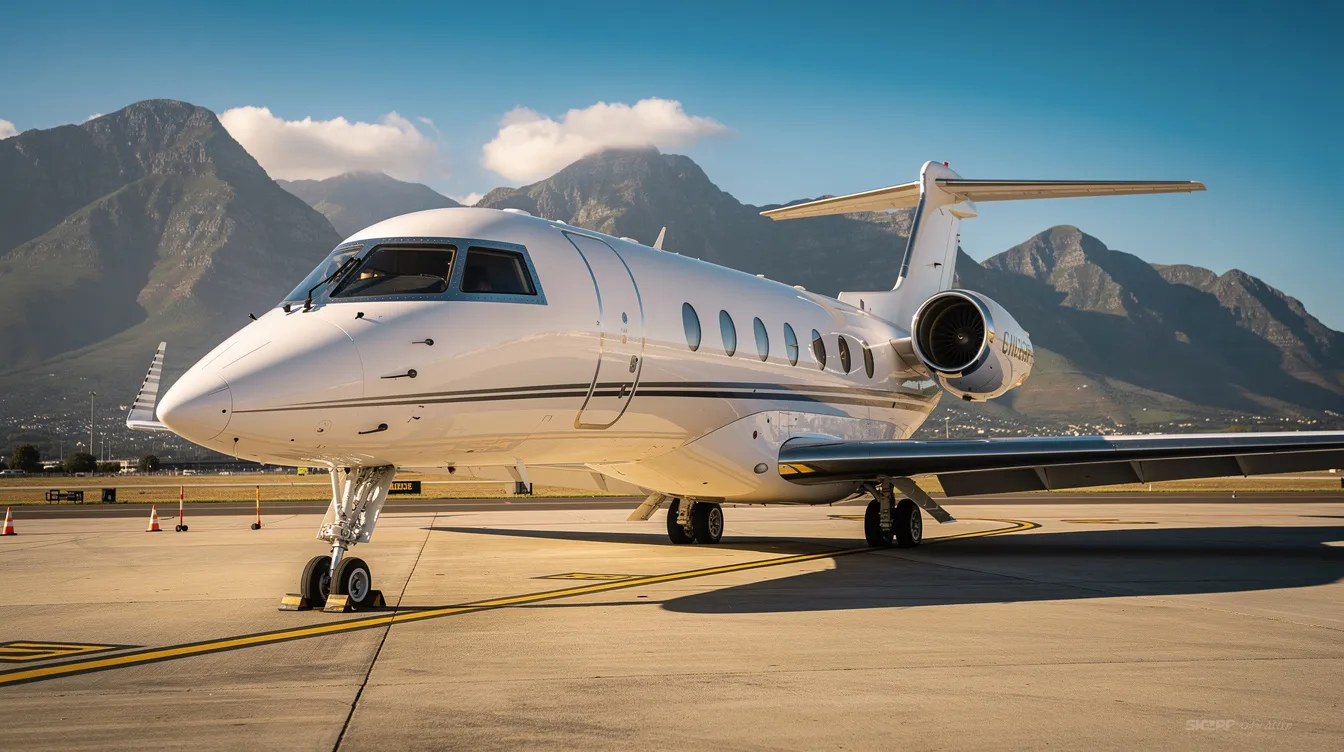
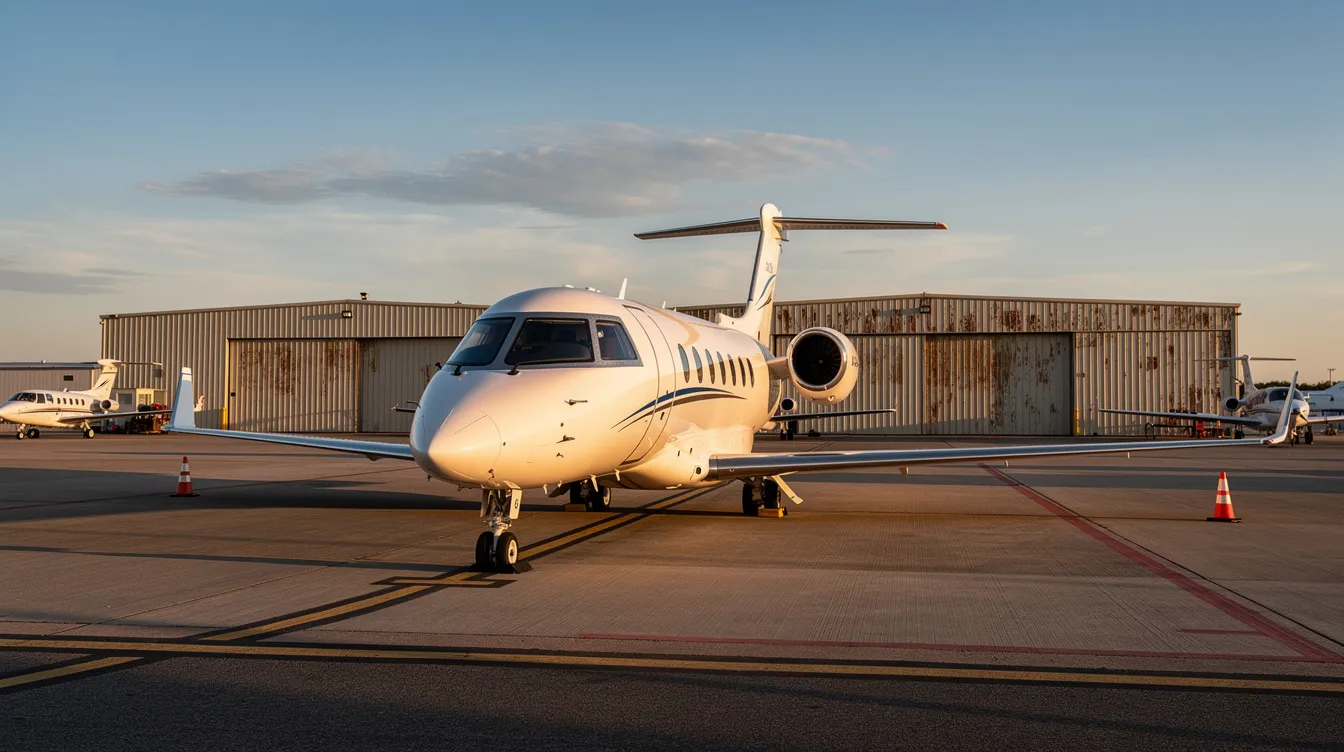
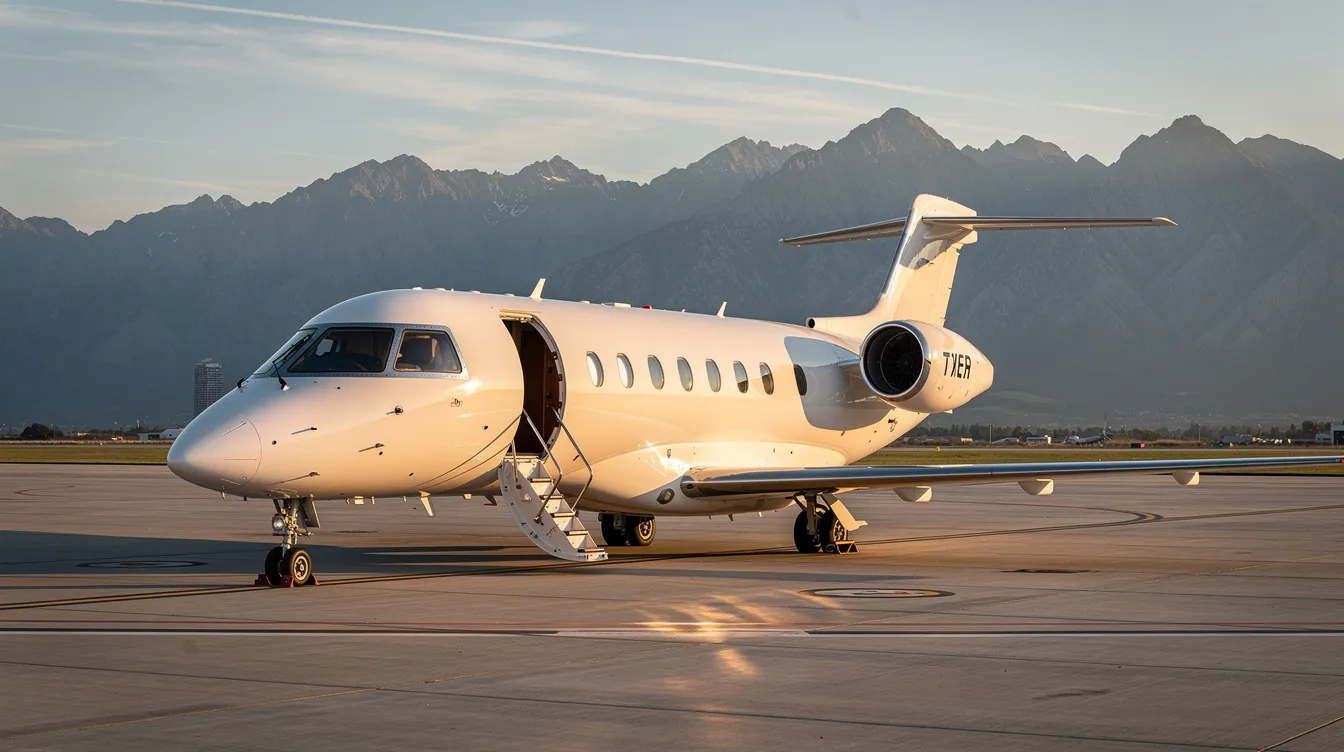
Business Jets: A Practical Guide for Corporate Buyers and Owners

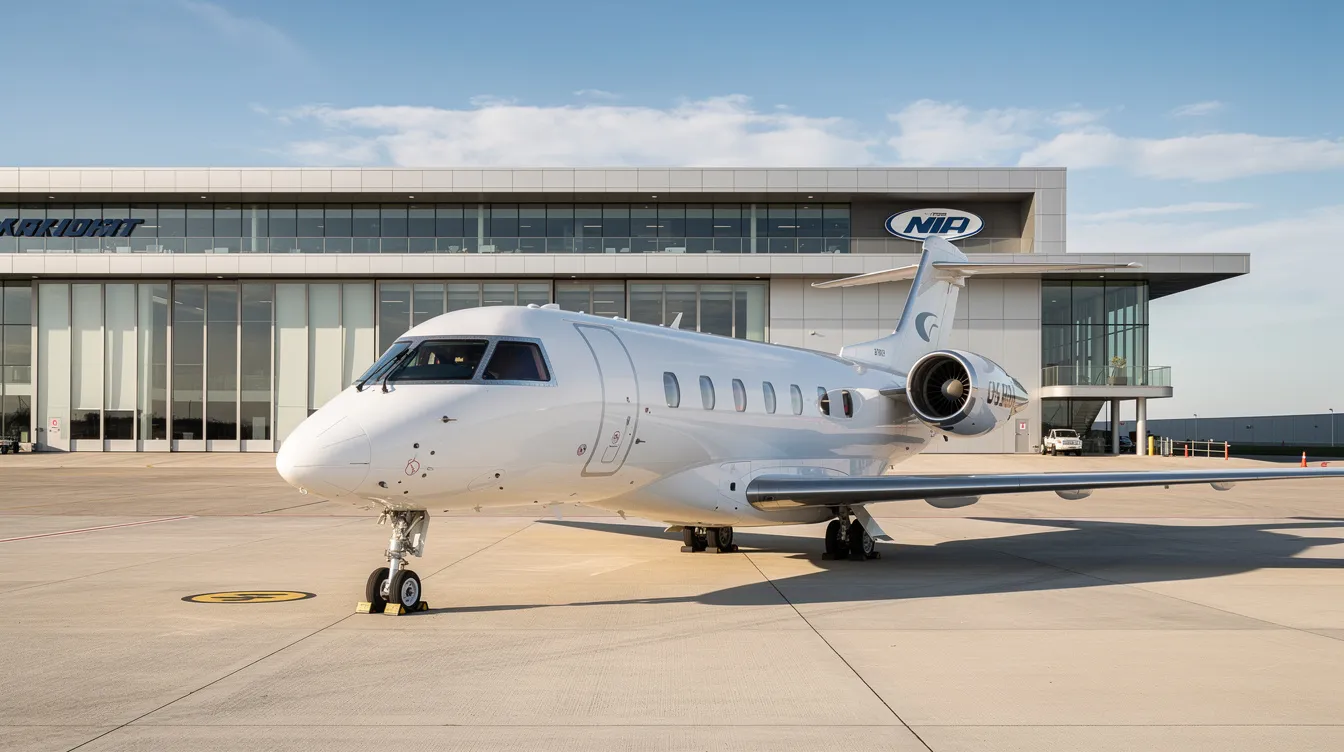
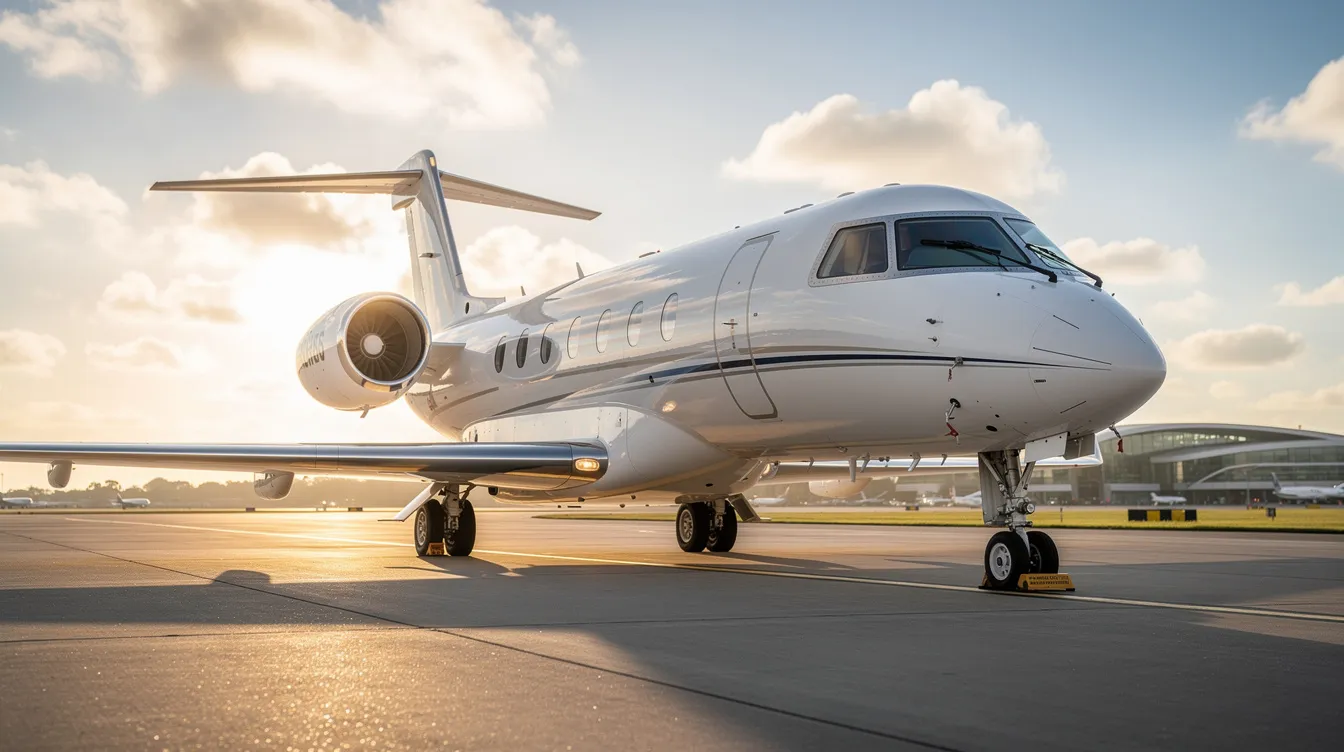
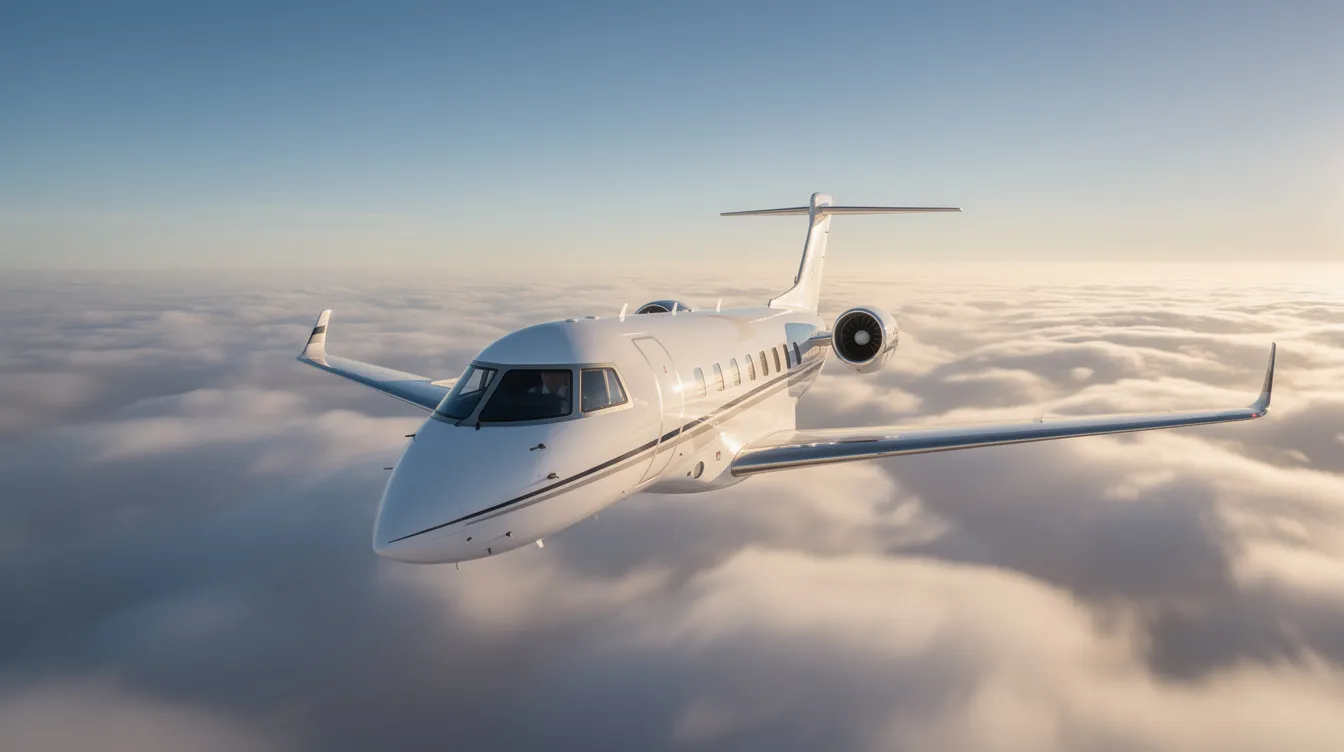
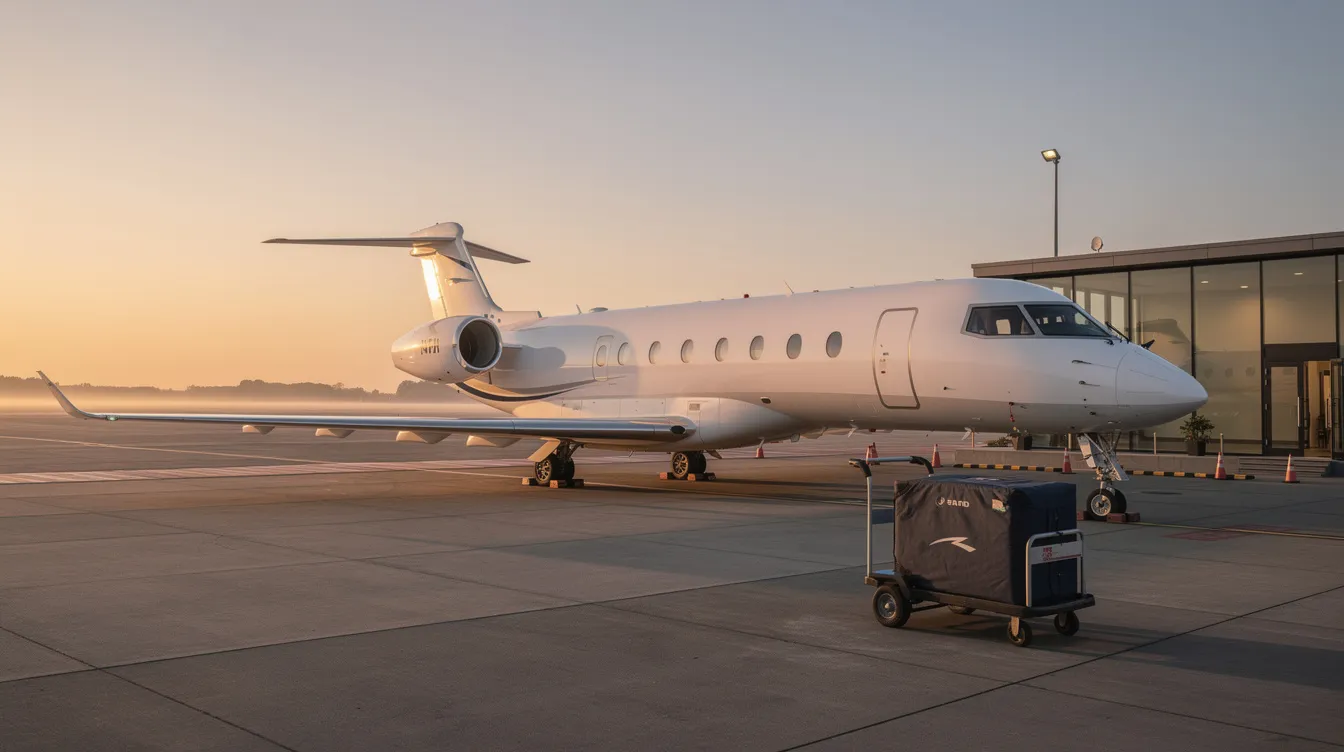
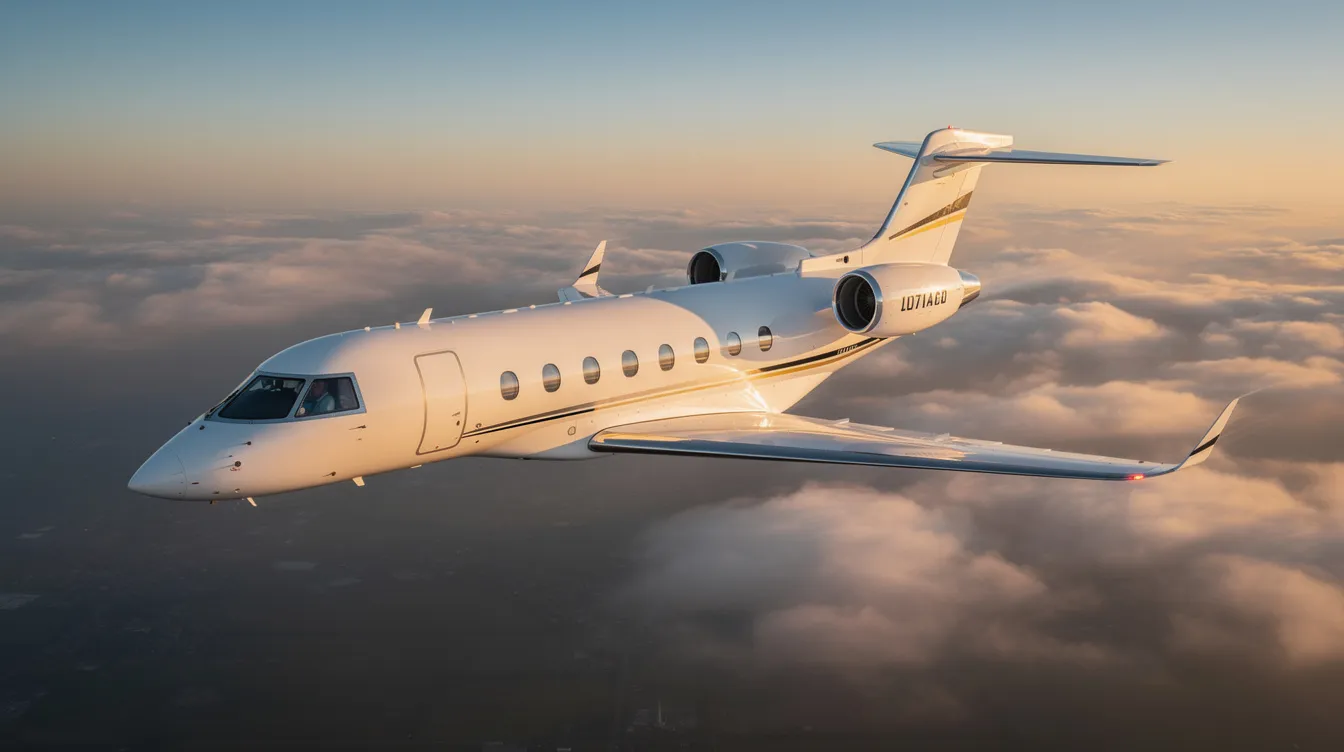
Business jets are no longer evaluated only as executive transportation. For many corporations, owners, and operators, they are strategic assets that affect productivity, access, risk management, and capital allocation.
Key Takeaways
Business jets range from very light jets and light jets to large business jets and vip airliners, including Airbus Corporate Jets and Boeing Business Jets, each serving different missions and budgets.
Aircraft selection should be driven by mission profile, range, payload, route structure, total cost of ownership, and cabin requirements, not brand prestige alone.
Current market conditions still reflect strong demand, tight inventory, OEM backlogs, and selective price normalization in the pre-owned business aviation market.
BusinessJets.com provides independent aircraft brokerage, private jet appraisals, aircraft valuation, and aviation consulting, supported by 1,500+ aircraft transactions and 5,000+ satisfied customers.
If you are buying, selling, or reviewing a fleet strategy, request an appraisal, browse aircraft for sale, or engage BusinessJets.com for acquisition and advisory support.
What Is a Business Jet and Who Uses Them?
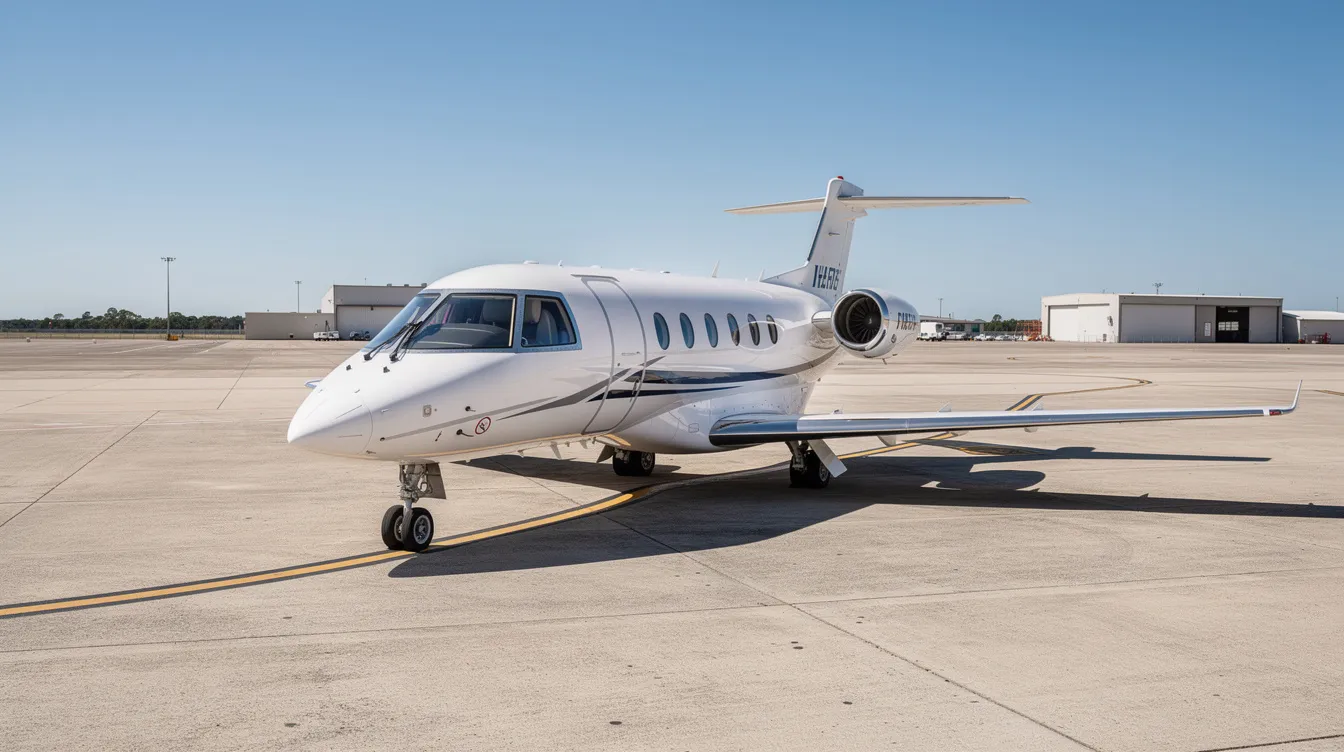
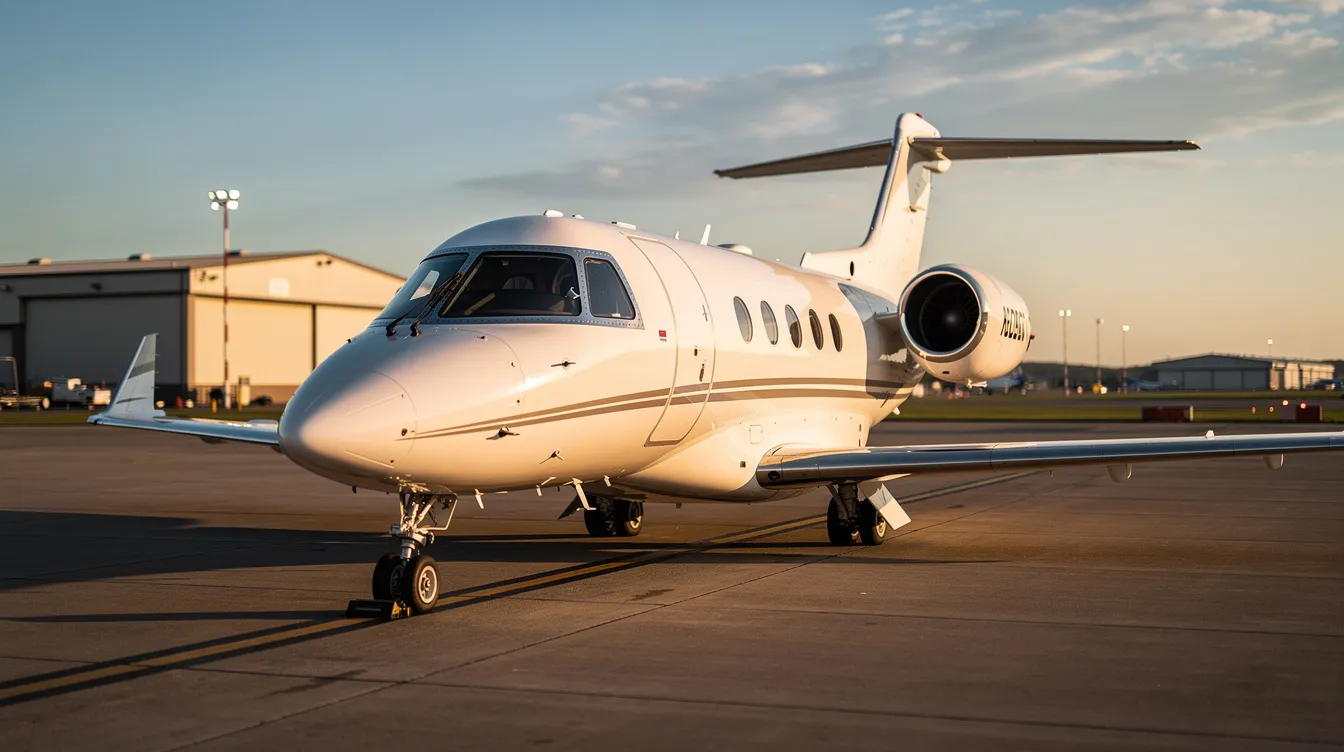
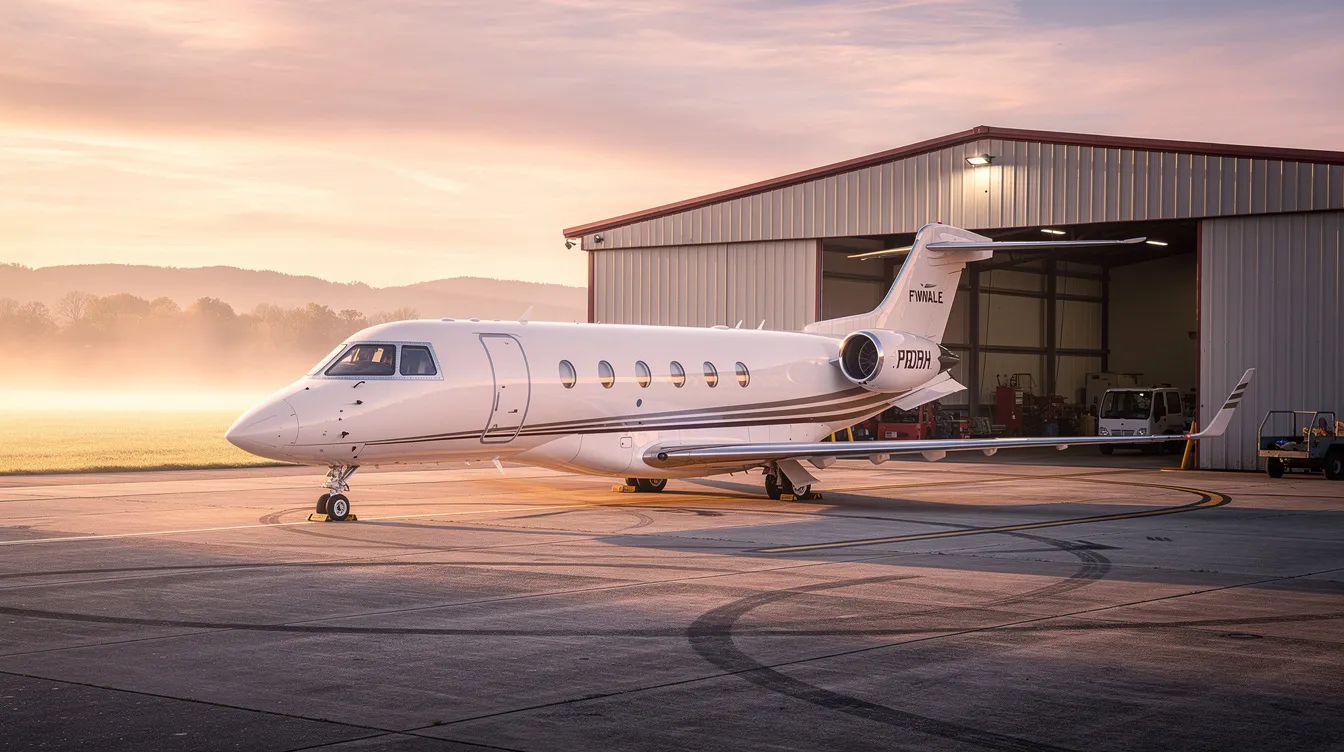
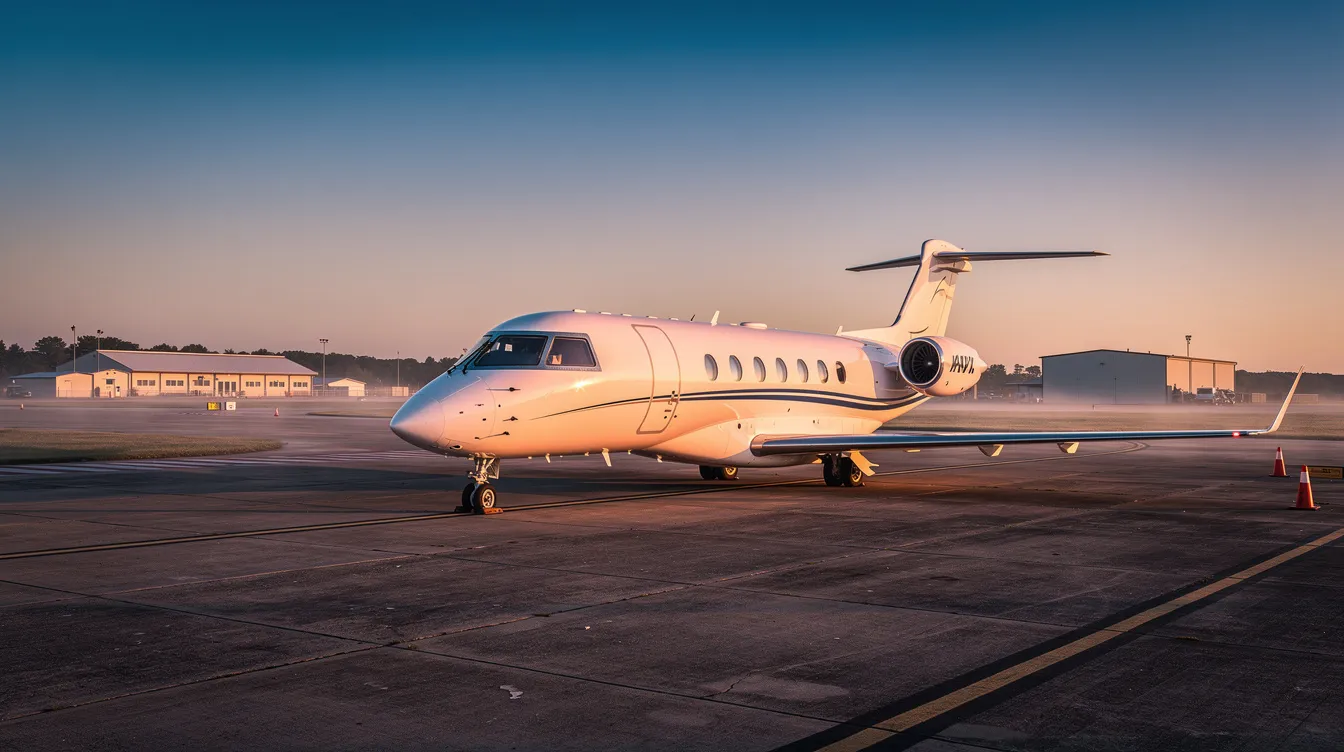
A business jet is a fixed-wing aircraft designed or configured primarily for corporate travel, owner-use, or high-end air charter service rather than scheduled airline service. The first business jet era began in the 1960s, and the class has since evolved from short-range executive transportation into global business infrastructure.
Typical users include:
Executive teams and boards
Project teams visiting multiple sites in one day
Government and head-of-state delegations
Sports teams and family offices
Operators providing private aviation service
Business jets offer significant advantages over commercial flights, primarily revolving around time efficiency, flexibility, and productivity. Private jets can land at over 5,000 airports in the U.S. alone, many of which are closed to commercial airlines. Corporate travel via business jets enables executives to bypass long lines and utilize thousands of smaller airports, often reducing total door-to-door flight time on routes such as New York–Dallas or London–Zurich.
The cabin space of business jets allows teams to hold private, confidential meetings and work without interruptions from other passengers.
Ownership models include:
Full ownership: maximum control, full responsibility for crew, maintenance, hangarage, insurance, and operating rules.
Fractional ownership: multiple parties share the costs and responsibilities of ownership, including flight crew, maintenance, and hangarage.
Fractional equity share: In fractional ownership, an individual or corporation pays an upfront equity share for the cost of an aircraft, which entitles them to a certain number of flight hours and often guaranteed availability.
Block time and pay-as-you-fly: different ownership models for business jets include fractional ownership, block time purchases, and pay-as-you-fly arrangements, each catering to varying usage needs and financial commitments.
Charter: An air charter service is useful for low-utilization or irregular missions.
Key Categories of Business Jets
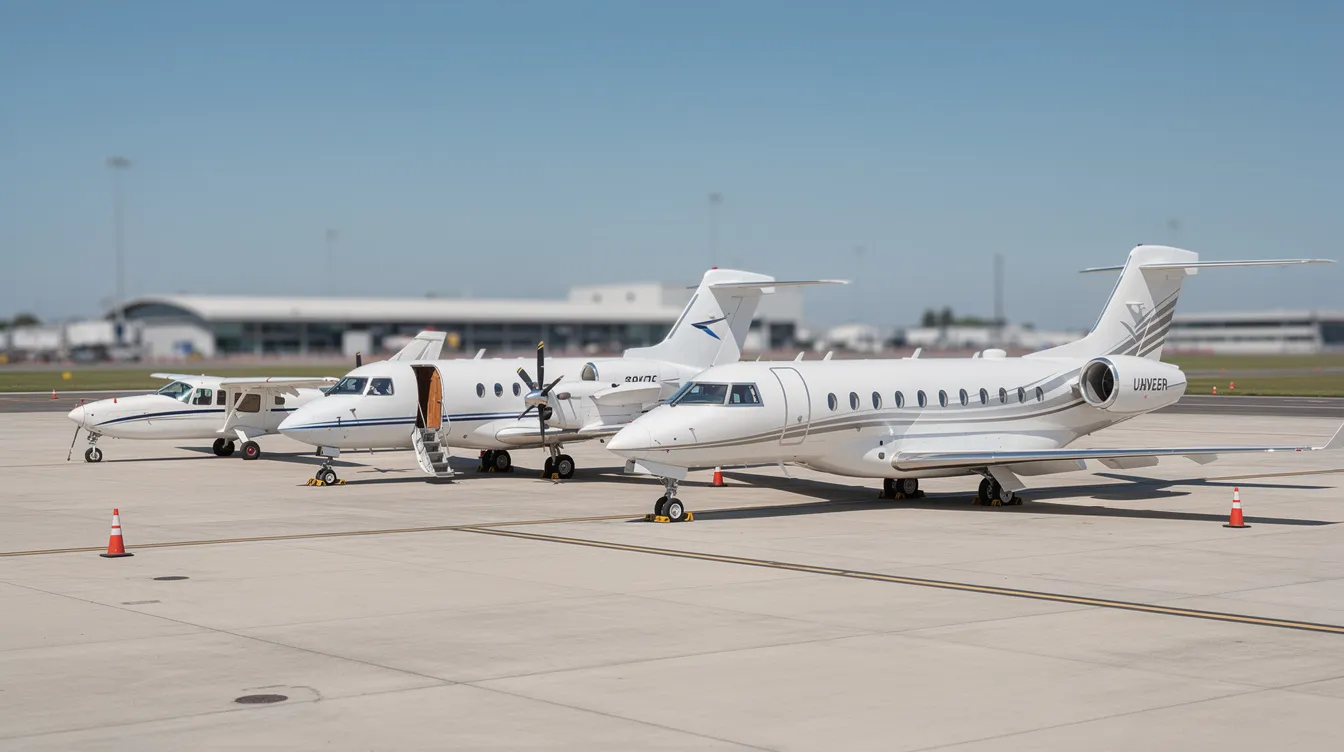
Business jets are categorized into six primary classes based on their size, passenger capacity, baggage space, and maximum flight range. In practice, buyers usually narrow the field by aircraft types, typical route, passengers, and operating cost.
Category | Typical use | Range and passengers | Example route |
|---|---|---|---|
very light jets and light jets | Regional business trips | Light jets generally have an average range of 1,953 nautical miles, suitable for shorter regional flights. | Chicago–Atlanta |
Midsize jets | Longer domestic missions | Often 2,000–3,000 nm | London–Athens |
super midsize jets | Transcontinental flights | Super mid-size jets typically have an average range of 3,420 nautical miles, accommodating 10-11 passengers. | Los Angeles–New York |
large jets and long-range aircraft | Intercontinental range | 5,000+ nm | New York–London |
Ultra-long-range aircraft | Global nonstop missions | 7,000–8,000+ nm |
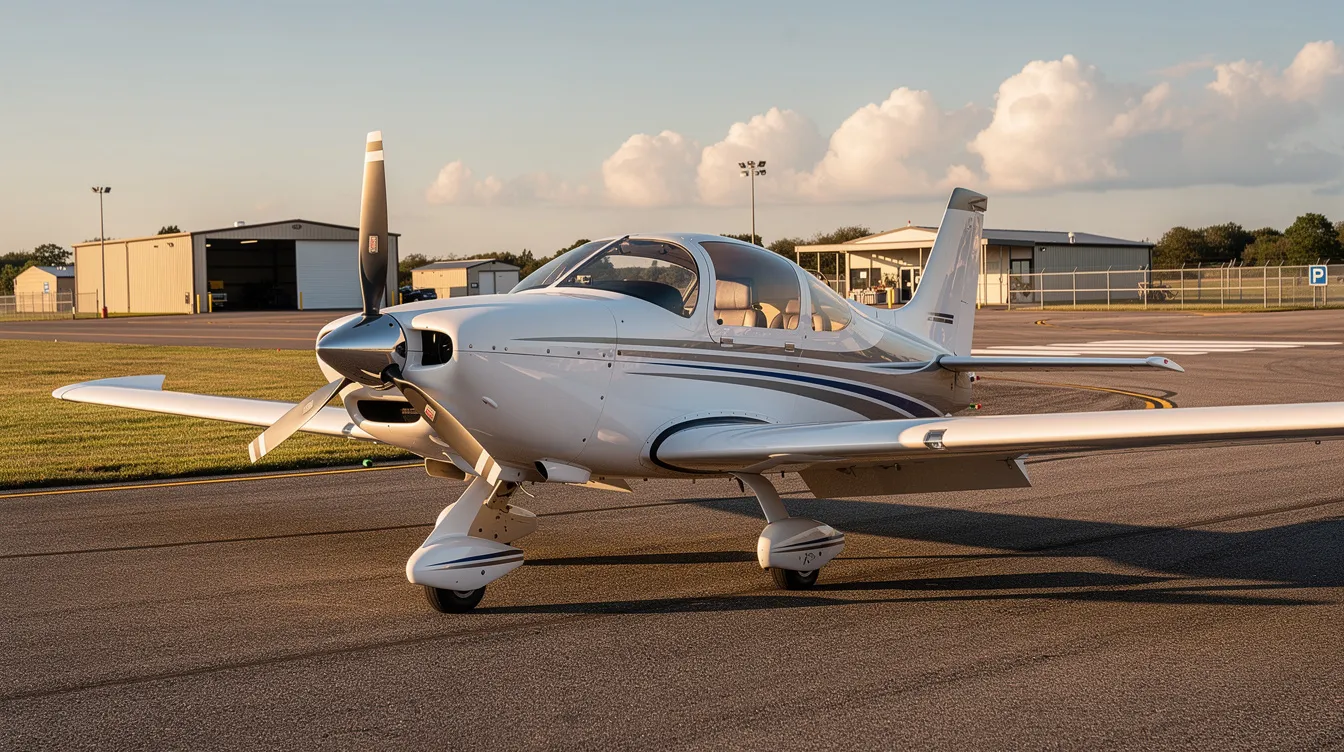
| vip airliners | Delegations and heads of state | Large cabin, airline-based platforms | Washington–Riyadh | Very light jets and light jets, such as the Cessna Citation M2 Gen3, HondaJet Elite II, and Embraer Phenom 300E, are efficient for 2–6 passengers on regional sectors.
Midsize and super midsize jets, including the Citation Latitude, Citation Longitude, and Embraer Praetor 500/600, are workhorses for domestic U.S. and intra-Europe corporate travel.
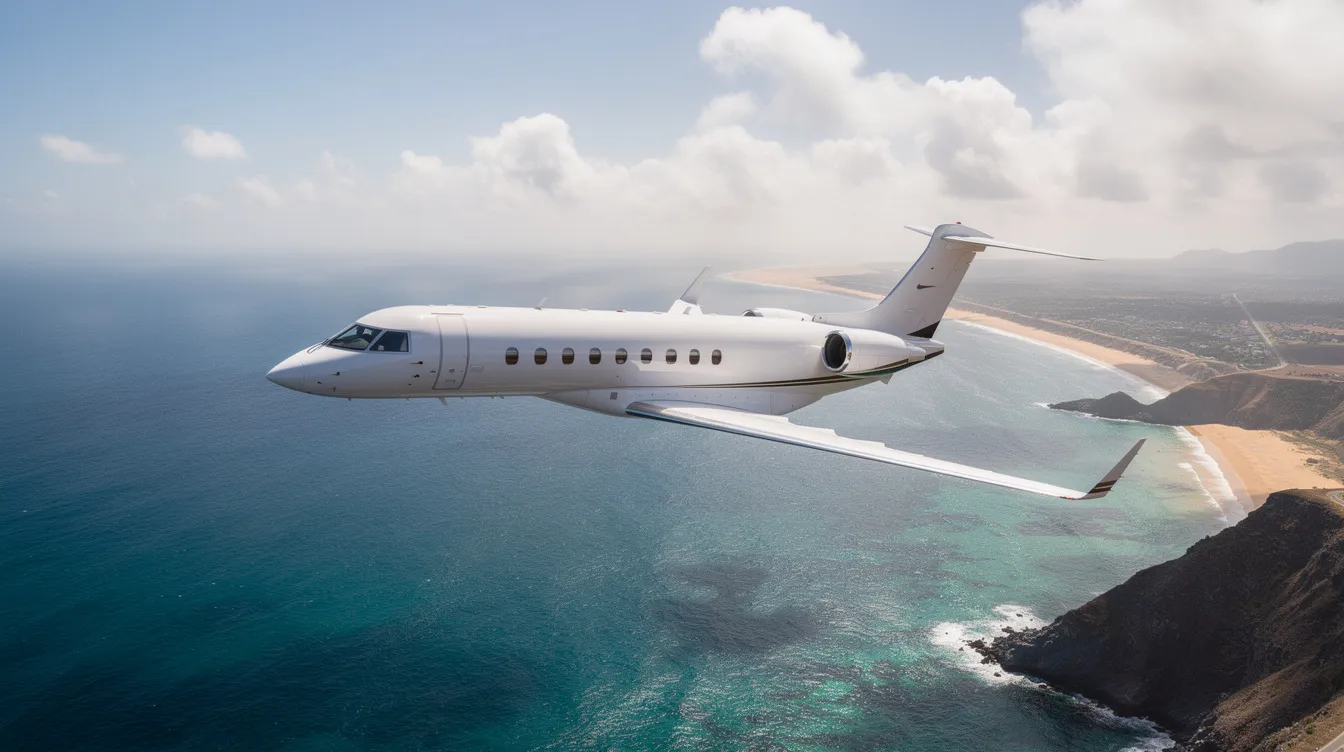
Large business jets and long-range jet platforms, including the Gulfstream G600/G700, Dassault Falcon 7X/8X, and Bombardier Global 7500, support nonstop international missions. The Bombardier Global 7500 has a range of 7,700 nautical miles, allowing for intercontinental travel without compromise.
Leading Business Jet Manufacturers and Flagship Models
The business jet market is led by a small group of OEMs, each with strengths in range, cabin design, advanced avionics, speed, and efficiency.
Airbus Corporate Jets
Airbus Corporate Jets began producing corporate and VIP versions of its aircraft in 1997, focusing on ultra-long-range, large-cabin business jets often used by heads of state and corporations. Models include ACJ319neo, ACJ320neo, ACJ330neo, ACJ350, and ACJ TwoTwenty.
These Airbus corporate jets, including the ACJ319 private jet platform, offer wide-cabin layouts, long-range capability, and high-level customization for governmental and corporate platforms.
Boeing Business Jets
Boeing Business Jets launched its series in the late-1990s, converting commercial airframes into luxury business jets, with models like the BBJ 737 Max and BBJ 787. The Boeing Business Jet (BBJ) 787 has a range of 9,945 nautical miles, making it suitable for long-distance travel.
The Boeing Company has also introduced BBJ Select, a curated cabin and systems package for corporate and VIP customers. In market language, Boeing business aircraft are often evaluated against Airbus Corporate Jets and other bizliner platforms. The Boeing business jet family includes variants based on the 737 MAX, 787 Dreamliner, and 777X.
Bombardier
Bombardier Inc. is known for the Challenger and Global families. The Global 7500 entered service in 2018 and completed notable long-distance missions, including New York–Hong Kong.
The Global 8000 is positioned as the fastest business jet in the world, capable of reaching a maximum speed of Mach 0.94. The Bombardier Global 8000 is recognized as the world's fastest business jet, while its 8,000 nm range places it among the most capable long-range platforms expected to influence the next decade.
Gulfstream
Gulfstream Aerospace specializes in long-range, large-cabin business jets and has produced several notable models, including the G700 and G800, known for their range and luxury. The Gulfstream G700 has a maximum speed of Mach 0.935, making it one of the fastest jets currently available.
Gulfstream’s G800 is a leading ultra-long-range competitor; Gulfstream publishes an 8,000+ nm class range and high-speed cruise capability.
Dassault, Embraer, Textron, and Honda
Dassault Aviation, known for its military aircraft, has been producing business jets since the 1960s, with models like the Falcon series that are popular for their performance and comfort. Dassault’s FalconFalcon line includes the Falcon 2000LXS, 900LX, 6X, 7X, and 8X, with tri-jet heritage, short-field performance, and digital flight controls influenced by combat aircraft rather than fighter jets directly.
Embraer Executive Jets, founded in 1969, produces a range of business jets, including the Phenom series, which has been among the best-selling light jets globally for over a decade. Textron’s Cessna Citation family and Honda Aircraft’s HondaJet models remain popular with corporate flight departments, balancing acquisition price, modern avionics, and fuel efficiency.
Performance, Range, and the Fastest Business Jets
Performance metrics affect where an aircraft can be based, how reliably it can fly a route, and whether it can preserve an executive schedule during weather, winds, or routing constraints.
Modern business jets typically cruise between Mach 0.80 and Mach 0.88. The fastest business jet category is now led by aircraft such as the Bombardier Global 8000, Gulfstream G800, and Gulfstream G700.
Key figures include:
The Gulfstream G800 and Bombardier Global 8000 are tied for the longest range at 8,000 nautical miles.
The Global 8000 has a top speed near Mach 0.94.
The Gulfstream G700 has a maximum speed of Mach 0.935.
The Bombardier Global 7500 can achieve a maximum speed of Mach 0.925, establishing it as one of the fastest private jets in the market.
The world’s fastest civilian aircraft title historically involves supersonic aircraft, but today’s fastest business jet competition remains in high-subsonic flight rather than military or supersonic transport.
Higher cruise speed may save 30–60 minutes on long sectors such as Los Angeles–London or Singapore–Sydney. However, mission efficiency also depends on step climbs, winds aloft, payload, reserves, and air traffic routing.
Runway performance matters as much as maximum speed. Certain large business jets use advanced wing and flap systems to provide access to more airports closer to business centers, improving schedule reliability.
Cabin Experience, Wellness, and Combating Jet Lag
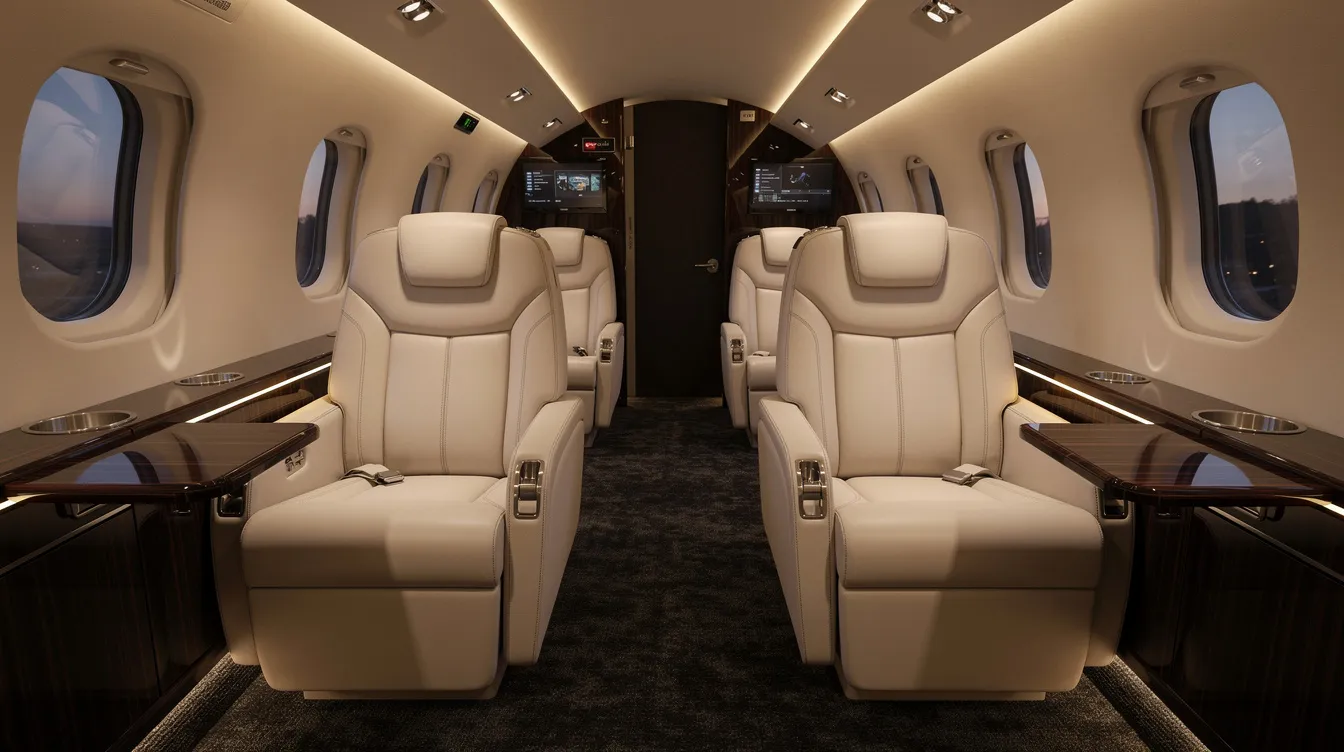
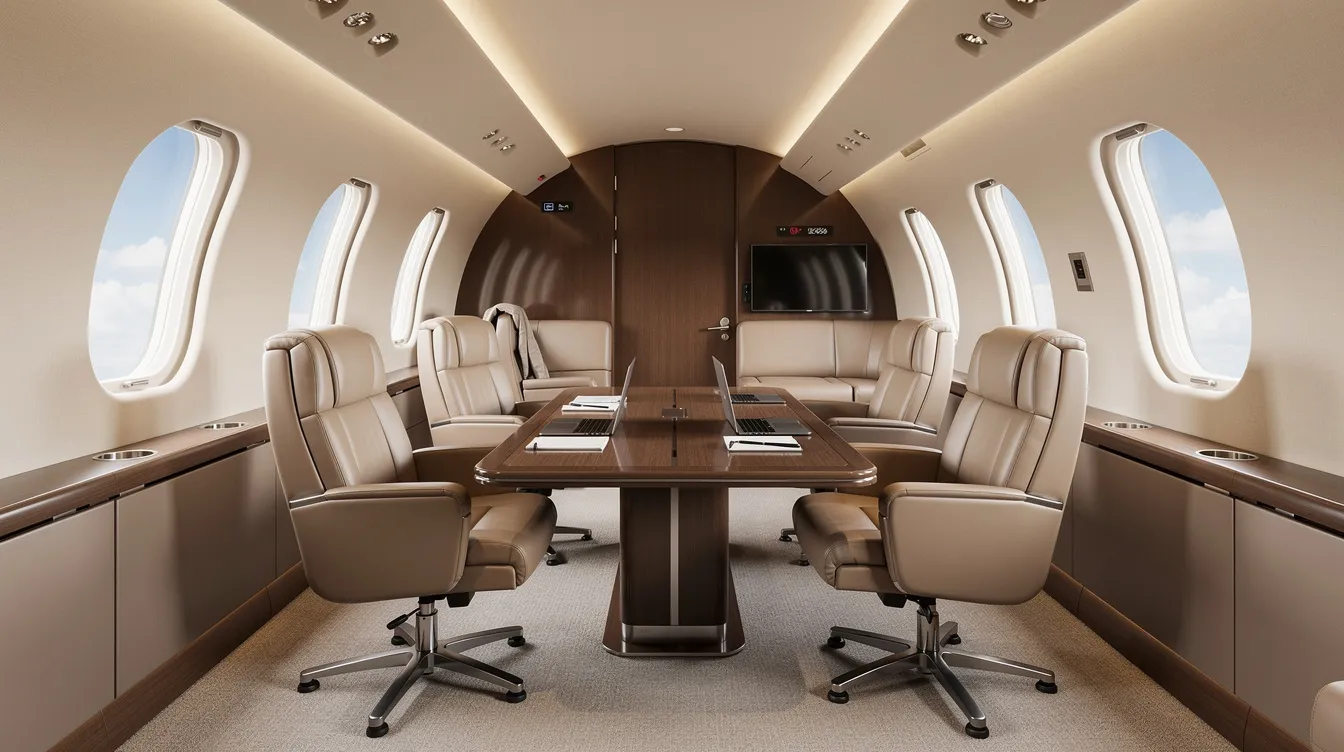
On long missions, the cabin directly affects passenger comfort, productivity, and the ability to arrive ready for meetings. Business jets are designed to provide a luxurious cabin experience that rivals the world's finest hotels and offices, featuring spacious interiors, advanced technology, and customizable layouts.
Many modern business jets incorporate wellness features such as low cabin altitude and advanced air filtration systems to enhance passenger comfort and reduce fatigue during long flights. These systems help business travelers combat jet lag on overnight routes such as New York–Paris.
Important cabin factors include:
True stand-up cabin height
Multiple living zones
Sleeping and seating configurations
Noise control
Connectivity for secure collaboration
The interiors of today's private jets often include advanced soundproofing techniques, allowing for an exceptionally quiet environment that enhances passenger comfort and productivity during flights.
A typical four-zone large cabin might include club seating for discussion, a conference area for board work, a lounge or media zone, and a private suite for rest. Aircraft such as the Global 7500/8000, G700/G800, and ACJ TwoTwenty demonstrate how cabin design has become part of corporate productivity planning.
Connectivity also matters. Ka-band, Ku-band, JetWave, Starlink, and Gogo Galileo solutions can turn a flight into an extension of the office.
Ownership, Acquisition, and the Role of Brokerage
Acquiring a business jet is a multi-million-dollar capital allocation decision. Expert representation, accurate valuation, and market insight are essential to protect corporate interests.
A disciplined acquisition process includes:
Mission profiling: range, passengers, baggage, crew, and frequent routes.
Target aircraft list: make, model, year, serial numbers, and equipment.
Market screening: on-market and off-market aircraft.
Financial modeling: purchase price, fixed costs, variable costs, tax, depreciation, and downtime.
Negotiation and letter of intent.
Pre-purchase inspection.
Closing, registration, and entry into service.
An independent aircraft broker like BusinessJets.com helps clients compare records, maintenance status, engine program enrollment, OEM recommendations, and regulatory requirements. Private jet appraisals and aircraft valuation rely on recent comparable sales, time on market, technical status, and upcoming maintenance events.
BusinessJets.com applies experience from 1,500+ completed aircraft transactions worldwide to identify red flags early, benchmark pricing, and structure deals that account for ferry flights, tax considerations, and entry-into-service planning.
Before issuing a letter of intent, corporate buyers and fleet managers should request an independent aircraft appraisal and acquisition strategy review.
Selling a Business Jet and Maximizing Resale Value
Timing, presentation, and pricing discipline heavily influence how quickly a business jet sells and how close it trades to appraised value.
Resale outcomes depend on:
Total airframe and engine time
Engine program enrollment
Recently completed versus upcoming inspections
Interior and paint condition
Avionics currency, including ADS-B Out, FANS, and CPDLC, where applicable
Completeness of logbooks and modification records
A professional appraisal establishes an evidence-based asking price aligned with current market trends for that specific make, model, and year. According to JETNET market commentary, pre-owned activity has remained active while asking prices have normalized from pandemic-era peaks.
BusinessJets.com markets aircraft discreetly and effectively through qualified buyer outreach, curated digital exposure, and a global network developed through more than 5,000 client relationships.
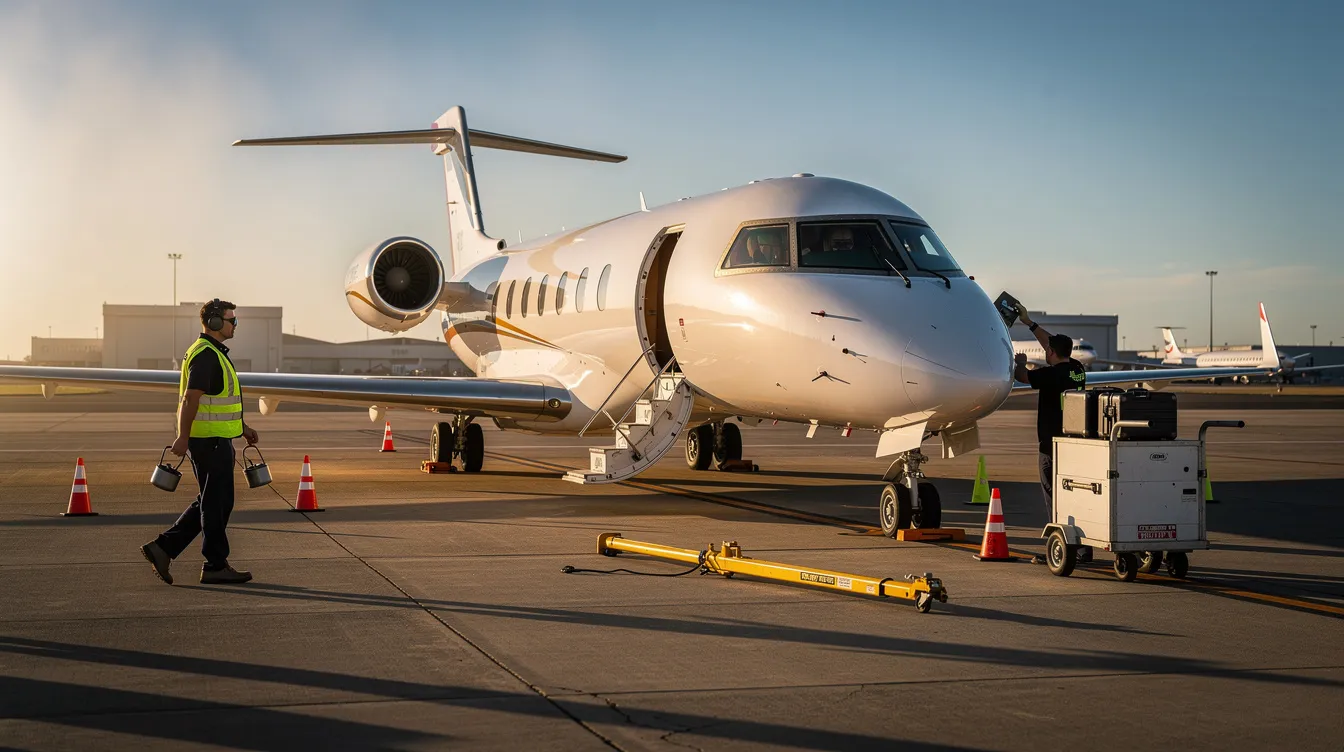
Sellers should prepare complete logbooks, maintenance releases, and modification documentation before listing. Addressing obvious cosmetic or minor technical items early can reduce inspection delays and price re-trades.
Business Jets in Corporate Travel Strategy
Business jets are not only transportation tools. They are strategic assets that shape how a company deploys leadership, project teams, and technical specialists across markets.
Corporate travel departments evaluate whether to charter, lease, or own based on annual utilization, geography, route criticality, and duty of care. A company flying regular New York–Houston–Midland energy sector trips may value control and continuity more than occasional spot-market charter pricing.
Ownership can improve control for recurring missions, while carefully chosen supplemental charter or air charter service partnerships can cover peak demand, maintenance downtime, or unusual destinations.
BusinessJets.com supports corporate clients with aviation consulting, fleet-rightsizing analysis, mission modeling, and hold-versus-sell timing decisions. For example, a client may move from heavy charter usage to an owned large business jet plus supplemental charter, improving schedule resilience while keeping fleet size disciplined.
Public companies should also consider governance, disclosure, security, reputational risk, and environmental impact when structuring business aviation programs.
Market Trends, Technology, and Sustainability Considerations
Since 2020, the business jet market has experienced intense demand, tight inventory, and price volatility. OEM backlogs have kept late-model pre-owned aircraft attractive, particularly where delivery lead times are long.
Current trends include:
Continued demand for long-range and large business jets
Strong interest in cabin technology and connectivity
Selective price normalization for older aircraft
Greater focus on fuel efficiency and emissions reporting
Traveling in private jets can result in a disproportionately high carbon footprint compared to commercial air travel, with some individuals generating thousands of tons of CO2 emissions annually. Projects tracking the movements of private jets owned by celebrities and high-profile individuals have gained attention due to the significant greenhouse gas emissions associated with their flights.
The aviation industry is increasingly focusing on sustainability practices, including carbon offset programs and the development of more fuel-efficient engines to mitigate environmental impact. Sustainable aviation fuel, optimized routing, lighter materials, and transparent reporting are becoming part of fleet strategy.
For buyers and sellers, BusinessJets.com monitors transaction volume, days on market, asking price trends, and model-specific liquidity to advise whether conditions favor buying, holding, or selling.

How BusinessJets.com Supports Buyers, Owners, and Operators
BusinessJets.com is a discreet, data-informed partner across the aircraft ownership lifecycle, from first acquisition through fleet renewal and disposition.
Core services include:
Buy-side and sell-side aircraft brokerage
Private jet appraisals and aircraft valuation
Aviation consulting and operator advisory
Fleet strategy and market timing analysis
Support for owners, operators, corporate travel departments, and high-net-worth clients
The company’s experience across 1,500+ aircraft transactions and more than 5,000 satisfied customers enables practical benchmarking of sale prices, time-on-market, model-specific demand, and technical risk factors.
BusinessJets.com also helps clients compare Airbus Corporate Jets, Boeing Business Jets, traditional large-cabin platforms, super midsize aircraft, and light categories without bias toward any OEM. The firm coordinates inspection facilities, legal and tax advisors, registries, and technical experts while maintaining a single accountable point of contact.
If you are preparing to buy, sell, or reassess a fleet, request an independent appraisal, list an aircraft for sale, or schedule a consultation with BusinessJets.com.
and pricing. This approach ensures clients make informed decisions tailored to their specific operational needs and financial goals.
What factors most affect the resale value of a business jet?
Resale value is influenced by total airframe and engine time, maintenance history, engine program enrollment, avionics updates, interior and exterior condition, and market demand. Timely completion of inspections and upgrades can preserve or enhance value.
How does BusinessJets.com assist with aircraft acquisition?
BusinessJets.com provides market analysis, independent appraisals, inspection coordination, negotiation support, and transaction management. Their expertise helps buyers identify suitable aircraft, assess condition and value, and navigate complex regulatory and operational considerations.
Are business jets environmentally sustainable?
While traditional business jets have a higher carbon footprint per passenger compared to commercial flights, the industry is advancing with sustainable aviation fuels, improved engine efficiency, carbon offset programs, and optimized operations to reduce environmental impact.
What is the typical range of ultra-long-range business jets?
Ultra-long-range jets typically have ranges exceeding 7,000 nautical miles, enabling nonstop global missions such as Paris to Tokyo or New York to Hong Kong. Examples include the Gulfstream G800 and Bombardier Global 7500.
How soon after the first flight are business jets typically delivered?
Delivery timelines vary by manufacturer and model but often range from 12 to 24 months after the first flight, accounting for certification, customization, and production schedules. BusinessJets.com can provide current delivery expectations for specific aircraft.
If you have additional questions about business jets, aircraft valuation, or acquisition strategy, contact BusinessJets.com for expert guidance.
Conclusion: Partnering with BusinessJets.com for Informed Business Aviation Decisions
Business jets serve as vital strategic assets for corporations, owners, and operators seeking efficiency, flexibility, and productivity in travel. Selecting the right aircraft requires careful consideration of mission profiles, performance, cabin experience, and market conditions. Whether acquiring, selling, or optimizing a fleet, expert guidance is essential to navigate the complexities of valuation, negotiation, and regulatory compliance.
BusinessJets.com stands as a trusted partner in this process, leveraging extensive experience from over 1,500 aircraft transactions and a network of more than 5,000 satisfied clients worldwide. The firm offers independent aircraft brokerage, private jet appraisals, and aviation consulting tailored to the unique needs of private jet owners, corporate buyers, operators, and fleet managers. Their consultative approach ensures informed decision-making grounded in data-driven market insight and practical expertise.
Engage BusinessJets.com to request an appraisal, list an aircraft for sale, or explore acquisition support and fleet advisory services. With a commitment to discretion, professionalism, and client-focused service, BusinessJets.com helps you maximize the value and utility of your business aviation assets.
Visit BusinessJets.com to learn more about how their expert team can support your private aviation goals and deliver seamless, strategic outcomes throughout the aircraft ownership lifecycle.