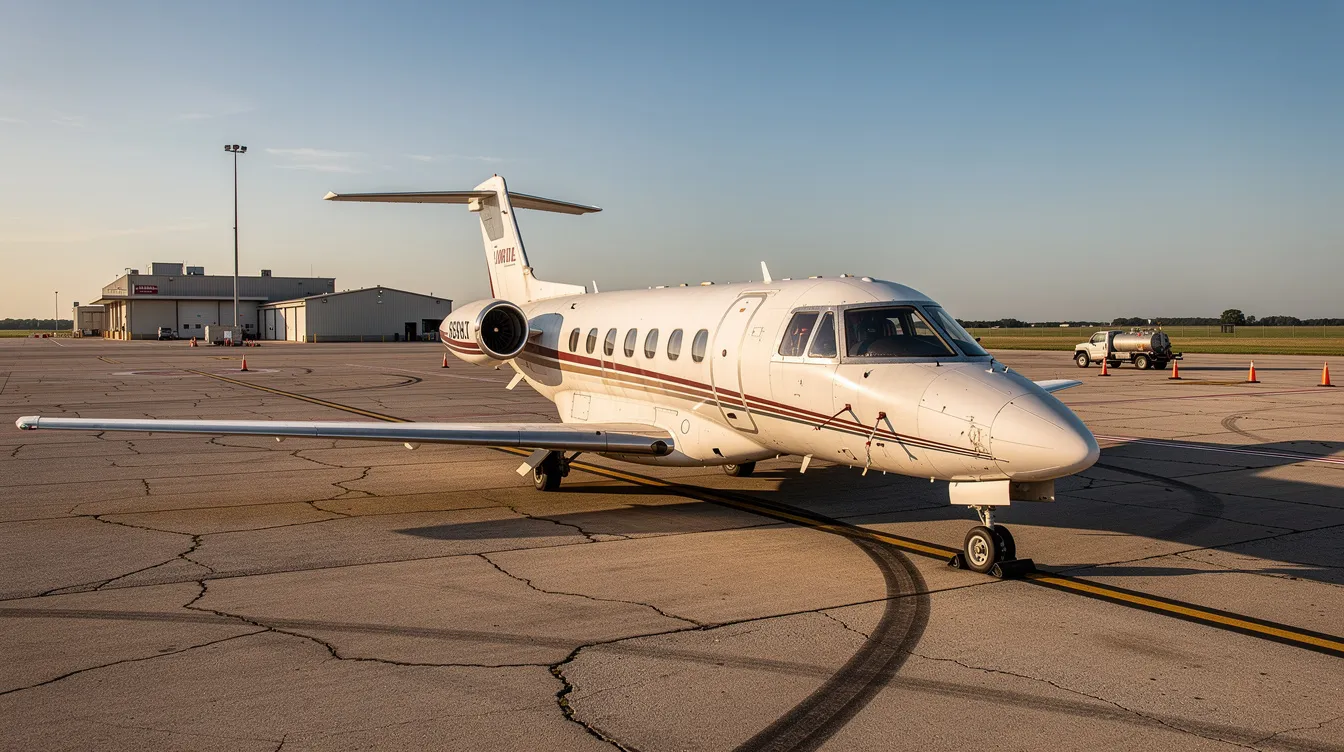
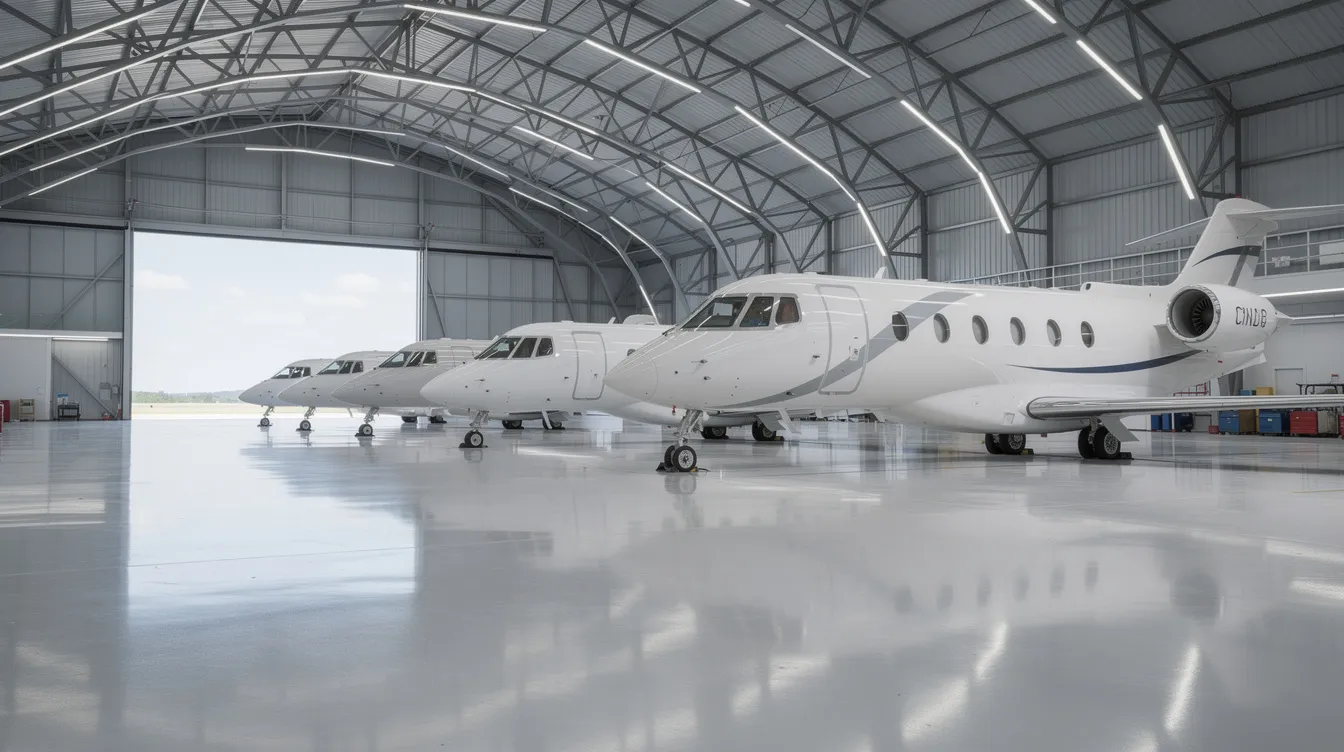
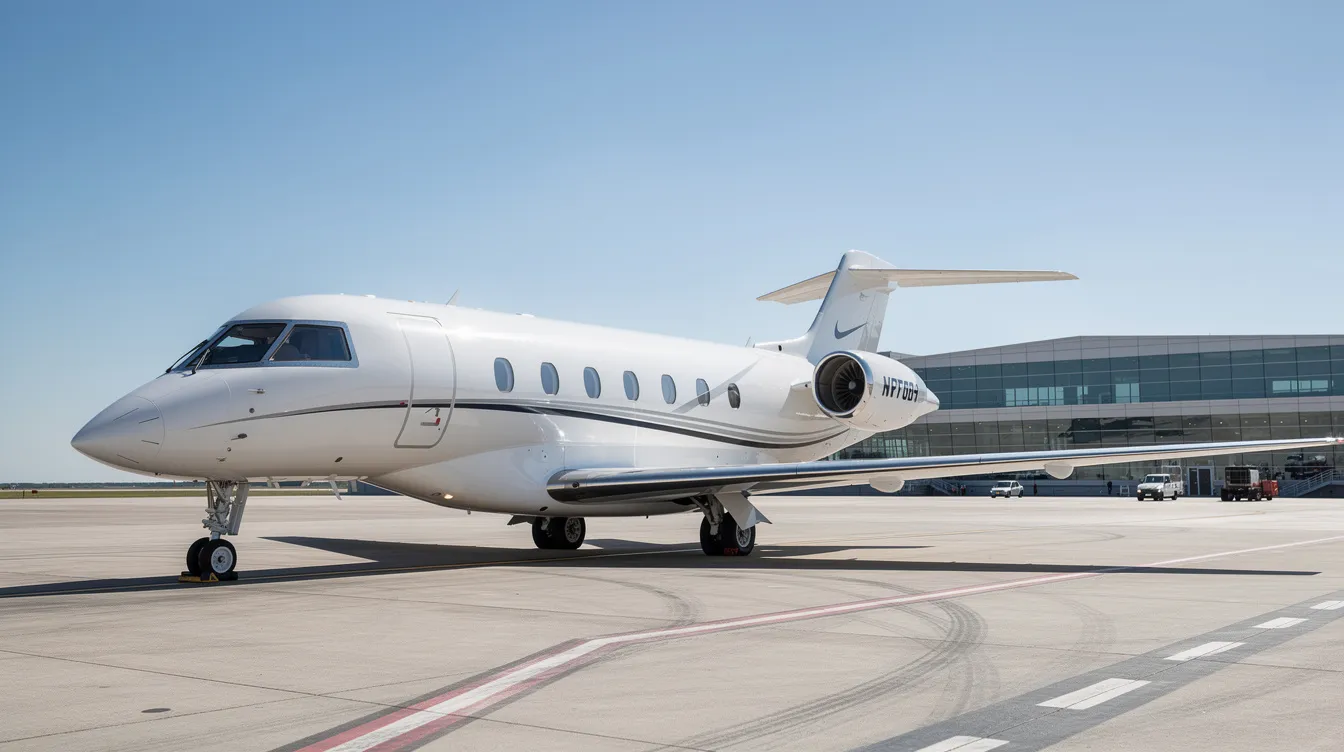
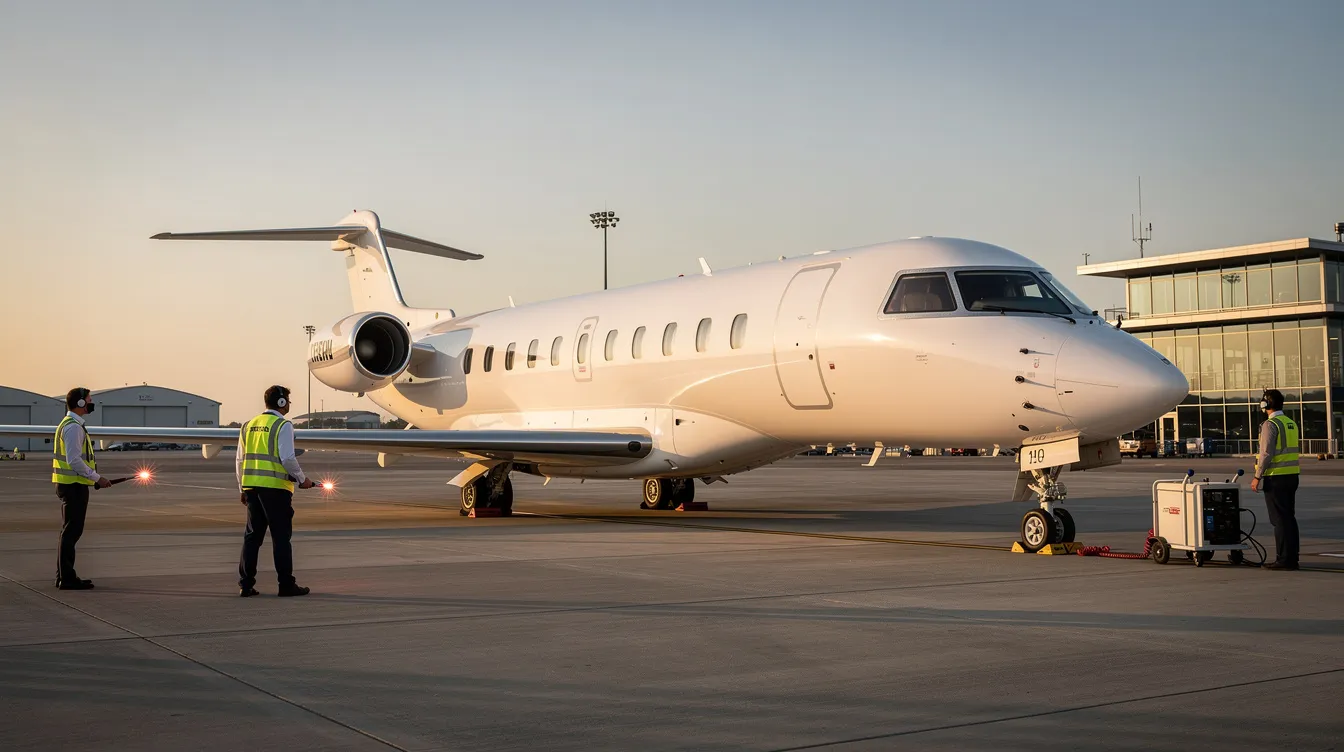
Private Jet Costs in 2026: Charter Prices, Ownership Expenses, and How to Budget Smartly

Private aviation budgeting is not just an hourly-rate exercise. In 2026, private jet costs depend on aircraft category, routing, airport choice, taxes, ownership structure, and how often the aircraft is actually used.
Key Takeaways
Private jet charter pricing in 2026 typically ranges from about $2,000–$3,000 per hour for turboprops and very light jets up to $18,000–$20,000+ per hour for ultra-long range aircraft.
The total private jet travel cost includes hourly rate plus taxes, including the 7.5% U.S. federal excise tax where applicable, airport and handling fees, crew overnights, fuel surcharges, and hidden fees such as short leg fees or repositioning.
Ownership requires a multi-million-dollar acquisition plus ongoing costs that can exceed $1M per year, making full ownership most compelling above roughly 200–300 flight hours annually.
Charter, jet cards, fractional ownership, and full ownership each solve different problems; the right answer depends on mission profile, aircraft availability, schedule control, and capital strategy.
BusinessJets.com supports buyers, sellers, and aircraft operators with acquisition, sale, appraisal, and consulting strategies so clients match budget to the right aircraft instead of relying on generic averages.
How Much Does It Cost to Charter a Private Jet in 2026?
Charter pricing is primarily calculated by an hourly operational rate. Hourly rates for chartering private jets can range from $2,000 to $20,000, depending on the aircraft category, with very light jets costing around $2,000 to $3,000 per hour and ultra-long-range jets costing $12,000 to $20,000 per hour.
The cost to rent a private jet on demand typically ranges from $2,000 to $14,000+ per billable hour, depending on factors such as aircraft size and distance, while the widest market range can reach $20,000+ for ultra-long-range jets.
Typical private jet charter rates in 2026 are:
Aircraft Category | Hourly Charter Rate Range (USD) | Typical Use Case |
|---|---|---|
Turboprops | $2,000–$3,500 | Short flights, regional airports |
Very Light Jets | $2,000–$3,000 | 4–6 passengers, short regional sectors |
Light Jets | $3,000–$5,000 | 2–3 hour missions |
Midsize Jet | $5,000–$8,500 | Longer domestic or intra-Europe trips |
Super Midsize Jets | $6,500–$12,000 | Transcontinental flights, larger cabins |
Heavy Jets | $8,000–$15,000 | Long-distance travel |
Ultra Long Range Jets | $12,000–$20,000+ | Intercontinental missions, VIP airliners |
A midsize jet typically fits medium-range missions and sits between light and super midsize categories on price.
For example, a New York–Miami round trip on a light jet may involve roughly five total flight hours. At $4,500 per hour, flight time alone is about $22,500; after aircraft positioning, landing fees, taxes, crew expenses, and handling, the final cost may reach $30,000–$35,000. For 4–6 travelers, the cost per person can sometimes approach premium airline pricing, and with a full group, it may compare favorably with a comparable commercial flight in first class.
A Los Angeles–Aspen trip may look efficient on distance alone, but mountain airports, weather planning, ramp constraints, and a premium fixed base operators environment can push the total cost higher. A London–Dubai leg on an ultra-long-range aircraft may run $100,000–$160,000+ one way before international handling, landing permits, and customs-related charges, especially on large-cabin aircraft such as an Airbus ACJ319 private jet.
Private jet charter prices usually include the aircraft, crew member staffing, basic insurance, and standard fuel assumptions, and private jet rental costs in a quote depend heavily on which extras are included versus excluded. They often exclude airport authority charges, ground transportation, in-flight catering beyond standard service, cleaning fees, ferry fees, taxes, and other additional costs.
A charter company may bill block time, taxi plus airborne time, aircraft positioning, or a minimum billable flight time. A billable flight hour is not always the same as the time passengers are airborne, and daily minimums can raise the effective hourly cost on shorter flights.
Key Drivers of Private Jet Cost
Beyond the headline hourly rate, several commercial and operational variables determine the total private jet price. These are the same factors BusinessJets.com evaluates when advising owners, operators, and buyers on aircraft acquisition and utilization strategy.
Aircraft size and category: Larger aircraft generally have higher hourly rates, higher fuel burn, more crew requirements, and larger hangar fees.
Flight distance and routing: Longer flights consume more fuel and may require additional crew changes, thus increasing overall expenses.
Departure and arrival airports: Premium airports such as Teterboro, Van Nuys, London Luton, and Paris Le Bourget tend to have higher landing and ramp charges than regional airports, and popular destinations like Paris for private jet travel often command premium airport and handling fees.
Scheduling: Christmas–New Year, the Super Bowl, Davos, Monaco GP, and Art Basel Miami can affect aircraft availability and private jet pricing.
Onboard service level: Catering, secure Wi-Fi, in-flight entertainment, ground transportation, and a flight attendant can influence the total cost of a private jet service.
Market conditions: Fuel prices, parts availability, crew supply, and the private aviation market in 2026 all affect charter costs and ownership costs.
Aircraft Category: From Light Jets to Ultra Long Range
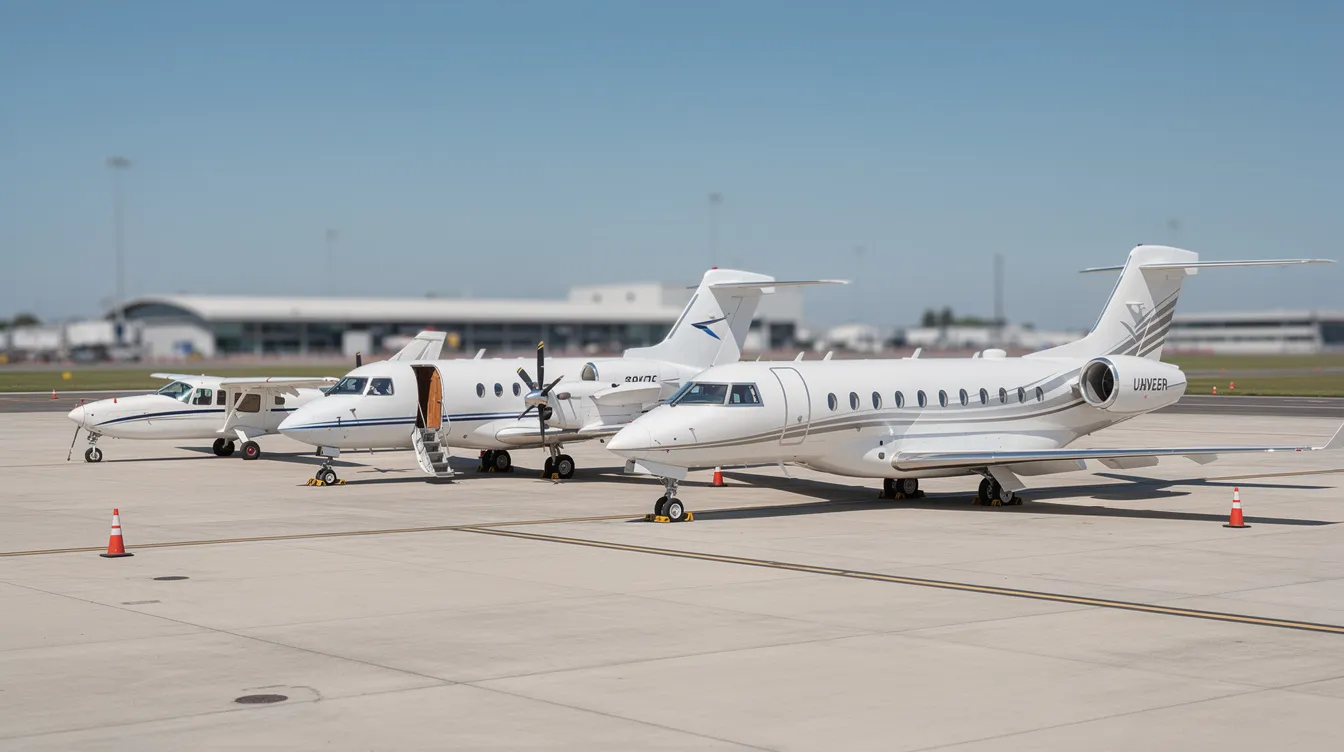
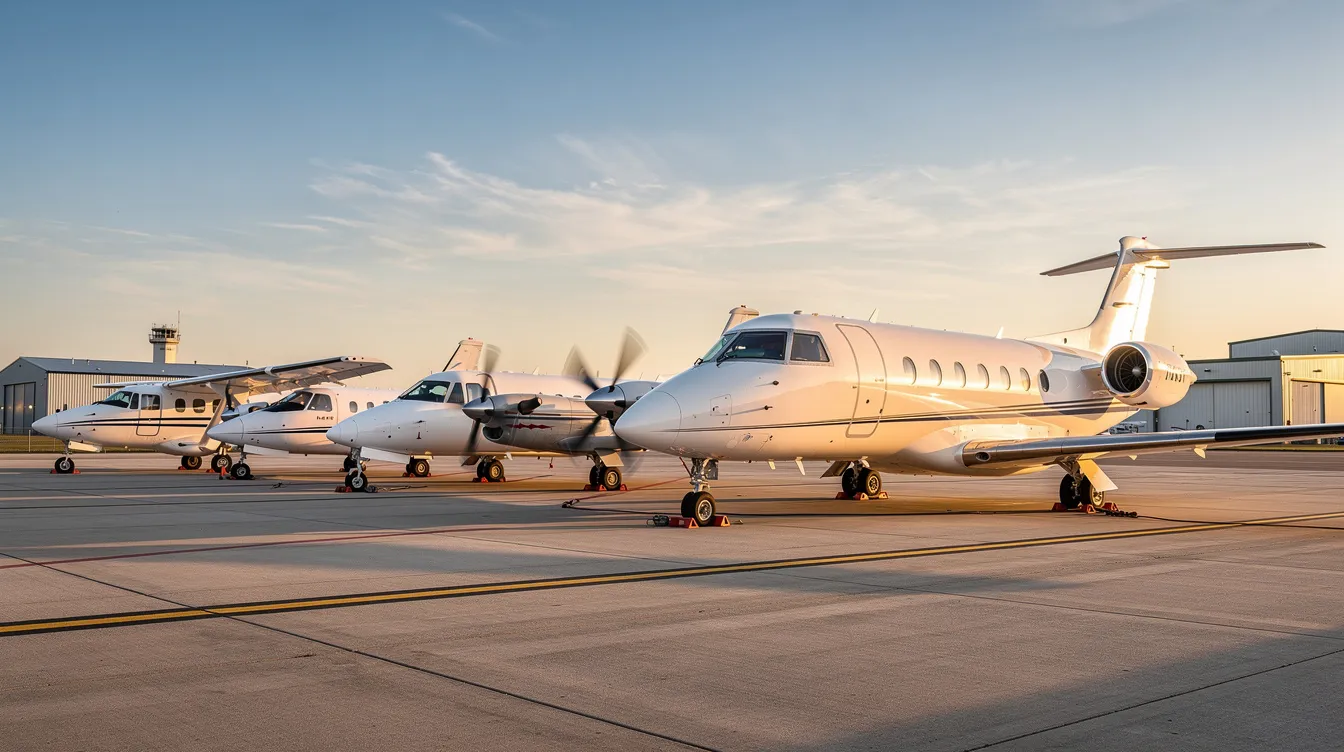
Aircraft type significantly affects pricing; rates vary from smaller aircraft up through large jets, with turboprop charters starting around $2,000 per hour and bigger categories costing closer to $10,000 per hour. The right aircraft type should match passenger capacity, flight range, baggage, and runway needs.
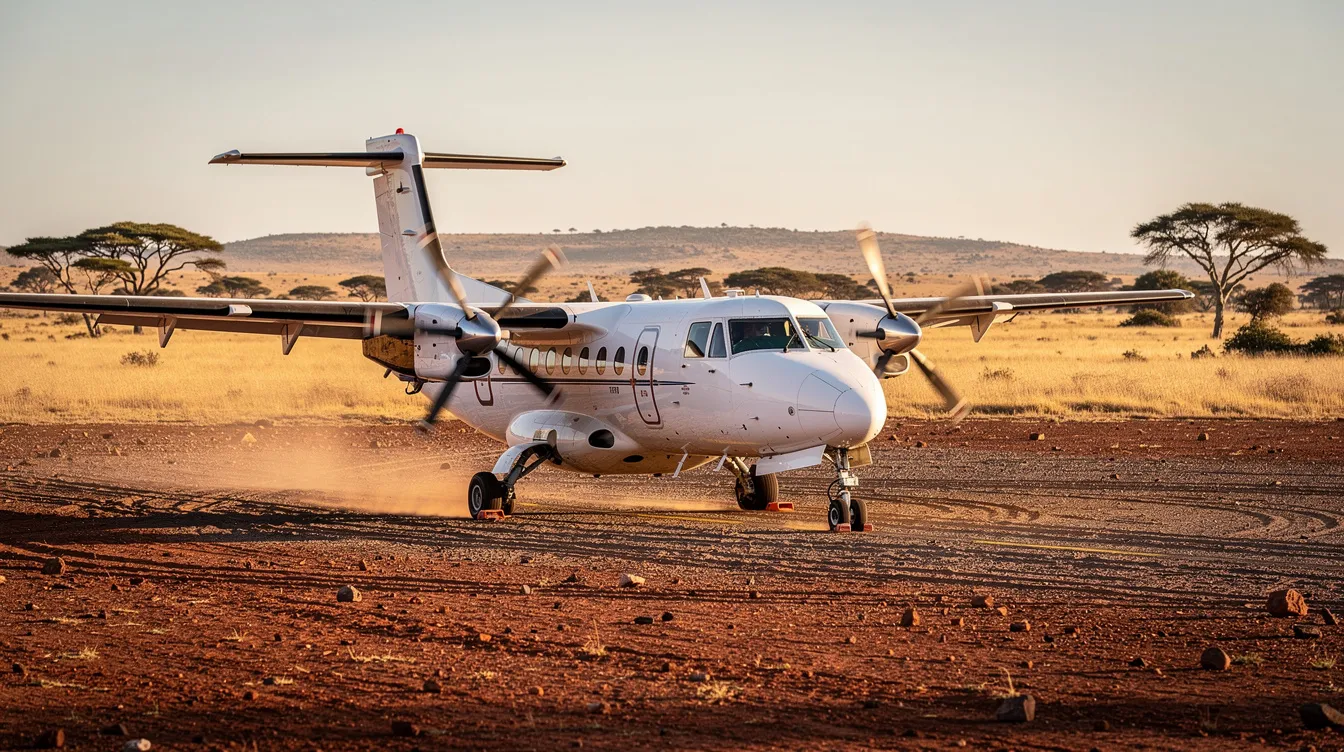
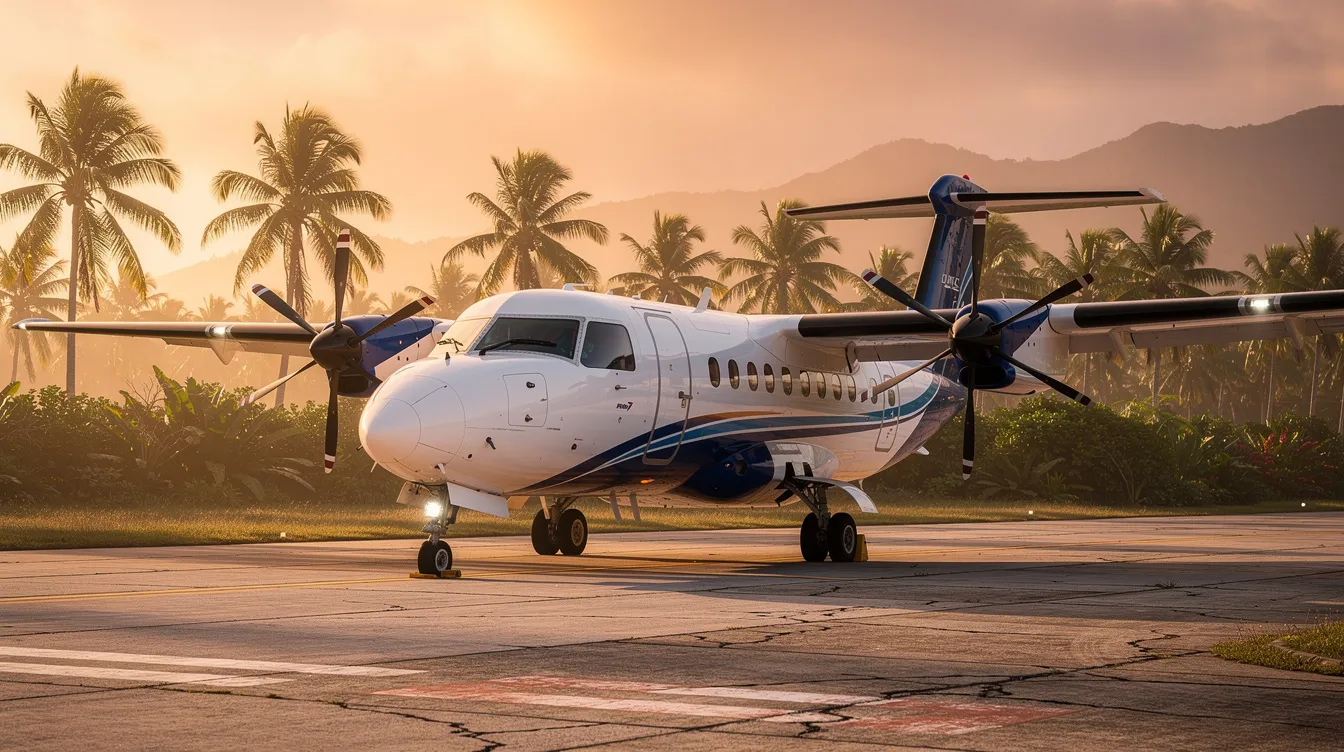
Very light jets and turboprops suit short hops, 4–6 passengers, and cost-sensitive access to smaller regional airports.
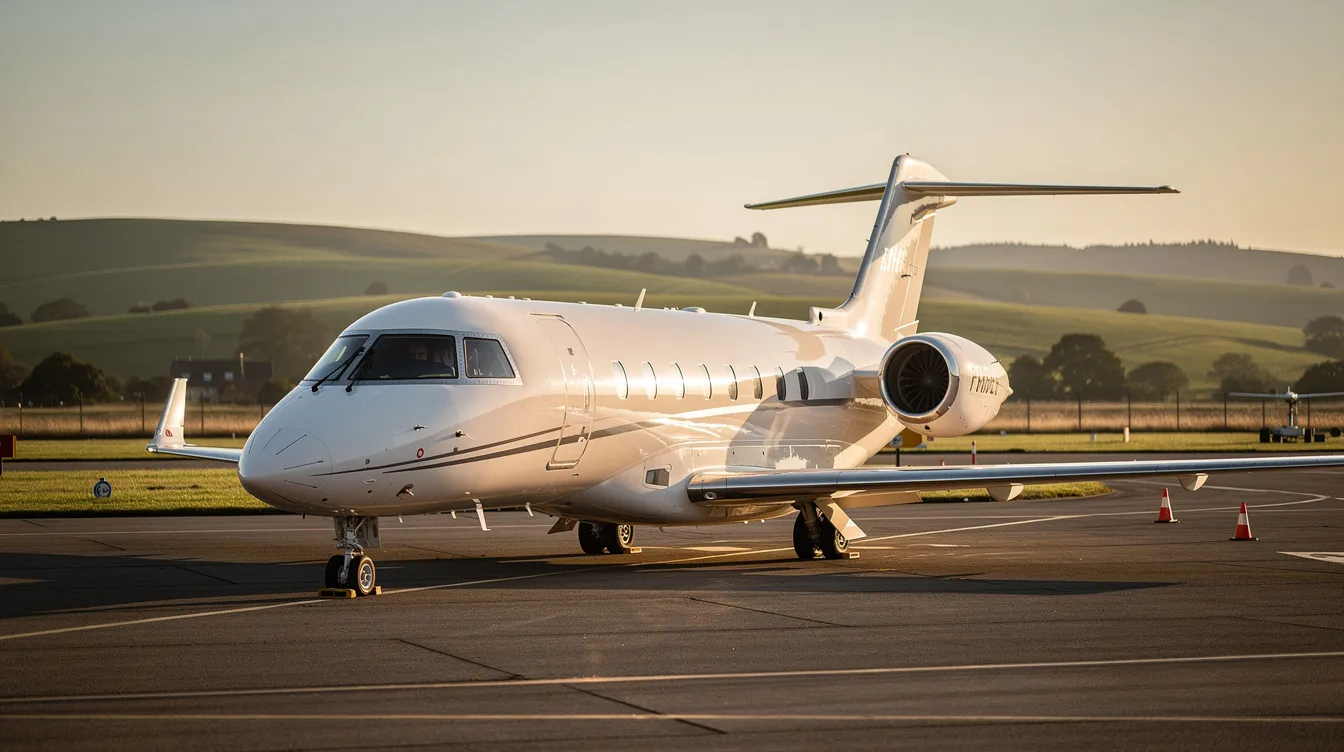
Light jets, such as a Citation CJ3+ or Learjet 45, work well for 2–3 hour regional missions where speed and airport flexibility matter.
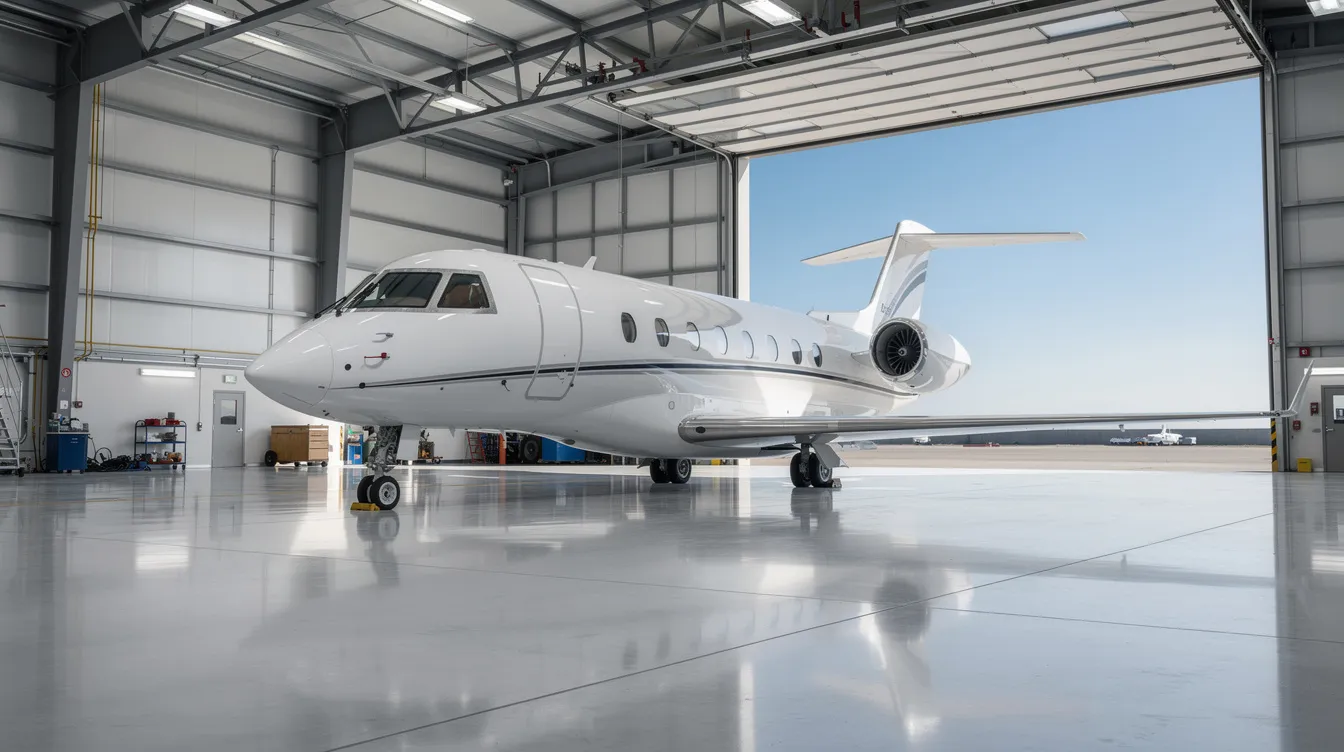
Midsize and super midsize aircraft, such as a Citation Latitude or Challenger 350, are often better for U.S. transcontinental routes or intra-Europe business travel, and a midsize jet is often a practical fit for medium-range missions.
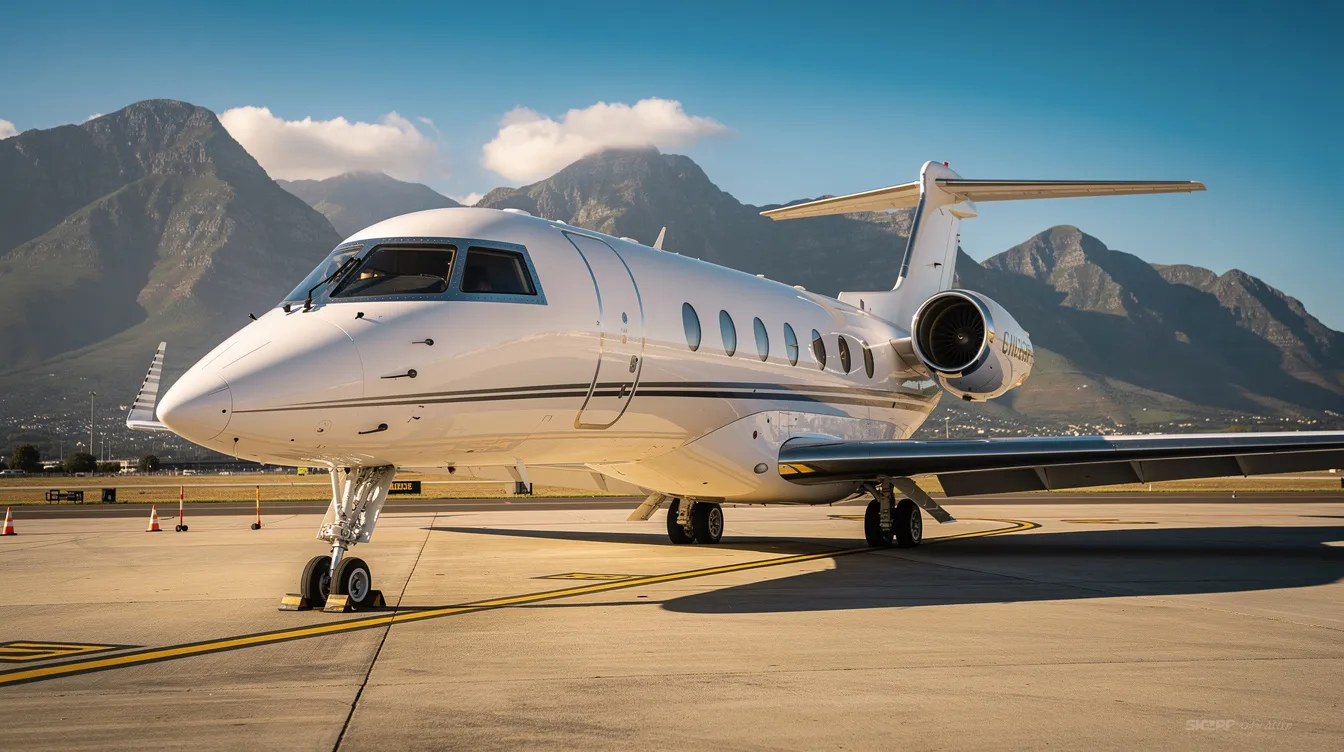
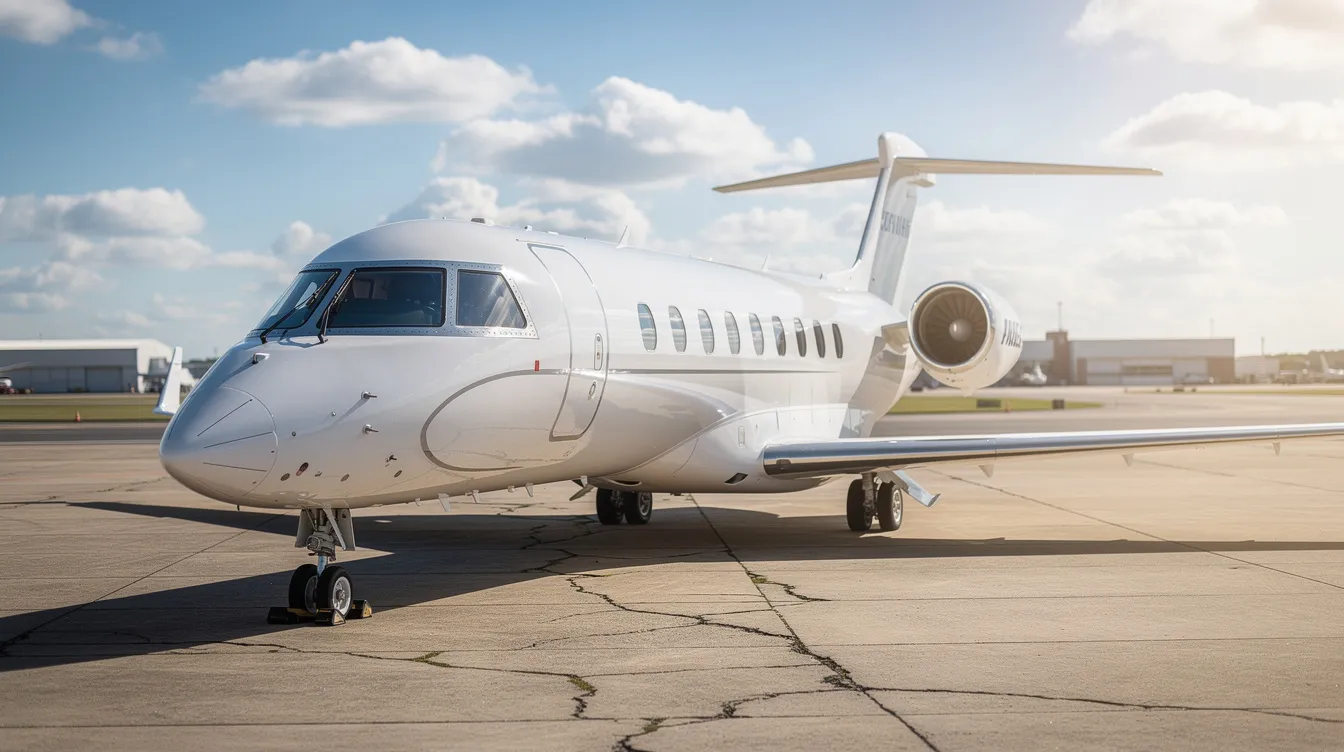
Heavy and ultra-long-range jets, including aircraft like a Gulfstream G650/G650ER, Global 6000/7500, or Falcon 7X/8X, are designed for international flights and intercontinental schedules.
Larger cabin size and longer range usually mean a higher hourly rate, higher minimum daily usage, and more complex operating support. BusinessJets.com frequently appraises and transacts business jets in these categories, giving clients realistic benchmarks on purchase price, aircraft age, and expected operating cost.
Flight Distance, Routing, and Repositioning
The cost of a private jet charter is influenced by several factors, including aircraft size, flight distance, and the specific route taken. Flight distance is a key factor in determining the cost of a private jet charter because longer missions increase fuel burn and may trigger crew duty limits, extra crew, or overnight expenses.
Repositioning means moving the aircraft empty to or from the client’s departure or arrival airport. For example, a heavy jet booked from Dallas Love Field to Teterboro may need to reposition from Houston first, adding about one extra billable hour even though passengers are not on board. In international markets, positioning from Europe into the Middle East before the client sector can materially change the final cost.
Empty leg flights are discounted one-way flights offered when a private jet is repositioning after dropping off passengers, allowing travelers to save up to 75% off regular charter rates. They can be useful, but schedules are often fixed, and cancellation risk is higher.
BusinessJets.com evaluates typical routes and basing strategy for buyers and operators, so aircraft positioning is reduced wherever possible.
Airports, Fees, and Infrastructure
Airport choice can materially change private jet costs through landing, handling, parking, and infrastructure limitations. Airport fees, including landing and handling charges, vary widely and can add high costs to a private jet charter, typically ranging from $150 to $500 or more, depending on the airport and aircraft size.
Typical 2026 planning bands include:
Landing fees often range from $150 to $1,500+, depending on size and location.
Handling or ramp fees commonly range from $100 to $600 per stop, sometimes waived with fuel uplift.
Overnight parking or hangar fees range from a few hundred to $1,500+ per night for larger aircraft.
Additional costs associated with private jet rentals can include landing fees, ramp and handling fees, and federal excise taxes, which can add hundreds to thousands of dollars to the total cost. Using secondary airports can reduce costs while preserving convenience, especially for light jets and turboprops. For private jet owners and fleet managers, BusinessJets.com considers local airport infrastructure and fee structures when advising where to base an aircraft.
Time of Year, Booking Window, and Peak Demand
Demand patterns in business aviation influence private jet charter cost, hourly rate, and aircraft availability. Peak travel periods such as late December holidays, major sporting events, Davos in January, Monaco GP, and Art Basel Miami can drive higher rates and stricter minimums.
Booking 7–14 days in advance usually provides better aircraft choice than same-day chartering a private jet, especially for midsize and super midsize jets. Corporate operators with owned aircraft can reduce peak pricing exposure, but they carry fixed costs all year, which BusinessJets.com evaluates in fleet-planning engagements.
Taxes, Surcharges, and “Hidden” Fees in Private Jet Charters
Charter quotes can include multiple line items beyond the base hourly rate. Private jet charter pricing depends on a mix of fixed hourly rates, operational variables, and trip-specific logistics.
Federal excise tax applies to many U.S. domestic charter invoices.
Segment and head taxes may apply per passenger or per international movement.
Short leg fees can apply when flight duration falls below the operator's minimums.
Fuel surcharges may appear when market fuel prices exceed baseline assumptions.
Deicing can be material in winter operations.
International handling can include permits, customs, immigration, and navigation charges.
Crew expenses may include hotels, meals, crew repositioning, and overtime.
BusinessJets.com encourages full-transparency pro formas when comparing private jet rentals, ownership, and hybrid solutions.
Federal Excise Tax, Segment Fees, and Head Taxes
Federal Excise Tax (FET) adds a 7.5% commercial tax for US domestic flights. In the United States, the federal excise tax is charged on the domestic air transportation amount, and it should be itemized rather than hidden inside a vague service line.
Additional per-segment fees also apply to private jet travel as of 2026, often around $4.50–$5.30 per passenger per segment depending on the applicable schedule. International head taxes may apply to flights to and from the U.S., while Alaska and Hawaii routes can carry special tax treatment. Readers should review the current FAA aviation excise tax structure and consult tax advisors for formal guidance.
These are statutory charges, not operator markups. BusinessJets.com factors FET and head taxes into long-term cost-of-use projections when comparing charter, fractional, and full ownership for corporate clients.
Short Leg Fees and Daily Minimums
Very short sectors can be disproportionately expensive because operators still incur takeoff fuel burn, landing cycles, and maintenance exposure. Short leg fees are additional charges on flights below an operator’s minimum flight time, often 60–120 minutes.
Many operators apply daily minimums by aircraft class: commonly 1.0–2.0 hours per day for light jets and up to 3.0+ hours for heavy and ultra-long-range jets. Three 30-minute leg flights on a light jet may still be billed as 2–3 hours because of minimums and short leg fees.
When BusinessJets.com evaluates ownership for clients with frequent short shuttle routes, these minimums are central to the charter-versus-ownership analysis.
Fuel Surcharges and Deicing Costs
Fuel is one of the largest variable expenses in aircraft operation, with annual fuel costs for frequent flyers potentially exceeding $1 million. Fuel surcharges may be added when jet fuel prices exceed a contracted baseline, often starting around a few hundred dollars per flight hour and affecting longer legs more heavily.
Deicing fees for winter operations can range from roughly $1,500–$5,000 for light and midsize jets, and up to $15,000+ for large jets and ultra-long range aircraft in severe conditions. Some owners accept hangar fees on winter nights to reduce deicing risk, shifting cost from uncertain trip expense to more predictable planning.
Strategic basing and scheduling can reduce exposure to these surcharges over a season.
International, Handling, and Other Operational Fees
Cross-border private jet travel introduces costs beyond standard domestic operations. Typical international fees include overflight permits, landing permits, customs and immigration handling, navigation charges, and security screening where required.
Combined international operational fees can range from $500–$5,000+ per leg, depending on country pair, airport, and aircraft category. Premium FBOs may charge more for handling in exchange for better facilities and faster service, which some corporate operators accept to save executive time.
BusinessJets.com’s consulting work often includes lane-by-lane cost modeling for frequent international routes.
Private Jet Ownership Costs: Beyond the Purchase Price
Ownership is a capital decision and an operating decision. It involves acquisition price, financing, depreciation, fixed annual expenses, variable operating expenses, and upgrade capital for avionics, cabin, and connectivity.
Typical 2026 ownership planning points include:
Entry-level light jet acquisition in the low single-digit millions USD.
Popular super midsize and heavy aircraft in the $10M–$40M+ range.
Annual operating cost envelopes range from roughly $800,000 for light jets to $3M+ for large cabin aircraft, depending on utilization.
Private jet ownership incurs significant annual expenses, which include fixed costs like crew salaries and hangar storage.
For individuals who fly less than 200 hours per year, the costs of owning a private jet, which can exceed $1 million annually, typically outweigh the benefits of ownership.
BusinessJets.com has completed more than 1,500 aircraft transactions and provides independent private jet appraisals so clients understand market value and operating exposure before committing capital.
Acquisition Price, Financing, and Depreciation
Acquisition structure sets the baseline for total ownership cost over the first 5–10 years. Pre-owned jets can cost 20%–50% less than comparable newer aircraft, but older aircraft may require more maintenance, connectivity upgrades, avionics work, or interior refurbishment.
Financing commonly involves 10%–20% down, with terms potentially extending 15–20 years for qualified borrowers. Interest expense should be included in lifecycle modeling, not treated as a separate issue.
Depreciation is often steepest in the first five years and then moderates, although aircraft age, hours, maintenance status, and cabin technology all affect value. BusinessJets.com models these factors when preparing acquisition or sale strategies, whether comparing a 2016 Citation Latitude with a newer alternative or evaluating a 2019 Global 6000 against other ultra-long-range options.
Fixed Annual Costs: Crew, Hangar, Insurance, and Management
Fixed costs accrue regardless of flight hours, which is why utilization drives true cost per hour. Major fixed items include:
Crew salaries and benefits for pilots and, for larger jets, flight attendants.
Hangar or premium parking fees at home base and alternates.
Hull and liability insurance is often quoted as a percentage of aircraft value.
Aircraft management fees for regulatory compliance, dispatch, and maintenance oversight.
Crew salaries and benefits for private jets, including pilot salaries, can range from $85,000 to $300,000 per year per person, depending on experience and aircraft type, with many jets requiring two pilots and additional crew members. Hangar fees for private jets can vary widely based on location and aircraft size, typically starting from $30,000 and going up to over $200,000 annually.
Private jet insurance costs typically range from 1% to 3% of the aircraft’s value annually, meaning for a $20 million jet, insurance could cost between $200,000 and $600,000 per year. BusinessJets.com benchmarks these fixed cost line items when advising owners whether to retain, upgrade, or divest an aircraft.
Variable Operating Costs: Fuel, Maintenance, and Trip Expenses
Variable costs are driven by flight hours, cycles, aircraft size, and aircraft age. Major components include:
Fuel burn per hour by category, with higher burn for heavy and ultra-long-range aircraft.
Scheduled and unscheduled maintenance, including engine and APU programs.
Navigation, landing, and handling fees per trip.
Catering, ground transport, and crew per diem for overnight trips.
Annual maintenance costs for private jets generally range from 5% to 10% of the aircraft's value, which can include routine inspections and unexpected repairs. Engine and parts programs such as Rolls-Royce CorporateCare, Honeywell MSP, ESP, TAP Blue, and ProParts can stabilize cash flow, although they raise the published hourly cost.
For a mid-life Gulfstream G450 flying 350–400 hours per year, fuel and maintenance alone can run into seven figures depending on fuel pricing, engine program status, and inspection timing. Optimization of routes, fuel purchasing, and maintenance scheduling is an area where BusinessJets.com consulting can materially reduce cost per hour for operators.
Charter vs Ownership vs Hybrid Solutions
This decision is ultimately about utilization, control, capital, and risk. Chartering a private jet is often more cost-effective for those who fly infrequently, as it eliminates the fixed costs associated with ownership.
A practical benchmark is the 200-hour rule: below roughly 200–300 flight hours per year, charter, jet cards, memberships, or fractional solutions usually make more financial sense than full ownership. Above that, ownership or fractional ownership may become competitive.
On-demand private jet charters work well for ad-hoc trips and varied mission profiles.
Jet cards allow users to purchase blocks of flight hours upfront, securing rates across specific aircraft classes.
Buying hours in bulk or subscribing to a private aviation membership can reduce per-hour costs and offer added benefits, making private jet travel more affordable.
Fractional ownership allows multiple owners to share the costs and access of a private jet, providing a middle ground between full ownership and chartering.
Full ownership offers maximum control and may include charter revenue through a management company.
Strategic non-financial factors also matter: privacy, schedule control, aircraft customization, security requirements, and corporate branding.
When Chartering a Private Jet Makes the Most Sense
Charter is often best for executives or families comparing the cost to rent against the fixed burden of ownership who fly fewer than 150–200 hours annually, users with irregular routes, or travelers who occasionally need ultra-long range capability that would be impractical to support with one owned aircraft.
The advantages are clear: no capital tied up in a private plane, no residual value risk, and flexibility to choose the best aircraft category for each trip. The disadvantages include less cabin customization, peak-period exposure, and reliance on a charter company’s operational standards.
BusinessJets.com does not sell charter hours, but it helps owners and corporate buyers understand when it remains financially rational to rent a private jet versus acquire their own aircraft.
When Buying or Upgrading a Private Jet is Justified
At higher utilization, ownership can reduce effective cost per hour while delivering more control and asset value. Typical ownership candidates include corporations with recurring domestic or international routes, family offices with frequent multi-city travel, and aircraft operators running in-house shuttle flights, many of whom start by reviewing premium aircraft for sale that align with their mission and budget.
Ownership can provide guaranteed access, consistent cabin equipment, customized connectivity, and potential charter revenue when the aircraft is not used by the principal. For example, a company heavily using charter for 300+ annual hours may find that acquiring a super midsize or large cabin jet improves schedule control and supports a more predictable long-term budget.
BusinessJets.com supports this decision by modeling utilization, comparing candidate aircraft, and providing market-based aircraft valuation and resale assumptions.
How BusinessJets.com Helps You Navigate Private Jet Costs
BusinessJets.com is an aircraft brokerage, appraisal, and aviation consulting partner focused on the economics of private aviation. The goal is not simply to locate an aircraft, but to help clients understand cost, value, timing, and risk.
Relevant services include:
Aircraft brokerage for buyers and sellers, including market-driven pricing and negotiation.
Independent private jet appraisals for financing, sale, or internal balance-sheet planning.
Aviation consulting for operators and fleet managers on acquisition, replacement, and disposal timing.
Cost and utilization analysis comparing charter, fractional, and ownership scenarios.
With more than 1,500 completed aircraft transactions and 5,000+ satisfied clients worldwide, BusinessJets.com brings practical market insight to private jet market trends, valuation, and ownership strategy.
If you are evaluating an acquisition, preparing to sell, or reassessing fleet costs, request an aircraft appraisal, list an aircraft for sale, or engage BusinessJets.com for fleet and acquisition consulting.

FAQs: Private Jet Costs and Strategy
These answers address common planning questions for owners, buyers, and frequent charter users in the 2026 market. They are not legal or tax advice; coordinate with your advisors alongside BusinessJets.com.
How do I quickly estimate the “all-in” hourly cost of a charter flight?
Start with the quoted hourly rate, add expected taxes, including 7.5% federal excise tax for U.S. domestic segments, then allocate an allowance for airport fees, crew overnights, and extras. For light jets, a 10%–20% buffer above the base quote is often practical. For large cabin and ultra-long range jets, 15%–25% can be more realistic on complex itineraries. Request a pro-forma that itemizes landing, handling, and ancillary charges.
Can charter revenue cover the full cost of owning a private jet?
Charter revenue can offset ownership costs, but it rarely covers all fixed and variable expenses once management fees, added maintenance, operator margins, and downtime are included. High charter utilization also increases cycles and engine hours, which can affect depreciation and maintenance timing. BusinessJets.com advises owners on realistic charter use scenarios before acquisition or remarketing.
How does aircraft age influence both price and operating cost?
Older jets usually have lower acquisition prices but may carry higher fuel burn, more frequent maintenance, and upgrade requirements for avionics, connectivity, and interiors. Many corporate buyers target mid-life aircraft that have completed major inspections and already include upgrades such as ADS-B Out and high-speed Wi-Fi. A formal appraisal should review maintenance status, program coverage, and upgrade history before purchase.
When is it financially sensible to move from a light jet to a midsize or super midsize aircraft?
The tipping point often comes when many missions exceed the comfortable nonstop range or payload of a light jet, prompting a move to a midsize jet or super midsize aircraft. If 3–5 hour legs with 5–8 passengers are common, a midsize or super midsize aircraft may reduce fuel stops, weight restrictions, and schedule friction. BusinessJets.com typically reviews 12–24 months of sectors, passenger loads, baggage, and schedule constraints before recommending an upgrade.
How often should I get my aircraft professionally appraised?
Many owners benefit from a formal appraisal every 12–24 months, or before refinancing, sale, major refurbishment, or entry into or exit from a charter program. In volatile markets, more frequent value checks can align insurance coverage, loan covenants, and internal reporting with current market reality. BusinessJets.com provides independent appraisals grounded in real transaction data from more than 1,500 completed deals.
Conclusion: Partner with BusinessJets.com for Informed Private Jet Decisions
Navigating the complexities of private jet costs—whether chartering, fractional ownership, or full ownership—requires expert insight and market knowledge. With factors ranging from hourly rates and taxes to crew salaries and airport fees, understanding the full financial picture is critical to making smart aviation investments. BusinessJets.com stands as a trusted partner in this process, leveraging its extensive experience from over 1,500 aircraft transactions and 5,000 satisfied clients worldwide to provide tailored brokerage, appraisal, and consulting services.
By engaging BusinessJets.com, private jet owners, corporate buyers, and fleet managers gain access to comprehensive market intelligence, accurate valuations, and strategic guidance to optimize aircraft acquisition, utilization, and disposition. Whether you are evaluating the cost-efficiency of charter versus ownership or seeking to align your fleet strategy with your operational needs and budget, BusinessJets.com offers discreet, authoritative support to help you make informed decisions.
Explore how BusinessJets.com can help you unlock the true value and efficiency of private aviation. Request an aircraft appraisal, list your aircraft for sale, or connect with expert aviation consultants today at www.businessjets.com.