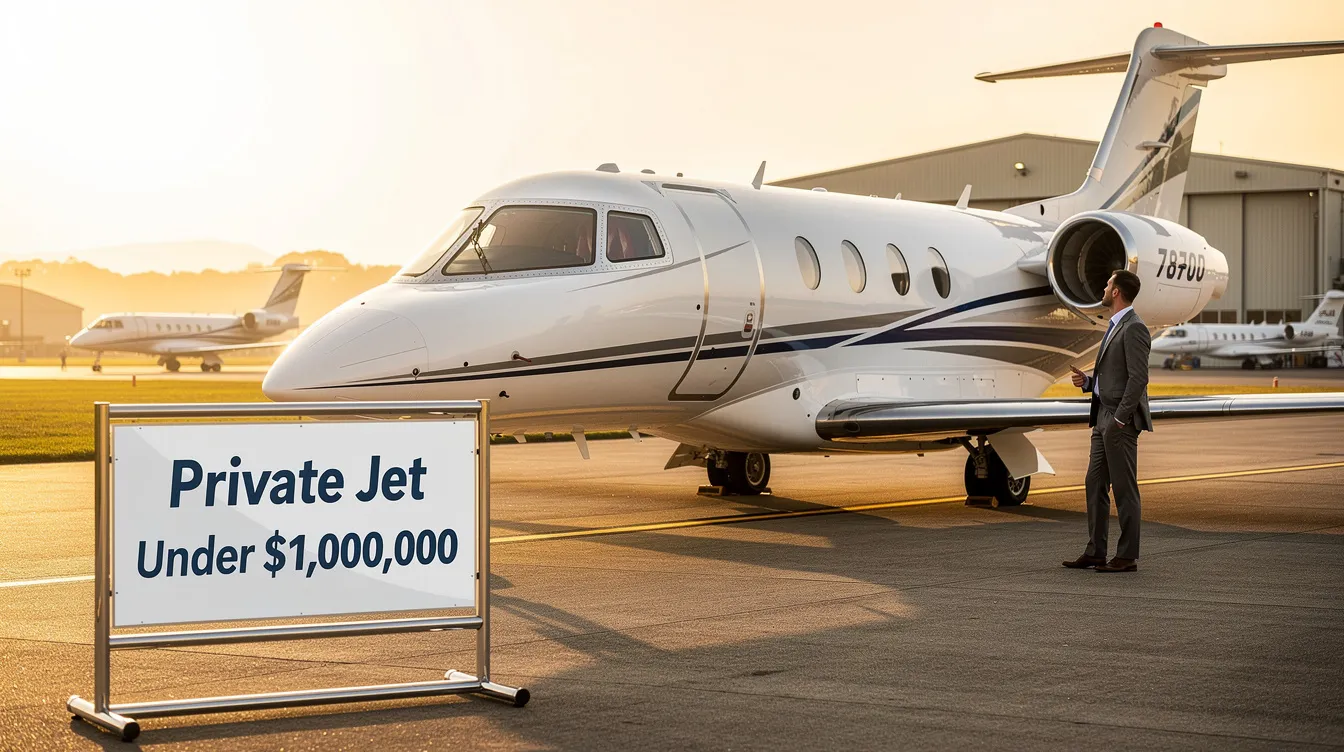
How Much Is a Private Jet? Costs to Charter, Buy, and Operate in 2026
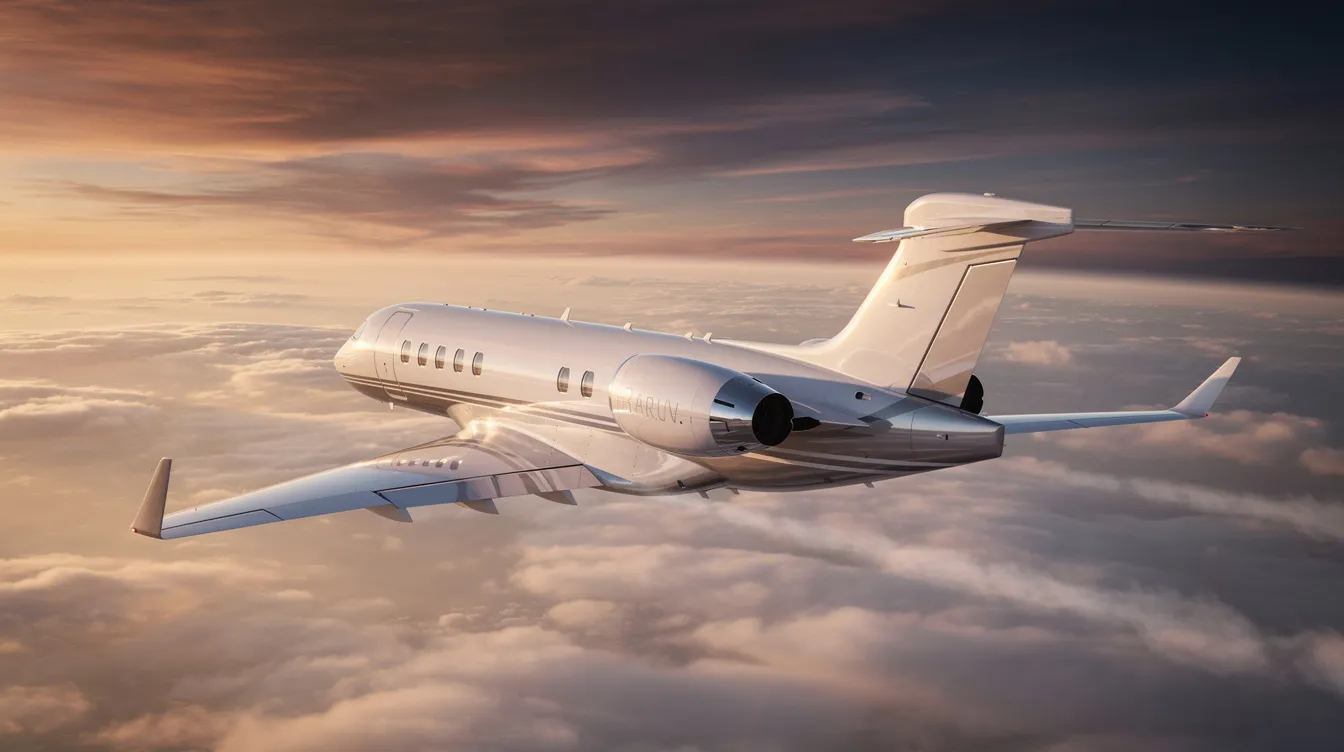
Understanding the true cost of private jet travel is essential for anyone considering this exclusive mode of transportation. If you're wondering how much is for a private jet—whether to charter, buy, or operate—this guide provides the answers. This guide is designed for prospective private jet travelers, buyers, and corporate decision-makers. Knowing the full range of costs helps you make informed decisions and avoid unexpected expenses.
This comprehensive guide breaks down the key costs associated with private jets in 2026, offering clear insights to help you make informed decisions. From hourly charter rates to purchase prices and annual ownership expenses, learn what drives pricing in the private aviation market and how to navigate these complexities with confidence.
Key Takeaways
Private jet cost depends on whether you charter, buy, or own and operate the aircraft.
Private jet rental prices generally range from $2,000 to over $14,000 per billable hour, influenced by factors such as aircraft size, flight distance, and onboard amenities.
Chartering operates on a pay-as-you-fly model billed by flight hours.
Private jet prices range from roughly $2 million for pre-owned light aircraft to over $100 million for brand-new models.
The typical cost to charter a private jet in the United States ranges from $5,000 to $10,000 for a standard 2-hour domestic flight on a midsize jet, covering the base hourly rate, fuel surcharges, landing fees, and crew expenses.
Ownership incurs annual ongoing expenses totaling $500,000 to $4 million per year.
BusinessJets.com supports aircraft appraisals, acquisitions, listings, and aviation consulting to help clients compare chartering, fractional, and full ownership.
Next, let's look at the current costs to fly on a private jet in 2026.
How Much Does It Cost to Fly on a Private Jet Today?
In 2026, private jet rentals usually cost $2,000 to $14,000+ per billable flight hour, depending on aircraft size, distance, onboard services, and the specific locations being traveled to. Private jet rental prices generally range from $2,000 to over $14,000 per billable hour, influenced by factors such as aircraft size, flight distance, and onboard amenities. A New York–Chicago same-day return in a light jet may cost about $12,000–$18,000, while Los Angeles–Hawaii on a super midsize jet may run $45,000–$70,000. A New York–London private jet flight on a long-range aircraft can reach $110,000–$180,000 all-in.
Typical Hourly Charter Rates
Aircraft Type | Hourly Rate Range (2026) | Typical Use Case |
|---|---|---|
Turboprops & VLJs | $1,800–$3,000/hr | Regional hops, short-range flights |
Light Jets | $2,500–$4,000/hr | Domestic trips under 3 hours |
Midsize Jets | $3,500–$6,000/hr | Longer domestic flights |
Super Midsize Jets | $5,000–$8,000/hr | Cross-country U.S. flights |
Heavy Jets | $8,000–$14,000/hr | Long-haul flights, larger groups |
Ultra Long Range Jets | $12,000–$20,000+/hr | International, intercontinental |
VIP Airliners | $16,000–$25,000+/hr | Large groups, heads of state, VIP travel |
Most charter operators mandate a minimum booking of two flight hours, so the starting price to hire or rent a private jet is typically around $4,000–$7,000, even for short trips. In the United States, the average cost to charter a private jet for a standard 2-hour domestic flight on a midsize jet ranges between $5,000 and $10,000, which includes the base hourly rate, fuel surcharges, landing fees, and crew expenses.
Private jet travel is priced by the whole private aircraft, not by individual seats. When 6–8 passengers use the cabin efficiently, the per-person cost can sometimes approach premium commercial flights, especially compared with last-minute fares on commercial airlines.
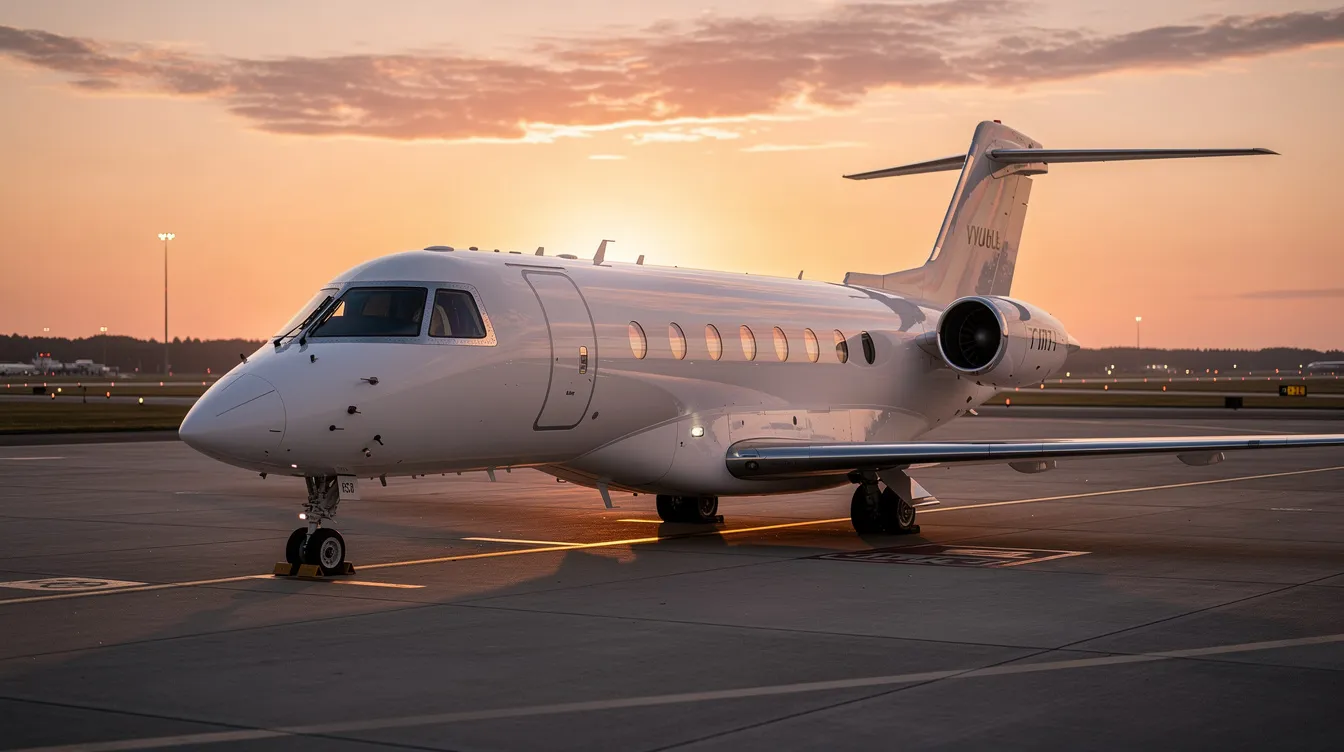
Next, we'll explore how these charter prices are calculated and what factors influence the total cost.
How Private Jet Charter Prices Are Calculated
Private jet charter costs are not just one hourly rate. The total charter cost includes the base flight-hour price plus aircraft positioning, taxes, airport charges, fuel surcharges, landing fees, crew expenses, and handling by fixed base operators. These additional costs can add 20–40% to the base rate.
Transparent private jet charter prices itemize every major component so corporate buyers, family offices, and operators can compare quotes like-for-like. Longer flights generally increase costs due to higher fuel consumption and potential crew changes, making flight duration a key factor in pricing. Aircraft age and model can also affect pricing, with newer jets typically commanding higher hourly rates due to advanced technology, improved fuel efficiency, and cabin amenities.
BusinessJets.com does not operate private jet charter flights, but we advise clients on realistic charter benchmarks when evaluating aircraft acquisition, fleet strategy, charter access, or whether the same aircraft should be owned rather than rented.
Base Hourly Rate
The base hourly rate is determined by the aircraft type, size, and age. Newer and larger jets command higher rates due to advanced features and greater capacity.
Additional Fees
Additional fees include aircraft positioning (ferry flights), taxes, airport charges, fuel surcharges, landing fees, crew expenses, and handling by fixed base operators. These can add 20–40% to the base rate.
Factors Affecting Price
Flight duration and distance
Aircraft size and model
Seasonal demand and peak periods
Airport choice and associated fees
Crew overnight and handling costs
Billable Flight Time vs. Minimums
Most operators bill private jet travel from wheels-up to wheels-down, while applying minimum daily flight hour requirements of 1.0–2.0 hours. A 35-minute private flight may be billed as 1.0–1.5 flight hours on a light jet, which raises the effective per-mile cost.
Taxi time, ATC delays, and holding are usually reflected in block-time assumptions. A billable flight hour is therefore not always the same as airborne time shown on a flight-tracking app.
Aircraft Positioning and Short Leg Fees
Aircraft positioning, also called ferry flying, occurs when an aircraft must move empty to the departure airport or return to base after a charter flight. For example, a light jet based in Dallas repositioning to Houston could add one extra billable flight hour and $3,000–$4,000+ to the total flight cost.
Short leg fees are charged when a flight duration falls below the operator's minimum billable time, typically set between 30 and 60 minutes, resulting in a fixed minimum charge.. These short leg fees and minimum segment charges are more common when smaller aircraft, midsize, heavy, or ultra long range aircraft cannot recover fixed crew and operating costs on very brief leg flights. Empty leg flights may reduce pricing, but empty leg flights are schedule-dependent and less reliable for firm corporate itineraries.
Seasonal Demand, Routing, and Airport Choice
Peak periods such as Christmas–New Year, Presidents’ Day, Easter, and summer weekends in Europe can push private jet costs 20–40% higher because aircraft availability is limited. US domestic charter quotes may also include the 7.5% federal excise tax on FAR Part 135 flights, plus an IRS per-segment fee of about $4.80 per segment. Busy airports such as Teterboro for New York, Van Nuys for Los Angeles, and London Luton often involve higher ramp, handling, and landing fees than smaller regional airports.
Airport fees vary significantly and can add $150 to $500 or more to the cost of a private jet rental, depending on the airport and aircraft size. Landing fees vary by airport and can add $150 to $500 or more to the cost of a private jet rental, depending on the size and aircraft weight. Crew overnight fees generally range from $150 to $500 per crew member each night, covering accommodations, meals, and ground transport when a trip requires the crew to stay overnight at the destination.
Now that you understand how charter prices are calculated, let's compare the different types of private jets and their rental costs.
Private Jet Rental Cost by Aircraft Type
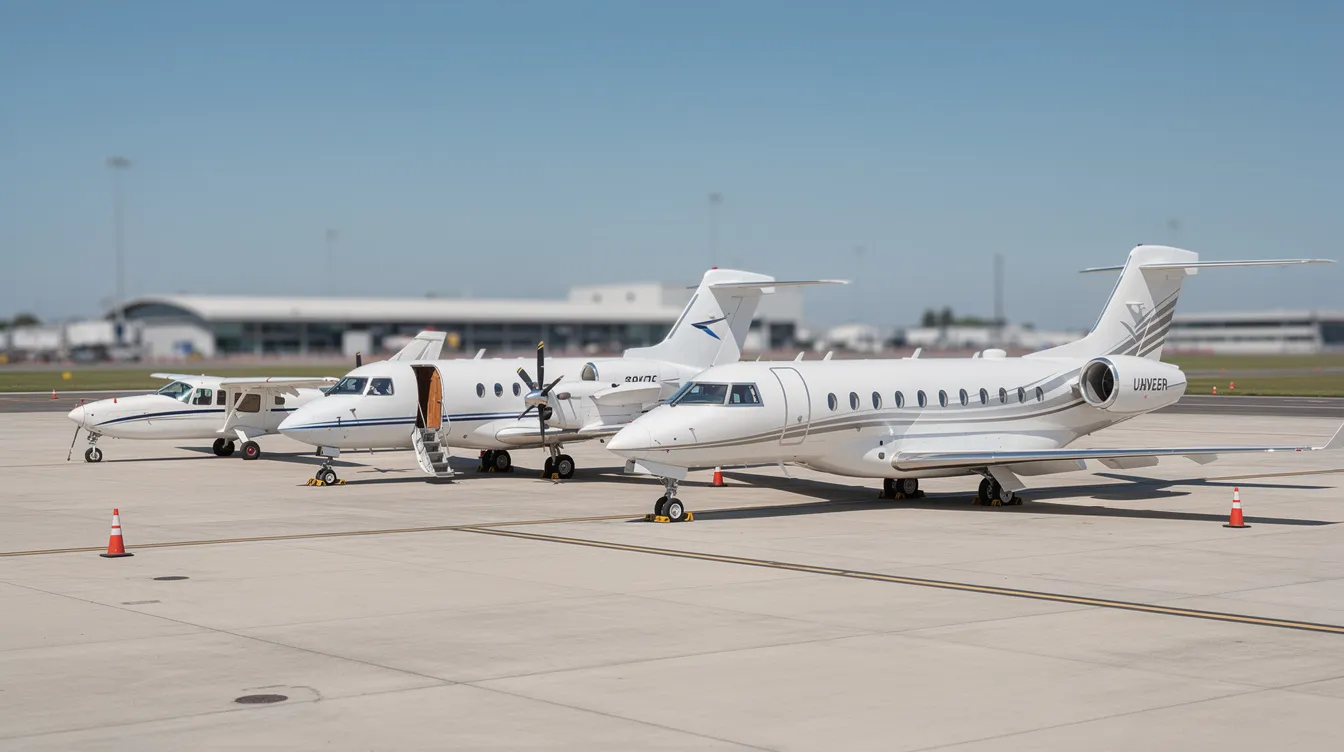
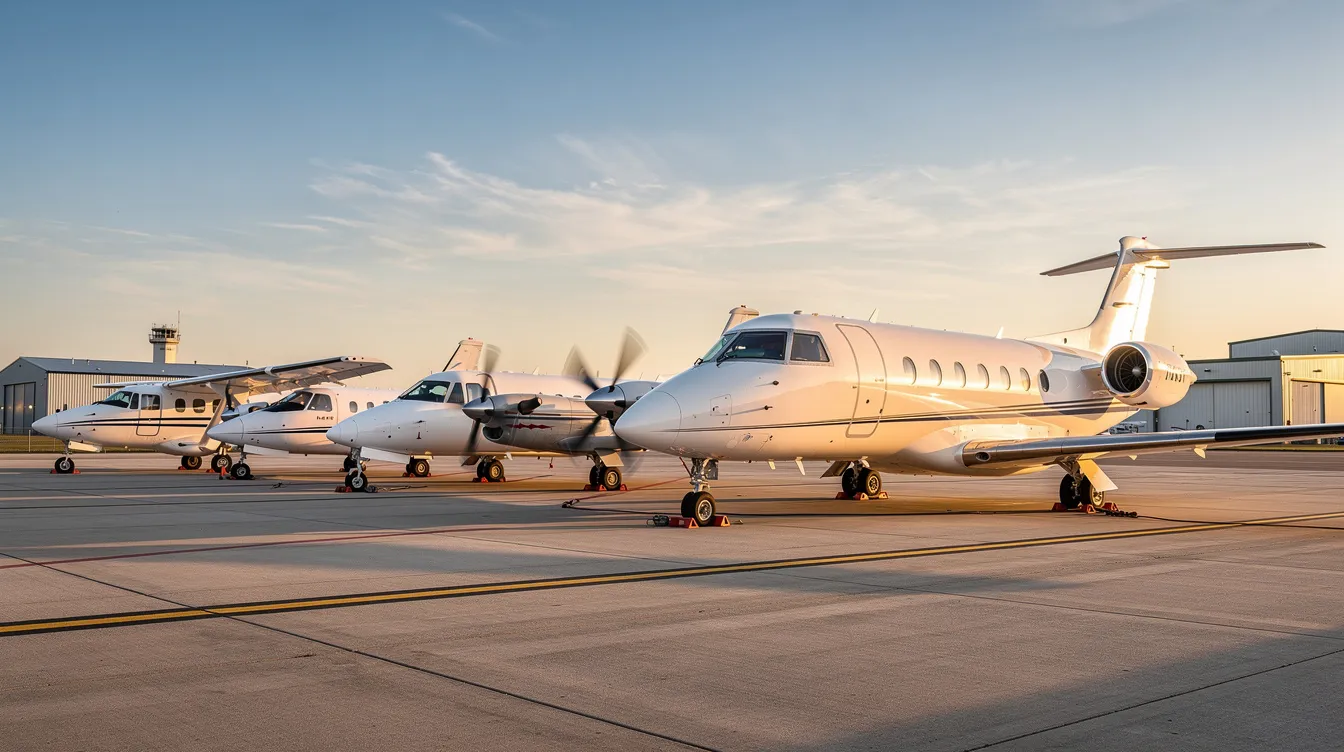
Private jets are categorized into several classes based on their size and capabilities, including Very Light Jets (VLJs), Light Jets, Midsize Jets, Super Midsize Jets, Heavy Jets, Ultra Long Range Jets, and VIP Airliners. Each class offers different passenger capacities, ranges, and amenities to suit various travel needs.
Jet Class | Typical Passenger Capacity | Range (Nautical Miles) | Description | Hourly Rate Range (2026) |
|---|---|---|---|---|
Very Light Jets (VLJs) | 4–6 | 1,200–1,500 | Ideal for short hops with 4–6 passengers and lower operational costs, suitable for regional travel | $1,800–$3,000/hr |
Light Jets | 6–8 | 1,500–2,000 | Accommodate 6–8 passengers, popular for domestic trips under three hours | $2,500–$4,000/hr |
Midsize Jets | 8–10 | 2,500+ | Seat 8–10 passengers, capable of longer domestic flights over 2,500 nautical miles | $3,500–$6,000/hr |
Super Midsize Jets | 8–10 | 3,000–3,500 | Enhanced range and comfort for cross-country or transcontinental flights | $5,000–$8,000/hr |
Heavy Jets | 10–16 | 4,000–6,000 | Designed for long-haul flights, full stand-up cabins, luxurious amenities | $8,000–$14,000/hr |
Ultra Long Range Jets | 12–19 | 6,000–7,500+ | International, intercontinental travel with extended range and premium features | $12,000–$20,000+/hr |
VIP Airliners | 20–50+ | 5,000–8,000+ | Large groups, heads of state, VIP travel, conference space, and rest areas | $16,000–$25,000+/hr |
BusinessJets.com regularly appraises and transacts across these categories, from entry-level aircraft to large-cabin private aviation assets and VIP airliners, and maintains a curated selection of premium aircraft for sale across major manufacturers.
Turboprops and Very Light Jets (Entry-Level Options)
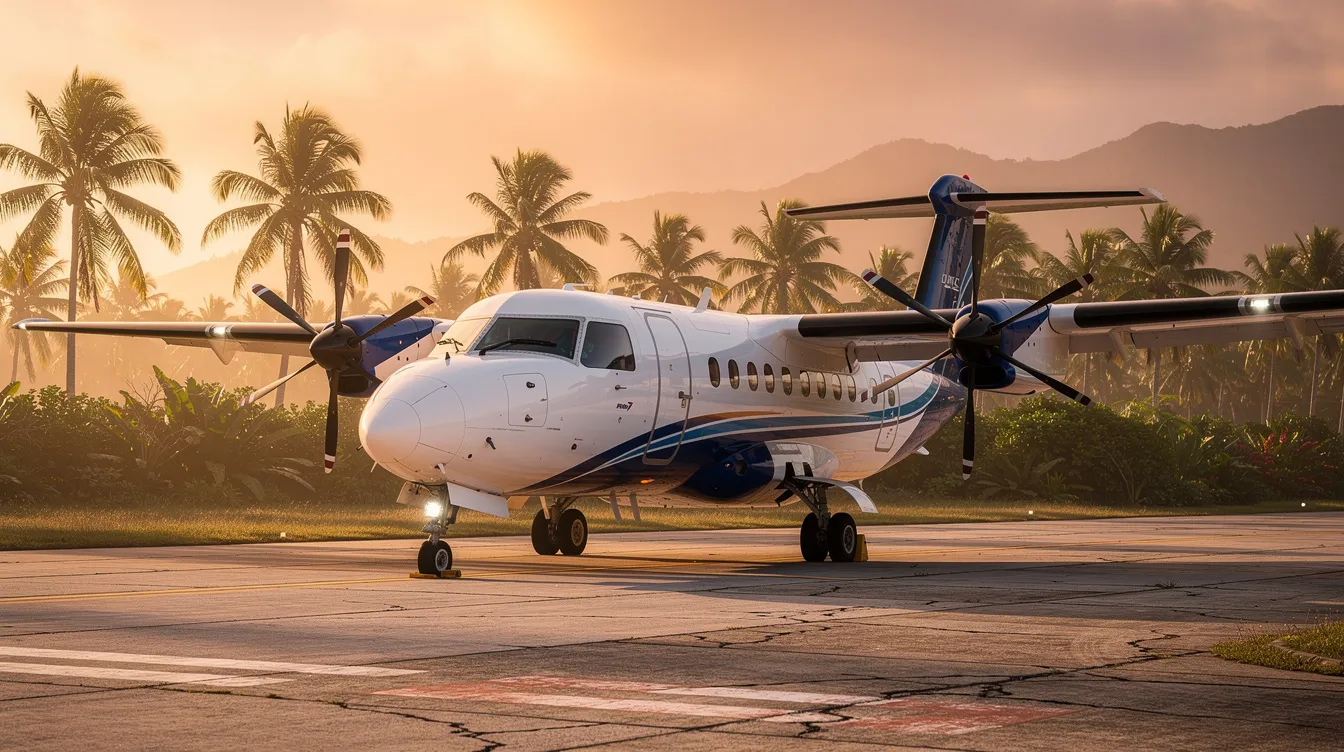
Turboprops such as the Pilatus PC-12 and King Air 250, and very light jets such as the Citation M2 and HondaJet, are economical for regional missions under 1,200–1,500 nautical miles. Very Light Jets (VLJs) are ideal for short hops with 4–6 passengers and typically have lower operational costs, making them suitable for regional travel.
Typical 2026 private jet rental prices in this segment are $1,800–$3,000 per hour, with a 2-hour hop around $4,000–$7,000 before taxes and fees. These aircraft often access shorter runways and secondary airports, cutting total travel time.
Light Jets
Light jets such as the Citation CJ3+, Phenom 300, and Learjet 45XR are core private jet rental options for domestic business trips. Light Jets typically seat 6 to 8 passengers and offer a range of about 1,500 to 2,000 nautical miles, making them a favored choice for domestic trips lasting under three hours.
In 2026, light jet costs commonly fall in the $2,500–$4,000 per flight hour range. Many 1–3 hour missions, such as New York–Nashville or Los Angeles–Aspen, total $8,000–$18,000 after common additional costs.
Midsize and Super Midsize Jets
Midsize jets such as the Hawker 900XP and Citation XLS+ offer more cabin room, baggage, and range. Midsize Jets can seat 8 to 10 passengers and are capable of cruising over 2,500 nautical miles, making them suitable for longer domestic flights.
Midsize jets often cost $3,500–$6,000 per flight hour, while super midsize jets such as the Challenger 350, Praetor 600, and Gulfstream G280 are commonly $5,000–$8,000 per hour. New York–Los Angeles or London–Marrakesh on a super midsize may cost approximately $30,000–$55,000 depending on season, routing, and international handling fees, while popular international destinations such as private jet charter to Paris involve similar considerations of aircraft type, range, and seasonal demand.
Heavy and Ultra Long Range Jets
Heavy jets such as the Gulfstream G450, Challenger 604/605, and Falcon 2000 are built for longer routes and larger passenger groups. Heavy Jets accommodate 10 to 16 passengers and are engineered for long-distance travel, featuring full stand-up cabins and upscale amenities.
Heavy jets generally cost $8,000–$14,000 per flight hour, while ultra-long-range jets such as the Gulfstream G650/G700, Global 6000/7500, and Falcon 8X often cost $12,000–$20,000+ per hour. New York–London on a Global 6000 may run $110,000–$160,000 all-in, while Dubai–Singapore on a G650 may cost $130,000–$200,000 depending on services, handling, and international flights requirements.
VIP Airliners (BBJ, ACJ, and Widebody Conversions)
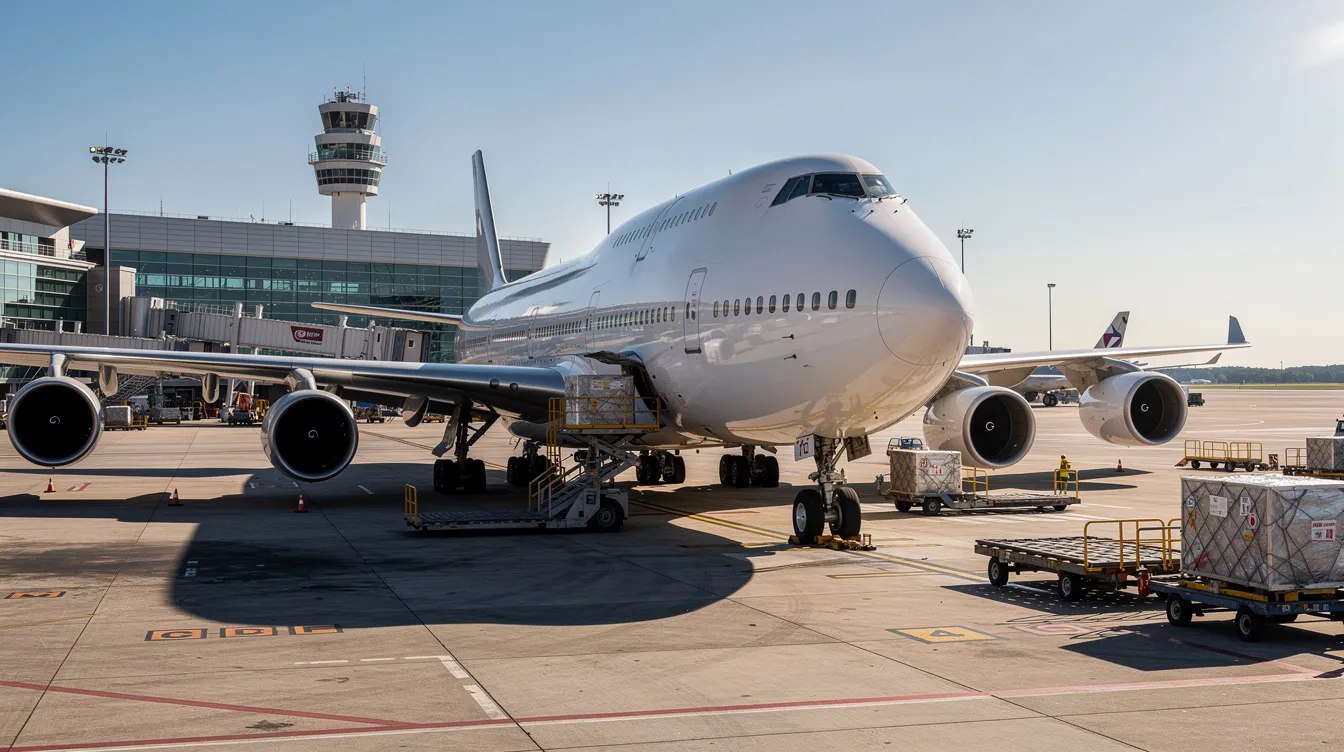
VIP airliners such as a Boeing business jet, Airbus corporate jet, or VIP 767 serve heads of state, corporations, and UHNWIs needing 20–50+ seats, conference space, and rest areas. These aircraft are the pinnacle of private aviation, with hourly charter rates starting at $16,000 and often exceeding $25,000. Chartering a Boeing Business Jet (BBJ) or Airbus Corporate Jet (ACJ) for international flights can cost upwards of $500,000 per trip, reflecting the scale, luxury, and operational complexity involved; dedicated guides to specific models, such as the Airbus ACJ319 private jet, highlight how these aircraft are configured for long-range VIP travel.
With a clear understanding of aircraft types and their costs, let's examine what it takes to purchase a private jet.
Buying a Private Jet: Purchase Price and Considerations
Purchasing a private jet involves significant capital investment, with prices varying widely by aircraft size, age, model, and customization; a new light jet generally adds warranty coverage, fresh engines, and updated avionics compared with pre-owned jets. Private jet prices range from roughly $2 million for pre-owned light aircraft to over $100 million for brand-new models. New light jets typically start around $3.5 million, midsize jets range from $9 million to $20 million, and heavy jets can exceed $35 million. Ultra-long-range jets and VIP airliners may cost over $80 million to $100 million.
Pre-owned jets can offer cost savings but require thorough inspection and appraisal to assess maintenance history, avionics upgrades, and overall condition. BusinessJets.com leverages its expertise and transaction history to guide buyers through aircraft selection, valuation, and acquisition strategy, supported by formal aircraft appraisal services to benchmark value and risk.
Next, let's break down the ongoing costs of private jet ownership.
Operating Costs of Private Jet Ownership
Owning a private jet involves fixed and variable costs beyond the purchase price. These expenses can significantly impact the total cost of ownership.
Fixed Costs
Fixed costs encompass crew salaries, hangar rental, insurance, routine maintenance, and management fees. Hangar expenses often run $30,000–$200,000+ annually, depending on location and aircraft size, and crew salaries total $200,000–$500,000+ per year.
Variable Costs
Variable costs primarily cover fuel and maintenance and generally range from $1,000 to $4,000+ per flight hour, depending on aircraft category. Fuel is usually the largest variable expense, at roughly $600 per hour for light jets and over $2,500 per hour for heavy jets.
Additional Expenses
Fuel surcharges, landing fees ($150–$500+ per landing, depending on airport), and international handling fees add to operating expenses. Maintenance reserves and unexpected repairs should also be budgeted for, as maintenance costs can significantly impact total cost.
Now that you know the costs of ownership, let's compare chartering and owning a private jet to see which option fits your needs.
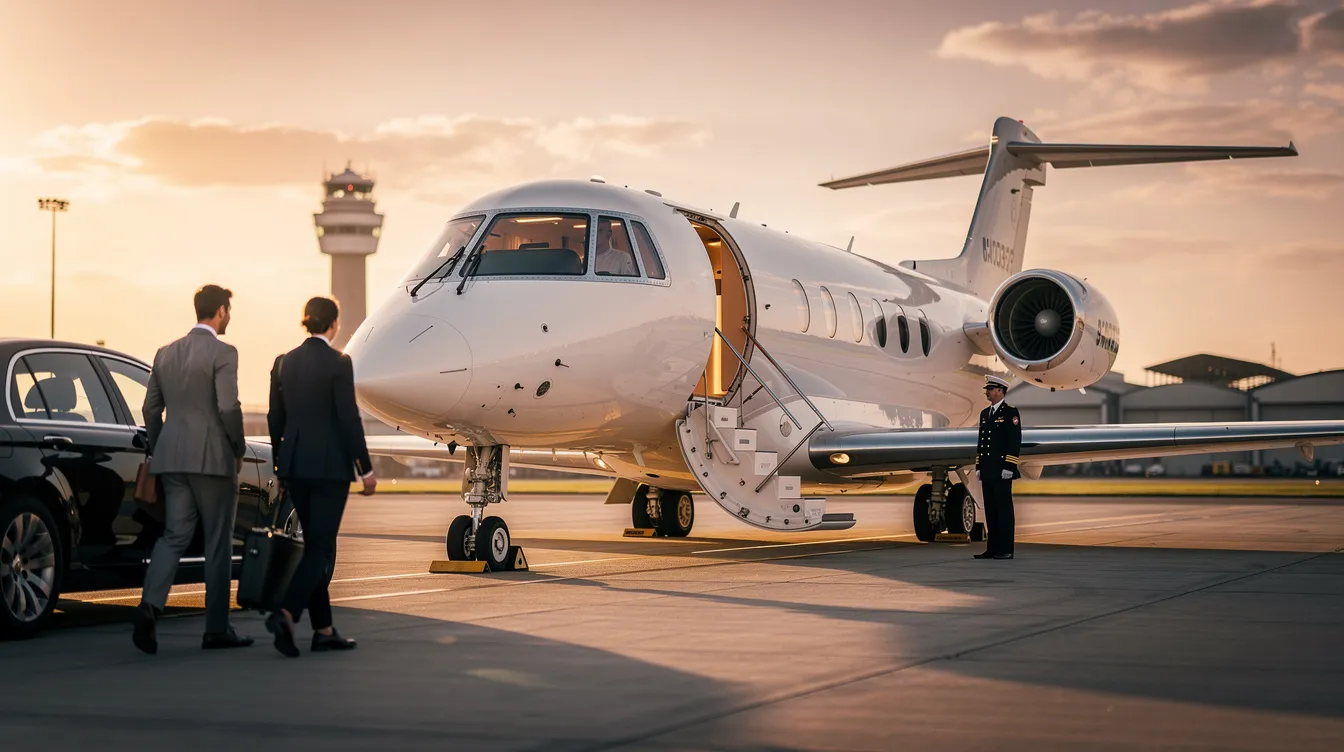
Comparing Chartering vs. Ownership
Chartering a private jet offers flexibility without the burden of fixed costs and long-term commitments, ideal for those flying fewer than 150–200 hours annually. Chartering is recommended for individuals or corporations flying fewer than 150 to 200 hours per year. Purchasing an aircraft makes economic sense if you log more than 200 hours annually.
Charter costs include hourly rates plus additional fees, while ownership spreads fixed costs over many flight hours but requires upfront capital and ongoing management. BusinessJets.com assists clients in evaluating these options to align with travel needs and financial goals. For frequent flyers who want predictable access without full ownership, jet cards offer a useful middle-ground option.
Next, let's address some of the most common questions about private jet costs.
FAQs About Private Jet Costs
How much does it cost to charter a private jet for a short domestic flight?
Short domestic flights on light jets typically cost between $2,500 and $4,000 per flight hour, with total trip costs including additional fees such as fuel surcharges and landing fees.
What are empty leg flights, and can they reduce costs?
Empty leg flights are discounted repositioning flights offered when a jet must fly empty to its next assignment. They can offer savings of 25–75% but come with less scheduling flexibility.
What factors influence private jet charter prices the most?
The main factors influencing private jet charter prices include:
Aircraft size and category
Flight distance and duration
Airport fees
Crew expenses
Fuel surcharges
Seasonal demand
Are there minimum flight hour requirements when chartering?
Most operators require a minimum booking of two flight hours and impose short leg fees for flights that are shorter than their minimum billable time, which typically ranges from 30 to 60 minutes.
How can you verify a charter operator is legal?
Check that the operator is authorized by the Federal Aviation Administration and holds a valid FAA-issued Part 135 air carrier certificate before conducting commercial charter flights in the U.S.
How do landing fees impact the total cost?
Landing fees vary by airport and aircraft weight, typically adding $150 to $500 or more per landing, and can significantly affect total charter costs, especially at busy or international airports.
With these FAQs answered, let's wrap up with some final thoughts on making informed decisions in private aviation.
Conclusion: Making Informed Decisions in Private Aviation
Understanding how much is for a private jet involves considering charter costs, purchase prices, and operating expenses. Whether choosing to charter, buy, or own, evaluating the total cost of ownership and flight requirements is essential.
BusinessJets.com provides expert guidance, market insights, and appraisal services to help private jet owners, corporate buyers, and operators make well-informed decisions. Contact us to request an aircraft appraisal, list your jet for sale, or explore acquisition and consulting services tailored to your private aviation needs.
Private aviation offers unparalleled flexibility, privacy, and efficiency. With transparent pricing and strategic planning, private jet travel can be a smart investment in time and convenience for the discerning traveler.