Transatlantic Private Jet Flights: Aircraft, Costs, and Strategy for Crossing the Atlantic

Transatlantic private jet flights represent a significant segment of business aviation, offering unparalleled flexibility, privacy, and efficiency for owners, corporate buyers, and operators. Whether for executive shuttles, corporate travel, or owner-flown missions, crossing the Atlantic demands careful consideration of aircraft capabilities, operational costs, and regulatory requirements. This guide provides a comprehensive overview of the factors that influence successful transatlantic private jet operations, including aircraft range, typical routes, cost structures, and strategic planning. By understanding these elements, stakeholders can make informed decisions about acquiring, operating, or selling aircraft optimized for transatlantic missions, ensuring seamless and cost-effective international travel.
Key Takeaways
This guide is written for owners, corporate buyers, operators, and fleet managers evaluating aircraft for transatlantic private jet flights—not simply shopping for a private jet charter. The objective is to help you choose, buy, sell, or appraise the right aircraft for repeated transatlantic travel.
Understanding the unique requirements and costs of transatlantic private jet flights is crucial for making informed acquisition and operational decisions.
Nonstop transatlantic private jet flight usually requires long-range private jets or ultra-long-range jets with roughly 3,500–4,000+ nautical miles of practical flight range; smaller private jets, light jets, and most light jets generally need a fuel stop via Iceland, Greenland, Canada, or the Azores.
Typical operating costs for a heavy jet or Global Express-class aircraft on a single crossing, such as New York–London, often fall in the $80,000–$200,000 total trip-cost range, depending on aircraft type, age, routing, fuel burn, crew expenses, and season.
Chartering a private jet for a transatlantic flight typically costs between $100,000 and $250,000 or more, depending on aircraft type and routing; empty leg flights can provide savings up to 75% off standard rates, but require flexibility in departure and arrival schedules.
BusinessJets.com advises owners, corporate buyers, and professional operators on aircraft selection, valuation, resale strategy, and aviation consulting for transatlantic routes and ultra-long-range missions.
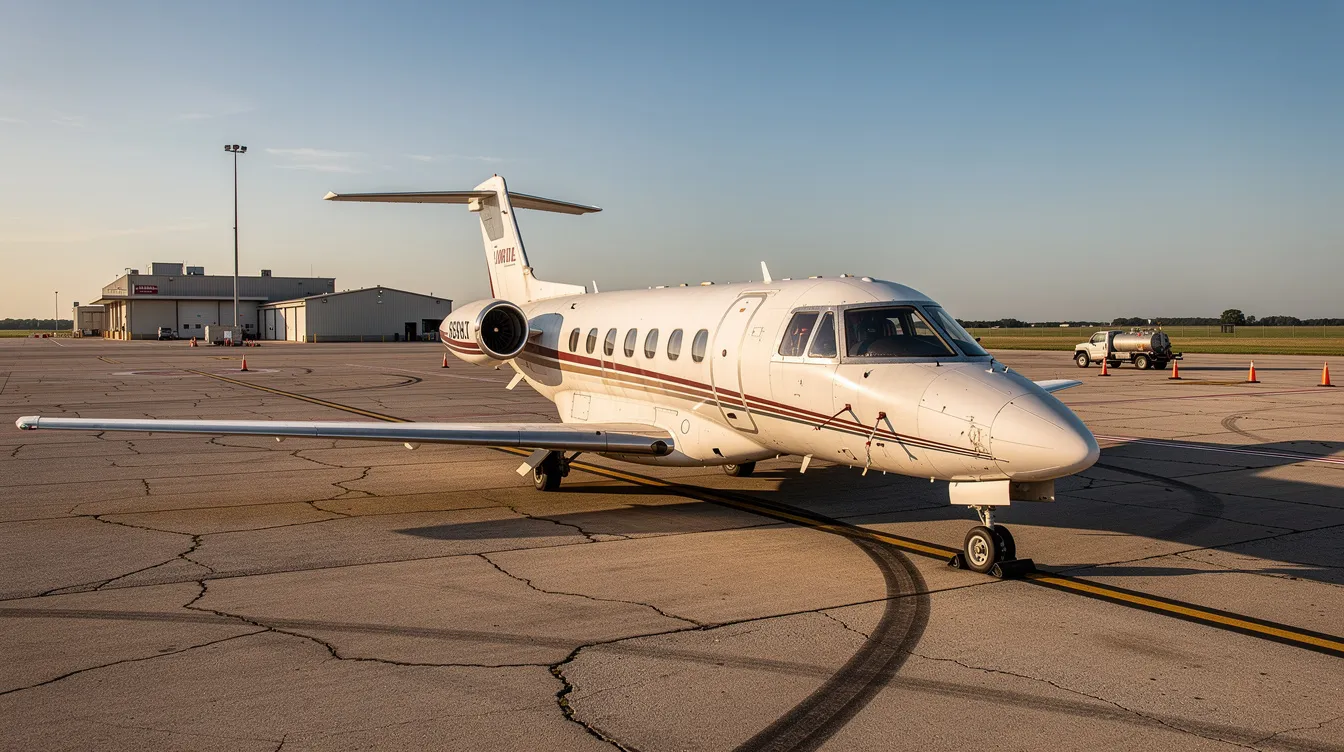
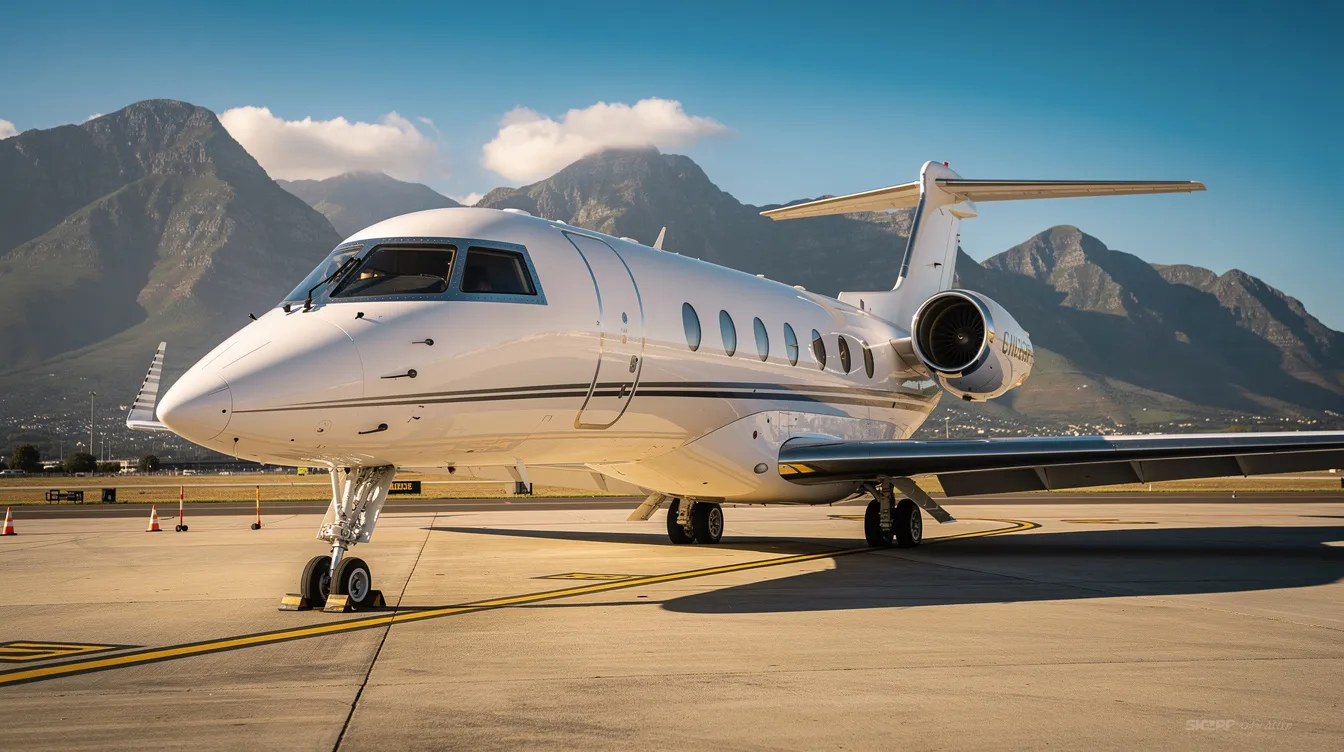
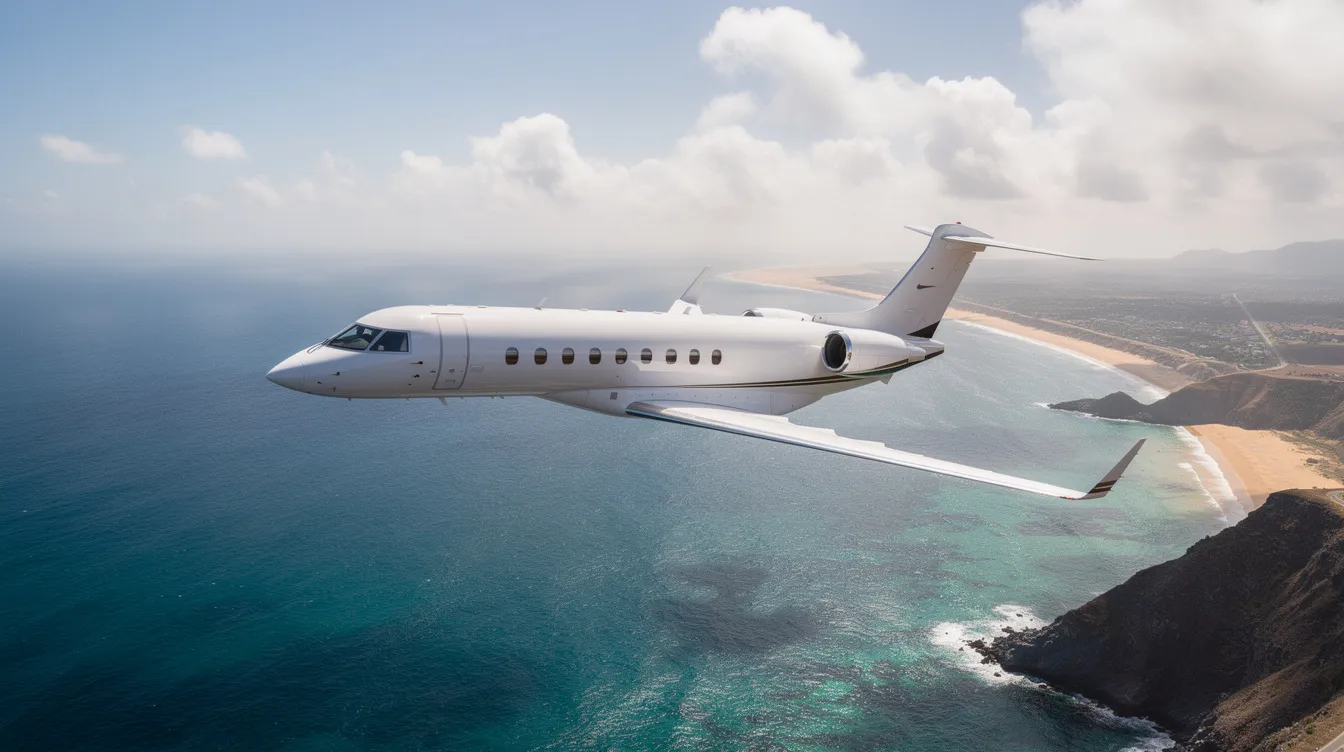
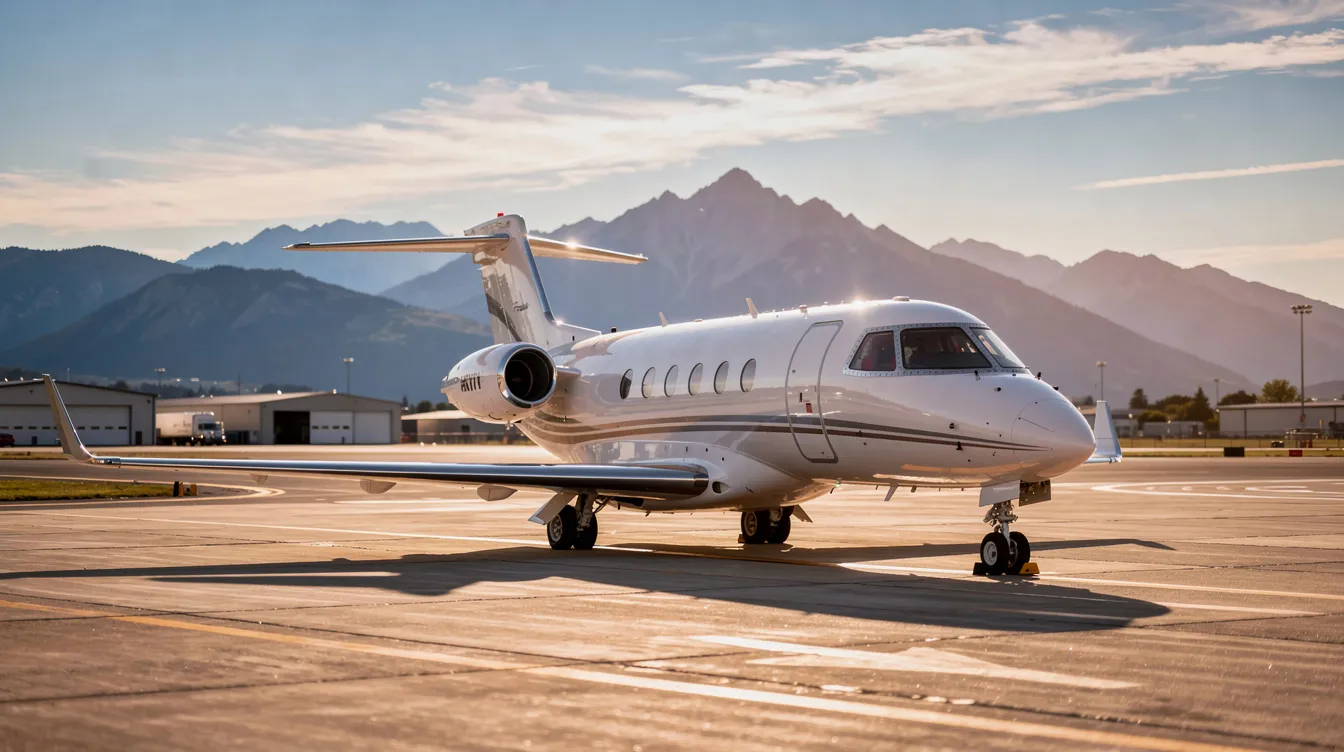
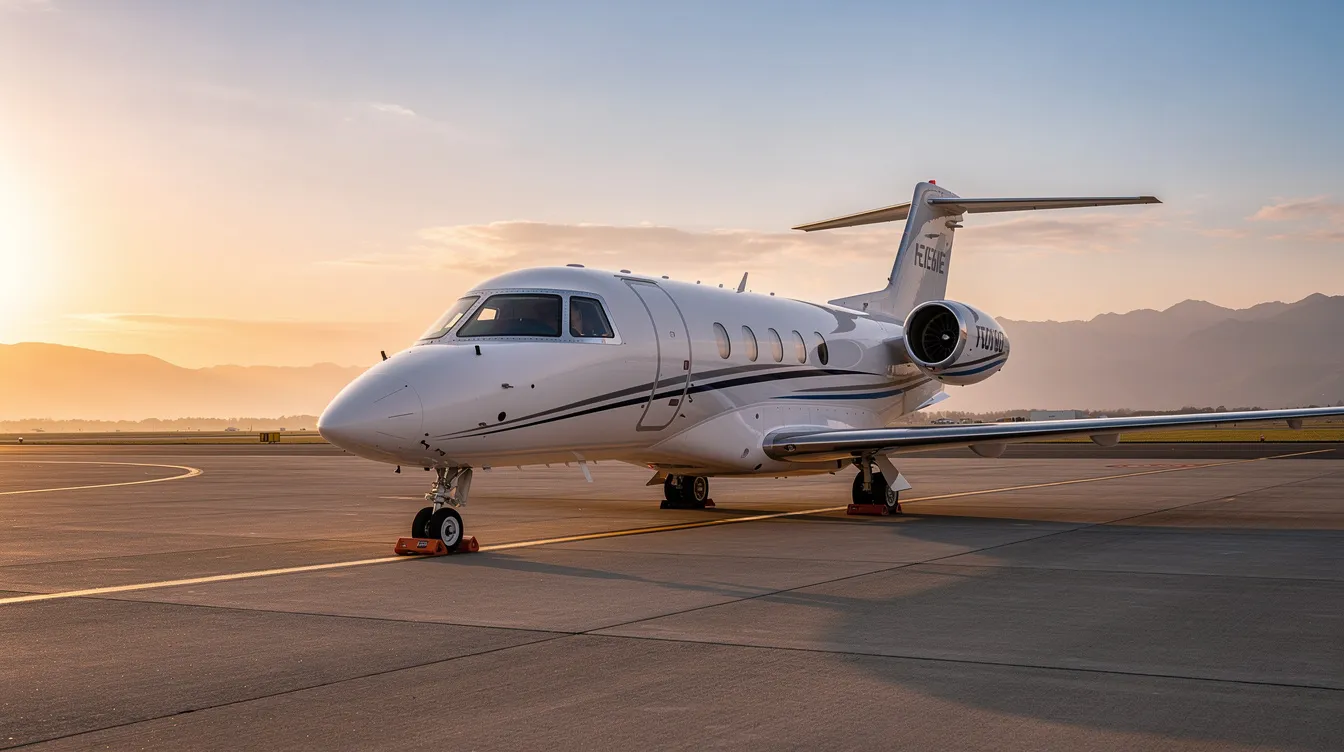
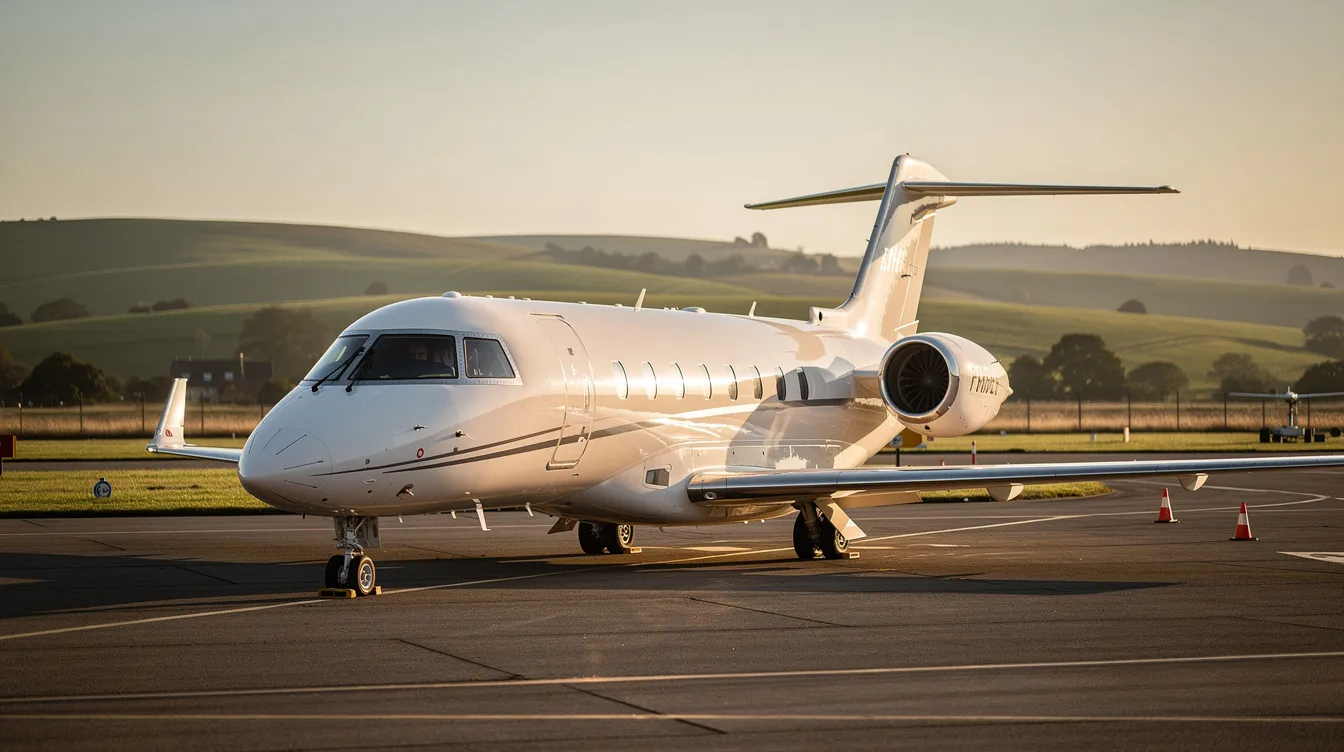
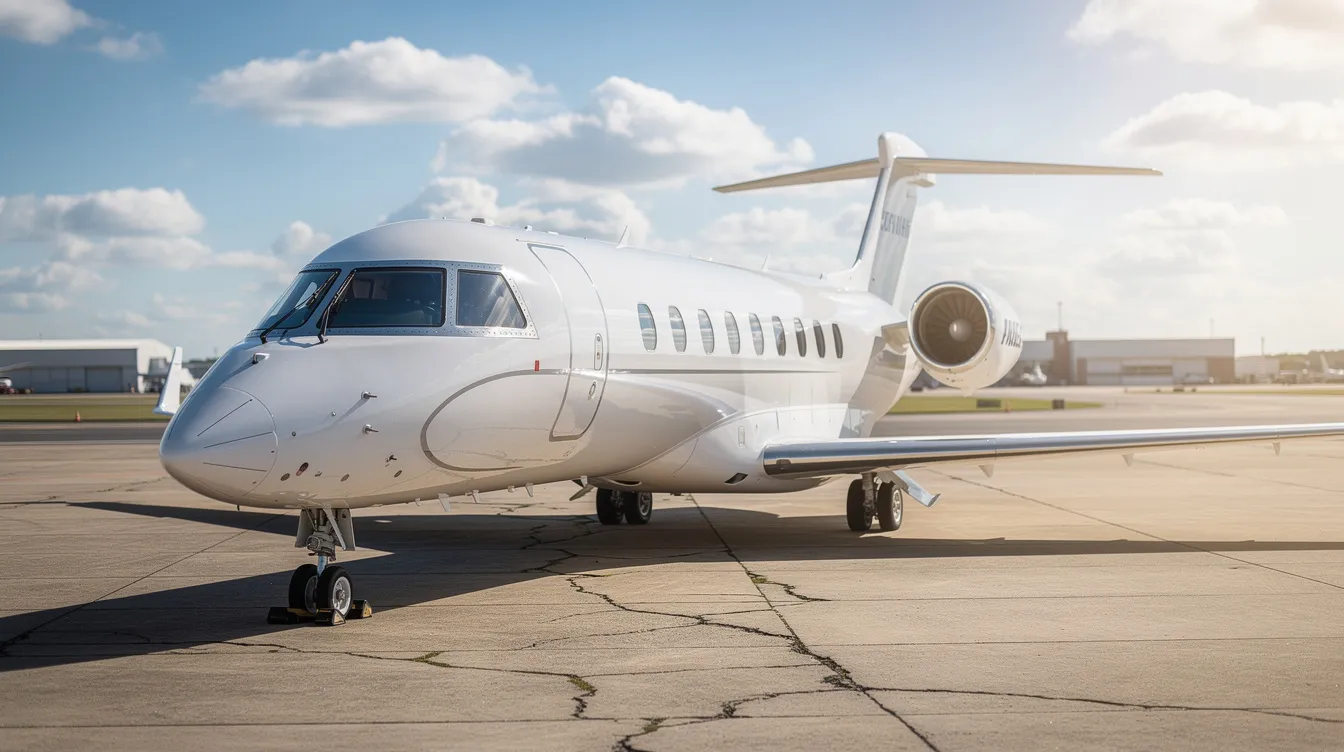
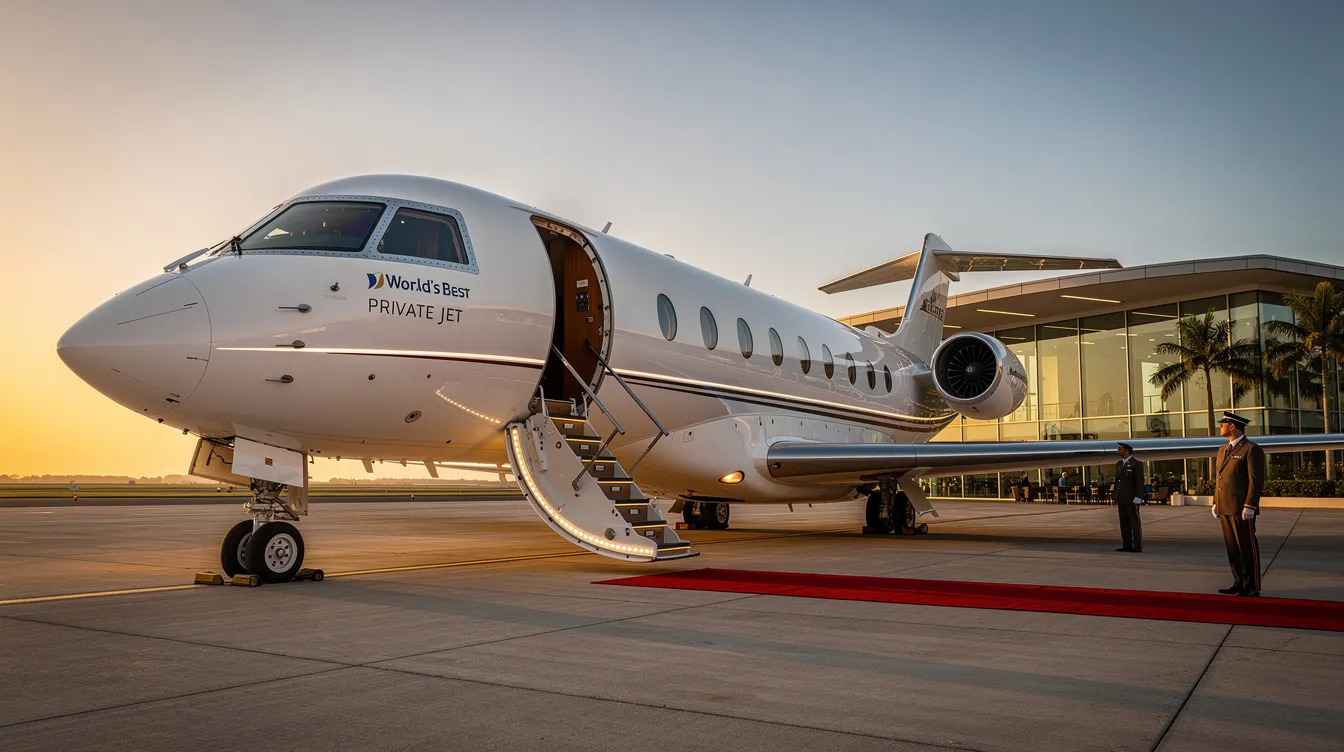
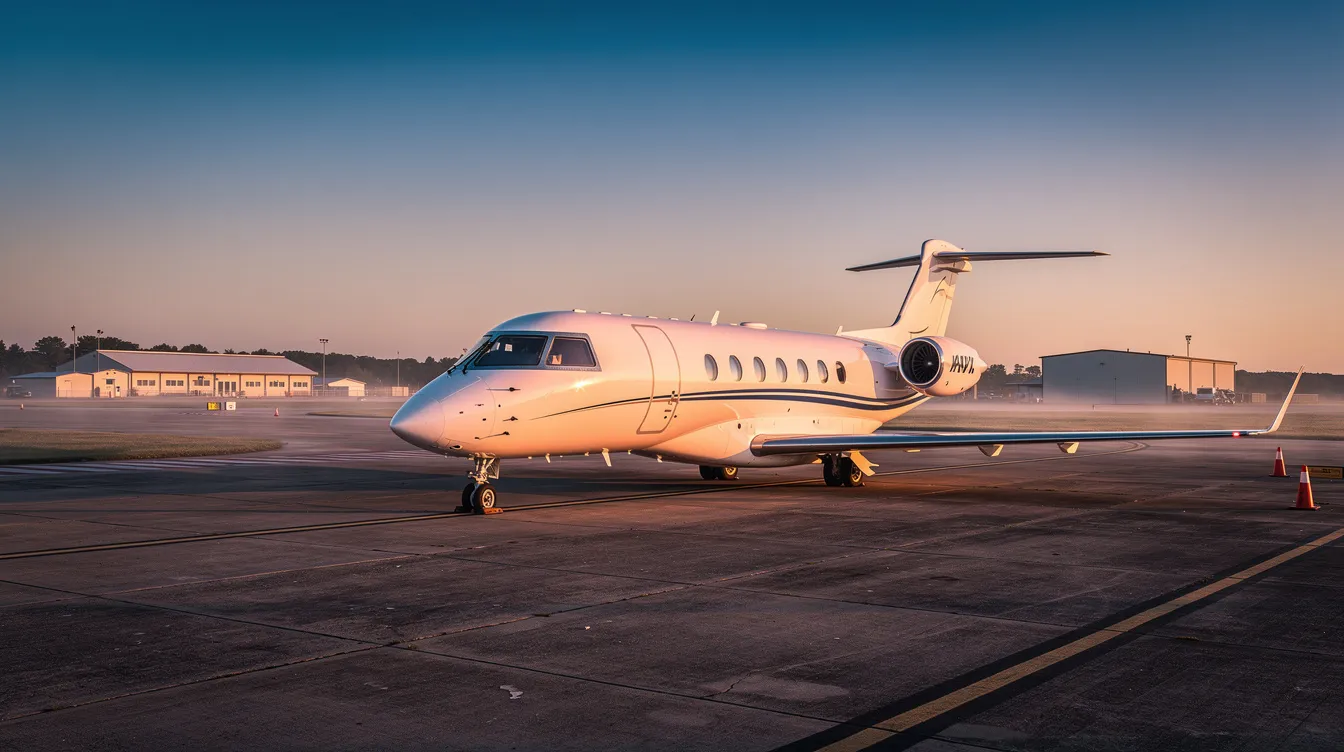
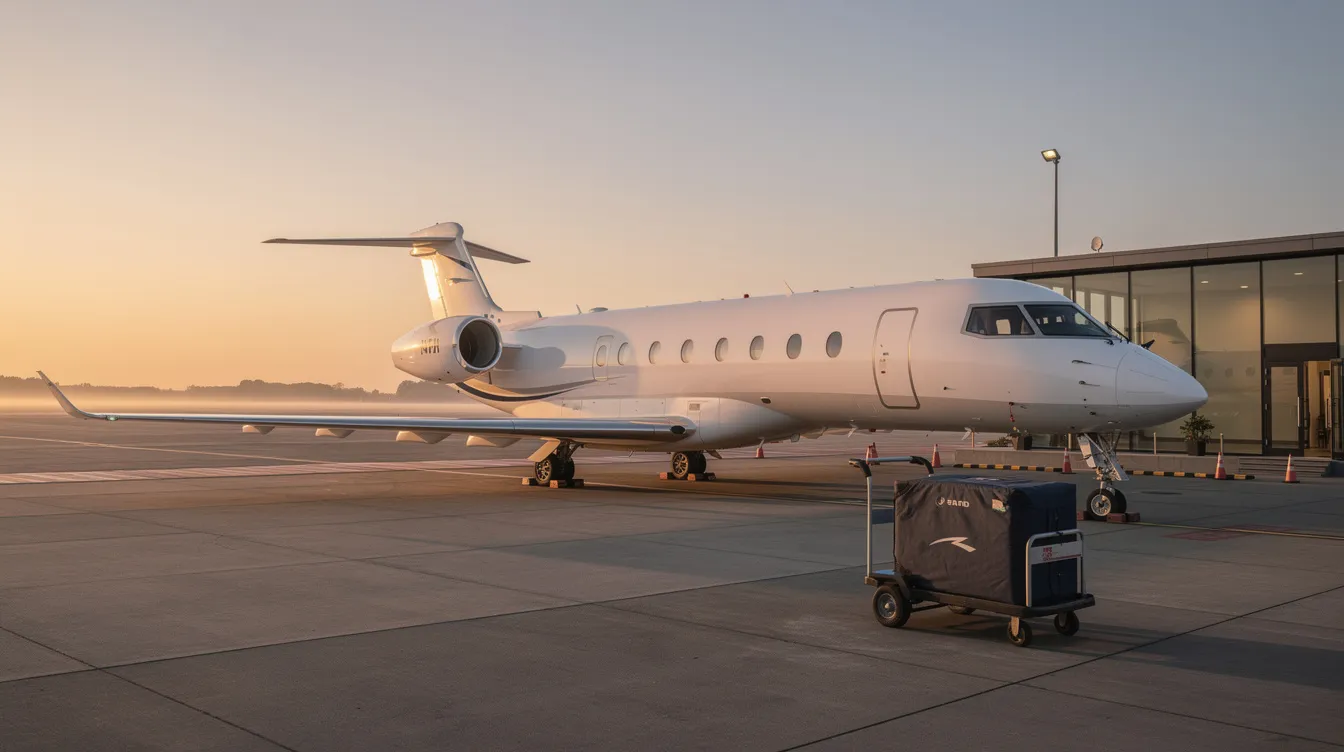
You will learn which private aircraft—from the Bombardier Global Express and Gulfstream G550 to smaller long-range jets—are best suited for flying across the Atlantic, and when to request an aircraft appraisal. Bombardier Global Express

Transatlantic Private Jet Missions: What Really Matters
A transatlantic private jet mission generally means crossing the Atlantic between North America and Europe. Among the [popular routes], New York–London, Miami–Paris, and Los Angeles–Rome typically take about 6–8 hours, depending on the specific route and aircraft type, while New York–London is roughly 3,450 nautical miles, Miami–Paris is about 4,000 nautical miles, and Los Angeles–Rome approaches 5,400 nautical miles.
Flight durations from the US East Coast to Europe generally span 6 to 8 hours, offering a significantly quicker journey compared to commercial airlines, which often experience longer travel times due to layovers and scheduling constraints.
For buyers and fleet managers, the key question is not “Can a private jet fly across the Atlantic?” It is whether your transatlantic itinerary requires reliable nonstop capability, or whether a planned stop still supports the business purpose, since the roughly 3,450 nautical miles of Atlantic crossing can influence both aircraft selection and routing decisions.
Common profiles include:
Executive shuttles: 6–8 passengers, overnight New York–London or Boston–Paris.
Corporate shuttles: 10–14 passengers, mixed U.S.–Europe network and frequent international flights.
Owner-flown aircraft: staged transatlantic crossings through Gander, Narsarsuaq, Keflavik, or the Azores.
BusinessJets.com begins with route history, passenger load, departure airport, final destination, baggage, and schedule sensitivity before recommending the right private jet acquisition path and presenting suitable options from its curated aircraft for sale inventory.
Range, Categories, and Which Jets Can Really Go Across the Atlantic
Published range figures assume ideal conditions. Real flight planning must account for reserves, alternate airports, payload, air traffic control routing, North Atlantic Tracks, and winter jet streams that increase westbound flight time and fuel burn.
Heavy jets and ultra-long-range jets are essential for transatlantic travel, as light and midsize jets typically lack the necessary fuel capacity for such long distances.
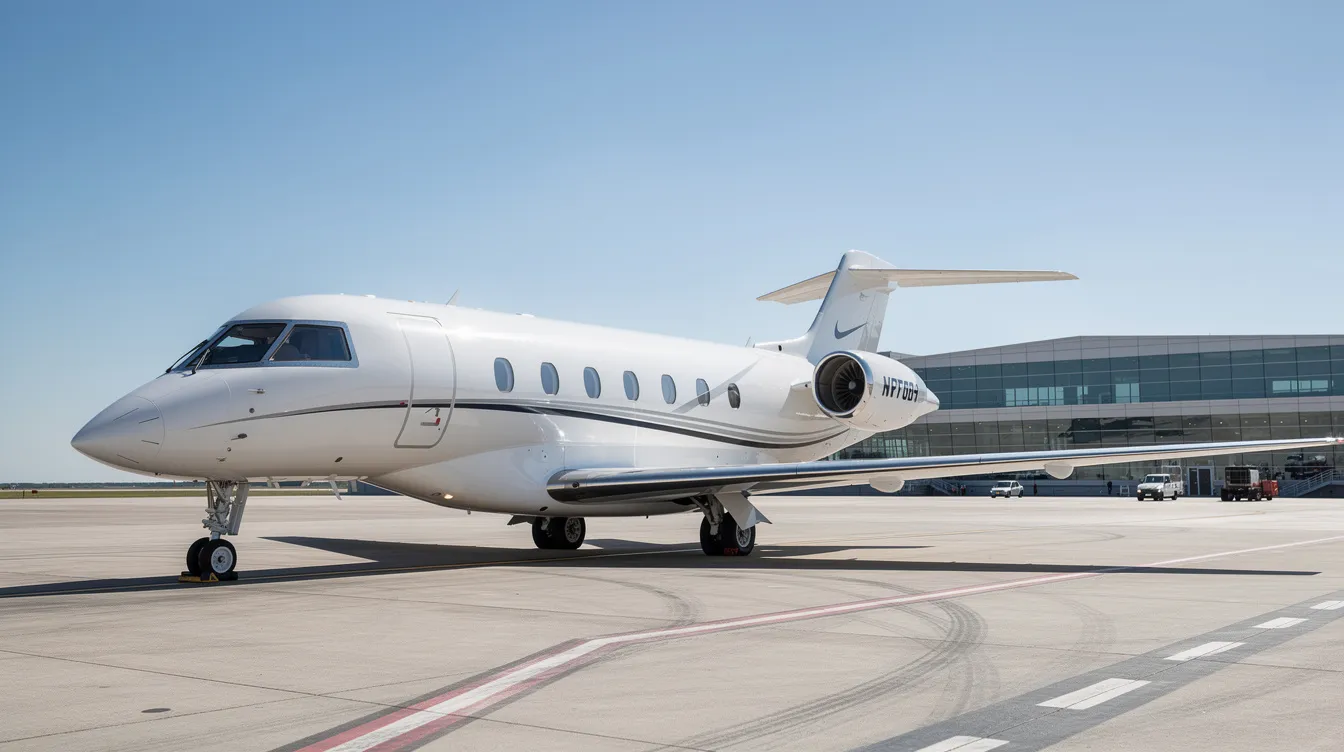
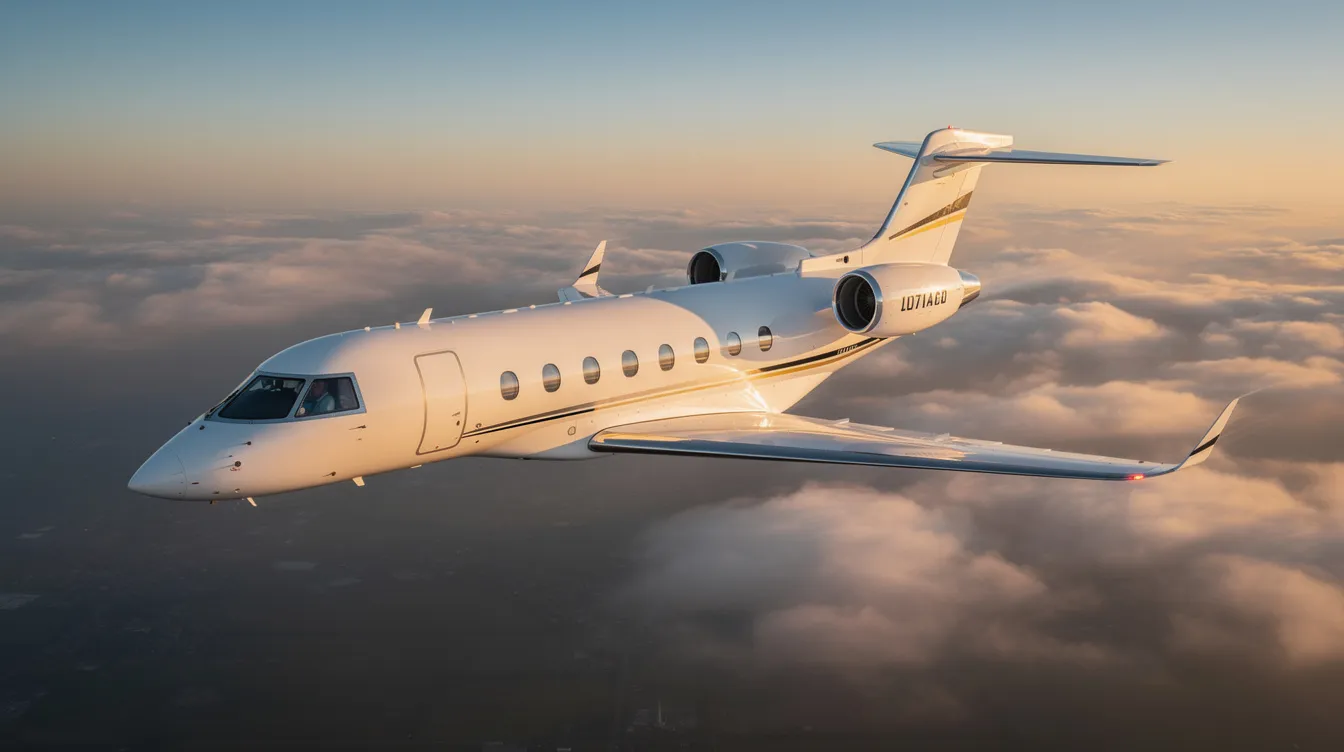
Ultra-long-range aircraft and long-range jets are the primary tools for nonstop transatlantic private jet flights. Examples include the Gulfstream G550, G650/G650ER, and G700; Bombardier Global models, including Global Express, Global 6000, and Global 7500; and Dassault Falcon 7X/8X aircraft, as well as VIP-configured airliners such as the Airbus ACJ319 private jet.
Representative figures:
Aircraft family | Approx. range | Typical passengers | Transatlantic role |
|---|---|---|---|
Gulfstream G550 | 6,750 nm | 12–16 | Major U.S.–Europe nonstop |
Gulfstream G650ER | 7,500+ nm | 13–16 | Ultra-long range global missions |
Bombardier Global 7500 | 7,500+ nm | 14–17 | Any North Atlantic routing, plus Asia |
Bombardier Global Express series | ~6,000+ nm | 10–14 | Preferred for the balance of range and efficiency |
Gulfstream GIV-SP | 3,800 nm | 10–13 | Many transatlantic routes with careful planning |
Citation CJ / Learjet 45/75 | generally below the direct Atlantic range | 6–8 | Ferry-only or multi-stop crossings |
Aircraft designed for transatlantic travel are equipped with larger fuel tanks and advanced navigation systems to ensure safety and efficiency during long flights.
Minimum Practical Range for Transatlantic Flights
A minimum range of approximately 3,500 nautical miles is needed for some nonstop Europe sectors, though a range exceeding 4,000 nautical miles is recommended for flexibility and weather contingencies. Strong winter headwinds can significantly increase flight times and fuel consumption during transatlantic flights, adding the equivalent of 200–400 nm of required range westbound.
In practical terms, New York–London may run 6–7 hours eastbound, while London–New York can stretch to 7.5–8.5 hours in winter. BusinessJets.com helps buyers interpret OEM range charts against the true usable range for their intended transatlantic private routes.
Aircraft Categories for Atlantic Crossings
Long-range jets such as the Embraer Praetor 600, Legacy 650, and Challenger 650 can suit select transatlantic journeys, while very light jets are not practical for Atlantic crossings and are better suited to short domestic or intra-European missions, particularly New York–Dublin or U.S. East Coast–Western Europe missions.
Heavy jets such as Challenger 604/605, Legacy 600/650, Gulfstream IV/V variants, and the Gulfstream GIV-SP can serve many transatlantic routes, sometimes with payload limits or a fuel stop.
Ultra-long range jets such as the Gulfstream G650ER, Global 7500, and Falcon 8X provide significant advantages in diversion margin, payload flexibility, and nonstop reliability on long-haul flights.
Costs and Economics of Transatlantic Private Jet Flight
A single transatlantic private flight can cost about $70,000 on older heavy jets to $250,000+ on VIP airliners, depending on route, aircraft, season, landing permits, and support.Heavy jets suitable for transatlantic flights typically incur costs of about $8,000 to $10,000 per flight hour, with total one-way trip expenses ranging from $120,000 to $170,000.
International flights necessitate specific landing permits, which can cost between $1,000 and $5,000 per country, depending on the route and aircraft type.
There are three perspectives on costs:
private jet charter rates per flight hour.
Owner-direct operating costs: fuel, maintenance, crew, handling, and reserves.
Total ownership cost: fixed costs, depreciation, financing, inspections, and resale timing.
A 2025 New York–London trip on a Global Express might involve roughly 6.5–8 flight hours and a total cost of $120,000–$170,000 one-way. A Gulfstream G550 may price similarly or higher, depending on year, programs, and cabin condition, with similar economics for transatlantic sectors such as New York–Paris by private jet. Cheaper midsize or super-midsize options can lose economic advantage once fuel stops, crew duty, passenger time, and airport charges are included.
Typical Pricing by Aircraft Class for a Single Crossing
Indicative 2024–2026 one-way cost bands:
Super-midsize: $90,000–$130,000 when operationally feasible, often with limited margins.
Heavy jets: $120,000–$170,000, including Global Express / Global 6000, Gulfstream G550, and Falcon 7X examples.
Ultra long range jets: $150,000–$250,000+, including Gulfstream G650, G650ER, Global 7500, and Falcon 8X.
VIP airliners such as BBJ or ACJ220 sit at the top of the spectrum for 20+ passengers or corporate shuttles.
BusinessJets.com does not operate charters directly, but private charter flight benchmarks help us advise on acquisition, appraisal, and sale strategy for aircraft used on transatlantic missions.
Hidden Operational Costs on Transatlantic Routes
Beyond hourly rates, transatlantic private jet travel involves overflight and landing fees, handling, de-icing, crew positioning, oceanic communications, customs, airport slots, and sometimes fuel surcharges. At airports such as London Luton, Paris Le Bourget, Teterboro, and Van Nuys, landing and handling can range from several thousand dollars to tens of thousands of dollars, depending on aircraft weight and services.
Planning and executing a transatlantic private jet flight involves detailed preparation, beginning with obtaining overflight permits and securing airport slots. Overflight permits are mandatory for lawful access through national airspaces, while airport slots ensure authorized takeoff and landing times, particularly at busy airports.
Choosing the Right Aircraft for Transatlantic Private Jet Flights
Selecting the right aircraft is less about the largest cabin and more about matching route, passengers, luggage, airport access, and reliability. For many business executives, booking a transatlantic private jet also means prioritizing schedule control, airport access, and onboard productivity when matching the aircraft’s capabilities to the distance and regulations.
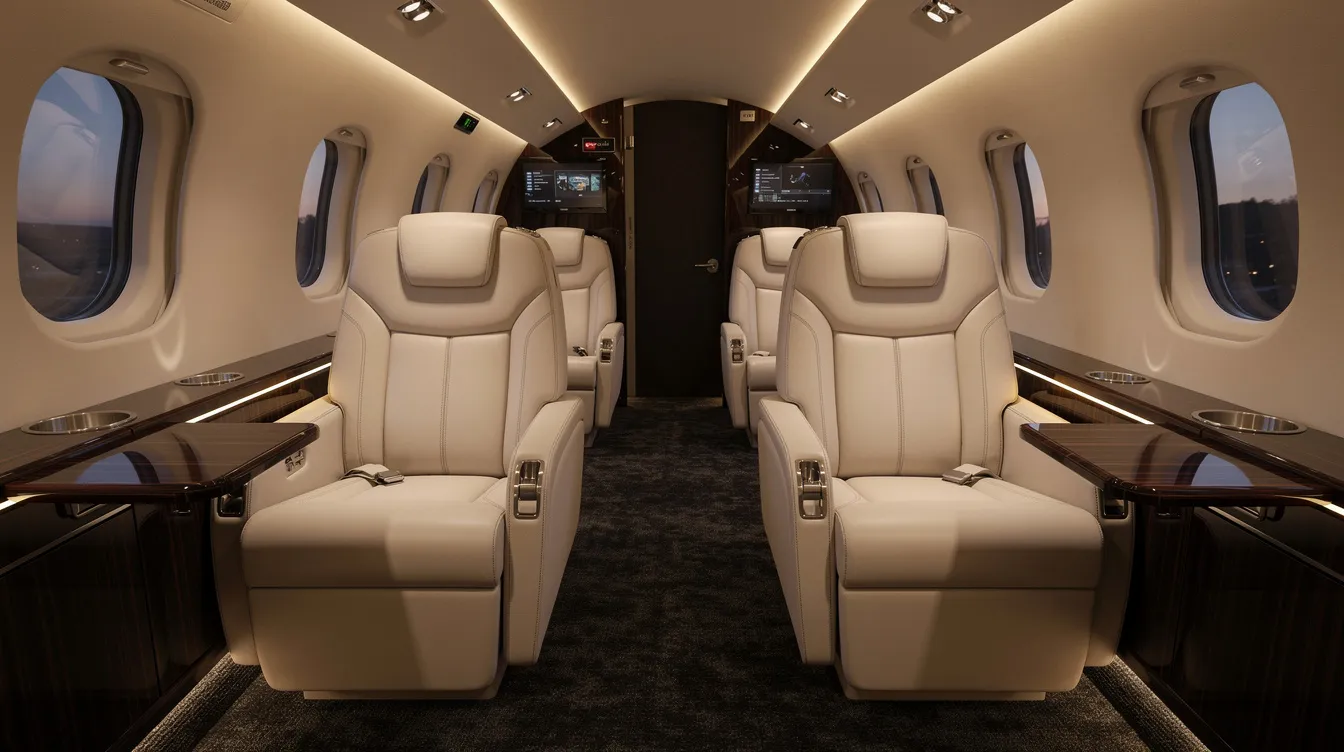
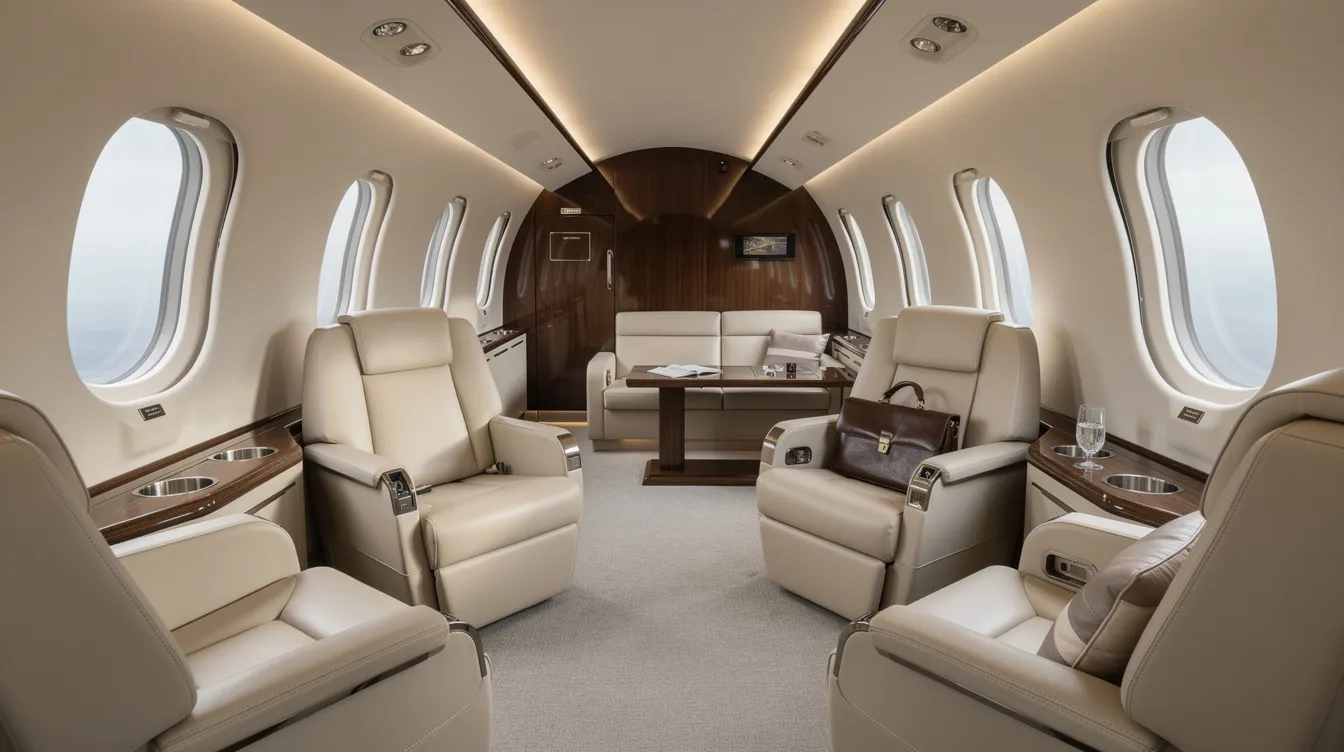
Private jets designed for transatlantic travel feature luxurious cabins that often include private bedrooms, allowing passengers to rest comfortably during long flights. Onboard amenities typically include gourmet cuisine prepared to individual specifications, and advanced cabin management systems help control the cabin environment with advanced air filtration and adjustable lighting designed to reduce fatigue and ease jet lag for a smooth and enjoyable journey. Concierge services can also arrange luxury ground transportation to meet passengers directly on the tarmac after arrival.
A practical framework:
Define popular transatlantic routes, such as New York to London, Miami to Paris, and Los Angeles to Rome.
Determine the minimum nonstop range and acceptable fuel stop policy.
Estimate typical passenger and baggage loads.
Map preferred secondary airports and customs availability.
Evaluate cabin layout, connectivity, and personalized service expectations.
Private aviation allows access to thousands of smaller airports, though international crossings require dedicated customs services. Private jets can land at smaller, regional airports, reducing ground transportation time to the final destination, and private jets provide direct access to over 984 airports across Europe, many of which are smaller airports that commercial airlines cannot reach.
Comparing Long Range and Ultra Long Range Jets
Long-range jets often provide an efficient balance for 6–10 passengers, and while a Praetor 600 may handle New York–Dublin with margin, a Legacy 650 or Challenger 650 may suit selected Atlantic sectors. The right aircraft for repeated crossings should have a proven track record on those missions.
Ultra-long-range jets such as the Global 7500 are the better option when operators want to fly private nonstop with more margin and fewer compromises, and they can fly New York–Hong Kong nonstop while easily covering North Atlantic routings. They provide more seasonal flexibility, stronger diversion margins, and access to preferred European secondary airports.
For some owners, a smaller private jet plus occasional private jet charter on ultra-long-range aircraft may be more economical than owning a flagship ULR jet. BusinessJets.com can run comparative appraisals before an upgrade.
Cabin Configuration, Workflows, and Personalized Service
In-flight private jet cabins can provide a secure environment equipped with high-speed Wi-Fi for business meetings. Reliable in-flight Wi-Fi is standard on ultra-long-range jets, but coverage may drop over oceans.
Global 6000, Global 7500, Gulfstream G650, and Falcon 7X cabins often include meeting, dining, sleeping, and quiet work zones. A private stateroom, cabin equipment, refurbishment history, and connectivity materially affect resale value.
Transatlantic Operations: Safety, Routing, and Regulatory Considerations
Transatlantic flights are more complex than domestic private jet flights because private aviation can adjust routing and departure timing more readily than commercial operations built around fixed schedules, even as these trips still involve oceanic procedures, ICAO standards, remote diversion planning, and international operations. Operators must demonstrate compliance with international safety regulations, including standards set by the International Civil Aviation Organization (ICAO), aircraft maintenance documentation, and crew certification requirements.
Most business jets follow daily-optimized North Atlantic Tracks coordinated by air traffic control. These affect flight length, fuel planning, turbulence avoidance, and timing across the Atlantic Ocean.
Smaller jets and turboprops that cross the Atlantic usually use stepping-stone airports in Canada, Greenland, Iceland, and the Azores. This is normally a ferry or repositioning solution, not an ideal passenger experience for business travelers, especially on long crossings where avoiding multiple stops and rigid airline timing is valuable for passengers who need efficiency and rest.
Regulatory and Technical Requirements
Transatlantic private jet flight requires ICAO compliance, oceanic separation procedures, and, for twin-engine aircraft, ETOPS or equivalent extended-range approvals. Typical equipment includes HF radios or satellite communications, ADS-B, approved navigation systems, and survival gear for overwater legs.
Each country whose airspace the aircraft will cross requires specific authorization through overflight permits, which are obtained via diplomatic channels and aviation authorities. Securing these permits and coordinating the necessary logistics for international private jet flights generally demands 2 to 3 months of advance planning.
Traveling internationally by private jet also necessitates that all passengers have valid passports and, where applicable, visas. BusinessJets.com carefully reviews maintenance records and avionics configurations, as deficiencies in these areas can negatively impact an aircraft’s marketability and valuation.
Weather, Jet Streams, and Flight Time Variability
The North Atlantic jet streams influence flight durations by shortening eastbound trips and lengthening westbound ones. Typical flight times from the U.S. East Coast to Europe range between 6 and 8 hours, benefiting from direct routing that is considerably faster than commercial flights.
Miami–Paris, Washington–Madrid, and Los Angeles–Barcelona vary widely by season, aircraft type, and routing. Flying times are carefully planned to leverage prevailing winds and avoid turbulence, ensuring optimal fuel efficiency and passenger comfort. Operators monitor weather patterns continuously and adjust routes as necessary, with experienced flight crews trained to handle the unique challenges of transatlantic crossings.
Frequently Asked Questions (FAQs) About Transatlantic Private Jet Flights
What is the minimum range required for a private jet to fly nonstop across the Atlantic?
A1: A practical minimum range for nonstop transatlantic flights is approximately 3,500 nautical miles, though a range exceeding 4,000 nautical miles is recommended for greater routing flexibility and to accommodate weather conditions such as strong headwinds.
Can smaller private jets fly nonstop across the Atlantic?
A2: Smaller jets, including light and some midsize jets, typically lack the fuel capacity for nonstop transatlantic flights and usually require fuel stops in locations like Iceland, Greenland, or the Azores. Heavy jets and ultra-long-range jets are better suited for nonstop crossings.
How much does a typical transatlantic private jet flight cost?
A3: Operating costs for a transatlantic crossing vary widely depending on aircraft type and routing, but generally range from $80,000 to $250,000 for a one-way trip. Charter pricing can be higher and depends on factors such as aircraft availability, permits, and additional fees.
What are the key regulatory requirements for transatlantic private jet flights?
A4: Operators must secure overflight and landing permits from all countries along the route, comply with ICAO safety standards, maintain proper crew certifications, and ensure aircraft equipment meets oceanic flight requirements, including extended-range certifications for twin-engine jets.
How far in advance should I plan a transatlantic private jet flight?
A5: Due to the complexity of international permits, customs, and operational logistics, it is advisable to plan and book transatlantic private jet flights at least 2 to 3 months in advance to ensure smooth arrangements.
Can private jets access smaller airports in Europe for transatlantic flights?
A6: Yes, one of the advantages of private aviation is access to over 900 airports across Europe, including smaller regional airports. This reduces ground transit times and provides greater flexibility compared to commercial airline hubs.
What onboard amenities enhance comfort on long transatlantic flights?
A7: Transatlantic private jets often feature spacious cabins with private bedrooms, advanced cabin management systems, gourmet catering, and high-speed Wi-Fi to support productivity and relaxation during extended flights.
Conclusion
Transatlantic private jet flights demand a sophisticated balance of aircraft capability, operational expertise, and strategic planning to ensure safety, efficiency, and comfort. Selecting the right larger aircraft with adequate range and features tailored to extended flights is essential for meeting the demands of nonstop transatlantic missions. Understanding the nuances of costs, regulatory compliance, and route optimization empowers owners, corporate buyers, and operators to make informed decisions that align with their travel objectives and business needs.
BusinessJets.com stands as a trusted partner in navigating the complexities of transatlantic private jet operations. With a proven track record of over 1,500 aircraft transactions and more than 5,000 satisfied clients, BusinessJets.com offers expert aircraft brokerage, appraisals, and aviation consulting services tailored to transatlantic and ultra-long-range missions. Whether you are acquiring, selling, or optimizing your private jet for international travel, BusinessJets.com provides discreet, authoritative guidance to help you achieve seamless and cost-effective transatlantic journeys.
For personalized assistance with aircraft selection, valuation, or acquisition support for transatlantic flights, we invite you to connect with BusinessJets.com—your experienced partner in private aviation.