Privé Jets, Ownership, and Charter: A Practical Guide for Business Decision-Makers

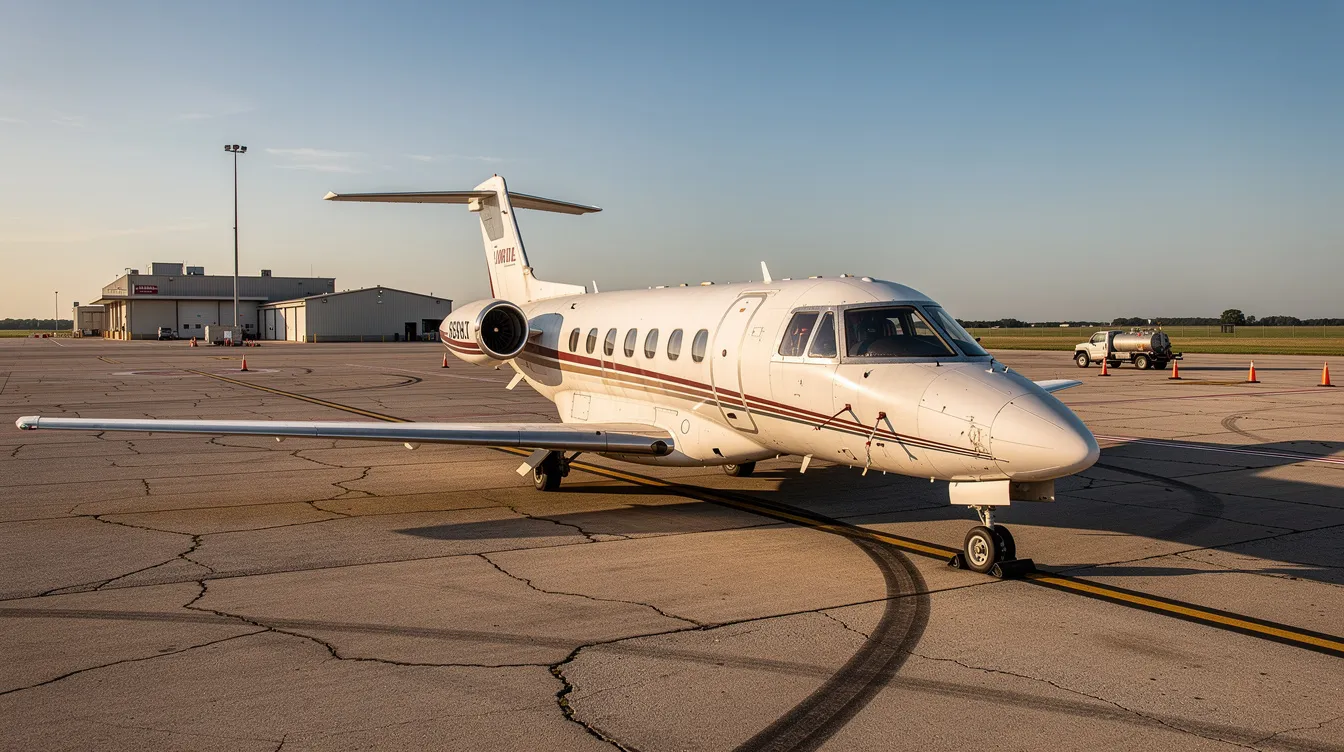
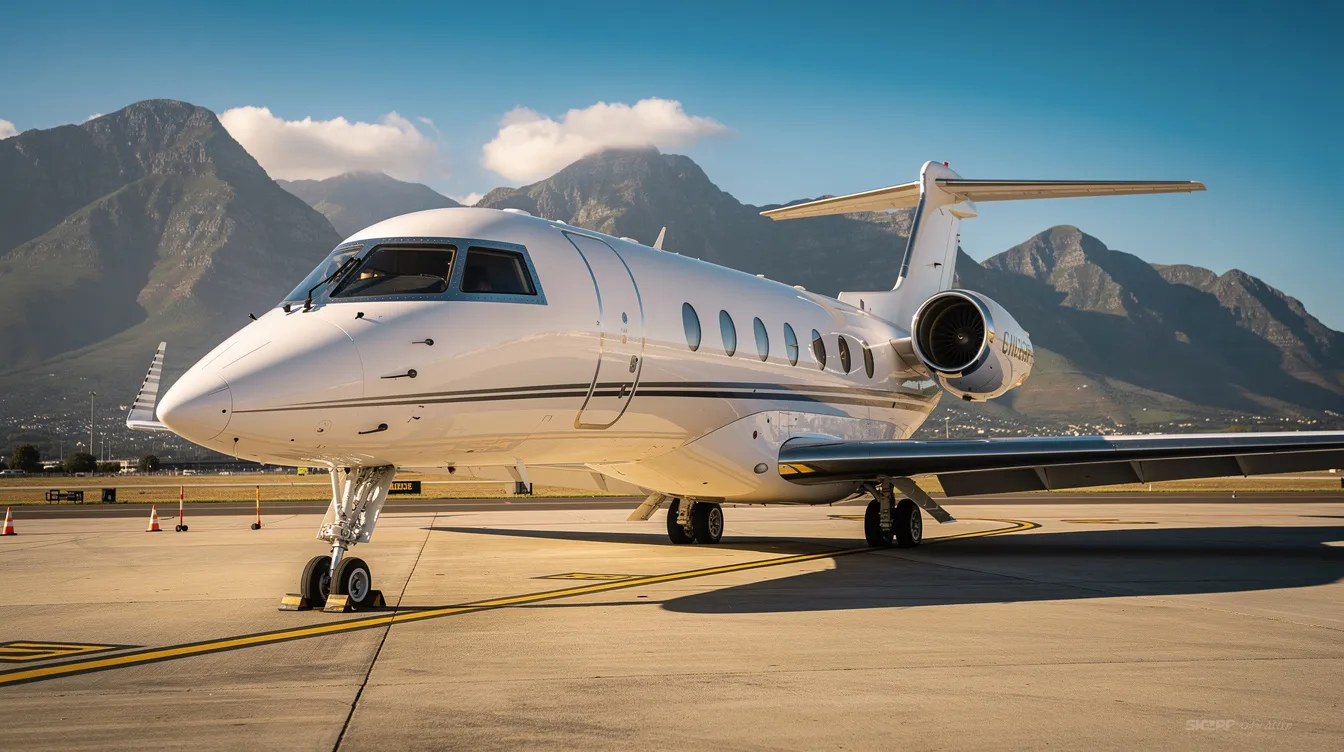
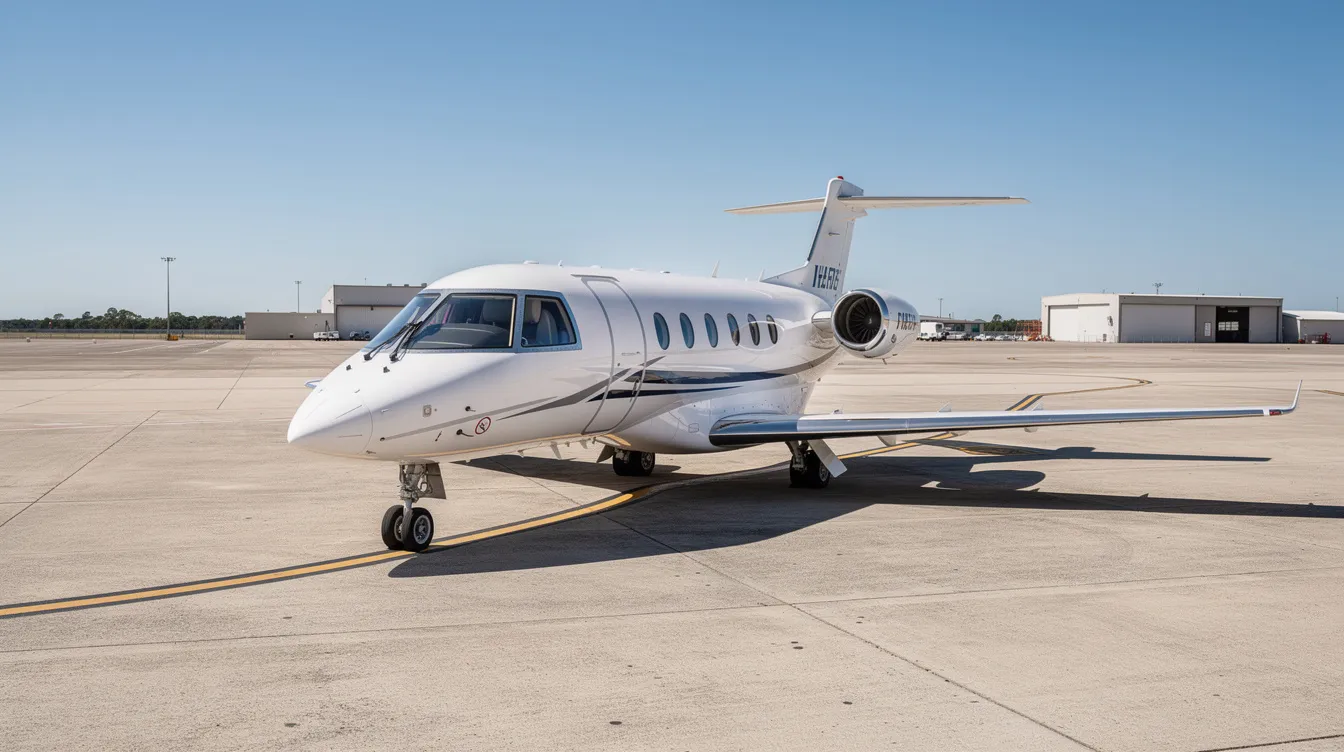
Privé jets are more than a mode of transportation; they are pivotal business tools that redefine efficiency, privacy, and control in corporate travel. Privé jets, also known as private jets, are aircraft operated for private use rather than scheduled commercial service, offering significant advantages over commercial airlines, primarily focused on time savings, flexibility, and comfort. For executives, fleet managers, and high-net-worth individuals, understanding the nuances of private jet ownership and charter options is essential to making informed, strategic decisions.
This guide offers a clear, practical overview of privé jets, tailored to the needs of discerning business decision-makers seeking to optimize their aviation assets and travel experience.
Key Takeaways
Privé jets can be accessed through jet charter, jet cards, fractional ownership, or full aircraft ownership, each with a different mix of cost, control, flexibility, and capital commitment.
BusinessJets.com focuses on aircraft brokerage, independent appraisals, and aviation consulting rather than on-demand jet charter, helping clients buy, sell, and evaluate private jets worldwide.
Accurate aircraft valuation, market timing, and transaction strategy are critical to protecting capital when acquiring or selling a private jet in 2024–2026 market conditions.
Fractional ownership and jet cards can complement or precede full ownership, especially for flyers under roughly 200–250 hours per year.
To make a better ownership decision, request an aircraft appraisal, list a jet for sale, or engage BusinessJets.com for acquisition and operator advisory support.
What “Privé Jets” Really Means for Owners and Corporates
In a business context, prive jets are not simply a premium way to fly. They are tools for saving time, controlling schedules, protecting privacy, and reaching destinations that commercial airlines often serve inefficiently. Private jets can use secondary airports such as Teterboro, Paris-Le Bourget, London Farnborough, and thousands of smaller airfields that place passengers closer to meetings, facilities, and final destinations, supporting private jet charter to and within Paris and other global hubs.
Private jets offer significant advantages over commercial airlines, primarily focused on time savings, flexibility, and comfort. Passengers skip public terminals entirely using private Fixed Base Operators (FBOs), and private jets can typically board within 15 minutes of departure, eliminating long security lines and crowded terminals. Private jets can access over 5,000 smaller regional airports, allowing travel much closer to final destinations.
The main access models are on-demand jet charter, jet cards, fractional ownership, and full aircraft ownership. Charter suits occasional users and urgent one-off missions. Jet cards and membership-style programs can fit recurring but moderate use. Fractional ownership often appeals to HNWIs and corporates that want guaranteed access without managing an aircraft directly. Full ownership typically serves corporations, operators, and private owners who need control over schedule, crew, cabin, security, and long-term asset strategy.
BusinessJets.com is a B2B aircraft brokerage and aviation consulting partner with experience across 1,500+ aircraft transactions and 5,000+ clients, offering access to a curated selection of premium aircraft for sale. The company focuses on buying, selling, valuing, and advising on aircraft assets, not operating charter flights.
This guide explains when to move from charter to ownership, how to think about aircraft valuation, and where aviation experts add the most value in the buying, selling, or fleet planning process.

Private Jet Access Models: Charter, Fractional Ownership, and Full Ownership
The right private aviation access model is usually driven by annual flight hours, route profile, passenger needs, and balance-sheet preference. A company flying New York–Miami or Florida regional routes has different requirements than a family office regularly flying New York–Geneva or London–Singapore.
On-demand jet charter
Jet charter is generally best for flyers under 50–75 hours per year. It provides trip-by-trip access without tying up capital in an aircraft or entering a long-term operating structure.
Private flights operate on flexible schedules, allowing passengers to dictate exactly when they fly. Private jet charters can be arranged with 24/7 access to aviation advisors, ensuring no contracts and minimal delays. Private jet charter services provide access to over 11,000 verified aircraft across 60% of the world's countries annually.
Pricing is typically based on aircraft category, flight time, crew, airport fees, repositioning, and any special handling requirements. Private jet travel is generally significantly more expensive than commercial flights, but the value is often measured in executive time saved, schedule control, and privacy.
Every flight in the private jet industry is manually reviewed and must meet safety standards set by organizations such as Wyvern and ARGUS. The private jet charter industry is subject to safety standards such as Wyvern and ARGUS, which ensure compliance and verified aircraft. Private jet operators are required to maintain compliance with safety regulations established by aviation authorities, ensuring the safety and reliability of their aircraft.
The private aviation industry emphasizes the importance of traceable documentation for all flights to enhance safety and accountability.
Fractional ownership
Fractional ownership allows a buyer to purchase a share of an aircraft, commonly 1/16th or 1/8th, with access to a set number of annual flight hours. A 1/16th share may equate to roughly 50 hours per year, while a 1/8th share may provide about 100 hours.
This model can offer guaranteed access 365 days a year with no blackout dates, depending on program terms, making it useful for flexible travel planning. It also reduces the operational burden compared with full ownership.
Fractional programs usually involve long-term commitments, often three to five years, with monthly management fees, occupied hourly rates, and residual value considerations. Buyers should review depreciation assumptions, exit rights, aircraft category guarantees, and the details of what is included in the hourly rate.
Full aircraft ownership
Full ownership provides the greatest control. Owners can determine cabin configuration, crew selection, operating base, maintenance standards, security procedures, and dispatch priorities.
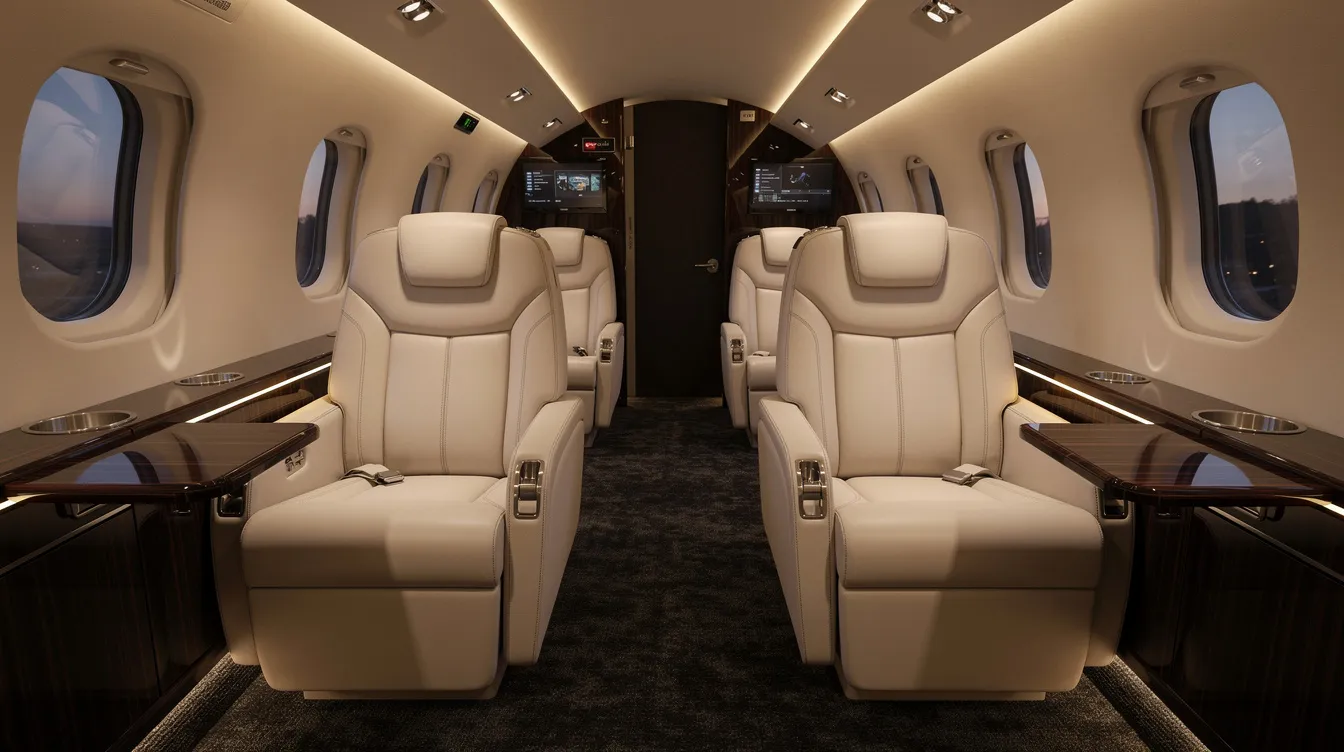
Cabins in private jets are customized for luxury, featuring premium seating and gourmet catering tailored to personal preferences. Customized travel experiences in private aviation often include tailored services such as ground transportation coordination and personalized catering options. Private jets provide unprecedented privacy, allowing passengers to carry out confidential business meetings without interruptions.
Ownership also places responsibility on the owner for maintenance reserves, insurance, hangarage, crew, regulatory compliance, management oversight, and resale strategy. For many light to midsize aircraft, full ownership begins to make financial sense around 200–250+ hours per year, although route complexity and corporate security needs can justify ownership sooner.
BusinessJets.com specializes in the ownership side of the spectrum: sourcing aircraft for buyers moving beyond charter or fractional programs.
The BusinessJets.com team also advises operators expanding fleets, replacing aircraft, or planning exits from underutilized assets.
Comparison of Access Models
Access Model | Typical Annual Hours | Capital Commitment | Flexibility | Control Level | Suitable For |
|---|---|---|---|---|---|
On-demand Jet Charter | < 50–75 | Low | High (trip-by-trip) | Low | Occasional flyers, urgent missions |
Fractional Ownership | 50–200 | Medium | Moderate to High | Moderate | Frequent flyers want guaranteed access |
Full Ownership | 200+ | High | High | High | Heavy users, corporate flight departments |
Full Ownership of Privé Jets: When It Makes Strategic Sense
Full ownership of privé jets becomes strategic when travel demand is consistent, sensitive, or operationally complex. Common triggers include recurring international travel, board-level privacy requirements, security-sensitive itineraries, or the need for a bespoke cabin layout such as a 16-seat conference configuration on a Gulfstream G650ER.
As a general rule:
50–100 annual hours may still favor charter, jet cards, or selective fractional access.
100–200 annual hours often justify comparing fractional ownership with structured charter or managed access.
200–500+ annual hours may support full ownership, particularly for corporate flight departments and heavy international users.
Corporate fleet managers rarely look at hourly rates alone. They usually model a 5–10 year total cost of ownership, taking into account acquisition price, depreciation, tax treatment, maintenance reserves, crew, insurance, hangarage, refurbishment, and resale value.
Key advantages of ownership include:
Schedule control for executive teams, board meetings, site visits, and urgent travel.
Interior customization, branding, communications systems, and security protocols.
Aircraft availability with consistency, rather than reliance on third-party fleet supply.
Potential tax and depreciation planning, subject to local law and qualified business use.
In the United States, tax rules can materially affect after-tax ownership economics. The 2025 One Big Beautiful Bill Act restored 100% bonus depreciation for qualifying aircraft placed in service on or after January 20, 2025, subject to IRS business-use requirements. Owners should work with tax counsel and review IRS depreciation guidance before making assumptions.
The commitments are equally important. Light jets, such as a pre-owned Embraer Phenom 300E or Citation CJ4, may trade in the multi-million-dollar range and involve annual operating costs that can approach seven figures at higher utilization. Large-cabin jets such as a Bombardier Global 6000, Gulfstream G650ER, or Falcon 8X require significantly higher acquisition capital, dedicated crew, complex maintenance planning, and larger reserves for major inspections.
BusinessJets.com supports owners from initial requirements definition through aircraft type shortlisting, market review, pre-buy inspection coordination, and final terms.
Before entering a purchase agreement, owners should speak with experienced aviation experts who understand mission fit, residual value risk, and transaction execution.

Choosing the Right Private Jet Type: From Light Jets to Ultra-Long-Range
Aircraft selection starts with the mission profile. Distance, passenger count, runway length, baggage requirements, cabin expectations, and operating base all influence which aircraft should be considered.
A buyer who primarily flies Dallas–Chicago does not need the same aircraft as a corporate user flying Los Angeles–Tokyo. A flight department based at a constrained airport must also account for runway performance, landing limits, weather, and payload restrictions.
Light jets
Examples include the Citation CJ4 and Embraer Phenom 300.
Typical range is around 1,800–2,000 nautical miles, depending on load and conditions.
These aircraft are well-suited to regional missions such as Munich–London, Dallas–Chicago, or New York–Florida.
Light jets generally offer lower acquisition costs, lower fuel burn, and simpler maintenance planning than larger categories.
Midsize and super-midsize jets
Examples include the Citation XLS+, Challenger 350, Challenger 3500, and Praetor 600.
Typical range is around 2,000–3,500 nautical miles.
These aircraft can support missions such as New York–Denver or Paris–Dubai with smaller passenger groups.
They often provide a strong balance between cabin comfort, baggage capacity, runway performance, and operating cost.
Large and ultra-long-range jets
Examples include the Gulfstream G650ER, Global 7500, Falcon 8X, and VIP airliners such as the Airbus ACJ319 private jet.
Ranges can reach up to 7,500+ nautical miles, enabling routes such as Los Angeles–Tokyo or London–Singapore nonstop.
These aircraft offer multiple living zones, larger galleys, long-range crew considerations, and more complex maintenance programs.
Operating costs, crew requirements, and exposure to major inspection events are materially higher.
BusinessJets.com can provide comparative market data, including 2018–2023 resale trends, current supply, and average days on market in 2024–2026. This helps buyers understand residual value risk by aircraft type before they enter a negotiation.
Private Jet Valuation and Appraisals: Protecting Capital in a Volatile Market
Accurate aircraft valuation matters more in a shifting market. From 2024 through 2026, buyers and sellers have had to account for changing interest rates, inventory normalization after the post-pandemic surge, and different demand patterns across light, midsize, and large-cabin segments.
Industry reports show that pre-owned inventory remains below long-term pre-pandemic norms, while certain large-cabin categories have experienced sharper asking price corrections. According to recent market research, around 6.9% of the active business jet fleet was listed for sale in late 2025, still below historic norms of roughly 8–10%.
The main valuation drivers include:
Total time on the airframe, engines, and auxiliary power unit, along with cycles and utilization history.
Maintenance status, including whether major inspections such as 96-month, 120-month, or landing gear events have been completed or are approaching.
Enrollment in engine and APU programs, which can reduce future cost uncertainty and support buyer confidence.
Avionics upgrades, including FANS 1/A, ADS-B Out, WAAS/LPV, CPDLC, and other operating compliance requirements.
Cabin refurbishment dates, connectivity upgrades, paint condition, seating layout, and record quality.
Damage history, incident disclosures, import/export status, and logbook completeness.
A desktop valuation is generally records-based and useful for internal planning, refinancing discussions, preliminary sale decisions, or portfolio reporting. A full appraisal includes a deeper documentation review and often a physical inspection, making it more appropriate when preparing to list an aircraft for sale, negotiating an LOI, or supporting lender and insurance requirements.
BusinessJets.com provides independent aircraft appraisal services for owners, lenders, fleet managers, and corporate buyers. Experience across 1,500+ completed aircraft transactions helps the company benchmark realistic ask and bid prices rather than relying solely on headline listings.
Request an appraisal before setting an asking price or submitting an LOI on a target aircraft to avoid mispricing, renegotiation pressure, and unnecessary deal friction.

Selling a Private Jet: Strategy, Timing, and Deal Execution
Selling a private jet is a capital event. It affects balance sheets, replacement planning, tax timing, and future fleet strategy. It is not simply a matter of uploading photos and waiting for demand.
A disciplined sales process usually includes:
Preparing records, logbooks, maintenance summaries, and traceable documentation.
Commissioning a current appraisal to establish a credible pricing range.
Completing detailing, minor cosmetic improvements, and any practical corrective actions.
Preparing a comprehensive technical specification for qualified buyers.
Identifying likely buyer segments by aircraft type, age, range, and operating region.
Timing matters. Q4 can bring increased buyer urgency linked to tax planning and delivery deadlines. Interest rates, financing availability, OEM backlog, and model-specific inventory levels all affect days on market. In some segments, a well-maintained aircraft with fresh inspections can command stronger buyer interest; in others, aircraft approaching major maintenance events may need to be priced accordingly.
A brokerage partner adds value by widening global buyer reach, pre-qualifying prospects, managing NDAs, protecting confidentiality, coordinating pre-purchase inspections, and negotiating price adjustments if discrepancies appear. This is especially important when a transaction involves cross-border registration, export documents, ferry flights, or refurbishment allowances.
Owners can contact BusinessJets.com to list their aircraft with a discreet, tailored strategy based on aircraft type, technical condition, market demand, and timing.
Acquiring a Private Jet: From Market Scan to Closing
Acquiring a private jet is a multi-step project that requires technical, financial, legal, and operational coordination. This is especially true for cross-border deals involving North America, Europe, the Middle East, and Asia-Pacific.
The first step is defining the mission. Buyers should clarify expected routes, passenger loads, baggage needs, runway constraints, preferred cabin configuration, annual utilization, and operating base. The budget should be realistic and include acquisition price, operating costs, and potential resale value.
The next steps involve:
Shortlisting aircraft types that fit the mission profile and budget.
Reviewing current market availability and pricing trends.
Coordinating pre-purchase inspections with qualified maintenance providers and aviation experts.
Conducting detailed due diligence on maintenance history, damage records, and regulatory compliance.
Negotiating purchase terms, including warranties, escrow arrangements, and delivery conditions.
Planning for registration, import/export requirements, and crew training, if applicable.
BusinessJets.com assists buyers throughout this process, leveraging its extensive market intelligence and transaction experience to mitigate risks and streamline closing.
Frequently Asked Questions (FAQs)
How do I know if fractional ownership or full ownership is right for my company?
Consider your annual flight hours, travel patterns, and need for control. Fractional ownership suits those flying between 50 and 200 hours annually who want guaranteed access without full operational responsibility. Full ownership is preferable for users exceeding 200 hours or requiring complete customization and schedule control.
What safety standards apply to private jet operations?
Private jet operators comply with regulations set by aviation authorities and industry safety programs such as Wyvern and ARGUS. Every flight is manually reviewed to ensure verified aircraft, traceable documentation, and adherence to strict safety protocols.
How can I get an accurate valuation of my private jet?
Request an independent appraisal from experienced aviation experts who consider factors like maintenance status, avionics upgrades, usage history, and market trends. BusinessJets.com provides comprehensive appraisals that support informed pricing and negotiation.
What are the benefits of using a brokerage company like BusinessJets.com?
A brokerage company offers market access, transaction expertise, confidentiality, and negotiation support. They help buyers and sellers navigate complex legal, technical, and financial aspects, ensuring a smoother and more successful aircraft transaction.
How does private jet travel enhance the overall journey experience?\
Private jets provide flexibility, privacy, direct access to thousands of airports worldwide, expedited boarding, and tailored services such as ground transportation and personalized catering, resulting in a seamless and efficient travel experience.
Conclusion
Privé jets represent more than luxury; they are strategic assets that offer unparalleled flexibility, privacy, and efficiency for business and high-net-worth travelers. Choosing the right access model—whether on-demand charter, fractional ownership, or full ownership—depends on individual travel needs, budget, and operational complexity.
BusinessJets.com stands as a trusted partner for owners, operators, and buyers navigating the private aviation market. With deep expertise in aircraft brokerage, valuation, and consulting, the company helps clients protect capital, optimize fleet strategy, and execute transactions with confidence.
For tailored advice on acquiring or selling a private jet, or to request a professional aircraft appraisal, contact BusinessJets.com’s dedicated team of aviation experts. Their consistent, discreet service ensures your private aviation journey is smooth from start to finish.