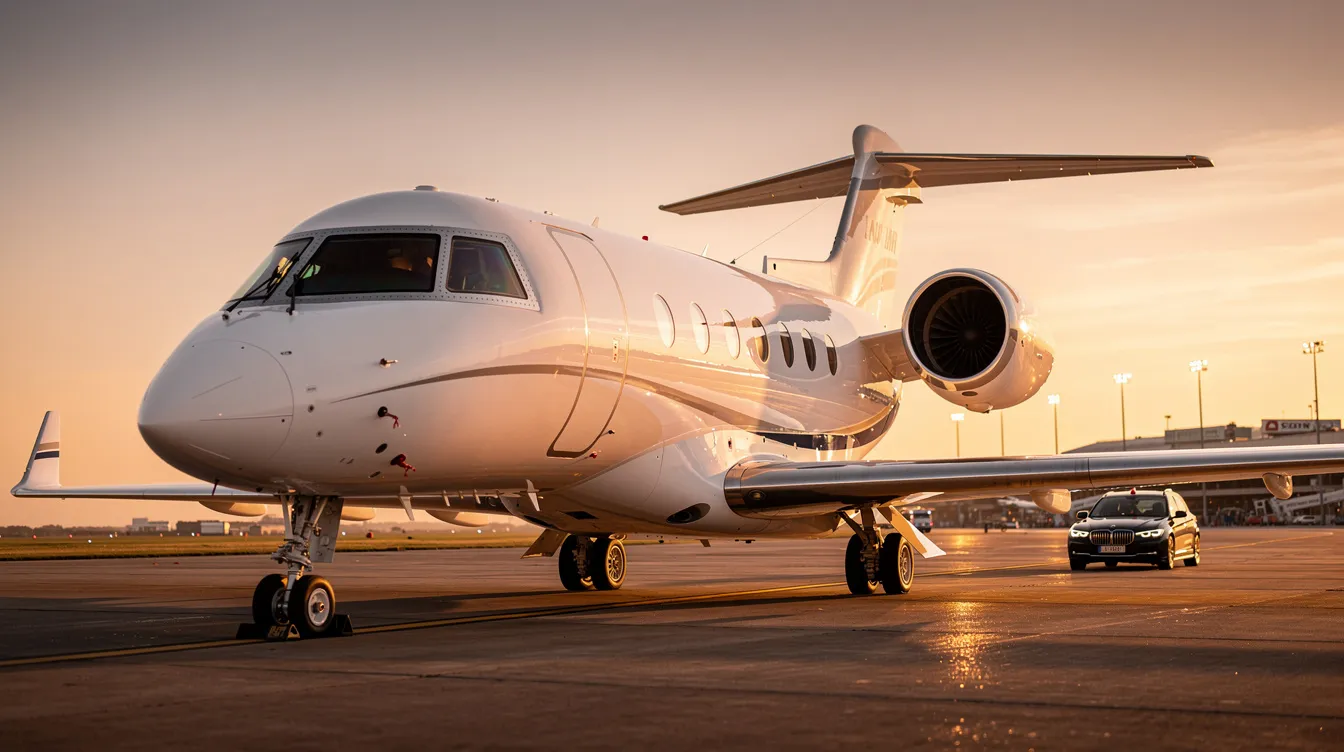
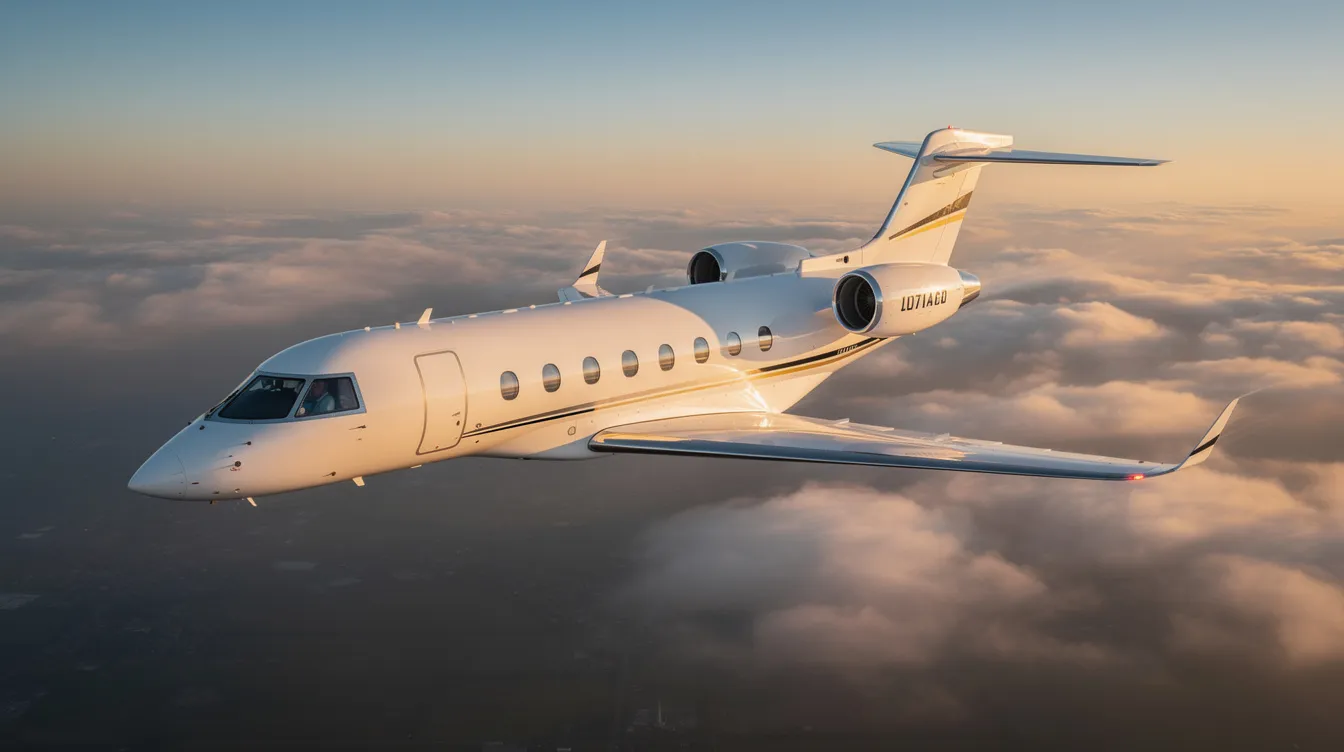
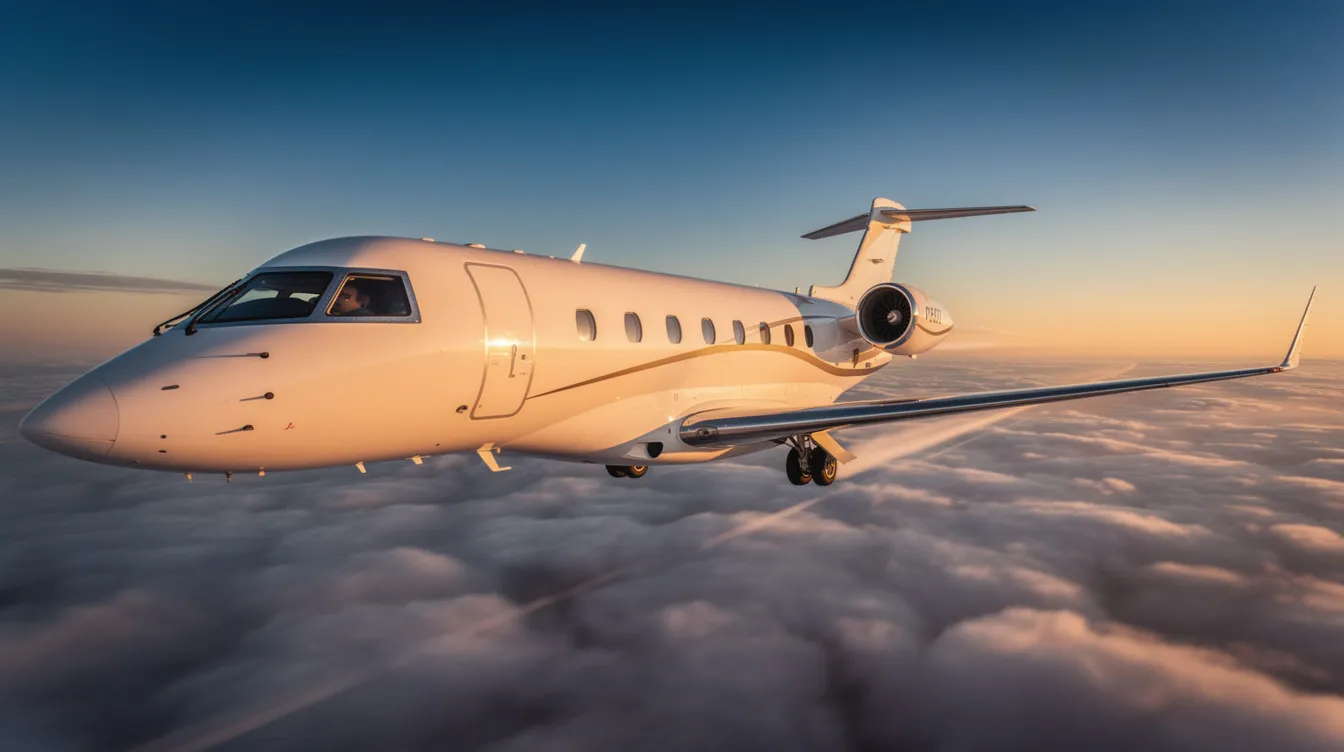
10 Seater Jet: Buyer’s Guide, Popular Models & Acquisition Strategy
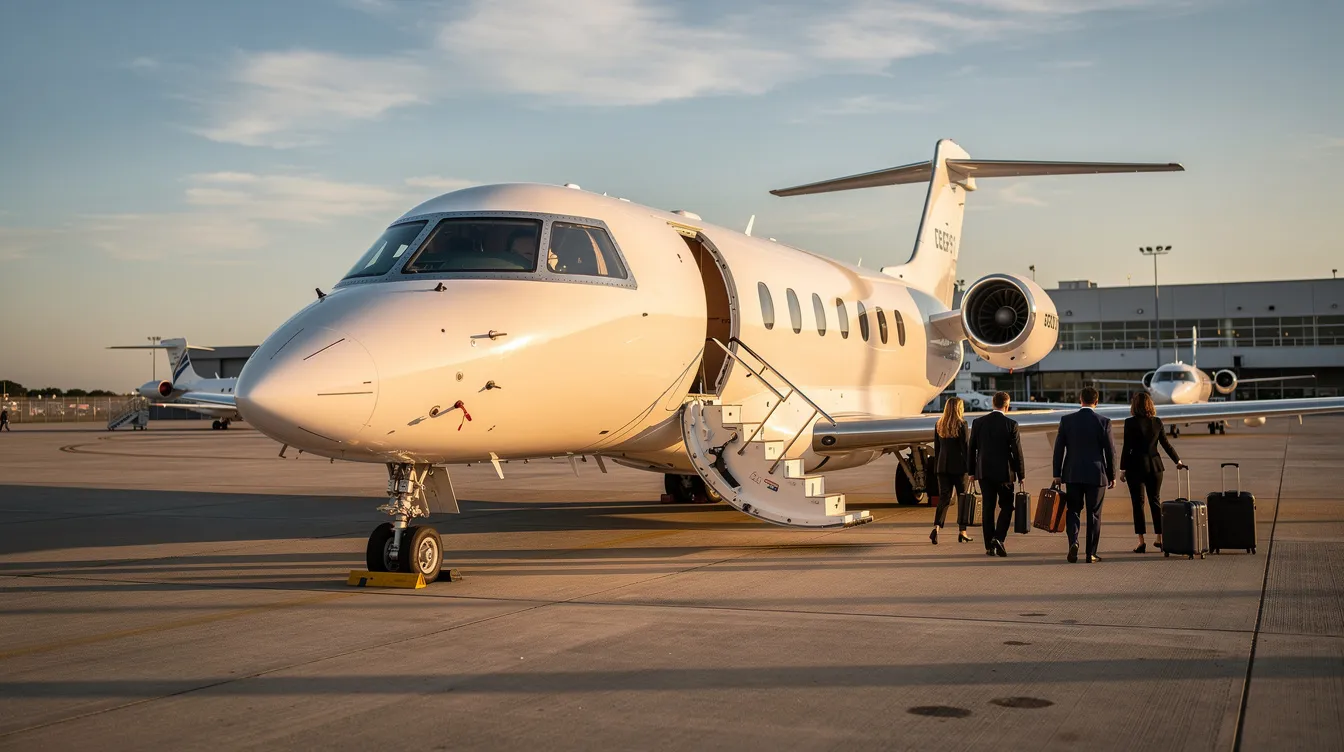
Selecting the right 10-seater jet is a critical decision for corporations, family offices, and operators who require efficient, comfortable, and capable aircraft to transport groups of up to ten passengers. These jets strike a balance between cabin space, range, operating cost, and mission flexibility, making them ideal for corporate shuttles, executive travel, and group charters. Understanding the nuances of cabin layouts, performance specifications, and market dynamics is essential to making an informed acquisition or sale.
This guide provides a comprehensive overview of 10-seater private jets, highlighting popular models, key performance metrics, and strategic considerations for buyers and sellers. It also outlines how BusinessJets.com leverages extensive market experience and transaction expertise to assist clients in navigating the complexities of aircraft brokerage, appraisal, and consulting. Whether you are evaluating new or pre-owned aircraft, this resource aims to equip you with practical insights to optimize your private aviation investment.
Key Takeaways
A 10-seater jet usually falls into the upper light jets, midsize jets, super midsize jets, or entry-level large jets categories, making it practical for corporate teams, family offices, operators, and group charter missions.
Common 10-seat configurations are found in aircraft such as the Cessna Citation XLS/XLS+, Cessna Citation Latitude, Bombardier Challenger 300/350, and Dassault Falcon 2000 series.
Range, cabin layout, baggage capacity, cruise speed, runway access, maintenance history, and operating cost are the critical variables when choosing a 10-passenger private jet.
BusinessJets.com supports buyers, sellers, and operators with aircraft brokerage, private jet appraisals, aircraft valuation, and aviation consulting across the full private aircraft lifecycle.
This guide will help you compare 10-seat private jets, understand market pricing, and structure an efficient acquisition or sale strategy.
What Is a 10 Seater Jet?
A 10-seater jet is a business jet typically certified for 8–10 passengers in a corporate layout. It sits above smaller light jets and below or within larger long-range jets, depending on the model, cabin, and range profile.
Some light jets can technically reach 9–10 seats using divans, folding seats, or belted lavatories. In practice, most true 10-passenger layouts are found in midsize jets, super midsize jets, and small large jets where there is enough space for adults, baggage, and a practical galley.
There is an important difference between seating capacity and typical executive configuration. Seating capacity is the maximum certified number of seats. Executive configuration refers to the usable, comfortable layout that business travelers would actually want on a two- to six-hour flight.
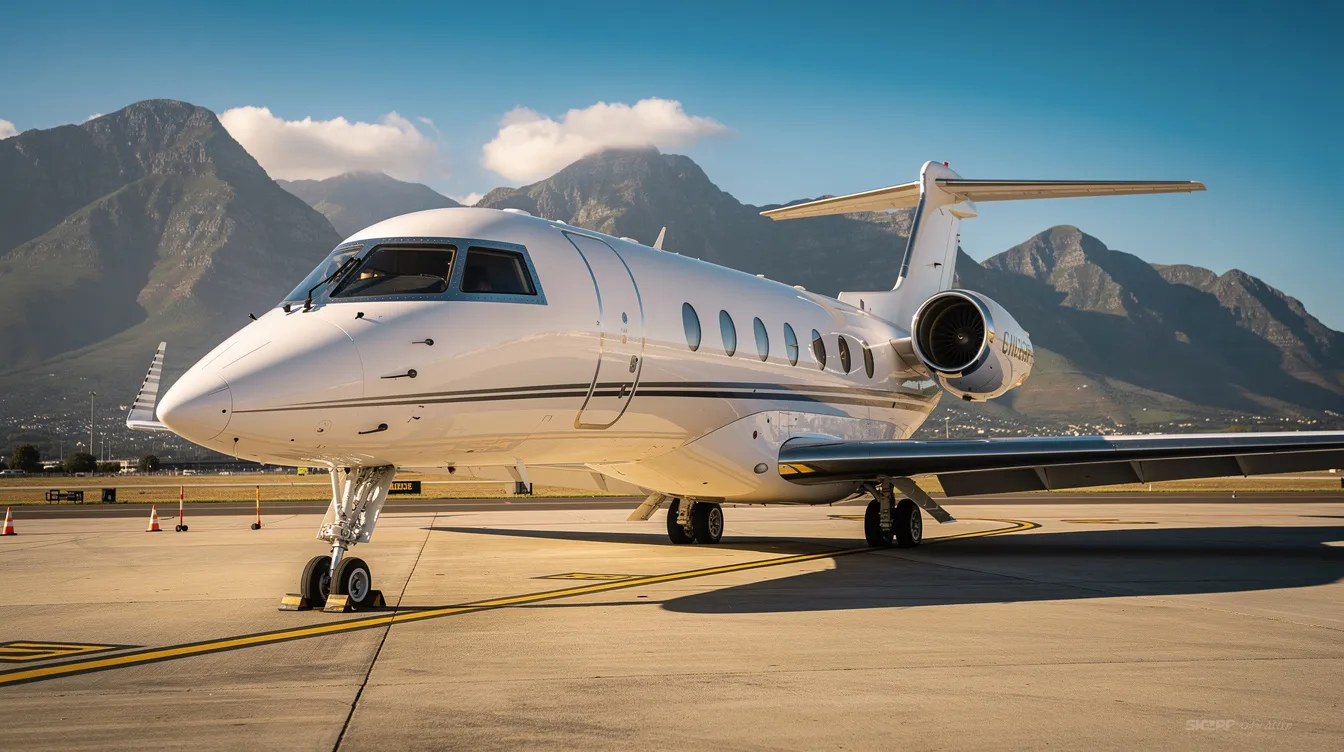
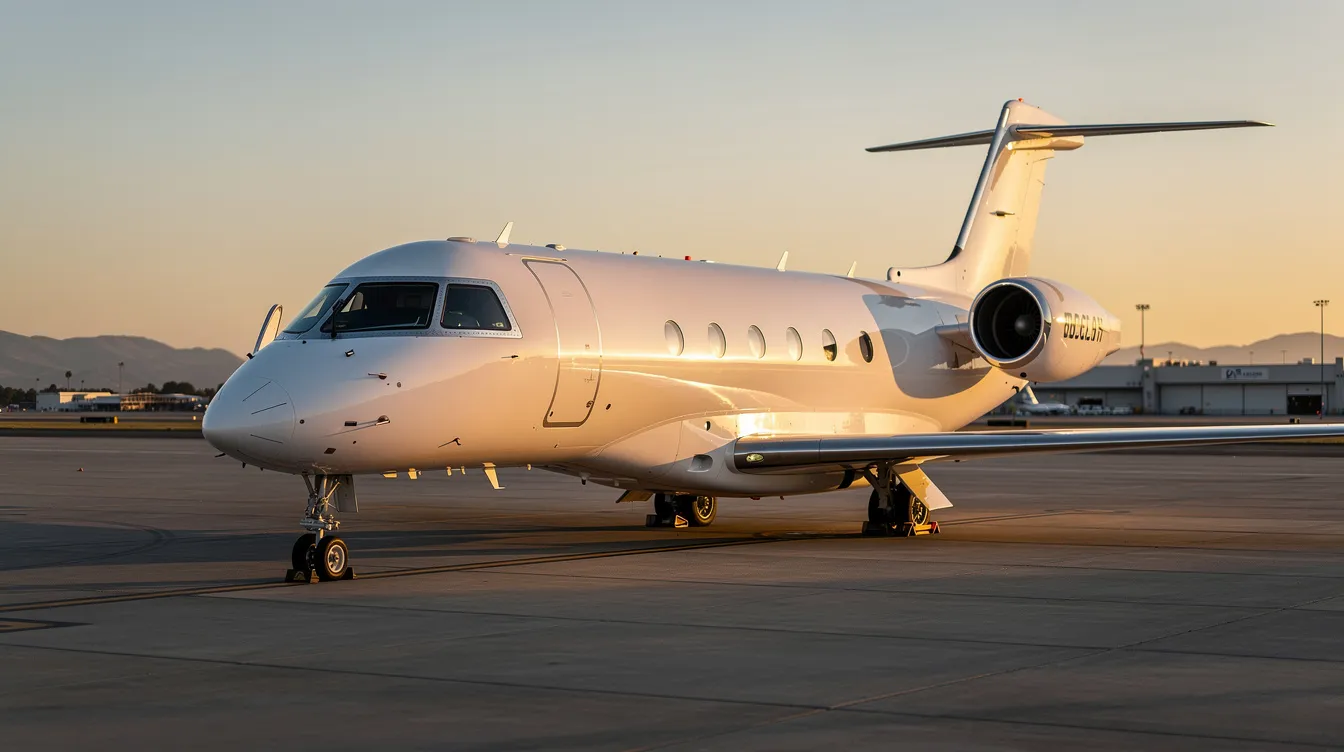
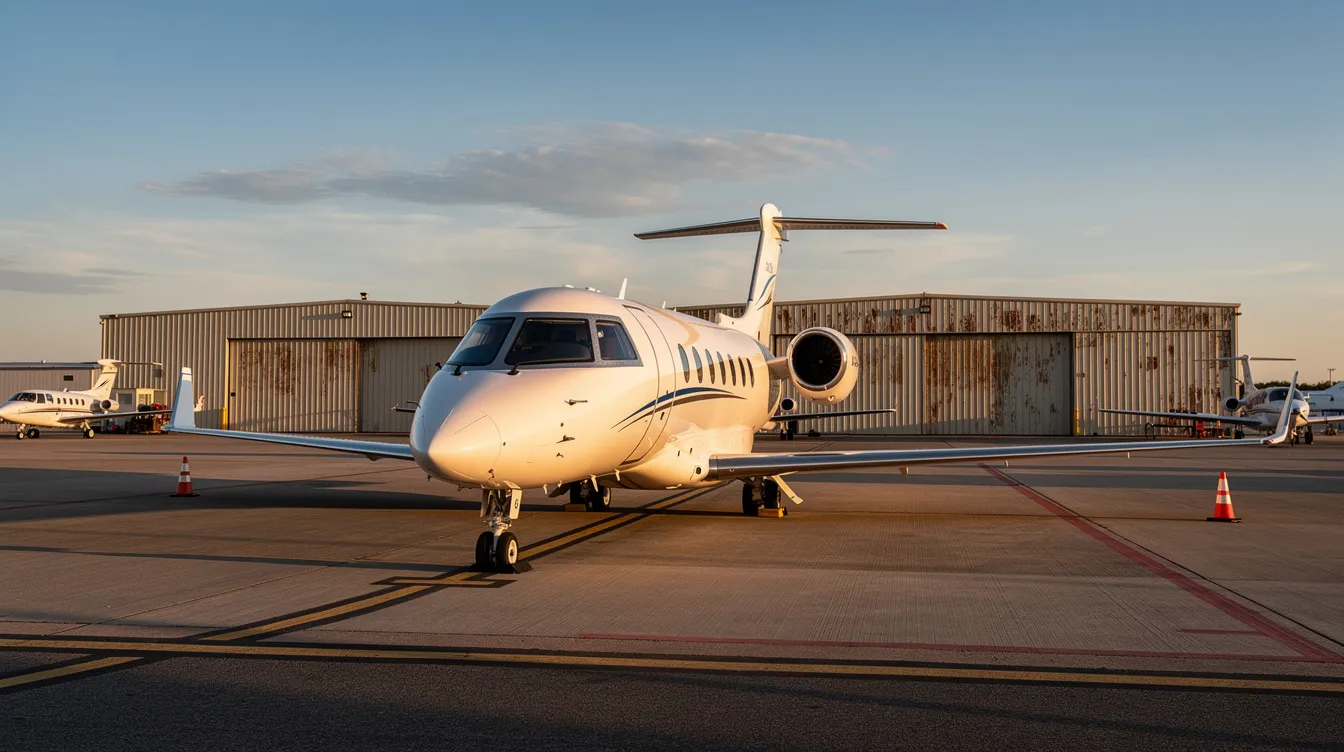
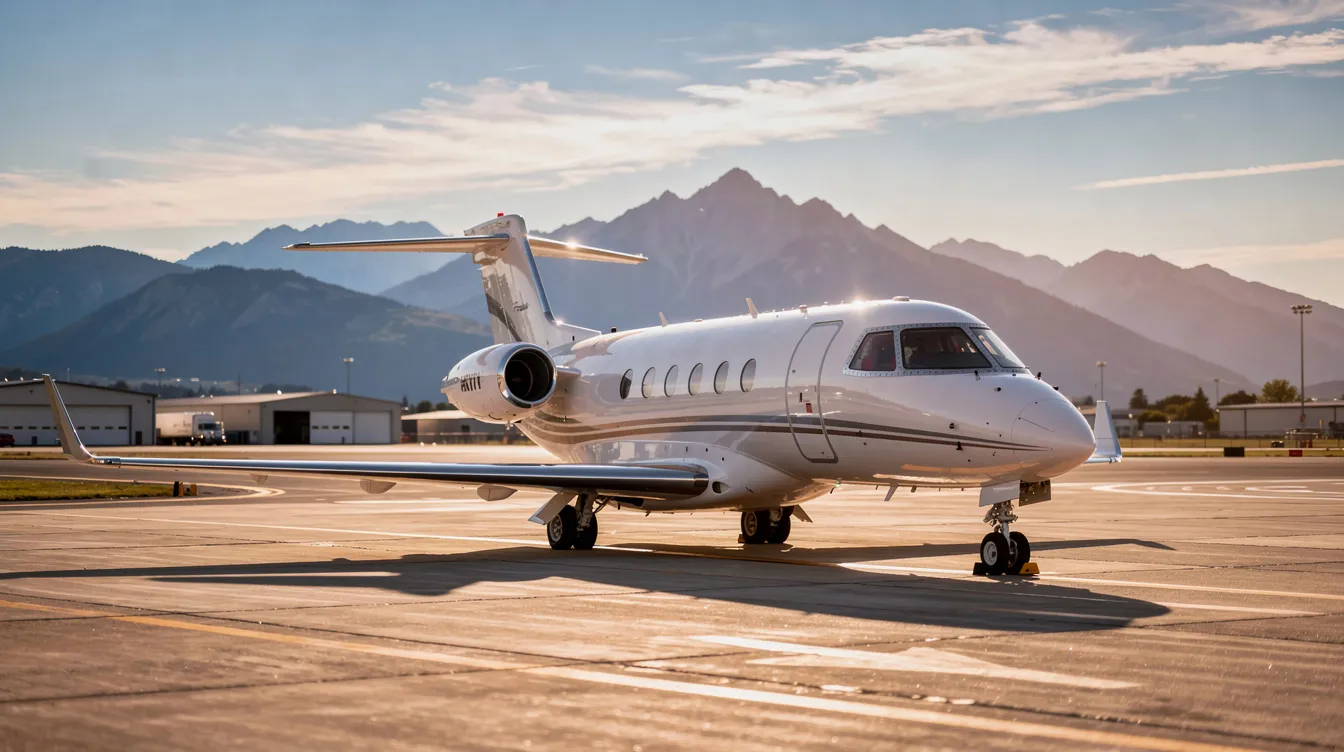
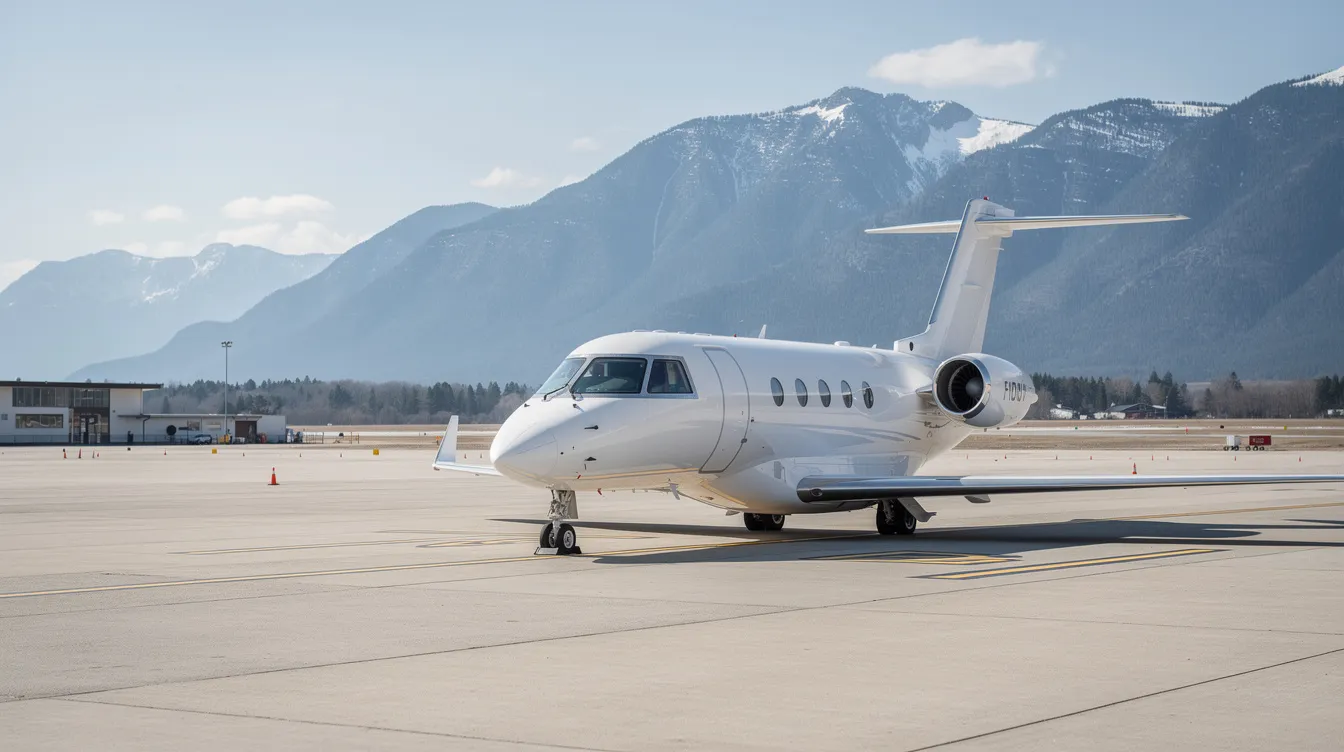
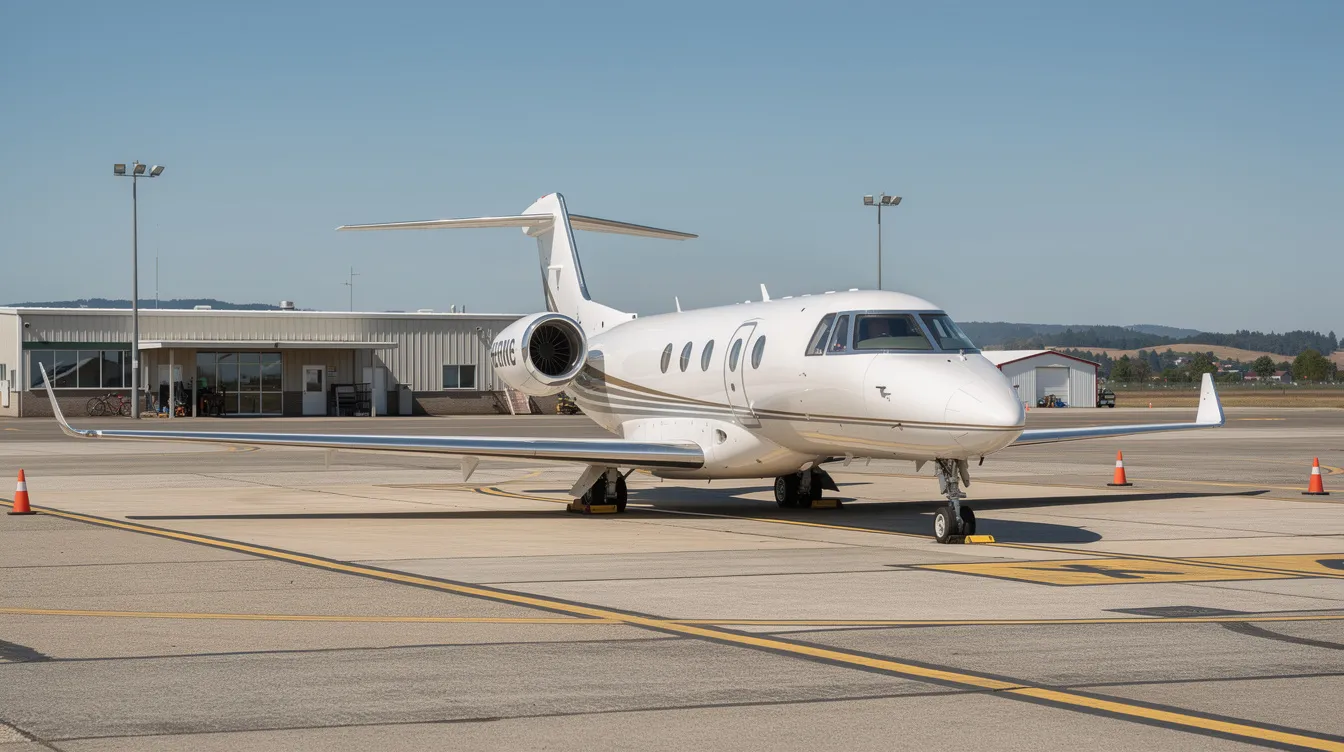
10-seater private jets generally fall into the Mid-size or Super-Midsize categories, offering a blend of comfort, range, and speed for transcontinental travel. Super-midsize and heavy private jets are the most popular aircraft categories for comfortably seating 10 passengers. A 10-seater jet generally falls into the super-midsize or heavy jet category, balancing transcontinental range with spacious stand-up cabins.
They offer stand-up cabins, full galleys, enclosed lavatories, and long-range performance. 10-seater jets are designed for transcontinental and international flights, including corporate shuttle routes, executive team travel, high-net-worth family trips, and charter operations needing 8–10 seat capability.
As of July 2024, there are 24,270 private jets in operation worldwide, with approximately 63% registered in the United States. That scale creates a broad pre-owned market, but it also makes proper screening essential. BusinessJets.com advises on new and pre-owned private aircraft in this class, helping clients align cabin size, mission profile, budget, resale expectations, and the broader private aviation industry context while also giving buyers access to a curated selection of premium aircraft for sale.
Key Specifications to Evaluate in a 10 Passenger Private Jet
Seat count is only the starting point. A qualified buyer should evaluate range, speed, field performance, cabin volume, baggage, avionics, and total ownership cost before selecting any 10-seater private jet.
Key specifications include:
Range and cruise speed: Range for 10-seater jets typically covers between 3,000 and 4,500 nautical miles, although smaller examples may fall closer to 2,000–2,700 nm. Compare the advertised range with actual performance at realistic passenger, fuel, baggage, weather, and reserve assumptions.
Mission length: Shorter range light jets may work for regional business flying, while long range super mid-size jets and large jets are better suited to transcontinental flights and international city pairs.
Cabin dimensions: Width, height, and length determine whether 10 passengers can work, dine, and rest without a compressed layout. Pressurization also matters in 4–6-hour sectors because lower cabin altitude can reduce fatigue.
Baggage volume: Ten passengers can quickly require 80–110 cu ft of baggage capacity, especially with golf clubs, skis, product samples, or extended-stay luggage. Some long-range jets and Falcon models provide substantially more.
Runway performance: Takeoff distance, landing distance, airport elevation, temperature, and runway contamination affect access to secondary airports. Some midsize jets can use shorter runways than larger airplanes, improving itinerary flexibility. For example, the Gulfstream G280's power and enabled avionics enhance its ability to operate from shorter strips and high-altitude airports.
Operating cost: Midsize jets may operate below many super midsize jets, but older jets can lose that advantage if engines, inspections, or avionics are near major cost events.
For example, the Dassault Falcon 2000LXS offers a wide cabin, roughly 4,000 nm range, and strong runway performance for its class. By contrast, a classic Hawker or Cessna Citation may cost less to acquire but offer less baggage volume, less cabin height, or shorter nonstop capability.
Make sure the analysis includes maintenance programs, engine reserves, damage history, electronic charts, upgraded navigation equipment, and cockpit features that improve situational awareness. These items affect safety, resale value, dispatch reliability, and the true cost of the operation.
Comparison Table: Key Specifications of Popular 10-Seater Jets
Model | Passenger Capacity | Range (nm) | Cabin Height (ft) | Cruise Speed (mph) | Baggage Volume (cu ft) | Typical Price Range (USD Million) |
|---|---|---|---|---|---|---|
Cessna Citation XLS+ | 8–10 | 2,100–2,200 | ~5.8 | 441 | 48 | 6–9 |
Cessna Citation Latitude | 8–10 | ~2,700 | 5.7 | 446 | 58 | 8–12 |
Embraer Phenom 300E | 7–10 | 2,000–2,000 | 5.7 | 453 | 43 | 9–11 |
Hawker 800XP/900XP | 8–13 | 3,280 | 5.9 | 540 | 53 | 2–5 |
Learjet 45XR | 8–9 | 2,000 | 4.8 | 520 | 42 | 3–5 |
Bombardier Challenger 350 | 9–10 | 3,200–3,400 | 6.0 | 541 | 76 | 15–25 |
Gulfstream G280 | 8–10 | 3,600 | 6.2 | 534 | 85 | 18–25 |
Dassault Falcon 2000LXS | 10 | 3,500–4,000 | 6.0 | 528 | 97 | 18–28 |
Embraer Praetor 600 | 10 | 4,018 | 6.0 | 541 | 77 | 18–25 |
Popular 10 Seater Jet Models (Light & Midsize Segments)
The following examples are commonly seen in corporate and charter fleets where buyers want near-10-seat capability without moving directly into heavy private aircraft.
Cessna Citation XLS, XLS+, and 2024 Citation XLS Gen2: The Cessna Citation XLS family typically offers 8–9 passenger executive layouts, with some configurations adding a 10th belted seat. Range is commonly around 2,100–2,200 nm, making the model suitable for US and European business routes where efficiency and airport access matter.
Cessna Citation Latitude: The Latitude, including 2016–2024 models, is a stand-out midsize jet with a flat-floor cabin, Garmin G5000 avionics, and around 2,700 nm range. It typically seats 8–9 passengers in executive style and can be configured for up to 9–10 occupants.
Embraer Phenom 300/300E: The Phenom 300E is often considered an upper-light or small midsize private plane. It is frequently configured for 7–9 passengers, and a high-density interior can support close to 9–10 seats for shorter sectors. It remains popular with owner-operators, especially where single-pilot capability, speed, efficient engines, and lower trip costs are priorities.
Hawker 800XP/900XP: These classic models remain active in corporate and charter service. Many pre-owned aircraft from the late 1990s through the 2010s seat 8–10 passengers, depending on layout. Some market summaries describe the Hawker 800XP/900XP as a super-midsize private jet that has a range of 3,280 nautical miles and a cruise speed of 540 mph, accommodating up to 13 passengers, although buyers should verify the exact configuration and performance for the specific aircraft.
Learjet 45XR: Often configured for eight passengers with a belted lavatory option, the Learjet 45XR can support certain 9-seat missions but is less ideal for 10 adults plus baggage.
Before you invest in any model, confirm the cabin diagram, certified seats, avionics status, and inspection calendar. BusinessJets.com evaluates airframe age, WAAS/LPV capability, ADS-B Out, engine programs such as MSP Gold or TAP Blue, refurbishment history, and resale liquidity in the current market.
10 Seat Super Mid-Size and Long-Range Jets
Many buyers seeking a true 10-passenger jet ultimately select super mid-size jets, super mid-size jets, or entry-level large jets to gain more range, stand-up cabin height, galley capability, and baggage capacity.
Bombardier Challenger 300, 350, and 3500: The Bombardier Challenger family is a benchmark for corporate flight departments and charter operators. Typical layouts seat 9–10 passengers, with a range often around 3,100–3,400 nm depending on aircraft, payload, winds, and reserves.
Gulfstream G200 and G280: The Gulfstream G200 and G280 regularly fly 8–10 passengers on 3,000+ nm routes. Runway performance is enhanced in jets like the Gulfstream G280, allowing it to take off from shorter strips and high-altitude airports. Newer G280 models also bring improved avionics, efficiency, and cabin technology.
Dassault Falcon 2000 and 2000LXS: The Dassault Falcon 2000 series is often configured with 10 passengers in a wide-body style cabin. The Falcon 2000LXS combines approximately 3,500–4,000 nm range with strong short-field performance and a spacious cabin that supports longer executive missions.
Embraer Praetor 600: The Embraer Praetor 600 leads the pack in range among super-midsize jets and can fly nonstop from New York to London with full capacity. It is a strong example of how the class has developed toward long-range, high-speed business travel.
Larger long-range jets: Dassault Falcon 900 aircraft and Bombardier Challenger 604/605/650 aircraft may be certified for 12–14 seats, while many owners configure them for 10–12 to gain sleeping capability, more space, and better onboard service.
Large or heavy jets can accommodate an average of 12 passengers comfortably, with some models capable of holding up to 20 passengers. These aircraft can be appropriate for international routes, Middle East operations, Singapore-linked itineraries, or high-demand city pairs such as private jet travel to and from Paris, and other aircraft missions where nonstop reach and onboard service outweigh acquisition cost.
The trade-off is straightforward: long-range and larger cabin aircraft generally carry higher purchase price, fuel burn, crew, hangarage, insurance, and maintenance expenses. BusinessJets.com can model those trade-offs during aviation consulting engagements.
Cabin Layouts, Comfort & Typical 10 Passenger Configurations
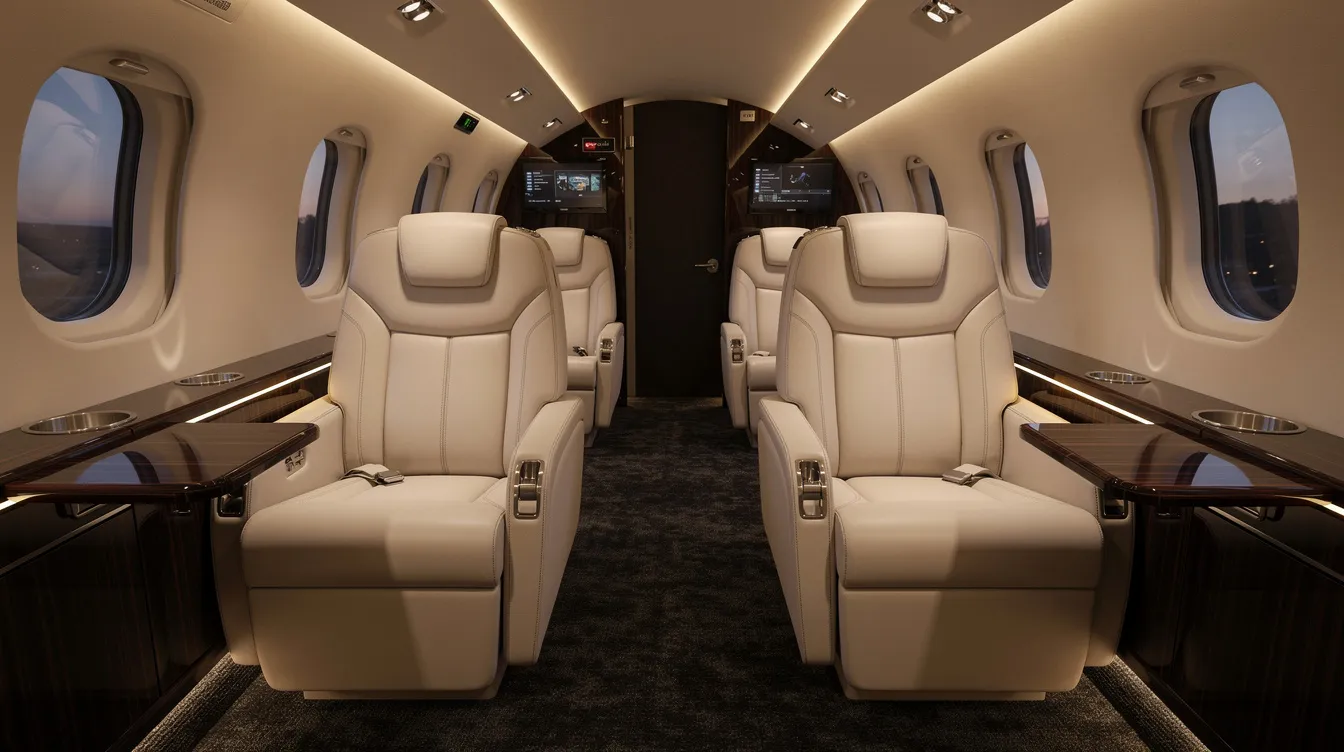
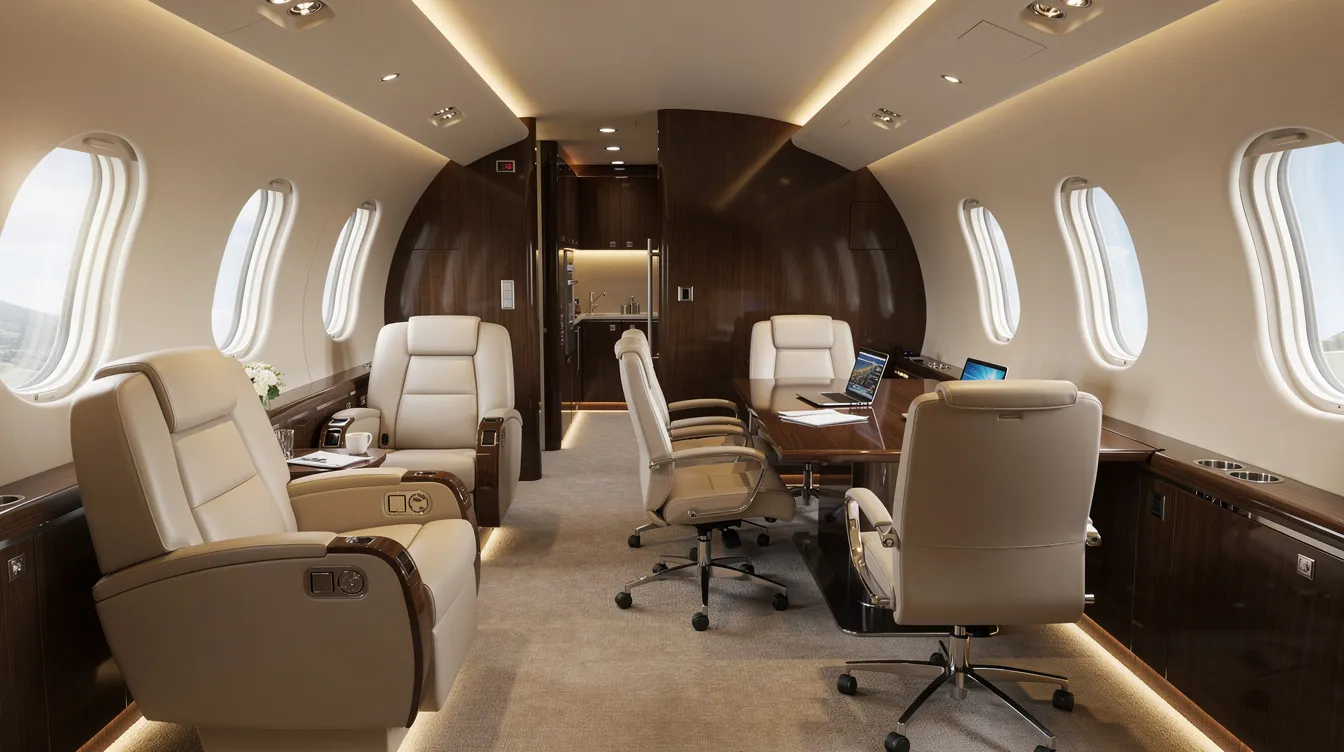
A typical 10-passenger business aviation layout includes a forward four-place club, a mid-cabin conference group, and an aft divan or two forward-facing seats. 10-seater jets typically feature club-style seating, along with amenities like fully-equipped galleys and entertainment systems.
Seat count can be achieved through a belted lavatory, side-facing divan, removable seat, or folding jump seat. That may be acceptable for shorter flight sectors, but not all configurations are suitable for 5+ hour missions with senior executives or family groups.
Cabin height for these jets is generally between 6.0 and 6.2 feet in many super-midsize and large-cabin examples. Upper light jets may be closer to 4 ft 9 in to 5 ft tall, midsize jets often range around 5 ft 8 in to 6 ft, and larger Dassault Falcon or Bombardier Challenger cabins provide more stand-up room.
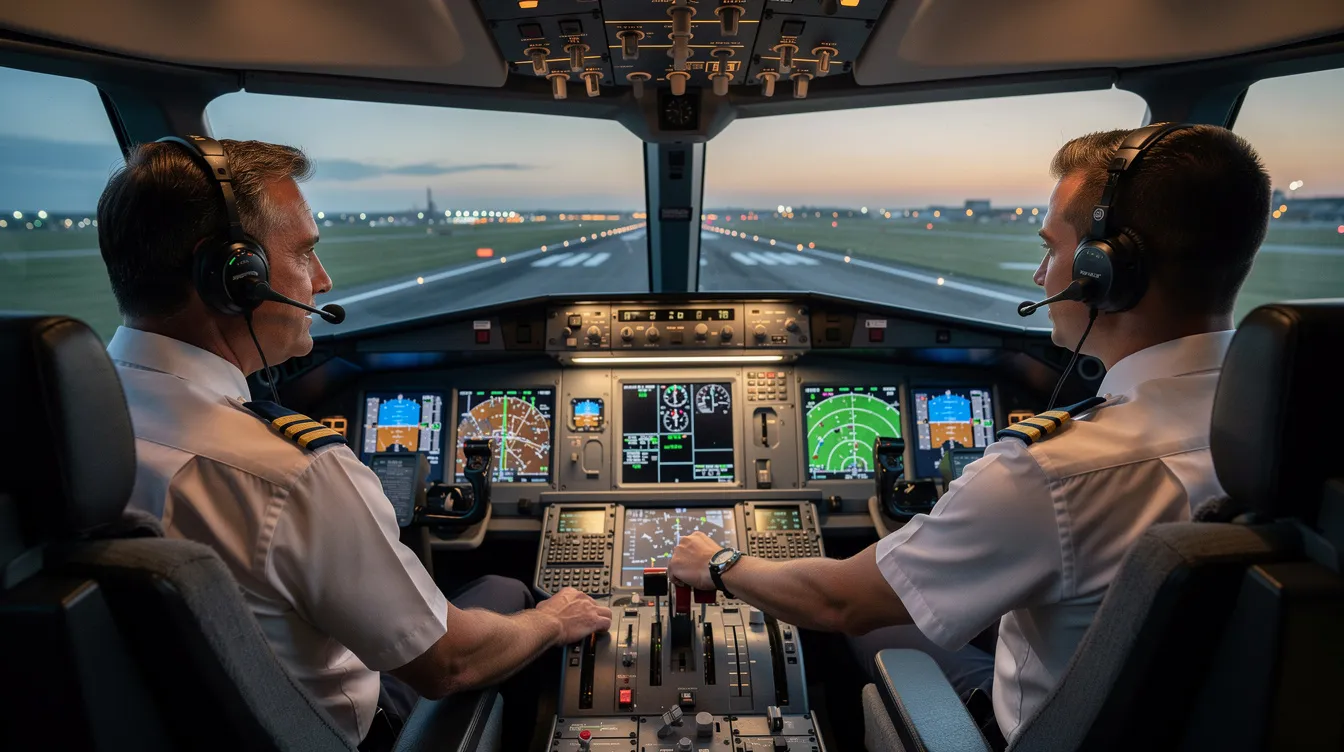
These jets are typically operated by 2 pilots, with space for a flight attendant on longer routes. They typically feature stand-up cabins, full-service galleys, and enclosed lavatories. For corporate teams, onboard productivity is often tied to Ka-Band or Ku-Band satellite internet, GoGo Avance L3/L5, modern cabin management systems, and entertainment technology, similar to the in-flight experience offered on an Airbus ACJ319 private jet.
Connectivity has become a measurable valuation factor. A jet equipped with high-speed WiFi, current avionics, and an upgraded interior can command stronger demand than a similar aircraft with outdated systems.
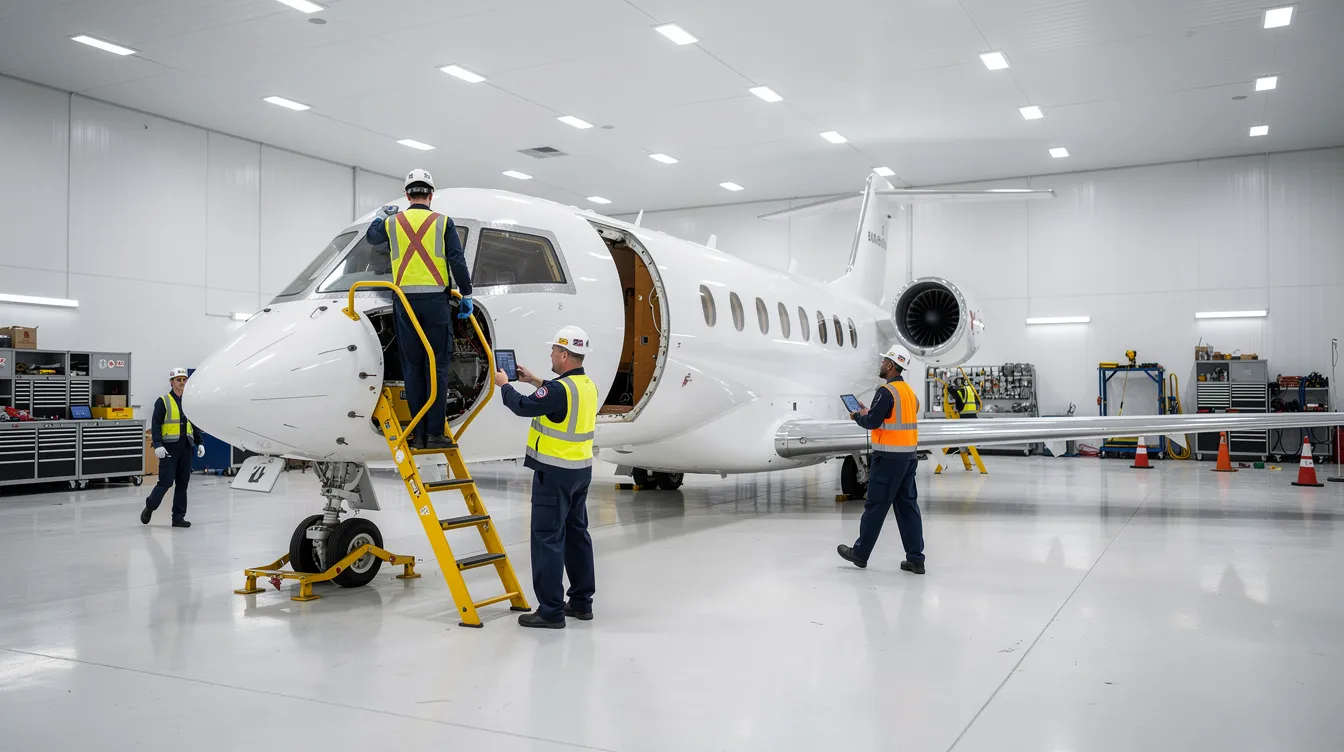
Baggage remains a practical constraint. Ten travelers with golf bags, skis, or demonstration equipment may push the choice toward a Falcon, Challenger, Gulfstream, or other larger model. BusinessJets.com reviews cabin layouts, seating diagrams, and STCs during acquisition and pre-purchase inspections to ensure the aircraft is certified and suited to the intended operation.
Market Pricing & Valuation of 10 Seater Private Jets
Pricing for 10-seater private jets varies widely by age, total time, engine status, maintenance programs, avionics, interior condition, and market demand. This is where professional aircraft appraisal becomes essential.
Typical pricing bands include:
Older Hawker 800XP/900XP and Learjet 45XR aircraft: low- to mid-single-digit millions USD, depending on condition and upcoming maintenance.
Mid-2010s Citation Latitude and Citation XLS+ aircraft: often mid- to upper-single-digit millions or higher, depending on avionics, programs, and total time.
Newer Challenger 350/3500, Falcon 2000LXS, Gulfstream G280, and Praetor 600 aircraft: significantly higher, often reaching the high teens, twenties, or more.
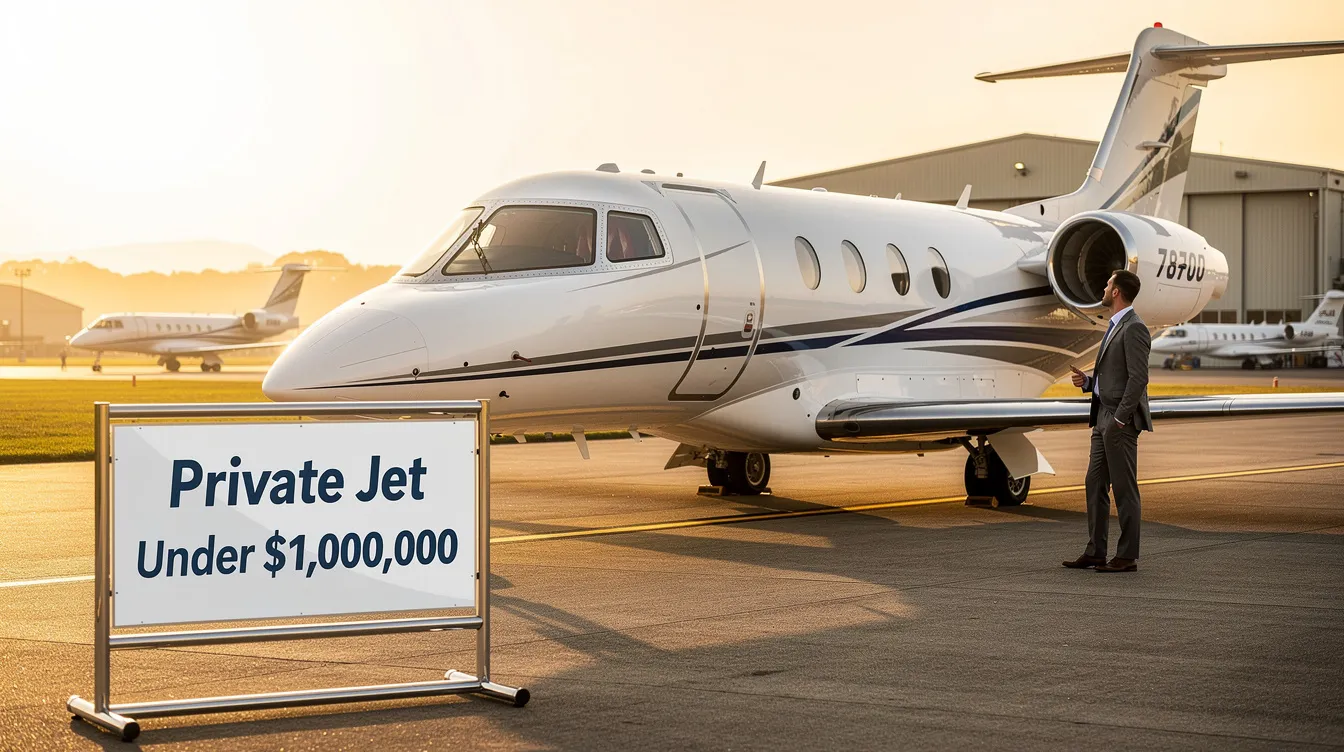
In today’s market, most private jets fall into the price range of between US$30 million and US$5 million, with some older jets depreciating to below $2 million or even less than $1 million after several years.
Business jets can be categorized by size, with very light jets typically accommodating 6-7 passengers and having a mean price of around $4.4 million, while super mid-size jets can accommodate 10-11 passengers with a mean price of approximately $22.2 million. Super mid-size jets typically accommodate 10-11 passengers over a 3420 nautical mile average range, with a mean price of $22.2 million.
Core valuation drivers include engine program enrollment, such as Rolls-Royce CorporateCare, ESP Gold, or MSP Gold; recent 48/96/144-month inspections; avionics and cabin refurbishments completed after 2020; paint; ownership history; and whether the aircraft has been used heavily in charter.
Market cycles also matter. The 2020–2022 demand spike tightened inventory and raised asking prices. By 2025–2026, supply will normalize in many segments, giving disciplined buyers more room to negotiate while still rewarding clean, program-covered aircraft.
Fractional ownership of aircraft allows individuals or corporations to pay an upfront equity share for the cost of an aircraft, sharing ownership and associated costs among multiple parties. In fractional ownership, if four parties are involved, each partner pays one-fourth of the aircraft price, becoming an equity owner with rights to a certain number of flight hours. Fractional ownership arrangements typically involve shared costs for flight crew, hangarage, and maintenance, making private jet travel more accessible and cost-effective for users.
BusinessJets.com provides independent aircraft appraisal services and aircraft valuation using market comparables, maintenance adjustments, and transaction experience from 1,500+ aircraft transactions and more than 5,000 satisfied customers.
Choosing the Right 10 Seat Jet for Your Mission
Mission profile should drive aircraft selection. Start with stage lengths, typical passenger count, airport pairs, required baggage, runway limits, and whether the aircraft must support international or oceanic flying.
A practical approach is to group missions this way:
Regional US or intra-Europe flights: Midsize jets such as the Citation Latitude, Citation XLS+, or Hawker 900XP may be sufficient when most sectors are under 2,500 nm.
Transcontinental or US–Caribbean routes: Challenger 300/350, Gulfstream G200, G280, and similar super mid-size jets often provide the right balance of range, speed, and cabin comfort.
Intercontinental missions: Falcon 2000LXS, Falcon 900, Challenger 604/605/650, and other long-range jets may be more appropriate for 8–10 passengers, baggage, reserves, and crew duty planning.
Corporate governance can also shape the decision. A company already operating Cessna Citation aircraft may prefer fleet commonality. Operators with Challenger-trained pilots may prioritize Bombardier Challenger models. A family office may value a Falcon cabin style, runway performance, and an international support network.
Regulatory and operational factors include Part 91 versus Part 135 use, oceanic approvals, ETOPS considerations where relevant, RVSM, crew training, insurance, customs access, cabin noise, and connectivity requirements. Unlike airlines, private aircraft operations allow more schedule control, but that flexibility depends on planning and compliance.
BusinessJets.com can prepare a structured aircraft selection study comparing 2–4 candidate 10-seater jets. This includes scenario-based cost modeling, five years of ownership assumptions, residual value, acquisition timing, and how to operate the aircraft safely and efficiently.
Working With BusinessJets.com on Acquisition, Appraisal & Sale
BusinessJets.com acts as an independent aircraft broker and advisor for buyers and sellers of 10-seater private jets around the world. The service is designed for owners, corporate boards, operators, and fleet managers who need discreet representation and data-led decision-making.
Acquisition support typically includes:
Defining the mission, budget, and required cabin.
Surveying the global market of private jets for sale.
Screening aircraft for technical status, records, and valuation.
Coordinating pre-purchase inspections on the ground.
Negotiating letters of intent, purchase agreements, and closing terms.
Reviewing import, export, tax, financing, and additional fees with the client’s advisors.
Private jet appraisal services include desktop and full-scope appraisals, comparable sales analysis, maintenance adjustments, upgrade reviews, and residual value estimates. These appraisals support financing, insurance, board approvals, estate planning, and decisions to sell or hold.
For owners of 8–10 seat light jets, midsize jets, and super mid-size jets, the aircraft sales process includes pricing strategy, professional marketing materials, aircraft specification review, buyer qualification, due diligence management, and negotiation. If you are preparing to sell a plane, accurate positioning matters as much as exposure.
To request an aircraft appraisal, list a 10-seater jet for sale, or engage BusinessJets.com for strategic fleet and operator advisory, contact the BusinessJets.com team for a confidential consultation.
FAQ: 10 Seater Private Jets
What is the minimum budget for a reliable 10-seater jet?
Older midsize jets, including early Hawker 800 series aircraft or Learjet 45 examples, can sometimes be acquired in the low single-digit millions USD. However, buyers should budget separately for refurbishment, avionics upgrades, engine reserves, paint, interior work, and catch-up maintenance.
Can a light jet realistically seat 10 passengers?
Some light jets and upper-light jets can be certified for 8–9 seats using divans and belted lavatories. A 10-adult load plus baggage is generally more comfortable and practical in midsize jets, super midsize jets, or small large jets.
Are 10-passenger private jets suitable for transatlantic flights?
Only certain long-range jets and some super mid-size jets with long-range capability can cross the Atlantic comfortably with 8–10 passengers. Buyers should review range charts, fuel reserve policy, seasonal winds, payload, and diversion planning before assuming nonstop capability.
How long does it take to complete a 10-seater jet purchase?
A typical end-to-end transaction, from search and letter of intent through pre-purchase inspection and closing, often takes 60–120 days. Timing depends on aircraft location, inspection findings, title review, financing, export or import steps, and seller readiness.
When should I obtain a professional appraisal for my 10-seat jet?
Obtain a professional appraisal before listing a private jet for sale, before refinancing or lease negotiations, and whenever owners or corporate boards need an objective current market value for audit, insurance, capital planning, or strategic fleet decisions.
Conclusion
Choosing the right 10-seater jet requires careful evaluation of mission requirements, cabin comfort, range, operating costs, and market conditions. Whether selecting a midsize, super midsize, or entry-level large jet, buyers benefit from thorough analysis and expert guidance to align aircraft capabilities with operational goals and budget. Sellers similarly gain from accurate valuation and strategic marketing to optimize transaction outcomes.
BusinessJets.com offers seasoned brokerage, appraisal, and consulting services tailored to the unique needs of 10-seat private jet owners, operators, and buyers. Leveraging a proven track record of over 1,500 aircraft transactions and deep industry insight, we provide discreet, data-driven support throughout the acquisition or sale process. Engaging with BusinessJets.com ensures informed decisions, efficient transactions, and optimized aircraft investment over the entire ownership lifecycle.
For personalized assistance in buying, selling, or valuing a 10-seater jet, contact BusinessJets.com to benefit from our expert aviation consulting and market expertise.