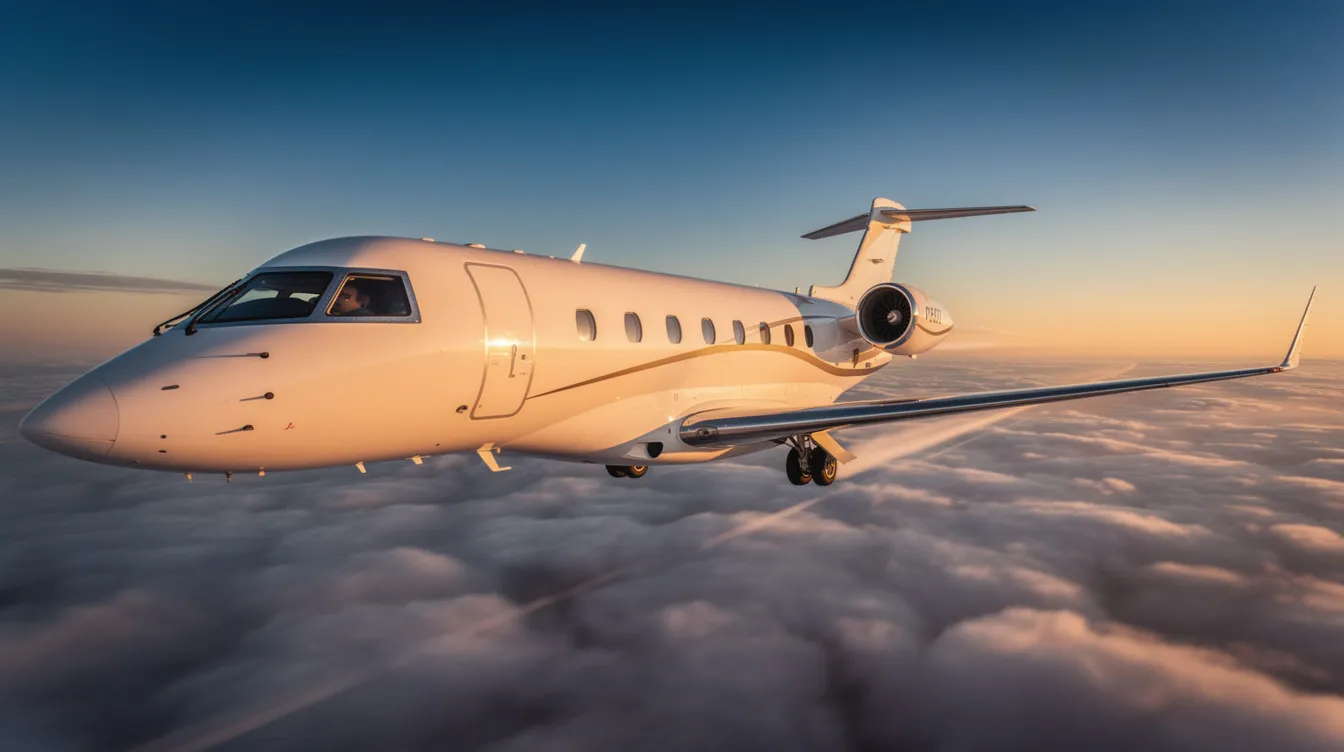
Supersonic Jet for Sale: Market, Models, and How BusinessJets.com Can Help

Jay Franco Ser
September 4, 2026

Key Takeaways

When you search for a supersonic jet for sale in 2026, the results overwhelmingly point to retired, demilitarized turbine military aircraft and vintage fighters rather than newly manufactured civilian supersonic airliners. True supersonic flight in privately owned aircraft is possible, but the market is narrow, heavily regulated, and demands serious capital planning. There are no supersonic jets currently available for purchase or commercial operation in the civil business aviation segment. Future programs like Boom Supersonic's Overture remain in development, and current supersonic development projects include the Boom Overture and Spike S-512—neither of which has delivered an airplane to any customer yet.

  • Availability: Buyers can legally acquire demilitarized supersonic fighter jets such as the MiG-21, F-5, or F-104 Starfighter. These aircraft are sold under FAA Experimental or Exhibition certificates. Turbine military aircraft prices range from $150,000 to $6 million depending on type, condition, and rarity.

  • Pricing reality: Entry-level jet trainers start around $200,000, while rare supersonic fighters can exceed $3.5 million. Operating costs for military jets can exceed $15,000 per flight hour for complex types.

  • Regulatory constraints: All weapons must be removed for civilian ownership, and commercial supersonic flight over land is heavily restricted or banned in many jurisdictions. Supersonic aircraft face stringent certification hurdles and evolving regulatory frameworks.

  • Expert guidance matters: BusinessJets.com, with a track record of over 1,500 aircraft transactions, supports clients evaluating supersonic-capable fighter jets and high-speed business aircraft. The firm does not currently list a civil supersonic like Concorde but advises on specialized acquisitions through trusted partners.

If you are exploring military aircraft options or high-performance jets, contact BusinessJets.com for an appraisal, to list an aircraft for sale, or to discuss a tailored acquisition strategy.

Introduction: What "Supersonic Jet Aircraft for Sale" Really Means in 2026

The phrase "supersonic jet for sale" in 2026 almost never refers to a brand-new civilian airliner capable of breaking the sound barrier. Instead, it describes a niche market of decommissioned fighter jets, supersonic-capable trainers, and rare historical aircraft that once served with air force units around the world. These are machines with deep roots in aviation history—Cold War-era interceptors, reconnaissance platforms, and aggressors—now offered to private buyers who meet strict regulatory and financial thresholds.

Mach 1, the speed of sound, is approximately 761 mph at sea level. Aircraft like the Mikoyan-Gurevich MiG-21, originally designed by the Soviet Union, or the Northrop F-5, a lightweight supersonic fighter used extensively by Western-aligned air forces, are capable of supersonic speeds in their original configurations. In civilian hands, these jet types operate under FAA Experimental or Exhibition airworthiness certificates, with mandatory demilitarization and significant limitations on where and how they can fly. They are often described as the ultimate aviation hot rod—fast, loud, and demanding of both pilot skill and financial commitment.

BusinessJets.com operates as a broker and aviation consultant focused primarily on business aircraft, but the firm also advises clients pursuing specialized acquisitions of high-performance, ex-military turbine aircraft options through established legal frameworks and specialist partners. Meanwhile, future civil supersonic platforms like Boom Supersonic's Overture are intended for airline service—with customers like American Airlines—and are not yet available to private buyers or the secondary market. Purchasing a supersonic aircraft represents a significant financial investment regardless of the path you choose.

Types of Supersonic and High-Performance Jets Available to Private Buyers

Categories of Jets on the Market

Understanding what is actually on the market is the first step for any serious buyer. The landscape of supersonic and high-performance aircraft for sale to civilians breaks down into several distinct categories:

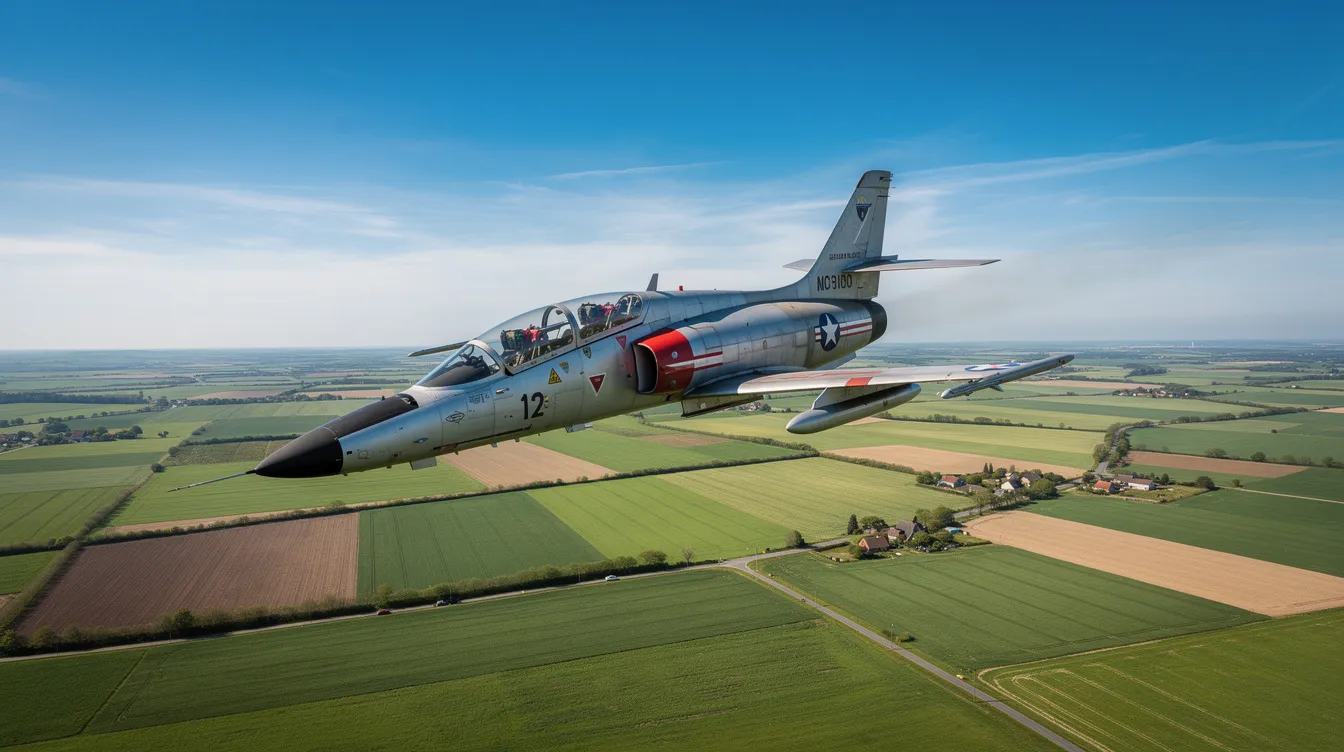
  • Retired supersonic fighters: These include the MiG-21, Northrop F-5, Lockheed F-104 Starfighter, and in rare cases the McDonnell F-4 Phantom II. All were designed for combat or reconnaissance roles and routinely exceeded Mach 1 in military service. They are now sold in demilitarized condition.

  • High-performance trainers (gateway jets): Aircraft like the Aero L-39 Albatros and Hawker Hunter are popular among private owners as stepping stones into turbine jet ownership. The L-39 is subsonic (max speed roughly Mach 0.9), but it is often the first jet a private owner flies before transitioning to faster types. Turboprop aircraft like the incredible Tucano—sometimes described as the most incredible Tucano in training circles—also serve as entry points for owners moving toward turbine military aircraft.

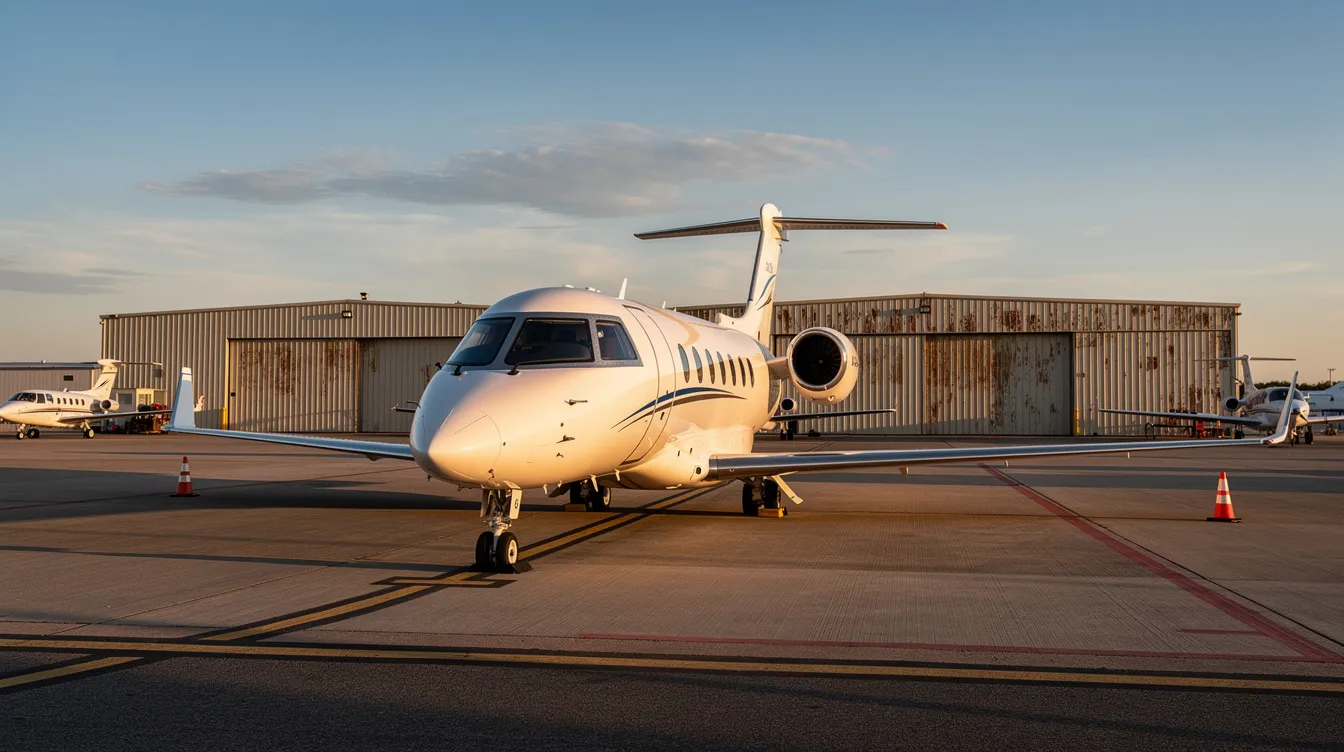
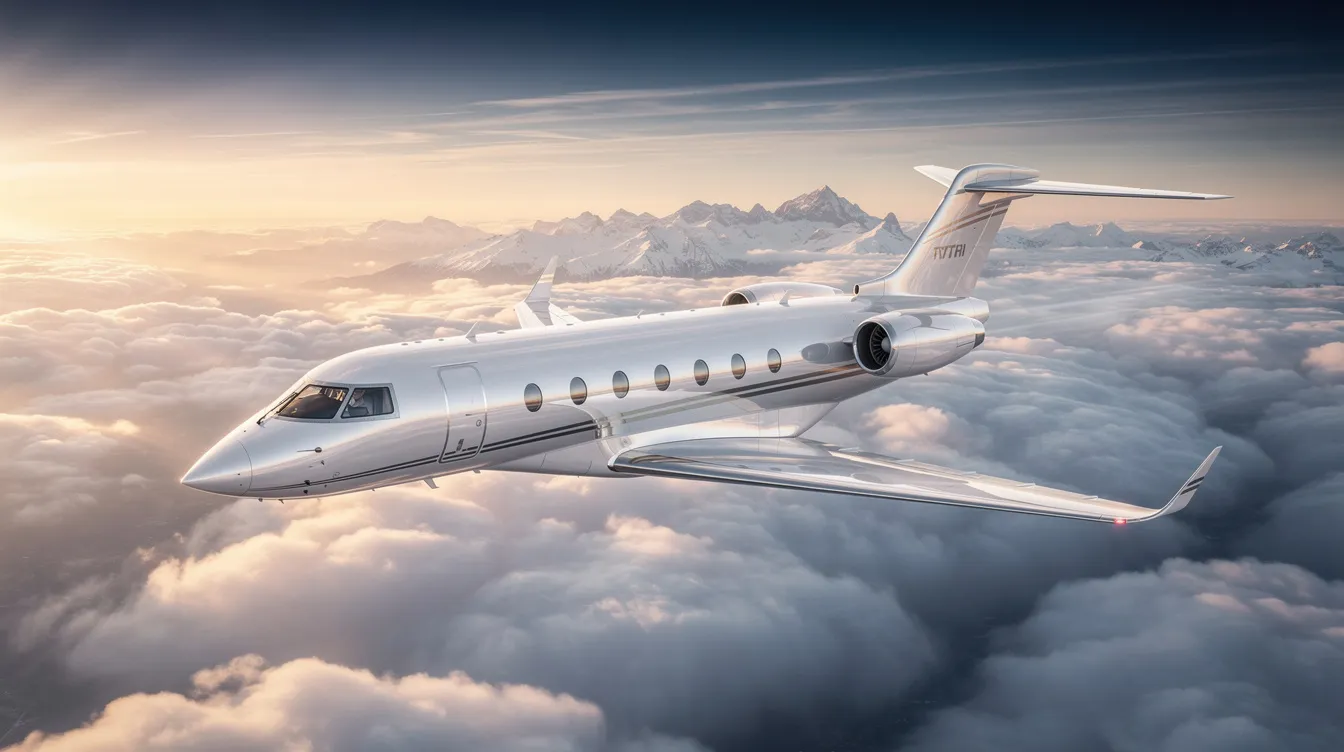
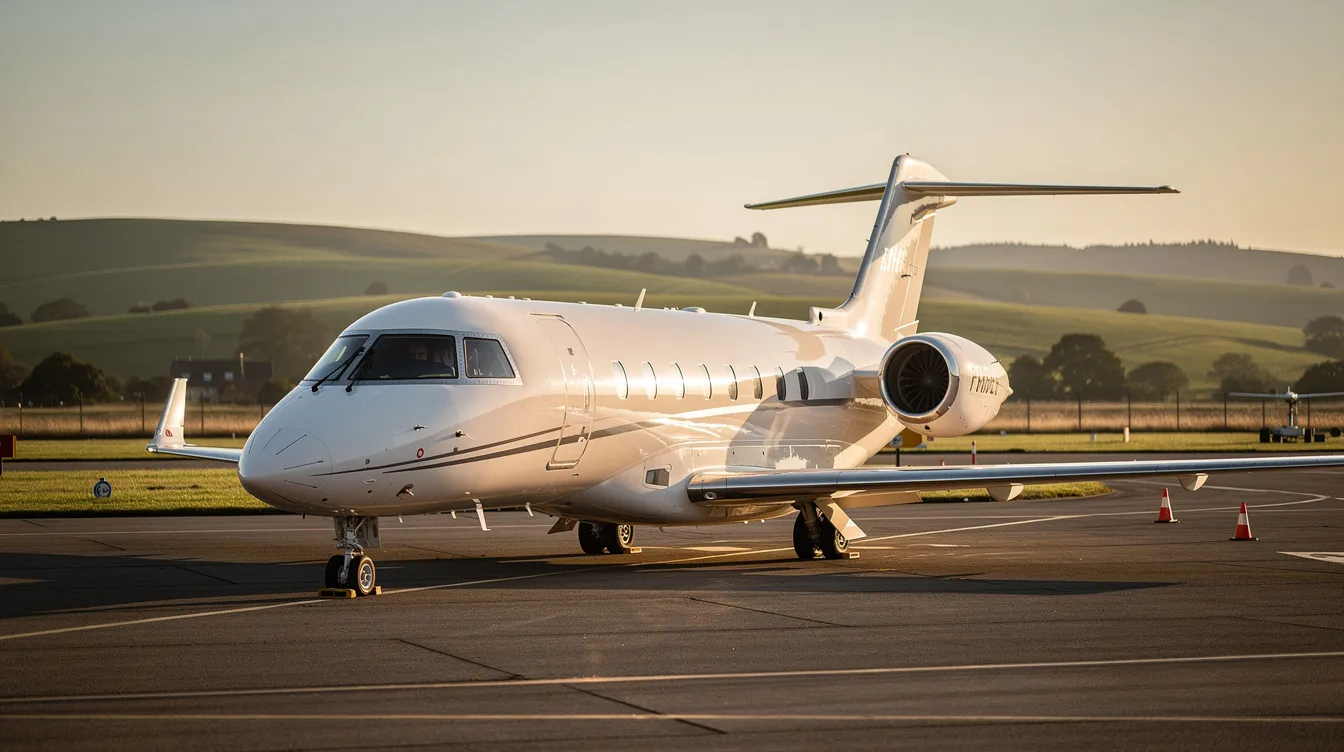
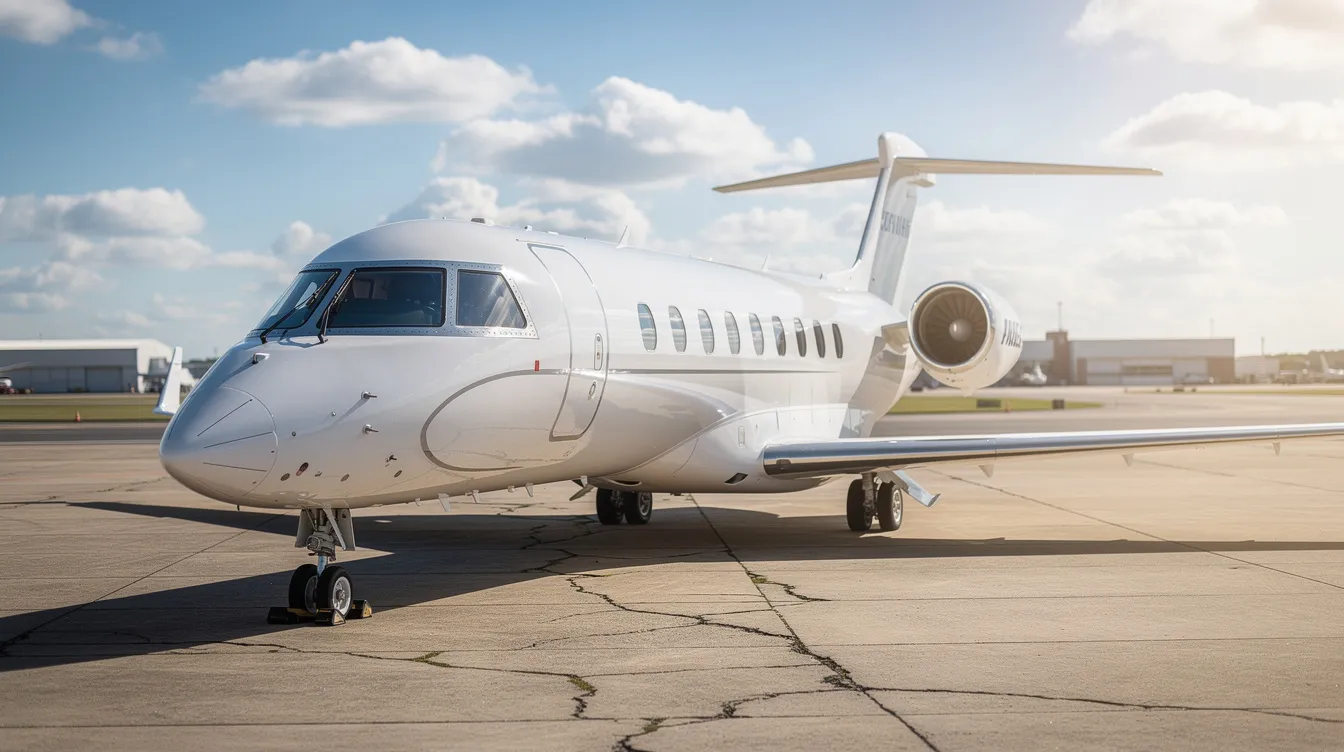
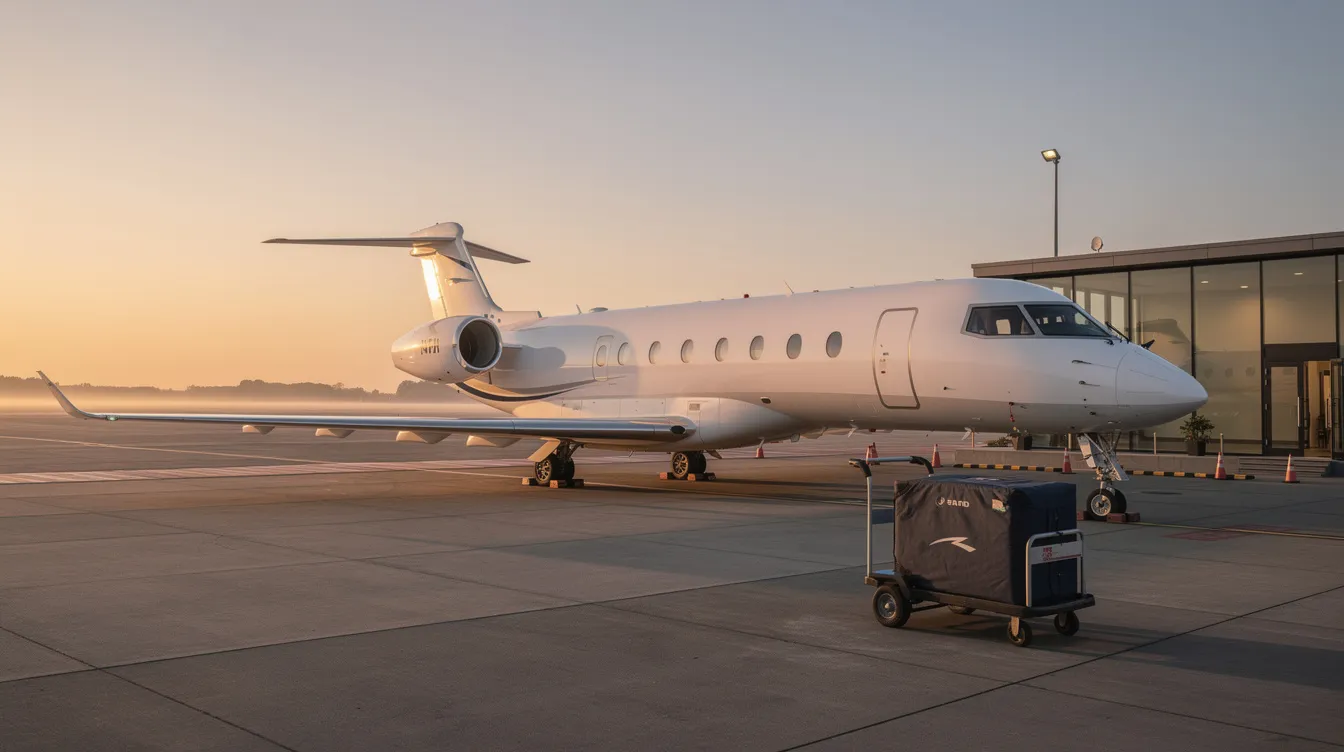
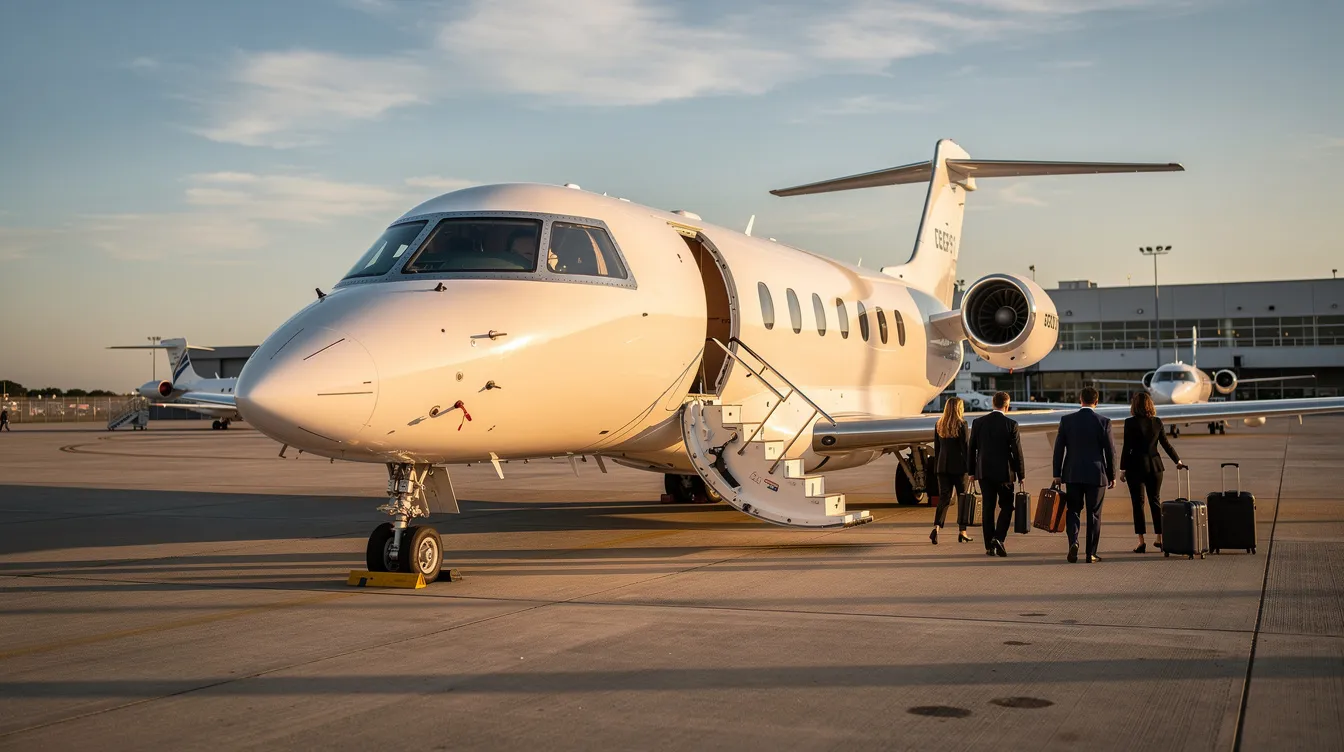
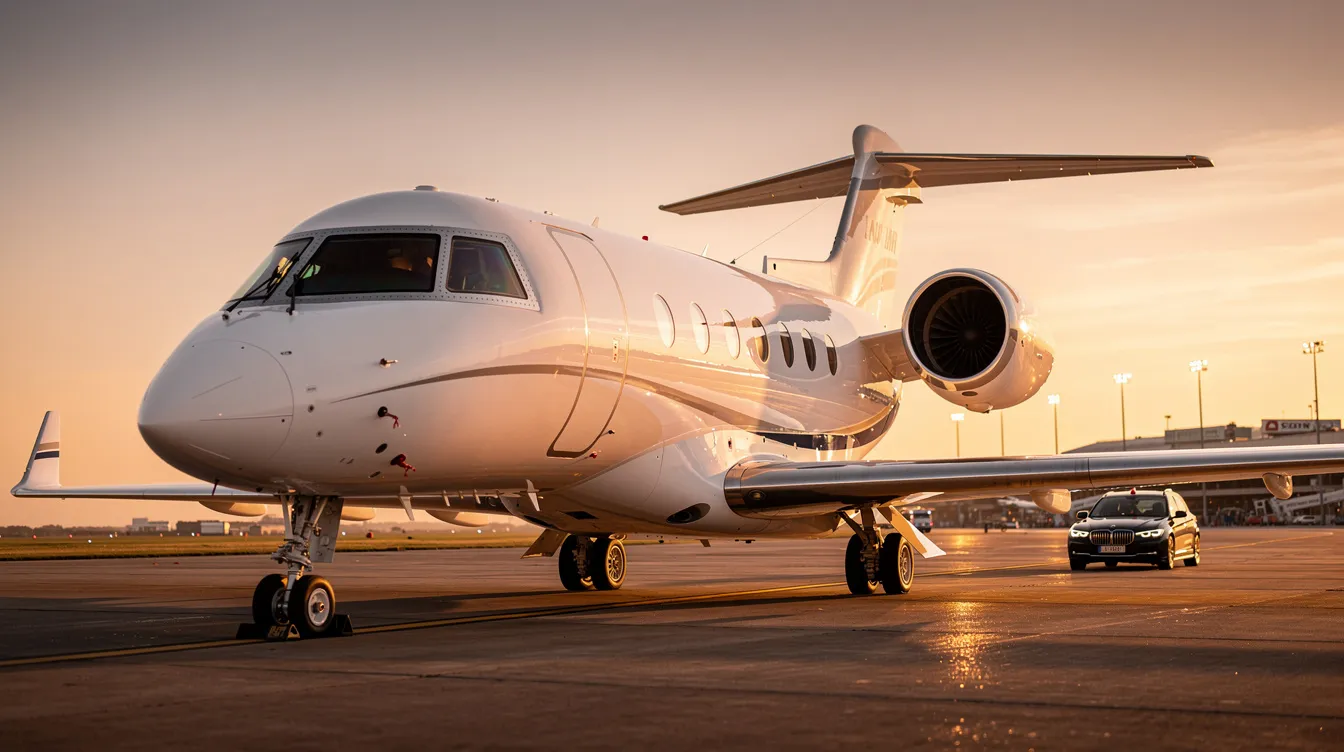
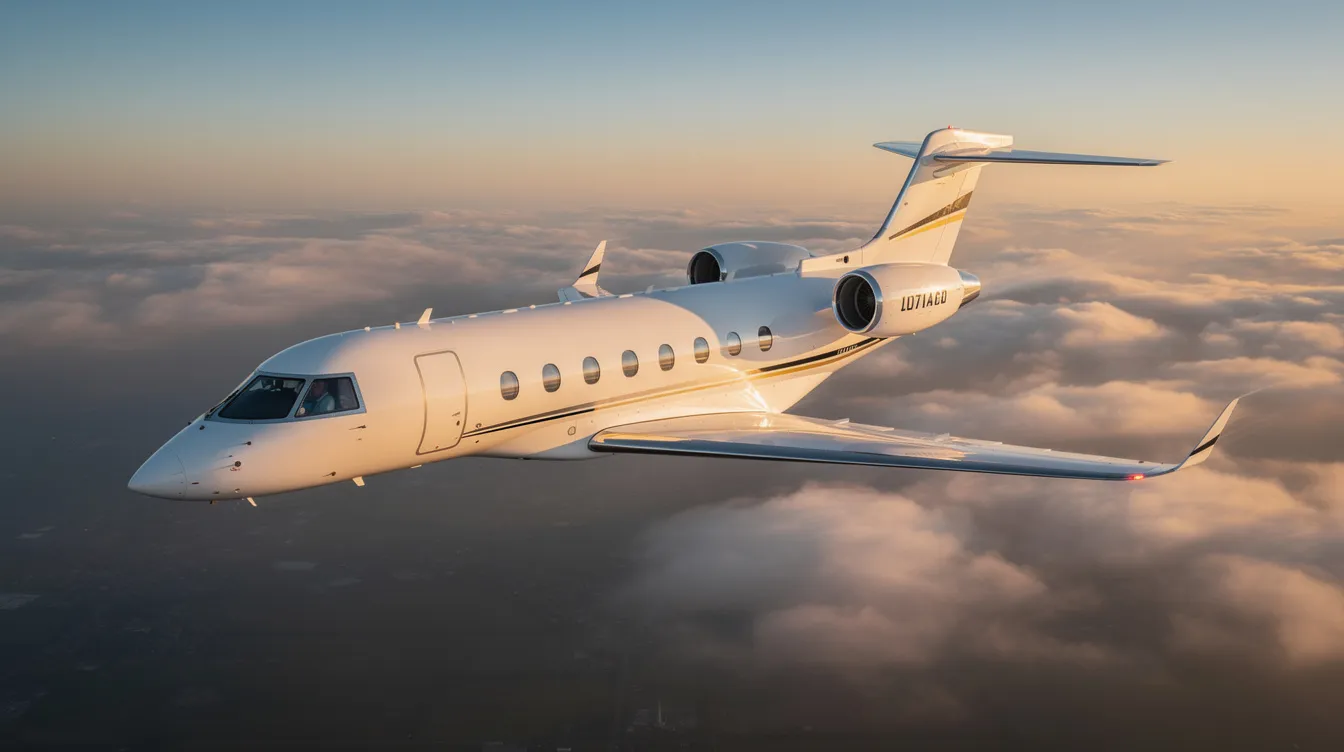
  • High-subsonic business jets: Modern aircraft from Gulfstream, Bombardier, and Dassault cruise between Mach 0.85 and 0.95 but do not breach Mach 1. These are not supersonic, but they are often compared by buyers weighing speed against comfort and utility.

  • Experimental and one-off aircraft: Demonstrators like Boom's XB-1 and unmanned test vehicles exist but are not available for private sale.

Typical Use Cases

Typical ownership use cases include private collections, airshow work, contract aggressor training for air forces, and corporate demonstration platforms. Many listings advertised as a "supersonic jet for sale" actually describe vintage fighters that were supersonic in original service but now operate under strict demilitarized, civilian rules—and may not be permitted to fly supersonically under their current certificates.

Iconic Supersonic Fighters and Vintage Fighters in Today's Market

Vintage fighters and classic supersonic jets hold a unique position in the aircraft market. They are historic, often museum-grade assets with powerful emotional and collector value. For buyers, these machines carry a historical significance that no modern business jet can match. They are also complex, aging platforms that demand specialized expertise to acquire, maintain, and operate safely. Dealers held in the highest regard within the warbird community, including outfits like Platinum Fighter Sales and figures such as the legendary Nelson Ezell, have helped define how these aircraft are bought and sold.

Notable Aircraft Types and Pricing

  • McDonnell F-4 Phantom II:

    • Twin-engine, Mach 2+ jet fighter with a storied combat and reconnaissance history.

    • Extremely rare in airworthy condition.

    • Price: Can exceed $3.5 million for an airworthy example.

    • Operating costs: Well above $15,000 per flight hour. Only a handful of flyable examples remain in the world.

  • Lockheed F-104 Starfighter:

    • Known as "the missile with a man in it," this Mach 2+ supersonic fighter is one of the most visually striking aircraft ever built.

    • Price: $1 million to $2.5 million for rare, airworthy examples.

    • Parts sourcing is a persistent challenge.

  • Mikoyan-Gurevich MiG-21:

    • The most-produced supersonic aircraft in history, with thousands built for the Soviet Union and allied nations.

    • Two-seat trainer variants (UM models) are the most common on the civilian market.

    • Price: $300,000 to $800,000 for airworthy MiG-21s.

    • Dozens are registered in the U.S. under civilian ownership. One owner reportedly spent $165,000 just to achieve FAA certification under Experimental/Exhibition rules.

  • Northrop F-5:

    • Lightweight, agile supersonic fighter popular in private ownership and with adversary training companies.

    • Price: $500,000 to $1.5 million depending on condition and modernization level.

    • Lower operating costs than larger twin-engine supersonics make it a more practical operational jet fighter for regular use.

  • Aero L-39 Albatros:

    • Not supersonic (max roughly Mach 0.9), but widely considered the gateway to jet ownership.

    • Price: $200,000 to $600,000.

    • Operating costs: Approximately $1,000 to $1,500 per flight hour—a fraction of true supersonic types.

    • Many L-39s have been recently imported from Eastern European surplus stocks.

  • Hawker Sea Fury:

    • Piston-engine, Korean War-era navy fighter powered by a Bristol Centaurus (and some variants feature Rolls-Royce heritage powerplants).

    • Not supersonic, but often researched by the same buyers for its raw performance and prestige.

    • Price: $100,000 to $5 million for fully restored examples and airworthy WWII-era fighters.

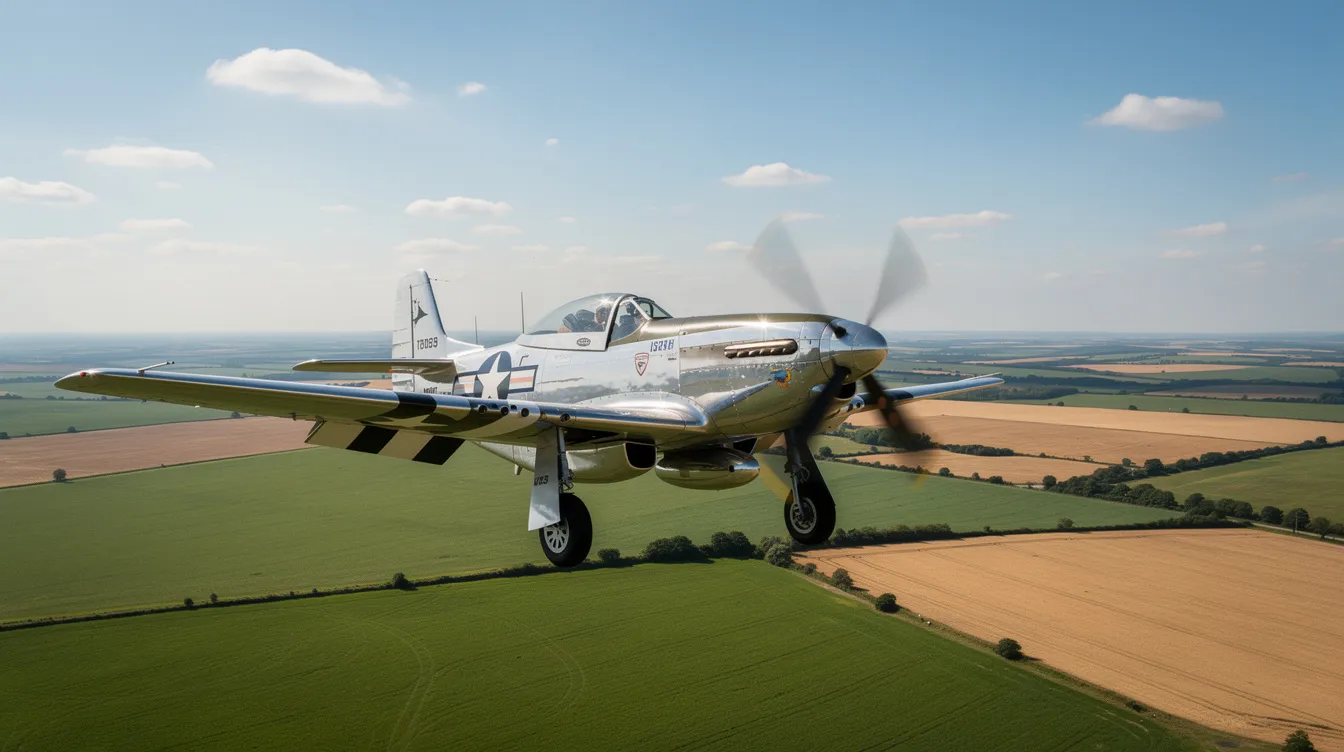
    • P-51 Mustangs typically sell for $2.5 million to $4.5 million, and a restored Supermarine Spitfire sold for over $5 million in 2019—illustrating the premium that provenance and condition command.

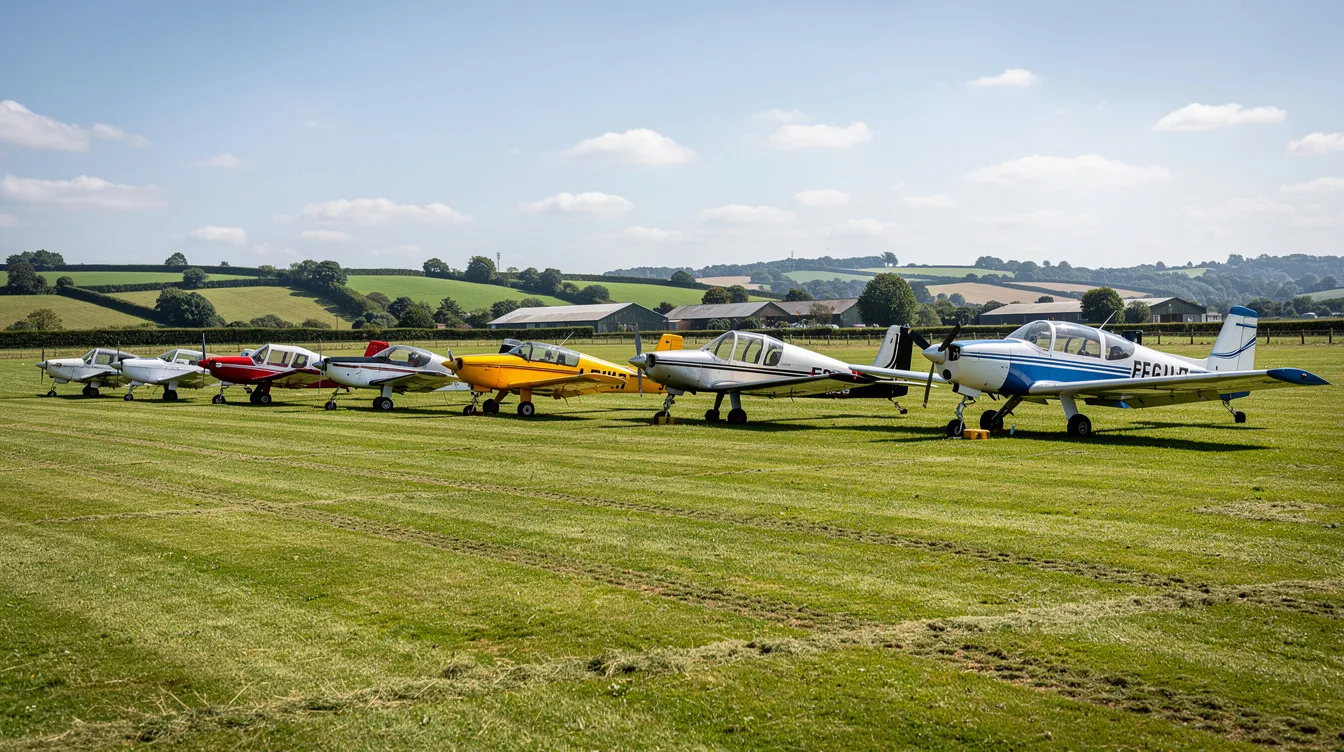
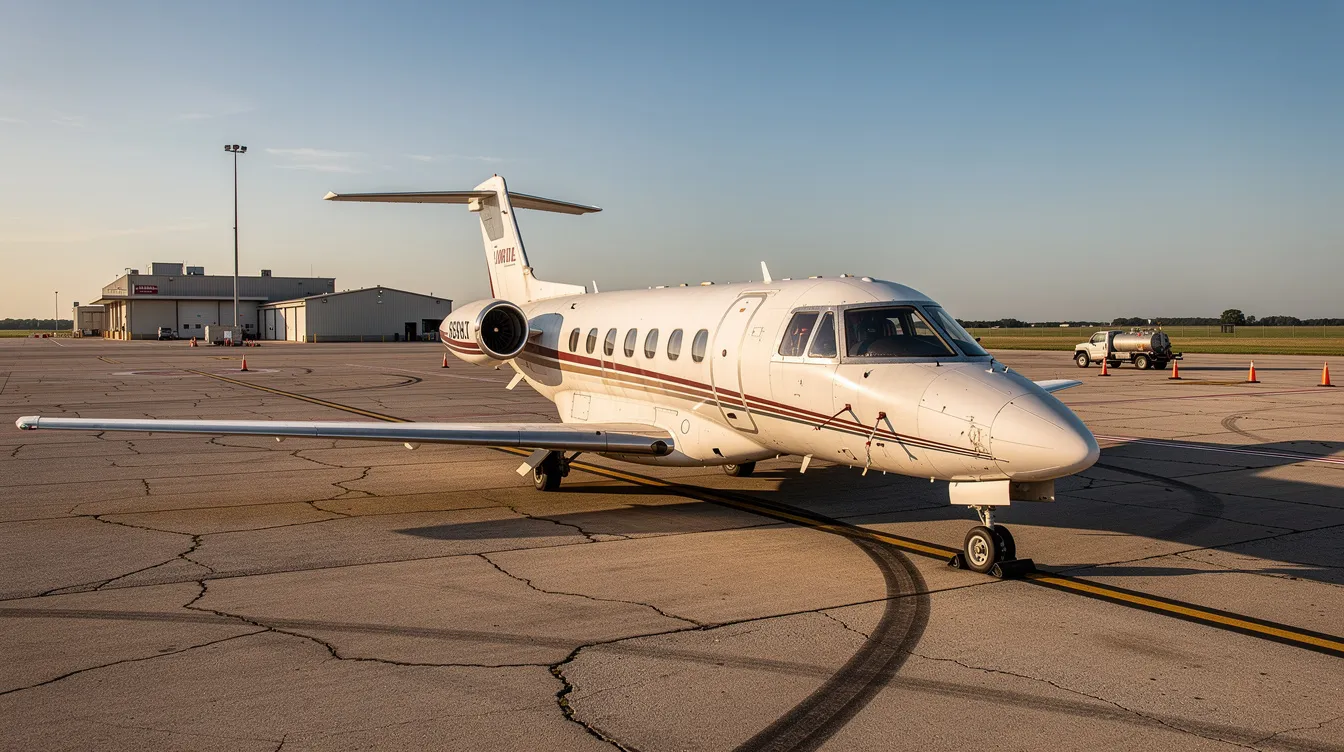
A vintage military fighter aircraft, fully restored and parked on an airfield tarmac, basks in the warm sunlight, showcasing its historical significance and sleek design. This operational jet fighter, reminiscent of aviation history, stands as a testament to the golden age of supersonic flight and military prowess.

BusinessJets.com can assist with valuation, due diligence, and transaction support for these aircraft types, even when the plane is sourced from specialized warbird sellers. Factors like price, total time on airframe and engine, logbook completeness, and the availability of spare parts all influence the final assessment.

Future Civil Supersonic Projects (Boom Supersonic and Beyond)

The promise of supersonic travel for airline passengers has driven significant investment since the Concorde retired in 2003. Today, several ventures aim to bring civil supersonic flight back, though none has yet delivered a production aircraft.

  • Boom Supersonic's Overture is the most visible program, targeting a cruise speed of roughly Mach 1.7 over water for transoceanic missions. The design emphasizes a reduced sonic boom footprint and compatibility with sustainable aviation fuel. New supersonic concepts are engineered for compatibility with sustainable aviation fuel as part of addressing environmental scrutiny.

  • Airline interest is real: American Airlines ordered 20 Boom Supersonic Overture jets, while United Airlines and Japan Airlines have also signaled commitments. These are structured as commercial airline orders, not private jet sales.

  • In-development supersonic aircraft target future markets but are not currently available for sale. As of 2026, no Overture aircraft are delivered or trading on the pre-owned market, so there is effectively no "Overture for sale" segment yet. The Spike S-512 is another concept in development, though at an earlier stage.

BusinessJets.com primarily supports corporate and private buyers in the pre-owned business aviation market. Any future civil supersonic business jets could become part of its acquisition advisory and brokerage services once they reach certification and production.

Legal and Regulatory Framework for Owning a Supersonic Jet

Buying a supersonic-capable jet is fundamentally a regulatory project as much as a purchase decision. Certifications and regulatory status heavily influence operational capabilities and market maturity for supersonic jets, and no buyer should underestimate the compliance burden.

  • FAA Experimental/Exhibition certification: Military jets must hold an FAA Experimental/Exhibition certificate for civilian operation. These certificates impose restrictions on where the aircraft can fly, prohibit most for-hire operations, and require rigorous inspection schedules. The airplane must demonstrate safe operation and maintain detailed maintenance records.

  • Mandatory demilitarization: Civilians can legally own demilitarized fighter jets, but all weapons, targeting systems, and classified avionics must be permanently removed. For aircraft originating from the Soviet Union or other foreign countries, export control laws such as ITAR apply. Sanctions considerations affect certain Russian types like the MiG-29 or Su-27, adding complexity to any cross-border sale.

  • Supersonic overland restrictions: Commercial supersonic flight over land is heavily restricted or banned in many jurisdictions. In the U.S., 14 CFR 91.817 prohibits civil aircraft from exceeding Mach 1 over land except under Special Flight Authorization (SFA). Regulatory updates aim to allow quieter supersonic aircraft to fly over land, with the FAA proposing noise-based limits that could take effect by mid-2027.

  • Export and import controls: Moving a turbine military aircraft across borders—whether from the UK, Eastern Europe, or elsewhere—triggers export licensing requirements. In some cases, State Department approvals are necessary. GST applies in certain country jurisdictions for imported aircraft sales.

Engaging experienced legal and aviation counsel is essential. BusinessJets.com can coordinate with regulatory experts as part of a broader consulting engagement to manage these obligations.

Cost Breakdown: Acquisition, Operation, and Lifecycle Economics

Financial realism is critical. Buyers should look well beyond the sticker price to understand total cost of ownership over five to ten years. Prices for military jets range from under $100,000 to over $5 million, depending on type, rarity, and condition.

Acquisition Prices (2024–2026 estimates)

  • Aero L-39 Albatros: $200,000–$600,000

  • MiG-21UM (two-seat trainer): $300,000–$800,000

  • Northrop F-5: $500,000–$1.5 million

  • Lockheed F-104 Starfighter: $1 million–$2.5 million

  • McDonnell F-4 Phantom II: $3.5 million+

  • Turbine military aircraft: $150,000 to $6 million across the full spectrum

Operating Costs Per Flight Hour

  • L-39: ~$1,000–$1,500

  • Alpha Jet: ~$2,000–$3,000

  • A-4 Skyhawk: ~$3,000–$5,000

  • MiG-29 / Su-27: ~$8,000–$12,000

  • F-4 Phantom II: exceeds $15,000

Expensive operational costs due to high fuel consumption and specialized maintenance are a defining feature of supersonic jet ownership. Supersonic transports are estimated to burn 5 to 7 times more fuel per passenger than standard subsonic jets, a factor that extends to military-origin types with older turbojet engines. Supersonic jets require specialized hangarage and trained personnel, which are rare.

Fixed and Recurring Costs

  • Hangarage at key hubs

  • Insurance premiums (influenced heavily by pilot experience and aircraft type)

  • Crew and maintenance staffing

  • Major maintenance events that may require a fresh condition inspection to return the aircraft to service or preserve resale value

  • Engine overhauls (often reaching six figures per event)

  • Diminishing spare parts supply for older airframes

Residual Value and Liquidity

The impact of time-limited engine lives, IFR engine overhaul status, and parts scarcity on long-term economics can be significant. Other factors such as corrosion, avionics upgrades, and provenance documentation also affect resale.

BusinessJets.com's appraisal and valuation services can quantify these factors and support capital planning for corporate or private buyers. Aviation consulting helps optimize aircraft asset management across the ownership lifecycle.

A close-up view of a jet engine turbine showcases its metallic blades reflecting light, emphasizing the intricate design and engineering of this essential component for supersonic flight in military aircraft. The turbine's sleek and powerful appearance highlights its role in operational jet fighters and advanced aviation technology.

Market Trends: Demand for Supersonic-Capable and Turbine Military Aircraft

From 2020 to 2026, interest in warbird and turbine military aircraft has grown steadily among high-net-worth buyers, corporate flight programs, and organizations pursuing government contract work. The market has been shaped by several intersecting forces.

  • Growth in demand for high-performance jets used in adversary training for air forces has directly increased prices for certain fighter jets like the F-5 and A-4 Skyhawk. Companies operating fleets of ex-military jets for contract training push valuations higher as flyable airframes are absorbed into service.

  • The supply of true supersonic fighters is limited. Many Cold War-era airframes have been retired to museums or static display; fewer remain in airworthy condition and are flown regularly. By contrast, high-subsonic business jets and advanced trainers are far more plentiful and liquid.

  • Supersonic aircraft face environmental scrutiny due to noise and emissions concerns. Fuel costs remain volatile, and community noise sensitivities continue to influence where high-performance aircraft can operate.

BusinessJets.com leverages transaction data from 1,500+ closed aircraft deals and a base of 5,000+ clients to benchmark values and timing for buying or selling high-performance assets. This depth of market intelligence is particularly valuable in a segment where comparable sales data is thin.

How BusinessJets.com Supports Supersonic and High-Performance Jet Buyers

BusinessJets.com is an aircraft brokerage and aviation consulting partner focused on disciplined, data-driven transactions. The firm's approach is advisory first—grounded in risk assessment and mission clarity rather than speculative collecting. Consultants provide strategic guidance for aircraft acquisitions at every stage.

  • Acquisition strategy: Clarifying mission profiles (airshow work, corporate use, adversary training, investment), risk appetite, and regulatory constraints before selecting an aircraft type.

  • Global search and due diligence: Sourcing aircraft worldwide, including turbine military aircraft, vintage fighters, and high-performance business jets, then verifying history, maintenance records, and legal provenance. This includes confirming demilitarization status and, for restored or disassembled inventory, whether all parts tagged accordingly align with maintenance and inventory documentation standards and meet civilian airworthiness requirements.

  • Independent inspections: Coordinating expert evaluation of engines, avionics, cockpit systems, and structural integrity in older supersonic-capable aircraft. This extends to verifying whether an aircraft is undergoing inspection or has deferred maintenance items that affect value.

Engage BusinessJets.com early for confidential acquisition planning—before you commit to a specific jet found online—to ensure the full picture of cost, compliance, and risk is clear.

Selling a High-Performance or Supersonic-Capable Aircraft

Selling a supersonic-capable jet or turbine fighter is a specialized process that requires careful positioning, buyer qualification, and regulatory diligence. Aviation consulting supports aircraft transaction strategies on the sell side just as much as on the buy side.

  • Pre-sale appraisal: BusinessJets.com provides valuation services to establish a realistic asking range based on aircraft condition, engine status (including hours since major overhaul and fresh condition inspection records), avionics upgrades, and current market demand. Consulting services include aircraft appraisals and market intelligence tailored to niche segments.

  • Preparation: Bring maintenance current, resolve deferred items, and compile logbooks and modification data into a transparent, buyer-ready package. Cosmetic restoration helps. Aircraft that are fully restored or in demonstrably excellent condition command premium prices when sold.

  • Discreet marketing: BusinessJets.com markets high-performance aircraft to qualified buyers through private networks, operator lists, and targeted outreach rather than mass public listings. This protects seller leverage and manages regulatory exposure.

  • Regulatory documentation: Managing export approvals, ensuring compliance with ITAR requirements, and qualifying buyers for military-origin aircraft protects the seller and ensures a compliant transaction. Confirming the serial number, discharge paperwork, and chain of custody is essential.

Safety, Training, and Pilot Qualifications for Supersonic Jets

Safety and pilot competency are the real limiting factors in private supersonic jet ownership. An airplane is only as safe as the person at the controls and the team maintaining it. These are not forgiving machines—every flight demands preparation, discipline, and currency.

  • Type ratings and endorsements: FAA type rating and specific turbine endorsements are required for most military-origin jets. For some types, no civilian type rating exists; instead, operating authority is granted through the Experimental certificate and the pilot's demonstrated experience.

  • Training paths: Most owners begin with time in a trainer like the L-39, then transition to faster aircraft such as the F-5 or MiG-21. Simulator work (where available), mentoring by experienced instructors, and recurrent training are standard. A pilot who cannot fly in demanding weather or handle emergency procedures has no business in a supersonic fighter cockpit.

  • Insurance requirements: Underwriters often require substantially more training and experience than FAA minimums, especially for supersonic-capable fighter jets. Premiums reflect the risk profile of both the aircraft and the pilot.

  • Maintenance and airworthiness: Selecting experienced maintenance providers is critical. Aging airframes and engines designed originally for military environments require safety-oriented operating procedures and careful attention to fatigue life, corrosion, and component limits. Aircraft that are flown regularly tend to fare better mechanically than those left dormant.

BusinessJets.com can, as part of a consulting engagement, help assemble an operating team and advise on training and vendor selection, though the firm does not directly provide flight training.

Comparing Supersonic-Capable Fighters to High-Speed Business Jets

Many buyers searching for a supersonic jet for sale ultimately compare that option to modern long-range business jets that cruise near Mach 0.90. The comparison is worth making honestly, because the two categories serve fundamentally different missions.

  • Mission profiles: Fighter jets and vintage fighters excel at short, intense flights—demonstrations, air combat maneuvering, and airshow performances. Modern business jets are optimized for transcontinental and transoceanic corporate travel with range, reliability, and comfort as priorities.

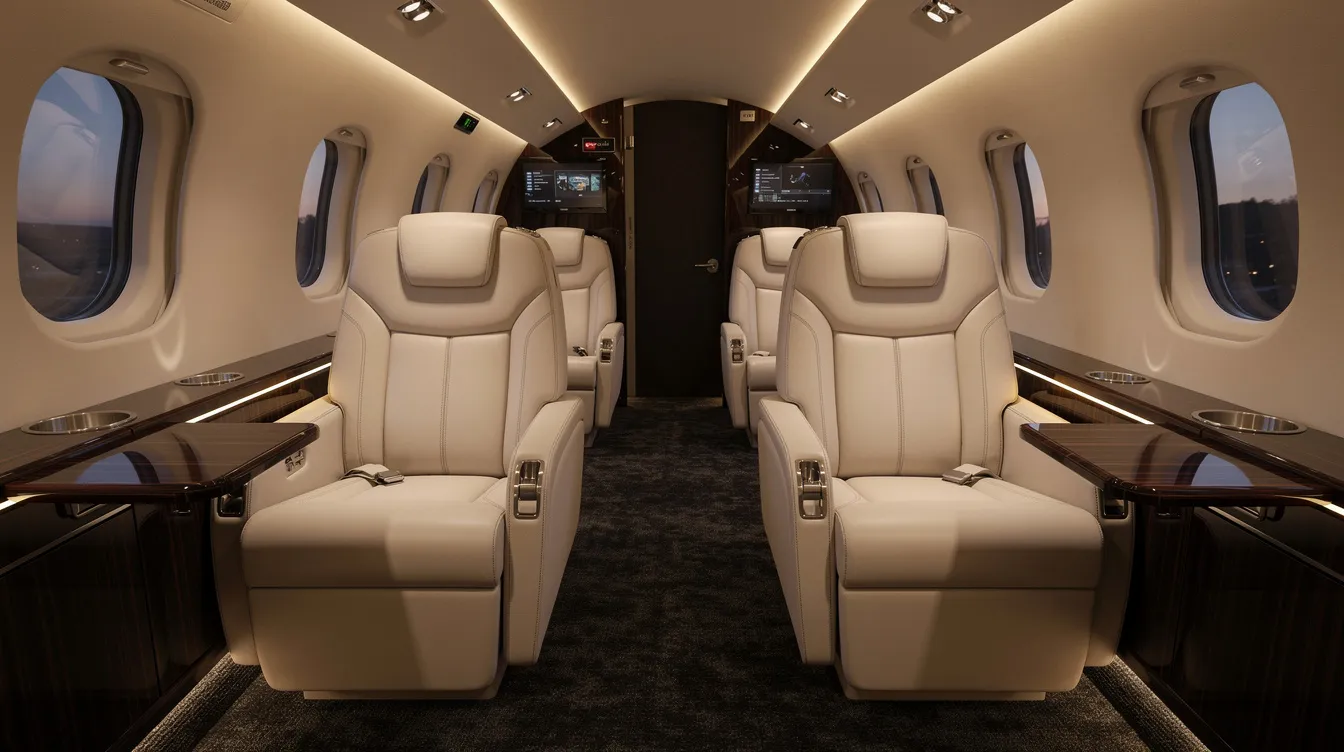
  • Comfort and cabin: Cabin size and passenger experience in supersonic jets differ significantly from traditional business jets. A fighter cockpit is cramped, loud, and subjects occupants to significant G-loads. Business jets carry passengers in pressurized cabins with amenities for work and rest. Modern business jets can comfortably carry passengers across continents; a fighter cannot.

  • Practical speed: Given current overland supersonic restrictions, a high-speed business jet cruising at Mach 0.90 is more practical for most corporate missions. The supersonic-capable airplane cannot legally exceed Mach 1 over land, limiting its speed advantage to offshore or transoceanic routes.

BusinessJets.com can help clients run objective comparisons between acquiring a fighter-type aircraft for passion, marketing value, or airshow visibility and investing in a business jet aligned with core travel needs. Visit the BusinessJets.com blog for additional analysis on aircraft selection and market positioning.

Geography and Storage: Where Supersonic and Vintage Fighters Are Based

Many turbine military aircraft and vintage fighters cluster around airfields with active warbird and high-performance communities. The choice of base directly affects operating costs, maintenance access, and community acceptance.

  • Coastal and desert locations with favorable weather dominate: Southern California (including areas near Redondo Beach where several classic aircraft and vintage fighters have historically been based), Arizona, and Texas. Dry climates reduce corrosion risk and extend airframe life.

  • Airfields with maintenance organizations experienced in turbine military aircraft and fighter jets, plus access to long runways and supportive local regulation, are essential. Not every airport can accommodate the noise, fuel requirements, and infrastructure demands of a supersonic fighter.

  • Hangar requirements include sufficient door height for tall vertical stabilizers, fire protection systems rated for jet fuel operations, and secure access. Community factors such as noise curfews and local acceptance of high-performance flying are practical considerations that can determine whether an owner can operate freely or faces ongoing friction.

BusinessJets.com's consulting can include airport and base-of-operations selection to align with the aircraft type and intended usage profile.

An aerial view of a desert airfield showcases large hangars and a long asphalt runway, where various military aircraft, including turbine military aircraft and operational jet fighters, are stationed. The scene reflects the historical significance of aviation and the possibilities for private ownership and government contract work in the realm of supersonic travel.

Case Studies: Example Supersonic-Capable Aircraft Scenarios

Every supersonic-related transaction is unique. The following anonymized scenarios illustrate how buyers might approach an acquisition with expert advisory support.

Corporate Sponsor vs. Business Jet Investment

A mid-size corporation explored sponsoring a demilitarized F-5 for airshow performances and promotional fly-in events versus investing in a high-speed business jet for executive travel. BusinessJets.com modeled total cost of ownership over five years for both options, including acquisition, insurance, crew training, annual maintenance, and expected utilization. The analysis revealed that the F-5 offered strong marketing visibility but limited practical utility, while the business jet delivered measurable travel efficiency. The client ultimately acquired the business jet and engaged an existing warbird operator for periodic airshow sponsorship—achieving both objectives at lower total cost.

Private Collector Acquiring a MiG-21

A collector with prior turbine experience sought a two-seat MiG-21UM for personal use and occasional adversary contract work. The acquisition budget was $300,000–$500,000. BusinessJets.com coordinated regulatory navigation (FAA Experimental certification, demilitarization verification), operating cost modeling (approximately $50,000 per year in baseline maintenance), and spare parts sourcing assessment. A key risk factor was the diminishing supply of Soviet-origin engine components. The buyer proceeded with a realistic maintenance reserve and established relationships with two specialty vendors to mitigate parts risk.

Operator Building an Adversary Training Fleet

An operator pursuing government contract work required a small fleet of turbine military aircraft for air force aggressor support. The firm needed fleet strategy, valuation of available F-5s and L-39s, and a remarketing plan in case of contract loss. BusinessJets.com benchmarked acquisition costs, modeled per-aircraft operating budgets, and structured a phased buy plan that reduced upfront capital exposure. Pilot availability and type-rating pipeline risks were identified early and addressed through partnership with a training organization.

These examples underscore that tailored consulting—not off-the-shelf advice—is what separates a sound acquisition from a costly misstep.

How to Start: Appraisals, Consulting, and Next Steps with BusinessJets.com

Whether you are a current owner seeking a sale or a prospective buyer still defining your mission, the most productive first step is a structured conversation with an experienced advisor.

  • Requesting an appraisal: Owners of high-performance jets or vintage fighters should prepare the aircraft's serial number, airframe hours, engine time since major overhaul, logbooks, modification records, avionics status, and current certification or registration. BusinessJets.com uses recent transaction data in the niche warbird and ex-military market to benchmark value and deliver a credible aircraft appraisal.

  • Buyer consultation: A prospective buyer can engage BusinessJets.com for an initial consultation to define goals, budget, and risk tolerance before committing to a specific aircraft search. This discovery phase typically covers mission profile (display, training, corporate, investment), regulatory landscape, and financial planning.

  • Typical engagement steps: Discovery call, market analysis, shortlist of options, detailed due diligence (including confirming whether an aircraft is undergoing inspection or has deferred items), transaction execution, and post-closing support such as fleet optimization or resale planning. From first inquiry to delivery, expect six to twelve months for most transactions—longer for complex restorations or cross-border deals.

Contact BusinessJets.com to discuss appraisals, listing aircraft for sale, or exploring acquisition support for supersonic-capable and other high-performance aircraft.

Frequently Asked Questions

Can a civilian or corporation legally own a supersonic fighter jet in the U.S.?

Yes. Civilians can own demilitarized military jets legally, including certain supersonic-capable types, under FAA Experimental or Exhibition airworthiness certificates. However, you cannot acquire current front-line jets like the F-16, F-22, or F-35 as an operational jet fighter for private ownership. All weapons, targeting systems, and classified avionics must be permanently removed. Ownership is subject to export control laws and, in some cases, State Department approvals—particularly for aircraft originating from a foreign country.

Are there any business or VIP supersonic jets actually for sale today?

As of 2026, there are no operational civil business supersonic jets on the pre-owned market. The Concorde retired in 2003 and is no longer in active production. Programs like the Boom Overture and Spike S-512 remain in development with airline customers, not private buyers. Buyers seeking extreme speed currently consider high-subsonic large-cabin business jets or military-origin supersonic-capable aircraft instead.

What kind of insurance and liability considerations come with owning a supersonic-capable jet?

Insurance premiums for supersonic-capable jets are significantly higher than for typical business jets. Underwriters require advanced pilot experience, recurrent training, and stringent maintenance programs. Owners should work with legal counsel on liability structures—such as holding the aircraft through a special-purpose entity—and BusinessJets.com can coordinate specialist referrals as part of a consulting engagement.

How long does it typically take to acquire a supersonic-capable aircraft from first inquiry to delivery?

Plan for six to twelve months as a baseline. Complex cross-border acquisitions, extensive refurbishment, or aircraft requiring restoration to airworthy condition can extend that timeline significantly. Regulatory approvals, inspections, pilot and crew preparation, and spare parts procurement all contribute to lead time. Engaging an experienced advisor early helps compress the schedule where possible.

Does BusinessJets.com only work with individual buyers, or also with operators and air forces?

BusinessJets.com serves private owners, corporations, fleet managers, and operators. The firm also consults for organizations supporting air force training or government contracts, provided all work complies with applicable laws and export controls. Its core strengths—brokerage, appraisals, and strategic aviation consulting—apply across these client types for both business jets and high-performance special-mission aircraft. BusinessJets.com leverages its extensive experience, having facilitated over 1,500 aircraft transactions, to provide expert support in acquiring and selling turbine military aircraft and supersonic-capable jets. The firm’s consulting services include detailed aircraft appraisals and market intelligence, helping clients navigate the complex regulatory environment where certifications and legal status heavily influence operational capabilities and market maturity.

In the niche market of turbine military aircraft, prices range broadly from under $100,000 for certain trainers or static displays to over $6 million for rare, restored warbirds. For example, airworthy WWII fighters can cost between $100,000 and $5 million, with iconic types such as the Supermarine Spitfire having sold for over $5 million in 2019, and P-51 Mustangs typically trading between $2.5 million and $4.5 million. The MiG-21, the most-produced supersonic aircraft in history, is available in civilian hands, with airworthy examples selling from $300,000 to $800,000, while the F-5 fighter jet ranges from $500,000 to $1.5 million. More complex jets like the McDonnell F-4 Phantom II can exceed $3.5 million, with operating costs that may surpass $15,000 per flight hour due to high fuel consumption and specialized maintenance.

Civilians can legally own demilitarized military jets, provided all weapons, targeting systems, and classified avionics are permanently removed. These jets must hold an FAA Experimental or Exhibition certificate, which imposes operational restrictions including limitations on commercial use and geographic flight areas. Supersonic jets, whether vintage or modern concepts, face stringent certification hurdles and evolving regulatory frameworks. Commercial supersonic flight over land remains heavily restricted or banned in many jurisdictions, though regulatory updates aim to allow quieter supersonic aircraft to operate over land in the near future.

Current supersonic development projects like Boom Supersonic's Overture—ordered by American Airlines for 20 units—and the Spike S-512 are engineered for compatibility with sustainable aviation fuel and aim to address environmental scrutiny related to noise and emissions. However, no supersonic jets are currently available for private purchase or commercial operation, and the Concorde retired in 2003 with no active production since. Supersonic transports burn approximately 5 to 7 times more fuel per passenger than standard subsonic jets, contributing to expensive operational costs and requiring specialized hangarage and trained personnel, which remain scarce.

BusinessJets.com’s aviation consulting expertise supports clients in optimizing aircraft asset management and developing acquisition strategies tailored to mission profiles, risk tolerance, and regulatory compliance. The firm’s advisory approach ensures that buyers and sellers of supersonic-capable and turbine military aircraft make informed decisions grounded in market realities and operational constraints.

Conclusion: Navigating the Complex Market of Supersonic Jets and Turbine Military Aircraft

Acquiring a supersonic jet for sale in 2026 requires a sophisticated understanding of a niche market defined by regulatory complexity, high operating costs, and limited availability. While no new civil supersonic jets are currently on the market, private buyers can access a range of demilitarized turbine military aircraft and vintage fighters that offer authentic supersonic performance under FAA Experimental or Exhibition certificates. These aircraft demand expert guidance to navigate legal compliance, maintenance challenges, and operational limitations.

BusinessJets.com stands as a trusted partner for owners, operators, and corporate buyers seeking to enter or optimize their position in this specialized segment. With deep expertise in aircraft brokerage, valuation, and aviation consulting, the firm helps clients make informed decisions aligned with mission goals, budget realities, and regulatory frameworks. Whether pursuing a historic fighter jet, a high-performance trainer, or preparing for future civil supersonic opportunities, engaging experienced advisors early is essential to success.

Ultimately, supersonic jet ownership is not just a purchase—it is a long-term commitment to managing a complex asset with unique risks and rewards. BusinessJets.com’s comprehensive services and market intelligence empower clients to approach this commitment with confidence and clarity, ensuring a strategic path forward in the evolving landscape of high-speed aviation.

Request an aircraft appraisal | List an aircraft for sale | Explore aircraft acquisition support | Engage BusinessJets.com for aviation consulting

Supersonic Jet for Sale: Market, Models, and How BusinessJets.com Can Help
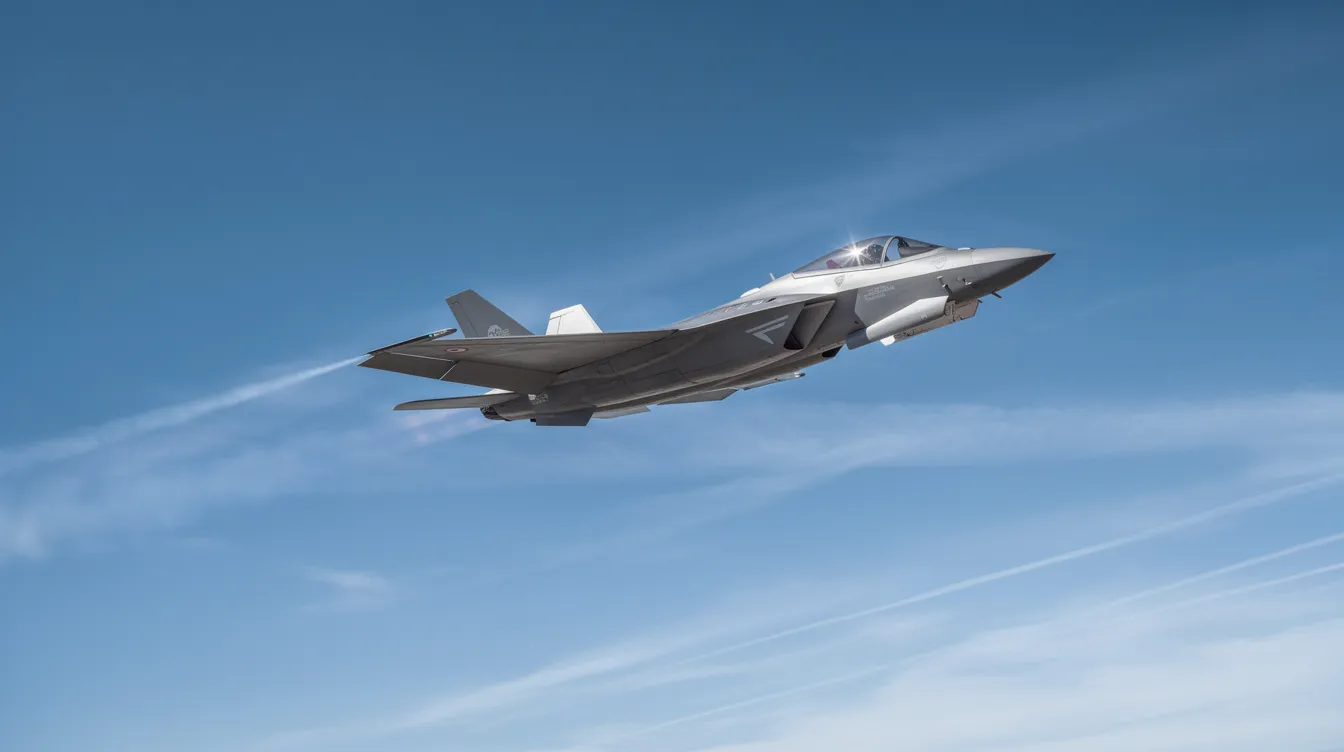
Jay Franco Ser

Key Takeaways

When you search for a supersonic jet for sale in 2026, the results overwhelmingly point to retired, demilitarized turbine military aircraft and vintage fighters rather than newly manufactured civilian supersonic airliners. True supersonic flight in privately owned aircraft is possible, but the market is narrow, heavily regulated, and demands serious capital planning. There are no supersonic jets currently available for purchase or commercial operation in the civil business aviation segment. Future programs like Boom Supersonic's Overture remain in development, and current supersonic development projects include the Boom Overture and Spike S-512—neither of which has delivered an airplane to any customer yet.

  • Availability: Buyers can legally acquire demilitarized supersonic fighter jets such as the MiG-21, F-5, or F-104 Starfighter. These aircraft are sold under FAA Experimental or Exhibition certificates. Turbine military aircraft prices range from $150,000 to $6 million depending on type, condition, and rarity.

  • Pricing reality: Entry-level jet trainers start around $200,000, while rare supersonic fighters can exceed $3.5 million. Operating costs for military jets can exceed $15,000 per flight hour for complex types.

  • Regulatory constraints: All weapons must be removed for civilian ownership, and commercial supersonic flight over land is heavily restricted or banned in many jurisdictions. Supersonic aircraft face stringent certification hurdles and evolving regulatory frameworks.

  • Expert guidance matters: BusinessJets.com, with a track record of over 1,500 aircraft transactions, supports clients evaluating supersonic-capable fighter jets and high-speed business aircraft. The firm does not currently list a civil supersonic like Concorde but advises on specialized acquisitions through trusted partners.

If you are exploring military aircraft options or high-performance jets, contact BusinessJets.com for an appraisal, to list an aircraft for sale, or to discuss a tailored acquisition strategy.

Introduction: What "Supersonic Jet Aircraft for Sale" Really Means in 2026

The phrase "supersonic jet for sale" in 2026 almost never refers to a brand-new civilian airliner capable of breaking the sound barrier. Instead, it describes a niche market of decommissioned fighter jets, supersonic-capable trainers, and rare historical aircraft that once served with air force units around the world. These are machines with deep roots in aviation history—Cold War-era interceptors, reconnaissance platforms, and aggressors—now offered to private buyers who meet strict regulatory and financial thresholds.

Mach 1, the speed of sound, is approximately 761 mph at sea level. Aircraft like the Mikoyan-Gurevich MiG-21, originally designed by the Soviet Union, or the Northrop F-5, a lightweight supersonic fighter used extensively by Western-aligned air forces, are capable of supersonic speeds in their original configurations. In civilian hands, these jet types operate under FAA Experimental or Exhibition airworthiness certificates, with mandatory demilitarization and significant limitations on where and how they can fly. They are often described as the ultimate aviation hot rod—fast, loud, and demanding of both pilot skill and financial commitment.

BusinessJets.com operates as a broker and aviation consultant focused primarily on business aircraft, but the firm also advises clients pursuing specialized acquisitions of high-performance, ex-military turbine aircraft options through established legal frameworks and specialist partners. Meanwhile, future civil supersonic platforms like Boom Supersonic's Overture are intended for airline service—with customers like American Airlines—and are not yet available to private buyers or the secondary market. Purchasing a supersonic aircraft represents a significant financial investment regardless of the path you choose.

Types of Supersonic and High-Performance Jets Available to Private Buyers

Categories of Jets on the Market

Understanding what is actually on the market is the first step for any serious buyer. The landscape of supersonic and high-performance aircraft for sale to civilians breaks down into several distinct categories:

  • Retired supersonic fighters: These include the MiG-21, Northrop F-5, Lockheed F-104 Starfighter, and in rare cases the McDonnell F-4 Phantom II. All were designed for combat or reconnaissance roles and routinely exceeded Mach 1 in military service. They are now sold in demilitarized condition.

  • High-performance trainers (gateway jets): Aircraft like the Aero L-39 Albatros and Hawker Hunter are popular among private owners as stepping stones into turbine jet ownership. The L-39 is subsonic (max speed roughly Mach 0.9), but it is often the first jet a private owner flies before transitioning to faster types. Turboprop aircraft like the incredible Tucano—sometimes described as the most incredible Tucano in training circles—also serve as entry points for owners moving toward turbine military aircraft.

  • High-subsonic business jets: Modern aircraft from Gulfstream, Bombardier, and Dassault cruise between Mach 0.85 and 0.95 but do not breach Mach 1. These are not supersonic, but they are often compared by buyers weighing speed against comfort and utility.

  • Experimental and one-off aircraft: Demonstrators like Boom's XB-1 and unmanned test vehicles exist but are not available for private sale.

Typical Use Cases

Typical ownership use cases include private collections, airshow work, contract aggressor training for air forces, and corporate demonstration platforms. Many listings advertised as a "supersonic jet for sale" actually describe vintage fighters that were supersonic in original service but now operate under strict demilitarized, civilian rules—and may not be permitted to fly supersonically under their current certificates.

Iconic Supersonic Fighters and Vintage Fighters in Today's Market

Vintage fighters and classic supersonic jets hold a unique position in the aircraft market. They are historic, often museum-grade assets with powerful emotional and collector value. For buyers, these machines carry a historical significance that no modern business jet can match. They are also complex, aging platforms that demand specialized expertise to acquire, maintain, and operate safely. Dealers held in the highest regard within the warbird community, including outfits like Platinum Fighter Sales and figures such as the legendary Nelson Ezell, have helped define how these aircraft are bought and sold.

Notable Aircraft Types and Pricing

  • McDonnell F-4 Phantom II:

    • Twin-engine, Mach 2+ jet fighter with a storied combat and reconnaissance history.

    • Extremely rare in airworthy condition.

    • Price: Can exceed $3.5 million for an airworthy example.

    • Operating costs: Well above $15,000 per flight hour. Only a handful of flyable examples remain in the world.

  • Lockheed F-104 Starfighter:

    • Known as "the missile with a man in it," this Mach 2+ supersonic fighter is one of the most visually striking aircraft ever built.

    • Price: $1 million to $2.5 million for rare, airworthy examples.

    • Parts sourcing is a persistent challenge.

  • Mikoyan-Gurevich MiG-21:

    • The most-produced supersonic aircraft in history, with thousands built for the Soviet Union and allied nations.

    • Two-seat trainer variants (UM models) are the most common on the civilian market.

    • Price: $300,000 to $800,000 for airworthy MiG-21s.

    • Dozens are registered in the U.S. under civilian ownership. One owner reportedly spent $165,000 just to achieve FAA certification under Experimental/Exhibition rules.

  • Northrop F-5:

    • Lightweight, agile supersonic fighter popular in private ownership and with adversary training companies.

    • Price: $500,000 to $1.5 million depending on condition and modernization level.

    • Lower operating costs than larger twin-engine supersonics make it a more practical operational jet fighter for regular use.

  • Aero L-39 Albatros:

    • Not supersonic (max roughly Mach 0.9), but widely considered the gateway to jet ownership.

    • Price: $200,000 to $600,000.

    • Operating costs: Approximately $1,000 to $1,500 per flight hour—a fraction of true supersonic types.

    • Many L-39s have been recently imported from Eastern European surplus stocks.

  • Hawker Sea Fury:

    • Piston-engine, Korean War-era navy fighter powered by a Bristol Centaurus (and some variants feature Rolls-Royce heritage powerplants).

    • Not supersonic, but often researched by the same buyers for its raw performance and prestige.

    • Price: $100,000 to $5 million for fully restored examples and airworthy WWII-era fighters.

    • P-51 Mustangs typically sell for $2.5 million to $4.5 million, and a restored Supermarine Spitfire sold for over $5 million in 2019—illustrating the premium that provenance and condition command.
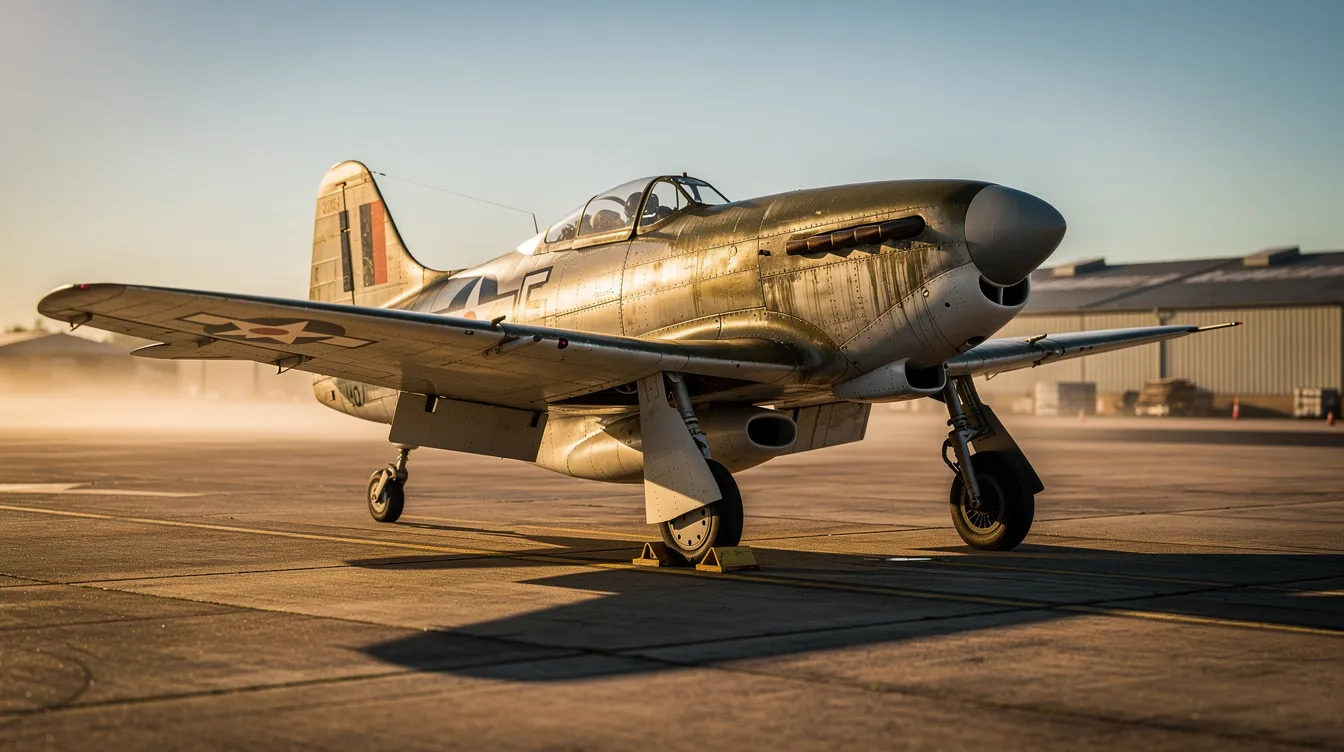
A vintage military fighter aircraft, fully restored and parked on an airfield tarmac, basks in the warm sunlight, showcasing its historical significance and sleek design. This operational jet fighter, reminiscent of aviation history, stands as a testament to the golden age of supersonic flight and military prowess.

BusinessJets.com can assist with valuation, due diligence, and transaction support for these aircraft types, even when the plane is sourced from specialized warbird sellers. Factors like price, total time on airframe and engine, logbook completeness, and the availability of spare parts all influence the final assessment.

Future Civil Supersonic Projects (Boom Supersonic and Beyond)

The promise of supersonic travel for airline passengers has driven significant investment since the Concorde retired in 2003. Today, several ventures aim to bring civil supersonic flight back, though none has yet delivered a production aircraft.

  • Boom Supersonic's Overture is the most visible program, targeting a cruise speed of roughly Mach 1.7 over water for transoceanic missions. The design emphasizes a reduced sonic boom footprint and compatibility with sustainable aviation fuel. New supersonic concepts are engineered for compatibility with sustainable aviation fuel as part of addressing environmental scrutiny.

  • Airline interest is real: American Airlines ordered 20 Boom Supersonic Overture jets, while United Airlines and Japan Airlines have also signaled commitments. These are structured as commercial airline orders, not private jet sales.

  • In-development supersonic aircraft target future markets but are not currently available for sale. As of 2026, no Overture aircraft are delivered or trading on the pre-owned market, so there is effectively no "Overture for sale" segment yet. The Spike S-512 is another concept in development, though at an earlier stage.

BusinessJets.com primarily supports corporate and private buyers in the pre-owned business aviation market. Any future civil supersonic business jets could become part of its acquisition advisory and brokerage services once they reach certification and production.

Legal and Regulatory Framework for Owning a Supersonic Jet

Buying a supersonic-capable jet is fundamentally a regulatory project as much as a purchase decision. Certifications and regulatory status heavily influence operational capabilities and market maturity for supersonic jets, and no buyer should underestimate the compliance burden.

  • FAA Experimental/Exhibition certification: Military jets must hold an FAA Experimental/Exhibition certificate for civilian operation. These certificates impose restrictions on where the aircraft can fly, prohibit most for-hire operations, and require rigorous inspection schedules. The airplane must demonstrate safe operation and maintain detailed maintenance records.

  • Mandatory demilitarization: Civilians can legally own demilitarized fighter jets, but all weapons, targeting systems, and classified avionics must be permanently removed. For aircraft originating from the Soviet Union or other foreign countries, export control laws such as ITAR apply. Sanctions considerations affect certain Russian types like the MiG-29 or Su-27, adding complexity to any cross-border sale.

  • Supersonic overland restrictions: Commercial supersonic flight over land is heavily restricted or banned in many jurisdictions. In the U.S., 14 CFR 91.817 prohibits civil aircraft from exceeding Mach 1 over land except under Special Flight Authorization (SFA). Regulatory updates aim to allow quieter supersonic aircraft to fly over land, with the FAA proposing noise-based limits that could take effect by mid-2027.

  • Export and import controls: Moving a turbine military aircraft across borders—whether from the UK, Eastern Europe, or elsewhere—triggers export licensing requirements. In some cases, State Department approvals are necessary. GST applies in certain country jurisdictions for imported aircraft sales.

Engaging experienced legal and aviation counsel is essential. BusinessJets.com can coordinate with regulatory experts as part of a broader consulting engagement to manage these obligations.

Cost Breakdown: Acquisition, Operation, and Lifecycle Economics

Financial realism is critical. Buyers should look well beyond the sticker price to understand total cost of ownership over five to ten years. Prices for military jets range from under $100,000 to over $5 million, depending on type, rarity, and condition.

Acquisition Prices (2024–2026 estimates)

  • Aero L-39 Albatros: $200,000–$600,000

  • MiG-21UM (two-seat trainer): $300,000–$800,000

  • Northrop F-5: $500,000–$1.5 million

  • Lockheed F-104 Starfighter: $1 million–$2.5 million

  • McDonnell F-4 Phantom II: $3.5 million+

  • Turbine military aircraft: $150,000 to $6 million across the full spectrum

Operating Costs Per Flight Hour

  • L-39: ~$1,000–$1,500

  • Alpha Jet: ~$2,000–$3,000

  • A-4 Skyhawk: ~$3,000–$5,000

  • MiG-29 / Su-27: ~$8,000–$12,000

  • F-4 Phantom II: exceeds $15,000

Expensive operational costs due to high fuel consumption and specialized maintenance are a defining feature of supersonic jet ownership. Supersonic transports are estimated to burn 5 to 7 times more fuel per passenger than standard subsonic jets, a factor that extends to military-origin types with older turbojet engines. Supersonic jets require specialized hangarage and trained personnel, which are rare.

Fixed and Recurring Costs

  • Hangarage at key hubs

  • Insurance premiums (influenced heavily by pilot experience and aircraft type)

  • Crew and maintenance staffing

  • Major maintenance events that may require a fresh condition inspection to return the aircraft to service or preserve resale value

  • Engine overhauls (often reaching six figures per event)

  • Diminishing spare parts supply for older airframes

Residual Value and Liquidity

The impact of time-limited engine lives, IFR engine overhaul status, and parts scarcity on long-term economics can be significant. Other factors such as corrosion, avionics upgrades, and provenance documentation also affect resale.

BusinessJets.com's appraisal and valuation services can quantify these factors and support capital planning for corporate or private buyers. Aviation consulting helps optimize aircraft asset management across the ownership lifecycle.
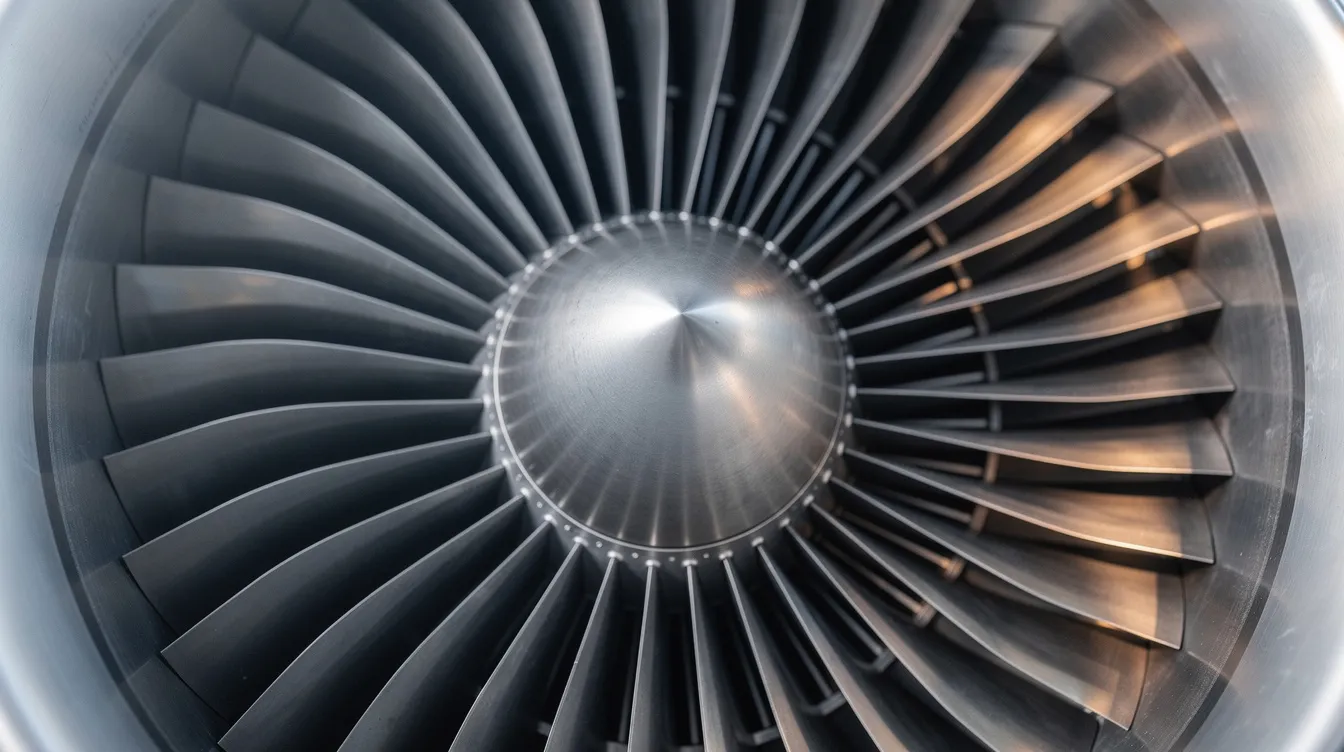
A close-up view of a jet engine turbine showcases its metallic blades reflecting light, emphasizing the intricate design and engineering of this essential component for supersonic flight in military aircraft. The turbine's sleek and powerful appearance highlights its role in operational jet fighters and advanced aviation technology.

Market Trends: Demand for Supersonic-Capable and Turbine Military Aircraft

From 2020 to 2026, interest in warbird and turbine military aircraft has grown steadily among high-net-worth buyers, corporate flight programs, and organizations pursuing government contract work. The market has been shaped by several intersecting forces.

  • Growth in demand for high-performance jets used in adversary training for air forces has directly increased prices for certain fighter jets like the F-5 and A-4 Skyhawk. Companies operating fleets of ex-military jets for contract training push valuations higher as flyable airframes are absorbed into service.

  • The supply of true supersonic fighters is limited. Many Cold War-era airframes have been retired to museums or static display; fewer remain in airworthy condition and are flown regularly. By contrast, high-subsonic business jets and advanced trainers are far more plentiful and liquid.

  • Supersonic aircraft face environmental scrutiny due to noise and emissions concerns. Fuel costs remain volatile, and community noise sensitivities continue to influence where high-performance aircraft can operate.

BusinessJets.com leverages transaction data from 1,500+ closed aircraft deals and a base of 5,000+ clients to benchmark values and timing for buying or selling high-performance assets. This depth of market intelligence is particularly valuable in a segment where comparable sales data is thin.

How BusinessJets.com Supports Supersonic and High-Performance Jet Buyers

BusinessJets.com is an aircraft brokerage and aviation consulting partner focused on disciplined, data-driven transactions. The firm's approach is advisory first—grounded in risk assessment and mission clarity rather than speculative collecting. Consultants provide strategic guidance for aircraft acquisitions at every stage.

  • Acquisition strategy: Clarifying mission profiles (airshow work, corporate use, adversary training, investment), risk appetite, and regulatory constraints before selecting an aircraft type.

  • Global search and due diligence: Sourcing aircraft worldwide, including turbine military aircraft, vintage fighters, and high-performance business jets, then verifying history, maintenance records, and legal provenance. This includes confirming demilitarization status and, for restored or disassembled inventory, whether all parts tagged accordingly align with maintenance and inventory documentation standards and meet civilian airworthiness requirements.

  • Independent inspections: Coordinating expert evaluation of engines, avionics, cockpit systems, and structural integrity in older supersonic-capable aircraft. This extends to verifying whether an aircraft is undergoing inspection or has deferred maintenance items that affect value.

Engage BusinessJets.com early for confidential acquisition planning—before you commit to a specific jet found online—to ensure the full picture of cost, compliance, and risk is clear.

Selling a High-Performance or Supersonic-Capable Aircraft

Selling a supersonic-capable jet or turbine fighter is a specialized process that requires careful positioning, buyer qualification, and regulatory diligence. Aviation consulting supports aircraft transaction strategies on the sell side just as much as on the buy side.

  • Pre-sale appraisal: BusinessJets.com provides valuation services to establish a realistic asking range based on aircraft condition, engine status (including hours since major overhaul and fresh condition inspection records), avionics upgrades, and current market demand. Consulting services include aircraft appraisals and market intelligence tailored to niche segments.

  • Preparation: Bring maintenance current, resolve deferred items, and compile logbooks and modification data into a transparent, buyer-ready package. Cosmetic restoration helps. Aircraft that are fully restored or in demonstrably excellent condition command premium prices when sold.

  • Discreet marketing: BusinessJets.com markets high-performance aircraft to qualified buyers through private networks, operator lists, and targeted outreach rather than mass public listings. This protects seller leverage and manages regulatory exposure.

  • Regulatory documentation: Managing export approvals, ensuring compliance with ITAR requirements, and qualifying buyers for military-origin aircraft protects the seller and ensures a compliant transaction. Confirming the serial number, discharge paperwork, and chain of custody is essential.

Safety, Training, and Pilot Qualifications for Supersonic Jets

Safety and pilot competency are the real limiting factors in private supersonic jet ownership. An airplane is only as safe as the person at the controls and the team maintaining it. These are not forgiving machines—every flight demands preparation, discipline, and currency.

  • Type ratings and endorsements: FAA type rating and specific turbine endorsements are required for most military-origin jets. For some types, no civilian type rating exists; instead, operating authority is granted through the Experimental certificate and the pilot's demonstrated experience.

  • Training paths: Most owners begin with time in a trainer like the L-39, then transition to faster aircraft such as the F-5 or MiG-21. Simulator work (where available), mentoring by experienced instructors, and recurrent training are standard. A pilot who cannot fly in demanding weather or handle emergency procedures has no business in a supersonic fighter cockpit.

  • Insurance requirements: Underwriters often require substantially more training and experience than FAA minimums, especially for supersonic-capable fighter jets. Premiums reflect the risk profile of both the aircraft and the pilot.

  • Maintenance and airworthiness: Selecting experienced maintenance providers is critical. Aging airframes and engines designed originally for military environments require safety-oriented operating procedures and careful attention to fatigue life, corrosion, and component limits. Aircraft that are flown regularly tend to fare better mechanically than those left dormant.

BusinessJets.com can, as part of a consulting engagement, help assemble an operating team and advise on training and vendor selection, though the firm does not directly provide flight training.

Comparing Supersonic-Capable Fighters to High-Speed Business Jets

Many buyers searching for a supersonic jet for sale ultimately compare that option to modern long-range business jets that cruise near Mach 0.90. The comparison is worth making honestly, because the two categories serve fundamentally different missions.

  • Mission profiles: Fighter jets and vintage fighters excel at short, intense flights—demonstrations, air combat maneuvering, and airshow performances. Modern business jets are optimized for transcontinental and transoceanic corporate travel with range, reliability, and comfort as priorities.

  • Comfort and cabin: Cabin size and passenger experience in supersonic jets differ significantly from traditional business jets. A fighter cockpit is cramped, loud, and subjects occupants to significant G-loads. Business jets carry passengers in pressurized cabins with amenities for work and rest. Modern business jets can comfortably carry passengers across continents; a fighter cannot.

  • Practical speed: Given current overland supersonic restrictions, a high-speed business jet cruising at Mach 0.90 is more practical for most corporate missions. The supersonic-capable airplane cannot legally exceed Mach 1 over land, limiting its speed advantage to offshore or transoceanic routes.

BusinessJets.com can help clients run objective comparisons between acquiring a fighter-type aircraft for passion, marketing value, or airshow visibility and investing in a business jet aligned with core travel needs. Visit the BusinessJets.com blog for additional analysis on aircraft selection and market positioning.

Geography and Storage: Where Supersonic and Vintage Fighters Are Based

Many turbine military aircraft and vintage fighters cluster around airfields with active warbird and high-performance communities. The choice of base directly affects operating costs, maintenance access, and community acceptance.

  • Coastal and desert locations with favorable weather dominate: Southern California (including areas near Redondo Beach where several classic aircraft and vintage fighters have historically been based), Arizona, and Texas. Dry climates reduce corrosion risk and extend airframe life.

  • Airfields with maintenance organizations experienced in turbine military aircraft and fighter jets, plus access to long runways and supportive local regulation, are essential. Not every airport can accommodate the noise, fuel requirements, and infrastructure demands of a supersonic fighter.

  • Hangar requirements include sufficient door height for tall vertical stabilizers, fire protection systems rated for jet fuel operations, and secure access. Community factors such as noise curfews and local acceptance of high-performance flying are practical considerations that can determine whether an owner can operate freely or faces ongoing friction.

BusinessJets.com's consulting can include airport and base-of-operations selection to align with the aircraft type and intended usage profile.

An aerial view of a desert airfield showcases large hangars and a long asphalt runway, where various military aircraft, including turbine military aircraft and operational jet fighters, are stationed. The scene reflects the historical significance of aviation and the possibilities for private ownership and government contract work in the realm of supersonic travel.

Case Studies: Example Supersonic-Capable Aircraft Scenarios

Every supersonic-related transaction is unique. The following anonymized scenarios illustrate how buyers might approach an acquisition with expert advisory support.

Corporate Sponsor vs. Business Jet Investment

A mid-size corporation explored sponsoring a demilitarized F-5 for airshow performances and promotional fly-in events versus investing in a high-speed business jet for executive travel. BusinessJets.com modeled total cost of ownership over five years for both options, including acquisition, insurance, crew training, annual maintenance, and expected utilization. The analysis revealed that the F-5 offered strong marketing visibility but limited practical utility, while the business jet delivered measurable travel efficiency. The client ultimately acquired the business jet and engaged an existing warbird operator for periodic airshow sponsorship—achieving both objectives at lower total cost.

Private Collector Acquiring a MiG-21

A collector with prior turbine experience sought a two-seat MiG-21UM for personal use and occasional adversary contract work. The acquisition budget was $300,000–$500,000. BusinessJets.com coordinated regulatory navigation (FAA Experimental certification, demilitarization verification), operating cost modeling (approximately $50,000 per year in baseline maintenance), and spare parts sourcing assessment. A key risk factor was the diminishing supply of Soviet-origin engine components. The buyer proceeded with a realistic maintenance reserve and established relationships with two specialty vendors to mitigate parts risk.

Operator Building an Adversary Training Fleet

An operator pursuing government contract work required a small fleet of turbine military aircraft for air force aggressor support. The firm needed fleet strategy, valuation of available F-5s and L-39s, and a remarketing plan in case of contract loss. BusinessJets.com benchmarked acquisition costs, modeled per-aircraft operating budgets, and structured a phased buy plan that reduced upfront capital exposure. Pilot availability and type-rating pipeline risks were identified early and addressed through partnership with a training organization.

These examples underscore that tailored consulting—not off-the-shelf advice—is what separates a sound acquisition from a costly misstep.

How to Start: Appraisals, Consulting, and Next Steps with BusinessJets.com

Whether you are a current owner seeking a sale or a prospective buyer still defining your mission, the most productive first step is a structured conversation with an experienced advisor.

  • Requesting an appraisal: Owners of high-performance jets or vintage fighters should prepare the aircraft's serial number, airframe hours, engine time since major overhaul, logbooks, modification records, avionics status, and current certification or registration. BusinessJets.com uses recent transaction data in the niche warbird and ex-military market to benchmark value and deliver a credible aircraft appraisal.

  • Buyer consultation: A prospective buyer can engage BusinessJets.com for an initial consultation to define goals, budget, and risk tolerance before committing to a specific aircraft search. This discovery phase typically covers mission profile (display, training, corporate, investment), regulatory landscape, and financial planning.

  • Typical engagement steps: Discovery call, market analysis, shortlist of options, detailed due diligence (including confirming whether an aircraft is undergoing inspection or has deferred items), transaction execution, and post-closing support such as fleet optimization or resale planning. From first inquiry to delivery, expect six to twelve months for most transactions—longer for complex restorations or cross-border deals.

Contact BusinessJets.com to discuss appraisals, listing aircraft for sale, or exploring acquisition support for supersonic-capable and other high-performance aircraft.

Frequently Asked Questions

Can a civilian or corporation legally own a supersonic fighter jet in the U.S.?

Yes. Civilians can own demilitarized military jets legally, including certain supersonic-capable types, under FAA Experimental or Exhibition airworthiness certificates. However, you cannot acquire current front-line jets like the F-16, F-22, or F-35 as an operational jet fighter for private ownership. All weapons, targeting systems, and classified avionics must be permanently removed. Ownership is subject to export control laws and, in some cases, State Department approvals—particularly for aircraft originating from a foreign country.

Are there any business or VIP supersonic jets actually for sale today?

As of 2026, there are no operational civil business supersonic jets on the pre-owned market. The Concorde retired in 2003 and is no longer in active production. Programs like the Boom Overture and Spike S-512 remain in development with airline customers, not private buyers. Buyers seeking extreme speed currently consider high-subsonic large-cabin business jets or military-origin supersonic-capable aircraft instead.

What kind of insurance and liability considerations come with owning a supersonic-capable jet?

Insurance premiums for supersonic-capable jets are significantly higher than for typical business jets. Underwriters require advanced pilot experience, recurrent training, and stringent maintenance programs. Owners should work with legal counsel on liability structures—such as holding the aircraft through a special-purpose entity—and BusinessJets.com can coordinate specialist referrals as part of a consulting engagement.

How long does it typically take to acquire a supersonic-capable aircraft from first inquiry to delivery?

Plan for six to twelve months as a baseline. Complex cross-border acquisitions, extensive refurbishment, or aircraft requiring restoration to airworthy condition can extend that timeline significantly. Regulatory approvals, inspections, pilot and crew preparation, and spare parts procurement all contribute to lead time. Engaging an experienced advisor early helps compress the schedule where possible.

Does BusinessJets.com only work with individual buyers, or also with operators and air forces?

BusinessJets.com serves private owners, corporations, fleet managers, and operators. The firm also consults for organizations supporting air force training or government contracts, provided all work complies with applicable laws and export controls. Its core strengths—brokerage, appraisals, and strategic aviation consulting—apply across these client types for both business jets and high-performance special-mission aircraft. BusinessJets.com leverages its extensive experience, having facilitated over 1,500 aircraft transactions, to provide expert support in acquiring and selling turbine military aircraft and supersonic-capable jets. The firm’s consulting services include detailed aircraft appraisals and market intelligence, helping clients navigate the complex regulatory environment where certifications and legal status heavily influence operational capabilities and market maturity.

In the niche market of turbine military aircraft, prices range broadly from under $100,000 for certain trainers or static displays to over $6 million for rare, restored warbirds. For example, airworthy WWII fighters can cost between $100,000 and $5 million, with iconic types such as the Supermarine Spitfire having sold for over $5 million in 2019, and P-51 Mustangs typically trading between $2.5 million and $4.5 million. The MiG-21, the most-produced supersonic aircraft in history, is available in civilian hands, with airworthy examples selling from $300,000 to $800,000, while the F-5 fighter jet ranges from $500,000 to $1.5 million. More complex jets like the McDonnell F-4 Phantom II can exceed $3.5 million, with operating costs that may surpass $15,000 per flight hour due to high fuel consumption and specialized maintenance.

Civilians can legally own demilitarized military jets, provided all weapons, targeting systems, and classified avionics are permanently removed. These jets must hold an FAA Experimental or Exhibition certificate, which imposes operational restrictions including limitations on commercial use and geographic flight areas. Supersonic jets, whether vintage or modern concepts, face stringent certification hurdles and evolving regulatory frameworks. Commercial supersonic flight over land remains heavily restricted or banned in many jurisdictions, though regulatory updates aim to allow quieter supersonic aircraft to operate over land in the near future.

Current supersonic development projects like Boom Supersonic's Overture—ordered by American Airlines for 20 units—and the Spike S-512 are engineered for compatibility with sustainable aviation fuel and aim to address environmental scrutiny related to noise and emissions. However, no supersonic jets are currently available for private purchase or commercial operation, and the Concorde retired in 2003 with no active production since. Supersonic transports burn approximately 5 to 7 times more fuel per passenger than standard subsonic jets, contributing to expensive operational costs and requiring specialized hangarage and trained personnel, which remain scarce.

BusinessJets.com’s aviation consulting expertise supports clients in optimizing aircraft asset management and developing acquisition strategies tailored to mission profiles, risk tolerance, and regulatory compliance. The firm’s advisory approach ensures that buyers and sellers of supersonic-capable and turbine military aircraft make informed decisions grounded in market realities and operational constraints.

Conclusion: Navigating the Complex Market of Supersonic Jets and Turbine Military Aircraft

Acquiring a supersonic jet for sale in 2026 requires a sophisticated understanding of a niche market defined by regulatory complexity, high operating costs, and limited availability. While no new civil supersonic jets are currently on the market, private buyers can access a range of demilitarized turbine military aircraft and vintage fighters that offer authentic supersonic performance under FAA Experimental or Exhibition certificates. These aircraft demand expert guidance to navigate legal compliance, maintenance challenges, and operational limitations.

BusinessJets.com stands as a trusted partner for owners, operators, and corporate buyers seeking to enter or optimize their position in this specialized segment. With deep expertise in aircraft brokerage, valuation, and aviation consulting, the firm helps clients make informed decisions aligned with mission goals, budget realities, and regulatory frameworks. Whether pursuing a historic fighter jet, a high-performance trainer, or preparing for future civil supersonic opportunities, engaging experienced advisors early is essential to success.

Ultimately, supersonic jet ownership is not just a purchase—it is a long-term commitment to managing a complex asset with unique risks and rewards. BusinessJets.com’s comprehensive services and market intelligence empower clients to approach this commitment with confidence and clarity, ensuring a strategic path forward in the evolving landscape of high-speed aviation.

Request an aircraft appraisal | List an aircraft for sale | Explore aircraft acquisition support | Engage BusinessJets.com for aviation consulting

Related Posts