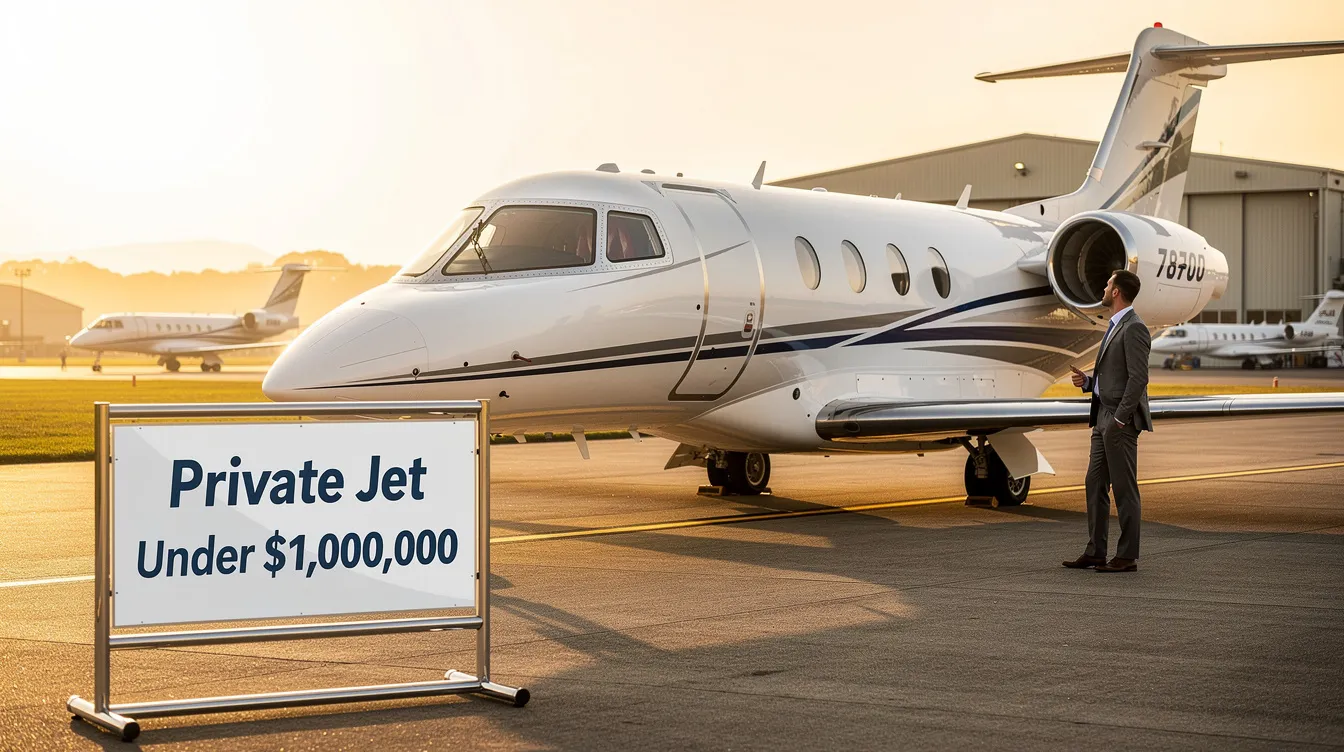
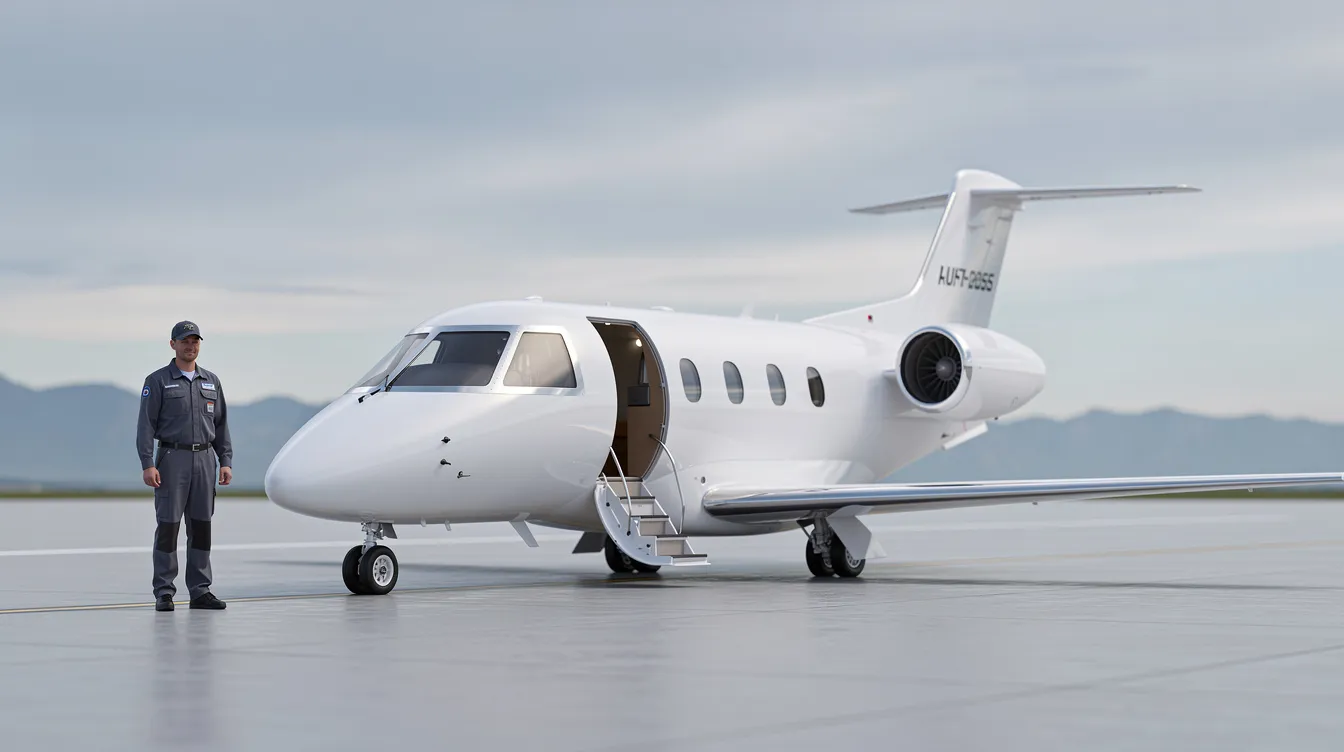
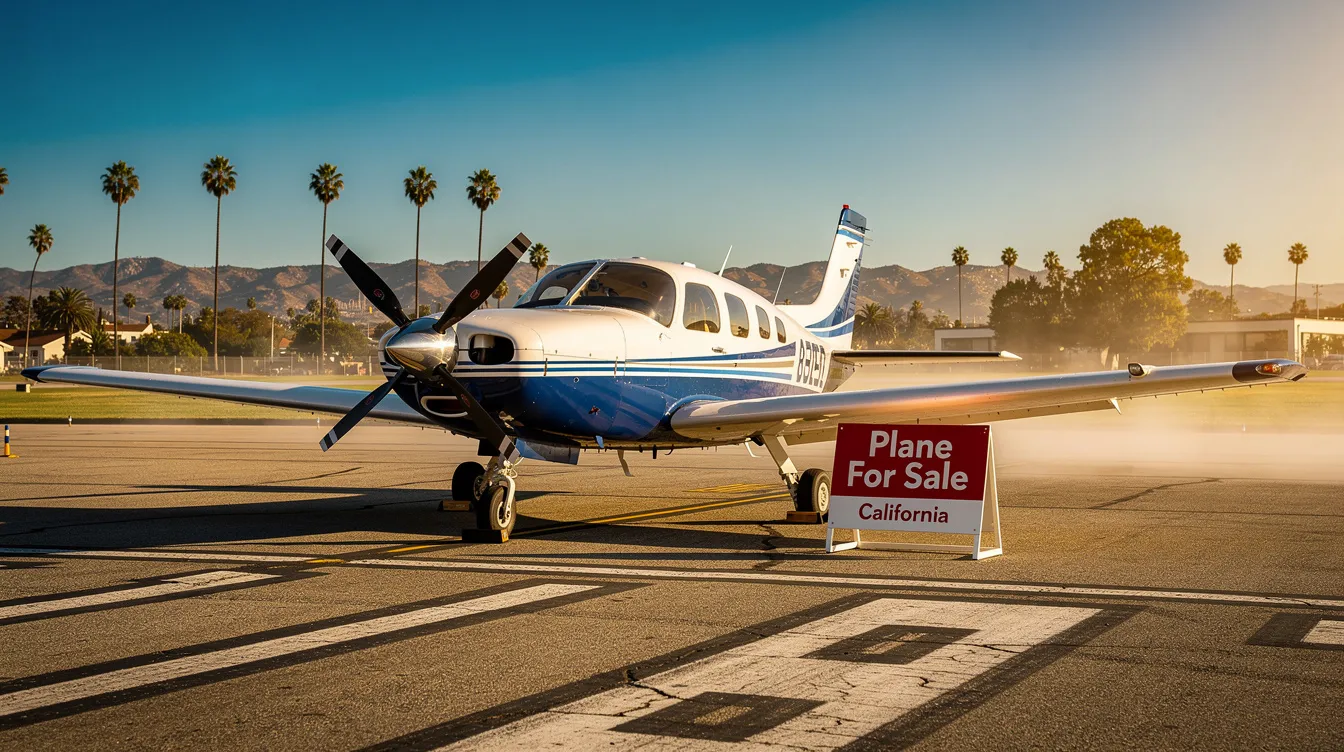
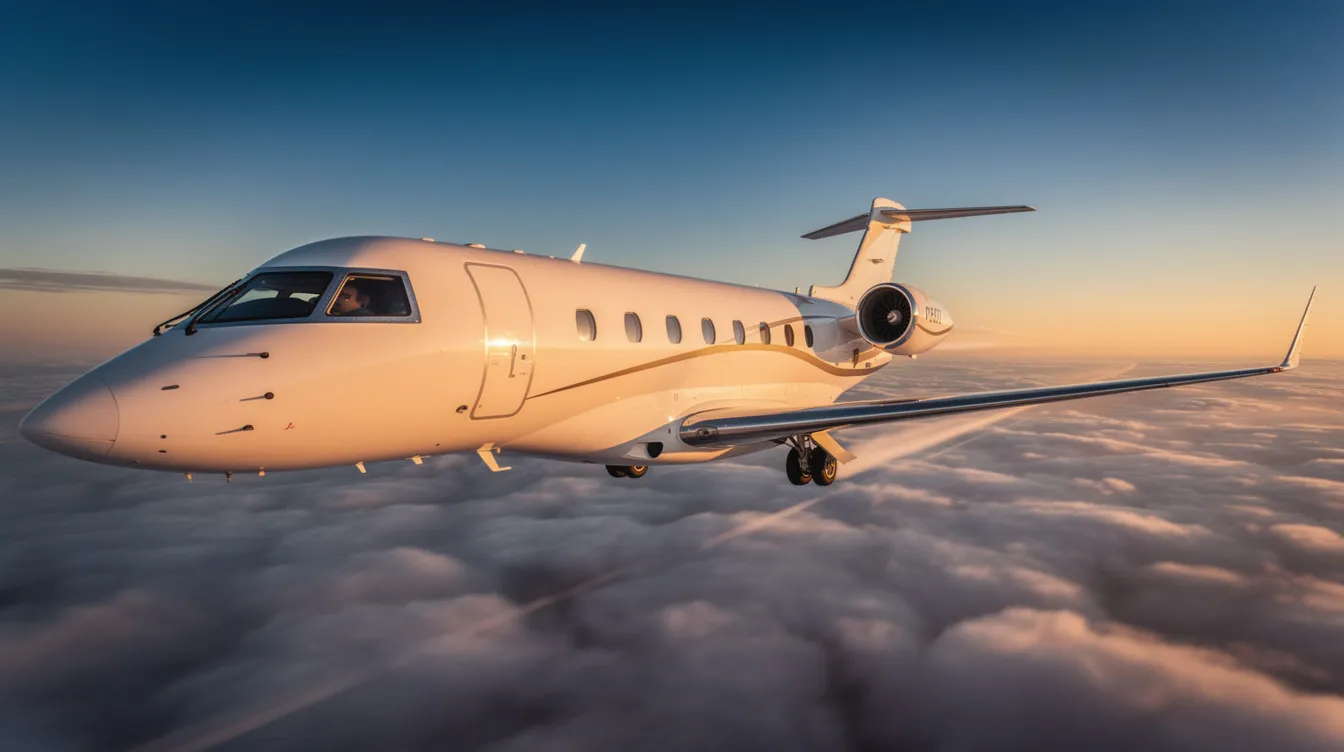
Private Jet for Sale Under 1 Million: 2026 Buyer's Guide by BusinessJets.com
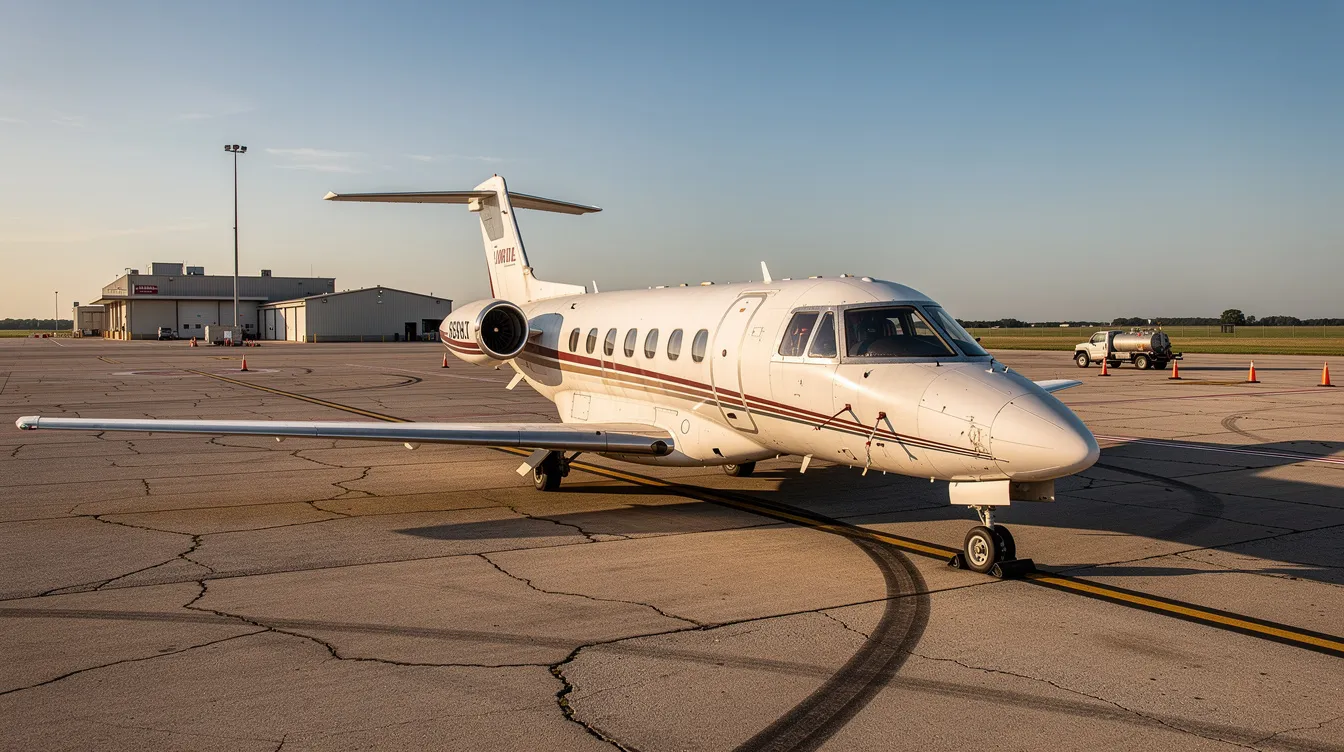
Buying a private jet for sale under 1 million dollars is possible in 2026 — but it requires a clear understanding of what this price bracket actually delivers. The segment is dominated by older airframes, meaningful maintenance obligations, and operating costs that can dwarf the acquisition price within a year or two. This guide breaks down the realistic options, costs, risks, and decision points for buyers considering aircraft in this range.
Key Takeaways
Most private jets for sale under $1 million in 2026 are older light jets and select turboprops from the 1970s through the early 1990s — not new factory aircraft. Typical models include the Cessna Citation 500/501 and Citation II, Learjet 35A, Beechjet 400A / Hawker 400, and Beechcraft King Air 200, with aircraft in this price range usually 20 to 50 years old.
Annual ownership costs for sub-$1M business jets commonly fall in the $400,000–$700,000 range, often exceeding the purchase price within a few years. The purchase price is just one part of the total cost of ownership for jets.
A professional pre-buy inspection — typically costing $15,000 to $50,000 — and a detailed maintenance and logbook review are non-negotiable to avoid six-figure surprises on older airframes.
BusinessJets.com, with over 1,500 completed aircraft transactions and more than 5,000 satisfied clients, offers appraisals, aircraft sourcing, and buy/sell strategy tailored to this price bracket.
What "Private Jet for Sale Under 1 Million" Really Means in 2026
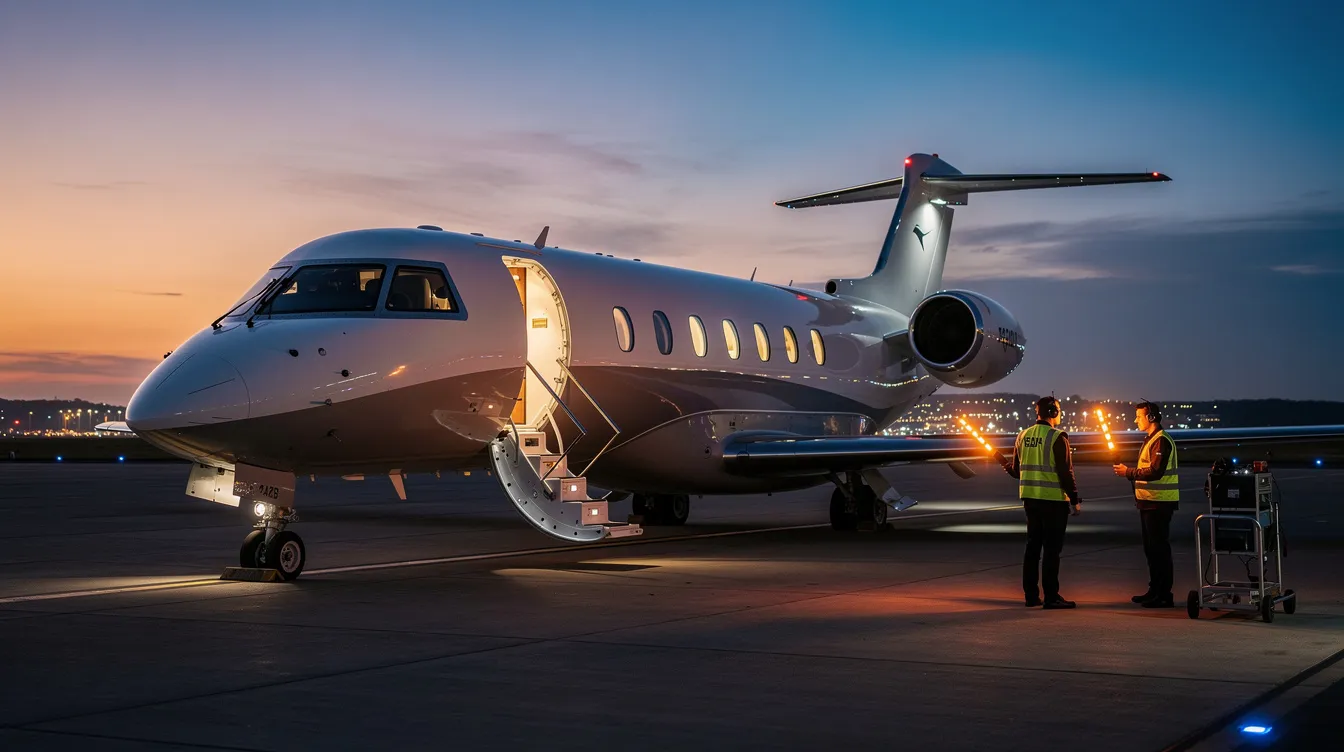
Buying a private jet priced under one million dollars restricts buyers to older pre-owned jets. In practice, the sub-$1M segment consists almost entirely of 20-to-40-year-old light jets and a handful of older mid-size jets and turboprops. Modern very light jets and large cabin jets sit well above this range, with only rare, high-risk exceptions reaching below a million dollars.
As of mid-2026, there are roughly 35,000–36,000 business jets in active service worldwide. Only a small single-digit percentage of those realistically trade under $1 million at any given time. Many of these aircraft need avionics upgrades, interior refurbishment, or engine work before they can fly reliably on a regular schedule. Older jets often require significant refurbishment before flying.
Very light jets like the Cirrus Vision Jet, HondaJet, and Phenom 100 typically sit above $1M even as pre-owned aircraft. The rare lower-price exceptions tend to be older, high-time examples with significant maintenance due—aircraft that experienced buyers approach with caution and thorough inspection. Finding a functional jet under $1 million is rare, and understanding this reality early saves time and capital risk.
Representative Private Jets for Sale Under 1 Million (Realistic 2024–2026 Market Ranges)
Exact listings change weekly, but the price bands below reflect typical 2024–2026 ask ranges seen across U.S. and European markets for sub-$1M private jets for sale. Cessna Citation and Learjet are common examples of older jets available under $1 million.
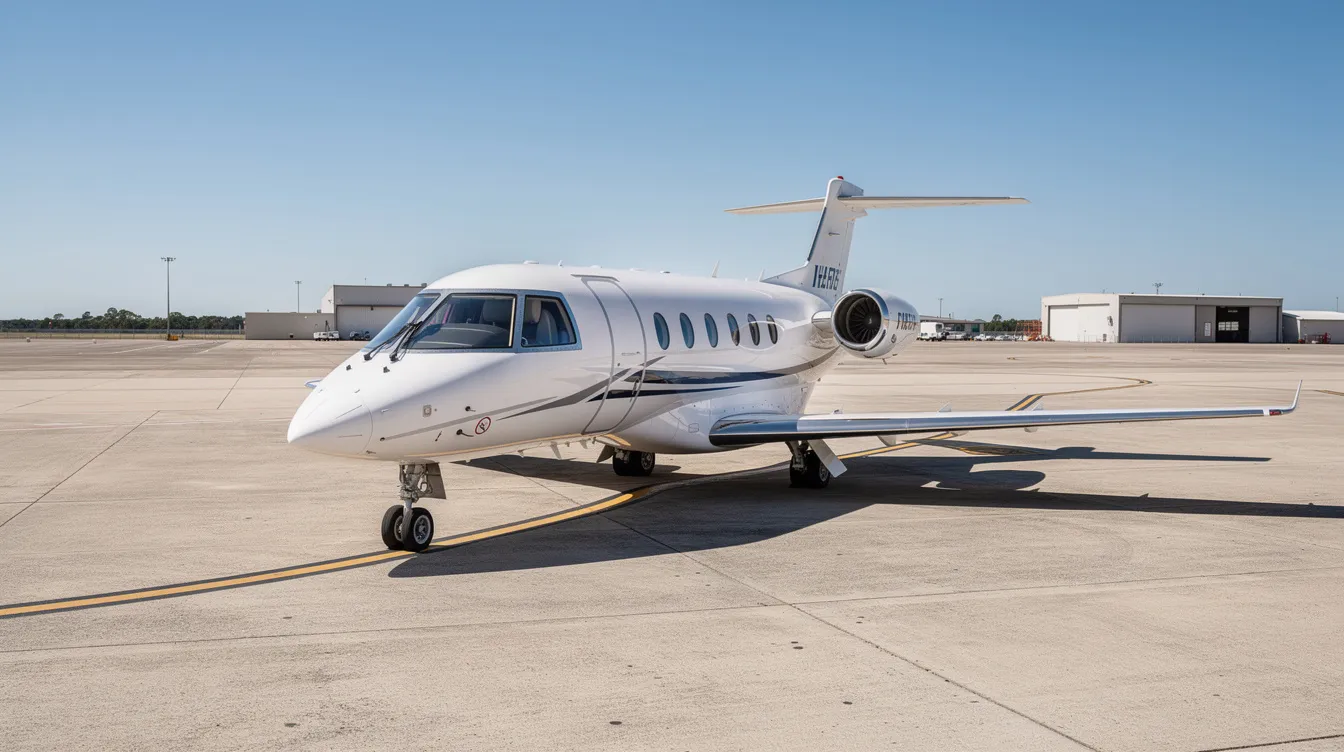
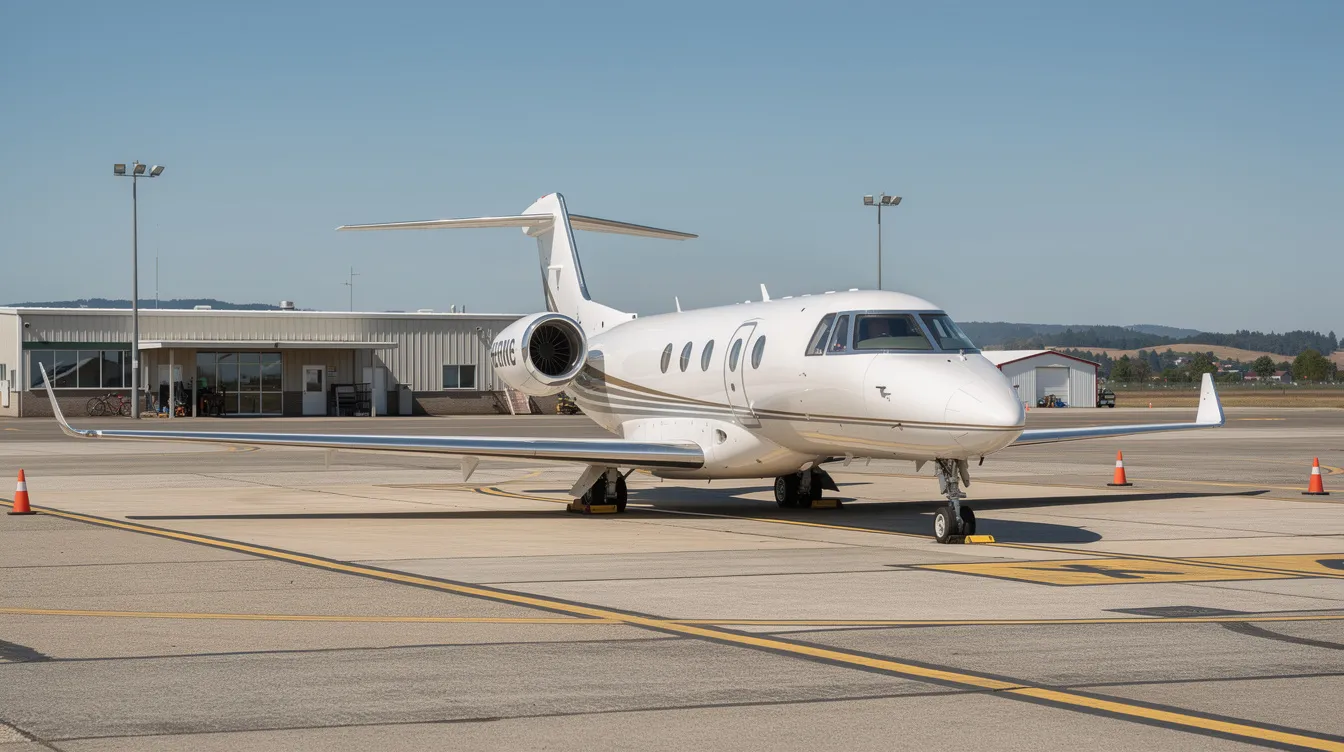
Cessna Citation 500/501 (mid-1970s–early 1980s): Cessna Citation 500 models range from $350,000 to $800,000. These 5–6 seat classic light jets were used heavily for regional business flying and remain widely supported by maintenance networks.
Cessna Citation II (late-1970s–mid-1980s): About $395,000–$900,000, seating 6–8 passengers. The Cessna Citation II is a popular entry-level business jet with strong parts support. Recent market data from fyiAero shows 32 units listed, with median asking prices around $780,000–$840,000.
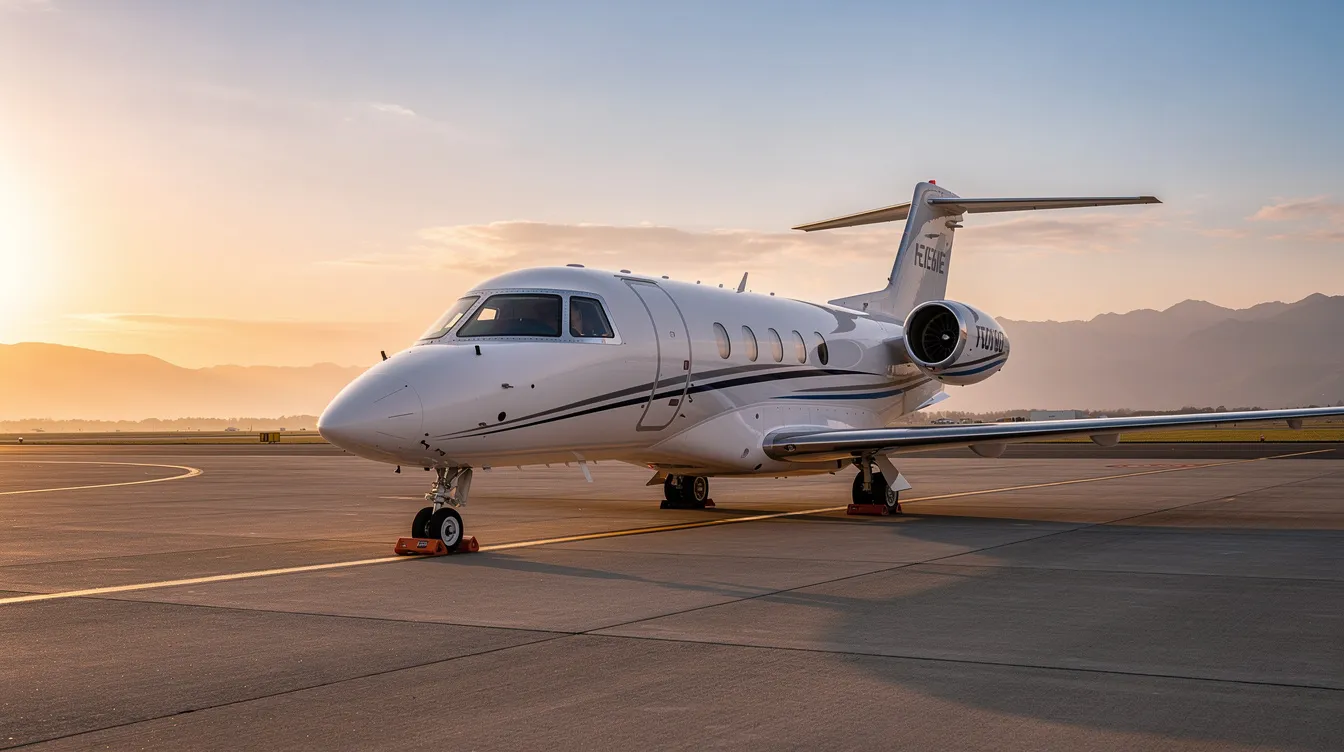
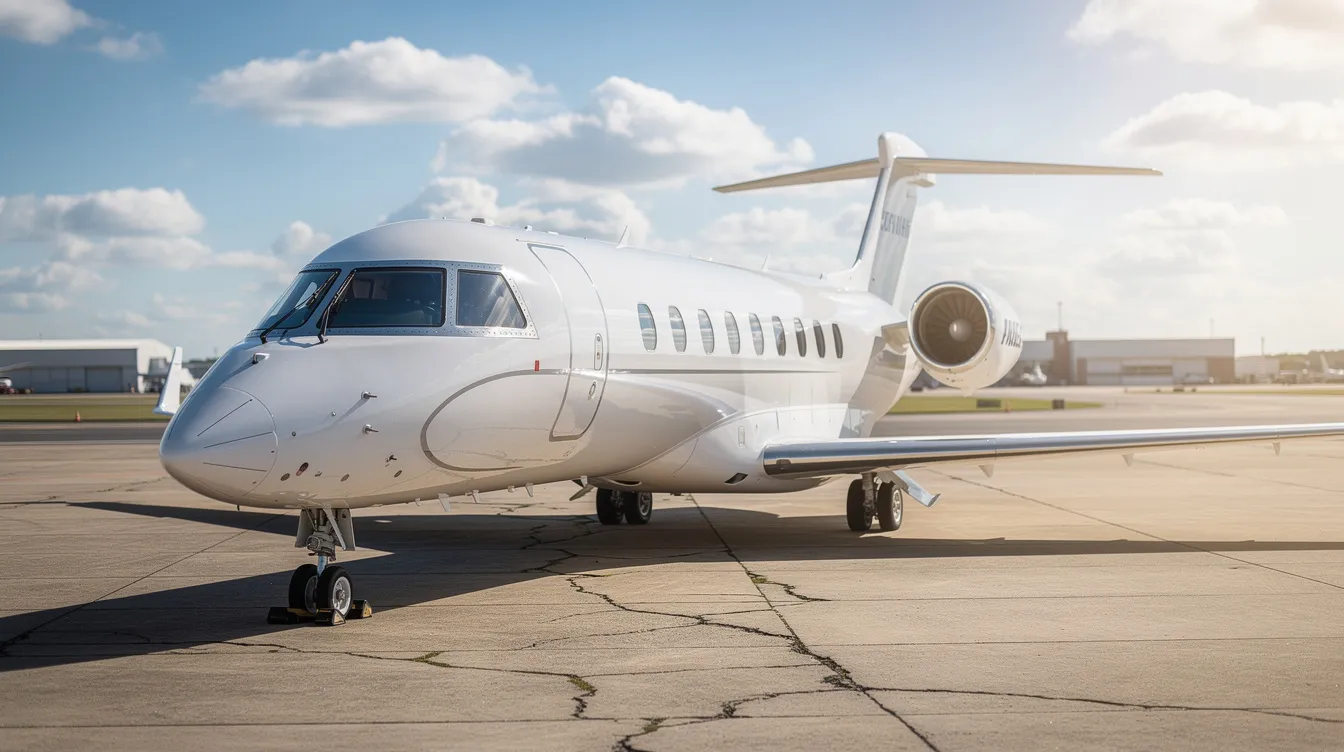
Learjet 35A (late-1970s–late-1980s): Typical range $525,000–$900,000. A fast 6–8 seat light jet with good range but higher fuel burn than some competitors. These pre-owned jets appear less frequently in the sub-$1M window but remain sought after for their cruise speeds and altitude capability.
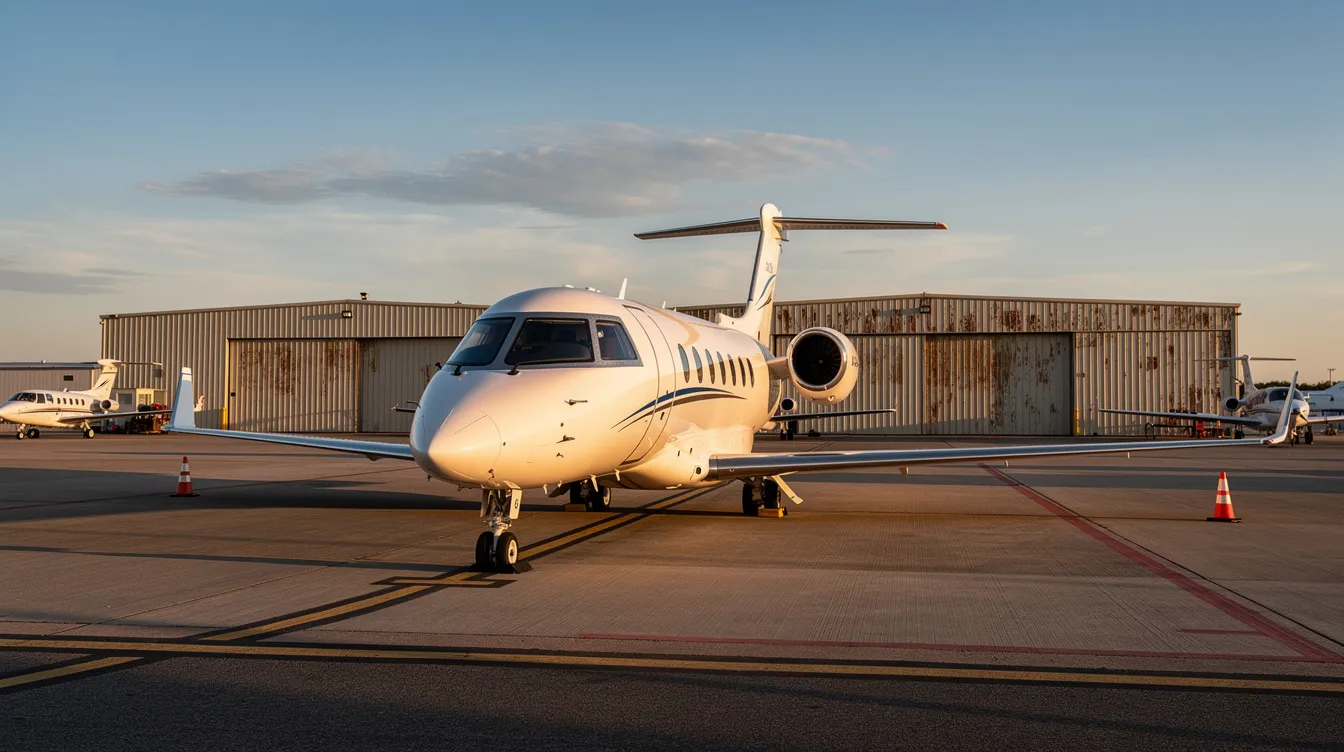
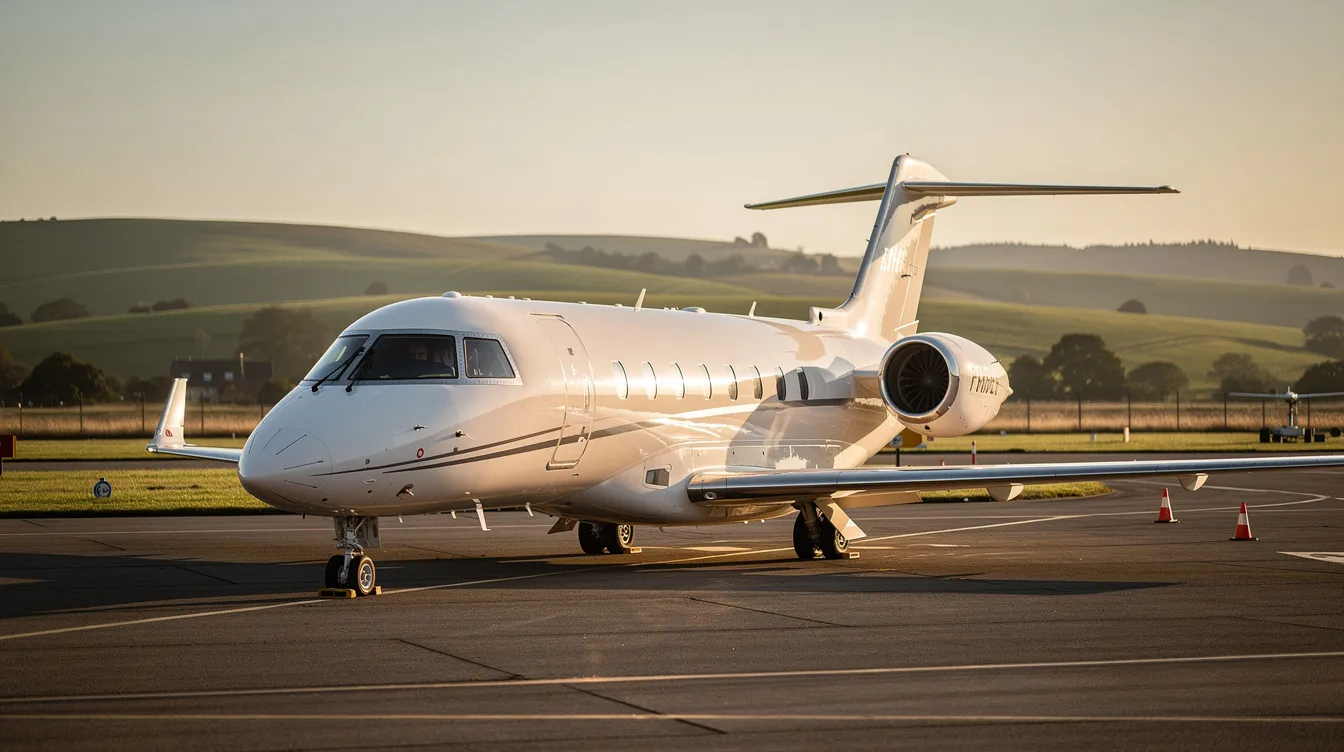
Beechjet 400A / Hawker 400 (early-1990s): Commonly $650,000–$1,000,000. Compact cabin, strong performance, and often used in charter fleets. Many of these pre-owned aircraft sit right at the $1M boundary.
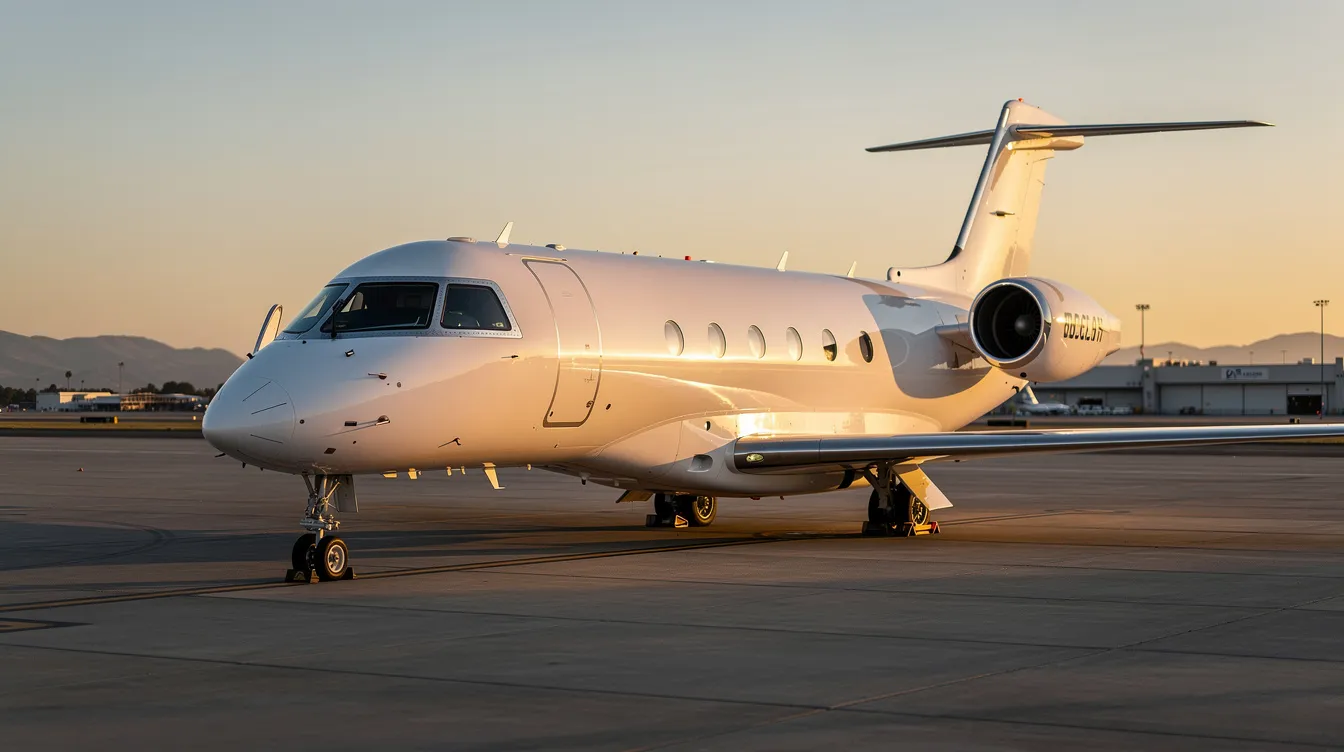
Astra / Gulfstream G100 (late-1980s–1990s): Sometimes $800,000–$1,200,000. A step up in range and cabin volume, but clean, low-time examples frequently exceed $1M. Aircraft near the lower end typically carry substantial upcoming maintenance.
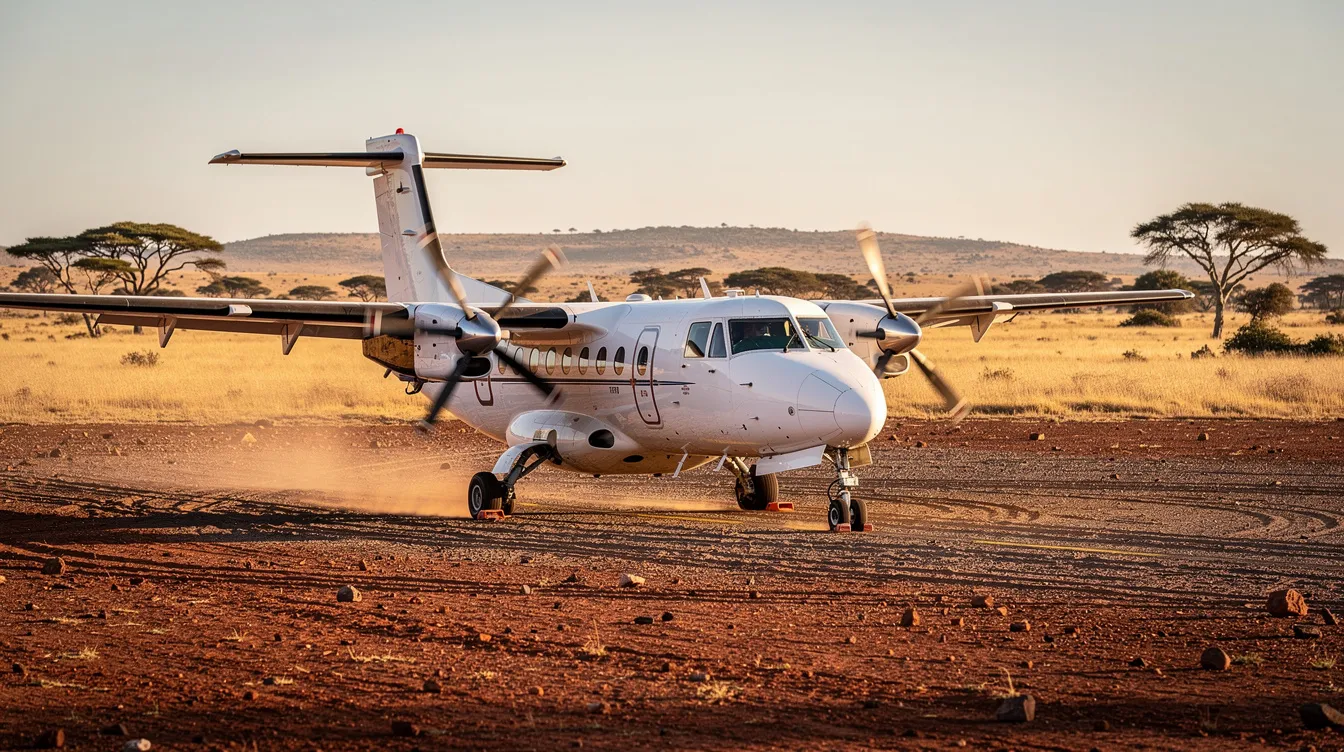
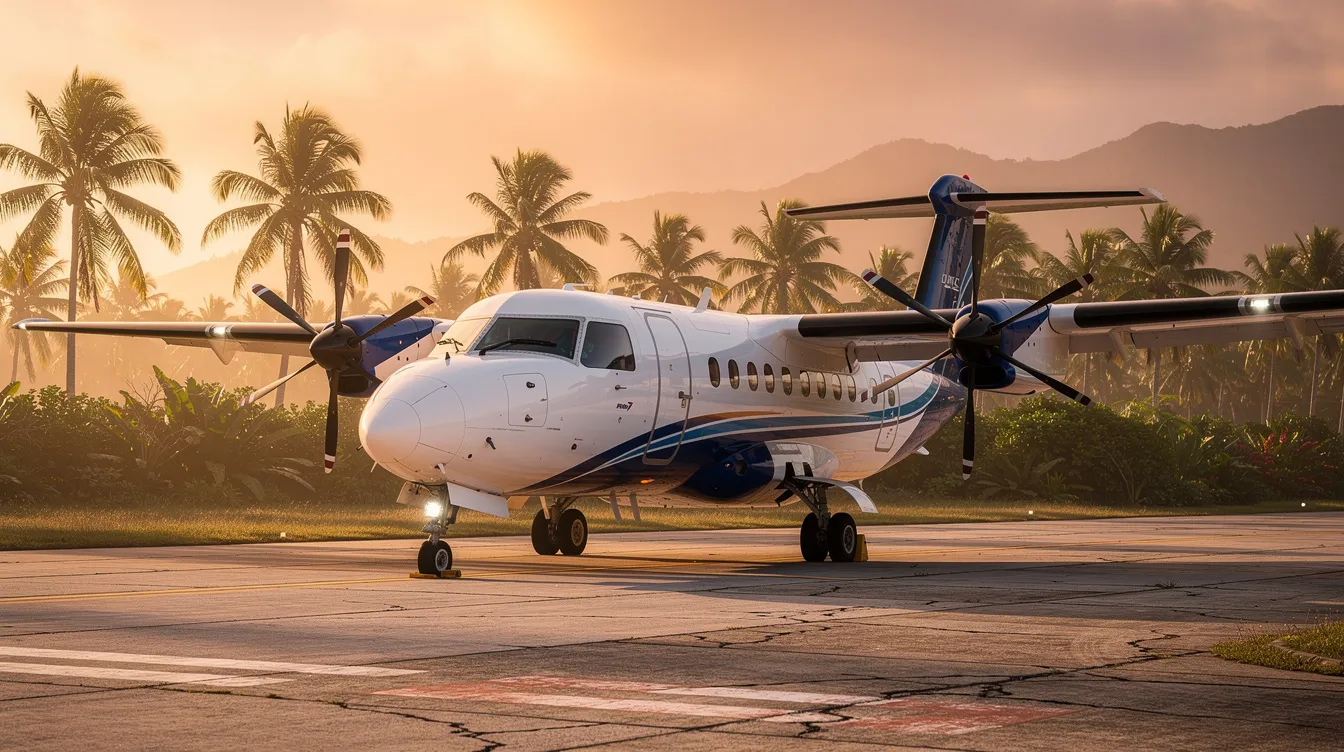
Beechcraft King Air 200/100 (early-1980s): High-performance turboprops around $800,000–$1,100,000. Often the most practical choice for missions requiring short-field access or improved fuel efficiency. A 1979 King Air 200 was recently listed at $995,000, illustrating how these turboprops fit within budget.
Dassault Falcon models and larger cabin aircraft — early Falcon 20/50, early Challenger — occasionally touch the $1M mark but usually come with substantial refurbishment needs and higher extra operating costs.
BusinessJets.com can provide buyers with a current short-list of off-market and on-market candidates that fit a sub-$1M budget, backed by recent transaction data across the aircraft-for-sale inventory.

Budget Reality Check: Purchase Price vs Total Ownership Cost
For older light jets, the acquisition cost is often less than two years of operating costs. Buyers must budget holistically, not just aim to "get under 1 million."
Annual operating costs for sub-$1 million jets typically run between $400,000 and $700,000. Here is how those costs break down:
Hangar: $25,000–$70,000 depending on region. Buyers should budget for hangar costs, which can vary significantly by location.
Insurance: Insurance for private jets typically costs $25,000 to $50,000 annually.
Crew salaries and training: $160,000–$280,000 for one to two pilots, plus recurrent training.
Subscriptions, navigation databases, weather radar services: $10,000–$25,000.
Variable per-hour costs for older light jets add up quickly:
Fuel: Typically $800–$1,300 per flight hour for older designs with higher fuel burn.
Maintenance reserves: $600–$1,500 per flight hour, depending on engine program status.
Other trip fees (handling, landing, navigation): $300–$1,000 per flight hour.
Worked example: A 1979 Cessna Citation II flying 150–200 annual flight hours might incur annual fixed costs of $300,000–$400,000, plus variable costs of roughly $1,700–$2,300 per hour. That yields a plausible annual total of $450,000–$650,000 — potentially exceeding the purchase price in a single year. Maintenance costs for older jets can exceed $200,000 annually even before a major event occurs.
Engine overhauls are the single largest variable. A single engine overhaul on older jets can cost between $250,000 and $500,000, and these events can occur within the first three to five years of ownership. Major inspections and structural checks on older jets require rigorous maintenance and inspections, often costing over $100,000.
For context, annual fixed costs for midsize jets range from $800,000 to $1.2 million — significantly more than light jets, which is one reason the sub-$1M buyer gravitates toward smaller aircraft.
Before making offers, consider requesting an aircraft appraisal and operating cost model so capital outlay and annual cash burn are aligned with your corporate or personal budget.
Key Buying Considerations for Sub-$1M Business Jets
For older business jets, due diligence matters more than price. The wrong aircraft at $600,000 can cost more than a better one at $900,000 once deferred maintenance surfaces.
Airframe and engine time vs calendar age. High airframe hours and cycle counts accelerate structural fatigue. Upcoming engine overhauls and hot-section intervals should be fully disclosed and factored into the offer price. Most jets under $1 million are 20 to 40 years old, meaning calendar-based inspections and corrosion risks are elevated.
Avionics status. Many jets under $1 million lack modern avionics and may need expensive upgrades. Check for ADS-B Out compliance, WAAS/LPV capability, RVSM certification (if operating above FL290), weather radar functionality, and TAWS. Absence of these systems can limit airspace access and reduce resale value. Modern avionics are increasingly expected even on older jets.
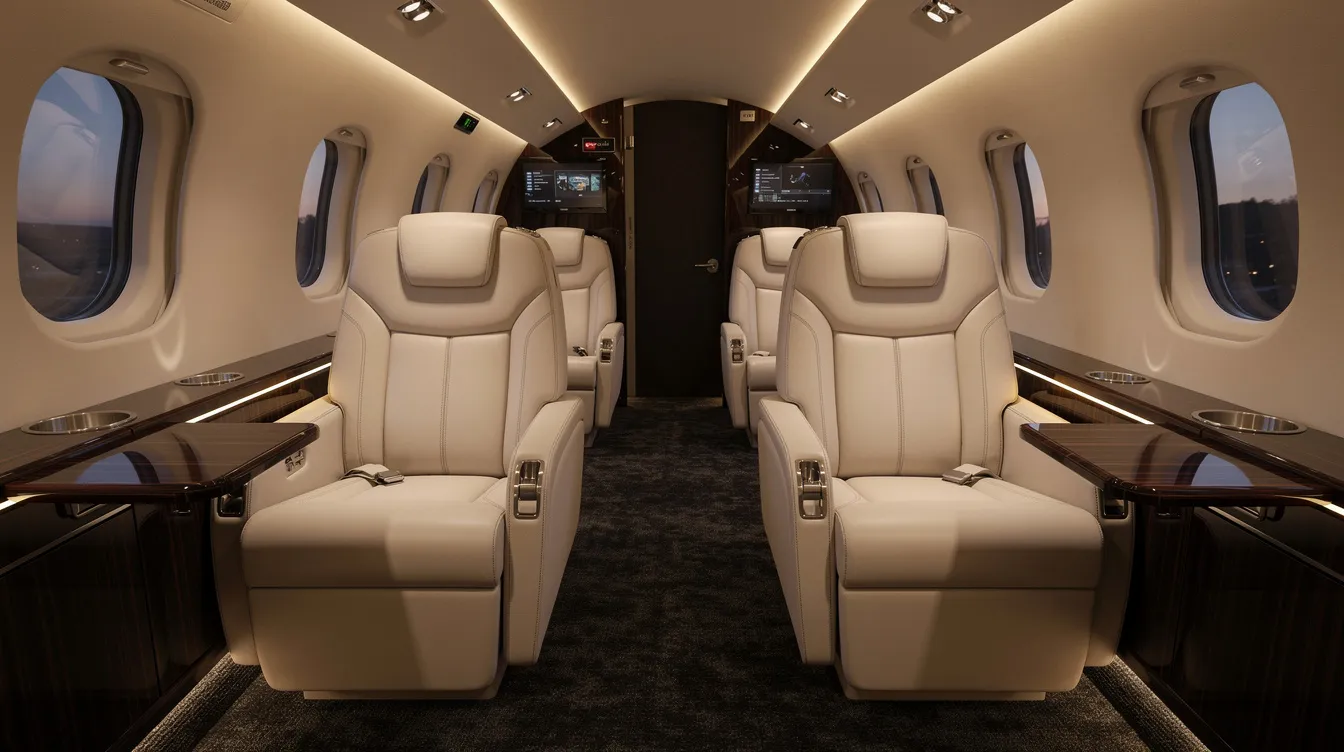
Cabin condition and cabin comfort. Interiors from the 1970s–80s typically show wear. Seating configuration, galley or refreshment center, noise levels, and cabin space all affect usability. A modest cabin refresh may run $75,000–$150,000; full refurbishment $200,000–$400,000.
Maintenance history. Complete logbooks are essential for evaluating older jets. Look for continuous records, reputable service centers, documented corrosion findings, and damage history. Consider how many private jets of the same model remain in active support — fleet depth matters for parts availability and long-term viability.
Program enrollment. Aircraft with engines enrolled in hourly maintenance programs (e.g., ESP, MSP, or equivalent) carry materially lower risk and often command higher valuations than those without.
Engage an experienced aircraft broker early to run comparative valuations across two or three candidate aircraft, highlighting where hidden upcoming maintenance will drive true cost of aircraft ownership.
The Non-Negotiable Pre-Buy Inspection (and Typical Costs)
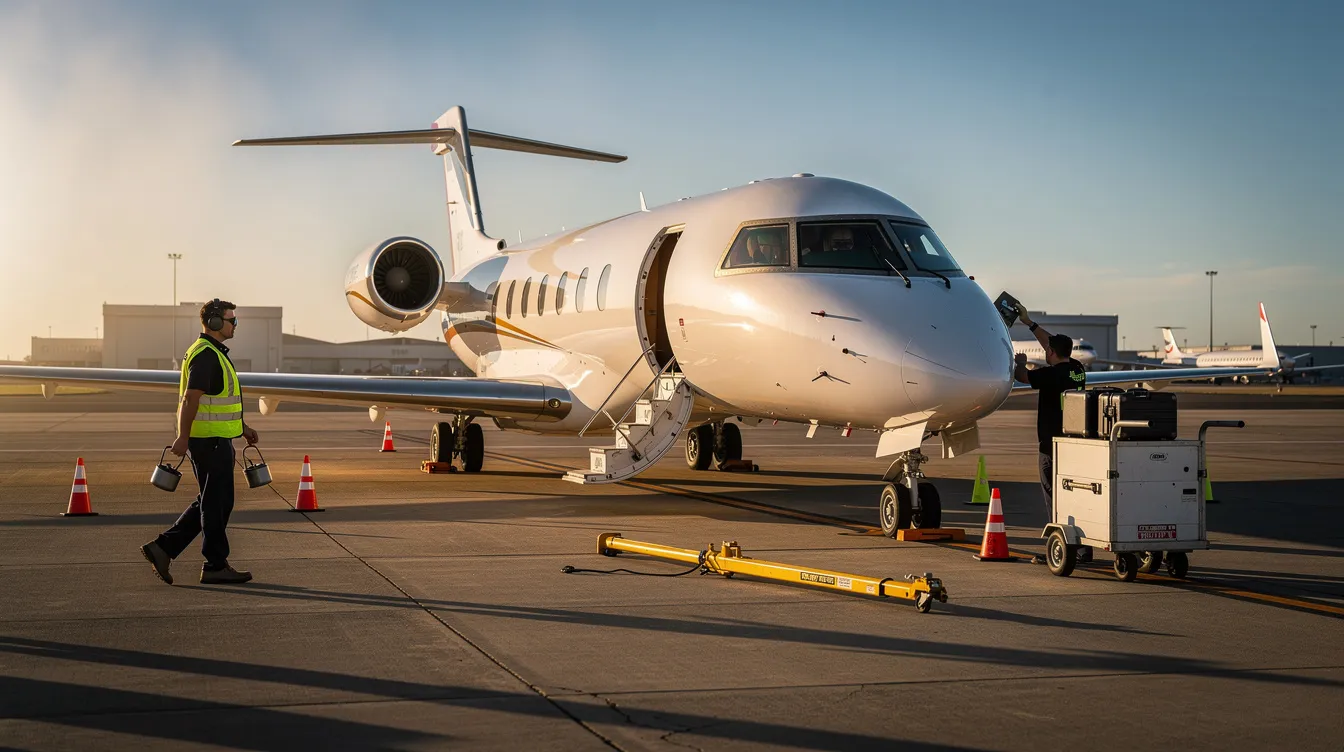
For any private jet for sale under 1 million, a thorough pre-buy inspection is an essential risk-management tool — not an optional extra. Older jets often require extensive pre-purchase inspections due to their condition.
Typical pre-buy costs for light jets: about $15,000–$40,000 depending on depth and facility. A pre-buy inspection can cost between $15,000 and $50,000 for more complex assessments.
More detailed inspections or mid-size jets can run $30,000–$60,000, excluding any corrective maintenance agreed in the contract.
A professional pre-buy inspection should cover:
Airframe structure and corrosion checks
Engine borescope and trend monitoring data
Avionics functionality, autopilot, and compliance with mandates
Cabin systems including pressurization, air conditioning, seats, and lavatory
Findings often drive renegotiation of price, seller-funded repairs, or — in some cases — walking away entirely. This outcome can save hundreds of thousands of dollars over the life of the asset. According to Avnet Magazine's pre-owned buying guide, the typical inspection and records review takes one to two weeks for a light jet.
BusinessJets.com coordinates pre-buy scope, facility selection, and findings review with maintenance experts and an aviation attorney to protect buyer interests throughout the process.

Mission Profile, Range, and Cabin Comfort: Matching the Right Aircraft
"Mission profile" - your typical stage length, passenger count, routes, and baggage requirements - is the central driver of matching aircraft to your needs, especially in the light jet segment.
Very light jet vs light jet: Very light jets in the very light jet category typically carry two to five passengers and handle trips under 1,500 nautical miles. Light jets typically seat 5 to 9 passengers and cover longer regional routes like New York–Miami or London–Nice at higher cruise speeds. The Cirrus Vision Jet falls into the VLJ category but rarely appears under $1M.
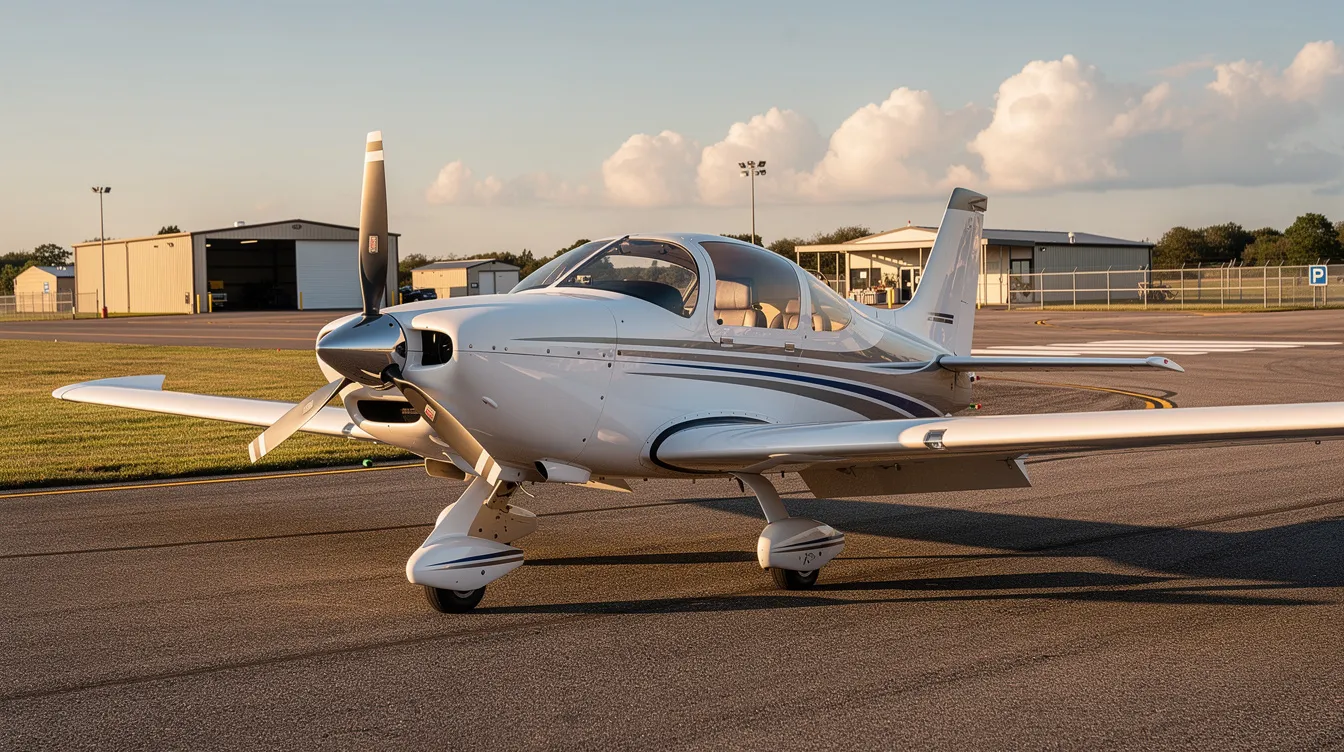
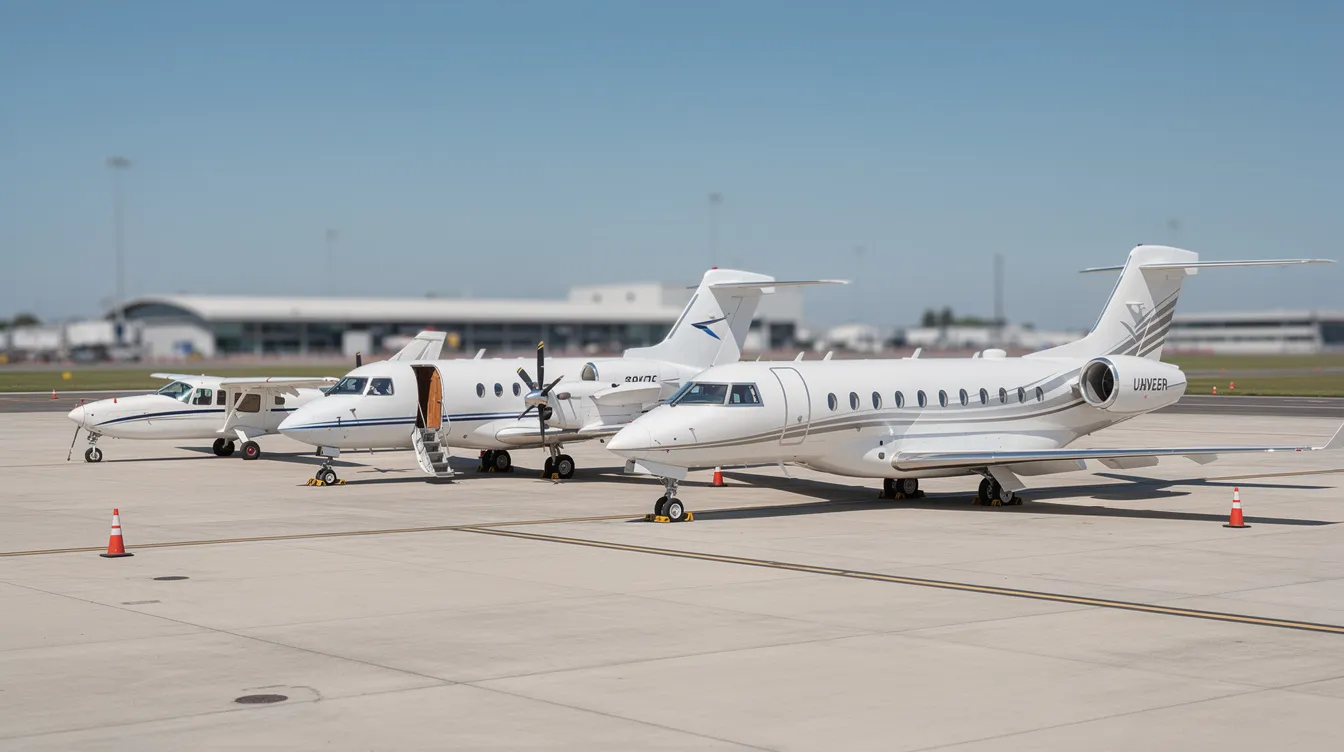
Older light jets vs turboprops like the King Air: Light jets offer speed and altitude advantages, but turboprops like the King Air provide better short-field performance, the ability to access smaller airports, and often improved economics. Turboprop aircraft often provide lower operating costs than older jets. High-performance turboprops can offer similar cabin capacities to light jets.
Cabin comfort trade-offs are real: narrower cabins, older noise insulation, limited galley capacity, and restricted cabin volume characterize most jets in this aircraft category from the 1970s–80s. For four passengers on short business trips under 800 nm, an older Cessna Citation can work well. For cross-country travel or routes like Chicago–Denver requiring more cabin comfort and range, a midsize jet or heavy jet with large-cabin amenities comparable to an Airbus ACJ319 would be more appropriate — even if it sits above this price cap.
Share your last 12–24 months of trips with BusinessJets.com so consultants can recommend a short-list of aircraft types that align with your required range, passenger count, and higher passenger counts when needed.
Market Availability: How Many Private Jets Are Really Under $1M?
How many private jets under $1M are actually available? The answer is: fewer than most buyers expect.
Around 35,000+ business jets are in operation worldwide, plus many private turboprops.
Only about 1,015 private jets were listed for sale in Q1 2026 globally.
A relatively small minority of those — often a low few hundred, including many private jets and turboprops — fall at or below the $1M threshold. Even fewer are well-maintained, turnkey candidates.
Supply fluctuates quarter-to-quarter depending on interest rates, corporate fleet renewal cycles, and regulatory deadlines that push older aircraft onto the market. Certain models like the Cessna Citation family or King Airs appear more frequently under $1M due to large fleet sizes and long production runs, while niche types may be rarer but harder to support long-term.
BusinessJets.com serves as a source of both on-market and discreet off-market opportunities, with access to seller networks developed over 1,500+ completed transactions and operations worldwide.
Ownership vs Alternatives: Charter, Fractional Ownership, and Jet Cards
Before committing to private jet ownership of an aging light jet, it is worth comparing full private ownership with "access" models such as on-demand charter, fractional ownership, and jet cards. Many buyers with a sub-million-dollar budget consider fractional ownership alternatives seriously.
Full ownership of a sub-$1M jet typically makes financial sense when you fly 200+ hours per year on predictable routes, and you are willing to manage crew management, maintenance, and regulatory responsibilities. Below that threshold, alternatives often win on economics.
Charter: Pay-as-you-go access to light jets, turboprops, and large jets. No capital risk tied up, but no residual value either. Chartering is often more cost-effective for under 200 flight hours annually. Light jet charter rates in the U.S. generally run $3,500–$6,000 per hour. Empty leg flights can sometimes reduce these costs.
Fractional ownership: Capital outlay for a share (fractional ownership typically starts at 1/16th of a jet), plus monthly management fees and occupied-hour rates. Suited to 50–200 hours per year with a consistent mission profile. Jet membership programs offered by fractional providers add flexibility.
Jet cards: Pre-paid blocks of 25–50+ hours with locked or capped hourly rates. Lower commitment than fractional but a higher effective rate than full ownership for heavy users.
Analyses suggest ownership breaks even against charter and jet cards only when annual flight hours consistently exceed 200 and mission profiles are stable. BusinessJets.com can run comparative ownership vs access analyses to determine whether buying a pre-owned aircraft under one million dollars is financially rational for your situation.
Financing, Tax, and Structuring Considerations
Even when the purchase price is below $1M, sophisticated buyers should plan financing, tax, and ownership structure carefully.
Some lenders are cautious with older aircraft. Loan-to-value ratios and terms may be tighter for 1970s–80s light jets. Buyers often require cash or specialized lending for jets older than 20 years.
Interest rates and required reserves can make marginal deals uneconomic for high-time aircraft, adding capital risk that erodes any apparent purchase price savings.
On tax and structuring:
Possible use of special-purpose entities or LLCs for liability and operational separation — an important consideration for both private and corporate buyers.
Coordination with tax advisors on depreciation rules, business vs personal use classification, and jurisdiction-specific incentives is essential. Newer aircraft may offer different depreciation profiles, so buyers should compare.
Avoid using the aircraft in both Part 91 corporate operations and ad-hoc charter without expert regulatory guidance. FAA and EASA requirements diverge, and insurance implications are significant. BusinessJets.com, as an aviation consulting partner, works alongside clients' legal and tax teams to structure acquisitions correctly from day one.
Working With an Aircraft Broker and Appraisal Expert
At the low end of the business aviation market, where maintenance condition varies widely, using an independent broker and appraiser is especially important. The difference between a reliable jet and a costly mistake often comes down to professional evaluation.
BusinessJets.com's role in sub-$1M deals includes:
Conducting objective aircraft valuations and appraisals, including adjustments for upcoming maintenance, avionics, and interior refurbishment
Curating a short-list of aircraft for sale, screening out high-risk candidates, and benchmarking ask prices against recent closed transactions
Managing LOIs, purchase agreements, and negotiations, coordinating with aviation attorneys and technical representatives
With over 1,500 completed aircraft transactions and more than 5,000 satisfied clients - including private individuals, corporations, and fleet operators - representation goes beyond "finding a jet." It is about protecting downside risk, resale value, and operational continuity after closing.
If you are evaluating pre-owned private jets or pre-owned jets in this segment, request an aircraft appraisal or acquisition consultation with BusinessJets.com before responding to online listings.

Example Scenarios: When a Sub-$1M Jet Makes (and Doesn't Make) Sense
Scenario 1 - Owner-operator regional business: 120–150 hours per year, three to four passengers, U.S. domestic or intra-Europe legs under 800 nm. An older Cessna Citation or King Air could work well here if the maintenance history is strong and expectations for cabin comfort are realistic. This buyer benefits from private aviation's ability to access regional airports and fly reliably on their own schedule, avoiding scheduled airlines and commercial connections.
Scenario 2 - Corporate shuttle: 250–350 hours per year, consistent city-pair routes, predictable weekdays. This higher-utilization operation may justify investing in a better-condition light jet just under or slightly above $1M. Dispatch reliability becomes critical — engines enrolled in hourly programs and up-to-date avionics are priorities, not luxuries.
Scenario 3 - Occasional family and leisure travel: 50–80 hours per year, irregular travel, mix of short and longer routes. In this case, charter, fractional ownership, or jet cards are almost certainly more rational than owning an aging private jet under one million dollars. The fixed costs alone would dwarf any savings from ownership. A Boeing Business Jet or large cabin jet for intercontinental flights or private jet charters to destinations like Paris would be charter territory, not ownership at this budget.
BusinessJets.com can run bespoke mission and cost modeling to test these scenarios against your real data — contact the team to get started.
Future-Proofing: Safety, Sustainability, and Technology in Older Jets
Many sub-$1M aircraft pre-date modern avionics, connectivity, and environmental expectations. Strategic upgrade decisions are part of any sound acquisition plan.
Many 1970s–80s older light jets needed upgrades for ADS-B Out and may still lack WAAS/LPV, TAWS, or modern autopilots. A partial glass panel retrofit typically costs $150,000–$350,000 and can meaningfully improve both residual value and dispatch reliability.
Wi-Fi, cabin management systems, and modern LED lighting are often absent in older cabins. A modest interior refresh runs $75,000–$150,000; full refurbishment can reach $200,000–$400,000, with direct impact on passenger experience and any charter appeal.
Older engines generally burn more fuel per hour and per seat than newer aircraft or efficient turboprops, increasing both fuel costs and carbon footprint. Some operators mitigate this with sustainable aviation fuel where available or carbon offset programs. Others choose newer turboprops specifically for fuel efficiency improvements.
Factor required safety and technology upgrades into the pre-purchase appraisal process — not as afterthoughts. BusinessJets.com builds these costs into every valuation so buyers see the true all-in number before committing.
How BusinessJets.com Supports Buyers and Sellers in the Sub-$1M Segment
BusinessJets.com provides comprehensive aviation services tailored to the realities of the under-$1M market.
For buyers:
Market intelligence, aircraft sourcing, and comparative analysis across light jets, turboprops, and select large cabin jets where budgets allow
Independent aircraft appraisal and valuation, including adjustments for engine programs, maintenance status, and avionics
End-to-end transaction support from LOI to closing, including coordination with technical teams for pre-buy inspections
For sellers:
Professional valuation and pricing strategy for aging aircraft facing new regulatory or market pressures
Global marketing to a qualified audience, discreet outreach to operators considering fleet expansions
Advisory on refurbishment decisions that can maximize sale price vs days-on-market
The firm's experience spans over 1,500 aircraft transactions and 5,000+ clients, including private individuals, corporations, and fleet operators.
Ready to move forward? Request a private jet appraisal, explore aircraft for sale, or schedule an aviation consulting session to discuss sub-$1M strategies with the BusinessJets.com team.
FAQs: Private Jets for Sale Under 1 Million
The following questions address practical concerns not fully covered above, focused on older light jets and the alternatives available to budget-conscious buyers.
Are there any genuinely "cheap" private jets under $1 million that are still safe to operate?
Safety depends on maintenance history, compliance, and current condition — not price alone. A well-maintained Cessna Citation 500/II or Learjet 35A can be safe and a reliable jet when properly cared for. However, a low sticker price often masks imminent engine or avionics expenses. Buyers should prioritize complete logbooks, inspection findings, and reputable maintenance history over apparent bargains. Engage BusinessJets.com and a trusted maintenance facility for an in-depth pre-buy and valuation before purchase. Most jets under $1 million are 20 to 40 years old, meaning condition varies enormously across the fleet — Guardian Jet and similar industry advisors consistently echo this guidance.
Can I offset ownership costs by chartering out my under-$1M jet?
Placing an aircraft on a charter certificate (Part 135 or equivalent) can generate revenue but also adds cycles, regulatory complexity, and higher insurance and maintenance costs. Most owners do not fully cover fixed costs with charter unless the jet flies significant additional hours — often 250–300+ charter hours annually — and is managed professionally. Owners should consult BusinessJets.com and an operator to model realistic revenue, utilization, and residual value impacts before committing.
How long does it typically take to buy a private jet under $1 million?
A typical timeline runs 60–120 days from initial search to closing, assuming financing and legal work are well managed. Key stages include needs analysis and aircraft selection, offer and LOI, contract negotiation, pre-buy inspection and findings review, final price adjustment, and closing and delivery. Lead times can extend if inspections uncover major issues, if export or import is involved, or if financing for an older jet requires additional underwriting.
Is it better to buy a turboprop than a light jet if my budget is under $1 million?
Turboprops like the King Air 200 often offer better short-field performance and fuel efficiency, and may provide more cabin space at similar or slightly higher purchase prices. Light jets offer higher speed and cruise altitude but can carry higher fuel burn and sometimes higher maintenance reserves per hour, especially in older designs. Base the decision on typical mission length, airport types, passenger loads, and budget. BusinessJets.com can run side-by-side cost and performance comparisons for your specific routes.
How can I quickly see whether owning under $1 million makes sense versus using jet cards or charter?
Start by listing your expected trips and hours for the next 12–24 months, then compare estimated ownership costs (fixed costs plus variable costs) with jet card or charter quotes for equivalent missions. For many clients flying under roughly 150–200 hours per year, jet cards, fractional ownership, or on-demand charter often provide better economics and flexibility than owning an older light jet. Share your historical flying data with BusinessJets.com so the team can produce a tailored ownership vs access cost comparison as part of an aviation consulting engagement.
Conclusion: Navigating the Sub-$1 Million Private Jet Market with BusinessJets.com
Purchasing a private jet for sale under $1 million in 2026 presents a unique set of challenges and opportunities. While this price segment offers access to functional business jets, buyers must be prepared for the realities of older airframes, significant maintenance commitments, and operating costs that can quickly exceed the initial purchase price. Success in this market depends on thorough due diligence, including detailed pre-buy inspections, careful evaluation of maintenance history, avionics status, and realistic budgeting for total ownership costs.
BusinessJets.com stands ready to guide buyers and sellers through this complex landscape, leveraging extensive market knowledge, transaction experience, and a robust network to identify suitable aircraft, provide accurate valuations, and support seamless transactions. Whether you seek to acquire a reliable entry-level jet, evaluate ownership alternatives like fractional shares or charter, or optimize your fleet strategy, our expert team offers tailored consulting and brokerage services to protect your investment and operational continuity.
For discerning buyers and operators, the sub-$1 million private jet market demands a strategic approach—one that balances price, condition, and mission fit with long-term operational sustainability. Engage BusinessJets.com to access trusted advice, comprehensive market intelligence, and professional representation that turns complex aircraft acquisition decisions into confident outcomes.
Ready to explore your options? Request a private jet appraisal, list your aircraft for sale, or schedule a consultation with BusinessJets.com today to navigate the private jet market under $1 million with confidence.