Repossessed Aircraft for Sale: Expert Guide for Buyers and Sellers

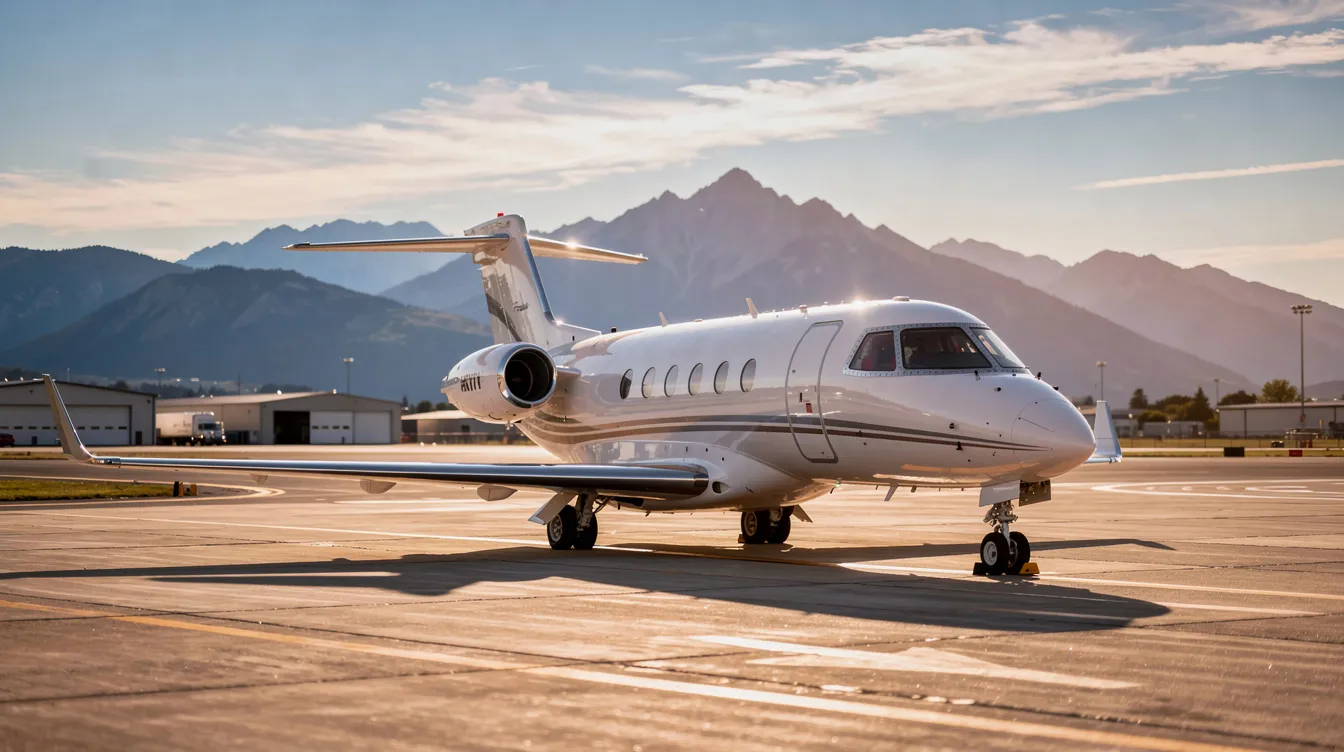
A lender-controlled business jet listed at 20% below comparable pre-owned values looks like a clear win on paper. In practice, that discount can evaporate if the buyer overlooks deferred engine inspections, outstanding mechanic's liens, or three years of improper storage. This guide breaks down what repossessed aircraft for sale actually represent in the current market, where to find them, how deals are structured, and what due diligence separates a smart acquisition from a costly mistake.
Key Takeaways
"Repossessed aircraft for sale" refers to aircraft seized by banks, leasing companies, or private lenders after borrower default, then offered to recover outstanding debt. These are distinct from voluntary surrenders, bankruptcy liquidations, and estate sales, though all categories often appear together in listings.
Repossessed business jets, turboprops, and helicopters can be priced 10-30% below typical market levels, but deferred maintenance, missing records, and unresolved liens frequently close or eliminate that gap. Purchasing repossessed aircraft requires calculation of total acquisition costs beyond the bid price.
Most repossessed aircraft deals never reach public advertising. Serious buyers source them through specialized brokers, lender relationships, and curated acquisition mandates rather than generic online repo lists.
BusinessJets.com, with over 1,500 completed aircraft transactions, helps buyers and sellers evaluate, appraise, and transact around repossessed and other distressed aircraft with the discretion and rigor these deals require.
Owners at risk of default are almost always better served by listing early with a broker than waiting for repossession, which erodes both recovery value and credit standing.
What "Repossessed Aircraft for Sale" Really Means Today
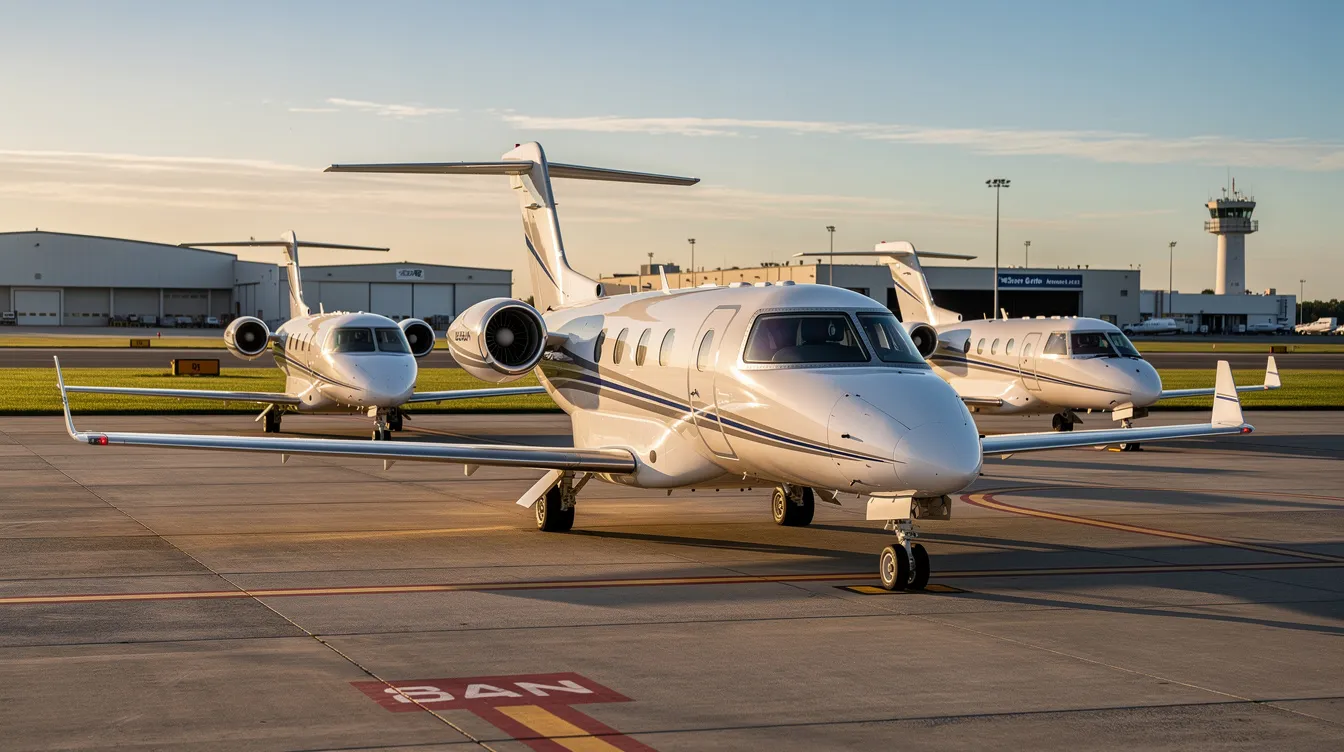
A repossessed aircraft is one that a financing entity (a bank, leasing company, or private lender) has seized from the borrower after a payment default or lease breach. The lender takes title or physical control, then sells or re-leases the aircraft to recover the outstanding debt. Lenders liquidate repossessed aircraft efficiently to recover debts rather than maximize profit; their goal is to close the exposure, not to run a retail operation.
This category is different from other distressed sales. A voluntary hand-back occurs when an operator returns an aircraft to a lessor before the lease expires, often by mutual agreement. Bankruptcy sales are supervised by courts, with proceeds distributed according to creditor priority. Estate liquidations follow probate law. Although all of these situations produce aircraft listed under "distressed" headings, their legal structures, documentation requirements, and risk profiles differ from true repossessions.
Market context: 2023-2025
After the 2020-2022 demand spike for used business aviation, certain segments have cooled. Older light jets and turboprops from the 1990s through the early 2000s have seen more lender-controlled dispositions in 2023-2025. Pre-owned business aircraft inventory dropped to roughly 6.5% of the active fleet in Q2 2026, the tightest level since August 2023. Supply of young, well-maintained heavy jets remains constrained; older, maintenance-exposed airframes are the ones accumulating in lender portfolios.
Common types in repossession inventories
Aircraft that commonly appear in lender-controlled or repo categories include:
Light jets: Citation CJ2, CJ3, Learjet 60XR
Midsize jets: Hawker 800XP, Gulfstream G200
Turboprops: Beechcraft King Air B200, Pilatus PC-12
Helicopters: Mid-time Robinson R44, and occasionally larger types like the 2009 Airbus EC135 T2+ (examples have listed for around $500,000)
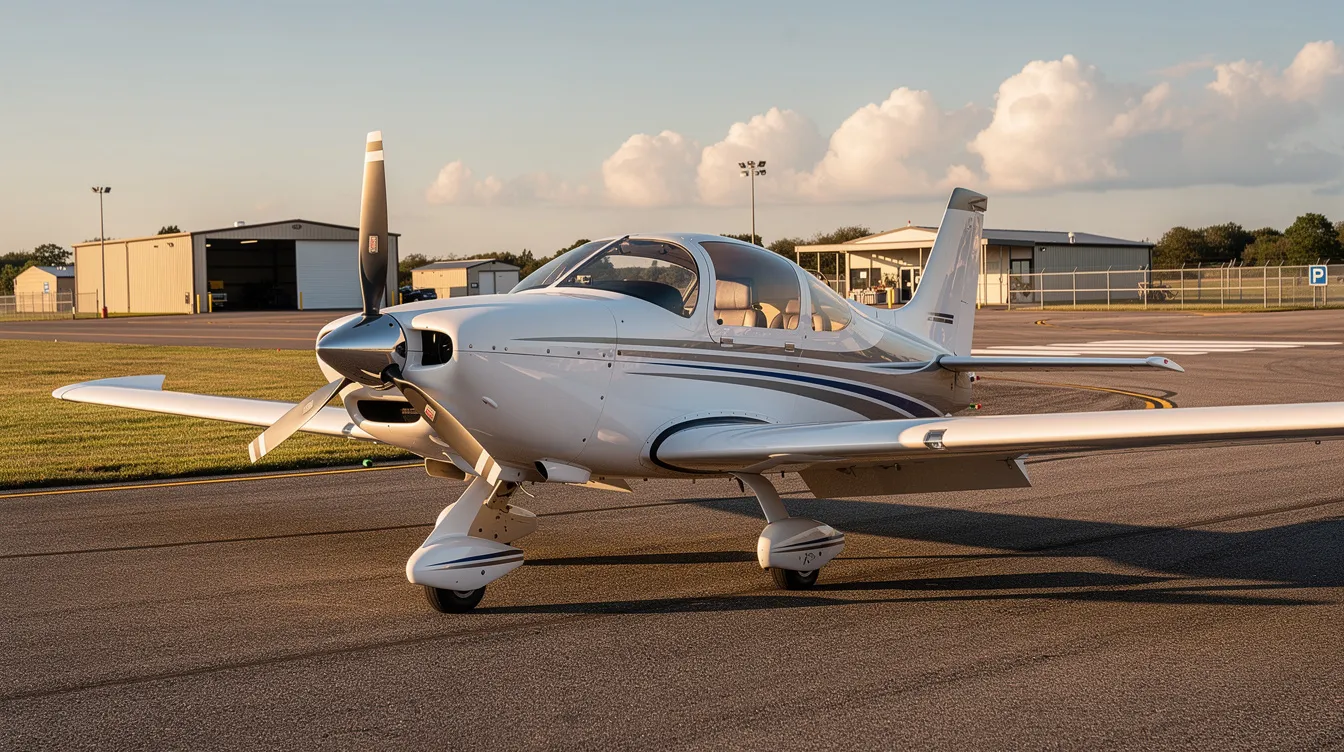
On the lower end of the market, repossessed piston aircraft and older twins surface as well. These lower-value units often appear in government auctions and bank repossession sales across states including Texas, Utah, and North Dakota.
Example Table: Common Repossessed Aircraft and Prices
Aircraft Model | Year | Example Price |
|---|---|---|
Cessna T337G Skymaster | 1973 | $100,000 |
Aero Commander 500S | 1968 | $27,000 |
Piper PA28-161 Warrior II | 1978 | $5,000 |
Cessna 310C | 1958 | $3,000 |
Airbus EC135 T2+ (Helicopter) | 2009 | $500,000 |
Pricing and the discount question
Repossessed aircraft are often priced below market value to liquidate the asset. Discounts of 10-30% relative to comparable clean pre-owned aircraft are common, driven by three factors: lender pressure to close, limited marketing timelines, and the fact that many repossessed units have been parked for months with deferred maintenance.
Deferred maintenance is common in repossessed aircraft purchases because prior owners in financial distress typically cut discretionary spending on the aircraft before defaulting.
That said, the discount is not guaranteed on every deal. If the aircraft needs engine overhauls approaching $500,000-$1,000,000 per engine, or if logbooks have gaps, the apparent price advantage can narrow to zero. Missing or disorganized logbooks can drastically diminish an aircraft's value, sometimes by more than the headline discount.
BusinessJets.com approaches these transactions with the same discretion that lenders prefer. Most lender-driven dispositions are handled quietly, and BusinessJets.com operates on that basis when assisting corporate clients and high-net-worth individuals on either side of a repossessed aircraft transaction.
Where to Find Repossessed Aircraft and How Deals Are Structured
Serious buyers rarely rely on generic "repo lists" or aggregated web directories. The most actionable opportunities circulate through specialist brokers, direct lender relationships, and curated acquisition mandates, often before any public listing goes live.
Sourcing channels
Repossessed aircraft for sale typically surface through five channels:
Bank and leasing company portfolios: When a borrower defaults, the financing entity engages an internal remarketing team or contracts a broker. These assets are frequently not listed publicly.
Specialized aviation auction platforms: Some units, particularly lower-value piston aircraft and older turboprops, appear on sealed-bid or online auction sites. AircraftDealer.com, for example, features listings starting at $513,000 for jet-category aircraft.
Federal agency auctions: Federal agencies frequently auction off seized or forfeited aircraft, typically through GSA or U.S. Marshals Service sales. These overlap with drug-seizure and tax-forfeiture dispositions.
Broker networks with lender relationships: Specialized brokers can help navigate the sale process for repossessed aircraft by maintaining direct contacts with lender asset managers. Firms like BusinessJets.com are engaged to identify these opportunities, sometimes weeks before any external marketing begins.
Court-supervised sales: In bankruptcy proceedings, a trustee may offer aircraft through a structured bidding process. These are not pure repossessions but often appear alongside them.
How a repossession and resale unfolds
The sequence from default to closing usually follows this path:
Borrower triggers breach (missed payments, lease violations). Lender issues formal default notice.
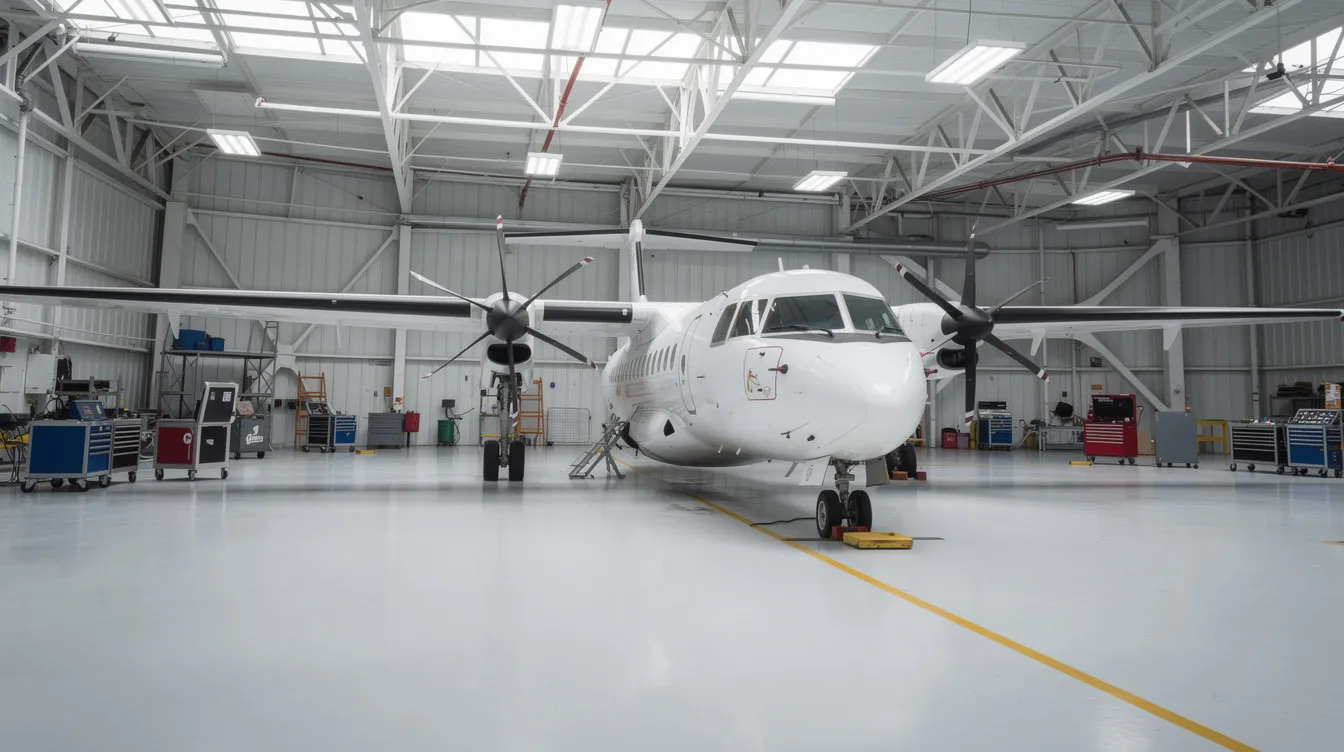
Lender takes physical control, ferrying the aircraft to a secure airport or MRO facility, sometimes requiring a court order.
Logbooks, maintenance records, and regulatory documentation are collected (or their absence is documented).
The lender commissions a high-level appraisal to establish a forced-sale baseline and compare against recent clean pre-owned transactions.
The aircraft is offered via sealed bids, negotiated private sale, or auction, almost always on an "as-is, where-is" basis.
Title search, lien resolution, deregistration, and reregistration are handled as closing conditions.
Buyer profiles
Three buyer types dominate repossessed aircraft acquisitions:
Corporate flight departments seeking a supplemental aircraft at reduced capital cost, often for backup or short-haul missions where a lower-time airframe is acceptable.
First-time private buyers transitioning from charter to ownership, attracted by the entry price but needing advisory support on maintenance obligations.
Operators in emerging markets with access to lower-cost MRO labor and familiarity with older airframes, purchasing for revenue service or training fleets.
Search tactics for 2024-2026 buyers
Monitor specific N-numbers and registration changes through FAA databases. Ownership transfers to lending entities often signal upcoming availability.
Ask brokers directly about current or upcoming lender instructions. Use specific language: "bank repo," "lender-owned," or "finance company repossession."
Arrive prepared. Lenders impose tight closing timelines to minimize storage costs. Having financing pre-approval and a technical inspection team ready can be the difference between winning and losing a deal. Utilizing specialized aviation lenders can ease financing for a repossessed aircraft purchase, since conventional banks often hesitate on distressed-asset transactions.
BusinessJets.com helps buyers identify off-market and quietly marketed distressed assets, interpret lender expectations, and structure offers that balance price, closing speed, and risk allocation. The firm's comprehensive aviation services cover the full lifecycle from sourcing through closing.
Typical Pricing, Terms, and Risk Allocation in Repossessed Aircraft Sales
Lenders set pricing benchmarks by referencing recent closed transactions from sources like AMSTAT and JetNet, consulting formal appraisals, and factoring in their own outstanding loan balance and time-to-liquidate targets. AMSTAT's Q2 2026 report noted median pre-owned values up about 5% year-over-year overall, but asking prices dropped for older, maintenance-intensive units. The gap between clean pre-owned pricing and forced-liquidation pricing ranged from 10-30% depending on segment.
Repossessed aircraft are sold "as-is, where-is" with no warranties. The lender does not warrant airframe condition, engine hours, avionics compliance, or interior state. This makes thorough pre-purchase inspections and escrow structures non-negotiable for the buyer.
Common negotiation points include:
Adjustment for missing logbooks or partial records (buyers must affirm that the repossession was properly documented for effective title transfer)
Allowance for required engine borescopes, gear overhauls, or avionics compliance upgrades (ADS-B Out, TCAS, LPV capability)
Resolution of outstanding maintenance invoices, hangar charges, and navigation database subscriptions
Potential hidden costs include storage fees and mechanic liens before clearing title; these can add tens of thousands of dollars to the final acquisition cost
In the Cessna Fin. Corp. v. Vywb, LLC case, two jets were repossessed with debts of approximately $6.2-$6.3 million each. After inspection and brokerage, one sold for $3.2 million and the other for $2.725 million. The defendant did not dispute the commercial reasonableness of the sales. This illustrates both the recovery gap lenders face and the pricing buyers can access.
BusinessJets.com assists clients in reviewing and negotiating term sheets, LOI wording, and purchase agreements so that non-standard clauses in repossession-driven deals are properly understood. In a transaction where the lender's legal team drafted the LOI, a buyer benefits from advisory that understands both the aviation asset and the financial recovery objectives on the other side of the table.

Due Diligence, Appraisals, and How BusinessJets.com Adds Value
The apparent discount on repossessed aircraft for sale only translates into real value when due diligence, valuation, and documentation are handled with precision. An aircraft listed at $1.8 million that needs $400,000 in catch-up maintenance and $60,000 in lien clearance is not a $1.8 million aircraft.
Technical Checks Buyers Should Prioritize
An independent pre-purchase inspection is crucial before buying repossessed aircraft. The inspection scope should cover:
Complete logbook and record review: Verification of logbooks is vital when buying a repossessed aircraft. Continuous, organized records from first flight through the present day confirm airworthiness history, modifications, and compliance. Gaps in documents can block registration or reduce resale value by 15-25%.
Maintenance tracking verification: Systems like CAMP, Traxxall, or GO provide transparency into usage patterns, upcoming scheduled events, and compliance with airworthiness directives (ADs) and service bulletins (SBs).
AD compliance audit: Confirm that all mandatory ADs have been completed and documented. Missed ADs can ground an aircraft until resolved.
Major scheduled event status: Check hours and cycles since last engine overhaul, landing gear inspection, pressurization testing, and propeller overhaul. Calendar-based limits apply as well; rubber seals, hoses, and fuel bladders degrade on a calendar regardless of flight hours.
It is essential to verify the aircraft's airworthiness before finalizing the purchase. No discount justifies acquiring an aircraft that cannot legally fly.
Repossession-Specific Risks
Beyond standard pre-owned aircraft concerns, repo acquisitions carry additional risk categories:
Storage degradation: The aircraft's condition may deteriorate due to lack of use after repossession. Maintaining proper storage conditions is crucial for preserving the value of a repossessed aircraft; without active preservation protocols (engine desiccation, fuel stabilization, tire rotation, pitot-static protection), corrosion and seal failures accelerate. An aircraft stored in a humid coastal environment for 18 months without preservation may need $100,000+ in remediation before it can fly.
Unresolved financial obligations: Prior maintenance providers may hold mechanic's liens for unpaid work. Unpaid airport fees, fuel charges, and state taxes can also encumber the title.
Export/import documentation gaps: Aircraft that operated internationally under the previous owner may have incomplete export certificates of airworthiness or missing customs declarations.
Avionics non-compliance: Older aircraft may lack ADS-B Out transponders, updated TCAS, or LPV-capable avionics, all of which are now required for many operations. Compliance upgrades range from $30,000 for basic ADS-B installations to $250,000+ for full flight deck modernization.
How Aircraft Appraisals Protect Buyers and Sellers
Aircraft appraisals determine the market value of aircraft. They serve three functions in a repossession context:
Fair market value vs. forced liquidation value: A professional appraisal establishes both figures. The forced liquidation value, what a lender can expect in a time-pressured sale, typically runs 10-30% below fair market value for the same airframe in comparable condition.
Configuration and time-status comparison: The appraiser benchmarks the subject aircraft's interior, avionics suite, engine cycles, and maintenance program enrollment against recent closed transactions for the same type.
Defensible pricing reference: Lenders use appraisals to set reserve prices. Buyers use them to justify offers. Accurate appraisals support strategic aircraft acquisition decisions and prevent overpaying for an asset with hidden liabilities.
Appraisals are essential before buying or selling aircraft. BusinessJets.com has completed over 1,500 aircraft transactions and has appraised a wide range of business jets and turboprops across North America, Europe, and the Middle East. Clients can request an aircraft appraisal to establish a defensible value before entering negotiations.
Transaction Structure and Closing
Proper closing mechanics reduce post-sale disputes and financial exposure:
Escrow: Use a reputable escrow agent to hold funds. Release should be conditioned on title clearance, logbook delivery, and completion of any agreed inspections.
Title search: A complete title search is necessary to ensure no liens remain on the aircraft. Title and lien searches help verify ownership and clear any remaining claims on repossessed aircraft. Engage a specialized aviation title company; do not rely on the lender's representations alone.
FAA documentation: Completion of FAA-required documentation is necessary for legal registration of the aircraft, including bill of sale (AC Form 8050-2), registration application (AC Form 8050-1), and any required lien releases.
Export and ferry logistics: For buyers outside the aircraft's current jurisdiction, arrange an export certificate of airworthiness, coordinate ferry permits and insurance, and confirm import requirements with the destination aviation authority (EASA, CAAC, or equivalent).
BusinessJets.com as a Long-Term Advisory Partner
Beyond individual transactions, BusinessJets.com supports operators and fleet managers on an ongoing basis:
Supporting fleet renewal strategies by matching repossessed aircraft candidates with mission profiles (range, runway performance, utilization targets, dispatch reliability requirements), so total ownership cost over a 5-10 year horizon is modeled.
Advising when a repossessed or distressed aircraft fits a client's needs and when it does not. Some deals look attractive on headline price but carry operational risk that a conventional pre-owned acquisition would avoid.
Helping current owners list and sell their aircraft competitively, rather than risk default and the financial and reputational consequences of involuntary repossession.
When Repossessed Aircraft Do and Do Not Make Sense
A repossessed aircraft can be a strong fit when:
The buyer is an experienced operator with in-house maintenance capability or a trusted MRO relationship, able to manage catch-up inspections and refurbishment without surprises.
The entry-into-service timeline is flexible; the buyer can absorb 60-120 days of inspections, records remediation, and avionics upgrades without losing revenue or utility.
The buyer's acquisition model prioritizes lower capital outlay and accepts higher upfront due diligence effort in exchange for a below-market purchase price.
Buyers should exercise caution when:
They are first-time owners without operational support infrastructure. A repossessed aircraft with deferred maintenance and incomplete records is a poor starting point for someone learning the economics of aircraft ownership.
The mission requires immediate dispatch reliability. If the aircraft needs to be flying revenue or executive missions within 30 days of closing, a conventionally marketed aircraft with current inspections and enrollment in manufacturer programs is a safer choice.
Records gaps or extended storage in challenging environments (Gulf Coast humidity, desert sand exposure, or salt-air coastal locations) create too much technical uncertainty for the appraised discount to offset.
BusinessJets.com can help decision-makers compare a candidate repossessed jet with conventionally marketed alternatives, modeling total cost of ownership over a 5-10 year horizon rather than focusing on entry price alone.

FAQs About Repossessed Aircraft for Sale
Are repossessed aircraft always cheaper than regular pre-owned jets?
Not always. Many repossessed aircraft are offered at a 10-30% discount relative to comparable clean pre-owned aircraft, but actual savings depend on the model, time on the market, maintenance status, and lender motivation.
In some cases, required catch-up maintenance (engine overhauls, gear inspections, avionics compliance) and title remediation costs can offset the discount entirely. For example, a repossessed Hawker 800XP listed at $1.2 million that needs $350,000 in engine work and $40,000 in lien resolution is effectively a $1.59 million aircraft. Compare that against a clean, maintained example listed at $1.6 million, and the repo advantage disappears.
Example Table: Hawker 800XP Pricing Comparison
Aircraft Type | List Price | Required Maintenance & Liens | Effective Price | Comparable Clean Example |
|---|---|---|---|---|
Hawker 800XP (Repo) | $1,200,000 | $350,000 + $40,000 | $1,590,000 | $1,600,000 |
Purchasing repossessed aircraft requires calculation of total acquisition costs beyond the bid price.
How can I verify that a repossessed aircraft has a clean title with no hidden liens?
Commission a formal title search through a specialized aviation title company such as AOPA Title Services or Insured Aircraft Title Service. The search will reveal all recorded liens, including mechanic's liens, tax liens, and security interests filed with the FAA.
Have aviation counsel review the results in both the origin and destination jurisdictions (if exporting). Structure the purchase through escrow, conditioning release of funds on provision of lien releases and confirmation of clear title. BusinessJets.com coordinates this process routinely for clients and can recommend title companies and counsel experienced with repossession-related transfers.
Do lenders allow pre-purchase inspections on repossessed aircraft?
Most lenders will allow a defined scope of pre-purchase inspection at an agreed facility and cost allocation. The LOI or purchase agreement should specify which inspections are permitted (borescope, records review, test flight, avionics functional check), who pays for them, what happens if inspections reveal defects exceeding a threshold, and how long the buyer has to complete the evaluation.
Lenders often set firm timelines (15-30 days is common) and may limit invasive disassembly. Negotiate inspection scope in writing before signing; verbal agreements on inspection access have no enforcement value.
Can BusinessJets.com help me source off-market repossessed jets or turboprops?
BusinessJets.com maintains relationships with lenders, lessors, and operators worldwide. The firm can quietly alert qualified, vetted buyers when suitable repossessed or distressed aircraft become available, often before they reach public listings.
Advertised used business-jet inventory in June 2026 was approximately 19% below the same period in 2025, which means a larger share of available aircraft are moving through off-market channels. Engaging a broker with lender relationships is the most reliable way to access this inventory.
I'm an owner at risk of default; should I wait for repossession before selling?
In almost every scenario, it is better to engage a broker early, obtain an honest appraisal, and pursue an orderly sale. Repossession inflicts costs on both sides: lenders spend on legal fees, ferry flights, storage, and remarketing; borrowers absorb credit damage, potential deficiency judgments, and loss of negotiating leverage.
An orderly sale through a firm like BusinessJets.com preserves asset value, gives the owner control over timing and buyer selection, and avoids the reputational consequences of an involuntary disposition. If you are in this situation, contact BusinessJets.com confidentially for advisory support. Early action protects both your financial position and your options.
Conclusion
Purchasing repossessed aircraft for sale presents both unique opportunities and significant risks. While these aircraft can offer attractive price points below typical market values, the true cost and value depend heavily on thorough due diligence, including technical inspections, title and lien clearance, and appraisal accuracy. Buyers must be prepared for deferred maintenance, potential record gaps, and expedited closing timelines. Engaging specialized brokers and aviation consultants like BusinessJets.com ensures access to off-market inventory, expert negotiation, and comprehensive advisory support throughout the acquisition process.
For sellers facing financial distress, proactive engagement with experienced brokers to pursue an orderly sale is advisable to preserve asset value and reputation, rather than waiting for involuntary repossession. Learn more about selling private jets to understand your options.
BusinessJets.com leverages its extensive transaction experience and lender relationships to guide clients through the complexities of repossessed aircraft transactions, helping them make informed, strategic decisions aligned with their operational and financial goals. Whether buying or selling, partnering with an expert advisor is essential to navigate this specialized segment of the business aviation market with confidence and discretion. Explore our aircraft appraisal services to establish accurate valuations.
Buyers interested in repossessed aircraft can benefit from our aircraft acquisition support to identify opportunities and structure competitive offers.
Operators and fleet managers can also engage BusinessJets.com for ongoing aviation consulting to optimize fleet strategy and asset utilization.
To list a repossessed or distressed aircraft, contact us to list an aircraft for sale and reach qualified buyers efficiently.