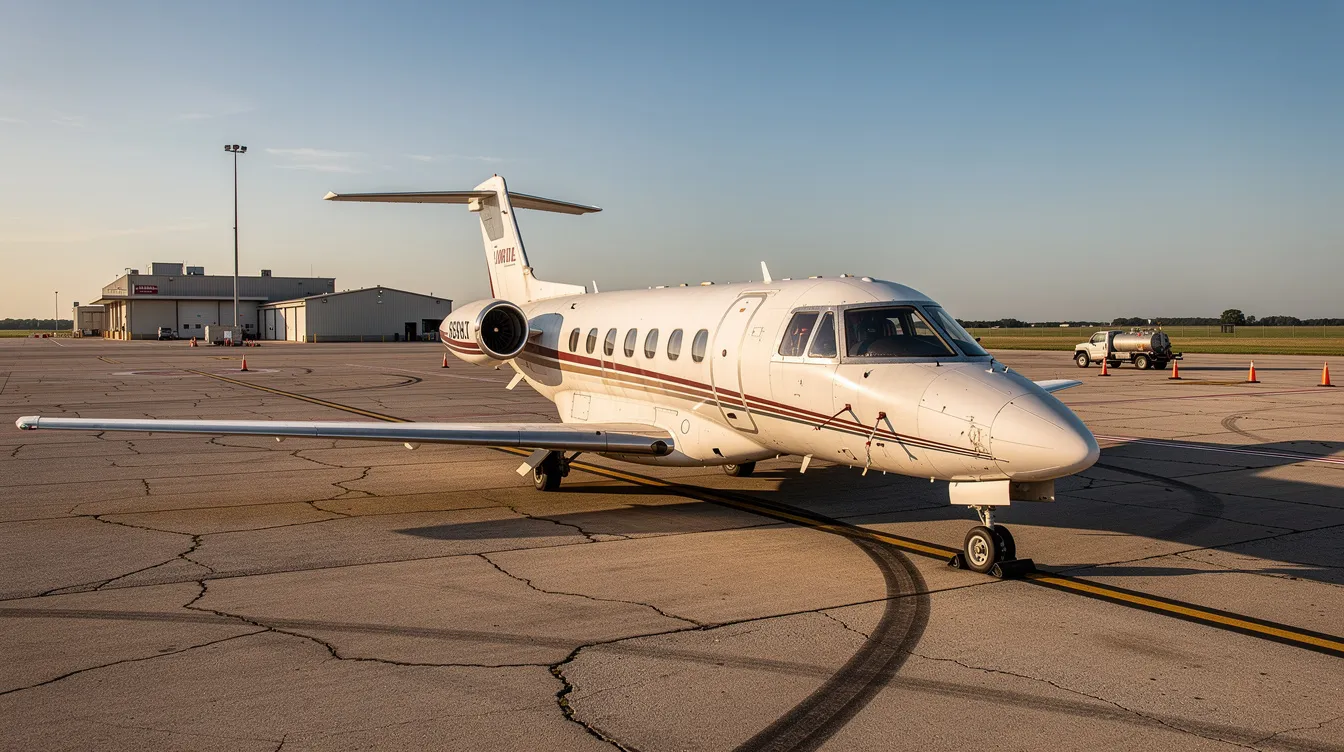
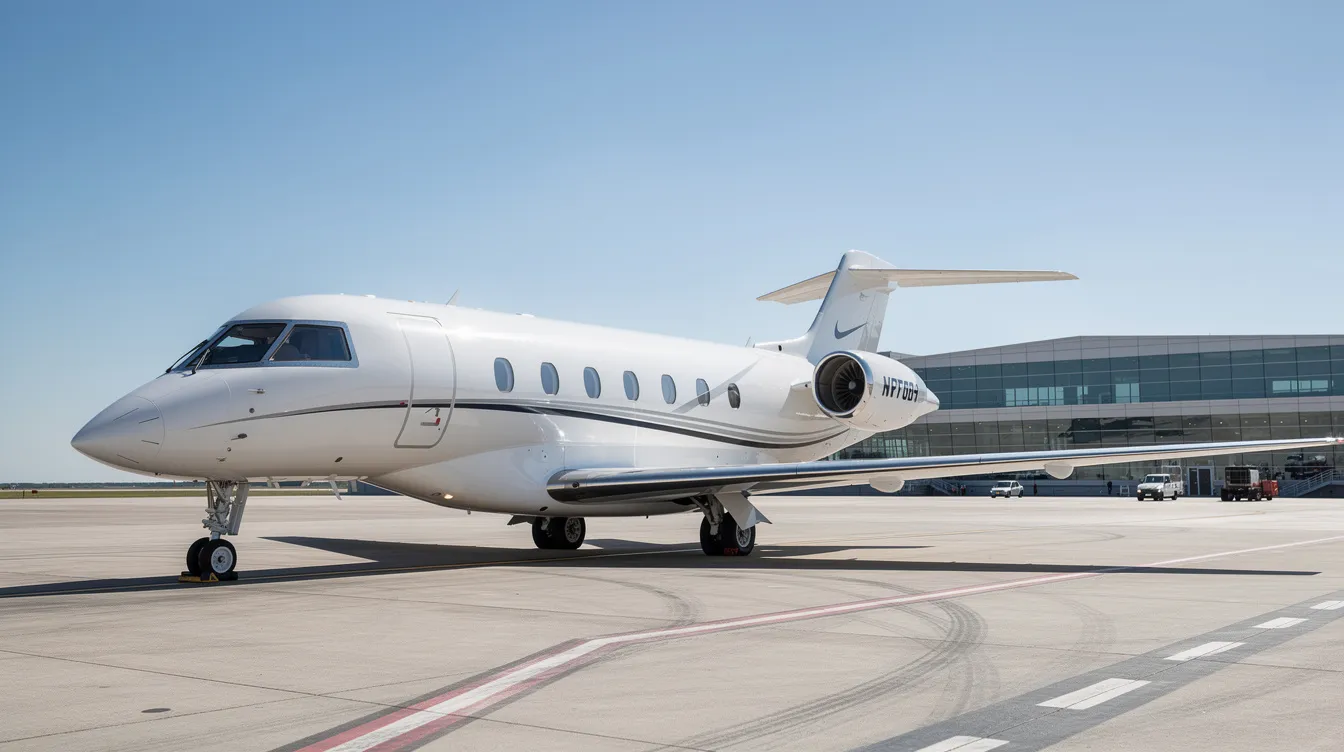
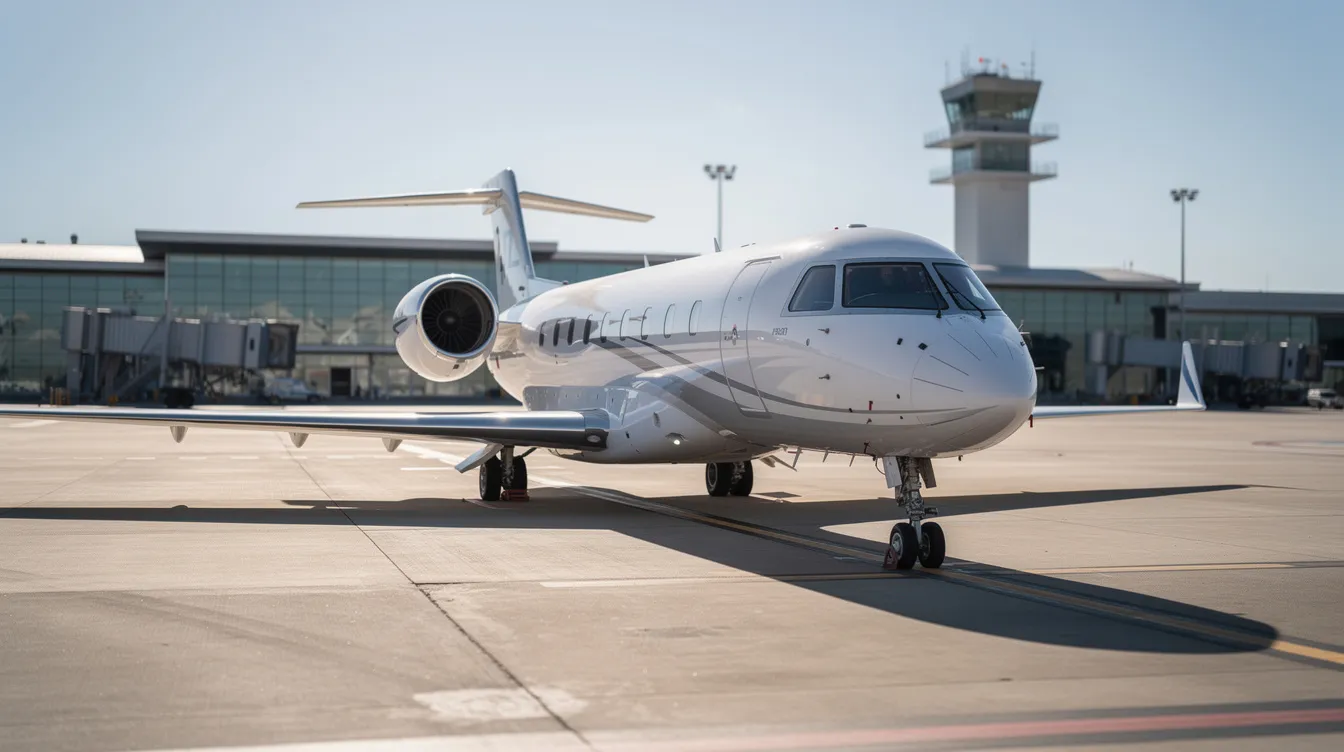
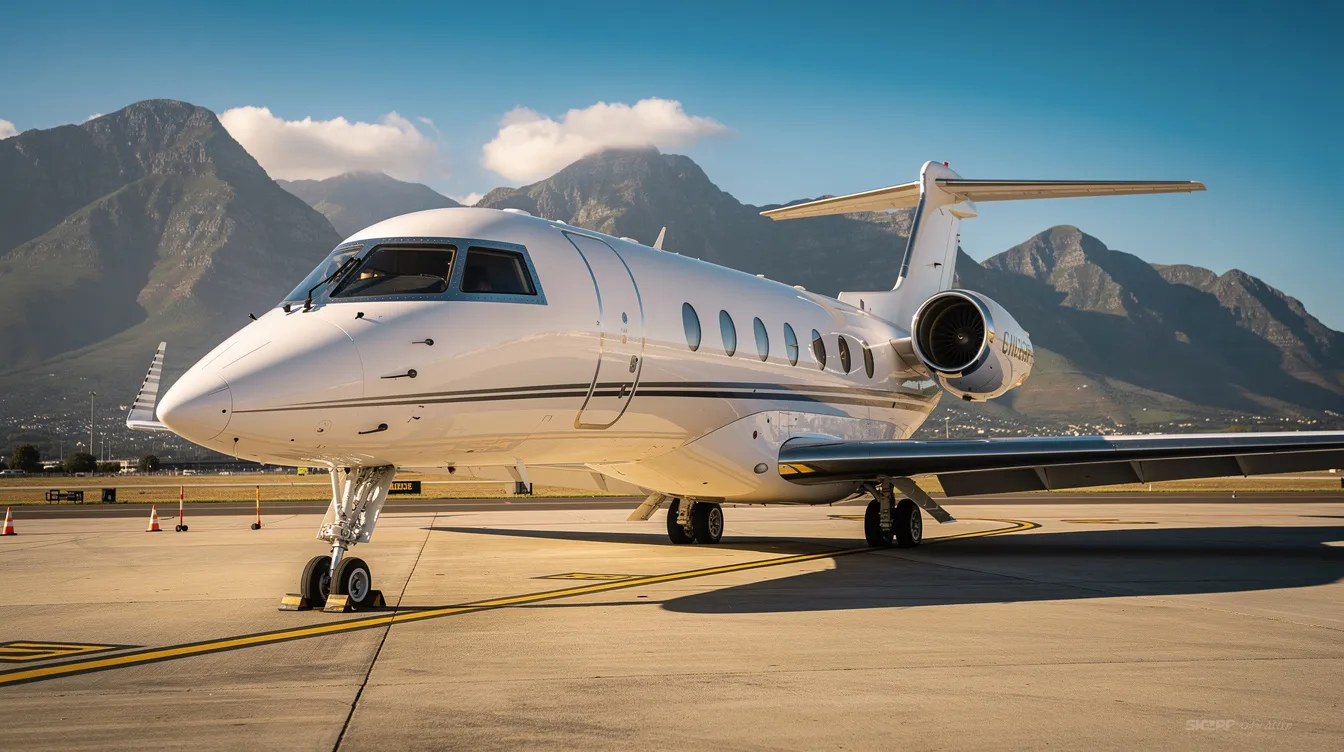
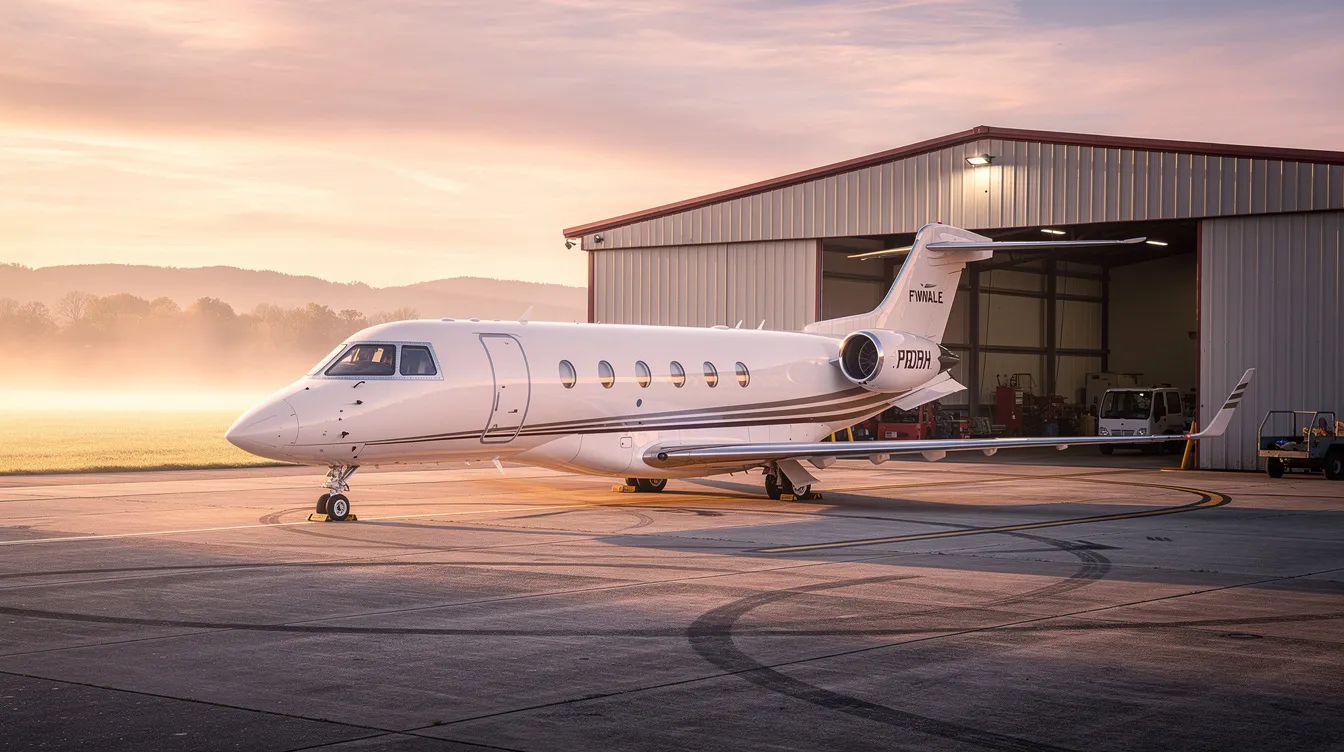
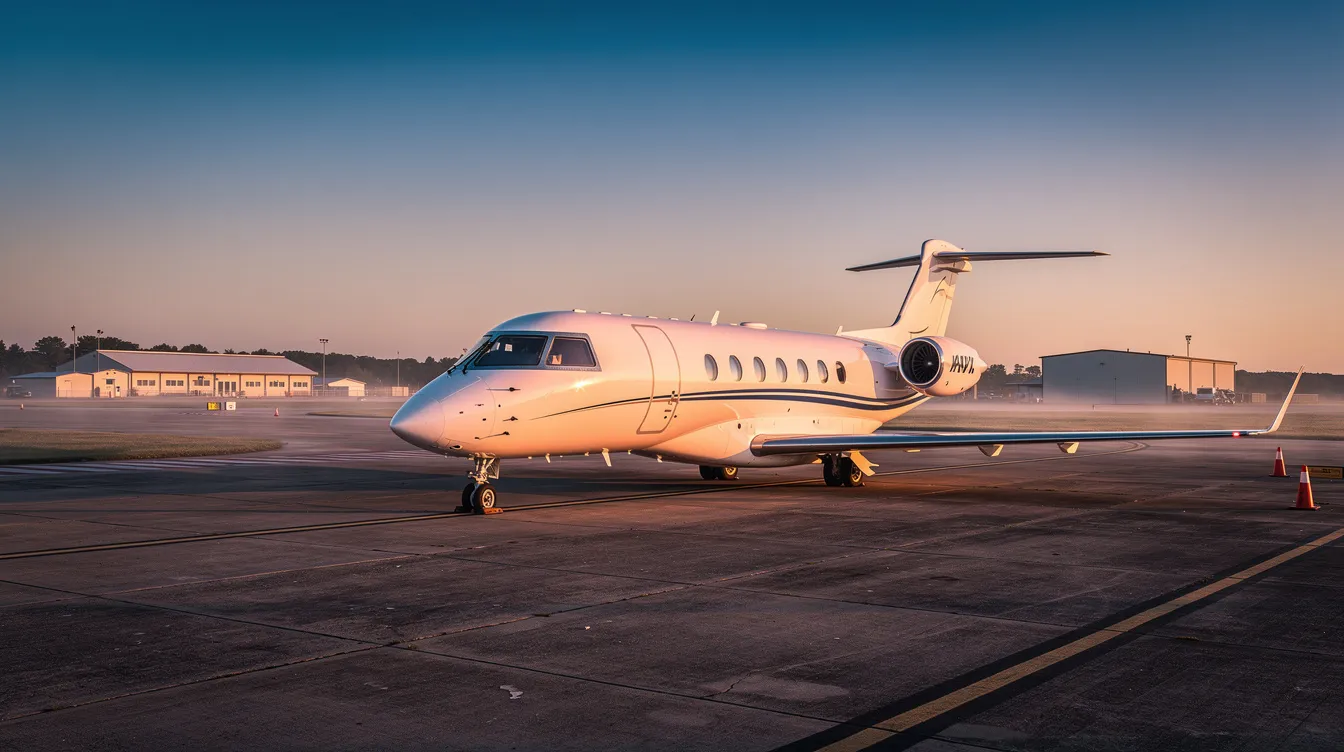
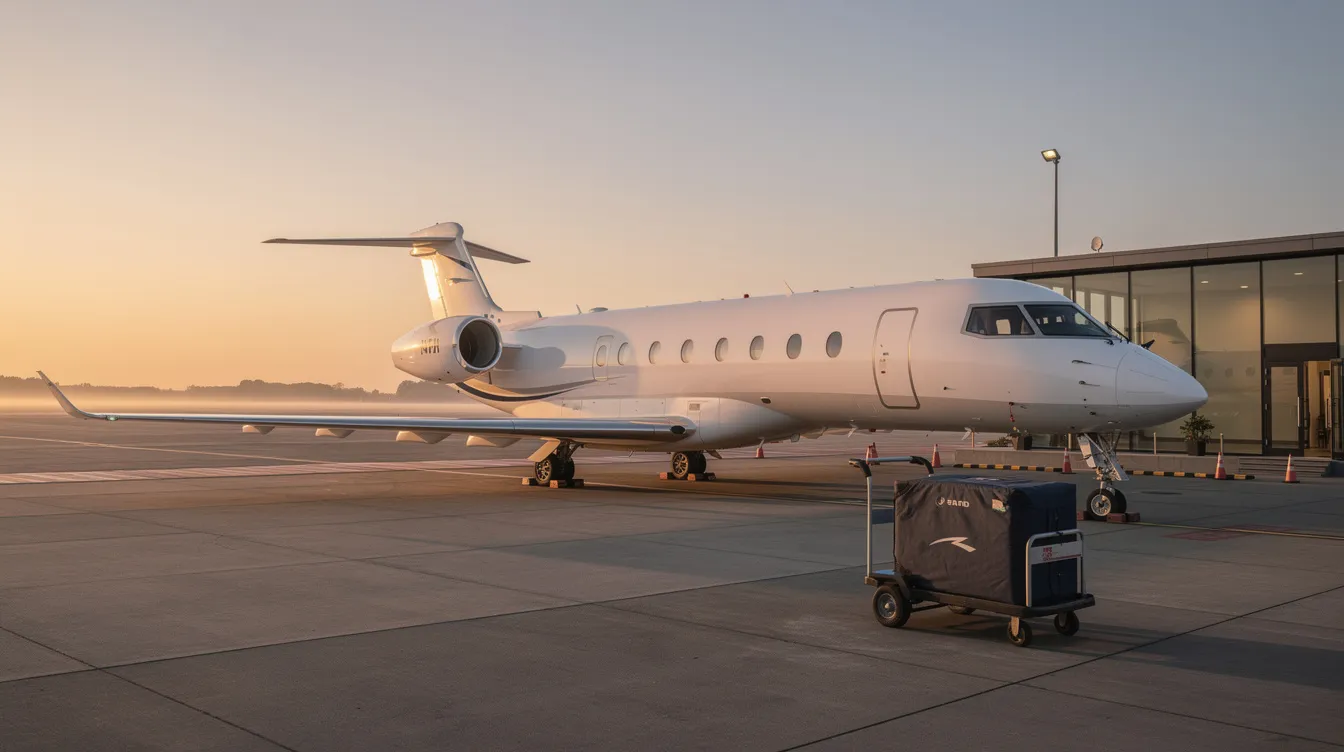
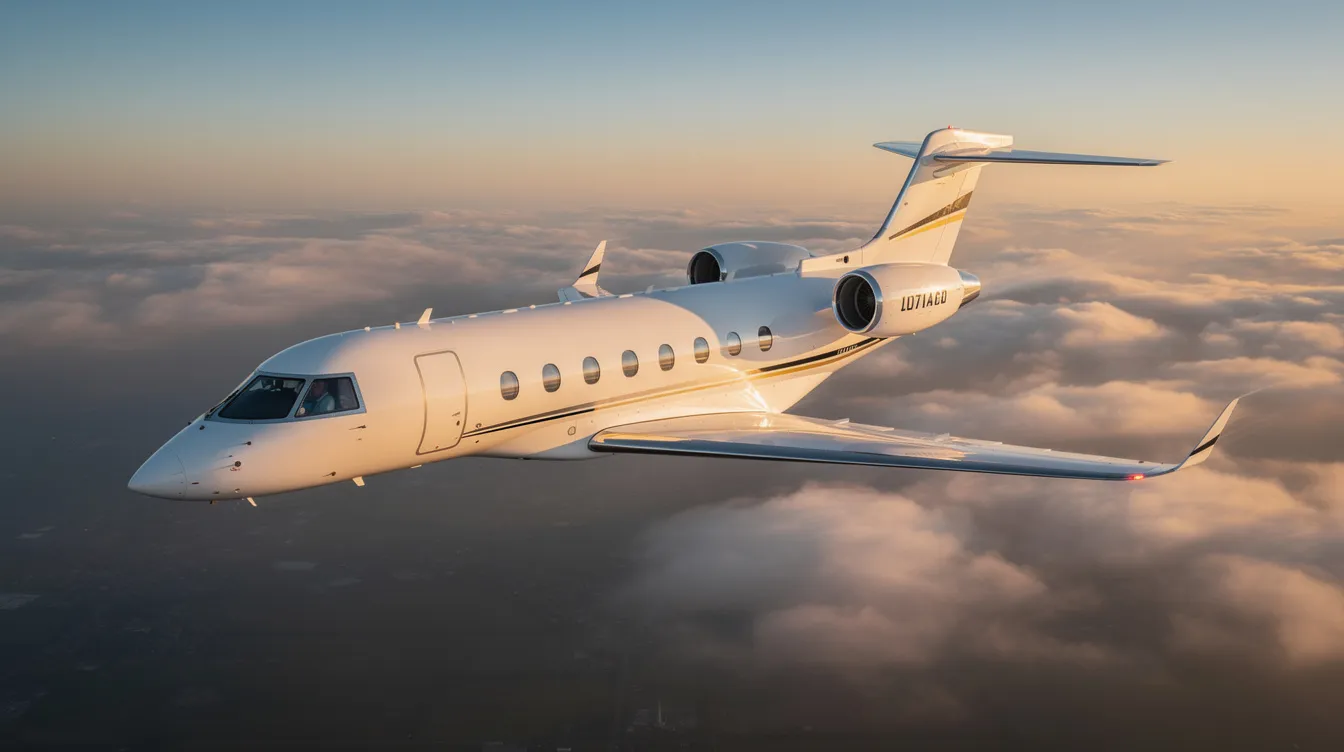
Pre-Owned Jets: How to Choose, Evaluate, and Acquire the Right Aircraft

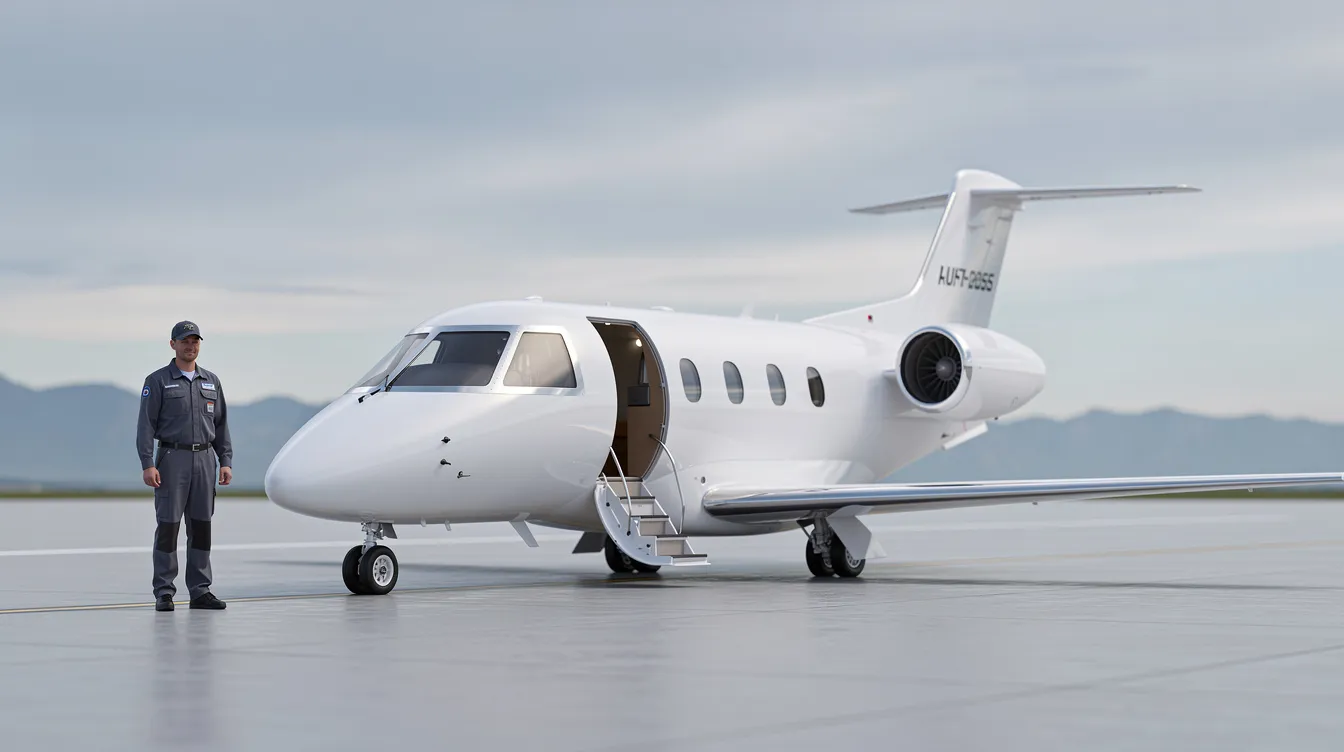
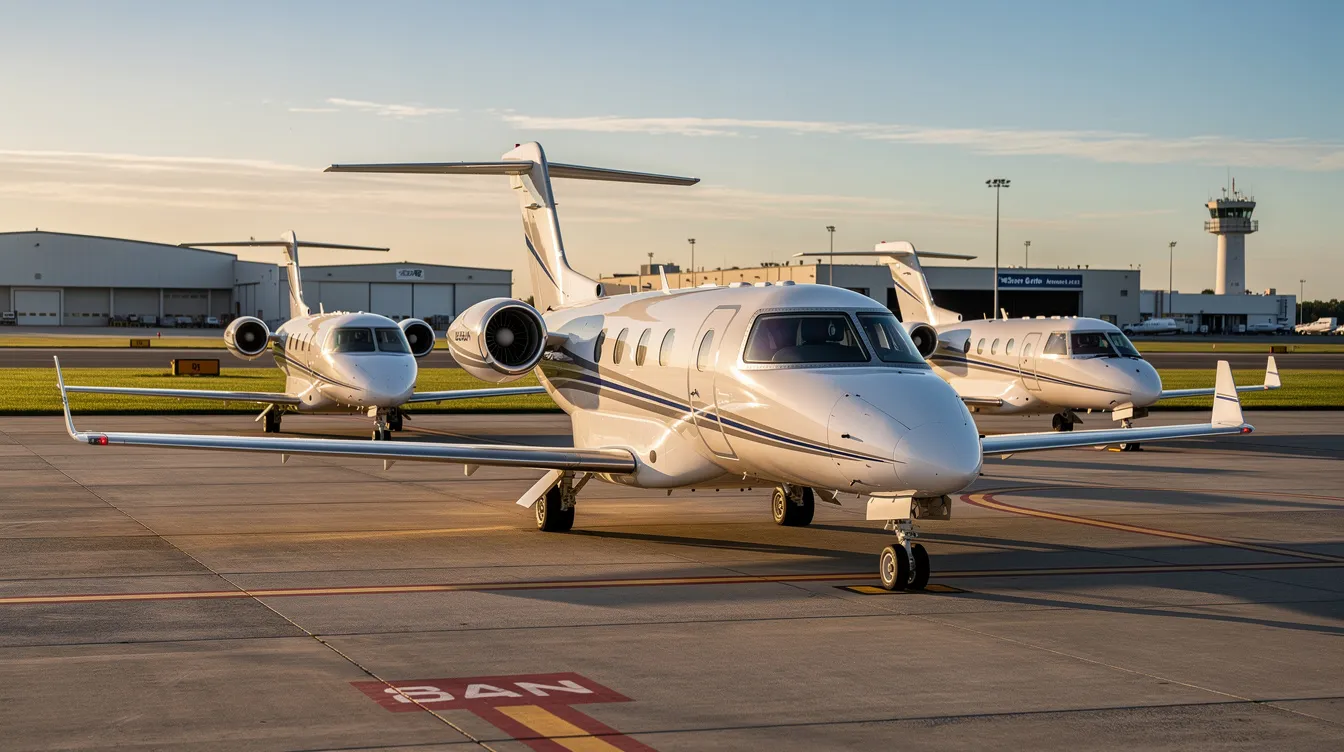
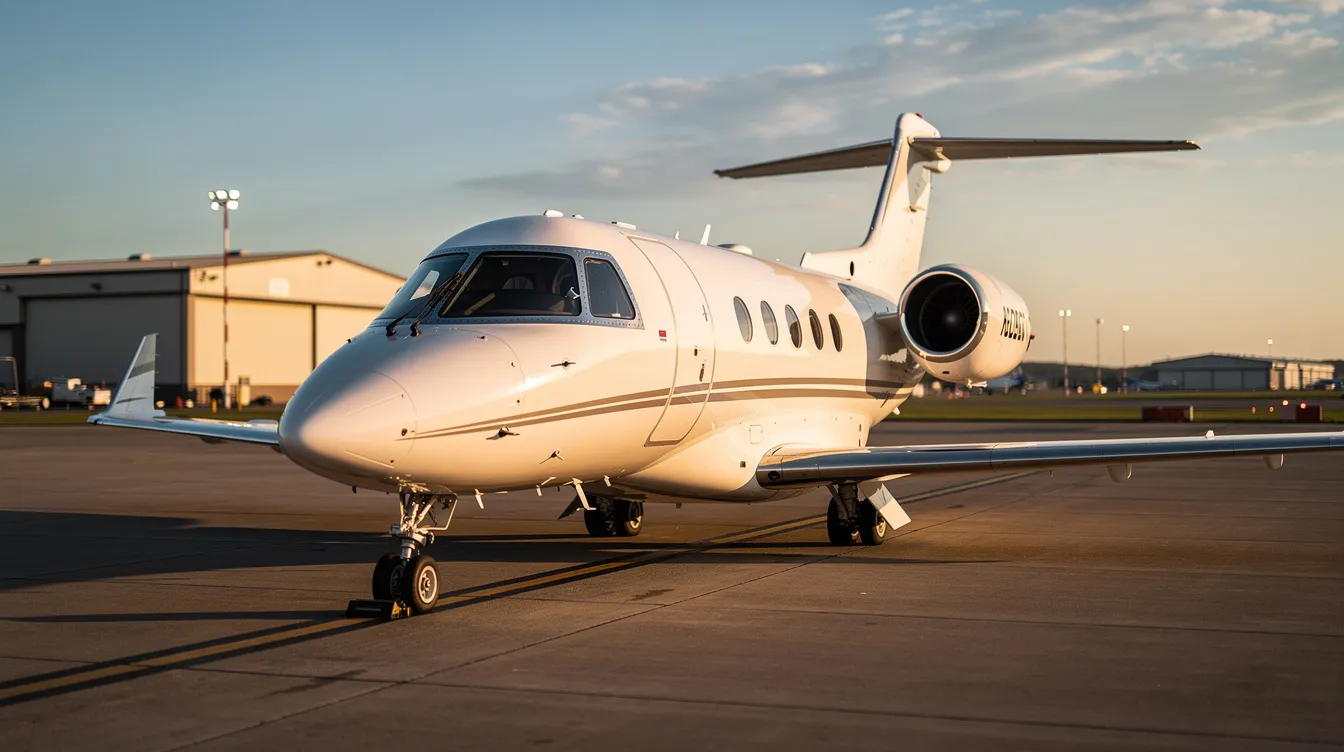
Buying a private jet is a major financial decision. A pre-owned jet is a previously owned private aircraft that is being resold, requiring detailed evaluation of its condition, value, and history. Pre-owned jets offer a practical path to aircraft ownership for corporations, high-net-worth individuals, and operators who need capable aircraft without the capital outlay or delivery wait of a factory-new order. This guide covers the 2026 pre-owned market, how to match aircraft to your mission, what drives value, and how to close a transaction with confidence.
Key Takeaways
Pre-owned aircraft usually cost 30% to 50% less than comparable new models. Across categories, from light Cessna Citation jets to large-cabin Dassault Falcon and Global series aircraft, buyers can reduce acquisition cost while still operating modern, well-equipped cabins. Buying a pre-owned jet involves detailed evaluation of condition, value, and history, but the financial advantage is measurable: private jets range from $5 million to $30 million in the pre-owned market, compared with $80 million for a 2024 Gulfstream G700 at list price.
As of 2026, there are roughly 24,270 private jets in operation worldwide, and about 6-7% of those are available for sale at any given time. The average pricing for listed private jets is $6,671,944, but actual transaction prices depend on age, condition, maintenance programs, and buyer demand in each segment. Finding the right choice requires accurate valuation, technical due diligence, and current market insight.
BusinessJets.com specializes in pre-owned aircraft brokerage, appraisals, and aviation consulting, with 1,500+ completed transactions and 5,000+ satisfied clients across all major business jet categories. Buyers should focus on mission profile, total ownership cost, engine and APU programs, and aircraft pedigree rather than year of manufacture or cosmetic upgrades alone.
If you are evaluating a pre-owned jet, request a private jet appraisal, list your current aircraft, or engage BusinessJets.com for acquisition support.
Understanding the Pre-Owned Jets Market in 2026
The global business jet fleet stood at approximately 25,500 active aircraft as of April 2026, with inventory of pre-owned business jets for sale hovering at 6.5-7% of the active fleet. That percentage is lower than the 9-12% range that was typical between 2014 and 2020, reflecting tighter supply across most segments. The average sale time for aircraft is less than 90 days; overall average days on market reached about 98 days in mid-2026, though the newest airframes (0-5 years old) sold in roughly 54 days.
There are 24,270 private jets in operation worldwide, and North America accounts for 62-63% of the global fleet. Europe is second in fleet size and demand, followed by growing but less liquid markets in Asia-Pacific and the Middle East. Regional differences in regulatory compliance and infrastructure affect availability for specific models like Gulfstream aircraft, Dassault Falcon, and Cessna Citation families.
Pricing tells a split story. Average asking prices for large jets dropped about 15.7% year-over-year in H1 2026, while light jets dipped only 1.6%. A clean 2018 Gulfstream G650ER, which fetched around $52 million at peak in 2022, traded at $40-45 million in recent transactions. Midsize jets sit in a buyer's market, with more inventory and longer days on market, while super-midsize and large-cabin jets with clean pedigree continue to sell quickly.
Why Choose a Pre-Owned Jet Over a New Aircraft?
The core rationale is straightforward: buying a pre-owned jet offers a lower purchase price and faster availability compared to ordering new. The initial purchase price of new jets is higher by a wide margin. A 2024 Gulfstream G700 costs $80 million at list; a well-maintained 20-year-old large-cabin jet can be acquired for $4-6 million. New jets come with comprehensive manufacturer warranties reducing unexpected repair costs, and new jets feature the latest engines and avionics enhancing efficiency. But the cost gap often outweighs those benefits for buyers willing to conduct proper due diligence.
New jets experience value drops within their first few years of operation. Many business aircraft lose roughly 50% of their value in the first 3-5 years. Pre-owned jets often experience a flatter depreciation curve, which means the buyer absorbs less capital loss per year. For a midsize jet that lists new at $16 million, an 8-year-old comparable often trades around $8 million, and its annual depreciation going forward is a fraction of what the original owner absorbed.
OEM delivery backlogs in 2026 extend 18-24 months for popular models. Pre-owned jets are often available within 60-120 days. New aircraft offer full customization options for interior design and technology, but pre-owned buyers also gain flexibility: more choice of existing cabin layouts, connectivity upgrades, and refurbishment options.
The downsides are real. Worn technology and interiors in older jets may necessitate additional upgrades. Older aircraft may require expensive scheduled and unscheduled repairs. Legacy avionics or non-compliance with mandates like ADS-B Out or CPDLC can add six-figure upgrade costs. These risks are manageable with expert inspection and accurate valuation.
Matching Pre-Owned Jets to Your Mission Profile
Mission profile is the primary driver of private jet selection. Define your typical origin-destination pairs, passenger count, runway requirements, frequency of use, and annual hours before looking at any listings. Modern jets support higher passenger counts and longer flights, but the goal is matching capability to actual need, not buying more aircraft than you require.
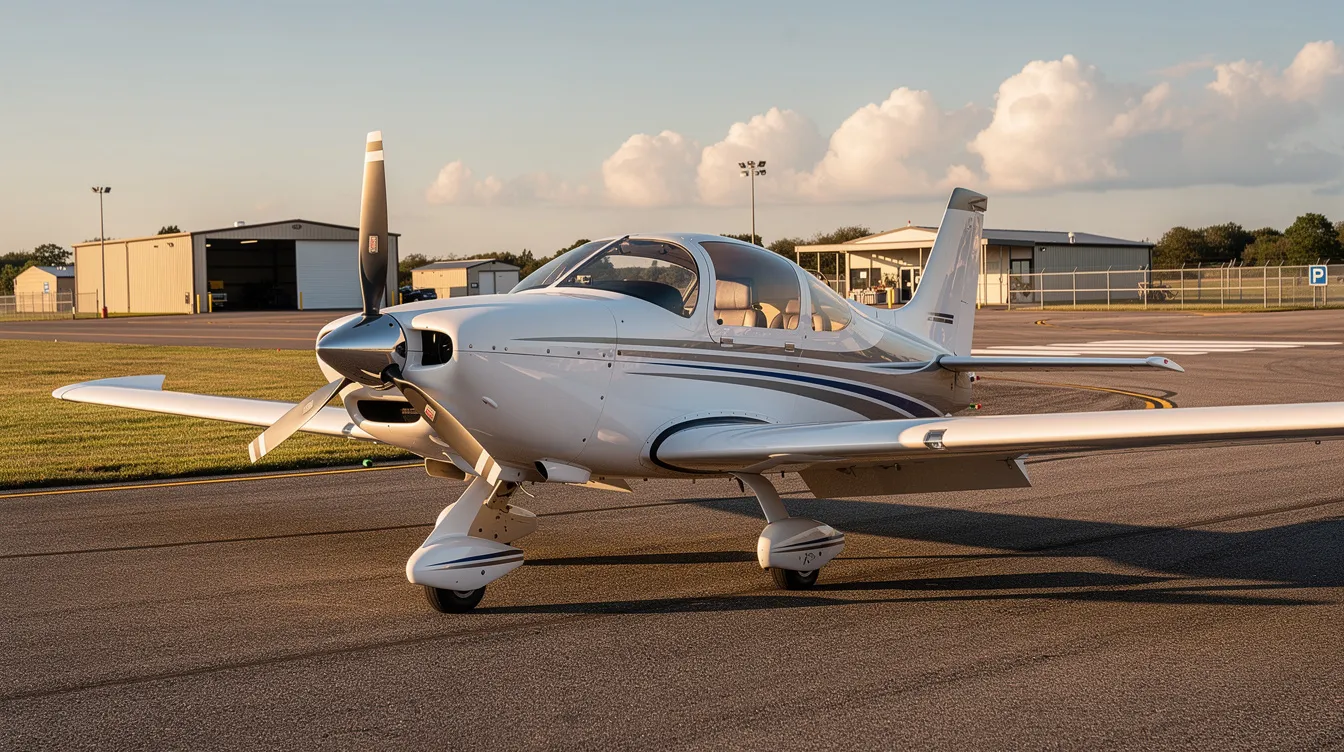
Private jets access around 10 times more airports than airlines, which makes runway performance a real differentiator. Light jets like the Cessna Citation M2 or CJ3+ serve 2-5 passengers on missions under 1,200 NM with lower operating costs per hour. These are workhorses for regional hops and short-field airports.
Midsize and super-midsize business jets, such as the Citation Excel/XLS+, Challenger 300/350, and Gulfstream G280, balance cabin volume and coast-to-coast range. They handle transcontinental missions with cabin comfort suitable for 6-9 seats and enough baggage capacity for multi-day trips.
Large-cabin and ultra-long-range aircraft occupy the top end, with the ability to complete intercontinental nonstop trips: the Dassault Falcon 7X/8X, Global 6000/6500, and Gulfstream G550/G650ER. These support intercontinental routes, 10-16 passengers, and multiple cabin zones with forward and aft seating areas. Speed, altitude capability, and short-field performance (a particular Falcon advantage) define this segment and its operational profile.
Special missions, such as corporate shuttle operations, MedEvac configurations, or government VIP transport, demand specific features beyond standard cabin configuration. A structured mission analysis, ideally with consulting support, should precede any aircraft search.
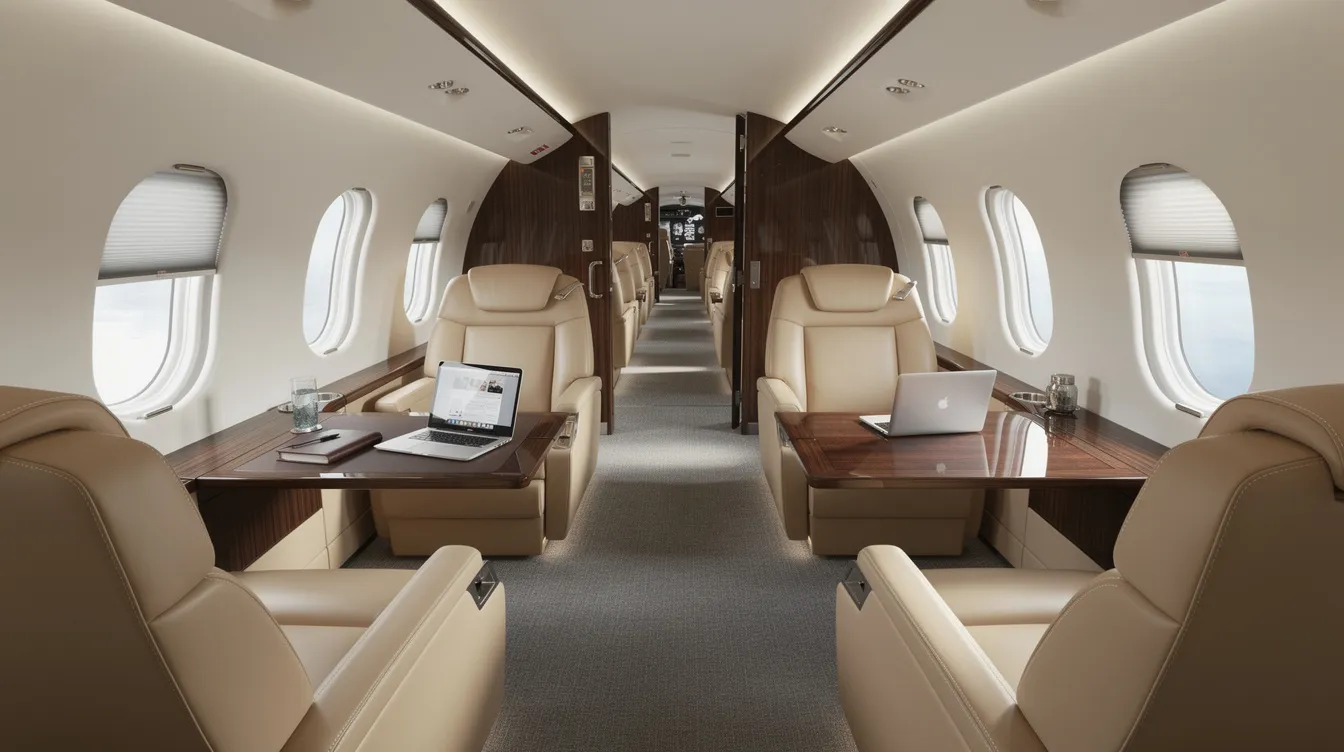
Popular Pre-Owned Aircraft Families: From Cessna Citation to Dassault Falcon
This section covers frequently traded pre-owned private jets rather than an exhaustive catalog. Each family has distinct strengths and trading patterns in the current market.
The Cessna Citation family dominates light and midsize pre-owned inventory. Models like the Citation M2, CJ series, Citation Excel/XLS, and Citation Sovereign are well-supported in North America, with established parts networks and lower acquisition costs. Modern avionics and cockpit upgrades, such as Garmin G3000 retrofits, can save retrofit costs later for buyers who select well-equipped examples.
Dassault Falcon jets commonly seen in the pre-owned market include the Falcon 50EX, 2000LX, 900EX, and 7X. Their strengths are long range, short-field performance from smaller airports, advanced avionics, and listing appeal when an aircraft has had a single corporate owner since new. Falcons tend to hold resale value well when maintained on program.
Other core manufacturers include Bombardier (Challenger 604/650, Global 5000/6000), Gulfstream (G200, G550, G650ER), and Embraer (Legacy 600/650, Praetor series). A Gulfstream G550 consistently commands premium residuals due to its combination of range, cabin, and operator support. Bombardier Challenger aircraft are popular for their cabin width and reliability in charter and corporate use.
Upgrade pathways matter for long-term viability. Engine and avionics programs, mandated ADS-B/FANS compliance, and Pro Line 21 or G1000 cockpit upgrades all affect whether an older airframe remains operationally viable. BusinessJets.com regularly handles these models and can benchmark individual aircraft against recent pre-owned transactions.
Key Factors That Drive Pre-Owned Jet Value
Two aircraft of the same year and model can differ in value by millions of dollars. The gap comes down to condition, programs, and history.
Major value drivers include:
Airframe and engine time:
Total hours, cycles, and utilization relative to fleet average. An aircraft with average hours on trend holds value better than one operated well above trend.
Maintenance status:
Time since last major inspection (C-check, 96-month), completion of service bulletins, and upcoming scheduled events. Owning a pre-owned jet may involve variable maintenance history and costs, and financial exposure increases with the age and condition of used jets.
Engine and APU programs:
Engines enrolled in programs like Rolls-Royce CorporateCare, Honeywell MSP (including MSP Gold), Williams TAP, or ESP typically support higher residual value. An RRCC APU enrolled aircraft can add $50,000-$70,000 or more versus a comparable jet without program coverage.
Avionics compliance:
Airworthiness Directives and Service Bulletins compliance is essential for used jets. Non-compliance with ADS-B Out, FANS 1/A, CPDLC, or RNP suppresses value and may restrict airspace access.
Soft factors:
A one owner, corporate operated aircraft with no damage history, always hangared, and with low hours commands a premium. Heavy charter use, multiple owners, or undocumented repairs reduce confidence and price.
Condition history and compliance records impact the valuation of jets directly. Correctly valuing pre-owned aircraft requires detailed market analysis and comparable sales data. Market data and valuation tools help establish a reliable baseline market value, but professional appraisal brings accuracy that listing prices alone cannot provide. Request an aircraft appraisal before making or accepting an offer.
Evaluating a Pre-Owned Jet: Technical and Financial Due Diligence
Structured due diligence separates informed buyers from those who inherit costly surprises. Every pre-owned acquisition should follow a repeatable process.
Documentation Review
Documentation review comes first. Key records include airframe logbooks, engine logs, AD and SB compliance listings, STC documentation, weight and balance data, and equipment lists.
Verify complete and accurate maintenance records to avoid costly surprises later. Gaps or missing entries are immediate red flags.
Pre-Purchase Inspection
A pre-purchase inspection scope at an OEM service center or reputable MRO typically covers:
Exterior and interior condition assessment (inspecting cabin and exterior aesthetics is important for evaluating a used jet)
Engine borescope and hot section examination
Non-Destructive Testing (NDT) for structural integrity
Avionics and systems functional checks
Corrosion and landing gear inspection
An independent pre-purchase inspection is crucial when evaluating pre-owned jets. Professional pre-purchase inspections are essential for identifying hidden issues that visual review or records alone cannot reveal. Comprehensive evaluations of airframe, engine, and avionics are critical during inspections.
Financial Due Diligence
Financial due diligence should model:
Fixed versus variable costs
Upcoming maintenance liabilities
Required upgrades
Engine overhaul reserves
Cabin refurbishment budget
Any avionics work needed for regulatory compliance
Common red flags warranting renegotiation or withdrawal:
Undocumented repairs
Inconsistent logbooks
Corrosion findings
Engines near TBO without program coverage

Working with a Broker: How BusinessJets.com Adds Value
A specialist broker provides market intelligence, transaction management, and discretion, and buyers may recognize names such as Guardian Jet in the market while still expecting this level of support from any representative they hire. Aviation consulting supports strategic advice for aircraft transactions, and consultants help navigate aircraft buying and selling processes at every stage.
BusinessJets.com uses data from 1,500+ closed transactions to benchmark pricing, days on market, and negotiation ranges for specific makes and models, reflecting the kind of market grounding seen across established participants such as CFS Jets. Consulting services include market insights and operational guidance tailored to each client's fleet strategy and acquisition timeline.
On the acquisition side, BusinessJets.com's services include mission analysis, aircraft shortlisting, off-market sourcing, LOI drafting, and coordination of pre-buy inspections through closing. Aviation consultants assist with due diligence in transactions, ensuring that technical, financial, and legal elements align before funds transfer.
For sellers, the process covers preparing the aircraft for market, commissioning a professional appraisal, building a data room, qualifying buyers, and managing offers through closing. Corporate flight departments and fleet managers also benefit from operator advisory support: fleet renewal strategy, replacement timing, and multi-aircraft portfolio optimization.
Contact BusinessJets.com for a confidential discussion about buying or selling pre-owned jets, especially if you are comparing firms when selecting representation.
Total Cost of Ownership for Pre-Owned Jets
Acquisition price is one component of a private jet's economic profile. Long-term costs should inform aircraft selection as much as the purchase price itself.
Fixed costs include:
Crew salaries and training
Hangar or parking
Insurance
Subscription services
Management fees
Annual fixed costs for midsize jets range from $800,000 to $1.2 million. Light jets run lower; large-cabin aircraft run higher, particularly when crewed with two pilots and supported by a dedicated maintenance schedule.
Variable costs include:
Fuel burn per hour
Engine reserves
Parts and maintenance reserves
Navigation and handling fees
Older aircraft typically require more frequent maintenance than new ones, which increases variable cost per flight hour over time.
The breakeven for whole aircraft ownership is 200 to 250 hours annually. Below that threshold, charter or fractional programs may deliver better economics. Above it, full ownership typically wins on per-hour cost and scheduling flexibility.
Budget planning for refurbishment projects (paint, interior, connectivity upgrades) should be part of the acquisition analysis. A well-timed interior refresh before a sale can recapture value; deferring it can suppress resale price. Annual fixed costs for midsize jets ranging from $800,000 to $1.2 million should be modeled alongside these capital expenses.
Market Transparency: How Many Private Jets Are Actually for Sale?
A common question from buyers and sellers: how many private jets are on the market at any given time, and what does that number mean for pricing and timing?
Historically, 8-12% of the global business jet fleet might be listed for sale. In 2026, that figure has tightened to 6-7%. There are 24,270 private jets in operation worldwide, and 585 private jets are currently listed on GlobalAir.com, which represents a fraction of total inventory across all platforms and broker networks. The average pricing for listed private jets is $6,671,944, though this average spans everything from a 2023 Cirrus SF50 at $3.5 million to ultra-long-range aircraft well above $30 million.
By segment, very light jets and light jets are the most liquid, with higher inventory counts and faster trading. Midsize jets show more availability, creating leverage for buyers. Super-midsize and large-cabin inventory remains tight, with well-configured aircraft selling before they reach public listings.
Advertised listings represent only part of the market, and they are often presented by current base or region, such as Texas. Many high-value aircraft transact off-market or through quiet broker networks. BusinessJets.com monitors both on-market and off-market opportunities to provide clients with a more complete picture than public listing counts. Browse current aircraft for sale or consult with our team for inventory and availability beyond what appears online.
Making the Right Choice: From Shortlist to Closing
The journey from mission definition to closing follows a structured process. After defining range, passenger count, cabin requirements, and budget, reduce a broad search of private jets for sale into a shortlist using engine programs, age limits, and configuration as filters.
Shortlisting Aircraft
A structured decision process includes:
Comparative cost-of-ownership analysis across shortlisted aircraft
Inspection results review and resolution of findings
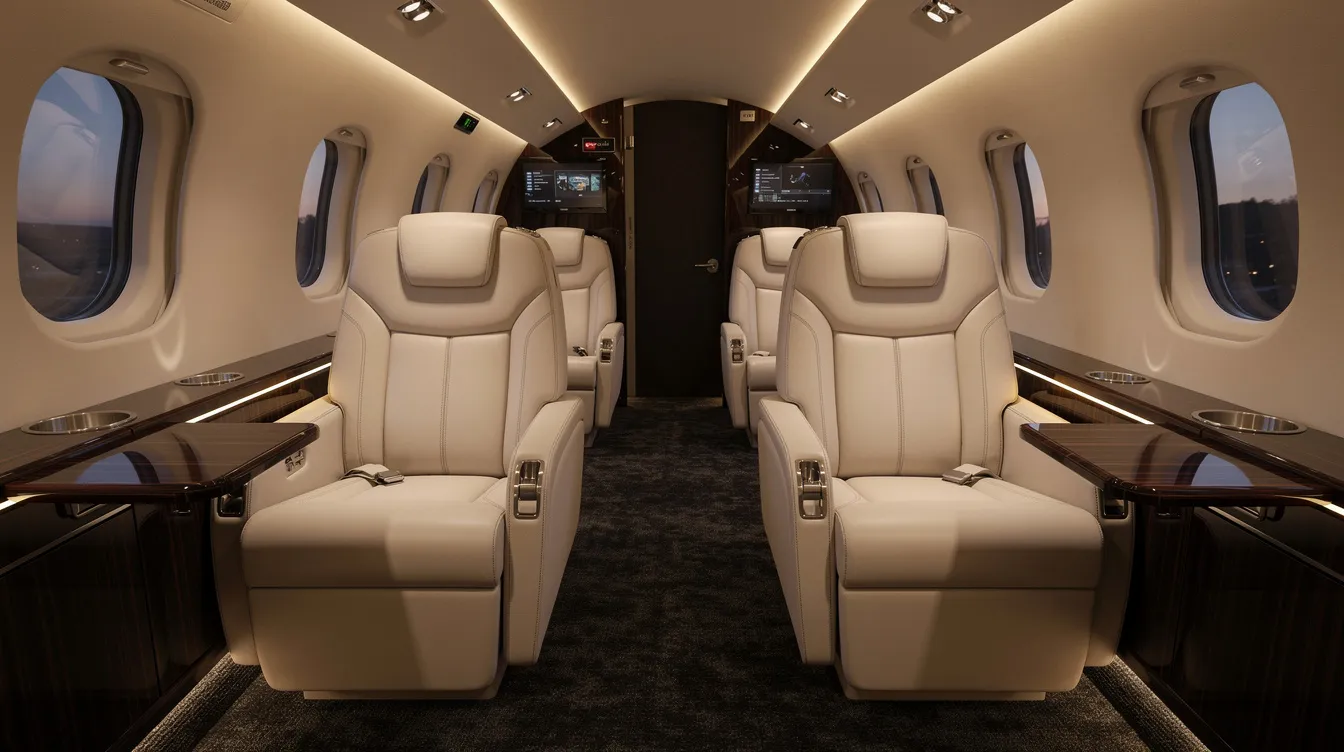
Interior configured to match operational needs (forward cabin, aft cabin, galley placement)
Future fleet strategy alignment and residual value projection
Inspection and Negotiation
Final negotiation and closing involve drafting the LOI
Agreeing on purchase terms (escrow, representations and warranties, delivery conditions)
Handling defects discovered during pre-buy
A thorough title and lien search is essential before closing a jet purchase to confirm clean ownership and no encumbrances
Financing, if used, adds steps for lender appraisal and documentation
Closing Process
The right choice is not always the newest or cheapest jet. It is the aircraft whose capabilities, costs, and risk profile best match the owner's long-term plan. Expert advice can reduce transaction time to 60-120 days when the process is well-managed from the start. A well-executed search for private jets takes 60 to 120 days from initial shortlisting through closing.
Engage BusinessJets.com for appraisal, sale listing, or full-service acquisition consulting to move forward with confidence.
Frequently Asked Questions About Pre-Owned Jets
How long does it typically take to buy a pre-owned private jet?
A standard transaction runs 60-120 days from signed LOI to closing, assuming straightforward inspections and financing. Key stages include initial search and shortlist development, LOI negotiation, pre-purchase inspection scheduling and completion, legal documentation, and aircraft delivery. Factors that extend timelines include complex upgrades discovered at pre-buy, remedial maintenance findings, export or import requirements for cross-border transactions, or slow financing approvals.
Are older pre-owned jets (20+ years) still a good investment?
Some older aircraft remain operationally sound and cost-effective for specific missions, but they carry higher maintenance reserves and often need avionics upgrades for current regulatory mandates. Production support, parts availability from manufacturers, and compliance with current airspace requirements all matter. Aircraft older than 20 years averaged over 115 days on market in H1 2026, reflecting buyer caution. A detailed technical and economic assessment, including an appraisal, should precede any commitment to an older airframe.
What is the difference between buying a pre-owned jet personally and through a company or trust?
Ownership structure affects tax treatment, liability exposure, privacy, and regulatory compliance. Common structures include direct corporate ownership, special-purpose entities, and trust arrangements, particularly for non-U.S. citizens acquiring N-registered aircraft. The right structure depends on the buyer's jurisdiction, intended use (personal vs. business), and financing arrangements. Combine aviation consulting with tax and legal counsel to structure ownership correctly from the outset.
Can I charter out my pre-owned jet to offset ownership costs?
Many owners place their aircraft on a charter certificate to generate revenue. Charter utilization does help offset some fixed costs, but it also increases wear, cycle counts, and maintenance requirements. Charter revenue rarely turns the aircraft into a profit center; instead, it reduces the net annual cost of ownership when carefully modeled. Operators and owners should request realistic charter revenue and expense projections before committing to this strategy.
When should I get an appraisal for a pre-owned jet?
Appraisals are useful at multiple points: before listing an aircraft for sale, prior to making an offer, during financing or refinancing, and for internal asset reporting or insurance purposes. A formal aircraft appraisal incorporates current market data, technical condition, maintenance status, and upcoming regulatory requirements. Request a private jet appraisal from BusinessJets.com to support your negotiation strategy and internal decision-making with current, defensible data.Request a private jet appraisal from BusinessJets.com to support your negotiation strategy and internal decision-making with current, defensible data. Our expertise is grounded in comprehensive market data showing there are 24,270 private jets in operation worldwide, with 585 currently listed on GlobalAir.com at an average price of $6,671,944. We understand that private jets access around 10 times more airports than airlines, and modern jets support higher passenger counts and longer flights, making mission matching critical.
Evaluating a pre-owned jet involves inspecting cabin and exterior aesthetics and ensuring compliance with Airworthiness Directives and Service Bulletins. New aircraft offer full customization for interior design and technology, but pre-owned jets provide a lower purchase price and faster availability. Comprehensive evaluations of airframe, engine, and avionics during independent pre-purchase inspections are essential to identify hidden issues and verify maintenance records, which help avoid costly surprises later.
Our aviation consulting services provide strategic advice, market insights, operational guidance, and due diligence assistance to navigate buying and selling processes efficiently. Expert advice can reduce transaction time to 60-120 days, aligning with the average sale time of less than 90 days for well-maintained aircraft. We emphasize the importance of a thorough title and lien search before closing to ensure clear ownership.
Understanding total cost of ownership is vital: annual fixed costs for midsize jets range from $800,000 to $1.2 million, with breakeven ownership typically at 200 to 250 hours annually. New jets, such as the 2024 Gulfstream G700 priced at $80 million, come with the latest engines, avionics, and manufacturer warranties but experience steep value drops in the first few years. Pre-owned jets usually cost 30% to 50% less, often with a flatter depreciation curve, though older aircraft may require more frequent maintenance and upgrades due to worn technology and interiors.
Condition history, compliance records, and enrollment in engine and APU programs significantly impact valuation. Gulfstream G550 models consistently command premium residuals due to their strong market demand and support infrastructure. Correctly valuing pre-owned jets requires detailed market analysis and comparable sales data, which we provide to help you make informed, confident decisions.
Contact BusinessJets.com for a confidential appraisal to guide your acquisition or sales strategy with authoritative, data-driven insights tailored to your specific aircraft and mission profile.
Conclusion
Choosing the right pre-owned jet requires a careful balance of mission needs, technical evaluation, and financial planning. While new aircraft offer the latest technology and full customization, pre-owned jets provide significant cost savings and faster delivery, making them a compelling option for many buyers. Success in acquiring a pre-owned jet depends on thorough due diligence, including independent inspections, maintenance record verification, and expert valuation.
BusinessJets.com stands as a trusted partner in navigating the complexities of the pre-owned jet market. With extensive experience, comprehensive market data, and tailored consulting services, we help buyers and sellers make informed decisions that align with their operational goals and financial parameters. Whether you are seeking an appraisal, looking to list your aircraft, or need acquisition support, engaging with our team ensures a discreet, efficient, and expert-led transaction process.
Contact BusinessJets.com to leverage our expertise and resources for your next pre-owned jet acquisition or sale, and gain confidence in every step of your business aviation journey.