Plane for Sale in Australia: Expert Guide to Buying and Selling with BusinessJets.com

Jay Franco Ser
September 4, 2026

If you're searching for a plane for sale in Australia, this expert guide covers the full process of finding, evaluating, and transacting aircraft in the Australian market. This guide is designed for both buyers and sellers navigating the unique challenges of the Australian aircraft market, where regulatory requirements and limited local inventory make expert guidance essential. Understanding the Australian market matters because its geographic scale, thin local inventory, ageing fleet, and specific regulatory requirements under the Civil Aviation Safety Authority (CASA) all shape how transactions unfold. Whether you are a first-time buyer, a corporate operator, or an experienced seller, this guide will help you make informed decisions and avoid common pitfalls when dealing with aircraft for sale in Australia.

Key Takeaways

  • BusinessJets.com supports buyers and sellers looking for a plane for sale in Australia, covering private jets, turboprops, and select helicopters across major hubs like Sydney, Melbourne, Brisbane, Perth, and regional centres including Cairns, Darwin, and Pilbara.

  • We are an aircraft brokerage and aviation consulting firm with over 1,500 completed aircraft transactions and 5,000+ satisfied clients worldwide, regularly handling aircraft sales and acquisitions involving Australian buyers, sellers, and operators.

  • This article explains how to evaluate aircraft for sale in Australia, what to check in listings (price, hours, maintenance, registrations), and how expert brokerage, appraisal, and consulting from BusinessJets.com reduce risk and total transaction time.

  • We assist with cross-border transactions, including importing aircraft from the U.S. or Europe into Australia, covering valuation, pre-purchase inspections, and CASA regulatory considerations such as VH-registration and type acceptance.

  • Primary calls-to-action: request an aircraft appraisal, list an aircraft for sale, or engage BusinessJets.com for acquisition and consulting support tailored to the Australian market.

Overview of Aircraft Sales in Australia

Aircraft Types in Australia

The Australian aircraft market features a mix of business jets, turboprops, piston aircraft, and helicopters. Demand is driven by corporate travel between state capitals, resources and mining operations requiring FIFO (fly-in, fly-out) access, tourism in remote areas, and medical or emergency services reaching communities far from major cities. The market was valued at approximately USD 630 million in 2024 and is projected to grow to USD 940 million by 2029, representing a compound annual growth rate of about 5.1%.

When people search for plane sales in Australia or browse aircraft sales listings, the inventory typically spans several categories:

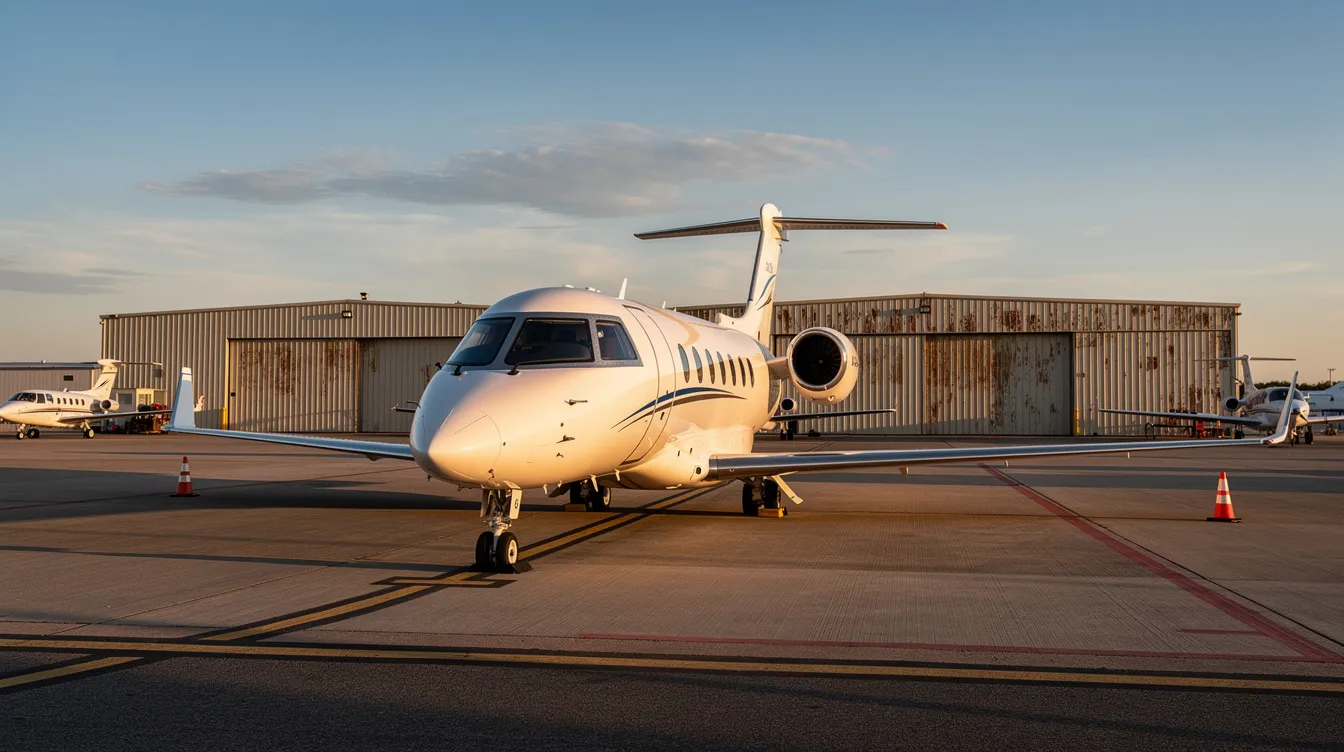
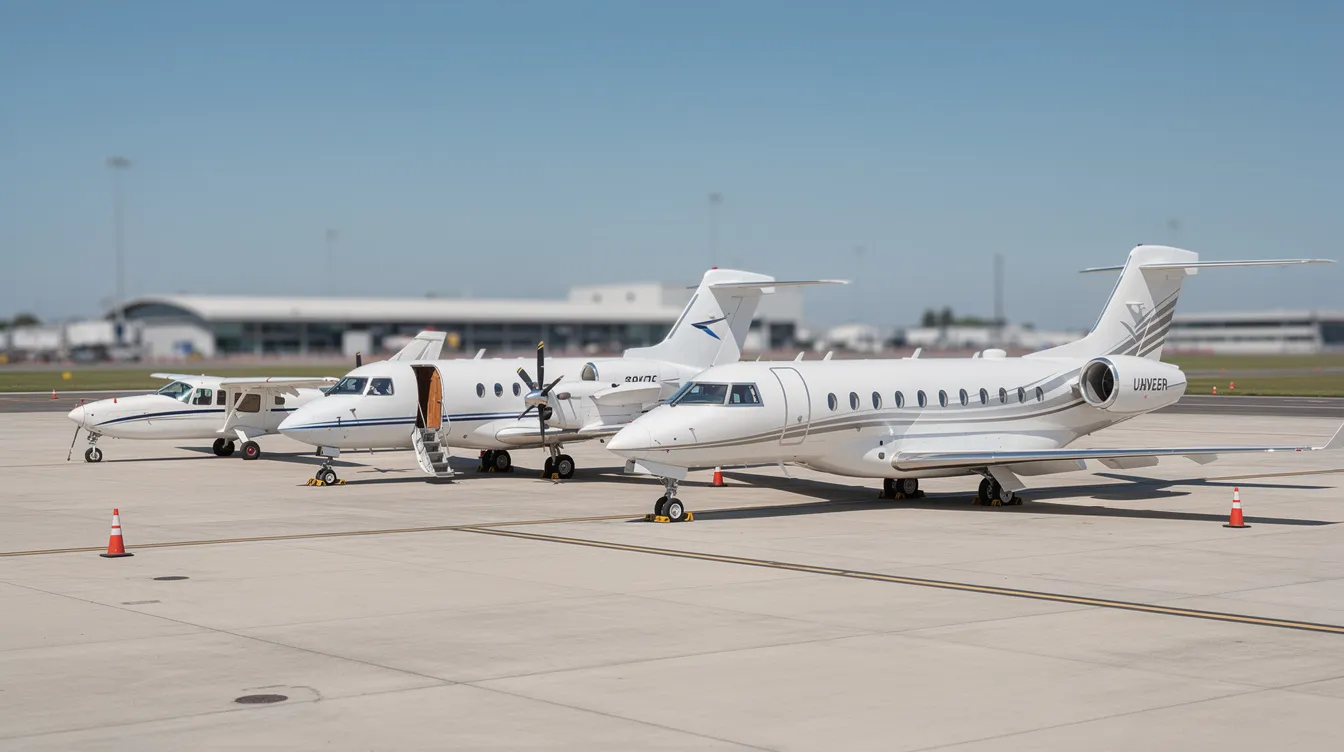
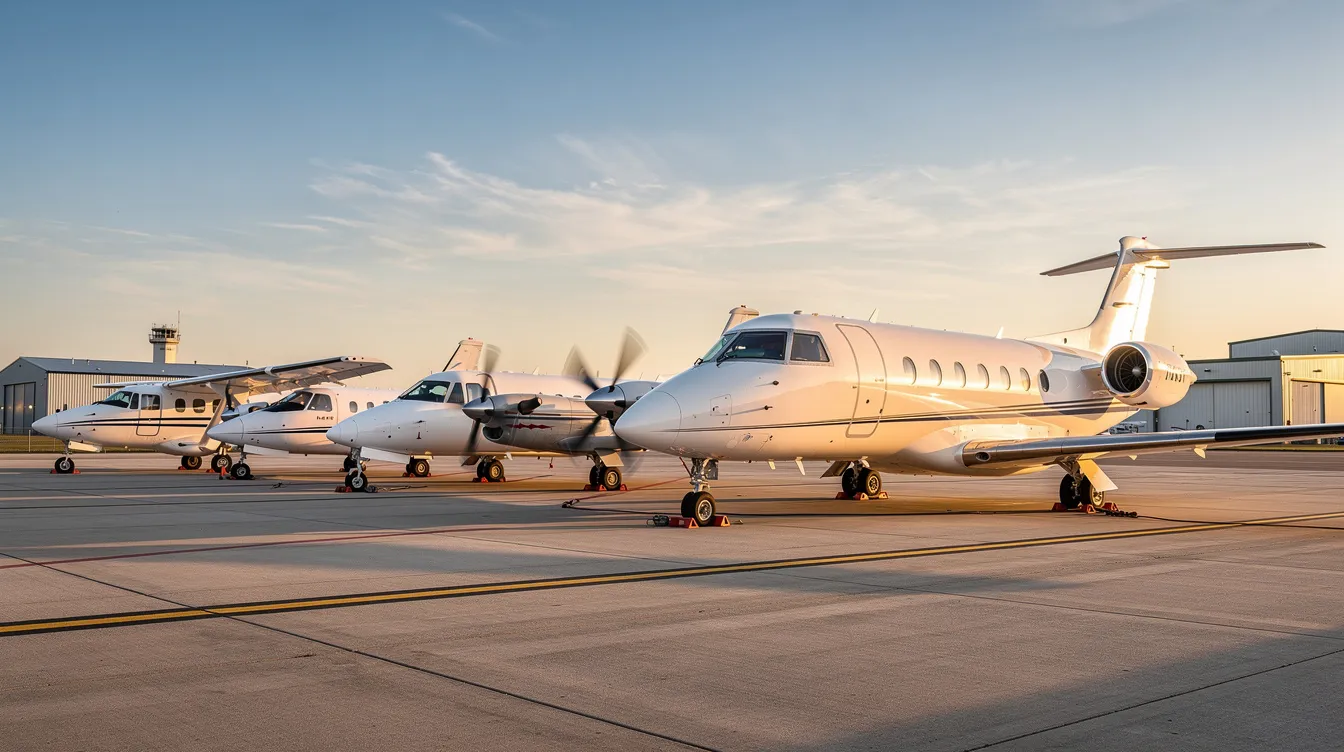
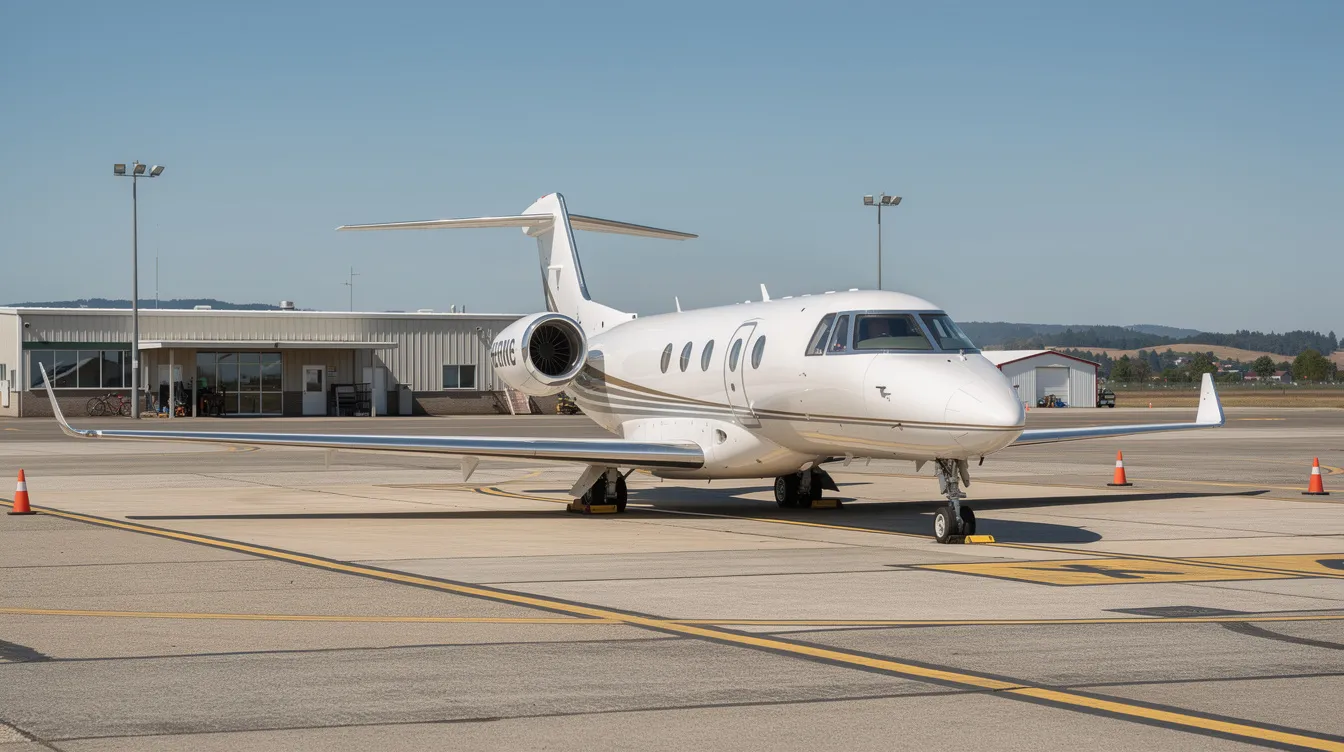
  • Private jets: Gulfstream G280, Bombardier Challenger 350, Embraer Phenom 300, Citation series, Airbus ACJ319 private jet

  • Turboprops: Beechcraft King Air 350, Pilatus PC-12 (single engine, popular for regional work)

  • Helicopters and utility aircraft: Used in mining, pastoral, and emergency services

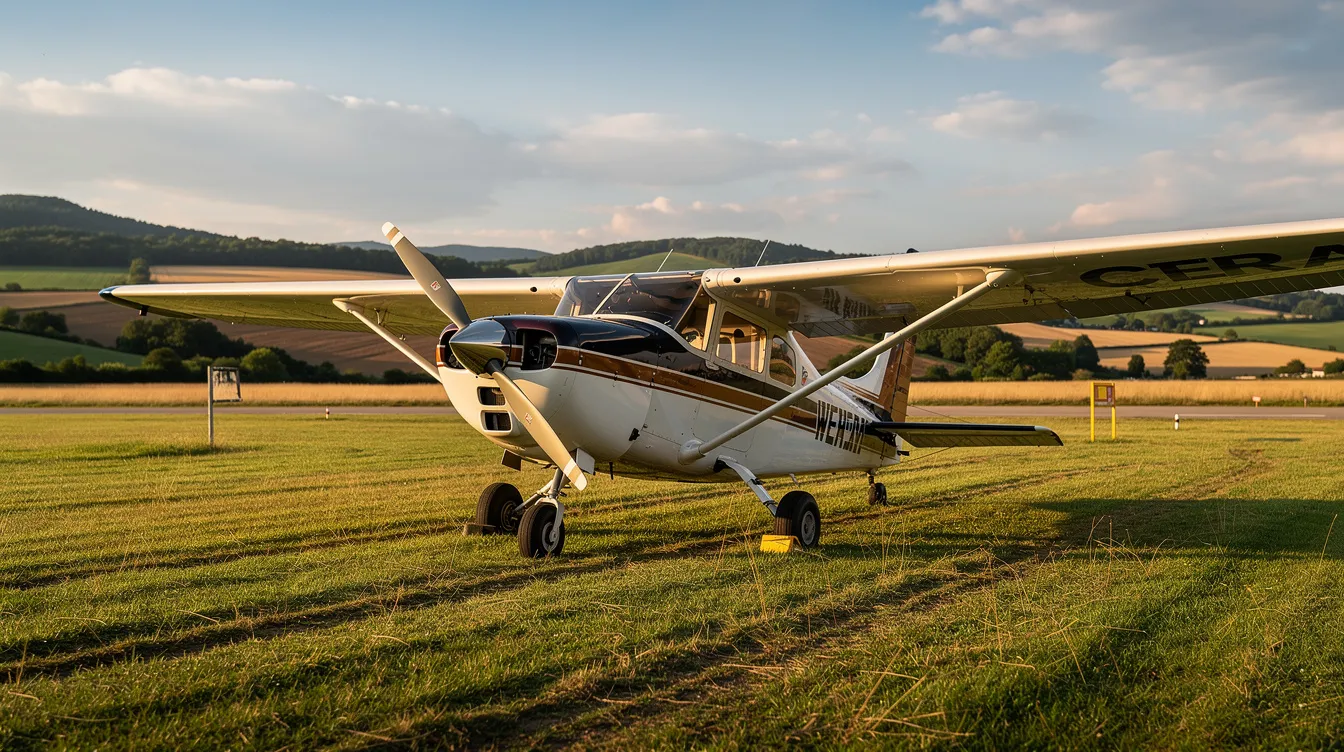
  • Recreational and agricultural aircraft: Piston-engine models for training, personal use, and farming operations

Common Australian aircraft types include recreational planes (used for personal and training flights), business jets (for executive and corporate travel), helicopters (for utility, emergency, and resource-sector operations), and agricultural aircraft (used for crop spraying and farm support).

Major Marketplaces

Most aircraft for sale are based at larger business aviation hubs: Sydney, Melbourne, Brisbane, Perth, and Adelaide. Regional centres like Cairns, Townsville, Darwin, the Gold Coast, and FIFO-focused locations in Western Australia and Queensland also host active fleets. Buying an aircraft involves checking specialized online marketplaces and brokerage firms. Platforms such as AviationTrader.com.au list new and pre-owned aircraft in Australia; Aviation Trader magazine is published every four weeks for those who prefer print. Controller.com features aircraft for sale in Queensland and other states. Stick N Rudder lists aircraft priced from $70,000 to $420,000. Light Aircraft Sales offers a free self-listing option for sellers looking to reach local buyers directly.

Ownership Profiles

Ownership profiles in Australia range widely:

Owner Type

Typical Aircraft

Primary Use

Private / HNW individuals

Light jets, turboprops

Executive and family travel

Corporate flight departments

Midsize and super-mid jets

Interstate executive transport

Charter and FIFO operators

King Airs, PC-12s, light jets

Mining, remote community access

Government / emergency services

Turboprops, helicopters

Air ambulance, surveillance

The local Australian market is relatively small for aircraft purchases. As of end-2023, Australia had approximately 213 business jets, the second-largest fleet in Asia-Pacific after China, but the average age of that fleet was 18.5 years. Over 60% of the business jet fleet falls in the Light Jet and Very Light Jet categories. That ageing profile, combined with limited new local production, means on-market inventory can be thin. Many serious buyers look beyond Australia and work with brokers like BusinessJets.com to source off-market or overseas aircraft that suit Australian missions and runway conditions.

BusinessJets.com operates as a global brokerage and consulting partner, giving Australian clients access to international aircraft for sale while managing Australian-specific aspects such as CASA-compliant documentation, import planning, and operational suitability. For buyers also looking across the Tasman, routes like Brisbane to Auckland (New Zealand) are common enough that NZ-based aircraft occasionally enter Australian consideration sets.

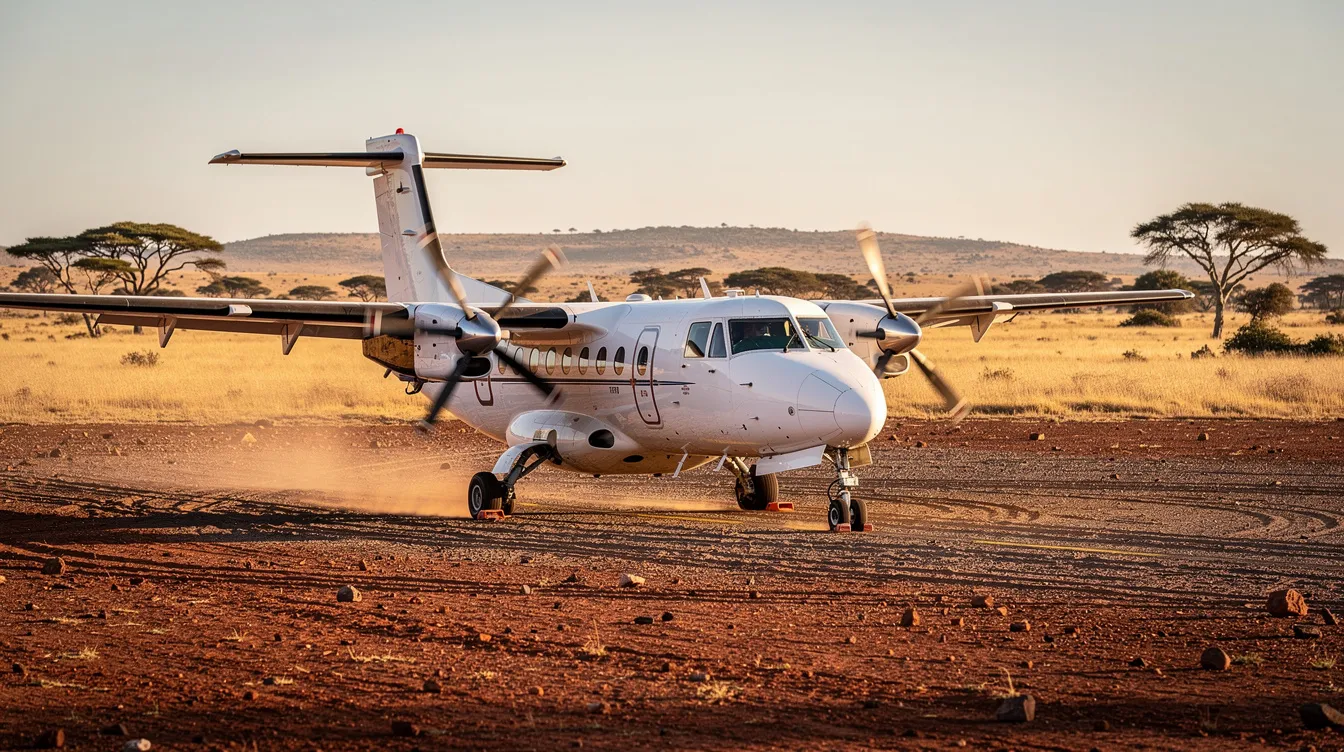
An aerial view captures the vast Australian outback, featuring a dusty red runway where a small turboprop aircraft is approaching for landing. This scene highlights the unique landscape of Australia, ideal for those interested in plane sales and aircraft listings in the region.

How to Evaluate Aircraft for Sale in Australia

Serious buyers should approach every plane for sale in Australia with a structured due-diligence checklist covering technical, financial, regulatory, and operational factors. Skipping any of these categories introduces risk that can cost more than the aircraft itself.

Comparing Listings

Aircraft listings can include detailed specs and high-resolution images, but buyers should compare listing details, not just photos. When you search aircraft on marketplaces or review featured listings from a brokerage, compare:

  • Model year and serial number to confirm identity and production batch

  • Total time (TT) on the airframe, measured in hours and cycles

  • Engine times relative to the manufacturer's Time Between Overhauls (TBO); aircraft overhauls are subject to TBO regulations, and piston engines operate on strict overhaul hours or calendar limits

  • APU status and hours (for jets equipped with auxiliary power units)

  • Avionics configuration: glass cockpit vs. legacy instruments, ADS-B compliance, HF radio for remote Australian operations

  • Cabin layout: executive, charter, or mixed; number of seats; lavatory and galley provisions

  • Australia-specific modifications: de-icing systems for southern routes, dust filters for outback operations, STOL kits for short-field performance

Required Documentation

Before committing to any model, request and review:

  • Full logbooks covering the aircraft's entire operational history

  • Major inspection history (48-month and 96-month checks for jets)

  • Compliance records for manufacturer service bulletins and Airworthiness Directives; Airworthiness Directives must be met for aircraft safety compliance

  • Any damage or incident reports, which affect both value and insurability

  • The Australian Civil Aircraft Register entry, which confirms ownership and registration status

Maintaining aircraft logs and compliance with regulations are crucial for ownership. Gaps in records raise red flags during pre-purchase inspections and will reduce the price buyers are willing to pay.

Regulatory Requirements

Australian buyers should verify airworthiness certifications and registration requirements before purchase, as all aircraft must comply with Civil Aviation Safety Authority regulations. Key points:

  • VH-registration (the "VH-" prefix) requires the owner to be an eligible person or Australian entity. CASA's initial registration process involves Form 029 and deregistration from any prior registry.

  • For imported aircraft, type acceptance or equivalency of a foreign type certificate must be established under CASA rules.

  • Noise and emissions considerations may require modifications, particularly for older jets entering the Australian registry.

Cost Considerations

The sale price on a listing is only the starting point. Shipping complexities and import taxes must be factored when importing aircraft. Australian buyers should budget for:

  • GST on import: 10% of customs value (purchase price + transport + insurance)

  • Customs duty: Typically zero for aircraft, but GST always applies unless exempt

  • Ferry / positioning flights: Varies by origin; U.S. to Australia can cost AUD 80,000–150,000+

  • Pre-purchase inspection: AUD 10,000–50,000+ depending on aircraft type

  • Avionics upgrades: ADS-B, HF radio, WAAS/LPV; can reach AUD 100,000+

  • Interior refurbishment: AUD 50,000–500,000+ depending on scope

  • Ongoing: hangar, crew, maintenance: Annual operating costs vary by type and utilisation

Budgets should include ongoing expenses beyond fuel and hangar fees; engine overhauls, unscheduled maintenance, insurance, crew training, and spare parts all contribute to total cost of ownership.

Valuation and Appraisal

Aircraft valuations are essential for buying and selling decisions. Accurate valuation underpins every successful transaction: overpaying erodes returns, and underpricing leaves money on the table. Valuation services help determine fair market prices for aircraft by referencing comparable sales data, global market trends, time-on-market expectations, and residual value projections tailored to Australian operating patterns. BusinessJets.com's appraisal services cover all of these dimensions.

Pre-purchase Inspection

Pre-purchase inspections should be conducted by an independent Licensed Aircraft Maintenance Engineer (LAME) at an MRO facility experienced with the specific aircraft type and familiar with Australian or Asia-Pacific operating environments. Hidden corrosion can cost tens of thousands of dollars during aircraft inspections, particularly on airframes operated in coastal, high-humidity, or salt-air environments. A thorough PPI covers airframe structure, engines, avionics, systems functionality, and logbook consistency.

Risk Areas Specific to Australia

Several region-specific risks deserve attention:

  • Aircraft heavily used in dusty, hot FIFO operations may show accelerated wear on engines, landing gear, and air-filtration systems

  • Airframes stored in coastal or high-humidity environments are more prone to corrosion

  • Older aircraft may need costly upgrades to meet current avionics or safety mandates

  • The average age of fixed-wing aircraft in Australian general aviation is approximately 39 years, and helicopters average around 22.6 years; buyers of older aircraft should factor compliance upgrade costs into their budgets

BusinessJets.com can coordinate technical review, PPI oversight, valuation, and negotiation on behalf of Australian or international buyers targeting planes based in Australia or suitable for Australian missions.

Working with BusinessJets.com on Plane Sales in Australia

BusinessJets.com functions as a B2B aircraft brokerage and aviation consulting partner, focused on private jet sales, acquisitions, appraisals, and operator advisory for clients active in or entering the Australian market. Using a broker can streamline the purchase process and ensure thorough inspections. Here is what that partnership looks like in practice.

Seller Support

For Australian sellers, our comprehensive aviation services cover:

  • Market appraisal and pricing strategy grounded in recent Australian and global transaction data

  • Preparation of detailed specification sheets; aircraft appraisals can include detailed specifications and images

  • Professional photography and aircraft detailing to present the asset at its best

  • Confidential marketing when required, plus broad exposure to qualified buyers across Asia-Pacific, the Americas, and Europe

  • Management of enquiries, site inspections, and buyer screening from trusted sellers and private parties

  • Negotiation support through LOI and SPA stages

  • Coordination of closing, export, or local delivery logistics

Self-listing options for selling aircraft are available on various platforms, but most corporate owners and serious private sellers find that specialist brokerage reaches a wider pool of qualified buyers and protects value during negotiations.

Buyer-side Services

For Australian corporations and high-net-worth individuals, our buyer-side process includes:

  1. Mission analysis: Defining range, payload, runway requirements, and typical city pairs (Sydney to Perth at 3,290 km nonstop; Brisbane to Auckland across the Tasman)

  2. Model shortlisting: Matching mission requirements to aircraft types available in the region and globally

  3. Global search: Looking beyond local aircraft for sale to find off-market opportunities and competitive pricing

  4. Disciplined comparison: Evaluating on- and off-market options using consistent technical, financial, and operational criteria

Private jet owners can upgrade their aircraft through brokerage services, combining the sale of a current asset with acquisition of a replacement in a single coordinated process.

Appraisal and Valuation

BusinessJets.com offers independent aircraft appraisals for finance applications, internal board approvals, fleet strategy decisions, and dispute resolution. Our assessments use recent transaction data, consider Australian utilisation patterns, and include scenario planning for hold, sell, or upgrade decisions.

Consulting and Fleet Strategy

For operators and fleet managers, we provide consulting on:

  • Fleet renewal planning, particularly relevant given the ageing profile of Australian general aviation

  • Whether to base aircraft in Australia or nearby regional hubs

  • Ownership vs. charter vs. fractional strategy

  • Total cost of ownership optimisation for Australian routes

Cross-border Transaction Management

Many aircraft transactions involving Australia cross borders. We coordinate escrow, legal, and tax advisors; manage export and import processes; plan ferry flights; and align documentation so that CASA, the FAA, EASA, CAA Singapore, or other authorities' requirements are met. Our specialists handle the complexity so that buyers and sellers do not carry execution risk they cannot quantify.

Our record of 1,500+ completed aircraft transactions and 5,000+ satisfied customers globally includes clients in Asia-Pacific who regularly move aircraft into or out of the Australian registry.

Ready to act? Request an aircraft appraisal for a VH-registered jet you are considering selling, discuss listing an aircraft in our global marketing channels, or consult BusinessJets.com before committing to any plane sales in Australia.

Practical Steps to Buy or Sell a Plane in Australia

This section provides a step-by-step roadmap for buyers and sellers, focused on efficiency, risk mitigation, and alignment with Australian regulatory and market conditions.

Buyer Roadmap

  1. Define mission and budget: Identify route pairs, cabin requirements, runway conditions (paved metro vs. unpaved remote), and annual flight hours. Build a budget that covers acquisition and at least three years of operating costs.

  2. Obtain preliminary valuation and ownership cost estimates: Use comparable sales data and operating cost models for shortlisted types.

  3. Shortlist suitable aircraft types: For example, a King Air 350 for FIFO operations vs. a Phenom 300 for capital-city executive travel vs. a Challenger 350 for long interstate routes.

  4. Review Australian and international aircraft for sale: Search aircraft across local listings and global brokerage inventory. Find options that match mission requirements.

  5. Commission PPI and appraisal: Engage an independent LAME and an experienced appraiser before signing a purchase agreement.

  6. Negotiate terms and conditions: Price, warranties, spares inclusion, delivery timeline, and risk allocation.

  7. Arrange financing or cash management: Common approaches Australian buyers use include specialist aviation lenders, bank finance, and corporate credit facilities. Integrate tax and legal advice into the transaction timeline; GST treatment, depreciation, and entity structure all affect net cost.

  8. Complete registration, insurance, and operational setup: CASA registration, crew hiring or training, hangar arrangements, and maintenance provider selection.

Seller Roadmap

  1. Engage BusinessJets.com early: Get a formal appraisal and sales strategy before committing to a time on market.

  2. Prepare the aircraft: Rectify minor defects, detail the exterior and cabin, organise complete logbooks and compliance records.

  3. Set a realistic asking price: Based on global and Australian market data, not on replacement cost or emotional attachment.

  4. Agree on a marketing plan: Decide whether to use featured listings, confidential marketing, or broad public exposure.

  5. Manage enquiries and showings: Vet buyers, arrange inspections, respond to technical questions with reliable data.

  6. Evaluate offers and negotiate terms: Compare competing bids on net value, not just headline price.

  7. Coordinate closing: Transfer of registration, export documentation if the buyer is overseas, and physical delivery.

Timing and Market Factors

Pricing models and market conditions affect aircraft availability and resale. The aircraft market is influenced by specific models and conditions, so timing matters:

  • Currency movements: The AUD/USD exchange rate directly affects the cost of purchasing aircraft priced in U.S. dollars. A 10% swing in the exchange rate on a USD 5 million aircraft equals AUD 500,000+ in either direction.

  • Seasonal demand: Charter demand peaks over the Australian summer (December through February). Listing a charter-capable aircraft in July, before the peak season, can attract operators building fleet capacity.

  • Commodity cycles: Mining booms drive demand for FIFO-capable turboprops and helicopters. When iron ore and LNG revenues are strong, operators in Western Australia and Queensland expand fleets immediately.

  • Global supply: A glut of a specific model in the U.S. or Europe can push prices down for Australian sellers of the same type.

Decision Framework

Buyers should build a formal scoring framework covering:

  • Operational range (nautical miles under expected payload)

  • Runway performance for regional Australian airfields

  • Cabin configuration for executive vs. resource-sector use

  • Maintenance support availability within the region (authorised service centres, parts supply)

  • Projected resale value over a 3 to 7 year hold period

  • Decades of remaining useful life for the airframe and engines

Owners and operators who are actively reviewing aircraft for sale or planning to sell a plane in Australia within the next 6 to 12 months should contact BusinessJets.com to structure an appraisal, acquisition plan, or fleet review before commitments are made.

A businessperson is seated at a desk, intently reviewing aviation documents while looking out at an airport ramp filled with aircraft. The scene highlights the importance of aircraft sales in Australia, with a focus on trusted sellers and featured listings for buyers interested in planes and helicopters.

FAQ: Plane Sales and Aircraft for Sale in Australia

How long does it typically take to buy or sell a business aircraft in Australia?

A straightforward acquisition of an in-country aircraft can often be completed in 60 to 120 days from agreed terms, depending on financing, PPI timing, and registration processing. Cross-border imports add time: deregistration from the prior registry, ferry flights, CASA type acceptance, and any modifications or major inspections required can extend the process by weeks or months.

Sales timelines vary with aircraft type and market conditions. Popular models such as late-model light and midsize jets, King Airs, and PC-12s tend to move faster. Older or highly specialised aircraft can take 6 to 12 months or longer. BusinessJets.com provides realistic time-on-market guidance based on recent transactions and current buyer demand for the specific aircraft and price bracket.

Can I buy a plane overseas and base it in Australia?

Yes. Many Australian operators and owners source aircraft from the U.S., Europe, or Asia to access a broader pool of aircraft for sale and, in some cases, more competitive pricing.

Key additional steps include:

  • Export documentation and deregistration from the origin country's registry

  • Modifications to meet CASA airworthiness standards and local operating requirements

  • Ferry flight planning (including fuel stops, overflight permits, and crew logistics)

  • Australian registration (Form 029), GST payment at 10% of customs value, and biosecurity clearance

BusinessJets.com regularly manages cross-border transactions and can coordinate technical, legal, and logistics partners to streamline import into Australia.

What are the main costs to budget for beyond the purchase price?

Principal cost categories include:

  • GST or applicable taxes: 10% on customs value for imported aircraft

  • Legal and escrow fees: Typically AUD 10,000–30,000

  • PPI and appraisal costs: AUD 10,000–50,000+ depending on aircraft type

  • Ferry or positioning flights: Cost varies with origin; longer legs require fuel stops and crew changes

  • Insurance: Hull and liability; premiums depend on type, value, and operator experience

  • Hangarage and crew: Ongoing monthly costs that differ by location (Sydney vs. regional)

  • Routine and unscheduled maintenance: Including future engine and APU overhauls

Corporate buyers and high-net-worth individuals should request a tailored cost-of-ownership model from BusinessJets.com during the evaluation stage, so that operating budgets and board-level approvals are based on realistic numbers.

Do I need a broker to sell my VH-registered aircraft?

While it is possible to sell an aircraft privately, most corporate owners and serious private sellers in Australia use a specialist broker to reach qualified buyers, manage due diligence, and protect value during negotiations.

BusinessJets.com adds value through data-driven pricing, professional global marketing beyond the local plane sales market, screening of buyers, structured negotiation, and coordination of closing and delivery. This reduces execution risk and typically shortens time on market compared to unassisted sales.

When should I request an appraisal or valuation for my aircraft?

An appraisal is valuable whenever an owner is considering selling within the next 12 to 24 months, refinancing, restructuring a fleet, or presenting asset values internally to a board or finance team. It is also useful when comparing the cost of upgrading an existing aircraft against acquiring a replacement.

BusinessJets.com offers independent appraisals tied to current global and Australian aircraft sales data, helping owners decide whether to hold, upgrade, or dispose of an aircraft based on objective market intelligence. Visit our appraisal page to start the process. Our expertise ensures compliance with Civil Aviation Safety Authority regulations, including verifying airworthiness certifications and registration status through the Australian Civil Aircraft Register. We guide buyers through specialized online marketplaces like AviationTrader.com.au, Controller.com, and Stick N Rudder, which list a range of aircraft including jets, helicopters, and agricultural planes, with detailed specs and high-resolution images.

We understand the local Australian market is relatively small, with common aircraft types including recreational planes, business jets, and helicopters. Pricing models and market conditions affect availability and resale value, so our valuation services provide accurate fair market prices considering specific models and conditions. Budgets must also account for ongoing expenses beyond fuel and hangar fees, including maintenance governed by Time Between Overhauls regulations and piston engine overhaul limits.

Our brokerage services help streamline the purchase process, ensuring thorough pre-purchase inspections by independent Licensed Aircraft Maintenance Engineers to detect issues like hidden corrosion, which can be costly. For sellers, self-listing options exist through platforms like Light Aircraft Sales, but using BusinessJets.com offers broader reach and expert negotiation. Our track record includes over 1,500 completed aircraft transactions, assisting private jet owners with upgrades and sales.

We also keep clients informed with resources such as the Aviation Trader magazine, published every four weeks, highlighting market trends and new listings. Whether buying or selling, BusinessJets.com provides comprehensive support tailored to the Australian aviation market.

Conclusion

Navigating the plane sales market in Australia requires specialized knowledge of local regulations, market dynamics, and operational considerations. BusinessJets.com offers expert brokerage, appraisal, and consulting services tailored to the unique Australian context, helping buyers and sellers achieve optimal outcomes. Whether sourcing aircraft from domestic listings or international markets, our comprehensive approach ensures compliance with CASA requirements, thorough technical evaluation, and effective negotiation support.

With over 1,500 completed transactions and a deep understanding of the Australian aviation landscape, BusinessJets.com stands as a trusted partner for private jet owners, corporate buyers, and operators seeking to buy, sell, or upgrade aircraft in Australia. For tailored advice and professional representation through every stage of your aircraft transaction, contact BusinessJets.com to request an appraisal, list your aircraft, or explore acquisition consulting today.

Plane for Sale in Australia: Expert Guide to Buying and Selling with BusinessJets.com

Jay Franco Ser

If you're searching for a plane for sale in Australia, this expert guide covers the full process of finding, evaluating, and transacting aircraft in the Australian market. This guide is designed for both buyers and sellers navigating the unique challenges of the Australian aircraft market, where regulatory requirements and limited local inventory make expert guidance essential. Understanding the Australian market matters because its geographic scale, thin local inventory, ageing fleet, and specific regulatory requirements under the Civil Aviation Safety Authority (CASA) all shape how transactions unfold. Whether you are a first-time buyer, a corporate operator, or an experienced seller, this guide will help you make informed decisions and avoid common pitfalls when dealing with aircraft for sale in Australia.

Key Takeaways

  • BusinessJets.com supports buyers and sellers looking for a plane for sale in Australia, covering private jets, turboprops, and select helicopters across major hubs like Sydney, Melbourne, Brisbane, Perth, and regional centres including Cairns, Darwin, and Pilbara.

  • We are an aircraft brokerage and aviation consulting firm with over 1,500 completed aircraft transactions and 5,000+ satisfied clients worldwide, regularly handling aircraft sales and acquisitions involving Australian buyers, sellers, and operators.

  • This article explains how to evaluate aircraft for sale in Australia, what to check in listings (price, hours, maintenance, registrations), and how expert brokerage, appraisal, and consulting from BusinessJets.com reduce risk and total transaction time.

  • We assist with cross-border transactions, including importing aircraft from the U.S. or Europe into Australia, covering valuation, pre-purchase inspections, and CASA regulatory considerations such as VH-registration and type acceptance.

  • Primary calls-to-action: request an aircraft appraisal, list an aircraft for sale, or engage BusinessJets.com for acquisition and consulting support tailored to the Australian market.

Overview of Aircraft Sales in Australia

Aircraft Types in Australia

The Australian aircraft market features a mix of business jets, turboprops, piston aircraft, and helicopters. Demand is driven by corporate travel between state capitals, resources and mining operations requiring FIFO (fly-in, fly-out) access, tourism in remote areas, and medical or emergency services reaching communities far from major cities. The market was valued at approximately USD 630 million in 2024 and is projected to grow to USD 940 million by 2029, representing a compound annual growth rate of about 5.1%.

When people search for plane sales in Australia or browse aircraft sales listings, the inventory typically spans several categories:

  • Private jets: Gulfstream G280, Bombardier Challenger 350, Embraer Phenom 300, Citation series, Airbus ACJ319 private jet

  • Turboprops: Beechcraft King Air 350, Pilatus PC-12 (single engine, popular for regional work)

  • Helicopters and utility aircraft: Used in mining, pastoral, and emergency services

  • Recreational and agricultural aircraft: Piston-engine models for training, personal use, and farming operations

Common Australian aircraft types include recreational planes (used for personal and training flights), business jets (for executive and corporate travel), helicopters (for utility, emergency, and resource-sector operations), and agricultural aircraft (used for crop spraying and farm support).

Major Marketplaces

Most aircraft for sale are based at larger business aviation hubs: Sydney, Melbourne, Brisbane, Perth, and Adelaide. Regional centres like Cairns, Townsville, Darwin, the Gold Coast, and FIFO-focused locations in Western Australia and Queensland also host active fleets. Buying an aircraft involves checking specialized online marketplaces and brokerage firms. Platforms such as AviationTrader.com.au list new and pre-owned aircraft in Australia; Aviation Trader magazine is published every four weeks for those who prefer print. Controller.com features aircraft for sale in Queensland and other states. Stick N Rudder lists aircraft priced from $70,000 to $420,000. Light Aircraft Sales offers a free self-listing option for sellers looking to reach local buyers directly.

Ownership Profiles

Ownership profiles in Australia range widely:

Owner Type

Typical Aircraft

Primary Use

Private / HNW individuals

Light jets, turboprops

Executive and family travel

Corporate flight departments

Midsize and super-mid jets

Interstate executive transport

Charter and FIFO operators

King Airs, PC-12s, light jets

Mining, remote community access

Government / emergency services

Turboprops, helicopters

Air ambulance, surveillance

The local Australian market is relatively small for aircraft purchases. As of end-2023, Australia had approximately 213 business jets, the second-largest fleet in Asia-Pacific after China, but the average age of that fleet was 18.5 years. Over 60% of the business jet fleet falls in the Light Jet and Very Light Jet categories. That ageing profile, combined with limited new local production, means on-market inventory can be thin. Many serious buyers look beyond Australia and work with brokers like BusinessJets.com to source off-market or overseas aircraft that suit Australian missions and runway conditions.

BusinessJets.com operates as a global brokerage and consulting partner, giving Australian clients access to international aircraft for sale while managing Australian-specific aspects such as CASA-compliant documentation, import planning, and operational suitability. For buyers also looking across the Tasman, routes like Brisbane to Auckland (New Zealand) are common enough that NZ-based aircraft occasionally enter Australian consideration sets.
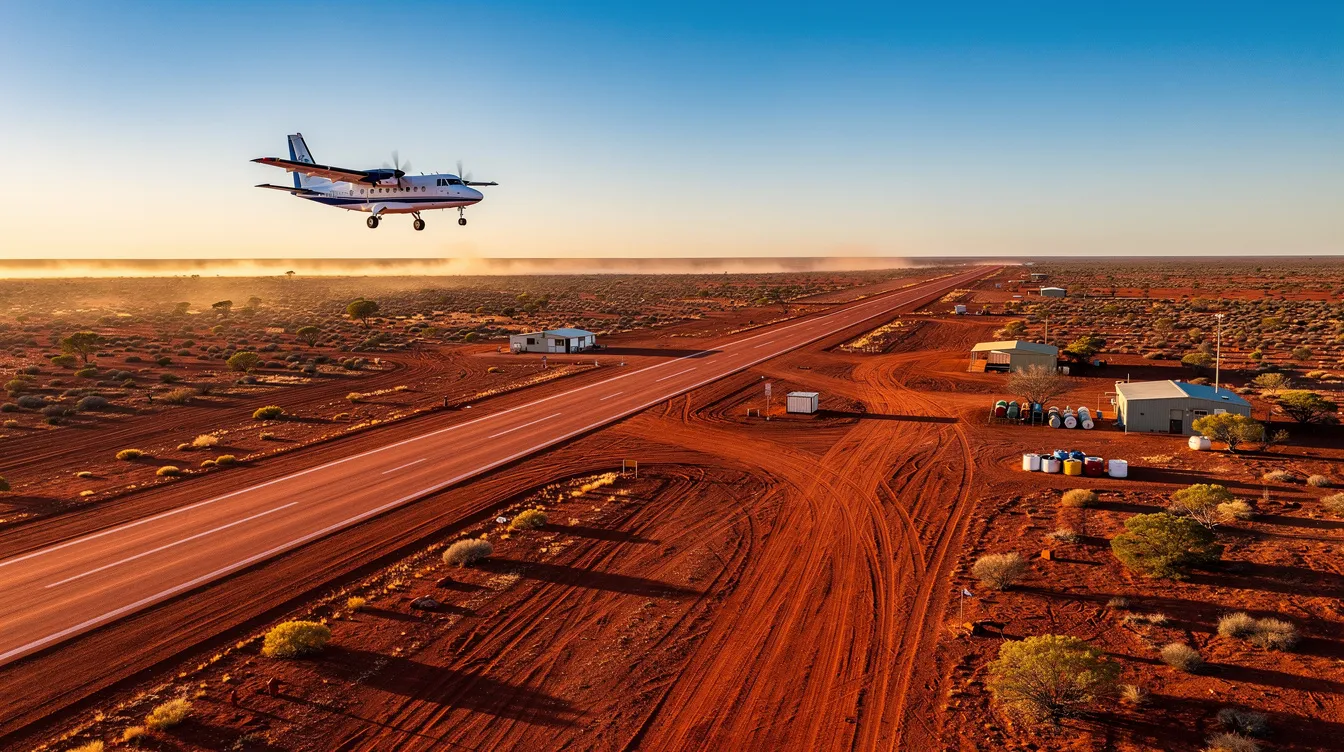
An aerial view captures the vast Australian outback, featuring a dusty red runway where a small turboprop aircraft is approaching for landing. This scene highlights the unique landscape of Australia, ideal for those interested in plane sales and aircraft listings in the region.

How to Evaluate Aircraft for Sale in Australia

Serious buyers should approach every plane for sale in Australia with a structured due-diligence checklist covering technical, financial, regulatory, and operational factors. Skipping any of these categories introduces risk that can cost more than the aircraft itself.

Comparing Listings

Aircraft listings can include detailed specs and high-resolution images, but buyers should compare listing details, not just photos. When you search aircraft on marketplaces or review featured listings from a brokerage, compare:

  • Model year and serial number to confirm identity and production batch

  • Total time (TT) on the airframe, measured in hours and cycles

  • Engine times relative to the manufacturer's Time Between Overhauls (TBO); aircraft overhauls are subject to TBO regulations, and piston engines operate on strict overhaul hours or calendar limits

  • APU status and hours (for jets equipped with auxiliary power units)

  • Avionics configuration: glass cockpit vs. legacy instruments, ADS-B compliance, HF radio for remote Australian operations

  • Cabin layout: executive, charter, or mixed; number of seats; lavatory and galley provisions

  • Australia-specific modifications: de-icing systems for southern routes, dust filters for outback operations, STOL kits for short-field performance

Required Documentation

Before committing to any model, request and review:

  • Full logbooks covering the aircraft's entire operational history

  • Major inspection history (48-month and 96-month checks for jets)

  • Compliance records for manufacturer service bulletins and Airworthiness Directives; Airworthiness Directives must be met for aircraft safety compliance

  • Any damage or incident reports, which affect both value and insurability

  • The Australian Civil Aircraft Register entry, which confirms ownership and registration status

Maintaining aircraft logs and compliance with regulations are crucial for ownership. Gaps in records raise red flags during pre-purchase inspections and will reduce the price buyers are willing to pay.

Regulatory Requirements

Australian buyers should verify airworthiness certifications and registration requirements before purchase, as all aircraft must comply with Civil Aviation Safety Authority regulations. Key points:

  • VH-registration (the "VH-" prefix) requires the owner to be an eligible person or Australian entity. CASA's initial registration process involves Form 029 and deregistration from any prior registry.

  • For imported aircraft, type acceptance or equivalency of a foreign type certificate must be established under CASA rules.

  • Noise and emissions considerations may require modifications, particularly for older jets entering the Australian registry.

Cost Considerations

The sale price on a listing is only the starting point. Shipping complexities and import taxes must be factored when importing aircraft. Australian buyers should budget for:

  • GST on import: 10% of customs value (purchase price + transport + insurance)

  • Customs duty: Typically zero for aircraft, but GST always applies unless exempt

  • Ferry / positioning flights: Varies by origin; U.S. to Australia can cost AUD 80,000–150,000+

  • Pre-purchase inspection: AUD 10,000–50,000+ depending on aircraft type

  • Avionics upgrades: ADS-B, HF radio, WAAS/LPV; can reach AUD 100,000+

  • Interior refurbishment: AUD 50,000–500,000+ depending on scope

  • Ongoing: hangar, crew, maintenance: Annual operating costs vary by type and utilisation

Budgets should include ongoing expenses beyond fuel and hangar fees; engine overhauls, unscheduled maintenance, insurance, crew training, and spare parts all contribute to total cost of ownership.

Valuation and Appraisal

Aircraft valuations are essential for buying and selling decisions. Accurate valuation underpins every successful transaction: overpaying erodes returns, and underpricing leaves money on the table. Valuation services help determine fair market prices for aircraft by referencing comparable sales data, global market trends, time-on-market expectations, and residual value projections tailored to Australian operating patterns. BusinessJets.com's appraisal services cover all of these dimensions.

Pre-purchase Inspection

Pre-purchase inspections should be conducted by an independent Licensed Aircraft Maintenance Engineer (LAME) at an MRO facility experienced with the specific aircraft type and familiar with Australian or Asia-Pacific operating environments. Hidden corrosion can cost tens of thousands of dollars during aircraft inspections, particularly on airframes operated in coastal, high-humidity, or salt-air environments. A thorough PPI covers airframe structure, engines, avionics, systems functionality, and logbook consistency.

Risk Areas Specific to Australia

Several region-specific risks deserve attention:

  • Aircraft heavily used in dusty, hot FIFO operations may show accelerated wear on engines, landing gear, and air-filtration systems

  • Airframes stored in coastal or high-humidity environments are more prone to corrosion

  • Older aircraft may need costly upgrades to meet current avionics or safety mandates

  • The average age of fixed-wing aircraft in Australian general aviation is approximately 39 years, and helicopters average around 22.6 years; buyers of older aircraft should factor compliance upgrade costs into their budgets

BusinessJets.com can coordinate technical review, PPI oversight, valuation, and negotiation on behalf of Australian or international buyers targeting planes based in Australia or suitable for Australian missions.

Working with BusinessJets.com on Plane Sales in Australia

BusinessJets.com functions as a B2B aircraft brokerage and aviation consulting partner, focused on private jet sales, acquisitions, appraisals, and operator advisory for clients active in or entering the Australian market. Using a broker can streamline the purchase process and ensure thorough inspections. Here is what that partnership looks like in practice.

Seller Support

For Australian sellers, our comprehensive aviation services cover:

  • Market appraisal and pricing strategy grounded in recent Australian and global transaction data

  • Preparation of detailed specification sheets; aircraft appraisals can include detailed specifications and images

  • Professional photography and aircraft detailing to present the asset at its best

  • Confidential marketing when required, plus broad exposure to qualified buyers across Asia-Pacific, the Americas, and Europe

  • Management of enquiries, site inspections, and buyer screening from trusted sellers and private parties

  • Negotiation support through LOI and SPA stages

  • Coordination of closing, export, or local delivery logistics

Self-listing options for selling aircraft are available on various platforms, but most corporate owners and serious private sellers find that specialist brokerage reaches a wider pool of qualified buyers and protects value during negotiations.

Buyer-side Services

For Australian corporations and high-net-worth individuals, our buyer-side process includes:

  1. Mission analysis: Defining range, payload, runway requirements, and typical city pairs (Sydney to Perth at 3,290 km nonstop; Brisbane to Auckland across the Tasman)

  2. Model shortlisting: Matching mission requirements to aircraft types available in the region and globally

  3. Global search: Looking beyond local aircraft for sale to find off-market opportunities and competitive pricing

  4. Disciplined comparison: Evaluating on- and off-market options using consistent technical, financial, and operational criteria

Private jet owners can upgrade their aircraft through brokerage services, combining the sale of a current asset with acquisition of a replacement in a single coordinated process.

Appraisal and Valuation

BusinessJets.com offers independent aircraft appraisals for finance applications, internal board approvals, fleet strategy decisions, and dispute resolution. Our assessments use recent transaction data, consider Australian utilisation patterns, and include scenario planning for hold, sell, or upgrade decisions.

Consulting and Fleet Strategy

For operators and fleet managers, we provide consulting on:

  • Fleet renewal planning, particularly relevant given the ageing profile of Australian general aviation

  • Whether to base aircraft in Australia or nearby regional hubs

  • Ownership vs. charter vs. fractional strategy

  • Total cost of ownership optimisation for Australian routes

Cross-border Transaction Management

Many aircraft transactions involving Australia cross borders. We coordinate escrow, legal, and tax advisors; manage export and import processes; plan ferry flights; and align documentation so that CASA, the FAA, EASA, CAA Singapore, or other authorities' requirements are met. Our specialists handle the complexity so that buyers and sellers do not carry execution risk they cannot quantify.

Our record of 1,500+ completed aircraft transactions and 5,000+ satisfied customers globally includes clients in Asia-Pacific who regularly move aircraft into or out of the Australian registry.

Ready to act? Request an aircraft appraisal for a VH-registered jet you are considering selling, discuss listing an aircraft in our global marketing channels, or consult BusinessJets.com before committing to any plane sales in Australia.

Practical Steps to Buy or Sell a Plane in Australia

This section provides a step-by-step roadmap for buyers and sellers, focused on efficiency, risk mitigation, and alignment with Australian regulatory and market conditions.

Buyer Roadmap

  1. Define mission and budget: Identify route pairs, cabin requirements, runway conditions (paved metro vs. unpaved remote), and annual flight hours. Build a budget that covers acquisition and at least three years of operating costs.

  2. Obtain preliminary valuation and ownership cost estimates: Use comparable sales data and operating cost models for shortlisted types.

  3. Shortlist suitable aircraft types: For example, a King Air 350 for FIFO operations vs. a Phenom 300 for capital-city executive travel vs. a Challenger 350 for long interstate routes.

  4. Review Australian and international aircraft for sale: Search aircraft across local listings and global brokerage inventory. Find options that match mission requirements.

  5. Commission PPI and appraisal: Engage an independent LAME and an experienced appraiser before signing a purchase agreement.

  6. Negotiate terms and conditions: Price, warranties, spares inclusion, delivery timeline, and risk allocation.

  7. Arrange financing or cash management: Common approaches Australian buyers use include specialist aviation lenders, bank finance, and corporate credit facilities. Integrate tax and legal advice into the transaction timeline; GST treatment, depreciation, and entity structure all affect net cost.

  8. Complete registration, insurance, and operational setup: CASA registration, crew hiring or training, hangar arrangements, and maintenance provider selection.

Seller Roadmap

  1. Engage BusinessJets.com early: Get a formal appraisal and sales strategy before committing to a time on market.

  2. Prepare the aircraft: Rectify minor defects, detail the exterior and cabin, organise complete logbooks and compliance records.

  3. Set a realistic asking price: Based on global and Australian market data, not on replacement cost or emotional attachment.

  4. Agree on a marketing plan: Decide whether to use featured listings, confidential marketing, or broad public exposure.

  5. Manage enquiries and showings: Vet buyers, arrange inspections, respond to technical questions with reliable data.

  6. Evaluate offers and negotiate terms: Compare competing bids on net value, not just headline price.

  7. Coordinate closing: Transfer of registration, export documentation if the buyer is overseas, and physical delivery.

Timing and Market Factors

Pricing models and market conditions affect aircraft availability and resale. The aircraft market is influenced by specific models and conditions, so timing matters:

  • Currency movements: The AUD/USD exchange rate directly affects the cost of purchasing aircraft priced in U.S. dollars. A 10% swing in the exchange rate on a USD 5 million aircraft equals AUD 500,000+ in either direction.

  • Seasonal demand: Charter demand peaks over the Australian summer (December through February). Listing a charter-capable aircraft in July, before the peak season, can attract operators building fleet capacity.

  • Commodity cycles: Mining booms drive demand for FIFO-capable turboprops and helicopters. When iron ore and LNG revenues are strong, operators in Western Australia and Queensland expand fleets immediately.

  • Global supply: A glut of a specific model in the U.S. or Europe can push prices down for Australian sellers of the same type.

Decision Framework

Buyers should build a formal scoring framework covering:

  • Operational range (nautical miles under expected payload)

  • Runway performance for regional Australian airfields

  • Cabin configuration for executive vs. resource-sector use

  • Maintenance support availability within the region (authorised service centres, parts supply)

  • Projected resale value over a 3 to 7 year hold period

  • Decades of remaining useful life for the airframe and engines

Owners and operators who are actively reviewing aircraft for sale or planning to sell a plane in Australia within the next 6 to 12 months should contact BusinessJets.com to structure an appraisal, acquisition plan, or fleet review before commitments are made.

A businessperson is seated at a desk, intently reviewing aviation documents while looking out at an airport ramp filled with aircraft. The scene highlights the importance of aircraft sales in Australia, with a focus on trusted sellers and featured listings for buyers interested in planes and helicopters.

FAQ: Plane Sales and Aircraft for Sale in Australia

How long does it typically take to buy or sell a business aircraft in Australia?

A straightforward acquisition of an in-country aircraft can often be completed in 60 to 120 days from agreed terms, depending on financing, PPI timing, and registration processing. Cross-border imports add time: deregistration from the prior registry, ferry flights, CASA type acceptance, and any modifications or major inspections required can extend the process by weeks or months.

Sales timelines vary with aircraft type and market conditions. Popular models such as late-model light and midsize jets, King Airs, and PC-12s tend to move faster. Older or highly specialised aircraft can take 6 to 12 months or longer. BusinessJets.com provides realistic time-on-market guidance based on recent transactions and current buyer demand for the specific aircraft and price bracket.

Can I buy a plane overseas and base it in Australia?

Yes. Many Australian operators and owners source aircraft from the U.S., Europe, or Asia to access a broader pool of aircraft for sale and, in some cases, more competitive pricing.

Key additional steps include:

  • Export documentation and deregistration from the origin country's registry

  • Modifications to meet CASA airworthiness standards and local operating requirements

  • Ferry flight planning (including fuel stops, overflight permits, and crew logistics)

  • Australian registration (Form 029), GST payment at 10% of customs value, and biosecurity clearance

BusinessJets.com regularly manages cross-border transactions and can coordinate technical, legal, and logistics partners to streamline import into Australia.

What are the main costs to budget for beyond the purchase price?

Principal cost categories include:

  • GST or applicable taxes: 10% on customs value for imported aircraft

  • Legal and escrow fees: Typically AUD 10,000–30,000

  • PPI and appraisal costs: AUD 10,000–50,000+ depending on aircraft type

  • Ferry or positioning flights: Cost varies with origin; longer legs require fuel stops and crew changes

  • Insurance: Hull and liability; premiums depend on type, value, and operator experience

  • Hangarage and crew: Ongoing monthly costs that differ by location (Sydney vs. regional)

  • Routine and unscheduled maintenance: Including future engine and APU overhauls

Corporate buyers and high-net-worth individuals should request a tailored cost-of-ownership model from BusinessJets.com during the evaluation stage, so that operating budgets and board-level approvals are based on realistic numbers.

Do I need a broker to sell my VH-registered aircraft?

While it is possible to sell an aircraft privately, most corporate owners and serious private sellers in Australia use a specialist broker to reach qualified buyers, manage due diligence, and protect value during negotiations.

BusinessJets.com adds value through data-driven pricing, professional global marketing beyond the local plane sales market, screening of buyers, structured negotiation, and coordination of closing and delivery. This reduces execution risk and typically shortens time on market compared to unassisted sales.

When should I request an appraisal or valuation for my aircraft?

An appraisal is valuable whenever an owner is considering selling within the next 12 to 24 months, refinancing, restructuring a fleet, or presenting asset values internally to a board or finance team. It is also useful when comparing the cost of upgrading an existing aircraft against acquiring a replacement.

BusinessJets.com offers independent appraisals tied to current global and Australian aircraft sales data, helping owners decide whether to hold, upgrade, or dispose of an aircraft based on objective market intelligence. Visit our appraisal page to start the process. Our expertise ensures compliance with Civil Aviation Safety Authority regulations, including verifying airworthiness certifications and registration status through the Australian Civil Aircraft Register. We guide buyers through specialized online marketplaces like AviationTrader.com.au, Controller.com, and Stick N Rudder, which list a range of aircraft including jets, helicopters, and agricultural planes, with detailed specs and high-resolution images.

We understand the local Australian market is relatively small, with common aircraft types including recreational planes, business jets, and helicopters. Pricing models and market conditions affect availability and resale value, so our valuation services provide accurate fair market prices considering specific models and conditions. Budgets must also account for ongoing expenses beyond fuel and hangar fees, including maintenance governed by Time Between Overhauls regulations and piston engine overhaul limits.

Our brokerage services help streamline the purchase process, ensuring thorough pre-purchase inspections by independent Licensed Aircraft Maintenance Engineers to detect issues like hidden corrosion, which can be costly. For sellers, self-listing options exist through platforms like Light Aircraft Sales, but using BusinessJets.com offers broader reach and expert negotiation. Our track record includes over 1,500 completed aircraft transactions, assisting private jet owners with upgrades and sales.

We also keep clients informed with resources such as the Aviation Trader magazine, published every four weeks, highlighting market trends and new listings. Whether buying or selling, BusinessJets.com provides comprehensive support tailored to the Australian aviation market.

Conclusion

Navigating the plane sales market in Australia requires specialized knowledge of local regulations, market dynamics, and operational considerations. BusinessJets.com offers expert brokerage, appraisal, and consulting services tailored to the unique Australian context, helping buyers and sellers achieve optimal outcomes. Whether sourcing aircraft from domestic listings or international markets, our comprehensive approach ensures compliance with CASA requirements, thorough technical evaluation, and effective negotiation support.

With over 1,500 completed transactions and a deep understanding of the Australian aviation landscape, BusinessJets.com stands as a trusted partner for private jet owners, corporate buyers, and operators seeking to buy, sell, or upgrade aircraft in Australia. For tailored advice and professional representation through every stage of your aircraft transaction, contact BusinessJets.com to request an appraisal, list your aircraft, or explore acquisition consulting today.

Related Posts