Aircraft Pricing: From Sticker Price to True Cost of Ownership in 2026

Jay Franco Ser
September 4, 2026

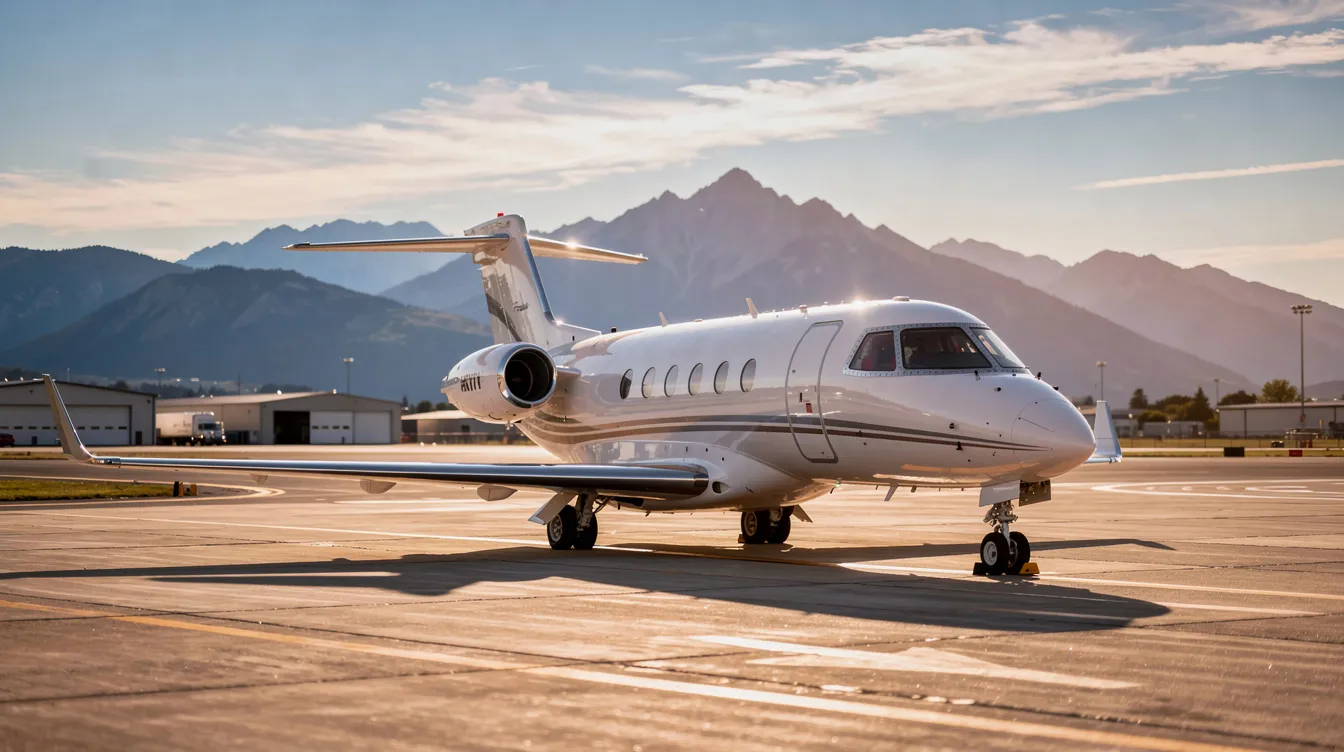
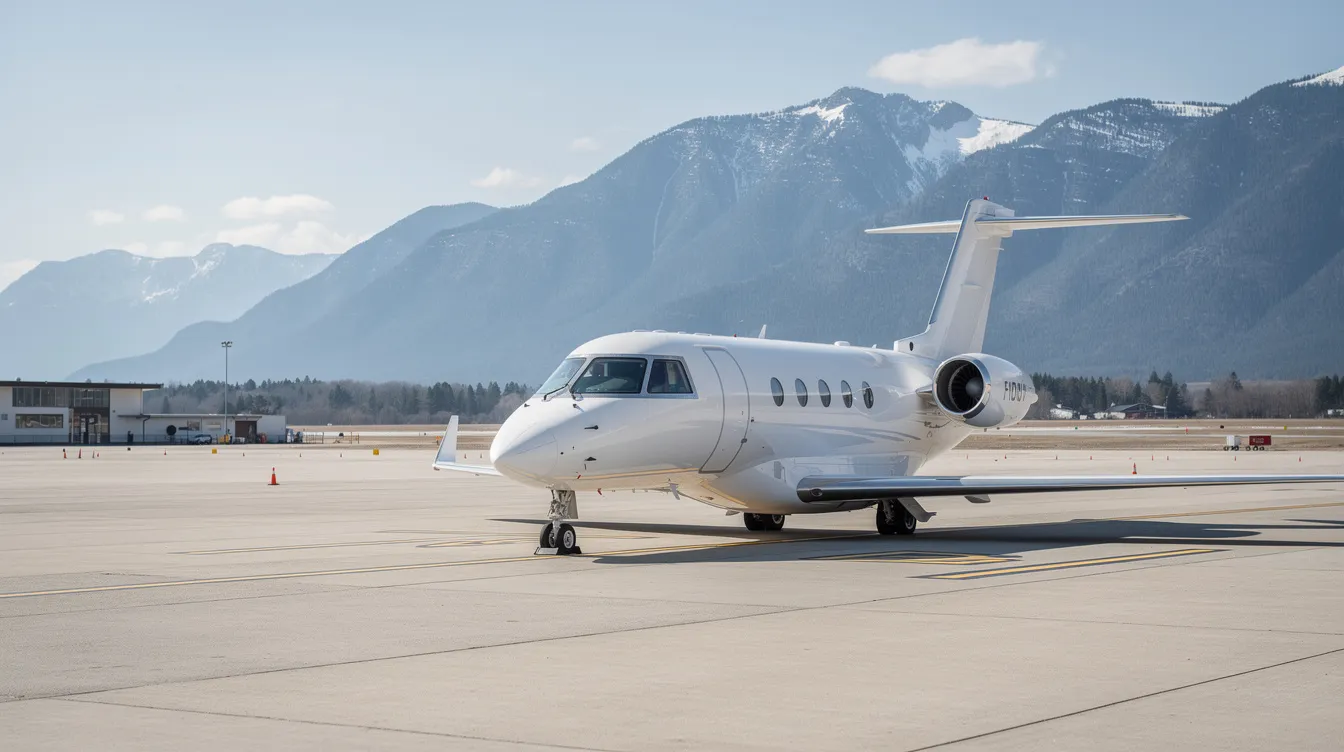
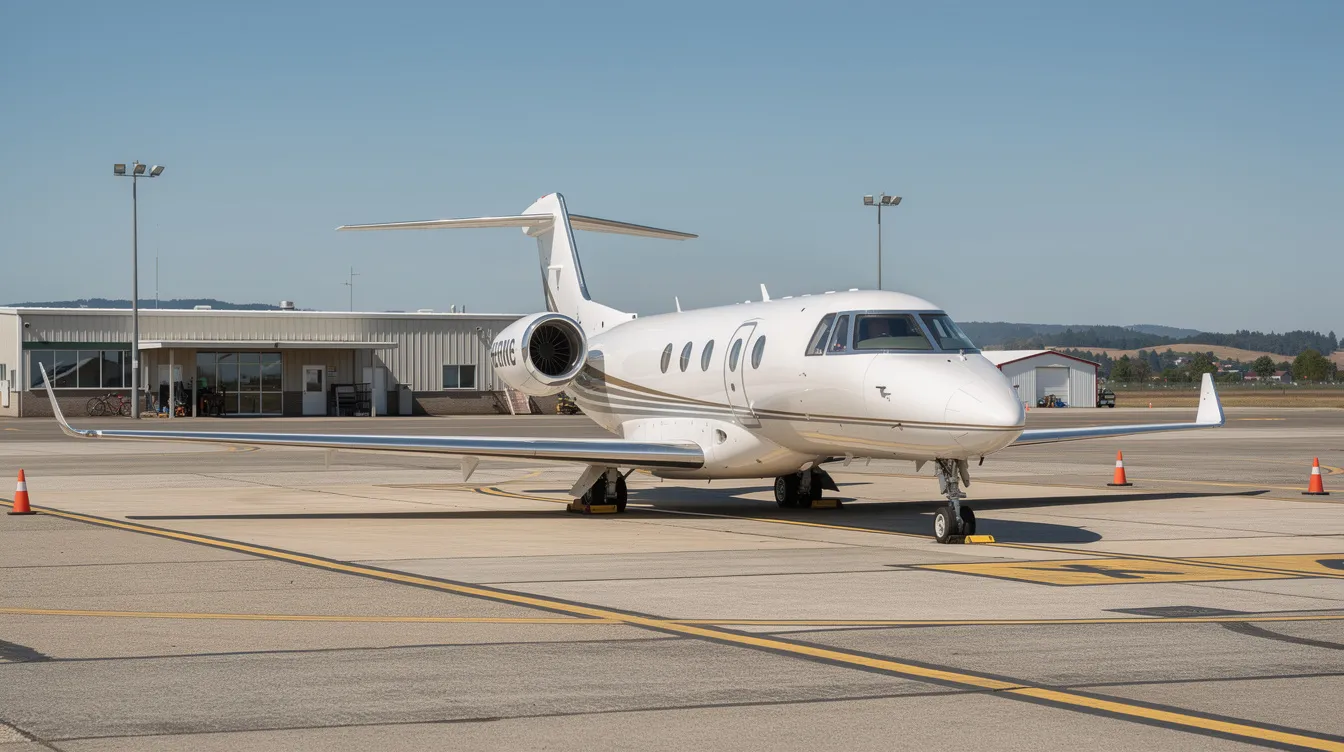
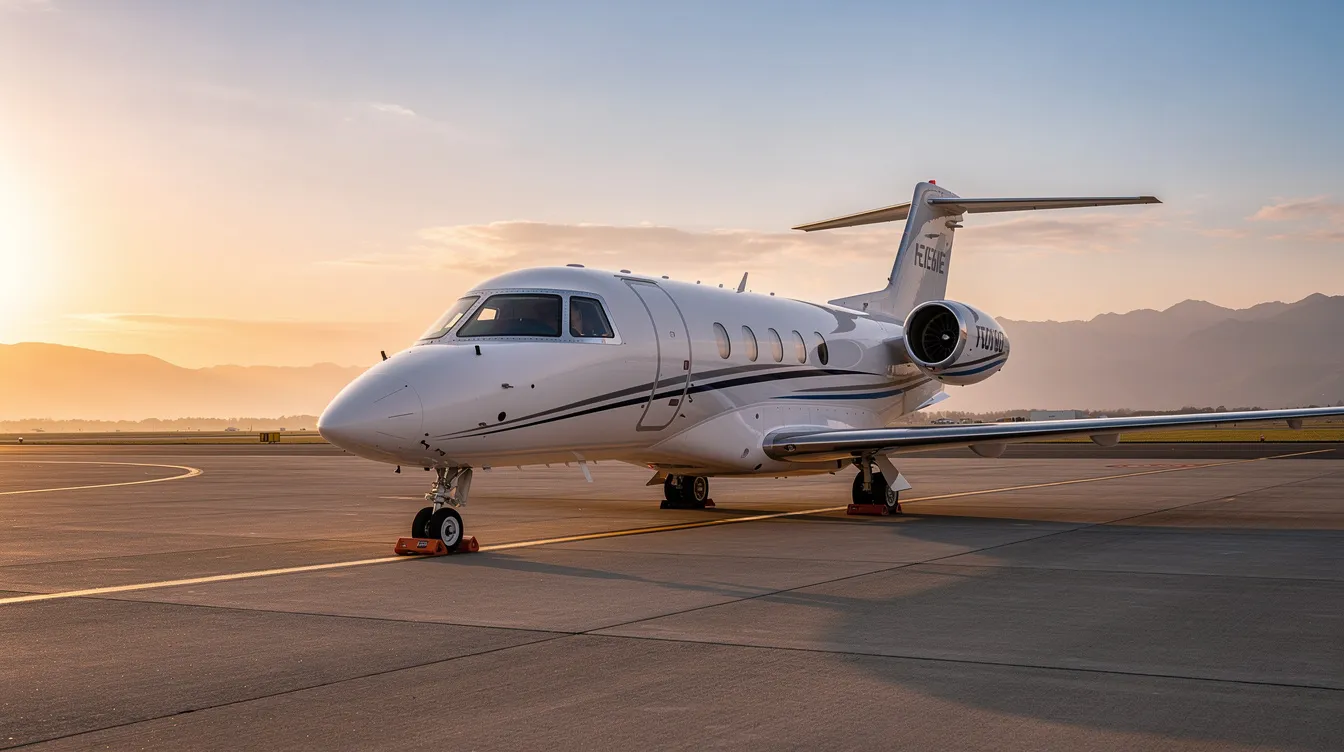
Aircraft pricing in 2026 spans a very wide range, from about $15,000 for used small planes to more than $300 million for VIP airliners, and for most buyers, the purchase price is only the opening chapter. Whether you are evaluating a four-seat piston for regional access or a large-cabin jet for intercontinental travel, the real economics are shaped by depreciation, crew management, engine reserves, insurance premiums, maintenance, and avionics upgrades. Operating costs include fuel, maintenance, insurance, and hangar fees.

For private jet owners, high-net-worth buyers, corporations, fleet managers, and operators weighing an acquisition, sale, or upgrade, understanding those numbers up front is what separates a sound aircraft decision from an expensive one. This guide breaks down aircraft purchase prices by type, total cost of ownership, appraisal and valuation, acquisition strategy, market trends, and the advisory factors that matter when buying, selling, or repositioning a business aircraft.

Key Takeaways

Aircraft prices range from a few hundred thousand dollars to hundreds of millions, and the gap between what you pay on day one and what you spend over a decade is often wider than buyers expect.

  • 2026 price bands by category: used small planes start at $15,000–$80,000; single-engine turboprops run $3M–$6M; light jets range from $3 million used to $12 million new; large cabin jets list at $55M–$80M+; VIP airliners can reach $50M–$300M+ depending on cabin completion.

  • Annual operating costs are substantial. Annual ownership costs for light jets can exceed $1 million when fixed expenses, variable operational costs, fuel, and reserves are combined. For large cabin jets, total yearly operating expenses regularly surpass $3M–$4M.

  • Ownership costs can exceed the initial purchase price over 5–10 years. Depreciation, maintenance events, cabin refurbishments, and crew salaries compound quickly, making the overall cost far larger than the acquisition number alone.

  • Chartering is often more cost-effective for under 150 flight hours annually, avoiding depreciation risk and maintenance responsibilities.

  • Ownership is beneficial for those flying over 150–250 flight hours annually.

  • The hidden reality is in ongoing expenses. Crew management, hangar fees, insurance, inspection costs, engine overhaul reserves, and modern avionics upgrades drive the true cost of private aviation ownership.

  • BusinessJets.com helps aircraft owners and corporate buyers make financial sense of aircraft pricing through appraisals, valuations, and transaction advisory grounded in 1,500+ completed deals and real market data.

How Much Does an Aircraft Cost in 2026? Snapshot by Category

Aircraft pricing in 2026 remains elevated compared to pre-2020 levels. Supply chain delays, OEM order backlogs near $58.2 billion in Q1 2026, and strong business aviation demand—especially in North America—continue to support both new and pre-owned values. Aircraft pricing is influenced by market conditions including interest rates and fuel prices, meaning what buyers pay today reflects broader economic forces, not just the aircraft itself.

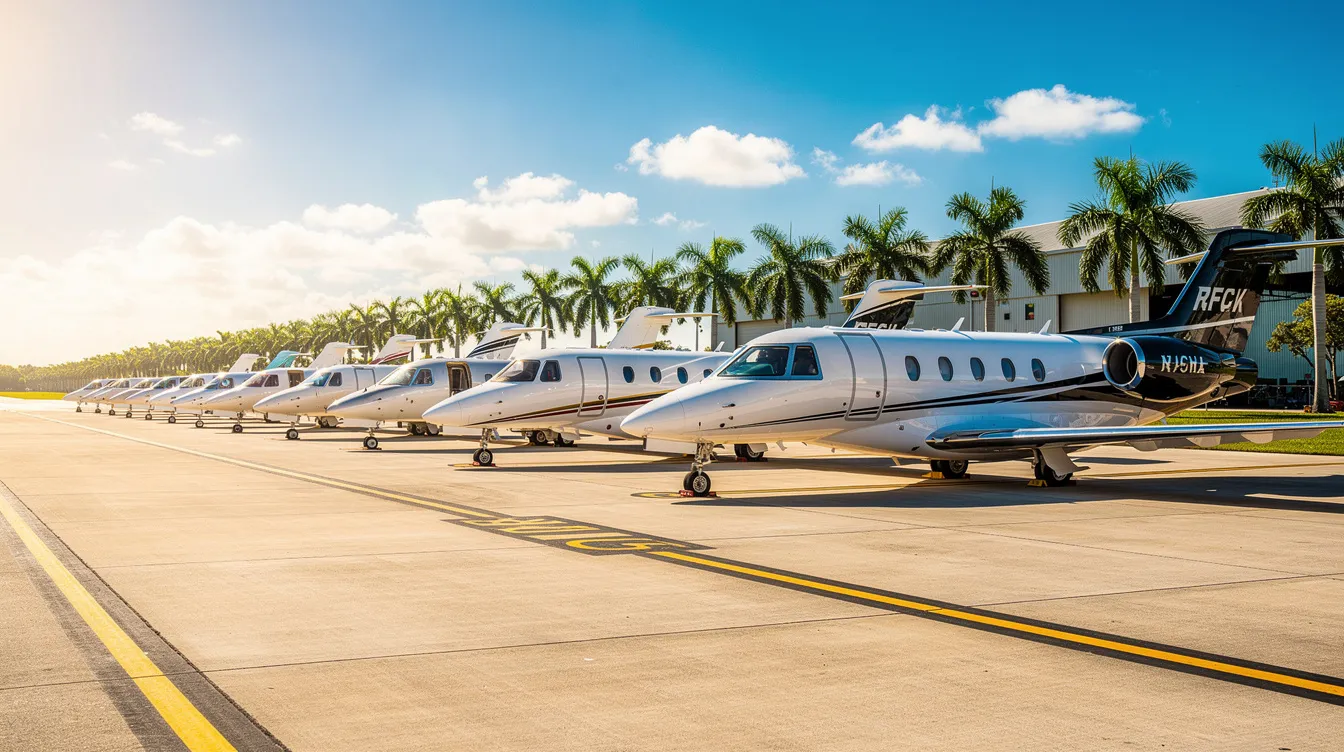
The purchase price varies dramatically by mission, range, cabin size, and whether the aircraft is new or pre-owned:

  • Two-seat trainers and basic pistons: $15,000–$80,000 used

  • Four-seat pistons: $70,000–$300,000 depending on age and avionics

  • Single-engine turboprops: $3M–$7M

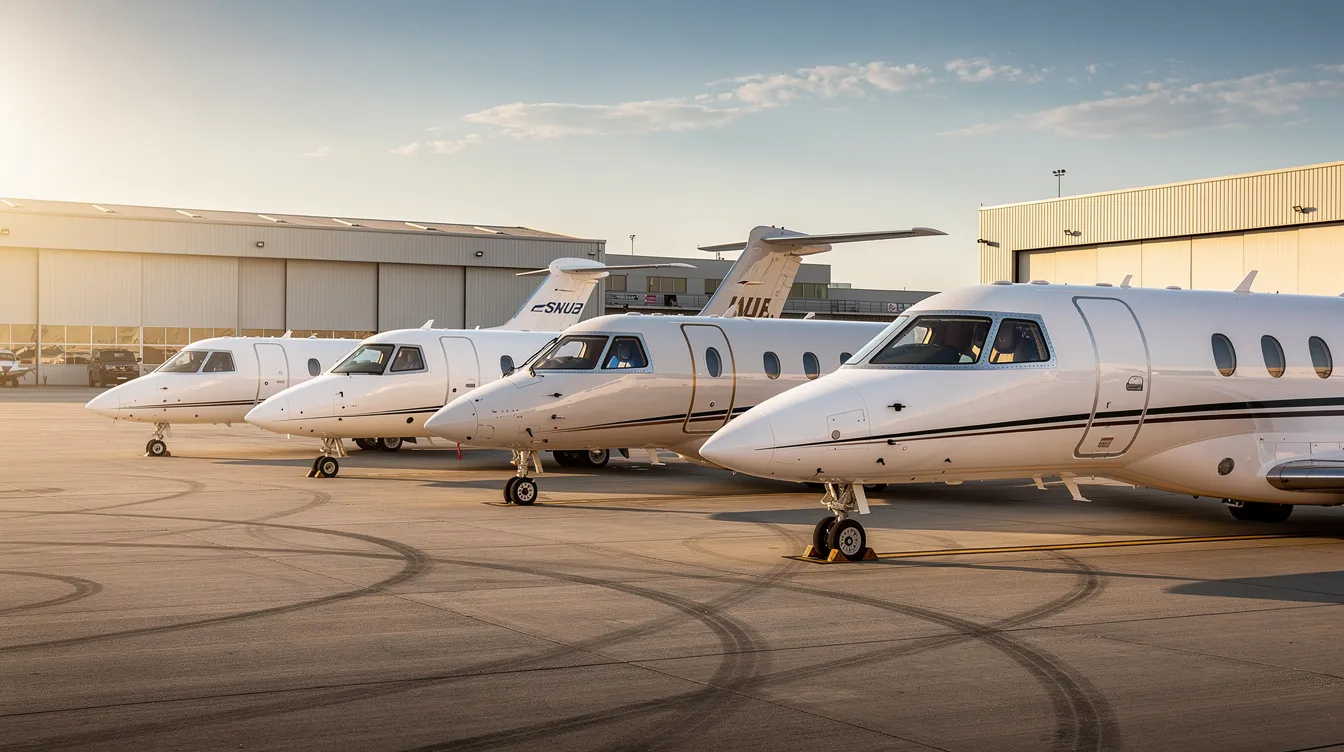
  • Light jets: $3M–$12M

  • Super midsize jets: $9M–$30M

  • Large cabin jets: $55M–$80M+

  • VIP airliners (BBJ, ACJ): $50M–$300M+

Economic growth can lead to higher aircraft prices due to demand, a pattern clearly visible in the post-pandemic surge. Aircraft owners increasingly focus on the "all-in" cost rather than the headline number, and BusinessJets.com uses comparable transaction data to benchmark realistic aircraft values for every category.

Understanding Aircraft Types and Their Typical Price Ranges

Aircraft pricing starts with understanding the underlying aircraft types and their mission profiles—whether for personal recreation, corporate shuttle, long-range business purposes, or special missions.

Aircraft size refers to the physical dimensions and weight of the aircraft, while capacity refers to the number of passengers or amount of cargo the aircraft can carry. Both are primary factors influencing pricing. Larger aircraft with higher capacity cost significantly more to manufacture and purchase.

Pricing in aviation is governed by engineering capabilities and market demand. Aircraft prices vary widely due to complexity, engineering requirements, and certification demands—manufacturers must obtain type certification from authorities like the FAA or EASA, and aeroplanes must comply with strict safety standards requiring extensive testing and documentation. Compliance costs for certification from bodies like the FAA or EASA can reach billions across a program's lifecycle, which filters directly into what buyers pay. Aircraft with complex designs require more tooling and quality assurance, increasing costs further.

Concrete 2026 examples illustrate the range: a 2016 Cirrus SR22 G5 with modern avionics upgrades sits in the $600,000–$750,000 range; a 2018 Pilatus PC-12 NGX trades around $4M–$5M; a 2019 Embraer Phenom 300E sells for approximately $8M–$9M used, depending on total airframe hours and maintenance status. Fuel efficiency and technology influence aircraft pricing due to modern aerodynamic designs and advanced materials. Bespoke interiors and customisation significantly influence the pricing of business aircraft, and avionics upgrades, engine time remaining, and cosmetic condition can move prices 10–25% within the same model and year.

BusinessJets.com routinely compares like-for-like sales worldwide to determine fair pricing for specific models before advising clients, whether the aircraft in question is a piston, turboprop, or large jet.

Piston Aircraft and Entry-Level Ownership Economics

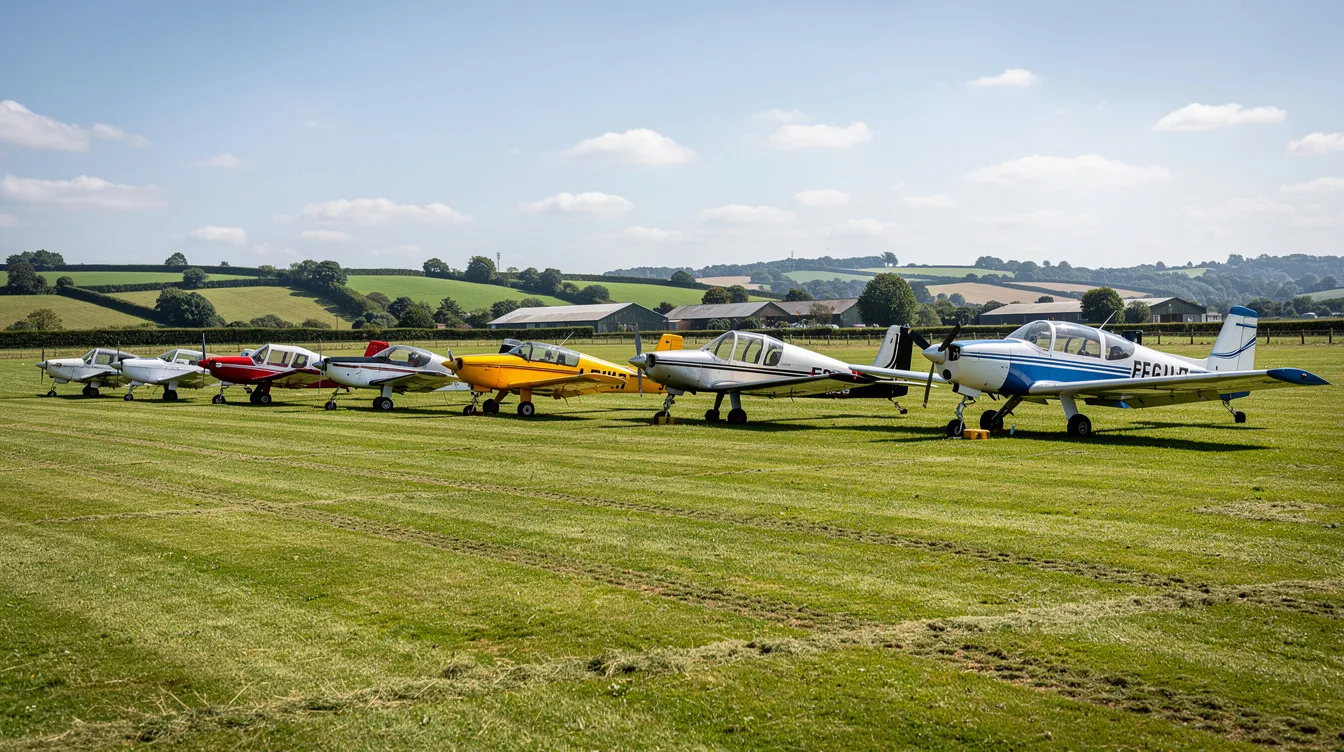
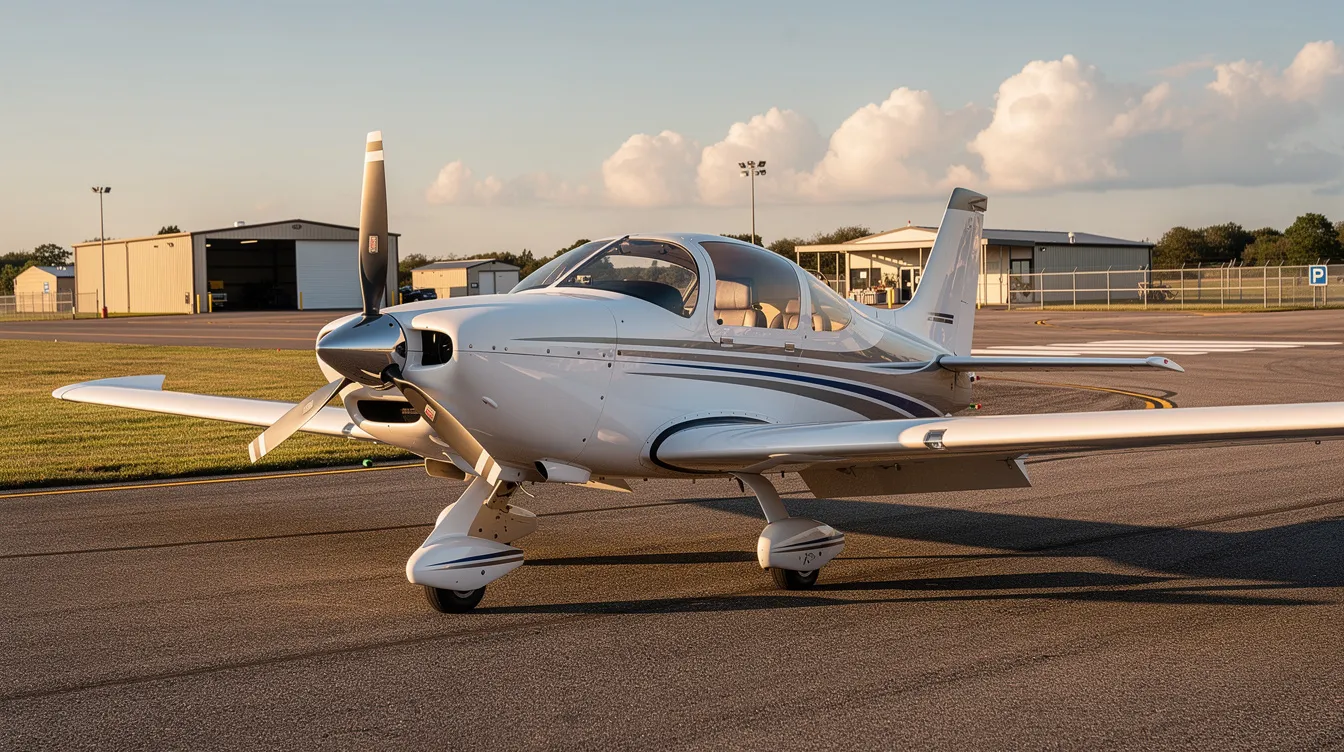
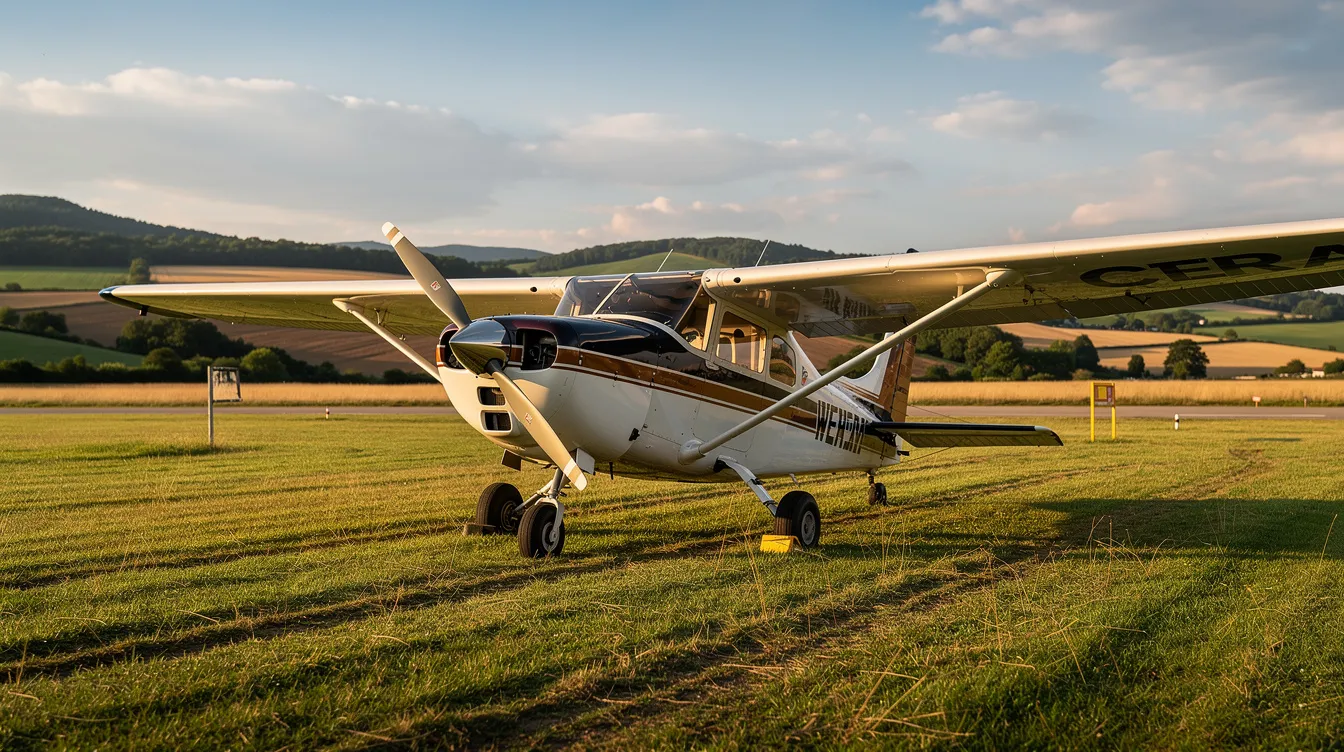
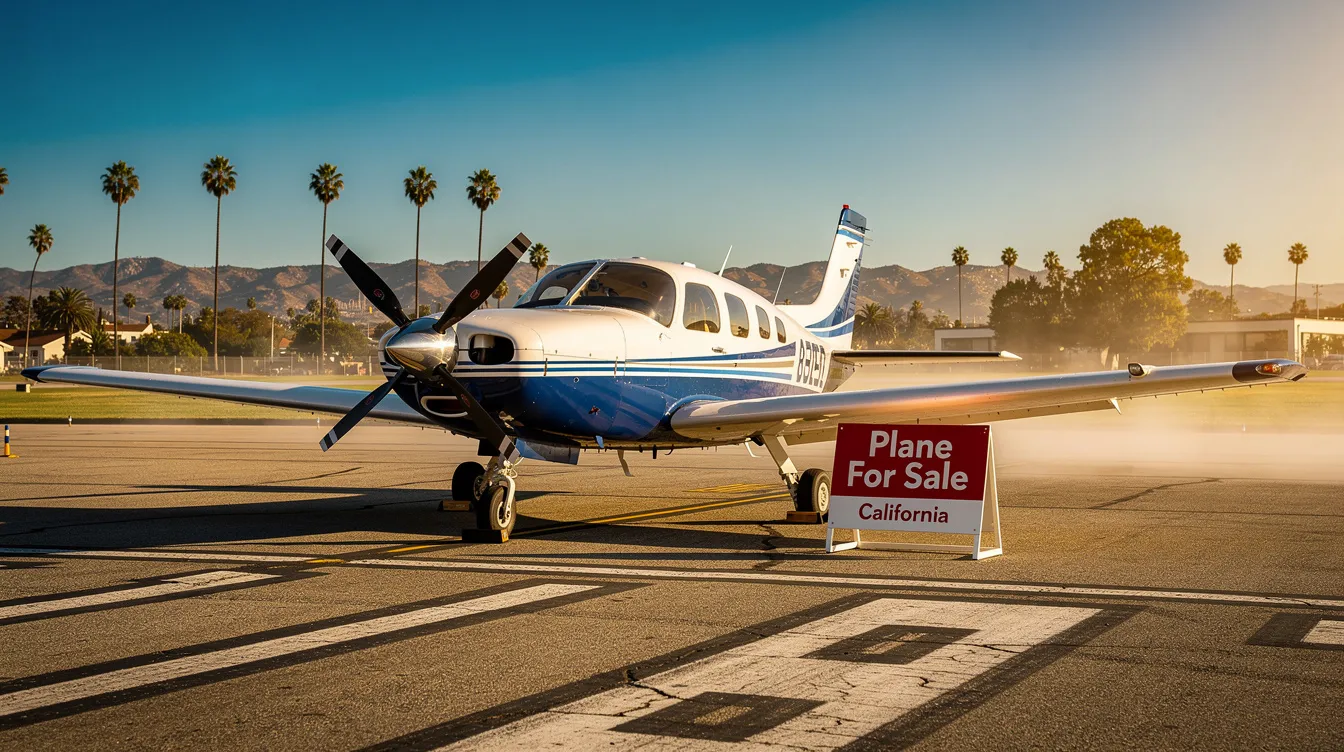
Many aircraft owners start with piston singles or twins for personal use or company access to rural airports, but even "affordable" piston aircraft carry meaningful ongoing costs. Single-engine piston aircraft typically cost between $100,000 and $1 million depending on model and vintage, while multi-engine piston aircraft usually range from $400,000 to $1.2 million.

Realistic 2026 price bands for small planes include:

  • Cessna 150/152: $15,000–$80,000

  • Cessna 172: $70,000–$250,000 depending on age and avionics

  • Piper PA-28 series: $60,000–$200,000

  • New single-engine pistons like Cirrus SR22: $600,000–$1,000,000

A small plane purchase does not end at the bill of sale. At 100–150 flight hours per year, typical plane costs include hangar or tie-down storage costs of $1,200–$8,400 annually, insurance costs for small aircraft ranging from $800 to $3,000 annually, annual inspections for small planes costing between $750 and $2,000, and fuel costs for a four-seat piston running approximately $40–$90 per hour. Routine maintenance and reserves add another $2,000–$6,000 per year. Maintenance costs can account for 10% to 45% of yearly expenses.

Avionics upgrades—WAAS GPS, ADS-B compliance, glass cockpit retrofits—can add $10,000–$50,000 beyond the purchase price and may not be fully reflected in resale value. Aspiring recreational flying enthusiasts should also budget for a private pilot license, which typically requires ground school and flight training through an accredited pilot institute before obtaining a pilot's license.

BusinessJets.com focuses primarily on business aviation transactions but factors piston aircraft into corporate fleet strategies—training, feeder roles, or specialized planes for short-field access—when consulting larger operators.

From Turboprops to Light Jets: Stepping Into Business Aviation

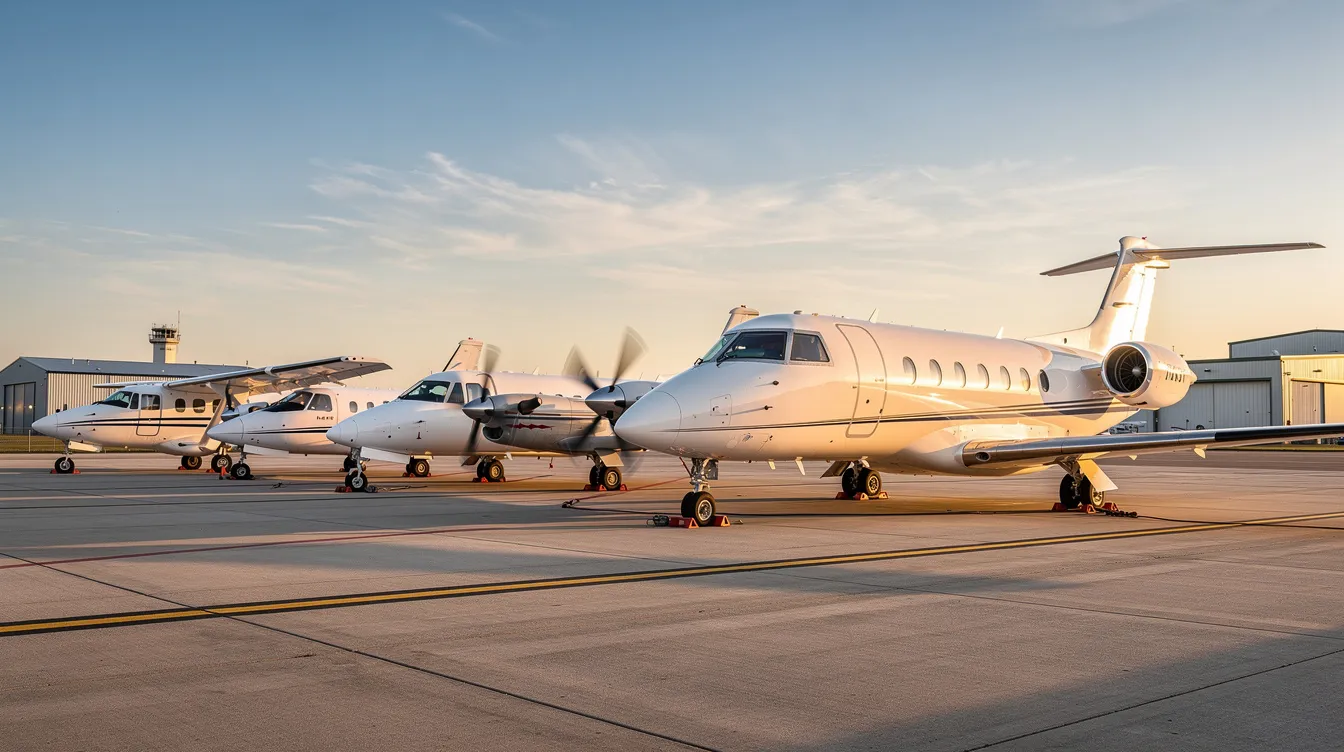
Turboprops and light jets, often grouped with small jets, represent the first true step into business aviation for companies needing reliable regional and mid-range private travel. These aircraft types bridge the gap between personal recreation and serious corporate utility, offering pressurized cabins, weather capability, and access to a broader network of airports.

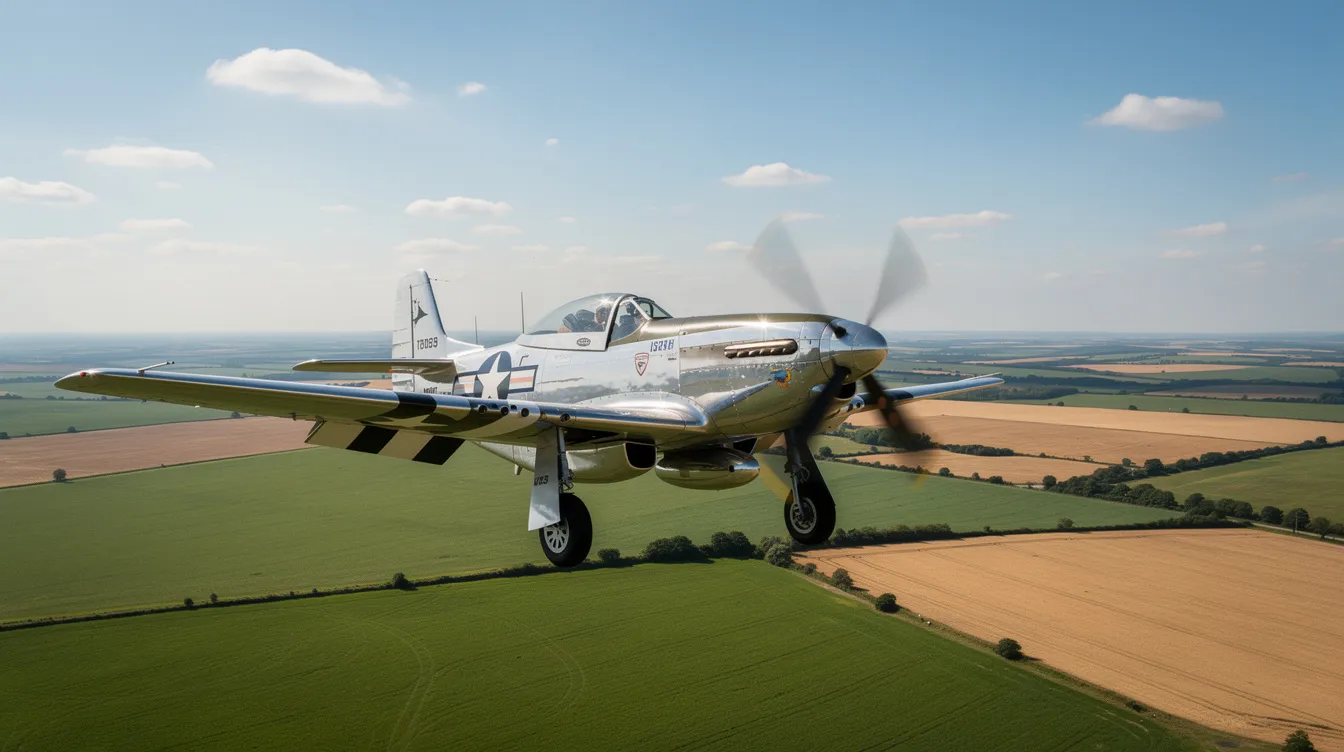
A single-engine turboprop aircraft is climbing through fluffy clouds, flying above vibrant green countryside. This scene showcases the essence of private aviation, highlighting the beauty of recreational flying and the operational costs associated with owning such specialized planes.

2026 price illustrations for this segment:

  • Single-engine turboprops (TBM 940, PC-12 NGX): $3M–$6M

  • Twin turboprops (King Air 250/350): $4M–$9M new, $2M–$5M used

  • Very light jets (Eclipse, early Phenoms): $1M–$ 4 M pre-owned

  • Used light jets range from $3 million to $12 million depending on model, hours, and specification

Annual operating costs at 200–300 hours per year typically break down into fixed costs (insurance, hangar, crew salaries, pilot training) of $200,000–$400,000, plus variable operational costs of $1,200–$2,500 per flight hour. Engine programs and maintenance service plans materially affect both pricing and asset risk—buyers flying pre-owned turboprops or a light jet often pay a premium for aircraft enrolled in factory hourly cost programs because these reduce the uncertainty of upcoming overhauls.

BusinessJets.com helps buyers compare turboprops versus light jets by modeling speed, range, annual operating costs, and residual value over 5–10 years for specific missions, ensuring the right aircraft match for operational requirements.

Super-Midsize and Large Cabin Jets: High-Capacity, High-Commitment Assets

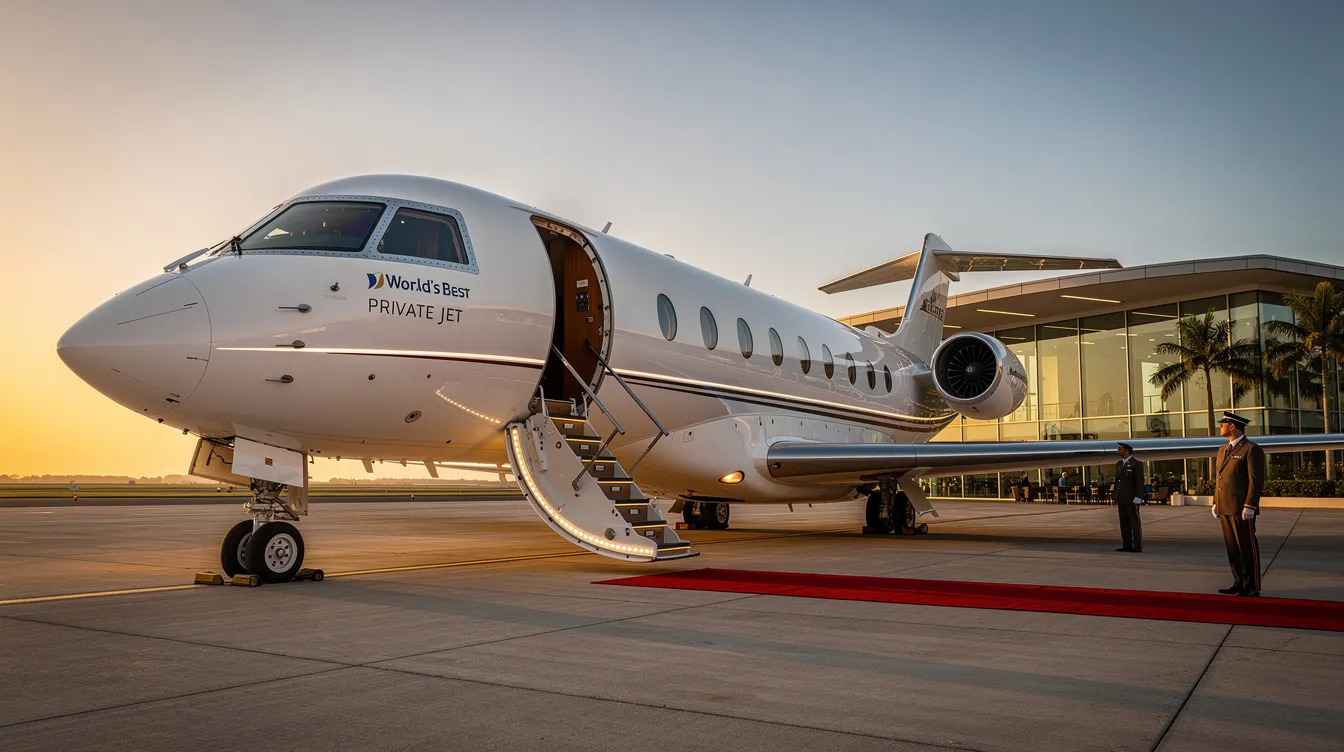
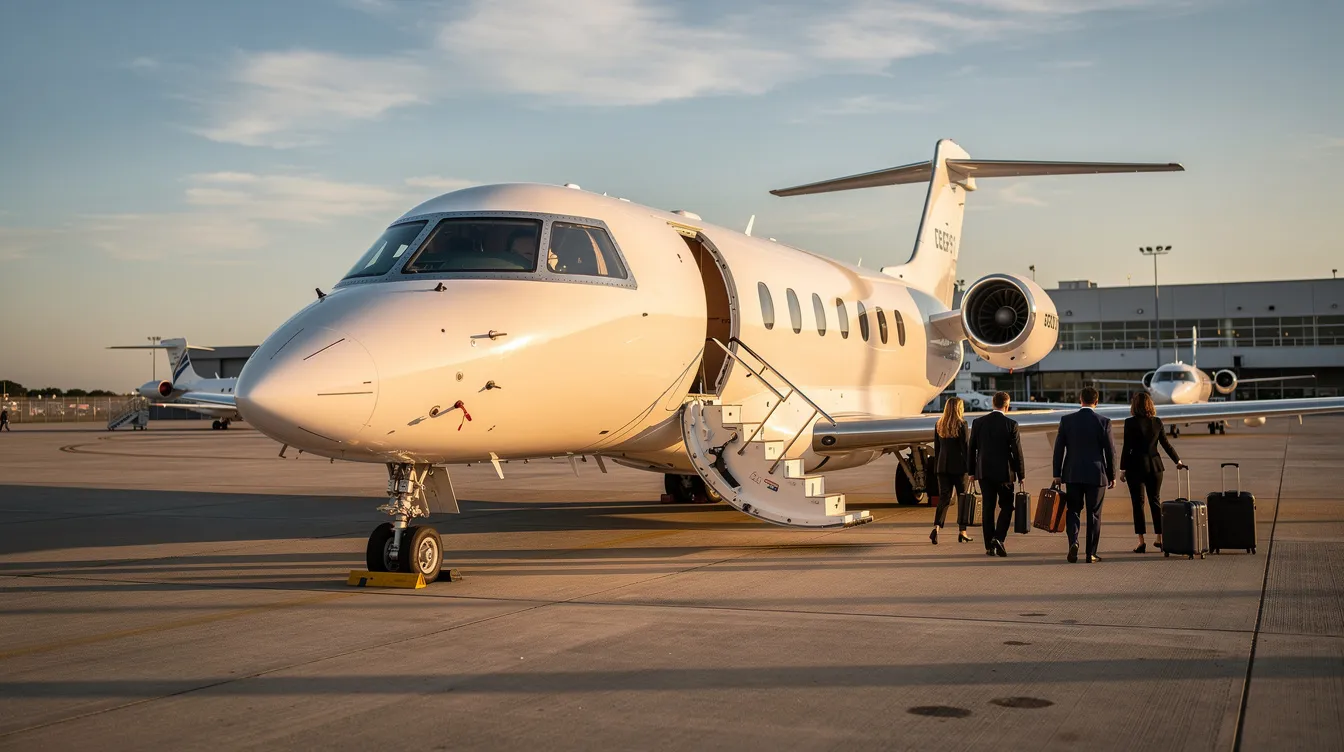
Super-midsize jets and large cabin jets are core tools for global corporations, family offices, and governments. Pricing and total yearly operating expenses here occupy an entirely different league from smaller aircraft.

2026 reference points for this segment:

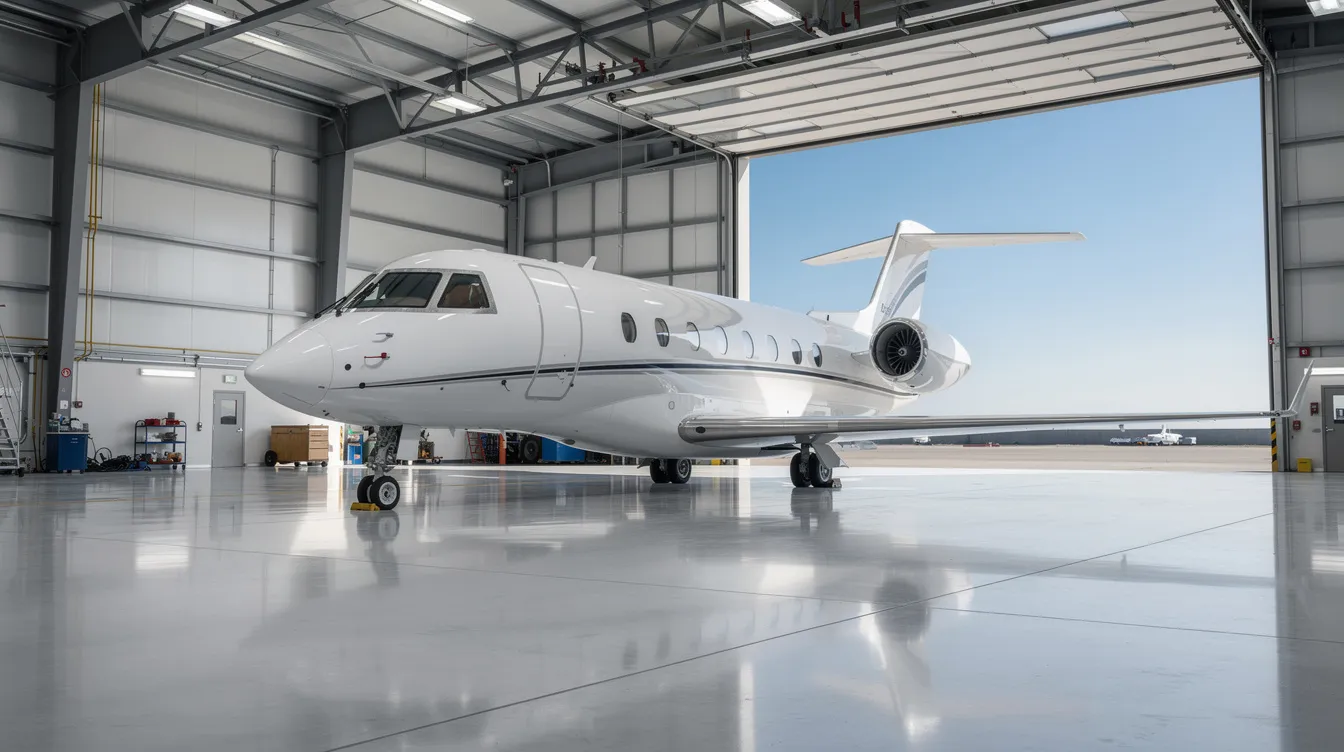
  • Super-midsize jets (Bombardier Challenger 3500, Gulfstream G280): ~$20M–$30M new

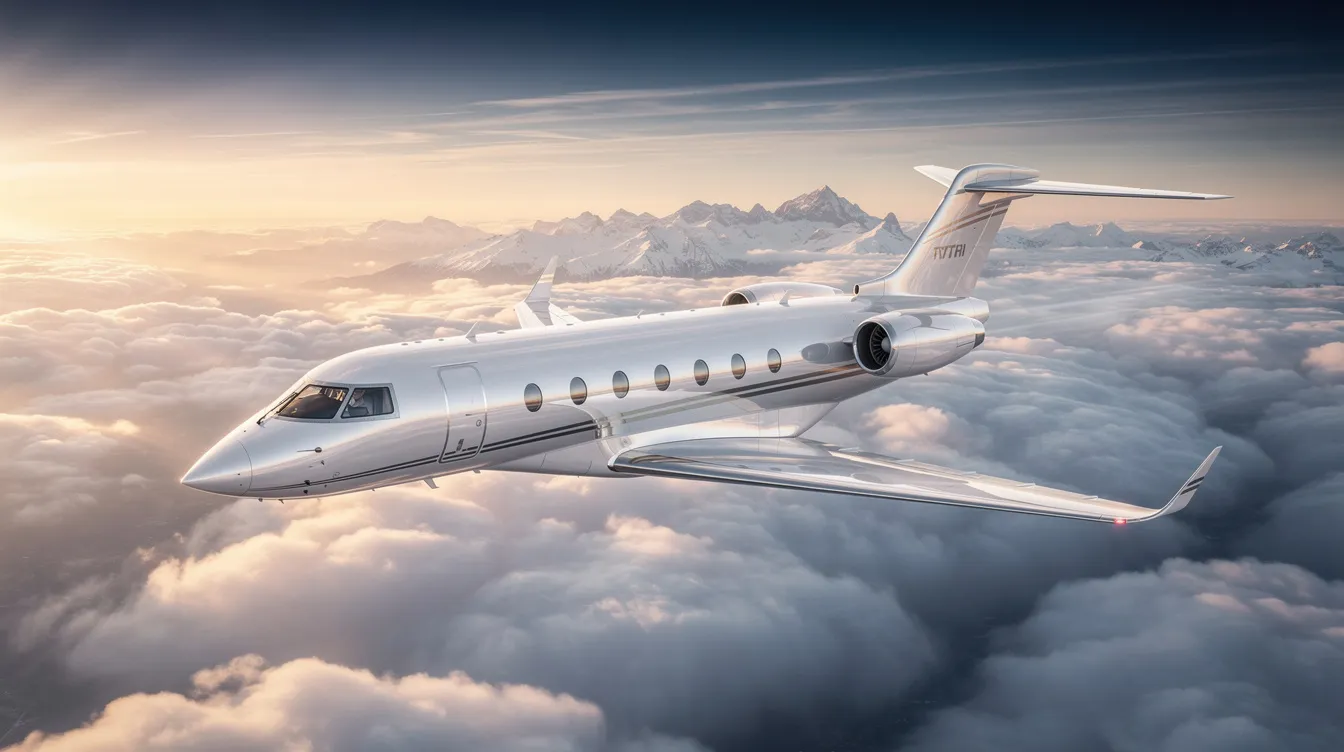
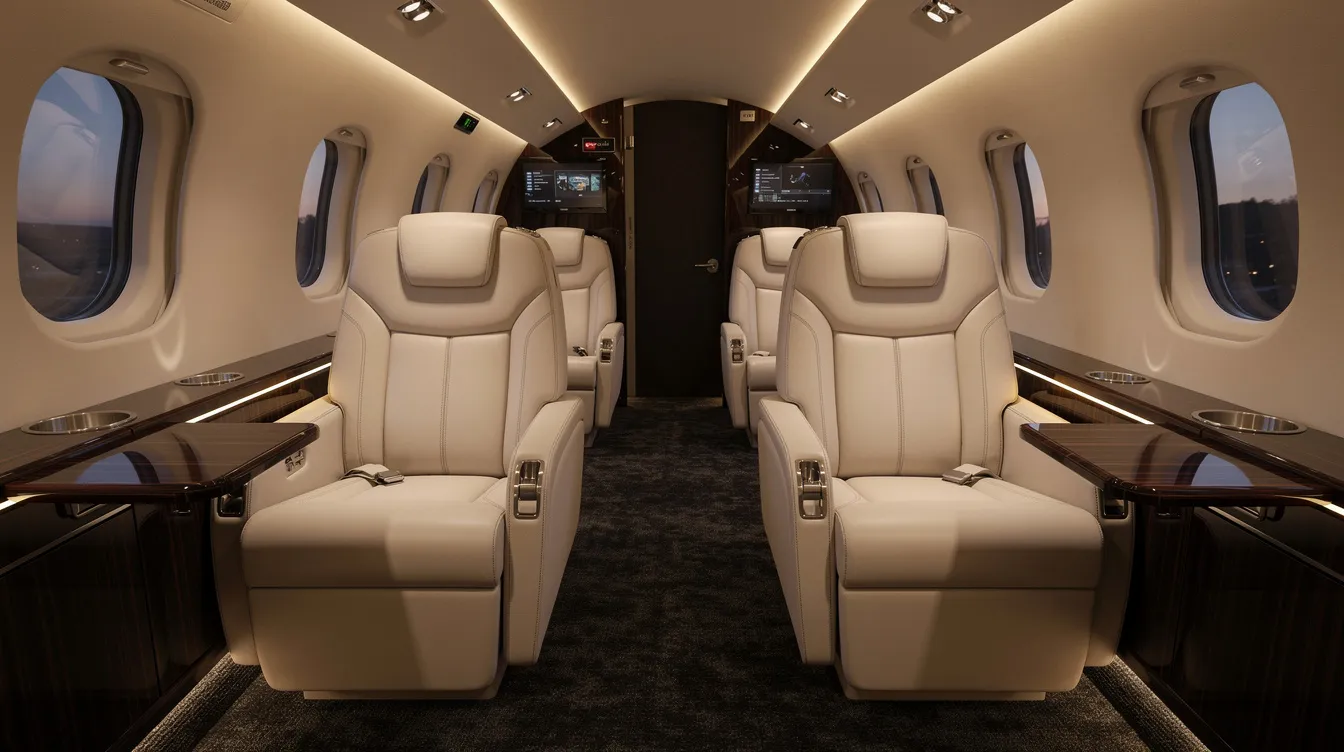
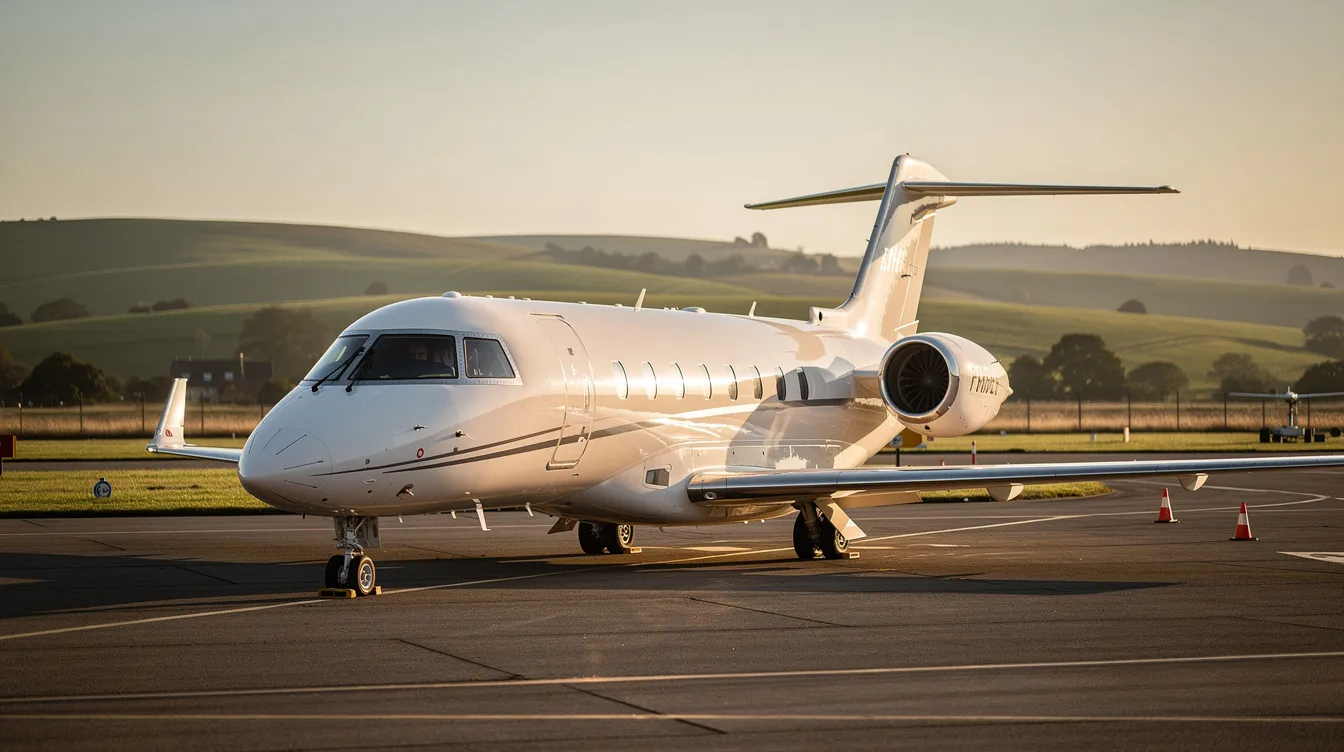
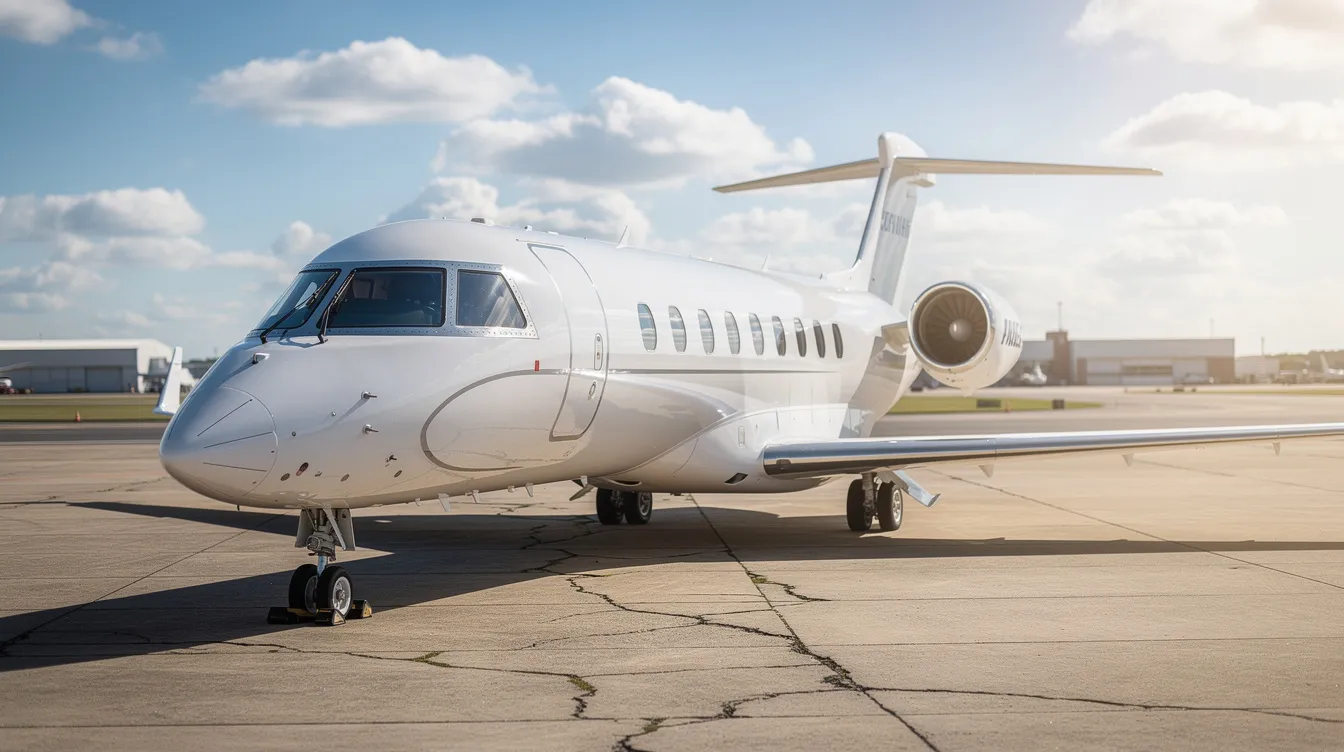
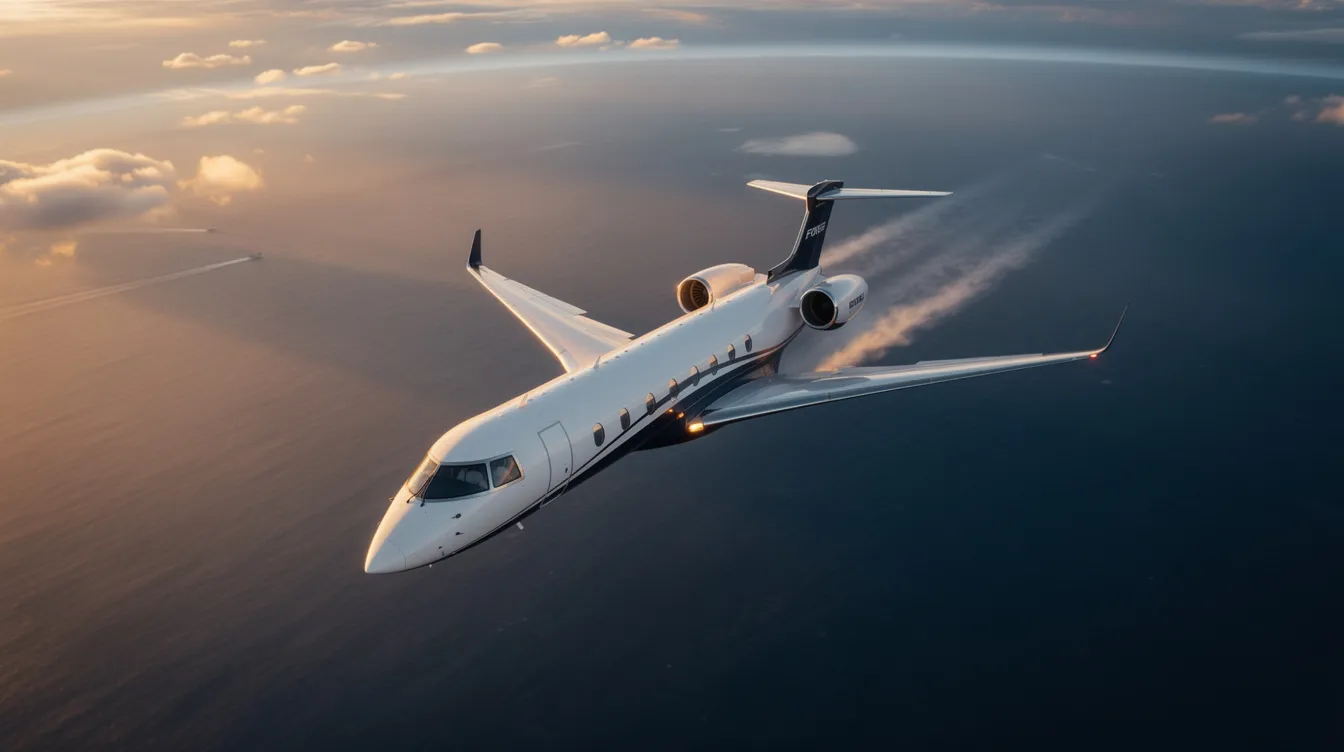
  • Large business jets (Gulfstream G600, Dassault Falcon 8X, Bombardier Global 6500): $55M–$80M+

  • Ultra-long-range jets (Gulfstream G700): approaching $79M before options, with customized examples exceeding $90M

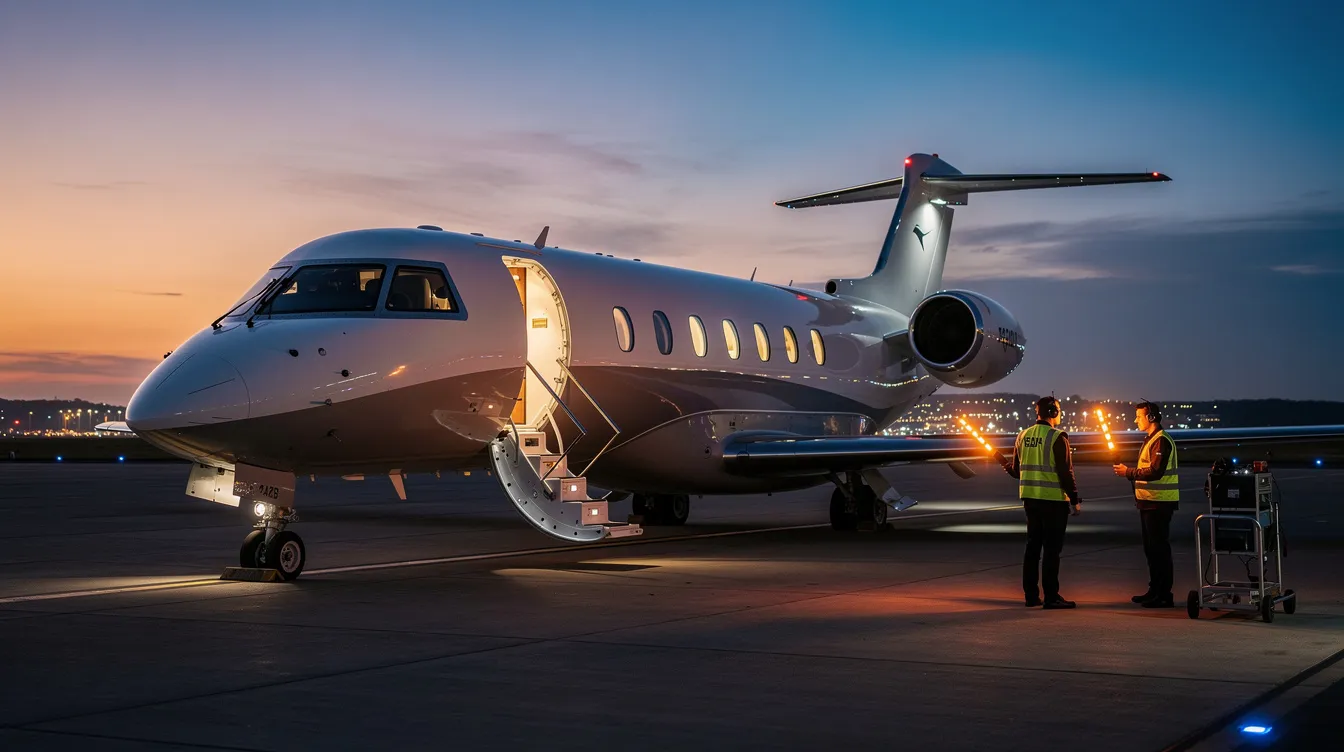
Annual operating costs for these assets include fixed expenses often reaching $800,000–$1.5M+ for professional crews, training, insurance, hangar, and management. Variable rates run $5,000–$8,000+ per flight hour when fuel costs, maintenance, and landing charges are included.

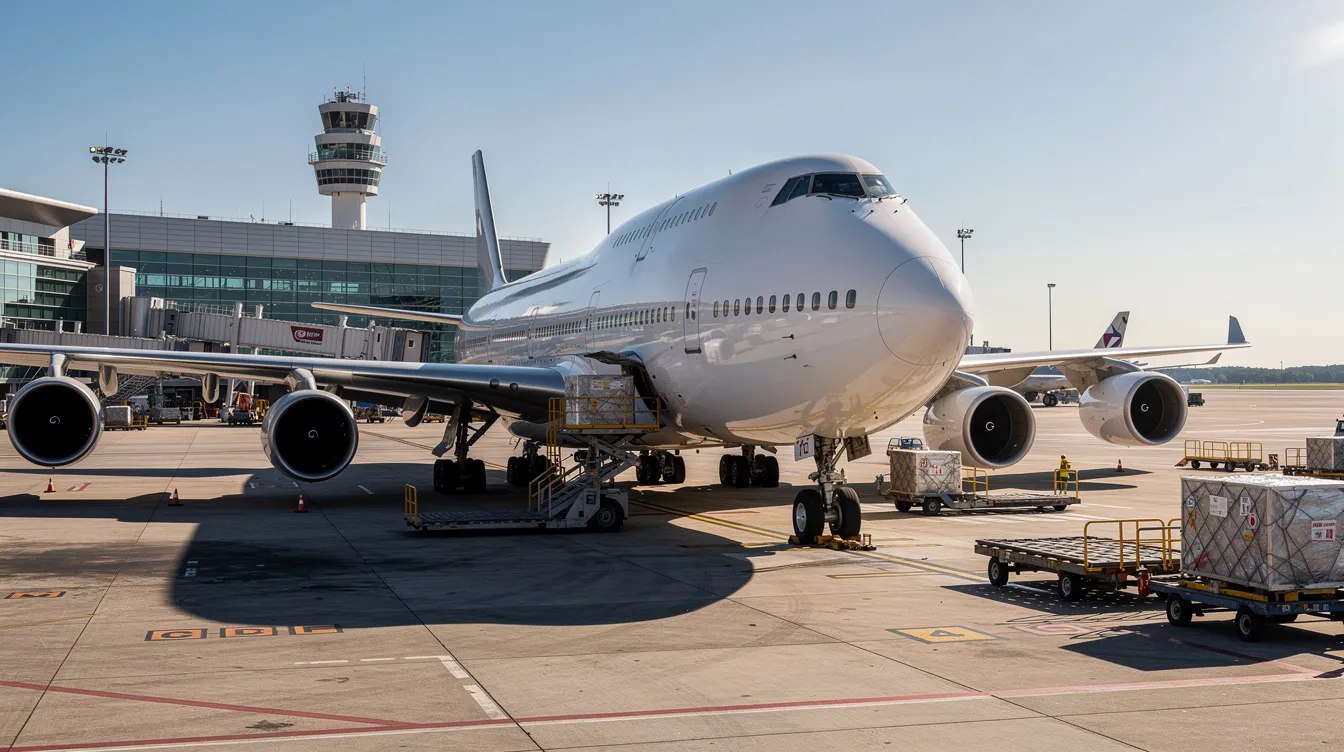
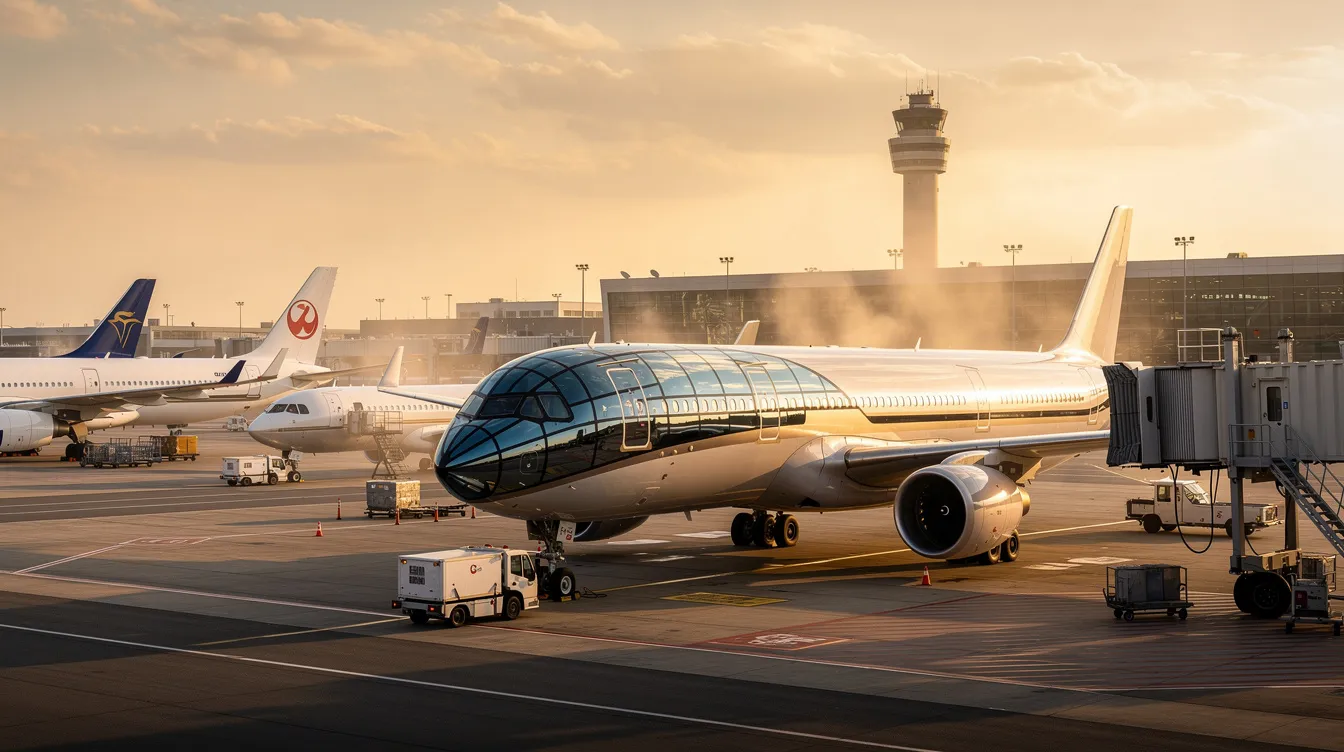
Some corporations also consider VIP airliner conversions (BBJ, ACJ) with total investment from $50M–$300M+ depending on cabin design. Commercial airliners list for $50 million to $120 million in their standard configurations, and commercial airliner prices range from $80 million to over $400 million for wide-body types. Military aircraft often have higher prices due to advanced technology and specialized systems. Negotiation on bulk purchases can lead to discounts for airlines, but private buyers typically pay closer to list.

BusinessJets.com supports these complex transactions with detailed appraisals, residual value forecasts, and global buyer/seller networks—critical capabilities at this capital level through its comprehensive aviation services.

The Hidden Reality: Purchase Price vs. True Cost of Aircraft Ownership

The hidden reality of aircraft pricing is that the initial purchase price is only the starting point. Over a decade, annual operating costs and depreciation usually dominate the financial picture. Maintenance and operational costs can exceed the purchase price over an aircraft's lifetime, making the total cost of ownership a far more important number than the headline acquisition figure.

New aircraft typically lose 20–40% of their value in 5–10 years. Some models can lose 30–40% of value within five years, and depreciation accelerates with newer models entering the market as buyers gravitate toward the latest technology. Higher total flight hours generally decrease an aircraft's value because higher total flight hours indicate more wear and tear on airframe and engines. Aircraft condition significantly affects resale value.

Major cost categories include:

  • Fixed costs: insurance premiums, hangar fees, crew salaries, management, and pilot training

  • Variable costs: fuel, maintenance, landing fees, navigation charges

  • Capital expenses: engine overhauls, cabin refurbishments, avionics upgrades

Scenario Example:

  • Purchase price: $9M light jet

  • Annual operating costs: $600,000–$900,000 per year (at 250 hours flown annually)

  • Depreciation: Several million dollars over a 10-year period

  • Total cost: More than double the initial purchase price over a decade

BusinessJets.com uses detailed cost modeling and real resale data from tools like Aircraft Bluebook and proprietary transaction records to help clients quantify total cost before committing.

Breaking Down Annual Operating Costs and Ongoing Expenses

Annual operating costs vary by aircraft size and utilization, but the same categories—fixed, variable, and reserves—appear across all business aviation segments. Operating costs include fuel, maintenance, insurance, and hangar fees regardless of whether you own a private plane or a large jet. Annual operating costs can exceed $1 million for private airplanes in the light jet category and above.

Fixed Costs

  • Hangar and storage costs: $1,200–$120,000+ per year depending on airport and aircraft size

  • Insurance: from $800 on a piston to six-figure premiums on large cabin jets

  • Crew salaries, benefits, and pilot training

  • Management, accounting, and regulatory compliance fees

Variable Costs

  • Fuel (small planes at 8–12 gph; large jets consuming 250+ gph)

  • Maintenance events per flight hour

  • Navigation, overflight charges, de-icing, catering

Reserve Planning

Maintenance costs can account for 10% to 45% of yearly expenses depending on aircraft age and upcoming events. Reserve planning is essential:

  • Engine overhauls range from $25,000–$40,000 for new single-engine pistons to $300,000–$1M+ per side on turbine engines

  • Mid-time engines require careful evaluation of remaining life

  • Major inspections, landing gear overhauls, and interior refreshes each demand dedicated per-hour reserves

BusinessJets.com often prepares side-by-side annual operating cost comparisons so decision-makers can see how crew management and ongoing expenses impact long-term budgets for different aircraft options.

New vs. Pre-Owned vs. Upgraded: How Strategy Shapes Aircraft Pricing

Choosing between factory-new, late-model pre-owned, and older aircraft with planned upgrades is a central strategic decision in aircraft ownership. Each path shapes both pricing and ongoing costs differently.

New aircraft carry the highest purchase price and fastest initial depreciation, balanced by warranties, the latest avionics suites, and optimized fuel burn. A brand-new midsize jet ordered in 2026 may face an 18–36 month OEM delivery window. Aircraft prices are influenced by age and maintenance history from the moment of first delivery, and customization of private jets can significantly affect final pricing.

Newer used aircraft (3–10 years old) appeal to many corporate buyers: 30–50% lower acquisition cost than new, the depreciation curve already partially absorbed, and proven reliability when maintenance history is well documented. Aircraft values can fluctuate based on supply chain dynamics and market trends, so timing matters.

Upgrading older aircraft involves typical costs of $200,000–$1M+ for major avionics upgrades on jets, and $150,000–$800,000 for interior refurbishments depending on cabin size. A thorough pre-purchase inspection is essential before committing to any upgrade plan, as inspection costs and deferred maintenance can erode projected savings.

BusinessJets.com analyzes whether buying newer, buying older and upgrading, or selling and trading up makes the best financial sense for each client's fleet plan and capital constraints.

Ownership, Fractional Ownership, and Charter: Which Model Makes Financial Sense?

Beyond pure aircraft pricing lies a bigger question: does full aircraft ownership, fractional ownership, or charter access best fit the client's flying profile and financial strategy?

Full ownership tends to be efficient above 150–250 flight hours annually with predictable routes and a need for maximum schedule control. Ownership is beneficial for travelers flying over 150–250 flight hours annually who need consistent access and branding.

Fractional ownership offers partial equity: a 1/8 share in a light jet valued at $8M might cost $1M upfront plus $150,000–$300,000 in annual management and operating fees. Owners are responsible for a portion of depreciation and fixed expenses but share the burden across multiple stakeholders.

Charter and membership models are ideal for occasional flyers—those buyers flying 20–150 hours annually who want access to various aircraft types without capital commitment. Chartering is often more cost-effective for under 150 flight hours annually, and chartering avoids depreciation risk and maintenance responsibilities entirely.

BusinessJets.com does not sell charter memberships but regularly advises clients on whether their utilization justifies aircraft ownership versus continued reliance on on-demand private jet access.

How BusinessJets.com Evaluates and Negotiates Aircraft Pricing

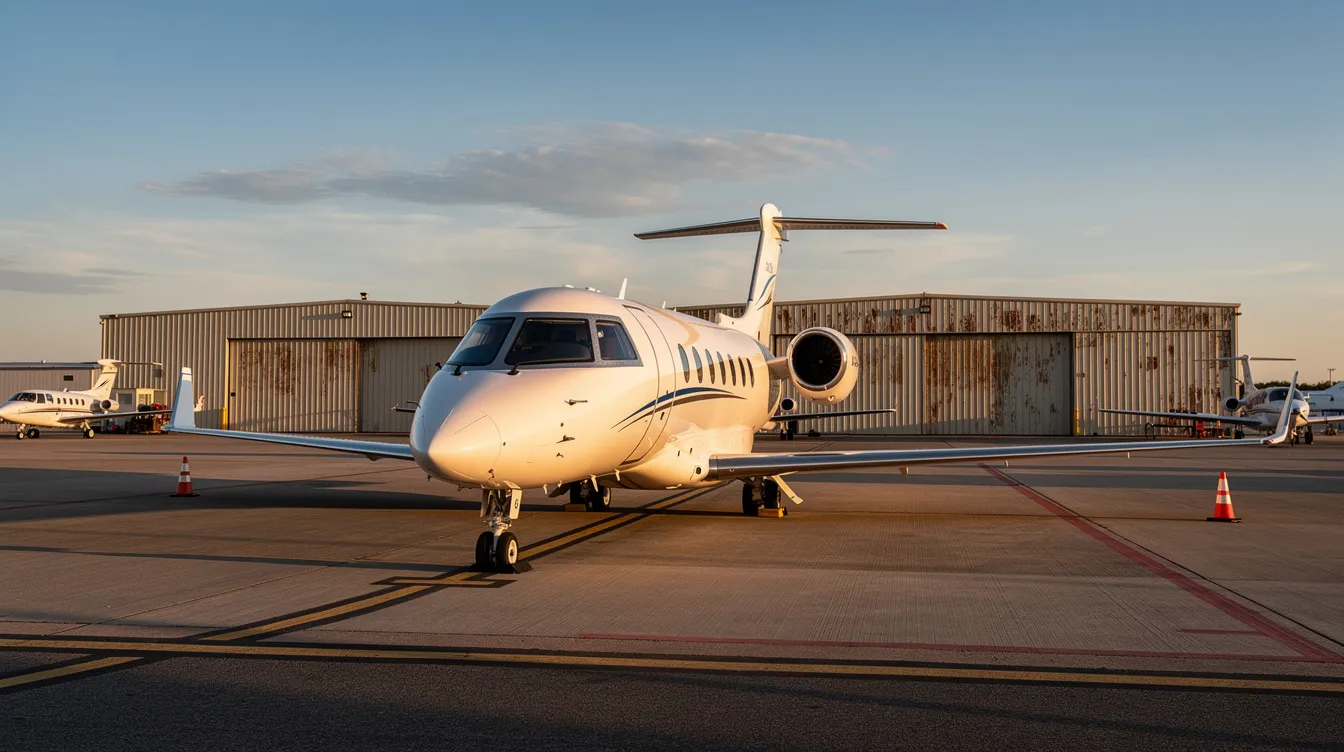
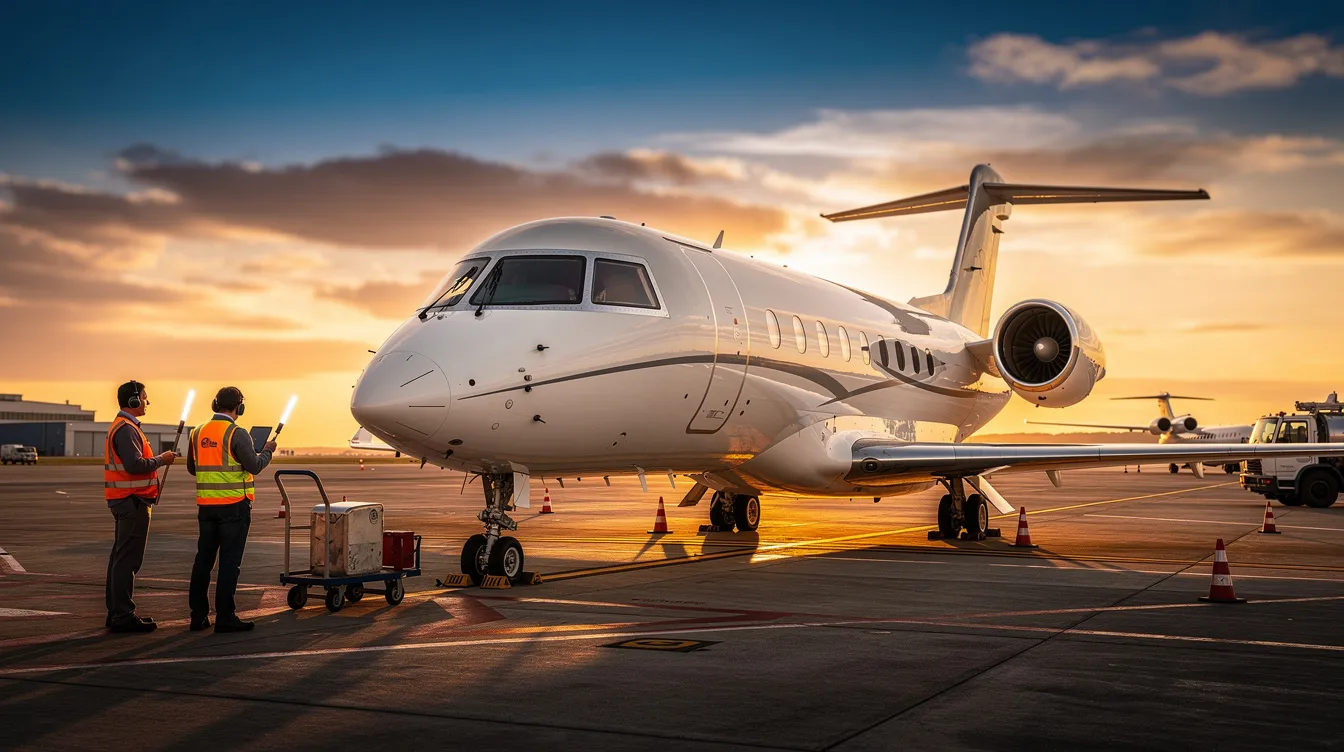
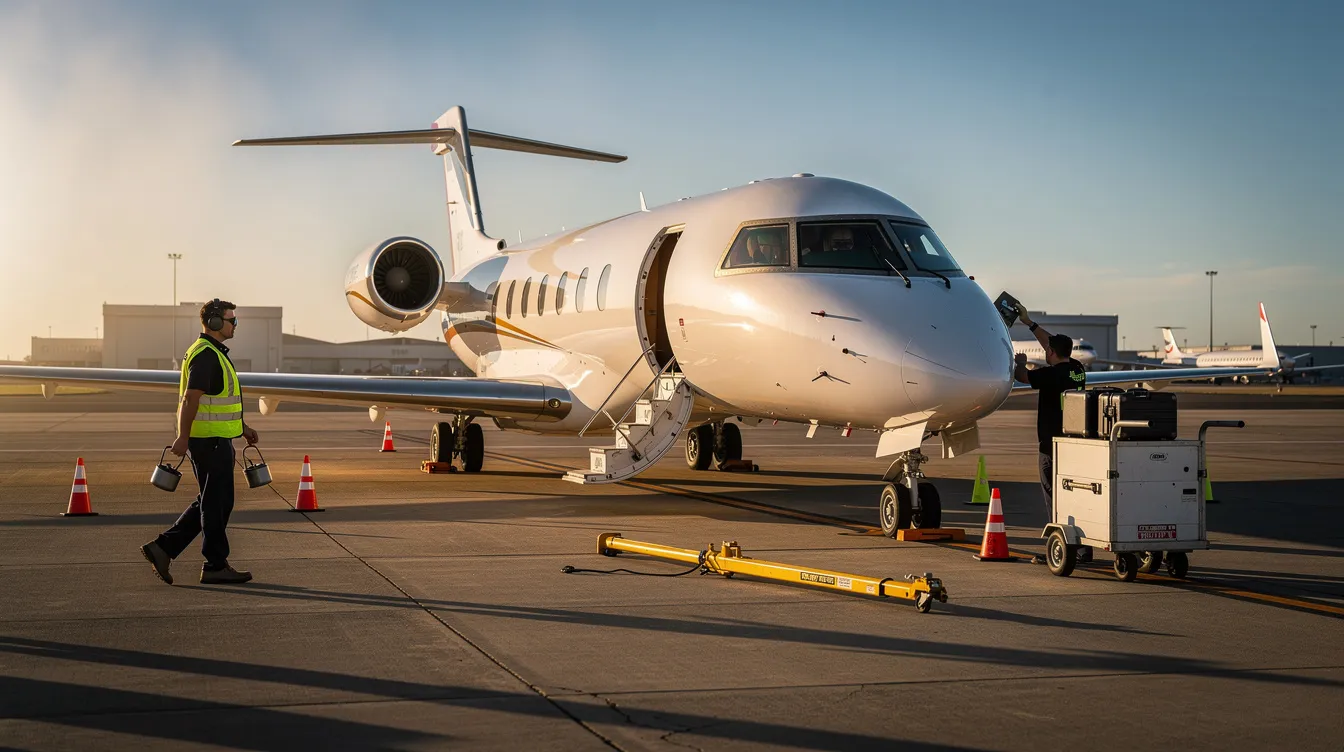
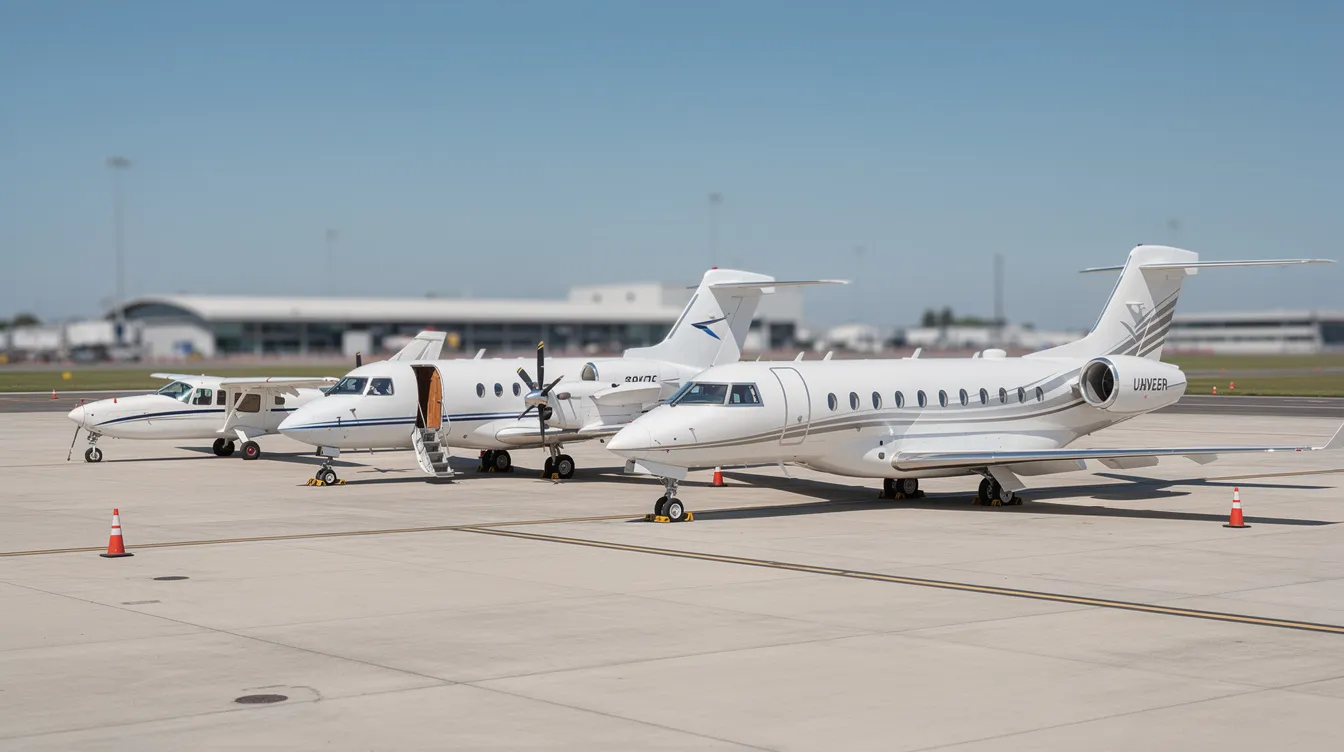
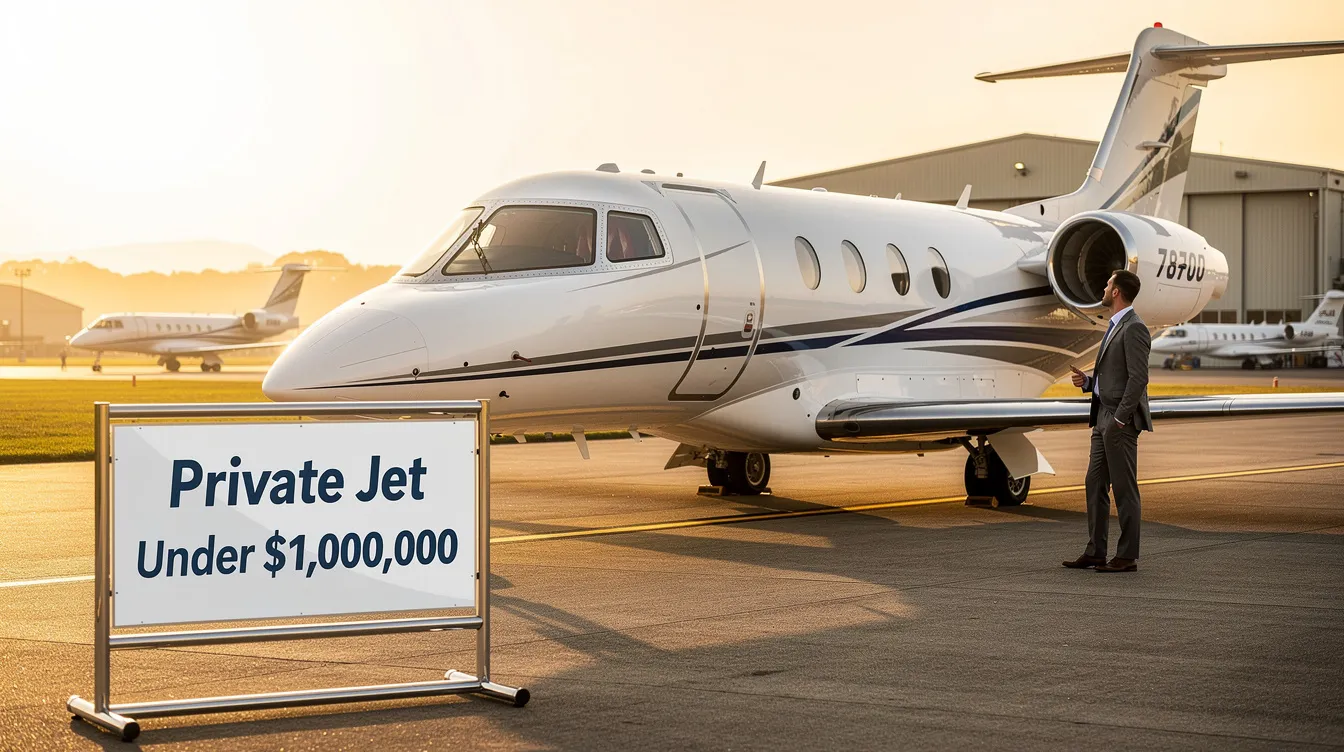
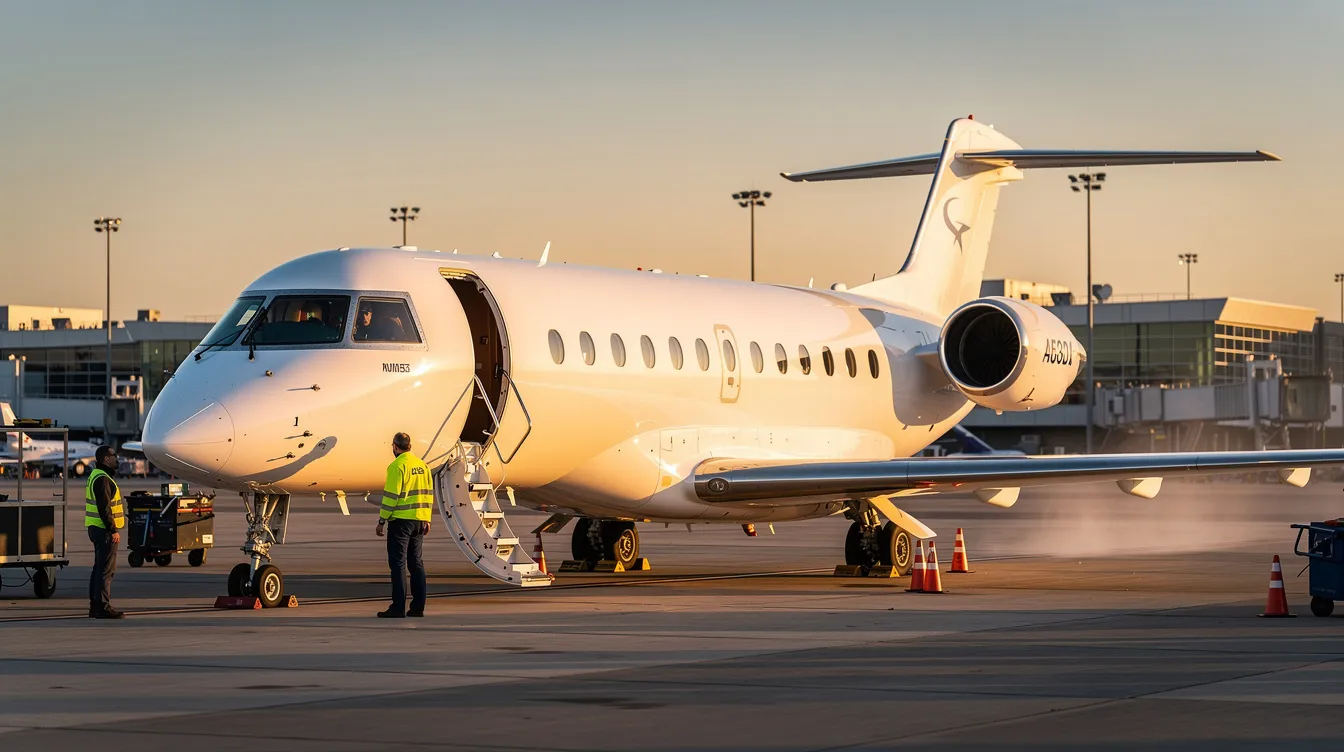
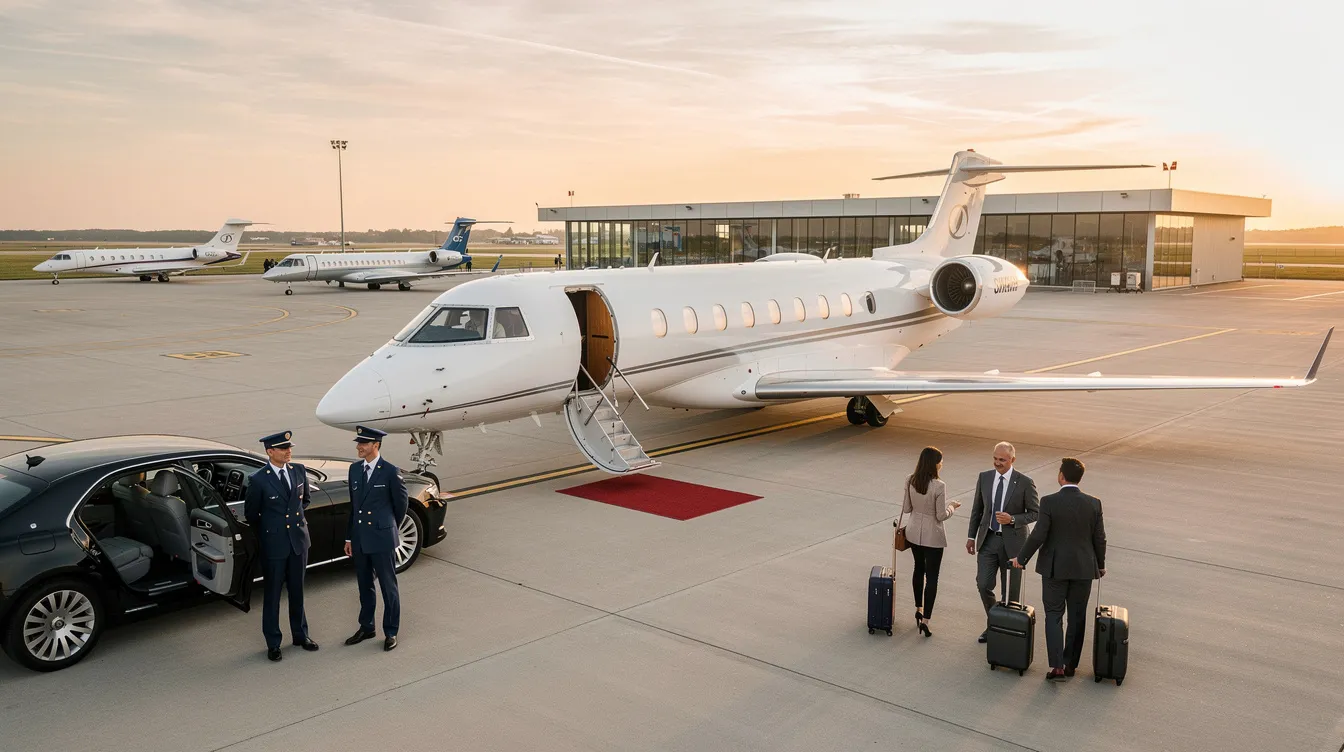
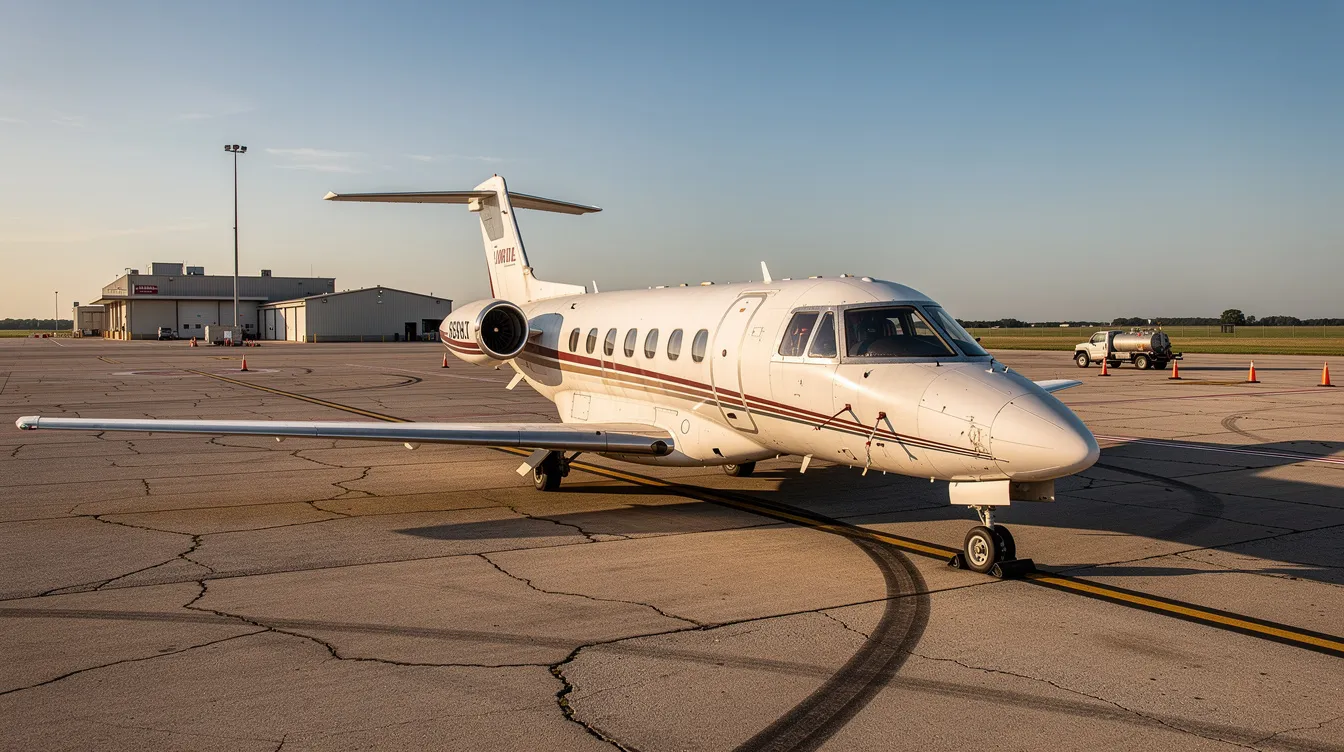
A business professional is reviewing documents next to a sleek private jet on an airport apron, highlighting the considerations of aircraft ownership and the various operating costs involved in private aviation. The scene emphasizes the importance of informed decisions regarding total yearly operating expenses and the true cost of maintaining a private plane.

BusinessJets.com serves as a transactional and advisory partner, drawing on market intelligence from 1,500+ completed aircraft transactions and thousands of appraisals to benchmark realistic pricing.

The appraisal process involves analyzing recent comparable sales, fleet-wide market trends, maintenance status, avionics configuration, cabin condition, and upcoming inspection requirements for the specific serial number. A pre purchase inspection is a standard recommendation—discrepancies discovered late in the process can justify price adjustments or walking away.

For sellers, BusinessJets.com helps set asking prices that reflect market demand while leaving room for negotiation. For buyers, independent valuations and due diligence protect against overpaying. Consulting support extends beyond the purchase price to modeling annual operating costs, advising on maintenance and avionics upgrades, and planning exit timing to preserve residual value.

Ready to make informed decisions about your next aircraft move? Request an aircraft appraisal, list an aircraft for sale, or engage BusinessJets.com for acquisition and operator advisory services.

Frequently Asked Questions About Aircraft Pricing and Ownership

These questions address common concerns that arise once buyers start to look beyond list prices and consider the full financial impact of aircraft ownership. Each answer provides concise, decision-oriented guidance for business aviation users and aircraft owners.

How do financing and leasing affect the real cost of an aircraft?

Financing spreads the acquisition cost over time but adds interest and lender fees. Common loan terms for business aircraft run 5–12 years, with down payments typically in the 15–30% range and rates sensitive to credit quality. Operating leases and finance leases change the balance sheet and cash-flow profile for corporate buyers—some choose leasing to preserve borrowing capacity or take advantage of off-balance-sheet treatment.

Interest expense, lease payments, and depreciation schedules all need to be modeled together with annual operating costs to understand total cost. BusinessJets.com coordinates with clients' tax and finance teams when advising on structure, and recommends that sophisticated buyers obtain both pricing guidance and financing pre-approval before negotiating.

How do tax rules and depreciation impact aircraft pricing decisions?

In many jurisdictions, business aviation assets are eligible for accelerated or bonus depreciation, which can materially improve after-tax ownership costs in the first several years. In the United States, 100% bonus depreciation provisions have been phasing down after 2022, and buyers planning 2026 acquisitions should confirm current IRS rules with qualified tax advisors.

Tax benefits do not change the market price itself but influence effective net cost—and therefore what buyers are willing to pay—indirectly supporting stronger demand for certain aircraft types. BusinessJets.com does not provide tax advice but factors local tax treatment and depreciation schedules into comparative financial models alongside clients' accountants and legal counsel.

Why do similar aircraft show different prices in different regions?

Regional supply and demand, currency fluctuations, local economic conditions, and regulatory differences can cause the same aircraft model and year to command different prices in North America, Europe, the Middle East, and Asia-Pacific. Import/export costs, VAT, and certification requirements—such as EASA versus FAA standards—also affect total acquisition cost when moving an aircraft across borders.

Some buyers deliberately search overseas for better values, but transport, escrow, and technical acceptance costs must be included in the comparison. BusinessJets.com routinely executes cross-border transactions and helps clients net out regional price differences against logistical and regulatory costs to find the best sourcing strategy.

How can I tell if an aircraft's asking price is fair?

Key factors to compare include recent sales of the same make and model, age and total time, engine program status, avionics suite, interior condition, maintenance and damage history, and time to next major inspection or overhaul. Obtaining an independent appraisal and conducting a thorough pre-purchase inspection are essential steps—discrepancies discovered late can justify significant price adjustments.

Advertised prices typically include negotiation room. Days-on-market and buyer interest levels, which a broker can gauge, heavily influence seller flexibility. BusinessJets.com uses proprietary transaction data and global market intelligence to advise whether a specific asking price is above, below, or in line with current conditions.

When does it make sense to sell or upgrade to a different aircraft?

Quantitative triggers include rising annual maintenance and unscheduled repair costs, approaching major inspections or engine overhauls, and utilization that no longer matches the aircraft's range and capacity. Qualitative factors matter too: evolving route structures, corporate growth into new regions, changes in leadership travel patterns, or a shift toward sustainability goals requiring newer, more efficient aircraft types.

Market timing plays a role—selling into a tight supply environment improves residual values, while waiting through a downturn may compress pricing but offer better upgrade opportunities. BusinessJets.com conducts periodic fleet reviews for aircraft owners and operators, recommending optimal moments to dispose of, replace, or right-size aircraft. Explore more market insights on the BusinessJets.com blog.

Conclusion: Navigating Aircraft Pricing and Ownership Costs in 2026

Understanding aircraft pricing in 2026 requires looking beyond the initial purchase price to the broader financial picture that includes operating costs, depreciation, and ongoing maintenance. Whether considering entry-level piston aircraft, turboprops, light jets, or large cabin jets, buyers must evaluate total cost of ownership against their specific mission needs and flight hours.

Ownership often makes financial sense for those flying over 150–250 hours annually, offering control and customization but requiring careful budgeting for fixed and variable expenses. For less frequent flyers, chartering or membership programs can provide access to private aviation without the capital commitment or asset risk.

BusinessJets.com stands ready to assist buyers, sellers, and operators with expert appraisals, market insights, and transaction advisory services, leveraging a proven track record and deep industry knowledge. Engaging professional guidance helps ensure informed decisions that align aircraft acquisition or disposition with strategic goals and financial realities.

For tailored support on aircraft valuation, sales, or acquisition strategy, contact BusinessJets.com to leverage expertise grounded in over 1,500 successful transactions and a commitment to practical, data-driven aviation consulting.

Aircraft Pricing: From Sticker Price to True Cost of Ownership in 2026

Jay Franco Ser

Aircraft pricing in 2026 spans a very wide range, from about $15,000 for used small planes to more than $300 million for VIP airliners, and for most buyers, the purchase price is only the opening chapter. Whether you are evaluating a four-seat piston for regional access or a large-cabin jet for intercontinental travel, the real economics are shaped by depreciation, crew management, engine reserves, insurance premiums, maintenance, and avionics upgrades. Operating costs include fuel, maintenance, insurance, and hangar fees.

For private jet owners, high-net-worth buyers, corporations, fleet managers, and operators weighing an acquisition, sale, or upgrade, understanding those numbers up front is what separates a sound aircraft decision from an expensive one. This guide breaks down aircraft purchase prices by type, total cost of ownership, appraisal and valuation, acquisition strategy, market trends, and the advisory factors that matter when buying, selling, or repositioning a business aircraft.

Key Takeaways

Aircraft prices range from a few hundred thousand dollars to hundreds of millions, and the gap between what you pay on day one and what you spend over a decade is often wider than buyers expect.

  • 2026 price bands by category: used small planes start at $15,000–$80,000; single-engine turboprops run $3M–$6M; light jets range from $3 million used to $12 million new; large cabin jets list at $55M–$80M+; VIP airliners can reach $50M–$300M+ depending on cabin completion.

  • Annual operating costs are substantial. Annual ownership costs for light jets can exceed $1 million when fixed expenses, variable operational costs, fuel, and reserves are combined. For large cabin jets, total yearly operating expenses regularly surpass $3M–$4M.

  • Ownership costs can exceed the initial purchase price over 5–10 years. Depreciation, maintenance events, cabin refurbishments, and crew salaries compound quickly, making the overall cost far larger than the acquisition number alone.

  • Chartering is often more cost-effective for under 150 flight hours annually, avoiding depreciation risk and maintenance responsibilities.

  • Ownership is beneficial for those flying over 150–250 flight hours annually.

  • The hidden reality is in ongoing expenses. Crew management, hangar fees, insurance, inspection costs, engine overhaul reserves, and modern avionics upgrades drive the true cost of private aviation ownership.

  • BusinessJets.com helps aircraft owners and corporate buyers make financial sense of aircraft pricing through appraisals, valuations, and transaction advisory grounded in 1,500+ completed deals and real market data.

How Much Does an Aircraft Cost in 2026? Snapshot by Category

Aircraft pricing in 2026 remains elevated compared to pre-2020 levels. Supply chain delays, OEM order backlogs near $58.2 billion in Q1 2026, and strong business aviation demand—especially in North America—continue to support both new and pre-owned values. Aircraft pricing is influenced by market conditions including interest rates and fuel prices, meaning what buyers pay today reflects broader economic forces, not just the aircraft itself.

The purchase price varies dramatically by mission, range, cabin size, and whether the aircraft is new or pre-owned:

  • Two-seat trainers and basic pistons: $15,000–$80,000 used

  • Four-seat pistons: $70,000–$300,000 depending on age and avionics

  • Single-engine turboprops: $3M–$7M

  • Light jets: $3M–$12M

  • Super midsize jets: $9M–$30M

  • Large cabin jets: $55M–$80M+

  • VIP airliners (BBJ, ACJ): $50M–$300M+

Economic growth can lead to higher aircraft prices due to demand, a pattern clearly visible in the post-pandemic surge. Aircraft owners increasingly focus on the "all-in" cost rather than the headline number, and BusinessJets.com uses comparable transaction data to benchmark realistic aircraft values for every category.

Understanding Aircraft Types and Their Typical Price Ranges

Aircraft pricing starts with understanding the underlying aircraft types and their mission profiles—whether for personal recreation, corporate shuttle, long-range business purposes, or special missions.

Aircraft size refers to the physical dimensions and weight of the aircraft, while capacity refers to the number of passengers or amount of cargo the aircraft can carry. Both are primary factors influencing pricing. Larger aircraft with higher capacity cost significantly more to manufacture and purchase.

Pricing in aviation is governed by engineering capabilities and market demand. Aircraft prices vary widely due to complexity, engineering requirements, and certification demands—manufacturers must obtain type certification from authorities like the FAA or EASA, and aeroplanes must comply with strict safety standards requiring extensive testing and documentation. Compliance costs for certification from bodies like the FAA or EASA can reach billions across a program's lifecycle, which filters directly into what buyers pay. Aircraft with complex designs require more tooling and quality assurance, increasing costs further.

Concrete 2026 examples illustrate the range: a 2016 Cirrus SR22 G5 with modern avionics upgrades sits in the $600,000–$750,000 range; a 2018 Pilatus PC-12 NGX trades around $4M–$5M; a 2019 Embraer Phenom 300E sells for approximately $8M–$9M used, depending on total airframe hours and maintenance status. Fuel efficiency and technology influence aircraft pricing due to modern aerodynamic designs and advanced materials. Bespoke interiors and customisation significantly influence the pricing of business aircraft, and avionics upgrades, engine time remaining, and cosmetic condition can move prices 10–25% within the same model and year.

BusinessJets.com routinely compares like-for-like sales worldwide to determine fair pricing for specific models before advising clients, whether the aircraft in question is a piston, turboprop, or large jet.

Piston Aircraft and Entry-Level Ownership Economics

Many aircraft owners start with piston singles or twins for personal use or company access to rural airports, but even "affordable" piston aircraft carry meaningful ongoing costs. Single-engine piston aircraft typically cost between $100,000 and $1 million depending on model and vintage, while multi-engine piston aircraft usually range from $400,000 to $1.2 million.

Realistic 2026 price bands for small planes include:

  • Cessna 150/152: $15,000–$80,000

  • Cessna 172: $70,000–$250,000 depending on age and avionics

  • Piper PA-28 series: $60,000–$200,000

  • New single-engine pistons like Cirrus SR22: $600,000–$1,000,000

A small plane purchase does not end at the bill of sale. At 100–150 flight hours per year, typical plane costs include hangar or tie-down storage costs of $1,200–$8,400 annually, insurance costs for small aircraft ranging from $800 to $3,000 annually, annual inspections for small planes costing between $750 and $2,000, and fuel costs for a four-seat piston running approximately $40–$90 per hour. Routine maintenance and reserves add another $2,000–$6,000 per year. Maintenance costs can account for 10% to 45% of yearly expenses.

Avionics upgrades—WAAS GPS, ADS-B compliance, glass cockpit retrofits—can add $10,000–$50,000 beyond the purchase price and may not be fully reflected in resale value. Aspiring recreational flying enthusiasts should also budget for a private pilot license, which typically requires ground school and flight training through an accredited pilot institute before obtaining a pilot's license.

BusinessJets.com focuses primarily on business aviation transactions but factors piston aircraft into corporate fleet strategies—training, feeder roles, or specialized planes for short-field access—when consulting larger operators.

From Turboprops to Light Jets: Stepping Into Business Aviation

Turboprops and light jets, often grouped with small jets, represent the first true step into business aviation for companies needing reliable regional and mid-range private travel. These aircraft types bridge the gap between personal recreation and serious corporate utility, offering pressurized cabins, weather capability, and access to a broader network of airports.
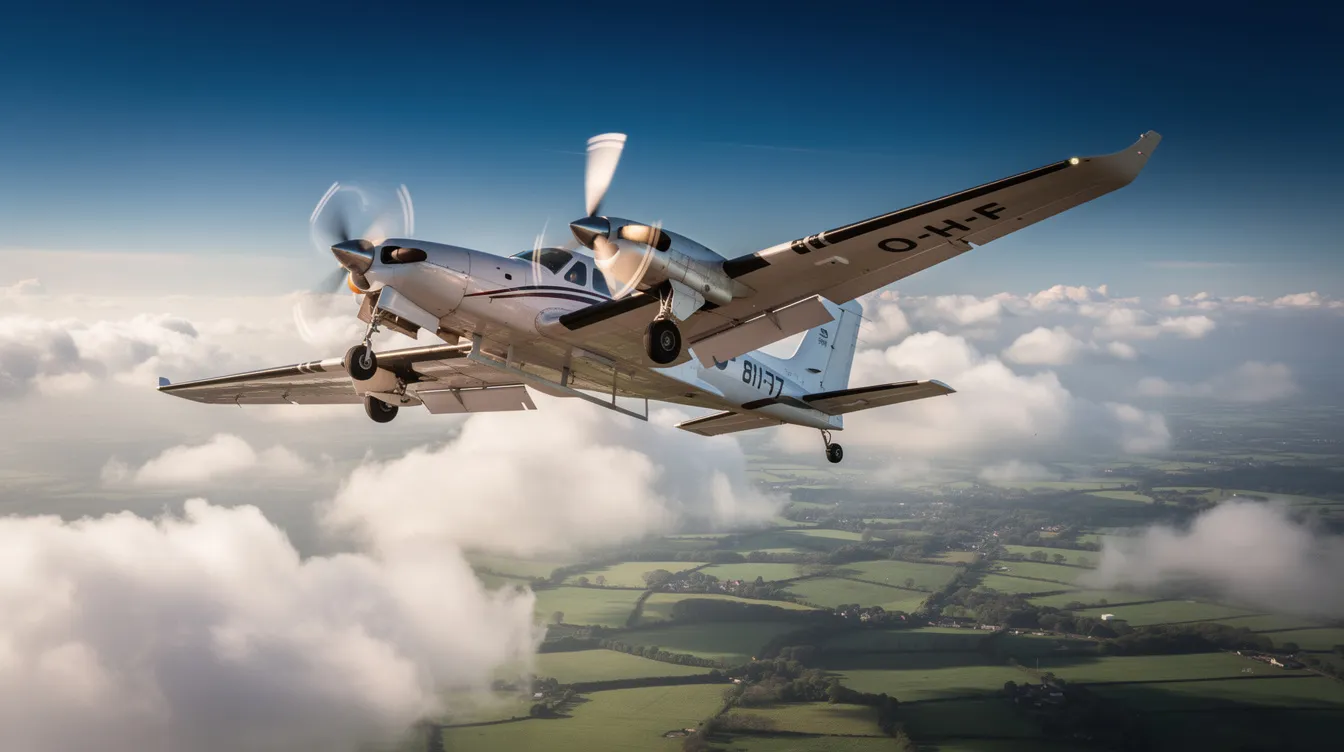
A single-engine turboprop aircraft is climbing through fluffy clouds, flying above vibrant green countryside. This scene showcases the essence of private aviation, highlighting the beauty of recreational flying and the operational costs associated with owning such specialized planes.

2026 price illustrations for this segment:

  • Single-engine turboprops (TBM 940, PC-12 NGX): $3M–$6M

  • Twin turboprops (King Air 250/350): $4M–$9M new, $2M–$5M used

  • Very light jets (Eclipse, early Phenoms): $1M–$ 4 M pre-owned

  • Used light jets range from $3 million to $12 million depending on model, hours, and specification

Annual operating costs at 200–300 hours per year typically break down into fixed costs (insurance, hangar, crew salaries, pilot training) of $200,000–$400,000, plus variable operational costs of $1,200–$2,500 per flight hour. Engine programs and maintenance service plans materially affect both pricing and asset risk—buyers flying pre-owned turboprops or a light jet often pay a premium for aircraft enrolled in factory hourly cost programs because these reduce the uncertainty of upcoming overhauls.

BusinessJets.com helps buyers compare turboprops versus light jets by modeling speed, range, annual operating costs, and residual value over 5–10 years for specific missions, ensuring the right aircraft match for operational requirements.

Super-Midsize and Large Cabin Jets: High-Capacity, High-Commitment Assets

Super-midsize jets and large cabin jets are core tools for global corporations, family offices, and governments. Pricing and total yearly operating expenses here occupy an entirely different league from smaller aircraft.

2026 reference points for this segment:

  • Super-midsize jets (Bombardier Challenger 3500, Gulfstream G280): ~$20M–$30M new

  • Large business jets (Gulfstream G600, Dassault Falcon 8X, Bombardier Global 6500): $55M–$80M+

  • Ultra-long-range jets (Gulfstream G700): approaching $79M before options, with customized examples exceeding $90M

Annual operating costs for these assets include fixed expenses often reaching $800,000–$1.5M+ for professional crews, training, insurance, hangar, and management. Variable rates run $5,000–$8,000+ per flight hour when fuel costs, maintenance, and landing charges are included.

Some corporations also consider VIP airliner conversions (BBJ, ACJ) with total investment from $50M–$300M+ depending on cabin design. Commercial airliners list for $50 million to $120 million in their standard configurations, and commercial airliner prices range from $80 million to over $400 million for wide-body types. Military aircraft often have higher prices due to advanced technology and specialized systems. Negotiation on bulk purchases can lead to discounts for airlines, but private buyers typically pay closer to list.

BusinessJets.com supports these complex transactions with detailed appraisals, residual value forecasts, and global buyer/seller networks—critical capabilities at this capital level through its comprehensive aviation services.

The Hidden Reality: Purchase Price vs. True Cost of Aircraft Ownership

The hidden reality of aircraft pricing is that the initial purchase price is only the starting point. Over a decade, annual operating costs and depreciation usually dominate the financial picture. Maintenance and operational costs can exceed the purchase price over an aircraft's lifetime, making the total cost of ownership a far more important number than the headline acquisition figure.

New aircraft typically lose 20–40% of their value in 5–10 years. Some models can lose 30–40% of value within five years, and depreciation accelerates with newer models entering the market as buyers gravitate toward the latest technology. Higher total flight hours generally decrease an aircraft's value because higher total flight hours indicate more wear and tear on airframe and engines. Aircraft condition significantly affects resale value.

Major cost categories include:

  • Fixed costs: insurance premiums, hangar fees, crew salaries, management, and pilot training

  • Variable costs: fuel, maintenance, landing fees, navigation charges

  • Capital expenses: engine overhauls, cabin refurbishments, avionics upgrades

Scenario Example:

  • Purchase price: $9M light jet

  • Annual operating costs: $600,000–$900,000 per year (at 250 hours flown annually)

  • Depreciation: Several million dollars over a 10-year period

  • Total cost: More than double the initial purchase price over a decade

BusinessJets.com uses detailed cost modeling and real resale data from tools like Aircraft Bluebook and proprietary transaction records to help clients quantify total cost before committing.

Breaking Down Annual Operating Costs and Ongoing Expenses

Annual operating costs vary by aircraft size and utilization, but the same categories—fixed, variable, and reserves—appear across all business aviation segments. Operating costs include fuel, maintenance, insurance, and hangar fees regardless of whether you own a private plane or a large jet. Annual operating costs can exceed $1 million for private airplanes in the light jet category and above.

Fixed Costs

  • Hangar and storage costs: $1,200–$120,000+ per year depending on airport and aircraft size

  • Insurance: from $800 on a piston to six-figure premiums on large cabin jets

  • Crew salaries, benefits, and pilot training

  • Management, accounting, and regulatory compliance fees

Variable Costs

  • Fuel (small planes at 8–12 gph; large jets consuming 250+ gph)

  • Maintenance events per flight hour

  • Navigation, overflight charges, de-icing, catering

Reserve Planning

Maintenance costs can account for 10% to 45% of yearly expenses depending on aircraft age and upcoming events. Reserve planning is essential:

  • Engine overhauls range from $25,000–$40,000 for new single-engine pistons to $300,000–$1M+ per side on turbine engines

  • Mid-time engines require careful evaluation of remaining life

  • Major inspections, landing gear overhauls, and interior refreshes each demand dedicated per-hour reserves

BusinessJets.com often prepares side-by-side annual operating cost comparisons so decision-makers can see how crew management and ongoing expenses impact long-term budgets for different aircraft options.

New vs. Pre-Owned vs. Upgraded: How Strategy Shapes Aircraft Pricing

Choosing between factory-new, late-model pre-owned, and older aircraft with planned upgrades is a central strategic decision in aircraft ownership. Each path shapes both pricing and ongoing costs differently.

New aircraft carry the highest purchase price and fastest initial depreciation, balanced by warranties, the latest avionics suites, and optimized fuel burn. A brand-new midsize jet ordered in 2026 may face an 18–36 month OEM delivery window. Aircraft prices are influenced by age and maintenance history from the moment of first delivery, and customization of private jets can significantly affect final pricing.

Newer used aircraft (3–10 years old) appeal to many corporate buyers: 30–50% lower acquisition cost than new, the depreciation curve already partially absorbed, and proven reliability when maintenance history is well documented. Aircraft values can fluctuate based on supply chain dynamics and market trends, so timing matters.

Upgrading older aircraft involves typical costs of $200,000–$1M+ for major avionics upgrades on jets, and $150,000–$800,000 for interior refurbishments depending on cabin size. A thorough pre-purchase inspection is essential before committing to any upgrade plan, as inspection costs and deferred maintenance can erode projected savings.

BusinessJets.com analyzes whether buying newer, buying older and upgrading, or selling and trading up makes the best financial sense for each client's fleet plan and capital constraints.

Ownership, Fractional Ownership, and Charter: Which Model Makes Financial Sense?

Beyond pure aircraft pricing lies a bigger question: does full aircraft ownership, fractional ownership, or charter access best fit the client's flying profile and financial strategy?

Full ownership tends to be efficient above 150–250 flight hours annually with predictable routes and a need for maximum schedule control. Ownership is beneficial for travelers flying over 150–250 flight hours annually who need consistent access and branding.

Fractional ownership offers partial equity: a 1/8 share in a light jet valued at $8M might cost $1M upfront plus $150,000–$300,000 in annual management and operating fees. Owners are responsible for a portion of depreciation and fixed expenses but share the burden across multiple stakeholders.

Charter and membership models are ideal for occasional flyers—those buyers flying 20–150 hours annually who want access to various aircraft types without capital commitment. Chartering is often more cost-effective for under 150 flight hours annually, and chartering avoids depreciation risk and maintenance responsibilities entirely.

BusinessJets.com does not sell charter memberships but regularly advises clients on whether their utilization justifies aircraft ownership versus continued reliance on on-demand private jet access.

How BusinessJets.com Evaluates and Negotiates Aircraft Pricing

A business professional is reviewing documents next to a sleek private jet on an airport apron, highlighting the considerations of aircraft ownership and the various operating costs involved in private aviation. The scene emphasizes the importance of informed decisions regarding total yearly operating expenses and the true cost of maintaining a private plane.

BusinessJets.com serves as a transactional and advisory partner, drawing on market intelligence from 1,500+ completed aircraft transactions and thousands of appraisals to benchmark realistic pricing.

The appraisal process involves analyzing recent comparable sales, fleet-wide market trends, maintenance status, avionics configuration, cabin condition, and upcoming inspection requirements for the specific serial number. A pre purchase inspection is a standard recommendation—discrepancies discovered late in the process can justify price adjustments or walking away.

For sellers, BusinessJets.com helps set asking prices that reflect market demand while leaving room for negotiation. For buyers, independent valuations and due diligence protect against overpaying. Consulting support extends beyond the purchase price to modeling annual operating costs, advising on maintenance and avionics upgrades, and planning exit timing to preserve residual value.

Ready to make informed decisions about your next aircraft move? Request an aircraft appraisal, list an aircraft for sale, or engage BusinessJets.com for acquisition and operator advisory services.

Frequently Asked Questions About Aircraft Pricing and Ownership

These questions address common concerns that arise once buyers start to look beyond list prices and consider the full financial impact of aircraft ownership. Each answer provides concise, decision-oriented guidance for business aviation users and aircraft owners.

How do financing and leasing affect the real cost of an aircraft?

Financing spreads the acquisition cost over time but adds interest and lender fees. Common loan terms for business aircraft run 5–12 years, with down payments typically in the 15–30% range and rates sensitive to credit quality. Operating leases and finance leases change the balance sheet and cash-flow profile for corporate buyers—some choose leasing to preserve borrowing capacity or take advantage of off-balance-sheet treatment.

Interest expense, lease payments, and depreciation schedules all need to be modeled together with annual operating costs to understand total cost. BusinessJets.com coordinates with clients' tax and finance teams when advising on structure, and recommends that sophisticated buyers obtain both pricing guidance and financing pre-approval before negotiating.

How do tax rules and depreciation impact aircraft pricing decisions?

In many jurisdictions, business aviation assets are eligible for accelerated or bonus depreciation, which can materially improve after-tax ownership costs in the first several years. In the United States, 100% bonus depreciation provisions have been phasing down after 2022, and buyers planning 2026 acquisitions should confirm current IRS rules with qualified tax advisors.

Tax benefits do not change the market price itself but influence effective net cost—and therefore what buyers are willing to pay—indirectly supporting stronger demand for certain aircraft types. BusinessJets.com does not provide tax advice but factors local tax treatment and depreciation schedules into comparative financial models alongside clients' accountants and legal counsel.

Why do similar aircraft show different prices in different regions?

Regional supply and demand, currency fluctuations, local economic conditions, and regulatory differences can cause the same aircraft model and year to command different prices in North America, Europe, the Middle East, and Asia-Pacific. Import/export costs, VAT, and certification requirements—such as EASA versus FAA standards—also affect total acquisition cost when moving an aircraft across borders.

Some buyers deliberately search overseas for better values, but transport, escrow, and technical acceptance costs must be included in the comparison. BusinessJets.com routinely executes cross-border transactions and helps clients net out regional price differences against logistical and regulatory costs to find the best sourcing strategy.

How can I tell if an aircraft's asking price is fair?

Key factors to compare include recent sales of the same make and model, age and total time, engine program status, avionics suite, interior condition, maintenance and damage history, and time to next major inspection or overhaul. Obtaining an independent appraisal and conducting a thorough pre-purchase inspection are essential steps—discrepancies discovered late can justify significant price adjustments.

Advertised prices typically include negotiation room. Days-on-market and buyer interest levels, which a broker can gauge, heavily influence seller flexibility. BusinessJets.com uses proprietary transaction data and global market intelligence to advise whether a specific asking price is above, below, or in line with current conditions.

When does it make sense to sell or upgrade to a different aircraft?

Quantitative triggers include rising annual maintenance and unscheduled repair costs, approaching major inspections or engine overhauls, and utilization that no longer matches the aircraft's range and capacity. Qualitative factors matter too: evolving route structures, corporate growth into new regions, changes in leadership travel patterns, or a shift toward sustainability goals requiring newer, more efficient aircraft types.

Market timing plays a role—selling into a tight supply environment improves residual values, while waiting through a downturn may compress pricing but offer better upgrade opportunities. BusinessJets.com conducts periodic fleet reviews for aircraft owners and operators, recommending optimal moments to dispose of, replace, or right-size aircraft. Explore more market insights on the BusinessJets.com blog.

Conclusion: Navigating Aircraft Pricing and Ownership Costs in 2026

Understanding aircraft pricing in 2026 requires looking beyond the initial purchase price to the broader financial picture that includes operating costs, depreciation, and ongoing maintenance. Whether considering entry-level piston aircraft, turboprops, light jets, or large cabin jets, buyers must evaluate total cost of ownership against their specific mission needs and flight hours.

Ownership often makes financial sense for those flying over 150–250 hours annually, offering control and customization but requiring careful budgeting for fixed and variable expenses. For less frequent flyers, chartering or membership programs can provide access to private aviation without the capital commitment or asset risk.

BusinessJets.com stands ready to assist buyers, sellers, and operators with expert appraisals, market insights, and transaction advisory services, leveraging a proven track record and deep industry knowledge. Engaging professional guidance helps ensure informed decisions that align aircraft acquisition or disposition with strategic goals and financial realities.

For tailored support on aircraft valuation, sales, or acquisition strategy, contact BusinessJets.com to leverage expertise grounded in over 1,500 successful transactions and a commitment to practical, data-driven aviation consulting.

Related Posts