New Plane for Sale: How to Choose the Right Aircraft in 2026

Jay Franco Ser
September 4, 2026

Purchasing a new airplane means balancing aviation dreams with practical logistics. This guide helps you evaluate any new plane for sale in 2026, whether you are considering single-engine piston aircraft, turboprops, light jets, or larger private jets.

Key Takeaways

  • Defining mission and budget is crucial when purchasing an aircraft from a Socata Trinidad or Cirrus SR22T to a Cessna Citation M2 Gen2 or beyond.

  • BusinessJets.com acts as a discreet, expert brokerage and consulting partner, with over 1,500 completed aircraft transactions and 5,000+ satisfied clients worldwide.

  • Readers will learn how to compare piston aircraft, turboprops, light jets, and midsize private jets based on range, operating costs, and mission profile.

  • Accurate aircraft valuation, maintenance history review, and market timing are critical to avoiding overpaying in today's aircraft-for-sale market.

  • Your next practical step: request an appraisal or acquisition consultation from BusinessJets.com.

Today's Market for New and Nearly-New Private Jets and Aircraft for Sale (2026 Overview)

The business aviation market features tight inventories and strong demand for efficient aircraft. In H1 2026, global business jet deliveries reached approximately 466 units, up 6.6% year-over-year, while OEM backlogs exceeded $58 billion. Pre-owned aircraft inventory dropped to roughly 6.6% of the fleet, well below historical norms.

Key categories of aircraft for sale in 2026 span every segment:

  • Single-engine pistons (e.g., Cessna 172S, Cirrus SR22T G7) remain popular for personal use.

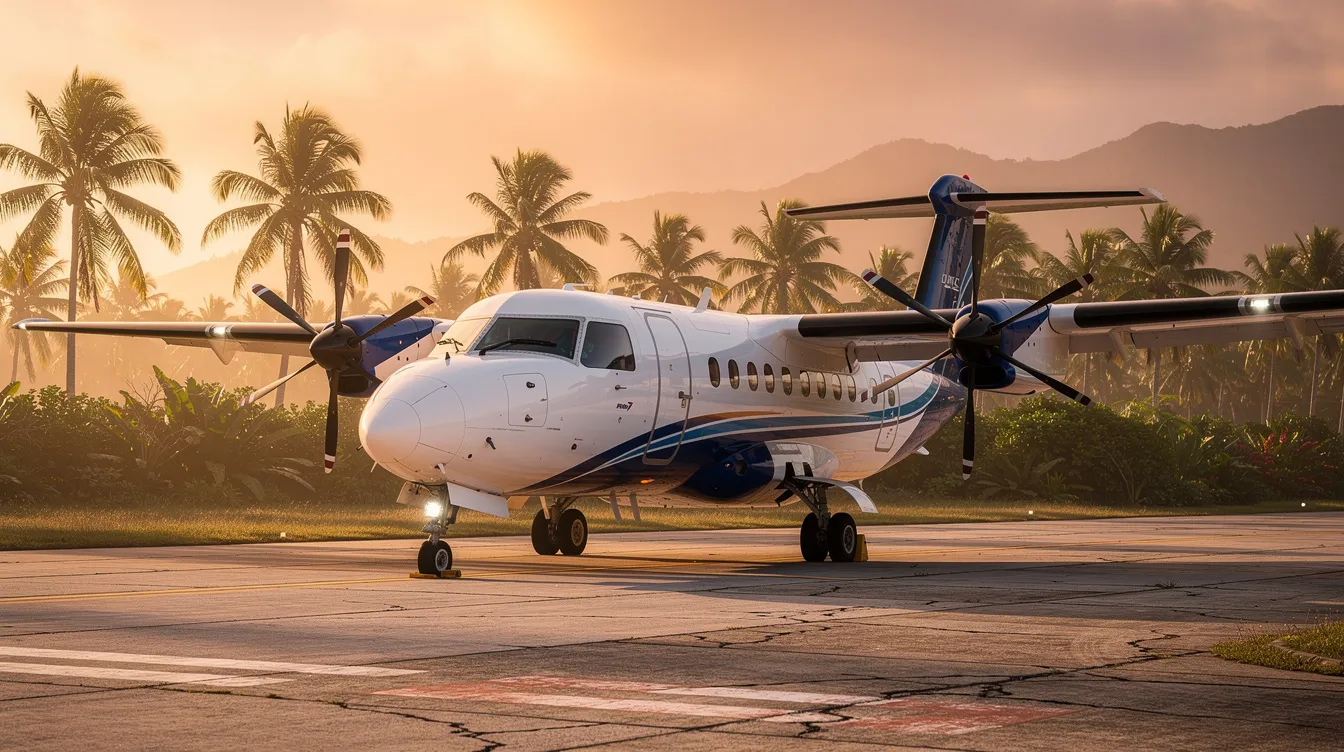
  • The Cessna Caravan family is the most delivered utility turboprop.

  • Turbine-powered models (e.g., Daher TBM 960, Pilatus PC-12 NGX) serve owner-pilots and regional operators.

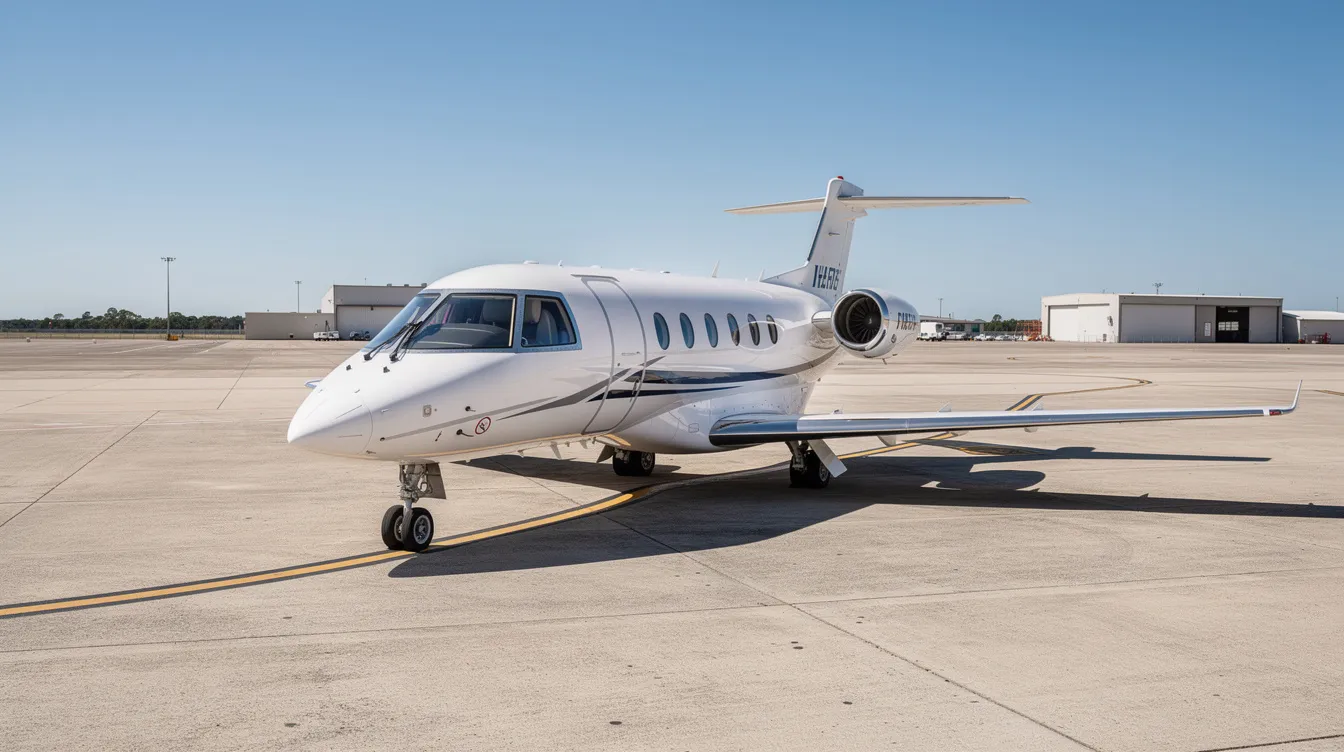
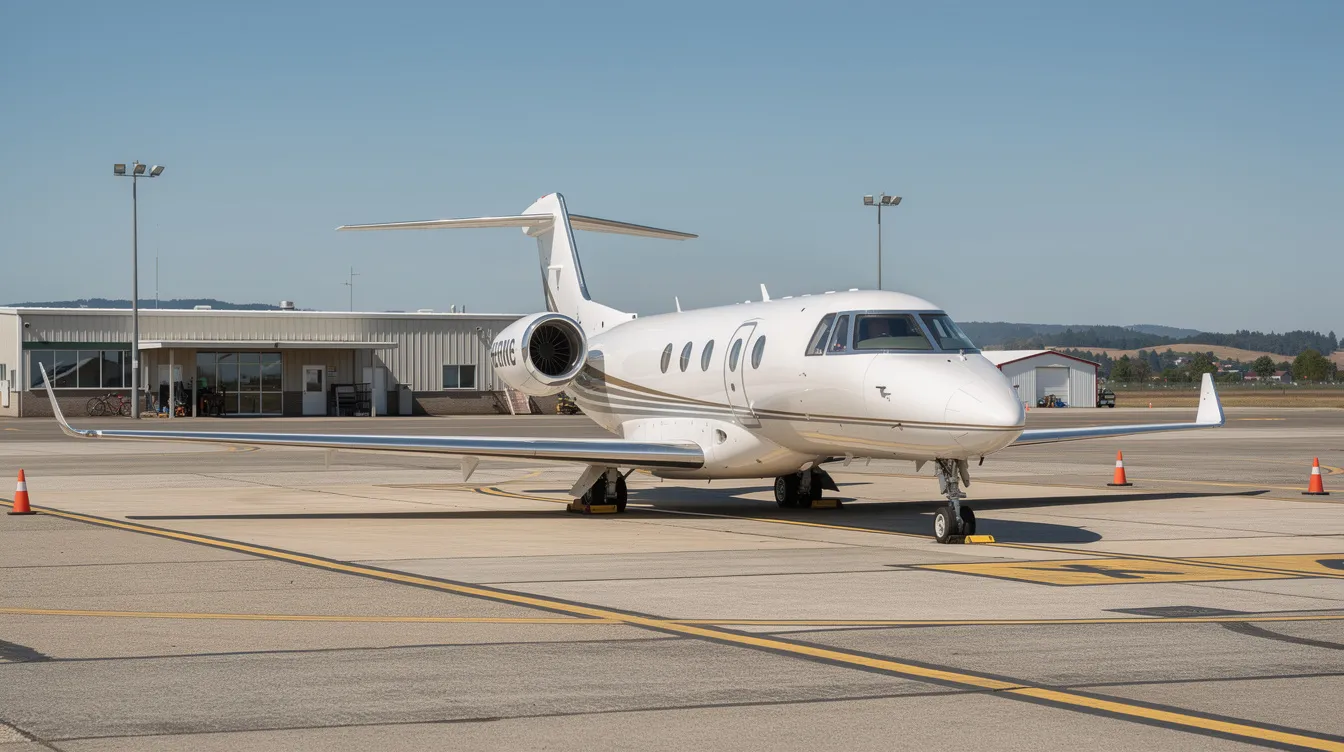
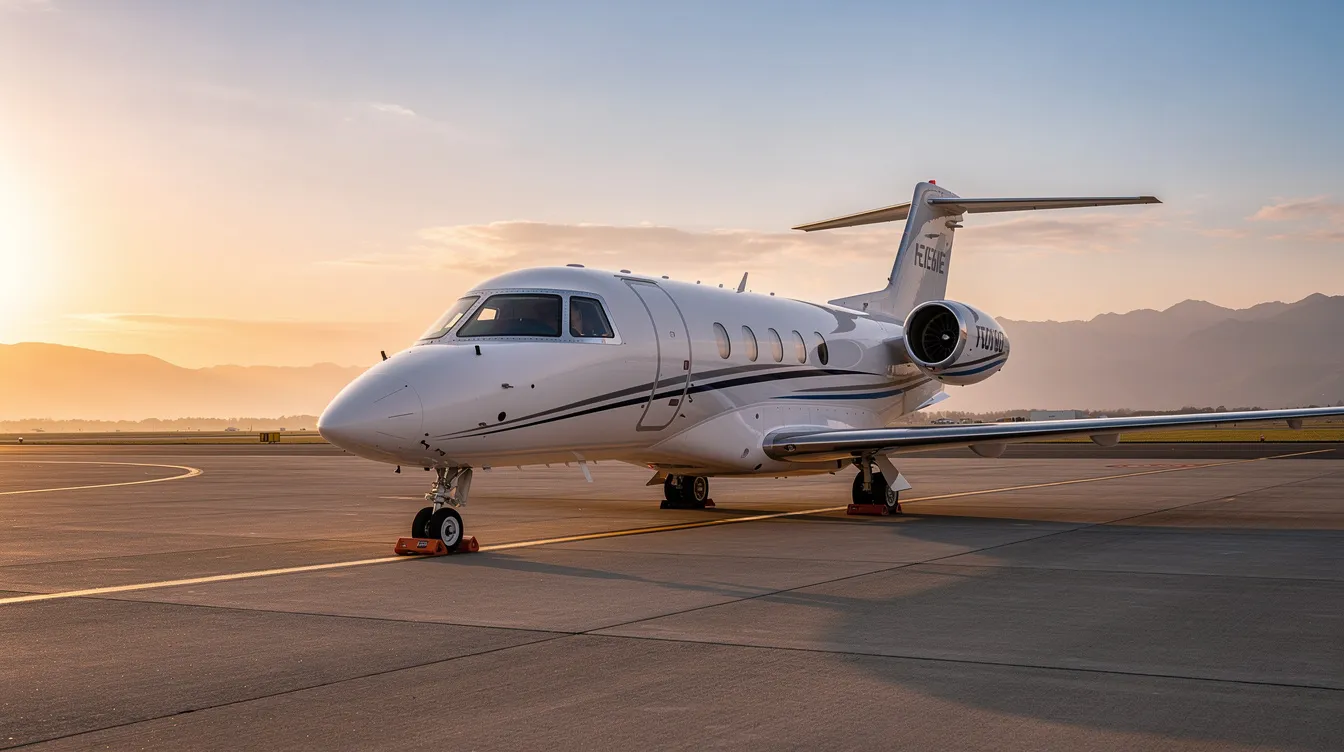
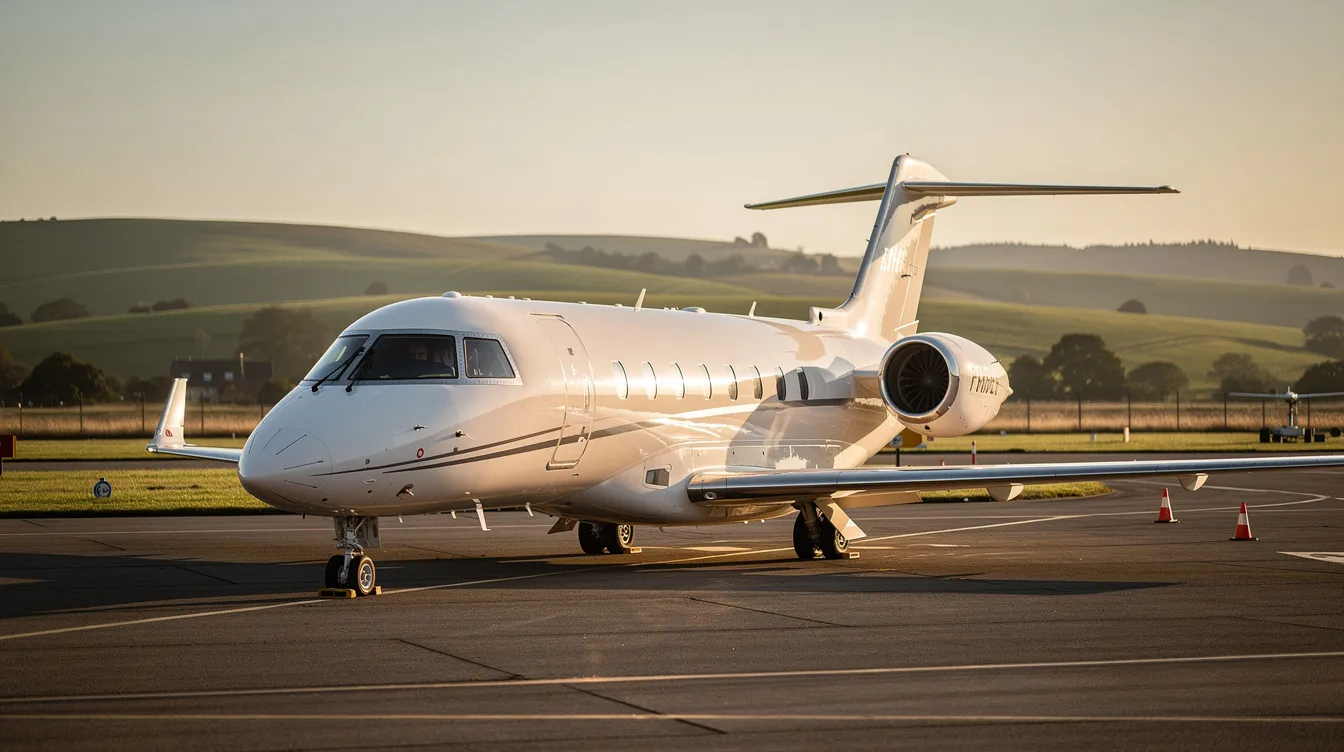
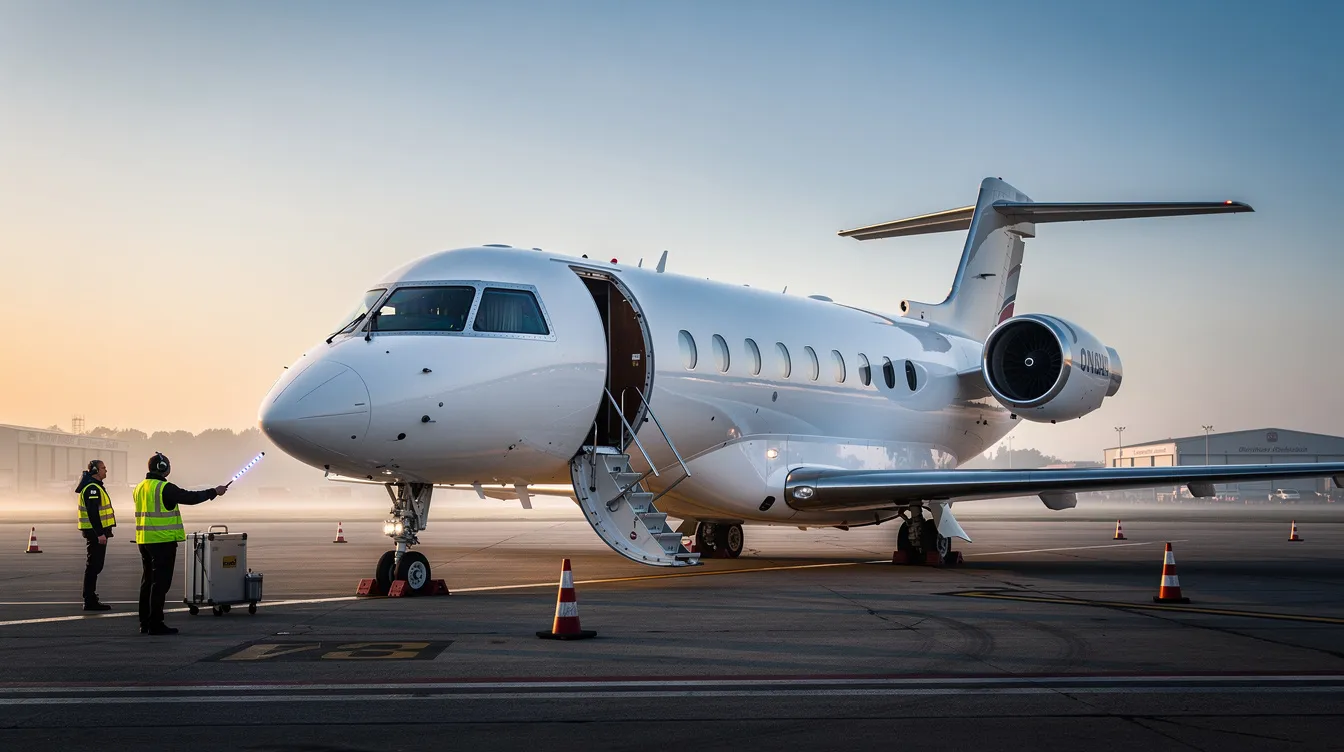
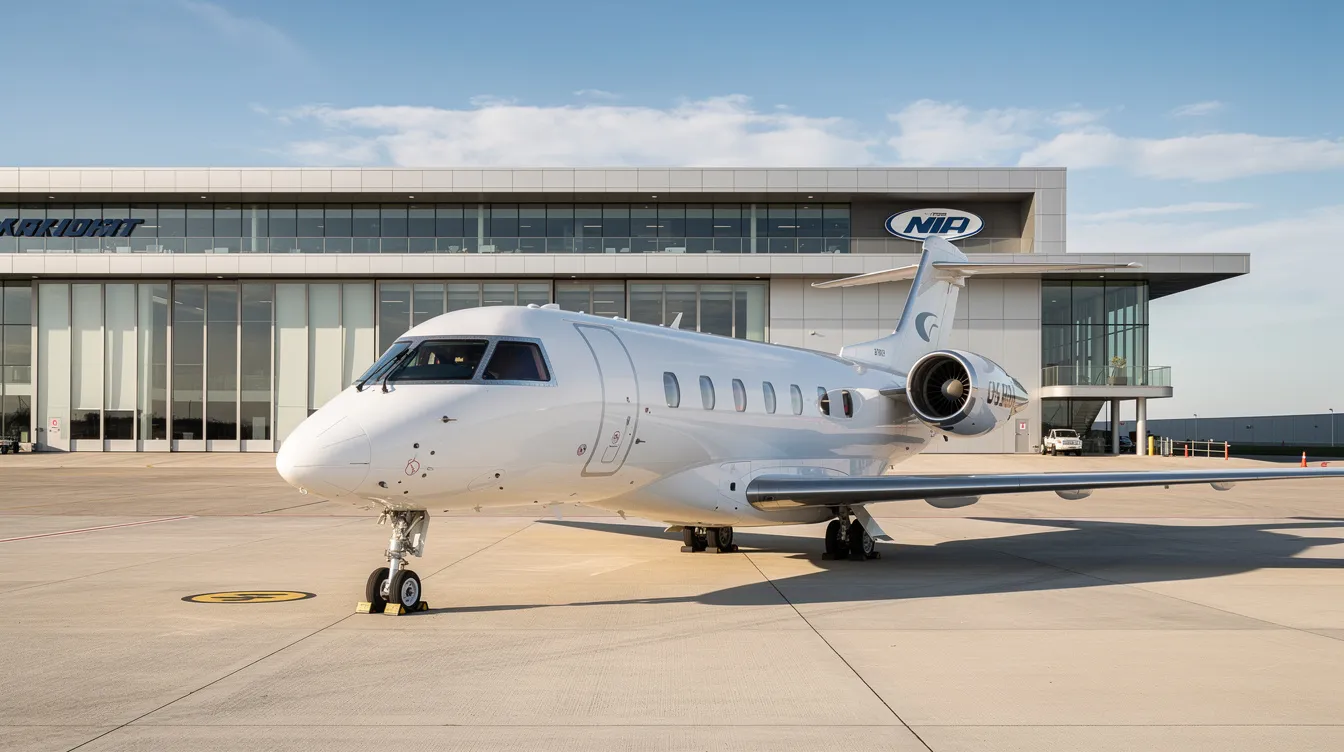
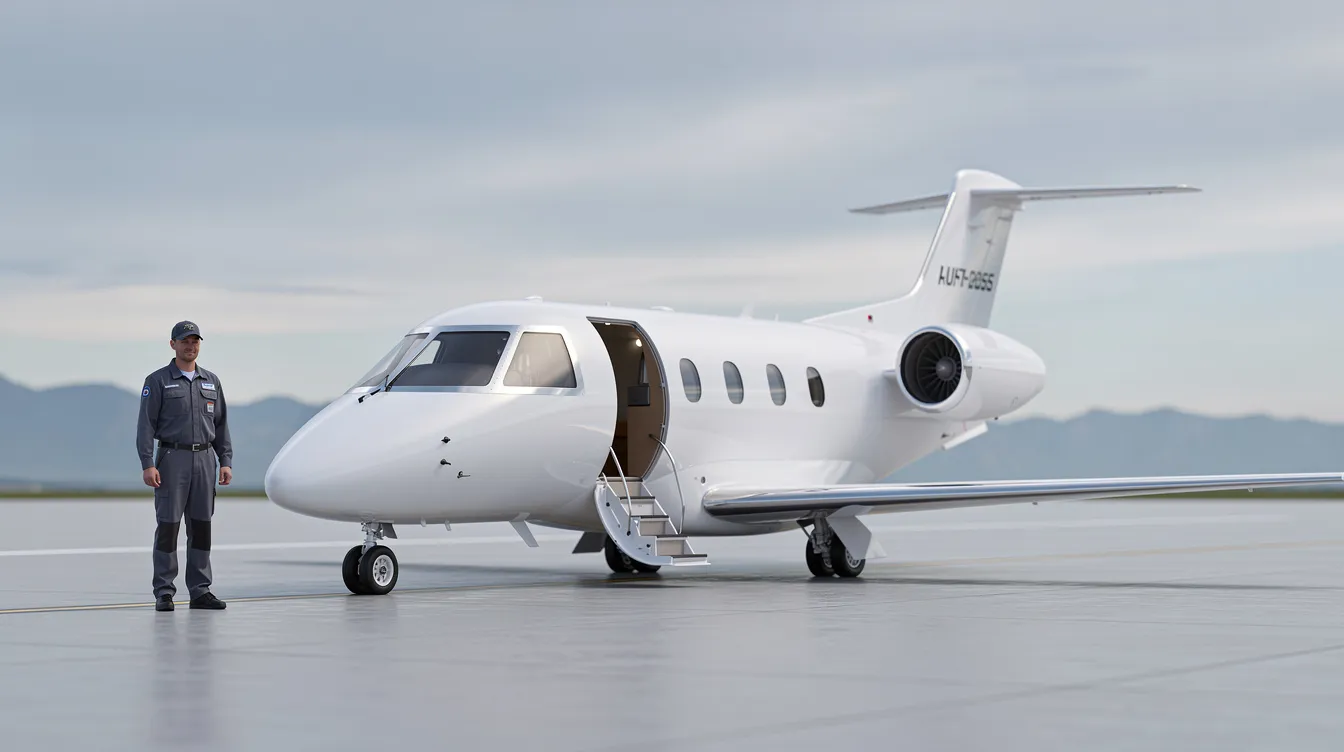
  • Light jets (e.g., Citation M2 Gen2, Embraer Phenom 300E) offer speed and altitude advantages for longer missions.

The modern aircraft market features significant advancements in:

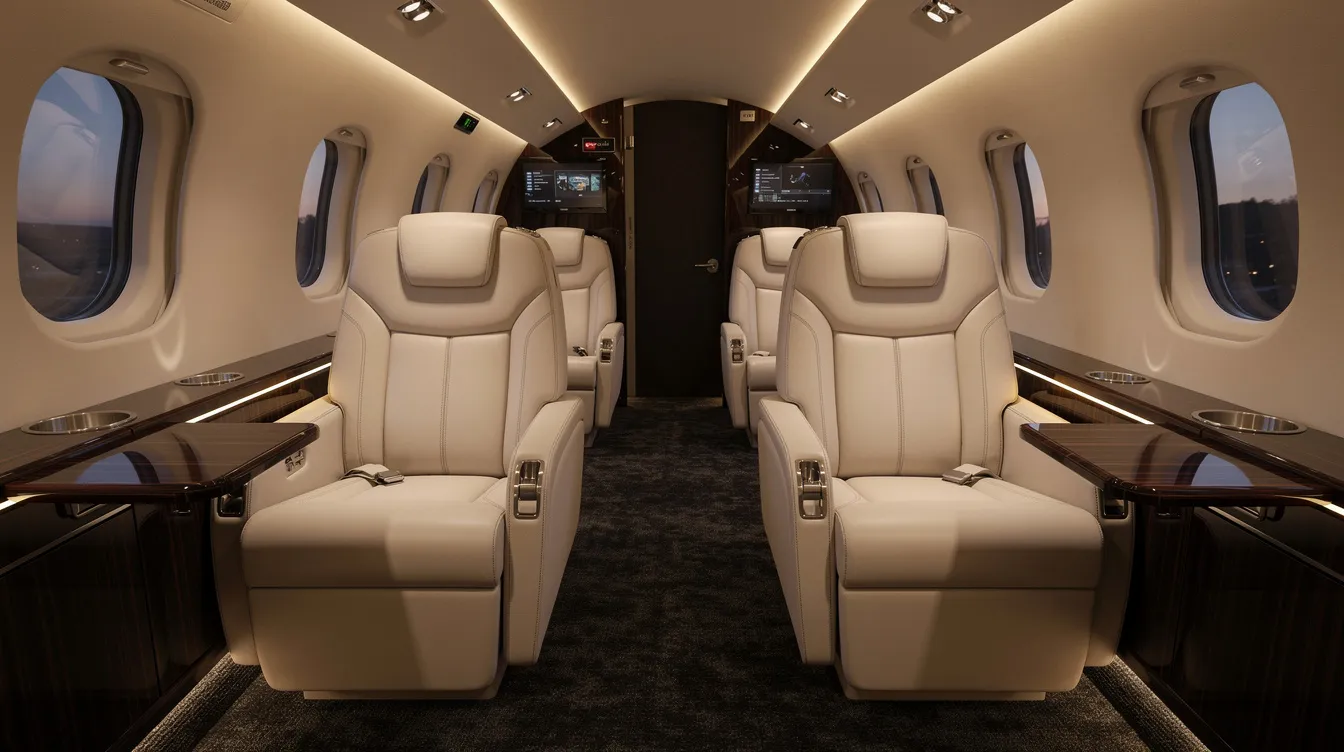
  • Cabin comfort

  • Next-generation avionics across all categories

Popular platforms for new and pre-owned aircraft listings include:

Use search filters on these platforms to narrow your selection and help you find the right aircraft or listings faster. Recognize the difference between:

  • Factory-new

  • Delivery-position sales

  • Like-new 0–5-year-old airframes that effectively represent new planes on the pre-owned market

Private jet sales increased by 20% in 2022, and demand has remained elevated since, with tightening safety, connectivity, and sustainability expectations shaping buyer preferences.

BusinessJets.com continuously tracks transaction data and absorption rates to advise clients on realistic pricing across all aircraft for sale listings.

Define Your Mission: Matching the Right New Plane to Your Needs

Before reacting to any new plane for sale listing, define your typical flights:

  • Stage length

  • Average passenger load

  • Runway requirements

  • Frequency of use

Look closely at aircraft performance metrics such as:

  • Useful load

  • Cruise speed

  • Aircraft reputation for reliability and safety

Budget considerations include:

  • Insurance costs

  • Maintenance costs

  • Acquisition price

Personal and Training Use

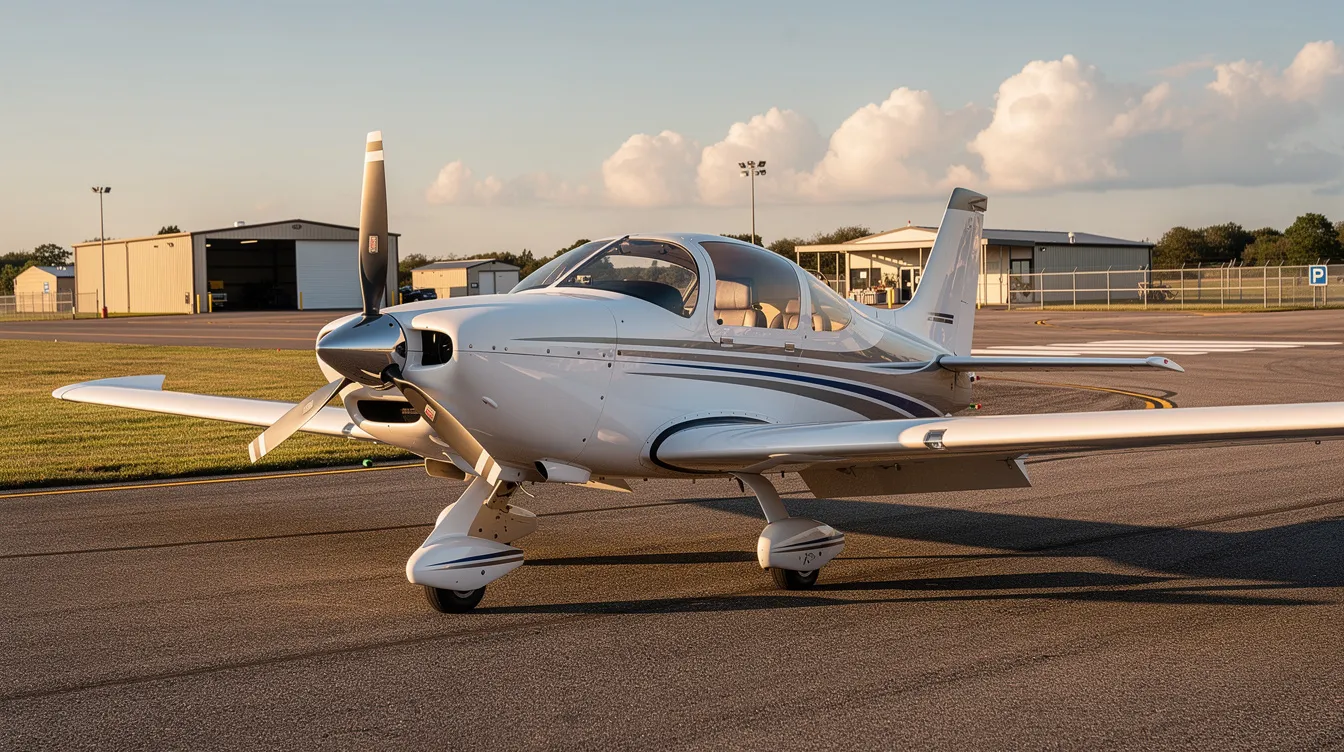
A piston aircraft, whether a Cessna 182 or a family-friendly Cirrus SR22T, is appropriate for personal and training use with 2–4 passengers over shorter ranges.

Corporate and Fleet Needs

When missions routinely exceed 500–700 NM or require corporate image, cabin privacy, and schedule resilience, light jets or midsize private jets become more suitable.

Turboprop Advantages

Turboprops offer balanced cost and strong short-field performance, designed for operators who fly into challenging airstrips from Canada to Trinidad and Tobago.

Corporate buyers and fleet managers should align aircraft selection with internal travel policy and anticipated fleet strategy over a 5–10-year horizon, not just today's needs.

Evaluating "New Plane for Sale" Listings: What Really Matters

Not all new or nearly-new listings are equal. Verify:

  • Build year

  • Entry-into-service date

  • Total time on airframe and engines

  • Previous ownership history even for 0–3-year-old aircraft

Usage History and Wear Patterns

  • Demo use

  • Private Part 91 operations

  • Part 135 charter use

These significantly affect wear patterns and future resale value.

Avionics and Equipment

Assess modern avionics and equipment capabilities:

  • Confirm whether a G3000, G1000 NXi, or Garmin Perspective+ is installed

  • Modern glass cockpits enhance situational awareness and safety

  • Aircraft equipped with HUD or EVS options hold value better

Buying new aircraft offers benefits like the latest technology and a known maintenance history, but always conduct thorough pre-purchase inspections to ensure aircraft condition.

Maintenance and Support

Consider:

  • Availability of qualified mechanics

  • Whether parts availability supports maintenance and repair ease for the specific model

Late-model aircraft enrolled in maintenance programs such as ESP, RRCC, or TAP Blue command a resale premium.

Connectivity and Program Enrollment

  • Connectivity systems- Starlink, Ka-band, AT) are costly to retrofit post-delivery, so verify what is installed versus what appears in the brochure

  • BusinessJets.com brokers systematically verify logbooks, modification history, and program enrollment before advising clients

Financials: Acquisition Cost, Operating Costs, and Accurate Valuation

Purchase price is only one part of the equation. Evaluate total cost of ownership, including flying and maintenance expenses.

Acquisition and Lead Times

  • Factory-new aircraft face lead times into 2027–2028, driving premiums on near-delivery slots

  • Late-model aircraft for sale may price close to new depending on spec and condition

Operating Costs

  • Piston aircraft may cost $15,000–$25,000 annually for approximately 100 flight hours

  • Light jets range from $300,000–$600,000 per year

  • Insurance premiums can vary greatly based on aircraft type and pilot experience

  • Insurance requirements differ based on intended use

Ownership Structures and Depreciation

  • Ownership structures can affect operational responsibilities and tax implications—seek professional guidance early

  • Private jets depreciate about 10–15% annually, and aircraft age significantly affects market value

  • Aircraft models with higher demand typically have better valuations, and market trends can impact valuation

  • Aircraft equipped with advanced technology often have higher values

  • Listing prices should be competitive based on current market conditions

Importance of Appraisals

Appraisals are essential for buying or selling private jets:

  • Private jet appraisals determine market value

  • Professional appraisers assess aircraft condition and market trends

  • Accurate appraisals help secure financing

  • Appraisals can influence insurance premiums

Request a formal appraisal from BusinessJets.com before committing.

Working with an Aircraft Broker and Aviation Consultant

Buying or selling a new aircraft is a complex, regulated transaction. Aviation consulting supports strategic guidance for aircraft transactions, and consulting services help optimize aircraft asset management. Aviation consulting includes valuation services for aircraft alongside acquisition and sale support.

A broker helps buyers select the right type, from piston to turboprop to light jet, conducts market searches, sources off-market aircraft, and manages comparative analysis. For sellers, effective marketing can reduce selling time significantly; the average time to sell a private jet is 6–12 months, and professional representation shortens that window.

BusinessJets.com adds value at every transaction touchpoint:

  • LOI negotiation

  • Pre-purchase inspection oversight

  • Escrow coordination

  • Closing documentation

With comprehensive aviation services, the firm also supports:

  • Fleet strategy

  • Lease-versus-own analysis

  • Replacement planning

When to Buy, When to Wait: Timing a New Aircraft Acquisition

Timing materially changes both selection and pricing. Year-end transaction surges for tax planning and mid-year OEM slot releases create seasonal patterns that influence negotiation leverage.

  • Cessna offers pre-owned aircraft for direct ownership

  • Lone Mountain Aircraft specializes in pre-owned aircraft sales

  • Global Air connects buyers with various aircraft for sale, expanding options when factory slots are unavailable

When OEM backlogs stretch into 2027–2028, acquiring a low-time demonstrator or just-out-of-warranty aircraft may offer better value than waiting. Interest rate shifts and upcoming regulatory mandates- new avionics and connectivity standards- may argue for buying sooner. Engage BusinessJets.com for a tailored timing and acquisition strategy, especially if you fly multi-aircraft fleets or plan phased replacements, whether you are based in Lincoln, Nebraska, or anywhere across North America.

How BusinessJets.com Supports Buyers and Sellers of New Aircraft

BusinessJets.com is pleased to offer specialist private jet brokerage, appraisals, and aviation consulting for a B2B and high-net-worth audience. Core services include:

  • Aircraft acquisition support

  • Aircraft for sale listing and brokerage

  • Independent appraisal and valuation

  • Ongoing operator advisory

The firm's global reach covers cross-border transactions, including title rights verification, export and import issues across regions such as Canada, and regulatory considerations for new or nearly-new aircraft. Contact BusinessJets.com to request an appraisal, list a new aircraft for sale, or begin a structured acquisition engagement.

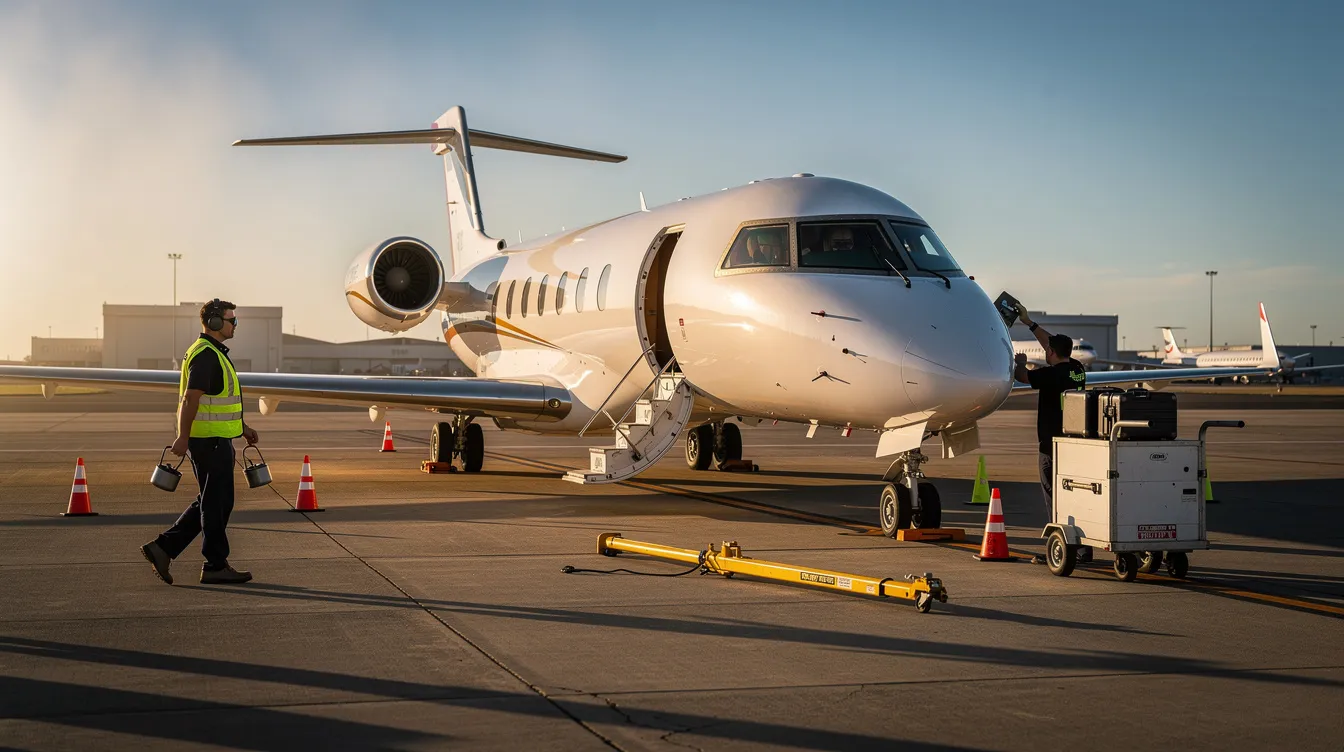
A business professional is shaking hands next to a sleek private jet on an airport ramp, symbolizing a successful deal in the world of pre-owned aircraft for sale. The scene conveys a sense of professionalism and opportunity in the aviation industry.

Aircraft Categories Comparison Table

Aircraft Type

Typical Use Case

Passenger Capacity

Range (NM)

Approximate Operating Cost (Annual)

Key Advantages

Single-Engine Piston

Personal, Training

2-4

300-600

$15,000-$25,000

Low acquisition and operating costs

Turboprops

Regional, Short-field Access

6-12

700-1,200

$200,000-$350,000

Strong short-field performance, cost-effective

Light Jets

Corporate, Regional Travel

6-9

1,200-1,800

$300,000-$600,000

Speed, altitude, cabin comfort

Midsize Private Jets

Corporate, Longer Missions

8-12

2,000-3,000

$600,000-$900,000

Range, cabin privacy, schedule resilience

Frequently Asked Questions About Buying a New Plane in 2026

Is a factory-new aircraft always better than a nearly-new (0–3-year-old) aircraft?

Not necessarily. While factory-new offers full warranty and maximum customization, nearly-new aircraft can deliver substantial savings and shorter delivery timelines. Use a professional appraisal from BusinessJets.com to quantify the trade-offs, comparing total acquisition and completion costs including any desired upgrades.

How do I decide between a high-performance piston aircraft and a light jet?

High-performance single-engine pistons like the Cirrus SR22T are ideal for personal and short regional trips with lower hourly costs. Light jets become more appropriate when missions routinely exceed 500–700 NM, require higher cruise speeds and altitudes, or when corporate image and schedule resilience are priorities.

What kind of pre-purchase inspection does a new or nearly-new aircraft need?

Even factory-new or very low-time aircraft warrant a structured inspection focused on:

  1. Build quality

  2. System function tests

  3. Software versions

  4. Confirmation that all agreed options are installed

BusinessJets.com can coordinate independent technical representatives to oversee the process.

Can BusinessJets.com help me sell my current aircraft while buying a new one?

Yes. BusinessJets.com regularly structures transition plans coordinating the sale of an existing aircraft with acquisition of a replacement, minimizing downtime and dual-ownership costs through aligned closing timelines.

Do corporate buyers and flight departments get different advisory support?

Corporate buyers and fleet managers often require broader consulting on fleet strategy, standardized cockpit considerations, multi-crew training implications, and long-term cost modeling. BusinessJets.com offers tailored advisory mandates integrating aircraft selection, financial modeling, and governance into a single decision framework. This approach ensures clients balance aviation dreams with practical logistics, especially in a market characterized by tight inventories and strong demand for efficient aircraft.

The firm leverages extensive market knowledge, including insights from platforms like Controller.com, which lists thousands of new and pre-owned aircraft, and specialist sellers such as Lone Mountain Aircraft and GlobalAir.com. The Cessna Caravan family, recognized as the most delivered utility turboprop, exemplifies the types of aircraft BusinessJets.com evaluates for clients seeking reliable, high-demand models.

In a market where private jet sales increased by 20% in 2022 and the average time to sell a private jet ranges from 6 to 12 months, competitive listing prices and effective marketing are vital to reduce selling time. BusinessJets.com advises clients on pricing strategies aligned with market trends and emphasizes the importance of aircraft condition, maintenance history, and enrollment in maintenance programs, which can command resale premiums.

Insurance considerations vary widely based on aircraft type, intended use, and pilot experience, affecting premiums and ownership costs. BusinessJets.com helps clients navigate these complexities, incorporating insurance and maintenance costs into total cost of ownership evaluations.

Professional private jet appraisals conducted by BusinessJets.com determine accurate market values, essential for buying, selling, securing financing, and influencing insurance premiums. The firm's aviation consulting services provide strategic guidance throughout transactions and optimize aircraft asset management, supported by a track record of over 1,500 aircraft transactions.

Conclusion

Choosing the right new plane for sale in 2026 requires a careful balance of mission requirements, budget, and market realities. Whether considering piston aircraft, turboprops, or light jets, thorough evaluation of aircraft condition, maintenance history, and technology features is essential to secure the best value and operational reliability. BusinessJets.com offers expert brokerage, appraisal, and consulting services to guide buyers and sellers through every step of the transaction, leveraging deep market insights and a proven track record.

Engaging professional support ensures informed decisions, optimized acquisition timing, and strategic fleet management tailored to your unique aviation needs. Contact BusinessJets.com to begin your next aircraft acquisition or sale with confidence and clarity.

New Plane for Sale: How to Choose the Right Aircraft in 2026
Jay Franco Ser

Purchasing a new airplane means balancing aviation dreams with practical logistics. This guide helps you evaluate any new plane for sale in 2026, whether you are considering single-engine piston aircraft, turboprops, light jets, or larger private jets.

Key Takeaways

  • Defining mission and budget is crucial when purchasing an aircraft from a Socata Trinidad or Cirrus SR22T to a Cessna Citation M2 Gen2 or beyond.

  • BusinessJets.com acts as a discreet, expert brokerage and consulting partner, with over 1,500 completed aircraft transactions and 5,000+ satisfied clients worldwide.

  • Readers will learn how to compare piston aircraft, turboprops, light jets, and midsize private jets based on range, operating costs, and mission profile.

  • Accurate aircraft valuation, maintenance history review, and market timing are critical to avoiding overpaying in today's aircraft-for-sale market.

  • Your next practical step: request an appraisal or acquisition consultation from BusinessJets.com.

Today's Market for New and Nearly-New Private Jets and Aircraft for Sale (2026 Overview)

The business aviation market features tight inventories and strong demand for efficient aircraft. In H1 2026, global business jet deliveries reached approximately 466 units, up 6.6% year-over-year, while OEM backlogs exceeded $58 billion. Pre-owned aircraft inventory dropped to roughly 6.6% of the fleet, well below historical norms.

Key categories of aircraft for sale in 2026 span every segment:

  • Single-engine pistons (e.g., Cessna 172S, Cirrus SR22T G7) remain popular for personal use.

  • The Cessna Caravan family is the most delivered utility turboprop.

  • Turbine-powered models (e.g., Daher TBM 960, Pilatus PC-12 NGX) serve owner-pilots and regional operators.

  • Light jets (e.g., Citation M2 Gen2, Embraer Phenom 300E) offer speed and altitude advantages for longer missions.

The modern aircraft market features significant advancements in:

  • Cabin comfort

  • Next-generation avionics across all categories

Popular platforms for new and pre-owned aircraft listings include:

Use search filters on these platforms to narrow your selection and help you find the right aircraft or listings faster. Recognize the difference between:

  • Factory-new

  • Delivery-position sales

  • Like-new 0–5-year-old airframes that effectively represent new planes on the pre-owned market

Private jet sales increased by 20% in 2022, and demand has remained elevated since, with tightening safety, connectivity, and sustainability expectations shaping buyer preferences.

BusinessJets.com continuously tracks transaction data and absorption rates to advise clients on realistic pricing across all aircraft for sale listings.

Define Your Mission: Matching the Right New Plane to Your Needs

Before reacting to any new plane for sale listing, define your typical flights:

  • Stage length

  • Average passenger load

  • Runway requirements

  • Frequency of use

Look closely at aircraft performance metrics such as:

  • Useful load

  • Cruise speed

  • Aircraft reputation for reliability and safety

Budget considerations include:

  • Insurance costs

  • Maintenance costs

  • Acquisition price

Personal and Training Use

A piston aircraft, whether a Cessna 182 or a family-friendly Cirrus SR22T, is appropriate for personal and training use with 2–4 passengers over shorter ranges.

Corporate and Fleet Needs

When missions routinely exceed 500–700 NM or require corporate image, cabin privacy, and schedule resilience, light jets or midsize private jets become more suitable.

Turboprop Advantages

Turboprops offer balanced cost and strong short-field performance, designed for operators who fly into challenging airstrips from Canada to Trinidad and Tobago.

Corporate buyers and fleet managers should align aircraft selection with internal travel policy and anticipated fleet strategy over a 5–10-year horizon, not just today's needs.

Evaluating "New Plane for Sale" Listings: What Really Matters

Not all new or nearly-new listings are equal. Verify:

  • Build year

  • Entry-into-service date

  • Total time on airframe and engines

  • Previous ownership history even for 0–3-year-old aircraft

Usage History and Wear Patterns

  • Demo use

  • Private Part 91 operations

  • Part 135 charter use

These significantly affect wear patterns and future resale value.

Avionics and Equipment

Assess modern avionics and equipment capabilities:

  • Confirm whether a G3000, G1000 NXi, or Garmin Perspective+ is installed

  • Modern glass cockpits enhance situational awareness and safety

  • Aircraft equipped with HUD or EVS options hold value better

Buying new aircraft offers benefits like the latest technology and a known maintenance history, but always conduct thorough pre-purchase inspections to ensure aircraft condition.

Maintenance and Support

Consider:

  • Availability of qualified mechanics

  • Whether parts availability supports maintenance and repair ease for the specific model

Late-model aircraft enrolled in maintenance programs such as ESP, RRCC, or TAP Blue command a resale premium.

Connectivity and Program Enrollment

  • Connectivity systems- Starlink, Ka-band, AT) are costly to retrofit post-delivery, so verify what is installed versus what appears in the brochure

  • BusinessJets.com brokers systematically verify logbooks, modification history, and program enrollment before advising clients

Financials: Acquisition Cost, Operating Costs, and Accurate Valuation

Purchase price is only one part of the equation. Evaluate total cost of ownership, including flying and maintenance expenses.

Acquisition and Lead Times

  • Factory-new aircraft face lead times into 2027–2028, driving premiums on near-delivery slots

  • Late-model aircraft for sale may price close to new depending on spec and condition

Operating Costs

  • Piston aircraft may cost $15,000–$25,000 annually for approximately 100 flight hours

  • Light jets range from $300,000–$600,000 per year

  • Insurance premiums can vary greatly based on aircraft type and pilot experience

  • Insurance requirements differ based on intended use

Ownership Structures and Depreciation

  • Ownership structures can affect operational responsibilities and tax implications—seek professional guidance early

  • Private jets depreciate about 10–15% annually, and aircraft age significantly affects market value

  • Aircraft models with higher demand typically have better valuations, and market trends can impact valuation

  • Aircraft equipped with advanced technology often have higher values

  • Listing prices should be competitive based on current market conditions

Importance of Appraisals

Appraisals are essential for buying or selling private jets:

  • Private jet appraisals determine market value

  • Professional appraisers assess aircraft condition and market trends

  • Accurate appraisals help secure financing

  • Appraisals can influence insurance premiums

Request a formal appraisal from BusinessJets.com before committing.

Working with an Aircraft Broker and Aviation Consultant

Buying or selling a new aircraft is a complex, regulated transaction. Aviation consulting supports strategic guidance for aircraft transactions, and consulting services help optimize aircraft asset management. Aviation consulting includes valuation services for aircraft alongside acquisition and sale support.

A broker helps buyers select the right type, from piston to turboprop to light jet, conducts market searches, sources off-market aircraft, and manages comparative analysis. For sellers, effective marketing can reduce selling time significantly; the average time to sell a private jet is 6–12 months, and professional representation shortens that window.

BusinessJets.com adds value at every transaction touchpoint:

  • LOI negotiation

  • Pre-purchase inspection oversight

  • Escrow coordination

  • Closing documentation

With comprehensive aviation services, the firm also supports:

  • Fleet strategy

  • Lease-versus-own analysis

  • Replacement planning

When to Buy, When to Wait: Timing a New Aircraft Acquisition

Timing materially changes both selection and pricing. Year-end transaction surges for tax planning and mid-year OEM slot releases create seasonal patterns that influence negotiation leverage.

  • Cessna offers pre-owned aircraft for direct ownership

  • Lone Mountain Aircraft specializes in pre-owned aircraft sales

  • Global Air connects buyers with various aircraft for sale, expanding options when factory slots are unavailable

When OEM backlogs stretch into 2027–2028, acquiring a low-time demonstrator or just-out-of-warranty aircraft may offer better value than waiting. Interest rate shifts and upcoming regulatory mandates- new avionics and connectivity standards- may argue for buying sooner. Engage BusinessJets.com for a tailored timing and acquisition strategy, especially if you fly multi-aircraft fleets or plan phased replacements, whether you are based in Lincoln, Nebraska, or anywhere across North America.

How BusinessJets.com Supports Buyers and Sellers of New Aircraft

BusinessJets.com is pleased to offer specialist private jet brokerage, appraisals, and aviation consulting for a B2B and high-net-worth audience. Core services include:

  • Aircraft acquisition support

  • Aircraft for sale listing and brokerage

  • Independent appraisal and valuation

  • Ongoing operator advisory

The firm's global reach covers cross-border transactions, including title rights verification, export and import issues across regions such as Canada, and regulatory considerations for new or nearly-new aircraft. Contact BusinessJets.com to request an appraisal, list a new aircraft for sale, or begin a structured acquisition engagement.

A business professional is shaking hands next to a sleek private jet on an airport ramp, symbolizing a successful deal in the world of pre-owned aircraft for sale. The scene conveys a sense of professionalism and opportunity in the aviation industry.

Aircraft Categories Comparison Table

Aircraft Type

Typical Use Case

Passenger Capacity

Range (NM)

Approximate Operating Cost (Annual)

Key Advantages

Single-Engine Piston

Personal, Training

2-4

300-600

$15,000-$25,000

Low acquisition and operating costs

Turboprops

Regional, Short-field Access

6-12

700-1,200

$200,000-$350,000

Strong short-field performance, cost-effective

Light Jets

Corporate, Regional Travel

6-9

1,200-1,800

$300,000-$600,000

Speed, altitude, cabin comfort

Midsize Private Jets

Corporate, Longer Missions

8-12

2,000-3,000

$600,000-$900,000

Range, cabin privacy, schedule resilience

Frequently Asked Questions About Buying a New Plane in 2026

Is a factory-new aircraft always better than a nearly-new (0–3-year-old) aircraft?

Not necessarily. While factory-new offers full warranty and maximum customization, nearly-new aircraft can deliver substantial savings and shorter delivery timelines. Use a professional appraisal from BusinessJets.com to quantify the trade-offs, comparing total acquisition and completion costs including any desired upgrades.

How do I decide between a high-performance piston aircraft and a light jet?

High-performance single-engine pistons like the Cirrus SR22T are ideal for personal and short regional trips with lower hourly costs. Light jets become more appropriate when missions routinely exceed 500–700 NM, require higher cruise speeds and altitudes, or when corporate image and schedule resilience are priorities.

What kind of pre-purchase inspection does a new or nearly-new aircraft need?

Even factory-new or very low-time aircraft warrant a structured inspection focused on:

  1. Build quality

  2. System function tests

  3. Software versions

  4. Confirmation that all agreed options are installed

BusinessJets.com can coordinate independent technical representatives to oversee the process.

Can BusinessJets.com help me sell my current aircraft while buying a new one?

Yes. BusinessJets.com regularly structures transition plans coordinating the sale of an existing aircraft with acquisition of a replacement, minimizing downtime and dual-ownership costs through aligned closing timelines.

Do corporate buyers and flight departments get different advisory support?

Corporate buyers and fleet managers often require broader consulting on fleet strategy, standardized cockpit considerations, multi-crew training implications, and long-term cost modeling. BusinessJets.com offers tailored advisory mandates integrating aircraft selection, financial modeling, and governance into a single decision framework. This approach ensures clients balance aviation dreams with practical logistics, especially in a market characterized by tight inventories and strong demand for efficient aircraft.

The firm leverages extensive market knowledge, including insights from platforms like Controller.com, which lists thousands of new and pre-owned aircraft, and specialist sellers such as Lone Mountain Aircraft and GlobalAir.com. The Cessna Caravan family, recognized as the most delivered utility turboprop, exemplifies the types of aircraft BusinessJets.com evaluates for clients seeking reliable, high-demand models.

In a market where private jet sales increased by 20% in 2022 and the average time to sell a private jet ranges from 6 to 12 months, competitive listing prices and effective marketing are vital to reduce selling time. BusinessJets.com advises clients on pricing strategies aligned with market trends and emphasizes the importance of aircraft condition, maintenance history, and enrollment in maintenance programs, which can command resale premiums.

Insurance considerations vary widely based on aircraft type, intended use, and pilot experience, affecting premiums and ownership costs. BusinessJets.com helps clients navigate these complexities, incorporating insurance and maintenance costs into total cost of ownership evaluations.

Professional private jet appraisals conducted by BusinessJets.com determine accurate market values, essential for buying, selling, securing financing, and influencing insurance premiums. The firm's aviation consulting services provide strategic guidance throughout transactions and optimize aircraft asset management, supported by a track record of over 1,500 aircraft transactions.

Conclusion

Choosing the right new plane for sale in 2026 requires a careful balance of mission requirements, budget, and market realities. Whether considering piston aircraft, turboprops, or light jets, thorough evaluation of aircraft condition, maintenance history, and technology features is essential to secure the best value and operational reliability. BusinessJets.com offers expert brokerage, appraisal, and consulting services to guide buyers and sellers through every step of the transaction, leveraging deep market insights and a proven track record.

Engaging professional support ensures informed decisions, optimized acquisition timing, and strategic fleet management tailored to your unique aviation needs. Contact BusinessJets.com to begin your next aircraft acquisition or sale with confidence and clarity.

Related Posts