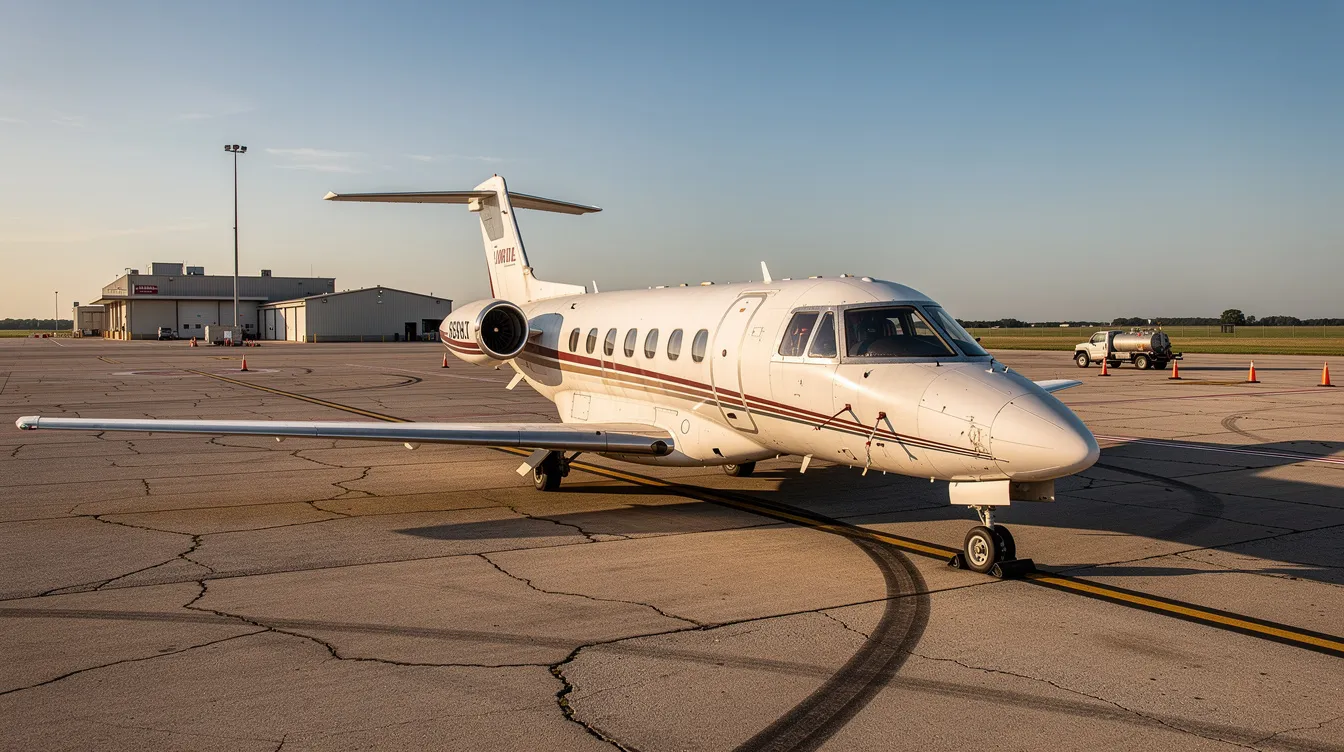
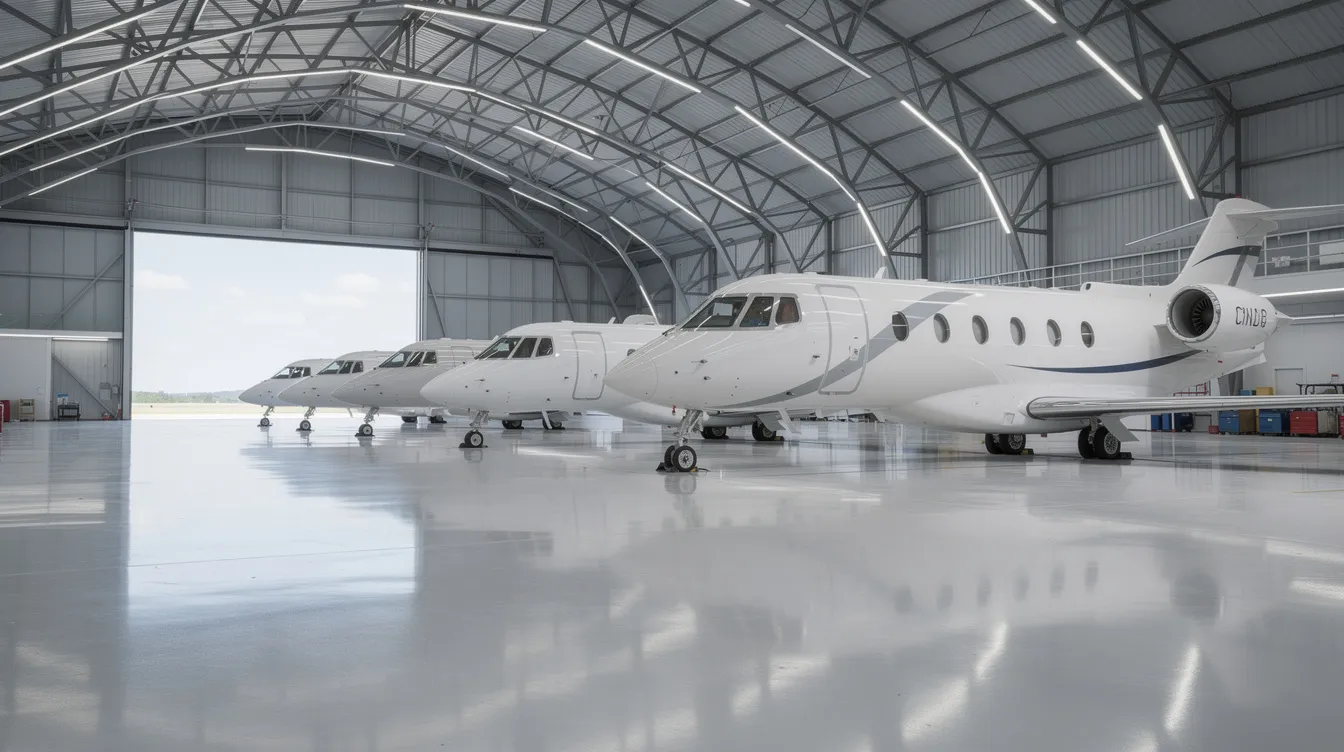
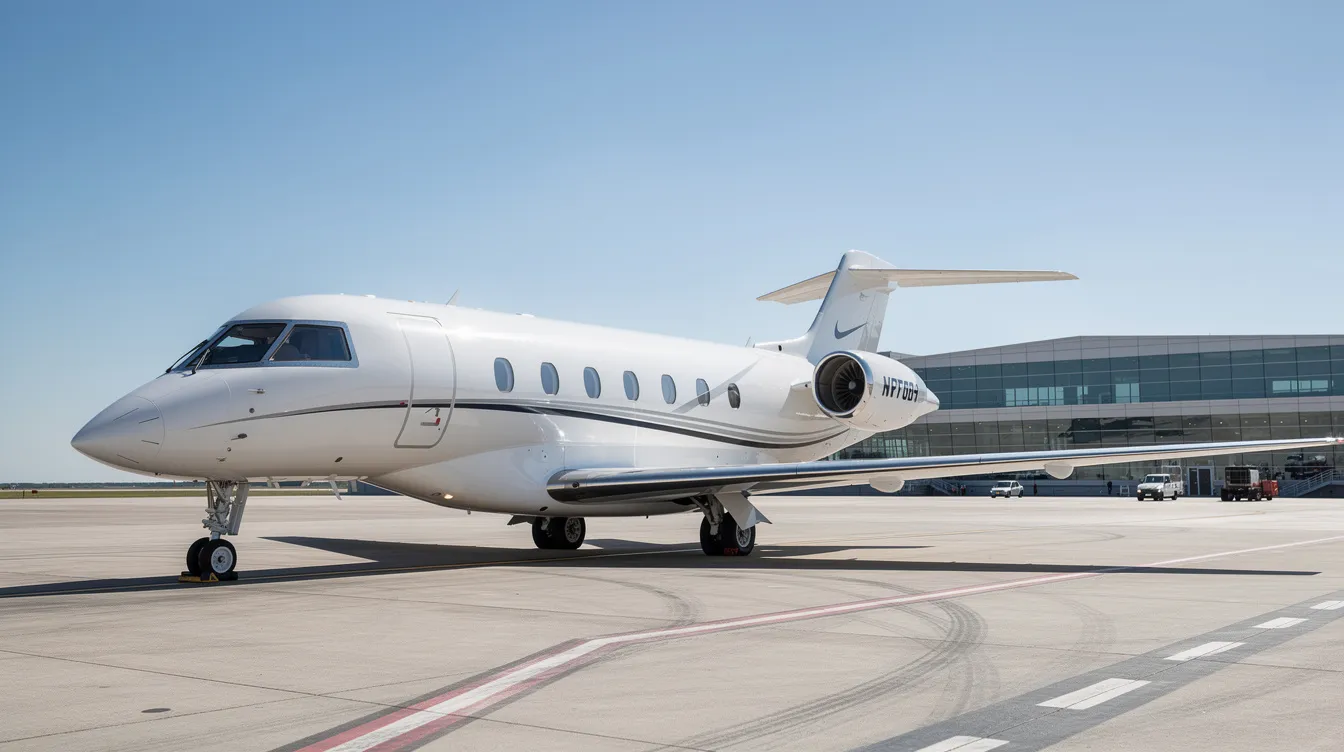
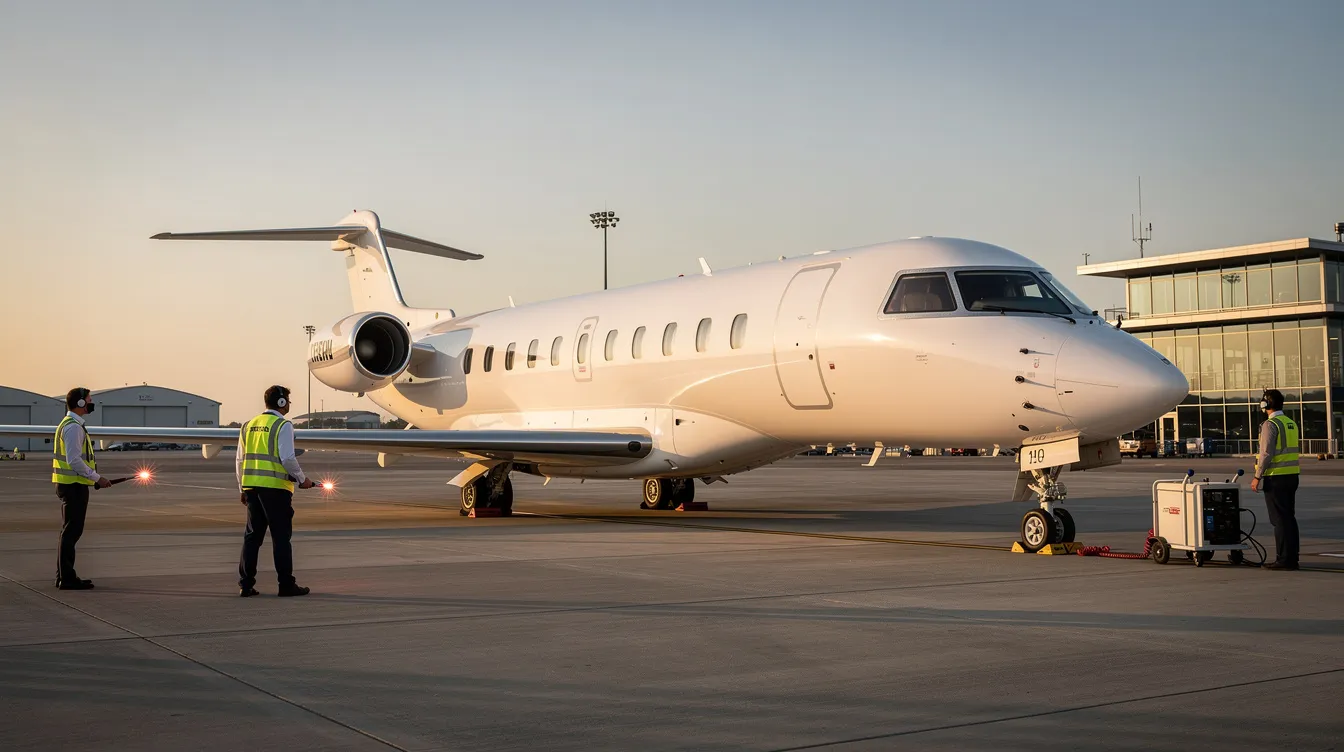
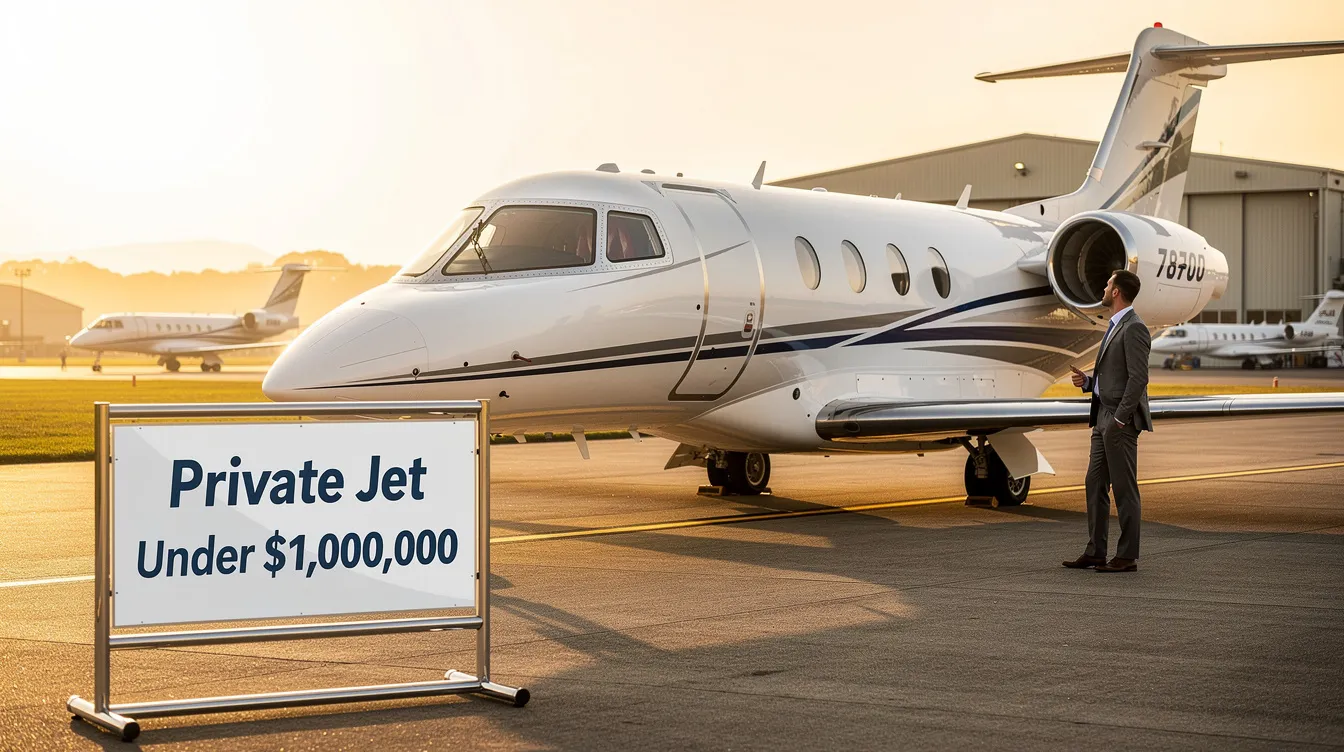
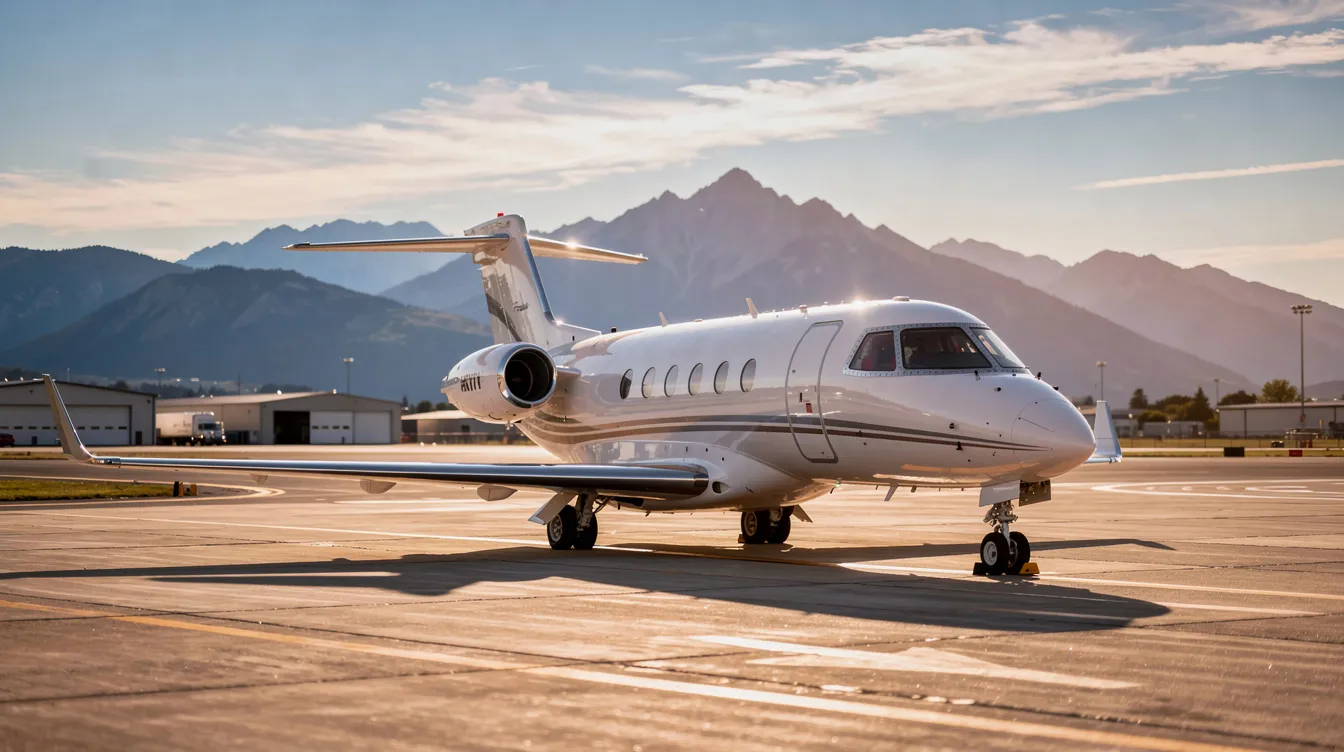
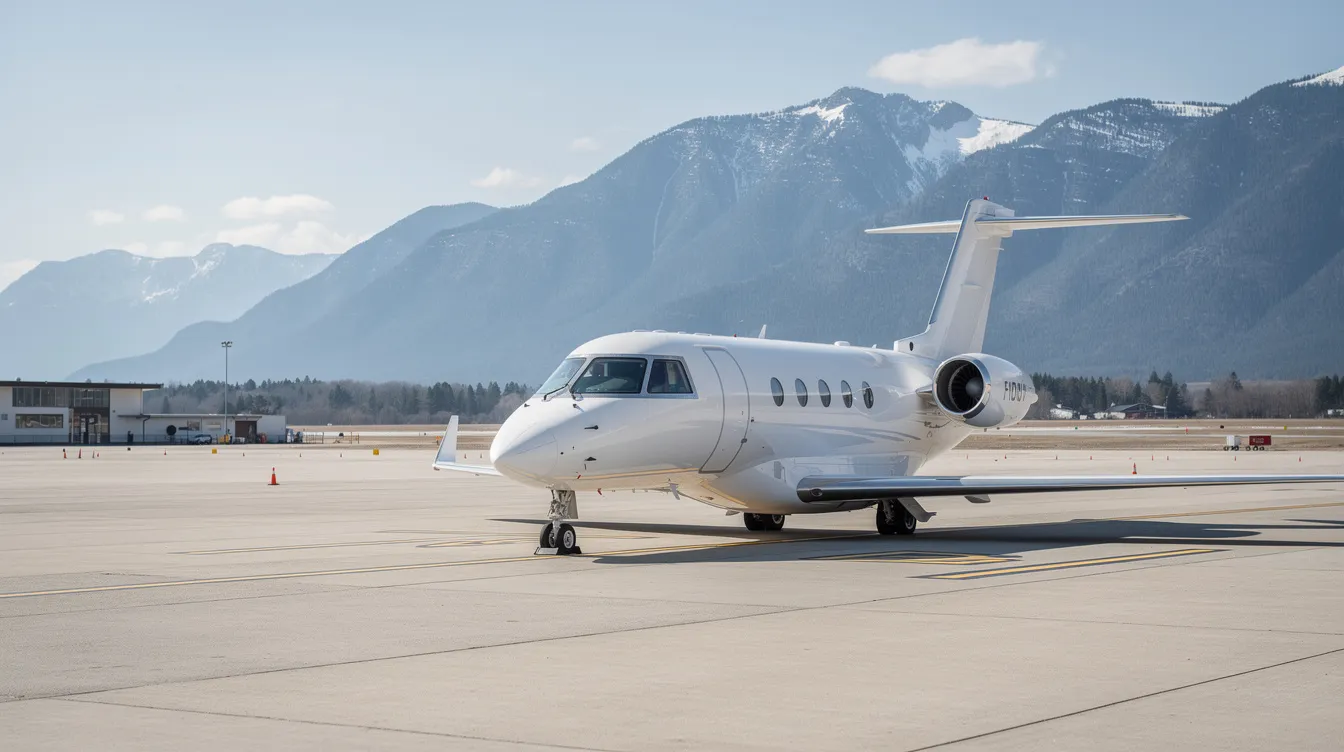
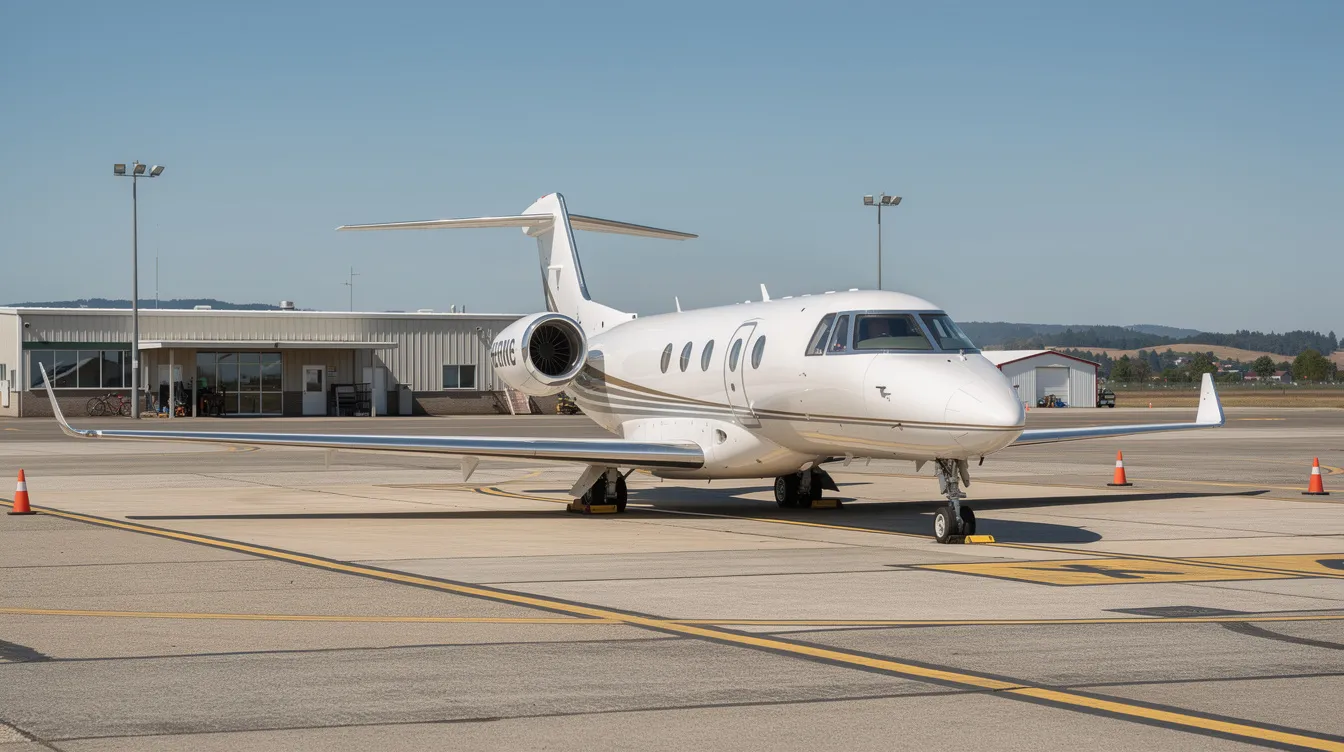
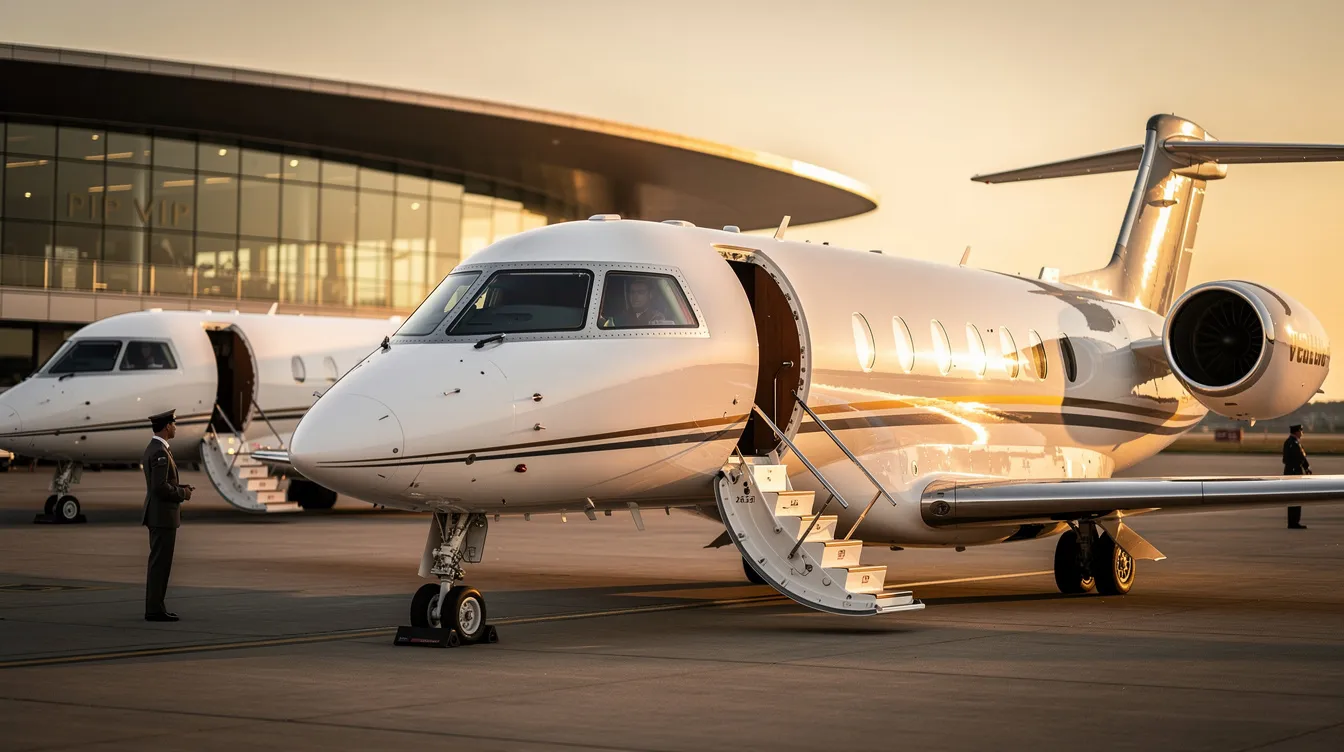
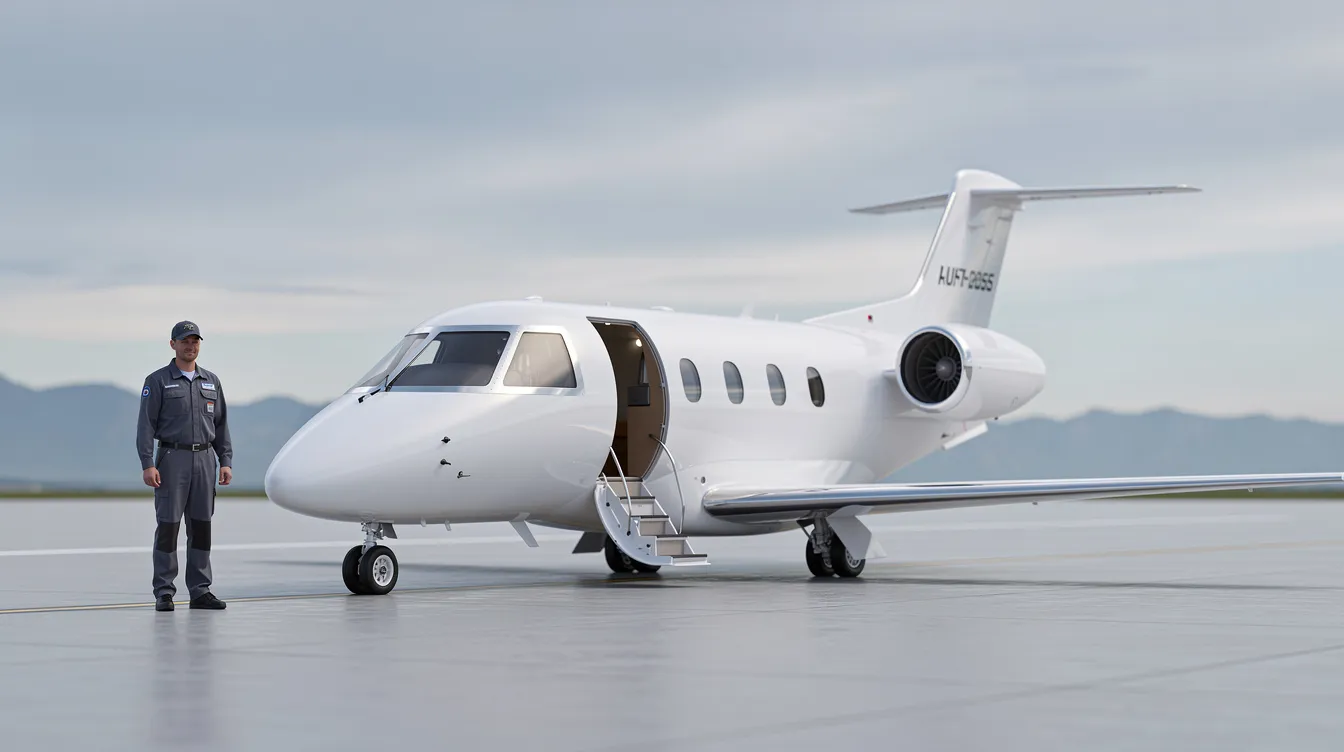
Small Jet for Sale: How to Choose, Value, and Acquire the Right Very Light Jet
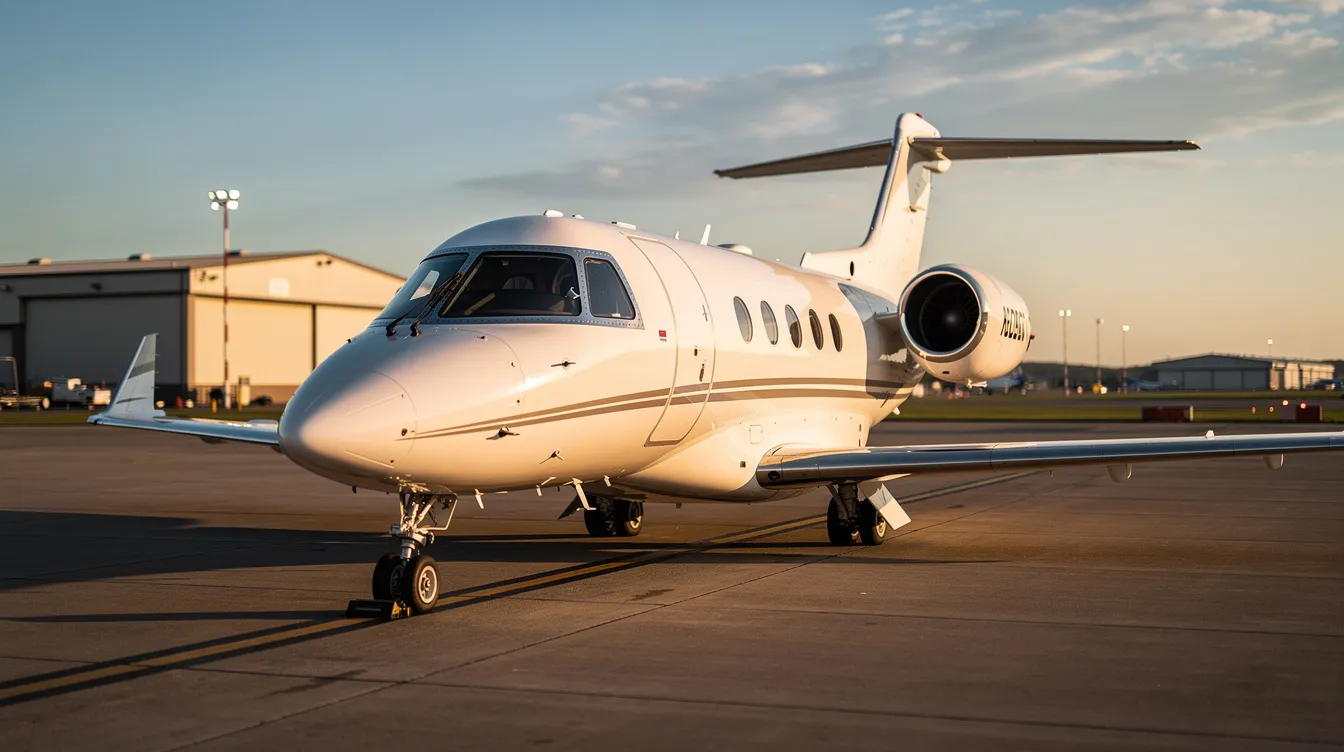
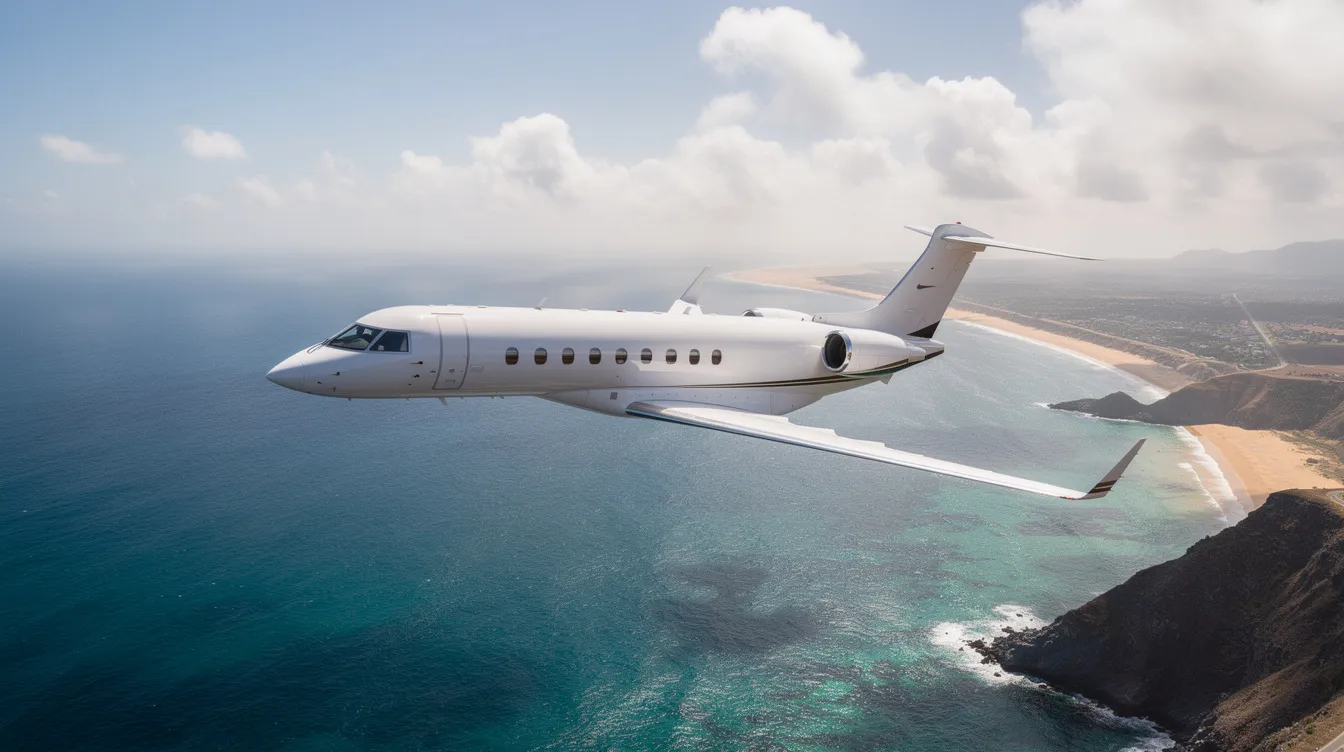
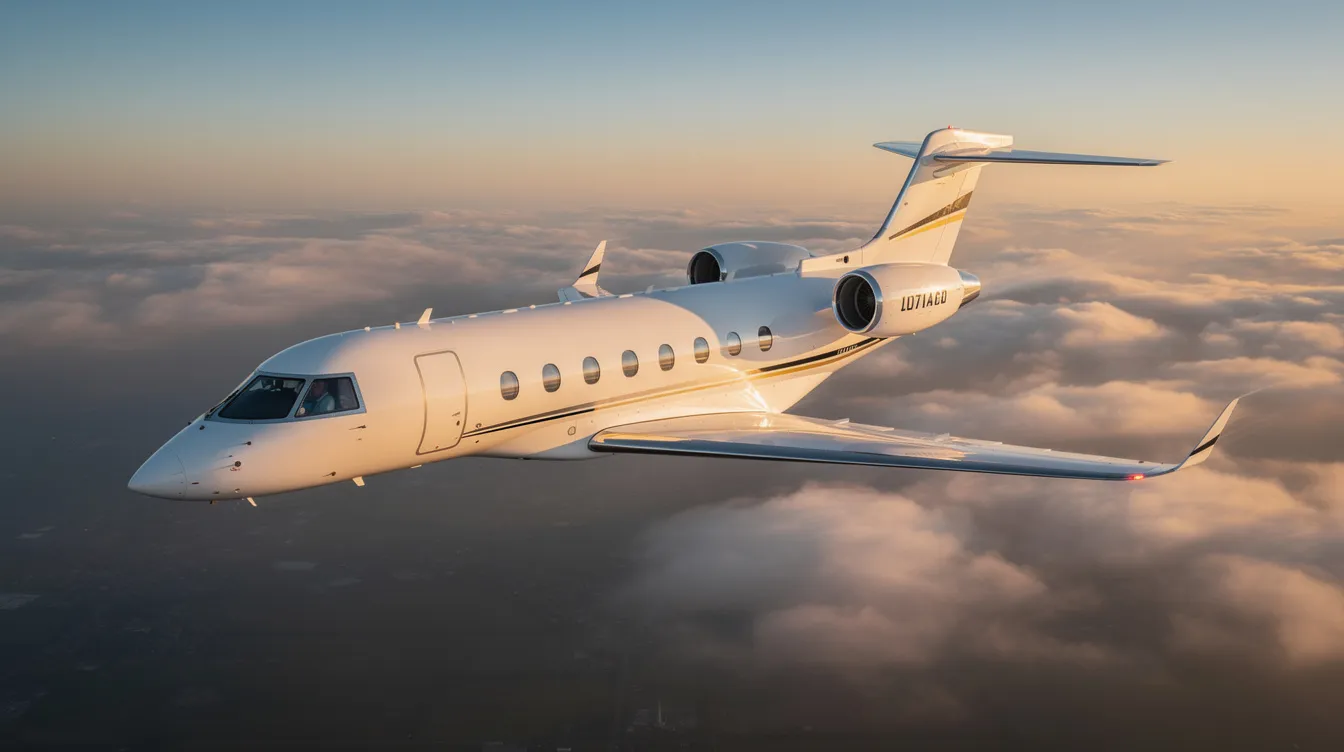
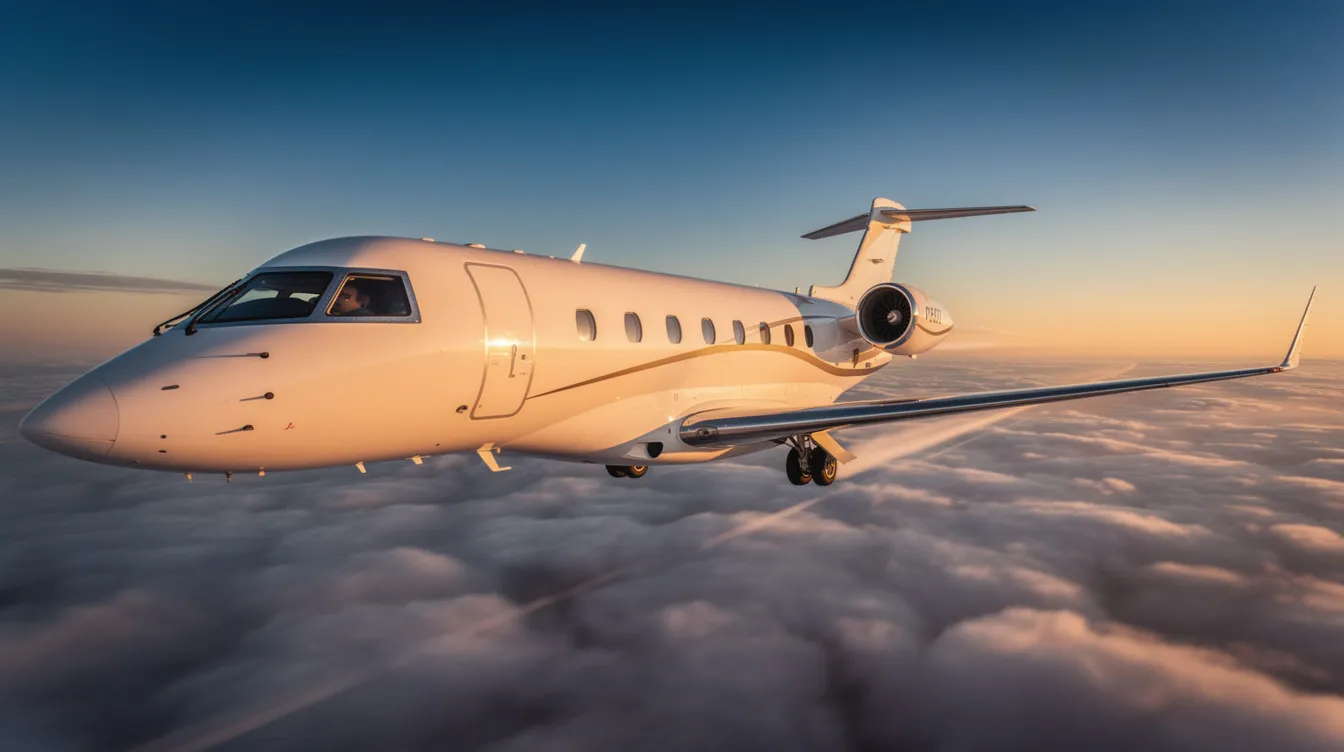
Selecting the right small jet for sale involves more than spotting an attractive aircraft in an online listing. Buyers must consider mission requirements, operational costs, aircraft condition, and market trends to make an informed decision. Very Light Jets (VLJs) and compact light jets offer distinct advantages for regional travel, owner-operators, and corporate flight departments seeking efficiency and flexibility. This guide provides practical insights into evaluating, valuing, and acquiring small jets, leveraging BusinessJets.com’s expertise in aircraft brokerage and consulting. Whether you are a first-time buyer or upgrading your fleet, understanding the nuances of small jet ownership will help you optimize your investment and flight experience.
Key Takeaways
This guide helps qualified buyers compare small jets for sale, especially very light jets and compact light jets, while understanding true ownership cost beyond the purchase price.
BusinessJets.com is an independent aircraft brokerage and consulting firm focused on private jet acquisitions, appraisals, and sales, with 1,500+ closed aircraft transactions and 5,000+ clients.
In 2026, typical small jet prices range from about $1.3M–$6M for popular models such as the Citation Mustang, Phenom 100 series, and HondaJet family.
Serious buyers should define a Mission Profile, meaning range, passenger capacity, and runway lengths frequently used, then secure an appraisal and pre-buy inspection before making offers.
To move efficiently, request an aircraft appraisal, ask BusinessJets.com to source off-market small jets, or list an existing light jet for sale.
What Counts as a “Small Jet” Today?
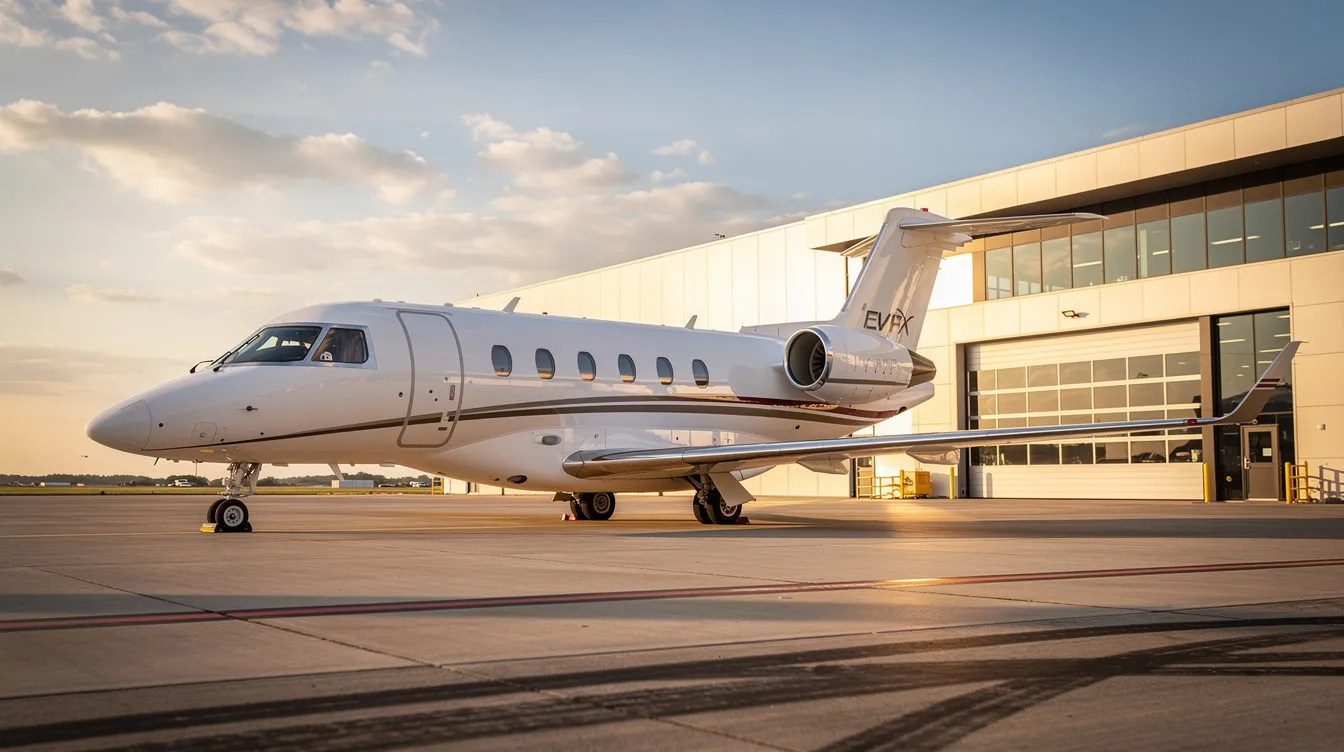
Small private jets are broadly categorized into two groups: Very Light Jets (VLJs) and Standard Light Jets. In practice, small jets accommodate 4 to 9 passengers and are suited for regional travel, with costs ranging from $1.5 million used to $15 million new.
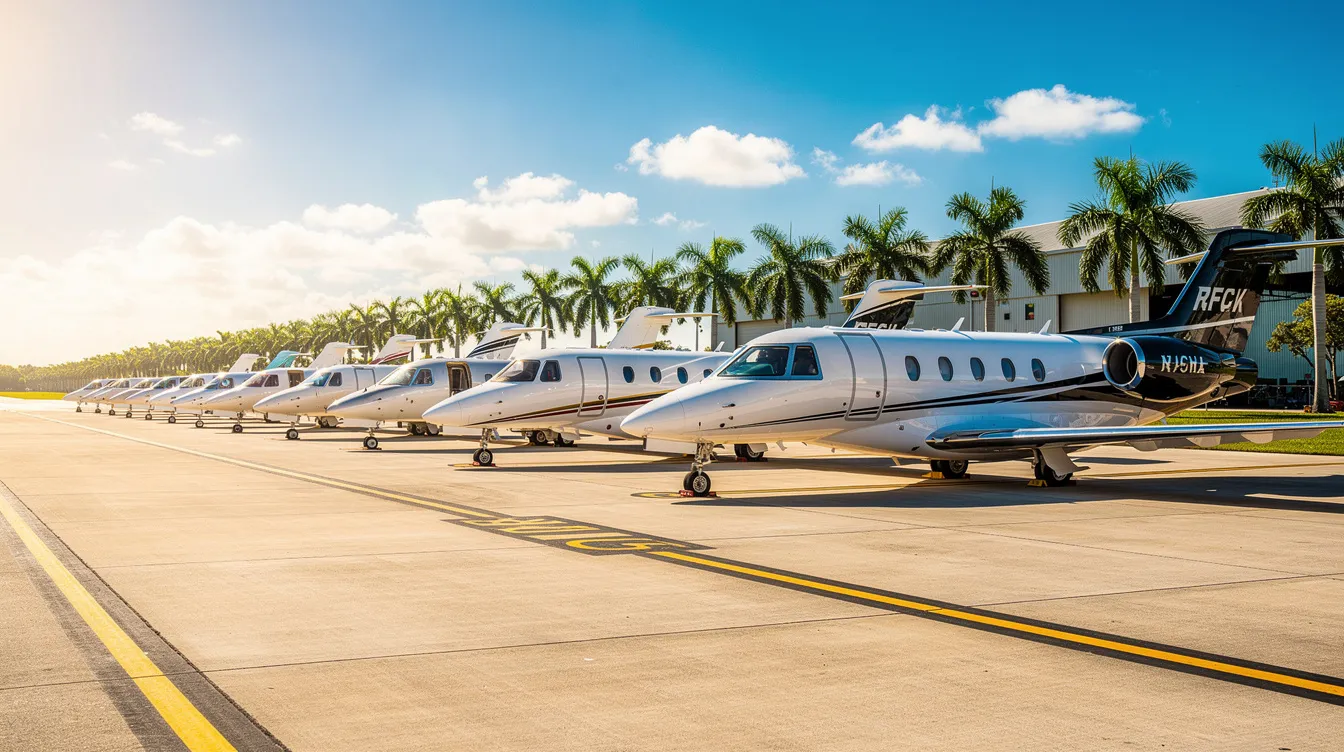
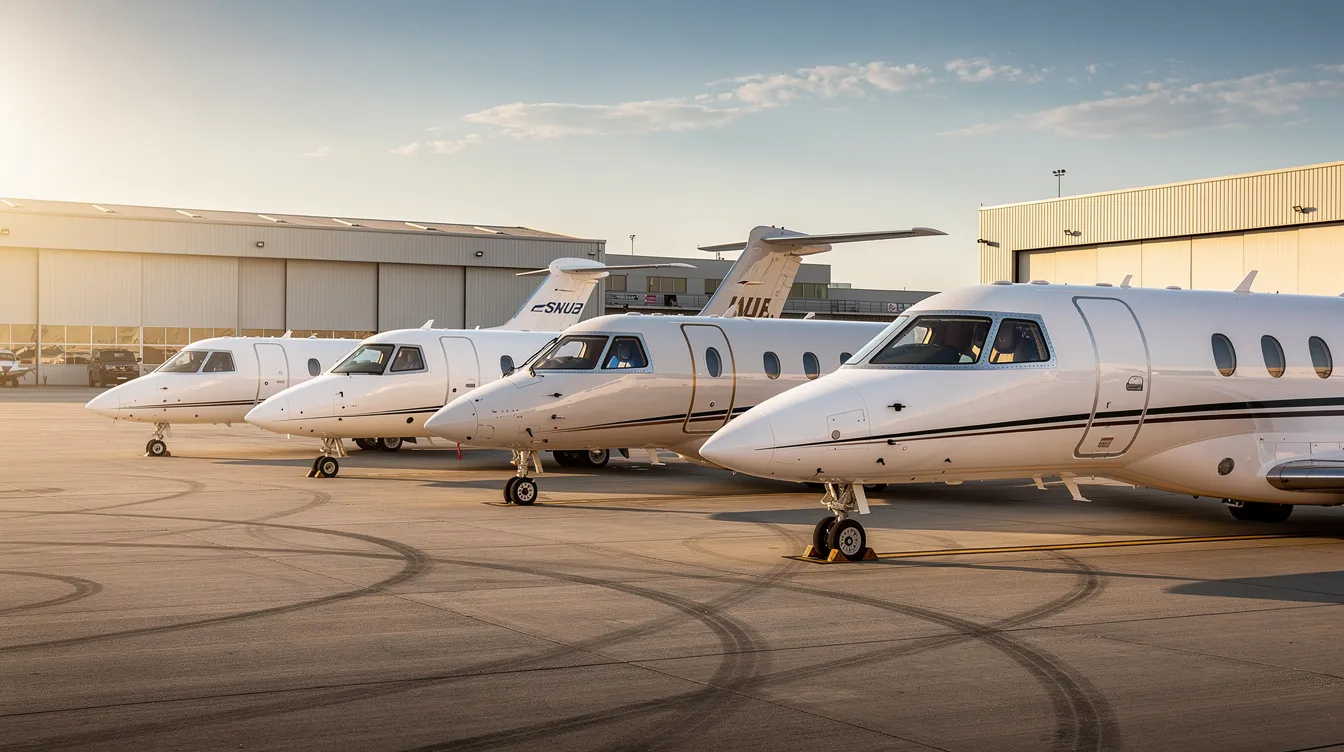
VLJs include the Cirrus Vision Jet SF50, Eclipse 500, Cessna Citation Mustang, Phenom 100 series, and HondaJet HA-420. The Cirrus Vision SF50, also known as the Vision Jet, is a notable single-engine Very Light Jet that has been in production since 2006. The Eclipse 500 is credited with introducing the very light jet category in 2002, combining reliability, fuel efficiency, and simplicity.
Very Light Jets (VLJs) are designed for single-pilot operations and typically accommodate 2-5 passengers, with the ability to handle quick regional business travel and short trips, making them ideal for short-distance travel. Larger light jet choices include the Citation M2, CJ3+, Phenom 300, Beechjet 400A, and HondaJet Elite S. BusinessJets.com focuses on business aviation, not experimental or military jets.
Current Market Snapshot: Small Jets for Sale in 2026
Demand remains strong for low-time, reliable, efficient private jets. New small jets provide a full manufacturer warranty and the latest avionics technology, but may have long wait lists, pushing buyers into the pre-owned aircraft market. So many qualified buyers start with a curated selection of premium aircraft for sale to understand current availability and pricing across categories.
Typical 2026 bands include:
Category | 2026 asking range |
|---|---|
Category 20262006–2013 Citation Mustang | $1.3M–$2.1M |
2008–2017 Embraer Phenom 100/100E/100EV | $1.8M–$3.4M |
2016–2022 HondaJet / APMG / Elite / Elite S | $3.3M–$6M |
Older Beechjet 400A / Hawker 400XP / Learjet 40/45 | $1.5M–$3M |
Popular models of Very Light Jets currently for sale include the HondaJet, Phenom 100, and Citation Mustang. A realistic market example might be a 2010 Citation Mustang with about 1,500 hours, a 2018 Phenom 100EV, or a 2019 HondaJet Elite S. Fresh inspections, engine programs, Garmin G1000/G3000 avionics, and Gogo L3/L5 Wi-Fi influence price and time to sell.
Very Light Jets vs Compact Light Jets: Which Fits Your Mission?
Mission-driven selection is key: range, passengers, payload, runway, baggage, and cabin comfort should decide the model, not photos in a “small jet for sale” ad.
Very light jets: Cirrus Vision SF50, Cessna Citation Mustang, Eclipse 500, Phenom 100/100E/100EV, HondaJet HA-420. Compact light jets: Citation M2 Gen2, CJ3+, Phenom 300/300E, Beechjet 400A / Hawker 400XP, while larger options such as the Airbus ACJ319 private jet serve ultra-long-range and high-capacity missions well beyond the typical VLJ or light jet profile.
Light jets offer increased passenger capacity, longer ranges, and more luggage space compared to Very Light Jets (VLJs). The Embraer Phenom 300 is among the most popular light jets, known for high performance and an outstanding cabin experience.
Typical Very Light Jet Mission Profiles
VLJs fit same-day business trips, regional hops, and owner-pilots who fly 2–4 passengers on 400–900 nm legs. The range of Very Light Jets varies between 1,325 nautical miles and 1,610 nautical miles, allowing for efficient travel between major cities, though the practical planning range is often lower; for example, trans-European itineraries such as London–Paris by private jet charter often benefit from larger, longer-range aircraft when frequent nonstops and higher passenger counts are required.
Pilots should verify runway lengths of frequently used airports, as smaller fields limit takeoff weight, impacting payload and fuel planning. Buyers needing frequent 6+ passenger or transcontinental missions may need a larger aircraft.
Additionally, fractional ownership offers an alternative to full ownership, allowing individuals to purchase shares of a jet. This guarantees flight hours without the responsibilities of full aircraft management, making it an attractive option for buyers seeking flexibility without operational burdens.
When Compact Light Jets Make More Sense
Choose compact light jets when you consistently need 5–7 passengers, nonstop sectors of 1,400–1,800 nm, higher cruise speeds, or a more comfortable cabin. They cost more to buy and operate, but may deliver better cost per seat-mile for business shuttle or charter use.
How Much Does a Small Jet Cost to Buy and Own?
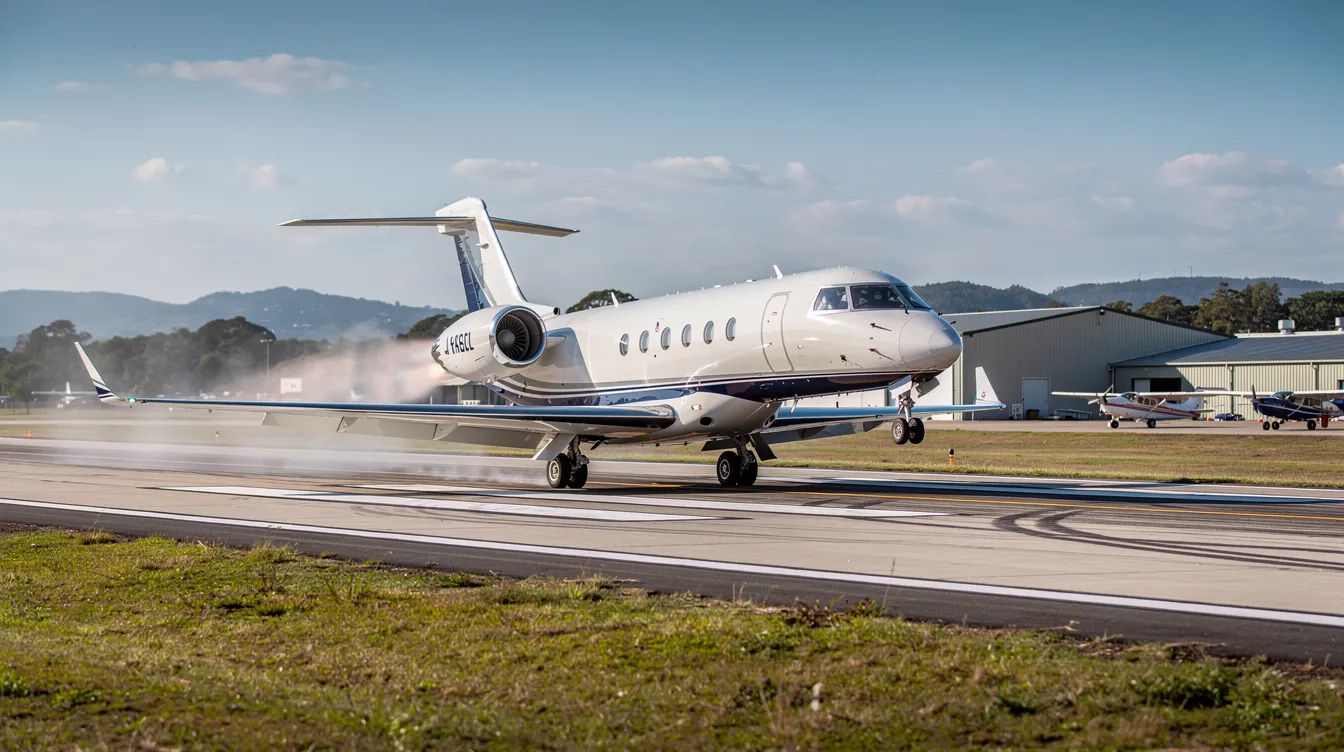
The price range for acquiring a Very Light Jet typically falls between $1.5 million and $3.5 million, depending on factors such as age and included amenities. The price to acquire an aircraft in the Very Light Jet class typically ranges from $1.5 million to $3.5 million, depending on factors such as age and included amenities.
New Very Light Jets (VLJs) cost roughly $3 million to $8 million, while pre-owned jets are significantly less expensive, starting around $1.5 million. Small jet options include both new Very Light Jets (VLJs) and a substantial pre-owned market, with a variety of factors to consider before purchasing.
Acquisition bands: older VLJs, including early Eclipse 500, Citation Mustang, and Phenom 100, roughly $1.3M–$2M; newer VLJs, roughly $2.3M–$4M+; compact light jets, roughly $4M–$12M+.
Hourly operating costs for Very Light Jets range from $1,700 to $2,200, which is generally lower than many competitors in the aviation market. Variable costs typically include hourly operating expenses, such as fuel burn and landing fees, which can range between $1,200 and $2,500 per hour. Fixed costs for owning a small jet can range from $200,000 to $350,000 annually, regardless of flight activity, while well-operated small jets can reach $250,000–$450,000.
The overall cost of ownership for a Very Light Jet includes not only the purchase price but also ongoing expenses such as maintenance, insurance, and fuel, which can significantly impact the total cost over time. It is generally not financially justifiable to buy a dedicated aircraft if the flying time is fewer than 150 to 200 hours per year.
Key Cost Drivers Buyers Often Underestimate
Upcoming 12/24/48/96-month inspections, engine programs such as JSSI, MSP, TAP Blue, or CorporateCare, insurance, fuel, crew, and regulatory compliance can change economics quickly. Purchasing a small jet typically requires balancing performance capabilities against financial commitments.
Comparative Cost Overview of Small Jet Categories
Cost Element | Very Light Jets (VLJs) | Compact Light Jets |
|---|---|---|
Acquisition Price | $1.5M – $3.5M (used) | $4M – $12M+ |
New Aircraft Price | $3M – $8M | $7M – $15M+ |
Hourly Operating Costs | $1,700 – $2,200 | $2,000 – $3,500 |
Fixed Annual Costs | $200,000 – $350,000 | $300,000 – $500,000 |
Passenger Capacity | 2–5 | 5–9 |
Typical Range (nautical miles) | 1,325 – 1,610 | 1,400 – 2,000+ |
Single-Pilot Certification | Common | Less common, varies by model |
How to Evaluate a Small Jet Listing (Beyond the Photos)
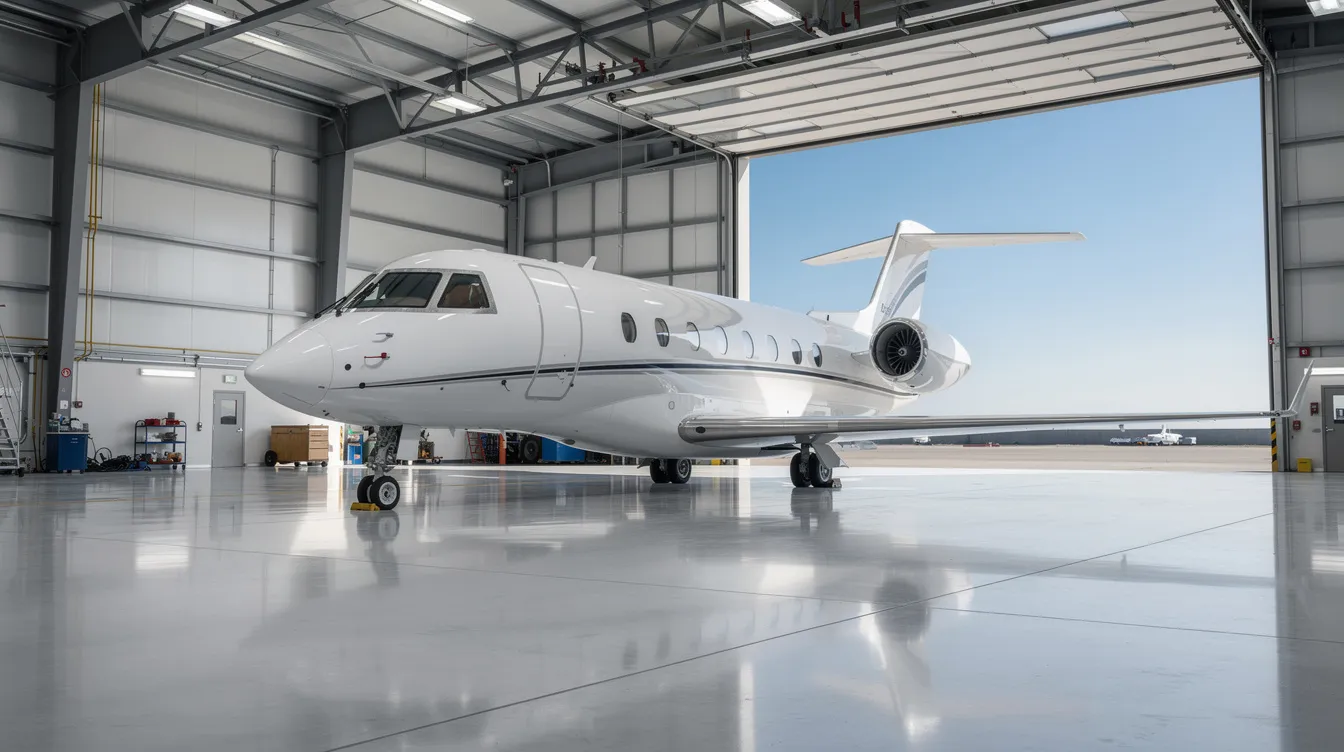
Many listings emphasize paint and interior. Key factors to evaluate before buying a small jet include flight mission, annual budget, and regulatory compliance.
Review airframe time, cycles, engine status, maintenance logs, damage history, avionics, connectivity, ownership history, and registration. Low total time alone is not enough; consistent use and complete records matter.
The pre-owned market for small jets offers lower acquisition costs but requires thorough inspections to ensure airworthiness. Red flags include missing logbooks, unclear repairs, unusual registry changes, or deferred maintenance.
Maintenance Programs, Inspections, and Value Impact
Engine and APU programs can reduce surprise expenses and support resale value. A current independent pre-purchase inspection, with PPI scope written into the agreement, is required for disciplined acquisition.
Avionics, Connectivity, and Cabin Features That Matter
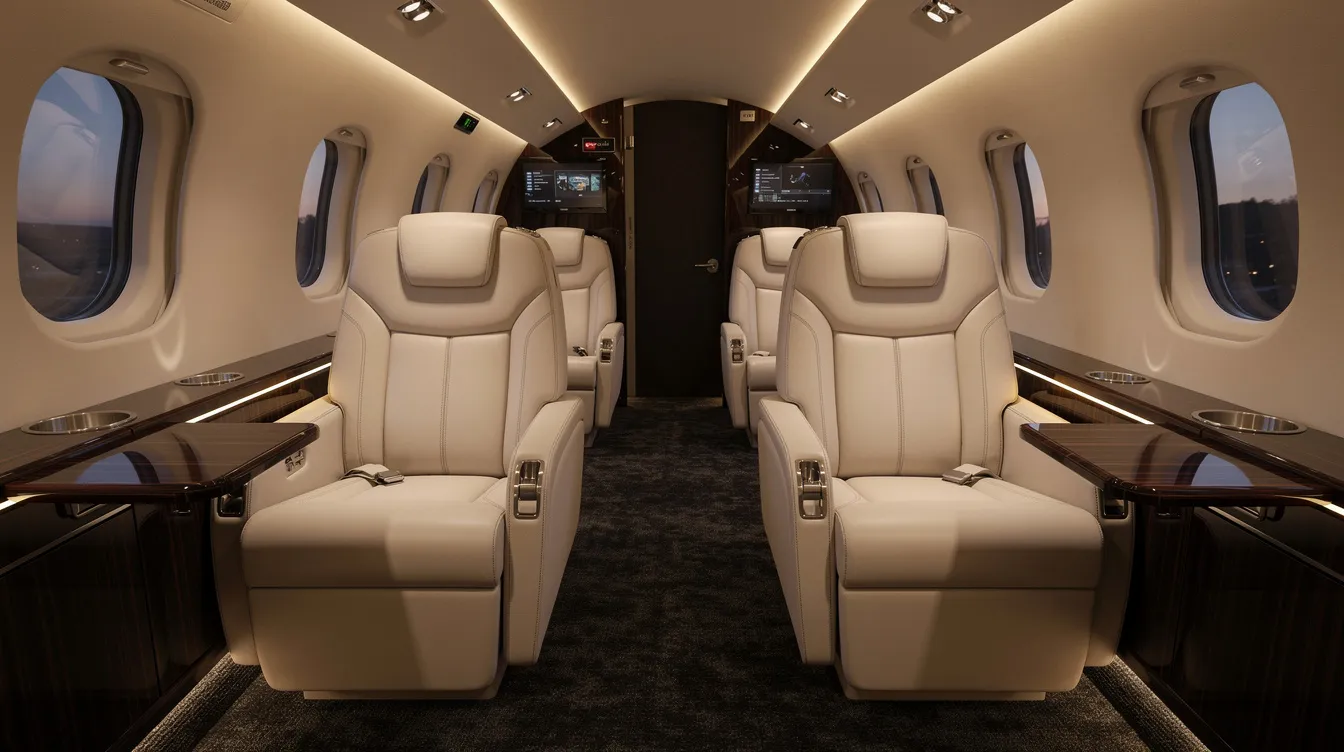
Garmin G1000/G3000, Pro Line 21/Fusion, ADS-B, WAAS/LPV, synthetic vision, Wi-Fi, seat layout, lavatory type, baggage access, and noise levels all affect value. Upgrades rarely recover 100% of cost, so BusinessJets.com benchmarks each aircraft against comparable sales.
Step-by-Step: Buying a Small Jet with Professional Representation
A small jet purchase involves legal, technical, tax, financing, and operational decisions. A typical process is: mission analysis; budget planning; market scan; shortlist of 3–6 jets; valuation; LOI; PPI; closing; entry-into-service planning.
Valuation, Negotiation, and Deal Structuring
BusinessJets.com uses recent transaction data, price guides, and experience from 1,500+ aircraft deals to estimate fair market value. Negotiation levers include closing date, training, fresh inspections, cosmetics, loose equipment, and program balances.
Entry Into Service and Early Ownership Support
Post-closing steps include registration, insurance, pilots, training, maintenance tracking, and operating procedures. Build a 12–24 month plan covering hours, scheduled maintenance, and cabin or avionics upgrades.
Selling a Small Private Jet: Timing, Pricing, and Process
Owners planning to sell should prepare 6–12 months ahead. Appraisals support realistic pricing, lender discussions, and corporate approvals.
Before listing, complete inspections where sensible, address cosmetics, organize digital records, and prepare an accurate specification sheet. BusinessJets.com can market discreetly to qualified buyers without overexposing the asset.
Maximizing Residual Value on Very Light and Light Jets
Engine programs, current avionics, connectivity, clean records, and professional management improve buyer confidence. BusinessJets.com uses days-on-market and achieved sale price data to advise whether to upgrade before sale or price as a value opportunity.
Why Work with BusinessJets.com on Small Jet Transactions?
Small jets may be entry-level in size, but they remain multi-million-dollar business assets. BusinessJets.com provides aircraft brokerage, appraisals, valuation, market intelligence, operator advisory, and fleet strategy.
Request a small jet appraisal, ask BusinessJets.com to source and vet a Phenom 100EV, HondaJet Elite S, or Citation M2 Gen2, or schedule aviation consulting to review broader fleet decisions. You are not relying on a bot-driven listing search; you are using expert representation.
Frequently Asked Questions About Buying a Small Jet
These answers are general. BusinessJets.com provides guidance based on location, tax position, registration, and operating rules.
How long does it typically take to buy a very light jet from first call to closing?
Prepared buyers often close in 45–90 days, depending on aircraft availability, PPI slots, financing, and cross-border paperwork. Flexibility on the model and capital readiness can shorten timelines.
Can I operate a small jet as a single pilot, or do I need a crew?
Many VLJs and some light jets are certified for single-pilot operations, subject to training, currency, and insurance. Some owners still hire professional pilots for
Conclusion
Choosing the right small jet for sale requires a comprehensive evaluation of your mission profile, budget, and operational needs. Very Light Jets offer an efficient, cost-effective solution for short regional trips and owner-operators seeking single-pilot capability, while compact light jets serve those needing greater passenger capacity and range. Understanding the nuances of aircraft condition, maintenance history, avionics, and market trends is essential to making a sound investment.
BusinessJets.com stands as a trusted partner with extensive experience in aircraft brokerage, appraisals, and aviation consulting. With a proven track record of over 1,500 successful transactions and 5,000 satisfied clients, we provide expert guidance throughout the acquisition or sale process. Whether you are exploring small jets for sale, seeking a precise aircraft valuation, or planning your fleet strategy, BusinessJets.com offers discreet, professional support tailored to your unique requirements.
Engage with BusinessJets.com today to request an appraisal, list your aircraft for sale, or receive personalized acquisition assistance. Our consultative approach ensures you make informed decisions that optimize both performance and value in your private aviation investments.