Jets and Airplanes: How Jet Aircraft Shape Modern Business Aviation

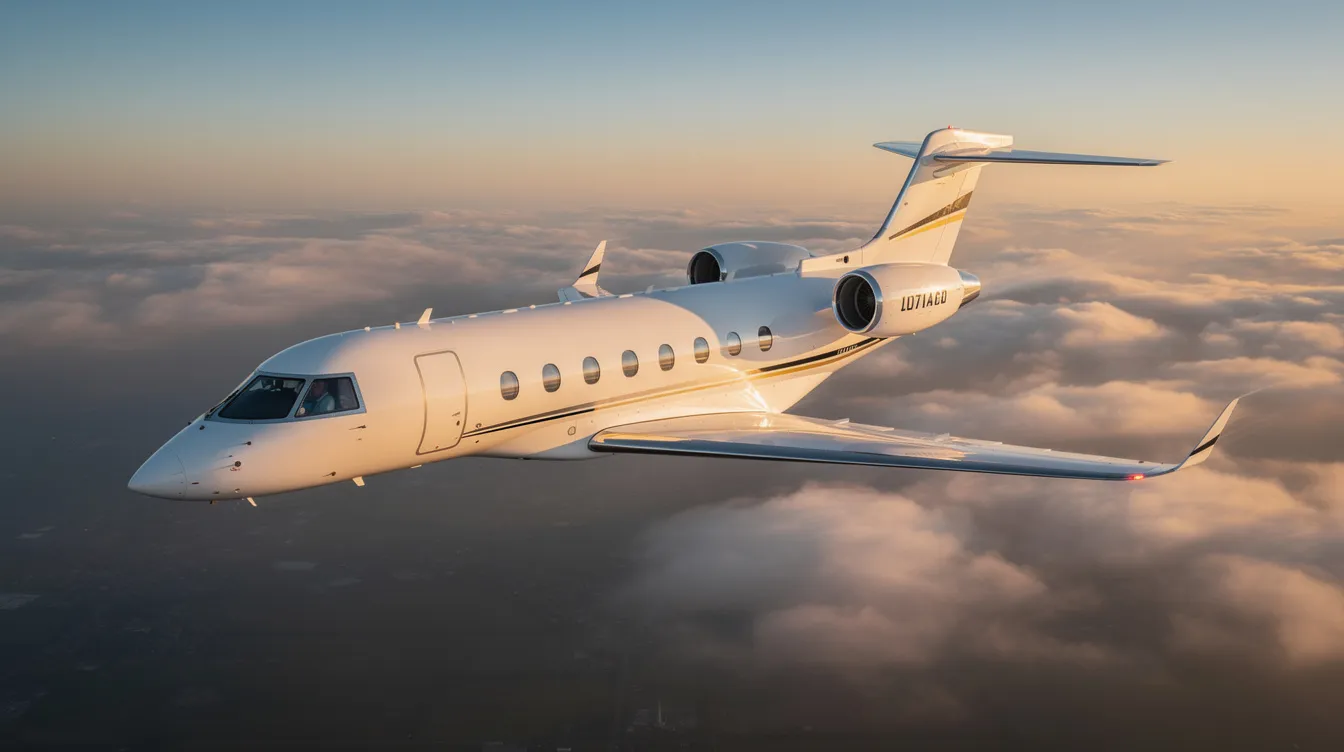
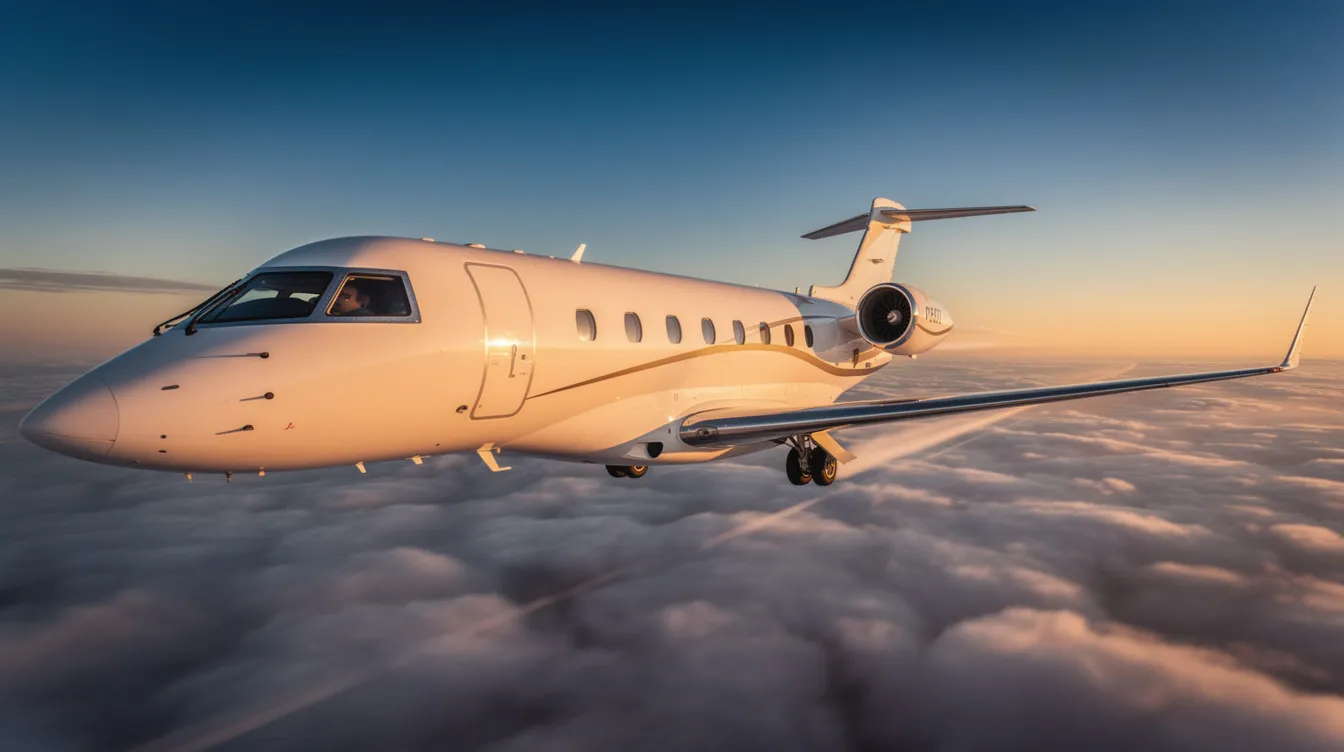
Airplanes are fixed-wing aircraft designed for flight using wings and an engine for propulsion. A jet aircraft is a subset of airplanes powered by jet engines, such as a turbojet or turbofan, rather than being propelled mainly by a piston propeller. The key difference between a jet and an airplane is that to be classified as a jet, an aircraft must have a jet engine, while not all airplanes are jets.
This article explains the differences between jets and airplanes, focusing on how jet aircraft shape modern business aviation. Understanding these distinctions is crucial for owners, buyers, and operators who must make informed decisions about aircraft acquisition, operation, and investment. Whether you are evaluating your first purchase, managing a fleet, or seeking to optimize operational efficiency, knowing how jets compare to other airplanes will help you align your aviation strategy with your business goals.
This development opened a new era in aviation. The Heinkel He 178 made its first flight in 1939, while the first commercial jet service was operated in 1952 by BOAC using the de Havilland Comet jetliner, which provided a faster and smoother ride compared to propeller aircraft. This guide helps owners, buyers, and operators compare jets and airplanes for real business decisions.
Key Takeaways
Every jet aircraft is an airplane, but not every airplane is a jet; the key difference is that a jet must have a jet engine.
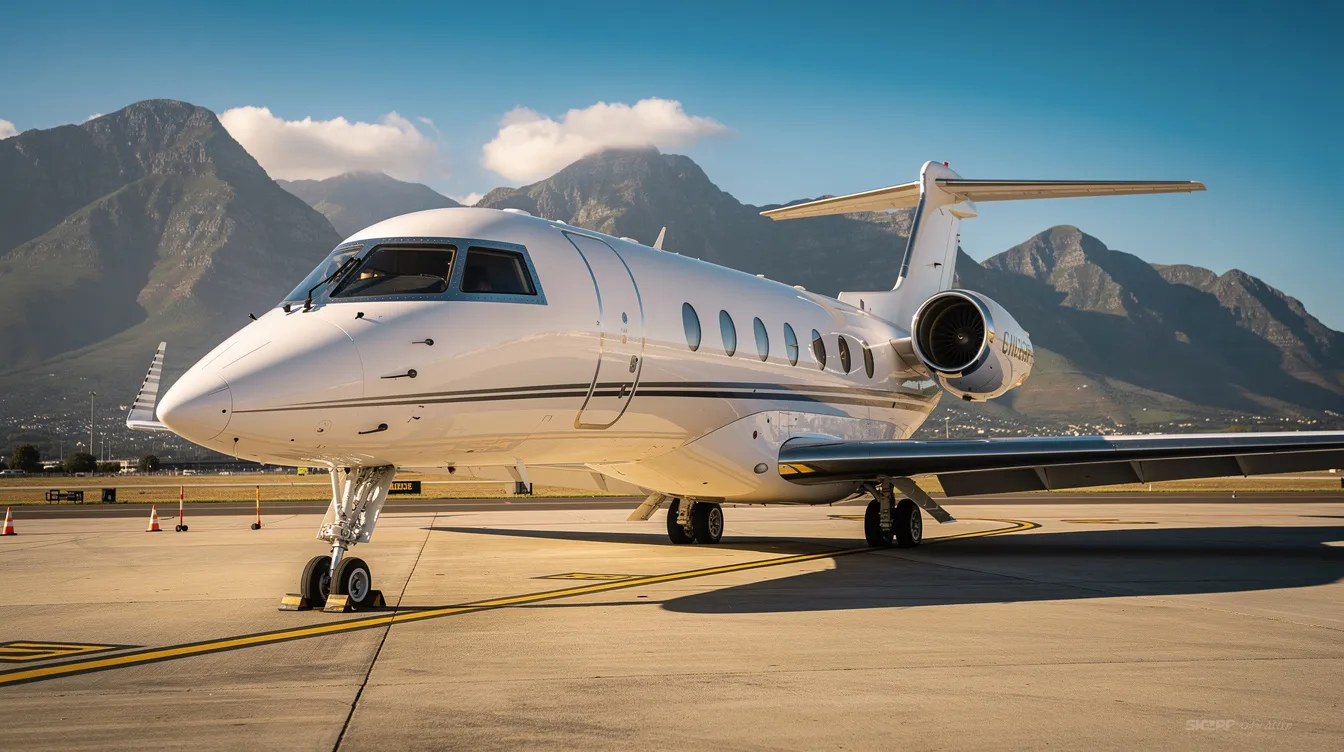
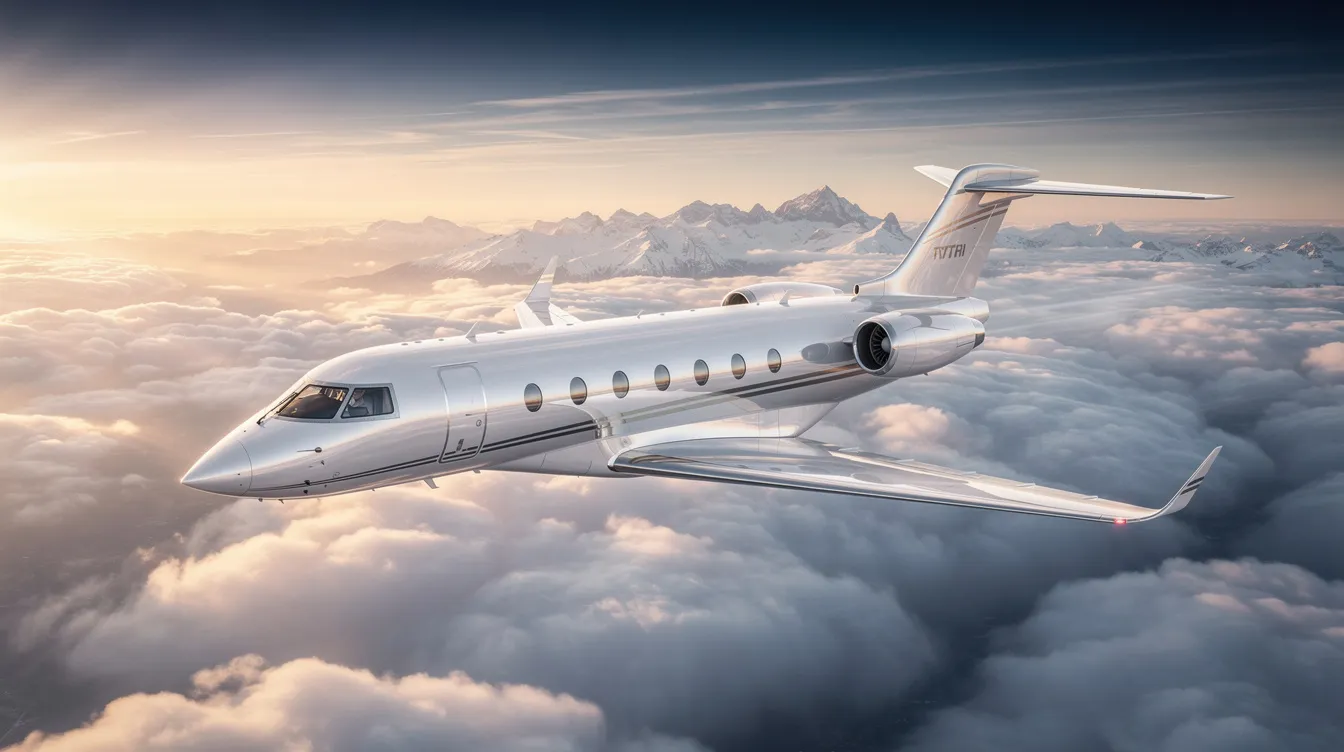
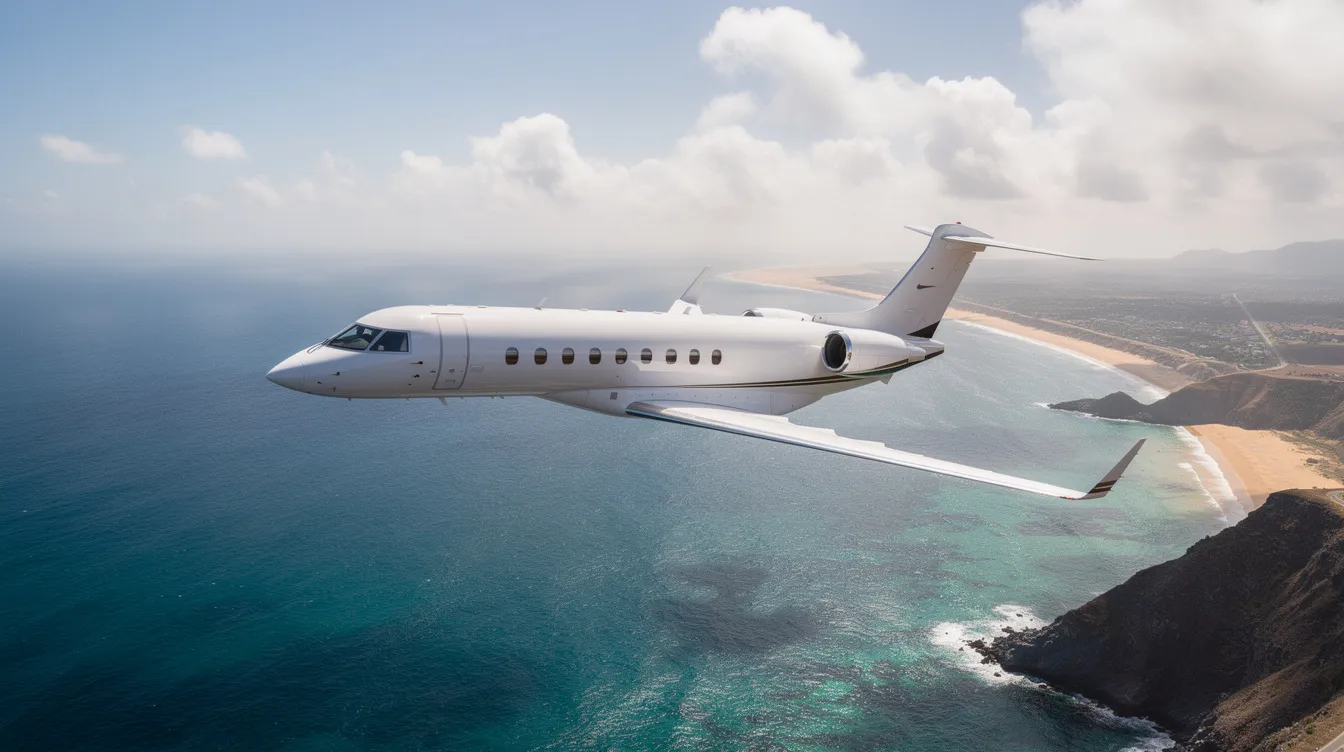
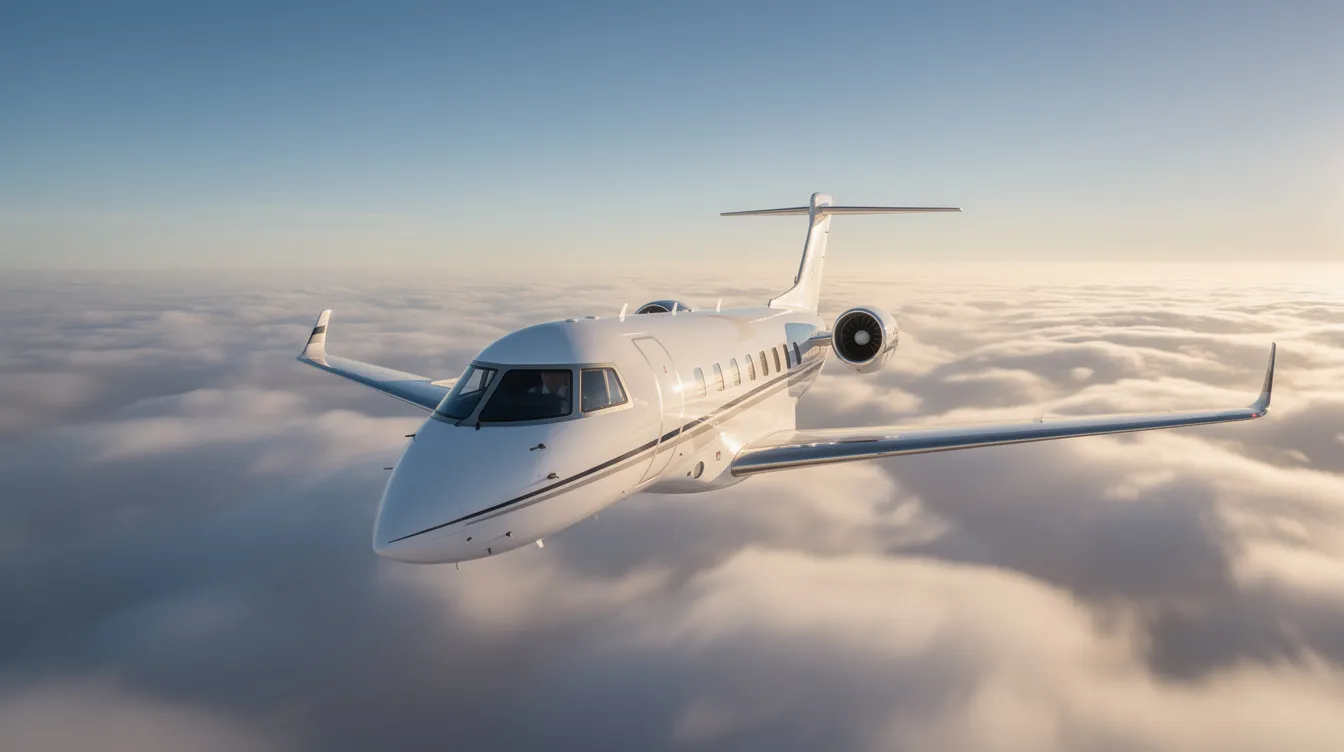
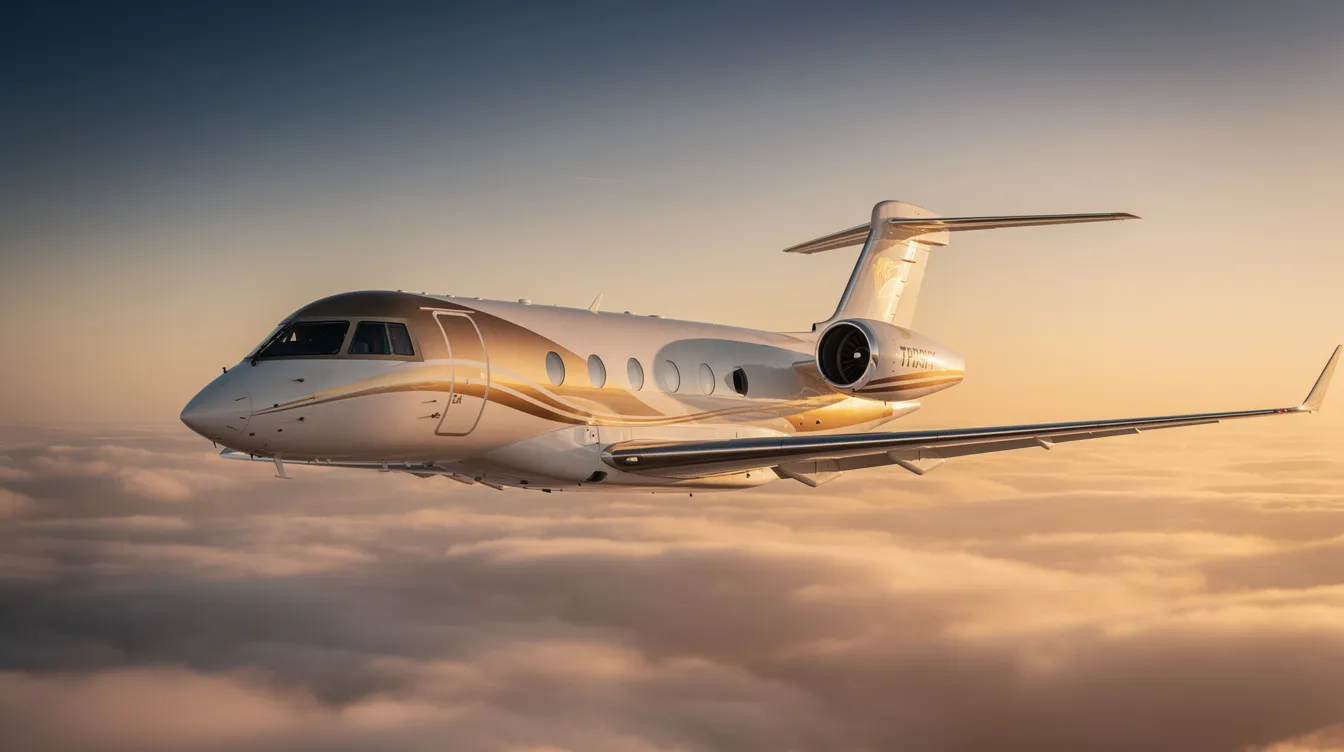
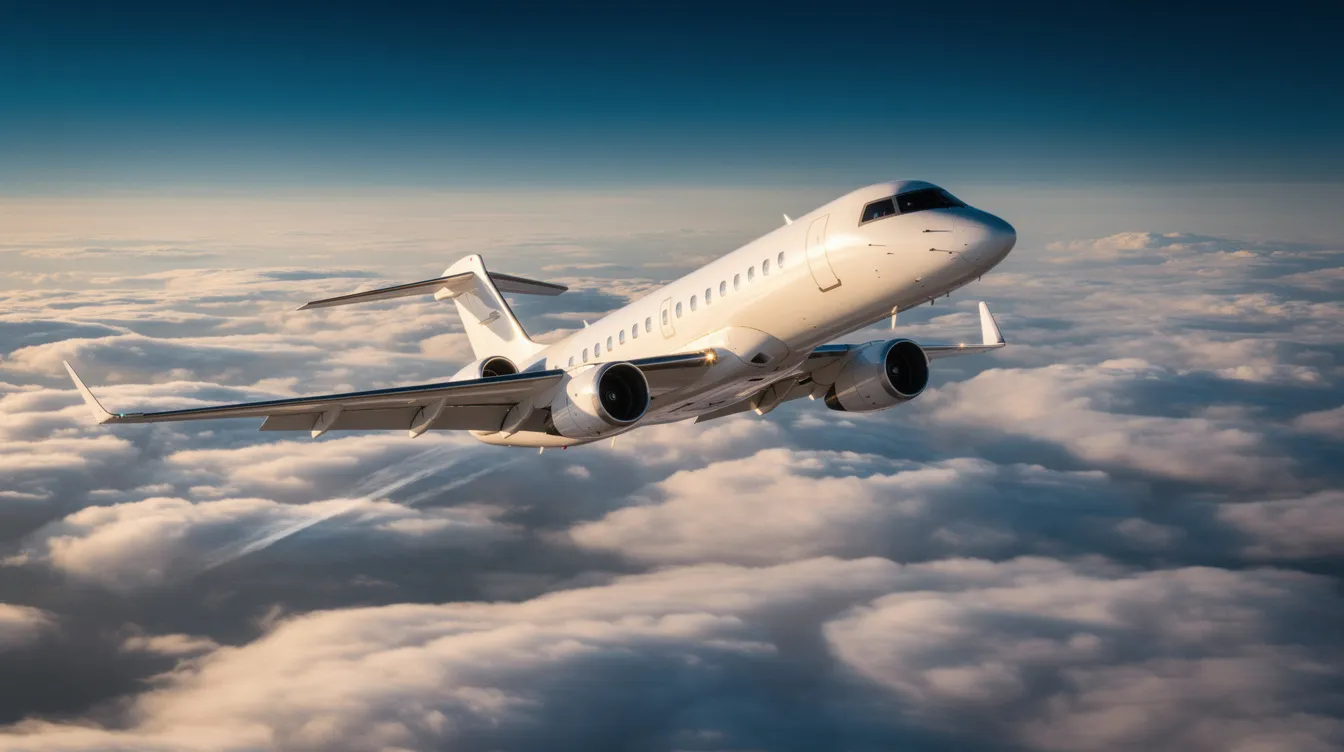
Business jets fly faster, higher, and farther than most propeller airplanes, often cruising near Mach 0.8 at 30,000–45,000 feet.
Jet engines, aircraft class, maintenance status, and mission requirements directly affect acquisition cost, resale value, and operating economics.
BusinessJets.com supports buyers, sellers, and operators with appraisals, acquisitions, listings, and aviation consulting backed by 1,500+ transactions and 5,000+ satisfied customers.
Jet vs. Airplane: Definitions and Practical Differences
What Is an Airplane?
An airplane is a fixed-wing, heavier-than-air aircraft that is propelled forward by thrust from an engine. Airplanes include a wide range of aircraft, such as gliders, piston planes, turboprops, and jet aircraft.
What Is a Jet?
A jet is a type of airplane that is powered by one or more jet engines, such as turbojets or turbofans. The key difference between a jet and an airplane is that to be classified as a jet, an aircraft must have a jet engine, while not all airplanes are jets.
Propeller Airplanes vs. Jet Aircraft
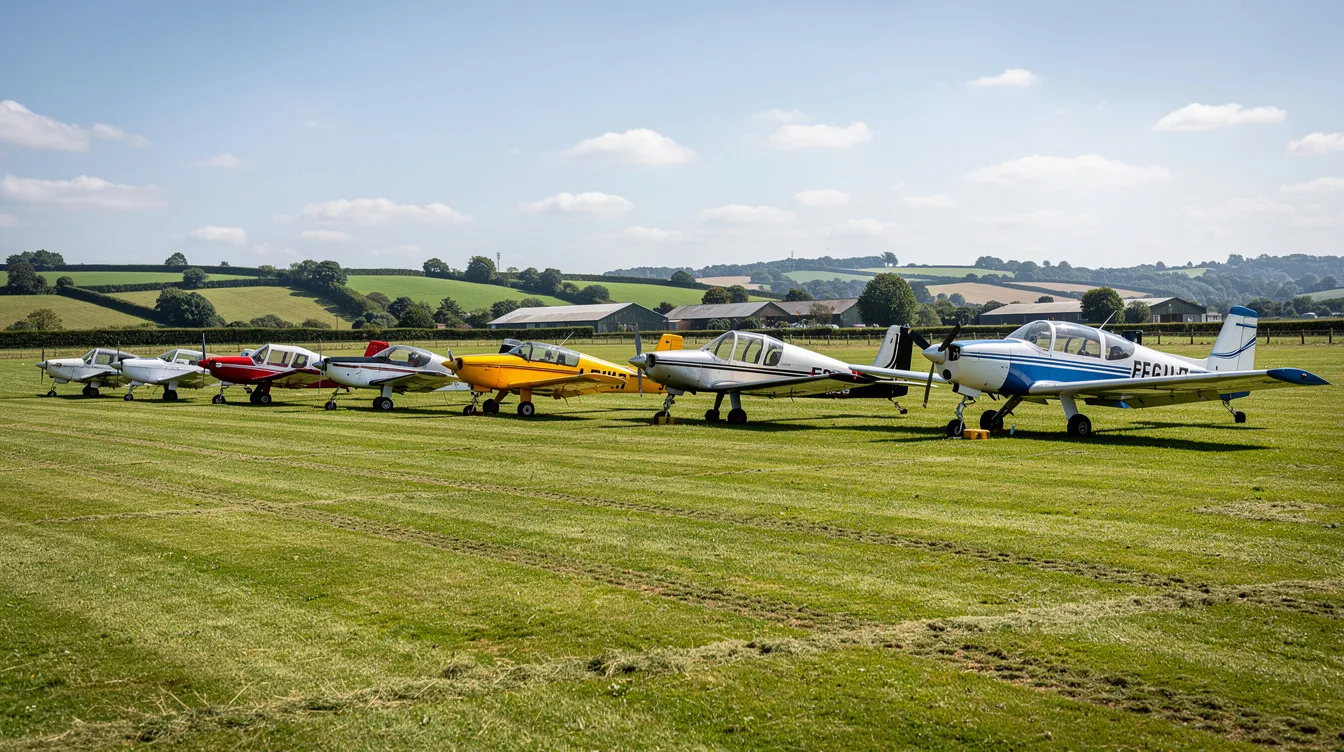
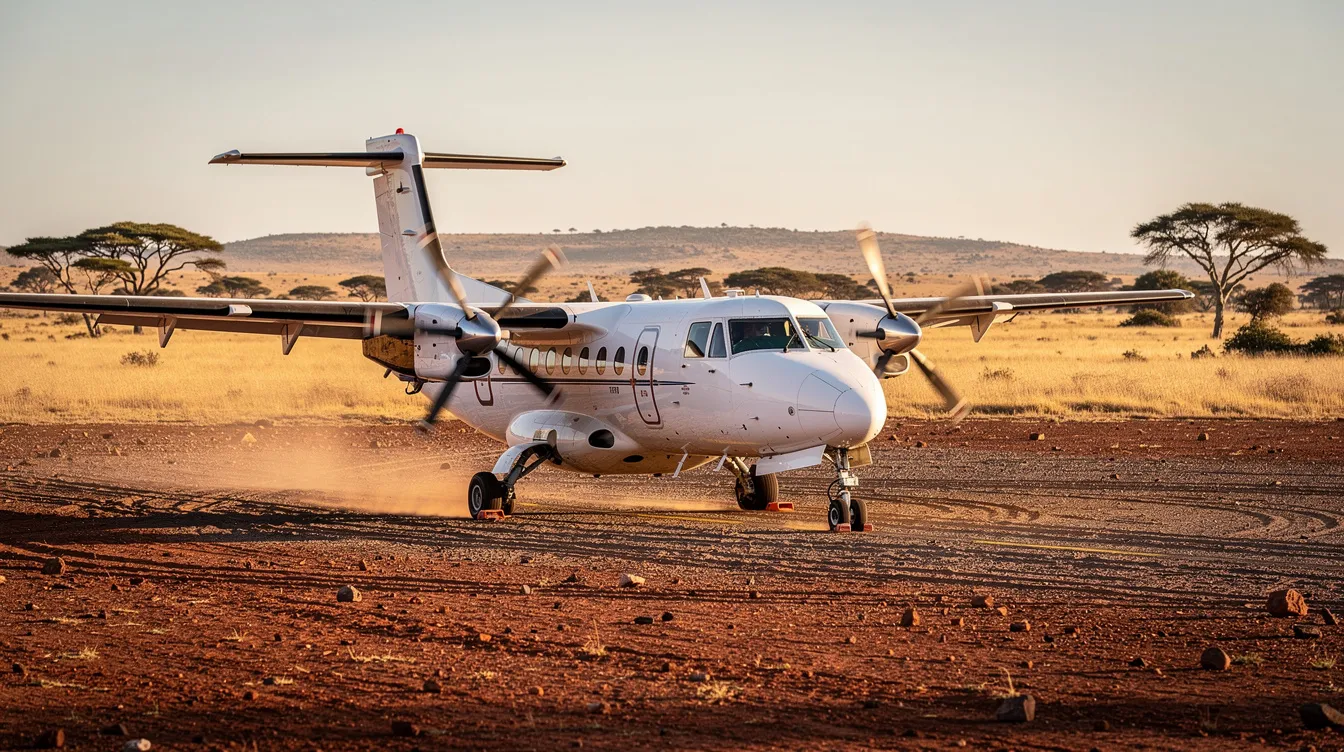
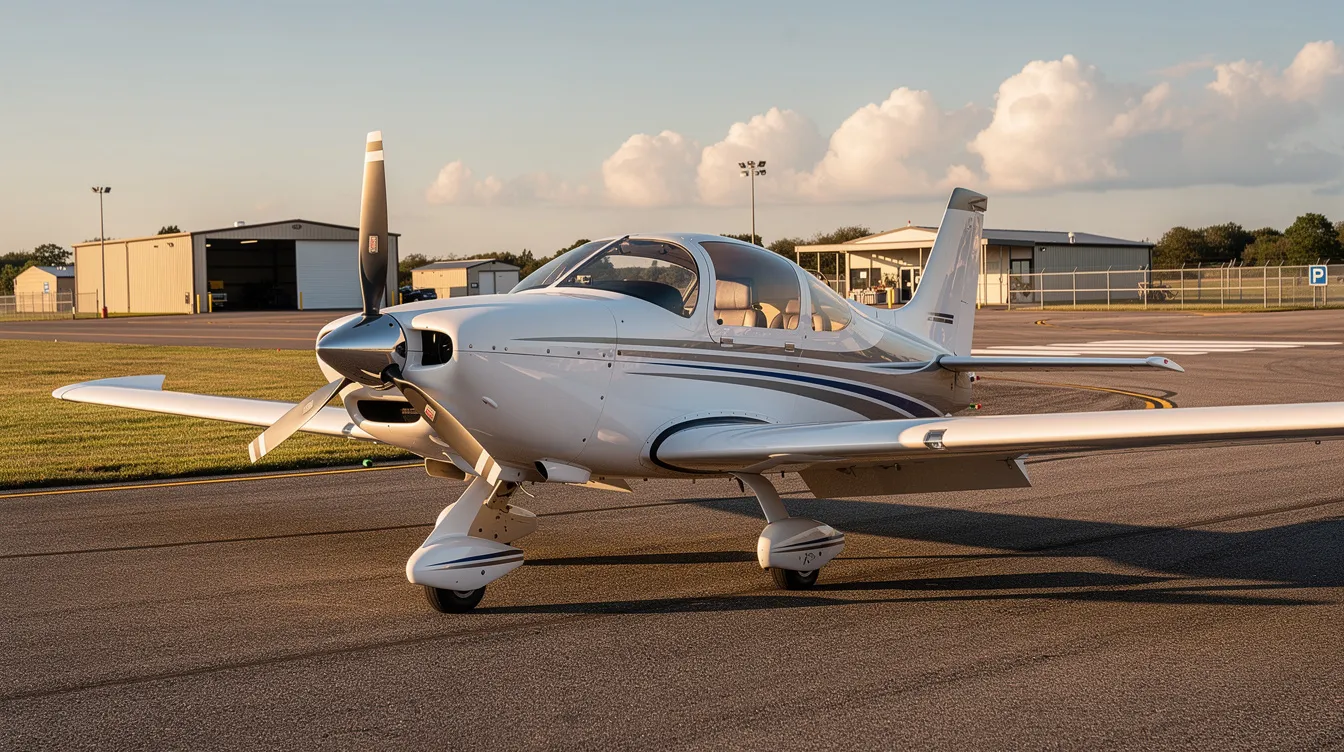
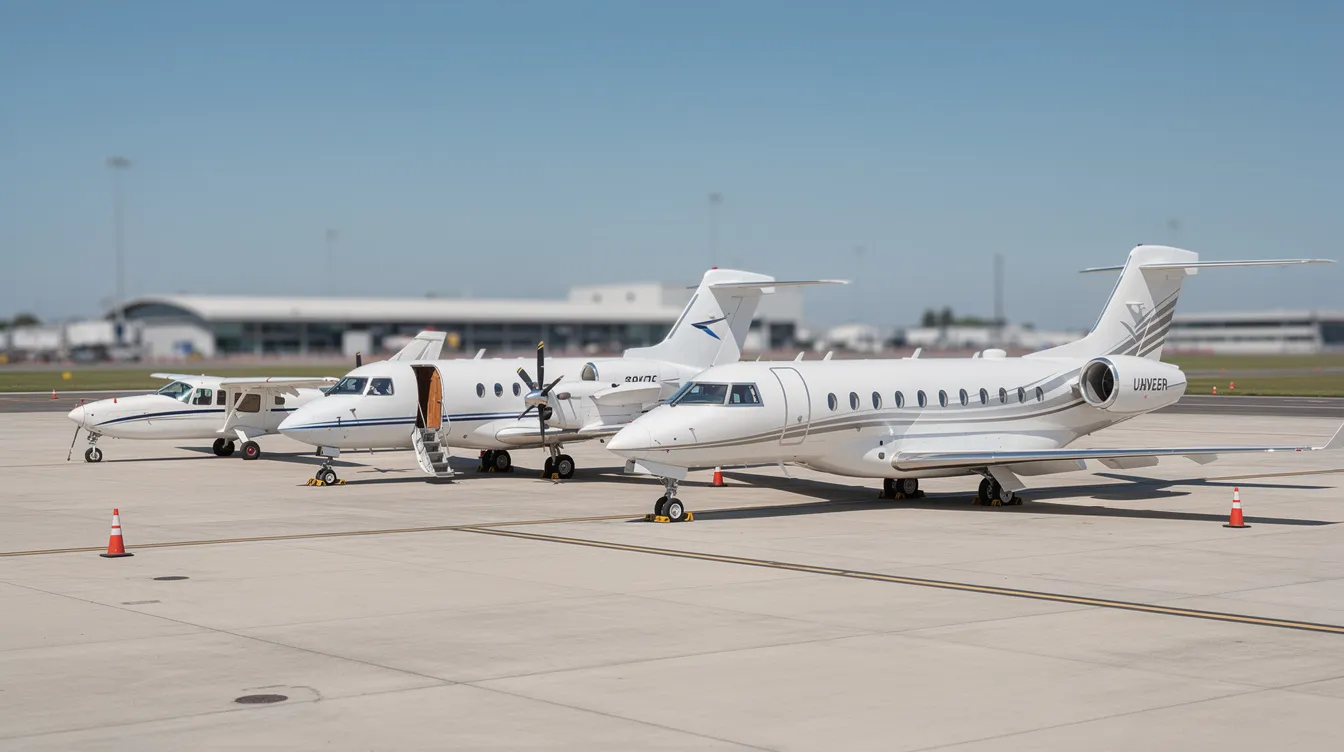
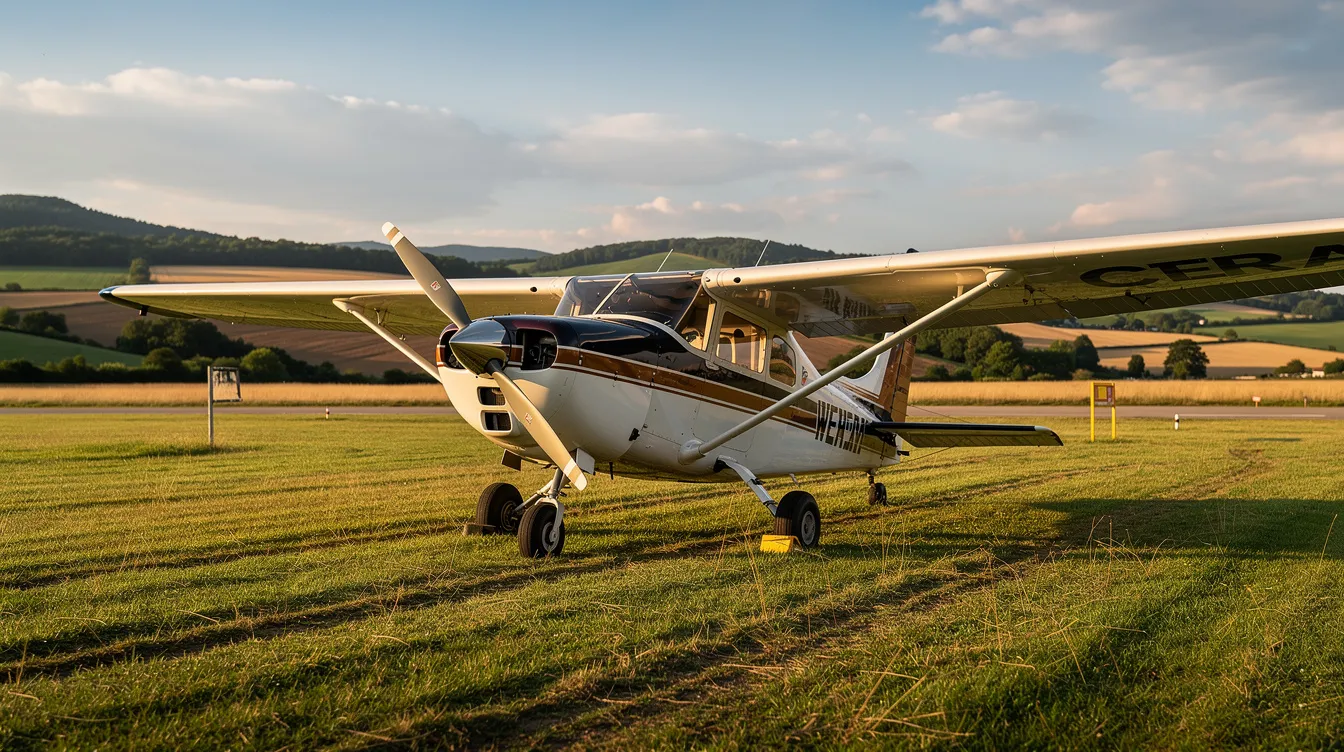
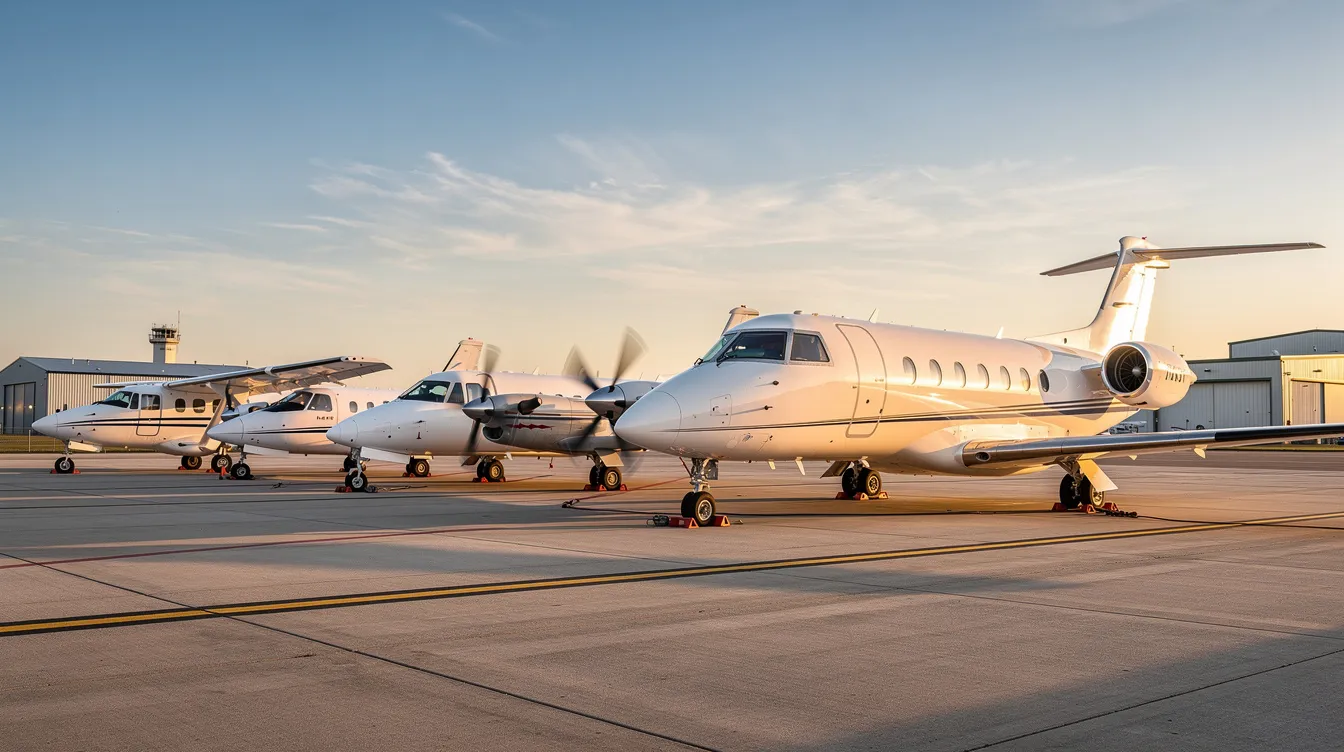
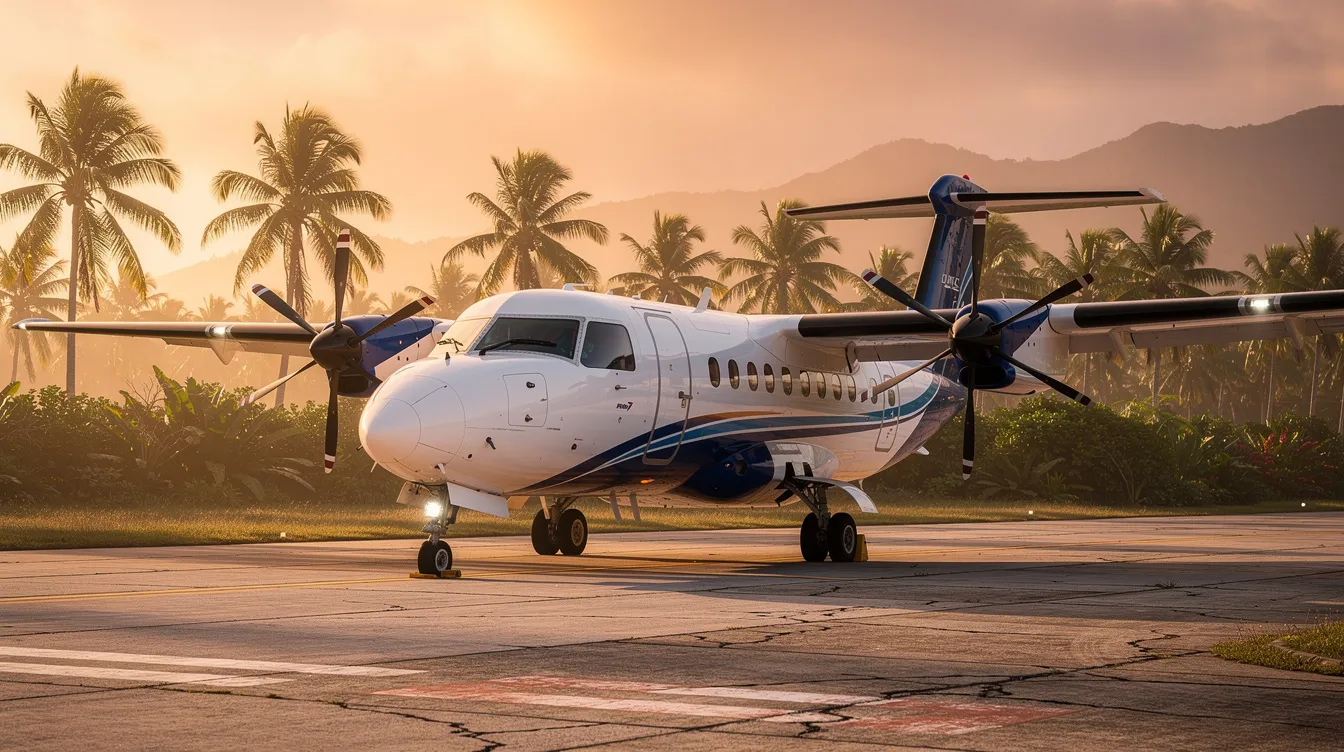
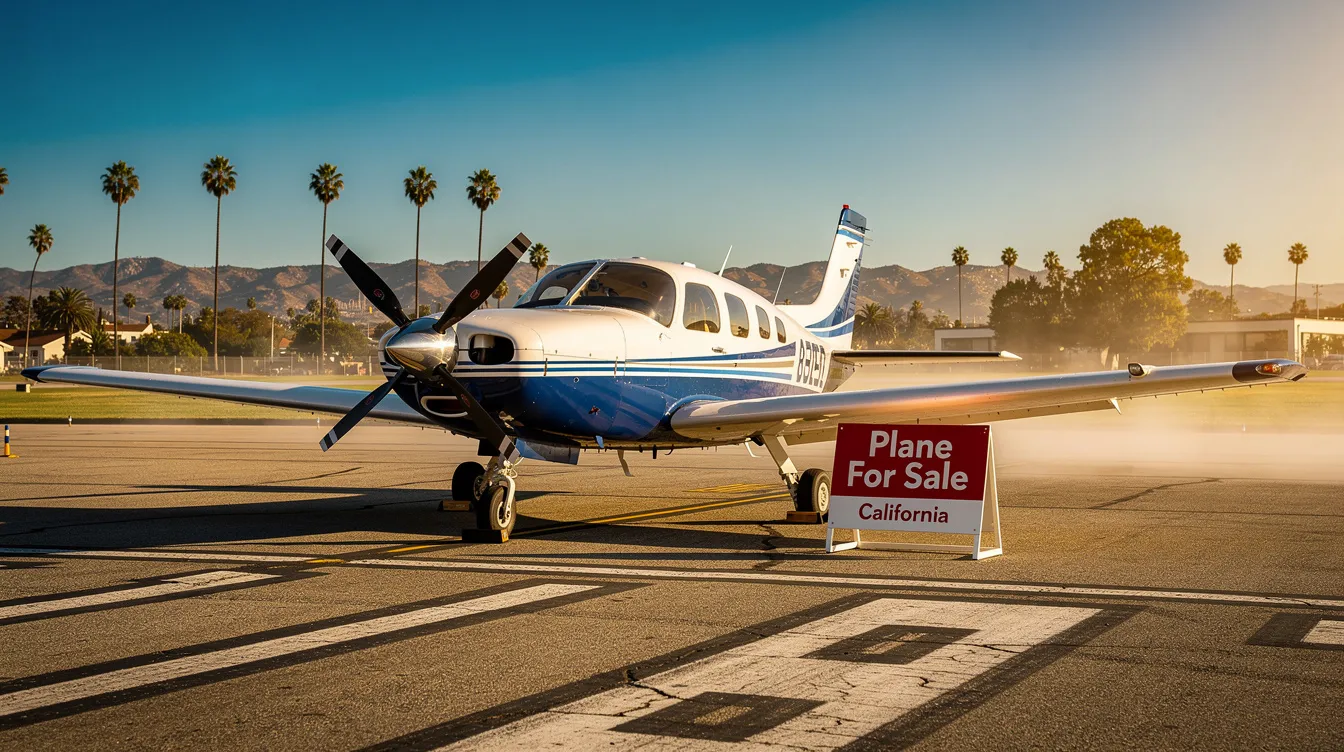
Propeller airplanes utilize piston engines or turboprop engines to spin an external propeller, making them fuel-efficient at low speeds and short distances. Propeller planes typically feature straight wings to maximize lift at lower speeds.
Commercial jets typically cruise at Mach 0.8, while propeller-driven planes usually travel between 100 and 300 mph. Jets perform most efficiently at high altitudes of 30,000 to 45,000 feet, whereas propeller planes fly much lower, usually below 15,000 feet.
Design and Performance Differences
Jets require robust fuselage pressurization systems because they operate in the thin air of the stratosphere, and jets utilize swept-back or delta wings to reduce aerodynamic drag as they approach or exceed the speed of sound. Additionally, jets are built using highly streamlined designs to minimize shockwaves at high speeds. These aerodynamic refinements affect runway needs, landing planning, range, productivity, residual value, and total ownership cost.
Understanding these differences sets the stage for exploring the various types of jet aircraft relevant to business aviation.
Comparison Table: Jets vs. Propeller Airplanes
Feature | Jet Aircraft | Propeller Airplanes |
|---|---|---|
Engine Type | Turbojet, Turbofan | Piston, Turboprop |
Typical Cruise Speed | Around Mach 0.8 (approx. 530 mph) | 100–300 mph |
Typical Cruise Altitude | 30,000 to 45,000 feet | Below 15,000 feet |
Range | Over 5,000 miles (varies by model) | Up to 1,500 miles |
Wing Design | Swept-back or delta wings | Straight wings |
Fuselage Pressurization | Required for high-altitude flight | Usually less complex |
Typical Passenger Capacity | 4 to 19+ (business jets) | 2 to 20+ (varies widely) |
Runway Requirements | Longer runways are generally needed | Can operate on shorter/grass runways |
Fuel Efficiency | More efficient at high altitudes | More efficient at low speeds/short distances |
Maintenance Complexity | Jet engines with fewer moving parts, but costly programs | Simpler engines, but more moving parts |
Understanding these distinctions helps business aviation stakeholders choose the right aircraft for their operational needs.
Types of Jet Aircraft Relevant to Business Aviation
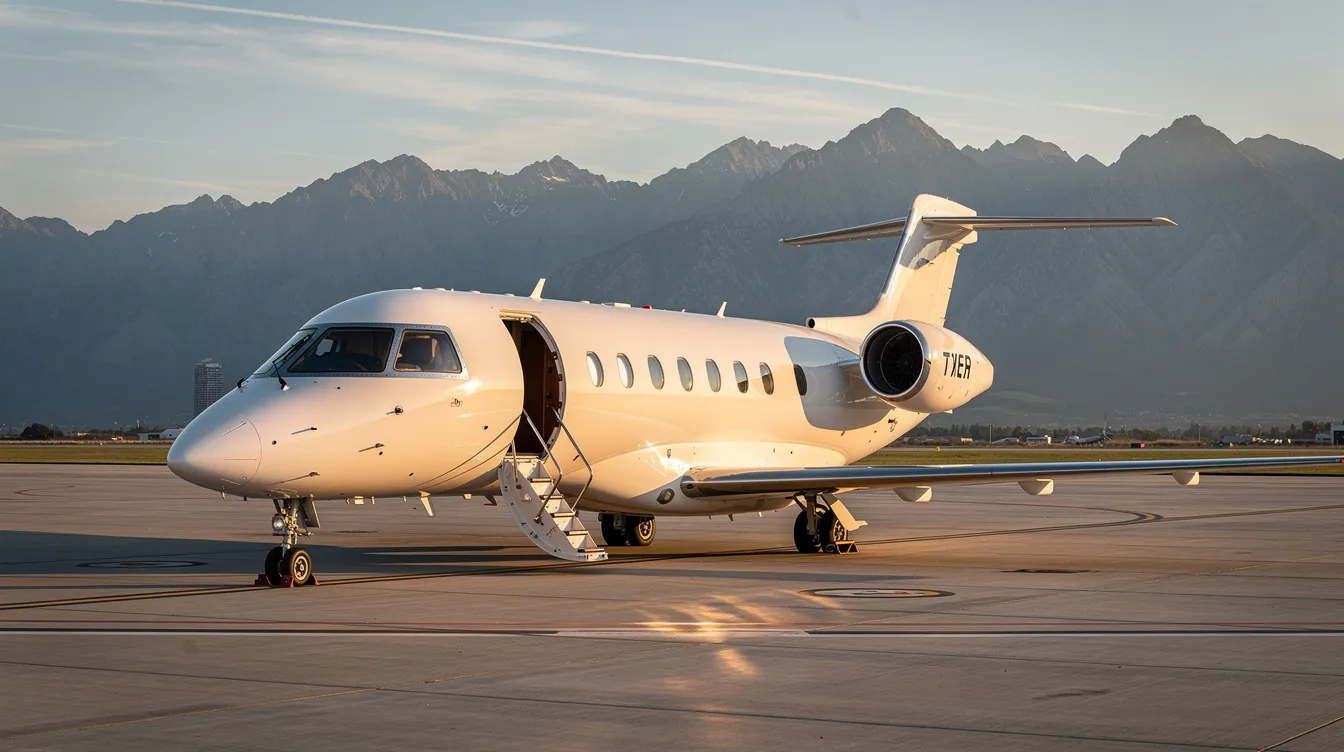
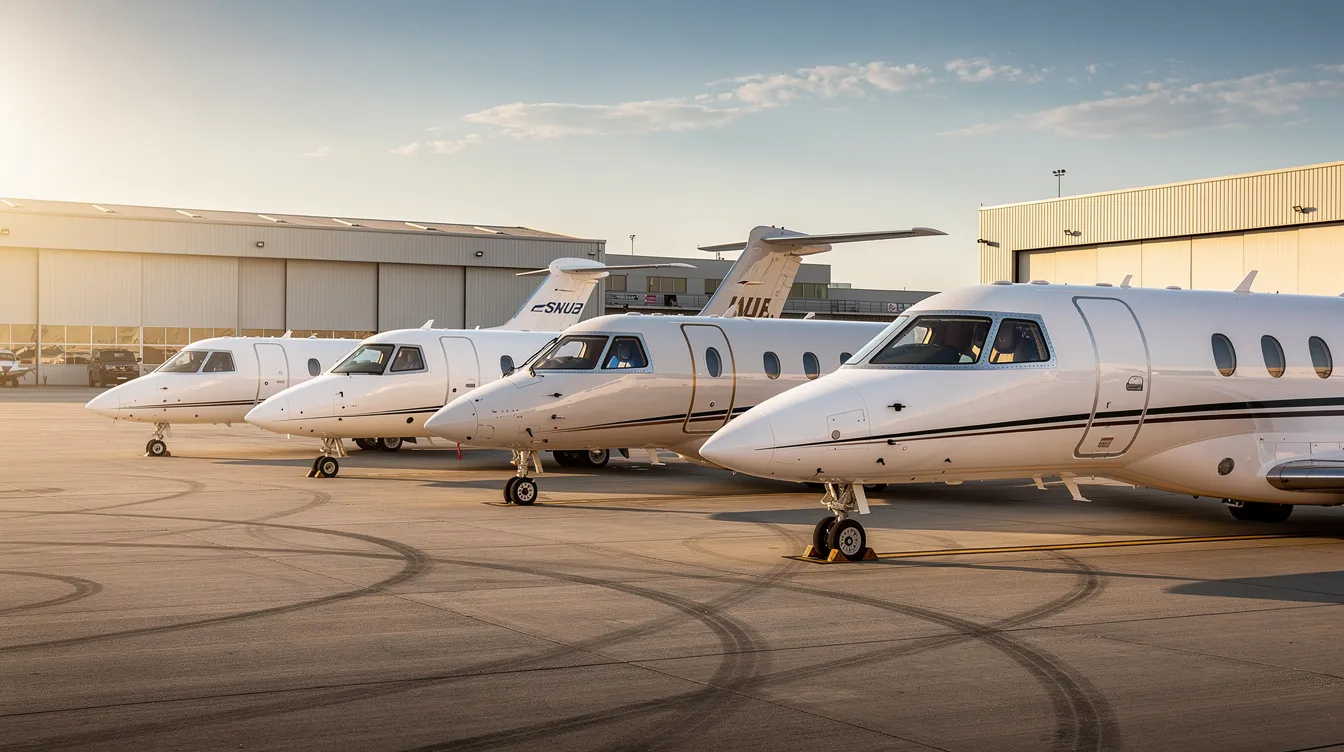
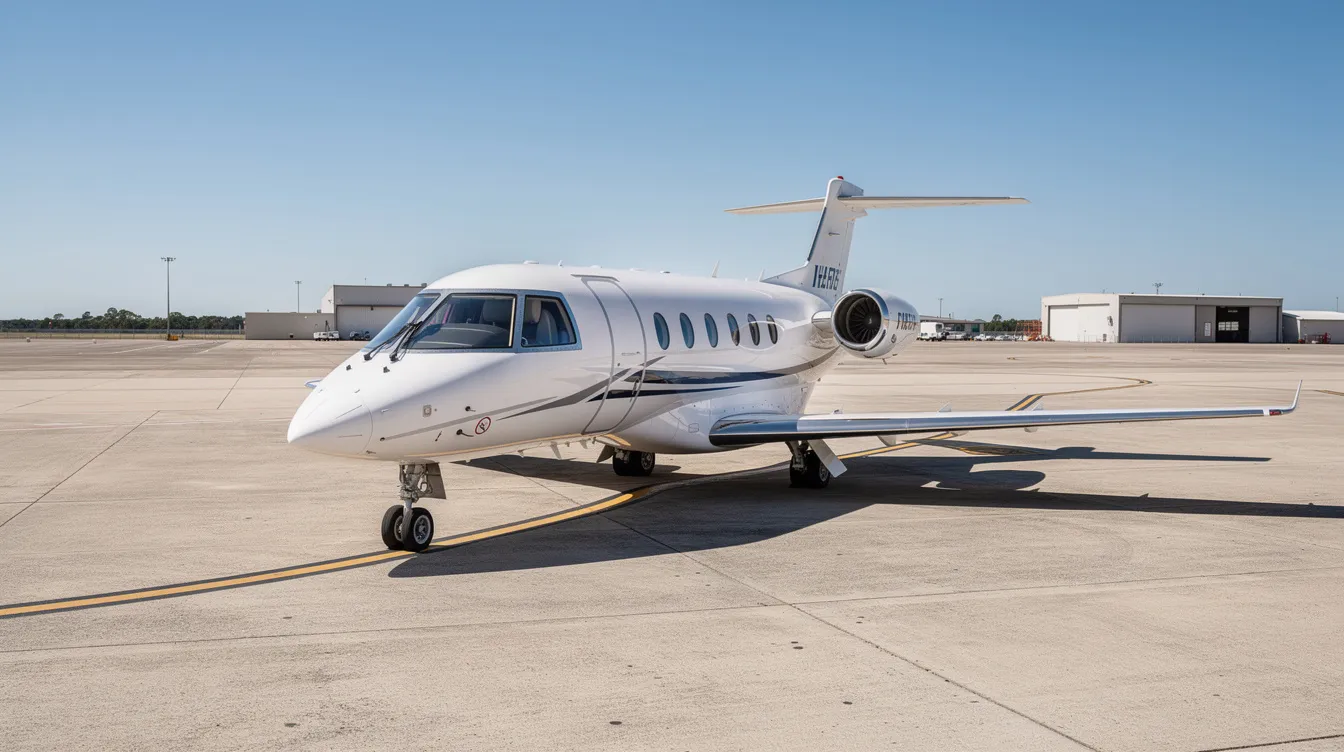
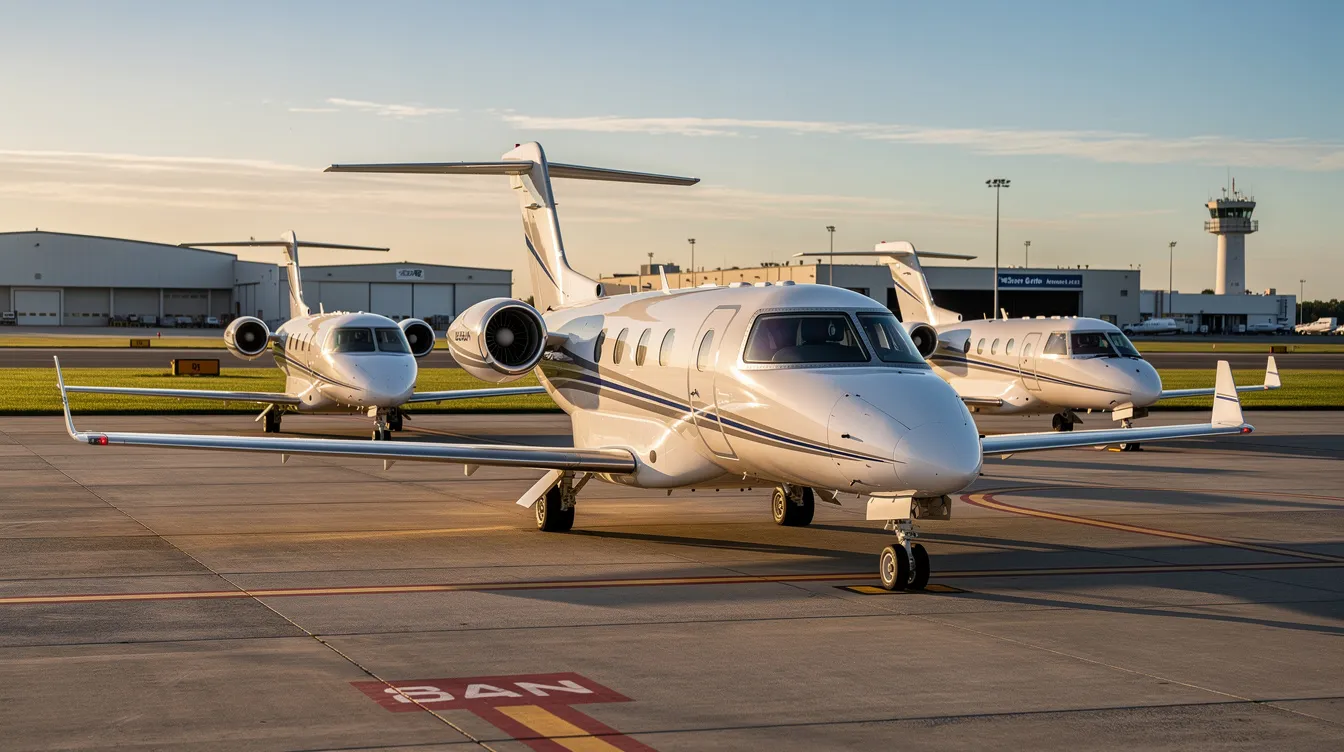
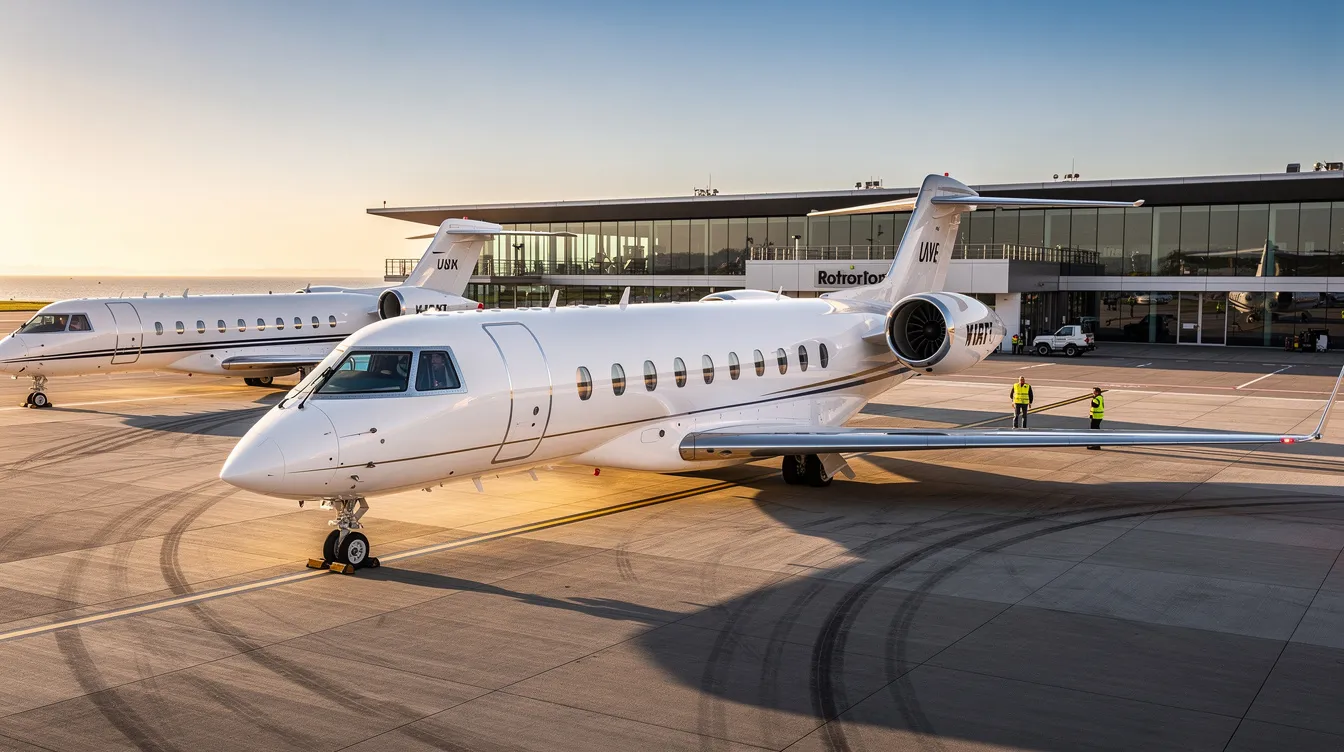
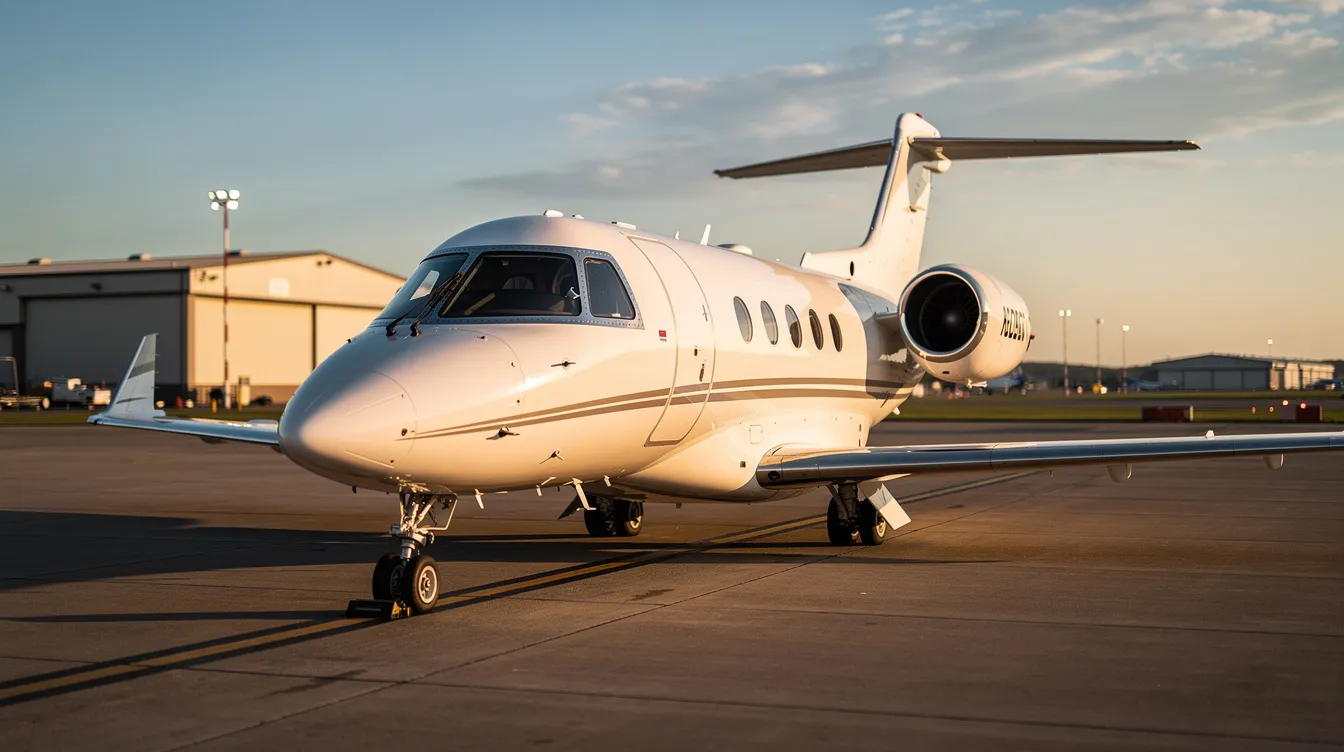
Jet aircraft range from fighter jets to wide-body airline aircraft, but business aviation focuses on a usable mission fit. Below are the main categories relevant to business aviation:
Very Light Jets
Single-pilot certified
Operate on short runways
Seat 4–7 people
Ideal for quick regional trips, carries
Light and Midsize Jets
Generally carries 6–11 passengers
Range of roughly 1,500–3,500 nautical miles
Suitable for medium-length business trips
Super-Midsize and Large-Cabin Jets
Carry 10–19 passengers
Reach 4,000–8,000+ nautical miles
Designed for long-haul and intercontinental travel
Other Aircraft Types
Narrow-body single-aisle aircraft: Designed for short-to-medium domestic flights, they prioritize quick airport turnaround times.
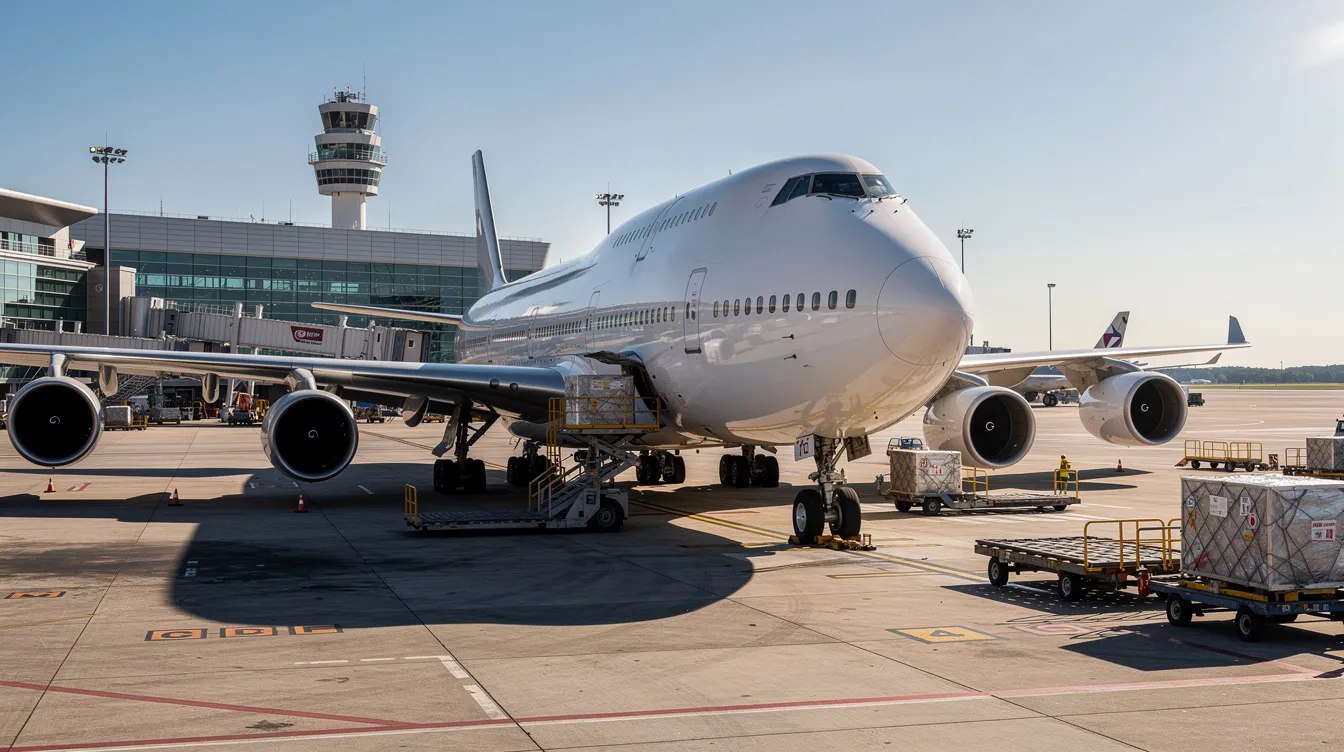
Wide-body twin-aisle aircraft: Built for long-haul international routes, carrying 250–450+ passengers and utilizing advanced aerodynamics.
Military transport planes: Designed for heavy-lift cargo and feature rear loading ramps for rapid troop deployment.
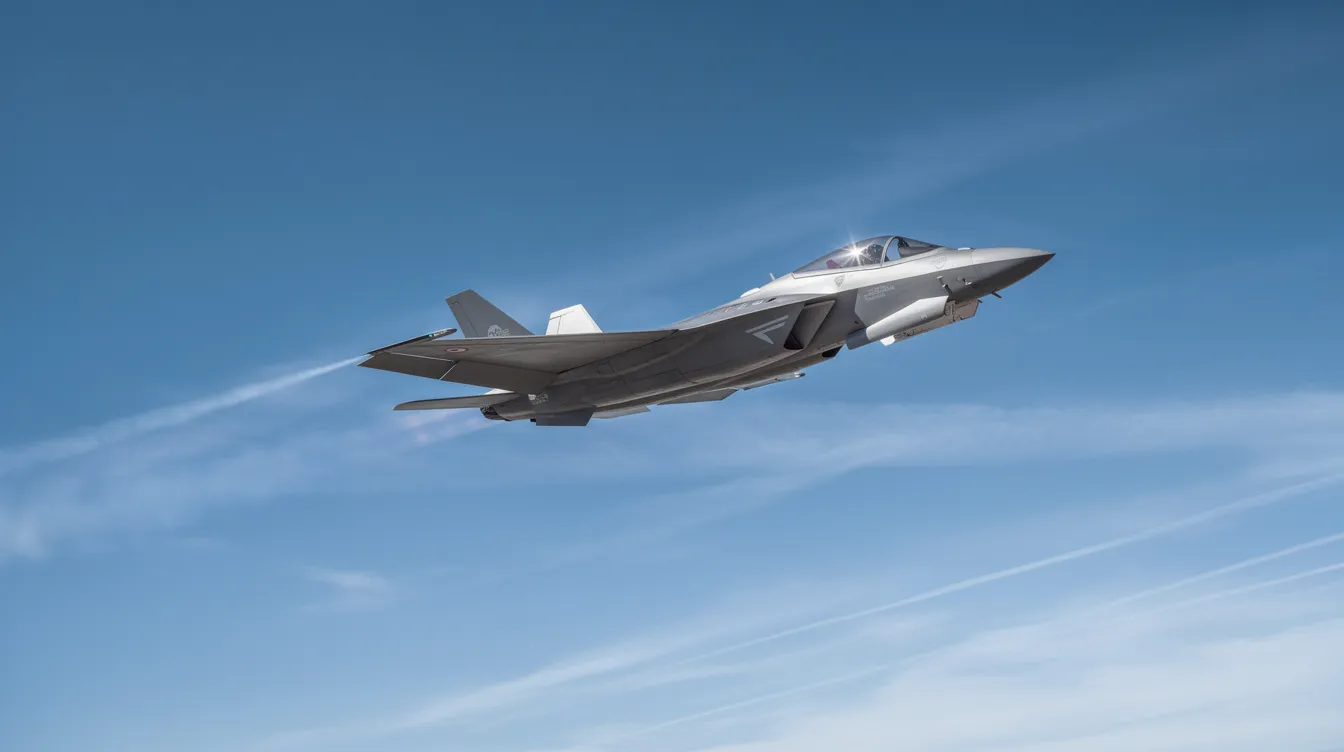
Fighters and interceptors: Designed for high maneuverability, speed, and advanced weapon integration.
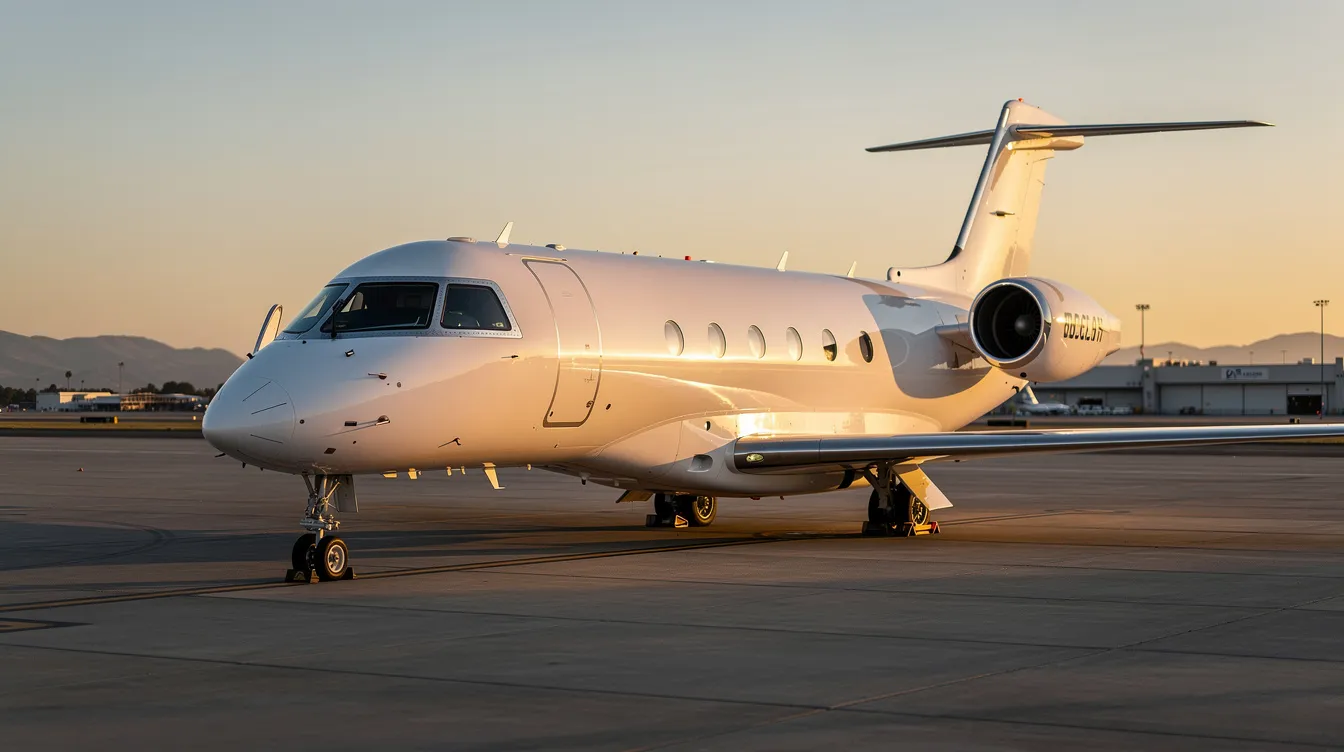
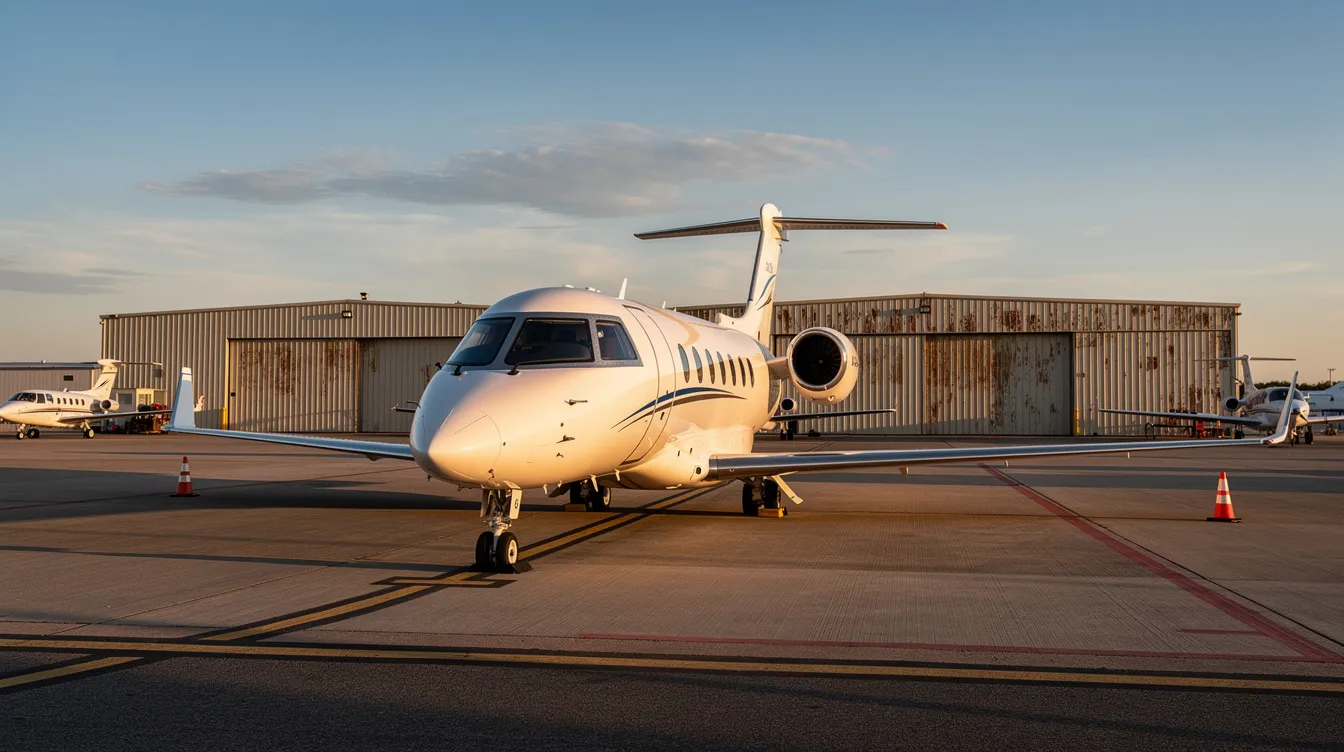
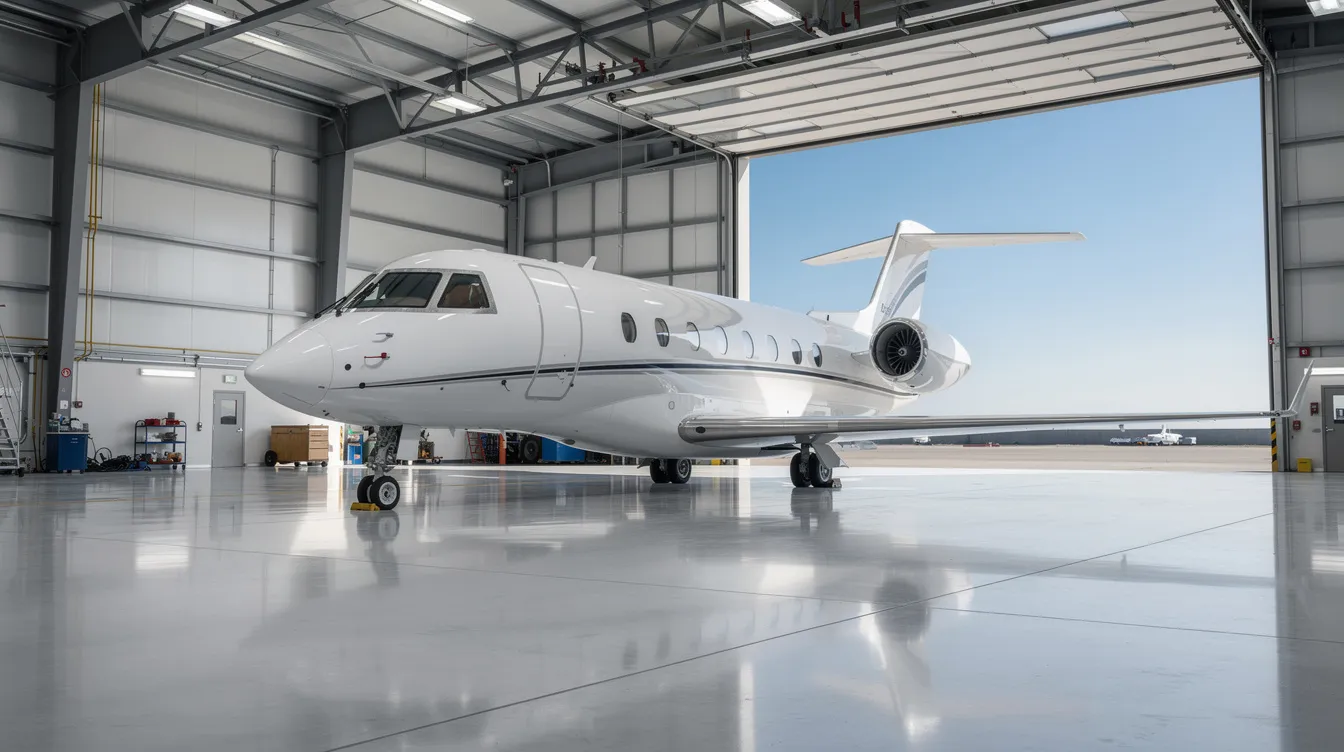
Examples include Phenom 300, Citation CJ4 Gen3, Challenger 3500, Airbus ACJ319 private jet, Gulfstream G600, and Global 7500/8000.
BusinessJets.com also compares high-performance turboprops against light jets when a King Air kind of airplane may better meet the purpose, helping buyers match specific mission profiles with premium aircraft for sale listings.
With these categories in mind, let’s look at how jet engines work and why they matter for business aviation.
Inside Jet Engines: How Jet Aircraft Generate Thrust
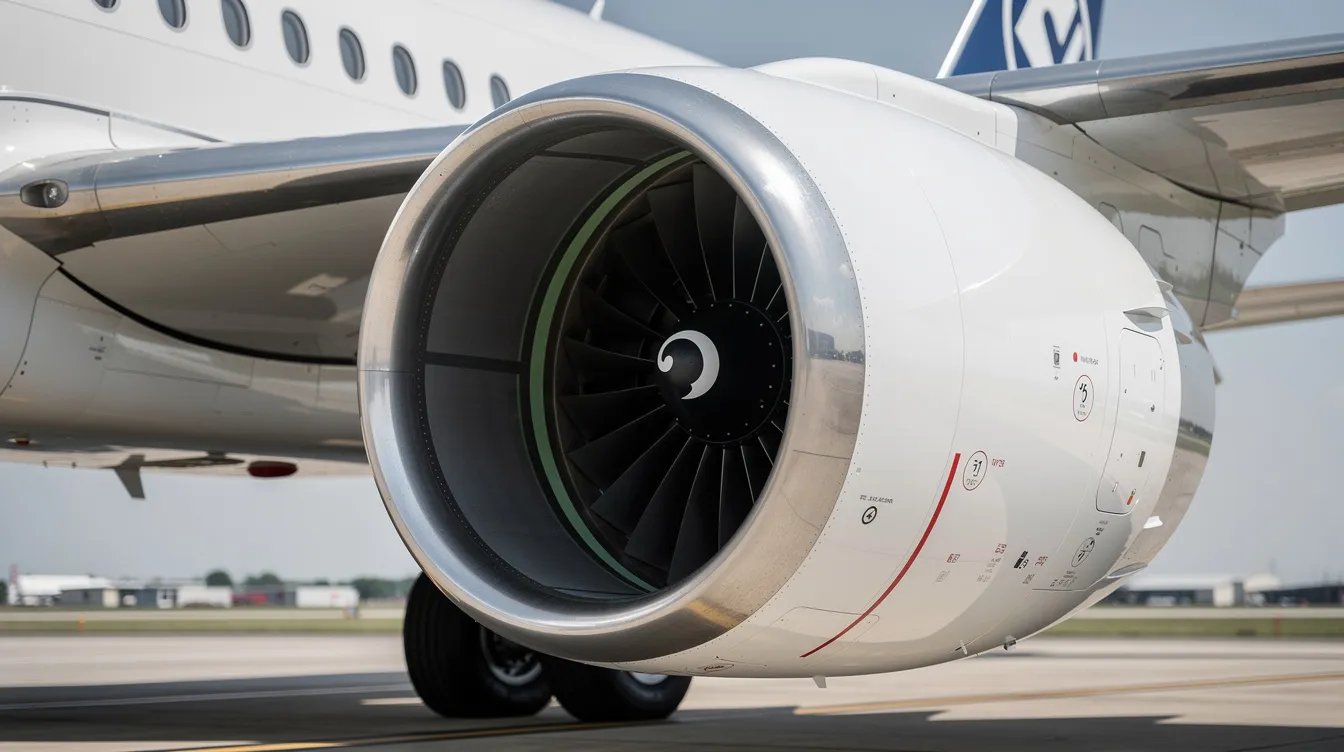
A turbojet engine draws in air, compresses it, ignites it with fuel, and blasts it out the back to create intense forward thrust. Turbojets have a high exhaust speed and low frontal cross-section, making them best suited for supersonic flight, but they are relatively inefficient compared to turboprop and turbofan engines for subsonic flight.
Low bypass turbofans are used for high sonic, transonic, and low supersonic speeds, while high bypass turbofans are more efficient and commonly used by subsonic aircraft such as airliners. High-bypass turbofan engines are efficient at cruising altitudes ranging from 30,000 to 42,000 feet at speeds of Mach 0.74 to 0.85. Turbofan engines provide incredible fuel efficiency at high altitudes, balancing mass transport with low operating costs per seat-mile.
Jet engines, such as turbojets and turbofans, have far fewer moving parts compared to piston engines, making them more reliable and cost-effective to operate. In appraisals, BusinessJets.com reviews engine life, program coverage, maintenance records, and whether newer manufacturers produced meaningful efficiency gains, and operators can request a professional aircraft appraisal to benchmark value before buying or selling.
Understanding jet engine technology is essential for evaluating aircraft performance and operational costs, which leads us to the historical milestones that shaped today’s market.
From First Flight to the Jet Age: Key Milestones in Jet Aircraft History
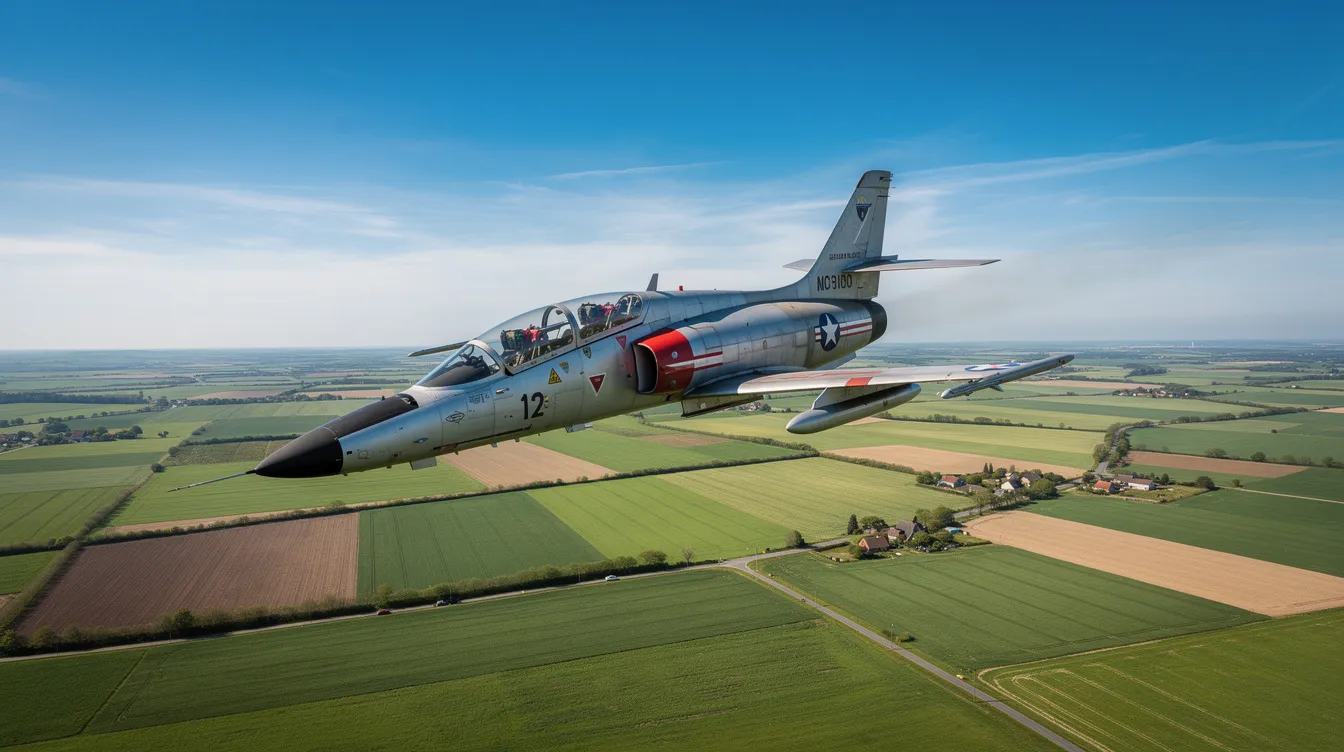
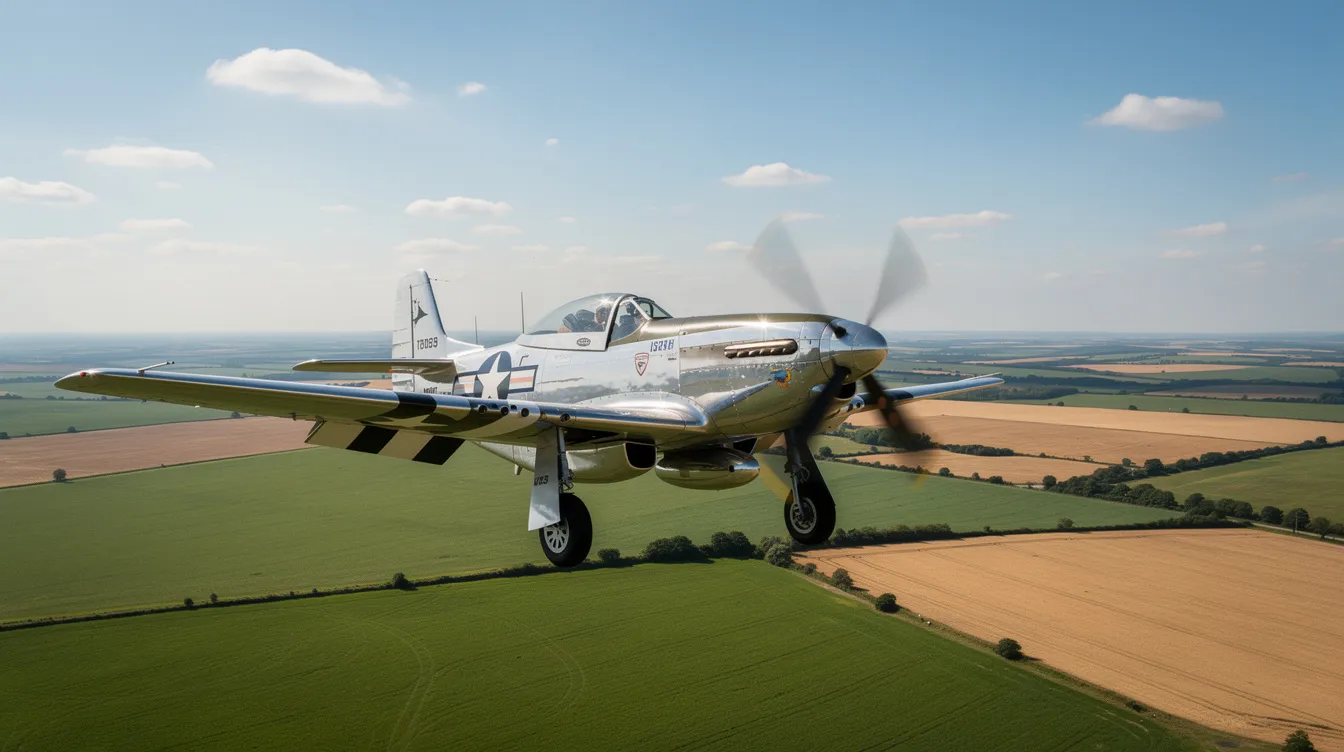
History helps explain today’s market. The Messerschmitt Me 262 was the first operational jet fighter, entering service on April 19, 1944, and it scored the first combat victory for jet fighters on July 26, 1944. The United States introduced its first jet fighter, the Lockheed P-80 Shooting Star, into service by the end of 1945, marking a significant development in military aviation as jet technology advanced around the world during and after World War II.
The first commercial jet service was operated in 1952 by BOAC using the de Havilland Comet, which was faster and quieter than propeller aircraft. The Boeing 707, which entered service in 1958, dominated the market for civilian airliners and marked a major innovation in aviation due to its design advantages over earlier jets, such as the de Havilland Comet.
Between 1955 and 1972, passenger numbers in the United States more than quadrupled, largely due to the introduction of jet airplanes that made flying cheaper and more efficient and expanded jet routes across the nation.
The Learjet 23’s 1963 first flight marked the beginning of the modern business jet era. The Concorde showed what supersonic flight could mean for passengers, while the fastest airbreathing jet aircraft is the unmanned X-43 scramjet, which can reach speeds of around Mach 9–10.
These milestones provide context for how business jets compare to other airplanes in terms of use cases, range, and performance.
Business Jets vs. Other Airplanes: Use Cases, Range, and Performance
Why Choose a Business Jet?
Corporate buyers often choose jet aircraft because they fly faster, climb above weather, and support tighter schedules. Jets are generally used for longer flights, capable of flying over 5,000 miles, while turboprop planes typically have a range of up to 1,500 miles.
Turboprops for Regional Missions
Turboprop engines perform better for short, sub-500-mile legs, avoiding the fuel penalties of high-altitude jet streams. For regional sectors, turboprops can be more efficient and use shorter runways.
Long-Haul Jet Efficiency
Long-haul commercial jets become more fuel-efficient during long missions, where initial fuel burned to reach cruising altitude is offset by prolonged cruise periods.
BusinessJets.com advises clients using real route networks, passenger count, baggage, runway data, and weather exposure—not brand assumptions.
Understanding these operational differences is key to evaluating the economics and market trends of jet aircraft ownership.
Jet Aircraft Economics, Valuation, and Market Trends
For owners and fleet managers, speed matters only if economics work. Cost drivers include fuel burn, engine programs, 48- or 96-month inspections, avionics, cabin work, insurance, crew, hangarage, and training.
Appraisers evaluate age, total time, cycles, maintenance history, avionics, cabin condition, engine status, and current demand. Supply remains selective into 2026, with strong interest in super-midsize and ultra-long-range jets, plus more focus on sustainability, sound reduction, and efficient fuel use across the industry.
A small operational note for any digital aircraft listing page: accessibility items such as modal window, close modal dialog, close modal dialog end, close button, escape key, pressing escape, cancel, loading, activating a modal, and window behavior should be clear so users can discover resources and learn efficiently.
With a clear understanding of market trends and valuation, let’s explore how to buy, sell, or upgrade jet aircraft with expert support.
Buying, Selling, and Upgrading Jet Aircraft with Expert Support
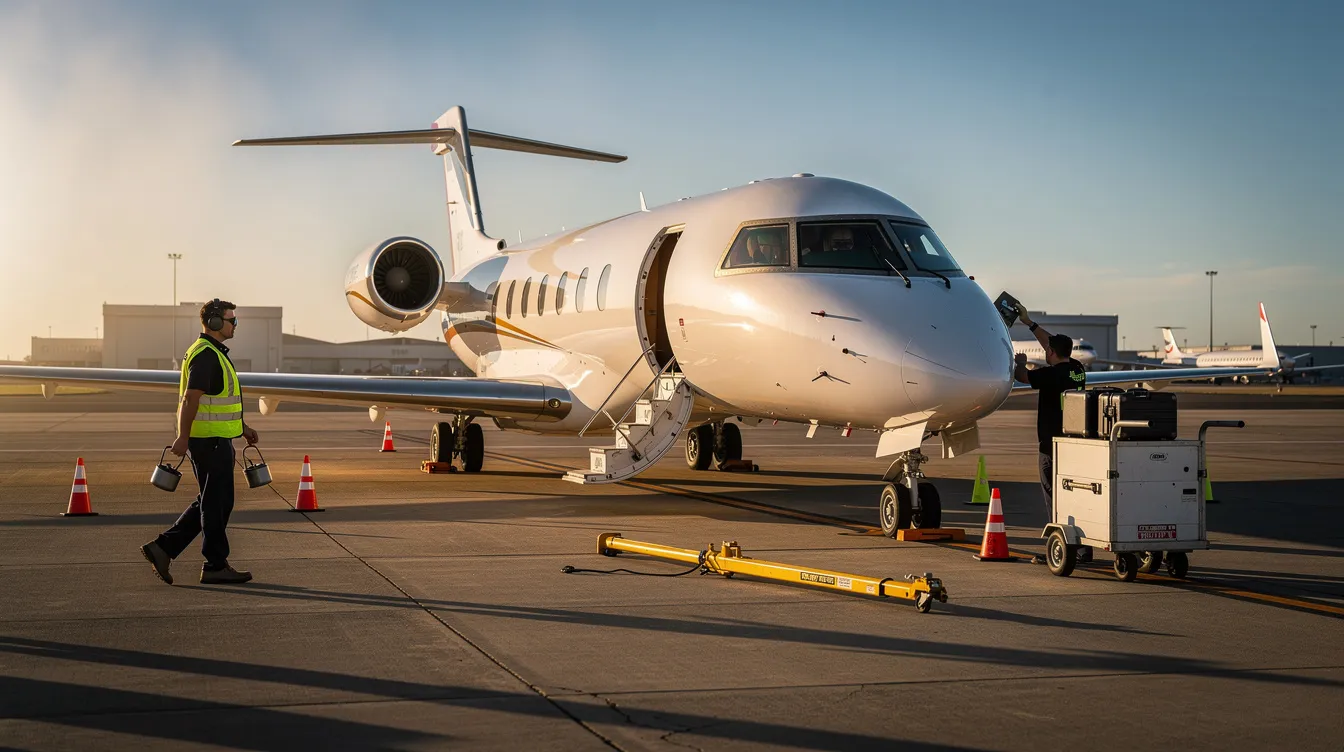
Acquisition begins by defining mission requirements, comparing airplanes, shortlisting models, reviewing logbooks, performing inspections, and negotiating delivery. Selling starts with valuation, records cleanup, cosmetic preparation, pricing, qualified outreach, pre-buy management, and closing.
BusinessJets.com can help you hire expert representation, list a jet aircraft for sale, request an appraisal, or engage aviation consulting for fleet strategy. In a September market review or any major event, timing can change value by more than half a buyer’s negotiating margin. The leader is the seller or buyer with better data.

For more detailed answers to common questions, see the FAQ below.
FAQ: Jets, Airplanes, and Business Aviation Decisions
Is every jet considered an airplane, and are there any exceptions?
Essentially, all conventional jet aircraft are airplanes because they are fixed-wing, heavier-than-air machines. Rockets and some vertical-lift concepts are not normally categorized as airplanes.
How do I decide between a turboprop airplane and a light jet for my routes?
Review route length, runway limits, payload, baggage, weather, and schedule sensitivity.
Under roughly 400–500 nm, turboprops often win.
Longer legs favor a light jet.
What factors most influence the resale value of a business jet?
Age
Cycles
Total time
Jet engine status
Program enrollment
Maintenance records
Avionics currency
Cabin modernization
Supply-demand balance
How long can a modern business jet fly nonstop?
Light jets may reach about 1,500–2,000 nm.
Super-midsize jets about 3,000–4,000 nm.
Global 7500/8000 class aircraft can fly about 7,700–8,000 nm under ideal conditions.
When should an operator consider upgrading?
When unscheduled maintenance rises
Major inspections approach
Avionics compliance becomes costly
New missions require more range, cabin space, speed, or efficiency
To reach the right decision, ask BusinessJets.com for a data-backed appraisal or fleet review.
Conclusion: Partnering with BusinessJets.com for Your Jet and Airplane Needs
Navigating the complexities of jets and airplanes requires expert knowledge, market insight, and strategic guidance. Whether you are buying, selling, or managing a fleet, understanding the distinctions between jet aircraft and other airplanes is fundamental to making informed decisions that align with your operational and financial goals.
BusinessJets.com stands as a trusted partner in this journey, offering comprehensive aircraft brokerage, professional appraisals, and tailored aviation consulting. With a proven track record of over 1,500 successful transactions and more than 5,000 satisfied clients worldwide, BusinessJets.com provides discreet, expert-led support throughout every phase of aircraft ownership and acquisition.
Engage BusinessJets.com to leverage deep market intelligence, precise valuation, and strategic transaction management. Visit www.businessjets.com to request an appraisal, list your aircraft for sale, or explore acquisition and consulting services designed to optimize your aviation assets with confidence and efficiency.