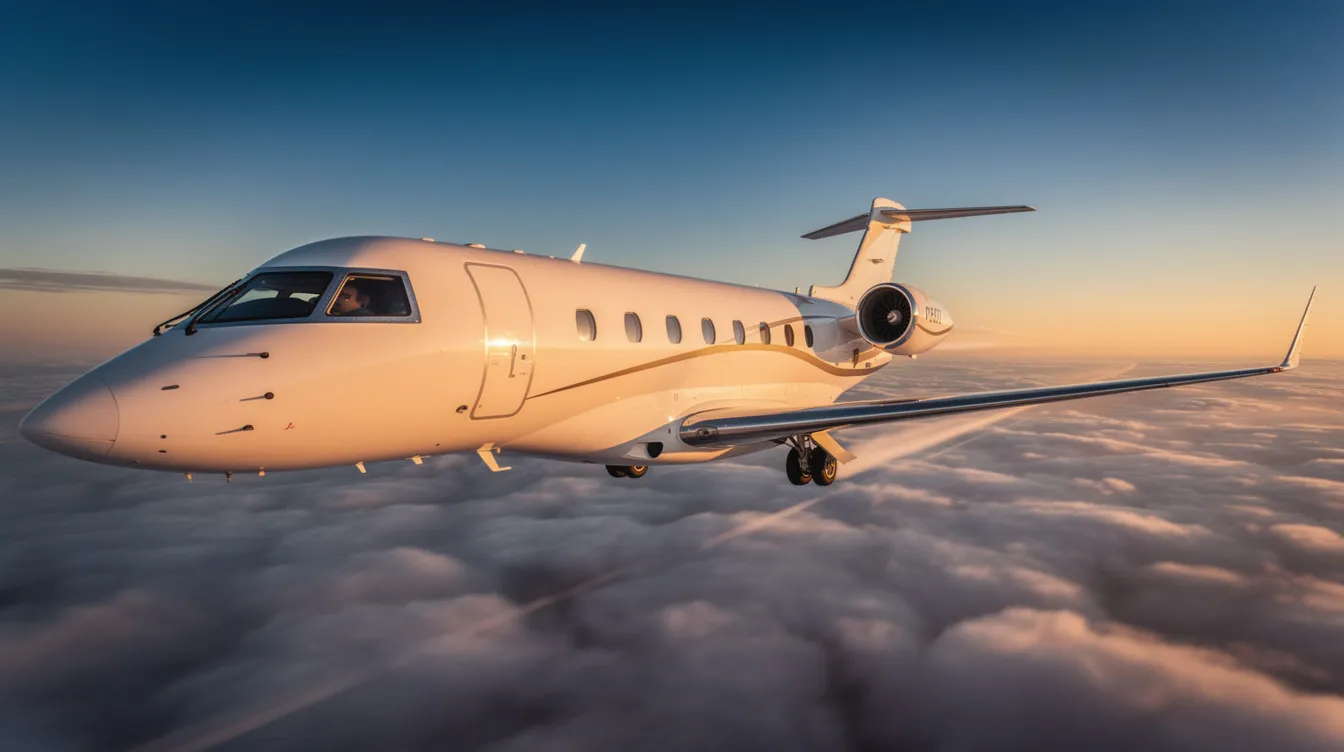
Luxury Private Planes: Models, Costs & Ownership Strategies for Discerning Buyers
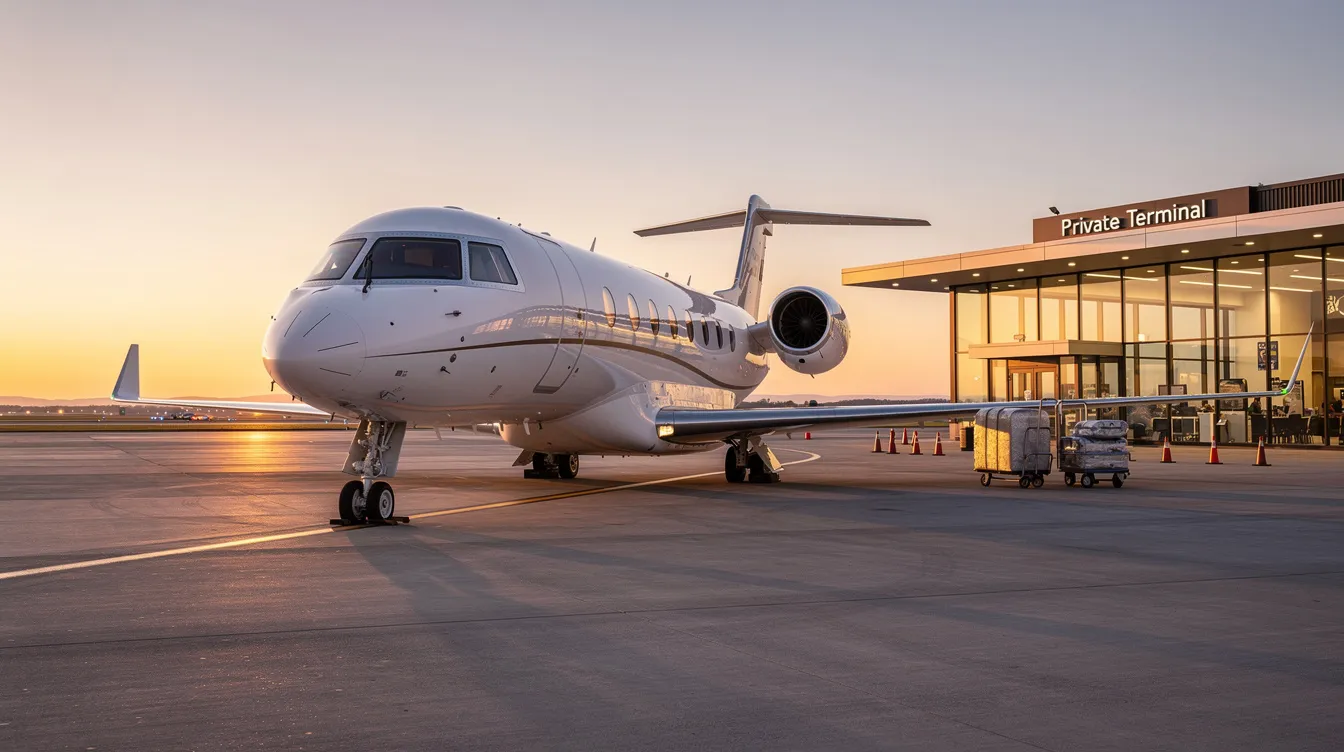
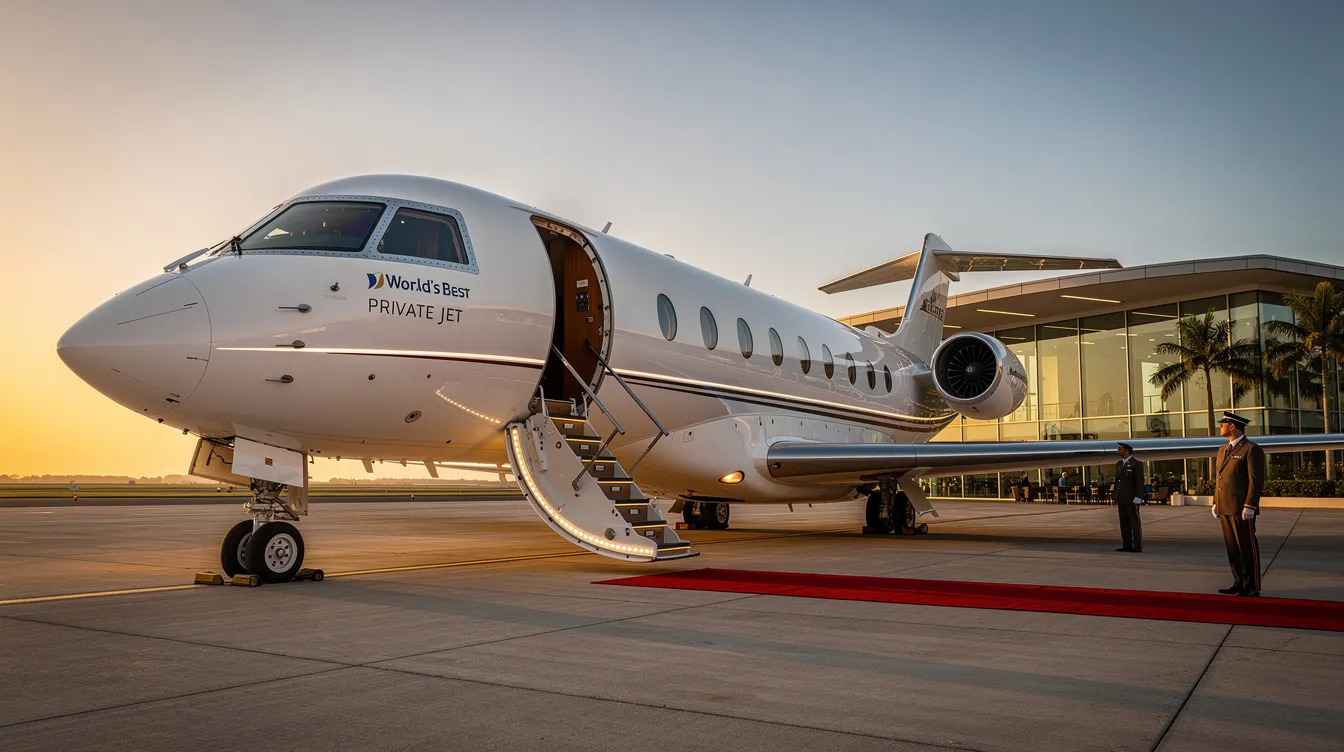
Luxury private jet travel has evolved sharply since 2020. Private aviation has experienced record growth since 2020, fueled by increased demand for contactless travel and the expansion of business aviation in emerging markets. For corporations and high-net-worth individuals, the case is no longer only luxury; it is productivity, privacy, access, and control.
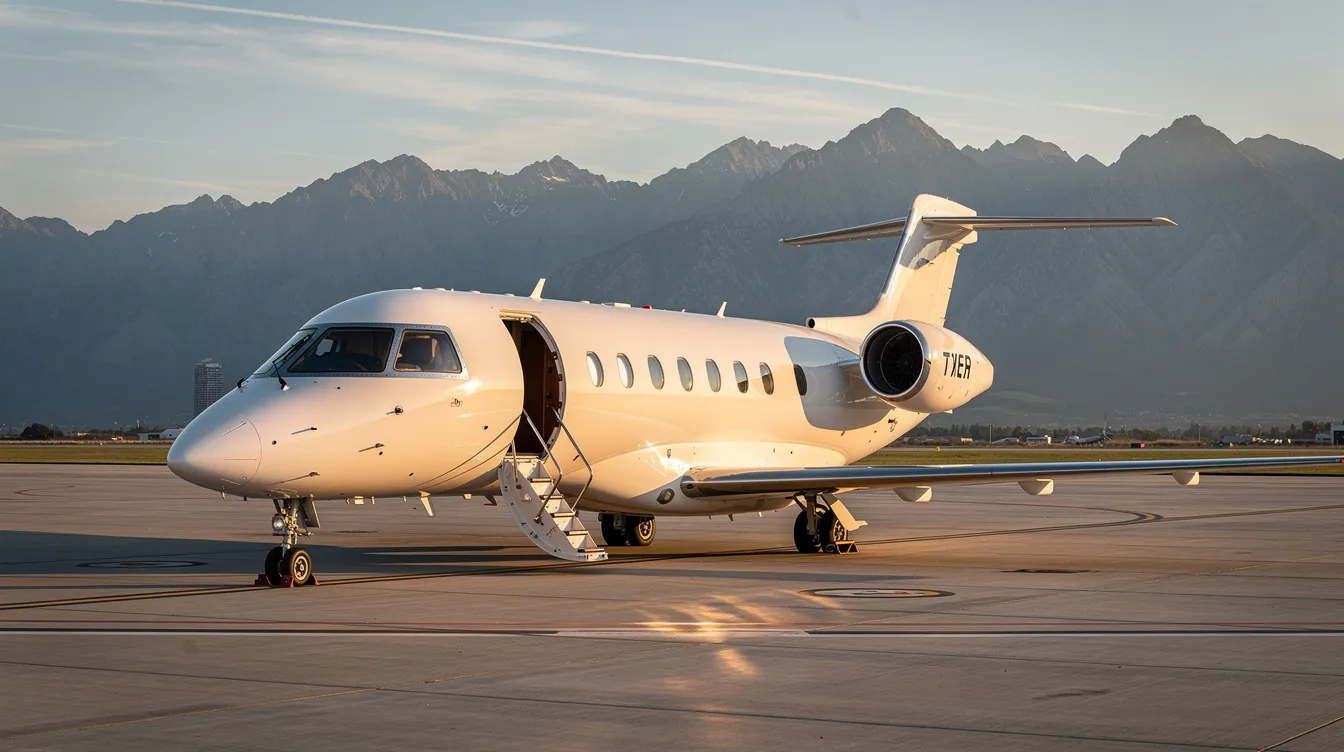
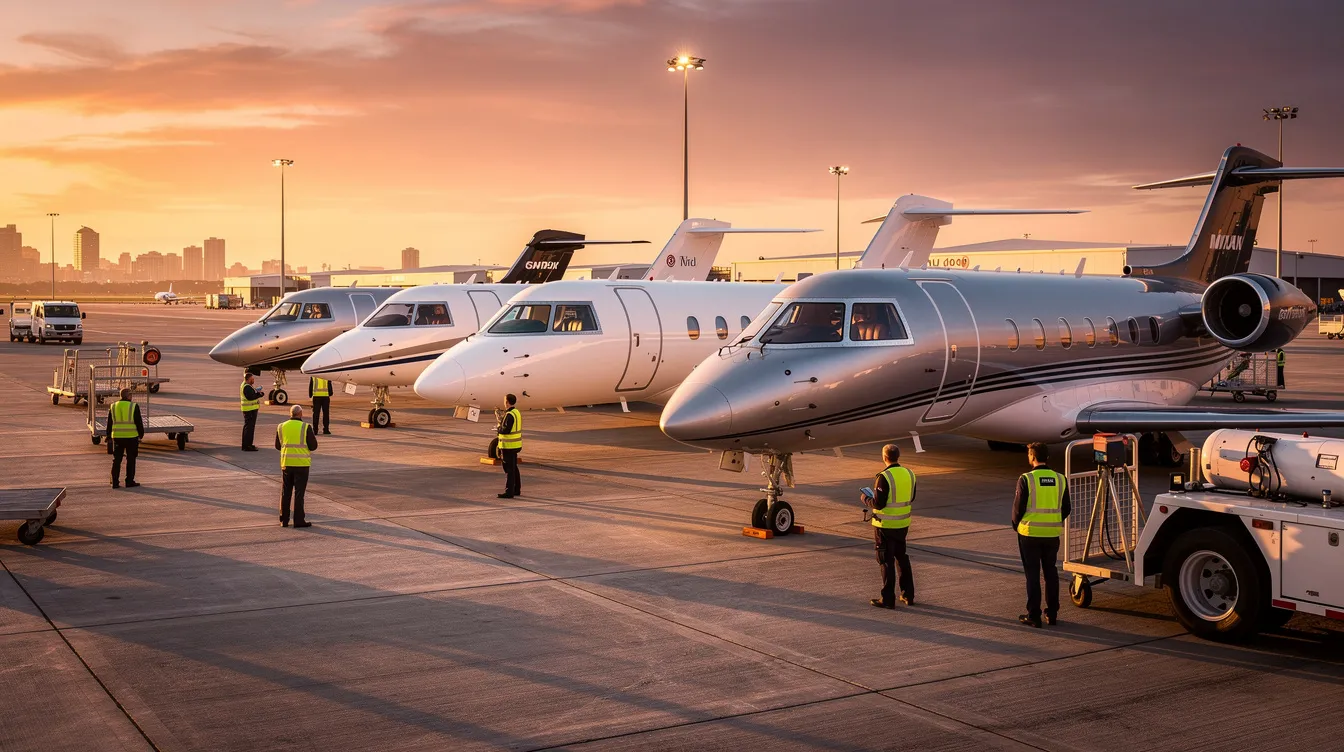
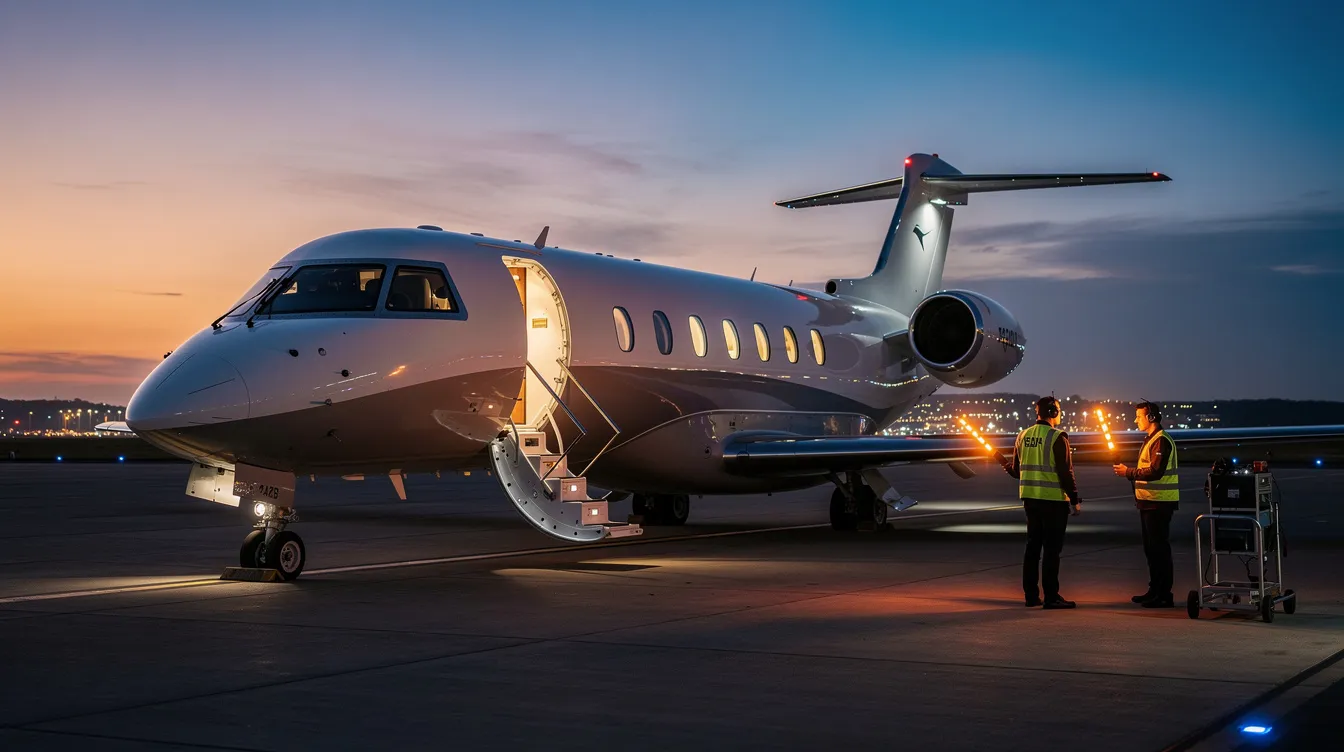
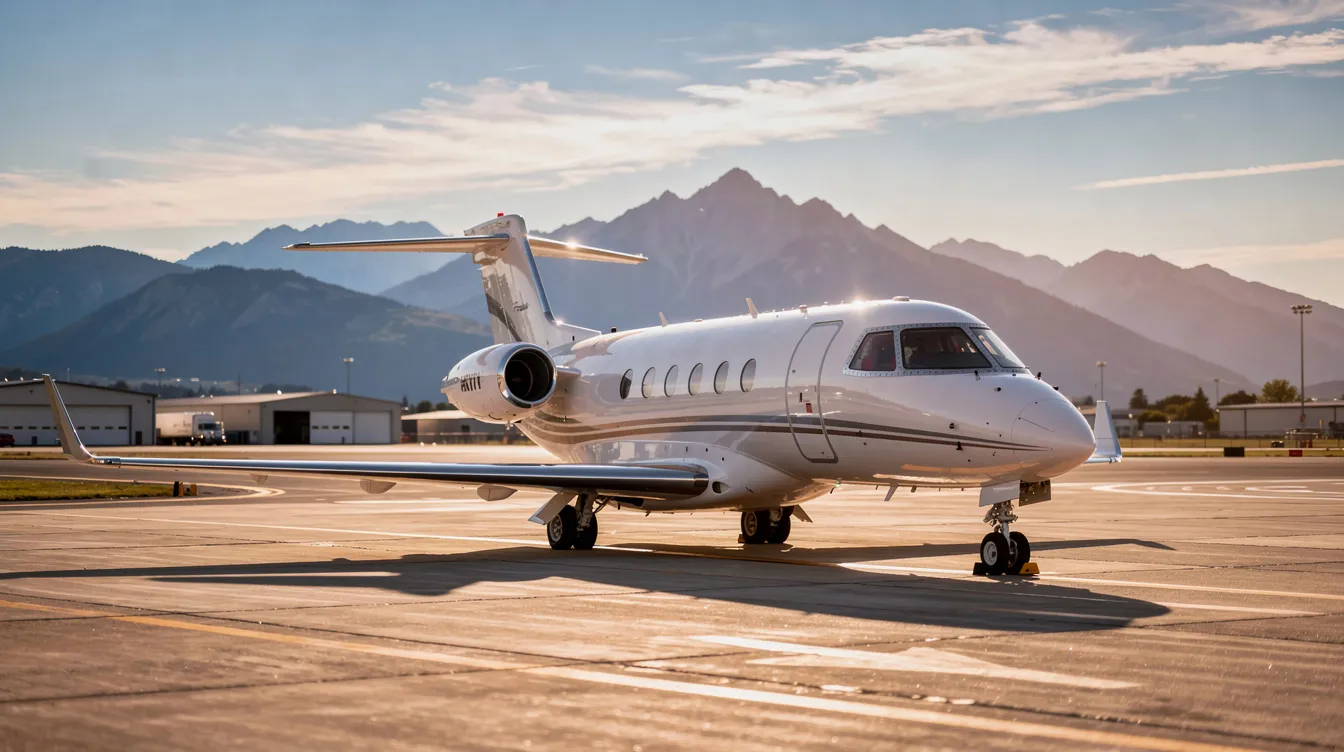
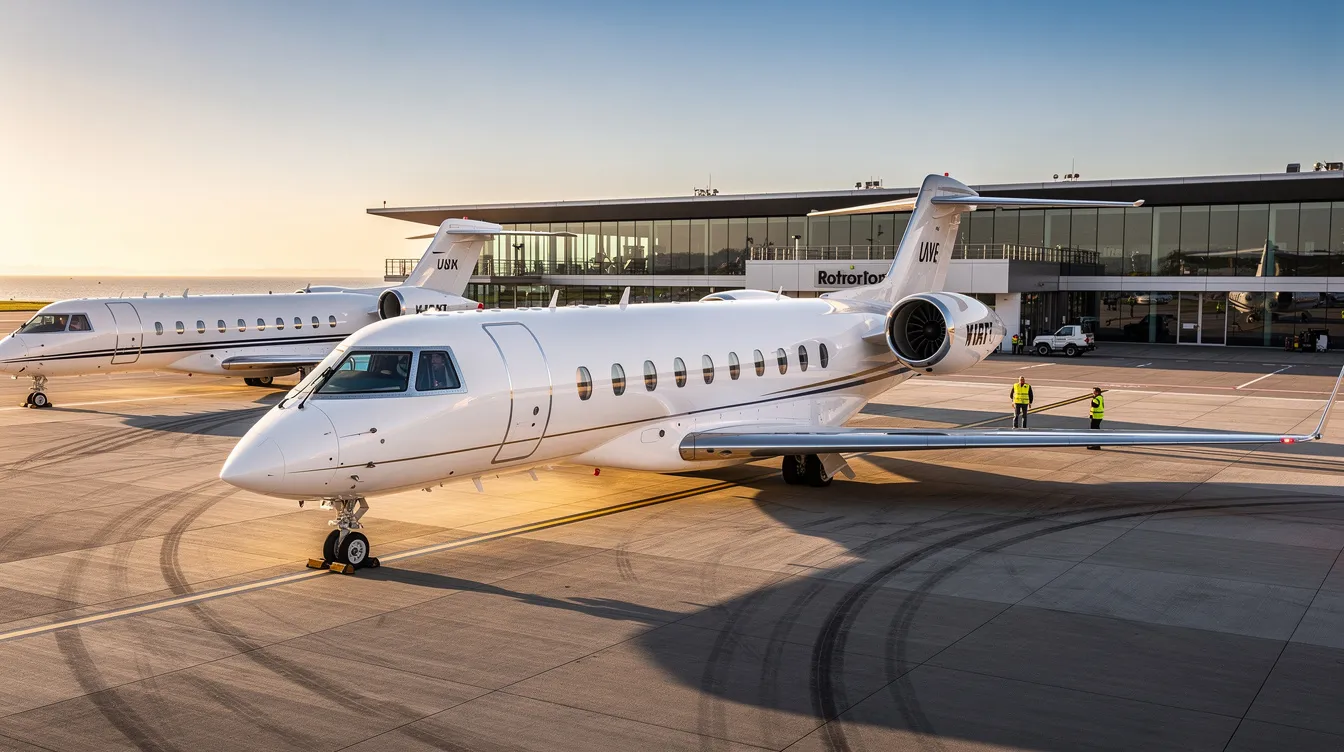
Luxury private planes are custom-tailored flying sanctuaries designed to maximize comfort, productivity, and privacy. Luxury private plane travel focuses on time savings, customization, and privacy. Private travel can save passengers 4–9 hours per journey by allowing them to arrive just 15 minutes before departure at a private terminal. Private jets can access over 5,000 airports in the U.S., compared to only about 500 served by commercial airlines.
BusinessJets.com advises buyers, sellers, operators, and private jet owners through aircraft brokerage, private jet appraisals, and aviation consulting with a global reach. The goal is simple: match the right private aircraft to the mission before capital is committed, leveraging extensive market intelligence and a discreet, professional approach.
Key Takeaways
Luxury private planes range from light jets for regional missions to ultra-long-range aircraft and executive liners such as the Bombardier Global 7500, Gulfstream G700, Dassault Falcon 8X, and Embraer Lineage 1000E.
Full ownership, fractional ownership, and private jet charter each make sense for different flight time profiles, capital preferences, privacy needs, and scheduling requirements.
Customizable interiors, advanced technology, superior range, and global support strongly influence aircraft value, usability, and resale demand.
Accurate aircraft valuation, pre-buy diligence, market timing, and expert brokerage are essential when buying or selling luxury private jets.
BusinessJets.com supports owners and buyers with aircraft for sale, appraisals, acquisitions, and aviation consulting backed by 1,500+ transactions and 5,000+ satisfied customers worldwide.
Categories of Luxury Private Jets: From Light to Ultra Long Range
Luxury private jets are classified by their size, passenger capacity, and flight range. In practice, selection should begin with the mission profile and intended destination: New York–Miami is a different requirement from New York–Dubai, and cabin luxury cannot compensate for insufficient range.
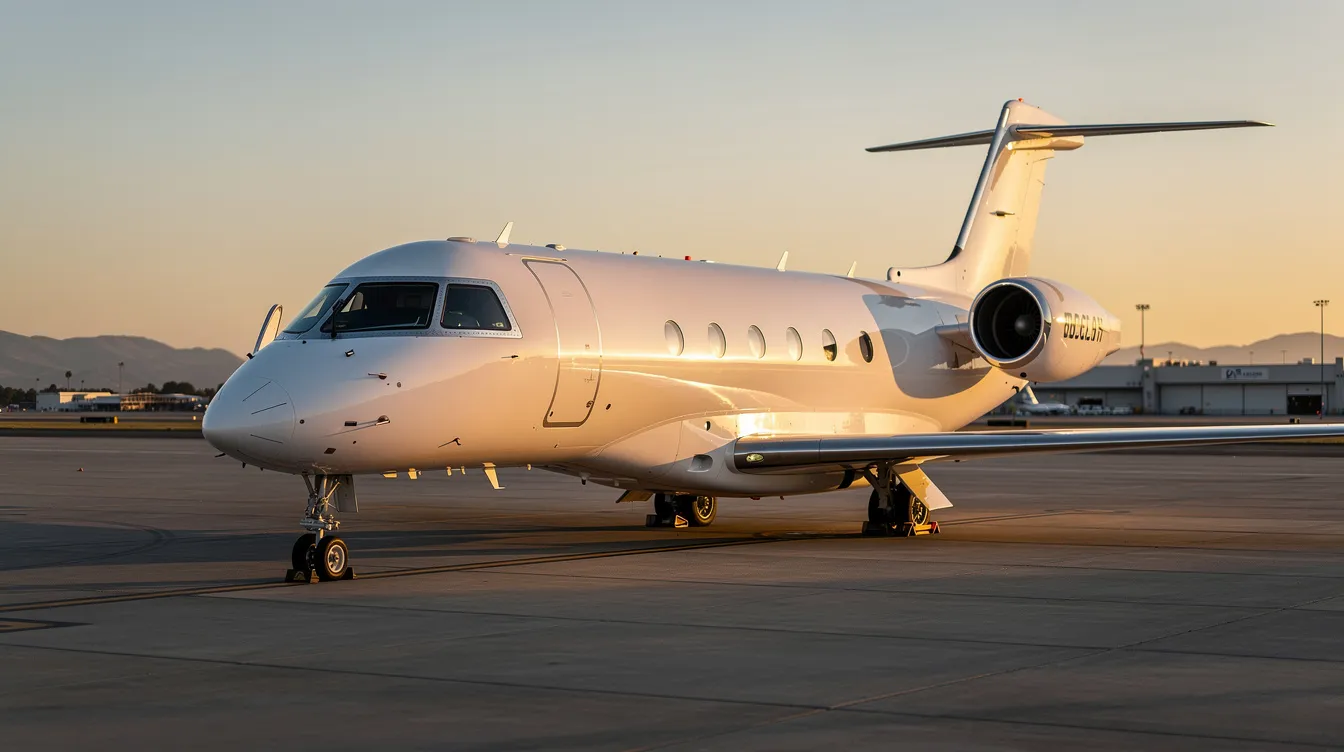
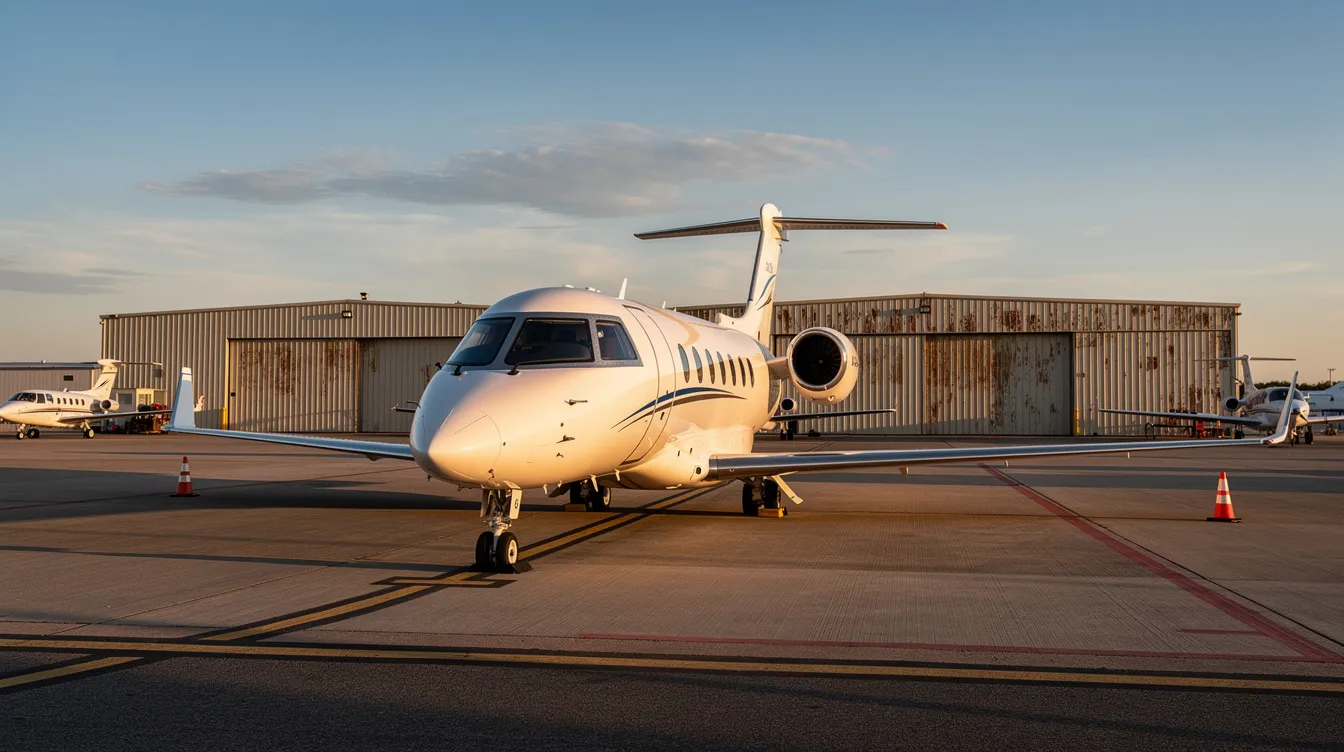
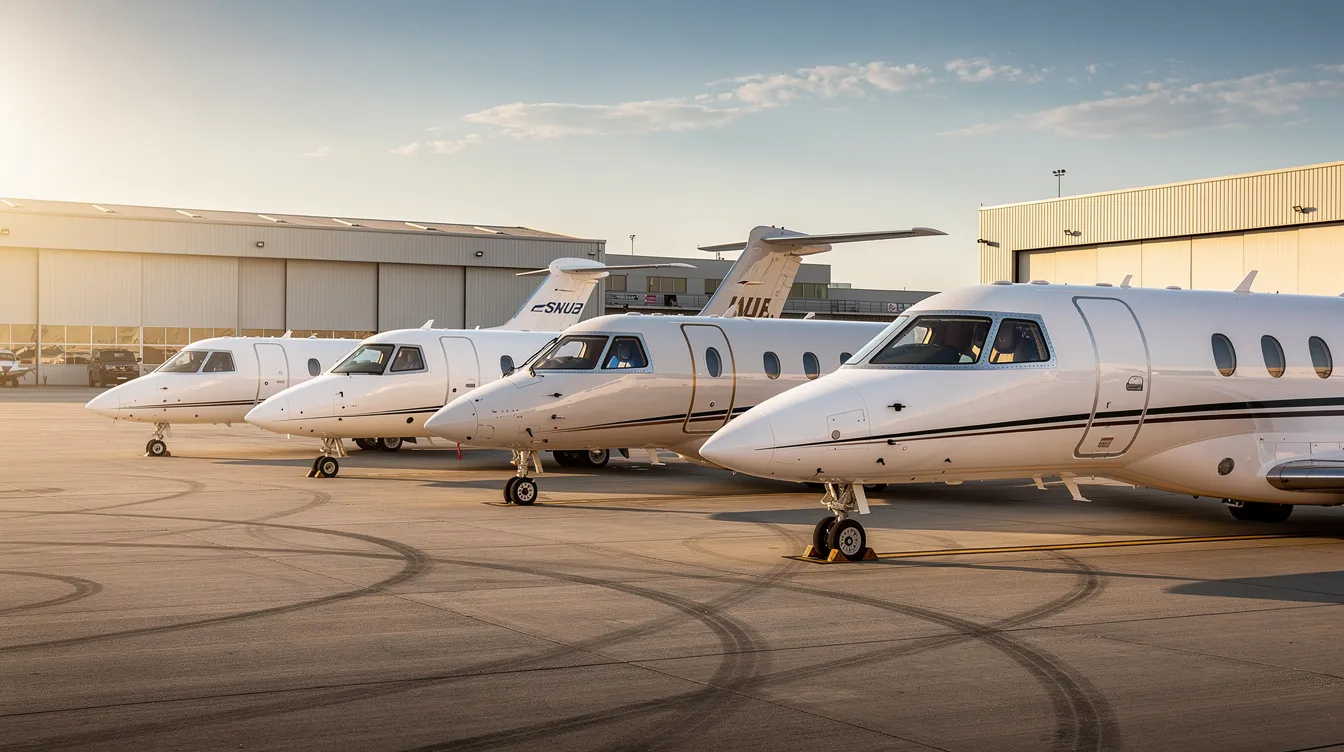
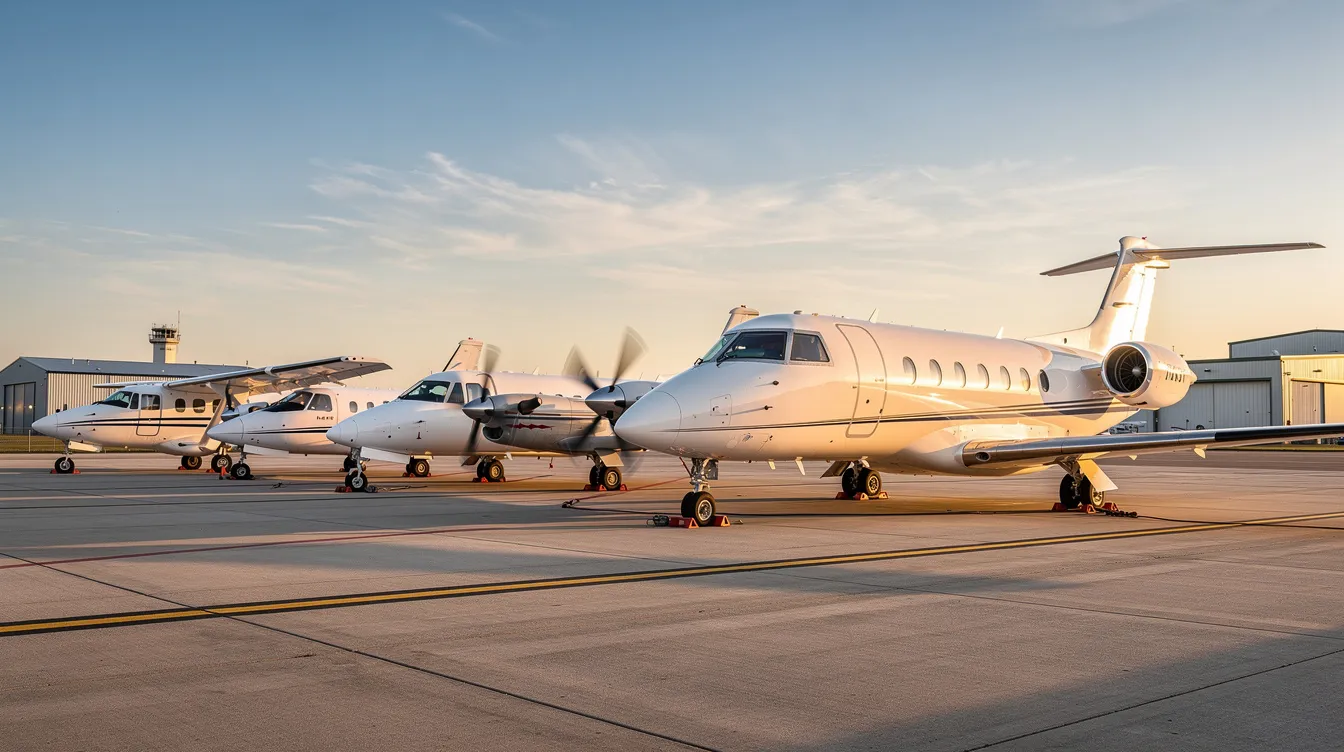
A practical comparison looks like this: light jets typically serve 4–8 passengers and regional routes; mid-size and super mid-size jets serve 7–10 passengers and longer domestic or transcontinental missions; large cabin and ultra-long range jets carry 12–19 passengers on long-haul flights, often connecting distant cities without a fuel stop.
Luxury Very Light & Light Jets
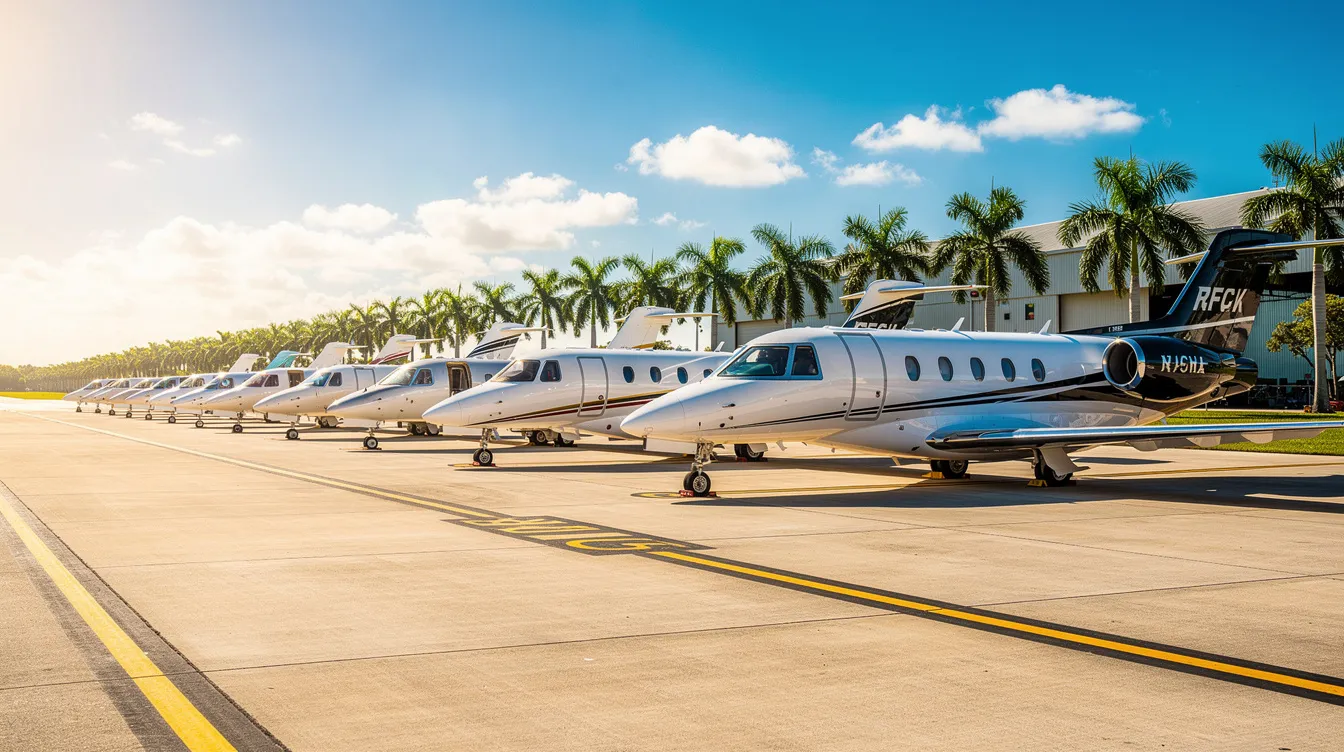
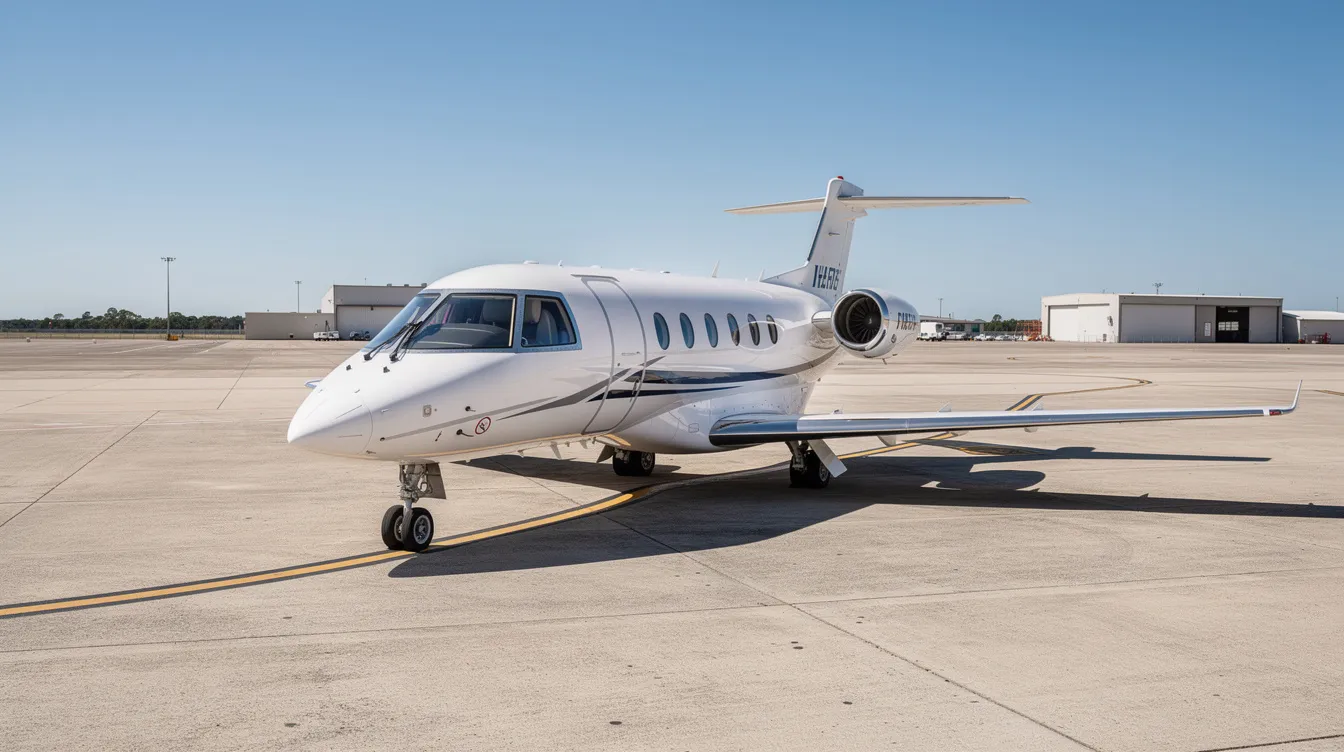
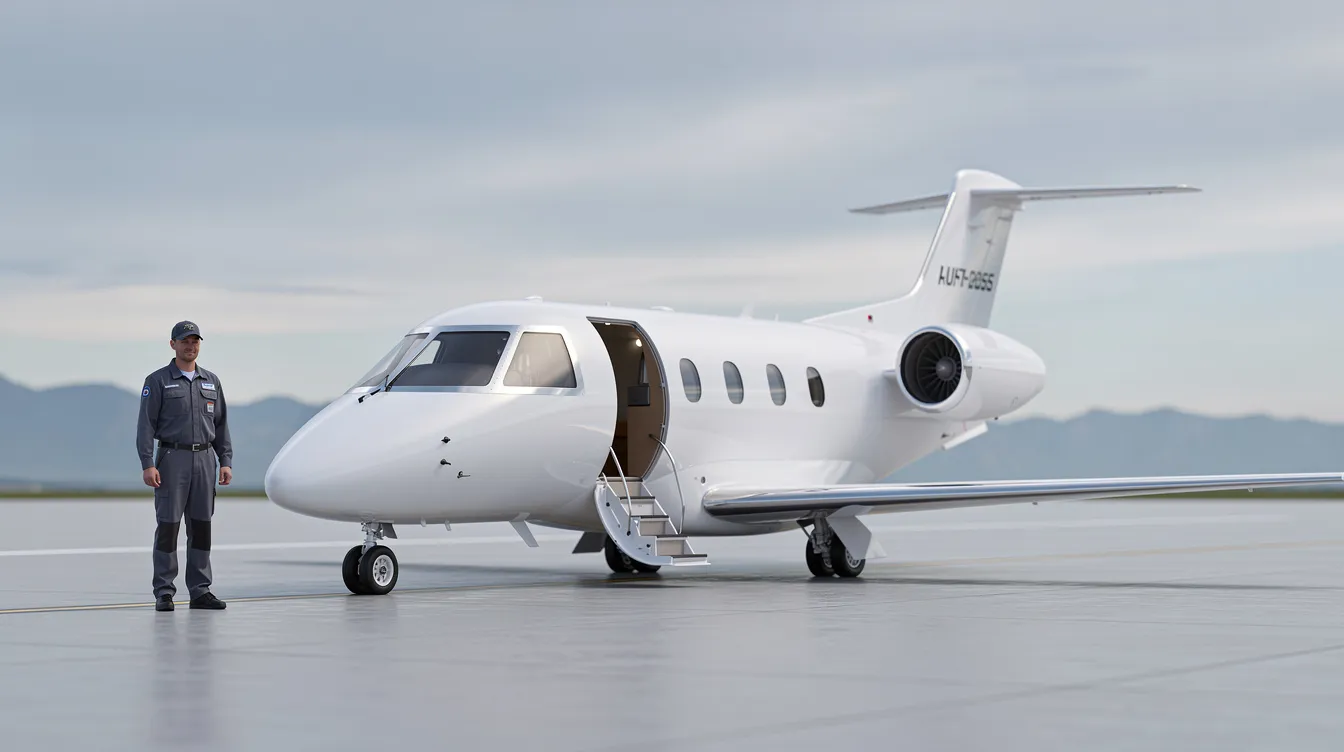
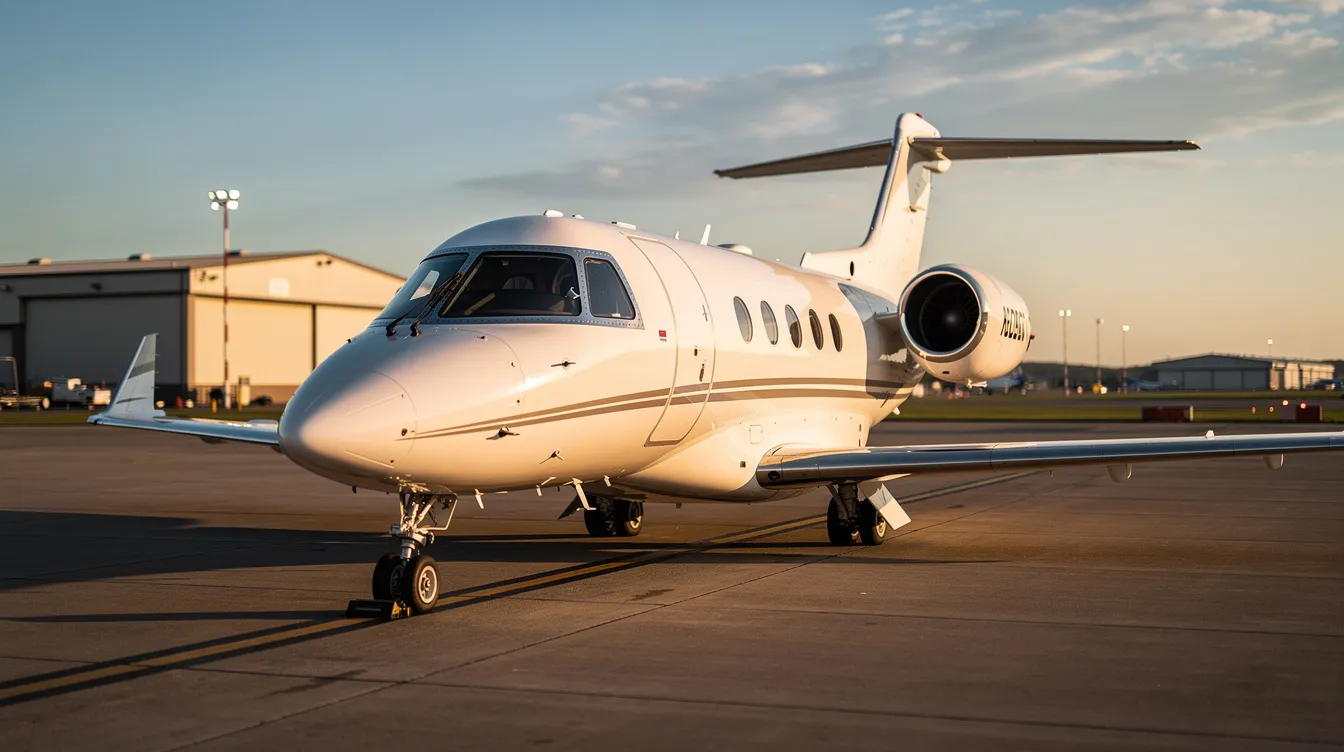
Very Light Jets (VLJs) are ideal for short, regional trips of 1–3 hours with 4–6 passengers. Light jets, like the HondaJet, are designed for short regional hops, offering efficiency and comfort with seating for 4 to 8 passengers and a range of approximately 2,000 to 3,500 nautical miles.
Popular models include the HondaJet HA-420, Embraer Phenom 300E, and Cessna Citation CJ4 Gen2. In this class, luxury means quiet cabins, premium seating, Wi-Fi, refined interior finishes, and enough space for focused business travel rather than multiple living zones. These aircraft types are often cost-effective for frequent regional private flights.
Mid-size & Super Mid-size Luxury Jets
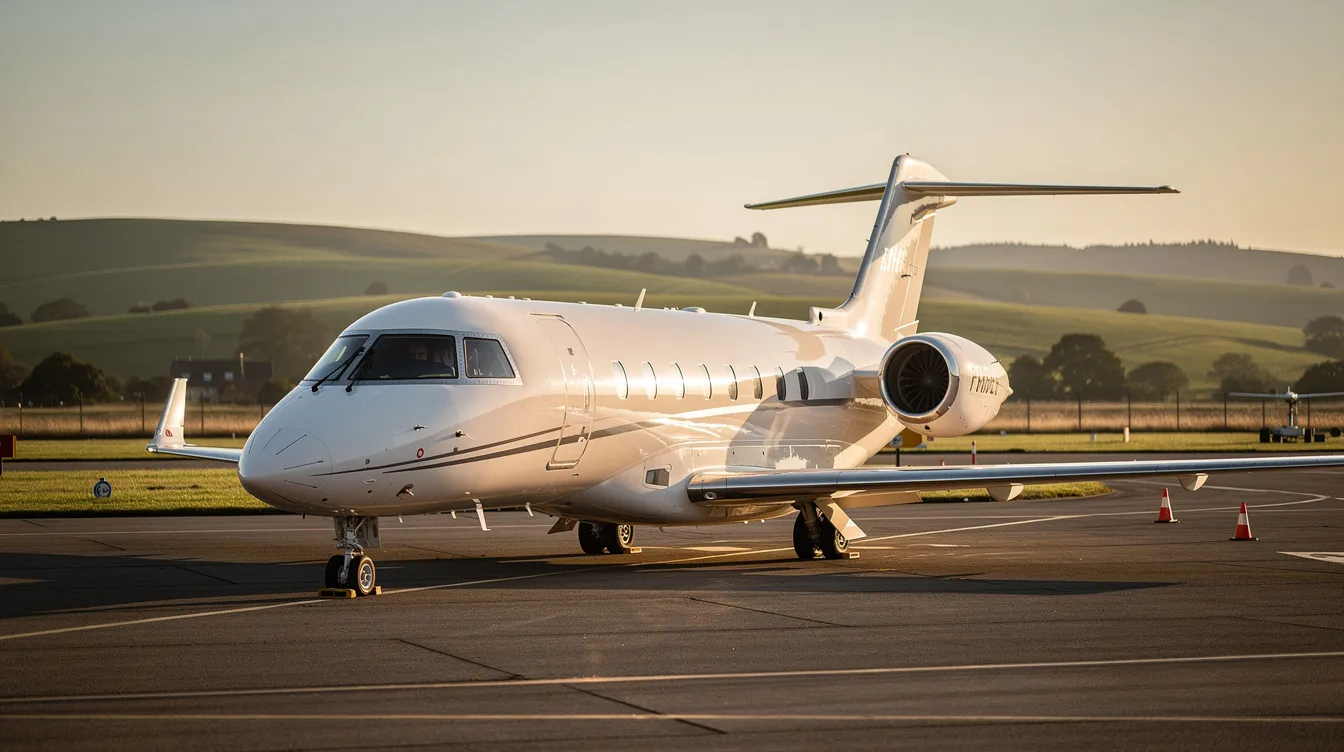
Mid-size and super mid-size jets bridge regional and intercontinental flying. Super Midsize Jets are perfect for coast-to-coast travel, offering stand-up cabins and full galleys. Examples include the Gulfstream G280, Bombardier Challenger 3500, Cessna Citation Longitude, and Embraer Praetor 600.
This category works well for private flights such as New York–Los Angeles, London–Dubai, or one-stop missions beyond the aircraft’s maximum range. Compared with light jets, the cabin generally offers more space, a better galley, divans that convert to beds, and quieter flying.
Large Cabin & Ultra Long Range Luxury Jets
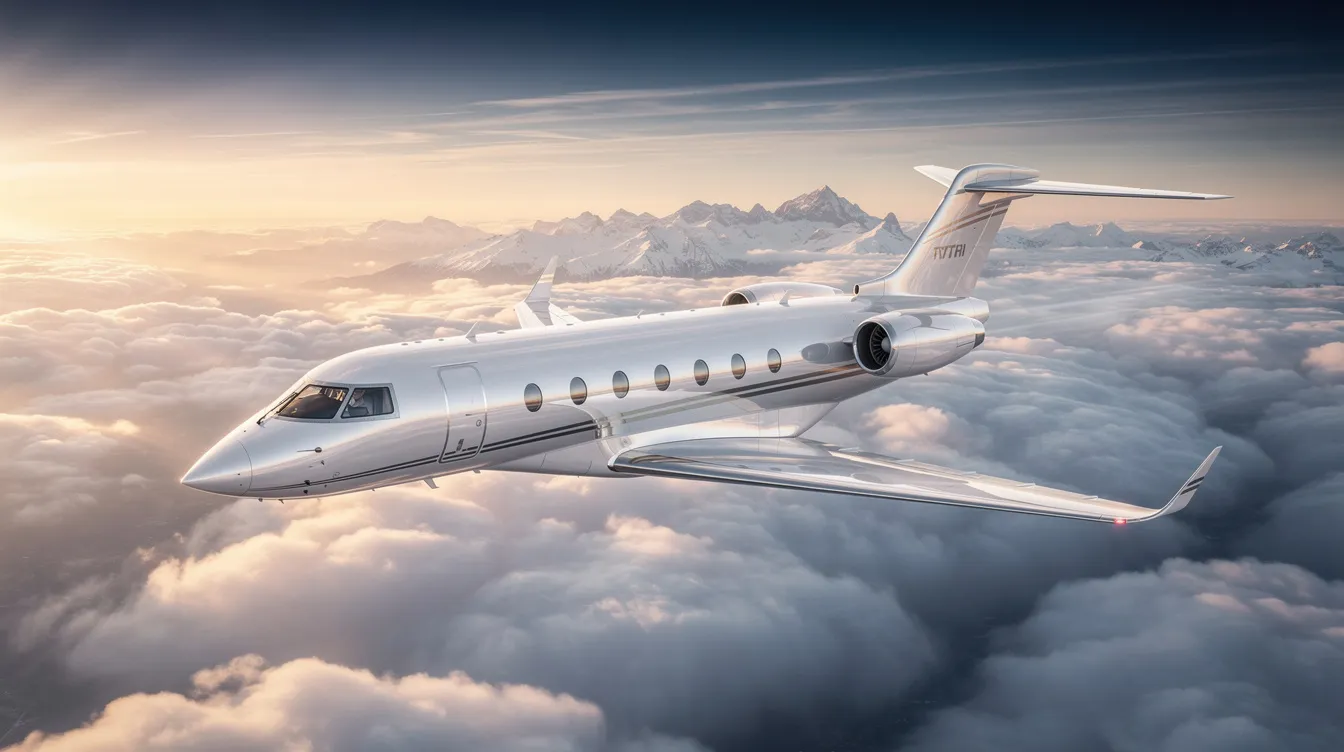
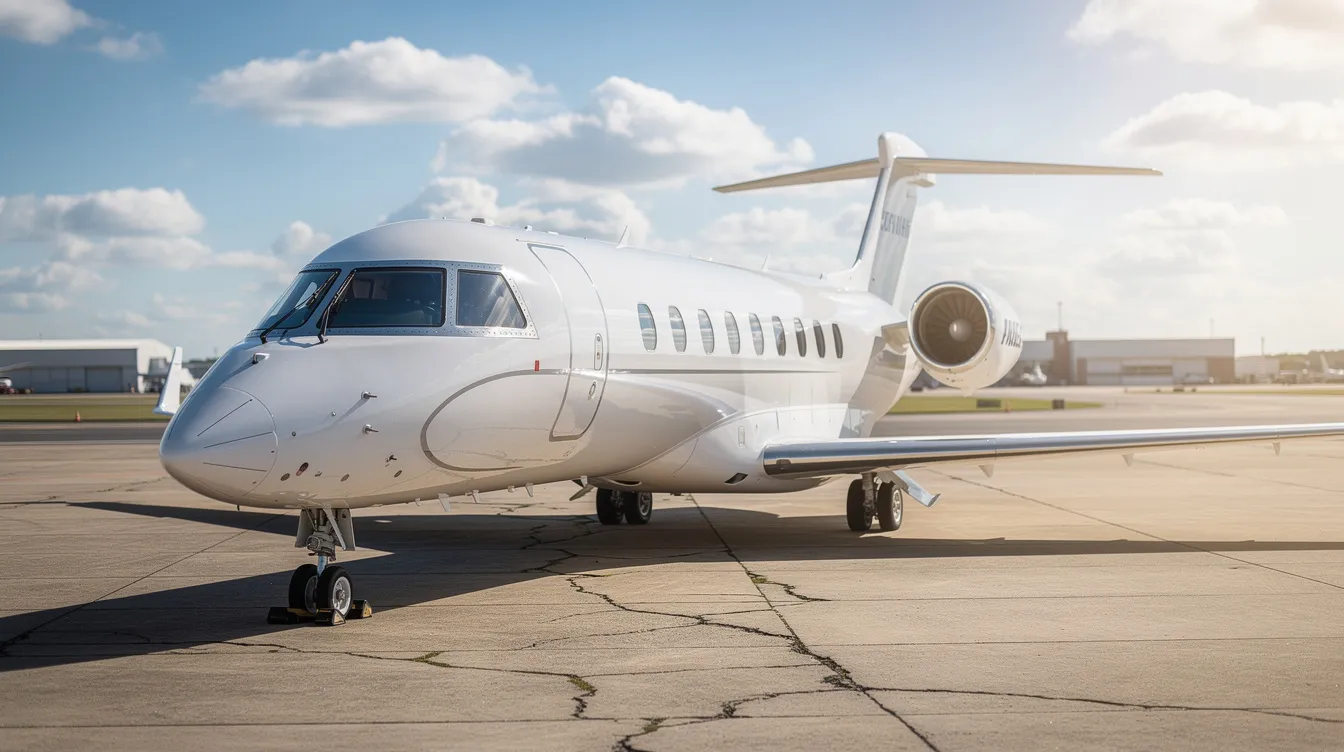
Large Cabin / Long Range Jets are designed for intercontinental flights and are capable of flying 12+ hours non-stop. Ultra-long-range jets, such as the Gulfstream G650ER and Dassault Falcon 8X, are engineered for extensive travel without refueling, making them ideal for connecting distant cities.
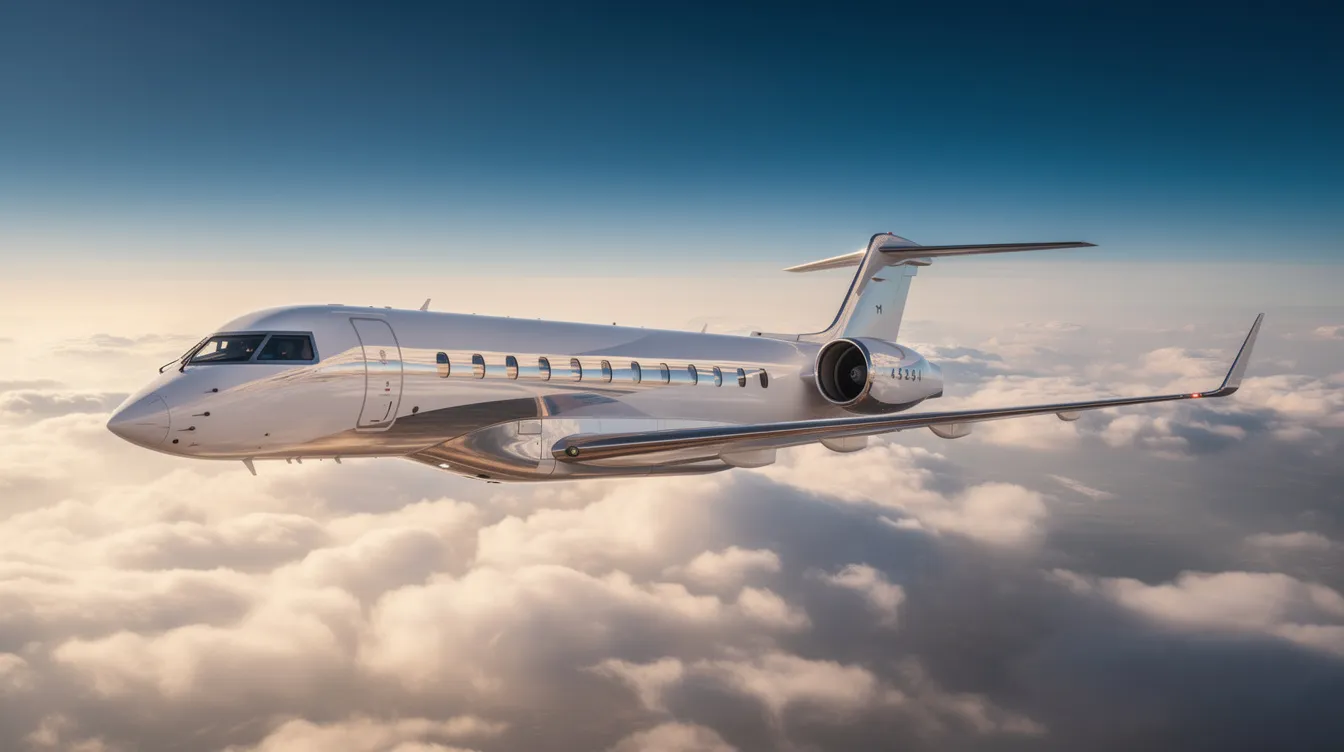
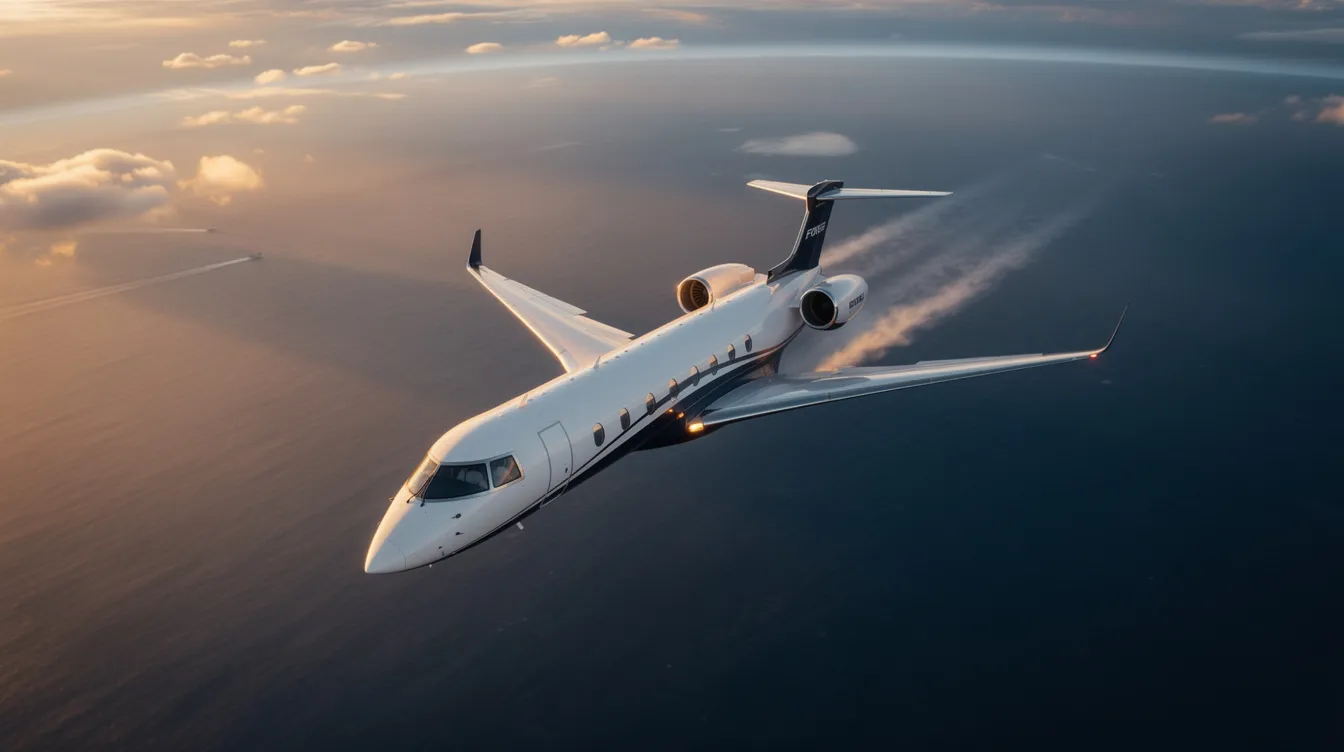
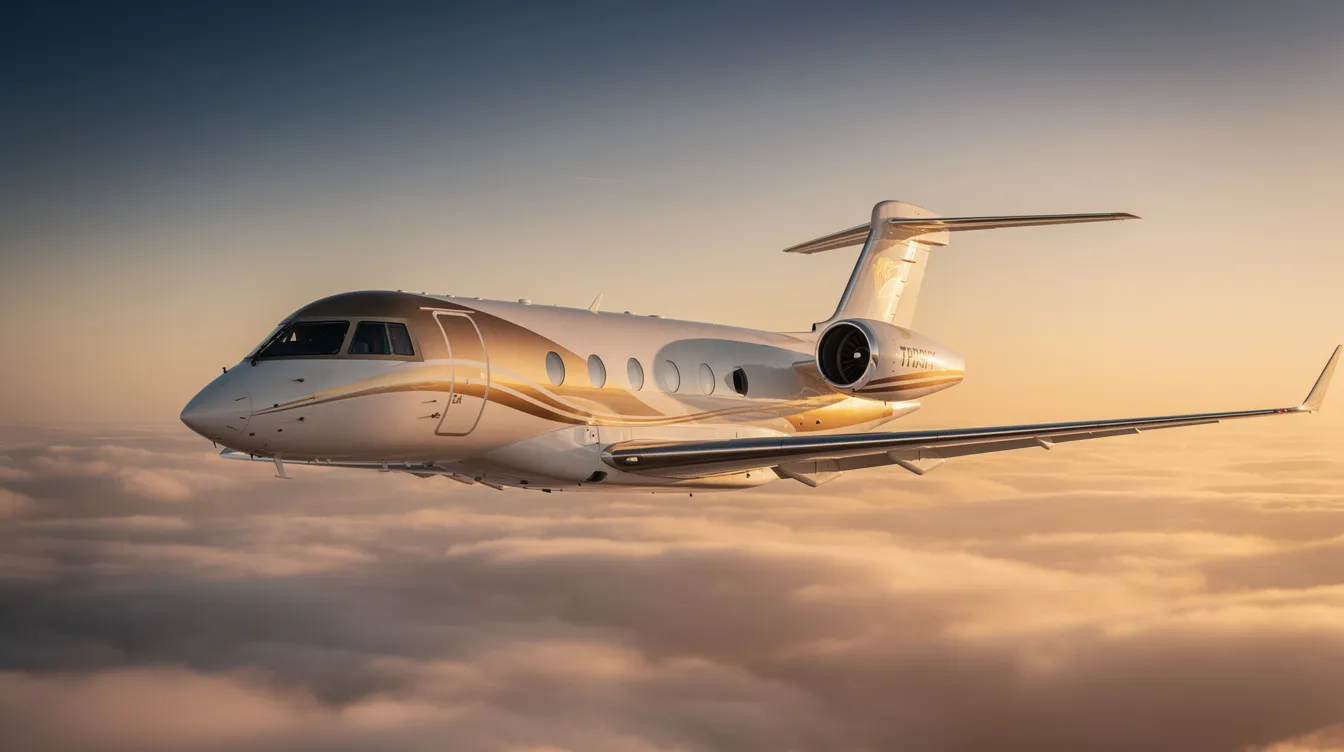
The Bombardier Global 7500 is recognized for its unparalleled range and performance, capable of flying over 7,700 nautical miles nonstop with four distinct living spaces. Bombardier lists the Global 7500 with up to 19 passengers and multiple cabin zones. The Gulfstream G700 is known for its ultra-long-range capabilities, spacious cabin, and advanced technology, making it one of the fastest jets in its class with a maximum speed of Mach 0.935.
Other top luxury private jets include the Gulfstream G650ER, Gulfstream G800, Dassault Falcon 8X, Falcon 10X, and Bombardier Global 8000. Compared with other jets in the large-cabin and ultra-long-range segment, these premium aircraft stand out for cabin refinement, range, and flagship positioning for family offices and multinational companies moving passengers between distant cities.
Comparison Table of Luxury Private Jet Categories
Category | Passenger Capacity | Typical Range (nautical miles) | Flight Duration | Key Models | Typical Use Cases |
|---|---|---|---|---|---|
Very Light & Light Jets | 4–8 | 2,000–3,500 | 1–3 hours | HondaJet HA-420, Embraer Phenom 300E, Cessna Citation CJ4 Gen2 | Regional travel, short business trips |
Mid-size & Super Mid-size Jets | 7–10 | 3,000–4,500 | 3–6 hours | Gulfstream G280, Bombardier Challenger 3500, Citation Longitude | Coast-to-coast, longer domestic missions |
Large Cabin & Ultra Long Range | 12–19 | 6,000–8,000+ | 8–14+ hours | Bombardier Global 7500, Gulfstream G700, Dassault Falcon 8X | Intercontinental, nonstop global travel |
Executive Airliners | 50+ | 7,000+ | 12+ hours | Embraer Lineage 1000E, Boeing BBJ, Airbus ACJ | Large delegations, flying boardrooms |
Executive Airliners & the Embraer Lineage 1000E
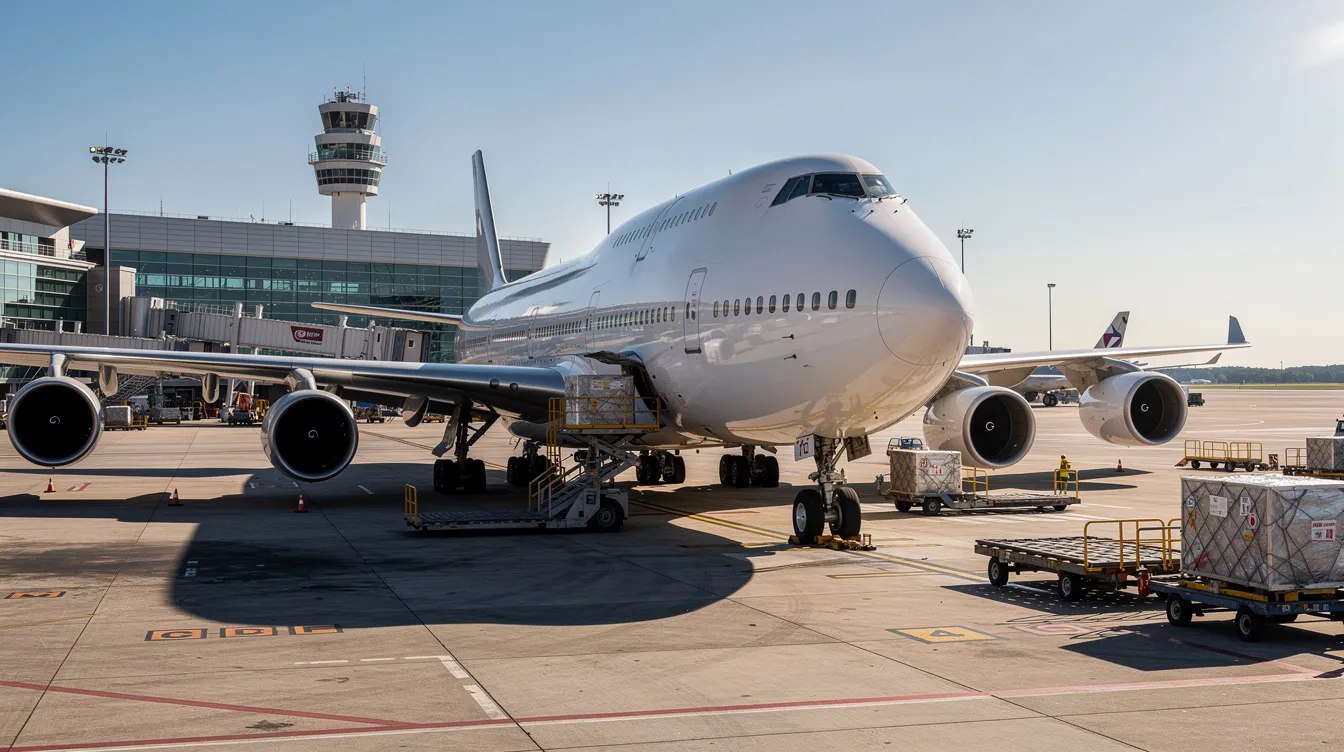
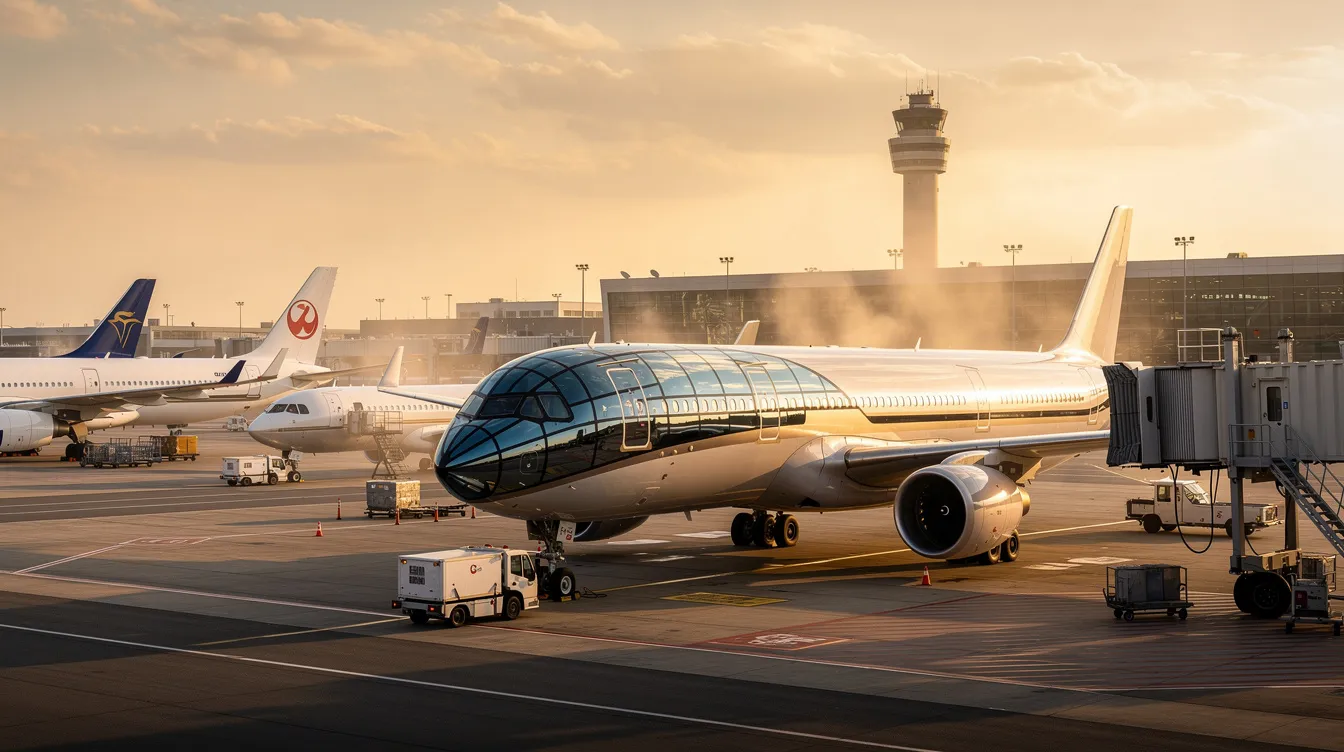
Executive liners, or VIP Airliners, are commercial airliners converted into massive, ultra-luxury private residences. The Embraer Lineage 1000E is a well-known example, offering a flying residence layout with up to five zones for dining, work, rest, and entertainment.
Other platforms include Boeing Business Jets and Airbus Corporate Jets. Executive liners, such as the Boeing 787 Dreamliner, Airbus ACJ319, and Airbus A330neo, offer over 1,000 sq. ft. of living space and can accommodate more than 100 passengers, featuring luxurious amenities akin to boutique hotels. Some buyers still describe a highly customized aircraft of this scale as a flying palace, but the real value is operational: conference rooms, staff areas, bedrooms, a fully equipped kitchen, and baggage capacity for large delegations.
These aircraft suit heads of state, large family offices, entertainment groups, and corporations that need flying boardrooms rather than only executive seating.
Advanced Technology & Cabin Innovation in Luxury Jets
Advanced technology in private jets includes features like high-speed Wi-Fi, touchscreen cabin controls, and advanced avionics, enhancing the passenger experience and operational efficiency. Flight decks now commonly include synthetic vision, predictive landing performance, enhanced navigation, and systems that reduce workload for two pilots.
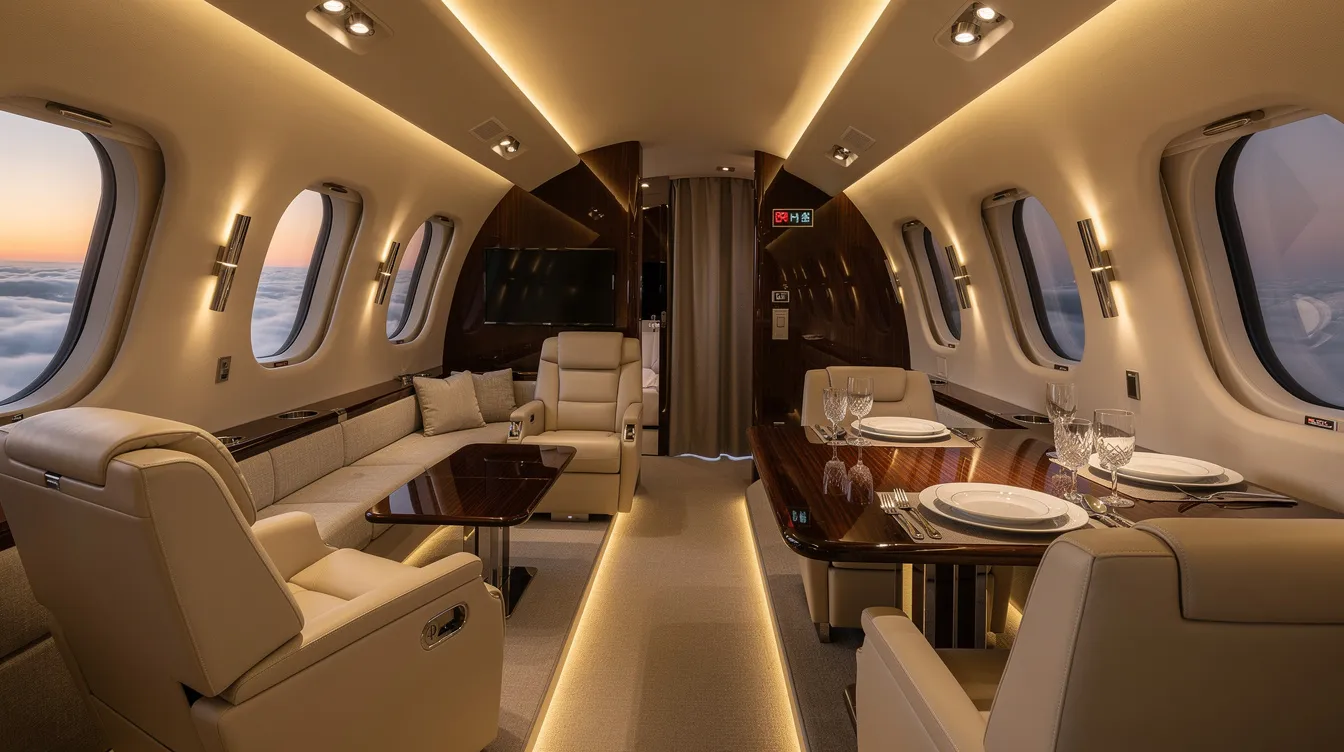
Luxury private jets often feature advanced technology for in-flight entertainment and connectivity, including high-speed Wi-Fi and smart cabin controls for lighting and temperature. Aircraft often feature cinema rooms with surround sound, ambient LED lighting, and advanced air filtration systems. Modern private aircraft prioritize wellness, connectivity, and personalized comfort through high-end amenities.
BusinessJets.com weighs these systems carefully in appraisals because avionics support, connectivity, and cabin technology can materially affect resale.
Customizable Interiors & Design Trends
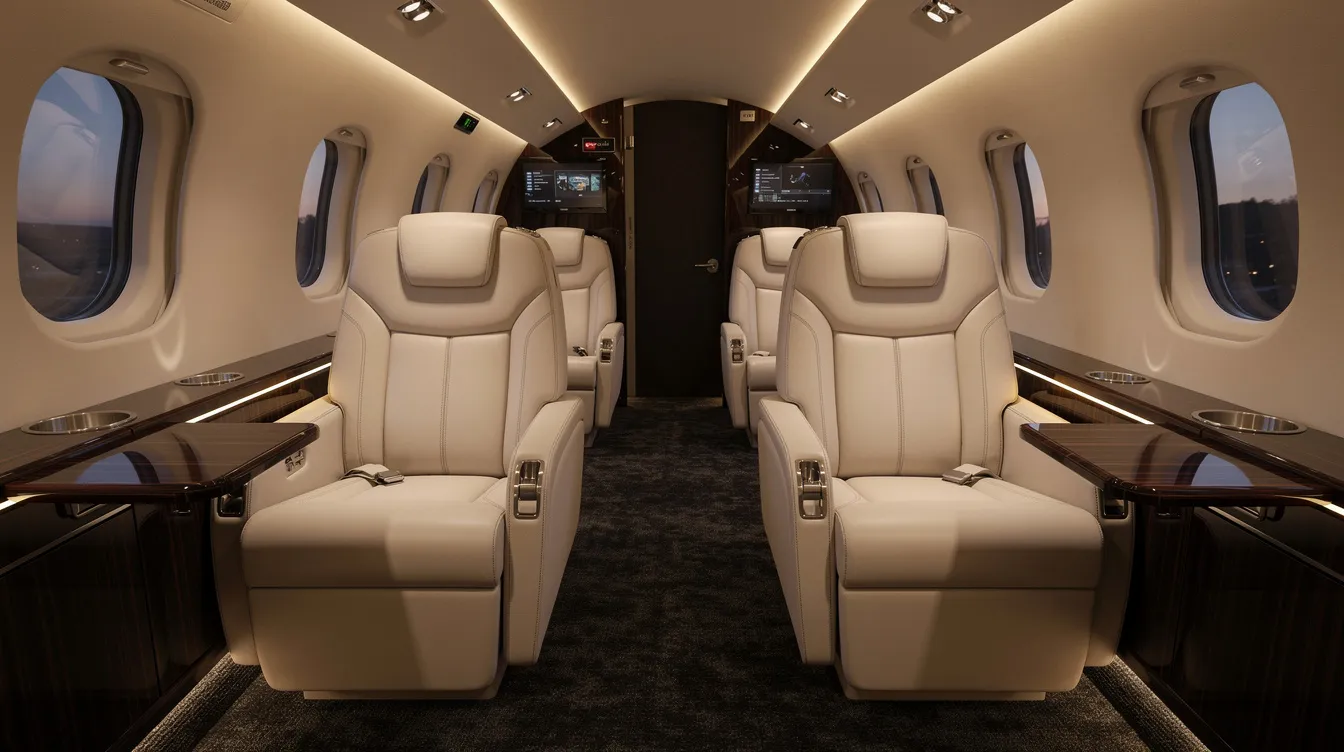
Luxury private jets can be extensively customized to reflect the owner's personal style and preferences, including bespoke interiors and unique amenities. Customization options for luxury private jets often include multiple living spaces, such as master bedrooms, dining areas, and entertainment rooms, designed to provide comfort and privacy during flights.
Many luxury private planes feature distinct, multi-zone living spaces, including enclosed master bedrooms with queen or king-sized beds. Private jets are equipped with high-end kitchens where flight attendants or private chefs prepare personalized, multi-course dining experiences. A flight attendant can add a personal touch through personalized service, especially on long-range missions.
High-end materials like leather, wood, and stone are commonly used in the interiors of luxury private jets, creating a sophisticated and luxurious atmosphere. The customization process for luxury private jets can involve completion centers that specialize in transforming a “green” aircraft into a fully personalized luxury jet, with costs varying based on the level of personalization and materials used.
The best interiors provide ultimate comfort and unmatched comfort without harming resale. Highly opulent private jets may appeal to one owner, but timeless, luxurious design often has broader market depth.
Sustainability & Efficiency in Luxury Private Aviation
Sustainability has become a key focus in private aviation, with many operators now offering carbon offset programs and investing in fuel-efficient technologies. Recent long-range models from Bombardier, Gulfstream, and the Dassault Falcon family focus on lower specific fuel burn, improved aerodynamics, and lighter materials.
The industry is exploring innovations like electric and hybrid-electric propulsion, which promise to further reduce the environmental impact of private jets. For corporations and family offices, environmental impact now influences procurement, reporting, and future operating costs.
Ownership Options: From Full Ownership to Fractional & Charter
Access to luxury jets now spans full ownership, fractional ownership, chartering, jet cards, and hybrid fleet strategies. The right choice depends on annual flight time, privacy, schedule control, and whether the buyer needs a specific cabin or model.
Full Ownership of Luxury Private Jets
Private jet ownership generally makes sense for users flying 200–400+ hours per year, or for owners who need guaranteed availability, a consistent crew, and a customized cabin. Full ownership provides control over base location, crew, maintenance standards, interior, and aircraft availability.
A private jet offers total exclusivity, allowing for confidential business meetings without the risk of being overheard. Full ownership can also support charter revenue, although chartering increases wear, scheduling complexity, and regulatory oversight.
BusinessJets.com assists through the lifecycle: identifying private jets and aircraft for sale, benchmarking the initial purchase price, coordinating pre-buy inspections, negotiating terms, and advising on exit timing.
Fractional Ownership & Shared Models
Fractional ownership means buying a share, such as 1/16, 1/8, or 1/4, of a specific aircraft or fleet for guaranteed hours per year. It can suit 50–200 hours annually when clients want predictable access without the responsibility of full ownership.
The demand for personalized travel experiences has driven growth in the private jet market, leading to increased availability of jet cards and fractional ownership programs. Key variables include term length, peak-day rules, occupied hourly rates, upgrade rights, and residual value treatment.
Charter & On-Demand Luxury Private Jet Travel
Private jet charter is suitable for occasional use, supplemental lift, or testing aircraft types before acquisition. Luxury jet chartering offers unparalleled flexibility, allowing travelers to choose their departure times, routes, and onboard amenities tailored to their specific needs, whether that is a weekend in Paris by private jet or a multi-city business itinerary.
Chartering a luxury private jet can be a cost-effective alternative to ownership, providing access to a wide range of aircraft without the long-term financial commitment. The luxury private jet charter market has seen significant growth, driven by increasing demand for personalized travel experiences and the need for efficient, time-saving transportation.
Costs & Valuation: Understanding the Economics of Luxury Private Planes
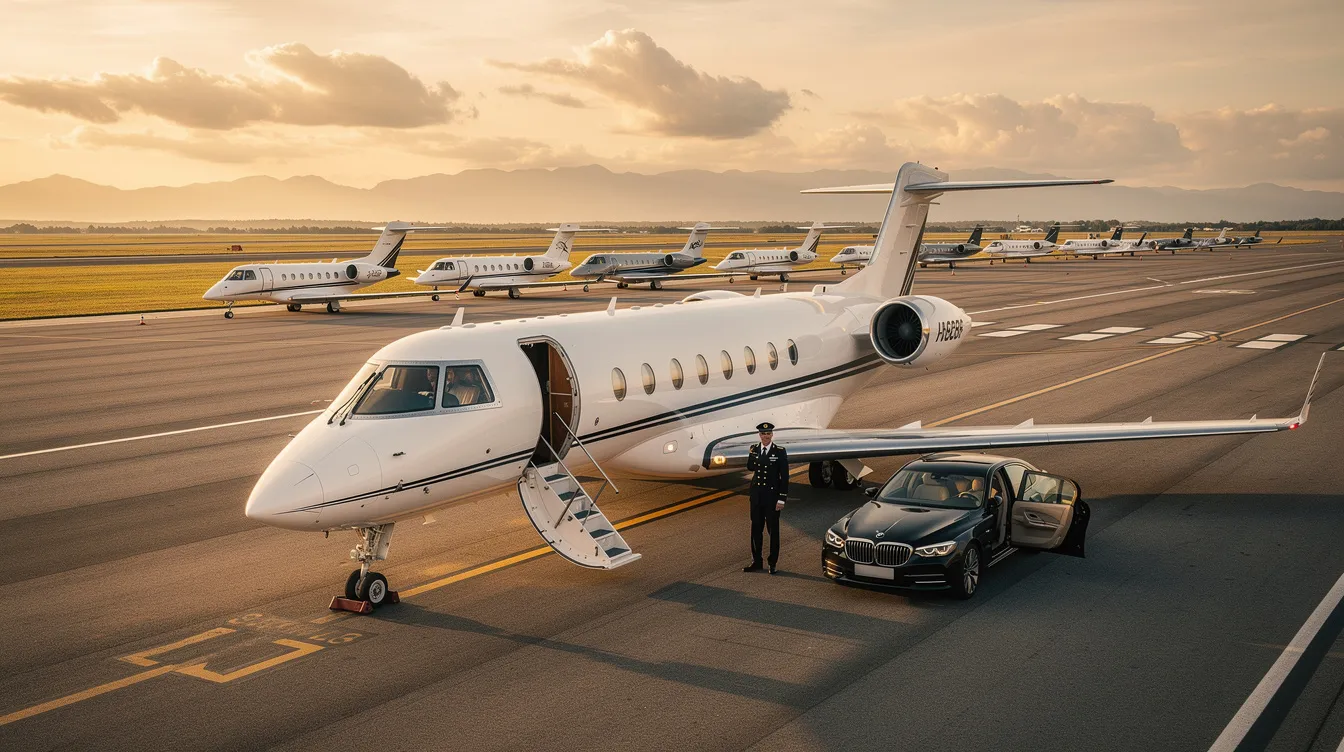
The true cost of luxury private ownership extends well beyond purchase price. Ongoing operational costs for luxury private jets can include fuel, maintenance, crew salaries, hangar fees, and insurance, which can add up significantly depending on the size and usage of the aircraft.
Acquisition Costs of Luxury Private Jets
The purchase price of a luxury private jet can range from $2 million for smaller jets to $660 million for highly customized models like Air Force One. The lower end includes older or smaller jets; the top end reflects a unique air force mission platform rather than a conventional business aircraft.
New ultra-long-range aircraft often reach the $60 million to $80 million+ range before bespoke completion. Executive liners can exceed $100 million once interior completion is included. Pre-owned value depends on age, total time, cycles, maintenance status, avionics, paint, and interior refurbishment.
BusinessJets.com uses transaction data from 1,500+ completed deals and independent aircraft appraisal services to help clients establish defensible market value.
Operating Costs & Annual Budgeting
Operating costs scale quickly from light jets to ultra-long-range aircraft. A light aircraft may require a smaller crew and lower maintenance budget, while a Global 7500, Gulfstream G700, or Falcon 8X requires larger annual planning for training, insurance, maintenance programs, inspections, and international operations.
Owners should budget for fuel, maintenance, engine reserves, crew salaries, hangarage, insurance, navigation fees, and unscheduled events. Large jets often require two pilots, dedicated management, and sometimes cabin crew. The right model is not always the most luxurious private jet; it is the one whose economics match actual use.
Private Jet Appraisals & Market Timing
A professional appraisal is an independent opinion of value based on condition, pedigree, maintenance, upgrades, and current private jet market transactions. Luxury private jets can depreciate over time, with the rate of depreciation varying based on age, condition, and market demand, which significantly impacts their resale value.
Owners seek appraisals before selling, refinancing, or upgrading to understand their aircraft’s market position accurately. Timing is crucial; selling during periods of high demand or before scheduled maintenance events can maximize returns. Conversely, market downturns or oversupply of similar models may reduce achievable prices.
BusinessJets.com leverages its extensive transaction data and market expertise to provide precise valuations, helping clients make informed decisions about listing, acquisition, or fleet optimization. Effective market timing, combined with expert representation, is key to achieving favorable outcomes in luxury private plane transactions.
Frequently Asked Questions About Luxury Private Planes
What distinguishes luxury private planes from commercial flights?
Luxury private planes offer unparalleled privacy, customization, and flexibility compared to commercial flights. They provide spacious interiors specifically designed for comfort and productivity, access to thousands of airports worldwide, and the ability to tailor every aspect of the journey to the traveler’s preferences.
How do I determine whether to buy, charter, or fractionalize a luxury private jet?
The decision depends on your annual flight hours, budget, and need for schedule control. Full ownership suits those flying 200+ hours yearly, seeking maximum customization and availability. Fractional ownership fits users with 50–200 hours annually, wanting access without full responsibility. Chartering offers flexibility without ownership costs, ideal for occasional travelers.
What are the typical operational costs beyond the purchase price?
Operating costs include fuel, maintenance, crew salaries, hangar fees, insurance, and navigation charges. These vary significantly by aircraft size and usage but can amount to millions annually for ultra-long-range jets. Accurate budgeting and consulting with experts like BusinessJets.com are essential for managing these expenses.
How important is aircraft customization in luxury private planes?
Customization is central to the luxury private plane experience, allowing owners to create bespoke interiors with multiple living spaces, advanced technology, and high-end materials. However, balance is key—overly personalized designs may affect resale value, so expert guidance ensures timeless luxury that appeals broadly.
Can luxury private jets accommodate pets and special luggage?
Yes, luxury private jets generally offer more lenient luggage restrictions than commercial flights and can accommodate pets, subject to operator policies and safety regulations. This flexibility enhances convenience for high-net-worth travelers with unique travel needs.
How does sustainability factor into luxury private aviation?
Sustainability is increasingly important, with many operators investing in fuel-efficient aircraft, carbon offset programs, and exploring electric or hybrid propulsion technologies. Buyers and operators are factoring environmental impact into procurement and operational decisions.
What role does BusinessJets.com play in buying or selling luxury private planes?
BusinessJets.com provides expert brokerage, appraisals, and consulting services backed by extensive transaction experience and a global reach. They assist clients in market valuation, aircraft selection, negotiation, and timing to optimize outcomes in luxury private plane transactions.
Conclusion
Luxury private planes represent the pinnacle of air travel, combining exceptional comfort, advanced technology, and unparalleled flexibility to meet the demands of discerning travelers worldwide. Whether for corporate missions, family travel, or global business connectivity, these aircraft provide access to thousands of destinations with privacy and efficiency unmatched by commercial air travel. Selecting the right aircraft involves careful consideration of mission requirements, ownership models, customization preferences, and operational costs.
BusinessJets.com stands as a trusted partner in navigating the complexities of the luxury private jet market. With a proven track record of over 1,500 aircraft transactions and more than 5,000 satisfied clients worldwide, BusinessJets.com offers expert brokerage, precise appraisals, and strategic aviation consulting tailored to your unique needs. Whether you are buying, selling, or optimizing your fleet, their discreet, professional approach ensures informed decisions and optimal outcomes.
For those seeking to explore aircraft acquisition, request an appraisal, or list a private jet for sale, BusinessJets.com provides unparalleled expertise and world-class market insight. Engage with BusinessJets.com to experience a seamless, confident journey through the evolving landscape of luxury private aviation.