Old Jets for Sale: How to Buy, Value, and Sell Vintage and Retired Jets in 2026

Key Takeaways
The term "old jets for sale" covers classic private jets, retired commercial jets, and demilitarized military aircraft - each with fundamentally different regulations, operating costs, and use cases.
The real cost of ownership is in maintenance, upgrades, and fuel, not the sticker price. Expect total outlay to reach 3–6× the acquisition cost over five to ten years.
BusinessJets.com brings 1,500+ completed transactions and deep appraisal expertise to help buyers and sellers navigate aging aircraft assets with confidence.
Before committing to any purchase, apply four practical filters: mission profile, regulatory category, parts and maintenance supportability, and a clear exit strategy (resale or part-out).
Whether you are acquiring or disposing of an older jet, an independent appraisal and specialist broker representation are the most effective ways to control risk.
Introduction: What "Old Jets for Sale" Really Means in 2026
When people search for old jets for sale, they are looking at three very different asset classes: pre-owned private jets that are roughly 15–35 years old, retired commercial jets often parked after 20–50 years of airline service, and demilitarized military aircraft used for collections, airshows, or training. A 1980s Challenger 601, a 1990s Boeing 737-300, and a Cold War–era Aero L-39 Albatros all qualify - yet each carries distinct ownership, regulatory, and financial implications.
Across the world, approximately 24,270 private jets are in operation, and prices for used planes range from $18,800 to $60 million. That spread reflects massive differences in condition, capability, and category. BusinessJets.com focuses on business aviation, working with operators, corporations, and high-net-worth buyers to make sense of this complex market - from initial valuation through closing and beyond.
Types of Old Jets for Sale: Private, Commercial, and Military
Understanding which category an aircraft falls into is the beginning of any informed purchase or sale decision.
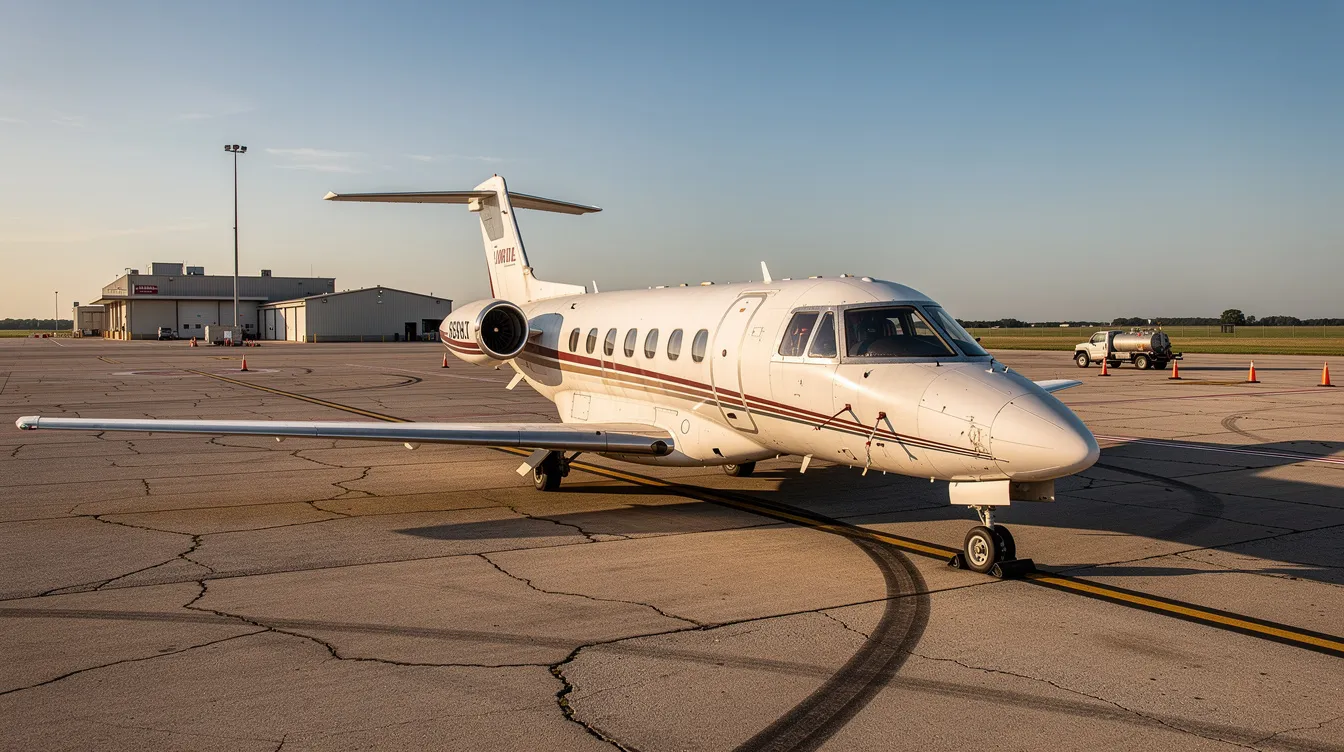
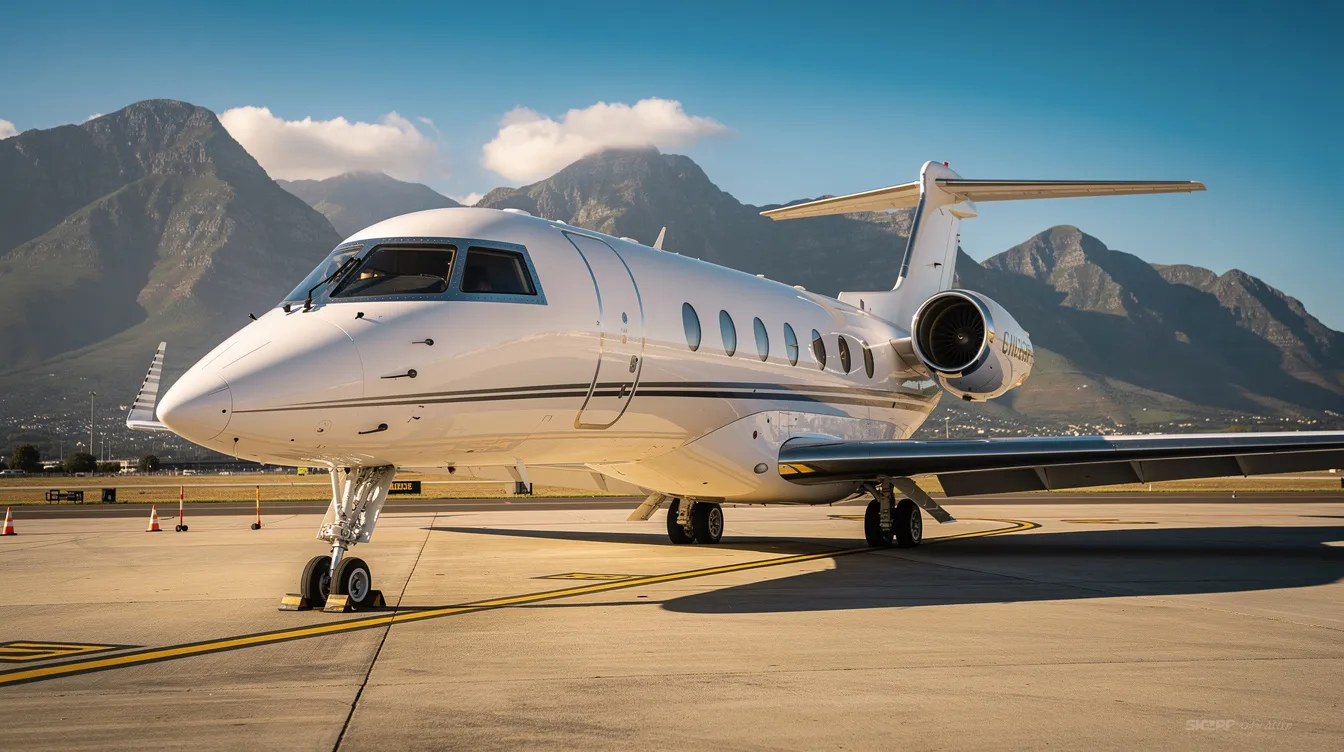
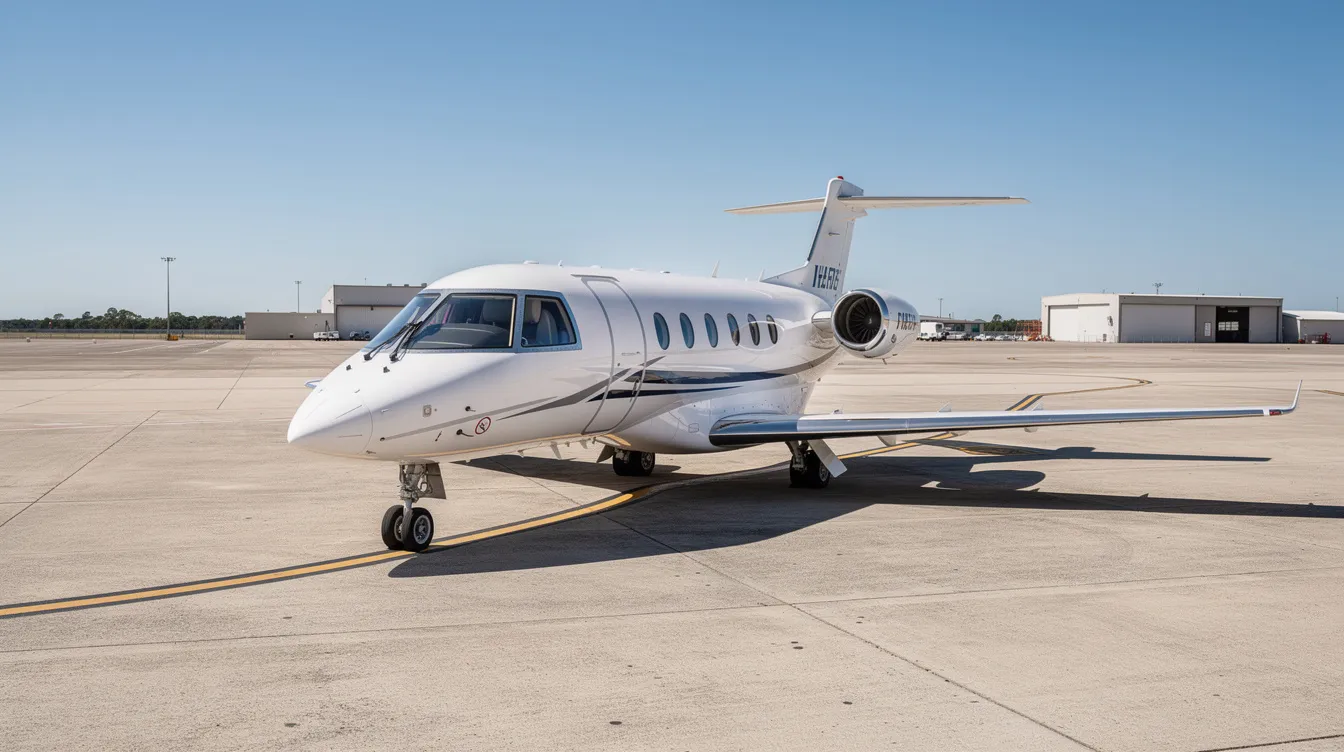
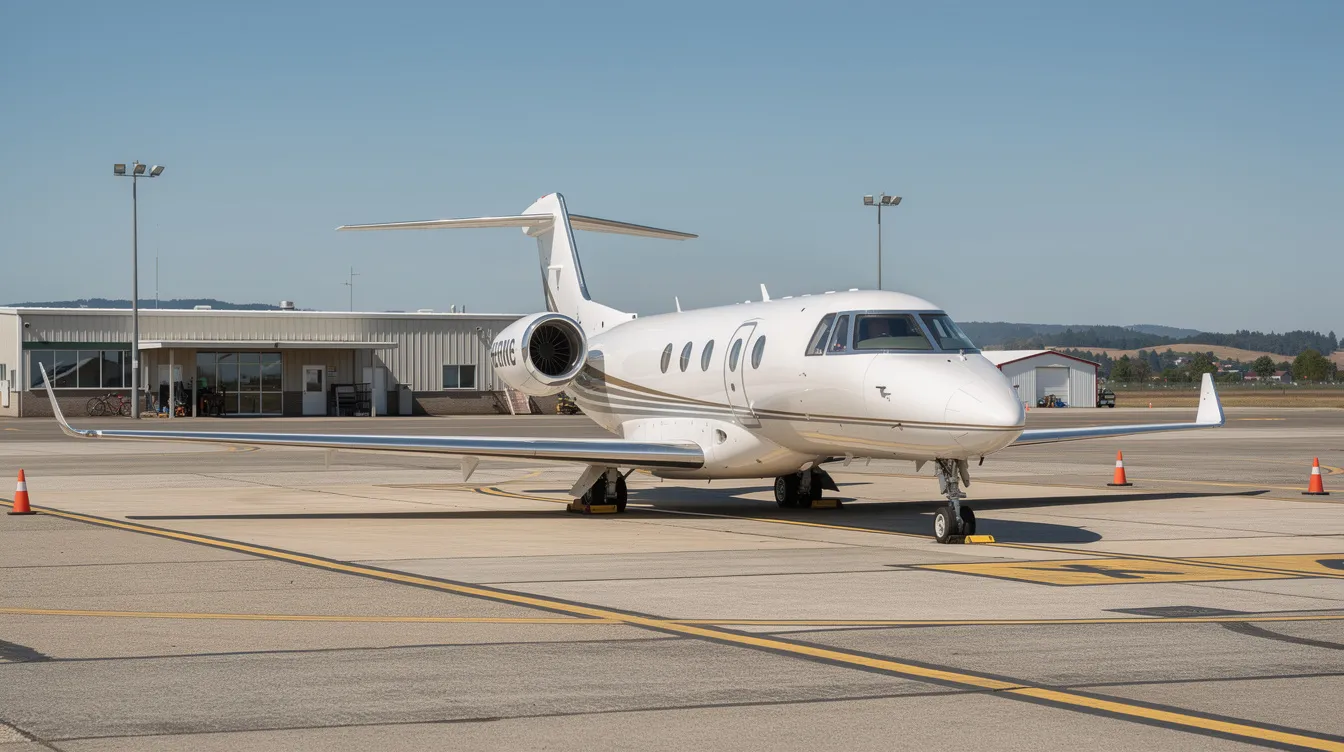
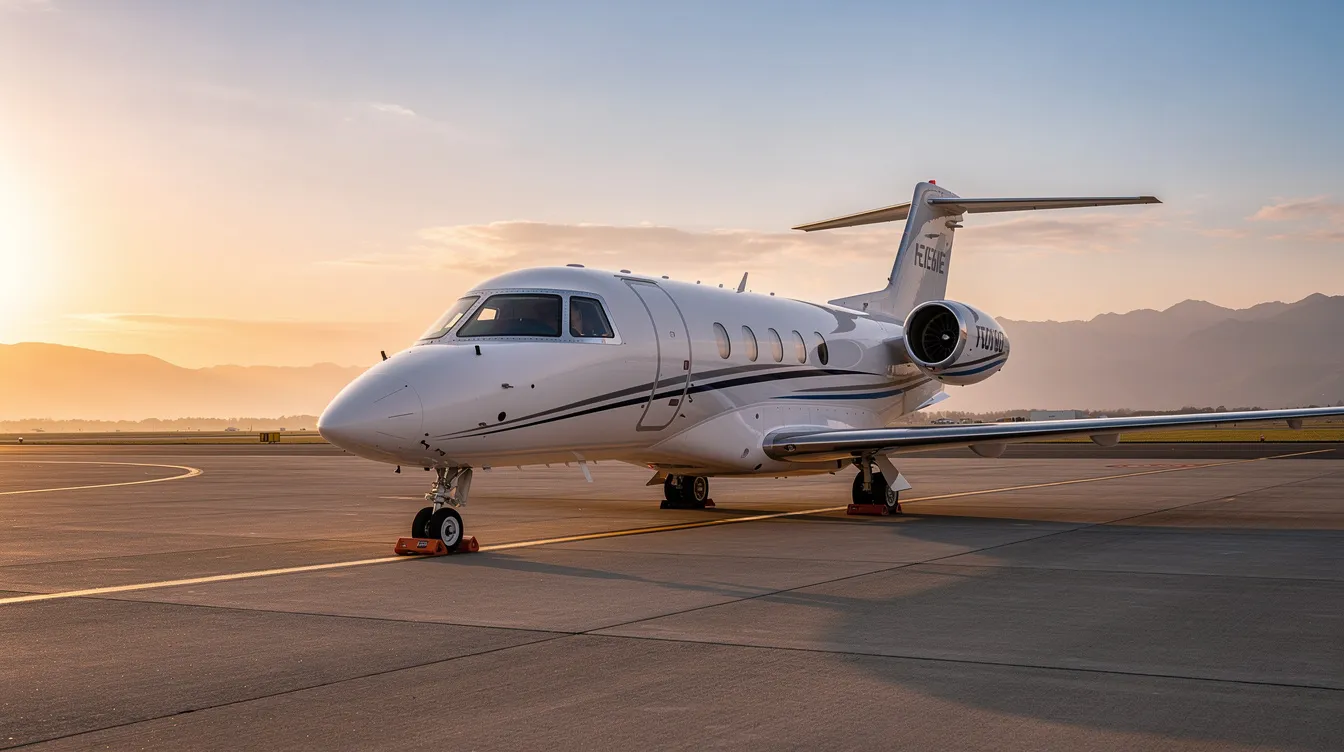
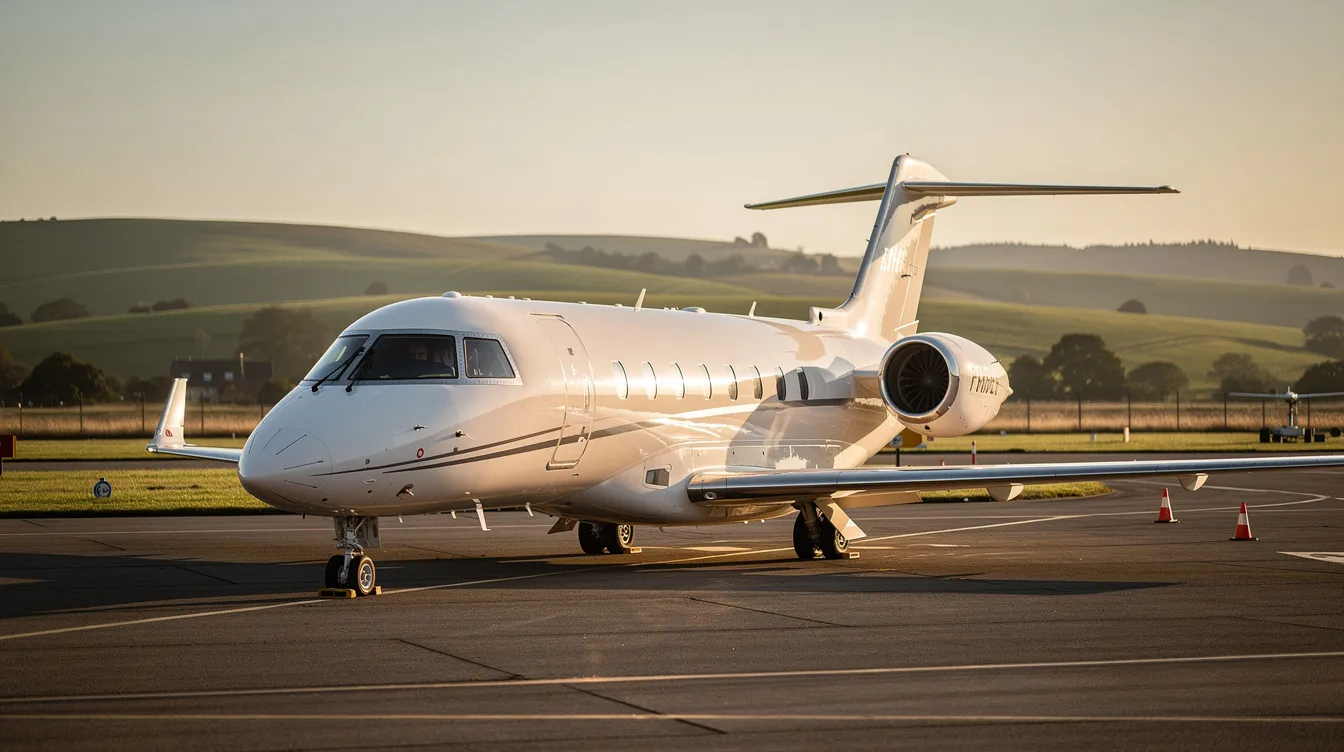
Private jets remain the most actively traded segment. Models still changing hands in 2026 include the Gulfstream GIV and GV (1985–2002 production), Challenger 601/604, Learjet 35/55/60, and early Citation Excel/XLS airplanes. Private jets typically range from $210,000 to $60 million, depending on size, age, and condition. Platforms like GlobalAir.com list 1,497 aircraft for sale at any given time, and asking prices reflect everything from tired light jets to fully restored large-cabin planes.
Commercial jets such as the Boeing 737-300/400/500, early 757-200, and Airbus A319/A320 family airframes from the late 1980s through early 2000s appear in sale listings for cargo conversion, part-out, or static display. These are less common for VIP use but remain relevant for special-mission and transport roles.
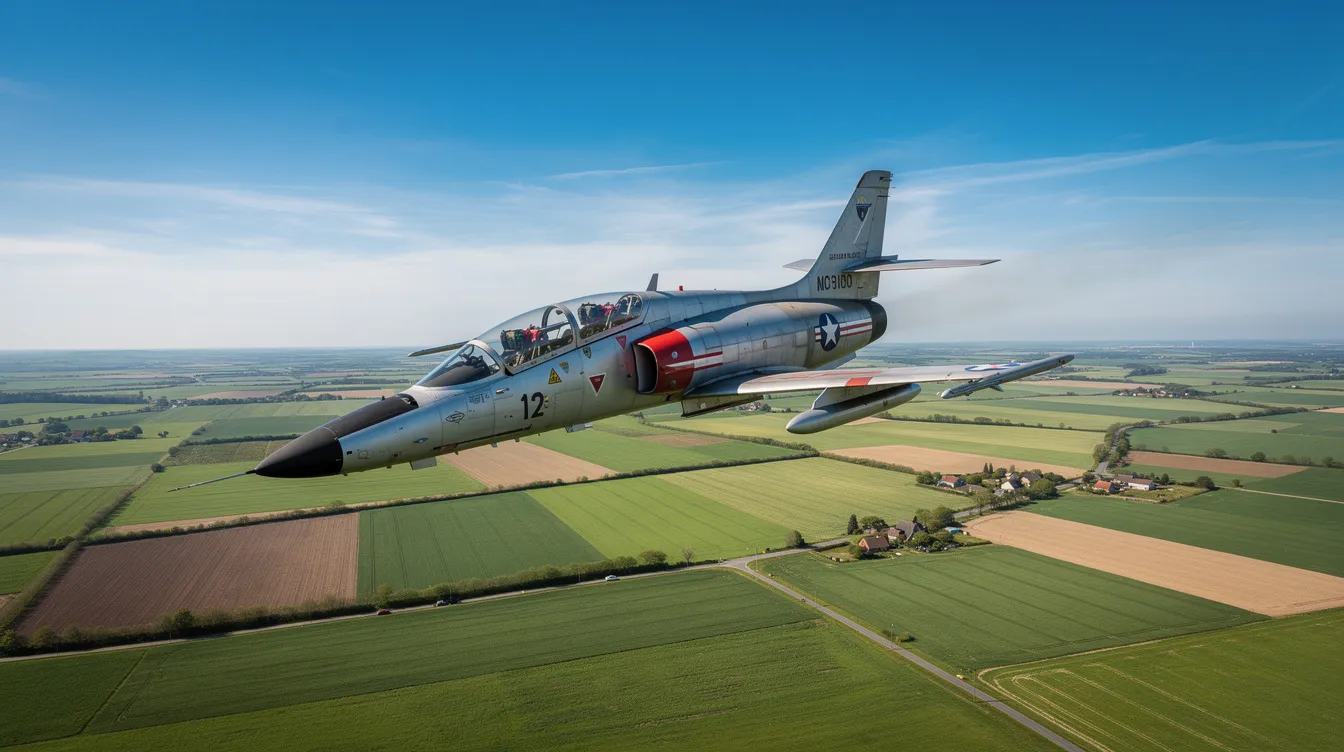
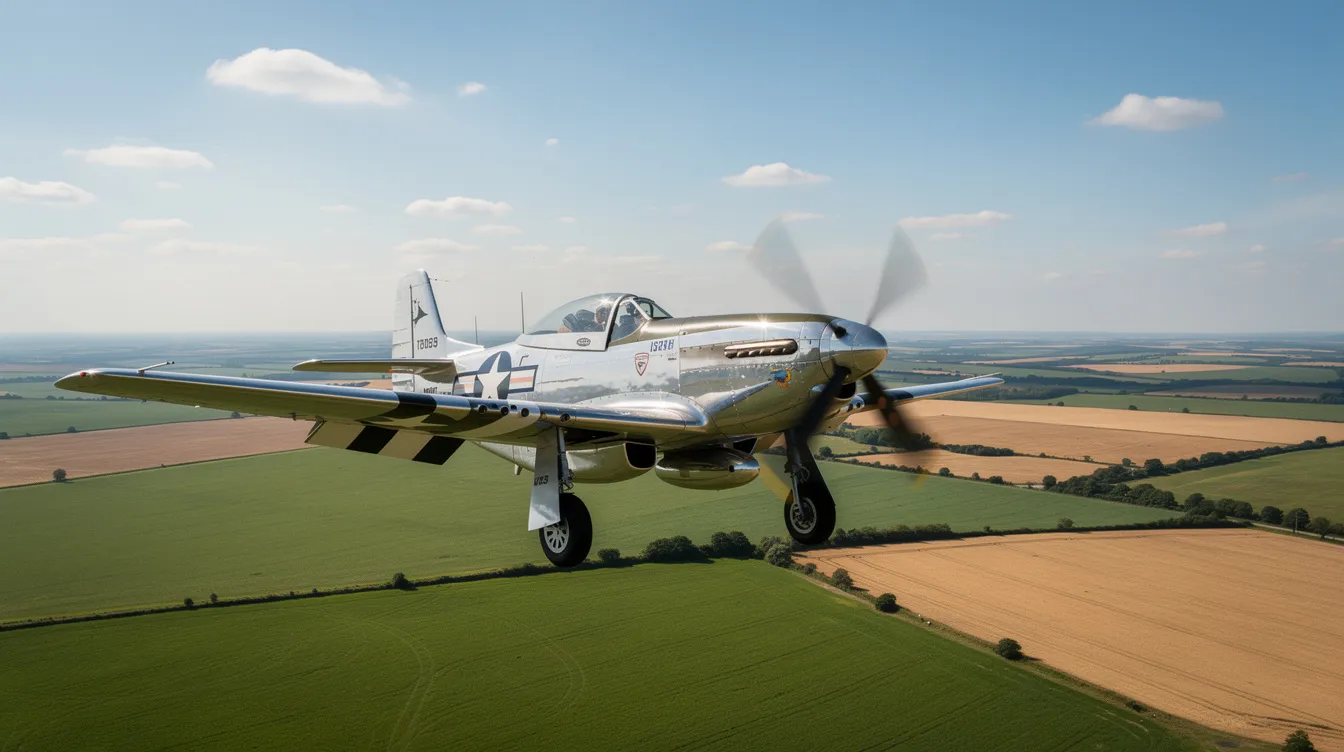
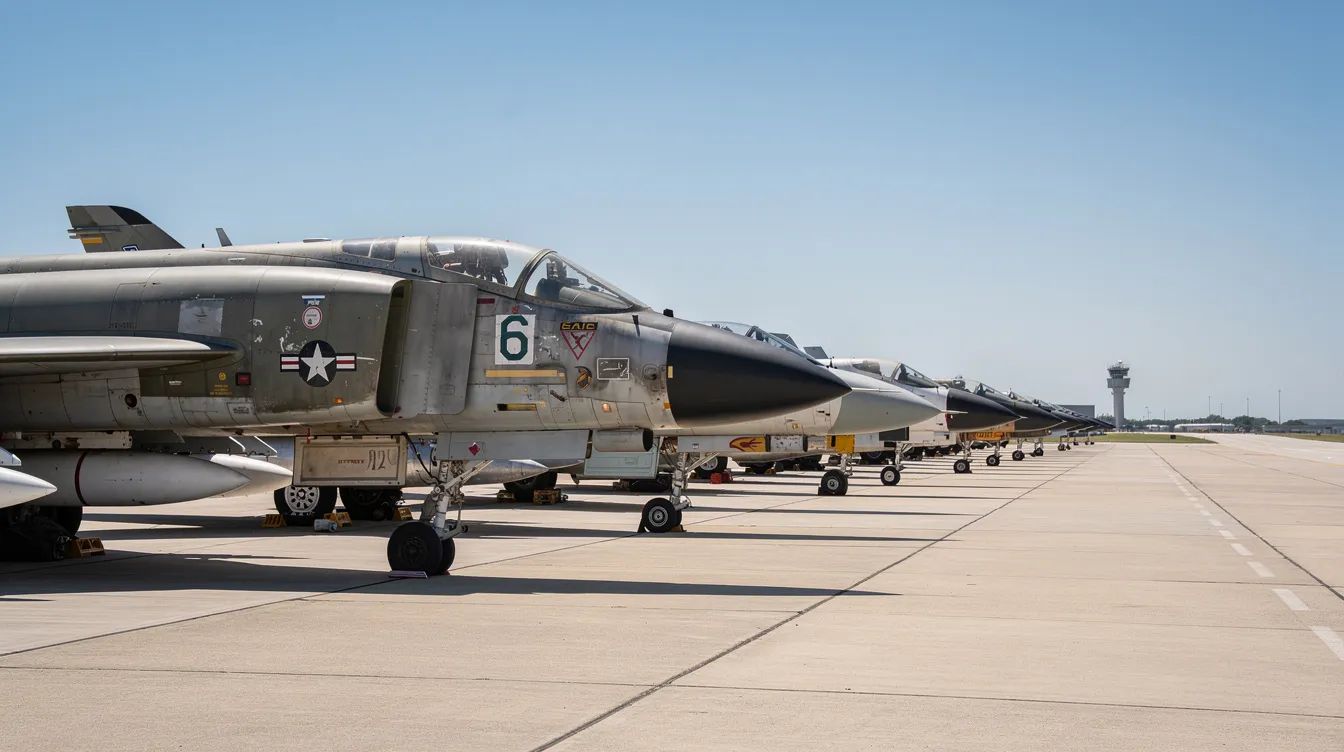
Military aircraft occupy a niche but resilient segment. Controller.com features 19 turbine military aircraft listings at present, and turbine military aircraft prices range from $150,000 to over $6 million. Demilitarized jets like the Aero L-39 Albatros, BAC Jet Provost, and MiG-21 appear through specialized dealers - including names familiar to collectors such as Platinum Fighter Sales and Guardian Jet - mainly for warbirds enthusiasts, adversary-air training, and historic flight operations. Unlike private jets or helicopters, these aircraft operate under FAA Experimental or Exhibition category rules, which sharply limit commercial use.
Market Overview: Why Old Jets Are Still in Demand
Several forces sustain the aircraft market for older jets in 2026. Corporate fleet reshuffles, where operators upgrade to more efficient models, consistently push well-maintained older business jets onto the secondary market. Meanwhile, buyers in emerging markets across Latin America, Asia, and Africa seek lower-capital-cost airframes for charter, cargo, and government transport.
The business case is real. Business aircraft users outperform non-users by 23% in revenue growth, and two-thirds of passengers report feeling more productive on private jets. With access to around 5,000 airports in the US - far more than commercial airlines serve - older private jets still deliver meaningful operational value for the right mission.
On the vintage and military side, demand is driven by collectors with an interest in military history, combat provenance, and rare airframes. These buyers value historic significance and flight capability, with values tied heavily to provenance, serial number documentation, and restoration quality.
That said, the average time on market for private jets is 192 days. Sellers and buyers both benefit from realistic pricing and professional representation to avoid extended listing periods.
Old Private Jets: Opportunities and Risks for Buyers
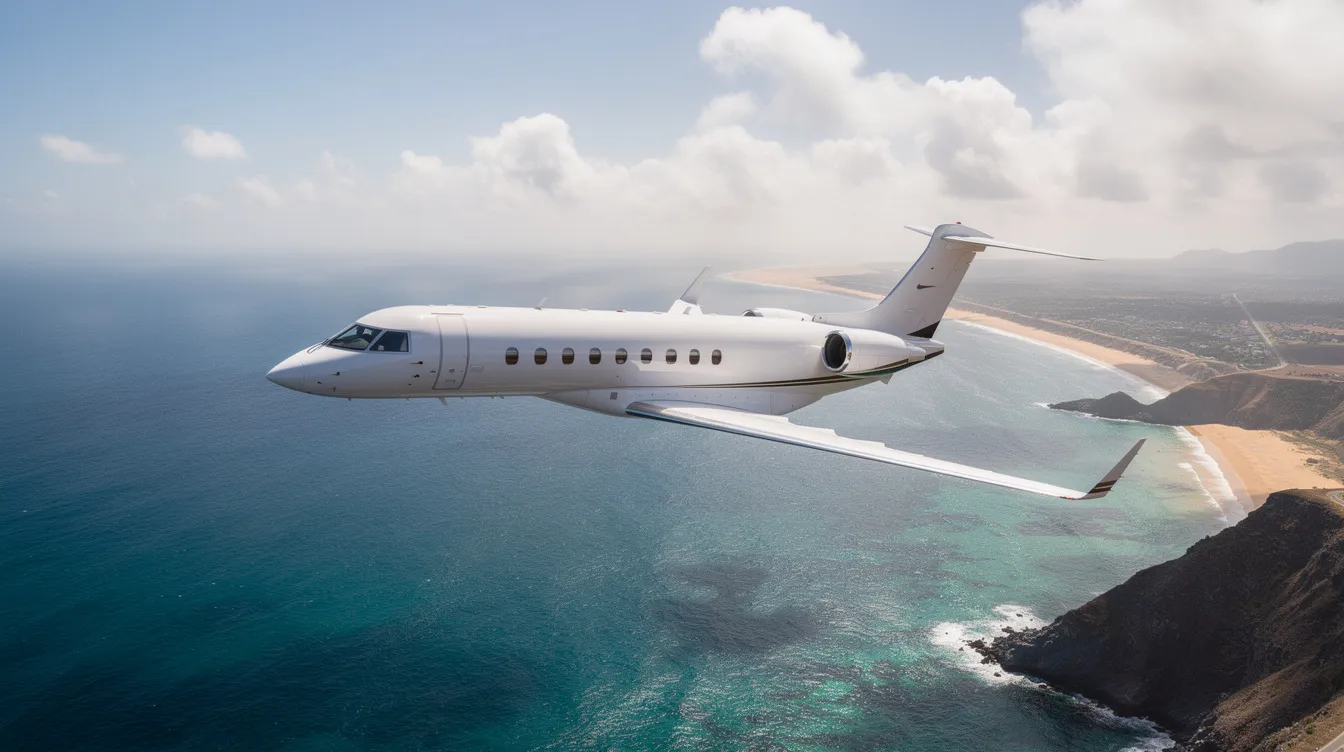
Pre-owned private jets aged 15–35 years mark the core asset class for most buyers considering older aircraft. The opportunities are tangible: proven platforms like the Gulfstream V, Falcon 900EX, and Global Express offer intercontinental range and cabin comfort, with cabins better suited for passenger rest on long-range trips, at a fraction of new-aircraft cost.
However, purchasing an older private jet requires careful evaluation of maintenance records and operational costs. Key risks include:
Aging avionics needing upgrades for ADS-B, FANS-1/A, and CPDLC compliance
Upcoming heavy maintenance events such as C-checks, 96-month inspections, and landing gear overhauls
Engines approaching overhaul - a mid time engine may appear acceptable, but overhaul costs for heavy jets can exceed $1 million per engine
Engine programs help lower unexpected overhaul costs. For example, a 2004 Falcon 900EX EASy enrolled in Rolls-Royce CorporateCare or an MSP Gold plan carries significantly less financial risk than one without coverage. The total cost of ownership includes maintenance, fuel, insurance, and potential depreciation - annual maintenance alone runs 5–10% of aircraft value, and over a decade, total outlay can reach 3–6× the acquisition price.
Mission fit is crucial when determining which aircraft to buy. A Learjet 35A - with average sold prices around $995,000 - suits shorter-range domestic missions, while a Gulfstream GIV at $2.5M–$5.5M addresses transcontinental requirements. Buying a used jet involves evaluating operational costs and maintenance history against how you actually intend to fly the aircraft.
Retired Commercial Jets: From Airline Cabin to Private or Special Mission Use
Retired narrow-body commercial jets serve three primary roles in 2026:
Use Case | Typical Airframe | Approximate Cost |
|---|---|---|
Cargo conversion | Boeing 737-300SF | ~$5.25M |
VIP/corporate shuttle | Airbus A319, CRJ-200 | $5M–$7M+ |
Part-out / static display | Various 737 Classics, 757s | Variable |
Full VIP completions - removing airline interiors, adding luxury amenities, insulation, and executive seating - can run into tens of millions of dollars and 12–24 months of downtime. Mission profile must match the jet's range, passenger capacity, and runway requirements to typical travel destinations before this path makes financial sense.
Technical and regulatory hurdles are substantial: noise and emissions restrictions vary by country, avionics mandates continue to evolve, and operating a large airframe requires specialized crew and maintenance infrastructure. For most corporate buyers, comparing full life-cycle costs against purchasing a large-cabin private jet already equipped for business aviation is the more efficient approach.
Old Military Aircraft: Legal, Technical, and Practical Realities
Privately owned military jets number around 1,000 in the United States. These airframes - from civilian-operated L-39 trainers to rare combat fighters - occupy a fascinating but complex corner of aviation.
The legal framework is strict. Civilians must demilitarize military aircraft before ownership, and privately owned military jets require FAA Experimental/Exhibition certification. These designations restrict commercial passenger use and limit where and how the aircraft can fly.
The Aero L-39 Albatros, one of the most commonly traded warbirds, sells for $200,000 to $450,000 depending on whether it is fully restored or in project condition. Operating costs for the L-39 Albatros range from $1,000 to $1,500 per flight hour - modest for a military jet, but operating costs for larger military jets can exceed $50,000 per hour. Parts scarcity, specialist maintenance shops, elevated pilot experience requirements, and expensive insurance further complicate ownership.
Buyers searching trade a plane listings or browsing featured listings on warbird-specific platforms will find that aircraft valuation considers condition, demand, and historical significance. A fighter with documented combat history and a verified serial number will command a premium over a generic trainer - but liquidity is low, and transaction timelines are long compared with the business jets market.
How to Evaluate an Old Jet: Technical and Financial Due Diligence
A thorough pre-purchase inspection is essential before exchanging funds. Here is a structured evaluation framework:
Technical due diligence:
Maintenance logs must be complete and continuous to verify the aircraft's history
Airworthiness Directives must be reviewed for compliance and associated costs
Aircraft pre-purchase inspections typically evaluate mechanical condition and maintenance records
Recent inspections and maintenance history significantly impact aircraft valuation
Review known damage history, corrosion findings, and structural repair records
Financial analysis:
Model 5–10 year total cost of ownership: purchase price, maintenance programs, fuel, crew salaries, insurance, hangar, and avionics upgrades
Financing and insurance are essential considerations in aircraft acquisition - older aircraft may face higher premiums or limited lender appetite
Compare ownership economics against chartering or leasing alternatives for your mission profile
Reputable aircraft dealers provide pre-owned jets with vetting and maintenance documentation, but independent verification through a qualified MRO is non-negotiable. BusinessJets.com's appraisal and valuation services help buyers quantify risk, understand upcoming maintenance events, and negotiate based on real market data rather than asking price alone.
Valuation and Appraisals: What Makes One Old Jet Worth More Than Another?
Age alone does not define value. Private jet appraisals determine accurate market value by weighing several factors simultaneously. Appraisals consider aircraft condition, age, and market demand - but also program enrollment, avionics modernity, and cosmetic presentation.
Key value drivers include:
Engine and APU program enrollment (CorporateCare, ESP, MSP)
Avionics upgrades - WAAS/LPV, FANS-1/A, Starlink or KA/Ku-band connectivity
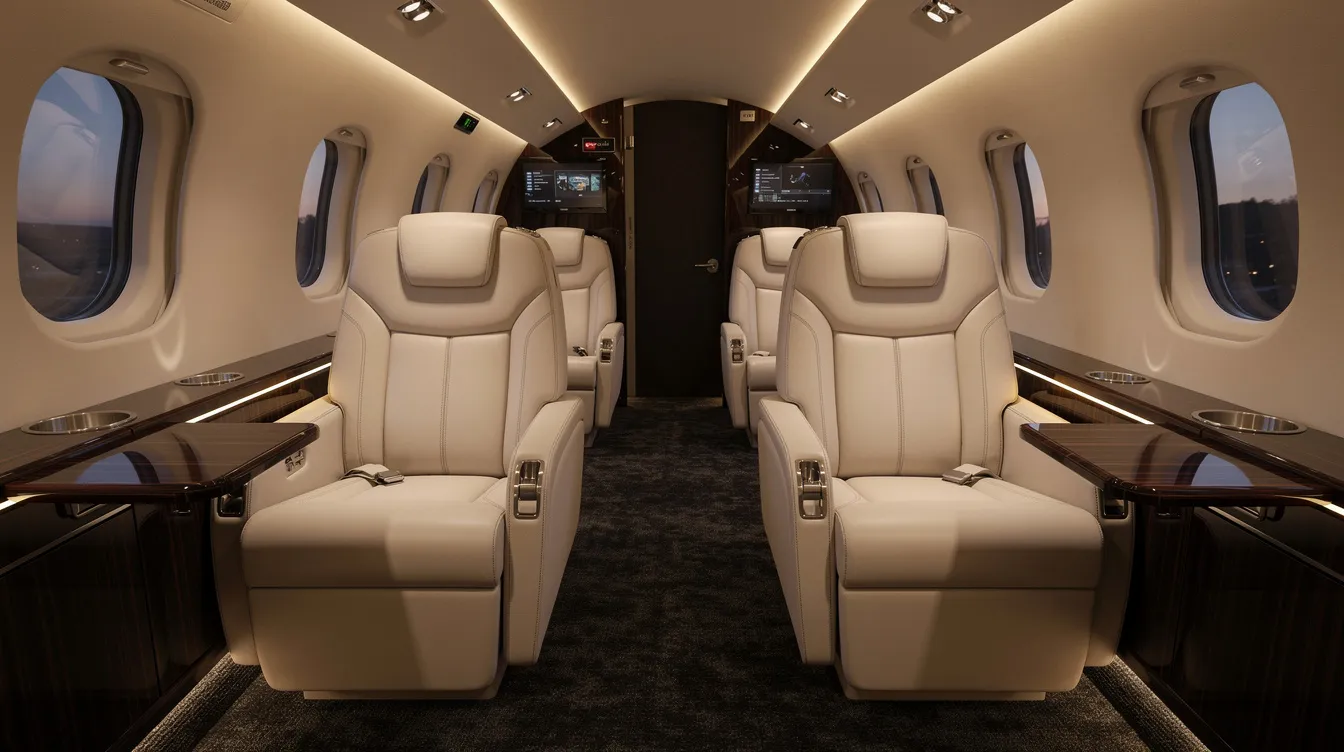
Interior and exterior condition - recent paint and cabin refurbishment dates
Ownership history - a one owner, well-maintained aircraft with clean records commands a premium over a multi-owner airframe with gaps
Supportability - availability of parts, MRO access, and OEM support for that model
Two similar-vintage Gulfstream GIV aircraft can differ by over $1.5 million in value if one has fresh paint, a recent cabin refurbishment, and full maintenance programs while the other does not. Accurate appraisals are crucial for buying and selling jets - particularly for aircraft over 15–20 years old, where condition creates large value gaps between superficially similar airframes.
BusinessJets.com applies experience from 1,500+ transactions to deliver both desktop and on-site appraisals. Request an aircraft appraisal before listing an old jet for sale or submitting an offer to purchase.
Selling an Old Jet: Strategy, Positioning, and Transaction Management
For sellers - whether private owners, corporations, or operators - protecting value and controlling time on market requires deliberate strategy. Condition and upcoming maintenance influence the aircraft's resale value more than almost any other factor.
Preparation steps:
Perform a light cosmetic refresh if justified by cost-benefit analysis
Compile a clean document set: logbooks, STCs, maintenance status, program details
Capture professional photography - this is not optional in competitive advertising
Address simple squawks proactively to avoid pre-buy findings that derail deals
Pricing strategy matters. Set expectations based on realistic appraisal and recent comparable aircraft that have actually sold - not just asking prices. Overpricing creates stigma and extends time on market. Aircraft brokers provide access to off-market inventory and handle acquisition negotiations, and the same applies in reverse: a specialist broker like BusinessJets.com markets aircraft through targeted channels, qualified buyer lists, and discreet outreach rather than generic classifieds alone.
Online marketplaces aggregate inventories from dealers and show flight hours and maintenance programs, and aircraft listings can be found on industry-specific platforms and publications. But transaction management - buyer qualification, LOI negotiation, managing pre-buy inspection findings, and coordinating closing, export, and registration - is where professional representation earns its value. Whether the aircraft is registered in Florida or operated overseas, the legal and logistical complexity of closing an older jet sale demands experienced oversight.

BusinessJets.com Services for Old Jet Buyers and Sellers
Operators need strategic guidance for aircraft transactions, and market intelligence helps optimize aircraft assets at every stage of the ownership lifecycle. Here is how BusinessJets.com supports clients in the aging-fleet segment:
Buying older private jets: From mission analysis and aircraft selection through negotiations, inspections, and entry-into-service planning. Consulting services support operators in aircraft acquisition with a team that can qualify customers based on pilot experience and budget.
Selling old jets: Full brokerage including valuation, positioning, global marketing to qualified buyers, and transaction oversight. View current aircraft for sale.
Appraisals and valuations: Independent private jet appraisals for fleet managers, financiers, and owners needing accurate book values or sale-vs-hold analysis. Consulting services include aircraft valuation and transaction support.
Aviation consulting: Fleet strategy, replacement planning, and operator advisory - including whether to refurbish, upgrade, sell, or part-out older assets. Aviation consultants assist with FAA paperwork and compliance, and consultants help buyers and sellers navigate market forces effectively. Strategic decisions are crucial for effective aircraft management, and aviation consulting supports strategic guidance for aircraft transactions across all segments.
Operators require insights into market trends for decision-making, and BusinessJets.com delivers that intelligence grounded in decades of real transaction experience across the world.
FAQs: Old Jets for Sale
Are old private jets safe to operate compared with newer models?
Safety depends on maintenance quality, regulatory compliance, and operational discipline - not age alone. Many 20–30 year old private jets fly safely under Part 91 and Part 135 every day. Adherence to manufacturer maintenance programs, approved service centers, and modern avionics compliance are critical. Buyers should insist on thorough pre-purchase inspections and evaluate whether operators maintain strong safety management systems. The reliability of an older jet is a direct function of how consistently it has been maintained.
Can an old commercial jet be converted into a private or corporate aircraft?
Yes - ex-airline aircraft such as Boeing 737s or Airbus A319/320s configured as private jets can be converted into VIP or corporate shuttles with seats configured for executive use, and a VIP conversion can also be tailored to improve passenger comfort and rest on longer trips. However, a full VIP completion can cost tens of millions of dollars and require 12–24 months. This makes the path viable only for highly specific use cases and budgets. Before committing, compare full life-cycle costs against purchasing a large-cabin private jet already configured for the mission.
Is buying an old military aircraft practical for business travel?
Former military aircraft are generally unsuitable for routine business travel due to limited comfort, payload, and regulatory constraints. Most demilitarized jets operate under Experimental or Exhibition rules, which restrict commercial and passenger-for-hire operation. While some operators use trainers for speed and experience, business travelers are almost always better served by certified private jets or charter solutions.
How long can an old jet remain economically viable before it should be retired?
Economic life depends on cycles, hours, structural condition, and the cost of upcoming heavy maintenance relative to market value. When the next major inspection, engine overhaul, or avionics mandate approaches or exceeds a significant percentage of the aircraft's current value, owners should evaluate sale, part-out, or replacement options. BusinessJets.com can model refurbish-vs-sell-vs-replace scenarios to support data-driven decisions for fleet managers and owners managing a family of aging assets.
When should I get an independent appraisal for an old jet?
Obtain an appraisal before listing an older private jet for sale, before making an offer to purchase, and whenever lenders, auditors, or boards require up-to-date asset valuations. Appraisals are especially important for aircraft over 15–20 years old, where modifications and supportability create large value gaps. Contact BusinessJets.com for a formal aircraft appraisal tailored to your specific aircraft and transaction objectives. Selection: Contact BusinessJets.com for a formal aircraft appraisal tailored to your specific aircraft and transaction objectives.
In managing the complexities of old jets for sale, key factors must be addressed to ensure a sound investment. Reviewing Airworthiness Directives for compliance and costs is essential, as they impact safety and financial planning. The aircraft's condition and upcoming maintenance significantly affect resale value, making recent inspections and a solid maintenance history crucial for accurate valuation.
Maintenance logs must be complete and continuous to verify the aircraft's history accurately, which supports a reliable appraisal. Pricing for aircraft spans a wide range, with used planes listed from $18,800 to $60 million, and private jets typically ranging between $210,000 and $60 million. Turbine military aircraft, a niche segment, have prices from $150,000 to over $6 million, with models like the Aero L-39 Albatros selling between $200,000 and $450,000. Operating costs for the L-39 Albatros range from $1,000 to $1,500 per flight hour, while larger military jets can exceed $50,000 per hour.
Purchasing an older private jet requires a careful evaluation of maintenance records and operational costs. Mission fit is crucial when selecting the right aircraft, as buying a used jet involves balancing operational expenses with the intended use. A thorough pre-purchase inspection is indispensable before any funds are exchanged, evaluating mechanical condition and maintenance records comprehensively.
Financing and insurance considerations are equally important in aircraft acquisition, as older aircraft may face higher premiums or limited lending options. Aircraft brokers play a vital role by providing access to off-market inventory and managing acquisition negotiations, helping buyers navigate the complexities of the market. Engine programs can mitigate the risk of unexpected overhaul costs, contributing to more predictable ownership expenses.
The total cost of ownership encompasses maintenance, fuel, insurance, and potential depreciation, factors that must be weighed carefully. Privately owned military jets require FAA Experimental/Exhibition certification, and civilians must demilitarize military aircraft before ownership due to regulatory restrictions. There are approximately 1,000 privately owned military jets in the U.S., a specialized market segment with distinct operational and compliance challenges.
Reputable aircraft dealers offer pre-owned jets with thorough vetting and maintenance documentation, supporting buyer confidence. The average time on market for private jets is around 192 days, reflecting the importance of realistic pricing and strategic marketing. Globally, about 24,270 private jets are in operation, with private jets accessing approximately 5,000 airports in the U.S. and business aircraft users outperforming non-users by 23% in revenue growth. Additionally, two-thirds of passengers report increased productivity aboard private jets.
Operators require strategic guidance for aircraft transactions, with market intelligence playing a key role in optimizing aircraft assets. Consulting services support operators in acquisition, fleet strategy, and compliance, providing insights into market trends and helping clients navigate the complexities of aircraft valuation and transaction support. Aviation consultants assist with FAA paperwork, compliance, and customer qualification based on pilot experience and budget.
Aircraft listings are available on industry-specific platforms and publications, with online marketplaces aggregating inventories from dealers and detailing flight hours and maintenance programs. Mission profile alignment—matching the jet’s range, passenger capacity, and runway requirements to typical travel destinations—is essential for operational success. GlobalAir.com currently lists 1,497 aircraft for sale worldwide, while Controller.com features 19 turbine military aircraft listings.
Accurate private jet appraisals are crucial for buying and selling decisions, considering aircraft condition, age, and market demand to determine precise market value. BusinessJets.com leverages its expertise from over 1,500 transactions to provide independent appraisals and advisory services that help buyers and sellers manage risk and maximize value in the old jets market.
Conclusion: Navigating the Market for Old Jets in 2026
Old jets for sale represent a diverse and complex segment of the aviation market, encompassing private, commercial, and military aircraft with distinct regulatory, operational, and financial considerations. Successful acquisition or disposition requires a disciplined approach centered on thorough technical due diligence, realistic valuation, and strategic transaction management.
BusinessJets.com stands ready to support buyers, sellers, and operators with expert appraisal, brokerage, and consulting services tailored to the unique challenges of aging aircraft assets. By leveraging deep market intelligence, a proven track record of over 1,500 transactions, and a consultative approach, BusinessJets.com helps clients make informed decisions that balance cost, risk, and mission fit.
Whether you seek to acquire a classic private jet, evaluate a retired commercial airframe, or explore the niche market of demilitarized military aircraft, partnering with experienced aviation professionals ensures clarity and confidence throughout the process. Engage BusinessJets.com to unlock the full potential of old jets as valuable, operational assets in today’s dynamic business aviation landscape.
Explore our aircraft appraisal services to get an accurate valuation, list your aircraft with our selling services, or learn more about aviation consulting to optimize your aircraft ownership strategy.