Private Small Jet Price: What It Really Costs to Own and Operate a Light or Very Light Jet

Jay Franco Ser
August 26, 2026

Purchasing a small jet includes upfront acquisition costs and ongoing operational expenses that together determine whether ownership makes financial sense for your mission. This guide breaks down both sides of that equation with current figures, model-specific benchmarks, and the operating-cost realities that separate a sound investment from a money pit.

Key Takeaways

The private small jet price landscape in 2024–2026 can be summarized in a few critical data points. Before diving into the details, here is what matters most:

  • The typical purchase price for a small private jet ranges from $1 million to $9 million. Pre-owned very light jets trade between roughly $1.5M and $3.5M, while newer light jets range from $3M to $8M depending on model, age, and specification. Core models include the Cirrus Vision Jet at around $3M new, the Embraer Phenom 100EV at $4–5M new and $2.5–3.5M used, the Cessna Citation M2 Gen2 at approximately $6M new, and the HondaJet Elite II at $6–7M new.

  • Annual fixed costs for small private jets typically range from $400,000 to $800,000, covering crew salaries, insurance, hangar storage fees, training, and management. Variable operating costs for small jets typically range from $1,000 to $1,500+ per flight hour for VLJs and $1,600–$2,500 for light jets, scaling directly with flight hours.

  • Fixed costs dominate at low annual utilization. When annual flight hours climb past roughly 200–250, ownership begins to outperform charter or fractional ownership on a per-hour basis. Below that threshold, on-demand private jet charter is usually the cheaper path.

  • The typical estimate for annual operating costs of a private small jet ranges from $500,000 to $1.5 million depending on aircraft type, basing location, and how much the aircraft flies.

  • BusinessJets.com serves as an aircraft brokerage and consulting partner that helps buyers appraise, acquire, and later sell small jets to protect residual value and control total ownership cost.

Introduction: Why Focus on Private Small Jet Price?

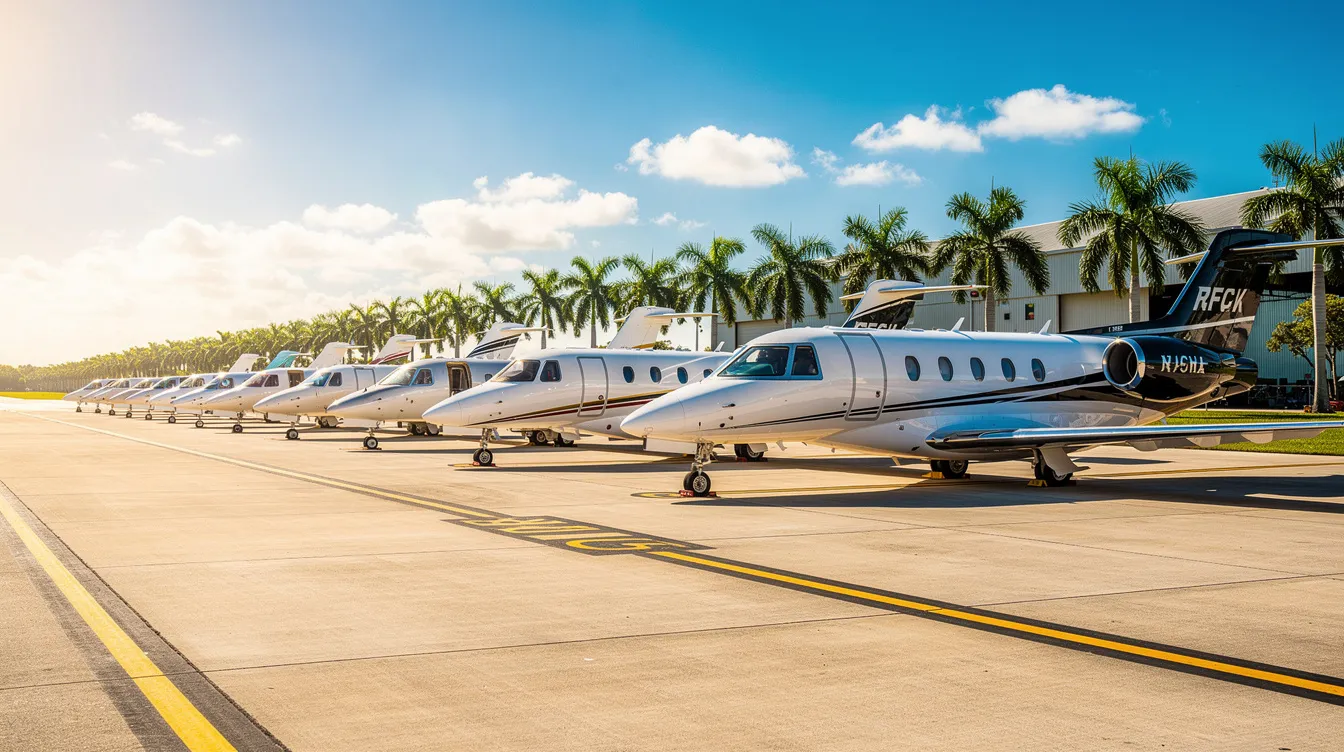
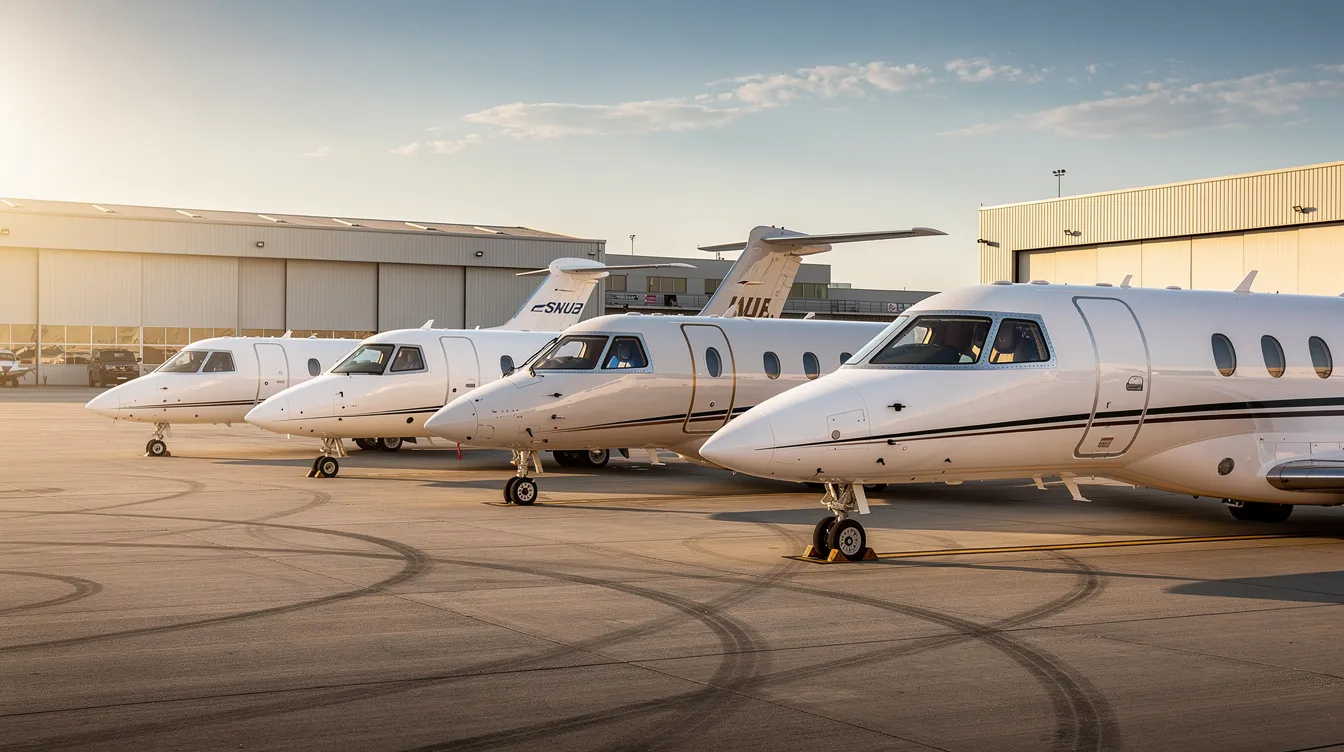
"Small private jets" refers to two overlapping categories: very light jets and light jets. These aircraft typically seat four to eight passengers and are designed for regional and short transcontinental missions. They represent the most cost-efficient entry point into private jet ownership, requiring less capital, simpler crew models, and lighter infrastructure than their larger counterparts.

To put this in perspective, a new Gulfstream G650ER costs up to $75 million, and operating costs for a large cabin jet can exceed $4,500 per hour. By contrast, small jets keep both acquisition and hourly costs an order of magnitude lower, while still delivering the core benefits of flying privately: schedule control, airport flexibility, and privacy.

As of mid-2026, there are over 24,000 private jets in operation worldwide, with a significant share falling into the light and very light jet category. Demand continues from owner-operators, small corporate flight departments, and frequent flyers seeking practical alternatives to scheduled airlines. This article provides realistic, numbers-driven guidance on purchase price, operating costs, and ownership options for small jets, aimed at private jet owners, CFOs, and fleet managers evaluating their next move.

Quick Answer: What Does a Private Small Jet Cost in 2024–2026?

Expect to pay $1.5–3.5M for older pre-owned jets in the very light jet category and $3–8M for newer light jets, with annual operating costs from roughly $400k to $1.2M depending on utilization and aircraft type.

Here is how the numbers break down by category:

  • Very light jets (pre-owned): $1.5–3.5M for models like the Embraer Phenom 100, Eclipse 500, or older HondaJets.

  • Very light jets (new or late-demo): $3–7M, covering the Cirrus Vision Jet SF50 through the HondaJet Elite II.

  • Light jets (pre-owned): $3–6M for types such as the Citation CJ2+, CJ3+, and Hawker 400XP.

  • Light jets (new): $5.75–12M+, including the Citation M2 Gen2, CJ4 Gen2, and Pilatus PC-24.

Private jet rental costs range from $2,300 to $17,000 per hour when chartering comparable aircraft, which is why many frequent travelers begin calculating whether owning the entire aircraft makes more financial sense.

Over a 10-year ownership period, combining purchase price, operating costs, financing, and resale, total cost commonly reaches $8–20M depending on aircraft type and annual flight hours. At BusinessJets.com, the focus is on helping clients understand total lifecycle cost rather than just headline private jet pricing, using appraisals and transaction advisory to reveal the real numbers.

Defining "Small" Private Jets: Very Light vs Light Jets

Private aviation spans several aircraft categories, from turboprop aircraft and very light jets at the entry level through mid-size jets, super-midsize jets, heavy jets and large jets, and up to VIP airliners that can accommodate up to 50 passengers and cost between $18,000 and $23,000 per hour to operate. Small jets occupy the most accessible tier.

Very light jets are generally aircraft under roughly 12,500 lbs maximum takeoff weight. Very Light Jets (VLJs) typically seat 4 to 6 passengers and are suited for short regional flights of up to about 1,000–1,400 nautical miles. Many are single-pilot capable, burn less jet fuel, and have simpler systems. Key examples include the Cirrus Vision Jet SF50, Embraer Phenom 100EV, and HondaJet HA-420. Very Light Jets are ideal for short flights where speed and convenience outweigh cabin space.

Light jets are the next step up. Light Jets typically seat 6 to 8 passengers, cruise faster, carry more baggage, and offer ranges of 1,500–2,000+ NM. Models include the Cessna Citation M2 Gen2, Citation CJ3+, Learjet 75, and the Pilatus PC-24, sometimes positioned as a "super light" jet. For reference, midsize jets offer transcontinental range and stand-up cabins, while large jets such as the Airbus ACJ319 configured for private use can seat up to 19 passengers comfortably, but both come at significantly higher private jet cost.

These categories remain popular among first-time buyers because they provide practical range for domestic flights across the U.S. and intra-European travel, without the crew and infrastructure demands of a midsize jet or larger aircraft.

Purchase Price Benchmarks: Very Light Jets (VLJs)

In the 2024–2026 market, VLJs generally trade between $1.5M and $3.5M pre-owned and roughly $3–7M for new or near-new aircraft. Here are the key models and their approximate price points:

  • Cirrus Vision Jet SF50: New list price around $3.29M according to Textron's 2024 fact book. Used examples may trade below that depending on year and hours. The Cirrus Vision is single-engine and seats up to six passengers in a cabin that suits short regional flights and personal travel.

  • Embraer Phenom 100EV: New list approximately $5.0M. Pre-owned examples from 2017–2020 vintage list in the $4.2–5.0M range, while older Phenom 100 (non-EV) units can fall below $3M.

  • HondaJet Elite II: Factory new at about $6.95M. Pre-owned Elite II units trade between $5.5M and $7.2M, while earlier-generation HondaJets list for $3.2–5.8M depending on configuration and time.

  • Eclipse 500/550: The cheapest private jet entry point among VLJs, with used examples between roughly $900k and $1.4M, though parts support and avionics upgrades should be carefully evaluated.

Factors that shift price within the very light jet category include year of manufacture, avionics upgrades, engine program enrollment, damage history, and whether the private aircraft has been used under a Part 135 charter certificate. BusinessJets.com uses transaction data from over 1,500 completed deals to benchmark fair market value and negotiate favorable pricing on VLJs for both buyers and sellers.

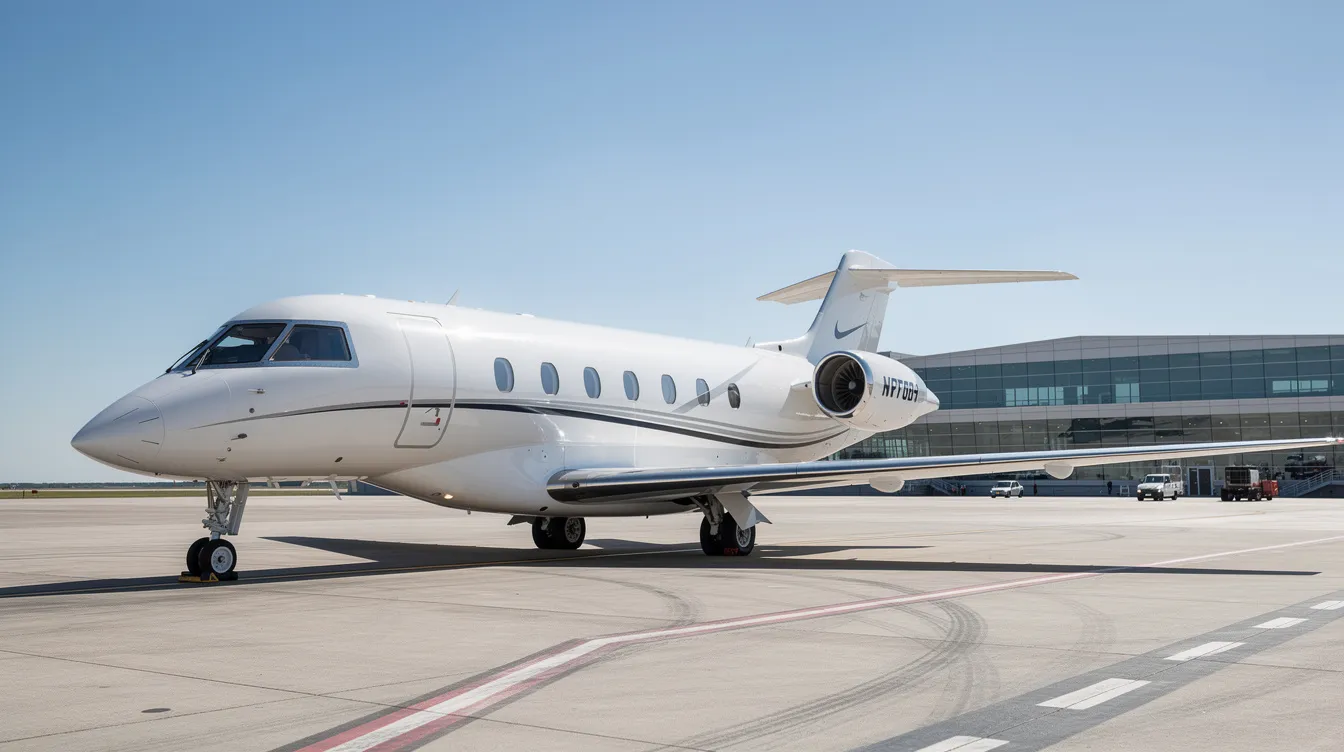
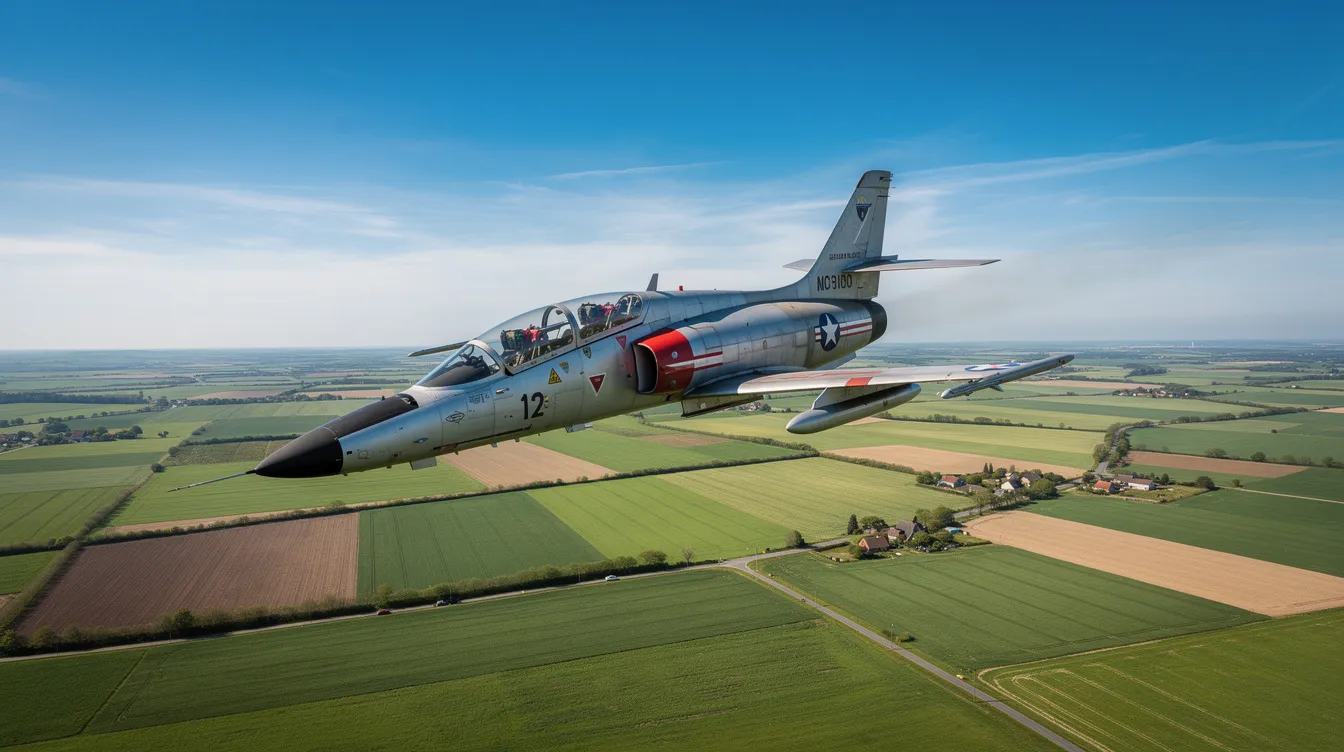
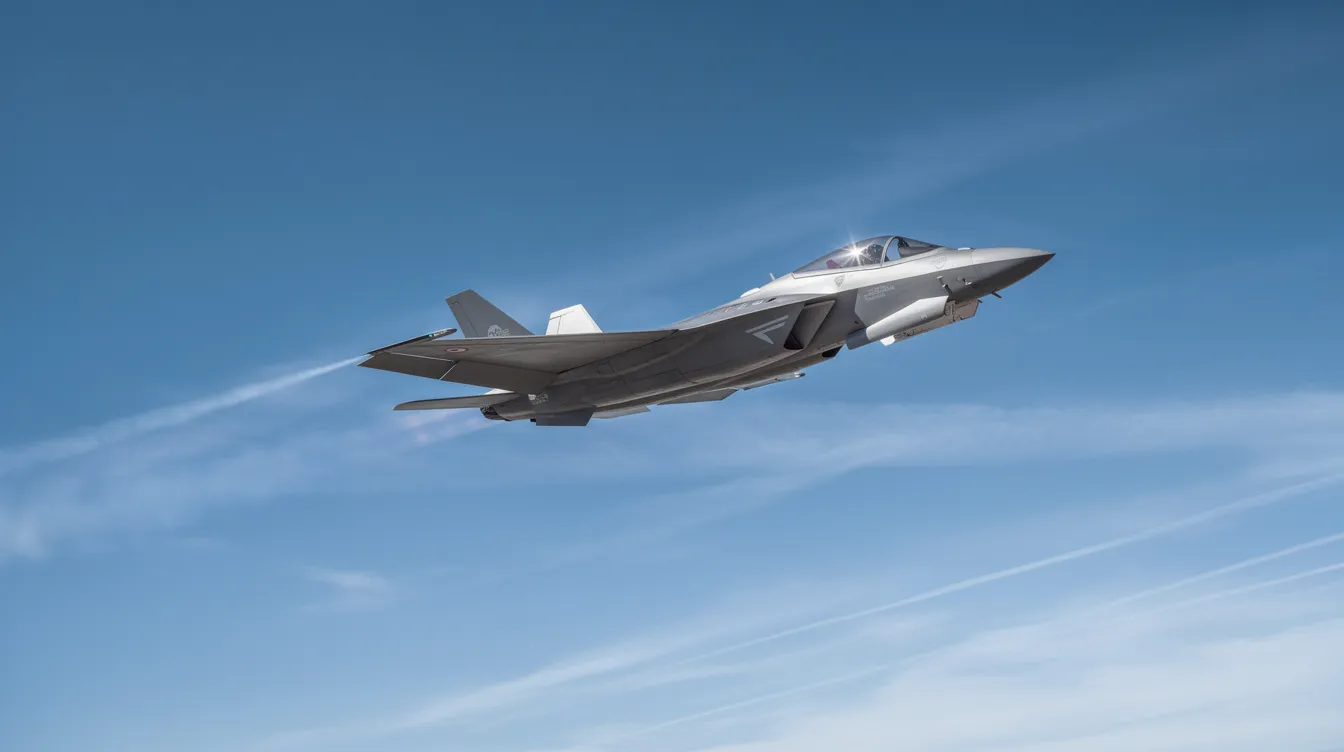
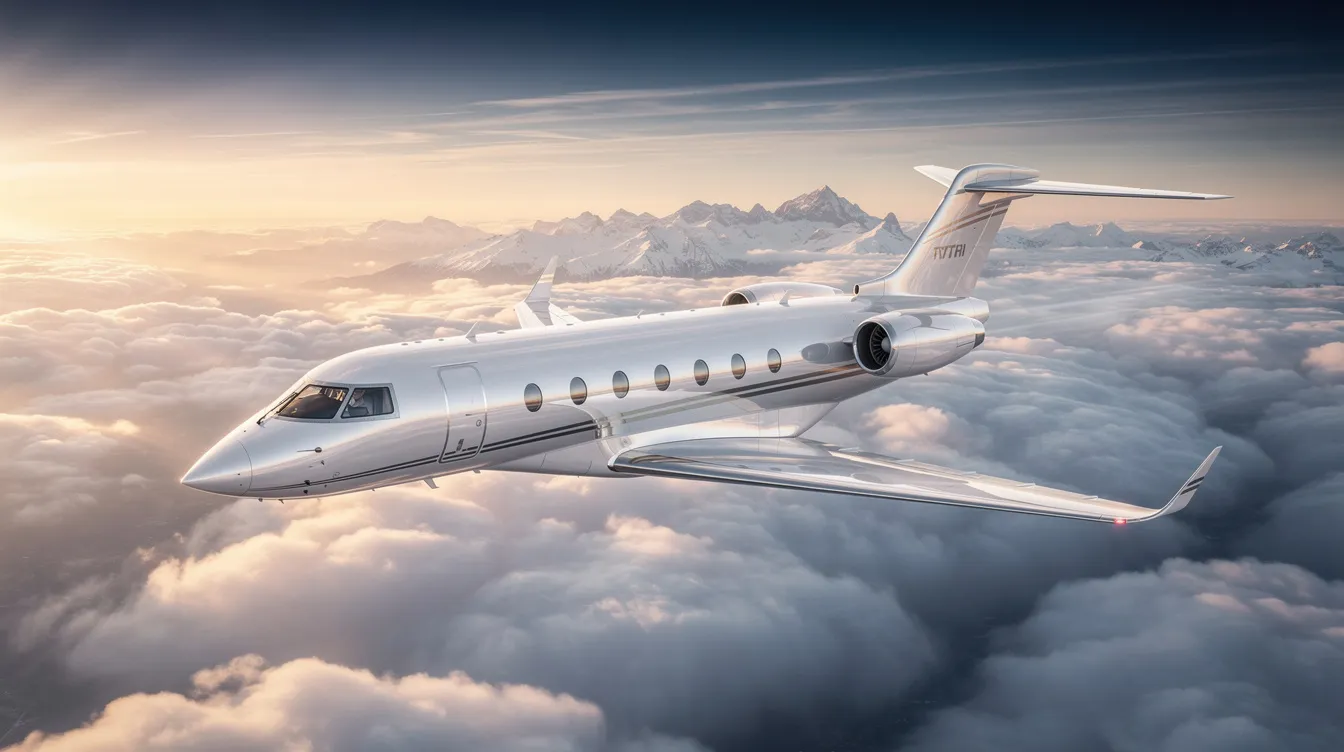
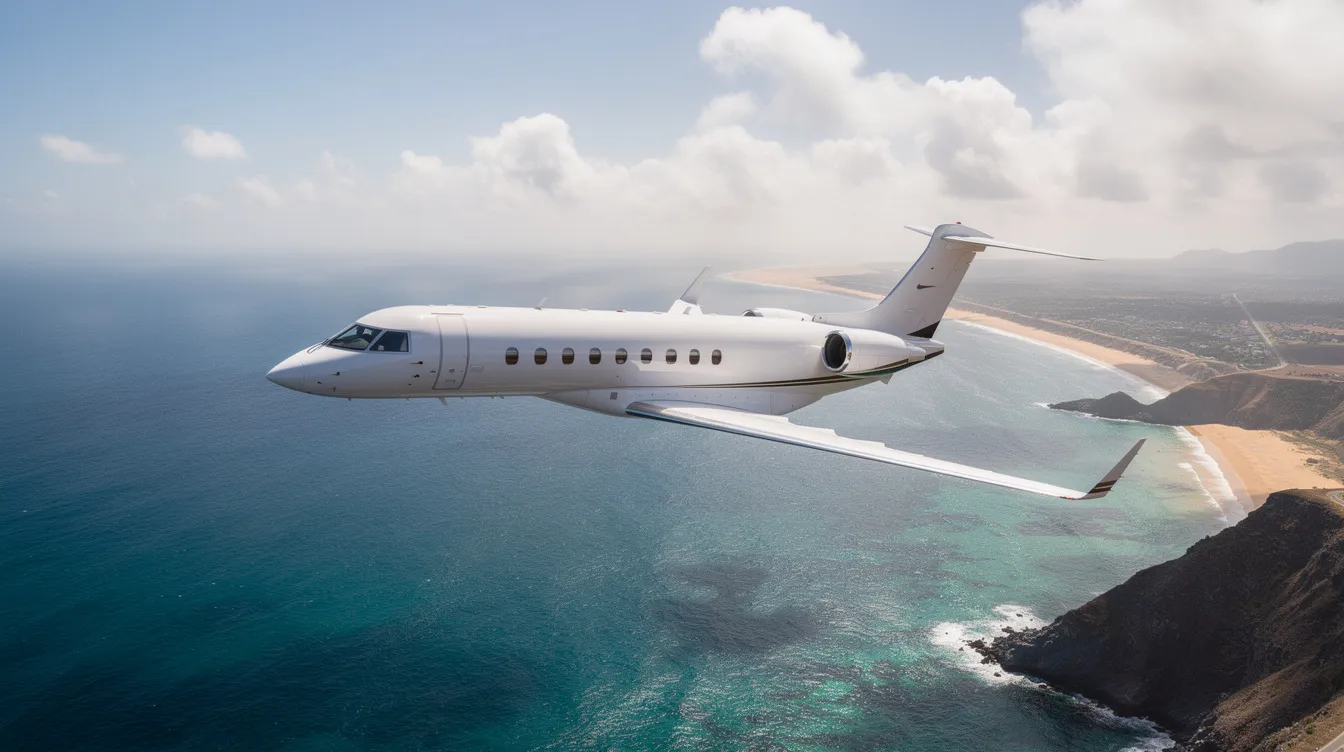
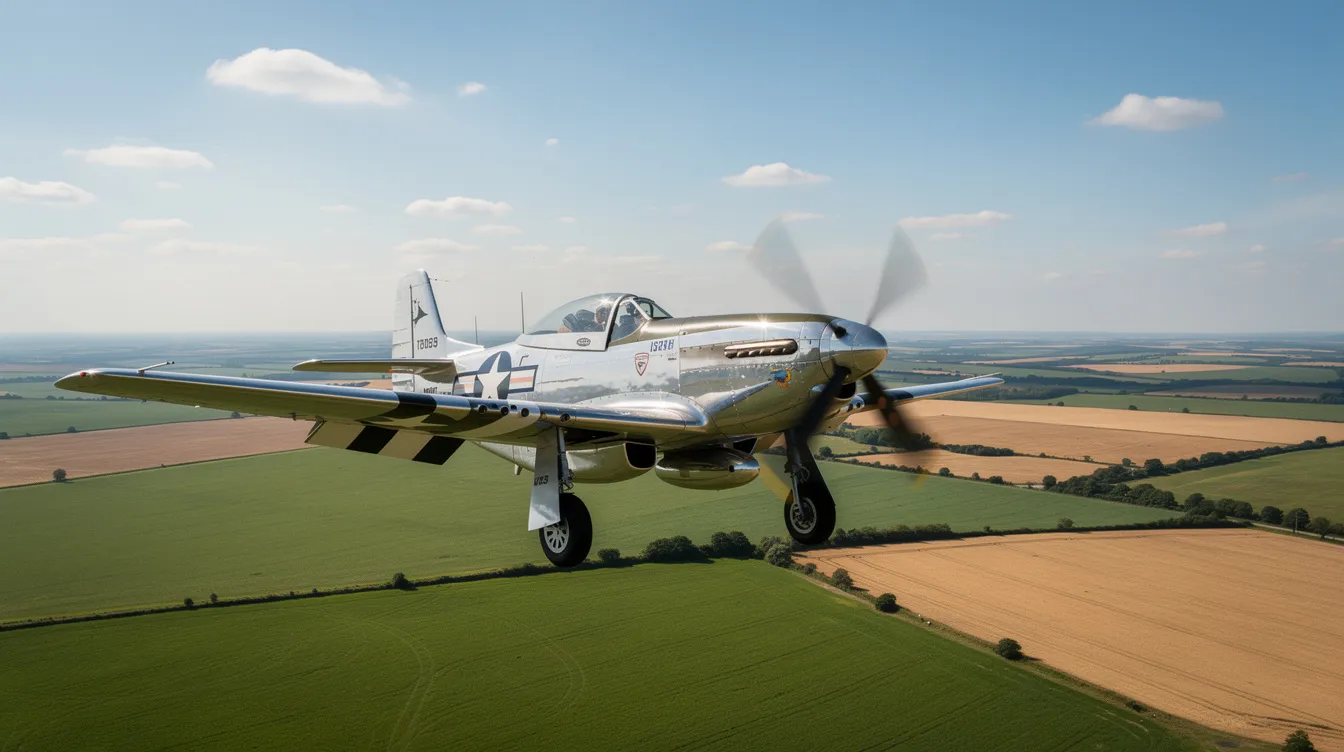
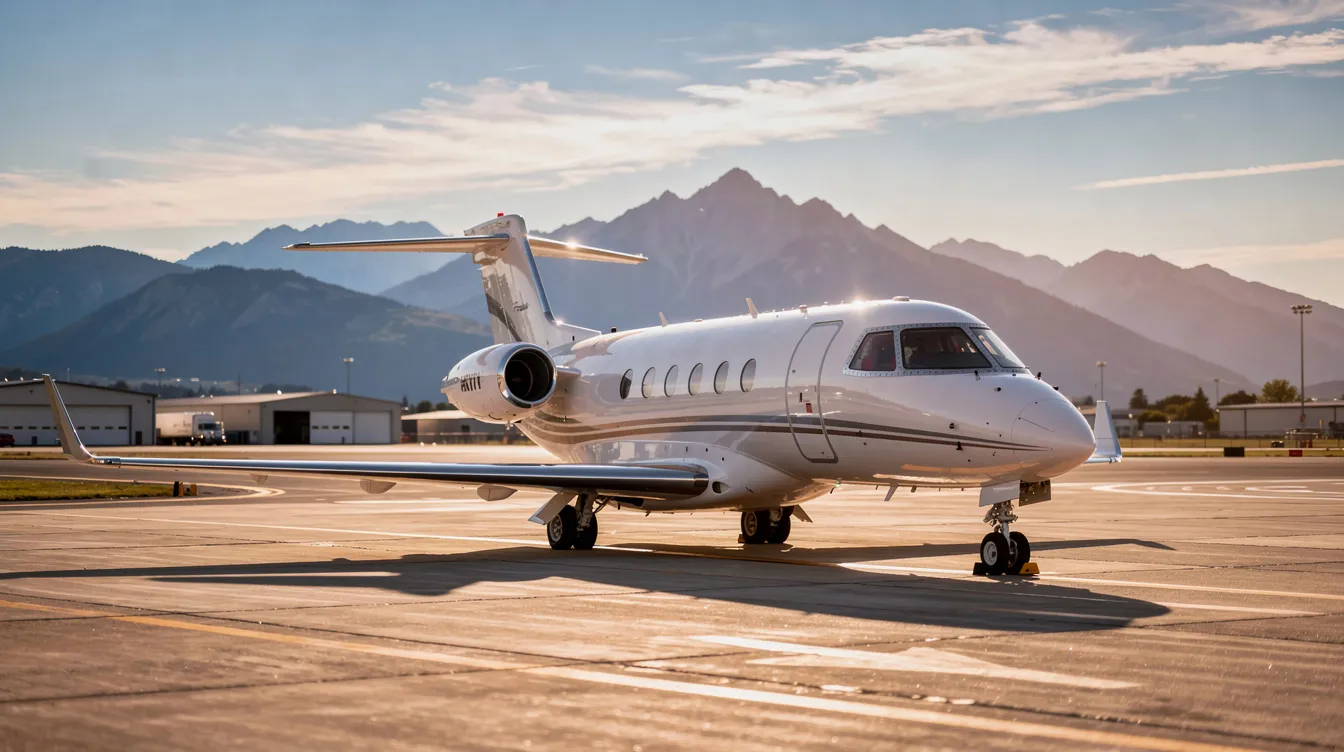
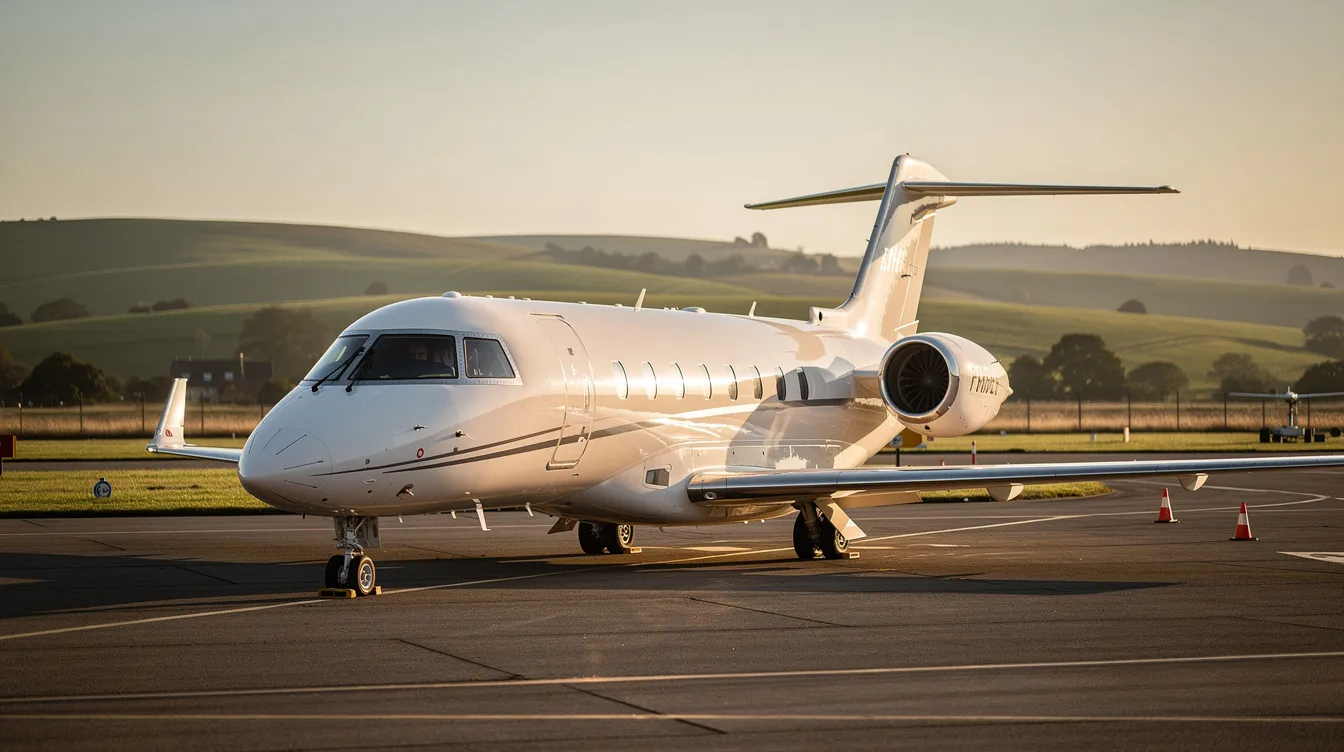
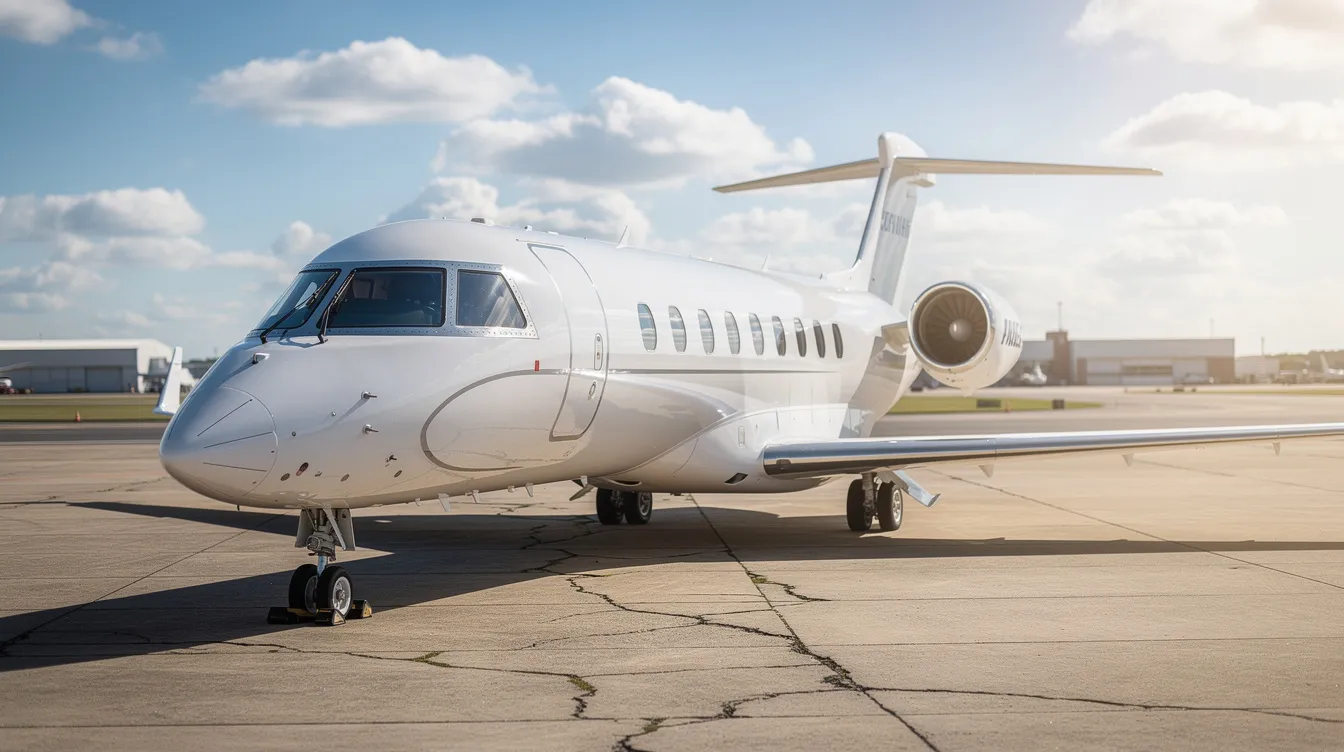
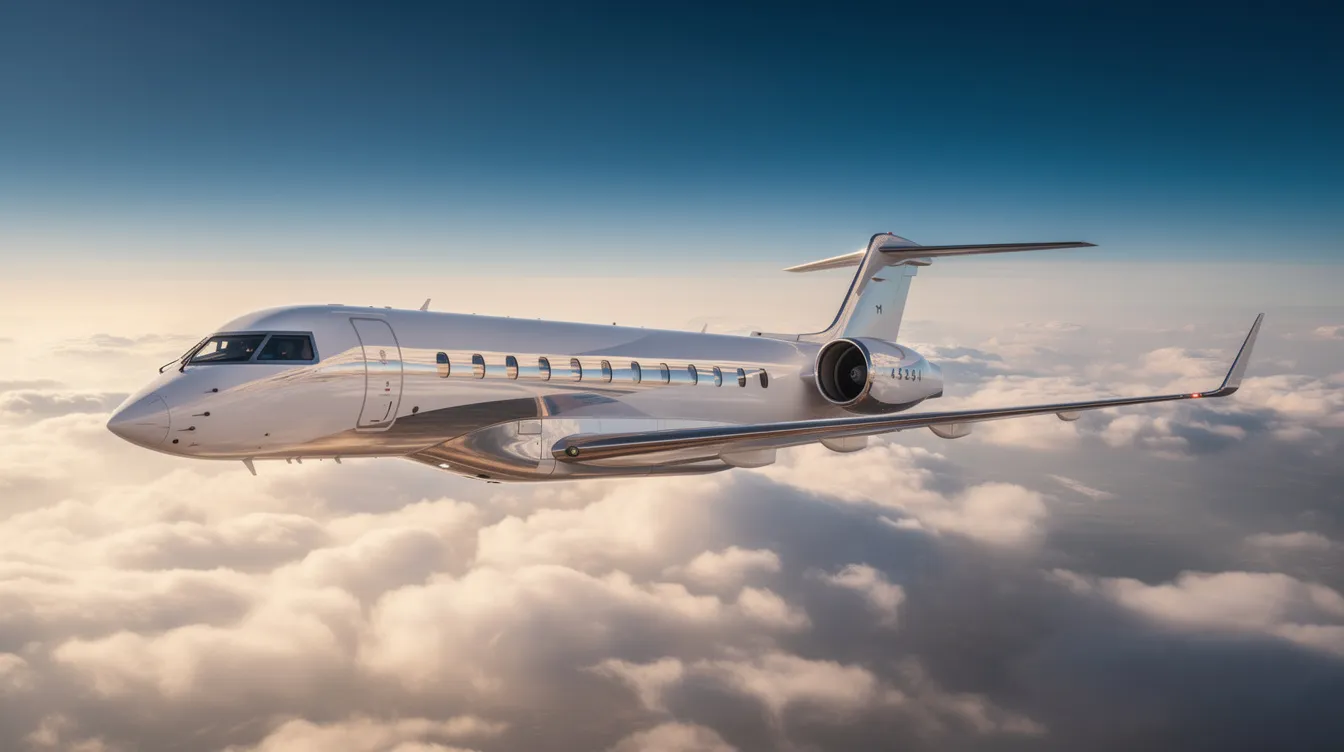
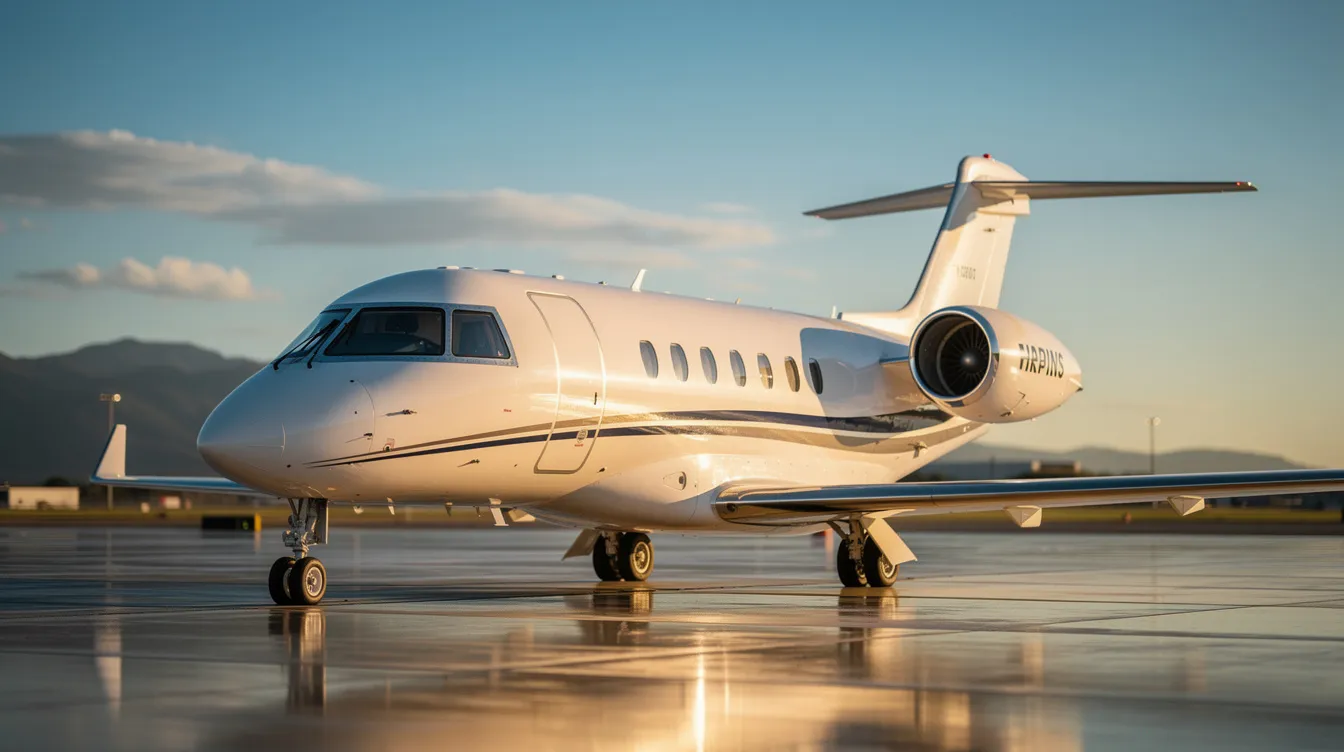
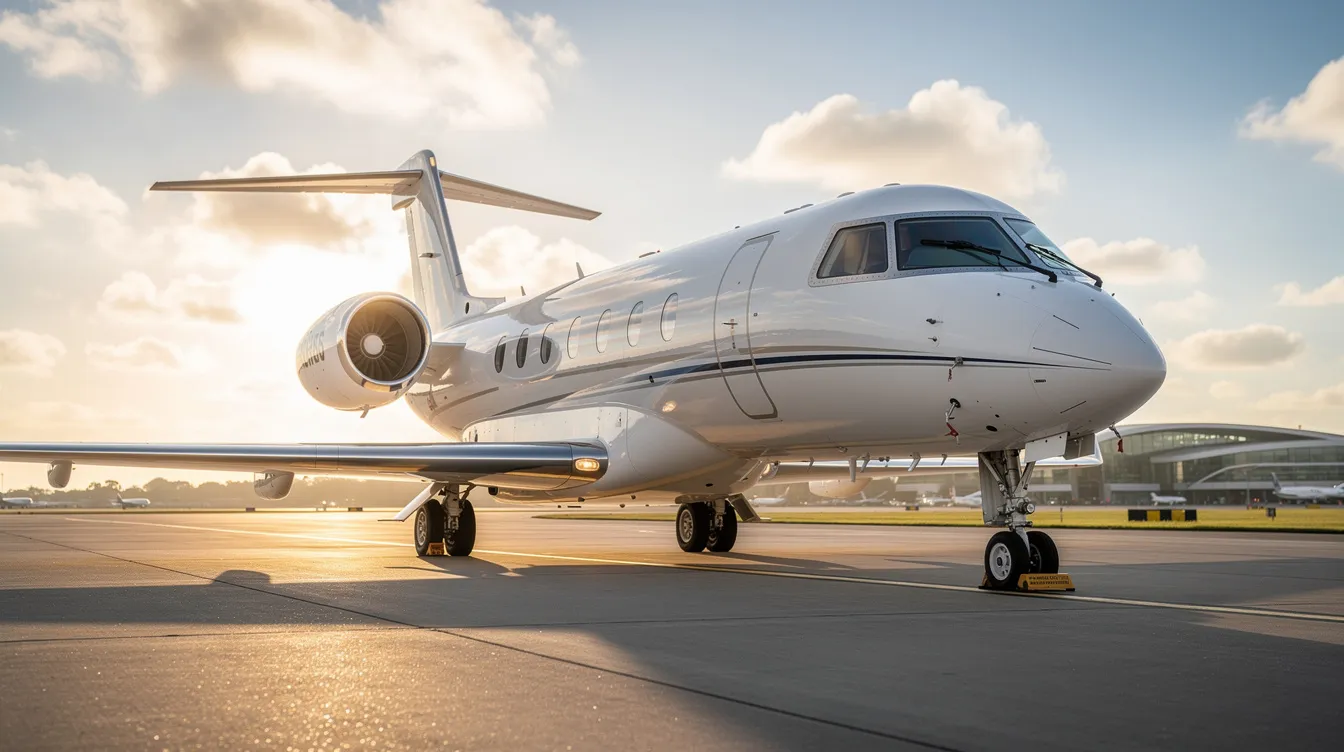
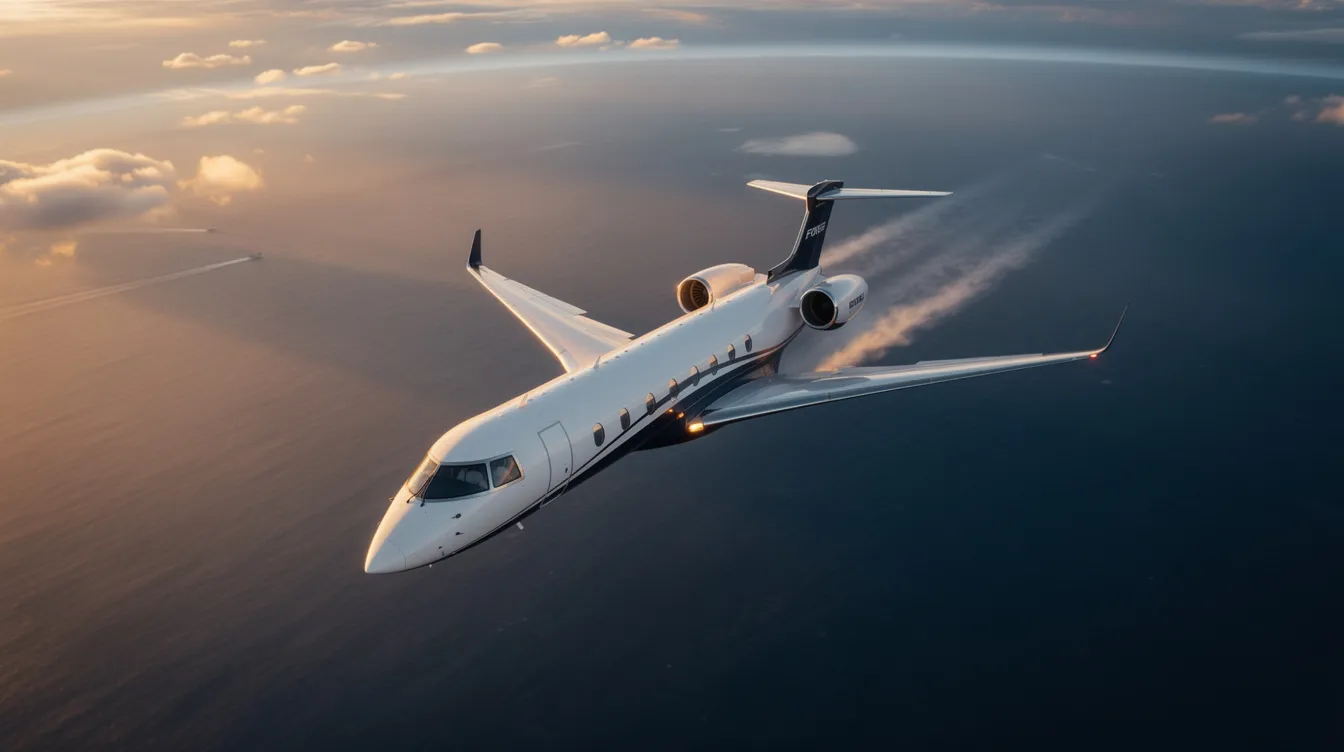
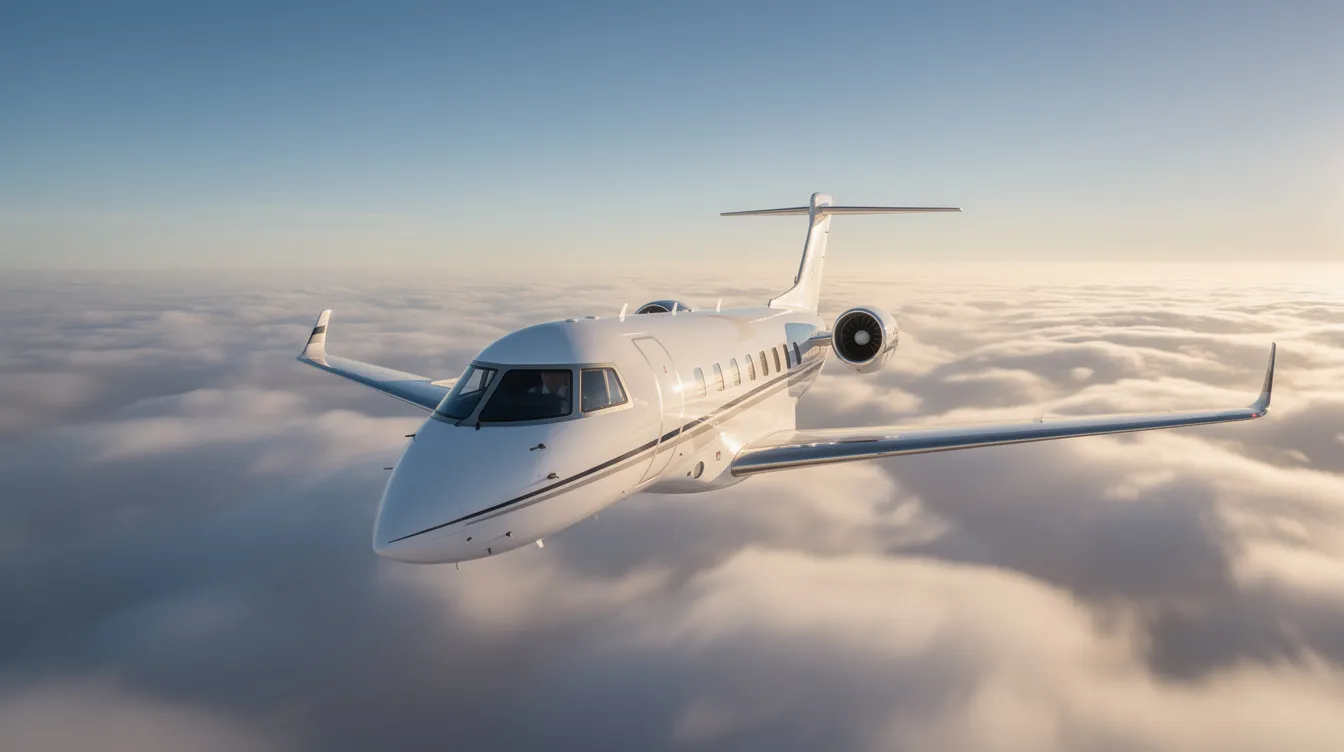
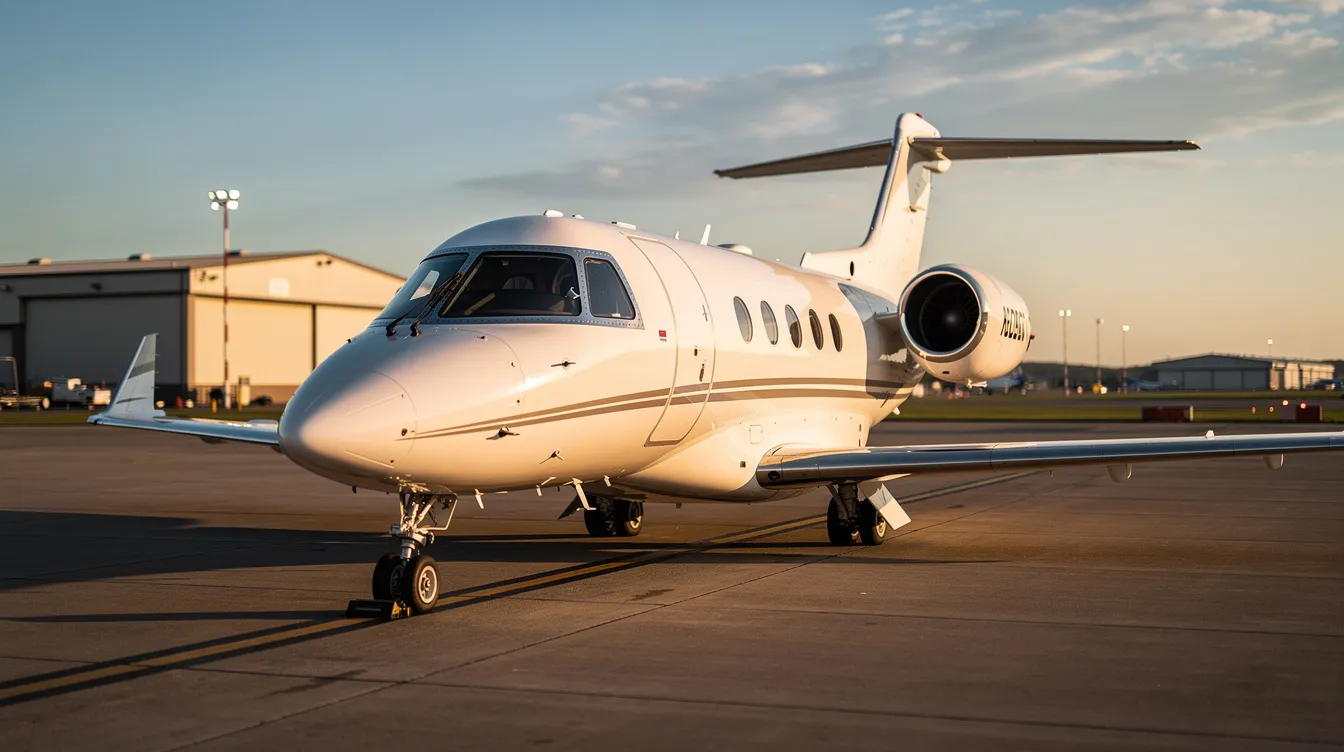
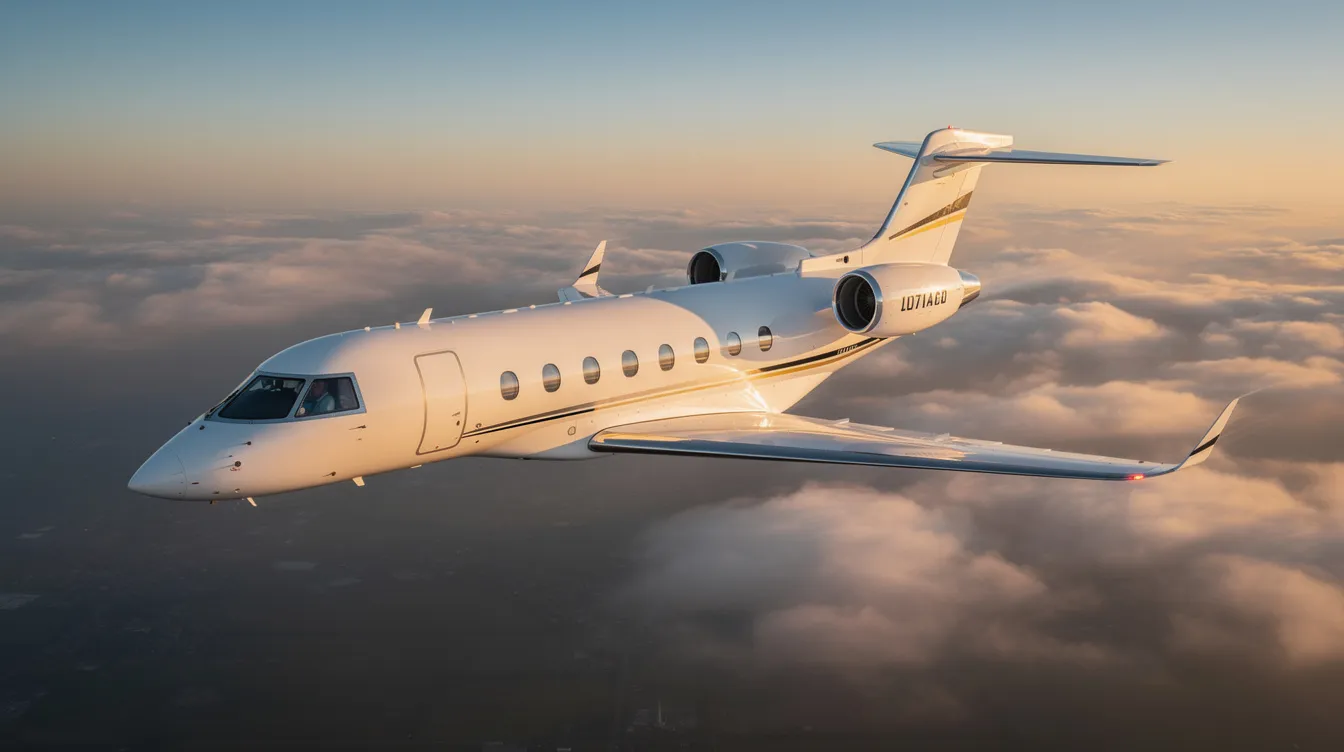
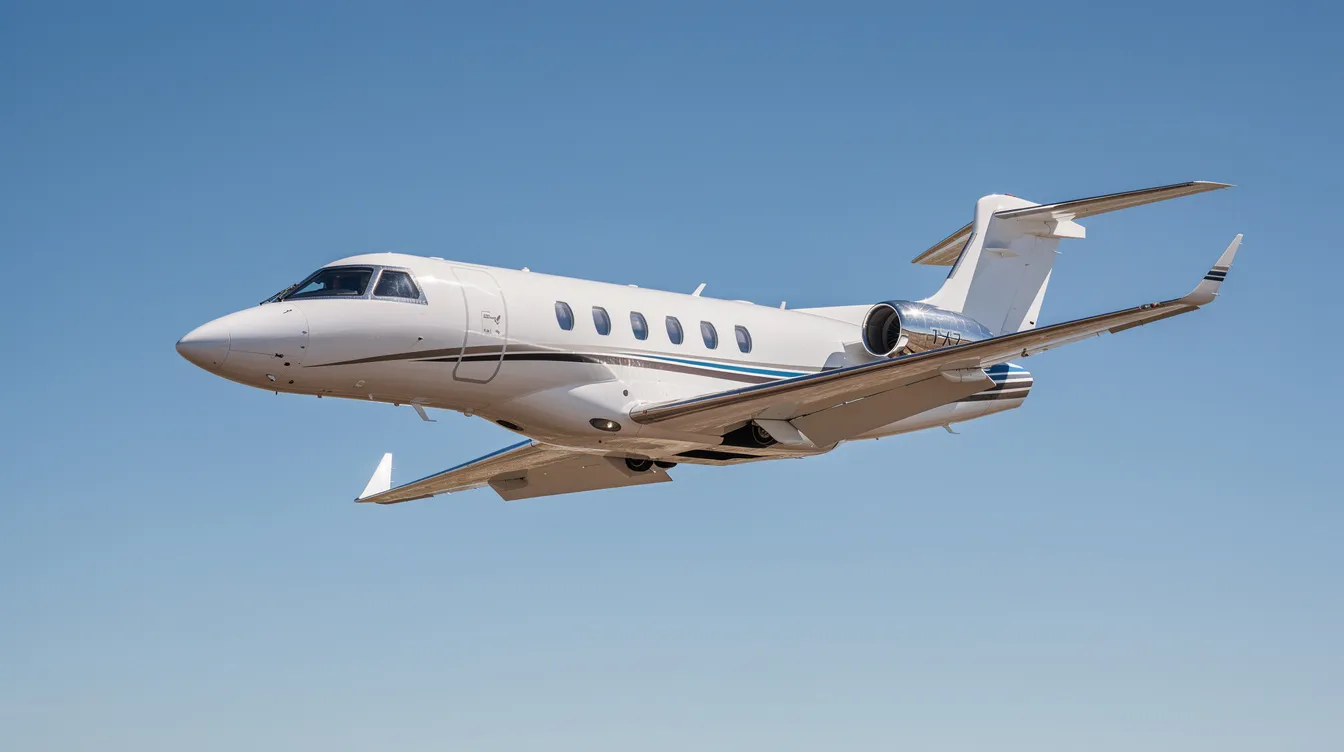
A very light jet soars through a clear blue sky, its fuselage gleaming in the sunlight, showcasing the sleek design typical of private jets. This image captures the essence of private aviation, highlighting the elegance and efficiency of very light jets in flight.

Purchase Price Benchmarks: Light Jets

Light jets in 2024–2026 range from roughly $2.5M for older models to $11M+ for late-model and factory-new aircraft. Here is where specific models land:

  • Cessna Citation M2 Gen2: New list approximately $6.15M. A pre-owned Cessna Citation M2 costs around $4.2 million for a well-maintained, recent example.

  • Citation CJ3+: Used market pricing spans $6–9M depending on age, total time, and avionics configuration.

  • Learjet 40/45XR/75: Older Learjet 40 and 45XR models trade around $2–4M. The Learjet 75 typically commands $6–9M.

  • Hawker 400XP: Available in the $1.8–3M range, though avionics modernization costs should be factored in.

  • Pilatus PC-24: Around $11–13M new (Bluebook lists approximately $13.51M), with pre-owned units in the $10–12M range. Still a small-cabin jet despite the price tier.

Cabin volume, range capability, avionics sophistication, and the strength of the OEM and MRO support network drive meaningful differences in light jet private jet pricing. A Dassault Falcon or business jets from Gulfstream occupy a different class entirely, but within the light jet segment, buyers should compare support infrastructure alongside sticker price.

For corporate buyers and family offices, BusinessJets.com can assemble a short-list of candidate light jets from its aircraft for sale inventory and compare total ownership cost per block hour across them.

New vs Pre-Owned Small Jets: Price, Depreciation, and Value

Depreciation affects aircraft values based on age, total hours, and condition. For most private jets, depreciation is steepest in the first five to seven years, then moderates as aircraft reach what some analysts call a "residual value plateau."

Consider two concrete comparisons:

  • A new Citation M2 Gen2 at around $6M versus a 7- to 10-year-old Citation CJ3+ at $4–5M, which offers similar mission capability but requires more careful inspection of upcoming maintenance events.

  • A new Phenom 100EV at $4–5M versus an earlier Phenom 100 at $2–3M, where the price gap reflects avionics improvements, engine refinements, and remaining useful life.

New jets offer factory warranty, the latest avionics, and custom interiors. Customization costs for private jets can reach hundreds of millions on ultra-long-range aircraft, but even on small jets, a bespoke interior and upgraded avionics can add six figures. Pre-owned aircraft offer lower capital outlay but demand rigorous due diligence on cycles, engine status, and upcoming maintenance events.

Accurate appraisal and market intelligence from BusinessJets.com help owners avoid overpaying at acquisition and position the aircraft for a stronger resale outcome years later.

Core Cost Drivers: What Really Determines Private Small Jet Price?

Several factors explain why two seemingly similar private jets can differ by millions in asking price:

  • Brand and OEM reputation: Aircraft from Cessna (Textron), Embraer, Honda, and Pilatus tend to retain value due to large service networks and predictable parts availability.

  • Production status: Aircraft still in production receive ongoing engineering support, new supplemental type certificates, and a steady supply of parts. Out-of-production models carry higher obsolescence risk.

  • Fleet size: Larger active fleets support a deeper MRO ecosystem and more liquid resale markets.

  • Avionics compliance: Mandates such as ADS-B Out, RVSM, and Performance-Based Navigation affect both operational capability and resale value. Aircraft needing costly retrofits trade at discounts.

  • Engine and APU program enrollment: Aircraft with engines on hourly maintenance programs (TAP Blue, ESP Gold, MSP) typically command higher prices. The trade-off is more predictable ongoing costs, which corporate buyers often prefer.

Newer jets also command a premium of $100 to $1,000 per hour in operating cost savings due to fuel efficiency improvements and reduced unscheduled maintenance, which compounds over years of ownership.

Typical Operating Costs for Very Light Jets

Operating costs for small jets include fuel, maintenance, insurance, and hangar fees. It helps to separate these into two buckets: fixed costs that accrue regardless of whether the aircraft flies, and variable costs that scale with flight hours.

Fixed costs for VLJs typically run $150,000–$300,000 per year, depending on whether the owner self-flies or hires a professional flight crew. Fixed annual costs include pilot salaries, insurance, and hangar storage fees. Insurance costs for private jets typically range from $15,000 to $30,000 per year, and hangar and storage costs for small jets vary widely by region, averaging between $5,000 and $30,000 per year. Hangar fees at regional airports run roughly $1,000–$3,000 per month; major hubs charge considerably more.

Variable costs for VLJs typically fall between $900 and $1,500 per flight hour, covering fuel, maintenance reserves, and consumables. VLJ fuel burn ranges from about 60 to 90 gallons per hour. Fuel costs for private jets range from $300 to $700 per hour depending on fuel prices and burn rate, and they typically account for 25% to 35% of total operating expenses for small jets. Maintenance costs for private jets can total $50,000 to $200,000 annually depending on age and usage.

BusinessJets.com can develop a tailored cost-of-ownership model for each candidate VLJ based on expected utilization and basing location.

Typical Operating Costs for Light Jets

Light jets cost more to operate than VLJs but often deliver a lower cost per seat-mile due to higher payload and faster cruise speeds. Average fuel consumption for light jets typically ranges between 120 and 200 gallons per hour, which places fuel costs meaningfully higher than for VLJs.

Variable operating costs for popular light jets (Citation M2 Gen2, CJ3+, Learjet 75, Hawker 400XP) typically range from $1,600 to $2,500 per flight hour, including fuel, engine reserves, and routine maintenance. For comparison, variable costs for midsize jets are $2,200 to $2,800 per flight hour, and annual fixed costs for a midsize jet range from $800,000 to $1.2 million, illustrating the cost jump when stepping up in size.

Common annual fixed costs for a professionally operated light jet include:

  • Captain and first officer crew salaries and benefits

  • Recurrent training and type-rating checks

  • Hull and liability insurance

  • Hangar rental

  • Navigation database subscriptions and administrative overhead

These fixed costs often total $300,000–$600,000 per year. Crew overnight fees range from $200 to $600 per crew member on trips requiring layovers, adding to trip costs on longer routes.

Placing a light jet on a Part 135 charter certificate may offset some fixed costs through charter revenue but introduces utilization-driven depreciation and higher maintenance demands, which BusinessJets.com can model for private jet owners evaluating this path.

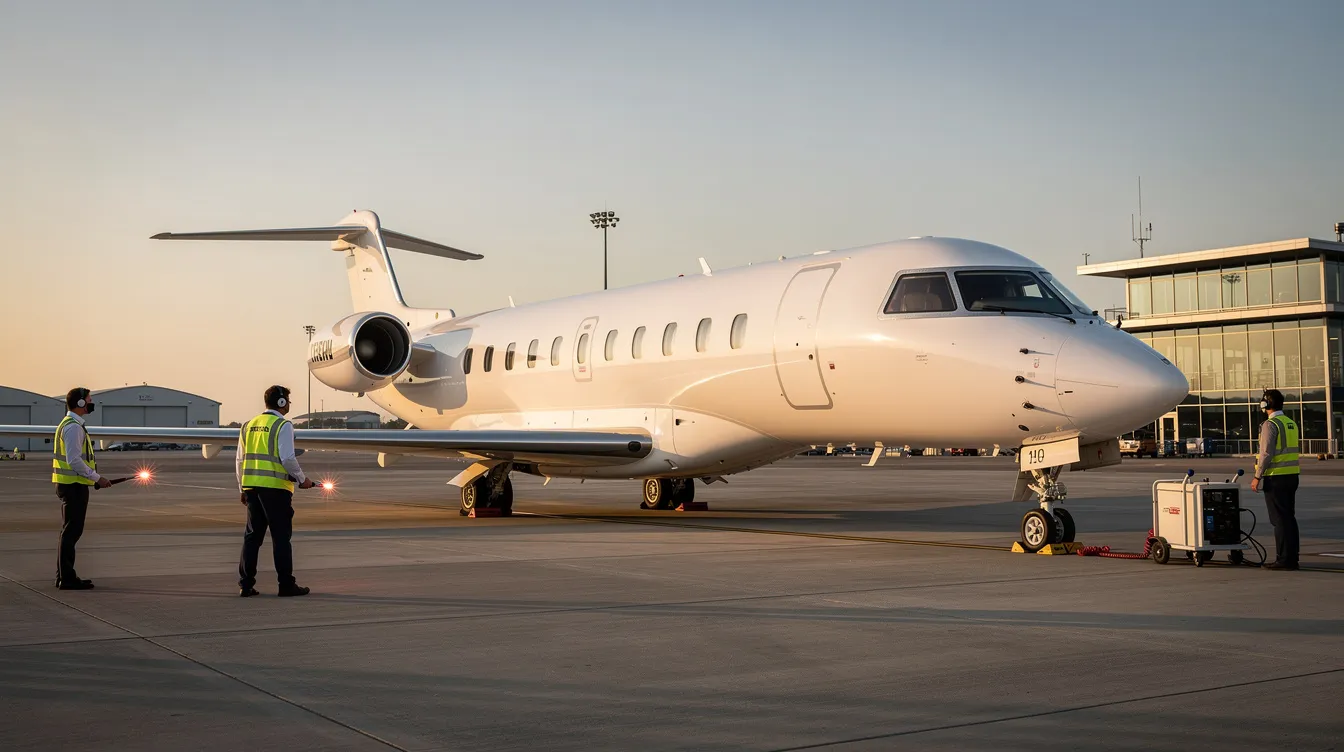
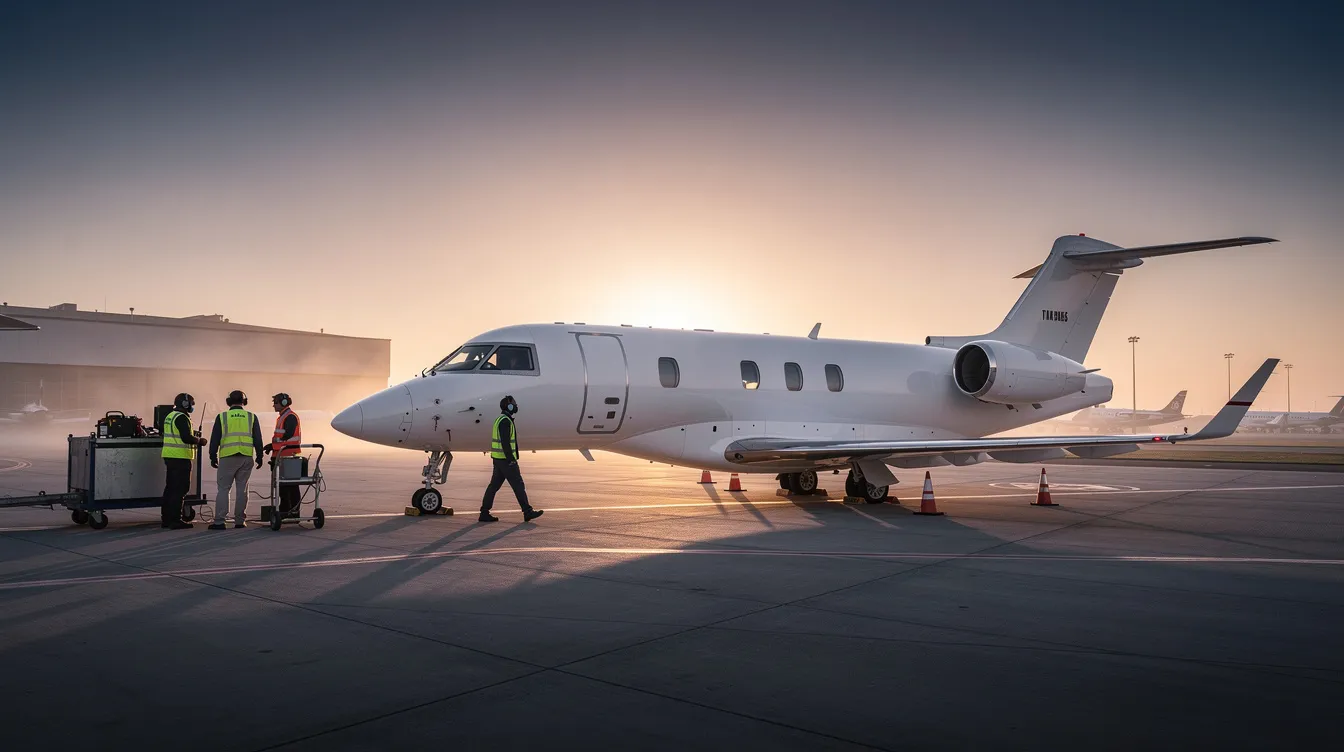
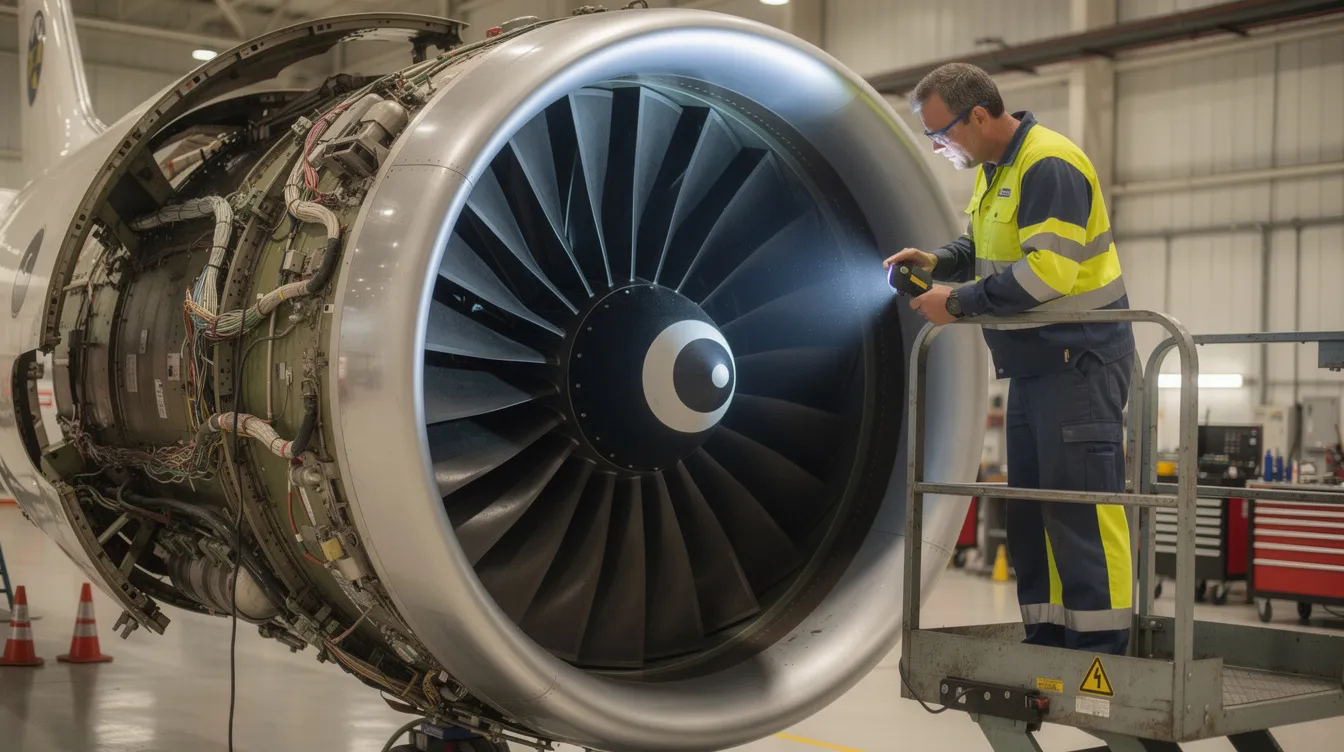
A maintenance technician inspects a close-up view of a jet engine inside a hangar, highlighting the intricate components essential for private aviation. This scene emphasizes the importance of regular maintenance for private jets to ensure safety and efficiency in flight operations.

How Usage Affects the Economics: Flying Private 100 vs 300+ Hours

The economic case for buying a private jet outright strengthens as annual hours rise, because fixed costs are spread over more flight time. Variable operating costs for small jets increase with usage and include maintenance, fuel, and trip fees, but the per-hour impact of fixed costs drops dramatically.

Consider a light jet with $500,000 in annual fixed costs and $2,000 per hour in variable costs:

Annual Flight Hours

Total Annual Cost

Effective Cost Per Hour

100 hours

$700,000

$7,000

200 hours

$900,000

$4,500

300 hours

$1,100,000

$3,667

Private jet charter costs for similar light jets typically range from $2,300 to $5,000 per hour. At 100 annual hours, your own private jet costs nearly $7,000 per hour, making charter or a private jet service clearly cheaper. At 300 hours, ownership costs roughly $3,667 per hour, undercutting most charter rates for the same aircraft category.

The crossover point where ownership begins to beat charter is generally around 200–250 annual flight hours. Below that, fractional ownership or on-demand charter services typically deliver better economics. Booking 30 to 60 days in advance offers the best pricing options for charter users, further improving the comparison for low-utilization travelers.

BusinessJets.com consulting engagements often start with a detailed "mission profile vs cost" analysis to determine whether ownership, fractional ownership, or charter delivers the best value for a client's specific routes and schedules.

Recurring Fees and Government Charges: Taxes, Airport Costs, and More

Beyond fuel and maintenance, owners and charter users must plan for airport and government fees on each trip.

Airport landing fees vary from $100 to $2,000 per visit depending on airport size and the airport authority's fee structure. Ramp and handling fees typically add another $100–$500 per stop. Choosing secondary airports can lower landing and ramp fees, and small jets' ability to access smaller airports is one of their key advantages over larger aircraft.

The U.S. federal excise tax framework matters for private jet travel: a 7.5% Federal Excise Tax applies to US domestic flights when transportation is sold commercially (charter, fractional). Pure Part 91 owner-operated flights are treated differently. Short leg fees apply to flights under 60 minutes in many charter arrangements, adding per-segment costs that can surprise infrequent users.

State sales and use taxes on aircraft purchases vary widely and can be material. Import and export duties may apply to cross-border transactions.

BusinessJets.com is not a tax advisor but routinely coordinates with clients' tax and legal teams to align aircraft ownership and charter structures with regulatory and fiscal requirements.

Financing, Leasing, and Cash Purchase: Capital Structure and Jet Pricing

The method of acquisition-cash, bank financing, or operating lease-affects effective private jet cost and cash flow, though it does not change the aircraft's underlying market value.

Common loan structures for small business jets include:

  • Loan-to-value ratios of 70–85%

  • Amortization periods of 10–15 years

  • Interest rates that have been relatively elevated since 2023, materially increasing the cost of capital

For leasing, a dry lease means the lessee handles all operating costs, while a wet lease bundles crew, maintenance, and insurance into the monthly payment. Lease residual assumptions and usage limits are critical: if the aircraft flies more than projected, end-of-term costs can spike.

BusinessJets.com frequently helps clients prepare lender-ready appraisals and business cases, ensuring that financing terms align with realistic jet values and mission plans.

Private Jet Outright Ownership vs Fractional Ownership and Cards

Owning a private jet outright offers maximum control: schedule availability, customization, crew selection, and routing flexibility. But it requires full exposure to annual fixed costs, variable costs, and resale risk.

Fractional ownership provides an alternative for users flying 50–200 hours per year. Shares as small as 1/16th guarantee a set number of hours, with an upfront capital buy-in, monthly management fees, and hourly occupied-flight charges. It suits those whose private jet travel is regular but not intensive enough to justify the full overhead of whole-aircraft ownership.

A jet card program offers the lowest commitment: no capital risk, pay-per-hour access, no asset management responsibilities. Empty leg flights can save up to 75% off standard rates for flexible travelers, and sharing costs with others can significantly reduce per-person rates on certain programs. Booking floating-fleet aircraft can save up to 30% on one-way rentals in some arrangements.

BusinessJets.com can build side-by-side models comparing outright ownership of specific VLJs or light jets with fractional shares and charter options tailored to a client's routes and schedules.

Resale Value and Exit Strategy: Protecting Your Investment

Total cost of ownership depends heavily on what the private plane is worth when you sell it. Residual value is influenced by production status, fleet size, OEM support, and maintenance pedigree.

Aircraft families from Cessna (Citation), Embraer (Phenom), and Honda (HondaJet) have historically shown competitive residual value due to strong support networks and sustained demand in the pre-owned market. Aircraft from discontinued product lines or smaller OEMs tend to depreciate more steeply after the initial market adjustment period.

Practical steps to preserve value include:

  • Keeping engines and APU enrolled on reputable maintenance programs

  • Performing mandated inspections on schedule

  • Maintaining clean, modern cabin interiors with neutral finishes

  • Avoiding major damage events and keeping meticulous logbooks

BusinessJets.com's appraisal and brokerage teams routinely advise clients 12–24 months before a planned sale to time the market, determine a pricing strategy, and plan any pre-sale refurbishment that will improve net proceeds.

Market Trends 2024–2026: How Many Private Jets and What It Means for Price

How many private jets are in service today? As of 2024–2026, over 24,000 private jets operate worldwide, with several thousand very light jets and light jets forming the backbone of regional private aviation.

According to Jetnet's 2024 market review, pre-owned light jets had average asking prices of approximately $3.0 million in 2024, while inventory rose about 24% year-over-year-though many listings were older, higher-time aircraft. Meanwhile, demand for newer, well-maintained models remains strong, supporting pricing for late-model pre-owned jets.

Emerging factors that may influence private jet pricing going forward include:

  • Elevated interest rates increasing the cost of capital for buyers

  • Fleet renewal cycles as older jets face avionics and engine compliance deadlines

  • Sustainability initiatives and growing interest in fuel efficiency and sustainable aviation fuel

  • Evolving corporate travel policies reshaping how organizations evaluate flying privately versus scheduled airlines or ground transportation

BusinessJets.com provides up-to-date market intelligence and pricing data across regions, helping buyers and fleet managers time acquisitions and disposals more effectively.

Selecting the Right Small Jet for Your Mission and Budget

Mission analysis should come before price comparison. The perfect aircraft is the one that matches your typical stage length, passenger load, runway requirements, and baggage needs without overspending on unused capability.

Practical examples of matching aircraft to mission:

  • Short regional flights, 2–4 passengers, sub-1,000 NM: A very light jet like the Cirrus Vision or Phenom 100EV handles this efficiently and at the lowest cost. These aircraft excel at shorter flights between regional airports.

  • Cross-country flights, 4–7 passengers, coast-to-coast with one fuel stop: A light jet such as the Citation CJ3+ or Learjet 75 fits well, offering adequate cabin space and range for domestic flights and some international flights to nearby destinations.

  • Long-haul flights and intercontinental missions: Ultra-long-range aircraft or heavy jet types are required; a small jet simply cannot fulfill this flight distance requirement. Some owners pair their small jet with on-demand charter of larger aircraft for occasional long-range travel. Even a turboprop aircraft or a King Air might serve shorter legs more efficiently than an underutilized jet.

Over-buying capacity-for instance, choosing large jets for mostly one-hour hops-inflates both capital and operational costs. Under-specifying range or payload creates operational compromises. BusinessJets.com regularly runs "mission fit" studies for corporate flight departments, comparing multiple aircraft types by cost per seat-mile, door-to-door time, and long-term fleet strategy.

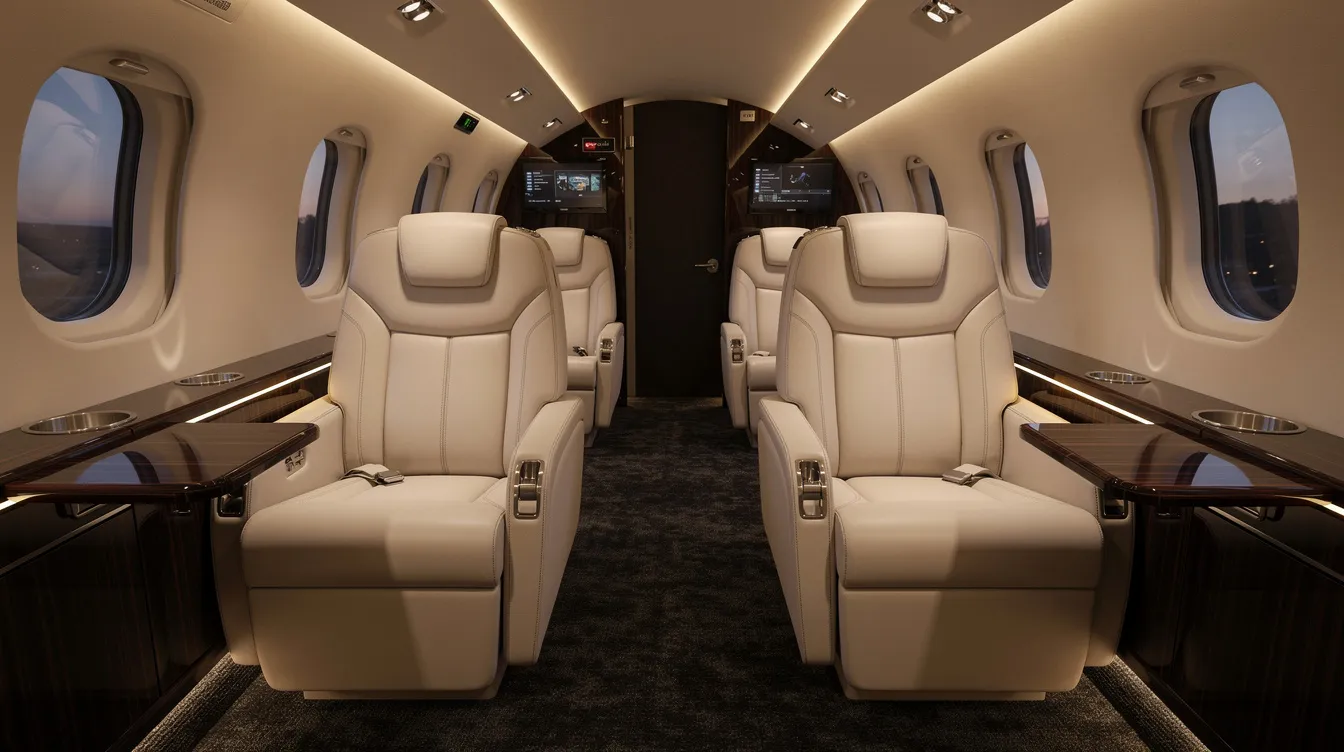
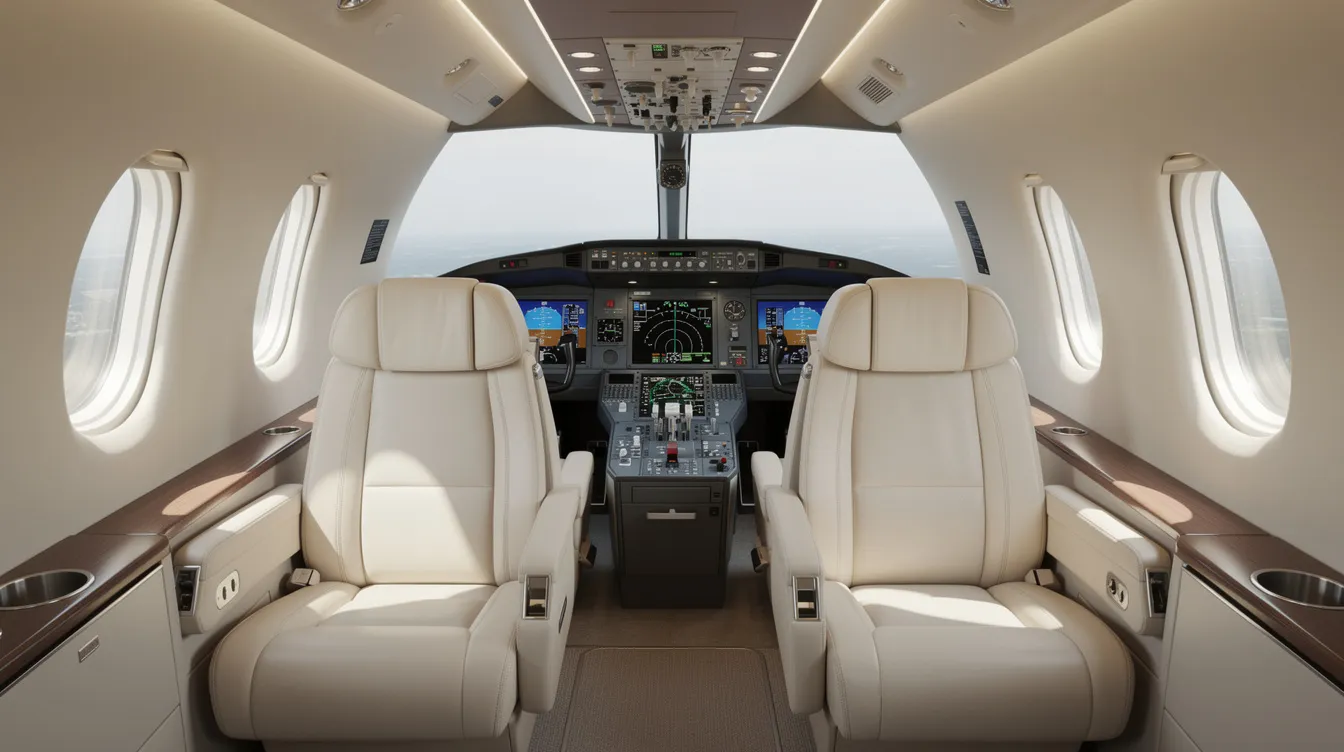
The image depicts the interior cabin of a light jet, featuring plush leather seats designed for comfort and modern avionics displays in the cockpit, highlighting the luxurious experience of private aviation. This setup is ideal for private jet owners and those interested in private jet travel, showcasing the sophisticated design and technology found in very light jets.

Due Diligence: What to Check Before You Buy a Small Jet

Technical and commercial due diligence is the single most important step in protecting your investment. Skipping it-or rushing it-can cost more than the inspection itself.

Key data points to screen before committing to a pre-buy inspection:

  • Total airframe time and cycles

  • Engine time since overhaul (TSO) relative to time between overhaul (TBO)

  • Status of recent phase or calendar inspections

  • Avionics compliance (ADS-B Out, RVSM, PBN)

  • Damage history and any outstanding or deferred service bulletins

  • Whether the private aircraft has operated under Part 91 or Part 135

A formal pre-buy inspection at an independent service center typically covers airframe structure, engine and hot-section condition, corrosion, avionics functionality, landing gear, and pressurization systems. VLJ inspections tend to be quicker and less expensive than light jet inspections due to simpler systems.

BusinessJets.com coordinates technical inspections, logbook reviews, and contract negotiations to ensure pricing and terms reflect any findings uncovered during the pre-buy process. This level of diligence is what separates informed buyers from those who inherit someone else's deferred maintenance.

Case Examples: Small Jet Pricing in Today's Market

The following anonymized scenarios illustrate typical private small jet price situations:

Case 1: VLJ upgrade. A U.S. owner sold a 2015 Embraer Phenom 100E with approximately 1,100 airframe hours for $2.7 million. They then acquired a 2020 Phenom 100EV factory-demo unit for about $4.8 million, with low engine and airframe times. BusinessJets.com's appraisal identified upcoming maintenance events on the older aircraft that supported the pricing negotiation and helped bridge the value gap.

Case 2: HondaJet evaluation. A buyer compared a new HondaJet Elite II at list price of $6.95M against pre-owned Elite II examples (2020–2022 vintage) listing in the $5.5–7.2M range. The used market was thin, and pre-owned pricing reflected strong residual value. Fixed costs were projected at roughly $250,000 per year at a secondary U.S. airport, with variable costs near $1,500 per hour.

Case 3: Citation M2 Gen2 for corporate use. A fleet manager compared a new Citation M2 Gen2 at approximately $6.15M against a used CJ2+ in the $4.5M range. The mission profile-150+ annual flight hours, four passengers, frequent short hops-favored the newer M2 Gen2 for its lower fuel burn, modern avionics, and stronger resale path. BusinessJets.com's financial modeling showed a breakeven at roughly 200–225 flight hours per year.

Case 4: Disposing of an under-utilized asset. An owner flying a light jet only 100 hours per year found that the effective cost per hour exceeded comparable charter rates. BusinessJets.com advised selling before an upcoming major inspection, completing pre-sale prep, and timing the listing to coincide with a favorable inventory window. Net proceeds exceeded the owner's expectations by approximately 8% versus an unassisted sale.

How BusinessJets.com Supports Owners, Buyers, and Operators

BusinessJets.com provides three core aviation services: aircraft brokerage for buying and selling private jets, appraisals and valuation, and consulting for operators and corporate flight departments. Each engagement is structured around the client's objectives, whether that is acquiring a specific type, disposing of a fleet asset, or evaluating ownership models.

The firm's track record includes over 1,500 completed aircraft transactions and more than 5,000 satisfied customers worldwide, with deep experience across very light jets, light jets, and larger categories. You can learn more about the team and approach on the About BusinessJets.com page.

BusinessJets.com acts as an independent advisor, representing the client's interests in pricing, negotiation, and transaction structure. There is no incentive to push any particular aircraft, operator, or program.

Ready to take the next step?

Checklist: Are You Ready to Own a Private Small Jet?

Before moving from charter or fractional ownership to full ownership, work through this practical checklist:

  • Confirm realistic annual flight hours. If you consistently fly 200+ hours per year, ownership economics likely favor you. Below 150 hours, run the numbers carefully against charter and jet card alternatives.

  • Clarify your mission profile. Define your typical routes, passenger counts, baggage requirements, and the airports you need to access. This determines whether a VLJ, light jet, or something larger is the right fit.

  • Understand your capital budget. Whether you plan to pay cash or finance, ensure the purchase price, closing costs, and initial reserves fit within your liquidity framework.

  • Assess organizational readiness. Decide whether you will hire a flight crew directly, contract a management company, or fly owner-piloted. Each model has different cost and compliance implications.

  • Engage specialized advisors. Discuss tax, legal, and regulatory considerations with professionals experienced in aviation transactions, especially for cross-border ownership and operation.

An initial consultation with BusinessJets.com can help you review options and determine whether a private small jet aligns with your financial and operational objectives before you commit capital.

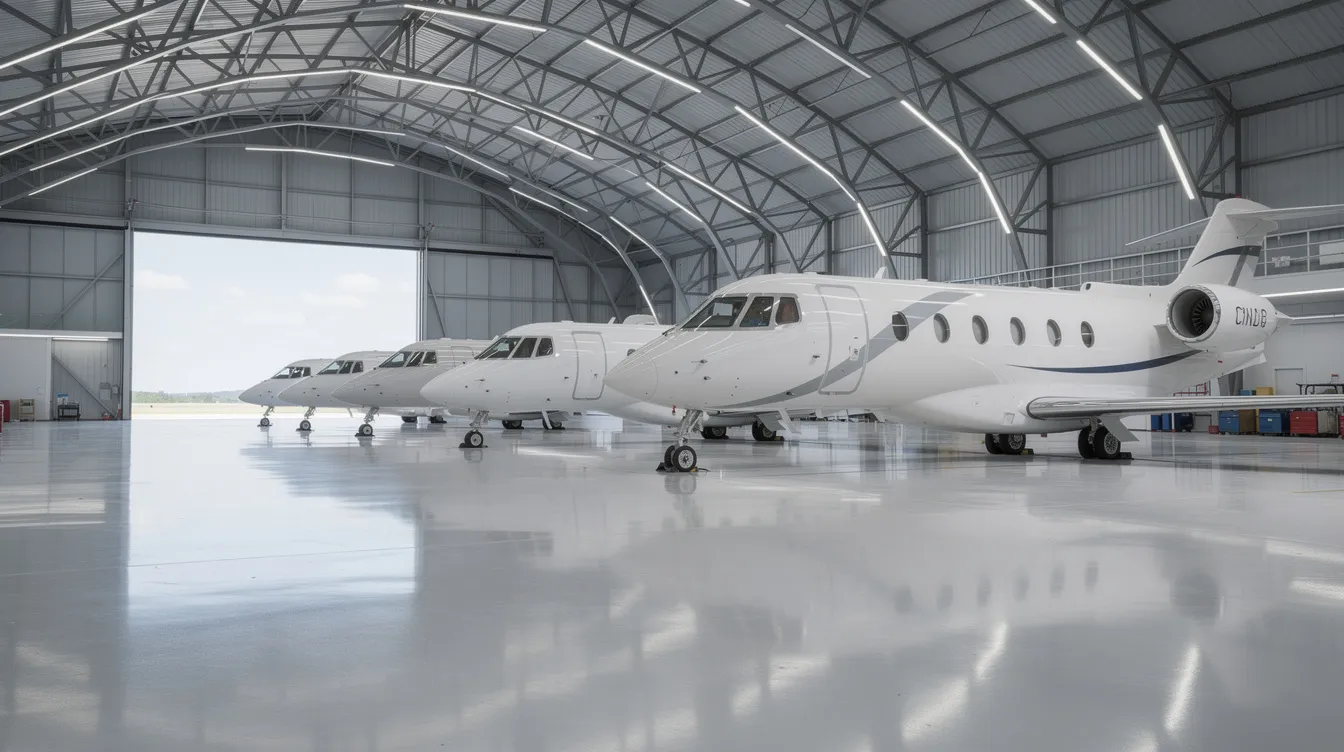
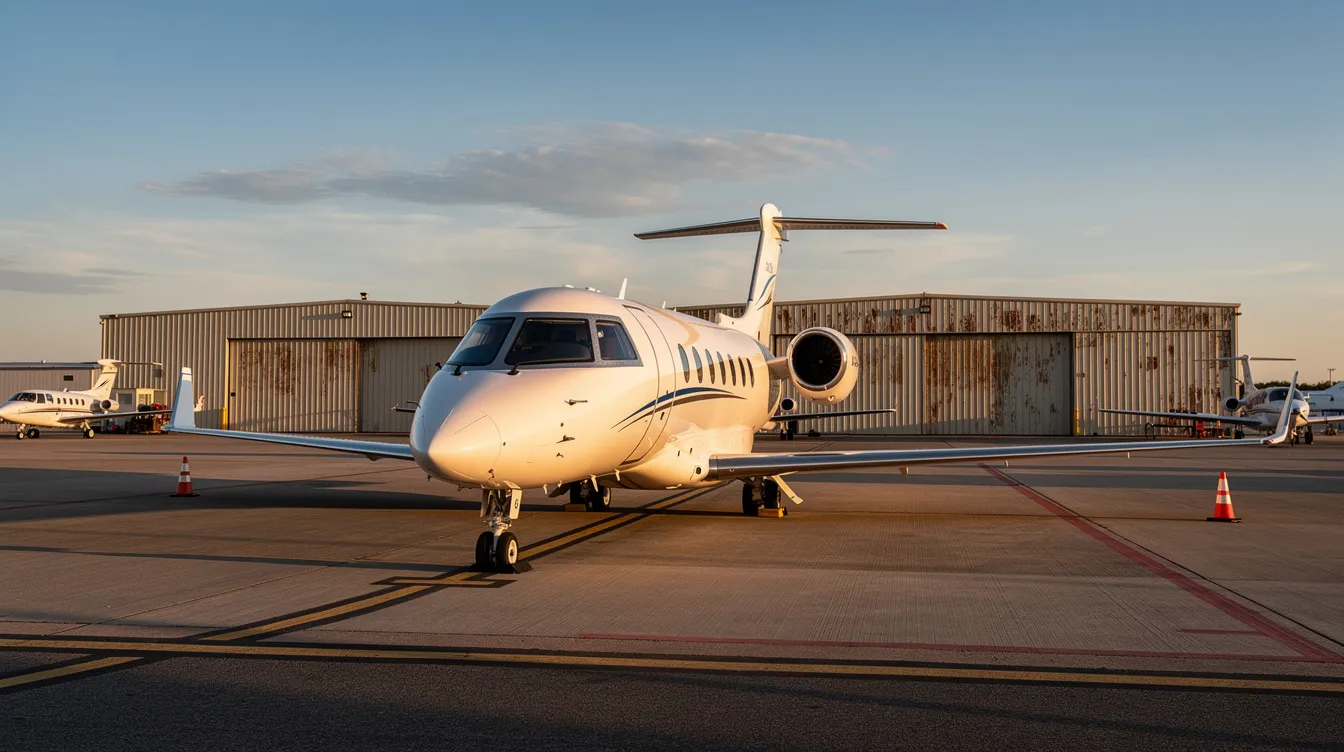
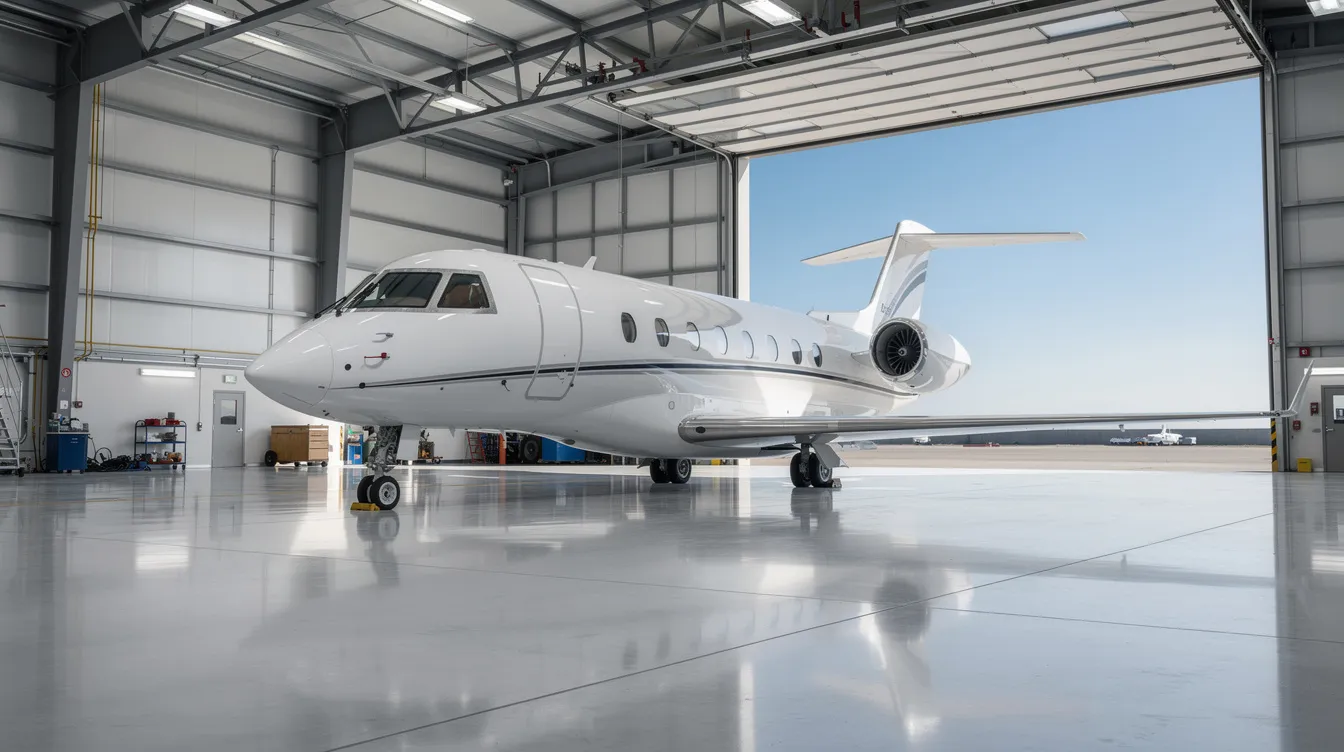
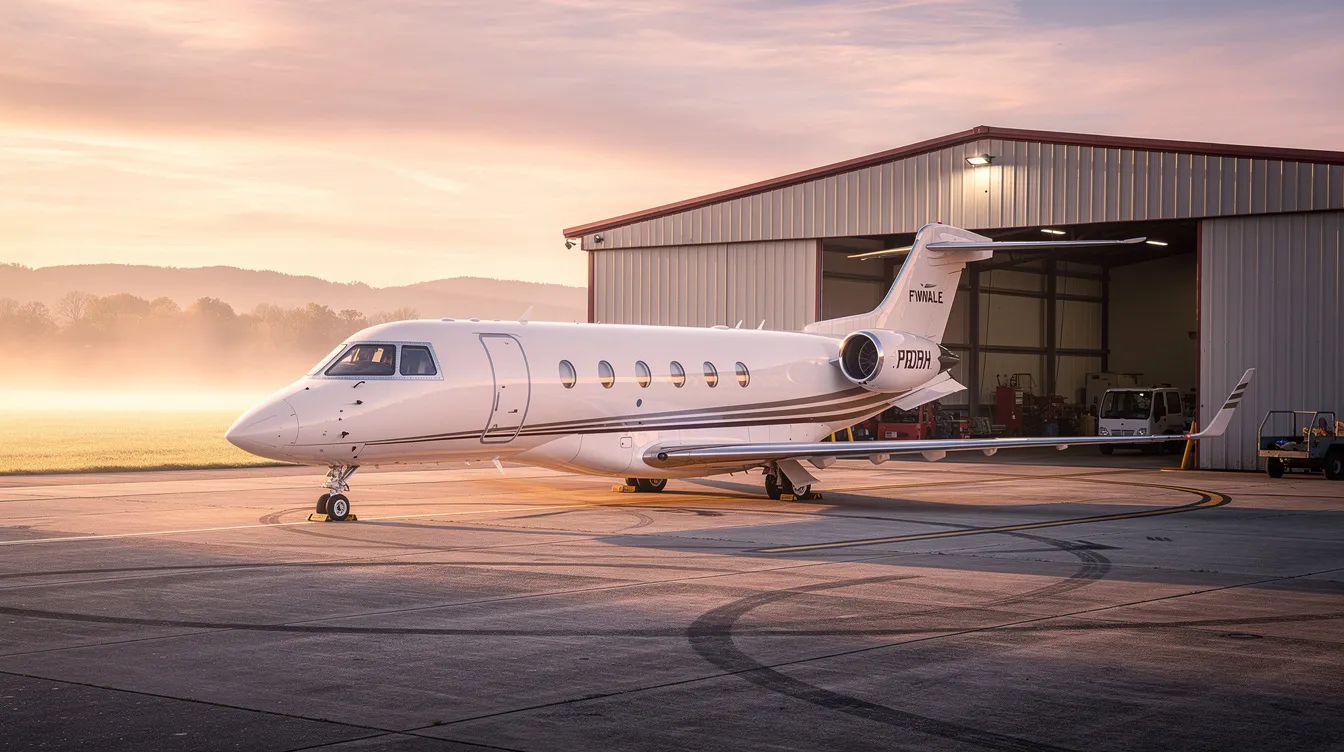
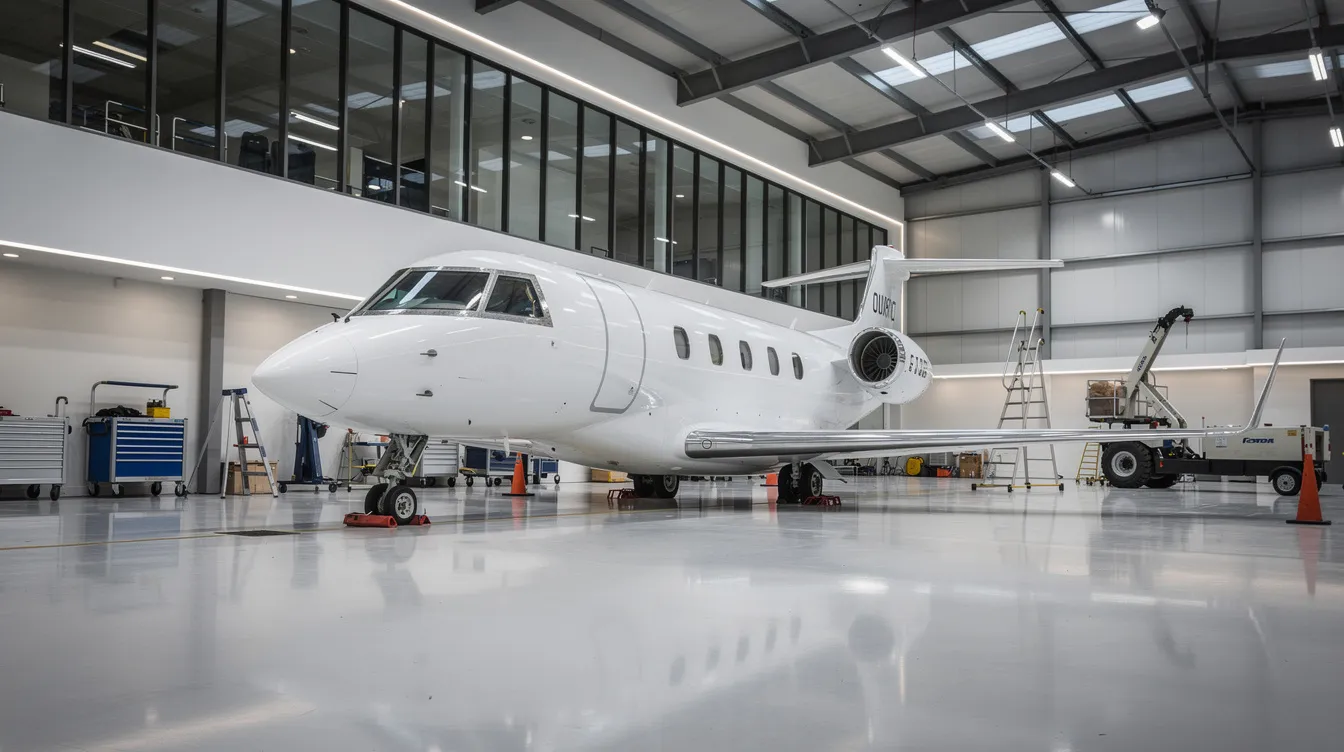
A private jet is parked inside a spacious, well-lit modern hangar, surrounded by various maintenance equipment, highlighting the meticulous care involved in private aviation. This scene illustrates the luxury and operational aspects of owning a private aircraft, emphasizing the importance of hangar fees and maintenance for private jet owners.

Frequently Asked Questions: Private Small Jet Price

The following FAQs address common, practical questions that go beyond the cost breakdowns and model comparisons covered in the main article. Answers are grounded in current 2024–2026 market data and designed to be actionable.

What is the minimum realistic budget to own and operate a small jet?

For a credible, professionally maintained VLJ in 2024–2026, plan on at least $1.5–2M for acquisition plus roughly $400,000 per year to operate it at moderate utilization, even if you self-fly some missions. For a light jet with a professional flight crew, an all-in annual budget of $600,000–$1.0M is more typical when including crew, hangar, insurance, and maintenance, assuming 200–300 flight hours. Prospective owners should speak with BusinessJets.com to build a bespoke budget model based on their specific base airport, usage patterns, and staffing assumptions.

Can a very light jet handle occasional long trips, or do I need a larger aircraft?

VLJs are optimized for regional trips of up to about 1,000–1,200 NM. Occasional longer trips are possible but may require fuel stops and careful payload planning, especially with a full passenger load. For transcontinental U.S. travel or frequent long-range missions, many private jet owners pair a small jet with on-demand charter of midsize or large jets when needed, rather than buying a larger aircraft outright. BusinessJets.com can help structure such "hybrid" solutions and analyze whether upgrading to a larger jet—or even a super midsize jet—is justified financially based on your flight distance requirements.

How long can I expect a small jet to remain economically viable?

With proper maintenance, many small jets remain safe and operational for 30 years or more. However, economic viability depends on accumulated cycles, avionics compliance mandates, and the availability of OEM parts and support. Beyond roughly 20–25 years, some older models face rising maintenance costs, limited buyer pools, and diminishing fuel efficiency relative to newer types. Periodic valuation reviews and fleet strategy consulting from BusinessJets.com help owners decide when to refurbish, upgrade, or replace their private aircraft.

Can I offset my ownership costs by offering my small jet for charter?

Placing an aircraft under Part 135 management can generate charter revenue that may offset a portion of fixed costs, but it introduces higher utilization, accelerated wear, and greater regulatory complexity. Incremental charter revenue rarely turns ownership into a profit center for small jets; rather, it is a cost-mitigation tool that must be evaluated carefully. Charter usage also affects resale value and insurance premiums. BusinessJets.com can model charter-enabled ownership scenarios and connect clients with suitable operators if this path aligns with their risk tolerance and mission needs.

How do private jet rental costs compare to ownership costs?

Private jet rental costs for comparable small jets range from $2,300 to $17,000 per hour, with VIP airliners costing between $18,000 and $23,000 per hour. Rental prices include the aircraft, crew, fuel, and insurance, but additional government taxes such as a 7.5% Federal Excise Tax on US domestic flights apply. Crew overnight fees typically range from $200 to $600 per crew member, and short leg fees apply to flights under 60 minutes. Airport landing fees vary from $100 to $2,000 per visit. These costs can add significantly to the total charter price.

What are the typical purchase prices and operating costs for small jets?

The typical purchase price for a small private jet ranges from $1 million to $9 million. For example, a pre-owned Cessna Citation M2 costs around $4.2 million, while a new Gulfstream G650ER can cost up to $75 million. Customization costs for private jets can reach hundreds of millions, especially for larger aircraft. Annual fixed costs for small private jets typically range from $400,000 to $800,000, covering crew salaries, insurance, hangar storage fees, training, and management. Variable operating costs typically range from $1,000 to $1,500+ per flight hour for very light jets and $1,600 to $2,500 for light jets, including fuel, maintenance, insurance, and hangar fees.

How do fixed and variable costs affect ownership economics?

Fixed annual costs include pilot salaries, insurance, hangar storage, and training, and they dominate at low annual utilization. Variable costs increase with usage and include fuel, maintenance, and trip fees. Fuel costs can account for 25% to 35% of total operating expenses for small jets. Average fuel consumption for light jets typically ranges between 120 to 200 gallons per hour, with fuel costs ranging from $300 to $700 per hour. Maintenance costs can total $50,000 to $200,000 annually, and insurance costs typically range from $15,000 to $30,000 per year. Hangar and storage costs vary widely by region, averaging between $5,000 and $30,000 per year.

How do costs scale with aircraft size?

Annual fixed costs for midsize jets range from $800,000 to $1.2 million, with variable costs between $2,200 and $2,800 per flight hour. Operating costs for large-cabin jets can exceed $4,500 per hour. Newer jets command a premium of $100 to $1,000 per hour due to improved fuel efficiency and lower maintenance.

What strategies can reduce private jet rental costs?

Empty leg flights can save up to 75% off standard rates. Sharing costs with others significantly reduces per-person rates. Booking floating-fleet aircraft can save up to 30% on one-way rentals. Choosing secondary airports lowers landing and ramp fees. Booking 30 to 60 days in advance offers the best pricing options.

What are the seating capacities of different private jet categories?

Very Light Jets (VLJs) typically seat 4 to 6 passengers and are ideal for short regional trips. Light Jets usually seat 6 to 8 passengers. Midsize Jets offer transcontinental range and stand-up cabins, seating more passengers comfortably. Large Jets can seat up to 19 passengers comfortably. VIP Airliners accommodate up to 50 passengers.

What should I consider before buying a small jet?

Conduct thorough technical and commercial due diligence, including reviewing total airframe time, engine time since overhaul, recent inspections, avionics compliance, damage history, and operational history under Part 91 or Part 135. Engage independent pre-buy inspections and consult with specialized advisors to ensure pricing and terms reflect the aircraft's condition and market value. BusinessJets.com supports buyers with appraisal, brokerage, and consulting services to protect investment and optimize ownership economics.

How do taxes and fees impact private jet costs?

Government and airport fees add to both ownership and charter costs. The 7.5% Federal Excise Tax applies to US domestic flights when transportation is sold commercially. Other fees include airport landing fees ($100 to $2,000 per visit), ramp and handling fees, segment fees per passenger, and potential short leg fees for flights under 60 minutes. Crew overnight fees typically range from $200 to $600 per crew member. Proper planning and selecting secondary airports can mitigate some of these expenses.

How can BusinessJets.com help?

BusinessJets.com offers expert aircraft brokerage, appraisal, and consulting services tailored to private small jets. With over 1,500 transactions and 5,000 satisfied customers, the firm provides market intelligence, mission analysis, and transaction advisory to help clients make informed decisions about buying, selling, and operating private jets efficiently and cost-effectively.

How do I start the process of getting my small jet appraised or listed for sale?

The first step is straightforward: provide aircraft details including make, model, serial number, year, time on airframe and engines, maintenance status, and any recent upgrades or modifications. BusinessJets.com uses market comparables, historical transaction data, and technical condition assessment to develop a formal appraisal and recommended asking price.

Once engaged, the team manages marketing, buyer screening, offer negotiation, and closing while coordinating inspections and documentation—protecting the seller's time, confidentiality, and financial outcome throughout the process.

Conclusion: Making Informed Decisions on Private Small Jet Ownership

Understanding the true private small jet price requires a comprehensive view of both acquisition and operating costs, as well as a clear assessment of your mission needs and usage patterns. Small jets, encompassing very light and light jets, offer a practical and cost-effective entry into private aviation, balancing performance, comfort, and affordability. However, ownership economics hinge critically on annual flight hours, fixed and variable costs, and careful selection of the right aircraft model.

BusinessJets.com stands ready to support prospective owners and operators with expert appraisal, brokerage, and consulting services, leveraging deep market knowledge and transaction experience to optimize your investment. Whether you are evaluating purchase options, considering charter alternatives, or planning fleet strategy, a data-driven approach is essential to avoid costly missteps.

By aligning your operational requirements with the right aircraft and ownership model, you can unlock the full benefits of private aviation—flexibility, privacy, and efficiency—while maintaining financial discipline and protecting asset value. Reach out to BusinessJets.com to begin a confidential consultation tailored to your unique needs and take the next step toward confident private jet ownership.

Private Small Jet Price: What It Really Costs to Own and Operate a Light or Very Light Jet
Jay Franco Ser

Purchasing a small jet includes upfront acquisition costs and ongoing operational expenses that together determine whether ownership makes financial sense for your mission. This guide breaks down both sides of that equation with current figures, model-specific benchmarks, and the operating-cost realities that separate a sound investment from a money pit.

Key Takeaways

The private small jet price landscape in 2024–2026 can be summarized in a few critical data points. Before diving into the details, here is what matters most:

  • The typical purchase price for a small private jet ranges from $1 million to $9 million. Pre-owned very light jets trade between roughly $1.5M and $3.5M, while newer light jets range from $3M to $8M depending on model, age, and specification. Core models include the Cirrus Vision Jet at around $3M new, the Embraer Phenom 100EV at $4–5M new and $2.5–3.5M used, the Cessna Citation M2 Gen2 at approximately $6M new, and the HondaJet Elite II at $6–7M new.

  • Annual fixed costs for small private jets typically range from $400,000 to $800,000, covering crew salaries, insurance, hangar storage fees, training, and management. Variable operating costs for small jets typically range from $1,000 to $1,500+ per flight hour for VLJs and $1,600–$2,500 for light jets, scaling directly with flight hours.

  • Fixed costs dominate at low annual utilization. When annual flight hours climb past roughly 200–250, ownership begins to outperform charter or fractional ownership on a per-hour basis. Below that threshold, on-demand private jet charter is usually the cheaper path.

  • The typical estimate for annual operating costs of a private small jet ranges from $500,000 to $1.5 million depending on aircraft type, basing location, and how much the aircraft flies.

  • BusinessJets.com serves as an aircraft brokerage and consulting partner that helps buyers appraise, acquire, and later sell small jets to protect residual value and control total ownership cost.

Introduction: Why Focus on Private Small Jet Price?

"Small private jets" refers to two overlapping categories: very light jets and light jets. These aircraft typically seat four to eight passengers and are designed for regional and short transcontinental missions. They represent the most cost-efficient entry point into private jet ownership, requiring less capital, simpler crew models, and lighter infrastructure than their larger counterparts.

To put this in perspective, a new Gulfstream G650ER costs up to $75 million, and operating costs for a large cabin jet can exceed $4,500 per hour. By contrast, small jets keep both acquisition and hourly costs an order of magnitude lower, while still delivering the core benefits of flying privately: schedule control, airport flexibility, and privacy.

As of mid-2026, there are over 24,000 private jets in operation worldwide, with a significant share falling into the light and very light jet category. Demand continues from owner-operators, small corporate flight departments, and frequent flyers seeking practical alternatives to scheduled airlines. This article provides realistic, numbers-driven guidance on purchase price, operating costs, and ownership options for small jets, aimed at private jet owners, CFOs, and fleet managers evaluating their next move.

Quick Answer: What Does a Private Small Jet Cost in 2024–2026?

Expect to pay $1.5–3.5M for older pre-owned jets in the very light jet category and $3–8M for newer light jets, with annual operating costs from roughly $400k to $1.2M depending on utilization and aircraft type.

Here is how the numbers break down by category:

  • Very light jets (pre-owned): $1.5–3.5M for models like the Embraer Phenom 100, Eclipse 500, or older HondaJets.

  • Very light jets (new or late-demo): $3–7M, covering the Cirrus Vision Jet SF50 through the HondaJet Elite II.

  • Light jets (pre-owned): $3–6M for types such as the Citation CJ2+, CJ3+, and Hawker 400XP.

  • Light jets (new): $5.75–12M+, including the Citation M2 Gen2, CJ4 Gen2, and Pilatus PC-24.

Private jet rental costs range from $2,300 to $17,000 per hour when chartering comparable aircraft, which is why many frequent travelers begin calculating whether owning the entire aircraft makes more financial sense.

Over a 10-year ownership period, combining purchase price, operating costs, financing, and resale, total cost commonly reaches $8–20M depending on aircraft type and annual flight hours. At BusinessJets.com, the focus is on helping clients understand total lifecycle cost rather than just headline private jet pricing, using appraisals and transaction advisory to reveal the real numbers.

Defining "Small" Private Jets: Very Light vs Light Jets

Private aviation spans several aircraft categories, from turboprop aircraft and very light jets at the entry level through mid-size jets, super-midsize jets, heavy jets and large jets, and up to VIP airliners that can accommodate up to 50 passengers and cost between $18,000 and $23,000 per hour to operate. Small jets occupy the most accessible tier.

Very light jets are generally aircraft under roughly 12,500 lbs maximum takeoff weight. Very Light Jets (VLJs) typically seat 4 to 6 passengers and are suited for short regional flights of up to about 1,000–1,400 nautical miles. Many are single-pilot capable, burn less jet fuel, and have simpler systems. Key examples include the Cirrus Vision Jet SF50, Embraer Phenom 100EV, and HondaJet HA-420. Very Light Jets are ideal for short flights where speed and convenience outweigh cabin space.

Light jets are the next step up. Light Jets typically seat 6 to 8 passengers, cruise faster, carry more baggage, and offer ranges of 1,500–2,000+ NM. Models include the Cessna Citation M2 Gen2, Citation CJ3+, Learjet 75, and the Pilatus PC-24, sometimes positioned as a "super light" jet. For reference, midsize jets offer transcontinental range and stand-up cabins, while large jets such as the Airbus ACJ319 configured for private use can seat up to 19 passengers comfortably, but both come at significantly higher private jet cost.

These categories remain popular among first-time buyers because they provide practical range for domestic flights across the U.S. and intra-European travel, without the crew and infrastructure demands of a midsize jet or larger aircraft.

Purchase Price Benchmarks: Very Light Jets (VLJs)

In the 2024–2026 market, VLJs generally trade between $1.5M and $3.5M pre-owned and roughly $3–7M for new or near-new aircraft. Here are the key models and their approximate price points:

  • Cirrus Vision Jet SF50: New list price around $3.29M according to Textron's 2024 fact book. Used examples may trade below that depending on year and hours. The Cirrus Vision is single-engine and seats up to six passengers in a cabin that suits short regional flights and personal travel.

  • Embraer Phenom 100EV: New list approximately $5.0M. Pre-owned examples from 2017–2020 vintage list in the $4.2–5.0M range, while older Phenom 100 (non-EV) units can fall below $3M.

  • HondaJet Elite II: Factory new at about $6.95M. Pre-owned Elite II units trade between $5.5M and $7.2M, while earlier-generation HondaJets list for $3.2–5.8M depending on configuration and time.

  • Eclipse 500/550: The cheapest private jet entry point among VLJs, with used examples between roughly $900k and $1.4M, though parts support and avionics upgrades should be carefully evaluated.

Factors that shift price within the very light jet category include year of manufacture, avionics upgrades, engine program enrollment, damage history, and whether the private aircraft has been used under a Part 135 charter certificate. BusinessJets.com uses transaction data from over 1,500 completed deals to benchmark fair market value and negotiate favorable pricing on VLJs for both buyers and sellers.
A very light jet soars through a clear blue sky, its fuselage gleaming in the sunlight, showcasing the sleek design typical of private jets. This image captures the essence of private aviation, highlighting the elegance and efficiency of very light jets in flight.

Purchase Price Benchmarks: Light Jets

Light jets in 2024–2026 range from roughly $2.5M for older models to $11M+ for late-model and factory-new aircraft. Here is where specific models land:

  • Cessna Citation M2 Gen2: New list approximately $6.15M. A pre-owned Cessna Citation M2 costs around $4.2 million for a well-maintained, recent example.

  • Citation CJ3+: Used market pricing spans $6–9M depending on age, total time, and avionics configuration.

  • Learjet 40/45XR/75: Older Learjet 40 and 45XR models trade around $2–4M. The Learjet 75 typically commands $6–9M.

  • Hawker 400XP: Available in the $1.8–3M range, though avionics modernization costs should be factored in.

  • Pilatus PC-24: Around $11–13M new (Bluebook lists approximately $13.51M), with pre-owned units in the $10–12M range. Still a small-cabin jet despite the price tier.

Cabin volume, range capability, avionics sophistication, and the strength of the OEM and MRO support network drive meaningful differences in light jet private jet pricing. A Dassault Falcon or business jets from Gulfstream occupy a different class entirely, but within the light jet segment, buyers should compare support infrastructure alongside sticker price.

For corporate buyers and family offices, BusinessJets.com can assemble a short-list of candidate light jets from its aircraft for sale inventory and compare total ownership cost per block hour across them.

New vs Pre-Owned Small Jets: Price, Depreciation, and Value

Depreciation affects aircraft values based on age, total hours, and condition. For most private jets, depreciation is steepest in the first five to seven years, then moderates as aircraft reach what some analysts call a "residual value plateau."

Consider two concrete comparisons:

  • A new Citation M2 Gen2 at around $6M versus a 7- to 10-year-old Citation CJ3+ at $4–5M, which offers similar mission capability but requires more careful inspection of upcoming maintenance events.

  • A new Phenom 100EV at $4–5M versus an earlier Phenom 100 at $2–3M, where the price gap reflects avionics improvements, engine refinements, and remaining useful life.

New jets offer factory warranty, the latest avionics, and custom interiors. Customization costs for private jets can reach hundreds of millions on ultra-long-range aircraft, but even on small jets, a bespoke interior and upgraded avionics can add six figures. Pre-owned aircraft offer lower capital outlay but demand rigorous due diligence on cycles, engine status, and upcoming maintenance events.

Accurate appraisal and market intelligence from BusinessJets.com help owners avoid overpaying at acquisition and position the aircraft for a stronger resale outcome years later.

Core Cost Drivers: What Really Determines Private Small Jet Price?

Several factors explain why two seemingly similar private jets can differ by millions in asking price:

  • Brand and OEM reputation: Aircraft from Cessna (Textron), Embraer, Honda, and Pilatus tend to retain value due to large service networks and predictable parts availability.

  • Production status: Aircraft still in production receive ongoing engineering support, new supplemental type certificates, and a steady supply of parts. Out-of-production models carry higher obsolescence risk.

  • Fleet size: Larger active fleets support a deeper MRO ecosystem and more liquid resale markets.

  • Avionics compliance: Mandates such as ADS-B Out, RVSM, and Performance-Based Navigation affect both operational capability and resale value. Aircraft needing costly retrofits trade at discounts.

  • Engine and APU program enrollment: Aircraft with engines on hourly maintenance programs (TAP Blue, ESP Gold, MSP) typically command higher prices. The trade-off is more predictable ongoing costs, which corporate buyers often prefer.

Newer jets also command a premium of $100 to $1,000 per hour in operating cost savings due to fuel efficiency improvements and reduced unscheduled maintenance, which compounds over years of ownership.

Typical Operating Costs for Very Light Jets

Operating costs for small jets include fuel, maintenance, insurance, and hangar fees. It helps to separate these into two buckets: fixed costs that accrue regardless of whether the aircraft flies, and variable costs that scale with flight hours.

Fixed costs for VLJs typically run $150,000–$300,000 per year, depending on whether the owner self-flies or hires a professional flight crew. Fixed annual costs include pilot salaries, insurance, and hangar storage fees. Insurance costs for private jets typically range from $15,000 to $30,000 per year, and hangar and storage costs for small jets vary widely by region, averaging between $5,000 and $30,000 per year. Hangar fees at regional airports run roughly $1,000–$3,000 per month; major hubs charge considerably more.

Variable costs for VLJs typically fall between $900 and $1,500 per flight hour, covering fuel, maintenance reserves, and consumables. VLJ fuel burn ranges from about 60 to 90 gallons per hour. Fuel costs for private jets range from $300 to $700 per hour depending on fuel prices and burn rate, and they typically account for 25% to 35% of total operating expenses for small jets. Maintenance costs for private jets can total $50,000 to $200,000 annually depending on age and usage.

BusinessJets.com can develop a tailored cost-of-ownership model for each candidate VLJ based on expected utilization and basing location.

Typical Operating Costs for Light Jets

Light jets cost more to operate than VLJs but often deliver a lower cost per seat-mile due to higher payload and faster cruise speeds. Average fuel consumption for light jets typically ranges between 120 and 200 gallons per hour, which places fuel costs meaningfully higher than for VLJs.

Variable operating costs for popular light jets (Citation M2 Gen2, CJ3+, Learjet 75, Hawker 400XP) typically range from $1,600 to $2,500 per flight hour, including fuel, engine reserves, and routine maintenance. For comparison, variable costs for midsize jets are $2,200 to $2,800 per flight hour, and annual fixed costs for a midsize jet range from $800,000 to $1.2 million, illustrating the cost jump when stepping up in size.

Common annual fixed costs for a professionally operated light jet include:

  • Captain and first officer crew salaries and benefits

  • Recurrent training and type-rating checks

  • Hull and liability insurance

  • Hangar rental

  • Navigation database subscriptions and administrative overhead

These fixed costs often total $300,000–$600,000 per year. Crew overnight fees range from $200 to $600 per crew member on trips requiring layovers, adding to trip costs on longer routes.

Placing a light jet on a Part 135 charter certificate may offset some fixed costs through charter revenue but introduces utilization-driven depreciation and higher maintenance demands, which BusinessJets.com can model for private jet owners evaluating this path.
A maintenance technician inspects a close-up view of a jet engine inside a hangar, highlighting the intricate components essential for private aviation. This scene emphasizes the importance of regular maintenance for private jets to ensure safety and efficiency in flight operations.

How Usage Affects the Economics: Flying Private 100 vs 300+ Hours

The economic case for buying a private jet outright strengthens as annual hours rise, because fixed costs are spread over more flight time. Variable operating costs for small jets increase with usage and include maintenance, fuel, and trip fees, but the per-hour impact of fixed costs drops dramatically.

Consider a light jet with $500,000 in annual fixed costs and $2,000 per hour in variable costs:

Annual Flight Hours

Total Annual Cost

Effective Cost Per Hour

100 hours

$700,000

$7,000

200 hours

$900,000

$4,500

300 hours

$1,100,000

$3,667

Private jet charter costs for similar light jets typically range from $2,300 to $5,000 per hour. At 100 annual hours, your own private jet costs nearly $7,000 per hour, making charter or a private jet service clearly cheaper. At 300 hours, ownership costs roughly $3,667 per hour, undercutting most charter rates for the same aircraft category.

The crossover point where ownership begins to beat charter is generally around 200–250 annual flight hours. Below that, fractional ownership or on-demand charter services typically deliver better economics. Booking 30 to 60 days in advance offers the best pricing options for charter users, further improving the comparison for low-utilization travelers.

BusinessJets.com consulting engagements often start with a detailed "mission profile vs cost" analysis to determine whether ownership, fractional ownership, or charter delivers the best value for a client's specific routes and schedules.

Recurring Fees and Government Charges: Taxes, Airport Costs, and More

Beyond fuel and maintenance, owners and charter users must plan for airport and government fees on each trip.

Airport landing fees vary from $100 to $2,000 per visit depending on airport size and the airport authority's fee structure. Ramp and handling fees typically add another $100–$500 per stop. Choosing secondary airports can lower landing and ramp fees, and small jets' ability to access smaller airports is one of their key advantages over larger aircraft.

The U.S. federal excise tax framework matters for private jet travel: a 7.5% Federal Excise Tax applies to US domestic flights when transportation is sold commercially (charter, fractional). Pure Part 91 owner-operated flights are treated differently. Short leg fees apply to flights under 60 minutes in many charter arrangements, adding per-segment costs that can surprise infrequent users.

State sales and use taxes on aircraft purchases vary widely and can be material. Import and export duties may apply to cross-border transactions.

BusinessJets.com is not a tax advisor but routinely coordinates with clients' tax and legal teams to align aircraft ownership and charter structures with regulatory and fiscal requirements.

Financing, Leasing, and Cash Purchase: Capital Structure and Jet Pricing

The method of acquisition-cash, bank financing, or operating lease-affects effective private jet cost and cash flow, though it does not change the aircraft's underlying market value.

Common loan structures for small business jets include:

  • Loan-to-value ratios of 70–85%

  • Amortization periods of 10–15 years

  • Interest rates that have been relatively elevated since 2023, materially increasing the cost of capital

For leasing, a dry lease means the lessee handles all operating costs, while a wet lease bundles crew, maintenance, and insurance into the monthly payment. Lease residual assumptions and usage limits are critical: if the aircraft flies more than projected, end-of-term costs can spike.

BusinessJets.com frequently helps clients prepare lender-ready appraisals and business cases, ensuring that financing terms align with realistic jet values and mission plans.

Private Jet Outright Ownership vs Fractional Ownership and Cards

Owning a private jet outright offers maximum control: schedule availability, customization, crew selection, and routing flexibility. But it requires full exposure to annual fixed costs, variable costs, and resale risk.

Fractional ownership provides an alternative for users flying 50–200 hours per year. Shares as small as 1/16th guarantee a set number of hours, with an upfront capital buy-in, monthly management fees, and hourly occupied-flight charges. It suits those whose private jet travel is regular but not intensive enough to justify the full overhead of whole-aircraft ownership.

A jet card program offers the lowest commitment: no capital risk, pay-per-hour access, no asset management responsibilities. Empty leg flights can save up to 75% off standard rates for flexible travelers, and sharing costs with others can significantly reduce per-person rates on certain programs. Booking floating-fleet aircraft can save up to 30% on one-way rentals in some arrangements.

BusinessJets.com can build side-by-side models comparing outright ownership of specific VLJs or light jets with fractional shares and charter options tailored to a client's routes and schedules.

Resale Value and Exit Strategy: Protecting Your Investment

Total cost of ownership depends heavily on what the private plane is worth when you sell it. Residual value is influenced by production status, fleet size, OEM support, and maintenance pedigree.

Aircraft families from Cessna (Citation), Embraer (Phenom), and Honda (HondaJet) have historically shown competitive residual value due to strong support networks and sustained demand in the pre-owned market. Aircraft from discontinued product lines or smaller OEMs tend to depreciate more steeply after the initial market adjustment period.

Practical steps to preserve value include:

  • Keeping engines and APU enrolled on reputable maintenance programs

  • Performing mandated inspections on schedule

  • Maintaining clean, modern cabin interiors with neutral finishes

  • Avoiding major damage events and keeping meticulous logbooks

BusinessJets.com's appraisal and brokerage teams routinely advise clients 12–24 months before a planned sale to time the market, determine a pricing strategy, and plan any pre-sale refurbishment that will improve net proceeds.

Market Trends 2024–2026: How Many Private Jets and What It Means for Price

How many private jets are in service today? As of 2024–2026, over 24,000 private jets operate worldwide, with several thousand very light jets and light jets forming the backbone of regional private aviation.

According to Jetnet's 2024 market review, pre-owned light jets had average asking prices of approximately $3.0 million in 2024, while inventory rose about 24% year-over-year-though many listings were older, higher-time aircraft. Meanwhile, demand for newer, well-maintained models remains strong, supporting pricing for late-model pre-owned jets.

Emerging factors that may influence private jet pricing going forward include:

  • Elevated interest rates increasing the cost of capital for buyers

  • Fleet renewal cycles as older jets face avionics and engine compliance deadlines

  • Sustainability initiatives and growing interest in fuel efficiency and sustainable aviation fuel

  • Evolving corporate travel policies reshaping how organizations evaluate flying privately versus scheduled airlines or ground transportation

BusinessJets.com provides up-to-date market intelligence and pricing data across regions, helping buyers and fleet managers time acquisitions and disposals more effectively.

Selecting the Right Small Jet for Your Mission and Budget

Mission analysis should come before price comparison. The perfect aircraft is the one that matches your typical stage length, passenger load, runway requirements, and baggage needs without overspending on unused capability.

Practical examples of matching aircraft to mission:

  • Short regional flights, 2–4 passengers, sub-1,000 NM: A very light jet like the Cirrus Vision or Phenom 100EV handles this efficiently and at the lowest cost. These aircraft excel at shorter flights between regional airports.

  • Cross-country flights, 4–7 passengers, coast-to-coast with one fuel stop: A light jet such as the Citation CJ3+ or Learjet 75 fits well, offering adequate cabin space and range for domestic flights and some international flights to nearby destinations.

  • Long-haul flights and intercontinental missions: Ultra-long-range aircraft or heavy jet types are required; a small jet simply cannot fulfill this flight distance requirement. Some owners pair their small jet with on-demand charter of larger aircraft for occasional long-range travel. Even a turboprop aircraft or a King Air might serve shorter legs more efficiently than an underutilized jet.

Over-buying capacity-for instance, choosing large jets for mostly one-hour hops-inflates both capital and operational costs. Under-specifying range or payload creates operational compromises. BusinessJets.com regularly runs "mission fit" studies for corporate flight departments, comparing multiple aircraft types by cost per seat-mile, door-to-door time, and long-term fleet strategy.
The image depicts the interior cabin of a light jet, featuring plush leather seats designed for comfort and modern avionics displays in the cockpit, highlighting the luxurious experience of private aviation. This setup is ideal for private jet owners and those interested in private jet travel, showcasing the sophisticated design and technology found in very light jets.

Due Diligence: What to Check Before You Buy a Small Jet

Technical and commercial due diligence is the single most important step in protecting your investment. Skipping it-or rushing it-can cost more than the inspection itself.

Key data points to screen before committing to a pre-buy inspection:

  • Total airframe time and cycles

  • Engine time since overhaul (TSO) relative to time between overhaul (TBO)

  • Status of recent phase or calendar inspections

  • Avionics compliance (ADS-B Out, RVSM, PBN)

  • Damage history and any outstanding or deferred service bulletins

  • Whether the private aircraft has operated under Part 91 or Part 135

A formal pre-buy inspection at an independent service center typically covers airframe structure, engine and hot-section condition, corrosion, avionics functionality, landing gear, and pressurization systems. VLJ inspections tend to be quicker and less expensive than light jet inspections due to simpler systems.

BusinessJets.com coordinates technical inspections, logbook reviews, and contract negotiations to ensure pricing and terms reflect any findings uncovered during the pre-buy process. This level of diligence is what separates informed buyers from those who inherit someone else's deferred maintenance.

Case Examples: Small Jet Pricing in Today's Market

The following anonymized scenarios illustrate typical private small jet price situations:

Case 1: VLJ upgrade. A U.S. owner sold a 2015 Embraer Phenom 100E with approximately 1,100 airframe hours for $2.7 million. They then acquired a 2020 Phenom 100EV factory-demo unit for about $4.8 million, with low engine and airframe times. BusinessJets.com's appraisal identified upcoming maintenance events on the older aircraft that supported the pricing negotiation and helped bridge the value gap.

Case 2: HondaJet evaluation. A buyer compared a new HondaJet Elite II at list price of $6.95M against pre-owned Elite II examples (2020–2022 vintage) listing in the $5.5–7.2M range. The used market was thin, and pre-owned pricing reflected strong residual value. Fixed costs were projected at roughly $250,000 per year at a secondary U.S. airport, with variable costs near $1,500 per hour.

Case 3: Citation M2 Gen2 for corporate use. A fleet manager compared a new Citation M2 Gen2 at approximately $6.15M against a used CJ2+ in the $4.5M range. The mission profile-150+ annual flight hours, four passengers, frequent short hops-favored the newer M2 Gen2 for its lower fuel burn, modern avionics, and stronger resale path. BusinessJets.com's financial modeling showed a breakeven at roughly 200–225 flight hours per year.

Case 4: Disposing of an under-utilized asset. An owner flying a light jet only 100 hours per year found that the effective cost per hour exceeded comparable charter rates. BusinessJets.com advised selling before an upcoming major inspection, completing pre-sale prep, and timing the listing to coincide with a favorable inventory window. Net proceeds exceeded the owner's expectations by approximately 8% versus an unassisted sale.

How BusinessJets.com Supports Owners, Buyers, and Operators

BusinessJets.com provides three core aviation services: aircraft brokerage for buying and selling private jets, appraisals and valuation, and consulting for operators and corporate flight departments. Each engagement is structured around the client's objectives, whether that is acquiring a specific type, disposing of a fleet asset, or evaluating ownership models.

The firm's track record includes over 1,500 completed aircraft transactions and more than 5,000 satisfied customers worldwide, with deep experience across very light jets, light jets, and larger categories. You can learn more about the team and approach on the About BusinessJets.com page.

BusinessJets.com acts as an independent advisor, representing the client's interests in pricing, negotiation, and transaction structure. There is no incentive to push any particular aircraft, operator, or program.

Ready to take the next step?

Checklist: Are You Ready to Own a Private Small Jet?

Before moving from charter or fractional ownership to full ownership, work through this practical checklist:

  • Confirm realistic annual flight hours. If you consistently fly 200+ hours per year, ownership economics likely favor you. Below 150 hours, run the numbers carefully against charter and jet card alternatives.

  • Clarify your mission profile. Define your typical routes, passenger counts, baggage requirements, and the airports you need to access. This determines whether a VLJ, light jet, or something larger is the right fit.

  • Understand your capital budget. Whether you plan to pay cash or finance, ensure the purchase price, closing costs, and initial reserves fit within your liquidity framework.

  • Assess organizational readiness. Decide whether you will hire a flight crew directly, contract a management company, or fly owner-piloted. Each model has different cost and compliance implications.

  • Engage specialized advisors. Discuss tax, legal, and regulatory considerations with professionals experienced in aviation transactions, especially for cross-border ownership and operation.

An initial consultation with BusinessJets.com can help you review options and determine whether a private small jet aligns with your financial and operational objectives before you commit capital.
A private jet is parked inside a spacious, well-lit modern hangar, surrounded by various maintenance equipment, highlighting the meticulous care involved in private aviation. This scene illustrates the luxury and operational aspects of owning a private aircraft, emphasizing the importance of hangar fees and maintenance for private jet owners.

Frequently Asked Questions: Private Small Jet Price

The following FAQs address common, practical questions that go beyond the cost breakdowns and model comparisons covered in the main article. Answers are grounded in current 2024–2026 market data and designed to be actionable.

What is the minimum realistic budget to own and operate a small jet?

For a credible, professionally maintained VLJ in 2024–2026, plan on at least $1.5–2M for acquisition plus roughly $400,000 per year to operate it at moderate utilization, even if you self-fly some missions. For a light jet with a professional flight crew, an all-in annual budget of $600,000–$1.0M is more typical when including crew, hangar, insurance, and maintenance, assuming 200–300 flight hours. Prospective owners should speak with BusinessJets.com to build a bespoke budget model based on their specific base airport, usage patterns, and staffing assumptions.

Can a very light jet handle occasional long trips, or do I need a larger aircraft?

VLJs are optimized for regional trips of up to about 1,000–1,200 NM. Occasional longer trips are possible but may require fuel stops and careful payload planning, especially with a full passenger load. For transcontinental U.S. travel or frequent long-range missions, many private jet owners pair a small jet with on-demand charter of midsize or large jets when needed, rather than buying a larger aircraft outright. BusinessJets.com can help structure such "hybrid" solutions and analyze whether upgrading to a larger jet—or even a super midsize jet—is justified financially based on your flight distance requirements.

How long can I expect a small jet to remain economically viable?

With proper maintenance, many small jets remain safe and operational for 30 years or more. However, economic viability depends on accumulated cycles, avionics compliance mandates, and the availability of OEM parts and support. Beyond roughly 20–25 years, some older models face rising maintenance costs, limited buyer pools, and diminishing fuel efficiency relative to newer types. Periodic valuation reviews and fleet strategy consulting from BusinessJets.com help owners decide when to refurbish, upgrade, or replace their private aircraft.

Can I offset my ownership costs by offering my small jet for charter?

Placing an aircraft under Part 135 management can generate charter revenue that may offset a portion of fixed costs, but it introduces higher utilization, accelerated wear, and greater regulatory complexity. Incremental charter revenue rarely turns ownership into a profit center for small jets; rather, it is a cost-mitigation tool that must be evaluated carefully. Charter usage also affects resale value and insurance premiums. BusinessJets.com can model charter-enabled ownership scenarios and connect clients with suitable operators if this path aligns with their risk tolerance and mission needs.

How do private jet rental costs compare to ownership costs?

Private jet rental costs for comparable small jets range from $2,300 to $17,000 per hour, with VIP airliners costing between $18,000 and $23,000 per hour. Rental prices include the aircraft, crew, fuel, and insurance, but additional government taxes such as a 7.5% Federal Excise Tax on US domestic flights apply. Crew overnight fees typically range from $200 to $600 per crew member, and short leg fees apply to flights under 60 minutes. Airport landing fees vary from $100 to $2,000 per visit. These costs can add significantly to the total charter price.

What are the typical purchase prices and operating costs for small jets?

The typical purchase price for a small private jet ranges from $1 million to $9 million. For example, a pre-owned Cessna Citation M2 costs around $4.2 million, while a new Gulfstream G650ER can cost up to $75 million. Customization costs for private jets can reach hundreds of millions, especially for larger aircraft. Annual fixed costs for small private jets typically range from $400,000 to $800,000, covering crew salaries, insurance, hangar storage fees, training, and management. Variable operating costs typically range from $1,000 to $1,500+ per flight hour for very light jets and $1,600 to $2,500 for light jets, including fuel, maintenance, insurance, and hangar fees.

How do fixed and variable costs affect ownership economics?

Fixed annual costs include pilot salaries, insurance, hangar storage, and training, and they dominate at low annual utilization. Variable costs increase with usage and include fuel, maintenance, and trip fees. Fuel costs can account for 25% to 35% of total operating expenses for small jets. Average fuel consumption for light jets typically ranges between 120 to 200 gallons per hour, with fuel costs ranging from $300 to $700 per hour. Maintenance costs can total $50,000 to $200,000 annually, and insurance costs typically range from $15,000 to $30,000 per year. Hangar and storage costs vary widely by region, averaging between $5,000 and $30,000 per year.

How do costs scale with aircraft size?

Annual fixed costs for midsize jets range from $800,000 to $1.2 million, with variable costs between $2,200 and $2,800 per flight hour. Operating costs for large-cabin jets can exceed $4,500 per hour. Newer jets command a premium of $100 to $1,000 per hour due to improved fuel efficiency and lower maintenance.

What strategies can reduce private jet rental costs?

Empty leg flights can save up to 75% off standard rates. Sharing costs with others significantly reduces per-person rates. Booking floating-fleet aircraft can save up to 30% on one-way rentals. Choosing secondary airports lowers landing and ramp fees. Booking 30 to 60 days in advance offers the best pricing options.

What are the seating capacities of different private jet categories?

Very Light Jets (VLJs) typically seat 4 to 6 passengers and are ideal for short regional trips. Light Jets usually seat 6 to 8 passengers. Midsize Jets offer transcontinental range and stand-up cabins, seating more passengers comfortably. Large Jets can seat up to 19 passengers comfortably. VIP Airliners accommodate up to 50 passengers.

What should I consider before buying a small jet?

Conduct thorough technical and commercial due diligence, including reviewing total airframe time, engine time since overhaul, recent inspections, avionics compliance, damage history, and operational history under Part 91 or Part 135. Engage independent pre-buy inspections and consult with specialized advisors to ensure pricing and terms reflect the aircraft's condition and market value. BusinessJets.com supports buyers with appraisal, brokerage, and consulting services to protect investment and optimize ownership economics.

How do taxes and fees impact private jet costs?

Government and airport fees add to both ownership and charter costs. The 7.5% Federal Excise Tax applies to US domestic flights when transportation is sold commercially. Other fees include airport landing fees ($100 to $2,000 per visit), ramp and handling fees, segment fees per passenger, and potential short leg fees for flights under 60 minutes. Crew overnight fees typically range from $200 to $600 per crew member. Proper planning and selecting secondary airports can mitigate some of these expenses.

How can BusinessJets.com help?

BusinessJets.com offers expert aircraft brokerage, appraisal, and consulting services tailored to private small jets. With over 1,500 transactions and 5,000 satisfied customers, the firm provides market intelligence, mission analysis, and transaction advisory to help clients make informed decisions about buying, selling, and operating private jets efficiently and cost-effectively.

How do I start the process of getting my small jet appraised or listed for sale?

The first step is straightforward: provide aircraft details including make, model, serial number, year, time on airframe and engines, maintenance status, and any recent upgrades or modifications. BusinessJets.com uses market comparables, historical transaction data, and technical condition assessment to develop a formal appraisal and recommended asking price.

Once engaged, the team manages marketing, buyer screening, offer negotiation, and closing while coordinating inspections and documentation—protecting the seller's time, confidentiality, and financial outcome throughout the process.

Conclusion: Making Informed Decisions on Private Small Jet Ownership

Understanding the true private small jet price requires a comprehensive view of both acquisition and operating costs, as well as a clear assessment of your mission needs and usage patterns. Small jets, encompassing very light and light jets, offer a practical and cost-effective entry into private aviation, balancing performance, comfort, and affordability. However, ownership economics hinge critically on annual flight hours, fixed and variable costs, and careful selection of the right aircraft model.

BusinessJets.com stands ready to support prospective owners and operators with expert appraisal, brokerage, and consulting services, leveraging deep market knowledge and transaction experience to optimize your investment. Whether you are evaluating purchase options, considering charter alternatives, or planning fleet strategy, a data-driven approach is essential to avoid costly missteps.

By aligning your operational requirements with the right aircraft and ownership model, you can unlock the full benefits of private aviation—flexibility, privacy, and efficiency—while maintaining financial discipline and protecting asset value. Reach out to BusinessJets.com to begin a confidential consultation tailored to your unique needs and take the next step toward confident private jet ownership.

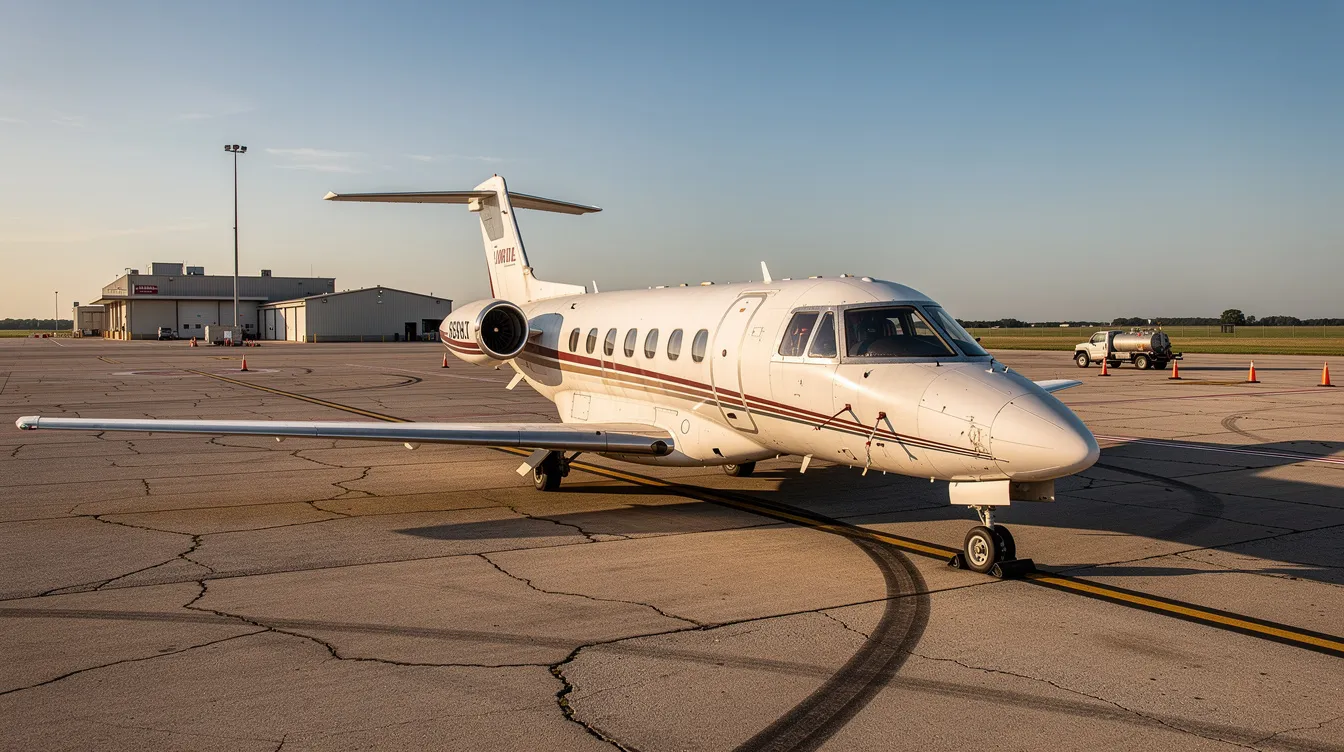
Related Posts