Selling a Private Jet in 2026: Professional Guide for Owners and Corporations
Introduction: Why Owners Are Selling Private Jets in 2026
Several forces are pushing aircraft onto the market in 2025-2026. Fleet renewal remains the top driver: operators are trading older Bombardier Learjet 45XRs and Dassault Falcon 2000 variants for newer Challenger 650s and Gulfstream G600s. Corporate travel policy shifts, driven by cost control and ESG reporting requirements, are prompting some companies to downsize or exit ownership entirely. Mergers and acquisitions create forced dispositions when the acquiring company already operates its own fleet. The permanence of 100% first-year bonus depreciation for aircraft acquired after January 19, 2025, in the U.S. has also accelerated upgrade decisions.
If you're wondering how many private jets are in operation around the world, the current figure is 24,270. At any given time, a few thousand are available for purchase across the global fleet, reflecting the international scope of sales activity in this part of the world. Currently, 587 private jets are listed on GlobalAir.com alone, with many more circulated through broker networks and off-market channels. This article is written for owners, CFOs, family offices, and fleet managers who already operate private jets or business jets and want to maximize net proceeds on a sale.
BusinessJets.com is an aircraft brokerage and aviation consulting partner that manages end-to-end aircraft sales, with emphasis on discretion, data-driven pricing, and B2B expertise.
Executive Summary
A structured process is essential for selling a private jet successfully. The entire private jet sales process typically includes assessing market conditions, valuation, and regulatory compliance. Key steps in selling a private jet include valuation, preparation, and marketing, followed by negotiation, pre-buy inspection, and closing. For mid-size and large-cabin business jets, this process runs 60 to 150 days from mandate to title transfer. The average timeline for aircraft acquisition on the buyer side is 60 to 120 days, and sellers should plan accordingly. A clear timeline for selling a private jet contributes to an organised selling strategy that preserves value and minimises carrying costs.
Accurate aircraft valuation is the single largest driver of both sale speed and net proceeds. Overpricing a Bombardier Challenger or Dassault Falcon by even 5-8% relative to current comps can add months to time on market, while underpricing leaves money on the table. Valuation must account for engine program enrollment, avionics configuration, maintenance status, and cabin condition.
Meticulous records, a clean pre-buy inspection outcome, and professional aircraft sales representation can add hundreds of thousands to several million dollars in retained value on aircraft like a Cessna Citation, Bombardier Challenger 650, or Gulfstream G550. BusinessJets.com acts as a specialist B2B partner for private jet owners and corporate fleet managers, with 1,500+ closed transactions and 5,000+ satisfied clients worldwide. To get started, request an appraisal, list your company jet for sale, or engage BusinessJets.com for aviation consulting on timing and strategy.
Understanding Today's Private Jet and Aircraft Sales Market
The post-COVID seller's market has normalized. As of August 2026, pre-owned business jet inventory sits at roughly 6.6% of the active fleet, down from 7.3% a year earlier but still below the long-term norm of 8-12% seen during 2013-2019. About 74% of listed inventory is 16 years or older, which means buyers have abundant choices in that age band but compete fiercely for late-model jets. Market demand and economic conditions notably affect the pricing and sales speed of private jets; in soft segments, older airframes without modern avionics or connectivity face price adjustments and longer days on market.
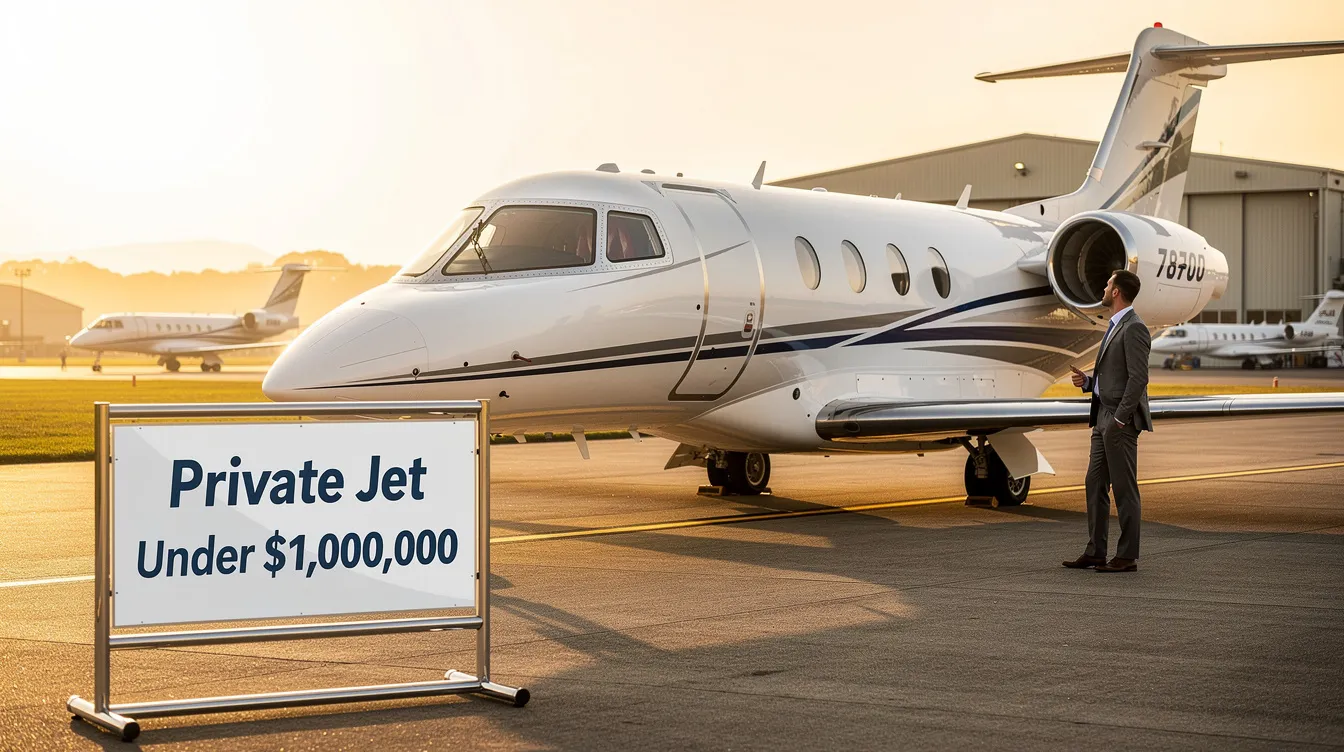
Private jets range from roughly $5 million for a capable light jet to $30 million or more for a late-model large-cabin aircraft. A 2023 Cirrus SF50 VisionJet costs about $3.5 million; the Gulfstream G700 costs $80 million as of Summer 2024. Average pricing for private jets across all segments is $6,671,944. Modern business jets support higher passenger counts and longer ranges than their predecessors, which shifts buyer expectations upward.
Key market segments and their mid-2026 profiles, per OmniJet Q2 2026 data:
Segment | Availability (% of fleet) | Absorption | Avg. Asking Price | Avg. Age |
|---|---|---|---|---|
Light jets | 6.9% | 5.9 months | ~$2.7M | 22.9 yrs |
Midsize jets | 7.6% | 8.0 months | ~$5.3M | 26.8 yrs |
Super-midsize | 5.3% | 3.7 months | ~$4.7-6.9M | ~21 yrs |
Large cabin | 4.5% | 3.3 months | $12.6-14.2M | 22.8 yrs |
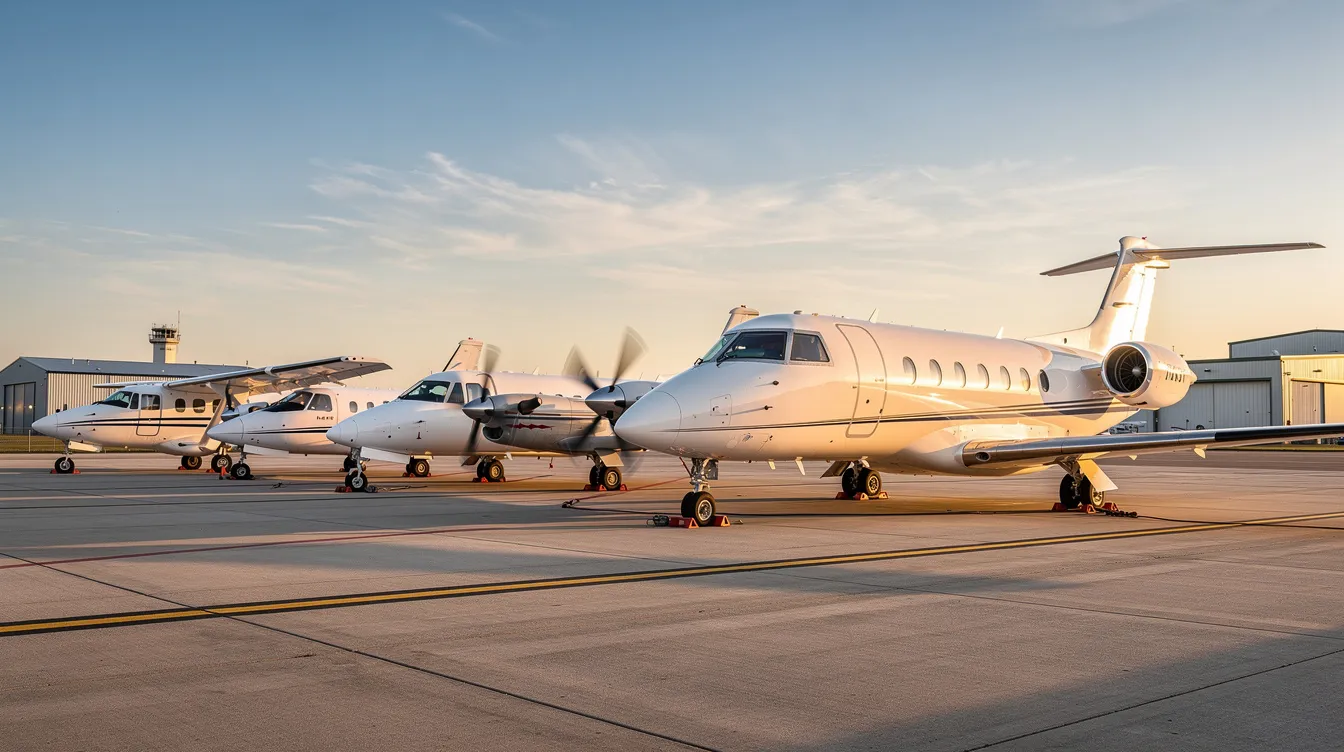
Light jets typically seat five to nine passengers and include models like the Cessna Citation CJ series and very light jets. A midsize jet generally fits between light and super-mids for missions needing more cabin room and range without the higher operating economics of larger aircraft. Super-mids such as the Bombardier Challenger 300/350 move faster due to tight supply. Large-cabin and ultra-long-range jets (Dassault Falcon 7X, Gulfstream G550, Global 6000) and VIP airliners like the Airbus ACJ319 private jet have the lowest availability and strongest demand, partly because OEM backlogs reached $61.6 billion in August 2026, with lead times of 18-26 months on popular models.
Light jets typically seat five to nine passengers and include models like the Cessna Citation CJ series and very light jets. A midsize jet generally fits between light and super-mids for missions needing more cabin room and range without the higher operating economics of larger aircraft. Super-mids such as the Bombardier Challenger 300/350 move faster due to tight supply. Large-cabin and ultra-long-range jets (Dassault Falcon 7X, Gulfstream G550, Global 6000) and VIP airliners like the Airbus ACJ319 private jet have the lowest availability and strongest demand, partly because OEM backlogs reached $61.6 billion in August 2026, with lead times of 18-26 months on popular models.
Program coverage matters. Jets with engines enrolled on plans like ESP Gold, Honeywell MSP, MSP Gold, TAP Blue, or Rolls-Royce CorporateCare attract more qualified buyers and justify higher asking prices. An aircraft with RRCC APU enrolled status further reduces buyer risk. Geographic factors also play a role: North America accounts for 70-80% of fleet sales activity, but cross border transactions involving European (EASA), Middle Eastern, or Asian registries add regulatory and tax complexity. BusinessJets.com tracks aircraft sales data across regions and uses this to advise on optimal list timing and asking price strategy.
Step 1: Clarify Your Objectives Before Listing
Before listing any aircraft, align sale strategy with business objectives: capital release, fleet upgrade, tax planning, or full exit from aircraft ownership. Mission analysis is crucial before browsing aircraft listings on the acquisition side, and the same discipline applies to sellers deciding what comes next.
Owner profiles vary. A private UHNWI selling a one owner Bombardier Learjet has different priorities than a corporate owner divesting a company jet like a Gulfstream G200, or an operator rebalancing a mixed fleet of Challenger, Falcon, and Cessna Citation aircraft. Mission changes, such as fewer long-haul trips or a shift to charter operators for occasional flying, can drive decisions to sell a large-cabin private jet and move to a smaller model or fractional solution. Annual fixed costs for midsize jets range from $800,000 to $1.2 million, including insurance, crew, hangar, and maintenance reserves. Knowing whether you will reinvest in a replacement aircraft affects sale timing, bridge financing, and whether to pursue a trade-like structure with coordinated closings.
BusinessJets.com can provide aviation consulting to model different fleet scenarios and timing options before the aircraft ever goes on the market.
Step 2: Determine the Market Value of Your Private Jet
Accurate aircraft valuation considers make, model, airframe hours, engine hours, and maintenance history. For jets valued from $2 million to $50 million or more, a professional appraisal is not optional. Realistic pricing is crucial for a successful sale; overpricing can extend time on market by months, eroding both buyer interest and net proceeds.
Total airframe time affects aircraft market value. A 2015 Bombardier Challenger 350 with 3,500 average hours commands a different price than the same model with 7,500 hours. Engines nearing overhaul can incur six-figure liabilities that buyers will deduct from their offers. Additional value drivers include:
Engine program enrollment (ESP Gold, Honeywell MSP, CorporateCare)
Avionics suite (ADS-B Out, WAAS/LPV, FANS 1/A)
Connectivity (Starlink, Ku/Ka-Band)
Interior refurbishment dates (e.g., 2024 repaint and interior by a facility like Duncan Aviation or West Star)
Damage history, complete logbooks, low total time, and whether the jet has been hangared vs. open-stored
Appraisal costs are modest relative to aircraft value and can be structured as a stand-alone private jet appraisal or integrated into a broader aircraft brokerage engagement. Request an appraisal from BusinessJets.com to establish a defensible asking price before going to market.
Step 3: Prepare the Aircraft and Records for Sale
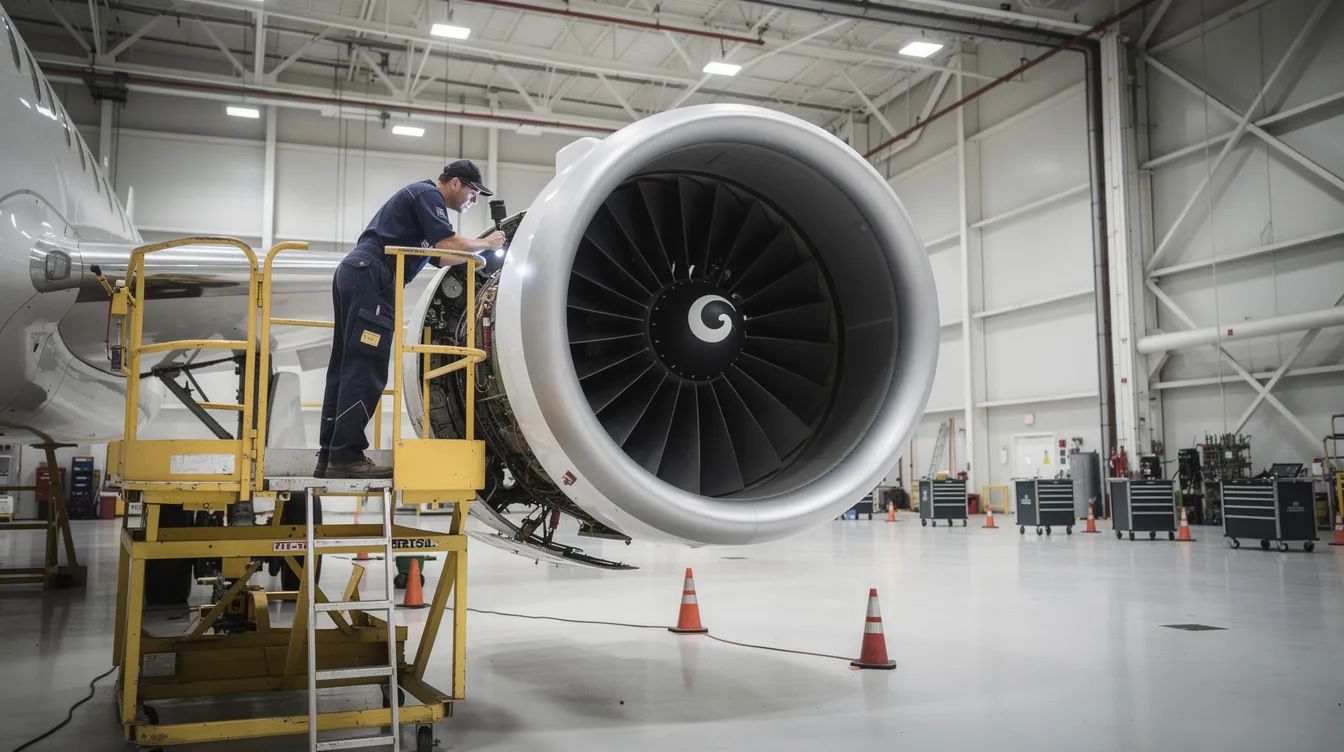
Professional buyers screen available aircraft quickly based on maintenance status, cosmetic condition, and documentation completeness before agreeing to a pre-buy inspection. Aircraft with complete documentation and strong maintenance histories attract higher offers and faster sales. Document organisation is crucial for buyer trust and efficient due diligence during aircraft sales.
Technical preparation includes:
Bringing scheduled inspections up to date and resolving obvious squawks
Confirming compliance with service bulletins and airworthiness directives
Verifying engine time remaining, APU status, and program enrollment standing
Ensuring avionics software is current
A comprehensive maintenance log helps in justifying a premium price for a private jet. Records preparation means digitizing logbooks, organizing airworthiness documents, weight and balance records, and modification/STC documentation (e.g., Starlink install, HUD upgrade). For reference, Duncan Aviation has completed over 3,750 aircraft transactions and is one of several MROs that can support pre-sale records audits.
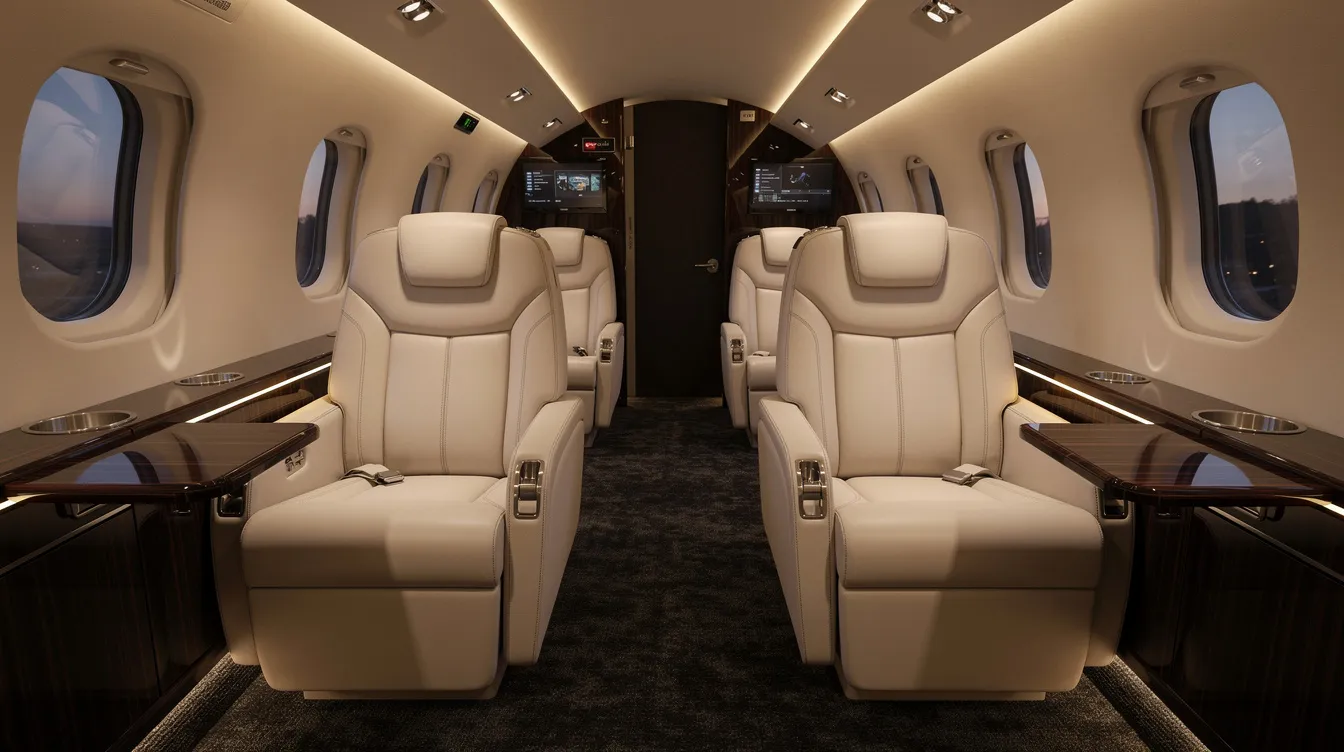
Cosmetic preparation matters too. A 2025 interior refresh on a Learjet 75, a recent exterior repaint on a Citation, a deep-cleaned cabin volume, and professional photography-ready presentation all reduce buyer objections. BusinessJets.com typically performs a pre-listing review of records and condition and can coordinate remedial work with reputable MROs before listings go live.
Step 4: Choose How You Will Sell
While some owners attempt to sell privately, most high-value private jets and business jets are sold through specialist aircraft brokers for speed, confidentiality, and risk management. Professional brokers can streamline the selling process through market intelligence and negotiation support. Aviation consultants offer market intelligence for aircraft sales that individual sellers rarely have access to. The typical broker commission for selling a private jet ranges from 2% to 10% of the sale price, depending on aircraft value and scope of services.
Direct sale may suit older, lower-value aircraft with limited cross border transaction complexity. The owner handles marketing, inquiries, contracts, escrow, and regulatory filings.
Internal corporate aviation teams can manage a company jet sale but often lack access to off-market buyers, current pricing intel, and the speed that comes from a broker's active deal pipeline.
Professional brokerage through a firm like BusinessJets.com covers valuation, marketing strategy, buyer screening, negotiation, contract structuring, pre buy inspection oversight, and closing coordination.
Using an IADA accredited dealer or an experienced broker ensures compliance with industry standards and reduces transaction risk. BusinessJets.com brings 1,500+ completed aircraft transactions of experience and a global buyer network, which is particularly valuable for mid-life Challenger, Falcon, Global, and Gulfstream jets for sale.
Step 5: Create a Compelling Listing for Your Private Jet
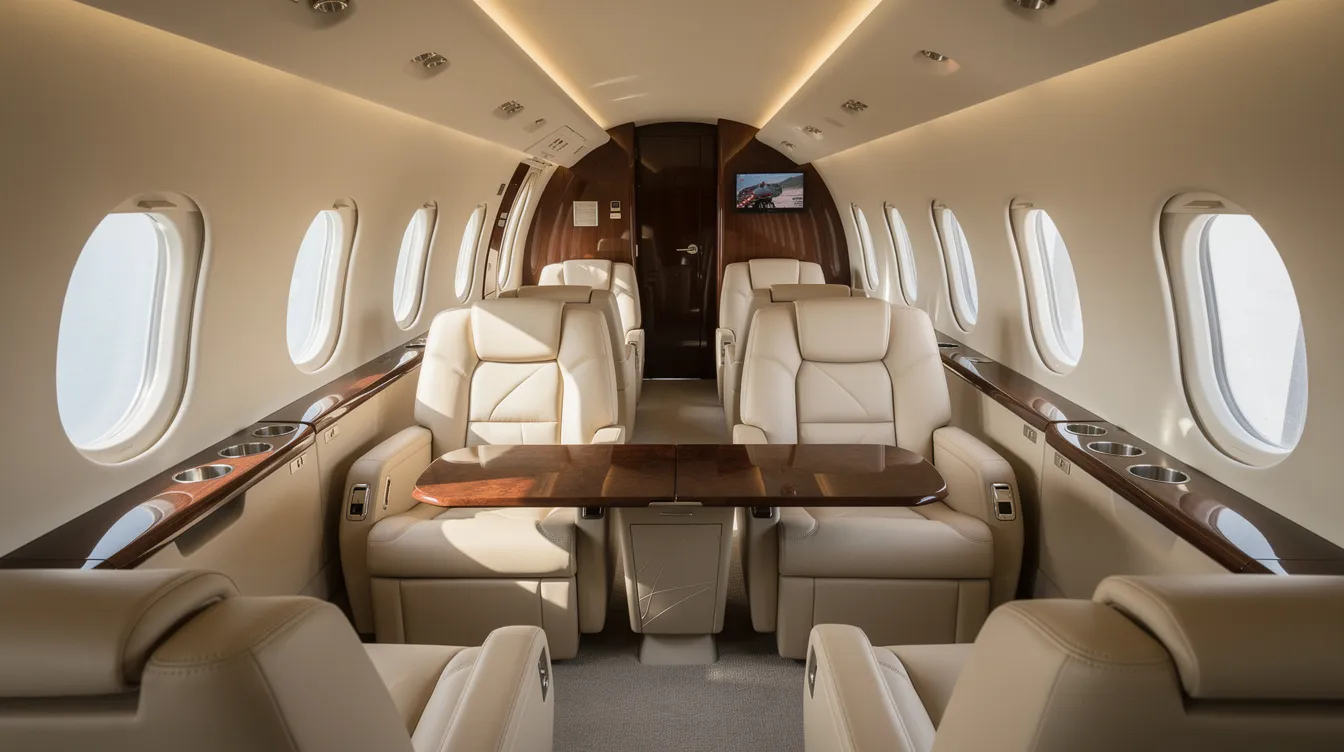
Most buyers first encounter your aircraft via a listing on aircraft sales platforms or through a broker's direct outreach. Private jets are marketed through specialized networks targeting ultra-high-net-worth individuals and corporate flight departments. Successful marketing of a private jet requires high-quality photography and detailed specifications.
Technical data to include prominently: make, model (e.g., Bombardier Challenger 650, Dassault Falcon 7X, Cessna Citation M2 Gen2), serial number, year of manufacture, total time, engine cycles and engine time remaining, program enrollment, avionics suite, connectivity, passengers capacity, cabin volume, range, speed, fuel burn rates, and configuration details.
Best practices for visuals: 15-25 professional, high-resolution photos covering exterior, cockpit, cabin zones, galley, lavatories, and baggage area. A short video walk-through adds value. Honest but strong positioning matters: highlight recent upgrades (paint 2024, interior 2025, Ka-Band install), one owner since new provenance, always hangared status, low hours, or turnkey Part 135 readiness where applicable.
BusinessJets.com tailors listings for appropriate channels, including public portals, private circulations, and off-market briefs, depending on whether the seller wants broad exposure or a confidential approach.
Step 6: Handling Inquiries, Showings, and the Pre-Buy Inspection
Serious buyers of private jets expect fast, professional responses and transparent data rooms before committing to a letter of intent and pre buy inspection. Maintenance records influence buyer confidence during sales transactions, so having organized digital records available accelerates the process.
Qualifying buyers involves verifying identity, financial capability (proof of funds or lender letter), intent (corporate use, charter operators, government), and transaction timeline. Buyers should be pre-qualified to ensure serious interest and financial capability. Buyers should engage lenders before making an offer for financing, which saves time for both parties.
On-site showings and demo flights are normally structured at the home base FBO, with the seller's crew, insurance coverage confirmed, and clear limitations on buyer operations pre-closing. Pilots from the buyer's side may attend but typically do not operate the aircraft before purchase.
A pre buy inspection typically costs between $5,000 and $15,000 for light jets and turboprops. For midsize jets, expect $20,000-$40,000; for large-cabin aircraft, $30,000-$75,000. The buyer selects the facility. Physical inspection ground time runs 10-15 business days, with records review adding additional time. Common findings include overdue inspections, engine hot-section items, landing gear wear, avionics software gaps, and damage history documentation gaps. BusinessJets.com coordinates logistics, negotiates inspection scope, and helps owners decide when to repair, when to credit the buyer, and how to protect against scope creep and delays.
Step 7: Structuring Offers, Contracts, and Escrow Safely
The progression from initial offer to signed Letter of Intent (LOI) to Aircraft Purchase Agreement (APA) follows a well-established pattern in aircraft sales. Aviation-specific documents are essential because generic purchase agreements miss critical protections around airworthiness, program transfers, and regulatory compliance.
A typical LOI covers:
Purchase price or pricing formula
Deposit amount (usually 5-10% of purchase price) and escrow terms
Pre buy inspection scope, location, and timeline
Technical acceptance criteria and definition of discrepancies
Key timing milestones for closing
Independent escrow holds deposits, manages lien searches and payoffs, and controls the synchronized release of title documents and funds at closing. Sellers should insist on as-is-where-is language after technical acceptance, clear limitation of post-closing claims, and engagement of reputable aviation legal counsel.
BusinessJets.com regularly works with specialized aviation attorneys and established escrow providers and can recommend a coordinated team that fits the seller's jurisdiction and regulatory framework.
Step 8: Closing, Registration, and Delivery Logistics
The final phase includes legal steps to transfer ownership, deregistration/registration changes, insurance handover, and physical delivery of the aircraft. Under FAA N-registration, closing involves recording the bill of sale with the FAA Aircraft Registry. Essential documents include FAA Form 8050-2 (Aircraft Bill of Sale) and logbooks (detailed records of aircraft maintenance and operation). EASA and Transport Canada closings follow different procedural paths but share the same core requirements: clear title, lien-free status, and proper export/import documentation.
Documentation at closing includes signed bill of sale, acceptance certificate, lien release letters, deregistration and export documents where applicable, and confirmation of funds release by escrow. Delivery planning covers the ferry flight to the buyer's chosen airports, handover of keys, logbooks, loose equipment, spare parts, and any training or familiarization agreed in the APA.
BusinessJets.com coordinates these moving parts so sellers and corporate flight departments can focus on operations rather than paperwork.
Special Considerations: Company Jets, Fleets, and M&A Events
Selling a company jet or multiple business jets during a corporate transaction adds legal, tax, and governance complexity. Sales tax, federal excise tax, and depreciation recapture are critical tax implications in aircraft transactions. Options include selling the aircraft with the company, spinning it into a separate entity, transferring it to principals, or disposing of it pre- or post-transaction.
Coordination with corporate counsel, tax advisers, and risk managers is needed to address beneficial ownership, usage policies, and potential related-party transactions. For fleet owners, BusinessJets.com can help design a multi-aircraft disposition strategy, such as selling an older Bombardier Learjet 45XR and a Dassault Falcon 2000LX while acquiring a newer Challenger 650, to optimize timing and capital allocation. Discreet, off-market placements protect high-profile corporations and family offices who prefer minimal public visibility around their aircraft sale.
How BusinessJets.com Supports Successful Private Jet Sales
BusinessJets.com is a B2B-focused aircraft brokerage and aviation consulting firm with 1,500+ transactions and 5,000+ satisfied clients across all major private jet categories. Aviation consulting assists in aircraft acquisition and sales. Consultants help navigate the complexities of aircraft transactions, and consulting services provide strategic guidance for aircraft operations and fleet decisions.
Core services for sellers:
Aircraft appraisal and valuation
Go-to-market strategy and pricing
Full-service brokerage for jets for sale
Off-market buyer outreach to qualified buyers worldwide
Operator advisory for fleet decisions and acquisitions
BusinessJets.com routinely handles Cessna Citation series, Bombardier Learjet and Challenger families, Dassault Falcon models, and large-cabin long-range private jets including Gulfstream models. The typical seller journey: initial consultation, appraisal, mandate, listing and marketing, negotiation and LOI, pre buy inspection management, closing and delivery. Fantastic service means keeping sellers informed at every stage.
Ready to move forward? Request a confidential valuation, list your aircraft, or engage BusinessJets.com for aviation consulting on your next fleet move.

FAQs: Selling a Private Jet
These FAQs address common questions sellers raise that are not fully covered in the main sections above.
How long does it usually take to sell a private jet?
Selling a plane typically takes 30 to 120 days. Well-priced, desirable models such as a 2015+ Cessna Citation, Bombardier Challenger 350, or Dassault Falcon 7X often sell in 60-120 days. As of mid-2026, late-model aircraft (0-5 years old) average about 53-54 days on market, while aircraft 16 years or older average over 100 days. Older or more specialized aircraft, including those without engine program coverage or with incomplete records, can take 6-12 months. Timing depends heavily on accuracy of pricing, aircraft condition, and how quickly sellers respond to serious offers.
What does a pre-buy inspection typically include for business jets?
Pre-buy inspections usually involve detailed airframe, engine, avionics, and systems checks. The scope includes borescope of engines, non-destructive testing, logbook audits, AD/SB compliance verification, and review of all modifications and STCs. Scope is tailored to aircraft type and age; a Global 6000 inspection will differ from a Bombardier Learjet 40 review. Pre-buy inspections usually cost between $5,000 and $15,000 for light jets; midsize and large-cabin aircraft cost more. BusinessJets.com helps owners agree on a fair scope and manage findings to avoid unnecessary delays.
Should I complete upcoming maintenance before listing my aircraft?
Major mandatory items due soon, such as a 96-month inspection or engine midlife event, should usually be addressed or priced into the deal. Cosmetic or non-critical items may be left to negotiation. BusinessJets.com models both options: "as-is" pricing versus "post-maintenance" pricing, to determine which approach maximizes net proceeds and minimizes time on market. In some cases, performing work pre-listing returns more than the cost of the work itself; in others, a price credit to the buyer is more efficient.
Can I keep using my private jet while it's on the market?
Continued use is common but must be carefully managed. Total time and cycles should not diverge from the data provided to buyers and lenders. Include usage assumptions in marketing materials, and update prospective buyers if there are material changes during the sales process. Increased flying hours during the listing period can trigger upcoming maintenance events or shift the aircraft into a less favorable engine time position for buyers.
What if I want to sell my jet and buy another one at the same time?
Many owners and corporations execute "sell-and-replace" strategies. Coordination is needed to manage cash flows, tax implications, financing, and operational continuity. Because OEM lead times in late 2026 range from 18-26 months for many models, plan acquisition timing early. BusinessJets.com can handle both the sale of the existing aircraft and the acquisition of the next jet, aligning closing dates and advising on interim lift via charter or short-term lease if needed. This approach keeps the owner and their business flying without gaps or unnecessary operating costs.This approach keeps the owner and their business flying without gaps or unnecessary operating costs.
Comprehensive Aircraft Valuation
Accurate aircraft valuation is foundational to a successful private jet sale. It must consider the make, model, total airframe hours, engine hours, and detailed maintenance history. These factors directly influence market value and buyer confidence. For example, total airframe time significantly affects pricing, as does the status of engines nearing overhaul, which can represent six-figure liabilities that buyers will factor into offers.
Private jets vary widely in price, ranging from about $5 million for capable light jets to $30 million or more for late-model large-cabin aircraft. Notably, a Gulfstream G700 commands approximately $80 million as of Summer 2024, while a 2023 Cirrus SF50 VisionJet is priced around $3.5 million. The average pricing across private jets currently stands near $6.67 million.
Market Dynamics and Buyer Considerations
There are currently 24,270 private jets in operation globally, with 587 listed on GlobalAir.com, reflecting the international and specialized nature of this market. Modern business jets support higher passenger counts and longer ranges, with light jets typically seating five to nine passengers, and popular routes include high-demand city pairs such as private jet flights to Paris.
Market demand and economic conditions notably affect pricing and sales velocity. Sellers should engage professional brokers or aviation consultants who provide market intelligence and negotiation expertise, streamlining the sales process and helping avoid costly overpricing that can extend time on market.
Buyers must be pre-qualified to confirm serious interest and financial capability. Engaging lenders before making offers expedites financing and closing. Mission analysis remains crucial before browsing listings to ensure alignment with operational needs.
Structured Sales Process
Selling a private jet successfully requires a structured approach encompassing valuation, preparation, marketing, negotiation, pre-buy inspection, and closing. Pre-buy inspections typically cost between $5,000 and $15,000 and cover comprehensive checks of airframe, engines, avionics, and maintenance records.
A comprehensive maintenance log and complete documentation significantly enhance buyer confidence, justifying premium pricing and accelerating sale timelines. Document organization is critical for efficient due diligence.
Professional brokers typically charge commissions ranging from 2% to 10% of the sale price, reflecting the value they bring in market access, regulatory compliance, and transaction management.
Financial and Regulatory Considerations
Sellers must consider tax implications including sales tax, federal excise tax, and depreciation recapture. Using accredited dealers ensures compliance with industry standards and reduces transactional risk.
Realistic pricing aligned with current market data is essential for a timely sale, which generally takes between 30 to 120 days depending on aircraft type and condition. Successful marketing leverages high-quality photography and detailed technical specifications to attract qualified buyers.
Consulting and Advisory Support
Aviation consulting firms like BusinessJets.com and Duncan Aviation (with over 3,750 transactions completed) provide strategic guidance for both acquisitions and sales. Their expertise helps navigate complex aircraft transactions, offering market intelligence, operational insights, and tailored fleet strategies.
Engaging such consultants can optimize timing, pricing, and buyer targeting to maximize net proceeds and ensure seamless transaction execution.
Conclusion: Maximizing Success When Selling Your Private Jet
Selling a private jet in 2026 demands a disciplined, data-driven approach tailored to the unique dynamics of the business aviation market. Accurate valuation, thorough preparation of aircraft and records, strategic marketing, and professional representation are critical to achieving optimal sale outcomes. Understanding market conditions, buyer profiles, and regulatory requirements helps sellers minimize time on market while maximizing net proceeds.
BusinessJets.com offers specialized expertise and a proven track record with over 1,500 transactions and 5,000 satisfied clients worldwide, providing discreet, consultative support through every stage of the sales process. Whether you are a private owner, corporate flight department, or fleet manager, engaging a trusted partner ensures your aircraft sale is efficient, compliant, and aligned with your broader aviation and business objectives.
For owners ready to move forward, the next steps include requesting a professional appraisal, listing your aircraft with a reputable broker, or consulting with BusinessJets.com for tailored aviation advisory services. With the right strategy and expert guidance, selling your private jet can be a smooth, rewarding experience that preserves value and supports your ongoing flight operations.