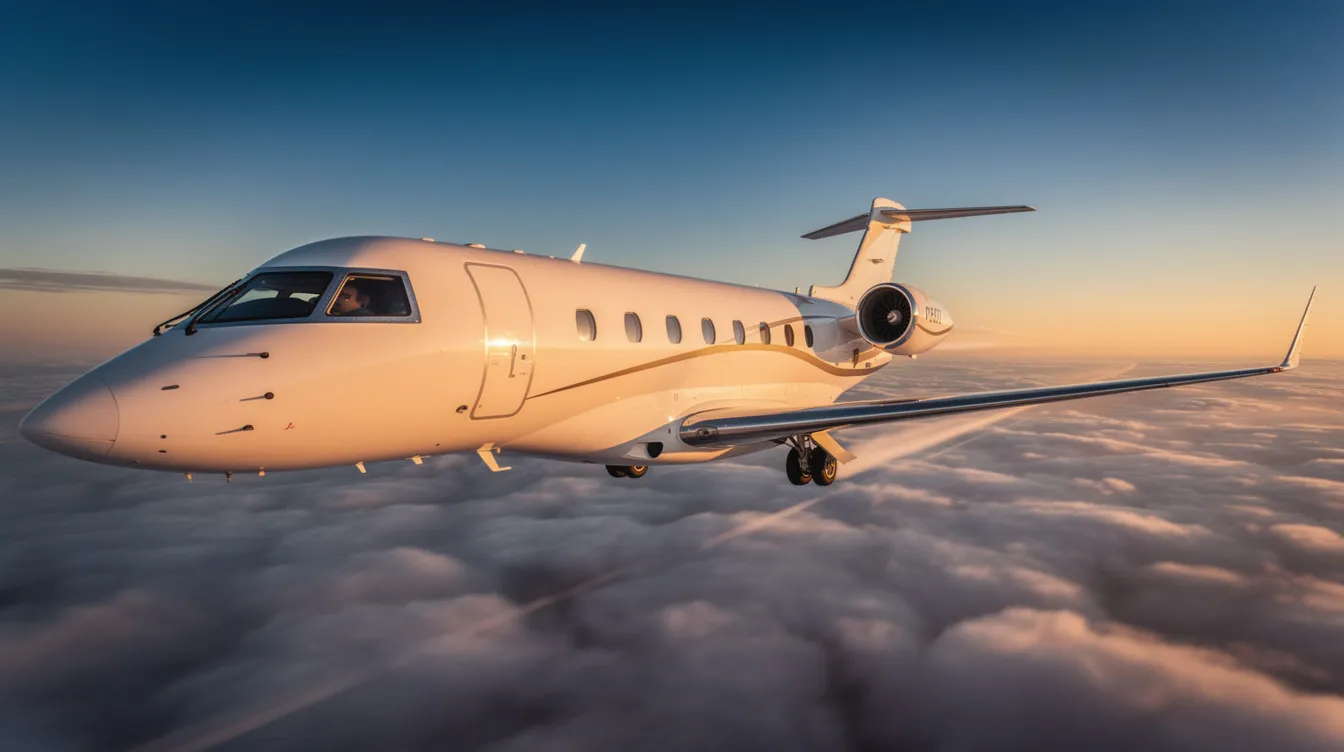
Private Planes for Sale Under $100K: Practical Options and Ownership Costs

Owning an airplane for less than $100,000 is more realistic than many people assume, but it requires clear expectations about what that budget actually delivers. This guide breaks down the models worth considering, the operating costs that follow the purchase, and the pitfalls that catch unprepared buyers. Whether you are exploring your first aircraft or evaluating a piston single as part of a broader fleet strategy, the information here will help you make a grounded decision.
Key Takeaways
Private aircraft under $100,000 are typically used single-engine piston aircraft or light sport models, not jet aircraft. They are best suited to personal flying, flight school use, training, and short-range business missions.
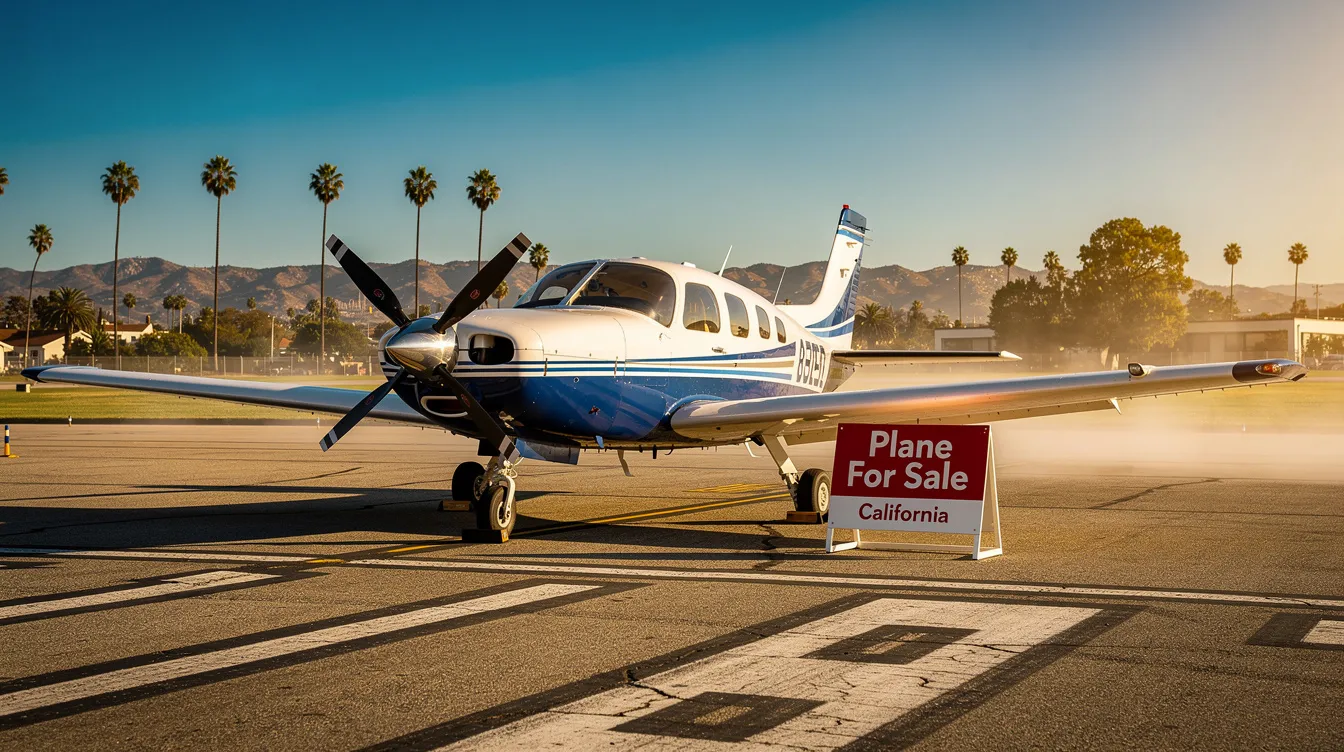
Buyers with a strict $100K budget should focus on proven models like the Cessna 150/152, older Cessna 172s, Piper Cherokee/Archer, Beechcraft Musketeer, and select experimentals. Popular choices in this price range include the Cessna 150 and Piper Cherokee.
The purchase price is only part of the equation. Annual operating costs covering fuel, maintenance, hangar fees, and insurance can easily reach $15,000 to $30,000 in the first year, depending on utilization and aircraft condition.
True private jets and the Cirrus Vision Jet are not available under $100K. However, BusinessJets.com can help value, sell, or trade up from an entry-level piston plane into a turboprop aircraft or jet when the time is right. Private jet appraisals determine market value before transactions and help buyers avoid overpaying for aircraft.
BusinessJets.com serves as a consultative partner for aircraft appraisals, listing aircraft for sale, and planning a long-term ownership and upgrade strategy.
What You Can Realistically Buy Under $100K Today
The used aircraft market between 2024 and 2026 reflects post-COVID demand pressures, rising parts costs, and increased competition from flight school operators and investor-owned fleets. The market for affordable private aircraft fluctuates based on fuel prices and demand for aviation, meaning asking prices for well-maintained older airframes have climbed noticeably over the past several years. Aircraft age significantly impacts market value, and market trends can alter the valuation of any aircraft at this level.
Typical Aircraft Types and Market Trends
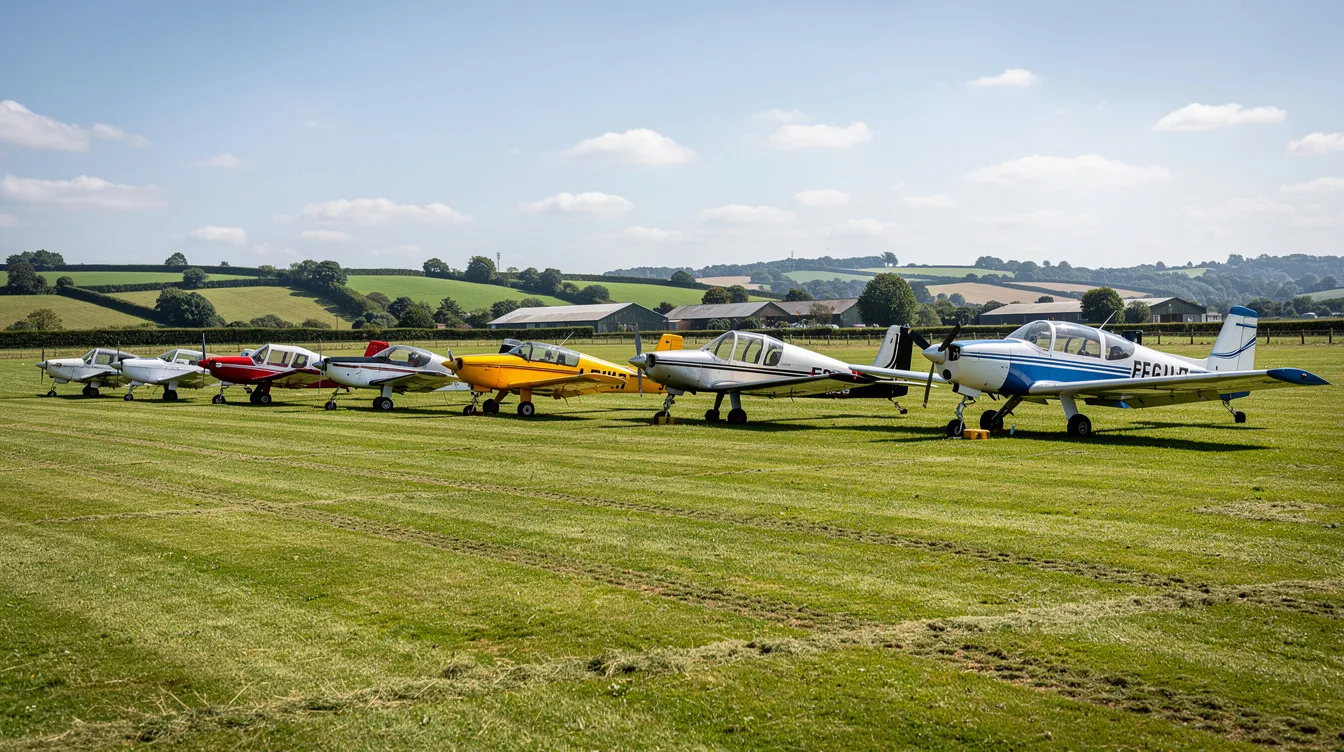
When you search for private planes for sale under $100K, you are almost always looking at older piston single aircraft and select light sport or experimental models, not modern private jets. Used light sport aircraft may approach the upper end of the under-$100,000 market, but mainstream options dominate the listings. Typical airframes fall in the 1960s to 1990s range, with some early 2000s LSAs available. Expect legacy avionics, worn but functional interiors, and airframe times measured in thousands of hours.
Avionics and Regulatory Considerations
Most sub-$100K aircraft will have partial ADS-B upgrades rather than fully integrated glass cockpits. ADS-B Out is a transponder-based surveillance technology required by the FAA in most controlled airspace since January 2020. Without it, your airplane is legally restricted from busy airports and higher-altitude routes.
Jets vs. Pistons: Setting Expectations
To set the contrast clearly: entry-level jet aircraft and the Cirrus Vision Jet sit in a completely different price tier. Light jets typically seat five to nine passengers and start well into six figures for even the oldest examples. The affordable aircraft conversation at $100K is a piston conversation.
Best Private Planes Under $100K: Proven Piston Singles
The most reliable sub-$100K options are well-known piston single models backed by strong parts availability, broad training fleets, and decades of maintenance data. Aircraft models influence their market demand and pricing, and the following five categories represent the core of this market. Engine hours are crucial in determining aircraft valuation for every model listed below.
Early Cessna 172 (1960s–early 1970s)
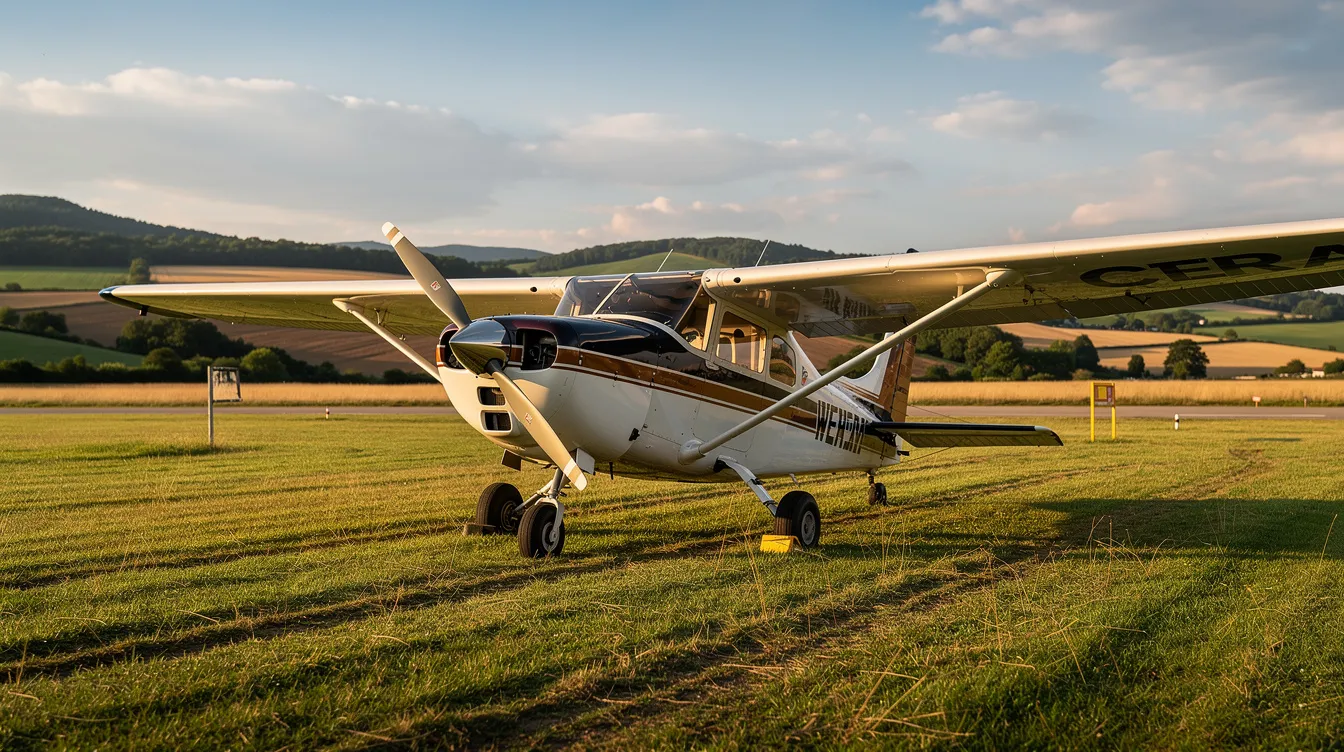
The 172 remains the world's most popular training and family travel airplane.
Asking prices for early models currently range from roughly $49,995 to $80,000 depending on condition and avionics.
Expect four seats, cruise speed around 105–115 knots, and fuel burn of 8–10 gallons per hour.
Older single-engine piston aircraft often come with high operating hours, so scrutinize engine time since major overhaul carefully.
Cessna 150/152
These highly affordable trainers offer two seats, cruise speeds near 100 knots, and fuel burn around 6–8 GPH.
Values for basic-condition examples often sit well under $50,000, making them excellent time-builders for pilots working toward more capable aircraft.
Limited payload means they serve best as personal trainers, not utility haulers.
Piper PA-28 Series (140, 160, Cherokee 180, Archer)
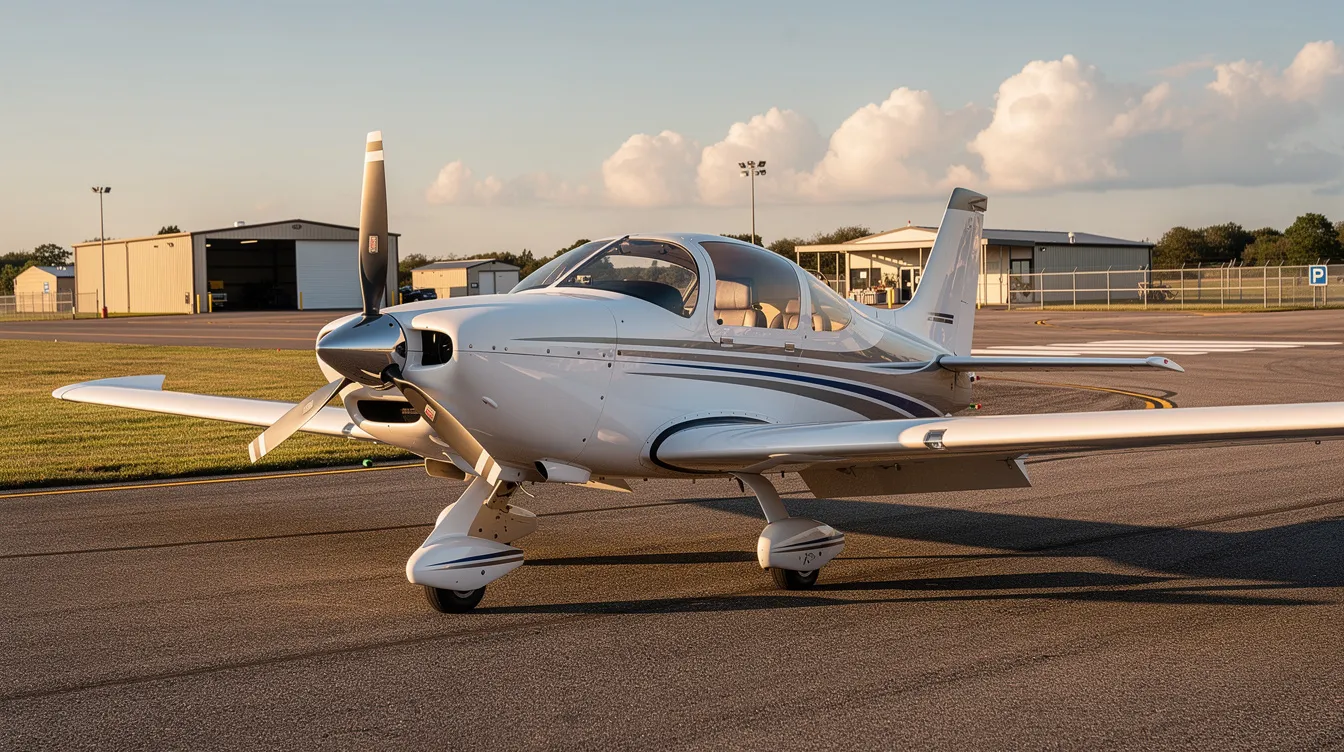
The Cherokee family offers versatile personal aircraft with a low-wing design, four seats, and cruise speeds from 120 to 140 knots.
Fuel burn runs 9–10 GPH at typical cruise settings.
Listings under $100K are common, with median asking prices for Cherokee 180s around $90,000–$98,000 and lower-condition examples available from roughly $56,000.
Maintenance history affects the resale value of aircraft in this series significantly, especially around spar ADs on certain models.
Beechcraft Musketeer/Sundowner
An underrated value buy with solid construction, four seats, and cruise speeds of 115–125 knots.
Fuel burn sits around 9–11 GPH.
Parts availability is narrower than Cessna or Piper, and market demand is lower, which can work in a buyer's favor on price.
Budget-minded buyers who shop patiently can find clean examples well under $100K.
Grumman AA-5 Traveler/Cheetah and Grumman Tiger
These aircraft offer sportier handling and a sliding canopy that sets them apart from the high-wing trainers.
The Tiger cruises near 130 knots on roughly 9–10 GPH with room for a pilot and two passengers comfortably.
Listings regularly appear under $100K, particularly for average-panel examples.
For every model, prioritize corrosion checks, complete logbooks, and engine time since major overhaul. BusinessJets.com can provide independent valuation or appraisal support even for smaller piston singles when they are part of a broader fleet or upgrade strategy.
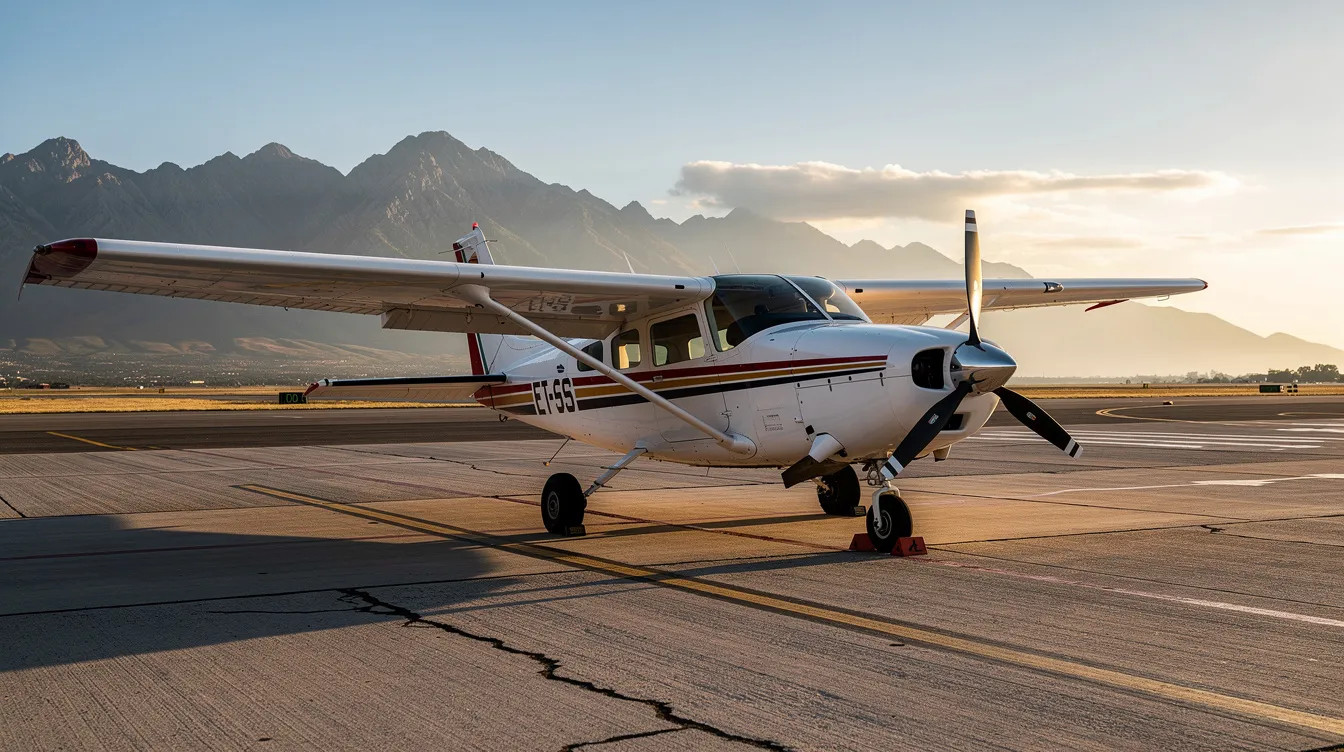
Specialty and Vintage Aircraft Under $100K
Some buyers are less focused on pure utility and more drawn to bush flying, aerobatics, or owning a piece of aviation history. This segment of the market carries unique rewards and risks.
Taildraggers and Bush Aircraft
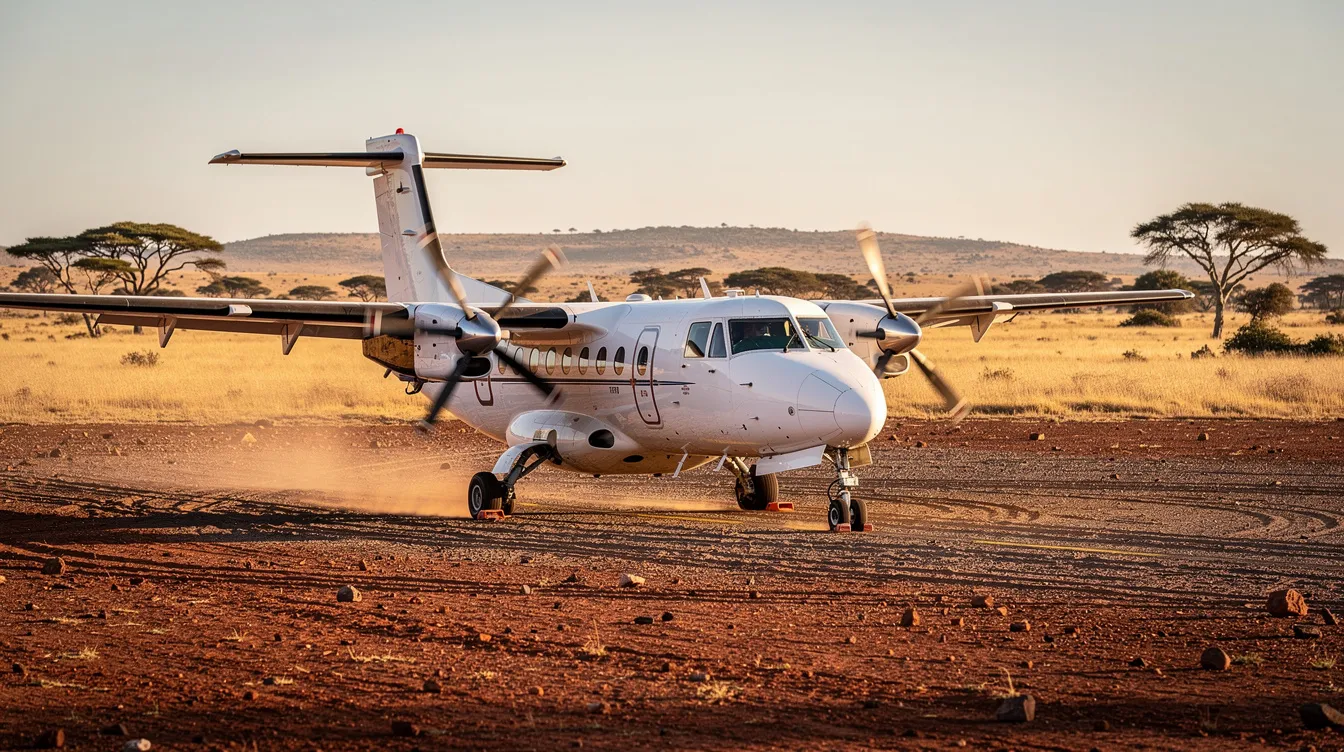
Older Maule models, early Citabria 7E airframes, and various PA-18 clones serve short-takeoff-and-landing missions well.
Some examples can be found in the $80,000–$100,000 range, though fabric-covered airframes and tailwheel landing gear demand specialized maintenance.
Vintage Trainers
Aircraft like the Stearman biplane occasionally appear near $100K, but finding one under that mark usually means a project requiring significant restoration.
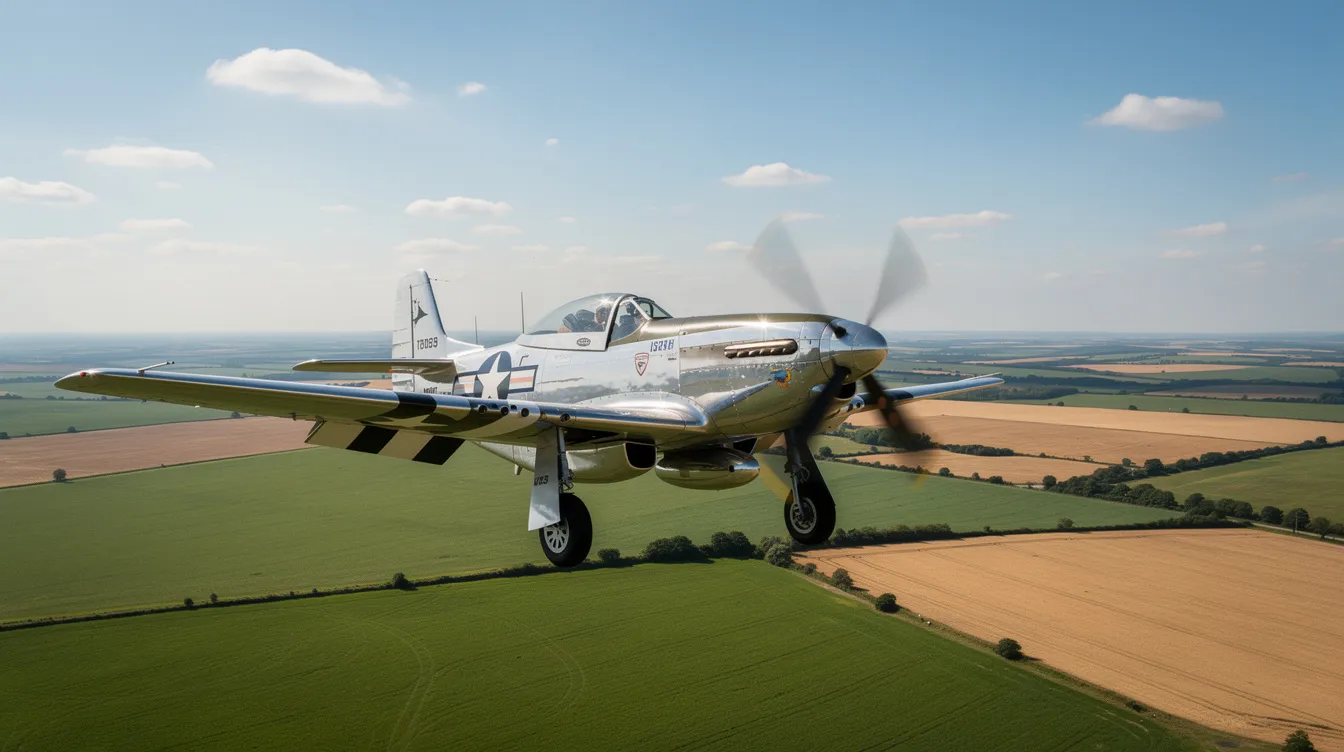
Operating costs for warbirds—oil consumption, fabric work, limited parts—run disproportionately high relative to their practical utility.
Classic Two-Seat Experimentals and Kitplanes
Van's RV series, Glasair, and Lancair homebuilts can deliver higher performance at lower purchase prices.
They require careful review of build quality, documentation, and compliance history.
While some of these may technically fit the purchase budget, they often carry higher insurance expense, mission limitations, and operating costs compared to mainstream four-seat piston singles. Buyers should always obtain a thorough pre-purchase inspection from a mechanic experienced with that specific type. BusinessJets.com typically focuses on business and high-end private aviation, but insights from our appraisal and market tracking work can inform whether niche assets fit into a broader fleet or investment strategy.
Why You Won't Find a Jet Aircraft Under $100K
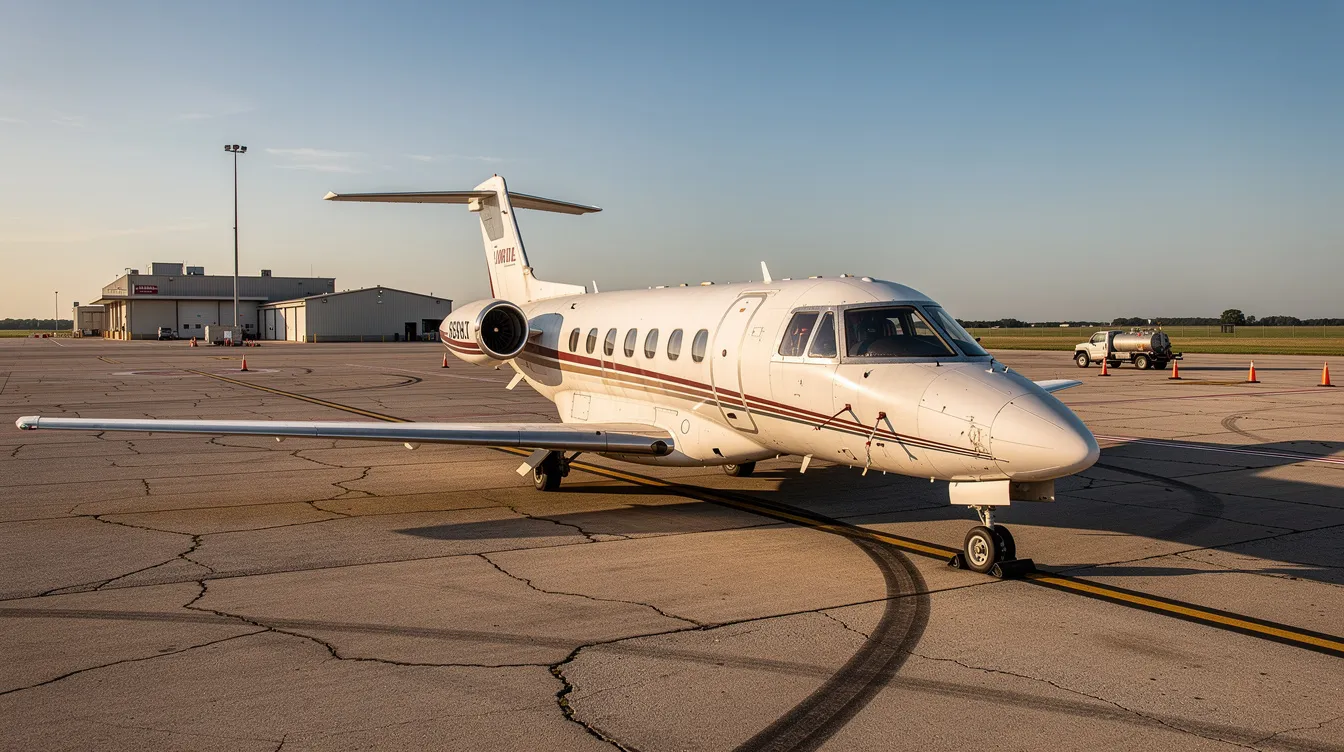
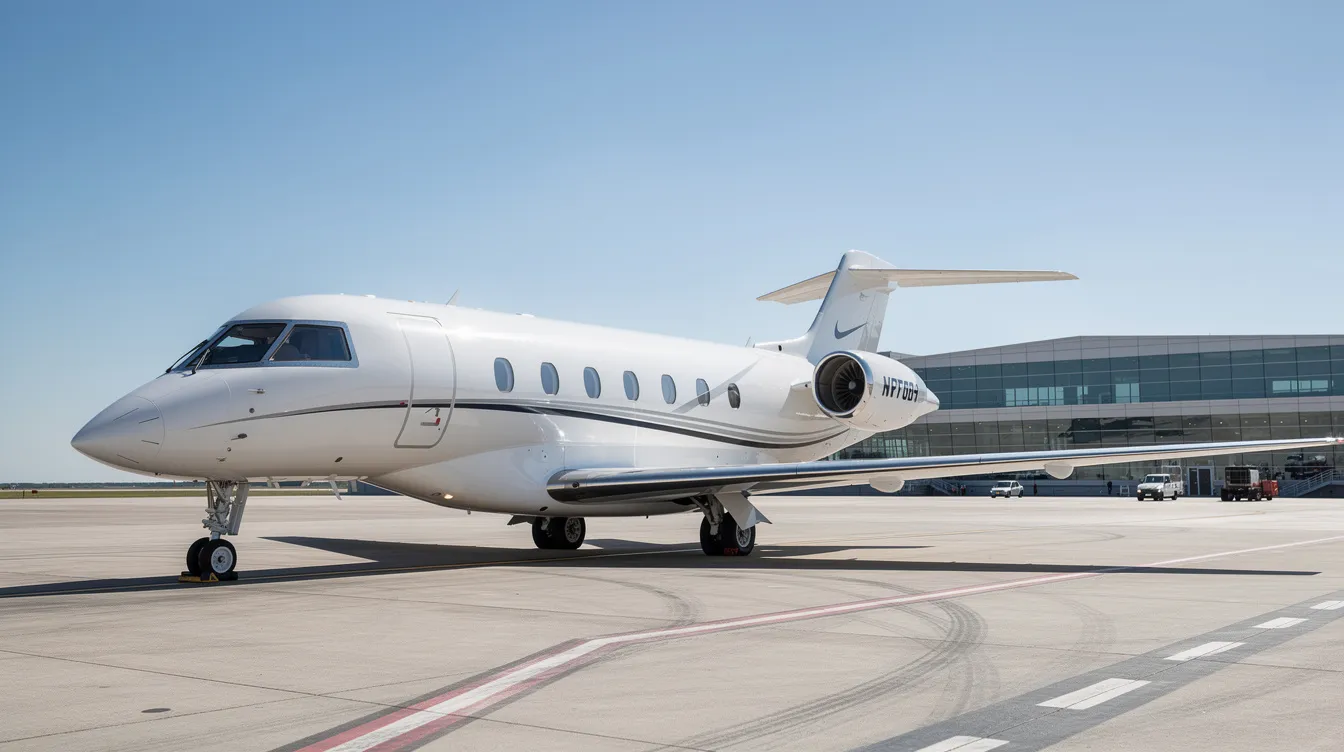
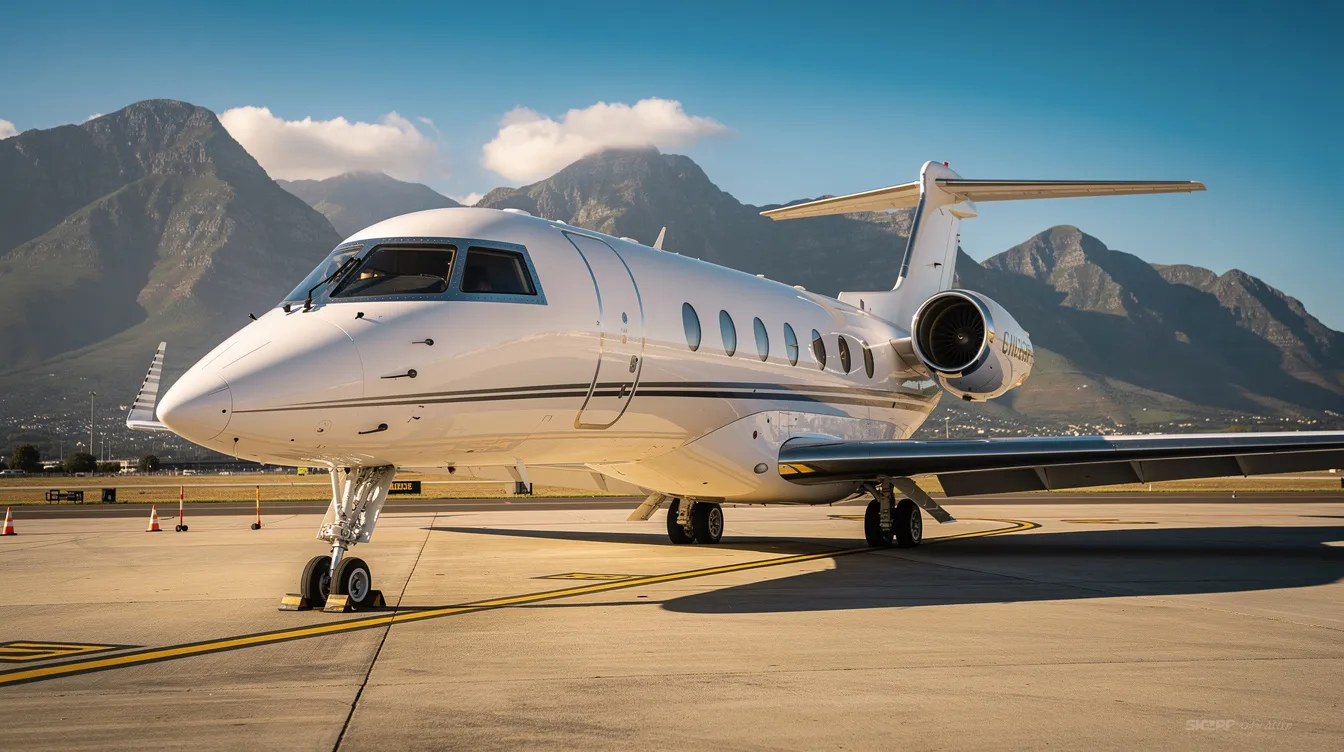
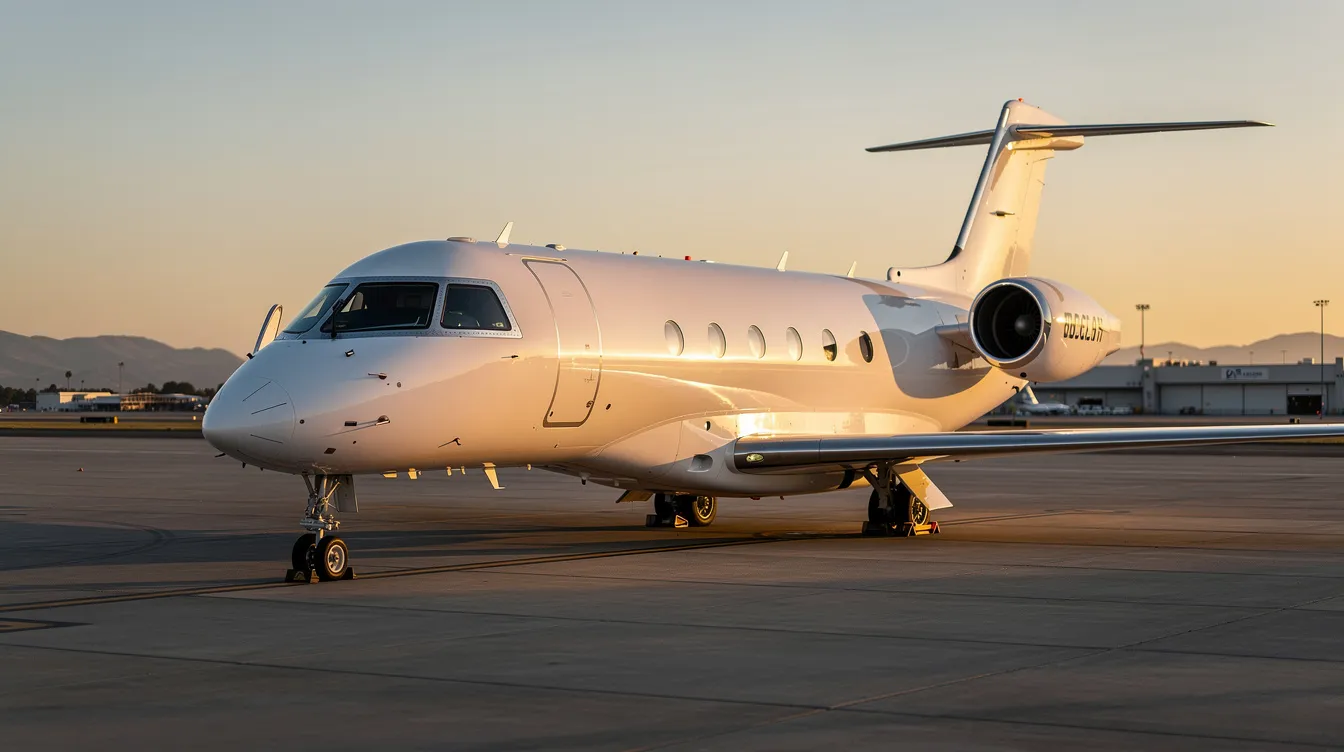
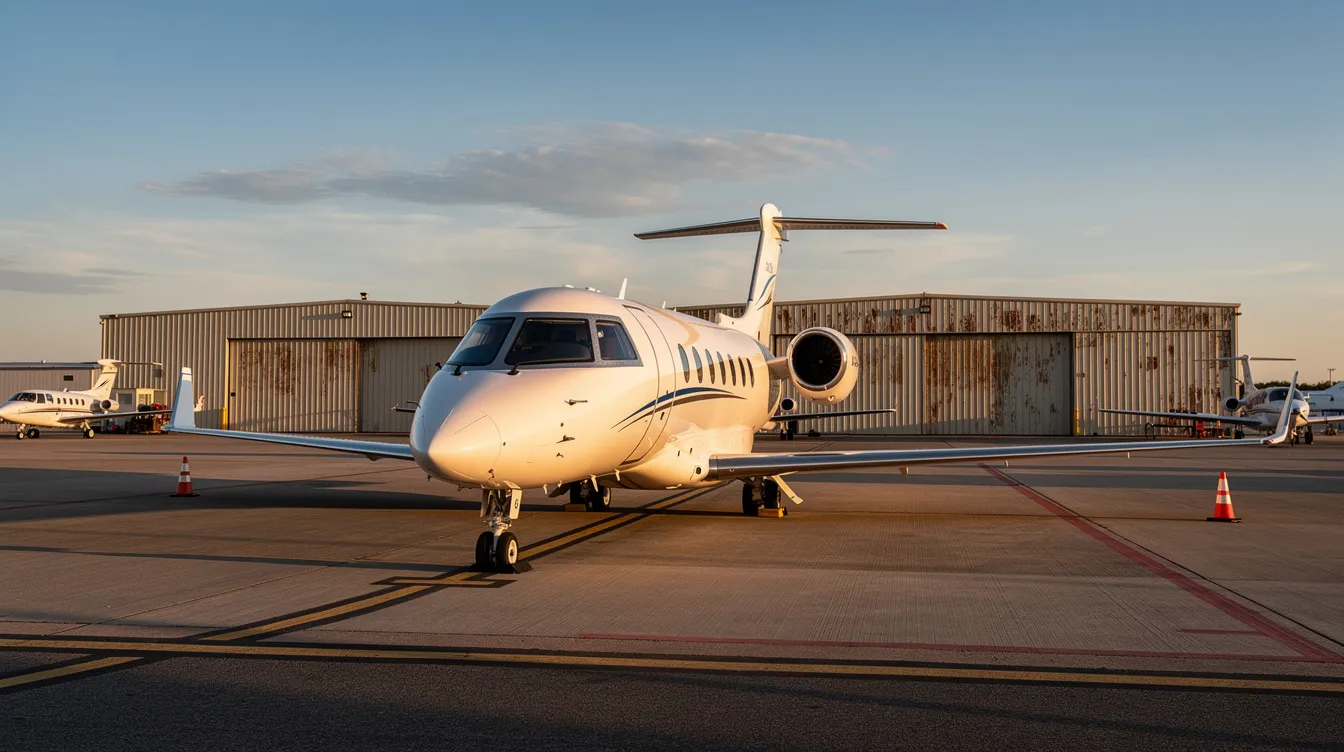
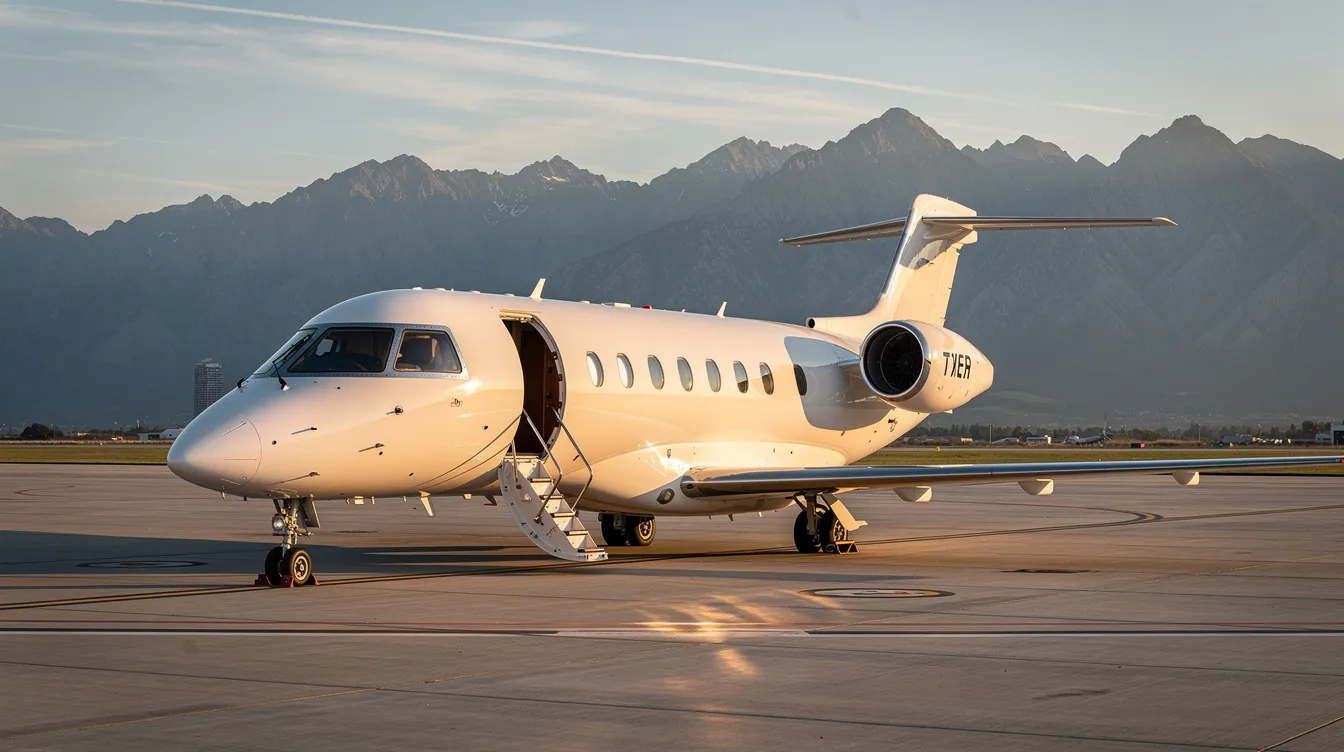
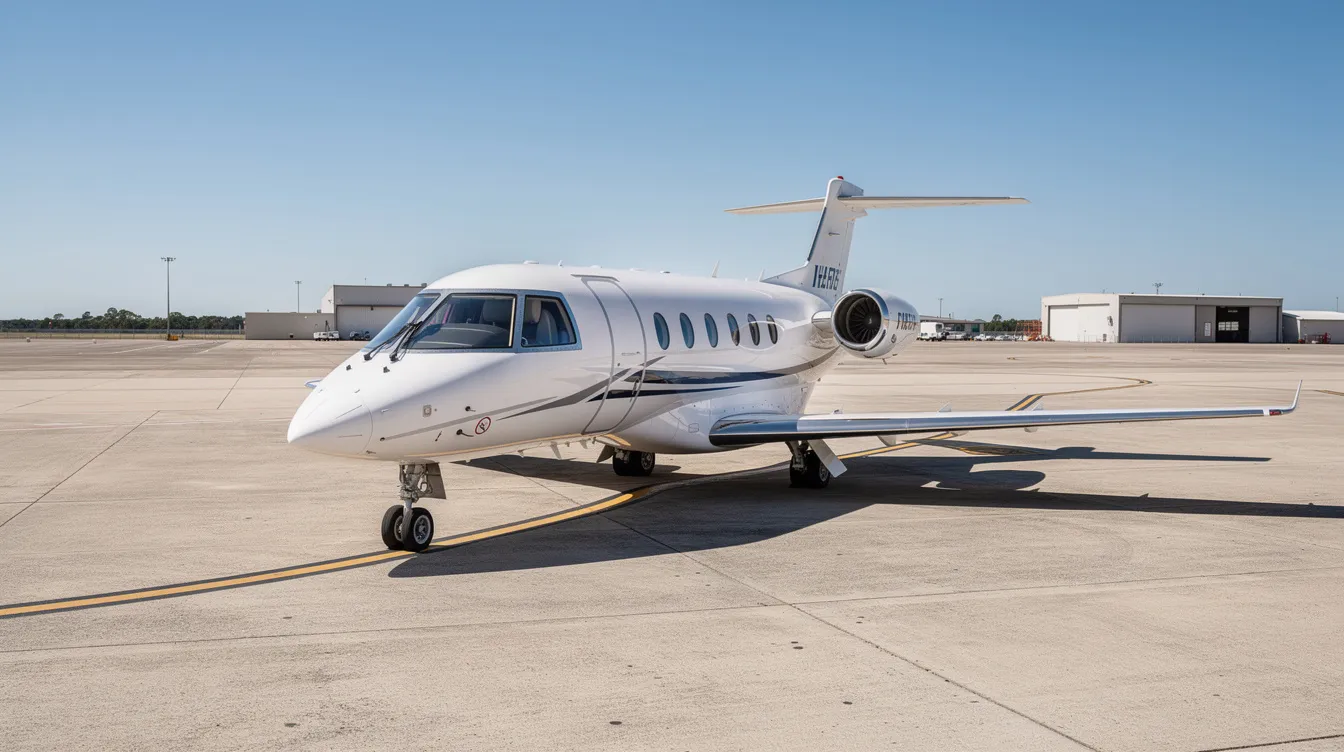
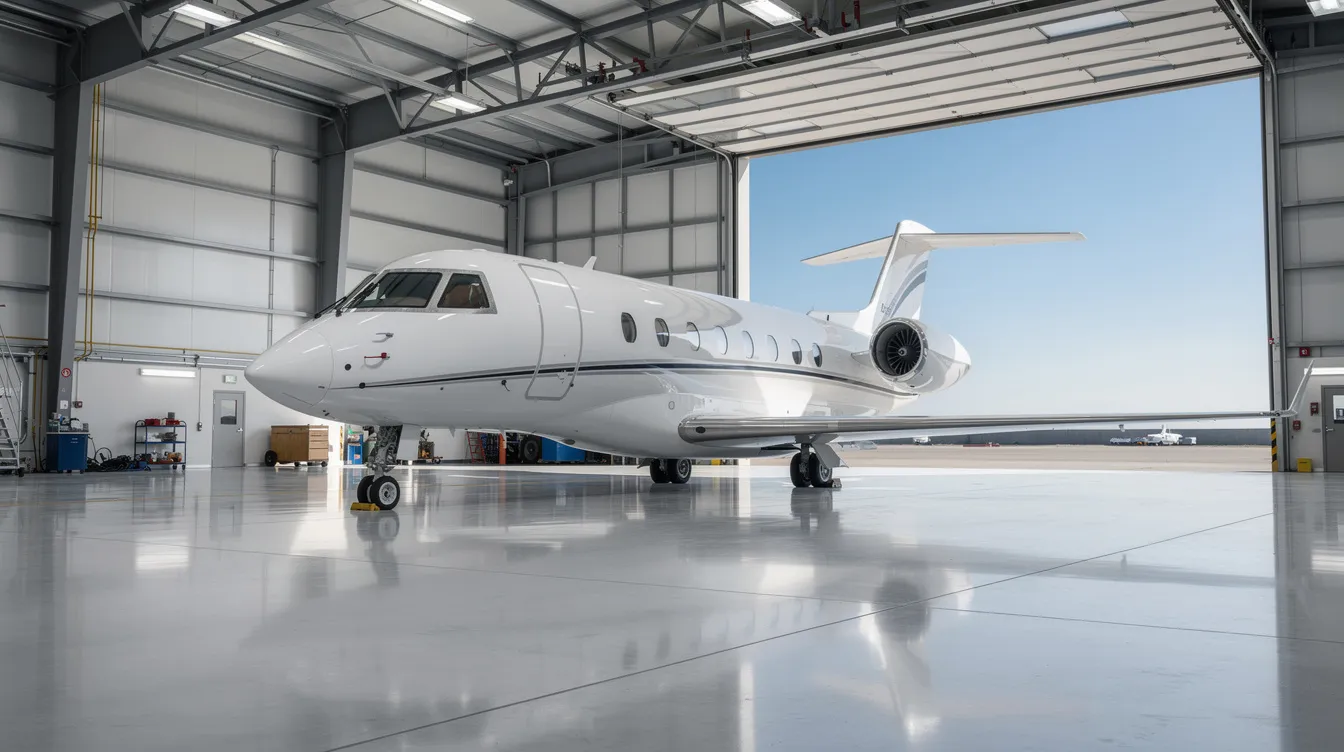
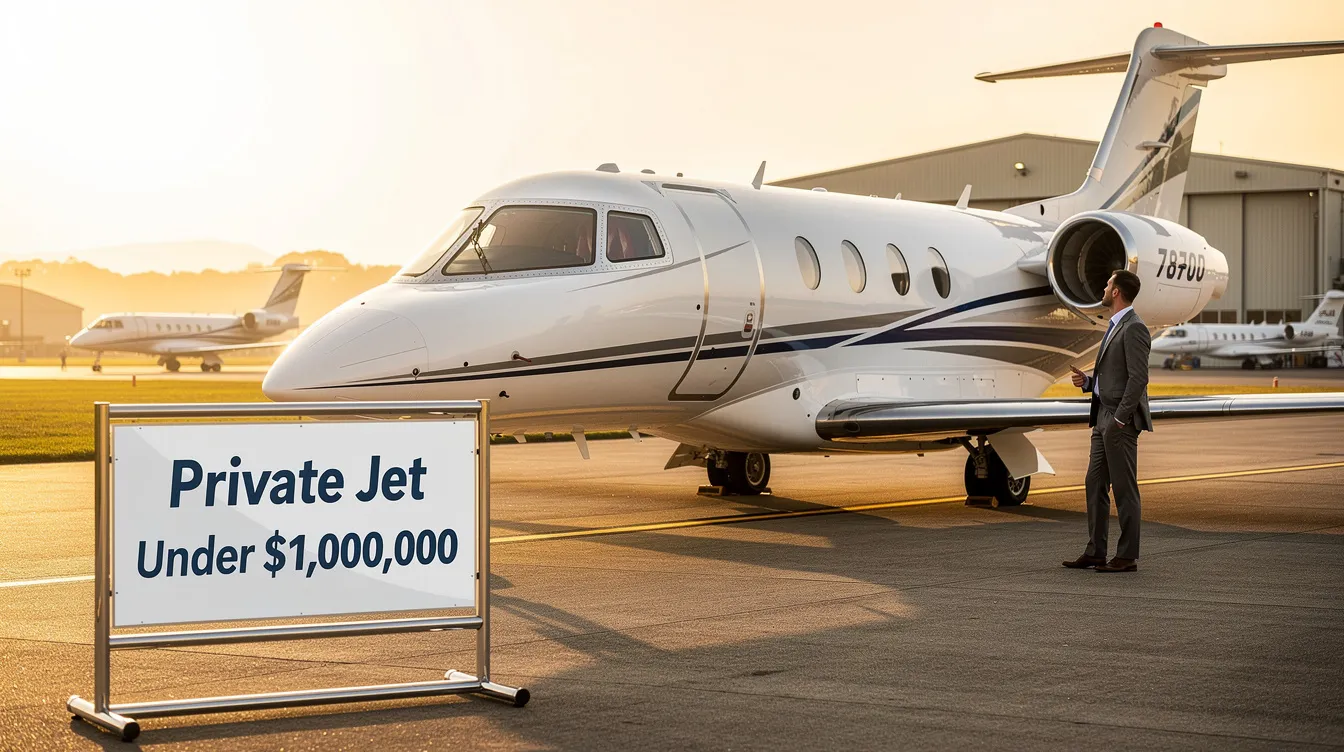
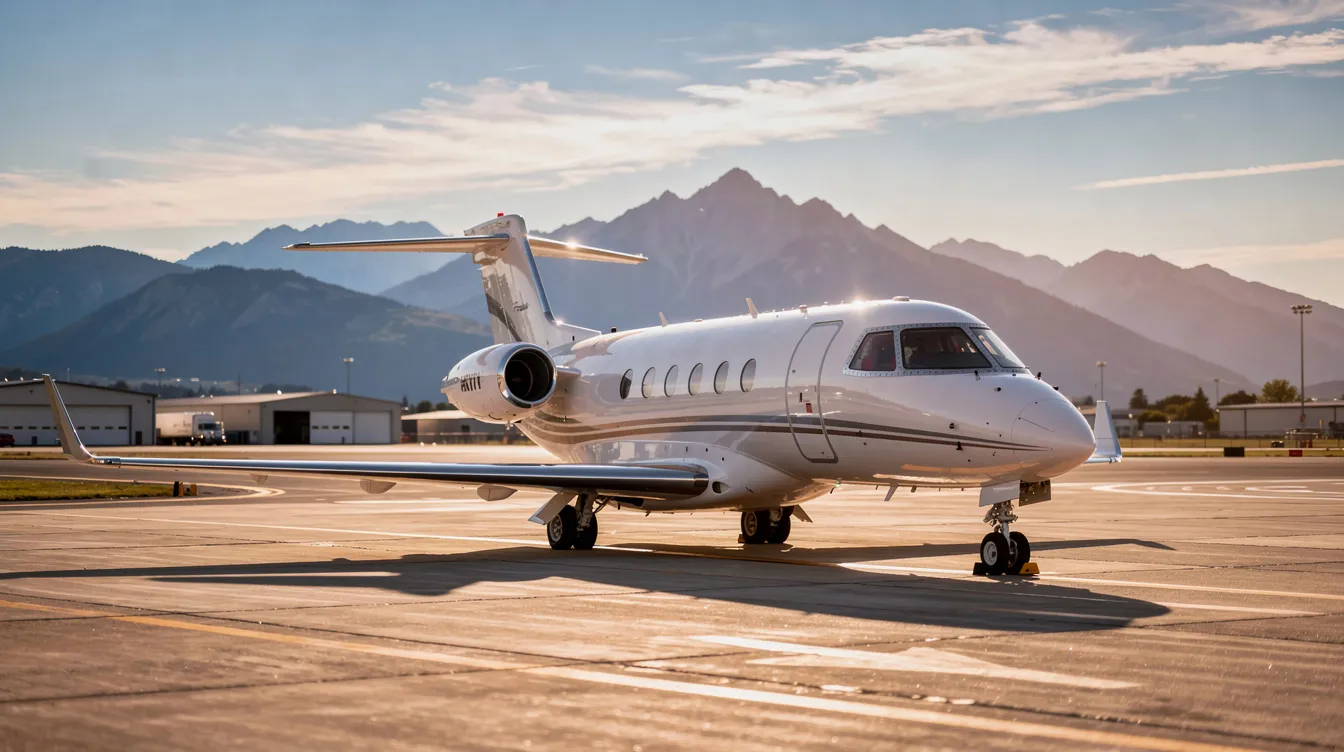
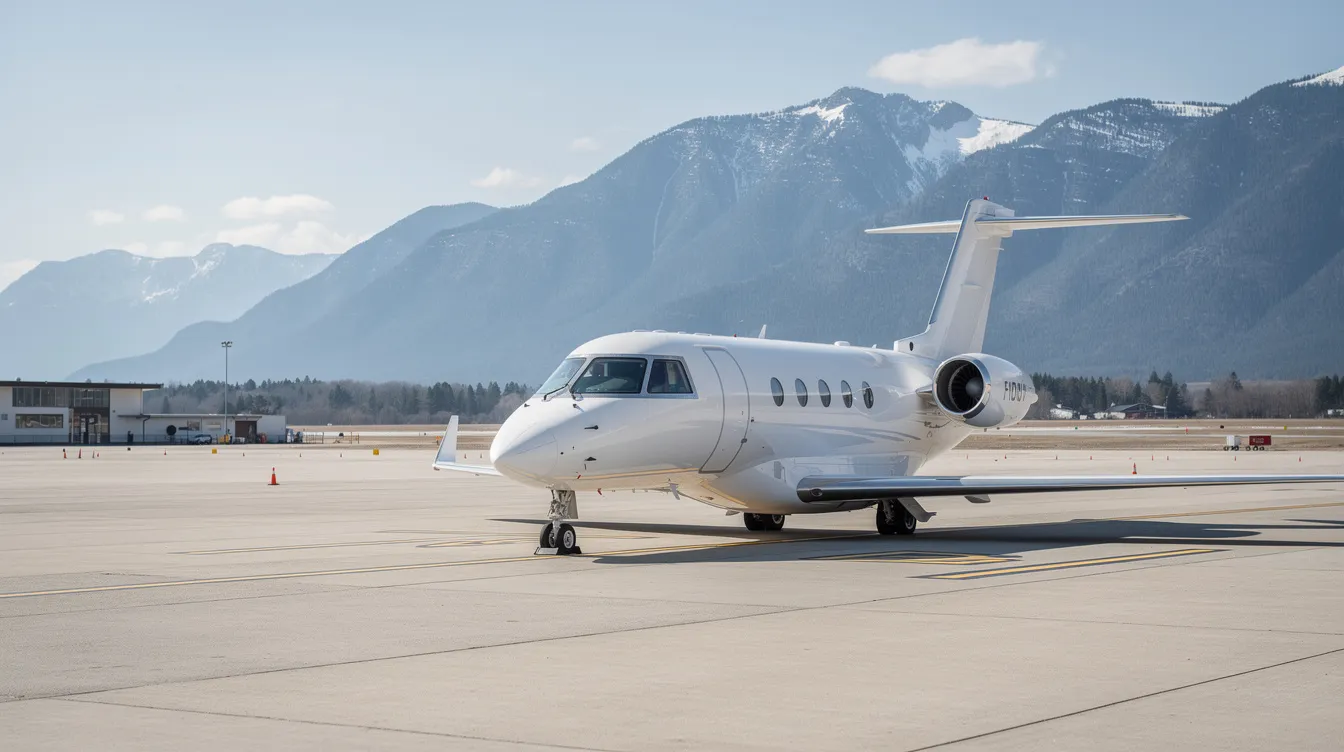
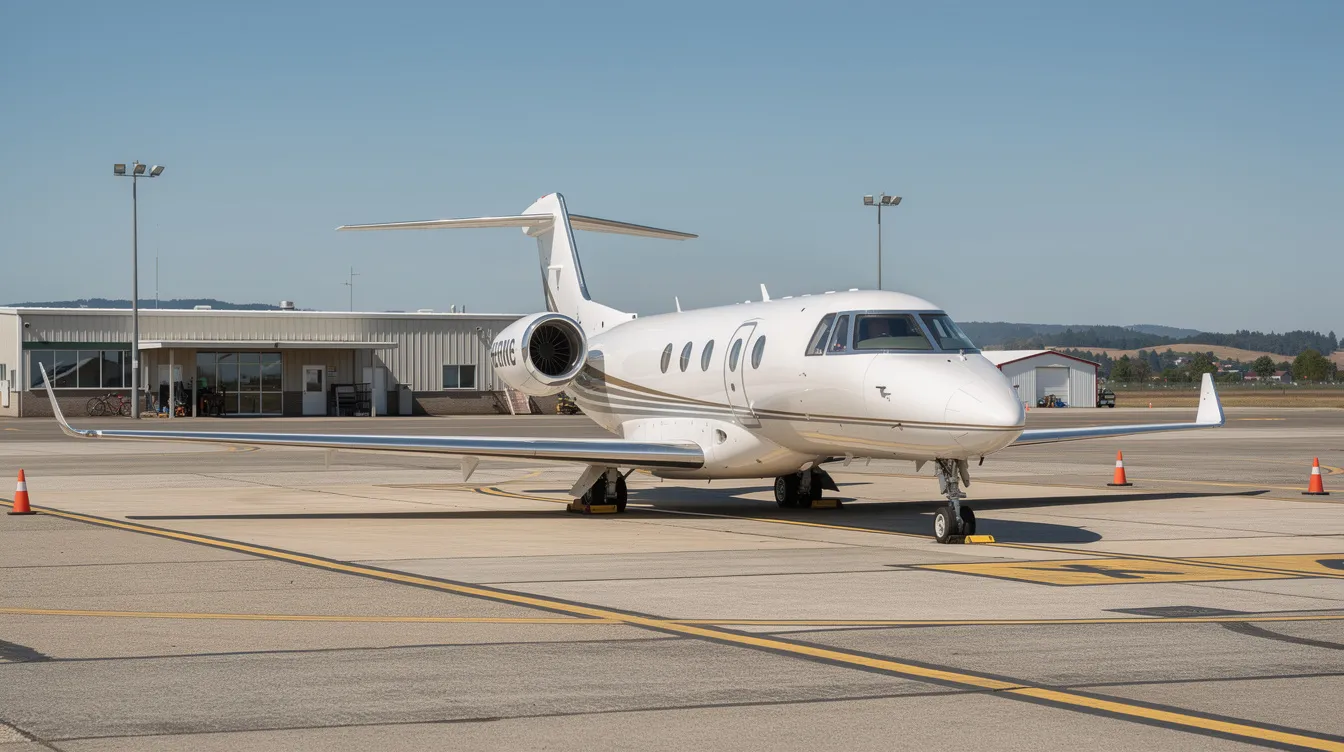
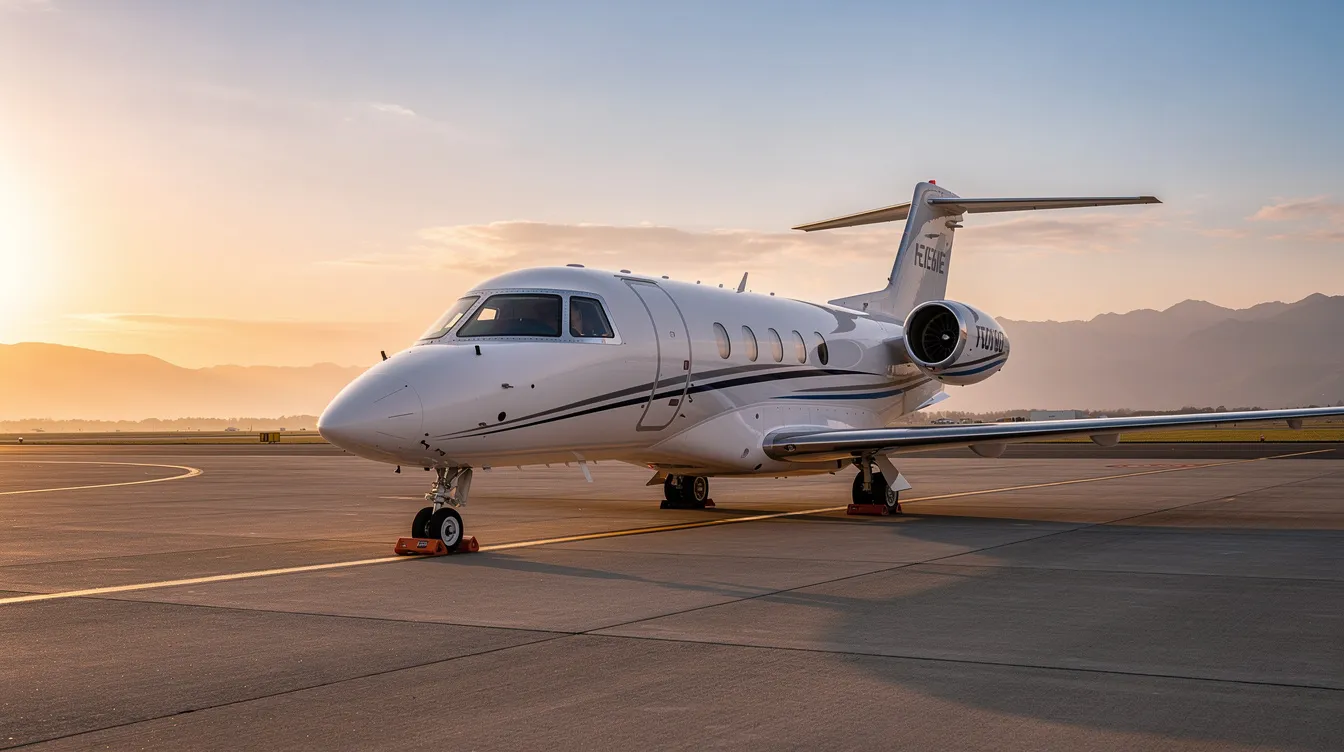
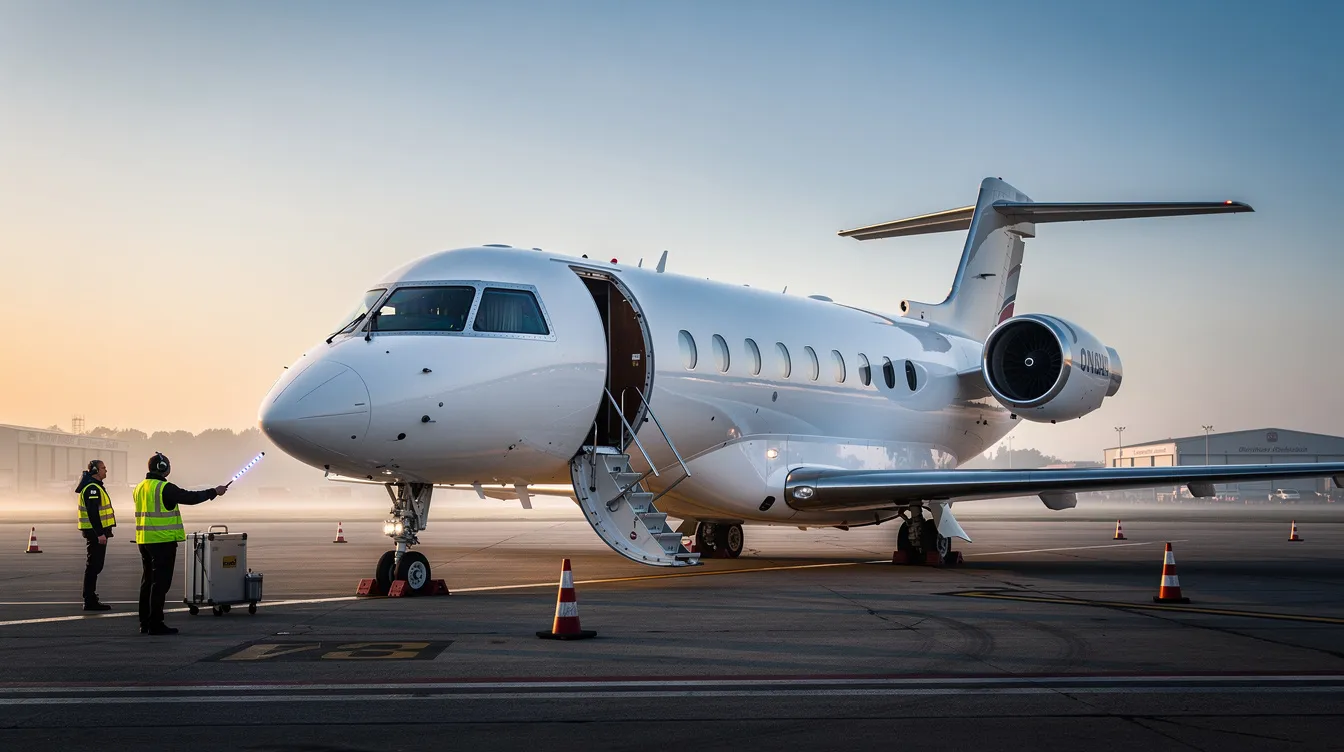
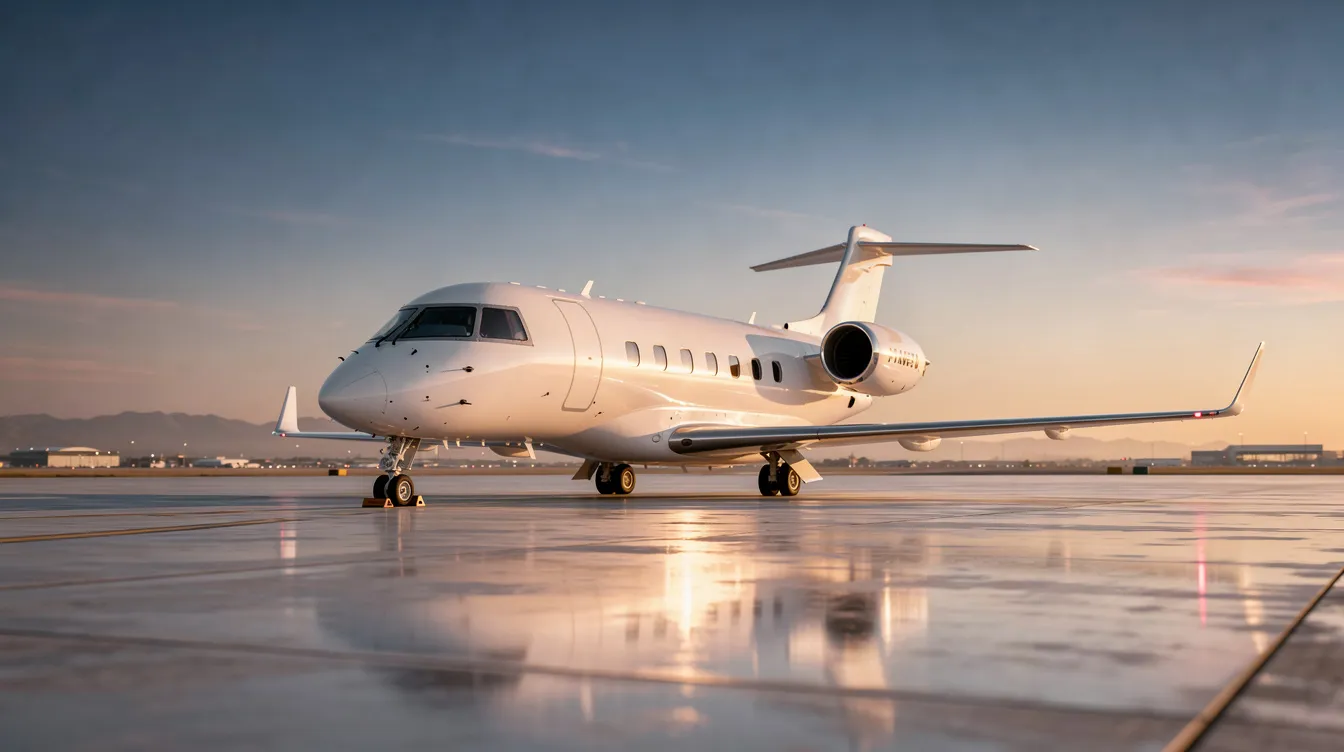
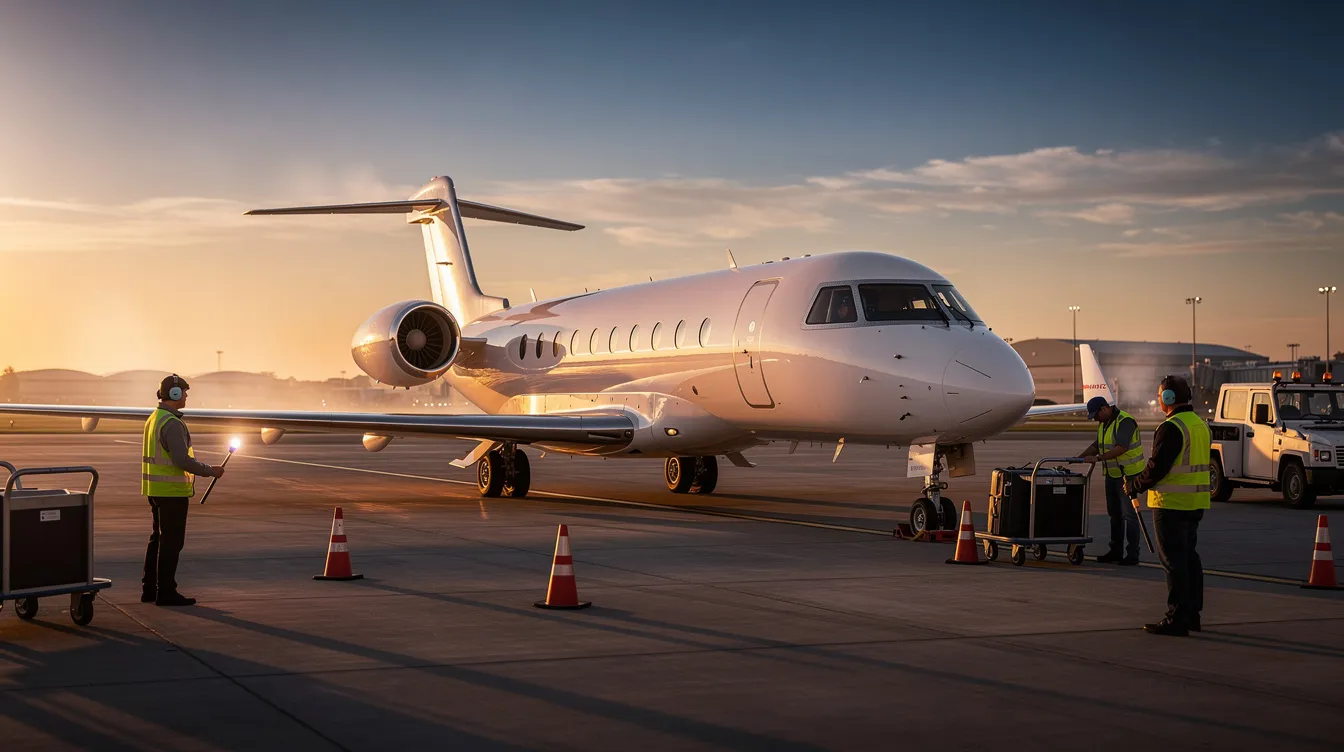
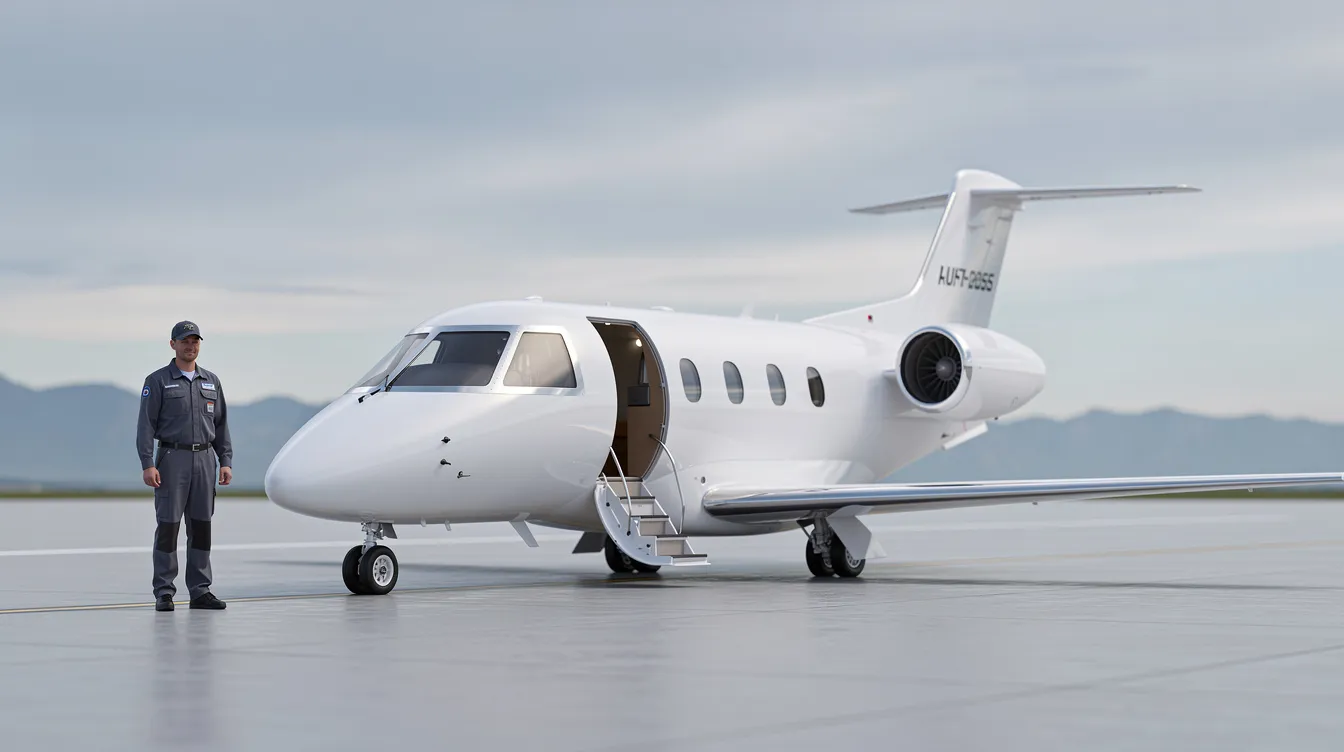
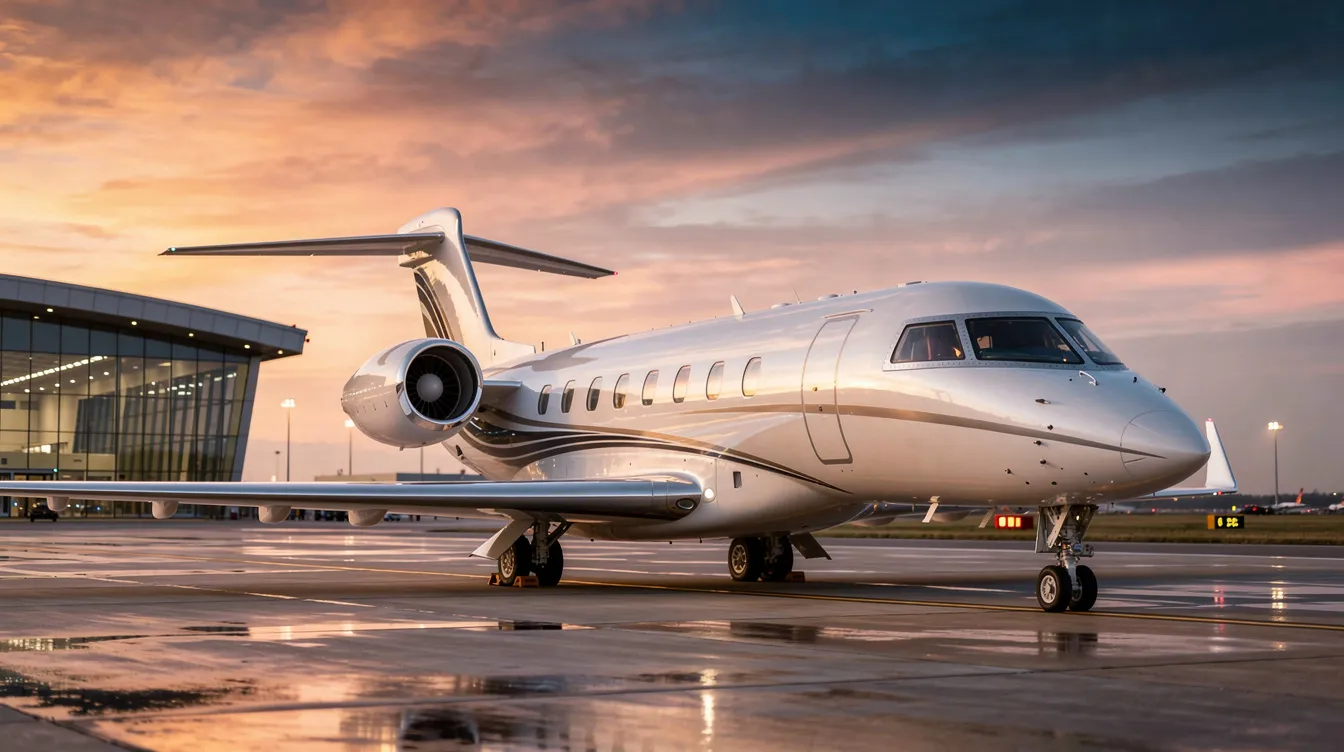
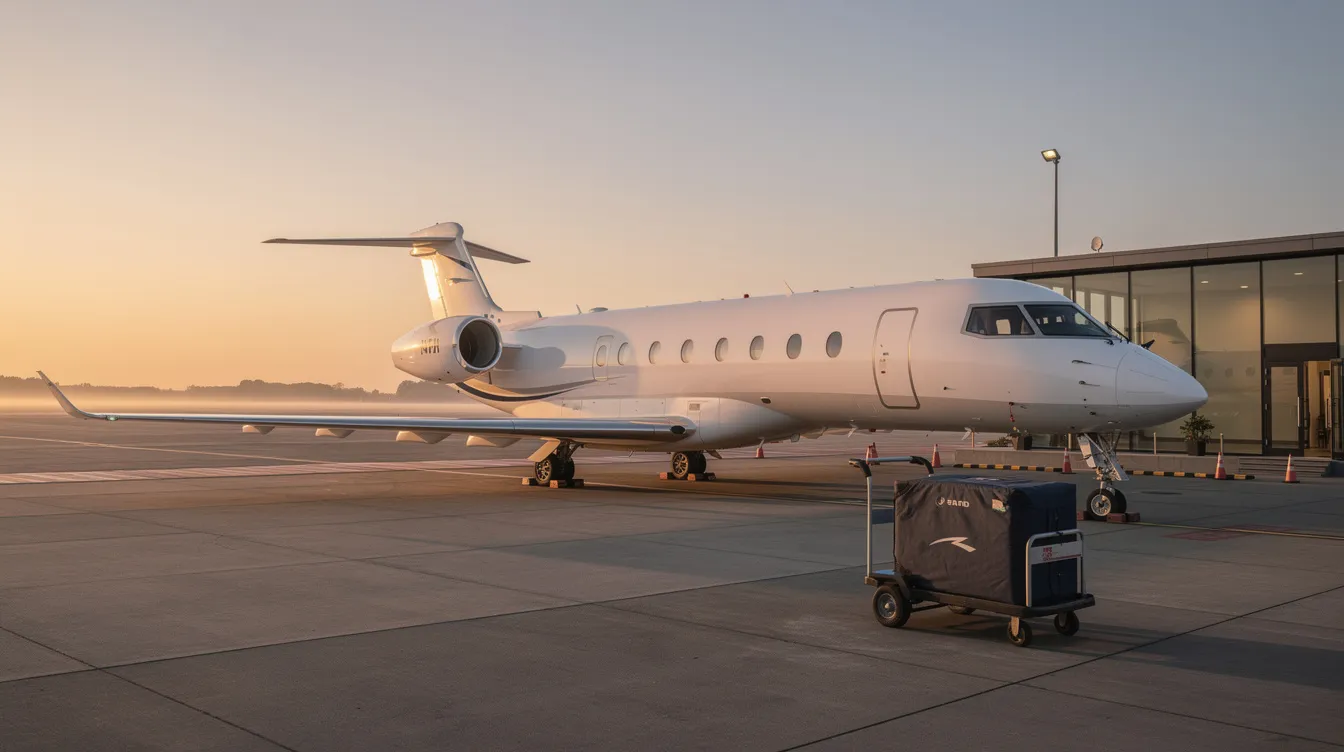
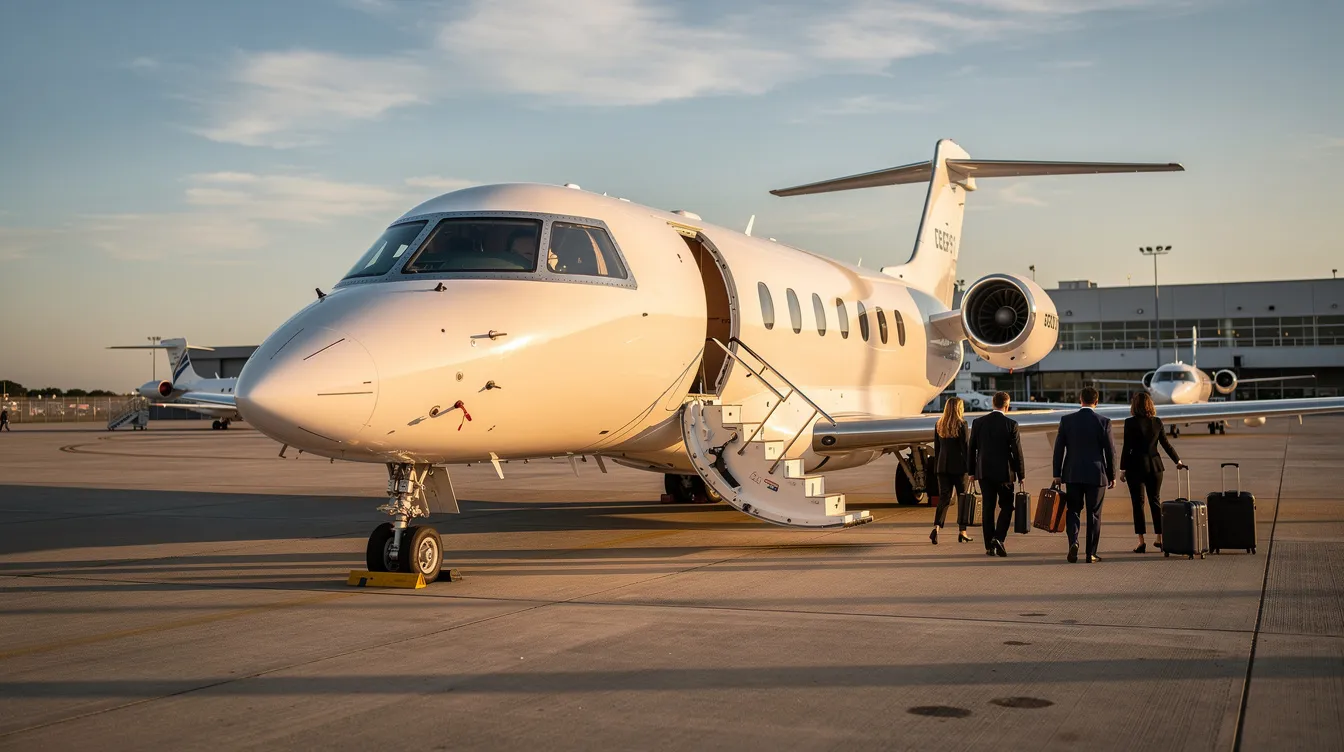
True private jets—turbine-powered, pressurized jet aircraft—almost never trade below $100K unless they are non-airworthy projects, parted-out hulls, or museum pieces. Business jets are designed for long-distance travel, and even the oldest light jets carry price tags reflecting that capability. The Cessna Citation 525 is popular for regional travel and trades in the several-hundred-thousand-dollar range at minimum. There are currently over 1,195 jet aircraft listings on Controller.com, and virtually none of them fall under $100K in airworthy condition.
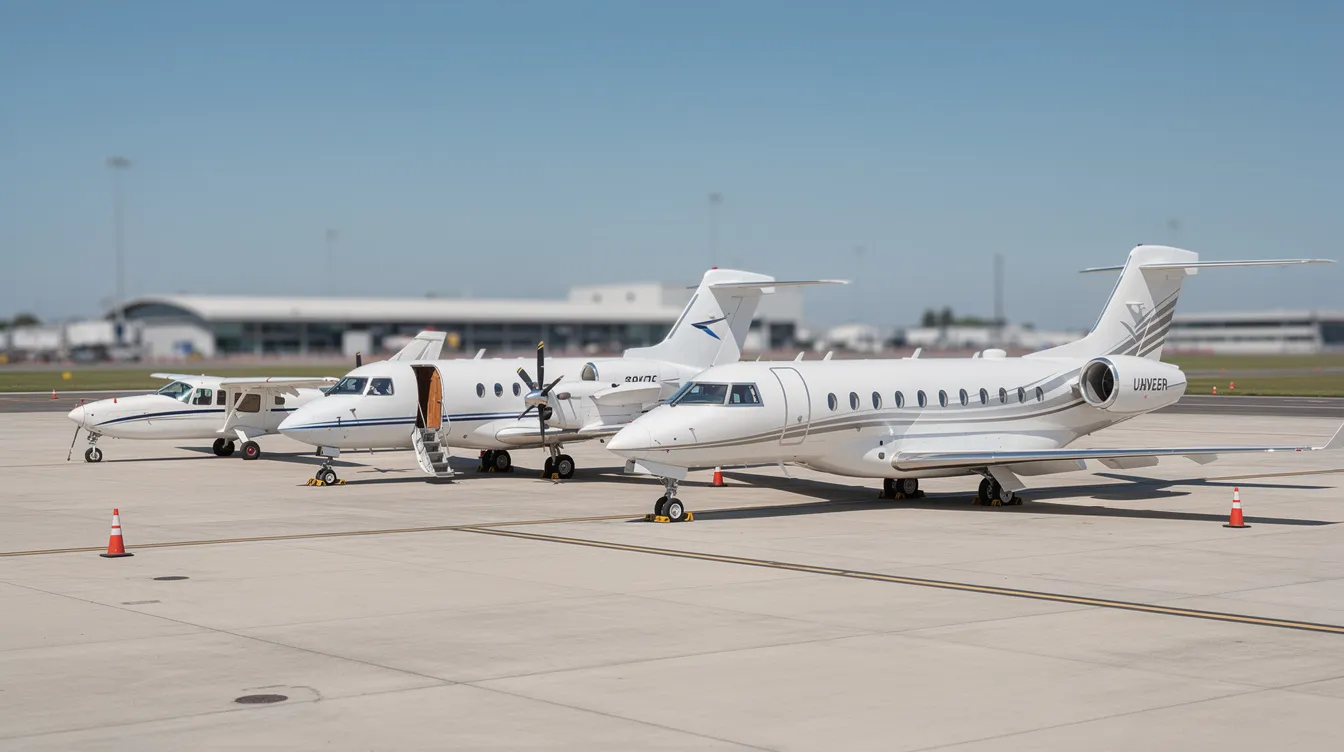
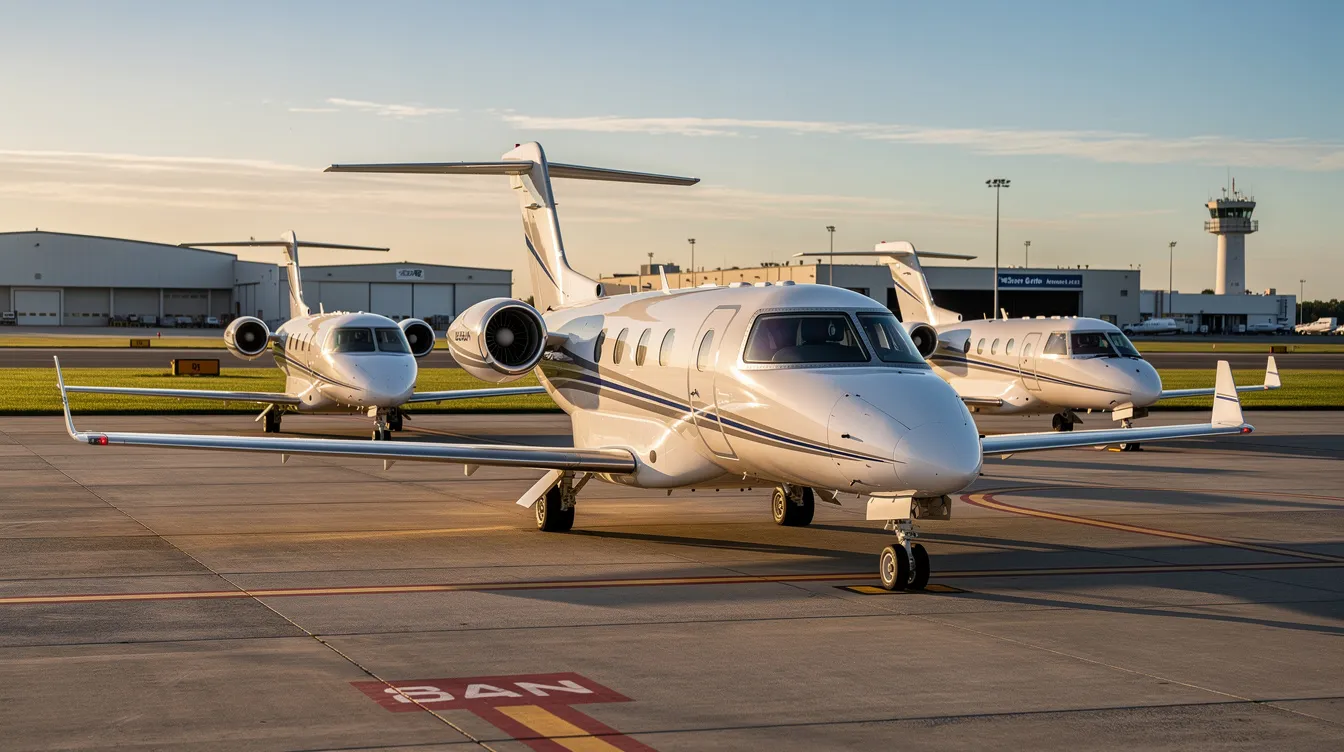
Light jets are popular for regional travel, super mid-sized jets are suitable for nonstop coast-to-coast flights, and large-cabin aircraft support higher passenger capacities on routes such as private jet charters to and from Paris with aircraft like the Airbus ACJ220 or Gulfstream G650. The mandatory inspections, engine overhauls, and avionics upgrades on any of these types can easily exceed $100K alone, making any "cheap" jet listing a significant financial risk. Buyer caution is advised when considering aircraft that require substantial work before flight.
Even if an older turbine aircraft appears in classified ads near $100K, bringing it to a safe, commercially viable standard may require multiple times the purchase price in investment. BusinessJets.com can evaluate whether a distressed or legacy jet opportunity is strategically sound or whether the buyer is better served by a properly maintained aircraft at the right price, including larger cabin options such as the Airbus ACJ319 private jet for charter or sale.
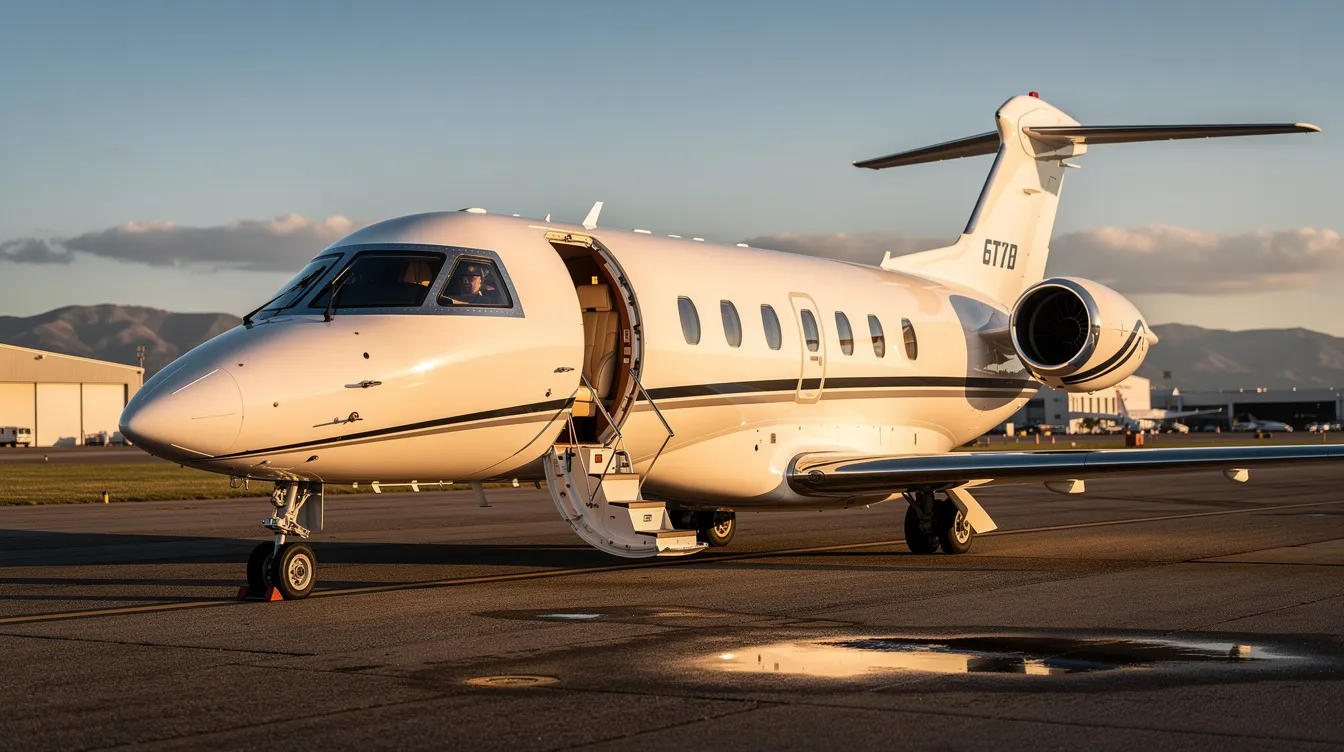
Cirrus Vision Jet and Other Entry-Level Jets: Price Reality Check
The Cirrus Vision Jet is frequently searched alongside "affordable aircraft" because of its single-engine simplicity and modern avionics. Modern jets operate efficiently at higher altitudes and modern business jets balance speed, efficiency, and comfort, but the Vision Jet sits far above $100K. Pre-owned examples trade in the mid- to high-seven-figure range ($1 million to $3 million or more) depending on generation, airframe time, and options. Very light jets in general are used for short- to mid-range travel and carry similarly elevated price tags.
Buyers attracted by the Vision Jet's convenience, whole-airframe parachute, and glass cockpit should view it as a long-term target, often after building experience in piston singles or turboprop aircraft. A phased approach works well: start with a sub-$100K piston single, accumulate hours and ownership discipline, then use that equity and experience as a stepping stone toward a turboprop or jet.
BusinessJets.com supports clients through this lifecycle—tracking market trends, providing appraisals at each transition, and handling private jets and turbine aircraft acquisitions when the time comes.
Understanding First-Year Operating Costs Under $100K
The first year of aircraft ownership is often the most expensive due to initial inspections, catch-up maintenance, upgrades, and training expenses. Annual operating costs for aircraft under $100,000 can range from $15,000 to $30,000, and budgeting realistically is essential.
Fuel and Oil
At 8–12 gallons per hour and current avgas prices of $5–$7+ per gallon, fuel cost alone runs $50–$70 per flight hour.
You need enough fuel for training, cross-countries, and reserves—plan for full fuel loads when calculating useful load.
Insurance
Ballpark annual premiums range from $1,000 to $2,500 or more, depending on pilot experience and hull value.
Professional appraisals are essential for financing and insurance underwriting.
Hangar or Tie-Down Fees
Costs vary widely by region, from roughly $3,000 to $6,000 annually for a basic hangar at a regional airport.
Routine Maintenance and Unexpected Squawks
Post-purchase surprises are common.
Budget $2,000–$5,000 for items discovered after the sale closes.
Annual Inspection Costs and Mandatory Service Bulletins
Regulatory compliance is vital, including adherence to Airworthiness Directives.
A standard annual inspection typically runs $2,500–$5,000 depending on findings.
A realistic example: a $70,000 Cessna 172 flown 100 hours in the first year can easily generate $20,000–$25,000 in total operating costs, bringing your all-in first year expense close to $90,000–$95,000. Contrast this with private jets, where crew costs, higher fuel burn, and complex maintenance programs push annual operating costs well into six figures.
BusinessJets.com regularly models operating cost projections for clients when advising on aircraft acquisitions, applying the same disciplined approach whether the aircraft is a piston single or a multi-jet fleet.
Key Avionics and Safety Features to Look For (Including ADS-B)
In older aircraft for sale, avionics and safety equipment often add more long-term value than cosmetic interior upgrades. Modern avionics improve safety, capability, and resale appeal simultaneously.
ADS-B Out compliance is mandatory in most U.S. controlled airspace under 14 CFR 91.225 and 91.227. If the airplane you are evaluating lacks a compliant ADS-B transmitter and certified GPS position source, budget several thousand dollars for the upgrade on top of the purchase price.
Other high-value avionics upgrades to prioritize when shortlisting sub-$100K aircraft:
Modern GPS/WAAS navigators that unlock IFR capability and precision approaches, adding both safety and mission flexibility.
Engine monitoring systems that track cylinder head temperatures and exhaust gas temperatures, helping manage maintenance and detect issues before they become expensive.
Basic autopilots that reduce pilot workload on longer flights, making cross-country missions safer and less fatiguing.
Treat any non-ADS-B-equipped airplane as effectively more expensive than its listed price. During appraisals and pre-acquisition consulting, BusinessJets.com factors avionics status, compliance standing, and upcoming mandates into valuation and negotiation strategies. Accurate appraisals consider aircraft condition and market trends, ensuring you negotiate from a position of knowledge.
Common Pitfalls When Shopping Low-Cost Aircraft for Sale
The wrong sub-$100K purchase can quickly turn into a six-figure maintenance project if due diligence is rushed. Verification of airworthiness is critical when considering older aircraft models, and a pre-purchase inspection is essential before buying a used aircraft. Private jet sales—and piston aircraft sales alike—often involve detailed maintenance records that must be reviewed carefully.
Incomplete Logbooks
Thorough maintenance logs are crucial for evaluating the history and future costs of an aircraft.
Missing periods raise questions about hidden damage or deferred maintenance.
Corrosion
Corrosion, especially on coastal or float-equipped aircraft, is a significant risk factor in older airframes.
It can hide expensive structural repairs beneath the surface.
Engines Near TBO
Engines close to or beyond recommended TBO with no overhaul fund built in can be a major pitfall.
An engine nearing overhaul can cost $25,000–$40,000 to address, erasing any perceived savings on the purchase price.
Damage History
Damage history with poorly documented repairs is a red flag.
Prop strikes, gear-ups, and hail damage that lack proper sign-offs create both safety and resale risk.
Unrealistic expectations around restoration costs often lead buyers to overpay for "project airplanes" that demand more money than a better-maintained example. Reputable platforms for buying used aircraft include Trade-A-Plane and GlobalAir, but always commission an independent pre-purchase inspection by a mechanic familiar with the specific model and avionics suite.
BusinessJets.com acts as a neutral advisor who can review logs, estimate likely catch-up maintenance, and ensure the negotiated price reflects true condition and market demand. Appraisals help buyers avoid overpaying for aircraft at every price level.
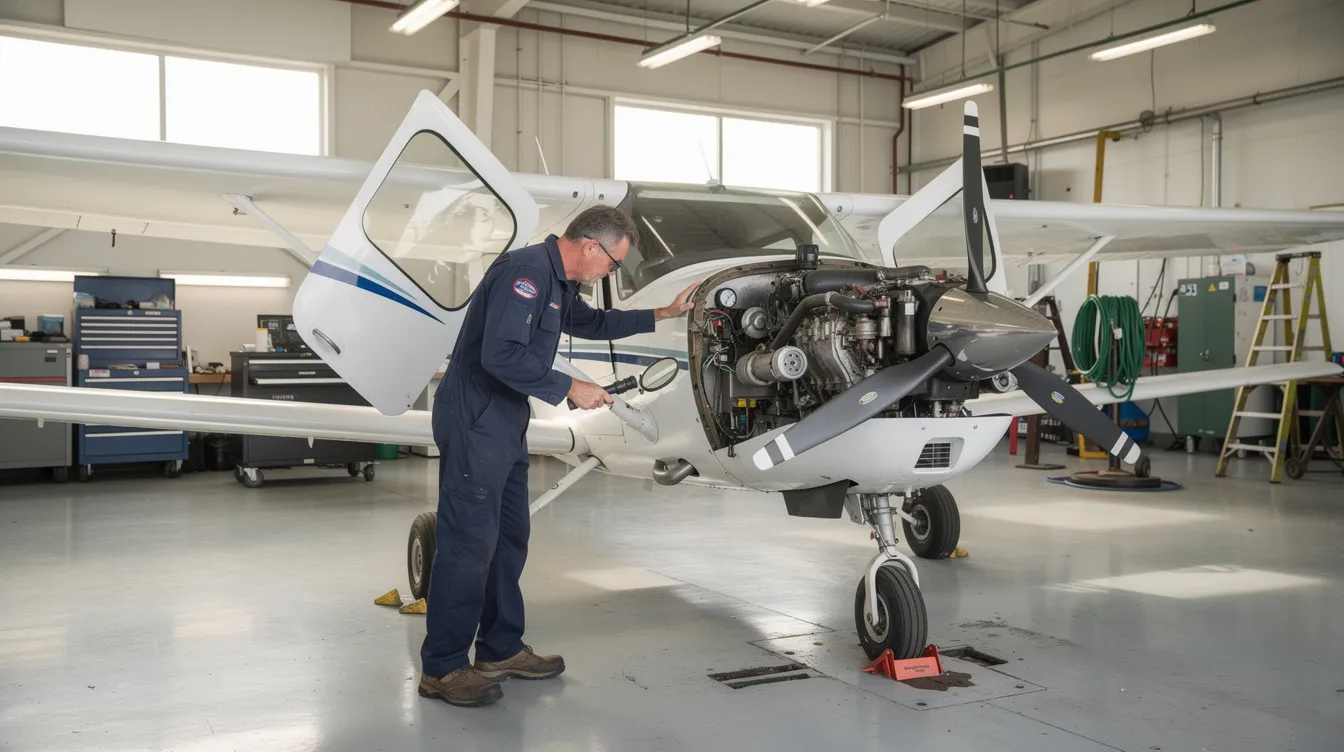
Planning a Long-Term Ownership and Upgrade Path
A sub-$100K private plane often represents a first step into ownership rather than the final destination, particularly for corporate buyers or high-net-worth individuals building toward larger missions.
A typical progression looks like this:
First aircraft: A simple piston single for training, local business trips, building hours, and learning the realities of owning and operating an airplane.
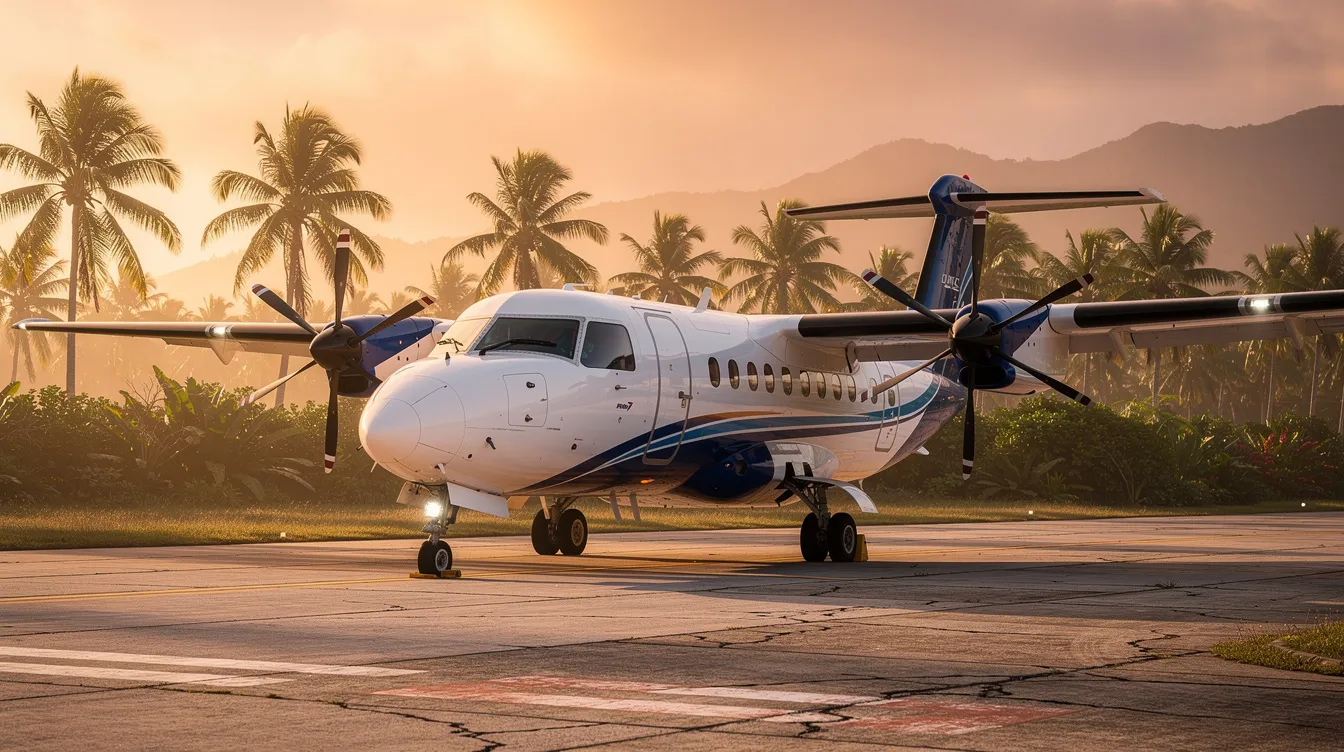
Next step: A higher-performance piston or entry-level turboprop with greater range, speed, and passenger capacity for expanding missions.
Longer term: Light or midsize private jets once utilization justifies the investment and operating costs that come with turbine aircraft.
Building an accurate financial picture in the first year—actual operating costs, utilization hours, and mission profile—helps determine when it makes sense to upgrade. Well-documented maintenance and timely upgrades preserve or enhance resale value, making it easier to sell and trade up later through a structured aircraft acquisition strategy.
BusinessJets.com assists at each stage with comprehensive aviation services, including appraisals, market timing insights, and brokerage to manage both the sale of the existing aircraft and the acquisition of the next one.
How BusinessJets.com Supports Buyers and Owners
BusinessJets.com operates as a B2B aircraft brokerage and aviation consulting partner with over 1,500 completed transactions and more than 5,000 satisfied clients worldwide. Aviation consulting provides strategic guidance for aircraft transactions, and consulting services help optimize aircraft ownership and operations at every scale.
While the firm focuses on business aviation and private jets, many clients begin their ownership journey in smaller, more affordable aircraft and look to BusinessJets.com for long-term planning. Private jets can be sold through specialized brokers, and selling a private jet requires accurate market valuation principles that apply just as rigorously to a piston single being prepared for market.
Key services relevant to readers considering aircraft under $100K:
Independent aircraft appraisals and valuation reviews. Consulting services include aircraft valuation and appraisal support for any person evaluating a purchase or sale.
Advisory support when listing an aircraft for sale and preparing it for market. Effective marketing increases the chances of selling a private jet or any airplane, and high-quality photos enhance private jet listings at every price point.
Acquisition consulting, including market analysis, aircraft selection, and negotiation strategy. Aviation consultants facilitate the buying and selling of private jets and help corporate buyers, fleet managers, and high-net-worth individuals integrate lower-cost aircraft into a broader fleet strategy.
Whether you need a training platform, a staff shuttle, or a backup airplane, the right entry-level purchase sets the foundation. Request an aircraft appraisal, explore aircraft for sale, or speak with BusinessJets.com about a tailored acquisition and fleet plan.
Frequently Asked Questions
Can I realistically operate a private plane for under $100K all-in during the first year?
In most cases, the $100K figure only comfortably covers the purchase of a solid piston single plus basic set-up costs, not a full year of high-utilization flying. For example, a $70K airplane with $15K–$20K of first-year operating costs and necessary upgrades already approaches or exceeds a $100K total budget. Model your acquisition cost and first-year operating costs together, and always leave contingency money for unexpected maintenance.
Is co-ownership or fractional ownership an option at this price point?
Informal co-ownership of piston singles under $100K is common among private pilots and is one of the most practical ways to reduce the per-person expense of owning an airplane. Aviation partnerships are common among buyers to split the costs of ownership, including hangar, insurance, and maintenance. Key considerations include scheduling, shared operating costs, insurance structuring, and a clear legal agreement. Formal fractional programs are more typical for higher-value turboprop and jet aircraft. BusinessJets.com can advise corporate clients and groups on structuring ownership and planning for eventual upgrades to larger aircraft. Aircraft financing options are often less favorable for older models under $100,000, making co-ownership an attractive alternative. Financing options are available for purchasing private jets at higher price tiers.
How many flight hours should I expect from an older engine before overhaul?
Engines in budget aircraft typically have a Time Between Overhaul of 1,800 to 2,000 hours, depending on the engine model. The remaining hours to TBO directly influence value and negotiation leverage. Operating beyond TBO is technically possible under certain Part 91 regulations, but it may carry insurance or safety implications and should be evaluated case by case. Factor a future engine overhaul into your financial plan if you purchase an aircraft with high engine time.
Does every aircraft I consider need to be ADS-B compliant from day one?
ADS-B requirements depend on where and how the aircraft will be flown. If you plan to operate in controlled airspace—Class B, C, or E above 10,000 feet in the United States—compliance is mandatory. Buying a non-compliant airplane can still be a good deal if the price discount is meaningful and you have budgeted for the ads b upgrade. During appraisals and acquisition consulting, BusinessJets.com treats ADS-B compliance as a key valuation driver and negotiation point.
When does it make sense to move from a piston single into a turboprop or private jet?
Common triggers include higher mission distances, the need to carry more passengers, time-sensitive business travel, or annual utilization that justifies higher fixed costs. This decision is usually based on a combination of annual flight hours, route profile, and overall budget rather than a single threshold. Engage BusinessJets.com for a data-driven review of your flying patterns, operating costs, and fleet options before committing to a turbine upgrade. Engage BusinessJets.com for a data-driven review of your flying patterns, operating costs, and fleet options before committing to a turbine upgrade. Our expert aviation consulting services support strategic guidance for aircraft transactions, helping you optimize ownership and operations throughout your aircraft lifecycle.
Private jet appraisals are a cornerstone of informed decision-making, determining accurate market value before any transaction. These appraisals help buyers avoid overpaying by considering key factors such as aircraft condition, age, engine hours, maintenance history, and prevailing market trends. Professional appraisals are also essential for securing financing and insurance, ensuring your investment aligns with industry standards.
When selling a private jet, accurate market valuation is equally critical. Private jets often require detailed maintenance records and high-quality photos to enhance listings and attract serious buyers. Specialized brokers like BusinessJets.com facilitate these sales, leveraging effective marketing strategies to increase the chances of a successful transaction.
While private jets under $100,000 are rare, they do exist, typically involving aircraft that may require significant work before flight. Buyer caution is advised, and verification of airworthiness through thorough maintenance logs and pre-purchase inspections is vital. Used light sport aircraft (LSAs) may approach the upper end of this market, but most private aircraft under $100,000 are used single-engine piston models such as the popular Cessna 150 and Piper Cherokee.
Light jets, which typically seat five to nine passengers, are popular for regional travel and operate efficiently at higher altitudes. Models like the Cessna Citation 525 are favored for their performance and reliability. The market features over 1,195 jet aircraft listings on platforms like Controller.com, with a range of options from very light jets suited for short- to mid-range travel to super mid-sized jets capable of nonstop coast-to-coast flights. Large-cabin aircraft support higher passenger capacities and offer a balance of speed, efficiency, and comfort.
For buyers navigating this complex market, reputable platforms such as Trade-A-Plane and GlobalAir provide access to used aircraft, but the role of aviation consultants is invaluable. BusinessJets.com has supported over 5,000 customers with aircraft valuation, appraisal support, and acquisition consulting to ensure informed, strategic purchases.
Aviation partnerships are common among buyers to share ownership costs, especially given that financing options are often less favorable for older aircraft under $100,000. Engines in budget aircraft usually have a Time Between Overhaul (TBO) of 1,800 to 2,000 hours, making engine hours a crucial valuation factor. Regulatory compliance, including adherence to Airworthiness Directives (ADs), is essential to maintain safety and operational legitimacy.
Annual operating costs for aircraft under $100,000 can range from $15,000 to $30,000, influenced by factors like fuel prices and maintenance. Corrosion remains a significant risk in older aircraft, underscoring the importance of thorough inspections and maintenance history reviews.
Whether you are buying, selling, or upgrading, BusinessJets.com provides comprehensive aviation consulting and brokerage services tailored to your needs. Request an aircraft appraisal, list your aircraft for sale, or explore acquisition support to make well-informed decisions in the evolving aircraft market.
Conclusion
Owning a private plane under $100,000 is achievable with realistic expectations and careful planning. While this budget primarily opens the door to used single-engine piston aircraft and select light sport models, these aircraft serve well for personal flying, training, and short-range missions. Understanding the full cost of ownership—including operating expenses, maintenance, and regulatory compliance—is crucial to avoid unexpected financial burdens.
True private jets remain out of reach at this price point, but BusinessJets.com offers expert guidance to help buyers and owners navigate the transition from entry-level piston aircraft to turboprops and jets when the time is right. With a disciplined approach to valuation, appraisal, and strategic consulting, owners can build a sustainable long-term fleet strategy that aligns with their evolving aviation needs.
Whether you are purchasing your first aircraft, selling a piston single, or planning an upgrade, BusinessJets.com stands ready to provide the expert support necessary for informed, confident decisions in the private aviation market. Request an appraisal, list your aircraft for sale, or engage our consulting services to optimize your aircraft ownership journey.