Private Plane for Sale Philippines: Market Overview, Aircraft Types & Buying Guide

Jay Franco Ser
August 26, 2026

The Philippines is an archipelago with over 7,000 islands, and that geography alone makes private aviation not just a convenience but a genuine business tool. Private jets access 10 times more airports than airlines, which is a critical advantage in a country where many destinations are only reachable by smaller airfields. Whether you operate out of the National Capital Region or manage assets across Cebu, Davao City, and Palawan, finding the right private plane for sale in the Philippines requires clarity on mission, market, and regulation. This guide covers every step.

Key Takeaways

  • Private aircraft for sale in the Philippines include piston aircraft, turboprop aircraft, light jets, and large jets, with Manila, Clark, and Cebu serving as primary operational hubs.

  • International brokers like BusinessJets.com connect Philippine buyers and sellers to a global pool of available aircraft, including models such as Cessna Citation, Dassault Falcon, and Gulfstream.

  • Buyers must evaluate mission profile, runway performance, operating costs, and CAAP regulatory requirements before committing to any aircraft.

  • The market features local brokers and international platforms, making professional brokerage, appraisal, and aviation consulting support essential to reduce transaction risk and secure better pricing.

  • BusinessJets.com provides aircraft appraisals, listing support, and acquisition consulting tailored to Philippine buyers and operators.

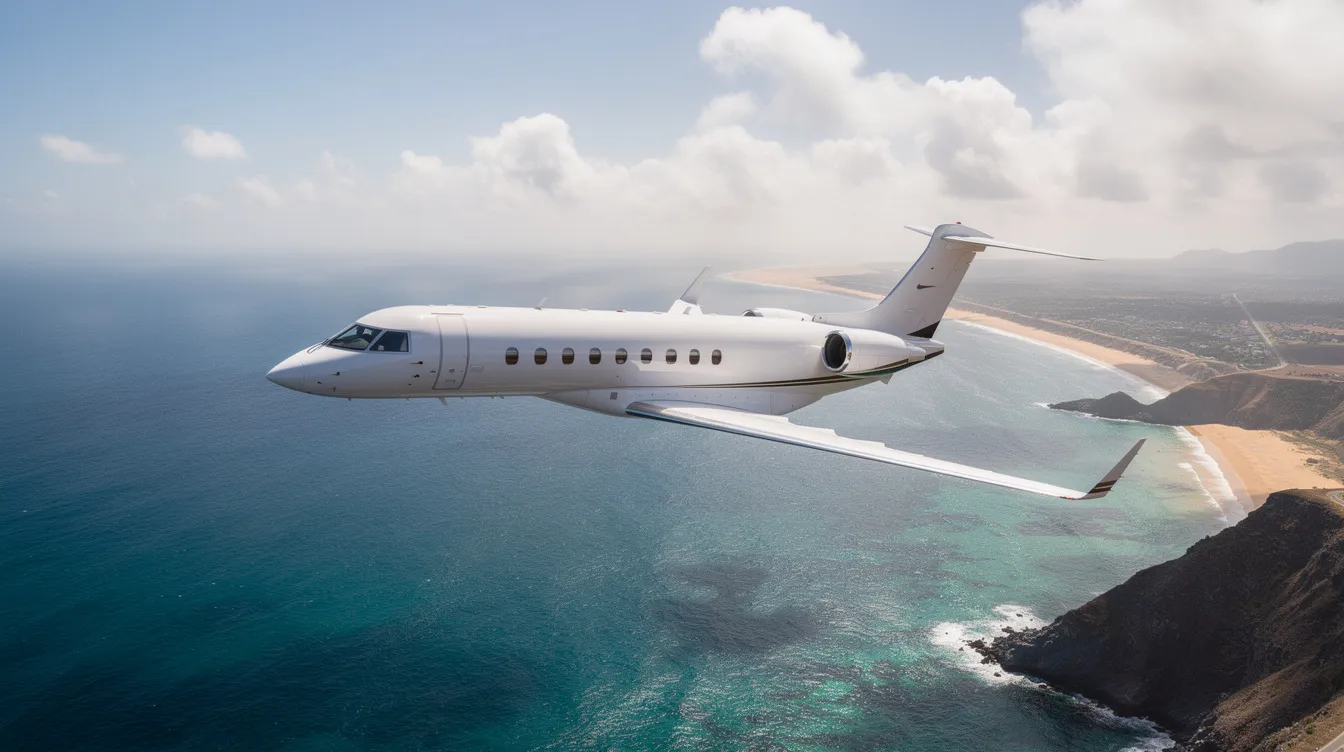
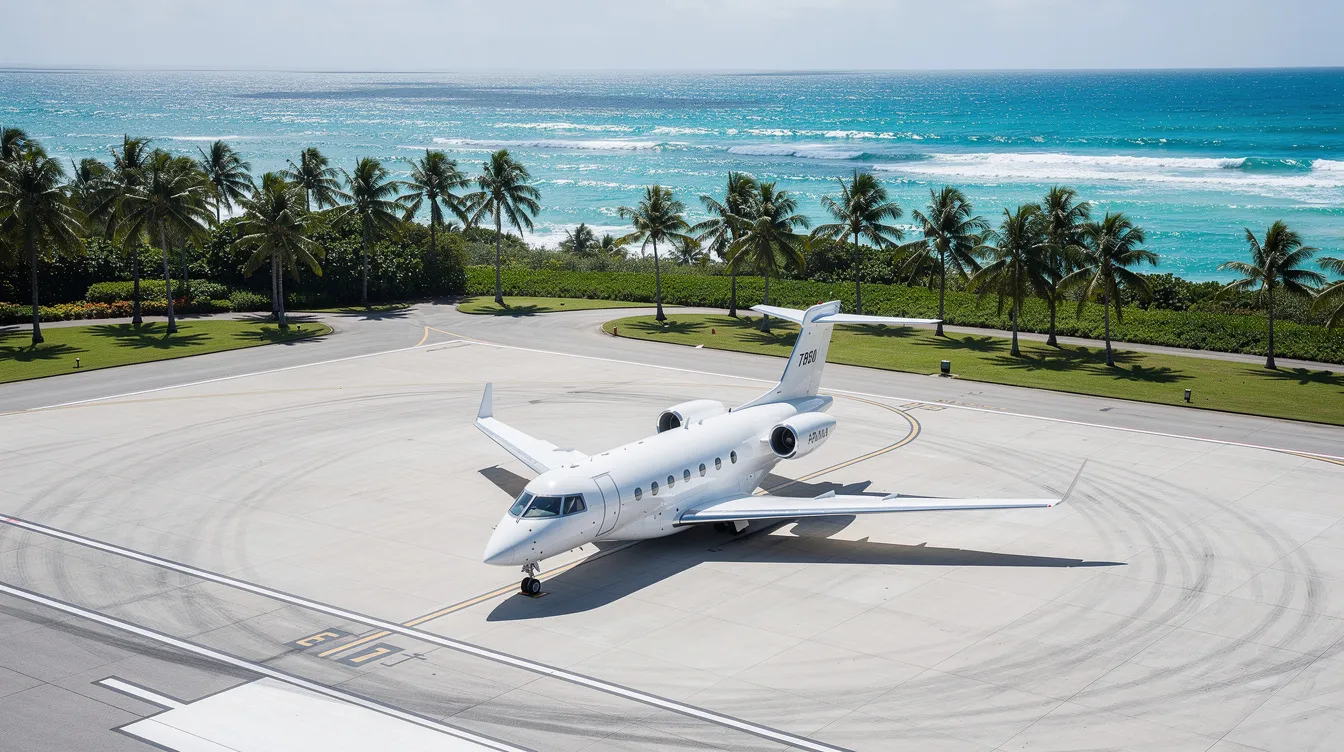
A private jet soars over stunning turquoise waters, casting a shadow on lush green tropical islands below. This picturesque scene highlights the beauty of travel in the Philippines, where luxury aircraft like light jets and turboprop aircraft can take you to exotic destinations.

Private Planes for Sale in the Philippines: How to Get Started Fast

Demand for private planes in the Philippines continues to climb through 2026. Corporate activity across Makati, BGC, and Clark Freeport, combined with tourism growth in Palawan and Cebu, has expanded the buyer pool. Private jet users report 23% higher revenue growth than non-users, and two-thirds of passengers feel more productive on private jets—statistics that resonate with Philippine executives managing operations across scattered islands and regional capitals in Asia.

Buyers in the Philippines can source locally based aircraft or import from North America, Europe, and wider Asia. Private jets access 10 times more airports than airlines, and in the US alone they can reach around 5,000 airports—an advantage that translates directly to the Philippine context, where dozens of secondary airstrips serve destinations unreachable by commercial carriers.

Here is a simple four-step path to get started:

  • Define your mission: Identify your primary routes, frequency, passenger count, and budget.

  • Select a category: Piston aircraft for utility, turboprop aircraft for island hops, light jets for regional business, or large jets for intercontinental reach.

  • Request an appraisal or budget range: Understand acquisition cost plus import duties, operating expenses, and residual value.

  • Engage a broker: Source on-market and off-market inventory, coordinate inspections, and manage negotiations.

BusinessJets.com has completed over 1,500 aircraft transactions worldwide and routinely serves Philippine clients seeking both publicly listed and discreet off-market opportunities.

Philippines Private Aviation Landscape in 2026

The Philippine private aviation sector is shaped by several forces: continued infrastructure investment in regional airports, post-pandemic tourism recovery, and expansion of BPO, fintech, and real estate sectors requiring fast mobility. With approximately 24,270 private jets in operation worldwide, the country represents a growing share of Southeast Asian demand.

The Civil Aviation Authority of the Philippines (CAAP) governs local aviation regulations, overseeing registration, airworthiness, and operator certification. All aircraft must comply with Civil Aviation Regulations in the Philippines. Aircraft management companies handle routine maintenance and regulatory filings for flight operations, ensuring compliance and safety.

Major hubs for private jet operations include Ninoy Aquino International Airport (NAIA) in Pasay City, Clark International Airport north of Manila, and Mactan Cebu International Airport in the Visayas. Top private jet destinations in the Philippines include Manila and Cebu, with emerging fields near Palawan and Boracay handling increasing charter traffic.

According to Business Air News, the Philippines has 358 registered business aircraft and over 100 aircraft available for charter across 25 operators. Regional players such as Asian Aerospace—recently adding a Pilatus PC-24 (RP-C7111) to its Manila-based fleet—demonstrate growing sophistication. Asian Aerospace turbine helicopters and jets serve executive transport alongside charter operations.

When comparing sourcing options:

  • Locally based aircraft: Faster registration, known maintenance history, lower ferry cost. Already carry RP-C or RP-G marks.

  • Imported aircraft: Access to newer or rarer models from the world market, but require export Certificate of Airworthiness, CAAP type validation, customs clearance, and longer lead times.

Types of Private Aircraft for Sale in the Philippines

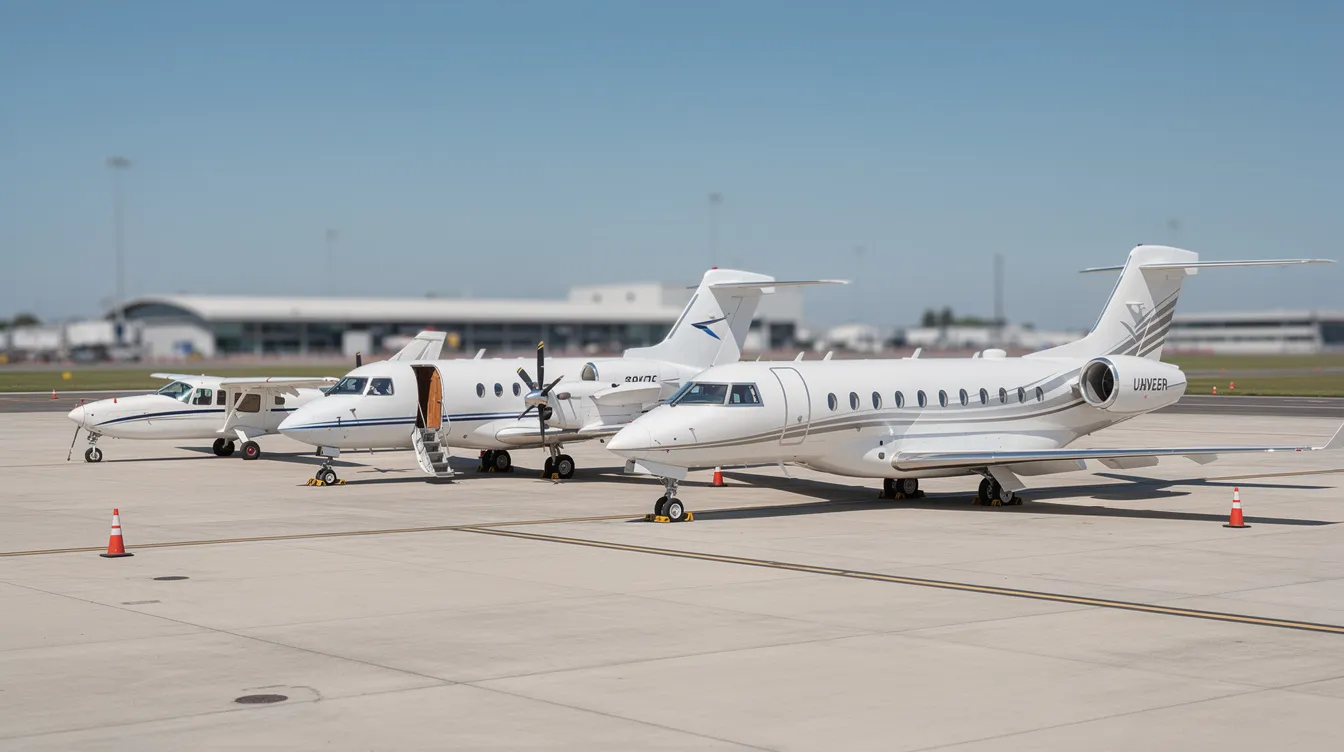
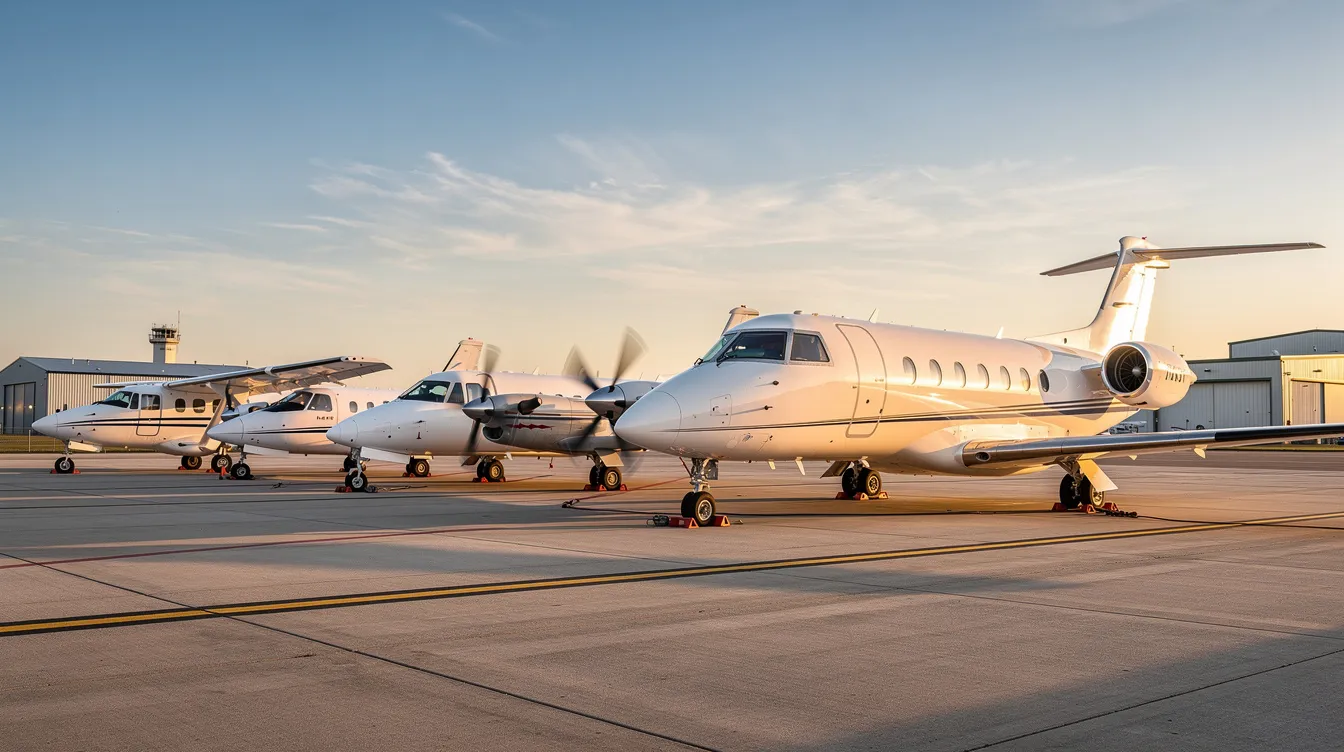
Philippine buyers typically consider four broad categories. Common types of aircraft available include piston singles, turboprops, light jets, and helicopters. Private aircraft for sale in the Philippines span light pistons, turboprops, and business jets. Private jets also offer a higher level of security while flying compared to commercial alternatives, an important consideration for corporate and high-net-worth clients.

Large jets are the most available category in the Philippines, reflecting both corporate demand and charter market needs.

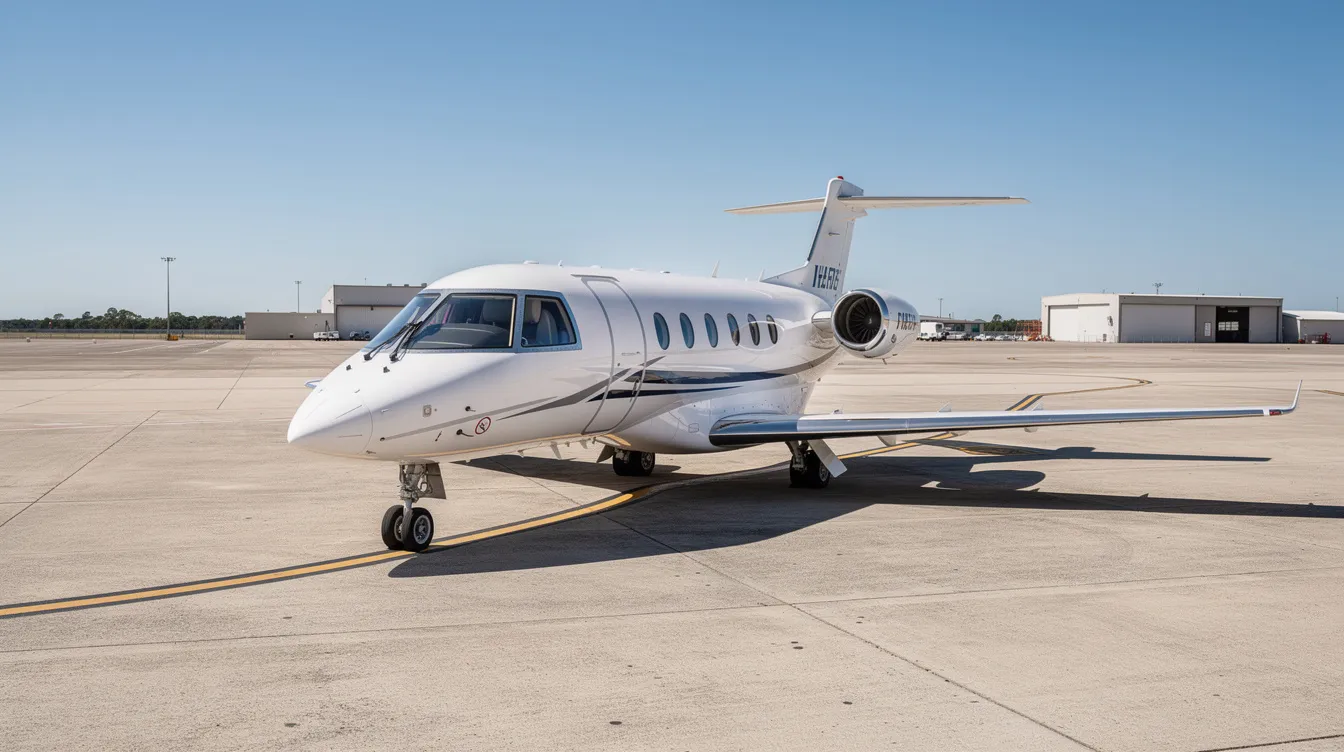
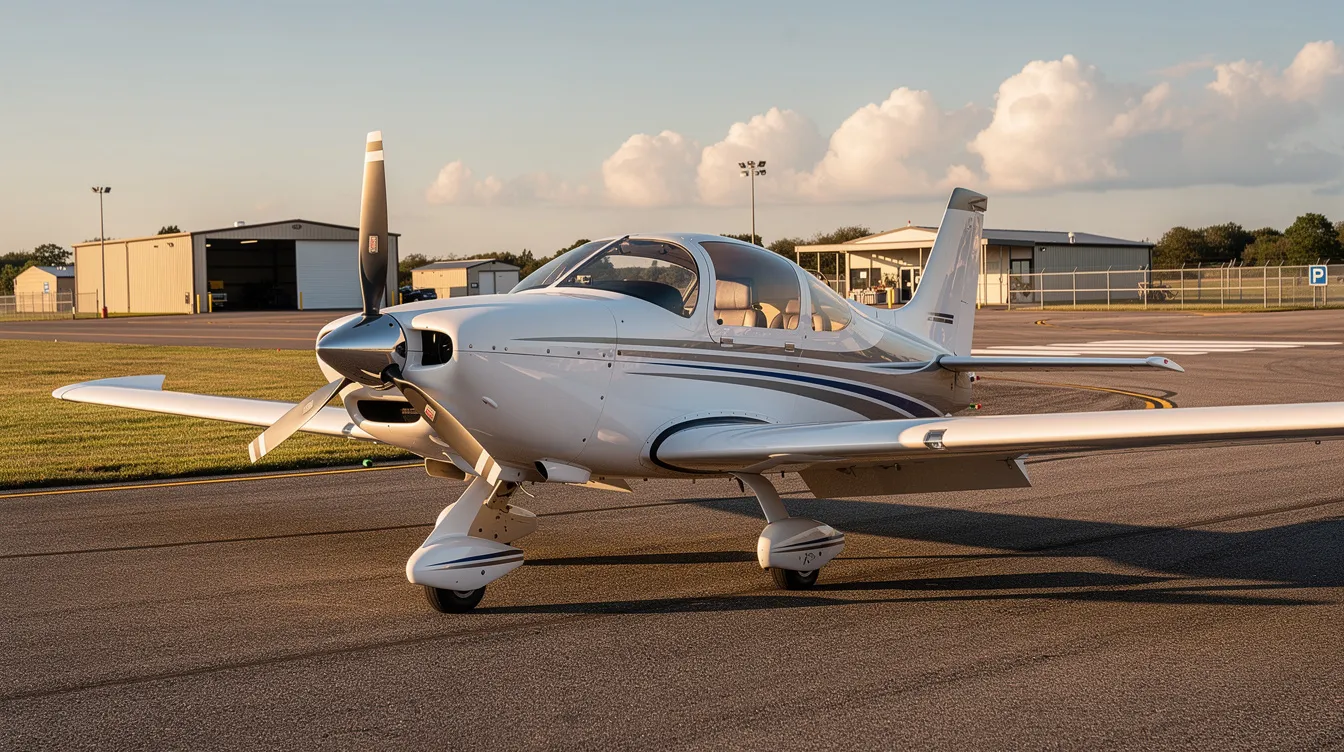
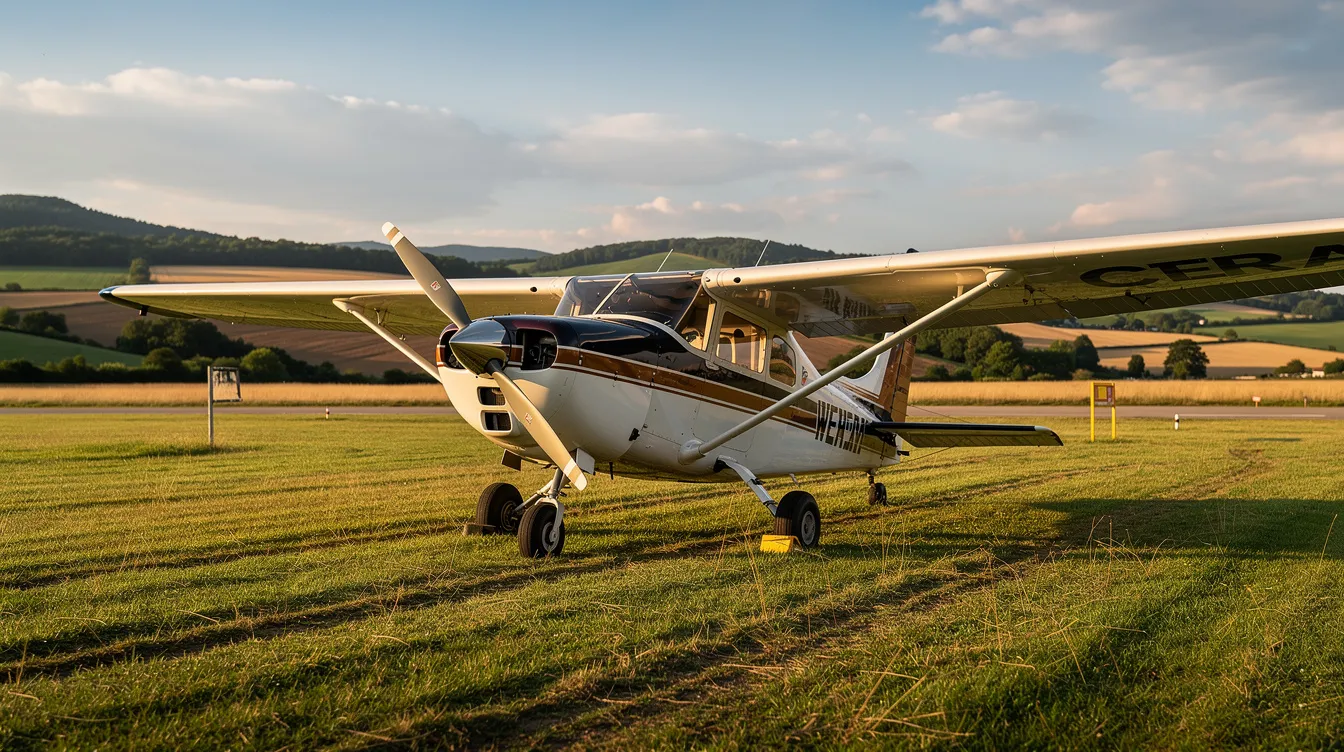
Piston aircraft such as the Cessna 172 and Piper PA-34 Seneca remain cost-effective for short domestic hops, pilot training, and utility missions. They are commonly based at secondary airports and suited for three-passenger configurations or light cargo work.

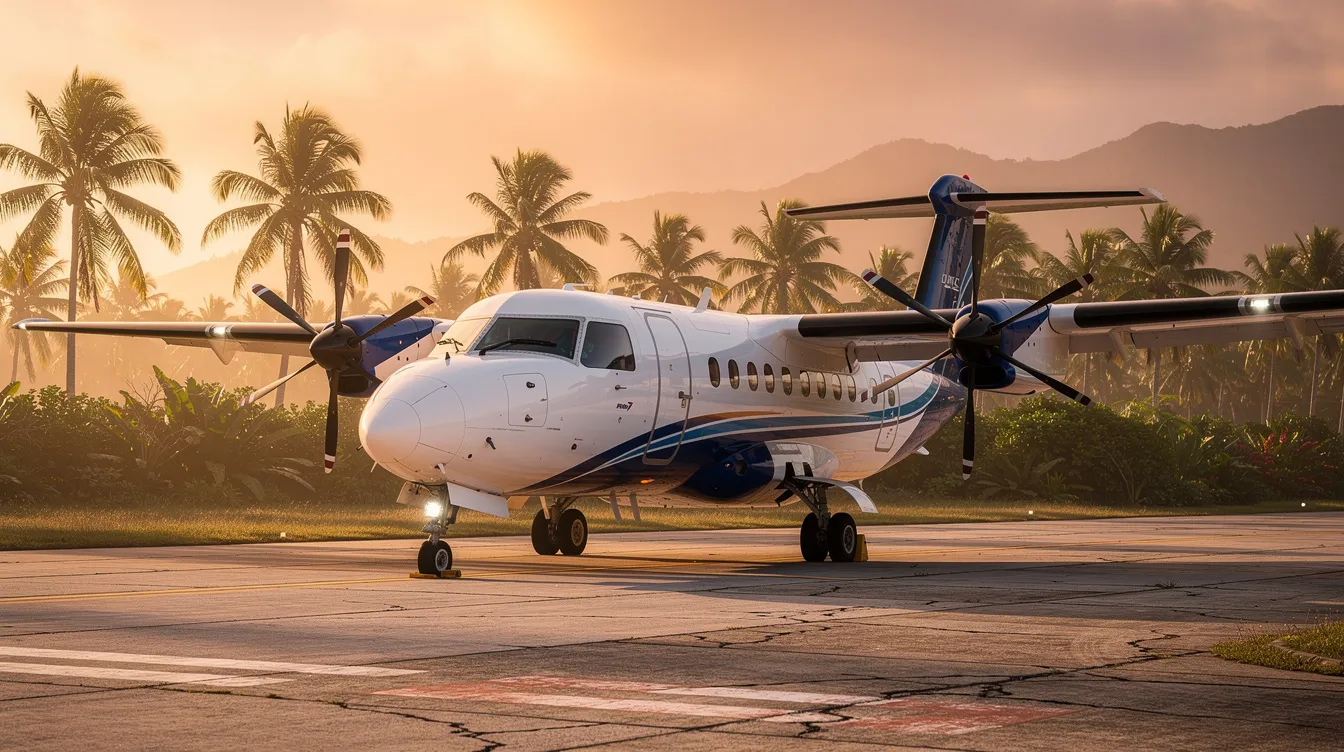
Turboprop aircraft like the Beechcraft King Air 350 and Pilatus PC-12 excel on short runways and island operations. A King Air 350 equipped with Rolls-Royce Allison engines, WAAS/LPV approaches, and ADS-B Out is a practical workhorse for routes between Manila and provincial destinations. The Cessna 208B Caravan also serves well for remote community access.

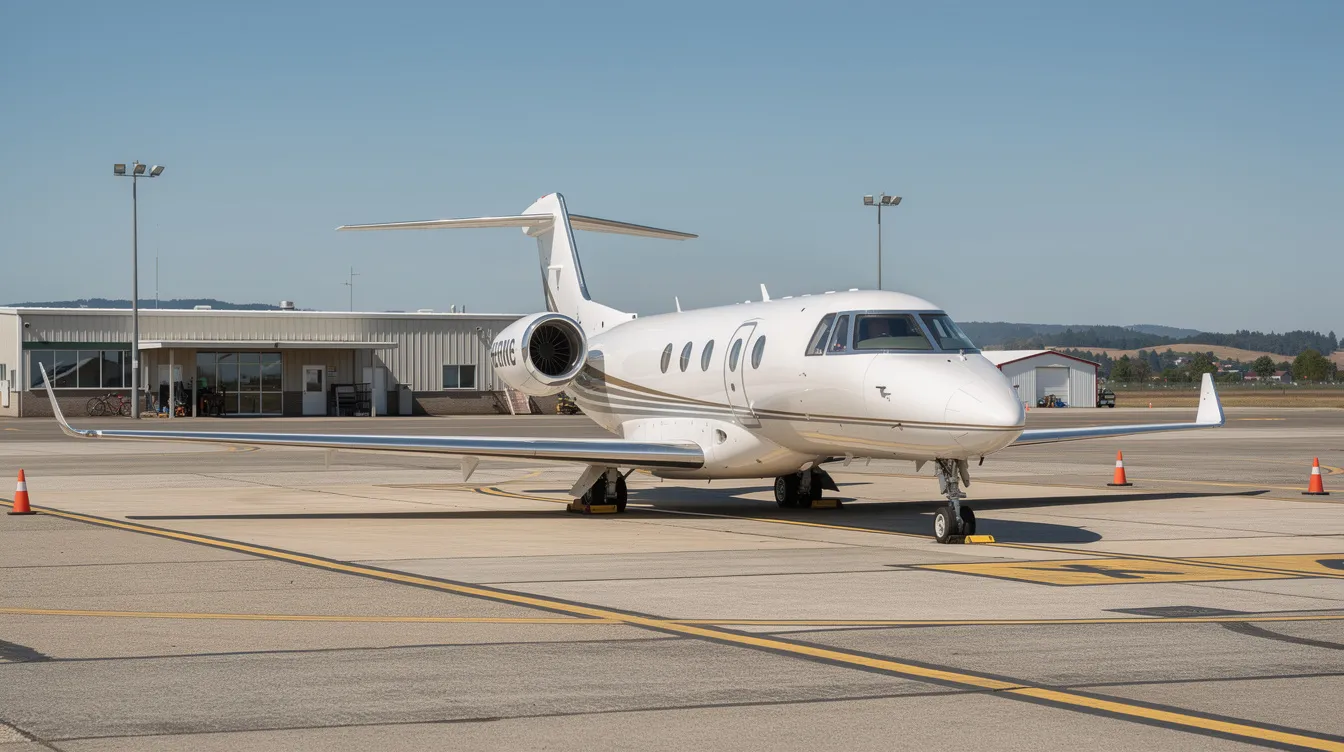
Light jets such as the Cessna Citation M2, Embraer Phenom 100EV, and Citation CJ3 suit frequent Manila–Cebu, Manila–Singapore, and Manila–Hong Kong missions with four to seven passengers. They balance speed, comfort, and operating cost for regional corporate operators.

Midsize to large jets including the Cessna Citation Excel/XLS, Gulfstream G450, Dassault Falcon 50 and larger Dassault Falcon variants, and Bombardier Global series serve intercontinental travel. These aircraft connect the Philippines to Japan, the Middle East, Europe, and the United States with nonstop or single-stop capability.

Representative Private Aircraft Models Relevant to Philippine Buyers

Many aircraft purchased by Philippine owners are sourced from established fleets in North America and Europe. Sellers in states such as Texas, Virginia, Tennessee, Minnesota, North Dakota, and Utah frequently list jets and turboprops that suit Philippine mission profiles. Canadian inventory from Alberta and other provinces, along with European aircraft from France, England, Scotland, Hampshire, and Jersey, also feeds the pipeline. Aircraft are then imported and re-registered under CAAP.

For light jets, the Cessna Citation M2 GEN2 and Citation CJ3 stand out. Typical configurations include Williams WC ESP engine programs (sometimes designated ESP G for enhanced coverage), Garmin Synthetic Vision Technology, and modern EFIS cockpits. These appeal to regional corporate operators flying from Manila to Singapore or Hong Kong.

Midsize and super-midsize options include the Cessna Citation Excel/XLS, Hawker 900XP, and Embraer Phenom 300E—the most delivered twin-engine business jet globally in recent years. They balance range and operating cost well for Manila–Tokyo or Manila–Singapore sectors.

Long-range and large jets such as the Dassault Falcon 50-40 (manufactured in France), Bombardier Global 5000/5500/6000/7500, Airbus ACJ319 corporate jets, and Gulfstream G450/G600/G650ER serve trans-Pacific and intercontinental needs. Buyers should explore aircraft equipped with Rolls-Royce Corporate Care, Pratt & Whitney Canada (PW Canada) PurePower engines, and Ka-Band or Starlink connectivity. Features like HUD, EVS, forward galley configurations, and flexible cabin layout options for six to fourteen seats matter for long missions to Europe, Mexico, or lake regions across Asia-Pacific. The factory delivery date, aircraft total time, and tail number history are critical valuation factors that BusinessJets.com evaluates during every search assignment.

Price Ranges & Operating Costs for Private Jets in the Philippines

Acquisition cost varies widely. Considerations for aircraft purchase include operational costs, regulatory compliance, and maintenance support—all of which differ by category:

Category

Pre-Owned Acquisition (USD)

Typical Hourly Operating Cost

Piston aircraft

$300k–$1M

Below $2,000/hr

Turboprop aircraft

$1M–$7M

$2,500–$4,500/hr

Very Light Jets

$2M–$5M

$2,900–$3,400/hr

Light jets

$3M–$10M

$4,900–$7,000/hr

Midsize / Large jets

$8M–$40M

$7,000–$14,000/hr

Ultra Long Range Jets

$30M–$75M+

$12,000–$17,000/hr

Private jet hourly rates in the Philippines range from $4,900 to $14,000 depending on category and mission, with an average hourly rate of $9,044. Very Light Jets cost between $2,900 and $3,400 per hour, while Ultra Long Range Jets are at the higher end, costing between $12,000 and $17,000 per hour. Large Jets are the most widely available category in the Philippines. Key operating cost drivers in the Philippines include:

  • Fuel: Prices at NAIA tend to run higher than at Clark or Cebu due to access fees and demand.

  • Hangar and parking fees: Congested airports command premiums; typhoon exposure increases hangar demand.

  • Crew salaries and training: International-standard pilots require competitive compensation and recurrent training.

  • Maintenance: Ferrying aircraft to regional MROs in Singapore further adds cost and downtime.

  • Taxes and import duties: Importing an aircraft incurs customs duties and a 12% Value-Added Tax.

BusinessJets.com provides detailed cost-of-ownership projections and can benchmark Philippine operations against regional norms in Singapore, Hong Kong, or Lake Tahoe–based US fleets.

Regulatory & Registration Considerations with CAAP

The Civil Aviation Authority of the Philippines governs local aviation regulations, and all aircraft must comply with Civil Aviation Regulations in the Philippines. Registering an aircraft requires passing CAAP airworthiness inspections, and ownership often requires compliance with local regulations and obtaining necessary permits.

Under RA 9497, aircraft eligible for Philippine registration must be owned or leased by entities at least 60% Filipino-owned. Foreign registry is possible only under limited conditions. The distinction between local registration (RP-C marks) and keeping an aircraft on a foreign registry impacts operations, crew licensing, and maintenance oversight.

Key regulatory milestones for importing a private jet:

  • Deregistration from the seller's country registry.

  • Export Certificate of Airworthiness from the state of last registry.

  • Import clearance through the Bureau of Customs, including applicable duties and VAT.

  • CAAP type certificate validation, especially important for first-of-kind models—CAAP requires approximately three months' advance notice.

  • Physical inspection by a CAAP-assigned inspector for airworthiness determination.

  • Issuance of Philippine Certificate of Registration and Airworthiness.

Early regulatory planning is crucial. A sale share or fractional ownership structure adds complexity. BusinessJets.com's aviation consulting team coordinates with local legal and regulatory experts to streamline these steps.

How to Choose the Right Private Plane for Philippine Missions

Selecting the right aircraft starts with defining your mission profile. Aircraft choice must consider the infrastructure capabilities of frequent destinations in the Philippines. Factors like runway length and weather impact aircraft suitability for inter-island flights, and 38% of business aviation missions involve multiple stops—a pattern common among Philippine operators connecting Manila, Cebu, and provincial airports in a single day.

Consider these decision factors:

  • Stage length: Manila to Cebu is roughly 300 NM; Manila to Singapore is about 1,300 NM; Manila to Dubai exceeds 4,000 NM.

  • Passenger count and baggage: Golf or diving equipment requires additional cargo volume.

  • Runway conditions: Francisco Bangoy International Airport in Davao City accommodates jets, but smaller island strips may require turboprops. Kalibo International Airport serves Boracay, famous for its white-sand beaches and nightlife.

  • Weather: Seasonal typhoons from August through November affect routing and aircraft availability—even a Sunday departure can be disrupted.

  • Destination character: Palawan is known for its untouched natural beauty and beaches; Cebu combines city life with beautiful beaches and historical landmarks; Davao City is the largest city in the Philippines by area.

A King Air 350 turboprop handles short-field island access. A Cessna Citation M2 covers Manila–Cebu efficiently. A Global 6000 or Gulfstream G450 reaches Japan, Europe, or the United States nonstop. Corporate users increasingly expect Ka-Band or Starlink internet and quiet cabins. We recommend engaging BusinessJets.com to perform a mission analysis comparing two to three candidate types using real route data and cost projections.

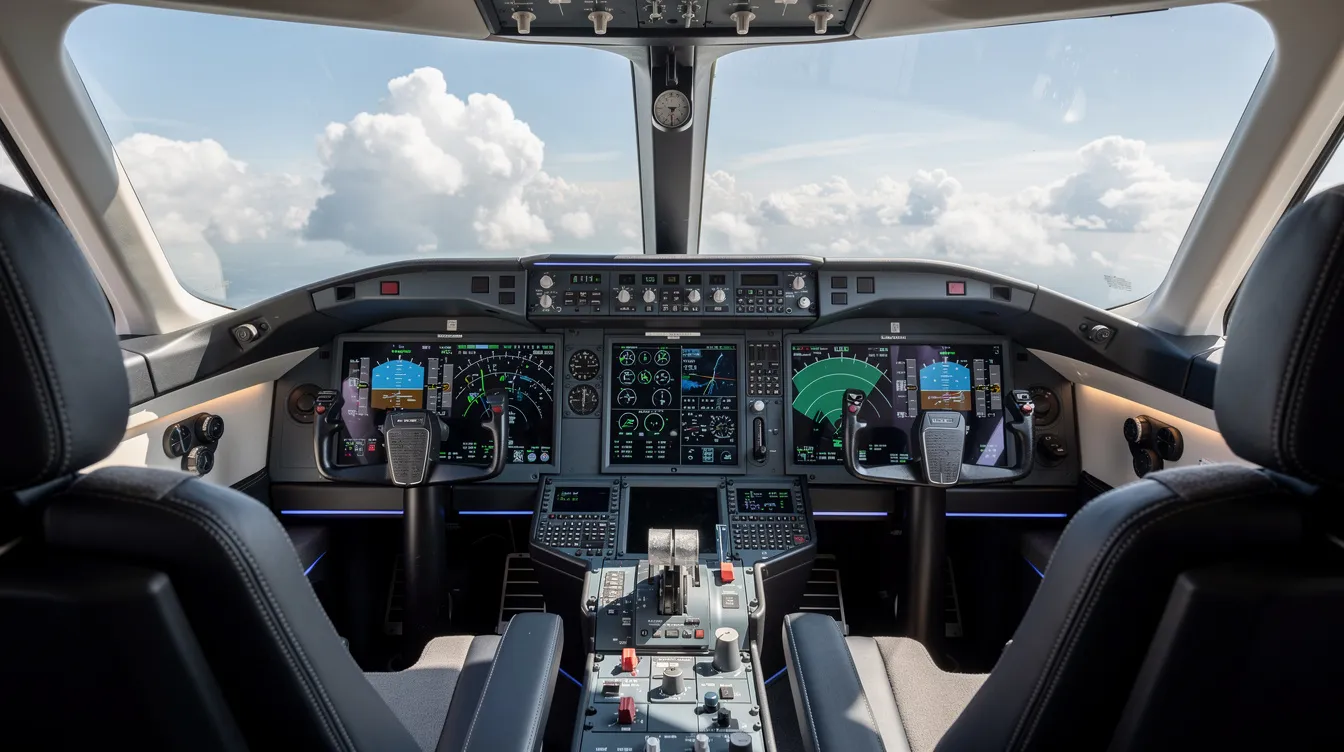
The image shows a modern private jet cockpit equipped with advanced digital avionics displays, offering a clear view of fluffy clouds through the large windshield. This luxurious cockpit design is ideal for business travel and private flights, showcasing the sophistication of private jets available for sale in the Philippines.

On-Market vs Off-Market Aircraft for Sale

On-market aircraft are publicly listed on broker websites and platforms such as CFS Jets and other global listing services. Off-market opportunities are held privately and accessed only through broker networks and direct owner relationships. Private jet charter flights offer access to over 4,000 aircraft worldwide, but buying off-market can yield aircraft with lower total hours, better maintenance histories, and more favorable pricing.

In Southeast Asia, including the Philippines, corporate owners often prefer confidential sales. BusinessJets.com maintains access to off-market private jets, turboprops, and helicopters globally.

A typical off-market search assignment works as follows:

  • Mandate definition: Buyer requirements are documented—type, budget, range, cabin specifications.

  • Target list building: Broker identifies candidate aircraft from global intelligence, not just public listings.

  • Direct outreach: Broker contacts owners under NDA-protected confidentiality.

  • Due diligence and negotiation: Inspections, logbook reviews, and pricing discussions proceed discreetly.

This approach expands the buyer's options well beyond what local listings in the Philippines can deliver.

Why Work with an Aircraft Broker & Appraisal Expert

Buying a private plane without professional representation exposes you to overpaying, undisclosed damage history, incomplete records, or regulatory delays. In one recent Asia-Pacific engagement, an independent appraisal by an experienced broker identified a $1.2 million valuation gap on a midsize jet—savings that more than justified the consulting fee. In another case, a pre-buy inspection revealed undocumented corrosion repairs that would have cost the buyer six figures post-closing.

Core services BusinessJets.com provides to Philippine buyers and sellers:

  • Aircraft valuation and private jet appraisals grounded in global comparables.

  • Listing and marketing support to reach qualified international buyers.

  • Acquisition search across on-market and off-market inventory.

  • Pre-buy oversight, including logbook review and damage history verification.

  • Transaction management from LOI through closing and delivery.

With a track record spanning 1,500+ transactions and 5,000+ satisfied customers across light jets, large jets, turboprop aircraft, and piston aircraft, BusinessJets.com delivers the market intelligence needed to make sound decisions. If you are in the Philippines, request an appraisal or schedule a strategy call before listing or submitting an LOI on any aircraft.

Step-by-Step Purchase Process for a Private Plane in the Philippines

The acquisition process for aircraft involves a pre-purchase inspection and careful documentation. Aircraft management companies handle routine maintenance and regulatory filings for flight operations once the aircraft enters service. Here is the chronological flow:

  1. Needs analysis: Define mission, routes, payload, and frequency. Evaluate runway performance at your most common destinations.

  2. Budget and financing: Determine cash purchase, international aviation finance, or corporate credit facility. Secure valuation support for lenders.

  3. Aircraft search and shortlist: Broker sources on-market and off-market inventory, filtering by type, age, hours, avionics, and programs such as Rolls-Royce Corporate Care, ESP Gold, MSP, or TAP Blue.

  4. Pre-buy inspection: Technical experts audit logbooks, verify engine and APU program status, inspect airframe condition, and confirm damage history. This step is non-negotiable.

  5. LOI and negotiation: Set price, conditions, deposit terms, delivery timeline.

  6. Contract and closing: Legal agreements cover title transfer, payment schedule, deregistration, and export responsibilities. BusinessJets.com coordinates with legal, tax, and escrow providers to protect buyer interests.

  7. Regulatory compliance: CAAP registration, type certificate validation, airworthiness inspection, and customs clearance.

  8. Delivery and entry into service: Ferry flight arrangement, crew licensing, hangar placement, maintenance planning, and insurance.

Philippine-specific timing: allow 60 to 180 days from LOI to operations, longer for first-of-kind type validations.

Selling a Private Plane from the Philippines

Philippine owners looking to sell or upgrade—whether moving from a turboprop to a large jet or simply exiting an aging light jet—should approach the process methodically.

Key seller preparation priorities:

  • Obtain a current, independent appraisal based on global comparables.

  • Prepare the aircraft: cosmetic touch-ups, cabin refresh, updated high-resolution photos.

  • Compile complete maintenance and logbook records, including AD/SB compliance status.

  • Set a realistic asking price factoring in aircraft total time, avionics generation, and engine program enrollment.

Strategic timing matters. Completing a major inspection (10C, landing gear overhaul) before listing often increases net proceeds. BusinessJets.com markets aircraft from the Philippines to buyers across Asia, the Middle East, and North America using targeted outreach and curated listing platforms. To explore your options, list your aircraft for sale or request an exit strategy review.

How BusinessJets.com Supports Philippine Buyers & Operators

BusinessJets.com operates as a B2B aircraft brokerage and aviation consulting firm serving private jet owners, corporations, and operators across the Philippines and Asia-Pacific.

Service pillars include:

  • Fleet planning: Choosing between turboprop aircraft and private jets based on evolving mission needs.

  • Lifecycle cost analysis: Capital, operating, regulatory, and residual value projections.

  • Upgrade and replacement timing: When to sell, when to hold, when to shift to a Gulfstream or Bombardier Global.

  • Ownership structuring: Individual, corporate, or SPV—each carries different tax and regulatory implications.

  • Operator support: Aircraft remarketing, lease vs. purchase analysis, and independent valuations for financing or balance-sheet decisions.

BusinessJets.com helps Philippine operators benchmark their fleet against regional peers and global market trends. Contact the team to explore current aircraft for sale, request an aircraft appraisal, or discuss acquisition and consulting needs.

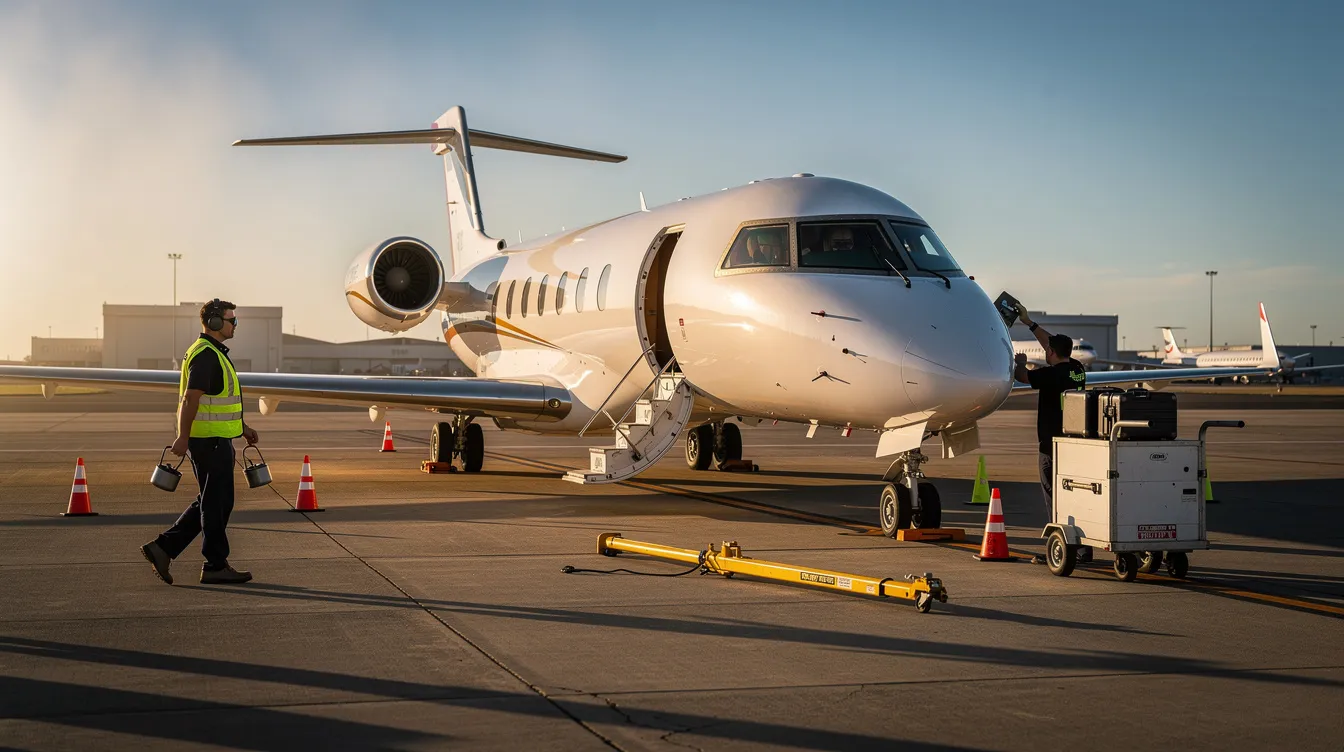
A group of business professionals in suits is walking toward a luxurious private jet on a sunny tarmac, likely at an airport in the Philippines. The scene captures the essence of high-end travel, emphasizing the accessibility and elegance of private aviation.

FAQs: Private Plane for Sale in the Philippines

The following questions address common concerns not fully covered above, focusing on timelines, taxes, financing, and aircraft positioning for Philippine buyers.

How long does it typically take to buy a private plane for operation in the Philippines?

Expect 60 to 180 days from signing a Letter of Intent to entry into service. Straightforward domestic transactions with locally registered aircraft can close in under 90 days. Imported aircraft—especially first-of-kind types requiring CAAP type validation—may take four to six months. Early planning, including pre-buy scheduling and regulatory pre-consultation, shortens the timeline significantly.

Can I finance a private jet purchase if I am based in the Philippines?

Yes. Many Philippine buyers use international lenders specializing in business aviation, local banks with aviation finance desks, or corporate credit facilities. Lenders typically require an independent appraisal, and BusinessJets.com provides the valuation support and market data that financing institutions need to underwrite the asset.

What taxes and duties apply when importing a private aircraft into the Philippines?

Importing an aircraft incurs customs duties and a 12% Value-Added Tax, calculated on the declared or appraised value. Additional regulatory fees from CAAP, export and deregistration costs in the seller's country, and ferry or shipping expenses also apply. Buyers should consult local tax and legal advisors early in the process, and BusinessJets.com coordinates with these experts on behalf of its clients.

Is it better to base my aircraft in Manila, Clark, or another Philippine airport?

The best base depends on hangar availability, slot constraints at Ninoy Aquino International Airport, proximity to the owner's home or business, and typical routes. Clark offers less congestion and potentially lower costs. Mactan Cebu International Airport serves Visayas and Mindanao missions well. Regional bases near Palawan or Davao suit owners with frequent island access requirements. Compare total cost of positioning, parking, and maintenance at each location.

Can BusinessJets.com help me upgrade from a turboprop to a large jet over time?

Absolutely. BusinessJets.com supports long-term fleet strategy, including timing the sale of a turboprop aircraft and sourcing a suitable large jet—whether a Dassault Falcon, Gulfstream, or Bombardier Global model—to match evolving mission needs. The team evaluates residual values, market demand for your current aircraft, crew and infrastructure readiness, and the total cost of transitioning to a larger platform.

Conclusion

The private plane market in the Philippines offers diverse options tailored to the unique geographic and operational demands of the archipelago. From piston aircraft suited for short hops to ultra-long-range jets capable of intercontinental travel, buyers must carefully evaluate mission requirements, regulatory compliance, and total cost of ownership. Leveraging professional brokerage and aviation consulting services like those from BusinessJets.com ensures access to both on-market and exclusive off-market opportunities, expert appraisal, and smooth transaction management.

As private aviation continues to grow in the Philippines, strategic planning around aircraft acquisition, operation, and eventual resale is critical to maximizing value and operational efficiency. Whether based in Manila, Quezon City, Clark, Cebu, or beyond, partnering with experienced advisors provides Philippine buyers and operators with the insights and support needed to navigate this complex market confidently and successfully.

Private Plane for Sale Philippines: Market Overview, Aircraft Types & Buying Guide
Jay Franco Ser

The Philippines is an archipelago with over 7,000 islands, and that geography alone makes private aviation not just a convenience but a genuine business tool. Private jets access 10 times more airports than airlines, which is a critical advantage in a country where many destinations are only reachable by smaller airfields. Whether you operate out of the National Capital Region or manage assets across Cebu, Davao City, and Palawan, finding the right private plane for sale in the Philippines requires clarity on mission, market, and regulation. This guide covers every step.

Key Takeaways

  • Private aircraft for sale in the Philippines include piston aircraft, turboprop aircraft, light jets, and large jets, with Manila, Clark, and Cebu serving as primary operational hubs.

  • International brokers like BusinessJets.com connect Philippine buyers and sellers to a global pool of available aircraft, including models such as Cessna Citation, Dassault Falcon, and Gulfstream.

  • Buyers must evaluate mission profile, runway performance, operating costs, and CAAP regulatory requirements before committing to any aircraft.

  • The market features local brokers and international platforms, making professional brokerage, appraisal, and aviation consulting support essential to reduce transaction risk and secure better pricing.

  • BusinessJets.com provides aircraft appraisals, listing support, and acquisition consulting tailored to Philippine buyers and operators.

A private jet soars over stunning turquoise waters, casting a shadow on lush green tropical islands below. This picturesque scene highlights the beauty of travel in the Philippines, where luxury aircraft like light jets and turboprop aircraft can take you to exotic destinations.

Private Planes for Sale in the Philippines: How to Get Started Fast

Demand for private planes in the Philippines continues to climb through 2026. Corporate activity across Makati, BGC, and Clark Freeport, combined with tourism growth in Palawan and Cebu, has expanded the buyer pool. Private jet users report 23% higher revenue growth than non-users, and two-thirds of passengers feel more productive on private jets—statistics that resonate with Philippine executives managing operations across scattered islands and regional capitals in Asia.

Buyers in the Philippines can source locally based aircraft or import from North America, Europe, and wider Asia. Private jets access 10 times more airports than airlines, and in the US alone they can reach around 5,000 airports—an advantage that translates directly to the Philippine context, where dozens of secondary airstrips serve destinations unreachable by commercial carriers.

Here is a simple four-step path to get started:

  • Define your mission: Identify your primary routes, frequency, passenger count, and budget.

  • Select a category: Piston aircraft for utility, turboprop aircraft for island hops, light jets for regional business, or large jets for intercontinental reach.

  • Request an appraisal or budget range: Understand acquisition cost plus import duties, operating expenses, and residual value.

  • Engage a broker: Source on-market and off-market inventory, coordinate inspections, and manage negotiations.

BusinessJets.com has completed over 1,500 aircraft transactions worldwide and routinely serves Philippine clients seeking both publicly listed and discreet off-market opportunities.

Philippines Private Aviation Landscape in 2026

The Philippine private aviation sector is shaped by several forces: continued infrastructure investment in regional airports, post-pandemic tourism recovery, and expansion of BPO, fintech, and real estate sectors requiring fast mobility. With approximately 24,270 private jets in operation worldwide, the country represents a growing share of Southeast Asian demand.

The Civil Aviation Authority of the Philippines (CAAP) governs local aviation regulations, overseeing registration, airworthiness, and operator certification. All aircraft must comply with Civil Aviation Regulations in the Philippines. Aircraft management companies handle routine maintenance and regulatory filings for flight operations, ensuring compliance and safety.

Major hubs for private jet operations include Ninoy Aquino International Airport (NAIA) in Pasay City, Clark International Airport north of Manila, and Mactan Cebu International Airport in the Visayas. Top private jet destinations in the Philippines include Manila and Cebu, with emerging fields near Palawan and Boracay handling increasing charter traffic.

According to Business Air News, the Philippines has 358 registered business aircraft and over 100 aircraft available for charter across 25 operators. Regional players such as Asian Aerospace—recently adding a Pilatus PC-24 (RP-C7111) to its Manila-based fleet—demonstrate growing sophistication. Asian Aerospace turbine helicopters and jets serve executive transport alongside charter operations.

When comparing sourcing options:

  • Locally based aircraft: Faster registration, known maintenance history, lower ferry cost. Already carry RP-C or RP-G marks.

  • Imported aircraft: Access to newer or rarer models from the world market, but require export Certificate of Airworthiness, CAAP type validation, customs clearance, and longer lead times.

Types of Private Aircraft for Sale in the Philippines

Philippine buyers typically consider four broad categories. Common types of aircraft available include piston singles, turboprops, light jets, and helicopters. Private aircraft for sale in the Philippines span light pistons, turboprops, and business jets. Private jets also offer a higher level of security while flying compared to commercial alternatives, an important consideration for corporate and high-net-worth clients.

Large jets are the most available category in the Philippines, reflecting both corporate demand and charter market needs.

Piston aircraft such as the Cessna 172 and Piper PA-34 Seneca remain cost-effective for short domestic hops, pilot training, and utility missions. They are commonly based at secondary airports and suited for three-passenger configurations or light cargo work.

Turboprop aircraft like the Beechcraft King Air 350 and Pilatus PC-12 excel on short runways and island operations. A King Air 350 equipped with Rolls-Royce Allison engines, WAAS/LPV approaches, and ADS-B Out is a practical workhorse for routes between Manila and provincial destinations. The Cessna 208B Caravan also serves well for remote community access.

Light jets such as the Cessna Citation M2, Embraer Phenom 100EV, and Citation CJ3 suit frequent Manila–Cebu, Manila–Singapore, and Manila–Hong Kong missions with four to seven passengers. They balance speed, comfort, and operating cost for regional corporate operators.

Midsize to large jets including the Cessna Citation Excel/XLS, Gulfstream G450, Dassault Falcon 50 and larger Dassault Falcon variants, and Bombardier Global series serve intercontinental travel. These aircraft connect the Philippines to Japan, the Middle East, Europe, and the United States with nonstop or single-stop capability.

Representative Private Aircraft Models Relevant to Philippine Buyers

Many aircraft purchased by Philippine owners are sourced from established fleets in North America and Europe. Sellers in states such as Texas, Virginia, Tennessee, Minnesota, North Dakota, and Utah frequently list jets and turboprops that suit Philippine mission profiles. Canadian inventory from Alberta and other provinces, along with European aircraft from France, England, Scotland, Hampshire, and Jersey, also feeds the pipeline. Aircraft are then imported and re-registered under CAAP.

For light jets, the Cessna Citation M2 GEN2 and Citation CJ3 stand out. Typical configurations include Williams WC ESP engine programs (sometimes designated ESP G for enhanced coverage), Garmin Synthetic Vision Technology, and modern EFIS cockpits. These appeal to regional corporate operators flying from Manila to Singapore or Hong Kong.

Midsize and super-midsize options include the Cessna Citation Excel/XLS, Hawker 900XP, and Embraer Phenom 300E—the most delivered twin-engine business jet globally in recent years. They balance range and operating cost well for Manila–Tokyo or Manila–Singapore sectors.

Long-range and large jets such as the Dassault Falcon 50-40 (manufactured in France), Bombardier Global 5000/5500/6000/7500, Airbus ACJ319 corporate jets, and Gulfstream G450/G600/G650ER serve trans-Pacific and intercontinental needs. Buyers should explore aircraft equipped with Rolls-Royce Corporate Care, Pratt & Whitney Canada (PW Canada) PurePower engines, and Ka-Band or Starlink connectivity. Features like HUD, EVS, forward galley configurations, and flexible cabin layout options for six to fourteen seats matter for long missions to Europe, Mexico, or lake regions across Asia-Pacific. The factory delivery date, aircraft total time, and tail number history are critical valuation factors that BusinessJets.com evaluates during every search assignment.

Price Ranges & Operating Costs for Private Jets in the Philippines

Acquisition cost varies widely. Considerations for aircraft purchase include operational costs, regulatory compliance, and maintenance support—all of which differ by category:

Category

Pre-Owned Acquisition (USD)

Typical Hourly Operating Cost

Piston aircraft

$300k–$1M

Below $2,000/hr

Turboprop aircraft

$1M–$7M

$2,500–$4,500/hr

Very Light Jets

$2M–$5M

$2,900–$3,400/hr

Light jets

$3M–$10M

$4,900–$7,000/hr

Midsize / Large jets

$8M–$40M

$7,000–$14,000/hr

Ultra Long Range Jets

$30M–$75M+

$12,000–$17,000/hr

Private jet hourly rates in the Philippines range from $4,900 to $14,000 depending on category and mission, with an average hourly rate of $9,044. Very Light Jets cost between $2,900 and $3,400 per hour, while Ultra Long Range Jets are at the higher end, costing between $12,000 and $17,000 per hour. Large Jets are the most widely available category in the Philippines. Key operating cost drivers in the Philippines include:

  • Fuel: Prices at NAIA tend to run higher than at Clark or Cebu due to access fees and demand.

  • Hangar and parking fees: Congested airports command premiums; typhoon exposure increases hangar demand.

  • Crew salaries and training: International-standard pilots require competitive compensation and recurrent training.

  • Maintenance: Ferrying aircraft to regional MROs in Singapore further adds cost and downtime.

  • Taxes and import duties: Importing an aircraft incurs customs duties and a 12% Value-Added Tax.

BusinessJets.com provides detailed cost-of-ownership projections and can benchmark Philippine operations against regional norms in Singapore, Hong Kong, or Lake Tahoe–based US fleets.

Regulatory & Registration Considerations with CAAP

The Civil Aviation Authority of the Philippines governs local aviation regulations, and all aircraft must comply with Civil Aviation Regulations in the Philippines. Registering an aircraft requires passing CAAP airworthiness inspections, and ownership often requires compliance with local regulations and obtaining necessary permits.

Under RA 9497, aircraft eligible for Philippine registration must be owned or leased by entities at least 60% Filipino-owned. Foreign registry is possible only under limited conditions. The distinction between local registration (RP-C marks) and keeping an aircraft on a foreign registry impacts operations, crew licensing, and maintenance oversight.

Key regulatory milestones for importing a private jet:

  • Deregistration from the seller's country registry.

  • Export Certificate of Airworthiness from the state of last registry.

  • Import clearance through the Bureau of Customs, including applicable duties and VAT.

  • CAAP type certificate validation, especially important for first-of-kind models—CAAP requires approximately three months' advance notice.

  • Physical inspection by a CAAP-assigned inspector for airworthiness determination.

  • Issuance of Philippine Certificate of Registration and Airworthiness.

Early regulatory planning is crucial. A sale share or fractional ownership structure adds complexity. BusinessJets.com's aviation consulting team coordinates with local legal and regulatory experts to streamline these steps.

How to Choose the Right Private Plane for Philippine Missions

Selecting the right aircraft starts with defining your mission profile. Aircraft choice must consider the infrastructure capabilities of frequent destinations in the Philippines. Factors like runway length and weather impact aircraft suitability for inter-island flights, and 38% of business aviation missions involve multiple stops—a pattern common among Philippine operators connecting Manila, Cebu, and provincial airports in a single day.

Consider these decision factors:

  • Stage length: Manila to Cebu is roughly 300 NM; Manila to Singapore is about 1,300 NM; Manila to Dubai exceeds 4,000 NM.

  • Passenger count and baggage: Golf or diving equipment requires additional cargo volume.

  • Runway conditions: Francisco Bangoy International Airport in Davao City accommodates jets, but smaller island strips may require turboprops. Kalibo International Airport serves Boracay, famous for its white-sand beaches and nightlife.

  • Weather: Seasonal typhoons from August through November affect routing and aircraft availability—even a Sunday departure can be disrupted.

  • Destination character: Palawan is known for its untouched natural beauty and beaches; Cebu combines city life with beautiful beaches and historical landmarks; Davao City is the largest city in the Philippines by area.

A King Air 350 turboprop handles short-field island access. A Cessna Citation M2 covers Manila–Cebu efficiently. A Global 6000 or Gulfstream G450 reaches Japan, Europe, or the United States nonstop. Corporate users increasingly expect Ka-Band or Starlink internet and quiet cabins. We recommend engaging BusinessJets.com to perform a mission analysis comparing two to three candidate types using real route data and cost projections.
The image shows a modern private jet cockpit equipped with advanced digital avionics displays, offering a clear view of fluffy clouds through the large windshield. This luxurious cockpit design is ideal for business travel and private flights, showcasing the sophistication of private jets available for sale in the Philippines.

On-Market vs Off-Market Aircraft for Sale

On-market aircraft are publicly listed on broker websites and platforms such as CFS Jets and other global listing services. Off-market opportunities are held privately and accessed only through broker networks and direct owner relationships. Private jet charter flights offer access to over 4,000 aircraft worldwide, but buying off-market can yield aircraft with lower total hours, better maintenance histories, and more favorable pricing.

In Southeast Asia, including the Philippines, corporate owners often prefer confidential sales. BusinessJets.com maintains access to off-market private jets, turboprops, and helicopters globally.

A typical off-market search assignment works as follows:

  • Mandate definition: Buyer requirements are documented—type, budget, range, cabin specifications.

  • Target list building: Broker identifies candidate aircraft from global intelligence, not just public listings.

  • Direct outreach: Broker contacts owners under NDA-protected confidentiality.

  • Due diligence and negotiation: Inspections, logbook reviews, and pricing discussions proceed discreetly.

This approach expands the buyer's options well beyond what local listings in the Philippines can deliver.

Why Work with an Aircraft Broker & Appraisal Expert

Buying a private plane without professional representation exposes you to overpaying, undisclosed damage history, incomplete records, or regulatory delays. In one recent Asia-Pacific engagement, an independent appraisal by an experienced broker identified a $1.2 million valuation gap on a midsize jet—savings that more than justified the consulting fee. In another case, a pre-buy inspection revealed undocumented corrosion repairs that would have cost the buyer six figures post-closing.

Core services BusinessJets.com provides to Philippine buyers and sellers:

  • Aircraft valuation and private jet appraisals grounded in global comparables.

  • Listing and marketing support to reach qualified international buyers.

  • Acquisition search across on-market and off-market inventory.

  • Pre-buy oversight, including logbook review and damage history verification.

  • Transaction management from LOI through closing and delivery.

With a track record spanning 1,500+ transactions and 5,000+ satisfied customers across light jets, large jets, turboprop aircraft, and piston aircraft, BusinessJets.com delivers the market intelligence needed to make sound decisions. If you are in the Philippines, request an appraisal or schedule a strategy call before listing or submitting an LOI on any aircraft.

Step-by-Step Purchase Process for a Private Plane in the Philippines

The acquisition process for aircraft involves a pre-purchase inspection and careful documentation. Aircraft management companies handle routine maintenance and regulatory filings for flight operations once the aircraft enters service. Here is the chronological flow:

  1. Needs analysis: Define mission, routes, payload, and frequency. Evaluate runway performance at your most common destinations.

  2. Budget and financing: Determine cash purchase, international aviation finance, or corporate credit facility. Secure valuation support for lenders.

  3. Aircraft search and shortlist: Broker sources on-market and off-market inventory, filtering by type, age, hours, avionics, and programs such as Rolls-Royce Corporate Care, ESP Gold, MSP, or TAP Blue.

  4. Pre-buy inspection: Technical experts audit logbooks, verify engine and APU program status, inspect airframe condition, and confirm damage history. This step is non-negotiable.

  5. LOI and negotiation: Set price, conditions, deposit terms, delivery timeline.

  6. Contract and closing: Legal agreements cover title transfer, payment schedule, deregistration, and export responsibilities. BusinessJets.com coordinates with legal, tax, and escrow providers to protect buyer interests.

  7. Regulatory compliance: CAAP registration, type certificate validation, airworthiness inspection, and customs clearance.

  8. Delivery and entry into service: Ferry flight arrangement, crew licensing, hangar placement, maintenance planning, and insurance.

Philippine-specific timing: allow 60 to 180 days from LOI to operations, longer for first-of-kind type validations.

Selling a Private Plane from the Philippines

Philippine owners looking to sell or upgrade—whether moving from a turboprop to a large jet or simply exiting an aging light jet—should approach the process methodically.

Key seller preparation priorities:

  • Obtain a current, independent appraisal based on global comparables.

  • Prepare the aircraft: cosmetic touch-ups, cabin refresh, updated high-resolution photos.

  • Compile complete maintenance and logbook records, including AD/SB compliance status.

  • Set a realistic asking price factoring in aircraft total time, avionics generation, and engine program enrollment.

Strategic timing matters. Completing a major inspection (10C, landing gear overhaul) before listing often increases net proceeds. BusinessJets.com markets aircraft from the Philippines to buyers across Asia, the Middle East, and North America using targeted outreach and curated listing platforms. To explore your options, list your aircraft for sale or request an exit strategy review.

How BusinessJets.com Supports Philippine Buyers & Operators

BusinessJets.com operates as a B2B aircraft brokerage and aviation consulting firm serving private jet owners, corporations, and operators across the Philippines and Asia-Pacific.

Service pillars include:

  • Fleet planning: Choosing between turboprop aircraft and private jets based on evolving mission needs.

  • Lifecycle cost analysis: Capital, operating, regulatory, and residual value projections.

  • Upgrade and replacement timing: When to sell, when to hold, when to shift to a Gulfstream or Bombardier Global.

  • Ownership structuring: Individual, corporate, or SPV—each carries different tax and regulatory implications.

  • Operator support: Aircraft remarketing, lease vs. purchase analysis, and independent valuations for financing or balance-sheet decisions.

BusinessJets.com helps Philippine operators benchmark their fleet against regional peers and global market trends. Contact the team to explore current aircraft for sale, request an aircraft appraisal, or discuss acquisition and consulting needs.

A group of business professionals in suits is walking toward a luxurious private jet on a sunny tarmac, likely at an airport in the Philippines. The scene captures the essence of high-end travel, emphasizing the accessibility and elegance of private aviation.

FAQs: Private Plane for Sale in the Philippines

The following questions address common concerns not fully covered above, focusing on timelines, taxes, financing, and aircraft positioning for Philippine buyers.

How long does it typically take to buy a private plane for operation in the Philippines?

Expect 60 to 180 days from signing a Letter of Intent to entry into service. Straightforward domestic transactions with locally registered aircraft can close in under 90 days. Imported aircraft—especially first-of-kind types requiring CAAP type validation—may take four to six months. Early planning, including pre-buy scheduling and regulatory pre-consultation, shortens the timeline significantly.

Can I finance a private jet purchase if I am based in the Philippines?

Yes. Many Philippine buyers use international lenders specializing in business aviation, local banks with aviation finance desks, or corporate credit facilities. Lenders typically require an independent appraisal, and BusinessJets.com provides the valuation support and market data that financing institutions need to underwrite the asset.

What taxes and duties apply when importing a private aircraft into the Philippines?

Importing an aircraft incurs customs duties and a 12% Value-Added Tax, calculated on the declared or appraised value. Additional regulatory fees from CAAP, export and deregistration costs in the seller's country, and ferry or shipping expenses also apply. Buyers should consult local tax and legal advisors early in the process, and BusinessJets.com coordinates with these experts on behalf of its clients.

Is it better to base my aircraft in Manila, Clark, or another Philippine airport?

The best base depends on hangar availability, slot constraints at Ninoy Aquino International Airport, proximity to the owner's home or business, and typical routes. Clark offers less congestion and potentially lower costs. Mactan Cebu International Airport serves Visayas and Mindanao missions well. Regional bases near Palawan or Davao suit owners with frequent island access requirements. Compare total cost of positioning, parking, and maintenance at each location.

Can BusinessJets.com help me upgrade from a turboprop to a large jet over time?

Absolutely. BusinessJets.com supports long-term fleet strategy, including timing the sale of a turboprop aircraft and sourcing a suitable large jet—whether a Dassault Falcon, Gulfstream, or Bombardier Global model—to match evolving mission needs. The team evaluates residual values, market demand for your current aircraft, crew and infrastructure readiness, and the total cost of transitioning to a larger platform.

Conclusion

The private plane market in the Philippines offers diverse options tailored to the unique geographic and operational demands of the archipelago. From piston aircraft suited for short hops to ultra-long-range jets capable of intercontinental travel, buyers must carefully evaluate mission requirements, regulatory compliance, and total cost of ownership. Leveraging professional brokerage and aviation consulting services like those from BusinessJets.com ensures access to both on-market and exclusive off-market opportunities, expert appraisal, and smooth transaction management.

As private aviation continues to grow in the Philippines, strategic planning around aircraft acquisition, operation, and eventual resale is critical to maximizing value and operational efficiency. Whether based in Manila, Quezon City, Clark, Cebu, or beyond, partnering with experienced advisors provides Philippine buyers and operators with the insights and support needed to navigate this complex market confidently and successfully.

Related Posts