Types of Private Jets and Prices: A Complete Guide for Buyers in 2026

Jay Franco Ser
August 26, 2026

Key Takeaways

Overview

  • Private jets span a wide range of categories—from very light jets to executive airliners—each with distinct purchase prices and operating costs. Understanding these differences is fundamental before committing capital to aircraft ownership or evaluating alternatives like private jet charter and fractional ownership.

Cost Overview

  • Initial Purchase Prices:

    • Small jets start around $2 million for entry-level pre-owned very light jets.

    • Light jets typically trade between $3M and $12M.

    • Heavy and ultra-long-range jets frequently list between $35M and $100M+ in 2026 (e.g., Gulfstream G700 at ~$91M, Bombardier Global 7500 in a similar bracket).

  • Annual Operating Costs:

    • Range from ~$500,000 for smaller private aircraft to well over $5M for ultra-long-range and executive airliner fleets.

    • Crew salaries typically range from $100,000 to $200,000 per pilot annually.

    • Fixed operating costs include hangar fees, insurance, and maintenance.

  • Charter and Rental Costs:

    • Charter rates range from $2,000 to over $20,000 per flight hour, depending on aircraft category and other factors.

    • Rental costs span from $2,300 to $17,000 per hour for most jets; VIP airliners command $18,000–$23,000 per hour.

    • Turboprop rentals start at ~$2,300 per hour.

    • Newer aircraft often command a premium of $100–$1,000 per hour.

    • One-way private jet rentals rarely cost half of round-trip prices due to repositioning costs.

  • Taxes and Fees:

    • 7.5% US Federal Excise Tax applies to all domestic flights, plus $5.30 per passenger, per leg for domestic segment fees.

Jet Categories & Capabilities

  • Categories by Size and Range:

    • Very Light Jets: 4–6 passengers, up to 1,200 nm.

    • Light Jets: 6–9 passengers, 1,500–2,500 nm.

    • Midsize Jets: 8–10 passengers, 2,000–3,500 nm.

    • Super Midsize Jets: 8–12 passengers, up to 4,000 nm.

    • Heavy Jets: 12–16 passengers, up to 6,000 nm.

    • Ultra-Long-Range Jets: 12–19 passengers, over 7,000 nm.

  • Ownership Considerations:

    • Ownership incurs over $1 million in annual fixed costs for most categories.

    • Most owners need to fly 200+ hours annually for ownership to make economic sense compared to chartering.

  • Charter Flexibility:

    • Chartering offers flexibility to select aircraft for each trip and access to remote airports not served by commercial airlines.

  • Consulting & Valuation:

    • Strategic consulting and valuation services are crucial for private jet transactions and appraisals.

  • BusinessJets.com Expertise:

    • BusinessJets.com serves as a specialist partner for aircraft acquisition, appraisals, valuation, and sale strategy, drawing on over 1,500 completed transactions and more than 5,000 clients worldwide.

Introduction: Why Jet Type and Price Class Matter

When serious buyers, CFOs, and fleet managers begin evaluating private jet ownership, "types of private jets and prices" is usually the first question on the table. The answer determines not only the capital outlay but the annual burn rate, resale trajectory, and whether owning makes more financial sense than chartering or leasing.

Understanding the different types of private jets matters because aircraft category directly affects:

  • Initial purchase price and financing structure

  • Variable and fixed costs that define total cost of ownership

  • Residual value and how quickly the asset depreciates

  • Whether private jet ownership, private charter, or fractional ownership is the right model for the buyer's flight profile

This article is written for business owners, family offices, corporate flight departments, and operators who need a practical, numbers-driven overview rather than lifestyle content. The primary clientele in business aviation includes high-net-worth individuals and fleet managers, and the prices referenced here reflect typical 2026 market ranges for popular models. Private jets are evaluated based on both acquisition and operating costs, and we cover both dimensions in detail below.

BusinessJets.com takes a consultative approach-helping clients match mission profile to aircraft type, benchmark values, and structure transactions efficiently.

How Private Jet Categories Are Defined

Private jets are categorized by size, range, and capability. The classification system used across the industry groups aircraft by maximum takeoff weight, cabin dimensions (height, width, floor length), range in nautical miles, cruise speed, and runway performance. Cabin categories in private aviation are based on size, comfort, and mission profile, and this framework underpins both pricing and operating economics.

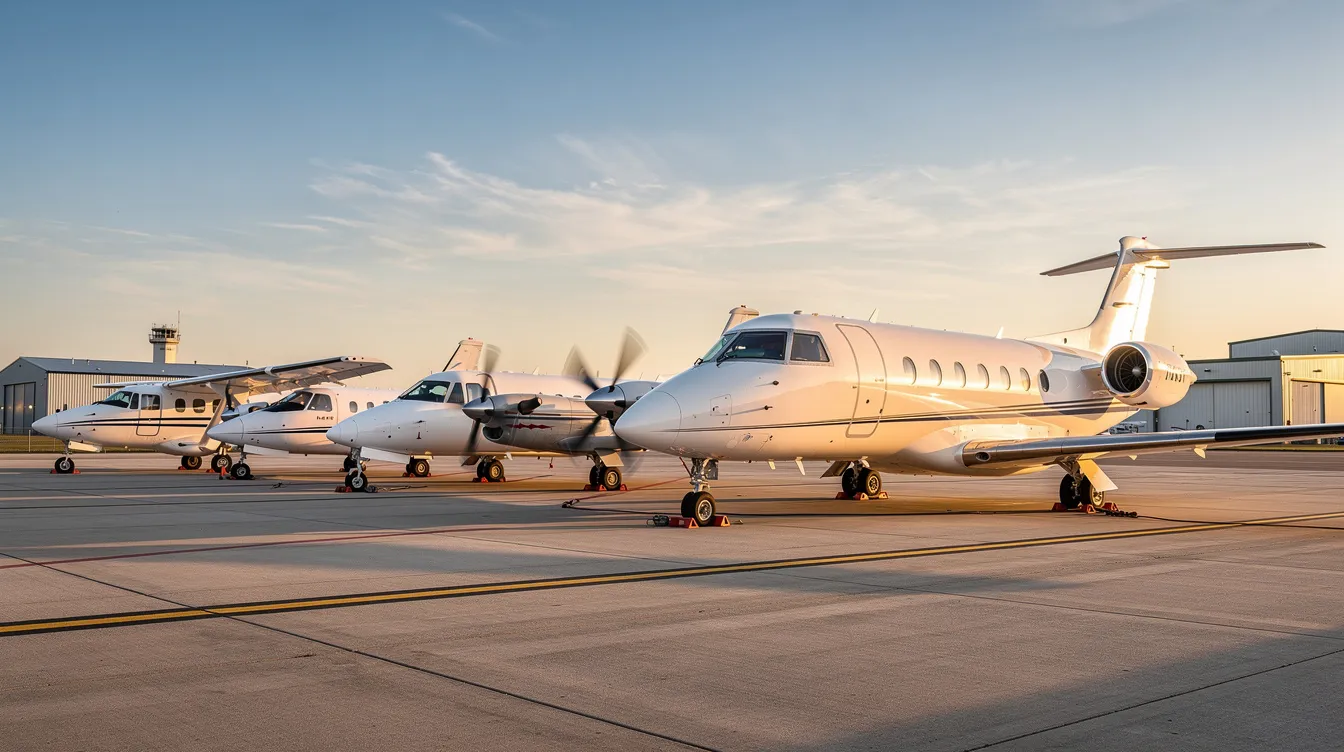
The main jet categories covered in this guide include:

  • Very light jets (VLJs)

  • Light jets

  • Super light jets

  • Midsize jets

  • Super midsize jets

  • Heavy jets

  • Ultra long range jets

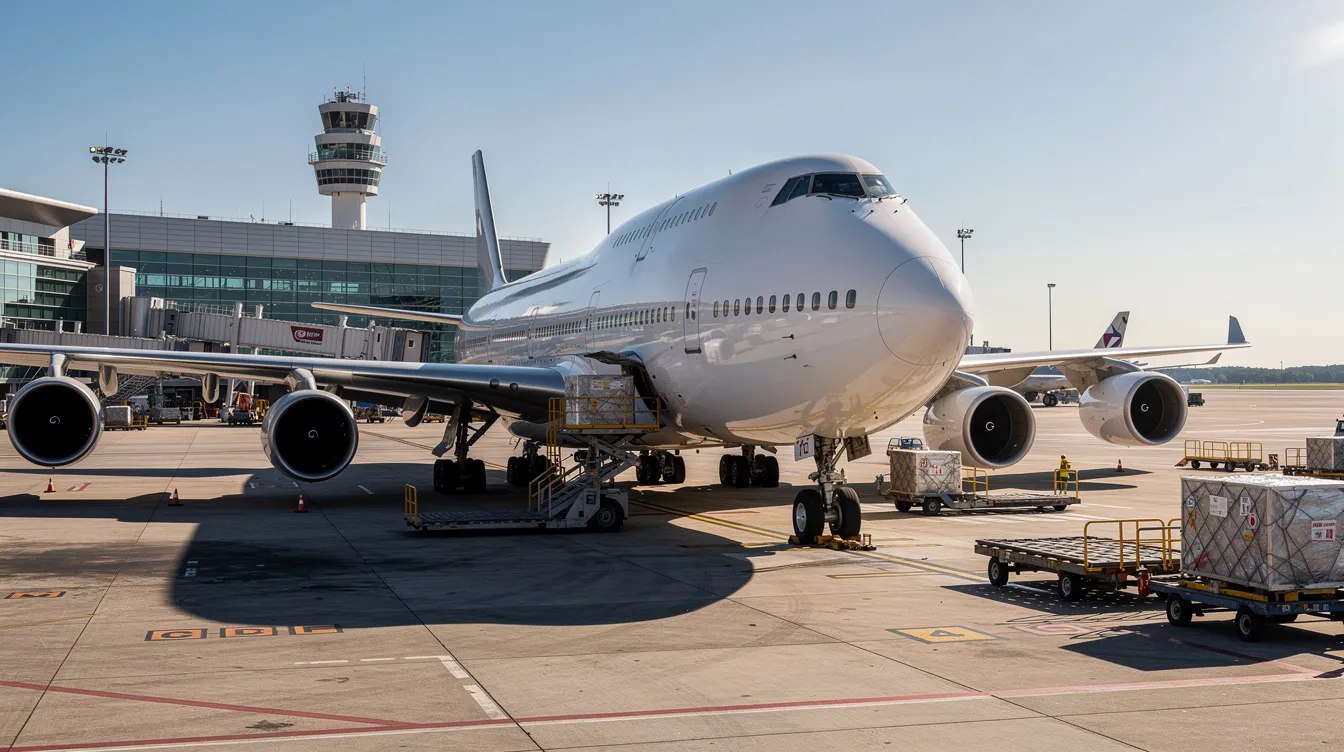
  • Executive airliners (VIP airliners)

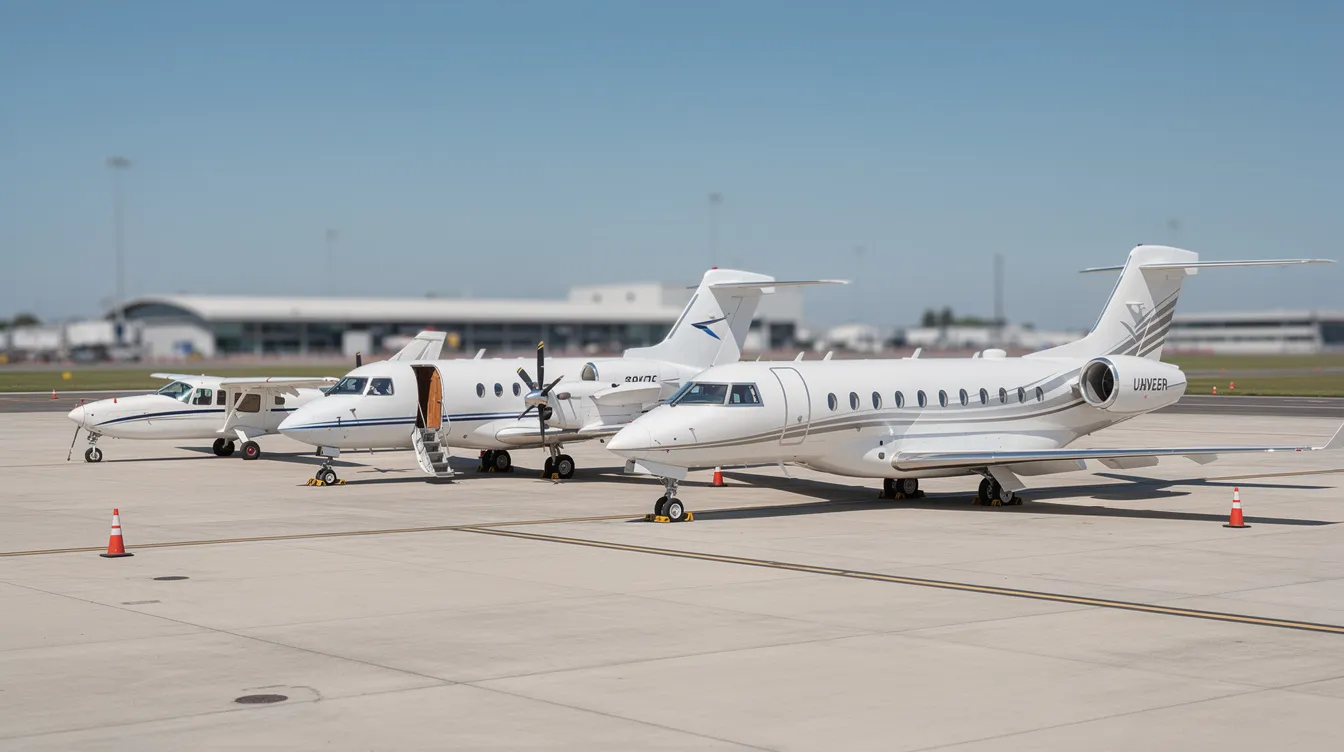
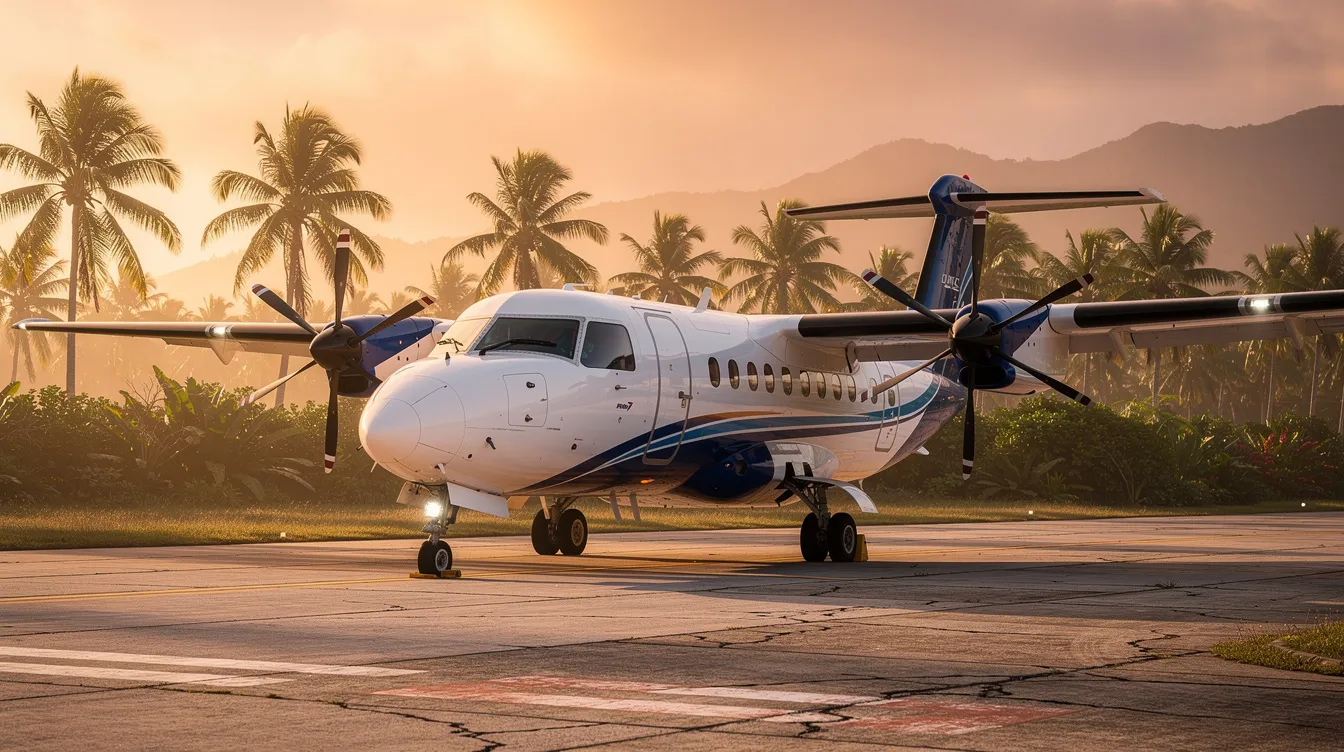
Private jets vary by passenger capacity and flight range, with each category serving a distinct operational niche. Turboprop aircraft are not jet-powered but are sometimes considered alongside very light jets for short regional missions. Turboprop rentals start at approximately $2,300 per hour and serve a purpose for cost-efficient short-haul travel, but they are not the primary focus here.

The sections that follow break down each aircraft category with specific models, 2026 price bands, and operating cost benchmarks.

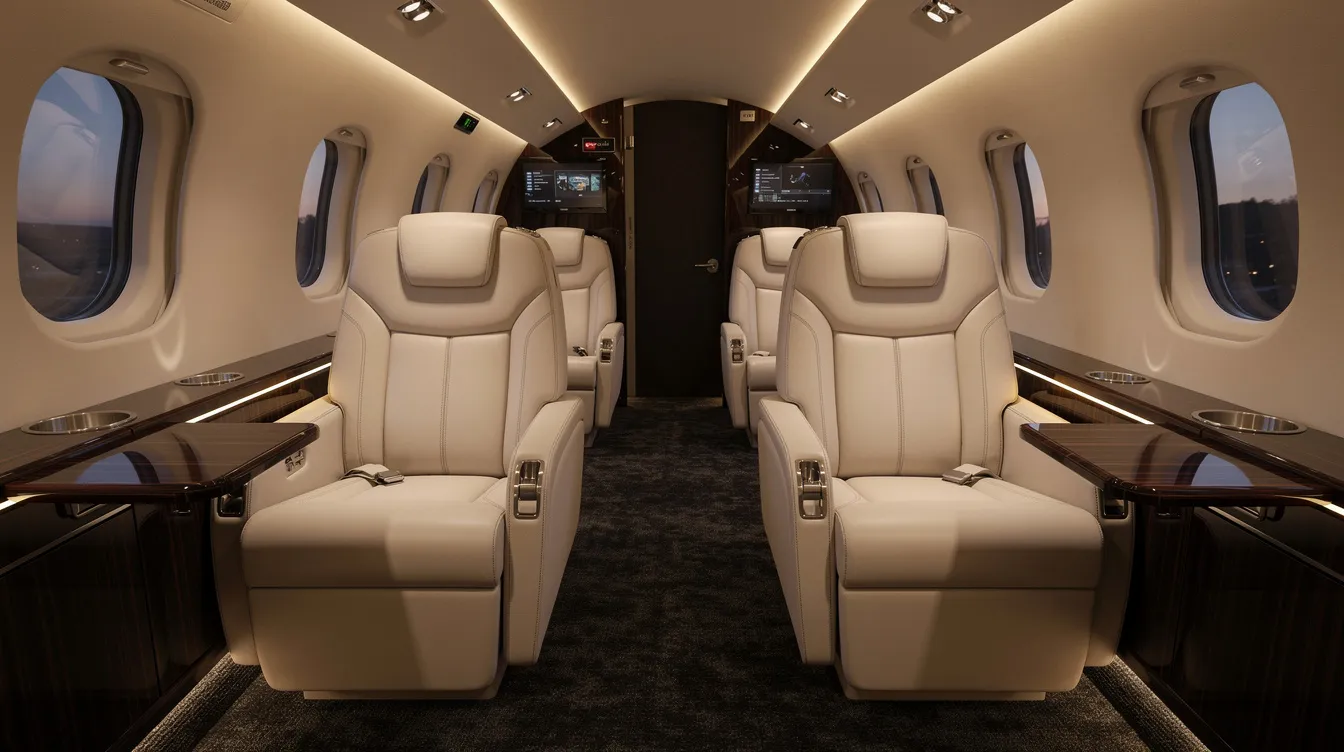
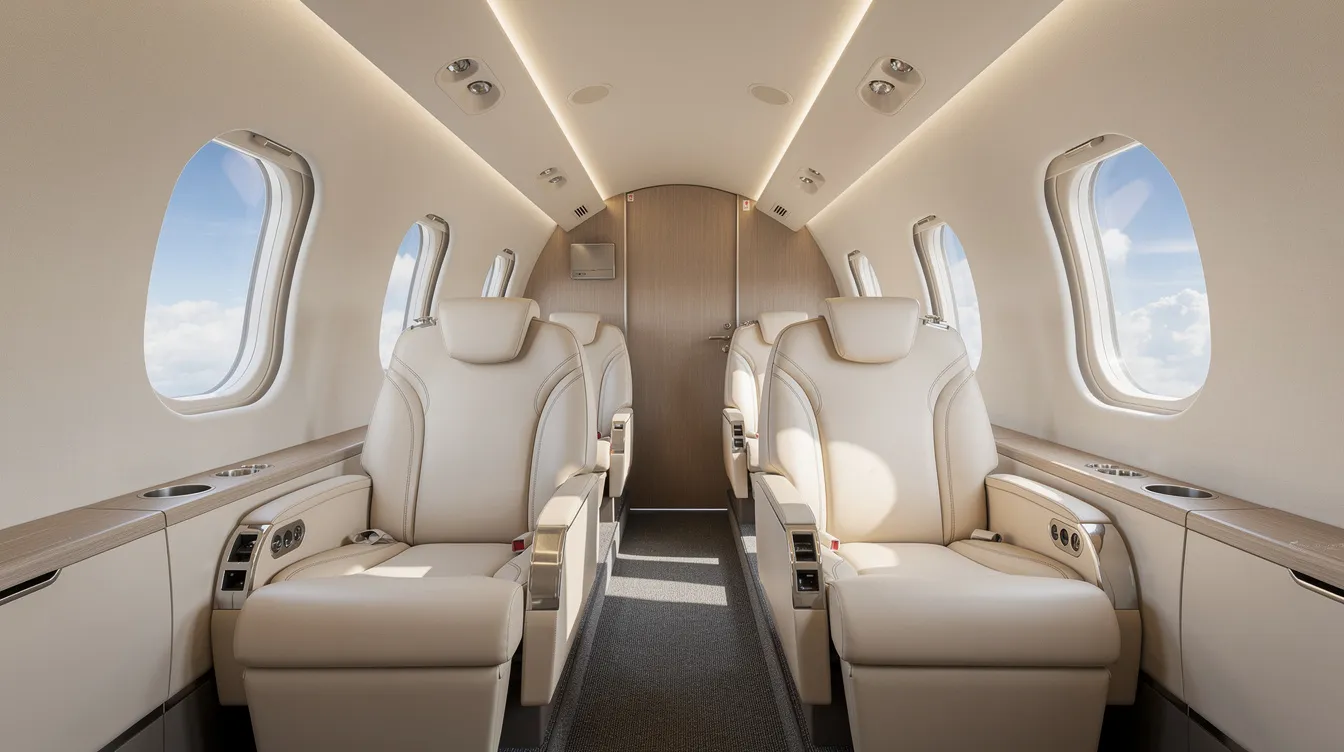
The image depicts the interior of a modern light private jet cabin featuring cream leather seats and oval windows that reveal a clear blue sky outside. This spacious cabin is designed for comfort, ideal for private aviation enthusiasts looking for a luxurious travel experience in the light jet category.

Very Light Jets (VLJs): Entry-Level Private Jets and Pricing

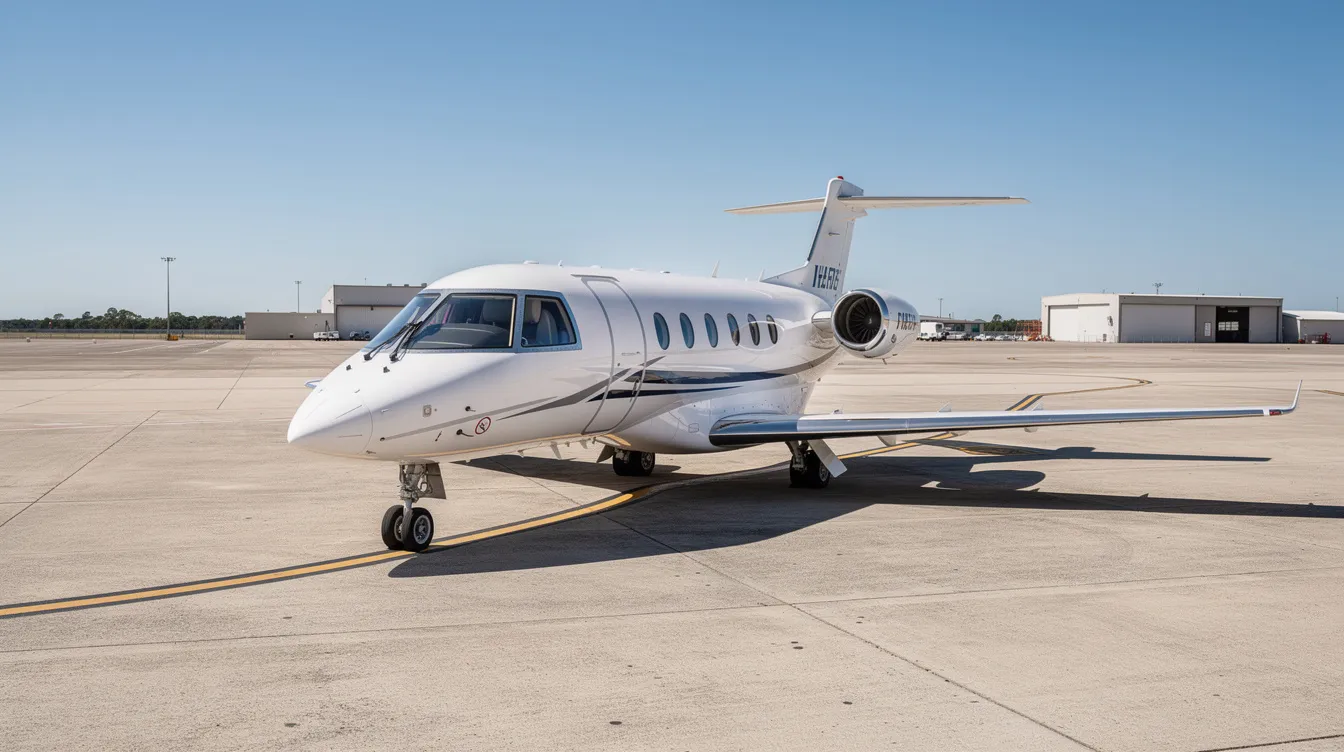
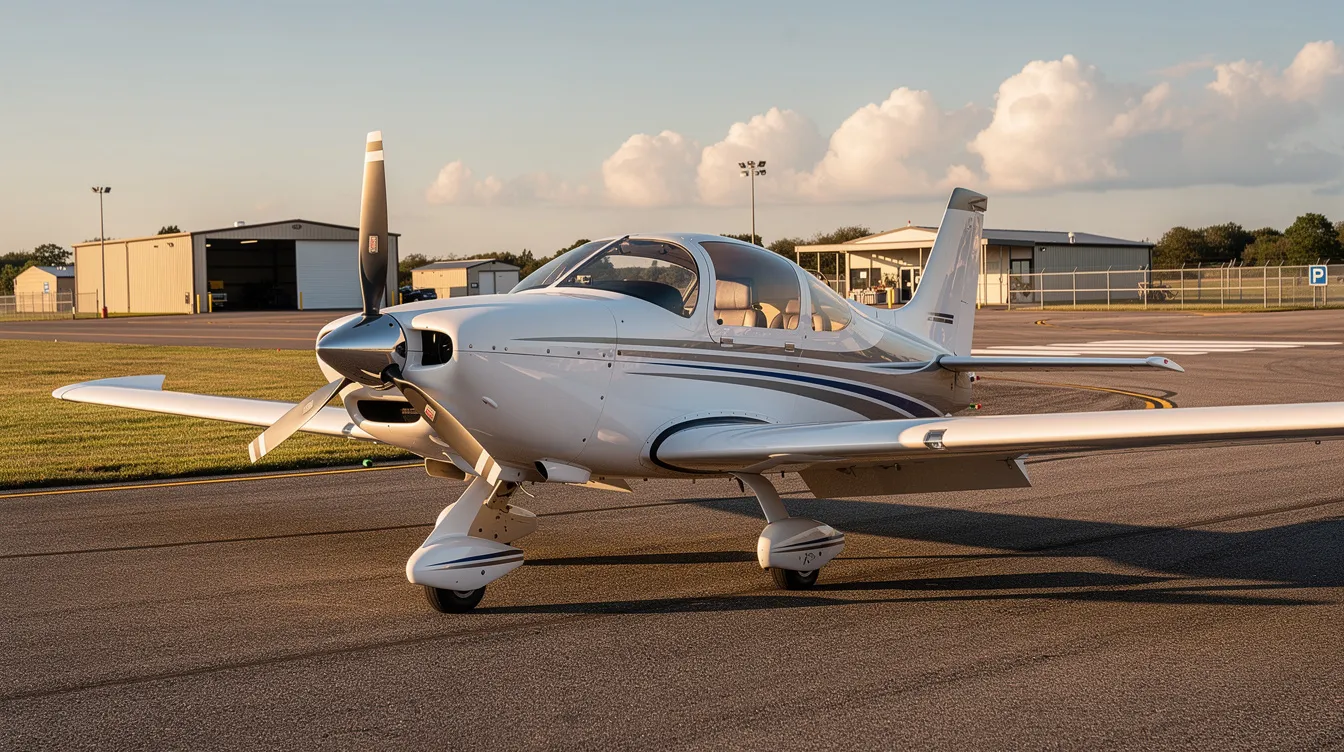
Very light jets represent the entry point of the very light jet category-the smallest, most cost-efficient business jet class for short hops. These aircraft are often single-pilot capable and optimized for up to six passengers on regional routes. They offer an accessible path to fly private without the capital burden of larger aircraft.

Pricing guidance for 2026:

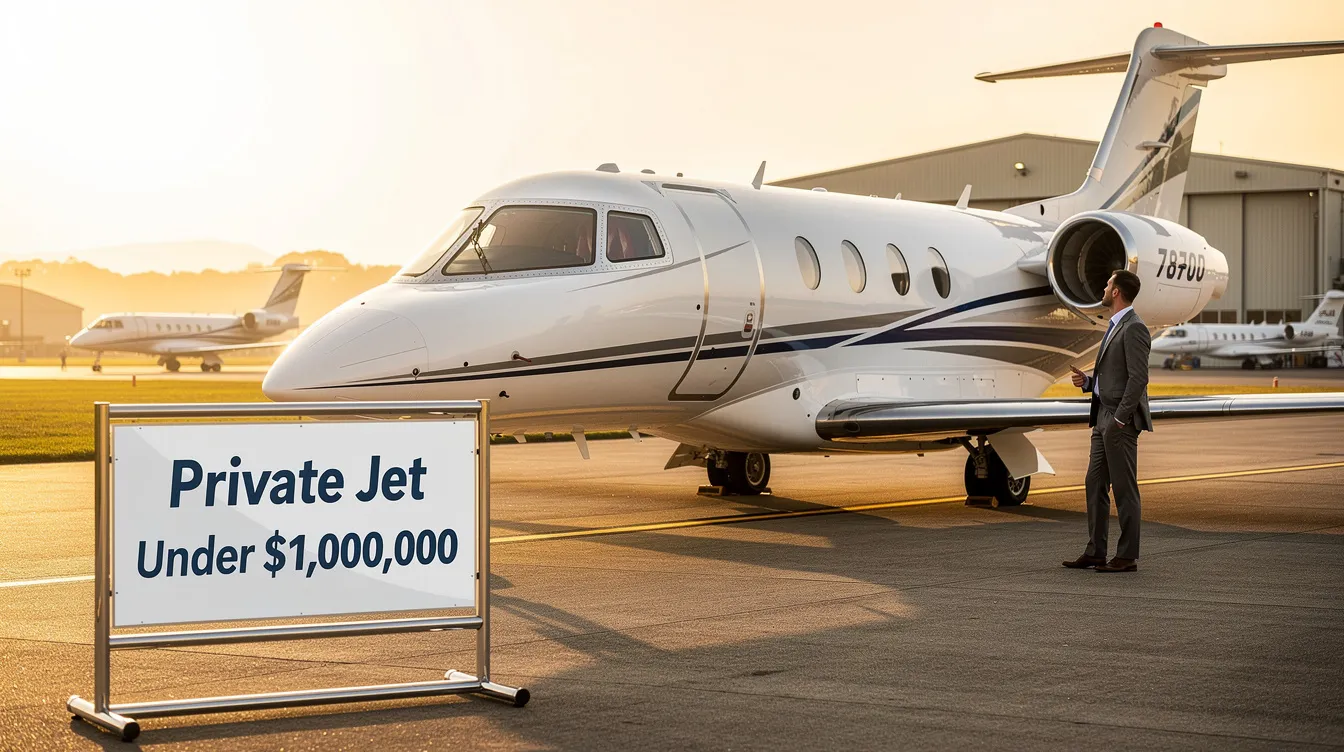
  • Pre-owned VLJs such as the Eclipse 500, early Phenom 100, and Cirrus Vision Jet typically trade between $1.5M and $3.5M, representing some of the most affordable private jets on the market.

  • Late-model or upgraded examples-Phenom 100EV, HondaJet Elite-generally command $3M to $6M+ depending on avionics, engine status, and configuration.

  • The cheapest private jet options in this category start around $2 million for older, well-maintained airframes.

Very light jets seat 4–6 passengers and fly up to 1,200 nautical miles. Cruise speed typically falls between 350 and 450 knots, and many VLJs can access smaller airports with runways under 3,000 feet-a meaningful advantage for reaching secondary fields not served by commercial airlines.

Direct operating costs (excluding fixed overhead) for VLJs range from approximately $1,000 to $1,800 per flight hour, covering fuel and scheduled maintenance. This makes them appealing for owner-operators flying sub-200 nm legs between regional business locations-think Dallas to Houston, Geneva to Paris, or short domestic flights between satellite offices. For those exploring the most affordable private jets in the market, VLJs remain the logical starting point.

Light Jets: Popular Workhorses and Their Price Range

Light jets are the step up from VLJs and represent the light jet category's core: private aircraft typically carrying up to seven passengers (and often up to eight passengers in certain configurations) with improved range, baggage capacity, and cabin space. They are widely used across both private ownership fleets and private jet charter services.

2026 price bands for the light jet category:

  • Older light jets (Learjet 31A, early Citation CJ series) often trade between $2.5M and $5M, offering a lower price point for budget-conscious buyers.

  • Mid-life and late-model aircraft (Citation M2 Gen2, CJ3+, Phenom 300E) commonly fall in the $5M to $12M initial purchase price range.

Light jets accommodate 6–9 passengers with a range of 1,500–2,500 nautical miles, making them suitable for routes like New York to Miami, London to Málaga, or Singapore to Bali. Light jets VLJs together form the backbone of regional and short-haul private flights.

Hourly operating costs for light jets generally sit around $1,800–$2,500 for direct costs and $2,500–$4,000 fully burdened, depending on utilization and maintenance program enrollment. Buyers should pay close attention to engine program status (e.g., Williams TAP Blue), avionics upgrades, and upcoming inspections-these are among the most significant valuation drivers in the light jet segment.

Super Light Jets: Extra Range and Cabin Without Heavy Jet Costs

Super light jets bridge the gap between light and midsize jets, offering more flight range and cabin volume-often including stand-up cabins-while remaining cost-effective to operate and hangar. They suit corporate buyers looking for meaningful capability upgrades without stepping into the heavier cost structure of true midsize aircraft.

Representative aircraft in this category include the Embraer Phenom 300E (which straddles the upper light/super light boundary), Pilatus PC-24, and some Gulfstream G100/G150 configurations. Purchase prices in 2026 typically fall between $9M and $18M depending on age, specification, and market demand.

Super light jets offer ranges of roughly 2,000–2,500 nautical miles, allowing non-stop flights such as Los Angeles to Chicago, London to Moscow, or Dubai to Istanbul with 6–8 passengers and full luggage. Their flight distance capability makes them a versatile option for frequent flyers who need transcontinental flexibility without heavy jet costs.

Hourly operating costs run higher than light jets but typically remain below those of true midsize jets-variable costs approach $3,000 per hour for fuel and maintenance, with fully burdened costs in the $3,500–$5,500 range depending on utilization.

For operators serving secondary or unimproved airfields, runway performance is a notable factor. The PC-24's rough-field capability, for example, allows it to access smaller airports that exclude many competing types-a genuine fleet strategy advantage.

Midsize Jets: Balancing Range, Comfort, and Cost

Midsize jets occupy the traditional middle ground of business aviation, offering stand-up cabins, enclosed lavatories, a spacious cabin, and strong transcontinental capability. They are a natural fit for companies and individuals who need consistent coast-to-coast reach in the US or intra-European range without stepping into the heavy jet price bracket.

2026 price ranges for mid-size jets:

  • Legacy midsize jets (Hawker 800XP/900XP, Learjet 60, older Citation XLS) frequently trade between $3M and $8M pre-owned.

  • Late-generation midsize jets (Citation Latitude, Citation XLS+, Gulfstream G150) typically list in the $9M–$22M range depending on hours, avionics, and maintenance status.

Midsize jets typically seat 8–10 passengers and have a range of 2,000–3,500 nautical miles, enabling non-stop flights like Los Angeles to New York, London to Athens, or São Paulo to Buenos Aires. That range covers the vast majority of corporate travel patterns across North America and Europe.

Fully burdened hourly costs for midsize jets often land around $3,500–$5,500, with annual fixed costs-crew, hangar, insurance, training-easily reaching $800,000 to $1.8M depending on operation. Annual operating costs for larger jets in this segment can exceed $1 million when all cost categories are properly accounted for.

Residual value in the midsize segment tends to track economic cycles. During downturns, demand softens and depreciation widens the gap between well-maintained, low-hour aircraft and those approaching major inspections. Buyers entering this category should plan for market timing as part of their acquisition strategy.

Super Midsize Jets: Transcontinental Capability and Strong Resale

Super midsize jets combine near-large-cabin performance with lower capital and operating costs than heavy jets. They offer true US coast-to-coast range, high-speed cruise, and enough cabin space for productive transcontinental flights with 8–12 passengers.

Representative models include the Bombardier Challenger 300/350/3500, Gulfstream G280, Citation Longitude, and Embraer Praetor 600. Super midsize jets can carry 8–12 passengers and fly up to 4,000 nautical miles. Acquisition costs in 2026 generally fall between $15M and $35M depending on age, configuration, and program enrollment.

Ranges of 3,000–4,000 nm enable flights like New York to Los Angeles, London to Dubai, or Hong Kong to Yangon with full luggage and a passenger forward galley arrangement. This makes them ideal for corporate flight departments that need reliable transcontinental flights without the capital commitment of a large cabin jet.

Many corporate flight departments favor super midsize jets for their blend of cabin comfort, runway flexibility, and favorable operating costs versus heavy jets. Fully burdened hourly costs typically run $4,500–$6,500, with annual fixed costs scaling to $1.3M–$1.8M+ depending on utilization and base location.

In the resale market, low-time, program-enrolled super midsize aircraft command a meaningful premium. BusinessJets.com's appraisals capture nuances like engine program status, avionics compliance, and upcoming inspection windows that can shift valuations by millions within the same model family.

Heavy Jets: Large Cabins and Intercontinental Reach

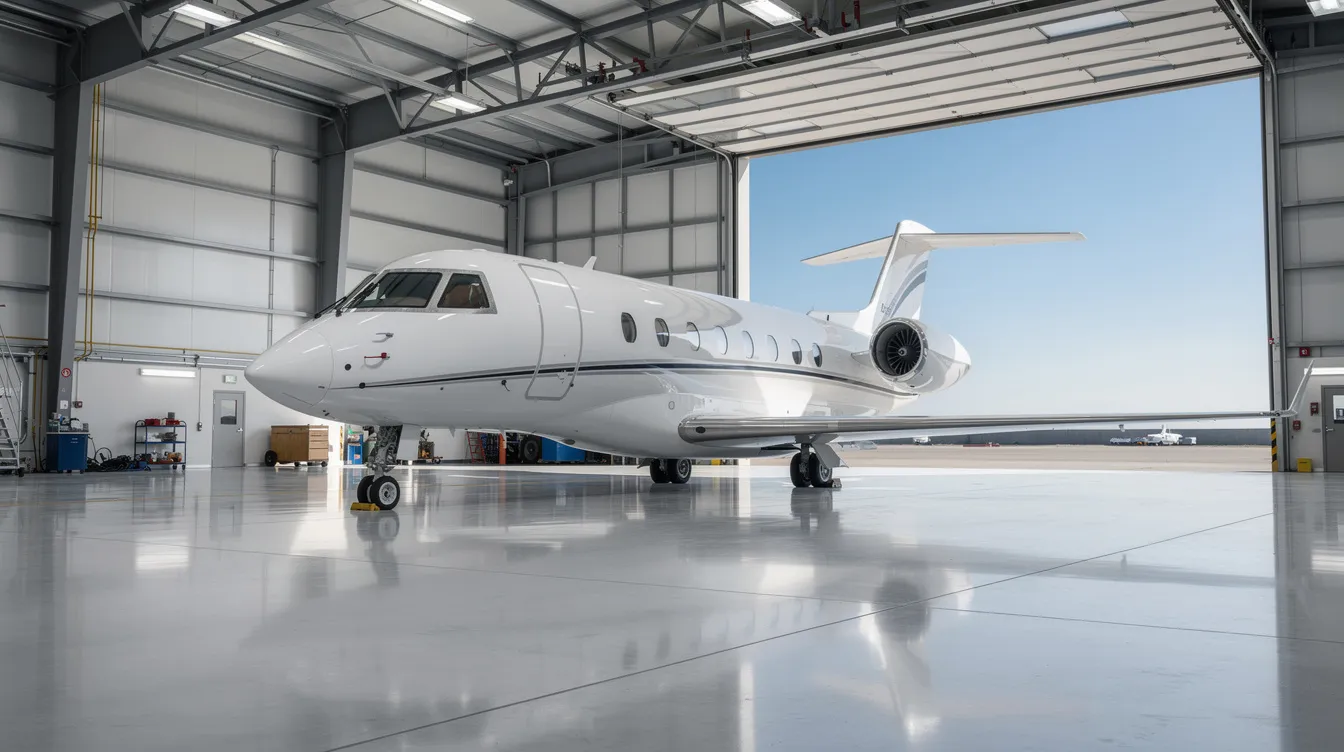
Heavy jets are large-cabin jet aircraft built for long-haul missions with multiple cabin zones, higher service levels, and passenger capacity often in the 10–16 range. Heavy jets accommodate 12–16 passengers with a range of up to 6,000 nautical miles, making them the workhorse of international flights for corporations and governments.

2026 price ranges for heavy jets and large jets:

  • Older heavy jets (early Gulfstream IV/V, Challenger 604, early Dassault Falcon 900 variants) frequently trade between $6M and $18M pre-owned.

  • Newer heavy models like the Challenger 650, Falcon 7X/8X, and Gulfstream G450/G550 typically fall in the $20M–$45M+ band depending on age, spec, and engine status.

Typical ranges of 4,000–6,000 nm allow missions such as New York to London, London to Dubai, or Los Angeles to Honolulu non-stop under standard loads. These are larger aircraft that require more infrastructure-crew (often two pilots plus flight attendants), maintenance, and hangar space-and their operating costs reflect that reality.

Fully burdened hourly costs for heavy jets often run $6,000–$9,000+, with annual fixed costs pushing $2M–$4M when crew, training, and scheduled maintenance are properly budgeted. Buyers in this category are typically corporations, governments, or ultra-high-net-worth individuals where fleet strategy, residual value, and support networks (OEM, MRO, parts availability) are critical decision factors.

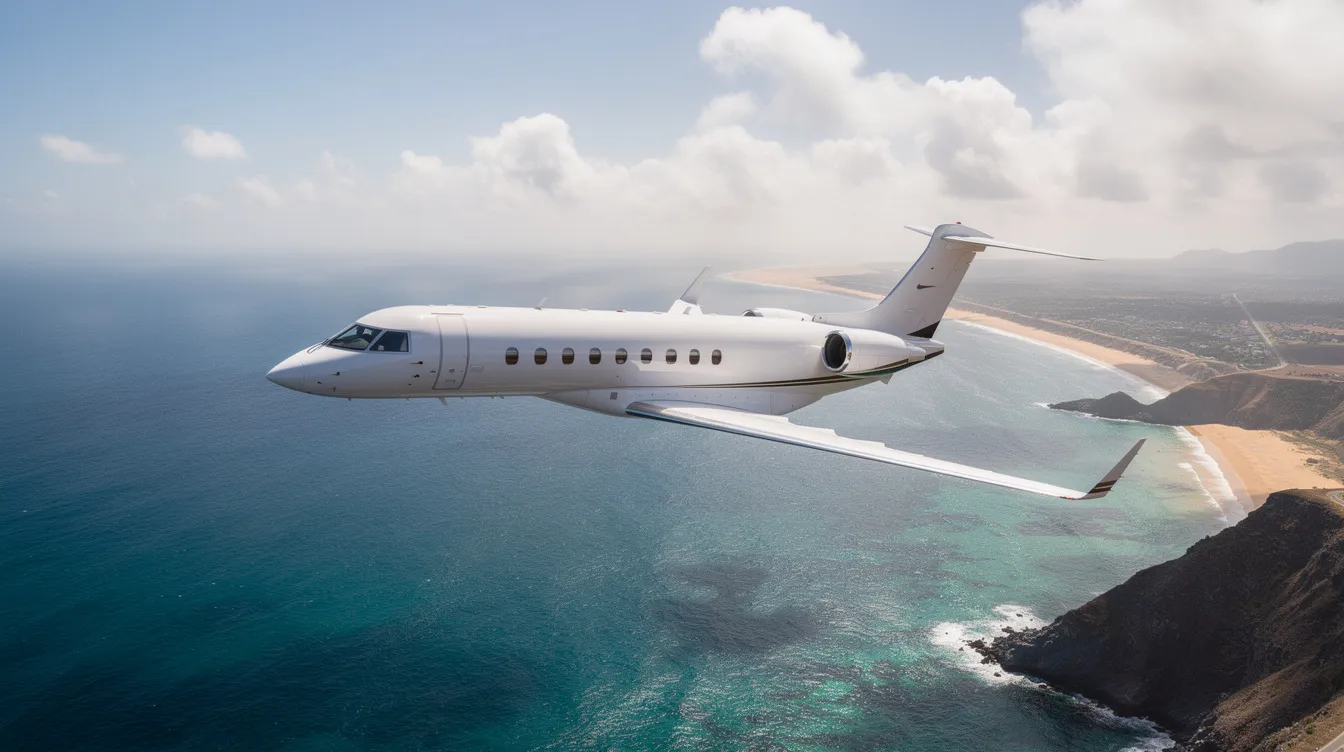
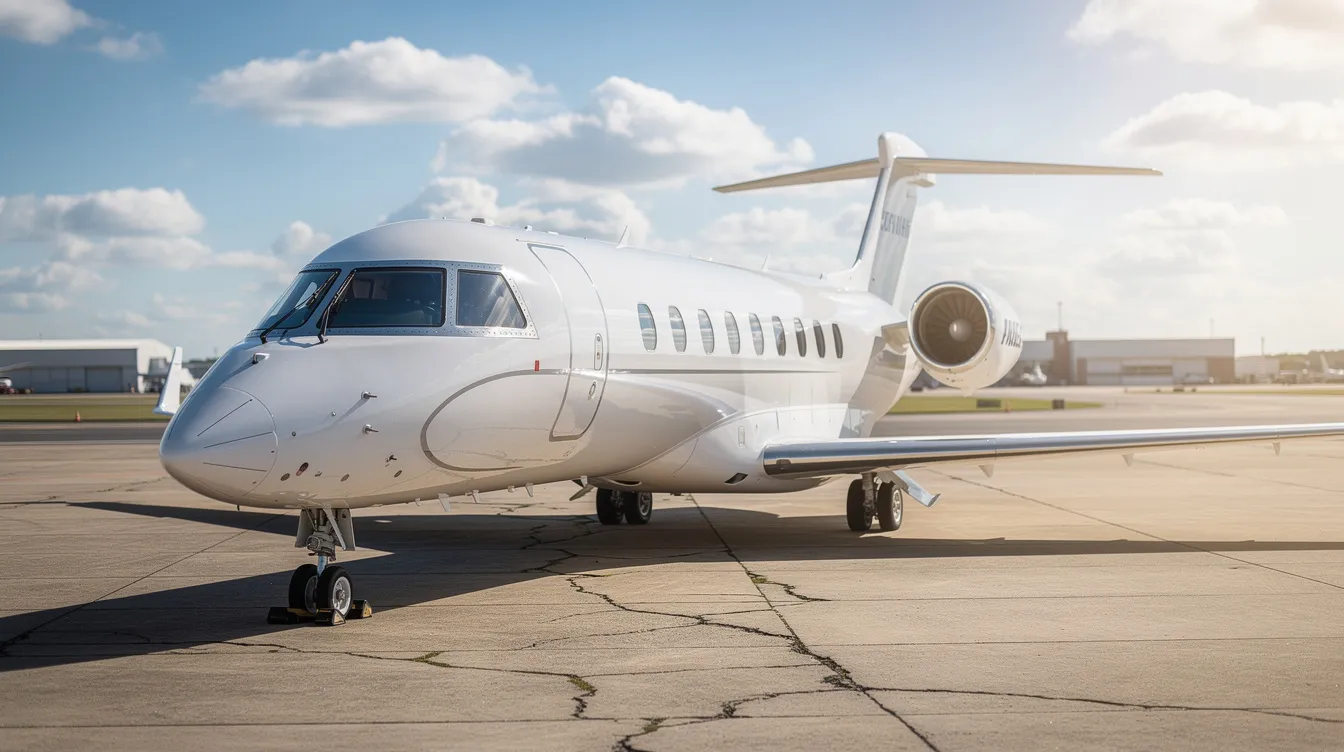
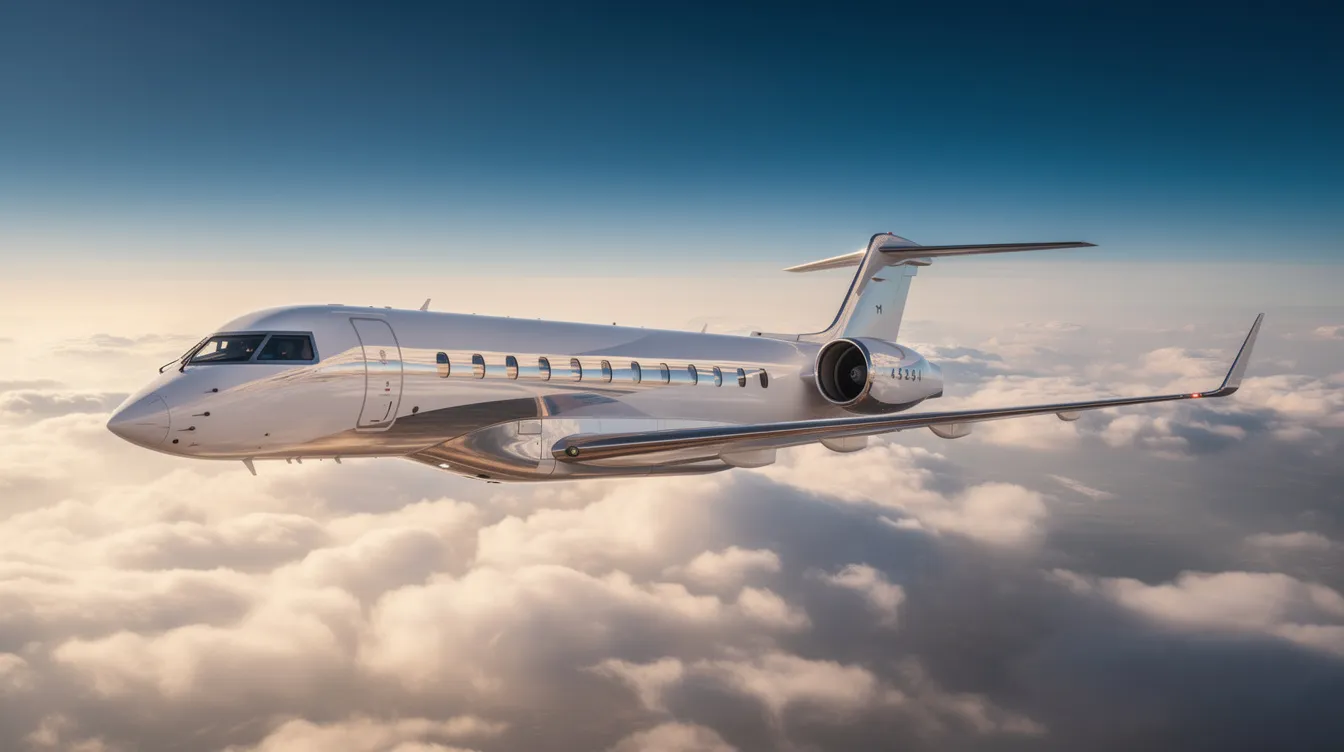
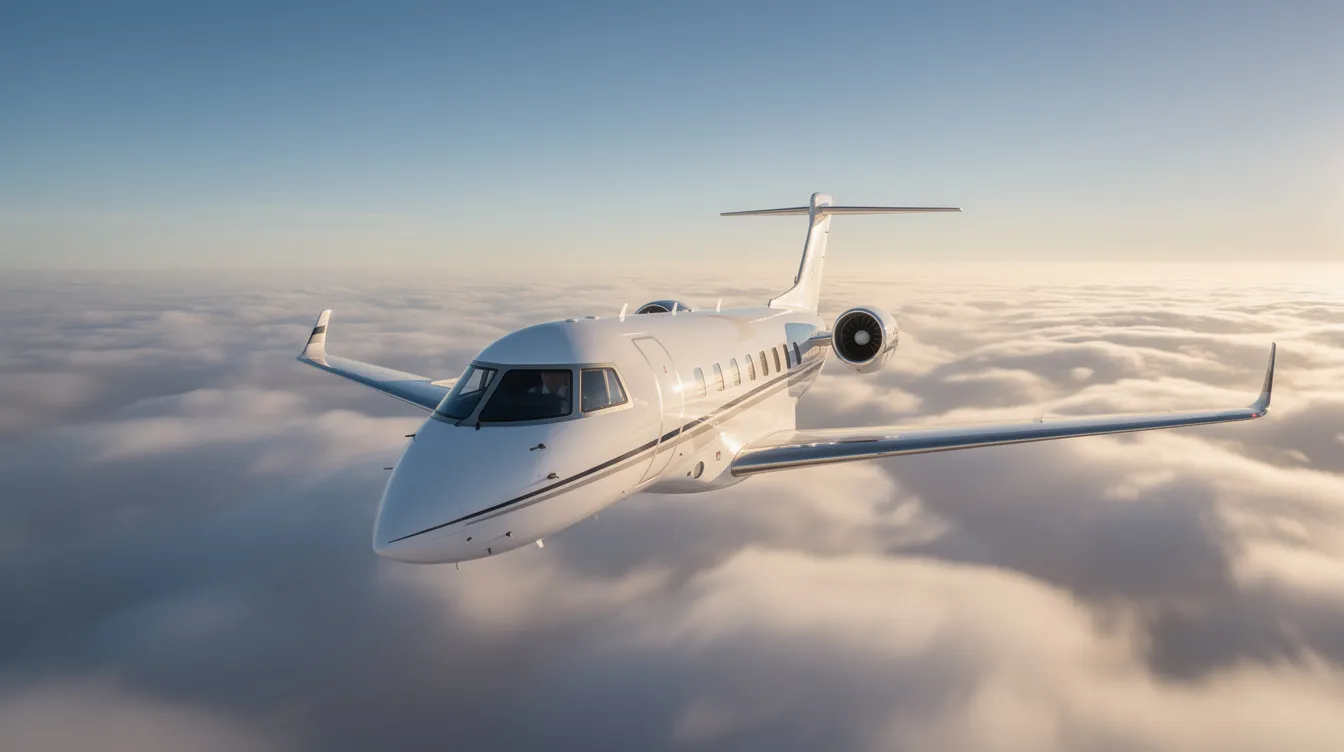
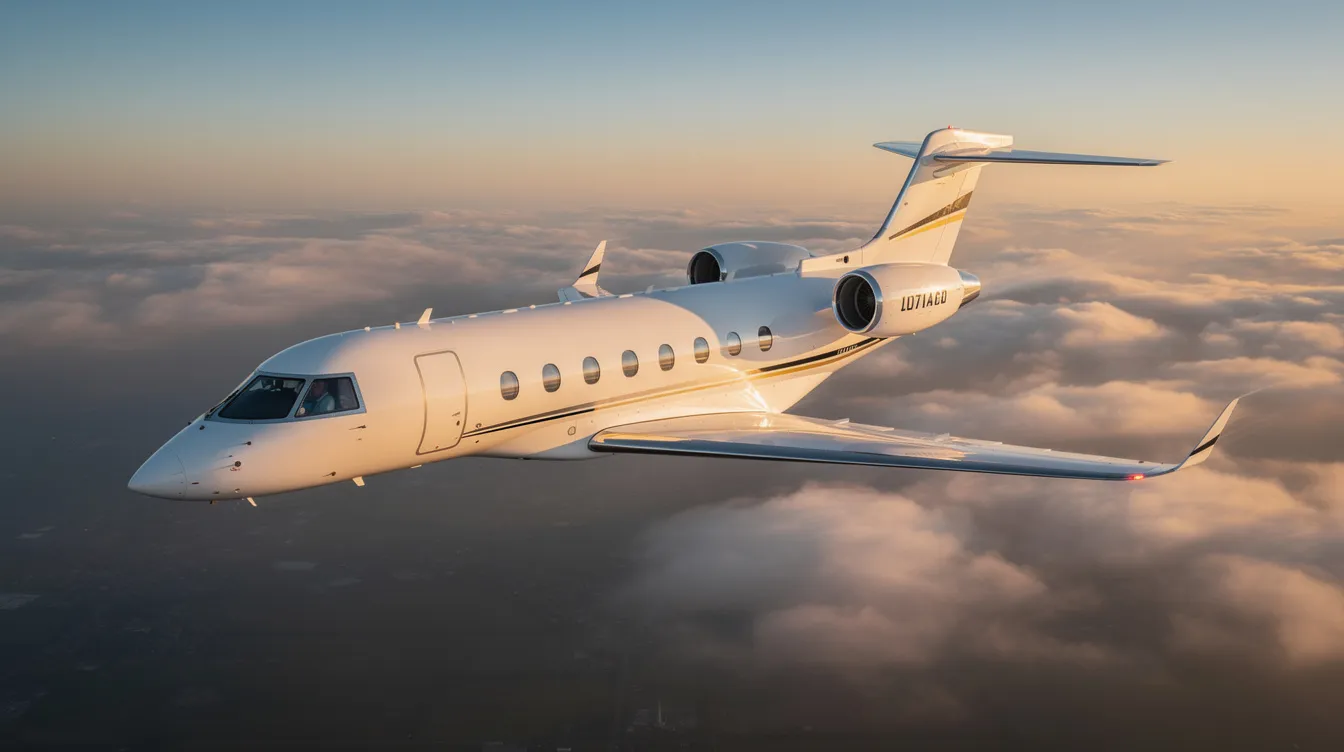
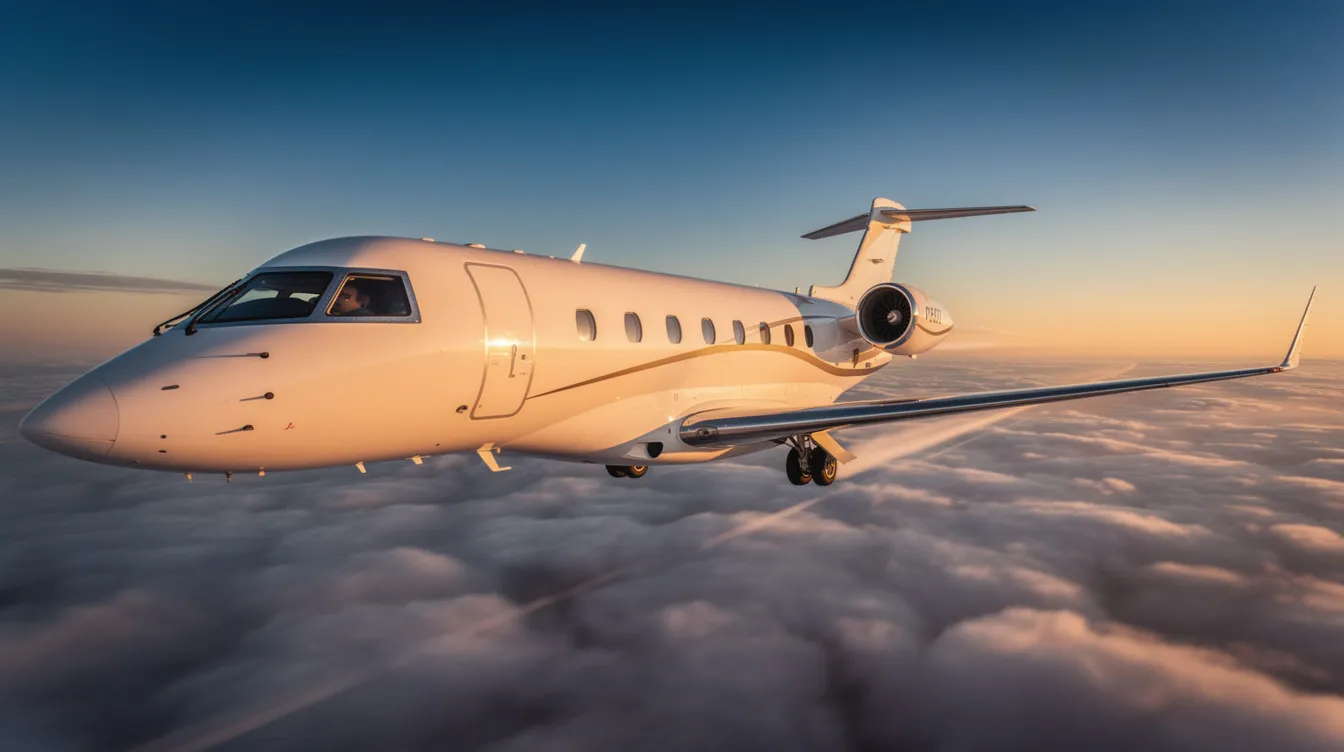
A large business jet soars gracefully above a thick layer of white clouds, set against a vibrant blue sky, showcasing the elegance and luxury of private aviation. This scene captures the essence of private jets, highlighting their ability to provide a serene travel experience above commercial airlines.

Ultra Long Range Jets: Global Capability and Top-Tier Pricing

Ultra long range jets represent the top tier of traditional business jets-ultra long range aircraft engineered for non-stop intercontinental travel. Ultra-long-range jets can seat 12–19 passengers and fly over 7,000 nautical miles, connecting virtually any two major business centers on the globe without a fuel stop.

Flagship models include the Gulfstream G650ER, G700, and G800; the Bombardier Global 6500 and 7500; and the Dassault Falcon 8X (with the future 10X in development). New aircraft prices in 2026 often fall in the $70M–$100M+ range. The Gulfstream G700, for example, lists at approximately $90.995M, while late-model pre-owned examples frequently trade between $50M and $80M.

These aircraft enable routes such as Los Angeles to Tokyo, New York to Hong Kong, London to Singapore, or Dubai to New York non-stop missions where flight time savings and cabin productivity justify the premium, particularly for premium city pairs like private jet charter to Paris with widebody and ultra-long-range options.

Annual operating budgets for ultra-long-range fleets can exceed $4M–$6M. Per the G700 case study, fixed costs at approximately 300 annual flight hours-including crew (~$818,740), hangar (~$186,300), hull insurance (~$136,493), and liability insurance (~$45,000)-total roughly $1.19M. Variable costs, including fuel (approximately 509 gallons per hour at ~$6.28 per gallon) and maintenance, push total annual operating cost to approximately $8.88M per year. Per-hour total operating costs for this segment typically range from $9,000 to $13,000+.

Ultra-long-range jets are strategic corporate assets, making accurate aircraft valuation, operating cost forecasting, and lifecycle planning areas where aviation consulting adds substantial value.

Executive Airliners (VIP Airliners): Widebody Space, Airline-Level Costs

Executive airliners-also known as VIP airliners or bizliners-are VIP-configured versions of commercial aircraft such as the Boeing Business Jet (BBJ, based on the 737) and Airbus Corporate Jets (ACJ220, ACJ319/320). Detailed profiles of individual types like the Airbus ACJ319 private jet highlight how these platforms translate commercial airframes into ultra-luxury cabins. These represent the largest private aircraft available and serve an extremely narrow buyer pool.

2026 price guidance for this aircraft category:

  • Green (uncompleted) narrowbody airframes typically list between $80M and $120M.

  • Full VIP completions-bespoke cabin interiors, private suites, conference rooms, full-size galleys, advanced communications-often raise total acquisition cost into the $120M–$250M+ range depending on interior complexity.

  • Pre-owned examples vary widely but generally remain in ultra-premium territory.

Executive airliners can carry 20–40+ passengers in bespoke layouts over ranges up to 4,500–6,000+ nm. VIP airliners cost between $18,000 and $23,000 per flight hour when fully burdened, with annual operating budgets frequently exceeding $7M. The entire aircraft-from airframe systems to cabin completion-requires specialized maintenance, rare parts sourcing, and regulatory compliance (ETOPS, noise and emissions mandates) that add complexity far beyond standard business jet ownership.

Selling or acquiring VIP airliners involves long lead times, complex technical inspections, and specialized valuations. Brokerage and appraisal expertise is not optional in this segment-it is essential.

Purchase Price vs. Operating Costs: Understanding Total Ownership Cost

The initial purchase price is only one component of aircraft ownership economics. Total cost of ownership is driven equally by fixed and variable operating costs over the aircraft's service life. Owning a private jet incurs $1 million or more in annual fixed costs for most categories above very light jets.

Key fixed costs include:

  • Crew salaries and benefits-annual crew salaries range from $100,000 to $200,000 per pilot, and most jet categories require two pilots

  • Recurrent training (type ratings, simulator sessions, regulatory refreshers)

  • Hangar or parking fees

  • Hull and liability insurance

  • Subscriptions, data plans, and avionics software

  • Management fees where applicable

Hangar, insurance, and maintenance are all part of fixed operating costs for jet ownership. Annual fixed costs for ownership range from $500,000 to $4 million depending on aircraft size and operating model.

Key variable operating costs include:

  • Fuel (often 25–40% of total variable cost)

  • Maintenance parts and labor-maintenance costs can average $50,000 to $200,000 annually depending on aircraft type and age

  • Engine and APU program enrollment fees

  • Navigation and landing fees

  • Catering, de-icing, ground handling, and other trip-specific expenses

Operational costs include fuel, crew, maintenance, and insurance across all categories. A 7.5% US Federal Excise Tax applies to domestic flights, plus domestic segment fees of $5.30 per passenger, per leg-costs that add up for high-frequency operators.

As a rough benchmark, total annual cost tends to run approximately 8–15% of the aircraft's acquisition value for typical utilization of 200–400 flight hours per year. BusinessJets.com can model multi-year ownership scenarios, comparing direct ownership to private charter, fractional, or lease options for clients flying between approximately 100 and 400 hours per year.

Typical Hourly Operating Costs by Jet Category

Understanding operating cost benchmarks by category is essential for comparing types of private jets and prices on an apples-to-apples basis. The following table represents typical 2026 total hourly operating costs (fixed plus variable, allocated over expected annual utilization):

Jet Category

Typical Hourly Operating Cost (2026)

Very Light Jets

$2,000–$3,000

Light & Super Light Jets

$2,500–$4,000

Midsize Jets

$3,500–$5,500

Super Midsize Jets

$4,500–$6,500

Heavy Jets

$6,000–$9,000

Ultra Long Range Jets

$9,000–$13,000+

Executive Airliners

$15,000–$23,000

Private jet rental costs range from $2,300 to $17,000 per hour across these categories, and charter pricing scales accordingly—from $2,300 to $23,000 per flight hour when including VIP airliners. Aircraft category affects rental rates significantly, from turboprops at the lower end to VIP airliners at the top.

Newer aircraft command a premium of $100 to $1,000 per hour over older examples of the same type, reflecting better fuel efficiency, lower maintenance burden, and updated avionics. These numbers bundle fuel and maintenance with an allocation of fixed costs based on expected annual utilization (typically 300–500 flight hours per year). Actual results depend on specific aircraft, region, and operating model. Accurate cost benchmarking requires aircraft-specific data, and BusinessJets.com uses real-world market inputs when advising buyers and operators.

How Mission Profile Drives the Right Jet Type

The most common mistake in private jet ownership is selecting the right private aircraft around a rare "maximum case" trip-the once-a-year intercontinental leg-instead of optimizing for the 80–90% of typical missions. This leads to overinvestment in aircraft size and chronic underutilization.

Key mission parameters map directly to jet categories:

  • Trip length under 1,000 nm with 2–4 passengers → very light jets

  • Regional routes of 1,200–2,000 nm with up to six passengers → light jets

  • Transcontinental domestic or medium international routes → midsize or super midsize jets

  • International flights over 4,000 nm with 10+ passengers → heavy jets

  • Non-stop intercontinental routes over 6,000 nm → ultra long range jets

  • Large delegations or heads-of-state transport → executive airliners

Consider concrete scenarios: a regional executive flying 150 annual flight hours within 800 nm of their base is well-served by a very light or light jet. A multinational headquartered in New York with frequent transatlantic missions may justify a heavy or ultra-long-range jet. A family office splitting time between European and Middle Eastern properties might find a super midsize jet to be the perfect aircraft for their mix of flight distance requirements.

BusinessJets.com routinely conducts mission analysis for buyers, reviewing historical and projected routing data to recommend an optimal category and shortlist specific models before any capital is committed.

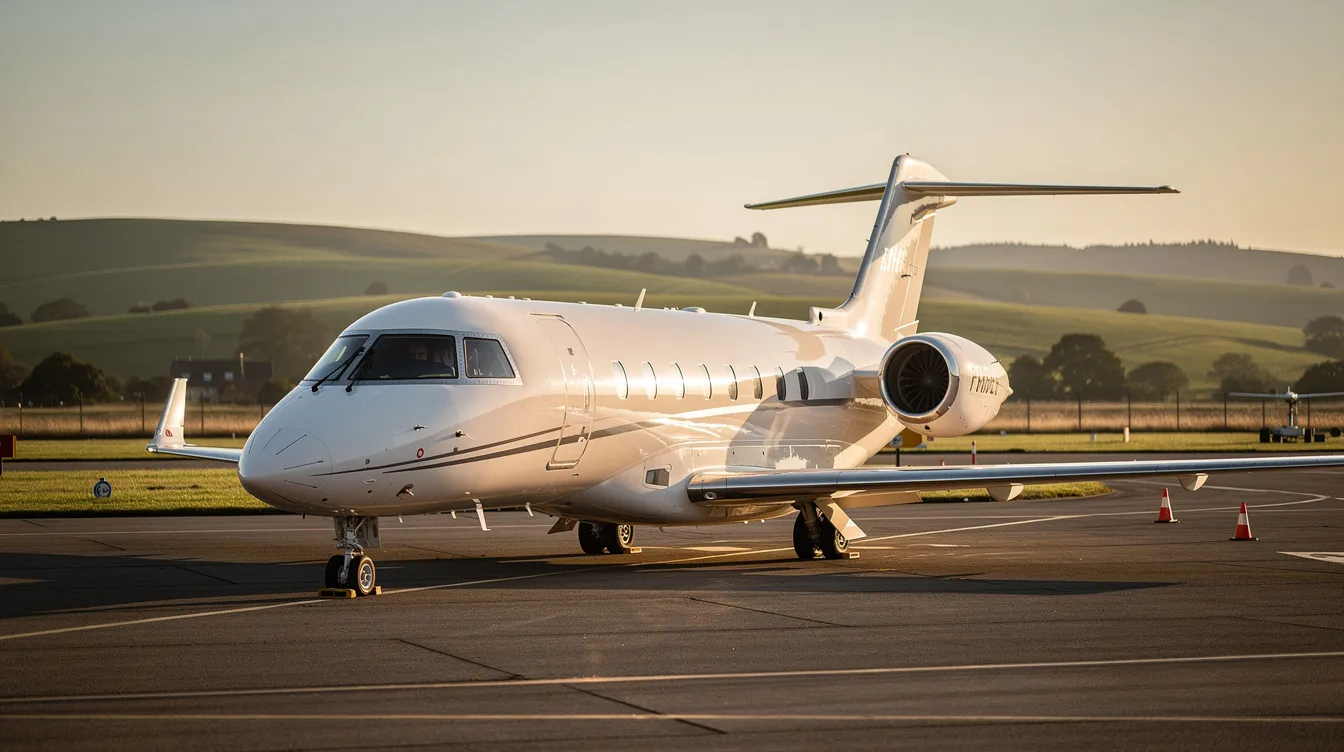
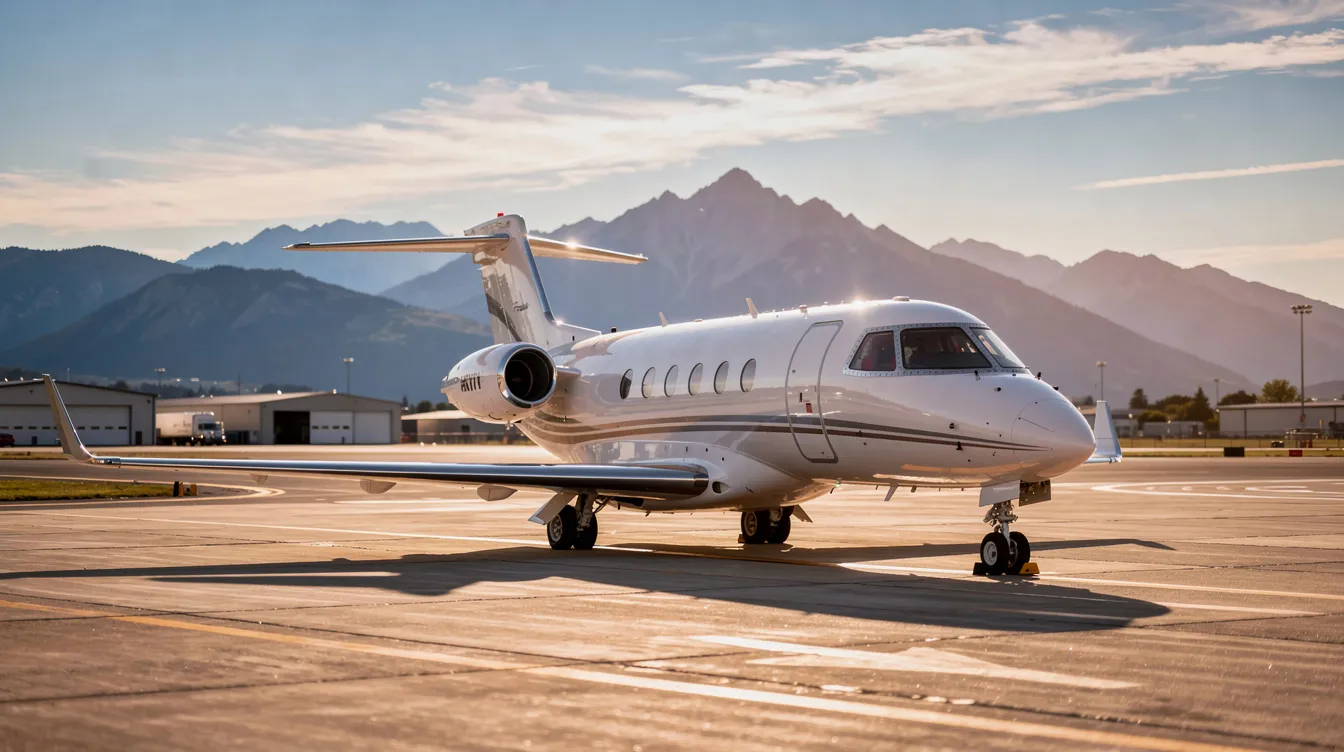
A private jet, possibly a light jet or very light jet, is approaching landing at a small airport nestled among lush green hills, showcasing the beauty of private aviation and the accessibility of smaller airports for private flights. The scene captures the elegance of private aircraft as it prepares to touch down, highlighting the advantages of flying privately over commercial airlines.

New vs. Pre-Owned: Price, Depreciation, and Market Timing

Deciding between a new and pre-owned private plane can shift capital requirements by tens of millions of dollars, particularly in the heavy and ultra-long-range segments.

Advantages of new aircraft:

  • Full OEM warranty coverage

  • Latest avionics, interiors, and connectivity

  • Longer runway before major inspections (e.g., 12- or 15-year structural)

  • Trade-off: steep early-year depreciation and long OEM delivery backlogs in certain categories

Advantages of pre-owned aircraft:

  • Significantly lower acquisition cost (often 30–60% below new list)

  • Faster availability

  • Proven flight history and reliability record

  • Trade-off: potential refurbishment needs, avionics upgrades, or upcoming inspection costs

Market cycles matter. After demand spikes between 2020 and 2024, used inventory tightened in many categories, pushing up asking prices and narrowing spreads between new and pre-owned. Some softening has appeared in 2026 in certain pre-owned segments, particularly older heavy jets and niche models with limited fleet sizes.

BusinessJets.com offers aircraft appraisals and valuations that factor in current market data, fleet production status, and support infrastructure to guide buy/hold/sell decisions. Browsing current aircraft for sale listings can also help calibrate expectations before entering negotiations.

Private Jet Ownership vs. Charter and Fractional Options

Many readers exploring types of private jets and prices are simultaneously comparing private jet ownership with private jet charter, jet cards, or fractional ownership. The right structure depends heavily on how many hours you fly each year privately.

General thresholds:

  • Whole aircraft ownership typically becomes attractive above roughly 200–250 annual flight hours. Most owners need to fly 200+ hours annually for ownership to make financial sense versus alternatives.

  • Fractional ownership and jet cards often suit the 50–200 hour range, offering predictability and access without full capital outlay.

  • On-demand charter works well below 50–75 hours, or as supplemental lift for owners who own jet types that don't cover every mission.

Chartering offers flexibility to select aircraft for each trip, and chartering allows access to remote airports not served by commercial airlines-advantages that appeal to buyers with unpredictable schedules. Typical charter rates can range from $2,000 to over $20,000 per hour depending on aircraft category and region. Private jet charter costs scale with aircraft size: chartering costs $2,300 to $23,000 per flight hour across the full spectrum. However, one-way private jet rental costs rarely cost half of round-trip prices due to repositioning economics. Chartering a private jet involves variable hourly rates influenced by aircraft type, routing, season, and availability.

Ownership has high fixed costs but the lowest marginal per-hour cost at high utilization, while charter and jet cards convert more cost into variable per-trip expenses with minimal capital outlay. The choice between commercial flying and private aviation, or between owning and chartering, remains fundamentally a utilization question.

The choice of aircraft category still applies in charter and fractional programs-clients choose between very light jets, light jets, mid-size jets, heavy jets, ultra-long-range jets, and executive airliners. Empty leg flights can offer competitive prices for flexible travelers, but they are inherently unpredictable in scheduling.

BusinessJets.com focuses on aircraft brokerage, appraisals, and advisory for ownership and fleet optimization, and can collaborate alongside charter providers as part of a broader lift strategy.

Key Valuation Drivers When Comparing Jet Types

Beyond obvious metrics like age and total time, several technical and commercial factors drive value differences between aircraft types-and within the same type. Two seemingly similar midsize jets may differ by millions in value due to factors invisible in a listing summary.

Critical valuation drivers include:

  • Production status: in-production models versus orphaned types with declining OEM support

  • Fleet size: larger global fleets mean better parts pipelines and more competitive MRO options

  • Engine and APU program enrollment: being on JSSI, ESP, MSP, or OEM programs ensures predictable overhaul reserves; absence reduces liquidity and resale value

  • Avionics compliance: ADS-B Out, FANS, CPDLC, and regional mandates are increasingly non-negotiable for international operations

  • Maintenance history: whether airframe inspections are current, proximity to major inspections, damage history documentation

  • Interior condition: recent cabin refurbishment versus aging interiors, noise suppression, and in-flight connectivity upgrades

For example, a Challenger 350 with 1,200 hours enrolled on an engine program, current avionics, and a recently refreshed interior could trade several million dollars above an identical-age airframe with 2,500 hours, off-program engines, and an upcoming 96-month inspection. These are the differences that a proper appraisal quantifies.

BusinessJets.com's appraisals benchmark these elements against more than 1,500 historical transactions and current market data, enabling more accurate offers and negotiation strategies.

How BusinessJets.com Supports Buyers, Sellers, and Operators

BusinessJets.com is a dedicated aircraft brokerage and aviation consulting firm-not an operator or charter marketplace. The firm serves as a transactional and strategic advisor across the full spectrum of private aviation, from a corporate jet acquisition to a fleet disposition.

Key services tied to the topics covered in this guide:

  • Aircraft acquisition support: shortlisting jet types and models, conducting market scans, and price benchmarking across all categories from very light jets through executive airliners

  • Aircraft valuations and private jet appraisals: detailed, data-driven assessments that account for age, hours, cycles, program status, avionics, cabin condition, and regional demand

  • Sale mandates: representing private jet owners seeking to sell or trade aircraft at fair market value with global reach

  • Fleet strategy advisory: supporting operators in optimizing aircraft assets, timing upgrades, and modeling ownership versus charter economics

Strategic consulting supports operators in optimizing aircraft assets, and valuation services are crucial for private jet transactions and appraisals. With over 1,500 aircraft transactions and more than 5,000 satisfied clients worldwide-spanning every category from how many private jets are in the very light class to ultra-long-range fleets- BusinessJets. com brings depth that generic marketplaces cannot match.

Explore comprehensive aviation services or learn more about our team and track record. Whether you need to request an appraisal, discuss listing a private plane for sale, or engage in a confidential consultation about your aircraft ownership or fleet plans, the firm is positioned to help.

Frequently Asked Questions: Types of Private Jets and Prices

These FAQs address common practical questions that extend beyond the main sections, focusing on real buyer concerns around costs, timing, and decision-making.

What Is the Cheapest Type of Private Jet to Own Long-Term?

Very light jets generally have the lowest combination of initial purchase price and operating costs among all jet categories, especially for owners flying shorter regional routes with 2–4 passengers. With acquisition costs starting around $2M and fully burdened annual costs often under $700,000, they represent the most accessible path to own jet capability.

However, for extremely low annual utilization-under 75–100 hours-even the cheapest private jet becomes less economical than on-demand charter due to fixed costs like hangar, insurance, and crew retainers. Detailed cost-of-ownership modeling by BusinessJets.com can quantify whether a very light jet, light jet, or charter strategy is more cost-effective for a specific buyer's profile.

How Do I Estimate Operating Costs Before Choosing a Jet Type?

A practical starting point is to multiply your expected annual flight hours by the category-specific total hourly costs outlined in this guide, then add approximate fixed overhead based on aircraft size. For example, 250 hours per year in a midsize jet at $4,500 per hour yields roughly $1.125M in combined costs before any unscheduled items.

Beyond fuel and crew, reserves for unscheduled maintenance, engine overhauls, and potential avionics upgrades should be included. A 7.5% Federal Excise Tax applies to all US domestic flights, adding another layer of cost for high-frequency domestic operators. BusinessJets.com can prepare aircraft-specific pro-forma budgets that factor in regional fuel prices, base airport fees, and selected maintenance and engine programs.

How Long Does a Private Jet Typically Remain Economically Viable?

With proper maintenance, business jets often remain airworthy for 25–40 years. However, economic viability as a primary private aircraft tends to be 15–25 years depending on category, utilization intensity, and the pace of regulatory change.

Avionics mandates, noise and emissions rules, and OEM support policies can all accelerate the point at which upgrading to a newer type makes more financial sense than heavy refurbishment. Periodic valuations and market checks-services BusinessJets.com provides-help owners decide when to sell, upgrade, or refurbish based on real data rather than assumption.

Is It Easier to Resell Certain Types of Private Jets?

Aircraft from strong, in-production families with large global fleets-popular Citation, Gulfstream, Bombardier, and Dassault Falcon models-generally enjoy deeper resale markets and better liquidity. Mainstream categories like light jets, midsize jets, and super midsize jets often see the broadest buyer pools.

Some older heavy jets and niche executive airliners can take significantly longer to sell, with wider bid-ask spreads and more complex negotiations. BusinessJets.com's brokerage team advises on which specific models within each aircraft category show the most resilient demand and residual value trends.

Can I Upgrade Jet Types Over Time Without Taking a Large Loss?

All private jets depreciate, but careful selection of type, age, and specification-combined with market timing-can reduce the effective cost of trading up. Strategies that minimize loss include buying well-maintained, high-demand pre-owned aircraft, keeping them enrolled on reputable engine and airframe programs, refreshing interiors before resale, and planning exits ahead of major inspections or avionics mandates.

BusinessJets.com often structures long-term plans with clients, including valuation checkpoints and sale triggers, to support smooth transitions from light to midsize, heavy, or ultra-long-range aircraft as travel needs and annual flight hours grow. The goal is to treat each aircraft not just as a tool but as a managed asset within a broader fleet and financial strategy.

Conclusion: Making Informed Decisions on Private Jets and Prices

Selecting the right type of private jet is a critical decision that impacts both upfront investment and ongoing operational costs. Buyers and fleet managers must carefully assess their mission profiles, typical flight distances, passenger requirements, and budget constraints to identify the optimal aircraft category—from very light jets to executive airliners. Understanding the full scope of acquisition costs, fixed operating expenses, and variable hourly costs is essential for realistic financial planning.

Ownership offers unparalleled flexibility and convenience but comes with high fixed costs that only justify themselves at higher utilization levels. For many, chartering or fractional ownership may provide more cost-effective access to private aviation without the burdens of full ownership.

Accurate valuation and expert consulting are indispensable throughout the acquisition and disposition process, ensuring buyers and sellers navigate market cycles and maintenance considerations effectively. BusinessJets.com leverages deep market knowledge and a proven track record to support clients in making strategic, data-driven decisions that optimize aircraft value and operational efficiency.

Whether you are exploring your first private jet purchase or managing a complex fleet, a disciplined approach to matching aircraft type with mission needs and financial realities will deliver the best outcomes in today’s dynamic private aviation market. Engage with BusinessJets.com for trusted appraisal, brokerage, and consulting services tailored to your unique requirements.

Types of Private Jets and Prices: A Complete Guide for Buyers in 2026
Jay Franco Ser

Key Takeaways

Overview

  • Private jets span a wide range of categories—from very light jets to executive airliners—each with distinct purchase prices and operating costs. Understanding these differences is fundamental before committing capital to aircraft ownership or evaluating alternatives like private jet charter and fractional ownership.

Cost Overview

  • Initial Purchase Prices:

    • Small jets start around $2 million for entry-level pre-owned very light jets.

    • Light jets typically trade between $3M and $12M.

    • Heavy and ultra-long-range jets frequently list between $35M and $100M+ in 2026 (e.g., Gulfstream G700 at ~$91M, Bombardier Global 7500 in a similar bracket).

  • Annual Operating Costs:

    • Range from ~$500,000 for smaller private aircraft to well over $5M for ultra-long-range and executive airliner fleets.

    • Crew salaries typically range from $100,000 to $200,000 per pilot annually.

    • Fixed operating costs include hangar fees, insurance, and maintenance.

  • Charter and Rental Costs:

    • Charter rates range from $2,000 to over $20,000 per flight hour, depending on aircraft category and other factors.

    • Rental costs span from $2,300 to $17,000 per hour for most jets; VIP airliners command $18,000–$23,000 per hour.

    • Turboprop rentals start at ~$2,300 per hour.

    • Newer aircraft often command a premium of $100–$1,000 per hour.

    • One-way private jet rentals rarely cost half of round-trip prices due to repositioning costs.

  • Taxes and Fees:

    • 7.5% US Federal Excise Tax applies to all domestic flights, plus $5.30 per passenger, per leg for domestic segment fees.

Jet Categories & Capabilities

  • Categories by Size and Range:

    • Very Light Jets: 4–6 passengers, up to 1,200 nm.

    • Light Jets: 6–9 passengers, 1,500–2,500 nm.

    • Midsize Jets: 8–10 passengers, 2,000–3,500 nm.

    • Super Midsize Jets: 8–12 passengers, up to 4,000 nm.

    • Heavy Jets: 12–16 passengers, up to 6,000 nm.

    • Ultra-Long-Range Jets: 12–19 passengers, over 7,000 nm.

  • Ownership Considerations:

    • Ownership incurs over $1 million in annual fixed costs for most categories.

    • Most owners need to fly 200+ hours annually for ownership to make economic sense compared to chartering.

  • Charter Flexibility:

    • Chartering offers flexibility to select aircraft for each trip and access to remote airports not served by commercial airlines.

  • Consulting & Valuation:

    • Strategic consulting and valuation services are crucial for private jet transactions and appraisals.

  • BusinessJets.com Expertise:

    • BusinessJets.com serves as a specialist partner for aircraft acquisition, appraisals, valuation, and sale strategy, drawing on over 1,500 completed transactions and more than 5,000 clients worldwide.

Introduction: Why Jet Type and Price Class Matter

When serious buyers, CFOs, and fleet managers begin evaluating private jet ownership, "types of private jets and prices" is usually the first question on the table. The answer determines not only the capital outlay but the annual burn rate, resale trajectory, and whether owning makes more financial sense than chartering or leasing.

Understanding the different types of private jets matters because aircraft category directly affects:

  • Initial purchase price and financing structure

  • Variable and fixed costs that define total cost of ownership

  • Residual value and how quickly the asset depreciates

  • Whether private jet ownership, private charter, or fractional ownership is the right model for the buyer's flight profile

This article is written for business owners, family offices, corporate flight departments, and operators who need a practical, numbers-driven overview rather than lifestyle content. The primary clientele in business aviation includes high-net-worth individuals and fleet managers, and the prices referenced here reflect typical 2026 market ranges for popular models. Private jets are evaluated based on both acquisition and operating costs, and we cover both dimensions in detail below.

BusinessJets.com takes a consultative approach-helping clients match mission profile to aircraft type, benchmark values, and structure transactions efficiently.

How Private Jet Categories Are Defined

Private jets are categorized by size, range, and capability. The classification system used across the industry groups aircraft by maximum takeoff weight, cabin dimensions (height, width, floor length), range in nautical miles, cruise speed, and runway performance. Cabin categories in private aviation are based on size, comfort, and mission profile, and this framework underpins both pricing and operating economics.

The main jet categories covered in this guide include:

  • Very light jets (VLJs)

  • Light jets

  • Super light jets

  • Midsize jets

  • Super midsize jets

  • Heavy jets

  • Ultra long range jets

  • Executive airliners (VIP airliners)

Private jets vary by passenger capacity and flight range, with each category serving a distinct operational niche. Turboprop aircraft are not jet-powered but are sometimes considered alongside very light jets for short regional missions. Turboprop rentals start at approximately $2,300 per hour and serve a purpose for cost-efficient short-haul travel, but they are not the primary focus here.

The sections that follow break down each aircraft category with specific models, 2026 price bands, and operating cost benchmarks.
The image depicts the interior of a modern light private jet cabin featuring cream leather seats and oval windows that reveal a clear blue sky outside. This spacious cabin is designed for comfort, ideal for private aviation enthusiasts looking for a luxurious travel experience in the light jet category.

Very Light Jets (VLJs): Entry-Level Private Jets and Pricing

Very light jets represent the entry point of the very light jet category-the smallest, most cost-efficient business jet class for short hops. These aircraft are often single-pilot capable and optimized for up to six passengers on regional routes. They offer an accessible path to fly private without the capital burden of larger aircraft.

Pricing guidance for 2026:

  • Pre-owned VLJs such as the Eclipse 500, early Phenom 100, and Cirrus Vision Jet typically trade between $1.5M and $3.5M, representing some of the most affordable private jets on the market.

  • Late-model or upgraded examples-Phenom 100EV, HondaJet Elite-generally command $3M to $6M+ depending on avionics, engine status, and configuration.

  • The cheapest private jet options in this category start around $2 million for older, well-maintained airframes.

Very light jets seat 4–6 passengers and fly up to 1,200 nautical miles. Cruise speed typically falls between 350 and 450 knots, and many VLJs can access smaller airports with runways under 3,000 feet-a meaningful advantage for reaching secondary fields not served by commercial airlines.

Direct operating costs (excluding fixed overhead) for VLJs range from approximately $1,000 to $1,800 per flight hour, covering fuel and scheduled maintenance. This makes them appealing for owner-operators flying sub-200 nm legs between regional business locations-think Dallas to Houston, Geneva to Paris, or short domestic flights between satellite offices. For those exploring the most affordable private jets in the market, VLJs remain the logical starting point.

Light Jets: Popular Workhorses and Their Price Range

Light jets are the step up from VLJs and represent the light jet category's core: private aircraft typically carrying up to seven passengers (and often up to eight passengers in certain configurations) with improved range, baggage capacity, and cabin space. They are widely used across both private ownership fleets and private jet charter services.

2026 price bands for the light jet category:

  • Older light jets (Learjet 31A, early Citation CJ series) often trade between $2.5M and $5M, offering a lower price point for budget-conscious buyers.

  • Mid-life and late-model aircraft (Citation M2 Gen2, CJ3+, Phenom 300E) commonly fall in the $5M to $12M initial purchase price range.

Light jets accommodate 6–9 passengers with a range of 1,500–2,500 nautical miles, making them suitable for routes like New York to Miami, London to Málaga, or Singapore to Bali. Light jets VLJs together form the backbone of regional and short-haul private flights.

Hourly operating costs for light jets generally sit around $1,800–$2,500 for direct costs and $2,500–$4,000 fully burdened, depending on utilization and maintenance program enrollment. Buyers should pay close attention to engine program status (e.g., Williams TAP Blue), avionics upgrades, and upcoming inspections-these are among the most significant valuation drivers in the light jet segment.

Super Light Jets: Extra Range and Cabin Without Heavy Jet Costs

Super light jets bridge the gap between light and midsize jets, offering more flight range and cabin volume-often including stand-up cabins-while remaining cost-effective to operate and hangar. They suit corporate buyers looking for meaningful capability upgrades without stepping into the heavier cost structure of true midsize aircraft.

Representative aircraft in this category include the Embraer Phenom 300E (which straddles the upper light/super light boundary), Pilatus PC-24, and some Gulfstream G100/G150 configurations. Purchase prices in 2026 typically fall between $9M and $18M depending on age, specification, and market demand.

Super light jets offer ranges of roughly 2,000–2,500 nautical miles, allowing non-stop flights such as Los Angeles to Chicago, London to Moscow, or Dubai to Istanbul with 6–8 passengers and full luggage. Their flight distance capability makes them a versatile option for frequent flyers who need transcontinental flexibility without heavy jet costs.

Hourly operating costs run higher than light jets but typically remain below those of true midsize jets-variable costs approach $3,000 per hour for fuel and maintenance, with fully burdened costs in the $3,500–$5,500 range depending on utilization.

For operators serving secondary or unimproved airfields, runway performance is a notable factor. The PC-24's rough-field capability, for example, allows it to access smaller airports that exclude many competing types-a genuine fleet strategy advantage.

Midsize Jets: Balancing Range, Comfort, and Cost

Midsize jets occupy the traditional middle ground of business aviation, offering stand-up cabins, enclosed lavatories, a spacious cabin, and strong transcontinental capability. They are a natural fit for companies and individuals who need consistent coast-to-coast reach in the US or intra-European range without stepping into the heavy jet price bracket.

2026 price ranges for mid-size jets:

  • Legacy midsize jets (Hawker 800XP/900XP, Learjet 60, older Citation XLS) frequently trade between $3M and $8M pre-owned.

  • Late-generation midsize jets (Citation Latitude, Citation XLS+, Gulfstream G150) typically list in the $9M–$22M range depending on hours, avionics, and maintenance status.

Midsize jets typically seat 8–10 passengers and have a range of 2,000–3,500 nautical miles, enabling non-stop flights like Los Angeles to New York, London to Athens, or São Paulo to Buenos Aires. That range covers the vast majority of corporate travel patterns across North America and Europe.

Fully burdened hourly costs for midsize jets often land around $3,500–$5,500, with annual fixed costs-crew, hangar, insurance, training-easily reaching $800,000 to $1.8M depending on operation. Annual operating costs for larger jets in this segment can exceed $1 million when all cost categories are properly accounted for.

Residual value in the midsize segment tends to track economic cycles. During downturns, demand softens and depreciation widens the gap between well-maintained, low-hour aircraft and those approaching major inspections. Buyers entering this category should plan for market timing as part of their acquisition strategy.

Super Midsize Jets: Transcontinental Capability and Strong Resale

Super midsize jets combine near-large-cabin performance with lower capital and operating costs than heavy jets. They offer true US coast-to-coast range, high-speed cruise, and enough cabin space for productive transcontinental flights with 8–12 passengers.

Representative models include the Bombardier Challenger 300/350/3500, Gulfstream G280, Citation Longitude, and Embraer Praetor 600. Super midsize jets can carry 8–12 passengers and fly up to 4,000 nautical miles. Acquisition costs in 2026 generally fall between $15M and $35M depending on age, configuration, and program enrollment.

Ranges of 3,000–4,000 nm enable flights like New York to Los Angeles, London to Dubai, or Hong Kong to Yangon with full luggage and a passenger forward galley arrangement. This makes them ideal for corporate flight departments that need reliable transcontinental flights without the capital commitment of a large cabin jet.

Many corporate flight departments favor super midsize jets for their blend of cabin comfort, runway flexibility, and favorable operating costs versus heavy jets. Fully burdened hourly costs typically run $4,500–$6,500, with annual fixed costs scaling to $1.3M–$1.8M+ depending on utilization and base location.

In the resale market, low-time, program-enrolled super midsize aircraft command a meaningful premium. BusinessJets.com's appraisals capture nuances like engine program status, avionics compliance, and upcoming inspection windows that can shift valuations by millions within the same model family.

Heavy Jets: Large Cabins and Intercontinental Reach

Heavy jets are large-cabin jet aircraft built for long-haul missions with multiple cabin zones, higher service levels, and passenger capacity often in the 10–16 range. Heavy jets accommodate 12–16 passengers with a range of up to 6,000 nautical miles, making them the workhorse of international flights for corporations and governments.

2026 price ranges for heavy jets and large jets:

  • Older heavy jets (early Gulfstream IV/V, Challenger 604, early Dassault Falcon 900 variants) frequently trade between $6M and $18M pre-owned.

  • Newer heavy models like the Challenger 650, Falcon 7X/8X, and Gulfstream G450/G550 typically fall in the $20M–$45M+ band depending on age, spec, and engine status.

Typical ranges of 4,000–6,000 nm allow missions such as New York to London, London to Dubai, or Los Angeles to Honolulu non-stop under standard loads. These are larger aircraft that require more infrastructure-crew (often two pilots plus flight attendants), maintenance, and hangar space-and their operating costs reflect that reality.

Fully burdened hourly costs for heavy jets often run $6,000–$9,000+, with annual fixed costs pushing $2M–$4M when crew, training, and scheduled maintenance are properly budgeted. Buyers in this category are typically corporations, governments, or ultra-high-net-worth individuals where fleet strategy, residual value, and support networks (OEM, MRO, parts availability) are critical decision factors.

A large business jet soars gracefully above a thick layer of white clouds, set against a vibrant blue sky, showcasing the elegance and luxury of private aviation. This scene captures the essence of private jets, highlighting their ability to provide a serene travel experience above commercial airlines.

Ultra Long Range Jets: Global Capability and Top-Tier Pricing

Ultra long range jets represent the top tier of traditional business jets-ultra long range aircraft engineered for non-stop intercontinental travel. Ultra-long-range jets can seat 12–19 passengers and fly over 7,000 nautical miles, connecting virtually any two major business centers on the globe without a fuel stop.

Flagship models include the Gulfstream G650ER, G700, and G800; the Bombardier Global 6500 and 7500; and the Dassault Falcon 8X (with the future 10X in development). New aircraft prices in 2026 often fall in the $70M–$100M+ range. The Gulfstream G700, for example, lists at approximately $90.995M, while late-model pre-owned examples frequently trade between $50M and $80M.

These aircraft enable routes such as Los Angeles to Tokyo, New York to Hong Kong, London to Singapore, or Dubai to New York non-stop missions where flight time savings and cabin productivity justify the premium, particularly for premium city pairs like private jet charter to Paris with widebody and ultra-long-range options.

Annual operating budgets for ultra-long-range fleets can exceed $4M–$6M. Per the G700 case study, fixed costs at approximately 300 annual flight hours-including crew (~$818,740), hangar (~$186,300), hull insurance (~$136,493), and liability insurance (~$45,000)-total roughly $1.19M. Variable costs, including fuel (approximately 509 gallons per hour at ~$6.28 per gallon) and maintenance, push total annual operating cost to approximately $8.88M per year. Per-hour total operating costs for this segment typically range from $9,000 to $13,000+.

Ultra-long-range jets are strategic corporate assets, making accurate aircraft valuation, operating cost forecasting, and lifecycle planning areas where aviation consulting adds substantial value.

Executive Airliners (VIP Airliners): Widebody Space, Airline-Level Costs

Executive airliners-also known as VIP airliners or bizliners-are VIP-configured versions of commercial aircraft such as the Boeing Business Jet (BBJ, based on the 737) and Airbus Corporate Jets (ACJ220, ACJ319/320). Detailed profiles of individual types like the Airbus ACJ319 private jet highlight how these platforms translate commercial airframes into ultra-luxury cabins. These represent the largest private aircraft available and serve an extremely narrow buyer pool.

2026 price guidance for this aircraft category:

  • Green (uncompleted) narrowbody airframes typically list between $80M and $120M.

  • Full VIP completions-bespoke cabin interiors, private suites, conference rooms, full-size galleys, advanced communications-often raise total acquisition cost into the $120M–$250M+ range depending on interior complexity.

  • Pre-owned examples vary widely but generally remain in ultra-premium territory.

Executive airliners can carry 20–40+ passengers in bespoke layouts over ranges up to 4,500–6,000+ nm. VIP airliners cost between $18,000 and $23,000 per flight hour when fully burdened, with annual operating budgets frequently exceeding $7M. The entire aircraft-from airframe systems to cabin completion-requires specialized maintenance, rare parts sourcing, and regulatory compliance (ETOPS, noise and emissions mandates) that add complexity far beyond standard business jet ownership.

Selling or acquiring VIP airliners involves long lead times, complex technical inspections, and specialized valuations. Brokerage and appraisal expertise is not optional in this segment-it is essential.

Purchase Price vs. Operating Costs: Understanding Total Ownership Cost

The initial purchase price is only one component of aircraft ownership economics. Total cost of ownership is driven equally by fixed and variable operating costs over the aircraft's service life. Owning a private jet incurs $1 million or more in annual fixed costs for most categories above very light jets.

Key fixed costs include:

  • Crew salaries and benefits-annual crew salaries range from $100,000 to $200,000 per pilot, and most jet categories require two pilots

  • Recurrent training (type ratings, simulator sessions, regulatory refreshers)

  • Hangar or parking fees

  • Hull and liability insurance

  • Subscriptions, data plans, and avionics software

  • Management fees where applicable

Hangar, insurance, and maintenance are all part of fixed operating costs for jet ownership. Annual fixed costs for ownership range from $500,000 to $4 million depending on aircraft size and operating model.

Key variable operating costs include:

  • Fuel (often 25–40% of total variable cost)

  • Maintenance parts and labor-maintenance costs can average $50,000 to $200,000 annually depending on aircraft type and age

  • Engine and APU program enrollment fees

  • Navigation and landing fees

  • Catering, de-icing, ground handling, and other trip-specific expenses

Operational costs include fuel, crew, maintenance, and insurance across all categories. A 7.5% US Federal Excise Tax applies to domestic flights, plus domestic segment fees of $5.30 per passenger, per leg-costs that add up for high-frequency operators.

As a rough benchmark, total annual cost tends to run approximately 8–15% of the aircraft's acquisition value for typical utilization of 200–400 flight hours per year. BusinessJets.com can model multi-year ownership scenarios, comparing direct ownership to private charter, fractional, or lease options for clients flying between approximately 100 and 400 hours per year.

Typical Hourly Operating Costs by Jet Category

Understanding operating cost benchmarks by category is essential for comparing types of private jets and prices on an apples-to-apples basis. The following table represents typical 2026 total hourly operating costs (fixed plus variable, allocated over expected annual utilization):

Jet Category

Typical Hourly Operating Cost (2026)

Very Light Jets

$2,000–$3,000

Light & Super Light Jets

$2,500–$4,000

Midsize Jets

$3,500–$5,500

Super Midsize Jets

$4,500–$6,500

Heavy Jets

$6,000–$9,000

Ultra Long Range Jets

$9,000–$13,000+

Executive Airliners

$15,000–$23,000

Private jet rental costs range from $2,300 to $17,000 per hour across these categories, and charter pricing scales accordingly—from $2,300 to $23,000 per flight hour when including VIP airliners. Aircraft category affects rental rates significantly, from turboprops at the lower end to VIP airliners at the top.

Newer aircraft command a premium of $100 to $1,000 per hour over older examples of the same type, reflecting better fuel efficiency, lower maintenance burden, and updated avionics. These numbers bundle fuel and maintenance with an allocation of fixed costs based on expected annual utilization (typically 300–500 flight hours per year). Actual results depend on specific aircraft, region, and operating model. Accurate cost benchmarking requires aircraft-specific data, and BusinessJets.com uses real-world market inputs when advising buyers and operators.

How Mission Profile Drives the Right Jet Type

The most common mistake in private jet ownership is selecting the right private aircraft around a rare "maximum case" trip-the once-a-year intercontinental leg-instead of optimizing for the 80–90% of typical missions. This leads to overinvestment in aircraft size and chronic underutilization.

Key mission parameters map directly to jet categories:

  • Trip length under 1,000 nm with 2–4 passengers → very light jets

  • Regional routes of 1,200–2,000 nm with up to six passengers → light jets

  • Transcontinental domestic or medium international routes → midsize or super midsize jets

  • International flights over 4,000 nm with 10+ passengers → heavy jets

  • Non-stop intercontinental routes over 6,000 nm → ultra long range jets

  • Large delegations or heads-of-state transport → executive airliners

Consider concrete scenarios: a regional executive flying 150 annual flight hours within 800 nm of their base is well-served by a very light or light jet. A multinational headquartered in New York with frequent transatlantic missions may justify a heavy or ultra-long-range jet. A family office splitting time between European and Middle Eastern properties might find a super midsize jet to be the perfect aircraft for their mix of flight distance requirements.

BusinessJets.com routinely conducts mission analysis for buyers, reviewing historical and projected routing data to recommend an optimal category and shortlist specific models before any capital is committed.

A private jet, possibly a light jet or very light jet, is approaching landing at a small airport nestled among lush green hills, showcasing the beauty of private aviation and the accessibility of smaller airports for private flights. The scene captures the elegance of private aircraft as it prepares to touch down, highlighting the advantages of flying privately over commercial airlines.

New vs. Pre-Owned: Price, Depreciation, and Market Timing

Deciding between a new and pre-owned private plane can shift capital requirements by tens of millions of dollars, particularly in the heavy and ultra-long-range segments.

Advantages of new aircraft:

  • Full OEM warranty coverage

  • Latest avionics, interiors, and connectivity

  • Longer runway before major inspections (e.g., 12- or 15-year structural)

  • Trade-off: steep early-year depreciation and long OEM delivery backlogs in certain categories

Advantages of pre-owned aircraft:

  • Significantly lower acquisition cost (often 30–60% below new list)

  • Faster availability

  • Proven flight history and reliability record

  • Trade-off: potential refurbishment needs, avionics upgrades, or upcoming inspection costs

Market cycles matter. After demand spikes between 2020 and 2024, used inventory tightened in many categories, pushing up asking prices and narrowing spreads between new and pre-owned. Some softening has appeared in 2026 in certain pre-owned segments, particularly older heavy jets and niche models with limited fleet sizes.

BusinessJets.com offers aircraft appraisals and valuations that factor in current market data, fleet production status, and support infrastructure to guide buy/hold/sell decisions. Browsing current aircraft for sale listings can also help calibrate expectations before entering negotiations.

Private Jet Ownership vs. Charter and Fractional Options

Many readers exploring types of private jets and prices are simultaneously comparing private jet ownership with private jet charter, jet cards, or fractional ownership. The right structure depends heavily on how many hours you fly each year privately.

General thresholds:

  • Whole aircraft ownership typically becomes attractive above roughly 200–250 annual flight hours. Most owners need to fly 200+ hours annually for ownership to make financial sense versus alternatives.

  • Fractional ownership and jet cards often suit the 50–200 hour range, offering predictability and access without full capital outlay.

  • On-demand charter works well below 50–75 hours, or as supplemental lift for owners who own jet types that don't cover every mission.

Chartering offers flexibility to select aircraft for each trip, and chartering allows access to remote airports not served by commercial airlines-advantages that appeal to buyers with unpredictable schedules. Typical charter rates can range from $2,000 to over $20,000 per hour depending on aircraft category and region. Private jet charter costs scale with aircraft size: chartering costs $2,300 to $23,000 per flight hour across the full spectrum. However, one-way private jet rental costs rarely cost half of round-trip prices due to repositioning economics. Chartering a private jet involves variable hourly rates influenced by aircraft type, routing, season, and availability.

Ownership has high fixed costs but the lowest marginal per-hour cost at high utilization, while charter and jet cards convert more cost into variable per-trip expenses with minimal capital outlay. The choice between commercial flying and private aviation, or between owning and chartering, remains fundamentally a utilization question.

The choice of aircraft category still applies in charter and fractional programs-clients choose between very light jets, light jets, mid-size jets, heavy jets, ultra-long-range jets, and executive airliners. Empty leg flights can offer competitive prices for flexible travelers, but they are inherently unpredictable in scheduling.

BusinessJets.com focuses on aircraft brokerage, appraisals, and advisory for ownership and fleet optimization, and can collaborate alongside charter providers as part of a broader lift strategy.

Key Valuation Drivers When Comparing Jet Types

Beyond obvious metrics like age and total time, several technical and commercial factors drive value differences between aircraft types-and within the same type. Two seemingly similar midsize jets may differ by millions in value due to factors invisible in a listing summary.

Critical valuation drivers include:

  • Production status: in-production models versus orphaned types with declining OEM support

  • Fleet size: larger global fleets mean better parts pipelines and more competitive MRO options

  • Engine and APU program enrollment: being on JSSI, ESP, MSP, or OEM programs ensures predictable overhaul reserves; absence reduces liquidity and resale value

  • Avionics compliance: ADS-B Out, FANS, CPDLC, and regional mandates are increasingly non-negotiable for international operations

  • Maintenance history: whether airframe inspections are current, proximity to major inspections, damage history documentation

  • Interior condition: recent cabin refurbishment versus aging interiors, noise suppression, and in-flight connectivity upgrades

For example, a Challenger 350 with 1,200 hours enrolled on an engine program, current avionics, and a recently refreshed interior could trade several million dollars above an identical-age airframe with 2,500 hours, off-program engines, and an upcoming 96-month inspection. These are the differences that a proper appraisal quantifies.

BusinessJets.com's appraisals benchmark these elements against more than 1,500 historical transactions and current market data, enabling more accurate offers and negotiation strategies.

How BusinessJets.com Supports Buyers, Sellers, and Operators

BusinessJets.com is a dedicated aircraft brokerage and aviation consulting firm-not an operator or charter marketplace. The firm serves as a transactional and strategic advisor across the full spectrum of private aviation, from a corporate jet acquisition to a fleet disposition.

Key services tied to the topics covered in this guide:

  • Aircraft acquisition support: shortlisting jet types and models, conducting market scans, and price benchmarking across all categories from very light jets through executive airliners

  • Aircraft valuations and private jet appraisals: detailed, data-driven assessments that account for age, hours, cycles, program status, avionics, cabin condition, and regional demand

  • Sale mandates: representing private jet owners seeking to sell or trade aircraft at fair market value with global reach

  • Fleet strategy advisory: supporting operators in optimizing aircraft assets, timing upgrades, and modeling ownership versus charter economics

Strategic consulting supports operators in optimizing aircraft assets, and valuation services are crucial for private jet transactions and appraisals. With over 1,500 aircraft transactions and more than 5,000 satisfied clients worldwide-spanning every category from how many private jets are in the very light class to ultra-long-range fleets- BusinessJets. com brings depth that generic marketplaces cannot match.

Explore comprehensive aviation services or learn more about our team and track record. Whether you need to request an appraisal, discuss listing a private plane for sale, or engage in a confidential consultation about your aircraft ownership or fleet plans, the firm is positioned to help.

Frequently Asked Questions: Types of Private Jets and Prices

These FAQs address common practical questions that extend beyond the main sections, focusing on real buyer concerns around costs, timing, and decision-making.

What Is the Cheapest Type of Private Jet to Own Long-Term?

Very light jets generally have the lowest combination of initial purchase price and operating costs among all jet categories, especially for owners flying shorter regional routes with 2–4 passengers. With acquisition costs starting around $2M and fully burdened annual costs often under $700,000, they represent the most accessible path to own jet capability.

However, for extremely low annual utilization-under 75–100 hours-even the cheapest private jet becomes less economical than on-demand charter due to fixed costs like hangar, insurance, and crew retainers. Detailed cost-of-ownership modeling by BusinessJets.com can quantify whether a very light jet, light jet, or charter strategy is more cost-effective for a specific buyer's profile.

How Do I Estimate Operating Costs Before Choosing a Jet Type?

A practical starting point is to multiply your expected annual flight hours by the category-specific total hourly costs outlined in this guide, then add approximate fixed overhead based on aircraft size. For example, 250 hours per year in a midsize jet at $4,500 per hour yields roughly $1.125M in combined costs before any unscheduled items.

Beyond fuel and crew, reserves for unscheduled maintenance, engine overhauls, and potential avionics upgrades should be included. A 7.5% Federal Excise Tax applies to all US domestic flights, adding another layer of cost for high-frequency domestic operators. BusinessJets.com can prepare aircraft-specific pro-forma budgets that factor in regional fuel prices, base airport fees, and selected maintenance and engine programs.

How Long Does a Private Jet Typically Remain Economically Viable?

With proper maintenance, business jets often remain airworthy for 25–40 years. However, economic viability as a primary private aircraft tends to be 15–25 years depending on category, utilization intensity, and the pace of regulatory change.

Avionics mandates, noise and emissions rules, and OEM support policies can all accelerate the point at which upgrading to a newer type makes more financial sense than heavy refurbishment. Periodic valuations and market checks-services BusinessJets.com provides-help owners decide when to sell, upgrade, or refurbish based on real data rather than assumption.

Is It Easier to Resell Certain Types of Private Jets?

Aircraft from strong, in-production families with large global fleets-popular Citation, Gulfstream, Bombardier, and Dassault Falcon models-generally enjoy deeper resale markets and better liquidity. Mainstream categories like light jets, midsize jets, and super midsize jets often see the broadest buyer pools.

Some older heavy jets and niche executive airliners can take significantly longer to sell, with wider bid-ask spreads and more complex negotiations. BusinessJets.com's brokerage team advises on which specific models within each aircraft category show the most resilient demand and residual value trends.

Can I Upgrade Jet Types Over Time Without Taking a Large Loss?

All private jets depreciate, but careful selection of type, age, and specification-combined with market timing-can reduce the effective cost of trading up. Strategies that minimize loss include buying well-maintained, high-demand pre-owned aircraft, keeping them enrolled on reputable engine and airframe programs, refreshing interiors before resale, and planning exits ahead of major inspections or avionics mandates.

BusinessJets.com often structures long-term plans with clients, including valuation checkpoints and sale triggers, to support smooth transitions from light to midsize, heavy, or ultra-long-range aircraft as travel needs and annual flight hours grow. The goal is to treat each aircraft not just as a tool but as a managed asset within a broader fleet and financial strategy.

Conclusion: Making Informed Decisions on Private Jets and Prices

Selecting the right type of private jet is a critical decision that impacts both upfront investment and ongoing operational costs. Buyers and fleet managers must carefully assess their mission profiles, typical flight distances, passenger requirements, and budget constraints to identify the optimal aircraft category—from very light jets to executive airliners. Understanding the full scope of acquisition costs, fixed operating expenses, and variable hourly costs is essential for realistic financial planning.

Ownership offers unparalleled flexibility and convenience but comes with high fixed costs that only justify themselves at higher utilization levels. For many, chartering or fractional ownership may provide more cost-effective access to private aviation without the burdens of full ownership.

Accurate valuation and expert consulting are indispensable throughout the acquisition and disposition process, ensuring buyers and sellers navigate market cycles and maintenance considerations effectively. BusinessJets.com leverages deep market knowledge and a proven track record to support clients in making strategic, data-driven decisions that optimize aircraft value and operational efficiency.

Whether you are exploring your first private jet purchase or managing a complex fleet, a disciplined approach to matching aircraft type with mission needs and financial realities will deliver the best outcomes in today’s dynamic private aviation market. Engage with BusinessJets.com for trusted appraisal, brokerage, and consulting services tailored to your unique requirements.

Related Posts