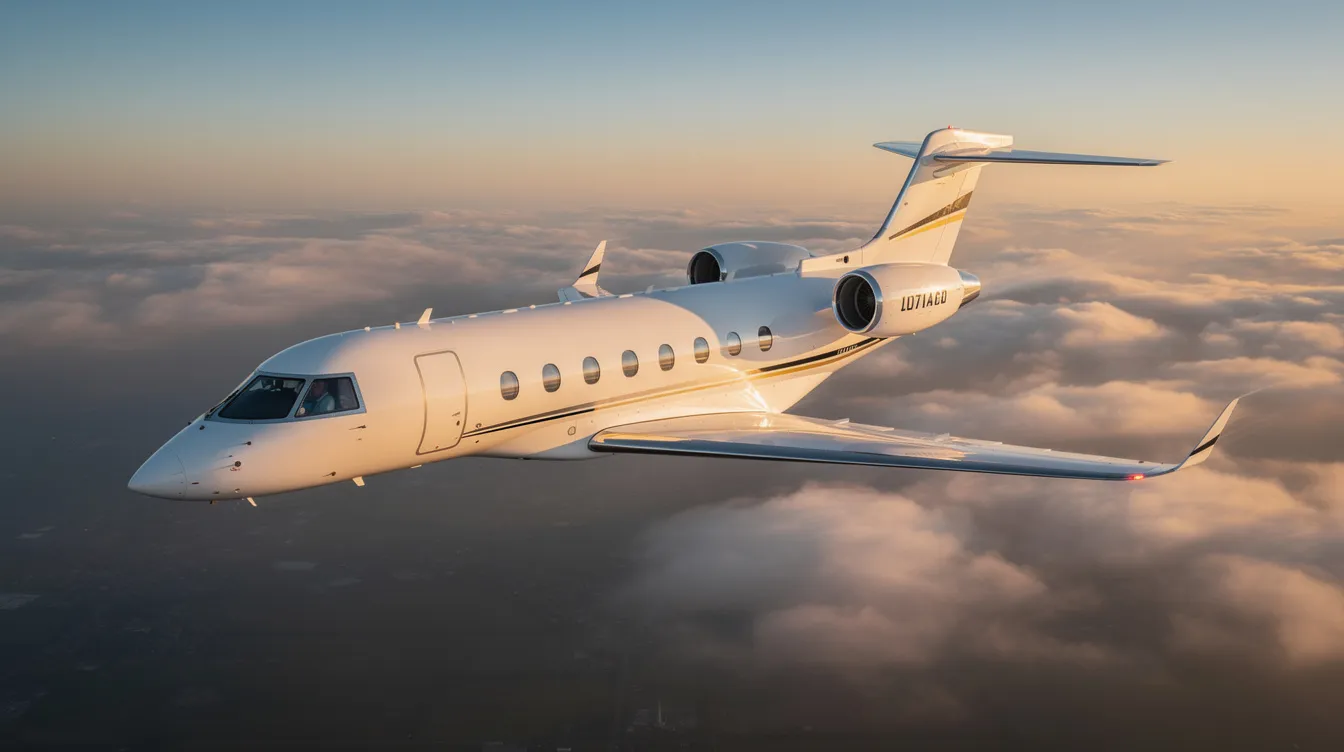
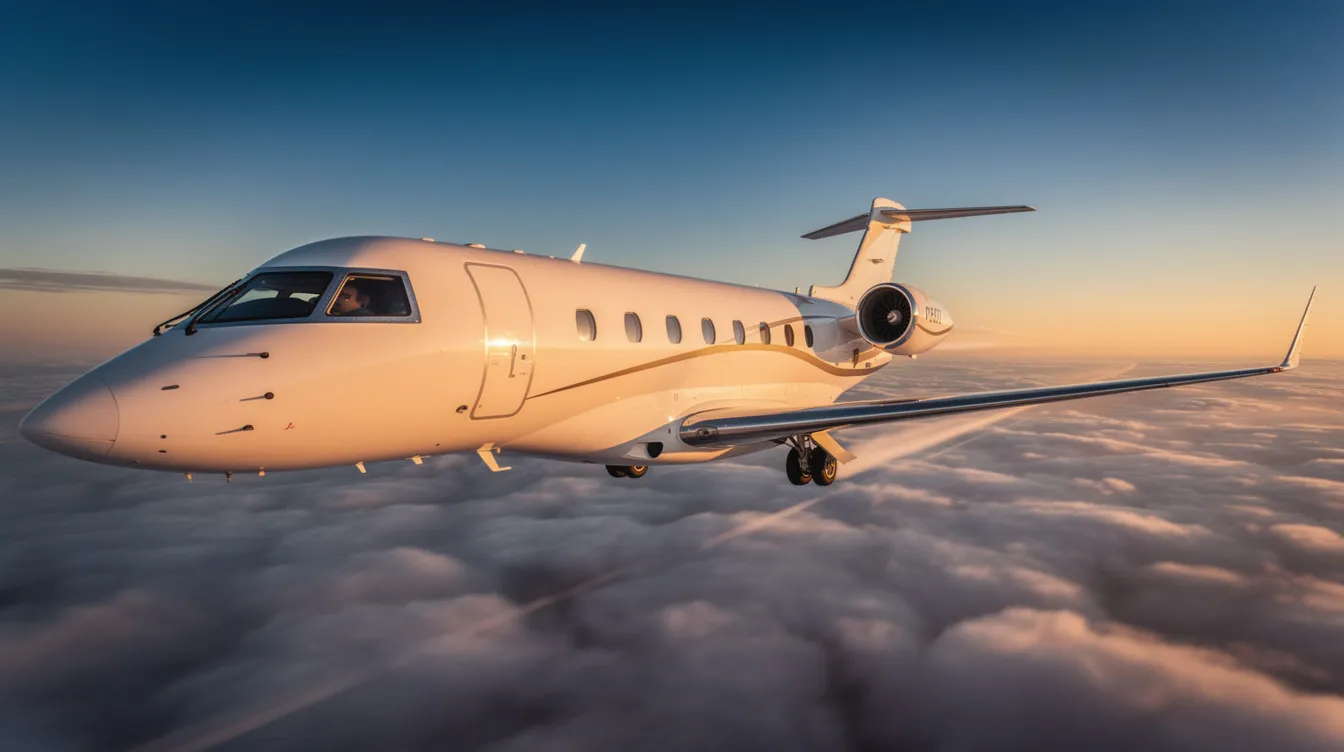
6 Seat Plane for Sale: Buyer's Guide, Market Insights & Featured Aircraft

Jay Franco Ser
September 4, 2026

The market for six-seat aircraft remains active across piston, turboprop, and light jet categories in 2026. This guide is designed for private buyers, corporate operators, and aviation enthusiasts who are considering purchasing, selling, or upgrading a six-seat aircraft. This guide covers the models, pricing, operating costs, and decision frameworks that matter most when searching for a 6-seat plane for sale or preparing one for the market.

Key Takeaways

BusinessJets. com specializes in sourcing, valuing, buying, and selling six-seat planes for private and corporate clients. Popular models in this segment include the Beechcraft G58 Baron (asking prices averaging around USD 1.4 million in 2026), the Piper JetPROP DLX, the Cessna 414 pressurized twin, and late-model piston singles. Six-seat aircraft are suitable for private and recreational travel as well as corporate shuttle, air taxi, and owner-flown business missions.

  • Six-seat planes span piston aircraft, turboprops, and light jets like the Cessna Citation Mustang and Cessna Citation Bravo, covering missions from family travel to corporate operations.

  • Readers can request a discreet appraisal, list a 6-seat aircraft for sale, or mandate BusinessJets.com to run a global acquisition search covering on-market and off-market inventory.

  • Purchase decisions should balance acquisition price with operating costs, range, payload, runway performance, and avionics and maintenance status; professional brokerage and appraisal support helps avoid overpaying or buying a misfit airplane.

  • Popular six-seat aircraft brands include Beechcraft and Cessna, but Piper, Robin Aircraft, and other manufacturers serve this segment across Europe, Canada, and the United States.

  • BusinessJets.com has completed over 1,500 transactions and served more than 5,000 satisfied clients, providing proof of capability in navigating complex six-seat aircraft deals worldwide.

What Counts as a 6 Seat Plane Today?

A "6-seat plane" refers to an aircraft certified for six occupants. This category includes high-performance piston singles, cabin-class piston twins, turboprops, and some light jets. Six-seat aircraft include jets, airplanes, and helicopters, though fixed-wing models dominate the segment for business and personal use. The range of options spans from legacy piston singles to modern turboprops and light jets.

Representative six-seat categories:

  • Single-engine piston: Beechcraft A36 Bonanza, Cessna 206/210, some Robin Aircraft models (5-6 seats)

  • Piston twins: Beechcraft G58 Baron, Cessna 414/414A (pressurized)

  • Turboprop conversions and factory turboprops: Piper JetPROP DLX, Beechcraft King Air C90

  • Light jets: Cessna Citation Mustang, certain Cessna Citation Bravo configurations

Featured 6 Seat Planes for Sale (Sample Profiles)

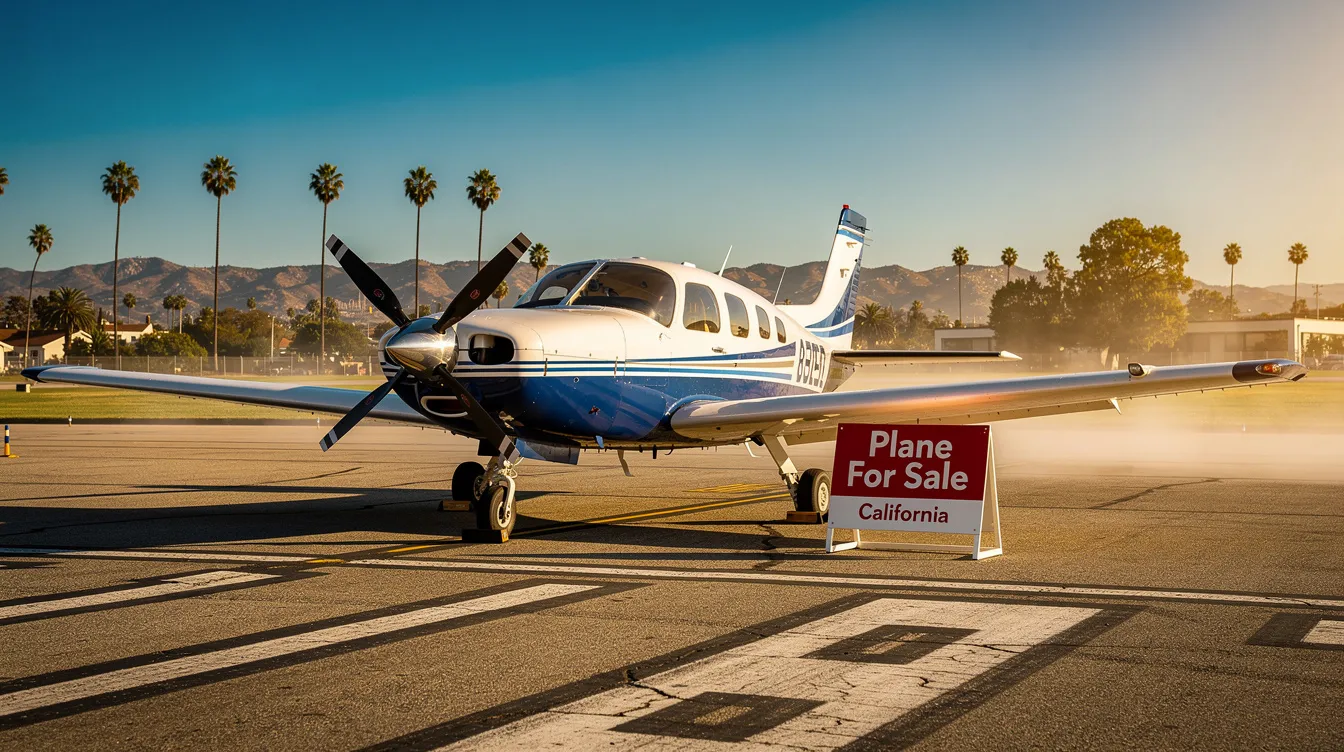
Beechcraft G58 Baron (Piston Twin): The 2014 Beechcraft G58 Baron is priced at $1,299,900 in representative listings. Equipped with Garmin G1000 NXi modern avionics, this model cruises at approximately 202 KTAS with a range of up to 1,480 nm. Ideally suited to owner-pilots flying regional corporate trips or family travel, the G58 delivers twin-engine redundancy and solid IFR capability. Buyers should verify engine times and ADS-B compliance before committing.

Piper JetPROP DLX (Turboprop Conversion): A 2016 conversion on a mid-2000s Malibu airframe, the Piper JetPROP DLX runs on a PT6A turbine producing roughly 560 shp. Cruise speed reaches approximately 260 KTAS at FL270, with fuel burn around 31 gallons per hour of Jet A. This airplane bridges the gap between piston and factory turboprop, retaining a six-seat cabin while offering turbine reliability and pressurized flight above weather. The conversion itself costs approximately $599,000 on top of the airframe.

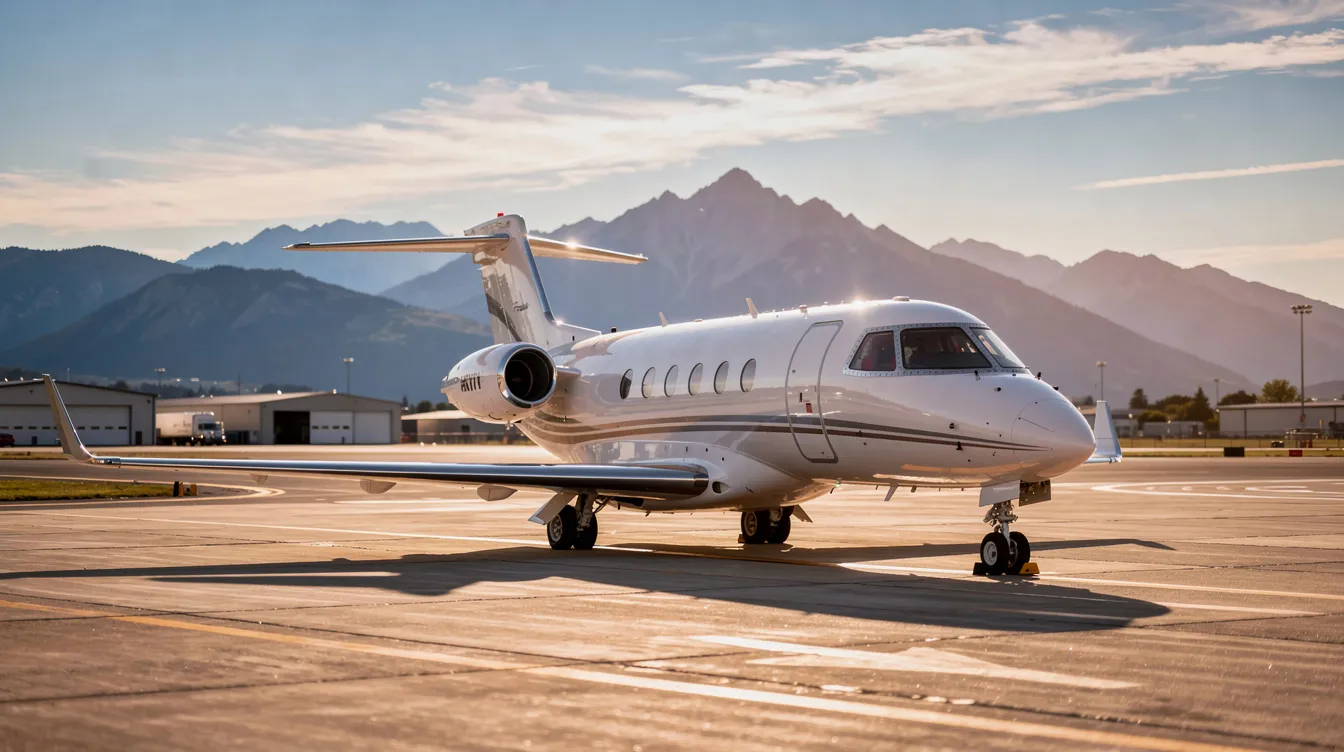
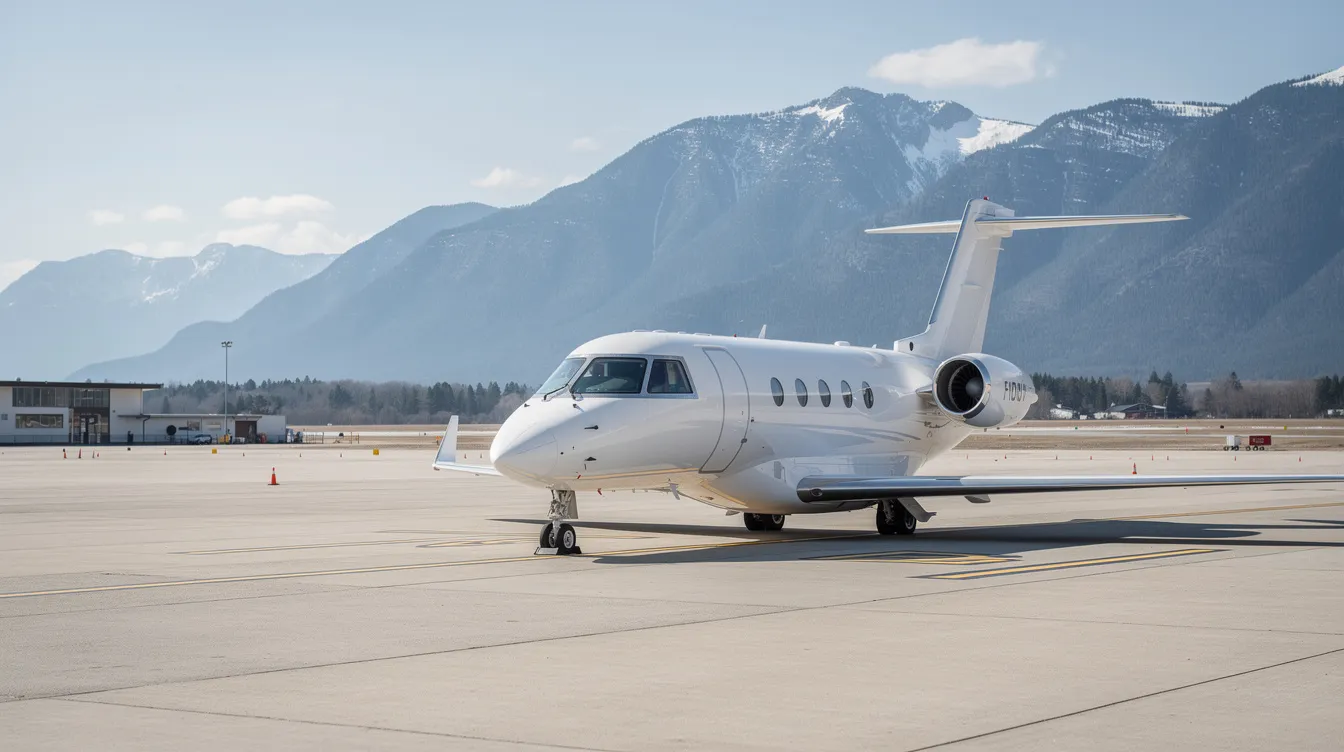
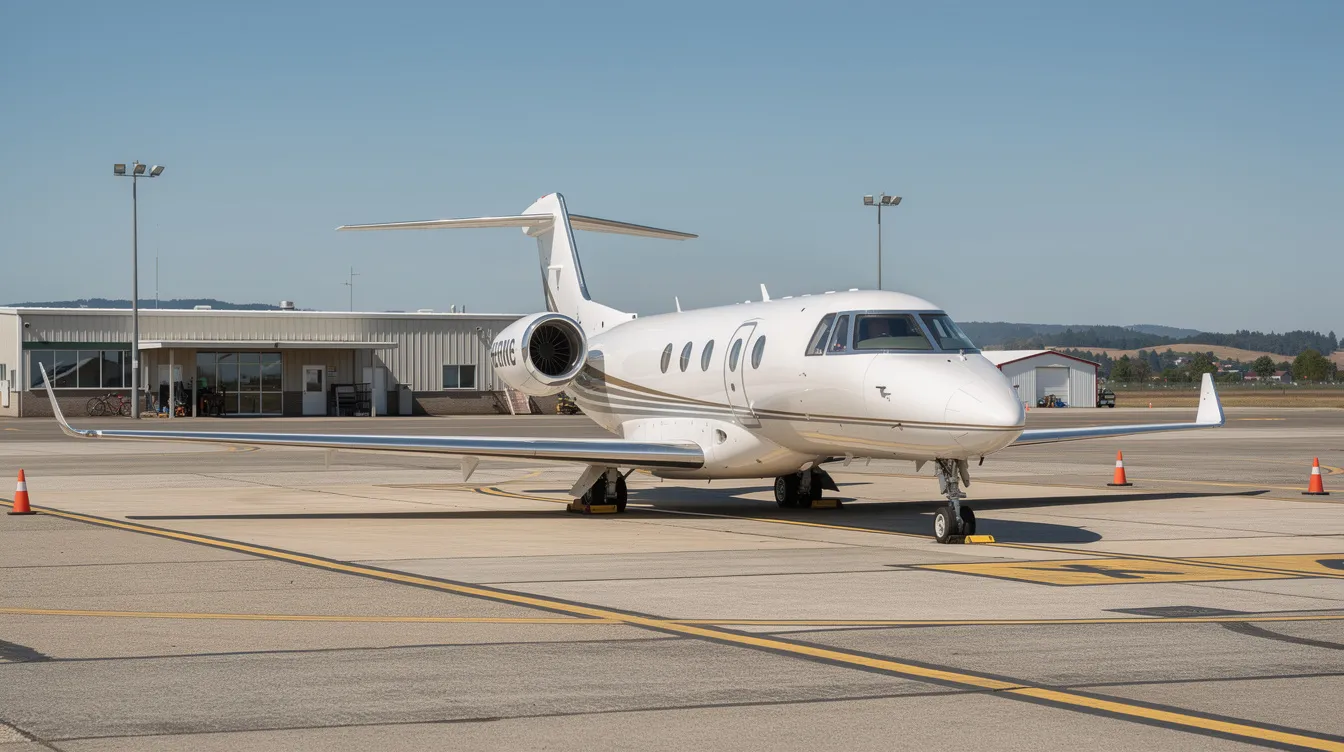
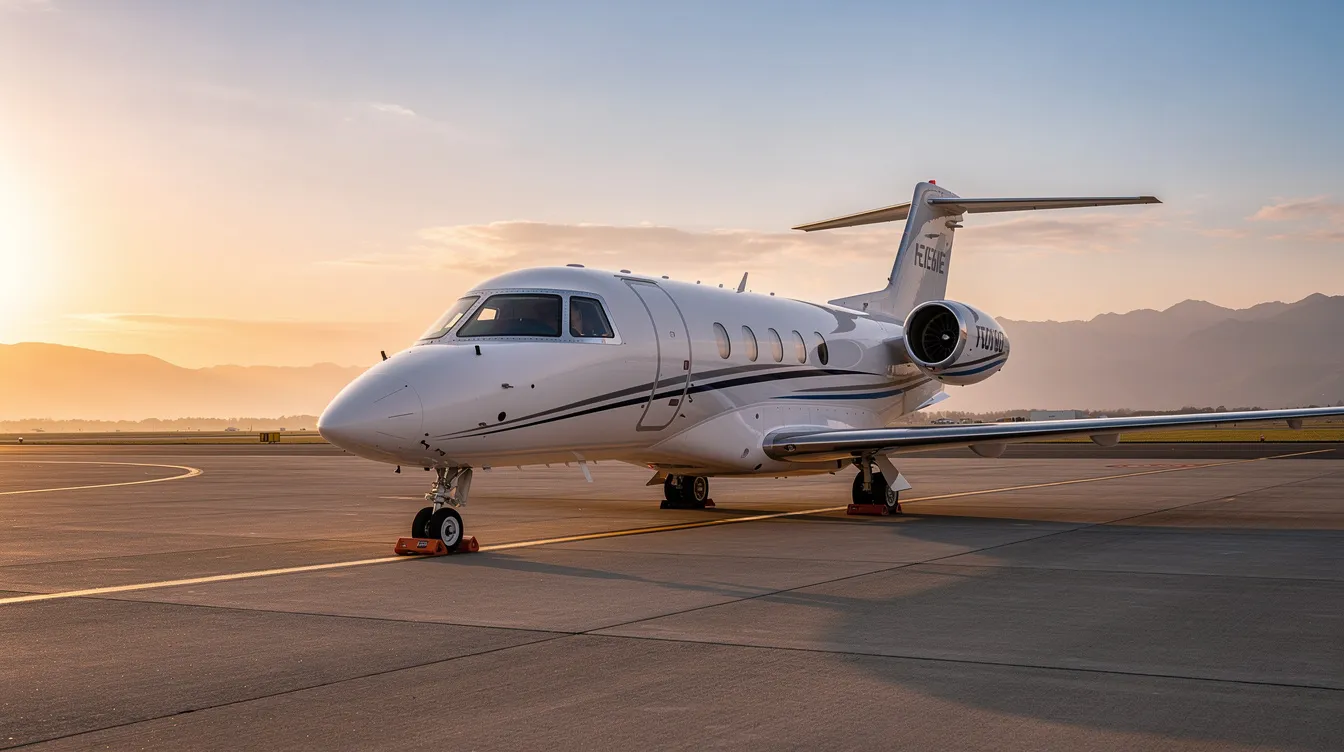
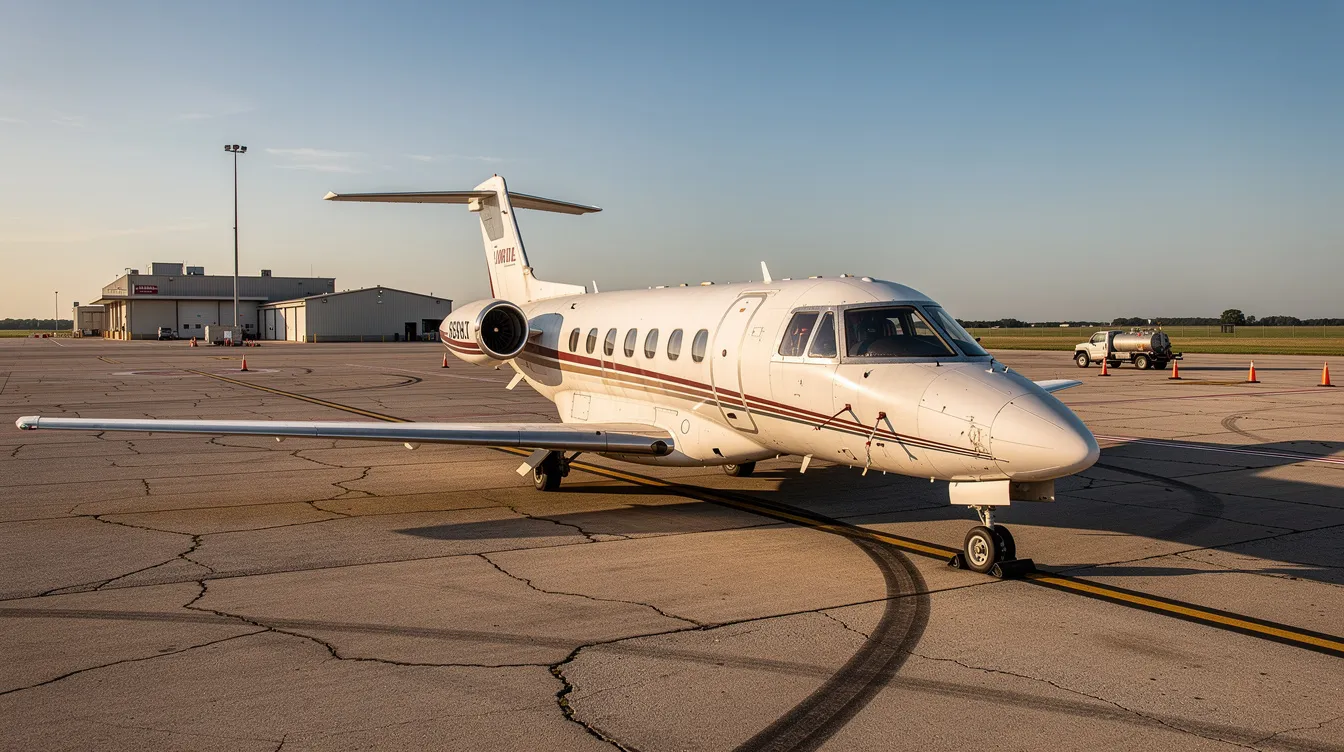
Cessna Citation Mustang (Light Jet): A 2009-2013 Cessna Citation Mustang typically asks around USD 2.0 million in the 2026 market, with well-equipped examples reaching USD 2.3 million. Cruise speed sits in the 340-350 knot range with RVSM, WAAS, and LPV capability. The Mustang's four-seat club cabin plus pilot (and potential right-seat passenger in non-commercial operations) makes it a functional "six-seat" option for owner-operators who value jet aircraft performance and the ability to fly above traffic and weather.

Types of 6 Seat Aircraft: Piston, Turboprop & Light Jet

Six-seat aircraft span multiple propulsion categories, each with distinct cost, performance, and mission profiles. BusinessJets.com regularly advises clients on trade-offs across these segments, and the right choice depends on utilization rate, route structure, and budget.

Piston aircraft such as the Cessna 206/210, Beechcraft Bonanza G36, Beechcraft G58 Baron, and certain Robin Aircraft models from Europe offer the lowest acquisition cost. Fuel burn for most six-seater airplanes ranges from 14 to 18 gallons per hour for piston singles, making these the economy option for low-utilization owners. Piston twins burn more but add engine redundancy.

Turboprops like the Piper JetPROP DLX, Beechcraft King Air C90, and Daher TBM series deliver higher cruise speed (250-300+ knots), pressurization, and better performance in hot and high conditions. Fuel switches to Jet A, and fixed costs rise with turbine maintenance cycles.

Light jets such as the Cessna Citation Mustang and some configurations of the Cessna Citation Bravo provide jet-level cabin comfort, higher cruise speeds, and the ability to fly above most weather. Operating costs and acquisition prices increase accordingly.

Category

Speed (KTAS)

Typical Acquisition

Hourly Fuel + Maintenance

Piston single

130-180

$200K-$600K

$125-$200

Piston twin

190-230

$600K-$1.5M

$250-$400

Turboprop

250-300

$800K-$4M

$500-$1,600

Light jet

330-400

$1.9M-$3M+

$1,000-$2,000

6 Seat Piston Aircraft: When Are They the Right Choice?

For many private owners and smaller operators, piston singles and piston twins offer the most cost-effective way to carry up to six occupants on legs of 300-600 nm. There are currently 1,877 listings for single-engine piston aircraft available in public marketplaces, giving buyers a wide selection of models, vintages, and equipment levels.

Six-seat single-engine piston aircraft carry advantages: lower acquisition cost, simpler maintenance, and good short-field capability. A Cessna 206 Turbo Stationair handles unimproved strips with ease. A Piper Saratoga offers a comfortable cabin for five passengers plus pilot. Annual inspections for six-seat airplanes can cost approximately $1,500 to $5,000, depending on complexity and findings, making fixed costs manageable for moderate utilization.

Some buyers step up to piston twins like the Beechcraft G58 Baron or Piper Seneca for engine redundancy over water or mountainous terrain. The combination of higher cruise speed and twin-engine safety comes with increased operating costs and more demanding training requirements for pilots.

BusinessJets. com can benchmark total cost of ownership for a specific 6-seat piston aircraft, including hangar, insurance, fuel, maintenance, and engine reserves, and compare it against turboprop or light jet alternatives.

  • Best for private owners flying 100-200 hours per year on regional routes under 500 nm

  • Best for air taxi start-ups serving short legs where speed matters less than per-seat cost

Robin Aircraft, Piper, Beechcraft & Cessna: Notable 6 Seat Models

Buyers often start their search with a brand preference. Here is a snapshot of manufacturers present in the six-seat segment.

Robin Aircraft produces several models used across Europe with 5-6 seat configurations. These aircraft are known for fuel efficiency and suitability for touring and training, though global parts support is more limited than American brands. Buyers in Germany, France, and neighboring countries encounter Robin models frequently on the used market.

Piper covers multiple roles. The PA-32 Cherokee Six and Piper Saratoga serve as family and business travel aircraft with spacious cabins and strong useful load numbers. The PA-46 series (Malibu and Mirage) leads naturally to the Piper JetPROP DLX turboprop conversion, offering pressurized flight and turbine speed. Popular six-seat aircraft include the Cessna 206, Piper Saratoga, and Beechcraft Bonanza A36, three models that consistently appear on buyer shortlists.

Beechcraft offers the Bonanza G36 as a high-performance single with 5-6 seats and the G58 Baron as a six-seat twin. Larger Beechcraft King Air models can be configured with six executive seats in club arrangements. Beechcraft products generally hold strong residual values due to global parts infrastructure.

Cessna provides the 206 and 210 as rugged piston options. The pressurized Cessna 414 serves buyers needing more people at altitude. In the jet segment, Cessna Citation aircraft, including the Citation Mustang and broader Citation family, are frequently chosen when six usable seats are required at jet speed.

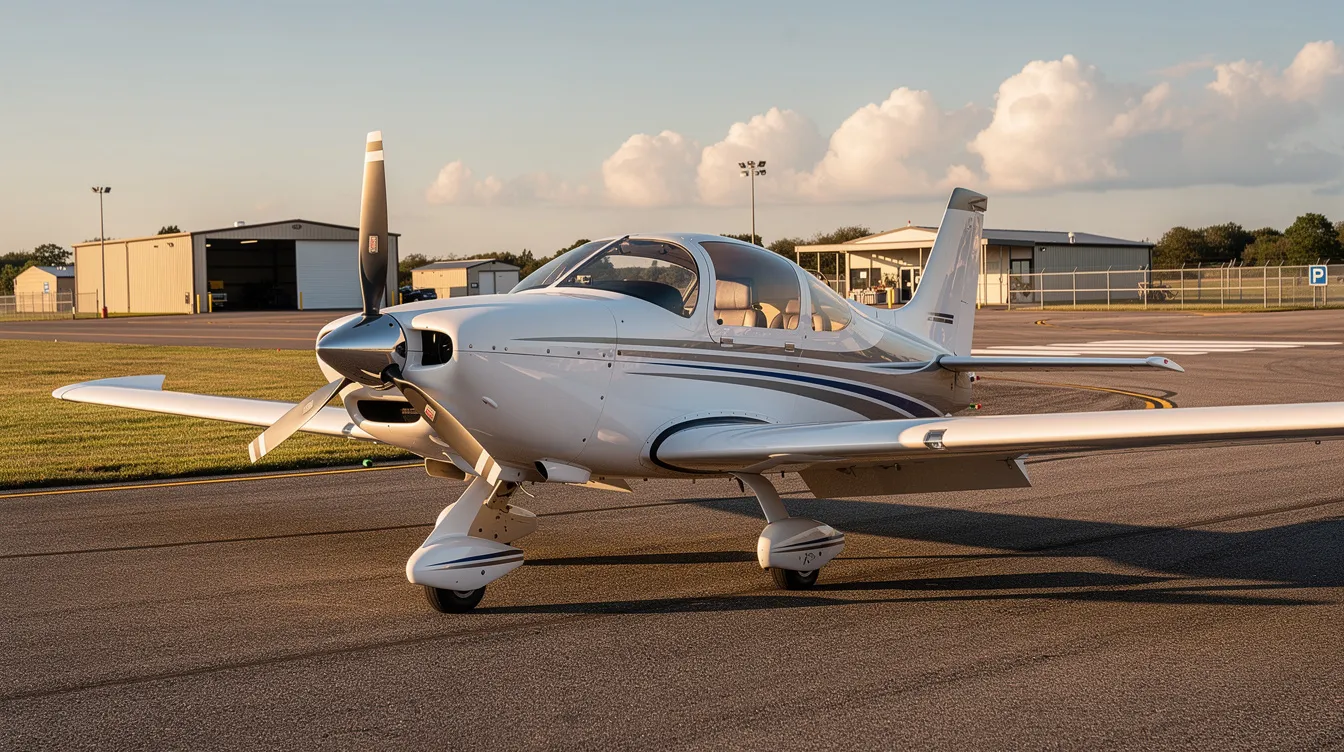
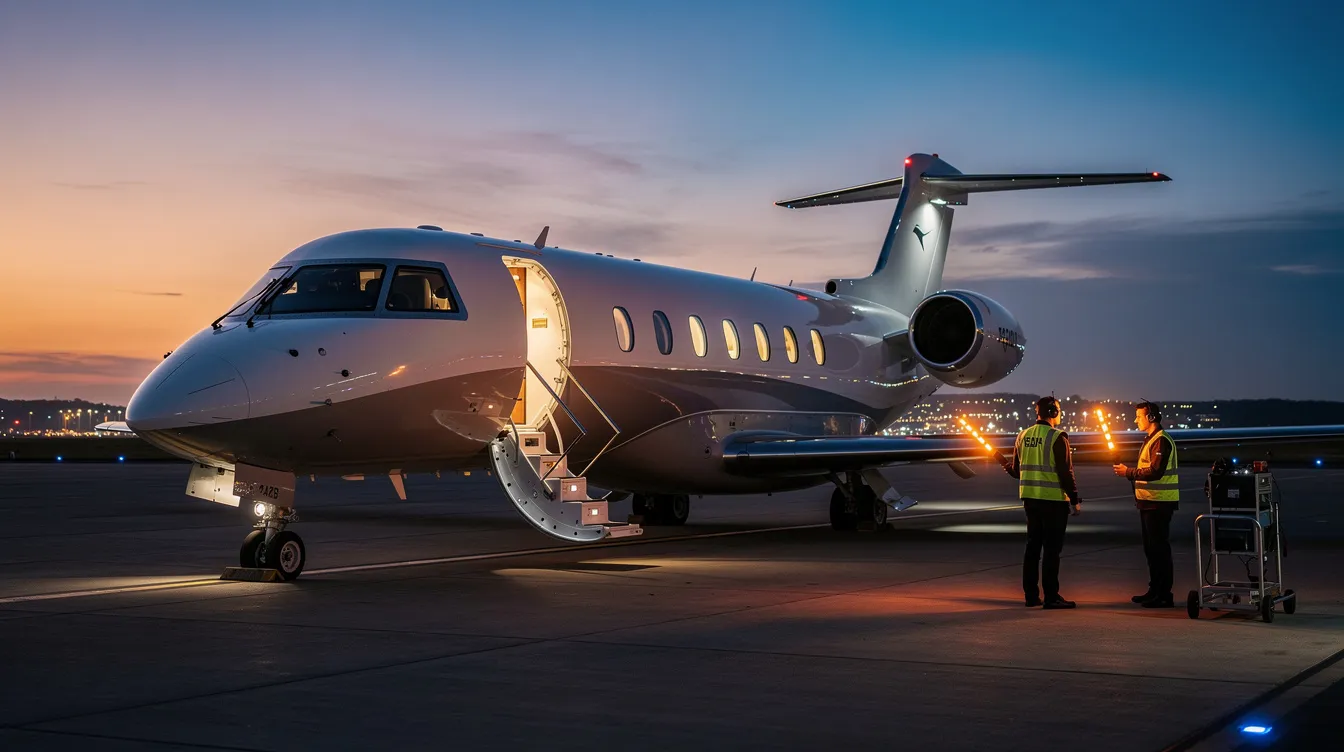
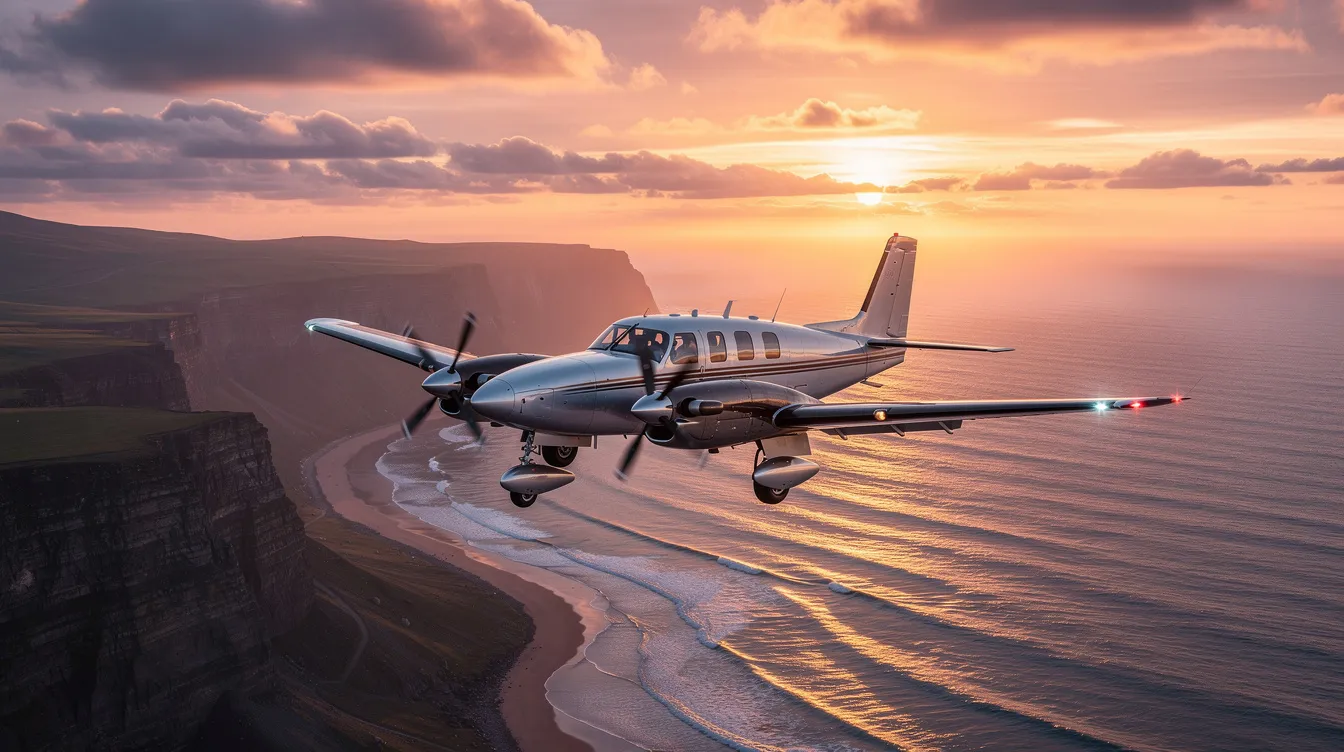
A twin-engine piston aircraft is soaring above a picturesque coastline as the sun sets, casting a warm glow over the scene. This image captures the essence of private air travel, highlighting the aircraft's sleek design and the tranquil beauty of the evening sky.

Six-Seat Turboprops: Beechcraft King Air, JetPROP & More

Six-seat turboprops are chosen when owners need pressurized flight, cruise speeds above 250 knots, and better performance in weather compared to piston aircraft.

The Beechcraft King Air C90 series is the benchmark. Configured with six club-style executive seats, the C90 handles corporate and charter flights of 400-800 nm with ease. Average asking prices for King Air C90s range from USD 799,000 (median) to USD 1.34 million, depending on model year, engine times, and avionics. A 1983 King Air C90-1 was recently listed at USD 1,095,000 with 6,868 airframe hours and recent hot section inspections.

The Piper JetPROP DLX provides an alternative at a lower acquisition cost than most factory turboprops. Its PT6A engine offers excellent speed and efficiency, but buyers must understand unique support and insurance considerations. Not every maintenance shop has experience with Malibu-to-turboprop conversions, and propeller overhaul intervals add to long-term costs.

Daher TBM series aircraft (700, 850, 900) can carry six occupants in high-density or family configurations, though baggage and payload constraints at max seating require careful weight and balance planning.

BusinessJets.com's aviation consulting services can compare specific turboprop options side-by-side, including maintenance program status, engine times, and upcoming inspections such as hot section intervals and propeller or landing gear overhauls.

Compact Jets with 6 Seats: Cessna Citation Mustang & Bravo

The Cessna Citation Mustang features a four-seat club cabin plus a side-facing belted lavatory position, with the pilot seat and a potential right-seat passenger bringing total occupancy to six for non-commercial operations. Approximately 26 Mustangs are listed for sale among roughly 264 in the U.S. fleet (9.8% of the fleet), and well-priced examples tend to sell within 36 days. For owner-operators interested in immediate delivery, the Mustang's single-pilot certification and manageable fixed costs make it an exceptional opportunity in the entry-level jet segment.

The Cessna Citation Bravo is configured for 7-8 passengers but commonly operated with six primary cabin seats for comfort. Its higher cruise speed and longer range compared to the Mustang suit operators running 800-1,200 nm legs. Some charter operators prefer a six-seat "comfort-first" layout with more legroom and baggage space per passenger.

Single Engine vs Twin-Engine for 6 Seat Missions

The trade-off is straightforward. Single-engine aircraft (piston or turboprop) offer lower operating costs and simpler systems. Twin-engine aircraft provide redundancy, better climb performance, and sometimes regulatory advantages for commercial operations.

Typical six-seat single-engine options include the Cessna 206/210, Piper PA-46 series, and some Robin Aircraft models. These carry lower fuel burn, simpler maintenance schedules, and reduced pilot training requirements. A Bonanza A36 runs approximately $125-$150 per hour in variable costs.

Six-seat twin options like the Beechcraft G58 Baron, Piper Seneca, and smaller Beechcraft King Air variants deliver better engine-out handling and route flexibility for flights over water or mountains. The wings on a twin generate lift for continued flight on one engine, a factor that matters on demanding routes, though proper training is essential.

Key Buying Criteria for a 6 Seat Plane

Acquisition price is only one of several critical factors. Long-term holding costs and mission fit carry equal weight for both corporate and private buyers.

Core criteria to evaluate:

  • Range and endurance at typical passenger loads

  • Payload with full fuel vs. reduced fuel for shorter legs

  • Runway performance (takeoff and landing distances at destination airports)

  • Pressurization and known icing certification

  • Avionics: IFR capability, WAAS/LPV approaches, ADS-B Out/In compliance

  • Cabin comfort: seat pitch, noise levels, climate control, baggage access

Aircraft condition deserves close attention. Engine times, calendar and cycle limits, damage history, logbook completeness, and recent major inspections or avionics upgrades all affect value. A 2012 G58 Baron with high-time engines approaching overhaul (1,700+ hours TBO) will carry a lower market value than a 2008 example with 400-hour engines and a recent Garmin avionics upgrade, even though the 2008 airframe is older. The loaded cost of an engine overhaul on a Continental IO-550 can run $40,000-$50,000 per side; factoring that into the acquisition price prevents overpaying.

Regulatory and operating context also matters: single-pilot vs two-pilot certification, icing realities in your region, and whether the aircraft will fly under Part 91 (private) or Part 135 (charter) rules.

Market Pricing & Operating Costs in 2026

Post-2020 volatility and 2022-2024 supply constraints have stabilized, but high-quality six-seat aircraft remain in steady demand. Market trends influence the valuation of aircraft assets, and mid-2026 data shows pre-owned jet transactions dipped about 10.8% vs. H1 2025, though six-seat piston and turboprop segments continue trading.

Approximate 2026 price bands:

  • Late-model 6-seat piston aircraft: USD 600K-1.5M (age, avionics, and engine time dependent)

  • Six seat turboprops (King Air C90, JetPROP DLX): USD 800K-4M

  • Light jets (Cessna Citation Mustang/Bravo): USD 2.0M and above

Direct operating costs (hourly estimates):

  • 6-seat piston single: $140-$200/hr (fuel + maintenance + reserves)

  • 6-seat piston twin: $250-$400/hr

  • 6-seat turboprop: $500-$1,600/hr (King Air C90 variable costs average about $1,584/hr)

  • Compact light jet: $1,000-$2,000/hr

Aircraft prices can vary based on demand cycles, with certain models commanding premiums when inventory is thin. Models with strong global support, such as the Cessna Citation line, Beechcraft King Air, and popular Piper variants, generally hold value better, especially when kept on recognized maintenance programs.

Request an aircraft appraisal or pre-acquisition cost analysis from BusinessJets.com before making an offer to confirm that price and long-term cost align with market reality.

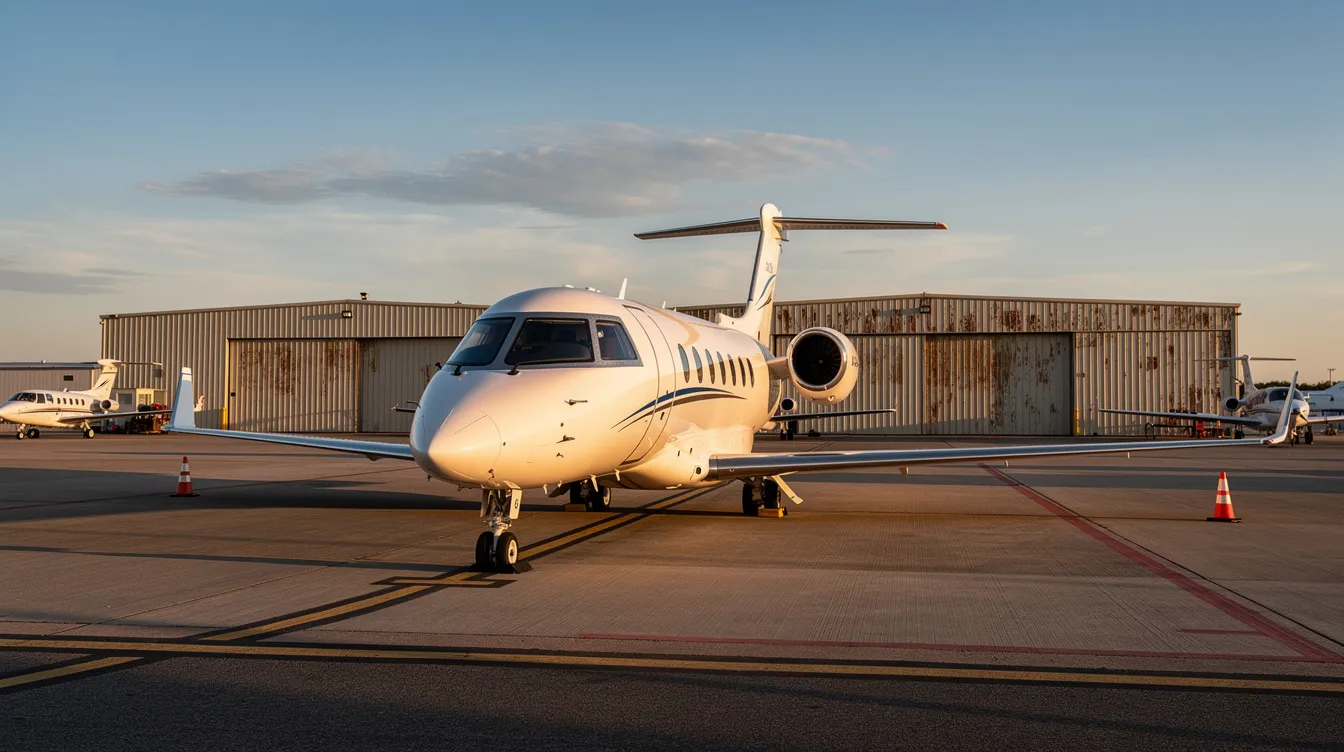
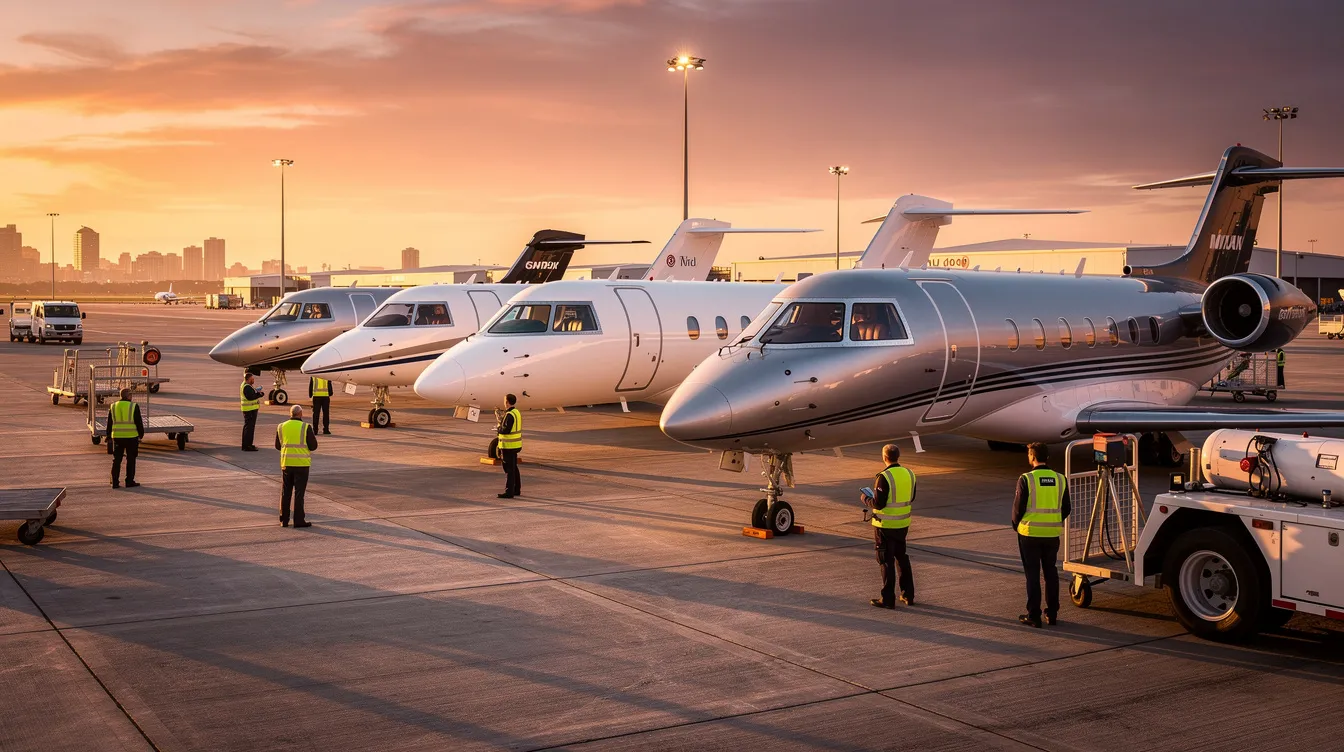
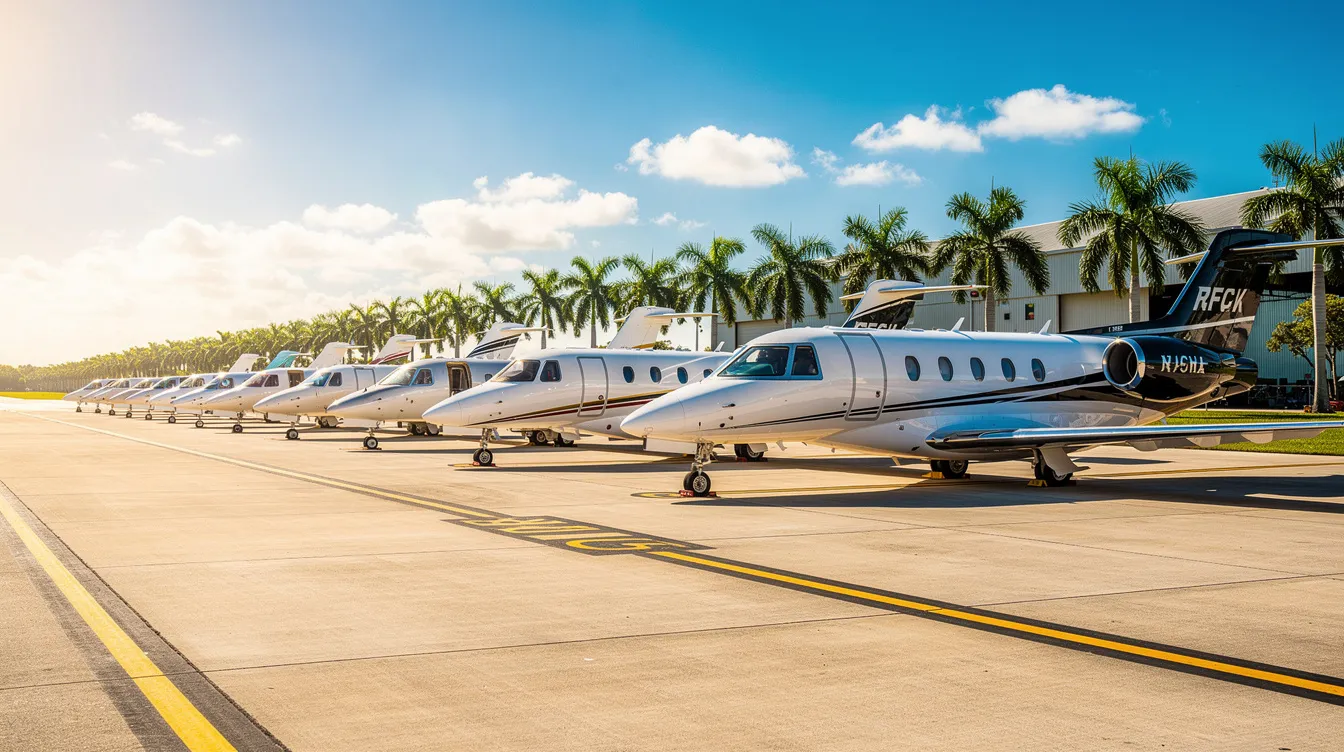
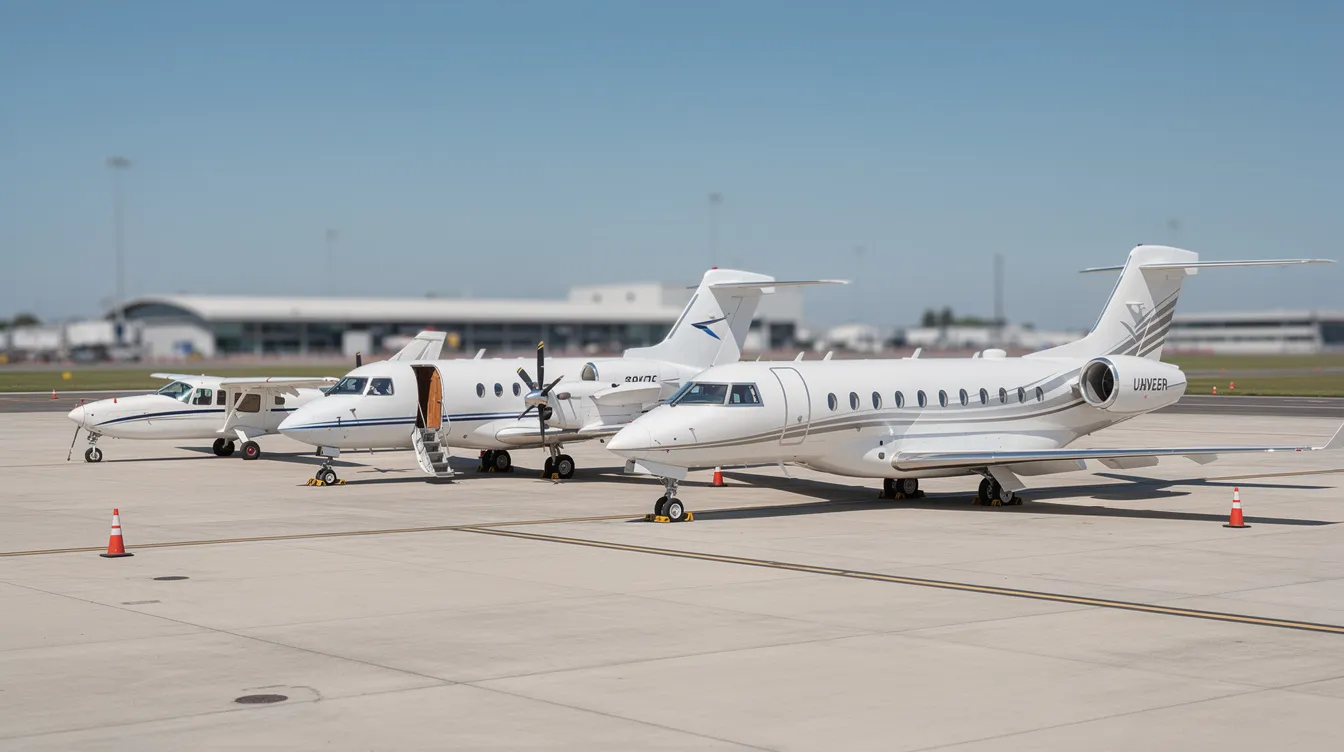
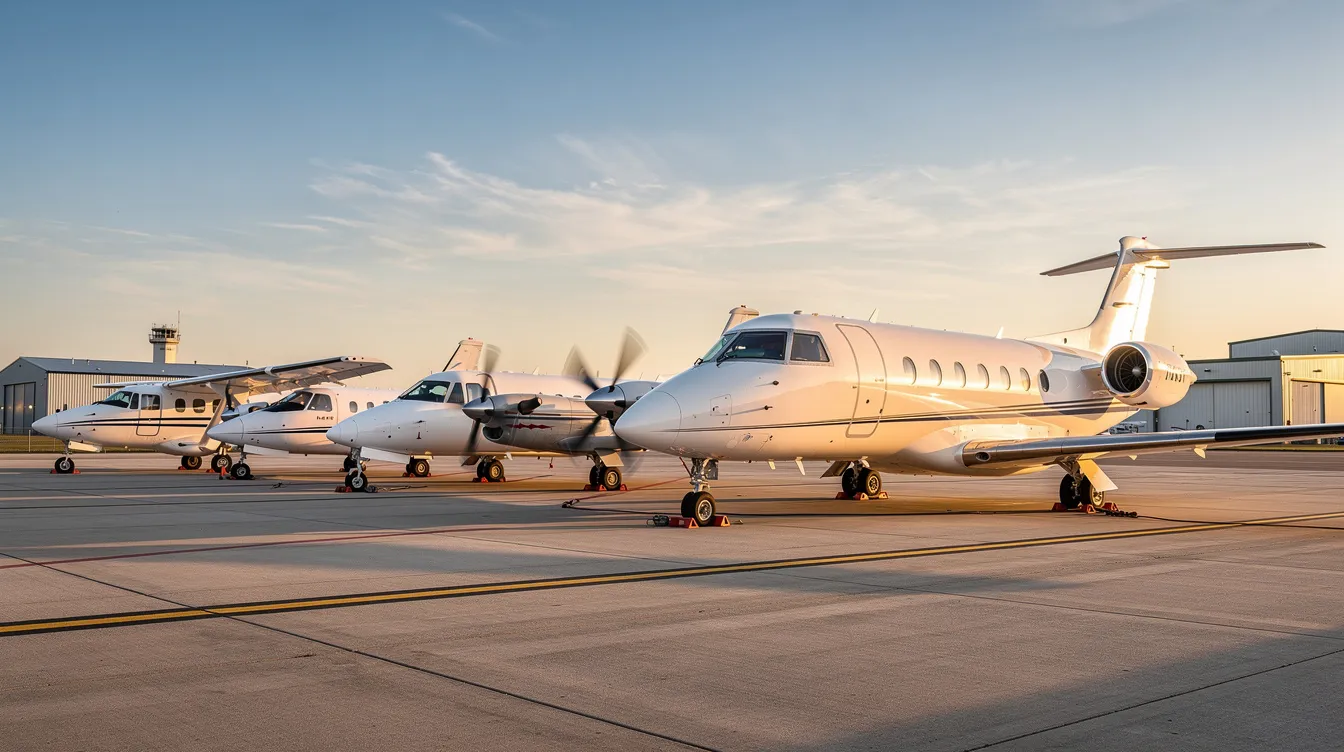
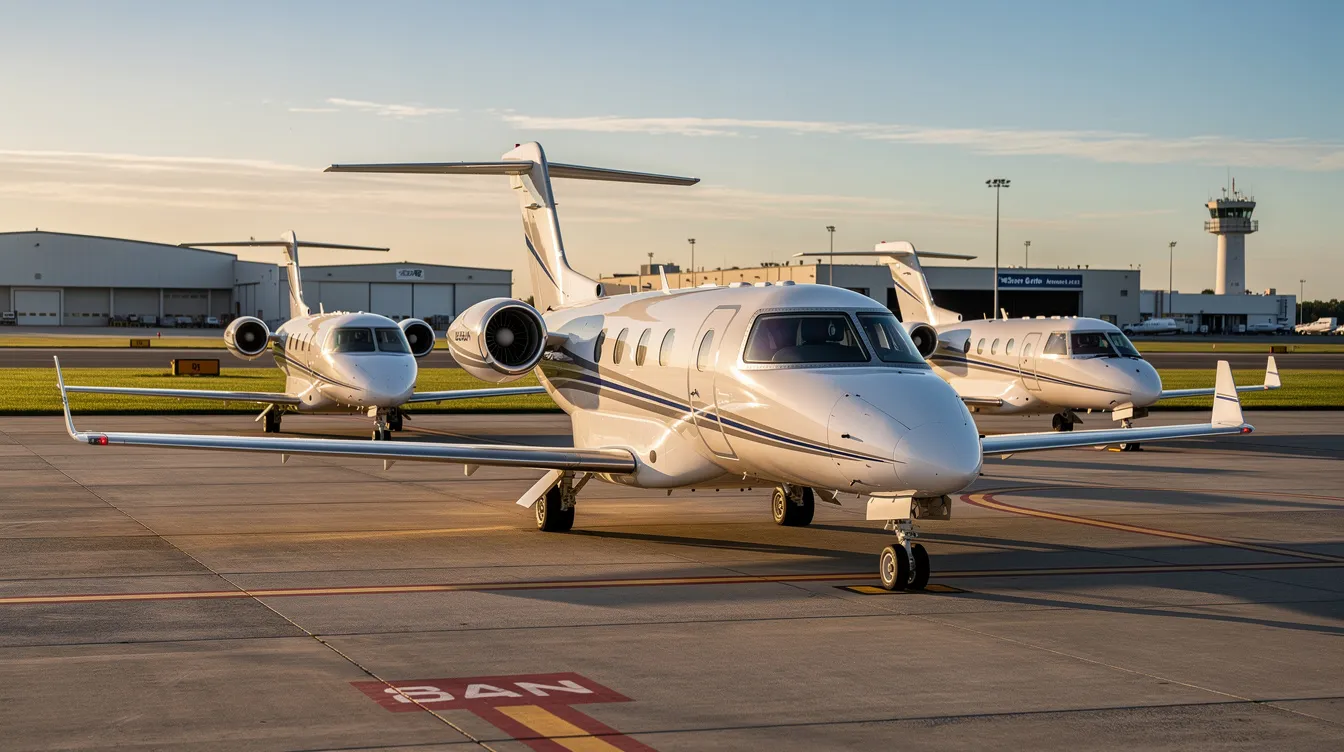
An aerial view of multiple small aircraft, including piston aircraft and jet aircraft, parked on a private aviation ramp in Vero Beach. The scene showcases a variety of models, highlighting the advantages of private air travel with modern avionics and cabin comfort for passengers.

Aircraft Appraisal & Valuation for 6 Seat Planes

A professional aircraft appraisal involves an in-depth review of logbooks, maintenance status, avionics, interior and exterior condition, damage history, and current market comparables for similar six-seat aircraft. Aircraft appraisals assess market value based on condition, and valuation considers aircraft age, model, and maintenance history in arriving at a supportable number.

Common valuation pitfalls include relying solely on asking prices (King Air C90 asking prices exceed average sold prices by roughly USD 294,000 in recent market data), ignoring upcoming major inspections, and overlooking engine overhaul costs on piston aircraft or hot-section inspections on turboprops and jets.

Professional appraisals are essential for accurate aircraft pricing, whether buying (to avoid overpaying) or selling (to set a market-responsive asking price that maximizes proceeds without the aircraft lingering on the market). Owners of a 6-seat piston aircraft, turboprop, or Citation-class light jet can request a confidential appraisal through BusinessJets.com before listing or upgrading.

Selling a 6 Seat Aircraft: Brokerage Strategy

Selling a six-seat plane, whether piston, turboprop, or light jet, requires a structured process to achieve optimal price and timeline in the globalized 2026 aircraft market. Aircraft brokerage services facilitate buying and selling private jets and smaller aircraft alike.

Key steps in a successful sale:

  • Professional valuation to establish a defensible asking price

  • Preparation: detailing, logbook organization, high-quality photography, specification sheets

  • Strategic pricing informed by current comparable sales

  • Global marketing across public channels (Trade-A-Plane is one of the oldest and most trusted aviation marketplaces for aircraft sales; Controller.com offers a robust platform for searching various types of aircraft including turboprops and jets) and private broker networks

Owners ready to list their 6-seat plane for sale can engage BusinessJets.com for professional, discreet representation built on experience across 1,500+ transactions.

Acquisition Support & Off-Market Opportunities

Many of the best six-seat aircraft deals, particularly low-time or recently upgraded examples, never appear on public listing platforms. Aircraft brokers provide access to exclusive off-market deals through private networks and direct relationships with owners.

Benefits of a buyer's representative include a stronger negotiating stance, structured offer process, oversight of prebuy inspections, and coordination with financing and legal teams. BusinessJets.com's experience across turboprops, piston aircraft, and Cessna Citation jets enables balanced advice when clients are undecided between categories.

Corporations, fleet managers, and high-net-worth individuals benefit from engaging BusinessJets.com early in acquisition planning to serve their mission requirements and avoid missteps or missed opportunities.

Regulatory, Training & Operational Considerations

Moving into or operating a 6-seat aircraft involves more than the purchase. Licensing, training, operational approvals, and insurance all play a role, and the requirements increase as you move from piston to turboprop to jet.

Pilot qualification differences are concrete. Operating a high-performance single-engine piston requires a high-performance endorsement. A multi-engine piston twin requires a multi-engine rating. A turboprop demands turbine-specific training. A light jet like the Cessna Citation Mustang, while certified for single-pilot operations, requires type-specific training that can run $15,000-$25,000 for initial qualification. Pilots stepping into any new category should plan for 2-4 weeks of ground and simulator training before taking delivery.

BusinessJets.com's aviation consulting services help buyers and operators craft an appropriate operating model, including fleet strategy, utilization planning, and selection of management or charter partners where needed. Addressing regulatory and training timelines early, ideally before closing, ensures a six-seat aircraft can enter service smoothly and fly on schedule.

How BusinessJets.com Supports 6 Seat Plane Owners & Buyers

BusinessJets.com covers the full aircraft lifecycle for six-seat aircraft owners and buyers: acquisition planning, aircraft search, appraisal and valuation, transaction execution, and eventual sale or upgrade.

The firm has completed over 1,500 aircraft transactions and served more than 5,000 customers globally. Six-seat piston aircraft, turboprops, and light jets are a recurring part of this portfolio, with active mandates in the United States, Canada, Europe (including Germany, the UK, and France), the Middle East, and beyond.

Core services for 6-seat aircraft clients:

  • Private jet and turboprop brokerage

  • Piston aircraft acquisition and sale

  • Private jet appraisals and market valuations

  • Operator advisory and fleet strategy consulting for companies using six-seat aircraft as shuttles, regional connectors, or executive transport

  • Access to proprietary market data and filters for narrowing searches

BusinessJets.com's approach is consultative and discreet, serving corporate buyers, high-net-worth individuals, and professional operators without aggressive sales tactics.

Ready to act? Request a 6-seat aircraft appraisal, list a 6-seat plane for sale, or initiate an acquisition engagement through BusinessJets.com.

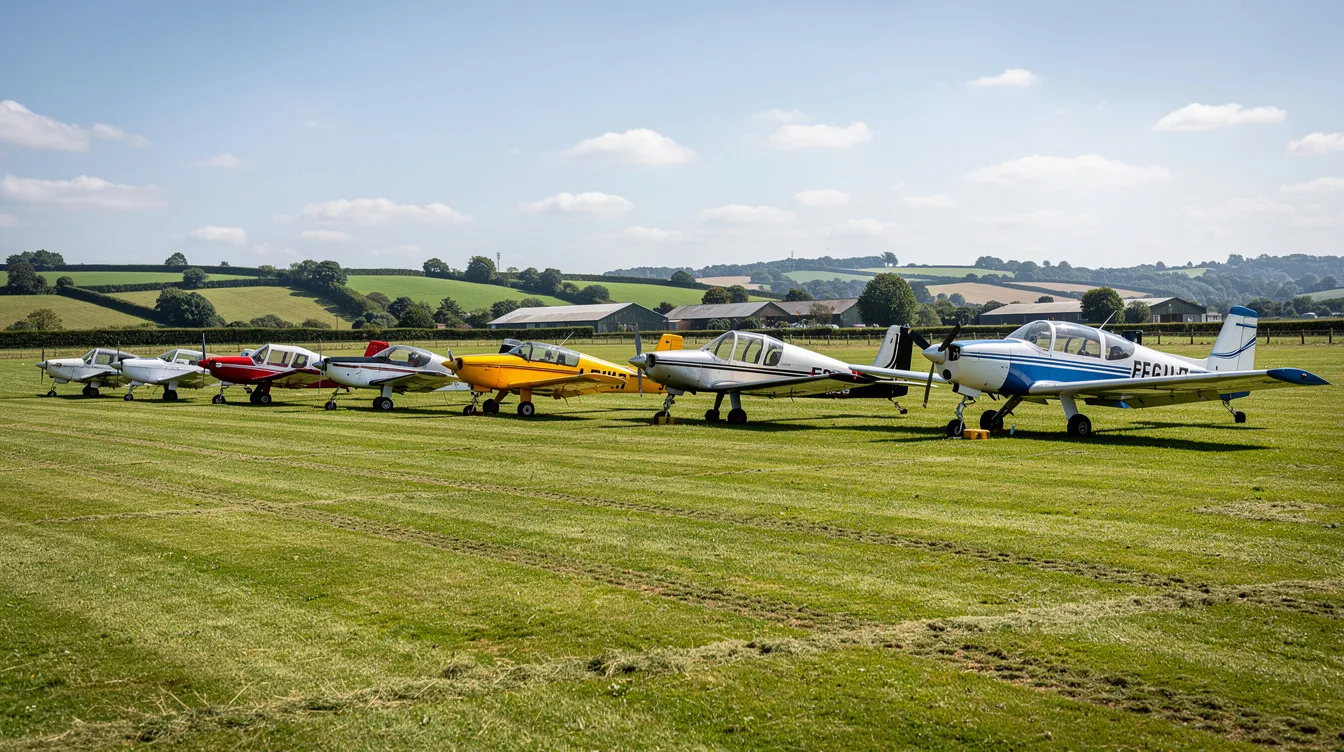
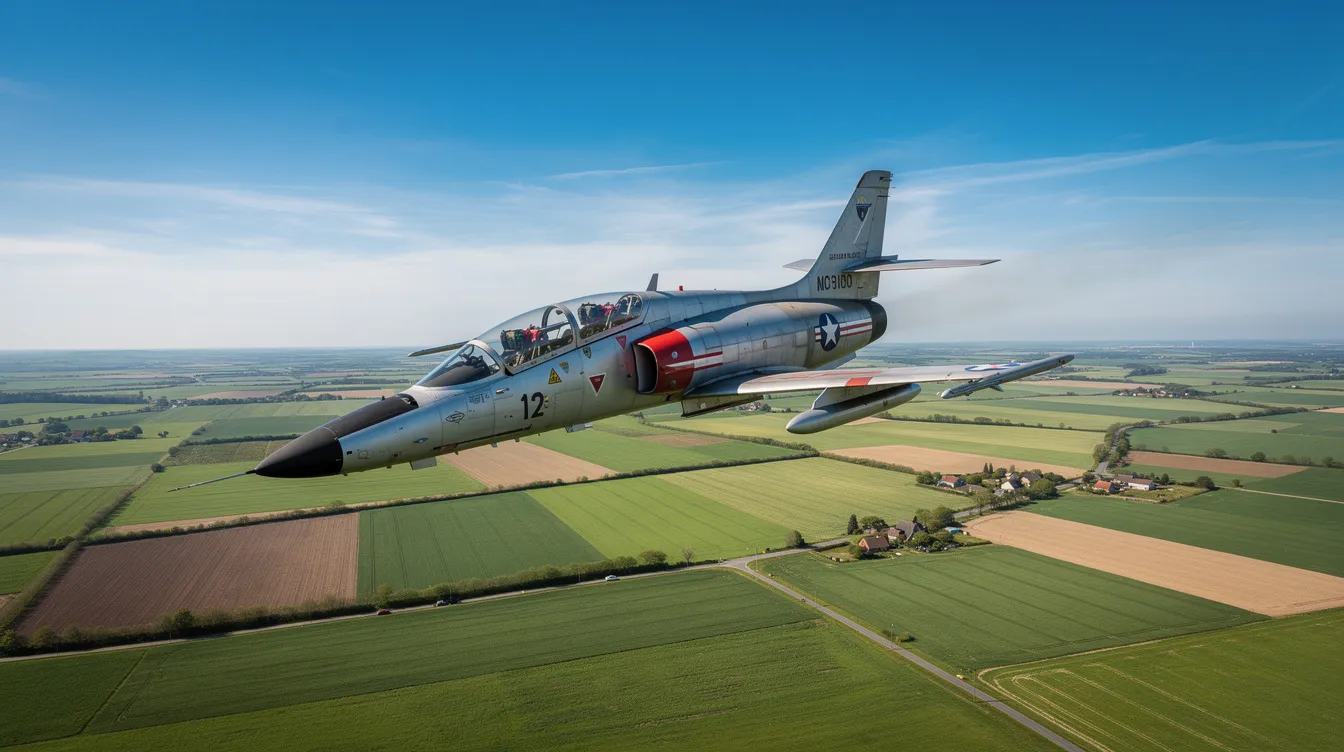
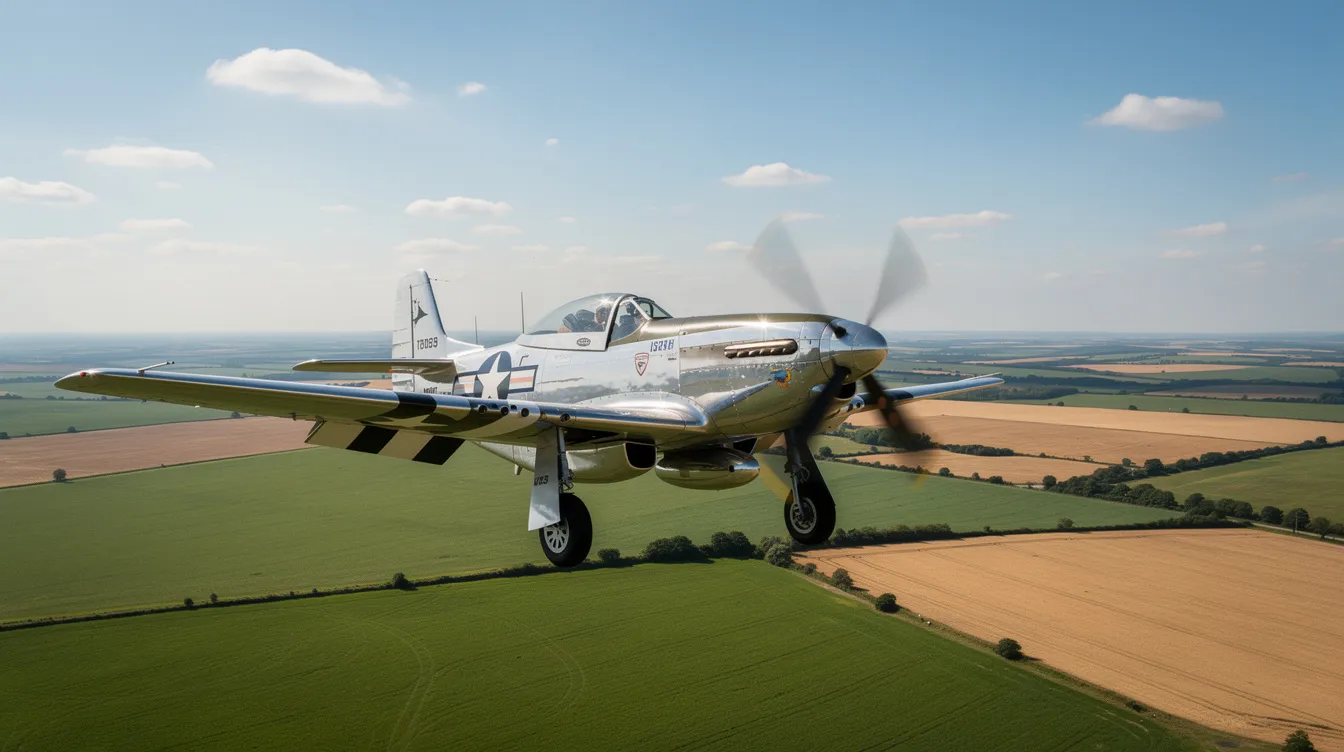
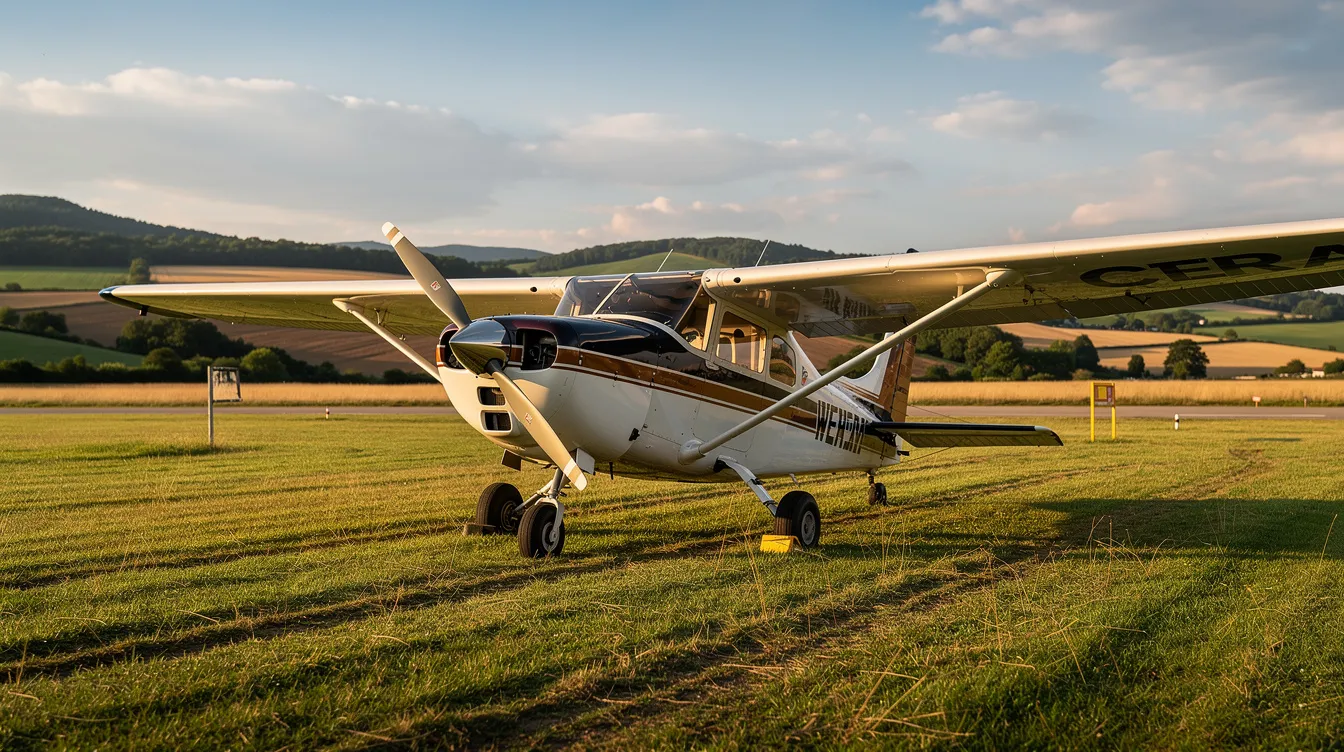
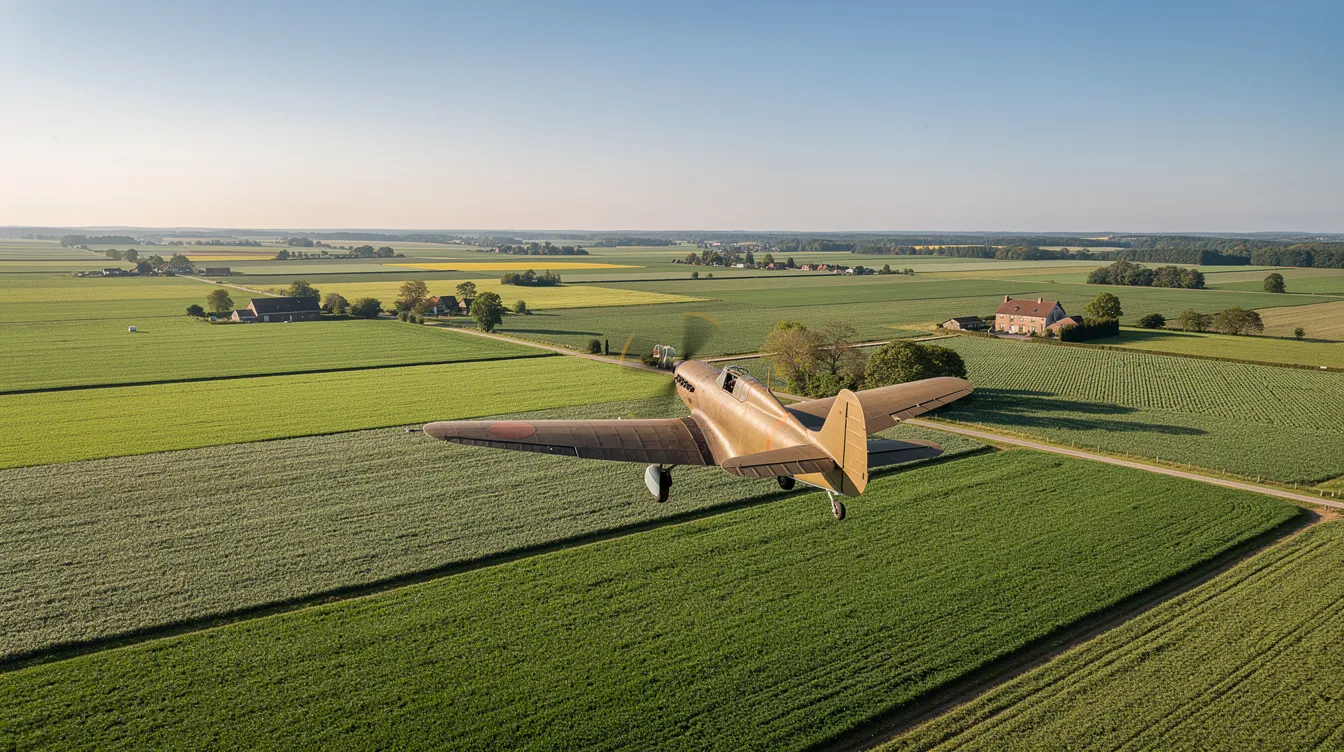
A piston aircraft with a propeller is soaring above lush green farmland beneath a clear blue sky, showcasing the beauty of private air travel. This scene highlights the freedom and performance of aviation, ideal for those interested in exploring the skies.

FAQ: Six Seat Aircraft Buying & Selling

Below are answers to specific questions that prospective six-seat aircraft buyers and sellers ask regularly.

What is the most cost-effective type of 6 seat plane for regional business travel?

Late-model six-seat piston aircraft like the Beechcraft G58 Baron or Cessna 206 typically win on acquisition cost and hourly operating expense. A Piper Cherokee Six can operate for roughly $153 per hour at 200 hours per year, including fixed costs. Entry-level turboprops such as the Piper JetPROP DLX or a lower-time Beechcraft King Air C90 cost more per hour but offer speed, cabin comfort in turbulence, and the ability to fly above weather. For operators flying more than 300-400 hours per year on routes of 400+ nm, the time savings of a turboprop may justify the premium. Buyers flying fewer hours on shorter legs will generally find the piston option delivers better value. An aviation advisor at BusinessJets.com can run a tailored comparison using your specific routes and utilization to present a clear cost-per-trip analysis.

Can a 6 seat aircraft realistically fly with all seats occupied and full fuel?

Most six-seat aircraft cannot carry six adult passengers, full fuel, and baggage at the same time. The Beechcraft G58 Baron, for example, has a full-fuel payload of approximately 330 lb, enough for about two average adults without luggage. The Cessna 414 offers roughly 500-700 lb of full-fuel payload depending on variant and installed equipment. For many missions, pilots reduce fuel load to accommodate more people on shorter legs, or reduce passengers to carry full fuel for longer range. Before any purchase, work with BusinessJets.com or a qualified consultant to analyze mission-specific loading scenarios so you understand the real-world trade-offs of the aircraft you are considering.

How long does it typically take to buy or sell a 6 seat plane?

A well-priced six-seat aircraft with strong maintenance history and current avionics tends to sell in 30-90 days. Cessna Citation Mustangs in good condition have averaged around 36 days on the market in 2026. Older turboprops and aircraft requiring prebuy work may take 60-120 days. On the buying side, the process from initial search to closing typically runs 60-120 days, accounting for aircraft identification, prebuy inspection, financing, and regulatory steps. International transactions involving Florida-based sellers and European or Canadian buyers can add 2-4 weeks for import and registration procedures.

Is it better to upgrade my current 6-seat piston aircraft or replace it with a turboprop or light jet?

The answer depends on current airframe and engine times, upgrade costs (avionics, interior), planned utilization, and whether your mission needs have changed. If your piston aircraft has low-time engines, a solid airframe, and your routes remain under 500 nm, an avionics upgrade may extend its useful life at a fraction of replacement cost. If you need more speed, pressurization, or flights above FL180, replacing with a turboprop or light jet is likely more practical than trying to modify a piston airframe beyond its design envelope. BusinessJets.com can perform a hold-vs-upgrade-vs-replace analysis rooted in current 2026 market data and your specific utilization.

Do I need management or can I self-manage a 6 seat aircraft?

The dividing line is typically around utilization, operating certificate requirements, and whether revenue flights are involved. BusinessJets.com's consulting team can discuss management and operator advisory options tailored to your operation and aircraft type.BusinessJets.com covers the full aircraft lifecycle for six-seat aircraft owners and buyers: acquisition planning, aircraft search, appraisal and valuation, transaction execution, and eventual sale or upgrade.

Sourcing aircraft through brokers like BusinessJets.com helps identify hidden issues and coordinate inspections, ensuring buyers avoid costly surprises. Aircraft brokerage services also include appraisals and market intelligence, providing clients with a data-driven view of where their aircraft sits relative to comparables.

Conclusion

Choosing the right 6-seat plane involves balancing acquisition cost, operating expenses, mission requirements, and long-term value. Whether opting for a piston single, piston twin, turboprop, or light jet, thorough market knowledge and professional guidance are essential. BusinessJets.com's expertise in aircraft brokerage, appraisals, and consulting ensures clients make informed decisions tailored to their unique operational needs and budgets. With access to both on-market and exclusive off-market inventory, combined with a consultative approach rooted in over 1,500 successful transactions, BusinessJets.com stands as a trusted partner for six-seat aircraft buyers and sellers worldwide.

Engage with BusinessJets. com today to optimize your six-seat aircraft acquisition, sale, or fleet strategy with confidence and discretion.

6 Seat Plane for Sale: Buyer's Guide, Market Insights & Featured Aircraft

Jay Franco Ser

The market for six-seat aircraft remains active across piston, turboprop, and light jet categories in 2026. This guide is designed for private buyers, corporate operators, and aviation enthusiasts who are considering purchasing, selling, or upgrading a six-seat aircraft. This guide covers the models, pricing, operating costs, and decision frameworks that matter most when searching for a 6-seat plane for sale or preparing one for the market.

Key Takeaways

BusinessJets. com specializes in sourcing, valuing, buying, and selling six-seat planes for private and corporate clients. Popular models in this segment include the Beechcraft G58 Baron (asking prices averaging around USD 1.4 million in 2026), the Piper JetPROP DLX, the Cessna 414 pressurized twin, and late-model piston singles. Six-seat aircraft are suitable for private and recreational travel as well as corporate shuttle, air taxi, and owner-flown business missions.

  • Six-seat planes span piston aircraft, turboprops, and light jets like the Cessna Citation Mustang and Cessna Citation Bravo, covering missions from family travel to corporate operations.

  • Readers can request a discreet appraisal, list a 6-seat aircraft for sale, or mandate BusinessJets.com to run a global acquisition search covering on-market and off-market inventory.

  • Purchase decisions should balance acquisition price with operating costs, range, payload, runway performance, and avionics and maintenance status; professional brokerage and appraisal support helps avoid overpaying or buying a misfit airplane.

  • Popular six-seat aircraft brands include Beechcraft and Cessna, but Piper, Robin Aircraft, and other manufacturers serve this segment across Europe, Canada, and the United States.

  • BusinessJets.com has completed over 1,500 transactions and served more than 5,000 satisfied clients, providing proof of capability in navigating complex six-seat aircraft deals worldwide.

What Counts as a 6 Seat Plane Today?

A "6-seat plane" refers to an aircraft certified for six occupants. This category includes high-performance piston singles, cabin-class piston twins, turboprops, and some light jets. Six-seat aircraft include jets, airplanes, and helicopters, though fixed-wing models dominate the segment for business and personal use. The range of options spans from legacy piston singles to modern turboprops and light jets.

Representative six-seat categories:

  • Single-engine piston: Beechcraft A36 Bonanza, Cessna 206/210, some Robin Aircraft models (5-6 seats)

  • Piston twins: Beechcraft G58 Baron, Cessna 414/414A (pressurized)

  • Turboprop conversions and factory turboprops: Piper JetPROP DLX, Beechcraft King Air C90

  • Light jets: Cessna Citation Mustang, certain Cessna Citation Bravo configurations

Featured 6 Seat Planes for Sale (Sample Profiles)

Beechcraft G58 Baron (Piston Twin): The 2014 Beechcraft G58 Baron is priced at $1,299,900 in representative listings. Equipped with Garmin G1000 NXi modern avionics, this model cruises at approximately 202 KTAS with a range of up to 1,480 nm. Ideally suited to owner-pilots flying regional corporate trips or family travel, the G58 delivers twin-engine redundancy and solid IFR capability. Buyers should verify engine times and ADS-B compliance before committing.

Piper JetPROP DLX (Turboprop Conversion): A 2016 conversion on a mid-2000s Malibu airframe, the Piper JetPROP DLX runs on a PT6A turbine producing roughly 560 shp. Cruise speed reaches approximately 260 KTAS at FL270, with fuel burn around 31 gallons per hour of Jet A. This airplane bridges the gap between piston and factory turboprop, retaining a six-seat cabin while offering turbine reliability and pressurized flight above weather. The conversion itself costs approximately $599,000 on top of the airframe.

Cessna Citation Mustang (Light Jet): A 2009-2013 Cessna Citation Mustang typically asks around USD 2.0 million in the 2026 market, with well-equipped examples reaching USD 2.3 million. Cruise speed sits in the 340-350 knot range with RVSM, WAAS, and LPV capability. The Mustang's four-seat club cabin plus pilot (and potential right-seat passenger in non-commercial operations) makes it a functional "six-seat" option for owner-operators who value jet aircraft performance and the ability to fly above traffic and weather.

Types of 6 Seat Aircraft: Piston, Turboprop & Light Jet

Six-seat aircraft span multiple propulsion categories, each with distinct cost, performance, and mission profiles. BusinessJets.com regularly advises clients on trade-offs across these segments, and the right choice depends on utilization rate, route structure, and budget.

Piston aircraft such as the Cessna 206/210, Beechcraft Bonanza G36, Beechcraft G58 Baron, and certain Robin Aircraft models from Europe offer the lowest acquisition cost. Fuel burn for most six-seater airplanes ranges from 14 to 18 gallons per hour for piston singles, making these the economy option for low-utilization owners. Piston twins burn more but add engine redundancy.

Turboprops like the Piper JetPROP DLX, Beechcraft King Air C90, and Daher TBM series deliver higher cruise speed (250-300+ knots), pressurization, and better performance in hot and high conditions. Fuel switches to Jet A, and fixed costs rise with turbine maintenance cycles.

Light jets such as the Cessna Citation Mustang and some configurations of the Cessna Citation Bravo provide jet-level cabin comfort, higher cruise speeds, and the ability to fly above most weather. Operating costs and acquisition prices increase accordingly.

Category

Speed (KTAS)

Typical Acquisition

Hourly Fuel + Maintenance

Piston single

130-180

$200K-$600K

$125-$200

Piston twin

190-230

$600K-$1.5M

$250-$400

Turboprop

250-300

$800K-$4M

$500-$1,600

Light jet

330-400

$1.9M-$3M+

$1,000-$2,000

6 Seat Piston Aircraft: When Are They the Right Choice?

For many private owners and smaller operators, piston singles and piston twins offer the most cost-effective way to carry up to six occupants on legs of 300-600 nm. There are currently 1,877 listings for single-engine piston aircraft available in public marketplaces, giving buyers a wide selection of models, vintages, and equipment levels.

Six-seat single-engine piston aircraft carry advantages: lower acquisition cost, simpler maintenance, and good short-field capability. A Cessna 206 Turbo Stationair handles unimproved strips with ease. A Piper Saratoga offers a comfortable cabin for five passengers plus pilot. Annual inspections for six-seat airplanes can cost approximately $1,500 to $5,000, depending on complexity and findings, making fixed costs manageable for moderate utilization.

Some buyers step up to piston twins like the Beechcraft G58 Baron or Piper Seneca for engine redundancy over water or mountainous terrain. The combination of higher cruise speed and twin-engine safety comes with increased operating costs and more demanding training requirements for pilots.

BusinessJets. com can benchmark total cost of ownership for a specific 6-seat piston aircraft, including hangar, insurance, fuel, maintenance, and engine reserves, and compare it against turboprop or light jet alternatives.

  • Best for private owners flying 100-200 hours per year on regional routes under 500 nm

  • Best for air taxi start-ups serving short legs where speed matters less than per-seat cost

Robin Aircraft, Piper, Beechcraft & Cessna: Notable 6 Seat Models

Buyers often start their search with a brand preference. Here is a snapshot of manufacturers present in the six-seat segment.

Robin Aircraft produces several models used across Europe with 5-6 seat configurations. These aircraft are known for fuel efficiency and suitability for touring and training, though global parts support is more limited than American brands. Buyers in Germany, France, and neighboring countries encounter Robin models frequently on the used market.

Piper covers multiple roles. The PA-32 Cherokee Six and Piper Saratoga serve as family and business travel aircraft with spacious cabins and strong useful load numbers. The PA-46 series (Malibu and Mirage) leads naturally to the Piper JetPROP DLX turboprop conversion, offering pressurized flight and turbine speed. Popular six-seat aircraft include the Cessna 206, Piper Saratoga, and Beechcraft Bonanza A36, three models that consistently appear on buyer shortlists.

Beechcraft offers the Bonanza G36 as a high-performance single with 5-6 seats and the G58 Baron as a six-seat twin. Larger Beechcraft King Air models can be configured with six executive seats in club arrangements. Beechcraft products generally hold strong residual values due to global parts infrastructure.

Cessna provides the 206 and 210 as rugged piston options. The pressurized Cessna 414 serves buyers needing more people at altitude. In the jet segment, Cessna Citation aircraft, including the Citation Mustang and broader Citation family, are frequently chosen when six usable seats are required at jet speed.
A twin-engine piston aircraft is soaring above a picturesque coastline as the sun sets, casting a warm glow over the scene. This image captures the essence of private air travel, highlighting the aircraft's sleek design and the tranquil beauty of the evening sky.

Six-Seat Turboprops: Beechcraft King Air, JetPROP & More

Six-seat turboprops are chosen when owners need pressurized flight, cruise speeds above 250 knots, and better performance in weather compared to piston aircraft.

The Beechcraft King Air C90 series is the benchmark. Configured with six club-style executive seats, the C90 handles corporate and charter flights of 400-800 nm with ease. Average asking prices for King Air C90s range from USD 799,000 (median) to USD 1.34 million, depending on model year, engine times, and avionics. A 1983 King Air C90-1 was recently listed at USD 1,095,000 with 6,868 airframe hours and recent hot section inspections.

The Piper JetPROP DLX provides an alternative at a lower acquisition cost than most factory turboprops. Its PT6A engine offers excellent speed and efficiency, but buyers must understand unique support and insurance considerations. Not every maintenance shop has experience with Malibu-to-turboprop conversions, and propeller overhaul intervals add to long-term costs.

Daher TBM series aircraft (700, 850, 900) can carry six occupants in high-density or family configurations, though baggage and payload constraints at max seating require careful weight and balance planning.

BusinessJets.com's aviation consulting services can compare specific turboprop options side-by-side, including maintenance program status, engine times, and upcoming inspections such as hot section intervals and propeller or landing gear overhauls.

Compact Jets with 6 Seats: Cessna Citation Mustang & Bravo

The Cessna Citation Mustang features a four-seat club cabin plus a side-facing belted lavatory position, with the pilot seat and a potential right-seat passenger bringing total occupancy to six for non-commercial operations. Approximately 26 Mustangs are listed for sale among roughly 264 in the U.S. fleet (9.8% of the fleet), and well-priced examples tend to sell within 36 days. For owner-operators interested in immediate delivery, the Mustang's single-pilot certification and manageable fixed costs make it an exceptional opportunity in the entry-level jet segment.

The Cessna Citation Bravo is configured for 7-8 passengers but commonly operated with six primary cabin seats for comfort. Its higher cruise speed and longer range compared to the Mustang suit operators running 800-1,200 nm legs. Some charter operators prefer a six-seat "comfort-first" layout with more legroom and baggage space per passenger.

Single Engine vs Twin-Engine for 6 Seat Missions

The trade-off is straightforward. Single-engine aircraft (piston or turboprop) offer lower operating costs and simpler systems. Twin-engine aircraft provide redundancy, better climb performance, and sometimes regulatory advantages for commercial operations.

Typical six-seat single-engine options include the Cessna 206/210, Piper PA-46 series, and some Robin Aircraft models. These carry lower fuel burn, simpler maintenance schedules, and reduced pilot training requirements. A Bonanza A36 runs approximately $125-$150 per hour in variable costs.

Six-seat twin options like the Beechcraft G58 Baron, Piper Seneca, and smaller Beechcraft King Air variants deliver better engine-out handling and route flexibility for flights over water or mountains. The wings on a twin generate lift for continued flight on one engine, a factor that matters on demanding routes, though proper training is essential.

Key Buying Criteria for a 6 Seat Plane

Acquisition price is only one of several critical factors. Long-term holding costs and mission fit carry equal weight for both corporate and private buyers.

Core criteria to evaluate:

  • Range and endurance at typical passenger loads

  • Payload with full fuel vs. reduced fuel for shorter legs

  • Runway performance (takeoff and landing distances at destination airports)

  • Pressurization and known icing certification

  • Avionics: IFR capability, WAAS/LPV approaches, ADS-B Out/In compliance

  • Cabin comfort: seat pitch, noise levels, climate control, baggage access

Aircraft condition deserves close attention. Engine times, calendar and cycle limits, damage history, logbook completeness, and recent major inspections or avionics upgrades all affect value. A 2012 G58 Baron with high-time engines approaching overhaul (1,700+ hours TBO) will carry a lower market value than a 2008 example with 400-hour engines and a recent Garmin avionics upgrade, even though the 2008 airframe is older. The loaded cost of an engine overhaul on a Continental IO-550 can run $40,000-$50,000 per side; factoring that into the acquisition price prevents overpaying.

Regulatory and operating context also matters: single-pilot vs two-pilot certification, icing realities in your region, and whether the aircraft will fly under Part 91 (private) or Part 135 (charter) rules.

Market Pricing & Operating Costs in 2026

Post-2020 volatility and 2022-2024 supply constraints have stabilized, but high-quality six-seat aircraft remain in steady demand. Market trends influence the valuation of aircraft assets, and mid-2026 data shows pre-owned jet transactions dipped about 10.8% vs. H1 2025, though six-seat piston and turboprop segments continue trading.

Approximate 2026 price bands:

  • Late-model 6-seat piston aircraft: USD 600K-1.5M (age, avionics, and engine time dependent)

  • Six seat turboprops (King Air C90, JetPROP DLX): USD 800K-4M

  • Light jets (Cessna Citation Mustang/Bravo): USD 2.0M and above

Direct operating costs (hourly estimates):

  • 6-seat piston single: $140-$200/hr (fuel + maintenance + reserves)

  • 6-seat piston twin: $250-$400/hr

  • 6-seat turboprop: $500-$1,600/hr (King Air C90 variable costs average about $1,584/hr)

  • Compact light jet: $1,000-$2,000/hr

Aircraft prices can vary based on demand cycles, with certain models commanding premiums when inventory is thin. Models with strong global support, such as the Cessna Citation line, Beechcraft King Air, and popular Piper variants, generally hold value better, especially when kept on recognized maintenance programs.

Request an aircraft appraisal or pre-acquisition cost analysis from BusinessJets.com before making an offer to confirm that price and long-term cost align with market reality.

An aerial view of multiple small aircraft, including piston aircraft and jet aircraft, parked on a private aviation ramp in Vero Beach. The scene showcases a variety of models, highlighting the advantages of private air travel with modern avionics and cabin comfort for passengers.

Aircraft Appraisal & Valuation for 6 Seat Planes

A professional aircraft appraisal involves an in-depth review of logbooks, maintenance status, avionics, interior and exterior condition, damage history, and current market comparables for similar six-seat aircraft. Aircraft appraisals assess market value based on condition, and valuation considers aircraft age, model, and maintenance history in arriving at a supportable number.

Common valuation pitfalls include relying solely on asking prices (King Air C90 asking prices exceed average sold prices by roughly USD 294,000 in recent market data), ignoring upcoming major inspections, and overlooking engine overhaul costs on piston aircraft or hot-section inspections on turboprops and jets.

Professional appraisals are essential for accurate aircraft pricing, whether buying (to avoid overpaying) or selling (to set a market-responsive asking price that maximizes proceeds without the aircraft lingering on the market). Owners of a 6-seat piston aircraft, turboprop, or Citation-class light jet can request a confidential appraisal through BusinessJets.com before listing or upgrading.

Selling a 6 Seat Aircraft: Brokerage Strategy

Selling a six-seat plane, whether piston, turboprop, or light jet, requires a structured process to achieve optimal price and timeline in the globalized 2026 aircraft market. Aircraft brokerage services facilitate buying and selling private jets and smaller aircraft alike.

Key steps in a successful sale:

  • Professional valuation to establish a defensible asking price

  • Preparation: detailing, logbook organization, high-quality photography, specification sheets

  • Strategic pricing informed by current comparable sales

  • Global marketing across public channels (Trade-A-Plane is one of the oldest and most trusted aviation marketplaces for aircraft sales; Controller.com offers a robust platform for searching various types of aircraft including turboprops and jets) and private broker networks

Owners ready to list their 6-seat plane for sale can engage BusinessJets.com for professional, discreet representation built on experience across 1,500+ transactions.

Acquisition Support & Off-Market Opportunities

Many of the best six-seat aircraft deals, particularly low-time or recently upgraded examples, never appear on public listing platforms. Aircraft brokers provide access to exclusive off-market deals through private networks and direct relationships with owners.

Benefits of a buyer's representative include a stronger negotiating stance, structured offer process, oversight of prebuy inspections, and coordination with financing and legal teams. BusinessJets.com's experience across turboprops, piston aircraft, and Cessna Citation jets enables balanced advice when clients are undecided between categories.

Corporations, fleet managers, and high-net-worth individuals benefit from engaging BusinessJets.com early in acquisition planning to serve their mission requirements and avoid missteps or missed opportunities.

Regulatory, Training & Operational Considerations

Moving into or operating a 6-seat aircraft involves more than the purchase. Licensing, training, operational approvals, and insurance all play a role, and the requirements increase as you move from piston to turboprop to jet.

Pilot qualification differences are concrete. Operating a high-performance single-engine piston requires a high-performance endorsement. A multi-engine piston twin requires a multi-engine rating. A turboprop demands turbine-specific training. A light jet like the Cessna Citation Mustang, while certified for single-pilot operations, requires type-specific training that can run $15,000-$25,000 for initial qualification. Pilots stepping into any new category should plan for 2-4 weeks of ground and simulator training before taking delivery.

BusinessJets.com's aviation consulting services help buyers and operators craft an appropriate operating model, including fleet strategy, utilization planning, and selection of management or charter partners where needed. Addressing regulatory and training timelines early, ideally before closing, ensures a six-seat aircraft can enter service smoothly and fly on schedule.

How BusinessJets.com Supports 6 Seat Plane Owners & Buyers

BusinessJets.com covers the full aircraft lifecycle for six-seat aircraft owners and buyers: acquisition planning, aircraft search, appraisal and valuation, transaction execution, and eventual sale or upgrade.

The firm has completed over 1,500 aircraft transactions and served more than 5,000 customers globally. Six-seat piston aircraft, turboprops, and light jets are a recurring part of this portfolio, with active mandates in the United States, Canada, Europe (including Germany, the UK, and France), the Middle East, and beyond.

Core services for 6-seat aircraft clients:

  • Private jet and turboprop brokerage

  • Piston aircraft acquisition and sale

  • Private jet appraisals and market valuations

  • Operator advisory and fleet strategy consulting for companies using six-seat aircraft as shuttles, regional connectors, or executive transport

  • Access to proprietary market data and filters for narrowing searches

BusinessJets.com's approach is consultative and discreet, serving corporate buyers, high-net-worth individuals, and professional operators without aggressive sales tactics.

Ready to act? Request a 6-seat aircraft appraisal, list a 6-seat plane for sale, or initiate an acquisition engagement through BusinessJets.com.
A piston aircraft with a propeller is soaring above lush green farmland beneath a clear blue sky, showcasing the beauty of private air travel. This scene highlights the freedom and performance of aviation, ideal for those interested in exploring the skies.

FAQ: Six Seat Aircraft Buying & Selling

Below are answers to specific questions that prospective six-seat aircraft buyers and sellers ask regularly.

What is the most cost-effective type of 6 seat plane for regional business travel?

Late-model six-seat piston aircraft like the Beechcraft G58 Baron or Cessna 206 typically win on acquisition cost and hourly operating expense. A Piper Cherokee Six can operate for roughly $153 per hour at 200 hours per year, including fixed costs. Entry-level turboprops such as the Piper JetPROP DLX or a lower-time Beechcraft King Air C90 cost more per hour but offer speed, cabin comfort in turbulence, and the ability to fly above weather. For operators flying more than 300-400 hours per year on routes of 400+ nm, the time savings of a turboprop may justify the premium. Buyers flying fewer hours on shorter legs will generally find the piston option delivers better value. An aviation advisor at BusinessJets.com can run a tailored comparison using your specific routes and utilization to present a clear cost-per-trip analysis.

Can a 6 seat aircraft realistically fly with all seats occupied and full fuel?

Most six-seat aircraft cannot carry six adult passengers, full fuel, and baggage at the same time. The Beechcraft G58 Baron, for example, has a full-fuel payload of approximately 330 lb, enough for about two average adults without luggage. The Cessna 414 offers roughly 500-700 lb of full-fuel payload depending on variant and installed equipment. For many missions, pilots reduce fuel load to accommodate more people on shorter legs, or reduce passengers to carry full fuel for longer range. Before any purchase, work with BusinessJets.com or a qualified consultant to analyze mission-specific loading scenarios so you understand the real-world trade-offs of the aircraft you are considering.

How long does it typically take to buy or sell a 6 seat plane?

A well-priced six-seat aircraft with strong maintenance history and current avionics tends to sell in 30-90 days. Cessna Citation Mustangs in good condition have averaged around 36 days on the market in 2026. Older turboprops and aircraft requiring prebuy work may take 60-120 days. On the buying side, the process from initial search to closing typically runs 60-120 days, accounting for aircraft identification, prebuy inspection, financing, and regulatory steps. International transactions involving Florida-based sellers and European or Canadian buyers can add 2-4 weeks for import and registration procedures.

Is it better to upgrade my current 6-seat piston aircraft or replace it with a turboprop or light jet?

The answer depends on current airframe and engine times, upgrade costs (avionics, interior), planned utilization, and whether your mission needs have changed. If your piston aircraft has low-time engines, a solid airframe, and your routes remain under 500 nm, an avionics upgrade may extend its useful life at a fraction of replacement cost. If you need more speed, pressurization, or flights above FL180, replacing with a turboprop or light jet is likely more practical than trying to modify a piston airframe beyond its design envelope. BusinessJets.com can perform a hold-vs-upgrade-vs-replace analysis rooted in current 2026 market data and your specific utilization.

Do I need management or can I self-manage a 6 seat aircraft?

The dividing line is typically around utilization, operating certificate requirements, and whether revenue flights are involved. BusinessJets.com's consulting team can discuss management and operator advisory options tailored to your operation and aircraft type.BusinessJets.com covers the full aircraft lifecycle for six-seat aircraft owners and buyers: acquisition planning, aircraft search, appraisal and valuation, transaction execution, and eventual sale or upgrade.

Sourcing aircraft through brokers like BusinessJets.com helps identify hidden issues and coordinate inspections, ensuring buyers avoid costly surprises. Aircraft brokerage services also include appraisals and market intelligence, providing clients with a data-driven view of where their aircraft sits relative to comparables.

Conclusion

Choosing the right 6-seat plane involves balancing acquisition cost, operating expenses, mission requirements, and long-term value. Whether opting for a piston single, piston twin, turboprop, or light jet, thorough market knowledge and professional guidance are essential. BusinessJets.com's expertise in aircraft brokerage, appraisals, and consulting ensures clients make informed decisions tailored to their unique operational needs and budgets. With access to both on-market and exclusive off-market inventory, combined with a consultative approach rooted in over 1,500 successful transactions, BusinessJets.com stands as a trusted partner for six-seat aircraft buyers and sellers worldwide.

Engage with BusinessJets. com today to optimize your six-seat aircraft acquisition, sale, or fleet strategy with confidence and discretion.

Related Posts