How to Successfully Sell a Plane in 2026 (From Piston Aircraft to Large Jets)

Whether you own a 1985 piston single or a 2018 large-cabin jet, the process of selling a plane follows the same core logic: know what you have, prepare it properly, price it correctly, and put it in front of qualified buyers. This guide is designed for aircraft owners and operators who want to maximise value and minimise risk when selling their plane in today's competitive market. This guide walks owners and operators through each step, grounded in 2026 market data and practical experience.
Key Takeaways
Accurate valuation and complete documentation (logbooks, maintenance records, damage history) are the foundation of every successful sale.
Choosing between a private sale and a brokered sale can shift time-to-market by several months and affect final price by 5 to 15 per cent.
Over 1,500 aircraft transactions have been facilitated by BusinessJets.com, covering everything from pricing and marketing to negotiation and closing.
Condition and presentation heavily influence buyer perception of value; a well-prepared aircraft sells faster at a stronger price.
Ready to act? Request an appraisal, list your aircraft for sale, or contact BusinessJets.com for aviation consulting.
Understanding the Aircraft You're Selling
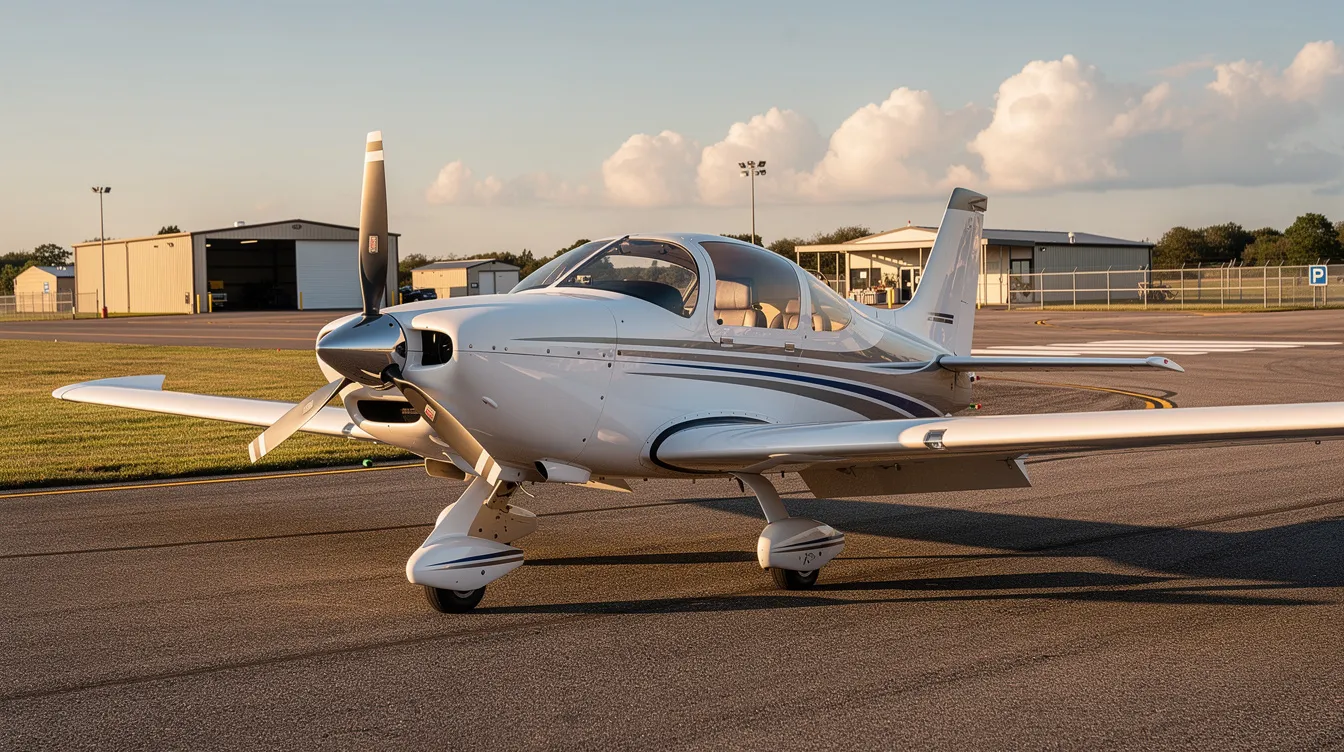
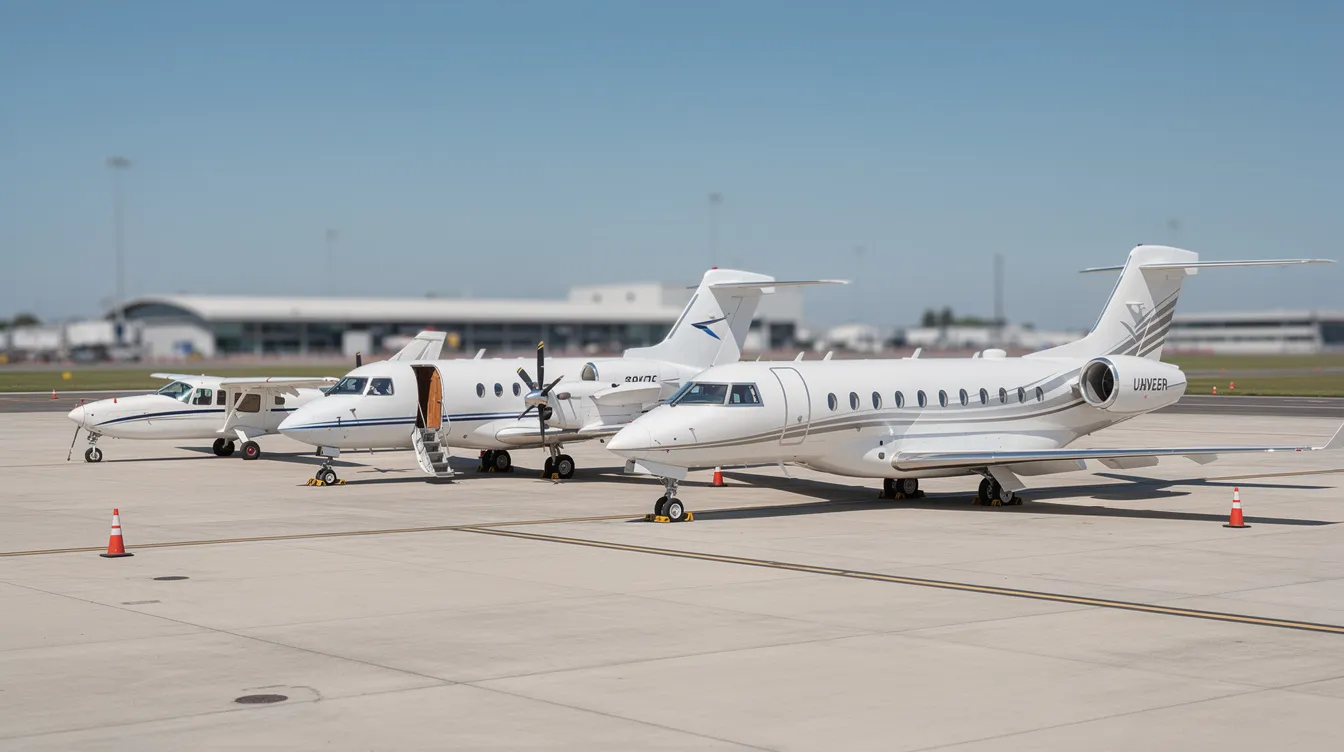
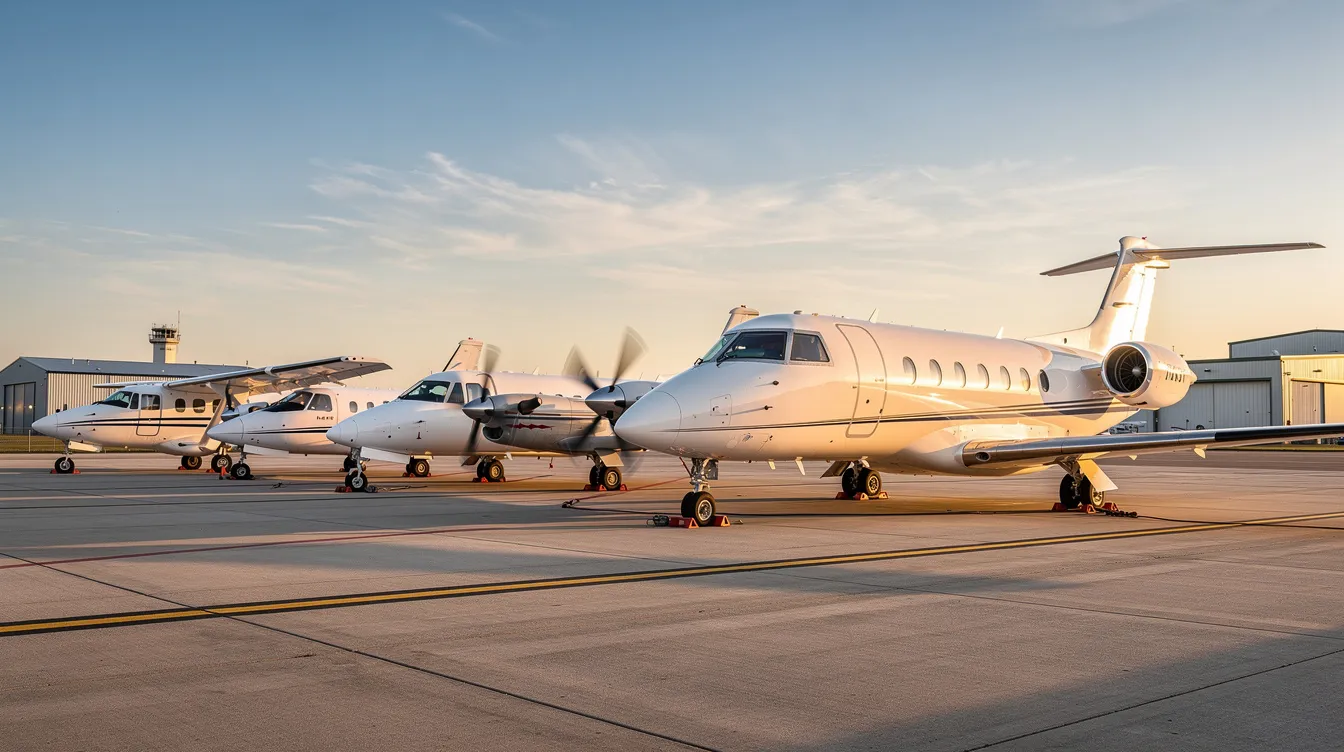
Selling a plane starts with defining exactly what you are offering. A 2006 Cessna 182T, a 2012 King Air 250, and a 2018 Gulfstream G500 each behave differently in the resale market. Piston aircraft are sensitive to cosmetic condition and logbook completeness; turboprops attract buyers who expect recent engine overhauls and modern propeller condition; jets follow macroeconomic cues like fuel costs and OEM delivery backlogs, especially for high-end charter and sales platforms built around aircraft such as the Airbus ACJ319 private jet.
Buyers care about specifics: airframe total time (3,250 hours vs 9,800 hours), engine time since overhaul, avionics suite (Garmin G1000 NXi vs legacy panels), and interior refurbishment dates. Valuation of a pre-owned aircraft considers age, condition, maintenance history, and market demand. Two 2014 light jets with similar hours can carry a 15 to 25 per cent price gap if one is owner-flown, hangared, and enrolled in a maintenance program while the other has charter hours with gaps in its logbooks.
For example, a Beechcraft G58 Baron 2014 is currently listed for $1,299,900. Units with reconciled logbooks and minor cosmetic work consistently attract more inquiries and close faster than comparable aircraft without them.
Preparing Your Aircraft for Sale
Preparation can shorten time-on-market by months and reduce price negotiations before they start.
Documentation readiness: Maintaining complete, up-to-date logbooks is critical in aircraft sales. Organised aircraft records drive resale value and speed to market. Compile airframe, engine, and propeller logs from first flight to present; include AD/SB compliance reports, weight and balance sheets, and all STC documentation.
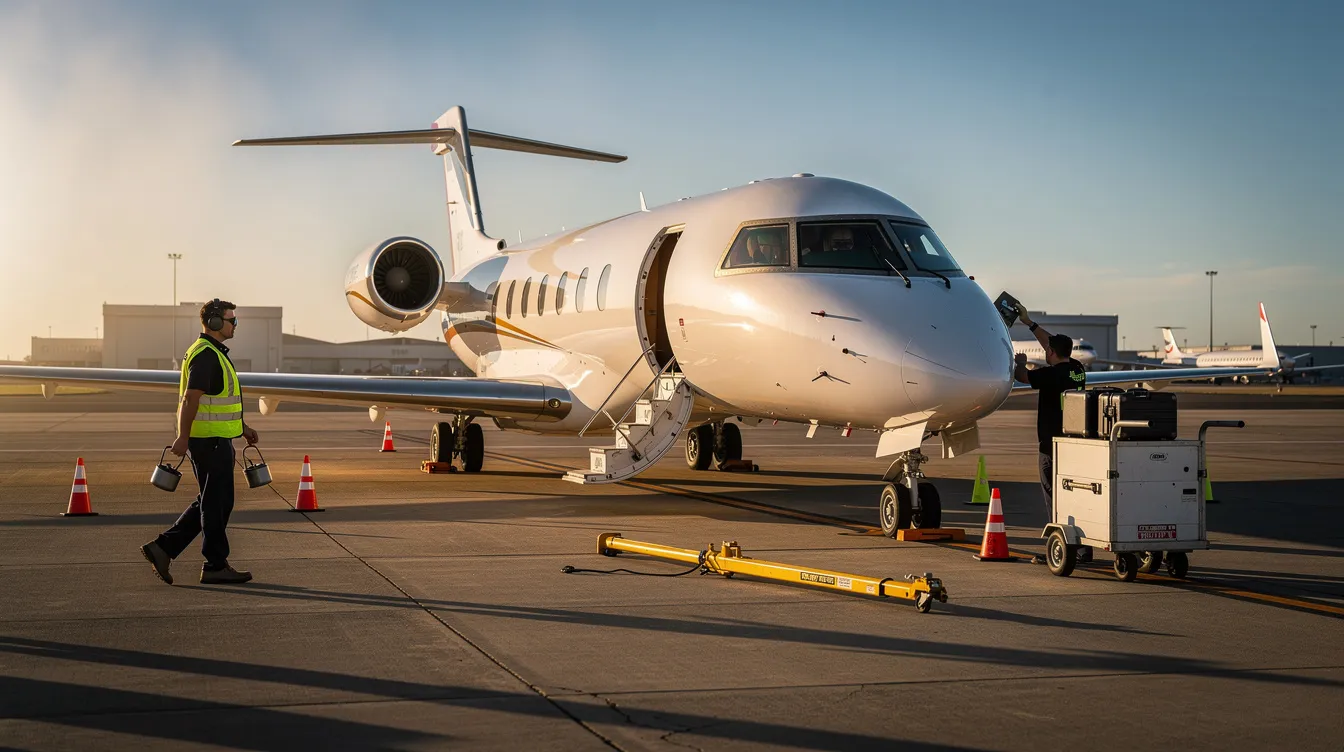
Maintenance actions: Resolve upcoming inspections (Phase 1 through 4 on a Citation, annual on a piston aircraft), address known squawks, and document all life-limited components. Buyers often expect to review aircraft records before making a purchase agreement.
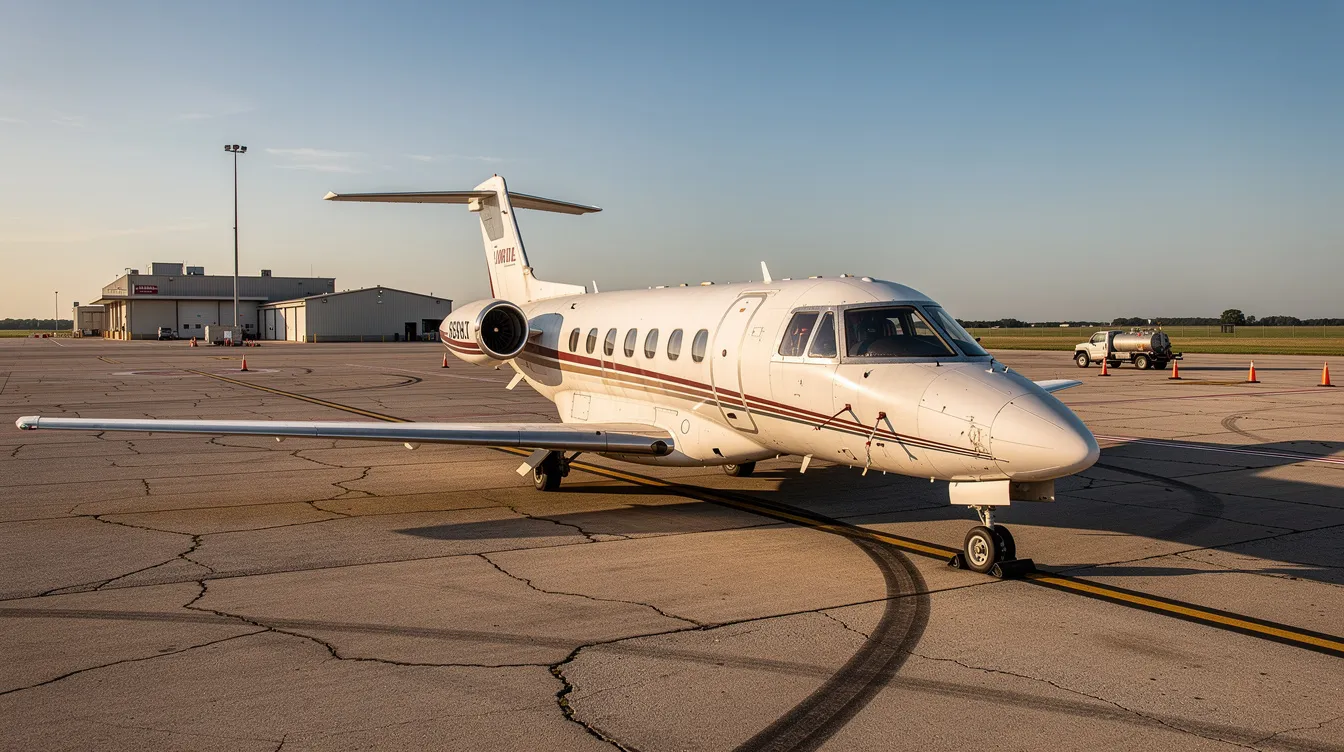
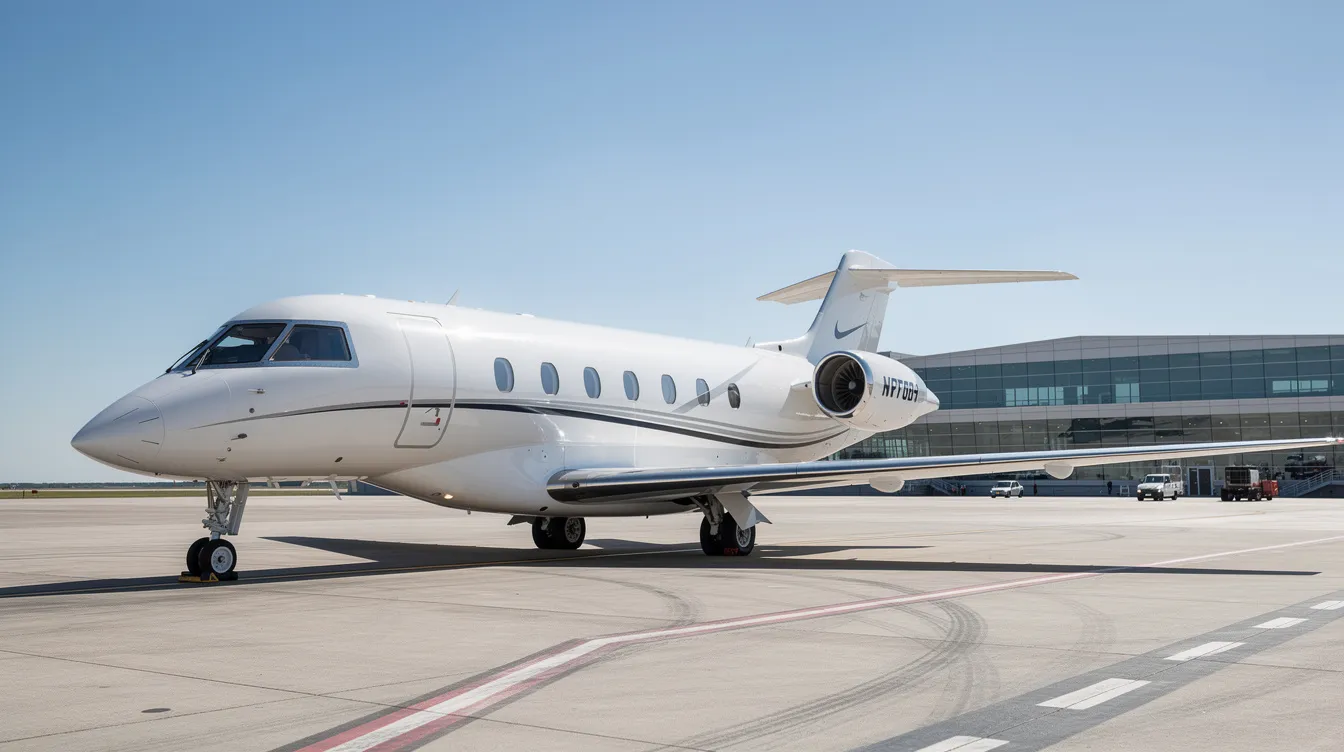
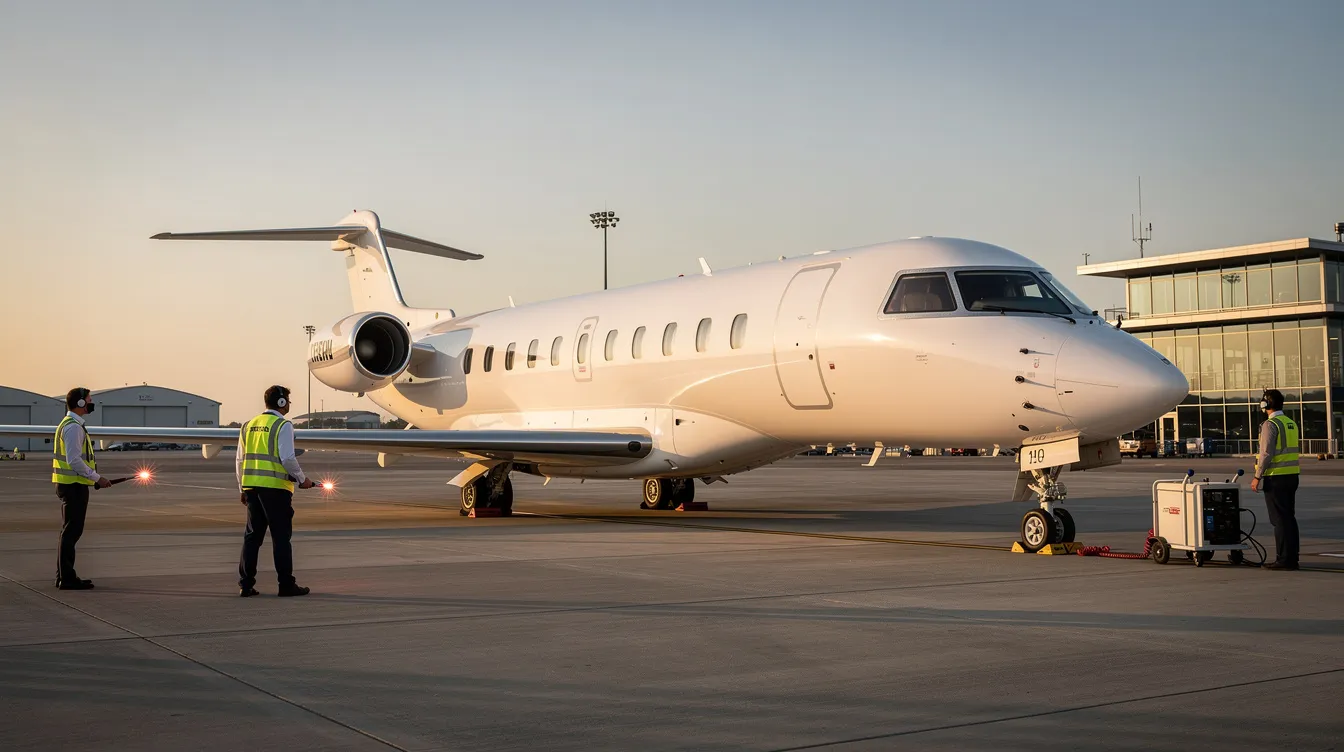
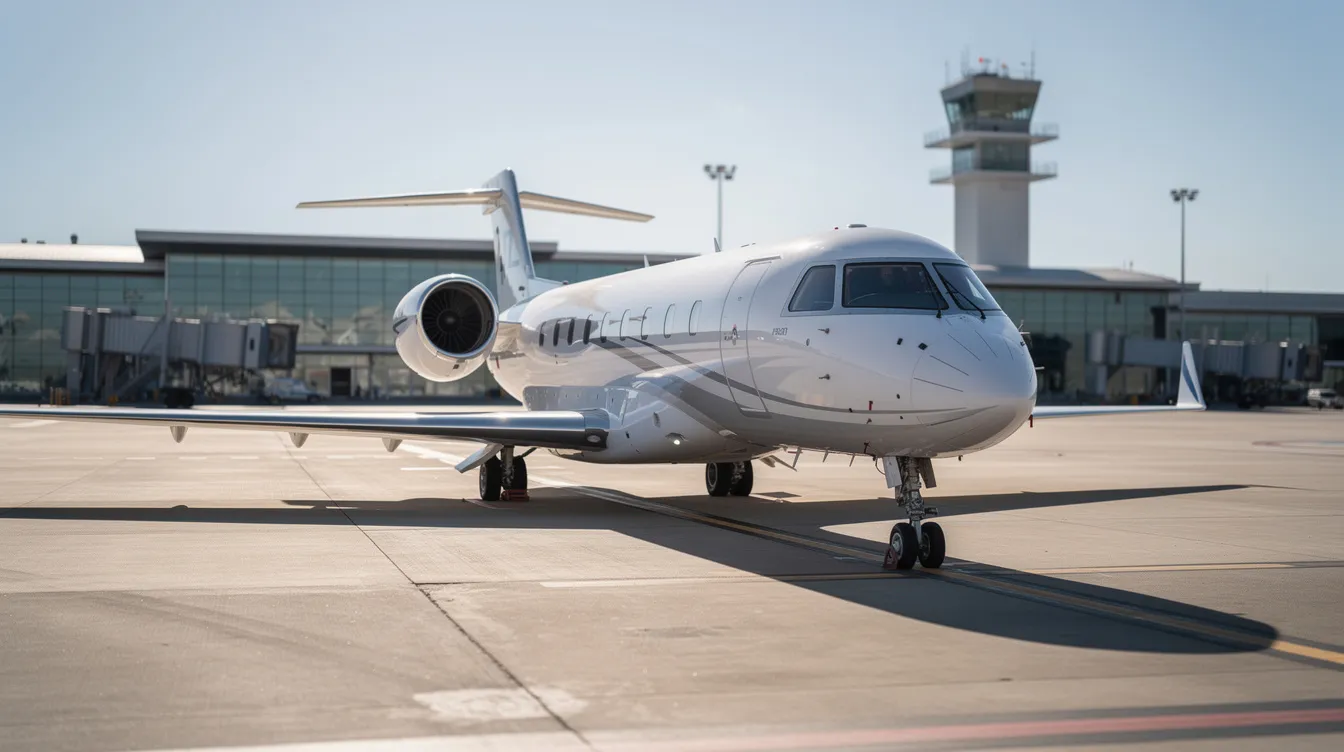
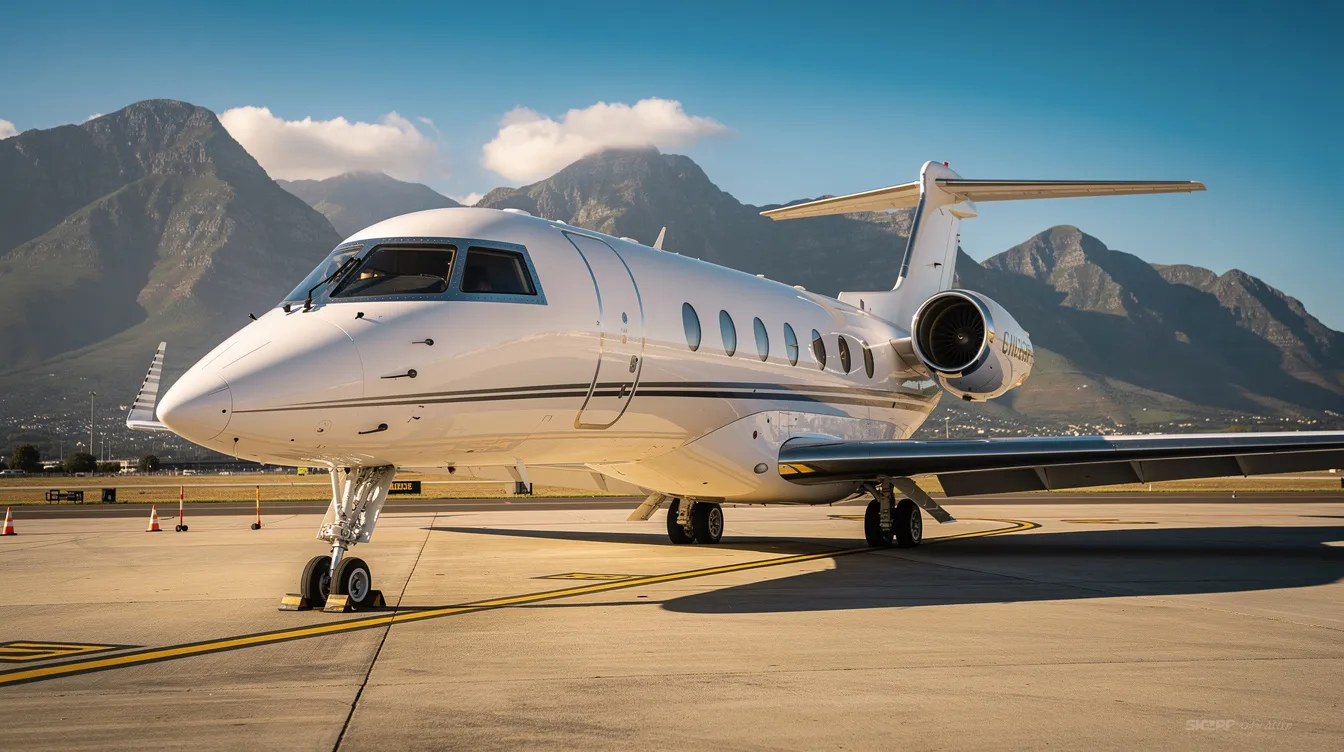
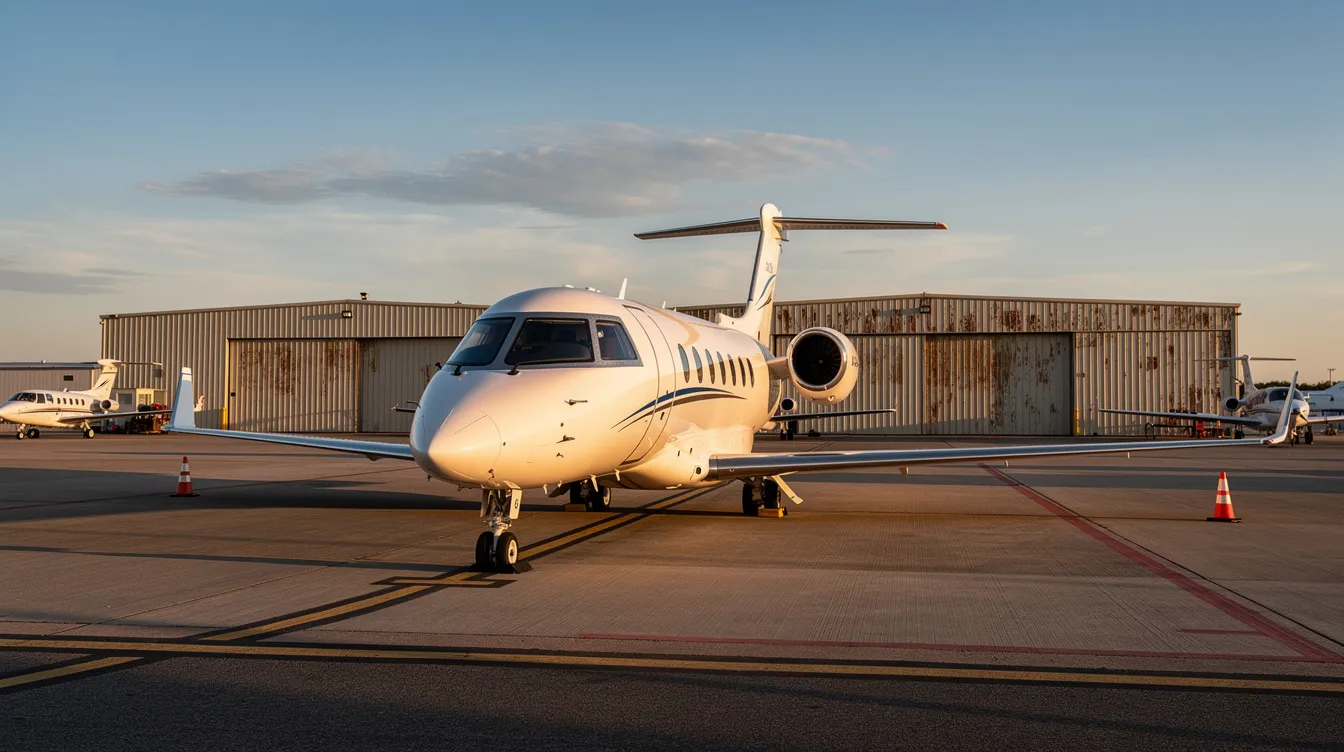
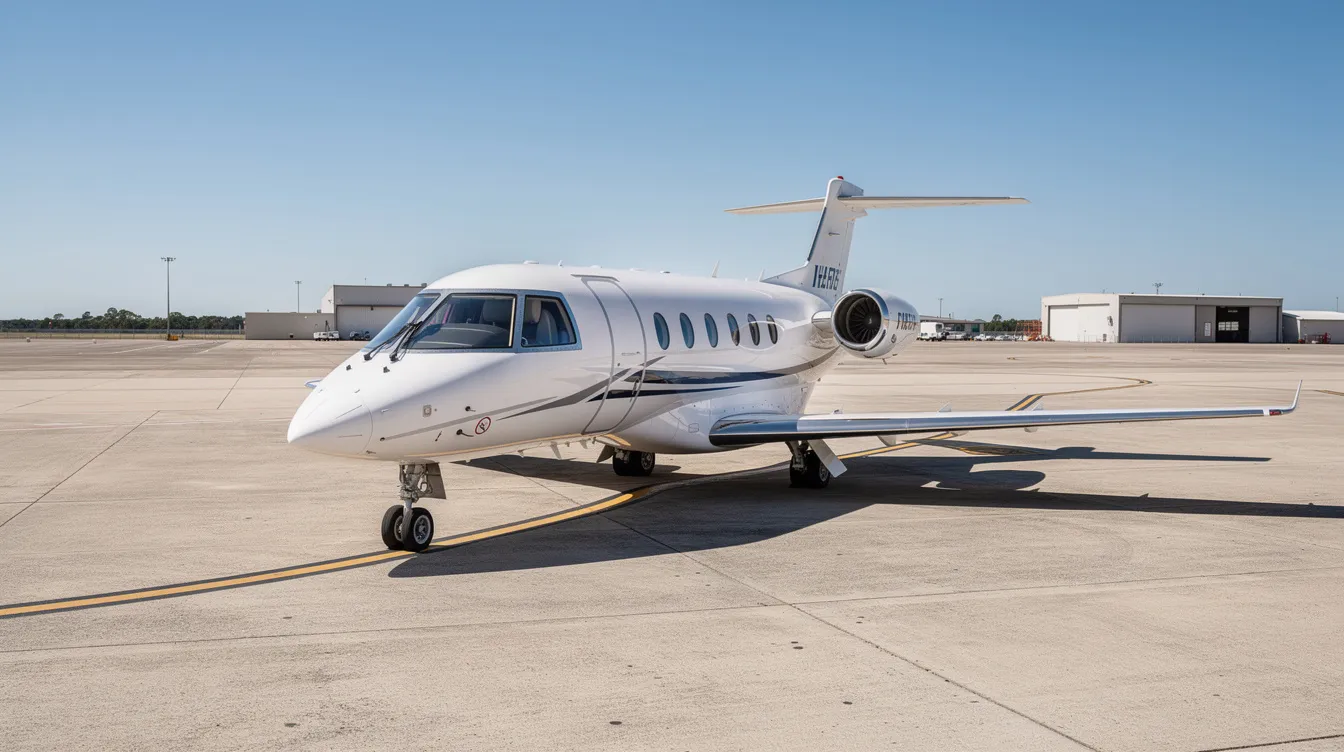
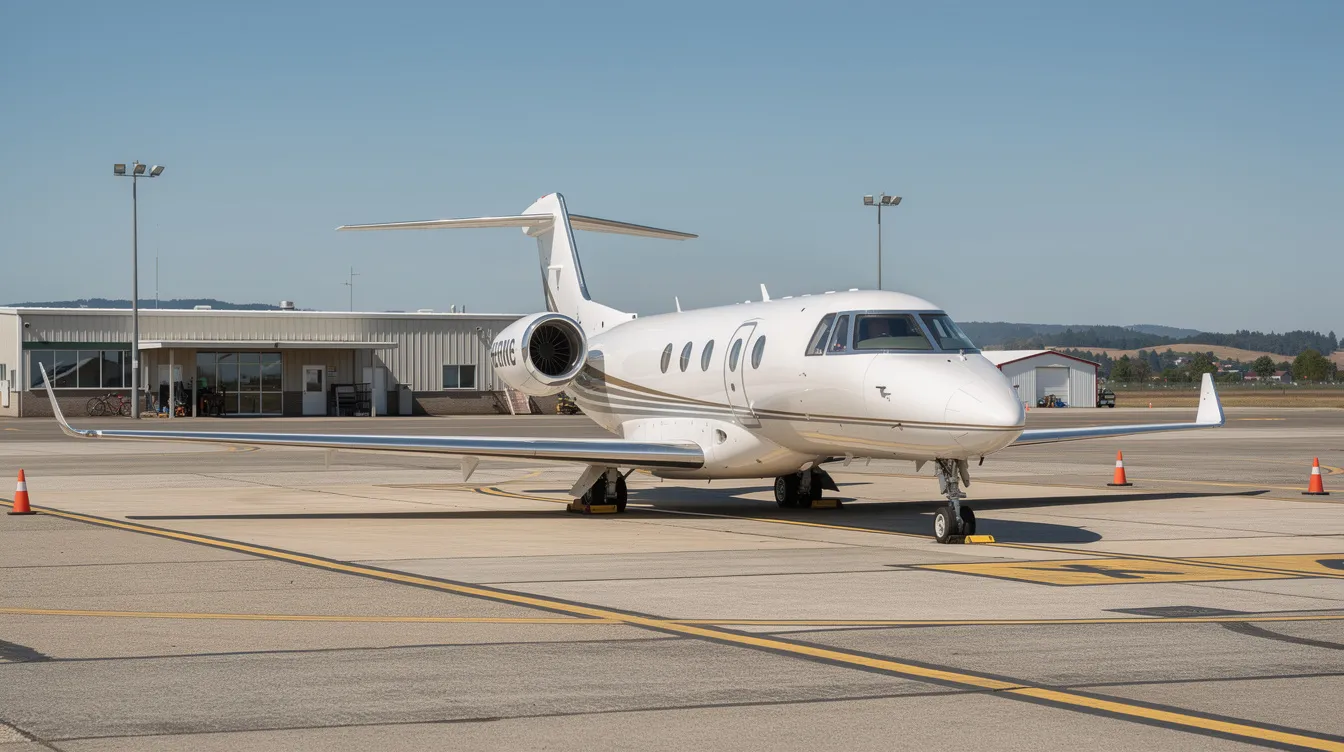
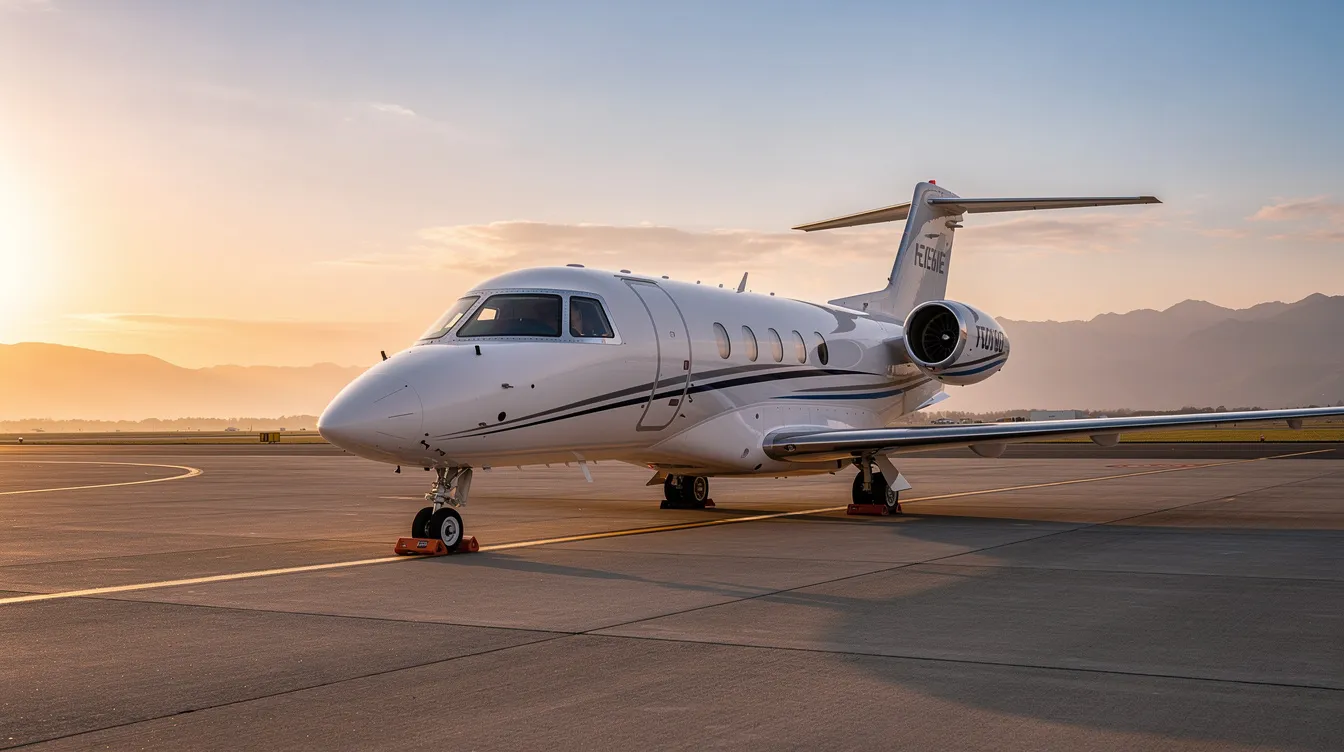
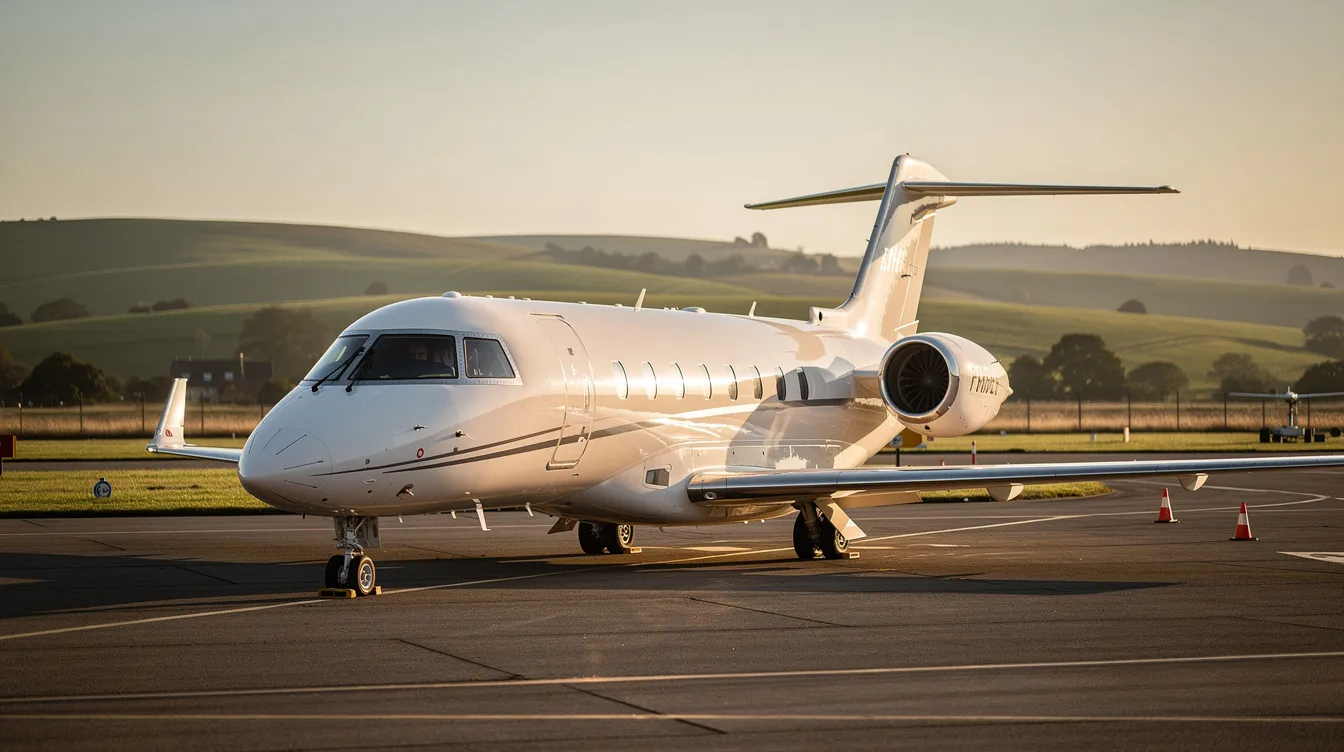
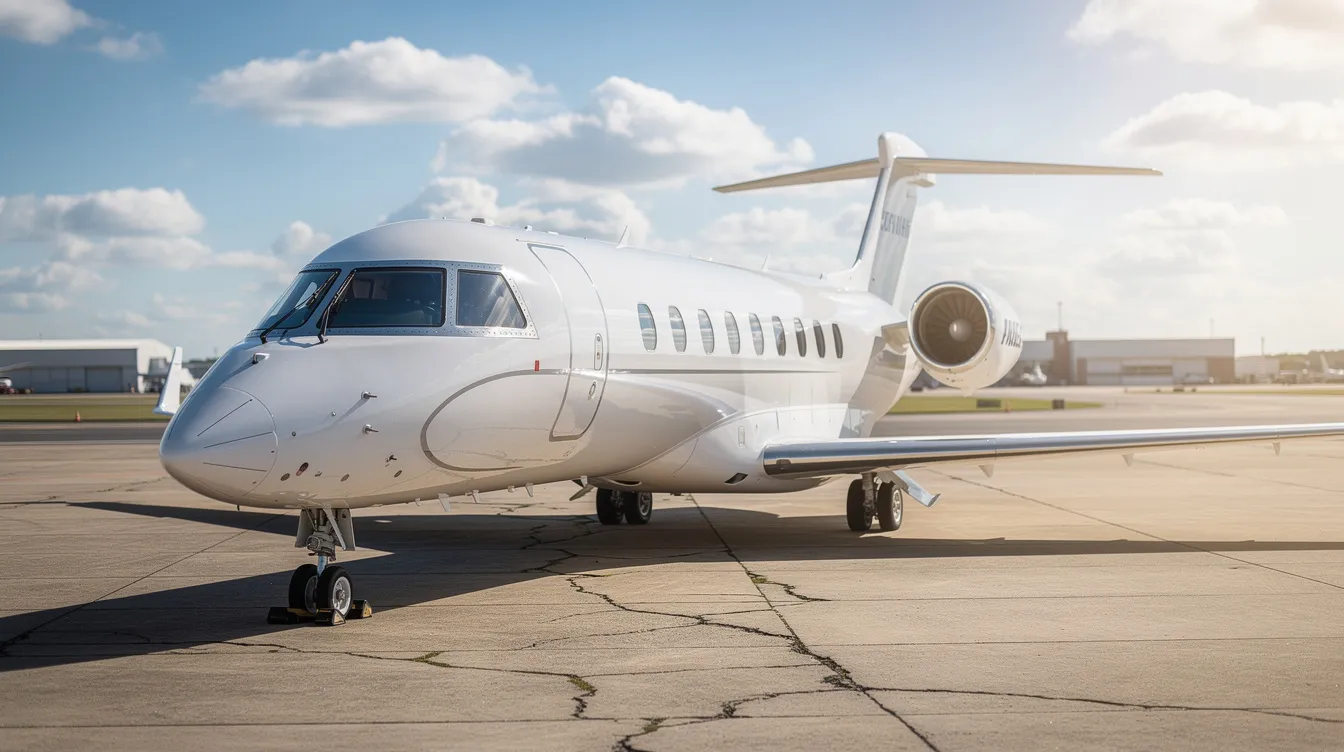
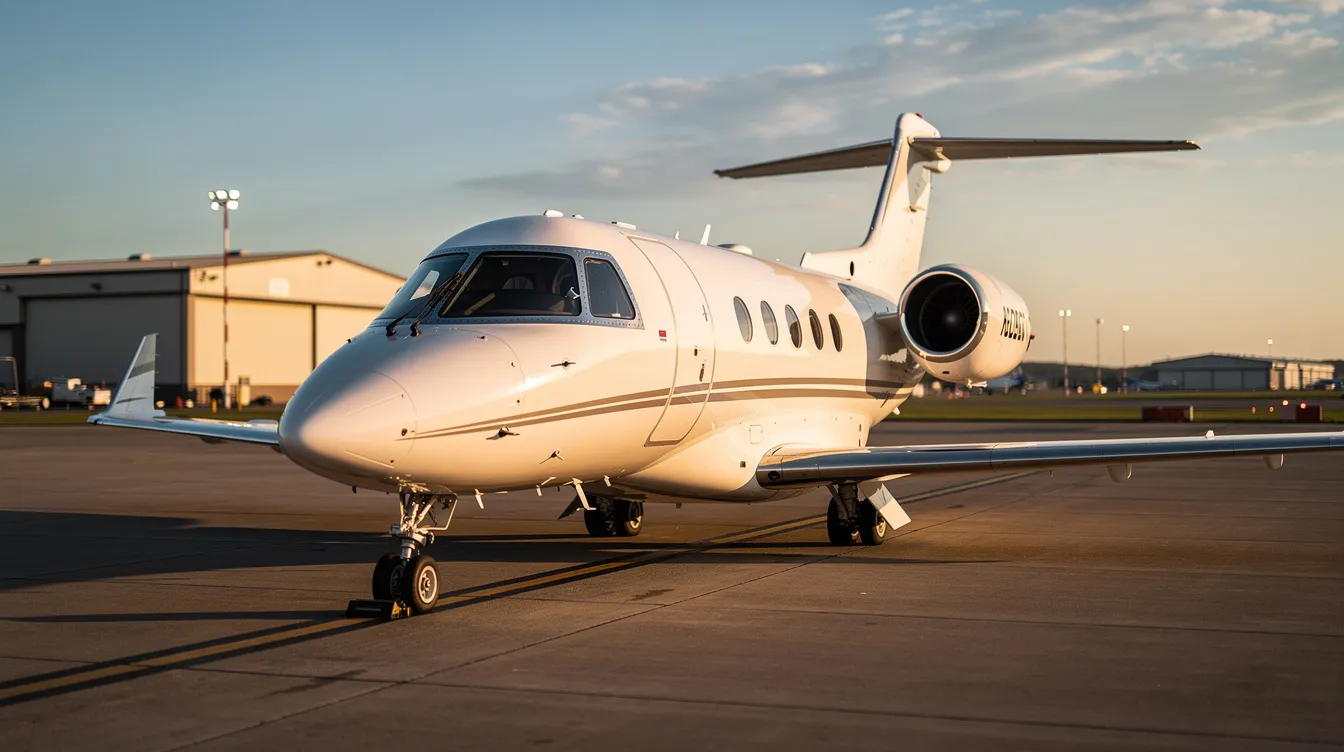
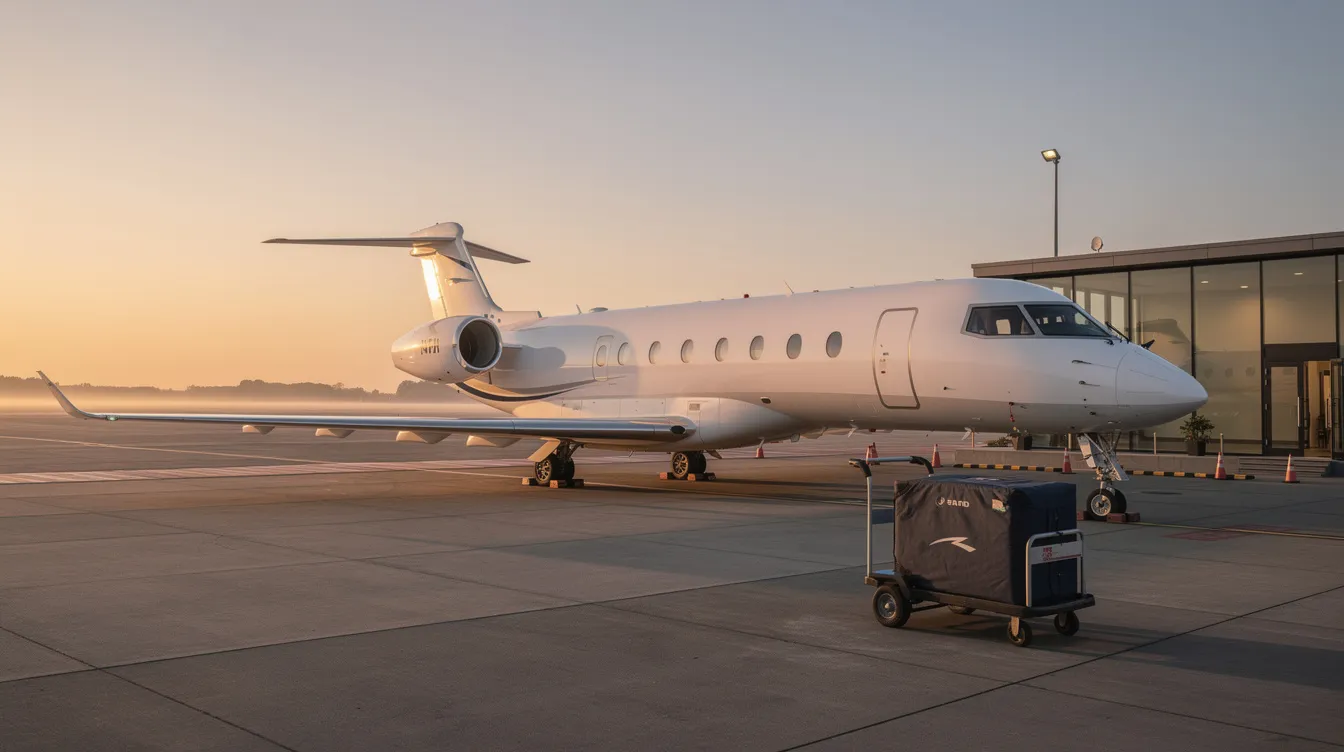
Presentation: Professional detailing enhances the aircraft's presentation and first impressions. Neutral, clean interiors and high-quality photography taken in consistent lighting at the home base airport set the right tone. Professional marketing materials improve the chances of a successful sale.
Upgrades that pay back: ADS-B Out compliance, WAAS/LPV upgrades, and replacing worn cabin soft goods typically return their cost. A full avionics retrofit on an older airframe rarely recoups 100 per cent.
Valuing a Plane: Pricing Strategy for 2026
An accurate asking price prevents the aircraft from stagnating on the market. Estimating market value requires reviewing recent sales data for similar aircraft. In Q2 2026, median business jet values rose 5 per cent year-over-year, and pre-owned inventory tightened to roughly 6.5 per cent of the active fleet. Market cycles and seasonal demand affect the timing of an aircraft sale.
Core valuation inputs include comparable transactions from the same quarter, total airframe and engine time, avionics configuration, interior condition, and region of operation (US vs Europe's markets vs the Middle East). Sellers often anchor to what they originally paid, ignoring depreciation curves that can run 5 to 10 per cent annually in early years. Spending $200,000 on avionics may recoup only $80,000 to $150,000 at resale.
Get an aircraft appraisal before listing publicly. A formal appraisal from BusinessJets.com covers data collection, on-site inspection, market analysis, and a documented opinion of value.
Marketing an Aircraft for Sale to Aircraft Buyers
In 2026, aircraft buyers expect data-rich, transparent listings. Every listing should include year, make, model, serial number, registration, total time, engine and propeller times, avionics suite, maintenance status, and damage history. Transparency about damage history and maintenance issues is essential to maintain trust and reduce wasted inquiries.
Key online platforms include AvBuyer, which offers the latest aircraft for sale worldwide; Controller.com, listing thousands of aircraft for sale and publishing weekly new and used aircraft listings; and Aircraft.com, allowing searches by tail number, make, or model, alongside destination-focused charter portals that showcase private jets for charter to Paris.
Beyond these, BusinessJets.com uses its global network of 5,000+ past clients and contacts to place aircraft in front of serious buyers through direct outreach and discreet off-market campaigns when confidentiality is critical.
Position your listing around differentiators such as fresh engine overhauls (with hours remaining stated precisely), low utilisation since 2020, recent paint, or unique mission capability. Quantify each detail rather than writing "recent overhaul."
Navigating Offers, Negotiations, and Closing
Once inquiries become offers, the process turns legally sensitive. Typical steps include a non-binding letter of intent, price negotiation, refundable deposit into escrow, pre-purchase inspection, and closing documentation.
Having a formal purchase agreement clarifies terms for deposits and closing. Using a reputable aviation escrow service protects both parties during the transaction. An escrow service acts as an impartial third party that holds funds and documents until all the conditions of the sale are fulfilled.
Negotiations extend beyond price to include loose equipment, training flights, correction of inspection squawks, delivery location, and ferry costs. A pre-purchase inspection is recommended before selling an aircraft; scope varies from a thorough annual-style check on piston aircraft to a Level 2 or 3 inspection on jets.
Risk considerations sellers must address:
Clear title is required to ensure ownership can be passed without encumbrances. Clear title means there are no outstanding liens or legal claims against the aircraft.
Federal regulations apply when selling an aircraft in the U.S. Documentation is required for signature authorization during sales.
Selling to foreign nationals involves specific legal considerations, including export certificates of airworthiness and compliance with EASA or other authorities.
Consulting a tax professional is advisable due to potential sales tax and capital gains considerations.
BusinessJets.com coordinates lawyers, escrow agents, maintenance facilities, and registries to keep the transaction secure. Decide early what compromises you will accept and document them with your broker.
When to Use an Aircraft Broker vs. Selling Direct
Some owners sell piston aircraft directly when the aircraft has a straightforward history and a known local buyer base. For jets, multi-engine turboprops, cross-border transactions, or any sale above $3 million, working with an experienced broker reduces risk and typically improves net outcome.
BusinessJets.com provides market analysis, aircraft appraisals, listing strategy, buyer qualification, offer management, contract negotiation, inspection oversight, and closing coordination. Fees are commission-based and success-oriented. The trade-off between professional fees and a stronger net result, plus reduced legal and operational risk, is the world's most common reason sellers choose brokerage over going it alone.
Explore comprehensive aviation services to find the right fit.
Read more about current listings and market context on the BusinessJets.com blog. Thanks to the platform's reach across helicopters, jets, and piston models, owners working with BusinessJets.com on Monday can have their aircraft positioned in front of qualified buyers by the end of the week.
Frequently Asked Questions About Selling a Plane
How long does it typically take to sell a plane in 2026?
Well-priced piston aircraft typically sell within 60 to 180 days. Business jets (midsize to heavy) average 3 to 9 months. Unique, older, or special-mission models often take over a year. Pricing accuracy, maintenance status, and overall market demand are the main variables.
Should I complete a major inspection before listing my aircraft for sale?
If a major inspection is due within the next 6 to 12 months, completing it before listing supports a stronger asking price and reduces buyer discounting. For costly events on older airframes, it may be smarter to price accordingly and let the buyer decide; discuss this with an experienced broker.
Can I keep my aircraft in charter service while it's listed for sale?
Many owners do continue limited charter operations, but additional hours and cycles accumulate and affect valuation. Agree on clear utilisation limits with your broker so the number of hours advertised to buyers remains accurate throughout the listing period.
What information will buyers expect me to disclose?
Typical disclosures include complete maintenance history, any damage or incident history, modifications with STCs, logbook gaps, operating history (private vs. charter), and current airworthiness status. Incomplete or late disclosure often leads to price re-negotiations or deal collapse after the pre-purchase inspection.
How do I get started with BusinessJets.com if I'm considering selling my aircraft?
The first step is a no-obligation consultation. BusinessJets.com serves as a platform where owners can provide their aircraft's make, model, serial number, hours, maintenance status, and desired timeline to access a preliminary market view and next-step recommendations, including whether an appraisal, brokerage, or consulting engagement best fits their goals. Pay nothing upfront; the initial conversation is designed to help you find the right path forward.
Conclusion
Selling a plane in 2026 requires a strategic approach grounded in accurate valuation, thorough preparation, and expert market knowledge. Maintaining complete FAA-compliant documentation, ensuring the aircraft is well-maintained and presented, and pricing it according to current market trends are essential steps to achieve a successful sale. Partnering with a knowledgeable broker like BusinessJets.com can streamline the process, mitigate risks, and maximize value.
Whether you are selling a piston aircraft or a large business jet, careful planning and professional support will help you navigate the complexities of the transaction and connect with qualified buyers efficiently. For tailored guidance, aircraft appraisal, or to list your aircraft for sale, contact BusinessJets.com and leverage our experience from over 1,500 completed transactions worldwide.