Jet Fighters for Sale: How Serious Buyers Navigate the Market in 2026
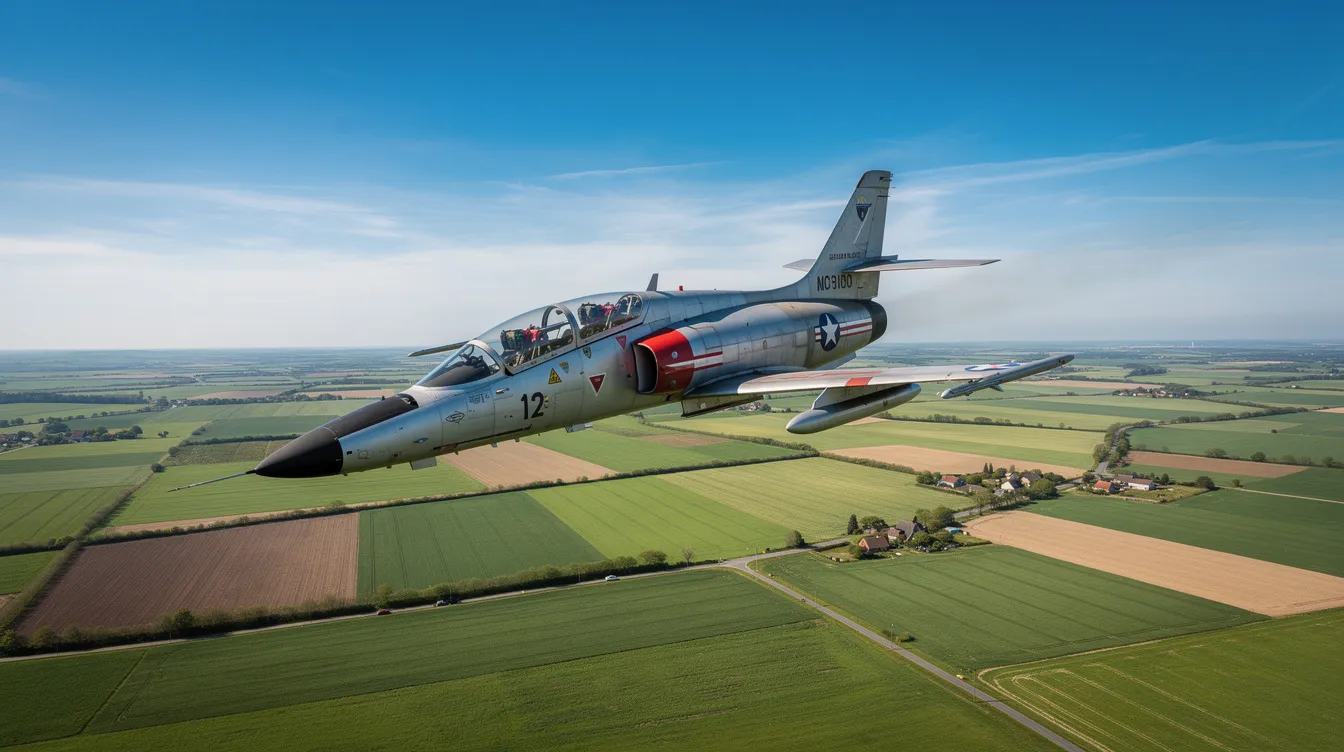
The idea of owning a fighter jet is no longer confined to military service or Hollywood fantasy. In 2026, turbine military aircraft and fighter jets can be purchased by private civilians, but only in demilitarised form and under strict regulatory frameworks that demand careful planning from the very beginning of the process. This guide is intended for high-net-worth individuals, aviation enthusiasts, and corporate buyers considering the purchase of a jet fighter or turbine military aircraft. Understanding the market and regulations is crucial for these buyers, as the acquisition process involves significant legal, financial, and operational complexities that can impact both the feasibility and long-term value of ownership.
Key Takeaways
Privately owned military jets number around 1,000 in the U.S. alone, with the cost of turbine military aircraft ranging from $150,000 to over $6 million depending on type, condition, demand, and historical significance.
Demilitarisation is mandatory before civilian ownership of military jets. Demilitarisation means all weapons systems and classified hardware must be permanently deactivated or removed.
Due diligence covering airframe condition, maintenance history, demilitarisation status, and export/import controls is critical before committing to any military aircraft acquisition.
BusinessJets.com acts as an expert broker and aviation consultant, helping high-net-worth buyers assess whether a fighter jet, vintage fighter, or business jet is the right turbine military aircraft for their objectives.
For many clients, the most strategic choice is preserving the passion for fighter jets through airshows and limited use while relying on modern business jets for day-to-day travel.
The 2026 Market for Fighter Jets and Turbine Military Aircraft
Roughly 1,000 classic military jet aircraft sit in private ownership across the United States, with greater numbers globally. Since 2020, interest has grown among UHNW collectors, aviation enthusiasts seeking the ultimate aviation hot rod, and private contractors pursuing government contract work in adversary air support for American forces training programs.
When we say "jet fighters for sale," we mean demilitarised ex-military trainers like the Aero L-39 Albatros (approximately 2,800 units produced), tactical jets like the MiG-21 (the most-produced supersonic aircraft in aviation history, with over 11,000 built), and select vintage fighters converted to civilian use. Privately owned military jets are primarily used for airshows and training, though some serve in contract adversary-air roles.
Key market segments include:
NATO-origin jets: F-86 Sabre, F-5, A-4 Skyhawk - premier military aircraft of the Cold War era
Eastern Bloc aircraft: MiG-21, L-29 Delfin, L-39 Albatros - more abundant, with historically cheaper parts
WWII and Korean War vintage fighters: P-51 Mustang, F4U Corsair, and other legacy warbirds, many piston-powered but included for collector context
Supply has been shaped by post–Cold War disposals, 1990s imports into North America and Europe, and fleet retirement programs through 2025. Transaction volume is far smaller than the business jet market, meaning each turbine military craft is effectively custom, with unique history, configuration, and paperwork.
What You Can Actually Buy: Common Fighter Jet and Vintage Fighter Types
Not every military aircraft that appears in a listing is a realistic acquisition. Here are representative turbine military aircraft options that serious buyers currently encounter, with rough 2024–2026 price ranges:
Aero L-39C Albatros - trainer jet, often $200,000 to $450,000 depending on condition; among the most common turbine military aircraft options on the warbird market
MiG-21 - supersonic fighter jet, often $300,000–$800,000; rare attack aircraft variants or recently imported examples with fresh condition inspection documentation command higher prices
F-86 Sabre - Korean War–era vintage fighter, often $1.5M–$3M fully restored; a proven performance icon in aviation history that traces its engine design lineage back to work by more than one German engineer advancing gas turbine engine technology after the war
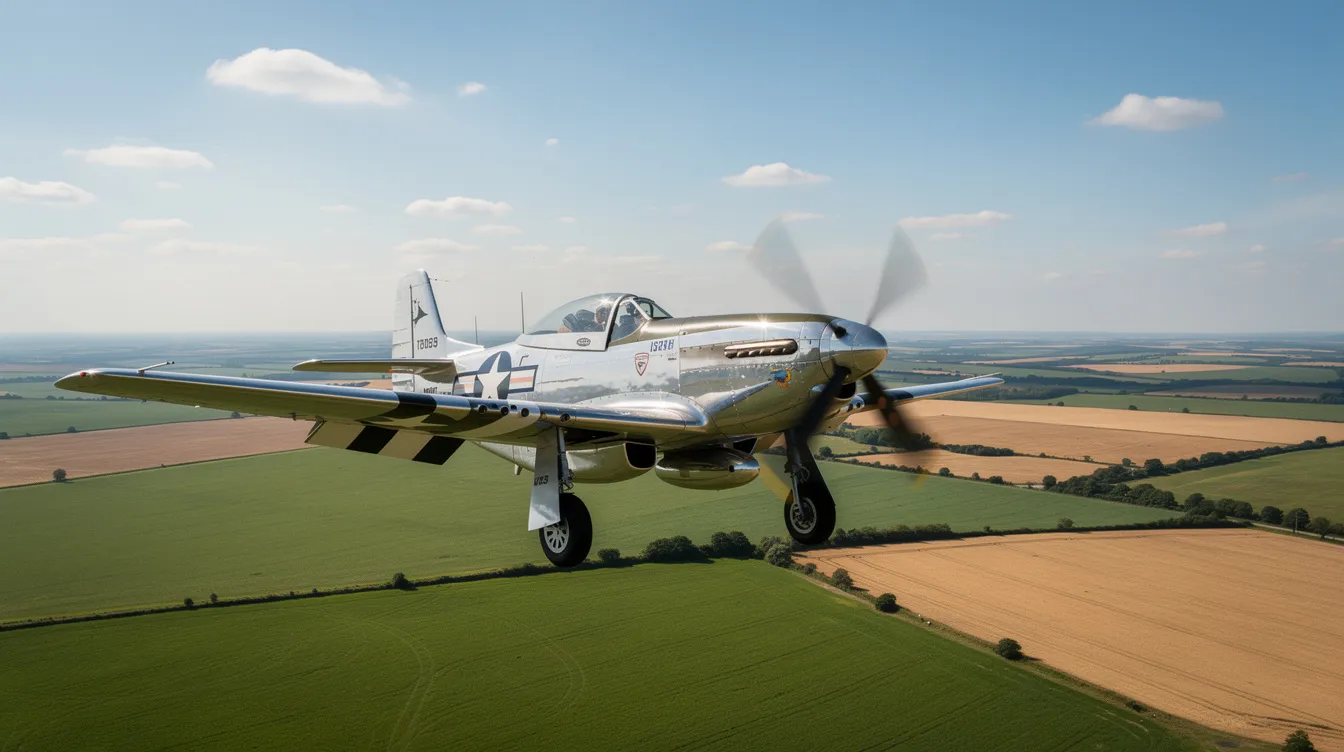
P-51 Mustang and other WWII warbirds - not jets, but relevant vintage fighters, typically $2.5M–$4.5M+; a great restoration project for collectors who want a fully restored aircraft flown regularly at events
Selected ex-military trainers like the L-29 Delfin, British Jet Provost, or the most incredible Tucano variants at lower price points in the mid-six figures
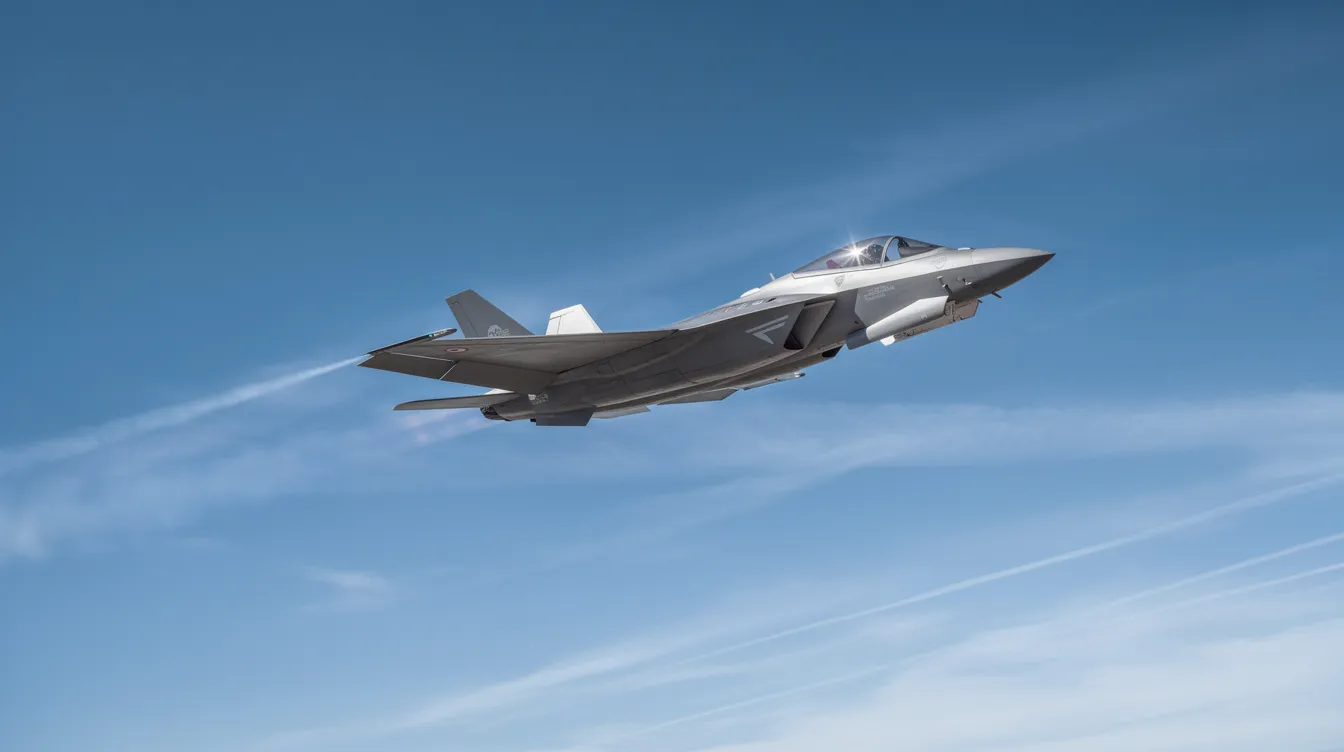
The right turbine military aircraft for a client depends on mission (airshows, collection, contract training, museum display), existing maintenance infrastructure, and pilot experience from the pilot's seat of high-performance aircraft. Civilians can legally purchase select decommissioned military jet trainers and older interceptors, but civilians cannot buy brand-new factory-armed fighters from major defence manufacturers. Frontline 4th- and 5th-generation fighters like the F-16, Rafale, or F-35 remain under state control, though Top Aces operates the world's first private F-16 fleet under strict government contracts. Fighter jet prices can range from $150,000 to over $6 million across the spectrum.
BusinessJets.com typically becomes involved when buyers are comparing a high-performance jet like the L-39 with a traditional business jet for their broader aviation strategy, or when clients at organisations like Platinum Fighter Sales or similar dealers want independent valuation support.
Legal, Regulatory, and Safety Realities of Owning a Fighter Jet
Legal compliance is the first filter before any discussion of performance or price. In the United States, civilians can legally own decommissioned military jets, but purchase and ownership of former military jets involve compliance with national and international laws that make proper training in regulatory navigation essential.
Demilitarisation is a critical requirement for civilian ownership. A "demilitarised" jet means all weapons systems and classified hardware must be permanently deactivated or removed, ensuring the aircraft is safe and legal for private use.
Core regulatory requirements for U.S. buyers include:
FAA Experimental/Exhibition certificates: Most former military aircraft fly under FAA Experimental/Exhibition certificates, with operational limits restricting aircraft flight to airshows, training, and proficiency rather than airline-style transport
Pilot licensing: Ownership requires specific pilot licensing and FAA authorisation; insurers expect substantial turbine experience
Demilitarisation: Aircraft for civilian ownership must be stripped of weapons and classified technology, including radar, electronic warfare equipment intended for combat, and any equipment included with military specifications; documentation of prior military service history is essential
Export controls: In the U.S., transactions are monitored under the International Traffic in Arms Regulations (ITAR), and compliance with EU dual-use regulations is non-negotiable for cross-border deals, especially post-2022
Federal Aviation Administration certification is required for all civilian-owned military jets. Safety depends on specialist maintenance, approved parts, and conservative operating practices - particularly as many airframes are 40–70 years old with histories stretching back through Cold War slight modifications, German Luftwaffe operations, or advanced maintenance programs. BusinessJets.com connects clients with regulatory counsel, specialised maintenance providers, and appropriately qualified pilots early in the acquisition process.

Acquisition Economics: Purchase Prices vs. Operating Costs
The acquisition decision must weigh the up-front price against 5–10 years of operating, maintenance, and storage costs, which often dominate the financial picture. The cost of turbine military aircraft ranges from $150,000 to $6 million at purchase, but that number is only the starting line.
Purchase Price Ranges
Indicative purchase price bands: basic trainers (L-29, Jet Provost) land in the low- to mid-six figures; L-39 Albatros and similar turbine military aircraft sit in the high-six to low-seven figures; vintage fighters and high-end tactical jets (MiG-21, F-86, P-51) occupy the multi-million-dollar range.
Operating Cost Breakdown
Hourly operating costs tell a sharper story:
Aircraft Type | Hourly Operating Cost |
|---|---|
Aero L-39 Albatros | $1,000–$1,500 |
A-4 Skyhawk | $3,000–$5,000 |
MiG-29 | $8,000–$12,000 |
F-16 | ~$50,000 |
Operating costs for military jets can exceed $50,000 per hour at the upper end. Annual inspections for military aircraft can cost $5,000 to $50,000; engine overhauls on a mid-time engine can exceed $100,000 depending on aircraft turbine type and parts availability; and an engine upgrade (TFE or similar) adds further expense. Finding certified mechanics for vintage military jets is challenging and costly. Insurance for military jets can be difficult and expensive to obtain due to regulatory scrutiny and the high-risk profile of older airframes.
Payload capacity and range on most military jets are limited compared to a mid-size business jet, where cost per hour may be comparable but yields productive time, cabin comfort, and cross-country trips easy to schedule. BusinessJets.com uses formal valuations and financial modelling to help buyers decide whether a fighter jet or a modern business jet delivers better long-term value. Payload capacity varies considerably between these categories, and that gap matters for operators evaluating other planes in their fleet.
How and Where to Buy: Sourcing Fighter Jets and Vintage Fighters
The market is fragmented. Civilian-owned jet fighters are sourced through specialised warbird brokers and high-end aircraft marketplaces - not through a single centralised exchange.
Typical sourcing paths include: direct purchase from private owners or estates, specialised warbird and turbine military aircraft brokers, curated online marketplaces with turbine military aircraft and fighter jets for sale, platforms like Trade a Plane, and museum or institutional disposals sometimes requiring restoration. Specialised brokers and auctions are common avenues for purchasing military surplus aircraft, and most civilian purchases happen through specialised brokers or global aviation marketplaces.
Inventory quality ranges from fully restored, airworthy examples in fresh condition undergoing inspection before delivery, to "scrapyard" project airframes intended only for static display. Serious buyers often begin with an off-market search, engaging a broker to discreetly approach known owners.
BusinessJets.com approaches sourcing by establishing mission and budget, shortlisting suitable aircraft types, coordinating technical pre-buy inspections, and negotiating transaction terms across borders when necessary - much as it does for premium business jet acquisitions.
Due Diligence: Selecting the Right Turbine Military Aircraft
For experienced business aviation owners new to fighter jets or vintage fighters, due diligence on a military aircraft is an enhanced precision step beyond standard pre-buy inspection.
Technical Due Diligence
Key technical checks include:
Completeness and continuity of logbooks
Total airframe and engine time
Status of life-limited components (whether an IFR engine instrument or a structural spar)
Corrosion or fatigue indicators common to the specific type
Aircraft propulsion systems on historical jet engine aircraft demand particular scrutiny, since nearly all jet fighters from this era relied on early gas turbine technology. The evolution from the first operational jet fighter through more modern jet engines has meant that materials science improvements ahead of their era sometimes coexist with ageing components in the same airframe.
Additional Verification
Additional verification must cover:
Demilitarisation documentation and confirmation of prior military service records
Cross-checking against export/import restrictions and accident history
Parts availability - active owner communities for types like the L-39 make long-term sustainability far easier than for obscure types where you must call for a price on every component
Financial Considerations
Independent appraisal
Realistic maintenance reserves
Hangarage
Insurance
Pilot training costs over a multi-year horizon
BusinessJets.com integrates technical experts, appraisers, and legal advisors into a structured due-diligence process, similar to complex business jet transactions, to minimise risk.

Fighter Jets vs. Business Jets: Strategic Choices for Owners and Operators
Many BusinessJets.com clients evaluate whether an operational jet fighter is an addition to, or a substitute for, a business jet. That distinction drives everything.
Mission profile: Adversary air support, airshow work, passion projects vs. executive transport and fleet duty
Range and payload: Limited on most military jets vs. intercontinental capability on business jets; what makes turbine military aircraft compelling for maximum speeds and air support demonstrations rarely translates to business utility
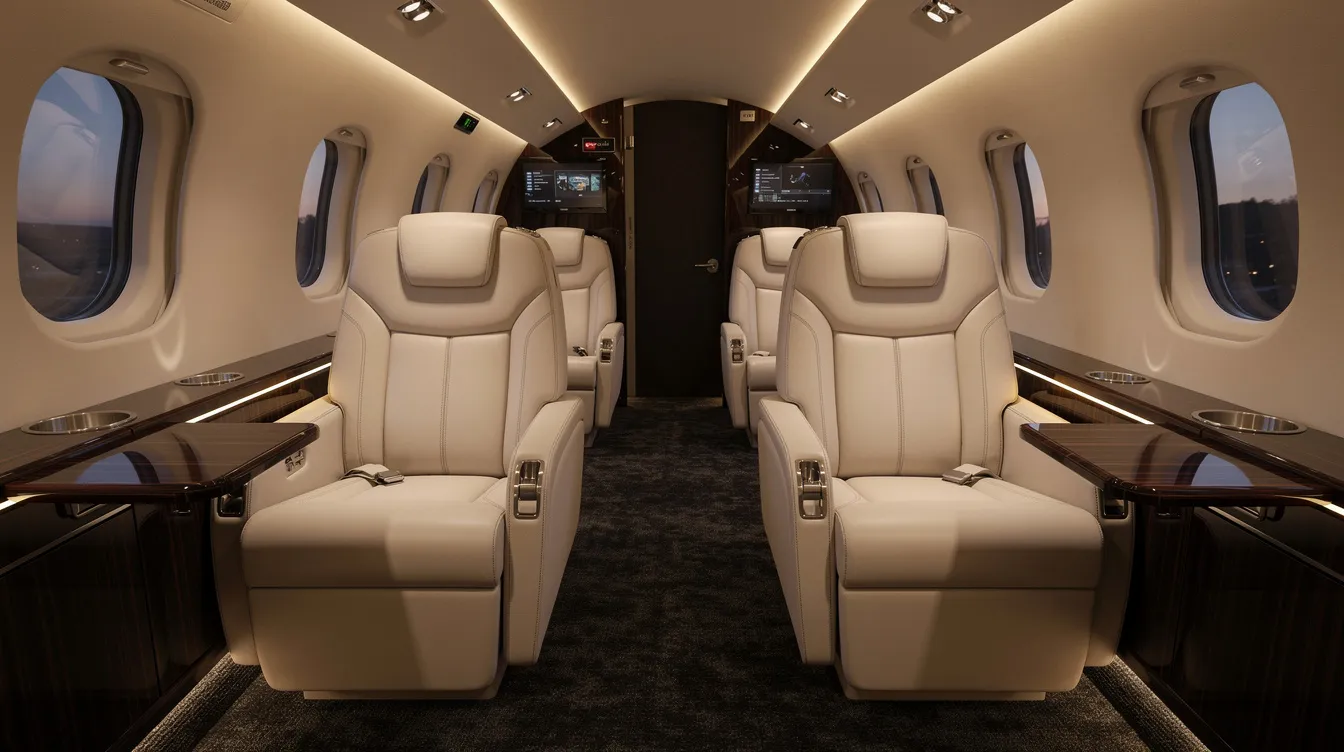
Cabin environment: Single or tandem cockpits with ejection seats vs pressurised, quiet cabins for 6–14 passengers
Business jets operating under Part 91/135 offer straightforward routing and scheduling flexibility that ex-military fighter jets under Experimental/Exhibition certificates simply cannot match. For corporate and fleet buyers, a jet fighter is almost never the primary mobility solution. It is a specialist asset - the successful turbojet-powered flight experience that every aviation enthusiast dreams of, operating under its own power at the next fly-in - while a right-sized business jet fleet remains the core aviation strategy.
BusinessJets.com structures combined approaches: maintaining or expanding a business jet fleet while helping clients responsibly explore military aircraft options in vintage fighters or turbine military aircraft.
How BusinessJets.com Supports Fighter Jet and Military Aircraft Buyers
While BusinessJets.com's core focus is business aviation, its transaction experience and global network extend naturally into complex acquisitions such as fighter jets and turbine military aircraft. Service lines relevant to this niche include: independent aircraft appraisals and valuations for purchase, sale, and financing; transaction brokerage for clients seeking or divesting unique military aircraft; and aviation consulting on fleet strategy, risk management, and regulatory fit.
With 1,500+ completed aircraft transactions and more than 5,000 clients advised worldwide, BusinessJets.com brings proven capability in structuring nuanced deals, including cross-border transactions involving unusual asset types. The firm also supports owners in exiting fighter jet investments - positioning the aircraft, building a credible data room, and marketing discreetly to qualified buyers.
Request an appraisal of a current aircraft, whether a fighter jet or business jet
List a turbine military aircraft or vintage fighter for sale through BusinessJets.com's global network
Engage the consulting team to evaluate whether a fighter jet has a place in your overall aviation portfolio
FAQ: Jet Fighters for Sale and Private Ownership
These questions address practical concerns not fully covered above, with concise, business-focused answers.
Can a civilian or company legally own and operate a fighter jet in 2026?
Yes. In jurisdictions including the United States, United Kingdom, and parts of Europe, civilians and companies can legally own and operate demilitarised fighter jets under specific regulations. In the U.S., this means FAA Experimental/Exhibition certification, complete removal of all weapons systems, proper N-registration, and use of appropriately licensed pilots and maintenance providers. Private ownership is well-established but tightly regulated.
How long does a typical fighter jet acquisition take from search to first flight?
Timelines vary widely, but a realistic window for a cross-border purchase - including search, due diligence, regulatory approvals, any required refurbishment, and pilot training with proper training protocols - is often 6–12 months. Complex imports or restorations involving gas turbine-powered helicopters or rare fixed-wing types with turbine engines from obsolete production lines sometimes extend beyond a year.
Is financing available for vintage fighters or turbine military aircraft?
Some specialised lenders and private banks finance historically significant aircraft, but many fighter jet and vintage fighter transactions are cash-funded or structured through bespoke private credit. Valuation stability, provenance, and exit strategy are critical to any financing discussion. Gas turbine helicopter and turbine-powered helicopter markets follow similar bespoke lending patterns.
What kind of pilot experience is typically required to fly a private fighter jet?
Insurers and regulators expect substantial turbine experience, formation and aerobatic training where relevant, and sometimes military fast-jet backgrounds. New owners often transition through advanced training in high-performance trainers before progressing to single-seat fighter types. The aircraft flown during training should match the performance envelope of the target type.
Can BusinessJets.com help if I decide a fighter jet is not the right choice?
Absolutely. BusinessJets.com frequently advises clients who ultimately determine that a modern business jet, fractional program, or charter-based solution better fits their needs. The team can assist in divesting any existing military aircraft while optimising the client's broader aviation strategy - ensuring every asset in the fleet earns its place.
Conclusion: Navigating the Complex Market of Jet Fighters for Sale
Owning a jet fighter today is a pursuit that blends passion, history, and technical complexity. The market for turbine military aircraft and vintage fighters remains highly specialized, with strict legal and regulatory frameworks shaping every transaction. Buyers must carefully balance acquisition costs, ongoing operating expenses, and mission objectives to make informed decisions.
BusinessJets.com stands as a trusted partner in this niche, offering expert brokerage, valuation, and consulting services tailored to high-net-worth individuals and corporate clients. Whether acquiring a historic warbird, a tactical trainer, or evaluating the role of military jets within a broader aviation strategy, BusinessJets.com provides the practical support and market intelligence to optimize every transaction. For clients seeking the thrill and legacy of military aviation without the operational burdens, the firm also advises on alternative strategies such as leveraging modern business jets for daily travel while preserving fighter jets for limited use. This balanced approach ensures that every aircraft in a portfolio delivers maximum value and aligns with broader aviation goals.
Explore our aircraft brokerage services to learn how we assist with fighter jet acquisitions.
Request a comprehensive aircraft appraisal to understand the true value of your prospective purchase.
Contact our aviation consulting team for tailored advice on integrating military jets into your aviation portfolio.