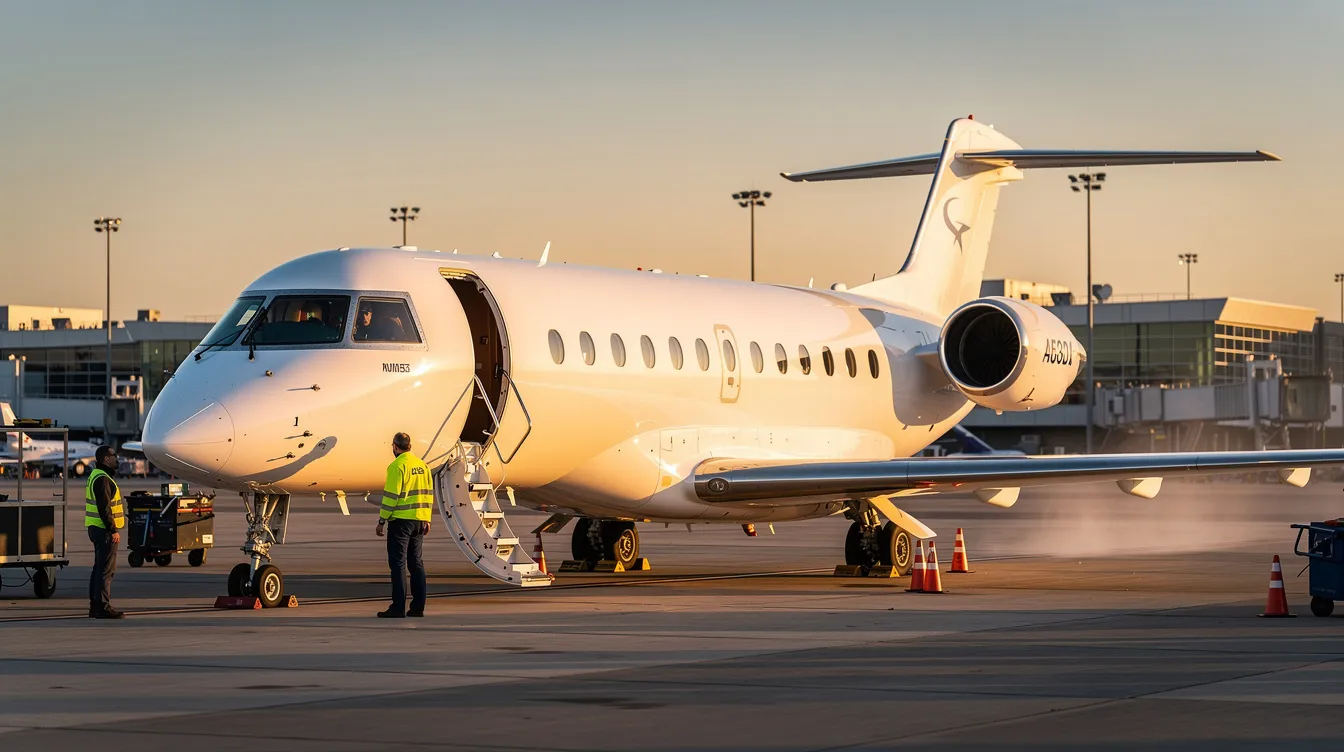
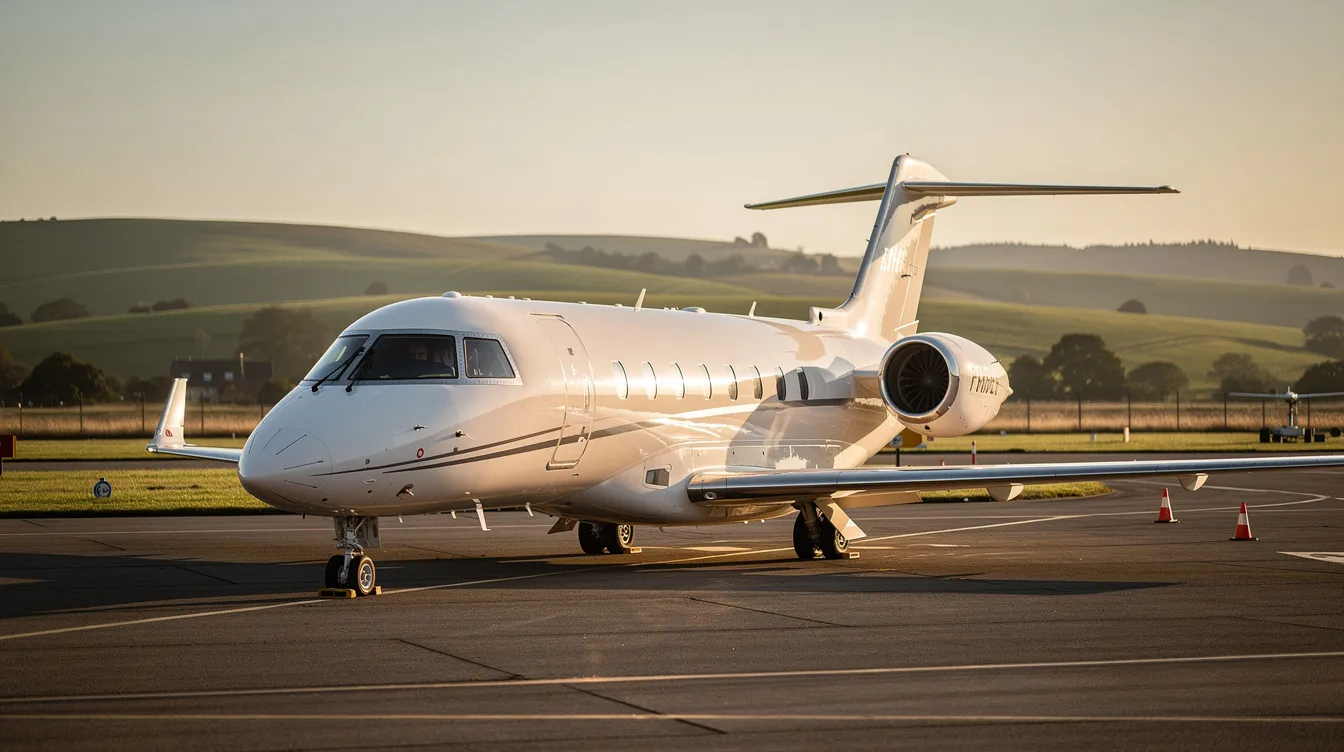
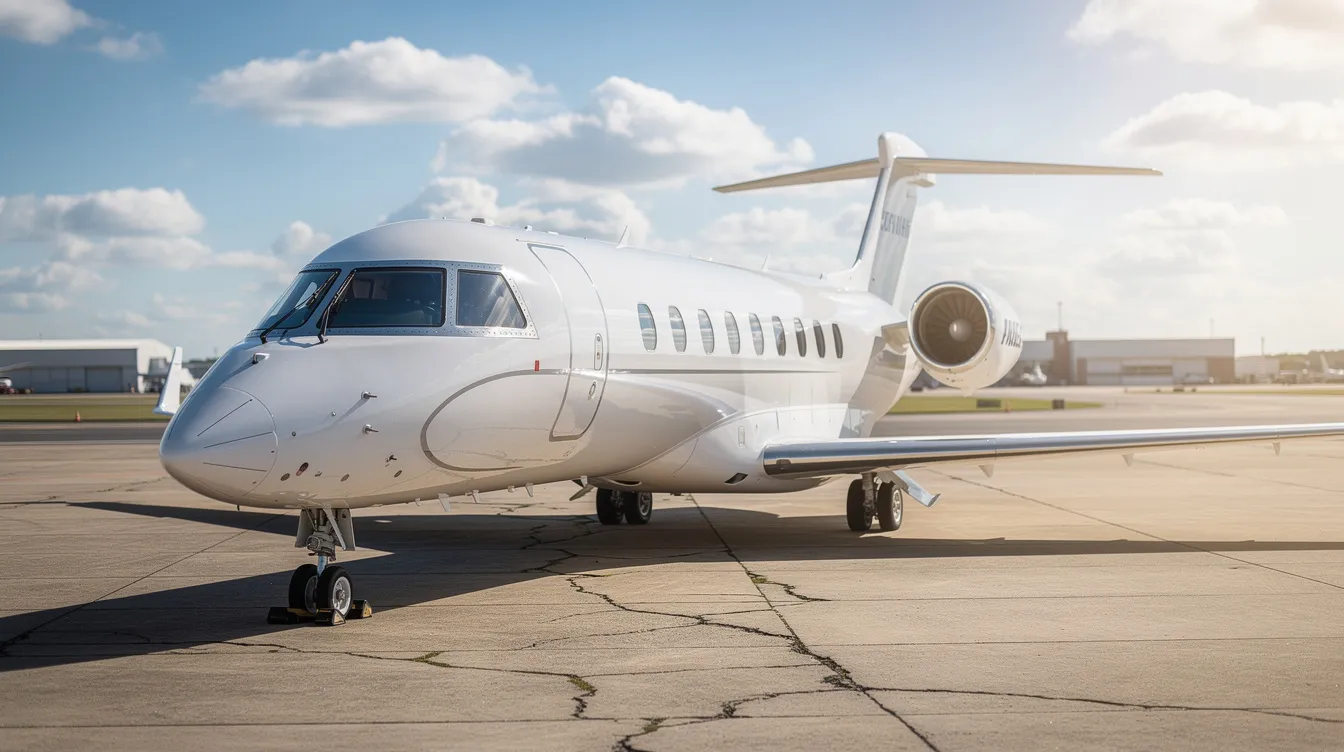
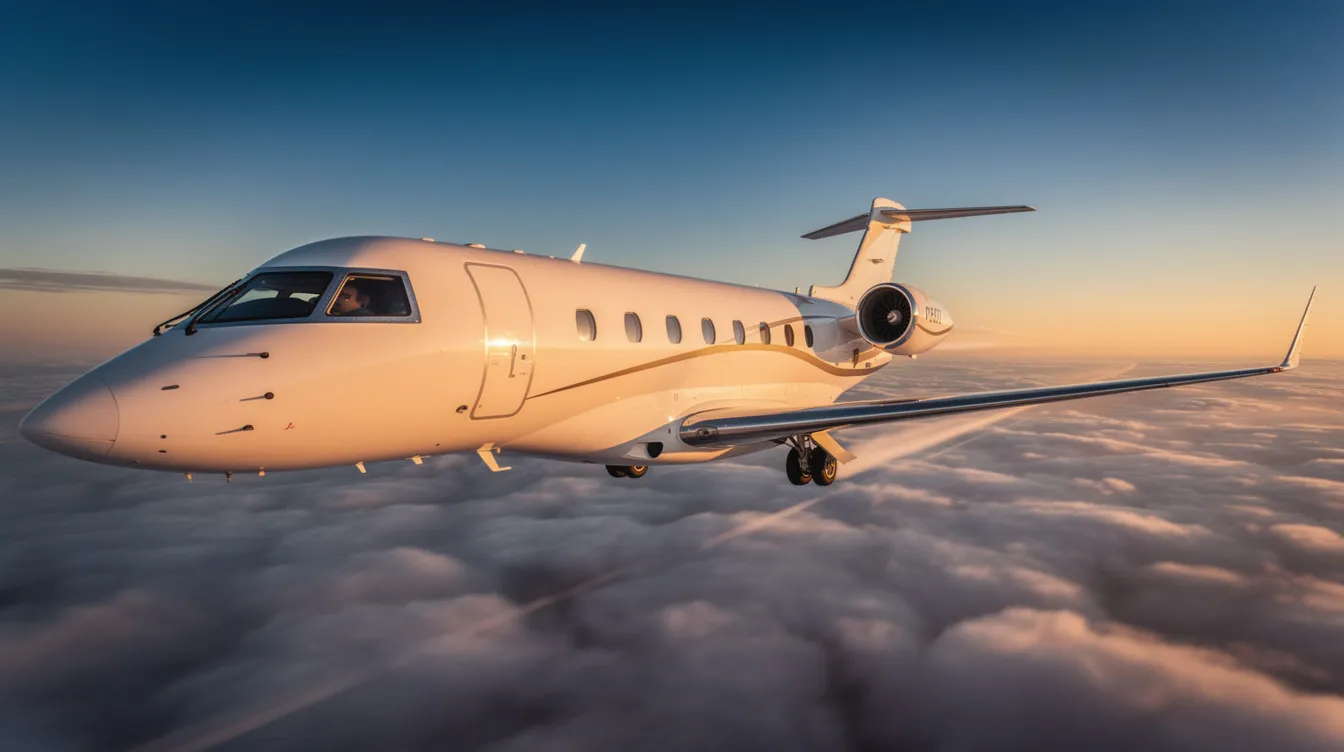
Private Jet for Purchase: Strategic Guide for Buyers in 2026

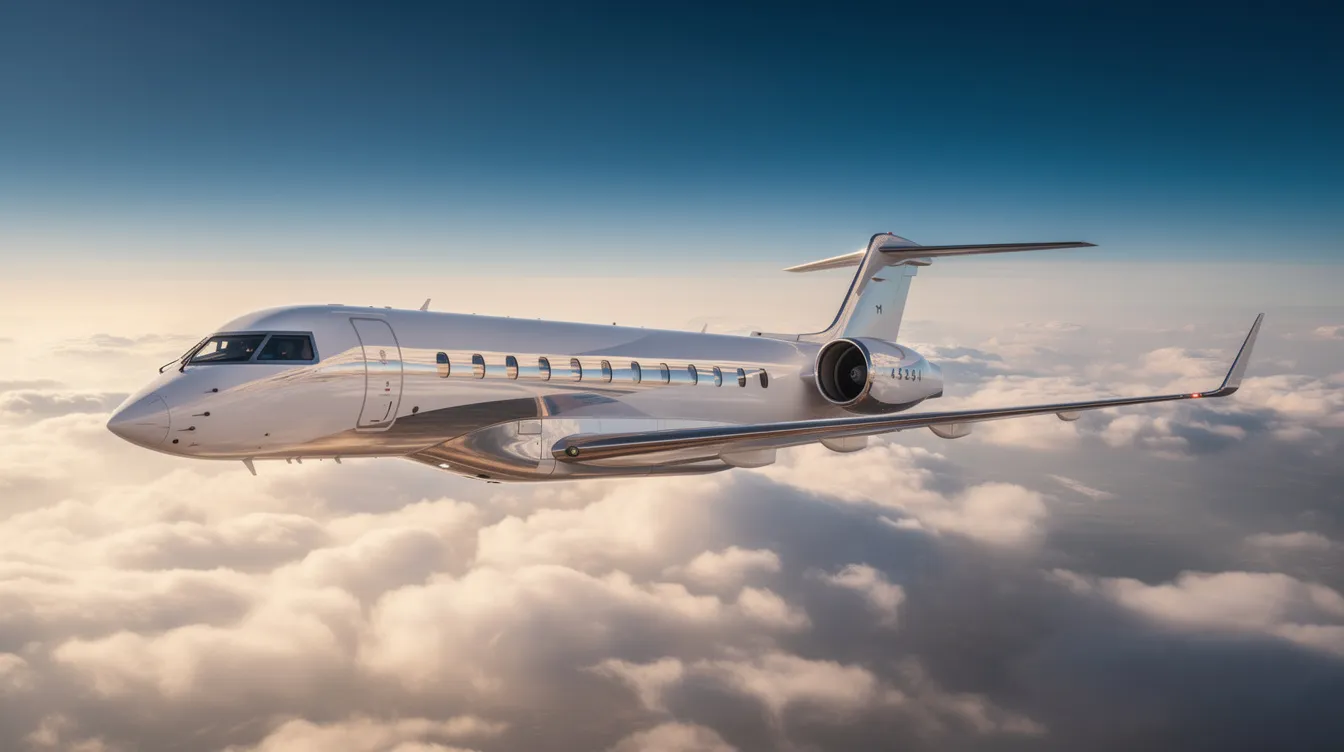
Purchasing a private jet represents a significant investment and a strategic decision for individuals and corporations seeking enhanced mobility, privacy, and flexibility. In 2026, the private aviation market continues to evolve, offering a diverse range of aircraft options from very light jets to ultra-long-range bizliners. Understanding the nuances of aircraft types, operational costs, and ownership models is essential to making an informed choice. This guide provides practical insights into selecting the right private jet for purchase, evaluating the total cost of ownership, and navigating the acquisition process with expert support from BusinessJets.com. Whether you are a first-time buyer or looking to upgrade your fleet, this resource aims to empower you with the knowledge to optimize your investment and travel experience.
Key Takeaways
Buying a private jet in 2026 is a strategic asset decision, not simply a lifestyle choice. The right acquisition depends on mission profile, technical condition, valuation accuracy, and long-term operating model. BusinessJets.com supports buyers from initial aircraft search through appraisal, negotiation, inspection, closing, and entry into service.
Entry-level jet aircraft, such as the Cirrus Vision Jet or Cessna Citation Mustang, can start under $2–3 million used, while large jets, such as a Dassault Falcon, Gulfstream, or Global series aircraft, can exceed $20–60 million.
Mission profile-range, passenger load, runway access, and airports used should drive selection between very light jets, light jets, midsize aircraft, super midsize jets, and large jets.
Accurate aircraft valuation, maintenance history review, and a pre-purchase inspection are critical to avoiding multi-million-dollar mistakes.
BusinessJets.com, with 1,500+ completed transactions and 5,000+ satisfied clients, offers brokerage, private jet appraisals, and aviation consulting for buyers considering a private jet for purchase.

Introduction: What “Private Jet for Purchase” Really Means Today
The private aviation market has changed sharply since 2020, and in today's market, buyers face a more selective landscape. Demand rose as corporations, families, and owner operators sought more control, privacy, and schedule reliability than commercial airlines or scheduled airlines could provide. By 2026, the market will have become more selective, with used inventory improving in some segments after a reported 7% rise in 2025 compared with the prior year, giving buyers more choice and more cost-effective solutions, while high-demand models remain tight.
Browsing jets for sale is not the same as executing an acquisition strategy. A structured purchase process evaluates the total cost of ownership, mission profile, management structures, technical risk, and resale value before a buyer commits to a private aircraft.
Affordable private jets generally include VLJs and smaller jets at a lower price point.
Mainstream business jets include light to midsize models for regional and transcontinental business flying.
Large jets serve longer distances, intercontinental range, and multi-zone cabin space.
Many 2026 transactions involve pre-owned aircraft built between 2005 and 2020, making valuation and diligence essential.
BusinessJets.com works with corporations, operators, fleet managers, and high-net-worth buyers across the full private aircraft ownership lifecycle.
Defining Your Mission: How to Choose the Right Jet Aircraft
Before looking for the perfect aircraft, one of the key advantages of private aircraft selection is matching the jet to how the buyer will actually travel. A buyer flying 300–1,500 nm with 2–4 passengers has different needs than a corporate team flying 3,000+ nm with 8–14 passengers.
Key planning questions include:
Annual utilization: charter or jet cards often suit fewer than 50 hours per year; fractional ownership can suit 50–150 hours; whole private jet ownership is usually best above 150–200 hours, and often 200–400+ hours.
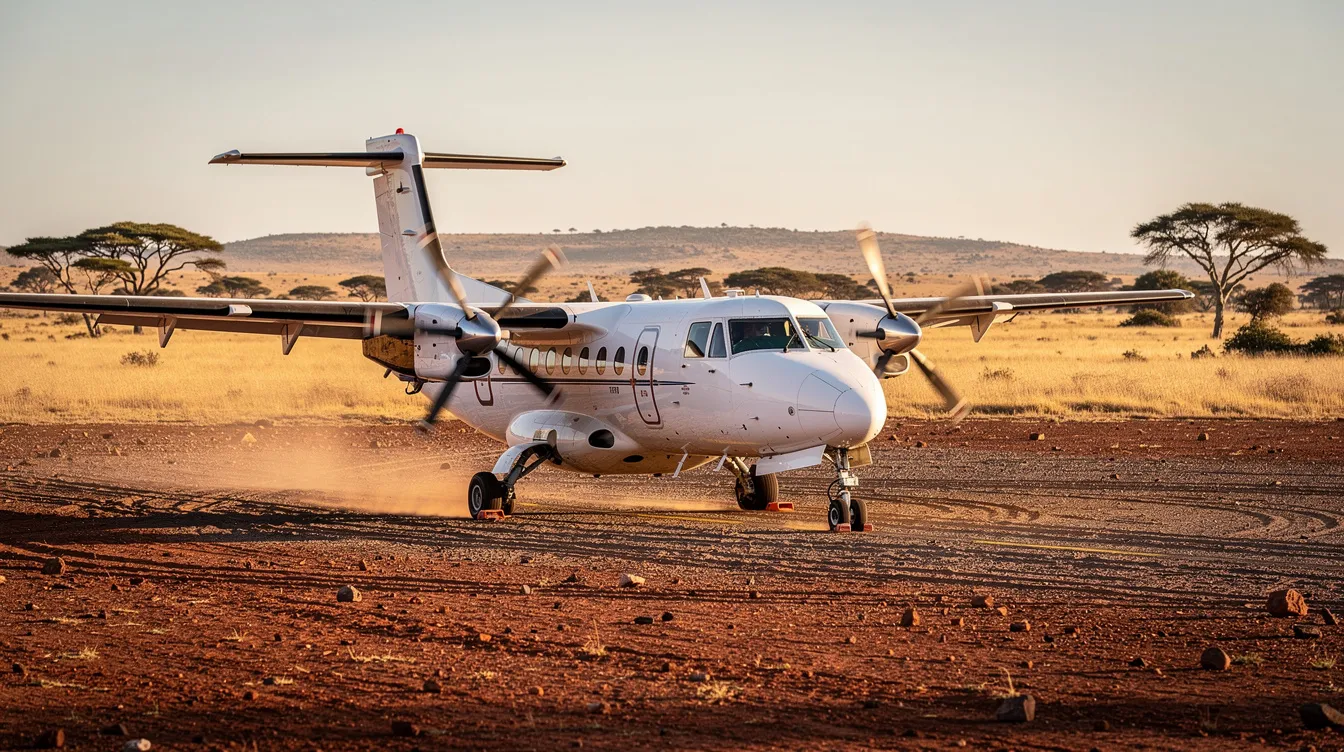
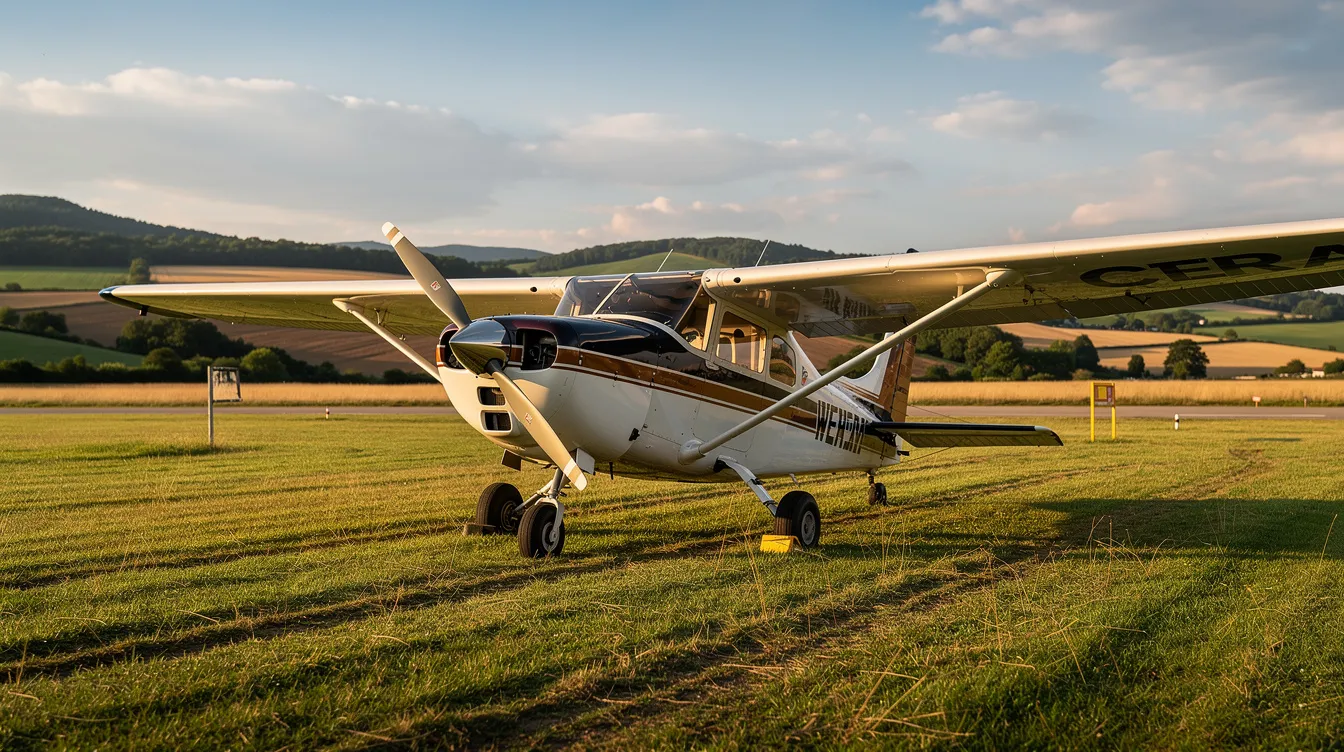
Airport access: short strips, high elevation airports, and remote destinations may favor a Cirrus Vision Jet, Embraer Phenom, Cessna Citation, or certain Falcon models, and private flyers can access thousands of smaller airports not served by commercial airlines.
Use case: corporate shuttle operations need dispatch reliability and lower operating costs; global executive missions require range, crew planning, and operation worldwide.
Productivity: for many buyers who want to fly private, private jets provide privacy, allowing passengers to travel with known colleagues, friends, or family without commercial flight distractions. Two-thirds of passengers report being more productive in the air than in traditional office settings.
BusinessJets.com typically begins each acquisition mandate with a structured mission and utilization study to identify the right private aircraft.
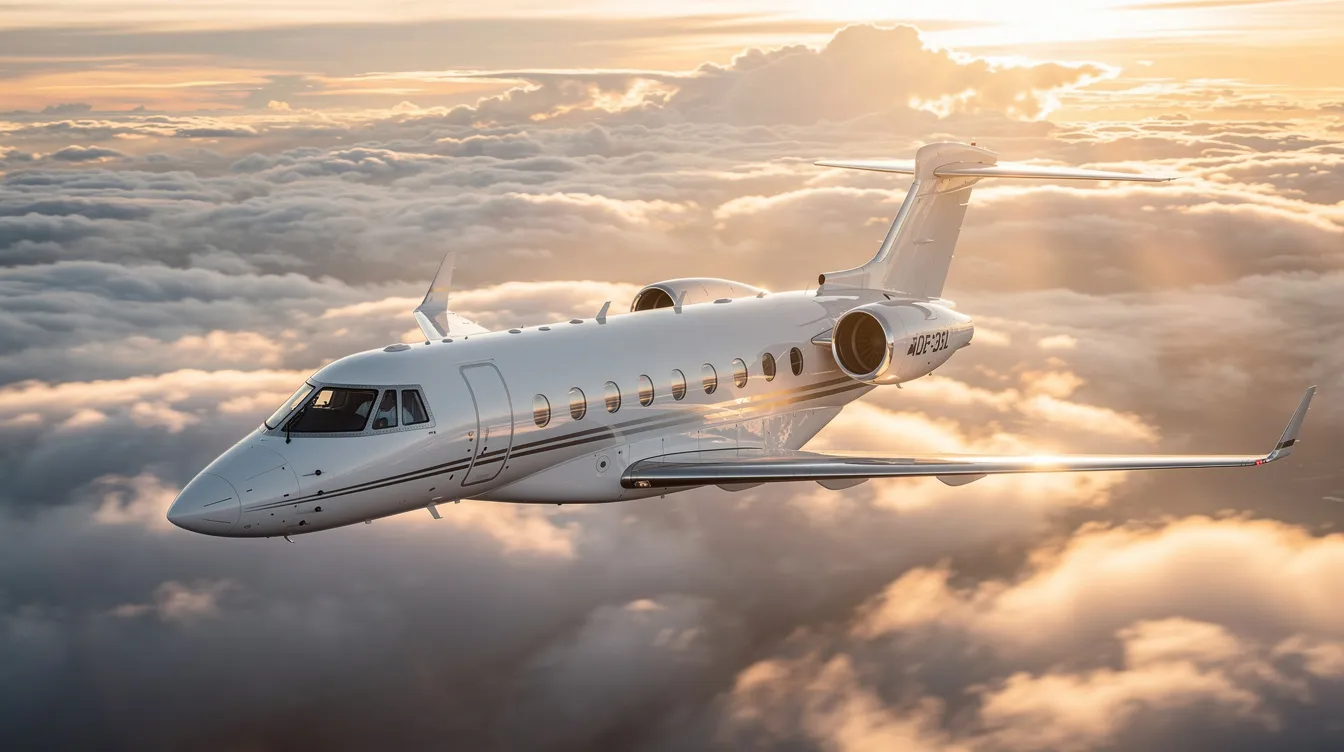
Types of Private Jets for Purchase in 2026
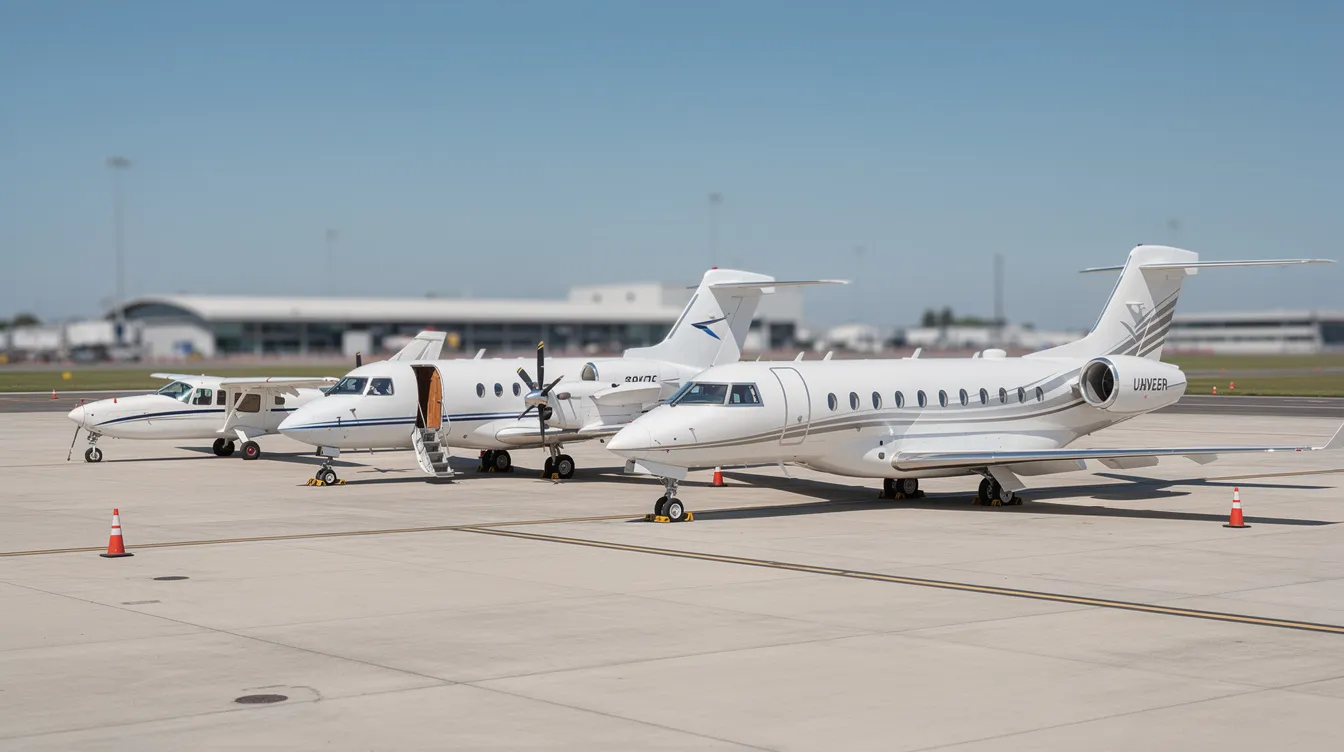
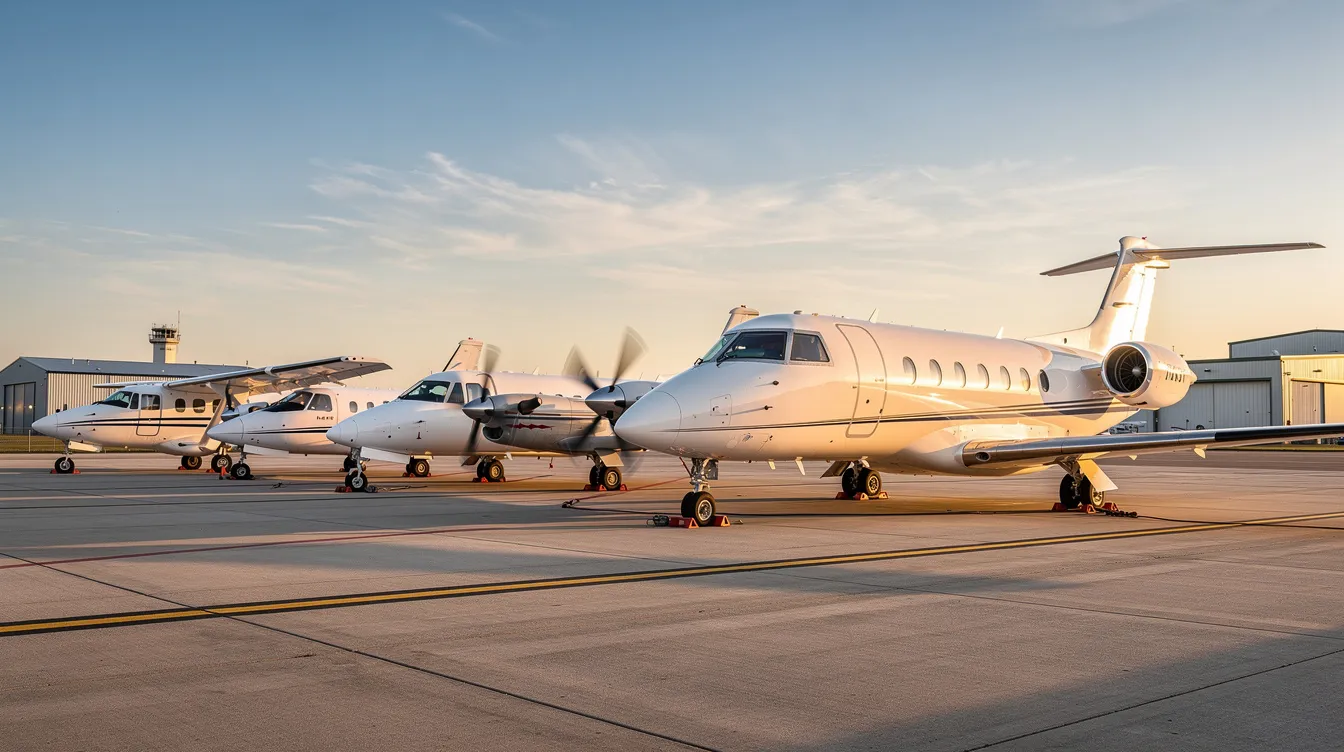
Private jets are categorized into seven distinct industry categories based on weight, cabin dimensions, and maximum flight distance. In practice, buyers usually compare very light jets, light jets, midsize aircraft, super midsize jets, heavy jets, ultra-long-range jets, and bizliners against other aircraft to judge size, performance, cabin space, and mission fit.
Category | Typical passengers | Typical range | Best use |
|---|---|---|---|
VLJ | 4–6 | 1,000–1,200 nm | Short regional trips |
Light jet | 4–8 | 1,500–2,000 nm | Business trips, family getaways |
Midsize | 7–9 | 2,200–3,000 nm | Regional and coast-to-coast missions |
Super midsize | 8–12 | 3,000–4,500 nm | Longer nonstop routes |
Heavy business jet | 10–14 | 4,000–6,000 nm | Intercontinental travel |
Ultra-long-range | 14–19 | 6,000+ nm | Global executive use |
Bizliner | 19–50+ | Varies | Commercial airliners converted into luxury private jets |
Across these categories, light jets typically fit 4–6 passengers while ultra-long-range jets can accommodate 14–19 passengers. Very light jets (VLJs) are the most affordable entry point into jet ownership, designed for shorter flights and offering remarkable performance and advanced technology at a lower price point.
Modern inventory is also differentiated by avionics and connectivity: Garmin G5000, Honeywell EASy II, electronic charts, Ka-Band, GoGo Avance, and Starlink can materially affect usability and resale. Bizliners are commercial airliners modified into ultra-luxury private jets, typically accommodating 19 to 50+ passengers.
Very Light and Entry-Level Business Jets
Very Light Jets (VLJs) represent the most cost-effective category of private aircraft, engineered for efficiency and short-distance travel.. The very light jet category is popular with new private jet owners, entrepreneurs, and owner operators seeking a competitive option with lower operating costs.
The Cirrus Vision Jet is recognized as one of the most affordable jets with jet-level performance, featuring a single-engine design and a range of 1,200 nautical miles. Introduced in 2016, it is well-suited to 2–4 passengers, personal use, and hybrid business travel.
The Cessna Citation Mustang, produced from 2006 to 2017, often trades around $1.5–2.5M in 2026 and remains a viable option for buyers wanting a used jet with modest hourly cost.
The Embraer Phenom 100 is a popular very light jet known for its spacious cabin and fuel efficiency, making it a great choice for short regional flights.
Ideal buyers fly 50–200 hours annually, often in the U.S. or intra-Europe, and may prefer single-pilot operation where pilots, regulations, and insurance allow.
Light, Midsize, and Super-Midsize Business Jets
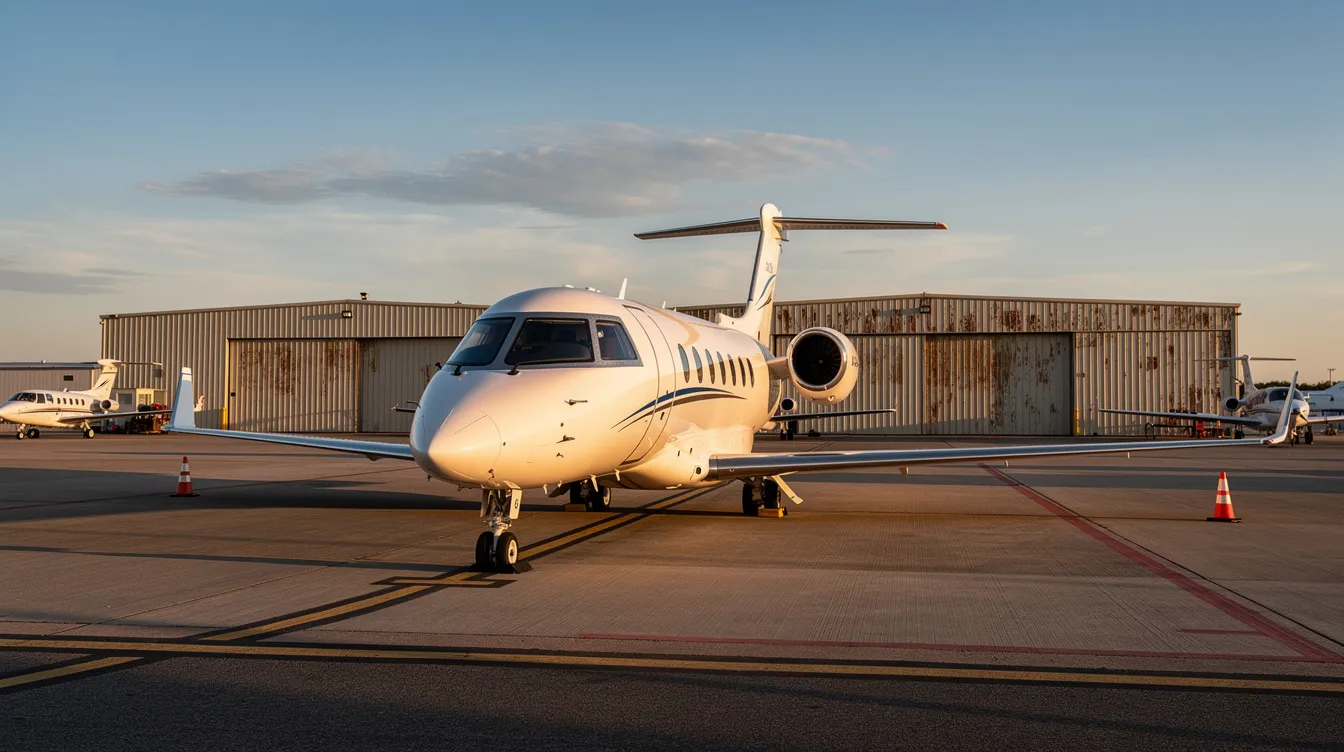
Light jets such as Cessna Citation CJ2+/CJ3+/CJ4 and HondaJet HA-420 typically seat 4–6 passengers and fly 1,500–2,000 nm. Light jets are popular for short-to-medium-range regional trips, accommodating 6–8 passengers with a range of approximately 1,500 to 2,000 nautical miles. They provide a balance between comfort and affordability, making them ideal for business trips or family getaways.
Midsize jets such as the Citation Latitude and Hawker 800XP/900XP add cabin space, 7–9 passenger capacity, and 2,000–3,000 nm range. Super-midsize models such as Citation XLS+, Gulfstream G280, and Challenger 300/350 support nonstop U.S. coast-to-coast or Europe–Middle East routes, typically accommodating 8–12 passengers with a range of approximately 3,000 to 4,500 nautical miles.
BusinessJets.com frequently brokers aircraft in this category for fleet managers upgrading from turboprops or smaller jets, including missions such as private jet charter to Paris and other major business hubs.
Large-Cabin and Ultra-Long-Range Jets
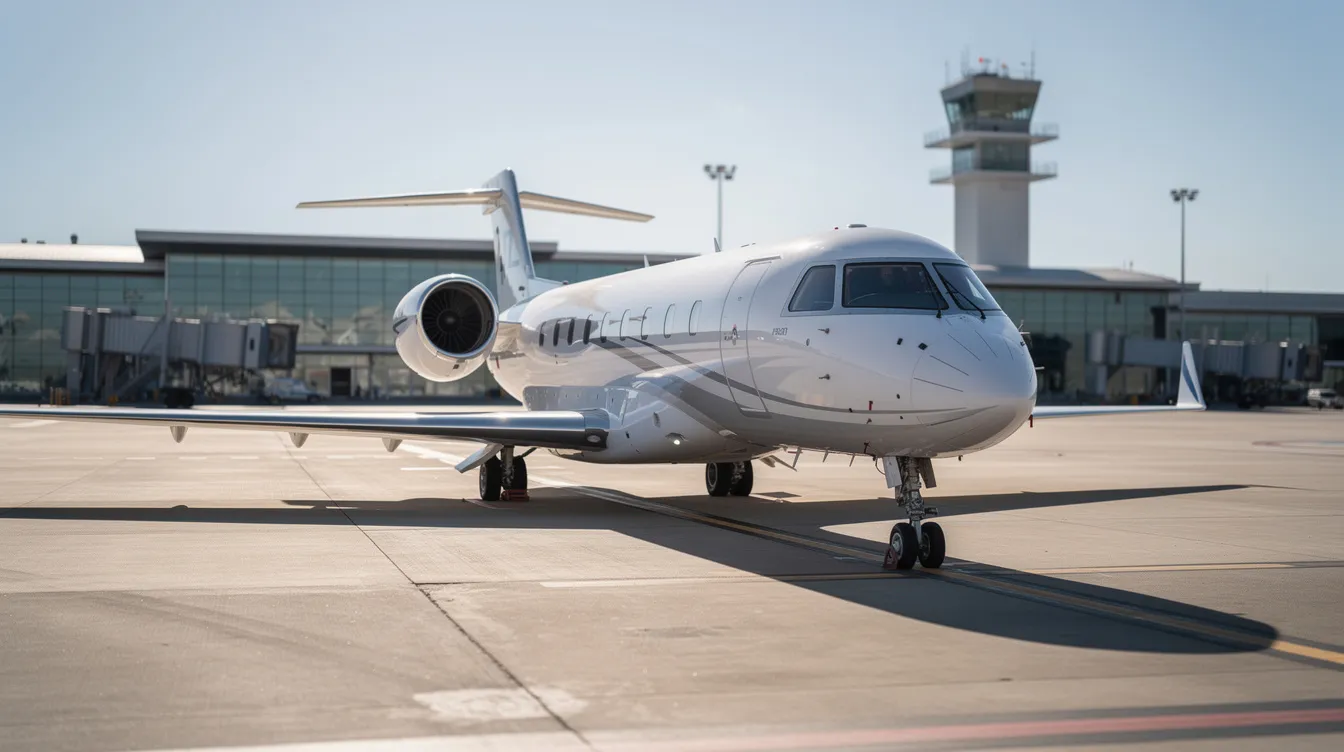
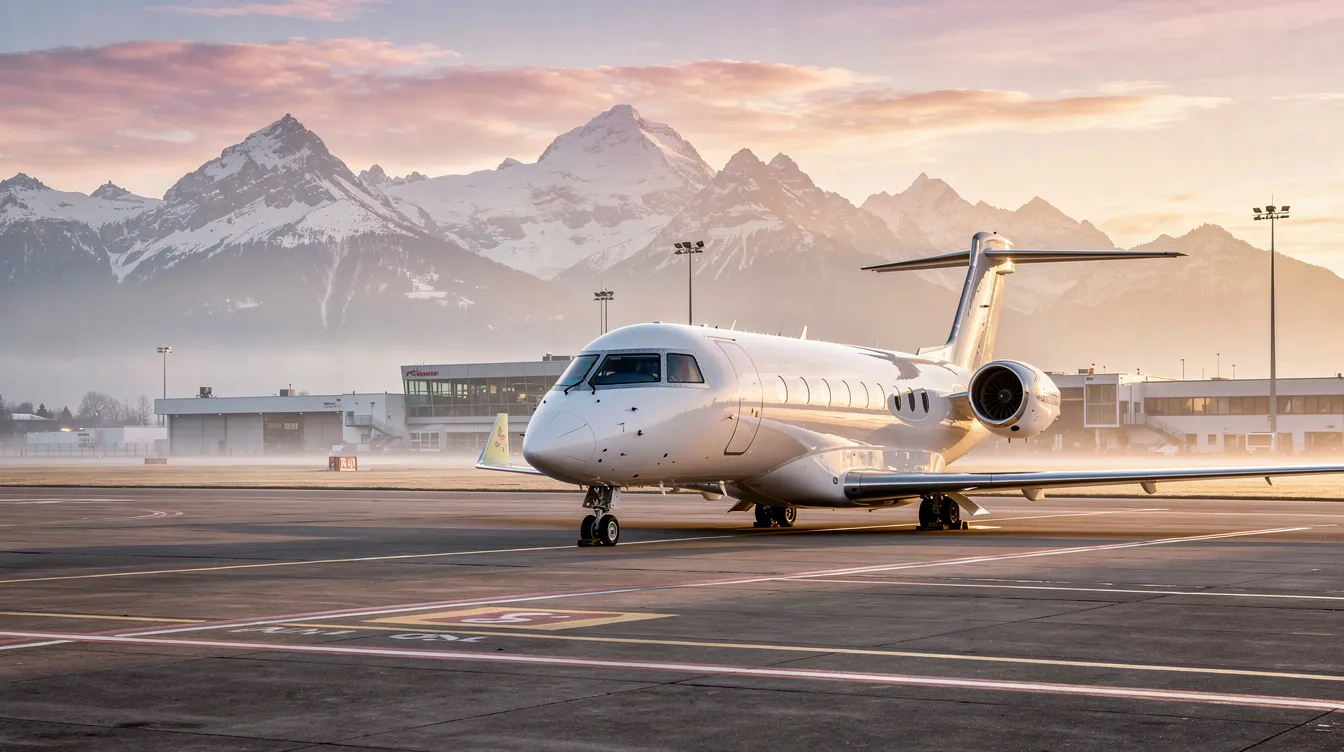
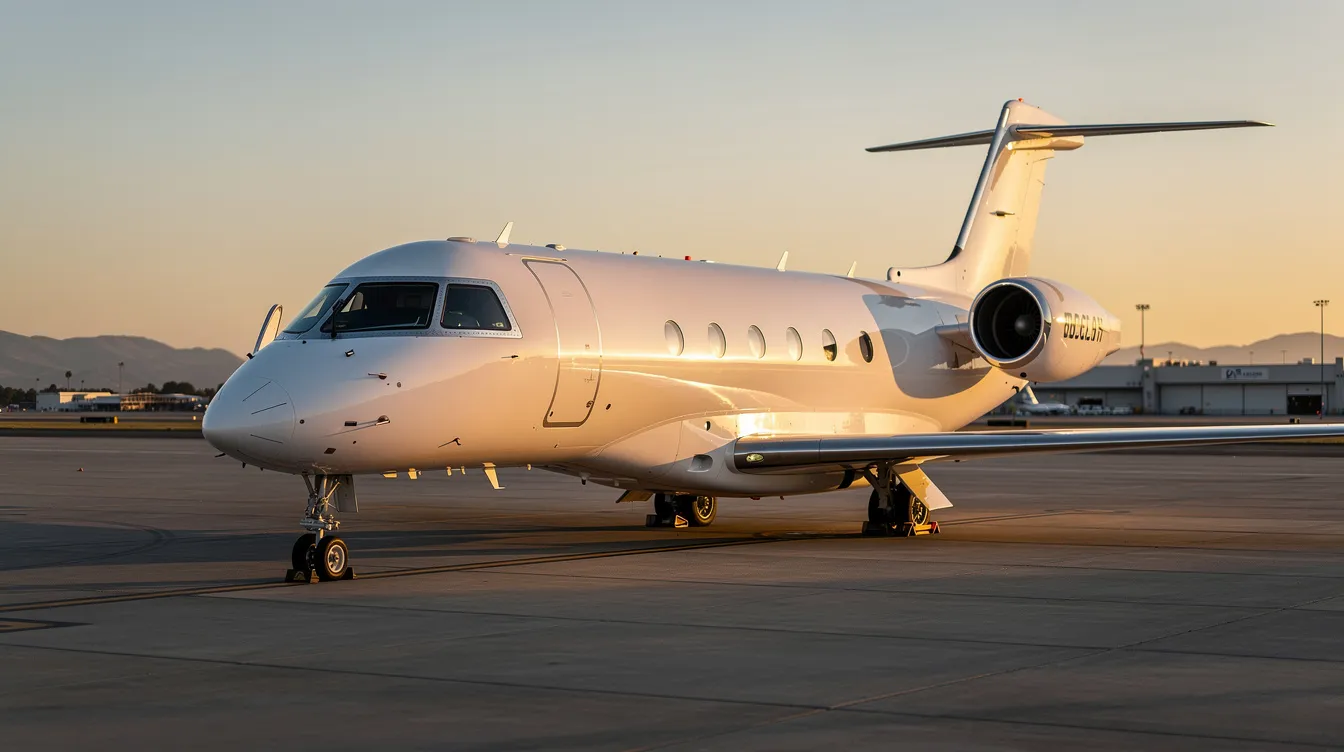
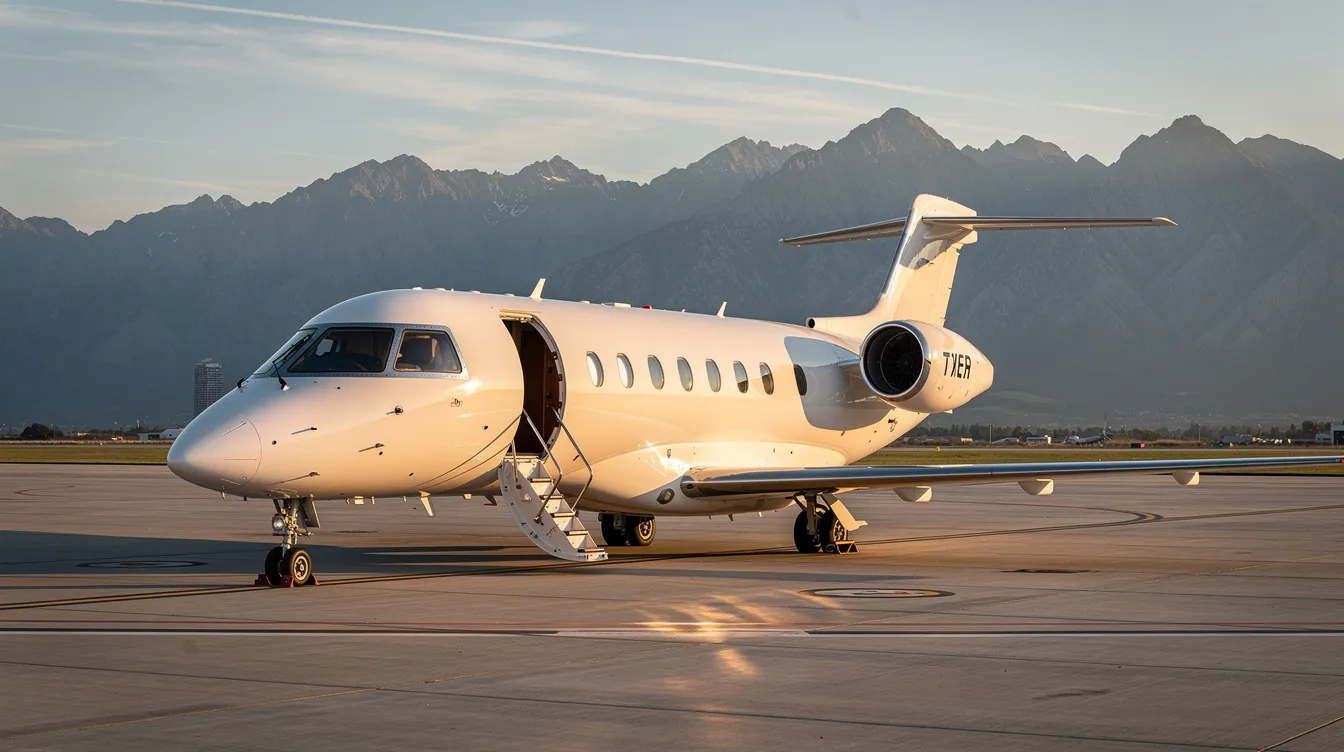
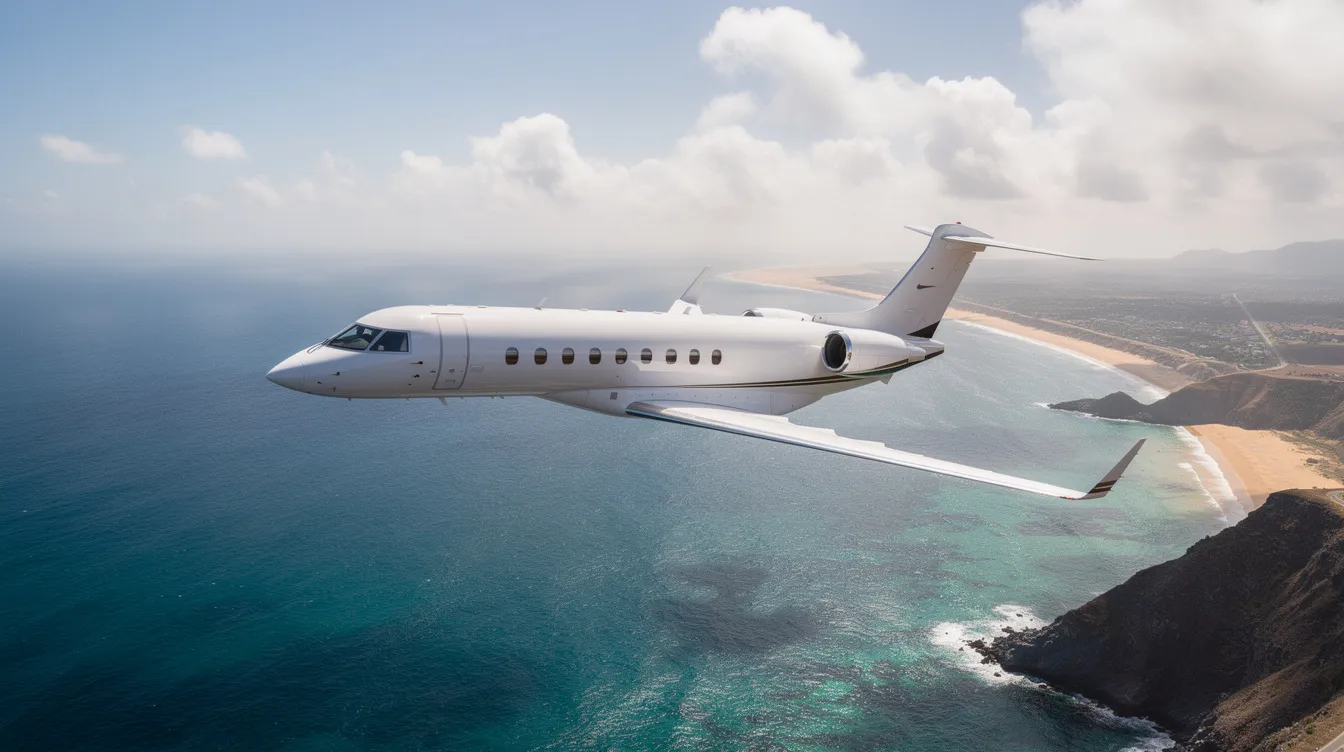
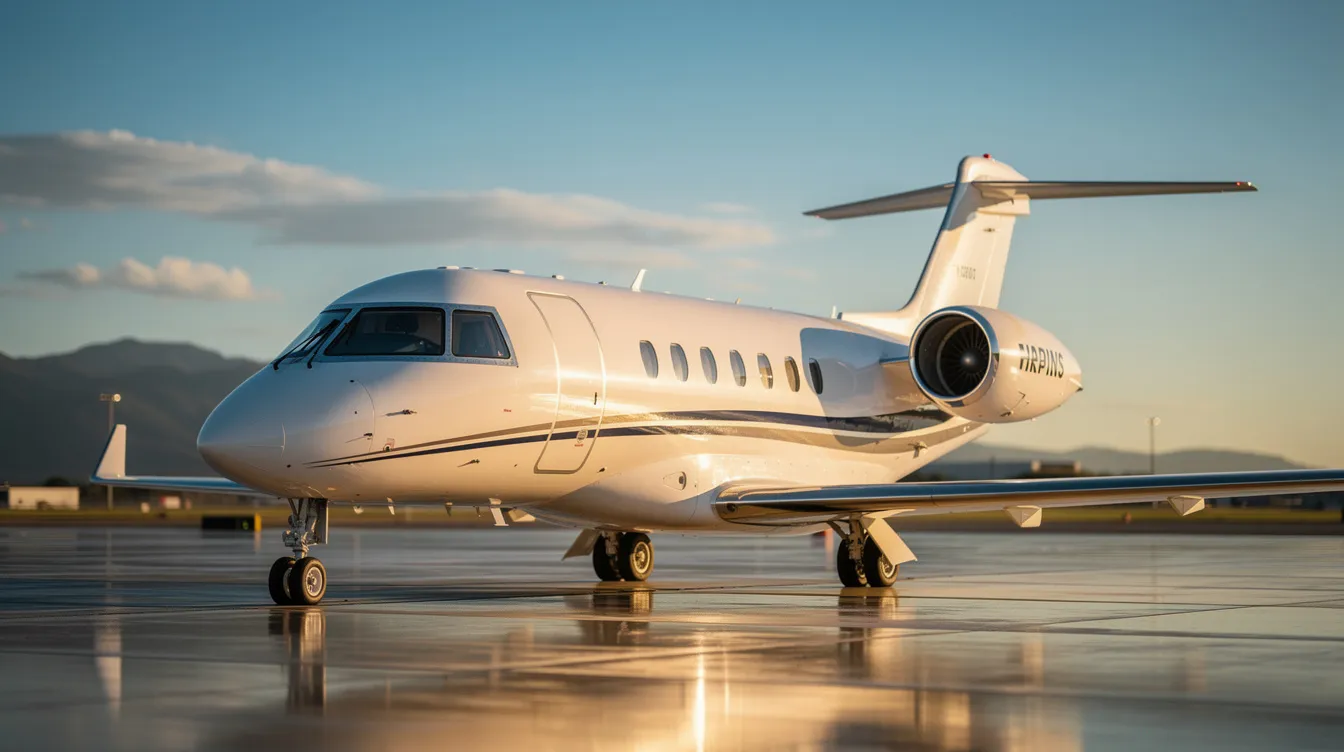
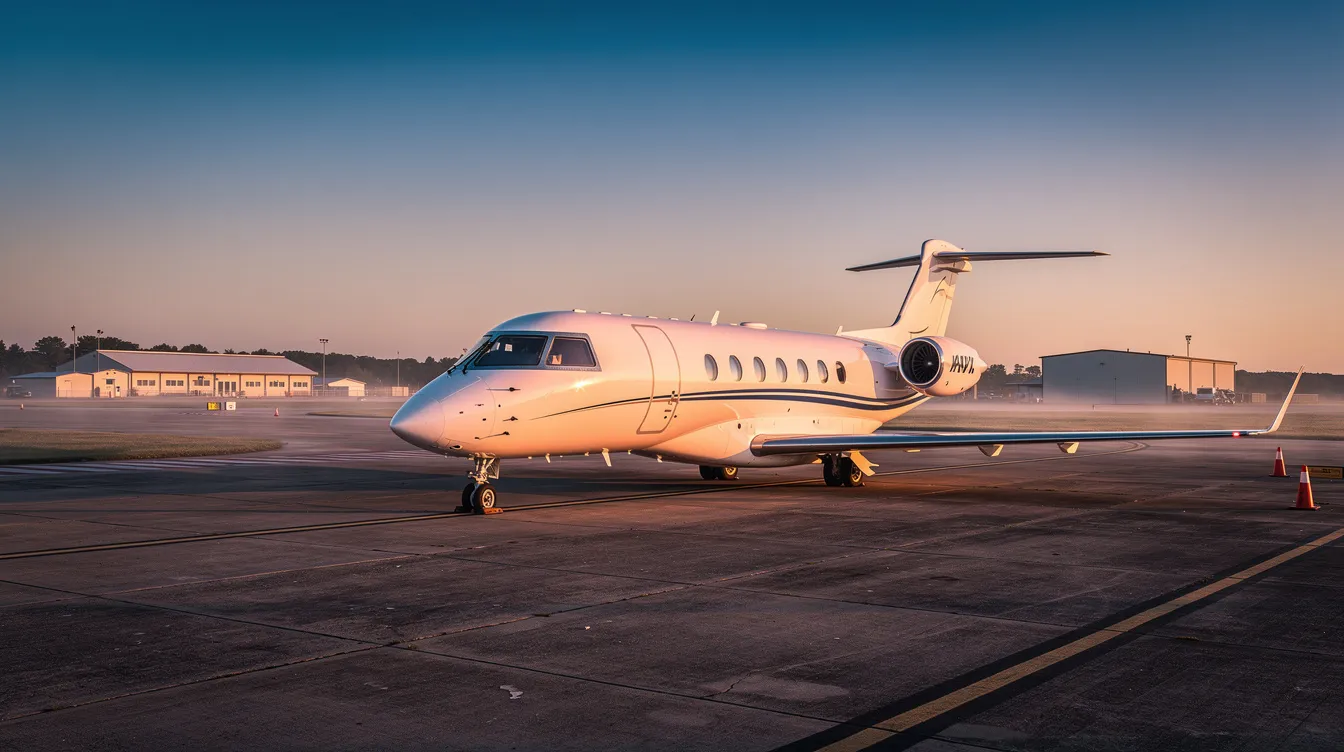
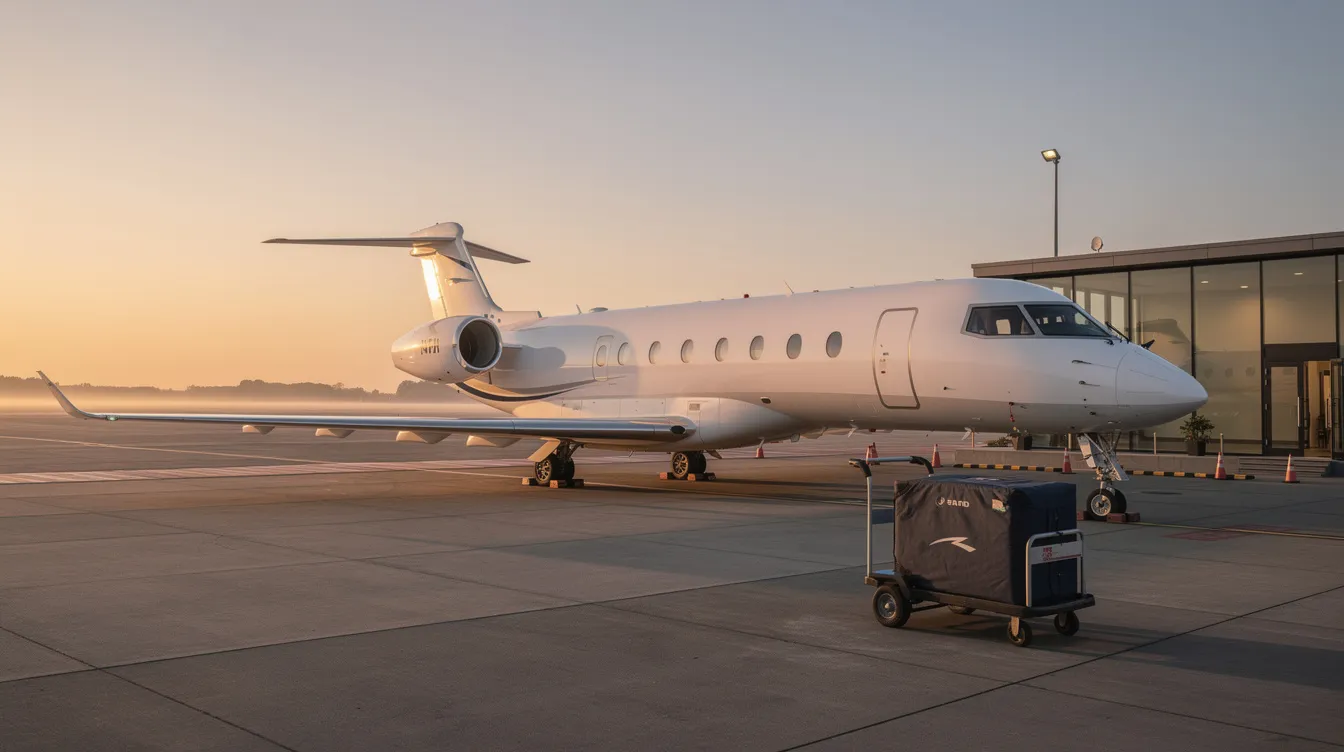
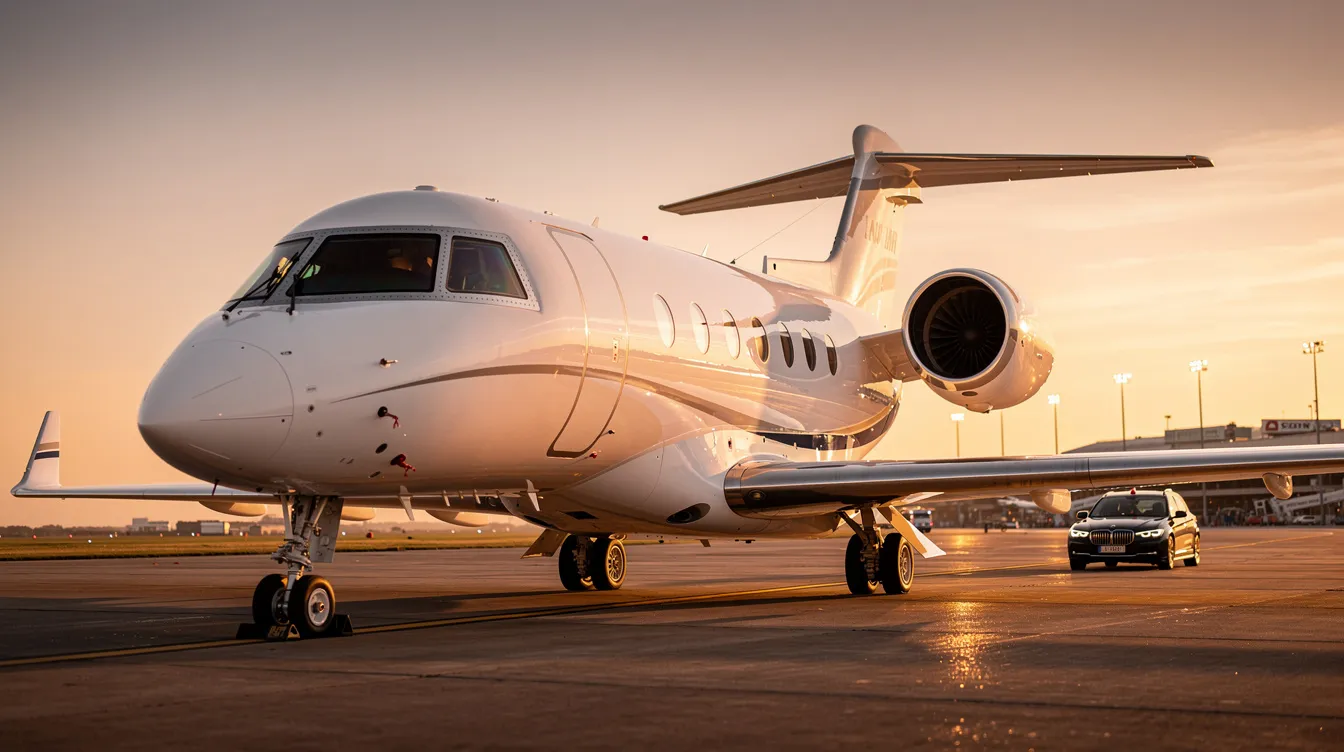
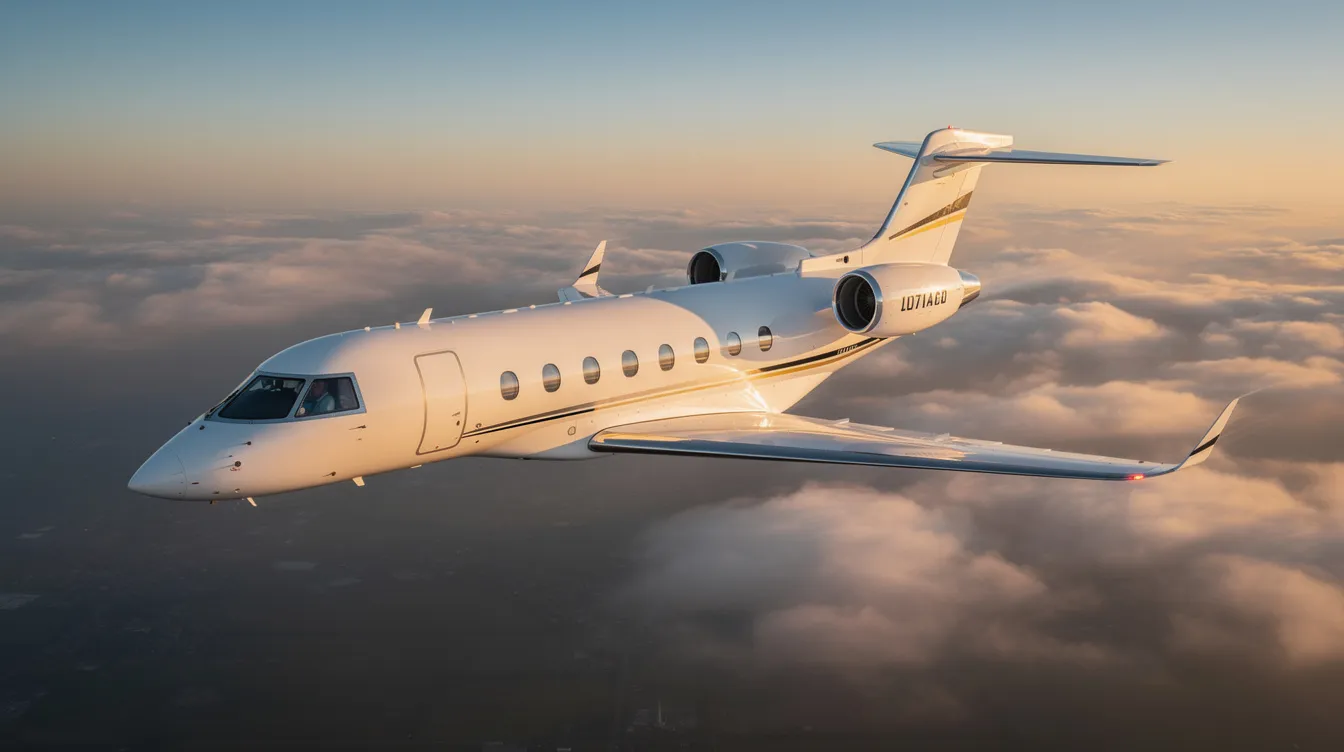
Large jets, like the Dassault Falcon and Gulfstream G200, offer unparalleled luxury and performance, suitable for intercontinental travel, but come with higher purchase prices and operating costs. Heavy business jets provide intercontinental capability with spacious cabins and typically accommodate 10–14 passengers over 4,000–6,000 nautical miles.
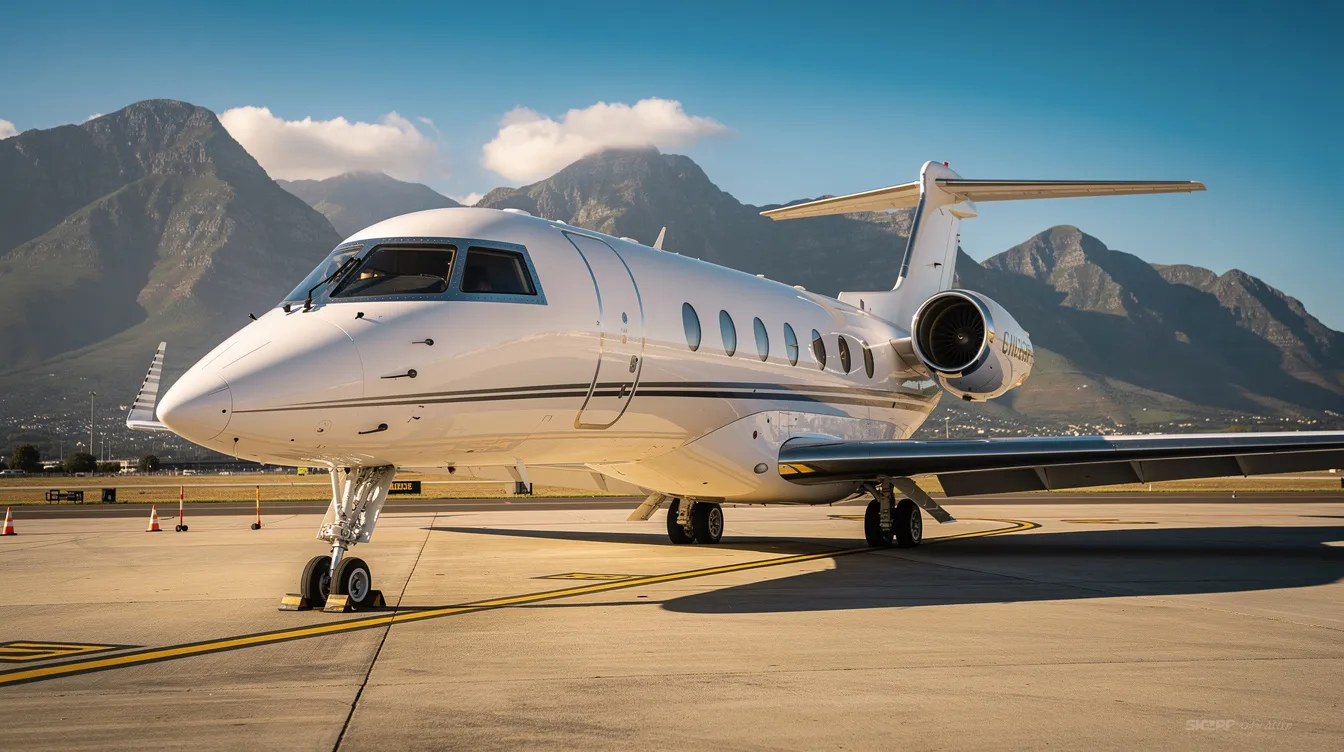
Dassault Falcon models, including Falcon 2000LXS, Falcon 900EX, and Falcon 50EX, offer strong runway performance. Gulfstream G450/G550/G650/G650ER and Bombardier Global 5000/6000 can carry 12–16 passengers and support advanced connectivity. Large jets, like the Dassault Falcon and Gulfstream G200, offer unparalleled performance for intercontinental travel, but come with higher purchase prices and operating costs.
Older Falcon 50EX aircraft may trade in the mid-single-digit millions, while late-model G650ER or Global aircraft can reach tens of millions. These deals often require cross-border tax, registration, and regulatory planning.
New vs. Pre-Owned: Pricing, Depreciation, and “Affordable” Options
Many sophisticated buyers focus on late-model pre-owned jets because factory-new lead times remain long, and early depreciation can be steep. New jets offer the latest technology, manufacturer warranties, and lower maintenance costs compared to pre-owned jets, but first-year depreciation can exceed 10–15%.
Typical 2026 ranges include:
New VLJs/light jets: roughly $2–7M.
Midsize and super-midsize jets: roughly $10–25M.
Large and ultra-long-range jets: often $40–75M+.
The broader purchase price for private jets typically ranges from $30 million to $5 million, with some older jets depreciating to below $2 million or even $1 million after several years.
Pre-owned jets come at a lower acquisition cost but may incur higher maintenance costs and require thorough inspections. Affordable private jets are increasingly available, allowing individuals, families, and businesses to enjoy the luxury and convenience of private flight without the high costs traditionally associated with this lifestyle. Still, the most affordable private jets are not always the best value if maintenance exposure is high.
Evaluating an Aircraft: Technical Condition, Cabin Design, and Upgrade Potential
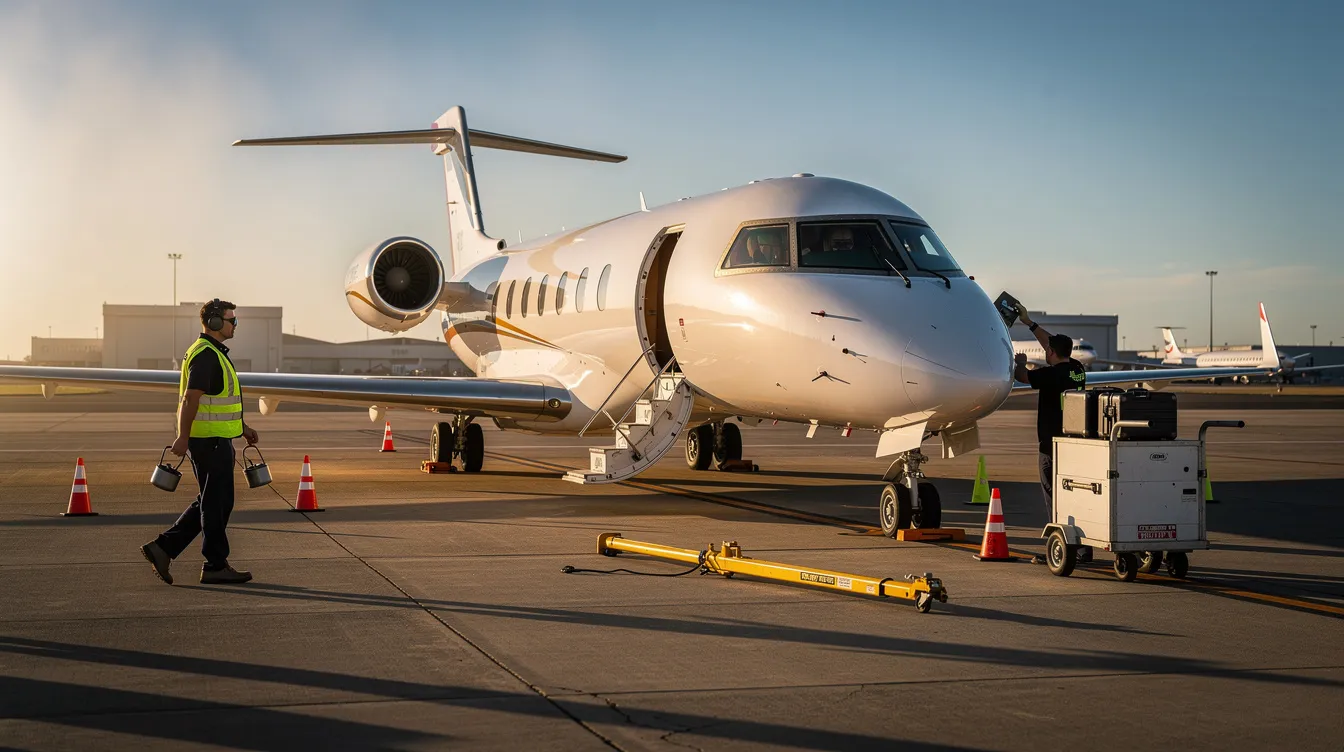
A low price only matters if the aircraft's condition, records, and configuration support the buyer’s travel requirements. Complete logbooks, damage history, engine status, and regulatory maintenance compliance are central to private aircraft ownership.
Major inspections-48-/96-/144-month checks, engine overhauls, landing gear work, and APU events-can shift value dramatically. Buyers should also review whether engines are enrolled on ESP, MSP, JSSI, ProParts, or whether the aircraft is an APU-enrolled aircraft.
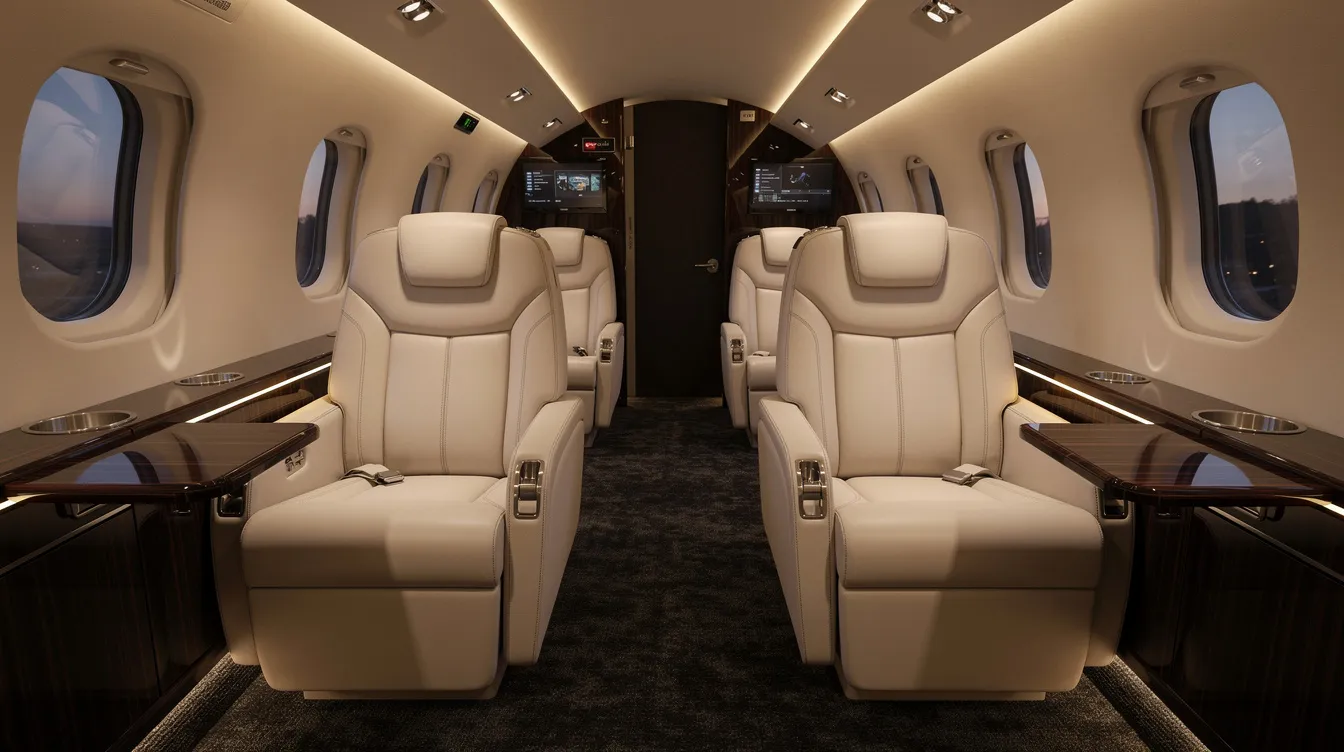
Cabin design affects productivity: club seating, conference layouts, divans, LED lighting, new paint, refreshed materials, and Wi-Fi all influence private travel value. BusinessJets.com advises whether to pay for an upgraded aircraft or budget for avionics, connectivity, and interior refurbishment after sale.
Pre-Purchase Inspections and Appraisals
A formal aircraft appraisal and pre-purchase inspection reduce transaction risk.
BusinessJets.com recommends an independent valuation using comparable sales, equipment lists, program enrollment, component times, and current market data.
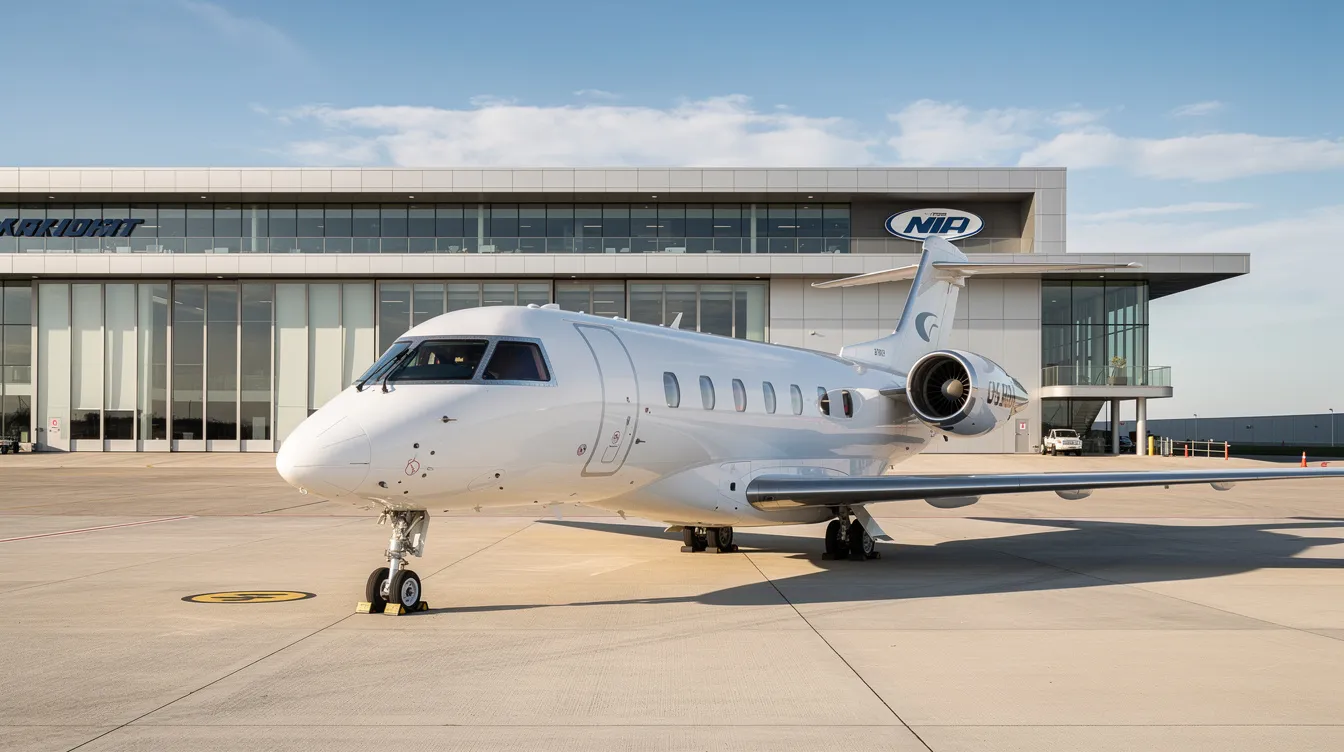
A pre-purchase inspection at an MRO or OEM center reviews airframe, engines, APU, avionics, and records.
Findings can support a price reduction, seller-funded repair, revised purchase contract, or decision to walk away.
An experienced broker manages escrow, timelines, confidentiality, and coordination among buyer, seller, legal, and technical teams.
Ownership Models: Full Ownership, Fractional Jet Ownership, and Alternatives
Not every buyer needs to own jet capacity outright, and alternatives such as fractional ownership and charter can offer meaningful cost savings versus full ownership. Fractional jet ownership allows multiple individuals to share the costs and responsibilities of owning a private jet, making it a more affordable option for those who do not need full-time access to an aircraft.
Full ownership suits buyers flying more than 150–200 hours annually, needing their own schedule, bespoke cabin design, and complex dispatch control.
Fractional ownership, often in 1/16 or 1/8 shares, lowers capital outlay but adds booking rules, monthly fees, and limited customization.
Chartering a private jet can be a cost-effective alternative to ownership, allowing users to access private aviation without maintenance and storage responsibilities.
BusinessJets.com can model outright purchase, fractional participation, and charter economics for CFOs and family offices.
Cost of Ownership: Beyond the Purchase Price
Most buyers underestimate ongoing costs, which can equal the purchase price within a few years. Ongoing operational expenses for private jets typically range from $1 million to $2 million annually.
Fixed costs associated with private jet ownership include crew salaries, insurance, and hangar fees, while variable costs include fuel and maintenance reserves, and these are the recurring expenses buyers must budget for after purchase. Ongoing operational costs for private jet ownership can include fuel expenses ranging from $300 to $700 per hour, maintenance costs between $50,000 and $200,000 annually, and insurance costs of $15,000 to $30,000 per year. Storage costs can vary significantly, with outside storage costing $50-$100 per month and hangar fees ranging from $1,000 to $3,000 per month.
Hourly ownership cost may range from roughly $1,000–$1,500 for VLJs, $2,500–$3,500 for midsize jets, and $5,000+ for large jets, depending on fuel, crew, and maintenance programs. BusinessJets.com supports 5–10-year total cost of ownership modeling for long-term ownership decisions.
Transaction Process: How BusinessJets.com Manages a Private Jet Purchase
A controlled aircraft acquisition generally follows these stages:
Define mandate: mission, budget, target models, and management structure.
Source aircraft: public private jets for sale, off-market aircraft, and discreet seller outreach worldwide.
Compare options: Phenom 300 vs. Citation Latitude vs. Falcon 2000LXS, including cruise speed, range, and records.
Value and negotiate: price, LOI, deposits, inspection rights, and closing conditions.
Contract and escrow: allocate risk in the purchase contract.
Inspect: complete technical review before closing.
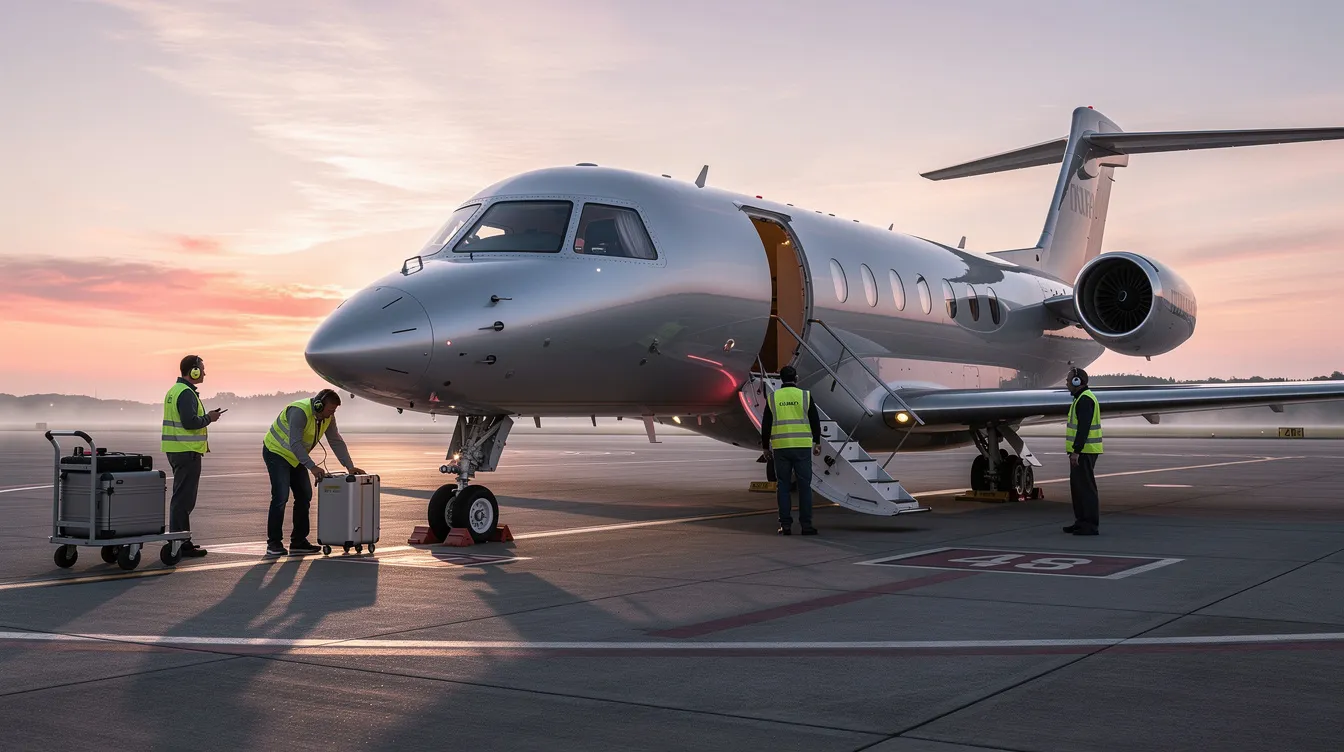
Close and deliver: registration, import/export, insurance, crew onboarding, and operator handover.
Some buyers search terms such as guardian jet, jets for sale, or private plane listings, but expert representation helps convert a search into a disciplined acquisition.
When “Affordable Private Jets” Are the Right (or Wrong) Answer
Affordability in business aviation means value, not simply the lowest cost. A Cirrus Vision Jet, Embraer Phenom 100, or Cessna Citation Mustang may be the right answer for short regional routes, 2–3 passengers, and disciplined budgeting.
The risk is chasing older jets with deferred inspections, obsolete avionics, or limited parts support. Pre-owned private jet prices can depreciate to below $2 million, and even less than $1 million after several years, but a low entry price can disappear quickly through maintenance exposure.
The economic landscape, particularly after the COVID-19 pandemic, has led to increased demand and higher prices for private jets, but smaller jets can still be surprisingly affordable and save money over the long term. The better measure is cost per productive hour saved versus commercial travel.
Partnering With BusinessJets.com for Your Next Jet Acquisition
BusinessJets.com acts as an expert advisor, not a high-pressure sales outlet. With 1,500+ transactions and more than 5,000 satisfied customers, the firm supports private owners, corporates, and operators with aircraft search, brokerage, appraisals, valuation intelligence, and aviation consulting.
If you are considering a private jet for purchase, request an aircraft appraisal, discuss listing or upgrading an existing aircraft, or schedule a consultation about acquisition strategy. Confidentiality, transparent fees, and global reach are central to how BusinessJets.com advises sophisticated buyers in today’s market.
FAQs: Buying a Private Jet in 2026
These answers address timing, financing, regulation, and market conditions for qualified buyers.
How long does it typically take to purchase a private jet?
Straightforward pre-owned transactions can close in 30–60 days. Complex cross-border or large-cabin acquisitions may take 90–180 days due to search, negotiation, inspection slots, financing, import/export, and registration. Engaging BusinessJets.com early can compress timelines by pre-planning legal and technical steps.
Can I finance a private jet purchase, and what are the typical terms?
Yes. Many buyers use cash plus asset-backed financing from aviation lenders or banks. Typical terms run 5–12 years, with loan-to-value ratios up to about 70–80% for newer aircraft and more conservative terms for older jets. BusinessJets.com does not provide financing directly, but coordinates with lenders and supports valuation materials.
What certifications and regulations should I be aware of as an owner?
Owners must distinguish private non-commercial operations, such as Part 91 in the U.S., from commercial charter operations under Part 135 or equivalent rules. Registration country, noise and emissions rules, crew licensing, and maintenance requirements all matter. BusinessJets.com’s consulting team works with operators and legal counsel to align aircraft selection with the intended framework.
Is fractional jet ownership a good step before buying my own aircraft?
It can be. Fractional jet ownership is useful for buyers flying 50–150 hours per year who want to learn preferences before buying their own jet. Trade-offs include management fees, booking rules, and less cabin customization compared with dedicated ownership.
How do I know if now is the right time to buy, given market conditions?
Consider inventory in the target segment, interest rates, and stable long-term utilization needs. The global fleet of private jets totals approximately 24,270 aircraft as of July 2024, highlighting the increasing accessibility and widespread appeal of private aviation. After the post-2020 surge, 2024–2026 conditions have normalized in many categories, though select models remain tight. Request a current market brief or appraisal from BusinessJets.com before committing.
Conclusion: Making an Informed Private Jet Purchase with BusinessJets.com
Acquiring a private jet is a complex, high-value decision that requires careful evaluation of mission needs, aircraft types, total cost of ownership, and market conditions. Whether selecting an entry-level very light jet or a large ultra-long-range aircraft, buyers benefit from expert guidance to navigate valuation, inspections, financing, and transaction logistics.
BusinessJets.com stands as a trusted partner in this process, leveraging over 1,500 successful transactions and a deep understanding of the global private aviation market. Our brokerage and consulting services help buyers identify the right aircraft, secure competitive pricing, and manage all aspects of acquisition with discretion and professionalism.
For private jet owners, corporations, and fleet managers considering a private jet for purchase, engaging BusinessJets.com ensures access to unparalleled market intelligence, tailored acquisition strategies, and comprehensive support from initial inquiry through delivery and ongoing ownership. Request a personalized aircraft appraisal, explore available jets for sale, or consult with our experts today at BusinessJets.com to make your private aviation goals a reality with confidence.