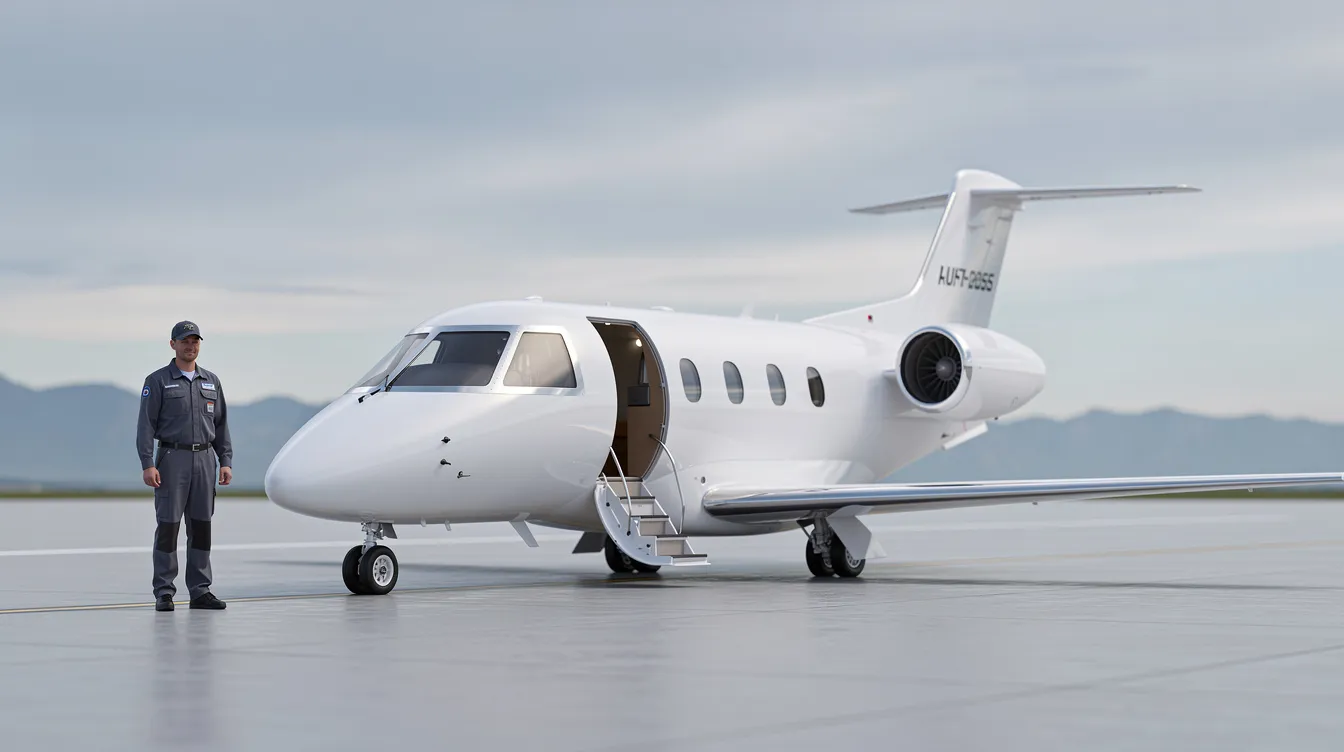
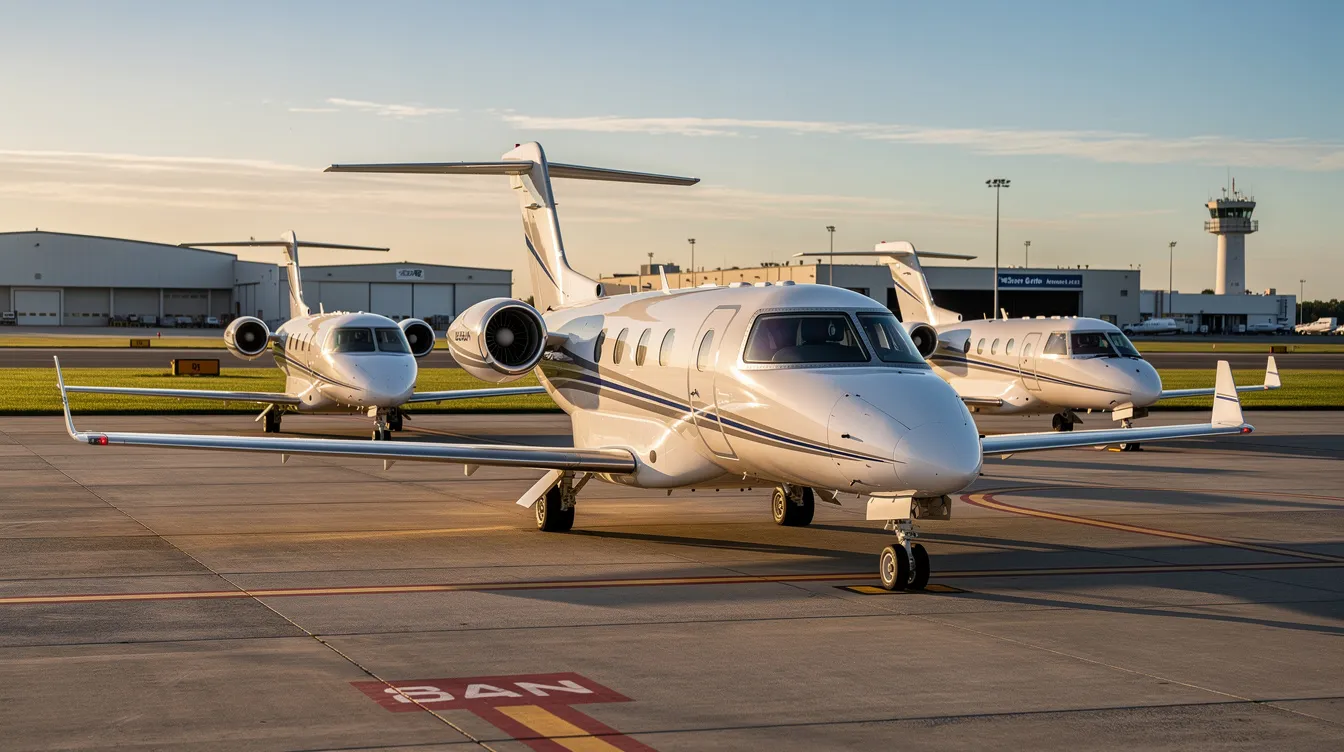
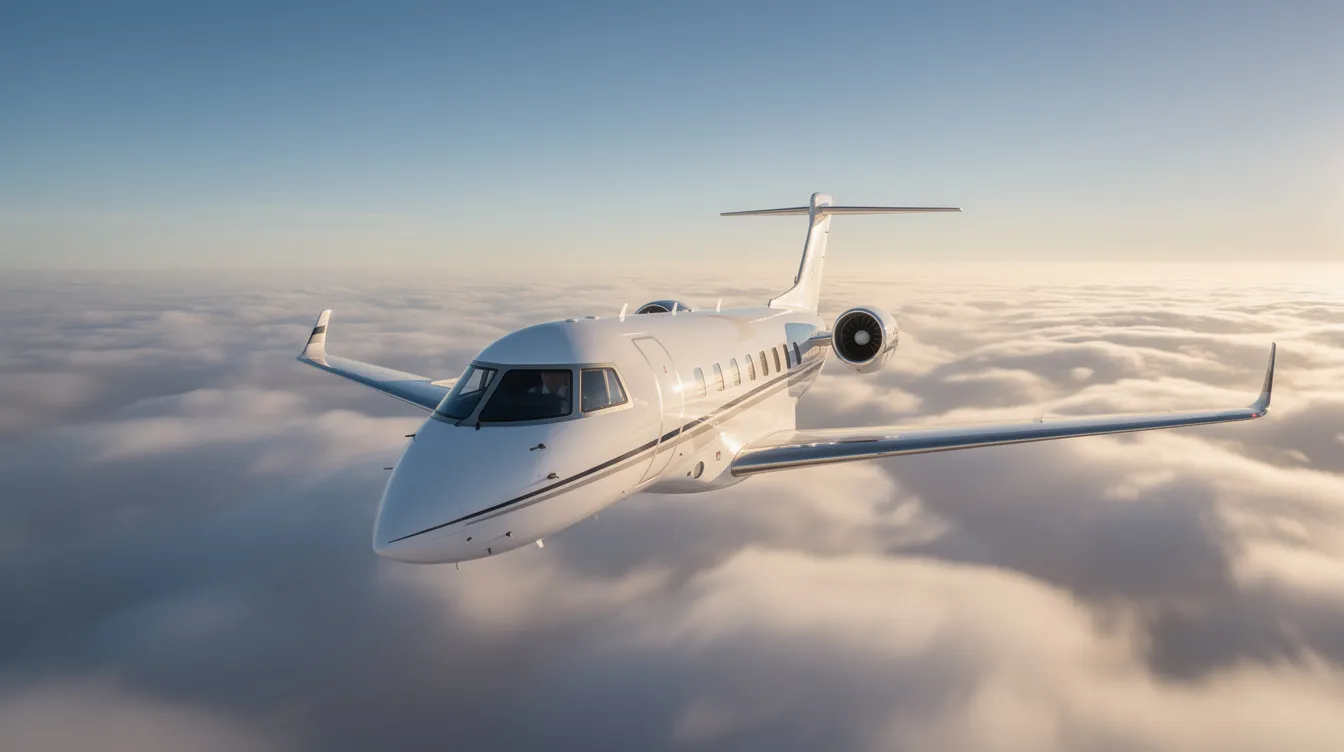
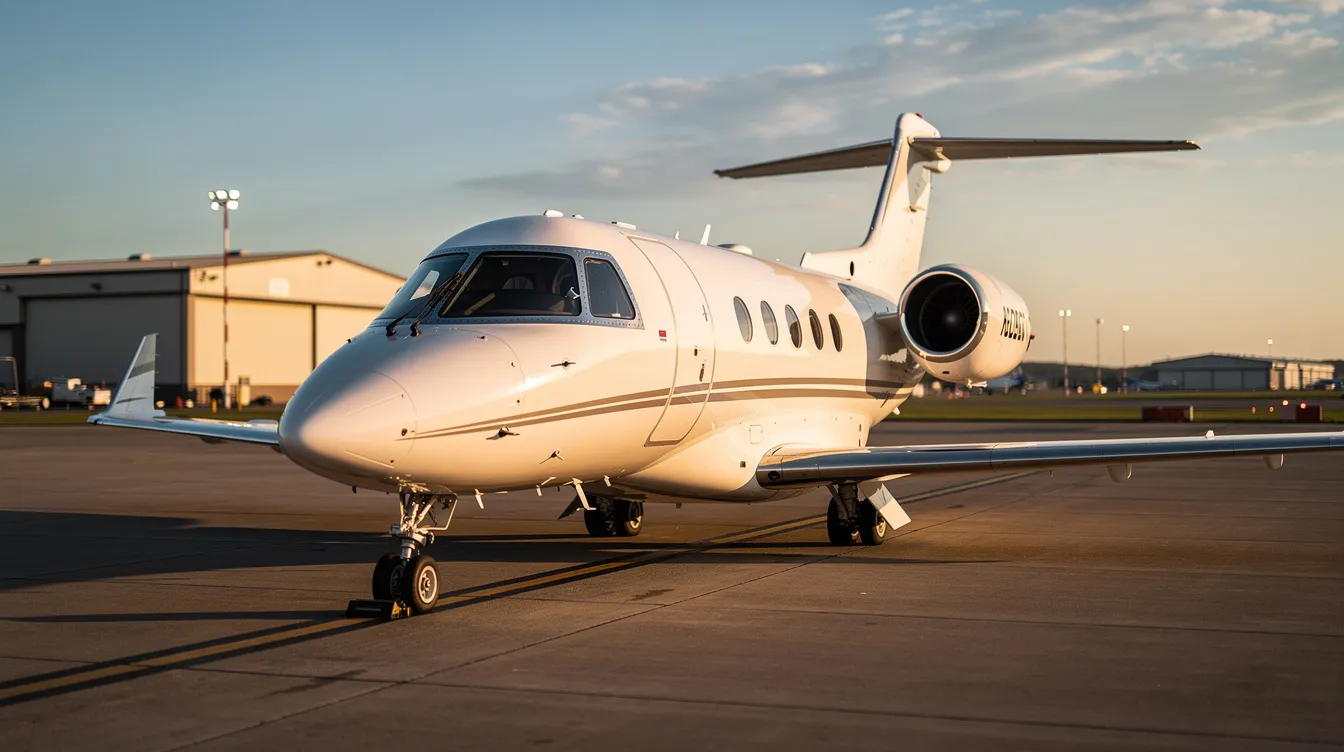
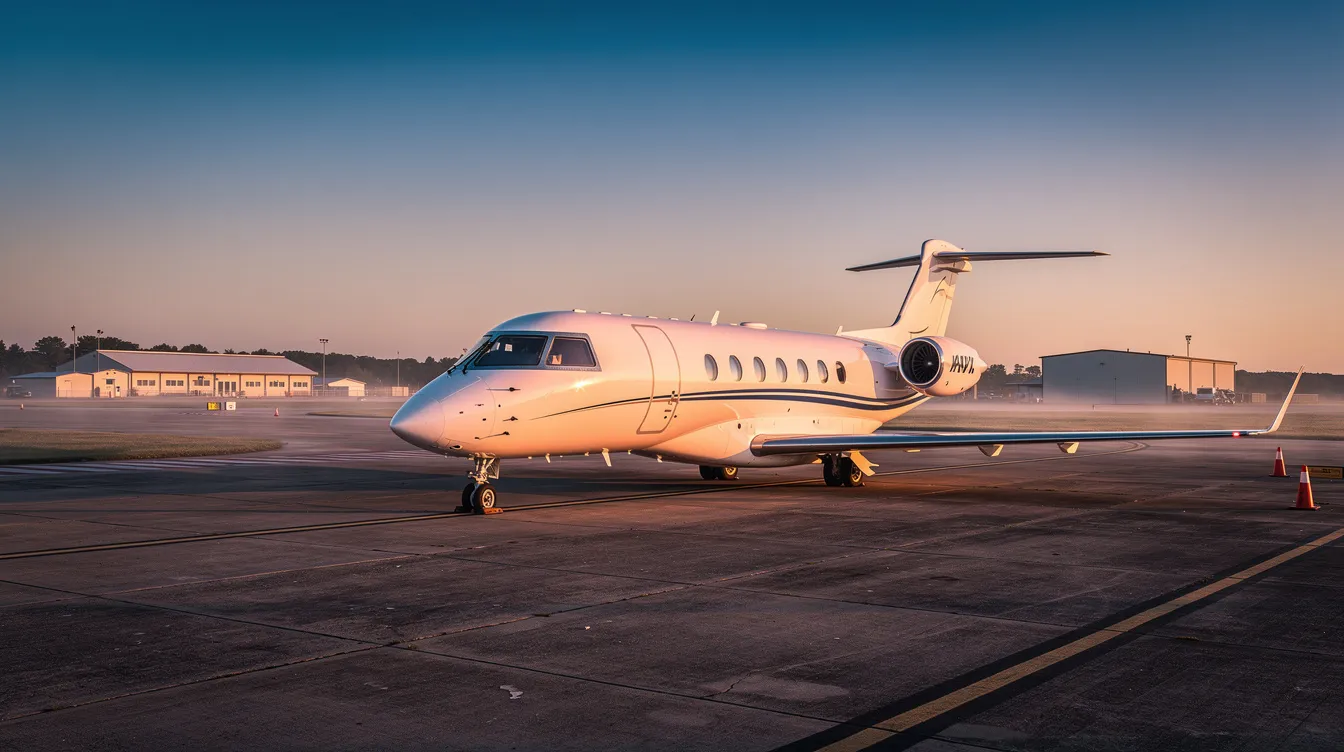
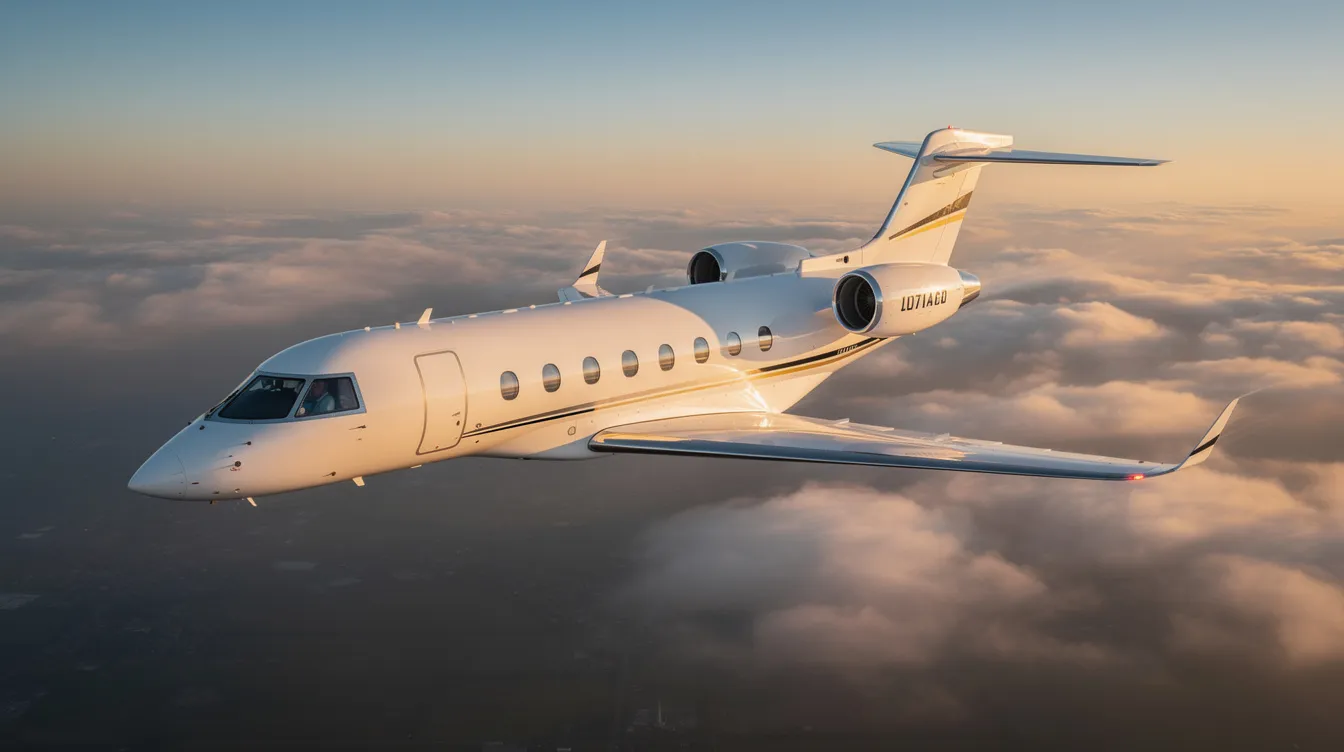
Personal Jets: A Practical Guide for Owners, Buyers, and Operators

In today’s fast-paced world, personal jets are more than just a means of travel—they’re a vital resource for business leaders and high-net-worth individuals who value time, privacy, and flexibility. Owning a personal jet allows you to avoid the constraints of commercial flights, reach destinations that are otherwise difficult to access, and stay productive while in the air. But buying and operating a personal jet involves careful consideration of factors like aircraft choice, costs, and ownership options. This guide offers straightforward insights to help owners, buyers, and operators make informed decisions and get the most from their investment.
Key Takeaways
Personal jets are high-performance aircraft utilizing gas-turbine engines to offer flexible, high-altitude, and on-demand travel for individuals, families, companies, and operators.
They range from very light jets such as the Cirrus Vision Jet and HondaJet to long-range business jets such as the Bombardier Global 7500 and Gulfstream G650ER.
Personal jets are categorized by size, speed, and range, with decisions driven by mission profile, passengers, flight time, crew requirements, operating costs, and residual value.
BusinessJets.com supports the full lifecycle: aircraft search, acquisition, appraisal, valuation, consulting, and sale for private and corporate clients.
Before buying, selling, or upgrading, request an appraisal or advisory call to confirm market value, technical exposure, and the right transaction strategy.
What Is a Personal Business Jet?
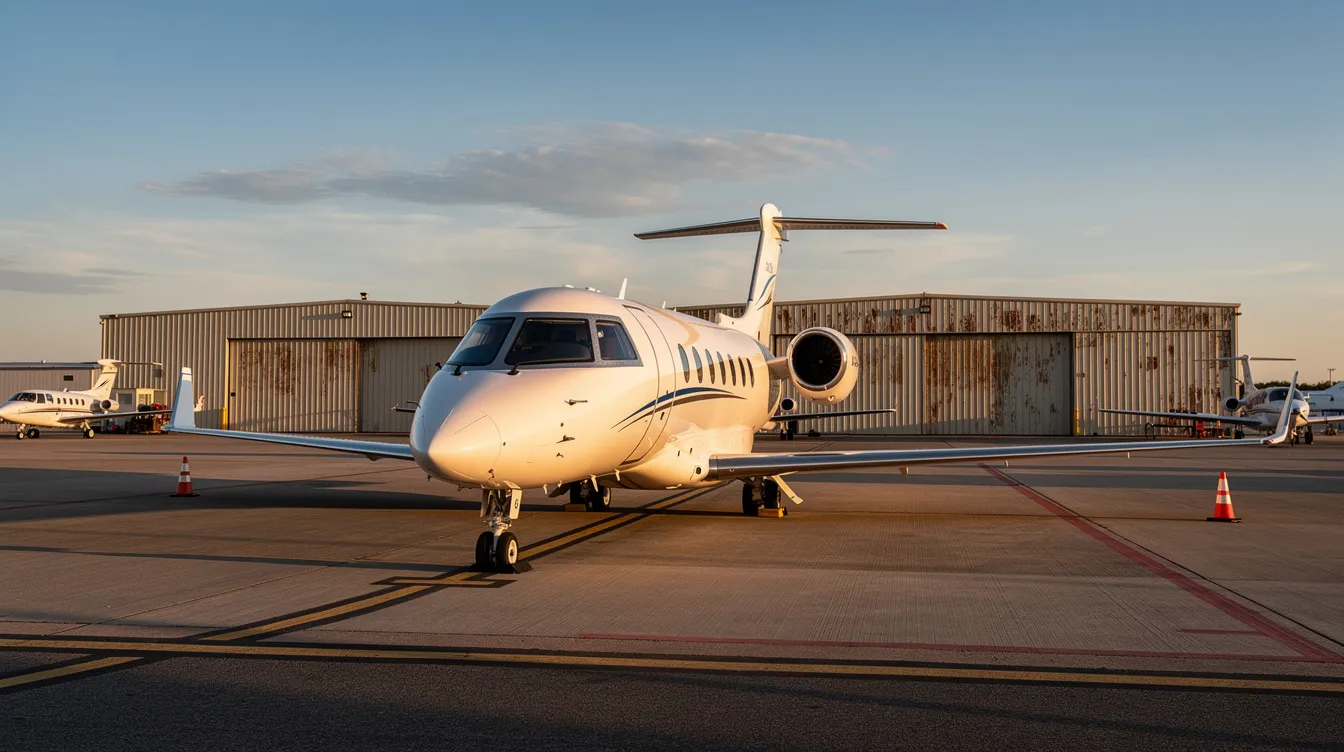
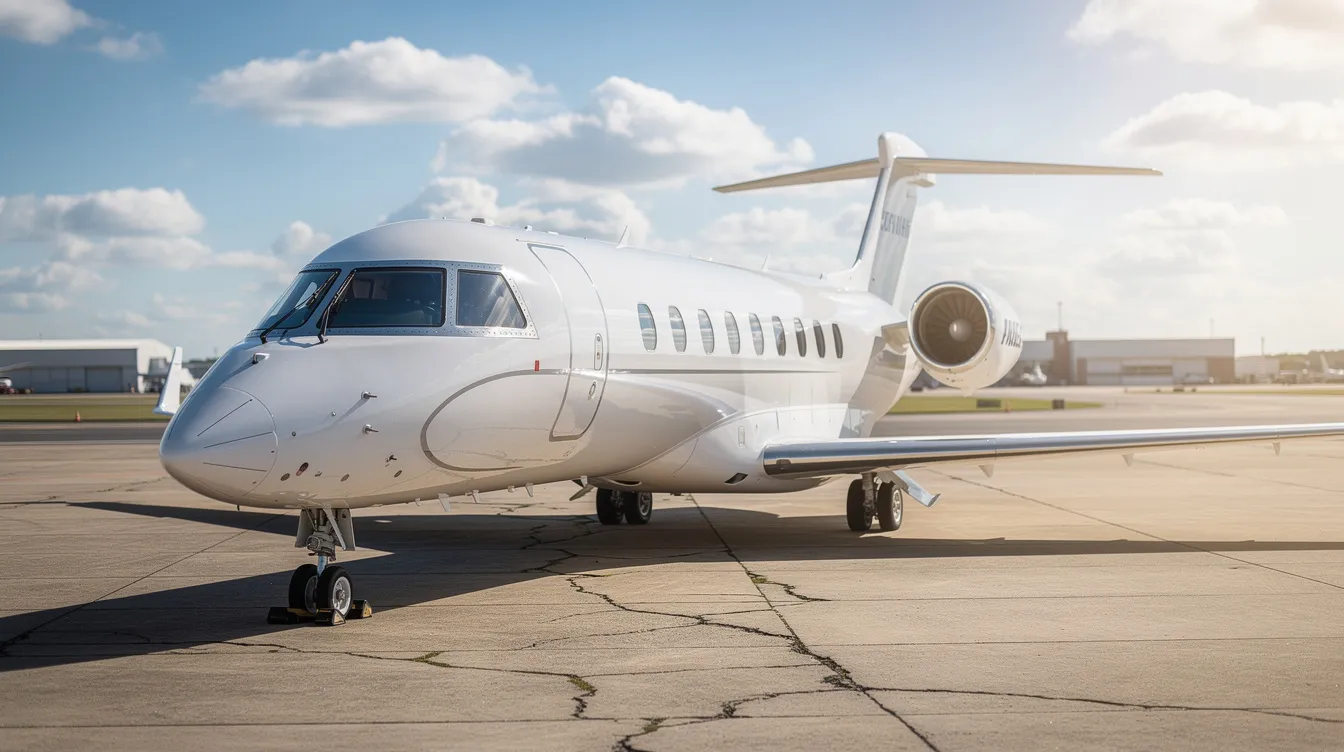
Personal jets are privately used business jets owned or operated by individuals, families, corporations, or family offices rather than airline fleets. In the industry, “personal jets,” private jets, and business jets are often used interchangeably, although usage model, ownership structure, and mission profile can differ.
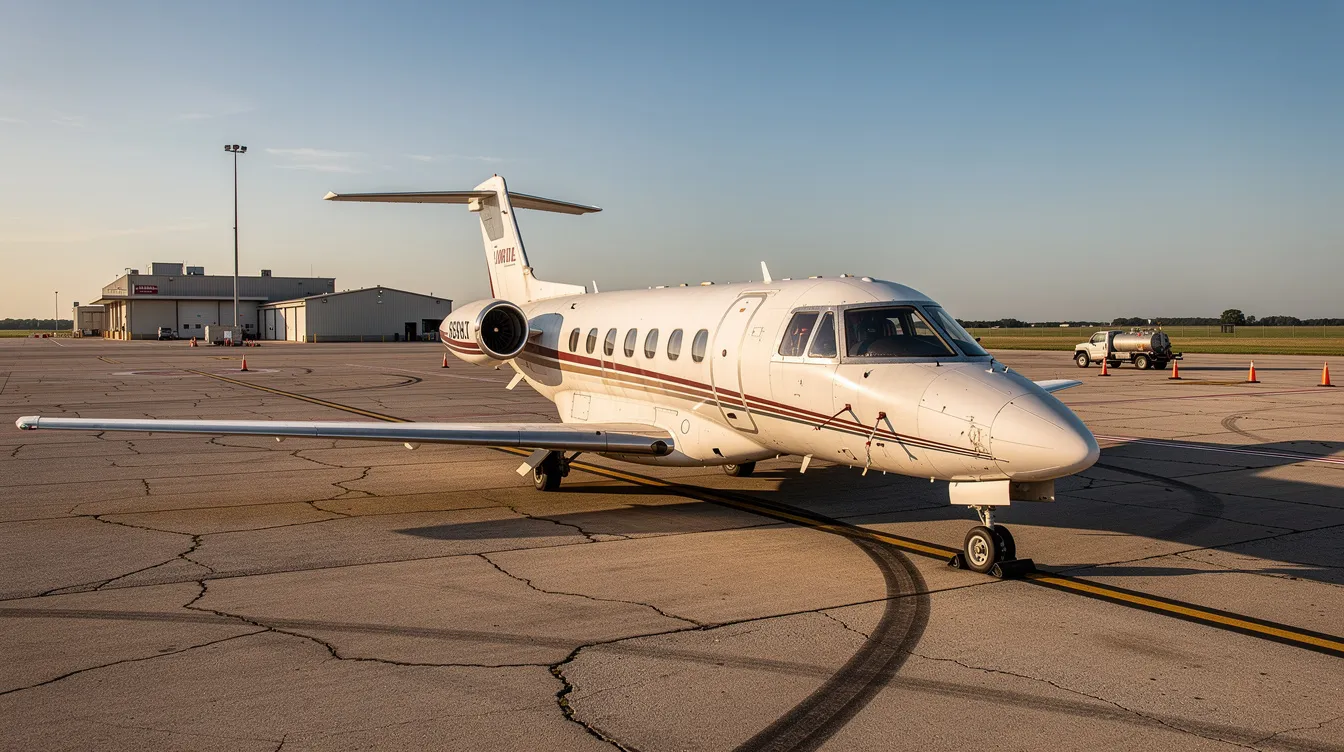
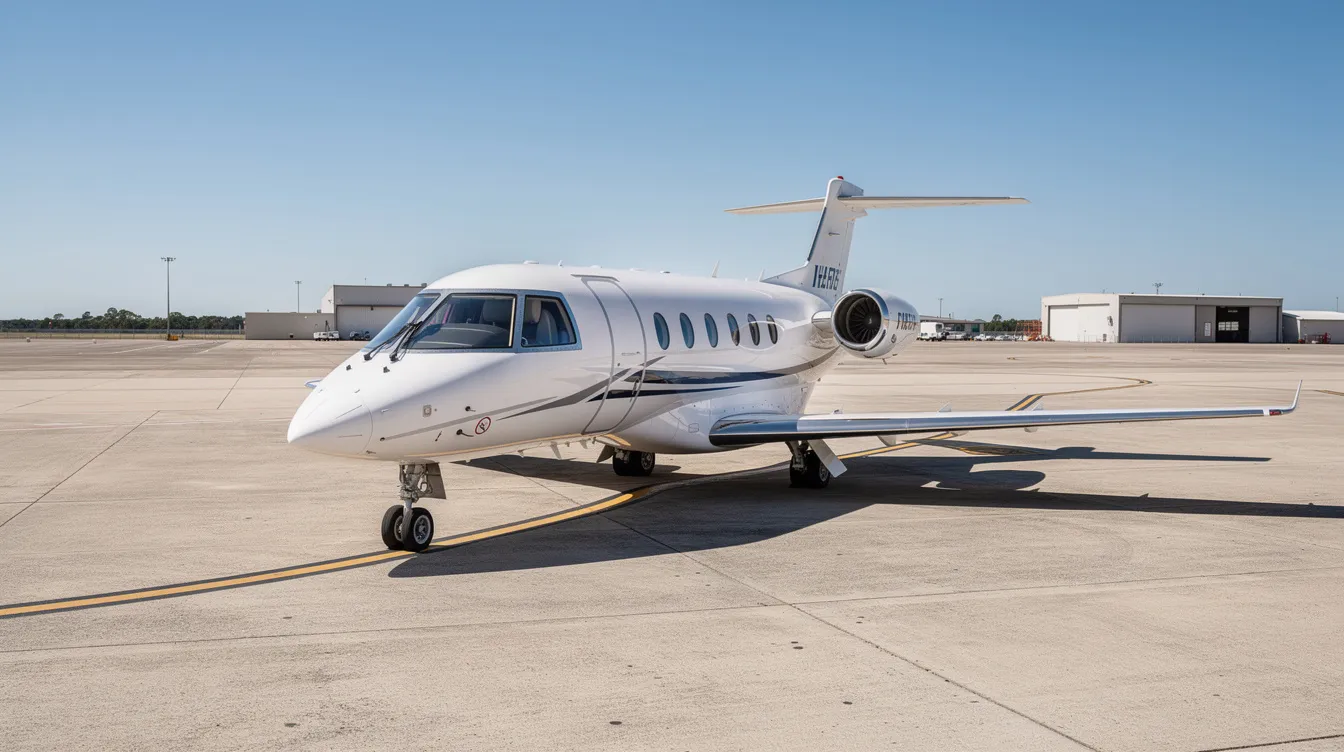
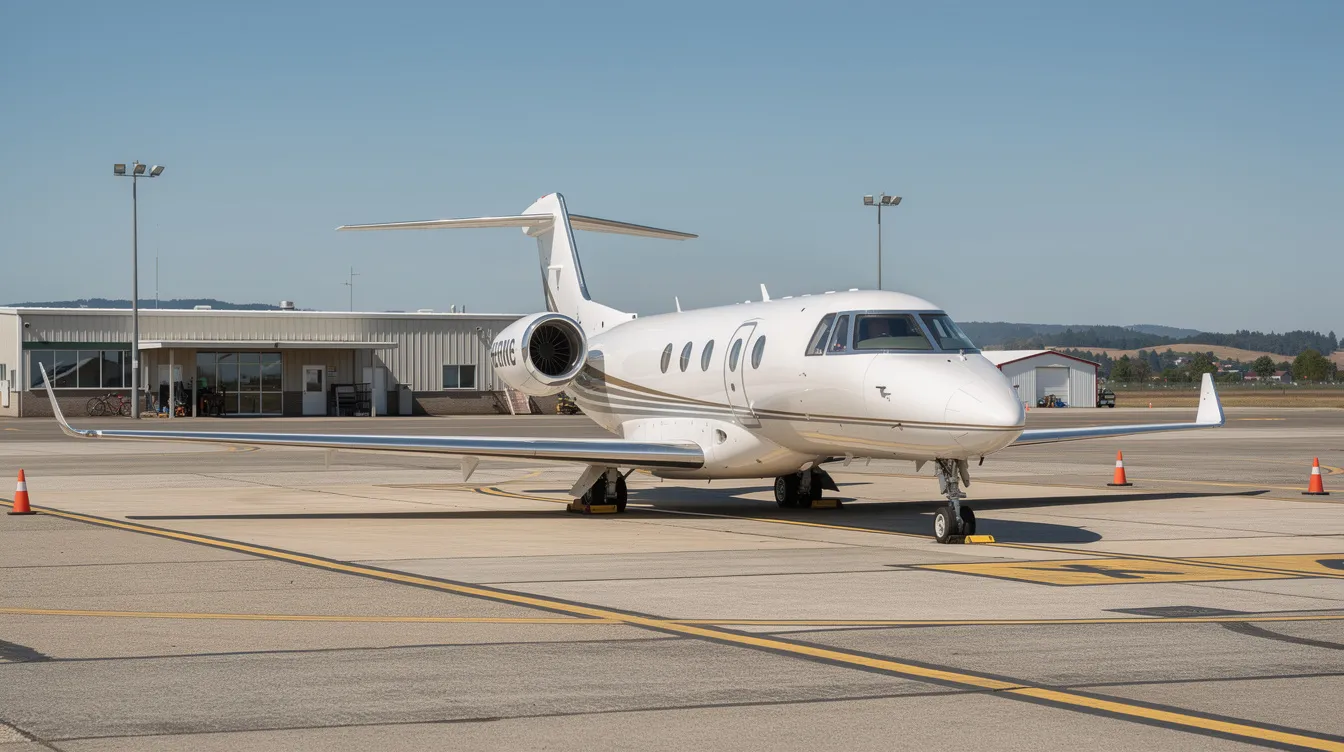
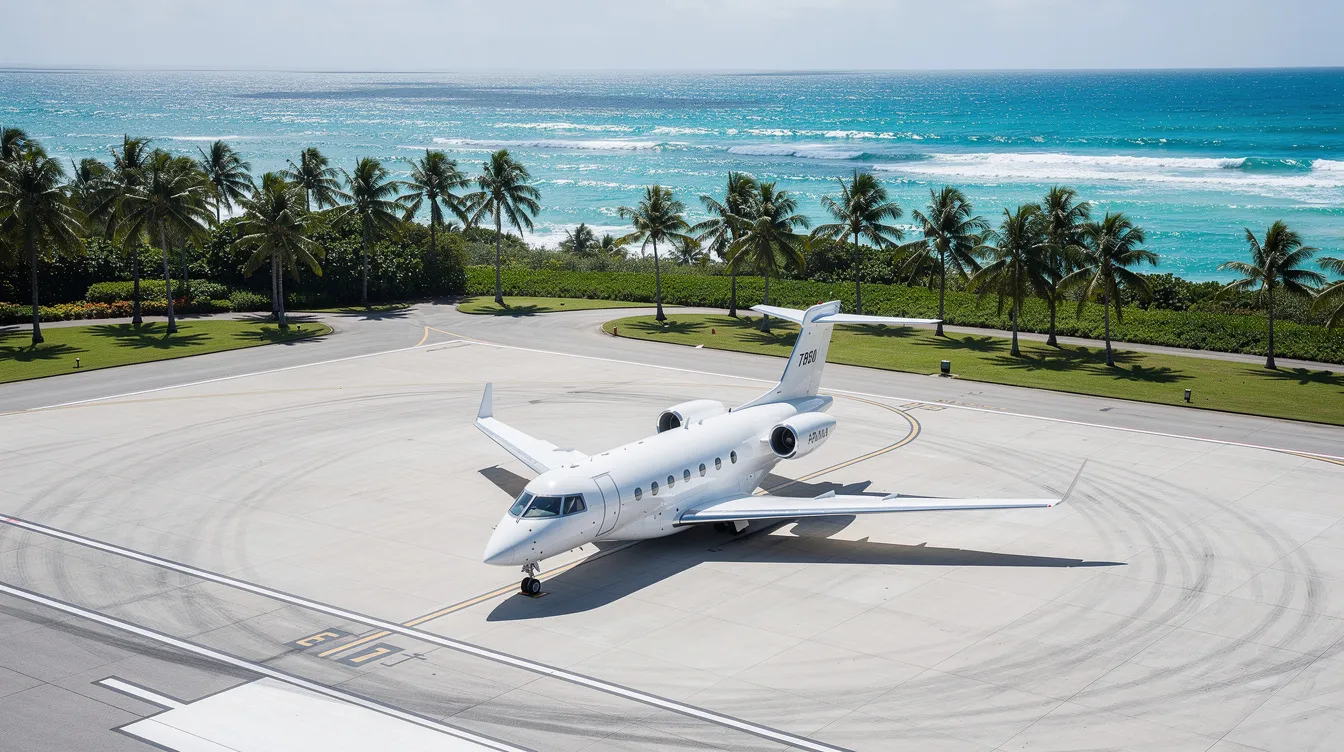
Examples include a market class system with very light jets such as the HondaJet HA-420 and Eclipse 500, light business jet models such as the Embraer Phenom 300 and Cessna Citation CJ4, and mid-size jets such as the Bombardier Challenger 350 and Gulfstream G280. Typical missions include executive travel, private flights to second homes, confidential site visits, and access to airports not well served by airlines. Private jets typically bypass long TSA lines, crowded terminals, and extensive pre-flight wait times, allowing passengers to arrive only 15 minutes before departure.
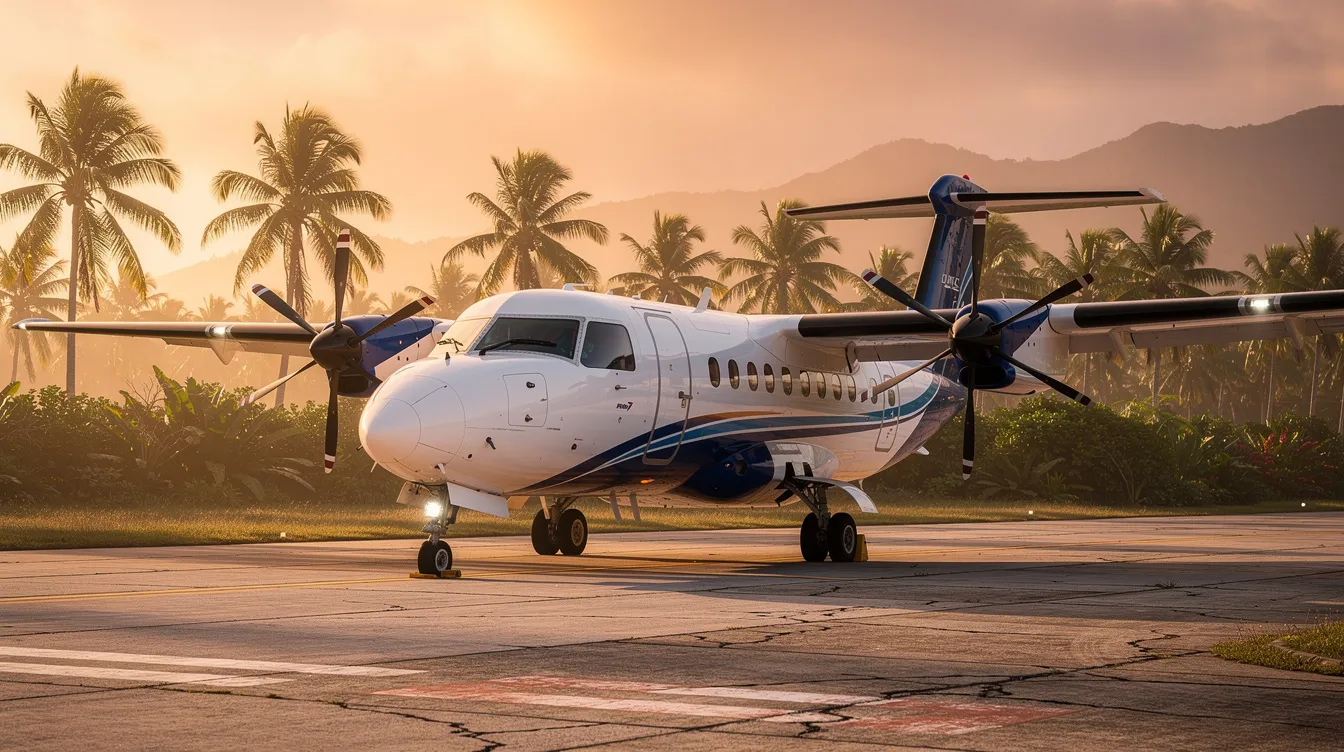
BusinessJets.com focuses on the business jet segment from light jet through long-range aircraft, while still advising when turboprops or other alternatives are more suitable. Commercial travel provides financial risk minimization and operational simplicity, but sacrifices control over time and comfort. Owning a personal jet offers unmatched time savings, privacy, and schedule flexibility, but demands massive financial investments and administrative responsibilities.

Key Categories of Personal Jets: Very Light, Light, and Mid-Size Jets
Choosing the right size is usually the first strategic decision in any aircraft acquisition. Very light jets typically carry 4–6 passengers and fly about 900–1,200 nmi; the very light jet (VLJ) classification was initiated by the release of the Eclipse 500 in 2006, which had a maximum takeoff weight limit of 10,010 lb (4,540 kg). Examples include the HondaJet Elite II, Embraer Phenom 100EV, Eclipse 500, and Cirrus Vision Jet.
Light jets typically accommodate 6–8 passengers over an average range of 1,953 nautical miles, with a mean price of $9.6 million. Models such as the Citation CJ3+, CJ4, and Learjet 75 suit owner-operators and regional corporate use. Midsize and Super-Midsize Jets are popular for balancing cost, speed, and spaciousness, with a capacity of 8 to 12 passengers and a range of 2,000 to 3,500 nautical miles.
Heavy Jets are large business jets built for intercontinental travel, accommodating 10 to 16 passengers with a range of over 4,000 nautical miles. Super mid-size jets can accommodate 10–11 passengers over an average range of 3,420 nautical miles, with a mean price of $22.2 million. Ultra-Long-Range Jets and Executive Airliners are the largest private aircraft, accommodating 14 to 50+ passengers with a range of 6,000 to over 8,000 nautical miles, including VIP-configured models comparable to an Airbus ACJ319 private jet.
BusinessJets.com typically begins with mission analysis: sectors flown in the last 12–24 months, expected growth, payload, baggage, runway needs, and typical passenger number. This helps avoid over-buying unused capabilities or under-buying a jet that cannot reliably complete core missions.
Comparison Table of Personal Jet Categories
Jet Category | Passenger Capacity | Typical Range (nmi) | Approximate Price (Million USD) | Common Models |
|---|---|---|---|---|
Very Light Jets (VLJ) | 4–6 | 900–1,200 | 3–6 | HondaJet Elite II, Eclipse 500, Cirrus Vision Jet |
Light Jets | 6–8 | ~1,953 | 9.6 | Citation CJ3+, CJ4, Learjet 75 |
Mid-Size Jets | 8–12 | 2,000–3,500 | 15–22 | Bombardier Challenger 350, Gulfstream G280 |
Super Mid-Size Jets | 10–11 | ~3,420 | 22.2 | Bombardier Challenger 350, Citation Latitude |
Heavy Jets | 10–16 | 4,000+ | 30+ | Gulfstream G450, Bombardier Global 6000 |
Ultra-Long-Range Jets | 14–50+ | 6,000–8,000+ | 50+ | Gulfstream G650ER, Airbus ACJ319 |
Spotlight on Very Light Jets and Light Business Jets
Very light jets and light business jets are often the entry point for first-time owners because they offer lower fixed costs, regional freedom, and simpler operating profiles. The HondaJet HA-420, developed by Honda Aircraft Company, made its maiden flight in December 2003; the manufacturer later launched the Elite II with features such as over-the-wing engine mounts, Garmin-based avionics, autothrottle, and emergency autoland. Honda notes that this design supports cabin volume, noise reduction, and efficiency.
Other VLJ milestones matter. The Eclipse 500 made its first flight in 2002 and was introduced in 2006, entering service that same year. The Cirrus SF50 Vision Jet prototype first flight occurred in 2008, production began in 2016, and more than 500 have been delivered. These models differ in speed, range, training burden, and maintenance complexity; some flew as single-pilot platforms with the right type rating.
Light business jets such as the Cessna Citation CJ4 and Embraer Phenom 300E commonly cruise near Mach 0.78 and offer about 1,800–2,000 nmi of range with cabins optimized for 6–8 passengers. They fit entrepreneurs flying 150–300 hours per year, regional business use, and qualified owner-pilots. BusinessJets.com can create a tailored appraisal and cost model covering crew, maintenance reserves, hangarage, insurance, and Pratt engine program exposure, where applicable, supported by independent aircraft appraisal services.
Cabin Size, Long Range, and Performance Considerations
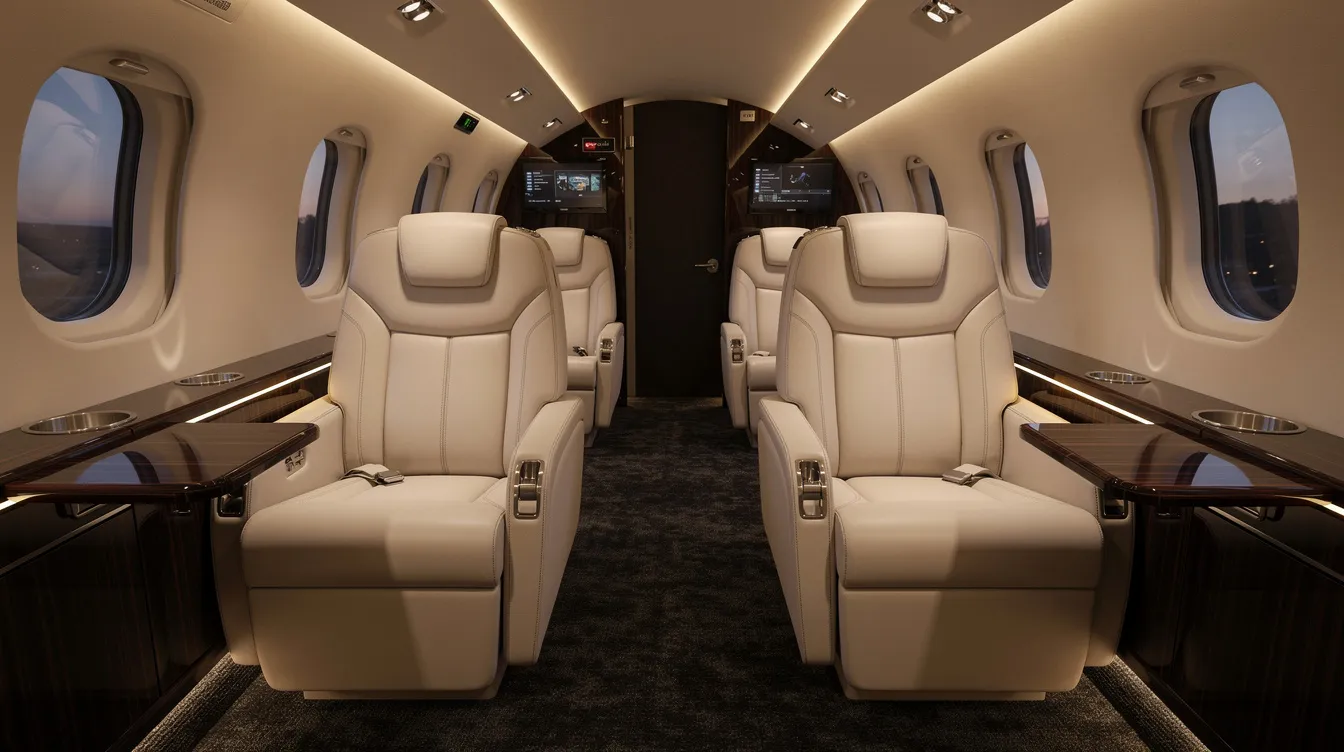
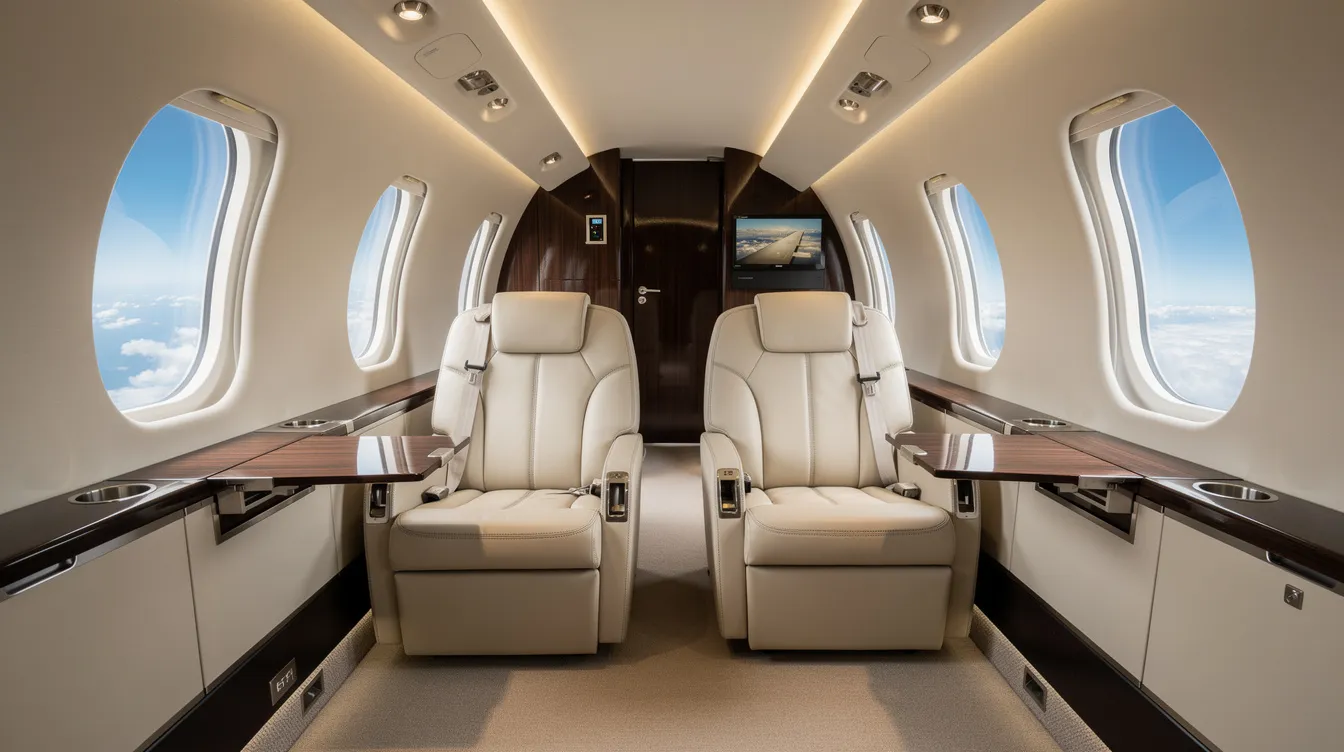
Cabin comfort, range, and airport performance often influence the business case more than headline maximum speed. Premium cabins in personal jets are pressurized to a lower effective altitude, often around 3,000–6,000 feet, significantly reducing jet lag and fatigue. Personal jets often have high-speed Wi-Fi and satellite communications for business productivity.
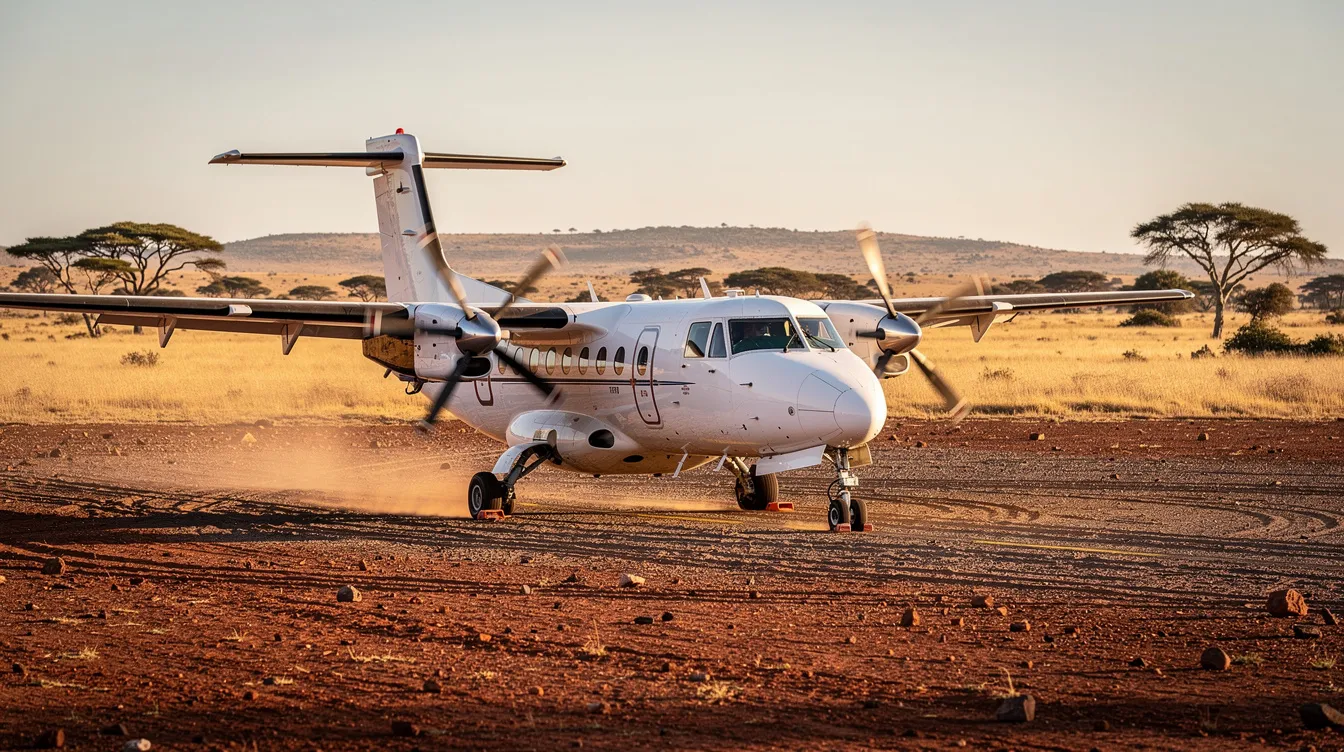
Most personal jets cruise between 41,000 and 51,000 feet, allowing them to fly above bad weather and turbulence. Smaller personal jets can utilize shorter runways, giving them access to thousands of regional and private airports that commercial planes cannot reach. Personal jets allow passengers to fly point-to-point without waiting for layovers, accessing thousands of smaller regional airports and major hubs such as Paris for premium private jet travel.
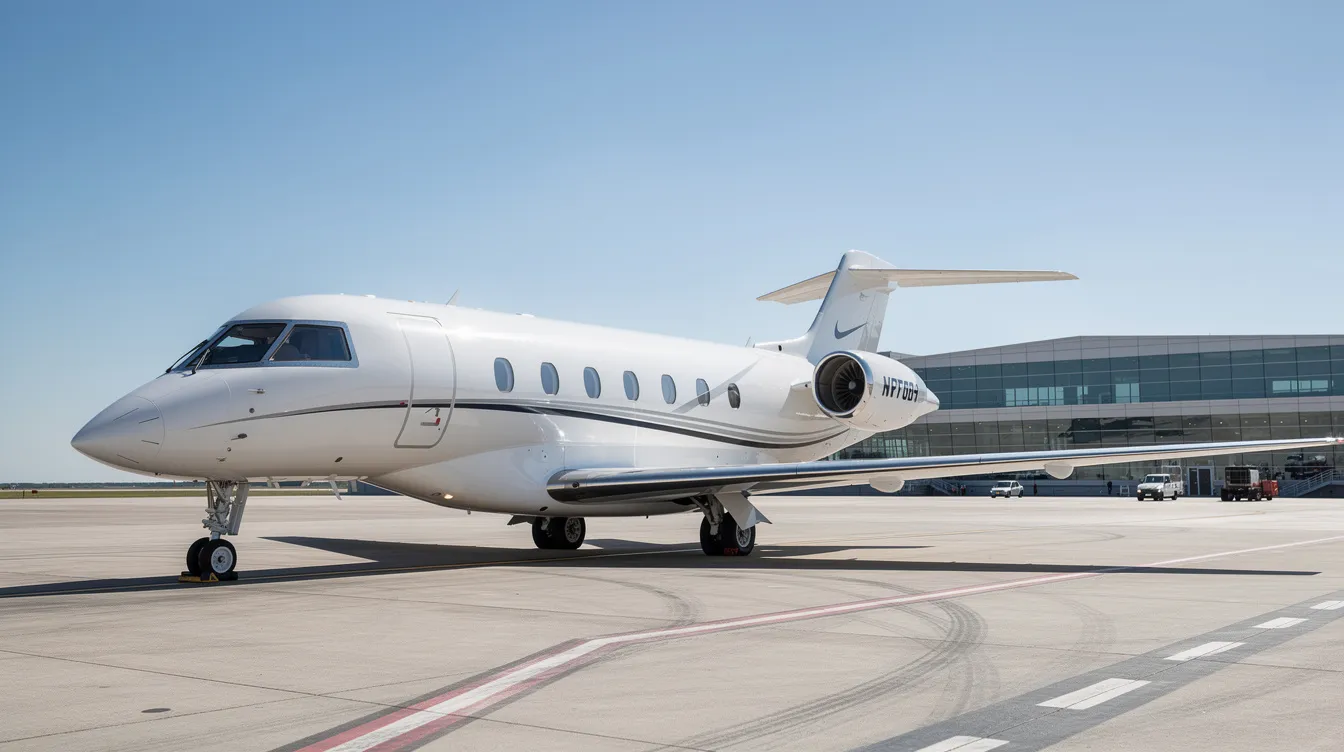
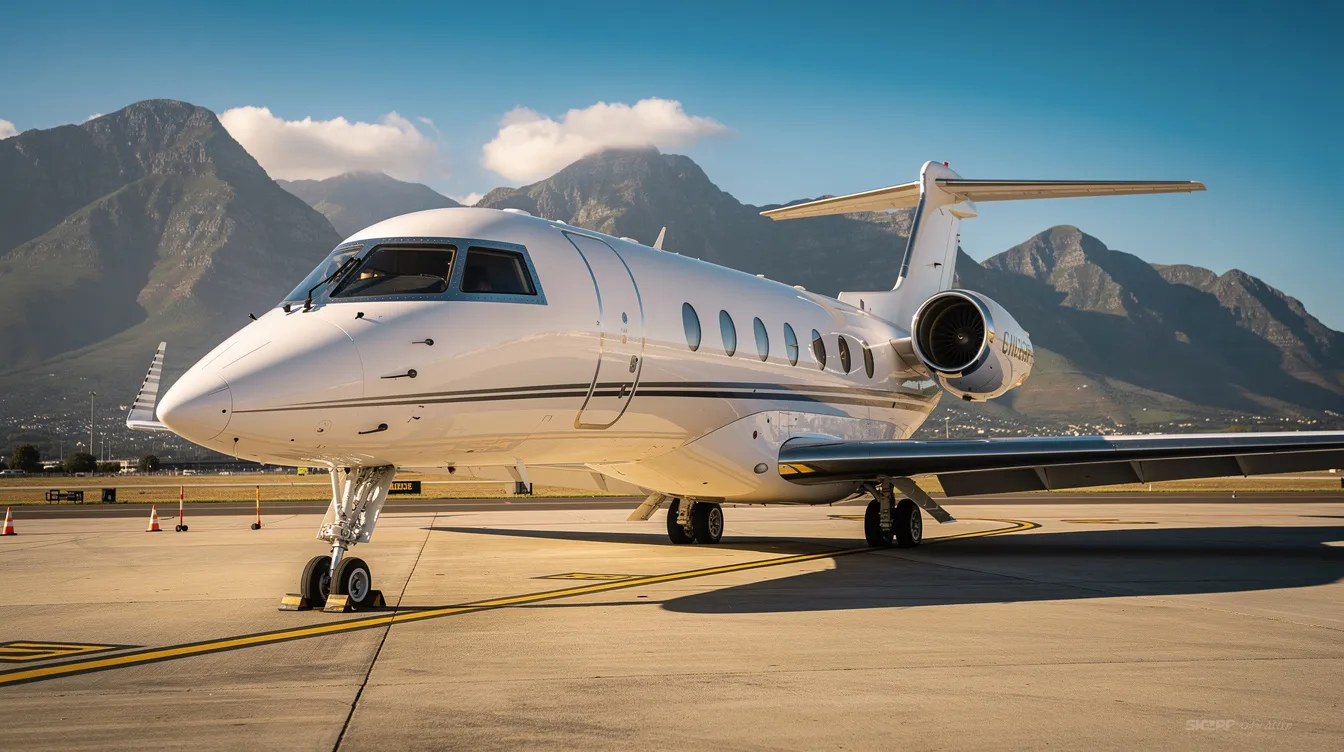
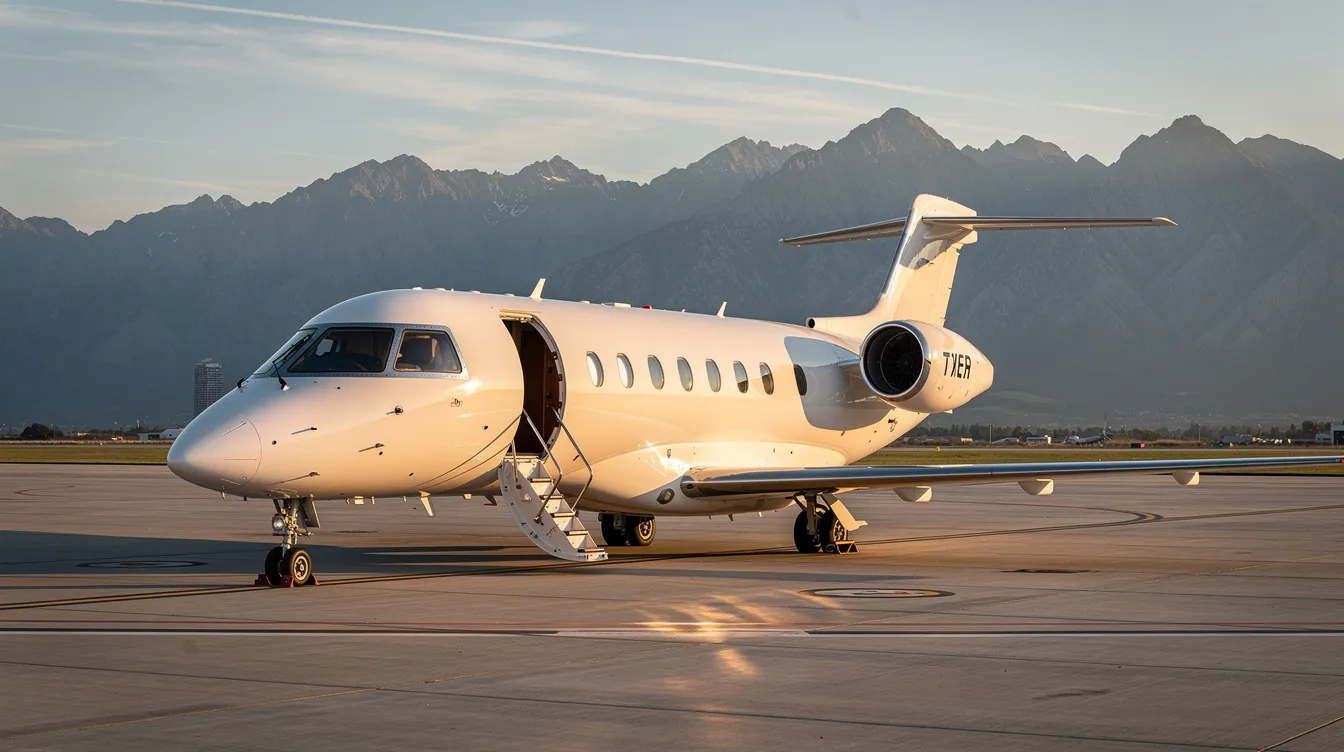
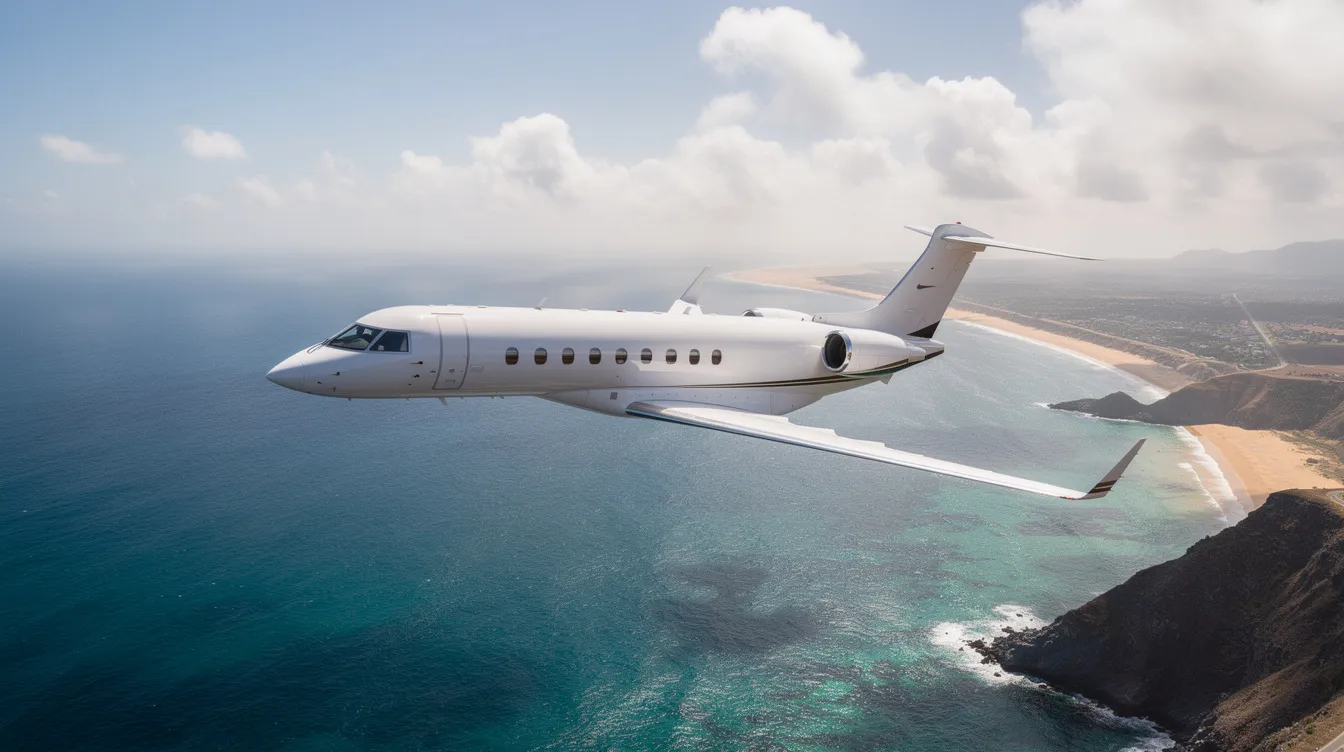
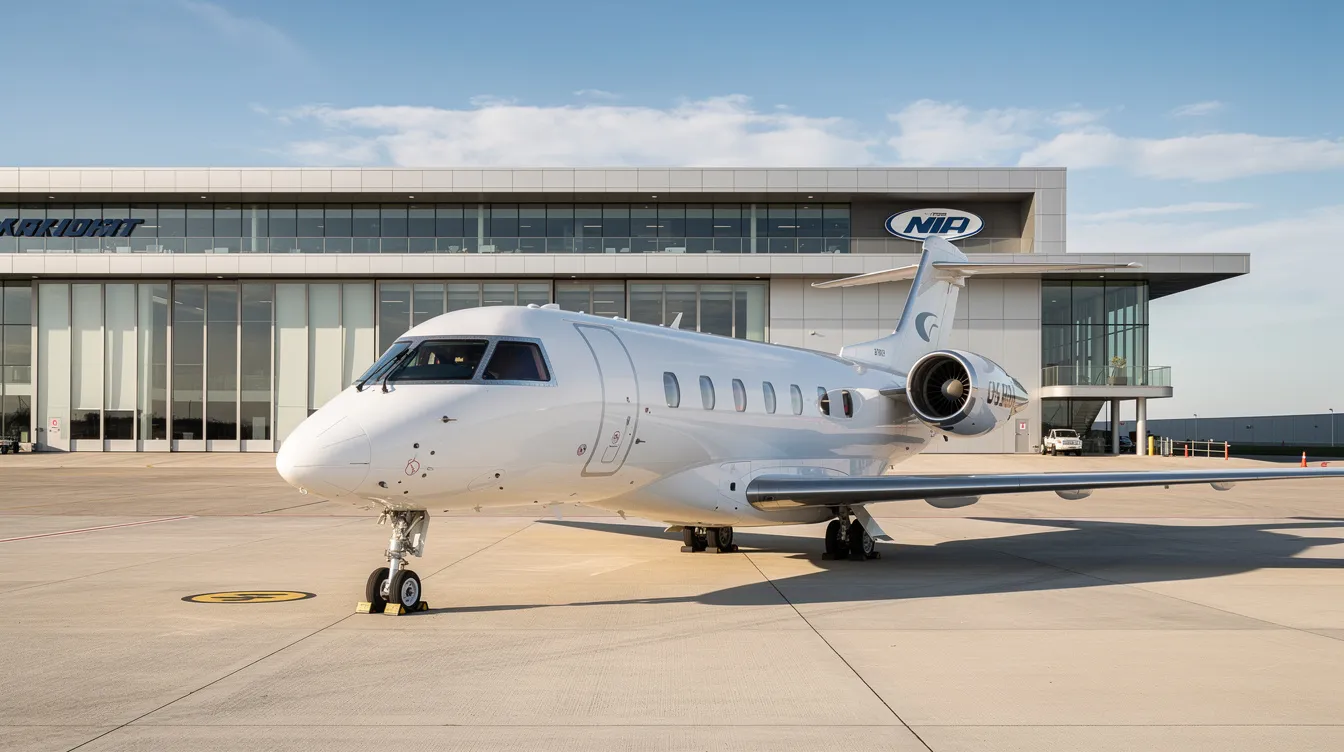
Mid-size jets and super midsize aircraft such as the Gulfstream G280 and Bombardier Challenger 350 provide stand-up cabins and larger baggage capacity. Long-range aircraft such as the Global 7500, which made its first flight in 2016, and the Gulfstream G650ER connect city pairs such as New York–Tokyo or Dubai–London, with the G650ER known for one of the widest cabin layouts in its category. BusinessJets.com reviews actual routes, runway ft limits, and payload to test whether a large cabin or long-range jet is truly necessary.
Ownership Models: Whole Ownership, Fractional, and Alternatives
Private flight services can be booked through various models, including pay-as-you-fly, fractional ownership, and membership programs, each offering different levels of access, pricing structures, and benefits for a member. Whole ownership provides control over one aircraft and is often most defensible around 200–400+ hours annually or when schedules are complex.
Fractional ownership of aircraft involves an individual or corporation that pays an upfront equity share for the cost of an aircraft, allowing them to become an equity owner and access flight time on that aircraft or others in the fleet. Under fractional ownership arrangements, overhead costs such as flight crew, hangarage, and maintenance are split among the users, making it a cost-effective model for accessing private jets. In the United States, fractional-ownership operations may be regulated by either FAA part 91 or part 135, which govern different operational standards for private aviation.
Jet card, charter, and membership programs can suit 25–100 hours per year. The private aviation market has seen a rise in demand for on-demand charter services, allowing customers to book flights quickly and conveniently via mobile apps or online platforms. BusinessJets.com helps compare whole ownership, fractional, charter, and membership using real route data rather than generic assumptions.
Buying a Personal Jet: Process, Valuation, and Risk
A disciplined acquisition includes requirements definition, market search, shortlisting, valuation, offer, pre-purchase inspection, closing, and entry into service. Accurate private jet appraisals consider year produced, total time, cycles, CAMP or equivalent records, avionics, interior, paint, damage history, and engine program status.
Pricing can shift when an aircraft is approaching a 96-month inspection, has incomplete logbooks, lacks avionics equipage, or includes newer safety systems such as autoland. ADS-B Out is required in many U.S. airspaces under FAA rules, and international capabilities such as CPDLC or FANS may affect resale. With 1,500+ completed aircraft transactions and 5,000+ clients advised, BusinessJets.com coordinates technical inspections, price adjustments, title review, export/import steps, and entry-to-service planning.
Before making an offer, request an independent appraisal or acquisition brief from BusinessJets.com.
Selling or Upgrading Your Personal Jet
Owners sell or upgrade when missions change, a fleet needs standardization, technology becomes dated, or corporate policy shifts. Timing matters: North America and Europe can show different seasonality, interest-rate cycles affect financing, and demand varies across mid-size jets, long-range models, and very light jets.
Preparing for sale means resolving minor discrepancies, organizing records, detailing the aircraft, and using high-quality photography or virtual tours. Pricing should rely on current market comparables, recent sale evidence, and independent appraisal, not only book value or historic purchase price. BusinessJets.com provides discreet global marketing, buyer qualification, negotiation, and closing oversight for owners considering a sale or upgrade from a light business jet to a super midsize jet.
Market Trends in Personal and Business Jets
After the post-2020 demand surge, the market is more balanced in 2024–2026. JETNET has reported higher flight activity but more deliberate buyer behavior and softer asking prices in some categories. Interest remains strong in very light jets and light jets for owner-operators, steady in super mid-size jets, and selective in ultra-long range aircraft.
Technology is also changing buyer expectations: efficient engines, advanced avionics, autothrottle, autoland, improved connectivity, and quieter cabins are increasingly important. BusinessJets.com tracks transaction data, days-on-market, and pricing across Bombardier, Gulfstream, Dassault Falcon models, Embraer, Cessna, and Honda Aircraft Company in markets around the world to advise on timing. Market news in July or August, a manufacturer page, a website update, or a blocked production slot can all affect a buyer’s view of value.
Environmental and Public Perception Considerations
Personal jets are efficient for time-sensitive travel, but they attract scrutiny because calculations suggest that people traveling in their own private jets leave a disproportionate carbon footprint relative to those who use commercial jetliners or other means of travel. Some individuals travel over 350,000 km (220,000 mi) annually, generating thousands of tons of CO2 emissions.
Projects dedicated to tracking the movement of private jets owned by celebrities and elite groups have gained widespread attention due to their disproportionate emission of greenhouse gases. Owners and operators can respond with sustainable aviation fuel where available, carbon offset programs, fleet modernization, and optimized flight planning. These issues increasingly affect corporate ESG reporting, especially in Europe, including Italy, where public perspective on private aviation is part of governance discussions.

How BusinessJets.com Supports Personal Jet Owners and Buyers
BusinessJets.com is a specialist partner for brokerage, appraisals, and aviation consulting across the business jet spectrum. Acquisition support includes mission analysis, aircraft selection, market search, pre-buy coordination, negotiation, and entry-into-service planning tailored to individuals, family offices, operators, and corporate flight departments.
You can discover available aircraft for sale and related options and support services through BusinessJets.com.
Valuation services support finance, insurance, tax planning, shareholder reporting, and fleet strategy. Seller brokerage includes preparation, marketing, buyer qualification, offer management, and closing coordination.
Frequently Asked Questions About Personal Jets
What factors should I consider when choosing a personal jet?
When selecting a personal jet, consider mission profile, passenger capacity, typical flight range, runway accessibility, operating costs, and crew requirements. Cabin comfort, connectivity options, and resale value also influence the decision.
How does fractional ownership compare to whole ownership?
Fractional ownership allows sharing the costs and usage of an aircraft with other owners, reducing financial burden and operational responsibilities. Whole ownership provides full control and flexibility but entails higher fixed costs and management duties.
What is the typical process for buying a personal jet?
The process includes defining requirements, conducting a market search, shortlisting aircraft, performing valuations and inspections, negotiating offers, closing the transaction, and planning entry into service.
How can I ensure an accurate valuation of my personal jet?
Accurate valuations consider aircraft age, total flight hours and cycles, maintenance and damage history, avionics and interior condition, engine program status, and current market trends. Independent appraisals from experienced brokers like BusinessJets.com are essential.
What environmental considerations should personal jet owners be aware of?
Private jets have a higher carbon footprint per passenger compared to commercial flights. Owners can mitigate impact through sustainable aviation fuels, carbon offset programs, fleet modernization, and efficient flight planning.
Conclusion
Personal jets offer unparalleled convenience, privacy, and flexibility for individuals and corporations with demanding travel needs. Selecting the right aircraft involves a careful balance of mission requirements, operational costs, and long-term value. Whether considering whole ownership, fractional shares, or charter services, informed decision-making supported by expert appraisal and consulting is critical.
BusinessJets.com leverages extensive market experience and transaction expertise to guide owners, buyers, and operators through every stage of aircraft acquisition, valuation, and sale. Engaging with a trusted partner ensures optimized outcomes aligned with your aviation goals.
For personalized advice or to explore available personal jets, request an appraisal or consultation with BusinessJets.com today.