Private Jet: A Practical Guide to Business Aviation, Ownership & Smart Acquisition
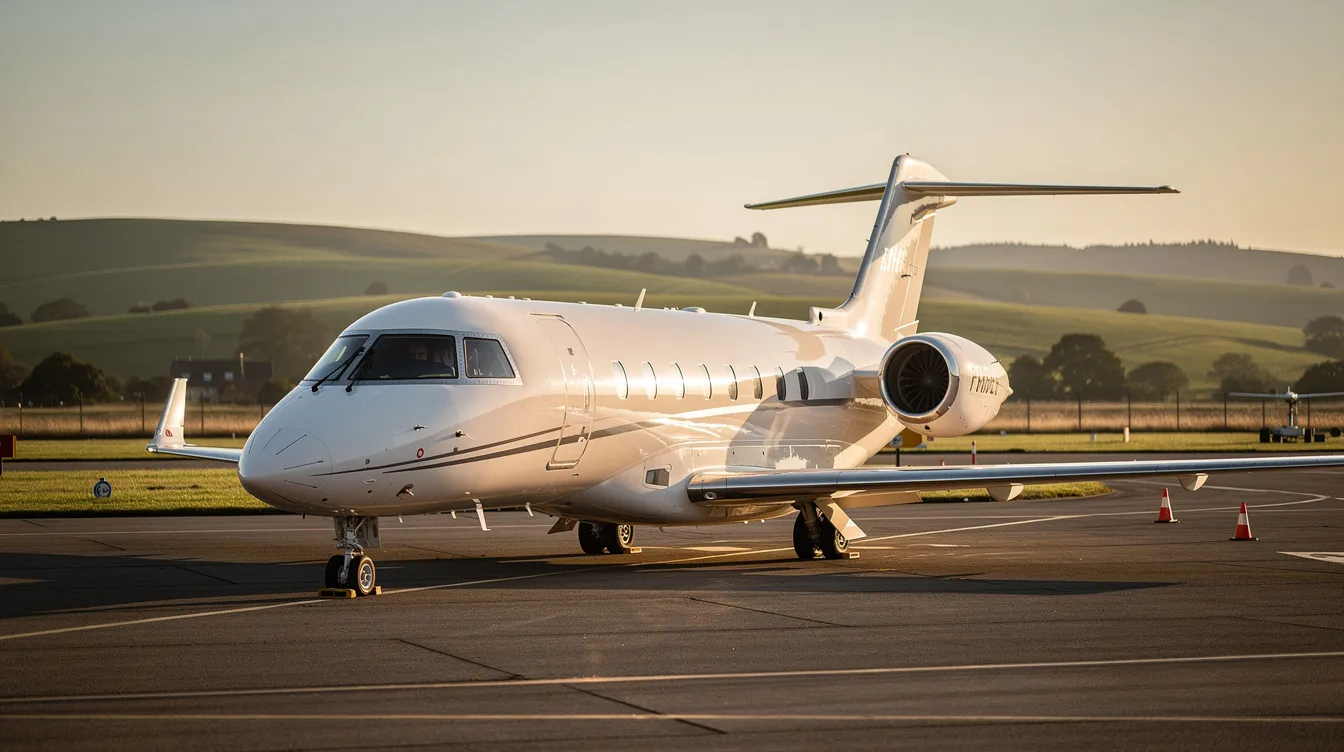
Private jets are more than a mode of transportation - they are strategic assets that shape how corporations, owners, and operators compete in a global economy. This guide covers everything from aircraft categories and ownership structures to valuation, market trends, and the acquisition process, written for those making real decisions about private aircraft. This guide is intended for corporate decision-makers, high-net-worth individuals, and aviation professionals evaluating private jet options.
Key Takeaways
Private jets are turbine-powered business aircraft used for time-sensitive private travel and corporate missions. They range from very light jets seating four passengers to ultra-long-range flagships capable of nonstop intercontinental flights covering over 7,000 nautical miles.
BusinessJets.com is an aircraft brokerage and consulting firm with over 1,500 completed transactions and more than 5,000 satisfied clients, focused on aircraft sales, acquisitions, appraisals, and operator advisory.
The first strategic decision in any private travel program is choosing between private charter, a jet card, fractional ownership, and full aircraft ownership - each carries different financial, operational, and risk profiles.
Accurate aircraft valuation, market timing, and thorough pre-purchase due diligence are critical to avoiding overpayment when buying or leaving value on the table when selling a private aircraft.
This article covers aircraft types (light jets, mid-size jets, long-range aircraft), ownership structures, market trends through 2026, and how BusinessJets.com supports each stage of the aircraft lifecycle.
This article covers aircraft types (light jets, mid-size jets, long-range aircraft), ownership structures, market trends through 2026, and how BusinessJets.com supports each stage of the aircraft lifecycle with expert brokerage, appraisal, and consulting services tailored to private jet owners, corporate buyers, operators, and fleet managers.
BusinessJets.com leverages its extensive experience from over 1,500 aircraft transactions and a client base exceeding 5,000 to provide discreet, practical guidance. The firm emphasizes accurate valuation, market timing, and thorough due diligence to help clients make informed decisions on buying, selling, or optimizing private jet assets.
Readers will find insights on aircraft condition, maintenance history, market demand, and transaction strategy woven throughout, reflecting BusinessJets.com's consultative approach. The content avoids promotional clichés, focusing instead on delivering authoritative advice that aligns with the real-world needs of high-net-worth individuals, corporations, and aviation professionals.
Primary calls to action encourage engagement with BusinessJets.com's core services: requesting aircraft appraisals, listing private jets for sale, exploring acquisition support, and accessing aviation consulting for fleet strategy and operator advisory.
This article serves as a comprehensive resource for those navigating the complexities of private jet ownership and acquisition, positioning BusinessJets.com as a trusted partner throughout the aircraft lifecycle.
What Is a Private Jet and How Is It Used in Business Aviation?
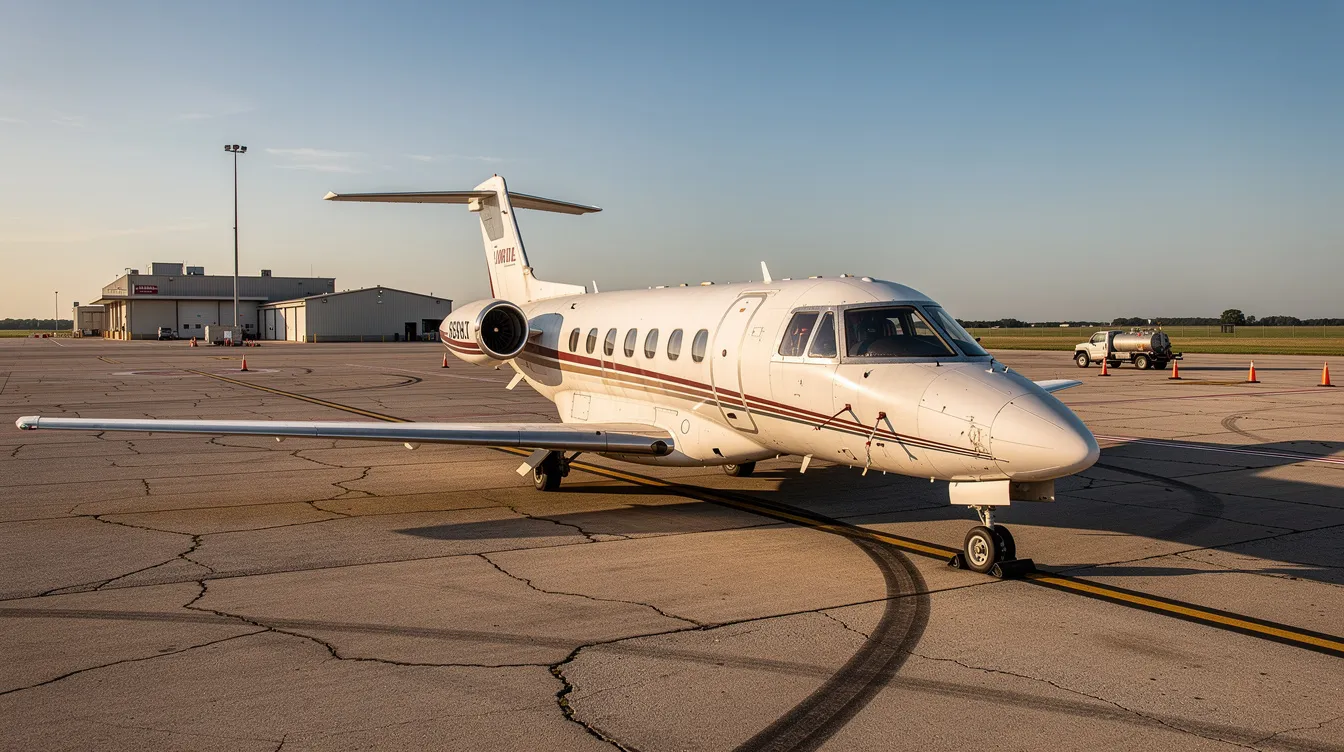
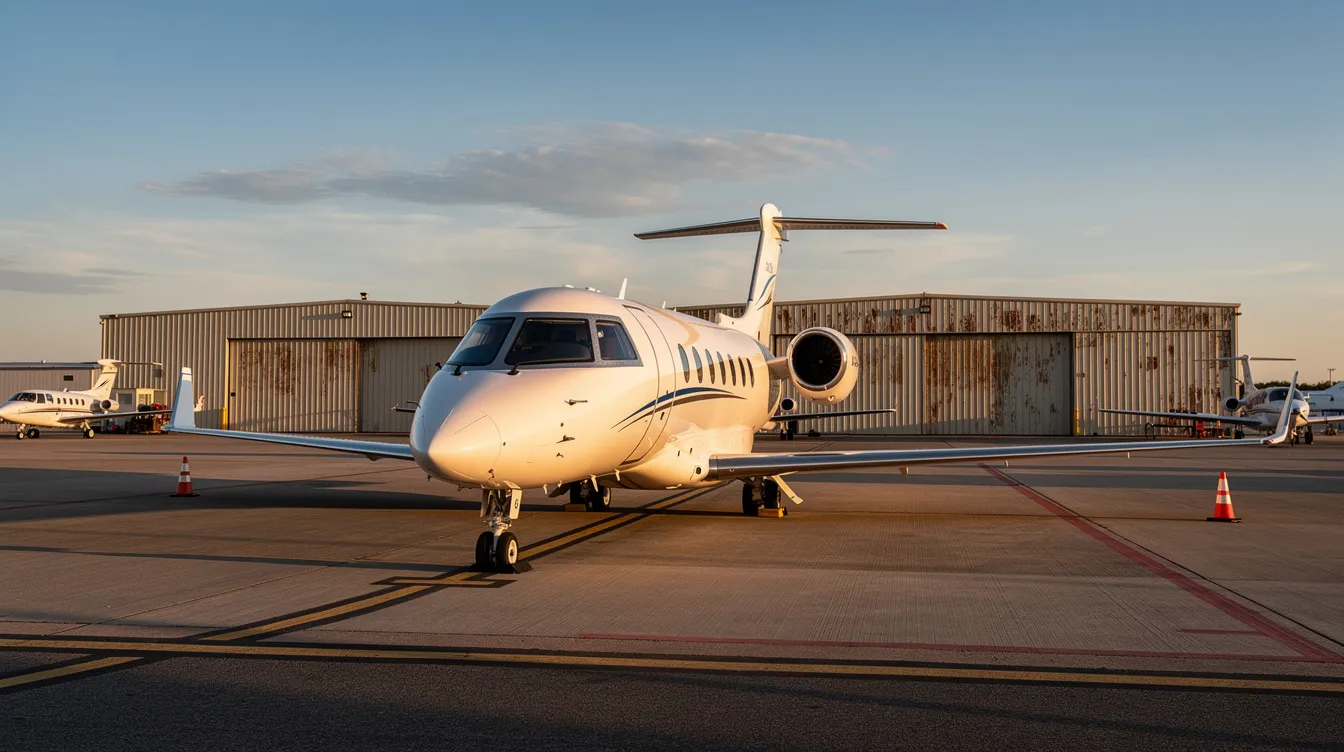
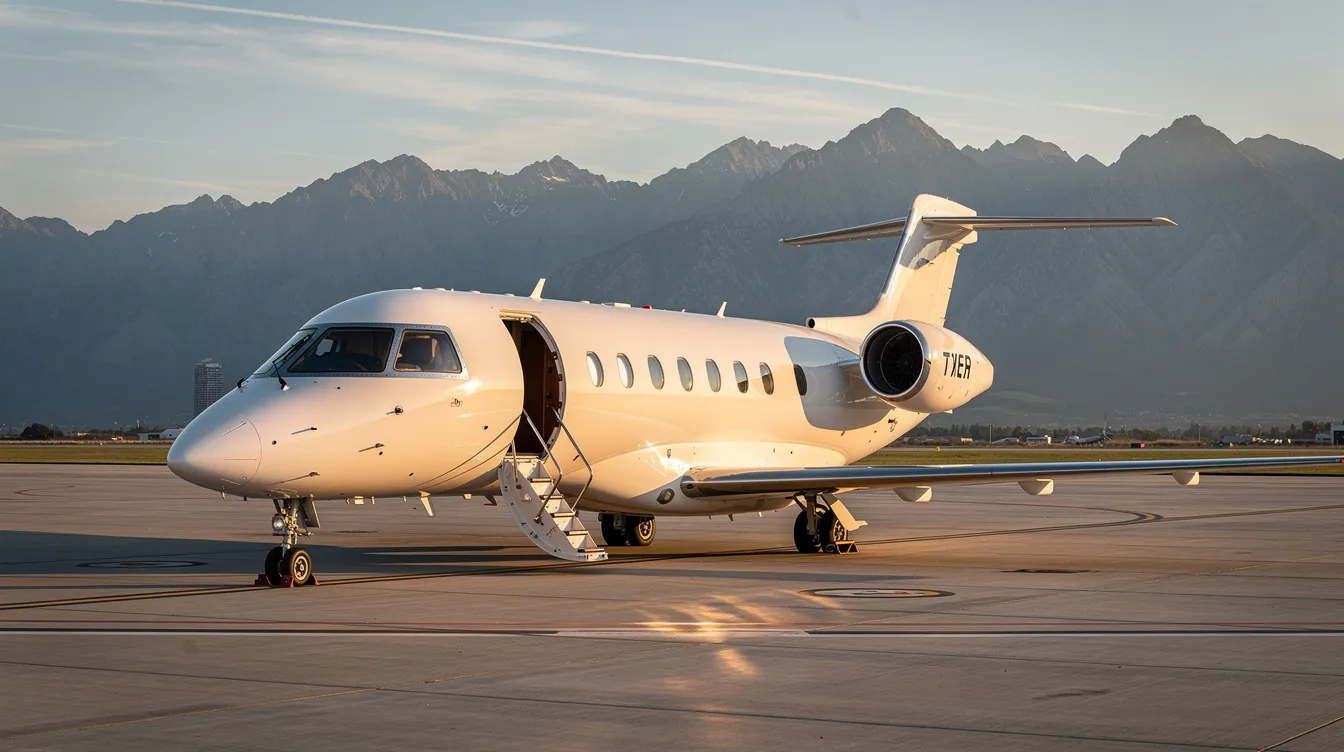
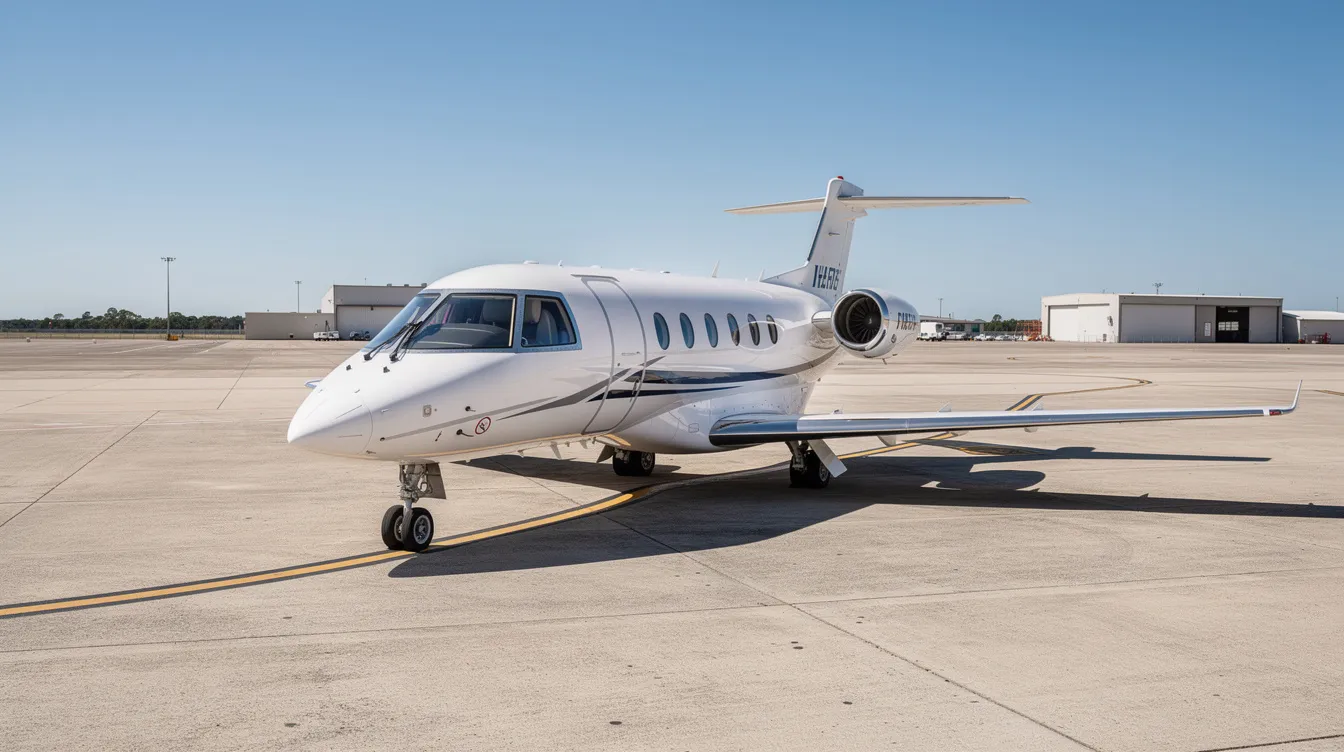
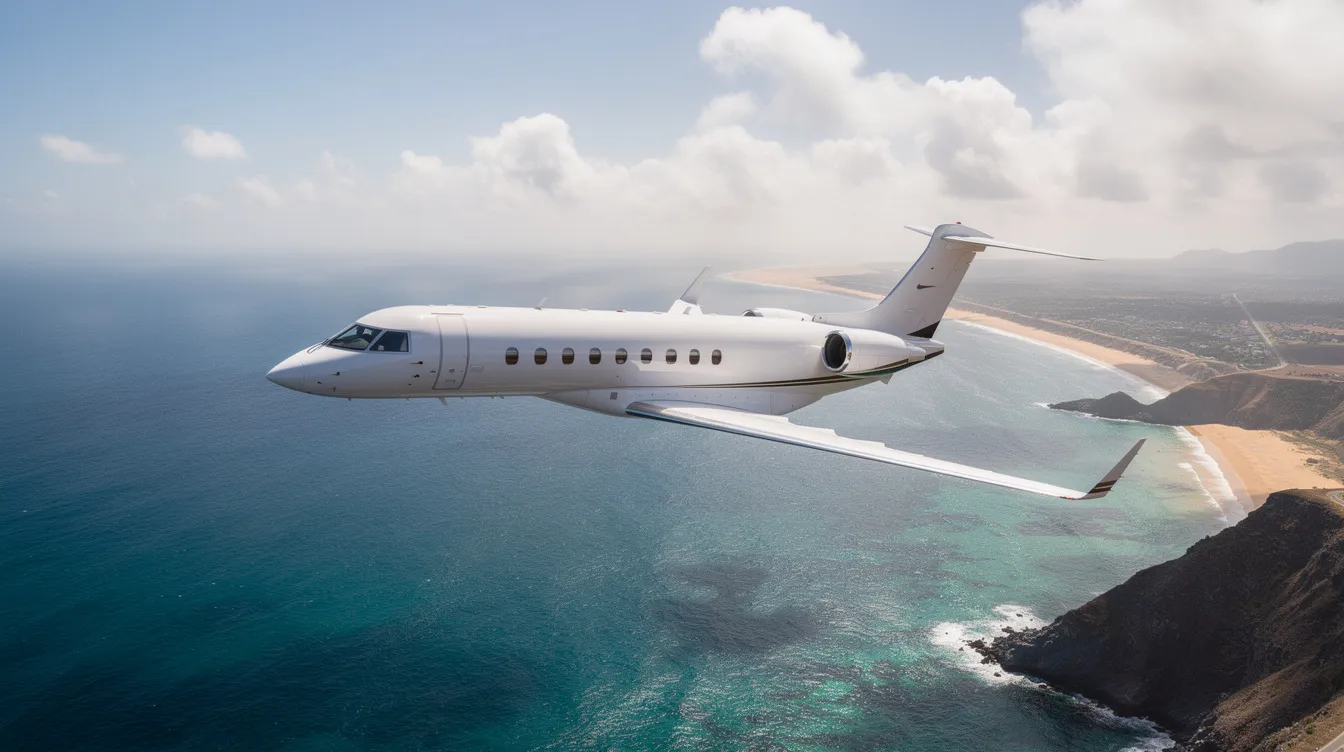
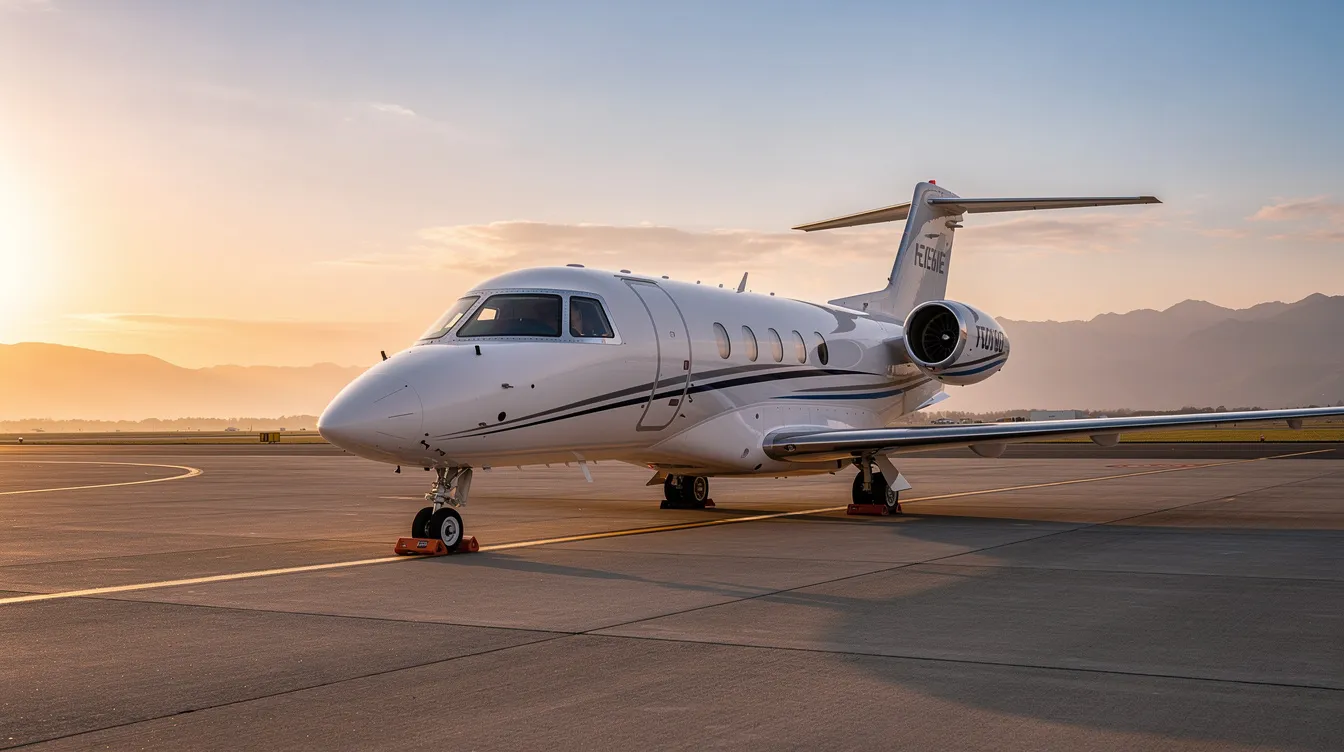
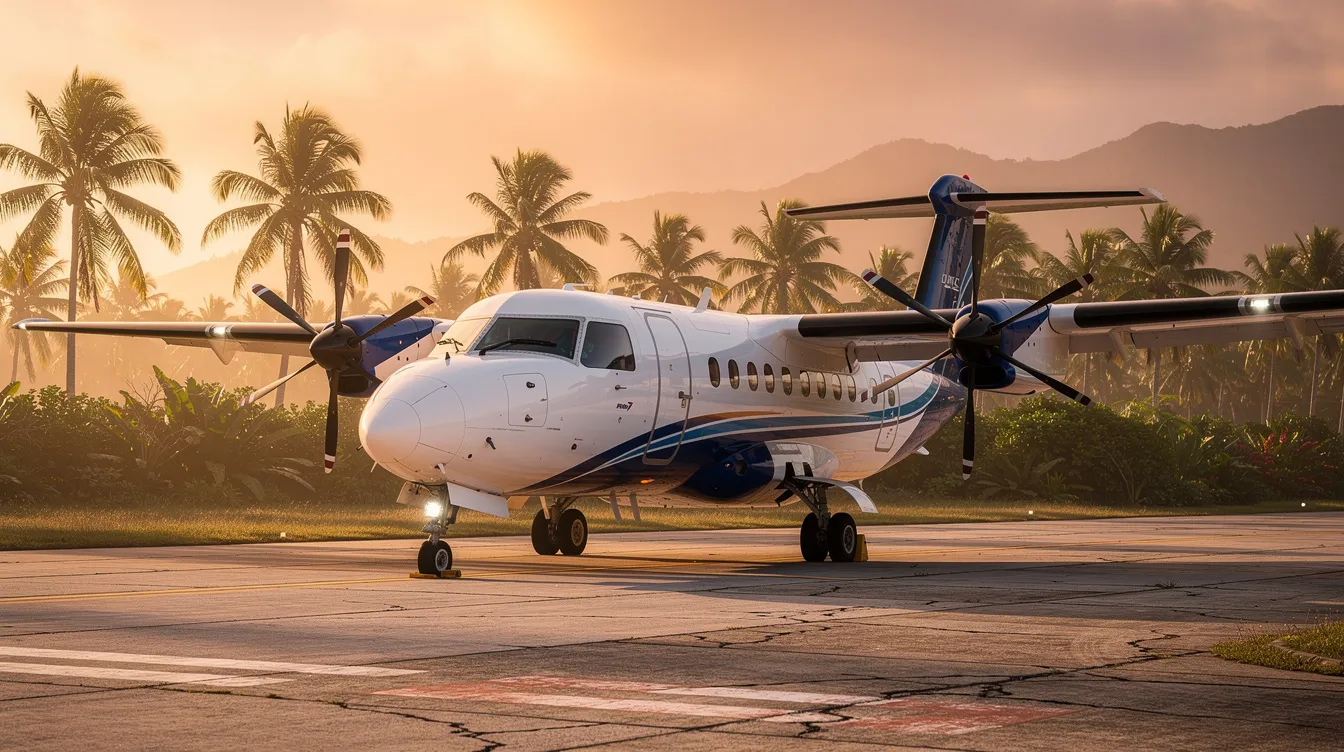
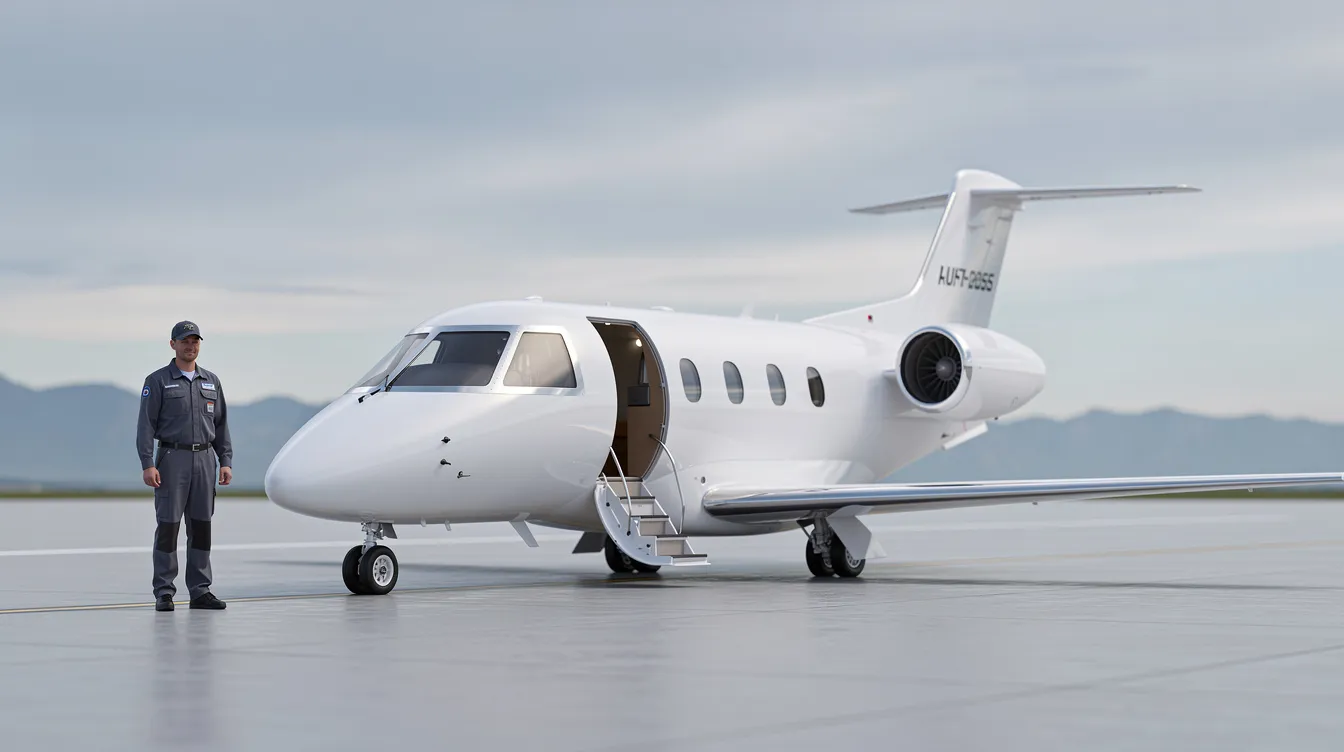
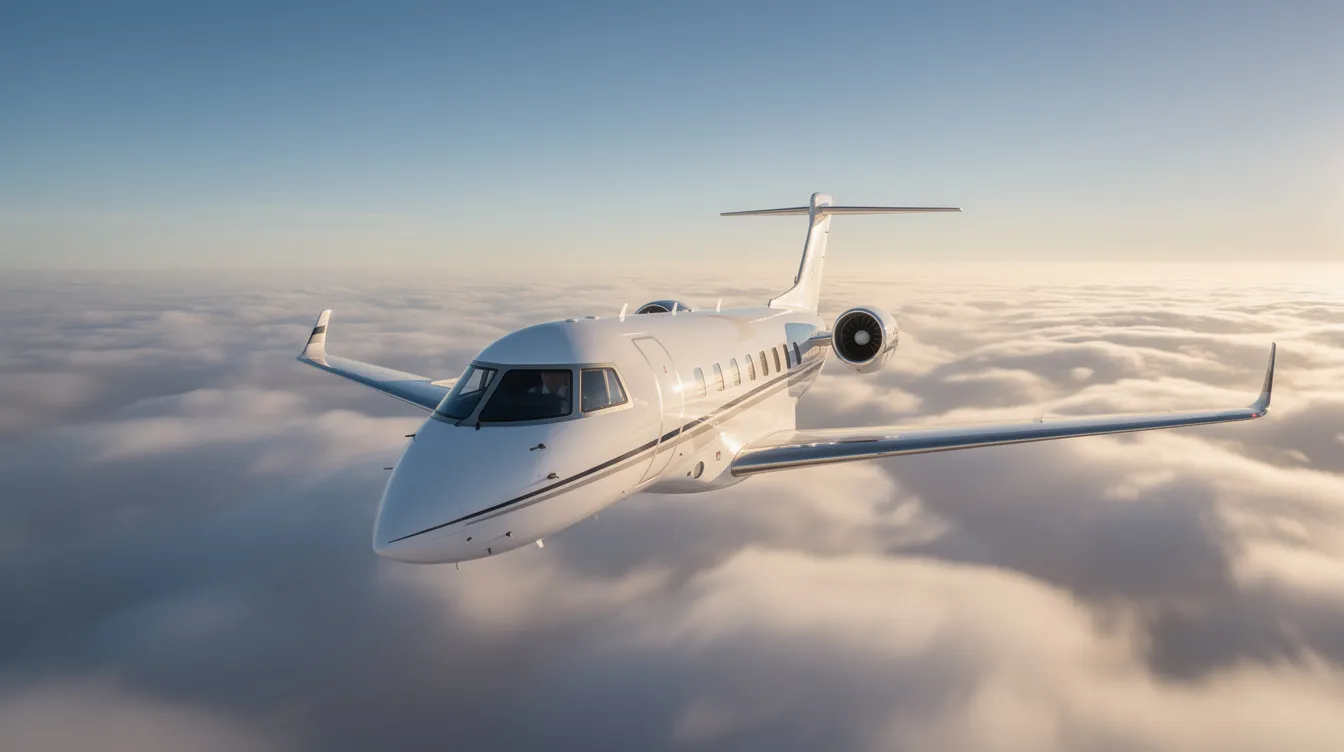
A private jet is a turbine-powered fixed-wing aircraft - typically a turbojet or turbofan, sometimes a turboprop aircraft - configured to carry small groups of passengers for on-demand business travel. Unlike commercial airlines, private aviation puts schedule control, airport access, and cabin privacy entirely in the hands of the user.
Private flights differ from commercial flying in several practical ways:
Schedule control. Executives can depart after a last-minute meeting instead of being locked into airline timetables. Private jet travel allows for last-minute scheduling flexibility that commercial carriers simply cannot match.
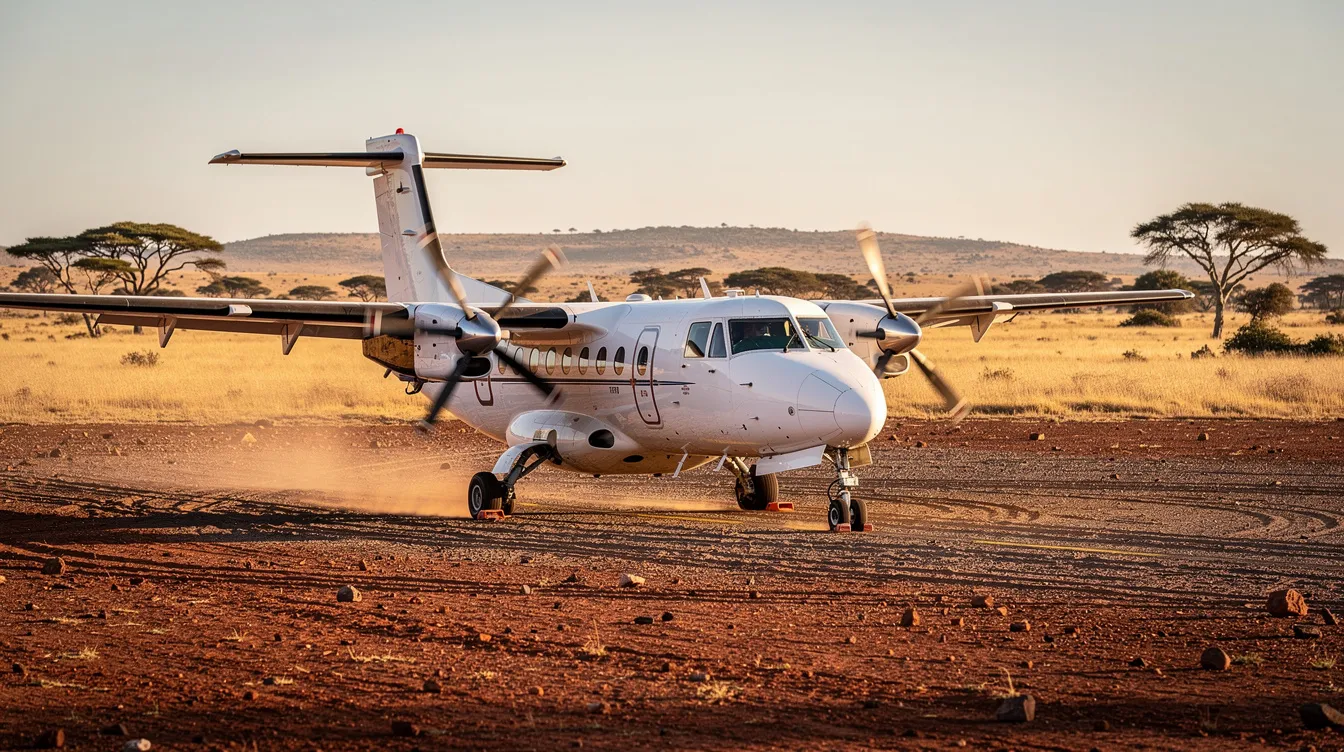
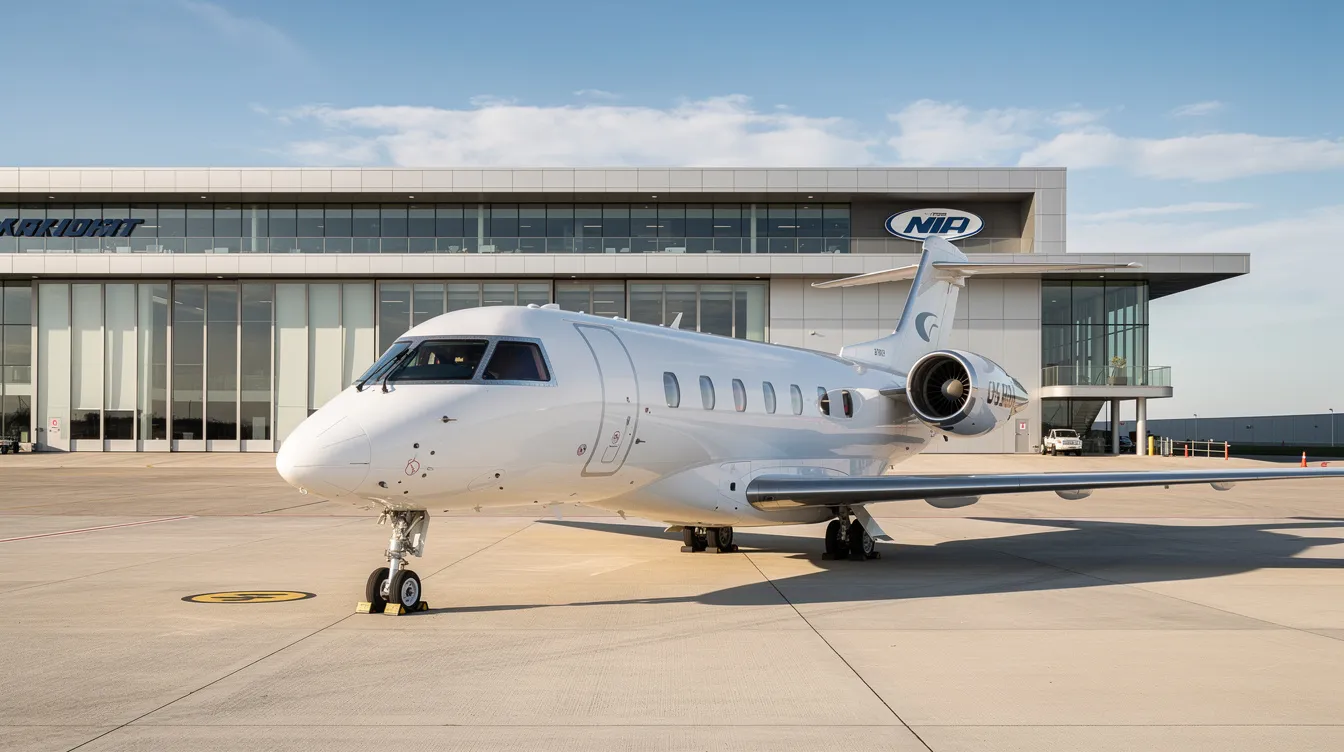
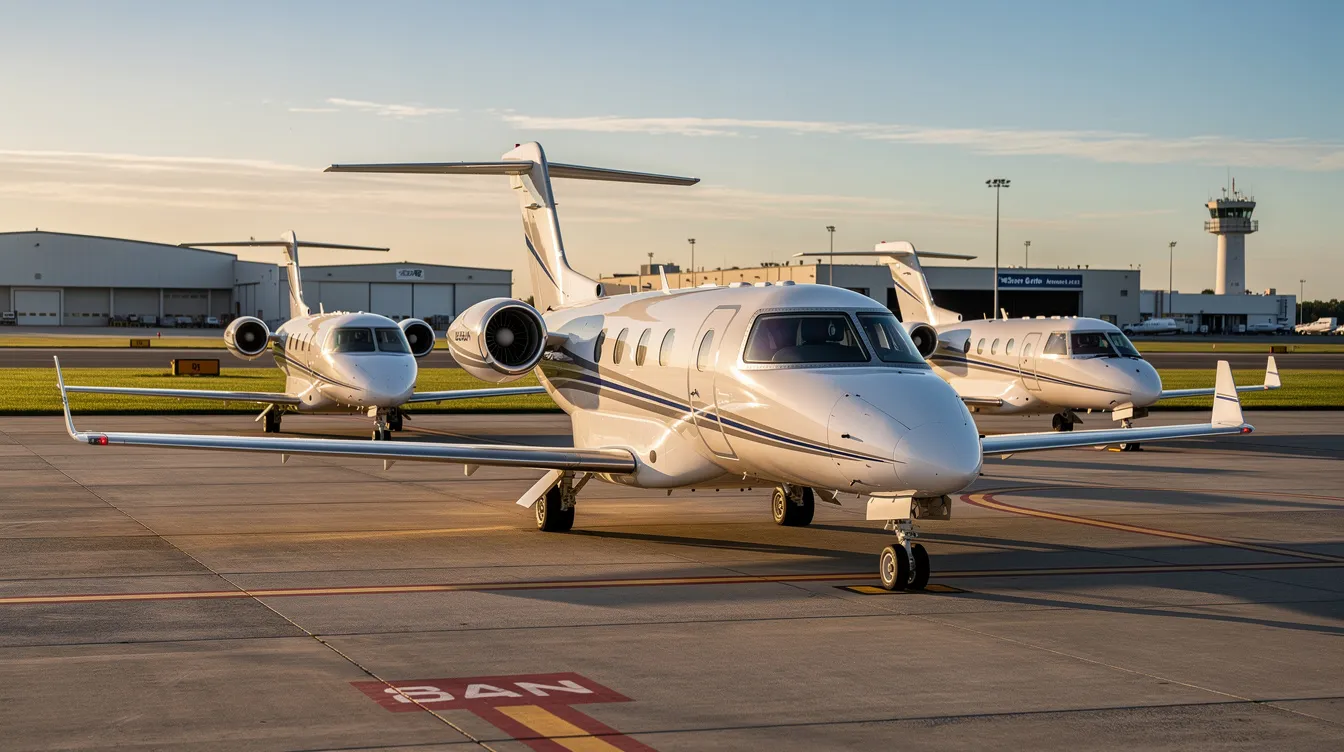
Airport access. Business jets can operate from thousands of smaller regional airports closer to final destinations, reducing ground travel time. Private jets typically allow flying to more airports than commercial airlines - a critical advantage for reaching locations like Fort Worth, San Antonio, Las Vegas, or remote industrial sites.
Privacy and security. Boarding is private, screening is streamlined, and confidential conversations happen freely. Private jet travel offers greater privacy than commercial flights.
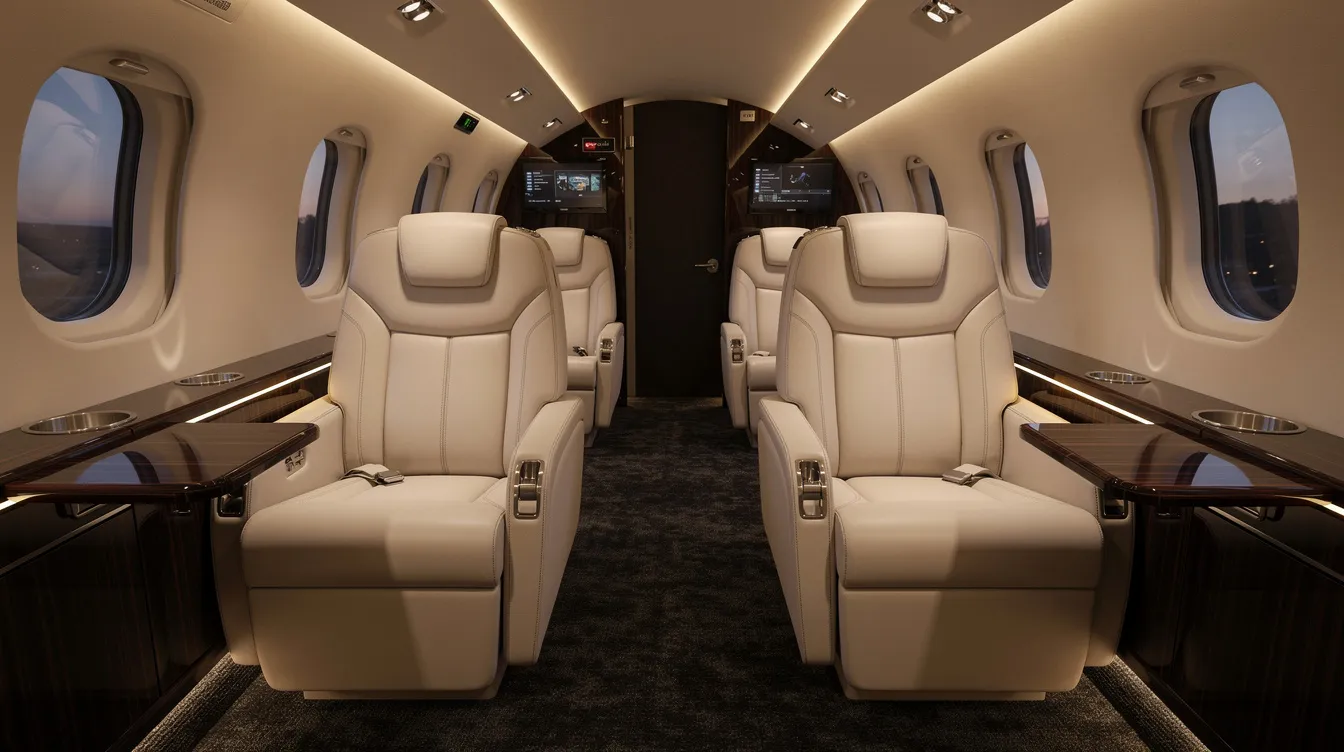
Productivity. Cabins configured as mobile offices or rest areas let passengers work, meet, or sleep without interruption. Private jets save time compared to commercial airlines, and that time converts directly into business value.
The main user groups include corporate flight departments managing recurring business travel, high-net-worth individuals and family offices, charter operators providing access to on-demand service, and specialty missions - medical evacuations, sports teams moving between city locations, entertainment logistics, and even military support contracts in the general aviation sector.
Here is a quick performance comparison across jet categories:
Type | Cruise Speed | Typical Altitude | Range |
|---|---|---|---|
Light Jet | Mach 0.75–0.80 | FL350–FL430 | 1,200–1,800 nm |
Mid / Super Mid | Mach 0.80–0.85 | FL410–FL450 | 2,000–3,800 nm |
Long Range / Ultra-LR | Mach 0.85–0.90 | FL450–FL510 | 4,000–7,700+ nm |
Private Jet Categories: From Light Jets to Long Range Flagships
Business jets are grouped primarily by size, range, and cabin volume. Selecting the right segment is more important than picking a specific model first - the category determines what missions your aircraft can realistically serve. Private jets can be categorized by size, passenger capacity, and flight range.
Very Light Jets and Light Jets
Very light jets accommodate 4 to 6 passengers and are designed for short regional hops - think trips under 1,000 nautical miles. Light jets, such as the Embraer Phenom 300 and Cessna Citation CJ3+ (part of the Textron Aviation family), typically accommodate 6 to 8 passengers with a range of roughly 1,000 to 1,800 nautical miles. Cessna Citation jets are popular for short-haul flights across regional routes. Light jets typically have a mean price of around $4.4 million, though certain models command a $9.6 million mean price depending on vintage and configuration.
Mid-Size Jets and Super Mid-Size Jets
Mid-size jets accommodate 6 to 9 passengers and are suitable for longer domestic flights - coast-to-coast U.S. legs or European transcontinental sectors. Super midsize jets, such as the Citation XLS+, Gulfstream G280, and Challenger 3500, accommodate 8 to 12 passengers and offer longer range capabilities, typically covering up to 3,420 nautical miles. Super mid-size jets average approximately $22.2 million in price. These aircraft often feature stand-up cabin classes, divan sleeping configurations, and expanded onboard amenities.
Large Cabin and Ultra Long Range Jets
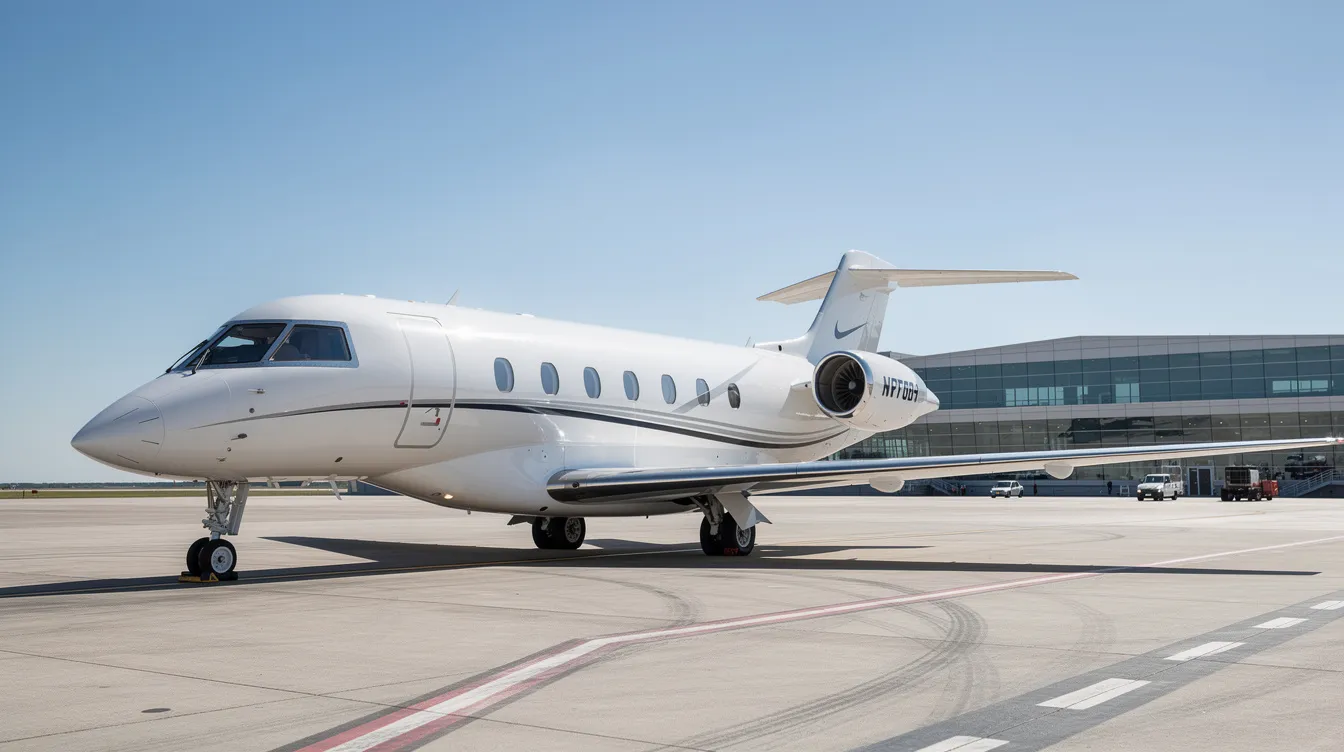
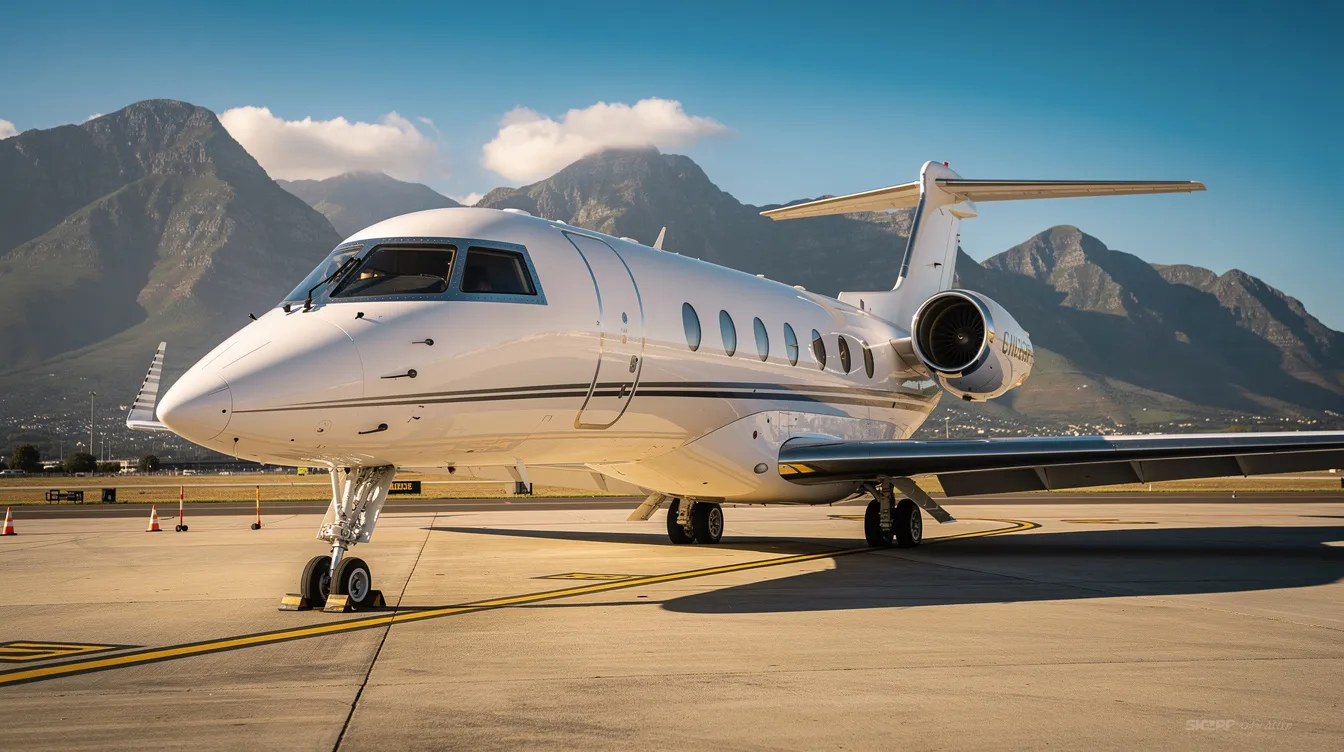
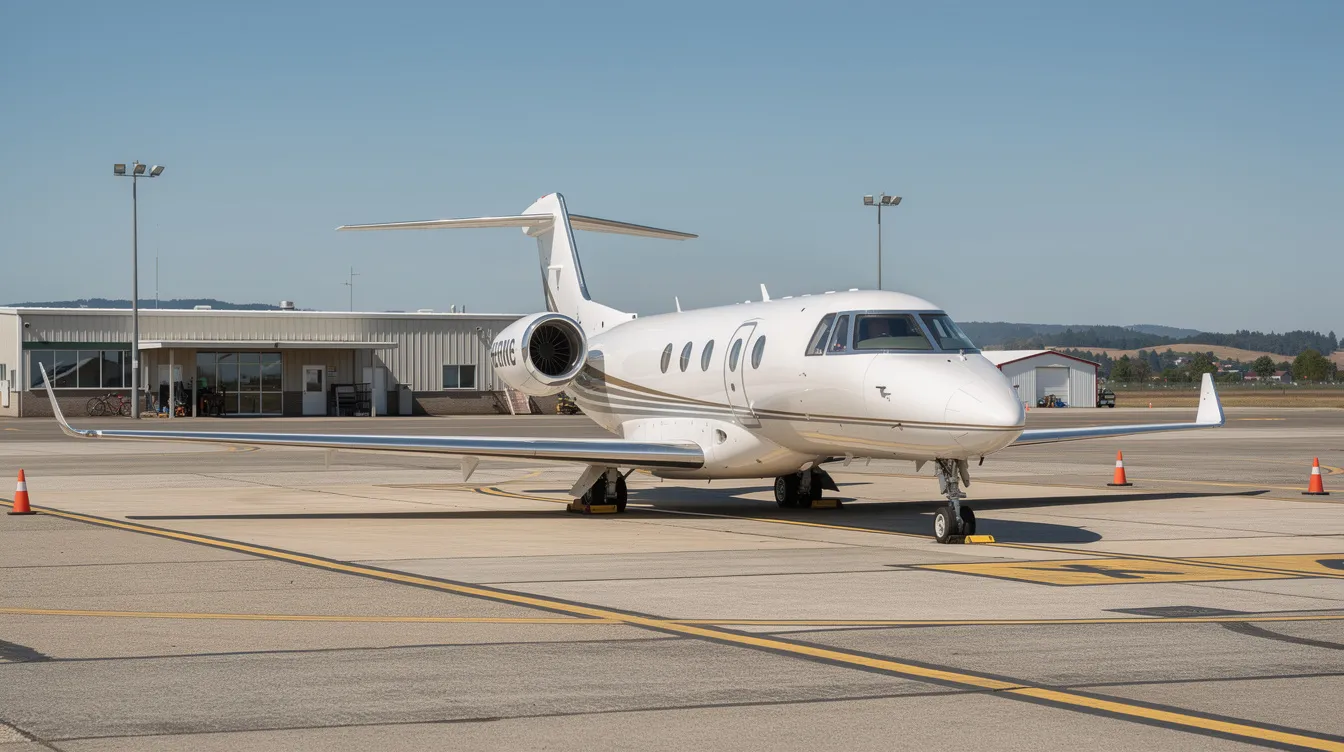
Large-cabin jets like the Gulfstream G650ER, Bombardier Global 7500, Dassault Falcon 8X, and Airbus ACJ319 configured for private charter offer 4,000 to 7,700+ nautical miles of range, enabling nonstop intercontinental flights between continents. Heavy jets accommodate 10 to 19 passengers and are ideal for international travel, often featuring multiple cabin zones - lounge, bedroom, office, and full galley. Large-cabin jets can cost around $61.2 million on average. Ultra-long-range jets are the flagship segment of business aviation.
The maximum passenger capacity does not always ensure comfortable seating - cabin comfort is an important consideration when choosing a private jet. Baggage capacity varies significantly between different types of private jets, and airport access varies between different jet types based on their size, especially when operating into short runways. BusinessJets.com helps narrow these categories based on mission analysis, airport constraints, payload, and budget rather than brand preference alone.
Smart Ways to Fly Private Without Owning an Aircraft
Not every client needs to own an aircraft. Private charter, on-demand platforms, and membership models offer smart ways to test demand and fly private before making a capital commitment.
On-Demand Charter
Private charter is the simplest entry point - you book a flight on a trip-by-trip basis with no long-term obligation. Private jet charters offer access to over 20,000 aircraft globally through various operators, providing access to a wide fleet. Chartering a private jet can cost between $5,000 and $50,000 per flight depending on aircraft size and route:
Light jet: ~$2,750–$3,500/hr
Mid jet: ~$4,000–$4,750/hr
Super mid: ~$6,500–$8,500/hr
Heavy/ultra long range: ~$9,000–$20,000+/hr
Availability varies by season and geography - holiday periods and summer in Europe see peak demand. Empty leg flights can save travelers 30% to 75% on charters when repositioning routes align with your itinerary. Private jet charter services provide 24/7 flight operations support, and booking private jet charters can be done instantly online through many platforms. Jettly, for example, offers flexible access to over 20,000 unique aircraft worldwide.
Jet Card Programs
A jet card program lets clients prepay for a certain number of flight hours - typically 25 to 50 hours - at fixed or capped hourly rates. Key features include guaranteed availability within 24–72-hour notice windows, peak-day surcharges, and defined aircraft category guarantees. Jet cards make sense for flyers logging 25–75 hours annually who want rate predictability without ownership capital.
Membership and Subscription Models
Some providers offer subscription-based models that differ from traditional jet cards in minimum usage requirements, cancellation windows, and how aircraft categories are guaranteed. Review contract terms carefully - particularly around blackout dates, repositioning fees, and what happens if your preferred cabin class is unavailable.
BusinessJets.com does not sell charter hours but routinely advises clients on when usage justifies transitioning from private charter or a jet card to fractional aircraft ownership or full acquisition.
Fractional Ownership and Co-Ownership Structures
Fractional ownership sits between charter and full ownership, offering a hybrid model that provides structured fleet access with partial equity. Fractional ownership began in 1996 for business aircraft and has since become a well-established path for operators flying between 50 and 300 hours annually.
How Fractional Ownership Works
Owners pay an upfront equity share for aircraft costs - purchasing a defined share (1/16, 1/8, or 1/4) that corresponds to a fixed number of annual hours. A quarter share means paying one-fourth of the aircraft price, typically yielding around 200 hours of annual access. Monthly management fees cover operational costs like maintenance, crew, insurance, and hangar. Fractional ownership allows selling equity positions if needed, providing a structured exit mechanism that pure charter does not offer.
Fractional ownership works best for users with consistent mission profiles, predictable annual hours, and a need for reliable fleet availability across regions like North America and Europe. It offers personalized service and consistent cabin configuration without the full capital burden of sole ownership.
Co-Ownership and Partnerships
Co-ownership involves 2–4 partners sharing a single aircraft outside large fractional programs. Partners split fixed expenses - hangar, insurance, crew requirements - but face added complexity around scheduling, exit terms, and capital decisions. Without well-drafted agreements, one partner wanting out can create significant friction.
BusinessJets.com supports clients by valuing aircraft for fractional exits, advising on share purchases, and structuring co-ownership agreements in alignment with long-term fleet strategy.
Considering Full Ownership: When a Private Aircraft Makes Sense
Full aircraft ownership becomes efficient when usage reaches approximately 200–400+ annual flight hours or when mission-critical needs - such as operating into remote locations, maintaining strict schedule control, or requiring specialized cabin configurations - outweigh the convenience of charter.
Core advantages of full ownership:
Guaranteed availability - no competing with other cardholders or fractional partners
Consistent cabin configuration tailored to your travel experience
Control over crew selection, training standards, and safety culture
Ability to customize interiors, avionics, and cargo configurations
Potential to offset costs by placing the aircraft on a charter certificate
Key obligations:
Regulatory compliance (FAA Part 91 or Part 135)
Maintenance planning and execution, including engine programs
Resale value management and depreciation tracking
Professional aircraft management or an in-house flight department
Consider these use cases: a multinational company with regular transatlantic board meetings where owning a long-range jet eliminates connecting flights and overnight layovers; leisure travelers flying by private jet charter to Paris to combine business and lifestyle itineraries; an energy company with operations in remote industrial sites accessible only by air; or an entertainment company moving talent across multiple city stops on tight schedules.
BusinessJets.com typically starts ownership discussions with a 5–10 year mission and fleet plan rather than a single-transaction view, ensuring informed purchasing decisions that account for replacement cycles, financing, and residual value.
How to Choose the Right Private Jet for Your Mission
Aircraft selection is a data-driven exercise that balances mission profile, operating environment, and budget against future resale value considerations. The goal is matching the aircraft to how you actually fly - not to what looks impressive on paper.
Main mission variables to define:
Average stage length (how far you fly most trips) vs. longest nonstop sector
Typical number of passengers and baggage needs
Operational airports - runway length, elevation, climate, and obstacle environment
Frequency of overnight or red-eye sectors
Performance considerations:
Range with required fuel reserves and diversion capability
Short-field capability for airports like Aspen (7,006 ft elevation) or London City (limited runway length)
Hot-and-high performance, which reduces available lift and affects payload
Speed - faster cruise speed reduces flight time but increases fuel burn
Cabin factors:
Stand-up height, full-flat sleeping configurations, and cabin zones for long-range sectors
Noise levels, pressurization altitude, and connectivity (satcom, WiFi)
Whether the aircraft will routinely operate overnight sectors where rest quality matters
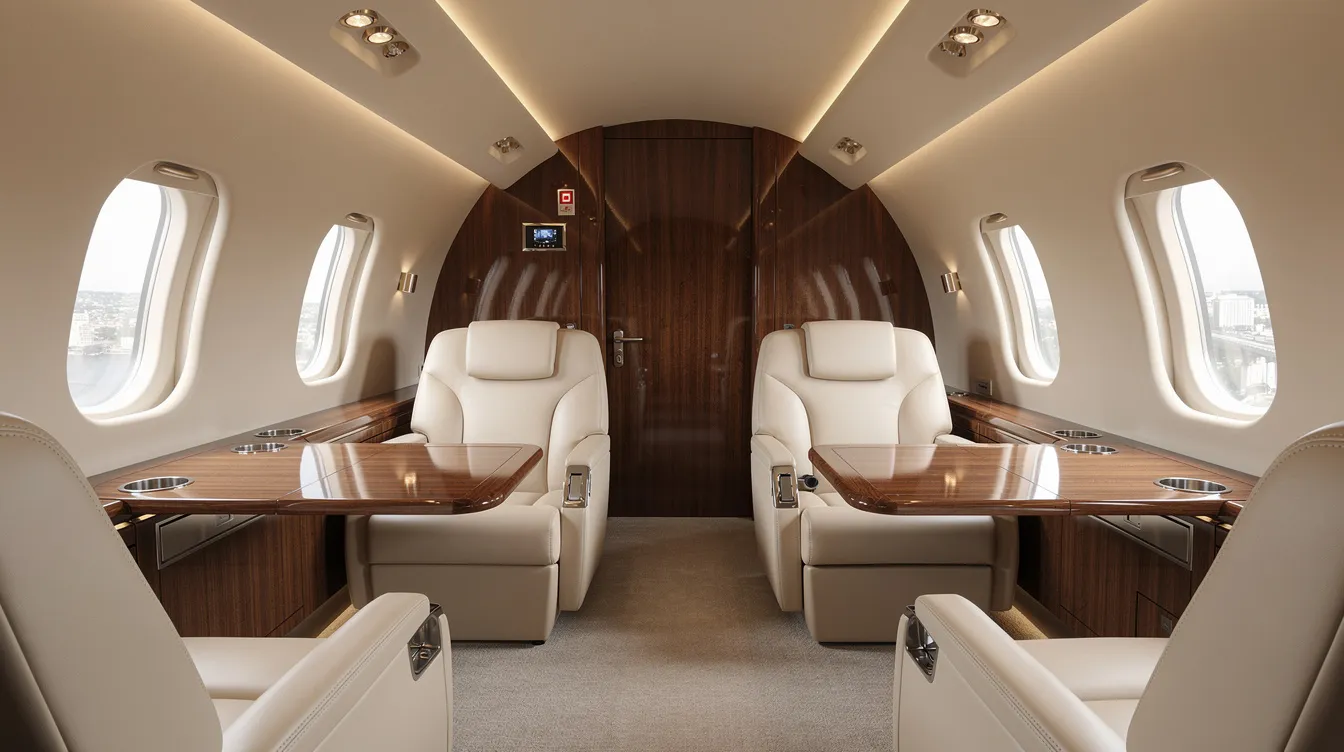
BusinessJets.com prepares side-by-side comparisons of shortlisted models, including acquisition cost, direct operating costs, and projected residual values over a multi-year horizon.
New vs Pre-Owned Private Jets
Both new and pre-owned business jets can be sound acquisitions. The decision hinges on capital budget, delivery timeline, and whether the latest technology or warranty coverage justifies the premium.
New aircraft advantages:
Factory warranty coverage
Latest avionics, connectivity, and safety systems
Fully customized interior finishes
Longer remaining life before major inspections or engine overhauls
Pre-owned aircraft advantages:
Lower capital outlay - asking prices in H1 2026 averaged approximately $3.21 million for small jets, $5.27 million for medium jets, and $12.63 million for large jets
Faster delivery - a pre-owned transaction can close in 45–90 days, while new aircraft lead times run 18–24 months given current OEM backlogs
Ability to time purchases during softer market cycles; Controller.com lists over 1,200 pre-owned jet aircraft for sale at any given time
Key pre-owned considerations:
Maintenance status - are major inspections (landing gear, engines, airframe) due soon?
Engine program enrollment (JSSI, MSP) - what remains, and what is the cost to enroll?
Avionics upgrades or required retrofits for regulatory compliance
Prior ownership and damage history; approximately 74% of for-sale pre-owned inventory is 16 years or older
Aircraft valuation considers factors like age, condition, and market demand. BusinessJets.com actively tracks global inventory and can advise whether the pricing spread between new and used justifies each option for a given model.
Understanding Aircraft Valuation and Private Jet Appraisals
Accurate valuation is critical for lending, insurance, portfolio reporting, and negotiating fair prices when buying or selling private jets. A misvalued aircraft leads to overpayment, inadequate insurance coverage, or tax complications.
Key valuation drivers include:
Total airframe hours and engine cycles
Year of manufacture and serial number
Engine status and program enrollment
Recent maintenance history and proximity to major inspections
Avionics and cabin upgrades or modernization
Damage or repair history
Current market demand for the specific model
Appraisals come in two forms: desktop appraisals (using comparable transactions and listing data with condition adjustments) and on-site field appraisals (physical inspection of logbooks, airframe, engines, and sometimes test flights). Lenders and lessors typically require formal, on-site assessments.
Consider this example: two super midsize jets built in the same year. One is enrolled in a full engine program with pristine logs and recent avionics upgrades. The other faces near-due heavy engine work with older avionics. The value difference can reach 20–40% or more.
BusinessJets.com's private jet appraisal services provide independent, market-grounded assessments drawing on 1,500+ transaction data points and current comparables.
The Private Jet Purchase Process: From Search to Closing
A structured acquisition process reduces risk and protects value. Rushing through any stage - especially technical due diligence - can cost buyers hundreds of thousands in unforeseen maintenance or legal complications.
Main stages of acquisition:
Define requirements - mission profile, passengers, airports, budget, range, cabin needs, and lead time
Survey the global market - new delivery slots, pre-owned inventory, broker networks
Build a shortlist - based on specifications, cost, availability, and projected operating costs
Technical review - logbooks, engine records, maintenance status, airworthiness, damage history
Letter of Intent (LOI) - establishes price, deposit, inspection timeline, and basic terms
Pre-purchase inspection - conducted at qualified facilities (OEM service centers), including borescope inspections, test flights, and logbook audits
Aircraft Purchase Agreement (APA) - final negotiation covering price, delivery conditions, escrow arrangements, and allocation of inspection findings
Closing and delivery - registration, import/export if cross-border, crew training, ferry flight, and insurance binding
BusinessJets.com manages this end-to-end process, coordinating legal, technical, and financial teams to keep transactions on schedule through closing and delivery. The company operates across the world, managing cross-border complexity for clients in multiple jurisdictions.
Selling a Private Jet: Maximizing Residual Value
A proactive exit strategy can add significant value when disposing of business jets. Timing, preparation, and realistic pricing aligned with current market data matter more than listing and waiting.
Market timing: After the 2021–2022 demand spike, pre-owned pricing has normalized. In H1 2026, large jet asking prices declined roughly 15.7% year-over-year while pre-owned transactions fell approximately 10.8% compared to H1 2025. Despite this, heavy-jet median resale values rose around 13% YoY - likely reflecting a shift toward younger, lower-time inventory.
Pre-sale preparation:
Address deferred maintenance and resolve open discrepancies
Organize complete records: logbooks, engine program documentation, modification history
Detail the aircraft - interior and exterior cosmetic condition influences buyer perception
Capture professional photography and specifications for marketing materials
Marketing strategy:
Global exposure through broker networks, online listings, and targeted outreach
Qualify potential buyers - corporations, owner-operators, and management companies
Maintain confidentiality where owners require discretion
Price realistically using current transaction comparables, not aspirational figures
BusinessJets.com provides a valuation-led listing strategy, manages inquiries and showings, and negotiates purchase offers to protect seller interests through closing. View current aircraft for sale listings on the platform.
Private Aircraft Management and Operator Advisory
Most owners contract a management company or establish a corporate flight department to operate their aircraft safely and efficiently. The management model directly affects operating costs, risk profile, and the overall travel experience.
Typical management services include:
Crew hiring, training, and scheduling
Maintenance coordination and regulatory compliance
Insurance, safety oversight, and dispatch
Charter revenue generation (if the owner elects Part 135 operations)
Key decision points for owners:
Part 91 (private use) vs. Part 135 (commercial charter) - the latter adds regulatory burden but opens revenue potential
On-fleet charter vs. private-use only - charter adds wear, scheduling constraints, and crew requirements but can offset fixed costs
In-house flight department vs. outsourced management - each model has trade-offs in control, cost, and operational flexibility
Aviation consulting supports strategic advice for aircraft transactions, and consulting services help optimize aircraft asset management across the ownership lifecycle. Aviation consultants provide market intelligence for aircraft acquisitions, and consulting services include aircraft valuation and appraisal support. Over 1,500 aircraft transactions have been facilitated by these consulting services at BusinessJets.com.
For corporate flight departments, consulting can include fleet right-sizing, aircraft replacement planning, and evaluating outsourcing or hybrid models. Some companies that have ceased operations or restructured their flight departments benefit from advisory that guides the transition to managed operations or fleet disposition.
Costs of Owning and Operating Private Jets
Understanding operating costs requires separating fixed expenses from variable costs. Fixed costs accrue whether the aircraft flies or sits in a hangar.
Fixed costs include crew salaries, recurrent training, insurance, hangar, management fees, and scheduled depreciation. Variable costs include fuel, hourly maintenance reserves, navigation and landing fees, catering, ground handling, and crew overnight expenses for leg flights away from base.
Indicative annual fixed cost ranges (2026 estimates):
Category | Annual Fixed Costs (approx.) | Typical Utilization |
|---|---|---|
Light Jet | $300,000–$600,000 | 300–500 hrs/yr |
Large / Ultra Long Range | $1,000,000–$2,000,000+ | 200–400+ hrs/yr |
Under-utilization dramatically increases per-hour cost. An owner flying a large cabin jet only 100 hours per year spreads over $1 million in fixed costs across those hours - resulting in effective hourly costs that dwarf charter rates.
Additional financial considerations include depreciation curves, interest or lease payments, engine and maintenance program reserves, and potential charter revenue offsets. Luxury travel expectations also drive cabin refurbishment costs that should be planned for every 5–8 years.
BusinessJets.com builds custom cost models and scenario analyses so buyers, fleet managers, and CFOs can compare ownership, fractional, and charter strategies side-by-side - using actual utilization data rather than industry averages.
Environmental Considerations and Sustainable Business Aviation
The environmental impact of private jets receives increasing public and regulatory scrutiny. Between 2019 and 2023, carbon emissions from private jet flights rose approximately 46% in Europe, and per-passenger emissions remain significantly higher than commercial transportation alternatives.
Fuel burn and CO₂ emissions scale with aircraft size and stage length. Short trips in heavy jets are particularly inefficient because takeoff and climb phases dominate fuel consumption. Longer sectors in right-sized aircraft improve per-mile efficiency.
Practical mitigation steps:
Fleet modernization - newer engines, lighter materials, improved aerodynamics
Sustainable Aviation Fuel (SAF) adoption - though global SAF production covers only about 0.8% of total jet fuel consumption
Operational efficiencies - optimized routing, reduced taxi times, efficient altitude profiles
Voluntary carbon offset programs integrated into corporate ESG strategies
BusinessJets.com includes environmental and reputational considerations when advising corporate buyers on fleet strategy, aircraft selection, and utilization policies. Personal data processed in sustainability reporting and ESG disclosures is handled with appropriate discretion.
BusinessJets.com: Brokerage, Appraisals, and Aviation Consulting
BusinessJets.com is a global aircraft brokerage and consulting firm specializing in business jets, private aircraft sales, acquisitions, and valuations. The firm's aviation experts have completed over 1,500 transactions for more than 5,000 clients - private owners, corporations, and operators across the world.
For buyers: market search, technical and financial analysis, negotiating LOIs and APAs, coordinating pre-purchase inspections and delivery. The firm's comprehensive aviation services cover every stage from initial consultation through closing.
For sellers: aircraft valuation, listing strategy, marketing, buyer qualification, and transaction management through closing - all grounded in current market data rather than aspirational pricing.
Consulting services: private jet appraisals, fleet planning, operator advisory, aging aircraft strategies, and market trend analysis for boards, lenders, and asset managers. In H1 2026, global business jet departures reached approximately 1.95 million (up 4% year-over-year), and Bombardier's order backlog hit $21.8 billion - context that shapes every acquisition and disposition recommendation.
How to Engage BusinessJets.com for Your Aircraft Strategy
Early engagement - before a specific aircraft is chosen - typically leads to better economic and operational outcomes. The best time to engage an advisor is when you are still defining requirements, not after you have fallen in love with a specific tail number.
Typical first steps:
Introductory consultation covering current or planned utilization
Discussion of corporate or personal objectives and high-level budget parameters
Delivery of a structured options memo comparing private charter, jet card, fractional ownership, and full ownership - tailored to your specific data
You can also request a standalone aircraft appraisal, list a private jet for sale, or mandate an acquisition search as separate, clearly scoped engagements.
Contact BusinessJets.com to discuss your aircraft valuation, sale, or acquisition plans in confidence. Whether you manage a company fleet or are evaluating your first private aircraft, the right advisory relationship starts with an honest conversation about how you fly and where you want to be in five years.
Frequently Asked Questions (FAQ)
FAQ
The following questions address practical concerns that go beyond the main article, drawn from common inquiries by owners, buyers, and operators.
How many flight hours per year justify buying a private jet instead of using charter?
The threshold typically starts around 200–250 hours annually and becomes financially compelling at 300–400+ hours, depending on jet size, cost of capital, and route profile. Below this level, a combination of private charter, jet card, or fractional ownership often remains more economical. BusinessJets.com can model ownership versus charter break-even points using your actual or projected flying history, accounting for all fixed and variable costs.
How long does it usually take to complete a private jet purchase?
For pre-owned aircraft, a well-managed transaction typically takes 45–90 days from LOI to closing, assuming no major technical surprises during inspection. Lead times for new aircraft range from several months to over 18–24 months depending on OEM production slots and customization requirements. Engaging BusinessJets.com early helps align aircraft search, inspections, and financing so delivery timing matches your operational needs.
Can I offset ownership costs by offering my aircraft for charter?
Many owners place aircraft on a charter certificate (Part 135 in the U.S.) to generate revenue that may offset a portion of fixed and variable costs. However, chartering rarely turns an aircraft into a profit center. Trade-offs include increased utilization and wear, scheduling constraints that may conflict with your own travel needs, additional crew requirements, and higher regulatory compliance costs. BusinessJets.com helps owners evaluate whether chartering aligns with their risk tolerance, availability needs, and residual value goals.
What documents do I need ready before listing my private jet for sale?
Essential documentation includes complete logbooks, maintenance and modification records, engine and APU program documentation, weight and balance data, and any damage or repair history. Up-to-date maintenance status reports and clear title documentation speed due diligence and support stronger offers from qualified buyers. BusinessJets.com provides a pre-listing checklist and assists owners in organizing records to reduce delays once a buyer is identified.
How are private jet values expected to behave through 2026?
After the 2021–2022 demand surge and price escalation, many segments have stabilized with more normalized depreciation patterns through 2024–2026. Late-model, fuel-efficient light jets and popular long-range platforms tend to hold resale value best, while aging, less efficient models may see steeper declines. BusinessJets.com continuously monitors transaction data and can provide up-to-date market intelligence and appraisals for specific makes and model years - contact the team for a current assessment.
Conclusion
Private jets represent a strategic investment for corporations, high-net-worth individuals, and operators seeking unparalleled flexibility, privacy, and efficiency in business travel. Whether choosing to charter, join a fractional ownership program, or pursue full ownership, informed decisions hinge on understanding mission requirements, market dynamics, and total cost of ownership.
BusinessJets.com stands as a trusted partner throughout the aircraft lifecycle, offering expert brokerage, valuation, and consulting services tailored to the nuanced needs of private jet owners and fleet managers. With a track record of over 1,500 transactions and deep market insights, BusinessJets.com helps clients navigate acquisition, operation, and disposition with confidence and discretion.
Engaging early in the process, leveraging data-driven analysis, and aligning aircraft selection with real-world mission profiles are key to optimizing value and operational outcomes. For those considering private aviation, BusinessJets.com provides the expertise and resources to make sound, practical decisions that support long-term strategic objectives.
Contact BusinessJets.com to request an appraisal, list your aircraft for sale, or explore acquisition and consulting services designed to meet your unique business aviation needs.