Private Jet Under 1 Million: What You Can Really Buy in 2026

Jay Franco Ser
August 26, 2026

The idea of owning a private jet for under a million dollars draws serious interest from corporate buyers, regional operators, and high-net-worth individuals looking to step into aircraft ownership without a multi-million-dollar commitment. But what does that budget actually buy in mid-2026? The answer is more nuanced—and more demanding—than most buyers expect.

This guide breaks down what's realistically available, what it costs to own and operate, and whether a sub-$1M jet is the right financial decision compared to charter, fractional ownership, or jet cards.

Key Takeaways

  • Sub-$1M private jets in 2026 are almost exclusively older light jets and turboprops built between the late 1970s and early 1990s—think Cessna Citation II, Learjet 35A, and Beechjet 400A. Factory-new aircraft and modern very light jets like the Cirrus Vision Jet sit well above this price point.

  • Acquisition price under one million dollars still implies annual ownership costs commonly in the $400,000–$700,000 range once fuel costs, crew salaries, maintenance reserves, and hangar fees are included.

  • Most jets under $1 million are 20 to 40 years old, and many require six-figure avionics, interior, or engine work within 24–36 months of purchase. Pre-purchase inspections are crucial to detect hidden maintenance issues before closing, typically costing between $15,000 and $50,000.

  • Pre-owned jets under $1 million usually lack modern in-flight connectivity features, and older jets commonly feature outdated avionics requiring costly upgrades.

  • Sub-$1 million jets are often older Very Light Jets or vintage light jets, usually with a range of 1,000 to 1,300 nautical miles.

  • Cessna Citation and Learjet models are common in the sub-$1 million market, with Cessna Citation 500 models typically selling for $350,000 to $800,000.

  • Many buyers pivot to high-performance turboprops due to lower operating costs compared to jets.

  • Older jets often require significant refurbishment before flying, and many need substantial work before they are airworthy.

  • Buying a private jet under $1 million can lead to higher annual operating costs, which can exceed $400,000 and in some cases reach $500,000 to $700,000.

  • Total cost of ownership can rival the purchase price within a few years, especially as older jets generally entail high risk and ongoing maintenance needs.

  • Buyers should focus on aircraft maintenance history when purchasing older jets, as buying jets without maintenance programs increases financial risk.

  • Insurance for private jets typically costs $25,000 to $50,000 annually.

  • Maintenance costs for older jets can range from $20,000 to $50,000 annually.

  • Annual fixed costs for midsize jets range from $800,000 to $1.2 million, making them impractical for most sub-$1 million buyers.

  • Market availability for sub-$1 million jets fluctuates, and options sell quickly; only about 1,015 private jets were listed for sale in Q1 2026.

  • Chartering costs between $2,000 and $14,000 per hour, making charter a cost-effective option for buyers flying under roughly 150 to 200 annual flight hours.

  • Fractional ownership starts from 1/16th of a jet, offering access without full ownership burdens.

  • Jet cards offer prepaid access to a fleet without ownership burdens, providing flexibility and predictable pricing.

  • Most analyses suggest ownership breaks even around 150 to 200 hours per year.

What "Private Jet Under 1 Million" Really Means in 2026

In 2026, a private jet under 1 million almost always means an older airframe—not a factory-new aircraft. Finding a private jet for under $1,000,000 typically involves pre-owned market options, and the aircraft available at this price point carry trade-offs that buyers must understand before committing capital.

Most light jets built between the late 1970s and early 1990s can trade between roughly $350,000 and $950,000 depending on total airframe time, engine hours remaining to overhaul, avionics condition, and compliance with current Airworthiness Directives. Sub-$1 million jets are often older very light jets or vintage light jets from manufacturers like Cessna and Learjet.

Modern very light jets such as the Cirrus Vision Jet SF50 and Eclipse 550 typically list between $1.2M and $2.0M on the pre-owned market in 2025–2026, placing "true" VLJs mostly above the $1M mark. Realistic expectations for new light jets are typically upwards of $2 million—and often far higher.

For context, around 35,730 business jets are in service globally as of mid-2026. Only 7–10% of that fleet is on the market at any given time, and a small fraction of those listed aircraft fall below $1M. In this price band, buyers are trading purchase price for age, higher time on airframes and engines, and the near-certainty of substantial catch-up maintenance.

Representative Private Jets Under $1 Million (With Real 2025–2026 Market Examples)

The following examples reflect actual market conditions in 2025–2026. Prices are indicative and shift as market availability for sub-$1 million jets fluctuates and options sell quickly.

Cessna Citation 500/501 and Citation II: Cessna Citation and Learjet models are common in the sub-$1 million market. Cessna Citation 500 models typically sell for $350,000 to $800,000, with pricing driven by engine time, avionics upgrades, and interior condition. A 1980 Cessna Citation II with ~8,316 total hours and Garmin GTN avionics recently asked ~$895,000, while a high-time example (~13,500 hours) listed closer to $550,000.

Learjet 35A: Late-1970s to late-1980s Learjet 35A examples commonly ask $525,000–$900,000, with aircraft featuring engines enrolled on programs and RVSM/WAAS avionics trending toward the upper end.

Beechjet 400A / Hawker 400XP: Early-1990s Beechjet 400A examples appear between roughly $700,000 and $1,050,000. Some dip just below $1M, but buyers should verify whether recent inspections and avionics compliance are included or deferred.

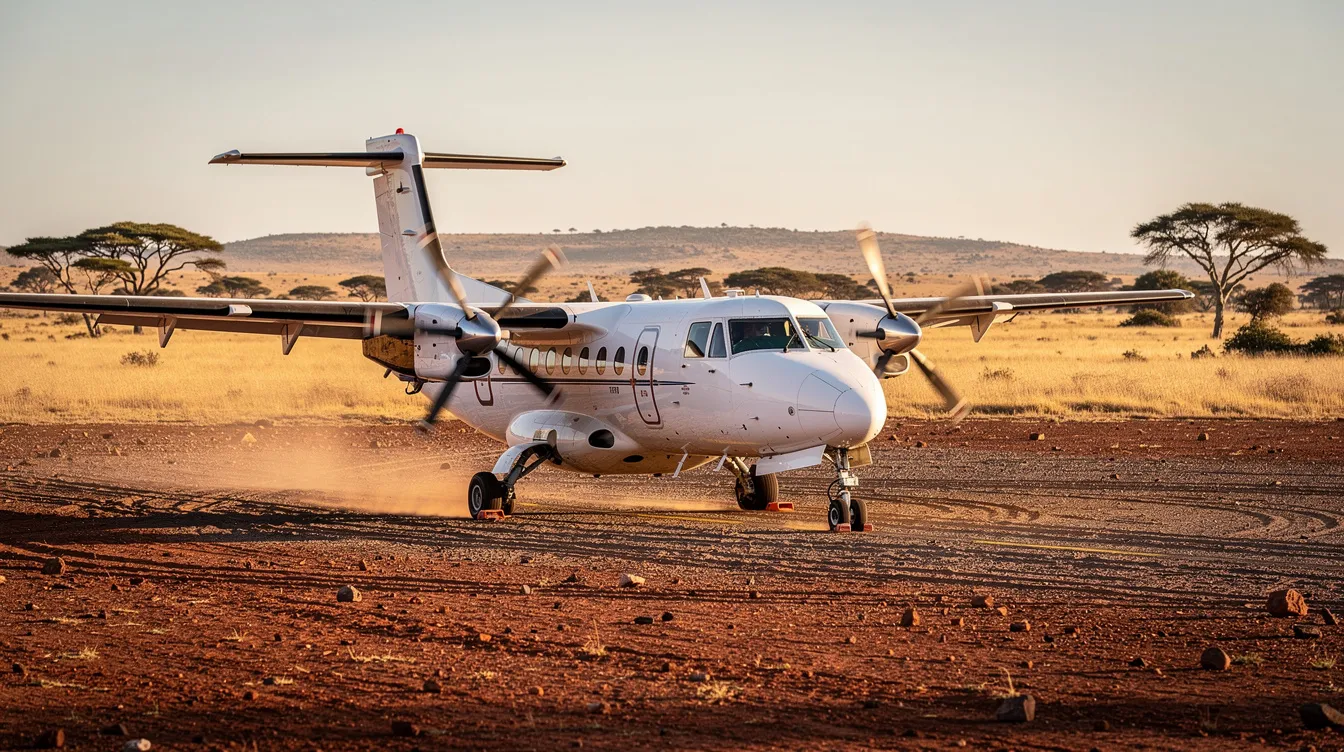
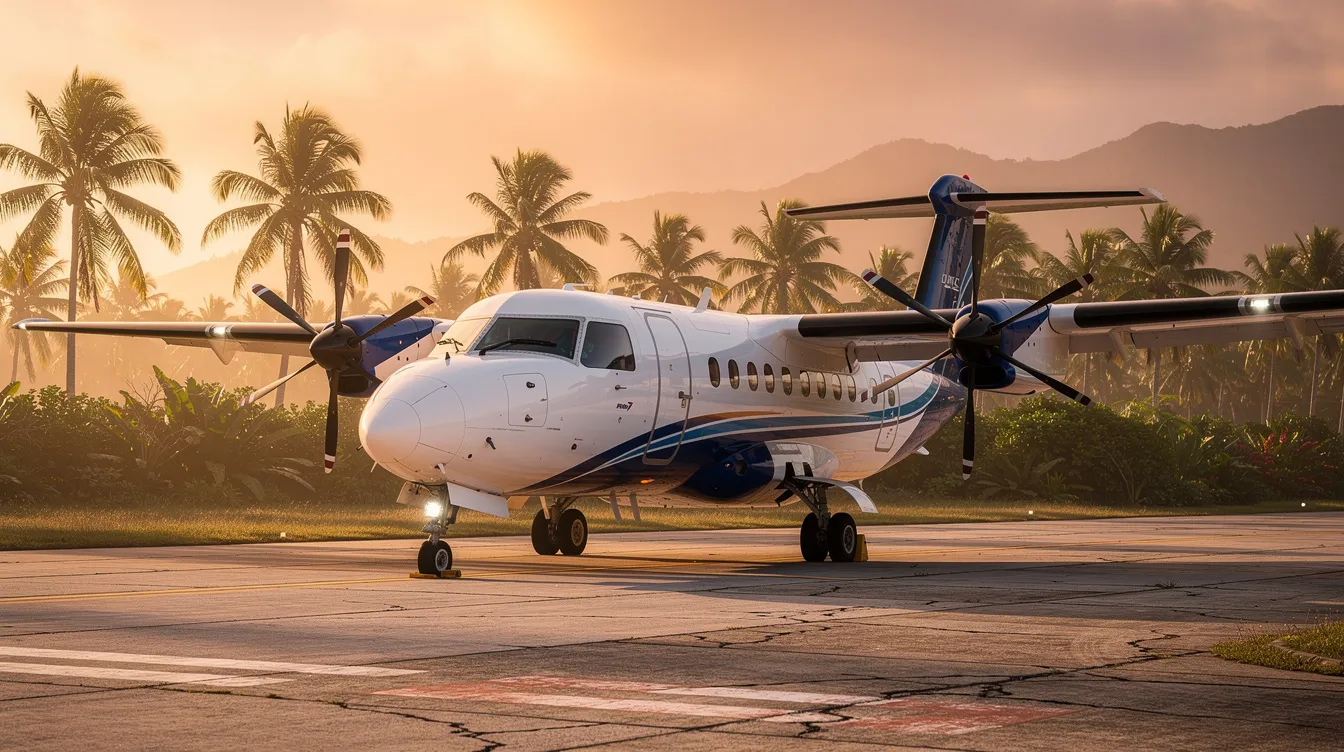
Turboprops (King Air 100/200, Pilatus PC-12): Many buyers pivot to high-performance turboprops due to lower operating costs compared to jets. Pre-owned King Air 100s trade near ~$550,000, while King Air 200 and some older Pilatus PC-12 models fall in the $800,000–$1,200,000 band, offering lower fuel burn and better short-runway performance.

How Aircraft Category and Mission Profile Shape Sub-$1M Choices

Aircraft selection under $1M still starts with mission profile: typical stage length, passenger count, and airport mix. Choosing the wrong aircraft category for your real-world use case is one of the most expensive mistakes a first-time buyer can make.

Light jets in this budget (early Cessna Citation models, Learjet 35A) typically seat 5–8 passengers, with sub-million-dollar jets usually having a range of 1,000 to 1,300 nautical miles. Cruise speeds vary between 350 and 430 knots. Most can be flown single-pilot under Part 91, though many operators prefer dual-crew for safety and insurance purposes. These aircraft suit short business trips and cross-country travel within a single region.

Turboprops (King Air 90/100/200, some Twin Commanders) fly slower—cruise around 250–300 knots—but offer better fuel efficiency, lower hourly costs, and the ability to access smaller airports with shorter runways. For regional business routes, they often represent the strongest value in this segment.

Mid-size jets and large cabin jets (Dassault Falcon 50, Gulfstream III/IV, older Challenger 600 series) rarely sit under $1M except in distressed or high-time cases. Annual fixed costs for midsize jets range from $800,000 to $1.2 million, making them impractical for most sub-$1M buyers. A midsize jet or heavy jet that appears cheap to buy will almost always prove expensive to operate.

BusinessJets.com typically guides clients through an early "mission and budget" workshop—matching aircraft type to real-world use before any listing is evaluated.

Example Models: Cessna Citation, Learjet, Beechjet, and King Air

This section profiles specific aircraft that appear most frequently when buyers search for private jets for sale under a million dollars.

Cessna Citation 500/501 and Citation II: Classic light jets seating 5–8 passengers, with typical 1,200–1,500 nm range and cruise in the 350–380 knot bracket. These are reliable jet platforms when properly maintained, but most examples at this price point need modern avionics upgrades, interior refreshes, and sometimes engine work. Some feature a passenger forward galley configuration, though cabin volume and cabin space are modest by today's standards.

Learjet 35A: The Learjet 35A offers 6–8 seats, roughly 2,000 nm range, and cruise speeds above 430 knots—fast enough for cross-country travel with minimal stops. However, the cabin is relatively tight, approach speeds are higher, and engine costs can quickly exceed $400,000–$500,000 at major overhaul events. High airframe hours are common in this price range.

Beechjet 400A / Hawker 400XP: Early-1990s light jets with flat-floor cabins, seating for 7–8, and better cabin comfort than many earlier Citations. They often sit near the top of the sub-$1M range and can be a strong value when avionics and engines are current.

King Air 100/200: Workhorse turboprops seating 7–9 passengers with 1,200–1,500 nm range and excellent runway performance. These access regional airports that many jets cannot, making them strong contenders when total operating costs are weighted against the private jet ownership equation.

What You Will Not Get Under $1 Million: Vision Jet, New Light Jets, Large Cabin Jets

Several of the most-searched aircraft are frequently misunderstood in terms of price. Setting realistic expectations early saves time and avoids costly misdirection.

A factory-new Cirrus Vision Jet typically costs around $3.5M–$4.0M in 2025–2026. Even earlier pre-owned G1/G2 Vision Jet airframes tend to transact well above $1.5M when properly equipped, placing the very light jet category largely out of reach at sub-$1M budgets. The Cirrus Vision is an impressive single-engine jet, but it is not a sub-$1M aircraft under normal market conditions.

Current-generation light jets—Cessna Citation M2 Gen2, Embraer Phenom 300E, HondaJet HA-420—all sit multiple millions of dollars above a $1M budget, even for pre-owned jets with higher time.

Large jets like the Gulfstream G450, Dassault Falcon 900, or Bombardier Global 6000 may appear as "bargains" in their own segment but still typically start in the high-single to mid-teen-million-dollar range on the pre-owned private jets market. A Boeing Business Jet, designed for intercontinental flights and ultra-long-range missions, operates in an entirely different financial universe. Under $1M, buyers are effectively locked out of modern designs, advanced connectivity packages, and the cabin volume that newer large cabin jets provide.

Hidden Costs: Why the Cheapest Private Jet Is Rarely the Cheapest to Own

Purchase price is only one variable. In older light jets, total cost of ownership can rival the purchase price within a few years—and buying a private jet under $1 million can lead to higher annual operating costs than many buyers anticipate.

Fixed costs include:

Cost Category

Typical Annual Range

Hangar or tie-down

$20,000–$60,000+

Hull and liability insurance

$25,000–$50,000

Crew (captain + support)

$150,000–$250,000

Monthly management fees

$2,000–$5,000/month

Annual operating costs for sub-$1 million jets can exceed $400,000 even at modest utilization. At higher flight hours or with deferred maintenance catching up, annual operating expenses for inexpensive jets can reach $500,000 to $700,000. Ownership costs can exceed $200,000 annually for older jets even before a single major event occurs.

Unscheduled maintenance and major events—engine overhauls at 3,500–4,000 hours, landing gear overhauls, corrosion repairs—can easily run $250,000–$500,000 per event. Maintenance costs for older jets can range from $20,000 to $50,000 annually in routine scheduled work alone, with extra operating costs for unplanned items.

Older jets often require significant refurbishment before flying, and many older jets need substantial work before they are airworthy. Treat any sub-$1M acquisition as a multi-year financial plan. BusinessJets.com provides detailed ownership cost modeling and aircraft valuation before clients commit capital.

Pre-Buy Inspection and Technical Due Diligence: Non-Negotiable for Older Jets

For 30- to 45-year-old light jets and turboprops, a professional pre-buy inspection is essential risk management—not an optional extra. Older jets generally entail high risk and ongoing maintenance needs, and the only way to quantify that risk before closing is through thorough technical review.

A typical pre-buy covers:

  • Full logbook audit (airframe, engines, propellers)

  • Airframe corrosion checks, especially at pressurization bulkheads

  • Engine borescope inspection

  • AD/SB compliance review

  • Avionics functionality verification (ADS-B Out, WAAS/LPV, RVSM, TCAS)

  • Pressurization system tests

Pre-buy inspections typically cost between $15,000 and $50,000 depending on aircraft type, depth of inspection, and facility location. Deeper inspections are warranted when prior maintenance is fragmented, or the aircraft has cycled through many private or charter operators.

Focus on aircraft maintenance history when purchasing older jets. Inspection findings can be used to renegotiate price, seek seller concessions, or walk away entirely if structural or engine issues exceed acceptable risk thresholds. An aviation attorney should review the purchase agreement alongside technical findings.

BusinessJets.com routinely coordinates pre-buy inspections, independent appraisals, and technical reviews for buyers, drawing on experience from over 1,500 completed aircraft transactions.

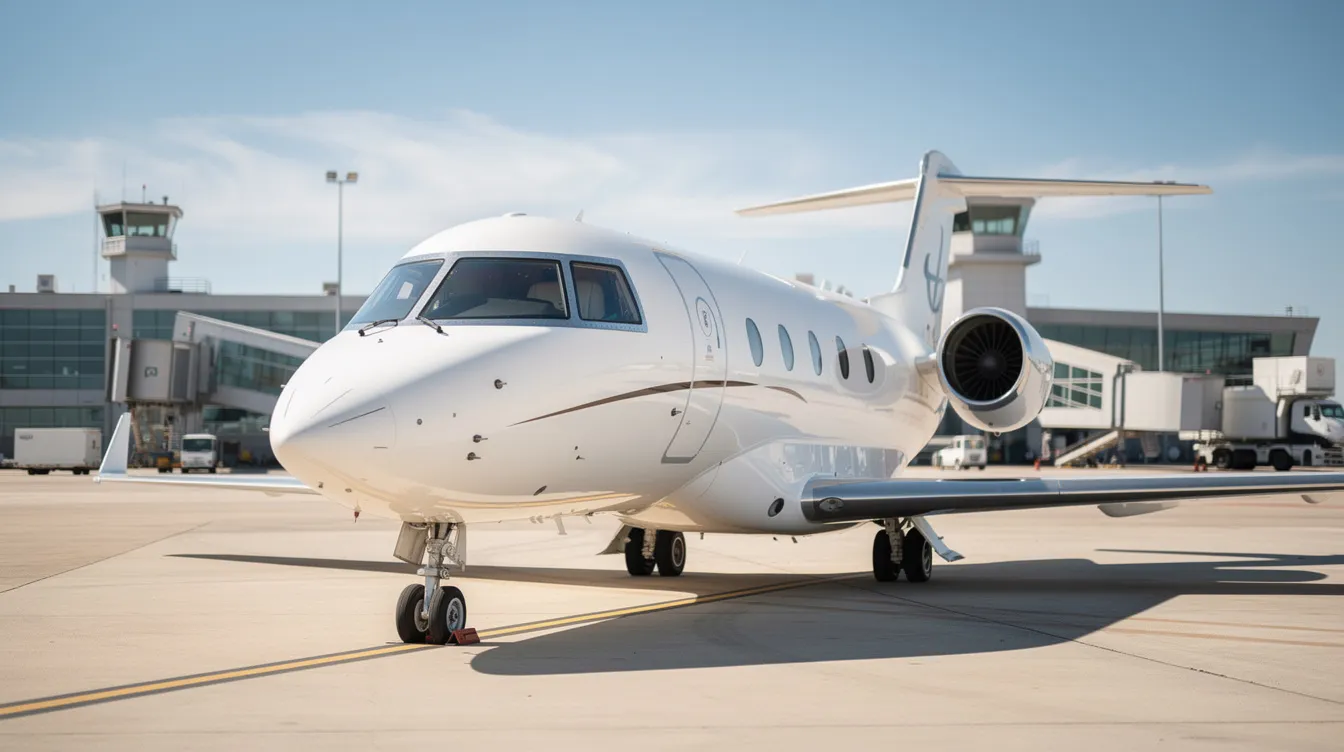
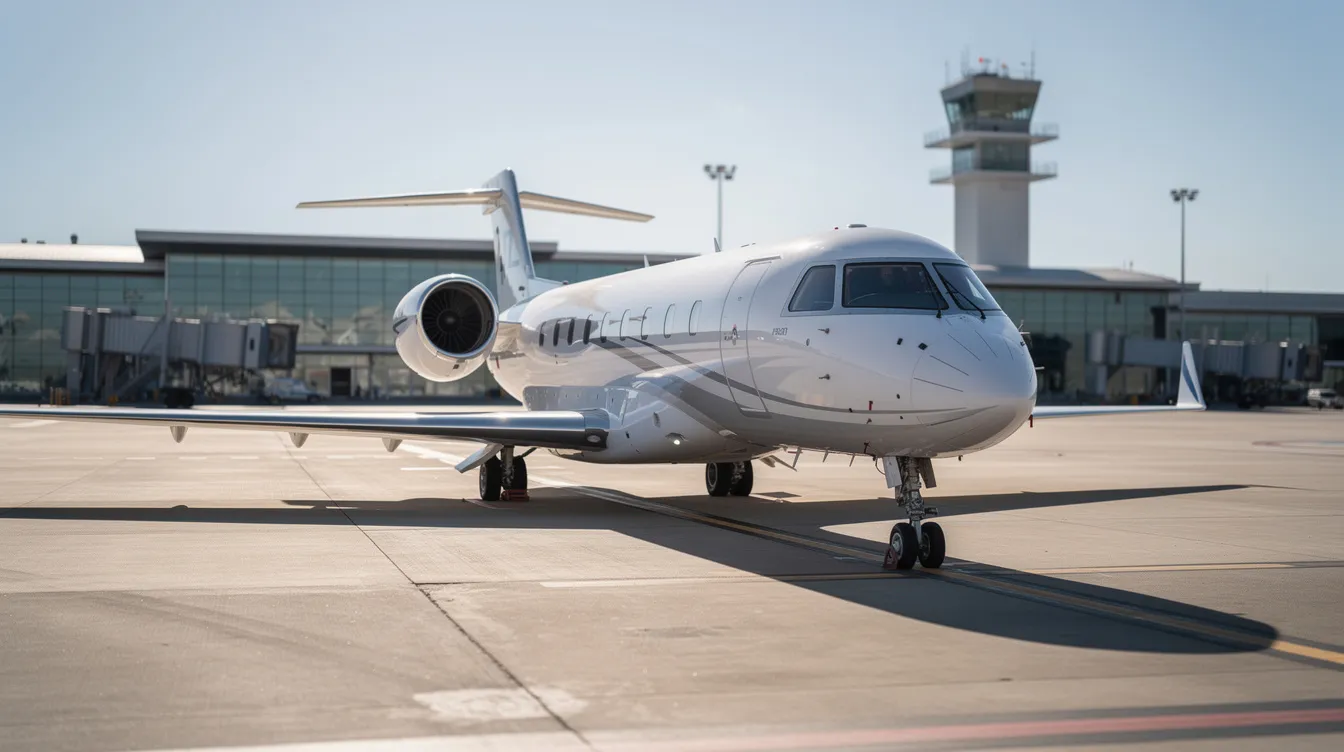
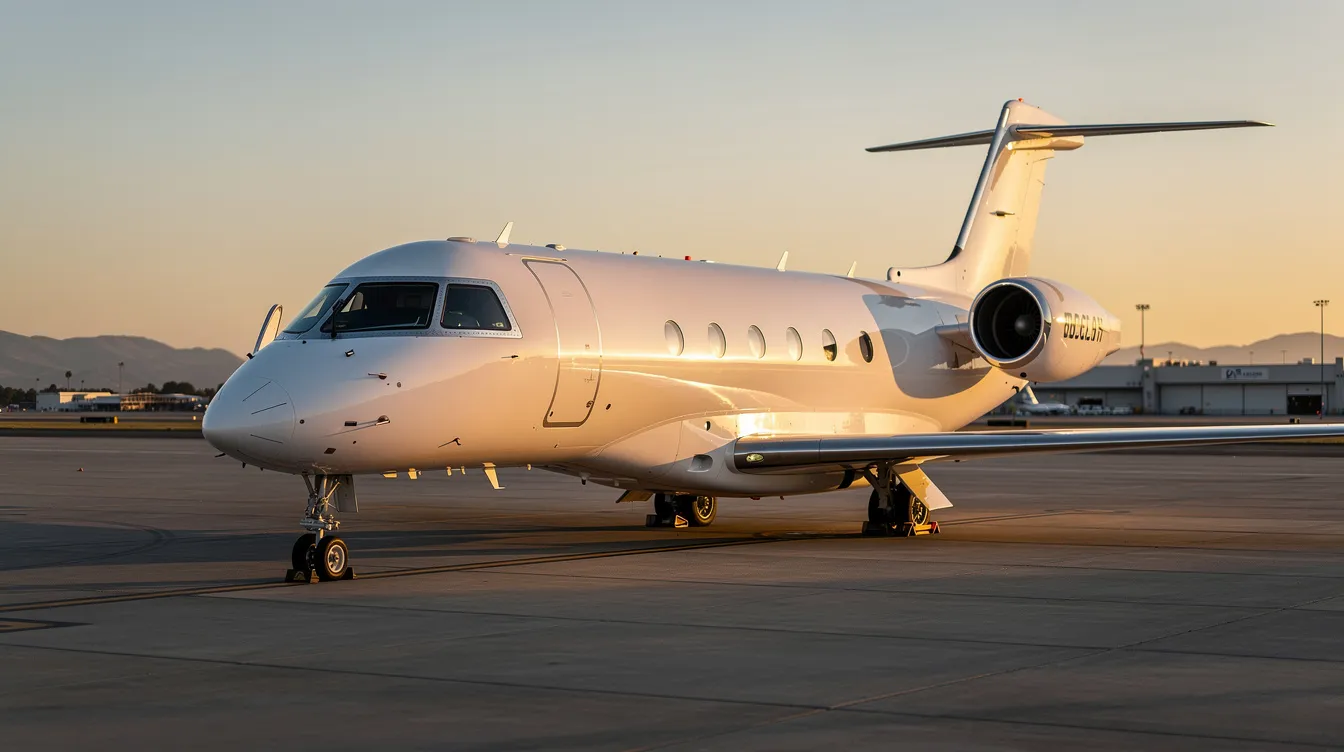
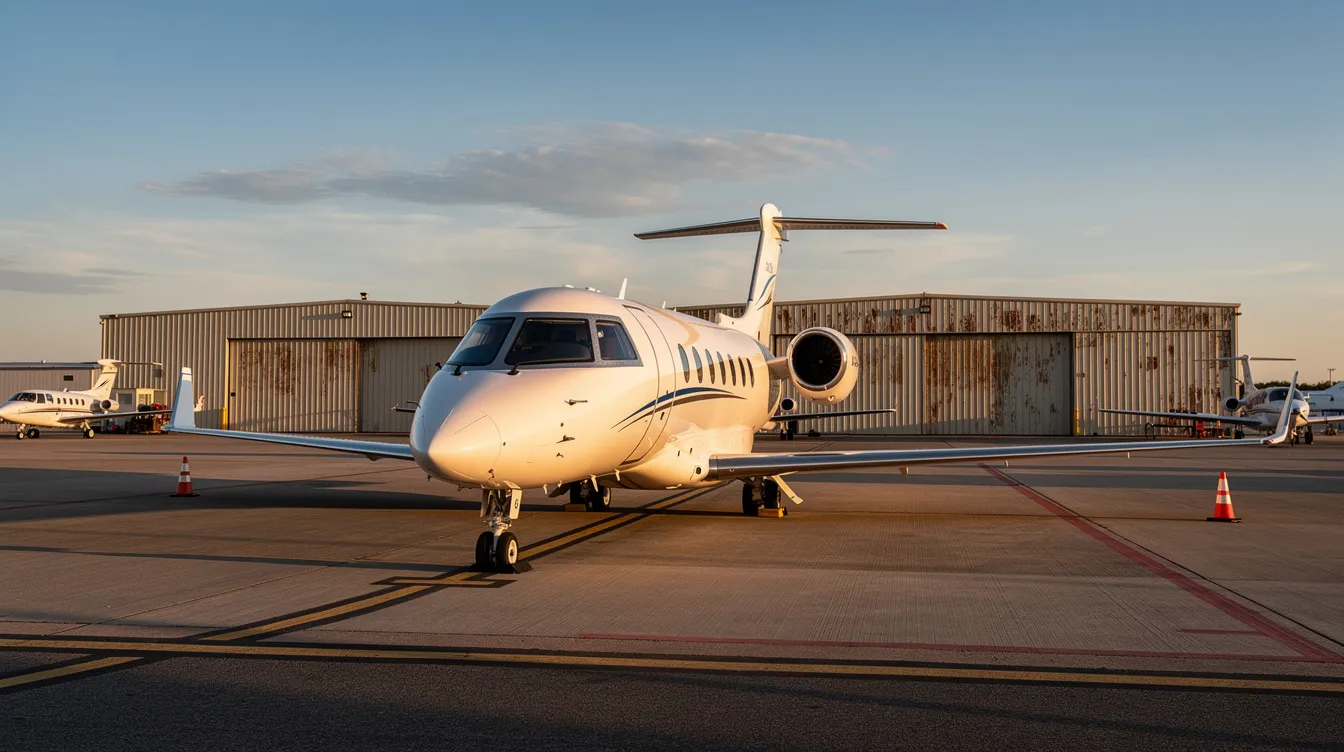
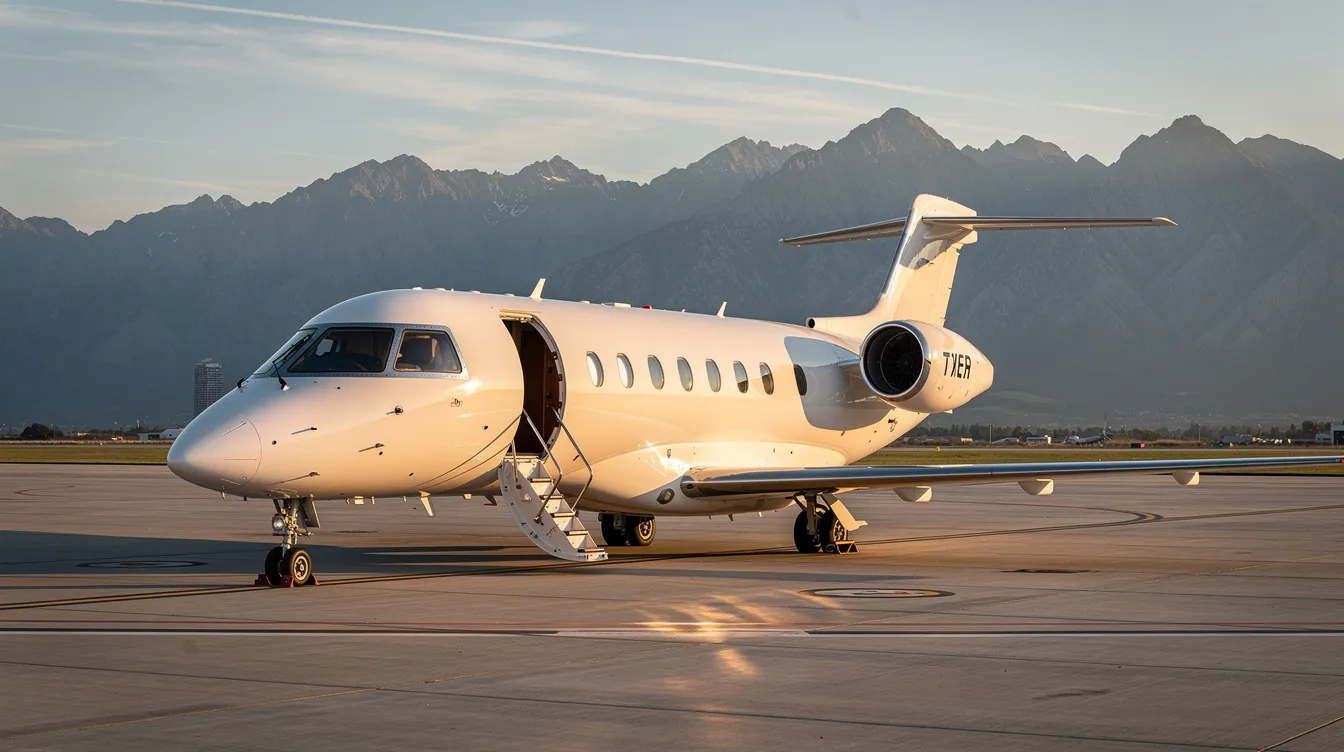
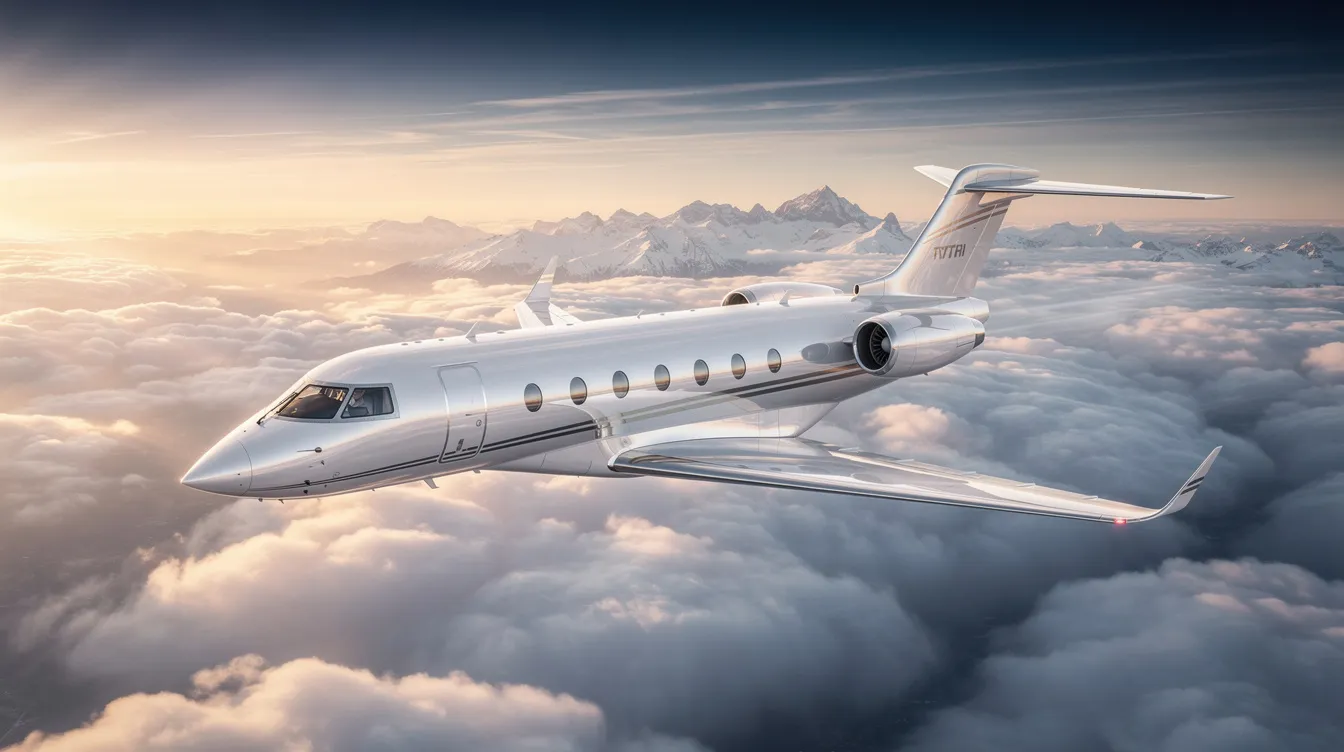
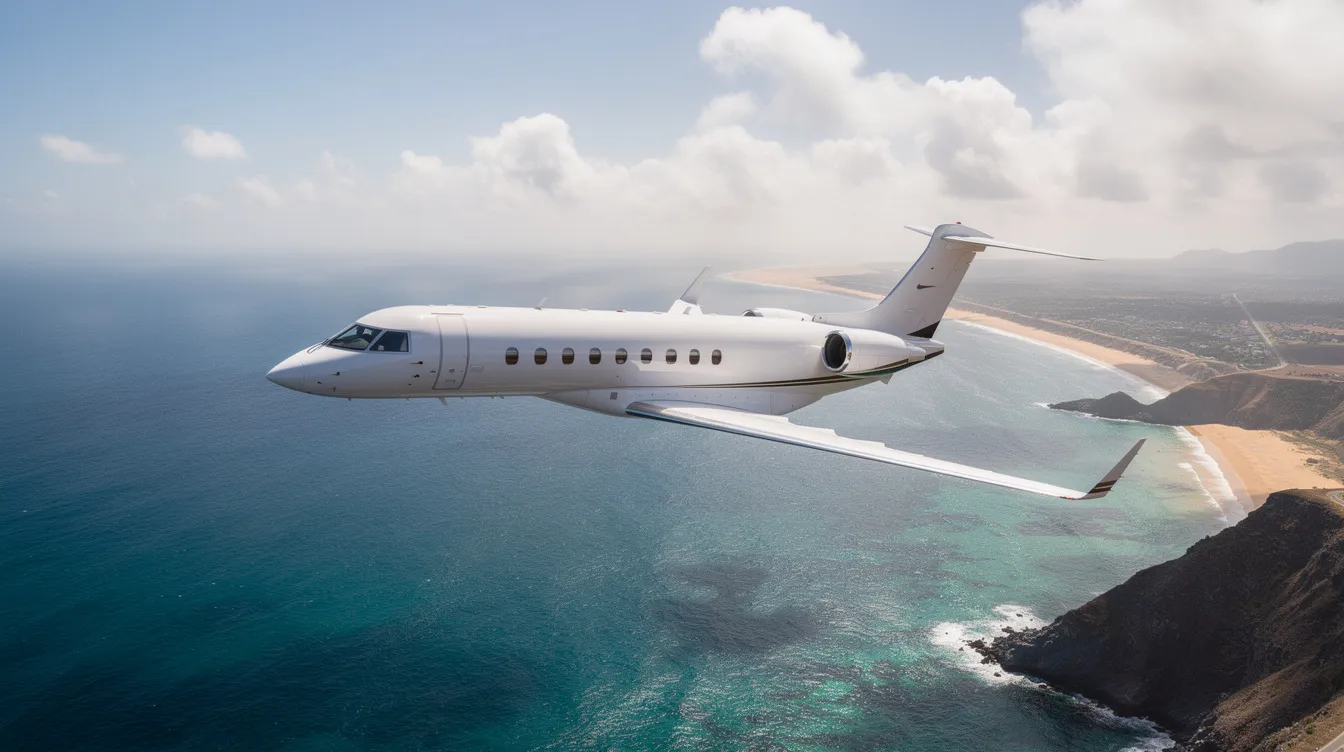
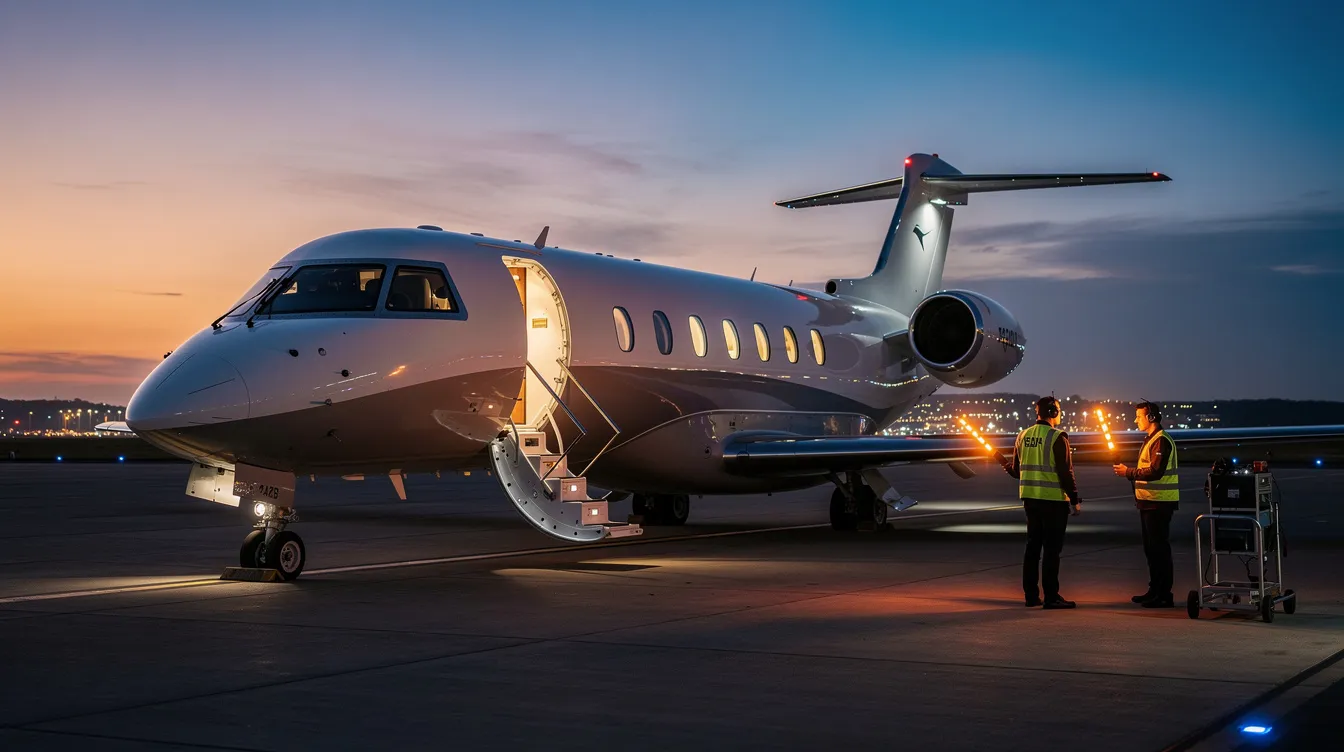
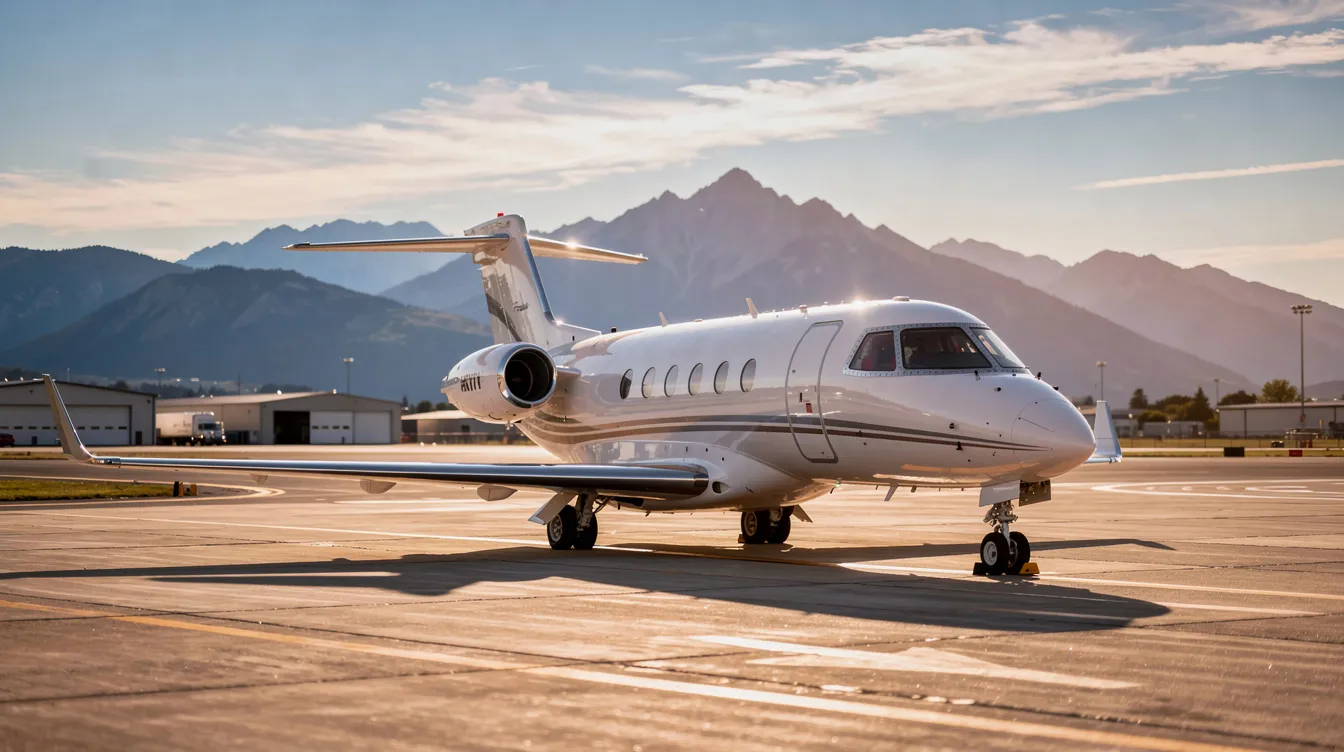
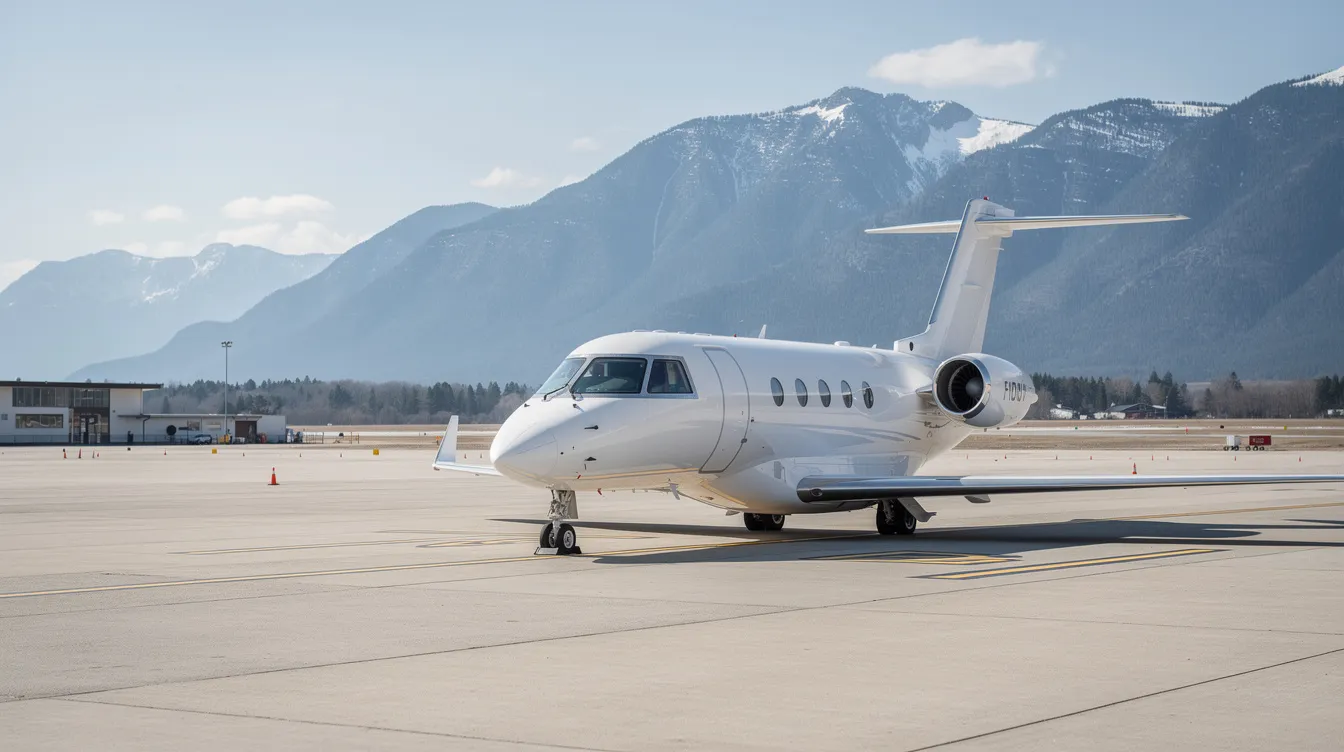
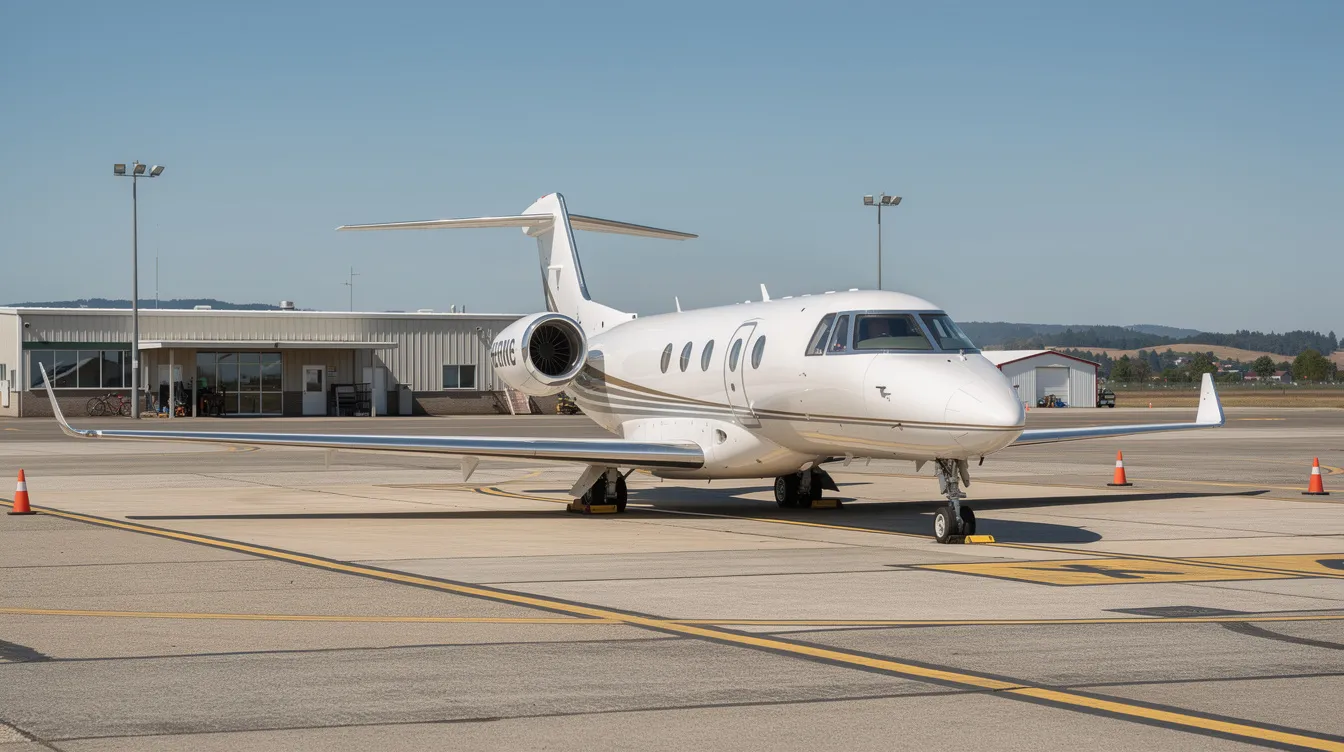
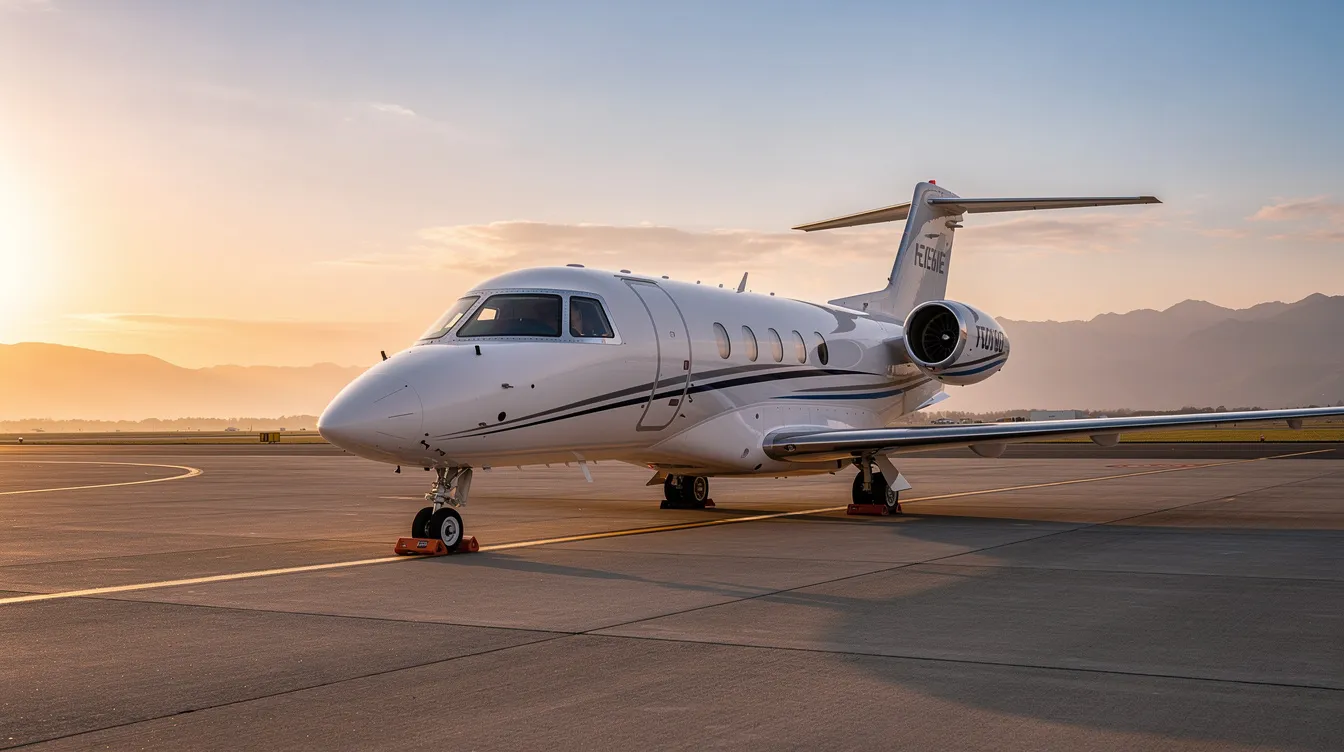
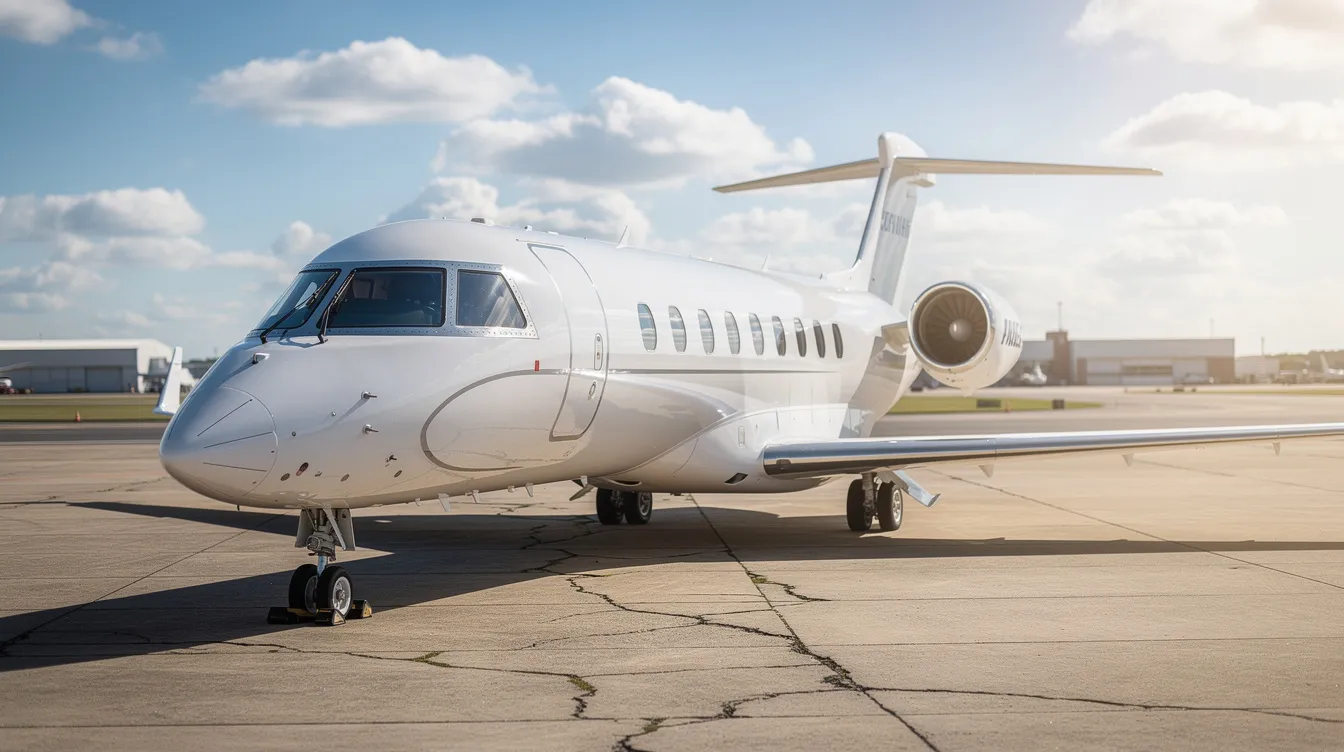
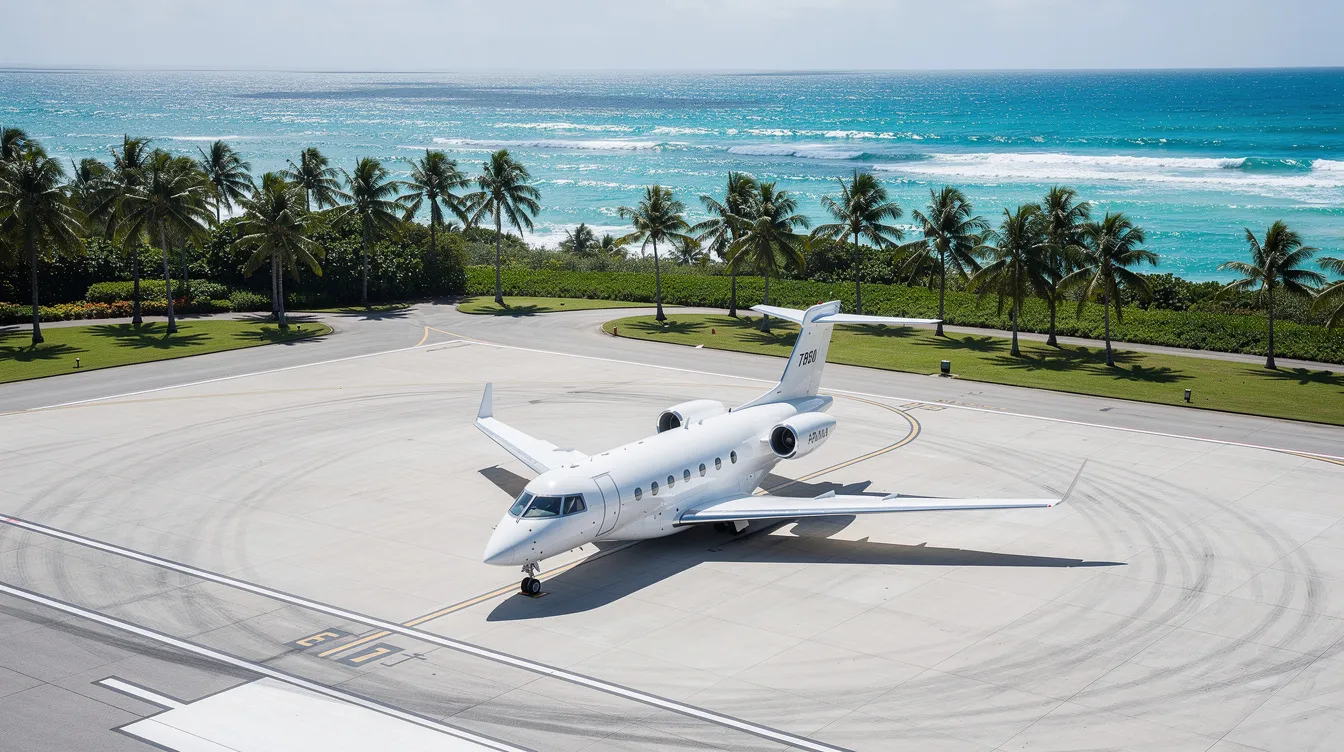
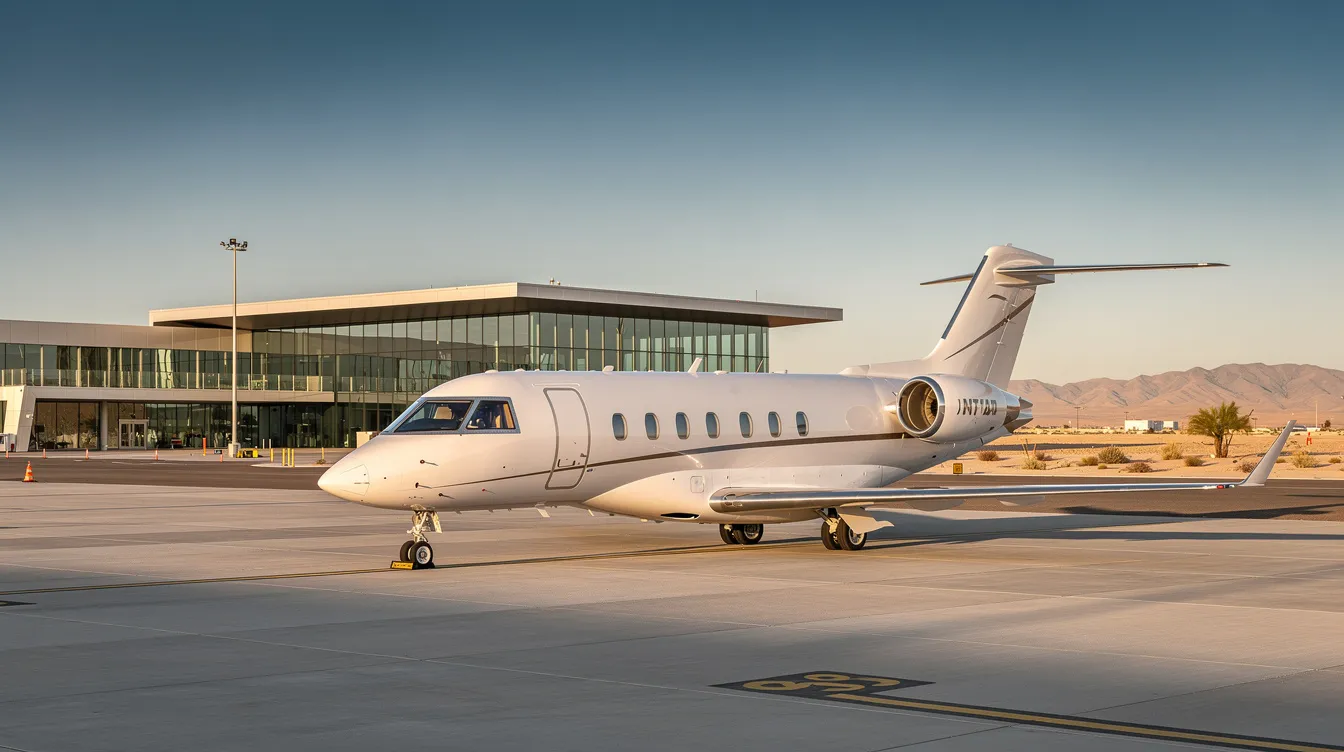
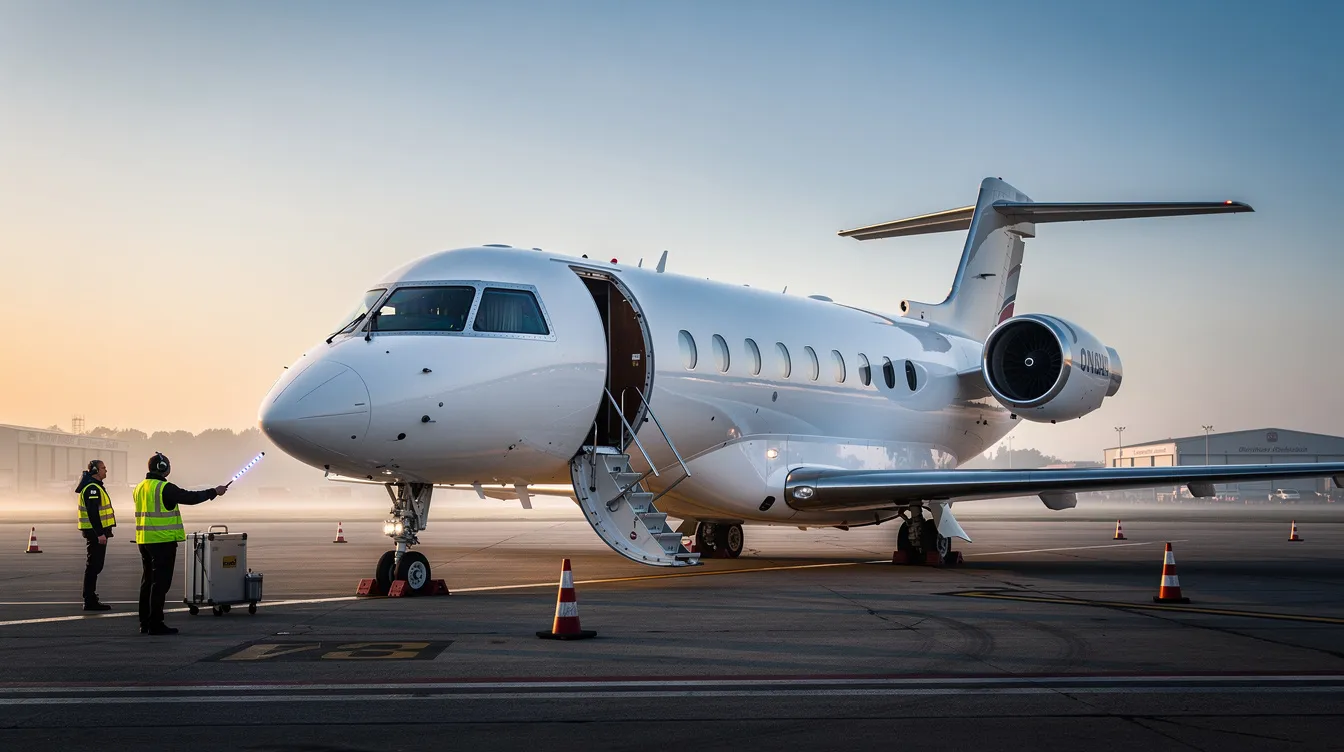
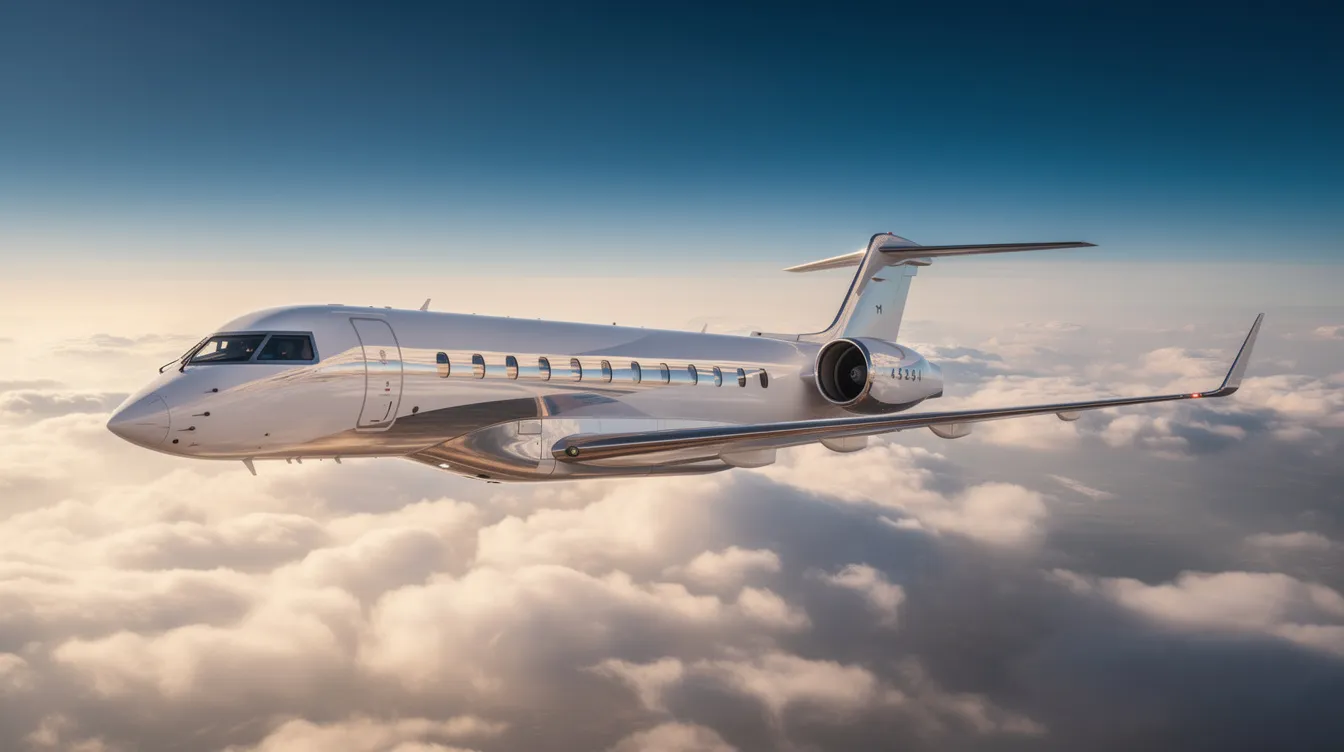
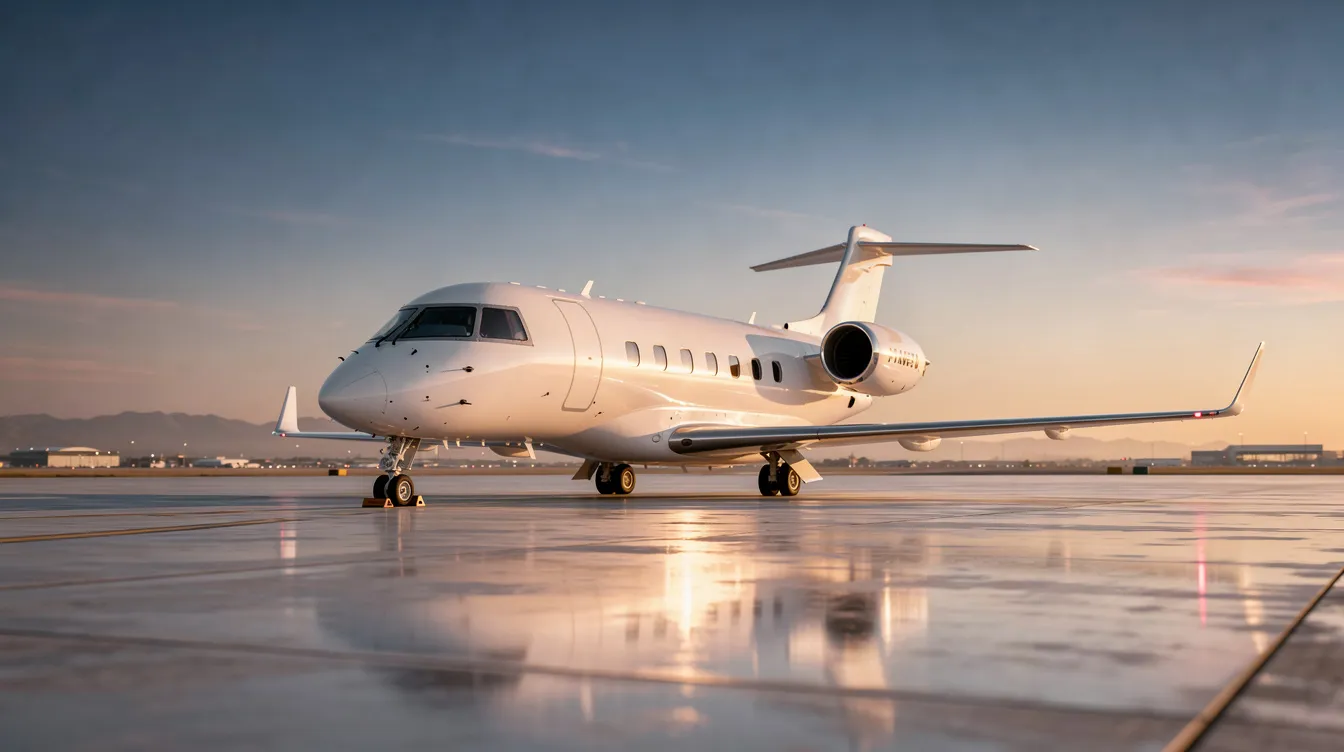
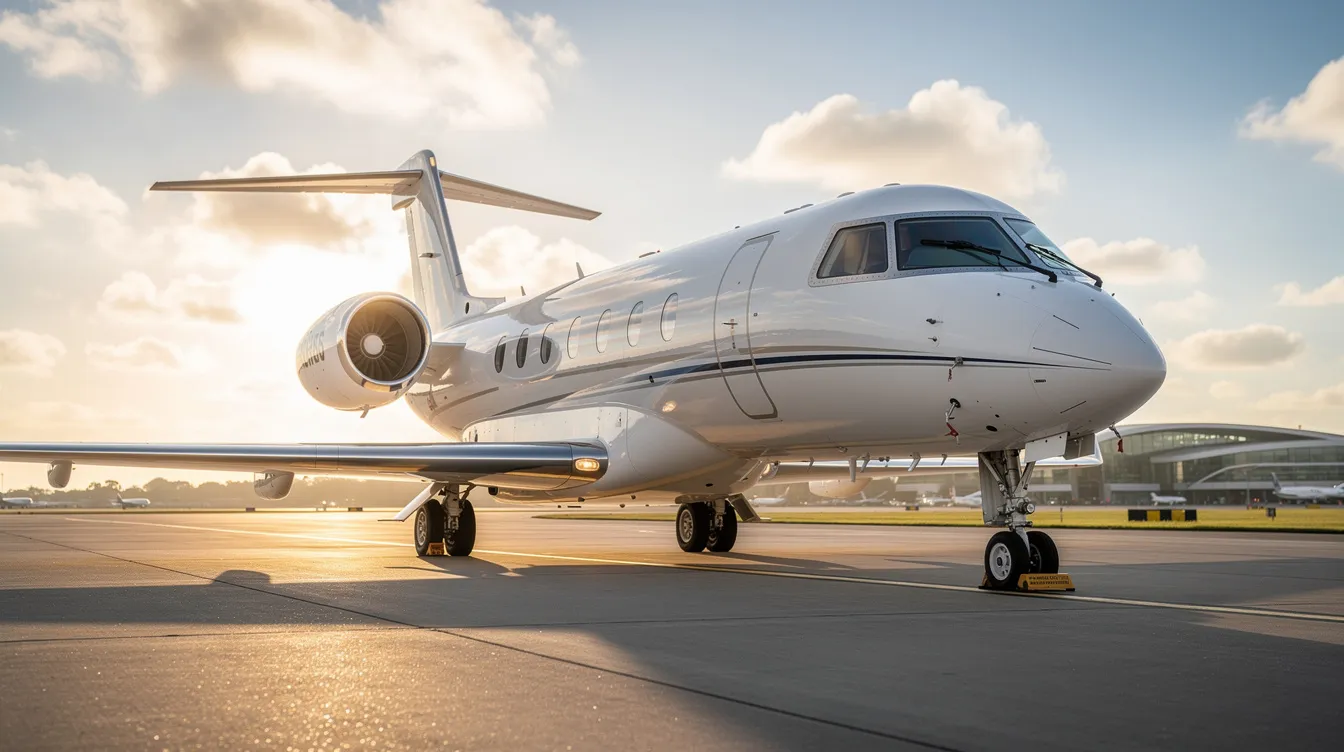
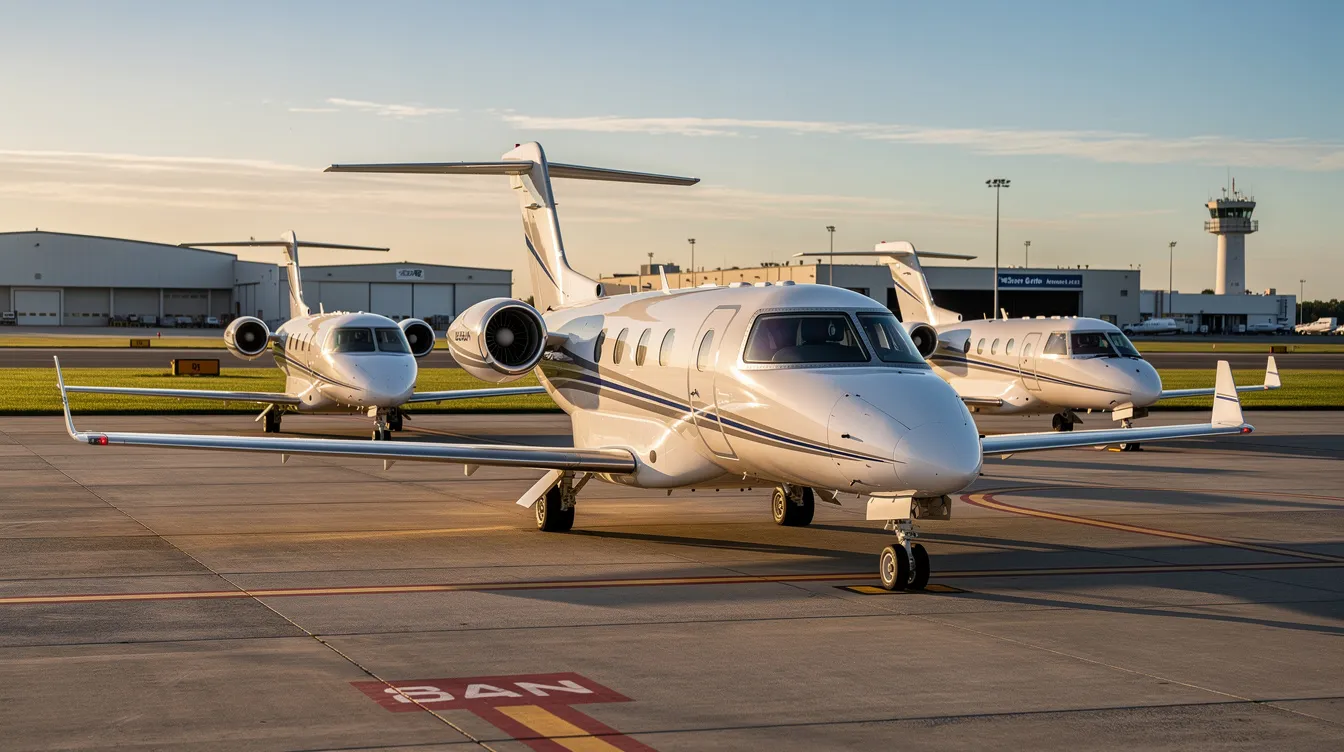
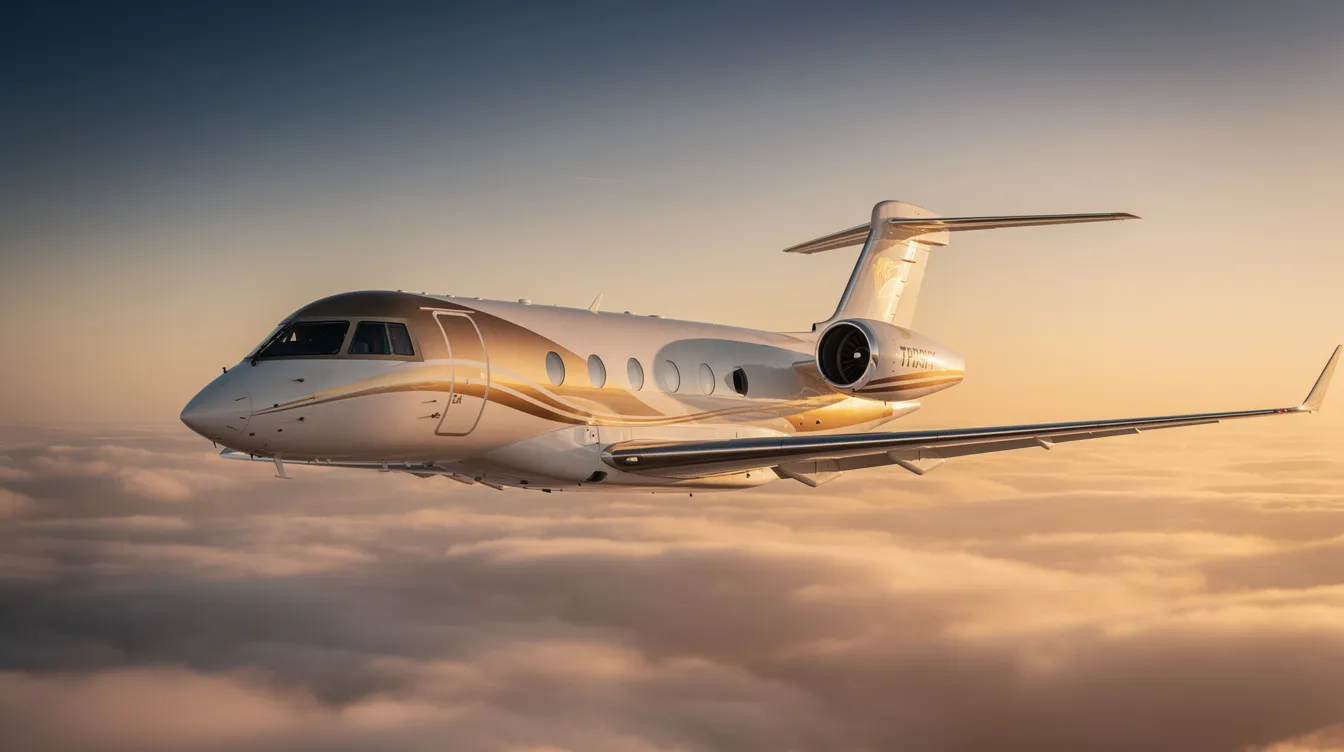
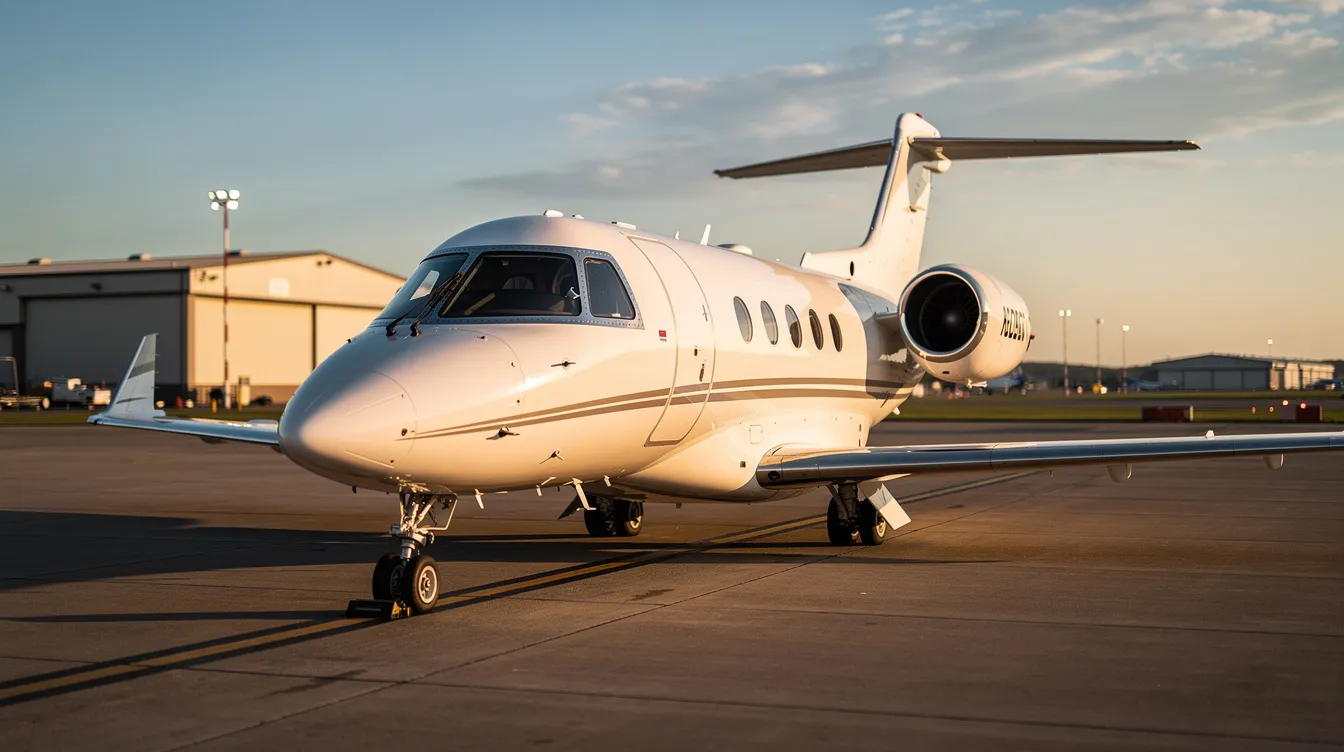
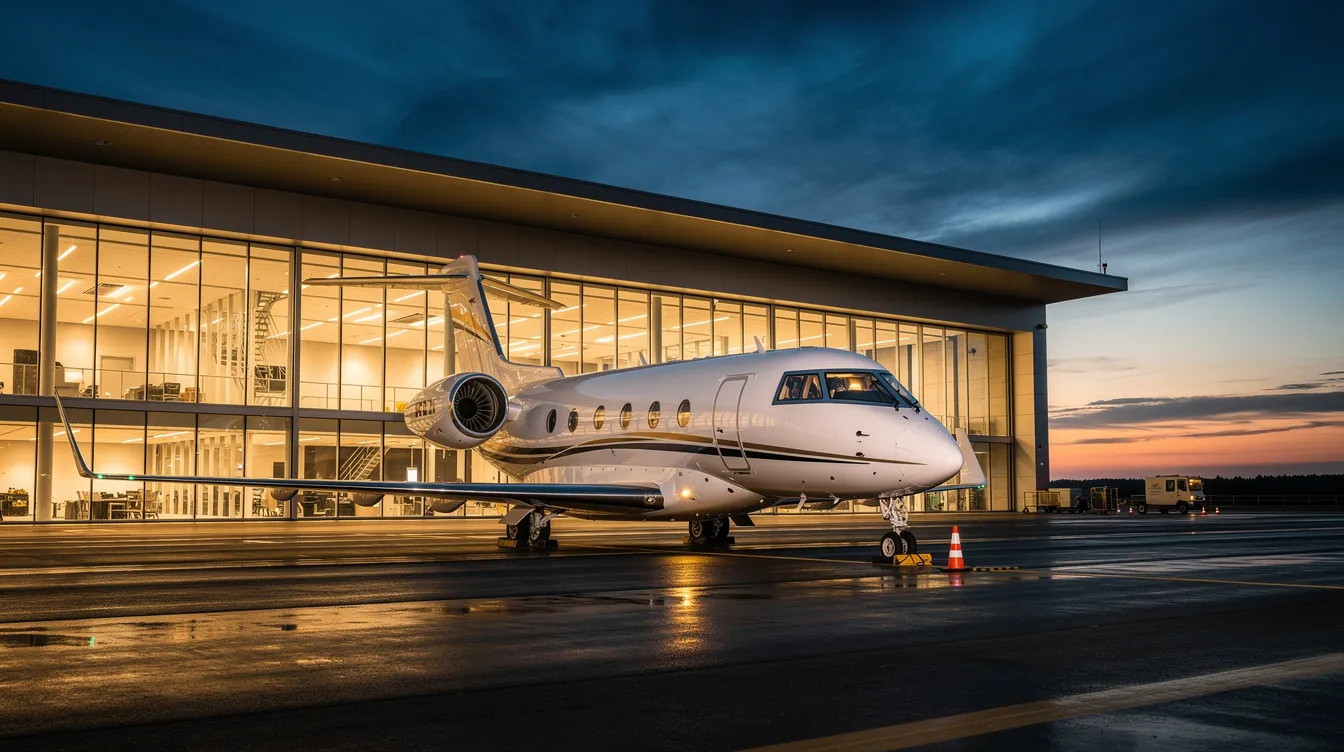
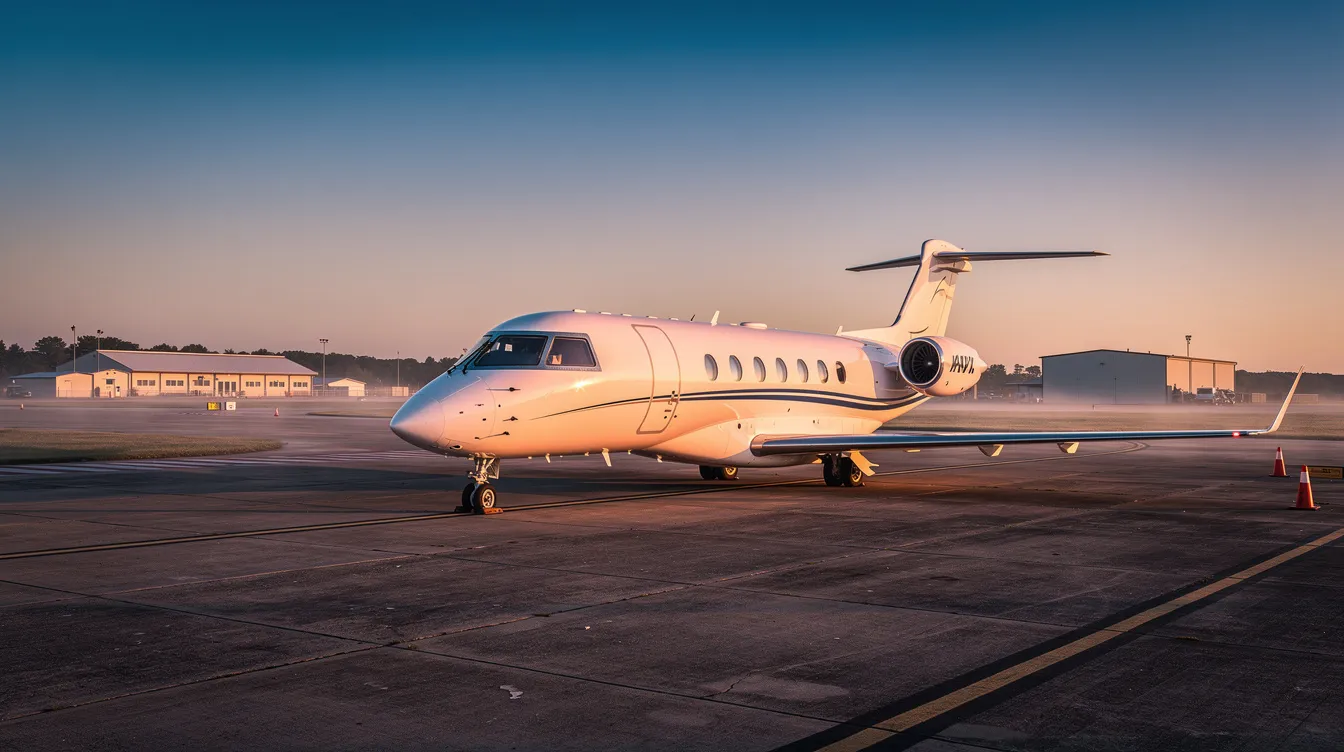
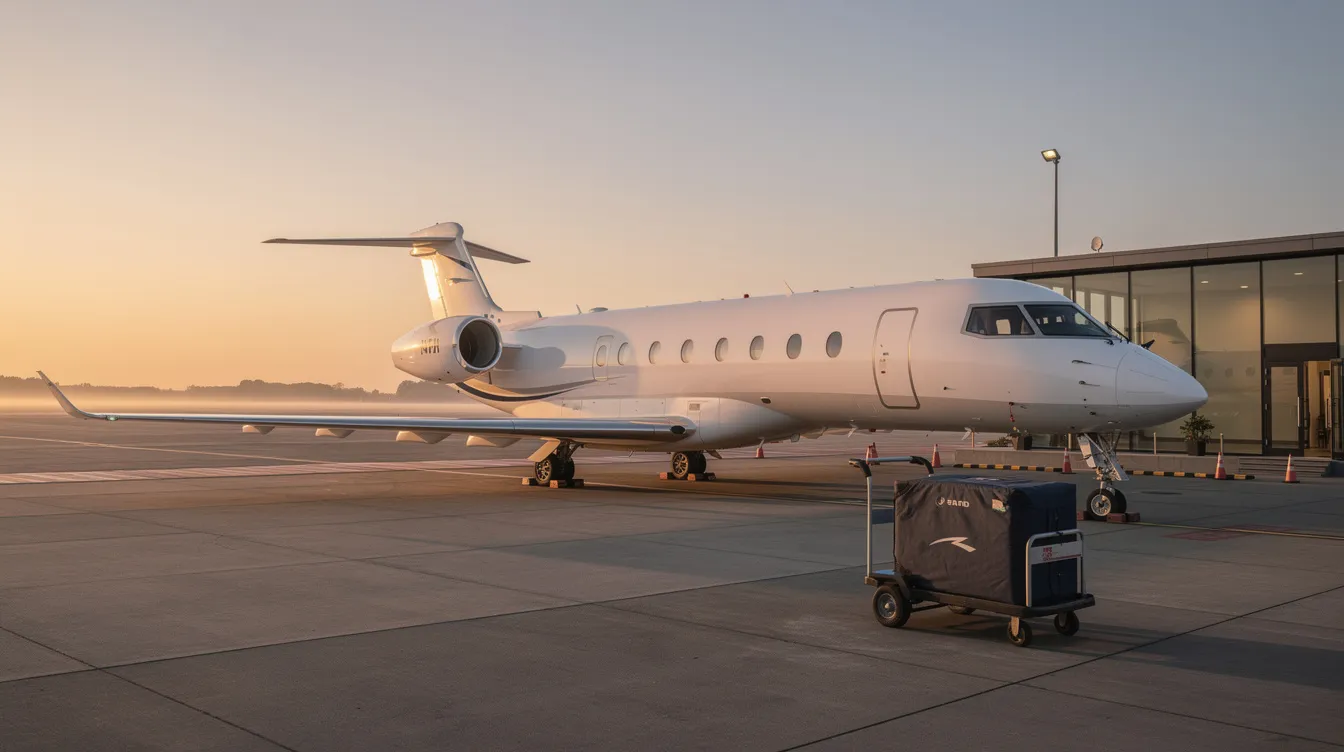
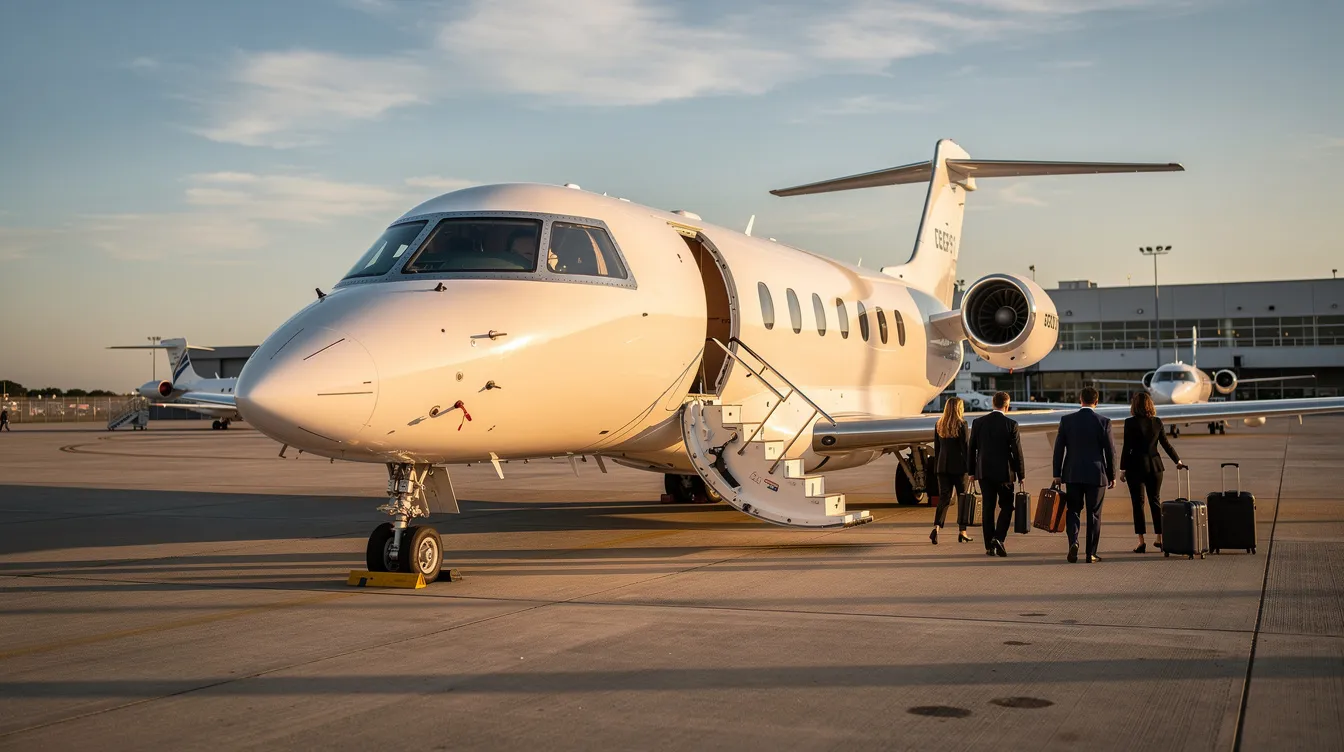
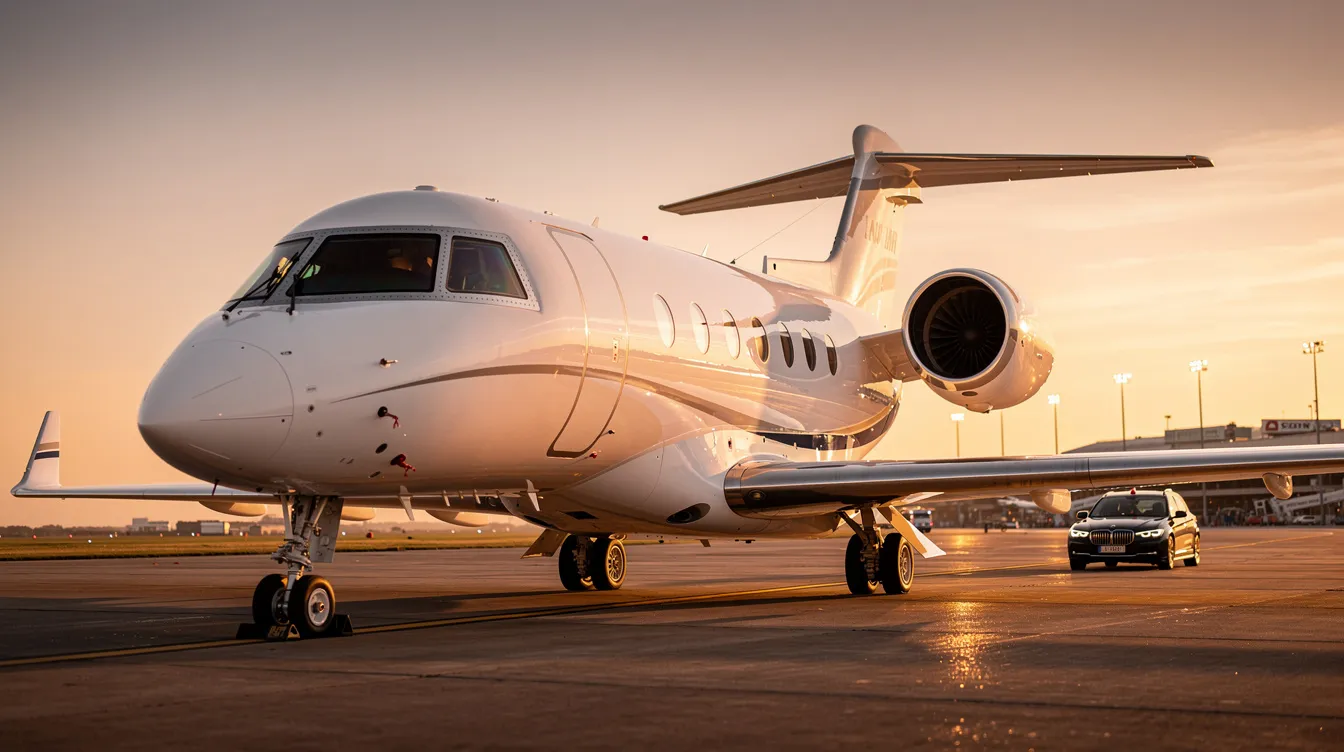
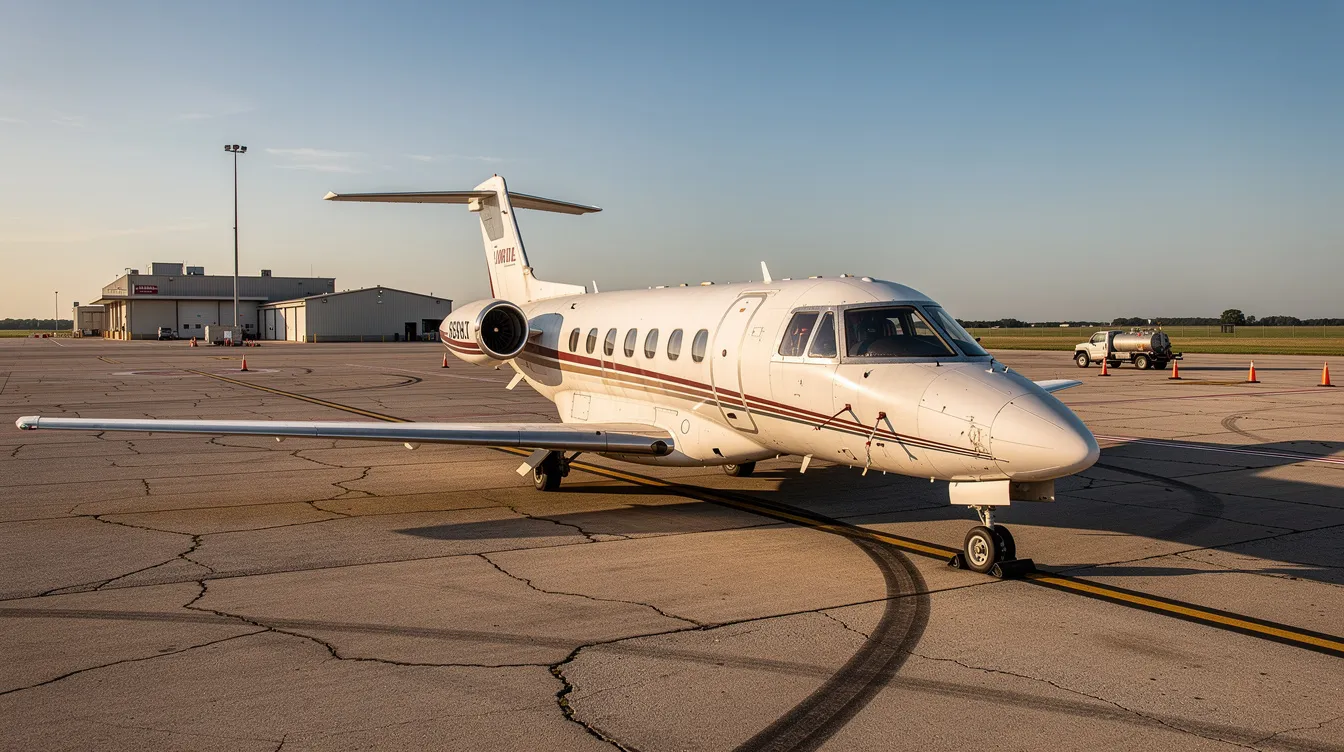
The image depicts a sleek private jet, valued at one million dollars, showcasing its modern design and spacious cabin space. This very light jet is perfect for short business trips and offers efficient fuel costs, making it an appealing option in the private jet market.

Avionics, Cabin, and Compliance Upgrades: Budgeting Beyond the Hangar Floor

Many sub-$1M business jets still operate with legacy avionics and interiors that no longer meet today's expectations or regulatory requirements. Pre-owned jets under $1 million usually lack modern in-flight connectivity features, and older jets commonly feature outdated avionics requiring costly upgrades.

Avionics upgrades (ADS-B Out, WAAS/LPV-capable GPS, RVSM-compliant systems, modern glass panels) can total $80,000–$300,000+ on older light jets. Private jets priced under $1 million often require significant refurbishment costs in this area alone.

Cabin refurbishment ranges from modest soft-goods refreshes ($50,000–$100,000) to comprehensive interior overhauls with new seating, veneers, and lighting ($200,000–$400,000). The passenger count these cabins accommodate hasn't changed, but passenger expectations have.

Connectivity (Wi-Fi, satcom, modern cabin management) is increasingly expected by business travelers and can add $75,000–$200,000 depending on system choice and coverage area.

The key discipline is pricing aircraft "all-in"—including necessary upgrades, regulatory compliance work, and any catch-up maintenance. BusinessJets.com can model multiple upgrade scenarios as part of its aviation consulting services, giving buyers a clear picture of true entry cost versus headline purchase price.

Financing, Valuation, and Resale Risk for Sub-$1M Business Jets

Lenders and insurers treat aging light jets differently than newer aircraft. For jets older than roughly 30 years, loan-to-value ratios may be lower (40–60%), terms shorter, and interest rates higher—affecting cash requirements at closing.

Insurance for private jets typically costs $25,000 to $50,000 annually, but premiums rise further for high-time airframes, pilots with limited type experience, or aircraft with incomplete damage history.

Market demand, production status, and OEM support for brands like Cessna, Beechcraft, and others directly impact residual value and long-term parts availability. Buying jets without maintenance programs increases financial risk, as engine and airframe reserves become the owner's full responsibility. Aircraft with engines enrolled on hourly programs tend to hold value better and attract more buyer interest at resale.

Weak resale liquidity is common at the bottom of the private jet market. Time-on-market can stretch to many months, and price sensitivity is high. A conservative entry price and sound upgrade strategy matter more here than in any other segment.

BusinessJets.com's appraisal and valuation services help owners understand true market value, realistic resale timelines, and upgrade ROI before they invest in pre-owned aircraft.

Ownership vs Charter, Fractional Ownership, and Jet Cards

Full private ownership of a sub-$1M jet competes directly with alternative access models. For corporate buyers and high-net-worth individuals, the comparison deserves honest math—not assumptions.

Charter is usually most economical for users flying fewer than about 150–200 hours per year. Chartering costs between $2,000 and $14,000 per hour depending on aircraft class, with 2026 rates starting around $2,000–$3,000 for turboprops, $3,500–$6,000 for light jets, and considerably more for a heavy jet or large cabin option. Charter operators sometimes offer empty leg flights at discounted rates, though availability is unpredictable. Watch for fuel surcharges and repositioning fees in charter pricing.

Fractional ownership means purchasing a share—fractional ownership starts from 1/16th of a jet—with structured monthly management fees and occupied hourly rates. This model provides access to newer fleets without direct depreciation exposure. Jet membership programs through fractional providers typically start around 50 annual hours.

Jet cards offer prepaid access to a fleet without ownership burdens. These prepaid hour blocks (e.g., 25–50 hours) across light, midsize jet, and large cabin jet categories combine predictable pricing with no asset risk. They suit users who want private aviation access without managing crews, hangars, or scheduled airline alternatives.

Most analyses suggest ownership breaks even around 150 to 200 flight hours per year. Below that threshold, charter or jet cards frequently deliver better economics. BusinessJets.com can perform detailed ownership vs access comparisons as part of broader aviation consulting assignments.

How Many Private Jets Are There—and How Many Are Actually Under $1M?

Buyers often ask how many private jets exist to understand how niche the sub-$1M segment really is.

Current industry estimates place roughly 30,000–35,000 business jets in service globally in 2025–2026, plus a significant turboprop fleet used for business aviation. At any given time, only a modest share of the global fleet is on the market. Only about 1,015 private jets were listed for sale in Q1 2026 across all price ranges—and only a small portion of those fell under the $1M threshold.

The number of viable sub-$1M candidates that meet strong maintenance and pedigree standards is even smaller. Many private jets in this range have deferred maintenance, incomplete logbooks, or avionics that no longer meet current airspace requirements, reinforcing the need for active market monitoring and off-market sourcing.

BusinessJets.com often accesses aircraft not yet publicly advertised through international aircraft marketing networks and direct broker relationships, including off-market light jets and turboprops that can match sub-$1M buyers' mission and condition requirements. Browse current aircraft for sale or contact the team for off-market opportunities.

Working with a Broker and Consultant: How BusinessJets.com Adds Value

Professional representation is especially important in the older, more complex segment of sub-$1M private jets—where the gap between what an aircraft appears to be worth and what it actually costs to operate can be substantial.

An experienced aircraft broker supports buyers by defining mission and budget, screening private jets for sale, arranging technical reviews, structuring offers, and coordinating pre-buy inspections and closing. Independent appraisals and market intelligence and engine events.

BusinessJets.com's history of more than 1,500 successful aircraft transactions and 5,000+ satisfied clients spans complex deals involving vintage light jets, turboprops, and operations worldwide. The team's experience in matching aircraft to mission—not just budget—helps buyers avoid the most common and costly mistakes in this segment.

Whether you're evaluating your first pre-owned private jet, considering listing an older business jet for sale, or comparing full ownership against jet cards and charter, BusinessJets.com can help. Request an aircraft appraisal, explore acquisition support, or engage the team for strategic aviation consulting tailored to your fleet or first-time purchase.

Is a Private Jet Under $1 Million the Right Move for You?

This is ultimately a decision-making question, not just a shopping question. The right answer depends on how you'll actually use the aircraft—not on headline price alone.

Start by calculating realistic annual flight hours, including both personal and business missions, rather than relying on rough guesses. Compare those numbers against the typical ownership break-even point of 200+ hours per year. Then honestly assess your tolerance for unexpected maintenance events, willingness to manage crews and regulatory obligations, and appetite for investing in avionics and cabin upgrades on older business jets.

Consider these scenarios:

  • Light regional corporate use (150–250 hrs/year): A well-maintained Cessna Citation II or King Air 200 can work, provided upgrade and reserve budgets are realistic. These aircraft fly reliably on short business trips and regional routes.

  • Mixed international missions: Sub-$1M jets generally lack the range for intercontinental flights. Charter or fractional access to a midsize or large cabin jet is usually more practical.

  • Occasional family travel (under 100 hrs/year): Private ownership is rarely justified. Jet cards or charter deliver access to newer aircraft, broader cabin space, and zero downtime risk.

Private jets cost far more to own than to buy. BusinessJets.com can structure a custom ownership vs access analysis—combining cost modeling, mission analysis, and private jet market insights—so you move forward with clarity rather than on price alone. Scheduled airlines remain the most economical option for many routes, and there is no shame in concluding that ownership isn't the right answer today.

Frequently Asked Questions (FAQs)

Q: Can I find a safe and reliable private jet under $1 million?
A: Yes, but most jets in this price range are 20 to 40 years old and require thorough pre-buy inspections and maintenance history review to ensure safety and reliability. Expect to invest in avionics and interior upgrades.

Q: What are the typical annual operating costs for a private jet under $1 million?
A: Annual operating costs often range from $400,000 to $700,000, including fuel, maintenance, crew salaries, insurance, and hangar fees. Older jets may incur higher maintenance and refurbishment expenses.

Q: How important is a pre-buy inspection for jets under $1 million?
A: It is critical. Pre-buy inspections typically cost between $15,000 and $50,000 and help identify hidden maintenance issues, ensuring the buyer understands the true condition and upcoming costs.

Q: Are modern very light jets available under $1 million?
A: No, modern very light jets like the Cirrus Vision Jet and HondaJet generally sell well above $1 million, even used. Sub-$1 million jets are mostly older vintage light jets or turboprops.

Q: How does ownership compare to charter or fractional ownership for sub-$1 million jets?
A: Ownership usually makes financial sense above 150 to 200 flight hours per year. Below that, charter or jet cards offer more flexibility and lower risk. Fractional ownership provides a middle ground with shared costs and access.

Q: What types of aircraft are most common under $1 million?
A: Older light jets such as Cessna Citation 500/501, Citation II, Learjet 35A, and turboprops like King Air 100/200 are the most common options.

Q: Can I finance a private jet under $1 million?
A: Financing is available but often with lower loan-to-value ratios and shorter terms due to aircraft age. Buyers should consult with lenders experienced in older aircraft financing.

Q: Is it possible to offset ownership costs by chartering out the jet?
A: Yes, but it requires meeting Part 135 regulations and managing higher utilization. Revenue from chartering may not fully cover operating costs unless the aircraft flies extensive charter hours.

Q: How quickly do sub-$1 million jets sell in the market?
A: Options in this price bracket fluctuate and sell quickly due to limited inventory. Buyers benefit from active market monitoring and broker relationships.

Q: What role does BusinessJets.com play in purchasing a jet under $1 million?
A: BusinessJets.com provides expert brokerage, appraisal, and consulting services, helping buyers navigate aircraft selection, due diligence, valuation, and transaction management for sub-$1 million jets.

Conclusion: Navigating the Realities of Buying a Private Jet Under $1 Million

Purchasing a private jet under $1 million in 2026 offers access to a niche segment of older light jets and turboprops that come with both opportunities and significant challenges. While the acquisition price may seem attractive, buyers must prepare for higher annual operating costs, substantial maintenance, and upgrade expenses, as well as the need for thorough pre-buy inspections to mitigate hidden risks.

For many buyers, especially those flying fewer than 150 to 200 hours annually, alternative access models such as charter, fractional ownership, or jet cards provide more flexible, cost-effective, and lower-risk solutions. However, for operators with a clear mission profile, sufficient flight hours, and the willingness to manage the complexities of older aircraft ownership, a sub-$1 million private jet can deliver practical utility and regional travel capability.

BusinessJets.com stands ready to assist buyers and sellers in this segment, offering expert brokerage, valuation, and consulting services to ensure informed decision-making and successful transactions. By combining market intelligence, technical due diligence, and ownership cost modeling, BusinessJets.com helps clients navigate the complexities of the sub-$1 million market with confidence and clarity.

Prospective buyers should engage experienced professionals early, define realistic mission and budget parameters, and consider all ownership and access options before committing capital. This disciplined approach ensures that the dream of private aviation under $1 million aligns with practical, sustainable outcomes in today’s business jet market.

Private Jet Under 1 Million: What You Can Really Buy in 2026
Jay Franco Ser

The idea of owning a private jet for under a million dollars draws serious interest from corporate buyers, regional operators, and high-net-worth individuals looking to step into aircraft ownership without a multi-million-dollar commitment. But what does that budget actually buy in mid-2026? The answer is more nuanced—and more demanding—than most buyers expect.

This guide breaks down what's realistically available, what it costs to own and operate, and whether a sub-$1M jet is the right financial decision compared to charter, fractional ownership, or jet cards.

Key Takeaways

  • Sub-$1M private jets in 2026 are almost exclusively older light jets and turboprops built between the late 1970s and early 1990s—think Cessna Citation II, Learjet 35A, and Beechjet 400A. Factory-new aircraft and modern very light jets like the Cirrus Vision Jet sit well above this price point.

  • Acquisition price under one million dollars still implies annual ownership costs commonly in the $400,000–$700,000 range once fuel costs, crew salaries, maintenance reserves, and hangar fees are included.

  • Most jets under $1 million are 20 to 40 years old, and many require six-figure avionics, interior, or engine work within 24–36 months of purchase. Pre-purchase inspections are crucial to detect hidden maintenance issues before closing, typically costing between $15,000 and $50,000.

  • Pre-owned jets under $1 million usually lack modern in-flight connectivity features, and older jets commonly feature outdated avionics requiring costly upgrades.

  • Sub-$1 million jets are often older Very Light Jets or vintage light jets, usually with a range of 1,000 to 1,300 nautical miles.

  • Cessna Citation and Learjet models are common in the sub-$1 million market, with Cessna Citation 500 models typically selling for $350,000 to $800,000.

  • Many buyers pivot to high-performance turboprops due to lower operating costs compared to jets.

  • Older jets often require significant refurbishment before flying, and many need substantial work before they are airworthy.

  • Buying a private jet under $1 million can lead to higher annual operating costs, which can exceed $400,000 and in some cases reach $500,000 to $700,000.

  • Total cost of ownership can rival the purchase price within a few years, especially as older jets generally entail high risk and ongoing maintenance needs.

  • Buyers should focus on aircraft maintenance history when purchasing older jets, as buying jets without maintenance programs increases financial risk.

  • Insurance for private jets typically costs $25,000 to $50,000 annually.

  • Maintenance costs for older jets can range from $20,000 to $50,000 annually.

  • Annual fixed costs for midsize jets range from $800,000 to $1.2 million, making them impractical for most sub-$1 million buyers.

  • Market availability for sub-$1 million jets fluctuates, and options sell quickly; only about 1,015 private jets were listed for sale in Q1 2026.

  • Chartering costs between $2,000 and $14,000 per hour, making charter a cost-effective option for buyers flying under roughly 150 to 200 annual flight hours.

  • Fractional ownership starts from 1/16th of a jet, offering access without full ownership burdens.

  • Jet cards offer prepaid access to a fleet without ownership burdens, providing flexibility and predictable pricing.

  • Most analyses suggest ownership breaks even around 150 to 200 hours per year.

What "Private Jet Under 1 Million" Really Means in 2026

In 2026, a private jet under 1 million almost always means an older airframe—not a factory-new aircraft. Finding a private jet for under $1,000,000 typically involves pre-owned market options, and the aircraft available at this price point carry trade-offs that buyers must understand before committing capital.

Most light jets built between the late 1970s and early 1990s can trade between roughly $350,000 and $950,000 depending on total airframe time, engine hours remaining to overhaul, avionics condition, and compliance with current Airworthiness Directives. Sub-$1 million jets are often older very light jets or vintage light jets from manufacturers like Cessna and Learjet.

Modern very light jets such as the Cirrus Vision Jet SF50 and Eclipse 550 typically list between $1.2M and $2.0M on the pre-owned market in 2025–2026, placing "true" VLJs mostly above the $1M mark. Realistic expectations for new light jets are typically upwards of $2 million—and often far higher.

For context, around 35,730 business jets are in service globally as of mid-2026. Only 7–10% of that fleet is on the market at any given time, and a small fraction of those listed aircraft fall below $1M. In this price band, buyers are trading purchase price for age, higher time on airframes and engines, and the near-certainty of substantial catch-up maintenance.

Representative Private Jets Under $1 Million (With Real 2025–2026 Market Examples)

The following examples reflect actual market conditions in 2025–2026. Prices are indicative and shift as market availability for sub-$1 million jets fluctuates and options sell quickly.

Cessna Citation 500/501 and Citation II: Cessna Citation and Learjet models are common in the sub-$1 million market. Cessna Citation 500 models typically sell for $350,000 to $800,000, with pricing driven by engine time, avionics upgrades, and interior condition. A 1980 Cessna Citation II with ~8,316 total hours and Garmin GTN avionics recently asked ~$895,000, while a high-time example (~13,500 hours) listed closer to $550,000.

Learjet 35A: Late-1970s to late-1980s Learjet 35A examples commonly ask $525,000–$900,000, with aircraft featuring engines enrolled on programs and RVSM/WAAS avionics trending toward the upper end.

Beechjet 400A / Hawker 400XP: Early-1990s Beechjet 400A examples appear between roughly $700,000 and $1,050,000. Some dip just below $1M, but buyers should verify whether recent inspections and avionics compliance are included or deferred.

Turboprops (King Air 100/200, Pilatus PC-12): Many buyers pivot to high-performance turboprops due to lower operating costs compared to jets. Pre-owned King Air 100s trade near ~$550,000, while King Air 200 and some older Pilatus PC-12 models fall in the $800,000–$1,200,000 band, offering lower fuel burn and better short-runway performance.

How Aircraft Category and Mission Profile Shape Sub-$1M Choices

Aircraft selection under $1M still starts with mission profile: typical stage length, passenger count, and airport mix. Choosing the wrong aircraft category for your real-world use case is one of the most expensive mistakes a first-time buyer can make.

Light jets in this budget (early Cessna Citation models, Learjet 35A) typically seat 5–8 passengers, with sub-million-dollar jets usually having a range of 1,000 to 1,300 nautical miles. Cruise speeds vary between 350 and 430 knots. Most can be flown single-pilot under Part 91, though many operators prefer dual-crew for safety and insurance purposes. These aircraft suit short business trips and cross-country travel within a single region.

Turboprops (King Air 90/100/200, some Twin Commanders) fly slower—cruise around 250–300 knots—but offer better fuel efficiency, lower hourly costs, and the ability to access smaller airports with shorter runways. For regional business routes, they often represent the strongest value in this segment.

Mid-size jets and large cabin jets (Dassault Falcon 50, Gulfstream III/IV, older Challenger 600 series) rarely sit under $1M except in distressed or high-time cases. Annual fixed costs for midsize jets range from $800,000 to $1.2 million, making them impractical for most sub-$1M buyers. A midsize jet or heavy jet that appears cheap to buy will almost always prove expensive to operate.

BusinessJets.com typically guides clients through an early "mission and budget" workshop—matching aircraft type to real-world use before any listing is evaluated.

Example Models: Cessna Citation, Learjet, Beechjet, and King Air

This section profiles specific aircraft that appear most frequently when buyers search for private jets for sale under a million dollars.

Cessna Citation 500/501 and Citation II: Classic light jets seating 5–8 passengers, with typical 1,200–1,500 nm range and cruise in the 350–380 knot bracket. These are reliable jet platforms when properly maintained, but most examples at this price point need modern avionics upgrades, interior refreshes, and sometimes engine work. Some feature a passenger forward galley configuration, though cabin volume and cabin space are modest by today's standards.

Learjet 35A: The Learjet 35A offers 6–8 seats, roughly 2,000 nm range, and cruise speeds above 430 knots—fast enough for cross-country travel with minimal stops. However, the cabin is relatively tight, approach speeds are higher, and engine costs can quickly exceed $400,000–$500,000 at major overhaul events. High airframe hours are common in this price range.

Beechjet 400A / Hawker 400XP: Early-1990s light jets with flat-floor cabins, seating for 7–8, and better cabin comfort than many earlier Citations. They often sit near the top of the sub-$1M range and can be a strong value when avionics and engines are current.

King Air 100/200: Workhorse turboprops seating 7–9 passengers with 1,200–1,500 nm range and excellent runway performance. These access regional airports that many jets cannot, making them strong contenders when total operating costs are weighted against the private jet ownership equation.

What You Will Not Get Under $1 Million: Vision Jet, New Light Jets, Large Cabin Jets

Several of the most-searched aircraft are frequently misunderstood in terms of price. Setting realistic expectations early saves time and avoids costly misdirection.

A factory-new Cirrus Vision Jet typically costs around $3.5M–$4.0M in 2025–2026. Even earlier pre-owned G1/G2 Vision Jet airframes tend to transact well above $1.5M when properly equipped, placing the very light jet category largely out of reach at sub-$1M budgets. The Cirrus Vision is an impressive single-engine jet, but it is not a sub-$1M aircraft under normal market conditions.

Current-generation light jets—Cessna Citation M2 Gen2, Embraer Phenom 300E, HondaJet HA-420—all sit multiple millions of dollars above a $1M budget, even for pre-owned jets with higher time.

Large jets like the Gulfstream G450, Dassault Falcon 900, or Bombardier Global 6000 may appear as "bargains" in their own segment but still typically start in the high-single to mid-teen-million-dollar range on the pre-owned private jets market. A Boeing Business Jet, designed for intercontinental flights and ultra-long-range missions, operates in an entirely different financial universe. Under $1M, buyers are effectively locked out of modern designs, advanced connectivity packages, and the cabin volume that newer large cabin jets provide.

Hidden Costs: Why the Cheapest Private Jet Is Rarely the Cheapest to Own

Purchase price is only one variable. In older light jets, total cost of ownership can rival the purchase price within a few years—and buying a private jet under $1 million can lead to higher annual operating costs than many buyers anticipate.

Fixed costs include:

Cost Category

Typical Annual Range

Hangar or tie-down

$20,000–$60,000+

Hull and liability insurance

$25,000–$50,000

Crew (captain + support)

$150,000–$250,000

Monthly management fees

$2,000–$5,000/month

Annual operating costs for sub-$1 million jets can exceed $400,000 even at modest utilization. At higher flight hours or with deferred maintenance catching up, annual operating expenses for inexpensive jets can reach $500,000 to $700,000. Ownership costs can exceed $200,000 annually for older jets even before a single major event occurs.

Unscheduled maintenance and major events—engine overhauls at 3,500–4,000 hours, landing gear overhauls, corrosion repairs—can easily run $250,000–$500,000 per event. Maintenance costs for older jets can range from $20,000 to $50,000 annually in routine scheduled work alone, with extra operating costs for unplanned items.

Older jets often require significant refurbishment before flying, and many older jets need substantial work before they are airworthy. Treat any sub-$1M acquisition as a multi-year financial plan. BusinessJets.com provides detailed ownership cost modeling and aircraft valuation before clients commit capital.

Pre-Buy Inspection and Technical Due Diligence: Non-Negotiable for Older Jets

For 30- to 45-year-old light jets and turboprops, a professional pre-buy inspection is essential risk management—not an optional extra. Older jets generally entail high risk and ongoing maintenance needs, and the only way to quantify that risk before closing is through thorough technical review.

A typical pre-buy covers:

  • Full logbook audit (airframe, engines, propellers)

  • Airframe corrosion checks, especially at pressurization bulkheads

  • Engine borescope inspection

  • AD/SB compliance review

  • Avionics functionality verification (ADS-B Out, WAAS/LPV, RVSM, TCAS)

  • Pressurization system tests

Pre-buy inspections typically cost between $15,000 and $50,000 depending on aircraft type, depth of inspection, and facility location. Deeper inspections are warranted when prior maintenance is fragmented, or the aircraft has cycled through many private or charter operators.

Focus on aircraft maintenance history when purchasing older jets. Inspection findings can be used to renegotiate price, seek seller concessions, or walk away entirely if structural or engine issues exceed acceptable risk thresholds. An aviation attorney should review the purchase agreement alongside technical findings.

BusinessJets.com routinely coordinates pre-buy inspections, independent appraisals, and technical reviews for buyers, drawing on experience from over 1,500 completed aircraft transactions.
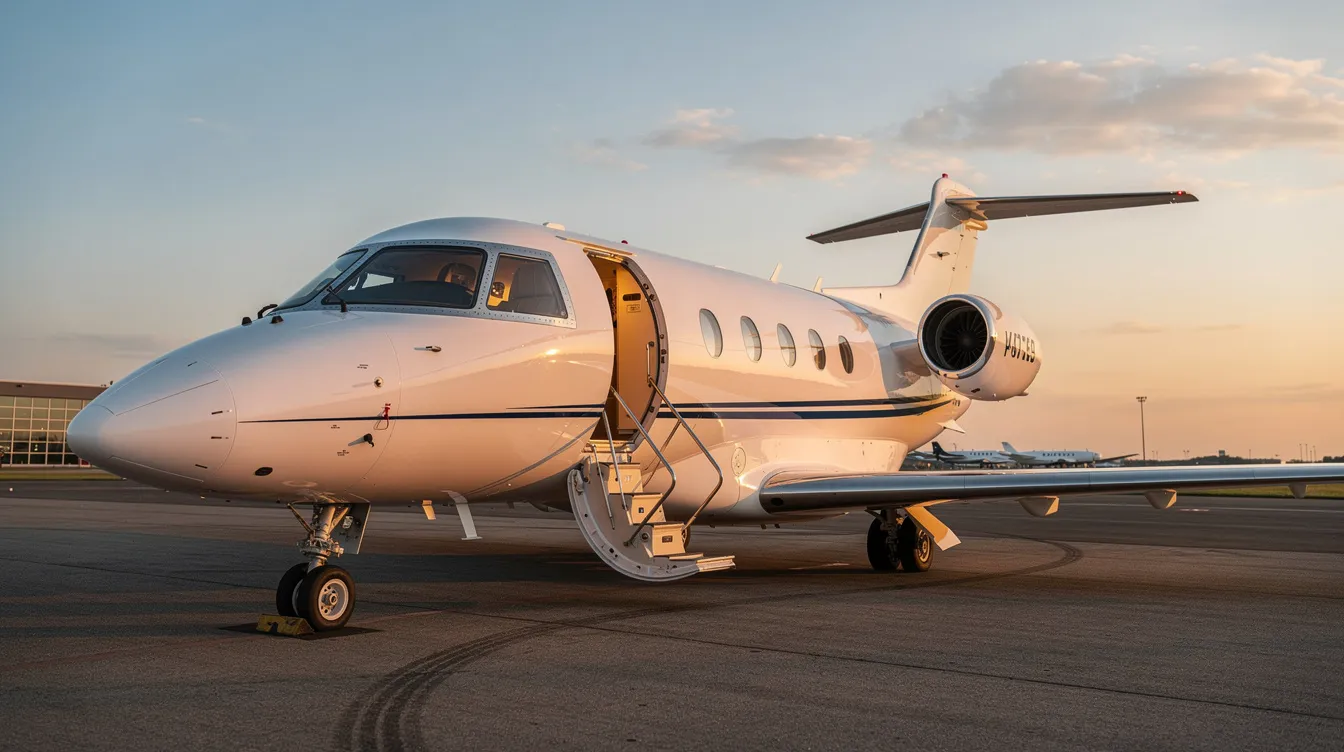
The image depicts a sleek private jet, valued at one million dollars, showcasing its modern design and spacious cabin space. This very light jet is perfect for short business trips and offers efficient fuel costs, making it an appealing option in the private jet market.

Avionics, Cabin, and Compliance Upgrades: Budgeting Beyond the Hangar Floor

Many sub-$1M business jets still operate with legacy avionics and interiors that no longer meet today's expectations or regulatory requirements. Pre-owned jets under $1 million usually lack modern in-flight connectivity features, and older jets commonly feature outdated avionics requiring costly upgrades.

Avionics upgrades (ADS-B Out, WAAS/LPV-capable GPS, RVSM-compliant systems, modern glass panels) can total $80,000–$300,000+ on older light jets. Private jets priced under $1 million often require significant refurbishment costs in this area alone.

Cabin refurbishment ranges from modest soft-goods refreshes ($50,000–$100,000) to comprehensive interior overhauls with new seating, veneers, and lighting ($200,000–$400,000). The passenger count these cabins accommodate hasn't changed, but passenger expectations have.

Connectivity (Wi-Fi, satcom, modern cabin management) is increasingly expected by business travelers and can add $75,000–$200,000 depending on system choice and coverage area.

The key discipline is pricing aircraft "all-in"—including necessary upgrades, regulatory compliance work, and any catch-up maintenance. BusinessJets.com can model multiple upgrade scenarios as part of its aviation consulting services, giving buyers a clear picture of true entry cost versus headline purchase price.

Financing, Valuation, and Resale Risk for Sub-$1M Business Jets

Lenders and insurers treat aging light jets differently than newer aircraft. For jets older than roughly 30 years, loan-to-value ratios may be lower (40–60%), terms shorter, and interest rates higher—affecting cash requirements at closing.

Insurance for private jets typically costs $25,000 to $50,000 annually, but premiums rise further for high-time airframes, pilots with limited type experience, or aircraft with incomplete damage history.

Market demand, production status, and OEM support for brands like Cessna, Beechcraft, and others directly impact residual value and long-term parts availability. Buying jets without maintenance programs increases financial risk, as engine and airframe reserves become the owner's full responsibility. Aircraft with engines enrolled on hourly programs tend to hold value better and attract more buyer interest at resale.

Weak resale liquidity is common at the bottom of the private jet market. Time-on-market can stretch to many months, and price sensitivity is high. A conservative entry price and sound upgrade strategy matter more here than in any other segment.

BusinessJets.com's appraisal and valuation services help owners understand true market value, realistic resale timelines, and upgrade ROI before they invest in pre-owned aircraft.

Ownership vs Charter, Fractional Ownership, and Jet Cards

Full private ownership of a sub-$1M jet competes directly with alternative access models. For corporate buyers and high-net-worth individuals, the comparison deserves honest math—not assumptions.

Charter is usually most economical for users flying fewer than about 150–200 hours per year. Chartering costs between $2,000 and $14,000 per hour depending on aircraft class, with 2026 rates starting around $2,000–$3,000 for turboprops, $3,500–$6,000 for light jets, and considerably more for a heavy jet or large cabin option. Charter operators sometimes offer empty leg flights at discounted rates, though availability is unpredictable. Watch for fuel surcharges and repositioning fees in charter pricing.

Fractional ownership means purchasing a share—fractional ownership starts from 1/16th of a jet—with structured monthly management fees and occupied hourly rates. This model provides access to newer fleets without direct depreciation exposure. Jet membership programs through fractional providers typically start around 50 annual hours.

Jet cards offer prepaid access to a fleet without ownership burdens. These prepaid hour blocks (e.g., 25–50 hours) across light, midsize jet, and large cabin jet categories combine predictable pricing with no asset risk. They suit users who want private aviation access without managing crews, hangars, or scheduled airline alternatives.

Most analyses suggest ownership breaks even around 150 to 200 flight hours per year. Below that threshold, charter or jet cards frequently deliver better economics. BusinessJets.com can perform detailed ownership vs access comparisons as part of broader aviation consulting assignments.

How Many Private Jets Are There—and How Many Are Actually Under $1M?

Buyers often ask how many private jets exist to understand how niche the sub-$1M segment really is.

Current industry estimates place roughly 30,000–35,000 business jets in service globally in 2025–2026, plus a significant turboprop fleet used for business aviation. At any given time, only a modest share of the global fleet is on the market. Only about 1,015 private jets were listed for sale in Q1 2026 across all price ranges—and only a small portion of those fell under the $1M threshold.

The number of viable sub-$1M candidates that meet strong maintenance and pedigree standards is even smaller. Many private jets in this range have deferred maintenance, incomplete logbooks, or avionics that no longer meet current airspace requirements, reinforcing the need for active market monitoring and off-market sourcing.

BusinessJets.com often accesses aircraft not yet publicly advertised through international aircraft marketing networks and direct broker relationships, including off-market light jets and turboprops that can match sub-$1M buyers' mission and condition requirements. Browse current aircraft for sale or contact the team for off-market opportunities.

Working with a Broker and Consultant: How BusinessJets.com Adds Value

Professional representation is especially important in the older, more complex segment of sub-$1M private jets—where the gap between what an aircraft appears to be worth and what it actually costs to operate can be substantial.

An experienced aircraft broker supports buyers by defining mission and budget, screening private jets for sale, arranging technical reviews, structuring offers, and coordinating pre-buy inspections and closing. Independent appraisals and market intelligence and engine events.

BusinessJets.com's history of more than 1,500 successful aircraft transactions and 5,000+ satisfied clients spans complex deals involving vintage light jets, turboprops, and operations worldwide. The team's experience in matching aircraft to mission—not just budget—helps buyers avoid the most common and costly mistakes in this segment.

Whether you're evaluating your first pre-owned private jet, considering listing an older business jet for sale, or comparing full ownership against jet cards and charter, BusinessJets.com can help. Request an aircraft appraisal, explore acquisition support, or engage the team for strategic aviation consulting tailored to your fleet or first-time purchase.

Is a Private Jet Under $1 Million the Right Move for You?

This is ultimately a decision-making question, not just a shopping question. The right answer depends on how you'll actually use the aircraft—not on headline price alone.

Start by calculating realistic annual flight hours, including both personal and business missions, rather than relying on rough guesses. Compare those numbers against the typical ownership break-even point of 200+ hours per year. Then honestly assess your tolerance for unexpected maintenance events, willingness to manage crews and regulatory obligations, and appetite for investing in avionics and cabin upgrades on older business jets.

Consider these scenarios:

  • Light regional corporate use (150–250 hrs/year): A well-maintained Cessna Citation II or King Air 200 can work, provided upgrade and reserve budgets are realistic. These aircraft fly reliably on short business trips and regional routes.

  • Mixed international missions: Sub-$1M jets generally lack the range for intercontinental flights. Charter or fractional access to a midsize or large cabin jet is usually more practical.

  • Occasional family travel (under 100 hrs/year): Private ownership is rarely justified. Jet cards or charter deliver access to newer aircraft, broader cabin space, and zero downtime risk.

Private jets cost far more to own than to buy. BusinessJets.com can structure a custom ownership vs access analysis—combining cost modeling, mission analysis, and private jet market insights—so you move forward with clarity rather than on price alone. Scheduled airlines remain the most economical option for many routes, and there is no shame in concluding that ownership isn't the right answer today.

Frequently Asked Questions (FAQs)

Q: Can I find a safe and reliable private jet under $1 million?
A: Yes, but most jets in this price range are 20 to 40 years old and require thorough pre-buy inspections and maintenance history review to ensure safety and reliability. Expect to invest in avionics and interior upgrades.

Q: What are the typical annual operating costs for a private jet under $1 million?
A: Annual operating costs often range from $400,000 to $700,000, including fuel, maintenance, crew salaries, insurance, and hangar fees. Older jets may incur higher maintenance and refurbishment expenses.

Q: How important is a pre-buy inspection for jets under $1 million?
A: It is critical. Pre-buy inspections typically cost between $15,000 and $50,000 and help identify hidden maintenance issues, ensuring the buyer understands the true condition and upcoming costs.

Q: Are modern very light jets available under $1 million?
A: No, modern very light jets like the Cirrus Vision Jet and HondaJet generally sell well above $1 million, even used. Sub-$1 million jets are mostly older vintage light jets or turboprops.

Q: How does ownership compare to charter or fractional ownership for sub-$1 million jets?
A: Ownership usually makes financial sense above 150 to 200 flight hours per year. Below that, charter or jet cards offer more flexibility and lower risk. Fractional ownership provides a middle ground with shared costs and access.

Q: What types of aircraft are most common under $1 million?
A: Older light jets such as Cessna Citation 500/501, Citation II, Learjet 35A, and turboprops like King Air 100/200 are the most common options.

Q: Can I finance a private jet under $1 million?
A: Financing is available but often with lower loan-to-value ratios and shorter terms due to aircraft age. Buyers should consult with lenders experienced in older aircraft financing.

Q: Is it possible to offset ownership costs by chartering out the jet?
A: Yes, but it requires meeting Part 135 regulations and managing higher utilization. Revenue from chartering may not fully cover operating costs unless the aircraft flies extensive charter hours.

Q: How quickly do sub-$1 million jets sell in the market?
A: Options in this price bracket fluctuate and sell quickly due to limited inventory. Buyers benefit from active market monitoring and broker relationships.

Q: What role does BusinessJets.com play in purchasing a jet under $1 million?
A: BusinessJets.com provides expert brokerage, appraisal, and consulting services, helping buyers navigate aircraft selection, due diligence, valuation, and transaction management for sub-$1 million jets.

Conclusion: Navigating the Realities of Buying a Private Jet Under $1 Million

Purchasing a private jet under $1 million in 2026 offers access to a niche segment of older light jets and turboprops that come with both opportunities and significant challenges. While the acquisition price may seem attractive, buyers must prepare for higher annual operating costs, substantial maintenance, and upgrade expenses, as well as the need for thorough pre-buy inspections to mitigate hidden risks.

For many buyers, especially those flying fewer than 150 to 200 hours annually, alternative access models such as charter, fractional ownership, or jet cards provide more flexible, cost-effective, and lower-risk solutions. However, for operators with a clear mission profile, sufficient flight hours, and the willingness to manage the complexities of older aircraft ownership, a sub-$1 million private jet can deliver practical utility and regional travel capability.

BusinessJets.com stands ready to assist buyers and sellers in this segment, offering expert brokerage, valuation, and consulting services to ensure informed decision-making and successful transactions. By combining market intelligence, technical due diligence, and ownership cost modeling, BusinessJets.com helps clients navigate the complexities of the sub-$1 million market with confidence and clarity.

Prospective buyers should engage experienced professionals early, define realistic mission and budget parameters, and consider all ownership and access options before committing capital. This disciplined approach ensures that the dream of private aviation under $1 million aligns with practical, sustainable outcomes in today’s business jet market.

Related Posts