Aeroplane Price in 2026: What Aeroplanes Really Cost to Buy and Operate
Aeroplane prices in 2026 range from about $15,000 for some trainer and piston aircraft to well over $100 million for ultra-long-range or VIP-configured jets, and over a decade, the cost to own and operate one can rival or exceed the purchase price itself. Between those extremes sit turboprops, light jets, midsize jets, super midsize jets, and large-cabin aircraft, each with distinct acquisition costs, maintenance demands, and operating economics. For private jet owners, high-net-worth buyers, corporations, fleet managers, and operators evaluating whether to buy, sell, finance, or charter, this guide breaks down what each category of airplane actually costs in 2026, how valuation and appraisal affect the number, and where taxes, market trends, and ownership models change the decision. The goal is practical: help you compare aircraft realistically, avoid overpaying, manage long-term expenses, and choose the access or ownership strategy that fits your mission, drawing on current transaction data and the consulting experience behind more than 1,500 completed deals at BusinessJets.com.
Key Takeaways
Aircraft prices range from $15,000 to over $100 million in 2026, and the spread within each category is just as wide. In the current private aviation market, light jets typically cost $3M–$12M, midsize jets $6M–$25M, and large-cabin or ultra-long-range jets $25M–$100M+. Piston aircraft and trainers start well under $100K, while turboprop aircraft occupy a practical middle ground from roughly $800K to $7M.
Purchase price is only part of the equation. Ongoing expenses, including fuel costs, crew salaries, maintenance costs, inspection costs, hangar fees, and insurance,e commonly match or exceed the initial purchase price over a 10-year ownership horizon.
Aircraft types, aircraft age, usage profile, and financing structure all change the real overall cost of aircraft ownership. A 15-year-old midsize jet may trade at 20–30% of its original list price, but upcoming engine overhauls or avionics upgrades can quickly close that apparent discount.
Ownership alternatives matter. Charter, jet card programs, and fractional shares each carry different cost structures, and full ownership typically makes economic sense only above 150–250 expected annual flight hours.
Expert representation moves the needle. At every price tier, accurate appraisals, thorough pre-purchase inspection protocols, and experienced brokerage support from firms like BusinessJets.com help aircraft owners and buyers avoid overpaying or undervaluing assets.
Quick Answer: How Much Do Aeroplanes Cost Today?
Aircraft prices can range from under $500,000 to over $400 million when the full spectrum—from ultralight aircraft to VIP-configured widebody airliners—is considered. Here is how prices range across major categories in 2026:
Ultralight aircraft typically cost between $8,000 and $15,000. At the piston level, a good-quality used Cessna 150 costs around $30,000, while new single-engine planes typically range from $100,000 to $300,000. Multi-engine planes in the piston and light-twin category usually cost between $150,000 and $700,000 used. Turboprop aircraft occupy a broad band from roughly $1M to $7M. Very light jets start near $700K for older, higher-time examples and extend to about $3M for late-model airframes. Light jets such as a 2020 Cessna Citation CJ3+ list in the $8M–$10M range, whereas a 2008 Embraer Phenom 100 may trade closer to $2M–$2.5M.
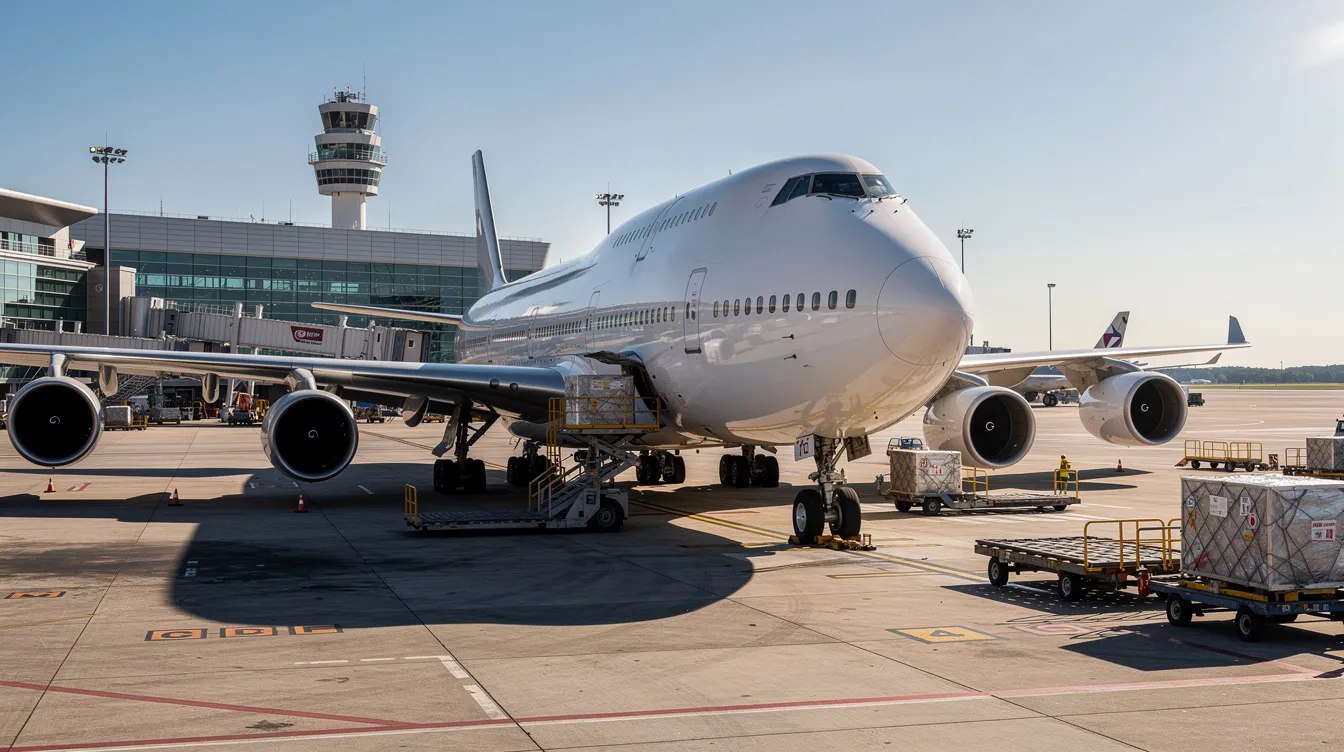
Small private jets can range from $3 million to $25 million depending on size and age, and private jet prices can range from low millions to hundreds of millions for bespoke ultra-long-range or VIP airliner configurations. Commercial airliners like the Boeing 737 cost $50 million to $110 million in standard airline configuration; VIP completions push that figure far higher, especially for Airbus corporate jets such as the ACJ319.
These figures represent the purchase price only. They do not include ongoing costs such as fuel costs, crew salaries, maintenance, or storage costs. BusinessJets.com uses current market data from 1,500+ completed transactions to benchmark fair values for buyers and sellers across every category.
Overview of Major Aircraft Types and Price Ranges
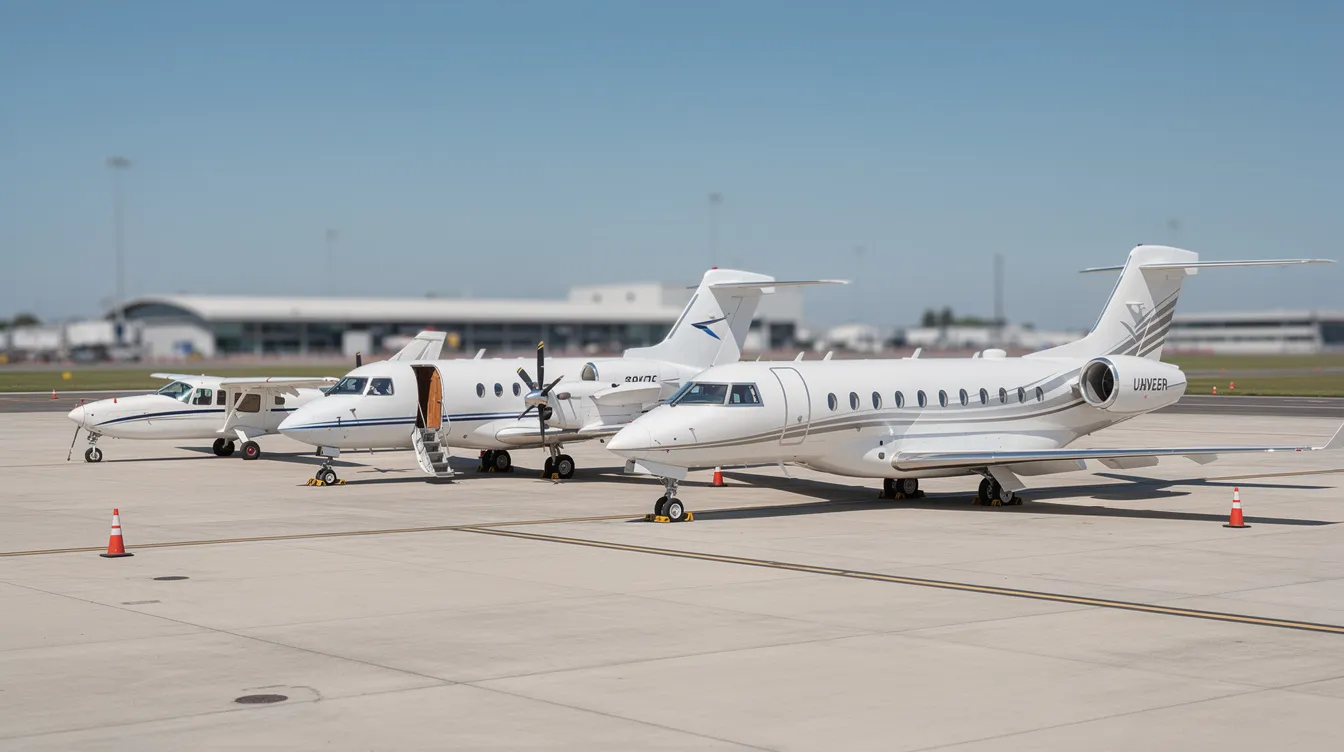
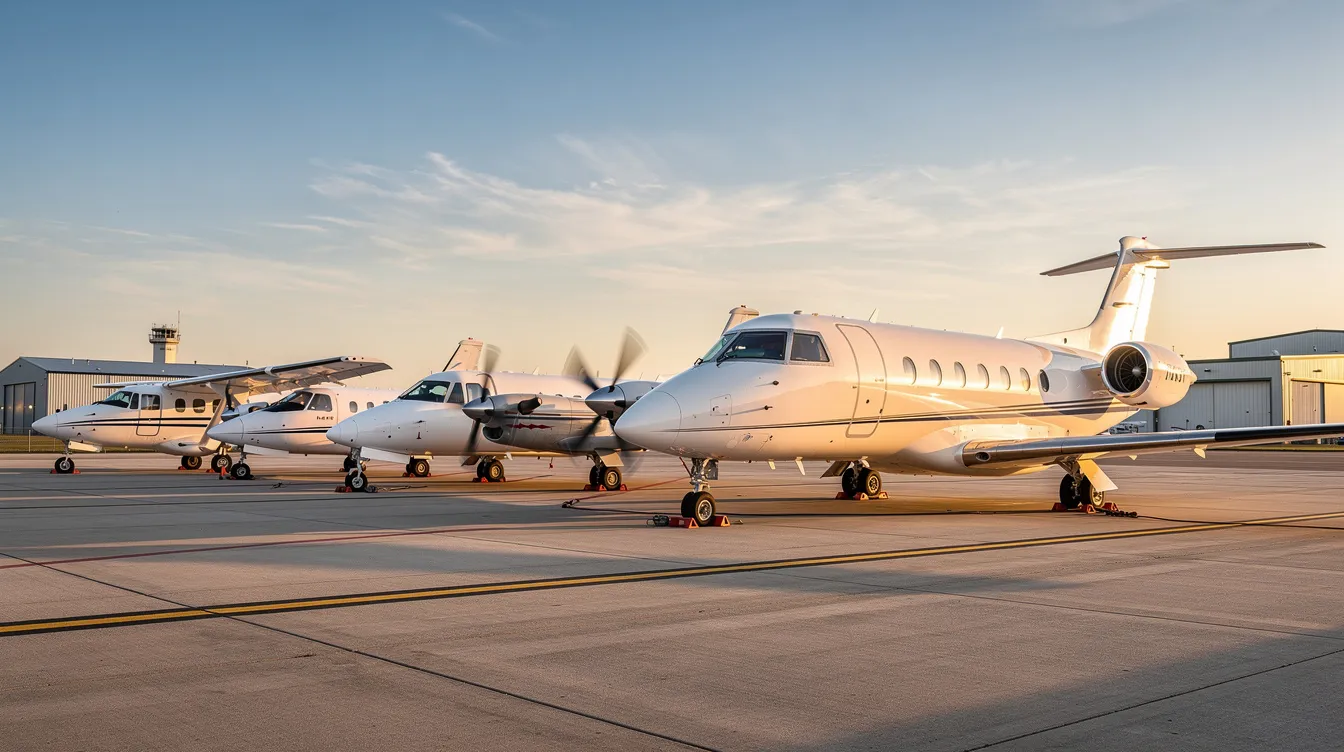
Aircraft type and size significantly influence base price. The primary categories—piston, turboprop, light jet, midsize jet, large-cabin jet, and airliner—reflect increasing range, cabin volume, speed, and operational complexity. Longer-range jets and higher cruise speeds generally push prices up because builders recover R&D costs through the sale of the aircraft, and certification and regulatory requirements can significantly add to aircraft costs. Aircraft must meet strict safety standards before they can enter service, which further raises production costs at the turbine level.
Market demand and macroeconomic conditions influence aircraft prices as well. High global demand can increase aircraft prices, and aircraft prices respond to economic factors such as fuel prices and interest rates. In tighter markets, well-maintained late-model jets sell faster and command premiums; in softer cycles, older or higher-time airframes linger.
Category | Typical 2026 Price Range (New & Pre-Owned) |
|---|---|
Piston / Trainer | $15K–$1M |
Turboprop | $800K–$7M |
Very Light Jet | $700K–$7M |
Light Jet | $3M–$12M |
Midsize / Super-Midsize | $6M–$30M |
Large-Cabin / Ultra-Long-Range | $25M–$80M+ |
VIP Airliner (BBJ, ACJ) | $50M–$300M+ |
The sections below drill into each category with model-level examples, typical aircraft owners, and the variable operational costs that accompany each class.
Piston Aircraft and Trainer Aeroplanes: The Entry Level
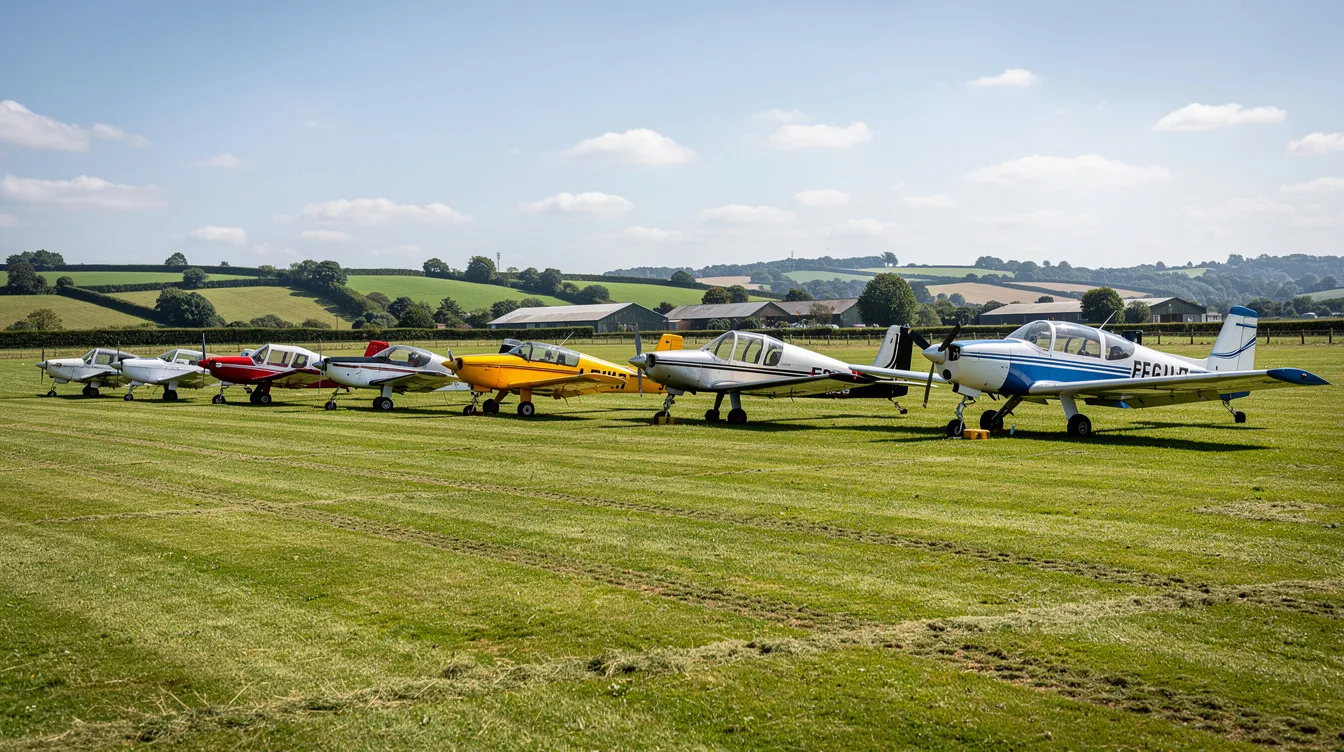
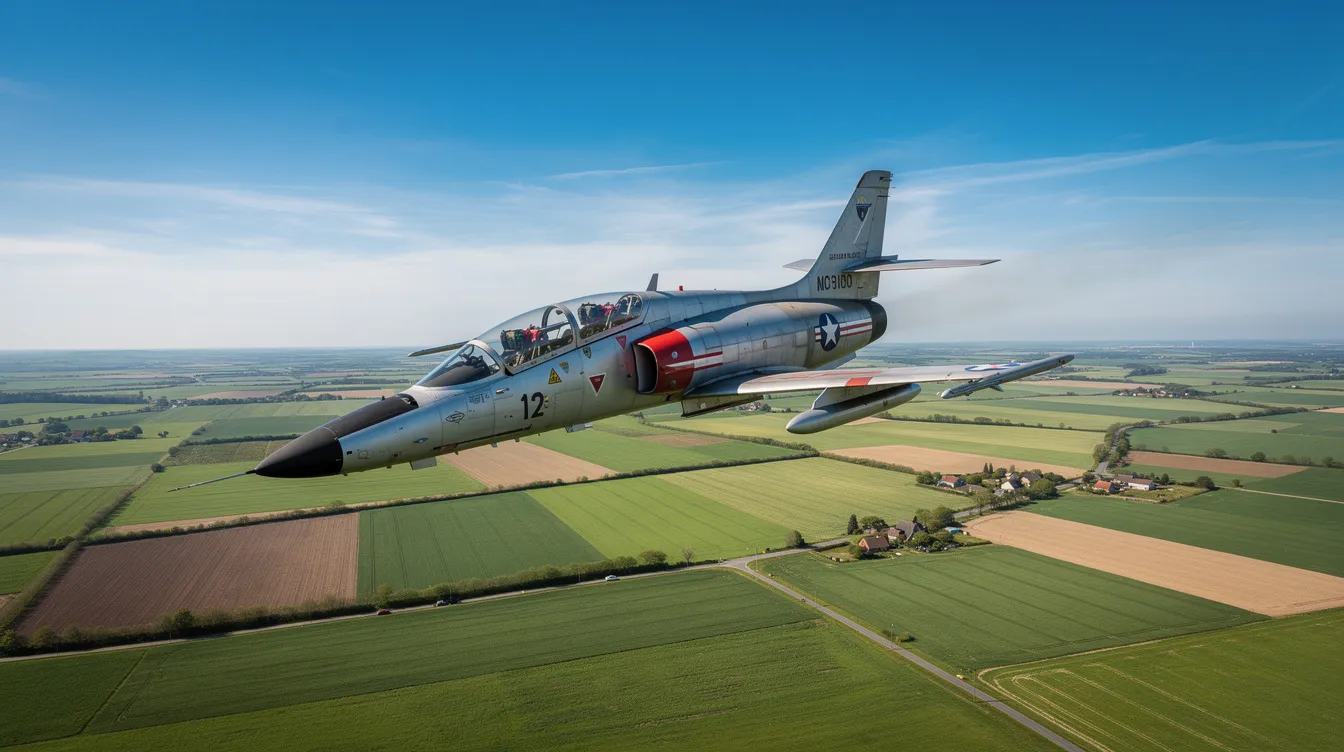
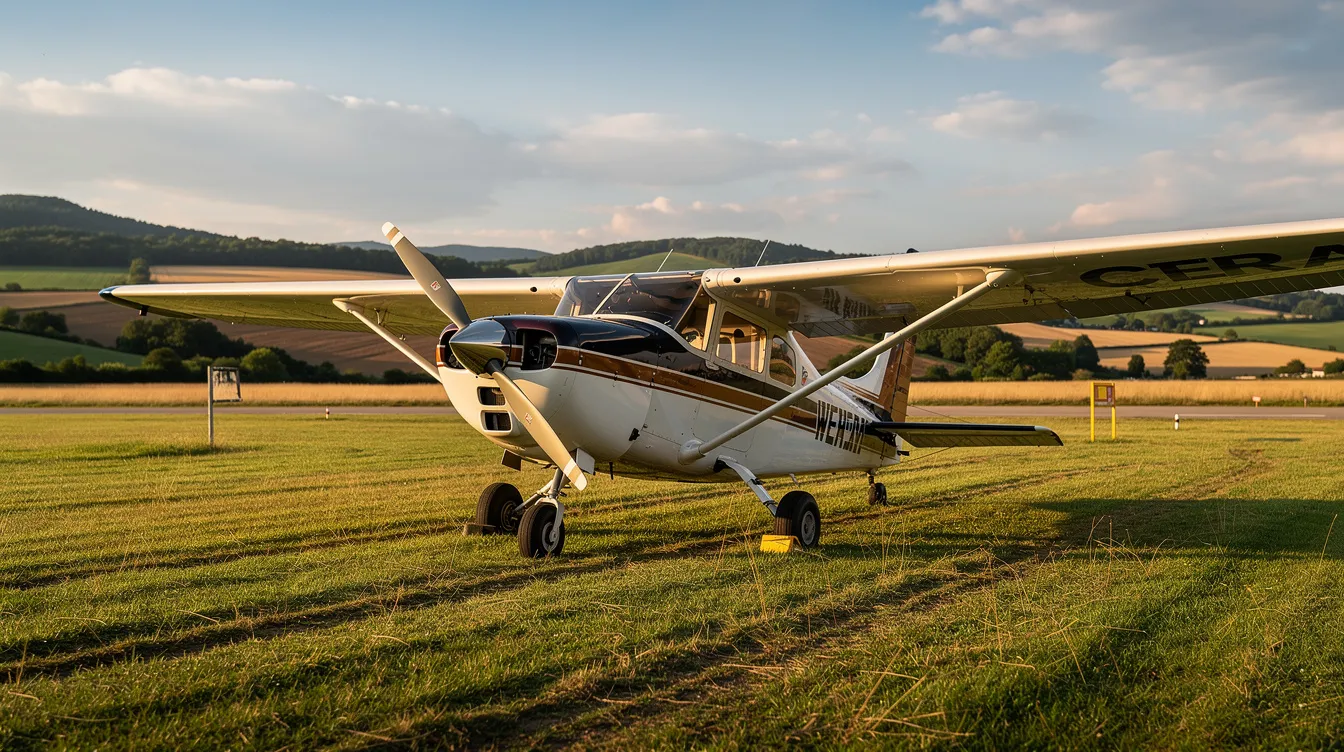
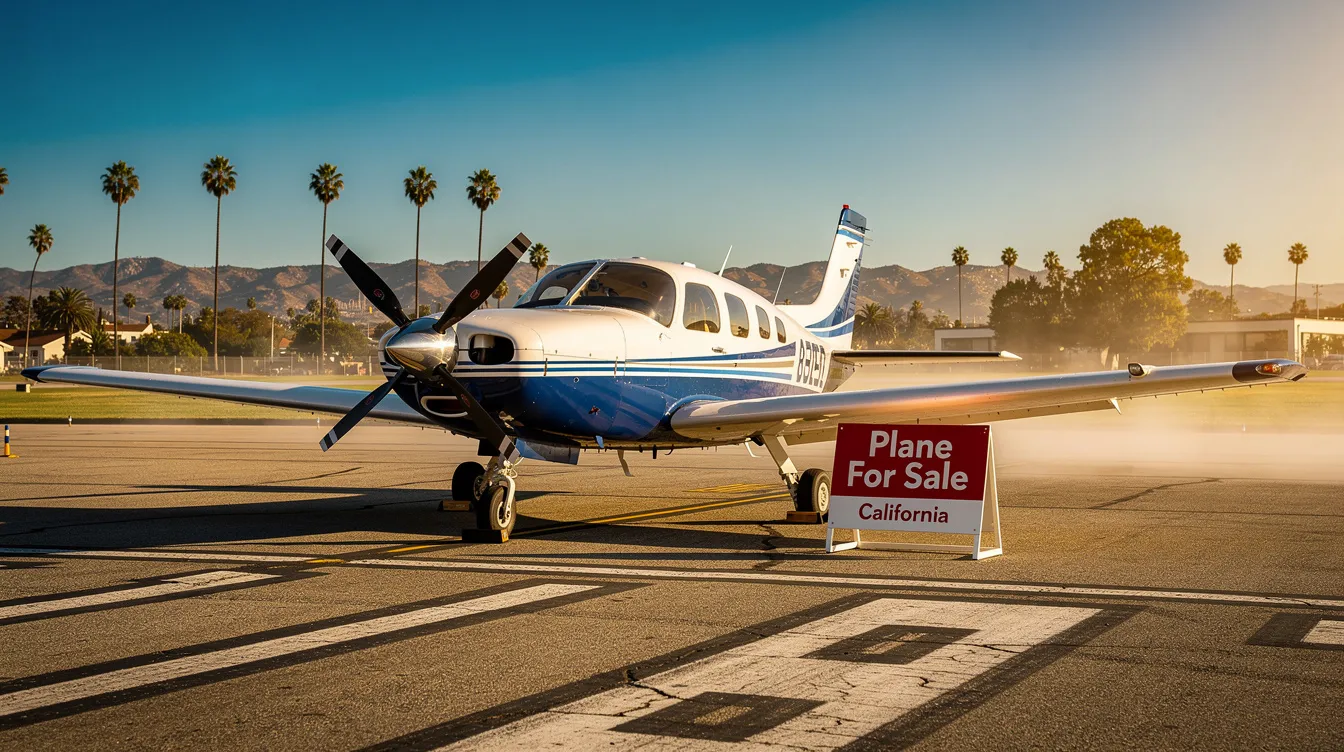
Single-engine planes, two-seat trainers, and four-seat touring models represent the most accessible form of aircraft ownership. These smaller aircraft serve flight training programs, and many buyers in this segment first come through a pilot institute before moving into ownership, as well as flying clubs, personal recreation, and short-distance recreational flying. A private pilot license holder looking for a small plane purchase will find the widest inventory—and the lowest entry cost—in this segment.
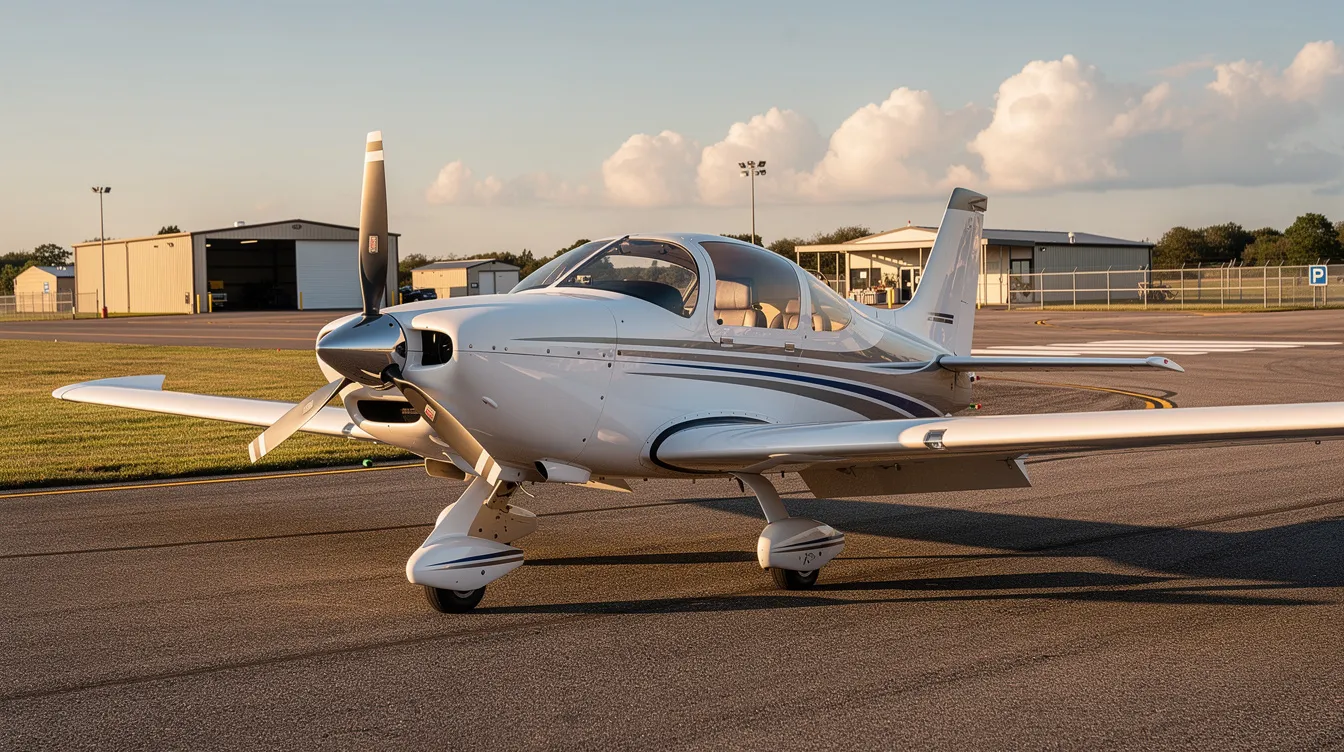
In 2026, older two-seat trainers like the Cessna 152 trade in the $20K–$60K window. Used four-seat pistons typically cost $70,000 to $200,000, covering models such as the Piper Archer and older Cessna 182s. High-end new pistons with advanced avionics-like the Cirrus SR22 G7+, approach $800K to $1M. Light sport aircraft cost about $80,000 to $150,000 for factory-built models. Overall, single-engine piston aircraft cost roughly $100,000 to $1 million when the full new-production range is considered.
Who buys these? Private pilot owners, flight instruction operations, ground school programs affiliated with flight training academies, and individuals using aircraft for personal recreation or short business purposes. Aircraft age, total time, engine condition, and propeller hours have an outsized impact on value at this tier.
While acquisition cost is low compared to jets, ongoing expenses still add up. Avgas averages roughly $6.42 (self-service) to $7.47 per gallon in 2026. Annual inspections for small planes cost between $750 and $2,000. Add hangar storage, insurance costs, and routine maintenance, and annual ownership costs for a small plane average $8,000 to $12,000—sometimes more in high-cost metro areas.
Turboprops: Utility, Short-Field Capability, and Cost
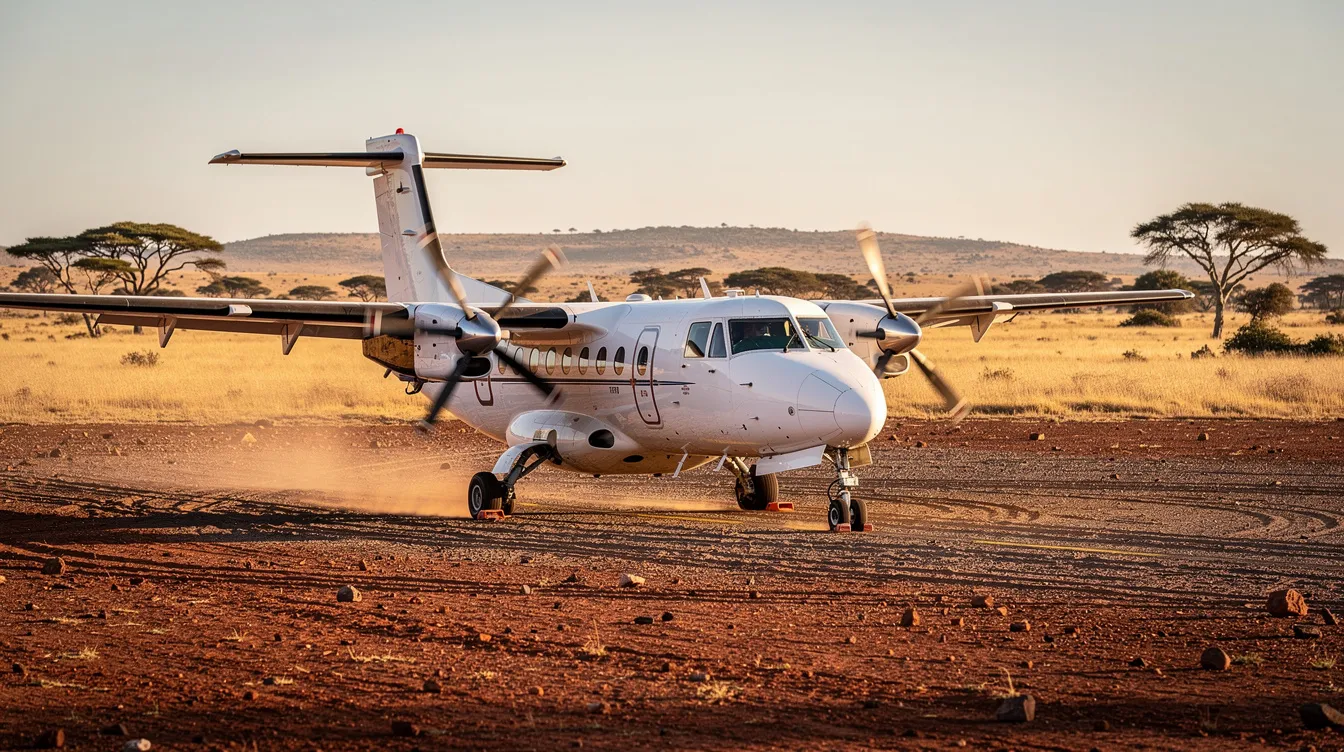
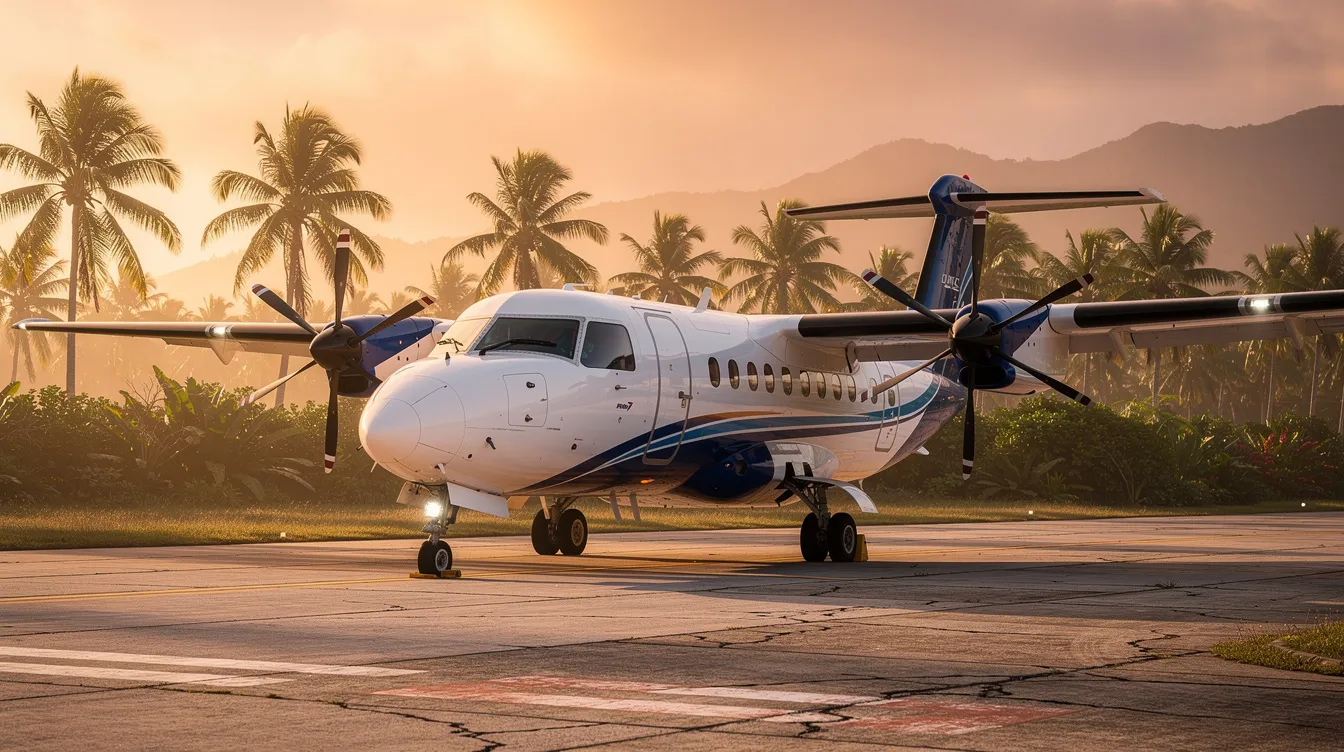
Turboprop aircraft such as the Pilatus PC-12, the Beechcraft King Air series, and single-engine turboprops like the TBM 960 bridge the gap between pistons and jets. Corporations, charter operators, and regional freight carriers favor turboprops for their short-field performance, payload flexibility, and lower fuel burn on legs under 1,000 nautical miles.
Turboprop prices typically range from $1 million to $7 million. Older King Air C90s trade near $800K; mid-2000s PC-12s sit around $3M–$4M; and the latest PC-12 NGX and King Air 360 command $5M–$7M+ depending on configuration. New turboprops range from $1 million to $6 million for most single-engine models, with larger multi-engine turboprops pushing beyond that. Holstein Aviation data shows turboprop asking prices rising roughly 3.3% year-over-year amid tightening inventory.
Compared to light jets, turboprops offer similar or lower acquisition cost but with meaningfully lower fuel burn per flight hour on short regional legs—an advantage that can reduce costs over a fleet lifecycle. BusinessJets.com often compares turboprop and light jet options for buyers whose missions mix short regional legs with occasional longer trips, modelling the total cost across both scenarios.
Very Light Jets and Light Jets: Typical First Business Jets
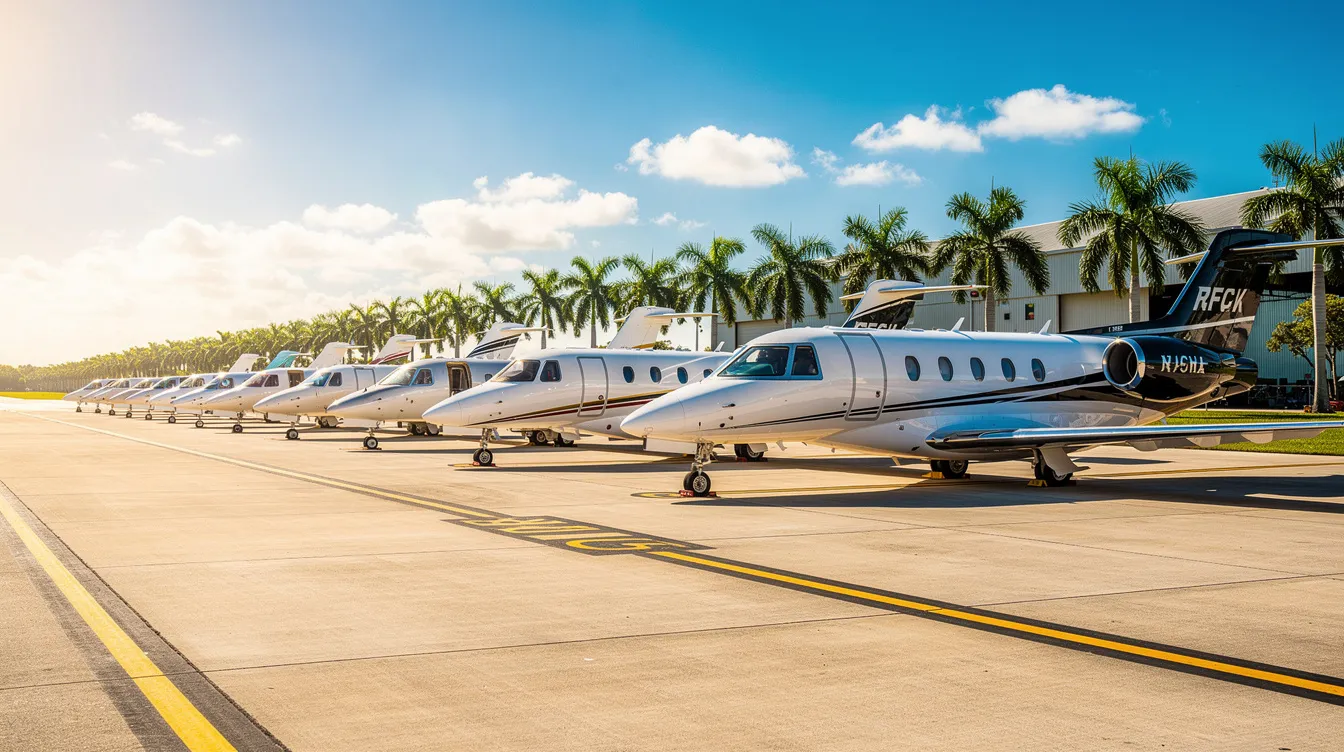
Very light jets and light jets are common entry points into private aviation for business and personal use, seating four to eight passengers with ranges from 1,000 to 2,000 nautical miles.
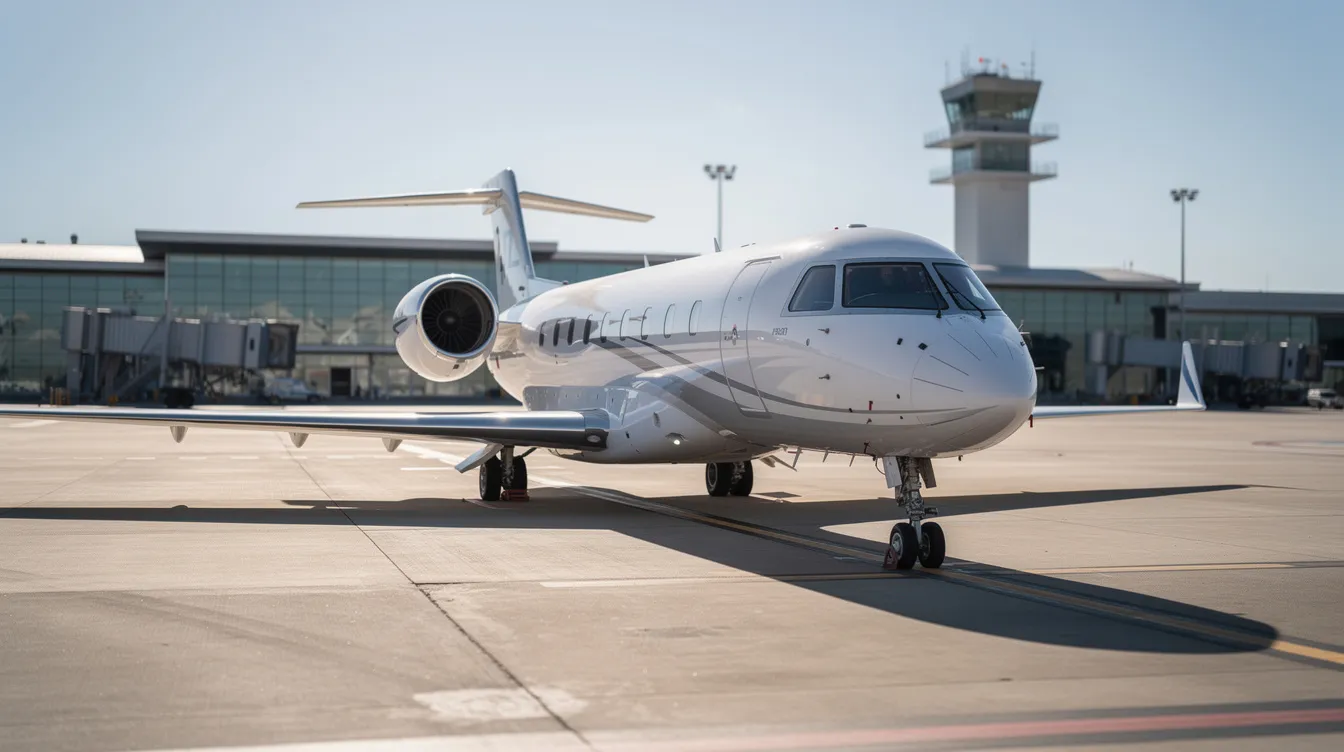
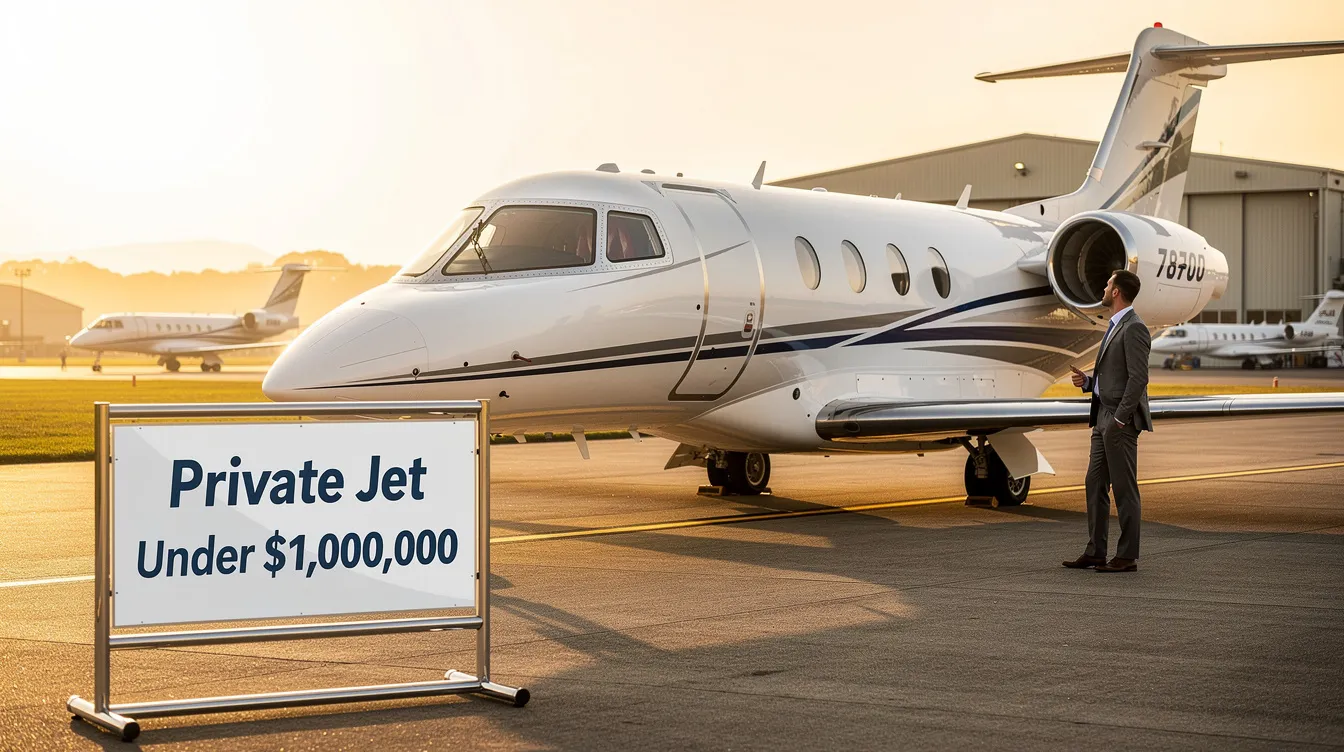
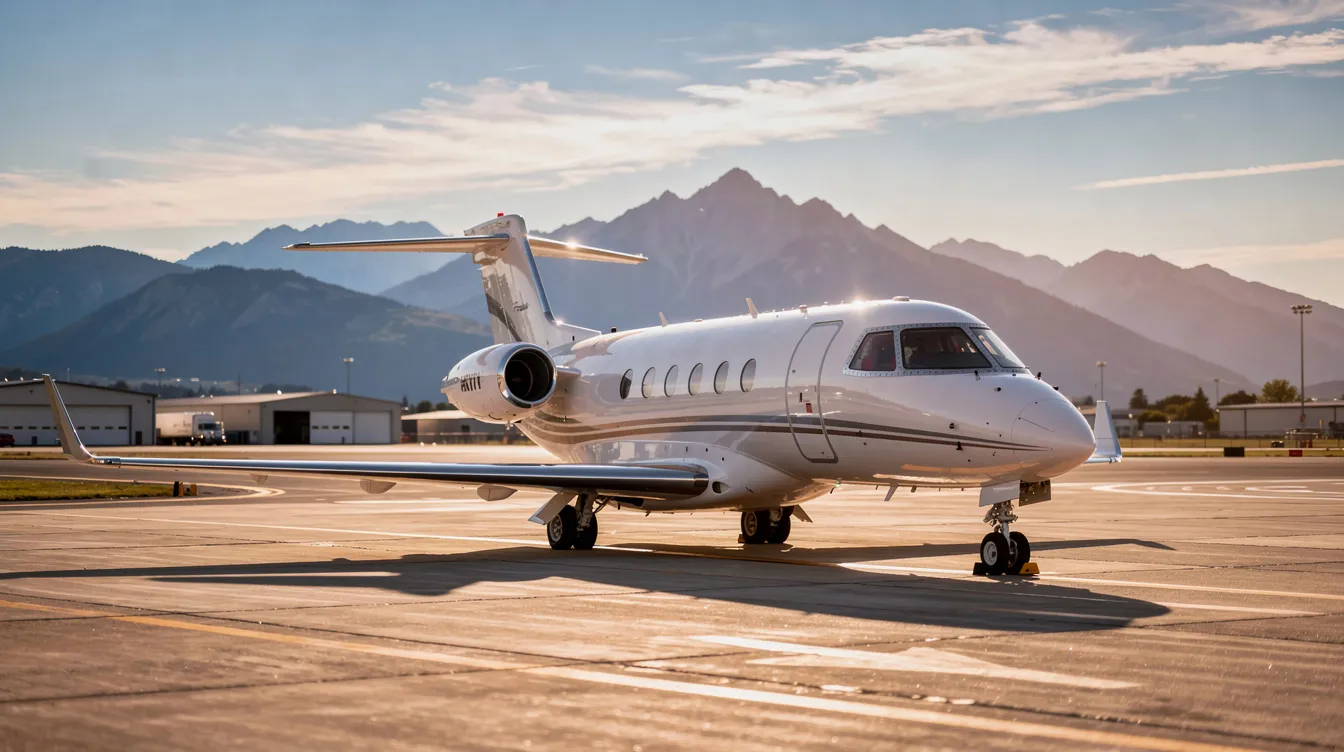
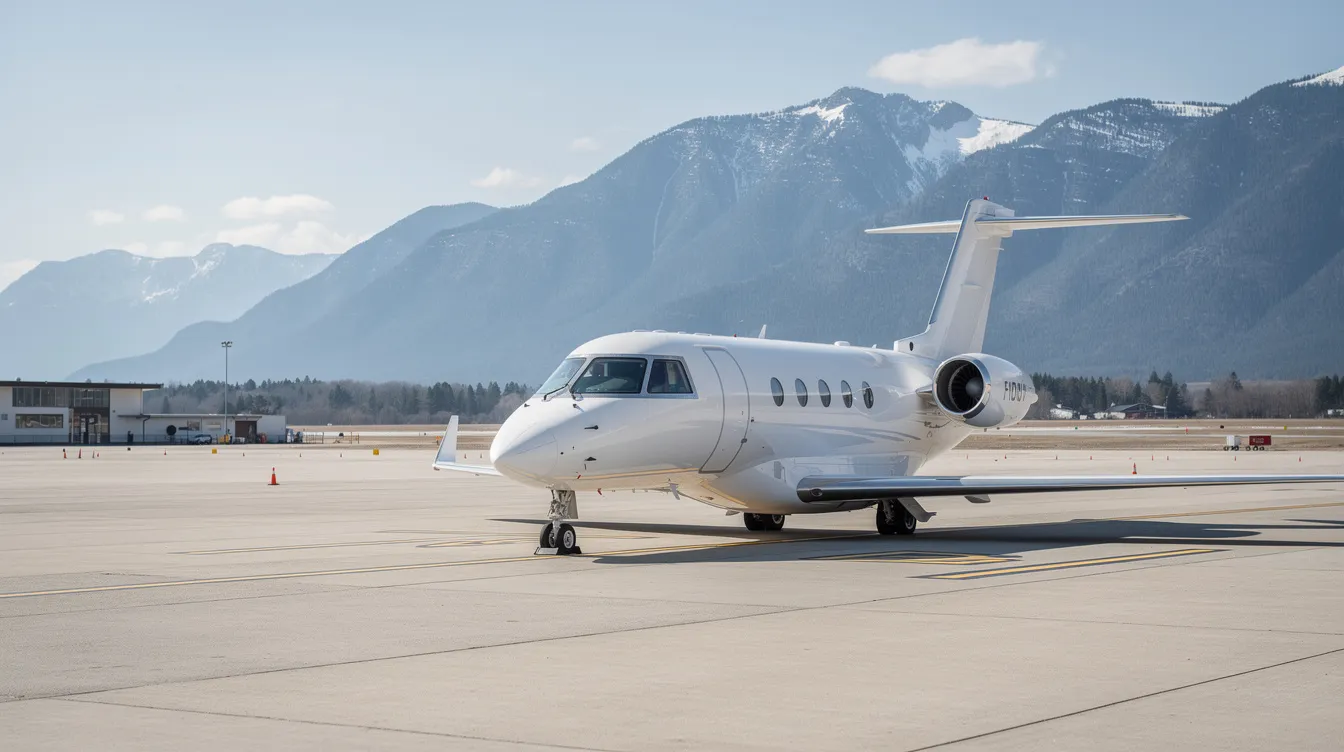
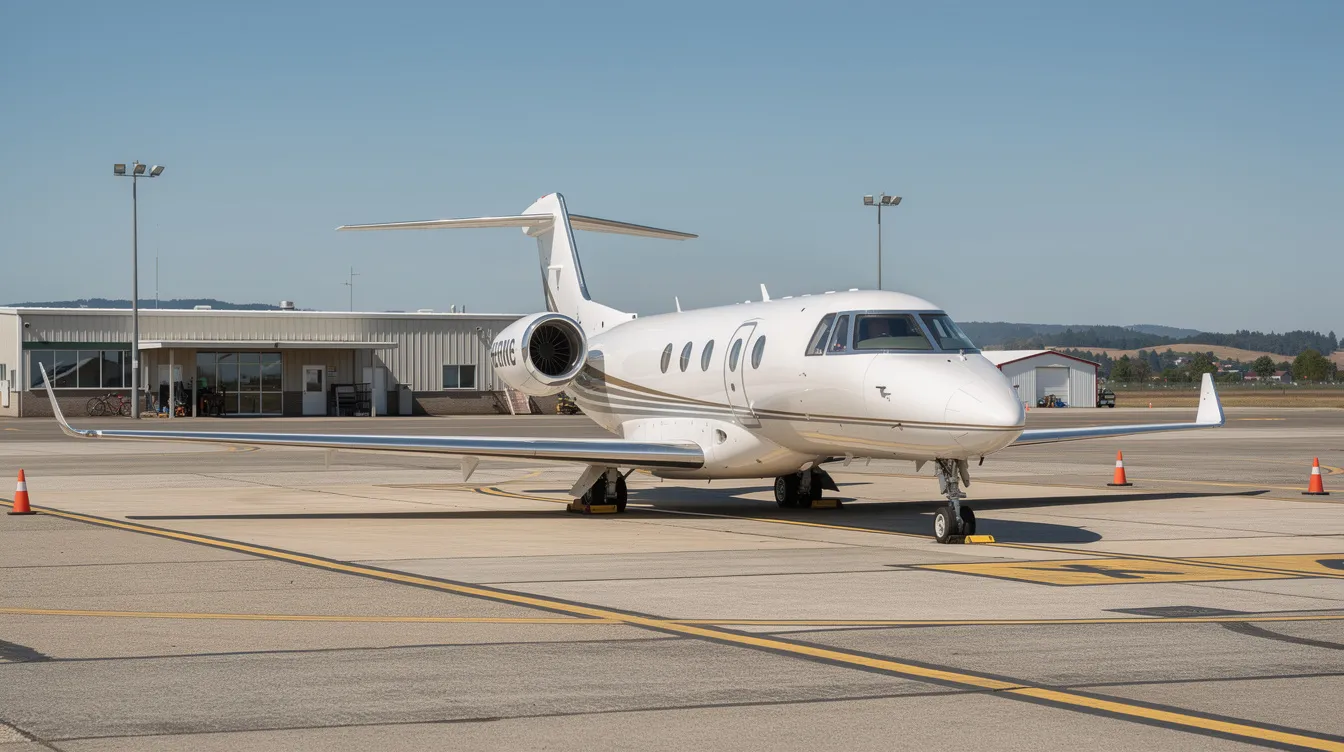
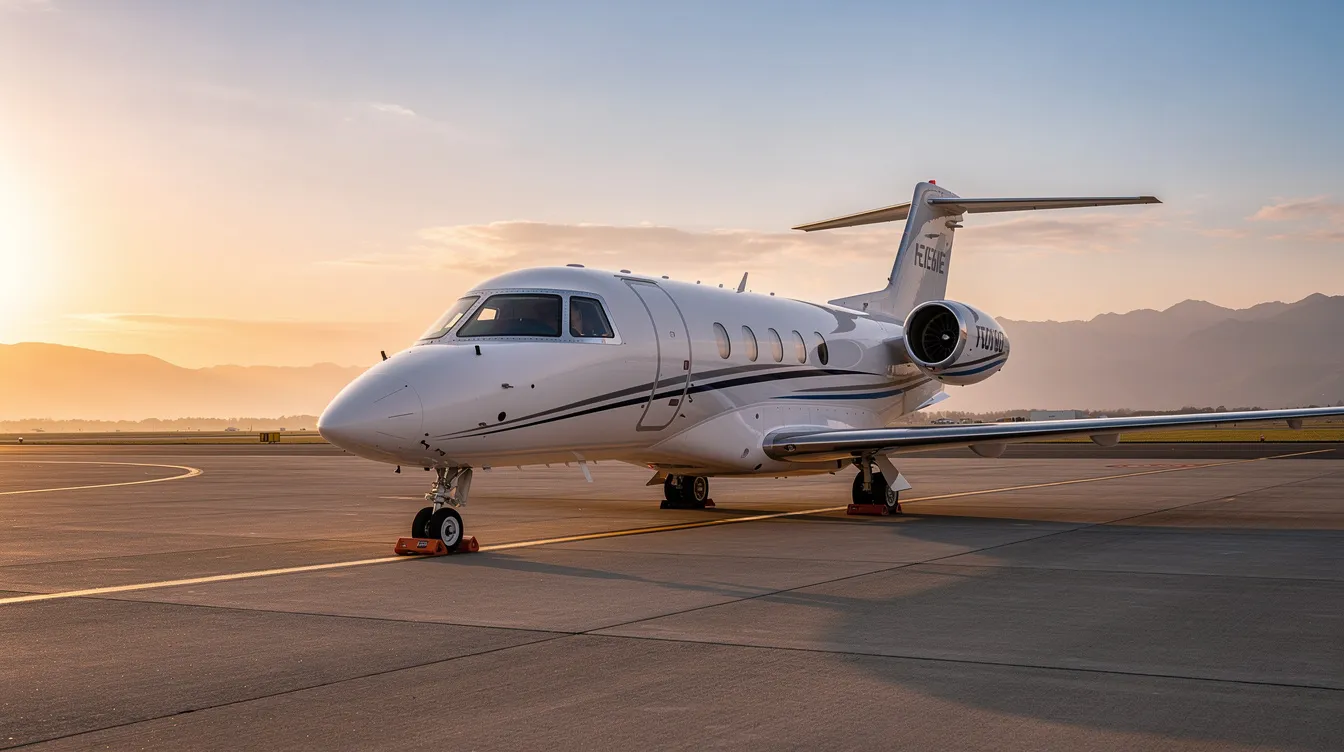
In 2026, VLJs like the Embraer Phenom 100 and Cessna Citation Mustang trade in the $700K–$3M pre-owned band. A 2009–2016 Phenom 100/100E typically lists between $2.0M and $3.3M; pre-owned Mustangs often fall in the $1.3M–$2.2M range. Light jets—Citation CJ3+, Phenom 300E, and similar— range from $3M to $12M depending on year, avionics, and engine program enrollment. Small business jets are priced around $3 million to $9 million for the most common light-jet models in regular service.
Avionics and overall technology level can significantly influence aircraft prices in this segment. A CJ3+ with a Garmin G3000 suite commands a materially different price than an older CJ2 with legacy Collins avionics. Engine program status, time since major inspections, and interior condition are factors BusinessJets.com appraisals emphasise when evaluating aircraft for sale.
Light jets appeal because they deliver meaningful range, relatively lower fuel costs per mile versus larger jets, and many models are single-pilot capable, reducing crew salaries for owner-operators.
Midsize and Super-Midsize Jets: Range and Cabin Comfort
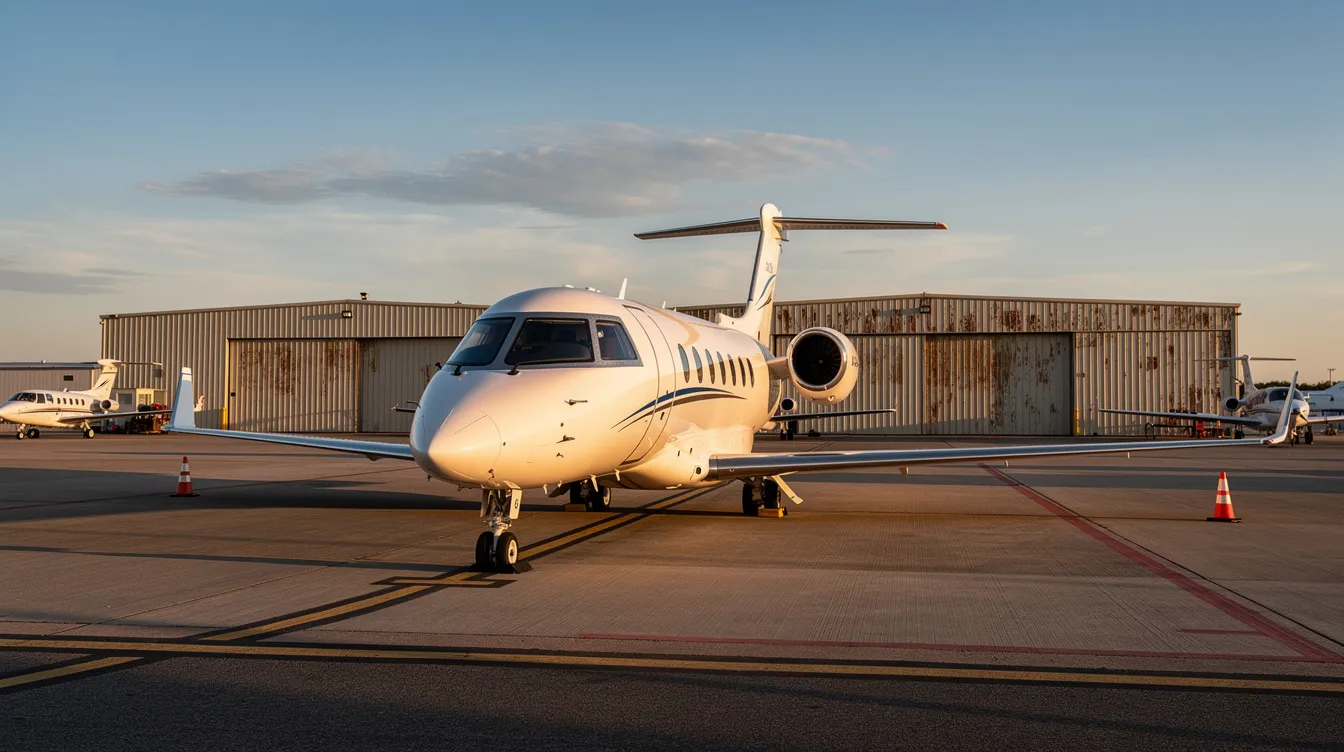
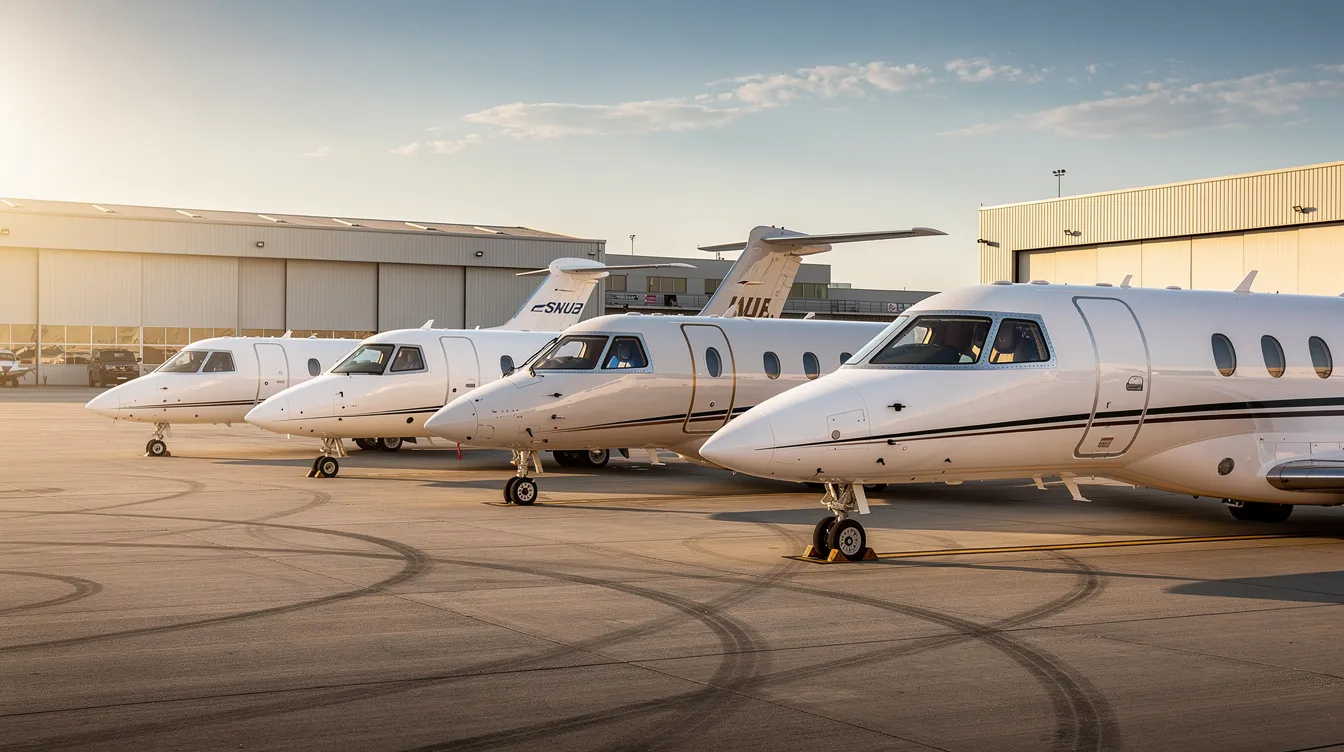
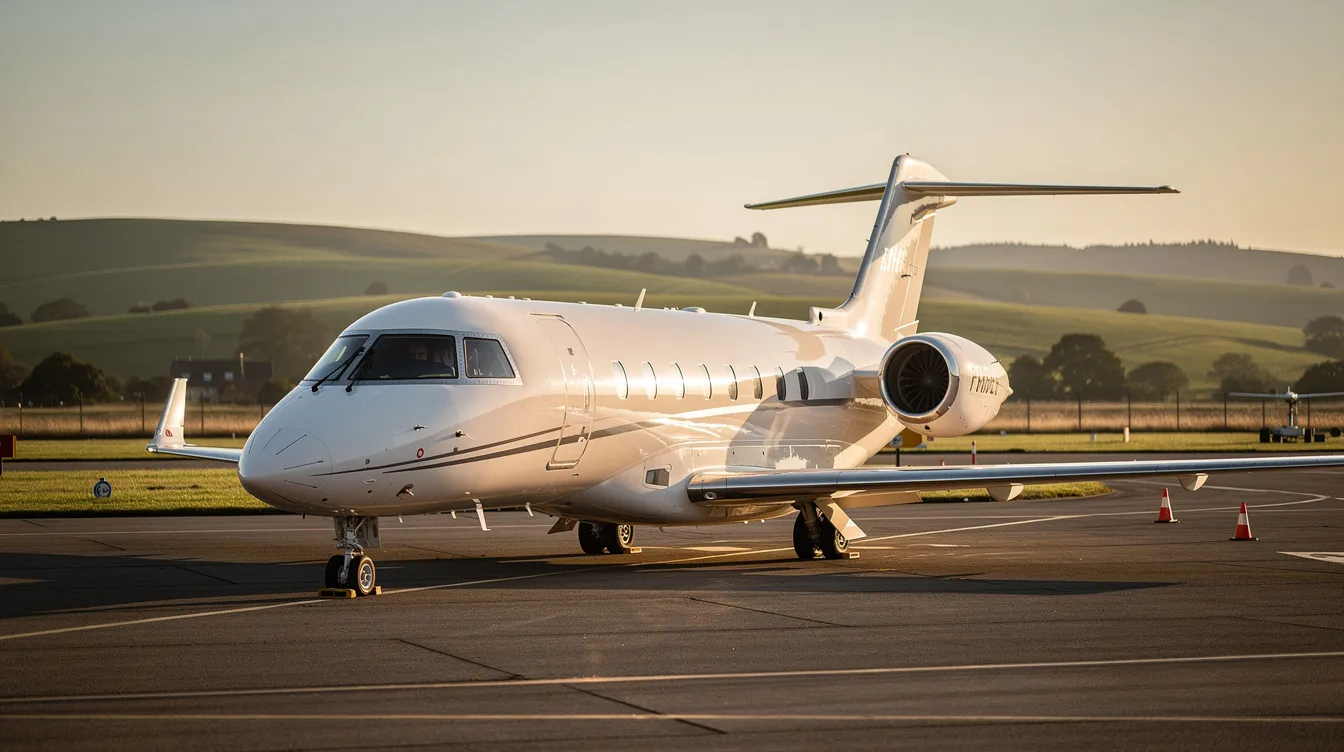
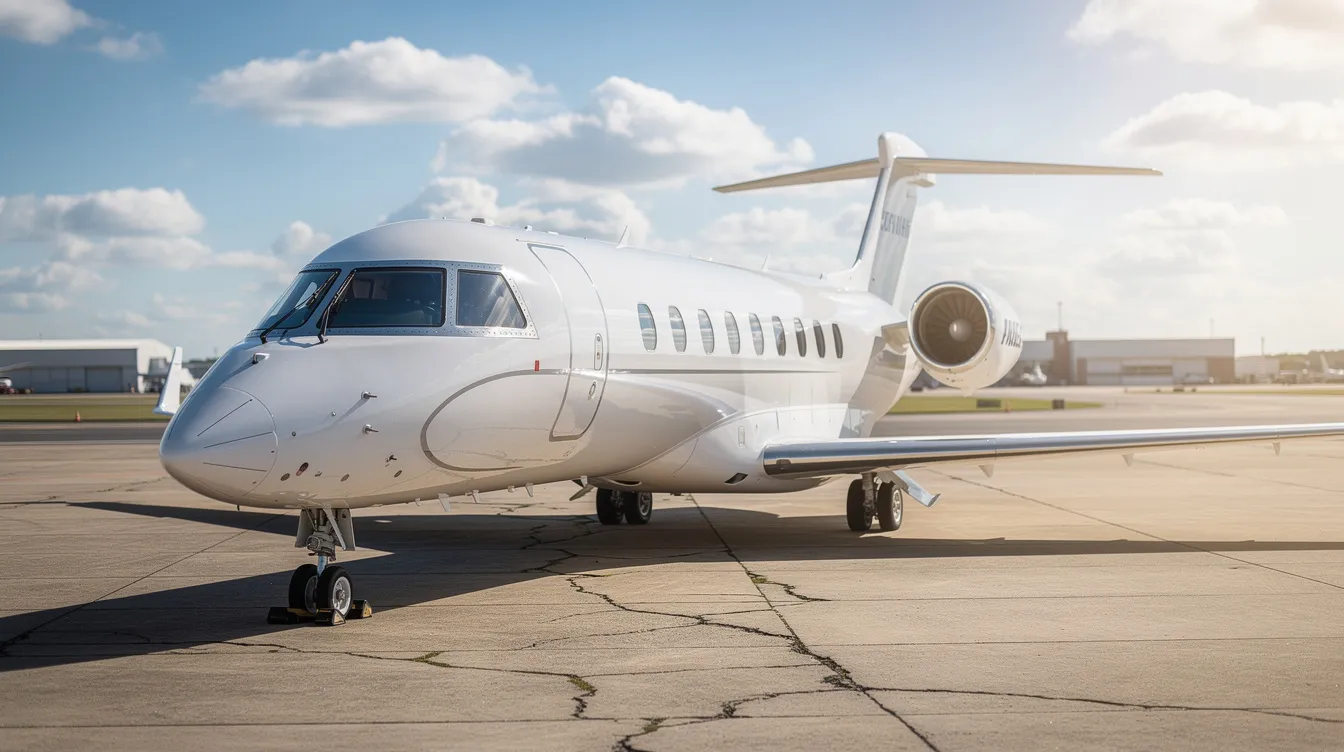
Midsize jets such as the Hawker 900XP and Citation XLS+ offer coast-to-coast U.S. capability and stand-up cabins. Super midsize jets—the Bombardier Challenger 3500 and Gulfstream G280, for example—push range, speed, and cabin volume further.
In 2026, older midsize jets with higher hours and legacy avionics trade in the $3M–$6M range. Late-model XLS+ aircraft list around $9M–$13M; new-production super-midsize jets sit between $9M and $30M. The pre-owned market is active but tightening for well-maintained units, with midsize jet asking prices down about 6% year-over-year while median values hold due to demand for newer airframes.
This category appeals to corporate flight departments balancing fuel costs against payload and range. Avionics generation (Pro Line 21, Garmin G5000), cabin refurbishment dates, and Wi-Fi and connectivity packages materially change value. Interior improvements and advanced avionics upgrades on a 10-year-old midsize jet can shift its appraisal value by 10–15%.
Large-Cabin, Ultra-Long-Range Jets and VIP Airliners
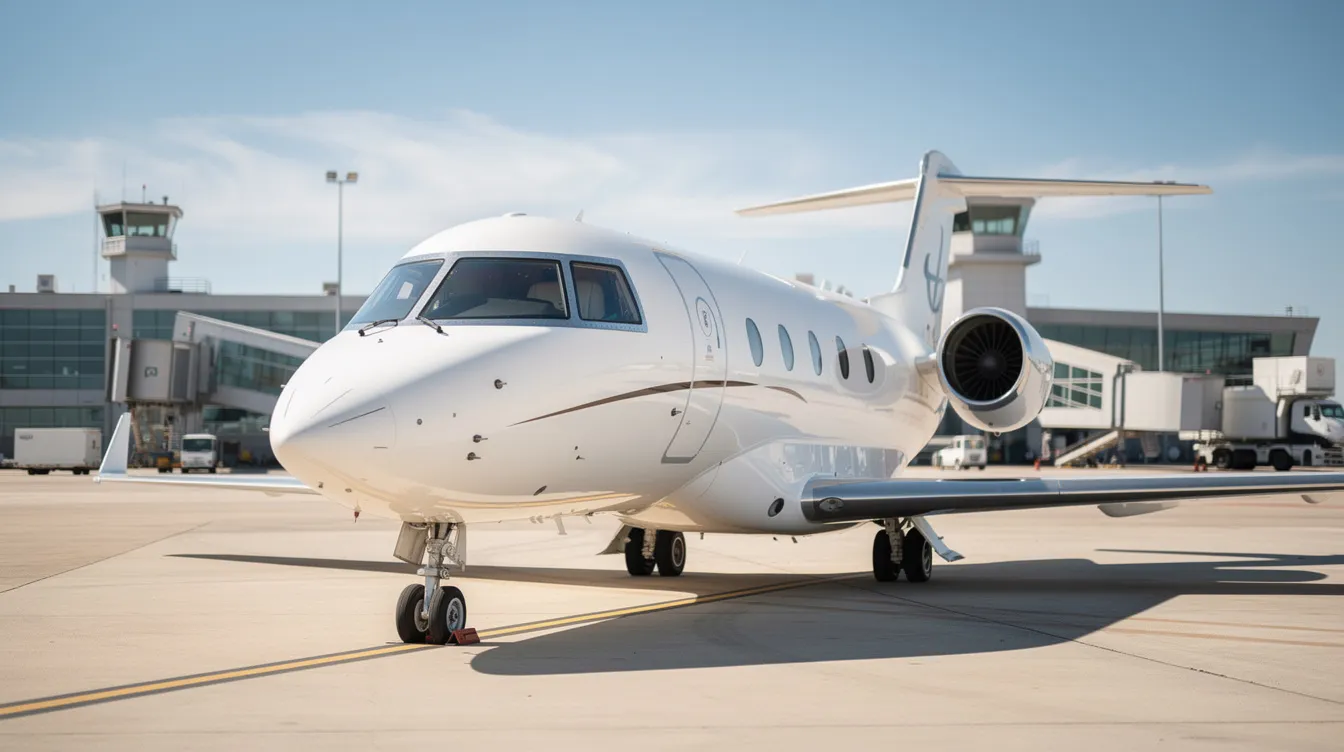
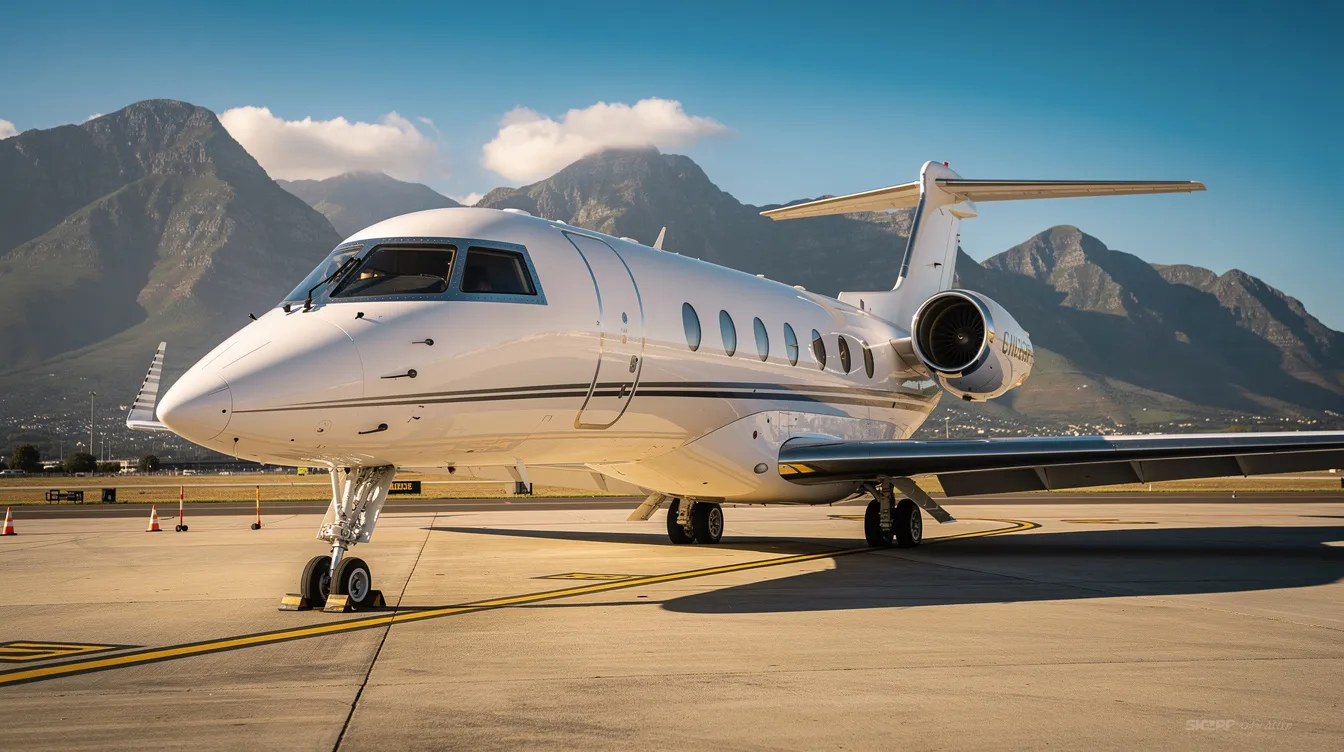
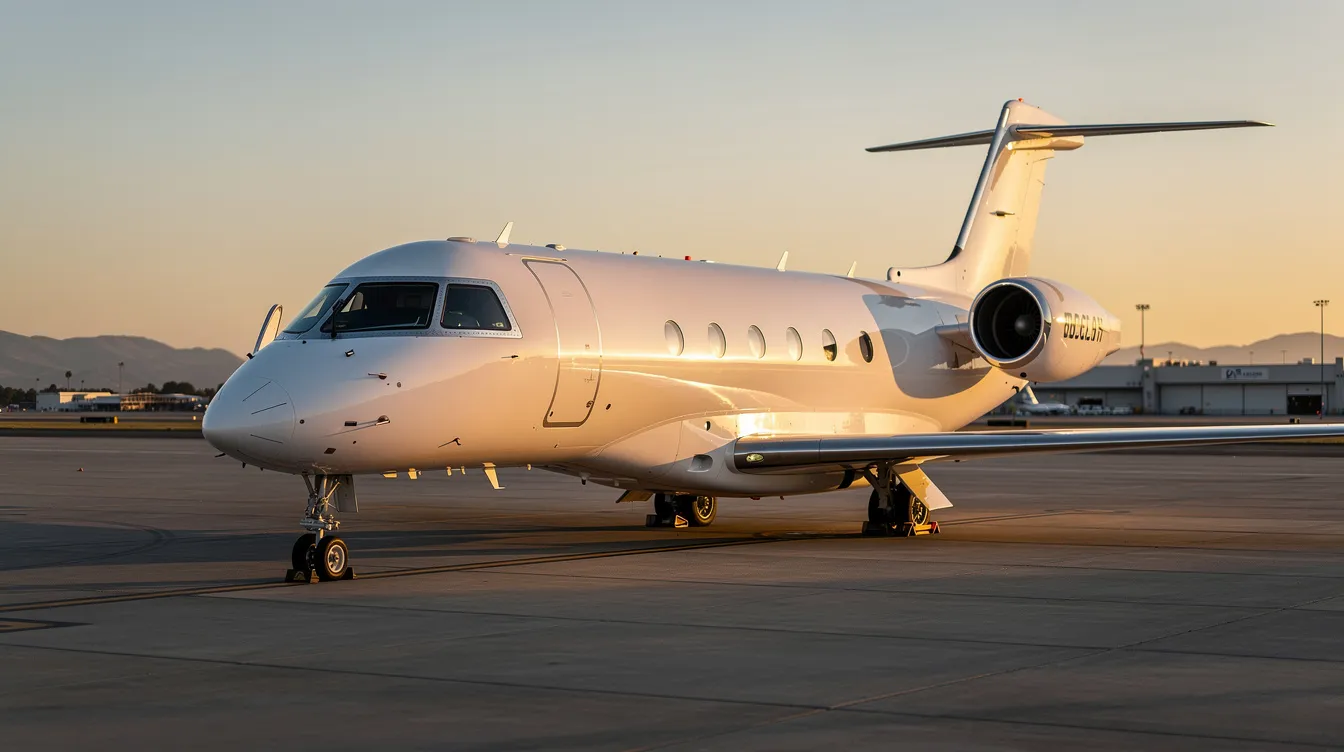
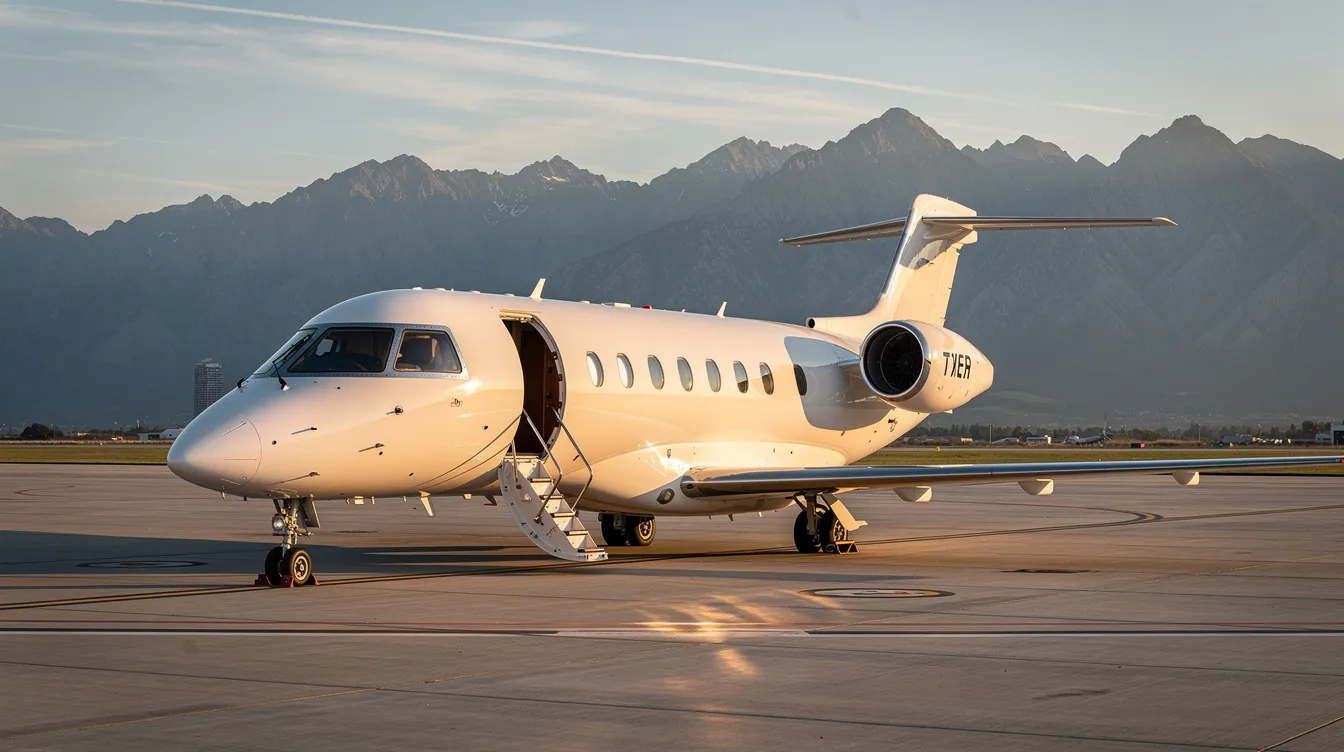
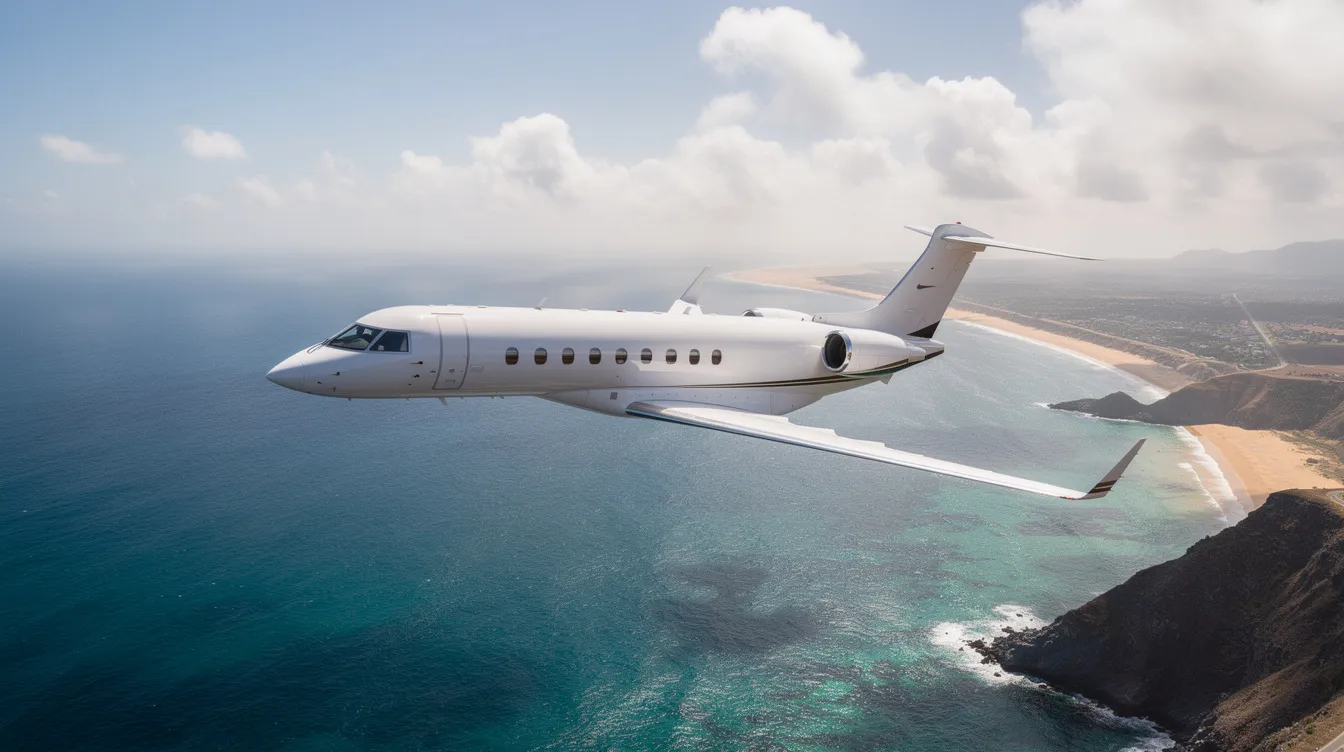
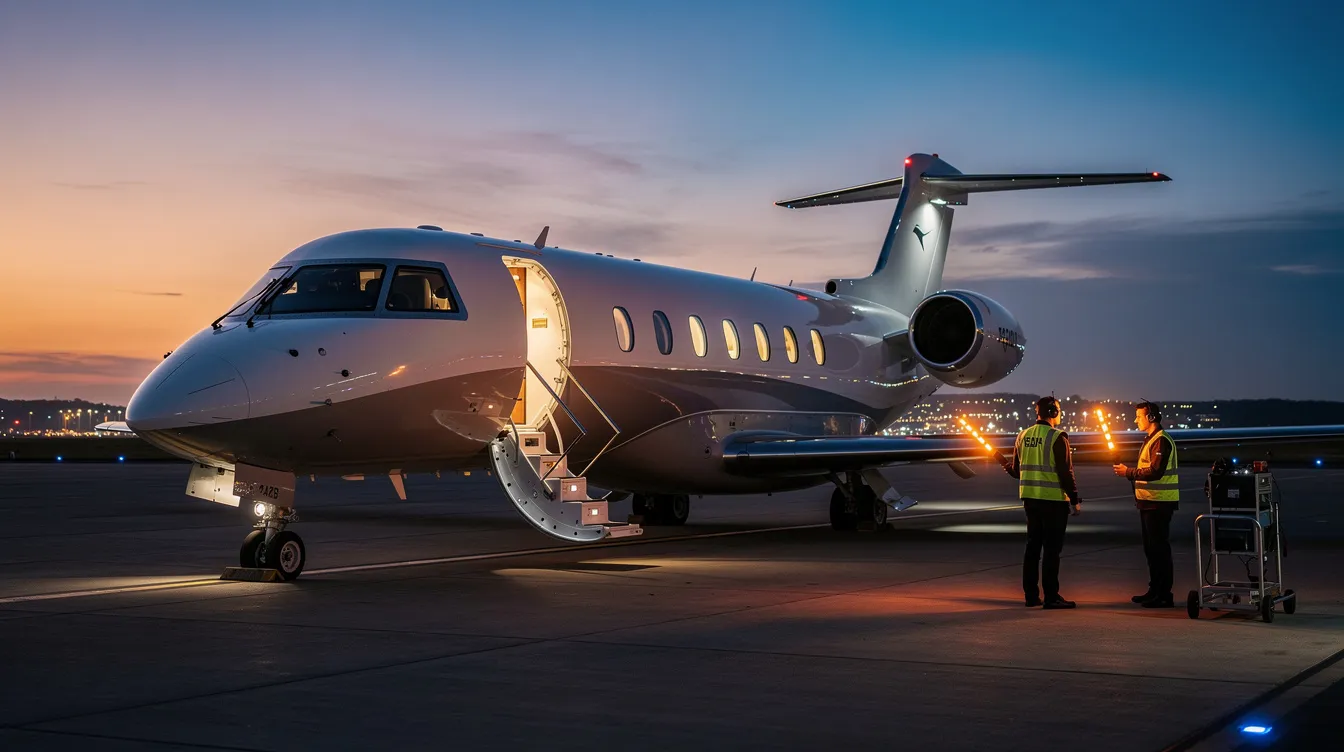
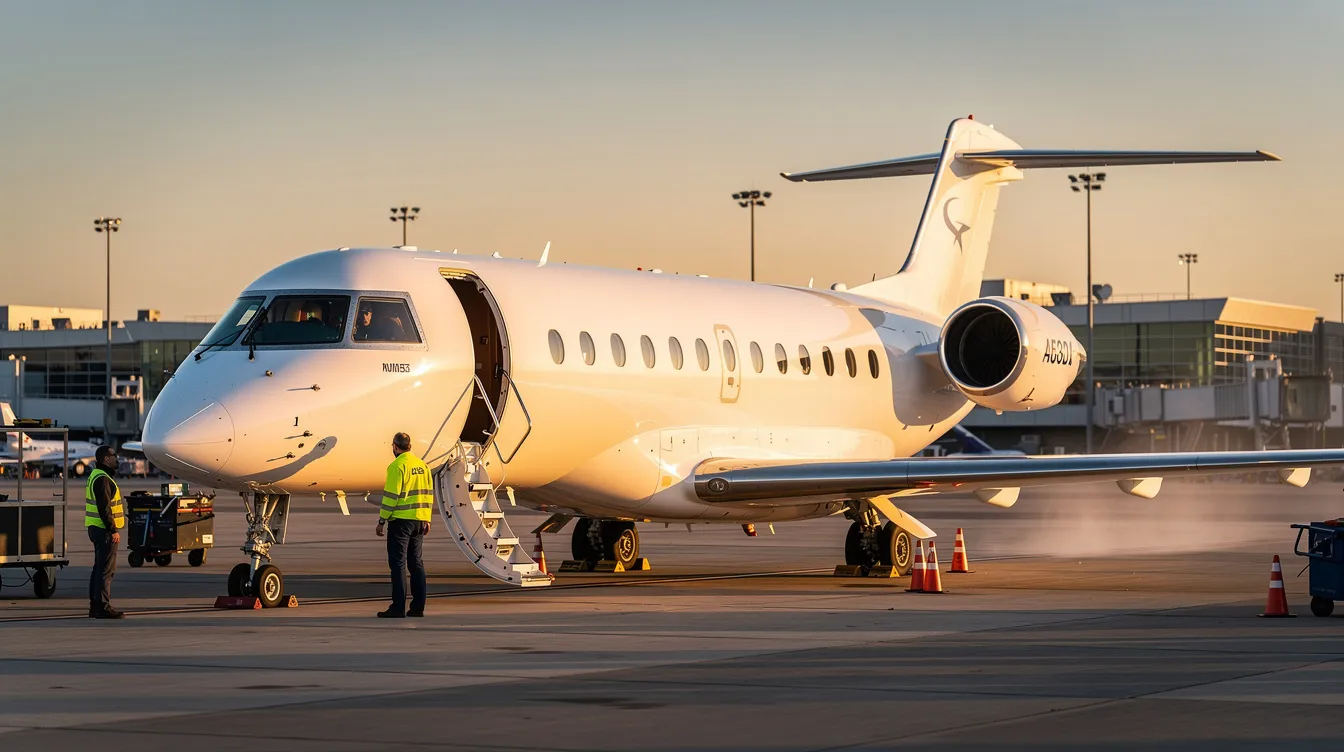
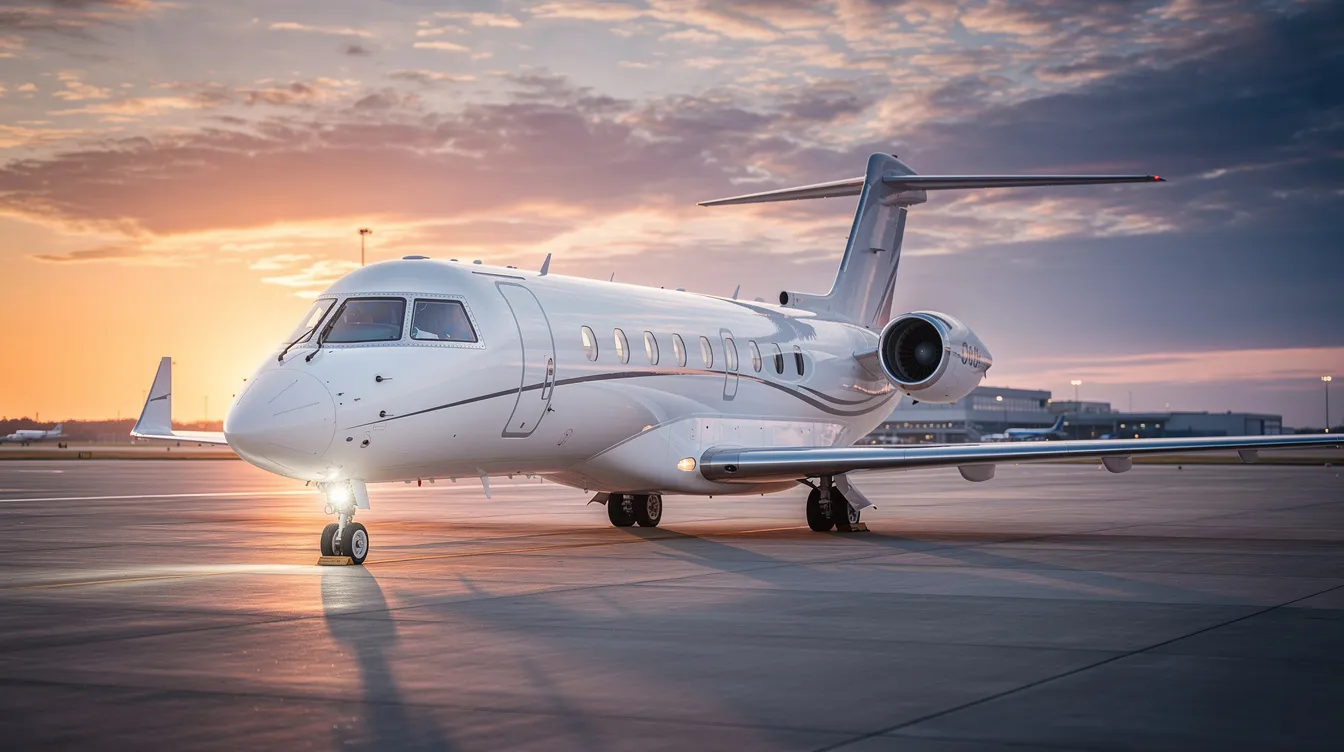
Top-tier business jets—Gulfstream G650ER and G700, Bombardier Global 7500, Dassault Falcon 8X—and VIP airliners such as Boeing Business Jets and Airbus Corporate Jets occupy the highest tier of private aviation pricing.
Late-model pre-owned G650ERs have sold in the $31M–$41M range in 2026 according to SafeFly market data. The Gulfstream G700 carries a base price near $70M–$80M; custom-configured aircraft and other aircraft with bespoke completions push well past $100M. Commercial airliners start at about $50 million and can reach $400 million; VIP-configured widebody airliners with full interior completions commonly exceed $100M–$300M+ depending on scope.
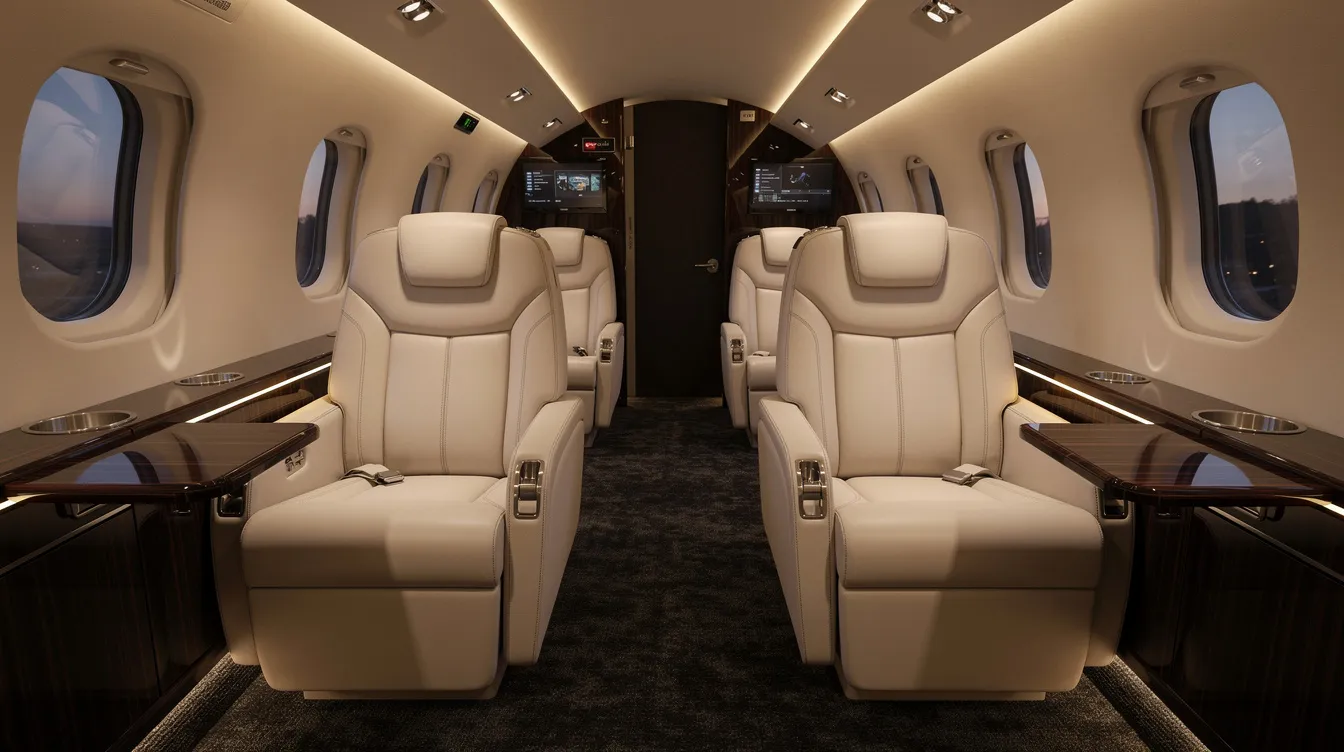
Customisation options can dramatically alter the price of aircraft in this segment. Custom interiors, satellite communications, defensive systems, and specialized planes fitted for government or head-of-state missions add tens of millions above base cost. Typical buyers include multinationals, governments, and UHNW families.
At this level, transaction strategy, market timing, and professional brokerage support from firms like BusinessJets.com can move value by millions of dollars—making expert representation not a convenience but a fiduciary necessity.
How Aircraft Age, Condition, and History Affect Price
Aircraft age alone does not determine value. Total time, maintenance history, damage records, and engine condition all affect aircraft pricing due to thrust ratings, overhaul status, and component life remaining. Age and maintenance history impact an aircraft's price in tandem, not independently.
Aircraft depreciation can reach 20–40% in the first 5–10 years for most business jets. After roughly a decade, depreciation rates flatten as aircraft become mid-life assets, though major component timelines continue to influence residual value. Aircraft age significantly impacts rental rates as well, with newer models costing more per flight hour on charter markets.
A well-documented logbook can raise an aircraft's value—often by 10–20% compared to comparable airframes with incomplete records. Conversely, deferred maintenance, damage history, or missing logs reduce price and extend time on market. Newer pre-owned aircraft (0–5 years old) average roughly 54 days on the market; aircraft older than 16 years can sit for 100+ days.
BusinessJets.com appraisals adjust valuations for aircraft condition, recent inspections, and major component times. Requesting an appraisal ensures that asking and offer prices reflect the aircraft's actual market standing, not just its age.
The Real Cost of Aircraft Ownership: Beyond the Purchase Price
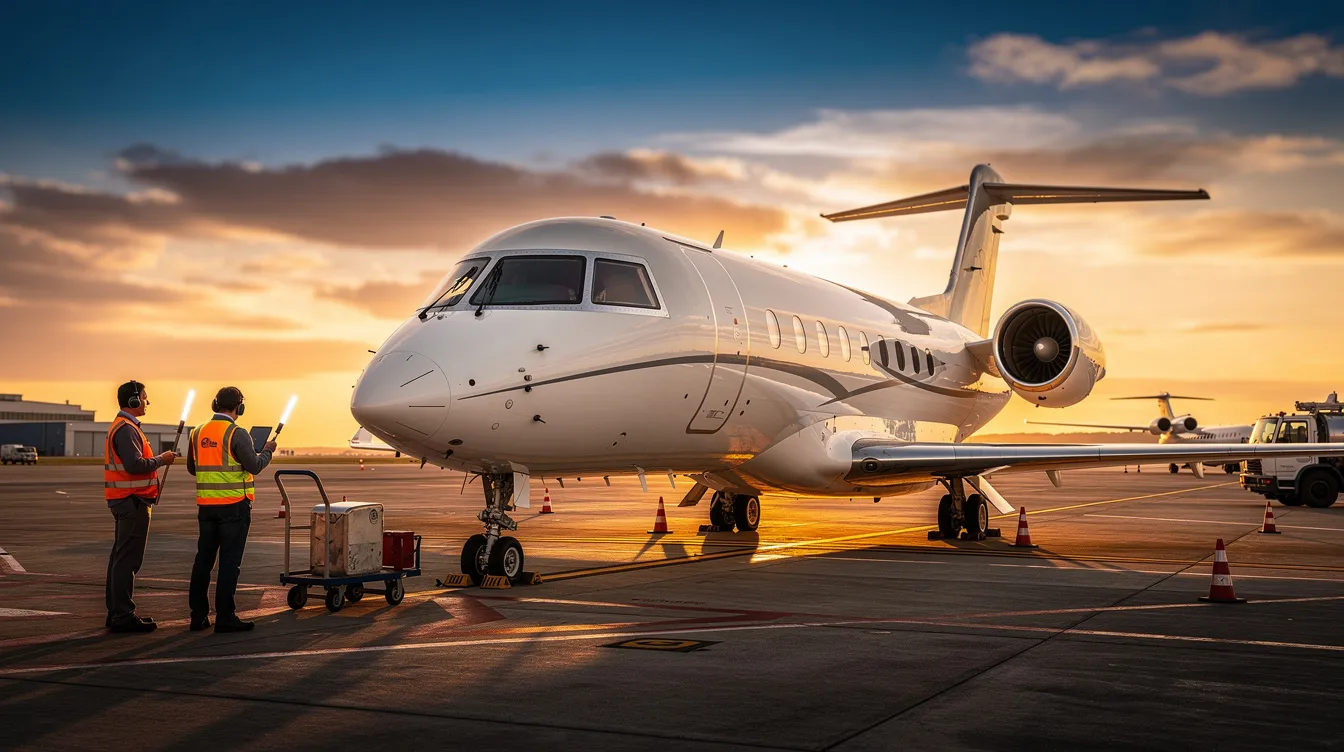
The purchase price is only part of the total cost of aircraft ownership. Operating costs are a critical factor in total aircraft ownership costs, and over a 5–10 year horizon, recurring costs routinely rival or exceed the initial purchase price for jets and large turboprops.
Ownership costs break into fixed costs (insurance, hangar storage, crew base salaries, regulatory compliance) and variable costs (fuel, maintenance, landing fees, handling charges). The distinction matters because fixed costs accrue whether the aircraft flies or not, while variable operational costs scale with each hour flown.
Aircraft Category | Approximate Annual Ownership Costs |
|---|---|
Small Piston | $8,000–$20,000 |
Turboprop (200–300 hrs/yr) | $300,000–$700,000 |
Light Jet (200–300 hrs/yr) | $500,000–$1,000,000+ |
Midsize/Super-Midsize (300 hrs/yr) | $1,200,000–$2,000,000 |
Large-Cabin (200+ hrs/yr) | $2,000,000–$4,000,000+ |
BusinessJets.com helps clients model multi-year ownership budgets as part of acquisition consulting—not just the purchase transaction—so that buyers understand total yearly operating expenses before committing capital.
Fuel Costs and Day-to-Day Operating Expenses
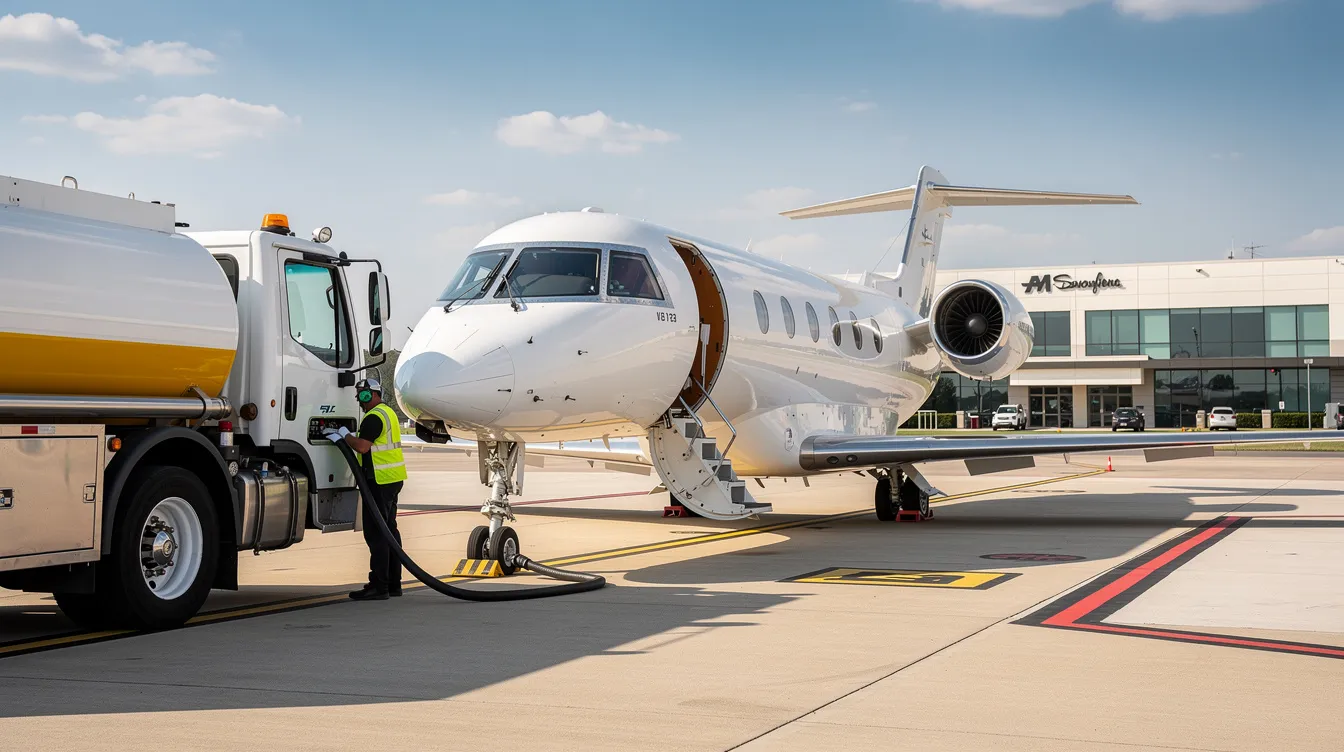
Fuel costs are the dominant variable expense in aircraft ownership, tightly linked to aircraft size, stage length, and regional pricing. Fuel costs may account for 70% of variable operational costs for many aircraft types.
In 2026, avgas (100LL) averages roughly $6.42 self-service to $7.47 per gallon full-service. Jet-A full-service retail at FBOs averages approximately $7.25 per gallon nationally, with significant regional variation—from under $4 at competitive rural airports to over $15 at premium metro FBOs.
Fuel burn translates directly into per-hour cost:
Piston aircraft: 8–12 gallons per hour → roughly $40–$90 per flight hour
Turboprop variation—fromons per hour → $280–$560 per hour
Light jets: 120–180 gallons per hour → $840–$1,260 per hour at $7/gal
Large-cabin jets: 300–600+ gallons per hour → $2,100–$4,200+ per hour
Beyond fuel, each flight incurs additional costs: oil consumption, landing fees ($100–$2,000+ depending on airport class), parking and de-icing charges ($200–$1,500 per event at northern airports), catering ($50–$500+ per flight), and navigation or overflight charges on international legs. These per-flight expenses add meaningful extra cost above raw fuel burn.
Inspection, Maintenance, and Upgrade Costs
Inspection costs and scheduled maintenance are mandatory for safety and airworthiness, and they directly influence both aircraft value and operational availability. Annual inspections for small planes cost between $750 and $2,000-a manageable figure for piston aircraft owners. For turbine-powered aircraft, calendar or phase inspections run into the tens or hundreds of thousands of dollars depending on scope and aircraft type.
Unscheduled m$2,000—ace adds risk to any ownership budget. Engine overhauls on pistons typically cost $25K–$40K; engine shop visits on jets are six- or seven-figure events. Setting aside maintenance reserves—commonly $100–$400+ per hour flown for jets—helps smooth these costs over time and avoids unpleasant capital calls. Future maintenance costs should be factored into any acquisition analysis.
Avionics and cabin upgrades—commonly their own price tags. A glass cockpit upgrade on a piston or turboprop might cost $10K–$50K. Full cabin refurbishments on midsize or large-cabin jets run into the five- and six-figure range. Higher maintenance costs come with specialised planes or those requiring rare parts. These investments, however, directly influence appraisal values—well-timed upgrades can return 60–80% of their cost at resale.
Insurance, Hangar, and Storage Expenses
Insurance and storage are key fixed costs that begin the day an aircraft is purchased, regardless of how many values—well-timedrs the owner logs.
Insurance for small planes typically costs between $800 and $3,000 annually. Turboprops and light jets move into the low five figures, while large-cabin jets carry significantly higher premiums driven by hull value, pilot experience, and operational region. Each insurance company underwrites differently, so competitive quotes are essential.
Storage costs for small planes range from $50 to $600 monthly. Outdoor tie-down is cheapest at $50–$250 per month; T-hangars and corporate hangars run from $300 to several thousand monthly depending on airport location and aircraft size. In premium metro areas, hangar fees alone can exceed $5,000 per month for jet-sized space.
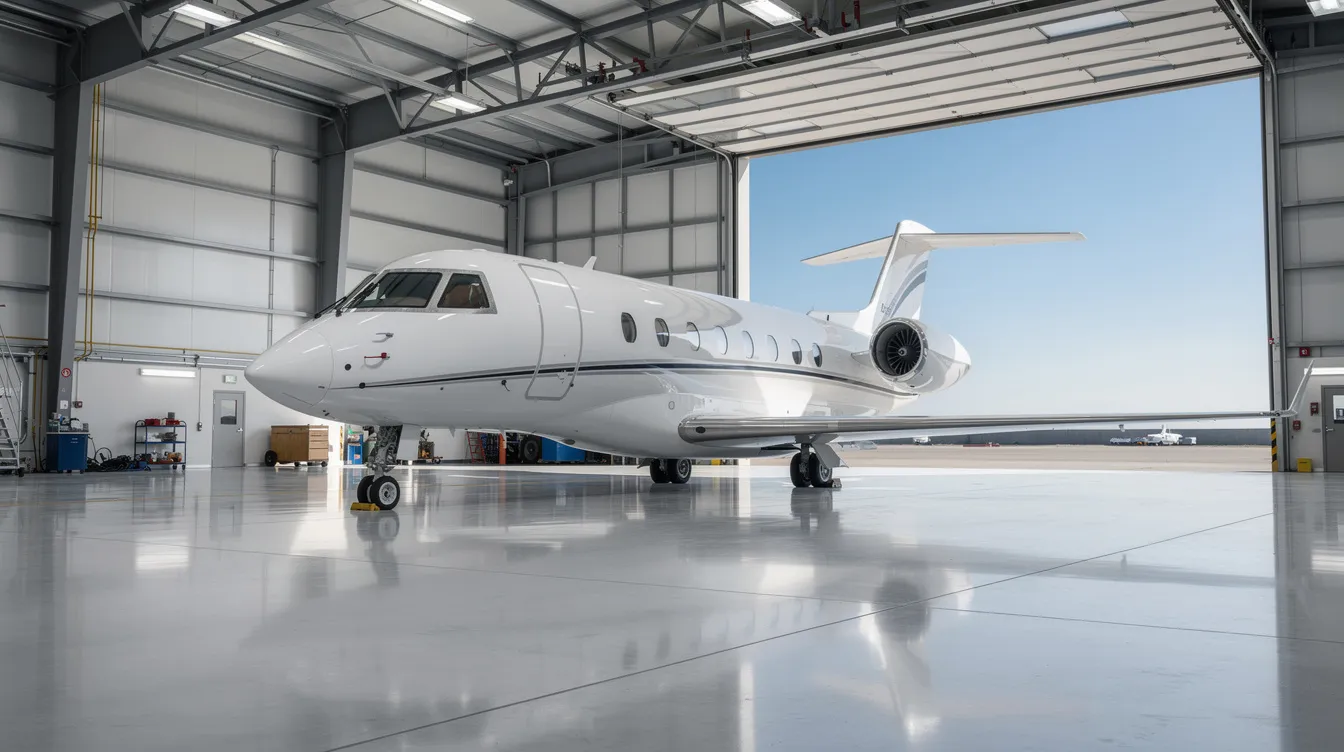
Hangar storage does more than protect paint. It reduces corrosion, preserves interiors, extends avionics life, and in some cases earns insurance premium discounts. These factors are directly relevant when BusinessJets.com assesses aircraft condition during pre-sale or acquisition appraisals.
Crew, Management, and Regulatory Compliance Costs
Jets and many turboprops require professional crews, recurrent pilot training, and often third-party management to meet regulatory and safety standards. These are not optional extrastheyy are recurring costs baked into any serious ownership budget.
Crew salary data for 2026 shows light jet captains earning $150,000–$180,000 annually in Part 91 operations. Midsize jet captains command $200,000–$270,000, and large-cabin captains $350,000+. A two-pilot large-cabin operation can cost $250K–$400K+ per year in crew salaries alone, before benefits, recurrent training, and travel expenses. Contract pilots run $1,500–$1,850 per day for light jets, scaling higher for larger aircraft. A private pilot flying owner-operated piston or VLJ aircraft can reduce crew costs significantly, but simulator-based recurrent training and type ratings remain ongoing expenses.
Management company fees cover scheduling, maintenance oversight, safety management systems, and regulatory compliance. These typically range from $3,000–$10,000+ per month in fixed fees plus per-hour or percentage-based charges during flight sessions—often A 7.5% US Federal Excise Tax applies to domestic flights operated under certain charter or management structures, adding another layer to the cost equation.
Mandatory training, check rides, and simulator sessions-often $5,000–$15,000+ per pilot per year for jejets—alsoppear in total yearly operating expenses and must be budgeted accordingly.
New vs. Pre-Owned Aeroplanes: Price and Value Considerations
Factory-new aircraft carry manufacturer's suggested retail pricing, warranty coverage, and the latest technology. They also carry the steepest near-term depreciation. Pre-owned aircraft offer a lower purchase price but introduce the risk of inheriting upcoming heavy maintenance, older avionics, or worn interiors.
Concrete examples illustrate the gap: a new light jet at $9M–$13M versus a 7-year-old comparable at roughly $4.5M–$5M; a new turboprop at $6M versus a 10-year-old comparable at $3M–$3.5M. A 15-year-old midsize jet may trade at 20–30% of its original list price under favorable conditions.
Pre-owned aircraft with fresh major inspections, updated avionics, and mid-time engines can represent strong value. The risk lies in airframes where heavy inspections or engine overhauls are imminent-costs that can quickly erode any purchase-price savings.
BusinessJets.com appraisals weigh aircraft age, maintenance status, and upgrade levels to identify the best value segment for each client's mission and risk tolerance. Whether the goal is a low-cost entry or a near-new specification, the appraisal process ensures buyers understand what they are actually getting.
Financing, Depreciation, and Tax Impacts on Aeroplane Price
The effective aeroplane price includes financing costs, depreciation, and tax treatment-not only the sticker price. Interest on capital over a 5–10 year financing term can add hundreds of thousands to millions of dollars to the total cost depending on aircraft size and rate environment.
Typical business aircraft financing structures involve 10–20% down payments with loan terms of 5–10 years. Interest rates in 2026 vary by borrower creditworthiness and lender, but capital cost remains a meaningful line item in any ownership model.
Depreciation follows a well-documented pattern: 20–40% value loss in the first 5–10 years for many jets, with the curve flattening as aircraft age further. Timing purchases or sales around market cycles—buying when supply is elevated, selling into strong demand—can preserve or recover significant value.
On the tax side, corporate and business-use aircraft may benefit from depreciation deductions, including phased bonus depreciation where applicable, though U.S. bonus depreciation percentages are declining from prior highs. Local sales and use taxes, VAT on international transactions, and import duties all affect effective cost. BusinessJets.com recommends that buyers coordinate acquisition advisory with specialised aviation tax counsel to save money on structuring.
Ownership vs. Charter, Jet Card, and Fractional: Cost Comparisons
Full aircraft ownership is only one access model in the private aviation market. On-demand charter, jet card programs, and fractional ownership each carry distinct cost structures and risk profiles.
Ownership generally becomes economical when annual flight hours exceed 150–250 hours for most private jet categories. Below that threshold, fixed costs—crew, insurance, hangar, management-dilute value rapidly. A light jet owner flying 250 hours per year might face $500K–$1M in total yearly operating expenses, whereas a jet card user flying the same hours pays only per-hour rates without capital exposure or depreciation risk.
Private jet rental costs range from $2,300 to $17,000 per hour depending on category. Turboprops are the most economical, costing $2,300 to $3,500 per hour flown. Light jets typically cost $2,900 to $4,600 per hour. VIP airliners rent for $18,000 to $23,000 per hour. Hourly rates depend on aircraft category and flight distance, with repositioning fees adding further cost on one-way charters.
BusinessJets.com serves as a neutral advisor that can model scenarios—own, lease, charter, or a hybrid approach—and recommend a strategy aligned with expected annual flight hours, routes, and capital allocation preferences.
How BusinessJets.com Supports Buyers and Aircraft Owners
BusinessJets.com operates as an aircraft brokerage, appraisal, and aviation consulting partner—not a simple listing aggregator. The firm's comprehensive aviation services span the full transaction lifecycle.
Core services include:
Aircraft valuations and appraisals grounded in current transaction databases and technical review
Acquisition searches and negotiations tailored to mission profile, budget, and risk tolerance
Listing and marketing aircraft for sale to qualified global buyers
Strategic consulting for fleet renewal, optimisation, and long-term ownership planning
With 1,500+ completed transactions and 5,000+ satisfied clients worldwide, BusinessJets.com brings depth of experience to complex aeroplane price and ownership questions across every aircraft category.
Whether you are evaluating a small plane purchase, modelling the total cost of a large-cabin jet, or deciding between ownership and charter, the next step is a conversation. Request an appraisal, explore current aircraft for sale, or reach out for acquisition and ownership planning support.
Frequently Asked Questions About Aeroplane Price
The following FAQs address common pricing and ownership questions that prospective buyers and current aircraft owners raise, with specific guidance drawn from 2026 market conditions.
What is the minimum realistic budget to buy a safe, usable aeroplane?
While some older airplanes can be found under $ 20,000, a used Cessna 150 can cost as little as $30,000—these are very high-time models that may carry deferred maintenance and limited useful life. A more realistic entry budget for a well-maintained two- or four-seat piston aircraft in 2026 is $40,000–$120,000, plus at least $7,000–$15,000 per year for ongoing expenses including fuel, hangar, insurance, and routine maintenance.
For turbine equipment, buyers should expect at least $800K–$1M for older turboprops and $1M+ for the lowest-priced very light jets in flyable condition with acceptable maintenance status. A thorough pre-purchase inspection and a contingency fund for initial squawks are essential parts of any minimum budget. BusinessJets.com can help screen candidates to avoid false "bargains" where low sticker prices mask high future maintenance costs.
How much do location and region affect aeroplane prices?
Regional supply and demand, maintenance infrastructure, and local operating economics create meaningful price differences. The same make and model can trade at a 5–15% premium or discount depending on whether the aircraft is based in North America, Europe, or emerging markets. Ferry flight costs, import inspections, local taxes, and regulatory compliance differences must be factored into any cross-border acquisition.
Environmental or noise regulations in certain jurisdictions can further affect value—an aircraft that operates freely in one region may face restrictions or required modifications in another. BusinessJets.com regularly manages cross-border transactions and advises whether sourcing an aircraft from another region delivers a genuine net cost advantage after relocation and compliance expenses.
Does heavy customisation increase or decrease resale value?
High-quality, broadly appealing upgrades—modern avionics, neutral interior refurbishments, robust connectivity packages—generally support or increase resale value. These investments appeal to the widest buyer pool and signal that the aircraft has been maintained to a high standard.
Very personalised layouts, bold colour schemes, or novelty cabin configurations tend to narrow the buyer pool, increase time on market, and may actually reduce value. Owners considering major cabin or avionics projects should consult valuation specialists such as BusinessJets.com to understand which investments are likely to be recovered at resale and which amount to specialised plane modifications with limited market appeal.
How long does it usually take to buy a business jet?
A straightforward pre-owned transaction with clean maintenance history and readily available records typically closes in 30–60 days from accepted offer to funding and delivery. Complex international purchases, highly customised aircraft, or deals requiring export and import clearances can extend to several months.
The main steps-needs analysis, aircraft search, preliminary offers, pre-purchase inspection, contract negotiation, closing, and entry into service-each carry potential delays. Using an experienced broker such as BusinessJets.com compresses timelines by pre-screening aircraft, coordinating technical and legal due diligence in parallel, and anticipating common pitfalls before they become delays.
How can I be sure I'm paying a fair price for an aircraft?
Fair pricing comes from combining current market comparables, detailed technical review (maintenance status, engine programs, avionics generation), and clear insight into upcoming costs. Reviewing recent transaction data for the same type, age range, and condition bracket is the starting point.
An independent appraisal and a thorough pre-purchase inspection at a reputable maintenance facility are non-negotiable steps before finalising price and terms. BusinessJets.com's appraisal and brokerage services give buyers and sellers objective data, negotiated protections, and confidence that the agreed price reflects the aircraft's true market value—not just the seller's asking price or the buyer's optimism. Selection: BusinessJets.com's appraisal and brokerage services give buyers and sellers objective data, negotiated protections, and confidence that the agreed price reflects the aircraft's true market value—not just the seller's asking price or the buyer's optimism.
Aircraft prices in 2026 respond strongly to economic factors such as fuel prices and interest rates, which influence both purchase price and operating costs. Market demand and broader macroeconomic conditions also play critical roles; high global demand often drives prices upward across all aircraft categories.
The price range for aeroplanes is vast, spanning from ultralight aircraft costing between $8,000 and $15,000 to commercial airliners exceeding $400 million. Within general aviation, a used Cessna 150 can be found for as little as $30,000, while new single-engine piston aircraft typically range from $100,000 to $300,000. Multi-engine aeroplanes usually cost between $150,000 and $700,000 when pre-owned.
Turboprops, popular for their utility and short-field performance, range from $1 million to $7 million, with new models generally priced between $1 million and $6 million. Small private jets, including light and very light jets, typically cost between $3 million and $25 million, with small business jets often priced around $3 million to $9 million depending on age and configuration.
Aircraft age and maintenance history significantly impact market value and rental rates; newer models command higher prices and rental fees. Engine condition, thrust ratings, and overhaul status further influence pricing. Customisation options, especially avionics and technology upgrades, can dramatically alter an aircraft’s price, reflecting the investment in safety, efficiency, and comfort.
Commercial airliners start at about $50 million, with common models like the Boeing 737 costing between $50 million and $110 million. Ultra-long-range and VIP-configured jets can exceed $100 million, with bespoke completions pushing prices even higher. Certification and regulatory compliance add substantial costs across all categories, ensuring aircraft meet strict safety standards before entering service.
Depreciation typically ranges from 20% to 40% in the first 5 to 10 years, underscoring the importance of considering long-term value retention. A well-documented logbook can raise an aircraft’s value by 10% to 20%, while deferred maintenance or damage history can reduce it.
The purchase price is only part of the total cost of ownership. Operating expenses—including fuel, which may account for up to 70% of variable costs—crew salaries, maintenance, insurance, and storage add significantly to the financial commitment. For small planes, annual inspections cost between $750 and $2,000, insurance ranges from $800 to $3,000, and storage fees vary from $50 to $600 monthly. Annual ownership costs for small piston aircraft average $8,000 to $12,000.
Private jet rental costs vary by aircraft category and flight distance, ranging from $2,300 to $17,000 per hour. Turboprops are the most economical at $2,300 to $3,500 per hour, while light jets typically cost $2,900 to $4,600 per hour. VIP airliners rent for $18,000 to $23,000 per hour. A 7.5% US Federal Excise Tax applies to domestic flights, adding to the overall rental cost.
Light sport aircraft generally cost between $80,000 and $150,000, reflecting their niche in personal recreation and sport flying.
Ultimately, understanding the wide variability in aeroplane prices, the influence of economic and market factors, and the full scope of ownership and operating costs is crucial for buyers, sellers, and operators. BusinessJets.com supports clients with expert appraisal, brokerage, and consulting services to navigate these complexities and make informed decisions aligned with their mission and budget.
Conclusion
Understanding aeroplane prices in 2026 requires a comprehensive view beyond the initial purchase cost. Aircraft prices span a vast range, from affordable trainer aircraft under $50,000 to bespoke VIP airliners exceeding $100 million. These prices respond to economic factors such as fuel prices and interest rates, while market demand and broader macroeconomic conditions significantly influence pricing dynamics. High global demand often drives prices upward across all aircraft categories.
Acquisition is only the starting point. Ongoing ownership expenses such as fuel, maintenance, crew, insurance, and storage often equal or surpass the purchase price over time. Fuel costs may account for up to 70% of variable operational costs, making them a dominant factor in total ownership expenses. Storage costs for small planes range from $50 to $600 monthly, and insurance typically costs between $800 and $3,000 annually. Annual inspections for small planes cost between $750 and $2,000, adding to recurring maintenance expenses.
Aircraft type and size significantly influence base price, with builders recovering R&D costs through sales. Certification and regulatory requirements add substantial costs, ensuring aircraft meet strict safety standards before entering service. Prices range from ultralight aircraft at $8,000 to $15,000 to commercial airliners exceeding $400 million, with common models like the Boeing 737 costing between $50 million and $110 million.
Within general aviation, a used Cessna 150 can cost as little as $30,000, with new single-engine planes typically ranging from $100,000 to $300,000. Used four-seat pistons generally cost $70,000 to $200,000, while multi-engine aeroplanes usually cost between $150,000 and $700,000 used. New turboprops range from $1 million to $6 million, with used turboprops priced between $1 million and $7 million. Small private jets typically cost between $3 million and $25 million, with small business jets priced around $3 million to $9 million.
Customisation options, including avionics and overall technology level, can dramatically alter aircraft prices. Engine condition, thrust ratings, and overhaul status further impact pricing, while aircraft age and maintenance history influence value and rental rates, with newer models commanding higher prices. Aircraft depreciation can reach 20-40% in the first 5-10 years, underscoring the importance of considering long-term value retention. A well-documented logbook can raise an aircraft's value by 10-20%, while deferred maintenance or damage history can reduce it.
Private jet rental costs vary by aircraft category and flight distance, ranging from $2,300 to $17,000 per hour. Turboprops are the most economical, costing $2,300 to $3,500 per hour, while light jets typically cost $2,900 to $4,600 per hour. VIP airliners rent for $18,000 to $23,000 per hour. A 7.5% US Federal Excise Tax applies to domestic flights, adding to the overall rental cost.
Light sport aircraft cost about $80,000 to $150,000, reflecting their niche in personal recreation and sport flying.
For prospective buyers, operators, and fleet managers, expert guidance in appraisal, acquisition, and ownership strategy is essential to avoid overpaying and to optimise long-term investment. BusinessJets.com's extensive transaction experience and consulting expertise provide the data-driven insight needed to navigate this complex market.
Whether considering a piston trainer, turboprop, light jet, or large-cabin business jet, understanding total cost of ownership and market dynamics enables informed decisions tailored to mission requirements and financial goals. For many, alternatives like charter or jet card programs may offer more efficient access than full ownership, particularly below 150–250 annual flight hours.
Ultimately, aligning aircraft selection, financing, and operational planning with clear market intelligence and professional representation ensures the best outcome in private aviation investments. We invite you to engage BusinessJets.com for appraisal, brokerage, and consulting services to support your next aircraft acquisition or sale with confidence and clarity.